Highland Park Care Center
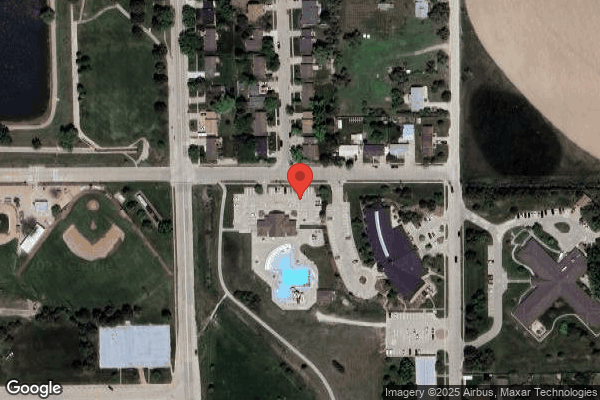
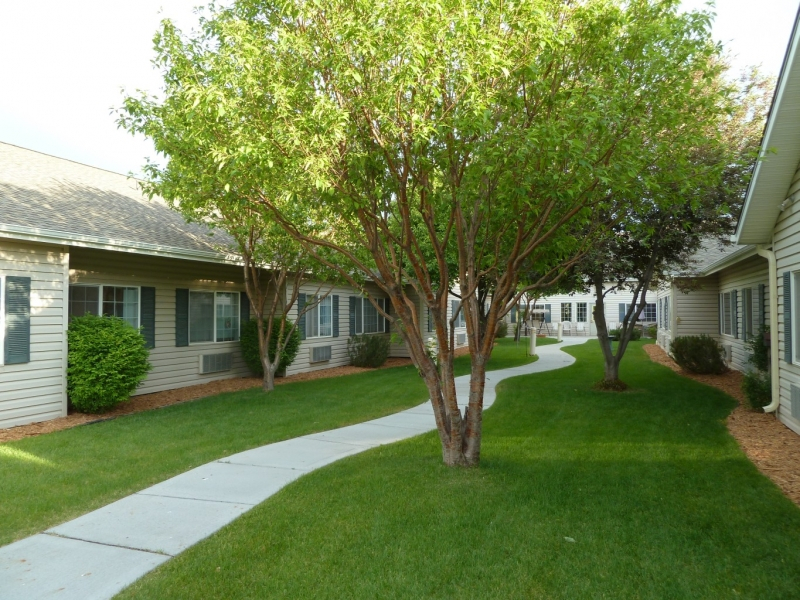
1633 Sweetwater, Alliance, NE 69301 (308) 762-2525
Non profit - Corporation 60 Beds VETTER SENIOR LIVING Data: November 2025
Trust Grade
95/100
#20 of 177 in NE
Last Inspection: August 2025

Inspected within the last 6 months. Data reflects current conditions.

Overview

Highland Park Care Center has an impressive Trust Grade of A+, indicating it is an elite facility with top-tier care. It ranks #20 out of 177 nursing homes in Nebraska, placing it in the top half of the state, and is the best option out of 2 facilities in Box Butte County. The facility is on an improving trend, reducing issues from 5 in 2024 to just 1 in 2025. Staffing is a relative strength, with a rating of 4 out of 5 stars and a low turnover rate of 24%, which is well below Nebraska's average of 49%. On the downside, there have been several concerns noted, including the failure to properly label opened food items, which could pose a food safety risk, and lapses in handling contaminated linens and disinfecting equipment, which raise infection control concerns.

Trust Score
A+
95/100
In Nebraska
#20/177
Top 11%
Safety Record
Low Risk
No red flags
Inspections
Getting Better
5 → 1 violations
Staff Stability
✓ Good
24% annual turnover. Excellent stability, 24 points below Nebraska's 48% average. Staff who stay learn residents' needs.
Penalties
✓ Good
No fines on record. Clean compliance history, better than most Nebraska facilities.
Skilled Nurses
○ Average
Each resident gets 31 minutes of Registered Nurse (RN) attention daily — about average for Nebraska. RNs are the most trained staff who monitor for health changes.
Violations
○ Average
9 deficiencies on record. Average for a facility this size. Mostly minor or procedural issues.
★★★★★
5.0
Overall Rating
★★★★☆
4.0
Staff Levels
★★★☆☆
3.0
Care Quality
★★★★★
5.0
Inspection Score
Stable
2024: 5 issues
2025: 1 issues

The Good

  • 4-Star Staffing Rating · Above-average nurse staffing levels
  • Low Staff Turnover (24%) · Staff stability means consistent care
  • Full Sprinkler Coverage · Fire safety systems throughout facility
  • No fines on record
  • Staff turnover is low (24%)

    24 points below Nebraska average of 48%

Facility shows strength in staffing levels, staff retention, fire safety.

The Bad

Chain: VETTER SENIOR LIVING

Part of a multi-facility chain

Ask about local staffing decisions and management

The Ugly 9 deficiencies on record

Aug 2025 1 deficiency
CONCERN (D)

Potential for Harm - no one hurt, but risky conditions existed

Deficiency F0604 (Tag F0604)

Could have caused harm · This affected 1 resident

**NOTE- TERMS IN BRACKETS HAVE BEEN EDITED TO PROTECT CONFIDENTIALITY** LICENSURE REFERENCE NUMBER 175 12-006.05(G)Based on record review, interviews, and observations, the facility failed to ensure o...

Read full inspector narrative →
**NOTE- TERMS IN BRACKETS HAVE BEEN EDITED TO PROTECT CONFIDENTIALITY** LICENSURE REFERENCE NUMBER 175 12-006.05(G)Based on record review, interviews, and observations, the facility failed to ensure one (Resident 5) of one sampled resident was free from restraints. The facility identified a census of 55. LICENSURE REFERENCE NUMBER 175-12 006.05(G)Based on record review, interviews, and observations, the facility failed to ensure one (Resident 5) of one sampled resident was free from restraints. The facility identified a census of 55.Findings are:A record review of an admission summary reveals Resident 5 admitted on [DATE] and included a admission diagnosis Cerebral infarction with Hemiplegia and Hemiparesis affecting the Left side of the body (occurs when blood flow to a part of the brain is interrupted, causing brain tissue damage which results in cognitive dysfunction with subsequent paralysis and weakness to affected side of the body). A record review of Resident 5s Physicians Orders revealed Resident 5 was admitted to Hospice on 04/04/2025. A record review of a Quarterly Minimum Data Set (MDS-a federally mandated assessment tool for nursing homes) for Resident 5 revealed in Section C, a Brief Interview for Mental Status (BIMS- an assessment tool used to evaluate the cognitive function of residents in Long Term Care), a BIMS score of 00/15, revealing that Resident 5 had severe cognitive dysfunction. Section GG further revealed that Resident 5 was fully dependent on staff for dressing/undressing, toileting, and transfers. Resident 5 utilized a wheelchair with staff to propel for ambulation. Section P of the MDS indicated the facility was not utilizing the use of restraints for Resident 5.A record review of Resident 5s care plan revealed the facility implemented the use of pillows while Resident 5 was in bed. The pillows were to be placed around Resident 5 to protect from potential injuries related to involuntary arm and leg movements.An observation of Resident 5 in bed on 08/05/2025 at 8:30 AM revealed Resident 5 lying flat and positioned on the left side. Resident 5 appeared to be sleeping at that time with no visible distress or agitation observed. A full-length body pillow was observed to be tucked under the fitted sheet, with Resident 5 was facing the body pillow. The pillow was positioned in a manner consistent in restricting a person from getting out of bed. There were no other pillows observed around Resident 5. An observation on 08/05.2025 at 9:30 AM revealed that Resident 5 could be heard yelling help from the hallway. Resident 5 was observed to be in bed in a flat and laying in a left sided position. Licensed Practical Nurse (LPN) entered the room and asked Resident 5 what did she need Resident 5 who observed waiving right arm in the air purposelessly A Full-length body pillow was observed under the fitted sheet positioned in a manner consistent with restricting a person from getting out of bed. There were no other pillows observed around Resident 5. An observation of Resident 5 in bed on 08/06/2025 9:13 AM revealed Resident 5 lying flat and positioned on left side. A full-length body pillow was observed to be tucked under fitted sheet, with no part of the pillow observed to be touching Resident 5, indicating the pillow was not being used for positioning. The pillow was positioned in a manner consistent with restricting a person from getting out of bed. An interview with Certified Nursing Assistant (CNA-A) on 08/06/2025 at 9:10 AM revealed that CNA-A states the pillow was used to keep Resident 5 from getting out of bed. Confirmed the wedge pillow under the sheet is always there to keep Resident 5 from falling out of bed, report6ing Resident 5 thrashes around and is always moving.An interview with CNA-B on 08/06/2025 at 9:30 Am confirmed the full length body pillow placed on the left side of the bed was used to keep Resident 5 from falling out of bed.An interview with the Director of Nursing (DON) at 3.00 PM on 08/06/2025 confirmed the understanding of how a pillow laced under a fitted sheet and outside the reach of Resident 5 could be considered a restraint. No Notes
Aug 2024 5 deficiencies
CONCERN (D)

Potential for Harm - no one hurt, but risky conditions existed

Quality of Care (Tag F0684)

Could have caused harm · This affected 1 resident

**NOTE- TERMS IN BRACKETS HAVE BEEN EDITED TO PROTECT CONFIDENTIALITY** Licensure Reference Number 175 NAC 12-006.09 Based on record review and interview, the facility failed to ensure a medication wa...

Read full inspector narrative →
**NOTE- TERMS IN BRACKETS HAVE BEEN EDITED TO PROTECT CONFIDENTIALITY** Licensure Reference Number 175 NAC 12-006.09 Based on record review and interview, the facility failed to ensure a medication was not given when 1 (Resident 38) of 1 sampled resident's pulse was below the designated parameter in the resident's medication order. The facility census was 53. The Findings Are: A record review of Resident 38's admission record revealed Resident 38 was admitted to the facility on [DATE] and had a diagnosis of essential hypertension (elevated blood pressure). A record review of Resident 38's physician's orders revealed an order for Metoprolol Succinate Extended Release (ER) 24 Hour, 100 Milligrams (MG) one time a day for essential hypertension. The order also stated to hold (not administer) the medication if the resident's pulse was less than 60. A record review of Resident 38's Medication Administration Record (MAR) for May 2024 revealed Resident 38 received their Metoprolol Succinate ER on the following dates despite their pulse being below 60: -On 5/17/24 with a pulse of 50. -On 5/19/24 with a pulse of 59. -On 6/24/24 with a pulse of 55. A record review of Resident 38's MAR for June 2024 revealed Resident 38 received their Metoprolol Succinate ER on the following dates despite their pulse being below 60: -On 6/15/24 with a pulse of 52. -On 6/17/24 with a pulse of 52. -On 6/29/24 with a pulse of 53. A record review of Resident 38's MAR for July 2024 revealed Resident 38 received their Metoprolol Succinate ER on the following dates despite their pulse being below 60: -On 7/12/24 with a pulse of 55. -On 7/20/24 with a pulse of 58. A record review of Resident 38's MAR for August 2024 revealed Resident 38 received their Metoprolol Succinate ER on the following dates despite their pulse being below 60: -On 8/7/24 with a pulse of 51. -On 8/8/24 with a pulse of 51. -On 8/10/24 with a pulse of 53. -On 8/11/24 with a pulse of 51. An interview on 8/21/24 at 10:05 AM with Licensed Practical Nurse (LPN)-I confirmed that if there was a checkmark on the MAR, this indicated that the medication had been administered to the resident. LPN-I also confirmed there were multiple dates when the Metoprolol Succinate ER was administered to Resident 38 despite their pulse being below the designated parameter.
CONCERN (D)

Potential for Harm - no one hurt, but risky conditions existed

Respiratory Care (Tag F0695)

Could have caused harm · This affected 1 resident

Licensure Reference Number 175 NAC 12-006.09(H)(vi)(3)(g) Based on observations, interview, and record review; the facility failed to ensure 1 (Resident 7) of 2 sampled residents received oxygen thera...

Read full inspector narrative →
Licensure Reference Number 175 NAC 12-006.09(H)(vi)(3)(g) Based on observations, interview, and record review; the facility failed to ensure 1 (Resident 7) of 2 sampled residents received oxygen therapy as ordered. The facility census was 53. The Findings Are: A record review of Resident 7's Minimum Data Set (MDS), a federally mandated comprehensive assessment tool used for care planning, dated 7/18/24 revealed Resident 7 had a diagnosis of Chronic Obstructive Pulmonary Disorder (COPD), a lung disease that limits airflow and causes breathing problems, and required oxygen therapy. A record review of Resident 7's physician's orders revealed an order for oxygen at 2 liters per minute (lpm) at all times to maintain oxygen saturations above 88% for their diagnosis of COPD. An observation on 8/19/24 at 10:37 AM revealed Resident 7 sitting in their wheelchair in the dining room and did not have oxygen on as ordered. An observation on 8/20/24 at 9:07 AM revealed staff pushing Resident 7 to their room in their wheelchair and Resident 7 was not wearing their oxygen as ordered. An observation on 8/20/24 at 12:03 PM revealed Resident 7 sitting in their wheelchair in the dining room with staff sitting next to them. Further observations on 8/20/2024 at 12:03 PM revealed Resident 7 was not wearing their oxygen as ordered. An interview on 8/20/24 at 12:10 PM with NA-H confirmed Resident 7 was not wearing their oxygen and that Resident 7 should have been wearing the oxygen.
CONCERN (D)

Potential for Harm - no one hurt, but risky conditions existed

Deficiency F0757 (Tag F0757)

Could have caused harm · This affected 1 resident

Licensure Reference Number 175 NAC 12-006.10 Based on record review and interview, the facility failed to ensure 1 (Resident 7) of 15 sampled residents did not receive medication in doses exceeding th...

Read full inspector narrative →
Licensure Reference Number 175 NAC 12-006.10 Based on record review and interview, the facility failed to ensure 1 (Resident 7) of 15 sampled residents did not receive medication in doses exceeding the parameters set by the prescriber. The facility census was 53. The Findings Are: A record review of Resident 7's Minimum Data Set (MDS), a federally mandated comprehensive assessment tool used for care planning, dated 7/18/24 revealed Resident 7 had a diagnosis of pain and was receiving pain medication routinely. A record review of Resident 7's physician's orders revealed an order for Tylenol 8-Hour Arthritis Pain Tablet Extended Release 650 Milligrams (MG), give 2 tablets by mouth three times a day for pain. The order also stated not to exceed 3 grams (GM) of Tylenol per day and had a start date of 6/27/22. A record review of website www.unitconverters.net revealed 3 GM is equivalent to 3,000 MG. An interview on 8/21/24 at 11:15 AM with the Director of Nursing (DON) confirmed Resident 7's routine Tylenol order stated not to exceed 3 GM per day and that the total daily dose being administered, per the order instructions, was 3.9 GM. The DON also confirmed that the Tylenol order had been in place and had been being administered to Resident 7 since 6/27/22.
CONCERN (D)

Potential for Harm - no one hurt, but risky conditions existed

Deficiency F0761 (Tag F0761)

Could have caused harm · This affected 1 resident

License Reference Number 175 NAC 12-006.10 Based on record reviews, observations and interviews, the facility failed to ensure labeled medications and medication orders listed on the Medication Admini...

Read full inspector narrative →
License Reference Number 175 NAC 12-006.10 Based on record reviews, observations and interviews, the facility failed to ensure labeled medications and medication orders listed on the Medication Administration Records were the same for 1 (Resident #34) of seven residents sampled.) The facility census was 53. Finds are: Record review of the Physician's Order Summary for Resident #34 during the month of August 2024 revealed an order for Ferrous Sulfate Oral Solution 300 mg (milligrams)/5 ml (milliliter). Staff were to administer 13.5 ml once a daily (13.5 ml is equivalent to a dose of 810 mg of medication). Record review of the Pharmacy Label on the bottle of Ferrous Sulfate liquid revealed Resident #34 was to receive Ferrous Sulfate liquid 18.5 ml daily (18.5 ml of this solution is equivalent to a dose of 814 mg of medication). The Ferrous Sulfate liquid was supplied with a concentrated liquid of 220 mg/5 ml. Record review of the Medication Administration Record (MAR) for the month of August 2024 revealed an order for Ferrous Sulfate 13.5 ml of a 300 mg/5 ml solution was administered daily at noon. Observation on 8/20/2024 at 12:05 of Licensed Practical Nurse-A (LPN-A) administered Ferrous Sulfate liquid 13.5 milliliters to Resident 34. The ferrous sulfate bottle had a solution strength of 220 mg/ml. a 13.5 ml of this solution would result in a dose of 594 mg of medication or 216 mg less than the ordered dose of the medication. Interview 8/20/2024 at 12:40 PM with LPN A confirmed that the medication label and the order on the MAR were different. Interview 8/20/2024 at 1:00 PM with the Director of nursing( DON). During the interview the DON confirmed the medication label and order on the MAR were different.
CONCERN (E)

Potential for Harm - no one hurt, but risky conditions existed

Infection Control (Tag F0880)

Could have caused harm · This affected multiple residents

License Reference Number 175 NAC 12-006.18 Based on observations, interviews, and record reviews, the facility failed to handle contaminated linens for all residents who were residing within the facil...

Read full inspector narrative →
License Reference Number 175 NAC 12-006.18 Based on observations, interviews, and record reviews, the facility failed to handle contaminated linens for all residents who were residing within the facility in a way that prevented the potential for cross contamination. The facility census was 53. Findings: A. A record review of facility policy US Centers for Disease Control (CDC) Best Practices for Environmental Cleaning in Global Healthcare Facilities with Limited Resources, Appendix D, Linen and laundry management, dated March 19, 2024, revealed the direction, Never carry soiled linen against the body. Always place it in the designated container. An interview with the Administrator on 8/20/24 at 2:43 PM confirmed that, CDC Best Practices for Environmental Cleaning, Appendix D, what all facility staff, including the Domestic Service (DS) staff, were expected to follow. A record review of CDC Guidelines for Environmental Infection Control in Health Care Facilities (last reviewed July 2019), Section G, subsection 3: Collecting, Transporting, and Sorting Contaminated Textiles and Fabrics, revealed the statement, Contaminated textiles and fabrics are placed into bags or other appropriate containment in this location (where contamination occurs); these bags are then securely tied or otherwise closed to prevent leakage. An observation on 8/20/24 at 12:02 PM revealed DS-D carried contaminated bedding (facility comforter and sheets) against their chest and arms from a resident room on the 100 nursing hall past the nurses' station and towards the laundry room. An observation on 8/20/24 at 12:09 PM revealed DS - Lead (DS-L) carried contaminated bedding (facility comforter and sheets) against their chest and arms from a resident room on the 100 nursing hall past the nurses' station and towards the laundry room. An interview on 8/20/24 at 12:41 PM with DS-L and DS-D confirmed that both staff had taken the contaminated bedding off beds in the residents' rooms, held the bedding against their bodies and carried it from the 100 nursing hall to the laundry room. An interview on 8/21/24 at 2:25 PM with the Director of Nursing (DON) confirmed that facility staff did not bag dirty linen to transport it from each resident's room to the designated location unless it contained body fluids/excretions or was soiled. B. A record review of Strategies for Conserving the Supply of Isolation Gowns, from the CDC and National Institute for Occupational Safety and Health (NIOSH) dated May 9, 2023, revealed the following guidance: Disposable gowns generally should NOT be reused, and reusable gowns should NOT be reused before laundering, because reuse poses risks for transmission among healthcare personnel (HCP) and patients that likely outweigh any potential benefits, and Similar to extended gown use, gown reuse has the potential to facilitate transmission of organisms. An observation on 8/19/24 at 11:45 AM revealed DS-E and DS-F were pushing a white collection bin on wheels from the laundry area through the hallway down to the 100 nursing hall. DS-F was wearing a blue disposable plastic gown and gloves. An observation on 8/19/24 at 11:50 AM revealed DS-E and DS-F pushing the wheeled bin from the 100 nursing hall to the laundry area. DS-F was wearing the same blue disposable plastic gown and gloves. An interview on 8/21/24 at 12:08 PM with DS-L revealed that Domestic Services staff collected linen from the nursing halls each morning. They put on disposable blue plastic gowns and gloves then pushed the collection bin on wheels (with lid) from the dirty laundry area to the areas where they pick up soiled linens and clothing, then return to dirty laundry sorting area while continuing to wear the same gown and gloves. Those gowns are used until they are worn out,. An observation on 8/21/24 at 12:10 PM in the dirty laundry sorting area revealed DS-L was present and there were two blue plastic gowns with stretching, wrinkles, and tears hanging on a hook inside the entrance to the dirty laundry sorting area. An interview with DS-L on 8/21/24 at 12:10 PM confirmed the gowns hanging on the hook in the dirty laundry sorting area had been used while handling soiled linens and were hung in this location so they could be re-used. DS staff also wore the gowns while sorting dirty clothes and linens into the appropriate washers. An interview on 8/21/24 at 2:15 PM with the DON confirmed that staff were required to throw out disposable blue plastic gowns after each use, and they were not supposed to reuse or wear the gowns in resident rooms after they had been used. An interview on 8/21/24 at 2:15 PM with Registered Nurse (RN)-C confirmed that staff were expected to throw away their disposable gowns or wash the re-usable gowns after each use.
Jul 2023 3 deficiencies
CONCERN (D)

Potential for Harm - no one hurt, but risky conditions existed

Medication Errors (Tag F0758)

Could have caused harm · This affected 1 resident

Licensure Reference Number 175 NAC 12-006.09D Based on interviews and record review, the facility failed to ensure residents were free from unnecessary medications related to Resident 39's as needed p...

Read full inspector narrative →
Licensure Reference Number 175 NAC 12-006.09D Based on interviews and record review, the facility failed to ensure residents were free from unnecessary medications related to Resident 39's as needed psychoactive (affecting the mind) medication not being given beyond 14 days without a face to face provider reassessment. The sample size was 1 and the facility census was 56. Findings are: A. Review of the facility policy Documentation for Psychoactive Medications dated May 2019 revealed the following: -Consent for use of psychoactive medications should be completed. -Document the physician's order and responsible party notification/consent in the medical record under progress notes. -All as needed psychoactive medications must have a stop date. -As needed Antipsychotic medications (used to treat psychotic disorders) may not be ordered for more than 14 days and a practitioner must see the resident to renew or extend the order for another 14 days. B. Review of Resident 39's undated care plan revealed the following: -the resident was cognitively impaired and required extensive assistance with transfers, dressing, toileting and personal hygiene; -diagnoses of depression, anxiety disorder, and dementia; and -the resident used psychoactive medications related to anxiety disorder, dementia with agitation and behavioral disturbances. Review of Resident 39's Medication Administration Records dated 6/1/23 - 6/30/23 and 7/1/23 -7/31/23 revealed the resident had an order for Haldol (a psychoactive medication) 5 milligrams (mg) 1 tablet every 6 hours as needed dated 6/1/23. There was no stop date and Haldol was administered to the resident on the following dates: 6/9/23, 6/17/23, 6/21/23, 6/23/23, 7/1/23 and 7/7/23. During an interview with Licensed Practical Nurse (LPN)-M on 7/12/23 @ 1:30 PM, LPN-M confirmed there was no documentation of evidence the physician evaluated Resident 39 every 14 days for the prescribed as needed antipsychotic medication (Haldol 5 mg) and the resident was administered the Haldol beyond the 14 day provider reassessment time frames. LPN-M also confirmed the as needed Haldol order did not have a stop date and should not exceed 14 days in duration.
CONCERN (E)

Potential for Harm - no one hurt, but risky conditions existed

Infection Control (Tag F0880)

Could have caused harm · This affected multiple residents

Licensure Reference Number 175 NAC 12-006.17 Based on observation, record review and interview; the facility failed to disinfect reusable resident care equipment in accordance with manufacturer recomm...

Read full inspector narrative →
Licensure Reference Number 175 NAC 12-006.17 Based on observation, record review and interview; the facility failed to disinfect reusable resident care equipment in accordance with manufacturer recommendations and facility policies to prevent the potential spread of infection. The sample size was 17 and the facility census was 56. Findings are: A. Review of the undated facility Cleaning and Disinfecting Guidelines for the facility Blood Glucose Test Meter used to test facility resident's blood glucose levels, revealed cleaning and disinfection were to be completed using a commercially available Environmental Protection Agency (EPA)-disinfectant detergent or germicidal wipe. B. Review of the undated facility Lift Competency revealed the facility procedure for the use of the lifts including wiping down all lift surfaces that came in direct contact with the resident's skin with an approved disinfectant between each resident use whether the lift was visibly soiled or not. C. During an observation of care on 7/11/23 at 11:35 AM Nurse Assistant (NA) B and NA C assisted a dependent resident to the toilet from bed using a mechanical stand-up lift (lift in which the resident stands on a platform and grasps the handles allowing the resident to be lifted and transfer between surfaces). After completing cares with the dependent resident, NA-B draped a soiled shirt and washcloth over the lift before placing the soiled items in a plastic bag, then exited the room returning the lift to a storage area without cleaning or sanitizing the lift where the soiled clothing had been placed or where the resident's hands contacted the lift. Further observation revealed within 3 minutes another staff member retrieved the lift from a storage area and entered another resident room with the un-sanitized lift. D. During an observation of care on 7/11/23 at 12:30 PM, NA's B and NA C assisted a dependent resident to the toilet from bed using a full body mechanical lift (lift which lifts a dependent non-wt. bearing resident in a sling from one surface to another). The resident was then transferred using the lift to bed, and then to a recliner chair. During the course of care provision, the resident touched the sling contact hooks on 2 occasions. After providing care the lift was removed from the resident's room and placed in a storage area without being sanitized. E. During an observation on 7/12/23 at 11:45 AM Licensed Practical Nurse (LPN)-G performed a blood glucose monitoring test on Resident 30, exited the room with the blood glucose monitoring device (used on multiple residents requiring blood glucose monitoring) and cleaned the meter with an alcohol swab (not an approved disinfectant) and placed it into the cart used to store it. F. During an interview on 7/12/23 at 2:00 PM the Director of Nursing (DON) confirmed the blood glucose meter used by the facility was used on multiple residents, was to be cleaned with approved disinfectant wipes, and an alcohol swab was insufficient disinfection for a blood glucose meter being used on multiple residents. Additional interview confirmed all mechanical lifts are to be cleaned with disinfectant wipes after each use anywhere the resident's skin, or potentially soiled items came in contact with the mechanical lifts.
CONCERN (F)

Potential for Harm - no one hurt, but risky conditions existed

Food Safety (Tag F0812)

Could have caused harm · This affected most or all residents

Licensure Reference Number 175 NAC 12-006.11E Based on observation and interview the facility failed to label and date opened food items and failed to maintain cleanliness of ceiling vents to prevent ...

Read full inspector narrative →
Licensure Reference Number 175 NAC 12-006.11E Based on observation and interview the facility failed to label and date opened food items and failed to maintain cleanliness of ceiling vents to prevent the potential for food borne illness. This had the potential to affect all residents in the facility. The facility census was 54. Findings are: A. Kitchen observation upon entry on 07/10/2023 at 8:30 AM revealed 1 open bag of pepperoni and 1 open bag of hashbrowns in the upright freezer were not labeled with an open date. One jar of sweet relish, 2 gallons of whole milk, 1 bottle of Thousand Island dressing in the upright refrigerator were not labeled with an open date. An open box of instant mashed potatoes and bag of marshmallows were not labeled and dated. Observation on 07/11/2023 at 9:45 AM revealed One bag of shredded lettuce in the walk-in refrigerator, 1 open bag of pepperoni and 1 open bag of hashbrowns in the upright freezer were not labeled with an open date. One jar of sweet relish, 2 gallons of whole milk, 1 bottle of Thousand Island dressing in the upright refrigerator were not labeled with an open date. Observation on 07/12/2023 at 12:34 PM revealed One bag of open shredded lettuce in the walk-in refrigerator, 1 open bag of pepperoni and 1 open bag of hashbrowns in the upright freezer were not labeled with an open date. In addition, One jar of sweet relish, 2 gallons of whole milk, 1 bottle of Thousand Island dressing in the upright refrigerator were not labeled with an open date. An open box of instant mashed potatoes and bag of marshmallows were not labeled and dated. An interview with the Dietary Manager on 07/12/2023 at 12:34 PM confirmed that the open food items were not labeled with an open date. An interview with the administrator on 07/13/2023 at 10:30 AM verified that any food items that were open should have been labeled with an open dated. Review of the 07/21/16 version of the Food Code, based on the United States Food and Drug Administration Food Code and used as an authoritative reference for the food service sanitation practices, revealed the following: 3-2011.11(C) Package Food shall be labeled as specified by law, including 21 CFR 101 Food labeling, 9 CFR 317 Labeling, Marking Devices, and Containers and 9 CFR 381 Subpart Labeling and Containers, and as specified under 3-202.17 and 3-202.18. B. Observation on 07/10/2023 at 8:30 AM revealed 3 exhaust fans over food preparation areas in the kitchen had buildup of dirt and lint/dust debris located on and around the fan. Observation on 07/11/2023 at 9:30 AM revealed 3 exhaust fans over food preparation areas in the kitchen had buildup of dirt and lint/dust debris located on and around the fan. Observation on 07/12/2023 at 12:30 PM revealed 3 exhaust fans over food preparation areas in the kitchen had buildup of dirt and lint/dust debris located on and around the fan. An interview with the Dietary Manager on 07/13/2023 at 12:34 PM confirmed 3 exhaust fans over food preparation areas in the kitchen had buildup of dirt and lint/dust debris located on and around the fan. Review of the 07/21/2016 version of the Food Code, based on the United States Food and Drug Administration Food Code and used as an authoritative reference for the food service sanitation practices, revealed the following: 6-5-1.14(A) Intake and exhaust air ducts shall be cleaned and filters changed so they are not a source of contamination by dust, dirt, and other materials.
Understanding Severity Codes (click to expand)
Life-Threatening (Immediate Jeopardy)
J - Isolated K - Pattern L - Widespread
Actual Harm
G - Isolated H - Pattern I - Widespread
Potential for Harm
D - Isolated E - Pattern F - Widespread
No Harm (Minor)
A - Isolated B - Pattern C - Widespread

Questions to Ask on Your Visit

  • "Can I speak with families of current residents?"
  • "What's your RN coverage like on weekends and overnight?"

Our Honest Assessment

Strengths
  • • Grade A+ (95/100). Above average facility, better than most options in Nebraska.
  • • No major safety red flags. No abuse findings, life-threatening violations, or SFF status.
  • • No fines on record. Clean compliance history, better than most Nebraska facilities.
  • • 24% annual turnover. Excellent stability, 24 points below Nebraska's 48% average. Staff who stay learn residents' needs.
Concerns
  • • No significant concerns identified. This facility shows no red flags across CMS ratings, staff turnover, or federal penalties.
Bottom line: Generally positive indicators. Standard due diligence and a personal visit recommended.

About This Facility

What is Highland Park Care Center's CMS Rating?

CMS assigns Highland Park Care Center an overall rating of 5 out of 5 stars, which is considered much above average nationally. Within Nebraska, this rating places the facility higher than 99% of the state's 100 nursing homes. This rating reflects solid performance across the metrics CMS uses to evaluate nursing home quality.

How is Highland Park Care Center Staffed?

CMS rates Highland Park Care Center's staffing level at 4 out of 5 stars, which is above average compared to other nursing homes. Staff turnover is 24%, compared to the Nebraska average of 46%. This relatively stable workforce can support continuity of care.

What Have Inspectors Found at Highland Park Care Center?

State health inspectors documented 9 deficiencies at Highland Park Care Center during 2023 to 2025. These included: 9 with potential for harm.

Who Owns and Operates Highland Park Care Center?

Highland Park Care Center is owned by a non-profit organization. Non-profit facilities reinvest revenue into operations rather than distributing to shareholders. The facility is operated by VETTER SENIOR LIVING, a chain that manages multiple nursing homes. With 60 certified beds and approximately 56 residents (about 93% occupancy), it is a smaller facility located in Alliance, Nebraska.

How Does Highland Park Care Center Compare to Other Nebraska Nursing Homes?

Compared to the 100 nursing homes in Nebraska, Highland Park Care Center's overall rating (5 stars) is above the state average of 2.9, staff turnover (24%) is significantly lower than the state average of 46%, and health inspection rating (5 stars) is much above the national benchmark.

What Should Families Ask When Visiting Highland Park Care Center?

Based on this facility's data, families visiting should ask: "Can I visit during a mealtime to observe dining assistance and food quality?" "How do you handle medical emergencies, and what is your hospital transfer rate?" "Can I speak with family members of current residents about their experience?"

Is Highland Park Care Center Safe?

Based on CMS inspection data, Highland Park Care Center has a clean safety record: no substantiated abuse findings (meaning no confirmed cases of resident harm), no Immediate Jeopardy citations (the most serious violation level indicating risk of serious injury or death), and is not on the Special Focus Facility watch list (a federal program monitoring the lowest-performing 1% of nursing homes). The facility has a 5-star overall rating and ranks #1 of 100 nursing homes in Nebraska. While no facility is perfect, families should still ask about staff-to-resident ratios and recent inspection results during their visit.

Do Nurses at Highland Park Care Center Stick Around?

Staff at Highland Park Care Center tend to stick around. With a turnover rate of 24%, the facility is 22 percentage points below the Nebraska average of 46%. Low turnover is a positive sign. It means caregivers have time to learn each resident's needs, medications, and personal preferences. Consistent staff also notice subtle changes in a resident's condition more quickly.

Was Highland Park Care Center Ever Fined?

Highland Park Care Center has no federal fines on record. CMS issues fines when nursing homes fail to meet care standards or don't correct problems found during inspections. The absence of fines suggests the facility has either maintained compliance or corrected any issues before penalties were assessed. This is a positive indicator, though families should still review recent inspection reports for the full picture.

Is Highland Park Care Center on Any Federal Watch List?

Highland Park Care Center is not on any federal watch list. The most significant is the Special Focus Facility (SFF) program, which identifies the bottom 1% of nursing homes nationally based on persistent, serious quality problems. Not being on this list means the facility has avoided the pattern of deficiencies that triggers enhanced federal oversight. This is a positive indicator, though families should still review the facility's inspection history directly.