Good Samaritan Society - Atkinson
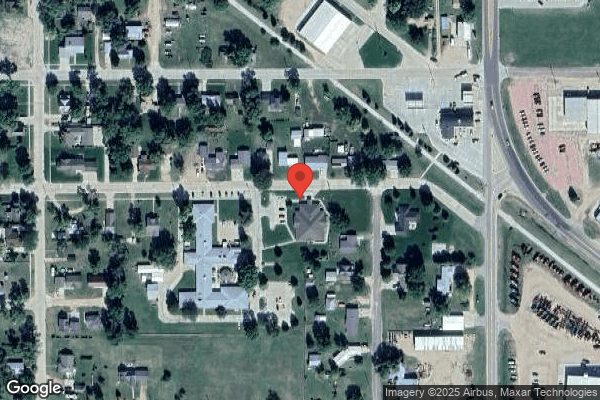
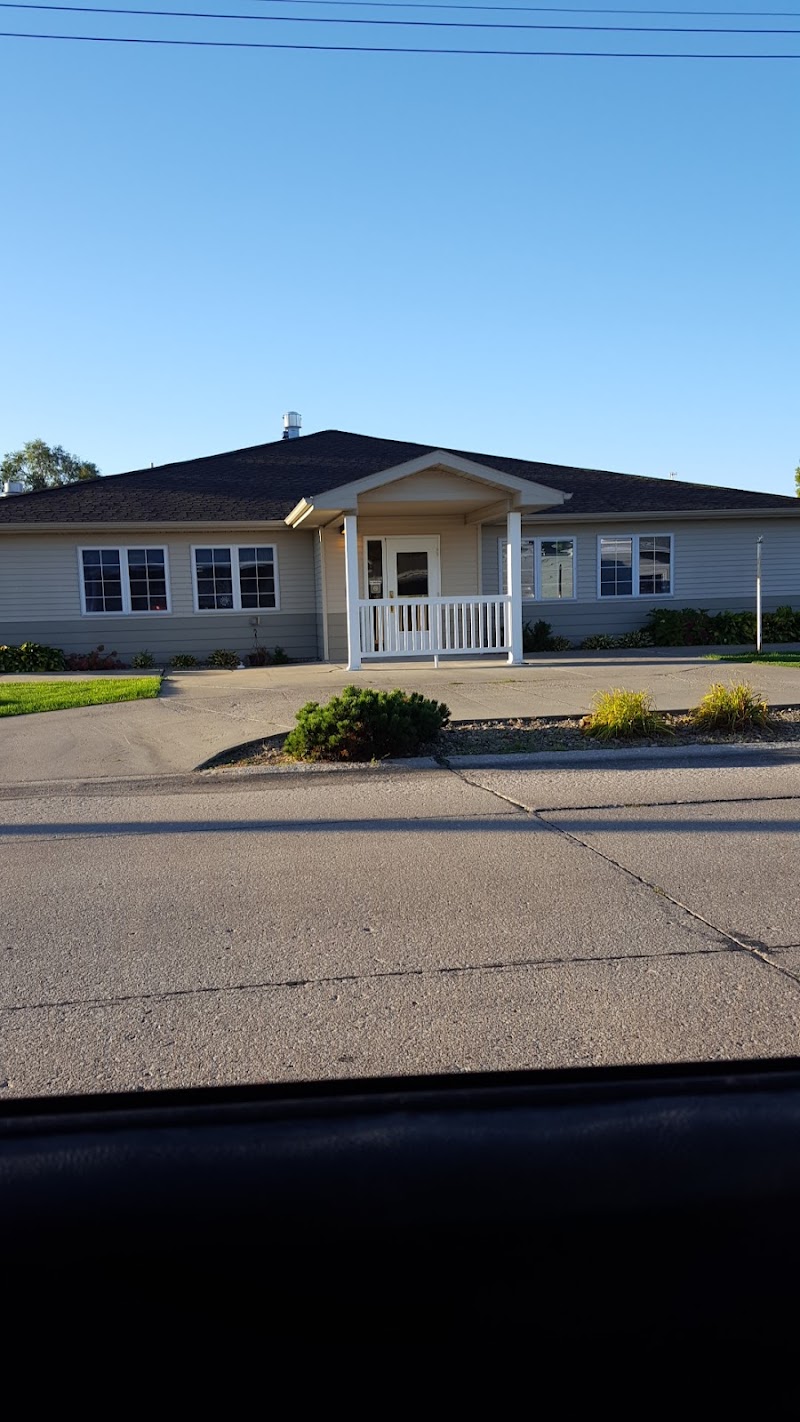
409 Neely Street, Atkinson, NE 68713 (402) 925-2875
Non profit - Corporation 61 Beds GOOD SAMARITAN SOCIETY Data: November 2025
Trust Grade
20/100
#150 of 177 in NE
Last Inspection: January 2025

Within standard 12-15 month inspection cycle. Federal law requires annual inspections.

Overview

Good Samaritan Society - Atkinson has received a Trust Grade of F, which indicates significant concerns about the quality of care provided. They rank #150 out of 177 nursing homes in Nebraska, placing them in the bottom half of facilities in the state, and #3 out of 3 in Holt County, meaning there are no better local options available. Although the facility is showing improvement, having reduced issues from 20 in 2024 to 9 in 2025, the staffing turnover is quite concerning at 68%, which is higher than the state average. On a positive note, the facility has good RN coverage, exceeding that of 84% of Nebraska facilities, which helps ensure that residents receive timely medical attention. However, they have faced $32,403 in fines, indicating compliance issues that are higher than 93% of facilities in the state. Specific incidents include failing to notify relevant parties about changes in residents' conditions and not adequately addressing significant weight loss for residents, raising concerns about the quality of care. Overall, while there are some strengths in staffing and improvement trends, the facility has serious weaknesses that families should carefully consider.

Trust Score
F
20/100
In Nebraska
#150/177
Bottom 16%
Safety Record
Moderate
Needs review
Inspections
Getting Better
20 → 9 violations
Staff Stability
⚠ Watch
68% turnover. Above average. Higher turnover means staff may not know residents' routines.
Penalties
✓ Good
$32,403 in fines. Lower than most Nebraska facilities. Relatively clean record.
Skilled Nurses
✓ Good
Each resident gets 47 minutes of Registered Nurse (RN) attention daily — more than average for Nebraska. RNs are trained to catch health problems early.
Violations
⚠ Watch
39 deficiencies on record. Higher than average. Multiple issues found across inspections.
★☆☆☆☆
1.0
Overall Rating
★★★★☆
4.0
Staff Levels
★★★★☆
4.0
Care Quality
★☆☆☆☆
1.0
Inspection Score
Stable
2024: 20 issues
2025: 9 issues

The Good

  • 4-Star Staffing Rating · Above-average nurse staffing levels
  • 4-Star Quality Measures · Strong clinical quality outcomes
  • Full Sprinkler Coverage · Fire safety systems throughout facility
  • No fines on record

Facility shows strength in staffing levels, quality measures, fire safety.

The Bad

1-Star Overall Rating

Below Nebraska average (2.9)

Significant quality concerns identified by CMS

Staff Turnover: 68%

21pts above Nebraska avg (46%)

Frequent staff changes - ask about care continuity

Federal Fines: $32,403

Below median ($33,413)

Moderate penalties - review what triggered them

Chain: GOOD SAMARITAN SOCIETY

Part of a multi-facility chain

Ask about local staffing decisions and management

Staff turnover is elevated (68%)

20 points above Nebraska average of 48%

The Ugly 39 deficiencies on record

2 actual harm
Apr 2025 2 deficiencies
CONCERN (D) 📢 Someone Reported This

A family member, employee, or ombudsman was alarmed enough to file a formal complaint

Potential for Harm - no one hurt, but risky conditions existed

Report Alleged Abuse (Tag F0609)

Could have caused harm · This affected 1 resident

LICENSURE REFERENCE NUMBER 175 NAC 12-006.02(H) Based on record review and interview; the facility failed to report an injury of unknown origin and to submit an investigation to the State Agency withi...

Read full inspector narrative →
LICENSURE REFERENCE NUMBER 175 NAC 12-006.02(H) Based on record review and interview; the facility failed to report an injury of unknown origin and to submit an investigation to the State Agency within 5 working days for 1 (Resident 3) of 5 sampled residents. The facility identified a census of 31. Findings are: A. Review of the facility Abuse and Neglect Policy with a reviewed/revised date of 4/7/25 revealed the policy of the facility was to ensure all alleged or suspected violations involving any mistreatment. neglect, exploitation or abuse, including injuries of unknown origin were to be reported immediately to the Administrator or a delegated individual. The purpose of the policy was to: -ensure employees were knowledgeable regarding reporting and investigating the process of abuse and neglect allegations in the facility. -ensure the facility had an effective system in place that, regardless of the source, prevented mistreatment, neglect, exploitation, and abuse of residents and misappropriation of their property. -ensure residents were not subjected to abuse by anyone including but not limited to employees, other residents, consultants, volunteers, employees of other agencies serving the individual, family members or legal guardians. -ensure all identified events of alleged or suspected abuse/neglect including injuries of unknown origin were promptly reported and investigated. -ensure a complete review by the investigation team to identify events such as suspicious bruising of residents, occurrences that may constitute abuse and determine the direction of the investigation, patterns, and trends. The following process was to be followed: -intervene in any situation to protect the residents. -remove any individual as necessary from the facility if necessary to protect the residents and/or employees. -call local law enforcement for assistance with interventions necessary for the protection of the residents/employees. -the facility was to have evidence that all alleged or suspected violations were thoroughly investigated and were to prevent further potential abuse while the investigation was in progress. -results of all investigations were to be reported to the Administrator or designated representative and to other officials in accordance with state law, including the State Survey and Certification Agency within 5 working days of the event. If the alleged or suspected violation was verified, appropriate corrective action was to be taken. B. Review of the facility Incident and Accident Log revealed an incident dated 2/27/25 at 3:50 PM for Resident 3 which was identified as an injury of unknown origin. Review of Resident 3's Nursing Progress Notes dated 2/27/25 at 3:50 PM revealed the resident had bruising to bilateral hands which was identified as injury of unknown origin. The left hand third finger had a bruise which measured 1.5 centimeters (cm), and the fourth finger had a bruise which measured 0.2 cm. The resident's right-hand knuckles had a bruise which measured 0.05 cm. Review of facility investigations submitted to the State Agency from 2/1/25 to 4/22/25 revealed no evidence the injury of unknown origin for Resident 3 was reported or that an investigation was conducted and then submitted to the State Agency as required. An interview with the facility Administrator on 4/22/25 at 2:00 PM confirmed the facility had not reported the injury of unknown origin documented in Resident 3's medical record or conducted an investigation related to the injury.
CONCERN (D) 📢 Someone Reported This

A family member, employee, or ombudsman was alarmed enough to file a formal complaint

Potential for Harm - no one hurt, but risky conditions existed

Investigate Abuse (Tag F0610)

Could have caused harm · This affected 1 resident

LICENSURE REFERENCE NUMBER 175 NAC 12-006.02(H) Based on record review and interview; the facility failed to thoroughly investigate allegations of potential abuse for Residents 1 and 2 and to report a...

Read full inspector narrative →
LICENSURE REFERENCE NUMBER 175 NAC 12-006.02(H) Based on record review and interview; the facility failed to thoroughly investigate allegations of potential abuse for Residents 1 and 2 and to report an allegation of potential abuse for Resident 2 within the required timeframe. The sample size was 5 and the facility census was 31. Findings are: A. Review of the facility Abuse and Neglect Policy with a reviewed/revised date of 4/7/25 revealed the policy of the facility was to ensure all alleged or suspected violations involving any mistreatment. neglect, exploitation or abuse, including injuries of unknown origin were to be reported immediately to the Administrator or a delegated individual. The purpose of the policy was to: -ensure employees were knowledgeable regarding reporting and investigating the process of abuse and neglect allegations in the facility. -ensure the facility had an effective system in place that, regardless of the source, prevented mistreatment, neglect, exploitation, and abuse of residents and misappropriation of their property. -ensure residents were not subjected to abuse by anyone including but not limited to employees, other residents, consultants, volunteers, employees of other agencies serving the individual, family members or legal guardians. -ensure all identified events of alleged or suspected abuse/neglect including injuries of unknown origin were promptly reported and investigated. -ensure a complete review by the investigation team to identify events such as suspicious bruising of residents, occurrences that may constitute abuse and determine the direction of the investigation, patterns, and trends. The following process was to be followed: -intervene in any situation to protect the residents. -remove any individual as necessary from the facility if necessary to protect the residents and/or employees. -call local law enforcement for assistance with interventions necessary for the protection of the residents/employees. -the facility was to have evidence that all alleged or suspected violations were thoroughly investigated and were to prevent further potential abuse while the investigation was in progress. -results of all investigations were to be reported to the Administrator or designated representative and to other officials in accordance with state law, including the State Survey and Certification Agency within 5 working days of the event. If the alleged or suspected violation was verified, appropriate corrective action was to be taken. B. Review of Resident 1's Nursing Progress Notes dated 4/13/25 revealed the following: -5:32 PM the resident had reported to family members that the resident's leg hurt. The resident further reported the resident had been hurt by a staff member and the resident had let the staff know they had hurt the resident at the time of the injury. When the resident's leg was assessed, the resident flinched and verbalized discomfort. -9:36 PM Adult Protective Services (APS) were notified at 9:10 PM the resident had stated that the resident's leg hurt, and the resident let whoever did this know the resident had been hurt. Review of a Nursing Progress Note dated 4/14/25 at 12:45 AM revealed the resident was walking in the corridor and told the staff the resident needed assistance to the bathroom. The resident reported pain in the resident's right leg because someone (the resident used a hand to make a chopping motion) just whammed the resident's leg. Review of the facility investigation dated 4/14/25 revealed the resident had advanced dementia with confusion. The resident had a history of knee/leg pain, and the facility had no concerns a staff member had any involvement with the resident's complaint of pain. Review of the facility investigation and the resident's medical record revealed no evidence a thorough investigation had been completed regarding the resident's allegation someone had hurt the resident's leg to rule out the potential for abuse. C. Review of Resident 2's Nursing Progress Notes dated 2/22/25 at 2:39 PM revealed the resident had requested a physician appointment as the resident was having a lot of pain from when a staff member had penetrated the resident when assisting the resident with a bath. The resident's roommate was questioned regarding the allegation and the roommate could not confirm or deny the allegation. The facility Administrator was notified of the residents' concerns. Review of a Nursing Progress Note dated 2/24/25 (2 days after the resident's allegation of potential abuse) at 1:57 PM revealed APS was notified of the resident's allegation. Review of the facility investigation revealed the facility did not substantiate the allegation of sexual abuse based on the history of the resident's behaviors. The resident was seen by the provider and no trauma was identified and the resident was diagnosed with a urinary tract infection. Further review of the investigation, however, revealed no evidence of the roommate's interview, or interviews with other residents and/or staff to ensure a thorough investigation. D. An interview with the facility Administrator on 4/22/25 at 2:00 PM confirmed the facility had not completed a thorough investigations regarding Resident 1's allegation of a staff member hurting the resident's leg and Resident 2's allegation of a staff member hurting the resident when assisting the resident with a bath. In addition, the facility failed to report Resident 2's allegation of potential staff to resident abuse within the required timeframe.
Jan 2025 7 deficiencies
CONCERN (D) 📢 Someone Reported This

A family member, employee, or ombudsman was alarmed enough to file a formal complaint

Potential for Harm - no one hurt, but risky conditions existed

Accident Prevention (Tag F0689)

Could have caused harm · This affected 1 resident

**NOTE- TERMS IN BRACKETS HAVE BEEN EDITED TO PROTECT CONFIDENTIALITY** Licensure Reference Number 175 NAC 12-006.09D7 Based on record review and interviews; the facility failed to develop new interve...

Read full inspector narrative →
**NOTE- TERMS IN BRACKETS HAVE BEEN EDITED TO PROTECT CONFIDENTIALITY** Licensure Reference Number 175 NAC 12-006.09D7 Based on record review and interviews; the facility failed to develop new interventions and/or revise current interventions to prevent ongoing falls for Residents 182 and 26. The sample size was 4 and the facility census was 31. Findings are: A. Review of the Fall Prevention and Management Policy with a revision date of 7/29/24 revealed the purpose of the policy was to promote the resident's well-being by developing and implementing an individualized fall prevention and management program. Staff were to identify risk factors and implement interventions before a fall occurred. The following procedure was identified: -observe the fall scene. -determine if there may be a suspected injury. -if the fall was not witnessed then staff are to complete neurological checks per policy. -review the resident's current interventions to determine if a revision is needed or new interventions developed. -if any teaching is done as an intervention, then to document in the resident's medical record. -review and update the care plan with any changes/new interventions. B. Review of Resident 182's Minimum Data Set (MDS-a federally mandated comprehensive assessment tool used for care planning) dated 7/21/24 revealed the resident was admitted [DATE] with diagnoses of colon cancer, anemia (a blood disorder that occurs when the body doesn't produce enough healthy red blood cells), and high blood pressure. The following was assessed regarding the resident: -cognition was moderately impaired. -required substantial to maximal assist with oral, personal and toileting hygiene, transfers, dressing, and showering/bathing. -occasionally incontinent of urine. -has a condition or a chronic disease that may result in a life expectancy of less than 6 months. -2 or more falls without injury since previous assessment. -bed and chair alarm used daily. Review of Nursing Progress Note dated 5/7/24 at 11:52 PM revealed the resident was found on the floor in front of the resident's recliner. The resident identified standing and then sliding down the front of the recliner as the resident was not wearing shoes. A new intervention was identified for a non-slip pad to be placed in the seat of the recliner and to ensure the resident was wearing gripper socks or shoes. Review of a Nursing Progress Note dated 6/9/24 at 2:10 AM revealed the resident's call light was on and the resident was found on the floor. The resident was incontinent and indicated a need to use the bathroom. No new interventions were identified, and current fall interventions were not revised. Review of a Nursing Progress Note dated 6/11/24 at 11:38 AM revealed at 7:00 AM the resident was heard calling out for help. The resident was found on the bathroom floor with the walker and the resident's oxygen tubing was wrapped around the wheel of the walker. Staff placed a urinal next to the resident's bed to try and prevent the resident from getting up without assistance. A new toileting plan for the resident was identified with the resident to be toileted before and after meals and every 2 hours at night. Review of a Nursing Progress Note dated 6/28/24 at 5:50 PM revealed the staff lowered the resident to the floor when attempting to ambulate the resident. Further review revealed no evidence a new intervention was developed or that current fall interventions were revised. Review of a Nursing Progress Note dated 8/7/24 at 7:05 AM revealed the resident was found on the floor. The resident's call light was on, and the bed alarm was in place and was connected but had not sounded. A new intervention was put into place to change the fall alarm to a push button alarm to prevent the resident from turning the alarm off. Review of a Nursing Progress Note dated 8/23/24 at 6:54 PM revealed the resident was founding sitting on the floor of the resident's room. The resident's call light was on, and the fall alarm was sounding. Further review revealed no evidence of new interventions or that current interventions were revised to prevent further falls for Resident 182. During an interview on 1/14/25 at 9:22 AM, the Director of Nursing ( DON) confirmed the staff were to assess residents after a fall and were to determine causal factors and either revise current interventions or develop new interventions at the time of the fall. Otherwise, falls would be reviewed with the next risk meeting and interventions reviewed and/or revised at that time. During an interview on 1/14/25 at 10:51 AM, Registered Nurse (RN)-B indicated the Charge Nurses were responsible for assessing a resident after a fall and were then to complete an incident report. Staff were to document causal factors and then document any revised fall interventions or new interventions. The Charge Nurse was then responsible for updating the care plan. RN-B verified the following: regarding Resident 182: -admitted on hospice and was at the facility for end-of-life cares. -multiple falls while at the facility. -the facility failed to revise interventions or to develop new interventions to prevent further falls on 6/9/24 at 2:10 AM, 6/28/24 at 5:50 PM and on 8/23/24 at 6:05 PM. C. Review of resident 26's MDS dated [DATE] revealed the resident had a diagnosis of Stroke (a medical emergecny that occurs when blood flow to the brain is interrupted), Aphasia (loss or impairment of the power to use or comprehend words usually resulting from brain damage.), Dementia (a usually progressive condition marked by the development of multiple cognitive deficits ((such as memory impairment, aphasia, and the inability to plan and initiate complex behavior)), Depression(a mental health condition that involved a prolonged low mood and loss of interest in activities)and Schizophrenia (a mental illness that is characterized by disturbances in thought, perception, and behavior, by a loss of emotional responsiveness and extreme apathy, and by noticeable deterioration in the level of functioning in everyday life.) . The following was assessed regarding the resident: -received substantial assistance with toileting cares, bathing, dressing and personal hygiene and partial assistance with transfers, -is frequently incontinent of bowel, -occasionally incontinent of urine, -ambulates with a walker, 1 assistance, -bed and chair alarm used daily, -1 fall since previous assessment with minor injury, -received antipsychotic medications and antidepressants, -had short- and long-term memory issues, and -cognition was severely impaired. Review of Nursing Progress Note dated 9/18/24 at 5:50 AM revealed that at 4:24 AM Resident 26 was found on the floor laying in-between the bed and the bathroom door on their back. Review of the Internal Risk note dated 9/18/24 at 4:24 AM revealed that the pressure pad alarm was not sounding. Review of the resident care plan revealed that a new intervention was identified for a fall mat to be placed in front of the bed. The fall mat was then removed due to being a fall risk (unsure when it was removed). Review of Nursing Progress Notes dated 9/28/24 at 6:10 PM revealed the resident was in the wheelchair with staff pushing the wheelchair, the resident stood up out of the wheelchair, and ambulated through the dining room into the chapel. The resident walked up to the alter and tried to step up, grabbed the alter, and pulled it over. The resident rolled onto their left side then to the ground. Review of the resident's care plan and Internal Risk Note revealed that no new fall interventions were put into place. Review of Nursing Progress Notes dated 10/7/24 at 5:50 AM revealed the resident was found on the floor next to the bed, face down, and tangled in blankets. A small amount of red drainage was noted to the left nare. The resident's vital signs were difficult to obtain. The resident was sent to the emergency room at 6:39 AM and returned to facility at 10:11 AM with no new orders. Review of the resident's care plan and Internal Risk Note revealed that no new fall interventions were put into place. Review of Nursing Progress Notes dated 10/31/24 at 4:52 PM revealed the resident had a witnessed fall at 8:31 AM. Resident had feet tangled in the bed sheets, the alarm had sounded, and staff responded to the the alarm right away. Review of the resident's care plan revealed that no new fall interventions were put into place. Review of Nursing Progress Notes dated 11/18/24 at 6:57 AM revealed that the resident was found on the floor in resident's room at 3:55 AM. The resident had received Trazadone (antidepressant) as needed at 10:30 PM. Review of the resident's care plan revealed that a fall intervention was put into place to avoid giving the resident medications that would affect their ability to ambulate safely. Review of Nursing Progress Notes dated 11/18/24 at 7:08 AM revealed that the resident was on the floor in the resident's room leaning against the bed on their left side. The resident was incontinent of bowel. Review of the Internal Risk Note revealed that the pressure alarm was not sounding. Review of Nursing Progress Notes dated 11/18/24 at 11:55 AM revealed that the Trazadone had been decreased to 25 mg at bedtime as needed. Review of Nursing Progress Notes dated 1/4/25 at 11:05 PM revealed that the resident was laying on the floor on the right side in the hallway. The resident did not respond to staff initially. Review of the resident's care plan and Internal Risk Note revealed that no new interventions were put into place. During an interview on 1/13/25 at 9:00 AM, the DON verified that no new fall interventions were put into place for the falls on 1/4/25, 10/31/24, 10/7/24 and 9/28/24. During an interview on 1/13/25 at 9:15 AM, RN-B verified that the Charge Nurses were responsible for assessing the resident after a fall, completing the fall incident report, and updating the care plan with new fall interventions. During an interview on 1/14/25 at 9:22 AM, the DON confirmed the staff were to assess residents after a fall, were to determine causal factors, and revise the current interventions or develop new interventions at the time of the fall. Falls were reviewed with the next risk meeting and interventions were reviewed/revised if needed at that time.
CONCERN (D) 📢 Someone Reported This

A family member, employee, or ombudsman was alarmed enough to file a formal complaint

Potential for Harm - no one hurt, but risky conditions existed

Deficiency F0692 (Tag F0692)

Could have caused harm · This affected 1 resident

Licensure Reference Number 175 NAC 12-006.09(J)(i)(1) Based on record review and interviews; the facility failed to revise nutritional interventions and/or develop new interventions to address ongoing...

Read full inspector narrative →
Licensure Reference Number 175 NAC 12-006.09(J)(i)(1) Based on record review and interviews; the facility failed to revise nutritional interventions and/or develop new interventions to address ongoing weight loss for 1 (Resident 14) of 2 sampled residents. The facility census was 31. Findings are: A. Review of the facility policy Weight and Height with a revision date of 10/15/2024 revealed the following regarding weighing the residents and monitoring weight loss. The policy indicated the purpose of weighing the resident was to: -ensure the resident maintained acceptable parameters of nutritional status regarding weight. -report a significant weight change to the physician, family, and resident. -monitor weight loss in a resident. The policy indicated residents at nutritional risk were to be weighed weekly and the facility was to immediately inform the resident, consult with the resident's physician and notify the resident's legal representative when there was a significant change in the residents' weight. The following procedure was identified for weighing the resident: -weigh the resident at the same time of the day using the same type of scale -document the weight in the resident's medical record. -if weight varied by more than three percent (%), the staff were to reweigh the resident, document and report the weight to a licensed nurse. -the licensed nurse was to notify the director of food and nutrition within 24 hours regarding any significant weight change. Significant weight change was defined as 5% in 30 days, 7.5% in 90 days and 10% in 180 days. -the licensed nurse should immediately notify the medical provider regarding any significant weight change. B. Review of Resident 14's Minimum Data Set (MDS-federally mandated comprehensive assessment used to develop resident care plans) dated 12/25/24 revealed the resident was independent with eating and drinking. The resident's weight was 140 pounds (lbs.) with a loss of 5% or more in the last month or loss of 10% or more in the last 6 months. The resident had a diagnosis of fractures, anxiety, and depression. Review of Resident 14's Care Plan (undated) revealed the resident ate independently and would usually request a room tray. The following nutritional interventions were identified: -the resident was to be weighed weekly. -the staff were to discuss with the resident positive coping behaviors, alternatives to undereating, feelings related to food and self-image concerns. The care plan identified repeatedly the resident would request something specific to eat then refuse. The facility was to accommodate the resident to the best of their ability. Review of the Weight and Vitals Summary Sheet (form used to document a resident's weights, blood pressure, respirations, temperature, and pulse) revealed the resident's weight on 9/25/24 was 158 lbs. Review of Nursing Progress Notes revealed the following: -9/27/24 at 4:58 PM the physician was notified the resident wanted a house supplement (nutritional drink with added calories and nutrients) daily due to poor appetite related to pain and that the resident had been refusing MiraLAX (laxative) and Colace (stool softener) every morning. -10/1/24 at 10:52 AM the facility received a physician's order to change the MiraLAX and the Colace to as needed (PRN) and to start a house supplement daily. Further review of the resident's medical record revealed no evidence as to the amount of supplement the resident was to receive. Review of the resident's Weight and Vitals Summary sheet revealed on 10/5/24 the resident's weight was 151lbs. (down 7 lbs. in 10 days). Review of a Nursing Progress Note dated 10/16/24 at 12:18 PM revealed the resident was seen by the pain physician with new orders to start Percocet (medication for pain) every 4 hours PRN pain. Review of a Nutritional Progress Note dated 10/21/24 at 9:54 AM by the Registered Dietician (RD) revealed the resident's weight was down 3% in less than 2 weeks and the resident's average meal intakes were 54%. No new nutritional interventions were identified. Review of a Nursing Progress Note dated 10/22/24 at 11:37 AM revealed the resident received an injection for pain. Review of the resident's Weight and Vitals Summary sheet revealed on 10/23/24 the resident's weight was 143 lbs. (down 15 lbs. in 1 month). Review of the resident's Nursing Progress Notes revealed the following: -10/25/24 at 6:30 PM the facility received an order for an Enema (introducing fluid into the rectum to stimulate bowel movement) daily PRN. -10/30/24 at 2:34 PM the physician was notified the resident's admission weight was 158 lbs. and on 9/24/24 the resident had a weight of 143 lbs. (a 15 lb. weight loss since admission). The resident continued to receive the house supplement daily and had been eating 50% or less of meals. -10/31/24 at 11:02 AM new orders were received to increase the house supplement to 3 times daily, and the resident's physician indicated considering the use of Remeron (antidepressant with a side effect of stimulating the resident's appetite) if no improvement. Review of the October 2024 Medication Administration Record (MAR) revealed no documentation from 10/1/24 to 10/8/24 to indicate the amount of house supplement consumed when offered to the resident. Review of the resident's Weight and Vitals Summary sheet revealed the following: -11/3/24 weight was 140 lbs. -11/9/24 weight was 138 lbs. Review of Nursing Progress Notes revealed the following: -11/12/24 at 12:18 PM new orders were received for Buspar (antianxiety medication) 5 milligrams (mg) daily for depression and Speech Therapy was to evaluate and treat the resident due to difficulty with swallowing. -11/12/24 Speech Therapy evaluation was completed with no change in diet recommended. -11/14/24 at 11:57 PM a new order was received for Zofran (antinausea medication) 4 milligrams (mg) every 6 hours PRN nausea. Review of the resident's Weight and Vitals Summary sheet revealed on 11/17/24 the resident's weight was 141 lbs. Review of Nursing Progress Notes revealed the following: -11/20/24 at 10:07 AM a new order was received for a consult with a gastroenterologist (physician who specializes in the digestive system, diagnosing and treating disorders that affect it). -11/26/24 at 1:37 PM the resident and family refused to see the gastroenterologist. The resident was started on Omeprazole (medication which reduces acid in the stomach) 40 mg daily. Review of a Nutritional Progress Note dated 11/26/24 at 2:20 PM confirmed the residents weight loss and indicated the resident had a weight loss of 11% in less than 90 days. Further review revealed no changes were made regarding weight loss interventions. Review of the resident's Weight and Vitals Summary sheet revealed on 11/30/24 the resident's weight was 140 lbs. Review of the November 2024 MAR revealed the facility staff failed to document the resident's intakes of the house supplement from 11/1/24 to 11/21/24. Review of a Nursing Progress Note dated 12/3/24 at 10:48 am revealed the resident was seen by the physician. New orders were received to discontinue the Omeprazole, and the resident was referred to a surgeon for dysphagia (difficulty with swallowing) and abdominal pain. A recommendation was received for an EGD (medical procedure that involves inserting a tube with a camera down the esophagus and into the stomach to look at the organs for abnormalities). Review of the resident's Weight and Vitals Summary sheet revealed the following: -12/7/24 the resident's weight was 139 lbs. -12/15/24 the resident's weight was 140lbs. Further review of the resident's medical record revealed no evidence a weight was obtained and documented for the resident from 12/15/24 until 12/29/24. Review of Nursing Progress Notes revealed the following: -12/16/24 at 12:44 AM an order was received for Tums (antacid) 1-2 chewable tablets 2 times daily PRN upset stomach. -12/16/24 at 10:45 AM the EGD was completed and revealed a large hiatal hernia (a condition in which part of the stomach pushed up through the chest cavity), there were no change in orders. -12/18/24 at 2:36 PM the resident refused to travel out of town to see a physician for the hiatal hernia. Review of a Nutritional Progress Note dated 12/23/24 revealed the resident's current weight was 140 lbs. which was a severe weight loss of 11.4% in 90 days. There was no evidence the RD revised current nutritional interventions or developed additional interventions despite the resident's ongoing weight loss. Review of the resident's Weight and Vitals Summary sheet revealed the following: -12/29/24 weight was 135 lbs. -1/4/25 weight was 135lbs. (this weight was found on a bathing sheet the morning of 1/14/25). An interview on 1/13/25 at 12:45 PM with the Dietary Manager (DM) verified that resident was on the weight loss list and was being reviewed in the risk meetings. The resident continued to receive the house supplement 3 times per day. The DM verified that the amount of house supplement the resident drank should be documented each time administered. The resident's weight on 1/14/25 at 8:59 AM was 136 lbs. and was completed by Registered Nurse (RN)-G. An interview with the Director of Nursing (DON) on 1/14/25 at 1:30 PM verified the resident was not being weighed weekly. An interview with the DON, RN-J, and the DM on 1/14/25 at 2:55 PM verified there was not a specific amount of house supplement to administer on the house supplement order. The DM verified that the kitchen was sending 120 cubic centimeters (cc) of the house supplement with the resident meals. The DON verified that the Remeron suggested on 10/31/24 was never addressed despite the resident's weight loss. During an interview with the DON and DM on 1/14/25 at 3:15 PM verified the following: -the resident eats meals in their room and requests small portions for meals, -the resident had concerns with constipation, and medication changes had been made on 10/1/24 and 10/25/24, -the resident had complaints of pain, and medication changes had been made on 10/6/24 and resident received an injection for pain on 10/22/24, -house supplement was started on 10/1/24 1 time daily and the order did not state how much to administer, the house supplement was increased on 10/31/24 to 3 times daily and the order continued to not have an amount to administer, -the resident was started on an antidepressant on 11/12/24, -Speech Therapy evaluation was completed on 11/12/24 with no change in diet order, -the resident received an order for an antinausea medication as needed on 11/14/24, -the resident had an order to see a gastroenterologist and refused to go see the gastroenterologist, -the resident had an EGD on 12/16/24 but refused further treatment due to not wanting to go out of town, -the resident's weight and dietary intake was reviewed by the Dietician and the DM, and the only dietary interventions in place for the resident are house supplement 3 times per day.
CONCERN (D)

Potential for Harm - no one hurt, but risky conditions existed

Medication Errors (Tag F0758)

Could have caused harm · This affected 1 resident

Licensure Reference Number 175 NAC 12-006.09(A) Based on record review and interview; the facility failed to ensure a documented rationale for the use of an anti-depressant for Resident 4. The sample ...

Read full inspector narrative →
Licensure Reference Number 175 NAC 12-006.09(A) Based on record review and interview; the facility failed to ensure a documented rationale for the use of an anti-depressant for Resident 4. The sample size was 5 and the facility census was 31. Findings are: Review of the facility policy Psychotropic Medications with a revision date of 12/30/24 revealed the following: -the resident would be free from any chemical restraint imposed for the purposes of discipline or convenience and not required to treat the resident's medical symptoms, -each resident's drug regimen must be free from unnecessary drugs. An unnecessary drug is any drug when used in excessive dose or duration, without adequate monitoring or without adequate indications for use, in the presence of adverse consequences that indicated the dose should be reduced or discontinued, or any of the above combination of the reasons above, -after reviewing the mood and behavior documentation, the behavior committee and/or care plan team determines psychotropic medications may be necessary, the reduction team would be notified, -Gradual Dose Reduction's (GDR's) must be done according to federal regulations, -the reduction committee would review the need for the psychotropic medications every 3 months and document the rationale for continuing the medication, -the purpose of tapering medications was to find an optimal dose or to determine if the mediation benefited the resident, and -the GDR may be clinically contraindicated if the physician has documented the clinical rationale for why any attempted dose reduction would be likely to impair the resident's function or increase their behavior. Review of Resident 4's Minimum Data Set (MDS- a federally mandated assessment tool used in Care Planning) dated 12/12/24 revealed the resident was cognitively intact; required partial assistance with toileting, dressing, and hygiene; had diagnoses of heart failure, diabetes, anxiety, and depression; and received antidepressants. Review of Resident 4's Care Plan last revised 12/27/24 revealed the resident received Sertraline (an antidepressant); had a mood disorder; and required assistance with bed mobility, dressing, and transfers. Review of Resident 4's Active Orders as of 1/1/4/25 revealed the resident received Sertraline 25 milligrams every day for depression with an order start date of 3/23/23. Review of the facility facsimile (fax), a GDR request to Resident 4's provider dated 4/2/24 revealed the provider documented that the resident had a good response to the medication and to maintain the current dose. Further review revealed the provider was to add resident specific information to the physician progress notes. There was no resident specific rationale documented on the fax form. Interview on 1/14/25 at 10:45 AM with the Director of Nursing confirmed there was no documented rationale for the GDR contraindication for the sertraline dated 4/2/24.
CONCERN (D)

Potential for Harm - no one hurt, but risky conditions existed

Infection Control (Tag F0880)

Could have caused harm · This affected 1 resident

Licensure Reference Number 175 NAC 12-006.17 Based on observation, record review, and interview, the facility failed to implement hand hygiene at appropriate intervals and utilize Personal Protective ...

Read full inspector narrative →
Licensure Reference Number 175 NAC 12-006.17 Based on observation, record review, and interview, the facility failed to implement hand hygiene at appropriate intervals and utilize Personal Protective Equipment (PPE) in a manner to prevent the potential spread of infection for Resident 15. The sample size was 16 and the facility census was 31. Findings are: A. Review of the facility policy Standard and Transmission-Based Precautions, last revised 4/2/24 revealed: -Enhanced Barrier Precautions (EBP) expand the use of PPE beyond situations in which exposure to blood and body fluids is anticipated ad refer to the use of gown and gloves during high-contact resident care activities that provide opportunities for transfer of MDRO's to staff hands and clothing, -EBP is needed for resident with chronic wounds, and residents with indwelling medical devices (catheters, indwelling urinary catheters), -EBP are intended for the duration of the resident's stay, -EBP's are also needed for residents with CDC-targeted and MDRO infections and colonization's, -High-Contact Care Activities included: transfers, dressing, assisting during bathing, providing hygiene, changing briefs or toileting, close physical contact while assisting with transfer and mobility, changing linens, device care (urinary catheters), and wound care, -procedure: post clear signage and the required PPE (gown and gloves), signs should clearly indicate the high-contact resident care activities that require the use of gown and gloves, gowns and gloves should be readily available, ensure access to alcohol based hand rub, incorporate periodic monitoring and assessment of adherence to determine the need for additional training and education, and provide education to residents and visitors on the importance of hand hygiene, especially when entering and exiting the resident's room and the facility. B. Review of the facility policy Hand Hygiene with a revision date of 3/29/22 revealed the following: -the purpose was to establish hand hygiene as the single most important factor in preventing the spread of disease-causing organisms to patients and personnel in the health care setting, -hand hygiene was that applied to hand washing or applying hand sanitizer, -all employees were responsible for maintaining adequate hand hygiene by adhering to specific infection control practices including the 4 moments of Hand Hygiene (Entering Room, before a clean task, after bodily fluid/glove removal, and exiting a room) and the 2 zones of hand hygiene (Patient zone and Health Care zone), -the preferred method of hand hygiene for most patient care settings was the use of waterless alcohol-based hand sanitizer, -access to hand hygiene products were provided in all work units, -gloves are a protective barrier for health care workers and hand hygiene should be performed after glove removal, and -health care workers used alcohol-based hand sanitize or soap and water to clean their hands when entering patient rooms, before preparing or administering medication, before putting on sterile gloves, when moving from a contaminated body site to a clean body site during patient care, when entering a health care zone and after removing gloves regardless of the task completed, and when exiting a patient room. C. Review of Resident 15's Minimum Data Set (MDS-a federally mandated assessment tool used in care planning) dated 11/21/24 revealed the following: the resident was dependent with toileting, dressing, and transfers; had an indwelling catheter; and had diagnoses of neurogenic bladder (urinary conditions caused by nerve problems), quadriplegia (paralysis of the arms, trunk, legs, and pelvic organs), anxiety, and depression. Review of Resident 15's Care Plan last revised 12/9/24 revealed the resident required assistance with bed mobility, toileting, dressing and transfers; the resident had an indwelling urinary catheter; and the resident was on EBP's with high-contact care activities including dressing, transfers, and changing linens. Observation on 1/13/25 at 7:50 AM with Nursing Assistant (NA)-E revealed NA-E performed hand hygiene and applied a gown and gloves. NA-E uncovered Resident 15 and applied lotion then support hose to Resident 15's legs. The resident's urinary catheter became unhooked and the charge nurse was informed by the Registered Nurse Consultant (RN-G). NA-E placed an alcohol swab over the exposed catheter end, then removed their gloves and applied new gloves without performing hand hygiene. RN-F entered the room and applied a gown and gloves. No hand hygiene was observed to be completed. RN-F applied a new catheter bag and tubing to the resident's catheter. RN-F removed their gloves and put on a new pair of gloves without performing hand hygiene. NA-E applied the resident's pants, then removed their gloves and applied new gloves without performing hand hygiene. RN-F cleansed the residents catheter site and tubing and applied a gauze pad. RN-F removed their PPE and washed their hands in the resident bathroom prior to exiting the resident room. NA-E rolled Resident 15 to the side and the resident was incontinent of bowel. NA-E performed incontinent cares and changed their gloves 3 times without performing hand hygiene between glove changes. When finished with incontinent cares, NA-E applied a clean brief underneath the resident. NA-C entered the resident room, applied a gown and gloves, and hand hygiene was not observed to be completed. The NA's transferred the resident to the wheelchair using a full body lift. Once the resident was in the wheelchair safely and comfortable, both NA's removed their PPE and performed hand hygiene in the resident's bathroom. NA-E exited the resident's bathroom, without wearing PPE and had the residents hand towel draped on NA-E's shoulder. NA-E had a wet washcloth in their hand and was not wearing gloves. NA-E washed the residents face and dried it without wearing gloves. NA-E, still not wearing a gown or gloves, obtained a blanket from Resident 15's bed, folded the blanket in half against NA-E's clothing then placed it on Resident 15's lap. NA-E, still not wearing a gown or gloves, removed all the linens from the resident's bed and placed the linens into bags for the laundry. NA-C applied gloves then removed the full body lift from the room and cleansed it and performed hand hygiene. NA-E removed the linens from the room and placed them into the appropriate receptacle and performed hand hygiene. Interview on 1/13/25 at 8:40 AM with NA-E, NA-C, and RN-G confirmed hand hygiene was not performed between glove changes and PPE was not worn when changing bed linens. Further interview with RN-G confirmed PPE was to be worn when changing bed linens and hand hygiene should be performed between glove changes. Interview on 1/14/25 at 4:00 PM with the Administrator, Director of Nursing, and RN-G confirmed hand hygiene should be performed between glove changes and the PPE should be worn when removing bed linens.
CONCERN (D)

Potential for Harm - no one hurt, but risky conditions existed

Deficiency F0883 (Tag F0883)

Could have caused harm · This affected 1 resident

Licensure Reference Number 175 NAC 12-006.18(A) Based on record review and interview; the facility failed to offer Resident 16 the recommended Pneumococcal vaccines in accordance with facility policy ...

Read full inspector narrative →
Licensure Reference Number 175 NAC 12-006.18(A) Based on record review and interview; the facility failed to offer Resident 16 the recommended Pneumococcal vaccines in accordance with facility policy and Center for Disease Control (CDC) guidelines. The sample size was 5 and the facility census was 31. Findings are: Review of the facility policy Immunization/Vaccinations for Residents, Pneumococcal, Influenza, COVID-19, Other with a revision date of 9/21/23 revealed the facility provided residents the opportunity to receive immunizations as they fit into their healthcare goals. -Upon admission, each resident and/or their representative received Vaccination Information Statements for influenza and pneumococcal vaccines. -The facility reviewed immunization records for all residents each year and residents' vaccine eligibility was reviewed on an ongoing basis as immunization recommendations changed. -Each time eligibility was determined education, consent, and screening were provided prior to each vaccine given. -All Residents received pneumococcal vaccination per CDC guidelines. Review of Resident 16's MDS (Minimum Data Set (MDS- federally required comprehensive assessment used in the development of resident Care Plans dated 10/9/24 revealed the resident was cognitively impaired, had Diabetes, had a dementia diagnosis. The Pneumococcal vaccine was not up to date and not offered. Review of Resident 16's undated Immunization Summary revealed no evidence the resident had received a pneumococcal vaccine. Review of Resident 16's EMR (Electronic Medical Record (EMR)-Fax received from the Medical Clinic dated 11/8/97 revealed the resident received a Pneumovax (Pneumococcal vaccine) on that date (over 26 years ago). During an interview on 1/14/25 at 7:01 AM Registered Nurse (RN)-G confirmed the Resident 16 had not been offered a pneumococcal vaccine since admission, and the last documented vaccine was administered on 8/11/97 (over 26 years ago). The resident was not current on the recommendation for the vaccine.
CONCERN (E) 📢 Someone Reported This

A family member, employee, or ombudsman was alarmed enough to file a formal complaint

Potential for Harm - no one hurt, but risky conditions existed

ADL Care (Tag F0677)

Could have caused harm · This affected multiple residents

**NOTE- TERMS IN BRACKETS HAVE BEEN EDITED TO PROTECT CONFIDENTIALITY** C. Review of Resident 16's MDS revealed the resident was cognitively impaired, had Diabetes, had a dementia diagnosis, and rece...

Read full inspector narrative →
**NOTE- TERMS IN BRACKETS HAVE BEEN EDITED TO PROTECT CONFIDENTIALITY** C. Review of Resident 16's MDS revealed the resident was cognitively impaired, had Diabetes, had a dementia diagnosis, and received substantial assistance with bathing. Review of Resident 16's Care Plan with a revision date of 12/27/24 revealed the resident had impaired cognitive function and confusion, self-care deficits and requested one bath weekly and needed staff assistance to bathe. Review of Resident 16's Bathing Records from December 1st, 2024, through January 15th, 2025, revealed the following: -Bathing occurred on the following days in December 2024: December 4th, 11th, and 18th. -Bathing occurred on the following days in January 2025: No documented baths as of January 15, 2025. -There was no evidence of bathing from December 18th, 2024, through January 15th, 2025 (28 days). During an interview on 1/15/25 at 10:15 AM RN-G confirmed Resident 16 was not receiving baths at least weekly as care planned. D. Review of Resident 3's MDS dated [DATE] revealed the resident had severe cognitive impairment, had a dementia diagnosis, and was dependent for all ADL's including bathing. Review of Resident 3's Care Plan with a revision date of 12/30/24 revealed the resident had self-care performance deficits including being unable to walk, and dependence on the staff for moving in bed, dressing and grooming, eating, oral care, hygiene, toilet use, and bathing. Review of Resident 3's Bathing Records from October 1st, 2024, through January 15th, 2025, revealed the following: -Bathing occurred on the following days in October 2024: October 6th, and October 17th. -Bathing occurred on the following days in November 2024: November 7th, 14th, 21st, and 28th. (20 days between the baths on October 17th and November 7th). -Bathing occurred on the following days in December 2024: [DATE]th, 12th, and 27th. (15 days between the baths on December 12th and December 27th). -Bathing occurred on the following days in January 2025: January 10th. (14 days between the baths on December 27th and January 10th). During an interview on 1/15/25 at 10:15 AM RN-G confirmed Resident 3 was not receiving baths at least weekly as care planned. E. Review of Resident 11's MDS dated [DATE] revealed the resident had severe cognitive impairment; was dependent with toileting, showering, dressing, transfers, and hygiene; and had diagnoses of stroke, dementia, anxiety, weakness of one side of the body, and depression. Review of Resident 11's Care Plan last revised 1/1/25 revealed the resident was cognitively impaired, requested 1 bath per week, and required assistance with bathing, bed mobility, dressing, personal hygiene, toileting, and transfers. Review of Resident 11's Bathing Documentation for October, November, and December of 2024 and January 2025 revealed the resident received baths on: -10/5/24, 10/9/24, 10/17/24 (8 days between baths), 10/24/24, 11/7/24 (14 days between baths), 11/14/24, 11/21/24, 11/28/24, 12/5/24, 12/12/24, a sponge bath on 12/21/24 (9 days between baths), 12/28/24, and a bed bath on 1/3/25. There was no further documentation of a bath in January as of 1/15/25 (12 days since last bath). Interview on 1/15/25 at 10:10 AM with RN-G confirmed Resident 11 did not receive a bath at least weekly. Licensure Reference Number 175 NAC 12-006.09(H) Based on observation, record review and interview; the facility failed to meet the Activities of Daily Living (ADL) needs for Resident 20 and the bathing needs for Resident's 3, 11, 16 and 24. The sample size was 20 with a census of 31. Findings are: A. Review of Resident 20's Minimum Data Set (MDS-federally mandated comprehensive assessment use to develop resident care plans) dated 12/12/24 revealed the resident received substantial to maximal assistance with toileting cares and transfers and was frequently incontinent of bowel and bladder. The resident had a diagnosis of non-traumatic brain dysfunction, Alzheimer's Dementia with short- and long-term memory loss with severely impaired decision-making skills. Review of Resident 20's Care Plan with a revision date of 11/27/24 revealed the resident required extensive assist to use the toilet, was dependent on staff for perineal hygiene and required extensive assist with transfers. The resident did not recognize the need to use the bathroom, was frequently incontinent of bowel and bladder and the staff were to check the resident for incontinence before and after each meal and as needed (PRN). During an observation of the provision of care for Resident 20 on 1/12/25 at 9:30 AM the resident was sitting in a wheelchair in the dining room, breakfast was completed, and staff then pushed the resident to the aviary area to watch the birds. At 11:30AM the resident continued to sit in the aviary area in the wheelchair. At 12:20 PM staff pushed the resident from the aviary area to the dining room for the noon meal. At 1:40 PM the resident was assisted out of the dining room to the resident's room to complete toileting cares. During an interview on 1/12/25 at 11:00 AM Registered Nurse (RN-B), verified Resident 20 had been sitting in the aviary area since after breakfast. During an interview on 1/12/24 at 2:00 PM Nursing Assistant (NA-L), verified that Resident 20 was to be assisted to the bathroom with morning cares, before and after meals, in the afternoon and at bedtime and the resident had not been assisted to the bathroom since before breakfast. B. During an interview with Resident 24 on 1/12/25 at 9:40 AM, the resident voiced that weekly baths were not being done by the facility all of the time. Review of Resident 24's MDS dated [DATE] revealed the resident received partial assistance with bathing and supervision with a tub transfer. Review of Resident 24's Care Plan with a revision date of 12/2/24 revealed the resident required extensive assist with taking a whirlpool. Review of Resident 24's Bathing Records from December 16th, 2024, through January 10th, 2025, revealed the following: -Bathing occurred on the following days in December 2025: December 20th -Bathing occurred on the following days in January 2025: January 4th -There was no evidence of bathing on December 27th, 2024, or January 10th, 2025. -There was no evidence of bathing from the facility from 12/21/24 to 1/4/25. During an interview on 1/14/25 at 2:00 PM, NA-C and RN-H, verified that Resident 24 required assistance with bathing. During an interview on 1/14/25 at 2:45 PM, RN-G, verified that the resident had not received a bath weekly from the facility.
CONCERN (F) 📢 Someone Reported This

A family member, employee, or ombudsman was alarmed enough to file a formal complaint

Potential for Harm - no one hurt, but risky conditions existed

Deficiency F0725 (Tag F0725)

Could have caused harm · This affected most or all residents

**NOTE- TERMS IN BRACKETS HAVE BEEN EDITED TO PROTECT CONFIDENTIALITY** C. Review of Resident 16's MDS dated [DATE] revealed the resident was cognitively impaired, had Diabetes, had a dementia diagnos...

Read full inspector narrative →
**NOTE- TERMS IN BRACKETS HAVE BEEN EDITED TO PROTECT CONFIDENTIALITY** C. Review of Resident 16's MDS dated [DATE] revealed the resident was cognitively impaired, had Diabetes, had a dementia diagnosis, and received substantial assistance with bathing. Review of Resident 16's Care Plan with a revision date of 12/27/24 revealed the resident had impaired cognitive function and confusion, self-care deficits and requested one bath weekly and needed staff assistance to bathe. Review of Resident 16's Bathing Records from December 1st, 2024, through January 15th, 2025, revealed the following: -Bathing occurred on the following days in December 2024: December 4th, 11th, and 18th. -Bathing occurred on the following days in January 2025: No documented baths as of January 2025. -There was no evidence of bathing from December 18th, 2024, and January 15th, 2025 (28 days). During an interview on 1/15/25 at 10:15 AM RN-G confirmed Resident 16 was not receiving baths at least weekly as care planned. D. Review of Resident 3's MDS dated [DATE] revealed the resident had severe cognitive impairment, had a dementia diagnosis, and was dependent for all Activities of Daily Living (ADL's) including bathing. Review of Resident 3's Care Plan with a revision date of 12/30/24 revealed the resident had self-care performance deficits including being unable to walk, and dependence on the staff for moving in bed, dressing and grooming, eating, oral care, hygiene, toilet use, and bathing. Review of Resident 3's Bathing Records from October 1st, 2024, through January 15th, 2025, revealed the following: -Bathing occurred on the following days in October 2024: October 6th, and October 17th. -Bathing occurred on the following days in November 2024: November 7th, 14th, 21st, and 28th. (20 days between the baths on October 17th and November 7th). -Bathing occurred on the following days in December 2024: [DATE]th, 12th, and 27th. (15 days between the baths on December 12th and December 27th). -Bathing occurred on the following days in January 2025: January 10th. (14 days between the baths on December 27th and January 10th). During an interview on 1/15/25 at 10:15 AM RN-G confirmed Resident 3 was not receiving baths at least weekly as care planned. E. Review of the facility Resident Council Meeting minutes 4/5/24 one concern from a resident about call light response times at the meeting; the resident was not named. The resident reported waiting for an hour. 7/12/24 a non-specific complaint about call lights and not knowing when to call- a resident was not named. In addition, the resident referred to staff on their cell phones during work shifts. 11/1/24 a concern about occasional longer wait times for call lights (no specifics). F. During the Resident Council meeting with the surveyor on 1/15/25 at 9:35 AM Resident 24 reported the facility had ongoing concerns with lack of bathing related to not having enough staff, despite this concern being discussed routinely at Resident Council. It's the one concern that never seem to have any permanent resolution. Licensure Reference Number 175 NAC 12-006.04(G) Licensure Reference Number 175 NAC 12-006.04(D) Based on observation, record review, and interview; the facility failed to have sufficient staff to meet the daily living activities of Resident 20; the bathing needs of Resident's 3, 11, 16, and 24; and to ensure timely call light response times. This had the potential to affect all facility residents. The sample size was 20 and the facility census was 31. Findings are: A. Review of the Device Activity Report (record of call light activations and responses) from 1/9/25 through 1/13/25 revealed the following call light response times greater than 15 minutes: -1/12/25 at 9:28 PM answered at 36 minutes 19 seconds, -1/12/25 at 9:27 PM answered at 19 minutes and 12 seconds, -1/12/25 at 8:37 PM answered at 19 minutes 3 seconds, -1/12/25 at 5:51 PM answered at 66 minutes 39 seconds, -1/12/25 at 5:28 PM answered at 47 minutes 52 seconds, -1/12/25 at 5:12 PM answered at 38 minutes 2 seconds, -1/12/25 at 4:52 PM answered at 15 minutes 54 seconds, -1/12/25 at 6:36 AM answered at 26 minutes 52 seconds, -1/12/25 at 6:20 AM answered at 18 minutes 10 seconds, -1/11/25 at 7:21 PM answered at 18 minutes 55 seconds, -1/11/25 at 6:58 PM answered at 26 minutes 8 seconds, -1/11/25 at 6:50 PM answered at 28 minutes 0 seconds, -1/11/25 at 4:46 PM answered at 17 minutes 47 seconds, -1/11/25 at 12:30 PM answered at 29 minutes 23 seconds, -1/11/25 at 13:05 PM answered at 15 minutes 28 seconds, -1/11/25 at 12:01 PM answered at 28 minutes 29 seconds, -1/11/25 at 8:32 AM answered at 16 minutes 26 seconds, -1/11/25 at 8:23 AM answered at 33 minutes 47 seconds, -1/11/25 at 8:00 AM answered at 21 minutes 54 seconds, -1/11/25 at 7:49 AM answered at 33 minutes 47 seconds, -1/11/25 at 1:53 AM answered at 21 minutes 8 seconds, -1/10/25 at 3:13 PM answered at 16 minutes 57 seconds, -1/10/25 at 2:18 PM answered at 22 minutes 35 seconds, -1/10/25 at 9:55 AM answered at 16 minutes 43 seconds, -1/10/25 at 8:32 AM answered at 32 minutes 3 seconds, -1/10/25 at 6:38 AM answered at 15 minutes 48 seconds, and -1/9/25 at 7:39 PM answered at 16 minutes 4 seconds. Interview on 1/13/25 at 2:40 PM with the Director of Nursing (DON) revealed call lights were expected to be answered within 15 minutes. Further interview confirmed the facility did not have a policy related to answering call lights. Interview on 1/13/25 at 4:08 PM with the Administrator confirmed there were long call light time frames (longer than 15 minutes) on 1/9/25 through 1/13/25 and staff were expected to answer within 10-12 minutes. B. Review of Resident 11's Minimum Data Set (MDS-federally mandated comprehensive assessment used to develop resident care plans) dated 10/16/24 revealed the resident had severe cognitive impairment; was dependent with toileting, showering, dressing, transfers, and hygiene; and had diagnoses of stroke, dementia, anxiety, weakness of one side of the body, and depression. Review of Resident 11's Care Plan last revised 1/1/25 revealed the resident was cognitively impaired, requested 1 bath per week, and required assistance with bathing, bed mobility, dressing, personal hygiene, toileting, and transfers. Review of Resident 11's Bathing Documentation for October, November, and December of 2024 and January 2025 revealed the resident received baths on: -10/5/24, 10/9/24, 10/17/24 (8 days between baths), 10/24/24, 11/7/24 (14 days between baths), 11/14/24, 11/21/24, 11/28/24, 12/5/24, 12/12/24, a sponge bath on 12/21/24 (9 days between baths), 12/28/24, and a bed bath on 1/3/25. There was no further documentation of a bath in January as of 1/15/25 (12 days since last bath). Interview on 1/15/25 at 10:10 AM with Registered Nurse (RN)-G confirmed Resident 11 did not receive a bath at least weekly. G. Review of Resident 20's MDS dated [DATE] revealed the resident received substantial to maximal assistance with toileting cares and transfers and was frequently incontinent of bowel and bladder. The resident had a diagnosis of non-traumatic brain dysfunction, Alzheimer's Dementia with short- and long-term memory loss with severely impaired decision-making skills. Review of Resident 20's Care Plan with a revision date of 11/27/24 revealed the resident required extensive assist to use the toilet, was dependent on staff for perineal hygiene and required extensive assist with transfers. The resident did not recognize the need to use the bathroom, was frequently incontinent of bowel and bladder and the staff were to check the resident for incontinence before and after each meal and as needed (PRN). During an observation of the provision of care for Resident 20 on 1/12/25 at 9:30 AM the resident was sitting in a wheelchair in the dining room, breakfast was completed, and staff then pushed the resident to the aviary area to watch the birds. At 11:30AM the resident continued to sit in the aviary area in the wheelchair. At 12:20 PM staff pushed the resident from the aviary area to the dining room for the noon meal. At 1:40 PM the resident was assisted out of the dining room to the resident's room to complete toileting cares. During an interview on 1/12/25 at 11:00 AM RN-B, verified Resident 20 had been sitting in the aviary area since after breakfast. During an interview on 1/12/24 at 2:00 PM Nursing Assistant (NA-L), verified that Resident 20 was to be assisted to the bathroom with morning cares, before and after meals, in the afternoon and at bedtime and the resident had not been assisted to the bathroom since before breakfast. H. During an interview with Resident 24 on 1/12/25 at 9:40 AM, the resident voiced that weekly baths were not being done by the facility all of the time. Review of Resident 24's MDS dated [DATE] revealed the resident received partial assistance with bathing and supervision with a tub transfer. Review of Resident 24's Care Plan with a revision date of 12/2/24 revealed the resident required extensive 1 assist with taking a whirlpool. Review of Resident 24's Bathing Records from December 16th, 2024, through January 10th, 2025, revealed the following: -Bathing occurred on the following days in December 2025: December 20th -Bathing occurred on the following days in January 2025: January 4th -There was no evidence of bathing on December 27th, 2024, or January 10th, 2025. -There was no evidence of bathing from the facility from 12/21/24 to 1/4/25. During an interview on 1/14/25 at 2:00 PM, NA-C and RN-H, verified that Resident 24 required assistance with bathing. During an interview on 1/14/25 at 2:45 PM, RN-G, verified that the resident had not received a bath weekly from the facility.
Sept 2024 7 deficiencies
CONCERN (D) 📢 Someone Reported This

A family member, employee, or ombudsman was alarmed enough to file a formal complaint

Potential for Harm - no one hurt, but risky conditions existed

Deficiency F0558 (Tag F0558)

Could have caused harm · This affected 1 resident

**NOTE- TERMS IN BRACKETS HAVE BEEN EDITED TO PROTECT CONFIDENTIALITY** Licensure Reference Number 175 NAC 12-006.09(4) Based on observation, record review, and interview; the facility failed to ensur...

Read full inspector narrative →
**NOTE- TERMS IN BRACKETS HAVE BEEN EDITED TO PROTECT CONFIDENTIALITY** Licensure Reference Number 175 NAC 12-006.09(4) Based on observation, record review, and interview; the facility failed to ensure 1 (Resident 3) of 6 sampled residents call light was accessible. The facility census was 33. A. Review of the facility policy Call Light with a revision date of 7/29/24 revealed the facility ensured residents always had a method for calling for assistance and prompt answering of call lights. Review of Resident 3's Minimum Data Set (MDS-federally mandated comprehensive assessment used to develop resident care plans) dated 9/16/24 revealed the resident was admitted to the facility on [DATE], was dependent for dressing, all hygiene, bathing, and transfers. The resident's urinary continence was not rated due to the presence of a catheter. Review of Resident 3's Care Plan with a revision date of 9/17/24 revealed the resident received Hospice services for a terminal diagnosis, was dependent for toileting and had an indwelling urinary catheter in place. During an observation on 9/25/24 at 10:00 AM Resident 3 was sitting in the recliner in resident room covered with a blanket. The resident's call light was attached to the resident's bedrail on the other side of the room, and not within reach. During an observation on 9/25/24 at 11:40 AM Resident 3 was sitting in a recliner in the resident room, and the call light remained attached to the bedrail of the resident's bed on the other side of the room and was not within reach. During an observation on 9/25/24 at 12:05 PM Resident 3 was sitting in a recliner in the resident room, and the call light remained attached to the bedrail of the resident's bed on the other side of the room and was not within reach. During an interview on 9/25/24 at 2:30 PM Registered Nurse (RN)-A confirmed that call lights were to be accessible to the resident when they were in their rooms.
CONCERN (D) 📢 Someone Reported This

A family member, employee, or ombudsman was alarmed enough to file a formal complaint

Potential for Harm - no one hurt, but risky conditions existed

Notification of Changes (Tag F0580)

Could have caused harm · This affected 1 resident

Licensure Reference Number 175 NAC 12-006.04(F)(i) Based on record review and interview; the facility failed to ensure the resident's family or responsible party were notified of orders, appointments,...

Read full inspector narrative →
Licensure Reference Number 175 NAC 12-006.04(F)(i) Based on record review and interview; the facility failed to ensure the resident's family or responsible party were notified of orders, appointments, and/or procedures for 1 (Resident 1) of 5 sampled residents. The facility census was 33. Findings are: Review of Resident 1's Minimum Data Set (MDS- a federally mandated assessment tool used in care planning) dated 8/1/24 revealed the resident was cognitively intact; had diagnoses of diabetes, heart failure, anxiety, depression, and respiratory failure; and needed assistance with toileting, dressing, hygiene, bathing, and transfers. Review of Resident 1's Care Plan, last revised 7/31/24 revealed the resident required assistance with toileting, dressing, hygiene, bathing, and transfers. Review of Resident 1's Progress Notes revealed the following: -on 8/8/24 at 10:44 AM an entry revealed a fax was received with a new order to decrease the gabapentin (a medication used to treat nerve pain) to 300 milligrams (mg) 4 times per day. The facility was unable to reach the responsible party, on 8/9/24 at 9:58 AM and entry revealed the facility was unable to reach the responsible party and a message was left to call the facility, and on 8/12/24 at 10:50 AM an entry revealed the facility was unable to reach the responsible party related to the decrease of the gabapentin with no further documentation to show the responsible party had been notified, -an entry on 8/13/24 at 1:40 PM revealed the resident was seen by their provider and received new medication orders for Dimethicone (a moisturizer), a clean catch urinalysis, and to increase insulin glargine (a long-acting insulin). There was no documentation to show the responsible party had been notified., -an entry on 8/21/24 at 4:31 PM revealed the resident had a dentist appointment, needed teeth extractions, and had a follow up appointmet. There was no documentation that the responsible party had been notified, -an entry on 9/12/24 at 11:06 AM revealed the resident went for a Computed Tomography Angio (CTA- a medical imaging technique used to obtain detailed images of the heart and blood vessels used to diagnose heart conditions) scan and no documentation that the responsible party had been notified, and -an entry on 9/18/24 at 4:53 PM an entry revealed the resident went to a dental appointment where the resident received 1 filling and had 2 teeth extracted. There was no documentation that the responsible party had been notified. An interview on 9/25/24 at 9:10 AM with Resident 1's responsible party revealed that they had not been getting notified of changes with the resident. Further interview revealed the resident had 2 teeth extracted and the responsible party was not notified by the facility. An interview on 9/25/24 at 3:00 PM with Registered Nurse (RN)-E revealed responsible party notification were to be attempted by the end of the shift and should be completed within 24 hours of the change occurring. An interview on 9/25/24 at 3:17 PM with RN-A confirmed there was no documentation to show the responsible party had been notified of the resident's appointments, medication changes and the procedures. Further interview confirmed the facility did not have a policy related to notifications of responsible parties.
CONCERN (D) 📢 Someone Reported This

A family member, employee, or ombudsman was alarmed enough to file a formal complaint

Potential for Harm - no one hurt, but risky conditions existed

Incontinence Care (Tag F0690)

Could have caused harm · This affected 1 resident

**NOTE- TERMS IN BRACKETS HAVE BEEN EDITED TO PROTECT CONFIDENTIALITY** Licensure Reference Number 175 NAC 12-006.09(H)(iv)(1) Based on observation, record review and interview; the facility failed to...

Read full inspector narrative →
**NOTE- TERMS IN BRACKETS HAVE BEEN EDITED TO PROTECT CONFIDENTIALITY** Licensure Reference Number 175 NAC 12-006.09(H)(iv)(1) Based on observation, record review and interview; the facility failed to ensure potential infection/complication with Resident 3's urinary catheter (tube used to drain urine from the bladder and collected in a sterile closed system drainage bag). The sample size was 3 and the facility census was 33. Findings are: Review of the facility policy Catheter: Care, Insertion and Removal, Drainage Bags, Irrigation, Specimen dated 7/30/24 revealed the following: -Catheter tubing and drainage bags were kept covered and out of sight, catheters were always properly secured, connected and maintained using a sterile closed drainage system. -Catheter tubing was secured to the resident's leg, coiled on the bed with no kinks or obstructions and kept in straight line to the urinary drainage bag. In addition, the tubing should never be allowed to touch the floor. Review of Resident 3's Minimum Data Set (MDS-federally mandated comprehensive assessment used to develop resident care plans) dated 9/16/24 revealed the resident was admitted to the facility on [DATE], was dependent for dressing, all hygiene, bathing, and transfers. The resident's urinary continence was not rated due to the presence of a catheter. Review of Resident 3's Care Plan with a revision date of 9/17/24 revealed the resident received Hospice services for a terminal diagnosis, was dependent for toileting and had an indwelling urinary catheter in place. During an observation of Resident 3 on 9/25/24 at 8:45 AM the resident was lying in bed on the right side and the resident's urinary catheter drainage bag was noted to be lying directly on the floor beside the bed and a catheter strap used to secure catheter tubing was around the residents left ankle. During an interview on 9/25/24 at 2:15 PM with Nurse Aide (NA)-D confirmed the NA assisted the resident to get up this morning and the Residents catheter bag was lying directly on the floor of the resident room uncovered. During an interview on 9/25/24 at 2:25 PM RN-A confirmed that leaving a urinary catheter bag on the directly on the floor and uncovered was not an acceptable practice in the care of indwelling urinary catheters.
CONCERN (D) 📢 Someone Reported This

A family member, employee, or ombudsman was alarmed enough to file a formal complaint

Potential for Harm - no one hurt, but risky conditions existed

Infection Control (Tag F0880)

Could have caused harm · This affected 1 resident

Licensure Reference Number 175 NAC 12-006.18 Based on record review and interview; the facility failed to implement an ongoing system for tracking antibiotic use to identify trends in infections for 1...

Read full inspector narrative →
Licensure Reference Number 175 NAC 12-006.18 Based on record review and interview; the facility failed to implement an ongoing system for tracking antibiotic use to identify trends in infections for 1 (Resident 1) of 4 sampled residents. The facility census was 33. Findings are: Review of the facility policy Infection Prevention and Control Program, last revised 10/30/23 revealed the following: -the infection prevention and control program prevented, identified, reported, investigated, and controlled infections for all resident's, staff, and visitors, -the components of the infection prevention and control program included: program oversight, policies and procedures, surveillance, data analysis, antibiotic stewardship, outbreak management, prevention of infections, immunizations, and employee heath and safety, -the facility would establish a system for surveillance based on standards of practice, -the facilities surveillance system included a data collection tool and the use of a nationally recognized surveillance criteria to define infections, -resident infection surveillance would be completed in the infection and antimicrobial tracking tool, -process surveillance (hand hygiene compliance) and outcome surveillance (monthly infection rates) were used as measures of the infection prevention and control program effectiveness, -the infection preventionist utilized data gathered during surveillance to identify unusual or unexpected outcomes, infection trends and pattens and reported the data to the Quality Assurance and Process Improvement (QAPI) Committee, and -the facility surveillance would be completed manually. Review of the facility policy Surveillance, last revised 9/3/24 revealed the following: -components of surveillance included: data collection, reporting, analysis, and results, -surveillance was designed to identify and report incidence of infection, and -the procedure was to collect data, establish trends, report the results, and present and discuss monthly reports of surveillance data with the QAPI committee. Review of Resident 1's Minimum Data Set (MDS- a federally mandated assessment tool used in care planning) dated 8/1/24 revealed the resident was cognitively intact; had diagnoses of diabetes, heart failure, anxiety, depression, and respiratory failure; and needed assistance with toileting, dressing, hygiene, bathing, and transfers; and the resident was frequently incontinent of urine and always continent of bowels. Review of Resident 1's Care Plan, last revised 7/31/24 revealed the resident required assistance with toileting, dressing, hygiene, bathing, and transfers. Review of Resident 1's Medication Administration Record for July 2024 revealed the resident had the following orders for antibiotics: -Ceftriaxone injection 1gram x1 dose dated 7/16/24, -Cefdinir 300 milligrams (mg) 1 capsule twice daily x7 days administered 7/2/24-7/10/24, and -Cefdinir 300mg 1 capsule twice daily administered 7/16/24-7/19/24. Review of the facility form Monthly Infection Summary for July 2024 (a form used to track infections) revealed no documentation that Resident 1's antibiotics were included on the facility tracking log. Interview on 9/25/24 at 3:17 PM with Registered Nurse (RN)-A confirmed Resident 1 received 3 antibiotics in July 2024 for urinary tract infections, the medications were not listed on the facility Monthly Infection Summary tracking form and the medications should have been listed and tracked.
CONCERN (E) 📢 Someone Reported This

A family member, employee, or ombudsman was alarmed enough to file a formal complaint

Potential for Harm - no one hurt, but risky conditions existed

Safe Environment (Tag F0584)

Could have caused harm · This affected multiple residents

**NOTE- TERMS IN BRACKETS HAVE BEEN EDITED TO PROTECT CONFIDENTIALITY** Licensure Reference Number 175 NAC 12-006.19 Based on observation, record review and interview; the facility failed to maintain ...

Read full inspector narrative →
**NOTE- TERMS IN BRACKETS HAVE BEEN EDITED TO PROTECT CONFIDENTIALITY** Licensure Reference Number 175 NAC 12-006.19 Based on observation, record review and interview; the facility failed to maintain the cleanliness of the resident's rooms and bathrooms and to maintain a safe and odor free environment. This affected 12 (rooms 98, 99, 103, 104, 105, 106, 205, 300, 301, 305, 306 and 309) out of 33 resident rooms. The facility census was 33. Findings are: Review of the facility policy Housekeeping Resource Packet with a revision date of 8/30/24 revealed the following regarding cleaning of resident rooms and common areas: -clean surfaces as often as necessary to keep furniture and equipment free from dust, dirt, debris, or food particles. -develop a daily schedule for cleaning floors that includes more thorough cleaning on a routine basis. -damp wipe with neutral cleaner or mild disinfectant high touch areas such as handrails, and/or door handles on a frequent basis. -empty waste baskets daily or as needed and then clean and disinfect the inside of the containers as needed to prevent odors and infestations. -clean and disinfect bathrooms at least daily and as needed and visually inspect the room to identify additional cleaning requirements. -the primary method of controlling odors is to have a thorough and systematic cleaning program that addresses the material that causes malodors. -when possible, clean up any organic material that might be causing malodor as soon as possible. Observations of the resident's rooms and common areas on 9/25/24 from 8:00 AM to 8:23 AM revealed the following: -the floor of resident room [ROOM NUMBER] with black scuffed marks and gouges. The resident's bathroom with a graduated cylinder on the back of the resident's toilet which contained a residue of urine and had a strong urine odor. -the bathroom in resident room [ROOM NUMBER] with a graduated cylinder on the back of the resident's toilet which contained a residue of urine and had a strong urine odor. A bath basin was stored directly on the bathroom floor underneath of the handwashing sink. -3 packages of disposable urinary incontinence briefs were stored directly on the bathroom floor of room [ROOM NUMBER]. -2 packages of disposable incontinence briefs were stored directly on the bathroom floor underneath of the handwashing sink in room [ROOM NUMBER]. -bed A in room [ROOM NUMBER] was cluttered with stacks of books and magazines, 2 large boxes filled with assorted items, 2 wheelchair foot pedals, and various newspaper and pieces of mail. A stool riser was positioned on top of the toilet in the bathroom and had a brown discoloration and staining. A soiled, disposable, urinary incontinence brief was inside of an uncovered trash receptacle in the bathroom with a strong odor of urine and feces. An assist bar located on the wall directly across from the toilet had a square approximately 4 centimeters (cm) by 8 cm of nonskid gripper material attached to the bar with 1 piece of tape which made the bar an uncleanable surface. In addition, a pair of socks and a pair of soiled underwear had also been placed on the assist bar. -the bathroom of room [ROOM NUMBER] had a bedpan with urine residue stored on the top of the toilet and a strong urine odor in the room. -a heavy layer of dust/debris was observed on the dressers, bedside tables, and corner shelving units in resident rooms 300, 301 and 305. -packages of disposable urinary incontinence briefs were stored directly on the floor of the bathrooms of resident rooms 301, 306 and 309. An interview on 9/25/24 at 8:25 AM with Environmental Services Technician/Housekeeping (EST/H)-F revealed the following: -some days of the week the housekeeper's primary job was changing bed linens and at times the housekeeping staff was also responsible for doing all the laundry. -there was no system or schedule for scrubbing floors, however, staff tried to make sure floors were swept and scrubbed at least weekly. -no housekeeping staff were scheduled to work on the weekends. -no cleaning schedule for dusting of furniture in the resident rooms. An interview with the Registered Nurse Consultant on 9/25/24 at 1:00 PM confirmed the following: -resident care items should not be stored directly on the floor of the resident's rooms and bathrooms. -bedpans, urinals, graduated cylinders and stool risers should be clean and odor free when stored in the resident's rooms and bathrooms. -resident's soiled clothing should be taken to the laundry and not stored in the resident's room and bathrooms. -soiled incontinence products should never be left in open trash receptacles in the resident's rooms and bathrooms. -the resident's flooring and furniture should be kept clean and free of dust and debris.
CONCERN (E) 📢 Someone Reported This

A family member, employee, or ombudsman was alarmed enough to file a formal complaint

Potential for Harm - no one hurt, but risky conditions existed

ADL Care (Tag F0677)

Could have caused harm · This affected multiple residents

**NOTE- TERMS IN BRACKETS HAVE BEEN EDITED TO PROTECT CONFIDENTIALITY** E. Review of Resident 1's MDS dated [DATE] revealed the resident was cognitively intact; had diagnoses of diabetes, heart failu...

Read full inspector narrative →
**NOTE- TERMS IN BRACKETS HAVE BEEN EDITED TO PROTECT CONFIDENTIALITY** E. Review of Resident 1's MDS dated [DATE] revealed the resident was cognitively intact; had diagnoses of diabetes, heart failure, anxiety, depression, and respiratory failure; and needed assistance with toileting, dressing, hygiene, bathing, and transfers. Review of Resident 1's Care Plan, last revised 7/31/24 revealed the resident required assistance with toileting, dressing, hygiene, bathing, and transfers. Review of Resident 1's Bathing Documentation for August and September 2024 revealed the resident received a bath on 8/5/24, 8/8/24, and 8/29/24 (21 days between baths on 8/8 and 8/29), and 9/2/24, 9/12/24 (10 days between baths), and 9/20/24 (8 days between baths). Interview on 9/25/24 at 8:40 AM with Resident 1 revealed the resident was not receiving a bath on a regular schedule and had gone 3 weeks without receiving a bath. Resident 1 stated they enjoyed the baths, would like to have at least 1 per week and they had not refused any baths. Interview on 9/25/24 at 9:10 AM with Resident 1's responsible party revealed the resident only received 3 baths in the month of August and is supposed to be receiving 2 baths per week. Interview on 9/25/24 at 11:05 AM with RN-A confirmed the resident should be receiving at least 1 bath per week. Further interview confirmed Resident 1 went 21 days in August 2024 without a bath and went 10 days and 8 days between baths in September 2024. D. Review of Resident 2's MDS dated [DATE] revealed the resident had diagnosed fractures of the pelvis, dementia, malnutrition, anxiety, and depression. In addition, the resident was moderately cognitively impaired, received partial assistance with bathing, substantial assistance with toileting hygiene, and dressing and was frequently incontinent of bowel, and occasionally incontinent of bladder. Review of Resident 2's Care Plan with a revision date of 8/2/24 revealed the resident had deficits in self-care related to weakness and a recent pelvic fracture. The resident was able to participate in bathing. During an interview on 9/25/24 at 9:40 AM Resident 2 reported having only received one bath in 3 weeks. Review of Resident 2's bathing records from 8/1/24 through 9/25/24 revealed the resident was bathed on 8/5/24, 8/19/24, 9/2/24 and 9/16/24 (4 bathes in 56 days). During an interview with RN-A on 9/25/24 at 11:05 AM confirmed that residents should be bathed at least weekly and confirmed that Resident 2's bathing records revealed the resident was bathed only once every 2 weeks in August and September of 2024. Licensure Reference Number 175 NAC 12-006.09(H) (i)(1) Based on interview and record review, the facility failed to provide bathing assistance for 4 (Residents 1, 2, 4, and 5) of 6 sampled residents who were dependent with bathing. The facility census was 33. Findings are: A. Review of the facility policy Bathing with a revision date of 9/3/24 revealed the facility promoted cleanliness and general hygiene to stimulate skin circulation, promote comfort, relaxation, and well-being, to observe the resident's condition, to assist the resident with personal care, and to promote safety for the resident in the bath. B. Review of Resident 4's Minimum Data Set (MDS-a federally mandated comprehensive assessment tool used for care planning) dated 9/4/24 revealed diagnoses of cerebral palsy, depression, and schizophrenia. The assessment further indicated the resident had severe cognitive impairment, functional limitation of range of motion to both sides of the resident's upper and lower extremities and was dependent for assist with bathing. Review of Resident 4's current Care Plan with revision date of 8/31/23 revealed the resident had a self-care deficit related to cerebral palsy and the resident was dependent for assistance with most of the resident's cares. An intervention was identified to provide the resident with one bath per week. Review of a Bathing Report from 8/1/24 to 9/24/24 revealed the resident received a bath on 9/15/24 ( the resident received only one bath in the last 55 days). Observations of incontinence cares for Resident 4 with Registered Nurse (RN)-B and Licensed Practical Nurse (LPN)-C on 9/25/24 at 9:50 AM revealed the skin to the resident's bilateral groin and upper thighs was red and irritated and had a yeast like odor. An interview on 9/25/24 at 9:45 AM with RN-B revealed no bath aide was scheduled and/or working today. The facility was supposed to have a person providing baths 5 days a week but due to concerns with staffing some weeks the facility was only able to have a bath aide 2 days a week. During an interview on 9/25/24 at 1:00 PM RN Consultant-A confirmed the resident was only provided one bath from 8/1/24 to 9/24/25 (55 days). Review of a Skin Observation Form dated 9/25/24 at 2:45 PM revealed the resident's groin had redness, irritation, yeasty smell and some white, cottage cheese like discharge/drainage. C. Review of Resident 5's MDS dated [DATE] revealed diagnoses of a traumatic spinal cord dysfunction, cancer, diabetes, quadriplegia, anxiety, and depression. The assessment further indicated the resident had functional limitation of range of motion to one side of both the resident's upper and lower extremities and was dependent for assist with bathing. Review of the Resident's current Care Plan with revision date of 3/14/24 revealed the resident had an activities of daily living deficit related to a central spinal cord injury with dependence on staff for assist with bathing. Further review revealed the resident had requested to have 2 baths each week. Review of Resident 5's Bathing Report revealed from 8/1/24 to 8/31/24 the resident received a bath on 8/7/24, 8/8/24, 8/20/24 and on 8/29/24 (4 out of the 8 times the resident was to receive a bath). Review of the Point of Care Audit Report from 9/1/24 to 9/24/24 revealed the resident received a bath on 9/3/24, 9/7/24 and on 9/15/24 ( 3 out of the 6 times the resident was to receive a bath). During an interview on 9/25/24 at 2:00 PM the resident confirmed a preference to receive 2 baths a week but was only receiving one bath a week. The resident indicated it had been about 9-10 days since the resident's last bath.
CONCERN (F) 📢 Someone Reported This

A family member, employee, or ombudsman was alarmed enough to file a formal complaint

Potential for Harm - no one hurt, but risky conditions existed

Deficiency F0725 (Tag F0725)

Could have caused harm · This affected most or all residents

Licensure Reference Number 175 NAC 12-006.04 Based on observation, record review, and interview; the facility failed to have staff adequate to meet the bathing needs of residents, respond in a timely ...

Read full inspector narrative →
Licensure Reference Number 175 NAC 12-006.04 Based on observation, record review, and interview; the facility failed to have staff adequate to meet the bathing needs of residents, respond in a timely fashion to call lights and to meet the housekeeping needs of residents. The sample size was 6 and the facility census was 33. Findings are: A. Review of the facility bathing records from 8/1/24 through 9/24/24 for Residents 1,2,4, and 5 revealed the following: -Resident 4 was bathed on 9/15/25 (1 bath in 55 days) -Resident 2 was bathed on 8/5/24, 8/19/24, 9/2/24 and 9/16/24 (4 bathes in 55 days). -Resident 1 was bathed on 8/5/24, 8/8/24, 8/29/24, 9/2/24, 9/12/24, and 9/20/24 (6 baths in 55 days). -Resident 5 was bathed on 8/1/24, 8/7/24, 8/8/24, 8/20/24, 8/29/24, 9/3/24, 9/7/24, and 9/15/24 (8 baths in 55 days and resident desired 2 baths weekly per the resident's care plan). B. Review of the facility Staff Posting dated 9/25/24 revealed the facility had 2 Registered Nurses, 2 Nurse Aides, and 1 Bath Aide scheduled from 6:00 AM until 2:30 PM. During an interview on 9/25/24 at 1:30 PM RN-B confirmed the facility normally staffed 2 licensed nurses, 2 nurse aides and one bath aide from 6:00 AM until 2:30 PM. In addition, RN-B confirmed that's what the Staff Posted reflected for 9/25/24 however, there was not a bath aide working. Further interview revealed this was common most days and the RN was unsure how often bathing was getting done. During an interview on 9/25/24 at 1:45 PM RN-A confirmed that all residents were to be bathed at least weekly and/or in accordance with their care plan. Further interview confirmed that Resident's 1, 2, 4, and 5 had not received bathing in accordance with their care plans. C. Review of the facility Device Activity Report (record of call light activations and responses) from 9/4/24 through 9/25/24 revealed the following call light response times greater than 15 minutes. -9/4/24 at 8:12 PM a call light was answered that was activated for 16 minutes and 41 seconds. -9/4/24 at 9:48 PM a call light was answered that was activated for 26 minutes and 8 seconds. -9/5/24 at 10:23 AM a call light was answered that was activated for 16 minutes and 55 seconds. -9/5/24 at 4:57 PM a call light was answered that was activated for 17 minutes and 24 seconds. -9/6/24 at 11:52 AM a call light was answered that was activated for 15 minutes and 14 seconds. -9/6/24 at 1:37 PM a call light was answered that was activated for 21 minutes and 46 seconds. -9/6/24 at 8:34 PM a call light was answered that was activated for 16 minutes and 19 seconds. -9/7/24 at 2:20 PM a call light was answered that was activated for 21 minutes and 36 seconds. -9/7/24 at 6:33 PM a call light was answered that was activated for 15 minutes and 58 seconds. -9/7/24 at 11:07 PM a call light was answered that was activated for 41 minutes and 4 seconds. -9/8/24 at 8:52 AM a call light was answered that was activated for 36 minutes and 31 seconds. -9/8/24 at 11:59 AM a call light was answered that was activated for 18 minutes and 17 seconds. -9/8/24 at 2:45 PM a call light was answered that was activated for 25 minutes and 59 seconds. -9/8/24 at 4:44 PM a call light was answered that was activated for 21 minutes and 24 seconds. -9/9/24 at 3:59 AM a call light was answered that was activated for 40 minutes and 9 seconds. -9/9/24 at 8:21 AM a call light was answered that was activated for 26 minutes and 19 seconds. -9/9/24 at 8:35 PM a call light was answered that was activated for 16 minutes and 10 seconds. -9/10/24 at 6:48 AM a call light was answered that was activated for 28 minutes and 5 seconds. -9/10/24 at 8:31 PM a call light was answered that was activated for 21 minutes and 11 seconds. -9/11/24 at 1:44 PM a call light was answered that was activated for 16 minutes and 40 seconds. -9/11/24 at 4:14 PM a call light was answered that was activated for 19 minutes and 6 seconds. -9/12/24 at 6:48 AM a call light was answered that was activated for 20 minutes and 20 seconds. -9/14/24 at 8:26 AM a call light was answered that was activated for 38 minutes and 5 seconds. -9/14/24 at 7:25 PM a call light was answered that was activated for 18 minutes and 9 seconds. -9/14/24 at 10:36 PM a call light was answered that was activated for 19 minutes and 5 seconds. -9/16/24 at 7:59 AM a call light was answered that was activated for 16 minutes and 26 seconds. -9/16/24 at 1:44 AM a call light was answered that was activated for 24 minutes and 58 seconds. -9/16/24 at 8:10 PM a call light was answered that was activated for 15 minutes and 25 seconds. -9/17/24 at 1:52 PM a call light was answered that was activated for 23 minutes and 43 seconds. -9/17/24 at 4:09 PM a call light was answered that was activated for 37 minutes and 36 seconds. -9/17/24 at 6:48 AM a call light was answered that was activated for 23 minutes and 44 seconds. -9/17/24 at 7:07 PM a call light was answered that was activated for 30 minutes and 54 seconds. -9/17/24 at 9:16 PM a call light was answered that was activated for 18 minutes and 28 seconds. -9/17/24 at 11:46 PM a call light was answered that was activated for 47 minutes and 20 seconds. -9/18/24 at 5:10 PM a call light was answered that was activated for 37 minutes and 56 seconds. -9/18/24 at 5:11 PM a call light was answered that was activated for 29 minutes and 59 seconds. -9/18/24 at 8:09 PM a call light was answered that was activated for 21 minutes and 40 seconds. -9/19/24 at 8:04 AM a call light was answered that was activated for 19 minutes and 59 seconds. -9/20/24 at 4:37 PM a call light was answered that was activated for 24 minutes and 51 seconds. -9/20/24 at 7:43 PM a call light was answered that was activated for 30 minutes and 12 seconds. -9/21/24 at 7:52 PM a call light was answered that was activated for 16 minutes and 49 seconds. -9/22/24 at 8:25 AM a call light was answered that was activated for 40 minutes and 33 seconds. -9/22/24 at 8:16 PM a call light was answered that was activated for 33 minutes and 1 second. -9/23/24 at 8:23 AM a call light was answered that was activated for 51 minutes and 41 seconds. -9/23/24 at 9:03AM a call light was answered that was activated for 25 minutes and 55 seconds. During an interview on 9/25/24 at 2:00 PM RN-A confirmed the facility was aware of call light response times which were reviewed through the facility QAPI (Quality Assurance Performance Improvement) program however she was not aware of any corrective action that had been taken to address call lights in excess of 15 minutes. Additional interview revealed RN-A reported 10 to 15 minutes as an acceptable response time to call lights. D. During the initial tour of the building on 9/25/24 at 8:10 AM resident rooms during the initial tour of the facility environment revealed a heavy layer of dust on the resident's dressers, nightstands, and corner shelves in the following rooms: (Rm's 300, 301, and 305). Packages of incontinence products were found on the floor of the following bathrooms (Rm's 301, 306, and 309). During an interview 9/25/24 at 8:15 PM Resident 6 revealed the resident's room was not regularly cleaned, the resident was unsure of when the floor was last scrubbed and reported the bathroom floor was rarely scrubbed. In addition, the resident reported the bed was not made daily, and most days the resident made the bed. Further interview revealed the resident had reportedly complained about these concerns on multiple occasions however, the concerns had not been resolved. Review of the facility Environmental Services schedule from 7/28/23 through 8/31/24 revealed the facility staffed One Environmental Services Technician (housekeepers) on Tuesdays, Thursdays, and Fridays, and 2 Technicians on Mondays and Wednesdays. There were no Technicians scheduled on Saturdays or Sundays. During an Interview on 9/25/24 at 8:25 AM with Environmental Services Technician/Housekeeping (EST/H)-F revealed the following: -some days of the week the housekeeper's primary job was changing bed linens, some days staff also did laundry, and some days housekeeping. -there was no system or schedule for scrubbing floors, however, staff tried to make sure floors were swept. EST/H-F felt floors were scrubbed under most circumstances weekly. - toilets were cleaned most days but bathroom floors were not always mopped daily. Mopping was based on how the floors looked. -EST/H-F was unaware of any schedule for deep cleaning rooms and moving the beds and or furniture except for when rooms were empty. -The facility did not have housekeepers working on the weekends and ES/H-F was unsure who was making sure rooms were cleaned on those days. -EST/H-F was unaware of any cleaning schedule for dusting of furniture in the resident rooms.
Jan 2024 13 deficiencies 2 Harm
SERIOUS (G)

Actual Harm - a resident was hurt due to facility failures

Notification of Changes (Tag F0580)

A resident was harmed · This affected 1 resident

**NOTE- TERMS IN BRACKETS HAVE BEEN EDITED TO PROTECT CONFIDENTIALITY** Licensure Reference Number 175 NAC 12-006.04C3a(6) Based on record review and interview; the facility failed to notify Resident ...

Read full inspector narrative →
**NOTE- TERMS IN BRACKETS HAVE BEEN EDITED TO PROTECT CONFIDENTIALITY** Licensure Reference Number 175 NAC 12-006.04C3a(6) Based on record review and interview; the facility failed to notify Resident 22's physician, Resident 29's responsible party and physician, and Resident 2's responsible party of a change in condition. The sample size was 3 residents. The facility census was 33. Findings are: A. Review of the facility policy Change in Condition Evaluation (CICE), last revised/reviewed 3/29/23 revealed the following: -the purpose of the CICE was to improve communication between nurses and a provider when nursing is monitoring a change in condition, enhance the nursing evaluation and documentation of a resident who had a change in condition, and provide a standard format to collect pertinent clinical data prior to contacting the provider, -nursing judgement was to be used when determining the urgency of contacting the provider, -nursing staff checked with other staff members who had regular contact with the resident to obtain an accurate picture of the change in condition, -nursing staff completed a Change in Condition Evaluation Assessment, -nursing judgement determined at what point to call the provider, and -a change in condition alert was be created to communicate or remind nurses to keep a closer eye on a resident when something seemed different. B. Review of Resident 22's Minimum Data Set (MDS-a federally mandated comprehensive assessment tool used for care planning) dated 10/8/23 revealed the resident had the following: -diagnoses of: Cancer, Hypertension, Alzheimer's Disease, Seizures or Epilepsy; and Depression, -was cognitively intact, -was independent with eating and personal hygiene -received substantial/maximal assistance with toileting and upper and lower body dressing, and -the resident was frequently incontinent of urine, and always continent of bowels. Review of Resident 22's Progress Notes revealed on 12/27/23 at 11:15 AM the resident's Power of Attorney (POA) was in the facility to see the resident and asked how the resident was doing. Registered Nurse (RN)-H explained Resident 22 had declined since the previous week and RN-H was concerned with a gurgle and a cough that was heard but was not there the previous day. RN-H informed the POA the provider was going to be at the facility at 2:45 PM and would assess the resident. RN-H discussed the code status with the POA and the POA stated they needed to have a discussion with the family, and the POA wanted to talk to the provider when they came to assess the resident. Review of Resident 22's Progress Notes revealed an entry dated 12/27/23 at 1:04 PM that stated the resident was resting well and the resident did not swallow their medications with the morning medication pass. Review of Resident 22's Progress Notes documented by RN-H dated 12/27/23 at 5:32 PM revealed the following: -at 6:45 AM the resident was sleeping comfortably, -at 7:37 AM the resident was awake and comfortable, -the resident was assisted with breakfast and consumed 50%, -at 10:21 AM RN-H went back into the resident room to administer medications, the resident opened their mouth, took medications and a drink of water and started coughing and RN-H could hear a gurgle in the resident's throat, -Physical Therapy (PT) was entering the resident room as RN-H was exiting and stated they heard the gurgle when they were in the resident room prior and they discussed the resident needing a swallow evaluation. RN-H told PT that the provider was coming at 2:45 (almost 4 and a half hours later) and RN-H would discuss the findings with the provider when they arrived, -at 10:45 RN-H noted the resident's lungs were diminished. The resident's Blood Pressure was 195/114 and the pulse was 119, -RN-H discussed the resident's vital signs and the gurgle with another nurse and they concluded they would discuss these findings with the provider when they arrived later that afternoon (in 4 hours from this time), -The resident's POA arrived and was updated on the resident's condition and discussed the resident's code status, -The resident was asleep when lunch meal room trays were passed and the resident did not eat, -at 1:00 PM the resident was still asleep for the afternoon medication pass. RN-H did not want to wake the resident and did not feel it was safe to administer the afternoon medications since the resident had a gurgle and had a cough with the morning medication pass, -at 1:25 PM PT entered the resident room and reported to RN-H that the resident did not look good and that PT heard a gurgle too. RN-H did not go into the resident's room at 1:25 PM because after what PT reported, the resident was unchanged, -at 1:30 PM another nurse and 2 nursing assistants went into the resident room and the resident was not breathing. Cardiopulmonary Resuscitation (CPR) was not performed due to the resident had obvious signs of death with blue toned skin, dependent lividity (a discoloration of the skin resulting from the pooling of blood after death has occurred) and was without a pulse and wasn't breathing. There were no signs of life at 1:30 PM, and -at 1:48 PM the POA was notified, at 1:50 PM the provider was notified, and at 1:56 PM the County Attorney was notified of the death. Review of the Resident 22's Care Plan last revised 1/2/24 revealed the following: -The resident had an altered cardiovascular status due to diagnosis of hypertension. Staff were to monitor/document/report to the health care provider as needed any signs/symptoms and obtain blood pressure and pulse on the 7th of every month, -the resident was independent to limited assist with bed mobility, the resident was independent with dressing and toilet use, and was independent to extensive assist with personal hygiene, and the resident was able to transfer independently to a limited assist. Interview with the Director of Nursing (DON) on 1/8/24 at 9:15 AM revealed the provider was notified of the resident's increased blood pressure on 12/26/23, the provider was to see the resident on 12/26/23 but was not able to due to a snowstorm, so the provider was to see the resident on rounds on 12/27/23. Further interview confirmed the provider was not notified of the increased blood pressure on 12/27/23. Interview on 1/10/24 at 11:35 AM with RN-H confirmed they would normally do a change in condition assessment but since the physician was coming to the facility that afternoon, they did not do one. RN-H confirmed the physician was not notified of the change in condition because the provider was to be coming to the facility at 2:45 PM (4 hours after the change in condition). Further interview confirmed the resident's gurgle was new and that they did not do a change in condition assessment. Interview on 1/10/23 at 12:07 PM with the DON confirmed the physician was not notified of the resident's change in condition on 12/27/23. Further interview confirmed they were waiting for the physician to come to the building to do rounds at 2:45 PM 4 hours after the change in condition was identified. C. Review of Resident 29's MDS dated [DATE] revealed the following: -the resident was admitted [DATE], -diagnosis of pneumonitis due to inhalation of food and vomit, -was cognitively impaired, -required supervision with eating and oral hygiene, required partial assistance with personally hygiene, and required maximal assistance with toileting and upper/lower body dressing; and -weighed 133 pounds (lbs). Review of Resident 29's Care Plan last revised 11/10/23 revealed the following: -the resident had a nutritional problem related to aspiration of food. The resident had a texture modified diet- minced and moist and an order for a nutritional supplement, -the resident was to be weighed weekly, and -the resident required assistance with bed mobility, dressing, eating, oral care, personal hygiene, toilet use, and transfers. Review of the facility form titled Weights and Vitals Summary for Resident 29 revealed the following weights: -1/10/24: 114 pounds (lbs), -12/20/23: 123 lbs, -10/25/23: 126 lbs, -10/19/23: 133 lbs, -9/13/23: 125 lbs, -9/1/23: 127 lbs, -8/23/23: 128.5 lbs, -8/17/23: 132 lbs, -8/9/23: 130.5, -8/2/23: 135 lbs, -7/26/23: 138 lbs, -7/19/23: 126.5 lbs, -7/14/23: 146.5 lbs -6/12/23: 146.5 lbs Review of Resident 29's Progress Notes revealed an entry on 10/26/23 at 11:26 AM by the Registered Dietician (RD) that noted the resident weighed 126 lbs which was a severe weight loss of 5.3% in 1 week and 8.7% in 90 days. The resident received a supplement of choice and consumed 10 out of 14 servings. Further review of Resident 29's Progress Notes from 10/3/23-1/10/24 revealed no documentation that the physician or the resident's family were notified of the weight loss. The following observations were made: -on 1/3/24 the resident was in bed with eyes closed at 8:20 AM (during the breakfast meal), -on 1/3/24 at 11:55 AM the resident was in bed with eyes closed (during the lunch meal), -on 1/3/24 at 12:30 PM the resident was in bed with eyes closed, -1/3/24 at 12:55 PM the resident was in bed with eye open, -1/4/24 at 6:40 AM the resident was in bed with eyes closed, -1/4/24 at 10:10 AM the resident was in bed with eyes closed, -1/4/24 at 11:25 AM the resident was up and dressed sitting in the wheelchair with family present, -1/10/24 at 9:15 AM the resident was in bed with eyes closed, -1/10/24 at 10:05 AM the resident was sitting on the side of the bed eating toast and drinking coffee. Interview with Resident 29's POA on 1/4/24 at 11:40 AM revealed that they were not aware of any weight loss the resident had. Interview on 1/10/24 at 10:05 AM with NA-D revealed the resident does a natural awakening to help with behaviors. The resident will eat when they wake up and the resident takes supplements well and snacks in between meals. NA-D was unaware if the resident had any weight loss and was unsure how often the resident was weighed. Interview on 1/10/24 at 2:15 PM with the Certified Dietary Manager (CDM) revealed they were unaware if the resident had a significant weight change. Further interview confirmed the resident was not getting fortified meals. The CDM revealed that the CDM usually checks weights and will notify the RD and nursing, but nursing is to update the physician and the family. Interview on 1/10/24 at 2:20 PM with the DON confirmed the resident had a significant weight change, weekly weights were not in the Medical Record, and that the physician and the resident's POA had not been informed of the significant weight change. D. Review of the facility policy Notification of Change with a revision date of 12/4/23 revealed the purpose of the policy was to identify when regulations required notifications to occur. The policy indicated the facility must immediately inform the resident's physician and the resident's representative when there was: -an accident involving the resident which resulted in an injury and had the potential for physician intervention. -a significant change in the resident's physical, mental, or psychosocial status. -a need to alter treatment significantly, a need to discontinue or change an existing form of treatment or to commence a new form of treatment. E. Review of Resident 2's MDS dated [DATE] revealed diagnoses of: non-traumatic brain dysfunction, schizoaffective disorder, atrial fibrillation, osteoporosis, anxiety, depression insomnia and hallucinations. Review of Resident 2's Nursing Progress Notes revealed the following: -8/8/23 at 4:08 PM the resident's physician ordered a urinalysis and an abdominal x-ray due to the resident's complaint of back pain. -8/10/23 at 12:09 PM the resident's physician confirmed negative results for x-ray and the urinalysis. -9/1/23 at 11:40 AM the resident had expiratory wheezes with complaints of feeling worn out. -9/2/23 at 2:08 PM the resident received a new order for DuoNeb's (combination of medications provided by inhalation and used to treat wheezing and shortness of breath) to be administered twice a day for 7 days. During an interview on 1/03/24 at 2:32 PM, Resident 2's family member indicated the facility had not been notifying the family of changes. The family had received a bill for urinalysis testing, x-rays, and new medications, but family had not been notified of these changes. During an interview on 1/04/24 at 12:00 PM, the DON confirmed family members are to be notified within 24 hours of new orders or any changes in the resident's condition. The DON verified there was no evidence Resident 2's family had been notified of new orders for urinalysis and x-rays related to complaints of back pain, the results of the testing and new orders to treat wheezing and increased shortness of breath.
SERIOUS (G)

Actual Harm - a resident was hurt due to facility failures

Deficiency F0692 (Tag F0692)

A resident was harmed · This affected 1 resident

**NOTE- TERMS IN BRACKETS HAVE BEEN EDITED TO PROTECT CONFIDENTIALITY** Licensure Reference Number 175 NAC 12-006.09D8b Based on observation, interview, and record review; the facility failed to ident...

Read full inspector narrative →
**NOTE- TERMS IN BRACKETS HAVE BEEN EDITED TO PROTECT CONFIDENTIALITY** Licensure Reference Number 175 NAC 12-006.09D8b Based on observation, interview, and record review; the facility failed to identify and implement measures to prevent a significant weight loss and notify the provider for 1 (Resident 29) of 3 residents sampled. The facility census was 33. Findings are: Review of the facility policy Nutrition Risk Committee- Food and Nutrition Services last revised 3/24/23 revealed the following: -the purpose was to provide a process for monitoring and evaluating resident who had impaired nutrition or were at risk for nutrition-related problems, -the nutrition risk committee used documentation of weights, food and fluid intakes, meal observation and other pertinent data to identify residents at risk, -the Director of Food and Nutrition (DFN), dietician or designee were to provide the list of residents to be discussed during the committee meeting, -the nutrition risk committee was to meet as often as necessary, but at least monthly, -the nutrition risk committee consisted of interdisciplinary team members: DFN, the dietician, nursing representative, and any other appropriate employee, -the nurse representative, dietician or designated staff were to contact the physician regarding any significant change in nutritional status and recommended interventions, -the care plan was to be updated as needed, -nutrition risk committee member was to document discussion and recommendations in the progress notes or where deemed appropriate, and -document interventions offered and refused by the resident and family. Review of Resident 29's MDS dated [DATE] revealed the following: -the resident was admitted [DATE], -diagnosis of pneumonitis due to inhalation of food and vomit, -was cognitively impaired, -required supervision with eating and oral hygiene, required partial assistance with personally hygiene, and required maximal assistance with toileting and upper/lower body dressing; and -weighed 133 pounds (lbs). Review of the resident's Care Plan last revised 11/10/23 revealed the following: -the resident had a nutritional problem related to aspiration of food. The resident had a texture modified diet- minced and moist and an order for a nutritional supplement, -the resident was to be weighed weekly, and -the resident required assistance with bed mobility, dressing, eating, oral care, personal hygiene, toilet use, and transfers. Review of the facility form titled Weights and Vitals Summary (a form used to measure the resident's temperature, pulse, respirations, blood pressure, body mass index, height, and weights) revealed the following weights for the resident: -1/10/24: 114 pounds (lbs), -12/20/23: 123 lbs, -10/25/23: 126 lbs, -10/19/23: 133 lbs, -9/13/23: 125 lbs, -9/1/23: 127 lbs, -8/23/23: 128.5 lbs, -8/17/23: 132 lbs, -8/9/23: 130.5, -8/2/23: 135 lbs, -7/26/23: 138 lbs, -7/19/23: 126.5 lbs, -7/14/23: 146.5 lbs -6/12/23: 146.5 lbs Review of the resident's Progress Notes revealed an entry on 10/26/23 at 11:26 AM by the Registered Dietician (RD) that noted the resident weighed 126 lbs which was a severe weight loss of 5.3% in 1 week and 8.7% in 90 days. The resident received a supplement of choice and consumed 10 out of 14 servings. Further review of the Progress Notes from 10/3/23-1/10/24 revealed no documentation that the physician or the resident's family were notified of the weight loss. Review of the facility form Mini-Nutritional Assessment for the resident dated 10/13/23 revealed the following: -had no decrease in food intake, -had weight loss between 2.2 and 6.6lbs, -had severe dementia or depression, -had a total score of 10 which indicated the resident was at risk of malnutrition. The following observations were made: -on 1/3/24 the resident was in bed with eyes closed at 8:20 AM (during the breakfast meal), -on 1/3/24 at 11:55 AM the resident was in bed with eyes closed (during the lunch meal), -on 1/3/24 at 12:30 PM the resident was in bed with eyes closed, -1/3/24 at 12:55 PM the resident was in bed with eye open, -1/4/24 at 6:40 AM the resident was in bed with eyes closed, -1/4/24 at 10:10 AM the resident was in bed with eyes closed, -1/4/24 at 11:25 AM the resident was up and dressed sitting in the wheelchair with family present, -1/10/24 at 9:15 AM the resident was in bed with eyes closed, -1/10/24 at 10:05 AM the resident was sitting on the side of the bed eating toast and drinking coffee. Review of the resident's Medication Administration record for January 2024 revealed the resident consumed 4 oz 12 out of 19 doses; less than 4 oz 3 times and refused 4 times. Review of the resident's meal intakes for 30 days, out of the meals charted (total number of 74 out of 90 meal opportunities) the resident refused 2 meals, consumed 0-25% of 42 meals, 26-50% of 6 meals, 51-75% of 2 meals, and 76-100% of 22 meals. Interview with the resident's POA on 1/4/24 at 11:40 AM revealed that they were not aware of any weight loss the resident had. Interview on 1/10/24 at 10:05 AM with Nursing Assistant (NA)-D revealed the resident does a natural awakening to help with behaviors. The resident will eat when they wake up and the resident takes supplements well and snacks in between meals. NA-D was unaware if the resident had any weight loss and was unsure how often the resident was weighed. Interview on 1/10/24 at 2:15 PM with the Certified Dietary Manager (CDM) revealed they were unaware if the resident had a significant weight change. Further interview confirmed the resident was not getting fortified meals. The CDM revealed that the CDM usually checks weights and will notify the RD and nursing, but nursing is to update the physician and the family. Interview on 1/10/24 at 2:20 PM with the Director of Nursing confirmed the resident had a significant weight change of 22.18%, weekly weights were not in the Medical Record, and that the physician and the resident's POA had not been informed of the significant weight change. Further interview confirmed the facility was not conducting a weight risk management meeting.
CONCERN (D)

Potential for Harm - no one hurt, but risky conditions existed

Resident Rights (Tag F0550)

Could have caused harm · This affected 1 resident

Licensure Reference Number 175 NAC 12-006.05(21) Based on observation, interview and record review, the facility failed to ensure Resident 16's dignity was maintained by not putting pants on the resid...

Read full inspector narrative →
Licensure Reference Number 175 NAC 12-006.05(21) Based on observation, interview and record review, the facility failed to ensure Resident 16's dignity was maintained by not putting pants on the resident when staff assisted [gender] to dress for the day. The sample size was 1 and the facility census was 33. Findings are: A. Review of the undated facility policy Resident's Rights For Skilled Nursing Facilities revealed residents have the right to a dignified existence and the facility must protect and promote the rights of each resident. Residents are to be treated with dignity and have the right to retain and use personal possessions, including furnishings, and clothing unless to do so would infringe upon the rights or health and safety of other residents. B. Review of Resident 16's Minimum Data Set (MDS- a federally mandated comprehensive assessment used for the development of resident care plans) dated 12/20/23 indicated the resident had diagnoses of: Cerebral Palsy, dementia, high blood pressure, weakened bladder control and depression. The MDS further indicated the resident had impaired limitation of the upper and lower extremities and was dependent on staff for eating, toileting, dressing, personal hygiene, bed mobility and transfers. An observation on 1/4/24 at 9:40 AM of Nurse Aides (NA)-D and NA-C assisting Resident 16 with morning cares revealed the following: - the resident was dressed in a shirt, disposable brief and a pair of socks without any difficulty; - the resident was transferred using a mechanical full body lift, from the bed into a Broda chair (an adjustable mobile, high back chair that provides additional body support); and - NA-D and NA-C covered the resident's exposed lower body with a blanket and brought [gender] out to the dining room for the breakfast meal. During an interview on 1/4/24 at 9:40 AM with NA-D revealed nursing staff had not been putting pants on Resident 16 related to [gender] stiffness and it was difficult to get the pants on and off each time when checking [gender] for incontinence throughout the day. NA-D also indicated the resident was provided a blanket to cover [gender] lower body and sometimes the resident scooted themselves out of their chair. During an interview with the Director of Nurses (DON) on 1/10/24 at 10:20 AM, the DON confirmed the resident had not been dressed in pants routinely and it was possible for the blanket to move, potentially exposing the resident's lower body. The DON also confirmed this would not be a dignified experience for the resident.
CONCERN (D)

Potential for Harm - no one hurt, but risky conditions existed

Deficiency F0604 (Tag F0604)

Could have caused harm · This affected 1 resident

Licensure Reference Number 175 NAC 12-00605(8) Based on observations, record review and interview; the facility staff failed to evaluate the use of a seatbelt as a restraint for 1 (Resident 84) of 1 ...

Read full inspector narrative →
Licensure Reference Number 175 NAC 12-00605(8) Based on observations, record review and interview; the facility staff failed to evaluate the use of a seatbelt as a restraint for 1 (Resident 84) of 1 sampled resident. The facility staff identified a census of 33. Findings are: A. Review of the facility policy Restraints with a revision date of 12/5/23 revealed the purpose of the policy was to ensure the appropriate use and application of restraints and to prevent residents from self-injury or injury to others. When the use of restraints is indicated, the facility must use the least restrictive alternative for the least amount of time and document ongoing re-evaluation of the need for restraints. If a device or equipment (defined as waist, arm, wrist, leg or ankle restraint, waist belt or a safety belt) cannot be easily removed by the resident then this is a restraint. B. Record review of Resident 84's Minimum Data Set (MDS-a federally mandated assessment tool used for care planning) dated 12/12/23 revealed diagnoses of: quadriplegia, diabetes, neurogenic bladder, anxiety, and depression. The MDS further revealed the following about Resident 84: -cognitively intact, -dependent with bed mobility, transfers, and toileting, -no restraints were in place. During an observation on 1/3/24 at 9:36 AM the resident was seated in a motorized/power wheelchair in the resident's room. The chair had a connected seatbelt which was secured across the resident's lap. During an observation on 1/4/24 at 10:19 AM, Nurse Aide (NA)-B and NA-D assisted the resident from the bed and into the motorized/power wheelchair. NA-B secured the seat belt once the resident was positioned in the chair. Resident 84 was unable to remove the seat belt independently. During an interview on 1/4/24 at 10:33 AM, Resident 84 confirmed inability to remove the seatbelt independently and further confirmed had never been able to remove or unfasten. Review of Resident 84's medical record revealed no evidence the facility had evaluated the seatbelt as a restraint or how the seatbelt was being used to treat a medical condition. During an interview on 1/4/24 at 12:08 PM, the Director of Nursing (DON) reported the facility had never evaluated the seatbelt on Resident 84's motorized/power wheelchair as a potential restraint.
CONCERN (D)

Potential for Harm - no one hurt, but risky conditions existed

PASARR Coordination (Tag F0644)

Could have caused harm · This affected 1 resident

**NOTE- TERMS IN BRACKETS HAVE BEEN EDITED TO PROTECT CONFIDENTIALITY** C. Review of Resident 29's PASRR dated 7/10/23 revealed the resident had no mental health diagnosis, or intellectual disability ...

Read full inspector narrative →
**NOTE- TERMS IN BRACKETS HAVE BEEN EDITED TO PROTECT CONFIDENTIALITY** C. Review of Resident 29's PASRR dated 7/10/23 revealed the resident had no mental health diagnosis, or intellectual disability marked. It was determined the resident had no signs of a serious mental illness, intellectual disability, or a related diagnosis during the Level I screen therefore no further evaluation was needed. Review of Resident 29's diagnosis revealed the resident had the following diagnosis: -dementia dated 7/11/23, -anxiety disorder dated 7/11/23, and -schizoaffective disorder dated 7/13/23. Review of Resident 29's admission Minimum Data Set (MDS-a federally mandated comprehensive assessment tool used for care planning) dated 7/18/23 and a Quarterly MDS dated [DATE] revealed the following: -the resident was not marked to have been evaluated by Level II PASRR, -had diagnosis of anxiety, depression, and schizophrenia, and -received antipsychotic (a type of psychoactive medication which alters chemicals in the brain to effect changes in behavior, mood and emotion), antianxiety, and antidepressant medications. Review of Resident 29's Care Plan last revised 11/8/23 revealed no documentation that the resident had a Level II PASRR. Review of Resident 29's Medication Administration Record (MAR) revealed the resident received an antipsychotic 8 out of 9 days documented in January 2024. Interview with the DON on 1/10/24 at 11:25 AM confirmed the resident was receiving an antipsychotic medication and the resident's PASRR completed on 7/10/23 did not indicate the resident had a mental illness. Further interview confirmed a new PASRR screen should have been completed with the diagnosis of schizoaffective disorder on 7/13/23. Licensure Reference Number 175 NAC 12-006.09A Based on record review and interview; the facility failed to ensure a new PASRR (Pre-admission Screening and Resident Review- a tool used to ensure residents receive the care they require for mental illness) had been completed after a diagnosis of mental illness was identified for 2 (Residents 2 and 29) out of 2 reviewed for PASRR. The facility census was 33. Findings are: A. Review of the facility policy Pre-admission Screening and Resident Review with a revision date of 12/11/23 revealed the purpose of the policy was to ensure residents with retardation, serious mental disorder or intellectual disability received the care and services they required in the most appropriate setting. During a residents stay, if the resident is diagnosed with a mental disorder the designated state agency will be contacted for a Level II screening. B. Review of Resident 2's admission PASRR completed on 11/5/21 at 12:25 PM revealed the resident was evaluated as a level I. The rationale documented on the level 1 screen determined Resident 2 exhibited no evidence to suggest presence or known conditions of mental illness, intellectual disability, or a condition related to intellectual disability. As such, no further level 1 screening was required unless the individual was later suspected or found to have a mental illness or intellectual disability condition. Review of Nursing Progress Notes for Resident 2 revealed the following: -6/1/23 at 2:25 PM a facsimile (fax) was sent to the resident's physician as the resident was hallucinating and the resident reported seeing babies in the resident's bed. -6/19/23 at 8:12 PM the resident was seeking an open door as the resident wanted to leave. The resident began to beat on an exit door and tried to exit the facility. -6/20/23 at 2:02 PM the resident's physician ordered Risperdal (medication used to treat mental illness or mood disorder) 12.5 milligrams (mg) daily. -6/27/23 at 6:29 AM the resident was wandering in the corridor and was exit seeking. The resident was restless and difficult to redirect. -7/13/23 at 10:39 AM the resident received a new diagnosis of schizoaffective disorder (mental health disorder marked by a combination of hallucinations, delusions, and mood disorder symptoms) related to use of the Risperdal. During an interview on 1/4/24 at 12:00 PM, the Director of Nursing (DON) confirmed the resident had a new order for Risperdal on 6/20/23 and had a new diagnosis of schizoaffective disorder on 7/13/23 but a new PASARR had not been completed to determine if a Level 2 PASRR was indicated.
CONCERN (D) 📢 Someone Reported This

A family member, employee, or ombudsman was alarmed enough to file a formal complaint

Potential for Harm - no one hurt, but risky conditions existed

Pressure Ulcer Prevention (Tag F0686)

Could have caused harm · This affected 1 resident

**NOTE- TERMS IN BRACKETS HAVE BEEN EDITED TO PROTECT CONFIDENTIALITY** Licensure Reference Number 175 NAC 12-006.09D2b Based on record review and interview; the facility failed to provide assessment ...

Read full inspector narrative →
**NOTE- TERMS IN BRACKETS HAVE BEEN EDITED TO PROTECT CONFIDENTIALITY** Licensure Reference Number 175 NAC 12-006.09D2b Based on record review and interview; the facility failed to provide assessment and monitoring of a pressure ulcer to ensure healing for Resident 84. The sample size was 1 and the census was 33. Findings are: A. Review of a Wound and Pressure Ulcer Management policy dated 5/29/23 revealed the purpose of the policy was to provide consistent standards of practice in wound care management. This was to ensure the promotion of healing, pain management and prevention of complications, accurate assessment, and documentation. If a pressure ulcer was present, staff were to assess/evaluate the wound weekly. Observations of the ulcer's characteristics were to be documented by the licensed nurse and should include the following: -measurements (width, length, and depth). -characteristics including wound bed, undermining (separation of the wound edges from the surrounding (opening beneath the surface of the skin) health tissue creating a pocket under the wound surface) and tunneling, drainage and assessment of the surrounding skin. -presence of pain. -current treatments. B. Record review of Resident 84's Minimum Data Set (MDS-a federally mandated assessment tool used for care planning) dated 12/12/23 revealed diagnoses of: quadriplegia, diabetes, neurogenic bladder, anxiety, and depression. The facility assessed the following regarding the resident: -cognitively intact. -dependent with bed mobility, transfers, and toileting. -the resident was at risk for pressure ulcer development. -condition or chronic disease which may lead to a life expectancy of less than 6 months. -hospice services. -the resident had 1 unstageable (deep tissue injury) pressure ulcer. Review of Resident 84's current Care Plan with a revision date of 10/5/23 revealed the resident returned from a hospitalization with a stage 3 (full thickness tissue loss. Subcutaneous fat may be visible, but bone, tendon, or muscle are not exposed) pressure ulcer to the right buttock. Interventions included the following: -pressure reduction mattress. -pressure reduction cushion to the wheelchair. -reposition at least every 2 hours. -provide treatment as ordered and assess weekly. Review of a Wound Clinic Referral form dated 11/1/23 at 12:30 PM revealed the resident was evaluated at the wound clinic for the pressure ulcer to the resident's right buttocks. The pressure ulcer was defined as unstageable with new orders to clean the ulcer with normal saline daily, to apply topical Santyl (ointment used to remove damaged tissue from chronic ulcers), pack the wound with Aquacel ribbon (used to absorb drainage from wounds) and then cover with a soft dressing. Review of Nursing Progress Notes revealed the following: -11/29/23 at 10:27 AM the resident had a cough, nasal congestion and a hoarse voice with lung sounds diminished. An order was received to transfer the resident to the emergency room for evaluation. -11/20/23 the resident was admitted to the hospital for respiratory distress and COVID and Hospice services were revoked. -12/5/23 at 4:06 PM the resident returned from the hospital to the facility. Review of a Nursing Admit Re-Admit Data Collection Tool dated 12/5/23 at 4:08 PM revealed the resident was to receive skilled services related to respiratory monitoring, infection monitoring with recent COVID and wound care to the right buttock. Review of the area designated for assessment of skin integrity revealed the resident had a stage 3 pressure ulcer to the resident's right buttock. Further review of the form revealed no documentation regarding the measurements of the resident's pressure ulcer, characteristics of the wound bed and/or the surrounding skin, the presence of drainage and/or pain and the presence or lack of a dressing. Review of a Wound Date Collection form dated 12/9/23 at 2:07 PM revealed the resident continued to have a pressure ulcer to the right buttocks. Further review of the form revealed no evidence the pressure ulcer had been staged; and measurements obtained/documented. The form indicated heavy yellow drainage from the ulcer and the wound margins and surrounding skin were macerated (softened, wrinkled tissue due to excessive moisture) and reddened. Review of Nursing Progress Notes revealed the following: -12/12/23 at 1:03 PM the physician was at the facility and signed orders for the resident to be discharged from Hospice. -12/21/23 at 6:19 PM the resident returned from the Wound Care Clinic with a recommendation for the resident to be seen by a plastic surgeon. -12/22/23 at 2:26 PM the resident is transferred per ambulance back to the hospital due to an elevated temperature and is admitted to the hospital with diagnosis of sepsis due to urinary tract infection and respiratory distress. -1/1/24 at 3:08 PM the resident is re-admitted to the facility from the hospital. Review of a Nursing Admit Re-Admit Data Collection Tool dated 1/1/24 at 3:08 PM revealed the area designated for assessment of skin integrity revealed the resident had a stage 3 pressure ulcer to the resident's right buttock. Further review of the form revealed no documentation regarding the measurements of the resident's pressure ulcer, characteristics of the wound bed and/or the surrounding skin, the presence of drainage and/or pain and the presence or lack of a dressing. During interview on 1/4/24 at 12:08 PM, the Director of Nursing (DON) confirmed the following: -no wound assessments were completed upon return from the hospital on [DATE] and on 1/1/24. -no complete wound assessment including measurements of the ulcer were completed by the facility from 11/21/23 to 1/4/24. -a licensed nurse was to assess and document assessments weekly to ensure healing of pressure ulcers.
CONCERN (D)

Potential for Harm - no one hurt, but risky conditions existed

Deficiency F0725 (Tag F0725)

Could have caused harm · This affected 1 resident

**NOTE- TERMS IN BRACKETS HAVE BEEN EDITED TO PROTECT CONFIDENTIALITY** Licensure Reference Number 175 NAC 12-006.04 Based on record review and interviews, the facility failed to ensure sufficient dir...

Read full inspector narrative →
**NOTE- TERMS IN BRACKETS HAVE BEEN EDITED TO PROTECT CONFIDENTIALITY** Licensure Reference Number 175 NAC 12-006.04 Based on record review and interviews, the facility failed to ensure sufficient direct care nursing staff were available to answer call lights in a timely manner for Resident 26. The sample size was 17 and the facility census was 33. Findings are: A. Review of Resident 26's Minimum Data Set (MDS- a federally mandated comprehensive assessment used to develop the resident's plan of care) dated 12/11/23 revealed: -The resident was admitted on [DATE] and had diagnoses of: anemia, heart failure, high blood pressure, pneumonia, diabetes, high cholesterol, and lung disease. -Resident had mild cognitive impairment and required substantial assistance with bed mobility, transfers, toileting, personal hygiene and dressing. During an interview with Resident 26 on 01/03/24 at 11:40 AM, the resident indicated [gender] call light had not been answered for approximately 30-45 minutes at times and there was no specific day or time of day this occurred. In addition, the resident indicated the facility did not have sufficient staffing based on the length of time it took for staff to respond to [gender] call light at times. B. Review of the facility's Device Activity Report dated 12/23/23 - 1/8/24 for Resident 26's room revealed the following related to call light response times: -12/24/23 at 2:00 PM, 25minutes (m) 6 seconds (s) -12/24/23 at 7:44 PM, 40m 36s -12/25/23 at 11:10 AM, 38m 35s -12/25/23 at 7:25 PM, 54m 28s -12/26/23 at 7:41 AM, 50m 8s -12/26/23 at 2:45 PM, 61m 9s -12/27/23 at 6:46 AM, 28m 11s -12/27/23 at 7:45 PM, 21m 35s -12/28/23 at 1:52 PM, 40m 48s -12/30/23 at 8:00 PM, 24m 42s -1/2/24 at 7:40 PM, 28m 9s -1/3/24 at 1:53 PM, 26m 10s -1/4/24 at 7:59 PM, 26m 1s -1/6/24 at8 PM, 60m 55s -1/7/24 at 10:46 AM, 24m 44s During an interview with the administrator on 1/10/24 at 10:45 AM, the Administrator confirmed nursing staff should answer call lights in less than 10 minutes and should not exceed 20 minutes. In addition, the Administrator confirmed Resident 26's call light response times exceeded 20 minutes on the following dates and times: -12/24/23 at 2:00 PM, 25minutes (m) 6 seconds (s) -12/24/23 at 7:44 PM, 40m 36s -12/25/23 at 11:10 AM, 38m 35s -12/25/23 at 7:25 PM, 54m 28s -12/26/23 at 7:41 AM, 50m 8s -12/26/23 at 2:45 PM, 61m 9s -12/27/23 at 6:46 AM, 28m 11s -12/27/23 at 7:45 PM, 21m 35s -12/28/23 at 1:52 PM, 40m 48s -12/30/23 at 8:00 PM, 24m 42s -1/2/24 at 7:40 PM, 28m 9s -1/3/24 at 1:53 PM, 26m 10s -1/4/24 at 7:59 PM, 26m 1s -1/6/24 at8 PM, 60m 55s -1/7/24 at 10:46 AM, 24m 44s
CONCERN (D)

Potential for Harm - no one hurt, but risky conditions existed

Deficiency F0757 (Tag F0757)

Could have caused harm · This affected 1 resident

Licensure Reference Number 175 NAC 12-006.09D Based on record review and interview, the facility failed to ensure residents were free from unnecessary medications related to long term use of an antibi...

Read full inspector narrative →
Licensure Reference Number 175 NAC 12-006.09D Based on record review and interview, the facility failed to ensure residents were free from unnecessary medications related to long term use of an antibiotic medication for Resident 10. The antibiotic did not specify a duration and had no supporting documentation for clinical use based on laboratory results. The sample size was 1 and the facility census was 33. Findings are: A. Review of the facility policy Antibiotic Stewardship Program with a review date 12/15/22 revealed the following: -The purpose of the program was to optimize the treatment of infections while reducing the adverse events associated with antibiotic use. -The Infection Control Preventionist oversees the program, and the Medical Director serves as a liaison between the facility and other medical staff members. The Consultant Pharmacist reviews antibiotics prescribed to residents during their medication regimen review and is a resource for questions. The Attending Physician prescribes appropriate antibiotics in accordance with standards of practice and facility protocols. -Antibiotic use protocols include assessments of residents suspected of having an infection and laboratory testing in accordance with current standards of practice. Antibiotic prescriptions should specify the dose, duration, and indication for use. Appropriateness and necessity are factored in via diagnostic tests, laboratory reports, and/or changes in the resident's clinical status. B. Review of Resident 10's medical record revealed the following: -Clinic Referral to the pulmonologist dated 3/6/23 with an order for Zithromax (antibiotic used for killing bacteria or preventing their growth) 250 milligrams (mg) every Monday, Wednesday, and Friday. Further review of the form revealed no evidence of diagnostic laboratory work or a specified duration for the order. -Physician Visit Form dated 12/14/23 for a pulmonary follow up. The form indicated the resident had a history of Chronic Obstructive Pulmonary Disease and chronic hypoxemia (low level of oxygen in the blood). Further review revealed the physician did not address the continued use of the Zithromax and no specific duration or diagnostic laboratory work were ordered to support continued use of the drug. An interview with the Director of Nursing (DON) on 1/4/24 at 12:45 PM, confirmed the prescribed antibiotic for Resident 10 did not have a specified duration and there was no evidence of diagnostic laboratory work to support the continued use of the antibiotic.
CONCERN (D)

Potential for Harm - no one hurt, but risky conditions existed

Medication Errors (Tag F0758)

Could have caused harm · This affected 1 resident

**NOTE- TERMS IN BRACKETS HAVE BEEN EDITED TO PROTECT CONFIDENTIALITY** Licensure Reference Number 175 NAC 12-006.09D Based on record review and interview, the facility failed to ensure 1 (Resident 16...

Read full inspector narrative →
**NOTE- TERMS IN BRACKETS HAVE BEEN EDITED TO PROTECT CONFIDENTIALITY** Licensure Reference Number 175 NAC 12-006.09D Based on record review and interview, the facility failed to ensure 1 (Resident 16) of 5 sampled residents were free from unnecessary psychotropic (a type of psychoactive medication which alters chemicals in the brain to affect changes in behavior, mood and emotion) medications related to 1) as needed anti-psychotic and anti-anxiety medications without a specified duration, 2) no evidence of ongoing evaluations completed by the physician, and 3) a diagnosis not indicated for an anti-psychotic medication. The facility census was 33. Findings are: A. Review of the facility policy Psychotropic Medications dated 12/6/23 revealed the following: - The purpose is to evaluate behavior interventions and alternatives before using psychotropic medications and eliminate unnecessary psychotropic medications. - An unnecessary drug is any drug when used; in excessive dose including duplicate drug therapy, for excessive durations, without adequate monitoring, without adequate indications for its use, in the presence of adverse consequences that indicate the dose should be reduced or discontinued, and any combination of these reasons. - As needed (PRN) psychotropic medication orders must have clear parameters and are limited to 14 days, unless the physician extends the order based on clinical rationale. If PRN psychotropic medications are extended, the order must indicate the duration. - PRN ordesr for anti-psychotic drugs are limited to 14 days and cannot be renewed unless the physician evaluates the resident for appropriateness of the medication. B. Review of Resident 16's Minimum Date Set (MDS- a federally mandated comprehensive assessment used for the development of care plans) revealed the following related to the resident: - admitted on [DATE] and had diagnoses of dementia, high blood pressure, weakened bladder control, cerebral palsy, and depression. - Cognitively impaired and totally dependent on staff for bed mobility, transfers, toileting, personal hygiene and dressing. - Took anti-psychotic, anti-anxiety, and anti-depressant medications. C. Review of Resident 16's Medication Administration Record (MAR) dated 1/1/24 - 1/31/24 revealed the resident was prescribed the following medications: -Ativan/Benadryl/Haldol (combination of anti-anxiety/antihistamine/anti-psychotic medications) 1-25-1 milligram (mg) per milliliter (ml). Apply 1ml to wrist or other hairless area of body every 4 hours as needed for agitation. Start date 3/14/23. The resident was administered a dose on 1/7/24. Haldol is an anti-psychotic medication, there was no duration specified and it exceeded the 14-day limit. In addition, there was no evidence the physician evaluated the resident for continued use every 14 days as required. -Ativan oral tablet 1mg, give 1mg by mouth every 3 hours as needed for agitation. Start date 3/16/23. There was no duration specified in the order for the as needed psychotropic medication. -Seroquel (anti-psychotic) oral tablet 25mg, give 25mg by mouth two times a day for severe depression. The depression diagnosis does not meet the standards regarding indications for anti-psychotic medications. D. An interview with the Director of Nurses (DON) on 1/10/24 at 10:20 AM confirmed the following: -Resident 16 was prescribed PRN Ativan and the order did not specify a duration and should have; -the PRN anti-psychotic (Ativan/Benadryl/Haldol) order was not limited to 14 days and there was no evidence the physician evaluated the resident for appropriateness of the drug every 14 days as required; and -the depression diagnosis for the anti-psychotic (Seroquel) was not an acceptable indication for the anti-psychotic.
CONCERN (D)

Potential for Harm - no one hurt, but risky conditions existed

Infection Control (Tag F0880)

Could have caused harm · This affected 1 resident

Licensure Reference Number 175 NAC 12-006.17B Based on observation, record review and interview; the facility failed to implement transmission-based precautions to prevent the potential for cross cont...

Read full inspector narrative →
Licensure Reference Number 175 NAC 12-006.17B Based on observation, record review and interview; the facility failed to implement transmission-based precautions to prevent the potential for cross contamination as staff failed to initiate contact precautions for Resident 84 when the resident returned from the hospital with a diagnosis of Methicillin Resistant Staphylococcus Aureus (MRSA-a type of staph infection which is difficult to treat due to resistance to many antibiotics). The total sample size was 17 and the facility census was 33. The findings are: A. Review of the facility policy Standard and Transmission Based Precautions with a reviewed/revised date of 12/7/23 revealed the purpose of the policy was to explain the use of transmission-based precautions and to assist staff with determining the appropriate type and duration of precautions for residents. The policy further revealed Contact Precautions were to be used in addition to Standard Precautions for residents with known or suspected infections with an increased risk for contact transmission. Staff entering a resident's room who had been placed on contact precautions were to wear gowns, gloves, and a mask if at risk for contaminated environment. B. Review of a Laboratory Specimen Report dated 12/24/23 revealed a wound culture to Resident 84's right buttock pressure ulcer which indicated the drainage had tested positive for MRSA. C. During an interview on 1/3/24 at 9:20 AM, Resident 84 revealed the resident had a recent hospitalization. The resident had been on Contact Precautions while in the hospital as the resident had MRSA to the pressure ulcer on the resident's right buttock. Resident 84 expressed a concern as to why the same precautions were not in place at the facility since the resident's return from the hospital. An observation of Resident 84 on 1/3/24 at 9:36 AM revealed the resident was seated in a motorized/power wheelchair in the resident's room. There were no signs placed outside of the resident's room to indicate the resident had been placed on Contact Precautions, no available gloves, gowns, or masks in or outside of the resident's room and no receptacle available for disposing of used items. An observation on 1/4/24 at 6:37 AM revealed the resident's room door had been closed. A sign was now posted outside of the resident's room which indicated the resident was to be on Contact Precautions. An isolation caddy hung on the outside of the room door and held disposable gloves, gowns, masks, and face shields. In addition, 2 more signs were posted outside of the room door which provided educations as to how staff were to put on the personal protective equipment (PPE) and how the PPE was to be removed. During an observation of wound care on 1/4/24 at 6:44 AM, Licensed Practical Nurse (LPN)-A used hand sanitizer, and placed on a clean disposable gown, a surgical mask and a face shield followed by a pair of disposable gloves. LPN-A entered the resident's room and proceeded to remove the resident's dressing. The dressing was heavily soiled with reddish/brown drainage and the drainage had saturated through to a disposable soaker pad on the resident's bed. Interview with LPN-A on 1/4/24 at 7:00 AM confirmed the resident did have MRSA to the pressure ulcer to the resident's right buttock and the wound was draining heavily. LPN-A indicated the facility was not aware the resident had MRSA to the wound and the resident should have been placed on Contact Precautions as soon as he returned to the facility.
CONCERN (E) 📢 Someone Reported This

A family member, employee, or ombudsman was alarmed enough to file a formal complaint

Potential for Harm - no one hurt, but risky conditions existed

Report Alleged Abuse (Tag F0609)

Could have caused harm · This affected multiple residents

**NOTE- TERMS IN BRACKETS HAVE BEEN EDITED TO PROTECT CONFIDENTIALITY** E. Review of Resident 22's medical record revealed the following: -the resident was admitted on [DATE], -was cognitively intact,...

Read full inspector narrative →
**NOTE- TERMS IN BRACKETS HAVE BEEN EDITED TO PROTECT CONFIDENTIALITY** E. Review of Resident 22's medical record revealed the following: -the resident was admitted on [DATE], -was cognitively intact, -received assistance with dressing and toileting, and -was a high fall risk with a history of falls. Review of the facility investigation report dated 12/3/23 revealed the following: -the resident had an unwitnessed fall on 12/3/23, -the resident reported they hit their head, -no injuries or bumps or bruises were found with the initial assessment by the nurse, but the resident complained of pain, -the resident was transported to the hospital with continued complaints of pain and was admitted with covid-19, -the initial x-ray did not show any fractures, -a follow up x-ray revealed the resident had a fracture of the vertebrae of the lower back, -APS was notified of the incident on 12/3/23 at 11:50 AM, and -there was no evidence the facility submitted a written investigation related to the fall resulting in a major injury to the state agency within 5 working days. An interview with the Administrator on 1/4/24 at 1:10 PM confirmed the facility did not submit a written investigation to the state agency within 5 working days related to the fall on 12/3/23 resulting in a major injury for Resident 22. Based on record review and interviews, the facility failed to ensure written investigations related to potential abuse/neglect reporting were submitted to the State Agency within the required time frame for 4 sampled residents (Residents' 16, 85, 5, 22). The facility census was 33. Findings are: A. Review of the facility policy Abuse and Neglect with a review date 7/6/23, revealed the purpose of the policy was to ensure that employees are knowledgeable regarding reporting and investigative processes of abuse and neglect allegations, the facility has an effective system in place to prevent mistreatment, exploitation, neglect, and abuse of residents and misappropriation of property. In addition, facility staff are to ensure identified incidents of alleged or suspected abuse/neglect, including injuries of unknown origin, are promptly reported and investigated. The results of all investigations will be reported to the administrator or designated representative and to other officials in accordance with state law, including the state survey and certification agency within five working days of the incident, or sooner as designated by state law. B. Review of Resident 16's medical record revealed the following: - The resident was admitted on [DATE], had significant cognitive impairment, was at risk for falls and was dependent on staff for assistance with bed mobility, transfers, personal hygiene, toileting and dressing. - A facility investigation report dated 7/28/23 at 1:30 PM, indicated the resident had a fall with a head injury and was sent to the emergency room for evaluation and treatment. - The incident was reported to Adult Protective Services (APS) on 7/28/23 at 2:21 PM. There was no evidence the facility submitted a written investigation related to the fall with injury to the state agency within 5 working days. C. Review a facility investigation report dated 12/15/23 related to a fall incident for Resident 85 revealed the following: -On 12/15/23 at 03:20 AM, the resident was found on the floor in [gender] room, face down. -The resident was unresponsive and had a low blood sugar level. -Resident was transferred to the emergency room (ER) for evaluation and then admitted to the hospital for treatment. -The incident was reported to APS on 12/15/23 at 0500. There was no evidence the facility submitted a written investigation related to the fall with hospitalization to the state agency within 5 working days. An interview with the facility Administrator on 1/4/24 at 11:15 AM, confirmed the facility had not submitted a written investigation related to falls for Resident's 16 and 85 to the state agency within 5 working days. D. Review of a facility investigation report dated 12/4/23 related to a fall incident for Resident 5 revealed the following: -12/3/23 at 5:45 AM, staff were assisting the resident to the bathroom. The resident stood from the toilet to transfer into the wheelchair, the resident's knee buckled, and staff then lowered the resident to the floor. -12/3/23 at 7:30 AM the resident complained of left knee pain and had increased swelling to the knee. -12/3/23 at 1:30 PM the resident continued to complaint of left lower leg pain and was unable to bear weight on the leg. -12/4/23 at 10:00 AM the resident's knee was swollen, and the resident was unable to bend the left knee. The physician was notified, and the resident was sent for an x-ray. The resident was admitted to the hospital with a fracture of the femur, fibula and the fifth toe of the left leg/foot. -the incident was reported to APS on 12/4/23 at 11:51 AM. There was no evidence the facility submitted a written investigation related to the fall with injury and a hospitalization to the state agency within 5 working days. An interview with the Administrator on 1/4/24 at 11:15 AM, confirmed the facility had not submitted a written investigation related to a fall with injury for Resident 5 to the state agency within 5 working days.
CONCERN (E)

Potential for Harm - no one hurt, but risky conditions existed

Assessment Accuracy (Tag F0641)

Could have caused harm · This affected multiple residents

**NOTE- TERMS IN BRACKETS HAVE BEEN EDITED TO PROTECT CONFIDENTIALITY** Licensure Reference Number 175 NAC 12-006.09B Based on record review and interview; the facility failed to code the Minimum Data...

Read full inspector narrative →
**NOTE- TERMS IN BRACKETS HAVE BEEN EDITED TO PROTECT CONFIDENTIALITY** Licensure Reference Number 175 NAC 12-006.09B Based on record review and interview; the facility failed to code the Minimum Data Set (MDS-federally mandated assessed used to develop resident care plans) to reflect the resident's status at the time of the assessment regarding nutritional approaches for Residents 10, 2, 84, and 16 and medication use for Resident 17. The sample size was 17 and the facility census was 33. Findings are: A. Review of Resident 10's MDS dated [DATE] revealed the following: -diagnoses of: anemia, high blood pressure, peripheral vascular disease, diabetes, anxiety, and respiratory failure. -received 25% or less of total calories through parental or tube feeding. -received 500 cubic centimeters (cc) or less of average fluid intake by Intravenous (IV) or tube feeding. -did not receive parental or IV feeding. B. Review of Resident 2's MDS dated [DATE] revealed the following: -diagnoses of: non-traumatic brain dysfunction, schizoaffective disorder, atrial fibrillation, high blood pressure, osteoporosis, anxiety, depressions, insomnia, and hallucinations. -received 25% or less of total calories through parental or tube feeding. -received 500 cubic centimeters (cc) or less of average fluid intake by Intravenous (IV) or tube feeding. -did not receive parental or IV feeding. C. Review of Resident 84's MDS dated [DATE] revealed the following: -diagnoses of: neurogenic bladder, diabetes, quadriplegia, anxiety, depression, atrial fibrillation, cancer, and unstageable pressure ulcer. -received 25% or less of total calories through parental or tube feeding. -received 500 cubic centimeters (cc) or less of average fluid intake by Intravenous (IV) or tube feeding. -did not receive parental or IV feeding. D. Review of Resident 16's MDS dated [DATE] revealed the following: -diagnoses of: non-traumatic brain dysfunction, high blood pressure, neurogenic bladder, cerebral palsy, and depression. -received 25% or less of total calories through parental or tube feeding. -received 500 cubic centimeters (cc) or less of average fluid intake by Intravenous (IV) or tube feeding. -did not receive parental or IV feeding. E. Review of Resident 17's MDS dated [DATE] revealed the following: -diagnoses of: heart failure, dementia, hallucinations delusions disorder. -received 25% or less of total calories through parental or tube feeding. -received 500 cubic centimeters (cc) or less of average fluid intake by Intravenous (IV) or tube feeding. -did not receive parental or IV feeding. -received an anticoagulant medication. Review of Resident 17's Medication Administration Record for 11/2023 revealed no evidence the resident received an anticoagulant medication. F. During an interview on 1/9/24 at 10:00 AM, the MDS Coordinator confirmed the following: -Resident 17 did not receive an anticoagulant medication, did not have an IV and did not receive fluids or nutrition through a feeding tube during the MDS reference period. -Residents 2, 84, 10 and 16 did not have an IV and did not receive fluids or nutrition through a feeding tube during the MDS reference periods of their assessments. -Residents 17, 16, 2, 84 and 10 had sections on their MDS which had not been coded correctly.
CONCERN (E)

Potential for Harm - no one hurt, but risky conditions existed

Quality of Care (Tag F0684)

Could have caused harm · This affected multiple residents

**NOTE- TERMS IN BRACKETS HAVE BEEN EDITED TO PROTECT CONFIDENTIALITY** C. Review of the facility policy Diabetes, Hyperglycemia (high blood sugar) and Hypoglycemia (low blood sugar) last reviewed 12/...

Read full inspector narrative →
**NOTE- TERMS IN BRACKETS HAVE BEEN EDITED TO PROTECT CONFIDENTIALITY** C. Review of the facility policy Diabetes, Hyperglycemia (high blood sugar) and Hypoglycemia (low blood sugar) last reviewed 12/6/23 revealed the following: -the purpose was to assist residents with episodes of high blood sugar and low blood sugar, -staff were to identify the high and low blood glucose parameters of concern as provided by the physician (normal fasting levels are between 70-100), -the licensed nurse needed to transfer the physician blood glucose parameters to TAR, -the licensed nurse needed to include blood glucose values of concern when training resident and employees regarding diabetic care, -the following describes actions needed to take for situations of: -Hyperglycemia: staff were to evaluate the resident's condition, if any of these symptoms were present, the resident could have high blood sugar: breathing very deeply, fruity breath odor, more thirsty than usual, urinating more than usual, vomiting, weakness, blurred vision, and nervousness, -Hypoglycemia: staff were to evaluate the resident's condition, if any of these symptoms were present, the resident could have low blood sugar: shakiness, irritability, shallow breathing, cold and moist skin, pale skin, double vision, confusion, and -staff were to document actions taken and results for blood glucose testing in the Progress Notes. Review of Resident 184's MDS dated [DATE] revealed the resident was admitted on [DATE] with diagnoses of chronic obstructive pulmonary disease, cancer, heart failure, and diabetes. The resident was cognitively intact and was independent with dressing and received set up assistance with toileting. The resident was not at risk for pressure ulcers and did not have any unhealed wounds. The resident had received insulin 7 out of 7 days since admission and the resident was on hospice care. Interview with Resident 184 on 1/3/24 at 2:11 PM revealed the resident had an open wound to the resident's buttock. Resident 184 reported that the wound developed from moving on and off the bed. The resident stated that they had been changing their own dressings and pointed to the dressing supplies (Optifoam- a pressure reducing foam) on the resident dresser. Resident 184 also states that the resident was unsure if a nurse had measured the wound. Review of Resident 184's Progress Notes revealed an entry on 12/24/23 at 5:27 PM the resident's glucometer alarmed low blood sugar with a result of 72. The resident requested saltine crackers and orange juice. Review of Resident 184's Progress Notes revealed an entry on 12/27/23 at 11:51 PM the resident's blood glucose monitor alarmed that the blood sugar was 63. The resident was provided with orange juice and cookies. Review of Resident 184's Progress Notes entry on 12/28/23 at 1:54 AM revealed a fax was sent to update the hospice provider that the resident's blood sugar was low at night and the resident was sleeping through the alarm. Review of Resident 184's Progress Notes revealed on entry on 12/30/23 at 2:07 PM that an order was received from hospice to cleanse the wound on the buttock with soap and water every 3 days and as needed, and to apply a Mepilex (a foam dressing used to minimize trauma to a wound and surrounding skin). Hospice was to provide care and measure 1 time a week. Review of Resident 184's Progress Notes revealed on 12/30/23 at 3:47 PM an entry of a nutrition status dietary assessment. The resident was noted to have a wound to the buttock and the resident was on a pleasure diet. Review of Resident 184's Care Plan last revised 1/5/24 revealed the following: -the resident had a diagnosis of type 2 diabetes, -the resident wore a continuous glucose monitor that would beep when the blood sugar was low, -the resident received long-acting insulin and Metformin (medications used to help control blood sugar), -the resident was independent with ambulation, bed mobility, dressing, personal hygiene, and toileting, -the resident had an open area to buttock, staff were to cleanse the open area every 3 days and apply a Mepilex, and monitor location, size, and treatment, and -the resident had a Braden Score of 22 which indicated no risk of developing pressure sores. Review of Resident 184's Physician Orders revealed the following orders: -Farxiga (a medication to help control blood sugar) 10 milligrams (mg) orally daily for diabetes dated 12/22/23, -Rybelsus (a medication to help control blood sugars) 14 mg orally daily for diabetes dated 12/22/23, -Metformin (a medication to help control blood sugars) 1,000 mg two times daily for diabetes dated 12/22/23, -Basaglar KwikPen Subcutaneous Solution (slow acting insulin used to help control blood sugars), inject 25 units one time a day (AM dose) for diabetes and inject 15 units one time a day (PM dose) dated 12/25/23, and -cleanse wound to buttock with soap and water every 3 days and as needed and apply a Mepilex to area. Hospice to measure 1 time per week dated 12/30/23. Review of the facility form Weights and Vitals Summary from Resident 184's admission to 1/10/24 revealed the following glucose levels: -12/23/23 6:50 AM: 68, -12/23/23 8:30 AM: 83, -12/24/23 5:07 PM: 72, -12/27/23 11:51 PM: 63, -12/27/23 11:54 PM: 59, -12/28/23 1:20 AM: 136, -12/28/23 11:13 PM: 115, -12/29/23 8:44 PM: 159, -12/29/23 11:41 PM: 59, -12/30/23 9:54 PM: 140, -1/2/24 12:19 AM 66, -1/2/24 1:19 AM: 152, -1/2/24 8:35 PM: 188, -1/3/24 12:04 AM: 64, -1/3/24 3:10 AM: 53, -1/3/24 4:00 AM:131, -1/5/24 7:28 AM: 108, -1/7/24 8:06 PM: 161, -1/8/24 3:51 AM: 65, -1/8/24 10:48 PM 77, -1/9/24 6:30 AM: 102, and -1/9/24 8:27 AM: 163. Review of Resident 184's Medication Administration Record (MAR) and TAR for January 2024 revealed no documentation that the treatment to the resident's buttock had been completed, no documentation to show that the facility was changing and/or monitoring the continuous glucose monitoring device, and no documentation that the facility was monitoring the resident's blood sugar levels routinely. Interview with Resident 184 on 1/10/24 at 9:15 AM revealed that the resident had a continuous glucose monitoring device on the right upper arm. The resident stated that the resident changed the glucose monitoring device site themselves on 1/3/24. The resident also stated that the device would alarm when it is time to change it out every 14 days. Further interview revealed the device alarmed when the blood sugars were low, the resident would let staff know, and staff would get the resident a snack. Review of an email received from AseraCare hospice to the DON on 1/10/24 at 9:18 AM revealed that the weekly measurements of Resident 184's buttock wound had not been completed. Interview on 1/10/24 at 11:00 AM with Licensed Practical Nurse (LPN)-A confirmed there was no documentation that the treatment to Resident 184's buttock wound had been completed by nursing staff. Further interview confirmed there were no scheduled times to monitor the residents blood glucose levels and there were no orders to change the site of the resident's blood glucose monitor. Interview on 1/10/24 at 11:20 AM with the DON confirmed the nursing staff were not monitoring blood sugars on the Resident 184 routinely, not changing the site of the resident's glucose monitor, and that there was no documentation to show that nursing staff were completing the treatment to the wound on Resident 184. B. Review of Resident 16's medial record revealed the following: - admitted on [DATE] with diagnoses of cerebral palsy, dementia, high blood pressure, weakened bladder control and depression. The assessment further indicated the resident had impaired limitation of the upper and lower extremities and was dependent on staff for eating, toileting, dressing, personal hygiene, bed mobility and transfers. - 12/8/23 Braden Scale score (an assessment tool used to determine a person's risk to develop pressure ulcers) was 14 (moderate risk) related to limited sensory perception, limited mobility, moist skin, and required maximum assistance with moving. For scores of 13-14, interventions included; frequent turning with a planned schedule, use foam wedges for 30° lateral positioning, pressure reduction support surface, maximal remobilization, protect heels, manage moisture, manage nutrition, and manage friction and shearing. - Current undated care plan related to skin integrity indicated the resident was to be repositioned in the bed/chair every 2 hours and heels floated off the mattress when in bed. Review of Resident 16's Turning and Repositioning records for December 2023 and January 2024 revealed no evidence of documentation the resident was repositioned every 2 hours on the following dates: 12/1/23, 12/4/23, 12/5/23, 12/7/23, 12/11/23. 12/12/23, 12/15/23, 12/17/23 - 12/22/23, 12/29/23, and 1/1/24 - 1/8/24. An interview with Nurse Aide (NA)-D on 1/4/24 at 09:40 AM, confirmed Resident 16 was not able to reposition self in the bed and had a history of and was at risk for developing pressure ulcers. In addition, NA-D indicated the resident had not been repositioned on the shift related to having a U-shaped pillow and an air mattress on the bed. An interview with the DON on 1/10/24 at 10:20 AM, confirmed Resident 16's care plan identified [gender] at risk for skin breakdown and had a history of pressure ulcers with an intervention to be repositioned every 2 hours. The DON also confirmed staff should have repositioned the resident every 2 hours to prevent skin breakdown and there was no evidence of documentation this was completed on; 12/1/23, 12/4/23, 12/5/23, 12/7/23, 12/11/23. 12/12/23, 12/15/23, 12/17/23 - 12/22/23, 12/29/23, and 1/1/24 - 1/8/24. Resident #16 Position, Mobility Based on observation, interview and record review, the facility failed to provide care and services to prevent potential skin breakdown for Resident 16 related to the resident's impaired mobility, history of pressure ulcers and implementation of interventions to maintain skin integrity. The sample size was 2. The facility census was 33. Findings are: A. Review of Resident 16's medial record revealed the following: - admitted on [DATE] with diagnoses of ___________________ - 12/8/23 Braden Scale score (an assessment tool used to determine a persons risk to develop pressure ulcers) was 14 (moderate risk) related to limited sensory perception, limited mobility, moist skin, and required maximum assistance with moving. For scores of 13-14 interventions included; frequent turning with a planned schedule, use foam wedges for 30° lateral positioning, pressure reduction support surface, maximal remobilization, protect heels, manage moisture, manage nutrition, and manage friction and shearing. - Current undated care plan intervention showed the resident was to be repositioned in the bed/chair every 2 hours and heels floated off the mattress when in bed. - There was no evidence of documentation Resident 16 was repositioned every 2 hours. C. An interview with Nurse Aide (NA)-D on 1/4/24 at 09:40 AM, NA- confirmed Resident 16 was not able to reposition self in the bed and had a history of and was at risk for developing pressure ulcers. NA - also confirmed the resident had not been repositioned every 2 hours. D. An interview with the DON on 1/10/24 at 10:20 AM confirmed Resident 16's care plan identified [gender] at risk for skin breakdown, had a history of pressure ulcers with an intervention to be repositioned every 2 hours. The DON also confirmed there was no evidence of documentation regarding repositioning every 2 hours was completed. OBSERVATIONS: 1/4/24 at 0825 AM resident lying in room in bed with covers on. 08:40 AM remains in room in bed lying face up with both arms across torso. 09:00 resident remains in bed. Appears to have a soft splint in right hand. Unable to see left hand at this time. 09:20 to 0940 AM -- 2 N.A.'s assist resident with a.m. cares. Resident had a soft splint in his left hand upon arising. NA put both carrott splints back inside the resident's hands. NA, [NAME], Indicated resident is not able to position himself. The U-shaped body pillow is used to support and prevent him from falling out of the bed, as he used to pull himself out of the bed using the hand rails. Resident also had a wegde pillow between knees to prevent contracted legs from touching each other. Brief did not need to be changed as resident was not incontinent. Resident has an indwelling catheter. Both NA's performed hand hygiene in between glove changes. [NAME] placed a barrier under the graduate and emptied urine while wearing gloves. then cleaned the spout with alcohol wipe. Hand Hyg done after gloves removed soap and water. 09:40 AM [NAME] stated the resident has not been repositioned while in bed d/t having an air mattress and has the U-shaped pillow around him. NA also stated the resident is not able to reposition himself. NA stated the resident used the pillow between the legs to prevent knees from touching due to having skin breakdown there before. MDS dated [DATE] indicated the resident was at risk for developing a PU and had an unstageable pressure ulcer that was not healed. In addition, the following treatments were noted; PRD to bed and chair, repositioning program, and the application of dressings and ointments. MDS dated [DATE] indicated the resident was at risk for developing a PU and had an unstageable pressure ulcer that was not healed with the following treatments noted; PRD to bed and chair and pressure ulcer care. The MDS further indicated the resident was totally dependent on 2 or more staff for bed mobility positioning. Progress Notes dated 6/13/2023 12:10 Care Plan Review Revealed res ident had PU to right inner knee (documentation)??? Discipline: Nursing Have the care plan goals been met, explain why or why not? Describe any other goal changes: Resident has not required prn Compazine or Zofran this month as he has not had nausea or vomiting. He does continue to have consecutive days with no bm, then times with loose stools. He has maintained his level of communication. Does occasionally yell outbut this has lessened. Being on Hospice has given him more one on one time which is something that he enjoys. He has maintained his ADLs- as He is dependent for all ADLs due to advanced CP. He has had no catheter related trauma. He has had no recent fall related injury. Resident currently has a pressure ulcer to his medial right knee from pressing against his left knee. This is showing signs of healing. His comfort has been and continues to be maintained as he shows no s/s discomfort and on interview reports no pain or hurting. Write a [NAME]ef summary of how the resident responded to plans/interventions and any changes made: In fall interventions added that his reposition rails are zip tied to his bed frame in the down position. Updated Braden score of 14. Document any new focuses that were added since the last review: none Document any focuses that have been resolved: Covid · The resident has an ADL self care performance deficit R/T Cerebral palsy E/B need for dependent assistance with most cares. Is often resistive to staff assistance. On Hospice 7/20 to 4/21 with decline in health and mental status secondary to cerebral palsy. readmitted to Hospice 11/22 with weight loss and vomiting. Hospice ended 8/27/23 as his weight/condition improved Date Initiated: 06/11/2021 Revision on: 09/07/2023 · Resident will maintain current level of function in bed mobility, transfers, eating, dressing, toilet use and personal hygiene through the review date. Date Initiated: 06/11/2021 Revision on: 12/05/2022 Target Date: 02/28/2024 · Allow resident to naturally awaken in the morning. May have fewer behaviors if is allowed to sleep in until later morning. Date Initiated: 11/22/2021 Revision on: 11/22/2021 CNA · SRHP - AMBULATION: Wheelchair bound due to cerebral palsy, decline in health and mental status. Dependent on staff to propel in Broda chair. Date Initiated: 02/18/2022 Revision on: 10/07/2023 CNA · BATHING: Resident dependent for bathing and would like 1 bath per week. Facility will provide 1 bath per week. Date Initiated: 06/07/2023 Revision on: 08/31/2023 CNA BthAd · SRHP - BED MOBILITY - dependent assist with 1-2 staff. Keep his reposition rails DOWN as he uses them to pull self out of his bed to the floor. Date Initiated: 07/15/2022 Revision on: 10/07/2023 CNA · DRESSING: Extremities are very stiff/contractured due to Cerebral palsy. Resident is dependent 1-2 staff assist. Will at times stiffen himself to make it harder to dress him, will try to bite &/or scratch staff, say rude/mean things. Do not take this personally nor argue with him. Date Initiated: 11/22/2021 Revision on: 09/13/2023 CNA · EATING: Resident needs to be fed. Do not put food in front of him because he will push it onto the floor. AT times will refuse to eat- attempt to engage in conversation/distract him while you give him bites. Date Initiated: 03/17/2023 Revision on: 09/13/2023 Diet CNA Rest · PERSONAL HYGIENE: Resident requires extensive to dependent on 1 staff assist. Encourage him to do what he is able. Date Initiated: 09/13/2023 Revision on: 09/13/2023 · TOILET USE: Resident dependent 1 - 2 staff assist. Has suprapubic catheter; irritable bowel syndrome. Offer bedpan routinely and as requested by resident. Typically refuses bedpan. Is frequently incontinent of bowels. Date Initiated: 11/22/2021 Revision on: 02/18/2022 CNA · SRHP - TRANSFER -Dependent full lift with 2 assist for transfers. Mesh high back sling size SMALL Straps: red-yellow-green Date Initiated: 06/07/2023 Revision on: 06/07/2023 Check CP if Repo??? Freq? At risk PU deve. History of PU?? Yes, Is just an air mattress enough int? How is function checked and freq. Nutrition Inter. Rest. Nrsg Infection Control of hand splints? how cleaned? freq? Physician Orders: ADVANCE DIRECTIVE: Do Not Resuscitate (DNR) Prescribe Active 11/10/2022 -Ativan-Benadryl-Haldol 1-25-1 per ml. Apply 1ml to wrist or other hairless area of body every 4 hours as needed for agitation every 4 hours as needed for agitation Active 03/14/2023 -Ativan Oral Tablet 1 MG (Lorazepam) Give 1 mg by mouth every 3 hours as needed for agitation Active 03/16/2023 03/16/2023 -BuPROPion HCl Oral Tablet 100 MG (Bupropion HCl) Give 100 mg by mouth two times a day related to MAJOR DEPRESSIVE DISORDER, SINGLE EPISODE, UNSPECIFIED (F32.9) Active 02/23/2023 - Morphine Sulfate (Concentrate) Solution 20 MG/ML Give 0.25 ml by mouth every 1 hours as needed for pain/sob Active 11/10/2022 - Naloxone HCl Injection Solution 0.4 MG/ML (Naloxone HCl) Inject 0.4 mg intramuscularly as needed for opioid overdose Active 04/04/2023 - Promethazine HCl Suppository 12.5 MG Insert 1 suppository rectally every 6 hours as needed for nausea/vomiting Active 01/10/2023 - QUEtiapine Fumarate Oral Tablet 25 MG (Quetiapine Fumarate) Give 25 mg by mouth two times a day for Severe Depression related to MAJOR DEPRESSIVE DISORDER, SINGLE EPISODE, UNSPECIFIED Active 04/04/2023 - Valproic Acid Oral Solution 250 MG/5ML (Valproate Sodium) Give 2.5 ml by mouth two times a day for Behaviors Active 06/25/2023 - Venlafaxine HCl ER Tablet Extended Release 24 Hour 150 MG Give 1 tablet by mouth one time a day related to MAJOR DEPRESSIVE DISORDER, SINGLE EPISODE, UNSPECIFIED Active 01/17/2023 AIMS Assessments: 4/11/2023 score = 3 10/27/23 score = 3 Skin Related: Orders ( Cleanse bilateral hands with soap and water, rinse, pat dry et apply 4 x 4 or soft carrot pillows daily for skin breakdown prevention. two times a day for skin breakdown prevention Active 11/11/2022 CP · Resident has potential for alteration in skin integrity R/T Braden score of 14, need for extensive to dependent assist for mobility, bowel incontinence, restlessness, poor nutrition, contractures to legs arms and hands. Resident had pressure ulcer to the inside right knee. This is healed Date Initiated: 04/20/2020 Revision on: 10/07/2023 · Resident will have no alteration in skin integrity through next · Reduce risk of skin impairment: MESH lift Sling to remain under resident while in chair. Date Initiated: 06/13/2023 Revision on: 06/13/2023 CNA ACT · Monitor location, size and treatment of skin injury. Report abnormalities, failure to heal, s/s of infection, maceration, etc. to health care provider. Provide pressure relieving/reducing device on bed et W/C. Cleanse bilateral hands with soap and water, rinse, pat dry et apply 4 x 4 or soft carrot pillows daily for skin breakdown prevention Date Initiated: 04/20/2020 Revision on: 12/05/2022 RN LPN · High risk for skin injury - use extra caution during transfers and bed mobility to prevent striking arms, legs, and hands against any sharp or hard surface. Date Initiated: 04/20/2020 CNA · Keep skin clean and dry. Use lotion on dry skin. Do not apply on site of injury. Date Initiated: 04/20/2020 CNA · Turn and reposition in bed/chair every 2 hours. when in bed- Float heals, put special pillow between lower legs. Date Initiated: 07/02/2021 Revision on: 09/13/2023 CNA E2H (Even) · BRIEF USE: Resident uses incontinence products small [NAME]ef. Check every shift and prn. Date Initiated: 07/31/2020 Revision on: 07/31/2020 CNA · Provide a pressure relieving device- apply cushion/pillow between lower legs to prevent knees from pressing against each other. Date Initiated: 04/19/2022 Revision on: 09/13/2023 Fall Related CP: · The resident has had an actual fall with minor injury (laceration to back of head) R/T behaviors, weakness, Cerebral Palsy E/B being dependent for mobility, many falls at Assisted Living, requires 2 staff full lift for transfers. Falls tool score= 7 low risk. Falls on 7/7/20 and 7/23/20, [DATE], Jan 14 12/18/22. Each time, when trying to self transfer/get attention. 7/28/23 fall out of broda chair with laceration to the right forhead area. Date Initiated: 04/09/2020 Revision on: 07/28/2023 · Resident will have no new injury related to fall through review date. Date Initiated: 04/20/2020 Revision on: 12/05/2022 Target Date: 02/28/2024 · 7/23/20: Found on floor- Do not leave resident on bedpan for more than 10 minutes. 01/14/21: Found on the floor - Make sure to have dycem on the seat of the w/c. Tilt the w/c back when resident is on the w/c. Assure alarm is on and in place Date Initiated: 08/10/2020 Revision on: 10/07/2023 RN LPN CNA TCMA ACT · EDUCATION: 7/28/23 Staff educated that when resident up in broda chair, due to Dx of Cerebral Palsy with Multi contractures, muscle weakness and poor safety awareness he is to be tipped back(when not at meals) and not straight up and down due to resident wanting to walk and frequently/sliding himself out of his chair. Date Initiated: 07/28/2023 Revision on: 07/31/2023 RN LPN CNA TCMA · ENVIRONMENTAL: Modify to maximize safety. Floor mat at bedside when in bed. Do NOT put reposition bar up as he uses this to pull himself out of his bed. These are zip tied to his bed frame in down position. Date Initiated: 12/20/2022 Revision on: 06/13/2023 RN LPN CNA TCMA · PERSONAL ALARM: pad alarms to bed and chair used to alert staff to resident's movement and to assist staff in monitoring movement. Fall mat to floor and bed at lowest position. Date Initiated: 04/20/2020 Revision on: 11/04/2020 RN LPN CNA TCMA · 7/7/20- Found on floor: U pillow provided. Put U pillow in place 'upside down' so his head is on the center of it rather than his feet. This is so the knee separator pillow can be in effective place INTERVIEWS: 1/4/24 at 09:15 AM - [NAME] (nurse passing meds) stated call light notifications are sent to a digital screen located near nurse station and hallways that flash across the screen at 0920 am [NAME] na, [NAME], contracted na -- cath bag emptied. [NAME] sanitized hands between glove chge [NAME] hh done after urine was emptied then washed face [NAME]ef not changed no pants put on. just covered with a blanket. 01/03/24 12:35 PM 2/22/23 Palm protectors to both hands on AM and off PM two times a day for palm protectors. Resident has contractures to bilateral hands/fingers and from 9:00 AM until 12:35 PM not wearing palm guards. · The resident has a need for restorative intervention due to ADL self-care performance deficit/limited physical mobility/communication problem R/T Cerebral Palsy E/B Activity intolerance, Impaired balance, Limited ROM, Limited mobility, contractures to arms and legs and Weakness. Refuses braces. Frequently refuses to allow PROM. Date Initiated: 05/05/2020 Revision on: 05/20/2022 · Resident will remain free of complications related to immobility including thrombus formation, skin breakdown, fall related injury through the next review date. Date Initiated: 07/13/2020 Revision on: 12/05/2022 Target Date: 02/28/2024 · NURSING REHAB #1: Passive range of motion of lower extremities 3 reps with 15 sec holds, SLR, heel slides, and hip abduction, 2d/wk.to improve or maintain ROM and minimize contractures. Date Initiated: 07/13/2020 Revision on: 11/20/2020 Rest Rehab CNA PRN · NURSING REHAB #2: Passive range of motion of upper extremities, wrist & elbow flexion and extension,and shoulder abduction and adduction, 2 reps with 10 sec hold, 2d/wk. to maintain or improve ROM. Date Initiated: 07/13/2020 Revision on: 07/13/2020 Rest Rehab CNA PRN · NURSING REHAB #2: Carrot splint-gently slide into Right palm during the day. Remove for meals then replace after hand hygiene is performed after meals. 7/28/23 resident had a fall with had a fall with head laceration and was sent to ER for stitches. Reported to APS, no investigation was submitted within the 5 working days. Quarterly Assessment 12/20/23 BIMs score of 06 out of 15. No s/s of delirium. Resident mood interview was conducted and the resident indicated having little interest or pleasure in doing things. Social isolation noted rarely. Behaviors: physical and verbal behaviors directed toward others 4-6 days and other behavioral symptoms not directed at others 4-6 days of assessment period. Functional limitation in range of motion to bilateral upper and lower extremities. 01 (dependent) eating and drinking, toileting hygiene, showering/bathing, dressing, personal hygiene, bed mobility and transfers. 02 (substantial/maximal assistance) oral hygiene Indwelling catheter and frequently involuntary of bowel. Active diagnoses: non-traumatic brain dysfunction, HTN, neurogenic bladder, obstructive uropathy, cerebral palsy, and depression. Denied the presence of pain on interview. No condition or chronic disease that may result in a life expectancy of less than 6 months. No falls since previous assessment. Weight 118 pounds. No weight loss but on a physician prescribed weight gain regimen. 25% or less of total calories received thru parenteral or tube feeding and 500 cc/day of average fluid intake per IV or tube feeding. No unhealed pressure ulcers. Resident received antipsychotic, antidepressant and antianxiety medications. Physician documented GDR clinically contraindicated 11/28/23 7/28/23 resident had a fall with had a fall with head laceration and was sent to ER for stitches. Reported to APS, no investigation was submitted within the 5 working days. 2/6/2023 18:50 Incident Note Text: pad alarm sounding. Resident laying on fall matt on floor next to bed. Bed is low. U pillow not in place. says he was trying to get up and walk. No injury found. VSS full lifted to bed, fall interventions in place 2/16/2023 11:00 Incident Note Text: U pillow replaced. Staff educated that [NAME] is not allowed to be in the air bed without it as it assists to keep him from falling or becoming entrapped in his grab bar. 7/28/2023 14:29 Incident Note Text: Resident found on floor at 1330. Laceration to R side of head. Transfer to hospital via ambulance for assessment and stitches. Resident was A/O and talking with staff. APS notified, spoke with [NAME] at 1421. 7/28/2023 16:07 Incident Note Text: Resident found on floor at 13:30 by housekeeper/activity assistant. She calls for nurse stat. Nurse enters room and resident is laying on his right side with a large pool of blood around his head. Nurse grabbed a towel and immediately applied pressure. Assessed for pain and resident denies any pain other than to head and rates a 6/10. Resident is A and O x3. Talking to nurse while waiting for ambulance and is appropriate. Stated he was going to walk. Turned onto back to see laceration to head and called for RN to place call to 911. Call placed at 13:34. Ambulance crew arrived and loaded onto cot. Bleeding has stopped when he is loaded onto cot. Ambulance leaves at 13:56. DON, administer, and social services aware. MD aware at 15:14, POA aware at 14:31,and hospice made aware at 14:20. VS when resident leaves facility 155/92, 97.5, 93, 20, 91% on RA. Residents wheelchair was left in up most position it could be in. 8/2/2023 09:13 Incident Note Text: IDT met and have reviewed fall incident. Immediate interventions put into plac
Dec 2022 10 deficiencies
CONCERN (D) 📢 Someone Reported This

A family member, employee, or ombudsman was alarmed enough to file a formal complaint

Potential for Harm - no one hurt, but risky conditions existed

Report Alleged Abuse (Tag F0609)

Could have caused harm · This affected 1 resident

Licensure Reference Number 175 NAC 12-006.02(8) Based or record review and interview; the facility failed to send a 5 day written investigation to the State Agency for potential neglect related to a f...

Read full inspector narrative →
Licensure Reference Number 175 NAC 12-006.02(8) Based or record review and interview; the facility failed to send a 5 day written investigation to the State Agency for potential neglect related to a fall for Resident 1. The sample size was 6 and the facility census was 30. Findings are: A. Review of the facility Abuse and Neglect policy with a revision date of 3/31/22 revealed the following; -The purpose was to ensure facility staff were knowledgeable regarding the reporting and investigation process of abuse and neglect allegations, -to ensure an effective system was in place, -to ensure residents were not subject to abuse by anyone, -to ensure a complete review of existing incidents, -the facility would not knowingly employ or otherwise engage individuals who had been found guilty of abuse, and -alleged or suspected violations would be thoroughly investigated and reported in accordance with state law, including the state agency and certification agency within 5 working days of the incident. B. Review of Resident 1's Incident Report Dated 11/4/22 at 9:32 PM revealed the following; -staff responded to an alarm sounding and observed the resident sitting on the floor beside the bed. The resident was lifted back into bed with the use of a mechanical lift, vital signs were obtained, and the resident was given medication for pain. Adult Protective Services (APS) was notified and the staff implemented interventions of placing the bed in a low position, and adding a mat beside the bed as well as placement of non-skid socks, -voice messages were left for the Director of Nursing (DON) and Administrator. The Hospice nurse, family and physician were notified and agreed to monitor the resident in the facility and manage pain. An interview on 12/13/22 at 8:34 AM with the Director of Nursing (DON) revealed the DON was unaware the on-duty Registered Nurse (RN-G) had contacted APS regarding Resident 1's fall and confirmed the facility did not submit a 5-day investigation to the state agency as required.
CONCERN (D)

Potential for Harm - no one hurt, but risky conditions existed

Quality of Care (Tag F0684)

Could have caused harm · This affected 1 resident

**NOTE- TERMS IN BRACKETS HAVE BEEN EDITED TO PROTECT CONFIDENTIALITY** Licensure Reference Number 175 NAC 12-006.09 Based on interview, and record review; the facility failed to provide ongoing asses...

Read full inspector narrative →
**NOTE- TERMS IN BRACKETS HAVE BEEN EDITED TO PROTECT CONFIDENTIALITY** Licensure Reference Number 175 NAC 12-006.09 Based on interview, and record review; the facility failed to provide ongoing assessment and monitoring following a change in condition for Resident 31. The sample size was 1 and the facility census was 30. Findings are: A. Review of the facility policy Change in Condition Evaluation with a revision date of [DATE] revealed the purpose of the policy was to enhance nursing evaluation and documentation and to improve communication between the staff and providers when a resident was identified as having a change in condition. In addition, the policy provided a standard format to collect pertinent clinical data prior to contacting the provider when there was a change in condition with a standardize shift to shift communication regarding a resident's change in condition. Further review revealed nursing judgment should be used when determining the urgency of contacting the provider. B. Review of Resident 31's Minimum Data Set (MDS-a comprehensive assessment tool used to develop a resident's care plan) dated [DATE] revealed the resident was admitted [DATE] with diagnoses of stroke, anemia, heart failure, diabetes, chronic pain, restless leg syndrome and anxiety The following was assessed regarding the resident: -cognition was intact; -required extensive to total assistance with bed mobility, transfers, dressing, toilet use and personal hygiene; -received scheduled and as need pain medication as well as non-medication interventions for pain; -almost constant pain which affected day to day activities and ability to sleep at night; -rated pain at a 10 out of 10; -shortness of breath with exertion and when lying flat; and -did not have a condition or chronic disease that could result in a life expectancy of less than 6 months. Review of the resident's current, undated Care Plan revealed altered cardiovascular status related to atrial fibrillation (irregular, rapid heart rhythm), nonrheumatic aortic valve stenosis (valve between the lower left heart chamber and the main artery is narrowed and unable to open fully), heart failure and high blood pressure. The following interventions were identified: -oxygen at 3 liters per nasal cannula; -monitor/document/report lung sounds, respiratory effort and oxygen saturation levels (amount of oxygen levels in the blood-normal levels identified as 95-100 percent); -report any chest pain or pressure, shortness of breath or diaphoresis (excessive sweating); and -monitor/document/report to the practitioner changes in lung sounds on auscultation, edema and changes in weight. Further review of the Care Plan revealed the resident had tested positive for COVID-19 on [DATE] and was symptomatic with increased congestion and shortness of breath. The following interventions were identified: -change positions at least every 2 hours, especially if remained in bed; -observe for signs and symptoms; cough, shortness of breath, headache, temperature of 100 degrees Fahrenheit (F) or greater, decreased oxygen saturation levels, changes in functional status, or activity tolerance; and -keep door closed for isolation. Review of a Nursing Progress Note dated [DATE] at 12:03 PM revealed the resident was tested due to positive staff for COVID-19 and the resident's test was negative. Review of Nursing Progress Notes dated [DATE] revealed the following: -8:41 AM revealed the resident had increased congestion and shortness of breath. The resident tested positive for COVID-19. The note further indicated the resident was to receive increased monitoring and treatment; and -12:46 PM new order was received for Paxlovid (medication which prevents the growth of the virus which causes COVID-19) 150 milligrams (mg)-100 mg to be administered per package directions. Review of a Daily Skilled Note dated [DATE] at 1:46 PM revealed the resident's blood pressure was 116/53, a pulse of 100 beats per minutes, respiration of 20 and an oxygen saturation level of 90 percent with oxygen per nasal cannula. The resident's lung sounds were clear, but the resident was coughing up yellow tinged sputum. The resident's temperature was 98.5 degrees F. The assessment indicated staff were to continue to monitor the resident's respiratory status, vital signs and signs of shortness of breath. Review of a Daily Skilled Note dated [DATE] at 1:46 PM revealed the resident's blood pressure was 109/64, pulse was 81, respirations were 16 per minute, an oxygen saturation level of 95 percent and the resident had a temperature of 97.7 degrees F. No cough was observed but the resident reported increased fatigue. Review of Nursing Progress Notes dated [DATE] revealed the following: -5:00 PM the resident's blood sugar was 304 (normal range of blood sugar levels for a diabetic are 80-130); -5:14 PM the resident received Tramadol (medication used to treat moderate to severe pain) 100 mg orally for complaints of pain which the resident rated at a 7 out of 10; -7:54 PM a follow up assessment of the resident's pain level revealed the Tramadol was ineffective as the resident's now rated pain at an 8 out of 10; and -11:20 PM a late entry revealed at 10:02 PM the resident was found with no vital signs and the physician; administration and the spouse were notified the resident was deceased . During an interview with the Director of Nursing (DON) and the Administrator on [DATE] at 9:22 AM the following was confirmed regarding Resident 31: -health was compromised. Resident was a diabetic, in heart failure with a fluid restriction, obese and had chronic pain; -tested positive for COVID-19 on [DATE] and was symptomatic with increased shortness of breath, a productive cough and lowered oxygen saturation levels; and -the DON would expect the nursing staff to assess a resident with an acute illness at least every 2-4 hours and staff should have provided increased assessment and monitoring of the resident.
CONCERN (D)

Potential for Harm - no one hurt, but risky conditions existed

Deficiency F0692 (Tag F0692)

Could have caused harm · This affected 1 resident

**NOTE- TERMS IN BRACKETS HAVE BEEN EDITED TO PROTECT CONFIDENTIALITY** LICENSURE REFERENCE NUMBER 175 NAC 12-006.09D9 Based on observations, record review and interview; the facility failed to implem...

Read full inspector narrative →
**NOTE- TERMS IN BRACKETS HAVE BEEN EDITED TO PROTECT CONFIDENTIALITY** LICENSURE REFERENCE NUMBER 175 NAC 12-006.09D9 Based on observations, record review and interview; the facility failed to implement assessed interventions to prevent further weight loss for 1 (Resident 19) and to assess and revise current weight loss interventions to prevent ongoing weight loss for 1 (Resident 26) of 2 sampled residents. The facility staff identified a census of 30. Findings are: A. Review of a policy titled Weight and Height with a revision date of 9/22/22 revealed residents at nutritional risk were to be weighed weekly. The facility was to immediately notify the resident and consult with the physician and the resident's representative when there was a significant change in the resident's weight. The facility was to ensure resident's maintained acceptable parameters of nutritional status. B. Review of Resident 19's Minimum Data Set (MDS-a comprehensive assessment tool used to develop a resident's care plan) dated 9/1/22 revealed diagnoses of anemia, heart failure, dementia, anxiety, depression, other fractures and psychotic disorder. The following was assessed regarding the resident: -moderate cognitive impairment; -required extensive to total assistance with bed mobility, transfers, dressing, toilet use and personal hygiene; and -the resident's weight was 134 pounds (lbs.). The resident had a weight loss of 5% or more in the last month or a 10% loss or more in the last 6 months. The resident was not on a physician prescribed weight loss regimen. Review of Weights and Vitals Summary Sheet (document used to record the resident's weights) revealed the following regarding Resident 19's weights: -8/12/22 weight was 140 lbs. -9/17/22 weight was 135 lbs. (down 5 lbs. in 1 month). -10/19/22 weight was 129 lbs. (down 6 lbs. in 1 month and 8% loss in 2 months). Review of Weights and Vitals Summary Sheet revealed the resident's weight on 2/26/22 was 119 lbs. (down 8 lbs. or 6% in 1 month). Review of a Communication to Physician form dated 10/27/22 at 2:23 PM revealed the resident's current weight was 129 pounds. The resident was down 4 pounds in 14 days, 6 pounds in 30 days and 20 pounds in 90 days. The Registered Dietician (RD) had evaluated the resident with a recommendation for House Supplement (drink with extra calories and protein) twice a day. Further review of the form revealed a new order by the physician dated 10/31/22 for the resident to receive the House Supplement twice a day. Observations of Resident 19 in the dining room revealed on 12/7/22 at 12:39 PM, 12/8/22 at 8:12 AM and on 12/12/22 at 8:40 AM and at 12:22 PM revealed the resident did not receive the House Supplement or any other weight loss interventions for the meals. Review of Resident 19's medical record revealed no evidence the House Supplement to be given twice a day was initiated for Resident 19. C. Review of Resident 26's MDS dated [DATE] revealed the resident had diagnoses of anemia, heart failure, seizure disorder, pneumonia and anxiety disorder. The following was assessed regarding the resident: -functional limitation of range of motion to bilateral upper extremities; -shortness of breath with exertion and when lying flat; and -current weight was 113 pounds. The resident had a weight loss of 5% or more in the last month or a 10% loss or more in the last 6 months. The resident was not on a physician prescribed weight loss regimen. Review of Weights and Vitals Summary Sheet revealed the following regarding Resident 19's weights: -7/26/22 weight was 129 lbs. -8/30/22 weight was 126 pounds (down 3 lbs.) -9/17/22 weight was 128 lbs. Review of a Nutritional Assessment by the RD dated 9/27/22 at 6:29 PM revealed the resident had a recent hospital admission related to COVID-19 and continued to have shortness of breath and hypoxia (low level of oxygen in the body tissues). A recommendation was made for House Supplement 240 cc twice a day to maintain the resident's weight. Review of a MAR dated 10/2022 revealed the following regarding the resident's intakes of the 240 cc of House Supplement offered twice a day: AM-consumed 240 cc on 2 days, 120 cc on 11 days and refused the supplement or consumed less than 100 cc on 18 days. PM-consumed 240 cc on 3 days, 120 cc on 13 days and refused the supplement or consumed less than 60 cc on 15 days. Review of a Weights and Vitals Summary Sheet dated 10/21/22 revealed the resident's weight was 115 lbs. (down 13 lbs. or a 10% loss of weight in 1 month). Review of a Nutritional Progress Note by the RD dated 10/27/22 at 12:06 PM revealed the RD was aware of the resident's ongoing weight loss. Further review of the note revealed the RD failed to address the resident's poor intakes of the nutritional supplement or to make any additional recommendations regarding weight loss interventions. Review of a MAR dated 11/2022 revealed the following regarding the resident's intakes of the 240 cc of House Supplement to be offered twice a day: AM-consumed 120 cc on 12 days and refused the supplement or consumed less than 90 cc on 18 days. PM-consumed 150 cc on 1 day, 120 cc on 6 days, 100 cc on 4 days and refused or consumed less than 60 cc of the nutritional supplement on 19 days. Review of a Weights and Vitals Summary Sheet dated 11/27/22 revealed the resident's weight was 112 lbs. (down 3 more lbs. from the previous month). Review of a MAR dated 12/2022 revealed the following regarding the resident's intakes of the 240 cc of House Supplement to be offered twice a day: AM-consumed 120 cc on 5 days and refused or consumed less than 60 cc on 4 days. PM-consumed 150 cc on 1 day, 120 cc on 1 day and 60 cc on 5 days. D. Interview with the Dietary Manager (DM) on 12/12/22 at 2:50 PM confirmed the following: -the RD evaluated Resident 19 on 10/27/22 due to weight loss and made a recommendation to start the resident on House Supplement 240 cc twice a day. However, the facility failed to initiate the supplement. No further interventions were identified for weight loss prevention. -the RD evaluated Resident 26 on 9/27/22 following a hospitalization and made a recommendation to start the Resident on 240 cc of House Supplement twice a day. The resident refused the supplement or did not consume the recommended amount on a frequent basis and continued to lose weight. The RD failed to address the resident's poor intake of the supplement or to make any further recommendations for weight loss interventions.
CONCERN (D)

Potential for Harm - no one hurt, but risky conditions existed

Tube Feeding (Tag F0693)

Could have caused harm · This affected 1 resident

**NOTE- TERMS IN BRACKETS HAVE BEEN EDITED TO PROTECT CONFIDENTIALITY** Licensure Reference Number: 175 NAC 12-006.09D6(1) Based on record review and interview; the facility failed to provide care and...

Read full inspector narrative →
**NOTE- TERMS IN BRACKETS HAVE BEEN EDITED TO PROTECT CONFIDENTIALITY** Licensure Reference Number: 175 NAC 12-006.09D6(1) Based on record review and interview; the facility failed to provide care and services for Resident 30's tube feedings (delivery of nutrients through a tube directly into the stomach) to prevent the potential for complications. The sample size was 1 and the facility census was 30. Findings are: A. Review of the facility policy Enteral Feeding with a revision date of 4/25/22 revealed the purpose of the policy was to administer medications and provide adequate nutrition in residents whose condition did not allow oral food intake. The policy indicated the placement of the feeding tube was to be checked prior to beginning feedings or administering medications. Placement could be confirmed by: -auscultation: inject 10-20 milliliters (ml) of air using a greater than 30 ml syringe, while listening for a whooshing or gurgling sound in the upper left quadrant of the abdomen or, -aspiration: using a greater than or equal to 30 ml syringe, clear the tube with 20 ml of air, withdraw gastric contents and evaluate the color of the aspirate. In addition, every shift, staff were to document method and route of formula delivery, type and amount of formula and any water given, residuals and tolerance of the formula and then compare 24-hour totals against the medical provider's orders. The amount of formula documented on the Medication Administration Record (MAR) should match the amount ordered by the medical provider. B. Review of Resident 30's Minimum Data Set (MDS-a federally mandated comprehensive assessment tool used for care planning) dated 11/22/22 revealed diagnoses of stroke, hemiplegia (paralysis on 1 side), hip fracture, aphasia (difficulty speaking or understanding others) and seizure disorder. The resident had short- and long-term memory loss with severely impaired decision-making skills. The assessment indicated the resident had a feeding tube and received 51 percent (%) or more of total calories and 501 cubic centimeters (cc) of average fluid intake through tube feeding per day. Review of the Registered Dietician's (RD) initial assessment dated [DATE] (no time) revealed the following recommendation regarding use of a feeding pump. The RD recommended a goal rate of 85cc per hour over 15 hours daily. To flush with 30cc of water before and 60 cc of water after medication administration. Flush with 120 cc of water four times a day to provide with 1275 cc of formula and a 2025 cc of total fluid daily. Review of Resident 30's Medication Administration Record (MAR) dated 12/2022 from 12/1/22 to 12/11/22 revealed the following regarding the amount of formula the resident was provided each shift which included the water flushes as well as flushes from the medication administration for a total daily fluid intake: 12/1=1060, 12/2=1300, 12/3=2920, 12/4=2882, 12/5=1244, 12/6=4586, 12/7=2600, 12/8=4570, 12/9=1540, 12/10=1300 and 12/11=2600. Further review of documentation regarding the resident's total daily fluid intakes revealed from 12/1/22 to 12/11/22 the resident never received the RD recommended daily fluid total of 2025 cc. During an observation on 12/8/22 at 9:45 AM, Licensed Practical Nurse LPN-C administered the resident's morning medications through the resident's feeding tube. LPN-C failed to check placement of the feeding tube before administering the medications. During interviews with the Director of Nursing (DON) on 12/12/22 at 11:38 AM and at 2:12 PM the following was confirmed regarding Resident 30: -LPN-C should have checked feeding tube placement prior to administering medications through the resident's feeding tube; and -the resident's current orders for total fluid intake were confusing and the documentation on the resident's MAR did not match the RD's recommendations for water flushes and enteral feeding intakes.
CONCERN (E)

Potential for Harm - no one hurt, but risky conditions existed

Deficiency F0657 (Tag F0657)

Could have caused harm · This affected multiple residents

**NOTE- TERMS IN BRACKETS HAVE BEEN EDITED TO PROTECT CONFIDENTIALITY** D. Review of the facility's Elopement Policy dated 1/12/22 revealed the definition of an elopement is when a resident who needs ...

Read full inspector narrative →
**NOTE- TERMS IN BRACKETS HAVE BEEN EDITED TO PROTECT CONFIDENTIALITY** D. Review of the facility's Elopement Policy dated 1/12/22 revealed the definition of an elopement is when a resident who needs supervision leaves the premises or a safe area without authorization. In addition, the purpose of the policy was to minimize the risk of elopement by: -assessing and identifying residents at risk; -clearly defining mechanisms and procedures for monitoring residents at risk; -providing a system of documentation for the prevention of elopement; and -implementing individualized interventions. -Residents are assessed to determine if they are at risk for elopement on admission, quarterly, annually and as needed. The resident's care plan interventions are reviewed and revised/updated as needed to determine if new interventions should be added. E. Review of the Resident 8's medical record revealed the resident had a wander guard (a device that sounds an alarm to alert staff when a person identified at risk for elopement, is in close proximity to an exit door) placed on the resident on 6/29/21. The resident was identified with increased wandering and had commented about the nice weather outside. Review of Resident 8's plan of care with a printed date of 12/12/22 revealed the resident was at risk for elopement related to dementia and exhibited wandering and exit seeking behaviors at times, with a goal of the resident to not leave the facility unattended. The following interventions were dated 9/14/21; 1) a wander guard was placed on the resident to alert staff of the resident's movements and 2) staff were to check the wander guard for functionality daily and replace/change the wander guard every 90 days to ensure it was in working order. Review of Resident 8's electronic Medication/Treatment Administration Records from June 2022 to December 2022 revealed the following interventions to prevent potential elopement for Resident 8; 1) check functioning of the resident's wander guard every shift and 2) change the wander guard every 80 days. During an interview with the DON on 12/12/22 at 9:45 AM, the DON confirmed Resident 8's current plan of care was not updated or revised with the current interventions that are in place and should have been. Licensure Reference Number 175 NAC 12-006.09C1c Based on record review and interview; the facility failed to update current Care Plans to address weight loss interventions for Residents 19 and 26, and elopement prevention interventions for Resident 8. The total sample size was 20 and the facility census was 30. Findings are: A. Review of Resident 19 's Minimum Data Set (MDS-a comprehensive assessment tool used to develop a resident's care plan) dated 9/1/22 revealed diagnoses of anemia, heart failure, dementia, anxiety, depression, other fractures and psychotic disorder. The following was assessed regarding the resident: -moderate cognitive impairment; -required extensive to total assistance with bed mobility, transfers, dressing, toilet use and personal hygiene; and -the resident's weight was 134 pounds. The resident had a weight loss of 5% or more in the last month or a 10% loss or more in the last 6 months. The resident was not on a physician prescribed weight loss regimen. Review of a Communication to Physician form dated 10/27/22 at 2:23 PM revealed the resident's current weight was 129 pounds. The resident was down 4 pounds in 14 days, 6 pounds in 30 days and 20 pounds in 90 days. The Registered Dietician (RD) had evaluated the resident with a recommendation for House Supplement (drink with extra calories and protein) twice a day. Review of the resident's undated, current Care Plan revealed the resident had a potential nutritional problem related to heart failure, dementia, anemia, chronic pain, anxiety and major depressive disorder. The care plan identified the following interventions: -weight weekly; -provide with a calm, quiet setting at mealtimes and allow adequate time to consume meals; and -provide a clothing protector, cut the resident's meats and assist with placing jelly on toast. Further review of the resident's Care Plan revealed the resident's significant weight loss and intervention for the House Supplement were not addressed on the care plan. B. Review of Resident 26's MDS dated [DATE] revealed the resident had diagnoses of anemia, heart failure, seizure disorder, pneumonia and anxiety disorder. The following was assessed regarding the resident: -functional limitation of range of motion to bilateral upper extremities; -shortness of breath with exertion and when lying flat; and -current weight was 113 pounds. The resident had a weight loss of 5% or more in the last month or a 10% loss or more in the last 6 months. The resident was not on a physician prescribed weight loss regimen. Review of Nutritional Assessment by the RD dated 9/27/22 at 6:29 PM revealed the resident had a recent hospital admission related to COVID-19 and continued to have shortness of breath and hypoxia (low level of oxygen in the body tissues). A recommendation was made for House Supplement twice a day for weight loss. Review of the resident's undated current Care Plan revealed the resident had a potential for nutritional problem related to weakness, COVID-19 and pneumonia. The following interventions were identified; -weigh weekly; -provide the resident with a calm, quiet setting at mealtimes with adequate time to eat; and -provide clothing protector, plastic mugs with lids and straws, cut the resident's meat and assist with putting jelly on toast. Further review of the resident's Care Plan revealed the resident's significant weight loss and intervention for the House Supplement were not addressed on the Care Plan. C. Interview with Registered Nurse (RN)-H on 12/13/22 at 11:02 AM confirmed the following: -RN-H was currently completing the MDS assessments and care plans; and -Residents 19 and 26's Care Plans should have been updated/revised to assure weight loss interventions were identified.
CONCERN (E)

Potential for Harm - no one hurt, but risky conditions existed

Accident Prevention (Tag F0689)

Could have caused harm · This affected multiple residents

**NOTE- TERMS IN BRACKETS HAVE BEEN EDITED TO PROTECT CONFIDENTIALITY** F. Review of the facility's Elopement Policy dated 1/12/22 revealed the definition of an elopement is when a resident who needs ...

Read full inspector narrative →
**NOTE- TERMS IN BRACKETS HAVE BEEN EDITED TO PROTECT CONFIDENTIALITY** F. Review of the facility's Elopement Policy dated 1/12/22 revealed the definition of an elopement is when a resident who needs supervision leaves the premises or a safe area without authorization. In addition, the purpose of the policy was to minimize the risk of elopement by: -assessing and identifying residents at risk; -clearly defining mechanisms and procedures for monitoring residents at risk; -providing a system of documentation for the prevention of elopement; and -implementing individualized interventions. -Residents are assessed to determine if they are at risk for elopement on admission, quarterly, annually and as needed. The resident's care plan interventions are reviewed and revised/updated as needed to determine if new interventions should be added. G. Review of the Resident 8's medical record revealed the resident had a wander guard (a device that sounds an alarm to alert staff when a person identified at risk for elopement, is in close proximity to an exit door) placed on the resident on 6/29/21. The resident was identified with increased wandering and had commented about the nice weather outside. Review of Resident 8's plan of care with a printed date of 12/12/22 revealed the resident was at risk for elopement related to dementia and exhibited wandering and exit seeking behaviors at times, with a goal of the resident to not leave the facility unattended. The following interventions were initiated on 9/14/21, 2 ½ months later; 1) a wander guard was placed on the resident to alert staff of the resident's movements and 2) staff were to check the wander guard for functionality daily and replace/change the wander guard every 90 days to ensure it was in working order. Review of Resident 8's Elopement Risk assessment dated [DATE] revealed the resident was at risk for elopement related to the following indications: -was not oriented to the surroundings; -did not understand what was being said; -had a history of wandering; -had increased confusion and forgetfulness; -was unable to communicate needs; -wandered in the past 60 days; and -wandered with no rational purpose and attempted to open doors. Review of the Resident 8's Progress Note dated 6/22/22 at 6:45 PM revealed the resident was observed by a staff member, who was on break, outside and unattended. The nurse indicated the wander guard alarm had not sounded until the resident was brought back inside. The wander guard was checked and found to be working, but 30 minutes later the wander guard was checked again and had not worked. The nurse replaced the wander guard and a new order to change/replace the wander guard every 80 days was started. During an interview with NA-A on 12/12/22 at 11:00 AM, NA-A indicated knowledge that Resident 8 was at risk for elopement and had a wander guard on. NA-A also indicated the resident has had the wander guard for about 2 years. NA-A reported the resident had gotten out on a couple of occasions and referred to an incident in the past when [gender] was on break and observed the resident outside going past the window, unattended. NA-A indicated [gender] alerted another NA who was working on the floor to the situation and the NA brought the resident back inside the building. Review of Resident 8's electronic medical record revealed an elopement prevention intervention that indicated staff were to check the functioning of the resident's wander guard every shift and document on the Medication/Treatment Administration Record when completed. Further review revealed no evidence of documentation the resident's wander guard was checked on the following dates on the night shift: 6/25/22, 6/27/22, 6/28/22, 7/29/22, 8/2/22, 9/22/22, 9/24/22, and 11/3/22. During an interview with the DON on 12/12/22 at 9:45 AM, the DON confirmed there was no evidence of documentation that Resident 8's wander guard had been checked for functionality on the night shift on the following dates; 6/25/22, 6/27/22, 6/28/22, 7/29/22, 8/2/22, 9/22/22, 9/24/22, and 11/3/22. The DON also confirmed checking the resident's wander guard every shift was an intervention used to prevent the potential elopement of Resident 8 from the facility. C. Review of Resident 1's MDS dated [DATE] revealed the following; -The resident had a BIMS (Brief Interview for Mental Status) score of 3 out of 27 indicative of severe cognitive impairment, -diagnoses of cancer, heart disease, high blood pressure, kidney failure, and septic infection, and -received extensive assistance with bed mobility, transfer, dressing, toileting and eating. Review of Resident 1's Care Plan dated 10/17/22 with a revision date of 11/22/22 indicated the resident was at risk for falling due to confusion and restlessness, was to have the bed lowered all the way down when occupied, a fall mat was to be used to prevent injury, and an alarm was to be used to alert the staff of resident movement. Observations of Resident 1 on the following dates and times revealed the resident was in bed with bed at normal height, not in the low position, and a bedside mat was not in use in accordance with the Care Plan; -on 12/7/22 at 8:10 AM, -on 12/7/22 at 12:15 PM, -on 12/7/22 at 1:45 PM, -on 12/8/22 at 6:48 AM, -on 12/8/22 at 8:26 AM, -on 12/13/22 at 7:01 AM, and -on 12/13/22 at 9:00 AM. D. An interview on 12/12/22 at 11:54 AM with NA revealed the NA was not aware that Resident 1 was to have a fall mat beside the bed or have the bed placed in the lowest position when the resident occupied it. E. An interview on 12/13/22 at 8:34 AM with the Director of Nursing (DON) confirmed Resident 1 had fallen on 11/4/22 and the resulting fall prevention/protection interventions of the use of a fall mat and low bed placement, had not been implemented. LICENSURE REFERENCE NUMBER 175 NAC 12-006.09D7 Based on observations, record review and interview; the facility failed to identify causal factors for the development and/or revision of fall prevention interventions and to implement fall interventions for 2 (Residents 1 and 19) of 3 sampled residents and to implement elopement prevention interventions for 1 (Resident 8) of 2 sampled residents. The facility census was 31. Findings are: A. Review of the facility policy Fall Prevention and Management with a revision date of 3/30/22 revealed the purpose of the policy was to identify risk factors and implement interventions before a fall occurs, to give prompt treatment if a fall occurred and to prevent further injury. The following procedure was identified regarding a resident fall: -the nurse was to perform a full-body examination to determine any injury and to direct whether the resident could be moved; -review the resident's medications for recent changes which may have contributed to the fall; -complete a Fall Scene Huddle Worksheet and an Incident Report to assist with discovery of causal factors; -monitor the resident's condition and effectiveness of developed fall interventions; and -update the Care Plan with any changes and/or new interventions. B. Review of Resident 19 's Minimum Data Set (MDS-a comprehensive assessment tool used to develop a resident's care plan) dated 9/1/22 revealed diagnoses of anemia, heart failure, dementia, anxiety, depression, other fractures and psychotic disorder. The following was assessed regarding the resident: -moderate cognitive impairment; -required extensive to total assistance with bed mobility, transfers, dressing, toilet use and personal hygiene; -occasionally involuntary of bowel and frequently incontinent of urine; and -the resident had 1 fall with a major injury since the previous assessment. Review of an Incident Report dated 8/19/22 at 4:45 AM revealed the resident had been found on the floor in front of the resident's closet at 4:40 AM. No injuries were observed at the time of the assessment. The note further indicated the resident was confused and the room appeared to have been rearranged by the resident prior to falling. Interventions were identified for frequent visual checks and for a Tabs alarm (personal alarm with a pull string that attaches magnetically to the alarm with a garment clip to the resident. When resident attempts to rise out of the chair or bed the pull string magnet is pulled away from the alarm which causes the alarm to sound). Review of an Incident Report dated 10/17/22 at 9:12 PM revealed the resident was found seated on the fall mat next to the resident's bed. The resident's bed was in the lowered position and the resident was wearing regular socks. The resident's fall alarm was not sounding at the time of the fall. An intervention was identified for the resident to use gripper socks during the night. Further review of the resident's medical record revealed no evidence the facility determined why the fall alarm was not activated when the resident fell or implemented an intervention to assure the alarm was in place and functional. Review of an Incident Report dated 10/30/22 at 7:40 AM revealed the resident was found on the floor. Review of the report revealed the resident's fall alarm did not alarm at the time of the resident's fall. An intervention was identified to remind the staff to make sure the resident's fall alarm was on the resident. Further review revealed no additional interventions were identified. During an observation on 12/8/22 at 7:13 AM, Nursing Assistant (NA)-A assisted Resident 19 with morning cares. Resident 19 was assisted to sit on the side of the bed. Resident 19 was barefoot and was not wearing the gripper socks as identified as a fall prevention intervention. NA-A assisted the resident to stand and to pivot transfer into the wheelchair. NA-A did not use a gait belt when assisting the resident. Still without gripper socks and barefoot, NA-A assisted the resident into the bathroom with the wheelchair. NA-A transferred the resident on and then off the toilet without use of the gait belt which was observed lying on the resident's bed. NA-A provided the resident with assistance to dress and with personal hygiene. The resident was then propelled per the wheelchair out to the dining room. The TABSs alarm was on the back of the resident's wheelchair, but NA-A failed to attach the alarm to the resident. Interview with NA-A on 12/8/22 at 7:29 AM, confirmed Resident 19 was to always have the TABs alarm on, was to wear gripper socks and NA-A should have used a gait belt when transferring the resident to prevent the potential for a fall. During an observation on 12/12/22 at 8:40 AM, Resident 19 was in the dining room for the breakfast meal. The resident's TAB alarm was not attached to the resident.
CONCERN (E)

Potential for Harm - no one hurt, but risky conditions existed

Medication Errors (Tag F0758)

Could have caused harm · This affected multiple residents

**NOTE- TERMS IN BRACKETS HAVE BEEN EDITED TO PROTECT CONFIDENTIALITY** Licensure Reference Number 175 NAC 12-006.09D Based on record review and interviews; the facility failed to ensure psychotropic ...

Read full inspector narrative →
**NOTE- TERMS IN BRACKETS HAVE BEEN EDITED TO PROTECT CONFIDENTIALITY** Licensure Reference Number 175 NAC 12-006.09D Based on record review and interviews; the facility failed to ensure psychotropic (drugs that affect a person's mental state) medications ordered on an as needed (PRN) basis, did not exceed 14 days in duration without additional evaluation by the ordering physician for 3 residents (Resident 1, 18 and 29). The sample size was 20. The facility census was 30. Findings are: A. Review of the facility's policy Psychotropic Medications dated 12/9/22 revealed the purpose of the policy was to evaluate behavior interventions and alternatives before using psychotropic medications and to eliminate unnecessary psychotropic medications. In addition, each resident's drug regimen must be free from unnecessary drugs when used: -in excessive dosage, including duplicate therapy; -for an excessive duration; -without adequate monitoring; -without adequate indications for its use; and/or -in the presence of adverse consequences that indicate the dose should be reduced or discontinued. -Residents who use psychotropic drugs (ie. anti-psychotics, anti-depressants, anti-anxiety and hypnotics/sleep aides) receive gradual dose reductions and behavioral interventions, unless clinically contraindicated, in an effort to discontinue these drugs. -Residents do not receive PRN psychotropic drug orders unless that medication is necessary to treat a diagnosed specific condition that is documented in the clinical record; and -PRN orders for psychotropic drugs are limited to 14 days. If the physician believes that it is appropriate for the PRN order to be extended beyond 14 days, he or she should document their rationale in the resident's medical record and indicate the duration for the PRN order. PRN orders for anti-psychotic drugs are limited to 14 days and cannot be renewed unless the physician evaluates the resident for the appropriateness of the medication. B. Review of Resident 18's electronic medical record revealed the resident had the following diagnoses; Cerebral Palsy (a condition consisting of impaired muscle coordination caused by damage to the brain before or at birth), depression, high blood pressure and muscular dysfunction of the bladder. Review of Resident 18's electronic Medication Administration Record (MAR) dated 12/1/22 to 12/31/22 revealed the resident had the following active PRN medication orders: -Haldol Concentrate (an anti-psychotic medication) give 1 milligram (mg) every 6 hours as needed for agitation/behaviors with a start date of 5/17/22 and no stop date indicated; and -Ativan (an anti-anxiety medication) 0.5 mg every 4 hours as needed for anxiety/shortness of breath with a start date of 11/10/22 and no stop date indicated. During an interview with the Director of Nurses (DON) on 12/13/22 at 11:30 AM, The DON confirmed Resident 18 was prescribed psychotropic medications (Haldol and Ativan) as PRN's and the medication orders should not have exceeded 14 days without a review/renewal by the physician every 14 days. In addition, the DON confirmed there were no stop dates for the resident's ordered PRN psychotropic medications and should have been included for each of these medications. C. Review of Resident 29's MDS dated [DATE] revealed the following; -the resident was admitted on [DATE], -had diagnoses of dementia, -was unable to complete an interview for mental status, -was provided extensive assistance with bed mobility, transfers, toileting, and dressing; and supervision with eating, -rejected care and wandered 1-3 days in the 7-day period prior to and including 11/17/22, -received antipsychotic (medication that alters brain activity) 5 days in the 7-day period prior to and including 11/17/22, -received Hospice services, and -used a wander device daily. Review of Resident 29's Care Plan dated 11/30/22 revealed the resident was cognitively impaired due to Alzheimer's Disease, required assistance with activities of daily living, had a behavior of wandering, and received antipsychotic and antianxiety medication (drugs which affect a person's mental state). Review of Resident 29's Medication Administration Record dated 11/11/22 through 12/13/22 revealed the following antipsychotic (medication that alters brain activity) medications were available for administration as needed; -Haloperidol Lactate Concentrate 1mg every 2 hours as needed with a start date of 11/11/22, and a stop date of 12/17/22, and -Prochlorperazine Maleate 10mg every for hours as needed with a start date of 11/11/22 and no stop date. An Interview on 12/13/22 at 8:34 AM with the DON confirmed that Resident 29 had an order for as needed Haloperidol and Prochlorperazine, which had been ordered past the required limitation of 14 days, and the physician had not seen the resident to assess the resident, or confirm the continued need for the medication. D. Review of Resident 1's MDS dated [DATE] revealed the following; -The resident was admitted on [DATE] -had diagnoses of cancer, high blood pressure, heart disease, malnutrition, and septicemia (blood poisoning caused by bacteria and their toxins), -had a BIMS (Brief Interview for Mental Status) score of 3 out of 15 indicative of severe cognitive loss, -had hallucinations, -was provided extensive assistance with bed mobility, transfers, dressing, toileting and eating, -had received antipsychotic medication 1 day in the 7-day period prior to and including 11/5/22, and -received Hospice services. Review of Resident 1's Care Plan dated 1/3/22 revealed the resident had impaired cognitive function, confusion, a terminal diagnosis, had been admitted to Hospice services, and received antipsychotic medication. Review of Resident 1's Medication Administration Records from 11/1/22 through 12/13/22 revealed the antipsychotic medication Haloperidol (antipsychotic medication) was available for as needed administration, with a start date of 10/27/22 and a stop date of 5/16/23. An Interview on 12/13/22 at 8:34 AM with the DON confirmed Resident 1 had physicians orders for as needed Haloperidol, which had been ordered past the required limitation of 14 days, and the physician had not seen the resident to assess the resident, or confirm the continued need for the medication.
CONCERN (E)

Potential for Harm - no one hurt, but risky conditions existed

Infection Control (Tag F0880)

Could have caused harm · This affected multiple residents

**NOTE- TERMS IN BRACKETS HAVE BEEN EDITED TO PROTECT CONFIDENTIALITY** Licensure Reference Number 175 NAC 12-006.17D Based on observations, record review and interviews; the facility failed to comple...

Read full inspector narrative →
**NOTE- TERMS IN BRACKETS HAVE BEEN EDITED TO PROTECT CONFIDENTIALITY** Licensure Reference Number 175 NAC 12-006.17D Based on observations, record review and interviews; the facility failed to complete hand hygiene to prevent cross contamination during the provision of incontinence cares for 4 residents (Resident 1, 18, 19 and 20) and to provide perineal (the area on a person's body located between the genitals and buttocks) hygiene during the provision of toileting cares for Residents 1, 19 and 20. The sample size was 20. The facility census was 30. Findings are: A. Review of the facility's Hand Hygiene Policy dated 3/29/22 revealed hand hygiene was the single most important factor in preventing the spread of potential infections in residents. Staff are responsible for maintaining adequate hand hygiene by using alcohol-based hand sanitizer or soap and water to clean their hands in the following situations: -when entering a resident's room; -before performing a clean task; -before putting on gloves; -before preparing or administering medications; -after removing gloves regardless of the task completed; -after contact with a resident's non-intact skin; -when moving from a contaminated body site to a clean body site during cares; and -when exiting a resident's room. B. Review of the facility's Perineal Care Policy dated 8/24/22 revealed the purpose of the policy was to prevent infections and odors in the perineal area, promote hygiene and observe the area for potential skin breakdown. The following procedure was to be followed: 1. Gather supplies (hand sanitizer, towel and washcloths or disposable wipes, cleansing solution or wipes, disposable gloves, incontinence products and Personal Protective Equipment (PPE) if applicable). 3. Apply gloves and if applicable, additional PPE. 4. Remove soiled incontinence product. If fecal matter is present, use the incontinence product to remove as much solid waste as possible. Remove soiled clothing as necessary. 5. Remove soiled gloves. Wash hands or use hand sanitizer before touching objects. Re-apply gloves to resume perineal care. 7. Use a wet washcloth with soap or disposable wipes and clean the front of the genital area going from front to back, avoiding the anal area, and use a clean section of the cloth for each stroke. 8. Reposition the resident as needed to wash, rinse and dry the anal area/buttocks. After removing soiled gloves, use hand sanitizer or wash with soap and water to cleanse hands. Put on clean gloves to put on a clean disposable brief and/or clothing. C. Review of Resident 18's Minimum Data Set (MDS - a federally mandated comprehensive assessment tool used for care planning) dated 11/28/22 revealed diagnoses of Cerebral Palsy, high blood pressure, Neurogenic Bladder (bladder dysfunction caused by nervous system conditions) and depression. The MDS indicated the resident was totally dependent on staff for bed mobility, transfers, dressing and toileting and required extensive assistance with personal hygiene. During observation of nursing care on 12/8/22 from 07:57 AM to 08:10 AM, Nursing Assistant (NA)-A and NA-B provided incontinence cares for Resident 18. NA-A entered the room without completing hand hygiene. NA-B removed the resident's covers. NA-A removed a pillow from under the resident's left side and removed a foam cushion that was in between the resident's knees. NA-A put socks on the resident and a pair of pants up to the resident's knees. NA-A then lowered the resident's soiled incontinence brief in the front. NA-A put on a pair of gloves and did not wash or sanitize hands prior. NA-A used 3 disposable wipes to clean the resident's genital area and placed the soiled wipes inside the brief and tucked it under the resident's bottom. NA-A and NA-B assisted to turn onto [gender] right side. NA-A touched the resident's leg and back while wearing the soiled gloves. NA-A then used 3 disposable wipes and removed a small amount of fecal matter from the resident's buttock, tucked the soiled wipes into the brief and rolled the brief into a ball and removed it from under the resident. NA-A had the same soiled gloves on, then placed a clean brief under the resident and touched [gender] left upper leg and back to turn the resident onto the opposite side. NA-A removed the soiled gloves and placed them in the trash receptacle and did not wash or sanitize hands, then dressed the resident. During an interview with NA-A on 12/8/22 at 08:15 Am, NA-A confirmed hand hygiene was not completed upon entering the resident's room and during perineal cares. NA-A also confirmed the soiled gloves should have been removed and hand hygiene completed before touching the resident, the clean brief and the resident's clean clothing. D. Review of Resident 1's Care Plan dated 11/3/22 revealed the following; -had impaired cognitive function, confusion, a terminal diagnosis, and had been admitted to Hospice services, -had self-care deficits, weakness, and needed extensive assistance with activities of daily living including toileting and perineal hygiene, -was frequently incontinent of urine, and -was at risk for altered skin integrity due to urinary incontinence. Review of Resident 1's MDS dated [DATE] revealed the following; -had diagnoses of cancer, high blood pressure, heart disease, malnutrition, and septicemia (blood poisoning caused by bacteria and their toxins), -a BIMS (Brief Interview for Mental Status) score of 3/15 indicative of severe cognitive loss, and -was provided extensive assistance with bed mobility, transfers, dressing, toileting and eating, Observation of care provision for Resident 1 on 12/12/22 at 11:50 PM revealed the following: -NA-A entered Resident 1's room in response to a call light activation; Resident 1 requested to use the restroom. There was strong odor of bowel movement (BM) present in the room; NA-A donned disposable gloves then transferred the resident from the wheelchair into a non-mechanical toileting chair and then to the bathroom. The resident was able to stand using the supports on the toileting chair and NA-A pulled down the resident's pants and incontinence brief revealing the resident was involuntary of stool. The soiled brief was removed, and the resident was assisted to sit on the toilet. The resident was provided with privacy while NA-A remained in the room, retrieved a new brief from the closet while still wearing the same gloves used to remove the soiled brief. The resident did void and have further BM. NA-A then adjusted the toileting chair, removed gloves and hand sanitized. NA-A then put the clean brief on part way while the resident remained sitting, cued the resident to stand, wiped the resident's perineal area and buttock with disposable wipes, pulled the clean brief up and pulled up the resident's pants all while wearing the same gloves used to clean up the BM. NA-A did not clean resident's groin or inner thighs to ensure all BM was removed. NA-A removed gloves and did not hand sanitize then transferred the resident back into the wheelchair. NA-A proceeded to set up the resident's meal tray which had arrived removing silverware from the napkin and removing lids from the meal and drinks. NA-A then hand sanitized and removed the toileting chair from the room. E. Review of Resident 20's MDS dated [DATE] revealed the following; -diagnoses of high blood pressure, diabetes, hemiplegia (partial loss of physical function on one side of the body), seizure disorder, and depression -extensive assistance was provided with transfers, dressing and toilet use -the resident was frequently incontinent of urine, and - had moisture associated skin damage. Review of Resident 20's Care Plan with a revision date of 10/5/22 revealed the following; -the resident had impaired cognition due to a history of traumatic brain injury, -had self-care deficits post traumatic brain injury, -was frequently incontinent of bladder and required extensive assistance with related hygiene, -was resistant to scheduled toileting, and -was at risk for impaired skin integrity due to incontinence. Observation of the provision of care for Resident 20 on 12/12/22 at 1:18 PM revealed the following; NA-A entered the resident's room in response to a call light activation for assistance. The resident reported needing assistance to clean up. Staff cued the resident to walk to the bathroom and resident did so using a walker for assistance. NA-A put on a pair of disposable gloves and assisted the resident to pull down pants revealing a urine soaked incontinence brief. NA-A removed the urine soaked brief, and placed it in the trash. The resident then sat on the toilet while NA-A removed the resident's urine soaked shorts and then placed them on the floor of the bathroom. The resident questioned the need to remove the shorts and NA-A informed the resident that the shorts were wet. NA-A then proceeded to the resident's closet to retrieve a clean brief and pair of clean shorts all while wearing the same gloves used to remove the soiled brief and shorts. Staff then cued the resident to stand, provided perineal care to the buttocks and perineal area, but did not clean the groin or inner thighs. Resident then assisted to pull up the brief and shorts. NA-A removed the soiled gloves but did not hand sanitize. NA-A reapplied a new pair of gloves and picked up the soiled laundry and trash placing them in separate trash bags. NA-A exited the room wearing gloves, placed the laundry and trash in the soiled utility room, removed gloves and then hand sanitized. F. Interview on 12/12/20 at 3:30 PM with the DON confirmed that hand washing should occur prior to the provision of care, when going from a dirty task to a clean task, and anytime gloves are changed. Additional interview confirmed that NA-A should not exit a resident room while wearing soiled gloves. G. Review of Resident 19's MDS dated [DATE] revealed diagnoses of heart failure, urinary tract infection in the last 30 days, dementia, anxiety depression and psychotic disorder. The assessment further identified the following: -moderate cognitive impairment; Required extensive to total assistance with bed mobility, transfers, dressing, toilet use and personal hygiene; and -occasionally involuntary of bowel and frequently incontinent of urine. During an observation of toileting cares on 12/8/22 at 7:13 AM, NA-A entered the resident's room and without performing hand hygiene, placed on a clean pair of gloves. NA-A assisted the resident into the bathroom and removed soiled, disposable incontinence brief before transferring onto the toilet. While still wearing soiled gloves, NA-A placed a clean brief, slacks, socks and shoes on the resident who remained seated on the toilet. NA-A placed a clean washcloth in the resident's handwashing sink and rinsed with water. While still wearing soiled gloves, gave the washcloth to the resident and cued the resident to wash faces and hands. NA-A failed to perform perineal hygiene on Resident 19 before assisting to stand and adjusting the resident's clean brief and slacks. NA-A removed soiled gloves but transferred the resident into a wheelchair, placed glasses on the resident and made the resident's bed before completing hand hygiene During an interview on 12/12/20 at 3:35 PM, the DON confirmed hand hygiene should be completed prior to the provision of cares, when going from a dirty task to a clean task, and anytime gloves were changed. In addition, The DON confirmed NA-A should have completed perineal hygiene prior to placing a clean brief and dressing Resident 19.
CONCERN (E)

Potential for Harm - no one hurt, but risky conditions existed

Deficiency F0883 (Tag F0883)

Could have caused harm · This affected multiple residents

Based on record review and interview; the facility failed to ensure 4 (Residents 13, 19, 30 and 83) of 5 sampled residents were offered and/or received Pneumococcal vaccinations. The facility census w...

Read full inspector narrative →
Based on record review and interview; the facility failed to ensure 4 (Residents 13, 19, 30 and 83) of 5 sampled residents were offered and/or received Pneumococcal vaccinations. The facility census was 30. Findings are: A. Review of the facility policy Immunizations/Vaccinations for Residents, Pneumococcal and, Influenza with a revision date of 3/8/22 revealed upon admission, each resident and/or representative were to receive the Vaccination Information Statement (VIS) for pneumococcal and influenza vaccines. The staff were to review all the resident's vaccinations and provide/document education on the benefits and potential side effects of the vaccinations for which the resident was eligible. If the resident/representative consented to the vaccine staff were to obtain a physician order, obtain written consent, obtain/document temperature and complete screening questions prior to administering the vaccine then administer the vaccine. B. Review of an Immunization Report dated 12/7/22 at 11:57 PM revealed no evidence the VIS regarding the Pneumococcal Vaccination was provided, vaccination histories were reviewed to determine eligibility for the Pneumococcal Vaccination, or an attempt was made to obtain consent from residents/representatives for Residents 13, 19, 30 and 83 to administer the vaccine to the residents. C. Interview with the facility Director of Nursing (DON) on 12/7/22 at 1:03 PM verified Residents 13, 19, 30 and 83 had never received or been offered a Pneumococcal vaccine during their stay at the facility.
CONCERN (F) 📢 Someone Reported This

A family member, employee, or ombudsman was alarmed enough to file a formal complaint

Potential for Harm - no one hurt, but risky conditions existed

Administration (Tag F0835)

Could have caused harm · This affected most or all residents

Licensure Reference Number 175 NAC 12-006.02 Based on observation, record review and interview; the facility administration failed to ensure the highest level of well-being, and the provision of care ...

Read full inspector narrative →
Licensure Reference Number 175 NAC 12-006.02 Based on observation, record review and interview; the facility administration failed to ensure the highest level of well-being, and the provision of care and services for residents. This had the potential to affect all facility residents. The sample size was 20 and the facility census was 30. Findings are: The facility citations for the recertification survey with complaints completed on 12/13/22 included the following citations: -E0039- failure to conduct exercises to test the Emergency Preparedness Plan annually; -F609- failure to submit an investigation to the State Agency related to a fall for Resident 1; -F657- failure to review/revise care plans for Residents 19 and 26 related to weight loss and elopement for Resident 8; -F684- failure to identify and address a change of condition for Resident 31; -F689- failure to identify causal factors for the development and/or revision of fall interventions and to implement interventions for Residents 1 and 19 and to implement elopement interventions for Resident 8; -F692- failure to implement nutritional interventions for Resident 19 and to assess and revise interventions to prevent further weight loss for Resident 26: -F693- failure to provide care and treatment of Resident 30's feeding tube to prevent the potential for complications; -F758- failure to ensure psychotropic medications, ordered on an as needed basis, did not exceed 14 days in duration without additional evaluation by the prescribing physician for Residents 1, 18 and 29; -F880- failure to ensure staff completed hand hygiene at appropriate intervals during the provision of cares for Residents 1, 18, 19 and 20 and completed perineal hygiene during toileting cares for Residents 1,19 and 20; and -F883- failure to provide pneumococcal vaccines for Residents 13, 83, 30 and 19. Interview on 12/13/22 at 10:30 AM with the Administrator revealed the facility had been unable to hire a Director of Nursing (DON) for several months and continued to utilize interim DON's. Further interview confirmed the Administrator was aware the facility had multiple area in which they were not in regulatory compliance.
Understanding Severity Codes (click to expand)
Life-Threatening (Immediate Jeopardy)
J - Isolated K - Pattern L - Widespread
Actual Harm
G - Isolated H - Pattern I - Widespread
Potential for Harm
D - Isolated E - Pattern F - Widespread
No Harm (Minor)
A - Isolated B - Pattern C - Widespread

Questions to Ask on Your Visit

  • "Why is there high staff turnover? How do you retain staff?"
  • "Can I speak with families of current residents?"
  • "What's your RN coverage like on weekends and overnight?"

Our Honest Assessment

Strengths
  • • Licensed and certified facility. Meets minimum state requirements.
Concerns
  • • 39 deficiencies on record, including 2 serious (caused harm) violations. Ask about corrective actions taken.
  • • $32,403 in fines. Higher than 94% of Nebraska facilities, suggesting repeated compliance issues.
  • • Grade F (20/100). Below average facility with significant concerns.
  • • 68% turnover. Above average. Higher turnover means staff may not know residents' routines.
Bottom line: Trust Score of 20/100 indicates significant concerns. Thoroughly evaluate alternatives.

About This Facility

What is Good Samaritan Society - Atkinson's CMS Rating?

CMS assigns Good Samaritan Society - Atkinson an overall rating of 1 out of 5 stars, which is considered much below average nationally. Within Nebraska, this rating places the facility higher than 0% of the state's 100 nursing homes. A rating at this level reflects concerns identified through health inspections, staffing assessments, or quality measures that families should carefully consider.

How is Good Samaritan Society - Atkinson Staffed?
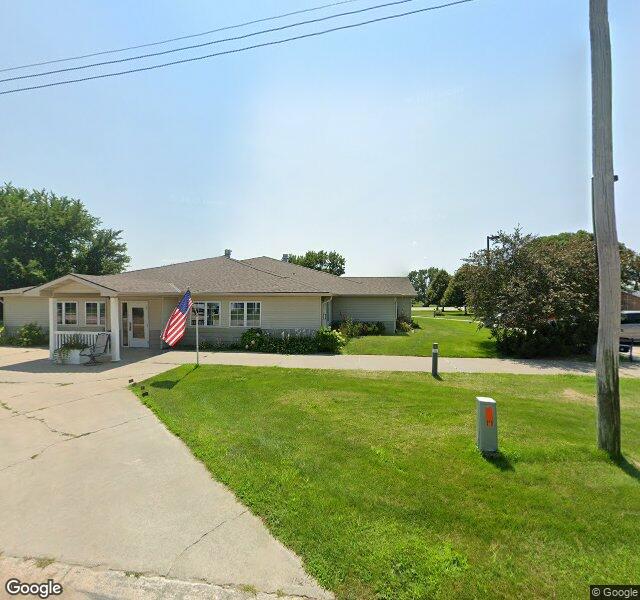
CMS rates Good Samaritan Society - Atkinson's staffing level at 4 out of 5 stars, which is above average compared to other nursing homes. Staff turnover is 68%, which is 21 percentage points above the Nebraska average of 46%. High turnover can affect care consistency as new staff learn residents' individual needs.

What Have Inspectors Found at Good Samaritan Society - Atkinson?

State health inspectors documented 39 deficiencies at Good Samaritan Society - Atkinson during 2022 to 2025. These included: 2 that caused actual resident harm and 37 with potential for harm. Deficiencies causing actual harm indicate documented cases where residents experienced negative health consequences.

Who Owns and Operates Good Samaritan Society - Atkinson?

Good Samaritan Society - Atkinson is owned by a non-profit organization. Non-profit facilities reinvest revenue into operations rather than distributing to shareholders. The facility is operated by GOOD SAMARITAN SOCIETY, a chain that manages multiple nursing homes. With 61 certified beds and approximately 33 residents (about 54% occupancy), it is a smaller facility located in Atkinson, Nebraska.

How Does Good Samaritan Society - Atkinson Compare to Other Nebraska Nursing Homes?

Compared to the 100 nursing homes in Nebraska, Good Samaritan Society - Atkinson's overall rating (1 stars) is below the state average of 2.9, staff turnover (68%) is significantly higher than the state average of 46%, and health inspection rating (1 stars) is much below the national benchmark.

What Should Families Ask When Visiting Good Samaritan Society - Atkinson?

Based on this facility's data, families visiting should ask: "How do you ensure continuity of care given staff turnover, and what is your staff retention strategy?" "Can I visit during a mealtime to observe dining assistance and food quality?" "How do you handle medical emergencies, and what is your hospital transfer rate?" "Can I speak with family members of current residents about their experience?" These questions are particularly relevant given the facility's high staff turnover rate.

Is Good Samaritan Society - Atkinson Safe?

Based on CMS inspection data, Good Samaritan Society - Atkinson has a clean safety record: no substantiated abuse findings (meaning no confirmed cases of resident harm), no Immediate Jeopardy citations (the most serious violation level indicating risk of serious injury or death), and is not on the Special Focus Facility watch list (a federal program monitoring the lowest-performing 1% of nursing homes). The facility has a 1-star overall rating and ranks #100 of 100 nursing homes in Nebraska. While no facility is perfect, families should still ask about staff-to-resident ratios and recent inspection results during their visit.

Do Nurses at Good Samaritan Society - Atkinson Stick Around?

Staff turnover at Good Samaritan Society - Atkinson is high. At 68%, the facility is 21 percentage points above the Nebraska average of 46%. High turnover means new staff may not know residents' individual needs, medications, or preferences. It can also be disorienting for residents, especially those with dementia who rely on familiar faces. Families should ask: What is causing the turnover? What retention programs are in place? How do you ensure care continuity during staff transitions?

Was Good Samaritan Society - Atkinson Ever Fined?

Good Samaritan Society - Atkinson has been fined $32,403 across 2 penalty actions. This is below the Nebraska average of $33,403. While any fine indicates a compliance issue, fines under $50,000 are relatively common and typically reflect isolated problems that were subsequently corrected. Families should ask what specific issues led to these fines and confirm they've been resolved.

Is Good Samaritan Society - Atkinson on Any Federal Watch List?

Good Samaritan Society - Atkinson is not on any federal watch list. The most significant is the Special Focus Facility (SFF) program, which identifies the bottom 1% of nursing homes nationally based on persistent, serious quality problems. Not being on this list means the facility has avoided the pattern of deficiencies that triggers enhanced federal oversight. This is a positive indicator, though families should still review the facility's inspection history directly.