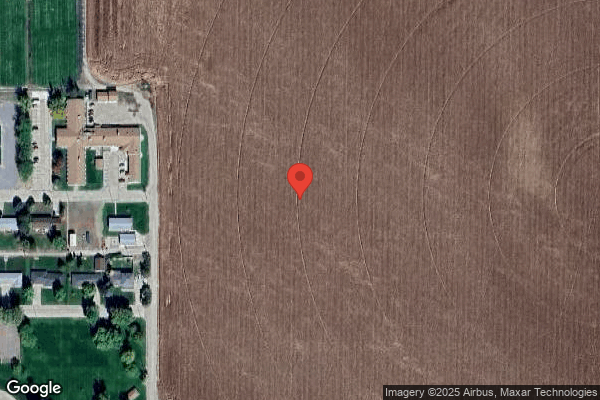
Chimney Rock Villa

106 East 13th Street, Bayard, NE 69334 (308) 586-1142
Government - City 49 Beds Independent Data: November 2025 1 Immediate Jeopardy citation
Trust Grade
0/100
#139 of 177 in NE
Last Inspection: July 2025

Inspected within the last 6 months. Data reflects current conditions.

Overview

Chimney Rock Villa in Bayard, Nebraska has received a Trust Grade of F, indicating significant concerns about the quality of care provided. Ranked #139 out of 177 facilities in Nebraska, they are in the bottom half, but they are #1 out of 2 in Morrill County, meaning there is only one other local option available. Although the facility's trend is improving, with issues decreasing from 14 to 10 over the past year, they have still faced serious problems, including a critical incident where residents were not properly assessed for pressure ulcers, which could lead to severe complications. Staffing is a relative strength with a 4 out of 5 rating, but the turnover rate is concerning at 60%, higher than the state average, indicating challenges in staff retention. Additionally, they have incurred $79,853 in fines, which is alarming and suggests ongoing compliance issues, despite having more RN coverage than 89% of Nebraska facilities, which should help catch problems that less experienced staff might miss.

Trust Score
F
0/100
In Nebraska
#139/177
Bottom 22%
Safety Record
High Risk
Review needed
Inspections
Getting Better
14 → 10 violations
Staff Stability
⚠ Watch
60% turnover. Above average. Higher turnover means staff may not know residents' routines.
Penalties
○ Average
$79,853 in fines. Higher than 72% of Nebraska facilities. Some compliance issues.
Skilled Nurses
✓ Good
Each resident gets 50 minutes of Registered Nurse (RN) attention daily — more than average for Nebraska. RNs are trained to catch health problems early.
Violations
⚠ Watch
29 deficiencies on record. Higher than average. Multiple issues found across inspections.
★☆☆☆☆
1.0
Overall Rating
★★★★☆
4.0
Staff Levels
★☆☆☆☆
1.0
Care Quality
★☆☆☆☆
1.0
Inspection Score
Stable
2024: 14 issues
2025: 10 issues

The Good

  • 4-Star Staffing Rating · Above-average nurse staffing levels
  • Full Sprinkler Coverage · Fire safety systems throughout facility
  • No fines on record

Facility shows strength in staffing levels, fire safety.

The Bad

1-Star Overall Rating

Below Nebraska average (2.9)

Significant quality concerns identified by CMS

Staff Turnover: 60%

14pts above Nebraska avg (46%)

Frequent staff changes - ask about care continuity

Federal Fines: $79,853

Well above median ($33,413)

Moderate penalties - review what triggered them

Staff turnover is elevated (60%)

12 points above Nebraska average of 48%

The Ugly 29 deficiencies on record

1 life-threatening 3 actual harm
Jul 2025 6 deficiencies
CONCERN (D)

Potential for Harm - no one hurt, but risky conditions existed

Assessment Accuracy (Tag F0641)

Could have caused harm · This affected 1 resident

**NOTE- TERMS IN BRACKETS HAVE BEEN EDITED TO PROTECT CONFIDENTIALITY** Licensure Reference Number 175 NAC 12-006.09(D)Based on record review and interview, the facility failed to ensure the Minimum D...

Read full inspector narrative →
**NOTE- TERMS IN BRACKETS HAVE BEEN EDITED TO PROTECT CONFIDENTIALITY** Licensure Reference Number 175 NAC 12-006.09(D)Based on record review and interview, the facility failed to ensure the Minimum Data Sets (MDS, a federally mandated comprehensive assessment tool used to determine a resident's functional capabilities and helps nursing home staff identify health problems) were coded correctly related to hypoglycemic (medication used to lower blood glucose levels in people with type 2 Diabetes Mellitus) medication usage for 1 (Resident 5) of 5 sampled residents. The facility census was 35. Findings Are:A record review of the Long-Term Care Facility Resident Assessment Instrument 3.0 User's Manual (RAI Manual, a document published by the Centers for Medicare & Medicaid Services (CMS) to facilitate accurate and effective resident assessment practices in long-term care facilities) dated October 2023 revealed in the High-Risk Drug Classes: Use and Indication section that the hypoglycemic box should be checked if a hypoglycemic medication was taken by the resident at any time during the 7-day observation period.A record review of Resident 5's admission Record revealed the resident was admitted to the facility on [DATE].A record review of Resident 5's MDS dated [DATE] revealed documentation in section N that the resident was taking a hypoglycemic medication.A record review of Resident 5's Medication Administration Record for February 2025 revealed no evidence that Resident 5 had taken a hypoglycemic medication.A record review of Resident 5's Medication Administration Record for March 2025 revealed no evidence that Resident 5 had taken a hypoglycemic medication.A record review of Resident 5's MDS dated [DATE] revealed documentation in section N that the resident was taking a hypoglycemic medication.A record review of Resident 5's Medication Administration Record for May 2025 revealed no evidence that Resident 5 had taken a hypoglycemic medication.A record review of Resident 5's Medication Administration Record for June 2025 revealed no evidence that Resident 5 had taken a hypoglycemic medication. An interview on 7/28/25 at 2:50 PM with Registered Nurse (RN)-A confirmed that Resident 5's MDSs dated 3/3/25 and 6/3/25 both indicated the resident was taking a hypoglycemic medication. RN-A also confirmed that Resident 5 had not been taking a hypoglycemic medication during the lookback period for either MDS and that both MDSs had been coded incorrectly.
CONCERN (D)

Potential for Harm - no one hurt, but risky conditions existed

Deficiency F0688 (Tag F0688)

Could have caused harm · This affected 1 resident

Licensure Reference Number 175 12.006.09(H)(v)Based on observations, record review, and interviews. The facility failed to identify a contracture and implement treatment to prevent potential worsening...

Read full inspector narrative →
Licensure Reference Number 175 12.006.09(H)(v)Based on observations, record review, and interviews. The facility failed to identify a contracture and implement treatment to prevent potential worsening of the contracture for Resident 12. The facility identified a census of 35. Findings are:A record review of Resident 12's Minimum Data Set (MDS- an assessment tool required for long term care facilities) dated 7-7-25 revealed in Section C that Resident 12 had a Brief Interview for Mental Status (BIMS- an assessment used to determine any cognitive impairment) score of 13/15- indicating that Resident 12 had mild cognitive impairment.Section GG revealed Resident 12 had functional limitation in range of motion on both sides of the body in addition to upper and lower body limitations. Resident 12 uses a wheelchair for ambulation and requires substantial to maximum assistance with dressing, undressing, hygiene, bathing, toileting, and eating.Section I identified a diagnosis of Corticobasal Degeneration (a brain disorder that causes nerve cell damage in specific areas of the brain, leading to a range of movement, cognitive, and language difficulties), Cervicalgia (neck pain), and Essential tremor (a neurological disorder that causes involuntary, rhythmic shaking). An observation of Resident 12 on 7-23-25 at 8:30 AM revealed Resident 12 was seated in wheelchair with left arm strapped to a positioning cushion. Resident 12 stated the strap assisted with keeping the arm in place. Resident 12 revealed the entire left arm had tremors and spasms and did weird things due to neuropathy. The left hand was observed to be contracted with fingers in a rigid straight position. The thumb was firmly pressed against the fingers. Resident 12 stated the thumb could be pried away from the fingers sometimes but that it did cause pain. Resident 12 denied that staff were working with the hand.A record review of Resident 12's admission diagnoses revealed no documented evidence of a left-hand contracture. A record review of Resident 12's care plan revealed no documented evidence of a left-hand contracture.An interview on 7/23/25 at 10:30 AM with Registered Nurse (RN)-A confirmed that they were made aware of the contracture upon admission, as noted in admission report phone call from the discharging facility. RN-A revealed that there were no active treatments for Resident 12's contracture and that Resident 12 was not working with therapy for any limited range of motion concerns. An interview on 7/23/25 at 1:15 PM with Director of Nursing (DON) confirmed that the facility had not identified Resident 12's left hand contracture on the care plan and was not performing any active treatment to prevent worsening. The DON confirmed that it should have been identified upon admission and included in Resident 12's plan of care.
CONCERN (E)

Potential for Harm - no one hurt, but risky conditions existed

Quality of Care (Tag F0684)

Could have caused harm · This affected multiple residents

Licensure Reference Number 175 NAC 12-006.09(H)(iv)Based on record review and interview, the facility failed to follow their bowel protocol to prevent constipation for 3 (Residents 3, 5, and 7) of 5 s...

Read full inspector narrative →
Licensure Reference Number 175 NAC 12-006.09(H)(iv)Based on record review and interview, the facility failed to follow their bowel protocol to prevent constipation for 3 (Residents 3, 5, and 7) of 5 sampled residents. The facility census was 35.Findings Are: A record review of the facility's undated Bowel Elimination guidelines revealed a goal stating, To promote resident health and comfort through proper functioning. The policy statement was, Bowel elimination patterns will be monitored every shift and timely intervention will be provided as needed to ensure resident health and comfort. The procedure section stated the facility staff was to monitor bowel elimination every shift, taking into consideration the resident's individual elimination pattern. If after 3 days there is no bowel movement administer prune juice, if after 4 days give milk of mag, if no results contact MD. A.A record review of Resident 7's Task: B&B- Bowel Elimination documentation from 5/1/2025 through 7/28/2025 revealed documentation that the resident had No Bowel Movement for the following dates: -From 5/10/25 through 5/12/25, which was 3 days.-From 5/14/25 through 5/17/25, which was 4 days.-From 5/31/25 through 6/3/25, which was 4 days.-From 6/7/25 through 6/9/25, which was 3 days.-From 6/18/25 through 6/26/25, which was 9 days.-From 7/2/25 through 7/9/25, which was 8 days.-From 7/14/25 through 7/16/25, which was 3 days.-From 7/18/25 through 7/20/25, which was 3 days. A record review conducted on 7/28/2025 of Resident 7's active physician's orders revealed the following orders:-Bisacodyl (a laxative medication) Suppository 10 milligrams (MG), insert 1 suppository rectally every 24 hours as needed for constipation. The order had a start date of 1/16/2023. -Milk of Magnesia (a laxative medication) Oral Suspension 7.75 %, give 30 milliliters (ml) by mouth every 24 hours as needed for constipation. The order had a start date of 1/16/2023. A record review of Resident 7's Medication Administration Records (MAR) for the months of May 2025, June 2025, and July 1-24, 2025, revealed no evidence of the resident's as needed Bisacodyl Suppository or Milk of Magnesia being administered. A record review of Resident 7's Progress Notes from 5/1/2025 through 7/24/2025 revealed no evidence that the resident had been assessed related to their lack of bowel movements during this timeframe. There was also no evidence of the resident being provided with prune juice for constipation. B.A record review of Resident 5's Task: B&B- Bowel Elimination documentation from 5/1/2025 through 7/28/2025 revealed documentation that the resident had No Bowel Movement for the following dates: -From 5/6/25 through 5/8/25, which was 3 days.-From 5/20/25 through 5/22/25, which was 3 days.-From 5/26/25 through 5/28/25, which was 3 days.-From 6/27/25 through 6/29/25, which was 3 days.-From 7/8/25 through 7/10/25, which was 3 days. A record review conducted on 7/28/2025 of Resident 5's active physician's orders revealed the following orders:-Bisacodyl Suppository 10 MG, insert 1 suppository rectally every 24 hours as needed for constipation. The order had a start date of 1/25/2023. -Milk of Magnesia Oral Suspension 7.75 %, give 30 ml by mouth every 24 hours as needed for constipation. The order had a start date of 1/25/2023. A record review of Resident 5's MAR for the months of May 2025, June 2025, and July 1-24, 2025, revealed no evidence of the resident's as needed Bisacodyl Suppository or Milk of Magnesia being administered. A record review of Resident 5's Progress Notes from 5/1/2025 through 7/24/2025 revealed no evidence that the resident had been assessed related to their lack of bowel movements during this timeframe. There was also no evidence of the resident being provided with prune juice for constipation. C. A record review of Resident 3's undated Care Plan revealed a focus area stating that the resident had dehydration or potential fluid deficit related to poor intake and dementia. An intervention listed for this focus area stated to monitor/document bowel sounds and frequency of BM (bowel movements), and to provide medication per orders with an initiated date of 11/25/2024. A record review of Resident 3's Task: B&B- Bowel Elimination documentation from 5/1/2025 through 7/28/2025 revealed documentation that the resident had No Bowel Movement for the following dates: -From 5/7/25 through 5/9/25, which was 3 days.-From 5/17/25 through 5/20/25, which was 4 days.-From 5/25/25 through 5/30/25, which was 6 days.-From 6/5/25 through 6/8/25, which was 4 days.-From 6/14/25 through 6/17/25, which was 4 days.-From 6/25/25 through 6/28/25, which was 4 days.-From 7/3/25 through 7/11/25, which was 9 days.-From 7/14/25 through 7/18/25, which was 5 days.-From 7/23/25 through 7/26/25, which was 4 days. A record review conducted on 7/28/2025 of Resident 3's active physician's orders revealed the following orders:-MiraLax Oral Powder 17 Grams/Scoop, give 17 grams by mouth one time a day for constipation. The start date was 5/1/2025.-Dulcolax (a laxative medication) Rectal Suppository 10 MG, insert 10 mg rectally every 24 hours as needed for constipation on the 3rd day with no bowel movement. Notify the physician if there are no results. The order had a start date of 10/25/2024.-Milk of Magnesia Oral Suspension, give 30 cubic centimeters (cc) by mouth every 24 hours as needed for constipation. The order had a start date of 10/25/2024. A record review of Resident 3's MAR for the months of May 2025, June 2025, and July 1-24, 2025, revealed no evidence of the resident's as-needed Dulcolax suppository or Milk of Magnesia being administered. A record review of Resident 3's Progress Notes from 5/1/2025 through 7/24/2025 revealed no evidence that the resident had been assessed related to their lack of bowel movements during this timeframe. There was also no evidence of the resident being provided with prune juice for constipation. An interview on 7/28/2025 at 2:02 PM with the facility Director of Nursing (DON) revealed that the facility's standing orders upon admission stated to give residents a suppository on day 4 of not having a bowel movement and confirmed that this does not coincide with the facility's bowel elimination guidelines. The DON stated that if a resident had been given prune juice per the bowel elimination guidelines, this would have been documented in the resident's progress notes. The DON also revealed that Resident 3 sometimes had adverse behaviors when staff attempted to administer medications but confirmed that without documentation there was no evidence that the facility staff attempted to administer any as-needed medications for the resident's lack of bowel movements.
CONCERN (F)

Potential for Harm - no one hurt, but risky conditions existed

Deficiency F0727 (Tag F0727)

Could have caused harm · This affected most or all residents

Licensure Reference Number 175 NAC 12-006.04(D)(i)Nebraska Revised Statute 71-6018.02 Based on record review and interview, the facility failed to designate a full-time Director of Nursing (DON) from ...

Read full inspector narrative →
Licensure Reference Number 175 NAC 12-006.04(D)(i)Nebraska Revised Statute 71-6018.02 Based on record review and interview, the facility failed to designate a full-time Director of Nursing (DON) from 12/24/2024 through 2/10/2024 as required. This had the potential to affect all residents who reside within the facility. The facility identified a census of 35.Findings are: A record review of the facility's Facility Assessment Tool (dated 4/22/2025) identified sufficient staffing to meet the needs of the residents included one full-time DON. A record review of the facility's staffing documentation revealed no evidence of a designated DON from 12/24/2024 - 2/10/2024. An interview on 7/23/2025 at 8:30 AM with the Nursing Home Administrator (NHA) revealed Registered Nurse (RN) - A was interim DON during 12/10/2024-2/10/2025, but there was no official title change as RN-A did not want to be stuck in the DON position. An interview on 7/23/2025 at 3:15 PM with RN-A revealed they were assisting the NHA with DON duties but could not confirm who the designated DON from 12/24/2024-2/10/2025 and stated this surveyor would need to ask the NHA. A follow-up interview on 7/23/2025 at 3:33 PM with the NHA confirmed RN-A had assisted with duties of the DON position but the facility had not designated a DON from 12/24/2024-2/10/2025.
CONCERN (F)

Potential for Harm - no one hurt, but risky conditions existed

Food Safety (Tag F0812)

Could have caused harm · This affected most or all residents

LICENSURE REFERENCE NUMBER NAC 175 12-006.11(E) Based on observations, interviews, and record review, the facility failed to store, prepare, and serve food in a manner that prevented the potential for...

Read full inspector narrative →
LICENSURE REFERENCE NUMBER NAC 175 12-006.11(E) Based on observations, interviews, and record review, the facility failed to store, prepare, and serve food in a manner that prevented the potential for foodborne illness. The facility failed to label items for consumption with date and contents and prevent the potential for cross-contamination by storing uncooked meat above ready-to-eat food items. The facility also failed to ensure that dishes were being sanitized in a manner to prevent the potential for foodborne illness. This had the potential to affect all 35 residents that resided in the facility. Findings are:A.Observations on the initial tour of the kitchen on 7/23/25 at 8:02 AM revealed the following: -In the upright freezer, two half-gallon sized pitchers, both with unfrozen yellow liquid - In the kitchen refrigerator, 1 gallon-sized pitcher partially filled with yellow liquid, without label to indicate date prepared or contents, and 1 gallon-sized pitcher partially filled with brown liquid, without label to indicate date prepared or contents - In the walk-in cooler on the top shelf, an open cardboard box containing uncooked bacon, in between layers of wax paper, unsealed - In the walk-in cooler on the shelves below the bacon, the observations revealed multiple bags of shredded cheddar cheese, clear bags containing hot dog buns, hamburger buns, and tortillas. - In the walk-in freezer on the middle shelf, at least 5 ten-pound tubes of raw ground beef stored directly above a box labeled, Baker's Source, containing ready to eat baked goods.An observation on 7/28/25 at 10:20 AM of the upright freezer revealed the two pitchers with yellow liquid observed on 7/23/25 were still in the same location, with the same levels of liquid as observed on 7/23/25. The pitcher that had been covered with clear plastic wrap was open to air. Neither pitcher was labeled with date or contents.An observation on 7/28/25 at 11:25 AM of the kitchen refrigerator revealed nine opened 46-ounce boxes of juice in different flavors revealed the boxes were not labeled with open dates. An interview on 7/28/25 at 11:25 AM with Cook-B confirmed there were no open dates written on the nine boxes of juice in the refrigerator. A record review of the 2017 Nebraska Food Code Section 3-602.11 revealed that food items shall be labeled with the name of the food. A record review of a facility policy dated October 2021 titled, Food Storage, revealed food not subject to further washing shall be stored in a way that protects against cross-contamination.An interview on 7/23/25 at 8:29 AM with the Dietary Manager (DM) revealed and confirmed the following: - The DM stated that one unlabeled pitcher in the upright freezer contained a shake, and the other contained a smoothie for one of the residents and should have been labeled with the contents and date of preparation or discarded. - The DM confirmed the unlabeled pitchers in the kitchen refrigerator should have been labeled with the contents and date of preparation or discarded. - The DM confirmed the box of uncooked bacon in the walk-in cooler should have been closed and stored on the lowest shelf below the ready-to-eat items. - The DM confirmed the uncooked hamburger in the walk-in freezer should have been stored on the lowest shelf below the ready-to-eat items.An interview with the DM on 7/28/25 at 11:41 AM with the DM confirmed the nine opened boxes of juice did not have open dates written on them and there was not a process to determine when to discard them. B. An observation on 7/28/25 at 9:40 AM revealed that an electric roaster was on the countertop in the kitchen, plugged in and set to Warm, with a cylindrical piece of meat inside. An interview on 7/28/25 at 9:40AM with Cook-G revealed that the roaster contained rosemary pork loin that had been started in the electric roaster on the previous day at 6:45 PM. The interview also revealed there were no written directions or documentation for steps taken by other staff.An interview on 7/28/25 at 9:55 AM with Cook-G revealed the roaster was set to 200 degrees F during the night and Cook-G had turned the dial to Warm when they arrived at 6:00 AM. The interview revealed the temperature of the pork loin had not been measured or documented between 6:00 AM and 9:55 AM to determine if internal temperature of 145 degrees F had been reached. A record review of a facility document titled, [NAME] Pork, revealed Step 3 of the recipe stated the pork loin should be roasted in the oven at 425 degrees Fahrenheit (F) for 50 to 60 minutes uncovered or until tender and the internal temperature has been 145 degrees F for 4 minutes. An observation on 7/28/25 at 9:55 AM revealed Cook-G checking the internal temperature of the pork with a digital thermometer at three different places. The thermometer read 127-, 128-, and 129.5-degrees F at each location respectively.An observation on 7/28/25 at 10:01 AM revealed Cook-G filling a measuring cup with 4 cups of hot tap water and adding it to the roaster that contained the pork loin, and they turned the roaster control dial to 200 degrees F.An observation on 7/28/25 at 11:02 AM revealed Cook-G checked the internal temperature of the pork with the digital thermometer, which was 160.5 degrees F. The meat was in the electric roaster at this time, then transferred to a stainless-steel pan and put into the steam table.An observation on 7/28/25 at 11:52 AM revealed Cook-G checked the internal temperature of the pork with the digital thermometer, which was 195 degrees F. The meat was in a stainless-steel pan on the steam table.An observation on 7/28/25 at 12:30 PM revealed Cook-G measured the internal temperature of the pork with a digital thermometer with a result of 193 degrees F, with the meat in the same location as at 11:52 AM. An observation on 7/28/25 at 12:38 PM revealed the first lunch plate with rosemary pork was served to a resident in the adjoining dining room. An interview on 7/28/25 at 1:25 PM with the Dietary Manager (DM) confirmed the steps taken to prepare the pork did not match the recipe directions which indicated a shorter cooking time and using the oven. The interview also confirmed that the cooking temperatures for the pork observed on 7/28/25 did not match the recipe's directions.C. Record review of a facility document titled, Dishwasher Temps, posted on the exterior of the dishwasher revealed a 4-column table with column headings of Date, AM shift, PM shift, and Concerns: Who was notified. The table revealed the first entry date was 7/11 AM shift and the final entry date was 7/24 AM shift. There was no entry for 7/24 PM shift through 7/28. No year was recorded, and the table revealed two numbers written for each shift. An interview on 7/28/25 at 10:23 AM with Cook-G revealed that the dishwasher temperature was measured twice a day, by AM shift and PM shift, and that the two numbers were a high temperature and a low temperature. The interview further revealed that an outside contractor came to the facility 1-2 times a month to check the levels of sanitizer and that the sanitizer levels are not checked by facility staff. An interview on 7/28/25 at 10:59 AM with Dietary Aide-I (DA-I) revealed that the sanitizer levels were checked by facility staff but that they did not know how to do it.An interview on 7/28/25 at 11:48 AM with Dietary Aide-H (DA-H) revealed that they ran out of strips to test sanitizer levels on the previous night. An interview on 7/28/25 at 11:11 AM with the Dietary Manager (DM) revealed the dishwasher used hot water and sanitizer to clean dishware. The interview also revealed that the numbers on the facility document titled Dishwasher Temps included two numbers per shift, a temperature and a sanitizer level. The interview revealed that kitchen staff monitored temperature on a gauge and sanitizer using strips of paper dipped into a reservoir under the main dishwashing unit. A record review of a facility policy dated October 2021 titled, 3-compartment sink revealed that the 3-compartment sink will be used in emergencies when dishwasher was not running.An interview on 7/28/25 at 12:20 PM with the DM confirmed that the facility document Dishwasher Temps had not been updated since 7/24/25, and it was unknown if the levels of sanitizers were currently sufficient, and they were unaware there were no strips available to test the water. The interview revealed that when the dishwasher doesn't work or is unavailable, the 3-compartment sink should be used until the sanitizer levels could be tested, and the interview also revealed that the 3-compartment sink was not used in this case.A record review of an undated facility policy titled, Storage for open goods and use by dates, revealed that food product will be labeled with the opened date and use-by date.
CONCERN (F)

Potential for Harm - no one hurt, but risky conditions existed

Deficiency F0882 (Tag F0882)

Could have caused harm · This affected most or all residents

LICENSURE REFERENCE NUMBER 175-12 005.06(H0)Based on interview and record review the facility failed to designate the role and duties of the Infection Preventionist to a qualified staff member that di...

Read full inspector narrative →
LICENSURE REFERENCE NUMBER 175-12 005.06(H0)Based on interview and record review the facility failed to designate the role and duties of the Infection Preventionist to a qualified staff member that did not function as the facility Director of Nursing (DON).Findings:A review of a DON job description revealed under Safety and Sanitation that the DON will develop, implement and maintain a program for monitoring communicable and/or infectious diseases among residents and personnel. The facility identified a census of 35.On 07/28/2025 at 10:00 AM an interview with the DON confirmed the DON is also working in the role of the Infection Preventionist, while working forty hours a week as the DON. The DON confirmed there was no documented evidence of the number of hours spent in the infection control preventionist role.
Mar 2025 4 deficiencies 2 Harm
SERIOUS (G) 📢 Someone Reported This

A family member, employee, or ombudsman was alarmed enough to file a formal complaint

Actual Harm - a resident was hurt due to facility failures

Quality of Care (Tag F0684)

A resident was harmed · This affected 1 resident

Licensure Reference Number 175 NAC 12-006.09(H)(iii)(2) Licensure Reference Number 175 NAC 12-006.09(H)(iii)(3) Based on record reviews and interviews, the facility failed to provide ongoing monitorin...

Read full inspector narrative →
Licensure Reference Number 175 NAC 12-006.09(H)(iii)(2) Licensure Reference Number 175 NAC 12-006.09(H)(iii)(3) Based on record reviews and interviews, the facility failed to provide ongoing monitoring of an incision, follow physician's orders for care of the incision, and implement treatment and other interventions to promote healing and prevent infection for 1 (Resident 7) of 4 sampled residents. The facility identified a census of 24. Findings are: A record review of a facility policy, Wound Care, with a last revised date of October 2010, revealed the purpose of the policy was to provide guidelines for the care of wounds to promote healing. The policy revealed an assessment of the wound (including color, size, drainage, etc.) should be documented with wound care. Additionally, it revealed information should be reported in accordance with facility policy and professional standards of practice. A record review of a facility policy, Dressings, Dry/Clean, with a last revised date of September 2013, revealed a step of preparation is to verify that there is a physician's order for the procedure, which may be generated from a facility protocol. During the dressing change, the wound and surrounding skin should be assessed for swelling, redness, drainage, and tissue healing progress. Following the procedure, the assessment data obtained should be documented and information should be reported in accordance with facility policy and professional standards of practice. A record review of an admission Record indicated the facility admitted Resident 7 on 9/27/2024 with diagnoses of: dementia [a usually progressive condition marked by the development of multiple cognitive deficits (such as memory impairment, aphasia, and the inability to plan and initiate complex behavior)] Type 2 Diabetes Mellitus (a chronic condition where the body does not use insulin properly or does not produce enough insulin to regulate blood sugar levels which can impair wound healing due to factors like high blood sugar levels, reduced blood circulation, and a weakened immune system, all of which hinder the body's ability to effectively heal wounds), high blood pressure, and repeated falls. Additional diagnoses, with an onset date of 11/26/2024, of fractures of the right acetabulum (hip) and pubis (pelvic) bones were added. A record review of Resident 7's Care Plan Report revealed the following: - A care focus area initiated on 10/9/2024 revealed Resident 7 had a potential for developing pressure ulcers due to urinary incontinence and limited mobility. An intervention initiated on 10/9/2024 to monitor, document, and report as needed any changes in skin status of appearance, color, wound healing, signs or symptoms of infection, wound size (length x width x depth), and stage was added. - A care focus area initiated on 10/10/2024 revealed Resident 7 had Diabetes Mellitus with an intervention to monitor, document, and report as needed any signs of infection to any open areas of redness, pain, warmth, swelling, or pus formation. A record review of Resident 7's Progress Notes revealed the following: - On 11/12/2024 at 5:21 AM, Resident 7 was found on the floor and had complained of severe pain in their right hip. Resident 7 was transferred to the Emergency Department (ED) for evaluation. - On 11/12/2024 at 12:55 PM, the facility received a phone call from Resident 7's family member informing the facility that Resident 7 would be admitted to the hospital due to a fracture pelvis. - On 11/19/2024, Resident 7's family member called the facility to inform the facility Resident 7 would be undergoing a total hip replacement surgery on 11/20/2024. - On 12/31/2024, Resident 7 had seen the Orthopedic surgeon for a follow up and had recommended a revision surgery to the right hip. - On 1/3/2025, the Orthopedic surgeon's office informed the facility of a scheduled right hip revision surgery on 1/8/2025. A record review of Resident 7's Post-Operative Instruction, dated 1/11/2025 revealed instructions to keep the dressing clean, dry, and intact, remove the wound vac (Also known as Negative Pressure Wound Therapy is a treatment that uses a vacuum to promote wound healing) on 1/14/2025 and replace with a dry gauze dressing. There was no instruction included to provide dressing changes or frequency. Additionally, an order for wound care to the left buttock and right thigh to cleanse sites with bath wipes, apply zinc oxide twice a day and as needed with baths and pericare (cleansing of the genital areas). Additional record review of Resident 7's Progress Notes revealed the following: - From 1/8/2025-1/13/2025, there was no evidence of documentation of an assessment of the incisional site/wound area. - On 1/14/2025, the wound vac from Resident 7's right hip was removed as ordered and a dry gauze pad and silicone border foam dressing had been applied. Resident 7 was noted to have a 20 centimeter (cm) intact surgical incision to the right hip with 33 intact staples. The incision was noted to not be warm, and edges were well approximated (fit neatly together). A fax was sent to the Orthopedic surgeon to clarify how frequent the dressing to Resident 7's right hip should be completed. - On 1/15/2025, Resident 7's surgical incision was noted to have staples intact and the dressing to be clean, dry, and intact. - On 1/16/2025, Resident 7's surgical incision was noted to be closed with staples and have some drainage. There was no evidence of documentation regarding any present redness, pain, swelling, warmth, description of the drainage, appearance, color, wound size, other signs of infection, or an intervention implemented. - From 1/14/2025-1/20/2025, there was no evidence of documentation that clarification regarding the dressing change frequency had been received or additional attempts to obtain clarification had been made. - There was also no evidence of documentation that the wound dressing had been changed or remained intact. - From 1/17/2025-1/20/2025, there was no evidence of ongoing monitoring of the incision site/wound. A record review of the facility's Change in Condition/Follow Up Log from 1/14/2025 revealed no evidence of ongoing monitoring of the incision site/wound and that on 1/16/2025 and 1/17/2025, Resident 7's right hip had no dressing and had been left open to air. A record review of Resident 7's Doctor's Orders and Progress Notes from 1/20/2025 revealed Resident 7 was seen for a follow-up for right hip fracture care. The physician had documented that Resident 7's hip looked good and was clean and dry without redness or streaking. Resident 7 had severe pain with movement and staples were ready for removal. The physician ordered for Resident 7's staples to be removed and follow-up with the Orthopedic surgeon. A record of an order clarification for dressing changes to Resident 7's right hip incision was received on 1/22/2025 and revealed dressings were to be changed once a day after cleansing. Additional record review of Resident 7's Progress Notes revealed the following: - On 1/20/2025, Resident 7's staples were removed, and a dressing had been applied. - On 1/21/2025, there was no evidence of ongoing monitoring of Resident 7's incision site/wound. - On 1/22/2025, a fax was sent to the physician and Orthopedic surgeon regarding concerns of Resident 7's surgical incision and drainage. There was no evidence of documentation regarding the status of the wound, including any present redness, pain, swelling, warmth, description of the drainage, appearance, color, wound size, or other signs of infection. An order for a wound culture was obtained. - On 1/24/2025, the Orthopedic surgeon informed the facility there were no concerns with the wound culture and provided orders for Hibiclens Antimicrobial Antiseptic Skin Cleanser twice a day and to follow-up at next appointment on 1/30/2025. - On 1/27/2025, it was noted that a call was received from Resident 7's physicians' nurse recommending Resident 7 be sent to the ED. The facility placed a call to the Orthopedic surgeon's office and was advised not to send Resident 7 to the ED and would follow up on 1/30/2025. - From 1/23/2025-1/30/2025, there was no evidence of ongoing monitoring of Resident 7's incision site/wound. A record review of Resident 7's Treatment Administration Record (TAR) for the month of January 2025 revealed the following: - There was no evidence the order for wound care to the left buttock and right thigh to cleanse sites with bath wipes and apply zinc oxide twice a day and as needed with baths and pericare had been implemented. - An order to remove dressing, cleanse area, and apply absorbent dressing one time a day was not started or completed until 1/23/2025. - An order to apply Hibiclens solution to Resident 7's right hip twice a day for a possible infection had been started on 1/24/2025. There was no evidence that the order had been completed on 1/25/2025 or 1/28/2025 in the morning. - A record review of Resident 7's Orthopedic surgeons' documentation from the follow-up visit on 1/30/2025 revealed Resident 7 had been doing very poorly, refusing to transfer and bearing very little weight, had chronic diarrhea, fatigue, constant pain in their right hip, and had been losing their will to live. Resident 7 was also noted to have had some drainage from their right hip incision. The incision was noted to be mostly healed with a couple small points of scant serous (a clear, thin, watery fluid, often described as plasma) drainage without redness. Additionally, the note revealed the Orthopedic surgeon had been very concerned as Resident 7 had not been eating, had chronic diarrhea, had tachycardia (fast heartrate), and did not look well. The second concern noted was that the incision and filth at the nursing home facility, being problematic and could put [Resident 7] at risk for chronic wound infection. The Orthopedic surgeon admitted Resident 7 to the hospital to obtain x-rays of the hip and place a wound vac on their incision. An interview on 3/20/2025 at 1:45 PM with the Infection Preventionist (IP) revealed the facility monitors post-operative incisions at least weekly and during dressing changes. The IP also revealed no attempts to obtain clarification for Resident 7's dressing order from 1/11/2025 had been attempted again after 1/14/2025 and was not obtained until 1/22/2025. Additionally, the IP confirmed Resident 7's order for wound care and the application of zinc oxide had not been added to the TAR or had evidence of it having been completed and dressing changes had not been implemented until 1/23/2025. The IP revealed that once Resident 7's staples were removed on 1/20/2025, the drainage became really bad and so the wound culture was completed on 1/22/2025. The IP also confirmed there was no documentation of ongoing monitoring of Resident 7's incision site/wound on 1/21/2025, or 1/23/2025-1/30/2025 and confirmed documentation should have included a full assessment and details of the site and drainage. An interview on 3/24/2025 at 9:10 AM with the Nursing Home Administrator (NHA) confirmed there was no documentation of ongoing monitoring of Resident 7's incision site/wound from 1/8/2025-1/13/2025 or from 1/17/2025-1/20/2025. The NHA also confirmed Resident 7's incision site had not been covered on 1/16/2025 or 1/17/2025 as ordered. The NHA revealed Resident 7 was having large amounts of drainage from their incision site and a wound culture was completed on 1/22/2025 and on 1/24/2025 Resident 7's had recommended Resident 7 be sent to the ED, but the Orthopedic surgeon was not concerned and wanted to follow-up on 1/30/2025, so Resident 7 had not been sent to the ED. At Resident 7's appointment on 1/30/2025, Resident 7 had been directly admitted from their appointment to the hospital.
SERIOUS (H) 📢 Someone Reported This

A family member, employee, or ombudsman was alarmed enough to file a formal complaint

Actual Harm - a resident was hurt due to facility failures

Accident Prevention (Tag F0689)

A resident was harmed · This affected multiple residents

**NOTE- TERMS IN BRACKETS HAVE BEEN EDITED TO PROTECT CONFIDENTIALITY** Licensure Reference Number 175 NAC 12-006.09(I)(i)(1) Based on record reviews and interviews, the facility failed to develop and...

Read full inspector narrative →
**NOTE- TERMS IN BRACKETS HAVE BEEN EDITED TO PROTECT CONFIDENTIALITY** Licensure Reference Number 175 NAC 12-006.09(I)(i)(1) Based on record reviews and interviews, the facility failed to develop and or implement appropriate interventions to prevent additional falls for 4 (Residents 2, 4, 6, and 7), which resulted in two residents (Resident 4 and 7) sustaining major injuries from subsequent falls. The facility identified a census of 24. Findings are: A record review of a facility policy, Assessing Falls and Their Causes, with a revised date of March 2018, revealed when a resident falls, an appropriate intervention taken to prevent future falls should be recorded in the resident's medical records. A. A record review of an undated facility policy, Abuse and Neglect Reporting defined neglect as a failure to provide care, treatment, goods or services necessary to avoid physical harm or mental anguish of a resident. The policy revealed an alleged case of neglect should be reported to the state agency within 24 hours and a completed internal investigation of the facility's conclusion and follow-through within five days to the state agency. There was no evidence of the requirement to report serious bodily injury to the State Agency within two hours as required. A record review of an admission Record revealed the facility admitted Resident 7 on 9/27/2024 with diagnoses of: dementia [a usually progressive condition marked by the development of multiple cognitive deficits (such as memory impairment, aphasia, and the inability to plan and initiate complex behavior)], repeated falls, and a broken ankle. A record review of Resident 7's discharge Minimum Data Set (MDS, a federally mandated comprehensive assessment tool used to determine a resident's functional capabilities and helps nursing home staff identify health problems) with an Assessment Reference Date (ARD) of 11/12/2024 revealed Resident 7 had impaired short-term memory and some difficulty in new situations with cognitive skills for daily decision making. Resident 7 also required supervision with toileting and set-up assistance with ambulation. A record review of Resident 7's Care Plan Report revealed a focus area for falls, initiated on 10/9/2024. The Care Plan revealed Resident 7 has had an actual fall with injury which contributed to their need for nursing home care. The following interventions were implemented: - Monitor, document, and report as needed to the physician signs and symptoms of pain; bruises; changes in mental status; and/or new onset of confusion, sleepiness, inability to maintain posture, or agitation with an initiated date of 10/9/2024. - Neuro-checks (an assessment tool to determine a patient's neurologic function) as necessary with a date initiated of 10/9/2024. - Provide activities that promote exercise and strength building where possible and provide 1:1 activities, if bed bound with a date initiated of 10/9/2024. A record review of Resident 7's Care Plan Report revealed a focus area for impaired cognitive function, initiated on 10/10/2024. The Care Plan revealed Resident 7 has impaired cognitive function and impaired thought processes due to dementia. Intervention to cue, reorient, and supervise as needed was initiated on 10/10/2024. A record review of an Un-witnessed Fall report with a date of 11/10/2024 revealed Resident 7 was found on the floor in front of their bed with their walker nearby. Resident 7 stated they were trying to get to their bed and lost control of their walker and fell. A record review of an Un-witnessed Fall report with a date of 11/12/2024 revealed Resident 7 was found on the floor of their room. Resident 7 stated they were coming back from the bathroom and tripped on their walker. Resident 7 was complaining of severe right hip. Predisposing factors were identified as using walker and ambulating without assistance. A record review of Resident 7's Progress Notes from 11/12/2024 revealed Resident 7's family member had called to notify the facility that Resident 7 had been admitted to the hospital due to a fractured pelvis. A predisposing factor of ambulating without assistance was identified. A record review of Resident 7's Progress Notes from 11/19/2024 revealed Resident 7's family member had called to notify the facility that Resident 7 would be undergoing a total hip replacement on 11/20/2024. Additional record review of Resident 7's Fall Care Plan revealed no evidence of implemented interventions following Resident 7's falls on 11/10/2024 or 11/12/2024. An interview on 3/24/2025 at 1:45 PM with the Director of Nursing (DON) confirmed no interventions were placed following Resident 7's falls to prevent the potential for subsequent falls and injuries. B. A record review of an admission Record revealed the facility admitted Resident 2 on 8/1/2023 with diagnoses of: dementia with behavioral disturbance, anxiety (a common mental health condition characterized by excessive and persistent worry, fear, and nervousness), osteoporosis (a condition that weakens bones, making them fragile and prone to fractures), and restless leg syndrome (a neurological disorder characterized by an overwhelming urge to move the legs, often accompanied by uncomfortable sensations, that worsens during periods of rest, especially at night.) A record review of Resident 2's annual MDS with an ARD of 8/14/2024 revealed Resident 2 had a Brief Interview for Mental Status (BIMS, a brief screening that aids in detecting cognitive impairment) score of 4/15, which indicated that Resident 2 had severe cognitive impairment. The MDS also revealed Resident 2 had behaviors of wandering 4-6 days of the 7-day look-back period. Additionally, Resident 2 utilized a walker and required maximum assistance with transfers, ambulation, toileting, and hygiene. Additionally, it revealed Resident 2 had no fall alarms in use and had sustained one fall without injury since their last MDS assessment. A record review of Resident 2's quarterly MDS with an ARD of 11/14/2024 revealed Resident 2 had a BIMS score of 3/15, which indicated that Resident 2 continued to have severe cognitive impairment. Resident 2 utilized a walker for ambulation and required set-up assistance with transfers, ambulation, toileting, and hygiene. Additionally, it revealed Resident 2 had no fall alarms in used and had sustained two falls without injury since their last MDS assessment. A record review of Resident 2's Significant Change MDS with an ARD of 2/14/2025 revealed Resident 2 had a BIMS score of 3/15, which indicated that Resident 2 continued to have severe cognitive impairment. Resident 2 utilized a walker for ambulation and required partial assistance with toilet transfers, supervision for other transfers, and supervision during ambulation as well as substantial assistance for toileting and hygiene. Additionally, it revealed Resident 2 had no fall alarms in used and had sustained two falls without injury since their last MDS assessment. A record review of Resident 2's Care Plan Report revealed a focus area for Activities of Daily Living (ADL) self-care performance deficit due to dementia with an initiated date of 7/24/2024. The Care Plan revealed Resident 2 required extensive assistance by 1 staff member for toileting and transferring with initiated dates of 7/24/2024. A record review of Resident 2's Care Plan Report revealed a focus area for risk of falls due to confusion and incontinence with a last revised date of 11/20/2023. The following interventions were listed: - Anticipate and meet my needs with a last revised date of 11/20/2023. - Be sure my call light is within reach and encourage me to use it for assistance as needed. I require prompt response to all requests for assistance with a last revised date of 11/20/2023. - Place bed alarms per family request with an implemented date of 3/7/2024. - Therapy to evaluate wheeled walker for safety with me with an implemented date of 3/7/2024. - Therapy rearranged my room for easier maneuvering at night with a date of 3/21/2024. - Placed blue non-slip pad on recliners in residents' room with a date of 3/26/2024. - Check on me every 2-3 hours during the night with a date of 4/12/2024. - Encourage me to call for assistance with transfer and walking in room with a date of 7/16/2024. - Check frequently to make sure my floor is dry and place a wet floor sign if needed or clean up spills/urine with a date of 9/17/2024. - Sent out for evaluation with a date of 10/10/2024. - Sent out for evaluation with a date of 11/3/2024. - Staff assistance and gait belt with ambulation as needed if gait view to be unsteady with a date of 3/10/2025. - Change resident to front wheeled walker for safety. Provide continual re-education on safety as needed with a date of 3/17/2025. - Bed alarm initiated with a date of 3/18/2025. Which was duplicated from 3/7/2024. A record review of an Un-witnessed Fall report with a date of 10/10/2024 at 10:30 PM revealed Resident 2 was found on the floor of their bathroom. Resident 2 was documented as confused, incontinent, had impaired memory, and had been ambulating without assistance. A record review of an Un-witnessed Fall report with a date of 11/3/2024 at 3:00 PM revealed Resident 2 had been found on the floor with their walker near the bathroom. Resident 2 sustained a hematoma (like a bruise, but the damage can lead to swelling, discoloration, and warmth) to the left side of their head. A record review of an Unwitnessed Fall report with a date of 3/18/2025 at 8:40 PM revealed Resident 2 was found next to their bed wrapped in blankets. Additional record review of Resident 2's Fall Care Plan revealed no facility-implemented interventions to prevent subsequent falls for Resident 2's falls on 10/10/2024 or 11/3/2024. An interview on 3/24/2025 at 1:50 PM with the DON confirmed there were no facility interventions to prevent subsequent falls developed or implemented for Resident 2's falls on 10/10/2024, or 11/3/2024. The DON also confirmed interventions to encourage resident to use their call light for assistance and providing education were not resident-appropriate interventions due to resident's impaired cognition with dementia. Additionally, the DON revealed that at some point [Resident 2's] bed alarm was discontinued so it was re-implemented on 3/7/2025. C. A record review of Resident 4's electronic medical record revealed Resident 4 was admitted on [DATE] with diagnoses of: encephalopathy (a change in how the brain functions, which can be temporary or permanent), diabetes, and dementia (a progressive decline that affects cognitive function). A record review of Resident 4's quarterly Minimum Data Set (MDS, a data tool used by nursing homes to report resident information to the federal government) dated 11/19/24, revealed in Section GG0170 that Resident 4 required partial/moderate assistance to walk 10 feet, 50 feet, and 150 feet. A record review of Resident 4's Progress Notes and Incident Reports revealed Resident 4 had the following falls: -On 12/6/24 at 10:35 AM, Resident 4 attempted to sit in a dining room chair, sat on the arm rest, then fell on their buttocks. -On 1/9/25 at 6:47 AM, Resident 4 rolled off the edge of the bed which was witnessed by staff as they entered the resident's room. Resident 4 sustained a skin tear on their left arm. -On 2/6/25 at 3:28 PM, Resident 4 was walking in the front living room, lost balance and fell into chair and then slid onto floor. Resident 4 sustained a skin tear to a finger and right hand. -On 2/7/25 at 6:30 AM, Resident 4 was observed on their back with a walker nearby in dining area. -On 2/19/25 at 6:40 AM, Resident 4 was walking without staff assistance in the living room when their walker caught on another resident's wheelchair. They left their walker then fell backward hitting their back and head. Resident 4 was transported to the hospital emergency department at 7:15 AM for treatment. Record review of a facility document titled ED to Hosp-Admission, dated 2/19/25 revealed that Resident 4 was transferred to a hospital and found to have a new subdural hematoma (a type of bleeding near the brain that can happen after a head injury) and subarachnoid hemorrhage (bleeding in the space below one of the thin layers that cover and protect the brain) and urinary tract infection (bacterial infection that affects the urinary system). Resident 4 was admitted to the hospital the same day. Record review of Resident 4's care plan revealed that no fall interventions were implemented after 7/20/24 to prevent falls or injuries from a future fall. An interview on 3/24/25 at 4:45 PM with the Director of Nursing (DON) confirmed that no interventions were put into place for Resident 4 after the falls on 12/6/24, 1/9/25, 2/6/25, 2/7/25, and 2/19/25 to prevent future falls or reduce the chance of injury, and that there should have been interventions put into place. The interview also revealed Resident 4 had been in a wheelchair since the fall on 2/19/25. D. Record review of Resident 6's electronic medical record revealed Resident 6 was admitted on [DATE] with diagnoses of: paranoid schizophrenia (a mental health condition that affects thinking abilities, memories, and senses, with noticeable paranoia and delusions), heart failure, and dementia. A record review of the facility document, Incidents by incident type, dated 3/20/25, which listed resident falls between 9/1/24 and 3/20/25, revealed that Resident 6 had 2 unwitnessed falls, on 9/26/24 and 10/1/24. A record review of Resident 6's Progress Notes revealed the following: -On 9/26/25 at 10:10 AM, Resident 6 was found lying on their back in their room with their pants and brief off. Resident 6 was later sent to the hospital emergency department to be evaluated for low blood pressure and a possible head injury. -On 10/1/25 at 12:21 AM, Resident 6 was found on the floor in their room after staff heard a loud noise and was found to be incontinent of bowel near their bathroom. A record review of Resident 6's Care Plan revealed that no interventions were added to prevent further falls or prevent injury from a future fall. The most recent intervention was recorded on the Care Plan on 6/11/24. An interview with DON on 3/24/25 at 1:31 PM confirmed that no interventions were put into place following Resident 6's falls on 9/26/24 and 10/1/24 and there should have been.
CONCERN (D) 📢 Someone Reported This

A family member, employee, or ombudsman was alarmed enough to file a formal complaint

Potential for Harm - no one hurt, but risky conditions existed

Report Alleged Abuse (Tag F0609)

Could have caused harm · This affected 1 resident

Licensure Reference Number 175 NAC 12-006.02(H) Based on record reviews and interview, the facility failed to report to the State Agency a fall with major injury as a potential allegation of abuse/neg...

Read full inspector narrative →
Licensure Reference Number 175 NAC 12-006.02(H) Based on record reviews and interview, the facility failed to report to the State Agency a fall with major injury as a potential allegation of abuse/neglect within 2 hours and submit a complete investigation within five working days of the incident as required for 1 (Resident 7) of 2 sampled residents. The facility identified a census of 24. Findings are: A record review of an undated facility policy, Abuse and Neglect Reporting defined neglect as a failure to provide care, treatment, goods or services necessary to avoid physical harm or mental anguish of a resident. The policy revealed an alleged case of neglect should be reported to the state agency within 24 hours and a completed internal investigation of the facility's conclusion and follow-through within five days to the state agency. There was no evidence of the requirement to report serious bodily injury to the State Agency within two hours as required. A record review of an admission Record revealed the facility admitted Resident 7 on 9/27/2024 with diagnoses of: dementia [a usually progressive condition marked by the development of multiple cognitive deficits (such as memory impairment, aphasia, and the inability to plan and initiate complex behavior)], repeated falls, and a broken ankle. A record review of Resident 7's discharge Minimum Data Set (MDS, a federally mandated comprehensive assessment tool used to determine a resident's functional capabilities and helps nursing home staff identify health problems) with an Assessment Reference Date of 11/12/2024 revealed Resident 7 had impaired short-term memory and some difficulty in new situations with cognitive skills for daily decision making. Resident 7 also required supervision with toileting and set-up assistance with ambulation. A record review of an Un-witnessed Fall report with a date of 11/10/2024 revealed Resident 7 was found on the floor in front of their bed with their walker nearby. Resident 7 stated they were trying to get to their bed and lost control of their walker and fell. A record review of an Un-witnessed Fall report with a date of 11/12/2024 revealed Resident 7 was found on the floor of their room. Resident 7 stated they were coming back from the bathroom and tripped on their walker. Resident 7 was complaining of severe right hip. A record review of Resident 7's Progress Notes from 11/12/2024 revealed Resident 7's family member had called to notify the facility that Resident 7 had been admitted to the hospital due to a fractured pelvis. A record review of Resident 7's Progress Notes from 11/19/2024 revealed Resident 7's family member had called to notify the facility that Resident 7 would be undergoing a total hip replacement on 11/20/2024. A record review of Resident 7's state reported investigations revealed no evidence the facility had notified the state agency within two hours of the serious injury or that a five-day investigative report had been submitted to the state agency. An interview on 3/24/2025 at 12:55 PM with the Administrator confirmed the facility had not reported the serious injury or submitted a five-day investigative report the state agency. The Administrator revealed the facility's process is to report with 24 business hours when a fall with potential injury occurs.
CONCERN (F) 📢 Someone Reported This

A family member, employee, or ombudsman was alarmed enough to file a formal complaint

Potential for Harm - no one hurt, but risky conditions existed

QAPI Program (Tag F0867)

Could have caused harm · This affected most or all residents

Licensure Reference Number 175 NAC 12-006.07 Based on record reviews and interviews, the facility failed to ensure the Quality Assurance Performance Improvement Program [QAPIP, a facility process that...

Read full inspector narrative →
Licensure Reference Number 175 NAC 12-006.07 Based on record reviews and interviews, the facility failed to ensure the Quality Assurance Performance Improvement Program [QAPIP, a facility process that identifies problems in the facility and works to correct the concerns] identified ongoing issues relevant to F689 and implement plans of action to identify and correct the deficient practice. This had the potential to affect all residents that reside within the facility. The facility identified a census of 24. Findings are: A record review of a facility policy, Quality Assurance and Performance Improvement Program with a revised date of February 2020, revealed the objectives of the QAPIP are to: 1) Provide a means to measure current and potential indicators for outcomes of care and quality of life, 2) provide a means to establish and implement performance improvement projects to correct identified negative or problematic indicators, 3) reinforce and build upon effective systems and processes related to the delivery of quality care and services, and 4) establish systems through which to monitor and evaluate corrective actions. The key components of the QAPI plan are as follows: a. Tracking and measuring performance. b. Establish goals and thresholds for performance measurement. c. Identifying and prioritizing quality deficiencies. d. Systematically analyzing underlying causes of systemic quality deficiencies. e. Developing and implementing corrective action or performance improvement activities. f. Monitoring or evaluating the effectiveness of corrective action/performance improvement activities and revising as needed. Record reviews and interviews during the complaint survey conducted on 3/20/2025-3/25/2025 revealed a negative trend of falls, including some with major injuries from 9/26/2024-2/19/2025. A record review of the facility's QAPIP reports from 9/16/2024 revealed an attached incidents list. The incident list revealed two falls had occurred in August 2024. A record review of the facility's QAPIP reports from 10/21/2024 revealed an attached incidents list. The incident list revealed six falls had occurred from 9/18/2024-10/18/2024. There was no evidence that falls had been identified as a potential concern, or a corrective action plan had been developed or implemented. A record review of the facility's QAPIP reports from 11/18/2024 revealed an attached incidents list. The incident list revealed six falls had occurred in October 2024. There was no evidence that falls had been identified as a potential concern, or a corrective action plan had been developed or implemented. A record review of the facility's QAPIP reports revealed no evidence of QAPI meeting minutes for December 2024. A record review of the facility's QAPIP reports from 1/20/2025 revealed no evidence that falls had been discussed or identified as a potential concern. A record review of the facility's QAPIP reports from 2/17/2025 revealed no evidence that falls had been discussed or identified as a potential concern. A record review of the facility's QAPIP reports from 3/17/2025 revealed an attached incidents list. The incident list revealed five falls had occurred in February 2025. There was no evidence that falls had been identified as a potential concern, or a corrective action plan had been developed or implemented. An interview on 3/25/2025 at 10:30 AM with the Nursing Home Administrator (NHA) revealed their QAPIP team meets monthly, and each department head goes through their negative trends of identified concerns, these issues are then discussed. The QAPIP team decided of which identified concerns to work on by any negative trends and by severity level for potential harm outcomes to the residents. The NHA also revealed the QAPIP team identified falls were trending negatively at last months meeting, but did not develop or implement a corrective action plan.
Jul 2024 9 deficiencies
CONCERN (D)

Potential for Harm - no one hurt, but risky conditions existed

Assessment Accuracy (Tag F0641)

Could have caused harm · This affected 1 resident

**NOTE- TERMS IN BRACKETS HAVE BEEN EDITED TO PROTECT CONFIDENTIALITY** Licensure Reference Number 175 NAC 12-006.09(B) Based on record review and interview, the facility failed to accurately assess 1...

Read full inspector narrative →
**NOTE- TERMS IN BRACKETS HAVE BEEN EDITED TO PROTECT CONFIDENTIALITY** Licensure Reference Number 175 NAC 12-006.09(B) Based on record review and interview, the facility failed to accurately assess 1 (Resident 17) of 12 sampled resident's nutritional status on their admission Minimum Data Set (MDS, a federally mandated comprehensive assessment tool used for care planning). The facility census was 31. The Findings Are: A record review of facility policy Certifying Accuracy of the Resident Assessment with revision date of November 2019, revealed that the information captured on the assessment should reflect the status of the resident during the observation period for that assessment. A record review of Resident 17's admission MDS dated [DATE], revealed in Section K that the resident had had a Loss of 5% or more in the last month or loss of 10% or more in last 6 months and was not on a prescribed weight loss program. Section K also revealed that the resident was on a mechanically altered diet. A record review of Resident 17's Consultation Notes dated 6/17/24, revealed documentation from Resident 17's medical provider which stated that the resident's weight on 6/17/24 was 116.7 kilograms (KG) and that the resident was on a regular diet. A record review of website unitconverters.net, revealed that 116.7 KG was equivalent to 257.3 pounds. A record review of Resident 17's admission History & Physical dated 6/17/24, revealed no evidence that Resident 17 had experienced any weight loss over the prior 6 months. A record review of Resident 17's current physician's orders revealed that the resident had an order for a Control Carbohydrate Diet that was to be regular texture and regular/thin consistency. This order had a start date of 6/20/24. An interview on 7/10/24 at 10:56 AM with the Dietary Manager (DM) confirmed that the DM had completed Section K of Resident 17's admission MDS andthe MDS should not have reflected that the resident had a significant weight loss or that the resident was receiving a mechanically altered diet as neither was accurate for Resident 17.
CONCERN (D)

Potential for Harm - no one hurt, but risky conditions existed

Deficiency F0657 (Tag F0657)

Could have caused harm · This affected 1 resident

**NOTE- TERMS IN BRACKETS HAVE BEEN EDITED TO PROTECT CONFIDENTIALITY** B. A record review of an admission Record indicated the facility admitted Resident 19 on 5/24/2022 with diagnoses of Alzheimer'...

Read full inspector narrative →
**NOTE- TERMS IN BRACKETS HAVE BEEN EDITED TO PROTECT CONFIDENTIALITY** B. A record review of an admission Record indicated the facility admitted Resident 19 on 5/24/2022 with diagnoses of Alzheimer's disease and Type 2 Diabetes Mellitus. A record review of a Dietary Note with a date of 6/14/2024 indicated that the resident had had a significant weight loss in one month and that an intervention had been put into place for the staff to offer meals to Resident 19 in their room if the staff was unable to wake the resident for a meal. A record review of Resident 19's undated CP revealed no evidence of the intervention to offer meals to the resident in their room if the staff was unable to wake the resident for a meal. An interview on 7/10/2024 at 3:00 PM with the DON confirmed the intervention for Resident 19 had not been included in the resident's CP and the CP should have been updated to reflect this intervention. Licensure Reference Number 175 NAC 12-006.09(F)(iii) Based on record review and interviews, the facility failed to review and revise Resident 19's care plan to reflect their current nutritional interventions and Resident 20's Care Plan (CP) to accurately reflect the level of assistance needed with their Activities of Daily Living (ADLs). The sample size was 12 and the facility census was 31. The Findings Are: A. A record review of facility policy Care Plans, Comprehensive Person-Centered with revision date of March 2022, revealed that the comprehensive, person-centered care plan should describe the services that were to be furnished to attain or maintain the resident's highest practicable physical, mental, and psychosocial well-being and should reflect currently recognized standards of practice for problem areas and conditions. The policy also stated that assessments of residents were ongoing and care plans were to be revised as information about the residents and the residents' conditions changed. A record review of Resident 20's Minimum Data Set (MDS, a federally mandated comprehensive assessment tool used for care planning), dated 1/19/24, revealed in Section GG that the resident required partial staff assistance with their bed mobility, transfers, and toilet use and only supervision while eating. A record review of Resident 20's MDS dated [DATE], revealed in Section GG that the resident required set up assistance with bed mobility, partial staff assistance with eating, and substantial staff assistance with transfers and toilet use. A record review of Resident 20's Task documentation for toilet use revealed that the resident had routinely required extensive staff assistance over the prior 3 months. A record review of Resident 20's Task documentation for transfers revealed that the resident had required primarily extensive staff assistance over the prior 3 months. A record review of Resident 20's Task documentation for eating revealed that the resident had required set up assist or limited staff assistance, equally, over the prior 3 months. A record review of Resident 20's undated CP revealed that the resident had an ADL self-care performance deficit, but the care plan also stated that the resident was independent set up for oral care, bed mobility, grooming, dressing, bathing, eating, toileting, ambulation, locomotion, transferring, repositioning, and hygiene. An interview on 7/10/24 at 10:25 AM with the DON confirmed that Resident 20's CP identified the resident was independent with set up for all ADLs and that based on Resident 20's MDS data from 1/19/24 and 5/30/24, the resident's CP interventions for ADL assistance were inaccurate and should have been revised in January of 2024.
CONCERN (D)

Potential for Harm - no one hurt, but risky conditions existed

Quality of Care (Tag F0684)

Could have caused harm · This affected 1 resident

Licensure Reference 175 NAC 12-006.09 Based on record review and interviews, the facility failed to ensure a hypertension (high blood pressure) medication was administered in accordance with the Presc...

Read full inspector narrative →
Licensure Reference 175 NAC 12-006.09 Based on record review and interviews, the facility failed to ensure a hypertension (high blood pressure) medication was administered in accordance with the Prescribers' orders for 1 (Resident 12) of 1 sampled resident. The facility census was 31. Findings are: A. A record review of facility policy Administering Medications with a revision date of April 2019 indicated medications were to be administered in accordance with prescriber orders. B. A record review of an admission Record indicated the facility admitted Resident 12 to the facility on 4/21/2023 with diagnoses of epilepsy, stroke, and hypertension. A record review of Resident 12's quarterly Minimum Data Set (MDS, a standardized assessment tool that measures health status in nursing home residents), with an Assessment Reference Date of 6/14/2024 indicated Resident 12 had a Brief Interview for Mental Status (BIMS) of 2 , which indicated Resident 12 had severe cognitive impairment. A record review of Resident 12's Pharmacist Recommendation dated 3/21/23, indicated the pharmacist had recommended for vital signs parameters to be placed on Resident 12's Coreg (a medication for hypertension) order. It also indicated a prescriber response with a new order stating the medication was to be held if Resident 12's systolic blood pressure was less than 100 or their pulse was less than 60. A record review of Resident 12's Medication Administration Record with a date of May 2024 revealed that on 5/30/2024 Resident 12 had been administered Coreg with a blood pressure of 88/55, which was below the vital signs parameters set by the prescriber. A record review of Resident 12's Medication Administration Record with a date of June 2024 revealed Resident 12 had been administered Coreg on the following dates with the following pulses, which were below the vital signs parameters set by the prescriber: -6/9/2024 evening - pulse 58 -6/19/2024 evening - pulse 57 -6/26/2024 evening - pulse 56 -6/27/2024 morning - pulse 48 A record review of Resident 12's Medication Administration Record with a date of July 2024 revealed that on 7/7/2024 Resident 12 had been administered Coreg with a blood pressure of 98/66, which was below the vital signs parameters set by the prescriber. An interview on 7/9/2024 at 3:26 PM with the Director of Nursing confirmed Resident 12's Coreg had been administered not in accordance with the physician's orders on 5/30/2024, 6/9/2024, 6/19/2024, 6/26/2024, 6/27/2024, and 7/7/2024.
CONCERN (D)

Potential for Harm - no one hurt, but risky conditions existed

Respiratory Care (Tag F0695)

Could have caused harm · This affected 1 resident

Licensure Reference Number 175 NAC 12-006.09(H)(vi)(3)(g) Based on observation, record review, and interviews the facility failed to ensure an order was in place for 1 (Resident 7) of 1 sampled reside...

Read full inspector narrative →
Licensure Reference Number 175 NAC 12-006.09(H)(vi)(3)(g) Based on observation, record review, and interviews the facility failed to ensure an order was in place for 1 (Resident 7) of 1 sampled resident's oxygen therapy, resulting in an insufficient oxygen flow rate. The facility census was 31. The Findings Are: A record review of Resident 7's Minimum Data Set (MDS, a federally mandated comprehensive assessment tool used for care planning), dated 7/6/24, revealed in Section C that the resident had a Brief Interview for Mental Status (BIMS) score of 9, which indicated that the resident had moderately impaired cognition. The MDS also revealed in Section I that the resident had Chronic Obstructive Pulmonary Disease (COPD) and in Section O that the resident was receiving oxygen therapy. An observation on 7/8/24 at 3:00 PM revealed Resident 7 was entering their room, wearing the nasal cannula that was attached to the portable oxygen tank that was on their walker. Resident 7 sat down on their bed, took off the nasal cannula from their portable oxygen tank and put on the nasal cannula that was attached to their oxygen concentrator. Resident 7 then turned on the oxygen concentrator. Both the portable oxygen tank and the oxygen concentrator were set at 1.5 liters per minute (LPM). An interview on 7/8/24 at 3:00 PM with Resident 7 revealed Resident 7's oxygen was to be set at 1.5 LPM and that the resident utilized supplemental oxygen continuously. A record review of Resident 7's current physician's orders as of 7/8/24 revealed no evidence of Resident 7 having an order for oxygen therapy. An interview on 7/10/24 at 10:42 AM with the DON confirmed that there was no order in Resident 7's Electronic Health Records (EHR) for the oxygen therapy and that the resident should have been on 2 LPM of oxygen continuously. An interview on 7/10/24 at 11:00 AM with the administrator confirmed that Resident 7 had recently seen a pulmonologist and that the pulmonologist had ordered was continue with 2 LPM of oxygen. The Administaror confirmed no order for the oxygen had been entered in the resident's EHR for staff to follow. A record review of facility policy Oxygen Administration, with revision date of October 2010, revealed that staff were to verify that there was a physician's order for the procedure and were to review the physician's order for oxygen administration. The policy also revealed that staff were to document the date and time the procedure was performed as well as the rate of oxygen flow.
CONCERN (D)

Potential for Harm - no one hurt, but risky conditions existed

Deficiency F0757 (Tag F0757)

Could have caused harm · This affected 1 resident

Licensure Reference 175 NAC 12-006.09(H) Based on interviews and record reviews, the facility failed to ensure antibiotics had a stop date for 2 (Resident 1 and 19) of 5 sampled residents. The facilit...

Read full inspector narrative →
Licensure Reference 175 NAC 12-006.09(H) Based on interviews and record reviews, the facility failed to ensure antibiotics had a stop date for 2 (Resident 1 and 19) of 5 sampled residents. The facility census was 31. Findings are: A. A record review of the facility's policy Antibiotic Stewardship - Orders for Antibiotics with a revision date of December 2016 revealed the following: - If an antibiotic is indicated, the order will include a stop date or number of days of therapy. - Appropriate indications for use of antibiotics include criteria met for clinical definition of active infection and pathogen susceptibility, based on culture and sensitivity, to antimicrobial. B. A record review of Center for Disease Control's (CDC) document The Core Elements of Antibiotic Stewardship for Nursing Homes APPENDIX A: Policy and Practice Actions to Improve Antibiotic Use revealed Surveys of antibiotic use have shown that (Urinary Tract Infection) UTI prophylaxis accounts for a significant proportion of antibiotic prescriptions. Very few studies support antibiotic use for UTI prophylaxis, especially in older adults, and many studies have shown this antibiotic exposure increases risk of side effects and resistant organisms. Therefore, efforts to educate providers on the potential harm of antibiotics for UTI prophylaxis could reduce unnecessary antibiotic exposure and improve resident outcomes.' A record review of an admission Record indicated the facility admitted Resident 1 on 7/11/2019 with diagnoses of Multiple Sclerosis, obstructive and reflux uropathy, chronic kidney disease, and Urinary Tract Infection. A record review of Resident 1's quarterly Minimum Data Set (MDS, a standardized assessment tool that measures health status in nursing home residents) with an Assessment Reference Date (ARD) of 4/12/2024 indicated Resident 1 had a Brief Interview for Mental Status (BIMS) of 15 indicating Resident 1 was cognitively intact. Resident 1's MDS also indicated Resident 1 was on an antibiotic. A record review of Resident 1's Order Summary revealed an order for Keflex (an antibiotic) with an order start date of 11/27/2023 and an indication of prophylaxis. The order did not include a stop date or treatment duration. An interview on 7/9/2024 at 2:56 PM with the Director of Nursing (DON) revealed the DON was aware Resident 1 was on a prophylactic antibiotic without a stop date or treatment duration. C. A record review of an admission Record indicated the facility admitted Resident 19 on 5/24/2022 with diagnosis of Alzheimer's disease and age-related macular degeneration. A record review of Resident 19's significant change MDS with an ARD of 5/29/2024 indicated Resident 19 had a BIMS of 0 which indicated Resident 19 had severe cognitive impairment. A record review of Resident 19's Order Summary revealed an order for Neomycin-Polymyxin-Dexamethasone ophthalmic ointment (an antibiotic eyedrop) with a start date of 2/25/2024 and an indication of pink eye. The order did not have a stop date or a treatment duration. An interview on 7/9/2024 at 2:47 PM with the DON confirmed Resident 19's antibiotic eyedrop did not have a stop date or treatment duration.
CONCERN (D)

Potential for Harm - no one hurt, but risky conditions existed

Deficiency F0760 (Tag F0760)

Could have caused harm · This affected 1 resident

Licensure Reference 175 NAC 12-006.10 Based on observations, interviews, and record reviews; the facility failed to ensure a medication that could not be crushed was not crushed for 1 (Resident 22) of...

Read full inspector narrative →
Licensure Reference 175 NAC 12-006.10 Based on observations, interviews, and record reviews; the facility failed to ensure a medication that could not be crushed was not crushed for 1 (Resident 22) of 4 sampled residents. The facility census was 31. Findings are: A record review of facility policy Administering Medications with a last revised date of April 2019 revealed no guidance regarding the crushing of medications. A record review of Medical Professional Reference's Do not Crush or Chew List that was last updated on 6/5/2024, revealed potassium chloride was included on the list. It also revealed crushing extended-release medications can lead to large dose being released at once or alter the mechanism intended to protect the medication against stomach and mouth irritation. A record review of Resident 22's Order Summary revealed an order for potassium chloride extended release with directions to take 1 tablet by mouth every day. There was no guidance on the order regarding not crushing the medication. An observation on 7/10/2024 at 8:42 AM of Medication Aide (MA)-D revealed MA-D had crushed all of Resident 22's medications, including Resident 22's potassium chloride extended release. An interview on 7/10/2024 at 9:20 AM with MA-D confirmed MA-D was unaware potassium chloride extended release could not be crushed.
CONCERN (E)

Potential for Harm - no one hurt, but risky conditions existed

Resident Rights (Tag F0550)

Could have caused harm · This affected multiple residents

Licensure Reference 175 NAC 12-006.05(S) Based on observations, interviews, and record review; the facility failed to provide care for residents in a manner that enhanced dignity and respect during me...

Read full inspector narrative →
Licensure Reference 175 NAC 12-006.05(S) Based on observations, interviews, and record review; the facility failed to provide care for residents in a manner that enhanced dignity and respect during meal services by ensuring staff did not stand over residents while assisting them to eat and by conducting social conversations with other staff rather than conversing with the residents they were assisting for 8 (Residents 8, 18, 20, 22, 23, 26, 29, and 31) of 8 sampled residents. The facility census was 31. Findings are: A record review of the facility's policy Assistance with Meals with a last revised date of March 2022 revealed Residents who cannot feed themselves will be fed with attention to safety, comfort and dignity, for example: a) staff is preferred to sit with residents; b) keeping interactions with other staff to a minimum while assisting residents with meals . A. A continuous observation on 7/8/2024 from 12:13 PM to 12:30 PM revealed Nurse Aide (NA) - A was sitting at a table with Residents 8 and 31. NA-B was sitting at a table with Residents 18, 22, and 23. NA-C was standing near the table with Residents 20, 26, and 29. NA-A, NA-B, and NA-C were heard having a personal conversation about the upcoming carnival while across the dining room from each other. The NAs did not include any residents in this conversation. An observation on 7/8/2024 at 12:39 PM revealed Nurse Aide (NA) - A was sitting at a table with Residents 8 and 31. NA-B was sitting at a table with Resident 18, 22 and 23. NA-C was standing near the table with Residents 20, 26, and 29. NA-A, NA-B, and NA-C were heard having a personal conversation about jewelry while across the dining room from each other. The NAs did not include any residents in this conversation. B. A continuous observation on 7/8/2024 at 12:47 PM to 12:55 revealed NA-C was standing while assisting Residents 20, 26, and 29 with eating their meals. An interview on 7/8/2024 at 12:55 PM with NA-C confirmed the personal conversations during mealtime did not include the residents. The interview with NA-C also confirmed NA-C should have been sitting when assisting residents with eating. An interview on 7/8/2024 at 3:00 PM with the Director of Nursing (DON) confirmed their expectations during meal service included that staff were to be interacting with residents and not other staff and staff should have been seated while assisting residents with eating.
CONCERN (E)

Potential for Harm - no one hurt, but risky conditions existed

Comprehensive Care Plan (Tag F0656)

Could have caused harm · This affected multiple residents

**NOTE- TERMS IN BRACKETS HAVE BEEN EDITED TO PROTECT CONFIDENTIALITY** E. A record review of an admission Record indicated the facility admitted Resident 12 on 4/21/2023 with diagnoses of Epilepsy, a...

Read full inspector narrative →
**NOTE- TERMS IN BRACKETS HAVE BEEN EDITED TO PROTECT CONFIDENTIALITY** E. A record review of an admission Record indicated the facility admitted Resident 12 on 4/21/2023 with diagnoses of Epilepsy, attention and concentration deficit, stroke, Congestive Heart Failure, and Type 2 Diabetes Mellitus. A record review of Resident 12's quarterly MDS with an assessment date of 6/14/2024 indicated Resident 12 had a Brief Interview for Mental Status (BIMS) of 2/15, indicating Resident 12 had severe cognitive impairment. The MDS also indicated Resident 12 had a weight loss. A record review of Resident 12's undated CP revealed no focus care area for nutrition and had no interventions addressing the resident's weight loss. An interview on 7/10/2024 at 3:00 PM with the DON confirmed Resident 12's CP did not include a focus care area for nutrition or any interventions for addressing the resident's weight loss. Licensure Reference Number 175 NAC 12-006.09(E) Based on record review and interview; facility staff failed to develop and implement a comprehensive person-centered Care Plan (CP) for 4 (Residents 7, 12, 17, and 27) of 12 sampled residents. The facility census was 31. The Findings Are: A.A record review of facility policy care plans (CP), Comprehensive Person-Centered with revision date of March 2022, revealed that the comprehensive, person-centered care plan should describe the services that were to be furnished to attain or maintain the resident's highest practicable physical, mental, and psychosocial well-being and should reflect currently recognized standards of practice for problem areas and conditions. B. A record review of Resident 7's Minimum Data Set (MDS, a federally mandated comprehensive assessment tool used for care planning) dated 7/6/24, revealed in Section I that Resident 7 had a diagnosis of Chronic Obstructive Pulmonary Disease (COPD) and in Section O that the resident required oxygen therapy. A record review of Resident 7's undated CP revealed no references to the resident's diagnosis of COPD or their need for oxygen therapy. An interview on 7/10/24 at 10:42 AM with the Director of Nursing (DON) confirmed that Resident 7 was to be on 2 liters per minute (LPM) of oxygen continuously and that Resident 7's CP did not reflect the resident's diagnosis of COPD or the resident's need for continuous oxygen. The DON confirmed that this diagnosis and intervention were something the DON would expect to be reflected in the care plan. C. A record review of Resident 17's admission MDS dated [DATE] revealed in Section K that the resident's weight was 256 pounds, and their height was 65 inches. A record review of website CDC.gov, revealed that a weight of 256 pounds and a height of 65 inches indicated a Body Mass Index (BMI) of 42.6. A record review of Resident 17's undated CP revealed a care plan focus of I have a nutritional problem or potential nutritional problem related to current weight being 164 pounds with a BMI of 26.9. An interview on 7/10/24 at 10:56 AM with the Dietary Manager (DM) confirmed that the DM was responsible for the nutrition section of the CP and that the weight and BMI in Resident 17's CP were inaccurate for this resident. D. A record review of Resident 27's MDS dated [DATE] revealed in Section GG that the resident required substantial assistance with toilet use. A record review of Resident 27's undated CP revealed no evidence of the level of assistance the resident needed with their toileting. An interview on 7/10/24 at 10:33 AM with the DON revealed that Resident 27's need for assistance with their Activities of Daily Living (ADLs) fluctuated based on their mood. The DON stated that at times the resident was independent with their toileting needs but at other times the resident required staff assistance, and that at night the staff typically had to change the resident's incontinence brief and provide perineal cares while the resident was in bed. The DON confirmed that Resident 27's care plan did not contain information regarding the resident's fluctuating need for assistance with their toileting and that the DON would expect this information to be on the resident's CP.
CONCERN (F)

Potential for Harm - no one hurt, but risky conditions existed

Food Safety (Tag F0812)

Could have caused harm · This affected most or all residents

**NOTE- TERMS IN BRACKETS HAVE BEEN EDITED TO PROTECT CONFIDENTIALITY** Licensure Reference 175 NAC 12-006.11(D) Licensure Reference 175 NAC 12-006.11(E) Licensure Reference 175 NAC 12-006.18(B) Based...

Read full inspector narrative →
**NOTE- TERMS IN BRACKETS HAVE BEEN EDITED TO PROTECT CONFIDENTIALITY** Licensure Reference 175 NAC 12-006.11(D) Licensure Reference 175 NAC 12-006.11(E) Licensure Reference 175 NAC 12-006.18(B) Based on observations, interviews, and record review; the facility failed to ensure food products were disposed of or used before expirations dates, failed to ensure foods were not stored on the floor of the freezer in according to manufacturer's recommendations, failed to ensure the steam table food temperatures were held at safe temperatures and implement hand hygiene after the changing of gloves in order to prevent the potential for foodborne illness. This had the potential to affect all resident who resided within the facility. The facility census was 31. Findings are: A. A record review of the facility's policy Food Storage with a date of 10/2021 revealed food should not be stored on the floor. B. Record review of 2017 Nebraska Food Code, under section 3-501.17 revealed food should be clearly marked to indicate the date or day by which food should be consumed or discarded. C. An observation on 7/8/2024 at 6:59 AM of the initial kitchen tour revealed the following: -In the dry food storage area: -A package of lime gelatin with an opened date of 5/1/2024 and without a use by date. -A box of tomato juice that was ½ used with an opened-on date of 6/14/2024. The box stated, refrigerate after opening. -In the walk-in refrigerator: -[NAME] Cottage Cheese container that was ¾ empty that had expired on 6/21/2024. -Seven 12-packs of Dannon yogurt that had expired on 7/5/2024. -A ¼ stick of butter wrapped in saran wrap with no opened-on date. -In the walk-in freezer: -A brown box containing food being stored on the floor. -A sign on the freezer door had stated there can be nothing on the floor of this freezer. An interview on 07/08/24 at 8:28 AM with Dietary Aide (DA) - E confirmed these items were expired, tomato juice should have been refrigerated upon opening, and no items should be on the floor. DA-E was unsure of how long dry storage foods should be disposed of after opening but thought maybe 30 days. D. A record review of 2017 Nebraska Food Code, under section 81-2,272.01. revealed that hot foods should be held at or above a temperature of 135 degrees Fahrenheit. An interview on 7/9/2024 at 12:08 PM with Cook-F revealed Cook-F believed temperatures on the steam table for meat should remain 180 degrees or higher and vegetables around 200 degrees. An observation on 7/9/2024 at 12:50 PM of Cook-F revealed the final temperatures of food served on the steam table included the following: -Ground Chicken: 129.3 degrees Fahrenheit -Mashed Potatoes: 132.6 degrees Fahrenheit -Ground Beef: 124.7 degrees Fahrenheit An interview on 7/9/24 at 12:50 PM with Cook-F confirmed the steamtable temperatures were accurate as recorded and should have been hotter. E. A record review of a facility policy Handwashing/Hand Hygiene with a last revised date of October 2023, revealed hand hygiene is indicated immediately before touching a resident, after touching a resident, after touching a resident's environment, and immediately after glove removal. An observation on 7/9/2024 at 12:28 PM revealed Cook-F serving food. Cook-F had removed a glove from one hand and applied and new one without the benefit of hand hygiene prior to the application of the new glove. An observation on 7/9/2024 at 12:33 PM revealed Cook-F serving food. Cook-F had removed a glove from one hand and applied and new one without the benefit of hand hygiene prior to the application of the new glove. An observation on 7/9/2024 at 12:37 PM revealed Cook-F serving food. Cook-F had removed a glove from one hand and applied and new one without the benefit of hand hygiene prior to the application of the new glove. An observation on 7/8/2024 at 12:47 PM revealed Nurse Aide (NA) - C assisting Resident 26 with eating. NA-C then began assisting Resident 20 with eating. NA-C did not perform hand hygiene in between assisting each resident. An observation on 7/8/2024 at 12:48 PM revealed NA-C had assisted Resident 20 with taking a bite of food. NA-C then assisted Resident 26 with taking a drink, touching Resident 26's straw with NA-C's hand without the benefit of hand hygiene prior to touching Resident 26's straw. NA-C then assisted Resident 29 with taking a bite of food, without the benefit of hand hygiene prior. An observation on 7/8/2024 at 12:51 PM revealed NA-C had assisted Resident 29 with unlocking their wheelchair and with repositioning Resident 29 in their wheelchair. NA-C then provided a bite of food to Resident 20 and then to Resident 26 without the benefit of hand hygiene in between the residents. An observation on 7/8/2024 at 12:54 PM revealed NA-C had been assisting Resident 26 with eating. NA-C then went to Resident 20 and provided Resident 20 a bite of food without the benefit of hand hygiene in between assisting each resident. An interview on 7/8/2024 at 12:55 with NA-C confirmed NA-C did not perform hand hygiene between assisting each resident and that they were aware they should have performed hand hygiene between each resident.
May 2024 3 deficiencies
CONCERN (D) 📢 Someone Reported This

A family member, employee, or ombudsman was alarmed enough to file a formal complaint

Potential for Harm - no one hurt, but risky conditions existed

Deficiency F0760 (Tag F0760)

Could have caused harm · This affected 1 resident

Licensure Reference 175 NAC 12-006.10D Based on observation, interviews, and record review, the facility failed to ensure residents are free of a signification medication error for 1 (Resident 4) or 3...

Read full inspector narrative →
Licensure Reference 175 NAC 12-006.10D Based on observation, interviews, and record review, the facility failed to ensure residents are free of a signification medication error for 1 (Resident 4) or 3 sampled residents. The facility census was 29. Findings are: A record review of Resident 4's admission Record indicated the facility admitted Resident 4 on 9/27/2021 with a diagnosis of seizures. A record review of Resident 4's Order Summary revealed the following orders: - Keppra - Give 1,000 mg by mouth once in the morning. - Keppra - Give 1,500 mg by mouth once in the evening. - Keppra blood level to be drawn every 12 months. An observation on 5/9/2024 at 7:22 AM revealed Medication Aide (MA)-B had begun to prepare Resident 4's medication. MA-B did not have the Electronic Medication Administration Record pulled up on the computer screen to perform the three checks of the five rights of medication administration. MA-B prepared Resident 4's Keppra (a medication for seizures) 500 milligrams (mg) tablet and Keppra 1,000 mg tablet for administration. Once prepared, MA-B administered Resident 4 a total of 1,500 mg of Keppra. An interview on 5/9/2024 at 8:00 AM with MA-B confirmed the dose of Resident 4's Keppra was ordered as 1,000 milligrams (mg) in the morning. MA-B confirmed MA-B had administered Resident 4 a total of 1,500 mg of Keppra in error. An interview on 5/9/2024 at 8:27 AM with the Administrator confirmed the orders for Resident 4 were Keppra 1,000 mg in the morning and Keppra 1,500 mg in the evening. The administrator confirmed that MA-B had made a medication error by administering Keppra 1,500 mg that morning. A record review of National Institute of Health's document Nursing Rights of Administration indicated a standard of nursing medication administration to uphold patient safety include the five rights of medication: right patient, right drug, right route, right dose, and right time.
CONCERN (D) 📢 Someone Reported This

A family member, employee, or ombudsman was alarmed enough to file a formal complaint

Potential for Harm - no one hurt, but risky conditions existed

Infection Control (Tag F0880)

Could have caused harm · This affected 1 resident

**NOTE- TERMS IN BRACKETS HAVE BEEN EDITED TO PROTECT CONFIDENTIALITY** Licensure Reference 175 NAC 12-006.17D Based on observation, interview and record review, the facility failed to perform hand hy...

Read full inspector narrative →
**NOTE- TERMS IN BRACKETS HAVE BEEN EDITED TO PROTECT CONFIDENTIALITY** Licensure Reference 175 NAC 12-006.17D Based on observation, interview and record review, the facility failed to perform hand hygiene, change gloves, and utilize a sanitary surface during catheter cares for 1 (Resident 1) of 1 sampled resident. The facility census was 29. The Findings Are: A record review of facility policy Handwashing/Hand Hygiene dated October 2023 revealed hand hygiene was indicated immediately before touching a resident, before performing an aseptic task, after touching a resident, after touching a resident's environment, before moving from work on a soiled body site to a clean body site on the same resident, and immediately after glove removal. The policy also stated that the use of gloves did not replace handwashing/hand hygiene. A record review of facility policy Catheter Care, Urinary dated August 2022 revealed a guideline that staff were to use aseptic technique (a set of practices that protects patients from healthcare-associated infections and protects healthcare workers from contact with blood, body fluid and body tissue.) when handling or manipulating the drainage system. A record review of Resident 1's Facesheet revealed the resident was admitted to the facility on [DATE] with a primary diagnosis of Multiple Sclerosis. A record review of Resident 1's Physician's Orders dated 1/31/23 revealed an order for Irrigate catheter with 60 ml (milliliters) of acidic acid or diluted vinegar solution two times a day. A record review of Resident 1's Physician's Orders dated 6/13/23 revealed an order for apply cavilon cream to suprapubic area near catheter. two times a day for irritation. An observation on 5/9/24 at 6:47 AM revealed Resident 1 was lying in their bed. LPN-A gathered their catheter irrigation supplies at the treatment cart near the nurse's station, carried them to Resident 1's room, opened the door, and entered the room. LPN-A sat the supplies down on the resident's roommate's dresser and applied a disposable gown and mask, stating Resident 1 was on enhanced barrier precautions due to their catheter. LPN-A then carried the supplies to Resident 1's side of the room. LPN-A asked another staff to remove some items that were sitting on top of Resident 1's roommate's overbed table. Once the items had been removed, the overbed table was moved to Resident 1's side of the room and LPN-A placed their supplies on the overbed table. LPN-A applied a pair of gloves without first performing hand hygiene (HH), opened the sterile irrigation kit, and applied sterile gloves over the other gloves using sterile technique. NA-C was wearing gloves and lifted Resident 1's catheter tubing up from on top of their leg and LPN-A put a sterile drape between Resident 1's leg and the catheter tubing. LPN-A then laid all of the other sterile supplies on the sterile glove packaging that was laying on the overbed table. LPN-A disconnected the catheter bag tubing from the suprapubic catheter tubing, threw the catheter bag and attached tubing away in the trash can, and placed the suprapubic catheter tubing into a sterile container that had been placed on the sterile drape on Resident 1's leg. LPN-A removed both pairs of gloves and then applied a new pair of sterile gloves without the benefit of performing HH. NA-C opened the sterile syringe package and LPN-A grabbed the syringe from inside the package and removed the plunger from the syringe, keeping both items in their hands. NA-C then opened the sterile saline bottle and poured the saline into the syringe being held by LPN-A. NA-C then opened a syringe with vinegar in it and squirted the vinegar into the syringe being held by LPN-A. LPN-A put the plunger back into the syringe. LPN-A wiped the open end of the catheter tubing with an alcohol pad, then inserted the syringe into the catheter and slowly administered the vinegar solution into the catheter. LPN-A removed the syringe, wiped down the opening to the catheter tubing with a new alcohol pad, and then attached a new set of tubing with a catheter bag attached to it. LPN-A secured the tubing to Resident 1's leg and threw their supplies away in the trash can next to the resident's bed. The new catheter bag was placed in a cloth dignity bag that was hanging on the side of the resident's bed. LPN-A returned the overbed table to the roommate's side of the room without disinfecting the table. LPN-A removed their gloves and put on a new pair of gloves without performing HH. LPN-A obtained a brief and a package of disposable peri-wipes from Resident 1's drawer while still wearing gloves. NA-C removed their gloves and put on a new pair of gloves. Resident 1 was then assisted to roll onto their side. NA-C wiped Resident 1's buttocks with peri-wipes, then rolled up the dirty brief and handed it to LPN-A, who threw it away in the trash can. NA-C then placed a new brief under the resident and had the resident roll onto their back. NA-C then cleansed the front of the resident's peri-area using peri-wipes. During the cleansing, NA-C identified open slits to the resident's skin in both sides of their abdominal fold. LPN-A removed their gloves and gown and threw them away. LPN-A then opened the resident's room door, exited, and closed the door without first performing HH. LPN-A went to get treatment supplies for the areas to Resident 1's abdominal fold. NA-C finished cleansing the resident's peri-area, removed their gloves and pulled up the front of the resident's brief. NA-C then threw their gloves away and performed HH via Alcohol Based Hand Rub (ABHR) and applied new gloves. LPN-A returned to the room, sat their supplies on Resident 1's roommate's overbed table, applied a gown, mask, and gloves without first performing HH and then picked the supplies back up. LPN-A used a clear measuring tool and a marker to measure the slits to Resident 1's abdomen, then placed the marker in their shirt pocket. LPN-A opened a sterile gauze packet, picked up a can of wound wash, sprayed it on the resident's abdominal fold, and then used the gauze to pat dry the areas. LPN-A applied Cavilon cream to the resident's abdominal folds and to their catheter insertion site after removing the split gauze that was on the site. LPN-A applied a new split gauze to the catheter insertion site and then NA-C and LPN-A secured the resident's incontinence brief in place. While still wearing the same gloves, LPN-A picked up the resident's bra while NA-C removed the resident's nightgown. NA-C and LPN-A applied the resident's bra. LPN-A then obtained the resident's deodorant from on top of their dresser, applied it to the resident's underarms and then put the deodorant back on the dresser. LPN-A then grabbed a dress from the resident's table. Both staff assisted the resident to put the dress on. LPN-A obtained a Hoyer lift sling from the back of the bathroom door. LPN-A and NA-C then removed their gloves, put the sling under the resident, attached it to the Hoyer lift and transferred the resident to their wheelchair without performing HH. An interview on 5/9/24 at 7:23 AM with LPN-A confirmed they did not perform hand hygiene at any time while they were in Resident 1's room performing catheter cares and changing the resident's brief and clothing or when they left Resident 1's room to obtain the supplies for the resident's abdominal skin breakdown. LPN-A also confirmed they had used Resident 1's roommate's overbed table for Resident 1's catheter irrigation and wound care and did not sanitize it prior to using it.
CONCERN (F) 📢 Someone Reported This

A family member, employee, or ombudsman was alarmed enough to file a formal complaint

Potential for Harm - no one hurt, but risky conditions existed

Deficiency F0801 (Tag F0801)

Could have caused harm · This affected most or all residents

Licensure Reference 175 NAC 12-006.04B2c. Based on an interview and record reviews, the facility failed to employ a Dietician full-time or have a certified Food Service Director. This had the potentia...

Read full inspector narrative →
Licensure Reference 175 NAC 12-006.04B2c. Based on an interview and record reviews, the facility failed to employ a Dietician full-time or have a certified Food Service Director. This had the potential to affect 29 residents who ate from the kitchen. The facility census was 29. Findings are: An interview on 5/8/2024 at 2:15 PM with the Administrator revealed the facility's dietician is employed six hours a month. The interview also revealed the facility does employ a Food Service Director who is currently enrolled in a program but is not currently certified. A record review of the facility assessment, under Facility Resources Needed to Provide Competent Support and Care for our Resident Population Every Day and During Emergencies, revealed for food and nutrition services a Food Service Director was needed. A record review of the facility's Director of Food Services job description revealed requirements included being a graduate of an accredited course in dietic training and registered as a Food Service Director.
Feb 2024 2 deficiencies 1 IJ
CRITICAL (J) 📢 Someone Reported This

A family member, employee, or ombudsman was alarmed enough to file a formal complaint

Immediate Jeopardy (IJ) - the most serious Medicare violation

Pressure Ulcer Prevention (Tag F0686)

Someone could have died · This affected 1 resident

**NOTE- TERMS IN BRACKETS HAVE BEEN EDITED TO PROTECT CONFIDENTIALITY** Licensure Reference Number 175 NAC 12-006.09D2a Based on record review and interviews; the facility staff 1) failed to assess re...

Read full inspector narrative →
**NOTE- TERMS IN BRACKETS HAVE BEEN EDITED TO PROTECT CONFIDENTIALITY** Licensure Reference Number 175 NAC 12-006.09D2a Based on record review and interviews; the facility staff 1) failed to assess residents for skin impairment, existing pressure ulcers (localized injury to the skin and/or underlying tissue over a bony prominence as a result of pressure, or pressure in a combination with shear and/or friction), or new pressure ulcers; 2) failed to implement interventions to treat and prevent the development of pressure ulcers; 3) failed to monitor residents' skin, 4) failed to follow provider orders to promote wound healing for 2 (Residents 2 and 1) of 4 sampled residents. The facility identified a facility census of 31 residents at the time of the survey. Findings are: A. A record review of Resident 2's admission Record with an admission date of 4/1/2019 and a printed date of 1/22/2024 revealed under Diagnosis Information, the resident had diagnoses of morbid (severe) obesity with unspecified complications. A record review of Resident 2's MDS dated [DATE] revealed Section C-Cognitive Patterns read that the resident had a BIMs score of 3 (severe cognitive impairment). Section GG-Functional Abilities and Goals revealed Resident 2 utilized a w/c and a walker for mobility. Resident 2 required substantial/maximal assistance with toileting hygiene, showering/bathing self, upper and lower body dressing, putting on/taking off footwear, sitting to lying, lying to sitting, sit to stand, chair/bed-to-chair transfer, toilet transfer, tub/shower transfer, and walking 150 feet. Section H-Bladder and Bowel revealed Resident 2 had an indwelling catheter and an external catheter. Resident 2 was frequently incontinent of bowel and not rated for urinary incontinence. A record review of Resident 2's Braden Scale Predicting Pressure Ulcer Risk with an effective date of 11/15/2023 revealed the resident had a total score of 17 (at risk for pressure ulcers). A record review revealed skin assessments were not found in Resident 2's health record. A record review of Resident 2's PNs revealed the following: -On 12/12/2023 at 4:49 PM it was revealed that Resident 2 had a skin lesion on their left shin. Resident 2 continued to have a wound that was steri stripped. -On 12/19/2023 at 7:08 AM it was revealed that Resident 2 had no skin issues noted. -On 12/23/2023 at 9:26 PM it was revealed that Resident 2 was found to have a 2 cm x 2.5 cm sore to their upper left thigh with moderate bleeding noted. -On 12/26/2023 at 5:56 AM it was revealed that Resident 2 had an open area to their left buttock and was bleeding. -On 1/4/2023 at 11:07 AM it was revealed that Resident 2 had a 6.5 cm x 6 cm wound to their left buttock as well as a 2 cm x 2.5 cm wound to their right ankle. Both wounds were covered with slough. -On 1/9/2023 at 3:29 PM it was revealed that Resident 2 had a stage III PU/injury on their right buttocks that had full-thickness skin loss. The wound bed had slough and purulent wound exudate. The peri-wound was fragile. The wound dressing was moderately saturated. The wound had an odor, and the tissue was painful. A record review revealed skin assessments were not found in Resident 1's health record. A record review of Resident 2's Medication Administration Record (MAR) with dates from 1/1/2024-1/31/2024 revealed an order for calmoseptine external ointment 0.44%-20.6% (menthol-Zinc Oxide) to be applied to the resident's buttocks topically three times a day (TID) for excoriation with a start date of 12/23/2023 and a d/c'd date of 1/12/2024. A record review of Resident 2's Care Plan with an initiated date of 3/16/2023 and a revised date of 1/17/2024 revealed a Focus of I have open wounds to my left ischium. Interventions were as follows: Educate myself/family/caregivers of causative factors and measures to prevent skin injury; Encourage good nutrition and hydration to promote healthier skin (initiated on 3/16/23); follow facility protocols for treatment of injury (initiated on 3/16/23); if a cushion is placed in my w/c I will push myself out of it (initiated on 1/17/24); monitor for side effects of the antibiotics and over-the-counter pain medications (initiated on 3/16/23); monitor/document location, size and treatment of skin injury. Report abnormalities, failure to heal, s/sx of infection, maceration, etc. to the medical doctor (initiated on 3/16/23); obtain bloodwork, blood cultures, and culture and sensitivity of any open wounds as ordered by the physician (initiated on 3/16/23); provide me with an air mattress to sleep on (initiated on 1/17/24); trim my fingernails as I will allow because I pick at my skin (initiated on 3/16/23); and use caution during transfers and bed mobility to prevent striking arms, legs, and hands against any sharp or hard surface (initiated on 3/16/23). A record review of provided PNs with PCP communication Regarding Resident 2's wound on their left ischium revealed the following: -On 11/14/2023 at 11:10 AM, the facility notified Resident 2's PCP of an open sore on the outside of their right calf with black tissue and requested a referral to the Wound Clinic. There was a handwritten response on the PN from the provider that read, Yes. Please refer to Wound Clinic. The provider's response was noted by the DON. -On 1/4/2024 at 11:07 AM revealed that Resident 2 had a 6.5 cm x6 cm wound on their left buttock and a 2 cm x 2 cm wound to their right ankle and the communication had been faxed to Resident 2's PCP on 1/5/2024 at 11:11 AM asking for an order to see wound care. The provider had faxed back a handwritten response to the facility on 1/5/2024 again read, Please have patient see wound care. The faxed response from the provider was not noted by facility staff. -On 1/12/2024 at 6:55 AM it was revealed that Resident 2 had an open wound to their left ischium and asked Resident 2's PCP for referral for the resident to see the Wound Clinic. Again, the provider had hand-written a response on the PN that read, Yes. A record review of the Wound Clinic Office Clinic Notes with a service date of 1/16/2024 revealed Resident 2 was a new patient and was being evaluated for wounds. Resident 2 had a wound to their left thigh/ischial area which consisted of an unstageable ulcer and a chronic wound to their right lateral ankle. Resident 2 was non-ambulatory and transferred via a Hoyer lift. Resident 2 had a Foley catheter. Under Physical Exam it was revealed that Resident 2 had a large necrotic pressure ulcer to their left ischium that was unstageable, but likely a stage IV and was at full thickness. The wound was malodorous and measured 7.0 x 3.5 x 5 cm. The periwound had erythema. There was an area to the right lateral malleoli area that was open and adhered yellow slough. The wound was at full thickness and measured 3.0 x 2.8 x 0.1 cm and there was mild erythema in the periwound. Under Assessment Plan it was revealed Resident 2's pressure ulcer to the resident's ischium was significant with necrosis and there was concern of underlying infection with systemic signs of behavioral changes. Resident 2 would likely need surgical debridement and it was recommended for inpatient management including sepsis workup. Resident 2 was transferred to the hospital ER from the Wound Clinic. A record review of the hospital's Encounter Information with a date of 1/16/2024 and a time of 5:19 PM revealed an estimated time of Resident 2's arrival to be 1/17/2024 at 12:30. The admission reason was sepsis. A record review of the hospital's Consultation Notes revealed the reason for the consult was a left hip wound. The assessment plan was a decubitus ulcer of the sacral area and a plan for operative intervention, wound debridement, and possible placement of a wound vac. A record review of the hospital's Progress Notes revealed on 1/19/2024 Resident 2 had been in the hospital for three days and on day two status post debridement of the left sacral decubitus ulcer. Resident 2 was seen at that time for a wound vac change. Cultures had been obtained and results were pending. Resident 2 was on IV vancomycin and Zozyn. On 1/22/2024 the left buttock wound had improved after debridement and NPWT placement with decreased odor and necrotic tissue. There was some odor and necrotic tissue that remained. The provider was able to palpate the bone. Resident 2's left hip wound was now a stage 4. An interview on 1/22/2024 at 12:35 PM with the DON revealed Resident 2's pressure ulcer was noted at the end of December 2023. Resident 2 had a left ischium wound (lower buttock, upper thigh, more towards the back and not quite toward the outside). The DON confirmed that Resident 2's wound was facility-acquired. There was no area of concern initially. When Resident 2's skin was initially identified to have an area of concern, the area was not open but was red in color. The staff were treating the affected area with calmoseptine. Once it was discovered that the area on Resident 2's left ischium had opened, facility staff called the provider and received orders for medihoney and an Optifoam dressing. The medihoney and Optifoam dressing was no longer an effective treatment for Resident 2's wound. Therefore, the facility had sent a fax to Resident 2's PCP requesting a new dressing change order and the PCP never sent a fax back with new dressing change orders or recommendations. The DON confirmed Resident 2's wound on their left ischium had not been measured and said, it should have been. There was a referral to the Wound Clinic, however, they were not able to get an appointment at the Wound Clinic until 1/16/2024. The wound treatment order did not change in the meantime. When Resident 2 was seen at the Wound Clinic on 1/16/2024, they did not return to the facility because the Wound Clinic had decided to admit the resident to the hospital for sepsis. The DON further revealed facility staff had placed an air mattress on Resident 2's bed and a roho cushion in their w/c. The DON revealed Resident 2's provider had not seen their wound to date as they were supposed to see them last week (the week of January 15th-19th 2024), however the provider had canceled the visit. An interview on 1/22/2024 at 2:55 PM with NA/MA-D revealed that at first, Resident 2 had a reddened area on their bottom around the coccyx area towards the right side that was not open. The nurses were treating the reddened area with calmoseptine. NA/MA-D had went on leave and returned to work a few days ago and heard that the reddened area was open. The facility staff were using preventative measures of encouraging Resident 2 to lie down in between meals, a cushion in the wheelchair. An interview on 1/23/2023 at 3:28 PM with RN-G revealed Resident 2 had been admitted from the clinic to the hospital ER on [DATE] for sepsis without shock, leukocytosis, encephalopathy, and an infected decubitus ulcer stage IV. A culture of the wound had been obtained and the results were positive for methicillin-resistant staphylococcus aureus (MRSA-bacteria) and ESBL. The sepsis was from status post incision and drainage (IND) of the decubitus ulcer. Resident 2 had a wound vac placed. RN-G revealed the facility had never reached out to the Wound Clinic about any concerns they may have had regarding Resident 2's wounds worsening/not getting better, nor did they reach out to try and get Resident 2 in for an appointment earlier than scheduled. An interview on 1/22/2023 at 3:40 PM with the Administrator revealed the area on Resident 2's left ischium/hip was a little bruised area. The skin was intact and there was no shearing. The facility staff started the affected area with calmoseptine. There was a big change, the wound had opened and was identified as a stage IIII pressure ulcer. Resident 2 was admitted to the hospital (1/16/2024) and the attending physician had identified that the wound had gone from stage III to stage IV. Resident 2's pressure wound on the left ischium/hip was debrided down to the bone. An interview on 1/23/2024 at 3:58 PM with Director-H revealed Resident 2 had been admitted to the PCU and was transferred to the medical surgical floor on the evening of 1/18/2024. Resident 2 had agitated sepsis without shock. Resident 2 had general surgery for an IND on the morning of 1/17/2024 on their left hip wound. An interview on 1/24/2024 at 11:40 AM with the DON revealed Resident 2's left ischium/buttock wound had been discovered on 12/23/2023. An interview on 1/24/2024 at 11:40 AM with the Administrator confirmed Resident 2 had not been seen by a provider since the wound was discovered. An interview on 1/24/2024 at 12:15 PM with NA/MA-E revealed Resident 2 had an unopened reddened area where their buttock met the upper thigh (the fold/crease). Resident 2 had slid out of their w/c, so it was initially thought the reddened area was a bruise. The Administrator was working as the CN on the resident's bath day and when NA/MA-E had stood the resident up to put their brief on, they noted the reddened area was slightly open. The Administrator had gone to the tub room to look at the area and then applied a barrier foam dressing on the area. On Resident 2's next bath day, the affected area looked the same, and the same dressing was applied. NA/MA-E was gone on a Friday and when they returned to work the following Monday it had been mentioned to them that Resident 2's buttock/upper thigh wound had gotten significantly worse over the weekend. On Tuesday, NA/MA-E was preparing to give Resident 2 a bath and noticed the wound had significantly changed as it was more open and bigger. An interview on 1/24/2024 at 4:40 PM with the Administrator confirmed weekly wound measurements and assessments were not being completed weekly by facility staff. An interview on 1/24/2024 at 4:40 PM with the DON confirmed weekly wound measurements and assessments were not being completed weekly by facility staff. It was also confirmed that they were unable to provide documentation of provider visits with Resident 2. A record review of the facility's policy, Pressure Ulcers/Skin Breakdown-Clinical Protocol with a revised date of April 2018 under the section titled, Assessment and Recognition revealed number 1. The nursing staff and practitioner will assess and document an individual's significant risk factors for developing pressure ulcers. 2. In addition, the nurse shall describe and document/report the following: a. Full assessment of pressure sore including location, stage, length, width and depth, presence of exudates or necrotic tissue; c. Resident's mobility status; d. Current treatments, including support surfaces; and all active diagnoses. 3. The staff and the practitioner will examine the skin of newly admitted residents for evidence of existing pressure ulcers or other skin conditions.: 4. The physician will assist the staff to identify the type (for example, arterial or stasis ulcer) and characteristics (presence of necrotic tissue, status of wound bed, etc.) of an ulcer. 5. The physician will help identify and define any complications related to pressure ulcers. Under the section Monitoring revealed number 1. During resident visits, the physician will evaluate and document the progress of wound healing-especially for those with complicated, extensive, or poorly-healing wounds. A record review of the facility's policy, Wound Care with a revised date of October 2010 revealed under the section titled, Documentation The following information should be recorded in the resident's medical record: 1. The type of wound care given. 2. The date and time the wound care was given. 5. Any changes in the resident's condition. 6. All assessment data (i.e., wound bed color, size, drainage, etc.) obtained when inspecting the wound. B. A record review of Resident 1's admission Record, Diagnosis Information with an admission date of 11/7/2023 revealed the resident had diagnoses of multiple sclerosis and paralytic gait. A record review of Resident 1's MDS (Minimum Data Set- a comprehensive assessment tool used to develop a resident's care plan) with a date of 11/20/2023, Section M-Skin Conditions revealed the resident was at risk of developing pressure ulcers/injuries. The MDS revealed Resident 1 did not have one or more unhealed pressure ulcers/injuries but did indiciate Resident 1 had mositure-associated skin damage (MASD) (e.g., incontinence-associated dermatitis, perspirations, or drainage). The MDS revealed the resident utilized a wheelchair for mobility and required substantial/maximal assistance for toileting hygiene, shower/bathing, upper and lower body dressing, personal hygiene, rolling left an dright when lying on their back, sitting to lying, chair/bed to chair transfer, toilet transfer, tub/shower transfer. Resident 1 was dependent (Helper does ALL of the effort. Resident does none of the effort to complete the activity) for putting on/taking off footwear and picking up objects. A record review of Resident 1's Care Plan dated 1/17/2023 revealed a Focus of I have pressure sore development r/t (related to) immobility. The interventions were as follows: Administer medications as ordered and monitor for side effects; administer treatments as ordered and monitor for effectiveness; educate the resident/family/caregivers as to causes of skin breakdown; follow facility policies/protocols for the treatment of skin breakdown; inform the resident/family/caregivers of any new area of skin breakdown; monitor nutritional status; obtain and monitor lab/diagnostic work as ordered and report results to the doctor; weekly treatment documentation to include measurement of each area of skin breakdown's width, length, depth, type of tissue, and exudate. A record review of Resident 1's Braden Scale for Predicting Pressure Ulcer Risk with a date of 12/5/202023 at 10:08 AM revealed the resident had very limited sensory perception, was occasionally moist, was chairfast, mobility was very limited, and had a potential problem of friction and shear. Resident 1 had a Braden score of 14 which indicated the resident was at moderate risk for the development of a pressure ulcer. A record review of Resident 1's Progress Notes (PN) revealed the following: -On 11/8/2023 at 5:00 PM it was revealed Resident 1 had moisture-associated (MASD) skin damage. The skin issue location was on the resident's coccyx and measured 1.5 length x 0.5 width, no exudate. There was a wound odor noted and the tissue was painful. -On 11/14/2023 at 11:06 AM it was revealed Resident 1 had multiple scabs to their left lower extremities (LE) that were present on admission to the facility. There were scabs on Resident 1's bilateral knees and toes. Resident 1 had an open sore on the outside of their right calf with black tissue present. -On 11/22/2023 at 2:08 PM it was revealed that Resident 1 had no skin issues at that time. -On 12/6/2023 at 12:36 PM it was revealed Resident 1 had a Skin issue of a pressure ulcer/injury on their right lower leg, outer calf. The wound dressing had moderate (26-75%) saturation. The wound had an odor, and the tissue was painful. There was also another area of concern on Resident 1's left inner ankle which had a scabbed area with black streaking present. -On 12/13/2023 at 4:54 PM it was revealed Resident 1 had an open lesion (other than ulcers, rashes, and cuts) on their right lower leg which had an odor. There continued to be MASD on Resident 1's coccyx. -On 12/20/2023 at 1:45 PM it was revealed Resident 1 had a 5 cm x 5 cm open area to their right lateral lower leg. A 1 cm x 1 cm area to their bilateral (both) ankles on the medial aspect. Resident 1 also had a 2 cm x 2 cm to their left heel. -On 12/27/2023 at 4:53 PM it was revealed that Resident 1 had a deep tissue injury on their buttocks that had tunneling. The wound bed had slough, there was serous wound exudate (clear, thin, and watery), and the dressing saturation was heavy (>75%). There was a wound odor, and the tissue was mushy. There was a deep tissue injury on Resident 1's left heel that was tunneling. The wound dressing was moderately (26-75%) saturated. There was a deep tissue injury on the resident's left foot that had tunneling and an odor. The tissue was painful. Resident 1 had a deep tissue injury to their right calf. The wound bed had slough and was mushy. -On 1/1/24 at 7:19 AM it was revealed that Resident 1 had a wound dressing change completed due to the dressings being saturated. Wound measurements were taken which revealed: Resident 1's left ankle measured 3.6W x 3L; their right calf measured 5.6 L x 4.4 W; the right ischium wound measured 7.6 L x 5.7 W x 1.8 D, the coccyx wound measured 5L x 2.5 W, the scrotum wound measured 5W x 4 L. There were blanchable red areas on Resident 1's right ankle, outside of their right foot, and small toe. -On 1/3/2024 at 5:00 PM it was revealed Resident 1 had pressure ulcers (PU)/injuries on their right buttock and scrotum that were unstageable. The tissue of the wounds was painful. There was a stage III (full thickness skin loss) pressure ulcer/injury on their right lower leg. There was slough on the wound bed. The wound dressing had moderate (25-75%) purulent drainage. The wound had an odor. There was also MASD ON Resident 1's sacrum peri-wound that had erythema (superficial reddening of the skin as a result of injury or irritation causing dilation of the blood capillaries). There was a pressure ulcer/injury on the resident's right buttock that was unstageable, and the tissue was painful; a pressure ulcer/injury on their scrotum that was unstageable, and the tissue was painful. -On 1/6/2024 at 6:33 AM it was revealed Resident 1 had needed dressings changed due to saturation. There was a red blanchable area noted on the resident's right outer foot. -On 1/14/2023 at 8:00 PM the following were revealed: there was a stage IV deep tissue pressure injury (DPTI) on their right buttocks with full thickness tissue loss. The wound bed had slough and purulent exudate. There was maceration (prolonged and excessive exposure to moisture that can result in skin damage and softening). The wound dressing had moderate saturation. The wound was odorous, and the tissue was painful. There was a stage III pressure ulcer/injury on Resident 1's mid buttocks with full-thickness skin loss. The wound bed was necrotic, was macerated, and there was purulent exudate. The wound dressing had moderate saturation. The wound had an odor. Resident 1 had a stage II PU/injury on their left lower buttocks with partial thickness skin loss. The wound bed was necrotic with purulent exudate. The peri-wound condition was fragile. The wound dressing had moderate saturation. The wound had an odor, and the skin tissue was painful. There was a stage II PU/injury on the resident's left inner ankle that had partial thickness skin loss. The wound bed had slough with purulent exudate and the wound had an odor. The peri-wound was fragile, and the tissue was painful. The wound dressing had moderate saturation. Resident 1 had a stage II PU/injury on their left heel with partial thickness skin loss. The wound bed had slough, purulent exudate, and the wound had an odor. The peri-wound was fragile, and the tissue was painful. There was a stage II PU/injury with partial skin loss on the resident's right outer lower leg. The wound bed had granulation and there was serous (a type of fluid that comes out of a wound with tissue damage). The peri-wound was fragile. The wound dressing was minimal (<25%). -On 1/17/2024 at 6:00 PM there was a Transfer to Hospital Summary that revealed Resident 1 was transferred to the hospital for evaluation due to being found to have a blue nose, purple lips, abnormal heart rhythm, and complaints of (c/o) not feeling well. A record review of Resident 1's Regional [NAME] Medical Center (RWMC) encounter, Progress Notes with a service date of 1/18/2024 at 3:50 PM revealed the resident had been admitted to the hospital for weakness. Under Assessment Plan revealed the resident had a decubitus ulcer, sepsis, urinary tract infection, and a sacral wound infection. Resident 1 had a surgical debridement of their sacral and ischial sites with various depths. A record review revealed skin assessments were not found in Resident 1's health record. A record review of the Resident 1's Treatment Administration Record (TAR) dated 1/1/2024-1/31/2024 revealed an order with a start date of 12/22/2023 to cleanse the site (wounds) with saline gauze in the shower (the right ischium, right lateral leg, left medial malleolus, and left heel), apply therahoney to the wound base, and pack with silvercel, apply an additional silvercel layer on top, and secure with foam border dressings. The dressing was ordered to be changed every 3 days/bath days/as needed (prn) with soiling and dislodgement and to offload feet/heels at all times. The order was discontinued on 1/3/2024. A record review of Resident 1's TAR dated 1/1/2024-1/31/2024 revealed an order with a start date of 1/6/2024, Cleanse site with saline and gauze or in shower. R (right) ischium and inferior scrotum: apply Anasept moistened gauze, cover with ABD, secure with tape, and secure scrotal dressing with brief. Change BID (twice a day). R (right) lateral leg, L (left) medial malleolus, L (left) medial heel, L (left) ischium: apply Therahoney to base, cover with Silvercel, secure with foam border dressings. Change 2x (times)/wk (week) on bath days or PRN (as needed) with soiling and dislodgement. Conservative sharp debridement PRN in wound clinic. One time a day every Wednesday, Saturday. A record review of Resident 1's POC Response History, Bed Mobility: Self-Performance with dates 12/24/2023 to 1/14/2023 revealed it was documented that the resident was repositioned and there were no refusals from Resident 1 documented. A record review of the Order Sheet dated 1/3/2024 at 5:09 PM revealed the Wound Clinic's Provider/Surgeon had ordered, Skin Integrity Impairment Prevention Special Instructions: Turn Pt (patient) q (every)1 hr., heel off-loading boots on at all times, obtain ROHO cushion for wheelcahir. Ensure the resident is on a pressure redistribution mattress. A record review of the Wound Clinic orders revealed an order with an admission date of 12/20/2023 revealed Resident 1 had scabs on their lower extremities, bilateral knees, and toes. There was an open sore on Resident 1's right calf. There was no diagnosis (dx) revealed. An order with a date of 1/10/2024 at 6:38 PM revealed Resident 1 had multiple pressure injuries. The order was to, Apply anasept, moistened gauze to sacral, scrotal, and ischial sites. Cover with dry gauze and ABD pads then secure with tape or pts brief. Changed BID and PRN including after bowel movements. Start NPWT (Negative-pressure wound therapy) as soon as possible to L (left) ischial site. Pt needs off-loading cushion in w/c (wheelchair) (ROHO or equivalent) and off loading mattress. Turn pt q1-2 hrs when in bed and limit time up in chair. Follow up with the provider on 1/17/2024. The order was noted on 1/11/2024 by facility Registered Nurse's (RN). There was a handwritten note on the bottom right corner of the order that indiciated the order was sent to a equiptment supplier. There was another handwritten note on the bottom of the order with a sent date of 1/19/2024 at 3:24 PM, after contract was signed with the equiptment supplier. The contract and order was sent 9 days after the provider ordered the equipemnt (negative-pressure wound therapy). A record review the Wound Clinic Office Clinic Notes with a date of service of 12/20/2023 at 7:10 AM revealed Resident 1 had developed multiple lesions of their lower extremities. Upon physical examination, Resident 1 had a full-thickness wound on their right ischium that measured 2.5 cm x 3 x 0.5 cm, There was a moderate amount of drainage with devitalized tissue. A wound on their right lateral leg with full thickness and measured 4.5 x 6.8 x 0.1 cm and a second one that measured 6.3 x 7.5 x 0.3 cm with a moderate amount of drainage. A wound on their left medial malleolus that measured 3.1 x 4.7 x 0.4 cm and a moderate amount of drainage. A wound on their right heel with partial thickness, a minimal amount of drainage, and measured 4 x 5 cm. On Resident 1's right midfoot, there was a 0.7 x 0.6 lesion (this wound did not require debridement at the time of the appointment). The wounds had been debrided with a knife and all devitalized tissue (also called slough or necrotic tissue and is classified according to its color and constancy) was removed. Under Assessment/Plan, the pressure injury of the buttock, right leg, and ankle were unstageable and there was a deep tissue injury listed. A record review of the Wound Clinic Office Clinic Notes with a date of service of 1/3/2024 at 6:51 AM revealed Resident 1 had a follow-up appointment for multiple ulcers of their lower extremities and ischium. Resident 1 had two new pressure ulcers over the sacrum. The ulcer on Resident 1's right lower extremity was full thickness and measured at 5.2 x 4.6 x 0.2. There was a heavy amount of drainage. Sharp debridement was done, and devitalized tissue was taken from the epidermis, dermis, and subcutaneous tissues. The wound on the resident's left malleolus had full thickness and measured 3.5 x 4.5 cm with a heavy amount of drainage. Debridement consisted of the epidermis, dermis, and subcutaneous tissues. The wound on the resident's left medial heel had full thickness and measured 4.2 x 3.5 cm with a heavy amount of drainage. Sharp debridement was completed and the devitalized tissue from the epidermis, dermis, and subcutaneous tissues was removed. Resident 1 had a large right ischial ulcer that was full thickness with a moderate amount of drainage. Sharp debridement had been completed and devitalized tissue from the epidermis dermis, and subcutaneous tissue down to the fascia was undertaken. Under Assessment/Plan the pressure injury of the right leg, pressure injury of the ankle, pressure injury of the heel, pressure injury of the right ischium, pressure injury of the buttock, and pressure injury of the sacral region were unstageable. Resident 1 also had a deep tissue injury. A record review of the Wound Clinic Office Clinic Notes with a date of service of 1/10/2024 at 7:20 AM revealed Resident 1 had a follow-up appointment for multiple pressure injuries. Resident 1 had some new pressure injuries from the last clinic visit a week ago. Resident 1 had a pressure injury of their ankle on the left malleolus that had full thickness and measured 3.8 x 4 with a heavy amount of drainage. Sharp debridement of dead tissue had been completed. A second pressure injury of the left medial side of their heel had full thickness with a heavy amount of drainage and measured 3.5 x 5. Sharp debridement had been completed. A third pressure injury of their right leg on the lateral aspect of their lower extremity was full thickness with a heavy amount of drainage and measured 5.2 x 5 cm. No debridement was needed for that wound. The fourth wound was a pressure injury of their lateral heel that had full thickness with a low amount of drainage and measured 3.5 x 5 cm. [TRUNCATED]
SERIOUS (G) 📢 Someone Reported This

A family member, employee, or ombudsman was alarmed enough to file a formal complaint

Actual Harm - a resident was hurt due to facility failures

QAPI Program (Tag F0867)

A resident was harmed · This affected 1 resident

Licensure Reference Number 175 NAC 12-006.07C Based on record reviews and interview, the facility failed to identify, monitor, and evaluate a system for pressure ulcers as part of the Quality Assuranc...

Read full inspector narrative →
Licensure Reference Number 175 NAC 12-006.07C Based on record reviews and interview, the facility failed to identify, monitor, and evaluate a system for pressure ulcers as part of the Quality Assurance and Performance Improvement (QAPI) committee's performance improvement activities. This affected 2 (Residents 1 & 2) of 4 sampled residents. The facility census was 34. The Findings are: A record review of the facility's QA (Quality Assurance) binder on 2/5/24 revealed there were no QAPI meeting minutes for January 2024. A record review of the QAPI meeting minutes from 12/18/23 revealed no evidence of pressure ulcers/injuries being identified as a potential concern within the facility. A record review of the QAPI meeting minutes from 11/20/23 revealed no evidence of pressure ulcers/injuries being identified as a potential concern within the facility. A record review of the QAPI meeting minutes from 10/16/23 revealed no evidence of pressure ulcers/injuries being identified as a potential concern within the facility. A record review of the QAPI meeting minutes from 9/18/23 revealed no evidence of pressure ulcers/injuries being identified as a potential concern within the facility. A record review of the QAPI meeting minutes from 8/21/23 revealed no evidence of pressure ulcers/injuries being identified as a potential concern within the facility. An interview on 2/5/24 at 9:02 AM with the facility Administrator confirmed the binder labeled QA contained the minutes and attendance for each QA meeting over the last year. The Administrator revealed that all department leaders attended the facility's QAPI meetings as well as the medical director and the pharmacist. The Administrator stated the QAPI committee discussed resident medications, supplements, and weight loss. The Administrator stated the facility was aware of the residents' pressure ulcers but thought they were taking enough action through the communications with the providers, the residents' appointments with the wound clinic. The Administrator stated the facility had discussed the residents who had pressure ulcers with the medical director, but also confirmed the facility had been lacking regarding documentation of actions taken in regard to the residents with pressure ulcers. A record review of facility policy Quality Assurance and Performance Improvement (QAPI) Program with last revised date of February 2020, revealed in Implementation Section 2. The QAPI plan describes the process for identifying and correcting quality deficiencies. Key components of this process include: letter c. identifying and prioritizing quality deficiencies. A record review of facility policy Quality Assurance and Performance Improvement (QAPI) Program- Design and Scope with last revised date February 2020, revealed a Policy Statement of The facility QAPI program is ongoing, comprehensive and addresses all care and services provided by the facility. The scope of our performance improvement efforts is reflective of the complexity of services and resources of the organization. A record review of facility policy Quality Assurance and Performance Improvement (QAPI) Program- Analysis and Action with last revised date of March 2020, revealed in Policy Interpretation and Implementation Section 1. The QAPI program, overseen by the QAPI committee is designed to identify and address quality deficiencies through the analysis of the underlying cause and actions targeted at correcting systems at a comprehensive level. A record review of facility policy Quality Assurance and Performance Improvement (QAPI) Program- Feedback, Data and Monitoring with a last revised date of March 2020, revealed in Policy Interpretation and Implementation Section 2. The QAPI process focuses on identifying systems and processes that may be problematic and could be contributing to avoidable negative outcomes related to resident care, quality of life, resident safety, resident choice or resident autonomy, and on making a good faith effort to correct or mitigate these outcomes.
Aug 2023 5 deficiencies
CONCERN (D)

Potential for Harm - no one hurt, but risky conditions existed

Assessment Accuracy (Tag F0641)

Could have caused harm · This affected 1 resident

**NOTE- TERMS IN BRACKETS HAVE BEEN EDITED TO PROTECT CONFIDENTIALITY** Licensure Reference Number 175 NAC 12-006.09B Based on record review and interview: the facility failed to ensure the Minimum Da...

Read full inspector narrative →
**NOTE- TERMS IN BRACKETS HAVE BEEN EDITED TO PROTECT CONFIDENTIALITY** Licensure Reference Number 175 NAC 12-006.09B Based on record review and interview: the facility failed to ensure the Minimum Data Set (MDS- a federally mandated comprehensive assessment tool used for care planning) was coded to reflect the resident's status related to Anticoagulant (a medication used to thin the blood) medication use for 2 (Residents 1 and 9) of 19 sampled residents reviewed. The facility census was 37. Findings are: A. Review of the MDS 3.0 Manual N0410E, Anticoagulant, revealed the following instructions related to the coding of Anticoagulant medication: -record the number of days an anticoagulant medication was received by the resident at any time during the 7-day look-back period (or since admission/entry or reentry if less than 7 days). Do not code antiplatelet medications such as Aspirin/extended release, Dipyridamole, or Clopidogrel here. B. Review of Resident 1's MDS dated [DATE] revealed the resident was admitted [DATE] with diagnoses of coronary artery disease, high blood pressure, previous stroke and diabetes. The assessment indicated the following regarding medication use over the last 7 day look back period: -antidepressant received 7 out of 7 days; -anticoagulant received 7 out of 7 days; -antibiotic received 7 out of 7 days; and -diuretic received 7 out of 7 days. Record review of Resident 1's Medication Administration Records (MAR) dated 7/2023 and 8/2023 revealed no use of an Anticoagulant medication. Further review revealed Resident 1 received Aspirin 81 milligrams (mg) once a day ordered on 1/13/23 and Clopidogrel 75 mg once a day ordered on 1/13/23. C. Review of Resident 9's MDS dated [DATE] revealed the resident was admitted [DATE] with diagnoses of coronary artery disease, high blood pressure, with history of a deep vein thrombosis to lower extremity and heart attack. The assessment indicated the following regarding medication use over the last 7 day look back period: -antidepressant received 7 out of 7 days; -anticoagulant received 7 out of 7 days; -antianxiety received 7 out of 7 days; and -opioid received 5 out of 7 days. Review of Resident 9's MARs dated 7/2023 and 8/2023 revealed no use of an Anticoagulant medication. Further review revealed the resident received Aspirin 81 mg daily ordered 1/22/23 and Clopidogrel 75 mg once a day ordered on 1/22/23. D. Interview on 8/8/23 at 01:27 PM with the Administrator confirmed Resident 1 and Resident 9's MDS's had not been coded to reflect the resident's status at the time of the assessment. The residents had orders for Aspirin and for Clopidogrel which had been coded incorrectly as anticoagulant medications. The Administrator verified the residents had not received anticoagulant medication.
CONCERN (D) 📢 Someone Reported This

A family member, employee, or ombudsman was alarmed enough to file a formal complaint

Potential for Harm - no one hurt, but risky conditions existed

Accident Prevention (Tag F0689)

Could have caused harm · This affected 1 resident

**NOTE- TERMS IN BRACKETS HAVE BEEN EDITED TO PROTECT CONFIDENTIALITY** Licensure Reference Numbers 175 NAC 12-006.09D7 Based on record review and interview; the facility failed to investigate/identi...

Read full inspector narrative →
**NOTE- TERMS IN BRACKETS HAVE BEEN EDITED TO PROTECT CONFIDENTIALITY** Licensure Reference Numbers 175 NAC 12-006.09D7 Based on record review and interview; the facility failed to investigate/identify causal factors and to develop and/or revise interventions for the prevention of falls for 1 (Resident 9) of 4 residents reviewed for accidents. The facility census was 37. Findings are: Review of Resident 9's Minimum Data Set (MDS-a federally mandated comprehensive assessment tool used for care planning) dated 7/6/23 revealed the resident was admitted [DATE] with diagnoses of seizure disorder, high blood pressure, depression, chronic obstructive pulmonary disease and coronary artery disease. The same assessment indicated the resident's cognition was intact and the resident required limited staff assistance with personal hygiene and dressing. The resident was occasionally incontinent of bowel and bladder and had 2 or more falls without injury since the previous assessment. Review of Resident 9's current Care Plan dated 3/14/23 revealed the resident was at risk for injury related to falls. An intervention was identified to review information on past falls and attempt to determine cause of falls. Staff were to document possible root causes and to alter/remove potential causal factors. Review of an Incident Report dated 5/18/23 at 4:35 PM revealed the resident was found on the floor in front of the resident's bed. The resident identified falling while attempting to take self to the bathroom. The resident was educated to call for staff assistance when feeling weak. Review of a Progress Note dated 6/3/23 at 11:45 AM the resident was found on the floor of the resident's room. The resident had attempted to self-transfer into wheelchair, the chair slipped out from under the resident who then landed on the floor. Review of the resident's medical record revealed no evidence current fall interventions were revised or new interventions developed to prevent further falls. Review of an Incident Report dated 7/11/23 at 11:33 PM revealed the resident was going to the bathroom, then fell to knees and onto back. The resident did not have the walker at the time of the fall. A new intervention was identified for the resident to use the wheelchair if feeling weak. Review of an Incident Report dated 7/15/23 at 4:31 PM revealed the resident was found on the floor of the resident's room in front of the recliner. The resident had complaint of right hip pain and was sent to the emergency room for evaluation. No causal factors were identified, and the facility failed to develop and/or revise fall interventions to prevent further falls. Review of an Incident Report dated 7/16/23 at 11:43 PM revealed the resident was found on the floor next to roommate's bed. The resident had a laceration to the back of the head. The resident complained of feeling dizzy with a headache and was sent to the emergency room for evaluation. No causal factors were identified, and the facility failed to develop and/or revise fall interventions to prevent further falls. Interview with the Director of Nursing (DON) on 8/8/23 at 5:05 PM confirmed Resident 9 was at risk for falls. The DON indicated staff were to complete an Incident Report after each resident fall to identify causal factors for the fall and then use the causal factors to revise and/or develop interventions to prevent further falls.
CONCERN (D)

Potential for Harm - no one hurt, but risky conditions existed

Deficiency F0692 (Tag F0692)

Could have caused harm · This affected 1 resident

**NOTE- TERMS IN BRACKETS HAVE BEEN EDITED TO PROTECT CONFIDENTIALITY** LICENSURE REFERENCE NUMBER 175 NAC 12-006.09D8 Based on observations, record review and interview; the facility failed to implem...

Read full inspector narrative →
**NOTE- TERMS IN BRACKETS HAVE BEEN EDITED TO PROTECT CONFIDENTIALITY** LICENSURE REFERENCE NUMBER 175 NAC 12-006.09D8 Based on observations, record review and interview; the facility failed to implement nutritional interventions and to notify the Registered Dietician (RD) of ongoing weight loss for 1 (Resident 35) of 2 sampled residents. The facility census was 37. Findings are: A. Review of the facility policy Weight Assessment and Intervention with revision date of 3/22 revealed all residents were to be monitored for undesirable or unintended weight loss. Residents were to be weighed upon admission and then at intervals established by the interdisciplinary team. Any weight change of 5 percent (%) or more was to be retaken the next day for confirmation. If the weight was verified, the RD was to be immediately notified. B. Review of Resident 35's Minimum Data Set (MDS-a federally mandated comprehensive assessment tool used for care planning) dated 8/1/23 revealed the resident was admitted [DATE] with diagnoses of stroke, seizure disorder, depression, and anemia. The following was assessed regarding Resident 35: -cognition was severely impaired; -behaviors which included other behavioral symptoms not directed at others (hitting or scratching self and verbal/vocal symptoms like screaming or making disruptive sounds) and rejection of cares; -supervision and set-up assistance with eating and drinking; -mechanically altered diet (change in texture of food and/or liquids); and -weight of 150 pounds (lbs.). Review of Weights and Vitals Summary Sheet (document used to record the resident's weights) revealed the following regarding Resident 35's weights: -7/31/23 weight was 150 lbs. -8/3/23 weight was 149 lbs. Review of a Care Conference Form dated 8/3/23 at 3:10 PM revealed the resident was admitted from an acute care hospital. The resident's meal intakes were identified as less than 25% with a refusal of most meals. The form indicated the resident does not want to eat, gets very agitated, yells a lot. Review of a Weights and Vitals Summary Sheet revealed the resident's weight on 8/7/23 at 8:45 AM was 124 lbs. A reweigh was completed 8/7/23 at 1:17 PM and the resident's weight remained at 124 lbs. (loss of 26 pounds or a 17% weight loss in 1 week). Review of the resident's medical record revealed no evidence the RD was notified of the resident's significant weight loss. Interview with the Dietary Manager (DM) on 8/7/23 at 2:00 PM confirmed Resident 35 was a recent admission and despite the resident's weight loss had not yet been assessed by the RD. The DM indicated the resident had been started on a 4-ounce Protein Shake at each meal and was receiving fortified (extra calories) hot cereal at breakfast due to poor intakes. During an observation of the breakfast meal on 8/8/23 from 7:50 AM to 8:27 AM the resident was served fortified hot cereal, a slice of cranberry bread, a carton of chocolate milk and a 4-ounce glass of orange juice. The resident did not receive the 4-ounce Protein Shake as indicated by the DM. Interview with the DM on 8/8/23 at 11:43 AM confirmed the resident did not receive the Protein Shake at the breakfast meal.
CONCERN (D)

Potential for Harm - no one hurt, but risky conditions existed

Infection Control (Tag F0880)

Could have caused harm · This affected 1 resident

**NOTE- TERMS IN BRACKETS HAVE BEEN EDITED TO PROTECT CONFIDENTIALITY** Licensure Reference Number: 175 NAC 12-006.17B Based on observations and interviews, the facility failed to ensure Resident 9's ...

Read full inspector narrative →
**NOTE- TERMS IN BRACKETS HAVE BEEN EDITED TO PROTECT CONFIDENTIALITY** Licensure Reference Number: 175 NAC 12-006.17B Based on observations and interviews, the facility failed to ensure Resident 9's nebulizer machine, tubing and mask were not placed directly on the floor to reduce the risk of cross contamination. The facility census was 37 with 19 sampled residents. Findings are: Review of Resident 9's Minimum Data Set (MDS-a federally mandated comprehensive assessment tool used for care planning) dated 7/6/23 revealed the resident was admitted [DATE] with diagnoses of seizure disorder, high blood pressure, depression, chronic obstructive pulmonary disease and coronary artery disease. The same assessment indicated the resident's cognition was intact and the resident reported feeling short of breath or had trouble breathing with exertion, when sitting at rest, and when lying flat. Review of Resident 9's Medication Administration Record dated 8/2023 revealed an order for Ipratropium Albuterol Solution (combination of medications delivered per a nebulizer machine which are used to control wheezing and shortness of breath) 0.5-2.5 milligrams (mg)/milliliters (ml) 1 vial to be inhaled 4 times a day for chronic obstructive pulmonary disease. Observations of Resident 9's room on 8/7/23 at 3:05 PM and on 8/8/23 at 8:11 AM and at 2:50 PM revealed the resident's nebulizer equipment (machine, tubing and mask) had been placed directly on the floor on the side and underneath of the resident's bed. A trash receptacle was positioned next to the nebulizer equipment. Interview with the DON (Director of Nursing) on 8/8/23 at 5:05 PM confirmed the respiratory equipment should not be placed directly on the floor or next to the trash receptacle to reduce the risk of cross contamination.
CONCERN (E)

Potential for Harm - no one hurt, but risky conditions existed

Deficiency F0804 (Tag F0804)

Could have caused harm · This affected multiple residents

LICENSURE REFERENCE NUMBER 174 NAC 12-006.11D Based on observation, record review and interview: the facility failed to ensure food temperatures were maintained to prevent the potential for food borne...

Read full inspector narrative →
LICENSURE REFERENCE NUMBER 174 NAC 12-006.11D Based on observation, record review and interview: the facility failed to ensure food temperatures were maintained to prevent the potential for food borne illness and ensure the palatability of the food. This had the potential to affect 9 (Residents 3, 4, 5, 10, 16, 17, 20, 25 and 26 ) of 9 residents who received mechanically altered diets. The facility staff identified a census of 37. A. Review of the facility policy Food Temperature (undated) revealed hot foods were to kept hot at or above 140 degrees Fahrenheit (F) and food temperatures were to be obtained and documented prior to each meal service. B. During an observation on 8/8/23 from 11:30 AM to 1:16 PM the following was observed with the Dietary [NAME] (DC): -removed 2 serving portions of spaghetti noodles in a meat sauce from the steam table, placed in the blender and then added additional sauce which had not been heated and proceeded to puree before returning to the steam table; -removed 2 serving portions of Italian vegetables from the steam table. Placed vegetables with additional hot broth into the blender to puree and placed back into the steam table; -removed 4 fish patties from the oven and placed in the blender until patties were a mechanically altered, ground texture and placed back into the steam table; -placed a large portion of the spaghetti and meat sauce into the blender and blended to a mechanically ground altered texture; -placed garlic toast into the blender with a small amount of butter and proceeded to blend for mechanically altered consistency; and -proceeded to obtain food temperatures prior to the noon meal service. However, DC failed to obtain the temperatures of the food items which had been pureed and/or ground prior to serving to the residents. Interview with the DC on 8/8/23 at 11:55 AM revealed DC had never been trained regarding the need to check the temperature of foods with a puree or a mechanically altered, ground consistency. Interview with the Dietary Manager (DM) on 8/8/23 at 1:30 PM confirmed the facility staff did not have a system in place to assure food items served to residents with a puree or a mechanically altered, ground diet were served hot and at a safe and palatable temperature. The DM verified Resident 10 was on a puree diet and residents 3, 4, 5, 16, 17, 20, 25 and 26 received mechanically altered, ground diets.
Understanding Severity Codes (click to expand)
Life-Threatening (Immediate Jeopardy)
J - Isolated K - Pattern L - Widespread
Actual Harm
G - Isolated H - Pattern I - Widespread
Potential for Harm
D - Isolated E - Pattern F - Widespread
No Harm (Minor)
A - Isolated B - Pattern C - Widespread

Questions to Ask on Your Visit

  • "What changes have you made since the serious inspection findings?"
  • "Why is there high staff turnover? How do you retain staff?"
  • "Can I speak with families of current residents?"
  • "What's your RN coverage like on weekends and overnight?"

Our Honest Assessment

Strengths
  • • Licensed and certified facility. Meets minimum state requirements.
Concerns
  • • Multiple safety concerns identified: 1 life-threatening violation(s), 3 harm violation(s), $79,853 in fines. Review inspection reports carefully.
  • • 29 deficiencies on record, including 1 critical (life-threatening) violation. These warrant careful review before choosing this facility.
  • • $79,853 in fines. Extremely high, among the most fined facilities in Nebraska. Major compliance failures.
  • • Grade F (0/100). Below average facility with significant concerns.
Bottom line: Trust Score of 0/100 indicates significant concerns. Thoroughly evaluate alternatives.

About This Facility

What is Chimney Rock Villa's CMS Rating?

CMS assigns Chimney Rock Villa an overall rating of 1 out of 5 stars, which is considered much below average nationally. Within Nebraska, this rating places the facility higher than 0% of the state's 100 nursing homes. A rating at this level reflects concerns identified through health inspections, staffing assessments, or quality measures that families should carefully consider.

How is Chimney Rock Villa Staffed?

CMS rates Chimney Rock Villa's staffing level at 4 out of 5 stars, which is above average compared to other nursing homes. Staff turnover is 60%, which is 14 percentage points above the Nebraska average of 46%. High turnover can affect care consistency as new staff learn residents' individual needs. RN turnover specifically is 62%, which is notably high. RNs provide skilled clinical oversight, so turnover in this role can affect medical care quality.

What Have Inspectors Found at Chimney Rock Villa?

State health inspectors documented 29 deficiencies at Chimney Rock Villa during 2023 to 2025. These included: 1 Immediate Jeopardy (the most serious level, indicating potential for serious harm or death), 3 that caused actual resident harm, and 25 with potential for harm. Immediate Jeopardy findings are rare and represent the most serious regulatory concerns. They require immediate corrective action.

Who Owns and Operates Chimney Rock Villa?

Chimney Rock Villa is owned by a government entity. Government-operated facilities are typically run by state, county, or municipal agencies. The facility operates independently rather than as part of a larger chain. With 49 certified beds and approximately 26 residents (about 53% occupancy), it is a smaller facility located in Bayard, Nebraska.

How Does Chimney Rock Villa Compare to Other Nebraska Nursing Homes?

Compared to the 100 nursing homes in Nebraska, Chimney Rock Villa's overall rating (1 stars) is below the state average of 2.9, staff turnover (60%) is significantly higher than the state average of 46%, and health inspection rating (1 stars) is much below the national benchmark.

What Should Families Ask When Visiting Chimney Rock Villa?

Based on this facility's data, families visiting should ask: "What changes have been made since the serious inspection findings, and how are you preventing similar issues?" "How do you ensure continuity of care given staff turnover, and what is your staff retention strategy?" "Can I visit during a mealtime to observe dining assistance and food quality?" "How do you handle medical emergencies, and what is your hospital transfer rate?" These questions are particularly relevant given the facility's Immediate Jeopardy citations and the facility's high staff turnover rate.

Is Chimney Rock Villa Safe?

Based on CMS inspection data, Chimney Rock Villa has documented safety concerns. Inspectors have issued 1 Immediate Jeopardy citation (the most serious violation level indicating risk of serious injury or death). The facility has a 1-star overall rating and ranks #100 of 100 nursing homes in Nebraska. Families considering this facility should ask detailed questions about what corrective actions have been taken since these incidents.

Do Nurses at Chimney Rock Villa Stick Around?

Staff turnover at Chimney Rock Villa is high. At 60%, the facility is 14 percentage points above the Nebraska average of 46%. Registered Nurse turnover is particularly concerning at 62%. RNs handle complex medical decisions and coordinate care — frequent RN changes can directly impact care quality. High turnover means new staff may not know residents' individual needs, medications, or preferences. It can also be disorienting for residents, especially those with dementia who rely on familiar faces. Families should ask: What is causing the turnover? What retention programs are in place? How do you ensure care continuity during staff transitions?

Was Chimney Rock Villa Ever Fined?

Chimney Rock Villa has been fined $79,853 across 1 penalty action. This is above the Nebraska average of $33,877. Fines in this range indicate compliance issues significant enough for CMS to impose meaningful financial consequences. Common causes include delayed correction of deficiencies, repeat violations, or care failures affecting resident safety. Families should ask facility leadership what changes have been made since these penalties.

Is Chimney Rock Villa on Any Federal Watch List?

Chimney Rock Villa is not on any federal watch list. The most significant is the Special Focus Facility (SFF) program, which identifies the bottom 1% of nursing homes nationally based on persistent, serious quality problems. Not being on this list means the facility has avoided the pattern of deficiencies that triggers enhanced federal oversight. This is a positive indicator, though families should still review the facility's inspection history directly.