
Beaver City Manor

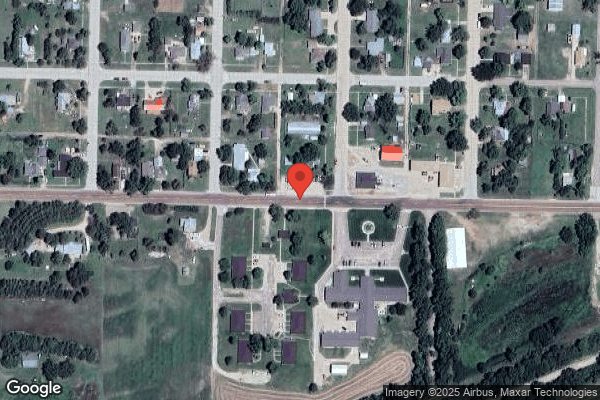
905 Floyd Street, Beaver City, NE 68926 (308) 268-5111
Government - City 30 Beds Independent Data: November 2025
Trust Grade
70/100
#76 of 177 in NE
Last Inspection: June 2025

Inspected within the last 6 months. Data reflects current conditions.

Overview

Beaver City Manor has a Trust Grade of B, indicating it is a good choice for families seeking care, as it is solidly above average. It ranks #76 out of 177 nursing homes in Nebraska, placing it in the top half of the state, and is the only facility in Furnas County. The facility's performance has been stable, with 4 issues identified in both 2024 and 2025, but it is concerning that there are 9 deficiencies reported, all of which could potentially harm residents. Staffing is a strong point, with a low turnover rate of 0%, meaning staff are likely familiar with the residents, though RN coverage is average. Specific incidents included failure to ensure the dishwasher sanitized dishware properly, staff not completing pre-employment health screens which could lead to infections, and a lack of an effective antibiotic stewardship program, all of which highlight areas needing improvement despite the absence of serious fines or critical issues.

Trust Score
B
70/100
In Nebraska
#76/177
Top 42%
Safety Record
Low Risk
No red flags
Inspections
Holding Steady
4 → 4 violations
Staff Stability
○ Average
Turnover data not reported for this facility.
Penalties
✓ Good
No fines on record. Clean compliance history, better than most Nebraska facilities.
Skilled Nurses
✓ Good
Each resident gets 44 minutes of Registered Nurse (RN) attention daily — more than average for Nebraska. RNs are trained to catch health problems early.
Violations
○ Average
9 deficiencies on record. Average for a facility this size. Mostly minor or procedural issues.
★★★☆☆
3.0
Overall Rating
★★★☆☆
3.0
Staff Levels
★★☆☆☆
2.0
Care Quality
★★★☆☆
3.0
Inspection Score
Stable
2024: 4 issues
2025: 4 issues

The Good

  • Full Sprinkler Coverage · Fire safety systems throughout facility
  • No fines on record

Facility shows strength in fire safety.

The Bad

3-Star Overall Rating

Near Nebraska average (2.9)

Meets federal standards, typical of most facilities

The Ugly 9 deficiencies on record

Jun 2025 4 deficiencies
CONCERN (E)

Potential for Harm - no one hurt, but risky conditions existed

Deficiency F0552 (Tag F0552)

Could have caused harm · This affected multiple residents

**NOTE- TERMS IN BRACKETS HAVE BEEN EDITED TO PROTECT CONFIDENTIALITY** Licensure Reference Number 175 NAC 12-006.05(D) Licensure Reference Number 175 NAC 12-006.05(E) Based on record review and inter...

Read full inspector narrative →
**NOTE- TERMS IN BRACKETS HAVE BEEN EDITED TO PROTECT CONFIDENTIALITY** Licensure Reference Number 175 NAC 12-006.05(D) Licensure Reference Number 175 NAC 12-006.05(E) Based on record review and interview the facility failed to ensure that the resident/resident representative received education and provided informed consent for use of psychotropic medications (any medication that affects behavior, mood, thoughts, or perception) as required for 5 of 5 residents reviewed (Residents 13, 20, 23, 1, and 18). The facility census was 23. Findings are: Record review of the facility policy titled Use of Psychotropic Drugs dated 8/1/24 revealed that residents are not given psychotropic drugs unless the medication is necessary to treat a specific condition as diagnosed and documented in the clinical record, and the medication is beneficial to the resident as demonstrated by monitoring and documentation of the resident's response to the medication. Residents and /or representatives shall be educated on the risks and benefits of psychotropic drug use as well as alternative treatments/non-pharmacological interventions. A. Record review of the Minimum Data Set (MDS, a mandatory comprehensive assessment tool used for care planning) for Resident 13 dated 3/19/25 revealed that Resident 13 had a diagnosis of depression. The MDS revealed that Resident 13 received an antidepressant (a psychotropic medication) 7 days of the 7 day MDS lookback period. Record review of the current care plan for Resident 13 dated 6/9/25 revealed that Resident 13 used antidepressant medication for depression. Interventions included monitoring for adverse reactions to antidepressant therapy including change in behavior, hallucinations, social isolation, decline in activities of daily living ability, rigid muscles, dizziness, falls, and weight loss. Record review of the Order Summary (a listing of all physician orders for a resident) for Resident 13 dated 6/9/25 revealed that Resident 13 had an order for Lexapro (an antidepressant medication) 20 milligrams (mg) daily for depression. The order date was 4/23/25. Record review of the medical record for Resident 13 revealed no evidence of a consent for use of psychotropic medications. Interview on 6/11/25 at 12:58 PM with the facility Director of Nursing (DON) revealed that the DON was not sure if the facility had any informed consent for the use of psychotropic medication for Resident 13. Interview on 6/11/25 at 2:48 PM with the DON confirmed that the facility did not have a psychotropic consent form for the resident as required. B. Record review of the MDS for Resident 20 dated 4/30/25 revealed that Resident 20 had a diagnosis of dementia. Resident 20 had no psychiatric or mood disorder diagnoses. The MDS revealed that Resident 20 received an antipsychotic medication (a class of psychotropic medication used to manage psychotic disorders such as schizophrenia) 7 days of the 7 day MDS lookback period. Record review of the current care plan for Resident 20 dated 6/9/25 revealed that Resident 20 used psychotropic medications due to dementia. Interventions included monitoring for side effects and effectiveness. It also stated to monitor and report any unsteady gait (a person's manner of walking), tardive dyskinesia (involuntary repetitive uncontrolled movements that are a side effect of the use of antipsychotic medications), frequent falls, difficulty swallowing, loss of appetite, and weight loss. Record review of the Order Summary for Resident 20 dated 6/9/25 revealed that Resident 20 had an order for Zyprexa 2.5 mg (an antipsychotic medication) one time a day for dementia with agitation. The order date was 5/30/25. Record review of the medical record for Resident 20 revealed no evidence of a consent for use of psychotropic medications. Interview on 6/11/25 at 12:58 PM with the facility Director of Nursing (DON) revealed that the DON was not sure if the facility had any informed consent for the use of psychotropic medication for Resident 20. Interview on 6/11/25 at 2:48 PM with the DON confirmed that the facility did not have a psychotropic consent form for the resident as required. C. Record review of the MDS for Resident 23 dated 3/12/25 revealed that Resident 23 had a diagnosis of depression. The MDS revealed that Resident 23 received an antidepressant 7 days of the 7 day MDS lookback period. Record review of the current care plan for Resident 23 dated 6/9/23 revealed that Resident 23 felt down and depressed. Interventions included to administer antidepressant medication as ordered and to monitor for side effects and effectiveness. Record review of the Order Summary for Resident 23 dated 6/9/25 revealed that Resident 23 had an order for Sertraline 50 mg (an antidepressant medication) at bedtime for depression. The order date was 9/5/24. Record review of the medical record for Resident 23 revealed no evidence of a consent for use of psychotropic medications. Interview on 6/11/25 at 12:58 PM with the facility Director of Nursing (DON) revealed that the DON was not sure if the facility had any informed consent for the use of psychotropic medication for Resident 23. Interview on 6/11/25 at 2:48 PM with the DON confirmed that the facility did not have a psychotropic consent form for the resident as required. D. Record review of Resident 1's quarterly MDS dated [DATE] revealed an admission date of 12/18/2009. Active diagnoses included depression, psychotic disorder, and schizophrenia. Antipsychotic, and antidepressant medications were received 7 days of the 7-day MDS look back period. Review of Resident 1's Physician Orders dated 06/10/2025 revealed Resident 1 had orders for the following medications: Sertraline 100 mg by mouth (PO) every day one time a day (QD) for depression with an order date of 12/06/2021 Zyprexa (Olanzapine) 10 mg PO QD for paranoid schizophrenia with an order date of 04/20/2022. Review of Resident 1's Medication Administration Record for April, May, June 2025 revealed documentation the Sertraline and Zyprexa were administered to Resident 1 as ordered. Review of Resident 1's Consent for Use of Psychoactive Medication revealed no consent for use of the Sertraline and Zyprexa or education of adverse side effects and other alternatives. During an interview on 06/11/2025 at 2:05 PM the Director of Nursing (DON) indicated no consent for use, rather a treatment contract for Ambience Counseling dated 09/10/2024, none referring to the medications Sertraline and Zyprexa being administered for Resident 1, education of adverse side effects and/or other alternatives. E. Record review of Resident 18's quarterly MDS dated [DATE] revealed an admission date of 09/28/2023. Active diagnoses included Parkinson's disease, anxiety disorder, and depression. Antianxiety, and antidepressant medications were received 7 days of the 7-day MDS look back period. Review of Resident 18's Physician Orders dated 06/10/2025 revealed Resident 18 had orders for the following medications: Duloxetine 60 mg PO every day one time a day (QD) for depression with an order date of 12/27/2023, and Lorazepam 0.5 mg PO QD with an order date of 3/13/2024. Review of Resident 18's Medication Administration Record for April, May, June 2025 revealed documentation the Sertraline and Zyprexa were administered to Resident 18 as ordered. Review of Resident 18's Consent for Use of Psychoactive Medication revealed no consent for use of the Duloxetine and Zyprexa or education of adverse side effects and other alternatives. During an interview on 06/11/2025 at 2:05 PM the DON indicated no consent for use, rather a treatment contract for Ambience Counseling dated 08/19/2024, none referring to the medications Duloxetine and Zyprexa being administered for Resident 18, education of adverse side effects and/or other alternatives.
CONCERN (F) 📢 Someone Reported This

A family member, employee, or ombudsman was alarmed enough to file a formal complaint

Potential for Harm - no one hurt, but risky conditions existed

Food Safety (Tag F0812)

Could have caused harm · This affected most or all residents

Licensure Reference Number 175 NAC 12-006.11(E) Based on observation, record review, and interview the facility failed to ensure that the facility dishwasher operated in the required temperature range...

Read full inspector narrative →
Licensure Reference Number 175 NAC 12-006.11(E) Based on observation, record review, and interview the facility failed to ensure that the facility dishwasher operated in the required temperature range to sanitize dishware. This affected all facility residents. The facility census was 23. Findings are: Record review of the Nebraska Food Code, effective date 7/21/16, section 4-501.110(B) revealed that the temperature of the wash solution in spray-type dishwashers that use chemicals to sanitize may not be less than 120° Fahrenheit (F). Record review of the facility dishwasher manufacturer product guide dated 2009 revealed that the facility dishwasher is a low temperature chemical sanitization washer. The product guide revealed that the wash operating temperature is required to be 120 degrees F minimum. Observation on 6/10/25 at 8:43 AM in the facility kitchen revealed that the dishwasher temperature log was taped on the front of the dishwasher. The log had spaces to document the AM and PM temperatures of the dishwasher water daily. The log noted that the temperature is to be 120 degrees F or above. Staff are to notify maintenance if the temperature is not 120 degrees F or above. Observation on 6/10/25 at 9:07 AM in the facility kitchen revealed that Dietary Aide (DA)-I was rinsing dishware and placing it into the dishwasher. DA-I started the dishwasher. The water temperature during the wash cycle was 96 degrees F. The rinse cycle temperature reached 133 degrees F. Observation on 6/10/25 in the facility kitchen at 10:54 AM revealed that Dietary [NAME] (DC)-C placed a load of dishes in the dishwasher. The wash cycle water temperature reached 104 degrees F and a rinse temperature of 140 degrees F. This surveyor asked DC-C what the wash temperature was required to be. DC-C revealed that DC-C had just started and was not sure. Observation on 6/10/25 at 1:35 PM in the facility kitchen with the Dietary Supervisor (DS) observed a dish wash cycle for the dishwasher. The wash temperature reached 104 degrees F and fluctuated between 103 degrees F and 104 degrees F. The DS confirmed that the facility dishwasher is a low temperature chemical sanitizing dishwasher. The DS confirmed that the wash temperature was only 104 degrees F and did not reach the required temperature of 120 degrees F or above. Interview on 6/10/25 at 2:19 PM with the Facility Administrator (FA) revealed that the representative from the company that maintains and services the facility dishwasher was in the facility in May 2025. The FA noted that the representative revealed that the wash cycle temperature of the dishwasher was 125 degrees F and the rinse cycle water temperature was 140 degrees F. The FA revealed that the FA talked with the representative per phone and that it is likely that a booster for heating water is out. The FA revealed a plumber would be in to take a look at the situation today or first thing in the morning. Interview on 6/10/25 at 4:47 PM with the FA revealed the facility would use paper products for food service tonight and at breakfast as the plumber would be in the facility in the morning. FA revealed that they are using the 3 compartment sink to wash cookware to ensure sanitization. Observation on 6/11/25 at 8:02 AM in the facility dining room revealed that DA-I and DC-C served resident breakfast meals to residents in the dining room. The meals were being served on the regular facility orange plates. Beverages were served in the usual facility reusable plastic coffee cups and beverage glasses. Interview on 6/11/25 at 8:07 AM with DC-B revealed that DC-B was told yesterday that they would be using paper plates and paper ware for meals until the dishwasher was fixed. DC-B revealed that DC-B got a call around 9:30 PM last night letting them know that the dishwasher was fixed. DC-B revealed that they had to run the dishwasher and record both the wash and rinse cycle temperatures. DC-B revealed that the wash temperature was 134 degrees F or something. Observation on 6/11/25 at 9:23 AM in the facility kitchen revealed that DA-I rinsed dishware and placed a rack of dishware in the dishwasher. The wash cycle temperature reached a high of 84 degrees F. The rinse cycle water temperature was 142 degrees F. This surveyor asked DA-I to run the load through the dishwasher again. The wash cycle temperature topped at 110 degrees F. This surveyor notified DC-B of the dishwasher wash cycle not reaching 120 degrees F or above. DC-B had DA-I run the load through the dishwasher again. The wash temperature topped at 112 degrees F. Observation on 6/11/23 at 9:29 AM with the Facility Administrator (FA) in the kitchen revealed that DA-I started a load of dishware in the dishwasher. The wash temperature reached a high of 112 degrees F. The FA stopped the cycle and instructed dietary staff to resume the use of paper products for meals until the dishwasher can be looked at again. The FA confirmed that the wash temperature was not at the required temperature of 120 degrees F or above to ensure sanitation of the dishware. Interview on 6/12/25 at 8:19 AM with the FA confirmed that the facility does not have a policy for use and monitoring of the dishwasher. The FA confirmed that the facility follows the dishwasher manufacturer product guide. The FA confirmed that the dishwasher is required to operate the wash cycle with a temperature of 120 degrees F or above to ensure sanitation.
CONCERN (F) 📢 Someone Reported This

A family member, employee, or ombudsman was alarmed enough to file a formal complaint

Potential for Harm - no one hurt, but risky conditions existed

Infection Control (Tag F0880)

Could have caused harm · This affected most or all residents

Licensure Reference Number 175 NAC 12-006.04(A)(ii) Licensure Reference Number 175 NAC 12-006.18(D) Based on observation, record review, and interview the facility failed to ensure that pre-employment...

Read full inspector narrative →
Licensure Reference Number 175 NAC 12-006.04(A)(ii) Licensure Reference Number 175 NAC 12-006.18(D) Based on observation, record review, and interview the facility failed to ensure that pre-employment health history screens were completed to prevent the potential for the spread of infectious diseases for 5 of 5 staff reviewed. This had the potential to affect all facility residents. The facility failed to ensure that staff performed hand sanitization (hand washing using soap and water or an alcohol-based hand rub (ABHR) to remove germs for reducing the risk of transmitting infection among patients and health care personnel) as required to prevent the potential for cross contamination during delivery of room meals. This affected 1 resident (Resident 18) of 3 residents observed. The facility census was 23. Findings are: A. Record review of the undated facility Orientation Checklist revealed that it contained tasks and record requirements to be completed for new employees. The checklist included the requirement for the completion of the Pre-Employment Questionnaire (pre-employment health screen). Interview on 6/11/25 at 1:37 PM with the facility Business Office Manager (BOM) confirmed that the Pre-Employment Questionnaire on the Orientation Checklist is the Pre-Employment Health Screen. The BOM confirmed that on hire the new employee was to fill out the facility Pre-Employment Health Screen (a 2 page form). The BOM revealed that the employee fills out the front side (page 1) of the form and the back side of the form (page 2). The BOM confirmed that page 2 of the form is where the employee signs and dates the form to confirm that the information is correct. The BOM confirmed that the BOM reviews the information on the form. The BOM confirmed that the Pre-Employment Health Screen has a line for the supervisor to sign and date that the form was reviewed on page 2 of the form. The BOM confirmed that the Pre-Employment Health Screen is to be completed before the employee begins working in the facility. Record review of the undated and untitled list of facility employees revealed that Nurse Aide (NA)-E had a hire date of 3/18/25. Record review of the employee file for NA-E revealed that it contained a Pre-Employment Health Screen for NA-E. The health screen did not have page 2 of the form. There was no signature and no date documenting the date the health screen was completed. There was no page 2 for the BOM to document the review of the health screen. Interview on 6/11/25 at 1:37 PM with the facility BOM confirmed that the Pre-Employment Health Screen for NA-E did not contain page 2 and was not dated or signed by NA-E as required. The BOM confirmed that that there was no supervisor review of the health screen as required. B. Record review of the undated and untitled list of facility employees revealed that NA-F had a hire date of 3/22/25. Record review of the employee file for NA-F revealed that it contained a Pre-Employment Health Screen for NA-F. The health screen did not have page 2 of the form. There was no signature and no date documenting the date the health screen was completed. There was no page 2 for the BOM to document the review of the health screen. Interview on 6/11/25 at 1:37 PM with the facility BOM confirmed that the Pre-Employment Health Screen for NA-F did not contain page 2 and was not dated or signed by NA-F as required. The BOM confirmed that that there was no supervisor review of the health screen as required. C. Record review of the undated and untitled list of facility employees revealed that Laundry Aide (LA)-G had a hire date of 4/1/25. Record review of the employee file for LA-G revealed that it contained a Pre-Employment Health Screen for LA-G. The health screen was signed on page 2 by LA-G with a date of 6/6/25 (2 months and 5 days after hire). The line for the Signature of Supervisor and date on page 2 were blank. Interview on 6/11/25 at 1:37 PM with the facility BOM confirmed that the Pre-Employment Health Screen for LA-G did not contain the supervisor signature and had no documentation that the health screen had been reviewed. The BOM confirmed that that there was no supervisor review of the health screen as required. D. Record review of the undated and untitled list of facility employees revealed that Activity Aide (AA)-H had a hire date of 4/1/25. Record review of the employee file for AA-H revealed that it contained a Pre-Employment Health Screen for AA-H. The health screen was signed on page 2 by AA-H with a date of 6/2/25 (2 months and 1 day after hire). The line for the supervisor Signature of Supervisor and date on page 2 were blank. Interview on 6/11/25 at 1:37 PM with the facility BOM confirmed that the Pre-Employment Health Screen for AA-H did not contain the supervisor signature and had no documentation that the health screen had been reviewed. The BOM confirmed that that there was no supervisor review of the health screen as required. E. Record review of the undated and untitled list of facility employees revealed that Medication Aide (MA)-D had a hire date of 6/4/25. Record review of the employee file for MA-D revealed that it contained a Pre-Employment Health Screen for MA-D. The health screen was signed on page 2 by MA-D with a date of 6/4/25. The line for the supervisor Signature of Supervisor and date on page 2 were blank. Interview on 6/11/25 at 1:37 PM with the facility BOM confirmed that the Pre-Employment Health Screen for MA-D did not contain the supervisor signature and had no documentation that the health screen had been reviewed. The BOM confirmed that that there was no supervisor review of the health screen as required. F. Record review of the facility policy titled Hand Hygiene dated 2/4/25 revealed that all staff will perform proper hand hygiene (hand sanitization) to prevent the spread of infection to other personnel, residents, and visitors. This applies to all staff working in all locations within the facility. Staff will perform hand hygiene when indicated using proper technique consistent with accepted standards of practice. Hand hygiene is indicated and will be performed when entering and exiting a resident room, between resident contacts, and after handling contaminated objects. Observation on 6/9/25 at 12:27 PM at the facility dining room revealed that Dietary Aide (DA)-A pushed a 3 shelf cart containing 3 resident room meals down the west hall to the room of Resident 2. DA-A removed a covered plate from the 3 shelf cart and carried it into the room of Resident 2. DA-A used the bare hands to rearrange items on the over bed table next to Resident 2. Resident 2 was in the recliner and refused the meal. DA-A asked Resident 2 if they wanted the tea left in the room. DA-A picked up the plate of food and carried it out of the room and placed it back onto the 3 shelf cart. DA-A pushed the cart down the hall past 2 resident rooms and applied hand sanitizer from a dispenser in the hall. DA-A rubbed their hands together and then continued to push the 3 shelf cart to the room of Resident 16 on the east hall. DA-A picked up a covered plate and beverages from the cart and carried them into the room of Resident 16. DA-A used the bare left hand to move items on the over bed table to make room for the plate of food. DA-A sat the plate on the over bed table and encouraged Resident 16 to eat what they could. DA-A used the bare hands to reposition the over bed table over the lap of Resident 16. DA-A exited the room of Resident 16 and pushed the 3 shelf cart to the room of Resident 18. DA-A did not perform hand sanitization. DA-A picked up a covered plate of food from the 3 shelf cart and carried it into the room of Resident 18. The room was dark and DA-A asked Resident 18 if they wanted them to turn the light on. DA-A used the bare right hand to turn the light on. DA-A sat the plate of food on the edge of the over bed table. DA-A used the bare hands to pick up the podium mirror from the over bed table and sat the mirror on the floor by the room heating unit. DA-A used the bare hands to move other items on the over bed table and positioned the plate of food in the middle of the over bed table. DA-A repositioned the over bed table for Resident 18 to begin eating. DA-A exited the room of Resident 18 and pushed the 3 shelf cart to the facility dining room. DA-A did not perform hand sanitization. DA-A walked over to the kitchen meal service window and picked up a carafe of coffee with the bare right hand and moved it to a different location in the service window. DA-A entered the kitchen and walked past the sink. The facility Dining Supervisor was washing their hands at the sink. DA-A continued through the door towards the employee lounge. DA-A re-entered the kitchen through the door near the sink and stopped and began to wash the hands. DA-A washed the hands for a total of 11 seconds. Interview on 6/12/25 with the facility Infection Preventionist (IP) confirmed that staff are required to perform hand hygiene on exit from a resident room. IP confirmed that this includes dietary staff delivering meals into resident rooms.
CONCERN (F)

Potential for Harm - no one hurt, but risky conditions existed

Antibiotic Stewardship (Tag F0881)

Could have caused harm · This affected most or all residents

**NOTE- TERMS IN BRACKETS HAVE BEEN EDITED TO PROTECT CONFIDENTIALITY** Licensure Reference Number 175 NAC 1-005.06(C) Based on Record Review and Interview; the facility failed to have an effective a...

Read full inspector narrative →
**NOTE- TERMS IN BRACKETS HAVE BEEN EDITED TO PROTECT CONFIDENTIALITY** Licensure Reference Number 175 NAC 1-005.06(C) Based on Record Review and Interview; the facility failed to have an effective antibiotic stewardship program. This had the potential to affect all residents in the facility. The facility identified a census of 23. Findings are: Record Review of the facility policy Antibiotic Stewardship Program dated 05/09/2025 revealed: 4. The program includes antibiotic use protocols and a system to monitor antibiotic use. a. Antibiotic use protocols: i. Nursing staff shall assess residents who are suspected to have an infection and complete an SBAR form (a structured communication format used to convey information including situation, background, assessment, and recommendation) prior to notifying the physician. ii. Laboratory testing shall be in accordance with current standards of practice. iii. The facility uses the (CDC's NHSN Surveillance Definitions) to define infections. iv. The Loeb Minimum Criteria are used to determine whether to treat and infection with antibiotics. v. All prescriptions for antibiotics shall specify the dose, duration, and indication for use. vi. Reassessment of empiric antibiotics is conducted after 2-3 days for appropriateness and necessity, factoring in results of diagnostic tests, laboratory reports, and/or changes in the clinical status of the resident. vii. Whenever possible, narrow spectrum antibiotics that are appropriate for the condition being treatment shall be utilized. b. Monitoring antibiotic use: i. Antibiotic orders obtained upon admission, whether new admission or readmission, to the facility shall be reviewed for appropriateness. ii. Antibiotic orders obtained from consulting, specialty, or emergency providers shall be reviewed for appropriateness. iii. Random audits of antibiotic prescriptions shall be performed to verify completeness and appropriateness (process measure). IV. Antibiotic use shall be measured by (monthly prevalence, antibiotic starts, and/or antibiotic days of therapy). v. At least one outcome measure associated with antibiotic use will be tracked monthly, as prioritized from the facility's infection control risk assessment and other infection surveillance data. Examples include Clostridioides difficile infections (a bacterial infections that can cause severe diarrhea common in healthcare settings often associated with recent antibiotic use), antibiotic resistance, adverse drug events related to antibiotic use, or [NAME] related to antibiotic use. vi. A review of the facility's antibiogram will be performed every 18-24 months to guide development or revision of antibiotic use protocols or prescribing practices. 5. At least annually, feedback shall be provided on the facility's antibiotic stewardship use data in the form of a written report shared with administration, medical and nursing staff, resident and family council, and the QAA committee. Record review of an admission Record dated 06/10/2025 for Resident 18 revealed an admission date of 09/28/2023. Record review of an Order Summary dated 06/10/2025 for Resident 18 revealed an order for Clarithromycin (Biaxin) Oral Tablet 250 milligram (MG) for chronic UTI (urinary tract infections; bacteria (most commonly E. coli) enter the urinary tract and multiply, causing an infection)), order date 01/15/2024. An interview with the IP and the DON on 06/11/2025 at 11:00 AM revealed that Resident 18 had not encountered a UTI since admission to the facility on [DATE]. Record review of a physician fax dated 06/11/2025 revealed Biaxin was ordered on 10/23/2023 for history of UTI. Since being on Biaxin, resident has had no noted further UIT's. Do you feel this medication should be continued as the benefits out weight the risks associated? Yes was physically circled. Physician response revealed antibiotic prophylaxis for chronic recurrent symptomatic UTI and multiple allergies to antibiotics. Prescribed by a Urologist (medical doctor who specializes in diagnosing and treating conditions of the urinary tract) for this purpose. An interview with the IP and the DON on 06/11/2025 at 11:00 AM revealed that Resident 18 does not have an established Urologist currently and the medication Biaxin is currently being managed by the primary physician. An interview on 06/11/2025 at 11:00 AM the Infection Preventionist (IP) and the Director of Nursing (DON) revealed that reassessments, lab testing, and tracking and trending for residents on long term use antibiotics had not been performed. During an interview on 06/11/2025 at 4:30 PM the Administrator and the DON indicated they do not have an effective management of antibiotics within the facility.
Jul 2024 4 deficiencies
CONCERN (D) 📢 Someone Reported This

A family member, employee, or ombudsman was alarmed enough to file a formal complaint

Potential for Harm - no one hurt, but risky conditions existed

Report Alleged Abuse (Tag F0609)

Could have caused harm · This affected 1 resident

**NOTE- TERMS IN BRACKETS HAVE BEEN EDITED TO PROTECT CONFIDENTIALITY** Licensure Reference Number 175 NAC 12-006.02(H) Based on record review and interview, the facility failed to ensure that investi...

Read full inspector narrative →
**NOTE- TERMS IN BRACKETS HAVE BEEN EDITED TO PROTECT CONFIDENTIALITY** Licensure Reference Number 175 NAC 12-006.02(H) Based on record review and interview, the facility failed to ensure that investigations of potential abuse or neglect were submitted to the state agency within 5 working days as required for 2 residents (Residents 6 and 2) of 3 residents reviewed. The facility census was 21. Findings are: A. Record review of the facility policy titled Abuse, Neglect, and Exploitation dated 2/1/24 revealed that it is the facility policy to provide protections for the health, welfare and rights of each resident by developing and implementing written policies and procedures that prohibit and prevent abuse, neglect, exploitation and misappropriation of resident property. An immediate investigation is warranted when suspicion of abuse, neglect or exploitation occur. Record review of the facility policy titled Compliance with Reporting Allegations of Abuse/Neglect/Exploitation dated 2/1/24 revealed it is the policy of the facility to report all allegations of abuse/neglect/exploitation or mistreatment to other appropriate agencies in accordance with current state and federal regulations within prescribed timeframes. The Facility Administrator or designee will report sufficient information to describe the result of the investigation and any corrective actions taken within 5 working days of the incident. Record review of the admission Record dated 7/8/24 for Resident 6 revealed that Resident 6 admitted into the facility on 8/31/23. Record review of the Care Plan dated 7/8/24 for Resident 6 revealed that Resident 6 is at risk for falls. The care plan revealed that Resident 6 had falls in the facility on 10/8/23, 10/14/23, and 4/24/24. Record review of the progress note for Resident 6 dated 4/24/24 at 8:07 AM revealed that Resident was laying on the floor of the resident's room just outside of the bathroom doorway. When staff began to assist Resident 6, Resident 6 stated ooow with facial grimacing noted. Resident 6 complained of pain in the left mid-thigh and right hip and buttock. Record review of the progress note for Resident 6 dated 4/24/24 at 9:15 AM revealed that an ambulance was requested. Resident 6 was transferred to the emergency room. Record review of the progress note for Resident 6 dated 4/24/24 at 12:15 PM revealed that the report from the hospital revealed that Resident 6 had a fracture of the cervical spine C1 (one of 7 stacked spinal bones that start at the top of the shoulders and continue up to support the skull). Record review of the email dated 5/1/24 at 3:43 PM from the Facility Administrator (FA) to the state agency revealed that it was the investigation report for Resident 6 (This was the 6th business day after Resident 6's fall with injury on 4/24/24). Interview on 7/10/24 at 11:05 AM with the FA confirmed that the email dated 5/1/24 at 3:43 PM was the investigation report submitted to the state agency for Resident 6's fall with injury on 4/24/24. The FA confirmed that the facility had not counted the day of occurrence as day 1 when calculating the 5 days. The FA confirmed the facility had not submitted the investigation to the state agency within 5 business days. B. Record review of the admission Record dated 7/9/24 for Resident 2 revealed that Resident 2 admitted into the facility on [DATE]. Record review of the progress note for Resident 2 dated 5/14/24 at 11:54 AM revealed that Resident 2 requested that their Social Security check be deposited into their resident trust account and that the resident's bank account be closed. Resident 2 revealed they no longer wanted their child to have access to their finances. The facility notified the Social Security Office of the change requested by Resident 2. The facility contacted the bank to have the money in the bank account of Resident 2 mailed to Resident 2 in the facility. Record review of the progress note for Resident 2 dated 5/24/24 at 3:06 PM revealed that the child of Resident 2 called and requested that the facility send transfer information for Resident 2 to another long-term care facility. The facility faxed the information to the other facility as requested. Record review of the progress note for Resident 2 dated 5/25/24 at 12:19 AM revealed Resident 2 was having difficulty falling asleep. Resident 2 revealed that the resident was still upset about what went on earlier in the day. Record review of the progress note for Resident 2 dated 5/30/24 at 11:34 AM revealed that the child of Resident 2 contacted the facility to send referral information to another long-term care facility. This is the second facility the child requested information be sent to. Resident 2 feels their child wants the resident moved to another facility in order to regain access to Resident 2's bank account. Record review of the progress note for Resident 2 dated 6/4/24 at 2:44 PM revealed that Resident 2 is feeling somewhat indifferent to their child misappropriating the resident's finances. Record review of the facility misappropriation investigation dated 6/3/24 revealed that Adult Protective Services (APS) was notified on 5/24/24 at 11:37 AM to notify them of the misappropriation of Resident 2's finances. Record review of the email dated 6/3/24 at 5:00 PM from the Facility Administrator (FA) to the state agency revealed that it was the investigation report for Resident 2 (This was the 7th business day after the misappropriation of Resident 2's finances was reported to APS on 5/24/24). Interview on 7/10/24 at 11:05 AM with the FA confirmed that the email dated 6/3/24 at 5:00 PM was the investigation report submitted to the state agency for Resident 2's misappropriation of finances for the 5/24/24 report to APS. The FA confirmed that the facility had not submitted the investigation to the state agency within 5 business days for Resident 2.
CONCERN (D)

Potential for Harm - no one hurt, but risky conditions existed

Medication Errors (Tag F0758)

Could have caused harm · This affected 1 resident

**NOTE- TERMS IN BRACKETS HAVE BEEN EDITED TO PROTECT CONFIDENTIALITY** B. Record review of Resident 5's Minimum Data Set (MDS-a federally mandated comprehensive assessment used to develop the residen...

Read full inspector narrative →
**NOTE- TERMS IN BRACKETS HAVE BEEN EDITED TO PROTECT CONFIDENTIALITY** B. Record review of Resident 5's Minimum Data Set (MDS-a federally mandated comprehensive assessment used to develop the resident care plan) dated 05/01/2024 revealed the following: -diagnosis of unspecified dementia, hallucinations, unspecified severity with psychotic disturbance, abnormal weight loss, anxiety disorder unspecified, (a mental health disorder characterized by feelings of worry, anxiety, or fear that are strong enough to interfere with one's daily activities) and the presence of cardiac pacemaker -Cognitive score of 1/15, indicating severe cognitive impairment. -behaviors were not indicated in the MDS -the resident received the following high risk drug class medications: antianxiety, antidepressants, antipsychotics, anticoagulants, and diuretics. Record review of Resident 5's Care Plan (a written interdisciplinary comprehensive plan detailing how to provide quality care for a resident) with a revision date of 06/05/2024 revealed the following: -the resident uses an antidepressant medication -the resident uses an antianxiety medication -the resident uses a psychotropic medication -the resident has behaviors related to dementia evidenced by ineffective coping skills, poor impulse control, hallucinating, and anxiety -the resident has impaired cognitive and communication functions related to dementia, and anxiety, evidenced by hallucinating thoughts -monitor/document/report as needed any adverse reactions of psychotropic medications: unsteady gait, tardive dyskinesia, extrapyramidal symptoms (EPS). Record review of Resident 5's order summary report of physician orders revealed the following psychotropic (any medication that affects behavior, mood, thoughts, or perception) medications: -Zoloft (antianxiety) 50 milligram (mg) one time daily for the treatment of anxiety, with a start date of 08/11/2022 -Buspirone (antianxiety) 5 mg one time daily for the treatment of anxiety, with a start date of 8/11/2022 -Lorazepam (antianxiety) 0.5 mg every 6 hours PRN for anxiety or agitation with a start date of 07/28/2022. Record review of Resident 5's order summary report of physician orders revealed the following ordered antipsychotic (a psychotropic medication used to manage psychotic disorders) medications: -Haloperidol (antipsychotic) 0.5 milliliters (mL) every 6 hours PRN for agitation with a start date of 11/12/2023 and a discontinuation date of 06/19/2024 Record review of Resident 5's order summary report of physician orders revealed the following orders: -admission to hospice services with a start date of 11/06/2023 and a discontinuation date of 04/24/2024 Record review of Resident #5's medical record revealed no assessments for abnormal involuntary movement scale (AIMS) for the medication Haloperidol. The medical record revealed no assessments completed for the duration of the active PRN medication ordered. Interview with IP on 07/09/2024 at 2:20 PM revealed no AIMS assessment or other assessments were completed for the ordered and duration of use for the as needed antipsychotic medication Haloperidol. C. Record review of facility policy titled Use of Psychotropic Drugs with a revised date of 01/12/2024 reveals: Policy: Residents are not given psychotropic drugs unless the medication is necessary to treat a specific condition, as diagnoses and documented in the clinical record, and the medication is beneficial to the resident, as demonstrated by monitoring and documentation of the resident's response to the medication(s). Policy Explanation and Compliance Guidelines: 1. A psychotropic drug is any drug that affects brain activities associated with mental processes and behavior. Psychotropic drugs include but are not limited to the following categories: antipsychotics, antidepressants, anti-anxiety, and hypnotics. 8. PRN orders for psychotropic drugs shall be used only when the medication is necessary to treat a diagnosed specific condition that is documented in the clinical record, and for a limited duration (i.e. 14 days). a. If the attending physician or prescribing practitioner believes that it is appropriate for the PRN medication order to be extended beyond 14 days, he or she shall document their rationale in the resident's medical record and indicate the duration for the PRN order. b. PRN orders for antipsychotic drugs are limited to 14 days and cannot be renewed unless the attending physician or prescribing practitioner evaluates the resident for the appropriateness of the medication. 10. The resident's response to the medications(s), including progress towards goals and presence/absence of adverse consequences, shall be documented in the resident's medical record. 11. Use of psychotropic medications in specific circumstances: a. Acute or emergency situations (i.e., acute onset or exacerbation of symptoms or immediate threat to health or safety or resident or others): ii. Use of the psychotropic medication shall be consistent with #8 above, regarding PRN orders. Record review of Resident 5's Minimum Data Set (MDS-a federally mandated comprehensive assessment used to develop the resident care plan) dated 05/01/2024 revealed the following: -diagnosis of unspecified dementia, hallucinations, unspecified severity with psychotic disturbance, abnormal weight loss, anxiety disorder unspecified, (a mental health disorder characterized by feelings of worry, anxiety, or fear that are strong enough to interfere with one's daily activities) and the presence of cardiac pacemaker -cognitive score of 1/15, indicating severe cognitive impairment. -behaviors were not indicated in the MDS -the resident received the following high risk drug class medications: antianxiety, antidepressants, antipsychotics, anticoagulants, and diuretics. Record review of Resident 5's Care Plan (a written interdisciplinary comprehensive plan detailing how to provide quality care for a resident) with a revision date of 06/05/2024 revealed the following: -the resident uses an antidepressant medication -the resident uses an antianxiety medication -the resident uses a psychotropic medication -the resident has behaviors related to dementia evidenced by ineffective coping skills, poor impulse control, hallucinating, and anxiety -the resident has impaired cognitive and communication functions related to dementia, and anxiety, evidenced by hallucinating thoughts Record review of Resident 5's order summary report of physician orders revealed the following psychotropic (any medication that affects behavior, mood, thoughts, or perception) medications: -Zoloft (antianxiety) 50 milligram (mg) one time daily for the treatment of anxiety, with a start date of 08/11/2022 -Buspirone (antianxiety) 5 mg one time daily for the treatment of anxiety, with a start date of 08/11/2022 -Lorazepam (antianxiety) 0.5 mg every 6 hours as needed for anxiety or agitation with a start date of 07/28/2022. Record review of Resident 5's order summary report of physician orders revealed the following ordered antipsychotic (a psychotropic medication used to manage psychotic disorders) medications: -Haloperidol (antipsychotic) 0.5 milliliters (mL) every 6 hours as needed for agitation with a start date of 11/12/2023 and a discontinuation date of 06/19/2024 Record review of psychotropic and antipsychotic medications ordered as needed did not contain a documented rationale and did not contain a determined duration of use date. Interview with the DON on 07/09/2024 at 11:29 PM revealed there was no physician documented rationale or determined duration of use for the as needed ordered antianxiety medication Lorazepam. Licensure Reference Number 175 NAC 12-006.09(H) Based on observation, record review, and interview the facility failed to ensure that residents receiving antipsychotic medications (a psychotropic medication that affects behavior, mood, thoughts, or perception and is used to manage psychotic disorders) were monitored for adverse reactions for 2 of 5 residents reviewed (Residents 6 and 5) and failed to ensure that PRN (as needed) psychotropic medications had a documented rationale and determined duration for use for 1 of 5 residents reviewed (Resident 5). The facility census was 21. Findings are: A. Record review of the facility policy titled Use of Psychotropic Drugs dated 1/13/23 revealed that residents are not given psychotropic drugs unless the medication is necessary to treat a specific condition, as diagnosed and documented in the clinical record, and the medication is beneficial to the resident, as demonstrated by monitoring and documentation of the resident's response to the medication. Residents who receive psychotropic medications at regular intervals shall be evaluated on an ongoing basis for the effects of the psychotropic medications on their physical, mental, and psychosocial well-being during Minimum Data Set (MDS) (a mandatory comprehensive assessment tool used for care planning) review (quarterly, annually, significant change) and in accordance with nurse assessments and medication monitoring parameters consistent with clinical standards of practice, manufacturer's specifications, and the resident's comprehensive plan of care. Record review of the MDS assessment dated [DATE] for Resident 6 revealed that Resident 6 admitted into the facility on 8/31/23. The MDS revealed that Resident 6 is [AGE] years old. The MDS revealed that Resident 6 had a diagnosis of Dementia, Anxiety, and a diagnosis of Psychotic Disorder other than schizophrenia (a severe mental disorder that causes abnormal thinking and perceptions). The MDS revealed that Resident 6 took an antipsychotic medication during the MDS assessment lookback period. Record review of the Order Summary dated 7/9/24 for Resident 6 revealed that Resident 6 had a physician's order to take Seroquel 25 milligrams (an antipsychotic medication) daily. Record review of the Medication Administration Record (MAR) (a legal record of the medications administered to a patient at a facility by a health care professional) dated December 2023 revealed that Resident 6 received Seroquel 25 milligrams daily every day in December 2023 (12/1/23-12/31/23). Record review of the MAR dated January 2024 revealed that Resident 6 received Seroquel 25 milligrams daily every day in January 2024 (1/1/24-1/31/24). Record review of the MAR dated February 2024 revealed that Resident 6 received Seroquel 25 milligrams daily on 27 of 29 days in February 2024 (2/1/24-2/27/24). Record review of the MAR dated March 2024 revealed that Resident 6 received no Seroquel 25 milligrams daily during March 2024 (3/1/24-3/31/24). Record review of the MAR dated April 2024 revealed that Resident 6 received Seroquel 25 milligrams daily on 7 of 30 days in April 2024 (4/27/24-4/30/24). Record review of the MAR dated May 2024 revealed that Resident 6 received Seroquel 25 milligrams daily every day in May 2024 (5/1/24-5/31/24). Record review of the MAR dated June 2024 revealed that Resident 6 received Seroquel 25 milligrams daily every day in June 2024 (6/1/24-6/30/24). Record review of the MAR dated July 2024 for the dates of 7/1/24-7/9/24 revealed that Resident 6 received Seroquel 25 milligrams daily every day as of 7/9/24 (7/1/24-7/9/24). Record review of the Nursing 2018 Drug Handbook revealed that Seroquel is in the therapeutic class of antipsychotics (Seroquel is an antipsychotic medication). Seroquel has a Black Box Warning specifying that Seroquel is not indicated for use in elderly patients with dementia-related psychosis because of increased risk of death from cardiovascular disease or infection. Adverse reactions include extrapyramidal reaction (involuntary movements that you cannot control caused by antipsychotic medications). Monitor patient for tardive dyskinesia (an extrapyramidal reaction where your face, body or both make sudden, irregular movements which you cannot control. It can develop as a side effect of medication, most commonly antipsychotic drugs). Observation on 7/9/24 at 7:30 AM in the facility dining room revealed that Resident 6 sat at a table. An unidentified Dietary staff delivered the breakfast meal to Resident 6. Resident 6 slowly picked up a weighted fork with the right hand. Resident 6's right arm did not bend beyond approximately 20 degrees per visual measurement and appeared stiff. Resident 6 began to feed themselves. Resident 6 struggled to lift the fork to their mouth. Observation on 7/10/24 at 8:05 AM in the facility dining room revealed that Resident 6 sat at a dining room table. A plate of food was on the table in front of the resident. Nurse Aide-C (NA-C) sat to the left of Resident 6 and used the silverware to feed Resident 6. Record review of the Care Plan dated 7/8/24 for Resident 6 revealed that Resident 6 uses psychotropic medications (Seroquel) related to hallucinations. Interventions included monitor/document/report any adverse reactions of psychotropic medications: unsteady gait (a person's manner of walking), tardive dyskinesia, EPS (Extrapyramidal Symptoms) (shuffling gait, rigid muscles, shaking). Record review of the medical record for Resident 6 revealed that one Abnormal Involuntary Movement Assessment (AIMS) (an assessment used to assess for abnormal irregular, involuntary movements most commonly in areas of the face, around the eyes, and of the mouth, including the jaw, tongue, and lips) was completed for Resident 6 on 12/1/23. The medical record revealed no other completed assessments to monitor Resident 6 for adverse extrapyramidal reactions. Record review of the AIMS assessment dated [DATE] for Resident 6 revealed that there was no rigidity of either the right or left arm of Resident 6. The resident was scored as 0.0 meaning no observed abnormal movements or impact of movements on the resident. Interview on 7/10/24 at 12:17 PM with the facility Infection Preventionist (IP) confirmed that Resident 6 takes an antipsychotic medication that requires monitoring for extrapyramidal symptoms. The IP confirmed that the expectation is for an Abnormal Involuntary Movement (AIMS) assessment to be performed quarterly for residents taking antipsychotic medications. The IP confirmed that quarterly AIMS assessments were not completed for Resident 6 as required.
CONCERN (D)

Potential for Harm - no one hurt, but risky conditions existed

Unnecessary Medications (Tag F0759)

Could have caused harm · This affected 1 resident

**NOTE- TERMS IN BRACKETS HAVE BEEN EDITED TO PROTECT CONFIDENTIALITY** Licensure Reference Number 175 NAC 12-006.10(D) Based on observation, record review, and interview the facility failed to ensure...

Read full inspector narrative →
**NOTE- TERMS IN BRACKETS HAVE BEEN EDITED TO PROTECT CONFIDENTIALITY** Licensure Reference Number 175 NAC 12-006.10(D) Based on observation, record review, and interview the facility failed to ensure a medication error rate of less than 5% with an observed medication error rate of 7.14% (28 medication administrations with 2 errors). The facility census was 21. Findings are: A. Record review of the facility policy titled Insulin Pen dated 2/1/24 revealed that it is the policy of the facility to use insulin pens in order to improve the accuracy of insulin dosing. The section titled Policy Explanation and Compliance Guidelines revealed that insulin pens will be primed prior to each use to avoid collection of air in the insulin reservoir. The section titled Procedure revealed the step to attach the pen needle. The procedure steps continued to prime the insulin pen: Dial 2 units by turning the dose selector clockwise. With the needle pointing up, push the plunger and watch to see that at least one drop of insulin appears on the tip of the needle. If not, repeat until at least one drop appears. The procedure steps continued to set the insulin dose: Turn the dose selector to the ordered dose. A click will be heard for each unit dialed. Check dose a second time. Record review of the admission Record dated 7/9/24 for Resident 2 revealed that Resident 2 admitted into the facility on [DATE]. Resident 2 had diagnosis of Diabetes Mellitus (a chronic disease characterized by elevated levels of blood sugar, which leads over time to serious damage to the heart, blood vessels, eyes, kidneys, and nerves). Record review of the Medication Administration Record (MAR) dated 7/9/24 for Resident 2 revealed that Resident 2 had an order to receive 28 units of Novolog insulin (a mealtime insulin injected under the skin made to help control blood sugar spikes in adults with diabetes) three times daily at 7:30 AM, 11:00 AM, and 5:00 PM. Observation on 7/09/24 at 11:32 AM at the medication cart revealed that Licensed Practical Nurse-A (LPN-A) reviewed the insulin order for Resident 2. LPN-A confirmed that Resident 2 has an order for Novolog insulin (a rapid-acting Insulin to help control blood sugar spikes in adults with diabetes) 28 units subcutaneously (under the skin) three times a day before each meal. LPN-A removed the Novolog insulin pen from inside the medication cart. LPN-A removed the cap from the insulin pen and wiped the top of the pen with an alcohol prep pad. LPN-A dialed the pen dose to 28 units. LPN-A applied a needle to the top of the insulin pen. (LPN-A did not dial the pen to 2 units and prime the needle prior to dialing the ordered dose of 28 units). LPN-A entered the room of Resident 2 with the insulin pen. LPN-A asked Resident 2 which arm they would like the insulin administered in. LPN-A wiped the upper right arm of Resident 2 with an alcohol prep pad. LPN-A placed the insulin pen against the skin of Resident 2's right upper arm and administered the insulin. LPN-A removed the needle from the insulin pen and discarded it into the sharp's container in the resident's room. LPN-A returned to the medication cart and documented the insulin administration. Interview on 7/10/24 at 2:52 PM with the facility Director of Nursing (DON) confirmed that staff are expected to prime the insulin pen prior to dialing the ordered insulin dose on the insulin pen to ensure the resident received the correct dose of insulin per the physician's order. The DON confirmed that not priming the insulin pen was a medication error. B. Observation on 7/10/24 at 11:49 AM at the medication cart outside the room of Resident 2 revealed that Licensed Practical Nurse-B (LPN-B) reviewed the insulin order for Resident 2. LPN-B confirmed that Resident 2 has an order for Novolog insulin (a rapid-acting Insulin to help control blood sugar spikes in adults with diabetes) 28 units subcutaneously three times a day before each meal. LPN-B carried the insulin pen and supplies into the room of Resident 2. LPN-B picked up the Novolog insulin pen and removed the cap from the insulin pen. LPN-B opened a needle and attached the needle to the insulin pen. LPN-B dialed the pen dose to 28 units. (LPN-B did not dial the pen to 2 units and prime the needle prior to dialing the ordered dose of 28 units). LPN-B wiped the upper right arm of Resident 2 with an alcohol prep pad. LPN-B placed the insulin pen against the skin of Resident 2's right upper arm and administered the insulin. LPN-B removed the needle from the insulin pen and discarded the needle into the sharp's container in the resident bathroom. LPN-B returned to the medication cart. Interview on 7/10/24 at 2:52 PM with the DON confirmed that staff are expected to prime the insulin pen prior to dialing the ordered insulin dose on the insulin pen to ensure the resident received the correct dose of insulin per the physician's order. The DON confirmed that not priming the insulin pen was a medication error.
CONCERN (D)

Potential for Harm - no one hurt, but risky conditions existed

Deficiency F0760 (Tag F0760)

Could have caused harm · This affected 1 resident

**NOTE- TERMS IN BRACKETS HAVE BEEN EDITED TO PROTECT CONFIDENTIALITY** Licensure Reference Number 175 NAC 12-006.10(D) Based on observation, record review, and interview the facility failed to preven...

Read full inspector narrative →
**NOTE- TERMS IN BRACKETS HAVE BEEN EDITED TO PROTECT CONFIDENTIALITY** Licensure Reference Number 175 NAC 12-006.10(D) Based on observation, record review, and interview the facility failed to prevent significant medication errors (a medication error which causes the resident discomfort or jeopardizes his or her health and safety) for 1 of 4 residents observed (Resident 2). The facility census was 21. Findings are: A. Record review of the facility policy titled Insulin Pen dated 2/1/24 revealed that it is the policy of the facility to use insulin pens in order to improve the accuracy of insulin dosing. The section titled Policy Explanation and Compliance Guidelines revealed that insulin pens will be primed prior to each use to avoid collection of air in the insulin reservoir. The section titled Procedure revealed the step to attach the pen needle. The procedure steps continued to prime the insulin pen: Dial 2 units by turning the dose selector clockwise. With the needle pointing up, push the plunger and watch to see that at least one drop of insulin appears on the tip of the needle. If not, repeat until at least one drop appears. The procedure steps continued to set the insulin dose: Turn the dose selector to the ordered dose. A click will be heard for each unit dialed. Check dose a second time. Record review of the admission Record dated 7/9/24 for Resident 2 revealed that Resident 2 admitted into the facility on [DATE]. Resident 2 had a diagnosis of Diabetes Mellitus (a chronic disease characterized by elevated levels of blood sugar, which leads over time to serious damage to the heart, blood vessels, eyes, kidneys, and nerves). Record review of the Medication Administration Record (MAR) dated 7/9/24 for Resident 2 revealed that Resident 2 had an order to receive 28 units of Novolog insulin (a mealtime insulin injected under the skin made to help control blood sugar spikes in adults with diabetes) three times daily at 7:30 AM, 11:00 AM, and 5:00 PM. Observation on 7/09/24 at 11:32 AM at the medication cart revealed that Licensed Practical Nurse-A (LPN-A) reviewed the insulin order for Resident 2. LPN-A confirmed that Resident 2 has an order for Novolog insulin (a rapid-acting Insulin to help control blood sugar spikes in adults with diabetes) 28 units subcutaneously (under the skin) three times a day before each meal. LPN-A removed the Novolog insulin pen from inside the medication cart. LPN-A removed the cap from the insulin pen and wiped the top of the pen with an alcohol prep pad. LPN-A dialed the pen dose to 28 units. LPN-A applied a needle to the top of the insulin pen. (LPN-A did not dial the pen to 2 units and prime the needle prior to dialing the ordered dose of 28 units). LPN-A entered the room of Resident 2 with the insulin pen. LPN-A asked Resident 2 which arm they would like the insulin administered in. LPN-A wiped the upper right arm of Resident 2 with an alcohol prep pad. LPN-A placed the insulin pen against the skin of Resident 2's right upper arm and administered the insulin. LPN-A removed the needle from the insulin pen and discarded it into the sharp's container in the resident's room. LPN-A returned to the medication cart and documented the insulin administration. Interview on 7/10/24 at 2:52 PM with the facility Director of Nursing (DON) confirmed that staff are expected to prime the insulin pen prior to dialing the ordered insulin dose on the insulin pen to ensure the resident received the correct dose of insulin per the physician's order. The DON confirmed that not priming the insulin pen was a significant medication error. B. Observation on 7/10/24 at 11:49 AM at the medication cart outside the room of Resident 2 revealed that Licensed Practical Nurse-B (LPN-B) reviewed the insulin order for Resident 2. LPN-B confirmed that Resident 2 has an order for Novolog insulin (a rapid-acting Insulin to help control blood sugar spikes in adults with diabetes) 28 units subcutaneously three times a day before each meal. LPN-B carried the insulin pen and supplies into the room of Resident 2. LPN-B picked up the Novolog insulin pen and removed the cap from the insulin pen. LPN-B opened a needle and attached the needle to the insulin pen. LPN-B dialed the pen dose to 28 units. (LPN-B did not dial the pen to 2 units and prime the needle prior to dialing the ordered dose of 28 units). LPN-B wiped the upper right arm of Resident 2 with an alcohol prep pad. LPN-B placed the insulin pen against the skin of Resident 2's right upper arm and administered the insulin. LPN-B removed the needle from the insulin pen and discarded the needle into the sharp's container in the resident bathroom. LPN-B returned to the medication cart. Interview on 7/10/24 at 2:52 PM with the DON confirmed that staff are expected to prime the insulin pen prior to dialing the ordered insulin dose on the insulin pen to ensure the resident received the correct dose of insulin per the physician's order. The DON confirmed that not priming the insulin pen was a significant medication error.
Jun 2023 1 deficiency
CONCERN (F)

Potential for Harm - no one hurt, but risky conditions existed

Food Safety (Tag F0812)

Could have caused harm · This affected most or all residents

LICENSURE REFERENCE NUMBER 175 NAC 12-006.11E Based on observation, interview, and record review; the facility staff failed to wear hair restraints while preparing resident food and failed to test the...

Read full inspector narrative →
LICENSURE REFERENCE NUMBER 175 NAC 12-006.11E Based on observation, interview, and record review; the facility staff failed to wear hair restraints while preparing resident food and failed to test the sanitizer solution used to clean the resident dining, meal preparation, and eating surfaces. This had the potential to affect all of the facility residents. The facility identified a census of 23 at the time of survey. Findings are: Observation of the DM (Dietary Manager) on 6/26/23 at 06:55 AM revealed the DM was wearing a ball cap with no hairnet. The DM's hair was visible approximately two inches below ball cap, and their hair was dripping with sweat. The DM was preparing and serving food and drinks to the facility residents who were seated in the dining room. Interview on 6/27/23 at 3:11 PM with the DM revealed a hairnet was not worn under the ball cap. The DM revealed that hair restraints are to be worn to cover all hair. Record review of the Food Code 2-402.11-Effectiveness revealed that food employees shall wear hair restraints such as hats, hair coverings or nets, beard restraints, and clothing that covers body hair, that are designed and worn to effectively keep their hair from contacting exposed food. B. Observation on 6/27/23 at 9:44 AM of the facility kitchen revealed a bucket was filled with sanitizer used for cleaning of tables and surfaces. Interview on 6/27/23 at 10:00 AM with DA-A (Dietary Aide) revealed the water in the sanitizer bucket was changed 6-7 times a day and was used for cleaning surfaces/tables. DA-A revealed they did not test the bucket of sanitizer fluid to determine if the concentration of sanitizer was at the level it needed to be in order to sanitize the meal preparation and dining surfaces. Interview on 6/27/23 at 10:01 AM with DC-B (Dietary Cook) revealed the dietary staff should test the bucket of sanitizer fluid prior to use. Interview on 6/27/23 at 10:14 AM with the FA (Facility Administrator) revealed the FA was unaware of a policy to test the sanitizer in the water bucket. Interview on 6/27/23 at 2:40 PM with the FA revealed the ECO lab representative confirmed the bucket with sanitizer should have been tested prior to cleaning the tables. The FA revealed test strips were not present in the facility but have been ordered on this date. Record review of the Food Code 4-302.14 Sanitizing Solutions, Testing Devices revealed that a test kit or other device that accurately measures the concentration in mg/L of sanitizing solutions shall be provided.
Understanding Severity Codes (click to expand)
Life-Threatening (Immediate Jeopardy)
J - Isolated K - Pattern L - Widespread
Actual Harm
G - Isolated H - Pattern I - Widespread
Potential for Harm
D - Isolated E - Pattern F - Widespread
No Harm (Minor)
A - Isolated B - Pattern C - Widespread

Questions to Ask on Your Visit

  • "Can I speak with families of current residents?"
  • "What's your RN coverage like on weekends and overnight?"

Our Honest Assessment

Strengths
  • • No major safety red flags. No abuse findings, life-threatening violations, or SFF status.
  • • No fines on record. Clean compliance history, better than most Nebraska facilities.
Concerns
  • • No major red flags. Standard due diligence and a personal visit recommended.
Bottom line: Mixed indicators with Trust Score of 70/100. Visit in person and ask pointed questions.

About This Facility

What is Beaver City Manor's CMS Rating?

CMS assigns Beaver City Manor an overall rating of 3 out of 5 stars, which is considered average nationally. Within Nebraska, this rating places the facility higher than 99% of the state's 100 nursing homes. This mid-range rating indicates the facility meets federal standards but may have areas for improvement.

How is Beaver City Manor Staffed?

CMS rates Beaver City Manor's staffing level at 3 out of 5 stars, which is average compared to other nursing homes.

What Have Inspectors Found at Beaver City Manor?

State health inspectors documented 9 deficiencies at Beaver City Manor during 2023 to 2025. These included: 9 with potential for harm.

Who Owns and Operates Beaver City Manor?

Beaver City Manor is owned by a government entity. Government-operated facilities are typically run by state, county, or municipal agencies. The facility operates independently rather than as part of a larger chain. With 30 certified beds and approximately 24 residents (about 80% occupancy), it is a smaller facility located in Beaver City, Nebraska.

How Does Beaver City Manor Compare to Other Nebraska Nursing Homes?

Compared to the 100 nursing homes in Nebraska, Beaver City Manor's overall rating (3 stars) is above the state average of 2.9 and health inspection rating (3 stars) is at the national benchmark.

What Should Families Ask When Visiting Beaver City Manor?

Based on this facility's data, families visiting should ask: "Can I visit during a mealtime to observe dining assistance and food quality?" "How do you handle medical emergencies, and what is your hospital transfer rate?" "Can I speak with family members of current residents about their experience?"

Is Beaver City Manor Safe?

Based on CMS inspection data, Beaver City Manor has a clean safety record: no substantiated abuse findings (meaning no confirmed cases of resident harm), no Immediate Jeopardy citations (the most serious violation level indicating risk of serious injury or death), and is not on the Special Focus Facility watch list (a federal program monitoring the lowest-performing 1% of nursing homes). The facility has a 3-star overall rating and ranks #1 of 100 nursing homes in Nebraska. While no facility is perfect, families should still ask about staff-to-resident ratios and recent inspection results during their visit.

Do Nurses at Beaver City Manor Stick Around?

Beaver City Manor has not reported staff turnover data to CMS. Staff turnover matters because consistent caregivers learn residents' individual needs, medications, and preferences. When staff frequently change, this institutional knowledge is lost. Families should ask the facility directly about their staff retention rates and average employee tenure.

Was Beaver City Manor Ever Fined?

Beaver City Manor has no federal fines on record. CMS issues fines when nursing homes fail to meet care standards or don't correct problems found during inspections. The absence of fines suggests the facility has either maintained compliance or corrected any issues before penalties were assessed. This is a positive indicator, though families should still review recent inspection reports for the full picture.

Is Beaver City Manor on Any Federal Watch List?

Beaver City Manor is not on any federal watch list. The most significant is the Special Focus Facility (SFF) program, which identifies the bottom 1% of nursing homes nationally based on persistent, serious quality problems. Not being on this list means the facility has avoided the pattern of deficiencies that triggers enhanced federal oversight. This is a positive indicator, though families should still review the facility's inspection history directly.