Sarah Ann Hester Memorial Home
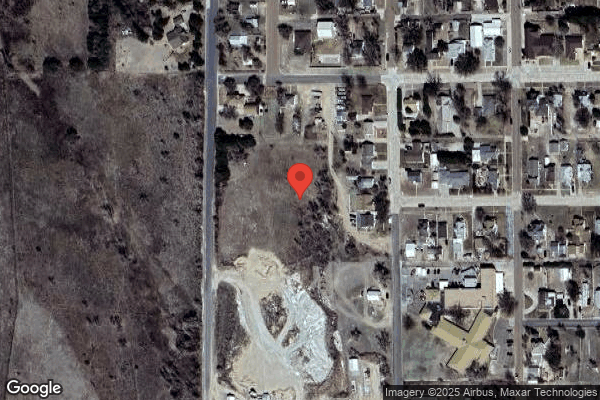
407 Dakota Street, Benkelman, NE 69021 (308) 423-2179
Non profit - Corporation 56 Beds Independent Data: November 2025
Trust Grade
45/100
#165 of 177 in NE
Last Inspection: January 2025

Within standard 12-15 month inspection cycle. Federal law requires annual inspections.

Overview

The Sarah Ann Hester Memorial Home has a Trust Grade of D, indicating below-average performance with some significant concerns. It ranks #165 out of 177 nursing homes in Nebraska, placing it in the bottom half of facilities in the state, but it is the only option available in Dundy County. The facility's trend is worsening, with compliance issues increasing from 3 in 2023 to 9 in 2025. Staffing is a relative strength, rated at 4 out of 5 stars with only a 35% turnover rate, which is lower than the state average. However, the nursing home has concerning RN coverage, being below 92% of facilities in Nebraska, which raises questions about the level of oversight for residents. Specific incidents noted during inspections included a failure to thoroughly clean food preparation surfaces after handling raw chicken, leading to potential food safety risks. Additionally, staff did not label and date opened packages of food, increasing the risk of foodborne illness. There was also a lapse in hand hygiene practices observed when a medication aide applied barrier cream before washing hands, which could contribute to infection risks. Overall, while there are strengths in staffing, the facility has significant weaknesses in food safety and hygiene practices that families should consider.

Trust Score
D
45/100
In Nebraska
#165/177
Bottom 7%
Safety Record
Low Risk
No red flags
Inspections
Getting Worse
3 → 9 violations
Staff Stability
○ Average
35% turnover. Near Nebraska's 48% average. Typical for the industry.
Penalties
✓ Good
No fines on record. Clean compliance history, better than most Nebraska facilities.
Skilled Nurses
⚠ Watch
Each resident gets only 26 minutes of Registered Nurse (RN) attention daily — below average for Nebraska. Fewer RN minutes means fewer trained eyes watching for problems.
Violations
⚠ Watch
20 deficiencies on record. Higher than average. Multiple issues found across inspections.
★☆☆☆☆
1.0
Overall Rating
★★★★☆
4.0
Staff Levels
★☆☆☆☆
1.0
Care Quality
★★☆☆☆
2.0
Inspection Score
Stable
2023: 3 issues
2025: 9 issues

The Good

  • 4-Star Staffing Rating · Above-average nurse staffing levels
  • Full Sprinkler Coverage · Fire safety systems throughout facility
  • No fines on record
  • Staff turnover below average (35%)

    13 points below Nebraska average of 48%

Facility shows strength in staffing levels, fire safety.

The Bad

1-Star Overall Rating

Below Nebraska average (2.9)

Significant quality concerns identified by CMS

Staff Turnover: 35%

11pts below Nebraska avg (46%)

Typical for the industry

The Ugly 20 deficiencies on record

Apr 2025 1 deficiency
CONCERN (D) 📢 Someone Reported This

A family member, employee, or ombudsman was alarmed enough to file a formal complaint

Potential for Harm - no one hurt, but risky conditions existed

Deficiency F0657 (Tag F0657)

Could have caused harm · This affected 1 resident

**NOTE- TERMS IN BRACKETS HAVE BEEN EDITED TO PROTECT CONFIDENTIALITY** Licensure Reference Number 12-006-09(F) Based on record reviews and interviews, the facility failed to ensure Comprehensive Care...

Read full inspector narrative →
**NOTE- TERMS IN BRACKETS HAVE BEEN EDITED TO PROTECT CONFIDENTIALITY** Licensure Reference Number 12-006-09(F) Based on record reviews and interviews, the facility failed to ensure Comprehensive Care Plans (CCP) were updated with fall interventions for 2 (Resident 2 and Resident 4) of 4 sampled residents. The facility staff identified a census of 32. Findings are: Record review of the facility policy and procedure Comprehensive Care Plans dated 02/05/2025 revealed it is the policy of this facility to develop and implement a comprehensive person centered care plan for each resident, consistent with resident rights, that includes measurable objectives and timeframe's to meet a resident's medical, nursing, and mental and psychosocial needs and all services that are identified in the resident's comprehensive assessment and meet professional standards of quality. Listed under the policy explanation and compliance guidelines, paragraph 6: The Comprehensive care plan will include measurable objectives and timeframes to meet the resident's needs as identified in the resident's comprehensive assessment. The objectives will be utilized to monitor the resident's progress. Alternative interventions will be documented as needed. And paragraph 8: Qualified staff responsible for carrying out interventions in the care plan will be notified of their roles and responsibilities for carrying out the interventions, initially and when changes are made. Record review of the undated facility policy Nursing/Fall Interventions under the interpretation/Implementation stated: -A fall Risk Assessment will be completed on admission, quarterly, and with a significant change. -Assess for the implantation of fall interventions. -Update the care plan and Nursing Assistant Assignment sheet as necessary. Record review of the facility policy and procedure accidents and Supervision dated 12/20/2023 revealed the policy purpose was that residents would remain free of accident hazards as is possible. Under the subheading Implementation of Interventions the policy revealed that use of specific interventions to try to reduce a resident's risks from hazards in the environment included, a) communicating the interventions to all relevant staff, d) documenting interventions in care plans or with the QAA Committee., and( i) resident direct approaches may include: (ii) implementing specific interventions as part of the plan of care, ii) supervising staff and residents, etc., and (iii) facility records document the implementation of these interventions. A. Record review of the Face Sheet for Resident 2 revealed an admission date of 12/11/2024. Record review of the Minimum Data Set (MDS, a federally mandated assessment tool used for care planning) dated 03/25/2025 revealed Resident 2 revealed Resident 2 did not have a Brief interview for Mental Status (BIMS - a test used to determine cognition or cognitive deficits) score due to mental confusion. Further review of Resident 2's MDS dated [DATE] revealed Resident 2 did not have any behavior issues, was incontinent of bladder and used a wheelchair Record review of Resident 2's Nurses Note (NN) printed 04/03/2025, revealed Resident 2 had a fall on 03/05/2025. Further review of Resident 2's NN printed on 04/02/2025 revealed there were no new intervention identified for fall prevention for Resident 2. Record review of the working Care Plan (CP, an individual plan for caring for each resident that is updated daily as needed between quarterly care plan assessments) for Resident 2 printed on 04/02/2025 revealed the CP had not been updated for Resident 2's fall on 03/05/2025. According to Resident 2's working CP printed on 04/03/2025, Resident 2 was at high risk for falls. Interview on 04/03/2025 at 9:15 AM with Licensed Practical Nurse (LPN)-B revealed that CP are to be updated after fall incidents and anything else that requires a CP update. Interview on 04/03/2025 at 9:20 AM with LPN-A revealed that CP are to be updated either the same day or the following day after any type of incident. Interview on 04/03/2025 at 10:55 AM with the MDS Coordinator revealed that CP are updated with the same day or the next day after incidents and falls. These updates must be done relatively quickly, and the staff have to be aware. Interview on 04/03/2025 at 11:15 AM with the MDS coordinator confirmed Resident 2 CP had not been updated following the fall that occurred on 03/03/2025. B. Record review of the Face Sheet for Resident 4 revealed an admission date of 02/25/2025. Record review of the MDS with a date of 03/04/2025 for Resident 4 revealed Resident 4 had a BIMS score of 10 which indicated a moderate cognitive deficit, did have behavior issues upon occasion, was frequently incontinent of bowel and bladder, used a wheelchair, and had diagnoses for non-Alzheimer's dementia, weakness, pain, and others. Record review of Resident 4's NN's printed 04/03/2025, revealed Resident 4 had a fall on 03/30/2025. There were no new interventions identified in Resident 4's NN to prevent additional falls for Resident 4. Record review of the working CP printed on 04/02/2025 revealed Resident 4's CP had not updated with fall interventions following Resident 4's fall on 03/30/2025 Interview on 04/03/2025 at 11:15 AM with the MDS Coordinator confirmed that the care plans for Resident 4 had not been updated following the fall that occurred on 03/30/2025.
Jan 2025 8 deficiencies
CONCERN (D)

Potential for Harm - no one hurt, but risky conditions existed

Deficiency F0604 (Tag F0604)

Could have caused harm · This affected 1 resident

Licensure Reference Number 175 NAC 12-006.05(G) Based on record review and interview the facility failed to ensure that one (Resident 1) of 2 sampled resident's representative were notified of restrai...

Read full inspector narrative →
Licensure Reference Number 175 NAC 12-006.05(G) Based on record review and interview the facility failed to ensure that one (Resident 1) of 2 sampled resident's representative were notified of restraint use, duration, and alternatives. The facility identified a census of 30. Findings are: A record review of an undated Restraint Policy stated the residents care plan should be updated accordingly to include the development and implementation of interventions to address any risks related to the use of the restraint. Additionally, the Restraint Policy stated the facility shall explain to the resident/residents' representative, the potential risks and benefits of using a restraint, not using a restraint, and alternatives to restraint use. Potential negative outcomes should also be explained. A record review of Resident 1's admission record revealed an admission date of 8/7/67. A record review of a diagnosis list for Resident 1 dated 1/13/24 included diagnoses of Cerebral Palsy (a group of lifelong conditions that affect movement and coordination), Stroke (occurs when blood flow to the brain is blocked or a blood vessel in the brain bursts), non-traumatic brain dysfunction (brain damage that occurs without an external physical force to the head), non-traumatic spinal cord injury (damage to the spinal cord that occurs due to a non-traumatic cause), incontinence (involuntary loss of urine or stool), aphasia (a language disorder that affects a person's ability to understand and express language), and impaired cognition (difficulties with thinking, learning, remembering, and making decisions). A record review of a Minimum Data Set (MDS-a Federally mandated tool for implementing standardized assessment and for facilitating care management in nursing homes) dated 12/18/24 for Resident 1 revealed in Section C that Resident 1's cognitive patterns were severely impaired. Section P identified the use of a restraint. A record review of Resident 1's provider orders dated 1/13/25 revealed the following orders: 1. May use wheelchair with tray when up for postural support- check every 30 minutes. Release every 2 hours, dated 6/11/92. 2. Restraint- lap tray when in wheelchair for positioning and support. Release and exercise every 2 hours. dated 1/6/15. 3. Restraint- lap tray when in wheelchair for positioning and support. Visually check every 30 minutes dated 12/16/2015. 4. Restraint- remove lap tray and recline every morning after breakfast at the nurses station for 45 minutes undated. 5. Notify provider for the need for Occupational Therapy (O. T.) evaluate appropriateness and safety of lap tray annually with a date of 5/4/21. A record review of Resident 1's care plan dated 1/14/25 identified Resident 1 had a guardian who would make decisions for Resident 1 and be notified of all appointments and doctors' orders. A record review of Resident 1's facility records revealed no evidence of notification to Resident 1's representative regarding restraint use, risks and benefits, or restraint alternatives. An interview with Licensed Practical Nurse (LPN)-J on 1/14/25 at 8:50 AM revealed Resident 1 uses the wheelchair tray for positioning and to assist them with staying in the chair as Resident 1 can rock back and forth at times. An interview with the Director of Nursing (DON) on 1/14/25 at 1:32 PM confirmed there was no signed consent or other evidence that Resident 1's guardian has been notified of the use of the wheelchair tray, its purpose, its duration, or any other potential alternatives.
CONCERN (D)

Potential for Harm - no one hurt, but risky conditions existed

Infection Control (Tag F0880)

Could have caused harm · This affected 1 resident

Licensure Reference 175 NAC 12-006.18 Based on observations, interviews, and record reviews; the facility staff failed to don Personal Protective Equipment (PPE) for Enhanced Barrier Precautions (EBP)...

Read full inspector narrative →
Licensure Reference 175 NAC 12-006.18 Based on observations, interviews, and record reviews; the facility staff failed to don Personal Protective Equipment (PPE) for Enhanced Barrier Precautions (EBP) during high-risk care activities for 1 (Resident 13) of 1 sampled resident. The facility identified a census of 30. Findings are: A record review of a facility policy Enhanced Barrier Precautions with a date implemented of 2/5/2024 indicated the following: - A policy statement indicating it is the policy of this facility to implement enhanced barrier precautions for the prevention of transmission of multidrug-resistant organisms (MDRO.) - Under section Initiation of Enhanced Barrier Precautions, it revealed an order for EBP will be obtained for residents with wounds and indwelling medical devices even if the resident is not known to be infected or colonized with a MDRO. - Under section Implementation of Enhanced Barrier Precautions, it revealed gowns and gloves will be donned during high-contact resident care activities, including dressing, transferring, providing hygiene, changing linens, changing briefs, device care, or wound care. A record review of Resident 13's quarterly Minimum Data Set (MDS, (MDS), a federally mandated comprehensive assessment tool used for care planning) with an Assessment Reference Date of 11/6/2024 indicated Resident 13 had an active diagnosis of a wound infection. A record review of Resident 13's Care Plan with a problem area of Wound Infection, dated 11/1/2024, indicated an intervention of Enhanced Barrier Precautions. An observation on 1/13/2025 at 7:34 AM revealed a sign that stated Enhanced Barrier Precautions on Resident 13's door. The door also contained a caddy that included gowns and gloves. An observation on 1/13/2025 at 7:41 AM revealed Nurse Aide (NA) - D entered Resident 13's room. NA-D donned gloves but no gown. NA-D began to assist Resident 13 with changing their brief. NA-D rolled Resident 13 onto their left side and grazed their clothing onto Resident 13. An observation on 1/13/2025 at 7:44 AM revealed NA-D had removed their gloves and assisted Resident 13 with dressing. NA-D again rolled Resident 13 to their left side, grazing their clothes against Resident 13. An observation on 1/13/2025 at 7:56 AM revealed NA-D continued to have no gloves or gown donned. NA-D assisted Resident 13 with rolling side to side to apply the full hoyer sling to underneath Resident 13. NA-D rolled Resident 13 to their right side and grazed their clothing against Resident 13. An observation on 1/13/2025 at 7:57 AM revealed NA-H had entered Resident 13's room to assist with transferring Resident 13 to their wheelchair. NA-H and NA-D completed a full Hoyer transfer for Resident 13 from their bed to their wheelchair without the benefit of donning gloves or a gown. An interview on 1/13/2025 at 8:05 AM with NA-D revealed NA-D does not apply a gown or gloves during Resident 13's care as Resident 13's wound is covered and not leaking. An interview on 1/13/2025 at 8:08 AM with NA-H revealed NA-H does not apply a gown or gloves as they are not providing wound care. An interview on 1/13/2025 at 2:20 PM with the Infection Preventionist (IP) revealed the facility does not gown or glove for EBP unless the staff is providing wound or catheter cares. The IP was unaware of the EBP, PPE requirement during high-risk care activities.
CONCERN (E)

Potential for Harm - no one hurt, but risky conditions existed

Comprehensive Care Plan (Tag F0656)

Could have caused harm · This affected multiple residents

**NOTE- TERMS IN BRACKETS HAVE BEEN EDITED TO PROTECT CONFIDENTIALITY** Licensure Reference 175 NAC 12-006.09(E) Based on record reviews and interviews, the facility failed to develop person-centered ...

Read full inspector narrative →
**NOTE- TERMS IN BRACKETS HAVE BEEN EDITED TO PROTECT CONFIDENTIALITY** Licensure Reference 175 NAC 12-006.09(E) Based on record reviews and interviews, the facility failed to develop person-centered comprehensive care plans for 3 (Residents 1, 6, and 20) of 12 sampled residents. The facility identified a census of 30. Findings are: A record review of a facility policy Comprehensive Care Plans with a date of 8/24/2023 indicated the facility would develop and implement comprehensive person-centered care plans for each resident. It also indicated the comprehensive care plans would include services that are to be furnished to attain or maintain the resident's highest practicable physical, mental, and psycho-social well-being and resident specific interventions that reflect the resident's needs. A. A record review of Resident 6's admission Minimum Data Set (MDS, a federally mandated comprehensive assessment tool used for care planning) with an Assessment Reference Date (ARD) of 11/19/2024 indicated Resident 6 had behaviors of rejection of care and wandering. A record review of Resident 6's Care Plan revealed a problem area of psychotropic medication concerns with a date of 11/20/2024. It revealed Resident 6 was at risk for adverse reactions to psychotropic medications due to anxiety. The interventions included to give medications as ordered, monitor my Patient Health Questionnaire (PHQ-9), monitor for adverse reaction, have the pharmacy and medical director review my medications, lab testing, if I become agitated - let me rest and re-approach later, monitor for potential side effects, and consider medication reductions if appropriate. There were no resident specific interventions for Resident 6's behaviors. An interview on 1/14/2025 at 2:10 PM with Licensed Practical Nurse (LPN) - J confirmed Resident 6 has anxiety and behaviors and is triggered by certain visitors. LPN-J revealed for Resident 6's behaviors the staff take Resident 6 for a walk or bring them out to the nurse's station, so they are not alone. An interview on 1/14/2025 at 2:15 PM with the MDS Coordinator confirmed the care plan was not comprehensive to Resident 6's behaviors as it was a template and confirmed Resident 6's care plan should include specific interventions for their behaviors. B. A record review of Resident 1's admission record revealed an admission date of 8/7/67. A record review of a diagnosis list for Resident 1 dated 1/13/24 revealed diagnoses of Cerebral Palsy (a group of lifelong conditions that affect movement and coordination), Stroke (occurs when blood flow to the brain is blocked or a blood vessel in the brain bursts), incontinence (involuntary loss of urine or stool), aphasia (a language disorder that affects a person's ability to understand and express language), and impaired cognition (difficulties with thinking, learning, remembering, and making decisions). A record review of a Minimum Data Set (MDS-a Federally mandated tool for implementing standardized assessment and for facilitating care management in nursing homes) dated 12/18/24 for Resident 1 revealed in Section B that Resident 1 has unclear speech, is rarely understood, and has severely poor vision. Section C revealed that Resident 1's cognitive patterns were severely impaired. A review of Section D revealed a Patient Health Questionnaire 9-OV (PHQ 9-OV-a tool used by medical staff to screen cognitively impaired individuals for depression) score of 3, indicating that Resident 1 might be infrequently experiencing symptoms of depression. Section GG revealed Resident 1 is non-ambulatory and requires maximum assistance from at least two staff for most cares. A review of Section P identified the use of a restraint. A record review of Resident 1's care plan dated 1/14/25 revealed the following information : -identified a concern of falls and identifies the use of a lap tray for positioning and support except for 45 min every day after breakfast as an intervention. - no indications of restraint use as a concern with subsequent interventions. -did not reflect guardian change from 1 family member to another family member. - no indication of Resident 1's poor vision listed as a separate concern with subsequent interventions. - no indication of Resident 1's aphasia diagnosis and subsequent interventions being listed as an area of concern. An interview with LPN-J on 1/14/25 at 8:50 AM revealed in regards to Resident 1's vision, it was unclear what Resident 1 was able to see due to Resident 1's severe cognitive delays and aphasia. LPN-J stated that Resident 1's eyes will at times track images on the TV. At times Resident 1 will also track staff with eyes while staff are moving throughout the room. LPN-J stated Resident 1 will turn head to certain voices of staff that have a good rapport with Resident 1. LPN-J stated that due to Resident 1's aphasia, it would be very difficult for Resident 1 to participate in a vision exam. An interview with the Director of Nursing (DON) on 1/14/25 at 1:32 PM confirmed Resident 1's care plan did not accurately reflecting Resident 1's correct guardian. An interview with the MDS Coordinator on 1/15/25 at 9:11 AM confirmed care plan was not reflective of the use of restraint tray for positioning and posture and that it should have been. MDS Coordinator further confirmed Resident 1's aphasia and vision issues should have been on the care plan with interventions. C. A record review of Resident 20's admission record revealed an admission date of 10-31-22. A record review of a diagnosis list for Resident 20 dated 1/13/24 revealed diagnoses of diabetes mellitus, atrial fibrillation, hypertension (a condition where the pressure in your blood vessels is persistently too high), benign prostatic hyperplasia (BPH- a non-cancerous condition that causes the prostate gland to enlarge), anxiety (a mental disorder that involves persistent and excessive fear or worry), and edema (swelling caused by a buildup of fluid in the body's tissues). A record review of an MDS dated [DATE] for Resident 20 revealed in Section C ,Resident 20 had a BIMS score of 15 indicating Resident 20's cognition was intact. Review of Section N on Resident 20's MDS revealed that Resident 20 was on an antibiotic. A record review of Resident 20's medication orders revealed an order for Trimethoprim (an antibiotic used to treat bacterial infections) 100 mg by mouth twice a day in the morning and at bedtime for urinary tract infection (UTI) prophylaxis with a start date of 9/13/24. There was no evidence of a duration or stop date for the antibiotic. An interview on 01/14/25 at 8:50 AM with LPN-J confirmed that Resident 20 was prescribed trimethoprim 100 mg twice a day in the morning and at bedtime on 9/13/24 and that there was currently no stop date. An interview with the MDS Coordinator on 1/15/25 at 9:11 AM confirmed that Resident 20's care plan was not updated to accurately reflect the use of a prophylactic antibiotic and should have been.
CONCERN (E) 📢 Someone Reported This

A family member, employee, or ombudsman was alarmed enough to file a formal complaint

Potential for Harm - no one hurt, but risky conditions existed

Deficiency F0757 (Tag F0757)

Could have caused harm · This affected multiple residents

**NOTE- TERMS IN BRACKETS HAVE BEEN EDITED TO PROTECT CONFIDENTIALITY** LICENSURE REFERENCE 175 NAC 12-006.09(H) Based on record review and interview the facility failed to ensure that 3 (Residents 2...

Read full inspector narrative →
**NOTE- TERMS IN BRACKETS HAVE BEEN EDITED TO PROTECT CONFIDENTIALITY** LICENSURE REFERENCE 175 NAC 12-006.09(H) Based on record review and interview the facility failed to ensure that 3 (Residents 2, 17, and 20) of 6 sampled residents' antibiotics had a duration or a stop date. The facility identified a census of 30. Findings are: A. A record review of a facility policy titled, Antibiotic Stewardship, dated 12/4/23 revealed that all prescriptions for antibiotics shall specify dose, duration, and indications for use. A record review of Resident 17's medication list revealed an active physician's order for Macrobid (nitrofurantoin) 100 milligrams (an antibiotic), given daily in the morning and did not have a stop date. A record review of Resident 17's Medication Administration Record of the time period between 12/13/24 and 1/13/25 revealed the medication Macrobid was administered daily to Resident 17. An interview on 1/14/25 at with the Director of Nursing (DON) confirmed resident has been on Macrobid for over a year without an end date. The DON confirmed the resident was not being treated for a current infection. A record review of Center for Disease Control's (CDC) document The Core Elements of Antibiotic Stewardship for Nursing Homes APPENDIX A: Policy and Practice Actions to Improve Antibiotic Use revealed Surveys of antibiotic use have shown that (Urinary Tract Infection) UTI prophylaxis accounts for a significant proportion of antibiotic prescriptions. Very few studies support antibiotic use for UTI prophylaxis, especially in older adults, and many studies have shown this antibiotic exposure increases risk of side effects and resistant organisms. Therefore, efforts to educate providers on the potential harm of antibiotics for UTI prophylaxis could reduce unnecessary antibiotic exposure and improve resident outcomes.' B. A record review of an admission record for Resident 2 dated 1/13/25 revealed an admission date of 8/01/17. A record review of a Minimum Data Set (MDS-a Federally mandated tool for implementing standardized assessment and for facilitating care management in nursing homes) dated 12/25/24 for Resident 2 revealed in Section C that Resident 2 had a Brief Interview for Mental Status (BIMS-a cognitive screening tool that helps identify cognitive impairment in patients and residents) score of 15. This indicated Resident 2's cognition was intact and Resident 2 may have needed the least amount of help with memory and cognition. A review of Section N revealed Resident 2 was taking an antibiotic. A record review of Resident 2's physician orders dated 1/13/25 revealed Resident 2 had a diagnosis of incontinence, diabetes mellitus type II (a chronic disease that occurs when the body doesn't produce enough insulin or doesn't use it properly), Parkinson's disease (a chronic brain disorder that causes movement problems, stiffness, and tremors), depression (a mental health condition that involves a long period of feeling sad or hopeless, and a loss of interest in activities), osteoarthritis (a chronic condition that causes joint pain, stiffness, and swelling), atrial fibrillation (a condition that causes an irregular and often rapid heartbeat in the upper chambers of the heart), A record review of Resident 2's medication orders revealed an order for Trimethoprim (an antibiotic used to treat bacterial infections) 100 milligrams (mg) by mouth every day at bedtime for urinary tract infection (UTI) prophylaxis with a start date of 1/11/2022. There was no evidence of a duration or stop date for the antibiotic. An interview on 01/14/25 at 8:50 AM with Licensed Practical Nurse (LPN)-J confirmed that Resident 2 was prescribed trimethoprim on 1/11/22 and that there was currently no stop date. C. A record review of Resident 20's admission record revealed an admission date of 10-31-22. A record review of a diagnosis list for Resident 20 dated 1/13/24 included diagnoses of diabetes mellitus, atrial fibrillation, hypertension (a condition where the pressure in your blood vessels is persistently too high), benign prostatic hyperplasia (BPH- a non-cancerous condition that causes the prostate gland to enlarge), anxiety (a mental disorder that involves persistent and excessive fear or worry), and edema (swelling caused by a buildup of fluid in the body's tissues). A record review of an MDS dated [DATE] for Resident 20 revealed in Section C that Resident 20 had a BIMS score of 15, indicating Resident 20's cognition was intact and Resident 20 may have needed the least amount of help with memory and cognition. A review of Section N revealed that Resident 20 was on an antibiotic. A record review of Resident 20's medication orders revealed an order for Trimethoprim (an antibiotic used to treat bacterial infections) 100 mg by mouth twice a day in the morning and at bedtime for urinary tract infection (UTI) prophylaxis with a start date of 9/13/24. There was no evidence of a duration or stop date for the antibiotic. An interview on 01/14/25 at 8:50 AM with LPN-J confirmed that Resident 20 was prescribed trimethoprim 100 mg twice a day in the morning and at bedtime on 9/13/24 and that there was currently no stop date.
CONCERN (E) 📢 Someone Reported This

A family member, employee, or ombudsman was alarmed enough to file a formal complaint

Potential for Harm - no one hurt, but risky conditions existed

Medication Errors (Tag F0758)

Could have caused harm · This affected multiple residents

**NOTE- TERMS IN BRACKETS HAVE BEEN EDITED TO PROTECT CONFIDENTIALITY** Licensure Reference 175 NAC 12-006.09(H) Based on record reviews and interview, the facility failed to ensure the physician prov...

Read full inspector narrative →
**NOTE- TERMS IN BRACKETS HAVE BEEN EDITED TO PROTECT CONFIDENTIALITY** Licensure Reference 175 NAC 12-006.09(H) Based on record reviews and interview, the facility failed to ensure the physician provided a written clinical rationale for declined gradual dose reductions (GDRs, tapering of a dose to determine whether or not symptoms, conditions, or risks can be managed by a lower dose or whether or not the dose or medication can be discontinued) for 6 (Residents 13, 16, 17, 20, 23, and 31) of 6 sampled residents. The facility identified a census of 30. Findings are: A record review of a facility policy Psychotropic Medications with a date of 12/14/2022 indicated gradual dose reductions will be done in accordance with federal regulations. A record review of the Long-Term Care Facility Resident Assessment Instrument 3.0 User's Manual, version 1.18.11 with a date of October 2023 indicated physician documentation indicating dose reduction attempts are clinically contraindicated must include the clinical rationale for why an attempted dose reduction is inadvisable. A. A record review of Resident 13's quarterly Minimum Data Set (MDS, a federally mandated comprehensive assessment tool used for care planning) with an Assessment Reference Date (ARD) of 11/6/2024 indicated Resident 13 had a Brief Interview for Mental Status (BIMS, a screening that evaluates for cognitive impairment) score of 15/15, which indicated Resident 13 had no cognitive impairment. The MDS also revealed Resident 13 had no behaviors and had a Patient Health Questionnaire-9 (PHQ-9, an assessment for depression and the severity) of 0, which indicated Resident 13 had no symptoms of depression reported. The MDS also revealed Resident 13 was taking an antipsychotic (a class of drugs that treat psychosis, a range of mental health conditions that can include hallucinations, delusions, and thought disorders), antianxiety (drugs that treat anxiety and related conditions), and an antidepressant (drugs that treat depression) medication. A record review of Resident 13's Physician Orders with a date of 1/14/2025 revealed the following medication orders: - Buspar (medication to treat anxiety) 5 milligram (mg) with direction to take one tablet by mouth twice a day for Major Depressive Disorder. This medication had a start date of 5/9/2024. - Abilify (an antipsychotic medication) 5 mg with direction to take two tablets by mouth once a day for Major Depressive Disorder. - Duloxetine (Antidepressant) 60 mg with direction to take one tablet by mouth once a day for depression. A record review of Resident 13's Care Plan revealed a problem area with a date of 8/28/2024 for psychotropic medication concerns. It revealed Resident 13 was at risk for adverse reaction to psychotropic medications due to depression. An intervention with a date of 10/14/2023 of consider medication reductions if appropriate was listed. A record review of Resident 13's Psychotropic Drug Evaluation with a date of 6/25/2024 revealed Buspar, Duloxetine, and Abilify were listed. The physician had marked no changes are needed. Benefits outweigh risks. The Written Clinical Rationale to Decrease/Not Decrease section was left blank. A record review of Resident 13's Psychotropic Drug Evaluation with a date of 12/10/2024 revealed Buspar, Duloxetine, and Abilify were listed. The physician had marked no changes are needed. Benefits outweigh risks. The Written Clinical Rationale to Decrease/Not Decrease section was left blank. B. A record review of Resident 31's Significant Change MDS with an ARD of 12/19/2024 indicated Resident 31 had a BIMS score of 0/15, which indicated Resident 31 had severe cognitive impairment. The MDS also revealed a PHQ-9 score had not been completed. Resident 13 had behaviors of delusion, verbal behaviors towards others 1-3 days, physical behaviors towards other 1 to 3 days, and rejection of care. It was indicated Resident 31's behaviors had worsened. The MDS also revealed Resident 31 was taking an antipsychotic, antianxiety, and antidepressant medication. A record review of Resident 31's Physician Orders with a date of 1/14/2025 revealed the following medication orders: -Seroquel ( a anti psychotic medication) 25 mg with direction to take one tablet by mouth twice a date for severe agitation. This medication had a start date of 10/17/2024. -Lexapro (a anti-depressant medication)10 mg with direction to take one tablet by mouth every evening for depression. This medication had a start date of 8/20/2021. - Buspar 15 mg with direction to take one tablet by mouth twice a day. This medication had a start date of 10/18/2023. - Ativan ( a anti-anxiety medication) 0.5 mg with direction to take one tablet by mouth twice a day for anxiety and agitation. This medication had a start date of 5/4/2024. - Ativan 1 mg with direction to take one tablet by mouth every day at noon for anxiety and agitation. This medication had a start date of 9/10/2024. - Ativan 0.5 mg with direction to take one tablet by mouth as needed every six hours for anxiety and agitation. There was no start date listed. - Ativan 1 mg with direction to take one tablet by mouth as needed every six hours for anxiety and agitation. There was no start date listed. - Ativan 1 mg/ 1 milliliter (ml) cream with direction to apply topically as needed every four hours for anxiety and agitation. There was no start date listed. A record review of Resident 31's Care Plan revealed a problem area with a date of 10/21/2024 for psychotropic medication concerns. It revealed Resident 31 was at risk for adverse reaction to psychotropic medications due to depression, insomnia, and anxiety. Interventions of consider medication reductions if appropriate with a date of 10/14/2023 and monitor my PHQ-9 from my MDS and notify my physician of any changes with a date of 8/31/2021 were listed. A record review of Resident 31's Psychotropic Drug Evaluation with a date of 1/9/2024 revealed Buspar, Lexapro, Ambien, Ativan 0.5 mg as needed every six hours, and Ativan 1 mg as needed every six hours as needed were listed. The physician had marked no changes are needed. Benefits outweigh risks. The Written Clinical Rationale to Decrease/Not Decrease section was left blank. A record review of Resident 31's Psychotropic Drug Evaluation with a date of 5/4/2024 revealed Buspar, Ativan 0.5 mg twice a day, Lexapro, Seroquel, Ambien, Ativan 0.5 mg as needed every six hours, Ativan 1 mg every six hours as needed, and Ativan 1 mg/ml topical cream as needed every four hours were listed. The physician had marked no changes are needed. Benefits outweigh risks. The Written Clinical Rationale to Decrease/Not Decrease section was left blank. A record review of Resident 31's Psychotropic Drug Evaluation with a date of 7/18/2024 revealed Buspar, Ativan 0.5 mg twice a day, Lexapro, Seroquel, Ambien, Ativan 0.5 mg as needed every six hours, Ativan 1 mg every six hours as needed, and Ativan 1 mg/ml topical cream as needed every four hours were listed. The physician had marked no changes are needed. Benefits outweigh risks. The Written Clinical Rationale to Decrease/Not Decrease section was left blank. A record review of Resident 31's Psychotropic Drug Evaluation with a date of 9/10/2024 revealed Buspar, Ativan 0.5 mg twice a day, Lexapro, Seroquel, Ambien, Ativan 0.5 mg as needed every six hours, Ativan 1 mg every six hours as needed, and Ativan 1 mg/ml topical cream as needed every four hours were listed. The physician had marked no changes are needed. Benefits outweigh risks. The Written Clinical Rationale to Decrease/Not Decrease section was left blank. An interview on 1/14/2025 at 11:15 AM with the Director of Nursing (DON) confirmed Resident 13 and 31's declined GDRs did not include a written clinical rationale from the physician and should have. E. A record review of Resident 16's Minimum Data Set (MDS), a federally mandated comprehensive assessment tool used for care planning, dated 12/4/24, Section I revealed Resident 16 was admitted [DATE] and had diagnoses of depression and insomnia. Section N revealed that the resident was taking the following: antipsychotic, antidepressant, antibiotic,diuretic,hypoglycemic and anticoagulant. A record review of a facility document, Physician Orders, created 1/13/25 from Resident 16's electronic medical record revealed the resident was taking bupropion (no start date given), duloxetine for depression (started 7/30/2021), and amitriptyline ( A anti-depressant medication) for sleep and depression (no start date given). A record review of seven facility documents from Resident 16's medical record, all titled Psychotropic Drug Evaluation (PDE), and dated 1/2/24, 2/20/24, 4/23/24, 6/18/24, 8/13/24, 10/2/24, and 11/26/24, revealed the consulting pharmacist requested gradual dose reductions for all three medications of bupropion, duloxetine, and amitriptyline on all seven of those dates. The records also revealed the physician did not change the dosage of the medications on those dates or give a clinical rationale. An interview on 1/14/24 at 12:10 PM with the Director of Nursing (DON) confirmed there was no clinical rationale documented on Resident 16's PDEs and should have been included. F. A record review of Resident 17's quarterly MDS, dated [DATE], revealed Resident 17 was admitted on [DATE] and had diagnoses of non-Alzheimer's dementia, anxiety disorder, and depression. A record review of a facility document, Physician Orders, created 1/13/25 from Resident 17's electronic medical record revealed the resident was taking ziprasidone (started 11/13/2023) for major depressive disorder, and mirtazapine for depression. A record review of a facility document titled, Benkelman Pharmacy Consultant Pharmacist Medication Regimen Review, revealed that Resident 17 had three medications eligible for gradual dose reduction during 2024 as follows: ziprasidone ( a anti-psychotic medication), mirtazapine ( a anti-depressant medication), and lorazepam (a anti-anxiety medication). A record review of four facility documents from the medical record of Resident 17, titled Psychotropic Drug Evaluation (PDE), and dated 4/16/24, 6/11/24, 8/20/24, and 12/10/24, revealed that the consulting pharmacist requested gradual dose reductions for the three psychotropic medications identified above. The records also revealed the physician did not change the dosage of the medications or give a clinical rationale. Further review the PDE revealed Lorazepam did not appear on the August or December PDEs. An interview on 1/14/24 at 12:10 PM with the Director of Nursing (DON) confirmed there was no clinical rationale documented on Resident 17's PDEs and should have been included. C. A record review of Resident 20's admission record revealed an admission date of 10-31-22. A record review of a diagnosis list for Resident 20 dated 1/13/24 included diagnoses of depression (a mental health condition that involves a long period of feeling sad or hopeless, and a loss of interest in activities) and anxiety (a mental disorder that involves persistent and excessive fear or worry). A record review of a Minimum Data Set (MDS-a Federally mandated tool for implementing standardized assessment and for facilitating care management in nursing homes) dated 10-30-24 for Resident 20 revealed in Section C that Resident 20 had a Brief Interview for Mental Status (BIMS-a cognitive screening tool that helps identify cognitive impairment in patients and residents) score of 15, indicating Resident 20's cognition is intact. A review of Section C revealed a Patient Health Questionnaire 2-9 (PHQ 2-9-a tool used to screen for and diagnose depression) score of 6, indicating that Resident 20 might be experiencing symptoms of depression. A review of Section N revealed that Resident 20 received anti-psychotics and antidepressants. A record review of Resident 20's medication list dated 1/13/25 revealed the following medications: 1. Risperidone ( a antipsychotoc medication) 3 milligrams (mg) by mouth at bedtime for Major Depressive Disorder entered 4/22/24 2. Effexor (a anti-depressant medication) 150 mg 2 caps by mouth every morning for Depression entered 11/1/22 3. Trazadone (a anti-depressant medication) 150 mg by mouth at bedtime for Insomnia entered 11/1/22 4. Clonazepam ( medication to manage seizures) 1 mg by mouth every morning for Anxiety entered 10/31/22 5. Clonazepam 2 mg by mouth at bedtime for Anxiety entered 10/31/22 A record review of Resident 20's care plan dated 1/13/25 identified psychotropic medication use as a potential concern with interventions including monitoring for adverse reactions, reviewing medications routinely, performing laboratory testing, and considering medication dose reductions. Record review of Resident 20's Gradual Dose Reduction (GDR) request form dated 12/5/24 for Risperidone, Effexor, Trazadone, and Clonazepam revealed a checked box with the pre-typed words no changes are needed. Benefits outweigh risks. The form was noted to have all psychotropic medications listed on one form with no evidence of individualized rationales. An interview on 1/14/24 at 12:10 PM with the DON confirmed that the GDR did not contain a written rationale for the decision not to complete a GDR and should have. D. A record review of Resident 23's admission record revealed an admission date of 12/18/23. A record review of a diagnosis list for Resident 23 dated 1/14/25 included diagnoses of anxiety and depression. A record review of Resident 23's MDS dated [DATE] revealed in Section C that Resident 23 had a BIMS score of 10, indicating Resident 23's cognition is moderately impaired. Section N revealed Resident 23 received an antianxiety and antidepressant. A record review of Resident 23's medication list dated 1/14/25 included the following medications: 1. Ativan (a anti-anxiety medication) 0.5 mg by mouth every day at bedtime for anxiety entered on 7/10/24 2. Celexa (a anti-depressant medication) 10 mg by mouth every morning for depression entered on 12/18/23 A record review Resident 23's care plan dated 1/13/25 identified psychotropic medication use as a potential concern with interventions including monitoring for adverse reactions, reviewing medications routinely, performing laboratory testing, and considering medication dose reductions. Record review of Resident 23's Gradual Dose Reduction (GDR) request form dated 12/17/24 for Ativan and Celexa revealed a checked box with the pre-typed words no changes are needed. Benefits outweigh risks. The form was noted to have both psychotropic medications listed on one form with no evidence of individualized rationales. An interview on 1/14/24 at 12:10 PM with the DON confirmed that the GDR did not contain a written rationale for the decision not to complete a GDR and should have.
CONCERN (E)

Potential for Harm - no one hurt, but risky conditions existed

Deficiency F0947 (Tag F0947)

Could have caused harm · This affected multiple residents

Licensure Reference 175 NAC 12-006.04(B)(ii)(1) Based on record reviews and interviews, the facility failed to ensure 3 of 5 sampled employees had completed at least 12 hours of ongoing training as re...

Read full inspector narrative →
Licensure Reference 175 NAC 12-006.04(B)(ii)(1) Based on record reviews and interviews, the facility failed to ensure 3 of 5 sampled employees had completed at least 12 hours of ongoing training as required. This had the potential to affect all 30 residents residing within the facility. Findings are: A record review of an undated facility policy Nurse Aide Training Program indicated that each nurse aide shall be provided at least 12 hours of ongoing training annually. A record review of an undated facility-provided list that included employee's name, their respective hire dates, and titles revealed Nurse Aide (NA) - F was hired on 5/17/2023, NA-E was hired on 10/28/1999, and NA-D was hired on 4/1/2022. A. A record review of NA-F's Relias Transcript with a print date of 1/13/2025 revealed the following: -The course of Minimizing Trips, Slips, and Falls for a credit of 0.25 hours was completed twice, once on 11/4/2024 and 11/1/2024. -The course of HIPAA Basics for a credit of 0.5 hours was completed twice, once on 11/1/2024 and 9/13/2024. -The course of Electrical Safety: The Basics for a credit of 0.25 hours was completed twice, once on 11/1/2024 and 9/13/2024. -The course of Lockout/Tagout Procedures for a credit of 0.25 hours was completed twice, once on 11/1/2024 and 9/13/2024. -The transcript revealed a total hour of 4.75 hours of ongoing training completed for the year; however, after the removal of the duplicate courses, NA-F had a total of 3.5 hours of ongoing training completed for the year. B.A record review of NA-E's Relias Transcript with a print date of 1/13/2025 revealed the following: -The course of Latex Allergies: What You Need to Know for a credit of 0.25 hours was completed twice, once on 11/8/2024 and 8/26/2024. -The course of Dementia Care: CMS Hand in Hand Module 1: Understanding the World of Dementia: The Person and Disease for a credit of 1 hour was completed twice, once on 11/1/2024 and 8/26/2024. -The course of Dementia Care: CMS Hand in Hand Module 2: Being with a Person with Dementia: Listening and Speaking for a credit of 1 hour was completed twice, once on 11/1/2024 and 8/26/2024. -The course of Dementia Care: CMS Hand in Hand Module 3: Being with a Person with Dementia: Actions and Reactions for a credit of 1 hour was completed twice, once on 11/1/2024 and 8/26/2024. -The course of Dementia Care: CMS Hand in Hand Module 4: Being with a Person with Dementia: Making a Difference for a credit of 1 hour was completed twice, once on 11/1/2024 and 8/26/2024. -The course of Dementia Care: CMS Hand in Hand Module 5: Preventing and Responding to Abuse for a credit of 1 hour was completed twice, once on 11/1/2024 and 8/26/2024. -The transcript revealed a total hour of 14.5 hours of ongoing training completed for the year; however, after the removal of the duplicate courses, NA-E had a total of 9.25 hours of ongoing training completed for the year. C. A record review of NA-D's Relias Transcript with a print date of 1/13/2025 revealed a total of 10 hours of ongoing training. An interview on 1/13/2025 at 2:22 PM with the Director of Nursing (DON) revealed the following: - The DON was aware of the 12-hour ongoing training requirement for the year. The DON stated the DON is responsible for tracking the training and tracks the training on a January-to-January basis. - The DON confirmed NA-F had completed duplicate courses and had completed a total of 3.5 hours of ongoing training for the year. - The DON confirmed NA-E had completed duplicate courses and had completed a total of 9.25 hours of ongoing training for the year. -The DON confirmed NA-D had a total of 10 hours of ongoing training for the year.
CONCERN (F)

Potential for Harm - no one hurt, but risky conditions existed

Food Safety (Tag F0812)

Could have caused harm · This affected most or all residents

Licensure Reference Number 175 NAC 12-006.11(E) Based on observation and interviews the facility failed to thoroughly clean and sanitize food surfaces after preparation of raw chicken. This affected a...

Read full inspector narrative →
Licensure Reference Number 175 NAC 12-006.11(E) Based on observation and interviews the facility failed to thoroughly clean and sanitize food surfaces after preparation of raw chicken. This affected all the residents. The facility identified a census of 30. An observation of meal preparation on 1/14/25 from 10:10 AM to 10:30 AM with Cook-I revealed Cook-I obtaining raw chicken breast in a tote from the lower shelf in the refrigerator and brought the raw chicken over to a food preparation table. Cook-I retrieved a large metal baking sheet and placed it on a food preparation counter near the chicken but not directly next to the chicken. Cook-I then performed hand hygiene for 20 seconds with soap and water and applies gloves. Using scissors, Cook-I cuts the bag of raw chicken open and discards the scissors into a dirty sink. Cook-I then transfers raw chicken breasts over to the metal pan one by one. During the transfer drops of pink tinged liquid from the raw chicken was observed dripping on to the preparation table between the tote of chicken and the metal pan. Cook-I then removed gloves and performed hand hygiene for 20 seconds with soap and water. Cook-I then placed the metal pan of chicken in the oven. An observation on 1/14/25 at 10:35 revealed Cook-I mixing sanitation solution in dedicated sink. Cook-I demonstrated how the solution was mixed with water and was observed taking the jug of solution, removing the cap and pouring an undetermined amount of solution into the sink. Above the sink, on the wall, instructions on how to mix the sanitation solution with water read pour 2 ½ ounces (oz) of sanitizer into a full sink of water. An observation of meal service on 1/14/25 at 11:45 AM revealed drops of pink tinged fluid from previous meal preparation remaining on the preparation table. The table was observed being used to spice foods and setting other various kitchen items on during the meal service. An interview with Dietary Manager (DM) on 1/14/25 at 1:30 PM revealed that they mix their sanitation solution according to manufacturer instructions and that it is posted on the wall above the sink. The DM confirmed without following the direction they would not be able to determine if the mixed solution would sanitize. DM confirmed sanitation solution was not mixed according to instructions and should have been. DM also confirmed that food preparation surfaces should be sanitized after preparation and prior to food service and had not been,
MINOR (C)

Minor Issue - procedural, no safety impact

Deficiency F0729 (Tag F0729)

Minor procedural issue · This affected most or all residents

Licensure Reference 175 NAC 12-006.04(A)(iii)(2) Based on record reviews and interview, the facility failed to complete a nurse aide registry check for 1 of 3 sampled employees prior to the staff hav...

Read full inspector narrative →
Licensure Reference 175 NAC 12-006.04(A)(iii)(2) Based on record reviews and interview, the facility failed to complete a nurse aide registry check for 1 of 3 sampled employees prior to the staff having unsupervised contact with the residents. The facility staff identified a census of 30. Findings are: A record review of a facility policy Administration/Hiring of New Employees, with a date of 12/19/2023 indicated a process to check the licensing website for proof of current licensure prior to the applicant assuming job responsibilities. A record review of an undated facility-provided list of employees, their hire dates, and titles indicated Nurse Aide (NA) - C was hired on 8/12/2024. A record review of NA-C's personnel file revealed a Nurse Aide Registry check with a run date of 1/13/2025. An interview on 1/13/2025 at 2:22 PM with the Director of Nursing confirmed NA-C's first day of orientation was on 8/25/2024 and a nurse aide registry check was not completed prior to NA-C having unsupervised contact with the residents.
Nov 2023 3 deficiencies
CONCERN (E) 📢 Someone Reported This

A family member, employee, or ombudsman was alarmed enough to file a formal complaint

Potential for Harm - no one hurt, but risky conditions existed

Accident Prevention (Tag F0689)

Could have caused harm · This affected multiple residents

**NOTE- TERMS IN BRACKETS HAVE BEEN EDITED TO PROTECT CONFIDENTIALITY** B. Record review of Resident 23's Face Sheet revealed Resident 23 was admitted to the facility on [DATE] with diagnoses of: weak...

Read full inspector narrative →
**NOTE- TERMS IN BRACKETS HAVE BEEN EDITED TO PROTECT CONFIDENTIALITY** B. Record review of Resident 23's Face Sheet revealed Resident 23 was admitted to the facility on [DATE] with diagnoses of: weakness, abnormalities of gait and mobility, Alzheimer's disease, shortness of breath, hypoxemia, disorientation, and orthostatic hypotension. A record review of Resident 23's quarterly MDS dated [DATE], revealed Resident 23 had a BIMs score of 10, which revealed the resident had moderate cognitive impairment. The MDS also revealed Resident 23 had delusions. The MDS indicated no falls since last assessment and no therapy has been completed. The MDS indicated a bed alarm, chair alarm, and wander alarm were used less than daily. A record review of Resident 23's active physician's order, dated 11/28/2023 were: - Administer oxygen at 1.0 liter continuous per nasal cannula with indication of shortness of breath - Administer oxygen at 2 liters continuous with ambulation with indication of shortness of breath - Protective Support: Bed alarm when in bed due to confusion to alert staff when getting up unassisted, morning, evening, and at bedtime without indication - Protective Support: Chair alarm when in a chair to alert staff when getting up unassisted morning, evening, and at bedtime without indication A record review of Resident 23's Care Plan Falls, initiated on 3/22/2023, revealed the resident was at risk for fall due to recent hospitalization, recent UTI, Alzheimer's disease, abnormalities of gait/mobility, gout, anemia, edema, diuretic use, SOB, oxygen use, multiple hypertensive meds, hypothyroidism, osteoarthritis, hypoxemia, impaired mobility, weakness, and history of falls. The Care Plan indicated a fall risk assessment was completed on 8/19/2023 with a score of 16, which indicated a high risk, and 10/31/2023 with a score of 16, which indiciated a high risk. The Care Plan identified the following interventions: - The resident ambulated shorter distances with a gait belt, walker, and 1 assist (initiated 3/22/2023), - The resident used a wheelchair for longer distances and required 1 person to propel it (initiated 3/22/2023), - The resident can toddle around in my wheelchair independently (initiated 8/19/2023), - The resident wore oxygen to keep oxygen saturation above 92% (initiated 3/22/2023), - The resident utilized a bed and chair alarm to alert staff when the resident was getting up unassisted. The facility staff were to ensure they are attached/turned on at the appropriate times (initiated 3/22/2023), - The facility staff needed to stay with the resident in the bathroom (initiated 3/22/2023), - The resident had safety rails on the toilet to aid in sitting down and getting up (initiated 3/22/2023). A record review of Resident 23's Progress Note dated 8/7/2023 revealed the resident used the call light in the bathroom and was found on the bathroom floor. The resident sustained 3 abrasions to the back right side and areas with ecchymosis and reddness but were not open. A record review of Resident 23's Sarah [NAME] Memorial Fall Scene Investigation Report dated 8/7/2023 at 4:25 PM revealed the resident lost their balance and was found on the bathroom floor attempting to self-transfer. The report revealed the resident had shoes on at the time of the fall and the wheelchair and oxygen were in use. The report further revealed Resident 23 had an alarm device but the device was not working correctly. The report identified the alarm was changed out. A record review of Resident 23s' Progress Note dated 8/14/2023 revealed the resident was lowered to the floor with no apparent injuries. A record review of Resident 23's Sarah [NAME] Memorial Fall Scene Investigation Report with date of 8/14/2023 with a time of 5:30 PM revealed, Resident 23 had lost their balance when transferring to the wheelchair and the nurse aide lowered the resident down to sitting position on the floor. The report did not include contributing factors and the determination of root cause of the fall. An observation on 11/28/2023 at 7:49 AM revealed Resident 23 was resting in bed with the walker and wheelchair positioned across the room out of reach. An observation on 11/28/2023 at 9:50 AM revealed Resident 23 was in the wheelchair visiting with [gender] husband and the call light was placed on bed out of reach. During an interview with Resident 23 on 11/27/2023 at 11:23 AM revealed [gender] was unsure of date of last fall, but the resident had a history of frequent falling and that is why [gender] was in the nursing facility. During an interview on 11/29/2023 at 1:20 PM with Nursing Assistant (NA)-M revealed Resident 23's fall interventions included a chair/bed alarm, 1 assist with gait belt and walker. The NA-M revealed Resident 23 had no recent falls but does occasionally self transfer. The NA-M listened for the alarm to click to ensure it is working properly. The NA-M utilized a pocket care plan to know what interventions were in place for Resident 23. During an interview on 11/29/23 at 1:30 PM with NA-N revealed Resident 23's fall interventions included a chair/bed alarm. NA-N knows a bed or chair alarm is dead when it beeps. NA-N uses pocket care plan guide or looks in chart to find interventions. During an interview on 11/30/2023 at 9:57 AM with Licensed Practical Nurse (LPN)-A revealed anyone can update the resident's Care Plan. LPN-A revealed fall interventions are put in to place based off of what was already in place and the current fall. LPN-A revealed with each fall interventions must change. During an interview on 11/29/23 at 3:15 PM with the MDS nurse revealed the facility nurses were responsible to implement new fall interventions after determining a root cause to a resident's fall. During an interview on 11/29/23 at 3:41 PM with the facility DON confirmed root cause analysis to resident's falls are not being identified and interventions are not being updated. Licensure Reference Number 175 NAC 12-006.09D7b Based on observation, interview, and record review; the facility failed to provide supervision to prevent accidents, failed to conduct a thorough investigation to determine the root-cause of falls, and failed to develop and implement effective interventions to minimize and/or prevent falls for 3 (Resident 6, 23, 20) of 5 sampled residents. The facility census was 28. Findings are: A. A record review of a Face Sheet revealed Resident 6 was admitted to the facility on [DATE] with diagnosis' of dementia (loss of memory, language, problem-solving abilities that may interfere with daily life), weakness, congestive heart failure (CHF) (the heart cannot pump enough blood to meet body's need), chronic obstructive pulmonary disease (COPD) (lung disease that causes difficulty breathing), depression (persistent feeling of sadness and loss of interest), and insomnia (difficulty sleeping). A record review of Resident 6's Progress Note dated 11/8/2023 at 8:25 PM revealed the resident was observed sitting on the floor in front of her recliner. The resident had said they slid out of the chair. A record review of Resident 6's Progress Note dated 11/13/2023 at 4:30 PM revealed the resident was observed sitting on the wheelchair foot pedals. The resident commented that the wheelchair bucked the resident out. A record review of Resident 6's Comprehensive MDS (Minimum Data Set) (a comprehensive clinical assessment of residents' functional capabilities) dated 11/11/2023 indicated a BIMS (Brief Interview for Mental Status) (a brief interview to evaluate cognitive impairment) score of 8 out of 15 which indicated moderately impaired cognition and indicated that resident had had a fall since admission/entry or reentry or the prior assessment and was without injury. A record review of Resident 6's Care Plan (a form that summarizes a residents health condition, specific care needs and current treatments) dated 11/13/2023 under Fall Concerns indicated a fall risk assessment was completed on 9/18/2023 and scored a 16 which indicated the resident was at high risk for falls and an additional fall risk assessment was completed on 11/6/2023 and scored a 14 which indicated the resident was at high risk for falls. The approahces listed as interventions with the dates initiated were as followed: - The resident does not ambulate but used a lift with a purple sling and 2 assist for all transfers (12/6/2018), - The resident used a wheelchair for locomotion and needed 1 person to assist for longer distances (9/18/2023), - The things in the lower drawers were moved to upper drawers or shelves (11/21/2017), - The resident wore oxygen at all times. The resident needed help to switch between concentrator and the tank (6/12/2018), - The resident utilized a bariatric bed for safer repositioning (7/12/2018), - The resident utilized a high low bed (a bed that can be lowered closer to the floor) (7/30/2021), - The resident needed to be seated in the back of the wheelchair and if the resident scooted forward to assist with repositioning (2/8/2020), - Adjustments were made to the resident's wheelchair to help the resident stay scooted back (2/12/2020), - There is a non-skid mat in the seat of the wheelchair to help prevent sliding (2/12/2020), - A wheelchair tabs (an alarm that sounds when resident attempts to move out of wheelchair) (11/15/2023), - The resident utilized a high low bed (11/15/2023). An observation was made of Resident 6 from 11/27/2023 through 11/30/2023 that no wheelchair tabs had been utilized or on wheelchair that was initiated on 11/15/2023 as a new fall intervention. An interview on 11/30/2023 at 8:35 AM with Medication Aide (MA)-B confirmed Resident 6 had not had a wheelchair tabs on her wheelchair during 11/27/2023 through 11/30/2023. An interview on 11/30/2023 at 8:45 AM with Licensed Practical Nurse (LPN)-A confirmed that there was an intervention on Resident 6's Care Plan initiated on 11/15/2023 for a wheelchair tab and that no wheelchair tabs was present on resident's wheelchair and should have been. An interview on 11/13/2023 at 11:10 AM with the MDS nurse revealed they were unable to find the Fall Investigation Report following the fall on 11/8/2023 to establish a casual factor for the fall and an intervention in place. An interview on 11/29/2023 at 3:00 PM with LPN-A regarding the fall process revealed there is a fall investigation packet that needed to be completed and an assessment. The LPN-A revealed that if the fall investigation packet was not completed it would be an issue as the facility staff needed to identify a casual factor of the fall and an intervention to be put into place for the resident. LPN-A revealed the nurses are able to update a resident's Care Plan for a fall intervention. An interview on 11/29/2023 at 4:00 PM with the facility Director of Nursing (DON) confirmed that the expectation was that there should have been new interventions in place after Resident 6's fall on 11/8/2023 and that there should have been a root cause analysis after Resident 6's 11/13/2023 fall. A record review of the facility policy Nursing/Falls dated 6/6/2022 stated: Policy Statement: The facility will follow the following policy in the event that a resident has a fall. 1. If a fall occurs the charge nurse will: Do a post-fall huddle with staff on duty at time of fall and the Root Cause Analysis of the fall, document in the ECS (electronic charting system), complete a Fall Scene Investigation, see facility policy on Incident with Injury to determine if fall needs to be reported to Adult Protective Services and Health Facility Investigations, implement new interventions as necessary. 2. Give the Fall Scene Investigation to the Director of Nursing (DON). D. An observation on 11/27/2023 at 6:41 AM revealed Resident 20 in their room sitting in a wheelchair (w/c) with their eyes open. The resident had a visitor in the room with them. A front wheel walker (FWW) was in the resident's room. Resident 20 had a raised area/lump with a pink-colored bruise that covered the top of their right hand, the area also had a scab on the top of it. An observation on 11/28/2023 at 8:45 AM revealed Resident 20 in the hallway by the dining room sitting in a w/c and visiting with staff. Resident 20 self-propelled down the hallway (used their feet). An observation on 11/28/2023 at 10:01 AM revealed Resident 20 sitting in their room in a recliner watching TV with their call light in reach. Resident 20's daughter/POA was visiting. An observation on 11/29/2023 at 6:53 AM revealed Resident 20 in their room sitting in a chair with their eyes open. Resident 20's front wheel walker (FWW) was sitting in front of the resident. The resident's call light was within the resident's reach. An interview with Resident 20 on 11/27/2023 at 6:41 AM revealed the visitor was their daughter/Power of Attorney (POA). The resident and their POA revealed the bruise and bump on their right hand had occurred last Tuesday night but the resident could not recall how it had happened. Resident 20 had thought they may have bumped it on something. An interview with Resident 20's POA on 11/27/2023 at 6:41 AM revealed they visit the resident every morning. The POA had explained when the bruising and lump on Resident 20's hand had occurred an x-ray was taken and identified no fractures. Resident 20's POA revealed they were having concerns that the resident's call light was not always within reach as the POA had observed the call light hanging down between the bed and the wall and that the facility had called the POA on multiple occasions and let the POA know that Resident 20 had gotten up without assistance. Resident 20 stated there were times when they had to go to the bathroom and could not reach the call light, so they would get up on their own. The POA stated Resident 20 had a fall about 3 or 4 weeks ago during the night when there were residents with COVID-19 in the building and the facility had sent the resident to the hospital upon the POA's request. A record review of the Resident's MDS with a date of 10/10/23 revealed a Brief Interview for Mental Status (BIMS) score of 13 which indicated the Resident was cognitively intact. Section D, Mood revealed the resident's Patient Health Questionnaire (PHQ-9) score was a 1 with a positive response for feeling down, depressed, or hopeless and feeling tired or having little energy. Section GG Functional Abilities revealed the resident utilized a walker and a w/c. The functional status had not changed from the MDS completed on 9/21/2023. A record review of Resident 20's Minimum Data Set (MDS) with a date of 9/21/2023 revealed the resident had a BIM score of 14 which indicated the resident was cognitively intact. Section D, Mood revealed the resident had a score of 1/27 on their Patient Health Questionnaire (PHQ-9) with feeling tired or having little energy being their only positive response. Section E, Behavior revealed the resident had None of the above (hallucinations or delusions. Section GG, Functional Abilities and Goals revealed the resident used a walker and needed some help (score of 2) with self-care, indoor mobility (ambulation), and functional cognition. The Resident scored a 1, which indicated they were dependent on stairs, and the resident was documented as independent with shower/bathing. The Resident was documented as having substantial assistance with toileting hygiene, rolling left to right, sitting to lying, lying to sitting on the side of the bed, sit to stand, chair/bed transfer, toilet transfer, walking 10 feet, walking 50 feet, walking 150 feet, wheeling 50 feet, wheeling 150 feet; partial/moderate assistance with upper body and lower body dressing putting on/taking off footwear. Section I, Active Diagnoses revealed the resident had medically complex conditions that include heat failure, hypertension, gastro-esophageal reflux disease (GERD), pneumonia, diabetes mellitus (DM), arthritis, osteoporosis, seizure disorder, depression, asthma, and chronic obstructive pulmonary disease (COPD). Section O, Special Treatments, Procedures, and Programs revealed the resident participated in physical therapy (PT) with a start date of 9/15/23 and no end date. Section P, Restraints and alarms revealed the resident had a bed alarm. Section V, Care Area Assessment revealed the resident had urinary incontinence and falls, but no restraints. A record review of Resident 20's, Sarah [NAME] Memorial Home Fall Scene Investigation Report(s) revealed Resident 20 had the following falls: -On 10/8/2023 at 10:43 PM the resident had an unwitnessed fall from their wheelchair and had reported to staff that they were trying to turn off their chair alarm. -On 10/15/2023 at 5:00 AM the resident fell in their room and was found on the floor. The resident had not turned their call light on. the resident had gotten themself up to go to the bathroom and their alarm was sounding, the resident was found lying on their right side with no injuries observed. -On 10/19/2023 at 9:44 AM the resident was lowered to the floor in their room by staff. No injuries were observed. -On 10/28/2023 at 5:15 AM the resident was found sitting on the floor in their room by their bed, their alarm was not sounding, and the resident had no injuries observed. -On 11/3/2023 at 9:11 PM the resident had an unwitnessed fall in their room after shutting off their chair alarm, and the resident had no injuries observed. -11/4/2023 at 12:15 PM The resident had an unwitnessed fall and was found lying on the floor in their room. The resident had struck the back of their head as they fell and had a small knot on the back of their head toward the top. The resident had also hit their bottom. The resident was sent to the emergency room (ER) per their daughter's request. A record review of Resident 20's, untitled incident/Nursing notes revealed the following: -On 5/5/2023 at 4:28 PM the Resident had been admitted from the hospital to the facility at 12:15 PM as they had recently had 2 strokes with left-sided weakness. -On 5/22/2023 at 6:24 PM The Resident was having increased confusion. -On 6/3/2023 at 11:44 AM The Resident had been discharged to home with their husband. -On 9/14/2023 at 5:43 PM The Resident was admitted back to the facility at 3:45 PM due to falls and bronchitis, and the family/resident was unable to care for them at home. The Resident's hand was x-rayed. -On 10/1/2023 at 11:20 PM Resident 20 was yelling, Help, help, when staff entered the room the resident was sitting with their legs out in front of them and back up against the bathroom door. The Resident said they had gone to the bathroom and slipped down the back of the door. Resident 20 did not have their gripper socks in place as they refused them at night. The Resident had facial grimacing and voiced they had back pain, bilateral hip discomfort, and left knee pain. Resident 20 could move bilateral upper extremities (BUE0 without (w/o) difficulty, able to move BLE slightly before yelling out in pain. Resident 20 had intermittent confusion. The ambulance was called, and the report was called to DCH for transport. Neuros checks were initiated, the assessment completed, the ambulance arrived and a C- collar was placed by Emergency Medical Technicians (EMTs). The Resident was transported out of the facility at 12:01 AM. -Documentation on 10/9/23 at 12:14 AM revealed that on 10/8/2023 at 8:43 PM, Resident 20 was lying on their left side (where the resident had a previous fracture of their superior pubic ramus which was identified on 10/3/2023 through CT scan but could have happened at another time) on the floor in their room, noting that resident was trying to turn off the alarm on their w/c when they fell. The Resident had been fairly confused the past few days. The Resident had sat in a w/c in the hallway for about 45 minutes and was talking with staff. Staff then heard from the Resident that they were calling out for help and the chair alarm was going off. The Resident had said they were trying to turn that alarm off and slid down the side of their w/c and landed on the floor. The Resident had complaints of pain on their left hand, just above their thumb. There was a 2.5-centimeter (cm) bruise noted in that area. The Resident also complained of pain in the left hip area where pain has been identified since their admission on [DATE]. -On 10/15/23 at 2:19 PM Resident 20's alarm was sounding. The Resident had gotten up by themselves and to the bathroom without a walker or shoes and had said they slid to the floor and was found lying on their right side. The call light was not on. The Resident was reminded they should not self-transfer. The Resident complained of not having a walker available. The Resident was assisted to turn to their back and stand. -On 10/19/2023 at 9:44 AM Resident 20 was lowered to the floor by staff at 6:40 AM and there were no apparent injuries. A Nursing Assistant (NA) was assisting the Resident with morning cares, the Resident went to the restroom, they were going back to the restroom and the resident had said they couldn't stand any longer and was lowering themselves to their knees and the NA assisted the resident. The Nurse recommended that the Resident not walk to dine this meal due to recent event. -On 10/22/2023 at 3:49 PM Resident 20 had returned from the emergency room (ER) at 2:30 PM following a post fall evaluation. Results of a Cat (CT) scan of the femur were negative. No acute injury reported. Chair/bed alarm per Medical Doctor's (MD's) order may be considered. -On 10/26/2023 at 6:09 PM, at 10:00 AM Resident 20's alarm was sounding. Resident 20 had transferred themself to the bathroom. At 11:30 AM their alarm was sounding, and the resident had transferred themself from their bed for church. Staff were educated the resident on making sure Resident 20's walker was within reach and the w/c was by the resident's bed. -On 10/28/2023 at 12:38 PM Resident 20 was found on the floor at 5:15 AM as the nurse had heard the Resident yelling for help. The Resident was found sitting on the floor by their bed and no alarm was sounding. No apparent injuries and Range of Motion (ROM) to all extremities. -On 11/3/2023 at 3:27 PM Resident 20 was found on the floor at 3:00 PM. The resident's call light was on, the alarm was shut off by the resident, and the resident had self-transferred. The Resident said, I just laid on the floor and waited for help. No apparent injury and ROM to all extremities within normal limits. - On 11/4/2023 at 3:17 AM Late Entry note for 11/23/2023, revealed Resident 20 was out of the facility at 10:00 PM via ambulance and had returned to the facility (transported by family members vehicle, by daughter/POA). -On 11/4/2023 at 12:40 AM Late Entry note for 11/2/2023, revealed A Certified Nursing Assistant (CAN) heard the resident fall and had walked into their room to find them laying on the floor, just inside the doorway with their head toward the bathroom door. Resident 20 had said they struck the back of their head as they fell. There was a small knot found on the back and toward the top of their head. There wasn't a break in the skin or bleeding found. Resident 20 also noted they hit their bottom when they fell. No open areas were noted. Resident 20 had said, Ouch, ouch and was holding their head. Neurological Checks were not documented. -On 11/4/2023 at 1:10 PM Resident 20 was found on the floor by the closet. It was noted that, Resident has a history of falls and turning off the alarms. -On 11/5/2023 Resident 20 had fallen last evening and had hit their head and was sent to the ER for CT scans. The Resident fell again during the day on Saturday, reporting no pain. -On 11/8/2023 at 6:00 AM Resident 20 was trying to put their shoes on so they could go to the bathroom and had slid off the edge of their bed, their alarm was going off when staff got to them. No apparent injuries and ROM to all extremities. Neuro checks not needed. -On 11/8/2023 at 9:56 AM Resident 20 had been constantly self-transferring without their walker that morning, coming out of their room and into the hallway. Resident 20 was yelling at staff, refused morning meds except for their Ativan, and then had settled down a bit. -On 11/21/2023 at 8:05 PM Resident 20 had a soft tissue injury with a small crescent-shaped skin tear that was 2 cm they had sustained on the back of their right hand caused by rolling in [their] wheelchair in the hallways. Staff did not see what happened and the resident did not know. A large hematoma developed. -On 11/22/2023 at 10:33 AM Resident 21 was out of the facility at 10:32 AM with the Transportation Aide for an x-ray of their right hand. A record review of Resident 20's Fall Risk assessment dated [DATE] revealed a total score of 16 which indicated the resident was at high risk for falling. A record review of Resident 20's, Sarah [NAME] Memorial Home Fall Scene Investigation Report with a date of 10/8/2023 at 8:43 PM revealed a Licensed Practical nurse (LPN) had found Resident 20. The fall was unwitnessed. Resident 20 was found on the floor in their room and had attempted to self-transfer. Resident 20 had said they were trying to silence their chair alarm (Indications the Resident had said they stood up out of their chair without assistance). Resident 20 said they were trying to, Help the girls instead of calling them to assist. Resident 20 had gripper socks on at the time of the fall. The Resident was last toileted at 6:00 PM. The section, Root Cause of This Fall was marked mood or mental status, some confusion, and some stubbornness. The Root Cause documented was the Resident's impatience, confusion, and stubbornness. Under the section: Describe initial interventions to prevent future falls, was documentation: Had lengthy discussion with resident noting behavior only create a reason that [gender] will need to stay in the nursing home longer and delay [gender] from getting to go home. The date and time the report was created was 10-9-2023 at 12:30 AM. A record review of Resident 20's undated, Care Plan (CP) revealed the following: -A problem date of 10/11/2023 revealed a problem of fall concerns due to history(hx) of falls, fracture of the left pubis, hx of cardiovascular event (CVA), Type II diabetes mellitus with insulin use, neuropathy, chronic pain, gout, seizures, hypertension, multiple hypertensive medications, osteoporosis, arthritis, congestive heart failure, edema, diuretic use, depression, psychotropic drug use, COPD, oxygen use, incontinence, impaired mobility, impaired range of motion(ROM), and weakness. -The following falls were documented on the CP: 9/14/2023-A fall risk score of 16 (High Risk for falls), 10/11/2023 a fall risk score of 21 (High Risk for falls), 10/15/2023 a fall in room, transferring self; 10-28-2023 fell out of bed, no alarm; and 11/3/2023 fell, turned off their own alarm. -Approaches: I ambulate with a FWW, gait belt, and at least 1 assist 10/11/2023. For longer distances, I use a w/c and can usually propel it myself 9/26/2023. I do wear oxygen at night 9/26/2023. There are safety rails on my toilet to aid in sitting and standing on 9/26/2023. I utilize a bed and chair alarm to alert staff when I am getting up unassisted. You will need to ensure they are turned on at the appropriate times on 10/11/2023. Not all falls had been care planned and the approaches/interventions have not been updated and/or implemented other than the alarms. An interview on 11/29/2023 at 3:19 PM with MDS revealed they were notified if a resident had fallen by a report when the nurses documented an occurrence or fall in the resident's chart. MDS was also notified about psychotropics or insulins when they were started. MDS revealed their process for determining when to revise a care plan was normally when anyone returned from the hospital or had a significant change or a fall in the care plan. MDS stated the nurses do a risk analysis and they update the care plan with the falls. Risk Management had a weekly meeting and care plans were taken to the meeting so that adjustments could be made. MDS stated the Director of Nursing (DON), the Administrator, dietary staff, and Social Services were involved in the Risk meetings. MDS stated they used to be part of the risk meetings but was no longer a participant. MDS revealed they determine interventions for falls by looking at what was in place already. The Investigations Reports forms were completed to see what next steps needed to be taken. The Risk Management team's job was to ensure the nurses had updated the care plan with falls and interventions. MDS stated the DON had just informed them that the Investigation Reports were supposed to be part of the resident's medical records and they had thought it was just a tool for them to use. MDS developed the initial comprehensive care plans and was responsible for implementing the behaviors into the care plans as well as bed/chair alarm interventions, and prn (as needed) psychotropic medications. The Charge Nurse was responsible for updating concerns in the care plans as they happened and when the doctor had been called. MDS stated they mostly didn't do the behaviors section of the care plan. MDS also got notified through the residents' Minimum Data Set. MDS confirmed they did not know if the facility really had a process in place to monitor interventions for behaviors. MDS confirmed they are all ultimately responsible and could see that there was a problem with their current process. An interview with the DON on 11/29/2023 at 3:41 PM revealed they find out if a resident has fallen by the 24-hour incident reports that are filled out by the charge nurses and are given to them each day at shift change; at 5:00 AM. If there is anything of significance, they get notified by staff at that time. Their process for determining when to revise a care plan is when they have weekly risk meetings, but they aren't as consistent as they would like them to be. Care Plans are updated in the Risk meetings. The aides have pocket care plans that get updated as well. They also look at the residents' MDSs and have care plan meetings and can revise the care plan at that time. They determine interventions for the falls based on group meetings if something is going on in the resident's past, they try to come up with the least invasive ways. The charge nurse is also responsible for immediately updating the care plans and they also develop the initial care plan. The DON revealed for incident reports/falls/looking at the root cause of the falls they look through the report and whatever it was that the resident had the urgency, and it is a rush sometimes for nurses to get it in so they don't always get them completed. They review the falls in Risk and will revise the Care Plan and the interventions for falls if they think something else needs to be done. The DON said the root cause analysis process at this point, We just deal with it and take care of investigations: Why it happened and what are we going to do about it. We do it in our own capacity. If it isn't filled out to its accuracy and we don't take it back to get it done, we are going to do an investigation to find out what happened anyway. They don't have initial documented investigations. The DON said MDS does all of the initial care plans and does the updates. They as a team should be responsible for updating the care plans, But I guess I should be ultimately responsible to ensure they are updated. The DON said their expectation is for the nurses to update the care plans with any falls and interventions and the risk team updates it with any other needed changes. Continued interview with the DON on 11/29/2023 at 3:41 PM confirm[TRUNCATED]
CONCERN (F)

Potential for Harm - no one hurt, but risky conditions existed

Food Safety (Tag F0812)

Could have caused harm · This affected most or all residents

Licensure Reference Number 175 NAC 12-006.11E Based on observation, interview, and record review; the facility kitchen staff failed to label and date opened packages of food and drink in the refrigera...

Read full inspector narrative →
Licensure Reference Number 175 NAC 12-006.11E Based on observation, interview, and record review; the facility kitchen staff failed to label and date opened packages of food and drink in the refrigerator, freezer, and dry storage to prevent the potential for food borne illness. This had the potential to affect all residents. The facility census was 28. Findings are: Observation on 11/28/2023 at 10:45 AM with the Dietary Manager (DM) revealed in the kitchen refrigerator a container of prepared fruit punch with no label or date; a freezer in the kitchen with an open bag of diced onions not dated and an open bag of sliced fries not dated; an upright freezer with an open bag of chicken breasts not labeled or dated, and open bag of diced ham not labeled or dated, an open bag of sausage links not labeled or dated, an open bag of hamburger patties not labeled or dated and an open bag of sausage patties not labeled or dated; an upright freezer by DM office had 3 bags of opened sausage pieces not labeled or dated; a deep freeze in the dry storage room had an open bag of chicken fried chicken not labeled or dated; dry storage room had an open bag of egg noodles not dated. Interview with the DM on 11/28/2023 at 11:00 AM confirmed that all opened packages of food should be labeled and dated and prepared fruit punch should have been labeled and dated. Record review of facility policy Storage of Food in Dietary dated 5/22/2021 stated: Dry Storage: b. Dry goods are dated when they are received and when they are opened to ensure they are rotated, Frig Storage a. All foods sored in the refrigerator are dated when they are opened, e. food in refrigerator is to be marked with a date made by date and a use by date, Freezer Storage a. All foods stored in the freezers are to be dated when opened.
CONCERN (F)

Potential for Harm - no one hurt, but risky conditions existed

Infection Control (Tag F0880)

Could have caused harm · This affected most or all residents

C. An observation on 11/29/2023 at 6:35 AM with Medication Aide (MA)-B and NA-C who completed morning cares for Resident 1 revealed MA-B performed peri-care and applied barrier cream to the resident's...

Read full inspector narrative →
C. An observation on 11/29/2023 at 6:35 AM with Medication Aide (MA)-B and NA-C who completed morning cares for Resident 1 revealed MA-B performed peri-care and applied barrier cream to the resident's buttocks, removed gloves and proceeded to apply a clean brief without performing hand hygiene. MA-B then performed hand hygiene at the sink with soap and water for 10 seconds. MA-B and NA-C completed dressing and transferring resident into wheelchair. Prior to leaving the room, MA-B did hand hygiene with soap and water at the sink for 15 seconds. An interview on 11/29/2023 at 7:40 AM with MA-B and NA-C confirmed hand hygiene with soap and water should be 20 seconds and that hand hygiene should be performed after removing dirty gloves before moving on to next task. An interview on 11/30/23 at 9:55 AM with the facility Director Of Nursing (DON) confirmed the facility policy was to perform hand hygiene with soap and water for 20 seconds and that hand hygiene should be completed after removing dirty gloves and this wasn't done when taking care of Resident 1. D. An observation on 11/28/2023 at 6:55 AM with MA-B and NA-C who completed morning cares for Resident 6 revealed MA-B immediately applied lotion to resident's legs with bare hands after entering resident's room and applied resident's edema wear and socks. MA-B then applied gloves and washed under resident's breasts with washcloth and patted dry, washed under resident's abdominal folds and vaginal area and patted dry, then assisted resident to their side and washed buttocks and patted dry. MA-B then removed their gloves. MA-B applied a new pair of gloves and placed an incontinence pad under the resident and waited for the nurse to come in and complete a treatment. MA-B removed their gloves. MA-B began applying resident's pants. MA-B then completed hand hygiene with hand sanitizer. Upon completion of dressing resident and transferring resident to a wheelchair, MA-B then performed hand hygiene with soap and water at the sink for 13 seconds. An interview on 11/29/2023 at 7:30 AM revealed MA-B and NA-C confirmed that 13 seconds was not long enough to wash hands with soap and water as their policy is 20 seconds. MA-B also confirmed that they should have performed hand hygiene upon entering room before applying lotion and should have performed hand hygiene when removing dirty gloves. An interview on 11/20/2023 at 7:50 with the DON confirmed that 13 seconds is not long enough to wash hands with soap and water and that MA-B should have performed hand hygiene upon entering resident's room and after removing dirty gloves. A record review of the facility policy Infection Control/Hand Washing dated 9/14/2021 stated 1. You should wash your hands after direct or indirect contact with a resident's excretions, secretions, or blood (even if gloves are worn) and 3. Work up a generous lather by rubbing your hands together vigorously for about 20 seconds. Based on observation, record review and interviews; the facility failed to perform hand hygiene to prevent the potential spread of infection for 4 (Resident's 13, 5, 1, 6) of 4 sampled residents. The facility identified a census of 28. The findings are: A. An observation on 11/28/23 at 2:10 PM revealed Nursing Assistant (NA)-F and NA-G entered Resident 13's room. Resident 13 stated they needed their incontinence brief changed. The positioning pillow was removed from under the resident's left side by NA-F. Both NAs applied gloves, then resident's soiled brief was opened, and NA-G wiped the front of the resident's peri-area with a disposable peri-wipe. The wipe was folded over, and a new section of the same wipe was used on either side of the groin, the penis, and the scrotum. Resident 13 rolled toward their left side and the soiled brief was removed by NA-G. NA-G cleansed the resident's buttocks with the disposable peri-wipes from the front to the back. A new brief was placed under the resident and the resident rolled back onto their back. The brief was secured by NA-G, while still wearing the same soiled gloves. Both NAs then removed their gloves and both CNAs performed hand hygiene (HH) with soap and water for 20 seconds. Resident 13 was assisted to the middle of the bed by both NAs with a positioning sheet.A pillow was placed back under the resident's left side per the resident's request and then the resident was covered with blankets. The head of the bed was raised to the resident's requested height, the call light and bed remote were given to the resident. The bedside table was moved next to the resident with requested items within reach. B. An observation on 11/28/23 at 1:54 PM revealed Resident 5 had been assisted onto their bed via a Hoyer lift by NA-F and NA-G and was being provided peri-cares by NA-G. Both NAs were wearing gloves and had the resident rolled onto their right side. NA-G stated the dressing on the resident's bottom was peeling off, NA-F then attempted to call the charge nurse (CN) to the room via the walkie-talkie to have them change it, the CN stated they were busy and would be there in some time. The NA-G then applied A&D ointment to the remainder of Resident 5's buttocks that were not covered by the dressing. Resident 5 was assisted by the NAs to roll from their side to their back. NA-G cleansed the front of the resident's peri-area with a disposable peri-wipe and then applied A&D ointment to the area while wearing the same soiled gloves. NA-F finished applying the resident's clean incontinence brief. NA-G removed their gloves and performed hand hygiene (HH) with soap and water for 20 seconds. An interview on 11/29/23 at 2:35 PM with NA-G revealed they did not recieve any training on peri care at the facility. An interview on 11/30/23 at 9:52 AM with the facility DON confirmed the facility does not have a peri-care policy for peri-cares provided with disposable peri-wipes throughout the day and night. The facility only has a policy for the partial bath peri-care that is provided with washcloths and warm, soapy water in the AM and at HS. A record review of the facility policy Monitoring Compliance with Infection Control with last revised date of 10/5/12, Procedure section 1.a Surveillance of the workplace to ensure that established infection control practices are observed, and protective clothing and equipment are provided and properly used, and section 1.e Effective implementation of hand hygiene practices by all departments to prevent spread of infections. A record review of facility policy Infection Control/Work Practice Controls, dated 8/13/07, Interpretation/Implementation section 1. Employees shall wash their hands as soon as possible after removal of gloves or other personal protective equipment and after hand contact with blood or other potentially infectious materials.
Nov 2022 8 deficiencies
CONCERN (D)

Potential for Harm - no one hurt, but risky conditions existed

Deficiency F0552 (Tag F0552)

Could have caused harm · This affected 1 resident

LICENSURE REFERENCE NUMBER 175 NAC 12-006.05(3) Based on interview and record review, the facility failed to ensure Resident 2 and/or their personal representative was informed of the risks and altern...

Read full inspector narrative →
LICENSURE REFERENCE NUMBER 175 NAC 12-006.05(3) Based on interview and record review, the facility failed to ensure Resident 2 and/or their personal representative was informed of the risks and alternate treatment available before initiating antipsychotic medication (medication used to treat psychotic disorders). This affected 1 of 5 sampled residents. The facility identified a census of 27 at the time of survey. Findings are: Review of Resident 2's quarterly MDS (Minimum Data Set-a comprehensive assessment tool used to develop a resident's care plan) dated 10/18/2022 revealed an admission date of 11/20/2020. Active diagnoses included dementia, anxiety disorder, and depression. Antipsychotic, antianxiety, and antidepressant medication were received 7 days of the 7 day MDS look back period. Active diagnoses included anxiety disorder, depression, and dementia. Review of Resident 2's Physician Orders dated 10/6/2022 revealed Resident 2 had orders for the following medications: Buspar (buspirone) 15 mg PO (by mouth) TID (three times a day) for anxiety with an order date of 6/14/22; Lexapro (escitalopram oxalate) 10 mg PO QD (every day) for dysthymia (persistent depressive disorder) with an order date of 7/8/21; and Risperdal (risperidone) 0.25 mg PO QD at HS (bed time) for agitation with an order date of 6/28/22. Review of Resident 2's Medication Administration Records for June, July, August, September, October, and November 2022 revealed documentation the Buspar, Lexapro, and Risperdal were administered to Resident 2 as ordered. Review of Resident 2's Consent for Use of Psychoactive Medication Therapy dated 10/26/2022 revealed no documentation of consent for use of the Risperdal or education of adverse side effects and other alternatives. The potential adverse side effects for the Lexapro antidepressant and Buspar antianxiety medication were listed on the form; however, the consent box was not marked yes or no for any of the medications listed (Buspar, Lexapro). Review of Resident 2's Nurse's Notes for June through November 2022 revealed no documentation the risks, benefits, and alternative treatment options were explained to Resident 2 and/or their personal representative for the Lexapro, Buspar, or Risperdal. Interview with the DON (Director of Nursing) on 11/17/22 at 10:12 AM revealed the Risperdal should have been listed on the Consent for Psychoactive Medications form to explain the potential risks and adverse side effects of the medication and there was no documentation of consent for the use of the Risperdal. The DON revealed the form was null and void so no consent could be inferred as Resident 2's PR (Personal Representative) signed the form but did not check the do consent or do not consent box on the form. The DON revealed they had Resident 2's PR sign the paper for the other medications because Resident 2 was unable to understand the information. Review of the facility policy Psychotropic Medication dated 5/21/21 revealed the following: Purpose-to evaluate behavior interventions and alternatives before using psychotropic medications; to eliminate unnecessary psychotropic medications. Before administration of non-emergency psychotropic medications, the following must be complete: Documentation of observations of mood, symptoms or behaviors that cause the resident distress and response to interventions used. Update care plan as needed to include non-pharmacological interventions to be used. The physician and family/POA (Power of Attorney) will be notified of the change in condition. The nurse will determine if the situation warrants an immediate notification to the physician and family or if the notification can wait until normal business hours. If after reviewing the mood and behavior documentation, it is determined that medication is warranted, a physician's order should be obtained for an appropriate medication with corresponding diagnosis. Family will be notified of change in treatment. Consent form will be signed for the use of psychotropic medications.
CONCERN (D)

Potential for Harm - no one hurt, but risky conditions existed

Transfer Notice (Tag F0623)

Could have caused harm · This affected 1 resident

**NOTE- TERMS IN BRACKETS HAVE BEEN EDITED TO PROTECT CONFIDENTIALITY** LICENSURE REFERENCE NUMBER 175 NAC 12-006.05 (5) Based on interview and record review, the facility failed to provide written no...

Read full inspector narrative →
**NOTE- TERMS IN BRACKETS HAVE BEEN EDITED TO PROTECT CONFIDENTIALITY** LICENSURE REFERENCE NUMBER 175 NAC 12-006.05 (5) Based on interview and record review, the facility failed to provide written notice of transfer to Resident 21 and/or their PR (personal representative) when Resident 21 was transferred to the hospital. This affected 1 of 1 sampled residents. The facility identified a census of 27 at the time of survey. Findings are: Interview with Resident 21 on 11/14/22 at 10:23 AM revealed they had been hospitalized recently. Review of Resident 21's Quarterly MDS (Minimum Data Set-a comprehensive assessment tool used to develop a resident's care plan) dated 8/23/22 revealed an admission date of 7/29/2021. Resident 21 had a BIMS (Brief Interview for Mental Status) score of 6 which indicated severe cognitive impairment. Review of Resident 21's MDS tracking information revealed Resident 21 was discharged from the facility to the hospital on [DATE]. Review of Resident 21's Nurse's Notes dated 10/31/22 revealed no documentation Resident 21 or their PR were notified of the reason Resident 21 was transferred to the hospital. Review of Resident 21's Medical Record revealed no documentation Resident 21 or their PR were notified of the reason for transfer to the hospital. Interview with the DON (Director of Nursing) on 11/16/22 at 3:03 PM confirmed there was no documentation a written notice of transfer was provided to Resident 21 or their PR. Review of the facility policy Nursing/Notification of Change dated 4/27/17 revealed the following: Nursing staff or Administration will immediately inform the resident, resident's physician, and/or resident representative when any of the following occur: a need to transfer or discharge the resident from the facility. There must also be notification if there is a change in the residents' rights under the Federal or State Laws or regulations.
CONCERN (D)

Potential for Harm - no one hurt, but risky conditions existed

Deficiency F0625 (Tag F0625)

Could have caused harm · This affected 1 resident

**NOTE- TERMS IN BRACKETS HAVE BEEN EDITED TO PROTECT CONFIDENTIALITY** Based on interview and record review, the facility failed to issue notice of bed hold to Resident 21 or their PR (Personal Repre...

Read full inspector narrative →
**NOTE- TERMS IN BRACKETS HAVE BEEN EDITED TO PROTECT CONFIDENTIALITY** Based on interview and record review, the facility failed to issue notice of bed hold to Resident 21 or their PR (Personal Representative) at the time of transfer for Resident 21. This affected 1 of 1 sampled residents. The facility identified a census of 27 at the time of survey. Findings are: Interview with Resident 21 on 11/14/22 at 10:23 AM revealed they had been hospitalized recently. Review of Resident 21's Quarterly MDS (Minimum Data Set-a comprehensive assessment tool used to develop a resident's care plan) dated 8/23/22 revealed an admission date of 7/29/2021. Resident 21 had a BIMS (Brief Interview for Mental Status) score of 6 which indicated severe cognitive impairment. Review of Resident 21's MDS tracking information revealed Resident 21 was discharged from the facility to the hospital on [DATE]. Review of Resident 21's Nurse's Notes dated 10/31/22 revealed no documentation Resident 21 or their PR were notified of the facility bed hold policy. Review of Resident 21's Medical Record revealed no documentation Resident 21 or their PR were notified of the facility bed hold policy. Interview with the DON (Director of Nursing) on 11/16/22 at 3:03 PM confirmed there was no documentation the notice of bed hold notice was provided to Resident 21 or their PR. Review of the facility policy Administrative/Bed-Holding Policies for Hospital and Therapeutic Leave dated 1/18/2019 revealed the following: The facility shall provide written information to the resident and a family member or legal representative that specifies the duration of the bed-hold policy during which the resident is permitted to return and resume residence in the facility; and the facility's policies regarding bed hold period at the time of admission. At the time of transfer, the facility shall provide written notice to the resident and a family member or legal representative which specifies the duration of the bed-hold policy. The specifics to the bed-hold are outlined according to the payer source.
CONCERN (D)

Potential for Harm - no one hurt, but risky conditions existed

Deficiency F0655 (Tag F0655)

Could have caused harm · This affected 1 resident

**NOTE- TERMS IN BRACKETS HAVE BEEN EDITED TO PROTECT CONFIDENTIALITY** LICENSURE REFERENCE NUMBER 175 NAC 12-006.09C1a Based on record review and interview, the facility failed to ensure a written su...

Read full inspector narrative →
**NOTE- TERMS IN BRACKETS HAVE BEEN EDITED TO PROTECT CONFIDENTIALITY** LICENSURE REFERENCE NUMBER 175 NAC 12-006.09C1a Based on record review and interview, the facility failed to ensure a written summary of the Baseline Care Plan (a written plan required to be developed within 24 to 48 hours of admission detailing the instructions needed to provide initial effective and person-centered quality care for a resident) was provided to the resident/resident representative within the required timeframe for 2 residents (Residents 20 and 130) of 5 residents sampled. The facility identified a census of 27 at the time of survey. Findings are: A. Review of Resident 20's admission MDS (Minimum Data Set-a comprehensive assessment tool used to develop a resident's care plan) dated 10/21/22 revealed an admission date of 10/13/2022. Resident 20 had a BIMS (Brief Interview for Mental Status) score of 14 which indicated Resident 20 was cognitively intact. Review of Resident 20's Baseline Care Plan dated 10/13/2022 revealed the area for Resident signature was blank. The box resident and resident representative, if applicable, were provided with a written summary of the baseline care plan by providing a copy of the baseline care plan was not checked. Review of Resident 20's Nurse's Notes dated 10/13/22 to 11/16/22 revealed no documentation the Baseline Care Plan was reviewed with Resident 20 or that Resident 20 was provided a written summary. B. Review of Resident 130's admission MDS dated [DATE] revealed an admission date of 10/31/2022. Resident 130 had a BIMS score of 13 which indicated Resident 130 was cognitively intact. Review of Resident 130's Baseline Care Plan dated 10/31/2022 revealed the area for Resident signature was blank. The box resident and resident representative, if applicable, were provided with a written summary of the baseline care plan by providing a copy of the baseline care plan was not checked. Review of Resident 130's Nurse's Notes dated 10/31/22 to 11/16/22 revealed no documentation the Baseline Care Plan was reviewed with Resident 130 or that Resident 130 was provided a written summary. Interview with the DON (Director of Nursing) on 11/16/22 at 9:14 AM confirmed there was no documentation the Baseline Care Plan was reviewed with Resident 20 or Resident 130 or that a written summary was provided to them. The DON revealed the expectation was for the Baseline Care Plan to be completed upon admission then it was to be reviewed at the time with the resident and the staff were expected to have the resident sign it for documentation it was reviewed with them and a written summary was expected to be provided to the resident. Review of the facility policy admission Care Plans dated 2/6/2018 revealed the individual resident care plan will be reviewed with the resident and/or family within 48 hours of admission and signed by the appropriate parties.
CONCERN (D)

Potential for Harm - no one hurt, but risky conditions existed

Pressure Ulcer Prevention (Tag F0686)

Could have caused harm · This affected 1 resident

Licensure Reference Number 175NAC 12-006.09D2b Based on record reviews and interviews, the facility failed to document weekly assessments of pressure ulcers (a localized wound of the skin and/or under...

Read full inspector narrative →
Licensure Reference Number 175NAC 12-006.09D2b Based on record reviews and interviews, the facility failed to document weekly assessments of pressure ulcers (a localized wound of the skin and/or underlying tissue, usually over a bony area. A bedsore.) for 1 resident (Resident 22) to monitor the pressure ulcer for evidence of healing. The facility census was 27. Findings are: Record review of the facility policy titled Nursing/Wounds/Pressure Ulcers dated 10/24/18 revealed that a licensed nurse will perform ulcer (pressure ulcer) observation, documentation, and treatment. Follow Pressure Ulcer Protocol: Document using a very detailed description. Initially complete a pressure ulcer skin sheet and document in the electronic medical record. Observe the ulcer daily and document weekly and as needed until resolved. Treatments should be tried for 2 weeks at a time. If there is no improvement after that time, a new treatment plan should be made. Record review of the Minimum Data Set (MDS) (a mandatory comprehensive assessment tool used for care planning) dated 9/6/22 for Resident 22 reveled that Resident 22 had two stage 2 pressure ulcers (partial-thickness skin loss into, but no deeper than, the layer of tissue just underneath the skin) and one stage 1 pressure ulcer (A reddened, painful area on the skin that does not turn white (blanch) when pressed indicating a lack of blood flow). Record review of the Skin Condition Report (a pressure ulcer skin sheet for documenting ongoing assessment of an identified pressure ulcer) for Resident 22 dated 8/31/22 documented that Resident 22 had a stage 2 pressure ulcer on the right coccyx (the small triangular bone at the base of the spinal column- the tailbone) that was first observed on 8/31/22. The size of the ulcer documented in the box for the ulcer size length and width on 8/31/22 was documented only as 0.3 centimeters (cm). Only 1 measurement was documented in the box. Record review of the progress notes for Resident 22 revealed a progress note dated 8/31/22 at 11:55 AM. The note revealed that the weekly skin assessment was completed. No new areas observed. Refer to skin sheets. Area on the right forearm measures 5 cm x 1 cm. Most of the skin is healing and adhering well. The area that is 5 cm x 1 cm is still open and oozing. The resident's back has a small 2 cm abrasion on the left shoulder blade. The progress note contained no documentation of the stage 2 pressure ulcer on the coccyx of Resident 22. Record review of the Skin Condition Report for Resident 22 dated 8/31/22 located in the 3 ring binder revealed that it contained documentation for the pressure ulcer on the coccyx of Resident 22 on 8/31/22, 9/19/22, 10/16/22, and 11/13/22 (monthly observations). Weekly observations of the pressure ulcer were not documented on the skin sheet as required. The documentation on 8/31/22 documented the size of the ulcer as 0.3 cm (the form requests staff to document length and width of the ulcer) with the boxes checked that there was no drainage, no odor, the wound bed contained granulation tissue, surrounding skin color was normal, and surrounding tissue/wound edges were normal. The documentation on 9/19/22 documented the size of the ulcer as 0.3 cm (the form requests staff to document length and width of the ulcer) with the boxes checked that there was no drainage, no odor, the wound bed was normal for skin, surrounding skin color was normal, and surrounding tissue/wound edges were normal. A note documented non-red, dressing change. The documentation on 10/16/22 documented the size of the ulcer as 0.2 cm (the form requests staff to document length and width of the ulcer) with the boxes checked that there was no drainage, no odor, the wound bed was normal for skin, surrounding skin color was normal, and surrounding tissue/wound edges were normal. The documentation on 11/13/22 documented the size of the ulcer as a dash (-) with the boxes checked that there was no drainage, no odor, the wound bed was normal for skin, surrounding skin color was normal, and surrounding tissue/wound edges were normal. A note documented the area was pink-skin prepped (a liquid applied that forms a film upon application to protect intact or damaged skin). Record review of the progress notes for Resident 22 revealed that a progress note dated 9/18/22 at 3:24 PM documented that the weekly skin assessment was completed. The resident continues with a skin tear to the right arm- left scapula-area right knee and coccyx. No additional description of the observation of the pressure ulcer on the resident's coccyx was documented. Record review of the progress notes for Resident 22 revealed a progress note dated 10/3/22 at 2:46 PM that documented that the Nursing Assistant reported and noted a red 1 cm spot to the left buttock and right lower back. The areas were skin prepped-the resident has red streaks from the front peri (an area between the thighs that marks the lower boundary of the pelvis and is occupied by the urinary and genital ducts and rectum) where the pad lays-skin prepped. No further measurement or description was documented. Record review of the progress notes for Resident 22 revealed a progress note dated 10/10/22 at 1:55 PM that documented that the weekly skin assessment was completed. No new areas observed. Skin area left shoulder and right arm scabs peeling. The note contained no documentation of the pressure ulcer on the resident's coccyx. The note contained no measurement or description of the resident's coccyx ulcer. Record review of the progress notes for Resident 22 revealed a progress note dated 10/16/22 at 4:34 PM that documented that the weekly skin assessment was completed. Noted bruising to the left side fading and new bruising to back left shoulder. The note contained no documentation of the pressure ulcer on the resident's coccyx. The note contained no measurement or description of the resident's coccyx ulcer. Record review of the progress notes for Resident 22 revealed a progress note dated 10/30/22 at 12:40 PM that documented that the weekly skin assessment was completed. The note contained no documentation of the pressure ulcer on the resident's coccyx. The note contained no measurement or description of the resident's coccyx ulcer. Record review of the progress notes for Resident 22 revealed a progress note dated 11/2/22 at 6:00 AM that documented it was a weekly skin assessment. The note contained no documentation of the pressure ulcer on the resident's coccyx. The note contained no measurement or description of the resident's coccyx ulcer. Record review of the progress notes for Resident 22 revealed a progress note dated 11/5/22 at 4:32 AM that documented it was a weekly skin assessment. The note contained no documentation of the pressure ulcer on the resident's coccyx. The note contained no measurement or description of the resident's coccyx ulcer. Record review of the progress notes for Resident 22 revealed a progress note dated 11/13/22 at 1:24 PM that documented that the weekly skin assessment was completed. The note revealed that no new areas were observed. The note revealed that the coccyx skin was prepped, and a dressing applied for protection. The note contained no measurement or description of the resident's coccyx ulcer. Interview on 11/17/22 at 8:38 AM with Licensed Practical Nurse-D (LPN-D) revealed that the assessment of a resident's wound is to be charted weekly on the paper skin condition sheet. LPN-D revealed that the skin condition sheets are kept in the facility 3-ring binder for skin condition sheets. LPN-D revealed that the skin condition sheets are removed from the 3-ring binder to be filed once the wound is healed. LPN-D confirmed that the skin condition sheets are not removed from the 3-ring binder until the wound is healed. Interview on 11/17/22 at 11:02 AM with the facility Director of Nursing (DON) confirmed that the expectation is for wounds to be assessed weekly. The DON confirmed that the expectation is that thorough documentation of the wound assessment is completed weekly on the Skin Condition Record to include the wound length and width. The DON confirmed that weekly observation documentation of the pressure ulcer on the coccyx of Resident 22 had not been completed as required.
CONCERN (E)

Potential for Harm - no one hurt, but risky conditions existed

Drug Regimen Review (Tag F0756)

Could have caused harm · This affected multiple residents

**NOTE- TERMS IN BRACKETS HAVE BEEN EDITED TO PROTECT CONFIDENTIALITY** D. Record review of the undated Face Sheet (a document that gives a resident's information at a quick glance) for Resident 18 re...

Read full inspector narrative →
**NOTE- TERMS IN BRACKETS HAVE BEEN EDITED TO PROTECT CONFIDENTIALITY** D. Record review of the undated Face Sheet (a document that gives a resident's information at a quick glance) for Resident 18 revealed that Resident 18 admitted into the facility on 6/28/21. Record review of the Physician Orders dated 11/17/22 for Resident 18 revealed that the resident had physician's orders for medications to be administered by the facility. Record review of the Monthly Medication Reviews (a required monthly review of the resident's chart by a registered pharmacist to identify unnecessary medications or other concerns related to the resident's ordered medications) for Resident 18 documented by the Registered Pharmacist (RP) revealed that there were no monthly medication reviews documented by the RP for February 2022, April 2022, July 2022, and October 2022. E. Record review of the undated Face Sheet for Resident 22 revealed that Resident 22 admitted into the facility on 2/7/22. Record review of the Physician Orders dated 11/17/22 for Resident 22 revealed that the resident had physician's orders for medications to be administered by the facility. Record review of the Monthly Medication Reviews for Resident 22 documented by the Registered Pharmacist (RP) revealed that there were no monthly medication reviews documented by the RP for February 2022, April 2022, July 2022, and October 2022. F. Record review of the undated Face Sheet for Resident 16 revealed that Resident 16 admitted into the facility on 2/17/21. Record review of the Physician Orders dated 11/17/22 for Resident 16 revealed that the resident had physician's orders for medications to be administered by the facility. Record review of the Monthly Medication Reviews for Resident 16 documented by the Registered Pharmacist (RP) revealed that there were no monthly medication reviews documented by the RP for February 2022, April 2022, July 2022, and October 2022. LICENSURE REFERENCE NUMBER 175 NAC 12-006.12B(5) Based on interview and record review, the facility consultant RP (Registered Pharmacist) failed to ensure the medication regimen review was conducted monthly for 5 of 6 sampled residents, Residents 2, 21, 18, 22, and 16; and failed to identify irregularities in the medication regimen for 2 of 6 sampled residents, Residents 2 and 130. The facility identified a census of 27 at the time of survey. Findings are: A. Review of the Medline prescribing information for the use of Risperdal (risperidone) dated 1/15/2022 revealed the following: IMPORTANT WARNING: Studies have shown that older adults with dementia (a brain disorder that affects the ability to remember, think clearly, communicate, and perform daily activities and that may cause changes in mood and personality) who take antipsychotics (medications for mental illness) such as risperidone have an increased risk of death during treatment. Older adults with dementia may also have a greater chance of having a stroke or ministroke during treatment. Tell your doctor and pharmacist if you are taking furosemide (Lasix). Risperidone is not approved by the Food and Drug Administration (FDA) for the treatment of behavior problems in older adults with dementia. Talk to the doctor who prescribed this medication if you, a family member, or someone you care for has dementia and is taking risperidone. For more information visit the FDA website: http://www.fda.gov/Drugs Risperidone may cause side effects. Tell your doctor if any of these symptoms are severe or do not go away. Some side effects can be serious. If you experience any of the following symptoms or those listed in the IMPORTANT WARNING section or the SPECIAL PRECAUTIONS section, call your doctor immediately: fever, muscle stiffness, falling, confusion, fast or irregular pulse, sweating, unusual movements of your face or body that you cannot control, faintness, seizures, slow movements or shuffling walk, rash, hives, itching, difficulty breathing or swallowing. Review of the Mayo Clinic Risperdal (risperidone) information dated 11/1/2022 revealed the following: Risperidone is used to treat schizophrenia, bipolar disorder, or irritability associated with autistic disorder. This medicine should not be used to treat behavioral problems in older adults who have dementia. This medicine may cause tardive dyskinesia (a movement disorder). Check with your doctor right away if you or your child have any of the following symptoms while using this medicine: lip smacking or puckering, puffing of the cheeks, rapid or worm-like movements of the tongue, uncontrolled chewing movements, or uncontrolled movements of the arms and legs. A. Review of Resident 2's quarterly MDS (Minimum Data Set-a comprehensive assessment tool used to develop a resident's care plan) dated 10/18/2022 revealed an admission date of 11/20/2020. Antipsychotic, antianxiety, and antidepressant medication were received 7 days of the 7-day MDS look back period. Active diagnoses included anxiety disorder, depression, and dementia. Review of Resident 2's Physician Orders dated 10/6/2022 revealed Resident 2 had orders for the following medications: Buspar (buspirone) 15 mg PO (by mouth) TID (three times a day) for anxiety with an order date of 6/14/22; Lexapro (escitalopram oxalate) 10 mg PO QD (every day) for dysthymia (persistent depressive disorder) with an order date of 7/8/21; and Risperdal (risperidone) 0.25 mg PO QD at HS (bedtime) for agitation with an order date of 6/28/22. Review of Resident 2's MARs (Medication Administration Records) for June, July, August, September, October, and November 2022 revealed documentation the Buspar, Lexapro, and Risperdal were administered to Resident 2 as ordered. Review of Resident 2's Pharmacy Consultant Pharmacist Medication Regimen Review (MRR) revealed no documentation the monthly pharmacy review was conducted in February, April, July, and October 2022. There was no documentation the consultant RP identified the irregularity the Risperdal was being administered to Resident 2 for a condition the medication was not approved for the use to treat. B. Review of Resident 21's Quarterly MDS dated [DATE] revealed an admission date of 7/29/2021. Resident 21 had a BIMS (Brief Interview for Mental Status) score of 6 which indicated severe cognitive impairment. Antidepressant, anticoagulant, and diuretic medication was used 7 days of the 7-day MDS look back period. Review of Resident 21's Pharmacy Consultant Pharmacist Medication Regimen Review (MRR) revealed no documentation the monthly pharmacy review was conducted in February, April, July, and October 2022. C. Review of Resident 130's admission MDS dated [DATE] revealed an admission date of 10/31/2022. Resident 130 had a BIMS score of 13 which indicated Resident 130 was cognitively intact. Antipsychotic, antidepressant, anticoagulant, and diuretic medication were used 7 days of the 7-day MDS look back period. Review of Resident 130's Physician Orders dated 10/31/22 revealed an order for Risperdal (risperidone) 1 mg PO QD for depression. Review of Resident 130's Medical Record revealed no documentation a baseline AIMS (Abnormal Involuntary Movement Scale-an assessment used to identify movement disorders associated with the use of antipsychotic medication) assessment was conducted. Review of Resident 130's Initial Medication Regimen Review dated 10/31/22 revealed AIMS monitoring for tardive dyskinesia for resident on antipsychotics or Reglan was not marked. Review of Resident 130's MARs for October and November 2022 revealed documentation the Risperdal was administered to Resident 130 as ordered. Interview with the DON on 11/16/22 at 10:20 AM confirmed there was no documentation a baseline AIMS assessment had been completed for Resident 130 and that the expectation was the AIMS should have been completed upon admission. Interview with the DON (Director of Nursing) on 11/16/22 at 10:20 AM confirmed there was no documentation the pharmacy reviews were completed in February, April, July, and October 2022 for Residents 2, 21, 18, 22, and 16. The DON confirmed the diagnosis for Resident 2's Risperdal being listed as agitation was not an accepted indication for use and Resident 2's diagnosis of dementia excluded Resident 2 from the use of Risperdal. The DON confirmed there was no documentation the consultant RP had identified these issues as an irregularity. The DON revealed they expected the consultant RP to conduct the pharmacy reviews monthly and to identify irregularities including medications being used for conditions not approved for use and ensuring assessments to identify potential adverse side effects for antipsychotic medication were being completed including the baseline AIMS assessment for Resident 130. Review of the undated facility policy Nursing/Pharmaceutical Services revealed the following: The pharmaceutical services shall be under the general supervision of the consulting pharmacist and the Director of Nursing. They will be responsible for the development, coordination, and supervision of all pharmaceutical services. The facility shall have a formal written agreement with a registered pharmacist to provide consultation at least monthly on methods, procedures, storage, administration, disposal, and record keeping of drugs and biologicals, and other areas, where deemed appropriate. The frequency of the consultations shall be sufficient to meet the needs of the facility. Review of the facility undated Checklist of Forms in this Nursing admission Pack revealed AIMS assessment was listed to be included with the nursing admission pack. Review of the facility policy Psychotropic Medication dated 5/21/21 revealed the following: Purpose-to evaluate behavior interventions and alternative before using psychotropic medications; to eliminate unnecessary psychotropic medications. Before administration of non-emergency psychotropic medications, the following must be complete. Documentation of observations of mood, symptoms or behaviors that cause the resident distress and response to interventions use. Update dare plan as needed to include non-pharmacological interventions to be use. The physician and family/POA will be notified of the change in condition. The nurse will determine if the situation warrants an immediate notification to the physician and family or if the notification can wait until normal business hours. If after reviewing the mood and behavior documentation, it is determined that medication is warranted, a physician order should be obtained for an appropriate medication with corresponding diagnosis. Family will be notified of change in treatment. Abnormal Involuntary Movement Scale (AIMS) will be completed. Consent form will be signed for the use of psychotropic medications.
CONCERN (E)

Potential for Harm - no one hurt, but risky conditions existed

Infection Control (Tag F0880)

Could have caused harm · This affected multiple residents

Licensure Reference Number 175NAC 12-006.17D Based on observation, record review, and interview; the facility failed to ensure that staff performed hand hygiene (hand washing using soap and water or a...

Read full inspector narrative →
Licensure Reference Number 175NAC 12-006.17D Based on observation, record review, and interview; the facility failed to ensure that staff performed hand hygiene (hand washing using soap and water or an alcohol-based hand rub (ABHR) to remove germs for reducing the risk of transmitting infection among patients and health care personnel) between resident contacts to prevent the potential for cross contamination. This affected 11 of 25 residents in the dining room (Residents 11, 13, 17, 16, 12, 1, 15, 9, 26, 19, and 2); and the facility failed to ensure that staff performed hand hygiene between resident rooms during laundry delivery to prevent the potential for cross contamination for 5 residents (Residents 8, 129, 20, 23, and 17). The facility census was 27. Findings are: A. Record review of the facility policy titled Infection Control/Hand Washing dated 9/14/21 revealed that the hands may serve as the conduit (mode) for transfer of potential pathogens (germs that cause illness). Thus, hand washing is the single most important procedure in preventing the spread of infection. To be effective, hand washing must be performed routinely and thoroughly. You should wash your hands before and after direct or indirect resident contact; before preparing or serving food. Record review of the facility policy titled Dietary/Hand Hygiene dated 9/7/12 revealed that food employees shall keep their hands and exposed portions of their arms clean. Food employees shall clean their hands after touching bare human body parts, after handling soiled equipment or utensils, and after engaging in other activities that contaminate the hands. A hand antiseptic (ABHR) may be used where there is no direct contact with food by the hands. Observation on 11/14/22 at 8:34 AM in the main dining room revealed that Dietary Staff-A (DS-A) delivered a meal from the kitchen service window to Resident 7. Resident 7 was not wearing a face mask. DS-A sat the plate and bowl on the table in front of the unmasked resident. DS-A touched the table with the bare hands. DS-A did not perform hand hygiene. DS-A then delivered a meal from the kitchen service window to Resident 11. Resident 11 was not wearing a face mask. DS-A sat the meal on the table in front of the unmasked resident. DS-A touched the table with the bare hands as DS-A sat the meal on the table. DS-A did not perform hand hygiene. DS-A then delivered a meal from the kitchen service window to Resident 13. Resident 13 was not wearing a face mask. DS-A sat the meal on the table in front of the unmasked resident. DS-A touched the table with the bare hands as DS-A sat the meal on the table. DS-A took the napkin with silverware from the left hand of Resident 13. DS-A placed the napkin on the table and unwrapped it. DS-A picked up the silverware from the napkin with the bare hands and handed the silverware to Resident 13. DS-A went to the sink in the dining room and washed the hands. DS-A scrubbed the hands with soap for 17 seconds and then rinsed and dried the hands. DS-A carried a bowl of food from the kitchen service window to Resident 17. Resident 17 was not wearing a face mask. DS-A picked up the silverware from the table in front of the unmasked resident with the bare hands and stirred the contents of the bowl. DS-A did not perform hand hygiene. DS-A delivered a meal from the kitchen service window to Resident 16. Resident 16 was not wearing a face mask. DS-A repositioned Resident 16's silverware on the table with the bare hands. DS-A did not perform hand hygiene. DS-A delivered a meal from the kitchen service window to Resident 12. Resident 12 was not wearing a face mask. DS-A touched the table in front of the unmasked resident with the bare hands. DS-A did not perform hand hygiene. DS-A delivered a meal from the kitchen service window to Resident 1. Resident 1 was not wearing a face mask. DS-A touched the table in front of the unmasked resident with the bare hands. DS-A did not perform hand hygiene. DS-A delivered a meal from the kitchen service window to Resident 15. Resident 15 was not wearing a face mask. DS-A picked up the blue mug from the resident's bare hand with their bare hands and took it into the beverage room. DS-A exited the beverage room and sat the blue mug on the table in front of Resident 15. DS-A did not perform hand hygiene. DS-A went to the kitchen service window and picked up a bowl of food. DS-A delivered the bowl of food to Resident 15. DS-A picked up the glass of milk from in front of the unmasked resident and poured it into the bowl. DS-A did not perform hand hygiene. DS-A returned to the kitchen service window and delivered a plate of food to Resident 9. DS-A touched the table in front of the unmasked resident with the bare hands. DS-A did not perform hand hygiene. DS-A went into the beverage room. Observation on 11/14/22 at 9:44 AM in the main dining room revealed that Dietary Staff-B (DS-B) wore disposable gloves on both hands. DS-B carried a bowl from the kitchen service window to Resident 10. Resident 10 was not wearing a face mask. DS-B touched the table in front of the unmasked resident with the gloved hands. DS-B went to the table of Resident 9. Resident 9 told DS-B that they liked the apron that DS-B was wearing. DS-B grabbed the top of the apron with the gloved hands to show the resident the prints on the apron. DS-B continued to touch the apron in various locations with the gloved hands while showing it to the resident. DS-B talked about the apron with Resident 9. DS-B did not remove the gloves or perform hand hygiene. DS-B went into the beverage room and returned to the dining room carrying a pot of hot water with the gloved hands. DS-B poured hot water into a cup for Resident 21. DS-B touched the top of the right-hand grip of Resident 17's walker with the gloved left hand to reposition the walker. DS-B did not remove the gloves or perform hand hygiene. DS-B went to the table of Residents 26 and 19 (tablemates) and touched the table between the two unmasked residents with the gloved left hand. DS-B returned to the kitchen service window and did not remove the gloves or perform hand hygiene. DS-B then carried the pot of hot water into the beverage room and exited the beverage room with a pot of coffee using the same gloved hands. DS-B went to the kitchen service window. DS-B picked up a plate with the thumb of the right gloved hand on the top of the plate next to the food. DS-B picked up a bowl with the thumb of the left gloved hand over the top of the bowl touching the inside of the bowl. DS-B sat the plate on the table in front of Resident 2. Resident 2 was not wearing a face mask. DS-B used the gloved hands to assist Resident 2 to search for an item inside of the bag on the resident's walker. The gloved hands touched the inside of the bag. DS-B used the gloved hands to move the bowl on the table in front of Resident 2. DS-B did not change the gloves or perform hand hygiene. DS-B went to the table of Resident 16 and used the gloved hands to reposition the glass of juice and the bowl on the table in front of Resident 16. Interview on 11/17/22 at 8:43 AM with Dietary Staff-A (DS-A) confirmed that staff are to wash the hands or use sanitizer to disinefect the hands in between touching surfaces. DS-A confirmed that staff are expected to perform hand hygiene anytime the hands touch a potentially contaminated surface before continuing to serve meals to residents. DS-A revealed that gloves are not to be used during meal service as gloves become contaminated just like hands do. B. Record review of the facility policy titled Infection Control Guidelines for Management of Laundry, Linens, and Trash dated 3/16/17 revealed that the facility's goal is for all employees who handle and transport laundry, linen and trash to follow standard, appropriate precautions with the goal of virtually eliminating the risk of cross infection (cross contamination). Clean linen will be transported and stored in a manner that prevents contamination and ensures cleanliness. Record review of the facility policy titled Infection Control/Hand Washing dated 9/14/21 revealed that the hands may serve as the conduit (mode) for transfer of potential pathogens (germs that cause illness). Thus, hand washing is the single most important procedure in preventing spread of infection. To be effective, hand washing must be performed routinely and thoroughly. You should wash your hands before and after direct or indirect resident contact. Unless hands are visibly contaminated, waterless agents for decontaminating the hands may be just as effective as hand washing and may be used whenever sinks are not readily available. Observation on 11/16/22 at 12:00 PM on the south hall revealed that Laundry Aide-C (LA-C) carried a plastic tub of laundry into the room of Resident 5. LA-C exited the room and put the empty tub into the laundry cart. LA-C did not perform hand hygiene. LA-C pushed the laundry cart to the north hall and carried laundry from the laundry cart into the room of Resident 8. LA-C exited the room of Resident 8 and returned to the laundry cart. LA-C did not perform hand hygiene. LA-C removed laundry from the laundry cart and carried the laundry into the room of Resident 129. LA-C exited the resident's room and returned to the laundry cart. LA-C did not perform hand hygiene. LA-C removed dresses on hangers from the laundry cart and carried them into the room of Resident 20. LA-C exited the resident's room and returned to the laundry cart. LA-C did not perform hand hygiene. LA-C removed clothing from the laundry cart and carried it into the room of Resident 23. LA-C exited the room of Resident 23 carrying empty used hangers and placed them in the laundry cart. LA-C did not perform hand hygiene. LA-C took the laundry cart to the west hall. LA-C took the laundry cart through the west hall and into the facility atrium. Resident 17 was seated in a chair in the facility atrium. LA-C stopped and assisted Resident 17 to stand up from the chair. LA-C grabbed the resident's gait belt (a belt device placed around a resident's abdominal area used to aid in the safe movement of a resident with mobility problems) that was around the resident's waist with the bare left hand. LA-C assisted Resident 17 to walk from the atrium to the resident's table in the dining room while holding onto the gait belt. Resident 17 used a walker. LA-C repositioned the chair at the table using the bare hands and assisted Resident 17 to sit down in the chair. LA-C repositioned the resident's chair up to the table with the bare hands. LA-C picked up a clothing protector (a cloth bib used to protect the resident's clothes while eating) with the bare hands and placed it on Resident 17. LA-C touched the resident's bare neck while putting on the clothing protector. LA-C repositioned Resident 17's walker to the side of the table using the bare hands and exited the dining room. LA-C did not perform hand hygiene. LA-C went to the laundry cart and pushed the laundry cart out of the atrium. Interview on 11/17/22 at 9:10 AM with the facility Director of Nursing (DON) confirmed that hand hygiene is always to be performed on exit from a resident's room. The DON revealed that the DON educates staff that they are to perform hand hygiene before going into the resident room and after coming out of the resident room. The DON confirmed that laundry staff is expected to perform hand hygiene on exit from a resident room.
CONCERN (F)

Potential for Harm - no one hurt, but risky conditions existed

Deficiency F0886 (Tag F0886)

Could have caused harm · This affected most or all residents

**NOTE- TERMS IN BRACKETS HAVE BEEN EDITED TO PROTECT CONFIDENTIALITY** Based on record review and interview, the facility failed to ensure that staff testing for Covid-19 was documented to prevent th...

Read full inspector narrative →
**NOTE- TERMS IN BRACKETS HAVE BEEN EDITED TO PROTECT CONFIDENTIALITY** Based on record review and interview, the facility failed to ensure that staff testing for Covid-19 was documented to prevent the potential for the spread of Covid-19. This had the potential to affect all facility residents. The facility census was 27. Findings are: Record review of the facility Covid-19 Vaccination Policy dated 9/30/22 revealed it is the facility policy to ensure that all staff are fully vaccinated for Covid-19 in accordance with federal law. The purpose of this policy is to comply with the mandatory health and safety standards issued by the Centers for Medicare and Medicaid Services (CMS), and to provide a safe workplace for all staff, and to decrease the risk of transmission of Covid-19 to the vulnerable population. Staff are considered fully vaccinated if it has been 2 weeks or more since they completed a primary vaccination series for Covid-19. The section titled Contingency Plan and Additional Precautions for Unvaccinated Staff revealed that all staff who are not fully vaccinated for Covid-19, including those who have been granted exemptions or those staff for whom vaccination must be temporarily delayed shall be required to take one or more of the following additional precautions to mitigate (minimize) the transmission of Covid-19 and to allow the safe provision of services for the facility or its residents: Covid-19 testing per current CMS guidelines; Wearing a KN95 mask or equivalent when fully vaccinated staff are in surgical masks; Wearing personal protective equipment (PPE); Isolation and physical distancing when doing so will not interfere with the provision of care; other safety measures as determined by the Administrator and Director of Nursing and the guidelines of the CDC. Record review of the CMS memo QSO-20-38-NH dated 9/23/22 revealed that an outbreak investigation is initiated when a single new case of COVID-19 occurs among residents or staff to determine if others have been exposed. The facility must conduct testing of residents and facility staff upon the identification of any individual diagnosed with Covid-19 in the facility. For each instance of testing, document that testing was completed and the results of each staff test. Interview on 11/16/22 at 10:36 AM with the facility Infection Preventionist (IP) revealed that the facility was only testing staff for Covid-19 if they had symptoms during the 2 weeks prior to the start of the Covid-19 outbreak in the facility on 10/25/22. The IP revealed that a staff member tested positive for Covid-19 on 10/25/22. The IP confirmed that the facility went into outbreak testing for all staff and residents. The IP confirmed that the facility continued to have subsequent additional Covid-19 positive tests of staff and residents extending the outbreak. The IP confirmed that outbreak testing for Covid-19 was currently ongoing. Interview on 11/17/22 at 9:10 AM with the facility Director of Nursing (DON) confirmed that Nursing Assistant-N (NA-N) had a cough on 10/24/22 and tested negative for Covid-19. The DON confirmed that NA-N tested positive for Covid-19 on 10/25/22 at home. The DON confirmed that the facility went into outbreak for Covid-19 on 10/25/22 because of NA-N's positive test. The DON confirmed that the facility began to perform daily Covid-19 staff testing on 10/26/22 for all facility staff regardless of their vaccination status. Record review of the undated facility Covid Outbreak starting October 2022 revealed that NA-N tested positive for Covid-19 on 10/25/22 at home. Resident 21 tested positive for Covid-19 on 10/28/22. Licensed Practical Nurse-G (LPN-G) tested positive for Covid-19 at home on [DATE]. Nursing Assistant-H (NA-H) tested positive for Covid-19 on 11/9/22. Laundry Staff-R (LA-R) tested positive for Covid-19 on 11/10/22. Minimum Data Set Assessment Coordinator (MDSC) tested positive for Covid-19 on 11/14/22. Dietary Staff-O (DS-O) tested positive for Covid-19 at home on [DATE]. Housekeeping Staff-S (HS-S) tested positive on 11/15/22 after developing symptoms at work. Resident 130 tested positive for Covid-19 on 11/16/22. Record review of the undated Covid-19 test log revealed that it contained columns for the documentation of the date of the test, the name of the person tested, the start time of the test, the read time of the test result, and the test result. Record review of the staff Covid-19 testing logs from 9/1/22-11/16/22 revealed the following documentation omissions for Covid-19 testing and results: 9/1/22- No read time or test result documented for the facility Social Services Director (SSD). 9/2/22- No read time or test result documented for Licensed Practical Nurse-E (LPN-E). 9/6/22- No read time or test result documented for unidentified staff member. 9/7/22- No read time or test result documented for Nursing Assistant-H (NA-H). 9/8/22- No date, read time, or test result documented for Nursing Assistant-I (NA-I). 9/11/22- No read time or test result documented for unidentified staff member. 9/12/22- No start time, read time, or test result documented for the Director of Nursing (DON). No read time or test result documented for the SSD. 9/21/22- No read time or test result documented for Housekeeping Assistant-F (HA-F). No read time or test result documented for NA-H. 9/23/22- No read time or test result documented for LPN-E. 9/29/22- No test result documented for Licensed Practical Nurse-G (LPN-G). 10/24/22- No start time or read time documented for Nursing Assistant-N (NA-N). 10/27/22- No read time documented for Nursing Assistant-M (NA-M). 10/30/22- No read time or test result documented for NA-H. 11/1/22- No start time or read time documented for the DON. No start time or read time documented for the Facility Administrator (FA). 11/2/22- No test result documented for Dietary Staff-J (DS-J). No read time or test result documented for Activities Coordinator (AC). No read time or test result documented for Nursing Assistant-K (NA-K). 11/3/22- No test result documented for Nursing Assistant-L (NA-L). No read time documented for SSD. No read time documented for AC. No read time documented for NA-K. No read time documented for the FA. 11/4/22- No read time or test result documented for LPN-E. No read time or test result documented for NA-I. No read time or test result documented for NA-M. No read time or test result documented for SSD. No read time documented for AC. No read time documented for NA-K. No read time documented for the FA. No date, start time, or read time documented for the DON. 11/6/22- No read time or test result documented for NA-M. No read time or test result documented for unidentified staff member. No read time or test result documented for NA-K. 11/7/22- No read time or test result documented for NA-M. No read time or test result documented for the SSD. No read time or test result documented for AC. No read time or test result documented for NA-K. No read time or test result documented for NA-H. 11/8/22- No read time or test result documented for NA-I. No test result documented for the DON. No read time or test result documented for AC. No read time or test result documented for unidentified staff member. 11/9/22- No test result documented for NA-L. No read time or test result documented for NA-I. No read time or test result documented for the SSD. No test result documented for NA-K. No read time or test result documented for NA-N. 11/10/22- No read time documented for unidentified staff. No start time documented for Laundry Staff-R (LA-R). No test result documented for Dietary Staff-O (DS-O). No read time or test result documented for AC. 11/11/22- No read time or test result documented for LPN-E. No read time or test result documented for the SSD. No read time or test result documented for AC. No read time or test result documented for NA-K. No date, start time, read time, or test result documented for Nursing Assistant-P (NA-P). No date, start time, read time, or test result documented for Nursing Assistant-Q (NA-Q). 11/12/22- No start time or read time for NA-I. 11/14/22- No start time or read time documented for the DON. No start time or read time documented for the MDSC. No start time or read time documented for the FA. 11/15/22- No read time or test result documented for AC. No read time or test result documented for NA-K. Interview on 11/17/22 at 9:10 AM with the facility DON revealed that sometime prior to September 2022 all facility staff were trained to perform Point of Care (POC) Covid-19 Testing (a rapid test for Covid-19). The DON revealed that staff began self-testing for Covid-19 at that time. The DON revealed that prior to that, the licensed nurses did all the staff Covid-19 testing of facility staff. The DON revealed that the Covid-19 testing logs are to remain in the designated testing room. The DON confirmed that staff are expected to document the start time of the POC test on the testing log and remain in the test area for 15 minutes. The DON confirmed that at 15 minutes the staff are expected to document the time the test result is read and document the test result on the testing log. The DON confirmed that staff are expected to read their own test result at 15 minutes after the start time. The DON revealed that the DON was responsible for reviewing the staff Covid-19 testing logs to ensure times, accuracy, and test results were documented. The DON confirmed that the Covid-19 testing logs between 9/1/22 and 11/16/22 had test results that were not documented. The DON confirmed that a staff Covid-19 test is invalid if there was no test result documented. The DON revealed that the staff should have remained in the designated test area until the test result was read at 15 minutes so they would not forget to return to record the test read time and result.
Understanding Severity Codes (click to expand)
Life-Threatening (Immediate Jeopardy)
J - Isolated K - Pattern L - Widespread
Actual Harm
G - Isolated H - Pattern I - Widespread
Potential for Harm
D - Isolated E - Pattern F - Widespread
No Harm (Minor)
A - Isolated B - Pattern C - Widespread

Questions to Ask on Your Visit

  • "Can I speak with families of current residents?"
  • "What's your RN coverage like on weekends and overnight?"

Our Honest Assessment

Strengths
  • • No major safety red flags. No abuse findings, life-threatening violations, or SFF status.
  • • No fines on record. Clean compliance history, better than most Nebraska facilities.
  • • 35% turnover. Below Nebraska's 48% average. Good staff retention means consistent care.
Concerns
  • • 20 deficiencies on record. Higher than average. Multiple issues found across inspections.
  • • Grade D (45/100). Below average facility with significant concerns.
Bottom line: Trust Score of 45/100 indicates significant concerns. Thoroughly evaluate alternatives.

About This Facility

What is Sarah Ann Hester Memorial Home's CMS Rating?

CMS assigns Sarah Ann Hester Memorial Home an overall rating of 1 out of 5 stars, which is considered much below average nationally. Within Nebraska, this rating places the facility higher than 0% of the state's 100 nursing homes. A rating at this level reflects concerns identified through health inspections, staffing assessments, or quality measures that families should carefully consider.

How is Sarah Ann Hester Memorial Home Staffed?

CMS rates Sarah Ann Hester Memorial Home's staffing level at 4 out of 5 stars, which is above average compared to other nursing homes. Staff turnover is 35%, compared to the Nebraska average of 46%. This relatively stable workforce can support continuity of care. RN turnover specifically is 60%, which is notably high. RNs provide skilled clinical oversight, so turnover in this role can affect medical care quality.

What Have Inspectors Found at Sarah Ann Hester Memorial Home?

State health inspectors documented 20 deficiencies at Sarah Ann Hester Memorial Home during 2022 to 2025. These included: 19 with potential for harm and 1 minor or isolated issues.

Who Owns and Operates Sarah Ann Hester Memorial Home?

Sarah Ann Hester Memorial Home is owned by a non-profit organization. Non-profit facilities reinvest revenue into operations rather than distributing to shareholders. The facility operates independently rather than as part of a larger chain. With 56 certified beds and approximately 30 residents (about 54% occupancy), it is a smaller facility located in Benkelman, Nebraska.

How Does Sarah Ann Hester Memorial Home Compare to Other Nebraska Nursing Homes?

Compared to the 100 nursing homes in Nebraska, Sarah Ann Hester Memorial Home's overall rating (1 stars) is below the state average of 2.9, staff turnover (35%) is significantly lower than the state average of 46%, and health inspection rating (2 stars) is below the national benchmark.

What Should Families Ask When Visiting Sarah Ann Hester Memorial Home?

Based on this facility's data, families visiting should ask: "Can I visit during a mealtime to observe dining assistance and food quality?" "How do you handle medical emergencies, and what is your hospital transfer rate?" "Can I speak with family members of current residents about their experience?"

Is Sarah Ann Hester Memorial Home Safe?

Based on CMS inspection data, Sarah Ann Hester Memorial Home has a clean safety record: no substantiated abuse findings (meaning no confirmed cases of resident harm), no Immediate Jeopardy citations (the most serious violation level indicating risk of serious injury or death), and is not on the Special Focus Facility watch list (a federal program monitoring the lowest-performing 1% of nursing homes). The facility has a 1-star overall rating and ranks #100 of 100 nursing homes in Nebraska. While no facility is perfect, families should still ask about staff-to-resident ratios and recent inspection results during their visit.

Do Nurses at Sarah Ann Hester Memorial Home Stick Around?

Sarah Ann Hester Memorial Home has a staff turnover rate of 35%, which is about average for Nebraska nursing homes (state average: 46%). Moderate turnover is common in nursing homes, but families should still ask about staff tenure and how the facility maintains care continuity when employees leave.

Was Sarah Ann Hester Memorial Home Ever Fined?

Sarah Ann Hester Memorial Home has no federal fines on record. CMS issues fines when nursing homes fail to meet care standards or don't correct problems found during inspections. The absence of fines suggests the facility has either maintained compliance or corrected any issues before penalties were assessed. This is a positive indicator, though families should still review recent inspection reports for the full picture.

Is Sarah Ann Hester Memorial Home on Any Federal Watch List?

Sarah Ann Hester Memorial Home is not on any federal watch list. The most significant is the Special Focus Facility (SFF) program, which identifies the bottom 1% of nursing homes nationally based on persistent, serious quality problems. Not being on this list means the facility has avoided the pattern of deficiencies that triggers enhanced federal oversight. This is a positive indicator, though families should still review the facility's inspection history directly.