Good Shepherd Lutheran Home
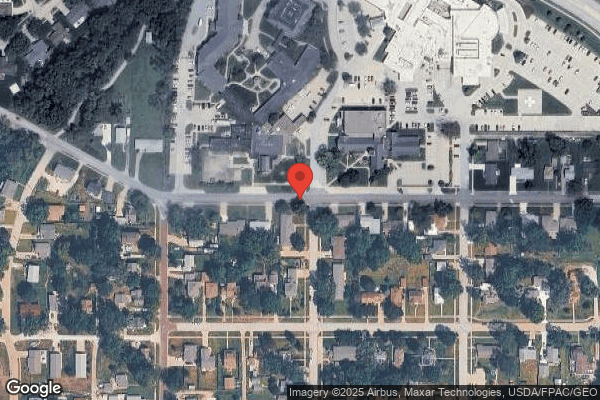

2242 Wright Street, Blair, NE 68008 (402) 426-4663
For profit - Limited Liability company 84 Beds Independent Data: November 2025
Trust Grade
45/100
#114 of 177 in NE
Last Inspection: May 2025

Inspected within the last 6 months. Data reflects current conditions.

Overview

Good Shepherd Lutheran Home in Blair, Nebraska, has a Trust Grade of D, indicating below-average quality and some concerns regarding care and management. It ranks #114 out of 177 facilities in Nebraska, which places it in the bottom half of all nursing homes in the state, and #2 out of 2 in Washington County, suggesting limited local options. The facility is worsening, with reported issues increasing from 3 in 2024 to 11 in 2025. Staffing is a weakness, scoring only 2 out of 5 stars and having a high turnover rate of 64%, which is concerning compared to the state average of 49%. While the home has not incurred any fines, there are significant concerns about cleanliness and infection control, as staff failed to maintain hygiene standards in food preparation and did not properly change oxygen tubing for residents, potentially compromising their health. Overall, while there are no fines and the facility has some staff presence, the high turnover and increasing issues raise significant concerns for potential residents and their families.

Trust Score
D
45/100
In Nebraska
#114/177
Bottom 36%
Safety Record
Low Risk
No red flags
Inspections
Getting Worse
3 → 11 violations
Staff Stability
⚠ Watch
64% turnover. Above average. Higher turnover means staff may not know residents' routines.
Penalties
✓ Good
No fines on record. Clean compliance history, better than most Nebraska facilities.
Skilled Nurses
⚠ Watch
Each resident gets only 28 minutes of Registered Nurse (RN) attention daily — below average for Nebraska. Fewer RN minutes means fewer trained eyes watching for problems.
Violations
⚠ Watch
23 deficiencies on record. Higher than average. Multiple issues found across inspections.
★★☆☆☆
2.0
Overall Rating
★★☆☆☆
2.0
Staff Levels
★★☆☆☆
2.0
Care Quality
★★☆☆☆
2.0
Inspection Score
Stable
2024: 3 issues
2025: 11 issues

The Good

  • Full Sprinkler Coverage · Fire safety systems throughout facility
  • No fines on record

Facility shows strength in fire safety.

The Bad

2-Star Overall Rating

Below Nebraska average (2.9)

Below average - review inspection findings carefully

Staff Turnover: 64%

18pts above Nebraska avg (46%)

Frequent staff changes - ask about care continuity

Staff turnover is elevated (64%)

16 points above Nebraska average of 48%

The Ugly 23 deficiencies on record

May 2025 11 deficiencies
CONCERN (D) 📢 Someone Reported This

A family member, employee, or ombudsman was alarmed enough to file a formal complaint

Potential for Harm - no one hurt, but risky conditions existed

Notification of Changes (Tag F0580)

Could have caused harm · This affected 1 resident

Licensure Reference Number 175 NAC 12-006.04(F)(i)(5) Based on record reviews and interviews; the facility failed to notify the medical practitioner and family of 1 (Resident 52) of 5 residents sample...

Read full inspector narrative →
Licensure Reference Number 175 NAC 12-006.04(F)(i)(5) Based on record reviews and interviews; the facility failed to notify the medical practitioner and family of 1 (Resident 52) of 5 residents sampled for refusal to take medications. The facility census was 66. Findings are: Record review of Resident 52's Minimum Data Set (MDS, a federally mandated comprehensive assessment tool used to determine a resident's functional capabilities and helps nursing home staff identify health problems) dated 03/28/2025 revealed a Brief Interview for Mental Status (BIMS, a brief screener that aids in detecting cognitive impairment) score of 99. The MDS manual identified a score of 99 as resident was unable to complete the interview. Record review of Resident 52's Order Summary dated 4/29/2025 revealed the following medications were prescribed by the practitioner: -Acetamin tab 325 milligrams (mg) twice daily for pain -Aspirin 81 mg for heart health -Atorvastatin 80 mg for hyperlipidemia (an elevated level of lipids - like cholesterol and triglycerides in your blood) -Carvedilol 10 mg extended release (ER) for essential primary hypertension (high blood pressure) -Fluoxetine Solution 20 mg/5 milliliters (ML) for depression -Omeprazole cap 40 mg for GERD (a digestive disorder where stomach acid frequently flows back up into the esophagus, the tube connecting the mouth to the stomach) -Prevagen 10 mg capsule for memory support -Risperidone solution 1 mg/ML twice daily for dementia -Senna tablet 8.6 mg for constipation Record review of Resident 52's Medication Administration record (MAR) (a Medication Administration Record documents every medication a patient receives, including the name, dose, route, and time) dated April 2025 revealed Resident 52 had refused the following medications: - Aspirin, Carvedilol, Omeprazole, Prevagen, and Senna on 4/1/2025, 4/2/2025, 4/4/2025, 4/5/2025, 4/6/2025, 4/7/2025, 4/11/2025, 4/14/2025, 4/15/2025, 4/18/2025, 4/19/2025, 4/20/2025, 4/23/2025, 4/24/2025, 4/25/2025, 4/27/2025, and 4/28/2025. -Acetamin was refused on 4/1/2025 AM, 4/2/2025 AM, 4/3/2025 PM, 4/4/2025, 4/5/2025, 4/6/2025 both AM/PM, 4/7/2025 AM, 4/11/2025 AM/PM, 4/14/2025 AM, 4/15/2025 AM/PM, 4/16/2025, 4/17/2025 PM, 4/18/2025 AM/PM, 4/19/2025 AM/PM, 4/20/2025 AM, 4/21/2025, 4/22/2025 PM, 4/23/2025 AM, 4/24/2025 AM, 4/25/2025 AM/PM, 4/26/2025 PM, 4/27/2025 AM, 4/28/2025 AM/PM -Fluoxetine and Senna were refused on 4/2/2025, 4/4/2025, 4/5/2025, 4/6/2025, 4/7/2025, 4/11/2025, 4/14/2025, 4/15/2025, 4/18/2025, 4/19/2025, 4/20/2025, 4/23/2025, 4/24/2025, 4/25/2025, 4/27/2025, and 4/28/2025. Record review of Resident 52's progress notes did not indicate the primary medical provider was notified of Resident 52's refusals to take medications on 4/1/2025, 4/2/2025, 4/4/2025, 4/5/2025, 4/6/2025, 4/7/2025, 4/11/2025, 4/14/2025, 4/15/2025, 4/18/2025, 4/19/2025, 4/20/2025, 4/23/2025, 4/24/2025, 4/25/2025, 4/27/2025, and 4/28/2025. An interview on 5/1/2025 at 8:06 AM was conducted with the Director of Nursing (DON). During the interview the DON confirmed Resident 52's practitioner was not notified Resident 52 was refusing medications and should have been. A Record review of facility Policy Requesting, Refusing and/or Discontinuing Care or Treatment revised February 2021 stated the following: Policy Interpretation and Implementation 7. Documentation pertaining to a resident's request, discontinuation or refusal of treatment includes at least the following: a. date and time the care or treatment was attempted b. the type of care or treatment c. the resident's response and stated reason(s) for request, discontinuation or refusal d. the name of the person who attempted to administer the care or treatment e. that the resident was informed (to the extent of their ability to understand) of the purpose of the treatment and the potential outcome of not receiving the medication and/or treatment f. the resident's condition and any adverse effects due to the request g. the date and time the practitioner was notified h. all other pertinent observations i. the signature and title of the person recording the data 8. The healthcare practitioner must be notified of refusal of treatment, in a time frame determined by the resident's condition and potential serious consequences of the request. For example, a resident's refusal to take a diuretic while experiencing acute congestive heart failure should be reported immediately, while a refusal to take a blood pressure medication while the blood pressure is well controlled can be reported within 24 hours.
CONCERN (D)

Potential for Harm - no one hurt, but risky conditions existed

Deficiency F0605 (Tag F0605)

Could have caused harm · This affected 1 resident

Licensure Reference Number 175 NAC 12-006.05(G) Based on record reviews and interview; the facility failed to ensure a rationale was documented for the continued use of PRN (as needed) antianxiety med...

Read full inspector narrative →
Licensure Reference Number 175 NAC 12-006.05(G) Based on record reviews and interview; the facility failed to ensure a rationale was documented for the continued use of PRN (as needed) antianxiety medication for 1 (Resident 42) of 5 sampled residents. The facility staff identified a census of 66. The findings are: A record review of a facility policy entitled Documentation and Communication of Consultant Pharmacist Recommendations dated revised August 2024 revealed: -D. Psychotropic PRN (as-needed) medication order (excluding antipsychotics): Order for PRN psychotropic medication will be time limited (i.e., 14 days) and only for specific clearly documented circumstances. -a. Order may be extended beyond 14 days if the attending physician or prescribing practitioner: -b. Believes it is appropriate to extend the order -and -c. Documents clinical rationale for the extension -and -d. Provides a specific duration of use. -e. Rationale should include effectiveness, ongoing specific diagnosed conditions, indication, and duration. A record review of Resident 42's admission Record identified the facility admitted the resident on 01/18/2024 and identified diagnoses of delirium due to known physiological condition, major depressive disorder, psychosis, unspecified mood disorder, senile degeneration of brain, and Alzheimer's disease with late onset. A record review of Resident 42's Quarterly Minimum Data Set (MDS, a federally mandated comprehensive assessment tool used to determine a resident's functional capabilities and help nursing home staff identify health problems) dated 03/31/2025 identified the resident's Brief Interview for Mental Status (BIMS, a brief screener that aids in detecting cognitive impairment) score was 5/10. According to the MDS Manual, a score of 0-7 indicated the resident had severe cognitive impairment. The MDS further identified the resident did not display behaviors and received antipsychotic and antidepressant medications. A record review of Resident 42's Order Summary Report printed 04/30/2025 revealed an order for lorazepam (antianxiety medication) 2 milligram (mg)/milliliter (mL) give 1mg by mouth every 1 hour as needed for anxiety/restlessness. A record review of a Pharmacist's Recommendation to Prescriber dated 03/31/2025 revealed that Resident 42 was prescribed lorazepam and states CMS requires a 14 day stop on all PRN psychotropic medications unless the prescriber documents clinical rationale for continued use and provides a new duration for use on the continued order. Further review revealed that the pharmacist's recommendation was to continue the PRN lorazepam for 6 months. The document was signed by the provider and the agree check box was marked. The provider did not document a rationale for the continued use of the PRN lorazepam. An interview on 05/01/2025 at 9:42 AM with the Director of Nursing (DON) confirmed that there was no rationale documented for the continued use of the PRN lorazepam.
CONCERN (D) 📢 Someone Reported This

A family member, employee, or ombudsman was alarmed enough to file a formal complaint

Potential for Harm - no one hurt, but risky conditions existed

Report Alleged Abuse (Tag F0609)

Could have caused harm · This affected 1 resident

Licensure Reference Number 175 NAC 12.006.02(8) Based on record review and interview; the facility failed to report an allegation of resident-to-resident abuse within the required timeframe to Adult P...

Read full inspector narrative →
Licensure Reference Number 175 NAC 12.006.02(8) Based on record review and interview; the facility failed to report an allegation of resident-to-resident abuse within the required timeframe to Adult Protective Services (APS) for 1 (Resident 119) of 4 facility self-report investigations reviewed. The facility census was 66. Findings are: Record review of an undated facility policy entitled Abuse and Neglect Reporting revealed the following information: All staff members, residents, visitors are required to immediately report any incidents or suspected incidents of resident mistreatment, abuse, or neglect, exploitation, including injuries of unknown source and misappropriation of properties. Procedure: 1. Any alleged violations involving abuse or negligence neglect including injuries of an unknown source and misappropriation of resident property must be reported. 3. Staff members aware of an incident or suspected incident of abuse or neglect must immediately report knowledge of such incidents to the charge nurse, department head or administration. 5. The staff person receiving the initial allegation of abuse or neglect must immediately contact the facility manager and administrator 6. When an alleged or suspected case of mistreatment, exploitation, misappropriation of resident property, abuse or neglect is reported, the facility administrator or designee will notify the following persons of such incident: Within 24 hours: a. Adult Protective Services (APS) 24 hour hotline: 1. Report allegations of abuse, neglect, exploitation results not later than 24 hours if a suspicion of abuse, neglect or exploitation does not result in bodily harm. Record review of Resident 119's quarterly Minimum Data Set (MDS,a federally mandated comprehensive assessment tool used to determine a resident's functional capabilities and helps nursing home staff identify health problems) dated 1/29/25 revealed an admission date of 4/23/24 with diagnoses that included chronic obstructive pulmonary disease, coronary artery disease and heart failure. The MDS identified that Resident 119 had a BIMS (Brief interview Mental Status, a brief screener that aids in detecting cognitive impairment) score of 6. The MDS manual identified that a score of 0-7 indicated severe cognitive impairment. The MDS identified that Resident 119 used a wheelchair and was dependent on staff for all activities of daily living needs such as toileting, dressing and personal hygiene. Record review of a facility investigation dated 1/9/25, related to an allegation of resident to resident abuse that involved Resident 119 as the victim, revealed an investigation was initiated on 1/6/25 at 9:10 AM by the facility administrator. Record review of a description of the incident revealed that the incident between Resident 119 and another resident had occurred on 1/4/25 at 3:30 PM. The facility investigation revealed no injury had resulted to Resident 119. The facility investigation revealed that the administration was not notified of the incident until 1/9/25 at 9:10 AM. Adult Protective Services was not notified until 1/9/25 at 9:40 AM which was not within the required 24 hour timeframe for an allegation of abuse with no injury. Interview on 04/30/25 at 6:53 AM with the Director of Nursing (DON) confirmed staff did not immediately notify administration of the incident on 1/4/25 at the time of the incident and they should have. The DON confirmed that staff had been educated in the past to notify the administration as soon as an incident occurred so the investigation and reporting could be done. The DON confirmed that the allegation of abuse had not been reported to APS within the required 24 hour timeframe.
CONCERN (D)

Potential for Harm - no one hurt, but risky conditions existed

Deficiency F0628 (Tag F0628)

Could have caused harm · This affected 1 resident

**NOTE- TERMS IN BRACKETS HAVE BEEN EDITED TO PROTECT CONFIDENTIALITY** Licensure Reference Number 175 NAC 12-006.05 Based on record review and interview; the facility failed to notify the resident an...

Read full inspector narrative →
**NOTE- TERMS IN BRACKETS HAVE BEEN EDITED TO PROTECT CONFIDENTIALITY** Licensure Reference Number 175 NAC 12-006.05 Based on record review and interview; the facility failed to notify the resident and resident representative in writing of the reason for hospital transfer for 1 (Resident 20) of 1 sampled resident. The facility staff identified a census of 66. The findings are: A record review of a facility policy entitled Bed-hold Agreement dated Revised 05/2023 revealed: -2. When an emergency transfer is necessary (e.g. ER transfer), the facility will provide the resident or his/her representative with a copy of the bed-hold agreement at the time of transfer. -3. A copy of the bed-hold agreement will be provided to the resident and the resident's representative in a language and manner in which they can understand. The notice will include all of the following: -a. The specific reason and basis for the transfer or discharge. A record review of Resident 20's admission Record revealed the facility admitted the resident on 09/29/2023. Further review of Resident 20's admission Record identified diagnoses of Influenza A, chronic obstructive pulmonary disease (COPD, pulmonary disease that is characterized by chronic typically irreversible airway obstruction resulting in a slowed rate of exhalation), chronic respiratory failure, cognitive communication deficit, fracture of neck of left femur, iron deficiency anemia (a condition where the body doesn't have enough iron, leading to a reduction in red blood cells and a decreased ability to carry oxygen to the body's tissues), schizophrenia (a mental illness that is characterized by disturbances in thought, perception, and behavior, by a loss of emotional responsiveness and extreme apathy, and by noticeable deterioration in the level of functioning in everyday life), bipolar disorder (a condition characterized by dramatic shifts in mood, energy, and activity levels that affect a person's ability to carry out day-to-day tasks. These shifts in mood and energy levels are more severe than the normal ups and downs that are experienced by everyone), hypertension, and dementia. A record review of Resident 20's Significant Change Minimum Data Set (MDS, a federally mandated comprehensive assessment tool used to determine a resident's functional capabilities and helps nursing home staff identify health problems) dated 12/21/2024 identified Resident 20 had a Brief Interview for Mental Status (BIMS, a brief screener that aids in detecting cognitive impairment) score of 13/15. According to the MDS Manual, a score of 13-15 indicated that the resident was cognitively intact. A record review of a Bed-Hold Agreement signed by the Social Services Designee (SSD) on 11/11/2024 revealed the resident was transferred to an acute care hospital on [DATE]. The Bed-Hold Agreement did not show the reason for the transfer. A record review of a Bed-Hold Agreement signed by the SSD on 12/2/2024 revealed that Resident 20 was transferred to an acute care hospital on [DATE]. The Bed-Hold Agreement did not show the reason for the transfer. In an interview on 04/29/2025 at 3:17 PM the SSD confirmed that the reason for the transfer to an acute care hospital was not put in writing to the resident or the resident's representative. In an interview on 04/30/2025 at 12:57 PM the SSD further confirmed the bed hold agreement should have been sent at the time of the transfer and was not.
CONCERN (D) 📢 Someone Reported This

A family member, employee, or ombudsman was alarmed enough to file a formal complaint

Potential for Harm - no one hurt, but risky conditions existed

Deficiency F0657 (Tag F0657)

Could have caused harm · This affected 1 resident

Licensure Reference Number 175 NAC 12-006.09(F)(ii) Based on record review and interview; the facility failed to develop a comprehensive care plan within 7 days of the completion of the Minimum Data S...

Read full inspector narrative →
Licensure Reference Number 175 NAC 12-006.09(F)(ii) Based on record review and interview; the facility failed to develop a comprehensive care plan within 7 days of the completion of the Minimum Data Set (MDS, a federally mandated comprehensive assessment tool used to determine a resident's functional capabilities and helps nursing home staff identify health problems) for 1 (Resident 219) of 21 sampled residents. The facility staff identified a census of 66. The findings are: A record review of a facility policy entitled Care Plans, Comprehensive Person-Centered dated 2001 revealed: -The comprehensive, person-centered care plan is developed within seven days of the completion of the required MDS assessment (Admission, annual or sig change) and no more than 21 days after admission. A record review of Resident 219's admission Minimum Data Set (MDS, a federally mandated comprehensive assessment tool used to determine a resident's functional capabilities and helps nursing home staff identify health problems) dated 06/05/2024 identified the facility admitted the resident on 05/29/2024 with diagnoses of hypertension, thyroid disorder, cerebral infarction (stroke), and neuropathy. Further review of the MDS identified that Resident 219 was dependent upon staff for assistance with toileting hygiene, bathing, transfers, and manual wheelchair mobility; substantial assistance with upper and lower body dressing, footwear, and bed mobility; and supervision or touching assistance for personal hygiene tasks. A record review of Resident 219's Care Area Assessments (CAAs, areas for further assessment of resident conditions based on information entered into the MDS that are utilized to develop a person-centered plan of care) revealed the following areas required further assessment and were marked by facility staff as requiring care planning: cognition/dementia, communication, functional abilities, urinary incontinence, psychosocial, behavior, falls, dental, and pressure ulcers. A record review of Resident 219's Comprehensive Care Plan (CCP, a document that includes measurable objectives and timetables to meet a resident's medical, nursing, and mental and psychosocial needs that are identified in the comprehensive assessment) revealed functional abilities interventions addressed only transfers. Further review revealed the following areas did not have interventions for cognition/dementia, communication, urinary incontinence, psychosocial, and dental. In an interview on 05/01/2025 at 1:04 PM, the MDS Coordinator (MDSC)-W confirmed that interventions for cognition/dementia, communication, urinary incontinence, psychosocial, and dental were not listed on the CCP and should have been. The MDSC-W further confirmed that additional interventions should have been listed for Resident 219's functional abilities.
CONCERN (D)

Potential for Harm - no one hurt, but risky conditions existed

Unnecessary Medications (Tag F0759)

Could have caused harm · This affected 1 resident

Licensure Reference Number 175 NAC 12-006.10(D) Based on observation, interview, and record review; the facility failed to ensure a medication error rate of less than 5%. Observation of 25 medications...

Read full inspector narrative →
Licensure Reference Number 175 NAC 12-006.10(D) Based on observation, interview, and record review; the facility failed to ensure a medication error rate of less than 5%. Observation of 25 medications administered revealed two errors resulting in a medication error rate of 8%. The medication errors affected 2 (Resident 39 and Resident 42) of 4 sampled residents. The facility staff identified a census of 66. The findings are: A. Record review of Resident 39's Medication Administration Record (MAR) printed on 04/30/2025 revealed the following medications to be administered at 7:00 AM: -insulin lispro (a rapid-acting insulin) inject 5 units -insulin lispro inject per sliding scale -Omeprazole 40 milligrams (mg) An observation on 04/30/2025 at 6:55 AM of Registered Nurse (RN)-Y administering medication for Resident 39 revealed the RN-Y obtained Resident 39's blood sugar reading of 107 from a continuous glucose monitor and determined that sliding scale insulin was not required. RN-Y administered the oral medication with water. At 7:01 AM RN-Y injected 5 units of insulin lispro subcutaneously without providing Resident 39 a snack. An observation on 04/30/2025 at 8:20 AM in the main dining room where Resident 39 ate revealed the first breakfast tray being served from the kitchen. An interview on 04/30/2025 at 8:50 AM with RN-Y confirmed Resident 39 received medications with water and was not provided a snack. RN-Y further confirmed that rapid-acting insulin should be administered within 30 minutes of meals. A record review of a facility policy entitled Medication Administration-Insulin dated 06/22/2014 revealed: -Rapid-acting insulin (e.g., Novolog, Humalog) Onset 10-15 minutes, Peak 0.5-3 hours, Duration 3-6 hrs. -Important Points: -RAPID-ACTING insulin (or a rapid-acting insulin mixed with either an intermediate or long-acting insulin) would be injected immediately prior to a meal, or administered concurrent with food such as graham crackers. B. Record review of Resident 42's MAR printed on 04/30/2025 revealed the following medications to be administered at 8:00 AM: -acetaminophen 1000 mg -Eliquis (a blood thinner) 2.5 mg -Esomeprazole (acid reducer) 20 mg -polyethylene glycol (laxative) 17 grams -quetiapine (an antipsychotic medication) 25 mg An observation on 04/30/2025 at 7:29 AM of Licensed Practical Nurse (LPN)-U administering medications for Resident 42 revealed LPN-U administered polyethylene glycol that displayed a pharmacy label for another resident. An interview on 04/30/2025 at 7:50 AM with LPN-U confirmed the polyethylene glycol administered was labeled for another resident and should not have been administered to Resident 42.
CONCERN (D)

Potential for Harm - no one hurt, but risky conditions existed

Deficiency F0760 (Tag F0760)

Could have caused harm · This affected 1 resident

Licensure Reference Number 175 NAC 12-006.10(D) Based on observation, interview, and record review; the facility failed to ensure residents were free of significant medication errors. This affected 1 ...

Read full inspector narrative →
Licensure Reference Number 175 NAC 12-006.10(D) Based on observation, interview, and record review; the facility failed to ensure residents were free of significant medication errors. This affected 1 (Resident 45) of 4 sampled residents. The findings are: A record review of a facility policy entitled Medication Administration - Insulin dated 06/22/2014 revealed: -Rapid-acting insulin (e.g., Novolog, Humalog) Onset 10-15 minutes, Peak 0.5-3 hours, Duration 3-6 hours. -Important Points: -RAPID-ACTING insulin (or a rapid-acting insulin mixed with either an intermediate or long-acting insulin) would be injected immediately prior to a meal, or administered concurrent with food such as graham crackers. A record review of Resident 39's Medication Administration Record (MAR) printed 04/30/2025 revealed the resident was to receive 5 units insulin lispro (a rapid-acting insulin used to aid blood sugar control) before meals. An observation on 04/30/2025 at 7:01 AM revealed that Registered Nurse (RN)-Y injected 5 units of insulin lispro into the right upper arm after oral medications were administered with water. An observation on 04/30/2025 at 8:20 AM in the main dining room where Resident 39 received meals revealed the first breakfast tray being served from the kitchen. An interview on 04/30/2025 at 8:50 AM with RN-Y confirmed Resident 39 received medications with water and was not provided a snack. RN-Y further confirmed that rapid-acting insulin should be administered within 30 minutes of meals.
CONCERN (E) 📢 Someone Reported This

A family member, employee, or ombudsman was alarmed enough to file a formal complaint

Potential for Harm - no one hurt, but risky conditions existed

Deficiency F0923 (Tag F0923)

Could have caused harm · This affected multiple residents

Licensure Reference Number 175 NAC 12-007.04 D Based on observation, record review and interview; the facility failed to ensure a working ventilation system in 20 (302, 303, 304, 305, 306, 307, 308, 3...

Read full inspector narrative →
Licensure Reference Number 175 NAC 12-007.04 D Based on observation, record review and interview; the facility failed to ensure a working ventilation system in 20 (302, 303, 304, 305, 306, 307, 308, 310, 311, 400, 401, 402, 404, 405, 406, 407, 408, 409, 410, 411) of 28 occupied resident rooms on the 300 and 400 halls in the facility. The total number of occupied resident rooms in the facility was 52. The facility census was 66. Findings are: Observations of the facility environment on 05/01/25 between 8:30 AM and 9:15 AM with the facility Maintenance Director [MD] revealed that the ventilation system in resident bathrooms in rooms 302, 303, 304, 305, 306, 307, 308, 310, 311, 400, 401, 402, 404, 405, 406, 407, 408, 409, 410, 411 did not draw a 1 ply square of tissue to the surface of the ventilation covers in resident bathrooms. The fact that the tissue square was not drawn to the cover indicated that the system was non-operational at the time of the observation. Interview on 05/01/25 at 09:15 AM with the MD confirmed the ventilation system did not draw in bathrooms on the 300 and 400 halls. The MD was unsure if documentation had been completed of the last time the ventilation systems had been checked for operation. Interview on 05/01/25 at 09:20 AM with the Environmental Services Account Manager confirmed there was no documentation of the last time the ventilation systems in resident bathrooms were checked for draw and operation.
CONCERN (F)

Potential for Harm - no one hurt, but risky conditions existed

Food Safety (Tag F0812)

Could have caused harm · This affected most or all residents

Licensure Reference Number 175 NAC 12-006.11 E The facility failed to ensure hand hygiene and gloving were performed in a manner to prevent the potential for food borne illness and failed to maintain ...

Read full inspector narrative →
Licensure Reference Number 175 NAC 12-006.11 E The facility failed to ensure hand hygiene and gloving were performed in a manner to prevent the potential for food borne illness and failed to maintain the cleanliness and condition of shelving units, serving windows, equipment, floors, ventilation systems, and storage carts in the facility kitchen. This had the potential to affect 66 residents in the facility that ate foods prepared in the facility kitchen. The facility census was 66. Findings are: A. Record review of a facility policy entitled Hand Washing dated 3/19/2020 revealed the following: Hand hygiene will be performed for a minimum of 20 seconds. Procedures: Guidelines on when to perform hand hygiene may include - before preparing or handling food. - - after removing personal protective equipment ( gloves) Perform hand hygiene as follows: a. If using soap and water, turn on faucet, holding fingertips downward to prevent water from running down the arm. Apply soap and work into a lather. b. Rub all surfaces of the hands for at least 20 seconds. c. i. Rinse hands under running water with fingers pointing downward holding hands lower then the wrists and elbows. ii. Dry hands thoroughly using a paper towel, using care not to touch the towel dispenser or sink. Use paper towel to turn off sink. B. Observation on 04/29/25 between 9:20 AM and 10:15 AM in the facility kitchen revealed [NAME] K prepared country style tomatoes. With no hand hygiene performed, [NAME] K donned gloves and poured 3 cans of tomatoes into a large pot. [NAME] K added garlic and sugar and mixed them together. [NAME] K doffed [removed] the soiled gloves and placed the tomatoes into the convection oven to cook. [NAME] K performed a 7 second hand wash, donned [put on] gloves and got out the recipe for the chicken thighs. [NAME] K rinsed out a large, clear container with water at the 3 compartment sink, doffed the soiled gloves and performed 7 second hand wash. [NAME] K donned new gloves and proceeded to wash the chicken thighs with water, then placed them into the clear plastic container until it was half full. [NAME] K took off the soiled gloves, performed a 7 second hand wash, then rinsed another large plastic container with water. [NAME] K doffed the soiled gloves and performed a 10 second hand wash. [NAME] K donned new gloves and continued to wash chicken thighs and place them into the large plastic container. [NAME] K doffed the soiled gloves and performed a 10 second hand wash. [NAME] K left the food preparation area, went to the reach in cooler, touched the door handle with a bare hand and got out buttermilk and mayonnaise. [NAME] K went into storage area and got out ranch dressing mix. [NAME] K returned to the food preparation area and, with no hand hygiene performed, donned new gloves and added those ingredients to the 2 containers of chicken thighs. [NAME] K then mixed the ingredients into the chicken thighs with gloved hands. [NAME] K doffed the soiled gloves and performed a 6 second hand wash. [NAME] K donned new gloves and placed the chicken thighs onto sheet pans. [NAME] K doffed the soiled gloves and put the pan into the oven. With no hand hygiene performed, [NAME] K repeated the same process until 4 pans were full of chicken thighs and were in the oven. After all the pans were in the oven, [NAME] K performed a 7 second hand wash, donned new gloves, threw away the soiled, wet cardboard chicken box, and with the same soiled gloves, touched the door handle of the reach in cooler to put the mayonnaise back into the reach in cooler. [NAME] K doffed the soiled gloves and performed a 10 second hand wash. Interview on 4/29/25 at 10:20 AM with the Dietary Manager [DM] confirmed that hands should be washed for 20 seconds before working with foods, upon return to the food preparation area, after removal of soiled gloves and before new gloves are donned. The DM confirmed that all residents in the facility ate foods prepared in the facility kitchen C. Observation on 04/28/25 between 1:30 PM and 2:30 PM in the facility kitchen revealed the following sanitation concerns: - A wire dish rack next to the steam table had areas of red colored discoloration that resembled rust. - Foam weather stripping had been torn loose from the underside of the serving window. - Food and grease spatters were present on the front and sides of the stove with 2 ovens. - Burned, dried food spatters were present on the backsplash behind the stove top and the exterior of the stove and ovens. - Grease and food particles were present on the shelf above the stove top. - Grease and liquid spatters were present on the side and front of the deep fryer, dripped onto the floor in front of the deep fryer. - Baked on, burned food particles were present inside the working oven. - Grease and a sticky substance were present on the handle and the front of the working oven. - Two of 3 ovens were not operational in the facility kitchen. - Grease spatters and food spatters were present on the front and sides of the convection oven. - Food particles and a dark sticky substance were present in the corners and the floors under the shelves in the reach in cooler. - The floors were sticky in the walk in cooler. - The floors under the food preparation sink surrounding a grease trap were corroded with a dark, sticky substance and food particles and dirt. - Food particles and a build up of dirt and dark colored substance were present on the floors in the dry storage area. - Food particles were present on each shelf of a 3 tier rolling cart that held spices. - Two air conditioner ventilation covers were heavily coated with a gray fuzzy substance. The ventilation covers were directly over the 3 compartment sink and the food preparation area. - Two wire oven racks were heavily coated with grease and a burned on substance. Observations on 04/29/25 between 2:00 PM - 2:25 PM with the DM confirmed the following sanitation concerns: - A wire dish rack next to the steam table had areas of red colored discoloration that resembled rust. - Foam weather stripping had been torn loose from the underside of the serving window. - Food and grease spatters were present on the front and sides of the stove with 2 ovens. - Burned, dried food spatters were present on the backsplash behind the stove top and the exterior of the stove and ovens. - Grease and food particles were present on the shelf above the stove top. - Grease and liquid spatters were present on the side and front of the deep fryer, dripped onto the floor in front of the deep fryer. - Baked on, burned food particles were present inside the working oven. - Grease and a sticky substance were present on the handle and the front of the working oven. - Two of 3 ovens were not operational in the facility kitchen. - Grease spatters and food spatters were present on the front and sides of the convection oven. - Food particles and a dark sticky substance were present in the corners and the floors under the shelves in the reach in cooler. - The floors were sticky in the walk in cooler. - The floors under the food preparation sink surrounding a grease trap were corroded with a dark, sticky substance and food particles and dirt. - Food particles and a build up of dirt and dark colored substance were present on the floors in the dry storage area. - Food particles were present on each shelf of a 3 tier rolling cart that held spices. - Two air conditioner ventilation covers were heavily coated with a gray fuzzy substance. The ventilation covers were directly over the 3 compartment sink and the food preparation area. - Two wire oven racks were heavily coated with grease and a burned on substance. Interview on 04/29/25 at 2:25 PM with the DM confirmed that the observed areas of concern needed to be cleaned. The DM agreed that the issues needed to be corrected and addressed. The DM was unsure of how long 2 of 3 ovens in the facility kitchen had been not operational. The DM confirmed that all residents in the facility ate foods prepared in the facility kitchen Record review of the weekly cleaning schedules in the facility kitchen revealed that the logs for cleaning were filled out weekly or daily as directed. The cleaning schedules did not specifically identify the concerns identified through observation on 04/28/25 or 04/29/25.
CONCERN (F)

Potential for Harm - no one hurt, but risky conditions existed

Infection Control (Tag F0880)

Could have caused harm · This affected most or all residents

**NOTE- TERMS IN BRACKETS HAVE BEEN EDITED TO PROTECT CONFIDENTIALITY** Licensure Reference Number 175 NAC 12.006.18(B) Based on record review observation, and interview, the facility staff failed to ...

Read full inspector narrative →
**NOTE- TERMS IN BRACKETS HAVE BEEN EDITED TO PROTECT CONFIDENTIALITY** Licensure Reference Number 175 NAC 12.006.18(B) Based on record review observation, and interview, the facility staff failed to implement measures to prevent the potential contamination of resident supplies that affect all residents in the facility, the facility staff failed to change oxygen tubing per practitioner's order for Resident 26, and the facility failed to follow enhanced barrier precautions for Resident 50. The facility identified a census of 66. Findings are: A. A record review of a facility provided policy titled Storage Areas, Maintenance, dated December 2009 revealed, all storage areas must be kept free from accumulation of trash, rubbish, oily rags, paper, etc., at all times. Record review of a receipt of payment to dated 5/8/2024 to a roofing company for the amount of $4000.00 related to work that applied a patch to the roof. A record review on 4/30/2025 revealed a facility provided email dated May 10, 2024, indicating the management company was aware of the functional damage the campus sustained. An observation on 4/30/2025 8:13 AM with (Maintenance Supervisor) MS-G revealed the second floor is unoccupied and is not used by any residents, and: -A room located in the southwest corner of the second floor had 65 boxes of incontinent products of varying sizes. -There were jugs of a disinfectant cleaner with the label identifying Cleanslate among the boxes of briefs. -There were also black spots on the ceiling where the ceiling tiles were missing. -The room located next to the above stated room revealed boxes of PPE, Covid tests, Lancets, medication cups, multiple types of dressings, drinking straws, drinking cups, Insulin syringes, mouthwash, piston syringes and irrigation solution. An observation on 4/30/25 8:45 AM with the Administrator (ADM) revealed the office in the therapy gym had discolored ceiling tiles that are brown with black in the center, and the therapy gym above a TV that has portions of plaster substance missing with brick exposed behind the plaster substance. In addition the area in the therapy office on the 1st floor had a plaster substance missing with brick exposed. An observation on 4/30/2025 12:00 PM with Physical Therapy Assistant (PTA) revealed black spots on the ceiling tiles above the desks. The PTA reported the black spots were mold. The east window of the office has plaster substance missing from the wall and is exposing the brick. The PTA reported their belief was that it was from the leaking ceiling. An interview with the ADM on 4/30/2025 at 8:30 AM revealed the second floor and the therapy gym on the main floor had water damage. The ADM confirmed the management company has been advised and has advised the owner of the water damage. The ADM confirmed no repairs have been completed since May 2024. An interview with ADM on 4/30/24 11:06 AM revealed the roof has been leaking since the email to the management company in 2024. The ADM confirmed there is no current plan to fix the leaking roof or the mold like spots that were on the ceiling tiles in the gym and in the supply room on the second floor. B. Record review of Resident 26's Treatment Administration Record (TAR) dated 4/30/2025 revealed the following orders: -Change 02 tubing weekly. - [NAME] residents' initials, date, staff initials on tubing. Wipe down concentrator with warm wash cloth. One time a day every Sunday. An observation on 4/28/2025 at 8:46 AM Resident 26 was out of the room. The oxygen concentrator (A machine that delivers oxygen) was running. The Nasal cannula tubing was attached to the concentrator with tape around the nasal cannula dated 4/20/2025 at 10:00 PM. An observation on 4/28/2025 8:48 AM of Resident 26's oxygen concentrator was on in the resident's room. The tape around the tubing attached to the concentrator is dated 4/22/2025 at 10:00 PM and initialed by a nurse. Resident 26 was not in the room. An observation on 4/28/2025 8:52 AM The oxygen concentrator remained on in the resident's room and the tape around the tubing attached to the concentrator is dated 4/22/2025 at 10:00 PM, initialed by a nurse. An observation 4/28/2025 1:28 PM of Resident 26's oxygen tubing has the tubing dated 4/20/2025 @ 10:00 PM. An observation 4/28/2025 2:00 PM Resident 26 asleep in the recliner with the oxygen turned on and the nasal cannula was in the resident's nostrils. The tubing continued to be dated 4/20/2025. 05/01/2025 9:14 AM Interview with the Director of Nursing (DON) confirmed the oxygen tubing was dated 4/20/2025 and had not been changed. DON confirmed the documentation the charting is invalid. Record review of the facility provided Medication Administration -Oxygen Policy Interpretation and Implementation, dated 6.22.14 revealed, 13. Infection control measures include: a. Change oxygen tubing and mask/cannula weekly and as needed. C. Record review of Resident 50' so Brief Interview for Mental Status (BIMS, a brief screener that aids in detecting cognitive impairment) dated 2/15/2025 scored a 3. According to the Minimum Data Set (MDS, a federally mandated assessment tool used for care planning) [NAME] a score of 0 to 7 indicates a person has severe cognitive impairment. Record review of Resident 50's order summary dated April 2025 revealed Resident 50 was in Enhanced Barrier Precautions (EBP, an infection control intervention designed to reduce transmission of multidrug-resistant organisms (MDROs) in nursing homes. Enhanced Barrier Precautions involve gown and glove use during high-contact resident care activities for residents known to be colonized or infected with a MDRO as well as those at increased risk of MDRO acquisition (e.g., residents with wounds or indwelling medical devices)) for an indwelling medical device. Resident 50's order summary dated April 2025 revealed an order for contact precautions for methicillin-resistant Staphylococcus aureus (MRSA) (a serious bacterial infection that is resistant to many common antibiotics) of a sebaceous cyst. An observation on 4/30/25 at 7:22 AM revealed NA-Z and RN-A-A transferred Resident 50 from the recliner in the common area to the wheelchair. Neither staff member was wearing Personal Protective Equipment (PPE, includes clothing, gloves, face shields, goggles, facemask's, respirators, and other equipment to protect front-line workers from injury, infection, or illness). NA-Z hooked the Foley catheter bag to the scrub pant leg pocket. Staff then transferred resident to the wheelchair then transported to resident's room. Staff transferred resident from the wheelchair to bed with no PPE. Once resident in bed, both staff applied hand sanitizer and donned PPE. An interview was conducted on 5/01/25 at 7:22 AM with IPC-BB (Infection Preventionist/LPN) regarding how nurse aides know which residents are in EHB. IPB-BB stated, there is a sign on the door. IPB-BB reported staff should are expected to don (put on) gown and gloves for transfers and aware that staff were not using appropriate PPE when transferring Resident 50 from the recliner to wheelchair when Resident is in the common area. An interview was conducted on 5/01/25 at 12:31 PM with NA-CC regarding how staff is made aware of which residents are on EBP. NA-CC stated there are pocket care plans to determine which residents are on EBP and there are signs on the door for EBP. The pocket care plan has information whether they have a Foley/supra pubic catheter/wounds to determine EBP. A record review of Enhanced Barrier Precautions dated August 2022 stated Policy Interpretation and Implementation 3. Examples of high-contact resident care activities requiring the use of gown and gloves for EBPs include: a. dressing b. bathing/showering c. transferring d. providing hygiene e. changing linens f. changing briefs or assisting with toileting g. device care or use (central line, urinary catheter, feeding tube, tracheostomy/ventilator, etc.) and h. wound care (any skin opening requiring a dressing 5. EBPs are indicated (when contact precautions do not otherwise apply) for residents with wounds and/or indwelling medical devices regardless of MDRO colonization 6. EBPs remain in place for the duration of the resident's stay or until resolution of the wound or discontinuation of the indwelling medical device that places them at increased risk. 9. staff are trained prior to caring for residents on EBPs
CONCERN (F) 📢 Someone Reported This

A family member, employee, or ombudsman was alarmed enough to file a formal complaint

Potential for Harm - no one hurt, but risky conditions existed

Safe Environment (Tag F0921)

Could have caused harm · This affected most or all residents

Licensure Reference Number 175 NAC 12-006.19A Based on record review, observation and interview, the facility failed to repair leaks in the facility's roof. This had the potential to affect all reside...

Read full inspector narrative →
Licensure Reference Number 175 NAC 12-006.19A Based on record review, observation and interview, the facility failed to repair leaks in the facility's roof. This had the potential to affect all residents that resided in the facility. The Facility identified a census of 66. Findings are: A record review of a facility policy titled Storage Areas, Maintenance, dated December 2009 revealed, all storage areas must be kept free from accumulation of trash, rubbish, oily rags, paper, etc., at all times. A record review on 4/30/2025 of an email dated May 10, 2024 revealed the management company was aware of the functional damage the campus sustained. Record review of a receipt of payment to dated 5/8/2024 to a roofing company for the amount of $4000.00 related to work that applied a patch to the roof. An observation on 4/30/25 8:45 AM with the Administrator (ADM) revealed the office in the therapy gym had discolored water like stained ceiling tiles that are brown with black in the center, and the therapy gym above a TV that has portions of plaster substance missing with brick exposed behind the plaster substance. In addition the area in the therapy office on the 1st floor had a plaster substance missing with brick exposed. An observation on 4/30/2025 12:00 PM with Physical Therapy Assistant (PTA) revealed black spots on the ceiling tiles above the desks. The PTA reported the black spots were mold. The east window of the office has plaster substance missing from the wall and is exposing the brick. The PTA reported their belief was that it was from the leaking ceiling. An interview with the ADM on 4/30/2025 at 8:30 AM revealed the second floor and the therapy gym on the main floor had water damage. The ADM confirmed the management company has been advised and has advised the owner of the water damage. The ADM confirmed no repairs have been completed since May 2024. An interview with ADM on 4/30/24 11:06 AM revealed the roof has been leaking since the email to the management company in 2024. The ADM confirmed there is no current plan to fix the leaking roof or the mold like spots that were on the ceiling tiles in the gym and in the supply room on the second floor.
Apr 2024 2 deficiencies
CONCERN (D)

Potential for Harm - no one hurt, but risky conditions existed

Infection Control (Tag F0880)

Could have caused harm · This affected 1 resident

**NOTE- TERMS IN BRACKETS HAVE BEEN EDITED TO PROTECT CONFIDENTIALITY** Licensure Reference Number 175 NAC 12-006.17B Based on observation, interview and record review; the facility failed to position...

Read full inspector narrative →
**NOTE- TERMS IN BRACKETS HAVE BEEN EDITED TO PROTECT CONFIDENTIALITY** Licensure Reference Number 175 NAC 12-006.17B Based on observation, interview and record review; the facility failed to position a catheter bag in a manner to prevent the potential for cross contamination for 1 (Resident 20) of 2 residents observed with urinary catheters. The facility census was 70. Findings are: Record review of a facility policy entitled Catheter Care - Suprapubic [suprapubic catheter: a hollow flexible tube that drains urine from the bladder. It is inserted into the bladder through a cut in the stomach just below the navel] dated [DATE] revealed the following information: Residents with Suprapubic catheters will have routine catheter care performed in a manner to minimize the opportunities for infection. Policy Interpretation and implementation: Check the following items: Catheter bag is not laying on the floor. Record review of Resident 20's Clinical Census report revealed that Resident 20 was admitted [DATE]. Resident 20's Diagnoses report identified that Resident 20 had diagnoses that included neuromuscular dysfunction of the bladder and a malignant neoplasm of the renal pelvis. Record review of Resident 20's admission Minimum Data Set [MDS, a clinical assessment of the resident] dated 3/21/24 revealed that Resident 20 had a Brief Interview Mental Status [BIMS, a test to determine cognitive status] score of 13 which indicated that cognition was intact. The MDS identified that Resident 20 was totally dependent on staff for toileting hygiene and had a urinary catheter present. Record review of Resident 20's Comprehensive Care Plan [a interdisciplinary plan of care for the resident] revealed Resident 20 had a suprapubic catheter due to neurogenic bladder. Observations on 04/21/24 at 9:53 AM, 1:38 PM and 2:40 PM revealed Resident 20 seated in a recliner in the resident's room. A urinary catheter bag was attached to the trash can. The back of the bag was in contact with the exterior of the trash can and the bottom of the bag touched the floor. Observations on 04/22/24 at 6:30 AM and 8:35 AM revealed Resident 20 seated in a recliner in the resident's room. A urinary catheter bag was attached to the trash can. The back of the bag was in contact with the exterior of the trash can and the bottom of the bag touched the floor. Interview on 04/22/24 at 8:40 AM with the Director of Nursing [DON] confirmed that the catheter bag for Resident 20 was in contact with the floor and the trash can and this could cause potential cross contamination. The DON confirmed that the catheter bag should be positioned so as not to touch the floor or the trash can.
CONCERN (F)

Potential for Harm - no one hurt, but risky conditions existed

Deficiency F0882 (Tag F0882)

Could have caused harm · This affected most or all residents

Based on record review and interview; the facility failed to ensure that the designated infection preventionist was certified. This had the ability to affect all residents in the facility. The facilit...

Read full inspector narrative →
Based on record review and interview; the facility failed to ensure that the designated infection preventionist was certified. This had the ability to affect all residents in the facility. The facility claimed a census of 70. Findings are: A record review of the facility Infection Control Program dated 7/2019 and revised on 10/11/2019 and 3/26/2020 revealed the following: Paragraph 2. A nurse (RN - Registered Nurse or LPN - Licensed Practical Nurse) will be designated as the facility Infection Preventionist and will complete required training related to the role of an Infection Preventionist. An interview on 04/22/2024 at 1:32PM with the designated Infection Preventionist (IP) revealed they are not currently a certified Infection Preventionist but expect to complete the required IP certification in May of 2024. An interview on 04/22/2024 at 3:34PM with the Facility Administrator confirmed the facility does not have a certified Infection Preventionist at this time but the designated IP is expected to be certified by May 2024.
Apr 2024 1 deficiency
CONCERN (D) 📢 Someone Reported This

A family member, employee, or ombudsman was alarmed enough to file a formal complaint

Potential for Harm - no one hurt, but risky conditions existed

Notification of Changes (Tag F0580)

Could have caused harm · This affected 1 resident

**NOTE- TERMS IN BRACKETS HAVE BEEN EDITED TO PROTECT CONFIDENTIALITY** Licensure reference: 175 NAC 12-006.04C3a(6). Based on record review and interview, the facility failed to notify responsible pa...

Read full inspector narrative →
**NOTE- TERMS IN BRACKETS HAVE BEEN EDITED TO PROTECT CONFIDENTIALITY** Licensure reference: 175 NAC 12-006.04C3a(6). Based on record review and interview, the facility failed to notify responsible party of weight loss for 1 [Resident 3] of 3 sampled residents. The facility had a total census of 69 residents. Findings are: A review of Resident 3's admission Record revealed Resident 3 was admitted to the facility on [DATE] with a diagnosis of Alzheimer's disease. A review of Resident 3's 3/21/2024 annual MDS [Minimum Data Set; a comprehensive assessment used for care planning] assessment revealed a BIMS [Brief Interview for Mental Status is used to get a quick snapshot of how well you are functioning cognitively at the moment] was not completed. Resident 3 was identified as having short-term and long-term memory problems. Resident 3 was identified as having a weight loss of 5% or more in the last month or a loss of 10% or more in last 6 months. A review of Registered Dietitian annual assessment of Resident 3 dated 3/19/24 revealed the following: -Height 63 inches, weight 116.5 lbs. [pounds] on 3/15/24. -Weight trends: -8.5 lbs. (6.8%) in 30 days, -14 lbs. (10.7%) in 90 days; -15.5 lbs. (11.7%) in 180 days. -Resident triggered for a significant weight loss in 30 days, 90 days, and 180 days. -Diet is regular with pureed texture, nectar thick consistency. -Meal intakes are less than 25% of most meals with fair to adequate fluid intakes (60-300 cc). -Resident 3 is offered 30 cc Prostat [protein supplement] every day (100 calories and 15 grams protein) and 90 cc Med Pass 2.0 [nutritional supplements] twice per day (356 calories and 15 grams protein). -Resident 3 needs assistance during meals. -Resident 3 noted to have had a significant decline in meal intakes over the last 6 day. -Resident 3 has severe malnutrition related to decreased appetite as evidenced by consuming less than 75% of estimated requirements for 1 month and greater than 5% weight loss in 30 days. A review of response from Resident 3's physician dated 3/20/24 to annual nutrition assessment revealed the following orders: -Adding a diagnosis of severe malnutrition. -Increasing Mirtazpine [medication to increase appetite] to 15 mg every day. -Increasing Med Pass 2.0 to 120 cc 3 times per day between meal. A review of Resident 3's Electronic Medical Record did not reveal evidence that Resident 3's responsible party had been notified of Resident 3's weight loss or decreased intake. In an interview on 4/4/24 at 12:45 PM, the Director of Nursing confirmed there was no evidence that Resident 3's responsible party had been notified of Resident 3's weight loss or decrease in
May 2023 9 deficiencies
CONCERN (D)

Potential for Harm - no one hurt, but risky conditions existed

Deficiency F0554 (Tag F0554)

Could have caused harm · This affected 1 resident

Licensure reference Number 175 NAC 12-006.10A Based on observation, record review and interview, the facility failed to ensure a self-medication assessment had been completed prior to leaving medicati...

Read full inspector narrative →
Licensure reference Number 175 NAC 12-006.10A Based on observation, record review and interview, the facility failed to ensure a self-medication assessment had been completed prior to leaving medications at the bedside for 1 (Resident 41) of 1 resident sampled. The facility census was 51. Findings are: An observation on 4/30/23 at 1:25 PM revealed a tube of Diclofenac Gel 1% (a medication to help with pain control) in a basin on Resident 41's over bed table. An observation on 5/1/23 at 11:00 AM revealed a tube of Diclofenac Gel 1% in a basin on Resident 41's over bed table. A review of Resident 41's physician orders, dated 5/3/23, revealed an order for Diclofenac Gel 1%, apply topically (to skin) to affected area four times daily as needed may keep at bedside, start date 9/21/22. A review of the facilities Medication-Self Administration policy, dated 6/22/14, revealed the following: -The staff and/or practitioner will periodically reevaluate a resident's ability to continue to self-administer medications. It is recommended that this be done quarterly and with any significant change. A review of Resident 41's comprehensive care plan (written instructions needed to provide effective and person-centered care of the resident that meet professional standards of quality care), dated 5/3/23, revealed no care plan for self-administering medications. A review of Resident 41's electronic health record, from 9/21/22 to 5/3/23, revealed no evaluations of Resident 41's ability to self-administer medications. In an interview on 5/3/23 at 1:04 PM the Director of Nursing confirmed that there was no documentation that evaluated Resident 41's ability to self-administer medications.
CONCERN (D)

Potential for Harm - no one hurt, but risky conditions existed

Transfer Notice (Tag F0623)

Could have caused harm · This affected 1 resident

**NOTE- TERMS IN BRACKETS HAVE BEEN EDITED TO PROTECT CONFIDENTIALITY** 175 NAC 12-006.05(5) Based on record reviews and interviews, the facility failed to provide a written notice of transfer to Res...

Read full inspector narrative →
**NOTE- TERMS IN BRACKETS HAVE BEEN EDITED TO PROTECT CONFIDENTIALITY** 175 NAC 12-006.05(5) Based on record reviews and interviews, the facility failed to provide a written notice of transfer to Resident 47 and/or their representative upon transfer to the hospital. The facility census was 51. Findings are: Record review revealed Resident 47 was hospitalized on [DATE], 10/30/22, 2/3/23, 3/16/23, and 5/1/23. Record review revealed that there was no documentation that the facility notified the resident and/or representative of the transfer in a written notice and the reason for the move in writing and in a language and manner they understand. On 5/2/23 at 3:03 PM Interview with Social Services Director (SSD) confirmed that a hospital written transfer notice was not given to resident 47 and/or personal representative when transferred to the hospital on 9/19/22, 10/30/22, 2/3/23, 3/16/23 and 5/1/23. SSD confirmed that the facility has not been doing this.
CONCERN (D)

Potential for Harm - no one hurt, but risky conditions existed

PASARR Coordination (Tag F0644)

Could have caused harm · This affected 1 resident

Based on record review and interview, the facility failed to ensure a new PASARR (Pre-admission Screening and Resident Review, a screening to determine the presence of a mental illness or intellectual...

Read full inspector narrative →
Based on record review and interview, the facility failed to ensure a new PASARR (Pre-admission Screening and Resident Review, a screening to determine the presence of a mental illness or intellectual disability) review had been completed after a diagnosis of a mental disorder was identified for Resident 21. The facility census was 51. Findings are: Record review revealed PASARR I dated 12/22/22, 1/21/22 and 2/2/23 for Resident #21 with Diagnosis of Depressive Disorder and Anxiety Disorder. Record review revealed new diagnosis of Bipolar Disorder on 3/18/23. Interview on 5/2/23 at 2:50 PM with Social Service Director confirmed that the facility did not have a PASARR II for this resident. Record review of Pre-admission Screening and Resident Review Policy dated 6/22/19 revealed: 7) Any resident with newly evident or possible serious mental disorder, ID, or a related condition (see F644) shall be referred by the facility to the appropriate mental health or ID authority for review.
CONCERN (D)

Potential for Harm - no one hurt, but risky conditions existed

Deficiency F0757 (Tag F0757)

Could have caused harm · This affected 1 resident

Licensure Reference Number 175 NAC 12-006.09D Based on record review and interview, the facility failed to attempt a non-pharmacological intervention (NPI) prior to administration of an as needed medi...

Read full inspector narrative →
Licensure Reference Number 175 NAC 12-006.09D Based on record review and interview, the facility failed to attempt a non-pharmacological intervention (NPI) prior to administration of an as needed medication for 1 (Resident 4) of 5 sampled residents. The facility census was 51. Findings are: A review of Resident 4's physician orders, dated 5/2/23, revealed the following order: -Hydromorphon (a medication to treat pain) tab 2 milligram (mg) take ¼ tablet (0.5mg) by mouth every 1 hour as needed (PRN) A review of Resident 4's March 2023, April 2023, and May 2023 medication administration record (MAR) revealed that Resident 4 received the Hydromorphon 26 times with no NPI attempted prior to administration. An interview on 5/2/23 at 8:48 AM, Medication Aide (MA)-I revealed that prior to a PRN pain medication being administered a NPI must be attempted and charted in the medication administration record (MAR) or progress notes. An interview on 5/2/23 at 10:35 AM, the Director of Nursing (DON) confirmed that there was no NPIs charted in Resident 4's progress notes or MARs related to the PRN pain medication use. A review of the facilities Medication Administration-PRNs policy, dated 6/22/14, revealed the following: -Documentation of the PRN medications must include specific staff observation or reports by the resident, if he/she is able, before and after the medications are given.
CONCERN (D)

Potential for Harm - no one hurt, but risky conditions existed

Medication Errors (Tag F0758)

Could have caused harm · This affected 1 resident

Licensure Reference Number 175 NAC 12-006.09D Based on record review and interview, the facility failed to attempt a non-pharmacological intervention (NPI) prior to administration of an as needed (PRN...

Read full inspector narrative →
Licensure Reference Number 175 NAC 12-006.09D Based on record review and interview, the facility failed to attempt a non-pharmacological intervention (NPI) prior to administration of an as needed (PRN) psychotropic medication (a medication that affects behavior, mood, thoughts or perception) for 1 (Resident 4) of 5 sampled residents. The facility census was 51. Findings are: A review of Resident 4's physician orders, dated 5/2/23, revealed the following orders: -Lorazepam (a medication to treat anxiety) Con 2 milligram (mg)/milliliter (ml) give 0.5ml by mouth/sublingually (under the tongue) every 1 hour as needed - Zolpidem (a medication to treat sleeplessness) tablet (tab) 5mg take 1 tab by mouth at bedtime as needed A review of Resident 4's March 2023, April 2023, and May 2023 medication administration record (MAR) revealed that Resident 4 received the PRN Lorazepam 39 times and PRN Zolpidem 50 times with no NPI attempted prior to administration. An interview on 5/2/23 at 8:48 AM, Medication Aide (MA)-I revealed that prior to a PRN psychotropic medication being administered a NPI must be attempted and charted in the MAR or progress notes. An interview on 5/2/23 at 10:35 AM, the Director of Nursing (DON) confirmed that there was no NPIs charted in Resident 4's progress notes or MARs related to the PRN psychotropic medication use. A review of the facilities Medication-Use of Psychotropic Drugs policy, undated, revealed the following: -Behavior monitoring and the use of non-pharmacological interventions provide valuable information and may help facilitate reduction or discontinuation of the psychotropic drugs.
CONCERN (D)

Potential for Harm - no one hurt, but risky conditions existed

Infection Control (Tag F0880)

Could have caused harm · This affected 1 resident

C. An observation on 4/30/23 at 10:15 AM revealed Resident 4's wheelchair in the hallway with the nasal cannula oxygen tubing wrapped around the right handle. An observation on 5/1/23 at 8:43 AM revea...

Read full inspector narrative →
C. An observation on 4/30/23 at 10:15 AM revealed Resident 4's wheelchair in the hallway with the nasal cannula oxygen tubing wrapped around the right handle. An observation on 5/1/23 at 8:43 AM revealed Resident 4's wheelchair in the hallway with the nasal cannula oxygen tubing wrapped around the right handle. An interview on 5/1/23 at 11:59 AM Licensed Practical Nurse (LPN)-J confirmed that nasal cannula oxygen tubing should not be wrapped on the handle and should be in a bag. An interview on 5/2/23 at 8:07 AM the Director of Nursing (DON) confirmed that the facility does not use Infection Prevention bags. A record review of the facilities Medication Administration-Oxygen policy, revised 2/2022, revealed no direction on how to store nasal cannula oxygen tubing when not in use to prevent the potential for cross contamination. D. An observation on 4/30/23 at 10:15 AM revealed Resident 4's nebulizer kit intact with residual liquid in the chamber. An observation on 5/1/23 at 10:44 AM revealed Resident 4's nebulizer kit intact with residual liquid in the chamber. In an interview on 5/1/23 at 11:19 AM with Medication Aide (MA)-I revealed that nebulizer kit should be rinsed out after each use and left to air dry in a gray basked until the next time it is used. A review of Resident 4's physician orders, dated 5/1/23, revealed the following order: -Wash Nebulizer equipment out with warm water and place on paper-towel to air dry in-between treatments. In an interview on 5/1/23 at 2:27 PM, MA-I confirmed that Resident 4's nebulizer kit was still intact and had not been washed after the last treatment. A review of the facilities Medication Administration-Nebulizer Treatment policy, dated 2/22, revealed the following: -14. Daily- disassemble, nebulizer cup. Rinse nebulizer cup and mouthpiece after each use. Leave nebulizer cup disassembled and place cup and mouthpiece on an unused paper towel in a dedicated container and allow to air dry. 175 NAC 12-006.17B 175 NAC 12-006.17D Based on observation, record review, and interviews, the facility failed to prevent the potential for cross contamination during wound care for 1 resident (Resident 10) of 3 sampled for wound care, and the facility failed to ensure storage and cleaning of respiratory equipment in a manner to prevent the potential for cross contamination for 2 residents (Residents 4 and 41) of 2 sampled for Respiratory Care. The facility census was 51. Findings are: A. During an observation of a dressing change to the coccyx (tailbone) wound for Resident 10 on 5/2/23 from 1:28 PM to 1:45 PM, Licensed Practical Nurse (LPN) F gathered wound care supplies and assisted a Nursing Assistant to get Resident 10 in bed. LPN F then removed gloves, did not perform hand hygiene, and adjusted Resident 10's pillow. Without performing hand hygiene, LPN F put on new gloves, then assisted Resident 10 to turn on the left hip. LPN F touched the resident's wound. With the same soiled gloves, LPN F got a clean washcloth out of the bathroom, opened the bottle of sterile saline, poured it onto the washcloth, and wiped around the wound. LPN F then changed gloves without performing hand hygiene, and put on the new dressing, then changed gloves without performing hand hygiene and wrote the date on the new dressing. LPN F then removed the gloves and without performing hand hygiene closed the bottle of saline for the wound care. An interview with LPN F on 5/2/23 at 1:54 PM confirmed that they should have changed gloves when going from a dirty site to a clean one, and that hand hygiene should have been performed with every glove change. B. An observation of Resident 41's room on 4/30/23 at 1:15 PM revealed a nasal cannula (a device used to deliver oxygen through the nose) on the bed. An observation of Resident 41's room on 5/1/23 at 7:51 AM revealed a nasal cannula on the bed. An observation of Resident 41's room on 5/1/23 at 11:00 AM revealed a nasal cannula on the bed. An interview on 5/3/23 at 7:52 AM with Registered Nurse (RN) H confirmed that oxygen tubing and/or nasal cannulas should be stored in a bag when not in use.
CONCERN (D) 📢 Someone Reported This

A family member, employee, or ombudsman was alarmed enough to file a formal complaint

Potential for Harm - no one hurt, but risky conditions existed

Room Equipment (Tag F0908)

Could have caused harm · This affected 1 resident

LICENSURE REFERENCE NUMBER 175 NAC 12-006.18b The facility failed to ensure that the kitchen walk in refrigerator door and walk in freezer door was in a safe working condution. The facility census was...

Read full inspector narrative →
LICENSURE REFERENCE NUMBER 175 NAC 12-006.18b The facility failed to ensure that the kitchen walk in refrigerator door and walk in freezer door was in a safe working condution. The facility census was 51. Findings are: Observation on 4/30/23 at 8:20 AM of the walk in freezer reveal upon entering the freezer, the door to the walk in freezer shut. Further observations revealed upon attempting to exit the walk-in freezer, the freezer door would not open requiring knocking on the inside of the freezer door to obtain the attention of dietary staff. Observation on 4/30/2023 at 8:30 AM revealed the walk in refrigerator door did not close requiring dietary staff to push forcefully in order to get the door to close. On 4-30-2023 at 8:45 AM an interview was conducted with Dietary Aid (DA) A. During the interview DA A reported both the walk-in freezer and the walk-in refrigerator had not been working or repaired. On 5-01-2023 at 7:58 AM an interview was conducted with the Dietary Manager (DM). During the interview the DM confirmed the walk-in freezer and walk-in refrigerator has not been repaired.
CONCERN (E) 📢 Someone Reported This

A family member, employee, or ombudsman was alarmed enough to file a formal complaint

Potential for Harm - no one hurt, but risky conditions existed

Employment Screening (Tag F0606)

Could have caused harm · This affected multiple residents

175 NAC 12-006.04A3 Based on record review and interviews, the facility failed to ensure the required Background and Registry checks were performed prior to employees beginning to work independently i...

Read full inspector narrative →
175 NAC 12-006.04A3 Based on record review and interviews, the facility failed to ensure the required Background and Registry checks were performed prior to employees beginning to work independently in the facility. This affected 4 of 5 employees sampled for Background and Registry checks and had the potential to affect all residents. The facility census was 51. Findings are: A review of lists provided by facility titled New Agency Staff Since Jan. 1, 2023 and All New Hires Since 01/01/2023 provided a sample of 5 new employees to review. A. A review of the employee file for Nursing Assistant (NA) A revealed a hire date of 3/23/23. Further review revealed the employee file contained a Background Check dated 3/21/23 that revealed a misdemeanor from 2007. The employee file also contained a Nebraska Central Registry Request [a request to check the Nebraska Child Abuse and Neglect Central Registry (CAN Registry)/ Nebraska Adult Protective Services Central Registry (APS Registry) for information regarding the employee] dated 3/27/23. This form revealed an Agency Substantiated incident from 2011. There was no documentation in the employee file for the facility's decision to hire a person with a history of a misdemeanor or positive findings on the CAN Registry. Review of facility schedule for 4/1/23 to 4/28/23, with 4/4/23 and 4/9/23 missing revealed that NA A was scheduled on the 200/300/400 side 4 times and the 500/600 side 5 times during that time frame. An interview with the Administrator (ADM) on 5/3/23 at 1:24 PM confirmed there was no documentation of the decision-making process that led to NA A's hire. An interview with the ADM on 5/3/23 at 2:14 PM confirmed that NA A worked on both sides of the building. The ADM revealed the facility does not usually hire people with positive findings. B. A review of the employee file for NA B, an agency NA revealed a hire date on the list of 1/16/23. Further review of NA B's file revealed no Nebraska Central Registry Request. Review of facility schedule for 4/1/23 to 4/28/23, with 4/4/23 and 4/9/23 missing revealed that NA B was scheduled on the 500/600 side 12 times during that time frame. An interview with the ADM on 5/3/23 at 1:54 PM confirmed that they were unable to locate the Nebraska Central Registry Request for NA B. An interview with the Business Office Manager (BOM) on 5/3/23 at 3:49 PM confirmed that NA B's first day in the building was 3/6/23, and that she did not start on 1/16/23. C. A review of the employee file for Dietary Aide (DA) C revealed a hire date of 4/18/23. Further review of DA C's file revealed no Nurse Aide Registry check. An interview with the BOA on 5/3/23 at 1:25 PM confirmed that the Nurse Aide Registry check was not done for DA C. D. A review of the employee file for Receptionist (Recep) D revealed a hire date 1/24/23. Further review of the file revealed no Background check and no Nurse Aide Registry check. An interview with the BOA on 5/3/23 at 1:25 PM confirmed that the Nurse Aide Registry check was not done for Recep D. An interview with the ADM on 5/3/23 at 2:14 PM confirmed that Recep D's Background check was not done until 5/2/23. E. A review of NA E's employee file revealed a hire date of 2/18/23. Further review revealed the employee terminated her employment 2/19/23 and did not complete orientation. F. A review of the facility's undated Background Checks - Pre-Employment policy revealed that: Persons being hired or contracted to work at Good [NAME] Lutheran Community will not have evidence of abuse, neglect, or other criminal activities that would render them inappropriate to work with frail or elderly persons. To make every effort to ensure this, Good [NAME] Lutheran Community will be thorough in its investigations of the past histories of applicants. This will include checking the Nurse Aide Registry, Adult Protective Registry, Sex Offender Registry, and Child Protective Registry . A person may be employed while awaiting the results of the registry checks with continued employment being contingent upon the outcome of these checks. When adverse findings occur, the applicant will not be hired. If the applicant has already begun employment contingent upon outcome of the background checks, the appropriate Department Head and/or Administrator will terminate that person's employment. An interview with the ADM on 5/3/23 at 3:28 PM revealed that to protect residents if an employee started work prior to receiving the results of the Background and Registry checks, that employee would only be able to do new employee orientation and would not be able to work on the floor until the checks were back.
CONCERN (E)

Potential for Harm - no one hurt, but risky conditions existed

Assessment Accuracy (Tag F0641)

Could have caused harm · This affected multiple residents

**NOTE- TERMS IN BRACKETS HAVE BEEN EDITED TO PROTECT CONFIDENTIALITY** D. A review of Resident 4's progress note, dated 1/19/22 at 2:20 AM, Resident 4 was laying on Resident 4's right side on the flo...

Read full inspector narrative →
**NOTE- TERMS IN BRACKETS HAVE BEEN EDITED TO PROTECT CONFIDENTIALITY** D. A review of Resident 4's progress note, dated 1/19/22 at 2:20 AM, Resident 4 was laying on Resident 4's right side on the floor by the door. A review of Resident 4's progress note, dated 3/24/23 at 7:00 AM, Resident 4 had fell forward while in the bathroom. Resident 4 stated, I lost my balance. A review of Resident 4's Minimum Data Set (MDS- a comprehensive assessment of each resident's functional capabilities used to develop a resident's plan of care), dated 3/28/23, revealed that Resident 4 had not had any falls since the last MDS assessment dated [DATE]. A review of the facilities Care Plan-Resident Assessment Instrument (RAI) policy, dated 11/1/19, revealed the following: -The Interdisciplinary Assessment Team must use the MDS form currently mandated by Federal and State regulations and per the current RAI manual to conduct the resident assessment. A review of the MDS 3.0 RAI Manual v1.17.1, dated October 2019, revealed the following regarding falls: -If this is not the first assessment/entry or reentry, the review period is from the day after the Assessment Reference Date (ARD) of the last MDS assessment to the ARD of the current assessment. -Review all available sources for any fall since the last assessment, no matter whether it occurred while out in the community, in an acute hospital, or in the nursing home. Include medical records generated in any health care setting since last assessment. -Review nursing home incident reports, fall logs and the medical record (physician, nursing, therapy, and nursing assistant notes. In an interview on 5/3/23 at 10:46 AM, Licensed Practical Nurse (LPN)-E confirmed that Resident 4's fall from 1/19/23 and 3/24/23 were not on the MDS and that the falls should have been coded on the MDS. E. A review of Resident 4's March 2023 Medication Administration Record (MAR) revealed that Resident 4 received Hydromorphone (medication used to treat pain) 2 milligram (mg) take 1/4 tablet (0.5 mg) by mouth every hour as needed on: 3/21/23, 3/23/23, 3/24/23, 3/25/23, 3/26/23, 3/27/23, 3/28/23. A review of Resident 4's MDS, dated [DATE], revealed that Resident 4 had not received as needed pain medication during the 7-day look back period. In an interview on 5/3/23 at 10:50 AM, LPN-E confirmed that Resident 4 had received as needed pain medication and the as needed pain medication was not coded on the MDS. 175 NAC 12-006.09B Based on record reviews and interviews, the facility failed to ensure the accuracy of the Minimum Data Set (MDS-a comprehensive assessment of each resident's functional capabilities) regarding medications for Residents 10, 13, and 4, Pre-admission Screening and Resident Review [PASARR-a federal requirement to help ensure that residents are not inappropriately placed in nursing homes for long term care. Level II screening is triggered by evidence of a serious mental illness (MI), Intellectual or Developmental Disabilities (IDD) or condition related to IDD (RC) as defined by state or federal] for Resident 41 and falls for Resident 4. This affected 4 of 14 residents reviewed for MDS accuracy. The facility census was 51. Findings are: A. A review of Resident 10's active orders revealed orders for medications that include the following: METHENAM HIP (Methenamine Hippurate-an antibiotic) TAB (tablet) 1GM (gram) Take 1 table by mouth twice daily with a start date of 6/1/22. TRIPLE ANTIBIOTIC-OINT (TAO, an ointment) apply to Suprapubic cath (a urinary catheter that enters the bladder through the abdominal wall) area with dressing change daily with a start date of 2/27/23. A review of the Quarterly MDS dated [DATE] revealed that question M0410 Medications Received, which asks for how many days the resident received medications in a certain category during the 7 days ending with the date of the MDS, was marked 0 for F. Antibiotics. The 7 days ending with the date of the MDS were 3/5/23 through 3/11/23. A review of the Medication Administration Record and Treatment Administration Record (MAR/TAR) for March of 2023 revealed that the resident was documented as receiving Methenamine all 7 days, and TAO from 3/5/23 to 3/9/23 and on 3/11/23. An interview on 5/3/23 at 10:58 AM with Licensed Practical Nurse (LPN) E confirmed that question M0410 section F should have been marked for 7 days. B. A review of Resident 13's active orders revealed an order for: ELIQUIS (an anticoagulant-a blood thinner) TAB (tablet) 5 MG (milligram) take 1 table by mouth daily with a start date of 11/16/22. A review of the Quarterly MDS dated [DATE] revealed that question M0410 Medications Received, which asks for how many days the resident received medications in a certain category during the 7 days ending with the date of the MDS, was marked 0 for E. Anticoagulant. The 7 days ending with the date of the MDS were 2/17/23 through 2/23/23. A review of the MAR/TAR for February of 2023 revealed that the resident was documented as receiving Eliquis all 7 days. An interview on 5/3/23 at 10:58 AM with Licensed Practical Nurse (LPN) E confirmed that question M0410 section E should have been marked for 7 days. C. A review of Resident 41's Level II PASARR dated 8/4/22 revealed that the resident was found to have a serious mental illness. A review of the Annual MDS dated [DATE] revealed that question A1500 Is the resident currently considered by the state level II PASRR process to have serious mental illness and/or intellectual disability or a related condition? was answered no. An interview on 5/3/23 at 10:58 AM with Licensed Practical Nurse (LPN) E confirmed that question A1500 should have been answered yes.
Understanding Severity Codes (click to expand)
Life-Threatening (Immediate Jeopardy)
J - Isolated K - Pattern L - Widespread
Actual Harm
G - Isolated H - Pattern I - Widespread
Potential for Harm
D - Isolated E - Pattern F - Widespread
No Harm (Minor)
A - Isolated B - Pattern C - Widespread

Questions to Ask on Your Visit

  • "Why is there high staff turnover? How do you retain staff?"
  • "Can I speak with families of current residents?"
  • "What's your RN coverage like on weekends and overnight?"

Our Honest Assessment

Strengths
  • • No major safety red flags. No abuse findings, life-threatening violations, or SFF status.
  • • No fines on record. Clean compliance history, better than most Nebraska facilities.
Concerns
  • • 23 deficiencies on record. Higher than average. Multiple issues found across inspections.
  • • Grade D (45/100). Below average facility with significant concerns.
  • • 64% turnover. Above average. Higher turnover means staff may not know residents' routines.
Bottom line: Trust Score of 45/100 indicates significant concerns. Thoroughly evaluate alternatives.

About This Facility

What is Good Shepherd Lutheran Home's CMS Rating?

CMS assigns Good Shepherd Lutheran Home an overall rating of 2 out of 5 stars, which is considered below average nationally. Within Nebraska, this rating places the facility higher than 0% of the state's 100 nursing homes. A rating at this level reflects concerns identified through health inspections, staffing assessments, or quality measures that families should carefully consider.

How is Good Shepherd Lutheran Home Staffed?

CMS rates Good Shepherd Lutheran Home's staffing level at 2 out of 5 stars, which is below average compared to other nursing homes. Staff turnover is 64%, which is 18 percentage points above the Nebraska average of 46%. High turnover can affect care consistency as new staff learn residents' individual needs. RN turnover specifically is 67%, which is notably high. RNs provide skilled clinical oversight, so turnover in this role can affect medical care quality.

What Have Inspectors Found at Good Shepherd Lutheran Home?

State health inspectors documented 23 deficiencies at Good Shepherd Lutheran Home during 2023 to 2025. These included: 23 with potential for harm.

Who Owns and Operates Good Shepherd Lutheran Home?

Good Shepherd Lutheran Home is owned by a for-profit company. For-profit facilities operate as businesses with obligations to shareholders or private owners. The facility operates independently rather than as part of a larger chain. With 84 certified beds and approximately 67 residents (about 80% occupancy), it is a smaller facility located in Blair, Nebraska.

How Does Good Shepherd Lutheran Home Compare to Other Nebraska Nursing Homes?

Compared to the 100 nursing homes in Nebraska, Good Shepherd Lutheran Home's overall rating (2 stars) is below the state average of 2.9, staff turnover (64%) is significantly higher than the state average of 46%, and health inspection rating (2 stars) is below the national benchmark.

What Should Families Ask When Visiting Good Shepherd Lutheran Home?

Based on this facility's data, families visiting should ask: "How do you ensure continuity of care given staff turnover, and what is your staff retention strategy?" "Can you walk me through typical staffing levels on day, evening, and night shifts?" "Can I visit during a mealtime to observe dining assistance and food quality?" "How do you handle medical emergencies, and what is your hospital transfer rate?" These questions are particularly relevant given the facility's high staff turnover rate and the below-average staffing rating.

Is Good Shepherd Lutheran Home Safe?

Based on CMS inspection data, Good Shepherd Lutheran Home has a clean safety record: no substantiated abuse findings (meaning no confirmed cases of resident harm), no Immediate Jeopardy citations (the most serious violation level indicating risk of serious injury or death), and is not on the Special Focus Facility watch list (a federal program monitoring the lowest-performing 1% of nursing homes). The facility has a 2-star overall rating and ranks #100 of 100 nursing homes in Nebraska. While no facility is perfect, families should still ask about staff-to-resident ratios and recent inspection results during their visit.

Do Nurses at Good Shepherd Lutheran Home Stick Around?

Staff turnover at Good Shepherd Lutheran Home is high. At 64%, the facility is 18 percentage points above the Nebraska average of 46%. Registered Nurse turnover is particularly concerning at 67%. RNs handle complex medical decisions and coordinate care — frequent RN changes can directly impact care quality. High turnover means new staff may not know residents' individual needs, medications, or preferences. It can also be disorienting for residents, especially those with dementia who rely on familiar faces. Families should ask: What is causing the turnover? What retention programs are in place? How do you ensure care continuity during staff transitions?

Was Good Shepherd Lutheran Home Ever Fined?

Good Shepherd Lutheran Home has no federal fines on record. CMS issues fines when nursing homes fail to meet care standards or don't correct problems found during inspections. The absence of fines suggests the facility has either maintained compliance or corrected any issues before penalties were assessed. This is a positive indicator, though families should still review recent inspection reports for the full picture.

Is Good Shepherd Lutheran Home on Any Federal Watch List?

Good Shepherd Lutheran Home is not on any federal watch list. The most significant is the Special Focus Facility (SFF) program, which identifies the bottom 1% of nursing homes nationally based on persistent, serious quality problems. Not being on this list means the facility has avoided the pattern of deficiencies that triggers enhanced federal oversight. This is a positive indicator, though families should still review the facility's inspection history directly.