Callaway Good Life Center, Inc
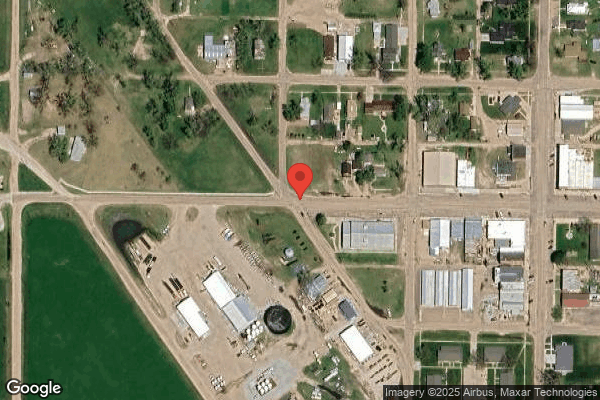
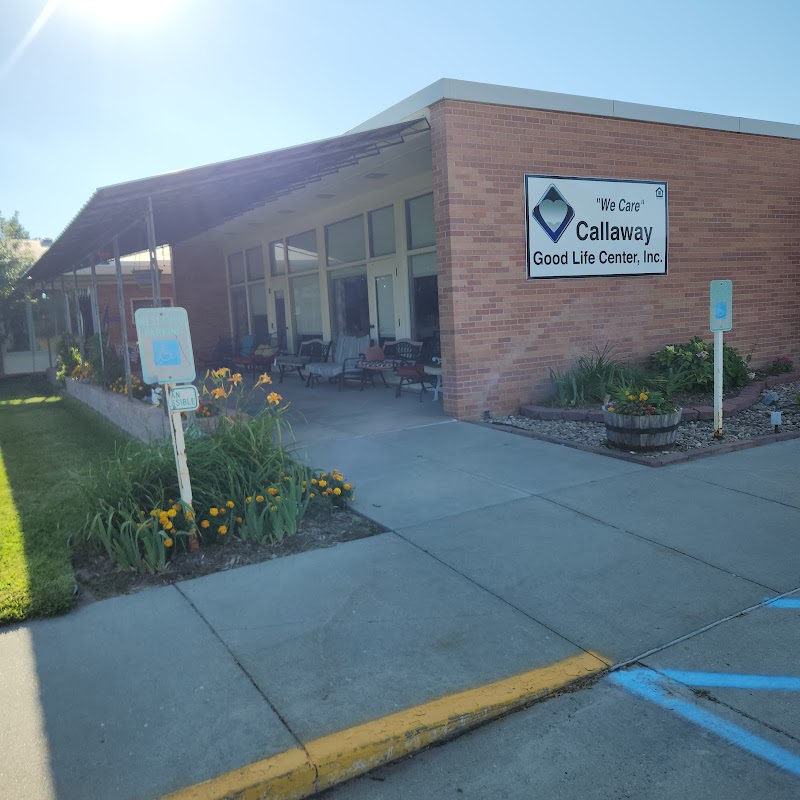
600 WEST KIMBALL STREET, CALLAWAY, NE 68825 (308) 836-2267
Non profit - Corporation 38 Beds Independent Data: November 2025
Trust Grade
30/100
#106 of 177 in NE
Last Inspection: February 2025

Within standard 12-15 month inspection cycle. Federal law requires annual inspections.

Overview

Callaway Good Life Center, Inc has received a Trust Grade of F, indicating significant concerns about the quality of care provided. Ranking #106 out of 177 facilities in Nebraska places it in the bottom half, and being #2 out of 2 in Custer County suggests there is only one other local option that may be better. Unfortunately, the facility's performance is worsening, with issues increasing from 6 in 2024 to 11 in 2025. While staffing is a relative strength with a rating of 4 out of 5 stars, the turnover rate is average at 53%, meaning staff familiarity with residents may vary. However, the facility has incurred fines totaling $37,753, which is higher than 96% of Nebraska facilities and indicates ongoing compliance problems. Specific incidents include a resident requiring hospitalization due to significant medication errors, including incorrect insulin administration, and failure to properly assess and manage pain for another resident. While there is good RN coverage, more than 86% of Nebraska facilities, the troubling findings highlight serious risks to resident safety. Overall, families should weigh these strengths and weaknesses carefully when considering this nursing home for their loved ones.
Trust Score
F
30/100
In Nebraska
#106/177
Bottom 41%
Safety Record
High Risk
Review needed
Inspections
Getting Worse
6 → 11 violations
Staff Stability
⚠ Watch
53% turnover. Above average. Higher turnover means staff may not know residents' routines.
Penalties
✓ Good
$37,753 in fines. Lower than most Nebraska facilities. Relatively clean record.
Skilled Nurses
✓ Good
Each resident gets 51 minutes of Registered Nurse (RN) attention daily — more than average for Nebraska. RNs are trained to catch health problems early.
Violations
⚠ Watch
25 deficiencies on record. Higher than average. Multiple issues found across inspections.
★★☆☆☆
2.0
Overall Rating
★★★★☆
4.0
Staff Levels
★★★☆☆
3.0
Care Quality
★★☆☆☆
2.0
Inspection Score
Stable
2024: 6 issues
2025: 11 issues

The Good

  • 4-Star Staffing Rating · Above-average nurse staffing levels
  • Full Sprinkler Coverage · Fire safety systems throughout facility
  • No fines on record

Facility shows strength in staffing levels, fire safety.

The Bad

2-Star Overall Rating

Below Nebraska average (2.9)

Below average - review inspection findings carefully

Staff Turnover: 53%

Near Nebraska avg (46%)

Higher turnover may affect care consistency

Federal Fines: $37,753

Above median ($33,413)

Moderate penalties - review what triggered them

The Ugly 25 deficiencies on record

3 actual harm
May 2025 2 deficiencies
CONCERN (D) 📢 Someone Reported This

A family member, employee, or ombudsman was alarmed enough to file a formal complaint

Potential for Harm - no one hurt, but risky conditions existed

Deficiency F0602 (Tag F0602)

Could have caused harm · This affected 1 resident

**NOTE- TERMS IN BRACKETS HAVE BEEN EDITED TO PROTECT CONFIDENTIALITY** Based on record review and interview, the facility failed to report allegations of abuse and misappropriation of resident proper...

Read full inspector narrative →
**NOTE- TERMS IN BRACKETS HAVE BEEN EDITED TO PROTECT CONFIDENTIALITY** Based on record review and interview, the facility failed to report allegations of abuse and misappropriation of resident property within the regulated time period. This affected one resident (Resident 1). The facility census was 28. Findings are: Record review of the Abuse and Neglect Reporting policy 05/15/2025 revealed that the facility will not condone resident abuse or neglect, misappropriation of property or exploitation by anyone. If alleged abuse, neglect, misappropriation of property or exploitation does occur, the facility will take appropriate action to intervene, document incidents, investigate, take measures to prevent further occurrences and report it to the proper authorities. Under the subheading Policy interpretation and Implementation revealed 1.) All staff, residents, visitors, etc. are required to immediately report any incidents or suspected incidents of resident mistreatment, abuse, or neglect, exploitation, including injuries of unknown source and misappropriation of property. Such reports may be made without fear of retaliation from the facility or its staff. The definitions of abuse included d.) mental abuse; verbal or non verbal which causes or has the potential to cause the resident to experience humiliation, intimidation, fear, shame, agitation, or degradation. Examples include, but are not limited to; mocking, isolation, humiliation, harassment, and threats of punishment or deprivation. g.) misappropriation of resident property; to take a resident's personal belongings or financial resources either with or without the resident's knowledge for one's own use or a use not in the best interest of the resident. Also defined deliberate misplacement, exploitation, or wrongful, temporary, or permanent use of a resident's belongings or money without he resident's informed consent. Procedure revealed 1.) any alleged violations involving mistreatment, exploitation, abuse or neglect - including injuries or an unknown source and misappropriation of resident property - must be reported. 6.) when an alleged or suspected case of mistreatment, exploitation, misappropriation of resident's property, abuse or neglect is reported, the Director of Nursing or Administrator or designee will notify the following persons or agencies of such incident: 1. Within 24 hours: a. APS 24 hour hotline. Report allegations of abuse, neglect or exploitation immediately. Within 2 hours of allegation, if a suspicion of abuse, neglect or exploitation results in bodily injury or harm. b. Law Enforcement Agency; when there us serious physical injury, incidents of theft .law enforcement should be notified within 2 hours. 9. An internal investigation will be completed by the facility within 5 working days of the notification of allegations. 10. The facility manager or administrator will send via fax a copy of the completed internal investigation including facility conclusions/follow through within five working days. Record review of the grievance form dated 5/15/2025 revealed Resident 1 had filed a grievance with the Director of Nursing and reported mail being opened by staff, missing clothing, staff taking personal items that Resident 1 had been told were not allowed in the facility, staff not cleaning this resident's side of the room in a double occupancy room, a missing welcome sign, and feeling picked on by the Administrator and feeling like (gender) was unable to speak to the Administrator honestly. Record review of the grievance form dated 5/16/2025 and signed by the Social Services Director (SSD) stated that the facility had called the state ombudsman. The social services director had then communicated the situation with the Administrator who stated he did not want to report the situation, and that the Administrator knew where the wax melt was but would not say who took it. Furthermore, on 5/16/2025 during the morning management meeting, the Environmental Services Supervisor admitted to taking Resident 1's wax melt. The wax melt (candle warmer) was given to the SSD who went to Resident 1 and explained that due to the fire hazard the item cannot be kept in the facility and that it could be put into storage instead. Interview on 5/19/2025 at 12:47 PM with Resident 1 who stated (facility staff) have opened my mail and they have gone through the things in my room. They always think I am smoking. The facility staff stole my wax melting burner twice. I found it the first time. Then they took it again. I had a welcome sign that was on my door that someone took it. After I complained someone put it back on my door. They stopped cleaning my side of the room too. The Administrator (ADM) and the head of housekeeping (DM) don't like me. I have talked to the ADM about this and the ADM doesn't believe me when I say people are stealing my things. I also talked to the Director of Nursing (DON)about it and filed a grievance. Interview on 5/19/2025 at 1:15 PM with the Director of Nursing (DON) who revealed that Resident 1 had reported to the DON on 05/15/2025 that Resident 1 had a candle warmer, and it had been taken from the resident's room. Resident 1 found it on a staff member's desk. Resident 1 took it back to (gender) room. Later a staff member went back to the room of Resident 1 and took the Candle warmer again without telling Resident 1. This time I believe it was hidden under the desk of another staff member. Staff members found the candle warmer in the room of Resident 1 and didn't tell the resident they were taking it from the room the first time. The second time they took it out of the room when the resident was gone too. Nobody told this resident they were taking it. Resident 1 got very angry when found out the candle warmer was missing again. Other staff members stated she was yelling at staff because (gender) things had been taken from Resident 1's room. Resident 1 felt that her things had been stolen. When Resident 1 came to me about what was occurring, I started my own investigation into the matter on 5/15/2025, but I did not report this to the state. The Environmental Services staff are not cleaning Resident 1's side of the room daily as they do all the other Resident rooms because they are afraid of being accused of stealing items. The staff don't want Resident 1 in the room when they are cleaning. I think if they cleaned the room while Resident 1 was in the room, Resident 1 would see that nobody is stealing anything. The Business Office Manager (BOM) did open Resident 1's mail, but stated that was an accident. Resident 1 is still angry about that too. the DON Confirmed this had not been reported to the state and was going to send in a report. Interview on 5/19/2025 at 1:40 PM with Registered Nurse (RN) C who stated that nobody from Environmental Services wants to clean the side of the room that belongs to Resident 1 (This is a double occupancy room.). Last Thursday, 5/15/2025, Resident 1 was yelling at the ADM about items being stolen from (gender) room. Resident 1 stated that her candle wax burner had been taken from her room twice and nobody told her. It seems like some of the staff pick on Resident 1. She has a lot of stuff in her room. I believe someone stole the Welcome sign she had on her door because it was brought to the attention of staff during a meeting and the sign just magically reappeared on the door of Resident 1. I feel that if administration or environmental services are going to take things from the room of a resident, that residents [NAME] to be told and not just have things taken from the room. Interview on 05/19/2025 at 3:05 PM with the head of environmental services (DM) who revealed that we clean all the rooms the same way each day. We use a check off sheet as we go from room to room. Families will bring in items that are all supposed to have the name written on it and added to inventory lists. Sometimes families bring stuff in and we aren't here and things don't get labeled. But we do try to keep everything labeled with Resident names. We don't purposefully snoop or look for things in resident rooms, but when we find things that are not supposed to be there or can be or are a hazard, we will remove those things from the room. We removed a candle warmer from the room of Resident 1. We didn't tell the resident at the time. We removed it because it is not allowed. Resident 1 is kind of a hoarder and hasn't let us inventory much of (gender) stuff that has been brought in because (gender) didn't want us looking though the belongings. We haven't cleaned Resident 1's side of the room since Friday (4 days ago). Resident 1 called me a lot of names. Then Resident 1 got upset because we hadn't cleaned Resident 1's side of the room as we had only cleaned the roommate's side. We aren't supposed to move anything in the room that belongs to Resident 1, who is a hoarder, so cleaning is difficult. At first I was the only one accused of taking the candle warmer from the room and now Resident 1 is blaming everyone from Environmental Services. We probably need to take a mediator to the room when we clean the room because we are all afraid of being accused of stealing. Interview on 5/19/2025 at 3;15 with the facility ADM who stated that if contraband is found in a resident's room, we will take it immediately especially if it is a potential hazard to all residents. The candle warmer is a fire hazard and so that was removed from the room of Resident 1. We did not tell Resident 1 we took either the first or the second time it was removed from the room. ADM confirmed this incident was not reported to the state as the ADM did not feel there was a reason to turn this in.
CONCERN (F) 📢 Someone Reported This

A family member, employee, or ombudsman was alarmed enough to file a formal complaint

Potential for Harm - no one hurt, but risky conditions existed

Food Safety (Tag F0812)

Could have caused harm · This affected most or all residents

Licensure Reference Number 175NAC 12-006.11(E) Based on record review, observation and interviews, the facility failed to ensure that food was stored and prepared in a manner to prevent food borne ill...

Read full inspector narrative →
Licensure Reference Number 175NAC 12-006.11(E) Based on record review, observation and interviews, the facility failed to ensure that food was stored and prepared in a manner to prevent food borne illnesses. This had the potential to affect all residents eating food prepared in the kitchen. The facility census was 28. Findings are: Record review of the Policy and Procedure Manual for Long Term Care operation manual revised December 2014 sub-section refrigerators and freezer on page 24 revealed; 2.) monthly tracking sheets for all refrigerators and freezers will be posted to record temperatures. 4.) food service managers and designated employees will check and record refrigerator and freezer temperatures daily with first opening and at closing in the evening. 7.) all food shall be appropriately dated to ensure proper rotation by expiration dates. 8.) supervisors will be responsible for ensuring food items in the pantry, refrigerators, and freezers are not expired or past the perish dates. Record review of the menu for the noon meal revealed the kitchen staff were to prepare and serve bacon, lettuce and tomato sandwiches, French fries, and Jello. There were no recipes being followed nor were there any instructions denoting serving sizes Record review of the temperature logs from the refrigerators and freezer revealed that there were many open spaces on the temperature logs for the month of May. The following dates did not have temperatures recorded during the time period of 05/01/2025 to 05/19/2025; The walk-in refrigerator, walk-in freezer and kitchen refrigerator log revealed the following dates had no temperatures recorded on the temperature log. -May 2; AM and PM temperatures are blank -May 3; AM temperature is blank -May 4; AM and PM temperatures are blank -May 5; AM temperature is blank -May 6; AM and PM temperatures are blank -May 7; PM temperature is blank -May 8; PM temperature is blank -May 9; PM temperature is blank -May 10; PM temperature is blank -May 13; AM and PM temperatures are blank -May 14; AM and PM temperatures are blank -May 15; AM and PM temperatures are blank -May 16; AM and PM temperatures are blank - May 17; AM temperature is blank -May 19; AM temperature is blank Record review of the food temperature record for the month of May 2025 revealed that temperatures were taken sporadically. The temperatures are as follows: May 1; Breakfast; cereal 163.7 and meat entree 168.3. - Noon meal; Meat dish 159.9 and starch (FF) 162.0 - Evening meal: no temperatures recorded May 2; No temperatures recorded May 3; Breakfast; no temperatures recorded - Noon meal; Meat dish was 165 and starch was 145. - Evening meal; no temperatures recorded May 4; no temperatures recorded May 5; no temperatures recorded May 6; Breakfast no temperatures recorded - Noon meal; starch was recorded as 280. - Evening meal; Milk was recorded as 165. May 7; no temperatures recorded May 8: no temperatures recorded May 9; no temperatures recorded May 10; no temperatures recorded May 11; no temperatures recorded May 12; no temperatures recorded May 13; Breakfast; eggs 165 - Noon meal; Meat regular - 145 Meat ground 145 - Evening meal; Meat dish 189, puree vegetables 208 May 14: Breakfast - eggs 165 and cereal 155 - Noon meal- ground main dish 198 - Evening meal - no temperatures recorded May 15; no temperatures recorded May 16; no temperatures recorded May 17; no temperatures recorded May 18; no temperatures recorded May 19; Breakfast milk 178 and eggs 148 - Noon meal; 250 milk, 160 ground Meat/main dish and 165 Vegetables. Observation on 05/19/2025 at 9:30 AM in the small refrigerator revealed one clear, plastic, quart sized container of nacho cheese that did not have a label and was not dated, 6 small plastic containers of nacho cheese that were not labeled or dated, and turkey that was not labeled or dated in a plastic zip lock baggie. Observation on 05/19/2025 at 9:35 in the walk-in refrigerator revealed a tray of filled dessert cups was covered with plastic wrap but not labeled or dated. Interview on 05/19/2025 at 9:43 AM with Cook-A who stated not knowing when the nacho cheese was used and why it wasn't labeled. Cook-A revealed that the dessert cups were for the noon meal and had just been prepared for the noon meal but had not been dated or labeled. Observation on 05/20/2025 at 9:43 AM as Cook-A removed the nacho cheeses and turkey during the interview. Interview on 05/19/2025 at 9:45 AM with [NAME] A confirmed [NAME] A had not recorded the temperatures of the refrigerators or freezers for the morning. [NAME] A also revealed that there was a menu for the day, but there was no recipe being followed in creating the noon meal. [NAME] A stated I just have a menu that I go by today and we are serving BLTs and Fries. Observation on 05/19/2025 at 9:55 AM of Dietary Aide (DA) B cleaning in the dining room area following breakfast service. DA B brought a broom and a dustpan to the dining room area and began sweeping the floor. DA B stopped at one point, leaned the broom and the long handled dustpan against the counter, took the old coffee filter and grounds from the coffee pot, then replaced with a new coffee filter and grounds, and started the coffee maker then started sweeping again. Interview on 05/19/2025 at 10:00 AM with DA B who confirmed to not washing hands with soap and water after handling the broom and dustpan before making the new pot of coffee. Observation on 05/20/2025 at 10:10 AM of [NAME] A cutting up tomatoes for the noon meal. [NAME] A retrieved a box of tomatoes from the walk-in refrigerator. [NAME] A donned gloves, took a tomato from the box, sliced the tomato, then placed it in a clean metal serving pan. This action was repeated 3 times. At that time, [NAME] A removed and discarded gloves, reached for a different knife, and donned a new pair of gloves, reached for another tomato, sliced this tomato and added the slices to the metal serving container. Two more tomatoes were sliced and then [NAME] A removed and discarded the gloves, reached for plastic wrap, covered the metal container with plastic wrap, and covered the sliced tomatoes. [NAME] A dated and labeled the sliced tomatoes and took them to the refrigerator. [NAME] A then returned the box of tomatoes to the walk-in refrigerator. Interview on 05/19/2025 at 10:15 with [NAME] A who confirmed that the tomatoes had not been washed prior to slicing the tomatoes. Confirmed not washing hands between glove changes. Observation on 05/19/2025 at 10:20 AM as [NAME] A recorded temperatures of the walk-in freezer and refrigerators. Interview with [NAME] A on 05/19/2025 at 10:23 AM who confirmed [NAME] A did not wash hands with soap and water between gloves changes. [NAME] A confirmed that the tomatoes had been removed from the box and not washed prior to slicing the tomatoes. Observation on 05/19/2025 at 10:45 AM. [NAME] A and DA B looked though the kitchen drawers trying to find a food thermometer. Staff finally found a thermometer in the dining room area drawers near the coffee maker. Once found, [NAME] A cleaned the thermometer prior to testing the bacon that was being removed from the oven for the Bacon/Lettuce/Tomato sandwiches that were on the noon meal menu. Observation on 5/19/2025 at 12:15 AM of the temperature check of the oven baked French fries prior to serving; French fries temperature were 135 degrees Fahrenheit and seated in a pan in the steam table. COOK-A did not recheck the temperature of the bacon in the steam table prior to serving. Record review of the Food Temperature record for the month of May 2025 revealed that the noon meal had the following temperatures recorded; Noon meal; 160 degrees for ground Meat/main dish and 165 degrees for Vegetables. Observation on 05/19/2025 at 12:22 PM revealed the only foods served from the steam table were Bacon, Lettuce, Tomato sandwiches and oven baked French fries. Coffee, juices, water, and milk were served cold at the resident tables in the dining room in drinking glasses. There was no hot milk served. Interview 05/19/2025 at 12:47 PM with Resident 1 who stated that the meals are ok, but the hot foods are not always very hot, especially if the foods are delivered to my room. If my food comes on a tray, it is usually not very warm at all. Interview on 05/19/2025 at 1:15 PM with the facility Dietary Manager (DM) confirmed the temperatures on the food temperature record log for the month of May 2025 were not complete. DM Confirmed the refrigerator and freezer temperatures were not recorded twice daily. DM did not know why the temperatures had not been recorded. Observation on 05/19/2025 of meal tray served at 1:20 PM revealed the oven-baked French fries was 128 degrees. Oven baked French fries were not warm and no longer crunchy. Interview on 05/19/2025 at 2:55 PM of Resident 2 who stated the food served is usually pretty good. Sometimes the hot food could be a little warmer though. But overall, the food is pretty good. Interview on 05/19/2025 at 2:55 PM of Resident 3 who stated the food served is usually pretty good. Sometimes the hot food could be a little warmer and it isn't like I used to make it. But I really don't have any complaints. Interview on 05/19/2025 at 3:05 PM with the facility DM revealed DM had only been in the position as Dietary Manager since March. DM is also the Environmental Services Supervisor and had taken on the role when the former Dietary Manager left the facility. DM had not taken the Serve Safe class nor had anyone else in the dietary department. One person was starting that class on 05/20/2025. DM revealed (gender) was a school cook prior to coming to work at the facility. DM felt overwhelmed with all of the responsibilities for which DM was responsible because DM also worked in environmental services and housekeeping. DM was not sure how everything was supposed to work in the dietary department. DM was excited to have one of the cooks starting the Serve Safe class the following day.
Feb 2025 9 deficiencies
CONCERN (D)

Potential for Harm - no one hurt, but risky conditions existed

Comprehensive Assessments (Tag F0636)

Could have caused harm · This affected 1 resident

Licensure Reference Number 175NAC 12-006.09 C Based on record review and interview the facility failed to ensure a comprehensive resident assessment was completed once every 12 months for 1 resident (...

Read full inspector narrative →
Licensure Reference Number 175NAC 12-006.09 C Based on record review and interview the facility failed to ensure a comprehensive resident assessment was completed once every 12 months for 1 resident (Resident #8) of 3 sampled residents, and a Quarterly Assessment (which a non-comprehensive assessment of a resident) was completed at least every 92 days for 1 resident (Resident #4) of 3 sampled residents. The facility census was 28. A. Review of the Long-Term Care Facility Resident Assessment Instrument 3.0 User's Manual (RAI Manual, a document published by the Centers for Medicare & Medicaid Services (CMS) to facilitate accurate and effective resident assessment practices in long-term care facilities) dated October 2024 revealed an comprehensive annual assessment must be completed on an annual basis at least every 366 days. Review of a facility policy titled Comprehensive Assessments dated 03/2022 revealed the annual assessment is a comprehensive assessment for a resident that must be completed on an annual basis or at least every 366 days. A review of Resident #8's electronic medical record completed on 02/06/2025 at 10:30 AM revealed Resident #4 comprehensive annual assessment had an assessment reference date of 01/17/2023 with a completion date of 01/27/2023. Resident #8 did not have another comprehensive assessment scheduled as of 02/06/2025 10:30 AM. In an interview conducted on 02/06/2025 at 1:00 PM with the facility Minimum Data Set (MDS, a federally mandated comprehensive assessment tool used to determine a resident's functional capabilities and helps nursing home staff identify health problems) coordinator (IP/MDS) confirmed that a comprehensive annual assessment had not been completed for Resident #8 since 01/07/2023 which is greater than 366 days. In an interview conducted on 02/06/2025 at 1:00 PM with the facility Administrator (ADM), the ADM confirmed that Resident #8 did not have a comprehensive assessment completed annually or every 366 days per regulatory guidelines. B. Review of the Long-Term Care Facility Resident Assessment Instrument 3.0 User's Manual (RAI Manual, a document published by the Centers for Medicare & Medicaid Services (CMS) to facilitate accurate and effective resident assessment practices in long-term care facilities) dated October 2024 revealed the Quarterly assessment for a resident must be completed at least every 92 days. Review of a facility policy titled Resident Assessments dated 05/2022 revealed that the resident assessment coordinator is responsible for ensuring that the interdisciplinary team conducts timely and appropriate resident assessments. A review of Resident #4's electronic medical record completed on 02/06/2025 at 10:30 AM revealed Resident #4 had a Quarterly assessment completed on 10/10/2023 and an Annual or comprehensive assessment completed on 07/01/2024. Tracking only assessments were completed between the dates of 10/10/2023 and 07/01/2024 which is 265 days. In an interview conducted on 02/06/2025 at 1:00 PM with the facility Minimum Data Set (MDS, a federally mandated comprehensive assessment tool used to determine a resident's functional capabilities and helps nursing home staff identify health problems) coordinator (IP/MDS) the IP/MDS confirmed that a Quarterly assessment was not completed every 92 days from 10/10/2023 to 07/01/2024 for Resident #4. In an interview conducted on 02/06/2025 at 1:00 PM with the facility Administrator (ADM), the ADM confirmed that Resident #4 did not have a quarterly assessment completed every 92 days per regulatory guidelines.
CONCERN (D)

Potential for Harm - no one hurt, but risky conditions existed

Assessment Accuracy (Tag F0641)

Could have caused harm · This affected 1 resident

**NOTE- TERMS IN BRACKETS HAVE BEEN EDITED TO PROTECT CONFIDENTIALITY** Licensure Reference Number 175NAC 12-006.09 (B) Based on record review and interview the facility failed to ensure that Minimum ...

Read full inspector narrative →
**NOTE- TERMS IN BRACKETS HAVE BEEN EDITED TO PROTECT CONFIDENTIALITY** Licensure Reference Number 175NAC 12-006.09 (B) Based on record review and interview the facility failed to ensure that Minimum Data Set (MDS, a federally mandated comprehensive assessment tool used to determine a resident's functional capabilities and helps nursing home staff identify health problems) assessments were completed accurately for 2 (Resident #8 and Resident #25) of 5 sampled Residents. The facility census was 28. A. Review of a facility policy titled Resident Assessments dated 05/2022 revealed that the resident assessment coordinator is responsible for ensuring that the interdisciplinary team conducts timely and appropriate resident assessments and all persons who have completed any portion of the MDS for must sign the document attesting to the accuracy of the information. Review of Resident #8 Quarterly MDS dated [DATE] revealed in section N 0350 documentation that Resident #8 received insulin injections 7 days a week during the look back period. This section was signed by Licensed Practical Nurse J (LPN-J) on 12/10/2024. Review of Resident #8 Medication Administration Record dated 10/01/2024 to 10/31/2024 on 02/06/2025 revealed no documentation of Resident #8 receiving insulin injections. Resident #8 received Victoza, which is an injectable non-insulin diabetic medication that is used to help control blood sugar levels, injection every day. In an interview conducted on 02/06/2025 at 1:00 PM with the facility Minimum Data Set coordinator (IP/MDS) confirmed that Resident #8 Quarterly MDS dated [DATE] was coded incorrectly in section N 0350. The IP/MDS confirmed that the resident receiving Victoza injection did not qualify as receiving a insulin injection daily as was coded and signed on the MDS. B. Review of Resident #25 Quarterly MDS dated [DATE] revealed in section N 0415 letter E Anticoagulant was coded as yes indicating Resident #25 was taking an anticoagulant medication. Review of Resident #25 Medication Administration Record dated 11/04/2024 to 12/04/2024 on 02/06/2025 revealed no documentation of Resident #25 receiving an anticoagulant medication. Resident #25 received Aspirin, which is a nonsteroidal anti-inflammatory medication daily. This section was signed by Licensed Practical Nurse J (LPN-J) on 12/16/2024. In an interview conducted on 02/06/2025 at 1:00 PM with the facility Minimum Data Set (MDS, a federally mandated comprehensive assessment tool used to determine a resident's functional capabilities and helps nursing home staff identify health problems) coordinator (IP/MDS) the IP/MDS confirmed that Resident #25 Quarterly MDS dated [DATE] was coded incorrectly in section N 0415. The IP/MDS confirmed that the resident receiving Aspirin did not qualify as the resident receiving an anticoagulant medication. In an interview conducted on 02/06/2025 at 1:00 PM with the facility Administrator (ADM), the ADM stated that LPN-J who coded and signed the MDS for Resident #8 was no longer completing MDS's for the facility. The current IP/MDS would be completing the MDS's for the facility going forward.
CONCERN (D)

Potential for Harm - no one hurt, but risky conditions existed

Deficiency F0757 (Tag F0757)

Could have caused harm · This affected 1 resident

Licensure Reference Number 175NAC 12-0006.12 Based on interview and record review the facility failed to ensure residents medication regimen were free from unnecessary medications for 1 resident (Resi...

Read full inspector narrative →
Licensure Reference Number 175NAC 12-0006.12 Based on interview and record review the facility failed to ensure residents medication regimen were free from unnecessary medications for 1 resident (Resident #25) of 3 sampled residents. The facility census was 28. Record review of Drugs.com on 02/06/2025 revealed Ketoconazole is an antifungal medication that is only recommended when other effective antifungal therapy is not available or tolerated. Record review of Drugs.com on 02/06/2025 revealed Nystatin Powder is a topical antifungal medication. Record review of Resident #25 Physician Orders on 02/06/2025 revealed Resident #25 had orders to receive Ketoconazole External Cream 2% to affected areas topically at bedtime dated 05/20/2024 and Nystatin External Powder topically every morning and at bed time under the right breast dated 07/02/2024. In an interview completed on 02/04/2025 at 5:10 PM with Resident #25, Resident #25 stated that they self-apply Nystatin Powder under their right breast when it is red and itchy. The resident stated that the nurses apply a cream to the same area at night before they go to bed. In an interview completed on 02/10/2025 at 8:50 AM with Registered Nurse A (RN-A), RN-A stated that Resident #25 has an order for Ketoconazole External Cream 2% to applied topically at bedtime. The RN stated that the nurse on duty applies the cream to the resident's skin folds including under the resident's right breast. In an interview completed on 02/10/2025 at 3:10 PM with the facility Director of Nursing (DON), the DON stated Resident #25 had a physician order to self-administer the Nystatin powder. The DON confirmed that the nurse on duty was also applying the Ketoconazole cream to the same area that the resident was reporting to be applying the Nystatin Powder. The DON confirmed that both medications should not be used to the same area.
CONCERN (D)

Potential for Harm - no one hurt, but risky conditions existed

Medication Errors (Tag F0758)

Could have caused harm · This affected 1 resident

Licensure Reference Number 175NAC 12-00006.12 Based on record review and interview the facility failed to ensure that an antipsychotic medication had the correct diagnosis for use. This affected 1 res...

Read full inspector narrative →
Licensure Reference Number 175NAC 12-00006.12 Based on record review and interview the facility failed to ensure that an antipsychotic medication had the correct diagnosis for use. This affected 1 resident (Resident # 3) of 5 sampled residents. The facility census was 28. Record review of a facility policy titled Behavioral Assessment Intervention and Monitoring revealed the facility will comply with regulatory requirements related to the use of medication. Indications and usage for Seroquel (an antipsychotic medication) listed as Schizophrenia (a mental illness that is characterized by disturbances in thought, perception, and behavior, by a loss of emotional responsiveness and extreme apathy, and by noticeable deterioration in the level of functioning in everyday life), and Bipolar Disorder (a condition characterized by dramatic shifts in mood, energy, and activity levels that affect a person's ability to carry out day-to-day tasks. These shifts in mood and energy levels are more severe than the normal ups and downs that are experienced by everyone). Review of an admission Record revealed the facility admitted Resident #3 on 08/30/2023 with diagnoses that included Alzheimer's Disease (a degenerative brain disease of unknown cause that usually starts in late middle age or in old age, that results in progressive memory loss, impaired thinking, disorientation, and changes in personality and mood), Dementia (a usually progressive condition marked by the development of multiple cognitive deficits (such as memory impairment, aphasia, and the inability to plan and initiate complex behavior) , and Altered Mental Status (a change in a person's mental function, including their awareness, cognition, or consciousness). Resident #3 did not have a diagnosis of depression. Review of Resident #3 Quarterly Minimum Data Set (MDS, a federally mandated comprehensive assessment tool used to determine a resident's functional capabilities and helps nursing home staff identify health problems) dated 11/12/2024 revealed Resident #3 received an Anti-Psychotic medication daily. Review of Resident #3 Physician Orders on 02/06/2025 revealed Resident #3 had a prescribed order to receive Seroquel (an antipsychotic medication) 25 milligrams at bedtime for a diagnosis of depression dated 05/01/2024. In an interview completed on 02/10/2024 at 3:10 PM with the facility Director of Nursing (DON), the DON confirmed that Resident #3 was receiving an antipsychotic medication with the diagnosis of depression. The DON confirmed that Resident #3 did not have a diagnosis of Schizophrenia or bipolar disorder indications for use of the Seroquel medication.
CONCERN (D)

Potential for Harm - no one hurt, but risky conditions existed

Unnecessary Medications (Tag F0759)

Could have caused harm · This affected 1 resident

Licensure Reference Number 175NAC 12-006.10(D) Based on observation, record review, and interview the facility failed to ensure a medication error of less than 5% with an actual observed medication er...

Read full inspector narrative →
Licensure Reference Number 175NAC 12-006.10(D) Based on observation, record review, and interview the facility failed to ensure a medication error of less than 5% with an actual observed medication error rate of 7%. This affected 2 residents (Resident # 13 and Resident #4) of 6 observed medication administrations. The facility census was 28. Review of a facility policy titled Insulin Pen and dated 01/11/2024 revealed to prime the insulin pen by dialing 2 units by turning the dose selector clockwise and with the needle pointing up push the plunger and watch to see that at least one drop of insulin appears on the tip of the needle the turn the selector to the desired dose. In an observation of medication administration completed on 02/05/2025 at 11:27 AM by Registered Nurse-C (RN-C) the following was observed: -RN-C obtained an insulin pen from the medication cart. The RN wiped the tip of the pen with an alcohol wipe and then placed the needle cap onto the end of the insulin pen. RN-C then turned the dose selector to 6 then proceeded to Resident # 13 room and administered the insulin to Resident #13. The RN did not prime the insulin pen with 2 units prior to selecting the dose of insulin to be administered to the resident. -RN-C obtained an insulin pen from the medication cart. The RN wiped the tip of the pen with an alcohol wipe and then placed the needle cap onto the end of the insulin pen. RN-C then turned the dose selector to 14 then proceeded to Resident #4 room and administered the 14 units of insulin to Resident #4. The RN did not prime the insulin pen with 2 units prior to selecting the dose of insulin to be administered to the resident. In an interview completed on 02/05/2025 at 11:58 with RN-C, RN-C confirmed that they did not prime the insulin pen with 2 units prior selecting the dose of insulin to be administered to Resident #13 and Resident #4. The RN stated they thought the insulin pens only had to be primed once when opened prior to the first use of the pen. In an interview completed on 02/10/2025 at 11:00 AM with the facility Director of Nursing (DNS), the DNS confirmed that the facility policy was to prime the insulin pens with 2 units prior to selecting the dose to be administered to the resident with each use of the pen.
CONCERN (D)

Potential for Harm - no one hurt, but risky conditions existed

Deficiency F0761 (Tag F0761)

Could have caused harm · This affected 1 resident

Licensure Reference Number 175NAC 12-0006.12(D)(i) Based on observation, record review, and interview the facility failed to ensure that medications were securely stored. This affected 1 resident (Res...

Read full inspector narrative →
Licensure Reference Number 175NAC 12-0006.12(D)(i) Based on observation, record review, and interview the facility failed to ensure that medications were securely stored. This affected 1 resident (Resident #25) of 3 sampled residents. The facility census was 28. Record review of a facility supplied policy titled Storage of Medications dated 11/2020 revealed drugs and biologicals used in the facility are stored in locked compartments. In an observation completed on 02/04/2025 at 5:00 PM an opaque plastic bottle with a white cap and a pharmacy label with Resident #25's name and Nystatin Powder apply to red skin folds may keep at bed side was located within eyesight on the residents over bed table beside the resident's recliner. In an interview completed on 02/04/2025 at 5:10 PM with Resident #25, Resident #25 stated that the Doctor had approved for them to keep the Nystatin Powder in their room and apply it independently when skin folds get itchy. The resident denies staff completing an observation or assessment of them applying the powder. The resident denied staff education to the resident to keep the medication in a secured place and not out in the open where others could access it. In an observation completed on 02/06/2025 at 12:10 PM an opaque plastic bottle with a white cap and a pharmacy label with Resident #25's name and Nystatin Powder apply to red skin folds may keep at bed side was located sitting on the back of Resident #25's toilet in their bathroom. Resident #25 shared a bathroom with their roommate. In an interview completed on 02/10/2025 3:30 PM with the facility Director of Nursing (DON), the DON stated Resident #25 had a physician order to self-administer the Nystatin powder and to keep it in their room. The DON confirmed that a self-administration of medication assessment was not completed for Resident #25 indicating the resident was safe to self-administer and store the Nystatin powder on their own in their room. The DON confirmed that all medications should be stored securely and out of the ability to be accessed by other residents. The DON confirmed that storing the Nystatin powder on the over bed table and back of the toilet was not secure storage of the medication.
CONCERN (E)

Potential for Harm - no one hurt, but risky conditions existed

Deficiency F0923 (Tag F0923)

Could have caused harm · This affected multiple residents

**NOTE- TERMS IN BRACKETS HAVE BEEN EDITED TO PROTECT CONFIDENTIALITY** Licensure Reference Number 175 NAC 12-007.04(D) Based on observation and interview, the facility failed to ensure that the venti...

Read full inspector narrative →
**NOTE- TERMS IN BRACKETS HAVE BEEN EDITED TO PROTECT CONFIDENTIALITY** Licensure Reference Number 175 NAC 12-007.04(D) Based on observation and interview, the facility failed to ensure that the ventilation system was operational in in rooms 7, 8, 9, 10, 11, 14, 15, and 19. This affected 8 bathrooms used by 13 residents. facility census was 28. An observation on 02/04/2025 at 11:45 AM revealed that bathrooms in rooms [ROOM NUMBER] did not have functional ventilation as tested when a 1-ply square of toilet paper was held flat against the ventilation cover that did not hold the paper which indicated that there was no air draw, and the ventilation system did not work. An observation on 02/04/2025 at 1:30 PM revealed that bathrooms in rooms 7, 8, 9, 10, and 11 did not have functional ventilation as tested when a 1-ply square of toilet paper was held flat against the ventilation cover that did not hold the paper which indicated that there was no air draw, and the ventilation system did not work. An observation on 02/10/2025 at 4:00 PM with the Administrator (Admin) revealed that bathrooms in rooms 7, 8, 9, 10, 11, 14, 15, and 19 did not have functional ventilation as tested with 1-ply square of toilet tissue held flat against the ventilation cover that did not hold the paper which indicated that there was no air draw, and the ventilation system did not work. An interview with the Admin on 02/10/2025 at 4:10 PM confirmed that the ventilation system was not functioning in the bathrooms of rooms 7, 8, 9, 10, 11, 14, 15, and 19 and that the ventilation system should be working.
CONCERN (F)

Potential for Harm - no one hurt, but risky conditions existed

Food Safety (Tag F0812)

Could have caused harm · This affected most or all residents

**NOTE- TERMS IN BRACKETS HAVE BEEN EDITED TO PROTECT CONFIDENTIALITY** Licensure Reference Number 175 NAC 12-006.11(E) Based on observations, interviews, and record reviews, the facility failed to pr...

Read full inspector narrative →
**NOTE- TERMS IN BRACKETS HAVE BEEN EDITED TO PROTECT CONFIDENTIALITY** Licensure Reference Number 175 NAC 12-006.11(E) Based on observations, interviews, and record reviews, the facility failed to prepare and serve food in a safe manner to prevent the potential for foodborne illness. This had the potential to affect all facility residents eating out of the kitchen. The facility census was 28. Findings are: On 02/04/2025 at 8:28 AM upon initial observation, Dietary Aide-I (DA-I) was observed wearing gloves at the time of meal service. DA-I prepared plates of food to be served to residents sitting in the dining room. DA-I was observed picking up biscuits with gloved hands breaking them open, then picking up the ladle which scooped a white gravy, then poured the product on the biscuit. DA-I picked up a plastic card that contained writing on it and handed the card to Dietary Aide-H (DA-H) and the plate of food, where DA-H then retrieved the plate and brought it out to the resident to eat. DA-H hand sanitized after providing that plate and obtaining another plate for another resident. DA-I did not change gloves until service was completed. An observation on 02/05/2025 at 8:24 AM Dietary Aide-G (DA-G) was observed wearing gloves and preparing plates of food to be served to residents sitting in the dining room. DA-G was observed to be scooping a piece of breakfast cake with a spatula and pushing the food onto the plate with the gloved hand. DA-G was observed to be opening the refrigerator, managing the plastic dietary cards with gloved hands, delivering plates of food with the same gloved hands, not changing gloves throughout breakfast service. An observation on 02/06/2025 at 8:21 AM DA-G was observed to be wearing gloves while plating up food. DA-G had a stack of toast on the counter. DA-G was observed to the picking up the toast with the gloved hands and placing them on the plates for service. DA-G was also observed to be opening the refrigerator, managing the plastic dietary cards, delivering plates of food with the same gloved hands. An observation on 02/06/2025 at 9:30 AM meal preparation for lunch service revealed DA-G was to be cooking meatballs without a recipe. When asked about the recipe, the Dietary Manager (DM) printed off a recipe from the Internet and provided me with a recipe that DA-G did not use. DA-G obtained the following products for making the meatballs, 2 6-pound tubes of raw ground beef and 2 large onions. DA-G started the preparation by washing hands and donning gloves. DA-G obtained a knife and stuck it in the center of the tubes of ground meat and sliced in straight though cutting into the meat and pulling the meat out and placing into a container. DA-G then stuck the second tube of meat with the knife and sliced it through and dumped the meat in the container with the other meat. DA-G realized that part of the meat was frozen, so put the partially frozen meat in a separate container and moved aside. DA-G then changed gloves, not washing hands, grabbed the onions and began slicing them and dicing them, then sat the onions aside. DA-G took seasoning bottles and began to sprinkle on top of the meat, celery salt without measuring, black pepper without measuring, and garlic salt without measuring. DA-G began to mix the meat up to incorporate all the seasoning. DA-G then cracks 3 eggs into the meat, the recipe calls for 1 egg per pound of meat. The leftover frozen meat is cut into smaller portions and placed into the microwave oven for 5 minutes, and again for 6 minutes. On 02/06/2025 at 9:52 AM DA-G then cleans up the counter, the onion skins and puts the seasonings away. DA-G took a measuring cup, measures up breadcrumbs and parsley in the same cup, places the breadcrumbs and parsley in the meat mixture, cracked two more eggs, and pulled out the meat in the microwave. The meat in the microwave is partially brown and other parts red and pink. With gloved hands, DA-G mixes the meat together for 9 minutes. The gloves are then changed, and DA-G took a cookie scooper, additional gloves and scoops meat mixture creating a ball and placed in a small lined pan. The onions are then added to the remaining mixture of meat, mixed again. Gloves are changed and meatballs are formed and placed in a larger pan, then placed into the oven on 375-400 degrees at 10:19 AM. DA-G washes hands and gets out frozen potatoes, a can of peas and the butter in a container sitting next to the microwave. The butter is doused on the frying griddle and a scoop of butter is placed in a pot on the stove. DA-G opened the frozen potatoes, put them on the griddle and spreads them out. DA-G then opens the can of peas, drains the can. DA-G then got a large pitcher of water and begins to fill the steam table full of water and turns the table on at 10:30 AM. DA-G began cleaning up the preparation table. DA-G washed hands then dumps the can of peas into the pan of butter, then the pan of peas and butter are placed into the steam table. The potatoes stirred up on the griddle and seasoning is added to the potatoes. DA-G gets out a pan, adds the potatoes to the pan and the pan is placed into the steam table. The griddle was scrubbed down and cleaned using a foam brick and scrapper. Grilled cheese is then being made and prepared for the alternate meal option on the griddle. Once the sandwiches are made, they are added to the steam table at 11:15 AM and covered with a lid. DA-G takes the meatballs out of the oven then without measuring, doused with a bottled barbeque sauce stirred up and placed back into the oven. The temperature of the meatballs are taken reading 133 Fahrenheit. The meatballs go back into the oven then taken out at 11:48 AM and read 165 degrees Fahrenheit and moved to the steam table. At 11:59 AM DA-G put gloves on and lifted the lids to the steam table and grabbed a plastic card that states the resident information about their diet on the card. DA-G read the card and prepared a plate for a resident and handed the plate to a server. An interview with DA-G on 02/06/2025 at 12:17 PM revealed that the peas and the potatoes being served were never temped for a set or holding temperature. DA-G states they forgot to temp the potatoes and that they did not think temping the peas was necessary. The interview further revealed that thawing the meat in the microwave typically does not happen, however did not take the meat out earlier than expected. An interview with the DM on 02/06/2025 at 1:04 PM revealed that thawing meat in the microwave is not appropriate, and that DA-G was not aware that this shouldn't be done. The interview continued to reveal that temping all foods including ready made foods is necessary and states that staff may not be aware of the process. The interview further revealed that wearing gloves throughout the serving process is not a replacement of washing hands. A record review of the facility policy titled, Policy and Procedure [NAME] for Long Term Care-Food Service dated April 2018 revealed the policy under Food Handling statement: Food will be stored, prepared and served so that the risk of foodborne illness is minimized. Policy interpretation and implementation reveals: 1. This facility recognizes that the critical factors implicated in foodborne illness are: a. Poor personal hygiene of food service employees; b. Inadequate cooking and improper holding temperatures; c. Contaminated equipment; and d. Unsafe food sources. 5. Functioning of the refrigeration and food temperatures will be monitored at designated intervals throughout the day and documented according to state specific requirements. Federal standards require that refrigerated food be stored below 41 degrees Fahrenheit, and that freezers keep frozen foods solid. 6. Potentially hazardous foods will be cooked to the appropriate internal temperature and held at those temperatures for the appropriate length of time to destroy pathogenic microorganisms.
CONCERN (F)

Potential for Harm - no one hurt, but risky conditions existed

Deficiency F0947 (Tag F0947)

Could have caused harm · This affected most or all residents

Licensure Reference Number 175NAC 12-0006.04(B) Based on record review and interview the facility failed to ensure that Nurse Aides completed the required continuing education hours for 3 of 5 sampled...

Read full inspector narrative →
Licensure Reference Number 175NAC 12-0006.04(B) Based on record review and interview the facility failed to ensure that Nurse Aides completed the required continuing education hours for 3 of 5 sampled Nurse Aides. The facility census was 28. A record review of a facility supplied document titled Course Completion History dated 02/10/2025 revealed that Nurse Aide M (NA-M) had completed 2.37 hours of continuing education hours from 01/01/2024 to 02/10/2025. A record review of a facility supplied document titled Course Completion History dated 02/10/2025 revealed that Nurse Aide N (NA-N) had completed 1.63 hours of continuing education hours from 01/01/2024 to 02/10/2025. A record review of a facility supplied document titled Course Completion History dated 02/10/2025 revealed that Nurse Aide O (NA-O) had completed 4 hours of continuing education hours from 01/01/2024 to 02/10/2025. In and interview completed on 02/10/2025 at 3:00 PM with the facility Director of Nursing (DON), the DON confirmed that NA-M, NA-N, and NA-O had not completed the minimum of 12 hours of continuing education as of 02/10/2025. The DON confirmed that all Nurse Aides should have a minimum of 12 hours of continuing education completed every year.
Mar 2024 1 deficiency 1 Harm
SERIOUS (G) 📢 Someone Reported This

A family member, employee, or ombudsman was alarmed enough to file a formal complaint

Actual Harm - a resident was hurt due to facility failures

Deficiency F0760 (Tag F0760)

A resident was harmed · This affected 1 resident

**NOTE- TERMS IN BRACKETS HAVE BEEN EDITED TO PROTECT CONFIDENTIALITY** Licensure Reference Number 175NAC 12-006.10D Based on record review and interview, the facility failed to protect residents from...

Read full inspector narrative →
**NOTE- TERMS IN BRACKETS HAVE BEEN EDITED TO PROTECT CONFIDENTIALITY** Licensure Reference Number 175NAC 12-006.10D Based on record review and interview, the facility failed to protect residents from significant medication errors for 1 resident (Resident 1) of 5 residents reviewed. This caused the resident to require hospitalization for treatment. The facility census was 33. Findings are: Record review of the facility policy titled Pain Management dated 2022 revealed that opioids (pain relief medications- a narcotic) will be prescribed and dosed in accordance with current professional standards of practice and manufacturers guidelines to optimize their effectiveness and minimize adverse consequences. Facility staff will reassess resident's pain management for effectiveness and/or adverse consequences such as Sleepiness-dizziness-and/or confusion; Depression; Itching and Sweating. Record review of the facility policy titled Administering Topical Medications (medications absorbed through the skin) dated 2010 revealed the purpose of the procedure is to provide guidelines for the safe administration of topical medications. The section titled Trans-dermal patches (a medicated adhesive patch that is placed on the skin to deliver a specific dose of medication through the skin and into the bloodstream) revealed the instructions to clean and dry a selected area that is approved for application of the patch. Rotate sites with each new application. Remove old patch. Report other information in accordance with facility policy and professional standards of practice. Record review of the Minimum Data Set (MDS) (a mandatory comprehensive assessment tool used for care planning) dated 1/23/24 for Resident 1 revealed Resident 1 admitted to the facility on [DATE]. The MDS revealed that Resident 1 received an opioid. Record review of the Physician Orders for Resident 1 dated 3/5/24 revealed that Resident 1 had an order to apply two Fentanyl 25 micrograms (mcg)/hour (hr) patches (a topical opioid patch that releases 25 mcg of opioid per hour through the skin) to the skin every three days. Record review of the Medication Administration Record (e-MAR) for Resident 1 dated 3/5/24 for February 2024 revealed that Registered Nurse-A (RN-A) applied two 25 mcg/hr patches to the skin of Resident 1 on 2/27/24. Record review of the Medication Administration Record (e-MAR) for Resident 1 dated 3/5/24 for March 2024 revealed that Registered Nurse-B (RN-B) applied two 25 mcg/hr patches to the skin of Resident 1 on 3/1/24. Interview on 3/5/24 at 2:18 PM per phone with RN-B revealed that RN-B had not received any training on topical patches from the facility. RN-B confirmed that RN-B applied two fentanyl 25 mcg/hr patches on Resident 1 on 3/1/24. RN-B revealed that prior to administering the two fentanyl patches on 3/1/24, RN-B looked on Resident 1's body for the fentanyl patches that had been placed on Resident 1 on 2/27/24. RN-B confirmed that RN-B did not locate the 2/27/24 patches on Resident 1 to remove them before applying the two new patches. RN-B revealed that if the old patches cannot be found, RN-B suspects that they came off in the bath or fell off and are no longer on the resident's skin. Record review of Resident 1's Progress Note dated 3/3/24 at 10:42 AM revealed it was a late entry for 6:15 AM. The previous night nurse reported Resident 1 was sleeping soundly and would not wake up to take their 6:00 AM Tylenol dose. Resident 1 was noted to have a total of four 25 mcg/hr fentanyl patches on their skin. Two patches were dated 2/27/24 and two patches were dated 3/1/24. The night shift removed the two patches that were dated 2/27/24. Record review of Resident 1's Progress Note dated 3/3/24 at 10:46 AM revealed it was a late entry for 7:45 AM. The nurse went into the room of Resident 1 to give the morning medications. Resident 1 was noted to have snoring like respirations (breathing). Resident 1 did not respond to verbal stimuli or touch. Resident 1 did moan when painful stimuli was applied. Resident 1 provided no resistance when the resident's arms were moved and only moaned softly when legs were moved. Respirations 16 (breaths per minute). Oxygen saturation (the percentage of oxygen saturation in the bloodstream) went from 0 to 67% and would jump up to 88% when Resident 1 took a deep snoring breath. (For adults, the normal range of oxygen saturation is 95 - 100%. A value lower than 90% is considered low oxygen saturation, which requires external oxygen supplementation.) Record review of Resident 1's Progress Note dated 3/3/24 at 12:10 PM revealed it was a late entry for 8:10 AM. The resident's physician examined Resident 1 and ordered that Resident 1 be given a dose of Narcan (a medication used to treat narcotic overdose in an emergency situation) for possible opioid overdose. Resident 1 continued to be unresponsive. Resident 1's oxygen saturations were 67-70%. Record review of Resident 1's Progress Note dated 3/3/24 at 12:20 PM revealed it was a late entry for 8:15 AM. The Narcan was given and the Physician was at the resident's bedside. The resident did not respond verbally or open their eyes and continued to have snoring like respirations. Resident 1's respirations increased to 26 breaths per minute. The physician then ordered Resident 1 to be sent to the hospital for further evaluation. Record review of Resident 1's Progress Note dated 3/3/24 at 12:33 PM revealed it was a late entry for 9:15 AM. Resident 1 was transported to the hospital by ambulance. Resident 1 continued to moan loudly but did not respond to verbal stimuli. Resident 1's pupils were dilated and fixed (considered a grave sign in a patient with deteriorating consciousness). Record review of Resident 1's Progress Note dated 3/3/24 at 12:35 PM revealed it was a late entry for 10:47 AM. A call was placed to the hospital for an update. The hospital informed the facility Resident 1 was being admitted to the hospital. The physician revealed that the physician is unsure if the cause of the resident condition is from the fentanyl or if Resident 1 had some other Central Nervous Event (a health condition affecting the brain or spinal nerves) during the night. Record review of of Resident 1's Hospital History and Physical dated 3/4/24 revealed the provider had concerned of excessive pain medication and was provided narcan but did not return to [gender] baseline. Interview on 3/5/24 at 3:55 PM with the Director of Nursing (DON) revealed steps staff are expected to follow for administration of topical medications starts with verification of the physician's order. The staff should review the administration history for the resident to verify it has been the required number of days since the last administration for the new administration to be performed. Staff are expected to visibly inspect the resident's skin to find the old patch/patches. Staff then remove the old patch and place it in the sharp's container for disposal. Staff write the date and their initial on the patch and put the new patch on the resident's skin. Staff apply pressure to the patch for 10 seconds and then cover the patch with a tegaderm (a transparent medical dressing). Staff are then expected to sign off the administration (application of the patches) and document the time of administration on the individual resident narcotic tracking sheet. The DON confirmed that the facility did not have a process for staff to follow if the old patches could not be found. The DON revealed that the expectation would be for another staff member to assist in locating the old patches. The DON confirmed that RN-B did not locate and remove the old fentanyl patches on Resident 1 prior to applying the new fentanyl patches on 3/1/24. The DON confirmed that this resulted in Resident 1 having four fentanyl patches in place at the same time instead of the ordered two patches.
Feb 2024 5 deficiencies 1 Harm
SERIOUS (G) 📢 Someone Reported This

A family member, employee, or ombudsman was alarmed enough to file a formal complaint

Actual Harm - a resident was hurt due to facility failures

Deficiency F0760 (Tag F0760)

A resident was harmed · This affected 1 resident

**NOTE- TERMS IN BRACKETS HAVE BEEN EDITED TO PROTECT CONFIDENTIALITY** Licensure Reference Number 175 NAC 12.006.10D Based on observation, interview, and record review, the facility failed to ensure ...

Read full inspector narrative →
**NOTE- TERMS IN BRACKETS HAVE BEEN EDITED TO PROTECT CONFIDENTIALITY** Licensure Reference Number 175 NAC 12.006.10D Based on observation, interview, and record review, the facility failed to ensure 1 resident (Resident 6) out of 5 sampled residents in the facility receiving insulin, received the correct amount of insulin. This caused the resident to be transported to the hospital for treatment. The total facility census was 32. Findings are: A record review of the facility's policy titled Insulin Administration dated September 2014 revealed, dosage requirements must be verified before administration. Review of the facility's document titled Insulin Pen updated 1/11/2024 revealed, to always review physician orders prior to administering medication and all med aides will co-sign with a nurse before administration. A record review of Resident 6's undated admission Record revealed, the resident was admitted to the facility on [DATE] and had a diagnosis of Type 2 diabetes mellitus. A record review of Resident 6's Minimum Data Set (MDS - a comprehensive assessment of each resident's functional capabilities used to develop a resident's plan of care) dated 1/9/2024 revealed a Brief Interview for Mental Status (BIMS - a test used to get a quick snapshot of a resident's cognitive function, scored from 0-15, the higher the score, the higher the cognitive function) of 15 which indicated the resident was cognitively intact. A record review of Resident 6's facility Medication Error Report dated 12/30/2023 revealed, the resident received the wrong dose of insulin by Medication Aide (MA)-J and was taken to the hospital for treatment. A record review of Resident 6's Physician Orders with a printed date of 2/28/2024 revealed, an order with a start date of 6/20/2022 for NovoLog (short acting insulin) 10 units three times a day to be given with meals in addition to sliding scale insulin. A record review of Resident 6's Progress Note dated 12/30/2023 at 6:37 PM revealed, the resident was to receive 10 units plus 4 units for a total of 14 units of NovoLog. The Progrses Note revealed the resident actually recieved 100 units plus 4 units for a total of 104 units of NovoLog insulin. Then, Resident 6's provider was notified and orders were followed, and the resident was transported to the hospital at 1 PM and returned to the facility at 6:35 PM. A record review Resident 6's Emergency Department Discharge Information from the hospital revealed, a diagnosis for the visit on 12/30/23 was hypoglycemia. A record review of Competency Assessment Insulin Administration for MA-J dated 1/11/24 revealed, MA-J demonstrated and stressed the importance of comparing blood glucose to resident's sliding scale to dose appropriately. Nurse to co sign before any insulin administration. A record review of competencies from all medication aides reviewed with return demonstrations with no concerns. All completed before 1/8/24. In an interview on 2/26/2024 at 11:45 AM with Resident 6 revealed, they were taken to the hospital when [gender] recieved too much insulin at the facility. In an interview on 2/28/2024 at 3:23 PM with the Director of Nursing (DON) revealed the medication error to Resident 6 on 12/30/2023happened on 12/30/23 and the meeting with the Medical Director was on 1/8/24. DON further revealed, that glucagon is in the emergency drug box for emergencies. Interview on 2/29/2024 at 10:34 AM with the DON confirmed that MA-J had given Resident 6 an extra 90 units of NovoLog insulin and that it was a significant medication error.
CONCERN (D) 📢 Someone Reported This

A family member, employee, or ombudsman was alarmed enough to file a formal complaint

Potential for Harm - no one hurt, but risky conditions existed

Report Alleged Abuse (Tag F0609)

Could have caused harm · This affected 1 resident

**NOTE- TERMS IN BRACKETS HAVE BEEN EDITED TO PROTECT CONFIDENTIALITY** Licensure Reference Number 175 NAC 12-006.02(8) Based on record review and interviews; the facility failed to notify and submit ...

Read full inspector narrative →
**NOTE- TERMS IN BRACKETS HAVE BEEN EDITED TO PROTECT CONFIDENTIALITY** Licensure Reference Number 175 NAC 12-006.02(8) Based on record review and interviews; the facility failed to notify and submit a written investigation report to the State Agency within the required timeframe for 2 (Resident 136 and Resident 14) of 3 sampled residents. The facility census was 32. Finding are: A. A record review of Resident 136's Face Sheet revealed the resident admitted on [DATE] with diagnoses of: hematuria, chronic kidney disease, hypertensive chronic kidney disease, acidosis, and unspecified dementia without behavior disturbance. A record review of Resident 136's Minimum Data Set (MDS, a comprehensive assessment of each resident's functional abilities used to develop a resident's Care Plan in the nursing home) dated 10/17/2023 revealed Resident 136 had a BIMS score (Brief Interview for Mental Status, a test used to get a quick snapshot of a resident's cognitive function, scored from 0-15, the higher the score, the higher the cognitive function) of 01 which indicated the resident was severely impaired. A record review of Resident 136's Progress Note dated 12/10/2023 revealed that Dietary Aide (DA)-G reported to Registered Nurse (RN)-D at 8:35 AM that Resident 136 spilled some coffee on the thigh. DA-G did check the pants Resident 136 was wearing which was cold to the touch at that time. Resident 136 did not voice complaints of pain or discomfort at that time. A record review of Resident 136's Progress Note dated 12/10/2023 at 2:52 PM revealed Nursing Assistant (NA)-E transferred Resident 136 to bed. NA-E assisted the residents brief and Resident 136 had a 3 centimeter (cm) x 3 cm red area to the inner aspect of their right thigh approximately midway between groin and their knee with a 2 cm x 2 cm raised fluid filled area in the center. Resident 136 had an 5 cm x 4 cm red area to the inner aspect of left thigh approximately midway between the groin and the left knee had a 3 cm x 2 cm raised fluid filled area in the center. A record review of Resident 136's Progress Note dated 12/10/2023 at 3:00 PM revealed the facility Administrator, Dietary Manager, Advanced Practice Registered Nurse, and Resident 136's representative was notified of the spill. A record review of the facility's Investigation Report Book revealed an investigate report pertaining to the coffee spill that occurred on 12/10/2023 to Resident 136 dated 12/28/2023 which was sent to the State Agency. An interview on 2/28/2024 at 11:48 AM with the facility Administrator and Director of Nursing revealed the incident that occurred on 12/10/2023 involving Resident 136 should have been reported to the State Agency within the required timeframe and was not. B. A record review of Resident 14's Face Sheet revealed the resident admitted to the facility on [DATE]. A record review of Resident 14's MDS dated [DATE] revealed Resident 14 had a BIMS score of 14 which indicated the resident was cognitively intact. A record review Resident 14's Progress Note dated 11/25/2023 revealed Resident 14 was sitting on the edge of their bed watching television and fell asleep and fell off of their bed. The Progress Note revealed Resident 14 hit [gender] lip on the tray table which caused a laceration to the resident's lip. A record review of Resident 14's Progress Note dated 11/25/2023 at 6:58 PM revealed the facility staff reported the fall with injury to the Adult Protective Service (APS) hotline. A record review of the facility's Investigation Report Book revealed a written investigation was not submitted to the State Agency within 5 working days for the incident involving Resident 14. An interview on 2/28/24 at 11:48 AM with the Director of Nursing revealed the facility did not complete a written investigation report to submit to the State Agency within the required timeframe and should have.
CONCERN (D)

Potential for Harm - no one hurt, but risky conditions existed

Transfer Notice (Tag F0623)

Could have caused harm · This affected 1 resident

**NOTE- TERMS IN BRACKETS HAVE BEEN EDITED TO PROTECT CONFIDENTIALITY** Licensure Reference Number 175 NAC 12-006.05(5) Based on record review and interviews the facility failed to provide transfers f...

Read full inspector narrative →
**NOTE- TERMS IN BRACKETS HAVE BEEN EDITED TO PROTECT CONFIDENTIALITY** Licensure Reference Number 175 NAC 12-006.05(5) Based on record review and interviews the facility failed to provide transfers for 2 (Resident 12 and Resident 7) of 2 sampled residents, to the Ombudsman. Facility census was 32. A. A record review of Resident 12's undated Facesheet revealed, that the facility admitted Resident 12 on 9/10/20. A record review of Residnet 12's Progress Notes revealed, that Resident 12 had been sent to the hospital on 8/13/23 and returned to facility on 8/15/23. The Progress Notes did not reveal, any documentation that Ombudsman had been notified of Resident 12's transfer to the hospital. In an interview with the Administrator on 02/28/24 at 3:09 PM revealed, that when [gender] called the Ombudsman office, the Ombudsman representitive confirmed that the office had not received any notifications for transfers or discharges from the facility in over a year. The Administrator further revealed, that the facility was not aware they were to notify the Ombudsman's office of transfers and discharges. B. A record review of Resident 7's undated admission Record revealed, an admission date to the facility on 9/20/20. A record review of Resident 7's Minimum Data Set (MDS - a comprehensive assessment of each resident's functional capabilities used to develop a resident's plan of care) dated 1/17/2024 revealed, a discharge. A record review of Resident 7's Progress Note dated 1/17/2024 revealed, Resident 7 was hospitalized . The Progress Notes further revealed, no documentation that Ombudsman was notified of the hospitalization. In an interview with the Administrator on 02/28/24 at 3:09 PM revealed, that when [gender] called the Ombudsman office, the Ombudsman representitive confirmed that the office had not received any notifications for transfers or discharges from the facility in over a year. The Administrator further revealed, that the facility was not aware they were to notify the Ombudsman's office of transfers and discharges. C. A record review of Resident 33's undated admission Record revealed, the resident was admitted to the facility on [DATE]. A record review of Resident 33's Progress Notes dated 12/30/23 revealed, that Resident 33 discharged from the facility. A record review of Resident 33's Progress Notes dated 12/30/23 revealed, no documentation that Ombudsman was notified of the discharge. In an interview with the Administrator on 02/28/24 at 3:09 PM revealed, that when [gender] called the Ombudsman office, the Ombudsman representitive confirmed that the office had not received any notifications for transfers or discharges from the facility in over a year. The Administrator further revealed, that the facility was not aware they were to notify the Ombudsman's office of transfers and discharges.
CONCERN (D)

Potential for Harm - no one hurt, but risky conditions existed

Deficiency F0625 (Tag F0625)

Could have caused harm · This affected 1 resident

**NOTE- TERMS IN BRACKETS HAVE BEEN EDITED TO PROTECT CONFIDENTIALITY** Based on record review and interview, the facility failed to provide a notice of the bed hold policy to the resident or resident...

Read full inspector narrative →
**NOTE- TERMS IN BRACKETS HAVE BEEN EDITED TO PROTECT CONFIDENTIALITY** Based on record review and interview, the facility failed to provide a notice of the bed hold policy to the resident or resident representative which affected 2 (Resident 12 and Resident 7) of 2 sampled residents. The facility census was 32. Findings are: A record review of the facility's Bed Hold Policy undated revealed, that The nursing facility's bed hold policies apply to all residents. The first notice of bed-hold policies could be given well in advance of any transfer. -Reissuance of the first notice would be required if the bed-hold policy under the state plan or the facility's policy were to change. -The second notice, which specifies the duration of the bed-hold policy, must be issued at the time of transfer. -In cases of emergency transfer, notice at the time of transfer means that the family, surrogate, or representative are provided with written notification within 24 hours of the transfer. The requirement is met if the resident's copy of the notice is sent with other papers accompanying the resident to the hospital. A. A record review of Resident 12's Face Sheet revealed the resident admitted on [DATE]. A record review of Resident 12's Minimum Data Set (MDS, a comprehensive assessment utilized to capture a resident's function within a nursing home) dated 12/05/2023 revealed Resident 12 had a BIMS (Brief Interview for Mental Status, a test used to get a quick snapshot of a resident's cognitive function, scored from 0-15, the higher the score, the higher the cognitive function) score of 8, which indicated Resident 12 was moderately impaired. A record review of Resident 12's Progress Note dated 8/13/2023 revealed Resident 12 was transferred to the hospital. The Progress Note revealed the resident's representative was notified of Resident 12 transferring to the hospital but lacked documentation if the bed hold policy was provided to Resident 12 or their representative. Interview on 2/28/2024 at 2:30 PM with Registered Nurse (RN)-B revealed the bed hold policy are to be given to the resident or their representative at the time of transferring to the hospital. Interview on 2/28/2024 at 2:33 PM with Resident 12's representative revealed they were aware Resident 12 was transferred to the hospital, however, did not recall obtaining information about the bed hold policy. Interview on 2/28/2024 at 2:37 PM with the facility's Social Services (SS)-I employee revealed Resident 12 or their representative was provided a copy of the Bed Hold Policy and should have been at the time of transfer or within 24 hours. Interview on 2/28/2024 at 3:09 PM with the facility Administrator and Director of Nursing confirmed the bed hold policy was not given to Resident 12 or their representative and should have been. B. A record review of Resident 7's undated admission Record revealed, the resident admitted to the facility on [DATE]. A record review of Resident 7's Annual Minimum Data Set (MDS - a comprehensive assessment of each resident's functional capabilities used to develop a resident's plan of care) dated 8/22/2023, revealed a BIMS score of 9, which indicated the resident was moderately cognitively impaired. A record review of Resident 7's Progress Note dated 1/17/24 revealed, the resident was hospitalized . A record review of Resident 7's MDS dated [DATE] revealed, a resident discharge. An interview on 2/27/24 at 12:34 PM with SS-I confirmed, that Resident 7 was on a Bed Hold starting on 1/17/2024 but there was not a bed hold paper signed by the Resident or the Resident Representative. An interview on 02/28/24 at 3:09 PM with facility Director of Nursing confirmed, that the bed hold notice was not given to residents or their family/POA with transfers to the hospital and that the bed hold notice should be given at the time of transfers to the hospital.
CONCERN (D)

Potential for Harm - no one hurt, but risky conditions existed

Deficiency F0661 (Tag F0661)

Could have caused harm · This affected 1 resident

**NOTE- TERMS IN BRACKETS HAVE BEEN EDITED TO PROTECT CONFIDENTIALITY** Licensure Reference Number 175 NAC 12-006.09C3 Based on interview and record review, the facility the facility failed to complet...

Read full inspector narrative →
**NOTE- TERMS IN BRACKETS HAVE BEEN EDITED TO PROTECT CONFIDENTIALITY** Licensure Reference Number 175 NAC 12-006.09C3 Based on interview and record review, the facility the facility failed to complete a recapitulation of stay for 1 (Resident 33) of 1 resident sampled for discharged residents. The facility census was 32. Findings are: A record review of Resident 33's undated admission Record revealed, the resident was admitted to the facility on [DATE]. A record review of Resident 33's admission Minimum Data Set (MDS - a comprehensive assessment of each resident's functional capabilities used to develop a resident's plan of care) dated 12/26/23 revealed, a Brief Interview for Mental Status (BIMS - a test used to get a quick snapshot of a resident's cognitive function, scored from 0-15, the higher the score, the higher the cognitive function) score of 12, which indicated the resident had moderately impaired cognition. A record review of Resident 33's Progress Notes dated 12/30/2023 revealed, the resident discharged from facility on 12/30/2023. A record review of Resident 33's Discharge MDS dated [DATE] revealed, the resident discharged from the facility. A record review of Resident 33's Progress Notes dated 12/27/23-12/31/23, revealed no recapitulation of stay noted. In an interview on 2/27/24 at 1:19 PM with Registered Nurse (RN)-D the charge nurse confirmed, there was no summary of stay charted for Resident 33. In an interview on 2/28/24 at 11:20 AM with Licensed Practical Nurse (LPN)-C confirmed, there was no recapitulation of stay for Resident 33 and there should have been. In an interview on 2/29/24 at 12:35 PM with the Director of Nursing (DON) confirmed, there is no facility recapitulation policy and a recapitulation of stay was not completed for Resident 33 and should have been.
Jan 2023 8 deficiencies 1 Harm
SERIOUS (G)

Actual Harm - a resident was hurt due to facility failures

Deficiency F0697 (Tag F0697)

A resident was harmed · This affected 1 resident

**NOTE- TERMS IN BRACKETS HAVE BEEN EDITED TO PROTECT CONFIDENTIALITY** Licensure Reference Number NAC 12-006.09D Based on observations, record review and interviews; the facility failed to assess and...

Read full inspector narrative →
**NOTE- TERMS IN BRACKETS HAVE BEEN EDITED TO PROTECT CONFIDENTIALITY** Licensure Reference Number NAC 12-006.09D Based on observations, record review and interviews; the facility failed to assess and manage pain for 1 (Resident 18) of 1 sampled resident. The facility census was 24. Findings are: Record review of Resident 18's Minimum Data Set (MDS: a federally mandated assessment tool used for care planning) dated [DATE] revealed the facility staff assessed the following about the resident: -Brief Interview of Mental Status (BIMS) was an 8. According to the MDS Manual, a score of 8-12 indicates moderately impaired cognition. -Section J of the MDS indicates that the resident was on a scheduled pain medication and the resident utilized PRN (as needed) pain medication, and that the resident verbalized having pain frequently. Record review of Resident 18's current diagnosis list revealed the resident has a diagnosis of Unspecified Osteoarthritis (a degenerative joint disease that causes pain) and a diagnosis of Unspecified Pain. Record review of Resident 18's Comprehensive Care Plan (CCP) revised on [DATE] revealed Resident 18 experiences pain in both legs and hips and utilized scheduled and PRN pain medication. The CCP also revealed non-pharmacological interventions of, change positions slowly or offer heat or cold therapy, and to monitor for worsening pain symptoms and report to the physician. Observation on [DATE] at 10:20 AM revealed Resident 18 sitting in a recliner in the commons area, grimacing. The resident had an emesis bag on lap and was reaching for staff asking if the doctor was going to see the resident today for pain. Observation on [DATE] at 10:40 AM revealed Resident 18 sitting in a recliner in the commons area with vomit on the resident's blanket, shirt, and some vomit in the emesis bag. The Director of Nursing (DON) was assisting the resident. Observation on [DATE] at 12:30 PM revealed Resident 18 sitting in a wheelchair in the commons area with an overbed table in front of the resident with soda crackers and a glass of water on it, an emesis bag in the resident's lap, and the resident was grimacing and groaning. A staff member encouraged the resident to eat and drink and resident complained of back pain. The staff member asked the resident if the pain was due to vomiting and then left the resident. Observation on [DATE] at 1:49 PM revealed Resident 18 sitting in a wheelchair in the commons area asking for help. Several staff members walked by the resident without responding to the resident. Observation on [DATE] at 3:00 PM revealed Resident 18 sitting in a wheelchair and vomiting yellow bile on the carpet in the commons area/central hallway. Observation on [DATE] 03:20 PM revealed Resident 18 in bed in the resident's room at the end of the hallway away from staff. The resident was trying to sit up and grimacing and moaning. No staff were near the resident room. Record review of Resident 18's physicians orders revealed the resident had the following orders for pain and nausea: -Acetaminophen (a medication used for mild pain) 325 milligrams (mg) two tablets orally every four hours as needed for pain: none administered. -Zofran (a medication used for nausea) 4 mg tablet, dissolve one tablet on the tongue ever four hours as needed for nausea. -Tramadol HCL (a medication used for moderate pain) 50 mg tablet, one tablet orally one time a day as needed for osteoarthritis: none administered. -Acetaminophen 325 mg take two tablets orally at bedtime for leg cramps: last administered at 10:00pm on [DATE]. -Tramadol HCL 50 mg tablet, take one tablet orally twice a day at 10 AM and 10 PM. last administered at 10am on [DATE], resident vomited at 10:20am. -An order for a pain assessment every shift. assessed at 10am and patient rated pain at a 2 but was grimacing and moaning and asking to see the doctor at 10:20am. Record review of the Electronic Medication Administration Record revealed the following: -Zofran 4 mg had been administered on [DATE] at 11:20 PM and on [DATE] at 10:24 AM. No other doses administered on [DATE]. -The scheduled Tramadol HCL 50 mg tablet had been administered on [DATE] at 10:00 AM. No other doses administered on [DATE]. -No other pain or nausea medications administered on [DATE]. Record review of the Physician Visit note from [DATE] revealed the resident had been up with vomiting and diarrhea all night and that the physician discussed hospice with the son and the family will consider a hospice evaluation. Record review of the Physicians Orders from the [DATE] visit revealed the following medications were discontinued: Atorvastin (a medication used to treat high cholesterol), Donepezil (a medication used to treat dementia), Preservision (an eye drop vitamin) and Magnesium Oxide (a supplement). No orders for pain management by another route were noted. Interview on [DATE] at 3:21 PM with the DON revealed the resident was seen by the physician earlier in the day and the physician called the son about hospice care and discontinued some medications. Record review of the nurses' notes dated [DATE] at 7:00 PM revealed Resident 18 had a distended abdomen; no bowel sounds and complaints of pain. Call placed to physician for comfort orders, awaiting physician call back. Record review of the nurse's notes dated [DATE] at 7:30 PM revealed the staff notified charge nurse that Resident 18 had expired. Interview on [DATE] at 8:48 AM with the DON (Direcotr of Nursing) confirmed that Resident 18 had expired at 7:30 PM the previous evening. Interview on [DATE] at 12:49 PM with the DON confirmed that the facility did not address the resident's pain yesterday and that the 10:00 AM dose of Tramadol was probably vomited up at 10:20AM and no other pain medications were administered.
CONCERN (D)

Potential for Harm - no one hurt, but risky conditions existed

Deficiency F0679 (Tag F0679)

Could have caused harm · This affected 1 resident

Licensure Reference Number 175 NAC 12-006.09D5b Based on record review, observation, and interviews; the facility failed to provide activities that met the needs/interest of 1 resident, Resident 5. T...

Read full inspector narrative →
Licensure Reference Number 175 NAC 12-006.09D5b Based on record review, observation, and interviews; the facility failed to provide activities that met the needs/interest of 1 resident, Resident 5. The facility identified a census of 24 at the time of survey. Findings are: On 1/09/2023 at 12:49 PM, interview with Resident 5's Power of Attorney (POA), revealed the resident used to go to activities the facility had in the morning and afternoon. The POA had said Resident 5 enjoyed attending the provided activities and visiting with the other residents. Resident 5's POA had explained Resident 5 had complained that all the resident does is sit and watch T.V. The POA further revealed that facility has not had an activities director since September of 2022. Observation on 1/9/2023 at 1:38 PM revealed Resident 5 sitting in a recliner in the resident's room with the lights off, looking into space. The T.V. was not on. Interview on 1/9/23 at 1:30 PM with Resident 5 revealed Resident 5 said the resident was getting ready to go to bed. Observation on 1/9/2023 at 3:21 PM revealed Resident 5 in resident's room, lying in bed. Observation on 1/9/2023 3:21 PM, of a Bingo activity, revealed there were residents playing Bingo, but Resident 5 was lying in bed in the resident's room. Observation on 1/10/2023 at 2:41 PM, of the therapy room, revealed Resident 5 getting on the exercise bike with the therapist's assistance. Observation on 01/10/2023 at 4:55 PM, in Resident 5's room, revealed the resident sitting in a recliner. Resident 5 had stated, there's nothing to do. Observation on 01/11/2023 at 8:15 AM, in Resident 5's room, revealed the resident sitting at the sink and cleaning resident's dentures. Interview on 1/11/2023 at 8:15 AM, with Resident 5, revealed the resident had liked going to activities and enjoyed participating in activities. Resident 5 had said the activities were fun. Resident 5 had stated, I like to go outside, play pinochle and Bingo. They don't have any activities anymore because the Activities lady retired. Resident 5 continued to explain resident used to attend the provided activity after breakfast and lunch, But now all I do is go eat, come back to my room, and take a nap, or watch T.V. Resident 5 had said the resident gets bored. Interview on 1/11/2023 at 8:58 AM, with the Administrator, revealed the activities director had retired, but still did go to the facility and helped with Bingo. Interview on 1/11/2023 at 9:26 AM, with the Director of Nursing (DON), revealed the facility does not keep an activity attendance log. The DON had called the last activity person and explained the activity person had not kept an attendance log for activities. Interview on 1/11/2023 at 1:31 PM, with the DON, revealed Resident 5 did attend activities when the facility had them. The DON confirmed there is not any activities documentation. The DON had said social services, a couple of the Aides, and the DON did do 1:1 with the residents, but I know we don't do it (1:1) enough/a lot, but we do it when we can. Review of the facility activity calendars for the last 3 months, revealed there was not an activity calendar for the months of October, November, or December 2022. For the month of January, the facility only provided Bingo and church events. Review of Resident 5's undated Activity Assessment revealed the Resident had interests in several activities (Bingo, walking, hunting, being outdoors, listening to country western music, discussion/reminisce, woodwork/carving, bowling, dancing, football, gardening/planting flowers/vegetables, and animals/pets). Review of Resident 5's Care Plan with a problem onset date of 11/10/2022, revealed the resident enjoyed attending group activities. Resident 5 attended all morning gatherings. Interventions on the Care Plan were to offer to take Resident 5 outside on nice days, visit 1:1 with the resident, offer a monthly calendar for staff to remind the resident of what was going on for the day, and to invite the resident to morning gatherings. The care Plan also revealed that Resident 5 liked to attend and do exercises with other residents.
CONCERN (D)

Potential for Harm - no one hurt, but risky conditions existed

Accident Prevention (Tag F0689)

Could have caused harm · This affected 1 resident

Licensure Reference Number 175 NAC 12-006.09D7b Based on observations, record review, and interviews; the facility failed to identify the root cause of falls for a resident who was identified as a hi...

Read full inspector narrative →
Licensure Reference Number 175 NAC 12-006.09D7b Based on observations, record review, and interviews; the facility failed to identify the root cause of falls for a resident who was identified as a high fall risk and failed to put interventions into place to prevent ongoing falls for 1 resident, Resident 80. The facility identified a census of 24 at the time of survey. Findings are: Review Resident 80's Minimum Data Set (MDS-a federally mandated comprehensive assessment tool used for care planning) dated 12/16/2022, revealed the resident's cognition was severely impaired. The assessment also indicated the resident was occasionally incontinent of urine and required extensive assist of two staff members with toileting. The MDS assessment indicated Resident 80 had a history of falling in the facility. Review of the facility's Incident Log, dated 7/10/2022 thru 1/10/2023 revealed Resident 80 had eleven documented falls. Review of the facility's incident reports from 11/8/2022 thru 1/5/2023 for Resident 80 revealed the following: -11/8/2022 at 11:25 AM, fall in the main lobby. Resident 80 was observed laying on resident's right side on the floor, Infront of the wheelchair (w/c). Resident 80 had tried to get up, the w/c had moved, and the resident had slid to the floor. A huddle form, pain assessment, QI fall investigation worksheet, and a fall risk assessment had been completed. The fall risk assessment had indicated a fall score of 17 and anything above a score of 10 was a high risk for falls. The Care Plan had been updated with an intervention to provide Resident 80 with work tasks. -11/16/2022 at 5:10 PM, fall in hallway on the unit. Resident 80 had been sitting in a w/c in the commons area working using a bedside table. Resident was observed on buttocks, sitting Infront of the w/c. Resident had said, I just wanted to get up. The huddle form and QI fall investigation worksheet were blank, a pain assessment and fall risk assessment had not been completed. Resident 80's Care Plan had been updated with an intervention of move work area to a better line of vision. -12/29/2022 at 5:10 AM, Resident 80 was observed on the floor next to resident's bed. Resident had obtained a 5 cm x 5 cm hematoma to the top left side of the head. Neurological checks had been completed and were within normal limits (WNL). A QI fall investigation worksheet was completed. The huddle form was not fully completed but had an indication that Resident 80 needed to use the restroom. A fall risk assessment had not been completed. The Care Plan had been updated with interventions of neuro checks per policy, prn Tylenol, and ice packs. -12/30/2022 at 1:15 PM, Resident 80 was found on buttocks, sitting on the floor in front of a recliner in the central area. A fall risk assessment had been completed and indicated a score of 14. A pain assessment, QI fall investigation, neurological record, and a huddle form had been completed. The huddle form had indicated Resident 80 was restless and wanted to get up. The Care Plan intervention had been updated to keep Resident 80 in the line of sight if resident is restless. -12/31/2022 at 5:30 AM, Resident was observed sitting on the floor facing resident's bed. Resident 80 had said resident was going to the bathroom. Resident had obtained a small skin tear on resident's left thumb. A fall risk assessment was completed and had score of 15. A QI Fall investigation worksheet was completed. The Care Plan had been updated with an intervention bring to commons area if awake. -12/31/2022 at 11:40 AM, Resident 80 was found lying on resident's left side on the floor of common room. Resident's w/c was to the left side of resident. Resident 80 was attempting to get up. Resident had obtained a 1.1 cm x 3.0 cm skin tear to the right posterior elbow and a 0.4 cm x 0.3 cm and a 0.2 cm x 0.2 cm skin tear to the right posterior side of resident's hand. A fall risk assessment had been completed with a score of 4. Neurological record, huddle form, and pain assessment were completed. A QI fall investigation form was not completed. The Care Plan was updated with the intervention, continue to monitor in the common are for best monitoring. -1/5/2023 at 12:30 AM, Resident 80 was observed on the floor next to resident's bed. A fall risk assessment was completed and had a total score of 11. A pain assessment and huddle form were completed. Care Plan intervention was updated to encourage resident to use a call light when needing to get out of bed. Interview with the resident's responsible party revealed concerns of how often resident had fallen and did not know why the resident continued to fall. The resident's responsible party explained the resident had fallen four times in the last week. Resident's responsible party explained that the resident liked to color or work, so the facility staff have provided the resident with coloring supplies and put the resident to work. On 1/10/2023 at 8:50 AM, observation revealed Resident 80 sitting in a tilt-n-space w/c at the commons area. On 1/10/2023 at 9:13 AM, observation revealed Resident 80 in a tilt-n-space w/c at the commons area with an over the bed table in front of the resident. The table had a coloring book, colors, and other supplies on it. On 1/10/2023 at 10:44 AM, observation revealed Resident 80 sitting lopsided in a tilt-n-space w/c. Resident 80 was slouched down in the w/c, leaning to the right side and resident's buttocks were at the tip/edge of the cushion. Resident's right foot was on the left w/c peddle and resident's left foot was off the foot peddle, touching the floor. Nursing Assistant/Medication Assistant (NA/MA)-A was sitting in a chair next to Resident 80. On 1/10/2023 at 10:59 AM, observation in the commons area revealed no staff in sight and Resident 80 sitting in a w/c in the same positions as observed at 10:44 AM. The over the bed table with resident's supplies was not within reach of the resident and Resident 80 was trying to reach the table. NA-B had walked by the resident twice without offering to reposition resident nor offer to place the table within the resident's reach. On 1/10/23 at 11:28 AM, observation revealed Resident 80 sitting in a tilt-n-space w/c at the commons area with resident's right foot in between the w/c peddles, both of resident's feet were touching the ground, resident's buttocks were at the edge/tip of the w/c cushion, and the resident's over the bed table was not within the resident's reach. RN-C had said to Resident 80, You are leaning, but you normally do. NA/MA-A and Registered Nurse (RN)-C were present and neither staff member repositioned the resident. On 1/10/2022 at 1:41 PM, observation revealed resident sitting in a recliner in the commons area with legs elevated and eyes closed. On 1/10/2023 at 2:38 PM, observation revealed Resident 80 in a recliner with legs raised in the commons area. On 1/11/2023 at 7:32 AM, observation revealed Resident 80 sitting in a tilt-n-space w/c in the commons area with eyes open. The lights in the commons were dimmed. On 1/11/2023 at 7:52 AM, observation Resident 80 sitting in the commons area in a tilt-n-space w/c with eyes open. Review of Resident 80's Care Plan dated 12/1/2022, revealed interventions to observe the resident when passing by, ask if the resident needs anything, and ensure frequently used items are within reach of the resident. On 1/11/2023 at 1:331 PM, Interview with the Director of Nursing (DON) confirmed the QI fall investigation forms for Resident 80's falls on 11/16/2022 and 12/31/2022 were blank. The huddle form for the 12/31/2022 11:40 AM fall was also blank. The DON verified there was not a root cause analysis competed or identified for the cause of Resident 80's falls. The DON further confirmed the fall interventions on Resident 80's Care Plan are the same and have not been updated with new/different interventions after each fall. Review of the facility's, Falls-Clinical Protocol, with a revision of March 2018, revealed under the section, Cause Identification, the staff and the practitioner are to try to identify possible causes within 24 hours of the fall. The staff and provider are to continue to collect and evaluate information until either the cause of the falling has been identified, or it is determined that the cause cannot be found, or it is determined that the cause cannot be found o is not correctable. Under section, Monitoring and Follow-Up, if the individual continues to fall, the staff and physician will re-evaluate the situation and reconsider possible reasons for the resident's falling (instead of, or in addition to those that have already been identified) and reconsider the current interventions.
CONCERN (E)

Potential for Harm - no one hurt, but risky conditions existed

Pharmacy Services (Tag F0755)

Could have caused harm · This affected multiple residents

**NOTE- TERMS IN BRACKETS HAVE BEEN EDITED TO PROTECT CONFIDENTIALITY** Licensure Reference Number 175 NAC 12-006.10 Based on observation, record review, and interview, the facility failed to ensure r...

Read full inspector narrative →
**NOTE- TERMS IN BRACKETS HAVE BEEN EDITED TO PROTECT CONFIDENTIALITY** Licensure Reference Number 175 NAC 12-006.10 Based on observation, record review, and interview, the facility failed to ensure residents received medication in accordance with prevailing standards for 2 residents. (Residents #14 and #7 .) The facility census was 24. The sample size was 12. On 01/11/2023 an observation of MA-A (Medication aide-A) administering medications to Resident #14 revealed a medication cartridge with an order for Potassium CL ER (potassiuim chloride extended release - a mineral supplement used to prevent or treat low levels of blood potassium) 20mEq (millliequivalents) 1 tablet by mouth daily (ON HOLD); and a medication cartridge for Metoprolol ER (metoprolol extended release - a medication used in the treatment of high blood pressure) 50mg (milligrams) by mouth daily (ON HOLD). Continued observation revealed MA-A checked the orders on the medication cartridge with the orders on the eMAR (electronic medication administration record) and then administered the medications to Resident #14, returned to the eMAR and signed both medications out as administered. A completed review of medical records for Resident #14 revealed the resident was admitted on [DATE]. Continued review of current Physician Orders for Resident #14 January 2023 revealed an order for Potassium CL ER 20mEq one tablet by mouth daily and an order for Metoprolol Succinate ER 50mg tab by mouth once daily. The revealed the eMAR revealed an order for Potassium CL ER 20mEq 1 tablet by mouth daily and an order for Metropolol ER 50mg by mouth daily. On 01/11/23 an observation of LPN-C administering medications to Resident #7 revealed medication cartridges with the following orders: 1) Amlodipine (a medication utilized for treating high blood pressure) 5mg (milligram) 1 tablet by mouth daily (ON HOLD); 2) Furosemide (a medication used in the treatment of fluid retention) 40mg 1 tab by mouth twice a day (ON HOLD); 3) Aspirin (used to reduce the risk of heart attack and/or stroke) 81mg EC (enteric coated- a coating on the outside of the medication to promote slow release) 1 tab by mouth daily; 4) Clopidogrel (a blood thinner used in the prevention of heart attack and/or stroke) 75mg 1 tab by mouth daily; 5) Jardiance (a medication used to lower blood sugar) 10mg 1 by mouth daily (OH HOLD); Lisinopril (a medication used in the treatment of high blood pressure and heart failure) 40mg 1 cap by mouth daily (ON HOLD); 6) Buspirone (a medication used in the treatment of anxiety) 15mg 1 tablet by mouth twice a day; and 7) carvedilol (a medication used in the treatment of high blood pressure and heart failure)125mg 1 1/2 tabs by mouth twice a day. Continued observation of Resident #7 revealed the resident consumed the medications given to her by LPN-C. An Interview with LPN-C regarding the On Hold status identified on the cartridges of the medications administered to Resident #7 confirmed the medications were labeled On Hold on the cartridges but not on the eMAR or in the Physician Orders. The interview revealed medication that were identified as On Hold on resident cartridges are not held but are given and that the label is an incorrect label. Further interview revealed that medications that are actually on hold are removed from the medication cart and put into med storage until the hold order is removed or the medication is destroyed. The interview with LPN-C further revealed that the Director of Nursing and the pharmacy were notified of the discrepency in labeling vs the order and the pharmacy was correcting it slowly. On 01/11/2023 an interview with the Director of Nursing confirmed notification of the On Hold medication labels and had been in contact with the pharmacy. The Director of Nursing confirmed that the pharmacy was aware of the issue and was fixing them slowly, that it was a billing issue. The Director of Nursing also confirmed that administering the medications with incorrect labeling was not in accordance with prevailing standards. Source: https:www.drugs.com
CONCERN (E)

Potential for Harm - no one hurt, but risky conditions existed

Deficiency F0761 (Tag F0761)

Could have caused harm · This affected multiple residents

**NOTE- TERMS IN BRACKETS HAVE BEEN EDITED TO PROTECT CONFIDENTIALITY** Licensure Reference Number 175 NAC 12-006.12E7 Based on observation, interview, and record review, the facility failed to ensure...

Read full inspector narrative →
**NOTE- TERMS IN BRACKETS HAVE BEEN EDITED TO PROTECT CONFIDENTIALITY** Licensure Reference Number 175 NAC 12-006.12E7 Based on observation, interview, and record review, the facility failed to ensure medications were labeled in accordance with currently accepted professional standards of care for 2 residents (Residents #14 and #7.) The facility census was 24. The sample size was 12. On 01/11/2023 an observation of MA-A (Medication aide-A) administering medications to Resident #14 revealed a medication cartridge with an order for Potassium CL ER (potassiuim chloride extended release - a mineral supplement used to prevent or treat low levels of blood potassium) 20mEq (millliequivalents) 1 tablet by mouth daily (ON HOLD); and a medication cartridge for Metoprolol ER (metoprolol extended release - a medication used in the treatment of high blood pressure) 50mg (milligrams) by mouth daily (ON HOLD). Continued observation revealed MA-A checked the orders on the medication cartridge with the orders on the eMAR (electronic medication administration record) and then administered the medications to Resident #14, returned to the eMAR and signed both medications out as administered. A completed review of medical records for Resident #14 revealed the resident was admitted on [DATE]. Continued review of current Physician Orders for Resident #14 January 2023 revealed an order for Potassium CL ER 20mEq one tablet by mouth daily and an order for Metoprolol Succinate ER 50mg tab by mouth once daily. The eMAR revealed an order for Potassium CL ER 20mEq 1 tablet by mouth daily and an order for Metropolol ER 50mg by mouth daily. On 01/11/23 an observation of LPN-C (Licensed Practical Nurse) administering medications to Resident #7 revealed medication cartridges with the following orders: 1) Amlodipine (a medication utilized for treating high blood pressure) 5mg (milligram) 1 tablet by mouth daily (ON HOLD); 2) Furosemide (a medication used in the treatment of fluid retention) 40mg 1 tab by mouth twice a day (ON HOLD); 3) Aspirin (used to reduce the risk of heart attack and/or stroke) 81mg EC (enteric coated- a coating on the outside of the medication to promote slow release) 1 tab by mouth daily; 4) Clopidogrel (a blood thinner used in the prevention of heart attack and/or stroke) 75mg 1 tab by mouth daily; 5) Jardiance (a medication used to lower blood sugar) 10mg 1 by mouth daily (OH HOLD); Lisinopril (a medication used in the treatment of high blood pressure and heart failure) 40mg 1 cap by mouth daily (ON HOLD); 6) Buspirone (a medication used in the treatment of anxiety) 15mg 1 tablet by mouth twice a day; and 7) carvedilol (a medication used in the treatment of high blood pressure and heart failure)125mg 1 1/2 tabs by mouth twice a day. Continued observation of Resident #7 revealed the resident consumed the medications given to her by LPN-C. An Interview with LPN-C regarding the On Hold status identified on the cartridges of the medications administered to Resident #7 confirmed the medications were labeled On Hold on the cartridges but not on the eMAR or in the Physician Orders. The interview revealed medication that were identified as On Hold on resident cartridges are not held but are given and that the label is an incorrect label. Further interview revealed that medications that are actually on hold are removed from the medication cart and put into med storage until the hold order is removed or the medication is destroyed. The interview with LPN-C further revealed that the Director of Nursing and the pharmacy were notified of the discrepency in labeling vs the order and the pharmacy was correcting it slowly. On 01/11/2023 an interview with the Director of Nursing confirmed notification of the On Hold medication labels and had been in contact with the pharmacy. The Director of Nursing confirmed that the pharmacy was aware of the issue and was fixing them slowly, that it was a billing issue. The Director of Nursing also confirmed that administering the medications with incorrect labeling was not in accordance with prevailing standards. Source: https:www.drugs.com
CONCERN (F)

Potential for Harm - no one hurt, but risky conditions existed

Deficiency F0801 (Tag F0801)

Could have caused harm · This affected most or all residents

Licensure Reference Number: 175 NAC 12-006.04D2a Based on record review and interview, the facility failed to ensure the Dietary Manager had the credentialing to meet the regulatory requirements for t...

Read full inspector narrative →
Licensure Reference Number: 175 NAC 12-006.04D2a Based on record review and interview, the facility failed to ensure the Dietary Manager had the credentialing to meet the regulatory requirements for the position. This had the potential to affect all residents. The facility identified a census of 24. Findings are: Record review of the Dietary Manager's (DM) employee records verified the Dietary Manager did not have the required training to meet the required credentials. Interview on 01/10/2023 at 12:37 PM with the Dietary Manager confirmed that the DM did not have the required training to meet the requirement for the DM position. The DM reported attempting to get enrolled in a food service course to meet the requirements but not enrolled as of 01/10/2023.
CONCERN (F)

Potential for Harm - no one hurt, but risky conditions existed

Menu Adequacy (Tag F0803)

Could have caused harm · This affected most or all residents

Licensure Reference Number: 175 NAC 12-006.11A1 Based on observations, record review and interviews, the facility failed to ensure the facility recipe was followed during food preparation. This had th...

Read full inspector narrative →
Licensure Reference Number: 175 NAC 12-006.11A1 Based on observations, record review and interviews, the facility failed to ensure the facility recipe was followed during food preparation. This had the potential to affect all residents. The facility identified a census of 24. Observation on 1/10/23 from 10:17 AM to 11:25 AM revealed the Dietary/Cook A preparing a turkey noodle casserole for a serving of 50. [NAME] A filled a cooking pot with water in a prep sink. [NAME] A chopped a yellow onion and placed in a sauté pan without measuring. The Dietary Manager (DM) took a scale out of the cupboard for [NAME] A to use and [NAME] A verbalized, I have never used one of those before and pointed to the scale. The DM explained how to use the scale to [NAME] A. [NAME] A obtained margarine from the refrigerator and placed it in a dish to melt in the microwave but was unsure how to measure according to the recipe. The DM showed the cook the grid on the door of the refrigerator to figure out how much butter to use. [NAME] A obtained the noodles and the DM demonstrated to the cook how to zero out the scale. The cook zeroed out the scale and measured 8 pounds of meat. (The recipe indicated 8 pounds and 4 ounces of meat was needed). The cook spread the meat out into a 12 x12 x 2-inch pan with a gloved hand. The cook then measured 1 cup + 3/4 cup flour and poured the flour into a mixing bowl. [NAME] A then measured 1 teaspoon (tsp) of salt and added to the flour. (The recipe indicated to use 1 tablespoon + 1/4 tsp of salt). The cook obtained a gallon of milk and measured out 3 cups + 2 cups (The recipe indicated 3 ½ quarts + ½ cup) and poured this into the flour mixture. The cook began to stir the mixture, but it was too thick. The cook was directed to recheck the recipe as it indicated to use 3 1/2 quarts +1/2 cup. The cook added 3 more quarts (which was now 3 quarts + 5cups). The cook took the noodles to drain in the colander. The noodles were then poured over the meat. The cook began to pour the uncooked sauce over the noodles. The cook was questioned if the sauce was supposed to be cooked first. The DM and cook agreed that the recipe indicated to cook the sauce first before adding to the noodles and meat. When the cook added the sauce to the other ingredients, there was not enough room to stir the mixture in the 12 x 12 x 2-inch pan, so the DM obtained a larger pan that was 12 x 12 x 4 inches deep and assisted with transferring to that pan. The large pan was placed in the oven at 11:25 AM and covered with foil. Record review of the turkey noodle casserole recipe for 50 servings revealed the following: -Turkey meat: 8 pounds +4 ounces -Pasta Noodle egg medium: 3 pounds + 2 ounces -Water, boiling: 3 ½ Gallons -Oil Vegetable: 3 Tablespoons + ½ teaspoon -Margarine solid: 12 ½ ounce -Medium yellow onion: 2 ounces -Flour all purpose: 1 ¾ cup +1 Tablespoon -Salt granulated 1 Tablespoon + 1 teaspoon -Milk 2%: 3 ½ quarts + ½ cup -Directions: cook milk slowly, stirring constantly until thickened. Scale into 12 x 20 x 2-inch counter pans, 12 pounds per pan. Bake at 350 degrees for 30 minutes or until internal temperature of final product reaches 165 degrees for 15 seconds. Hold at 140 degrees for service. Observation on 1/10/2023 at 12:00 PM revealed the cook removed the casserole and stirred the mixture and took the temperature. The temp was 125 degrees Fahrenheit. The cook returned the casserole to the oven for 15 minutes uncovered at 500 degrees. The cook re-temped the casserole and it was at 145 degrees, the recipe required it to be at 165 degrees for 15 seconds. The cook then placed the large pan on the stove and turned on two burners to cook it longer, after 10 minutes the casserole temped at 175 degrees and the cook began serving. Interview on 01/10/23 at 11:10 AM with [NAME] A confirmed that the recipe indicated 3 1/2 quarts + 1/2 cup of milk and that only 5 cups had been added until cued to check recipe, and that the salt was to be 1 Tablespoon and ¼ teaspoon. Interview on 01/10/23 at 12:25 PM with the DM confirmed the casserole was to be cooked in 12 x 20 x 2-inch pans with no more than 12 pounds in it and cooking it all in a 12 x 20 x 4-inch pan caused the casserole to lack required temperature and more cooking, also that the recipe indicated 2 pans of 12 x 20 x 2 inches.
CONCERN (F)

Potential for Harm - no one hurt, but risky conditions existed

Deficiency F0882 (Tag F0882)

Could have caused harm · This affected most or all residents

Licensure Reference Number 175 NAC 12-006.17 Based on interview, and record review, the facility failed to ensure the designated facility Infection preventionist met the required qualifications for th...

Read full inspector narrative →
Licensure Reference Number 175 NAC 12-006.17 Based on interview, and record review, the facility failed to ensure the designated facility Infection preventionist met the required qualifications for the position. This had the potential to affect all residents. The facility census was 24. A. On 01/09/2023 during the facility survey entrance conference the Director of Nursing confirmed there was no certified Infection Preventionist employeed by the facility. On 01/09/23 during the facility survey entrance conference the Administrator verified the facility had no certified infection preventionist. During the facility annual inspection it was revealed there was no documentation to show there was a qualified Infection Preventionist employed by the facility.
Understanding Severity Codes (click to expand)
Life-Threatening (Immediate Jeopardy)
J - Isolated K - Pattern L - Widespread
Actual Harm
G - Isolated H - Pattern I - Widespread
Potential for Harm
D - Isolated E - Pattern F - Widespread
No Harm (Minor)
A - Isolated B - Pattern C - Widespread

Questions to Ask on Your Visit

  • "Can I speak with families of current residents?"
  • "What's your RN coverage like on weekends and overnight?"

Our Honest Assessment

Strengths
  • • Licensed and certified facility. Meets minimum state requirements.
Concerns
  • • Multiple safety concerns identified: 3 harm violation(s), $37,753 in fines, Payment denial on record. Review inspection reports carefully.
  • • 25 deficiencies on record, including 3 serious (caused harm) violations. Ask about corrective actions taken.
  • • $37,753 in fines. Higher than 94% of Nebraska facilities, suggesting repeated compliance issues.
  • • Grade F (30/100). Below average facility with significant concerns.
Bottom line: Trust Score of 30/100 indicates significant concerns. Thoroughly evaluate alternatives.

About This Facility

What is Callaway Good Life Center, Inc's CMS Rating?

CMS assigns Callaway Good Life Center, Inc an overall rating of 2 out of 5 stars, which is considered below average nationally. Within Nebraska, this rating places the facility higher than 0% of the state's 100 nursing homes. A rating at this level reflects concerns identified through health inspections, staffing assessments, or quality measures that families should carefully consider.
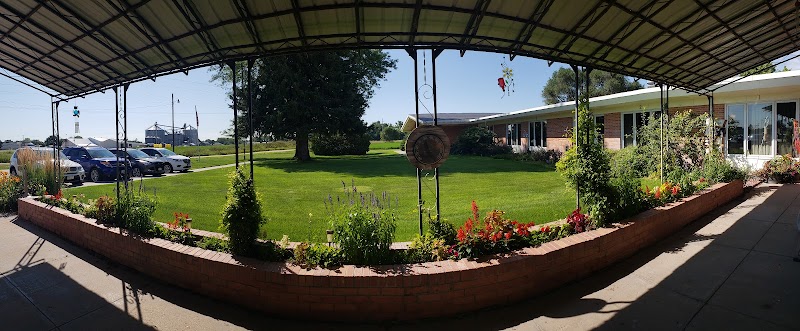
How is Callaway Good Life Center, Inc Staffed?
CMS rates Callaway Good Life Center, Inc's staffing level at 4 out of 5 stars, which is above average compared to other nursing homes. Staff turnover is 53%, compared to the Nebraska average of 46%.

What Have Inspectors Found at Callaway Good Life Center, Inc?

State health inspectors documented 25 deficiencies at Callaway Good Life Center, Inc during 2023 to 2025. These included: 3 that caused actual resident harm and 22 with potential for harm. Deficiencies causing actual harm indicate documented cases where residents experienced negative health consequences.

Who Owns and Operates Callaway Good Life Center, Inc?

Callaway Good Life Center, Inc is owned by a non-profit organization. Non-profit facilities reinvest revenue into operations rather than distributing to shareholders. The facility operates independently rather than as part of a larger chain. With 38 certified beds and approximately 28 residents (about 74% occupancy), it is a smaller facility located in CALLAWAY, Nebraska.

How Does Callaway Good Life Center, Inc Compare to Other Nebraska Nursing Homes?

Compared to the 100 nursing homes in Nebraska, Callaway Good Life Center, Inc's overall rating (2 stars) is below the state average of 2.9, staff turnover (53%) is near the state average of 46%, and health inspection rating (2 stars) is below the national benchmark.

What Should Families Ask When Visiting Callaway Good Life Center, Inc?

Based on this facility's data, families visiting should ask: "Can I visit during a mealtime to observe dining assistance and food quality?" "How do you handle medical emergencies, and what is your hospital transfer rate?" "Can I speak with family members of current residents about their experience?"

Is Callaway Good Life Center, Inc Safe?

Based on CMS inspection data, Callaway Good Life Center, Inc has a clean safety record: no substantiated abuse findings (meaning no confirmed cases of resident harm), no Immediate Jeopardy citations (the most serious violation level indicating risk of serious injury or death), and is not on the Special Focus Facility watch list (a federal program monitoring the lowest-performing 1% of nursing homes). The facility has a 2-star overall rating and ranks #100 of 100 nursing homes in Nebraska. While no facility is perfect, families should still ask about staff-to-resident ratios and recent inspection results during their visit.

Do Nurses at Callaway Good Life Center, Inc Stick Around?

Callaway Good Life Center, Inc has a staff turnover rate of 53%, which is 7 percentage points above the Nebraska average of 46%. Moderate turnover is common in nursing homes, but families should still ask about staff tenure and how the facility maintains care continuity when employees leave.

Was Callaway Good Life Center, Inc Ever Fined?

Callaway Good Life Center, Inc has been fined $37,753 across 3 penalty actions. The Nebraska average is $33,456. While any fine indicates a compliance issue, fines under $50,000 are relatively common and typically reflect isolated problems that were subsequently corrected. Families should ask what specific issues led to these fines and confirm they've been resolved.

Is Callaway Good Life Center, Inc on Any Federal Watch List?

Callaway Good Life Center, Inc is not on any federal watch list. The most significant is the Special Focus Facility (SFF) program, which identifies the bottom 1% of nursing homes nationally based on persistent, serious quality problems. Not being on this list means the facility has avoided the pattern of deficiencies that triggers enhanced federal oversight. This is a positive indicator, though families should still review the facility's inspection history directly.