Litzenberg Memorial County Hospital
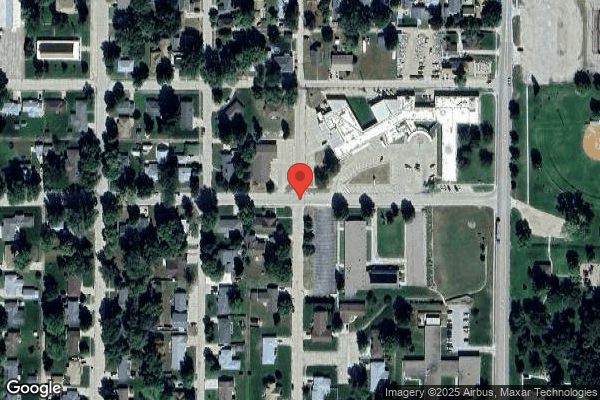
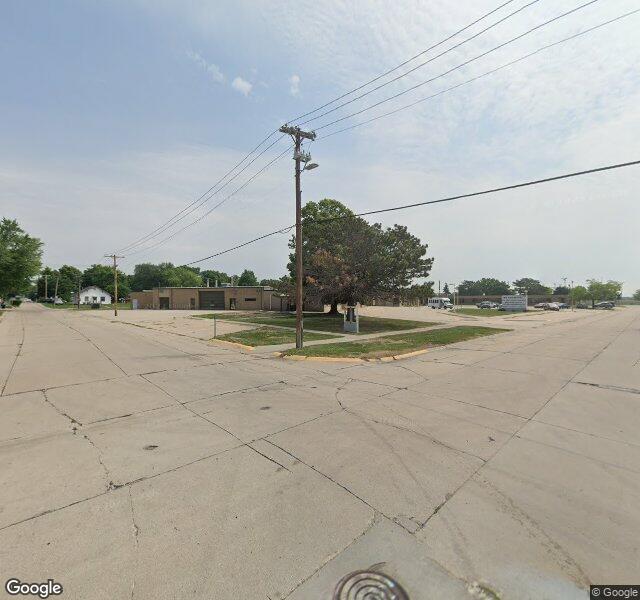
1715 26th Street, Central City, NE 68826 (308) 946-2920
Government - County 46 Beds Independent Data: November 2025
Trust Grade
68/100
#89 of 177 in NE
Last Inspection: August 2024

Within standard 12-15 month inspection cycle. Federal law requires annual inspections.

Overview

Litzenberg Memorial County Hospital has a Trust Grade of C+, indicating it is slightly above average but not outstanding. It ranks #89 out of 177 facilities in Nebraska, placing it in the bottom half of the state, but it is #1 of 2 in Merrick County, meaning it is the best option locally. Unfortunately, the facility is worsening, with reported issues increasing from 1 in 2023 to 5 in 2024. Staffing is a strength, with a rating of 4 out of 5 stars and a turnover rate of 27%, which is well below the state average of 49%. On a positive note, the facility has no fines on record, but it has faced concerns such as unclean conditions in the tub and shower room, a failure to ensure proper hand hygiene during meal preparation, and not following infection control procedures for a resident after surgery. These factors highlight the need for families to consider both the strengths and weaknesses when researching this nursing home.

Trust Score
C+
68/100
In Nebraska
#89/177
Top 50%
Safety Record
Low Risk
No red flags
Inspections
Getting Worse
1 → 5 violations
Staff Stability
✓ Good
27% annual turnover. Excellent stability, 21 points below Nebraska's 48% average. Staff who stay learn residents' needs.
Penalties
✓ Good
No fines on record. Clean compliance history, better than most Nebraska facilities.
Skilled Nurses
○ Average
Each resident gets 33 minutes of Registered Nurse (RN) attention daily — about average for Nebraska. RNs are the most trained staff who monitor for health changes.
Violations
⚠ Watch
13 deficiencies on record. Higher than average. Multiple issues found across inspections.
★★★☆☆
3.0
Overall Rating
★★★★☆
4.0
Staff Levels
★★★★☆
4.0
Care Quality
★★★☆☆
3.0
Inspection Score
Stable
2023: 1 issues
2024: 5 issues

The Good

  • 4-Star Staffing Rating · Above-average nurse staffing levels
  • 4-Star Quality Measures · Strong clinical quality outcomes
  • Low Staff Turnover (27%) · Staff stability means consistent care
  • Full Sprinkler Coverage · Fire safety systems throughout facility
  • No fines on record
  • Staff turnover is low (27%)

    21 points below Nebraska average of 48%

Facility shows strength in staffing levels, quality measures, staff retention, fire safety.

The Bad

3-Star Overall Rating

Near Nebraska average (2.9)

Meets federal standards, typical of most facilities

The Ugly 13 deficiencies on record

Aug 2024 5 deficiencies
CONCERN (D)

Potential for Harm - no one hurt, but risky conditions existed

Incontinence Care (Tag F0690)

Could have caused harm · This affected 1 resident

Licensure Reference Number 175NAC 12-006.09(H)(iv)(1) Based on observations, record review, and interviews; the facility failed to prevent urinary catheters from becoming contaminated during personal ...

Read full inspector narrative →
Licensure Reference Number 175NAC 12-006.09(H)(iv)(1) Based on observations, record review, and interviews; the facility failed to prevent urinary catheters from becoming contaminated during personal cares and transportation of a resident in a wheelchair for 2 (Resident 3 and 27) of 3 sampled residents. Facility stated census of 30. Findings are: Review of a facility policy titled, Catheter: Care, Insertion& Removal, Drainage bags, Irrigation, Specimen dated 7/30/2024 revealed: -All closed collection systems that become contaminated by inappropriate technique, leaks or other means are immediately replaced. A. Review of an admission Record revealed the facility admitted Resident 3 on 5/22/2024 with diagnoses of Multiple Sclerosis (a chronic disease of the central nervous system), and Neuromuscular dysfunction of the Bladder (a condition where the nerves and the muscles of the bladder don't work well together). The Comprehensive Minimum Data Set (MDS, a mandatory comprehensive assessment tool that measures the health status of nursing home residents and is used for care planning) with an Assessment Reference Date (ARD) of 5/29/2024 revealed Resident 3 had a Brief Interview for Mental Status (BIMS, a brief screening tool that aids in detecting cognitive impairment) score of 15 indicating the resident was cognitively intact. The resident was documented as having an indwelling Foley catheter (a flexible plastic hollow tube inserted into the bladder to continuously drain urine into a plastic collection bag). In an observation on 8/13/2024 at 10:10 AM Nurse Assistant-C (NA-C) was observed to be assisting Resident 3 get dressed. NA-C removed Resident 3's Foley catheter bag from the frame of the bed. The NA-C took the Foley catheter bag and tubing and threaded it through one leg of the residents' shorts. The NA then dropped the Foley bag onto the bare floor on the right side of the bed. NA-C left the Foley bag on the floor during the remainder of the time while assisting the resident with dressing of the lower half of Resident 3's body and performing catheter cares. In an interview on 08/13/2024 at 11:20 PM with the Director of Nursing Services (DNS), the DNS confirmed that the Foley catheter bag should not meet soiled or dirty surfaces like the resident's floor. B. Review of an admission Record revealed the facility admitted Resident 27 on 5/24/2024 with diagnoses of Kidney Failure (a condition where the kidneys cannot filter waste from the blood), obstructive uropathy (a condition where the flow of urine from the bladder is blocked), and urinary tract infection (an infection in any part of the urinary system). The Comprehensive Minimum Data Set MDS with an ARD of 5/29/2024 revealed Resident 27 had a BIMS score of 8 indicating the resident was moderately cognitively impaired. The resident was documented as having an indwelling Foley catheter. In an observation on 8/07/2024 at 11:05 AM Resident 27 was observed to be sitting in [gender] wheelchair in the commons area. The residents Foley catheter tubing was observed to be coming out of the pants by the ankle on the left side going past the pedal of the wheelchair and on to the floor then up into a cloth bag attached to the underside frame of the wheelchair. In an interview on 8/07/2024 at 11:10 AM with Licensed Practical Nurse-A (LPN-A), LPN-A confirmed that Resident 27 had an indwelling Foley catheter and a history of urinary tract infections. The LPN stated that catheter bags and or tubing should not be on or come in contact with the floor. In an interview on 8/13/2024 at 11:20 PM with the Director of Nursing Services (DNS), the DNS confirmed that the Foley catheter tubing should not meet soiled or dirty surfaces like the floor.
CONCERN (D) 📢 Someone Reported This

A family member, employee, or ombudsman was alarmed enough to file a formal complaint

Potential for Harm - no one hurt, but risky conditions existed

Deficiency F0692 (Tag F0692)

Could have caused harm · This affected 1 resident

License Reference Number 175 NAC 12-006.09(J) The facility failed to ensure the physician ordered and recommended amount of Glucerna was provided to residents who had triggered for malnutrition or th...

Read full inspector narrative →
License Reference Number 175 NAC 12-006.09(J) The facility failed to ensure the physician ordered and recommended amount of Glucerna was provided to residents who had triggered for malnutrition or those at risk of malnutrition. This affected 1 (Resident 15) of 3 sampled residents. The facility census was 30. Findings are: Record review of Resident 15's Mini Nurtritional Assessment (MNA, a tool is used to assist registered dieticians (RD) in the assessment of the nutritional needs of individuals whom they are required to give dietary recommendations in institutional settings. A score of 14 is the maximum. Scores of 0-7 indicate one is malnourished. Scores of 8-11 points indicate one is at risk of malnutrition. A score of 12-14 indicates normal nutritional status.) completed by the facility RD dated 5/21/2024 at 10:24 AM revealed a score of 5 which indicated Resident 15 was malnourished. Resident 15 had an admission weight of 172.5 on 5/10/24 and current weight of 167.5 on 5/21/24. Record review of the Dietary Notes written by the RD on 5/21/2024 revealed Resident 15 was a new admission with diagnoses of malnutrition, cellulitis, lymphedema, diabetes, urinary tract infection, and confusion, all of which could or would have an effect on the nutritional status of an individual. The resident's weight was 172.5. Record review of Resident 15's MNA completed by RD dated 6/18/2024 at 8:33 AM revealed a score of 7 which indicated Resident 15 continues to be malnourished. Record review of the Dietary Notes written by the RD on 6/18/2024 revealed Resident 15's nutritional status was starting to improve, but Resident 15 had been started on an antibiotic. Resident 15 was at high risk for weight loss and meal intakes were not greater than 75% of nutritional needs. The RD recommended a liberalized regular diet and 8oz Glucerna/Equivalent twice daily to meet the necessary calories and protein needed. Record review of Resident 15's MNA completed by RD dated 7/2/2024 at 8:22 AM revealed a score of 7 which indicated Resident 15 continues to be malnourished. Record review of the order summary dated 7/3/2024 revealed a Physician Order for Resident 15 to receive Glucerna Supplement 8 ounces twice daily. Record review of Resident 15's MNA completed by RD dated 7/30/2024 at 11:09 AM revealed a score of 9 which indicated Resident 15 was now at risk for malnutrition. Recored review of the Medication Administration Record (MAR) for Resident 15 for the month of July 2024 revealed Resident 15 was to receive the nutritional supplement Glucerna 8 ounces (equivalent to 240 mililiters (mL)) twice a day starting on 7/3/2024. Nursing staff were to chart in milliliters both in the morning and in the evening when the supplement was given. Record review of the July 2024 MAR documentation revealed the following amounts of Glucerna was given: -The morning charting indicated 100 ml was given on the following dates: 19, 20, and the 21st. -The morning charting revealed 120 ml was given on the following dates: 17, 18, 22, 23, 24, 25, 26, 27, 28, 29, and the 30th. -The morning charting revealed just a checkmark indicating the resident received the supplement on the following dates: 3, 4, 5, 6, 7, 8, 9, 10, 11, 12, 13, 14, 15, and the 16th. -The evening charting indicated 100 ml was given on the following dates: 16, 20, 21, and the 30th. -The evening charting revealed 120 ml was given on the following dates:18, 19, 22, 23, 24, 25, 26, 27, 28, and the 29th. -The evening charting revealed the resident refused the supplement 7/31/2024. Record review of the August 1st through August 12 of 2024 MAR documentation revealed the following amounts of Glucerna was given: -The morning charting revealed 100 ml was given on the following dates: 1, 2, 3, 4, 5, 6, 7, 11, and the 12th. -The morning charting revealed 180 ml was given on the following dates: 8, 9, and the 10th. -The evening charting revealed 100 ml was given on the following dates: 1, 2, 3, 4, 5, 6, and the 11th. -The evening charting revealed 180 ml was given on the following dates: 8, 9, and the10th. -The evening charting revealed 8 ounces (240 ml) was given on the following date 8/7/24. Observation on 8/7/2024 at 8:00 AM revealed Resident 15 sitting at the dinning room table Resident 15 finished [gender] entire breakfast and supplement (240 mililiters) prior leaving the dining room. Observation on 8/12/2024 at 1:00 PM revealed Resident 15 had finished [gender] entire noon meal the supplement (240 mililiters). In an interview on 8/12/2024 at 10:25 AM with the facility Registered Dietician (RD). Confirmed the Resident 15 is to have 8 ounces, or 240mL of Glucerna twice daily for caloric and protein needs due to malnutrition. Asked to review what has been charted on the MAR for clarification of the daily intake, the RD indicated confusion as to what was being charted and was going to follow-up with the nursing staff. Perhaps it means 100% of the supplement instead of 100 ml? In an interview on 8/12/2024 at 10:40 with Licensed Practical Nurse-A (LPN-A) revealed [gender] gives the Glucerna to Resident 15 in the original 8-ounce container with a straw at mealtime. LPN-A further reaveled Resident 15 routinely drinks the entire bottle. The Glucerna is then charted in the MAR. LPN-A always notates the consumption of the supplement as a percentage, which has always been 100% when LPN-A gave the supplement. When asked if nursing staff are to chart in ml or percentages or with just a checkmark, LPN-A stated it gets confusing because there are too many ways to chart the supplements. It depends on which nurse adds the order onto the MAR as to how it will appear. In an interview on 8/12/2024 at 10:50 with Licensed Practical Nurse-J (LPN-J) revealed there are several ways to chart the supplements. LPN-J was dispensing supplements at breakfast on 8/12/2024 and revealed, I only gave 100 ml of the Glucerna because I misread the order. I am just being honest. In an interview on 8/12/2024 at 11:05 PM with the facility Director of Nursing (DNS) confirmed it is difficult to understand how much of the supplement was being given to Resident 15 and what was being consumed. DNS futher confirmed that supplements may be given at mealtime or between meals dependent upon when each resident will consume the supplement.
CONCERN (E)

Potential for Harm - no one hurt, but risky conditions existed

Deficiency F0655 (Tag F0655)

Could have caused harm · This affected multiple residents

**NOTE- TERMS IN BRACKETS HAVE BEEN EDITED TO PROTECT CONFIDENTIALITY** C. Record review of the Progress Notes for Resident 132 revealed they had been admitted to the facility on [DATE] from a hospita...

Read full inspector narrative →
**NOTE- TERMS IN BRACKETS HAVE BEEN EDITED TO PROTECT CONFIDENTIALITY** C. Record review of the Progress Notes for Resident 132 revealed they had been admitted to the facility on [DATE] from a hospital following surgery to repair a fractured femur (upper long bone) of the right leg. Record review of Res 132's Baseline Care Plan revealed Resident 132 was not placed on Enhanced Barrier Precautions (EBP, an infection control strategy used in nursing homes to reduce the spread of multidrug-resistant organisms ) at the time of admission following a surgical repair of the right leg. Observation on 8/7/24 at 9:20 AM in the room of Resident 132 revealed staff did not use EBP after Resident 132 had finished breakfast and staff assisted the resident to a new position in the bed. Record review of the Resident 132's Care Plan revealed a revision to the Care Plan was initiated on 8/7/24 to include the required EBP related to surgical wound care. Interview DATE TIME? with the Director of Nurses (DNS) the resident had not been placed on EBP from the time of admission until 8/7/24 was because I forgot new surgical patients had to be on EBP. Licensure Reference Number 175NAC 12-006.09(F)(i) Based on record review and interviews; the facility failed to ensure that the medical record contained documentation that the written summary of the baseline care plan (a written plan required to be developed within 48 hours of admission detailing the instructions needed to provide initial effective and person-centered quality care for a resident) was provided to the resident/resident representative as required for 2 of 9 residents (Residents 23, and 26). This had the potential to prevent the resident/resident representative from identifying additional care and goals required for the resident; and the facility failed to ensure that the baseline care plans were completed with the necessary information to care for 1 of 3 newly admitted residents (Residents 132). The facility census was 30. Findings are: A. Record review of the facility policy titled Comprehensive Care Plan and Care Conferences dated 12/4/23 revealed that the purpose is to develop a person-centered care plan for each resident that includes measurable objectives and timetables to meet his or her physical, mental, spiritual, and psychosocial well-being. The procedure section for Baseline Care Plan revealed to review admission information to develop an initial care plan that includes specific interventions including but not limited to: Initial goals, PASRR (Preadmission Screening and Resident Review is a federal required evaluation of all applicants for serious mental illness and/or intellectual disability to help ensure that individuals are not inappropriately placed in nursing homes for long term care) recommendations, physician orders, transfer interventions, fall prevention, pain, pressure ulcer prevention, infections and resident specific care. Provide the resident and/or resident representative with a written summary of the baseline care plan. The summary includes initial goals of the resident, summary of medications and dietary restrictions and services and treatments to be administered. Use the Care Conference Note to document that the meeting occurred with the resident and representative and any significant discussion that occurred. Record review of the admission Record for Resident 23 revealed that Resident 23 admitted into the facility on 2/12/24 with diagnoses of Dementia, Hip Fracture, and Anxiety. Resident 23 had a Power of Attorney for Health. Record review of the Minimum Data Set (MDS, a mandatory comprehensive assessment tool used for care planning) for Resident 23 dated 4/30/24 revealed that Resident 23 had a Brief Interview for Mental Status (BIMS, a brief screening tool that aids in detecting cognitive impairment) score of 9 (a score of 8-12 indicates moderate cognitive impairment). Record review of the Baseline Care Plan dated 1/26/24 for Resident 23 revealed that it contained the signature of Resident 23 on the last page of the care plan. No date was documented for the signature. The Baseline Care Plan contained no documentation of any discussion of the care plan with the resident or the resident representative. Record review of the medical record for Resident 23 revealed no Care Conference Note or any other note documenting that a baseline care plan review meeting occurred with the resident or resident representative. The medical record contained no documentation that a written summary of the baseline care plan was provided to the resident or resident representative. Interview on 8/13/24 at 10:43 AM with the facility Director of Nursing Services (DNS) revealed that the DNS reviews the baseline care plan with the resident usually on the day of admission. The DNS revealed that they review the goals, orders, medications for identified conditions, and the care to be provided. The DNS revealed that the DNS has the resident sign the baseline care plan at that time. The DNS revealed that most residents do not want a copy of the baseline care plan. The DNS confirmed that the DNS does not document the discussion of the baseline care plan with the resident and does not document any offering of a copy of the baseline care plan to the resident. Interview on 8/13/24 with the Facility Administrator confirmed that the facility needs to document the baseline care plan discussion in the medical record and the provision of a copy of the baseline care plan to the resident and representative. Policy does not state they have to document that meeting occurred and any thing significant. Does not say to document a offered copy. Would keep becuase the policy does say to document that it happened but it is very weak since the DNS states they do and that is how the signature is obtained. Seems more a documentation tag vs not providing the careplan and having the meeting. Would have liked an interview with the resident/family. B. Record review of the admission Record for Resident 26 revealed that Resident 26 admitted into the facility on 7/22/24 with diagnoses of Pneumonia, Diabetes, and Unsteadiness on feet. Resident 26 had a Power of Attorney for Health. Record review of the MDS Assessment for Resident 26 dated 7/29/24 revealed that Resident 26 had a BIMS score of 15 indicating Resident 26 was cognitively intact. Record review of the Baseline Care Plan dated 7/23/24 for Resident 26 revealed that it was signed by the representative of Resident 26 on the last page of the care plan. No date was documented for the signature. The Baseline Care Plan contained no documentation of any discussion of the care plan with the resident or the resident representative. Record review of the medical record for Resident 26 revealed no Care Conference Note or any other note documenting that a baseline care plan review meeting occurred with the resident or resident representative. The medical record contained no documentation that a written summary of the baseline care plan was provided to the resident or resident representative. Interview on 8/13/24 at 10:43 AM with the facility Director of Nursing Services (DNS) revealed that the DNS reviews the baseline care plan with the resident usually on the day of admission. The DNS revealed that they review the goals, orders, medications for identified conditions, and the care to be provided. The DNS revealed that the DNS has the resident sign the baseline care plan at that time. The DNS revealed that most residents do not want a copy of the baseline care plan. The DNS confirmed that the DNS does not document the discussion of the baseline care plan with the resident and does not document any offering of a copy of the baseline care plan to the resident. Interview on 8/13/24 with the Facility Administrator confirmed that the facility needs to document the baseline care plan discussion in the medical record and the provision of a copy of the baseline care plan to the resident and representative. Same as above
CONCERN (E)

Potential for Harm - no one hurt, but risky conditions existed

Unnecessary Medications (Tag F0759)

Could have caused harm · This affected multiple residents

Licensure Reference Number 175NAC 12-00.10(D) Based on observation, record review, and interviews; the facility failed to have a medication error rate less then 5% with an observed medication error ra...

Read full inspector narrative →
Licensure Reference Number 175NAC 12-00.10(D) Based on observation, record review, and interviews; the facility failed to have a medication error rate less then 5% with an observed medication error rate of 10.53%. This affected 3 residents,(Resident 3, 20, and 22), of 9 sampled Residents. The facility stated census was 30 Findings are: Review of a facility policy titled Medication Administration and dated 5/21/2024 revealed to perform three checks including reading the label on the medication container and comparing with the medication administration record and to administer medications with in at least 60 minutes on each side of ordered time. A. Review of an admission Record revealed the facility admitted Resident 3 on 5/22/2024 with diagnoses of Multiple Sclerosis (a chronic disease of the central nervous system), Chronic Respiratory Failure(a condition where there is not enough oxygen in the blood), and Hypertension(high blood pressure). In an observation of medication administration by Licensed Practical Nurse-B (LPN-B) on 8/08/2024 at 11:13 AM, LPN-B prepared and administered the following medications to Resident 3: -Modafinil (a stimulant medication), Oral Tablet 200 milligrams. Directions on the label of the medication packaging read to give half of a tablet by mouth one time a day around 2 PM. Directions in Resident 3 electronic medication administration record read to give one half of a tablet by mouth one time a day with a indicated administration time of 12:00 AM/PM. -Potassium Chloride (a mineral supplement) Extended-Release Tablet 20 milliequivalents. Directions on the label of the medication packaging read to give 2 tablets three times a day and do not crush or chew the tablets. LPN-B used a pill splitter to cut the medication in half per the resident's request. The tablet crushed into multiple small pieces. The LPN put the pieces in a plastic cup and administered them to the resident. The resident then took the second tablet in [gender] mouth and broke it into pieces with [gender] teeth. In an interview with LPN-B on 8/08/2024 at 11:50 AM, LPN-B confirmed that the label of the Modafinil medication administration time and the order in the electronic medication administration record did not match. LPN-B confirmed the medication error related to right time of medication administration. LPN-B confirmed the directions that the Potassium Chloride Extended-Release Tablet was not to be crushed or chewed and that when attempting to split the tablet it crumbled into multiple pieces and the [gender] should not have administered all the pieces to the resident. LPN-B revealed [gender] was unaware of the resident having difficulties swallowing the tablets due to size and would reach out to the provider alerting to resident needing a different form of the medication so it could be take correctly. B. Review of an admission Record revealed the facility admitted Resident 20 on 6/10/2022 with diagnoses of Anxiety Disorder (a mental health disorder characterized by feelings of worry, anxiety, or fear that are strong enough to interfere with one's daily activities), Dementia (impaired ability to remember, think, or make decisions that interferes with doing everyday activities), and Parkinson's Disease (a disease that is progressive and affects the nervous system). In an observation of medication administration by Licensed Practical Nurse-B (LPN-B) on 8/08/2024 at 11:13 AM, LPN-B prepared and administered the following medications to Resident 20: -Quetiapine (an antipsychotic medication) 50 milligrams. Directions on the label of the medication packaging read to give one tablet four times a day and once daily as needed. Directions in Resident 20 electronic medication administration record read to give one tablet four times a day. Resident 20 did not have an order to receive this medication once daily as needed. In an interview with LPN-B on 8/08/2024 at 11:50 AM, LPN-B confirmed that the label on the medication did not match the orders for the medication in the resident's electronic medical health record. LPN-B confirmed the as needed order for the medication had been discontinued in September of 2023. C. Review of an admission Record revealed the facility admitted Resident 22 on 10/04/2023 with diagnoses of hypotension (low blood pressure). In an observation of medication administration by Licensed Practical Nurse B (LPN-B) on 08/08/2024 at 11:20 AM, LPN-B prepared and administered the following medications to Resident 22: -Midodrine Hydrochloric Acid (HCL) (a medication used to treat low blood pressure) 5 milligram tablet. Directions on the medication packaging read to give one tablet three times a day before meals. Directions in Resident 22's electronic medication administration record read to give one tablet three times a day. In an interview with LPN-B on 8/08/2024 at 11:50 AM LPN-B confirmed that the medication packaging directions for administration of the medication and the electronic medication administration record did not match.
CONCERN (F)

Potential for Harm - no one hurt, but risky conditions existed

Infection Control (Tag F0880)

Could have caused harm · This affected most or all residents

**NOTE- TERMS IN BRACKETS HAVE BEEN EDITED TO PROTECT CONFIDENTIALITY** B. Observation on 8/12/2024 at 09:15 AM of the tub and shower room. The room floor is comprised of 1x1 tiles which then go up th...

Read full inspector narrative →
**NOTE- TERMS IN BRACKETS HAVE BEEN EDITED TO PROTECT CONFIDENTIALITY** B. Observation on 8/12/2024 at 09:15 AM of the tub and shower room. The room floor is comprised of 1x1 tiles which then go up the wall part of the way. Many tiles to the left (south side of the door in the tub room) as one enters have grey and dark grey grime on them. The grout lines are discolored, and a grey, dark grey, and brownish color compared to most the other of the grout lines of the other tiles that are white to verylight grey in color. There is a 2'x 6 drain in that area that has grey and brown build up. On the left side of the tub flooring, the tiles have a buildup and accumulation of what appeaed to be soap scum and hard water like deposits that are grey to dark grey in color with hair. To the right side of the tub nearer the wall the floor is unkempt with many hairs of various color and length, dirt particles, and brown and grey in color. Inside the tub, the side walls are covered what appears to be hard water deposits especially under and around the control knobs and the waterspout. There is a hair left on the drain stopper. Above the tub, there is a water reservoir. Under the lip of the water reservoir there is a black, grey, and brown residue. Observation on 8/12/2024 at 9:15 AM as the tub and shower chair are being disinfected and cleaned. The shower chair is submersed completely but the safety harness is only partially submersed as the straps that go around a resident's abdomen remain above the water. Interview on 8/12/2024 at 9:25 AM with Medication Aide-E (MA-E) stated [gender] makes sure the disinfectant is in the water by observing how murky the water is when the tub is filling for the disinfecting process. If the water isn't very murky, MA-E will check the siphoning tube seated inside the disinfectant solution to be certain the container is not empty. MA-E is not certain how hot the water must be to wash the tub or to perform the disinfectant step. C. Record review of the Progress Notes for Resident 132 revealed they had been admitted to the facility on [DATE] from a hospital following surgery to repair a fractured femur (upper long bone) of the right leg. Record review of Res 132's Baseline Care Plan revealed Resident 132 was not placed on Enhanced Barrier Precautions (EBP, an infection control strategy used in nursing homes to reduce the spread of multidrug-resistant organisms ) at the time of admission following a surgical repair of the right leg. Observation on 8/7/24 at 9:20 AM in the room of Resident 132 revealed staff did not use EBP after Resident 132 had finished breakfast and staff assisted the resident to a new position in the bed. Record review of the Resident 132's Care Plan revealed a revision to the Care Plan was initiated on 8/7/24 to include the required EBP related to surgical wound care. Interview on 8/13/2024 at 04:10 PM with the Director of Nurses (DNS) the resident had not been placed on EBP from the time of admission until 8/7/24 was because I forgot new surgical patients had to be on EBP. Licensure Reference Number 175 NAC 12-006.04(A)(ii) Licensure Reference Number 175 NAC 12-006.18 Licensure Reference Number 175 NAC 12-006.19 Based on record review, observations, and interviews; the facility failed to ensure that pre-employment health history screens were reviewed to prevent the potential for transmission of contagious disease for 2 of 3 staff, which had the potential to affect all residents. The facility failed to ensure that the tub and shower room was maintained in a clean and sanitary manner, which had the potential to affect all residents. The facility failed to ensure that Enhanced Barrier Precautions (EBP) were implemented as needed upon admission of new residents requiring EBP, which affected 1 resident, (Resident 132) of 3 sampled residents. The facility failed to apply Personal Protective Equipment (PPE) in the correct sequence during care of a resident on transmission-based precautions, failed to perform hand hygiene and change gloves correctly during cares, failed to complete catheter cares per the professional standards, and the facility failed to change oxygen tubing as required. This affected 1 resident, (Resident 3) of 2 sampled residents. The facility failed to prevent Foley catheter tubing and catheter bag from coming into contact with contaminated surfaces. This affected 2 residents, (Resident 132 and Resident 15) of 2 sampled residents. Findings are: A. Record review of the undated and untitled list of facility employees revealed that Housekeeper had a hire date of 09/05/2023. Record review of Housekeeper timeclock revealed first employment day clock in was on 10/02/2023 for a full 7.5 hour day of work. Record review of the Medical History Questionnaire for Housekeeper revealed that it was signed by Housekeeper yet remained undated. The box on the form stating this medical history has been reviewed with this conditional employee was not checked yes, or no. The line for the Human Resource representative or designee signature for review was undated and blank. Record review of the undated and untitled list of facility employees revealed that Laundry Aide had a hire date of 09/06/2023. Record review of Laundry Aide timeclock revealed first employment day clock in was on 09/27/2023 for a full 7.5 hour day of work. Record review of the Medical History Questionnaire for Laundry Aide revealed that it was signed and dated on 02/19/2024 by Laundry Aide. The box on the form stating this medical history has been reviewed with this conditional employee was not checked yes, or no. The line for the HR Representative or Designee signature for review was undated and blank. Interview on 08/13/24 at 9:45 AM with the Social Services Director (SSD) revealed that the Medical History Questionnaire form is part of the orientation packet. The SSD confirmed that the information on the Medical History Questionnaire form should be reviewed, dated, and accepted with a signature prior to the first day of employment. A review of a facility policy titled, Hiring and Screening dated 03/24/2022 revealed under section Health Assessment and Drug Screen: a pre-employment drug screen and health assessment will be conducted on all external job applicants who have accepted offers of employment. The health assessment is required prior to the first day of employment and employment is contingent upon successful competition of the drug screen and/or health assessment. D. Record review of a Centers for Disease Control document labeled Sequence for putting on Personal Protective Equipment (PPE), not dated revealed Step 1 place on the gown fully covering the torso from neck to knees and wrap around and fasten in the back. Step 2. place gloves on and extend them to cover the wrist of the gown. Review of an admission Record revealed the facility admitted Resident 3 on 5/22/2024 with diagnoses of Multiple Sclerosis (a chronic disease of the central nervous system), and Neuromuscular dysfunction of the Bladder (a condition where the nerves and the muscles of the bladder don't work well together). The Comprehensive Minimum Data Set (MDS, a mandatory comprehensive assessment tool that measures the health status of nursing home residents and is used for care planning) with an Assessment Reference Date (ARD) of 5/29/2024 revealed Resident 3 had a Brief Interview for Mental Status (BIMS, a brief screening tool that aids in detecting cognitive impairment) score of 15 indicating the resident was cognitively intact. The resident was documented as having an indwelling Foley catheter (a flexible plastic hollow tube inserted into the bladder to continuously drain urine into a plastic collection bag). Review of Resident 3's Care Plan dated 08/07/2024 revealed a Focus that the resident required Enhanced Barrier Precautions due to having an indwelling Foley Catheter with an intervention of don (put on) gown and gloves when performing high contact care activities and doff (take off) gown and gloves inside the resident's room and perform hand hygiene. In an observation on 8/13/2024 at 10:10 AM while care was being provided to Resident 3 the following was observed: Nursing Assistant-D (NA-D) performed alcohol-based hand hygiene and entered Resident 3's room. NA-D obtained disposable gloves from a box hanging on a wire rack on the resident's closet door and applied the gloves to both of their hands. The NA then obtained a blue disposable gown from the same rack and applied the gown covering their torso and tied the gown in the back. The NA did not apply the gown and then the gloves in order as recommended. In an interview completed on08/13/2024 at 10:50 AM with NA-D confirmed [gender] should have put the gown on first and not the gloves when applying PPE. In an interview completed on 08/13/2024 at 10:30 AM with the Director of Nursing Services (DNS) the DNS confirmed that staff are to don their gown and then their gloves when it comes to applying personal protective equipment. E. Review of a facility document titled Hand Hygiene Clinical Skill Checklist dated 10/2023 revealed Hand hygiene is performed at the Moments of Hand Hygiene which includes but is not limited to after glove removal. Under Procedure it is listed to scrub hands for at least 20 seconds, dry hands thoroughly and discard wet paper towels. Turn off the faucet with a dry paper towel and discard. when performing Hand Washing. In an observation completed on 8/13/2024 at 10:18 AM while care was being provided to Resident 3 the following was observed: Nursing Assistant-C (NA-C) with gloved hands emptied Resident 3 Foley catheter drainage bag into a clear plastic container. The NA then took the container into the bathroom and emptied the contents into the toilet. The NA rinsed the plastic container with water and emptied the water into the toilet then placed the container on the back of the toilet on clean dry paper towels. NA-C then removed their gloves from their hands and placed new gloves on both hands. The NA did not complete hand hygiene with an alcohol-based gel or by Hand Washing between glove changes. After completion of cares for Resident 3 NA-C entered the bathroom in the resident's room and removed their gloves. The NA then turned on the sink, wetted hands, applied soap to hands, and rubbed hands with the soap on them for 10 seconds. The NA then rinsed both hands running the water up onto their forearms of both arms and down hands. NA-C obtained paper towels from the dispenser hanging on the wall and dried their hands. The NA then used the same paper towels to turn off the water faucet and disposed of the paper towels in the trash can. In an interview completed on 8/13/2024 at 10:50 AM with NA-C, confirmed [gender] should have completed hand hygiene between glove changes, completed hand washing for 20 seconds, and turned the faucet off with a clean dry paper towel. In an interview completed on 8/13/2024 at 10:30 AM with the DNS confirmed that hand washing is to be completed for a 20 second minimum, hand hygiene is to be completed between glove changes, and that a clean paper towel should be used to turn off the faucet then hand washing is completed. F. Review of a facility policy titled Catheter: Care, Insertion & Removal, Drainage Bags, Irrigation, and Specimen dated 07/30/2024 revealed under Procedure: Catheter Care-Indwelling Catheter to perform hand hygiene and apply gloves, Position the resident exposing the perineal area, remove gloves and perform hand hygiene and don gloves, expose the urethral meatus with the non-dominant hand for a female gently retract the labia to fully expose the catheter insertions site, stabilize the catheter using the non-dominant hand and use a clean disposable wipe to clean the perineal area and the portion of the catheter in contact with the perineum or meatus. Use a clean section of the wipe for each stroke. In an observation completed on 8/13/2024 at 10:20 AM while catheter cares were being provided to Resident 3 the following was observed: With gloved hands NA-C obtained 4 disposable wipes from a package and placed the disposable wipe package on the resident's bed with the exposed wipes placed on top of the package. The NA did not prepare a clean surface to place the disposable cloths on. NA-C then placed [gender] left hand to Resident 3's outer labia and grasped onto the catheter tubing with two fingers stabilizing the tube. The NA then used a disposable wipe to wipe from where they were pinching the tube down the catheter tubing about 3 inches. The NA did not separate the labia exposing the insertion site of the catheter and begin cleansing from that point down the catheter tubing. The NA then placed the disposable cloth in their right hand and let go of the tubing with their left hand. With their left hand the NA picked up another disposable wipe and wiped down the catheter tubbing starting at the resident's labia and down the tubing 3-4 inches and placed the disposable cloth in their gloved right hand. NA-C then threw away the disposable wipes. NA-D requested Resident 3 to roll onto the side so they could perform cares to the residents back side. With gloved hands NA-C obtained and used a disposable wipe to cleans the resident's buttock. The NA took the wipe and wiped in a back-and-forth horizontal pattern. The NA did not use a different section of cloth for each wipe. NA-C with the same gloved hands as from performing catheter cares obtained a tube of cream from the resident's bedside stand drawer. The NA squeezed the tube getting some of the cream on their gloved right hand and spread the cream to the resident's buttock in a circular motion. The NA did not remove gloves, perform hand hygiene, and apply new gloves prior to applying the cream. The NA then had the resident roll onto their back. NA-C then removed their gloves and then applied new gloves. The NA did not complete hand hygiene between glove changes. In an interview completed on 8/13/2024 at 10:50 AM with NA-C confirmed [gender] should have completed hand hygiene between glove changes, should have changed gloves when going from soiled to clean task, and should have cleansed the catheter from the insertion site down the catheter tubing, provided a clean surface and ensured the trash can was with in reach prior to providing care. In an interview completed on 8/13/2024 at 10:30 AM the DNS confirmed that the NA should have changed gloves and completed hand hygiene when going from soiled to clean care and cleansed the catheter tubing from the insertion site down not the labia. G. Review of a facility policy titled Oxygen Administration, Safety, Mask Types dated 07/08/2024 revealed Disposable equipment should be changed weekly and marked with a the date and individuals initials. Review of Resident 3's electronic medical record revealed the resident had an order/direction that oxygen tubing and bag is to be changed weekly on Thursdays. In an observation completed on 8/08/2024 at 2:40 PM in Resident 3's room revealed 3 Ziploc disposable baggies were attached to Resident 3's oxygen tubing that went from the concentrator to the resident. One bag was labeled 7/04/2024, another 7/11/2024, and the third 7/12/2024. Located on the actual oxygen tubing was a piece of white tape with 7/18 written on it. In an observation completed on 8/13/2024 at 9:40 AM in Resident 3's room revealed 3 Ziploc disposable baggies were attached to Resident 3 oxygen tubing that went from the concentrator to the resident. One bag was labeled 7/04/2024, another 7/11/2024, and the third 7/12/2024. Located on the actual oxygen tubing was a piece of white tape with 07/18 written on it. In an interview completed on 8/13/2024 at 9:40 AM with Licensed Practical Nurse A (LPN-A), LPN-A stated that the residents oxygen tubing and Ziploc bags are changed on Thursdays. LPN-A confirmed the 3 Ziploc bags with different dates attached to the oxygen tubing dated 7/18 and that the resident should have tubing and a baggies labeled/dated 08/08/2024. In and interview completed on 8/13/2024 at 10:30 AM with the Director of Nursing Services (DNS) the DNS confirmed that Resident 3 oxygen tubing and baggies should have been changed on 8/08/2024 and was not.
Jun 2023 1 deficiency
CONCERN (F)

Potential for Harm - no one hurt, but risky conditions existed

Food Safety (Tag F0812)

Could have caused harm · This affected most or all residents

License Reference Number 175NAC 12-006.11E The facility failed to ensure that staff performed hand sanitization (hand washing using soap and water or an alcohol-based hand rub (ABHR) during meal prep...

Read full inspector narrative →
License Reference Number 175NAC 12-006.11E The facility failed to ensure that staff performed hand sanitization (hand washing using soap and water or an alcohol-based hand rub (ABHR) during meal preparation to prevent the potential for foodborne illness. This affected all facility residents; and the facility failed to provide meal service in a manner to prevent the potential for cross contamination and foodborne illness. This affected 21 residents observed (Residents 85, 4, 30, 15, 84, 25, 14, 1, 7, 29, 21, 13, 8, 28, 5, 3, 6, 2, 18, 16, and 12). The facility census was 31. Findings are: A. Record review of the facility policy titled Hand Washing and Glove Use- Food Nutrition Services dated 6/14/23 revealed that the purpose was to provide guidelines regarding hand hygiene (hand sanitization) and glove use to reduce the risk of cross-contamination when serving highly susceptible populations. Employees must wash the hands before handling food and after performing any activity that could contaminate the hands. The procedure for hand washing revealed that staff are to wet the hands and lather the hands. Rub the hands together vigorously for at least 20 seconds. Rinse hands thoroughly under clean running water. Dry hands completely with paper towels. Use a paper towel to turn off the faucet. Observation of meal preparation in the facility's kitchen on 6/28/23 at 9:26 AM revealed Dietary Cook- A (DC-A) went into the walk in refrigerator and opened the door with bare hands and did not perform hand hygiene. DC- A then removed a large plastic bag with onion slices inside and prepared them to go into the casserole. DC-A then went to the sink and scrubbed all hand surfaces with soap and water for 10 seconds and then rinsed and dried hands with a paper towel. DC-A then opened the refrigerator door with bare hands and pulled out individual cartons of milk and carried them to prep table against clothing. Prepared milk and added to mixture in pan. DC-A then returned to the sink and scrubbed hands with soap and water for 14 seconds and dried with a paper towel. DC-A then retrieved turkey cubes from walk in refrigerator with bare hands and prepared them for a casserole. DC-A then took noodles off of the stove, poured them into a colander in the preparation sick, and had water running over them. DC-A took the pan the noodles were in on the stove and put them on the dirty side of the kitchen. DC-A then returned to the preparation station without performing hand hygiene and prepared the casserole. DC-A then performed hand hygiene with soap and water for 13 seconds and dried their hands with a paper towel. Interview on 6/29/23 at 10:07 AM with the facility Dietary Manager (DM) confirmed that the expectation for hand washing is to apply soap to the wet hands, scrub the hands with soap for 20 seconds, rinse and dry the hands, and turn off the water using a paper towel. B. Record review of the facility policy titled Hand Washing and Glove Use- Food Nutrition Services dated 6/14/23 revealed that the purpose was to provide guidelines regarding hand hygiene (hand sanitization) and glove use to reduce the risk of cross-contamination when serving highly susceptible populations. Employees must wash the hands before handling food and after performing any activity that could contaminate the hands. Employees involved in serving must consistently use good hygienic (clean) practices. Employees do not need to wear gloves when distributing foods to residents at the dining table. The procedure for hand washing revealed that staff are to wet the hands and lather the hands. Rub the hands together vigorously for at least 20 seconds. Rinse hands thoroughly under clean running water. Dry hands completely with paper towels. Use a paper towel to turn off the faucet. The section titled When to wash hands revealed that hands should be washed before, between, and after resident contact; after touching any contaminated surface; before and after using gloves; between dirty and clean dish handling; and anytime contamination is suspected. The section titled Proper use of Gloves revealed that the hands are washed thoroughly before putting gloves on and after taking gloves off. The use of gloves does not eliminate the need for proper hand washing or good hygiene. Gloves are changed when coming in contact with something that may be contaminated including touching a doorknob or faucet. Record review of the facility policy titled Hand Hygiene and Handwashing dated 4/6/21 revealed that the procedure for use of Alcohol Based Hand Rub included: 2. Apply alcohol gel or foam to the palm of one hand. 3. Rub hands together. 4. Cover all surfaces of hands, fingers, and areas around/under fingernails. 5. Continue rubbing hands together until alcohol dries (about 15-20 seconds). Record review of the Nebraska Food Code, Effective date 7/21/16 section 4-904.11 Kitchen and Tableware revealed that cleaned and sanitized tableware shall be handled so that contamination of food and lip contact surfaces is prevented. Observation on 6/26/23 at 7:58 AM in the facility dining room revealed that Dietary Cook-A (DC-A) and Dietary Aide-B (DA-B) pushed the steam table into the dining room service area. DA-B went to the dining room sink. DA-B applied soap and scrubbed the hands for 8 seconds. DA-B turned off the water faucet with the bare left hand. DA-B dried the hands with a paper towel. (DA-B did not scrub the hands for the required 20 seconds and did not use a paper towel to turn off the water faucet). DA-B put on disposable gloves. DA-B carried a cup of coffee to Resident 85. DA-B sat the cup on the table in front of the resident. The gloved hand touched the table in front of the resident. DA-B returned to the steam table. (DA-B did not change the contaminated gloves). DA-B carried a meal plate from the steam table with the gloved hands to Resident 4. DA-B sat the plate on the table in front of the unmasked resident. DA-B went into the activity room and opened the refrigerator door with the gloved right hand. DA-B obtained a glass of milk and carried it to Resident 85. DA-B removed the disposable gloves and performed hand sanitization with alcohol-based hand rub (ABHR) by applying a small amount of sanitizer and rubbing the hands together for 6 seconds. (DA-B did not apply a sufficient amount of ABHR to rub the hands together for the required 15-20 seconds). DA-B put on a pair of disposable gloves. DA-B carried 2 plates of food from the steam table with the gloved hands to the table of Residents 25 and 19 (tablemates). DA-B sat a plate on the table in front of each of the unmasked residents. The gloved hands of DA-B touched the table as DA-B sat the plates down. DA-B returned to the steam table. (DA-B did not change the contaminated gloves). DA-B picked up a bowl of cold cereal from the steam table with the gloved hands. DA-B carried the bowl of cereal to Resident 85 and sat the bowl on the table in front of the unmasked resident. DA-B returned to the steam table. (DA-B did not change the contaminated gloves). DA-B carried a plate of food with the gloved hands to Resident 30. DA-B sat the plate on the table in front of the unmasked resident. DA-B returned to the steam table. (DA-B did not change the contaminated gloves). DA-B carried a plate of food with the gloved hands to Resident 15. DA-B sat the plate on the table in front of the unmasked resident. DA-B returned to the steam table. (DA-B did not change the contaminated gloves). DA-B carried a plate of food with the gloved hands to Resident 84. DA-B used a gloved hand to move the bowl on the table and sat the plate on the table in front of the unmasked resident. DA-B returned to the steam table. (DA-B did not change the contaminated gloves). Resident 25 asked DA-B for some jelly. DA-B carried a container of jelly with the gloved hands to Resident 25. DA-B used the gloved hands to open the jelly container for Resident 25. DA-B returned to the steam table. (DA-B did not change the contaminated gloves). DA-B carried a plate of food with the gloved hands to Resident 14. DA-B sat the plate on the table in front of the unmasked resident. DA-B returned to the steam table. DA-B removed and discarded the gloves. DA-B applied a small amount of ABHR to the hands and rubbed the hands together for 6 seconds. (DA-B did not apply a sufficient amount of ABHR to rub the hands together for the required 15-20 seconds). DA-B put on a pair of disposable gloves. DA-B carried a plate of food with the gloved hands to Resident 1. DA-B sat the plate on the table in front of the unmasked resident. DA-B returned to the steam table. (DA-B did not change the contaminated gloves). DA-B picked up a bowl of cold cereal with raisins and carried it to Resident 1. DA-B sat the bowl on the table in front of the resident. DA-B returned to the steam table. (DA-B did not change the contaminated gloves). DA-B picked up a divided plate of food and carried it with the gloved hands to Resident 7. DA-B sat the plate on the table in front of the unmasked resident. DA-B returned to the steam table. (DA-B did not change the contaminated gloves). DA-B carried a plate of food with the gloved hands to Resident 29. DA-B sat the plate on the table in front of the unmasked resident. DA-B returned to the steam table. (DA-B did not change the contaminated gloves). DA-B carried a plate of food with the gloved hands to Resident 21. DA-B sat the plate on the table in front of the unmasked resident. DA-B returned to the steam table. DA-B removed and discarded the gloves. DA-B went to the sink and applied soap to the dry left hand (DA-B did not wet the hands prior to applying soap). DA-B wet and scrubbed the hands with soap for 12 seconds (DA-B did not scrub the hands together for 20 seconds). DA-B shut the water off with the bare left hand (DA-B did not use a paper towel to turn off the water faucet). DA-B dried the hands with paper towels. DA-B went to the steam table and put on disposable gloves. DA-B carried a plate of food with the gloved hands to Resident 13. DA-B sat the plate on the table in front of the unmasked resident. Resident 13 had spilled some of the water from their water cup. Water was on the lap of Resident 13 and on the floor under the table. DA-B picked up the glass of water in front of the resident using the gloved left hand and repositioned it on the table. DA-B picked up the spoon off the lap of Resident 13 with the gloved right hand. DA-B placed the spoon on the table in front of the resident. DA-B returned to the steam table. (DA-B did not change the contaminated gloves). DA-B carried a plate of food with the same gloved hands to Resident 8. DA-B sat the plate on the table in front of the unmasked resident. Resident 8 asked DA-B for some help with the jelly. DA-B used the gloved hands to open the container of jelly. DA-B returned to the steam table. (DA-B did not change the contaminated gloves). DA-B carried a plate of food with the gloved hands to Resident 28. DA-B sat the plate on the table in front of the unmasked resident. DA-B used the gloved hands to open the container of jelly for Resident 28. Resident 85 asked DA-B for some coffee creamer. (DA-B did not change the contaminated gloves). DA-B picked up some packets of creamer with the gloved hands and tore them open. DA-B poured the creamer into the cup for Resident 85. DA-B returned to the steam table. DA-B picked up a menu that had fallen to the floor on the front side of the steam table. DA-B sat the card on the counter. DA-B removed the gloves and applied a small amount of ABHR to the hand and rubbed the hands together for 7 seconds. (DA-B did not apply a sufficient amount of ABHR to rub the hands together for the required 15-20 seconds). DA-B exited the dining room and went to the kitchen. DA-B returned to the dining room and went to the dining room sink. DA-B applied soap to the dry left hand and wet the hands (DA-B did not wet the hands before applying soap). DA-B scrubbed the hands with soap for 12 seconds and rinsed the hands (DA-B did not scrub the hands together for the required 20 seconds). DA-B shut the water off using the bare left hand (DA-B did not use a paper towel to turn off the faucet). DA-B put on disposable gloves. DA-B went to the table of Resident 3. DA-B grabbed the handles of Resident 3's wheelchair with the gloved hands and repositioned the wheelchair underneath the over bed table in front of the resident. DA-B returned to the steam table. (DA-B did not change the contaminated gloves). DA-B carried a plate of food with the same gloved hands to Resident 5. The thumb of the left gloved hand was on the top surface of the plate next to the food. DA-B sat the plate on the table in front of the unmasked resident. DA-B returned to the steam table. DA-B removed the glove from the left hand and picked up a small container from the floor in front of the steam table. DA-B did not remove the glove from the right hand. DA-B applied a small amount of ABHR to the left hand. DA-B rubbed the left hand by itself for 3 seconds. (DA-B did not apply a sufficient amount of ABHR and did not rub the hands together). DA-B grabbed a new glove from inside the glove box using the contaminated right gloved hand. DA-B used the gloved right hand to put the new disposable glove on the left hand. DA-B carried a plate of food and a bowl with the gloved hands to Resident 3. DA-B sat the plate and bowl on the table in front of the unmasked resident. DA-B used the gloved right hand to pick up the fork from the table. DA-B poured a container of brown sugar into the bowl of hot cereal. DA-B used the fork to mix the brown sugar into the hot cereal. DA-B picked up the toast from the plate with the gloved right hand. DA-B picked up the knife with the gloved hand and spread peanut butter on the toast for Resident 3. DA-B continued to hold the toast in the gloved hand. DA-B opened a container of jelly and used the knife to put jelly on the toast. DA-B returned to the steam table. DA-B removed and discarded the gloves. DA-B did not perform hand sanitization. DA-B carried a wet floor sign from the dining room entry and placed it by the table of Resident 13. DA-B went to the dining room sink. DA-B applied soap to the dry left hand (DA-B did not wet the hands before applying soap). DA-B wet the hands. DA-B scrubbed the hands together with soap for 10 seconds and then rinsed the hands (DA-B did not scrub the hands together for 20 seconds). DA-B used the bare left hand to turn off the water (DA-B did not use a paper towel to turn off the faucet). DA-B used paper towels to dry the hands. DA-B returned to the steam table and put on a pair of disposable gloves. DA-B carried a plate of food to Resident 6. DA-B sat the plate on the table in front of the unmasked resident. DA-B returned to the steam table. (DA-B did not change the contaminated gloves). DA-B carried a divided plate of food with the gloved hands to Resident 2. DA-B used the gloved right hand to pick up the glass sugar container from the table. DA-B poured sugar onto some of the food for the resident. DA-B returned to the steam table. (DA-B did not change the contaminated gloves). Resident 30 came to the steam table and asked DA-B for some fresh water and ice for the resident's mug. Resident 30 handed the mug to DA-B. DA-B used the gloved hands and took the mug from Resident 30. DA-B exited the dining room with the mug and went to the kitchen. DA-B returned to the dining room and handed the mug to Resident 30. DA-B removed and discarded the gloves. DA-B went to the dining room sink and applied soap to the dry left hand (DA-B did not wet the hands before applying soap). DA-B wet the hands and scrubbed the hands with soap for 16 seconds (DA-B dd not scrub the hands together for the required 20 seconds). DA-B turned the water off with the bare left hand (DA-B did not use a paper towel to turn off the faucet). DA-B then dried the hands. DA-B put on a new pair of disposable gloves. DC-A told DA-B that Resident 18 was now going to be a room tray. DA-B went to the table where Resident 18 was assigned to sit. DA-B picked up the drinks and silverware from the table with the gloved hands. DA-B obtained an additional tray at the counter and sat the drinks and silverware on the tray. DA-B removed and discarded the gloves. DA-B picked up a menu card from the floor in front of the steam table. DA-B applied a small amount of ABHR to the left hand and rubbed the hands together for 5 seconds. (DA-B did not apply a sufficient amount of ABHR to rub the hands together for the required 15-20 seconds). DA-B put on a pair of disposable gloves. DA-B went to Resident 5. DA-B grabbed the handles of Resident 5's wheelchair with the gloved hands. DA-B pushed the resident in the wheelchair to the lobby just outside the dining room. DA-B removed and discarded the gloves. DA-B applied a small amount of ABHR to the hands and rubbed the hands together for 7 seconds. (DA-B did not apply a sufficient amount of ABHR to rub the hands together for the required 15-20 seconds). DA-B put on a pair of disposable gloves. DA-B went into the activity room. DA-B opened the refrigerator door with the gloved hands and removed a glass with milk and small bowl of apricots. DA-B returned to the counter in the dining room and set the items on the room tray. (DA-B did not change the contaminated gloves). DA-B grabbed a cup with the gloved hands. DA-B carried the cup with the gloved right hand over the top of the cup and the fingers on the drinking edge of the cup. DA-B filled the cup and carried it to a tray. DA-B carried the cup to the tray with the gloved hand over the top of the cup and the fingers on the drinking edge of the cup. DA-B carried the tray of food with the cup to the room of Resident 16. DA-B carried the tray into the room and sat it on the over bed table in front of the resident. DA-B used the gloved hands to place a napkin on the lap of Resident 16. DA-B used the gloved hands to place a clothing protector (an apron-like cloth placed over the front of a resident to assist with keeping clothes dry and clean) on the chest of Resident 16 and placed the straps around the neck for the resident. DA-B grabbed the cup of coffee with the gloved hand over the top of the cup. DA-B moved the cup to the left side of the over bed table. DA-B exited the resident's room and returned to the dining room. DA-B removed and discarded the gloves. DA-B went to the dining room sink and applied soap to the dry left hand (DA-B did not wet the hands before applying soap). DA-B wet the hands and scrubbed the hands with soap for 9 seconds (DA-B did not scrub the hands together for 20 seconds). DA-B rinsed the hands and turned off the water with the bare left hand (DA-B did not use a paper towel to turn off the faucet). DA-B dried the hands. DA-B put on a pair of disposable gloves. DA-B went to the activity room refrigerator and opened the refrigerator door with the gloved hands. DA-B removed a tray of drinks and small bowls of apricots from the refrigerator. DA-B carried the tray to the dining room counter. (DA-B did not change the contaminated gloves). DA-B picked up a cup and filled it with coffee. DA-B picked up the cup with the gloved hand over the top of the cup and the fingers over the drinking edge of the cup. DA-B sat the cup on the room tray for Resident 12. DA-B pushed the 3-shelf cart with room trays out of the dining room. Interview on 6/29/23 at 10:07 AM with the facility Dietary Manager (DM) confirmed that staff are to sanitize or wash the hands between residents during meal service, after contact with residents or their surroundings, and after touching contaminated surfaces such as a refrigerator door handle. The DM confirmed that hand sanitization is expected after touching a resident's wheelchair handles. The DM confirmed that hand sanitization or hand washing is required before putting on gloves and after taking gloves off. The DM confirmed that gloves should be changed after serving a resident and not used to serve multiple residents. The DM confirmed that the expectation for hand washing is to apply soap to the wet hands, scrub the hands with soap for 20 seconds, rinse and dry the hands, and turn off the water using a paper towel. The DM confirmed that not scrubbing the hands with soap for 20 seconds and turning off the water with the bare hand did not constitute clean hands. The DM confirmed that when using ABHR, staff are to apply enough gel and rub the hands together for 15-20 seconds to be effective. The DM confirmed that staff are expected to handle plates and bowls so that the hands do not touch the food surfaces during meal service. The DM confirmed that cups are to be held by the handle and not with the hand over the top drinking surface of the cup. Interview on 6/29/23 at 10:52 AM with the facility Director of Nursing (DON) confirmed that the expectation for performing hand sanitization with alcohol-based hand rub is to apply enough ABHR product so that it takes 15-20 seconds for the hands to dry while rubbing then together.
May 2022 7 deficiencies
CONCERN (D)

Potential for Harm - no one hurt, but risky conditions existed

Deficiency F0582 (Tag F0582)

Could have caused harm · This affected 1 resident

Licensure Reference Number 175NAC 12-006.05 (1) Based on record review and interview, the facility failed to provide the resident or resident representative with one of the two required beneficiary no...

Read full inspector narrative →
Licensure Reference Number 175NAC 12-006.05 (1) Based on record review and interview, the facility failed to provide the resident or resident representative with one of the two required beneficiary notice forms regarding the discontinuation of Medicare Part A benefits to 2 of 3 residents reviewed (Residents 21 and 22). This had the potential to prevent the resident/resident representative from having the opportunity to appeal the facility's decision to discontinue the resident's Medicare Part A benefits and make an informed decision. The facility census was 32. Findings are: A. Record review of the facility policy titled SNF (Skilled Nursing Facility) Medicare Part A Advance Beneficiary Notice of Non-Coverage (SNFABN) dated 10/2019 revealed that the facility is required to issue the SNFABN when Medicare services are terminated when the facility believes that Medicare may not pay for, or will not continue to pay for skilled services. The timing of the notice section revealed that the SNFABN must be issued to provide enough time for the beneficiary (resident/resident representative) to make an informed decision on whether or not to receive the service or item in question and accept potential financial liability. The policy revealed the definition of Termination of Services: In the situation in which a SNF proposes to stop furnishing all extended care services to a beneficiary because it expects that Medicare will not continue to pay for the services that a physician has ordered and the beneficiary would like to continue receiving the care, the SNF must provide a SNFABN to the beneficiary before it terminates such extended care services. Record review of the admission Record for Resident 21 dated 5/10/22 revealed that Resident 21 admitted into the facility on 1/4/22. The admission Record revealed that Resident 21's most recent hospital stay was 12/22/21 through 12/25/21. Record review of the progress note dated 1/4/22 at 4:27 PM revealed that Resident 21 was hospitalized with acute confusion. The progress note revealed that Resident 21 would receive physical therapy and occupational therapy skilled services. Record review of the Minimum Data Set (MDS) (a mandatory comprehensive assessment tool used for care planning) for Resident 21 dated 3/29/22 revealed that Resident 21 had a Brief Interview for Mental Status (BIMS) score of 15 (a score of 13-15 means that the resident is cognitively intact to make decisions). Record review of the Skilled Nursing Facility Beneficiary Protection Notification Review form for Resident 21 provided by the facility revealed that the facility initiated the resident's discharge from Medicare Part A services when benefit days were not exhausted. The form revealed that the last covered day of Resident 21's Medicare Part A services was 2/15/22. Record review of the Beneficiary Notice- Residents discharged Within the Last Six Months (a worksheet listing facility residents that were discharged from Medicare Part A benefits with benefit days remaining) completed by the facility revealed that Resident 21 discharged from Medicare Part A benefits on 2/15/22. The worksheet revealed that Resident 21 continued to reside in the facility. Record review revealed that the facility did not provide the required Skilled Nursing Facility Advanced Beneficiary Notice (SNFABN) (A notice required to be provided by the facility to residents/beneficiaries so that they can decide if they wish to continue receiving the skilled services that may not be paid for by Medicare Part A and assume financial responsibility) to Resident 21. Interview on 5/10/22 at 11:16 AM with the Minimum Data Set Coordinator (MDSC) (a facility nurse that utilizes a mandatory comprehensive assessment tool for care planning) confirmed that the MDSC was the facility staff person responsible for providing beneficiary notice forms to residents and their representatives. The MDSC confirmed that the facility had only been providing residents/resident representatives with one notice for discontinuation of Medicare Part A benefits. The MDSC confirmed that the facility had only been providing the Notice of Medicare Non-Coverage (NOMNOC) form to residents and resident representatives. The MDSC confirmed that the Skilled Nursing Facility Advanced Beneficiary Notice (SNFABN) was not provided to the residents or resident representatives by the facility. B. Record review of the admission Record for Resident 22 revealed that Resident 22 admitted into the facility on 1/10/22. The admission Record revealed that Resident 22's most recent hospital stay was from 11/29/21 through 1/10/22. The admission Record revealed that Resident 22 had a power of attorney for health care and financial decisions. Record review of the progress note dated 1/10/22 at 12:56 PM revealed that Resident 22 was hospitalized due to a stroke. The progress note revealed that Resident 22 would receive physical therapy, occupational therapy, and speech therapy skilled services. Record review of the MDS assessment for Resident 22 dated 3/29/22 revealed that Resident 22 had a BIMS score of 6 (a score of 0-7 means that the resident has severely impaired cognition). Record review of the Skilled Nursing Facility Beneficiary Protection Notification Review form for Resident 22 provided by the facility revealed that the facility initiated the resident's discharge from Medicare Part A services when benefit days were not exhausted. The form revealed that the last covered day of Resident 22's Medicare Part A services was 2/3/22. Record review of the Beneficiary Notice- Residents discharged Within the Last Six Months (a worksheet listing facility residents that were discharged from Medicare Part A benefits with benefit days remaining) completed by the facility revealed that Resident 22 discharged from Medicare Part A benefits on 2/3/22. The worksheet revealed that Resident 22 continued to reside in the facility. Record review revealed that the facility did not provide the required Skilled Nursing Facility Advanced Beneficiary Notice (SNFABN) (A notice required to be provided by the facility to residents/beneficiaries so that they can decide if they wish to continue receiving the skilled services that may not be paid for by Medicare Part A and assume financial responsibility) to Resident 22 or the resident's representative (power of attorney). Interview on 5/10/22 at 11:16 AM with the Minimum Data Set Coordinator (MDSC) confirmed that the MDSC was the facility staff person responsible for providing beneficiary notice forms to residents and their representatives. The MDSC confirmed that the facility had only been providing residents/resident representatives with one notice for discontinuation of Medicare Part A benefits. The MDSC confirmed that the facility had only been providing the Notice of Medicare Non-Coverage (NOMNOC) form to residents and resident representatives. The MDSC confirmed that the Skilled Nursing Facility Advanced Beneficiary Notice (SNFABN) was not provided to the residents or resident representatives by the facility.
CONCERN (D)

Potential for Harm - no one hurt, but risky conditions existed

Accident Prevention (Tag F0689)

Could have caused harm · This affected 1 resident

LICENSURE REFERENCE NUMBER 175 NAC 12-006.09D7b Based on observation, record review, and interview; the facility failed to implement interventions to prevent potential falls for 1 of 4 sampled reside...

Read full inspector narrative →
LICENSURE REFERENCE NUMBER 175 NAC 12-006.09D7b Based on observation, record review, and interview; the facility failed to implement interventions to prevent potential falls for 1 of 4 sampled residents (Resident 31) who was identified as having a high risk for falls. The facility census was 32. Findings are: Review of Resident 31's Care Plan dated 5/4/22 revealed Resident 31 had a history of falls prior to admission as well as, since being admitted to the facility. Resident 31 had a fall in the bathroom on 4/8/21 where Resident 31 obtained a skin tear, a fall By wheel chair (w/c) on 9/14/21, and a fall in Resident 31's room on 4/8/22 where Resident 31 obtained a small purple bruise on the right elbow. Further review of Resident 31's Care Plan revealed a fall intervention dated 4/9/22 that was to modify and maximize safety by removing the resident's walker from the resident's room to help prevent the resident from attempting to ambulate without assistance and thats signs should be hanging in the resident's room and bathroom reminding the resident to call for assistance. Record review of Resident 31's Progress Note dated 4/8/22 at 05:15 AM revealed the resident was attempting to ambulate to the restroom without assistance. As a result, Resident 31 slipped and fell. Resident 31 obtained a bruise to the resident's right elbow. Record review of Resident 31's Incident report completed on 4/8/22 at 05:15 AM, revealed the resident was incontinent at the time the resident slipped and fell. Review of Resident 31's Progress Note dated 4/9/22 revealed documentation at 05:40 AM and 2:00 PM revealed Resident 31 had complaints of severe pain in the right arm and shoulder. It was also documented Resident 31 had bruising down the right arm to the hand and an elevated blood pressure (BP). It was documented Resident 31 was taken to the hospital for an x-ray. Record review of Resident 31's radiology report dated 4/9/22 revealed a two view X-ray had been completed at 10:02 AM. The x-ray study results confirmed Resident 31 had a right shoulder injury. Observation of Resident 31's room on 5/10/22 at 08:50 AM, revealed Resident 31 sitting unattended in an unlocked w/c in front of the recliner in Resident 31's room. Resident 31's call light was draped over the head of the recliner and not within the resident's reach. Resident 31's walker was sitting in resident's room next to a built in dresser/cabinet. There was a sign posted on the outside of the bathroom door reminding Resident 31 to use the call light to call for assistance. Observation in the room of Resident 31 on 05/10/22 at 2:22 PM, revealed Resident 31 was sitting unattended in an unlocked w/c in front of the recliner. Resident 31's call light was draped over the head of Resident 31's recliner and not within the resident's reach. Resident 31's walker was sitting in resident's room next to a built in dresser/cabinet. Interview with Resident 31 on 5/9/22 at 3:18 PM, revealed Resident 31 was aware there was a call light and demonstrated how the call light worked. Resident 31 explained awareness of needing to use the call for assistance if needing to use the bathroom or needing to get out of bed. Resident 31 stated, I fell in my room and it damaged my right shoulder and other things in my body. Resident 31 explained resident's right shoulder hurts with movement. Resident 31 confirmed the w/c and walker present in the room were the resident's. Interview with the Director of Nursing (DON) on 5/11/22 at 4:36 PM, confirmed Resident 31 was able to use the call light and needed it to call for assistance due to Resident 31's high fall risk. The DON revealed if a resident was able to use their call light, the expectation was it would be kept within the resident's reach.
CONCERN (D)

Potential for Harm - no one hurt, but risky conditions existed

Deficiency F0761 (Tag F0761)

Could have caused harm · This affected 1 resident

**NOTE- TERMS IN BRACKETS HAVE BEEN EDITED TO PROTECT CONFIDENTIALITY** Licensure Reference Number 175NAC 12-006.12E7 Based on observation, record review, and interview; the facility failed to ensure ...

Read full inspector narrative →
**NOTE- TERMS IN BRACKETS HAVE BEEN EDITED TO PROTECT CONFIDENTIALITY** Licensure Reference Number 175NAC 12-006.12E7 Based on observation, record review, and interview; the facility failed to ensure that resident medication labels were updated to match the current physician's order for 1 resident (Resident 14) of 5 residents observed. This had the potential to cause the resident to receive additional doses of the medication. The facility census was 32. Findings are: Record review of the facility policy titled Medication: Administration Including Scheduling and Medications Aides dated 5/3/22 revealed that the purpose of the policy was to administer medications correctly. The section of the policy titled Procedure revealed that the staff administering the medication was to perform three checks: Read the label on the medication container and compare it with the Medication Administration Record (MAR) when removing the container from the supply drawer, when placing the medication in an administration cup, and just before administering the medication. Record review of the admission Record for Resident 14 dated 5/12/22 revealed that Resident 14 admitted into the facility on [DATE]. Diagnoses included anxiety disorder, major depressive disorder, and cognitive communication deficit (problems with communication that have an underlying cause such as stroke, brain tumor, brain injury, or degenerative brain disease). Record review of the Order Recap Report (a report of active, completed, and discontinued physician orders for a resident) for Resident 14 dated 5/12/22 revealed that Resident 14 had a discontinued order for Lorazepam tablet 0.5 milligrams (mg) (a medication used to treat anxiety) ½ tablet one time a day and give 0.5 mg ½ tablet as needed for anxiety once daily. The order start date was 12/15/22. The order end date was 1/4/22. Record review of the Order Recap Report for Resident 14 dated 5/12/22 revealed that Resident 14 had a discontinued order for Lorazepam tablet 0.5 mg give ½ tablet as needed for anxiety and ½ tablet one time a day related to anxiety. That order had a start date of 1/4/22 and an end date of 2/15/22. Record review of the Order Recap Report for Resident 14 dated 5/12/22 revealed that Resident 14 had a discontinued order for Lorazepam tablet 0.5 mg give ½ tablet one time a day for anxiety. That order had a start date of 2/16/22 and an end date of 2/16/22. Record review of the Order Recap Report for Resident 14 dated 5/12/22 revealed that Resident 14 had a current active order for Lorazepam tablet 0.5 mg give ½ tablet one time a day for anxiety. The order had a start date of 2/17/22. The order had no end date and was the current active order. Record review of the Order Summary Report (a report of current physician orders for a resident) for Resident 14 dated 5/12/22 revealed that Resident 14 had a current order for Lorazepam tablet 0.5 mg ½ tablet one time a day for anxiety. The order start date was 2/17/22. Record review of the Medication Administration Record (MAR) (a legal record of the medications administered to a patient at a facility by a health care professional) for Resident 14 dated 5/12/22 revealed that Lorazepam 0.5 mg ½ tablet one time a day for anxiety was scheduled to be given in the morning. Observation on 5/12/22 at 8:27 AM at the medication cart next to the nurse's station revealed that Registered Nurse-D (RN-D) began medication set up for Resident 14. RN-D reviewed the MAR for Resident 14. RN-D removed the medication card containing Lorazepam for Resident 14 from the supply drawer of the medication cart. RN-D removed a tablet of Lorazepam from the medication card and placed it into a medication cup. RN-D provided the Lorazepam medication card to this surveyor for review. The label on the Lorazepam medication card read Lorazepam 0.5 mg give 1/2 tablet every AM and an additional 1/2 tablet as needed. Interview on 5/12/22 at 12:21 PM with the facility Director of Nursing (DON) confirmed that the medication card label for the Lorazepam for Resident 14 did not match the current physician's order and that the DON would notify pharmacy to correct the label.
CONCERN (E)

Potential for Harm - no one hurt, but risky conditions existed

Resident Rights (Tag F0550)

Could have caused harm · This affected multiple residents

Licensure Reference Number 175NAC 12-006.05 (21) Based on observation, record review, and interview; the facility failed to protect the dignity of residents by not ensuring that the resident mechanica...

Read full inspector narrative →
Licensure Reference Number 175NAC 12-006.05 (21) Based on observation, record review, and interview; the facility failed to protect the dignity of residents by not ensuring that the resident mechanical lift slings (a fabric device with straps that is placed underneath a resident when a mechanical assistive device is used to transfer a resident with difficulty or inability to stand up on their own from a seated or lying position) were not visible to other residents and visitors for 3 residents (Residents 12, 22, and 7). The facility census was 32. Findings are: A. Record review of the facility policy titled Resident's Rights for Skilled Nursing Facilities dated 11/2016 revealed that the resident has a right to a dignified existence. The facility must protect and promote the rights of each resident. A facility must treat each resident with respect and dignity and care for each resident in a manner and in an environment that promotes maintenance or enhancement of his or her quality of life. Record review of the care plan (a written interdisciplinary comprehensive plan detailing how to provide quality care for a resident) dated 5/11/22 for Resident 12 revealed that Resident 12 required a mechanical total body lift (a mechanical assistive device used to transfer a resident with difficulty standing up on their own) with the assistance of two staff for transfers between surfaces. The care plan revealed that staff may leave the lift sling behind and under the resident after transfer. Observation on 5/9/22 at 12:05 PM in the facility dining room revealed that Resident 12 sat in a wheelchair. The mechanical lift sling was visible outside of the back and the sides of the wheelchair. Observation on 5/11/22 at 12:16 PM in the facility dining room revealed that Medication Aide-E (MA-E) positioned Resident 12 in the wheelchair. MA-E began to feed Resident 12. The mesh mechanical lift sling was visible and covered the back of the neck of Resident 12. The mechanical lift sling hung visibly more than 6 inches per visual measurement along the sides of the resident. Observation on 5/12/22 at 8:02 AM in the facility dining room revealed that Resident 12 sat in a wheelchair. The mechanical lift sling was visible outside of the back of the chair up the back of the resident's neck. The sling hung visibly outside the sides of the wheelchair from the resident's shoulders to the resident's thighs. Observation on 5/12/22 at 12:08 PM in the facility dining room revealed that Resident 12 sat in a wheelchair. The mechanical lift sling was visible for approximately 10 inches up the back of the resident's neck. The mechanical lift sling was visible outside of the wheelchair on both sides of the resident. Interview on 5/12/22 at 12:19 PM in the facility dining room with the facility Director of Nursing (DON) confirmed that the mechanical lift sling should be tucked in underneath the resident so that the sling is not visible to maintain resident dignity. The DON confirmed that the mechanical lift sling for Resident 12 was visible and should have been tucked in. B. Record review of the care plan for Resident 22 dated 5/10/22 revealed that Resident 22 required a mechanical total body lift with a large sling and the assistance of two staff for transfers between surfaces. The care plan revealed that staff may leave the lift sling behind and under the resident after transfer. Observation on 5/9/22 at 12:05 PM in the facility dining room revealed that Resident 22 sat in a wheelchair adjacent to a dining room table. The mechanical lift sling was visible outside of the back and the sides of the wheelchair. Observation on 5/11/22 at 12:16 PM in the facility dining room revealed that Resident 22 sat in a wheelchair next to a dining room table. The mechanical lift sling was visible out of the top of the back of the wheelchair with the lift sling hook loops hanging down the back of the wheelchair approximately 12 inches per visual measurement. The mechanical lift sling hung visibly outside of the wheelchair along the sides of Resident 22. The bottom sling lift hook loops hung visibly for approximately 12 inches per visual measurement from the front of the wheelchair seat on each side of the resident. Observation on 5/12/22 at 8:02 AM in the facility dining room revealed that Resident 22 sat in wheelchair. The mechanical lift sling was visible out of the top of the back of the wheelchair. The top lift sling hook loops hung down the back and sides of the wheelchair approximately 16 inches per visible measurement. Observation on 5/12/22 at 12:08 PM in the facility dining room revealed that Resident 22 sat in a wheelchair. The mechanical lift sling was visible for approximately 6 inches out of the top of the back of the wheelchair. The mechanical lift sling was visible outside of the wheelchair on both sides of the resident. The top lift sling hook loops hung down the back of the wheelchair with approximately 18 inches visible per visual measurement. Interview on 5/12/22 at 12:19 PM in the facility dining room with the facility Director of Nursing (DON) confirmed that the mechanical lift sling should be tucked in underneath the resident so that the sling is not visible to maintain resident dignity. The DON confirmed that the mechanical lift sling for Resident 22 was visible and should have been tucked in. C. Record review of the care plan for Resident 7 dated 5/11/22 revealed that Resident 7 required a mechanical total body lift with the assistance of two staff for all transfers. Observation on 5/9/22 at 12:05 PM in the facility dining room revealed that Resident 7 sat in a wheelchair at a table with 3 other residents. The mechanical lift sling was visible outside of the top of the back of the wheelchair. Observation on 5/11/22 at 12:16 PM in the facility dining room revealed that Resident 7 sat in a wheelchair at a table with 3 other residents. The mechanical lift sling was visible for approximately 6 inches per visual measurement outside of the top of the back of the wheelchair. The mechanical lift sling was visible along the sides of the wheelchair. Observation on 5/12/22 at 8:02 AM in the facility dining room revealed that Resident 7 sat in a wheelchair. The mechanical lift sling hung visibly out of the back of the wheelchair over the resident's neck support pad. The mechanical lift sling was visible outside of both of the resident's shoulders. The top sling hook loops hung down the back of the wheelchair for approximately 10 inches per visual measurement. Observation on 5/12/22 at 12:08 PM in the facility dining room revealed that Resident 7 sat in a wheelchair at a table with 3 other residents. The mechanical lift sling was visible for approximately 6 inches per visual measurement outside of the top of the back of the wheelchair. The mechanical lift sling was visible along the sides of the wheelchair. Interview on 5/12/22 at 12:19 PM in the facility dining room with the facility Director of Nursing (DON) confirmed that the mechanical lift sling should be tucked in underneath the resident so that the sling is not visible to maintain resident dignity. The DON confirmed that the mechanical lift sling for Resident 7 was visible and should have been tucked in.
CONCERN (E)

Potential for Harm - no one hurt, but risky conditions existed

Safe Environment (Tag F0584)

Could have caused harm · This affected multiple residents

Licensure Reference Number 175NAC 12-006.18A(1) Based on observation, interview, and record review; the facility failed to ensure that resident rooms were maintained in a clean and sanitary condition....

Read full inspector narrative →
Licensure Reference Number 175NAC 12-006.18A(1) Based on observation, interview, and record review; the facility failed to ensure that resident rooms were maintained in a clean and sanitary condition. This affected 8 residents (Residents 12, 31, 22, 26, 27, 29, 13, and 17) of 16 residents reviewed. The facility census was 32. Findings are: A. Record review of the facility Resident Handbook dated June 2017 revealed that resident rooms will be cleaned daily and replenished with paper supplies by housekeeping staff. Observation on 5/9/22 at 10:46 AM in the room of Residents 12 and 31 (roommates) revealed dark black/brown soiling around the base of the toilet. Feces was observed on the toilet seat, the front of the toilet bowl, and inside of the toilet bowl. The toilet tank lid was not fully on. Observation on 5/9/22 at 3:18 PM in the room of Residents 12 and 31 revealed that the bathroom floor was dirty with brown colored build-up residue around the base of the toilet. Feces remained on the toilet seat, the front of the toilet bowl, and in the toilet bowl. The toilet tank lid was not fully on. Observation on 5/10/22 at 8:50 AM in the room of Residents 12 and 31 revealed that the bathroom floor remained dirty with brown colored build-up residue around the base of the toilet. Feces remained on the toilet seat, the front of the toilet bowl, and in the toilet bowl. The toilet tank lid was not fully on. Observation on 5/12/22 from 12:25 PM to 12:40 PM with the Facility Administrator (FA) and the Maintenance Supervisor (MS) during the environmental tour of the facility confirmed the housekeeping issues identified. Interview on 5/12/22 at 12:30 PM with the FA confirmed that housekeeping had not been performed on 5/9/22 and 5/10/22. B. Observation on 5/9/22 at 3:40 PM in the room of Resident 22 revealed that the toilet had feces on the front of the toilet bowl and on the toilet seat. A soiled brief sat in the trash can in the bathroom. The bathroom floor was dirty with a brownish colored substance around the base of the toilet. Observation on 5/10/22 at 9:16 AM in the room of Resident 22 revealed that feces remained on the front of the toilet bowl and on the toilet seat as observed on 5/9/22. A soiled brief was in the trash can. The bathroom floor was dirty with a brownish colored substance around the base of the toilet. Observation on 5/12/22 from 12:25 PM to 12:40 PM with the Facility Administrator (FA) and the Maintenance Supervisor (MS) during the environmental tour of the facility confirmed the housekeeping issues identified. Interview on 5/12/22 at 12:30 PM with the FA confirmed that housekeeping had not been performed on 5/9/22 and 5/10/22. C. Observation on 5/9/22 at 3:34 PM in the room of Resident 26 revealed that the toilet seat was stained with brown stains on the top sitting surface. Interview on 5/12/22 at 12:30 PM with the FA confirmed that housekeeping had not been performed on 5/9/22 and 5/10/22. D. Observation on 5/9/22 at 3:35 PM in the room of Resident 27 revealed that the toilet seat was stained with brown feces stains on the top sitting surface. Interview on 5/12/22 at 12:30 PM with the FA confirmed that housekeeping had not been performed on 5/9/22 and 5/10/22. E. Observation on 5/9/22 at 3:35 PM in the room of Resident 29 revealed brown colored debris on the floor around the toilet. The inside of the toilet bowl was soiled with brown debris. [NAME] debris was observed on the toilet seat sitting surface. Interview on 5/12/22 at 12:30 PM with the FA confirmed that housekeeping had not been performed on 5/9/22 and 5/10/22. F. Observation on 5/9/22 at 3:32 PM in the room of Resident 13 revealed that feces was splattered on the inside of the toilet and a brown film was present inside of the toilet bowl. Food remnants were observed on the floor around the resident's recliner. Interview on 5/12/22 at 12:30 PM with the FA confirmed that housekeeping had not been performed on 5/9/22 and 5/10/22. G. Observation on 5/9/22 at 10:54 AM in the room of Resident 17 revealed that the bathroom call cord string was soiled with a brownish-tan substance. Observation on 5/12/22 from 12:25 PM to 12:40 PM with the Facility Administrator (FA) and the Maintenance Supervisor (MS) during the environmental tour of the facility confirmed that the call cord string was soiled.
CONCERN (E)

Potential for Harm - no one hurt, but risky conditions existed

Food Safety (Tag F0812)

Could have caused harm · This affected multiple residents

LICENSURE REFERENCE NUMBER 175 NAC 12-006.11E Based on observation, interview, and record review; the facility staff failed to serve food in a manner to prevent potential cross contamination by handli...

Read full inspector narrative →
LICENSURE REFERENCE NUMBER 175 NAC 12-006.11E Based on observation, interview, and record review; the facility staff failed to serve food in a manner to prevent potential cross contamination by handling prepared food with soiled gloves and bare hands. This affected 4 of 32 residents, Resident 10, Resident 6, Resident 17, and Resident 13. The facility identified a census of 32 at the time of survey. Findings are: Observation of the facility dining room on 5/09/22 at 12:21 PM revealed DA-B (Dietary Aide) was observed using their bare hand to move 2 carts in the dining room by the handles. DC-A (Dietary Cook) donned gloves then took a pair of tongs the DM (Dietary Manger) handed them, then DC-A moved the carts with their gloved hand then used the gloved hands to open hot dogs buns after removing them from a bag with the tongs, placing them in containers and placing hot dogs into the buns. DC-A prepared 4 hot dogs by handling the buns with the soiled gloves for Residents 10, 6, 17, and Resident 13. At 12:30 PM DA-B put the containers with the hot dogs and hot dog buns into a zipped thermal bag, placed the bag on one of the carts, placed trays on the other carts and took both carts down the hall. DA-B took a container with a hot dog and bun to Resident 10, Resident 6, Resident 17, and Resident 13. DA-B took a container into Resident 10's room and picked up the hot dog in the bun with their bare hand and handed it to Resident 10 who then proceeded to eat it. At 12:36 PM Resident 6, 17, 10, and 13 were all observed eating the food that was delivered to them by DA-B including the hot dog with the bun that had been handled by DC-A. Interview with the DM on 5/12/22 at 10:29 AM revealed staff were expected to handle ready to eat food with clean gloves; not with soiled gloves or bare hands. Review of the facility policy Hand Washing and Glove Use-Food Nutrition Services dated 4/11/2022 revealed the following: Employees do not touch any food with bare hands-ready-to-eat or otherwise. Bare-hand contact with ready-to-eat food is prohibited even when FDA (Food and Drug Administration) approved hand sanitizer has been used. Proper use of Gloves: The use of gloves does not eliminate the need for proper hand washing or good hygiene. Use utensils and single service deli papers whenever possible instead of gloves when touching any food; ready-to-eat or otherwise. Gloves are changed as follows: before handling ready-to-eat foods. When coming in contact with something that may be contaminated. Any time contamination is suspected. Remember, gloves are to protect the consumer from cross contamination.
CONCERN (E)

Potential for Harm - no one hurt, but risky conditions existed

Infection Control (Tag F0880)

Could have caused harm · This affected multiple residents

D. Record review of Resident 31's Order Summary Report with order dates of 5/4/22, 5/5/22, and 5/12/22, revealed Resident 31 had respiratory illnesses and depends on enabling machines and devices to a...

Read full inspector narrative →
D. Record review of Resident 31's Order Summary Report with order dates of 5/4/22, 5/5/22, and 5/12/22, revealed Resident 31 had respiratory illnesses and depends on enabling machines and devices to assist the resident with breathing. The devices Resident 31 utilized were nebulizer equipment, an oxygen concentrator, and a bilevel positive airway pressure (BIPAP) machine (assists with breathing in medical conditions such as sleep apnea). Record review of Resident 31's Treatment Administration Record (TAR) for the month of April 2022 and May 2022, revealed on 3/31/22 at 6:00 PM an order had been put into place to clean Resident 31's oxygen concentrator filter with soap and water once weekly on night shift every Thursday. The filter order had been discontinued on 5/4/22 at 08:09 AM and Thursday 5/28/22 was the last documented date of completion as the order had not been re-entered upon Resident 31's return to the facility from the hospital on 5/4/22. An order was entered on 10/29/20 at 1900 to replace Resident 31's nebulizer equipment one time per week at bedtime every Thursday, but the order had been discontinued on 5/4/22. Resident 31's nebulizer equipment was not re-entered upon resident's return to the facility on 5/4/22 and the last documented date of order completion was on 4/28/22. Further review of Resident 31's TAR revealed there was not an order to change the resident's oxygen tubing and cannula. Observations in Resident 31's room on 5/9/22 at 3:18 PM and 5/10/22 at 08:50 AM, revealed Resident 31's nebulizer machine had several areas of a brownish/black substance on it, the BIPAP machine's water canister contained water with a murky appearance, the water canister appeared dingy/light brown in color with white residue on the inside of the container, the BIPAP mask was laying uncovered on the floor, oxygen tubing for Resident 31's oxygen concentrator and nebulizer machine were not labeled or dated, oxygen tubing attached to the oxygen concentrator was laying on the floor and under the black stand next to Resident 31's bed, there was an opened and undated gallon jug of distilled water and opened and non-dated bottle of irrigation water sitting on Resident 31's bedside table/cabinet. Observation of Resident 31's medical equipment on 5/12/11 at 09:54 AM, revealed the BIPAP machine's water canister contained water that had a murky appearance, the water canister appeared dingy/light brown in color with a white residue on the inside of it, the oxygen concentrator tubing continued to be laying on the floor under the black stand next to Resident 31's bed, both the nebulizer machine and oxygen concentrator tubing were not dated/labeled, and the nebulizer machine had several areas with a brownish/black substance on it. Interview with RN-C (Registered Nurse) on 5/12/22 at 10:00 AM, confirmed the following findings: Resident 31's BIPAP machine to be dirty, the BIPAP water canister was dirty with a brown and white colored substances/residue in it, the water in the BIPAP canister appeared murky, the oxygen concentrator tubing was not dated/labeled and was laying on the floor under the black stand next to Resident 31's bed, there was an unlabeled/undated oxygen tube laying on the floor next to the oxygen concentrator, the nebulizer oxygen tubing was not dated/labeled, and the nebulizer machine was dirty with a brownish/black substance on several areas of the machine. RN-C reported the oxygen tubing was supposed to be placed in a bag when not in use. RN-C verified there was not a date on the open sterile irrigation water nor on the open gallon jug of distilled water. RN-C confirmed they used the sterile water for the BIPAP machine. RN-C stated that night shift was responsible for labeling new nebulizer canisters with a date. RN-C revealed the canisters were kept in the medication cart. Inspection of the medication cart with RN-C on 5/12/22 at 10:05 AM, revealed the nebulizer canister/supplies for Resident 31 were not dated. RN-C confirmed the findings. RN-C revealed the staff were expected to clean the BIPAP machine weekly. Interview with the Director of Nursing (DON) on 5/12/22 at 10:37 AM, confirmed the expectation was that oxygen tubing was to be changed weekly. Interview with the DON confirmed there was no documentation on Resident 31's TAR to show the oxygen tubing and cannula had been changed. B. Observation on 5/9/22 at 12:13 PM in the facility dining room revealed that Dietary Aide-B (DA-B) picked up a tray with a meal from the top shelf of the steam table. DA-B carried the tray to the table of Resident 3. DA-B picked up the plate off of the tray and sat it on the table in front of unmasked Resident 3. The bare hands of DA-B touched the table as DA-B sat the plate on the table. DA-B carried the tray back to the steam table and sat the tray on the top shelf of the steam table. DA-B did not perform hand hygiene. The Dietary Cook-A (DC-A) plated a meal and sat it on the tray on the top shelf of the steam table. DA-B carried the tray to the table of Resident 32. DA-B picked up the plate off of the tray and sat it on the table of unmasked Resident 32. The bare hands of DA-B touched the table as DA-B sat the plate on the table. DA-B carried the tray back to the steam table and sat the tray on the top shelf of the steam table. DA-B did not perform hand hygiene. DC-A plated a meal and sat it on the tray on the top shelf of the steam table. DA-B carried the tray to the table of Resident 8. DA-B picked up the plate off of the tray and sat it on the table in front of unmasked Resident 8. The bare hands of DA-B touched the table as DA-B sat the plate on the table. DA-B carried the tray back to the steam table and sat it on the top shelf of the steam table. DA-B did not perform hand hygiene. DC-A plated a meal and sat it on the tray on the top shelf of the steam table. DA-B carried the tray to the table of Resident 15. DA-B picked up the plate off of the tray and sat it on the table in front of unmasked Resident 15. The bare hands of DA-B touched the table as DA-B sat the plate on the table. DA-B carried the tray back to the steam table and sat it on the top shelf of the steam table. DA-B did not perform hand hygiene. DC-A plated a meal and sat it on the tray on the top shelf of the steam table. DA-B carried the tray to the table of Resident 18. DA-B picked up the plate off of the tray and sat it on the table in front of unmasked resident 18. The bare hands of DA-B touched the table as DA-B sat the plate on the table. DA-B carried the tray back to the steam table and sat it on the top shelf of the steam table. DA-B did not perform hand hygiene. DC-A plated a meal and sat it on the tray on the top shelf of the steam table. DA-B carried the tray to the table of Resident 16. DA-B picked up the plate off of the tray and sat it on the table in front of unmasked Resident 16. The bare hands of DA-B touched the table as DA-B sat the plate on the table. DA-B carried the tray back to the steam table and sat it on the top shelf of the steam table. DA-B did not perform hand hygiene. DC-A plated a meal and sat it on the tray on the top shelf of the steam table. DA-B carried the tray to the table of Resident 31. DA-B picked up the plate off of the tray and sat it on the table in front of unmasked Resident 31. The bare hands of DA-B touched the table as DA-B sat the plate on the table. DA-B carried the tray back to the steam table and sat it on the top shelf of the steam table. DA-B did not perform hand hygiene. DC-A plated a meal and sat it on the tray on the top shelf of the steam table. DA-B carried the tray to the table of Resident 10. DA-B picked up the plate off of the tray and sat it on the table in front of unmasked Resident 10. The bare hands of DA-B touched the table as DA-B sat the plate on the table. DA-B carried the tray back to the steam table and sat it on the top shelf of the steam table. DA-B did not perform hand hygiene. The time was now 12:18 PM. DC-A plated a meal and sat it on the tray on the top shelf of the steam table. DA-B carried the tray to the table of Resident 25. DA-B picked up the plate off of the tray and sat it on the table in front of unmasked Resident 25. The bare hands of DA-B touched the table as DA-B sat the plate on the table. DA-B walked to the counter in the dining room. DA-B did not perform hand hygiene. DA-B picked up a coffee cup from the counter in the dining room and filled it with coffee. DA-B carried the cup to Resident 25 and sat the cup on the table in front of the resident. DA-B carried the empty tray to the steam table and sat the tray on the top shelf of the steam table. DA-B exited the dining room. C. Observation on 5/9/22 at 12:20 PM in the facility dining room revealed that DA-B returned to the dining room with two 3 shelf carts. DA-B did not perform hand hygiene. DA-B put a menu on a tray and sat it on one of the 3 shelf carts. DA-B continued to put a menu on each individual tray and sat the trays on the 3 shelf cart. There were a total of 5 individual trays. DA-B picked up a cup from the counter and filled it with coffee. DA-B put a lid on the coffee cup and sat the cup on one of the trays on the top shelf of the 3 shelf cart. DA-B picked up a cup from the counter and filled it with coffee. DA-B put a lid on the cup and sat the cup on a tray on the middle shelf of the 3 shelf cart. DA-B picked up a mug from the counter. DA-B dispensed cappuccino into the mug. DA-B put a lid on the mug and sat it on a tray on the bottom shelf of the 3 shelf cart. DA-B placed covered bowls of food on each of the 5 trays on the 3 shelf cart. LICENSURE REFERENCE NUMBER 175 NAC 12-006.17D Based on observation, interview, and record review; the facility failed to ensure that dietary staff performed hand hygiene (hand washing using soap and water or an alcohol based hand rub (ABHR) to remove germs for reducing the risk of transmitting infection among patients and health care personnel) between resident contacts during meal service and upon returning to the dining room which affected 8 of 27 residents in the dining room; (Residents 32, 8, 15, 18, 16, 31, 10, and 25); failed to perform hand hygiene after handling resident personal items to prevent potential cross contamination during meal service in the dining room which affected 8 of 27 residents in the dining room, Residents 32, 8, 15, 18, 16, 31,10, and 25; and failed to store and maintain respiratory equipment to prevent potential cross contamination for 1 of 1 sampled residents, Resident 31. The facility identified a census of 32 at the time of survey. A. Observation of the facility dining room on 5/09/22 at 2:02 PM revealed 27 residents were observed being served food. At 12:13 PM DA-B (Dietary Aide) moved Resident 11's walker by the handle and did not do hand hygiene. Resident 11 had been observed walking into the dining room with the walker and holding on to the handles with bare hands. DA-B then proceeded to serve plates of food to Residents 32, 8, 15, 18, 16, 31, 10, and 25 after DA-B moved the walker and did not do hand hygiene. DA-B handled all of the residents' plates with their bare hands and all of the residents were observed eating from the plates. At 12:18 PM DA-B, without doing hand hygiene, got Resident 25 a refill of hot water. DA-B handled the cup that Resident 25 had been drinking out of, took the cup to the dispenser, put hot water in it, then returned the cup to Resident 25 who proceeded to drink from it by handling the handle DA-B had just handled. Interview with the DM (Dietary Manager) on 5/12/22 at 10:29 AM revealed staff were expected to do hand hygiene during meal service. The DM revealed the staff should have done hand hygiene after they touched Resident 11's walker before they served the remainder of the residents in the dining room. Review of the facility policy Hand Washing and Glove Use-Food Nutrition Services dated 4/11/2022 revealed the following: Employees wash their hands as required and wear gloves only when appropriate to protect any food from contamination that may be present on hands. When to wash hands: after touching any contaminated object.
Understanding Severity Codes (click to expand)
Life-Threatening (Immediate Jeopardy)
J - Isolated K - Pattern L - Widespread
Actual Harm
G - Isolated H - Pattern I - Widespread
Potential for Harm
D - Isolated E - Pattern F - Widespread
No Harm (Minor)
A - Isolated B - Pattern C - Widespread

Questions to Ask on Your Visit

  • "Can I speak with families of current residents?"
  • "What's your RN coverage like on weekends and overnight?"

Our Honest Assessment

Strengths
  • • No major safety red flags. No abuse findings, life-threatening violations, or SFF status.
  • • No fines on record. Clean compliance history, better than most Nebraska facilities.
  • • 27% annual turnover. Excellent stability, 21 points below Nebraska's 48% average. Staff who stay learn residents' needs.
Concerns
  • • 13 deficiencies on record. Higher than average. Multiple issues found across inspections.
Bottom line: Mixed indicators with Trust Score of 68/100. Visit in person and ask pointed questions.

About This Facility

What is Litzenberg Memorial County Hospital's CMS Rating?

CMS assigns Litzenberg Memorial County Hospital an overall rating of 3 out of 5 stars, which is considered average nationally. Within Nebraska, this rating places the facility higher than 99% of the state's 100 nursing homes. This mid-range rating indicates the facility meets federal standards but may have areas for improvement.

How is Litzenberg Memorial County Hospital Staffed?

CMS rates Litzenberg Memorial County Hospital's staffing level at 4 out of 5 stars, which is above average compared to other nursing homes. Staff turnover is 27%, compared to the Nebraska average of 46%. This relatively stable workforce can support continuity of care.

What Have Inspectors Found at Litzenberg Memorial County Hospital?

State health inspectors documented 13 deficiencies at Litzenberg Memorial County Hospital during 2022 to 2024. These included: 13 with potential for harm.

Who Owns and Operates Litzenberg Memorial County Hospital?

Litzenberg Memorial County Hospital is owned by a government entity. Government-operated facilities are typically run by state, county, or municipal agencies. The facility operates independently rather than as part of a larger chain. With 46 certified beds and approximately 31 residents (about 67% occupancy), it is a smaller facility located in Central City, Nebraska.

How Does Litzenberg Memorial County Hospital Compare to Other Nebraska Nursing Homes?

Compared to the 100 nursing homes in Nebraska, Litzenberg Memorial County Hospital's overall rating (3 stars) is above the state average of 2.9, staff turnover (27%) is significantly lower than the state average of 46%, and health inspection rating (3 stars) is at the national benchmark.

What Should Families Ask When Visiting Litzenberg Memorial County Hospital?

Based on this facility's data, families visiting should ask: "Can I visit during a mealtime to observe dining assistance and food quality?" "How do you handle medical emergencies, and what is your hospital transfer rate?" "Can I speak with family members of current residents about their experience?"

Is Litzenberg Memorial County Hospital Safe?

Based on CMS inspection data, Litzenberg Memorial County Hospital has a clean safety record: no substantiated abuse findings (meaning no confirmed cases of resident harm), no Immediate Jeopardy citations (the most serious violation level indicating risk of serious injury or death), and is not on the Special Focus Facility watch list (a federal program monitoring the lowest-performing 1% of nursing homes). The facility has a 3-star overall rating and ranks #1 of 100 nursing homes in Nebraska. While no facility is perfect, families should still ask about staff-to-resident ratios and recent inspection results during their visit.

Do Nurses at Litzenberg Memorial County Hospital Stick Around?

Staff at Litzenberg Memorial County Hospital tend to stick around. With a turnover rate of 27%, the facility is 19 percentage points below the Nebraska average of 46%. Low turnover is a positive sign. It means caregivers have time to learn each resident's needs, medications, and personal preferences. Consistent staff also notice subtle changes in a resident's condition more quickly.

Was Litzenberg Memorial County Hospital Ever Fined?

Litzenberg Memorial County Hospital has no federal fines on record. CMS issues fines when nursing homes fail to meet care standards or don't correct problems found during inspections. The absence of fines suggests the facility has either maintained compliance or corrected any issues before penalties were assessed. This is a positive indicator, though families should still review recent inspection reports for the full picture.

Is Litzenberg Memorial County Hospital on Any Federal Watch List?

Litzenberg Memorial County Hospital is not on any federal watch list. The most significant is the Special Focus Facility (SFF) program, which identifies the bottom 1% of nursing homes nationally based on persistent, serious quality problems. Not being on this list means the facility has avoided the pattern of deficiencies that triggers enhanced federal oversight. This is a positive indicator, though families should still review the facility's inspection history directly.