Clarkson Community Care Center Inc
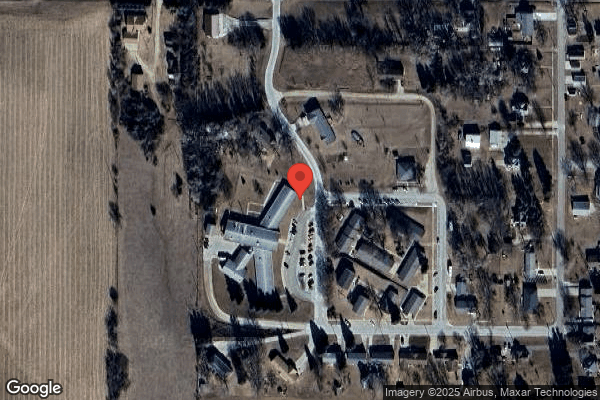
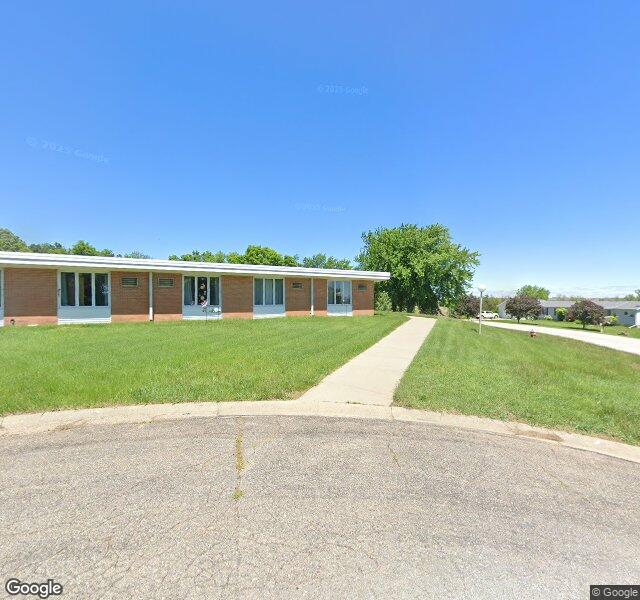
212 Sunrise Drive, Clarkson, NE 68629 (402) 892-3494
Non profit - Corporation 51 Beds Independent Data: November 2025
Trust Grade
58/100
#77 of 177 in NE
Last Inspection: August 2024

Within standard 12-15 month inspection cycle. Federal law requires annual inspections.

Overview

Clarkson Community Care Center in Clarkson, Nebraska has a Trust Grade of C, which means it is average and sits in the middle of the pack among nursing homes. It ranks #77 out of 177 facilities in Nebraska, placing it in the top half, and is the only nursing home in Colfax County. Unfortunately, the facility's trend is worsening, with issues increasing from 5 in 2023 to 6 in 2024. Staffing is a relative strength, with a turnover rate of 39%, lower than the state average, but RN coverage is concerning as it is less than 86% of other Nebraska facilities. The facility has received $15,593 in fines, which is higher than 86% of state facilities, indicating potential compliance issues. Specific incidents include a serious failure to provide a resident with the proper consistency of liquids, leading to a hospital visit, and concerns about hand hygiene practices that risk spreading infections among residents. Additionally, there was a failure to serve food at safe temperatures, which could lead to foodborne illnesses. Overall, while there are strengths in staffing, the facility has significant areas needing improvement in care practices and compliance.

Trust Score
C
58/100
In Nebraska
#77/177
Top 43%
Safety Record
Moderate
Needs review
Inspections
Getting Worse
5 → 6 violations
Staff Stability
○ Average
39% turnover. Near Nebraska's 48% average. Typical for the industry.
Penalties
✓ Good
$15,593 in fines. Lower than most Nebraska facilities. Relatively clean record.
Skilled Nurses
⚠ Watch
Each resident gets only 24 minutes of Registered Nurse (RN) attention daily — below average for Nebraska. Fewer RN minutes means fewer trained eyes watching for problems.
Violations
⚠ Watch
16 deficiencies on record. Higher than average. Multiple issues found across inspections.
★★★☆☆
3.0
Overall Rating
★★★☆☆
3.0
Staff Levels
★★☆☆☆
2.0
Care Quality
★★★☆☆
3.0
Inspection Score
Stable
2023: 5 issues
2024: 6 issues

The Good

  • Full Sprinkler Coverage · Fire safety systems throughout facility
  • No fines on record
  • Staff turnover below average (39%)

    9 points below Nebraska average of 48%

Facility shows strength in fire safety.

The Bad

3-Star Overall Rating

Near Nebraska average (2.9)

Meets federal standards, typical of most facilities

Staff Turnover: 39%

Near Nebraska avg (46%)

Typical for the industry

Federal Fines: $15,593

Below median ($33,413)

Minor penalties assessed

The Ugly 16 deficiencies on record

1 actual harm
Oct 2024 1 deficiency 1 Harm
SERIOUS (G) 📢 Someone Reported This

A family member, employee, or ombudsman was alarmed enough to file a formal complaint

Actual Harm - a resident was hurt due to facility failures

Quality of Care (Tag F0684)

A resident was harmed · This affected 1 resident

**NOTE- TERMS IN BRACKETS HAVE BEEN EDITED TO PROTECT CONFIDENTIALITY** Licensure Reference Number 175 NAC 12-006.9 Based on observations, interviews, and record reviews; the facility failed to follow...

Read full inspector narrative →
**NOTE- TERMS IN BRACKETS HAVE BEEN EDITED TO PROTECT CONFIDENTIALITY** Licensure Reference Number 175 NAC 12-006.9 Based on observations, interviews, and record reviews; the facility failed to follow Resident 1's physician orders regarding fluid consistency. The sample size was 3. The facility census was 27. Findings are: Record review of the facility's policy titled Thickened Liquids dated 2022, revealed that thickened liquids are needed for individuals with difficulty swallowing. Definitions included Nectar like liquids are mildly thick and Honey like liquids are moderately thick. Record review of the facility's Accident/Unusual Occurrence report completed on 10/27/24 at 8:30 PM revealed that Resident 1 was sent to the emergency room after noted to be coughing after drinking thin liquids. The resident's diet was nectar thick liquids. Record review of Resident 1's undated facility admission record revealed an original entry to facility on 1/16/2019 and that the resident was readmitted to the facility on [DATE] with a diagnosis of pneumonitis (swelling and irritation, or inflammation of the lung tissue) due to inhalation. Record review of Resident 1's Progress Notes dated 10/26/24 revealed that the resident was given thin liquids during snack time and then began to cough. Record review of Resident 1's Minimum Data Set (MDS - a comprehensive assessment of each resident's functional capabilities used to develop a resident's plan of care) dated 9/18/24 revealed: -moderate cognitive impairment, -no behaviors or no rejection of cares, -resident needs supervision with food and fluids. Record review of Resident 1's Comprehensive Care Plan revealed a focus with a revision date of 10/30/24 revealed a potential for altered hydration status related to dementia and dysphagia. Honey thick liquids ordered. Record review of Resident 1's Physician Orders revealed a diet order dated 10/28/24 for Honey consistency liquids. Interview on 10/31/24 at 9:29 AM with Certified Dietary Manager (CDM) confirmed that Resident 1 had an order of nectar thickened liquids before hospitalization and came back to the facility with honey thickened liquid order. Interview on 10/31/24 at 3:16 PM with Nursing Assistant (NA) - A confirmed that (gender) had given thin liquids to Resident 1 and it resulted in the resident admission to the hospital. An interview with the Director of Nursing (DON) on 10/31/24 at 3:59 PM confirmed the resident had a physician order for thickened liquids and was given thin liquids and should not have been.
Aug 2024 4 deficiencies
CONCERN (D) 📢 Someone Reported This

A family member, employee, or ombudsman was alarmed enough to file a formal complaint

Potential for Harm - no one hurt, but risky conditions existed

Assessment Accuracy (Tag F0641)

Could have caused harm · This affected 1 resident

**NOTE- TERMS IN BRACKETS HAVE BEEN EDITED TO PROTECT CONFIDENTIALITY** Licensure Reference Number 175 NAC 12.006.09B Based on observation, interview, and record review; the facility failed to code th...

Read full inspector narrative →
**NOTE- TERMS IN BRACKETS HAVE BEEN EDITED TO PROTECT CONFIDENTIALITY** Licensure Reference Number 175 NAC 12.006.09B Based on observation, interview, and record review; the facility failed to code the Minimum Data Set (MDS -a comprehensive assessment of each resident's functional capabilities used to develop a resident's plan of care) assessment to reflect the behavior of 1 (Resident 21) of 5 sampled residents. The facility census was 33 at the time of survey. Findings are: Record review of the Resident Assessment Instrument (RAI) User's Manual dated October 2023 revealed the following: -Code 1, behavior of this type occurred 1-3 days. -Steps for Assessment: -Review the medical record for the 7-day look-back period. -Interview staff, across all shifts and disciplines, as well as others who had close interactions with the resident during the 7-day look-back period, including family or friends who visit frequently or have frequent contact with the resident. -Observe the resident in a variety of situations during the 7-day look-back period. Record review of Resident 21's admission Record revealed an admission to the facility on 3/17/2022. Review of admission MDS dated [DATE] in Section C revealed a Brief Interview for Mental Status (BIMS - a test used to get a quick snapshot of a resident's cognitive function, scored from 0-15, the higher the score, the higher the cognitive function) score of 14, which indicated a mild cognitive impairment. Record review of Resident 21's MDS dated [DATE] in Section E behaviors not exhibited was marked for physical behaviors towards others and verbal behaviors: -No coded to the question: physical behavioral symptoms directed toward others. -No coded to the question: Verbal behavioral symptoms directed toward others. -No coded to the question: Other behavioral symptoms not directed toward others. Record review of Resident 21's nursing progress notes dated 8/7/24 revealed the resident had physical and verbal behaviors toward staff and other residents. Record review of Resident 21's Comprehensive Care Plan - (CCP- written instructions needed to provide effective and person centered care of the resident that meet professional standards of quality care) date initiated 4/18/22 revealed the resident has impaired thought processes. CCP date initiated 5/1/24 revealed behavior related to sexual phrases and inappropriate touching of other residents and staff. Record review of Resident 21's behavior monthly flow sheets for August 1-20th, 2024 revealed physical and verbal behaviors towards others documented on 8/7/24. Interview on 08/21/24 at 9:14 AM Licensed Practical Nurse (LPN) - E (who also completed the MDS) confirmed that Resident 21's behaviors documented on 8/7/24 were not marked on the MDS dated [DATE] and should have been. Interview on 08/21/24 at 9:19 AM the Director of Nursing (DON) confirmed that they use the RAI manual to ensure MDS accuracy. Interview on 08/21/24 at 09:21 AM the Social Services Director (SSD) confirmed the social work completed section E of the MDS and it was completed before the Assessment Reference Date (ARD) date and it did not include the behaviors that were documented on 8/7/24 and should have. It was further confirmed that the SSD does not look at the behavior monthly flow sheets or the target behaviors and there was no family or staff interviews done. Also confirmed there was no Social Service progress note during the assessment period of 8/1/24 through 8/8/24.
CONCERN (D) 📢 Someone Reported This

A family member, employee, or ombudsman was alarmed enough to file a formal complaint

Potential for Harm - no one hurt, but risky conditions existed

Deficiency F0660 (Tag F0660)

Could have caused harm · This affected 1 resident

**NOTE- TERMS IN BRACKETS HAVE BEEN EDITED TO PROTECT CONFIDENTIALITY** Licensure Reference Number NAC 12-006.090D Based on record reviews and interviews; the facility failed to obtain physician disch...

Read full inspector narrative →
**NOTE- TERMS IN BRACKETS HAVE BEEN EDITED TO PROTECT CONFIDENTIALITY** Licensure Reference Number NAC 12-006.090D Based on record reviews and interviews; the facility failed to obtain physician discharge orders, failed to prepare the resident and document plans for discharge, and failed to complete the discharge summary for 1 (Residnet 28) of 1 sampled resident prior to discharging the resident. The facility census was 33 at the time of survey. Findings are: Record review of the facility's policy titled Discharge Summary and Plan, dated December 2016 revealed that when a resident's discharge is anticipated a discharge plan will be completed. Record review of the facility's policy titled Discharge Documentation, dated December 2016 revealed that when a resident is discharged details of the discharge will be documented in the medical record. Record review of the facility's policy titled Discharge Summary and Plan, dated December 2016 revealed that a final summary of the resident's status will be completed at the time of discharge and will include a post discharge plan completed by the Interdisciplinary Team (IDT) and the resident/representative will be involved in the planning process. Record review of Resident 28's Discharge summary dated [DATE] revealed the resident discharged from the long term care facility to assisted living on 6/17/24. Record review of Resident 28's Minimum Data Set (MDS-a comprehensive assessment of each resident's functional capabilities used to develop a resident's plan of care) dated 5/8/24 revealed a Brief Interview for Mental Status (BIMS-a test used to get a quick snapshot of a resident's cognitive function, scored from 0-15, the higher the score, the higher the cognitive function) score of 14, which may indicate a mild cognitive impairment. Record review of Resident 28's Comprehensive Care Plan (CCP-written instructions needed to provide effective and person centered care of the resident that meet professional standards of quality care) dated 2/2/18 revealed plans for long term care placement. Record review of Resident 28's physician orders dated 6/17/24 revealed no physician order for discharge for Resident 28. Record review of Resident 28's Care plan meeting note dated 3/14/24 revealed the careplan team met with the resident and the resident's representative and did not discuss plans to discharge. Interview on 08/21/24 at 11:42 AM the Director of Nursing (DON) confirmed there was no discharge orders or transfer sheet completed for Resident 28 prior to discharge and there should have been. Interview on 08/21/24 at 03:04 PM the Social Services Director (SSD) confirmed that there was no discharge planning for Resident 28 to move from the long term care to the assisted living. It was further confirmed that discharge was not discussed in the care plan meetings for Resident 28 and that the discharge summary was not completed upon discharge for Resident 28. Interview on 08/22/24 at 08:03 AM with the resident representative revealed that (gender) was not involved in any discharge planning assistance or teaching. It was further confirmed that discharge plans were not discussed in the careplan meetings for Resident 28.
CONCERN (E) 📢 Someone Reported This

A family member, employee, or ombudsman was alarmed enough to file a formal complaint

Potential for Harm - no one hurt, but risky conditions existed

Deficiency F0923 (Tag F0923)

Could have caused harm · This affected multiple residents

**NOTE- TERMS IN BRACKETS HAVE BEEN EDITED TO PROTECT CONFIDENTIALITY** Licensure Reference Number 175 NAC 12-007.04D Based on observations and interviews; the facility failed to ensure bathroom venti...

Read full inspector narrative →
**NOTE- TERMS IN BRACKETS HAVE BEEN EDITED TO PROTECT CONFIDENTIALITY** Licensure Reference Number 175 NAC 12-007.04D Based on observations and interviews; the facility failed to ensure bathroom ventilation systems were functioning, preventing lingering odors from permeating for 11 (rooms 201, 202, 203, 204, 205, 207, 209, 210, 211, 212-and 214) of 12 rooms sampled. The facility census was 33. Findings are: Observations of the ventilation system in the residents bathroom's 201, 202, 203, 204, 205, 207, 209, 210, 211, 212-and 214 on 8/19/24 at 8:00 AM using 1 square ply of toilet paper revealed the ventilation system in the bathrooms were not functioning. Observations of the ventilation system in the residents bathroom's 201, 202, 203, 204, 205, 207, 209, 210, 211, 212-and 214 on 8/20/24 at 8:00 AM using 1 square ply of toilet paper revealed the ventilation system in the bathrooms were not functioning. Observations of the ventilation system in the residents bathroom's 201, 202, 203, 204, 205, 207, 209, 210, 211, 212-and 214 on 8/21/24 at 8:00 AM using 1 square ply of toilet paper revealed the ventilation system in the bathrooms were not functioning. Interview on 8/22/24 at 1:30 PM with the Maintenance Director confirmed that the ventilation system did not draw a 1 square ply of toilet paper in the bathrooms in room [ROOM NUMBER], 202, 203, 204, 205, 207, 209, 210, 211, 212-and 214. The maintenance director confirmed that the system is checked monthly as a safety check but that there is no documentation that the ventilation system in residents bathrooms were checked regularly to ensure they were operational.
CONCERN (F) 📢 Someone Reported This

A family member, employee, or ombudsman was alarmed enough to file a formal complaint

Potential for Harm - no one hurt, but risky conditions existed

Infection Control (Tag F0880)

Could have caused harm · This affected most or all residents

Licensure Reference Number 175 NAC 12-006.18B Licensure Reference Number 175 NAC 12-006.17D Based on observation, record review, and interviews; the facility failed to utilize handwashing and gloving ...

Read full inspector narrative →
Licensure Reference Number 175 NAC 12-006.18B Licensure Reference Number 175 NAC 12-006.17D Based on observation, record review, and interviews; the facility failed to utilize handwashing and gloving techniques to prevent the potential for cross contamination during the provision of care for 3 (Residents 2,11, and 14) of 12 residents sampled. The facility also failed to develop and implement policies and procedures to prevent and protect residents from an onset of the communicable disease Legionella (a bacteria that thrives in water, that has the potential to cause Legionnaires Disease, a type of pneumonia). This had the potential to affect all the residents. The facility failed to prevent the potential for cross contamination for staff testing for Covid. The facility census was 33. Findings Are. A. A review of the facilities Infection Prevention and Control Program policy dated 7/9/2024 revealed the following for Standard Precautions practice: -All staff should assume that all residents are potentially infected or colonized with an organism. -Hand hygiene is to be performed per facility policy -PPE should be used per facility policy. A review of the facilities Handwashing/Hand Hygiene policy dated 2001 revealed that hand hygiene must be performed: -Before and after performing any nonsurgical invasive procedures or an invasive device. -Before handling clean or soiled dressings, gauze pads etc. -Before moving from a contaminated body site to a clean body site during res care. -After contact with res intact skin, blood, or bodily fluids, -After contact with objects in the immediate vicinity of the resident. -Before and after isolation precaution settings. -After handling used or contaminated dressings or equipment. -After removing gloves. A review of the facility competency Matrix-Finger Stick -Glucose Level Competency dated 2006, revealed the following steps for the procedure: -Perform Hand Hygiene and gather supplies. -Place glucose meter on a clean barrier. -Put on gloves prior to procedure and obtaining the blood. -Remove gloves and wash hands when procedure completed. A review of the policy Glucometer Disinfection dated 2020 revealed the following: -Glucometers should be cleaned and disinfectant wipe after each use leaving the disinfectant on the machine so that it dries. An observation on 8/20/24 at 11:30 AM the Liscensed Practical Nurse (LPN)-A placed a glucometer on Resident 11's table without a barrier. LPN-A performed a finger stick (a minimally invasive procedure that involves pricking the fingertip to collect a small amount of blood for testing) for Resident 11 glucose reading without gloves on. LPN-A then placed the blood drop onto the glucometer testing strip, and then removed the testing strip with blood and held it in [gender] bare hand while walking to the medication cart located in the hallway. LPN-A then opened the sharps container lid and placed the testing strip in the container. LPN then placed the glucometer in the medication cart draw. Observation did not reveal LPN-A cleaning the glucometer prior to storage. Next LPN-A touched the following without performing hand hygiene: -sides of the med cart, -top of the med cart, -computer keyboard, -computer screen, -keys to the med cart, -med cart lock, -drawer for the glucometer storage. An Interview conducted on 8/20/24 at 12:21 PM with LPN-A confirmed the following: -The glucometer was not placed onto a barrier. -No gloves were worn with Resident 11 while perfoming a fingerstick and appliying blood onto the test strip. -No gloves were worn to carry the used testing supplies back to the medication cart for disposal. -That the glucometer machine was not cleaned after use nor prior to storage in medication cart drawer. LPN-A also confirmed the following items were then touched prior to performing any hand hygiene was completed: -The sharps container, -The top and sides of the med cart, -The computer keyboard and screen, -The keys and lock to the med cart, -The drawer for the glucometer storage. An interview on 08/21/24 at 1:00 PM with LPN-E revealed LPN-A should have completed hand hygiene and wore gloves prior, during and after residnet cares per facility policy and CDC recommendations. LPN-E further revealed that the facility follows CDC guidelines and standards of care. An interview on 8/21/24 at 1:15 PM with the DON confirmed that it is the expectation that items used for glucose testing should be disposed of while wearing gloves, and the glucometer is to be disinfected prior to storage. DON also confirmed it is the expectation of all the staff to complete hand hygiene and use gloves prior to, during, and after any procedure involving resident cares, or any process in which Standard Precautions would be applied. B. An observation on 8/20/24 at 12:30 PM of LPN-A administering medications through a Gastrostomy tube (GT a tube placed into the stomach that can be accessed on the outside of the body, used for nutrition and medication administration) for Resident 2 was completed. The LPN-A did not perform hand hygiene nor complete a glove change between the following steps of the procedure: -After auscultation (listen to) for the GT placement and before checking a wound dressing site surrounding the GT. -When LPN-A touched a wound dressing (that was saturated with a thick greenish red drainage, and the GT port entry was a strawberry red color), replacing it, then gathered wound care supplies. -When LPN-A gathered wound care supplies to change the wound dressing. -When LPN-A changed a wound dressing, and then completed medication administration per GT. The following items in the resident's room were touched while LPN-A was gathering supplies and in the process of a procedure wore the same gloves. -The bedside table. -The residents gown. -The residents' linens. -The resident pillow -The closet door. -The cartons that the dressings were in. -The clean dressing supplies. -Drawer to the bedside stand. -The GT port access. -The abdominal binder. An interview on 08/21/24 at 1253 AM with LPN -A confirmed that the following noted steps/procedures were completed without hand hygiene and that the same gloves at been worn for the following: -From GT auscultation to GT wound care, - When obtaining supplies - When changing the GT wound dressing - When administering the medications through a GT. LPN-A then confirmed that the following items in the resident's room were touched with the contaminated gloves. -The bedside table. -The residents gown. -The residents' linens. -The resident pillow -The closet door. -The cartons that the dressings were in. -The clean dressing supplies. -Drawer to the bedside stand. -The GT port access. -The abdominal binder. -The bedside table. An interview on 08/21/24 at 1:00 PM with LPN-E confirmed that per facility policy and CDC recommendations, that LPN-A was to use hand hygiene and wear gloves before any procedure that involves blood or body fluids. LPN-E states that the facility follows CDC guidelines and standards of care. An interview on 8/21/24 at 1:15 PM with the DON confirmed that it is the expectation that items used for glucose testing should be disposed of while wearing gloves, and the glucometer is to be disinfected prior to storage. DON also confirmed it is the expectation of all the staff to complete hand hygiene and use gloves prior to, during, and after any procedure involving resident cares, or any process in which Standard Precautions would be applied. C. A review of the undated Catheter Care Policy revealed the following: -perform hand hygeine and don clean gloves prior to procedure, -pull back the foreskin and use a clean wipe to wipe around the meatus with an outward motion, then continue on down the penis shaft, -Remove gloves and perform hand hygiene. An observation on 8/21/24 at 10:15 AM of Nurse Aide-B providing perineal and catheter cares on Resident 14. NA-B completed the upper body bathing and dressing. The supplies were gathered for the resident cares. NA-B did not remove gloves after bathing Resident 14. During the observation NA-B touched the bed frame, headboard, call light, bed remote, and the packages containing the supplies for cares using the same gloves. NA-B then removed Resident 14's brief for disposal touching the inside of the brief while removing it from underneath the resident The brief was soiled with urine. NA-B put the brief in the trash and then performed peri care (the practice of washing the genital and anal areas of the body). NA -B completed the peri care, dried the areas with a towel and then stated to provide foley catheter cares. There was not a doffing (taking off) of gloves and hand hygiene in between procedures. NA-B then completed peri cares. When these procedures were completed, the NA gathered the supplies and placed the on the bedside table and the sink located in the resident's room. NA-B then doffed gloves and washed hands. An interview on 8/21/24 at 10:30, with NA-B confirmed that there was not a glove change prior to providing peri care, and that again gloves were not changed prior to catheter cares. NA-B confirmed that gloves worn throughout both provisions were used initially for the bathing and dressing of Resident 14's upper body. The NA also confirmed [gender] touched or handled of the following with dirty gloves: -The residents headboard and bedframe. -The residents call light. 'The remote to the bed. -The packages that contained the cleansing supplies. NA-B also confirmed that there was contact with her gloved hands to the inner portion of the soiled brief and hand hygiene was not completed. An interview on 08/21/24 at 1:00 PM with LPN-E confirmed that per facility policy and CDC recommendations, staff are to use hand hygiene and wear gloves before any procedure that involves blood or body fluids, or the possibility of a communicable disease. LPN-E states that the facility follows CDC guidelines and standards of care. An interview on 8/21/24 at 1:15 PM with the DON confirmed that it is the expectation for all the staff to complete hand hygiene and use gloves prior to, during, and after any procedure that they are performing resident cares and may be exposed to blood, body fluids, and/or a communicable disease. That the facility follows the CDC recommendations for Standard Precautions and infection control. D. A review of the Infection Prevention and Control Program policy dated 2024 revealed under #17-Water Management: - A water management program has been established as part of the overall infection prevention and control program -Control measures and testing protocols are to be in place to address potential hazards An interview on 08/20/24 at 8:47 AM with the Maintenance Director (MD) confirmed that there is not a Water Management Program for Legionella at the facility. An interview on 8/21/24 at 1330 with the DON confirmed that there is not a water management program for Legionella at this time. A review of the policy Coronavirus testing dated 2020 and under the section Conducting Testing #5 states the following: -The facility will maintain proper infection control and use recommended personal protective equipment (PPE). E. A further review of the policy under Documentation of Testing letter H revealed the following: -The facility will document staff test results in a secure manner. An observation on 8/22/24 at 08:15 AM of the facilities nurse's station (located just inside the entrance of the facility) revealed the following: -Covid testing kits located behind the counter and accessible to anyone. -2 used tests on the desk top complete with name of staff member, results showing in plain sight, and no barrier underneath the used tests. -A list of employee's names that had tested, as well the test results. In plain sight. -No hand sanitizer, no gloves, no other forms of PPE (Personal Protective Equipment) (supplies used to protect one from communicable disease.). were located near where the employees were completing these tests. -No disinfecting wipes of any kind located near the covid station. -No staff were within eyesight. An interview on 8/22/24 at 8:30 AM with LPN-E confirmed that the testing station was not in an appropriate location, and that there was a list of documented staff information with the results of testing laying on top of the desk in view of Covid testing supplies, used covid tests long the nurse's station, and no barrier underneath. Also confirmed that there was not appropriate testing equipment out as missing was the antibacterial wipes or cleansing solution, no Personal Protective Equipment (PPE) (Protects a person from communicable disease). F. Observation on 08/22/24 07:15 AM Upon entering the facility the Dietary Manager was at the nurse's desk with 2 other staff members testing for COVID. The Test kits were sitting behind the nurse's desk. Staff then opened the COVID test kit and without gloves tested themselves. No gloves were used when they tested themselves and no barrier was placed down on the nurse's desk where they laid their test after swabbing their noses. There was no sanitizer anywhere by the nurse's desk. The sign in sheet on the desk with names of staff and results of the COVID test had 10 staff members on the list. An interview on 8/22/24 at 8:30 AM with the Infection control nurse confirmed that the testing for COVID was not to be done at the nurse's desk and that barriers and gloves should have been used and the barriers and gloves was not used.
May 2024 1 deficiency
CONCERN (E) 📢 Someone Reported This

A family member, employee, or ombudsman was alarmed enough to file a formal complaint

Potential for Harm - no one hurt, but risky conditions existed

Abuse Prevention Policies (Tag F0607)

Could have caused harm · This affected multiple residents

Licensure Reference Number 175 NAC 12-006.04B1 Based on record reviews and interviews, the facility failed to ensure new employees were trained on abuse for 7 (DA-A, NA-B, DA-C, DA-D, NA-E, NA-H DA-I ...

Read full inspector narrative →
Licensure Reference Number 175 NAC 12-006.04B1 Based on record reviews and interviews, the facility failed to ensure new employees were trained on abuse for 7 (DA-A, NA-B, DA-C, DA-D, NA-E, NA-H DA-I ) of 9 sampled employees.The facility census was 28. Findings are: Record Review of Abuse, Neglect and Exploitation dated 9/2017 revealed: 4. Employee Training a. New employees should be educated on abuse, neglect, and exploitation during initial orientation. Annual education and training is provided to all existing employees. Front line supervisors or other department heads should provide education as situations arise. 5. Prevention of Abuse, Neglect, and Exploitation - The facility will consider utilization of the following tips for prevention of abuse, neglect, and exploitation of residents. d. Provide education of what constitutes abuse, neglect, and misappropriation. Record review of 7 personnel files of employees that have worked at the facility less than 4 months revealed no documentation of abuse training for the following new employees: DA-A was hired on 3/29/24, NA-B was hired on 4/30/24, DA-C was hired on 4/2/24, DA-D was hired on 1/24/24, NA-E was hired on 2/12/24, NA-H was hired on 2/7/24, DA-I was hired on 4/2/24. In an interview with the Interim Director of Nursing on 5/16/24 at 3:45 PM confirmed the above staff didn't do the education on abuse. In an interview with the Administrator on 5/16/24 at 3:56 PM revealed that the staff were to complete the abuse training within the first month of employment. The administrator confirmed her expectations now were to have the new employees complete the abuse education prior to starting on the floor.
Sept 2023 5 deficiencies
CONCERN (D)

Potential for Harm - no one hurt, but risky conditions existed

Notification of Changes (Tag F0580)

Could have caused harm · This affected 1 resident

**NOTE- TERMS IN BRACKETS HAVE BEEN EDITED TO PROTECT CONFIDENTIALITY** Licensure reference number 175 NAC 12-006.04C3a Based on record review, observations, and interviews, the facility failed to no...

Read full inspector narrative →
**NOTE- TERMS IN BRACKETS HAVE BEEN EDITED TO PROTECT CONFIDENTIALITY** Licensure reference number 175 NAC 12-006.04C3a Based on record review, observations, and interviews, the facility failed to notify the physician of change in condition for 1 (Resident #10) of 1 resident sampled. The facility staff have identified the census to be 37. The findings are: Record review of the policy titled Change in a Resident's Condition or Status last revised 5/2017 revealed the nurse will notify the resident's Physician when there has been a significant change in the resident's physical, emotional, and mental condition or a need to alter the resident's medical treatment significantly. Record review of the policy titled Surveillance for Infections last revised 7/2017 revealed that nursing staff will monitor residents for signs and symptoms that may suggest infection and will report it to the Charge Nurse as soon as possible. The Charge Nurse will notify the Physician and the Infection Preventionist (IP) of suspected infections who will then determine if laboratory tests are indicated and whether special precautions are warranted. Record review of Resident #10's Diagnosis Report (no date provided) revealed Resident #10 admitted on [DATE] with a diagnosis of chronic combined systolic congestive and diastolic heart failure (Systolic heart failure, the heart muscle cannot produce enough pressure in the contraction phase to push blood into circulation. Diastolic heart failure, the ventricles cannot relax, expand or fill with enough blood. Combined is a combination of the two). Record review of Resident # 10's Minimum Data Set (MDS) (which is a classification system which allows for the standardized collection of essential nursing data) dated 7/18/23 revealed Resident's Brief Interview for Mental Status (BIMS) (which is a brief cognitive screening measure that focuses on orientation and short-term recall) score of 11 out of 15 indicating Resident #10 had moderate cognitive impairment. Resident #10 was an extensive one person assist for bed mobility, transfers, dressing, toileting. Resident needs limited assistance with walking. Record review of Resident #10's Physician Orders on the Medication Administration Record (MAR) and Treatment Administration Record (TAR) for the month of September revealed orders for Oxygen to be administered by nose at 2 liters of oxygen per minute as needed for dyspnea (which is difficulty breathing or labored breathing). Record review of Resident #10's progress noted dated 9/19/2023 at 9:50 PM revealed Resident had emesis (vomiting) this evening around 6:45 PM. Resident was chilled and was having a cough. Resident blood pressure was elevated at 170/90. Resident O2(oxygen) saturation (which is a measure of how much hemoglobin is currently bound to oxygen compared to how much hemoglobin remains unbound) was 87% on room air (normal range for oxygen saturation is 90-100%). Resident had a temperature of 99.2 degrees Fahrenheit. Resident was given Zofran (for nausea) and acetaminophen (for pain or fever). Resident was tested for COVID, and it was negative. Resident had order for oxygen at 2L (liters) for SOB (shortness of breath). Oxygen was applied and resident O2 went up to 90%. Follow up for resident states that resident is feeling well. Resident did not have any more emesis and request MiraLAX. Record review of progress note dated 9/20/2023 at 10:45 PM revealed when Resident #10 taken off oxygen Resident's oxygen saturation dropped from 92% to 88% after 2 minutes so oxygen was re-applied. Resident #10's lung sounds were clear with no cough. Record review of progress note dated 9/21/2023 at 4:01 PM revealed Resident #10 continued to use oxygen and cough was present and lung sounds were clear with no fever present. Record review of progress note dated 9/23/2023 at 7:24 AM revealed Resident # 10 has a cough and resident's oxygen saturation was between 85-88% on room air, but lungs sounds remained clear with no labored breathing or fever noted. Record review of progress note dated 9/24/2023 at 1:07 PM revealed that Resident #10's lungs sounds are diminished in lower lobes of lungs, but resident was maintaining oxygen saturation of 91% on room air. An observation on 9/20/23 at 9:45 AM resident sounded congested when speaking, and resident was using oxygen. An observation on 9/21/23 at 9:38 AM resident was in recliner has oxygen on talking with housekeeper HK-A. An observation on 9/25/23 at 10:40 AM resident was in recliner with oxygen on. An interview on 9/20/23 at 9:45 AM with Resident #10 revealed that Resident #10 has a cold and has been coughing and sneezing. An interview on 09/21/23 at 1:45 PM with Resident #10 revealed that Resident #10 continues to have a cough and felt tired. An interview on 09/21/23 at 1:18 PM with Licensed Practical Nurse (LPN)-B revealed that since Resident #10 had an as needed oxygen order and is maintaining oxygen saturations on oxygen, they would not notify the physician until there is a change in the resident's lung sounds or has a fever. An interview on 9/21/23 at 1:31 PM with the Director of Nursing (DON) revealed that since Resident #10 did not have a change in lung sounds and no fever present, the DON would expect the staff to continue to monitor the resident. An interview on 9/25/23 at 11:51 AM with Infection Preventionist (IP) revealed Resident #10 had vomited which caused the resident's cough. Resident #10's cough has become more productive and lung sounds have diminished overnight. Resident was not using oxygen over the weekend but needed this morning, so it was re-applied, and the physician was contacted for an appointment today due to ongoing symptoms. Record review of progress noted dated 9/26/23 at 12:29 AM revealed Resident #10 had a new diagnosis of pneumonia and was started on antibiotics.
CONCERN (D)

Potential for Harm - no one hurt, but risky conditions existed

Transfer Notice (Tag F0623)

Could have caused harm · This affected 1 resident

Licensure Reference Number 175NAC 12-006.05(5) Based on record review and interview, the facility failed to provide a written notice of transfer to the resident and/or resident representative upon tra...

Read full inspector narrative →
Licensure Reference Number 175NAC 12-006.05(5) Based on record review and interview, the facility failed to provide a written notice of transfer to the resident and/or resident representative upon transfer to the hospital for 1 (Resident 18) of 1 sampled resident. The facility census was 37. Findings are: Record review of Resident 18's progress note, dated 9/2/23 at 5:00 PM, revealed that Resident 18 had been transferred to the hospital due to fever, no urine output and abdominal distention. Record review of Resident 18's progress note, dated 9/3/23 at 11:26 AM, revealed that Resident 18 had been admitted to the hospital. Record review of Resident 18's electronic health record (EHR) revealed no documentation that a written notice of transfer was provided to the resident and/or resident representative upon transfer to the hospital on 9/2/23. An interview on 09/25/23 at 11:38 AM, the Administrator confirmed that a written notice of transfer was not completed for Resident 18 upon transfer to the hospital on 9/2/23.
CONCERN (D)

Potential for Harm - no one hurt, but risky conditions existed

Comprehensive Assessments (Tag F0636)

Could have caused harm · This affected 1 resident

**NOTE- TERMS IN BRACKETS HAVE BEEN EDITED TO PROTECT CONFIDENTIALITY** Licensure Reference Number 175NAC 12-006.09B1(1) Licensure Reference Number 175NAC 12-006.09B1(3) Based on record review and int...

Read full inspector narrative →
**NOTE- TERMS IN BRACKETS HAVE BEEN EDITED TO PROTECT CONFIDENTIALITY** Licensure Reference Number 175NAC 12-006.09B1(1) Licensure Reference Number 175NAC 12-006.09B1(3) Based on record review and interview, the facility failed to ensure that an admission Minimum Data Set (MDS- a mandatory comprehensive assessment tool used for care planning) for 1 (Resident 20) and an annual MDS was completed within the regulatory time frame for 2 (Residents 3 and 21) of 9 residents reviewed. The facility census was 37. Findings are: Review of the Centers for Medicare and Medicaid Services (CMS) RAI manual version v1.17.1, dated October 2019, revealed that completion of an admission MDS must be within 14 calendar days of the resident's admission. In addition, an Annual MDS must be completed within 14 days of the Assessment Reference Date (ARD). Review of the facility policy, Resident Assessment Instrument, dated September 2010, revealed the following: -1. The Assessment Coordinator is responsible for ensuring that the Interdisciplinary Assessment Team conduct timely resident assessments and reviews according to the following schedule: a. Within fourteen (14) days of the resident's admission to the facility; d. Once every twelve (12) months. A. Review of the electronic health record (EHR) for Resident 20 revealed that Resident 20 was readmitted to the facility on [DATE] after a psychiatric hospital stay. Review of the EHR for Resident 20 revealed that an admission MDS was set with an ARD of 6/5/23. The MDS should have been completed no later than 6/18/23. The status of the MDS was documented as complete on 6/20/23. In an interview on 9/25/23 at 11:26 AM the Director of Nursing (DON) confirmed that Resident 20's admission MDS had not been completed within 14 days of the resident's readmission and that it should have been. The interview further revealed that the RAI Manual is used for guidance on MDS completion for all residents. B. Review of the admission Record for Resident 3 revealed that Resident 3 admitted to the facility on [DATE]. Review of the EHR for Resident 3 revealed that an annual MDS was set with an ARD of 5/23/23. The MDS should have been completed no later than 6/5/23. The status of the MDS was documented as completed on 7/10/23. In an interview on 9/25/23 at 2:06 PM the DON confirmed that Resident 3's annual MDS had not been completed within 14 days of the ARD and that it should have been. C. Review of the admission Record for Resident 21 revealed that Resident 21 admitted to the facility on [DATE]. Review of the EHR for Resident 21 revealed that an annual MDS was set with an ARD of 8/1/23. The MDS should have been completed no later than 8/14/23. The status of the MDs was documented as completed on 8/30/23. In an interview on 9/25/23 at 12:52 PM the Administrator confirmed that Resident 21's annual MDS had not been completed within 14 days of the ARD and that it should have been.
CONCERN (D)

Potential for Harm - no one hurt, but risky conditions existed

Infection Control (Tag F0880)

Could have caused harm · This affected 1 resident

**NOTE- TERMS IN BRACKETS HAVE BEEN EDITED TO PROTECT CONFIDENTIALITY** Licensure reference number 175 NAC 12-006.17A Based on record review, observations and interviews, the facility failed to maint...

Read full inspector narrative →
**NOTE- TERMS IN BRACKETS HAVE BEEN EDITED TO PROTECT CONFIDENTIALITY** Licensure reference number 175 NAC 12-006.17A Based on record review, observations and interviews, the facility failed to maintain transmission-based precautionjs to prevent the spread of Covid-19 for 1 (Resident #10) of 1 sampled resident. The facility staff have identified the census to be 37. The findings are: Record review of the policy titled Surveillance for Infections last revised 7/2017 revealed that nursing staff will monitor residents for signs and symptoms that may suggest infection and will report it to the Charge Nurse as soon as possible. The Charge Nurse will notify the Physician and the Infection Preventionist (IP) of suspected infections who will then determine if laboratory tests are indicated and whether special precautions are warranted. Record review of policy titled Isolation-Initiating Transmission-Based Precautions last revised 1/2012 revealed if a resident is suspected, of having a communicable infectious disease the Charge Nurse will notify the IP and resident's Physician for appropriate Transmission-Based Precautions (TBP). TBP shall remain in effect until the Physician or IP discontinues them. Record review of policy titled Isolation-categories of Transmission-Based Precautions last revised 1/2012 revealed that for droplet precautions for a resident suspected to be infected with microorganisms transmitted by droplet that can be generated by an individual coughing, sneezing, talking. If there is no private or cohort (another resident with same infection) room available, then use a privacy curtain and maintain 3 feet of space from other residents. In addition to standard precautions staff and visitors should wear a mask in the room. An interview on 9/20/23 at 9:45 AM with Resident #10 revealed, Resident #10 has a cold with coughing and sneezing. An observation on 9/20/23 at 9:45 AM revealed Resident #10 sounded congested, and the privacy curtain was not drawn between resident and roommate. There was no isolation precautions signage on door. Record review of Resident #10's Diagnosis Report (no date provided) revealed Resident #10 admitted on [DATE] with diagnosis of chronic combined systolic congestive and diastolic heart failure (Systolic heart failure, the heart muscle cannot produce enough pressure in the contraction phase to push blood into circulation. Diastolic heart failure, the ventricles cannot relax, expand or fill with enough blood. Combined is a combination of the two). Record review of Resident # 10's Minimum Data Set (MDS) (which is a classification system which allows for the standardized collection of essential nursing data) dated 7/18/23 revealed Resident's Brief Interview for Mental Status (BIMS) (which is a brief cognitive screening measure that focuses on orientation and short-term recall) score of 11 out of 15 indicating moderate cognitive impairment. Resident #10 is an extensive one person assist for bed mobility, transfers, dressing, toileting. Resident needs limited assistance with walking. Record review of Resident #10's Care Plan (which is where you can summarize a person's health conditions, specific care needs, and current treatments) date initiated 5/27/2020 revealed that the Resident #10 is at risk for infection, signs and symptoms of Covid-19. Interventions are as follows: to follow the facility protocol for Covid-19 screening and precautions, observe for psychosocial and mental status changes and document, test when any signs or symptoms are reported, and verbally ask and observe for signs and symptoms of Covid-19 and document and promptly report any fever, cough, headache, sore throat, or respiratory distress. Record review of Medication Administration Record (MAR) and Treatment Administration Record (TAR) dated 9/2023 revealed that from September 1st to September 21st question of Does the resident have any signs or symptoms of covid? If yes do a full covid assessment every day and evening shift. was documented as no for any signs and symptoms of Covid-19. Record review of Resident #10's Progress Note dated 9/19/2023 at 9:50 PM revealed a Covid-19 antigen test was performed and resulted negative. Resident #10 symptoms were emesis, cough, elevated blood pressure, oxygen saturations of 87% on room air, temperature of 99.2 and the resident felt chilled. Record review of Resident #10's Progress Note dated 9/21/2023 at 4:01 PM revealed a Covid-19 antigen test was performed and resulted negative. Record review of Resident #10's Progress Note dated 9/23/2023 at 7:24 AM revealed Resident #10 has a cough, and oxygen saturation between 85-88% on room air. Record review of Resident #10's Progress note dated 9/25/2023 at 3:27 AM revealed resident has productive cough, oxygen saturation between 88-89% on room air and diminished lung sounds. A Covid-19 antigen test was performed and resulted negative. Record review of Resident Assessments revealed no Covid Screen was completed on 9/19/2023. An observation on 9/21/23 at 9:38 AM revealed resident in recliner with oxygen on and talking with housekeeper HK-A with no mask on HK-A. There was no isolation precautions signage on door. An observation on 9/21/23 at 1:45 PM revealed the privacy curtain was not drawn between the resident and roommate. An observation on 9/25/23 at 10:40 AM revealed Resident #10 in recliner with oxygen on and the privacy curtain was not drawn between resident and roommate. An interview on 9/21/23 at 1:45 PM with Resident #10 revealed, Resident #10 continues to have a cough and feels tired. An interview on 9/21/23 at 1:31 PM with Director of Nursing (DON) revealed the resident with signs and symptoms of Covid-19 would stay in their room and keep the curtain drawn between the infected resident and roommate until all Covid-19 antigen test have resulted negative. The DON was not certain if staff would mask to care for the resident. An interview on 9/21/23 at 1:31 PM with the Administrator (ADM) revealed the residents with signs and symptoms of Covid-19 would stay in their room and keep the curtain drawn between the infected resident and roommate until all Covid-19 antigen test have resulted negative. The ADM was not certain if staff would mask to care for the resident. An interview on 9/21/23 at 1:58 PM with DON revealed that every evening on Treatment Administration Record (TAR) staff ask residents if they have any signs or symptoms of Covid-19. If the answer is yes then staff are expected to complete a Covid assessment and test the resident. An interview on 9/25/23 at 11:51 AM with the IP revealed that on the TAR every shift staff are to document if a resident has a cough or any other symptoms that is not baseline to the resident. The staff are to then perform a Covid-19 antigen test and complete Covid-19 Screen. While a resident has symptoms, they will stay in room their room. If the resident is not getting better, then would send to provider and collect PCR test and resident would be considered light red zone isolation until PCR results negative. Staff are required to wear a surgical mask during cares with residents until 3 negative tests were completed with 48 hours (hrs) between each test. If after the test are completed and resident continues to have signs and symptoms, the staff would continue to wear mask until symptoms resolve. Staff made aware of what residents are being tested through shift reports so that the door to resident room is shut and staff are wearing mask. IP revealed that Resident #10 did not have a Covid Screen completed due to there was no concern the resident had Covid-19 because resident had vomited which caused the cough. IP did confirm that since the staff were testing Resident #10 for Covid-19 they should have been wearing mask. Record review of policy titled Covid-19 Prevention Response and Reporting last revised 7/5/23 revealed that staff will monitor for signs of Covid-19 such as cough, shortness of breath, nausea or vomiting, congestion or runny nose, sore throat and diarrhea. The facility will establish a process to manage residents with suspected or confirmed Covid-19 by ensuring everyone is aware of recommended infection precautions by posting signs. When caring for a resident with suspected Covid-19 infection resident placement in a single room and recommended personal protective equipment (PPE) should be considered, even before results of diagnostic testing. Staff who enter the room of suspected Covid-19 infection should adhere to standard precautions and use approved respirator with N95 filters or higher, gown, gloves and eye protection.
CONCERN (E)

Potential for Harm - no one hurt, but risky conditions existed

Deficiency F0638 (Tag F0638)

Could have caused harm · This affected multiple residents

**NOTE- TERMS IN BRACKETS HAVE BEEN EDITED TO PROTECT CONFIDENTIALITY** Licensure Reference Number 175NAC 12-006.09B Based on record review and interview, the facility failed to complete a quarterly M...

Read full inspector narrative →
**NOTE- TERMS IN BRACKETS HAVE BEEN EDITED TO PROTECT CONFIDENTIALITY** Licensure Reference Number 175NAC 12-006.09B Based on record review and interview, the facility failed to complete a quarterly Minimum Data Set (MDS- a mandatory comprehensive assessment tool used for care planning) within the regulatory time frame for 7 (Residents 1, 3, 6, 16, 18, 22, and 29) of 9 residents reviewed. The facility census was 37. Findings are: Record review of the Centers for Medicare and Medicaid Services (CMS) RAI manual version v1.17.1, dated October 2019, revealed that a Quarterly MDS is used to track the resident's status between comprehensive assessments, and to ensure monitoring of critical indicators of the gradual onset of significant changes in resident status. The MDS completion date must be no later than 14 days after the Assessment Reference Date (ARD). Review of the facility policy, Resident Assessment Instrument, dated September 2010, revealed the following: 1. The Assessment Coordinator is responsible for ensuring that the Interdisciplinary Assessment Team conduct timely resident assessments and reviews according to the following schedule: c. At least quarterly A. Review of the admission Record for Resident 1 revealed that Resident 1 admitted to the facility on [DATE]. Review of the electronic health record (EHR) for Resident 1 revealed that a quarterly MDS was set with an ARD of 7/11/23. The MDS should have been completed no later than 7/24/23. The status of the MDS was documented as completed on 7/30/23. B. Review of the admission Record for Resident 3 revealed that Resident 3 admitted to the facility on [DATE]. Review of the electronic health record (EHR) for Resident 3 revealed that a quarterly MDS was set with an ARD of 8/22/23. The MDS should have been completed no later than 9/4/23. The status of the MDS was documented as not complete as of 9/25/23. In an interview on 9/25/23 at 2:06 PM, the Director of Nursing (DON) confirmed that Resident 3's quarterly MDS had not been completed within 14 days of the ARD and that it should have been. The interview further revealed that the RAI Manual is used for guidance on MDS completion for all residents. C. Review of the admission Record for Resident 6 revealed that Resident 6 admitted to the facility on [DATE]. Review of the electronic health record (EHR) for Resident 6 revealed that a quarterly MDS was set with an ARD of 7/25/23. The MDS should have been completed no later than 8/7/23. The status of the MDS was documented as completed on 8/29/23. D. Review of the admission Record for Resident 16 revealed that Resident 16 admitted to the facility on [DATE]. Review of the electronic health record (EHR) for Resident 16 revealed that a quarterly MDS was set with an ARD of 5/30/23. The MDS should have been completed no later than 6/12/23. The status of the MDS was documented as completed on 6/28/23. E. Review of the admission Record for Resident 18 revealed that Resident 18 admitted to the facility on [DATE]. Review of the electronic health record (EHR) for Resident 18 revealed that a quarterly MDS was set with an ARD of 7/25/23. The MDS should have been completed no later than 8/7/23. The status of the MDS was documented as completed on 8/29/23. In an interview on 9/21/23 at 10:43 AM, the DON confirmed that Resident 18's quarterly MDS had not been completed within 14 days of the ARD and that it should have been. F. Review of the admission Record for Resident 22 revealed that Resident 22 admitted to the facility on [DATE]. Review of the electronic health record (EHR) for Resident 22 revealed that a quarterly MDS was set with an ARD of 7/25/23. The MDS should have been completed no later than 8/7/23. The status of the MDS was documented as completed on 8/29/23. G. Review of the admission Record for Resident 29 revealed that Resident 29 admitted to the facility on [DATE]. Review of the electronic health record (EHR) for Resident 29 revealed that a quarterly MDS was set with an ARD of 6/13/23. The MDS should have been completed no later than 6/26/23. The status of the MDS was documented as completed on 6/28/23. In an interview on 9/25/23 at 12:52 PM the Administrator confirmed that the quarterly MDSs for Residents 1, 6, 16, 22, and 29 were not completed within 14 days of the ARD and that the expectation is for the quarterly MDS to be completed within 14 days of the ARD.
Sept 2022 5 deficiencies
CONCERN (D)

Potential for Harm - no one hurt, but risky conditions existed

Report Alleged Abuse (Tag F0609)

Could have caused harm · This affected 1 resident

Licensure reference: 175 NAC 12-006.02(8) Based on record review and interview; the facility failed to report allegations of potential abuse and submit investigations to the State Agency within 5 work...

Read full inspector narrative →
Licensure reference: 175 NAC 12-006.02(8) Based on record review and interview; the facility failed to report allegations of potential abuse and submit investigations to the State Agency within 5 working days for 1 (Resident 235) of 2 sampled residents. The facility had a total census of 35. Findings are: A. Review of the facility policy, Abuse Investigation and Reporting with a revision date of 7/2017 revealed all reports of resident abuse, neglect, misappropriation of resident property, mistreatment and/or injuries of unknown source were to be promptly (2 hours if the alleged allegation involved abuse or serious bodily injury) reported to local state and federal agencies and thoroughly investigated by facility management. Findings of abuse investigations were to be submitted to the State Agency within 5 working days of the occurrence of the incident. B. Review of Resident 235's Minimum Data Set (MDS-a federally mandated comprehensive assessment tool used for care planning) dated 5/24/22 revealed diagnoses of anxiety, depression and vascular dementia with behavior disturbances. The following was assessed regarding Resident 235: -short- and long-term memory loss with severely impaired decision-making skills; -an acute onset of a mental status change with indicators of delirium; and -required total staff assistance with bed mobility, transfers and toilet use and extensive assistance with eating and personal hygiene. Review of the resident's Nursing Progress Notes dated 12/5/21 at 9:37 PM revealed over the last few evenings the resident had displayed increased anxiety with evening cares and had reported they throw me into bed, and it hurts. The resident could be heard screaming as the staff moved the resident. Review of a facility report dated 12/6/21 (no time) revealed the Administrator interviewed Resident 235 regarding the resident's concerns. The resident reported feeling rushed and the staff go to fast. The resident was unable to identify any staff regarding the resident's allegation but the resident's anxiety seemed to be high during the interview. There was no evidence in the report to indicate the allegation of potential staff to resident abuse was reported to Adult Protective Services (APS) or to indicate the report was sent to the State Agency. Review of a Nursing Progress Note dated 1/15/22 at 8:51 PM revealed after the resident was assisted to bed, Resident 235 had told the Charge Nurse the resident was going to report the staff to the resident's family. Review of a facility report dated 1/18/22 (no time) revealed the Administrator was reviewing Nursing Progress Notes and noticed the resident's comment on 1/15/22. The Administrator interviewed the resident who was unable to give a description of staff but again indicated staff rushed the resident and were going too fast when assisting the resident to bed. There was no documentation included in the report to indicate the allegation of potential staff to resident abuse was reported to Adult Protective Services (APS) or to indicate the report was submitted to the State Agency. An interview with the Administrator on 8/31/22 at 1:41 PM, confirmed the following -the Administrator was aware of the Resident 235's allegations of potential staff to resident abuse on 12/5/21 at 9:37 PM and on 1/15/22 at 8:51 PM; -no staff were identified with the allegations but all staff who worked on the evening shift received education regarding explaining tasks to the resident prior to starting cares and slowing down and not rushing the resident; and -no report was made to APS or sent to the State Agency regarding the resident's allegations.
CONCERN (D)

Potential for Harm - no one hurt, but risky conditions existed

Comprehensive Care Plan (Tag F0656)

Could have caused harm · This affected 1 resident

Licensure Reference Number 175 NAC 12-006.09C Based on record review and interview, the facility failed to develop a Comprehensive Care Plan that addressed the use of medication with high risk for pot...

Read full inspector narrative →
Licensure Reference Number 175 NAC 12-006.09C Based on record review and interview, the facility failed to develop a Comprehensive Care Plan that addressed the use of medication with high risk for potential adverse effects for 1 (Resident 16) sampled resident. The sample size was 18. The facility census was 35. Findings are: Record review of Resident 16's diagnosis revealed diagnoses of: -diabetes mellitus, -chronic atrial fibrillation, -unspecified dementia without behavioral disturbance, and -insomnia. Record review of the resident's medication administration record dated August and September 2022 revealed that the resident had orders for the following: -Donepezil (a medication used to treat dementia) 10 milligram tablet by mouth at bedtime, -Humalog (a fast-acting medication used to treat diabetes) 8 units injected subcutaneously (inject under the skin) one time a day, -Lantus (a long-acting medication used to treat diabetes) 34 units injected subcutaneously one time a day, -Trazodone (a medication used to treat dementia) 50 milligrams by mouth one at bedtime, -Digoxin (a medication used to treat irregular heart rhythms) 125 micrograms by mouth one time a day, -Warfarin Sodium (a medication used to prevent blood clots) 5 milligrams by mouth every day except Friday, and -Warfarin Sodium 7.5 milligrams by mouth every Friday. Record review of the residents Comprehensive Care Plan, initiated 6/24/22 with a revision date of 8/4/22, revealed no documentation to address the use or potential adverse effects for high-risk medications. Interview on 9/6/22 at 8:53 AM with the Director of Nursing (DON) confirmed that the residents care plan does not address medications that were indicated on the Minimum Data Set (MDS-a federally mandated comprehensive assessment tool used for care planning) dated 6/29/22 including warfarin and insulin use. The DON stated There should be a focus for black box medications, and one to address depression, and diabetes at least.
CONCERN (D)

Potential for Harm - no one hurt, but risky conditions existed

Accident Prevention (Tag F0689)

Could have caused harm · This affected 1 resident

**NOTE- TERMS IN BRACKETS HAVE BEEN EDITED TO PROTECT CONFIDENTIALITY** LICENSURE REFERENCE NUMBER 175 NAC 12-006.09D7 Based on record review and interview; the facility failed to identify causal fact...

Read full inspector narrative →
**NOTE- TERMS IN BRACKETS HAVE BEEN EDITED TO PROTECT CONFIDENTIALITY** LICENSURE REFERENCE NUMBER 175 NAC 12-006.09D7 Based on record review and interview; the facility failed to identify causal factors and to develop and/or revise interventions to prevent ongoing falls for 2 (Residents 11 and 25) of 4 sampled residents. The facility census was 35. Findings are: A. Review of the facility policy Assessing Falls and Their Causes (revised 3/2018) revealed the purpose of the policy was to provide guidelines for assessing a resident after a fall and to assist staff in identifying causes of falls. The following steps were identified after a resident had a fall: -evaluate for possible injuries to head, neck, spine and extremities; -document any observed injuries (signs of pain, swelling, bruising, deformity, decreased mobility, changes in level of consciousness and overall functioning); -complete an incident report; -identify cause or likely causes of a fall, including time of day and of last meal, what the resident was doing (trying to transfer, get to the bathroom, or reaching for something), environmental factors; and -any patterns of falls. B. Review of Resident 11's Minimum Data Set (MDS-a federally mandated comprehensive assessment tool used for care planning) dated 5/4/22 revealed diagnosis of diabetes, dementia, peripheral vascular disease, anxiety and psychotic disorder. The following was assessed for the resident: -severe cognitive impairment; -extensive staff assistance required with bed mobility, transfers, toilet use, dressing and personal hygiene; -incontinent of bowel and bladder; and -1 fall without injury since the previous assessment. Review of a facility Incident Report dated 4/8/22 at 10:55 AM revealed the resident was heard calling out for help and staff found the resident on the bathroom floor of the resident's room. The resident reported having struck head but denied any further injuries. The report identified the resident was incontinent and was responding to toileting needs. The resident had a history of falls, cognitive impairment and poor safety awareness. Further review revealed no new interventions were developed and current interventions were not reviewed/revised to prevent further falls. Review of an Incident Report dated 7/3/22 at 7:30 PM revealed the staff responded to the resident calling out for help. The resident was found seated on the bathroom floor next to the toilet. The resident had attempted to transfer off the toilet and into the wheelchair and the wheelchair rolled back. No new fall prevention interventions were listed. Review of an Incident Report dated 8/12/22 at 1:58 PM revealed staff passed by the bathhouse and heard a crashing sound. The resident could then be heard yelling, help I fell. No causal factors were identified, and no additional fall prevention interventions were developed. Review of an Incident Report dated 8/29/22 at 7:56 PM revealed staff lowered the resident onto the floor while attempting to transfer from the wheelchair to the side of the bed. The resident voiced pain to the left side from the fall. Further review revealed no new interventions were developed and current fall interventions were not revised to prevent further falls. Review of the resident's current Care Plan revealed the resident was at risk for falls due to weakness and impaired balance and mobility. Interventions included revisions dated 4/8/22, 7/3/22 and 8/16/22 for a therapy screen. The Care Plan indicated however; the resident refused to work with therapy. C. Review of Resident 25's MDS dated [DATE] revealed diagnoses of stroke, anemia, anxiety, depression and diabetes. The following was assessed regarding Resident 25: -severe cognitive impairment; -behaviors which included wandering; -required extensive staff assistance with bed mobility, transfers, dressing, toilet use and personal hygiene; and -2 falls without injury since the previous assessment. Review of an Incident Report dated 7/7/22 at 5:00 PM revealed the resident was found on the floor leaning against the resident's bed. The report indicated the resident was recently readmitted from the hospital after a stroke, the resident remained restless and was unable to follow directions. A new intervention was listed for a fall mat on the floor next to the resident's bed. Review of an Incident Report dated 7/11/22 at 4:50 PM revealed the resident was observed on the floor next to the resident's bed. No injuries were identified. The report indicated the resident was receiving treatment for a urinary tract infection. In addition, the resident's bed was to be placed in the lowest position. Review of an Incident Report dated 7/12/22 at 2:40 PM revealed the resident was found lying on the floor mat next to the resident's bed. No causal factors were identified, no new interventions were developed and current interventions for fall prevention were not revised. Review of an Incident Report dated 7/14/22 at 3:15 PM revealed the resident was on the floor next to the resident's bed. No causal factors were identified, and no new fall prevention interventions were listed. Review of an Incident Report dated 7/17/22 at 11:45 AM revealed the resident was found lying on the floor next to the bed. No injuries were observed. Causal factors were not identified but a new intervention was put into place for a fall alarm. D. During an interview on 9/1/22 at 1:10 PM the Director of Nursing (DON) confirmed the following: -the facility staff failed to assess causal factors with Resident 11's fall on 8/12/22 and failed to revise or to develop new interventions for the resident's falls on 4/8/22, 7/3/22, 8/12/22 and 8/29/22; -the facility staff failed to determine causal factors with Resident 25's falls on 7/12/22, 7/14/22, and 7/17/22 and failed to revise or develop new interventions for the resident's falls on 7/14/22, and 7/17/22; and -staff were to identify causal factors and then develop a new intervention or revise current interventions for falls based on causal factors after each resident fall to prevent the potential for further falls.
CONCERN (F)

Potential for Harm - no one hurt, but risky conditions existed

Deficiency F0804 (Tag F0804)

Could have caused harm · This affected most or all residents

Licensure Reference Number 175 NAC 12-006.11D Based on observation, interview and record review; the facility failed to serve food at a temperature to prevent foodborne illness. This had the potential...

Read full inspector narrative →
Licensure Reference Number 175 NAC 12-006.11D Based on observation, interview and record review; the facility failed to serve food at a temperature to prevent foodborne illness. This had the potential to affect all residents. The facility census was 35. Findings are: Review of the quantified recipes provided by DiningRD.com, copyright 2022 by Health Technologies Inc., each item served (roasted turkey, mashed potatoes, buttered corn, stuffing, sauerkraut, polish sausage and peas and carrots) were to be maintained at 135 degrees or above. Observation on 9/1/22 at 12:35 PM revealed three room tray's were ordered. Room tray and test tray food items were covered with clear plastic wrap. After room tray's were delivered, Dietary Aid (DA-C) checked temperatures of the food items on the test tray. Test room tray food temperatures were as follows: -roasted turkey- 129 degrees, and -corn- 125 degrees. Interview on 9/1/22 at 12:38 PM with DA- C revealed I'm not sure when asked what temperature food should be served at. Interview on 9/1/22 at 12:42 PM with Dietary [NAME] (DC-L) revealed I don't know, I think maybe 165 degrees when asked what temperature food should be served at. Interview on 9/1/22 at 12:42 PM with the Administrator confirmed food temperatures should be at least 135 degrees.
CONCERN (F)

Potential for Harm - no one hurt, but risky conditions existed

Infection Control (Tag F0880)

Could have caused harm · This affected most or all residents

Licensure Reference Number 175 NAC 12-006.17 Based on observation, interview, and record review; the facility failed to implement infection control practices to prevent potential cross contamination i...

Read full inspector narrative →
Licensure Reference Number 175 NAC 12-006.17 Based on observation, interview, and record review; the facility failed to implement infection control practices to prevent potential cross contamination including the spread of COVID-19 related to: 1) staff members not correctly utilizing required Personal Protective Equipment (PPE-can include items such as gowns, gloves, masks, goggles, face shields, and foot coverings) and/or performing hand hygiene when working in rooms of residents who had been placed on Transmission Based Precautions (TBP-the second tier of basic infection control and are to be used in addition to Standard Precautions for patients who may be infected with certain infectious agents for which additional precautions are needed to prevent infection); and 2) failure to ensure staff were screened for signs and symptoms of COVID-19 prior to reporting to work. The total sample size was 18 and the census was 35. Findings are: A. Review of the facility COVID-19 Response Plan (undated) revealed all staff were to be screened at the beginning of their shift for temperature and other COVID-19 signs and symptoms with temperatures documented daily. In addition, the policy indicated if a resident received care from a staff member who was identified as positive for COVID-19 and the resident was unvaccinated or was not up to date on vaccinations, they would be placed in a Yellow Zone. Residents who received care from a staff member who tested positive for COVID-19 and the resident was up to date with vaccinations, would be placed in a Modified Yellow Zone. B. Review of the facility policy Isolation- Categories of Transmission Based Precautions revealed if a resident who was documented or suspected to be infected with microorganisms transmitted by droplets or by airborne droplets the resident was to be placed in a private room if possible or if a private room was not available then cohort the resident with someone else who was possibly infected with the same microorganism. The following procedures were to be followed: -keep resident room door closed; -to wear gloves, mask, eye protection and a gown when entering the resident's room; -ensured PPE was maintained near the resident's room for ease of access; -ensure an appropriate linen barrel/hamper and waste container is placed in or near the resident's room; and -implement a system to alert staff to the type of precaution and the type of equipment required for each resident's room. C. Review of staff and visitor screening logs on 8/31/22 from 6:29 AM until 12:01 PM revealed no evidence a temperature was documented for Nursing Assistant (NA)-E or that the NA-E answered the screening questions to determine potential signs and symptoms of COVID-19. During an interview on 8/31/22 at 10:00 AM, NA-E indicated the following: -worked for a staffing agency and today was the first day NA-E had worked at the facility; -no one was available to assist with screening process when NA-E arrived; and -NA-E failed to screen prior to starting shift today. D. Observations and interviews conducted on 8/31/22 regarding Resident 11 revealed the following: -10:41 AM the resident's room door was open. A sign was posted on the outside of the room door which indicated the resident was in a Yellow Zone; -11:33 AM Social Service Director (SSD) entered the resident's room wearing only a surgical mask and handed the resident a newspaper, then exited the room; -12:00 PM NA-E responded to the resident's call light and wore only a surgical mask when entering the resident's room. NA-E identified uncertainty as to what PPE should be worn when entering the resident's room due to a lack of signage regarding PPE use. NA-E confirmed the resident was in a Yellow Zone based on the sign of the resident's room door and indicated NA-E had assisted the resident into the bathroom; -12:10 PM NA-F responded to the resident's bathroom call light. NA-F worn an N95 mask, a gown, gloves and a face shield when entering the resident's room. NA-F reported the staff were to wear full PPE when providing the resident assistance with direct cares; -12:15 PM Medication Aide (MA)-E entered the resident's room wearing a mask and administered Resident 11's medications. Upon exiting the resident's room, MA-E indicated staff had been educated to wear a mask and gloves whenever entering a Resident 11's room and verified MA-E had only worn a mask; and -12:19 PM Dietary Aide (DA)-C propelled a dietary cart down Resident 11's corridor and without performing hand hygiene and only wearing a surgical mask, entered the resident's room with the noon meal tray. DA-C placed the tray on the resident's bedside table, repositioning items to make room for the tray. DA-C removed plastic wrap from food items before exiting the resident's room and without performing hand hygiene, delivered a meal tray to the next room. DA-C verified hand hygiene should have been performed before entering and after exiting the resident's room. E. During an interview with the Director of Nursing (DON) on 8/31/22 at 2:37 PM, the following was confirmed: -Resident 11 was in a Modified Yellow Zone room as the resident had an exposure to a staff who had tested COVID-19 positive, and the resident was up to date with vaccinations and had no symptoms; -eye protection, N95 masks, gowns and gloves were to be worn when staff were providing the resident with direct cares; -gloves and a mask should be worn if entering the room to give the resident her medications or to talk to the resident if staff did not touch the resident or the resident's care items; -hand hygiene should have been performed before donning clean PPE and after removing soiled PPE and before entering and exiting the resident's room; and -the room doors of residents in a Yellow Zone or a Modified Yellow Zone quarantine rooms should be kept closed and the correct Zone should have been posted on the resident's door with the requirements for PPE.
Understanding Severity Codes (click to expand)
Life-Threatening (Immediate Jeopardy)
J - Isolated K - Pattern L - Widespread
Actual Harm
G - Isolated H - Pattern I - Widespread
Potential for Harm
D - Isolated E - Pattern F - Widespread
No Harm (Minor)
A - Isolated B - Pattern C - Widespread

Questions to Ask on Your Visit

  • "Can I speak with families of current residents?"
  • "What's your RN coverage like on weekends and overnight?"

Our Honest Assessment

Strengths
  • • 39% turnover. Below Nebraska's 48% average. Good staff retention means consistent care.
Concerns
  • • 16 deficiencies on record, including 1 serious (caused harm) violation. Ask about corrective actions taken.
  • • $15,593 in fines. Above average for Nebraska. Some compliance problems on record.
  • • Grade C (58/100). Below average facility with significant concerns.
Bottom line: Mixed indicators with Trust Score of 58/100. Visit in person and ask pointed questions.

About This Facility

What is Clarkson Community Care Center Inc's CMS Rating?

CMS assigns Clarkson Community Care Center Inc an overall rating of 3 out of 5 stars, which is considered average nationally. Within Nebraska, this rating places the facility higher than 99% of the state's 100 nursing homes. This mid-range rating indicates the facility meets federal standards but may have areas for improvement.

How is Clarkson Community Care Center Inc Staffed?

CMS rates Clarkson Community Care Center Inc's staffing level at 3 out of 5 stars, which is average compared to other nursing homes. Staff turnover is 39%, compared to the Nebraska average of 46%. This relatively stable workforce can support continuity of care. RN turnover specifically is 80%, which is notably high. RNs provide skilled clinical oversight, so turnover in this role can affect medical care quality.

What Have Inspectors Found at Clarkson Community Care Center Inc?

State health inspectors documented 16 deficiencies at Clarkson Community Care Center Inc during 2022 to 2024. These included: 1 that caused actual resident harm and 15 with potential for harm. Deficiencies causing actual harm indicate documented cases where residents experienced negative health consequences.

Who Owns and Operates Clarkson Community Care Center Inc?

Clarkson Community Care Center Inc is owned by a non-profit organization. Non-profit facilities reinvest revenue into operations rather than distributing to shareholders. The facility operates independently rather than as part of a larger chain. With 51 certified beds and approximately 29 residents (about 57% occupancy), it is a smaller facility located in Clarkson, Nebraska.

How Does Clarkson Community Care Center Inc Compare to Other Nebraska Nursing Homes?

Compared to the 100 nursing homes in Nebraska, Clarkson Community Care Center Inc's overall rating (3 stars) is above the state average of 2.9, staff turnover (39%) is near the state average of 46%, and health inspection rating (3 stars) is at the national benchmark.

What Should Families Ask When Visiting Clarkson Community Care Center Inc?

Based on this facility's data, families visiting should ask: "Can I visit during a mealtime to observe dining assistance and food quality?" "How do you handle medical emergencies, and what is your hospital transfer rate?" "Can I speak with family members of current residents about their experience?"

Is Clarkson Community Care Center Inc Safe?

Based on CMS inspection data, Clarkson Community Care Center Inc has a clean safety record: no substantiated abuse findings (meaning no confirmed cases of resident harm), no Immediate Jeopardy citations (the most serious violation level indicating risk of serious injury or death), and is not on the Special Focus Facility watch list (a federal program monitoring the lowest-performing 1% of nursing homes). The facility has a 3-star overall rating and ranks #1 of 100 nursing homes in Nebraska. While no facility is perfect, families should still ask about staff-to-resident ratios and recent inspection results during their visit.

Do Nurses at Clarkson Community Care Center Inc Stick Around?

Clarkson Community Care Center Inc has a staff turnover rate of 39%, which is about average for Nebraska nursing homes (state average: 46%). Moderate turnover is common in nursing homes, but families should still ask about staff tenure and how the facility maintains care continuity when employees leave.

Was Clarkson Community Care Center Inc Ever Fined?

Clarkson Community Care Center Inc has been fined $15,593 across 1 penalty action. This is below the Nebraska average of $33,235. While any fine indicates a compliance issue, fines under $50,000 are relatively common and typically reflect isolated problems that were subsequently corrected. Families should ask what specific issues led to these fines and confirm they've been resolved.

Is Clarkson Community Care Center Inc on Any Federal Watch List?

Clarkson Community Care Center Inc is not on any federal watch list. The most significant is the Special Focus Facility (SFF) program, which identifies the bottom 1% of nursing homes nationally based on persistent, serious quality problems. Not being on this list means the facility has avoided the pattern of deficiencies that triggers enhanced federal oversight. This is a positive indicator, though families should still review the facility's inspection history directly.