Park View Haven Nursing Home
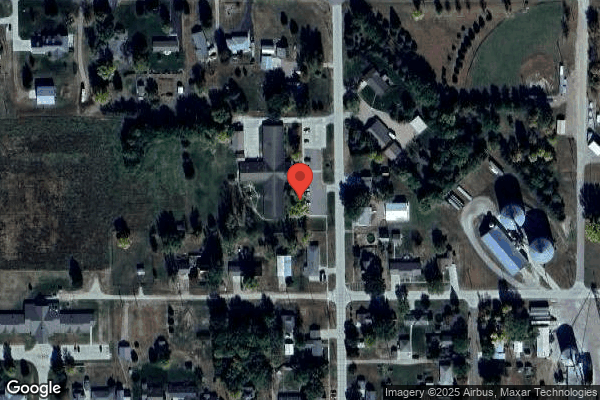
309 North Madison Street, Coleridge, NE 68727 (402) 283-4224
Government - City 34 Beds Independent Data: November 2025
Trust Grade
50/100
#93 of 177 in NE
Last Inspection: January 2025

Within standard 12-15 month inspection cycle. Federal law requires annual inspections.

Overview

Park View Haven Nursing Home has a Trust Grade of C, which means it is average and sits in the middle of the pack, not particularly great but not terrible either. It ranks #93 out of 177 facilities in Nebraska, placing it in the bottom half of the state, and is #3 out of 3 in Cedar County, indicating only one local option is better. The facility is showing improvement, with issues decreasing from 6 in 2024 to 3 in 2025. Staffing is rated 4 out of 5 stars, which is good, but the turnover rate of 66% is concerning as it is higher than the Nebraska average of 49%. The facility has faced $39,387 in fines, which is higher than 97% of Nebraska facilities, suggesting ongoing compliance problems. While there are strengths such as good staffing ratings and improving trends, there are also weaknesses. For instance, there was a serious incident where the facility failed to adequately address fall risks for a resident, leading to a significant injury. Additionally, there were concerns about a resident developing pressure ulcers due to inadequate care, and staff did not follow proper handwashing techniques during food service, which could affect all residents. Families should weigh these factors carefully when considering this nursing home for their loved ones.
Trust Score
C
50/100
In Nebraska
#93/177
Bottom 48%
Safety Record
Moderate
Needs review
Inspections
Getting Better
6 → 3 violations
Staff Stability
⚠ Watch
66% turnover. Above average. Higher turnover means staff may not know residents' routines.
Penalties
✓ Good
$39,387 in fines. Lower than most Nebraska facilities. Relatively clean record.
Skilled Nurses
✓ Good
Each resident gets 53 minutes of Registered Nurse (RN) attention daily — more than average for Nebraska. RNs are trained to catch health problems early.
Violations
⚠ Watch
15 deficiencies on record. Higher than average. Multiple issues found across inspections.
★★★☆☆
3.0
Overall Rating
★★★★☆
4.0
Staff Levels
★★★☆☆
3.0
Care Quality
★★★☆☆
3.0
Inspection Score
Stable
2024: 6 issues
2025: 3 issues

The Good

  • 4-Star Staffing Rating · Above-average nurse staffing levels
  • Full Sprinkler Coverage · Fire safety systems throughout facility
  • No fines on record

Facility shows strength in staffing levels, fire safety.

The Bad

3-Star Overall Rating

Near Nebraska average (2.9)

Meets federal standards, typical of most facilities

Staff Turnover: 66%

19pts above Nebraska avg (46%)

Frequent staff changes - ask about care continuity

Federal Fines: $39,387

Above median ($33,413)

Moderate penalties - review what triggered them

Staff turnover is elevated (66%)

18 points above Nebraska average of 48%

The Ugly 15 deficiencies on record

1 actual harm
Jan 2025 3 deficiencies 1 Harm
SERIOUS (G) 📢 Someone Reported This

A family member, employee, or ombudsman was alarmed enough to file a formal complaint

Actual Harm - a resident was hurt due to facility failures

Accident Prevention (Tag F0689)

A resident was harmed · This affected 1 resident

**NOTE- TERMS IN BRACKETS HAVE BEEN EDITED TO PROTECT CONFIDENTIALITY** LICENSURE REFERENCE NUMBER 175 NAC 12-006.09(I)(i). Based on record review and interview; the facility failed to identify causal...

Read full inspector narrative →
**NOTE- TERMS IN BRACKETS HAVE BEEN EDITED TO PROTECT CONFIDENTIALITY** LICENSURE REFERENCE NUMBER 175 NAC 12-006.09(I)(i). Based on record review and interview; the facility failed to identify causal factors and to revise and/or develop additional interventions for the prevention of ongoing falls and a fall with a significant injury for Resident 78. The sample size was 7 and the facility census was 29. Findings are: A. Review of the facility Fall Prevention and Management Program with a revision date of 8/23/24 revealed the purpose of the policy was to develop, implement, monitor, and evaluate the prevention and the management of falls. Fall prevention included the determination of a resident's risk for falls. The staff were to develop fall prevention interventions based on the resident's risk factors. If interventions were not effective in reducing falls, then new interventions were to be initiated. If a resident had a fall staff were to follow the following procedure: -complete head-to-toe assessment. -notify the attending physician of the fall, interventions, and the status of the resident. -complete a risk management for falls. -complete a fall huddle. -communicate to all staff the resident had a fall and share details regarding interventions initiated. -conduct an interdisciplinary conference to determine cause of falls and develop changes to prevent reoccurrence. B. Review of Resident 78's Minimum Data Set (MDS-a federally mandated comprehensive assessment tool used for care planning) dated 12/16/24 revealed the resident was admitted [DATE] with diagnoses non-Alzheimer's dementia, non-traumatic brain dysfunction, and previous stroke. The assessment further indicated the following regarding Resident 78: -severe cognitive impairment. -required partial to moderate staff assistance with personal hygiene, dressing, bed mobility and transfers. -behaviors which included physical/verbal behaviors directed at others, other behavioral symptoms not directed at others, rejection of cares and wandering. The resident's wandering placed the resident at significant risk of getting to a potentially dangerous place. -incontinence of bladder. -experienced 1 fall without injury since admission but had a history of falls prior to admission. Review of a Nursing Progress Notes revealed the following: -12/9/24 at 3:08 PM the resident was admitted to the facility due to wandering with an order for Seroquel 50 milligrams (mg) at bedtime. -12/9/24 at 6:02 PM the resident had an elopement from the facility. -12/10/24 at 8:46 PM the resident continued to wander but was easily redirected by staff. Review of a facility Incident Report dated 12/11/24 at 10:00 PM revealed the resident had fall in the resident's room. A new intervention was developed for a sensor alarm (an electronic pressure sensitive sensor pad designed for use in chairs or beds which will alarm if a resident tries to get up without assistance) to be placed on the resident's bed and for the staff to check on the resident every 15 to 20 minutes to ensure safety. The resident was confused, drowsy and identified as a wanderer. Review of Nursing Progress Notes on 12/12/24 at 12:37 PM, 12/13/24 at 2:14 AM, at 5:44 AM and at 3:15 PM revealed the resident was wandering and exit seeking. Review of a Nursing Progress Note dated 12/13/24 at 3:22 PM revealed a new order was received for Seroquel (medication used to treat schizophrenia and bipolar disorder) 50 milligrams (mg) twice a day due to the resident's agitated and aggressive behaviors. In addition, a new order was received for Trazodone (medication used to treat depression) 50 mg at bedtime for insomnia. A camera was placed in the resident's room with the monitor at the Nurse's station so staff would be able to observe the resident while in the resident's room. Review of Nursing Progress Notes on 12/14/24 at 4:13 PM and at 4:24 PM the resident was wandering and was combative with staff. Review of a Nursing Progress Note dated 12/14/24 at 10:00 PM revealed a new order for Haldol (medication used to treat certain mental and neurological disorders) 0.5 mg intramuscular (IM) every 30 minutes as needed not to exceed 2 mg in 24 hours after a resident-to-resident altercation. Resident 78 was given 2 doses before the resident had calmed and agitation decreased. Review of a Nursing Progress Note dated 12/16/24 at 5:54 PM revealed a new order for Clonazepam (medication used to prevent and treat anxiety disorders, seizures, and bipolar mania) 0.5 mg twice a day due to increased behaviors and agitation. In addition, a motion sensor alarm (electronic device that uses a sensor to detect nearby people or objects) was placed in the resident's room that alarmed at the Nurse's station to alert staff to the resident's movements. Review of a facility Incident Report dated 12/16/24 at 9:00 PM revealed Resident 78 had another resident-to-resident altercation and was given Haldol 0.5 mg IM due to behaviors. Review of a Nursing Progress Note dated 12/18/24 at 5:42 AM revealed the resident had received the first dose of the Clonazepam the previous evening. Review of an Incident Report dated 12/18/24 at 11:30 AM revealed the resident fell against the wall. Review of the resident's electronic medical record revealed no evidence causal factors were assessed, current interventions were revised, or a new intervention was developed. Review of a Nursing Progress Note dated 12/18/24 at 3:45 PM revealed a new order to discontinue current order for Haldol and to start Haldol 1 mg IM every 6 hours as needed for agitation and aggression. Review of a Nursing Progress Note dated 12/19/24 at 3:02 PM revealed the Charge Nurse removed the pressure alarm to the resident's bed as the noise increased the resident's level of agitation. Review of a Nursing Progress Note dated 12/19/24 at 5:15 PM revealed staff had to provide repeated instructions regarding use of the walker as the resident was sleepier and more confused. Review of an Incident Report dated 12/19/24 at 8:40 PM revealed the staff heard the resident calling out for help and the resident was found on the floor of the resident's room. The resident was encouraged to use the resident's walker despite the resident's severe cognitive impairment and difficulty with use of the walker. No further interventions were identified. Review of a Nursing Progress Notes dated 12/20/24 revealed the following: -2:35 PM the resident had been taking the Clonazepam 0.5 mg twice a day and was having increased sleepiness, unsteady gait and difficulty standing. -4:13 PM the resident's physician was sent a facsimile requesting a dose reduction of the resident's Clonazepam. -11:50 PM the resident was given Haldol 5 mg IM for agitation and aggression toward staff. The resident had a very unsteady gait. Review of an Incident Report dated 12/21/24 at 1:00 PM revealed the resident's motion alarm was sounding and the resident was found on the floor of the resident's room. The staff had a difficult time with getting the resident up as the resident was unstable and lethargic. There was no evidence causal factors were assessed; current interventions were reviewed or a new intervention developed to prevent further falls. Review of a Nursing Progress Note dated 12/22/24 at 5:35 PM revealed the resident's family had expressed concerns about the resident being over medicated. Review of an Incident Report dated 12/22/24 at 8:23 PM revealed the resident motion alarm was sounding. The resident was found on the floor of the resident's room. No causal factors were identified. The staff were to ensure the resident was always wearing nonskid socks or shoes despite an intervention dated 12/9/24 to ensure the resident was wearing appropriate footwear. No further interventions were identified. Review of a telephone/verbal order sheet dated 12/24/24 revealed a new order to reduce the resident's Clonazepam order to 0.25 mg twice a day. Review of Nursing Progress Notes revealed the following: -12/25/24 at 9:55 AM the resident was drowsy with an unsteady gait and required assistance with use of the walker. -12/26/24 at 1:32 PM the resident was leaning against the wall and had difficulty with picking up feet to walk. -12/27/24 at 10:42 AM the resident's family called again to discuss concerns of the resident being overmedicated. Review of an Incident Report dated 12/27/24 at 11:30 AM revealed the resident was found on the floor by the recliner in the resident's room. Review of the resident's electronic medical record revealed no evidence causal factors were identified, current interventions revised, or new interventions developed. Review of an Incident Report dated 12/30/24 at 3:00 AM revealed the staff heard the resident's motion alarm sounding and the resident was found lying on the floor with a large amount of blood on the resident and on the floor. A laceration was observed to the resident's nose and left eye and a large bump to the back of the right side of the resident's head. The resident was unable to bear weight. The resident was sent to the emergency room (ER) for evaluation. During an interview with the Director of Nursing (DON) on 1/23/25 at 2:00 PM the DON confirmed the following regarding the resident's falls: -staff were to assess residents after each fall, determine causal factors and either revise current interventions or develop new interventions. -12/11/24 fall in the resident's room with a new intervention for a sensor alarm. -12/13/24 was started on Seroquel 50 mg twice a day and Trazadone 50 mg at bedtime for agitation, restlessness, and insomnia. A camera was placed in the resident's room with a monitor at the Nurse's station so staff could monitor the resident in their room. -12/14/24 started on Haldol 0.5 mg IM to be given every 30 minutes as needed due to behaviors. -12/16/24 started on Clonazepam 0.5 mg twice a day for behaviors and agitation and a motion alarm was placed in the resident's room. -12/18/24 the staff heard the resident fall. No causal factors were identified, current fall interventions were not revised, and no new interventions were developed. -12/19/24 the staff removed the sensor alarm from the resident's bed as the noised caused the resident to have increased agitation. -12/19/24 at 8:40 PM the resident was found on the floor of the resident's room. The staff re-educated the resident on the need to use the walker. The resident had severe cognitive deficit so uncertain if this was an effective intervention. No other interventions were indicated. -12/20/24 at 4:13 PM the physician was notified of the resident's unsteadiness, sleepiness, and recent falls with a request for a dose reduction of the resident's Clonazepam 0.5 mg twice a day. -12/21/25 at 1:00 PM the resident was found on the floor of the resident's room. The resident was unstable and lethargic. There was no revision of fall interventions, and no new interventions were developed. -12/22/24 at 8:23 PM the resident was again found on the floor of the resident's room. Staff were to ensure the resident was wearing nonskid socks or shoes (an intervention dated 12/9/24 was already in place to ensure the resident was wearing appropriate footwear). No new interventions were indicated. -12/24/24 (4 days after the facility staff requested) the facility received a new order to reduce the resident's Clonazepam to 0.25 mg twice a day. -12/27/24 at 11:30 AM the resident was found on the floor of the resident's room. There were no causal factors and no changes in fall interventions identified. -12/30/24 at 3:00 AM the resident's motion alarm was sounding, and the resident was found on the floor. The resident had a laceration to the resident's nose and left eye with a large bump to the back of the resident's head. The resident was unable to bear weight and was sent to the hospital. -the resident passed away in the hospital on 1/3/25 due to brain hemorrhage.
CONCERN (D) 📢 Someone Reported This

A family member, employee, or ombudsman was alarmed enough to file a formal complaint

Potential for Harm - no one hurt, but risky conditions existed

Report Alleged Abuse (Tag F0609)

Could have caused harm · This affected 1 resident

**NOTE- TERMS IN BRACKETS HAVE BEEN EDITED TO PROTECT CONFIDENTIALITY** Licensure Reference Number 175 NAC 12-006.02(H) Based on record review and interview: the facility failed to report an allegatio...

Read full inspector narrative →
**NOTE- TERMS IN BRACKETS HAVE BEEN EDITED TO PROTECT CONFIDENTIALITY** Licensure Reference Number 175 NAC 12-006.02(H) Based on record review and interview: the facility failed to report an allegation of potential abuse and/or neglect to the State Agency, to complete an investigation and submit the results of the investigation for 1 (Resident 8) of 2 sampled residents. The facility census was 29. Findings are: A. Review of the facility Abuse/Neglect/Exploitation Policy (undated) indicated the following: -failure to provide supervision (care and control of a vulnerable adult which a reasonable and prudent person could exercise under similar facts and circumstances) was one definition of abuse. -the facility was to report any alleged abuse/neglect, injuries of unknown origin, or misappropriation of resident property in accordance with state regulations. -the facility was to conduct an investigation of such allegations in accordance with state law. -the facility was to report all investigation findings to the state in accordance with state regulations. B. Review of Resident 8's Minimum Data Set (MDS-a federally mandated comprehensive assessment tool used for care planning) dated 11/1/24 revealed the resident was admitted [DATE] with diagnoses of multiple sclerosis, diabetes, heart disease, depression, and Alzheimer's disease. The resident's cognition was intact, and the resident required substantial to maximal assistance with toileting hygiene, bed mobility, transfers, and dressing. Review of Resident 8's current Care Plan (undated) revealed the resident had a self-care deficit related to multiple sclerosis and indicated the resident's wheelchair was the resident's primary means of locomotion. The resident required staff assistance at times with wheelchair mobility except for short distances. In addition, the resident had impaired though processes due to occasional forgetfulness related to Alzheimer's disease. Review of a Nursing Progress Note dated 8/22/24 at 5:39 PM revealed the staff were assisting the resident with wheelchair mobility out to the facility van for an activity. Staff positioned the resident's wheelchair next to the van ramp and then turned to talk to another staff member. As staff turned back to the resident, they observed the resident's wheelchair rolling down the sloped parking lot. The front wheel of the chair struck the curb, and the resident was launched out of the wheelchair into the grass and landed on the resident's stomach with arms outstretched. An assessment of the resident revealed no injuries. Review of the facility investigations of potential abuse/neglect from 1/22/24 to 1/22/25 revealed no report had been filed to the State Agency regarding a potential allegation of staff to resident abuse and/or neglect related to Resident 8. During an interview on 1/27/25 at 2:55 PM, the facility Administrator, and Licensed Practical Nurse (LPN)-C confirmed the facility failed to report the incident with Resident 8 which occurred 8/22/24. An investigation was not completed, and the results of the investigation were not submitted to the State Agency within the required time. The Administrator further indicated the facility should have reported and investigated the incident to rule out potential abuse and/or neglect.
CONCERN (F)

Potential for Harm - no one hurt, but risky conditions existed

Infection Control (Tag F0880)

Could have caused harm · This affected most or all residents

**NOTE- TERMS IN BRACKETS HAVE BEEN EDITED TO PROTECT CONFIDENTIALITY** E. Review of Resident 4's MDS dated [DATE] revealed the resident had diagnoses of diabetes with chronic kidney disease, cancer, ...

Read full inspector narrative →
**NOTE- TERMS IN BRACKETS HAVE BEEN EDITED TO PROTECT CONFIDENTIALITY** E. Review of Resident 4's MDS dated [DATE] revealed the resident had diagnoses of diabetes with chronic kidney disease, cancer, anemia, previous stroke, non-Alzheimer's dementia, and depression. The following was assessed regarding the resident: -cognition was intact. -required substantial to maximal assistance with dressing, personal hygiene, bed mobility and transfers. -frequently incontinent of bowel and bladder. -at risk for pressure ulcer formation. Review of Resident 4's Nursing Progress Notes revealed the following: -8/30/24 at 7:49 PM the resident was identified as having a blister to the resident's left heel. -9/3/24 at 2:11 PM the blister to the resident's left heel measured 2.6 cm by 2.6 cm. -9/10/24 at 11:59 AM the area to the resident's left heel measured 2 cm by 2.9 cm. Skin to the wound bed was brown in color and hard to the touch. -9/24/24 at 8:51 AM the area to the resident's left heel measured 1.5 cm by 2 cm. -10/1/24 at 11:31 AM the area to the left heel measured 2.2 cm by 2.5 cm and remained brown in color. A new order was received for betadine to the wound bed and to cover with a dressing. -10/15/24 at 11:27 AM the scab had fallen off the left heel with new pink skin in place. The area was considered healed with staff continuing to monitor and protect. -1/19/25 at 12:34 PM the blister to the resident's left heel had returned. Review of the resident's electronic medical record revealed from 8/30/24 until 10/15/24 and from 1/19/25 to 1/27/25 there was no evidence the resident was on EBP despite the resident's pressure ulcer to the left heel. Observations of Resident 4 on 1/27/25 revealed the following: -9:42 AM the resident was assisted to the resident's room and then transferred with the sit-to-stand lift by NA-I and NA-H into the resident's bathroom. The staff provided perineal hygiene when done in the bathroom and then transferred the resident into a recliner in the resident's room. NA-I and NA-H wore gloves but were not wearing gowns when providing direct cares to the resident. -11:36 AM RN-G entered the resident's room, washed hands, and placed on clean gloves but did not place on a gown. RN-G completed a blood glucose test, administered insulin into the resident's abdomen and then provided wound care to the resident's left heel pressure ulcer man without wearing a gown. During an interview on 1/27/25 at 11:55 AM, RN-G confirmed Resident 4 was not on EBP despite the resident's reoccurring pressure ulcer to the resident's left heel. RN-F confirmed the resident should have been placed on EBP and staff should have worn gowns when providing direct cares, administering insulin, and completing the blood glucose test and the dressing change. Licensure Reference Number 175 NAC 12-006.18 Based on observations, record review and interview; the facility failed to implement interventions to prevent the spread of COVID-19; and failed to implement Enhanced Barrier Precautions (EBP) for 2 (Resident's 4 and 10) of 3 residents. The facility failure had the potential to effect all residents in the building. The facility census was 29. Findings are: A. Review of the facility policy Covid-19 Policy and Procedure, last reviewed 11/26/24 revealed the following: -all staff were required to wear a surgical mask at all times during an outbreak, -N95 masks would be required when entering a resident's room if they were Covid positive, -all residents regardless of vaccination status would not be required to wear masks when in the hallways except if they had been exposed to COVID-19, -newly identified COVID-19 staff or residents that could identify close contacts then all staff would be tested that had a high risk exposure, and all residents that had close contact with a COVID-19 positive individual would be tested, -if unable to identify close contacts, all staff and all residents would be tested, and -the facility may not require testing or vaccination of visitors and may test them upon their request. B. Review of the email dated 1/22/25 from the Public Health Department to the Infection Preventionist (IP) regarding COVID-19 testing recommendations for the facility revealed: -the facility was to perform contact tracing of the positive staff or resident starting 48 hours prior to symptom onset or positive test date, -initiate outbreak testing for healthcare personnel using either contact tracing approach or a broad-based approach, -contact tracing approach could be used when able to clearly identify close contact exposures, initial testing would be performed in a series of 3 tests, 48 hours apart, starting at day 1 (day 0 was exposure), day 3, and day 5, -if additional COVID-19 positive cases were identified during initial testing then shift to broad-based testing approach, -broad-based approach would be used if close contacts cannot be identified, or when additional cases are identified after the contact tracing approach, -initial testing of close contacts would be performed in a series of 3 tests, 48 hours apart, starting at day 1 (day 0 was exposure), day 3, and day 5, -if additional COVID-19 cases are identified, then follow up testing would be completed every 3-7 days until there are no new cases for 14 days, and -during broad based testing everyone needed to get tested regardless of whether considered close contact or not. Interview with the Administrator on 1/22/25 at 9:15 AM revealed Resident 19 had tested positive with COVID-19 on 1/20/25 in the late afternoon. Interview with the Infection Preventionist (IP) on 1/22/25 at 2:15 PM revealed Resident 19 had tested positive on 1/20/25 and Resident 6 (who was a table mate of Resident 19) tested positive on 1/22/25 during routine testing. The IP confirmed they had not tested staff. Further interview with the IP revealed the facility was advised by the Health Department communication to start testing residents after 48 hours from when symptoms started or when the resident had tested positive. Further interview revealed no staff or residents were symptomatic and if they were they would test them. The IP revealed the facility thought Resident 19 had caught COVID-19 from a family member that had visited and had respiratory symptoms, but the family member did not test, they just stayed away for a few days due to feeling ill. Observation on 1/23/25 at 1:10 PM revealed Resident 19 (COVID-19 positive) was in the commons area near the nurses station sitting on a couch. Resident 19's mask was hanging on their ear, not covering their mouth or nose. Resident 25 (COVID-19 negative) was sitting next to Resident 19. The Registered Nurse (RN-G), 2 Nursing Assistants (NA), and the Maintenance man all walked past the residents without encouraging either one to wear their masks. Interview with the IP on 1/23/25 at 1:45 PM confirmed all staff were to be encouraging the residents to wear masks to prevent the spread of COVID-19. Interview on 1/27/25 at 8:35 AM with the IP revealed 4 new positive residents on 1/26/25. Observation on 1/27/25 at 8:15 AM revealed all residents were in the dining room for breakfast meal, seating was at their usual tables. Observation on 1/27/25 at 12:00 PM revealed the residents on the hallway with majority of the positive COVID-19 tests stayed in their rooms for the lunch meal, the hallway with 1 positive COVID-19 resident went to the dining room for the lunch meal. The residents sat at their usual tables which had 4 residents to the regular tables. Interview on 1/27/25 at 2:00 PM with the IP revealed 4 positive staff members and Resident 26 were symptomatic and tested positive. Interview on 1/27/25 at 3:10 PM with the IP revealed all negative residents were tested and they had 3 more positive resident tests. Interview on 1/28/25 at 11:00 AM with the IP confirmed the facility had no documentation to show any contact tracing had been completed and measures to prevent the spread of COVID-19 had not been implemented in a timely manner. C. Review of the facility policy Enhanced Barrier Precautions, last reviewed 11/15/25 revealed the following: -the facility would implement EBP for the prevention of transmission of multidrug-resistant organisms (MDRO's), -EBP involved gown and glove use during high-contact care activities for residents known to be colonized or infected with a MDRO as well as those at increased risk of MDRO acquisition (residents with wounds or indwelling medical devices), -high-contact care activities included dressing, bathing, transferring, providing hygiene, changing linens, changing briefs or assisting with toileting, device care (urinary catheter, feeding tube), and wound care (any skin opening that required a dressing), -wound included residents with chronic wounds, not short-last wounds, -chronic wounds included pressure ulcers, diabetic ulcers, unhealed surgical wounds, and chronic venous status ulcers, -contact precautions were recommended if the resident had draining wounds, other sites of secretions, or excretions that were unable to be covered or contained, -if contact precaution criteria was not met, then EBP would be used, and -EBP would be used for the duration of a resident's stay in the facility or until resolution of the wound or discontinuation of the indwelling medical device that placed them at higher risk. D. Review of Resident 10's Minimum data Set (MDS-a federally mandated assessment tool used in Care Planning) dated 11/1/24 revealed the resident had severe cognitive impairment; required assistance with eating, oral hygiene, toileting, dressing, and transfers; had diagnoses of Alzheimer's Disease, Diabetes, Dementia, and Peripheral Vascular Disease (a circulatory condition that narrows blood flow to the limbs); and had 1 venous ulcer. Review of Resident 10's Care Plan, last revised 11/8/24 revealed the resident required total assist with bed mobility, dressing, eating, hygiene, and toileting; had an open area to the left lateral ankle; had a treatment to the area; was seeing the wound clinic; and EBP were to be followed. Observation on 1/23/25 at 9:35 AM with NA-E and NA-F performed hand hygiene and applied gloves. No gowns were observed to be utilized. The NA's hooked the resident up to the sit to stand lift and then transferred Resident 10 to the toilet. NA-E pulled the residents pants and brief down, then removed their gloves and performed hand hygiene. NA-F lowered the resident in the lift to the toilet. NA-F locked the brake, removed their gloves and performed hand hygiene. Interview with NA-E and NA-F on 1/23/25 at 9:35 AM revealed a gown was only needed if doing something with Resident 10's wound, but not for other cares. Interview with RN-G on 1/23/25 at 10:45 AM confirmed Resident 10 had EBP implemented. Further interview revealed a gown was only needed if doing something with the wound such as a dressing change. Observation on 1/27/25 at 12:20 PM NA-J entered Resident 10's room and performed hand hygiene and applied gloves. NA-J did not put on a gown. NA-J hooked the resident up to the sit to stand lift and transferred the resident to the bathroom. NA-J pulled the residents pants, then brief down, removed their gloves, performed hand hygiene, then lowered the resident onto the toilet. When the resident was finished, NA-J applied new gloves, lifted the resident up in the sit to stand lift, performed peri cares while still not wearing a gown, removed their gloves, performed hand hygiene, and pulled the residents brief and pants up. NA-J transferred the resident to the recliner in the resident room. NA-J made sure the resident was comfortable. Interview on 1/27/25 at 12:30 PM with NA-J revealed gowns only were required to be used if doing the resident's dressing change or if there was drainage. Interview on 1/27/25 at 3:10 PM with the IP confirmed gowns were to be worn during any high contact care activity such as transfers.
Sept 2024 2 deficiencies
CONCERN (D) 📢 Someone Reported This

A family member, employee, or ombudsman was alarmed enough to file a formal complaint

Potential for Harm - no one hurt, but risky conditions existed

Report Alleged Abuse (Tag F0609)

Could have caused harm · This affected 1 resident

LICENSURE REFERENCE NUMBER 175 NAC 12-006.02(H) Based on record review and interview; the facility failed to report to the State Agency and submit an investigation within 5 working days of a potential...

Read full inspector narrative →
LICENSURE REFERENCE NUMBER 175 NAC 12-006.02(H) Based on record review and interview; the facility failed to report to the State Agency and submit an investigation within 5 working days of a potential elopement for 1 (Resident 4) of 4 sampled residents. The facility staff identified a census of 22. Findings are: A. Review of the facility Abuse/Neglect/Misappropriation policy and procedure (undated) following: -individual residents with needs and behaviors that might lead to conflict, or neglect will be reassessed, care planned and monitored as needed. -neglect was defined as the failure to provide goods and services necessary to avoid physical harm, mental anguish, or mental illness; -proper supervision was defined as care and control of a vulnerable adult which a reasonable and prudent person would exercise under similar facts and circumstances; and -potential incidents of abuse/neglect were to be reported immediately to the State Agency and an investigation was to be conducted with the results submitted to the State Agency in 5 working days. B. Review of Resident 4's Nursing Progress Notes dated 2/28/24 at 11:15 AM revealed at 6:45 AM the Director of Nursing (DON) was notified Resident 4 had exited the facility through the front door at 5:15 AM that morning. The front door alarm had sounded but when staff investigated, they were unable to visualize anyone. The staff had thought the wind had triggered the door alarm. A short time later the housekeeping (HK) staff saw Resident 4 outside and the resident was assisted into the building without any difficulty. Review of a Witness Incident Statement dated 2/28/24 revealed at 5:15 AM, HK-G heard the front door alarming. Registered Nurse (RN)-H investigated the alarm and did not see anyone outside. RN-H had just checked the wander guard bracelets with no concerns. HK-G entered the Activity Room and was able to see Resident 4 outside. The resident indicated a need to use the bathroom and was looking for a bathroom when went outside. The staff again checked the resident's wander guard bracelet and the front door wander guard alarm, and both remained functional. Review of facility investigations of potential abuse/neglect from 1/22/24 through 9/4/24 revealed no evidence Resident 4's potential elopement from the facility on 2/28/24 at 5:15 AM was reported to the State Agency. In addition, there was no evidence the investigation completed by the facility had been submitted within 5 working days. Interview with the Administrator and the DON on 9/4/24 at 1:20 PM confirmed an investigation was completed regarding Resident 4's elopement but the incident was not reported, and the investigation was not sent to the State Agency within 5 working days.
CONCERN (D) 📢 Someone Reported This

A family member, employee, or ombudsman was alarmed enough to file a formal complaint

Potential for Harm - no one hurt, but risky conditions existed

Accident Prevention (Tag F0689)

Could have caused harm · This affected 1 resident

**NOTE- TERMS IN BRACKETS HAVE BEEN EDITED TO PROTECT CONFIDENTIALITY** LICENSURE REFERENCE NUMBER 175 NAC 12-006.09(l) Based on observations, interview, and record review; the facility failed to ens...

Read full inspector narrative →
**NOTE- TERMS IN BRACKETS HAVE BEEN EDITED TO PROTECT CONFIDENTIALITY** LICENSURE REFERENCE NUMBER 175 NAC 12-006.09(l) Based on observations, interview, and record review; the facility failed to ensure Residents 1 and 3, who were identified at risk for falls, were free from accident hazards related to the independent use of motorized recliners in their rooms. The sample size was 4 and the facility census was 22. Findings are: A. Review of Resident 1's Minimum Data Set (MDS-a federally mandated comprehensive assessment tool used for care planning) dated 7/12/24 revealed the resident was admitted [DATE] with diagnoses of dementia, prostate cancer, chronic kidney disease and congestive heart failure. The following was assessed regarding the resident: -severe cognitive impairment, -required assistance with transfers, dressing, toileting hygiene, personal hygiene, and bed mobility, and -frequently incontinent of bladder. Review of the resident's current Care Plan dated 4/14/24 revealed the resident was at risk for falls due to a history of falls, and poor safety awareness with diagnosis of dementia. The following fall prevention interventions were identified: -ensure call light was within reach and provide reminders to use when needing assistance. -follow the resident's toileting schedule which included offering toileting assist upon arising, at bedtime, throughout the night and per the resident's request. -use of wheelchair for mobility when the resident had increased weakness. Review of Resident 1's Nursing Progress Notes revealed the following: -8/12/24 at 3:14 PM the resident was found on the floor of the resident's room. The seat of the resident's motorized lift recliner was elevated, and the resident was lying face down on the floor in front of the chair. The resident had a bruise to each of the resident's knees and a hematoma/laceration/abrasion to the center of the resident's forehead. The resident was transferred to the emergency room (ER) for evaluation. -8/12/24 at 4:06 PM the resident returned from the ER. The resident had a 6.8 centimeter (cm) by 5.5 cm hematoma and skin glue had been applied to the laceration on the resident's forehead. The staff implemented a short-term intervention for a sensor alarm to be placed on the resident's recliner. During an observation on 9/5/24 at 9:10 AM, Resident 1 was assisted into the motorized lift recliner in the resident's room. Nurse Aide (NA)-A ensured the call light was in reach but placed the controls for the motorized recliner into a pocket on the side of the chair. Resident 1 was unable to access the controls when seated in the chair. In addition, a sensor fall alarm was in place to the chair to alert staff to any attempts to self-transfer out of the chair. Review of the Resident's medical record revealed no evidence an assessment had been completed to determine the resident's safe use of the motorized lift recliner. Interview with the Director of Nursing (DON) on 9/4/24 at 9:40 AM verified Resident 1's use of the motorized recliner had not been evaluated to determine if the resident could safely operate the recliner independently, and to assure the resident's safety. In addition, on 8/12/24 at 3:14 PM the resident had a fall out of the recliner when the resident accidentally elevated the seat and the resident subsequently slid out of the chair. B. Review of Resident 3's MDS dated [DATE] revealed the resident was admitted [DATE] with diagnoses of dementia, adult failure to thrive, obsessive compulsive disorder (OCD), anxiety and major depressive disorder. The following was assessed regarding the resident: -moderate cognitive impairment, -required staff assistance with transfers, dressing, toileting, personal hygiene, and bed mobility, and -frequently incontinent of bladder. Review of the resident's current Care plan dated 7/30/24 revealed the resident was at risk for falls related to weakness and poor safety awareness due to dementia. The following fall prevention interventions were developed: -anticipate and meet needs, -assess for pain and address, -ensure call light in reach and perform frequent room checks to assure safety needs are met, -non-skid strips on the floor beside the resident's bed, and -do not leave the resident alone/unsupervised in the resident's bathroom. Observations of Resident 3 on 9/4/24 at 10:37 AM revealed the resident was seated in a motorized lift recliner in the resident's room. The controls for the recliner were draped across the arm rest of the chair and were not within reach of the resident. Review of the Resident's medical record revealed no evidence an assessment had been completed to determine the resident's safe use of the motorized lift recliner. Interview with the DON on 9/4/24 at 9:40 AM verified Resident 3 was at risk for falls and routinely utilized a motorized lift recliner in the resident's room. However, use of the motorized recliner had not been evaluated to determine if the resident could safely operate the recliner independently, and to assure the resident's safety.
Jan 2024 4 deficiencies
CONCERN (D)

Potential for Harm - no one hurt, but risky conditions existed

Employment Screening (Tag F0606)

Could have caused harm · This affected 1 resident

Licensure Reference Number 175 NAC 12-006.04A3b Based on interview and record review, the facility failed to ensure criminal background checks and/or State Nurse Aide Registry checks were completed on...

Read full inspector narrative →
Licensure Reference Number 175 NAC 12-006.04A3b Based on interview and record review, the facility failed to ensure criminal background checks and/or State Nurse Aide Registry checks were completed on 4 of 5 employees. The facility census was 20. Findings are: Review of the undated facility policy Abuse/Neglect/Misappropriation revealed the following: -The facility will maintain an environment where the resident has the right to be free from abuse, neglect and misappropriation and not hire employees with a history of abuse. -The facility will conduct adult and child abuse checks, criminal background checks, and sex offender checks before the employee's date of hire. -The state nurse aide registry will be checked for Certified Nursing Assistant positions to determine if any findings of abuse, neglect, mistreatment of individuals, and/or theft of property have been entered into the applicant's file. -Licensed professionals involved with direct care of residents will be checked for any sanctions through the licensing board. Review of 5 employee files on 1/22/24 revealed the following related to background checks: -Nurse Aide-L (hired 12/21/23) and Nurse Aide-N (hired 11/1/23) had no evidence criminal background checks and adult/child abuse checks were completed prior to their start date. -Nurse Aide-N, Housekeeper-M (hired 9/3/23) and Registered Nurse-O (hired 12/18/23) had no evidence the state nurse aide registry checks were completed prior to their start date. An interview with the Business Office Manager on 1/22/24 at 12:20 PM, confirmed there was no evidence criminal background checks and adult/child abuse checks were completed for Nurse Aide-L and Nurse Aide-N prior to their start date. In addition, there was no evidence the state nurse aide registry checks were completed for Nurse Aide-N, Housekeeper-M and Registered Nurse-O prior to their start date. An interview with the administrator on 1/22/24 at 12:30 PM, confirmed Nurse Aide-L, Nurse Aide-N, Housekeeper-M and Registered Nurse-O had been working in the facility and there was no evidence required background checks were completed prior to their start date.
CONCERN (D)

Potential for Harm - no one hurt, but risky conditions existed

PASARR Coordination (Tag F0644)

Could have caused harm · This affected 1 resident

Licensure Reference Number 175 NAC 12-006.09(A) Based on record review and interview the facility failed to ensure Resident 5's Preadmission Screening and Resident Review (PASARR-federally required r...

Read full inspector narrative →
Licensure Reference Number 175 NAC 12-006.09(A) Based on record review and interview the facility failed to ensure Resident 5's Preadmission Screening and Resident Review (PASARR-federally required review to ensure that individuals with Mental Illness (MI), Intellectual Disability (ID), or Related Disorders (RD) are not inappropriately placed in nursing homes without appropriate services) accurately reflected a MI diagnosis. The sample size was 12 and the facility census was 20. Findings are: Review of the facility policy admission Criteria with a revision date of December 2016 revealed the following; -Nursing and medical needs of individuals with Mental Disorders (MD) or ID were determined by coordination with the PASARR program. -Residents with MD's would only be admitted to the facility if the State Mental Health Agency had determined through PASARR screening that the individual had physical or mental conditions that required the level of services provided by the facility. Review of Resident 5's PASARR completed on 11/29/22 by the facility Social Services Personnel revealed the resident had no signs of serious mental illness, intellectual disability, or a related disorder and no further clinical review (Level 2- additional review conducted to determine the most appropriate and least restrictive setting needed and determine any needed specialized services needed) was indicated. Review of Resident 5's Diagnosis list revealed the resident had the following diagnoses; -Anxiety Disorder, -Major Depressive Disorder, Severe with Psychotic Symptoms, -Psychotic Disorder with Hallucinations, and -Bipolar Disorder. Review of Resident 5's Care Plan dated 11/30/23 revealed the resident received medications for treatment of Bipolar Disorder, Anxiety Disorder, and Psychotic Disorder. Further review revealed the resident was verbally aggressive, irritable, rejected care and often had ineffective coping skills. There was no evidence the resident had undergone a PASARR level 2 review to determine if there were recommendations for services needed related to Mental Illness. Review of Resident 5's Medication Review Report date 1/17/24 revealed the following psychotropic (medication that affect a person's mental state) were ordered; -Lorazepam (anti-anxiety medication), -Nortriptyline (anti-depressant medication), and -Quetiapine (anti-psychotic medication). During an interview on 1/17/24 at 11:43 AM the Director of Nursing (DON) confirmed that the PASARR completed on 11/29/22 by the facility did not accurately reflect Resident 5's MI diagnoses at the time of completion, and a Level 2 PASARR had not been completed.
CONCERN (D) 📢 Someone Reported This

A family member, employee, or ombudsman was alarmed enough to file a formal complaint

Potential for Harm - no one hurt, but risky conditions existed

Deficiency F0761 (Tag F0761)

Could have caused harm · This affected 1 resident

**NOTE- TERMS IN BRACKETS HAVE BEEN EDITED TO PROTECT CONFIDENTIALITY** Licensure Reference Number 175 NAC 12-006.12E1 Based on observation, record review, and interview the facility failed to ensure ...

Read full inspector narrative →
**NOTE- TERMS IN BRACKETS HAVE BEEN EDITED TO PROTECT CONFIDENTIALITY** Licensure Reference Number 175 NAC 12-006.12E1 Based on observation, record review, and interview the facility failed to ensure Resident 5's medications were stored securely. The sample size was 12 and the facility census was 20. Findings are: Review of the facility policy Medication Storage dated [DATE] revealed the following; -only licensed nurses, pharmacists, and those lawfully authorized are allowed to access medications, -medications, treatments, and biologicals were stored safely, securely, and properly and the medication supply was only accessible to licensed nursing personnel, pharmacy personnel, or staff members lawfully authorized to administer medications. During an observation on 1/17/24 at 7:45 AM of the provision of medication to Resident 5 by Registered Nurse (RN)-A revealed RN-A put on disposable gloves and entered the resident's room to administer the resident's medication. Taken into the room were the resident's oral medications, a bin taken from the medication cart containing a blood glucose monitoring device, supplies needed to perform the blood glucose testing, a topical pain patch and 3 plastic medication cups containing a white and clear ointments/creams. RN-A placed the 3 clear medication cups containing the ointments/creams on the resident's overbed table. After administering the oral medications, applying a topical analgesic pain patch, and checking the resident's blood glucose RN-A exited the resident's room leaving the 3 clear medication cups containing creams and ointments in the resident's room on the overbed table. During an interview on 1/17/24 at 9:17 AM RN-A confirmed that creams were left in Resident 5's room for the Medication Aid to administer at a later time. Those medications included Diclofenec (a pain relieving gel), Calmoseptine (protective ointment used to treat and prevent skin breakdown) with Triple Antibiotic Ointment (to treat areas the resident scratches at), and Triamcinolone Acetonide (steroid ointment used to treat the resident's chronic skin dermatitis). The cream was not labeled and dated and would not be administered by the RN that prepared the medication for administration. During an interview on 1/17/24 at 11:43 AM with the Director of Nursing (DON) confirmed that medications should not be prepared for administration by a Nurse, then left in a resident's room in unmarked containers for a Medication Aide to administer. During an interview on 1/17/24 at 2:00 PM RN-C confirmed that Resident 5 had not been assessed for safe medication self-administration and medications were not to be left in the resident's room.
CONCERN (D)

Potential for Harm - no one hurt, but risky conditions existed

Infection Control (Tag F0880)

Could have caused harm · This affected 1 resident

Licensure Reference Number 175 NAC 12-006.17 Based on observation, record review, and interview; the facility failed to perform hand hygiene during care and treatments for Residents 5 and 19 and faile...

Read full inspector narrative →
Licensure Reference Number 175 NAC 12-006.17 Based on observation, record review, and interview; the facility failed to perform hand hygiene during care and treatments for Residents 5 and 19 and failed to ensure re-usable medical care equipment was cleaned after use to prevent potential cross-contamination. The sample size was 12 and the facility census was 20. Findings are: A. Review of the facility policy Parkview Haven Standard Precautions dated 5/11/23 revealed the following; -The facility recognized that pathogens (bacteria, virus, or other micro-organism that can cause disease) were transmitted from colonized (the presence of bacteria with absence of disease) or infected patients, the environment, and healthcare personnel either by person to person or person to environment, and healthcare workers followed processes for caring for all residents to reduce the risk of infectious disease transmission. -Hand hygiene was performed when entering resident rooms, before direct patient contact, before putting on gloves, after contact with blood, body fluids, mucous membranes, non-intact skin, or wound dressings, after removing gloves. Review of the facility policy Handwashing/Hand Hygiene with a revision date of August 2019 revealed the following; -The facility considered hand hygiene as the primary means to prevent the spread of infection, - Facility staff washed their hands with soap and water, before and after coming on duty, and after contact with a resident with infectious diarrhea, and -Alcohol based hand sanitizers were used before handling clean or soiled dressings, before moving from a contaminated body site to a clean body site, after contact with resident skin, blood or body fluids, after handling contaminated equipment, after contact with items or medical equipment in the immediate vicinity of residents, and after removing gloves. Review of the facility policy Cleaning and Disinfection of Resident-Care Items and Equipment with a revision date of October 2018 revealed the following; -Reusable items were cleaned and disinfected or sterilized between residents, and -DME (Durable Medical Equipment had to be cleaned and disinfected before reuse by another resident. B. During an observation on 1/17/24 at 7:45 AM of medication administration for Resident 5 the following was observed; -Registered Nurse (RN)-A put on disposable medical gloves and entered Resident 5's room. Taken to the room were the resident's oral medications, a bin taken from the medication cart containing a a blood glucose monitoring device/supplies needed to perform the blood glucose testing, and 3 plastic medication cups containing a white ointments/creams. RN-A placed the bin directly on the resident's bedside as well as the 3 clear medication cups containing the ointments/creams. The resident was given the oral medication and then RN-A removed and disposed of the gloves, placed on a clean pair of gloves without washing or sanitizing hands. RN-A then obtained a medication patch from its wrapper and placed it on the resident's back, removed the gloves and placed on a clean pair of gloves without hand washing or sanitizing. RN-A then obtained a sample of blood from the resident's finger to test a blood glucose level and completed the test using the blood glucose testing device. RN-A then exited the resident's room with the blood glucose testing bin and machine, approached the medication cart, placed the glucose testing monitor directly on the medication cart without cleaning it and placed the bin back into to the medication cart without cleaning it, removed the gloves and hand sanitized. C. During an observation of the provision of care for Resident 19 on 1/18/24 at 7:13 AM Nurse Aide (NA)-P entered the resident's room and put on disposable medical gloves. Resident 19 was sitting on side of the arranging a protective incontinence pad in the resident's undergarment. NA-P then assisted the resident to stand next to a walker and pulled up the resident's undergarment and pants. After assisting the resident to sit back down and assisted with putting on socks and shoes. NA-P then removed the gloves and did not perform hand hygiene. NA-P then assisted the resident to the bathroom, pulled down the resident pants and undergarment so the resident could sit on the toilet. NA-P then put gloves on and retrieved and handed the resident a partial denture from a denture cup. NA-P then provided the resident with a wet washcloth and resident washed hands and face. NA-P then removed the gloves and again did not perform hand hygiene. NA-A then assisted the resident to stand up using a walker and assisted the resident with wiping the perineal/anal area and applied a protective lotion to the residents buttocks/perineal area, removed the gloves, and again did not perform hand hygiene. NA-P then put on gloves and removed the trash and laundry from the room and placed it receptacle outside of the room, removed the gloves and again did not perform hand hygiene and proceeded down the hall to assist another resident. During an interview on 1/17/24 at 2:26 PM with the facility Infection Preventionist (IP) confirmed that hand hygiene must be performed each time gloves are removed. Further interview confirmed that items such as a bin and a blood glucose monitor used for multiple residents must be placed on a barrier in the resident's room, and or cleaned or disinfected prior to being returned the medication cart or set on top of the medication cart.
Dec 2022 6 deficiencies
CONCERN (D) 📢 Someone Reported This

A family member, employee, or ombudsman was alarmed enough to file a formal complaint

Potential for Harm - no one hurt, but risky conditions existed

Report Alleged Abuse (Tag F0609)

Could have caused harm · This affected 1 resident

**NOTE- TERMS IN BRACKETS HAVE BEEN EDITED TO PROTECT CONFIDENTIALITY** Licensure reference: 175 NAC 12-006.02(8) Based on record review and interview: the facility failed to identify, investigate and...

Read full inspector narrative →
**NOTE- TERMS IN BRACKETS HAVE BEEN EDITED TO PROTECT CONFIDENTIALITY** Licensure reference: 175 NAC 12-006.02(8) Based on record review and interview: the facility failed to identify, investigate and to report allegations of potential staff to resident neglect involving falls for Resident 21. The sample size was 3 and the facility census was 18. Findings are: A. Review of the facility policy Abuse, Neglect, Misappropriation, or Mistreatment (undated) revealed the residents had the right to be free from verbal, sexual, physical, and mental abuse, corporal punishment, involuntary seclusion, and misappropriation of resident's property. The following definitions were identified: -physical injury was defined as damage to bodily tissue caused by nontherapeutic conduct, including but not limited to, fractures, bruises, lacerations, internal injuries, or dislocations, and shall include, but not be limited to, physical pain, illness, or impairment of physical function; -neglect was defined as the failure to provide goods and services necessary to avoid physical harm, mental anguish or mental illness; -essential services were defined as services necessary to safeguard the person or property of a vulnerable adult. Such services would include proper supervision; and -proper supervision was defined as care and control of a vulnerable adult which a reasonable and prudent person would exercise under similar facts and circumstances. The policy further identified that all alleged cases of resident abuse, neglect, misappropriation of property, or mistreatment shall be thoroughly investigated and documented by the Administrator, and reported to the appropriate state agencies, law enforcement, physician, families and/or representatives. B. Review of Resident 21 's Minimum Data Set (MDS-a comprehensive assessment tool used to develop a resident's care plan) dated 9/26/22 revealed the resident was admitted [DATE] with diagnoses of renal failure, diabetes, bilateral above the knee amputations and obesity. The following was assessed regarding the resident: -cognitively intact; -required extensive to total staff assistance with bed mobility, transfers, dressing, toilet use and personal hygiene; -occasionally incontinent of bowel; -almost constant pain rated at an 8 out of 10 which limited day to day activities; -one fall without injury since previous assessment; and -received oxygen and dialysis while a resident in the facility Review of a Nursing Progress Note dated 9/12/22 at 7:11 PM revealed at 9:00 AM the resident had requested to be sent to dialysis in a regular wheelchair as the resident did not feel well and was concerned about ability to use the electric scooter. The resident was assisted into the wheelchair and then escorted out to the facility van. At 10:05 AM the van driver alerted the Charge Nurse the resident had fallen out of the wheelchair. The resident was assessed as non-responsive, and the Progress Note indicated the resident was not wearing oxygen. The resident's oxygenation level was 82-83 %. The resident was transported to the hospital per ambulance. Review of a Nursing Progress Note dated 9/28/22 at 7:00 PM revealed a late entry which indicated the resident had returned to the facility after the van driver reported the resident had fallen out of the wheelchair and landed face down on the floor of the van. The resident voiced complaints of aching allover with some new skin tears present. Review of facility investigations of potential abuse/neglect from 09/1/22 through 10/1/22 revealed no evidence Resident 21's falls in the facility van on 9/12/22 and on 9/28/22 were reported to the State Agency. In addition, there was no evidence investigations were completed by the facility and then submitted within 5 working days. An interview with the Administrator and the Director of Nursing on 11/30/22 at 2:23 PM confirmed the resident's falls in the facility van on 9/12/22 and on 9/28/22 were not reported and no investigations were completed. The Administrator further confirmed at the time of the resident's falls, no additional interventions were identified to assure the resident's safety while being escorted in the van.
CONCERN (D)

Potential for Harm - no one hurt, but risky conditions existed

Deficiency F0661 (Tag F0661)

Could have caused harm · This affected 1 resident

**NOTE- TERMS IN BRACKETS HAVE BEEN EDITED TO PROTECT CONFIDENTIALITY** LICENSURE REFERENCE NUMBER 175 NAC 12-006.09C3 Based on record review and interview; the facility failed to complete a discharge...

Read full inspector narrative →
**NOTE- TERMS IN BRACKETS HAVE BEEN EDITED TO PROTECT CONFIDENTIALITY** LICENSURE REFERENCE NUMBER 175 NAC 12-006.09C3 Based on record review and interview; the facility failed to complete a discharge summary as required for 1 (Resident 21) of 3 sampled closed records. The facility census was 18. Findings are: A. Review of the facility's Discharge Summary and Plan policy with a revision date of 4/2009 revealed when the facility anticipated a resident's discharge to a private residence or another nursing care facility, a discharge summary and a post-discharge plan was to be developed which would assist the resident to adjust to their new living environment. The discharge summary was to include a recapitulation of the resident's stay at the facility and a final summary of the resident's status at the time of discharge. The recapitulation was to include the resident's diagnoses, medical history, medical status measurements, physical and mental functional status, sensory and physical impairments, nutritional status, special treatments and procedures, mental and psychosocial status, discharge potential, dental condition, activities potential, rehabilitation potential and drug therapy. B. Review of Resident 21's Minimum Data Set (MDS - a federally mandated comprehensive assessment tool used for care planning) dated 9/12/22 revealed the resident was admitted on [DATE] with diagnoses of diabetes, bilateral above the knee amputations, end stage renal disease, obesity and anemia. The resident had a planned discharge to the community on 11/15/22. Review of Resident 21's medical record revealed no evidence a discharge summary or recapitulation of the resident's stay had been documented on the resident's discharge. Interview with Registered Nurse (RN)-M and RN-N on 11/30/22 at 9:59 AM confirmed Resident 21 was discharged to home on [DATE] no discharge summary and/or recapitulation of the resident's stay had been completed.
CONCERN (E) 📢 Someone Reported This

A family member, employee, or ombudsman was alarmed enough to file a formal complaint

Potential for Harm - no one hurt, but risky conditions existed

Deficiency F0692 (Tag F0692)

Could have caused harm · This affected multiple residents

**NOTE- TERMS IN BRACKETS HAVE BEEN EDITED TO PROTECT CONFIDENTIALITY** LICENSURE REFERENCE NUMBER 175 NAC 12-006.09D8b Based on observation, interview, and record review; the facility failed to ensur...

Read full inspector narrative →
**NOTE- TERMS IN BRACKETS HAVE BEEN EDITED TO PROTECT CONFIDENTIALITY** LICENSURE REFERENCE NUMBER 175 NAC 12-006.09D8b Based on observation, interview, and record review; the facility failed to ensure measures were implemented to maintain nutritional status for Residents 8 and 10, and to evaluate and develop interventions to prevent further weight loss for Resident 15. The sample size was 3 and the facility census was 18. Findings are: A. Review of the policy Significant Weight Loss (updated) revealed avoidable weight loss occurred when an individual did not maintain acceptable parameters of nutritional status and the facility failed to: -evaluate the individual's clinical condition and nutritional risk factors; -define and implement interventions that are consistent with the individual's needs, goals and recognized standards of practice; -monitor and evaluate the impact of the interventions; and -revise any interventions as appropriate. B. Review of Resident 8's Minimum Data Set (MDS-a federally mandated comprehensive assessment tool used for care planning) dated 9/2/22 revealed diagnoses of heart failure, anxiety, gastroesophageal reflux disease and osteoarthritis. The resident's weight was 127 pounds, and the resident was identified as having a weight loss of 5 percent (%) or more in the last month or a loss of 10% or more in the last 6 months. The resident's weight loss was not physician prescribed. Review of a Weights and Vitals Summary Sheet (form used to document a resident's weights, blood pressure, respiration, temperature and pulse) revealed the resident's weight on 5/9/22 was 136 pounds. Review of a Nutrition/Dietary Note dated 6/20/22 at 12:51 PM by the Registered Dietician (RD) revealed the resident's weight was 134 pounds. The resident was able to eat and drink without staff assistance and weight remained appropriate. No supplements were ordered, and no recommendations were made. Review of a Weights and Vitals Summary Sheet revealed the following regarding Resident 8's weights: -7/25/22 weight was 132 pounds; and -8/29/22 weight was 127 pounds (5 pounds down in 1 month and 9 pounds down or a 7 % loss in 3 months). Review of a Nutrition/Dietary Note by the Dietary Manager (DM) dated 8/30/22 at 2:10 PM revealed the RD was notified of the resident's 10% weight loss in the last 180 days. Review of a Nutrition/Dietary Note by the RD dated 8/30/22 at 2:16 PM revealed a recommendation for Med Pass (Nutritional supplement with extra calories and proteins) 120 cubic centimeters (cc) to be provided once a day. Review of a Weights and Vitals Summary Sheet dated 11/7/22 revealed the resident's weight was 130 pounds. Observations of Resident 8 in the main dining room revealed the following: -11/28/22 at 12:12 PM the resident was served the noon meal which consisted of roast beef, au gratin potatoes, a salad and cake. The resident did not receive the Med Pass nutritional supplement; -11/30/22 at 8:10 AM the resident was served the breakfast meal consisting of diced pears, 1 slice of buttered toast, hot cereal and bite sized pieces of bacon. The resident did not receive the Med Pass nutritional supplement; and -11/30/22 at 12:02 PM the resident was served the noon meal of Ranch chicken, buttered noodles and green beans with blueberry short cake. The resident did not receive the Med Pass nutritional supplement. Review of the resident's medical record from 8/30/22 until 11/30/22 revealed no evidence the nutritional supplement recommended by the RD on 8/30/22 related to the resident's weight loss was ever initiated. C. Review of Resident 15's MDS dated [DATE] revealed diagnoses of non-traumatic brain dysfunction, dementia with behavioral disturbances, anemia, anxiety and depression. The resident had a weight of 118 pounds. Review of a Nutrition/Dietary Note dated 6/20/22 at 1:44 PM by the RD revealed the resident's weight was 123 pounds. Intakes at meals and snacks were meeting the resident's needs and no nutritional recommendations were identified. Review of Weights and Vitals Summary Sheets for Resident 15 revealed the following: -8/23/22 weight was 123 pounds; -9/20/22 weight was 121 pounds (down 2 pounds in 1 month); -10/18/22 weight was 119 pounds (down 2 pounds in 1 month); and -11/15/22 weight was 114 pounds (down 5 pounds in 1 month and 9 pounds or a 7% loss in 3 months). Review of the resident's medical record revealed no evidence the RD had evaluated Resident 15 despite the resident's significant weight loss and further revealed no nutritional interventions had been developed and/or initiated to prevent further loss. Review of a Weights and Vitals Summary Sheet revealed Resident 15's weight on 11/22/22 was 116 pounds up 2 pounds from the previous week. D. Review of Resident 10's MDS dated [DATE] revealed diagnoses of stroke, diabetes, Alzheimer's disease, dementia and depression. The assessment indicated the resident required limited staff assistance with eating and drinking and the resident had a swallowing disorder as the resident would hold food in mouth/cheeks or have residual food in mouth after meals. The resident's weight was 168 pounds, and the resident had a weight loss of 5% in the last month or a loss of 10% in the last 180 days. The resident received a therapeutic, mechanically altered diet. Review of Resident 10's Weights and Vitals Summary Sheets revealed the following: -8/8/22 weight was 182 pounds; -9/5/22 weight was 181 pounds; -10/10/22 weight was 178 pounds (down 3 pounds in 1 month); and -11/14/22 weight was 168 pounds (down 10 pounds in 1 month or a 6% loss in 1 month or 14 pounds or an 8% weight loss in 3 months). Review of a Nutrition/Dietary Note by the RD dated 11/16/22 at 12:15 PM revealed the resident had a 5% weight loss in 30 days and the RD made a recommendation for Med Pass 2.0 120 cc daily due to decreased meal intakes. Review of the resident's medical record from 11/16/22 through 11/30/22 revealed no evidence the Med Pass 2.0 120 cc to be given daily was administered to the resident. Observations of Resident 10 in the dining room at mealtimes revealed the following: -11/28/22 at 12:27 PM the resident was served the noon meal which consisted of puree roast beef with gravy, mashed potatoes with gravy and puree corn. No nutritional supplement was provided for Resident 10 at the noon meal; and -11/30/22 at 8:36 AM the resident was provided the breakfast meal which consisted of puree eggs, puree pears and hot cereal. In addition, the resident received orange juice and water. Resident 10 did not receive the nutritional supplement. E. During an interview on 11/30/22 at 2:54 PM the DM and the Director of Nursing (DON) confirmed the following: -Resident 8 had a 5-pound weight loss in one month on 8/29/22. The RD evaluated the resident on 8/30/22 and made a recommendation to start the resident on Med Pass 2.0. The nutritional supplement was never initiated for Resident 8; -Resident 15 had a 5-pound weight loss in one month on 11/15/22 with a 9-pound loss in 3 months. The resident had not been evaluated by the RD since 6/20/22 and there were no interventions in place to maintain the resident's weight or to prevent further loss; and -Resident 10 had a 10-pound weight loss in 1 month on 11/14/22. The RD made a recommendation on 11/16/22 for the resident to start on Med Pass 2.0 once a day. As of 11/30/22 (16 days later) the resident had yet to receive the nutritional supplement and no other nutritional interventions were in place to prevent further loss.
CONCERN (E)

Potential for Harm - no one hurt, but risky conditions existed

Medication Errors (Tag F0758)

Could have caused harm · This affected multiple residents

**NOTE- TERMS IN BRACKETS HAVE BEEN EDITED TO PROTECT CONFIDENTIALITY** C. Review of Resident 16's Medication Administration Record (MAR) dated January 2022 revealed an order for Quetiapine Fumarate (...

Read full inspector narrative →
**NOTE- TERMS IN BRACKETS HAVE BEEN EDITED TO PROTECT CONFIDENTIALITY** C. Review of Resident 16's Medication Administration Record (MAR) dated January 2022 revealed an order for Quetiapine Fumarate (an antipsychotic medication used to treat mood disorders) 25 milligrams one time daily at bedtime for dementia ordered 1/5/22 upon admit to the facility. Review of the resident's Physician Orders revealed an order for Quetiapine Fumarate (an antipsychotic medication used to treat mood disorders) 25 milligrams one time daily at bedtime for dementia ordered 9/19/22. Review of the residents MDS dated [DATE] revealed the following: -a BIMS (Brief Interview for Mental Status- a tool used to assess cognition) score of 4 out of 15 which indicated severe cognitive impairment, -a diagnosis of dementia with behavioral disturbance, and -the resident received routine antipsychotic medication 7 out of 7 days in the lookback period. Review of the resident's Care Plan dated 4/14/22 and last revised on 10/6/22 revealed the following: -staff were to monitor for adverse side effects of medications including tremors and tardive dyskinesia (involuntary movements), and -staff were to perform AIMS (Abnormal Involuntary Movements Scale- a tool used to monitor patients taking antipsychotropics for involuntary movements) assessments per facility protocol. Review of the resident's Medical Record revealed the following: -admission date of 1/5/22, -AIMS assessment completed on 4/9/22, 3 months after admission, and -no evidence of any further AIMS assessments completed. Interview with the Director of Nursing (DON) on 11/30/22 at 10:15 AM revealed that the MDS Coordinator performs the AIMS assessments upon admission and quarterly. Interview with the DON on 11/30/22 at 12:40 PM confirmed the only AIMS assessment completed was the assessment on 4/9/22. No AIMS assessment was completed upon admit and no assessment had been completed after 4/9/22. Licensure Reference Number 175 NAC 12-006.09D Based on record review and interview; the facility staff failed to 1) complete Gradual Dose Reductions (GDR's) for Resident 9's antipsychotic medication, 2) provide an end date for continued use of an as needed psychotropic medication for Resident 8 and 15, and 3) complete required assessments to determine potential adverse side effects for use of a psychotropic medication for Resident 16. The facility census was 18. Findings are: A. Review of the facility's undated policy and procedure on anti-psychotropic drugs revealed the following: -psychotropic medications (anti-anxieties, sedatives, antipsychotics and antidepressants) are reviewed regularly for continued need, appropriate dosage, side effects, risks and/or benefits; -efforts to reduce the dosage or discontinue psychotropic medications would be ongoing, as appropriate; -attempt a GDR decrease or discontinuation of psychotropic medications after no more than 3 months, unless clinically contraindicated. GDR's must be attempted for 2 separate quarters (with at least one month between attempts) and annually thereafter or as the resident's clinical condition warrants. -orders for as needed psychotropic medications will be time limited; and -Abnormal Involuntary Movement Scale (AIMS) assessments will be performed on any residents receiving antipsychotic medications upon admission, quarterly, annually and with a significant change in the resident's condition. B. Review of Resident 9's Minimum Data Set (MDS- a federally mandated comprehensive assessment tool used for care planning) dated 9/16/22 revealed diagnoses of Alzheimer's Disease, anxiety, depression and kidney disease. Further review revealed the resident required extensive assistance with bed mobility, transfers, dressing, eating, toileting and personal hygiene. The MDS also indicated the resident received antipsychotic and antidepressant medications routinely. Review of Resident 9's physician's order summary printed on 12/1/22 revealed the resident had an order dated 3/23/2021 for an antipsychotic medication (Seroquel) 12.5milligrams (mg) every a.m. and 25mg every p.m. Review of Resident 9's medical record revealed no evidence a gradual dose reduction was attempted for the resident's Seroquel since the medication was started on 3/23/2021. An interview with the Director of Nurses (DON) on 12/1/22 at 10:00 AM, confirmed a GDR was not attempted for Resident 9's Seroquel and should have been done quarterly and/or annually since the medication was started on 3/23/2021. D. Review of Resident 8's MDS dated [DATE] revealed diagnoses of heart failure, high blood pressure and anxiety disorder. The resident's cognition was moderately impaired. No behaviors were identified. Resident mood interview was conducted, and the resident denied any concerns. The assessment indicated the resident had received an antidepressant and an opioid medication for 2 out of the 7 days look back, assessment period. Review of a Pharmacy Consult Form dated 8/31/22 revealed a recommendation for the physician to provide a rational for use of the Xanax and to identify a duration for use. Review of the resident's MAR dated 11/2022 revealed the resident had an order dated 7/5/22 for Xanax tablet 0.25 mg every 6 hours as needed for anxiety. There was no stop date, duration or reevaluation date identified. Review of the resident's medical record revealed no evidence Resident 8's physician reviewed the pharmacist's recommendation and there was no stop date or duration date identified for continued use of the as needed Xanax. E. Review of Resident 15's MDS dated [DATE] revealed diagnoses of anxiety disorder, major depressive disorder and dementia with behavior disturbances. The resident had behaviors which included delusions, behavioral symptoms not directed at others, rejection of cares and wandering. The resident's cognition was severely impaired, and the resident received an antipsychotic, an antidepressant, and opioid medications 7 out of 7 days of the look back, assessment period. Review of the resident's MAR dated 11/2022 revealed an order dated 10/11/21 for Lorazepam tablet 0.5 mg every 6 hours as needed for anxiety. There was no stop date, duration or reevaluation date identified. Review of the resident's medical record revealed no evidence the consultant pharmacist reviewed the resident's medications and made a recommendation for a stop date or a duration date. F. Interview with the DON (Director of Nursing) on 11/30/22 at 9:54 AM confirmed there was no stop date or duration date for Resident 8's as needed Xanax and Resident 15's as needed Lorazepam. The DON further indicated the consultant pharmacist was to review the resident's medications monthly and should have made recommendations to address the continued use of the as needed medications for Residents 8 and 15.
CONCERN (E)

Potential for Harm - no one hurt, but risky conditions existed

Infection Control (Tag F0880)

Could have caused harm · This affected multiple residents

Licensure Reference Number 175 NAC 12-006.17B Based on observations, record review and interview; the facility failed to sanitize re-usable resident care equipment between uses to prevent the potenti...

Read full inspector narrative →
Licensure Reference Number 175 NAC 12-006.17B Based on observations, record review and interview; the facility failed to sanitize re-usable resident care equipment between uses to prevent the potential spread of infection. The sample size was 17. The facility census was 18. Findings are: Review of the facility policy titled Cleaning and Disinfection of Environmental Surfaces, last revised 2019 revealed the following: -re-usable items were to be cleaned and disinfected or sterilized between residents, -durable medical equipment was to be cleaned and disinfected before reuse by another resident, and -reusable resident care equipment was to be decontaminated and/or sterilized between residents according to manufacturers instructions. Review of a Resident List dated 12/1/22 revealed 6 current residents used the sit to stand lift. Observation on 11/30/22 at 10:00 AM after providing care for Resident 7 using the sit to stand lift, Certified Nursing Assistant (CNA-I) removed the sit to stand lift from Resident 7's room and parked it across the hall in front of the bathhouse and walked away without sanitizing the lift. Observation on 11/30/22 at 10:10 AM after providing care for Resident 2 using the sit to stand lift, CNA-B removed the sit to stand lift from the resident's room into the hallway and walked away without sanitizing the lift. An interview with CNA-B and CNA-I on 11/30/22 at 10:20 AM revealed they clean the lifts at the end of each shift and once a week they deep clean the lifts. An interview with the DON on 11/30/22 at 11:33 AM confirmed all transfer lifts including the sit to stand lifts were to be sanitized in between each resident and cleaned at the end of the shift.
CONCERN (F) 📢 Someone Reported This

A family member, employee, or ombudsman was alarmed enough to file a formal complaint

Potential for Harm - no one hurt, but risky conditions existed

Food Safety (Tag F0812)

Could have caused harm · This affected most or all residents

LICENSURE REFERENCE NUMBER 175 NAC 12-006.11E Based on observation, record review and interview; the facility staff failed to: 1) utilize handwashing and gloving techniques to prevent potential food c...

Read full inspector narrative →
LICENSURE REFERENCE NUMBER 175 NAC 12-006.11E Based on observation, record review and interview; the facility staff failed to: 1) utilize handwashing and gloving techniques to prevent potential food contamination during food service; and 2) maintain equipment in a manner to assure food safety. These practices had the potential to affect all residents who were served meals from the kitchen. The facility identified a census of 18. Findings are: Review of the facility policy (untitled and undated) related to use of small appliances and food appliances such as mixers and food processors, revealed the staff were to clean and sanitize devices after each use. The policy further indicated this was to be accomplished by rinsing all removable parts with warm water and then running them through the dishwasher. Review of the facility policy (untitled and undated) related to handwashing in the kitchen revealed dietary staff were to keep their hands and the exposed portion of their arms clean to prevent the spread of infection. Handwashing was to occur only at the designated handwashing sink. Gloves were to be worn to prevent cross contamination and food borne illness. The policy further revealed handwashing should occur: -after touching bare human body parts other than clean hands and exposed portions of arms; -after handling soiled equipment or utensils; -during food preparation as often as necessary to remove soil and contamination and to prevent cross contamination when changing tasks; and -before putting on gloves and after taking off gloves. Review of the facility policy Employee Sanitary Practices (undated) revealed staff were to use these procedures when handling clean China, glasses and silverware: -pick up silverware and cups by their handles; -pick up dishes by their rims; and -pick up glasses by their base. Review of a form titled Dishwasher Temperature and Sanitizer log dated 11/2022 during the initial kitchen tour on 11/28/22 from 9:00 AM to 9:15 AM revealed the temperature of the dishwasher should be at or above 120 degrees Fahrenheit and test strips were to be 50-100 parts per million (ppm). If these parameters were not met, staff were to notify the Dietary Manager (DM) or maintenance. The form indicated staff were to document the dishwasher temperature at the breakfast, noon and evening meals. In addition, staff were to utilize test strips and document results in the AM and the PM. Further review of the form revealed from 11/1/22 to 11/27/22 staff failed to document dishwater temperatures on the following dates and times: -breakfast meal on 11/5, 11/6, 11/13, 11/24, 11/26 and 11/27/22; -noon meal on 11/5, 11/6, 11/13, 11/24, 11/26 and 11/27/22; and -evening meal on 11/9, 11/11, 11/16, 11/17, 11/18, 11/19, 11/20, 11/21 11/23, and 11/24/22. Staff failed to document test strips on the following dates and times; -AM-11/5, 11/6, 11/7. 11/13, 11/26 and 11/27/22; and -PM-11/4, 11/9, 11/11, 11/14, 11/16, 11/17, 11/18, 11/19, 11/20. 11/21, 11/23, and 11/24/22. Observations during the follow-up kitchen sanitation tour conducted 11/30/22 from 11:00 AM to 12:22 PM revealed the following: -Dietary [NAME] (DC)-F without washing hands, placed on a clean pair of gloves and proceeded to remove the covering from a pan which contained buttered noodles. DC-F used a slotted spoon to remove 3 servings of the noodles and placed into a canister for the food processor with hot chicken broth. DC-F pureed the noodles and while still wearing gloves, removed the noodles from the food processor. DC-F used gloved hands to obtain a serving bowl and while spooning puree noodles into the bowl, DC-F grasped bowl with gloved thumb on the inside eating surface of the bowl. DC-F then proceeded to used gloved hand to scrape remainder of the food residue on the utensil into the serving bowl with the other puree noodles; -DC-F while still wearing gloves, took the food processor to the sink and rinsed with water; -DC-F removed the right-hand glove and failed to wash hands. DC-F continued to wear a glove to the left hand. DC-F still without washing hands placed a clean glove on right hand. DC-F followed the same procedure with puree of green beans. After puree was completed, DC-F obtained a serving bowl and held bowl with gloved thumb on the inside eating surface while removing puree green beans from food processor. DC-F again used gloved hand to clean food residue from utensil. DC-F took food processor and utensil to the sink and rinsed with water; -DC-F again removed right hand glove and without washing hands, placed on a clean glove. DC-F removed chicken from a pan and proceeded to puree. DC-F used gloved right hand to grasp serving bowl with thumb resting on the inside eating surface of the bowl. DC-F used utensil to remove puree chicken from food processor and used gloved hand to remove food residue from surface of utensil; and -DC-F removed both gloves and without washing hands, covered the 3 bowls with aluminum foil before washing hands in the handwashing sink. Review of a form titled Dishwasher Temperature and Sanitizer log dated 11/2022 during the initial kitchen tour on 11/28/22 from 9:00 AM to 9:15 AM revealed the temperature of the dishwasher should be at or above 120 degrees Fahrenheit and test strips were to be 50-100 parts per million (ppm). If these parameters were not met, staff were to notify the Dietary Manager (DM) or maintenance. The form indicated staff were to document the dishwasher temperature at the breakfast, noon and evening meal. In addition, staff were to utilize test strips and document results in the AM and the PM. Further review of the form revealed from 11/1/22 to 11/27/22 staff failed to document dishwater temperatures on the following dates and times: -breakfast meal on 11/5, 11/6, 11/13, 11/24, 11/26 and 11/27/22; -noon meal on 11/5, 11/6, 11/13, 11/24, 11/26 and 11/27/22; and -evening meal on 11/9, 11/11, 11/16, 11/17, 11/18, 11/19, 11/20, 11/21 11/23, and 11/24/22. Staff failed to document test strips on the following dates and times; -AM-11/5, 11/6, 11/7. 11/13, 11/26 and 11/27/22; and -PM- 11/4, 11/9, 11/11, 11/14, 11/16, 11/17, 11/18, 11/19, 11/20. 11/21, 11/23, and 11/24/22. During an interview on 11/30/22 at 12:29 PM, the DM confirmed the following: -staff were to document the dishwasher temperature each meal and the ppm per tests strips twice a day; -staff should not touch the inside eating surface of bowls or the surface of utensils with soiled, gloved hands or bare hands; and -the removable pieces of the food processor used to puree foods should have been rinsed and then run through the dishwasher after each use to assure clean and sanitized.
Understanding Severity Codes (click to expand)
Life-Threatening (Immediate Jeopardy)
J - Isolated K - Pattern L - Widespread
Actual Harm
G - Isolated H - Pattern I - Widespread
Potential for Harm
D - Isolated E - Pattern F - Widespread
No Harm (Minor)
A - Isolated B - Pattern C - Widespread

Questions to Ask on Your Visit

  • "Why is there high staff turnover? How do you retain staff?"
  • "Can I speak with families of current residents?"
  • "What's your RN coverage like on weekends and overnight?"

Our Honest Assessment

Strengths
  • • Licensed and certified facility. Meets minimum state requirements.
Concerns
  • • Multiple safety concerns identified: 1 harm violation(s), $39,387 in fines, Payment denial on record. Review inspection reports carefully.
  • • 15 deficiencies on record, including 1 serious (caused harm) violation. Ask about corrective actions taken.
  • • $39,387 in fines. Higher than 94% of Nebraska facilities, suggesting repeated compliance issues.
  • • Grade C (50/100). Below average facility with significant concerns.
Bottom line: Mixed indicators with Trust Score of 50/100. Visit in person and ask pointed questions.

About This Facility

What is Park View Haven Nursing Home's CMS Rating?

CMS assigns Park View Haven Nursing Home an overall rating of 3 out of 5 stars, which is considered average nationally. Within Nebraska, this rating places the facility higher than 99% of the state's 100 nursing homes. This mid-range rating indicates the facility meets federal standards but may have areas for improvement.
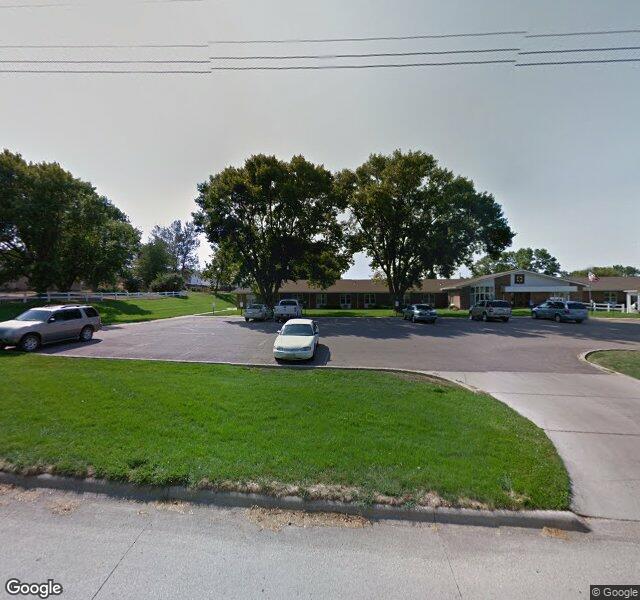
How is Park View Haven Nursing Home Staffed?
CMS rates Park View Haven Nursing Home's staffing level at 4 out of 5 stars, which is above average compared to other nursing homes. Staff turnover is 66%, which is 19 percentage points above the Nebraska average of 46%. High turnover can affect care consistency as new staff learn residents' individual needs. RN turnover specifically is 67%, which is notably high. RNs provide skilled clinical oversight, so turnover in this role can affect medical care quality.

What Have Inspectors Found at Park View Haven Nursing Home?

State health inspectors documented 15 deficiencies at Park View Haven Nursing Home during 2022 to 2025. These included: 1 that caused actual resident harm and 14 with potential for harm. Deficiencies causing actual harm indicate documented cases where residents experienced negative health consequences.

Who Owns and Operates Park View Haven Nursing Home?

Park View Haven Nursing Home is owned by a government entity. Government-operated facilities are typically run by state, county, or municipal agencies. The facility operates independently rather than as part of a larger chain. With 34 certified beds and approximately 26 residents (about 76% occupancy), it is a smaller facility located in Coleridge, Nebraska.

How Does Park View Haven Nursing Home Compare to Other Nebraska Nursing Homes?

Compared to the 100 nursing homes in Nebraska, Park View Haven Nursing Home's overall rating (3 stars) is above the state average of 2.9, staff turnover (66%) is significantly higher than the state average of 46%, and health inspection rating (3 stars) is at the national benchmark.

What Should Families Ask When Visiting Park View Haven Nursing Home?

Based on this facility's data, families visiting should ask: "How do you ensure continuity of care given staff turnover, and what is your staff retention strategy?" "Can I visit during a mealtime to observe dining assistance and food quality?" "How do you handle medical emergencies, and what is your hospital transfer rate?" "Can I speak with family members of current residents about their experience?" These questions are particularly relevant given the facility's high staff turnover rate.

Is Park View Haven Nursing Home Safe?

Based on CMS inspection data, Park View Haven Nursing Home has a clean safety record: no substantiated abuse findings (meaning no confirmed cases of resident harm), no Immediate Jeopardy citations (the most serious violation level indicating risk of serious injury or death), and is not on the Special Focus Facility watch list (a federal program monitoring the lowest-performing 1% of nursing homes). The facility has a 3-star overall rating and ranks #1 of 100 nursing homes in Nebraska. While no facility is perfect, families should still ask about staff-to-resident ratios and recent inspection results during their visit.

Do Nurses at Park View Haven Nursing Home Stick Around?

Staff turnover at Park View Haven Nursing Home is high. At 66%, the facility is 19 percentage points above the Nebraska average of 46%. Registered Nurse turnover is particularly concerning at 67%. RNs handle complex medical decisions and coordinate care — frequent RN changes can directly impact care quality. High turnover means new staff may not know residents' individual needs, medications, or preferences. It can also be disorienting for residents, especially those with dementia who rely on familiar faces. Families should ask: What is causing the turnover? What retention programs are in place? How do you ensure care continuity during staff transitions?

Was Park View Haven Nursing Home Ever Fined?

Park View Haven Nursing Home has been fined $39,387 across 2 penalty actions. The Nebraska average is $33,473. While any fine indicates a compliance issue, fines under $50,000 are relatively common and typically reflect isolated problems that were subsequently corrected. Families should ask what specific issues led to these fines and confirm they've been resolved.

Is Park View Haven Nursing Home on Any Federal Watch List?

Park View Haven Nursing Home is not on any federal watch list. The most significant is the Special Focus Facility (SFF) program, which identifies the bottom 1% of nursing homes nationally based on persistent, serious quality problems. Not being on this list means the facility has avoided the pattern of deficiencies that triggers enhanced federal oversight. This is a positive indicator, though families should still review the facility's inspection history directly.