Emerald Nursing & Rehab Columbus
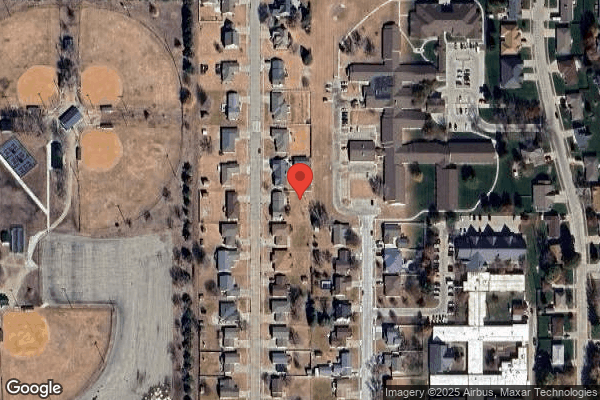

2855 40th Avenue, Columbus, NE 68601 (402) 564-8014
For profit - Corporation 145 Beds EMERALD HEALTHCARE Data: November 2025
Trust Grade
35/100
#143 of 177 in NE
Last Inspection: July 2024

Within standard 12-15 month inspection cycle. Federal law requires annual inspections.

Overview

Emerald Nursing & Rehab in Columbus, Nebraska has received a Trust Grade of F, indicating significant concerns about the quality of care provided. It ranks #143 out of 177 facilities in Nebraska, placing it in the bottom half of the state's nursing homes, and it is the second option available in Platte County. Unfortunately, the facility is worsening, with the number of identified issues increasing from 4 in 2023 to 12 in 2024. Staffing is a major concern, rated at 1 out of 5 stars, with a high turnover rate of 79%, compared to the state average of 49%, which means many staff do not stay long enough to build relationships with residents. While the home has not incurred any fines, which is a positive aspect, it has serious deficiencies, including failures to manage water safety and maintain cleanliness in resident rooms, as well as inadequate staffing in the kitchen to prevent foodborne illness. These problems suggest challenges in maintaining a safe and healthy environment for residents.

Trust Score
F
35/100
In Nebraska
#143/177
Bottom 20%
Safety Record
Low Risk
No red flags
Inspections
Getting Worse
4 → 12 violations
Staff Stability
⚠ Watch
79% turnover. Very high, 31 points above average. Constant new faces learning your loved one's needs.
Penalties
✓ Good
No fines on record. Clean compliance history, better than most Nebraska facilities.
Skilled Nurses
⚠ Watch
Each resident gets only 13 minutes of Registered Nurse (RN) attention daily — below average for Nebraska. Fewer RN minutes means fewer trained eyes watching for problems.
Violations
⚠ Watch
20 deficiencies on record. Higher than average. Multiple issues found across inspections.
★☆☆☆☆
1.0
Overall Rating
★☆☆☆☆
1.0
Staff Levels
★★☆☆☆
2.0
Care Quality
★★☆☆☆
2.0
Inspection Score
Stable
2023: 4 issues
2024: 12 issues

The Good

  • Full Sprinkler Coverage · Fire safety systems throughout facility
  • No fines on record

Facility shows strength in fire safety.

The Bad

1-Star Overall Rating

Below Nebraska average (2.9)

Significant quality concerns identified by CMS

Staff Turnover: 79%

32pts above Nebraska avg (46%)

Frequent staff changes - ask about care continuity

Chain: EMERALD HEALTHCARE

Part of a multi-facility chain

Ask about local staffing decisions and management

Staff turnover is very high (79%)

31 points above Nebraska average of 48%

The Ugly 20 deficiencies on record

Aug 2024 2 deficiencies
CONCERN (D) 📢 Someone Reported This

A family member, employee, or ombudsman was alarmed enough to file a formal complaint

Potential for Harm - no one hurt, but risky conditions existed

Pressure Ulcer Prevention (Tag F0686)

Could have caused harm · This affected 1 resident

**NOTE- TERMS IN BRACKETS HAVE BEEN EDITED TO PROTECT CONFIDENTIALITY** Licensure Reference Number: 175 NAC 12-006.09(H)(iii)(2) Based on observation, record review and interview; the facility failed...

Read full inspector narrative →
**NOTE- TERMS IN BRACKETS HAVE BEEN EDITED TO PROTECT CONFIDENTIALITY** Licensure Reference Number: 175 NAC 12-006.09(H)(iii)(2) Based on observation, record review and interview; the facility failed to follow practitioner's orders regarding a dressing change for 1 (Resident 2) of 5 sampled residents. The facility census was 79. Findings are: Review of Resident 2's Minimum Data Set (MDS-a federally mandated comprehensive assessment tool used for care planning) dated 7/10/24 revealed the resident was admitted [DATE] with diagnoses of anemia, high blood pressure, diabetes, anxiety, manic depression, and chronic obstructive pulmonary disease. The following was assessed regarding Resident 2: -short- and long-term memory loss with severely impaired decision-making skills, -required total assistance with bed mobility, transfers, dressing, personal hygiene, and toilet use, -feeding tube which provided 51 percent (%) or more of total calories and 501 cubic centimeters (cc) per day or more of average fluid intake, and -had two unhealed stage 3 pressure ulcers (full thickness tissue loss. Subcutaneous fat may be visible, but bone, tendon or muscle is not exposed. Slough may be present but does not obscure the depth of tissue loss) on admission. Review of the resident's current Care Plan dated 7/4/24 revealed the resident had actual impairment of skin integrity to the resident's coccyx and bilateral heels as the resident had been bedridden for 28 days in the hospital prior to admission. Review of an Order Summary Report for Resident 2 as of 8/12/24 revealed the resident had an order dated 7/3/24 to cleanse the resident's pressure ulcer to the coccyx with a wound cleanser, and then to apply Triad paste (topical zinc-oxide based paste for wounds with light to moderate levels of drainage which promotes a natural process that uses the body's own enzymes to breakdown dead tissue in wounds) every day and every evening. During an observation of wound care on 8/13/24 at 9:05 AM, Licensed Practical Nurse (LPN)-G washed hands and placed on a clean pair of gloves. No dressing was observed to the resident's pressure ulcer to the coccyx. The pressure ulcer measured approximately 1.5 centimeters (cm) by 2.5 cm with white tissue to the wound bed and pink healing tissue to the outer edges of the wound. LPN-G sprayed a cleanser to the wound bed and patted the area dry. LPN-G applied skin prep (skin protectant that prepares damaged skin for adhesive dressing or protects skin from incontinence or wound drainage) to the edges of the wound and allowed to dry. LPN-G then applied a small amount of Medi-honey (gel/ointment with antibacterial, anti-inflammatory, and debriding effects) directly to staff's glove and placed onto the wound. LPN-G removed gloves and washed hands in the resident's bathroom. During an interview on 8/13/24 at 9:25 AM, LPN-G confirmed completing the wrong dressing change to Resident 2's coccyx pressure ulcer.
CONCERN (D) 📢 Someone Reported This

A family member, employee, or ombudsman was alarmed enough to file a formal complaint

Potential for Harm - no one hurt, but risky conditions existed

Infection Control (Tag F0880)

Could have caused harm · This affected 1 resident

**NOTE- TERMS IN BRACKETS HAVE BEEN EDITED TO PROTECT CONFIDENTIALITY** Licensure Reference Number 175 NAC 12-006.18 Based on observation, record review, and interview; the facility failed to: 1) util...

Read full inspector narrative →
**NOTE- TERMS IN BRACKETS HAVE BEEN EDITED TO PROTECT CONFIDENTIALITY** Licensure Reference Number 175 NAC 12-006.18 Based on observation, record review, and interview; the facility failed to: 1) utilize the required Personal Protective Equipment (PPE-can include items such as gowns, gloves, masks, goggles, face shields, and foot coverings) when performing direct cares for Residents 3 and 4 who were on Enhanced Barrier Precautions; and 2) complete hand hygiene (hand washing using soap and water or an alcohol based hand rub) and gloving techniques during the provision of a treatment to prevent potential cross contamination during the provision of wound care for Resident 3. The sample size was 5 and the facility census was 79. Findings are: A. Review of the facility policy PPE-Enhanced [NAME] Precautions (EBP) with a revision date of 1/24 revealed EBP are an infection control intervention designed to reduce transmission of resistive organisms that employs targeted gown and glove use during high contact resident care activities. EBP may be indicated for residents with wounds or indwelling medical devices. EBP requires the use of gown and gloves only for high-contact resident care activities (dressing, bathing/showering, transferring, providing hygiene, changing linens, changing briefs, or assisting with toileting, device care and/or use and wound care). B. Review of the facility policy Handwashing/Hand Hygiene with a revision date of 1/24 revealed the facility considered hand hygiene the primary means to prevent the spread of infections. Handwashing and hand hygiene was to be completed for the following: -when hands were visibly soiled, -before and after coming on duty, -before preparing or handling medications, -before putting on and when taking off gloves, and -before moving from a contaminated body site to a clean body site during resident cares. C. During an observation of resident cares on 8/13/24 at 10:35 AM, Resident 3 was positioned in a wheelchair in the resident's room. A sign on the doorframe of the resident's room indicated the resident was on EBP. Nurse Aide (NA)-D and Medication Aide (MA)-E entered the room to transfer the resident into bed for a dressing change. Both staff completed hand hygiene and placed on gloves but failed to put on gowns. MA-E removed the soiled linens and then proceeded to place clean linens on Resident 3's bed. The full lift (mechanical device that allows residents to be transferred between a bed and a chair using hydraulic power and requires no weight bearing assistance from the resident) was positioned in front of the resident and still without putting on the required PPE, NA-D and MA-E transferred the resident out of the wheelchair and onto the resident's bed. Registered Nurse (RN)-F entered the resident's room, washed hands in the resident's handwashing sink, then placed on a gown and gloves. RN-F removed the dressing from the resident's coccyx area and discarded. Without changing gloves, RN-F sprayed the resident's pressure ulcer with a wound wash, patted dry with gauze and dispensed a moderate amount of barrier cream from the container directly to soiled gloves. RN-F then applied a thick layer of the barrier cream directly to the wound bed. Still without removing soiled gloves, RN-F opened a clean dressing and placed over the coccyx wound. RN-F removed soiled gloves and without washing hands or completing hand hygiene, proceeded to assist MA-E with placing a clean disposable urinary incontinent brief on the resident and adjusting the resident's clothing. D. Observations of resident cares on 8/14/24 at 8:45 AM revealed Resident 4 was lying supine in bed. Resident 4 had a sign on the doorframe of the resident's room which indicated the resident was on EBP. NA-M entered the resident's room washed hands and placed on a clean pair of gloves. NA-M assisted the resident with dressing, transfer into the bathroom, toileting/hygiene cares and changing the resident's urine soiled bed linens without the use of a disposable gown. E. During an interview on 8/14/24 at 2:00 PM, the Director of Nursing (DON) confirmed the following: -Resident 3 was on EBP as the resident had a pressure ulcer to the coccyx. -NA-D and MA-E should have worn a gown as well as gloves when changing the Resident 3's bed and transferring the resident from the wheelchair to the bed. -RN-F should have removed soiled gloves after removing the dressing and applying barrier cream to Resident 3's coccyx, washed hands and placed on clean gloves before putting the clean dressing on the resident's pressure ulcer. -Resident 4 was on EBP due to a pressure ulcer to the resident's right lower leg. -NA-M should have worn gloves and a gown when assisting Resident 4 with direct cares.
Jul 2024 8 deficiencies
CONCERN (D)

Potential for Harm - no one hurt, but risky conditions existed

Accident Prevention (Tag F0689)

Could have caused harm · This affected 1 resident

LICENSURE REFERENCE NUMBER 175 NAC 12-006.09(l)(i) Based on observations, record review and interviews; the facility failed to implement fall interventions and to revise current interventions and/or d...

Read full inspector narrative →
LICENSURE REFERENCE NUMBER 175 NAC 12-006.09(l)(i) Based on observations, record review and interviews; the facility failed to implement fall interventions and to revise current interventions and/or develop new intervention to prevent ongoing falls for Resident 69. The sample size was 5 and the census was 73. Findings are: A. Review of the facility policy Falls Management with a revision date of 1/24 revealed the residents were to be assessed to determine fall risk and then the interdisciplinary team (IDT) were to identify and implement appropriate interventions to reduce the risk of falls or injuries. The following procedures were indicated: -assess the resident's fall risk at admission, quarterly, with a change in condition or a fall. -implement goals and interventions based on the individual's needs. -communicate interventions to the team. -educate the staff, resident, and responsible party regarding interventions. -provide training to staff as needed and document. B. Review of Resident 69's Minimum Data Set (MDS-a federally mandated comprehensive assessment tool used for care planning) dated 4/26/24 revealed diagnoses of adult failure to thrive, previous heart attack with rapid, irregular heartrate and pain. The following was assessed regarding the resident: -cognition was moderately impaired, -displayed behaviors which included verbal and physical behaviors directed at others, other behavioral symptoms (hitting or scratching self, pacing, rummaging, public sexual acts, throwing or smearing food or bodily wastes or verbal/vocal sounds) not directed at others and rejection of cares, -dependent with dressing, bed mobility and transfers, and -one fall without injury since the previous assessment. Review of Fall Scene Investigation Reports for Resident 69 revealed the following: -4/22/24 at 12:30 AM the resident was found sitting on the foot pedals of the wheelchair in the resident's room. Interventions in place included the resident's call light was in reach and the resident wore non-skid footwear. The resident indicated wanting to go to bed and had tried to transfer self. A new intervention was identified to ask the resident earlier in the shift if ready to go to bed and to provide assist when ready. -5/9/24 at 9:51 AM the resident was found on the floor next to the resident's bed. The call light was in reach and the resident wore gripper socks. Interventions to place the resident's bed in the lowest position and for a fall mat to be placed next to the bed were identified. -5/21/24 at 8:20 AM the resident was found on the floor next to the bed. The investigation indicated an alarm was sounding at the time of the fall, the resident's call light was in reach and the resident was wearing non-skid footwear. Further review of the investigation revealed no evidence the fall mat was on the floor next to the resident's bed or if the bed had been placed in the lowest position. A new intervention was identified for positioning bars to be placed on the bed. -5/31/24 at 5:24 AM the resident was found on the floor in the resident's room between the bed and the bathroom. Further review of the investigation revealed no documentation to indicate if the resident's bed had been placed in the lowered position, if the repositioning bars were placed on the bed, and if an alarm and/or the fall mat were utilized. In addition, there was no documentation to indicate a new intervention was developed to prevent further falls. -6/18/24 at 5:42 AM the resident was lying on the floor next to the bed in the resident's room. The report indicated the bed had not been placed in the lowered position and there was no evidence the fall mat was in place at the time of the fall. There were no revisions of current interventions or evidence additional interventions were developed. -6/23/24 at 4:35 PM the resident was found on the floor between the nightstand and the resident's bed. The report identified a fall alarm was to be placed on the resident's bed (investigation dated 5/21/24 at 8:20 AM indicated an alarm was in place and sounding) and a Medication review was to be conducted. Observations of Resident 69 in the resident's room revealed the following: -7/15/24 at 10:11 AM, 10:25 AM and 11:45 PM the resident was seated in the wheelchair. A sensor pad fall alarm (electronic pressure sensitive pad designed for use in chairs or beds which will alarm if a resident tries to get up without assistance) was positioned on the resident's bed and a second alarm had been placed on the bedside dresser. No alarm had been placed on the resident's wheelchair. The resident's call light cord was pooled on the floor behind the resident and not within reach for the resident to utilize. -7/15/24 at 2:05 PM the resident was lying in bed. The bed had been placed in the lowered position, a sensor pad fall alarm was in place as well as repositioning bars to the bed and the call light was in reach. However, no fall mat was in place on the floor next to the resident's bed. -7/16/24 at 11:00 AM the resident was seated in a wheelchair to the left side of the resident's bed with the sensor pad fall alarm in place. The call light was secured to the positioning bar which was located on the right side of the bed and was not in easy reach of the resident. Interview with Nurse Aide (NA)-S on 7/16/24 at 11:40 AM revealed the resident was to have the call light within reach and was to have the sensor pad fall alarm always on to prevent further falls. NA-S was uncertain as to use of the fall mat and confirmed there was no fall mat in the resident's room. Interview with the Director of Nursing (DON) on 7/17/24 at 2:13 PM verified the following: -new interventions were developed for use of a fall mat next to the resident's bed and for the resident's bed to be placed in the lowered position after the resident's fall on 5/9/24 at 9:51 AM. -no new interventions were developed after the resident's fall on 5/31/24 at 5:24 AM. At some point, the DON had removed the fall mat from the resident's room as the DON felt this was too great of a trip hazard for the resident. However, there was no documentation as to when the fall mat was removed. -the resident's bed had not been placed in the lowered position prior to the resident's fall on 6/18/24 at 5:42 AM. There was no documentation to determine if the staff had received education regarding implementation of the intervention. No further fall interventions were developed and/or implemented.
CONCERN (D)

Potential for Harm - no one hurt, but risky conditions existed

Deficiency F0757 (Tag F0757)

Could have caused harm · This affected 1 resident

Licensure Reference Number 175 NAC 12-006.12(A)(vi) Based on record review and interview, the facility failed to ensure residents were free from unnecessary medications related to long term use of an...

Read full inspector narrative →
Licensure Reference Number 175 NAC 12-006.12(A)(vi) Based on record review and interview, the facility failed to ensure residents were free from unnecessary medications related to long term use of an antibiotic medication for Resident 22. The antibiotic did not specify a duration and had no supporting documentation for clinical use based on laboratory results. The sample size was 2 and the facility census was 73. Findings are: A. Review of the facility Antibiotic Stewardship Policy dated 11/17 revealed the following: -the purpose of the program was to reduce inappropriate use of antibiotics, improve resident outcomes and lessen adverse events. -antibiotic stewardship was to be part of the Infection Control Program. -the facility was to track antibiotic use daily. -all nurses were to be educated regarding proper assessment for infection prior to calling a physician. -the facility was to ensure the pharmacy reviewed all antibiotic usage for appropriateness. -the facility would monitor for any adverse reactions/outcomes related to use of antibiotics. B. Review of Resident 22's medical record revealed the following: -4/5/23 at 10:35 AM the resident was seen by the urologist due to use of an indwelling Foley catheter. Urine in the drainage bag appeared cloudy and a new order was received to start Cefadroxil (antibiotic used to stop the growth of bacteria) 500 milligrams (mg) daily indefinitely. -4/25/23 at 11:28 PM the indwelling Foley catheter was removed per order of the urologist. -4/26/23 at 8:10 AM the resident was out of the facility at the urologist. Further review revealed no evidence the urologist addressed the continued use of the Cefadroxil 500 mg daily. -5/22/23 the consultant pharmacist completed a monthly medication review and requested the resident's physician address the continued daily use of the Cefadroxil 500 mg daily. -6/5/23 the resident's primary physician indicated use of the Cefadroxil should be addressed at the resident's urology appointment on 7/12/23. -7/12/23 the resident was seen by the urologist. Review of the resident's medical record revealed no evidence the continued use of the Cefadroxil 500 mg daily was assessed. -3/7/24 at 12:18 PM a Nursing Progress Note indicated the resident had a urinalysis collected due to the resident's complaints of pain and burning with urination. -4/19/24 a facsimile (fax) was sent to the resident's primary physician regarding the continued use of the Cefadroxil since 2023. -4/22/24 the resident's primary physician again refused to address use of the Cefadroxil indicating the medication had been ordered by the urologist. -5/22/24 at 11:15 AM the resident was seen by the urologist. The urologist was asked if continued use of the Cefadroxil was warranted and if so, what diagnosis should be used. Review of the Physician Visit form revealed the urologist did not address the diagnosis or the continued use of the Cefadroxil but indicated a urine culture was pending. -6/4/24 a new order was received for Amoxicillin (antibiotic used to treat bacterial infections) 875 mg take 1 tablet twice a day for 14 days. Review of the resident's Medication Administration Record (MAR) dated 7/24 revealed the resident continued to receive the Cefadroxil 500 mg daily indefinitely which was ordered 4/6/23 for history of urinary tract infections. An interview with the Infection Preventionist dated 7/18/24 at 10:01 AM confirmed the following: -the resident was started on the Cefadroxil 500 mg daily by the urologist 4/5/24. At the time the resident was seen by the urologist, the resident had an indwelling Foley catheter and at the appointment, the resident's urine was cloudy. However, there was no urinalysis completed at the office prior to the initiation of the antibiotic. -per the urologist the resident's indwelling catheter was discontinued 4/25/23. -5/22/23 the consultant pharmacist reviewed the resident's medications and made a recommendation to address the long-term use of the antibiotic based on the potential harm associated with long-term use. -6/5/23 the resident's primary physician indicated the resident should continue the antibiotic and use of the medication should be addressed by the urologist. -seen by the urologist 7/12/23 and use of the antibiotic was not addressed by the urologist. -the resident had a urinalysis completed 3/7/24 due to complaints of burning when the resident voided but there was no evidence of an infection. -4/19/24 the consultant pharmacist again addressed use of the antibiotic. -4/22/24 the primary physician refused to address use of the antibiotic and indicated use should be reviewed by the urologist. -5/22/24 seen by the urologist and a urinalysis was obtained. Though the facility asked about the continued use of the Cefadroxil, the urologist again failed to address and indicated the office was waiting for the culture report. -6/3/24 the facility had not heard any information regarding the impending culture of the urinalysis obtained 5/22/24 and attempted to contact the urologist. -6/4/14 a new order was received for Amoxicillin 875 mg take 1 tablet every 12 hours for 14 days. -the resident continued to receive the Cefadroxil without a stop date.
CONCERN (D) 📢 Someone Reported This

A family member, employee, or ombudsman was alarmed enough to file a formal complaint

Potential for Harm - no one hurt, but risky conditions existed

Unnecessary Medications (Tag F0759)

Could have caused harm · This affected 1 resident

LICENSURE REFERENCE NUMBER 175 NAC 12-006.10D Based on observation, record review and interview; the facility staff failed to ensure a medication error rate of less than 5 percent (%). Observations of...

Read full inspector narrative →
LICENSURE REFERENCE NUMBER 175 NAC 12-006.10D Based on observation, record review and interview; the facility staff failed to ensure a medication error rate of less than 5 percent (%). Observations of 27 medications administered revealed 6 errors resulting in an error rate of 22.22%. The medication errors were related to 3 (Residents 5, 19 and 68) of 6 residents. The facility staff identified a census of 73. Findings are: A. Review of the facility policy Medication Errors with a revision date of 1/24 revealed the facility was to ensure residents were free of medication error rates of 5% or greater. A medication error was defined as the observed or identified preparation or administration of medications which were not in accordance with the prescriber's order or the manufacturers specifications regarding the preparation and administration of the medication. B. Review of Resident 5's Medication Administration Record (MAR) dated 7/2024 revealed the resident had an order dated 4/13/23 for Metformin (medication used to treat diabetes) 1000 milligrams (mg) to take 1 tablet twice a day with food. Observations on 7/17/24 revealed the following: -7:45 AM Licensed Practical Nurse (LPN)-G administered the Metformin to Resident 5 in the resident's room. The resident was not offered food when the medication was administered. -8:30 AM (45 minutes later) the resident was in the dining room and was served the breakfast meal. C. Review of Resident 19's MAR dated 7/2024 revealed the following orders: -Glimepiride (medication used to treat diabetes) 4 mg 1 tablet daily to take with food ordered 10/27/22, -Metformin 100 mg take 1 tablet daily with food ordered 10/27/22, -Potassium Chloride 20 milliequivalents take 1 tablet with a full glass of water and take with food ordered 11/28/22, and -Aspirin 81 mg take 1 tablet daily with food ordered 11/28/22. Observations on 7/17/24 revealed the following: -7:23 AM LPN-P administered the Glimepiride, Metformin, Potassium Chloride, and the Aspirin to Resident 19 in their room. The medications were not administered with food and the resident did not receive a full glass of water with the medications. -8:43 AM (1 hour and 10 minutes later) the resident was in the dining room and was served the breakfast meal. D. Review of Resident 68's MAR for 7/2024 revealed the resident had an order dated 5/23/24 for Meloxicam (anti-inflammatory medication used to treat arthritis) 15 mg 1 tablet daily. The order further indicated the medication was to be taken with food. Observation on 7/17/24 revealed the following: -7:15 AM LPN-P administered the Meloxicam to Resident 68 in the resident's room. The resident was not offered food at the time the medication was administered. -8:35 AM (1 hour and 15 minutes later) the resident was served their breakfast meal in the dining room. E. During an interview on 7/17/24 at 1:58 PM, the Director of Nursing (DON) verified Residents 5, 19, and 68 should have received their medications with food and staff should have administered during the breakfast meal.
CONCERN (D)

Potential for Harm - no one hurt, but risky conditions existed

Deficiency F0804 (Tag F0804)

Could have caused harm · This affected 1 resident

LICENSURE REFERENCE NUMBER 175 NAC 12-006.11D Based on observation, record review and interview; the facility failed to ensure room trays were palatable and served at the proper temperature. This affe...

Read full inspector narrative →
LICENSURE REFERENCE NUMBER 175 NAC 12-006.11D Based on observation, record review and interview; the facility failed to ensure room trays were palatable and served at the proper temperature. This affected 2 (Residents 34 and 66) of 4 residents served a breakfast room tray. The facility staff identified a census of 73. Findings are: A. Review of the facility Beginning Food Cooking Temperatures log (form used to document food temperatures before each meal service) revealed the serving temperatures of all hot food was to be a minimum of 140 degrees Fahrenheit (F) before serving to the residents. Further review of the log revealed on 7/15/24 at the breakfast meal the scrambled eggs had a temperature of 182 degrees. B. Observations on 7/15/24 revealed the following: -8:10 AM a serving cart was positioned next to the Nurse's Station by the [NAME] corridor. The cart contained 4 breakfast room trays with a thermal cover over each of the plates. -8:50 AM (40 minutes later) Nurse Aide (NA)-S approached the cart, removed one of the trays and deliver the room tray to Resident 34. NA-S removed the thermal covering and revealed a serving of scrambled eggs. -9:00 AM Dietary Aide (DA)-dd obtained a temperature of 78 degrees F for the scrambled eggs. -9:02 AM Resident 66 had also received a breakfast room tray which contained scrambled eggs which had a temperature of 74 degrees F. An interview with DA-dd on 7/15/24 at 9:10 AM confirmed the scrambled eggs should have been a minimum of 140 degrees F before being served to the residents. DA-dd reported the breakfast room trays had been prepared somewhere between 7:30 AM to 7:45 AM that morning and the kitchen staff then placed them by the Nurse's Station for the Nursing staff to distribute. .
CONCERN (E) 📢 Someone Reported This

A family member, employee, or ombudsman was alarmed enough to file a formal complaint

Potential for Harm - no one hurt, but risky conditions existed

Safe Environment (Tag F0584)

Could have caused harm · This affected multiple residents

**NOTE- TERMS IN BRACKETS HAVE BEEN EDITED TO PROTECT CONFIDENTIALITY** Licensure Reference Number 175 NAC 12-006.19 (A) Based on observation, and interview, the facility failed to maintain the clean...

Read full inspector narrative →
**NOTE- TERMS IN BRACKETS HAVE BEEN EDITED TO PROTECT CONFIDENTIALITY** Licensure Reference Number 175 NAC 12-006.19 (A) Based on observation, and interview, the facility failed to maintain the cleanliness and condition of walls, floors, and a baseboard in 5 (rooms: Northwest 7 and 10, Northeast 4, East 7 and [NAME] 5) of 68 occupied resident rooms and the Northwest corridor between rooms [ROOM NUMBERS]. The facility census was 73. Findings are: Observations on 7/18/24 from 11:30 AM to 12:06 PM, during the environment tour, revealed the following concerns with the facility environment: Northwest corridor -missing base board in the hallway between rooms [ROOM NUMBERS], -room [ROOM NUMBER] with scrapes and gouges and a hole in the drywall approximately 4 by 10 inches underneath of the air conditioning unit and the adjacent wall with gouged/scraped areas, -room [ROOM NUMBER] in the resident's bathroom above the stool was a hole/gouged area in the drywall which measured approximately 4 by 6 inches. Northeast Corridor -room [ROOM NUMBER] had an area underneath of the window with a patch panel that had been screwed into the wall which measured approximately 20 by 32 inches. East Corridor -room [ROOM NUMBER] next to the resident's bed was a hole/gouged area in the drywall which measured approximately 4 x 6 inches. West Corridor -room [ROOM NUMBER] with a transition stop strip between flooring in the resident's room and the corridor. Right side of the strip was loose and no longer affixed to the floor with exposed flooring having a black discoloration with dirt/debris. An interview with the Administrator on 7/18/24 at 11:42 AM confirmed the areas identified on the environment tour needed to be cleaned and/or repaired. During an interview on 7/18/24 at 12:30 PM, the Maintenance Director (MD) indicated the patch panel had been affixed to the wall in room [ROOM NUMBER] on the Northeast corridor as the wall had caved in . The MD reported a Maintenance Request Log was kept on a clip board at the Nurse's Station, but the areas of concern had not been identified prior to the environmental tour of the facility.
CONCERN (E)

Potential for Harm - no one hurt, but risky conditions existed

Deficiency F0801 (Tag F0801)

Could have caused harm · This affected multiple residents

Licensure Reference Number 175 12-006.04(H) Based on observation, interview, and record review; the facility failed to ensure they employed a Certified Dietary Manager (CDM) and staffing sufficient to...

Read full inspector narrative →
Licensure Reference Number 175 12-006.04(H) Based on observation, interview, and record review; the facility failed to ensure they employed a Certified Dietary Manager (CDM) and staffing sufficient to clean the kitchen environment, food preparation equipment and storage equipment in a manner to prevent potential food borne illness. This had the potential to affect all residents who ate food prepared by the facility. The facility census was 73. Findings are: Review of the facility Job Description for Manager of Dining Services dated 10/1/16 revealed the following: -The Dietary Manager managed the operation of the dietary department to include staff, food ordering and preparation, food delivery and clean-up in accordance with facility policies, physician's orders, patient care plans and appropriate regulations. -Ensured food was nutritional, appetizing, prepared per menu and recipes and served in a timely manner. -Ensured equipment and work areas were clean, safe and orderly, ensured strict adherence to procedures regarding cleaners and or hazardous materials or objects, ensured universal precautions and infection control, isolation, fire, safety and sanitation practices and procedures were followed and promptly addressed any hazardous conditions or equipment. During the initial brief tour of the primary kitchen on 7/15/24 at 7:15 AM the following was identified: The kitchen floor was covered in a sticky substance causing shoes to stick to the floor when walking. -the grout in the floor tiles was covered in food debris, especially on the floor just in front of the steam table in which food is served from. -the floor beneath the refrigerators, working and food prep surfaces, below the ovens, dishwasher, sinks, and all equipment/table legs and the floor base where they sat, were coated with a thick black substance and food debris. The floor beneath the ovens had a thick layer of food debris present. -The surface of the fire suppression system just above the oven was coated in thick brown sticky substance and the paint was peeling away from the metal surface. -The oven doors were coated with burnt on food and the insides of the ovens had a thick layer of black burnt food. -The inside surface, outside door and below the food steamer were coated in a white substance and one steamer was dripping water into a pan beneath the steamer; the water was full to the top of the pan and cloudy colored. -The walls above and adjacent to the oven was covered in a brown colored sticky substance that had been dripping down the walls. -The wall behind a second fire suppression system located above the food steamer also was coated in the brown dripping sticky substance as was one side of the fire suppression system. Pans used for baking food were located directly below the wall and fire suppression system where the sticky substance was seen. -All the facility cooking pots located on a shelf were coated in a thick layer of black carbon build up on the outside surfaces of the pots extending 1/2 way up the pots. -The air return covers throughout the kitchen had chipping paint and rust spots present. -Just below a pan catching the drippings from the food steamer, was a bin of flour and a bin of sugar. The flour bin was noted to have a brown substance dripping inside of the bin from the pan above it, onto the flour turning the flour a brown color. -The sink in the dishwasher room was dripping at a constant slow trickle, the piping beneath the sink was dripping, and a pan was beneath the sink drain catching the dripping water. The water in the pan was milky and cloudy in appearance. -the doors of the reach-in refrigerators were covered in handprints/smears and the lower portions of the refrigerator surfaces were coated with food debris. -The bottom shelf of the reach-in freezer had frozen orange colored liquid present and a box of vegetables (Okra) stuck in the frozen substance. -The dry food storage area had 4 boxes of unpacked food sitting directly on the floor. -The walk-in freezer had 2 boxes of food stored directly on the floor. -Two food service carts used for transporting food within the kitchen were covered in food crumbs and stuck on food debris. -A food cart with a toaster on it was also heavily covered with food debris and crumbs. -Any/all equipment or items with wheels had heavily soiled wheels. During an initial tour of the secondary kitchen on 7/15/24 at 7:55 AM the following was revealed: -The floor in the secondary kitchen was also sticky and the grout was heavily soiled. -The floor beneath the refrigerators, below the steam table, anywhere legs of equipment were on the floor, and the surrounding areas were heavily soiled. -The lid to the ice machine was hanging down on one side and the surfaces of the ice machine was soiled with a white substance and evidence of dripping water. -The ice machine also had chipping paint on the side of it. -The dishwashing room floor and surfaces were also covered in lime build up and the sink drains were heavily coated in a brown substance. During an interview on 7/15/24 at 7:40 AM with the Dietary Manager (DM) revealed the DM had no current certification but was enrolled in classes. The DM confirmed the facility had no evidence they were completing routine cleaning of the environment and the facility equipment. In addition, the DM confirmed the facility sink in the dishwashing room had been leaking for a least 6 months and a request had been submitted to the maintenance department for repair. The DM confirmed that often the deep cleaning was not getting completed due to staffing concerns. During an interview on 7/15/24 at 8:00 AM with Dietary Staff (DS)-A confirmed cleaning often did not happen, as staff did not have time to clean equipment during the course of a work shift. During a tour of the kitchens on 7/15/24 at 10:30 AM the facility Administrator confirmed the condition of the kitchen walls, floors, food preparation/storage equipment, leaking faucets and drains and fluid dripping into the flour bin from the food steamer was not acceptable. In addition, the Administrator confirmed the DM had not completed the required training and was cooking frequently, not allowing for time to ensure the environment and equipment was being adequately maintained. During an interview on 7/18/24 at 2:45 PM the facility Administrator confirmed the Dietary Manager was not certified, was cooking most of the time, and had the facility had no evidence the kitchen environment and equipment was being cleaned on a routine basis.
CONCERN (E) 📢 Someone Reported This

A family member, employee, or ombudsman was alarmed enough to file a formal complaint

Potential for Harm - no one hurt, but risky conditions existed

Food Safety (Tag F0812)

Could have caused harm · This affected multiple residents

Licensure Reference Number 175 NAC 12-006.11(E) Based on observation, interview, and record review; the facility failed to ensure the kitchen environment, food storage, and preparation equipment were ...

Read full inspector narrative →
Licensure Reference Number 175 NAC 12-006.11(E) Based on observation, interview, and record review; the facility failed to ensure the kitchen environment, food storage, and preparation equipment were maintained in a manner to prevent the potential for food borne illness. This had the potential to affect all facility residents who ate food prepared by the facility kitchen. The facility census was 73. Findings are: Review of the 7/21/2016 version of the Food Code, based on the United States Food and Drug Administration Food Code and used as an authoritative reference for food service sanitation practices, revealed the following: -4-602.13 Nonfood contact surfaces of equipment shall be cleaned at a frequency necessary to preclude accumulation of soil residue. -4-601.11(B) The food-contact surfaces of cooking equipment and pans shall be kept free of encrusted grease deposits and other soil accumulations. -4-601.11(C) Nonfood-contact surfaces of equipment shall be kept free of an accumulation of dust, dirt, food residue, and other debris. -4-903.11(A) cleaned equipment and utensils, laundered linens, and single-service and single-use articles shall be stored: (2) Where they are not exposed to splash, dust, or other contamination. -6-2-01.11 Cleanability, Floors, Walls, and Ceilings. Except as specified under 6-201.14 and except for anti-slip floor coverings or applications that may be used for safety reasons, floors, floor coverings, walls, wall coverings, and ceilings shall be designed, constructed, and installed so they are smooth and easily cleanable. During the initial brief tour of the primary kitchen on 7/15/24 at 7:15 AM the following was identified: The kitchen floor was covered in a sticky substance causing shoes to stick to the floor when walking. -the grout in the floor tiles was covered in food debris, especially on the floor just in front of the steam table in which food is served from. -the floor beneath the refrigerators, working and food prep surfaces, below the ovens, dishwasher, sinks, and all equipment/table legs and the floor base where they sat, were coated with a thick black substance and food debris. The floor beneath the ovens had a thick layer of food debris present. -The surface of the fire suppression system just above the oven was coated in thick brown sticky substance and the paint was peeling away from the metal surface. -The oven doors were coated with burnt on food and the insides of the ovens had a thick layer of black burnt food. -The inside surface, outside door and below the food steamer were coated in a white substance and one steamer was dripping water into a pan beneath the steamer; the water was full to the top of the pan and cloudy colored. -The walls above and adjacent to the oven was covered in a brown colored sticky substance that had been dripping down the walls. -The wall behind a second fire suppression system located above the food steamer also was coated in the brown dripping sticky substance as was one side of the fire suppression system. Pans used for baking food were located directly below the wall and fire suppression system where the sticky substance was seen. -All the facility cooking pots located on a shelf were coated in a thick layer of black carbon build up on the outside surfaces of the pots extending 1/2 way up the pots. -The air return covers throughout the kitchen had chipping paint and rust spots present. -Just below a pan catching the drippings from the food steamer, was a bin of flour and a bin of sugar. The flour bin was noted to have a brown substance dripping inside of the bin from the pan above it, onto the flour turning the flour a brown color. -The sink in the dishwasher room was dripping at a constant slow trickle, the piping beneath the sink was dripping, and a pan was beneath the sink drain catching the dripping water. The water in the pan was milky and cloudy in appearance. -the doors of the reach-in refrigerators were covered in handprints/smears and the lower portions of the refrigerator surfaces were coated with food debris. -The bottom shelf of the reach-in freezer had frozen orange colored liquid present and a box of vegetables (Okra) stuck in the frozen substance. -The dry food storage area had 4 boxes of unpacked food sitting directly on the floor. -The walk-in freezer had 2 boxes of food stored directly on the floor. -Two food service carts used for transporting food within the kitchen were covered in food crumbs and stuck on food debris. -A food cart with a toaster on it was also heavily covered with food debris and crumbs. -Any/all equipment or items with wheels had heavily soiled wheels. During an initial tour of the secondary kitchen on 7/15/24 at 7:55 AM the following was revealed: -The floor in the secondary kitchen was also sticky and the grout was heavily soiled. -The floor beneath the refrigerators, below the steam table, anywhere legs of equipment were on the floor, and the surrounding areas were heavily soiled. -The lid to the ice machine was hanging down on one side and the surfaces of the ice machine was soiled with a white substance and evidence of dripping water. -The ice machine also had chipping paint on the side of it. -The dishwashing room floor and surfaces were also covered in lime build up and the sink drains were heavily coated in a brown substance. During an interview on 7/15/24 at 7:40 AM with the Dietary Manager (DM) revealed the DM had no current certification but was enrolled in classes. The DM confirmed the facility had no evidence they were completing routine cleaning of the environment and the facility equipment. In addition, the DM confirmed the facility sink in the dishwashing room had been leaking for a least 6 months and a request had been submitted to the maintenance department for repair. The DM confirmed that often the deep cleaning was not getting completed due to staffing concerns. During an interview on 7/15/24 at 8:00 AM with Dietary Staff (DS)-A confirmed cleaning often did not happen, as staff did not have time to clean equipment during the course of a work shift. During a tour of the kitchens on 7/15/24 at 10:30 AM the facility Administrator confirmed the condition of the kitchen walls, floors, food preparation/storage equipment, leaking faucets and drains and fluid dripping into the flour bin from the food steamer was not acceptable. In addition, the Administrator confirmed the DM had not completed the required training and was cooking frequently, not allowing for time to ensure the environment and equipment was being adequately maintained. During an interview on 7/18/24 at 2:45 PM the facility Administrator confirmed the Dietary Manager was not certified, was cooking most of the time, and had the facility had no evidence the kitchen environment and equipment was being cleaned on a routine basis.
CONCERN (F)

Potential for Harm - no one hurt, but risky conditions existed

Infection Control (Tag F0880)

Could have caused harm · This affected most or all residents

Licensure Reference Number NAC 175 12-006.18 Based on record review and interview; the facility failed to implement their legionella water management policy to prevent the potential for water-borne il...

Read full inspector narrative →
Licensure Reference Number NAC 175 12-006.18 Based on record review and interview; the facility failed to implement their legionella water management policy to prevent the potential for water-borne illness. This had the potential to affect all residents. The facility census was 73. Findings are: Review of the facility policy: Legionella (bacteria that causes pneumonia like illness) Water Management Program, last revised 1/2024 revealed the following: -the water management team would consist of at least the infection preventionist, the administrator, the medical director, the director of maintenance, and the director of environmental services, -the purpose was to identify areas in the water system where Legionella bacteria could grow and spread, and to reduce the risk of Legionnaire's disease (severe form of pneumonia), and -the water management program would include the following: a. an interdisciplinary water management team, b. a detailed description and diagram of the water system, c. identification of areas in the water system that could encourage the growth and spread of Legionella or other waterborne bacteria and the identification of situations that could lead to legionella growth such as stagnation, d. specific measures used to control the introduction and/or spread of Legionella, e. the parameters that were acceptable and were monitored, f. a diagram of where control measures were applied, g. a system to monitor control limits and the effectiveness of control measures, h. a plan for when control limits were not met and/or control measures were not effective, and i. documentation of the program, and j. the water management program would be reviewed at least once a year. Interview on 7/18/24 at 10:50 AM with the Maintenance Director revealed maintenance was not performing any measures to prevent the growth of legionella. Interview on 7/18/24 at 11:45 AM with the Infection Preventionist revealed that the maintenance department was in charge of performing the measures for the preventing the growth of legionella. Interview on 7/18/24 at 2:05 PM with the Administrator confirmed the facility had no documentation that they were taking measures to prevent the growth of legionella and had not implemented their water management policy.
May 2024 2 deficiencies
CONCERN (D) 📢 Someone Reported This

A family member, employee, or ombudsman was alarmed enough to file a formal complaint

Potential for Harm - no one hurt, but risky conditions existed

ADL Care (Tag F0677)

Could have caused harm · This affected 1 resident

**NOTE- TERMS IN BRACKETS HAVE BEEN EDITED TO PROTECT CONFIDENTIALITY** Licensure Reference Number 175 NAC 12-006.09D1c Based on record review and interview; the facility failed to provide bathing ser...

Read full inspector narrative →
**NOTE- TERMS IN BRACKETS HAVE BEEN EDITED TO PROTECT CONFIDENTIALITY** Licensure Reference Number 175 NAC 12-006.09D1c Based on record review and interview; the facility failed to provide bathing services for Residents 1, 4, and 5. The sample size was 3 and the facility census was 73. This had the potential to affect all residents. Findings are: A. Review of the facility policy Activities of Daily Living (ADL's), last revised 1/2024 revealed the following: -the facility would ensure a resident's ADL's would not deteriorate unless deterioration was unavoidable which included bathing, dressing, grooming, transferring, ambulate, toilet use, eating and speech, and -a resident who was unable to carry out ADL's would receive the necessary services to maintain good nutrition, grooming, personal hygiene, and oral hygiene. B. During a confidential Resident interview conducted on 4/30/24 at 10:20 AM the resident revealed not receiving baths on a regular schedule. Further interview revealed the resident had gone 3 weeks without a bath in February and the resident told the facility they would like to have 2 baths weekly. When the resident complained, the resident was told the bath aide was on vacation and that staff had called in. C. Review of Resident 1's Minimum Data Set (MDS-a federally mandated tool used in care planning) dated 3/21/24 revealed the resident had severe cognitive impairment; had diagnoses of aphasia (language disorder caused by brain damage that affects the ability to understand or express speech), stroke, seizure disorder, anxiety, and psychotic disorder; and required total assistance with bathing. Review of Resident 1's Care Plan last revised 7/12/23 revealed the resident had a bathing preference of once a week and required 1-2 assist. Review of Resident 1's Bathing Documentation 11/1/23 through 4/30/24 revealed the following bath time frames were greater than 7 days apart: -11/4/23 through 11/15/23 (11 days apart), -11/15/23 through 11/30/23 (15 days apart), -11/30/23 through 12/9/23 (9 days apart), -12/9/23 through 12/30/23 (21 days apart), -12/30/23 through 1/28/24 (29 days apart), -1/28/24 through 2/10/24 (13 days apart), -2/24/24 through 3/9/24 (13 days apart), -3/9/24 through 3/19/24 (10 days apart), -3/19/24 through 3/27/24 (8 days apart), -3/27/24 through 4/6/24 (10 days apart), -4/6/24 through 4/16/24 (10 days apart), and -4/20/24 through 4/30/24 (10 days since last bath). D. Review of Resident 4's MDS dated [DATE] revealed the resident was cognitively intact; had diagnoses of Cerebral Palsy, depression, and pain; and required moderate assistance with bathing. Review of Resident 4's Care Plan last revised 7/19/23 revealed the resident required assistance of 1 with bathing and preferred a shower once a week. Review of Resident 4's Bathing Documentation 11/1/23 through 4/30/24 revealed the following bath time frames were greater than 7 days apart: -11/15/23 through 12/6/23 (21 days apart), -12/20/23 through 1/3/24 (14 days apart), -1/10/24 through 1/24/24 (14 days apart), and -2/7/24 through 2/28/24 (21 days). E. Review of Resident 5's MDS dated [DATE] revealed the resident had severe cognitive impairment, was dependent with bathing, and diagnoses of type 2 Diabetes, high blood pressure, Alzheimer's disease, dementia, anxiety, and depression. Review of Resident 5's Care Plan last revised 9/19/22 revealed the resident required 1 assist with bathing and preference to receive a shower once a week. Review of Resident 5's Bathing Documentation 11/1/23 through 4/30/24 revealed the following bath time frames were greater than 7 days apart: -11/4/23 through 11/14/23 (10 days apart), -11/14/23 through 11/25/23 (11 days apart), -12/2/23 through 12/16/24 (14 days apart), -12/16/24 through 12/30/23 (14 days apart), -1/6/24 through 1/27/24 (21 days apart), -1/27/24 through 2/10/24 (14 days apart), -3/23/24 through 4/6/24 (14 days apart), -4/6/24 through 4/16/24 (10 days apart), and -4/20/24 through 4/30/24 (10 days since last bath). F. Interviews completed from 4/30/24 from 10:10 AM through 2:55 PM with Licensed Practical Nurse (LPN)-C, Medication Aide (MA)-D, MA-E, LPN-F, Nursing Assistant (NA)-G, MA-H, LPN-I, NA-J, and NA-K revealed that residents were to be getting baths at least once every 7 days but that was not always happening due to staffing. Interview on 5/1/24 at 10:40 AM with the Administrator confirmed the expectation was that residents were to be getting baths weekly and residents 1, 4, and 5 were not getting baths completed weekly.
CONCERN (D) 📢 Someone Reported This

A family member, employee, or ombudsman was alarmed enough to file a formal complaint

Potential for Harm - no one hurt, but risky conditions existed

Deficiency F0725 (Tag F0725)

Could have caused harm · This affected 1 resident

**NOTE- TERMS IN BRACKETS HAVE BEEN EDITED TO PROTECT CONFIDENTIALITY** Licensure Reference Number NAC 175 NAC 12-006.04C Based on record review and interview; the facility failed to provide sufficien...

Read full inspector narrative →
**NOTE- TERMS IN BRACKETS HAVE BEEN EDITED TO PROTECT CONFIDENTIALITY** Licensure Reference Number NAC 175 NAC 12-006.04C Based on record review and interview; the facility failed to provide sufficient nursing staff for the provision of bathing for Residents 1, 4, and 5. The sample size was 3 and the facility census was 73. This had the potential to affect all residents. Findings are: A. During confidential Resident interview conducted on 4/30/24 at 10:20 AM the resident revealed not receiving baths on a regular schedule. Further interview revealed the resident had gone 3 weeks without a bath in February and the resident told the facility they would like to have 2 baths weekly. When the resident complained, the resident was told the bath aide was on vacation and that staff had called in. B. Review of Resident 1's Minimum Data Set (MDS-a federally mandated tool used in care planning) dated 3/21/24 revealed the resident had severe cognitive impairment; had diagnoses of aphasia (language disorder caused by brain damage that affects the ability to understand or express speech), stroke, seizure disorder, anxiety, and psychotic disorder; and required total assistance with bathing. Review of Resident 1's Care Plan last revised 7/12/23 revealed the resident had a bathing preference of once a week and required 1-2 assist. Review of Resident 1's Bathing Documentation 11/1/23 through 4/30/24 revealed the following bath time frames were greater than 7 days apart: -11/4/23 through 11/15/23 (11 days apart), -11/15/23 through 11/30/23 (15 days apart), -11/30/23 through 12/9/23 (9 days apart), -12/9/23 through 12/30/23 (21 days apart), -12/30/23 through 1/28/24 (29 days apart), -1/28/24 through 2/10/24 (13 days apart), -2/24/24 through 3/9/24 (13 days apart), -3/9/24 through 3/19/24 (10 days apart), -3/19/24 through 3/27/24 (8 days apart), -3/27/24 through 4/6/24 (10 days apart), -4/6/24 through 4/16/24 (10 days apart), and -4/20/24 through 4/30/24 (10 days since last bath). C. Review of Resident 4's MDS dated [DATE] revealed the resident was cognitively intact; had diagnoses of Cerebral Palsy, depression, and pain; and required moderate assistance with bathing. Review of Resident 4's Care Plan last revised 7/19/23 revealed the resident required assistance of 1 with bathing and preferred a shower once a week. Review of Resident 4's Bathing Documentation 11/1/23 through 4/30/24 revealed the following bath time frames were greater than 7 days apart: -11/15/23 through 12/6/23 (21 days apart), -12/20/23 through 1/3/24 (14 days apart), -1/10/24 through 1/24/24 (14 days apart), and -2/7/24 through 2/28/24 (21 days). D. Review of Resident 5's MDS dated [DATE] revealed the resident had severe cognitive impairment, was dependent with bathing, and diagnoses of type 2 Diabetes, high blood pressure, Alzheimer's disease, dementia, anxiety, and depression. Review of Resident 5's Care Plan last revised 9/19/22 revealed the resident required 1 assist with bathing and preference to receive a shower once a week. Review of Resident 5's Bathing Documentation 11/1/23 through 4/30/24 revealed the following bath time frames were greater than 7 days apart: -11/4/23 through 11/14/23 (10 days apart), -11/14/23 through 11/25/23 (11 days apart), -12/2/23 through 12/16/24 (14 days apart), -12/16/24 through 12/30/23 (14 days apart), -1/6/24 through 1/27/24 (21 days apart), -1/27/24 through 2/10/24 (14 days apart), -3/23/24 through 4/6/24 (14 days apart), -4/6/24 through 4/16/24 (10 days apart), and -4/20/24 through 4/30/24 (10 days since last bath). E. Review of the untitled facility form for the nursing assignments from 11/1/23 through 4/30/24 revealed the following dates did not have a bath aide scheduled: -11/3/23, 11/17/23, 11/20/23, 11/3/24, -12/1/23, 12/5/23, 12/10/23, 12/21/23, 12/23/23, 12/24/23, 12/26/23, 12/27/23, 12/28/23, -1//24, 1/2/24, 1/8/24, 1/9/24, 1/12/24, 1/13/24, 1/20/24, 1/21/24, -2/3/24, 2/4/24, 2/14/24, 2/16/24, 2/18/24, -3/3/24, 3/8/24, 3/16/24, 3/17/24, 3/22/24, 3/30/24, 3/31/24, and -4/5/24, 4/13/24, 4/14/24, 4/18/24, 4/19/24, 4/27/24, 4/30/24. Review of the nursing assignments on the day sheets revealed the following dates had 2 or more staff did not report to work: -11/6/54, 11/7/24, 11/10/24, 11/12/24, 11/13/24, 11/16/24, 11/19/24, 11/22/24, 11/23/24, 11/24/24, 11/26/24, 11/27/24, 11/28/24, -12/2/24, 12/3/24, 12/4/24, 12/6/24, 12/9/24, 12/10/24, 12/13/24, 2/15/24, 12/16/24, 12/17/24, 12/20/24, 12/21/24, 12/25/24, 12/26/24, -1/1/24, 1/3/24, 1/10/24, 1/11/24, 1/12/24, 1/13/24, 1/14/24, 1/15/24, 1/20/24, 1/21/24, 1/24/24, 1/30/24, -2/3/24, 2/6/24, 2/23/24, 2/24/24, -3/3/24, and -4/20/24, 4/29/24. F. Interviews completed from 4/30/24 from 10:10 AM through 2:55 PM with Licensed Practical Nurse (LPN)-C, Medication Aide (MA)-D, MA-E, LPN-F, Nursing Assistant (NA)-G, MA-H, LPN-I, NA-J, and NA-K revealed that residents were to be getting baths at least once every 7 days but that was not always happening due to staffing. Interview on 5/1/24 at 10:40 AM with the Administrator confirmed the expectation was that residents were to be getting baths weekly and residents 1, 4, and 5 were not getting baths completed weekly. Further interview revealed that if 2 or more staff called in then the bath aide was pulled to the floor.
Oct 2023 1 deficiency
CONCERN (D) 📢 Someone Reported This

A family member, employee, or ombudsman was alarmed enough to file a formal complaint

Potential for Harm - no one hurt, but risky conditions existed

Accident Prevention (Tag F0689)

Could have caused harm · This affected 1 resident

**NOTE- TERMS IN BRACKETS HAVE BEEN EDITED TO PROTECT CONFIDENTIALITY** Licensure Reference Number 175 NAC 12-006.09D7 Based on observations, record review and interview, the facility failed to ensure...

Read full inspector narrative →
**NOTE- TERMS IN BRACKETS HAVE BEEN EDITED TO PROTECT CONFIDENTIALITY** Licensure Reference Number 175 NAC 12-006.09D7 Based on observations, record review and interview, the facility failed to ensure interventions were implemented to prevent a potential burn injury from a hot liquid spill for 2 residents (Resident 1 and 2). The sample size was 3 and the facility census was 77. Findings are: A. Review of Resident 1's electronic medical record revealed the following: -The resident was admitted to the facility on [DATE], was cognitive, independent with eating and had diagnoses of Diabetes Mellitus, Chronic Kidney Disease, weakness and Nutritional Deficiency. -Progress Note dated 9/17/23 at 11:41 PM, revealed the resident spilled a cup of hot tea onto self during breakfast. The resident had several areas of blisters located on both inner thighs that required a treatment of Silvadene Cream (a topical antimicrobial drug use for the prevention and treatment of wound infections in patients with second- and third- degree burns) twice a day. -The undated Care Plan indicated there was an itervention for lids to hot liquids initiated on 9/17/23. Review of Resident 1's diet card dated 10/4/23 indicated the resident should have lids for all hot liquids. An observation of Resident 1 in the dining room on 10/4/23 at 8:35 AM, revealed the resident was seated at the table with a mug that was ¾ empty and no lid was on the mug or located on the table. The resident also confirmed [gender] had hot tea in the mug. An interview with Nurse Aide (NA)-E on 10/4/23 at 8:37 AM confirmed Resident 1 was served hot tea and there was no lid on the mug. NA-E also confirmed the resident's diet card indicated the resident should have had a lid on the mug. B. Review of Resident 2's undated Care Plan revealed the resident was at risk for Hot Liquid Injury related to impaired cognition and upper extremity weakness with a revised date of 6/20/23. There was also an intervention that indicated the resident was to have lids on all hot liquid containers. Review of Resident 2's diet card dated 10/4/23 revealed the resident was to have a 2 handled cup with llids for all HOT liquids. An observation of Resident 2 on 10/4/23 at 08:45 AM, revealed the resident was seated in the dining room and had a mug with a hot beverage on the table in front of the resident without a lid. An interview with dietary cook-A on 10/4/23 at 08:45 AM confirmed Resident 2 was served hot coffee and did not have a lid on the mug. Cook-A also confirmed the resident's diet card indicated [gender] should have had a lid for the hot coffee.
Aug 2023 3 deficiencies
CONCERN (D) 📢 Someone Reported This

A family member, employee, or ombudsman was alarmed enough to file a formal complaint

Potential for Harm - no one hurt, but risky conditions existed

Free from Abuse/Neglect (Tag F0600)

Could have caused harm · This affected 1 resident

Licensure Reference Number 175 NAC 12-006.02(8) Based on record reviews, interviews, and record review, the facility failed to provide a safe environment to prevent resident-to-resident abuse which in...

Read full inspector narrative →
Licensure Reference Number 175 NAC 12-006.02(8) Based on record reviews, interviews, and record review, the facility failed to provide a safe environment to prevent resident-to-resident abuse which involved 2 (Resident #44 and Resident #45) of 4 residents reviewed for abuse. Findings included: Review of a facility policy titled, Abuse, Neglect, Exploitation, Mistreatment and Misappropriation of Resident Property, created May 2017, revealed, It is the policy of (Facility) that each resident will be free from Abuse. Abuse can include verbal, mental, sexual, or physical abuse, corporal punishment, or involuntary seclusion. The resident will also be free from physical or chemical restraints imposed for purposes of discipline or convenience and that are not required to treat the resident's medical symptoms. Additionally, residents will be protected from abuse, neglect, and harm while they are residing at the facility. No abuse or harm of any type will be tolerated, and residents and staff will be monitored for protection. The facility will strive to educate staff and other applicable individuals in techniques to protect all parties. A review of Resident #45's admission Record indicated the facility admitted the resident on 03/16/2021 with diagnoses that included dementia, psychotic disturbance, mood disturbance, anxiety, abnormalities of gait and mobility, and age-related osteoporosis without current pathological fracture. Review of Resident #45's annual Minimum Data Set (MDS), with an Assessment Reference Date (ARD) of 05/17/2023, revealed Resident #45 had a Brief Interview for Mental Status (BIMS) score of 1, which indicated the resident had severe cognitive impairment. The MDS indicated the resident had verbal behavioral symptoms directed toward others for one to three days during the assessment period. A review of Resident #45's care plan with an initiated date of 03/16/2021 and a revision date of 08/04/2023, revealed the resident had the potential for a decline in mood and behavior. An intervention initiated on 06/24/2022, directed the staff to remove the resident from crowded areas or public spaces if the resident called other people names and provide an alternative activity or distraction of the resident's preference. An intervention initiated on 04/20/2023, directed the staff to redirect the resident from wandering into other residents' rooms. A review of Resident #44's admission Record indicated the facility admitted the resident on 04/07/2023 with diagnoses that included anxiety disorder and major depressive disorder. Review of Resident #44's admission MDS, with an ARD of 04/14/2023, revealed Resident #44 had a BIMS score of 10, which indicated the resident had moderate cognitive impairment. The MDS indicated the resident did not exhibit any behavioral symptoms during this assessment period. A review of Resident #44's care plan with an initiated date of 04/07/2023, revealed the resident had impaired cognitive function/dementia or impaired thought processes and had poor short term memory. A review of a Resident to Resident, document dated 04/27/2023, indicated on 04/20/2023 at 7:15 PM, Resident #45 was being wheeled around in their wheelchair by another resident (who was not involved in the altercation) and was wheeled into Resident #44's room, which caused Resident #44 to become agitated. Per the document, Resident #44 hit Resident #45 with a closed fist on the left side of their face. Medication Aide (MA) A was present in the room at the time, attempted to intervene by redirecting Resident #45 out of Resident #44's room just prior to the hit in the face, but was unable to separate the residents fast enough. MA A got between Resident #44 and Resident #45 and removed Resident #45 from the room. Charge Nurse, Licensed Practical Nurse (LPN) F, was alerted to the area. Resident #45's face was examined by LPN F, and there were no signs/symptoms of injury noted. According to the document, this was an isolated event and the immediate steps taken to protect the residents included the separation of both residents, assessment for injury, residents kept in separate areas for the rest of the evening, and a stop sign placed on Resident #44's door to discourage other residents from entrance. A review of a Resident to Resident, dated 08/02/2023, indicated on 07/27/2023, Resident #45 was in the commons area, near the kitchenette, when Resident #44 came out of their room for another cup of coffee. MA A filled Resident #44's cup with coffee. When MA A turned back to Resident #44 and Resident #45, Resident #44 was in front of Resident #45, about an arm's length away, and Resident #44 raised their arm with the coffee cup spilled some of the coffee on top of Resident #45's leg purposefully, which had a temperature of 102 degrees Fahrenheit. MA A took the coffee cup from Resident #44 and asked them to leave the area. Resident #44 left and went to their room. MA A then rolled up Resident #45's pants and checked the resident's leg. MA A wiped Resident #45 and called LPN E. MA A asked Resident #45 if it hurt, and Resident #45 responded, no, that it was okay, and commented on their wet pants. Resident #44 left their room and told MA A it was an accident. LPN E assessed Resident #45 leg, and no injuries were noticed. According to the document, the immediate steps taken to protect the residents included the removal of the cup of coffee from Resident #44, the separation of the residents for the rest of the evening and night, the cleanup of spill, and assessment of the resident by the nurse. Per the document, the preventative measure put into place by the facility revealed the facility purchased a lidded cup for Resident #44 and the education of staff to utilize the cup, monitor the resident while drinking coffee, and the potential for resident to resident altercation. On 08/15/2023 at 3:18 PM, an interview was attempted with Resident #45; however, the resident was not interviewable due to their cognitive status. In an interview on 08/16/2023 at 1:45 PM, Resident #44 stated they did not remember having a confrontation with any resident. During a telephone interview on 08/16/2023 at 8:47 PM, MA A indicated they had just started their shift, and Resident #44 asked for a cup of coffee. MA A indicated they poured Resident #44 a cup of coffee, and during that time, Resident #45 was mouthing off to Resident #44. MA A said they turned their back for two seconds to get Resident #45 a snack to calm them down, and Resident #44 poured coffee over Resident #45's leg. MA A said they asked Resident #44 to leave the area. MA A indicated they rolled up Resident #45's pants leg to check their leg and called LPN E to assess. MA A indicated there was no redness; the coffee was warm. MA A indicated Resident #44 was about an arm's length from Resident #45 and intentionally poured the coffee on Resident #45 as Resident #44 looked at MA A. MA A could not remember the exact date and said the incident happened in July2023. MA A further reported there was another incident between Resident #44 and Resident #45. According to MA A, when the facility admitted Resident #44, the resident hit Resident #45 in the face with their fist. MA A stated they assumed for this incident Resident #44 was startled by Resident #45 while the resident slept. MA A stated they separated the residents, called the charge nurse on duty to assess the residents. During an interview on 08/17/2023 at 3:05 PM, the Director of Nurses indicated it was their expectation resident-to-resident abuse did not happen. During an interview on 08/17/2023 at 3:13 PM, the Executive Director indicated that it was their expectation resident-to-resident abuse should not happen.
CONCERN (D) 📢 Someone Reported This

A family member, employee, or ombudsman was alarmed enough to file a formal complaint

Potential for Harm - no one hurt, but risky conditions existed

Report Alleged Abuse (Tag F0609)

Could have caused harm · This affected 1 resident

Licensure Reference 175 NAC 12-006.02 (8) Based on interview, and record reviews, the facility failed to timely report an allegation of abuse to the State Agency which involved 2 (Resident #44 and Re...

Read full inspector narrative →
Licensure Reference 175 NAC 12-006.02 (8) Based on interview, and record reviews, the facility failed to timely report an allegation of abuse to the State Agency which involved 2 (Resident #44 and Resident #45) of 4 residents reviewed for abuse. Findings included: Review of the facility policy titled, Abuse, Neglect, Exploitation, Mistreatment and Misappropriation of Resident Property, created May 2017, revealed, External Reporting: Each covered individual shall report to the State Agency and one or more law enforcement entities for the political subdivision in which the facility is located, any reasonable suspicion of a crime against any individual who is a resident of or is receiving care from, the facility, and each covered individual shall report immediately, but not more than 2 hours after forming the suspicion, if the events that cause the suspicion result in serious bodily injury or not later than 24 hours if the events that cause the suspicion do not result in serious bodily injury. Initial reporting of allegations: If an incident or allegation is considered reportable, the Administrator or designee will make an initial (immediate or within 24 hours) report to the State Agency. A follow up investigation will be submitted to the State Agency within five (5) working days. A review of Resident #45's admission Record indicated the facility admitted the resident on 03/16/2021, with diagnoses that included dementia, psychotic disturbance, mood disturbance, anxiety, abnormalities of gait and mobility, and age-related osteoporosis without current pathological fracture. Review of Resident #45's annual Minimum Data Set (MDS), with an Assessment Reference Date (ARD) of 05/17/2023, revealed Resident #45 had a Brief Interview for Mental Status (BIMS) score of 1, which indicated the resident had severe cognitive impairment. A review of Resident #44's admission Record indicated the facility admitted the resident on 04/07/2023, with diagnoses that included anxiety disorder and major depressive disorder. Review of Resident #44's admission MDS, with an ARD of 04/14/2023, revealed Resident #44 had a BIMS score of 10, which indicated the resident had moderate cognitive impairment. A review of a Resident to Resident, document dated 08/02/2023, indicated on 07/27/2023 at 2:00 PM, the Administrator/Director of Nursing were notified of an allegation of abuse in which Resident #44 purposely spilled coffee on the leg of Resident #45. According to the document, the incident was reported to Adult Protective Services (APS) on 07/27/2023 at 7:19 PM. A review of email correspondence indicated on 08/04/2023, the facility submitted their follow-up report for the allegation abuse which involved Resident #44 and Resident #45 to the State Agency. During an interview on 08/16/2023 at 2:40 PM, the Executive Director the initial and follow-up investigation report was not timely submitted to the State Agency.
CONCERN (D) 📢 Someone Reported This

A family member, employee, or ombudsman was alarmed enough to file a formal complaint

Potential for Harm - no one hurt, but risky conditions existed

ADL Care (Tag F0677)

Could have caused harm · This affected 1 resident

Licensure Reference Number 175 NAC 12-006.09D(1) Based on interviews and record review, the facility failed to ensure 1 (Resident #275) of 3 residents reviewed for activities of daily living received ...

Read full inspector narrative →
Licensure Reference Number 175 NAC 12-006.09D(1) Based on interviews and record review, the facility failed to ensure 1 (Resident #275) of 3 residents reviewed for activities of daily living received a shower as preferred. Findings included: A review of Resident #275's admission Record revealed the facility admitted the resident on 01/19/2023, with diagnoses that included histoplasmosis, peripheral vascular disease, lymphedema, chronic non-pressure ulcers of bilateral lower extremities, and weakness. A review of the admission Minimum Data Set (MDS), with an Assessment Reference Date of 01/26/2023, revealed Resident #275 had a Brief Interview for Mental Status (BIMS) score of 10, which indicated the resident had moderate cognitive impairment. The MDS indicated the resident required extensive assistance with bathing. A review of Resident #275's care plan with an initiated date of 01/21/2023, indicated the resident had an activities of daily living self-care performance deficit and required assistance with daily care. In a telephone interview on 08/17/2023 at 12:57 PM, Resident #275 stated the facility provided one shower a week. The resident indicated they preferred to have more than one shower a week and was told by the staff there were not enough staff to provide additional showers. The resident stated they took more than one shower a week when at home. During an interview on 08/15/2023 at 3:09 PM, Certified Nurse Aide (CNA) R stated residents were scheduled for one shower a week. Per CNA R, if a resident requested an additional shower, their name would be added to a list. CNA R stated if there was time, the resident would receive the requested shower, but at times there was only enough time to give the scheduled shower. In an interview on 08/16/2023 at 9:30 AM, CNA S stated they did not remember Resident #275 and did not know if the resident requested additional showers. In an interview on 08/16/2023 at 4:35 PM, CNA Q stated some residents did not get one shower a week. During an interview on 08/17/2023 at 11:09 AM, the Executive Director provided Resident #275's bath schedule for February 2023 and reported, the resident had only received two showers in the month of February 2023. During an interview on 08/17/2023 at 3:02 PM, the Director of Nurses (DON) stated the facility provided each resident one scheduled shower a week. The DON stated if a resident wanted an additional shower, the resident would need to inform the staff. The DON stated a resident, who requested an additional shower would receive a shower, but it might not be at the requested time as the staff would have to work the resident into the schedule. The DON stated the facility was working on scheduling more showers to make sure residents got one shower a week.
Aug 2022 4 deficiencies
CONCERN (D)

Potential for Harm - no one hurt, but risky conditions existed

Incontinence Care (Tag F0690)

Could have caused harm · This affected 1 resident

LICENSURE REFERENCE NUMBER 175 NAC 12-006.09D3(1) Based on observations, record review and interview; the facility failed to ensure the catheter drainage bag was kept below the level of Resident 41's ...

Read full inspector narrative →
LICENSURE REFERENCE NUMBER 175 NAC 12-006.09D3(1) Based on observations, record review and interview; the facility failed to ensure the catheter drainage bag was kept below the level of Resident 41's bladder to prevent the potential for urinary tract infections. The facility census was 69. Findings are: A. Review of the facility policy titled Urinary Catheters dated 5/1/2010 indicated the policy was to provide guidance in the preventive measures for controlling infections. The procedure included the following: - eliminate indwelling catheters when possible; - wash hands before and after providing urinary catheter care; and - keep the urine collection bag below the level of the bladder. B. Review of Resident 41's Minimum Data Set (MDS- a federally mandated comprehensive assessment tool used for care planning) dated 7/7/22 revealed diagnoses of renal insufficiency, cerebral palsy, urine retention, muscle weakness and urinary tract infection in the last 30 days. The MDS further identified Resident 41 had an indwelling urinary catheter. Review of Resident 41's current undated Care Plan revealed the resident had a history of urinary tract infections and the resident had an indwelling foley catheter. Nursing interventions included the following: - clean perineal (location of a person's genitals and buttocks)-area with each incontinence episode; - change the urinary catheter every month and as needed, drain the catheter bag and ensure catheter cares are completed every shift; and - monitor/document for signs and symptoms of Urinary Tract Infections (UTI). Review of Resident 41's Electronic Medication Administration Record (EMAR) dated 8/1/22-8/31/22 revealed the resident had received an antibiotic (Cefuroxime 500 milligrams twice a day for 7 days that started on 7/29/22) for a diagnosis of UTI. An observation of Nurse Aide (NA)-E providing cares to Resident 41 on 8/11/22 at 08:45 AM, revealed the following: -Nursing Assistant (NA)-E entered the resident's room and donned a pair of gloves, but did not wash or sanitize hands prior to putting the gloves on. -NA-E removed the resident's cover, a pillow that was positioned between the resident's knees, and the incontinence brief. NA-E observed red drainage on the inside of the incontinence brief and genital area where the urinary catheter was inserted. NA-E reported the observation to Licensed Practical Nurse (LPN)-F. -LPN-F assessed the resident, cleaned the red drainage from the catheter tubing and genital area and exited the room. -Resident 41 was lying on [gender] back in the bed and NA-E completed perineal cares, dressed the resident's lower body, then placed the catheter drainage bag on top of the bed next to the resident's right leg (the drainage bag was not kept below the level of the resident's bladder to prevent the back flow of urine into the bladder). -NA-E prepared to move the resident from the bed to the wheelchair. NA-E used a full body mechanical lift and raised Resident 41 from a lying to a sitting position near the bed. NA-E hung the catheter drainage bag above the level of the resident's stomach and bladder, with a strap that was hooked to the full body mechanical lift arm, then transferred the resident into the wheel chair. During an interview with the Director of Nurses (DON) on 8/11/22 at 2:30 PM, the DON confirmed the resident's catheter drainage bag should have been maintained below the level of the resident's bladder to prevent potential infection from the back flow of urine into the bladder. The DON also confirmed Resident 41 had a history of UTI's and was treated for a UTI with an antibiotic recently.
CONCERN (D)

Potential for Harm - no one hurt, but risky conditions existed

Medication Errors (Tag F0758)

Could have caused harm · This affected 1 resident

LICENSURE REFERENCE NUMBER 175 NAC 12-006.09D Based on record review and interview; the facility staff failed to monitor for side effects and to have an appropriate diagnosis and/or target behaviors ...

Read full inspector narrative →
LICENSURE REFERENCE NUMBER 175 NAC 12-006.09D Based on record review and interview; the facility staff failed to monitor for side effects and to have an appropriate diagnosis and/or target behaviors for the use of an antipsychotic (medication used to alter certain chemicals in the brain to effect changes in behavior, mood, and emotions) medication for 1 (Resident 30) of 5 sampled residents. The facility staff identified a census of 69. Findings are: Review of Resident 30's Minimum Data Set (MDS-a comprehensive assessment tool used to develop a resident's care plan) dated 6/27/22 revealed diagnoses of Alzheimer's disease, depression, and a urinary tract infection in the last 30 days. The resident was assessed as cognitively intact, and no behaviors were identified. Review of the Resident's admission Orders dated 6/20/22 revealed an order for Zyprexa (antipsychotic medication) 10 milligrams (mg) to be administered at bedtime. Review of the resident's assessments revealed no evidence an AIMS (Abnormal Involuntary Movement Scale) assessment was ever completed to identify a baseline and to monitor for potential adverse side effects of the antipsychotic medication. Review of the resident's current Care Plan dated 6/24/22 revealed the resident received the Zyprexa for feelings of sadness related to depression. Review of the resident's medical record revealed no evidence specific target behaviors had been identified and/or were being monitored related to the continued use of the antipsychotic medication for Resident 30. During an interview on 8/16/22 at 11:55 AM, the Registered Nurse (RN) Consultant confirmed Resident 30 did not have an appropriate diagnosis and no target behaviors had been identified and/or were being monitored for continued use of the Zyprexa. In addition, no AIMs assessment had been completed to monitor for potential adverse effects from use of the medication.
CONCERN (D)

Potential for Harm - no one hurt, but risky conditions existed

Unnecessary Medications (Tag F0759)

Could have caused harm · This affected 1 resident

LICENSURE REFERENCE NUMBER 175 NAC 12-006.10D Based on observation, record review and interview; the facility staff failed to ensure a medication error rate of less than 5 percent (%). Observation of ...

Read full inspector narrative →
LICENSURE REFERENCE NUMBER 175 NAC 12-006.10D Based on observation, record review and interview; the facility staff failed to ensure a medication error rate of less than 5 percent (%). Observation of 29 medications revealed 5 errors with a resulting error rate of 17.24%. The medication errors are related to 3 (Residents 7, 67 and 69) of 11 residents. The facility staff identified a census of 69. Findings are: A. Review of Resident 67's Medication Administration Record (MAR) dated 8/2022 revealed Resident 67's practitioner had ordered medications that included: -Carvedilol (medication used to treat high blood pressure) 6.25 milligrams (mg) to be given twice a day with food; -Advair Diskis Aerosol Powder, Breath Activated Inhaler (medication used to treat asthma or other lung diseases) with directions to rinse mouth after use; and -Metformin (medication used to treat diabetes) 1000 mg to be given twice a day with food/meals. Observation on 08/15/22 at 7:25 AM revealed Licensed Practical Nurse (LPN)-I prepared Resident 67's medications for administration. LPN-I administered the Metformin and the Carvedilol with a small glass of water which the resident completely consumed. The resident's breakfast had not been served and no food was available for the resident. LPN-I then administered the Advair Diskis Inhaler at the dining room table. Resident 67 had no water available at the table and was unable to rinse mouth after administration. Interview with LPN-I on 8/15/22 at 7:30 AM verified the following: -Resident's 67 Carvedilol and Metformin were ordered to be given with food or at a meal; -the resident's breakfast had not arrived and the medications were given in error; and -the Advair Inhaler should have been given in the resident's room, so the resident had an opportunity to rinse mouth after administered. B. Review of Resident 69's MAR dated 8/2022 revealed the resident's practitioner had ordered Omeprazole (medication used to treat heartburn and indigestion) 20 mg 1 capsule twice a day to be given 60 minutes before meals. Observation on 08/15/22 at 7:45 AM revealed Registered Nurse (RN)-Q prepared Resident 69's medications that included the Omeprazole. Resident 69 was at the breakfast table when medications were administered and had already consumed half of the resident's breakfast meal. Interview with RN-Q on 8/15/22 at 7:49 AM confirmed Resident 69's Omeprazole should have been administered 60 minutes before the breakfast meal and was given in error after the resident had already eaten a potion of the breakfast meal. C. Review of Resident 7's MAR dated 8/2022 revealed an order for Metformin 500 mg 1 tablet twice a day to be given with food/meals. Observation on 8/16/22 at 7:20 AM revealed LPN-BB prepared Resident 7's medications that included the Metformin. Resident 7 was in the resident's room and no food/meal were provided for the resident with the administration of the Metformin. Interview with LPN-BB on 8/16/22 at 7:30 AM confirmed Resident 7 was to have been given the Metformin with food or during a meal and if not, it would be considered an error.
CONCERN (E)

Potential for Harm - no one hurt, but risky conditions existed

Infection Control (Tag F0880)

Could have caused harm · This affected multiple residents

G. Review of the undated facility policy titled Personal Protective Equipment - Using Gloves, revealed the objective of the policy was to prevent the spread of infection, protect wounds from contamina...

Read full inspector narrative →
G. Review of the undated facility policy titled Personal Protective Equipment - Using Gloves, revealed the objective of the policy was to prevent the spread of infection, protect wounds from contamination, protect hands from potentially infectious material and prevent exposure to viruses from blood or body fluids using the following procedures: -when gloves are indicated, use disposable single-use gloves; -use non-sterile gloves primarily to prevent the contamination of the employee's hands when providing treatment or services to resident and when cleaning contaminated surfaces; -wash hands after removing gloves (gloves do not replace handwashing); and -use gloves when touching excretions, secretions, blood, body fluids, mucous membranes or non-intact skin. H. Review of the facility policy titled Perineal Care (involves cleaning the private areas of a person) dated 5/2017 revealed the following procedure: -perform hand hygiene and apply gloves; -gently clean the perineal area wiping from front to back; -assist the resident to turn on his or her side and clean the rectal area and buttocks; and -perform hand hygiene. I. Review of Resident 41's Minimum Data Set (MDS- a federally mandated comprehensive assessment tool used for care planning) dated 7/7/22, revealed diagnoses of renal insufficiency, cerebral palsy, urine retention, muscle weakness and urinary tract infection in the last 30 days. The MDS further identified Resident 41 had an indwelling urinary catheter (a flexible plastic tube inserted into the bladder that remains there to provide continuous drainage into a collection bag) and was totally dependent on staff for bed mobility, transfers, toileting and personal hygiene. An observation of Nursing Assistant (NA)-E performing perineal cares for Resident 41 on 8/11/22 from 0845 AM to 09:10 AM revealed the following: -NA-E entered the resident's room and donned a pair of gloves, but did not wash or sanitize hands prior to putting the gloves on. -NA-E removed the resident's cover, a pillow that was positioned between the resident's knees, and the incontinence brief. NA-E indicated there was red drainage on the inside of the brief and genital area where the urinary catheter was inserted. NA-E reported the observation to Licensed Practical Nurse (LPN)-F. -LPN-F assessed the resident and cleaned the red drainage from the genital area and catheter tubing. -NA-E then performed perineal cares on Resident 41's front side and assisted the resident with turning from [gender] back onto the left side. -NA-E cleaned feces from the resident's buttocks using multiple disposable cleansing wipes and without changing gloves or wash/sanitize hands, applied Calmoseptine cream (used to protect skin from irritants/moisture) to the resident's cleaned buttocks, which had skin breakdown to the area. NA-E then removed the soiled gloves and put on a clean pair, but did not wash or sanitize hands in between. -NA-E repositioned the resident from [gender] left side onto the right side. NA-E cleaned the resident's left side of the buttocks which also had feces on it. NA-E then used a cleansing wipe to remove some of the feces from [gender] gloves and applied Calmoseptine cream to the resident's left buttock with the same pair of gloves. NA-E then removed the soiled gloves and put on a clean pair of gloves but did not wash or sanitize hands in between. J. During an interview with the Director of Nurses (DON) on 8/11/22 at 2:30 PM, the DON confirmed staff should complete hand hygiene before donning gloves and in between changing gloves. The DON also confirmed staff should not have used cleansing wipes to replace the removal of soiled gloves. In addition, staff should have removed the soiled gloves, completed hand hygiene and donned a clean pair of gloves before applying any creams or ointments to the resident. LICENSURE REFERENCE NUMBER 175 NAC 12-006.17B Based on observations, record review and interview; the facility failed to: 1) change gloves and perform hand hygiene at intervals to prevent cross contamination during the provision of incontinence cares for Resident 41; 2) cleanse/disinfect re-useable resident care equipment; and 3) perform blood glucose testing for Residents 24 and 10 in a manner to prevent potential cross contamination between residents. This had the potential to effect 21 residents who required routine blood sugar testing. The total sample size was 56 and facility census was 69. Findings are: A. Review of the facility Policy and Procedure titled Cleaning and Disinfection of Resident-Care Items and Equipment, revised 02/21/18, revealed re-useable resident care equipment which included blood pressure cuffs, were to be cleaned and disinfected between residents. B. During an observation on 08/10/22 at 7:30 AM, Licensed Practical Nurse (LPN)-I removed a wrist blood pressure monitor from the top drawer of the medication cart. Without cleansing and/or disinfecting, LPN-I placed the blood pressure monitor on Resident 67's wrist and obtained a reading. When the blood pressure testing was completed, LPN-I removed the monitor and placed back on the top of the medication cart. LPN-I failed to disinfect or cleanse the equipment before using on subsequent residents during the breakfast medication administration in the facility dining room. C. Review of the Policy and Procedure titled Glucometer (the device used to measure blood sugars) Disinfection dated 05/2017 revealed the device was to be cleaned and disinfected after each use to prevent the transmission of blood borne diseases to residents and employees. Staff were to cleanse the glucometer with a disinfectant wipe and then allow the device to dry for a minimum of 5 minutes. D. During observations of blood sugar testing performed by LPN-F on 08/15/22 from 11:31 AM to 11:45 AM, the following was observed: -removed a glucometer from a plastic container which contained blood glucose testing supplies from the top drawer of a medication cart, without benefit of a barrier to prevent contamination from the surface of the cart, placed it on top of the cart; -carried the glucometer and supplies into the resident's room, placed them on top of the bedside stand, which was covered with a bath towel, and performed the blood test for Resident 10; -carried the glucometer from the resident's room, and placed directly on a counter- top of a medication storage area; -sprayed the outside surface of the monitor with aerosolized alcohol gel, wiped with a paper towel and placed back onto the top of the medication cart without benefit of a barrier; and -immediately returned it to the plastic storage container in the drawer of a medication cart where it was intermingled with testing supplies to be used with other residents. During an interview on 08/15/22 at 11:50 AM, LPN-F indicated the same glucometer and blood glucose testing supplies were used for blood sugar testing for multiple residents. E. During observations of blood glucose testing by LPN-I on 08/15/22 from 11:52 AM to 12:05 PM, the following was observed; -removed a glucometer from the top drawer of a medication cart where it was stored in a plastic container with blood glucose testing supplies and placed directly on the top of the medication cart; -carried the glucometer into Resident 24's room and placed it on a the top of a bedside stand without a barrier to prevent contamination from the surface of the stand; -cleansed/disinfected the resident's finger and obtained a drop of blood; -removed the glucometer from the bedside stand and placed on the resident's lap and completed the testing; -without a barrier, placed the glucometer directly on the top of the medication cart; and -used a disinfectant wipe and cleansed the surface of the glucometer before immediately returning to the drawer where it was stored with the glucose testing supplies. F. During interview on 08/15/22 at 02:34 PM, the Director of Nursing (DON) verified a barrier should be used beneath glucometers when they are placed on a surface in the residents' rooms, on the medication carts or on a counter in the medication storage area to prevent cross contamination. In addition, the monitors were to be cleansed with a disinfectant wipe and allowed to dry a minimum of 5 minutes before returning to storage. The DON revealed there were 21 residents in the facility who required blood glucose testing (Residents 25, 67, 26, 9, 223, 20, 48, 1, 38, 4, 7, 31, 11, 18, 24, 61, 43, 10, 27, 70 and 47)
Understanding Severity Codes (click to expand)
Life-Threatening (Immediate Jeopardy)
J - Isolated K - Pattern L - Widespread
Actual Harm
G - Isolated H - Pattern I - Widespread
Potential for Harm
D - Isolated E - Pattern F - Widespread
No Harm (Minor)
A - Isolated B - Pattern C - Widespread

Questions to Ask on Your Visit

  • "Why is there high staff turnover? How do you retain staff?"
  • "Can I speak with families of current residents?"
  • "What's your RN coverage like on weekends and overnight?"

Our Honest Assessment

Strengths
  • • No major safety red flags. No abuse findings, life-threatening violations, or SFF status.
  • • No fines on record. Clean compliance history, better than most Nebraska facilities.
Concerns
  • • 20 deficiencies on record. Higher than average. Multiple issues found across inspections.
  • • Grade F (35/100). Below average facility with significant concerns.
  • • 79% turnover. Very high, 31 points above average. Constant new faces learning your loved one's needs.
Bottom line: Trust Score of 35/100 indicates significant concerns. Thoroughly evaluate alternatives.

About This Facility

What is Emerald Nursing & Rehab Columbus's CMS Rating?

CMS assigns Emerald Nursing & Rehab Columbus an overall rating of 1 out of 5 stars, which is considered much below average nationally. Within Nebraska, this rating places the facility higher than 0% of the state's 100 nursing homes. A rating at this level reflects concerns identified through health inspections, staffing assessments, or quality measures that families should carefully consider.
How is Emerald Nursing & Rehab Columbus Staffed?
CMS rates Emerald Nursing & Rehab Columbus's staffing level at 1 out of 5 stars, which is much below average compared to other nursing homes. Staff turnover is 79%, which is 32 percentage points above the Nebraska average of 46%. High turnover can affect care consistency as new staff learn residents' individual needs.

What Have Inspectors Found at Emerald Nursing & Rehab Columbus?

State health inspectors documented 20 deficiencies at Emerald Nursing & Rehab Columbus during 2022 to 2024. These included: 20 with potential for harm.
Who Owns and Operates Emerald Nursing & Rehab Columbus?

Emerald Nursing & Rehab Columbus is owned by a for-profit company. For-profit facilities operate as businesses with obligations to shareholders or private owners. The facility is operated by EMERALD HEALTHCARE, a chain that manages multiple nursing homes. With 145 certified beds and approximately 74 residents (about 51% occupancy), it is a mid-sized facility located in Columbus, Nebraska.

How Does Emerald Nursing & Rehab Columbus Compare to Other Nebraska Nursing Homes?

Compared to the 100 nursing homes in Nebraska, Emerald Nursing & Rehab Columbus's overall rating (1 stars) is below the state average of 2.9, staff turnover (79%) is significantly higher than the state average of 46%, and health inspection rating (2 stars) is below the national benchmark.

What Should Families Ask When Visiting Emerald Nursing & Rehab Columbus?

Based on this facility's data, families visiting should ask: "How do you ensure continuity of care given staff turnover, and what is your staff retention strategy?" "Can you walk me through typical staffing levels on day, evening, and night shifts?" "Can I visit during a mealtime to observe dining assistance and food quality?" "How do you handle medical emergencies, and what is your hospital transfer rate?" These questions are particularly relevant given the facility's high staff turnover rate and the below-average staffing rating.

Is Emerald Nursing & Rehab Columbus Safe?

Based on CMS inspection data, Emerald Nursing & Rehab Columbus has a clean safety record: no substantiated abuse findings (meaning no confirmed cases of resident harm), no Immediate Jeopardy citations (the most serious violation level indicating risk of serious injury or death), and is not on the Special Focus Facility watch list (a federal program monitoring the lowest-performing 1% of nursing homes). The facility has a 1-star overall rating and ranks #100 of 100 nursing homes in Nebraska. While no facility is perfect, families should still ask about staff-to-resident ratios and recent inspection results during their visit.

Do Nurses at Emerald Nursing & Rehab Columbus Stick Around?

Staff turnover at Emerald Nursing & Rehab Columbus is high. At 79%, the facility is 32 percentage points above the Nebraska average of 46%. High turnover means new staff may not know residents' individual needs, medications, or preferences. It can also be disorienting for residents, especially those with dementia who rely on familiar faces. Families should ask: What is causing the turnover? What retention programs are in place? How do you ensure care continuity during staff transitions?

Was Emerald Nursing & Rehab Columbus Ever Fined?

Emerald Nursing & Rehab Columbus has no federal fines on record. CMS issues fines when nursing homes fail to meet care standards or don't correct problems found during inspections. The absence of fines suggests the facility has either maintained compliance or corrected any issues before penalties were assessed. This is a positive indicator, though families should still review recent inspection reports for the full picture.

Is Emerald Nursing & Rehab Columbus on Any Federal Watch List?

Emerald Nursing & Rehab Columbus is not on any federal watch list. The most significant is the Special Focus Facility (SFF) program, which identifies the bottom 1% of nursing homes nationally based on persistent, serious quality problems. Not being on this list means the facility has avoided the pattern of deficiencies that triggers enhanced federal oversight. This is a positive indicator, though families should still review the facility's inspection history directly.