Brookestone Meadows Rehabilitation and Care Center
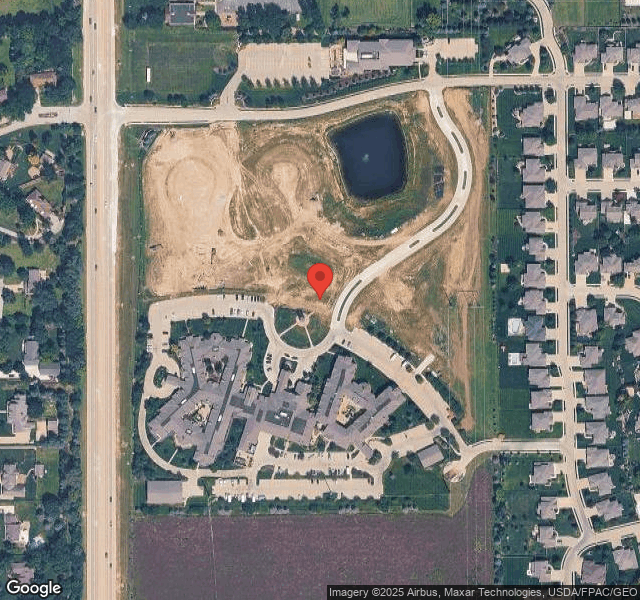
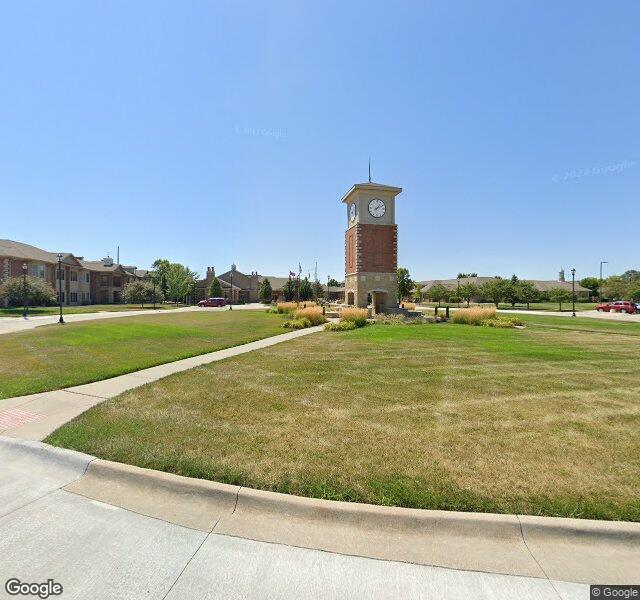
600 Brookestone Meadows Plaza, Elkhorn, NE 68022 (402) 289-2696
Non profit - Corporation 140 Beds VETTER SENIOR LIVING Data: November 2025
Trust Grade
85/100
#4 of 177 in NE
Last Inspection: April 2025

Within standard 12-15 month inspection cycle. Federal law requires annual inspections.

Overview

Brookestone Meadows Rehabilitation and Care Center has a Trust Grade of B+, which means it is recommended and above average in quality. It ranks #4 out of 177 facilities in Nebraska, placing it in the top half statewide, and it is the best option among 23 facilities in Douglas County. The facility's performance has been stable, with two issues reported each year in 2024 and 2025, indicating consistent care standards. Staffing is a strong point, with a 5/5 rating and a turnover rate of 33%, below the state average, suggesting experienced staff who are familiar with residents' needs. However, there are some concerns, including a serious incident where a resident experienced pain during wound care and a failure to follow proper hygiene practices in food preparation, which could potentially lead to foodborne illnesses for many residents. Overall, while Brookestone Meadows has many strengths, families should be aware of these areas needing improvement.

Trust Score
B+
85/100
In Nebraska
#4/177
Top 2%
Safety Record
Moderate
Needs review
Inspections
Holding Steady
2 → 2 violations
Staff Stability
○ Average
33% turnover. Near Nebraska's 48% average. Typical for the industry.
Penalties
✓ Good
No fines on record. Clean compliance history, better than most Nebraska facilities.
Skilled Nurses
✓ Good
Each resident gets 49 minutes of Registered Nurse (RN) attention daily — more than average for Nebraska. RNs are trained to catch health problems early.
Violations
✓ Good
Only 4 deficiencies on record. Cleaner than most facilities. Minor issues only.
★★★★★
5.0
Overall Rating
★★★★★
5.0
Staff Levels
★★★★★
5.0
Care Quality
★★★☆☆
3.0
Inspection Score
Stable
2024: 2 issues
2025: 2 issues

The Good

  • 5-Star Staffing Rating · Excellent nurse staffing levels
  • 5-Star Quality Measures · Strong clinical quality outcomes
  • Full Sprinkler Coverage · Fire safety systems throughout facility
  • No fines on record
  • Staff turnover below average (33%)

    15 points below Nebraska average of 48%

Facility shows strength in staffing levels, quality measures, fire safety.

The Bad

Staff Turnover: 33%

13pts below Nebraska avg (46%)

Typical for the industry

Chain: VETTER SENIOR LIVING

Part of a multi-facility chain

Ask about local staffing decisions and management

The Ugly 4 deficiencies on record

1 actual harm
Apr 2025 2 deficiencies 1 Harm
SERIOUS (G) 📢 Someone Reported This

A family member, employee, or ombudsman was alarmed enough to file a formal complaint

Actual Harm - a resident was hurt due to facility failures

Deficiency F0697 (Tag F0697)

A resident was harmed · This affected 1 resident

**NOTE- TERMS IN BRACKETS HAVE BEEN EDITED TO PROTECT CONFIDENTIALITY** Licensure Reference Number 175 NAC 12-006.09 Based on observation, interview, and record review; the facility failed to implemen...

Read full inspector narrative →
**NOTE- TERMS IN BRACKETS HAVE BEEN EDITED TO PROTECT CONFIDENTIALITY** Licensure Reference Number 175 NAC 12-006.09 Based on observation, interview, and record review; the facility failed to implement interventions to manage pain during wound care for 1 (Resident 24) of 5 residents sampled for pain control. The facility identified a census of 128 residents. Findings are: Record review of a facility policy entitled Skin and Wound Management Standard dated revised 04/2019 identified that the following were examples of non-pressure skin conditions: -Venous insufficiency ulcers. The policy defined venous insufficiency ulcer as an open lesion of the skin and subcutaneous tissue of the lower leg. They are reported to be the most common of the vascular ulcer and may be difficult to heal, may occur on and off for several years and may occur after relatively minor trauma. The ulcer may have a moist, granulating wound bed, may be superficial and may have minimal to copious drainage unless the wound is infected. The resident may experience pain which may be increased when the foot is in the dependent position such as when the resident is seated with feet on the floor. - 4. Pain. Pain related to non-pressure skin conditions should be consistently assessed and addressed for all residents with non-pressure related skin changes/condition. Non-pharmacological interventions and/or pain medications should be given prior to treatments when appropriate and prn (as needed). Pain should be addressed with each assessment and prn. Record review of Resident 24's Clinical Census report revealed that Resident 24 was admitted to the facility on [DATE], was discharged to the hospital on [DATE] and was readmitted to the facility on [DATE]. Record review of Resident 24's Diagnoses List obtained from the physician order sheet dated 04/01/25 revealed diagnoses that included: squamous cell carcinoma of the skin of the right lower limb, encounter for surgical aftercare following surgery on the skin and subcutaneous tissue, chronic venous hypertension (idiopathic) with ulcer of bilateral lower extremity and venous insufficiency (chronic) peripheral. Record review of Resident 24's admission Minimum Data Set (MDS, a federally mandated comprehensive assessment tool used to determine a resident's functional capabilities and helps nursing home staff identify health problems) dated 03/17/25 revealed a Brief Interview for Mental Status (BIMS, a brief screener that aids in detecting cognitive impairment) score of 14. The MDS manual identified the following range of scores for indications of cognitive impairment:13-15: cognitively intact, 8-12: moderately impaired, 0-7: severe impairment. The MDS identified that Resident 24 required substantial to maximum assist with lower body dressing, received scheduled pain medications, received prn pain medications, received non-pharmacological interventions for pain, had occasional pain which occasionally affected sleep, therapy activities and day to day activities. The MDS identified the resident identified a numerical pain rating of 6. (The Numeric Pain Rating Scale is a tool used to measure intensity of pain from 0 to 10 where 0 means no pain and 10 represents the most intense pain imaginable. It helps healthcare providers assess and manage a resident's pain). The MDS identified Resident 24 had 2 venous stasis ulcers present and had non-surgical dressings applied other than to feet. Record review of Resident 24's Comprehensive Care Plan (CCP, a document that includes measurable objectives and timetables to meet a resident's medical, nursing, and mental and psychosocial needs that are identified in the comprehensive assessment) dated 03/11/25 revealed Resident 24 was at risk for alteration in comfort related to osteoarthritis, right hip nailing and wounds. Goals included Resident 24 would verbalize adequate pain relief of pain or ability to cope with incompletely relieved pain. Interventions for pain management included the following: - Assess need for preventive pain measures prior to ADL's (activity of daily living), treatments, exercise, etc. - Avoid unnecessary stress and strain on joints. - Meds as per MD (medical doctor) order, offer prn meds if non-verbal cues present. - Non-pharmacological interventions e.g. repositioning, warm/cold compresses, lighting change, music, 1:1 visits, w/c rides etc. - Position with pillows (devices as ordered) to promote comfort. - Review for pain medication efficacy. Record review of Resident 24's Pain Assessment completed at the time of admission on [DATE] revealed that pain was present, with occasional frequency, had an effect on therapy activities and day to day activities, and the resident gave a numeric rating for pain of 5. Record review of an Operative Report dated 03/19/24 for Resident 24 revealed that the resident had a debridement procedure [the surgical removal of dead or infected tissue from a wound to promote healing] of the right leg wounds x 5 wounds, up to subcutaneous tissue and fascia [fibrous tissue in the body] and Acell wound matrix [supports wound healing by facilitating tissue regrowth) and layer application along with wound vacuum (wound vac, a device that applies suction to a wound to remove excess moisture and aide in healing] placement. The wound sizes were identified as 5 cm (centimeters) x 5 cm, 3 cm x 2 cm, 1 cm x 1 cm, 7 cm x 3 cm and 1 cm x 3 cm. The operative report also revealed Resident 24 had a debridement procedure to the left leg wound x 1wound, up to subcutaneous tissue and fascia and Acell wound matrix and layer application along with wound vac placement. The wound size was identified as 2 cm x 2 cm. Record review of Resident 24's Hospital Clinic Summary dated 03/20/25 identified the following information and physician orders: - Problems: Traumatic open wound of left and right lower legs with delayed healing, Venous stasis ulcers of both lower extremities. - Surgical records: Allograft application skin graft lower debridement lower extremity bilateral 03/19/25, possible Acell application to bilateral legs - Discharge orders: Do not change wound vac dressing. First dressing change to be done at wound care clinic in 1 week, keep wound vac at 125 mmHg (millimeters of mercury), see wound clinic in 1 week for wound vac change. - Acetaminophen 500 mg (milligrams) 2 tabs q (every) 6 hours prn (as needed) pain mild. - Oxycodone 5 mg cap 1 by mouth every 4 hours as needed pain x 7 days. Record review of Physician Orders dated 04/01/25 revealed an order for a wound vac set at 125 mmHg with bilateral drains to both lower legs present. The wound vac was applied on 03/20/25. Observation on 03/26/25 at 1:13 PM revealed Resident 24 seated in a recliner in the resident's room. A wound vacuum was present and was set at 125 mmHg as directed per physician orders with bilateral drains to both lower legs present. Interview on 03/26/25 at 1:13 PM with Resident 24 revealed the resident reported that ulcers were present on both lower legs and the resident had a lot of pain in the legs. Record review of a Physician Communication Form dated 3/25/25 revealed the following information: Since having wound vac placed patient has had an increase in pain to BLE (bilateral lower extremities) accompanied with weakness and affected ADLs (Activities of Daily Living, tasks related to personal care, such as dressing, eating, and mobility). Ulizing (SP, utilizing) prn pain meds. I feel patient would benefit from something stronger. This nurse/wound nurse reported to vascular there is an odor, redness and warmth to BLE on 03/24/2025 vascular wants to keep appointment for 3/27/2025. New orders received included: - Stop Tylenol 1000 mg q (every) 6 hours prn - Start Tylenol 1000 mg TID (Three times a day) - Start Tramadol 50 mg PO TID with APAP (Tylenol) Record review of Resident 24's Medication Administration Record (MAR) dated March 2025 revealed the resident received the following medications for pain: - Received scheduled Tylenol 1000 mg TID every day. - Received scheduled Tramadol (pain medication) 50 mg every day. - Received prn Oxycodone on the following days: - 3/22/25 for a pain rating of 7. - 3/24/25 x 2 for pain ratings of 9 and 10. - 3/25/25 for a pain rating of 9. - 3/27/25 x 2 for pain ratings of 10. - 3/29/25 for a pain rating of 4. - 3/31/25 at 12:03 PM (This immediately after the observation of a dressing change for a pain rating score of 7). Observation on 3/27/25 at 10:36 AM revealed Resident 24 was seated in a recliner in the residents room. The resident stated the pain is much better now that they took that thing off (wound vac). Interview on 03/27/25 at 10:40 AM with Registered Nurse (RN)-D revealed Resident 24 had just returned from a visit at the wound care clinic, and they had removed the wound vac at the visit. RN-D stated the wound care clinic was going to fax over new orders for wound care for Resident 24. Interview on 03/27/25 at 12:19 PM with Licensed Practical Nurse (LPN) wound care nurse -A revealed that new orders had been received for wound care for Resident 24. LPN-A reported the wraps for wound care would start on Monday 03/31/25. Observation on 03/31/25 at 8:39 AM revealed the resident was seated in a recliner in the resident's room. The resident had wraps present on both lower legs. The resident stated the pain is ok but was still present in the legs. Record review of a nursing note dated 03/27/25 at 11:01 AM revealed the following information: Note Text: Patient returned from Wound Clinic appointment. Wound vac was removed. New dressings to BLE. No orders received. Call made to wound clinic and VM (voicemail) left for them to call back with order changes. Next appointment 4/2/2025 @1100 and 4/9/2025 @1100. Transportation slip created. Record review of a nursing note dated 03/27/25 at 12:09 PM revealed the following information: Note Text: Received orders from Methodist Wound clinic at this time. Patient was evaluated by Vascular MD (medical doctor) while at appointment today. New orders are as follows: Please send Resident 24 with [gender] Wound VAC to [gender] next visit in one week (April 2nd) in case they want to replace then. 1. DC (discontinue) previous wound care Orders. Wound Care 3 times weekly. 2. Remove dressings 3. Clean wounds with mild soap and water 4. Cleanse with Wound Cleanser of choice 5. Nonstick of choice to all wounds and denuded skin. Mepitel [a type of wound contact layer that does not adhere to the moist wound so it can be easily removed without damaging the skin, potentially reducing pain during wound care treatment] was used in office today. 6. Hydrofera Blue [a brand of antibacterial foam dressing used for managing wounds to help maintain a moist wound environment to promote healing] Transfer to all wounds 7. Apply CoFlex [a two layer compression system that provides therapeutic compression to manage venous disease and associated edema] compression wraps to Bilateral lower legs. Please use Zinc, patient does not tolerate calmoseptine. 8. Continue oral antibiotic until completion per hospital. 9. Patient to follow up in one week. Call sooner with any questions or concerns. Call placed to (gender) son to update on new orders from appointment today. Observation of wound care for Resident 24 on 03/31/25 between 11:00 AM and 12:00 PM revealed LPN-A and RN-B used hand sanitizer and donned gowns in the hallway outside Resident 24's room per infection control protocol for enhanced barrier precautions [used to reduce transmission of organisms during high contact care activities for the resident]. LPN-A knocked, received permission from the resident to enter and both staff entered Resident 24's room. Resident 24 was seated in a recliner in the resident's room. LPN-A had wound care supplies and placed the supplies on the bedside table on a clean towel and all items were in sterile packages. LPN-A donned gloves, cleaned a pair of scissors with a sanitizer wipe, placed them on the clean drape and assisted the resident to transfer and lay down in the bed. Both staff members performed hand hygiene 20 seconds and donned clean gloves. RN-B placed a clean drape underneath the resident's legs on the bed and removed the resident's socks. LPN-A cut the exterior wrap dressings off the right leg and the left leg by cutting the dressings on the front of Resident 24 shin's. LPN-A began to lightly pull the dressing away from the skin in the right leg as RN-B held the resident's leg so LPN-A could get underneath the leg to remove the wrap dressings. As the dressings were being pulled away from the skin on the right leg, the resident exhibited signs of pain with grimacing and moaning and tried to pull [gender] leg away. Resident 24 stated Oh my that hurts and moaned while trying to move about in the bed. Resident 24 lifted (gender) right leg higher and tried to pull away from the nurse. The resident continued to moan, move about on the bed and verbally expressed pain, Ouch it hurts continuously throughout the removal of the dressings to the right leg. About halfway through the removal of the dressings on the right leg at 11:28 AM, LPN-A stopped, took off the gown and gloves, used hand sanitizer and left the room. LPN-A stated I am going to get some saline to try to soak the dressings to make them easier to remove. LPN-A returned to the room with a clean gown in place. LPN-A performed hand hygiene, donned gloves and proceeded to soak the dressings to the right leg in saline as they were being removed. During the rest of the removal of the dressings, after they were soaked with saline, the resident continued to moan and express verbal moans and facial grimacing. At one point, during the removal of the dressings to the right leg, RN-B went to resident, held [gender] hand and told the resident to squeeze [gender] hand and the resident did this. The same process was then completed for the dressing change to the left leg. The resident continued to moan, move about on the bed and verbally expressed pain, Ouch it hurts continuously throughout the removal of the dressings to the left leg. After the dressings were removed from both the right and the left leg, LPN-A and RN-B went into the resident's bathroom and washed hands for 20 seconds. During that time, the resident used [gender] hands to wipe away tears from [gender] eyes. LPN-A and RN-B donned clean gloves. LPN-A washed the wounds to both legs with soap and water while RN-B lifted the resident's legs. During this treatment to the wounds, the resident moaned and stated, Oh that stings and moved the right leg around in pain. LPN-A expressed to the resident that it was almost over and that the application of wound cleanser would sting. LPN-A and RN-B removed their soiled gloves, performed hand hygiene in the resident's bathroom for 20 seconds and donned new gloves. LPN-A sprayed the wounds with wound cleanser and wiped them down while RN-B held the resident's legs up. During that treatment, the resident continued to moan and move about in pain and stated again It stings. Oh ouch oh oh oh. LPN-A and RN-B removed their soiled gloves, performed hand hygiene in the resident's bathroom for 20 seconds and donned new gloves. LPN-A applied several Mepitel dressings to cover all the wounds on the right leg and then several Hydrofera Blue dressings to cover all wounds on the right leg. LPN-A then wrapped the right leg with a CoFlex compression wrap. While the wraps were being applied, Resident 24 continued to moan and say Oh my it hurts. The same process was then completed for the dressing change to the left leg. While the dressings were being removed from the left leg and wraps were being applied, Resident 24 continued to moan and say Oh my it hurts. After the treatment was completed, the resident asked LPN-A if (the resident) could get a pain pill right away. LPN-A stated (gender) would check with the medication aide to see when a pain pill could be given. Interview at 03/31/25 at 11:58 AM with Resident 24 revealed, when asked if the staff had given the resident a pain pill prior to the start of the treatment, the resident stated no, I got my regular medications this morning around 8. Resident 24 confirmed that no pain medication had been received prior to the beginning of the treatment. Interview on 03/31/25 at 12:00 PM with Medication Aide (MA)-C confirmed that Resident 24 had a prn oxycodone pain medication available for use as needed and this had not been given prior to the start of the treatment. MA-C confirmed that the last prn dose of oxycodone was provided to Resident 24 on 3/29/25 for a pain level of 4. Interview on 03/31/25 at 12:00 PM with LPN-A confirmed that no PRN pain medication had been provided to Resident 24 prior to the start of the treatment. LPN-A stated this was the first time [gender] had seen the wounds after the wound vac came off and had no idea the resident would be in so much pain with the treatments. LPN-A confirmed Resident 24 should have been premedicated for comfort and confirmed Resident 24 exhibited both physical, nonverbal signs of pain (moaning, grimacing, squeezing staff hands, moving around in bed) and verbal expressions of pain during the treatment. Interview with LPN-A on 03/31/25 at 1:05 PM confirmed that LPN-A could have stopped the treatment and gotten Resident 24 pain medication and then could have came back to complete the dressing change after the medication had taken effect. LPN-A confirmed this was not done. Interview on 04/01/25 at 8:07 AM with Resident 24 revealed, at the time of the dressing change on 03/31/25, the resident stated [gender] pain rating was a 10 with 10 being the worst possible pain. The resident stated an acceptable level of pain was 0 and the resident wanted no pain with the treatments. The facility was unable to provide additional information prior to exit on 04/1/24 related to pain management for Resident 24.
CONCERN (E)

Potential for Harm - no one hurt, but risky conditions existed

Food Safety (Tag F0812)

Could have caused harm · This affected multiple residents

Licensure Reference Number 12 NAC 12-006.11(E) 2017 Nebraska Food Code 2-301.14 Based on observations, interviews, and record reviews; the facility failed to implement hand hygiene practices between g...

Read full inspector narrative →
Licensure Reference Number 12 NAC 12-006.11(E) 2017 Nebraska Food Code 2-301.14 Based on observations, interviews, and record reviews; the facility failed to implement hand hygiene practices between glove changes during meal service to prevent the potential for food borne illness. This had the potential to affect 31 residents who ate foods from the neighborhood satellite kitchen. The facility identified a census of 128. The findings are: Record review of a facility provided document entitled Hand Hygiene Competency dated revised 12/2019 revealed: -When to wash hands: -Before and after gloving. -Whenever indicated. Record review of the Nebraska Food Code 2-301.14 dated 2017 revealed the following: -Food employees shall clean their hands and exposed portions of their arms immediately before engaging in food preparation including working with exposed food, clean equipment and utensils, and unwrapped single-service and single-use articles and: -(H) Before donning gloves to initiate a task that involves working with food. Continuous observations on 03/27/2025 from 11:40 AM to 12:28 PM in the Calamus neighborhood kitchen revealed Culinary Assistant (CA)-E donned gloves without performing hand hygiene and measured the temperature of pork roast with a thermometer. CA-E cleaned the thermometer with an alcohol pad, doffed gloves, and without performing hand hygiene donned new gloves. CA-E measured the temperature of chicken breasts, cleaned the thermometer with an alcohol pad, and doffed gloves. Without performing hand hygiene, CA-E donned new gloves, measured the temperature of the corn casserole, cleaned the thermometer and doffed gloves. Without performing hand hygiene, CA-E donned new gloves measured the temperature of green beans, cleaned the thermometer and doffed gloves. Without performing hand hygiene, CA-E donned new gloves, measured the temperature of the two-gram sodium diet chicken, cleaned the thermometer, and doffed gloves. Without performing hand hygiene, CA-E donned new gloves, measured the temperature of the two-gram sodium diet pork roast, cleaned the thermometer, and doffed the left glove. Without performing hand hygiene, CA-E donned a new left glove and proceeded with dining room service. During meal service, CA-E prepared a single serving of ranch dressing which soiled the left glove. CA-E doffed the left glove, without performing hand hygiene donned a new left glove and continued with meal service. An interview on 03/27/25 at 12:57 PM with CA-E confirmed that hand hygiene was not performed between glove changes and should have been. An interview with the Registered Dietitian (RD) on 04/01/2025 at 1:05 PM revealed the facility did not have a policy regarding hand hygiene but followed the hand hygiene competency.
Mar 2024 2 deficiencies
CONCERN (D)

Potential for Harm - no one hurt, but risky conditions existed

Deficiency F0694 (Tag F0694)

Could have caused harm · This affected 1 resident

Licensure Reference Number 175 NAC 12-006.09D6 Based on observation, record review and interviews, the facility failed to aspirate to determine patency of a peripherally inserted central catheter (PIC...

Read full inspector narrative →
Licensure Reference Number 175 NAC 12-006.09D6 Based on observation, record review and interviews, the facility failed to aspirate to determine patency of a peripherally inserted central catheter (PICC) for 1 (Resident 178) of 3 sampled residents. The facility identified a census of 129. The findings are: Record review of Resident 178's discharge orders dated 3/5/24 revealed the resident recieved recent treatment at the hospital for an infection in left knee wound (prosthetic joint infection). Record review of Resident 178's physician's orders dated 3/05/24 revealed the following order: -Normal Saline Flush Intravenous Solution 0.9 % (Sodium Chloride Flush) Use 10 millilieters (mL) intravenously two times a day related to Infection and Inflamattory reaction due to internal left knee prosthesis, subsequent encounter. The order revealed to flush each lumen of PICC line before and after medication administration and/or every 12 hours while not in use. An observation on 3/12/24 at 10:20 AM, of Registered Nurse (RN)-D preparing to flush Resident 178's PICC Intravenous (IV) Line revealed RN- D performed hand hygiene and applied gloves. RN-D then completed the hub scrub with an alcohol wipe for 30 seconds and attached the Normal Saline syringe and completed a 10 mL flush. RN-D failed to aspirate (draw back) for a blood return to check for patency (correct placement) prior to completing the Normal Saline flush. RN-D then removed the syringe from hub, scrubbed the hub with an alcohol wipe for 30 seconds, and applied a new cap. RN-D completed hand hygiene after removing gloves. An interview on 3/12/24 at 10:30 AM with RN-D confirmed that the RN-D did not complete a patency check (pull back for blood) with this procedure for the flushing. An interview on 3/12/24 at 10:45 AM interview with Assistant Director of Nursing (ADON) -E confirmed the facility policy states that PICC patency is to be checked prior to flushing procedure. A record review of the facilities Intravenous Policy and Procedure for Administration of Intravenous (IV) Fluids/medications guidelines (Policy 9.10) created by Senior Care Pharmacy, last review 01/21 revealed under #7 letter A on page 1 to, Confirm patency of the vascular access device (VAD) prior to infusion via a brisk blood return and absence of resistance when flushing as well as absence of signs and symptoms of complications. A record review of the facilities IV Policies and Procedures for Flushing and Locking of a Venous Access Device (VAD) (Policy 9.9) created by Senior Care Pharmacy revealed on page 2, under Procedure-Flushing: #5 Slowly inject 1-2ml of sodium chloride into VAD, noting resistance or sluggishness of flow, and slowly aspirate until brisk blood return is obtained. Then slowly inject remainder of sodium chloride flush. #5b states, Inability to flush or absence of a blood return from CVAD requires further investigation about the cause (mechanical problem, fibrin/thrombosis over VAD tip, extravascular tip location). A record review of the Standard of Practice for the power PICC manufacturers recommendations page 1, Power injection procedure #3-Aspirate for adequate blood return and vigorously flush the catheter with the full 10ml of sterile normal saline WARNING: Failure to ensure patency of the catheter prior to power injection studies may result in catheter failure.
CONCERN (F)

Potential for Harm - no one hurt, but risky conditions existed

Food Safety (Tag F0812)

Could have caused harm · This affected most or all residents

Licensure Reference Number 175 NAC 12.006.11E Based on observation, interview and record review, the facility failed to ensure beard restraints were used during meal preparation and service to prevent...

Read full inspector narrative →
Licensure Reference Number 175 NAC 12.006.11E Based on observation, interview and record review, the facility failed to ensure beard restraints were used during meal preparation and service to prevent food borne illness. This had the ability to affect 127 of the 129 residents that reside at the facility. The facility census was 129. The findings are: Record Review of the facility's undated policy titled Hygienic Practices revealed that food employees shall wear hair restraints such as hats, hair coverings or nets, beard restraints and clothing that covers body hair, that are designed and worn to effectively keep their hair from contacting exposed food; clean equipment, utensils, linens and unwrapped single service and single-use articles. An observation on 03-11-2024 at 10:43 AM of the Culinary Service Director (CSD) revealed [gender] was cooking in the kitchen. The CSD had a mustache and goatee and was not wearing a beard restraint while stirring chili at the free-standing soup kettle. An observation on 03-11-2024 at 10:50 AM of Cook-B revealed [gender] was cooking in the kitchen. Cook-B had a beard and was not wearing a beard restraint while deep frying chicken fritters. An observation on 03-11-2024 at 12:00 PM of Cook-A revealed [gender] was serving lunch in the Long Pine dining room. Cook-A had a mustache and beard and was not wearing a beard restraint while plating food for lunch service. An observation on 03-12-24 at 9:13 AM of Cook-C revealed [gender] was cooking in the kitchen. Cook-C had a beard and was not wearing a beard restraint while stirring sauce at the free-standing soup kettle. An interview with the Registered Dietician (RD) on 03-06-2024 at 7:40 AM revealed that all residents in the facility except 2 eat food prepared in the facility kitchen. An interview with the CSD on 03-12-24 at 9:19 AM confirmed beard nets were not being used. An interview with the Registered Dietician (RD) on 03-12-2024 at 9:25 AM confirmed beard nets should be worn if facial hair is present.
Understanding Severity Codes (click to expand)
Life-Threatening (Immediate Jeopardy)
J - Isolated K - Pattern L - Widespread
Actual Harm
G - Isolated H - Pattern I - Widespread
Potential for Harm
D - Isolated E - Pattern F - Widespread
No Harm (Minor)
A - Isolated B - Pattern C - Widespread

Questions to Ask on Your Visit

  • "Can I speak with families of current residents?"
  • "What's your RN coverage like on weekends and overnight?"

Our Honest Assessment

Strengths
  • • Grade B+ (85/100). Above average facility, better than most options in Nebraska.
  • • No fines on record. Clean compliance history, better than most Nebraska facilities.
  • • 33% turnover. Below Nebraska's 48% average. Good staff retention means consistent care.
Concerns
  • • 4 deficiencies on record, including 1 serious (caused harm) violation. Ask about corrective actions taken.
Bottom line: Generally positive indicators. Standard due diligence and a personal visit recommended.

About This Facility

What is Brookestone Meadows Rehabilitation And Care Center's CMS Rating?

CMS assigns Brookestone Meadows Rehabilitation and Care Center an overall rating of 5 out of 5 stars, which is considered much above average nationally. Within Nebraska, this rating places the facility higher than 99% of the state's 100 nursing homes. This rating reflects solid performance across the metrics CMS uses to evaluate nursing home quality.

How is Brookestone Meadows Rehabilitation And Care Center Staffed?

CMS rates Brookestone Meadows Rehabilitation and Care Center's staffing level at 5 out of 5 stars, which is much above average compared to other nursing homes. Staff turnover is 33%, compared to the Nebraska average of 46%. This relatively stable workforce can support continuity of care.

What Have Inspectors Found at Brookestone Meadows Rehabilitation And Care Center?

State health inspectors documented 4 deficiencies at Brookestone Meadows Rehabilitation and Care Center during 2024 to 2025. These included: 1 that caused actual resident harm and 3 with potential for harm. Deficiencies causing actual harm indicate documented cases where residents experienced negative health consequences.

Who Owns and Operates Brookestone Meadows Rehabilitation And Care Center?

Brookestone Meadows Rehabilitation and Care Center is owned by a non-profit organization. Non-profit facilities reinvest revenue into operations rather than distributing to shareholders. The facility is operated by VETTER SENIOR LIVING, a chain that manages multiple nursing homes. With 140 certified beds and approximately 125 residents (about 89% occupancy), it is a mid-sized facility located in Elkhorn, Nebraska.

How Does Brookestone Meadows Rehabilitation And Care Center Compare to Other Nebraska Nursing Homes?

Compared to the 100 nursing homes in Nebraska, Brookestone Meadows Rehabilitation and Care Center's overall rating (5 stars) is above the state average of 2.9, staff turnover (33%) is significantly lower than the state average of 46%, and health inspection rating (3 stars) is at the national benchmark.

What Should Families Ask When Visiting Brookestone Meadows Rehabilitation And Care Center?

Based on this facility's data, families visiting should ask: "Can I visit during a mealtime to observe dining assistance and food quality?" "How do you handle medical emergencies, and what is your hospital transfer rate?" "Can I speak with family members of current residents about their experience?"

Is Brookestone Meadows Rehabilitation And Care Center Safe?

Based on CMS inspection data, Brookestone Meadows Rehabilitation and Care Center has a clean safety record: no substantiated abuse findings (meaning no confirmed cases of resident harm), no Immediate Jeopardy citations (the most serious violation level indicating risk of serious injury or death), and is not on the Special Focus Facility watch list (a federal program monitoring the lowest-performing 1% of nursing homes). The facility has a 5-star overall rating and ranks #1 of 100 nursing homes in Nebraska. While no facility is perfect, families should still ask about staff-to-resident ratios and recent inspection results during their visit.

Do Nurses at Brookestone Meadows Rehabilitation And Care Center Stick Around?

Brookestone Meadows Rehabilitation and Care Center has a staff turnover rate of 33%, which is about average for Nebraska nursing homes (state average: 46%). Moderate turnover is common in nursing homes, but families should still ask about staff tenure and how the facility maintains care continuity when employees leave.

Was Brookestone Meadows Rehabilitation And Care Center Ever Fined?

Brookestone Meadows Rehabilitation and Care Center has no federal fines on record. CMS issues fines when nursing homes fail to meet care standards or don't correct problems found during inspections. The absence of fines suggests the facility has either maintained compliance or corrected any issues before penalties were assessed. This is a positive indicator, though families should still review recent inspection reports for the full picture.

Is Brookestone Meadows Rehabilitation And Care Center on Any Federal Watch List?

Brookestone Meadows Rehabilitation and Care Center is not on any federal watch list. The most significant is the Special Focus Facility (SFF) program, which identifies the bottom 1% of nursing homes nationally based on persistent, serious quality problems. Not being on this list means the facility has avoided the pattern of deficiencies that triggers enhanced federal oversight. This is a positive indicator, though families should still review the facility's inspection history directly.