Heritage Care Center
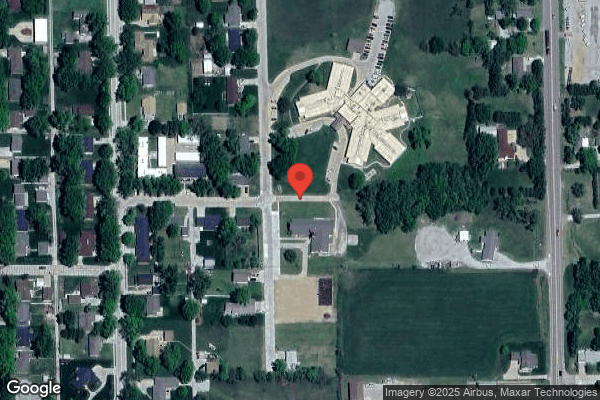
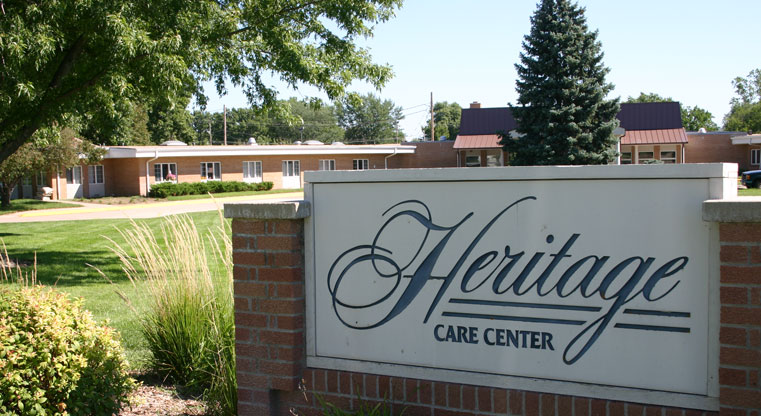
909 17th Street, Fairbury, NE 68352 (402) 729-2289
Non profit - Corporation 100 Beds VETTER SENIOR LIVING Data: November 2025
Trust Grade
55/100
#116 of 177 in NE
Last Inspection: June 2025

Inspected within the last 6 months. Data reflects current conditions.

Overview

Heritage Care Center in Fairbury, Nebraska, has a Trust Grade of C, which means it is average and sits in the middle of the pack among nursing homes. It ranks #116 out of 177 facilities in Nebraska, placing it in the bottom half, and is #2 out of 2 in Jefferson County, suggesting there is only one local option that is better. The facility's trend is worsening, with issues increasing from 2 in 2024 to 7 in 2025, indicating potential concerns about care quality. Staffing received a 3 out of 5 rating, but the turnover rate is high at 65%, which is above the state average, meaning many staff members leave, potentially affecting consistency in resident care. While there are no fines on record, which is positive, the facility has faced serious concerns, such as failing to ensure food preparation safety, which could put residents at risk for foodborne illness, and not adequately updating care plans to prevent falls or elopement for vulnerable residents. Overall, while there are strengths, such as no fines, the high turnover and increasing issues indicate families should proceed with caution.

Trust Score
C
55/100
In Nebraska
#116/177
Bottom 35%
Safety Record
Low Risk
No red flags
Inspections
Getting Worse
2 → 7 violations
Staff Stability
⚠ Watch
65% turnover. Above average. Higher turnover means staff may not know residents' routines.
Penalties
✓ Good
No fines on record. Clean compliance history, better than most Nebraska facilities.
Skilled Nurses
○ Average
Each resident gets 30 minutes of Registered Nurse (RN) attention daily — about average for Nebraska. RNs are the most trained staff who monitor for health changes.
Violations
⚠ Watch
11 deficiencies on record. Higher than average. Multiple issues found across inspections.
★★☆☆☆
2.0
Overall Rating
★★★☆☆
3.0
Staff Levels
★★★★☆
4.0
Care Quality
★★☆☆☆
2.0
Inspection Score
Stable
2024: 2 issues
2025: 7 issues

The Good

  • 4-Star Quality Measures · Strong clinical quality outcomes
  • Full Sprinkler Coverage · Fire safety systems throughout facility
  • No fines on record

Facility shows strength in quality measures, fire safety.

The Bad

2-Star Overall Rating

Below Nebraska average (2.9)

Below average - review inspection findings carefully

Staff Turnover: 65%

19pts above Nebraska avg (46%)

Frequent staff changes - ask about care continuity

Chain: VETTER SENIOR LIVING

Part of a multi-facility chain

Ask about local staffing decisions and management

Staff turnover is elevated (65%)

17 points above Nebraska average of 48%

The Ugly 11 deficiencies on record

Aug 2025 1 deficiency
CONCERN (E) 📢 Someone Reported This

A family member, employee, or ombudsman was alarmed enough to file a formal complaint

Potential for Harm - no one hurt, but risky conditions existed

Accident Prevention (Tag F0689)

Could have caused harm · This affected multiple residents

**NOTE- TERMS IN BRACKETS HAVE BEEN EDITED TO PROTECT CONFIDENTIALITY** Licensure Reference Number 175 NAC 12-006.09(I)(i)(4)Based on observations, record review, and interviews, the facility failed t...

Read full inspector narrative →
**NOTE- TERMS IN BRACKETS HAVE BEEN EDITED TO PROTECT CONFIDENTIALITY** Licensure Reference Number 175 NAC 12-006.09(I)(i)(4)Based on observations, record review, and interviews, the facility failed to reevaluate and update interventions to prevent elopement on two residents (Resident 1 and Resident 4) of the four sampled residents, and the facility failed to revise interventions to prevent falls on one resident (Resident 7) of three sampled residents. The facility census was 48. A.A record review of Resident 1's Clinical Census revealed an admission date of 5/13/2025.A record review of Resident 1's Minimum Data Set (MDS)(this comprehensive assessment evaluates each resident's functional capabilities) dated 05/19/2025 revealed a brief interview for mental status (BIMS) score of one which indicated the resident had severe cognitive impairment. A record review of Resident 1's Care Plan with an admission date of 5/13/2025 revealed a diagnosis of Alzheimer's Disease (A progressive disease that destroys memory and other important functions). A record review of Resident 1's Care Plan with an admission date of 5/13/2025 revealed interventions for elopement to include alerting staff to wandering behavior, testing security system, completing an elopement risk per schedule, and intervening as soon as anxious behavior is noted to prevent escalating behavior.A record review of Resident 1's Care Plan with an admission date of 5/13/2025 and a revision date of 7/18/2025 revealed an intervention was added to offer music or activity of resident's choice and assisting resident to sit in another area other than the front lobby.A record review of Resident 1's Care Plan with an admission date of 5/13/2025 and a revision date of 8/4/2025 revealed interventions relating to elopement risk included redirect to visit with husband, educating families about possible elopements and its risks, and relocating the signage at the front door to a pedestal holder by the door.A record review of Resident 1's Progress Notes dated 6/30/2025 at 6:29 PM revealed Resident 1 was found out of the facility, just off the front porch to the south. The resident went out the front door with a visitor that was leaving. A record review of the Facility's Incident By Incident report dated 8/5/2025 revealed Resident 1 had an Attempted Elopement on 6/30/2025 at 5:00 PM.A record review of the Facility's Elopement Prevention Management policy dated 3/20/2024 revealed the definition of Attempted Elopement means that the resident takes action to leave the facility structure, but the facility alarm systems activate, and team members respond immediately and appropriately. Elopement means a resident takes action to leave the facility and manages to leave the facility without team member knowledge, intervention, or the exit security system fails to activate. A record review of Resident 1's Progress Notes dated 7/18/2025 at 2:45 PM revealed that another resident reported Resident 1 was outside. The nurse immediately went outside and found Resident 1 walking in the front parking lot of the facility. A record review of the Facility's Incident By Incident report dated 8/5/2025 revealed Resident 1 had an Elopement on 7/18/2025 at 2:45 PM. A record review of Resident 1's Progress Notes dated 8/3/2025 at 5:17 PM revealed Resident 1 was located outside of the facility in the parking lot. There were multiple visitors at the time of the occurrence and no door alarm sounded.A record review of the Facility's Incident By Incident report dated 8/5/2025 revealed Resident 1 had an Elopement on 8/03/2025 at 4:45 PM. B.A record review of Resident 4's Clinical Census revealed an admission date of 4/15/2025.A record review of Resident 4's MDS dated [DATE] revealed a BIMS score of seven which indicated the resident had severe cognitive impairment.A record review of Resident 4's Care Plan with an admission date of 4/15/2025 revealed a diagnosis of unspecified Dementia (A condition characterized by a progressive decline in cognitive function, such as memory, thinking, language, judgement, and behavior), severe, with anxiety.A record review of Resident 4's Care Plan with an admission date of 4/15/2025 revealed interventions for elopement to include alerting staff to wandering behavior, testing security system, completing an elopement risk per schedule, and intervening as soon as anxious behavior is noted to prevent behavior escalating.A record review of Resident 4's Progress Notes dated 5/20/2025 at 4:40 PM revealed Resident 4 wondered this shift setting off the alarm on the 400-exit door.A record review of Resident 4's Care Plan with an admission date of 4/15/2025 and a revision date of 7/02/2025, interventions were added to offer activity of resident's choice, 500 hall exit door locked with egress locking system, and to offer pain meds.A record review of Resident 4's Progress Notes dated 7/01/2025 at 4:47 PM revealed that Resident 4 was outside in the parking lot headed towards the street.A record review of the Facility's Incident By Incident report dated 8/5/2025 revealed Resident 4 had an Elopement on 7/1/2025 at 4:25 PM.A record review of Resident 4's Progress Notes dated 7/02/2025 at 2:31 AM revealed Resident 4 was located outside of the facility by the charge nurse at 6:15 PM.A record review of the Facility's Incident By Incident report dated 8/5/2025 revealed Resident 4 had an Attempted Elopement on 7/01/2025 at 6:14 PM. A record review of the Facility's Elopement Prevention Management policy dated 3/20/2024 revealed the definition of Attempted Elopement means that the resident takes action to leave the facility structure, but the facility alarm systems activate, and team members respond immediately and appropriately. Elopement means a resident takes action to leave the facility and manages to leave the facility without team member knowledge, intervention, or the exit security system fails to activate.A record review of the Facility's Elopement Prevention Management policy dated 3/20/2024 revealed all residents will be evaluated prior to admission for concerns related to elopement risk and resident safety. Appropriate placement of the resident is of utmost importance. Ongoing review will occur with all residents to ensure proper placement and a safe environment.An interview on 8/5/2025 at 7:50 AM with the maintenance supervisor confirmed all exit doors have alarms. Hallway 300, 400, 500 have coded pads but no delay (the doors will not open unless the fire alarm goes off) and hallway 100 and 200, and the dining room have delayed egress doors. The maintenance supervisor confirmed the door alarms are checked weekly.A record review of the facility's Logbook Documentation dated 5/2/2025 through 8/1/2025 revealed the hallway and dining room doors were tested on a weekly basis and all passed.In an interview on 8/5/2025 at 9:04 AM with Social Services (SS) confirmed the door alarms are checked daily by maintenance or nursing and logged for response time.In an interview on 8/5/2025 at 9:30 AM with RN A confirmed that maintenance checks the door alarms at least five days a week but was not sure about the procedure for the other days.In an interview on 8/5/2025 at 9:54 AM with SS confirmed when an elopement occurs, the interventions are based on the situation of the event. If the resident was having pain, we administer pain meds, if they had to use the bathroom, the resident would be taken to the bathroom.In an interview on 8/5/2025 at 9:55 AM with the SS confirmed the signage at the front door used to be located on the glass next to the front door and the intervention was to move the sign to a pedestal stand by the front door. SS confirmed the intervention of moving the front door sign from the window to a pedestal stand by the door was not effective in preventing an elopement.In an interview on 8/5/2025 at 10:30 AM with LPN-B confirmed when the door alarms sound, the staff respond. If there is a resident missing, the staff will page overhead and search the rooms and the facility for the missing resident. LPN-B confirmed that leadership will meet regarding the elopement and confirmed no knowledge of new interventions for Resident 1. LPN-B stated, we do not have enough staff for a 1:1 (one on one supervision).
Jun 2025 4 deficiencies
CONCERN (D)

Potential for Harm - no one hurt, but risky conditions existed

Unnecessary Medications (Tag F0759)

Could have caused harm · This affected 1 resident

**NOTE- TERMS IN BRACKETS HAVE BEEN EDITED TO PROTECT CONFIDENTIALITY** Licensure Reference Number 175 NAC 12-006.10(D) Based on observations, interviews, and record reviews; the facility failed to en...

Read full inspector narrative →
**NOTE- TERMS IN BRACKETS HAVE BEEN EDITED TO PROTECT CONFIDENTIALITY** Licensure Reference Number 175 NAC 12-006.10(D) Based on observations, interviews, and record reviews; the facility failed to ensure medications were administered at the right time for 2 (Residents 29 and 49) of 7 sampled residents for medication administration. The facility also failed to ensure the medication error rate was less than 5%. Observations of 25 opportunities of medication administration revealed 2 medication errors, resulting in an 8% medication error rate. The facility census was 50 at the time of survey. Findings are: Record review of the facility provided policy titled Safe Medication Administration Practices with a revised date of May 19, 2025 revealed: -nurses must adhere to the five rights of medication administration to include right resident, right medication, right dose, right time, and right route prior to administrating the medication -medication error that does not cause harm is referred to as a potential adverse drug event -need to ensure timely administration of scheduled medications -be sure to administer medications identified as time critical within 30 minutes of the intended administration time. Record review of the facility's provided insulin administration policy date revised May 19, 2025 revealed that rapid acting insulin should be administered up to 15 minutes before a meal. Review of insulin definition from Medline Plus.gov - Insulin Aspart is a rapid-acting man-made insulin used to manage blood sugar levels in people with diabetes (disease characterized by high blood sugar levels, resulting from the bodies inability to produce or effectively use insulin). It works by helping the body utilize glucose (sugar) for energy and preventing the liver from producing excess sugar. It's commonly used to treat both type 1 and type 2 diabetes. Insulin Aspart generally has a fast onset of action, meaning it starts working soon after the injection. Insulin Aspart (Novolog) is typically taken 5-10 minutes before a meal. Review of package insert from Insulin Aspart revealed instructions to administer Insulin Aspart by subcutaneous injection into the abdominal wall, thigh, upper arm, or buttocks within 15 minutes before a meal. A. Record review of Resident 29's admission record printed 6/16/25 revealed the resident was admitted to the facility on [DATE] with a diagnosis of Type 2 Diabetes. Record review of Resident 29's physician orders revealed the resident had an order with a start date of 03/10/2025 for Novolog (Insulin Aspart) insulin a (rapid acting insulin) routine dose of 6 units with meals and additional units of insulin to be administered according to blood sugars. Record review of Resident 29's Medication Administration Record (MAR) revealed a blood sugar on 6/12/25 scheduled to be done at 0800 was 184 and 2 units of Novolog was given per the residents sliding scale orders. During an observation on 6/12/25 at 8:10 AM Resident 29 ate breakfast in the main dining room. During an observation on 06/12/25 at 9:24 AM RN - A administered Resident 29's insulin in the chapel. During an interview on 06/12/25 at 9:32 AM RN - A confirmed that (gender) usually gives insulin shots after the residents eat their meals and that (gender) normally does the accucheck before the meal and then gives the insulin after the meal. It was also confirmed that (gender) did Resident 29's accucheck before breakfast and gave Resident 29's insulin after breakfast. B. Record review of Resident 49's admission record printed 6/16/25 revealed the resident was admitted to the facility on [DATE] with a primary diagnosis of Type 2 Diabetes Mellitus. Record review of Resident 49's physician orders revealed the resident had an order with a start date of 05/16/2025 for Novolog routine dose of 8 units to be given with meals. Record review of Resident 49's MAR revealed that on 6/12/25 insulin is scheduled to be given at 11:30 AM and it was administered subcutaneously at 1:21 PM. During an observation on 06/12/25 at 1:21 PM Licensed Practical Nurse (LPN) - B gave insulin to Resident 49 in the resident's room after lunch. During an interview on 06/12/25 at 1:23 PM LPN - B confirmed that (gender) usually does the resident's accucheck before the meal and then gives the insulin after they eat. It was further confirmed that (gender) did Resident 49's accucheck before lunch and gave Resident 49's insulin after lunch. During an interview on 06/16/25 at 10:37 AM the Director of Nursing (DON) confirmed that insulin administration errors would be considered a significant medication error, and that insulin should be given when it is ordered and before meals.
CONCERN (D)

Potential for Harm - no one hurt, but risky conditions existed

Deficiency F0760 (Tag F0760)

Could have caused harm · This affected 1 resident

**NOTE- TERMS IN BRACKETS HAVE BEEN EDITED TO PROTECT CONFIDENTIALITY** Licensure Reference Number 175 NAC 12-006.10(D) Based on observations, record review, and interviews; the facility failed to en...

Read full inspector narrative →
**NOTE- TERMS IN BRACKETS HAVE BEEN EDITED TO PROTECT CONFIDENTIALITY** Licensure Reference Number 175 NAC 12-006.10(D) Based on observations, record review, and interviews; the facility failed to ensure 2 (Residents 29 and 49) of 2 sampled residents for insulin administration were free from significant medication errors. The facility census was 50 at the time of survey. Findings are: Record review of the facility provided policy titled Safe Medication Administration Practices with a revised date of May 19, 2025 revealed: -nurses must adhere to the five rights of medication administration to include right resident, right medication, right dose, right time, and right route prior to administrating the medication -medication error that does not cause harm is referred to as a potential adverse drug event -need to ensure timely administration of scheduled medications -be sure to administer medications identified as time critical within 30 minutes of the intended administration time. Record review of the facility's provided insulin administration policy date revised May 19, 2025 revealed that rapid acting insulin should be administered up to 15 minutes before a meal. Review of insulin definition from Medline Plus.gov - Insulin Aspart is a rapid-acting man-made insulin used to manage blood sugar levels in people with diabetes (disease characterized by high blood sugar levels, resulting from the bodies inability to produce or effectively use insulin). It works by helping the body utilize glucose (sugar) for energy and preventing the liver from producing excess sugar. It's commonly used to treat both type 1 and type 2 diabetes. Insulin Aspart generally has a fast onset of action, meaning it starts working soon after the injection. Insulin Aspart (Novolog) is typically taken 5-10 minutes before a meal. Review of package insert from Insulin Aspart revealed instructions to administer Insulin Aspart by subcutaneous injection into the abdominal wall, thigh, upper arm, or buttocks within 15 minutes before a meal. A. Record review of Resident 29's admission record printed 6/16/25 revealed the resident was admitted to the facility on [DATE] with a diagnosis of Type 2 Diabetes. Record review of Resident 29's physician orders revealed the resident had an order with a start date of 03/10/2025 for Novolog (Insulin Aspart) insulin a (rapid acting insulin) routine dose of 6 units with meals and additional units of insulin to be administered according to blood sugars. Record review of Resident 29's Medication Administration Record (MAR) revealed a blood sugar on 6/12/25 scheduled to be done at 0800 was 184 and 2 units of Novolog was given per the residents sliding scale orders. During an observation on 6/12/25 at 8:10 AM Resident 29 ate breakfast in the main dining room. During an observation on 06/12/25 at 9:24 AM RN - A administered Resident 29's insulin in the chapel. During an interview on 06/12/25 at 9:32 AM RN - A confirmed that (gender) usually gives insulin shots after the residents eat their meals and that (gender) normally does the accucheck before the meal and then gives the insulin after the meal. It was also confirmed that (gender) did Resident 29's accucheck before breakfast and gave Resident 29's insulin after breakfast. B. Record review of Resident 49's admission record printed 6/16/25 revealed the resident was admitted to the facility on [DATE] with a primary diagnosis of Type 2 Diabetes Mellitus. Record review of Resident 49's physician orders revealed the resident had an order with a start date of 05/16/2025 for Novolog routine dose of 8 units to be given with meals. Record review of Resident 49's MAR revealed that on 6/12/25 insulin is scheduled to be given at 11:30 AM and it was administered subcutaneously at 1:21 PM. During an observation on 06/12/25 at 1:21 PM Licensed Practical Nurse (LPN) - B gave insulin to Resident 49 in the resident's room after lunch. During an interview on 06/12/25 at 1:23 PM LPN - B confirmed that (gender) usually does the resident's accucheck before the meal and then gives the insulin after they eat. It was further confirmed that (gender) did Resident 49's accucheck before lunch and gave Resident 49's insulin after lunch. During an interview on 06/16/25 at 10:37 AM the Director of Nursing (DON) confirmed that insulin administration errors would be considered a significant medication error, and that insulin should be given when it is ordered and before meals.
CONCERN (F) 📢 Someone Reported This

A family member, employee, or ombudsman was alarmed enough to file a formal complaint

Potential for Harm - no one hurt, but risky conditions existed

Food Safety (Tag F0812)

Could have caused harm · This affected most or all residents

**NOTE- TERMS IN BRACKETS HAVE BEEN EDITED TO PROTECT CONFIDENTIALITY** Licensure Reference Number 175 NAC 12.006.11(C) Licensure Reference Number 175 NAC 12.006.11(E) Based on observation, interview,...

Read full inspector narrative →
**NOTE- TERMS IN BRACKETS HAVE BEEN EDITED TO PROTECT CONFIDENTIALITY** Licensure Reference Number 175 NAC 12.006.11(C) Licensure Reference Number 175 NAC 12.006.11(E) Based on observation, interview, and record review, the facility failed to ensure recipes were followed during food preparation (prep) and food reached the required minimum final cooking temperature (temp), ensure all stored food was labeled, dated. and sealed, ensure kitchen surfaces were clean to prevent potential foodborne illness. This had the potential to affect all residents that consumed food from the kitchen. The total facility census was 50. Findings are: A. A record review of the facility's Roasted Fresh Summer Squash recipe dated Spring/Summer 2025 revealed: Ingredients for 50 servings: • 12 and ½ pounds (lbs) yellow fresh squash cut into ½ inch thick half [NAME] • 1 cup and 1 tablespoon (tbsp) vegetable oil • 2 tsp iodized salt • 1 tsp garlic powder • 1 tsp black ground pepper • May substitute zucchini for squash • May substitute olive oil for vegetable oil • May use other spices in place of salt, pepper, and garlic powder Directions: Combine oil, garlic, salt, and pepper and set aside. Place cut squash in a large bowl and drizzle oil mixture over the squash and toss until all pieces are covered. Place squash in a single layer on a sheet pan sprayed with non-stick spray. Bake uncovered for 10-12 minutes until fork tender and desired internal temperature is reached. The suggested equipment was a 18 by (x) 26 x 1 inch sheet pan. Oven temp was 400 degrees Fahrenheit (F) or 375 degrees F for convection oven. Final internal cooking and holding temp should have been 135 degrees F. A record review of the facility's Mashed Sweet Potatoes recipe dated Spring/Summer 2025 revealed: Ingredients for 50 servings: • 12 and ½ lbs(pounds) fresh, peeled sweet potatoes • 2 gallons water • ½ lb margarine • 3 cups milk • 1 tsp iodized salt • 1 tsp nutmeg • 2 cups brown sugar Directions: Peel sweet potatoes and bring to a boil in the water, reduce heat and simmer for 20 minutes or until the potatoes are tender and desired internal temperature is reached, drain. Place potatoes in mixing bowl and beat at low speed for 2 minutes. Add salt margarine, nutmeg, and brown sugar and beat at high speed for 3-5 minutes or until smooth and fluffy. Add milk and beat for 2 more minutes. Oven temp was not listed. Final internal cooking and holding temp should have been 135 degrees F. A record review of the facility's Honey Glazed Turkey recipe dated Spring/Summer 2025 revealed: Ingredients for 50 servings: • 12 and ½ lbs frozen, raw boneless turkey roast • 1 teaspoon (tsp) iodized salt (table salt mixed with iodine salt) • ½ tsp ground black pepper • ½ cup vegetable oil • 3 cups honey • 1 cup orange juice Directions: Place turkey in roasting pan sprayed with non-stick spray and rub oil over the turkey skin, sprinkle salt and pepper over the turkey and bake 2-3 hours or until the desired internal temp was reached. During the first part of baking, baste (spooning or brushing) with drippings every half hour to keep turkey moist. While the turkey is cooking, combine the honey and orange juice to make the glaze. During the last hour of baking baste the turkey with the glaze every 12-20 minutes. When the turkey reached the desired internal temperature, remove from the oven and allow it to rest 10-15 minutes with a foil tent over the turkey. Oven temp 325 degrees F or 300 degrees F for convection oven. Slice it into 3-ounce portions. Final internal cooking temperature should have been 165 degrees Fahrenheit (F) for greater than (>) 1 second. A record review of the facility's Complaint/Grievance Report forms dated 02/25/2025, 02/26/2025, 03/28/2025, and 04/16/2025 revealed 12 residents had submitted complaints regarding the food being overcooked, undercooked, not warm enough, and not fresh. The facility's investigations verified the complaints, and the kitchen staff had been educated or disciplined. A record review of the facility's Temperature Log sheets dated 05/01/2025 - 06/16/2025 did not reveal food temps were recorded for all 3 meals on 25 of 29 days, not all food items had temps recorded on the meals that were recorded, cold items were only recorded for 2 meals, and on 05/16/2025 the oven fried fish was only cooked to 150 degrees F and 06/06/2025 the baked fish was only cooked to 150 degrees F instead of 165 degrees F. An observation of the food prep process on 06/16/2025 at 9:42 AM revealed the Dietary Manager (DM) prepared the menu items for lunch, which was honey glazed turkey, mashed sweet potatoes, roasted fresh summer squash, frosted banana cake, dinner roll/margarine, and beverage. The turkey roast had already been placed in the oven. The observation revealed: • The DM cut the squash into pieces and placed the squash into 2 shallow steam pans, got a large metal bowl and dumped 1 of the steam pans of squash into the bowl, measured vegetable oil and dumped ½ of the measuring cup of vegetable oil over the squash, sprinkled a measured amount of salt, pepper and garlic salt instead of garlic powder over the squash and tossed until the pieces were coated. The DM then dumped the large metal bowl of squash in a shallow steam pan that had not been sprayed with non-stick spray and did not put the squash in a single layer. The DM then repeated the above process with another large metal bowl of squash and another shallow steam pan without spraying the steam pan with non-stick spray or putting the squash in a single layer. The observation did not reveal that the squash had been weighed prior to prep or placed the squash in a single layer while baking. • The DM then cleaned and peeled the sweet potatoes without weighing. The DM then cubed the sweet potatoes (instead of leaving them whole) and dumped them into a large metal pot of boiling water on the stove. After boiling the potatoes for an un-timed amount of time, the DM drained the potatoes and put them into a large mixing bowl. The DM sprinkled 1 tsp nutmeg, 1 tbsp of brown sugar instead of 2 cups, and an un-measured amount of salt over the potatoes. The DM then placed the large mixing bowl on the floor stand mixer and beat the sweet potatoes for an un-timed period. During the process the DM added an un-measured amount of Creamy Classic Mixed Potato dry mix to the sweet potatoes and added water, not milk. • The DM removed the turkey roast from the oven and cut it in half to remove the deep square steam pan it was in and placed it on a cutting board. The center of the roast was still dark red in color and appeared soft and moist as it was cut into slices. The DM layered the slices of turkey into a large steam pan and poured half of a partially mixed mixing cup of glaze over the turkey slices. The DM then placed the uncovered steam pan of turkey slices into the oven. The observation did not reveal the turkey was ever basted, the glaze was added to the roast during the cooking process, prior to slicing, that the entire amount of glaze was used, and that the turkey was allowed to rest before slicing. • The DM scooped the mashed sweet potatoes from the large mixing bowl into a deep, large steam pan and placed on the steam table. The DM then removed the squash from the oven and checked the temp of the squash which was 88 degrees F, so the DM placed the squash back in the oven. The DM got the turkey slices from the oven and temped the turkey at 114 degrees F so the DM placed the turkey back in the oven. The DM took the pan of sweet potatoes and placed them on the steam table and temped at 120 degrees F, so the DM put the sweet potatoes back in the oven. The DM then removed the turkey from the oven and temped it at 120 degrees F. The DM went to get the sweet potatoes from the oven to re-temp and dropped the entire pan of sweet potatoes on the floor. While the squash and turkey were cooking, the DM prepared the mechanical soft textured turkey and pureed textured (blended to and easy to chew or swallow thickness) without temping the turkey prior to the process, covered with foil, and placed in the oven. The DM then got the turkey from the oven and re-temped several pieces and the warmest was 132 degrees F and placed the sliced turkey back in the oven. The DM removed the squash from the oven and checked several pieces until the DM got a temp of 135 degrees F and placed it on the steam table. The DM then temped the pureed turkey at 130 degrees F and placed it back in the oven. The DM then left to speak with the Administrator and returned and temped the pureed turkey again and it was 165 degrees F and was placed on the steam table. The ovens never brought the mechanical soft textured or sliced turkey to a temperature of 165 degrees F, so the decision was made not to serve the mechanical soft or sliced turkey and get orders from the residents off of the always available menu to feed the residents. In a telephone interview on 06/16/2025 at 4:07 PM, Cook-C confirmed the facility's coolers were always a mess, most of the staff did not temp the food, the staff did not complete temp logs, and the ovens never worked correctly, and the pilot light would go out every time someone closed the door, so maintenance just gave up fixing them. There was a lot of food going out (being served) that didn't meet the minimum final cooking temperature. In an interview on 06/17/2025 at 1:23 PM, the DM confirmed it was the DM's expectation that all meals would be temped and staff would record and that it was not being completed. In an interview on 06/16/2025 at 2:27 PM, the DM confirmed the DM did not follow recipes and should have temped the turkey prior to blending the mechanical soft and puree textured meals. B. A record review of the facility's undated Labeling and Dating policy revealed food should have been dated with the day or date the food should be consumed (eaten), at the time the food was opened or prepared, and may not exceed the manufacturer's use-by date or three days, whichever is earlier. The cook shall check daily for items that are expiring and discard it accordingly. A record review of the facility's Complaint/Grievance Report forms dated 02/25/2025, 02/26/2025, 03/28/2025, and 04/16/2025 revealed 12 residents had submitted complaints regarding the food being overcooked, undercooked, not warm enough, and not fresh. The facility's investigations verified the complaints, and the kitchen staff had been educated or disciplined. An observation on 06/11/2025 at 8:40 AM revealed the True 3-door refrigerator (fridge) on the South wall contained 1 gallon container of Essentials Classic [NAME] Dressing and 1 gallon container of Hidden Valley Ranch Salad Dressing that had been opened but not dated. The walk-in fridge contained 1 container of [NAME] Cottage Cheese that had been opened but not dated and had an expiration date of 06/10/2025, and 1 5-gallon container of hamburger pickle slices that was opened and not sealed or dated. The dry storage room contained 1 open bag of dry, small, pieces that were not labeled, dated, or sealed and 1 box labeled croutons with a blue bag inside that was opened but not sealed or dated. An observation on 06/11/2025 at 9:27 AM with the DM revealed the True 3-door refrigerator (fridge) on the South wall contained 1 gallon container of Essentials Classic [NAME] Dressing and 1 gallon container of Hidden Valley Ranch Salad Dressing that had been opened but not dated. The walk-in fridge contained 1 container of [NAME] Cottage Cheese that had been opened but not dated and had an expiration date of 06/10/2025, and 1 5-gallon container of hamburger pickle slices that was opened and not sealed or dated. The dry storage room contained 1 open bag of dry, small, pieces that were not labeled, dated, or sealed and 1 box labeled croutons with a blue bag inside that was opened but not sealed or dated. In an interview on 06/11/2025 at 9:27 AM the DM confirmed the True 3-door refrigerator (fridge) on the South wall contained 1 gallon container of Essentials Classic [NAME] Dressing and 1 gallon container of Hidden Valley Ranch Salad Dressing that had been opened but not dated. The walk-in fridge contained 1 container of [NAME] Cottage Cheese that had been opened but not dated and had an expiration date of 06/10/2025, and 1 5-gallon container of hamburger pickle slices that was opened and not sealed or dated. The dry storage room contained 1 open bag of dry, small, pieces that were not labeled, dated, or sealed and 1 box labeled croutons with a blue bag inside that was opened but not sealed or dated. The DM confirmed all items should have been labeled, dated, and sealed. C. A record review of the undated Daily Task Checklist cleaning log for 06/08/2025 - 06/14/2025 sweep/mop at end of shift had been completed on the night shift Tuesday 06/10/2025. It did not reveal a cleaning task for the microwave, oven surfaces, behind the cooking equipment, or the ceilings. A record review of the facility's undated Cleaning Checklist revealed the walk-in refresh was to be completed every Monday and the microwave was to be done on Thursdays. It did not reveal a cleaning task for the oven surfaces, behind the cooking equipment, or the ceilings. An observation on 06/11/2025 at 8:40 AM revealed the kitchen microwave contained an uncovered sandwich and had food splatters and debris on all surfaces. There was food debris behind the range. There was a gray fuzzy substance on the electrical and gas lines behind the Southbend range. The Southbend range had food splatters on both of the front doors and the handles were sticky. The Wolf double ovens had food splatters on the front and food debris on the interior bottoms. The walk-in fridge had food drainage on the floor on both sides. The left side interior floor of the walk-in fridge as you enter had food debris and 2 dried hamburger pickle slices. The dry storage room floors had scattered powder spills and food debris on the floors. The ceilings above the shelving on the North wall contained scattered food stains. An observation on 06/11/2025 at 9:27 AM with the DM revealed the kitchen microwave had food splatters and debris on all surfaces. There was food debris behind the range. There was a gray fuzzy substance on the electrical and gas lines behind the Southbend range. The Southbend range had food splatters on both of the front doors and the handles were sticky. The Wolf double ovens had food splatters on the front and food debris on the interior bottoms. The walk-in fridge had food drainage on the floor on both sides. The left side interior floor of the walk-in fridge as you enter had food debris and 2 dried hamburger pickle slices. The dry storage room floors had scattered powder spills and food debris on the floors. The ceilings above the shelving on the North wall contained scattered food stains. In a telephone interview on 06/16/2025 at 4:07 PM, Cook-C confirmed the facility's coolers were always a mess, most of the staff did not temp the food, the staff did not complete temp logs, and the ovens never worked correctly, and the pilot light would go out every time someone closed the door, so maintenance just gave up fixing them. There was a lot of food going out that didn't meet the minimum final cooking temperature. In an interview on 06/11/2025 at 9:27 AM, the DM confirmed the kitchen microwave had food splatters and debris on all surfaces. There was food debris behind the range. There was a gray fuzzy substance on the electrical and gas lines behind the Southbend range that had been there for awhile. The Southbend range had food splatters on both of the front doors and the handles were sticky. The Wolf double ovens had food splatters on the front and food debris on the interior bottoms. The walk-in fridge had food drainage on the floor on both sides. The left side interior floor of the walk-in fridge as you enter had food debris and 2 dried hamburger pickle slices. The dry storage room floors had scattered powder spills and food debris on the floors. The ceilings above the shelving on the North wall contained scattered food stains. The DM confirmed all of the above should have been clean.
CONCERN (F) 📢 Someone Reported This

A family member, employee, or ombudsman was alarmed enough to file a formal complaint

Potential for Harm - no one hurt, but risky conditions existed

Room Equipment (Tag F0908)

Could have caused harm · This affected most or all residents

Licensure Reference Number 175 NAC 12.006.19(A)(i) Based on observation, interview, and record review, the facility failed to ensure the ovens in the facility's kitchen were maintained in a safe and o...

Read full inspector narrative →
Licensure Reference Number 175 NAC 12.006.19(A)(i) Based on observation, interview, and record review, the facility failed to ensure the ovens in the facility's kitchen were maintained in a safe and operating condition. This had the potential to affect all residents that consumed food from the kitchen. The total facility census was 50. Findings are: A record review of the facility's Roasted Fresh Summer Squash recipe dated Spring/Summer 2025 revealed the oven temp required was 400 degrees Fahrenheit (F) or 375 degrees F for convection oven. Final internal cooking and holding temp should have been 135 degrees F. A record review of the facility's Mashed Sweet Potatoes recipe dated Spring/Summer 2025 revealed the oven temp was not listed. Final internal cooking and holding temp should have been 135 degrees F. A record review of the facility's Honey Glazed Turkey recipe dated Spring/Summer 2025 revealed final internal cooking temperature should have been 165 degrees Fahrenheit (F) for greater than (>) 1 second. A record review of the facility's Temperature Log sheets dated 05/01/2025 - 06/16/2025 did not reveal food temps were recorded for all 3 meals on 25 of 29 days, not all food items had temps recorded on the meals that were recorded, cold items were only recorded for 2 meals, and on 05/16/2025 the oven fried fish was only cooked to 150 degrees F and 06/06/2025 the baked fish was only cooked to 150 degrees F instead of 165 degrees F. A record review of the facility's Complaint/Grievance Report forms dated 02/25/2025, 02/26/2025, 03/28/2025, and 04/16/2025 revealed 12 residents had submitted complaints regarding the food being overcooked, undercooked, not warm enough, and not fresh. The facility's investigations verified the complaints, and the kitchen staff had been educated or disciplined. An observation of the food prep process on 06/16/2025 at 9:42 AM revealed the Dietary Manager (DM) prepared the menu items for lunch, which was honey glazed turkey, mashed sweet potatoes, roasted fresh summer squash, frosted banana cake, dinner roll/margarine, and beverage. The turkey roast had already been placed in the oven. The observation revealed the DM scooped the mashed sweet potatoes from the large mixing bowl into a deep, large steam pan and placed on the steam table. The DM then removed the squash from the oven and checked the food temp which was 88 degrees F, so the DM placed the squash back in the oven. The DM got the turkey slices from the oven and temped (took the temperature) the turkey at 114 degrees F so the DM placed the turkey back in the oven. The DM took the pan of sweet potatoes and placed them on the steam table and temped at 120 degrees F, so the DM put the sweet potatoes back in the oven. The DM then removed the turkey from the oven and temped it at 120 degrees F. The DM went to get the sweet potatoes from the oven to re-temp and dropped the entire pan of sweet potatoes on the floor. While the squash and turkey were cooking, the DM done the mechanical soft textured turkey and pureed textured (blended to and easy to chew or swallow thickness) without temping the turkey prior to the process, covered with foil, and placed in the oven. The DM then got the turkey from the oven and re-temped several pieces and the warmest was 132 degrees F and placed the sliced turkey back in the oven. The DM removed the squash from the oven and checked several pieces until the DM got a temp of 135 degrees F and placed it on the steam table. The DM then temped the pureed turkey at 130 degrees F and placed it back in the oven. The DM then left to speak with the Administrator and returned and temped the pureed turkey again and it was 165 degrees F and was placed on the steam table. The ovens never brought the mechanical soft textured or sliced turkey to a temperature of 165 degrees F, so the decision was made not to serve the mechanical soft or sliced turkey and get orders from the residents off of the always available menu to feed the residents. In a telephone interview on 06/16/2025 at 4:07 PM, Cook-C confirmed the facility's coolers were always a mess, most of the staff did not temp the food, the staff did not complete temp logs, and the ovens never worked correctly, and the pilot light would go out every time someone closed the door, so maintenance just gave up fixing them. There was a lot of food going out that didn't meet the minimum final cooking temperature. In an interview on 06/17/2025 at 1:23 PM, the DM confirmed it was the DM's expectation that all meals would be temped and staff record and that it was not being completed. In an interview on 06/16/2025 at 2:27 PM the DM confirmed the oven had issues and the DM was altering the menus until the oven was repaired. In an interview on 06/16/2025 at 4:48 PM the Administrator confirmed the ovens were not working correctly and the 2 ovens below the stove do not work. The Administrator confirmed they had a new oven in storage but they were still waiting for a part to get it installed. In an interview on 06/17/2025 at 7:18 AM, Maintenance Supervisor (MS)-D confirmed the temp on the stackable ovens in the kitchen were off about 75 degrees. MS-D was able to adjust the setting on the knob and they were still off about 10 degrees. MS-D confirmed a kitchen repair company had been contacted and it would be about 1 week before they could get there. MS-D confirmed the ovens that were in storage were used from a different facility and did not want to install them if the kitchen repair company would be out in a week because MS-D was not sure if they even worked. The 2 Southbend ovens below the stove do not work and they are waiting on a gas regulator that had backordered for a while to get them repaired.
Feb 2025 2 deficiencies
CONCERN (D) 📢 Someone Reported This

A family member, employee, or ombudsman was alarmed enough to file a formal complaint

Potential for Harm - no one hurt, but risky conditions existed

Deficiency F0757 (Tag F0757)

Could have caused harm · This affected 1 resident

Licensure Reference Number 175 NAC 12-006.04(f)(i)(5) Based on interview and record review; the facility administered Paxlovid (a medication used to treat COVID-19 (COVID-a mild to severe respiratory ...

Read full inspector narrative →
Licensure Reference Number 175 NAC 12-006.04(f)(i)(5) Based on interview and record review; the facility administered Paxlovid (a medication used to treat COVID-19 (COVID-a mild to severe respiratory illness that is caused by a coronavirus)) that was not positive of COVID per a rapid COVID POC (point of care) test for one (Resident 3) of 4 sampled residents. The facility census was 48. Findings are: In an interview on 2/19/25 at 1:34 PM, Resident 3 confirmed that [gender] had not tested positive for COVID and that [gender] received a medication for COVID. Resident 3 further confirmed that Resident 4 is [gender] roommate and that [gender] had tested positive for COVID. A. Review Resident 4's December 2024 Electronic Medication Administration Record (EMAR) revealed that on 12/27/24 Resident 4 had a positive COVID POC test. Review of Resident 4's progress notes revealed a note on 12/27/24 at 6:18 AM that revealed: Resident COVID tested. Results positive. No s/s (signs/symptoms) of COVID at this time. No nausea or vomiting. No c/o (complaints of) not feeling well, pain or discomfort or body aches. B. Review of Resident 3's electronic health record (EHR) revealed [gender] medical practitioner was sent via fax a Physician Visit/Communication form on 12/27/24 at 15:30 (3:30 PM) that included: Resident tested positive for COVID this morning. May we have an order for Paxlovid? The form revealed the medical practitioner dated, signed and returned the fax on 12/27/24 with an order for Paxlovid 300 milligram (mg)/100mg convenience pack one dose PO (by mouth) BID (twice a day) for 5 days. Review Resident 3's December 2024/January 2025 EMAR revealed that on 12/27/24 Resident 3 had a negative COVID POC test and an order for Paxlovid (300/100) oral tablet therapy pack 20x150mg and 10x100mg, give 1 packet by mouth twice a day for COVID s/s (signs/symptoms) until 1/3/25 with a start date of 12/27/24. Further review revealed that the Paxlovid was signed out as given twice a day from 12/27-12/31/24 and once a day at 0800 (8:00 AM) from 1/1-1/3/25. In an interview on 2/19/25 at 2:23 PM, the Social Services (SS) Supervisor confirmed that a fax was sent to Resident 3's medical practitioner on 12/27/24 that stated [gender] was positive for COVID and that a new order for Paxlovid was received. In an interview on 2/19/25 at 3:29 PM, the Director of Nursing confirmed that Resident 3 had received the doses of Paxlovid as indicated on [gender] December and January EMARs and should not had because [gender] was not positive for COVID and that Resident 4 had been the one that tested positive for COVID. Review of the Paxlovid.com website revealed the following: What is Paxlovid? Paxlovid is a prescription medicine used to treat mild-to-moderate coronavirus disease 2019 (COVID-19) in adults who are at high risk for progression to severe COVID-19, including hospitalization or death. Paxlovid is not approved for use as pre-exposure or post-exposure treatment for prevention of COVID-19.
CONCERN (E) 📢 Someone Reported This

A family member, employee, or ombudsman was alarmed enough to file a formal complaint

Potential for Harm - no one hurt, but risky conditions existed

Notification of Changes (Tag F0580)

Could have caused harm · This affected multiple residents

**NOTE- TERMS IN BRACKETS HAVE BEEN EDITED TO PROTECT CONFIDENTIALITY** Licensure Reference Number 175 NAC 12-006.09(H) Based on interview and record review; the facility failed to notify the medical ...

Read full inspector narrative →
**NOTE- TERMS IN BRACKETS HAVE BEEN EDITED TO PROTECT CONFIDENTIALITY** Licensure Reference Number 175 NAC 12-006.09(H) Based on interview and record review; the facility failed to notify the medical practitioner of a positive rapid COVID-19 (COVID-a mild to severe respiratory illness that is caused by a coronavirus) POC (point of care) test result in a timely manner for two (Resident 1 and Resident 4) and incorrectly notified the medical practitioner of a residents COVID-19 test result for one (Resident 3) of four sampled residents. The facility census was 48. Findings are: Review of facility provided list of residents COVID positive last 3 months, undated, revealed: Resident 1 and Resident 4 both tested positive on 12/27/24. Resident 3's name was not on the list. A. Review Resident 1's December 2024 Electronic Medication Administration Record (EMAR) revealed that on 12/27/24 Resident 1 had a positive COVID POC test. Review of Resident 1's progress notes revealed a note on 12/27/24 at 7:53 PM that revealed: Resident representative [name] updated of resident testing positive for COVID-19 today and is isolation at this time. Review of Resident 1's Physician Visit/Communication Form (PV/C), dated 12/27/24 3:19 PM revealed documentation that Resident 1 had tested positive for COVID that morning. Remains to have a cough and wheezes (abnormal lung sounds) to bilateral upper anterior/posterior (front/back) lobes, clear/diminished to bilateral lower anterior/posterior lobes (referring to lungs). Was seen in clinic on Tuesday and Dx (diagnosis) with Pneumonia (infection of the lungs) is on Xopenex (medication used to treat wheezing and shortness of breath) neb (nebulizer) txs (treatments) TID (three times a day) and Levofloxacin (antibiotic to treat infection) 750 milligrams (mg) daily for 7 days. Do we want to start [gender] on Paxlovid (medication used to treat COVID)? Review of Resident 1's Electronic Health Record (EHR) revealed no documentation that the medical practitioner had addressed the above form. In an interview on 2/19/24 at 1:39 PM, the Licensed Practical Nurse (LPN) confirmed that when a resident tests positive for COVID their medical practitioner along with family is to be notified at that time. In an interview on 2/19/24 at 2:39 PM, the Director of Nursing (DON) confirmed that there was no documentation in Resident 1's EHR that [gender] medical practitioner had addressed the PV/C Form from 12/27/24 that [gender] had tested positive for COVID. The DON revealed that [gender] reached out to the office and the office had no record of the form being received. B. Review Resident 4's December 2024 EMAR revealed that on 12/27/24 Resident 4 had a positive COVID POC test. Review of Resident 4's progress notes revealed a note on 12/27/24 at 6:18 AM that stated: Resident COVID tested. Results positive. No s/s (signs/symptoms) of COVID at this time. No nausea or vomiting. No c/o (complaints of) not feeling well, pain or discomfort or body aches. Review of Resident 4's EHR revealed [gender] medical practitioner was notified on 1/25/25 via a PV/C form that read: Resident is c/o cough since recovering from being COVID + (positive). The form revealed the medical practitioner dated, signed and returned the fax on 1/27/25. In an interview on 2/19/24 at 1:39 PM, the LPN confirmed that when a resident tests positive for COVID their medical practitioner along with family is to be notified at that time. In an interview on 2/19/24 at 2:39 PM, the DON confirmed that Resident 4's medical practitioner was not notified of [gender] testing positive for COVID until 1/25/25 and that the medical practitioner should have been notified at the time of the positive test on 12/27/24. C. Review of the facility Resident List Report, dated 2/19/25, revealed that Resident 3 and Resident 4 share a room. In an interview on 2/19/25 at 1:34 PM, Resident 3 confirmed that [gender] had not tested positive for COVID, and that Resident 4 had tested positive for COVID. Review Resident 3's December 2024 EMAR revealed that on 12/27/24 Resident 3 had a negative COVID POC test. Review of Resident 3's EHR revealed [gender] medical practitioner was sent a PV/C form on 12/27/24 at 15:30 (3:30 PM) that included: Resident tested positive for COVID this morning. May we have an order for Paxlovid? The form revealed the medical practitioner dated, signed and returned the fax on 12/27/24 with an order for Paxlovid. In an interview on 2/19/24 at 2:39 PM, the DON confirmed that Resident 3 did test negative for COVID, and that [gender] medical practitioner was incorrectly notified of [gender] COVID test result that resulted in a new order for Paxlovid.
May 2024 2 deficiencies
CONCERN (D)

Potential for Harm - no one hurt, but risky conditions existed

Deficiency F0826 (Tag F0826)

Could have caused harm · This affected 1 resident

**NOTE- TERMS IN BRACKETS HAVE BEEN EDITED TO PROTECT CONFIDENTIALITY** Licensure Reference Number 175 NAC 12-006.09D1b Based on record review and interview, the facility failed to ensure Occupational...

Read full inspector narrative →
**NOTE- TERMS IN BRACKETS HAVE BEEN EDITED TO PROTECT CONFIDENTIALITY** Licensure Reference Number 175 NAC 12-006.09D1b Based on record review and interview, the facility failed to ensure Occupational Therapy (OT) Services were provided to Resident 3 as ordered by the physician. This affected 1 Resident sampled for rehabilitation. The facility census was 51. Findings are: A review of Resident 3's admission Record printed 04/30/2024 revealed the resident was admitted on [DATE] and had diagnoses of major depressive disorder (MDD-a mood disorder that causes persistent sadness and loss of interest in activities), chronic obstructive pulmonary disorder (COPD-a group of lung diseases that block airflow and make it difficult to breathe), type 2 diabetes mellitus (a long-term condition in which the body has trouble controlling blood sugar and using it for energy), and arthritis (swelling and tenderness in one or more joints, causing joint pain or stiffness). A record review of Resident 3's Quarterly Minimum Data Set, dated [DATE] (MDS-a comprehensive assessment of each resident's functional capabilities) revealed a Brief Interview for Mental Status (BIMS-a screening tool used to assess cognition [relating to the mental process involved in knowing, learning, and understanding things]. The BIMS assessment uses a points system that ranges from 0 to 15 points: 0 to 7 points indicates severe cognitive impairment; 8 to 12 points indicates moderate cognitive impairment; and 13 to 15 points indicates that cognition is intact) score of 15 indicating the residnet is cognitively intact. During an interview on 05/01/2024 at 9:29 AM, Resident 3 stated they had had a decline in the ability to stand up and to transfer from one surface to another. The resident stated this decline was fairly rapid, and that one day [gender] couldn't stand and had to use the sit to stand lift (a mechanical device used to assist residents who can bear some but not all of their weight to go from a seated to a standing position in order to transfer from one surface to another). Resident 3 denied having been sick prior to the decline. A record review of a Physician Visit/Communication Form dated 03/07/2024 and signed by a physician on 03/08/2024 revealed orders for Physical Therapy (PT- treatment used to restore functional movements, such as standing, walking, and moving different body parts) and Occupational Therapy (OT-treatment that focuses on improving the patient's ability to perform activities of daily living [ADLs- skills required to independently care for oneself, such as eating, bathing, and mobility]) to evaluate and treat due to decline in functional transfers and ADLs. A record review of Resident 3's Physical Therapy PT Evaluation and Plan of Treatment with Start of Care date 03/15/2024 revealed the resident was evaluated by PT on 03/15/2024, and that PT was certified as medically necessary from 03/15/2024 through 06/12/2024. This certification was electronically signed by the resident's provider on 04/08/2024. The facility did not provide an OT evaluation or notes. A record review of Resident 3's Medicare B Nursing Notes dated 03/21/2024, 03/28/2024, 04/04/2024, 04/10/2024, 04/19/2024, and 04/25/2024 revealed no mention of OT. An interview on 05/01/2024 at 11:33 AM with the Director of Nursing (DON) revealed that Resident 3's decline was because the resident stopped doing things independently, and they got weaker due to that. When the facility noted the decline, Resident 3 was put back on the therapy workload to work with PT and OT to get more independent. An interview on 05/01/2024 at 3:49 PM with Nurse Aide (NA) A revealed that prior to [gender] decline, Resident 3 was starting to get anxious about transfers and was calling staff in for assistance. An interview on 05/02/2024 at 11:50 AM with the DON confirmed the OT evaluation ordered on 03/08/2024 was not done. An interview on 05/02/2024 at 12:04 PM with Certified Occupational Therapy Assistant (COTA) F revealed that nursing brought PT and OT orders into the therapy department when the orders were obtained. COTA F confirmed that Resident 3 was picked up for PT and not OT. COTA F further confirmed that the PT and OT orders were on same page, but they were unaware that the resident had an order for OT.
CONCERN (D)

Potential for Harm - no one hurt, but risky conditions existed

Infection Control (Tag F0880)

Could have caused harm · This affected 1 resident

Licensure Reference Number 175 NAC 12-006.17D Based on observation, record review, and interview, the facility failed to perform hand hygiene during catheter cares for 1 (Resident 54) of 1 sampled res...

Read full inspector narrative →
Licensure Reference Number 175 NAC 12-006.17D Based on observation, record review, and interview, the facility failed to perform hand hygiene during catheter cares for 1 (Resident 54) of 1 sampled resident. Facility census was 51 Findings are: A review of the Catheter Care steps for procedure dated 2019 revealed hand hygiene is to be completed during and after catheter care at the following times: -before contact with catheter insertion site, -after coiling the catheter tubing to the resident's bed, -after cleaning supplies and returning to storage, -prior to leaving the resident's room, -Standard precautions should be always maintained, with no contamination. An Observation on 5/1/24 at 2:45 PM of Nursing Assistant-B (NA-B) and NA-H completing catheter cares on Resident 34 revealed the resident was in [gender] room lying in bed. NA-B and NA-H completed hand sanitization and donned (put on) gown and gloves. NA-B and NA-H enter residents' bathroom and gathered supplies from a cabinet located above the toilet. NA-H (with donned gloves) touched own face and door handle of bathroom before taking supplies to resident bedside and placing on bedside table. NA-B took supplies to resident bedside table also. NA-B placed paper towel on floor under Resident 54's catheter drainage bag. Both NA-B and NA-H returned to bathroom and performed hand hygiene redonned gloves. Both NAs returned to the resident's bedside. NA-B knelt on the floor, obtained the catheter drainage bag with both hands. NA-B then held drainage spout in left hand above the graduate. With the right hand the spout was cleansed with alcohol wipe. Alcohol wipe placed on paper towel that was under the graduate. After urine was emptied into the graduate NA-B then cleansed the spout with the same alcohol wipe used for initial cleaning. NA-B then placed the drainage bag into the dignity bag. NA-B then hands the graduate containing urine to NA-H. NA-B then removed paper towel from floor and placed into trash. Both NAs walked to the resident's bathroom. NA-H placed graduate on the sink to reveal the amount of urine. NA-B then emptied the graduate into the toilet and removed gloves. NA-B performed hand hygiene and redonned gloves. NA-H did not perform hand hygiene and continued to wear the same gloves. Both of NAs returned to the resident's bedside. NA-B attempted to raise the resident's bed with the bed remote and it did not work. NA-H then attempts the same thing. The bed remote was then dropped onto the floor and NA-H picked it up and placed it on the chair at bedside. NA-H did not perform hand hygiene. NA-B assisted resident to slide down pants and brief. Residents brief was then visible and noted on the left side crease there was a quarter sized amount of blood. Both side creases of the brief had a brownish tinge. NA-B obtained a cleansing wipe from package and used right hand to hold open residents left groin. A downward wiping motion was then performed using right hand. NA-B discarded wipe in trash and repeated the process to residents' right groin using opposite hands. NA-B then obtained another wipe (without hand sanitizing) with right hand out of package, held the catheter tubing with left hand and cleansed around entrance site of catheter and moved outward. NA-B then wiped downward on the catheter tube with the same wipe. NA-B obtained a bottle of cleansing spray that was located on the bedside table and with the right hand sprayed onto resident's catheter area. NA-B then placed the spray back onto the table and obtained a clean wipe from package with right hand. NA-B held the catheter in place with left hand and with the right-hand wiped catheter entrance site, then moved outward from the entrance site, and downward on the catheter tubing. NA-B then disposed of wipe and ensured catheter was secured to the residents left thigh. Both NA then assisted the resident to pull up the brief and pants. NA-B then pulled out trash bag from bin and tied bag. NA-H then moved the residents table back into position next to bed and ensured that call light was within reach. Both NA enter bathroom, and NA-B and used hand hygiene after gown and glove removal, then exited the room. During an interview on 5/1/24 at 3:03 PM with Director of Nursing (DON) confirmed the facility holds no policy for catheter cares, only a competency. Confirmation also received for the following: -NA-B did not perform hand hygiene after wiping both sides of Residents groin and then performing catheter care and should have. -NA-B obtained a cleansing bottle from bedside table, returned to table, and replaced in cabinet all without performing hand hygiene and should have. -NA-H did not perform hand hygiene after handled a dirty graduate, touched own face, picked up a bed remote from floor, and touched a garbage can and should have. -NA-H did not perform hand hygiene prior to moving of Residents bedside table back to bedside and should have. During an interview on 5/1/24 at 3:05 PM with NA-B confirmed that between wiping of residents' groin on both sides and catheter cares, hand hygiene was not performed. Confirmation also received that a cleansing bottle was obtained from bedside table, returned to table, and not cleansed prior to being replaced in cabinet all without performing hand hygiene. During an interview on 5/1/24 at 3:07 PM with NA-H confirmed that hand hygiene was not performed after handled a dirty graduate, touched own face, picked up bed remote from floor, and touched the garbage can. NA-H then confirmed that bedside table was then moved next to bed when cares were completed.
Jun 2023 2 deficiencies
CONCERN (D)

Potential for Harm - no one hurt, but risky conditions existed

Notification of Changes (Tag F0580)

Could have caused harm · This affected 1 resident

Based on interviews and record review, the facility failed to notify the physician when 1 (Resident 22) of 3 residents reviewed for insulin use had a blood sugar reading out of the prescribed paramete...

Read full inspector narrative →
Based on interviews and record review, the facility failed to notify the physician when 1 (Resident 22) of 3 residents reviewed for insulin use had a blood sugar reading out of the prescribed parameters. Findings included: Record review of an admission Record indicated the facility admitted Resident 22 on 03/04/2023 with diagnoses that included type 2 diabetes mellitus. Record review of the quarterly Minimum Data Set (MDS), with an Assessment Reference Date (ARD) of 06/09/2023, revealed Resident 22 had a Brief Interview for Mental Status (BIMS) score of 9, which indicated the resident had moderate cognitive impairment. The MDS indicated the resident received insulin daily during the last seven days. Rcord review of Resident 22's care plan initiated 10/25/2022, revealed the resident had a potential for abnormal blood sugars. Interventions instructed staff to monitor the resident's blood sugar as ordered and monitor for and report to the charge nurse any signs and symptoms of hyperglycemia (high blood sugar) or hypoglycemia (low blood sugar). Record review of Resident 22's Order Summary Report, for active orders as of 06/14/2023, revealed an order with a start date of 09/06/2022 that directed staff to check the resident's blood sugar before meals, at bedtime, and as needed. The order indicated the physician was to be notified if the resident's blood sugar was below 70 milligrams (mg) per deciliter (dL) or above 400 mg/dL. Record review of Resident 22's Medication Administration Record (MAR) for April 2023, revealed on 04/03/2023 at 11:00 AM, the resident's blood sugar was 420 mg/dL; on 04/13/2023 at 5:00 PM, the resident's blood sugar was 54 mg/dL; on 04/15/2023 at 11:00 AM, the resident's blood sugar was 404 mg/dL; and on 04/27/2023 at 5:00 PM, the resident's blood sugar was 68 mg/dL. Record review of Resident 22's MAR for May 2023, revealed on 05/14/2023 at 5:00 PM, the resident's blood sugar was 65 mg/dL. Record review of Resident 22's MAR for June 2023, revealed on 06/02/2023 at 9:00 PM, the resident's blood sugar was 445 mg/dL; on 06/06/2023 at 5:00 PM, the resident's blood sugar was 64 mg/dL; and on 06/11/2022 at 5:00 PM, the resident's blood sugar was 66 mg/dL. Record review of Resident 22's Progress Notes, dated 04/01/2023 - 06/14/2023, revealed no documentation the physician was notified when the resident's blood sugar was below 70 mg/dL or above 400 mg/dL on the dates listed above. Interview on 06/15/2023 at 12:04 PM, Licensed Practical Nurse (LPN) 5 stated if a resident's blood sugar was out of the prescribed parameters, LPN 5 would treat the symptoms first and then notify the physician. LPN 5 revealed [gender] would specifically document the physician was notified. Interview on 06/16/2023 at 8:54 AM, LPN 10 stated [gender] would treat a resident with a high or low blood sugar first and then notify the physician. LPN 10 revealed [gender] would continue to monitor the resident until the resident's blood sugar level was stable. LPN 10 revealed [gender] would document the physician notification on a progress note. Interview on 06/16/2023 at 9:28 AM, Registered Nurse (RN) 17 stated if a resident's blood sugar was low then [gender] would administer orange juice, recheck the blood sugar in 15 minutes, and notify the physician. RN 17 revealed if the blood sugar was high then [gender] would call the physician and document it in a progress note. RN 17 stated [gender] had not taken care of any residents with low blood sugars since she had started working at the facility. RN 17 reviewed Resident 22's physician orders, and reported [gender] should have reported to the physician, Resident 22's blood sugar of 66 mg/dL on 06/11/2023. Interview on 06/16/2023 at 9:47 AM, the Director of Nursing (DON) stated if a resident's blood sugar reading was out of prescribed parameters, the nurse should notify the physician and proceed with what the physician ordered. The DON revealed if the blood sugar reading was low, the nurse should treat the resident first and then notify the physician. The DON revealed notification to the physician should be documented in a progress note or with the assessment. Interview on 06/16/2023 at 12:03 PM, the DON stated the facility did not have a policy related to physician notification of a resident's change in condition.
CONCERN (D) 📢 Someone Reported This

A family member, employee, or ombudsman was alarmed enough to file a formal complaint

Potential for Harm - no one hurt, but risky conditions existed

Deficiency F0602 (Tag F0602)

Could have caused harm · This affected 1 resident

Based on interviews and record review, the facility failed to prevent misappropriation of property for 1 (Resident 17) of 1 resident reviewed for abuse. Specifically, the facility failed to ensure pla...

Read full inspector narrative →
Based on interviews and record review, the facility failed to prevent misappropriation of property for 1 (Resident 17) of 1 resident reviewed for abuse. Specifically, the facility failed to ensure placement of Resident #17's fentanyl patch to prevent misappropriation of the medication. Findings included: The facility's policy, titled, Discrepancies, Loss and/or Diversion of Medications, dated May 2021, indicated, All discrepancies, suspected loss and/or diversion of medications, irrespective of drug type or class, are immediately investigated and report filed. Procedures A. Immediately upon the discovery or suspicion of a discrepancy, suspected loss [sic] of diversion, the Administrator, Director of Nursing (DON) and Consultant Pharmacist are notified and an investigation conducted. The Director of Nursing leads the investigation. The facility's policy, titled, Abuse and Neglect Prevention Standard, dated January 2023, indicated, Misappropriation of Resident Property (property' includes medications), Federal Definition: The deliberate misplacement, exploitation, or wrongful, temporary, or permanent use of a resident's belongings or money without the resident's consent. Record review of Resident 17's admission Record revealed the facility admitted the resident on 12/20/2019 with diagnoses that included Parkinson's disease, diabetes mellitus with neuropathy, dementia, osteoarthritis of the right shoulder, left shoulder, and bilateral first carpometacarpal joints, and a complete rotator cuff tear of the left shoulder. Record review of the annual Minimum Date Set (MDS) with an Assessment Reference Date (ARD) of 03/10/2023, revealed Resident 17 had a Brief Interview for Mental Status (BIMS) score of 12, which indicated the resident had moderate cognitive impairment. Per the MDS, the resident had occasional pain and received a scheduled pain medication regime, as needed pain medications, and non-medication interventions for pain. Record review of Resident 17's care plan, with an initiation date of 12/20/2019 and revised 05/30/2023, indicated the resident had a potential for alteration in comfort related to diabetic neuropathy, history of fractures, rotator cuff injury, osteoarthritis, osteoporosis, and depression. Record review of Resident 17's Order Summary Report, for active orders as of 03/31/2023, indicated the resident had the following physician's orders related to use of a fentanyl transdermal patch: - on 07/25/2022, check patch placement every four hours. - on 08/01/2022, remove fentanyl patch from resident in presence of a witness. Fold patch with adhesive sides together and flush/discard in medication disposal unit per facility protocol. - on 11/28/2022, fentanyl transdermal patch, 25 micrograms per hour for 72 hours, apply one patch transdermally (to the skin in a patch or device to penetrate the skin to exert a systemic effect) every 72 hours and remove per schedule Record review of Resident 17's Medication Administration Record (MAR) for March 2023, indicated Certified Medication Aide (CMA) 11 placed a fentanyl transdermal patch on the resident on 03/28/2023 at 11:09 PM. Per the MAR, the staff indicated with a checkmark on the MAR that they checked the placement every four hours of Resident 17's fentanyl patch daily at 2:00 AM, 6:00 AM, 10:00 AM, 2:00 PM, 6:00 PM, and 10:00 PM. Record review of Resident 17's Progress Notes, dated 03/31/2023 at 9:49 PM, indicated No patch just tape, ADON [Assistant Director of Nursing] is aware. Record review of the facility's Investigation Report for misappropriation of property, dated 04/07/2023 and completed by the ADON, indicated on 03/31/2023 at 9:23 PM, the charge nurse (Licensed Practical Nurse (LPN) 10) attempted to change Resident 17's fentanyl patch per the physician's orders and noted there was not a patch underneath the dressing retention tape that was used to secure the fentanyl patch. The report indicated the resident's body, bed, linens, and room were thoroughly searched, and the patch was not found. The report indicated a new fentanyl patch was applied according to the physician's orders. The report indicated the facility's policy at the time was to place dressing retention tape over a fentanyl patch, which made it difficult to see the patch under the tape. The report indicated the facility planned to change their policy so that fentanyl patch would be covered with a transparent dressing rather than dressing retention tape making it easier to visualize a fentanyl patch. The form indicated the facility proceeded under the assumption that a team member removed the patch, and the policy and procedure for misappropriation was followed. Record review of an Abuse Interview Investigation Form dated 03/31/2023 indicated CMA 11 placed a new patch on Resident 17's left deltoid (on 03/28/2023) then placed the dressing retention tape over the patch. Interview on 06/15/2023 at 5:46 PM, CMA 11 revealed [gender] was not sure what happened to the fentanyl patch that was applied to the resident on 03/28/2023 because the patch could be seen under the tape, and it was being checked for placement every four hours. Interview on 06/16/2023 at 8:54 AM, LPN 10 stated Resident 17's scheduled patch change was due on 03/31/2023, but when the tape was removed, the patch was not there and reported it to leadership. Interview on 06/16/2023 at 9:47 AM, the DON revealed the facility's policy was that when a fentanyl patch was applied, the nurse or CMA signed for it in the computer and on the narcotic sheet, and documented the date and their initials on the patch and on the dressing or tape that secured and covered the patch. The DON revealed a witness was not required for the application of a new fentanyl patch; however, two people witnessed the removal and destruction of an old fentanyl patch, and placed their initials on the MAR. Interview on 06/16/2023 at 11:27 AM, the Administrator stated Resident 17's fentanyl patch was identified as missing in the evening hours on (date) when staff went to apply a new patch and the old patch was not found under the tape. Per the Administrator, the ADON was notified, and the ADON initiated an investigation. The Administrator stated the ADON came to the facility and talked with the team members who were on duty. The Administrator acknowledged the fentanyl patch could not have come off with the tape still in place if the patch had not been removed by someone. Interview on 06/16/2023 at 12:01 PM, the ADON stated [gender] came into the facility after being notified by LPN 10 that Resident 17's fentanyl patch was not in place under the tape on 03/31/2023. Per the ADON, LPN 10 showed the ADON the piece of tape that was on Resident 17. The ADON stated [gender] talked to both nurses who documented that they saw the patch in place at shift change on 03/31/2023 at 5:30 PM, and both nurses said they could not really tell if the fentanyl patch was there because of the writing on the tape. The ADON stated the medication aide was interviewed who applied the patch on 03/28/2023, and the medication aide identified the fentanyl patch on the resident, secured it with tape and wrote their (medication aide) initials and date on the tape. The ADON stated [gender] talked to the nurses who signed to indicate the patch was in place, and all reported they just checked for the presence of tape and did not think to look for the fentanyl patch under the tape. The ADON revealed the facility switched to the usage of transparent dressings to secure the fentanyl patches. The ADON stated the facility had no idea if the patch was ever placed on the resident or when it went missing.
Understanding Severity Codes (click to expand)
Life-Threatening (Immediate Jeopardy)
J - Isolated K - Pattern L - Widespread
Actual Harm
G - Isolated H - Pattern I - Widespread
Potential for Harm
D - Isolated E - Pattern F - Widespread
No Harm (Minor)
A - Isolated B - Pattern C - Widespread

Questions to Ask on Your Visit

  • "Why is there high staff turnover? How do you retain staff?"
  • "Can I speak with families of current residents?"
  • "What's your RN coverage like on weekends and overnight?"

Our Honest Assessment

Strengths
  • • No major safety red flags. No abuse findings, life-threatening violations, or SFF status.
  • • No fines on record. Clean compliance history, better than most Nebraska facilities.
Concerns
  • • 11 deficiencies on record. Higher than average. Multiple issues found across inspections.
  • • Grade C (55/100). Below average facility with significant concerns.
  • • 65% turnover. Above average. Higher turnover means staff may not know residents' routines.
Bottom line: Mixed indicators with Trust Score of 55/100. Visit in person and ask pointed questions.

About This Facility

What is Heritage Care Center's CMS Rating?

CMS assigns Heritage Care Center an overall rating of 2 out of 5 stars, which is considered below average nationally. Within Nebraska, this rating places the facility higher than 0% of the state's 100 nursing homes. A rating at this level reflects concerns identified through health inspections, staffing assessments, or quality measures that families should carefully consider.

How is Heritage Care Center Staffed?

CMS rates Heritage Care Center's staffing level at 3 out of 5 stars, which is average compared to other nursing homes. Staff turnover is 65%, which is 19 percentage points above the Nebraska average of 46%. High turnover can affect care consistency as new staff learn residents' individual needs.

What Have Inspectors Found at Heritage Care Center?

State health inspectors documented 11 deficiencies at Heritage Care Center during 2023 to 2025. These included: 11 with potential for harm.

Who Owns and Operates Heritage Care Center?

Heritage Care Center is owned by a non-profit organization. Non-profit facilities reinvest revenue into operations rather than distributing to shareholders. The facility is operated by VETTER SENIOR LIVING, a chain that manages multiple nursing homes. With 100 certified beds and approximately 48 residents (about 48% occupancy), it is a mid-sized facility located in Fairbury, Nebraska.

How Does Heritage Care Center Compare to Other Nebraska Nursing Homes?

Compared to the 100 nursing homes in Nebraska, Heritage Care Center's overall rating (2 stars) is below the state average of 2.9, staff turnover (65%) is significantly higher than the state average of 46%, and health inspection rating (2 stars) is below the national benchmark.

What Should Families Ask When Visiting Heritage Care Center?

Based on this facility's data, families visiting should ask: "How do you ensure continuity of care given staff turnover, and what is your staff retention strategy?" "Can I visit during a mealtime to observe dining assistance and food quality?" "How do you handle medical emergencies, and what is your hospital transfer rate?" "Can I speak with family members of current residents about their experience?" These questions are particularly relevant given the facility's high staff turnover rate.

Is Heritage Care Center Safe?

Based on CMS inspection data, Heritage Care Center has a clean safety record: no substantiated abuse findings (meaning no confirmed cases of resident harm), no Immediate Jeopardy citations (the most serious violation level indicating risk of serious injury or death), and is not on the Special Focus Facility watch list (a federal program monitoring the lowest-performing 1% of nursing homes). The facility has a 2-star overall rating and ranks #100 of 100 nursing homes in Nebraska. While no facility is perfect, families should still ask about staff-to-resident ratios and recent inspection results during their visit.

Do Nurses at Heritage Care Center Stick Around?

Staff turnover at Heritage Care Center is high. At 65%, the facility is 19 percentage points above the Nebraska average of 46%. High turnover means new staff may not know residents' individual needs, medications, or preferences. It can also be disorienting for residents, especially those with dementia who rely on familiar faces. Families should ask: What is causing the turnover? What retention programs are in place? How do you ensure care continuity during staff transitions?

Was Heritage Care Center Ever Fined?

Heritage Care Center has no federal fines on record. CMS issues fines when nursing homes fail to meet care standards or don't correct problems found during inspections. The absence of fines suggests the facility has either maintained compliance or corrected any issues before penalties were assessed. This is a positive indicator, though families should still review recent inspection reports for the full picture.

Is Heritage Care Center on Any Federal Watch List?

Heritage Care Center is not on any federal watch list. The most significant is the Special Focus Facility (SFF) program, which identifies the bottom 1% of nursing homes nationally based on persistent, serious quality problems. Not being on this list means the facility has avoided the pattern of deficiencies that triggers enhanced federal oversight. This is a positive indicator, though families should still review the facility's inspection history directly.