Falls City Nursing and Rehabilitation Center
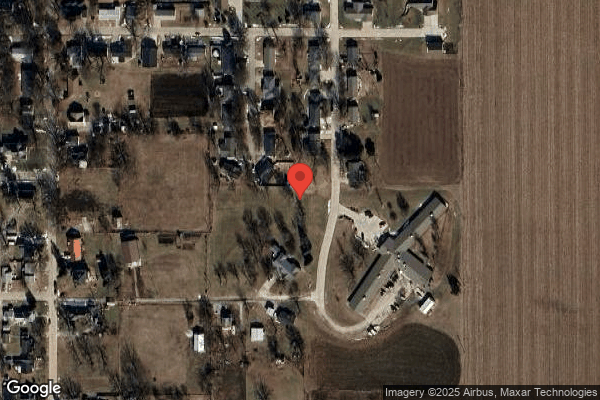
1720 Burton Drive, Falls City, NE 68355 (402) 245-4466
For profit - Corporation 63 Beds THE ENSIGN GROUP Data: November 2025
Trust Grade
45/100
#149 of 177 in NE
Last Inspection: July 2025

Inspected within the last 6 months. Data reflects current conditions.

Overview

Falls City Nursing and Rehabilitation Center has a Trust Grade of D, which means it is below average and has some concerns that families should consider. The facility ranks #149 out of 177 nursing homes in Nebraska and #3 out of 3 in Richardson County, placing it in the bottom half of options available. Unfortunately, the trend is worsening, with reported issues increasing from 2 in 2024 to 4 in 2025. Staffing is a significant concern, receiving only 1 out of 5 stars, and has a high turnover rate of 60%, which is above the state average of 49%. While there have been no fines recorded, which is a positive aspect, the facility has less RN coverage than 94% of other Nebraska facilities, meaning there may be fewer registered nurses available to catch potential problems. Specific incidents noted by inspectors include the failure to ensure that the dishwashing machine reached the correct temperature, risking foodborne illness for residents, and medications being left unsecured, which could pose safety risks. Overall, while there are some strengths, such as the absence of fines, the facility's weaknesses warrant careful consideration by families looking for a safe environment for their loved ones.
Trust Score
D
45/100
In Nebraska
#149/177
Bottom 16%
Safety Record
Low Risk
No red flags
Inspections
Getting Worse
2 → 4 violations
Staff Stability
⚠ Watch
60% turnover. Above average. Higher turnover means staff may not know residents' routines.
Penalties
✓ Good
No fines on record. Clean compliance history, better than most Nebraska facilities.
Skilled Nurses
⚠ Watch
Each resident gets only 17 minutes of Registered Nurse (RN) attention daily — below average for Nebraska. Fewer RN minutes means fewer trained eyes watching for problems.
Violations
○ Average
6 deficiencies on record. Average for a facility this size. Mostly minor or procedural issues.
★☆☆☆☆
1.0
Overall Rating
★☆☆☆☆
1.0
Staff Levels
★☆☆☆☆
1.0
Care Quality
★★★☆☆
3.0
Inspection Score
Stable
2024: 2 issues
2025: 4 issues

The Good

  • Full Sprinkler Coverage · Fire safety systems throughout facility
  • No fines on record

Facility shows strength in fire safety.

The Bad

1-Star Overall Rating

Below Nebraska average (2.9)

Significant quality concerns identified by CMS

Staff Turnover: 60%

14pts above Nebraska avg (46%)

Frequent staff changes - ask about care continuity

Chain: THE ENSIGN GROUP

Part of a multi-facility chain

Ask about local staffing decisions and management

Staff turnover is elevated (60%)

12 points above Nebraska average of 48%

The Ugly 6 deficiencies on record

Jul 2025 3 deficiencies
CONCERN (D)

Potential for Harm - no one hurt, but risky conditions existed

Deficiency F0825 (Tag F0825)

Could have caused harm · This affected 1 resident

**NOTE- TERMS IN BRACKETS HAVE BEEN EDITED TO PROTECT CONFIDENTIALITY** LICENSURE REFERENCE NUMBER 175 NAC 12-006.13 Based on record reviews, observations, and interviews, the facility staff failed to...

Read full inspector narrative →
**NOTE- TERMS IN BRACKETS HAVE BEEN EDITED TO PROTECT CONFIDENTIALITY** LICENSURE REFERENCE NUMBER 175 NAC 12-006.13 Based on record reviews, observations, and interviews, the facility staff failed to implement speech therapy (ST, a type of therapy focused on improving or restoring a person's ability to swallow safely and effectively) orders for 1 (Resident 3) of 1 sampled resident. The facility staff identified a census of 40. Findings are:A record review of an admission Record printed on 07/29/2025 indicated Resident 3 was admitted to the facility on [DATE] with diagnoses of Parkinson's disease (a brain condition that causes problems with movement, mental health and other issues) and dementia (a usually progressive condition marked by the development of multiple cognitive deficits such as memory impairment, aphasia, and the inability to plan and initiate complex behavior). A record review of Resident 3's Minimum Data Set (MDS, a federally mandated comprehensive assessment tool used to determine a resident's functional capabilities and helps nursing home staff identify health problems) dated 05/28/2025 revealed in Section K, Swallowing/Nutritional Status a check mark was placed under the question signs and symptoms of a swallowing disorder. The check mark was placed next to the option C. Coughing or choking during meals or when swallowing medications. The MDS also revealed Resident 3's Brief Interview for Mental Status (BIMS, a brief screener that aids in detecting cognitive impairment) score of 9, indicating the resident was moderately impaired. A record review of Resident 3's Comprehensive Care Plan (CCP, a document that includes measurable objectives and timetables to meet a resident's medical, nursing, and mental and psychosocial needs that are identified in the comprehensive assessment) revealed an intervention to monitor for signs and symptoms of dysphagia (difficulty in swallowing) related to the Parkinson's disease diagnosis. No information regarding intervention on how to respond to symptoms of dysphagia was noted. A record review of a fax communication sent to Resident 3's provider dated 12/27/2024 revealed a request for speech therapy (ST) to eval/tx (evaluate and treat) with a handwritten response of yes please. The order was signed by MDS-licensed practical nurse (LPN, a nurse who provide basic medical care under the supervision of a registered nurse or physician) on 01/02/2025. A record review of Resident 3's Medication Review Report dated 01/14/2025 revealed an order for ST to eval/tx with an order date of 1/02/2025 signed by the provider on 01/14/2025.A record review of Resident 3's Speech Therapy Discharge Summary dated 03/21/2024 to 4/10/2024 revealed a discharge summary completed date of 4/29/2024. The facility was unable to provide more recent documentation related to speech therapy. An observation of Resident 3 on 07/29/2025 at 7:55 AM revealed the resident coughing and choking after drinking a thin liquid from a coffee cup during breakfast. An observation of Resident 3 on 07/29/2025 at 8:18 AM revealed coughing heard from the resident while resident was sitting in the recliner. An observation of Resident 3 on 07/29/2025 at 11:26 AM revealed the resident drinking a clear, thin liquid from a straw after receiving medication in apple sauce. The resident began coughing and choking immediately after. An interview with Nursing Assistant (NA, a healthcare professional who provides basic care and support to the residents) NA-C on 07/30/2025 at 1:02 PM revealed that the NA had noticed Resident 3 coughing sometimes when drinking and stayed with Resident 3 until the resident was finished coughing and then reported to the nurse on duty. An interview on 07/30/2025 at 12:56 PM with Resident 3's family member reported that the resident did choke on both food and liquid. The family member felt it was related to the progression of the resident's Parkinson's disease. An interview with Occupational Therapist (OT, a healthcare professional who specializes in helping people improve their ability to perform everyday activities) OT-D on 07/30/2025 at 2:11 PM reported that the facility had not had an ST since December of 2024 and that some residents were going offsite for their therapy. An interview with Physical Therapist (PT, a healthcare professional who specializes in helping people improve physical movement) PT-E on 07/30/2025 at 2:11 PM reported that the facility has not had an ST since December of 2024 and that some residents were going offsite for their therapy. An interview on 07/31/2025 at 9:20 AM with Director of Nursing (DON), confirmed the last time the resident had received ST was in 2024.
CONCERN (D)

Potential for Harm - no one hurt, but risky conditions existed

Infection Control (Tag F0880)

Could have caused harm · This affected 1 resident

**NOTE- TERMS IN BRACKETS HAVE BEEN EDITED TO PROTECT CONFIDENTIALITY** Licensure Reference Number 175 NAC 12-006.18(B) Based on observation, interview, and record review, the facility failed to ensur...

Read full inspector narrative →
**NOTE- TERMS IN BRACKETS HAVE BEEN EDITED TO PROTECT CONFIDENTIALITY** Licensure Reference Number 175 NAC 12-006.18(B) Based on observation, interview, and record review, the facility failed to ensure that 1 (Resident 4) of 2 sampled residents' oxygen concentrator filters were clean, the positive airway pressure (PAP) device (a machine used to treat sleep apnea) contained a filter, the tubing was replaced, and ensure that the nasal cannulas and PAP masks for 2 (Residents 4 and 13) of 2 sampled residents were clean and stored off the floor to prevent the potential for cross contamination. The facility census was 39. Findings are:A. A record review of the facility’s undated “Respiratory Equipment Policy“ revealed PAP masks, tubing, and filters must be cleaned and disinfected per manufacturer instructions and replaced as needed (at least every 3–6 months or sooner if damaged or contaminated). A record review of the undated “ResMed AirSense 10 Users Guide” revealed the air filter should be replaced at least every 6 months and more often if needed. https://document.resmed.com/documents/products/machine/airsense-series/user-guide/airsense-10-device-with-humidifier_user-guide_amer_eng.pdf A record review of the undated “Mirage™ FX NASAL MASK User Guide” revealed that the mask and headgear should only be gently handwashed. Daily or after each use, disassemble the mask components according to the disassembly instructions. Thoroughly clean the separated mask components, excluding the headgear, by gently rubbing them in warm water (approximately 86°F/30°C) using mild soap and rinse all components well with drinking-quality water and allow them to air dry out of direct sunlight. Once completely dry, reassemble the mask components following the reassembly instructions. https://document.resmed.com/documents/products/mask/mirage-series/user-guide/mirage-fx_user-guide_amer_por.pdf A record review of Resident 4’s “Order Summary Report” dated 07/29/2025 revealed the resident had an order for PAP set at 7 centimeters of water pressure. The order stated to clean the CPAP mask and equipment with soapy water daily. An observation on 07/28/2025 at 11:14 AM revealed that Resident 4’s ResMed AirSense 10 PAP device had no filter in place, the PAP mask (Mirage FX) was not cleaned, and the tubing was discolored, bent, and visibly worn. An observation on 07/29/2025 at 3:30 PM revealed that Resident 4’s ResMed AirSense 10 PAP machine was on the resident’s bedside table. The filter housing was opened, and no filter was found to be installed in the designated compartment. No replacement or spare filters were available in the immediate vicinity. The PAP tubing was cloudy, coated with visible interior film, and displayed signs of wear including kinking and reduced flexibility. The PAP mask appeared to have accumulated residue, indicating it had not been cleaned. In an interview on 07/29/2025 at 4:49 PM, Registered Nurse (RN)-A, confirmed that Resident 4’s PAP should have had a filter, the tubing was visibly worn and coated, and the mask had not been cleaned and should have been. B. A record review of the facility’s undated “Oxygen Policy” revealed that tubing must be kept off the floor and equipment must be cleaned regularly. Oxygen cannulas or masks should be changed when soiled or dirty. A record review of Resident 4’s “Order Summary Report” dated 07/29/2025 revealed the resident had an order for Oxygen at 2 liters continuously via nasal cannula every shift for shortness of breath. An observation on 07/28/2025 at 11:14 AM revealed that Resident 4’s nasal cannula was connected to the oxygen tank on the rear of the wheelchair, with nasal prongs resting directly on the floor. The oxygen concentrator had a dense buildup of dark gray, fuzzy sediment on both side filters. An observation on 07/29/2025 at 3:30 PM revealed that Resident 4’s nasal cannula was connected to an oxygen tank secured to the back of the resident’s wheelchair. The tubing was draped across the frame with the prongs resting on the floor. No device was observed to elevate or contain the tubing. An oxygen concentrator was positioned on the floor. Both air intake filters were covered in a dense, gray, fuzzy layer, spanning the full filter surface and obscuring the mesh beneath. In an interview on 07/29/2025 at 4:49 PM, RN-A, confirmed that Resident 4’s nasal cannula should not have been on the floor and the oxygen concentrator filters were gray, fuzzy, and should have been clean. RN-A confirmed that these conditions were not acceptable and should not have occurred. C. A record review of Resident 13’s admission record revealed Resident 13 was admitted to the facility on [DATE]. A record review of Resident 13’s diagnosis revealed gender had Sleep Apnea (Breathing stops and starts while sleeping), Lung nodules (small mass in lungs), Emphysema (a condition in which the air sacs of the lungs are damaged and enlarged causing breathlessness.) Chronic Obstructive Pulmonary Disease (COPD) a pulmonary disease that is characterized by chronic typically irreversible airway obstruction resulting in a slowed rate of exhalation. A record review of Resident 13’s Care plan dated 03/28/2021 revealed to give oxygen therapy as ordered by the physician. It also stated to clean the PAP (positive airway pressure device used to treat respiratory conditions) mask and equipment with soapy water daily and rinse well. When clean hang the tubing to dry. A record review of Resident 13’s Care Plan dated 03/28/2021 revealed gender had altered respiratory status with difficulty breathing related to Sleep Apnea and COPD. A record review of Resident 13’s physician order dated 4/21/2025 revealed that the staff are to ensure the oxygen tubing is on Resident 13 properly related to it slipping off Resident 13’s face every 2 hours for monitoring. An observation on 07/28/2025 at 2:18 PM revealed that Resident 13 had the PAP device face mask lying on the bedside dresser with area on the inside of mask having brown and black flecks. An observation on 07/29/2025 at 7:45 AM revealed that Resident 13’s PAP device face mask was sitting on top of used clothing protector and had scattered brown and black flecks on the inside of mask. An observation on 7/30/25 at 2:30 PM revealed that Resident 13’s PAP device face mask lying in gender's recliner chair. An observation on 07/31/2025 at 8:01 AM of Resident 13’s room revealed PAP device mask was lying on top of the gender's hat which was on top of the bedside table. There were scattered black and brown flecks on the inside surface of the mask. An observation on 07/31/2025 at 10:10 AM of Resident 13's room revealed that the PAP mask was lying on top of a blanket in gender's recliner chair. The PAP face mask had flecks of brown and black on the inside of the mask. The nasal cannula portion of the resident's oxygen tubing was on the floor. An observation on 07/31/2025 at 10:10 AM of Resident 13's room revealed the nasal cannula of the oxygen tubing was lying on the floor. An interview on 07/28/2025 at 2:05 PM revealed Resident 13 stated gender had a respiratory infection a two weeks ago and that is why gender was on oxygen and used a PAP machine at night. An interview on 07/30/2025 at 10:06 AM with Resident 13 revealed gender had oxygen tubing on with physician setting for amount of oxygen delivered. Resident 13 stated that the oxygen keeps them from having difficulty breathing. An interview on 07/31/2025 at 10:19 AM with Medication Aide B (MA-B) revealed that the PAP device facemask and tubing in Resident 13's room was sitting on top of a blanket in recliner chair and that Resident 13's oxygen tubing had the nasal cannula lying on the floor. MA- B clarified that the PAP device mask should be cleaned and put on top of a paper towel after each use and that there were a few specks of brown and black on the inside of the mask. MA-B clarified that when the oxygen tubing was off the resident, it was supposed to be put in the bag that holds it on the oxygen concentrator. An interview on 07/31/2025 at 11:12 AM with the Director of Nursing (DON) revealed that when the PAP device was taken off in the morning it should have been cleaned with soap and water and put on a paper towel and tubing hung up to air dry. The DON stated that if the oxygen tubing was removed by Resident 13 it was supposed to be put in the bag on the concentrator machine.
CONCERN (F) 📢 Someone Reported This

A family member, employee, or ombudsman was alarmed enough to file a formal complaint

Potential for Harm - no one hurt, but risky conditions existed

Food Safety (Tag F0812)

Could have caused harm · This affected most or all residents

Licensure Reference Number 175 NAC 12-006.11(E) Based on observation, interview, and record review, the facility failed to ensure the chemical low-temperature (temp) dish machine reached a minimum tem...

Read full inspector narrative →
Licensure Reference Number 175 NAC 12-006.11(E) Based on observation, interview, and record review, the facility failed to ensure the chemical low-temperature (temp) dish machine reached a minimum temp of 120 degrees Fahrenheit (F)(a temperature scale) during all wash and rinse cycles and failed to ensure spoiled vegetables from the garden were disposed of to prevent foodborne illness. This had the potential to affect 38 residents that consumed food from the kitchen. The total facility census was 39. Findings are:A.A record review of the facility's undated Dish Machine Temperature Log policy revealed the Dietary Manager (DM) would train dishwashing staff to monitor dish machine temperatures throughout the dishwashing process. Dishwashing staff would be trained to report any problem with the dish machine to the dietary supervisor as soon as they occur. A record review of the National Sanitation Foundation (NSF) Machine Operational Requirements sticker on the facility's dish machine revealed wash temperature was a minimum of 120 degrees F, and the minimum rinse temperature was 120 degrees F. A record review of the facility's Low Temperature Dish Machine Log dated July 2025 revealed the wash temp should have been greater than (>) 120 degrees, and the rinse temperature should have been > 75 degrees. An observation on 07/29/2025 at 11:38 AM revealed the facility's DM, took the Robot Coupe (a blender) supplies to dish room, loaded and ran the facility's chemical low-temp dish machine. The dish machine's temperature reached 88 degrees F during the wash cycle, 100 degrees F during the rinse cycle. The DM left the dishwashing area after starting the dish machine and returned to the prep area. The DM then returned to the dishwashing area, gathered the supplies, returned to the prep area and pureed the pasta dish with the washed Robot Coupe's supplies. An observation on 07/29/2025 at 12:29 PM revealed the facility's Regional Certified Dietary Manager (RCDM) revealed the RCDM ran a cookie sheet through the facility's dish machine. The wash temp reached 88 degrees F and the rinse temp reached 100 degrees F. The RCDM continued spraying off dishes while the dish machine ran its cycles. An observation on 07/29/2025 at 12:40 PM the RCDM removed the cookie sheet from the dish machine. The RCDM then loaded the dish machine with pots and kitchen utensils. The was temp reached 100 degrees F and the rinse temp reached 112 degrees F. In an interview on 07/29/2025 at 12:45 PM, Dietary Aide (DA)-F confirmed that the staff had to run the sanitizer 3-4 loads before it reaches 120 degrees F. In an interview on 07/31/2025 at 12:53 PM, the facility's Assistant Director of Nursing (ADON) confirmed 38 of the 39 residents in the facility consume food from the kitchen. In an interview on 07/29/2025 at 12:54 PM, the RCDM confirmed the dish machine did not reach 120 degrees F during the wash and rinse cycles until the last load the RCDM ran, and it should have. The contract company the facility's used to service the dish machine provided the Low Temperature Dish Machine Log sheet. In an interview on 07/30/2025 at 11:42 AM, a representative (Rep) from the facility's contracted dish machine service company confirmed the wash and rinse temperatures of the dish machine should have been a minimum of 120 degrees F to properly sanitize the dishes. B.A record review of the facility's Resident Consumption of Facility-Grown Produce policy dated 4/2025 revealed residents may consume the food from the garden provided all safety protocols are followed to mitigate (prevent) the risk of foodborne illness. An observation on 07/28/2025 at 9:15 AM revealed a box on the 3-compartment sink in the kitchen that contained 1 cucumber with a gray fuzzy coating on it and 2 soft tomatoes with brown holes in them and a gnat (a small flying insect) inside 1 of them that flew out. An observation on 07/28/2025 at 9:58 AM with the facility's Activities Director (AD), that was the active DM while the DM was out that morning, revealed a box on the 3-compartment sink in the kitchen that contained 1 cucumber with a gray fuzzy coating on it and 2 soft tomatoes with brown holes in them. In an interview on 07/28/2025 at 9:58 AM with the facility's AD, that was the active DM while the DM was out that morning, confirmed there was a box on the 3-compartment sink in the kitchen that contained 1 cucumber with a gray fuzzy coating on it and 2 soft tomatoes with brown holes in them, and should not have been. The AD confirmed they were from the facility's garden and threw the box of vegetables in the trash can.
Mar 2025 1 deficiency
CONCERN (F) 📢 Someone Reported This

A family member, employee, or ombudsman was alarmed enough to file a formal complaint

Potential for Harm - no one hurt, but risky conditions existed

Deficiency F0761 (Tag F0761)

Could have caused harm · This affected most or all residents

Licensure Reference Number 175 NAC 12.006.12(D)(i) Based on observations, interviews and record review, the facility failed to secure all medications in a locked storage area and to limit access to au...

Read full inspector narrative →
Licensure Reference Number 175 NAC 12.006.12(D)(i) Based on observations, interviews and record review, the facility failed to secure all medications in a locked storage area and to limit access to authorized personnel. The facility identified a census of 41. Findings are: Record review of facility's undated Drug Storage Policy revealed: It is the policy of this facility to ensure the proper and safe storage of drugs and biologicals. Drugs and/or biologicals should not be left unsecured/unattended. Medication and treatment carts will be kept locked when unattended. Observation on 3/25/25 at 9:00 AM revealed a medication cart containing resident's medications, located near the nurse's station, was unlocked and unattended by staff. Interview with Director of Nursing (DON) on 3/25/25 at 9:01 AM confirmed the medication cart was unlocked and should have been locked. Observation on 3/25/25 at 4:16 PM revealed a medication cart containing resident's medications, located near the nurse's station, was unlocked and unattended by staff. Interview on 3/25/25 at 4:17 PM with DON confirmed that the medication cart was unlocked and should have been locked.
Jul 2024 2 deficiencies
CONCERN (D)

Potential for Harm - no one hurt, but risky conditions existed

Comprehensive Care Plan (Tag F0656)

Could have caused harm · This affected 1 resident

Licensure Reference Number 175 NAC 12-006.09C Based on interview and record review, the facility failed to develop and implement a resident-centered comprehensive care plan (a written interdisciplinar...

Read full inspector narrative →
Licensure Reference Number 175 NAC 12-006.09C Based on interview and record review, the facility failed to develop and implement a resident-centered comprehensive care plan (a written interdisciplinary comprehensive plan detailing how to provide quality care for a resident) that accurately reflected the needs for 1 (Resident 34) of 12 sampled residents. The facility census was 39. Findings are: Review of Resident 34's Significant Change Minimum Data Set (MDS- a comprehensive assessment completed when a resident has a major decline or improvement in their status), dated 5/3/24, revealed that Resident 34 was receiving hospice services while a resident. Review of Resident 34's comprehensive care plan, dated 7/9/24, revealed no resident-centered care plan related to hospice. Review of the facility's Care Plan policy, undated, revealed the following: -1. Care plans are modified between care plan conference when appropriate to meet the resident's current needs, problems, and goals. -3. The care plan will be updated and/or revised for the following reasons: a significant change in the resident's condition. In an interview on 7/10/24 at 10:47 AM, the MDS nurse confirmed that there was no hospice care plan for Resident 34 and that one should have been developed and implemented after Resident 34 had been admitted to hospice and a significant change MDS had been completed.
CONCERN (E)

Potential for Harm - no one hurt, but risky conditions existed

Assessment Accuracy (Tag F0641)

Could have caused harm · This affected multiple residents

**NOTE- TERMS IN BRACKETS HAVE BEEN EDITED TO PROTECT CONFIDENTIALITY** Licensure Reference Number 175 NAC 12-006.09B Based on record review and interview; the facility failed to code the Minimum Data...

Read full inspector narrative →
**NOTE- TERMS IN BRACKETS HAVE BEEN EDITED TO PROTECT CONFIDENTIALITY** Licensure Reference Number 175 NAC 12-006.09B Based on record review and interview; the facility failed to code the Minimum Data Set (MDS-a comprehensive assessment of each resident's functional capabilities used to develop a resident's plan of care) assessment to reflect the resident's status for 4 (Residents 9, 11, 19 and 34) of 12 sampled residents. The facility census was 39. Findings are: A. Review of Resident 9's May 2024 Medication Administration Record (MAR) revealed Resident 9 received Seroquel (an antipsychotic medication used to treat certain mental/mood disorders) 50 milligrams (mg) at bedtime. Review of Resident 9's Note to Attending Physician/Provider, dated 5/8/24, revealed Resident 9's physician marked no, that a Gradual Dose Reduction (GDR) is contraindicated because previous GDRs had failed. Review of Resident 9's MDS, dated [DATE], revealed the following: -Yes coded to the question: Did the resident receive antipsychotic medications since admission/entry? -Yes coded to the question: Has a GDR been attempted with 5/18/24 entered as the date of the last attempted GDR -No coded to the question: Physician documented GDR as clinically contraindicated Review of the MDS 3.0 Resident Assessment Instrument (RAI) User's Manual v1.18.11, dated October 2023 revealed the following: -Code no if a GDR has not been attempted -Code yes if a GDR has been documented by a physician as clinically contraindicated and enter the date the physician documented GDR attempts as clinically contraindicated. In an interview on 7/10/24 at 10:49 AM, the MDS nurse confirmed that a GDR had not been attempted and should have been coded No and that a GDR had been documented as contraindicated by Resident 9's physician should have been coded Yes with a date of 5/8/24 entered. B. Review of Resident 11's April MAR revealed Resident 11 received Seroquel 12.5mg at bedtime. Review of Resident 11's Note to Attending Physician/Provider, dated 11/17/23, revealed Resident 11's physician marked ok when asked if [gender] would consider decreasing Resident 11's Seroquel from 25mg to 12.5mg at bedtime due to staff reporting Resident 11 had not displayed any behaviors and felt as though [gender] could trial a reduction at this time. Review of Resident 11's MDS, dated [DATE], revealed the following: -Yes coded to the question: Did the resident receive antipsychotic medications since admission/entry? -Yes coded to the question: Has a GDR been attempted with 7/24/23 entered as the date of the last attempted GDR -Yes coded to the question: Physician documented GDR as clinically contraindicated with 7/24/23 entered as the date of the last attempted GDR Review of the MDS 3.0 RAI User's Manual v1.18.11, dated October 2023 revealed the following: -Code yes if a GDR had been attempted and enter the date of the last attempted GDR -Code no if a GDR had not been documented by a physician as clinically contraindicated In an interview on 7/10/24 at 11:00 AM, the MDS nurse confirmed the date of the last attempted GDR for Resident 11 was 11/17/24, not 7/24/23 and that 11/17/24 should have been entered instead of 7/24/23. The MDS nurse further confirmed a GDR had not been documented as clinically contraindicated for Resident 11 and that question should have been coded no. C. Review of Resident 19's May MAR revealed Resident 19 did not have an order for an anticoagulant (blood thinner) or a diuretic (medication that increases the production of urine). The MAR did reveal that Resident 19 had taken Aspirin (antiplatelet used to prevent blood from forming a clot) DR (delayed release) 81mg twice a day. Review of Resident 19's MDS, dated [DATE], revealed that Resident 19 had taken an anticoagulant and diuretic. The MDS further revealed that Resident 19 had not taken an antiplatelet medication. Review of the MDS 3.0 RAI User's Manual v1.18.11, dated October 2023, revealed the following: -Anticoagulant: check if an anticoagulant medication was taken by the resident at anytime during the 7-day look-back period -Diuretic: check if a diuretic medication was taken by the resident at any time during the 7-day look-back period -Antiplatelet: check if an antiplatelet medication (e.g. aspirin/extended release) was taken by the resident at any time during the 7-day observation period -Do not code antiplatelet medications such as aspirin/extended release as an anticoagulant. In an interview on 7/10/24 at 10:54 AM, the MDS nurse confirmed that Resident 19 did not have an order for an anticoagulant or diuretic and did have an order for an antiplatelet medication. The MDS nurse further confirmed that anticoagulant and diuretic should not have been marked as taken and that antiplatelet should have been marked as taken on the MDS. D. Review of Resident 34's April and May 2024 MARs revealed Resident 34 did not have an order for an anticoagulant. The MARs did reveal that Resident 34 had taken Clopidogrel (antiplatelet used to prevent blood from forming a clot) 75mg once every three days. Review of Resident 34's MDS, dated [DATE], revealed that Resident 34 had taken an anticoagulant and had not taken an antiplatelet. Review of the MDS 3.0 RAI User's Manual v1.18.11, dated October 2023, revealed the following: -Anticoagulant: check if an anticoagulant medication was taken by the resident at anytime during the 7-day look-back period -Antiplatelet: check if an antiplatelet medication (e.g. clopidogrel) was taken by the resident at any time during the 7-day observation period -Do not code antiplatelet medications such as clopidogrel release as an anticoagulant. In an interview on 7/10/24 at 10:47 AM, the MDS nurse confirmed that Resident 34 did not have an order for an anticoagulant and did have an order for an antiplatelet during the 7-day look-back period in April and May. The MDS nurse further confirmed that anticoagulant should not have been marked as taken and that antiplatelet should have been marked as taken on the MDS. E. Review of Resident 34's hospice plan of care, dated 5/2/24, revealed the following: -admitted to hospice on 5/2/24 with a diagnosis of vascular dementia (caused by decreased blood flow to brain tissue causing memory problems, problems with movement, urinary problems, and tremors -A verbal certification was given on 5/2/24 from Resident 34s physician that [gender] certified that Resident 34s prognosis is 6 months or less if the disease runs its normal course Review of Resident 34's MDS, dated [DATE], revealed the following: -No coded on the question: Does the resident have a condition or chronic disease that may result in a life expectancy of less than 6 months? Review of the MDS 3.0 RAI User's Manual v1.18.11, dated October 2023, revealed the following: -Code yes if the medical record includes physician documentation: 1) that the resident is terminally ill; or 2) the resident is receiving hospice services In an interview on 7/10/24 at 10:47 AM, the MDS nurse confirmed that Resident 34 had physician documentation that [gender] is terminally ill and was receiving hospice services. The MDS nurse further confirmed that yes should have been coded for the question: Does the resident have a condition or chronic disease that may result in a life expectancy of less than 6 months.
Understanding Severity Codes (click to expand)
Life-Threatening (Immediate Jeopardy)
J - Isolated K - Pattern L - Widespread
Actual Harm
G - Isolated H - Pattern I - Widespread
Potential for Harm
D - Isolated E - Pattern F - Widespread
No Harm (Minor)
A - Isolated B - Pattern C - Widespread

Questions to Ask on Your Visit

  • "Why is there high staff turnover? How do you retain staff?"
  • "Can I speak with families of current residents?"
  • "What's your RN coverage like on weekends and overnight?"

Our Honest Assessment

Strengths
  • • No major safety red flags. No abuse findings, life-threatening violations, or SFF status.
  • • No fines on record. Clean compliance history, better than most Nebraska facilities.
Concerns
  • • Grade D (45/100). Below average facility with significant concerns.
  • • 60% turnover. Above average. Higher turnover means staff may not know residents' routines.
Bottom line: Trust Score of 45/100 indicates significant concerns. Thoroughly evaluate alternatives.

About This Facility

What is Falls City Nursing And Rehabilitation Center's CMS Rating?

CMS assigns Falls City Nursing and Rehabilitation Center an overall rating of 1 out of 5 stars, which is considered much below average nationally. Within Nebraska, this rating places the facility higher than 0% of the state's 100 nursing homes. A rating at this level reflects concerns identified through health inspections, staffing assessments, or quality measures that families should carefully consider.
How is Falls City Nursing And Rehabilitation Center Staffed?

CMS rates Falls City Nursing and Rehabilitation Center's staffing level at 1 out of 5 stars, which is much below average compared to other nursing homes. Staff turnover is 60%, which is 14 percentage points above the Nebraska average of 46%. High turnover can affect care consistency as new staff learn residents' individual needs. RN turnover specifically is 60%, which is notably high. RNs provide skilled clinical oversight, so turnover in this role can affect medical care quality.

What Have Inspectors Found at Falls City Nursing And Rehabilitation Center?

State health inspectors documented 6 deficiencies at Falls City Nursing and Rehabilitation Center during 2024 to 2025. These included: 6 with potential for harm.
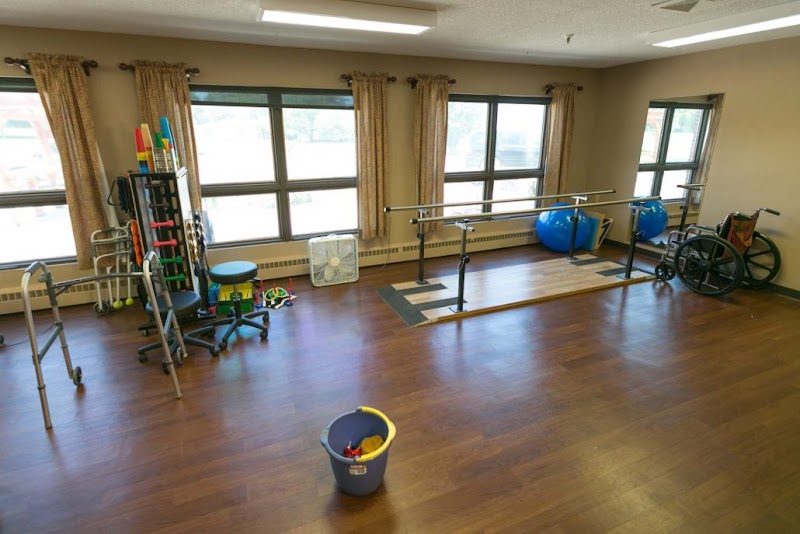
Who Owns and Operates Falls City Nursing And Rehabilitation Center?

Falls City Nursing and Rehabilitation Center is owned by a for-profit company. For-profit facilities operate as businesses with obligations to shareholders or private owners. The facility is operated by THE ENSIGN GROUP, a chain that manages multiple nursing homes. With 63 certified beds and approximately 43 residents (about 68% occupancy), it is a smaller facility located in Falls City, Nebraska.

How Does Falls City Nursing And Rehabilitation Center Compare to Other Nebraska Nursing Homes?

Compared to the 100 nursing homes in Nebraska, Falls City Nursing and Rehabilitation Center's overall rating (1 stars) is below the state average of 2.9, staff turnover (60%) is significantly higher than the state average of 46%, and health inspection rating (3 stars) is at the national benchmark.

What Should Families Ask When Visiting Falls City Nursing And Rehabilitation Center?

Based on this facility's data, families visiting should ask: "How do you ensure continuity of care given staff turnover, and what is your staff retention strategy?" "Can you walk me through typical staffing levels on day, evening, and night shifts?" "Can I visit during a mealtime to observe dining assistance and food quality?" "How do you handle medical emergencies, and what is your hospital transfer rate?" These questions are particularly relevant given the facility's high staff turnover rate and the below-average staffing rating.

Is Falls City Nursing And Rehabilitation Center Safe?

Based on CMS inspection data, Falls City Nursing and Rehabilitation Center has a clean safety record: no substantiated abuse findings (meaning no confirmed cases of resident harm), no Immediate Jeopardy citations (the most serious violation level indicating risk of serious injury or death), and is not on the Special Focus Facility watch list (a federal program monitoring the lowest-performing 1% of nursing homes). The facility has a 1-star overall rating and ranks #100 of 100 nursing homes in Nebraska. While no facility is perfect, families should still ask about staff-to-resident ratios and recent inspection results during their visit.

Do Nurses at Falls City Nursing And Rehabilitation Center Stick Around?

Staff turnover at Falls City Nursing and Rehabilitation Center is high. At 60%, the facility is 14 percentage points above the Nebraska average of 46%. Registered Nurse turnover is particularly concerning at 60%. RNs handle complex medical decisions and coordinate care — frequent RN changes can directly impact care quality. High turnover means new staff may not know residents' individual needs, medications, or preferences. It can also be disorienting for residents, especially those with dementia who rely on familiar faces. Families should ask: What is causing the turnover? What retention programs are in place? How do you ensure care continuity during staff transitions?

Was Falls City Nursing And Rehabilitation Center Ever Fined?

Falls City Nursing and Rehabilitation Center has no federal fines on record. CMS issues fines when nursing homes fail to meet care standards or don't correct problems found during inspections. The absence of fines suggests the facility has either maintained compliance or corrected any issues before penalties were assessed. This is a positive indicator, though families should still review recent inspection reports for the full picture.

Is Falls City Nursing And Rehabilitation Center on Any Federal Watch List?

Falls City Nursing and Rehabilitation Center is not on any federal watch list. The most significant is the Special Focus Facility (SFF) program, which identifies the bottom 1% of nursing homes nationally based on persistent, serious quality problems. Not being on this list means the facility has avoided the pattern of deficiencies that triggers enhanced federal oversight. This is a positive indicator, though families should still review the facility's inspection history directly.