Accura Healthcare of Franklin
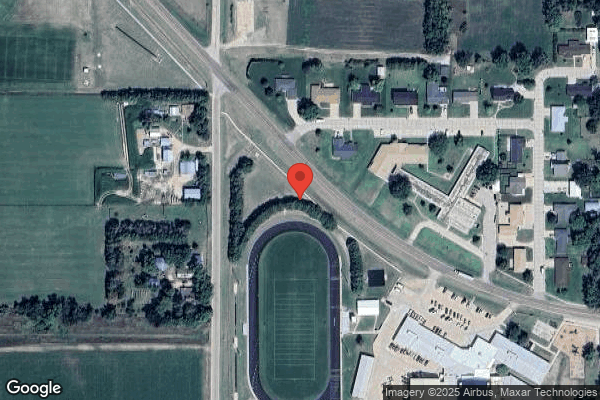

1006 M Street, Franklin, NE 68939 (308) 425-6262
For profit - Limited Liability company 42 Beds ARBOR CARE CENTERS Data: November 2025
Trust Grade
60/100
#71 of 177 in NE
Last Inspection: March 2025

Within standard 12-15 month inspection cycle. Federal law requires annual inspections.

Overview

Accura Healthcare of Franklin has a Trust Grade of C+, which indicates a decent level of care that is slightly above average. They rank #71 out of 177 nursing homes in Nebraska, placing them in the top half of facilities in the state, and they are the only option in Franklin County. However, the facility's performance has worsened, with the number of issues increasing from 3 in 2024 to 6 in 2025. Staffing is relatively strong with a rating of 4 out of 5 stars, although the 62% turnover rate is concerning as it is higher than the Nebraska average. Notably, there have been several issues identified, including a failure to ensure the dishwasher reached the required temperature, which poses a risk of foodborne illness, and a dietary manager lacking necessary credentials, which could impact food service quality for residents. Overall, while there are strengths in staffing, the facility faces significant challenges that families should consider.

Trust Score
C+
60/100
In Nebraska
#71/177
Top 40%
Safety Record
Low Risk
No red flags
Inspections
Getting Worse
3 → 6 violations
Staff Stability
⚠ Watch
62% turnover. Above average. Higher turnover means staff may not know residents' routines.
Penalties
✓ Good
No fines on record. Clean compliance history, better than most Nebraska facilities.
Skilled Nurses
✓ Good
Each resident gets 42 minutes of Registered Nurse (RN) attention daily — more than average for Nebraska. RNs are trained to catch health problems early.
Violations
⚠ Watch
16 deficiencies on record. Higher than average. Multiple issues found across inspections.
★★★☆☆
3.0
Overall Rating
★★★★☆
4.0
Staff Levels
★★☆☆☆
2.0
Care Quality
★★★☆☆
3.0
Inspection Score
Stable
2024: 3 issues
2025: 6 issues

The Good

  • 4-Star Staffing Rating · Above-average nurse staffing levels
  • Full Sprinkler Coverage · Fire safety systems throughout facility
  • No fines on record

Facility shows strength in staffing levels, fire safety.

The Bad

3-Star Overall Rating

Near Nebraska average (2.9)

Meets federal standards, typical of most facilities

Staff Turnover: 62%

16pts above Nebraska avg (46%)

Frequent staff changes - ask about care continuity

Chain: ARBOR CARE CENTERS

Part of a multi-facility chain

Ask about local staffing decisions and management

Staff turnover is elevated (62%)

14 points above Nebraska average of 48%

The Ugly 16 deficiencies on record

Mar 2025 6 deficiencies
CONCERN (D)

Potential for Harm - no one hurt, but risky conditions existed

Transfer Notice (Tag F0623)

Could have caused harm · This affected 1 resident

Licensure Reference Number 175 NAC 12-006.05 Based on record review and interview, the facility failed to provide a written notice of transfer to the resident/resident representative upon a transfer t...

Read full inspector narrative →
Licensure Reference Number 175 NAC 12-006.05 Based on record review and interview, the facility failed to provide a written notice of transfer to the resident/resident representative upon a transfer to a hospital for 1 resident (Resident 13) of 2 sampled residents for hospitalization. The facility census was 30. Findings are: In an interview on 03/17/25 at 3:24 PM Resident 13 stated that (gender) had to go to the hospital a while ago but didn't remember why (gender) went. Record review of Resident 13's Quarterly Minimum Data Set (MDS - a comprehensive assessment of each resident's functional capabilities used to develop a resident's plan of care) dated 1/2/25 revealed that the resident was admitted to facility on 11/21/23, and had a Brief Interview for Mental Status (BIMS - a test used to get a quick snapshot of a resident's cognitive function, scored from 0-15, the higher the score, the higher the cognitive function) score of 15 which indicated the resident is cognitively intact, and that behaviors were not exhibited and the resident did not reject cares. Record review of Resident 13's Discharge MDS was dated 1/4/2025. Record review of Resident 13's Entry MDS was dated 1/5/2025. Record review of Resident 13's progress notes dated 1/1/2025-1/31/2025 revealed no notice of transfer documented. In an interview on 03/18/25 at 1:09 PM the Director of Nursing (DON) confirmed that there was not a written notification of discharge completed when Resident 13 went out to the hospital. Review of the facility policy dated Sept, 2022, titled Transfer and Discharge revealed the facility's transfer/discharge notice will be provided to the resident and the resident's representative in a language and a manner in which they can understand. The notice will include all of the following at the time it is provided: a. the specific reason and the basis for the transfer of discharge b. the effective date of transfer or discharge c. the specific location to which the resident is to be transferred or discharged d. an explanation of the right to appeal the transfer or discharge In an interview on 03/18/25 at 2:25 PM Registered Nurse (RN) - A, corporate nurse confirmed there was no written notification of transfer completed when Resident 13 was transferred to the hospital and there should have been.
CONCERN (D)

Potential for Harm - no one hurt, but risky conditions existed

Assessment Accuracy (Tag F0641)

Could have caused harm · This affected 1 resident

**NOTE- TERMS IN BRACKETS HAVE BEEN EDITED TO PROTECT CONFIDENTIALITY** Licensure Reference Number 175 NAC 12-006.09B Based on record review and interview, the facility failed to ensure the Minimum Da...

Read full inspector narrative →
**NOTE- TERMS IN BRACKETS HAVE BEEN EDITED TO PROTECT CONFIDENTIALITY** Licensure Reference Number 175 NAC 12-006.09B Based on record review and interview, the facility failed to ensure the Minimum Data Set (MDS- a comprehensive assessment of each resident's functional capabilities used to develop a resident's plan of care) reflected insulin injections for 1 (Resident 5) of 4 sampled residents. The facility census was 30. Findings are: Review of the Centers for Medicare and Medicaid Services (CMS) Resident Assessment Instrument (RAI) Manual Version 3.0, dated October 2024, revealed the following: -Enter the number of days that injections of any type were received in the last 7 days Review of Resident 5's Quarterly Minimum Data Set (MDS - a comprehensive assessment of each resident's functional capabilities used to develop a resident's plan of care) dated 2/13/2025 revealed the following: -admission to the facility on 1/7/2024 -diagnosis of Diabetes Mellitus -Brief Interview for Mental Status (BIMS - a test used to get a quick snapshot of a resident's cognitive function, scored from 0-15, the higher the score, the higher the cognitive function) score of 15, which indicated the resident is cognitively intact. -injections were not marked Review of Resident 5's Comprehensive Care Plan (CCP - written instructions needed to provide effective and person centered care of the resident that meet professional standards of quality care) dated 12/12/2024 revealed the following: -focus the resident has Diabetes Mellitus -goal the resident will be free from hyperglycemia and hypoglycemia -interventions included diabetes medication as ordered Review of Medication Administration Record dated from 2/7/25-2/13/25 revealed that Resident 5 received insulin injections 7 times. During an interview on 03/18/25 at 1:51 PM, the Director of Nursing (DON) confirmed that injections were marked zero on the most current Quarterly MDS dated [DATE] and should have been marked as 7 times given. During an interview on 03/20/25 at 8:52 AM, the DON confirmed that they use the RAI manual to ensure MDS accuracy.
CONCERN (D)

Potential for Harm - no one hurt, but risky conditions existed

Quality of Care (Tag F0684)

Could have caused harm · This affected 1 resident

**NOTE- TERMS IN BRACKETS HAVE BEEN EDITED TO PROTECT CONFIDENTIALITY** Licensure Reference Number 175 NAC 12-006.09(H)(iv)(5) Based on record review and interview, the facility failed to assess a re...

Read full inspector narrative →
**NOTE- TERMS IN BRACKETS HAVE BEEN EDITED TO PROTECT CONFIDENTIALITY** Licensure Reference Number 175 NAC 12-006.09(H)(iv)(5) Based on record review and interview, the facility failed to assess a resident's skin condition and provide treatment for impaired skin conditions for 1 (Resident 6) of 4 sampled residents for skin conditions. The facility census was 30. Findings are: An observation on 3/17/25 at 2:38 PM of Resident 6 revealed multiple open areas and scabs to the resident's arms and legs. Areas were small and did not have any signs of infection. During an interview on 03/17/25 at 2:39 PM Resident 6 reveled that both of (gender) legs and arms were itchy and stated (gender) scratched the areas. Record review of Resident 6's weekly skin assessments dated from 2/27/2025-3/13/2025, revealed no open areas, scratches or scabbed areas. Record review of Resident 6's progress notes dated from 2/1/2/-3/19/25 did not reveal any documentation regarding the resident's skin condition. Record review of Resident 6's undated admission Record revealed the resident was admitted to the facility on [DATE]. Record review of Resident 6's Comprehensive Care Plan (CCP - written instructions needed to provide effective and person centered care of the resident that meet professional standards of quality care) revealed the following: -on 1/24/24 the resident's daughter reported that the resident picks at skin. -focus and goal dated 12/1/21 the resident is at low risk for skin breakdown and the resident will not develop any skin impairments -intervention dated 8/7/2023 weekly skin assessments to be completed During an interview on 03/19/25 at 3:29 PM, the Infection Preventionist (IP) confirmed that Resident 6 has multiple open areas and scabbed areas to arms and legs and it was not mentioned on the skin assessments. During an interview on 03/20/25 at 7:55 AM Nursing Assistant (NA) - B confirmed that Resident 6 picks at (gender) arms and legs and everywhere but NA - B didn't know of anything that was being done for the areas. During an interview on 03/20/25 at 8:43 AM Medication Aide (MA) - C confirmed that Resident 6 takes a bath 2 times a week and staff sometimes puts lotion on her arms and legs. It was further confirmed that MA - C had seen the scabs and open areas and had told a nurse. During an interview on 03/20/25 at 9:24 AM the Director of Nursing (DON) confirmed that Resident 6's skin assessments did not mention any open areas or scabs, and that no treatments were being done and that there should have been. The DON further confirmed there was no documentation that Resident 6's provider had been notified, and that the provider should have been notified. It was further confirmed that Resident 6 does have ongoing skin issues and that the open areas and scabs are in various stages of healing. Review of facility policy titled Clinical Management dated 8/26/21 revealed weekly skin checks are to be completed on every resident within the facility every week.
CONCERN (E)

Potential for Harm - no one hurt, but risky conditions existed

Deficiency F0726 (Tag F0726)

Could have caused harm · This affected multiple residents

Licensure Reference Number 175 NAC 12-006.04(B)(i)(6) Based on interview and record review, the facility failed to ensure dementia care training was completed prior to nursing staff taking care of res...

Read full inspector narrative →
Licensure Reference Number 175 NAC 12-006.04(B)(i)(6) Based on interview and record review, the facility failed to ensure dementia care training was completed prior to nursing staff taking care of residents with a diagnosis of dementia. The facility census was 30. Findings are: A record review of the facility's Human Resources (HR)-Training policy dated 09/2024 revealed each employee should have received an initial orientation that included Alzheimer's care (brain disorder that causes a gradual decline in memory) and dementia (decline in mental ability) care. A record review of the facility's Employee Listing dated 03/14/2025 revealed: • Nursing Assistant (NA)-I started 12/23/2024 • NA-J started 09/30/2024 • NA-K started 10/03/2024 • NA-L started 03/04/2025 • Medication Aide (MA)-H started 03/04/2025 A record review of personnel and HR files for NA-I, NA-J, NA-K, NA-L, and MA-H did not reveal dementia care training had been completed. A record review of the facility's Training Hours dated 03/18/2025 for NA-I, NA-J, NA-K, NA-L, and MA-H did not reveal dementia care training had been completed. A record review of the facility's Daily Shift Assignments sheets dated 02/17/2025 - 03/17/2025 revealed: • NA-I worked on own 02/21/2025, 02/28/2025, 02/29/2025, 03/12/2025, 03/13/2025, 03/15/2025, and 03/142025 • NA-L worked on own 03/16/2025 and 03/17/2025 • MA-H hasn't worked on own • NA-K worked 02/18/2025, 02/24/2025, 03/01/2025, 03/02/2025, 03/04/2025, and 03/07/2025 • NA-J worked on own 02/17/2025, 02/18/2025, 02/19/2025, 02/22/2025, 02/23/2025, 02/24/2025, 02/26/2025, 02/27/2025, 03/03/2025, 03/04/2025, 03/06/2025, 03/08/2025, 03/09/2025, 03/10/2025, 03/12/2025, and 03/17/2025 A record review of the facility's undated, un-named list of residents with a dementia related diagnosis was 6 residents. In an interview on 03/18/2025 at 1:47 PM, the Business Office Manager (BOM) confirmed the facility had not been completing any kind of dementia care training on hire and before taking care of dementia care residents. The BOM confirmed that NA-I, NA-J, NA-K, NA-L had not had dementia care training and had taken care of resident with a dementia related diagnosis alone and should not have.
CONCERN (E)

Potential for Harm - no one hurt, but risky conditions existed

Infection Control (Tag F0880)

Could have caused harm · This affected multiple residents

**NOTE- TERMS IN BRACKETS HAVE BEEN EDITED TO PROTECT CONFIDENTIALITY** Licensure Reference Number 175 NAC 12-006.18(B) Based on observation, record review and interviews, the facility failed to compl...

Read full inspector narrative →
**NOTE- TERMS IN BRACKETS HAVE BEEN EDITED TO PROTECT CONFIDENTIALITY** Licensure Reference Number 175 NAC 12-006.18(B) Based on observation, record review and interviews, the facility failed to complete a clean dressing change for Resident 2, wear gloves during blood glucose testing for Resident 5, ensure nebulizer kits were cleaned after treatments for Residents 13 and 27, ensure Resident 27's oxygen concentrator filter was clean, and failed to ensure Resident 27's wheelchair oxygen nasal cannula was stored to prevent cross contamination. The facility census was 30 at the time of survey. Findings are: A. Review of Resident 2's Quarterly Minimum Data Set (MDS - a comprehensive assessment of each resident's functional capabilities used to develop a resident's plan of care) dated 1/18/2025 revealed the following: -admission to the facility on [DATE] -diagnosis of sepsis -Stage 4 pressure ulcer (full thickness tissue loss) that was present on admission Record review of Resident 2's Comprehensive Care Plan (CCP - written instructions needed to provide effective and person centered care of the resident that meet professional standards of quality care) revealed the following: -wound management focus dated 9/28/2024 -intervention dated 9/28/2024 wound care per treatment order Resident 2's physician order dated 2/20/25 revealed: -Wet to moist gauze packing to coccyx wound-change daily and cover with ABD (a highly absorbent dressing) and hold with undergarment. An observation on 3/19/25 at 1:53 PM of the Infection Preventionist (IP) completing wound care for Resident 2 revealed the following: the IP was wearing gloves and removed the wet brief, and then the saturated dressing. No hand hygiene was then performed, the IP did not change gloves. The wound was then cleansed, and a clean dressing was packed into wound per order. The area was covered with a clean dry dressing. The IP then applied the wet brief over the clean dressing. During an interview on 3/19/25 at 1:55 PM, the IP confirmed that hand hygiene and changing of the dirty gloves should have been performed after removing the soiled dressing and that the wet brief was placed over the resident's clean dressing and should not have been reapplied to the resident. Review of facility policy titled Hand Hygiene dated September 2024 revealed that all staff will perform proper hand hygiene procedure to prevent the spread of infection to other staff, residents and visitors. Staff will perform hand hygiene when indicated, using proper technique consistent with accepted standards of practice. Review of facility policy titled Clean Dressing Change dated 2/2020 revealed that after removing the existing dressing, remove gloves, wash hands and put on clean gloves. Review of facility policy titled Wound Treatment Management dated 2/2020 revealed that dressings will be applied in accordance with standards of practice. During an interview on 03/20/25 at 8:26 AM, RN - A, the corporate nurse confirmed that no one is supposed to put a dirty or a wet brief over a clean dressing, it was further confirmed that it is not standard practice to put a wet brief over a clean dressing. B. Review of Resident 5's Quarterly MDS dated [DATE] revealed the following: -admission to the facility on 1/7/2024 -diagnosis of Diabetes Mellitus -Brief Interview for Mental Status (BIMS - a test used to get a quick snapshot of a resident's cognitive function, scored from 0-15, the higher the score, the higher the cognitive function) score of 15, which indicated the resident is cognitively intact. Review of Resident 5's CCP dated 12/12/2024 revealed the following: -focus the resident has Diabetes Mellitus -goal the resident will be free from hyperglycemia and hypoglycemia -interventions included diabetes medication as ordered An observation on 03/18/25 at 7:37 AM revealed the IP in Resident 5's room, sitting on the resident's bed and not wearing gloves while completing an accucheck to measure the amount of glucose in the blood. The IP did not perform hand hygiene. During an interview on 3/18/25 at 7:38 AM, the IP confirmed that (gender) forgot to put on gloves during the accucheck and should have. Record review of the facility policy dated September 2024 and titled Personal Protective Equipment Policy revealed staff should wear gloves when in direct contact with blood, bodily fluids, mucous membranes, non-intact skin or potentially contaminated surfaces or equipment is anticipated. Record review of facility policy titled Hand Hygiene dated September 2024 revealed that all staff will perform proper hand hygiene procedure to prevent the spread of infection to other staff, residents and visitors. Staff will perform hand hygiene when indicated, using proper technique consistent with accepted standards of practice. C. Record review of Resident 13's Quarterly MDS dated [DATE] revealed: -the resident was admitted to facility on 11/21/23 -BIMS score of 15 which indicated the resident is cognitively intact -behaviors were not exhibited and the resident did not reject cares. -diagnosis of Respiratory Failure Record review of Resident 13's CCP revealed the following: -goal dated 1/5/25 the resident will have no signs of poor oxygen absorption -intervention dated 1/5/25 medications as ordered by physician Observation on 03/17/25 at 03:27 PM of Resident 13's undated nebulizer face mask was face down on the counter with residual noted in the chamber and facial oils were noted on the mask. During an interview on 3/17/25 at 3:29 PM Resident 13 confirmed that that (gender) used the nebulizer treatment that morning. Observation on 03/18/25 at 2:25 PM of Resident 13's undated nebulizer face mask was face down on the counter with residual noted in the chamber and facial oils were noted on the mask. During an interview on 3/18/25 at 2:26 PM, Resident 13 confirmed that (gender) used the nebulizer treatment that morning. Observation on 03/19/25 at 7:55 AM of Resident 13's undated nebulizer face mask laying face down on the counter with residual noted in the chamber and facial oils noted on the mask. During an interview on 3/19/25 at 8:26 AM, the IP confirmed that Resident 13's nebulizer treatment was completed earlier that morning. During an interview on 03/19/25 at 9:59 AM Medication Aide (MA)- C revealed that after they clean the nebulizer treatment kit they are supposed to take it apart and let it air dry and then cover it with a clean cloth. This one was not cleaned out after it was used. It was further confirmed that this nebulizer treatment kit had not been cleaned for a while. Review of facility policy titled Nebulizer Therapy dated 1/20/2024 revealed that nebulizers kits are to be cleaned after each use and parts are to be disassembled after each treatment. Rinse the nebulizer cup and mouthpiece with tap water and air dry on an absorbent towel. Change nebulizer tubing every 72 hours. During an interview on 03/20/25 at 8:26 AM Registered Nurse (RN) - A corporate nurse confirmed that nebulizer treatment kits are supposed to be cleaned, rinsed out, taken apart and set out to dry after each use. D. A record review of the facility's Nebulizer Therapy policy with a reviewed date of 01/2023 revealed the staff was to disassemble and rinse the nebulizer with tap water and allow it to air dry after the treatment. The nebulizer kit was to be cleaned after each use, disassembled, rinsed, and allowed to air dry. A record review of the facility's Oxygen Storage policy dated 02/2024 did not reveal cleaning or storage instructions. A record review of Resident 27's Clinical Census dated 03/19/2025 revealed the resident was admitted to the facility on [DATE]. A record review of Resident 27's Medical Diagnosis dated 03/19/2025 revealed the resident had diagnoses of Chronic Obstructive Pulmonary Disease (COPD), Pneumonia, Dependence on Supplemental Oxygen, Heart Failure, and Tobacco Use. A record review of Resident 27's Minimum Data Set (MDS)(a comprehensive assessment used to develop a resident's care plan) dated 03/02/2025 revealed the resident had a Brief Interview for Mental Status (BIMS)(a score of a residents cognitive abilities) of 15 which indicated the resident was cognitively aware. The resident required setup or clean up assistance with eating, oral hygiene (cleaning), and upper body dressing. The resident required supervision or touching assistance with bathing, toileting, lower body dressing, personal hygiene (cleaning), and footwear. The MDS revealed that the resident was on oxygen therapy. A record review of Resident 27's Care Plan with an admission date of 10/23/2024 revealed interventions of administer nebulizer treatments per order and administer oxygen as prescribed or per standing order. A record review of Resident 27's Order Summary dated 03/19/2025 revealed the resident had an order for oxygen up to 5 liter per minute (l/m), DuoNeb (nebulizer medication) nebulizer treatments every 4 hours as needed, and wipe down the concentrator (a machine that purifies oxygen) and clean the filter weekly on Mondays. A record review of Resident 27's Medication Administration Record and Treatment Administration Record (MAR & TAR) dated February 2025 revealed the resident was administered nebulizer treatments 02/06/2025, 02/07/2025, 02/08/2025, 02/11/2025, 02/14/2025, 02/15/2025, 02/17/2025, 02/18/2025, and 02/24/2025. The order to wipe down the concentrator and clean filter on Mondays was marked as done every Monday. A record review of Resident 27's MAR & TAR dated March 2025 did not reveal the DuoNeb nebulizer treatments had been given. The MAR & TAR revealed the order to wipe down the concentrator and clean filter on Mondays was marked as done every Monday and the last date it was completed was 03/17/2025. An observation on 03/17/2025 at 11:33 AM revealed Resident 27's oxygen nasal cannula (a tube that is placed in the nose to deliver oxygen) that was connected to the oxygen tank on the wheelchair was draped over the side of the wheelchair with the part that goes into the nose touching the seat of the wheelchair. The nebulizer kit was placed on top of the nebulizer machine with a residual (small, leftover) amount of medication in it, and the mask had facial oils and debris on it. The back of the oxygen concentrator had a coating of a gray fuzzy substance on the vents and the filter. An observation on 03/18/2025 at 9:01 AM revealed Resident 27's oxygen nasal cannula that was connected to the oxygen tank on the wheelchair was partially in a black mesh bag hanging on the back of the wheelchair with the part that goes in the nose hanging out of the bag. The nebulizer kit was placed on top of the nebulizer machine with a residual amount of medication in it, and the mask had facial oils and debris on it. The back of the oxygen concentrator had a coating of a gray fuzzy substance on the vents and the filter. An observation on 03/18/2025 at 3:25 PM revealed Resident 27's oxygen nasal cannula that was connected to the oxygen tank on the wheelchair was hanging on the back of the wheelchair. The nebulizer kit was placed on top of the nebulizer machine with a residual amount of medication in it, and the mask had facial oils and debris on it. The back of the oxygen concentrator had a coating of a gray fuzzy substance on the vents and the filter. An observation on 03/19/2025 at 6:56 AM revealed Resident 27's oxygen nasal cannula that was connected to the oxygen tank on the wheelchair was in the wheelchair with the part that goes in the nose touching the seat of the wheelchair. The nebulizer kit was placed on top of the nebulizer machine with a residual amount of medication in it, and the mask had facial oils and debris on it. The back of the oxygen concentrator had a coating of a gray fuzzy substance on the vents and the filter. An observation on 03/19/2025 at 8:14 AM revealed MA-C entered Resident 27's room to give the resident a nebulizer treatment. An observation with MA-C prior to the resident getting a nebulizer treatment revealed the nebulizer kit was on top of the nebulizer machine with a residual amount of medication in it and the mask had facial oils and debris on it. MA-C proceeded to give Resident 27 the nebulizer treatment without cleaning the kit. An observation on 03/19/2025 at 9:39 AM with the Administrator revealed Resident 27's nasal cannula that was connected to the wheelchair oxygen tank and was laying on a brown stained reusable incontinence (lack of bowel/bladder control) under pad that was in the seat of the wheelchair and the part that goes in the nose was touching the dirty under pad. The nebulizer kit was placed on top of the nebulizer machine with a residual amount of medication in it and facial oils and debris on the mask and it was covered with a towel. The back of the oxygen concentrator had a coating of a gray fuzzy substance on the vent and filter. In an interview on 03/17/2025 at 11:33 AM, Resident 27 confirmed that the resident did take nebulizer treatments due to the resident was congested and was getting over Pneumonia. In an interview on 03/19/2025 at 8:14 AM, MA-C confirmed the nebulizer kit was on top of the nebulizer machine with a residual amount of medication in it and the mask had facial oils and debris on it. MA-C confirmed the nebulizer kit should have been cleaned after each treatment and had not been. In an interview on 03/19/2025 at 9:57 AM, MA-C confirmed that MA-C gave Resident 27 a DuoNeb treatment at 8:14 AM but had not marked it off as done on the TAR. In an interview on 03/19/2025 at 9:39 AM, the Administrator confirmed Resident 27's nasal cannula that was connected to the wheelchair oxygen tank was laying on a brown stained reusable incontinence under pad that was in the seat of the wheelchair and the part that goes in the nose was touching the dirty under pad. The Administrator confirmed the nasal cannula should have been in the black mesh bag on the back of the wheelchair and not touching the under pad in the wheelchair seat. The nebulizer kit was placed on top of the nebulizer machine with a residual amount of medication in it and facial oils and debris on the mask and it was covered with a towel, and the nebulizer kit should have been cleaned after the nebulizer treatment. The back of the oxygen concentrator had a coating of a gray fuzzy substance on the vent and filter, and it should have been clean.
CONCERN (F)

Potential for Harm - no one hurt, but risky conditions existed

Food Safety (Tag F0812)

Could have caused harm · This affected most or all residents

Licensure Reference Number 175 NAC 12-006.18(B) Based on interview and record review, the facility failed to ensure the low temperature (temp) dish machine reached the minimum required temperature of ...

Read full inspector narrative →
Licensure Reference Number 175 NAC 12-006.18(B) Based on interview and record review, the facility failed to ensure the low temperature (temp) dish machine reached the minimum required temperature of 120 degrees Fahrenheit (F) during the wash cycle to prevent foodborne illness. This had the potential to affect all of the residents in the facility. The facility census was 30. Findings are: A record review of the facility's Dishwasher Temperature Policy with a reviewed date of 03/2020 revealed for a low temp dishwasher (chemical sanitization), the wash temperature shall be 120 degrees F. The sanitizing solution shall be 50 parts per million (PPM) of chlorine on dish surfaces in the final rinse. Chemical solutions shall be maintained at the correct concentration, based on periodic testing, at least once per shift. Results shall be recorded. A record review of the facility's Dietary Sanitation Policy Statement with a reviewed date of 05/2021 revealed for a low temp dishwasher (chemical sanitization), the wash temperature shall be 120 degrees F. The final rinse should be 50 PPM hypochlorite (chlorine) for at least 10 seconds. A record review of the National Sanitation Foundation (NSF) Operational Requirements as manufactured by American Dish Service sticker on the facility's low temp dish machine dated 12/2001 revealed for the model of low temp dish machine the facility had, a wash temp of 120 degrees F minimum and 50 PPM available chlorine rinse was required. A record review of the facility's Dish Machine Washing And Rinsing Temp Log, Sanitizer Log, De-Lime Log dated February and March 2025 revealed all the recorded wash temperatures were 65 degrees F, and all the recorded rinse temperatures were 125 degrees F. A record review of the facility's Chemical Sanitizer Dish Machine Log dated February and March 2025 revealed all the recorded sanitizer concentration levels that were recorded was 200 PPM and it was only recorded once per day. A record review of the facility's Schedule Dietary - Cooks dated March 2025 revealed there where 2 shifts in the kitchen. An observation on 03/18/2025 at 9:25 AM revealed the facility's Cook-M prepared lunch and ran dishes through the facility's low temp dish machine. The temp during the wash cycle only reached 90 degrees F and the final rinse temp reached 122 degrees F. Cook-M did not observe the dish machine thermometer as the cycles ran and did not test the sanitizer level of the machine rinse cycle. An observation on 03/18/2025 at 11:55 AM revealed Cook-M ran dishes through the facility's low temp dish machine and the maximum temperature achieved was 106 degrees F and the final rinse temperature reached 125 degrees F. Cook-M did not observe the dish machine thermometer as the cycles ran and did not test the sanitizer level of the machine rinse cycle. In an interview on 03/18/2025 at 12:18 PM, the Dietary Manager (DM) confirmed it was a low temp dish machine, and the DM was told by the machine and chemical company's representative that the wash temp should be 60 degrees F and the rinse temp should be 140 degrees F. The DM confirmed the dish machine temps and chlorine levels was only tested on ce per day. In an interview on 03/19/2025 at 10:09 AM, the DM confirmed the low temp dish machine was not reaching a wash temperature of 120 degrees F on the first couple of loads that were ran through. The wash temp should have been at least 120 degrees F. The DM confirmed the chlorine levels were only tested on ce per day and they should have been testing it every shift.
Feb 2024 3 deficiencies
CONCERN (D)

Potential for Harm - no one hurt, but risky conditions existed

Deficiency F0661 (Tag F0661)

Could have caused harm · This affected 1 resident

**NOTE- TERMS IN BRACKETS HAVE BEEN EDITED TO PROTECT CONFIDENTIALITY** Licensure Reference 175 NAC 12-006.09C3a Based on record review and interviews, the facility failed to ensure a discharge summar...

Read full inspector narrative →
**NOTE- TERMS IN BRACKETS HAVE BEEN EDITED TO PROTECT CONFIDENTIALITY** Licensure Reference 175 NAC 12-006.09C3a Based on record review and interviews, the facility failed to ensure a discharge summary was completed for 1 (Resident 26) of 1 sampled residents. The facility census was 27. Findings are: A review of the admission Record for Resident 26 revealed, the Resident was admitted to the facility on [DATE] with a primary diagnosis of acute posthemorrhagic anemia (a condition that develops when a large amount of blood is lost quickly). A review of the Progress Notes for Resident 26 revealed, the Resident went home with their spouse on 01/11/2024. A review of the Electronic Health Record for Resident 26 revealed, no Discharge Summary. During an interview on 02/28/2024 at 3:25 PM the Director of Nursing (DON) confirmed, that no Discharge Summary was completed for Resident 26.
CONCERN (D)

Potential for Harm - no one hurt, but risky conditions existed

Food Safety (Tag F0812)

Could have caused harm · This affected 1 resident

Licensure Reference Number 175 NAC 12-006 11E Based on record review, observation, and interview; the facility failed to ensure that hair restraints fully covered all hair during food preparation to p...

Read full inspector narrative →
Licensure Reference Number 175 NAC 12-006 11E Based on record review, observation, and interview; the facility failed to ensure that hair restraints fully covered all hair during food preparation to prevent potential food contamination. This had the potential to affect all residents. The facility census was 27. Findings are: A record review of the facility policy Dietary Employee Personal Hygiene dated 2019 under Policy Explanation and Compliance Guidelines, #4 Hair Restraints: a. all dietary staff must wear hair restraints (e.g., hairnet, hat and/or beard restraint to prevent hair from contacting food. An observation on 2/28/2024 at 10:30 AM revealed, the Dietary Aide (DA) entered the kitchen with a hair net covering the head area but had no beard net on. The DA did have a beard. The DA proceeded to prepare protein shakes and poured drinks for the lunch meal. Further observation revealed the DA walked throughout the kitchen during this time. An interview with the Regional Dietician (RD) on 2/28/2024 at 2:10 PM confirmed, that employees with beards should have a beard covering and that DA did not have a beard covering and should have.
CONCERN (E)

Potential for Harm - no one hurt, but risky conditions existed

Transfer Notice (Tag F0623)

Could have caused harm · This affected multiple residents

**NOTE- TERMS IN BRACKETS HAVE BEEN EDITED TO PROTECT CONFIDENTIALITY** B. A record review of Resident 2's Progress Note dated 7/20/2023 revealed, the Resident was transferred to the hospital and admi...

Read full inspector narrative →
**NOTE- TERMS IN BRACKETS HAVE BEEN EDITED TO PROTECT CONFIDENTIALITY** B. A record review of Resident 2's Progress Note dated 7/20/2023 revealed, the Resident was transferred to the hospital and admitted with bilateral femur fractures (fracture of the upper leg bone). A review of Resident 2's EHR revealed, no documentation that a written notice of transfer was provided to the Resident or their representative when Resident 2 was transferred to the hospital. A record review of Resident 2's Progress Note dated 9/24/2023 revealed, the Resident transferred to the hospital for an infection. A review of Resident 2's EHR revealed, no documentation that a written notice of transfer was provided to the Resident or their representative when Resident 2 was transferred to the hospital. C. A record review of Resident 25's Progress Note dated 9/17/2023 revealed, the Resident transferred to the hospital and admitted with pneumonia (an infection of the lungs where the air sacs fill with fluid or pus). A review of Resident 25's EHR revealed, no documentation that a written notice of transfer was provided to the Resident or their representative when Resident 25 was transferred to the hospital. A record review of Resident 25's Progress Note dated 12/20/2023 revealed, the Resident transferred to the hospital and was admitted with atrial fibrillation (irregular heart rate), fluid overload (too much fluid in the body, and pneumonia. A review of Resident 25's EHR revealed, no documentation that a written notice of transfer was provided to the Resident or their representative when Resident 25 was transferred to the hospital. An interview on 2/28/2024 at 11:10 AM with Registered Nurse (RN-A) regarding the notice of transfer revealed, [gender] sent the resident's Face Sheet, physician orders, a transfer discharge report which has vital signs, power of attorney notification, what assist is needed for the resident, and a copy of the medication and treatment administration record. RN-A was unable to produce a notice of transfer for Resident 2 or Resident 25. An interview on 2/28/2024 at 2:05 PM with the Social Services Director (SSD) revealed, [gender] was unable to locate a transfer form for Resident 2 or Resident 25. Licensure Reference 175 NAC 12-006.05(5) Based on record review and interviews, the facility failed to provide written notice of transfer to the resident or resident representative upon transfer to the hospital for 3 (Residents 11, 2, and 25) of 3 sampled residents. The facility census was 27. Findings are: A review of the facility policy Transfer and Discharge (including AMA) dated September 2022 revealed: 4. The facility's transfer/discharge notice will be provided to the resident and the resident's representative in a language and manner in which they can understand. The notice will include all of the following at the time it is provided: a. The specific reason and basis for transfer or discharge. b. The effective date of transfer or discharge. c. The specific location (such as the name of the new provider or description and/or address if the location is a residence) to which the resident is to be transferred or discharged . d. An explanation of the right to appeal the transfer or discharge to the State. e. The name, address, (mailing and email) and telephone number of the State entity which receives such appeal hearing requests. f. Information on how to obtain an appeal form. g. Information on obtaining assistance in completing and submitting the appeal hearing request. h. The name, address (mailing and email), and phone number of the representative of the Office of the State Long-Term Care Ombudsman. i. For nursing facility residents with intellectual and developmental disabilities (or related disabilities) or with mental illnesses (or related disabilities), the notice will include the name, mailing and e-mail addresses and phone number of the state agency responsible for the protection and advocacy of these populations, and 12. Emergency Transfers/Discharges-initiated by the facility for medical reasons to an acute care setting such as a hospital, for the immediate safety and welfare of a resident (nursing responsibilities unless otherwise specified). g. Provide a notice of transfer and the facility's bed hold policy to the resident and representative as indicated. h. The Social Services Director, or designee, will provide copies of notices for emergency transfers to the Ombudsman, but they may be sent when practicable, such as in a list of residents on a monthly basis, as long as the list meets all requirements for content of such notices. A review of an untitled and undated form describing the resident's rights to appeal revealed: For any out of facility transfer or discharge, a resident/representative has the right to file an appeal. If a resident feels their rights under the nursing home regulations have been violated, they have the right to voice grievances to the nursing home personnel or any other individual without fear of retaliation including discrimination or reprisal. As the resident/resident representative, if you feel your rights have been violated, please see the facility administration for further guidance on how to file an appeal. You may also contact your Local or State Ombudsman Office to file a grievance. The form included definitions for Facility-initiated transfer or discharge, Resident-initiated transfer or discharge, and Transfer and Discharge. The form also included the following information: State Ombudsman Office Located in: Nebraska State Capitol Address 1445 K St, [NAME] Ne 68508 Phone: (402) [PHONE NUMBER]. A. A review of Resident 11's admission Record revealed, that Resident 11 was admitted to the facility on [DATE] with diagnoses of cerebral infarction (stroke, or tissue death in the brain due to loss of blood flow), hemiplegia (paralysis) and hemiparesis (weakness) affecting the right side, and Alzheimer's disease. A review of Resident 11's Progress Notes (PN) revealed, a PN dated 12/23/2023 at 9:16 PM that stated the resident was transferred to the emergency room (ER) at 6:49 PM that evening for blood in their stool. A review of Resident 11's Electronic Health Record (EHR) revealed, no documentation that a written notice of transfer was provided to the resident or their representative when Resident 11 was transferred to the ER. In an interview conducted on 02/28/2024 at 2:40 PM, the Director of Clinical Operations (DCO) revealed, that the company procedure for written notices of transfer is to give a copy of the Transfer/Discharge Report, the untitled and undated form describing the resident's rights to appeal, and a copy of the facility's Bed Hold Policy to the resident/resident representative on transfer. In an interview conducted on 02/28/2024 at 3:48 PM, the Social Services Designee (SSD) revealed, that they had not been contacting residents or resident representatives after transfers regarding written notices of transfer. In an interview conducted on 02/29/2024 at 11:08 AM, Registered Nurse (RN) A confirmed, that they had not been providing the untitled and undated form describing the resident's rights to appeal to the resident/resident representative when a resident was transferred. RN A further confirmed that this form was not one they had seen before.
Mar 2023 7 deficiencies
CONCERN (D)

Potential for Harm - no one hurt, but risky conditions existed

Assessment Accuracy (Tag F0641)

Could have caused harm · This affected 1 resident

**NOTE- TERMS IN BRACKETS HAVE BEEN EDITED TO PROTECT CONFIDENTIALITY** LICENSURE REFERENCE NUMBER 175 NAC 12-006.09B Based on record review and interview, the facility failed to ensure the MDS (Minim...

Read full inspector narrative →
**NOTE- TERMS IN BRACKETS HAVE BEEN EDITED TO PROTECT CONFIDENTIALITY** LICENSURE REFERENCE NUMBER 175 NAC 12-006.09B Based on record review and interview, the facility failed to ensure the MDS (Minimum Data Set, a comprehensive assessment of each resident's functional capabilities) relfected the resident's condition related to a diagnosis of Major Depressive Disorder (A mental health disorder characterized by persistently depressed mood or loss of interest in activities, causing significant impairment in daily life) for one of one resident reviewed (Resident 13). The facility census was 27. Findings Are: A record review of the diagnosis list for Resident 13 revealed the following diagnoses: Unspecified Dementia, Unspecified Severity, with Psychotic Disturbance dated 10/12/22, Psychotic Disorder with Delusions due to known Physiological Condition dated 6/22/22, and Major Depressive Disorder, recurrent, dated 3/15/23. A record review of the PASARR ( Preadmission Screening and Resident Review that is a federal requirement to help ensure that individuals are not inappropriately placed in nursing homes for long term care. Level II screening is triggered by evidence of a serious mental illness (MI), Intellectual or Developmental Disabilities(IDD)or condition related to Intellectual or Developmental Disabilities (RC)as defined by state and federal) dated 6/22/22 for Resident 13 reads as follows; Your level I screening (a preliminary assessment completed for all individuals prior to admission to a Medicaid-certified Nursing Facility in order to determine whether an individual might have a mental illness or intellectual disability) has just been completed by a designated PASARR level I screener. The results are as follows: There were no signs of a serious mental illness, intellectual disability, or a related found during the level I Screen. No further clinical review or onsite evaluation is needed. A record review of the admission MDS dated [DATE], Section A, question 1500 reads as follows: Is the resident currently considered by the state level II PASRR process to have serious mental illness and/or intellectual disability or a related condition? with a response of No. Question 1510a reads: A. Level II PASRR conditions: Serious Mental Illness with a response area that is blank. Question 1510b reads: B. Level II PASRR conditions: Intellectual Disability with a response area that is blank. Question 1510c reads: C. Level II PASRR conditions: Other related conditions with a response area that is blank. An interview on 03/29/23 at 08:35 AM with SW-D (Social Worker), after review of the current PASARR for Resident 13 and the active diagnosis list, confirmed that a level II PASARR should have been done and was not. During the interview, SW-D confirmed a new PASARR would be initiated. An interview on 03/29/23 at 08:50 AM with the MDS Nurse, after review of the current PASARR for Resident 13 and the active diagnosis list, confirmed that the admission MDS dated [DATE], Section A, question 1500 was coded incorrectly and should indicate Resident 13's MD/ID diagnoses. During the interview, the MDS Nurse indicated a correction to the admission MDS would be initiated immediately.
CONCERN (D)

Potential for Harm - no one hurt, but risky conditions existed

PASARR Coordination (Tag F0644)

Could have caused harm · This affected 1 resident

**NOTE- TERMS IN BRACKETS HAVE BEEN EDITED TO PROTECT CONFIDENTIALITY** Based on record review and interview, the facility failed to ensure a Level II (a comprehensive evaluation required as a result ...

Read full inspector narrative →
**NOTE- TERMS IN BRACKETS HAVE BEEN EDITED TO PROTECT CONFIDENTIALITY** Based on record review and interview, the facility failed to ensure a Level II (a comprehensive evaluation required as a result of a positive Level I Screening (a preliminary assessment completed for all individuals prior to admission to a Medicaid-certified Nursing Facility in order to determine whether an individual might have a mental illness or intellectual disability). A Level II is necessary to confirm the indicated diagnosis noted in the Level I Screening and to determine whether placement or continued stay in a Nursing Facility is appropriate PASARR (Preadmission Screening and Resident Review that is a federal requirement to help ensure that individuals are not inappropriately placed in nursing homes for long term care. Level II screening is triggered by evidence of a serious mental illness (MI), Intellectual or Developmental Disabilities(IDD) or condition related to Intellectual or Developmental Disabilities (DD) as defined by state and federal guidance) was completed for one of one sampled residents (Resident 13) related to a diagnosis of Psychotic Disorder with Delusions present upon admission and a diagnosis of Dementia with Psychotic Disturbances added on 10/12/22 and a Major Depressive Disorder diagnosis added on 3/15/23. The facility census was 27. Findings Are: A record review of the diagnosis list for Resident 13 revealed the following diagnosis: Unspecified Dementia, Unspecified Severity, with Psychotic Disturbances dated 10/12/22, Psychotic Disorder with Delusions due to known Physiological Condition dated 6/22/22, and Major Depressive Disorder, Recurrent, Unspecified dated 3/15/23. A record review of the PASARR dated 6/22/22 for Resident 13 reads as follows; Your level I screening has just been completed by a designated PASARR level I screener. The results are as follows: There were no signs of a serious mental illness, intellectual disability, or a related found during the level I Screen. No further clinical review or onsite evaluation is needed. A record review of the admission MDS (Minimum Data Set, a comprehensive assessment of each resident's functional capabilities) dated 6/30/22, Section A, question 1500 reads as follows: Is the resident currently considered by the state level II PASRR process to have serious mental illness and/or intellectual disability or a related condition? with a response of No. Question 1510a reads: A. Level II PASRR conditions: Serious Mental Illness with a response area that is blank. Question 1510b reads: B. Level II PASRR conditions: Intellectual Disability with a response area that is blank. Question 1510c reads: C. Level II PASRR conditions: Other related conditions with a response area that is blank. An interview on 03/29/23 at 08:35 AM with SW-D (Social Worker) after review of the current PASARR for Resident 13 and the active diagnosis list, confirmed that a level II PASARR should have been done and was not. During the interview, the SW-D confirmed a new PASARR would be initiated. An interview on 03/29/23 at 08:50 AM with the MDS Nurse, after review of the current PASARR for Resident 13 and the active diagnosis list, confirmed that the admission MDS dated [DATE], Section A, question 1500 was coded incorrectly and should indicate Resident 13's MD/ID diagnoses. During the interview, the MDS Nurse indicated a correction to the admission MDS would be initiated immediately.
CONCERN (D)

Potential for Harm - no one hurt, but risky conditions existed

Deficiency F0726 (Tag F0726)

Could have caused harm · This affected 1 resident

LICENSURE REFERENCE NUMBER 175 NAC 12-006.04C Based on record review and interview, the facility failed to ensure staff competency prior to providing activities and direct patient cares for 3 of 5 sta...

Read full inspector narrative →
LICENSURE REFERENCE NUMBER 175 NAC 12-006.04C Based on record review and interview, the facility failed to ensure staff competency prior to providing activities and direct patient cares for 3 of 5 staff reviewed. The facility census was 27. Findings Are: A record review of new employee files revealed 4 of 5 staff files reviewed did not contain floor orientation checklists to ensure competency prior to performing kitchen duties and prior to providing direct patient care. An interview on 03/29/23 at 01:15 PM with Business Office Manager-Q, after review of new employee files, confirmed that the files did not contain the floor orientation checklists used to ensure staff competency prior to performing assigned duties independently and should have.
CONCERN (E)

Potential for Harm - no one hurt, but risky conditions existed

Deficiency F0757 (Tag F0757)

Could have caused harm · This affected multiple residents

LICENSURE REFERENCE NUMBER 175 NAC 12-006.09D Based on record review and interview, the facility failed to ensure residents were free from unnecessary medications related to no documentation of non-ph...

Read full inspector narrative →
LICENSURE REFERENCE NUMBER 175 NAC 12-006.09D Based on record review and interview, the facility failed to ensure residents were free from unnecessary medications related to no documentation of non-pharmacological interventions, an increase in pain medication without supporting documentation for Resident 2 and an increase in an antidepressant medication dose for Resident 13 without supporting documentation. The sample size was 2. The facility census was 27. Findings Are: A A record review of the MDS (Minimum Data Set, a comprehensive assessment of each resident's functional capabilities) dated 2/2/23, revealed Resident 2 had a BIMS (Brief Interview for Mental Status, a test used to get a quick snapshot of a resident's cognitive function, scored from 0-15, the higher the score, the higher the cognitive function) score of 3. An interview on 03/27/23 at 12:36 PM with Resident 2's representative revealed a recent increase in pain medication. A record review of the Order Summary for Resident 2 revealed the following order for pain control; Fentanyl Transdermal Patch (patches are used to relieve severe pain in people who are expected to need pain medication around the clock for a long time) 72 Hour 25 MCG/HR Apply 1 patch transdermally (the application of a medicine or drug through the skin, typically by using an adhesive patch, so that it is absorbed slowly into the body) at bedtime every 3 day(s) related to Pain, Unspecified and remove per schedule -Start Date 03/09/2023. The record review confirmed that the Fentanyl dose for Resident 2 had been increased from 12mcg to 25mcg on 3/9/23. A record review of Resident 2's MAR (Medication Administration Record) dated March 2023 revealed the following; Monitor pain every shift, two times a day Start date 08/05/2022 with a 0 documented every shift and day from 3/1/23 through 3/28/23. A record review of Resident 2's MAR dated February 2023 revealed the following; Monitor pain every shift, two times a day, -Start Date 08/05/2022 with a 0 documented every shift and day from 2/1/23 through 2/28/23. A record review of Resident 2's MAR dated January 2023 revealed the following; Monitor pain every shift, two times a day -Start Date 08/05/2022 with a 0 documented every shift and day from 1/1/23 through 1/31/23. A record review of the Progress Notes dated 3/26/22 through 3/28/23 for Resident 2 revealed one single entry on 3/9/23 at 02:00 PM related to Resident 2 having increased pain which read as follows; Was seen by Dr and recert was completed. And new orders were received. To increase the Fentanyl patch to 25 MCG (Micrograms) as resident has been complaining of more pain with transfers. Call placed to DPOA (Durable Power of Attorney, and (gender) is agreeable to the plan of care. A record review of the facility policy titled Pain Management dated September 2022 reads as follows; 1a. Recognize when the resident is experiencing pain and identify circumstances when the pain can be anticipated. 2e. Behaviors such as: resisting care, distressed pacing, irritability, depressed mood, or decreased participation in usual physical and/or social activities. 2a. History of pain and its treatment (including non-pharmacological, pharmacological and alternative medication treatment and whether or not each treatment has been effective; An interview on 03/29/23 at 03:11 PM with the IDON (Interim Director of Nursing), after review of the facility Pain Management policy and review of the MAR's (Medication Administration Records) dated March 2023, February 2023 and January 2023 for Resident 2, confirmed that non-pharmacological interventions were not being documented and should have been and confirmed that the documentation of the pain ratings which all read 0 did not support the need to increase the fentanyl dose for Resident 2. B. A record review of the MAR (Medication Administration Record) dated March 2023 revealed Resident 13 was taking the following medications which require some type of monitoring or follow up such as labs, GDR's (Gradual Dose Reductions) vitals, etc; Ferrous Sulfate Tablet 325 MG Give 1 tablet by mouth one time a day related to Iron Deficiency Anemia, Unspecified Isosorbide Mononitrate ER (Extended Release) Tablet 24 Hour 30 MG Give 1 tablet by mouth one time a day related to Atherosclerotic Heart Disease of Native Coronary Artery without Angina Pectoris Lasix Tablet (Furosemide) Give 60 mg by mouth one time a day related to Edema, Lisinopril-hydrochlorothiazide Tablet 20-12.5 MG Give 1 tablet by mouth one time a day related to Hypertensive Heart Disease without Heart Failure Quetiapine Fumarate Oral Tablet 25 MG Give 1 tablet by mouth at bedtime related to Psychotic Disorder with Delusions Simvastatin Tablet 40 MG Give 1 tablet by mouth at bedtime related to Hyperlipidemia Vitamin D3 Tablet 25 MCG (1000 UT) (Cholecalciferol) Give 2 tablet by mouth one time a day for vitamin supplement Zoloft Tablet 50 MG (Sertraline HCl) Give 1 tablet by mouth one time a day related to Depression, Unspecified Colestid Tablet 1 GM (Colestipol HCl) Give 1 tablet by mouth two times a day for loose stools. Pantoprazole Sodium Tablet Delayed Release 40 MG Give 1 tablet by mouth two times a day related to Gastroesophageal Reflux Disease without Esophagitis Potassium Chloride ER Capsule Extended Release 10 MEQ Give 1 capsule by mouth two times a day related to Hypokalemia The record review of the medications ordered revealed Resident 13 was taking 3 medications which affected the blood pressure, 2 medications for mood and behaviors and 2 medications which affect the GI system. A record review of the MAR dated March 2023 revealed Resident 13 had pain ratings of 0 for every entry from 3/1/23 through 3/27/23. .A record review of the MAR dated February 2023 revealed Resident 13 had pain ratings of 0 for every entry from 2/1/23 through 2/28/23. .A record review of the MAR dated January 2023 revealed Resident 13 had pain ratings of 0 for every entry from 1/1/23 through 1/31/23. A record review of the MAR dated March 2023 revealed Resident 13 had behavior documentation with target behaviors listed and staff to document a + if the behavior occurred and a - if the behavior did not occur. The record review of the March 2023 MAR indicated Resident 13 had not displayed any target behaviors from 3/1/23 through 3/27/23. The record review of the February 2023 MAR indicated Resident 13 had not displayed any target behaviors from 2/1/23 through 2/28/23. The record review of the January 2023 MAR indicated Resident 13 had not displayed any target behaviors from 1/1/23 through 1/31/23. A record review of the Progress Notes dated 12/28/22 through 1/6/23 revealed that Resident 13's spouse had passed away, but that Resident 13's mood, behavior and affect were all positive and no depression or negative behaviors had been displayed. The record review revealed the following entry surrounding the increase in the Zoloft dosing; Was seen by the doctor and skin was examined by the doctor and the doctor states that (gender) did not find any areas of concern. Did encourage Resident 13 to use a good face moisturizer. Spoke with Resident 13 about the families concerns about (gender) not feeling good and not eating good. The doctor reviewed the meds and stated it shouldn't be an ulcer due to the fact that Resident 13 takes 2 Protonix daily. Orders were received to increase the Zoloft to 50 MG daily. Call placed to Resident 13's DPOA (Durable Power of Attorney) and (gender) is agreeable to the new orders.
CONCERN (F) 📢 Someone Reported This

A family member, employee, or ombudsman was alarmed enough to file a formal complaint

Potential for Harm - no one hurt, but risky conditions existed

Deficiency F0801 (Tag F0801)

Could have caused harm · This affected most or all residents

Licensure Reference Number 175 NAC 12-006.0402a Based on record review and interviews, the facility failed to ensure the dietary manager had the required credentials to meet the regulatory guidelines ...

Read full inspector narrative →
Licensure Reference Number 175 NAC 12-006.0402a Based on record review and interviews, the facility failed to ensure the dietary manager had the required credentials to meet the regulatory guidelines for the position. This had the potential to affect food service provided to 27 residents who are served food from the kitchen. The facility identified a census of 27. Findings are: Record review of personnel files revealed that the Dietary Manager (DM) (M) did not have a certificate for the dietary manager position. Interview with DM (M) on 3/27/23 at 3:12 PM revealed that DM [M]'s employment began in September as Kitchen lead and then training for the Dietary Manager Position began at the end of October 2022. The DM is currently enrolled in classes for certification, but the class has not started, and the DM confirmed that (gender) is not a Certified Dietary Manager. Interview with Corporate Dietician on 3/28/23 at 3:30 PM confirmed that the DM does not have the required credentials and is listed as the Dietary Manager for the facility.
CONCERN (F) 📢 Someone Reported This

A family member, employee, or ombudsman was alarmed enough to file a formal complaint

Potential for Harm - no one hurt, but risky conditions existed

Food Safety (Tag F0812)

Could have caused harm · This affected most or all residents

Licensure reference number 12-006.11-C and 12007.01A Based on observation, interview and record review, the facility failed to wear hair/beard coverings as indicated; the facility failed to remove exp...

Read full inspector narrative →
Licensure reference number 12-006.11-C and 12007.01A Based on observation, interview and record review, the facility failed to wear hair/beard coverings as indicated; the facility failed to remove expired food from refrigerator/storage shelves; the facility failed to thaw meat as per the food code; the facility failed to prep vegetables in a clean/sanitized sink; and the facility failed to serve fully cooded unpasteurized eggs. This had the ability to affect 27 out of 27 residents served food from the facility kitchen. The facility identified a facility census of 27. Findings are: A. An observation of Dietary [NAME] (DC) N at 10:05 am, on 3/27/23 revealed that DC (N) had no hair restraint or beard covering. DC (N) was noted to have very short hair on (gender) head and a goatee. Record Review of the Facility Dress code letter E, effective 6/4/23, stated that, Appropriate head covering will be worn by all food service team members. Interview with the Dietary Manager (DM) (M) on 3/29/23 at 08:35 am confirmed that DC (N) did not have a hair restraint or a beard cover B. On 3/27/23 at 10:05 AM an observation of the kitchen refrigerator revealed coleslaw dated 3/21, Cottage cheese open and dated 3/21, Ham in baggie dated 3/21, and an unopened container of cottage cheese with an expiration date of 3/17. Record review of the Facilities Date Marking for Food Safety Policy #4, dated 3/2020, revealed that, The marking system shall consist of a color- coded label, the day/date of opening, and the day/date the item must be consumed or discarded. Item #5 of policy revealed that, The discard day/date may not exceed the manufacturer's use by date, or four days, whichever is earlies. The date of opening or preparation counts as day 1. Item number six of policy revealed that, The head cook, or designee, shall be responsible for checking the refrigerator daily for food items that are expiring, and shall discard accordingly. C. An observation on 3/27/23 at 3:28 PM in the facility kitchen revealed a partially thawed turkey thawing in the sink that was half full of water. Tap water was not running. An interview with Dietary [NAME] (DC) (O) on 3/27/23 at 3:28 PM revealed that the turkey had been in the sink when DC (O) arrived at work. An Interview with the Dietary manager (DM) (M) revealed, That shouldn't be thawing like that, it should thaw in the refrigerator for 3 days. Record Review of the Nebraska Food Service Code revealed, POTENTIALLY HAZARDOUS FOOD (TIME/TEMPERATURE CONTROL FOR SAFETY FOOD) shall be thawed: (A) Under refrigeration that maintains the FOOD temperature at 41 degree Fahrenheit (F) or less; or (B) Completely submerged under running water: (1) At a water temperature of 70 F or below, (2) With sufficient water velocity to agitate and float off loose particles in an overflow, and (3) For a period of time that does not allow thawed portions of READY-TO-EAT FOOD to rise above 41 F, or (4) For a period of time that does not allow thawed portions of a raw animal FOOD requiring cooking as specified under 3-401.11(A) or (B) to be above 41 F, for more than 4 hours including: (a) The time the FOOD is exposed to the running water and the time needed for preparation for cooking, or (b) The time it takes under refrigeration to lower the FOOD temperature to 41 F ; (C) As part of a cooking process if the FOOD that is frozen is: (1) Cooked as specified under 3-401.11(A) or (B) or § 3-401.12, or (2) Thawed in a microwave oven and immediately transferred to conventional cooking EQUIPMENT, with no interruption in the process; or (D) Using any (2) procedure if a portion of frozen READY-TO-EAT FOOD is thawed and prepared for immediate service in response to an individual CONSUMER'S order D. An interview with DC ( C ) at 3:28 PM on 3/27/23 revealed broccoli and other vegetables were washed in the right side of the dishwashing sink and that DC ( C ) thought the sink was sanitized prior to prepping food. Record review of Food Preparation Guidelines and Serving Policy dated 7/2020, under number 5 revealed that, Food should be protected from contamination while being stored, prepared and transported. An interview with the DM (M) on 3/27/23 at 3:45 PM confirmed that the sinks should be sanitized prior to performing any food preparation in them. E. An observation on 3/27/23 at 10:05 AM revealed a large carton of unpasteurized eggs in the kitchen refrigerator for resident use. An interview with DM (M) on 3/30/23 at 8:18 AM revealed Resident 27's plate had runny egg yolk residual on the plate. The eggs were 100% eaten. An interview with the Infection Control (IC) nurse on 3/30/23 confirmed that the eggs were served over easy for Resident 27 and that 100% was eaten. Record review of the ordering description of the eggs provided by the DM (M), confirmed that preparation and cooking instructions were to prevent illness from bacteria the egg yolks must be cooked until firm.
CONCERN (F)

Potential for Harm - no one hurt, but risky conditions existed

Infection Control (Tag F0880)

Could have caused harm · This affected most or all residents

Based on record review, observations and interview; the facility failed to have a Legionella water management program (a water management system that is effective in limiting waterborne pathogens from...

Read full inspector narrative →
Based on record review, observations and interview; the facility failed to have a Legionella water management program (a water management system that is effective in limiting waterborne pathogens from growing and spreading). This had the ability to affect all residents. The facility also failed to ensue standards and transmission precautions were followed to prevent the spread of infections for one (Resident 179) of 2 sampled residents. The facility identified a census of 27. Findings are: A. Record review revealed the facility Water Management Program Policy dated September 2022 indicated it is the policy of this facility to establish water management plans for reducing the risk of legionellosis and other opportunistic pathogens. Interview on 03/29/23 at 7:50 AM with Maintenance Director(E) confirmed that the facility did not have a map identifying areas of risk for Legionella. Interview on 03/29/23 at 10:28 AM with the Director of Operations (H) confirmed they did not have a facility map identifying areas of risk for Legionella and confirmed the facility had not implemented a water program for Legionella. B. An observation on 3/29/23 from 12:45 PM to 12:48 PM revealed two staff members; Social Services (SS) (D) and Medication Aide (MA) (J), were in Resident 179's room without Personal Protective Equipment (PPE) on and Resident 179 was a new admit who had arrived at the facility that morning. Record review revealed per facility policy, Resident 179 had not been tested for Covid-19 (a mild to severe respiratory illness that is caused by a coronavirus) yet. Resident 179 was not wearing a mask. An observation on 3/29/23 at 12:45 PM revealed Register Nurse (RN) (I) go into Resident 179's room to complete a Covid-19 test. RN (I) had donned gloves, gown, and a mask, but failed to donn eye protection. RN (I) completed the Covid test per protocol and was within a foot of Resident 179's face. Record review of the facility's Corona Virus Testing Policy dated 10/22 revealed the following: under resident testing new admission, the resident should wear source control (a mask) following their admission until the recommended Covid-19 testing is completed. An interview on 03/29/23 at 10:52 AM with the Infection Preventionist (IP)(G) confirmed that new resident admissions are to wear a mask and be tested for Covid -19 upon entry of building. The interview also confirmed that facility staff should wear full PPE in the new resident admission rooms at least until the resident is tested, and that the SS (D) and MA (J) did not have on proper PPE, and that RN (I) did not follow policy for Covid-19 testing
Understanding Severity Codes (click to expand)
Life-Threatening (Immediate Jeopardy)
J - Isolated K - Pattern L - Widespread
Actual Harm
G - Isolated H - Pattern I - Widespread
Potential for Harm
D - Isolated E - Pattern F - Widespread
No Harm (Minor)
A - Isolated B - Pattern C - Widespread

Questions to Ask on Your Visit

  • "Why is there high staff turnover? How do you retain staff?"
  • "Can I speak with families of current residents?"
  • "What's your RN coverage like on weekends and overnight?"

Our Honest Assessment

Strengths
  • • No major safety red flags. No abuse findings, life-threatening violations, or SFF status.
  • • No fines on record. Clean compliance history, better than most Nebraska facilities.
Concerns
  • • 16 deficiencies on record. Higher than average. Multiple issues found across inspections.
  • • 62% turnover. Above average. Higher turnover means staff may not know residents' routines.
Bottom line: Mixed indicators with Trust Score of 60/100. Visit in person and ask pointed questions.

About This Facility

What is Accura Healthcare Of Franklin's CMS Rating?

CMS assigns Accura Healthcare of Franklin an overall rating of 3 out of 5 stars, which is considered average nationally. Within Nebraska, this rating places the facility higher than 99% of the state's 100 nursing homes. This mid-range rating indicates the facility meets federal standards but may have areas for improvement.

How is Accura Healthcare Of Franklin Staffed?

CMS rates Accura Healthcare of Franklin's staffing level at 4 out of 5 stars, which is above average compared to other nursing homes. Staff turnover is 62%, which is 16 percentage points above the Nebraska average of 46%. High turnover can affect care consistency as new staff learn residents' individual needs.

What Have Inspectors Found at Accura Healthcare Of Franklin?

State health inspectors documented 16 deficiencies at Accura Healthcare of Franklin during 2023 to 2025. These included: 16 with potential for harm.

Who Owns and Operates Accura Healthcare Of Franklin?

Accura Healthcare of Franklin is owned by a for-profit company. For-profit facilities operate as businesses with obligations to shareholders or private owners. The facility is operated by ARBOR CARE CENTERS, a chain that manages multiple nursing homes. With 42 certified beds and approximately 27 residents (about 64% occupancy), it is a smaller facility located in Franklin, Nebraska.

How Does Accura Healthcare Of Franklin Compare to Other Nebraska Nursing Homes?

Compared to the 100 nursing homes in Nebraska, Accura Healthcare of Franklin's overall rating (3 stars) is above the state average of 2.9, staff turnover (62%) is significantly higher than the state average of 46%, and health inspection rating (3 stars) is at the national benchmark.

What Should Families Ask When Visiting Accura Healthcare Of Franklin?

Based on this facility's data, families visiting should ask: "How do you ensure continuity of care given staff turnover, and what is your staff retention strategy?" "Can I visit during a mealtime to observe dining assistance and food quality?" "How do you handle medical emergencies, and what is your hospital transfer rate?" "Can I speak with family members of current residents about their experience?" These questions are particularly relevant given the facility's high staff turnover rate.

Is Accura Healthcare Of Franklin Safe?

Based on CMS inspection data, Accura Healthcare of Franklin has a clean safety record: no substantiated abuse findings (meaning no confirmed cases of resident harm), no Immediate Jeopardy citations (the most serious violation level indicating risk of serious injury or death), and is not on the Special Focus Facility watch list (a federal program monitoring the lowest-performing 1% of nursing homes). The facility has a 3-star overall rating and ranks #1 of 100 nursing homes in Nebraska. While no facility is perfect, families should still ask about staff-to-resident ratios and recent inspection results during their visit.

Do Nurses at Accura Healthcare Of Franklin Stick Around?

Staff turnover at Accura Healthcare of Franklin is high. At 62%, the facility is 16 percentage points above the Nebraska average of 46%. High turnover means new staff may not know residents' individual needs, medications, or preferences. It can also be disorienting for residents, especially those with dementia who rely on familiar faces. Families should ask: What is causing the turnover? What retention programs are in place? How do you ensure care continuity during staff transitions?

Was Accura Healthcare Of Franklin Ever Fined?

Accura Healthcare of Franklin has no federal fines on record. CMS issues fines when nursing homes fail to meet care standards or don't correct problems found during inspections. The absence of fines suggests the facility has either maintained compliance or corrected any issues before penalties were assessed. This is a positive indicator, though families should still review recent inspection reports for the full picture.

Is Accura Healthcare Of Franklin on Any Federal Watch List?

Accura Healthcare of Franklin is not on any federal watch list. The most significant is the Special Focus Facility (SFF) program, which identifies the bottom 1% of nursing homes nationally based on persistent, serious quality problems. Not being on this list means the facility has avoided the pattern of deficiencies that triggers enhanced federal oversight. This is a positive indicator, though families should still review the facility's inspection history directly.