Accura Healthcare of Fullerton
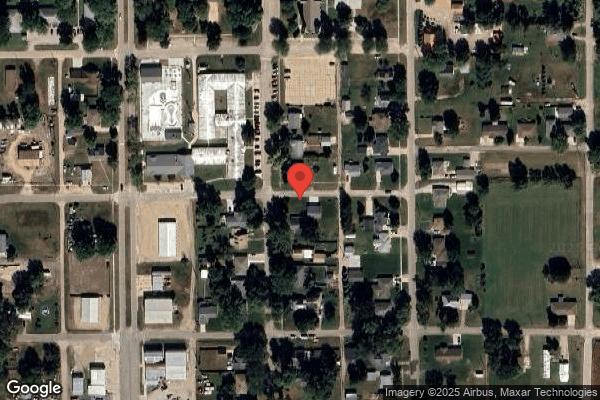
202 North Esther, Fullerton, NE 68638 (308) 536-2488
For profit - Corporation 75 Beds ARBOR CARE CENTERS Data: November 2025
Trust Grade
45/100
#101 of 177 in NE
Last Inspection: January 2025

Within standard 12-15 month inspection cycle. Federal law requires annual inspections.

Overview

Accura Healthcare of Fullerton has a Trust Grade of D, indicating below-average quality and some concerning issues. They rank #101 out of 177 nursing homes in Nebraska, placing them in the bottom half of facilities in the state, although they are #1 out of 2 in Nance County, suggesting limited local options. The facility is currently worsening, with reported issues increasing from 1 in 2024 to 4 in 2025. Staffing is a concern with a rating of 2 out of 5 stars and a turnover rate of 62%, significantly higher than the Nebraska average of 49%, indicating instability among staff. Notably, there are no fines on record, which is a positive aspect; however, there is less RN coverage than 82% of facilities in the state, which may impact resident care. Specific incidents noted by inspectors include the failure to properly store and label food items, creating a risk for foodborne illness, and the absence of a qualified Dietary Manager, which could affect the quality of meals served. Additionally, the facility has not maintained sanitary conditions in the kitchen, with reports of staff touching ready-to-eat food with bare hands and inadequate handwashing practices. While there are some strengths, such as no fines and a high ranking in the county, families should weigh these against the significant concerns regarding staffing and food safety practices.

Trust Score
D
45/100
In Nebraska
#101/177
Bottom 43%
Safety Record
Low Risk
No red flags
Inspections
Getting Worse
1 → 4 violations
Staff Stability
⚠ Watch
62% turnover. Above average. Higher turnover means staff may not know residents' routines.
Penalties
✓ Good
No fines on record. Clean compliance history, better than most Nebraska facilities.
Skilled Nurses
⚠ Watch
Each resident gets only 22 minutes of Registered Nurse (RN) attention daily — below average for Nebraska. Fewer RN minutes means fewer trained eyes watching for problems.
Violations
⚠ Watch
24 deficiencies on record. Higher than average. Multiple issues found across inspections.
★★☆☆☆
2.0
Overall Rating
★★☆☆☆
2.0
Staff Levels
★★☆☆☆
2.0
Care Quality
★★☆☆☆
2.0
Inspection Score
Stable
2024: 1 issues
2025: 4 issues

The Good

  • Full Sprinkler Coverage · Fire safety systems throughout facility
  • No fines on record

Facility shows strength in fire safety.

The Bad

2-Star Overall Rating

Below Nebraska average (2.9)

Below average - review inspection findings carefully

Staff Turnover: 62%

16pts above Nebraska avg (46%)

Frequent staff changes - ask about care continuity

Chain: ARBOR CARE CENTERS

Part of a multi-facility chain

Ask about local staffing decisions and management

Staff turnover is elevated (62%)

14 points above Nebraska average of 48%

The Ugly 24 deficiencies on record

Jan 2025 4 deficiencies
CONCERN (D)

Potential for Harm - no one hurt, but risky conditions existed

Accident Prevention (Tag F0689)

Could have caused harm · This affected 1 resident

**NOTE- TERMS IN BRACKETS HAVE BEEN EDITED TO PROTECT CONFIDENTIALITY** Licensure Reference Number 175 NAC 12-006.09(F)(iii) Based on record review and interviews; the facility failed to develop new i...

Read full inspector narrative →
**NOTE- TERMS IN BRACKETS HAVE BEEN EDITED TO PROTECT CONFIDENTIALITY** Licensure Reference Number 175 NAC 12-006.09(F)(iii) Based on record review and interviews; the facility failed to develop new interventions and/or revise current interventions to prevent ongoing falls for Resident 32. The sample size was 7 and the facility census was 57. Findings are: A. A record review of the facility Fall Prevention Program with a revised date of 9/22, revealed each resident was to be assessed for fall risk and was to receive care and services in accordance with their individualized level of risk to minimize the likelihood of falls. At the time of admission, each resident's risk for falls was to be evaluated. If the resident's score was 10 or greater, they were considered high risk for falls. A fall risk care plan was to be developed for all residents as deemed appropriate. The following procedure was indicated after a resident fall: -Complete the Nursing Advantage Post Fall Evaluation. -The Nursing Advantage Post Fall Evaluation was to be reviewed at the next Department Clinical Meeting for interdisciplinary review. -Current fall interventions were to be reviewed and determined if there was a need for additional interventions and/or revision of current interventions. B. A record review of Resident 32's Minimum Data Set (MDS, a federally mandated comprehensive assessment tool used for care planning) dated 12/19/24 revealed diagnoses of osteoarthritis of the knees, heart failure, morbid obesity, peripheral vascular disease, and diabetes. The following was assessed for Resident 32: -The resident was cognitively intact. -The resident was incontinent of bowel and bladder. -The resident had behaviors which included rejection of cares and wandering. -The resident required setup or clean-up assistance with toileting and personal hygiene. -The resident had 2 falls without injury since the previous assessment. -The resident had a weight of 471 pounds. A record review of a Nursing Progress Note dated 3/31/24 at 10:21 AM revealed Resident 32 had an unwitnessed fall in the resident's room. The resident had been lying in bed, attempted to reposition self, and then rolled self out of bed onto the floor. A new intervention was developed to educate the resident to lay in the center of the bed and to ensure the resident was away from the edge of the bed before turning self. A record review of a Nursing Progress Note dated 5/8/24 at 1:45 PM revealed Resident 32's roommate reported the resident had rolled out of bed and was on the floor. The resident indicated again rolling out of bed when repositioning self. A new intervention was identified for a repositioning bar to be placed on the right side of the resident's bed to assist with repositioning and to define the edge of the bed. A record review of a Nursing Progress Note dated 5/23/24 at 2:59 PM revealed the Activity Director called out for help as Resident 32 had rolled out of bed and was on the floor. A record review of a Risk Meeting Note dated 5/29/24 (6 days after Resident 32's fall on 5/23/24) at 10:11 AM revealed Resident 32 had refused the previous intervention for a positioning bar to be placed on the resident's bed. Staff were to re-educate the resident on the need for the positioning bar to promote safety and prevent falls. A record review of a Progress Note dated 10/26/24 at 6:41 PM revealed the Charge Nurse heard Resident 32 coming down the hall and the resident was short of breath. Staff tried to get the resident to sit down in a chair and rest, but the resident refused. A few minutes later, the staff heard a noise and witnessed the resident go down to the floor. An order was identified for a therapy referral. A record review of a Progress Note dated 10/27/24 (no time) revealed Resident 32 was sent to the emergency room with increased weakness and shortness of breath and was hospitalized . A record review of a Nursing Progress Note dated 11/11/2024 at 6:45 AM revealed Resident 32's call light was on and staff found the resident laying on the floor at the side of the bed. The resident indicated sitting on the edge of the bed, closed eyes and the next thing the resident was on the floor. A referral for Occupational Therapy (OT) was sent regarding use of the lift recliner in the room. Staff encouraged resident to sit in the recliner instead of sitting on the edge of the bed for safety. A record review of a Nursing Progress Note dated 11/26/24 at 5:55 PM revealed Resident 32 had an unwitnessed fall in the resident's room. The resident was again seated on the edge of the bed, fell asleep and then fell to the floor. The resident was re-educated on the need to sit in the recliner instead of on the edge of the bed and staff were to conduct frequent safety rounds. During an interview with the Director of Nursing (DON) on 1/2/25 at 2:44 PM the DON confirmed the following: -Resident 32 rolled out of bed and onto the floor on 3/31/24 and staff educated the resident to stay in the center of the bed and to ensure the resident was not too close to the edge of the bed when repositioning. -On 5/8/24 Resident 32 again rolled out of bed when repositioning. An intervention was indicated for a positioning bar to be placed on the resident's bed. -On 5/9/24 Resident 32 refused to have the positioning bar placed on the resident's bed. No other interventions were identified. -On 5/23/24 Resident 32 was on the floor again after rolling out of bed. A risk meeting was held on 5/29/24, 6 days after the resident's fall and staff attempted to re-educate the resident regarding need for the assist bar. -Resident 32 continued to refuse placement of the positioning bar. Current fall interventions were not revised, and no new interventions were initiated. -On 10/26/24 Resident 32 fell in the corridor due to weakness and increased shortness of breath. A new order was obtained for a therapy evaluation. The resident was then sent to the hospital on [DATE]. -On 11/11/23 Resident 32 was sitting on the edge of the bed, fell asleep and fell. OT was to evaluate the resident's safety with use of the lift recliner and the resident was encouraged to sit in the recliner instead of on the edge of the bed. -On 11/26/24 Resident 32 had an unwitnessed fall in the resident's room. The resident was again seated on the edge of the bed, fell asleep and then fell to the floor. The resident remained non-compliant with use of the recliner. Staff re-educated the resident on need to sit in the recliner and not on the edge of the bed. New intervention for frequent safety rounds by staff.
CONCERN (E)

Potential for Harm - no one hurt, but risky conditions existed

Safe Environment (Tag F0584)

Could have caused harm · This affected multiple residents

**NOTE- TERMS IN BRACKETS HAVE BEEN EDITED TO PROTECT CONFIDENTIALITY** E. A record review of the undated facility policy Valuables and Personal Property Policy revealed the following regarding the s...

Read full inspector narrative →
**NOTE- TERMS IN BRACKETS HAVE BEEN EDITED TO PROTECT CONFIDENTIALITY** E. A record review of the undated facility policy Valuables and Personal Property Policy revealed the following regarding the system used to report missing items: -All lost or missing items were to be reported to the Social Services Director (SSD) or the charge nurse for that resident as soon as it was noted that the item was missing or lost. -Lost or missing item forms were to be filled out and turned in to the listed staff member. F. A record review of the undated facility policy Grievance Policy revealed the following: -The intent of the grievance process was to support each resident's right to voice grievances, those about treatment, care, lost clothing or violations of rights and to assure that after receiving the complaint or grievance the facility would actively seek a resolution and keep the resident updated on the progress of resolution. -Any employee of the facility who received a complaint should immediately attempt to resolve the complaint within their role and authority. If a complaint could not be immediately resolved the employee should escalate that complaint to their supervisor and to the facility's Grievance Official. G. A record review of Resident 35's Care Plan revealed an intervention of: - Oral Hygiene: Partial/Moderate assistance to use suitable items to clean teeth or insert and remove dentures into and from the mouth and manage denture soaking and rinsing with use of equipment. The care plan further indicated the resident did have dentures. A record review of Resident 35's Inventory Sheet dated 3/5/2020 revealed that resident had an upper denture and a lower partial. An interview with Resident 35 on 12/30/24 at 9:00 AM revealed that Resident 35 was missing the resident's dentures and wanted them back. An observation on 12/30/24 at 9:00 AM revealed Resident 35 was sitting in room eating breakfast, there were no teeth and/or dentures in the resident's mouth. An observation on 12/30/24 at 12:45 PM revealed Resident 35 was in the dining room eating dinner, there were no teeth and/or dentures in the resident's mouth. An interview on 12/30/24 at 12:45 PM with Medication Aide (MA)-A confirmed that Resident 35 was missing an upper denture and lower partial. MA-A was unsure how long they had been missing. An interview on 12/31/24 at 10:10 AM with MA-A and MA-B confirmed that when an item was missing staff were to look for the item and if unable to find the item the charge nurse was to be notified. An interview on 12/31/24 at 10:20 AM with SSD-C confirmed that Resident 35 was missing an upper denture and lower partial and was unsure how long they had been missing. SSD-C verified that a grievance form and missing items form should have been filled out but was not and there was not any documentation completed in Resident 35's chart that the teeth were missing. An interview on 12/31/24 at 10:30 AM with Registered Nurse (RN)-E confirmed that if staff voiced an item was missing the resident's room was searched and if unable to find the item the SSD was notified. An observation on 12/31/24 at 12:30 PM revealed Resident 35 was eating in the resident's room with no teeth and/or dentures in the resident's mouth. An interview on 12/31/24 at 2:00 PM with MA-A confirmed that Resident 35's teeth were kept in the bathroom in a denture cup at night, the resident did remove the bottom partial at times during the day, if the resident refused to put partial back in staff cleaned the partial and put them in the denture cup in the bathroom. An interview on 12/31/24 at 2:30 PM with SSD-C and RN-R confirmed that the facility was unsure how long the dentures had been missing, but it had been for several months, and no documentation had been done regarding the missing upper denture and lower partial. Licensure Reference Number 175 NAC 12-006.19 Based on observations, record review and interview; the facility failed to maintain the cleanliness and the condition of the bathroom ceiling ventilation covers, the bathroom floors and toilets and the walls in 14 (Rooms 2, 4, 6, 8, 10, 11, 12, 13, 18, 19, 20, 21, 32 and 35) of 38 occupied resident rooms in the facility. In addition, the facility failed to address missing dentures for Resident 35. The total sample size was 16 and the facility census was 57. Findings are: A. A record review of the facility Maintenance Log revealed the following concerns were reported by the staff: -10/1/24 the toilet in the bathroom of resident room [ROOM NUMBER] was leaking around the base of the toilet. -12/16/24 water was leaking around the base of the toilet in the bathroom of room [ROOM NUMBER] and from under the tiles of the bathroom flooring. -12/27/24 there was a severe leak at the base of the toilet in the bathroom of room [ROOM NUMBER]. B. Observations of resident rooms during the initial pool on 12/30/24 from 9:00 AM to 2:30 PM revealed the following: -The ventilation covers were coated with a collection of a dark fuzzy substance which resembled dust in shared bathroom of resident rooms 2/4, 6/8, 10/12, 11/13, 18/20, and 19/21. -In the shared bathroom in resident rooms 18/20, the base of the toilet was leaking and was no longer secured to the floor. Water damage was observed to the linoleum around the base of the toilet and towels/bath blankets were tucked behind and around the toilet base to help absorb the leaking water. -In resident room [ROOM NUMBER], the paint was peeled away with scrapes and gouges in the drywall next to the resident's bed. A shelf above the sink of the bathroom had a silver finish which was worn off and no longer a cleanable surface. -In the bathroom of resident room [ROOM NUMBER], the caulking around the base of the toilet was stained, cracked, and broken, and the ventilation cover was coated with a collection of a dark fuzzy substance resembling dust. C. A record review of a facility Grievance/Concern Form dated 1/2/25 revealed a concern regarding the leaking toilet in the shared bathroom of resident rooms [ROOM NUMBERS]. Concerns by the staff and residents regarding potential trip hazards with constant water on the floor and towels left on the floor to soak up the water. The issue had been reported several times since the beginning of October of 2024. The Maintenance staff had looked at the toilet but had not fixed the problems. The concern was reported to the Executive Director and the Maintenance Director. D. Environmental Tour with the Maintenance Director (MD) on 1/6/25 from 8:43 AM to 9:22 AM revealed the following: -The ventilation covers were coated with a collection of a dark fuzzy substance which resembled dust in shared bathroom in rooms 2/4, 6/8, 10/12, 11/13, 18/20 and 19/21. -In the shared bathroom in rooms 18/20, the base of the toilet was leaking and was no longer secured to the floor. Water damage was observed to the linoleum around the base of the toilet and towels/bath blankets were tucked behind and around the toilet base. A dark brown substance was observed to the seat of the toilet and the bowl of the toilet with a strong of smell of feces. -In the shared bathroom of rooms 6/8, a dark brown substance was observed to the bowl of the toilet with a strong of smell of feces. In addition, the trash was overflowing onto the floor and there were several towels lying on the floor. -In room [ROOM NUMBER], the paint was peeled away with scrapes and gouges in the drywall next to the resident's bed. The shelf above the sink of the bathroom had a silver finish which was worn off and was no longer a cleanable surface. -In the bathroom of room [ROOM NUMBER], the caulking around the base of the toilet was stained, cracked, and broken, and the ventilation cover was coated with a collection of a dark fuzzy substance resembling dust. An interview with the MD on 1/6/25 at 9:30 AM confirmed the dust coated ventilation covers in resident bathrooms 2, 4, 6, 8, 10, 12, 18, 20, 19, 21, 32, and 35 and that the bathrooms of rooms [ROOM NUMBERS] and rooms [ROOM NUMBERS] needed to be cleaned. The MD indicated either someone from Housekeeping or the Maintenance department should be cleaning these areas. In addition, the MD confirmed the caulking around the toilet of room [ROOM NUMBER], the shared toilet in rooms [ROOM NUMBERS] and the wall and bathroom shelf in room [ROOM NUMBER] required repair. The MD further confirmed knowledge of the broken toilet in the shared bathroom of rooms [ROOM NUMBERS] and indicated a part had been ordered and was now available to fix the concern.
CONCERN (E) 📢 Someone Reported This

A family member, employee, or ombudsman was alarmed enough to file a formal complaint

Potential for Harm - no one hurt, but risky conditions existed

Unnecessary Medications (Tag F0759)

Could have caused harm · This affected multiple residents

**NOTE- TERMS IN BRACKETS HAVE BEEN EDITED TO PROTECT CONFIDENTIALITY** Licensure Reference Number 175 NAC 12-006.10(D) Based on observation, interview, and record review; the facility failed to prim...

Read full inspector narrative →
**NOTE- TERMS IN BRACKETS HAVE BEEN EDITED TO PROTECT CONFIDENTIALITY** Licensure Reference Number 175 NAC 12-006.10(D) Based on observation, interview, and record review; the facility failed to prime Resident 19's insulin pen to ensure delivery of accurate dosing and to ensure a medication error rate of less than 5 percent (%). There were 25 observed opportunities with 2 error observed. The sample size was 12 and the facility census was 57. Findings are: A record review of the facility policy Administering Medications with a revision date of [DATE], revealed the following: -Medications were to be administered in a safe and timely manner, and as prescribed. -Only licensed personnel permitted by the state prepared, administered, and documented medications. -Medications were administered in accordance with prescribers, including within any required time frames. -Medication errors were documented, reported, and reviewed by the Quality Assurance Performance Improvement (QAPI) committee to inform process changes and or the need for additional staff training. -Medication carts were kept closed and locked when out of sight of the personnel administering medications. A record review of the facility policy Medication Error dated [DATE], revealed the preparation, provision, or administration of medication, which was not in accordance with the physicians' orders, manufacturers specifications, and accepted professional standards including the five rights of administration were considered medication errors. A record review of the facility policy Insulin Pen dated 2021, revealed the following: -The facility used insulin pens to improve the accuracy of insulin dosing, provide increased resident comfort, and serve as a teaching aid to prepare resident for self-administration of insulin therapy upon discharge. -Insulin pens were primed prior to each use to avoid collection of air in the insulin reservoir. -Priming the insulin pen consisted of dialing 2 units by turning the dose selector clockwise and with the needle pointing upward, push the plunger, and watch to see that a least one drop of insulin appeared on the needle tip and then turn the dose selector to the ordered dose, check the dose again and inject the dose after cleansing the skin site with an alcohol pad. A record review of Resident 19's Care Plan, which had a last reviewed date of 11/26/2024, revealed Resident 19 had diabetes and received insulin. A record review of Resident 19's Order Summary Report dated 1/6/25 revealed orders for the following insulin medications: -Fiasp injection- inject 30 units subcutaneously (beneath the skin) 3 times daily, -Fiasp injection- inject per sliding scale (dependent on current blood glucose levels) 3 times daily, and -Tresiba injection- inject 100 units 2 times daily. During an observation of medication provision on 1/6/24 at 7:45 AM Registered Nurse (RN)-N retrieved 3 insulin injection pens from the medication cart. The Fiasp was calibrated to 55 units (30 units regular dosing and 25 units based on the resident current blood glucose levels) to prepare for administration and the Tresiba pens were calibrated to 15 units and 85 units (for a total of 100 units) to prepare for administration. Both medications were given as ordered, however RN-N did not first prime the insulin pens prior to use, to ensure the proper dosing per the facility policy. During an interview on 1/6/25 at 10:55 AM RN-N confirmed the RN had not primed the insulin pens used for Resident 19 and revealed the RN does not routinely prime insulin pens prior to administering insulin. During an interview on 1/6/25 at 11:05 AM the Director of Nursing confirmed that insulin pens must be primed prior to administering the dose of insulin ordered to ensure the exact dose of insulin was administered.
CONCERN (F)

Potential for Harm - no one hurt, but risky conditions existed

Food Safety (Tag F0812)

Could have caused harm · This affected most or all residents

Licensure Reference Number 175 NAC 12-006.11(E) Based on observation, record review and interview; the facility failed to ensure measures were implemented to prevent the potential for food borne illne...

Read full inspector narrative →
Licensure Reference Number 175 NAC 12-006.11(E) Based on observation, record review and interview; the facility failed to ensure measures were implemented to prevent the potential for food borne illness related to the proper storage and labeling of food items and the maintenance and cleaning of kitchen equipment. This had the ability to affect all residents that ate from the facility kitchen. The total sample size was 16 and the facility census was 57. Findings are: A. A record review of the Nebraska Food Code dated 2017, used as an authoritative reference for food service sanitation practices, revealed the following: -3-201.11(C) Packaged Food shall be labeled as specified by law, including 21 CFR 101 Food labeling, 9 CFR 317 Labeling, Marking Devices, and Containers and 9 CFR 381 Subpart Labeling and Containers. -4-602.13 revealed that non-food contact surfaces of equipment shall be cleaned at a frequency necessary to prevent the accumulation of soil residues. B. A record review of the facility policy Date Marking for Food Safety with a revision date of 3/20, revealed the facility adhered to a date marking system to ensure the safety of food. Compliance guidelines included the following: -Food was to be clearly marked to indicate the date or day by which food was to be consumed or discarded. -The individual opening or preparing food was to be responsible for date marking the food at the time the food was opened or prepared. -The discard date or day may not exceed the manufacturer's use-by-date, or 4 days, whichever is earliest. The date of opening or preparation counts as day 1. C. A record review of the facility's cleaning schedule revealed the following tasks were to be completed daily: -Clean the microwave oven, -Clean food carts, and -Sweep and mop the floor. A record review of the facility's cleaning schedule revealed the following tasks were to be completed on a weekly basis: -Clean the microwave cart, -Clean ice machine, and -Sweep and mop out the walk in refrigerator and freezer. D. Observations during the initial kitchen tour on 12/30/24 at 8:48 AM revealed the following: -Walk-in refrigerator with 2 slices of homemade bread (gluten free) dated 12/19/24, 2 bowls of chicken noodle soup which were not labeled or dated, and 2 bowls with fruit which were not labeled or dated. -The bottom, outside surface of the walk-in freezer door was dented and in need of repair with missing areas to the inside seal of the door which prevented the door from sealing all the way when closed. A rag was wedged into the handle of the door to provide a minimal seal of the door when closed. Inside of the freezer was a heavy layer of frost/ice to the floor, the ceiling, the walls, the outside surfaces of all boxes stored in the freezer, the shelves and to the strip curtain at the front of the unit. -A storage rack in the corridor outside of the walk-in freezer with a clear storage bag with what appeared to be muffins which was unlabeled and was dated 11/15/2024. Observations during the follow-up kitchen tour on 12/31/24 from 11:10 AM to 12:20 PM revealed the following: -Concerns unchanged related to the walk-in freezer. -White stand-up freezer with a clear storage bag which was unlabeled and undated. The Dietary Manger (DM) indicated the bag contained gluten free pancakes. -Snack refrigerator with a clear storage bag which contained what appeared to be muffins. The bag was unlabeled and was dated 12/17/24. -A wheeled cart positioned next to a food prep area. The top shelf of the cart had a microwave which had a layer of debris to the outside surface as well as to the shelf the microwave rested on. A green service tray was on the top of the microwave and held a toaster. A layer of breadcrumbs was observed to the outer surfaces of the toaster and to the tray which held the toaster. -On the floor beneath the stove and the convection ovens was a brown discoloration with dirt and food debris. -The ice machine in the corridor outside of the kitchen and next to the DM's office had a filter to the back of the machine. The filter had a gray fuzzy substance which resembled dust/debris. -There were multiple baking pans with a significant carbon build up to the outside and the inside surfaces of the pans. Interview with the Administrator and the DM on 1/2/25 at 3:00 PM confirmed the door to the walk-in freezer was broken. The staff were unable to keep the door closed without inserting a rag into the door handle to wedge the door closed. The weather stripping around the door was broken with missing pieces. There was no way to securely close the door due to these concerns and resulted in the heavy layer of frost/ice to all inside surfaces. This concern had been ongoing over the prior 12 months and a new door had been ordered but not yet installed. No other interventions were implemented to assure safe food storage. The DM also confirmed the following: -All repackaged food items were to be labeled and dated. The items were to be stored for 4 days with day one being the date the items were repackaged. -All kitchen equipment was to be cleaned and maintained in accordance with the facility cleaning policy.
Jan 2024 1 deficiency
CONCERN (E) 📢 Someone Reported This

A family member, employee, or ombudsman was alarmed enough to file a formal complaint

Potential for Harm - no one hurt, but risky conditions existed

Accident Prevention (Tag F0689)

Could have caused harm · This affected multiple residents

**NOTE- TERMS IN BRACKETS HAVE BEEN EDITED TO PROTECT CONFIDENTIALITY** Licensure Reference Number 175 NAC 12-006.18E1 Based on observation, record review and interview; the facility failed to ensure ...

Read full inspector narrative →
**NOTE- TERMS IN BRACKETS HAVE BEEN EDITED TO PROTECT CONFIDENTIALITY** Licensure Reference Number 175 NAC 12-006.18E1 Based on observation, record review and interview; the facility failed to ensure that portable space heaters were not used, and the exterior surface temperature of the heaters did not reach a level that could pose a risk of thermal burns. This practice had the potential to affect 23 residents that were identified as cognitively impaired with poor safety awareness and were self-mobile of a total census of 59 residents. Findings are: A. Record review of an article http://www.forensic pathologyonline.com/E Book/injuries/thermal injuries written by Dr. [NAME] revealed that a burn is an injury which is caused by application of heat to the external or internal surfaces of the body, which causes destruction of tissues. A temperature of 149 degrees Fahrenheit [F] for 2 seconds is sufficient to produce burns. B. Record review of Dr. [NAME] and Dr [NAME] Harvard Medical School Temperature /Time Burn Chart, cited as a reference in CFR 483.25(d), revealed the following definitions of burns and time and temperature relationship to serious burns. Based upon the time of the exposure and the temperature exposed to, the severity of the harm to the skin is identified by the degree of burn, as follows: Definitions of thermal burn degrees: - First-degree burns involve the top layer of skin (e.g., minor sunburn). These may present as red and painful to touch, and the skin will show mild swelling. - Second-degree burns involve the first two layers of skin. These may present as deep reddening of the skin, pain, blisters, glossy appearance from leaking fluid, and possible loss of some skin. - Third-degree burns penetrate the entire thickness of the skin and permanently destroy tissue. These present as loss of skin layers, often painless (pain may be caused by patches of first- and second-degree burns surrounding third-degree burns), and dry, leathery skin. Skin may appear charred or have patches that appear white, brown, or black. Time / Temperature exposure: - 155 degrees F: 1 second for a 3rd degree burn to occur - 148 degrees F: 2 seconds for a 3rd degree burn to occur - 140 degrees F: 5 seconds for a 3rd degree burn to occur C. Observation on 1/17/24 between 9:55 AM and 10:02 AM revealed that on the secured unit (south side of the facility), 3 space heaters were observed plugged in and operational, one near rooms [ROOM NUMBERS], one near the Biohazard room and one near room [ROOM NUMBER]. The heaters near the Biohazard room and room [ROOM NUMBER] were blowing out semi warm air and were cold to the touch. The temperature at the surface of the heaters were 88 degrees [F] and 98 degrees F. Both were set to 77 degrees F. The heater near room [ROOM NUMBER] and [ROOM NUMBER] was an Oscillating Radiant Heater, turned to high and was in operation. The temperature at the surface of the heater was 172 degrees F and the surface of the heater was hot to the touch. Interview on 1/17/24 at 10:10 AM with the Director of Maintenance [DOM] and the Director of Plant Operations confirmed that the 3 space heaters were turned on and were operational. The DOM stated they had been brought in on Saturday [1/13/24] to combat the extreme cold temperatures outside. The DOM confirmed they were on the south side of the facility on the secured unit. The DOM stated there had been no problems with their heating units and this was done as a proactive measure to combat the below zero cold temperatures outside. Interview on 1/17/24 at 10:20 AM with Laundry Aide [LA-B], who was delivering laundry to room [ROOM NUMBER], confirmed that the oscillating heater was on and was hot to the touch. LA-B confirmed that the temperature of the surface of the heater measured 168 degrees F at the time of the observation. Interview on 1/17/24 at 10:40 AM with Licensed Practical Nurse [LPN] A confirmed that the oscillating heater near room [ROOM NUMBER] was on and operational. LPN-A confirmed that the temperature on the surface of the heater measured 168 at the time of the observation. LPN-A conformed that it was very hot to touch and could pose a burn risk to residents as they walked or wheeled by or if they touched the surface of the heater. LPN-A confirmed that the residents on the secured unit are cognitively impaired with poor safety awareness, and most were self-mobile in their wheelchairs or were independent with ambulation. Interview on 1/17/24 at 10:42 AM with Resident 3, who resided in room [ROOM NUMBER] near the heater, confirmed that the heater had been there a few days and that it was very hot. The resident said the staff had told [gender] to not touch it and to stay far away from it. Interview on 1/17/24 at 10:48 AM with the Executive Director [ED] confirmed that the oscillating heater was on and operational. The ED confirmed that the surface of the heater was very hot and measured 168 degrees F at the time of the interview. The ED confirmed that this could pose a burn risk to any resident that touched or came into close contact with the heater, and it should not be on the unit. Record review of the facility Daily Census List provided by LPN A on 1/17/24 revealed that 23 of 26 residents that resided on the secured unit were identified as having cognitive impairment / poor safety awareness and were self-mobile in their wheelchairs or were independent with ambulation. Interview on 1/17/24 at 11:14 AM with LPN-A. confirmed that 23 of 26 residents on the secured unit had cognitive impairment /poor safety awareness and were self-mobile in their wheelchairs or were independent with ambulation.
Dec 2023 10 deficiencies
CONCERN (D)

Potential for Harm - no one hurt, but risky conditions existed

Notification of Changes (Tag F0580)

Could have caused harm · This affected 1 resident

**NOTE- TERMS IN BRACKETS HAVE BEEN EDITED TO PROTECT CONFIDENTIALITY** LICENSURE REFERENCE NUMBER 175 NAC 12-006.04C3a(6) Based on record review and interview; the facility failed to notify Resident ...

Read full inspector narrative →
**NOTE- TERMS IN BRACKETS HAVE BEEN EDITED TO PROTECT CONFIDENTIALITY** LICENSURE REFERENCE NUMBER 175 NAC 12-006.04C3a(6) Based on record review and interview; the facility failed to notify Resident 27's physician of a change in condition and Resident 18's representative of a fracture in a timely manner. The sample size was 3 and the facility census was 58. Findings are: A. Review of a facility policy titled Change in Condition Notification with a revision date of 10/19 revealed it was the policy of the facility to monitor residents for changes in their condition, to respond appropriately to these changes and to notify the physician and the responsible party/family of changes. B. Review of Resident 18's Minimum Data Set (MDS-a federally mandated comprehensive assessment tool used for care planning) dated 10/26/23 revealed the resident was admitted [DATE] with diagnoses of non-traumatic brain dysfunction, anxiety, manic depression, and psychotic disorder. The following was assessed regarding the resident: -moderate cognitive impairment; -functional limitation of range of motion to one side of lower extremities; -required substantial staff assistance with transfers, moderate assist with dressing and was dependent with toileting; -frequently incontinent of urine and -had 2 falls without injury, 2 falls with injury (except minor) and 1 fall with major injury since previous assessment. Review of a Radiology Report dated 9/18/23 at 1:27 PM revealed the resident had a distal tibia and fibula (ankle) fracture. Review of a Nursing Progress Note dated 9/25/23 (7 days later) at 5:26 PM revealed the resident's responsible party was notified of the resident's fracture of the right ankle. During an interview on 12/18/23 at 12:36 PM, the Director of Nursing (DON) confirmed an x-ray revealed Resident 18 had a fracture to the right ankle on 9/18/23 but the resident's family were not notified of the fracture until 9/25/23. The DON further confirmed the family should have been notified within the first 12 hours of the resident's change in condition. C. Review of Resident 27's MDS dated [DATE] revealed the resident was admitted [DATE] with diagnosis of traumatic brain dysfunction, diabetes, stroke, dementia, seizure disorder, anxiety, depression and psychotic disorder. The resident was assessed with severe cognitive impairment and required moderate to substantial assistance with dressing, toilet use, transfers and personal hygiene. Review of Resident 27's Nursing Progress Notes revealed the following: -12/6/23 at 5:19 PM the resident had a large, loose stool; -12/7/23 at 3:41 AM the resident's temperature was 100.4 degrees Fahrenheit, and the resident was identified as having repeated, large, loose, watery diarrhea stools that shift; -12/7/23 at 9:34 AM the resident continued to have increased weakness and had nausea and vomiting; and -12/8/23 at 2:35 AM the resident continued to have large, loose, incontinent diarrhea and appetite was poor. Review of the resident's medical record revealed no evidence the resident's physician was notified of the resident's change of condition. Interview with the DON on 12/18/23 at 2:49 PM confirmed the resident's physician had not been notified of the resident's change in condition.
CONCERN (D)

Potential for Harm - no one hurt, but risky conditions existed

Deficiency F0582 (Tag F0582)

Could have caused harm · This affected 1 resident

Licensure Reference Number 175 NAC 12-006.05(1) Based on record review and interview; the facility failed to ensure Residents 9 and 54 received the required Advanced Beneficiary Notification (ABN- req...

Read full inspector narrative →
Licensure Reference Number 175 NAC 12-006.05(1) Based on record review and interview; the facility failed to ensure Residents 9 and 54 received the required Advanced Beneficiary Notification (ABN- required notice of discharge from Medicare skilled care services) that informed the residents of the cost of receiving continued skilled care services once discharged from Medicare. The sample size was 3 and the facility census was 58. Findings are: Review of Resident 9's Notice of Medicare Non-Coverage and ABN revealed the resident had received Medicare Services starting on 10/24/23 and ending on 10/31/23; however, the ABN did not include the required estimated out of pocket cost of continuing to receive those services. The estimated cost was documented as not available. Review of Resident 54's Notice of Medicare Non-Coverage and ABN revealed the resident had received Medicare Services starting on 7/27/23 and ending on 8/16/23; however, the ABN did not include the required estimated out of pocket cost of continuing to receive those services. The estimated cost was documented as not available. During an interview on 12/18/23 at 10:02 AM the facility Administrator confirmed the facility was not providing residents with the cost of continued skilled services as required, to provide the residents with the information needed to make an informed decision as whether to continue to receive the skilled services, request an appeal to determine continued Medicare eligibility, or pay for the services out of pocket.
CONCERN (D)

Potential for Harm - no one hurt, but risky conditions existed

Investigate Abuse (Tag F0610)

Could have caused harm · This affected 1 resident

**NOTE- TERMS IN BRACKETS HAVE BEEN EDITED TO PROTECT CONFIDENTIALITY** C. Review of Resident 43's MDS dated [DATE] revealed the resident was admitted [DATE] with diagnoses of non-traumatic brain dysf...

Read full inspector narrative →
**NOTE- TERMS IN BRACKETS HAVE BEEN EDITED TO PROTECT CONFIDENTIALITY** C. Review of Resident 43's MDS dated [DATE] revealed the resident was admitted [DATE] with diagnoses of non-traumatic brain dysfunction, anemia, arthritis, osteoporosis, dementia, malnutrition and depression. The following was assessed regarding the resident: -moderate cognitive impairment; -functional limitation of range of motion to both lower extremities; -required substantial assistance with transfers, toileting and dressing; and -frequently incontinent of urine. Review of Resident 43's Nursing Progress Note dated 10/20/23 revealed the following: -10:02 AM Nurse Aides (NA's) called for the nurse before they assisted the resident out of bed. The nurse assessed the resident and noted the resident had significant edema to the right ankle extending to the top of the foot. The foot was cool to the touch and the resident was not able to recall injuring the area. A second nurse also assessed the area and the resident was referred to the doctor's office for an evaluation; -10:12 AM RN-G noted at 09:45 AM, RN-G completed an assessment of the resident's new edema to the right ankle and foot. RN-G indicated the resident's foot pulses were difficult to feel during the assessment and the resident stated 'I don't know what happened I don't think I hit it on anything.' The resident left the facility by wheelchair via facility transportation. -11:47 AM RN-G noted the resident returned to the facility from the clinic via wheelchair per facility staff with a diagnosis of right ankle sprain. There were orders for an Ace wrap daily, on during day and off at night, ice to the ankle three times a day for 20 minutes, elevate the right lower leg when not ambulating and monitor over the weekend. Review of the Clinic Referral dated 10/20/23 revealed the resident had a Right ankle sprain with ordered treatments. Review of the resident's medical record revealed no evidence an incident report and/or investigation had been completed regarding the resident's injury of unknown origin related to the right ankle sprain. Interview with the DON on 12/19/23 at 10:45 AM confirmed the facility did not investigate the resident's right ankle sprain as an injury of unknown origin/potential abuse at the time the injury occurred on 10/20/23 and should have been. Licensure Reference Number 175NAC 12-006.02(8) Based on record review and interview; the facility failed to complete investigations for injuries of unknown origin for 2 (Residents 18 and 43) of 2 sampled residents. The facility census was 58. Findings are: A. Review of the facility policy titled Compliance with Reporting Allegations of Abuse/Neglect/Exploitation dated 9/22 revealed it was the policy of the facility to report and investigate all allegations of abuse/neglect/exploitation or mistreatment including injuries of unknown origin. Injuries of unknown origin included; circumstances when the source of the injury was not observed and could not be explained by the resident and the injury was suspicious because of the extent and/or the location of the injury, the number of injuries observed or the incidence of injuries over time. When suspicion or report of abuse/neglect/exploitation the Licensed Nurse was to complete an incident report and monitor/document the resident's condition including response to medical treatment or interventions. The Administrator was to notify the appropriate agencies, obtain statements from staff and the resident if able to rule out abuse and within 5 working days, report sufficient information to describe the results of the investigation to the appropriate agencies. B. Review of Resident 18's Minimum Data Set (MDS-a federally mandated comprehensive assessment tool used for care planning) dated 10/26/23 revealed the resident was admitted [DATE] with diagnoses of non-traumatic brain dysfunction, anxiety, manic depression, and psychotic disorder. The following was assessed regarding the resident: -moderate cognitive impairment; -functional limitation of range of motion to one side of lower extremities; -required substantial staff assistance with transfers, moderate assist with dressing and was dependent with toileting; -frequently incontinent of urine and -had 2 falls without injury, 2 falls with injury (except minor) and 1 fall with major injury since previous assessment. Review of Resident 18's Nursing Progress Notes dated 8/31/23 revealed the following: -2:45 AM the resident was restless, agitated and anxious. The resident was ambulating in the corridor and had attempted to sit on the floor and was acting like the resident was unable to stand. The resident refused to go to bed and slept on a couch in the corridor; -9:52 AM the resident was complaining of right foot/ankle pain and the ankle was swollen with light purple bruising. The resident was unable to bear weight and range of motion was limited; -1:12 PM the resident returned from a physician appointment. An x-ray was completed and was negative for a fracture. A new order was received for the resident to wear a boot for all activity, weight-bearing as tolerated, ice, elevation and Tylenol as needed for the pain. Physical Therapy (PT) was to evaluate and treat the resident with a follow-up appointment in 2 weeks; and -11:28 PM the resident identified pain to ankle and was unable to sleep. Review of a Nursing Progress Note dated 9/5/23 at 1:17 PM revealed the resident's right ankle continued to be swollen and the resident required extensive assistance of 2 staff for transfers. Review of a Radiology Report dated 9/18/23 at 1:27 PM revealed the resident had a healing distal tibia and fibula (ankle) fracture. Review of the resident's medical record revealed no evidence an incident report and/or an investigation had been completed regarding the resident's injury of unknown origin with complaint of pain, increased swelling/bruising with decreased range of motion and need for increased assistance with transfers and cares to the resident's right ankle. Interview with the Director of Nursing (DON) on 12/18/23 at 12:36 PM confirmed the facility did not investigate the resident's right ankle injury as an injury of unknown origin/potential abuse despite the resident's change in status which was first identified on 8/31/23 until the ankle was identified as a fracture on 9/12/23. Interview with the Administrator on 12/19/23 at 10:00 AM confirmed the resident's injury to the right ankle should have been investigated as an injury of unknown origin on 8/31/23 when the injury was first identified.
CONCERN (D)

Potential for Harm - no one hurt, but risky conditions existed

Assessment Accuracy (Tag F0641)

Could have caused harm · This affected 1 resident

**NOTE- TERMS IN BRACKETS HAVE BEEN EDITED TO PROTECT CONFIDENTIALITY** Licensure Reference Number 175 NAC 12-006.09B Based on observation, record review and interview; the facility failed to accurate...

Read full inspector narrative →
**NOTE- TERMS IN BRACKETS HAVE BEEN EDITED TO PROTECT CONFIDENTIALITY** Licensure Reference Number 175 NAC 12-006.09B Based on observation, record review and interview; the facility failed to accurately Code the Minimum Data Set (MDS-federally mandated comprehensive assessment used to develop resident Care Plans) regarding Resident 19's Preadmission Screening and Resident Review (PASARR- federally mandated preadmission assessment performed to determine if resident's have Significant Mental Illness (SMI) or Intellectual Disability (ID), to assure appropriate placement and treatment) and Resident 32's use of Restraints. The sample size was 16 and the facility census was 58. Findings are: A. Review of Resident 19's MDS dated [DATE] revealed the resident had diagnoses of Schizophrenia, however, did not have a Level 2 PASARR screen that indicated SMI or ID. Review of Resident 19's PASARR dated 11/8/22 revealed that a Level 2 (in depth screen conducted as a result of a positive level 1 screening used to determine appropriate setting/placement and the appropriate services for a resident with SMI or ID) screen was completed; Resident did have SMI including the following behavior health diagnoses (anxiety disorder, bipolar disorder, major depressive disorder, personality disorder, and Schizophrenia, and no indication the resident required specialized services. Review of Resident 19's Care Plan with a revision date of 9/21/23 revealed the following; -diagnoses including Schizophrenia (a disorder that affects a person's ability to think, feel, and behave clearly), Bipolar Disorder (a psychiatric illness characterized by both manic and depressive episodes), Major Depressive Disorder (mood disorder characterized by persistent feeling of sadness and loss of interest that affects how you think, feel and behave), and Personality Disorder (a deeply ingrained pattern of behavior that deviates markedly from normal behavior). -a PASARR level 2 was completed on 11/8/22. During an interview on 12/19/23 at 2:00 PM the Director of Nursing (DON) confirmed Resident 19 did have a level 2 PASARR evaluation which determined SMI, however this was incorrectly coded on the 6/29/23 MDS. B. Review of Resident 32's MDS dated [DATE] revealed the resident had a bedrail being used daily as a restraint (device that limits freedom of movement or normal access to one's body). Review of Resident 32's Care Plan dated 3/30/32 revealed the resident had a half bedrail used for positioning self in bed. During an interview on 12/14/23 at 11:01 AM Registered Nurse (RN)-A confirmed that Resident 32's MDS dated [DATE] was incorrectly coded as siderails used as a restraint however, the resident only had an assist rail on one side of the bed used for repositioning and it was not considered a restraint.
CONCERN (D)

Potential for Harm - no one hurt, but risky conditions existed

Deficiency F0757 (Tag F0757)

Could have caused harm · This affected 1 resident

Licensure Reference Number 175 NAC 12-006.09D Based on record review and interview, the facility failed to ensure residents were free from unnecessary medications related to long term use of antibioti...

Read full inspector narrative →
Licensure Reference Number 175 NAC 12-006.09D Based on record review and interview, the facility failed to ensure residents were free from unnecessary medications related to long term use of antibiotic medications for 3 residents (Resident 22, 43 & 44) that did not specify a duration and had no supporting documentation for clinical use based on laboratory results. The sample size was 3 and the facility census was 58. Findings are: A. Review of the facility policy Antibiotic Stewardship Program with a review date 6/2023 revealed the following: -The purpose of the program is to optimize the treatment of infections while reducing the adverse events associated with antibiotic use. - The Antibiotic Stewardship Committee has been established and includes the Medical Director, Infection Control Preventionist, Director of Nursing Services (DON), Pharmacy Consultant, Executive Director and the Minimum Data Set (MDS) Coordinator. Committee members support the program and actively participate in developing, promoting, and implementing a facility-wide system for monitoring the use of antibiotics. - The Infection Control Preventionist oversees the program and the Medical Director serves as a liaison between the facility and other medical staff members. The Consultant Pharmacist reviews antibiotics prescribed to residents during their medication regimen review and is a resource for questions. The Attending Physician prescribes appropriate antibiotics in accordance with standards of practice and facility protocols. - Antibiotic use protocols include; assessments of residents suspected of having an infection, laboratory testing in accordance with current standards of practice, and antibiotic prescriptions should specify the dose, duration, and indication for use. Appropriateness and necessity are factored in via diagnostic tests, laboratory reports, and/or changes in the resident's clinical status. Whenever possible, narrow-spectrum antibiotics that are appropriate for the condition being treated shall be utilized. - Monitoring of antibiotic use includes; reviewing antibiotic orders for appropriateness and shall be measured by (monthly prevalence, antibiotic start dates, and/or antibiotic days of therapy). - Education regarding antibiotic stewardship shall be provided at least annually to facility staff, prescribing practitioners, residents' and families. Documentation related to the program is maintained by the Infection Preventionist and discussions are completed in Quality Assurance and Performance Improvement committee meetings. B. Review of Resident 44's medical record revealed the following: - A physician's progress note dated 4/14/2023 indicated an antibiotic, Cephalexin 1000 milligrams (mg) twice a day, was to be restarted for an indefinite time frame related to chronic suppression of Staph Aureus (a bacteria) prosthetic joint infection. There was no evidence of diagnostic laboratory work or specified duration for the order. - The consultant pharmacist completed a medication regimen review on 7/24/23, that noted the resident had been taking Keflex (Cephalexin) 1000mg twice a day for a knee prosthesis since 4/14/23 and asked for a specified duration. The physician indicated a duration of 99/permanently and did not provide a rationale or diagnostic laboratory work to support the antibiotic use. - A physician's order dated 10/23/23, for Cephalexin 500 mg twice a day, related to infection and inflammatory reaction due to an internal knee prosthesis. There was no duration specified and no evidence of diagnostic laboratory work completed. C. Review of Resident 43's medical record revealed the following: - The plan of care dated 11/27/23, indicated the resident was prescribed a preventative antibiotic (Nitrofuranton Monohyd Macro 100mg daily) related to chronic Urinary Tract Infections since 5/21/21. - The consultant pharmacist completed a medication regimen review on 9/28/23, that indicated the resident had been taking Nitrofurantin 100mg daily since 5/21/21 and noted the duration was longer than recommended guidelines. The physician indicated to continue the antibiotic and provided a diagnosis of recurrent severe UTI. There was no evidence of a specified duration or diagnostic laboratory work to support the antibiotic use. - Physician's order dated 10/10/23 for Nitrofurantin 100mg daily related to chronic UTI was prescribed and there was no evidence of a specified duration or diagnostic laboratory work to support the antibiotic use. D. An interview with the DON on 12/19/23 at 11:45 AM, confirmed the prescribed antibiotics for Resident's 43 and 44 did not have a specified duration and there was no evidence of diagnostic laboratory work to support the continued use of the antibiotics. E. Review of Resident 22's Minimum Data Set (MDS-federally mandated assessment used to develop resident Care Plans) dated 9/7/23 revealed the resident took antibiotics 3 of the preceding 7 days. Review of Resident 22's Care Plan with a revision date of 10/18/23 revealed the resident was taking a routine antibiotic for a history of urinary tract infections. Review of Resident 22's Physician Orders revealed the resident had an order for the antibiotic Nitrofurantoin 100mg every other day for chronic urinary tract infections. The antibiotic did not have a defined duration of use. During an interview on 12/19/23 at 9:31 AM with the DON revealed the Consultant Pharmacist addressed long term use of antibiotics with prescribing physicians and made recommendations based on the facilities Antibiotic Stewardship policy. Further interview confirmed the facility had no evidence the pharmacist identified that Resident 22's antibiotic did not have a stop date or defined duration in accordance with facility policy.
CONCERN (D)

Potential for Harm - no one hurt, but risky conditions existed

Medication Errors (Tag F0758)

Could have caused harm · This affected 1 resident

**NOTE- TERMS IN BRACKETS HAVE BEEN EDITED TO PROTECT CONFIDENTIALITY** Licensure Reference Number 175 NAC 12.006.09D Based on record review and interview, the facility failed to ensure psychotropic m...

Read full inspector narrative →
**NOTE- TERMS IN BRACKETS HAVE BEEN EDITED TO PROTECT CONFIDENTIALITY** Licensure Reference Number 175 NAC 12.006.09D Based on record review and interview, the facility failed to ensure psychotropic medications (a type of psychoactive medication which alters chemicals in the brain to affect changes in behavior, mood and emotion) had the required diagnosis for 1(Resident 57) of 6 sampled residents. The facility census was 58. Findings are: A. Review of the facility policy Use of Psychotropic Drugs with a review date of 2/2020 revealed the following: - Residents are not given psychotropic drugs unless the medication is necessary to treat a specific condition, as diagnosed and documented in the clinical record, and the medication is beneficial to the resident, as demonstrated by monitoring and documentation of the resident's response to the medication(s). - The use of psychotropic medications in specific circumstances (ie. acute, chronic or prolonged conditions) indicate the resident's symptoms and therapeutic goals shall be clearly and specifically identified and documented. - An evaluation shall be documented to determine that the resident's expressions or indications of distress are not due to a medical condition or problems that can be expected to improve or resolves as the underlying condition is treated or the offending medications are discontinued. Not due to environmental stressors alone. Not due to psychological stressors, anxiety, or fear stemming from misunderstanding related to his or her cognitive impairment that can be expected to improve or resolve as the situation is addressed. Persistent, and negatively affect his or her quality of life. - For new admissions; the facility shall identify the indication for use, as possible, using pre-admission screening and other pre-admission data. The physician in collaboration with the consultant pharmacist shall re-evaluate the use of medication and consider whether or not the medication can be reduced or discontinued upon admission or soon after admission. B. Review of Resident 57's Minimum Data Set (MDS - federally mandated comprehensive assessment used to develop resident care plans) dated 11/13/23 revealed the resident was admitted [DATE] with diagnoses of stroke, left sided paralysis following stroke, coronary artery disease, diabetes, anxiety, depression, muscle weakness, repeated falls, dysphagia (difficulty swallowing) and cardiac weakness. The following was assessed: - mild cognitive impairment; - substantial assistance with transfers, dressing, and toileting; - occasional incontinence of urine; - history of falls prior to admission; and - receiving antipsychotic, antianxiety, antidepressant and antiplatelet. Review of Resident 57's undated care plan revealed the resident was using psychotropic medications that did not indicate a diagnosis or indication. Interventions were to monitor and record occurrences of target behavior symptoms and document per facility protocol. In addition, staff were to monitor, record, and report to the physician any side effects related to the antipsychotic medication. Review of Resident 57's medical record revealed the following: - An Order Summary Report dated 11/6/23 showed an order for the antipsychotic medication, Seroquel 25 milligrams (mg) 3 tablets at bedtime for anxiety. - A physician's order dated 11/21/23 for Seroquel 25 milligrams (mg) 3 tablets at bedtime, with an indication of major depressive disorder. Seroquel is an antipsychotic medication and not an antidepressant medication. - Progress note dated 11/21/23 at 6:43 PM indicated the physician had returned a fax to the facility to utilize a diagnosis of Major Depressive Disorder as the indication for the Seroquel medication. In addition, the note indicated this was not an appropriate diagnosis for the antipsychotic medication and a request was submitted by facility staff to re-address the diagnosis. An interview with the Director of Nurses on 12/19/23 at 11:00 AM confirmed Resident 57 had been taking an antipsychotic medication and the diagnosis of depression does not meet the recommended guidelines as an required diagnosis for antipsychotic medications.
CONCERN (E)

Potential for Harm - no one hurt, but risky conditions existed

Safe Environment (Tag F0584)

Could have caused harm · This affected multiple residents

**NOTE- TERMS IN BRACKETS HAVE BEEN EDITED TO PROTECT CONFIDENTIALITY** Licensure Reference Number 175 NAC 12-006.18A Based on observation, interview, and record review; the facility failed to ensure ...

Read full inspector narrative →
**NOTE- TERMS IN BRACKETS HAVE BEEN EDITED TO PROTECT CONFIDENTIALITY** Licensure Reference Number 175 NAC 12-006.18A Based on observation, interview, and record review; the facility failed to ensure the environment was clean and in good repair. There were 30 residents residing in the units with the identified concerns. The facility census was 58. Findings are: The following items were identified over the course of the survey from 12/13/23 through 12/19/23: -In the facility North hallway just north of the janitorial room the drywall was noted to be crumbling and peeling just above the baseboard over an area approximately 2 feet in length and 3-4 inches tall. -All the door frames to the resident rooms in the north hallway were noted to have chipped and peeling paint predominant over the bottom 6 inches of each doorway. -The hallway located between the kitchen/dining area and the north hall/unit had multiple areas of wallpaper peeling away from the wall. -The north hallway wall-paper boarder at the level of the handrails was torn and peeling in multiple areas. -The paint on the bottom half of the walls in the North hallway was chipped and heavily stained or soiled in multiple areas throughout the hallway. -The drywall was chipped away and crumbling on the wall corner adjacent to the maintenance room in the north hallway. -A soiled blanket remained lying on the floor in the hallway up against an exit door in the north hallway throughout the course of the survey. -room [ROOM NUMBER] had a hole approximately 12 inches across in the drywall directly next to the resident's bed and touching the resident's bedding. -room [ROOM NUMBER] had multiple small holes in the drywall behind a recliner. -room [ROOM NUMBER]'s closet was so stuffed full of personal items that items tumbled out onto the floor when opened and personal clothing was hanging on hangers on the bathroom door as there was no room in the closet for clothing. Review of the facility maintenance log dated 2023 revealed no evidence the facility had identified or repaired the environmental concerns listed. During an interview on 12/14/23 at 11:51 AM the Director of Nursing (DON) confirmed that the areas of peeling wallpaper, crumbling drywall, and chipping paint throughout the North hallway needed repair. In addition, the DON confirmed that holes in the drywall in resident rooms should be repaired as they occur. The DON was unsure if any work orders had been completed for those areas. During an interview on 12/19/23 at 10:05 AM Housekeeper-S revealed the housekeeping staff had verbally notified maintenance on numerous occasions about concerns with holes in the walls, crumbling drywall and chipping paint, however the concerns had not been addressed and or repaired. In addition, Housekeeper-S reported that it was hard for things to look clean when they were in disrepair and it was often impossible to clean closets, as numerous closets were packed full of personal items to the point where items fell out and clothing could be hung up. This had been an ongoing concern that had not been addressed. During an interview on 12/19/23 at 10:24 AM the Social Services Director (SSD) confirmed the Social Services department was responsible for cleaning out closets, and confirmed closets stuffed so full of personal items that they fall out of the closet when the doors are opened was not acceptable, and a potential hazard that needed to be addressed.
CONCERN (E)

Potential for Harm - no one hurt, but risky conditions existed

Employment Screening (Tag F0606)

Could have caused harm · This affected multiple residents

Licensure Reference Number 175 NAC 12-006.04A3b Based on record review and interview, the facility failed to ensure background checks through the State Nurse Aide (NA) registry were completed on 2 of ...

Read full inspector narrative →
Licensure Reference Number 175 NAC 12-006.04A3b Based on record review and interview, the facility failed to ensure background checks through the State Nurse Aide (NA) registry were completed on 2 of 5 employees. The facility census was 58. Findings are: A. Review of the facility policy titled Compliance with Reporting Allegations of Abuse/Neglect/Exploitation dated 9/22 revealed, the purpose of the policy was to assure the facility was doing all that is within its control to prevent occurrences of abuse, neglect, mistreatment, and misappropriation of property. The facility would screen employees for a history of abuse, neglect or mistreating residents by attempting to obtain information from previous employers and/or current employers, and checking with the appropriate licensing boards and registries. B. Review of 5 employee files on 11/18/23 revealed no evidence Registered Nurse (RN)-U (hired 10/24/23) and Housekeeper-O (hired 10/3/23) had background checks completed through the State Nurse Aide registry at the time they were hired. C. An interview with the Business Office Manager on 12/18/23 at 10:20 AM, confirmed there was no evidence background checks through the State NA registry were completed for employees RN-U and Housekeeper-O at the time they were hired.
CONCERN (F)

Potential for Harm - no one hurt, but risky conditions existed

Deficiency F0801 (Tag F0801)

Could have caused harm · This affected most or all residents

LICENSURE REFERENCE NUMBER 175 NAC 12-006.04D2 Based on interview and record review; the facility failed to have a qualified Dietary Manager (DM). This had the potential to affect all residents who co...

Read full inspector narrative →
LICENSURE REFERENCE NUMBER 175 NAC 12-006.04D2 Based on interview and record review; the facility failed to have a qualified Dietary Manager (DM). This had the potential to affect all residents who consumed food from the kitchen. The facility staff identified a census of 58. Review of the facility Job Description for the role of Dietary Service Manager revealed necessary qualifications included the completion of a Dietary Manager certification course. An interview with the DM on 12/13/23 at 8:30 AM revealed the DM was enrolled in dietary manager classes and would not finish until March of 2024. Review of a list of key personnel received from the facility for this location revealed that the Food Service Supervisor was listed as the DM, and there was no Certified DM on the list.
CONCERN (F)

Potential for Harm - no one hurt, but risky conditions existed

Food Safety (Tag F0812)

Could have caused harm · This affected most or all residents

LICENSURE REFERENCE NUMBER NAC 12-006.11E Based on observation, record review, and interview; the facility failed to maintain food storage areas and kitchen equipment in a sanitary manner and to store...

Read full inspector narrative →
LICENSURE REFERENCE NUMBER NAC 12-006.11E Based on observation, record review, and interview; the facility failed to maintain food storage areas and kitchen equipment in a sanitary manner and to store food and perform meal service in a manner to prevent the potential for food borne illness and assure food safety as 1) failed to utilize handwashing and gloving techniques to prevent potential food contamination; 2) touched ready to eat food items with bare hands; 3) failed to properly store food items and to assure items were labeled and dated; and 4) kitchen equipment was free of dirt and debris. This had the ability to affect all residents that ate from the facility kitchen. The total sample size was 22 and the facility census was 58. Findings are: A. Review of the facility policy Dietary Employee Personal Health (undated) revealed the following guidelines were to be utilized to prevent contamination of food by foodservice employees; -hands must be always washed before putting on and after removing gloves; -gloves are to be worn and changed appropriately to reduce the spread of infection if kitchen utensils are deemed ineffective in preparation; -antimicrobial gel (hand sanitizer) may not be used in place of proper hand washing techniques; and -employees should never use bare hand contact with any foods, ready-to-eat or otherwise. B. Dietary Sanitation Policy Statement with a revision date of 5/21 revealed all kitchen and dining areas are to be kept clean, free from litter and rubbish and protected from rodents and insects. In addition, all counters, shelves and equipment is to be kept, clean, maintained in good repair and shall be free from dust, breaks, corrosion, open seams, cracks and chipped areas which may affect their use or proper cleaning. C. Review of the facility policy Date Marking for Food Safety with a revision date of 3/20 revealed the facility adhered to a date marking system to ensure the safety of food. Compliance guidelines included the following: -food was to be clearly marked to indicate the date or day by which food was to be consumed or discarded; and -the individual opening or preparing food was to be responsible for date marking the food at the time the food was opened or prepared. D. Observation on 12/13/23 at 8:51 during the initial kitchen tour revealed the following: -the bottom outside surface of the walk-in freezer door was dented and in need of repair with missing areas to the inside seal of the door which prevented the door from properly closing; -heavy layer of frost to the floor of the walk-in freezer and to the strip curtain at the front of the unit; and -several boxes with food items positioned directly on the freezer floor. Observations on 12/14/23 of the follow-up kitchen sanitation tour from 10:31 AM to 12:30 PM revealed the following: -Dietary Manager (DM)-H used an alcohol-based hand sanitizer to perform hand hygiene before putting on a pair of clean gloves and then again when gloves were removed; -DM-H removed slices of garlic bread with bare hands from a foil package and placed inside of a food processor to prepare puree menu items; -Dietary Aide (DA)-K used a small spatula to remove sliced brownies from a baking pan and then used bare fingers to slide each of the brownies from the spatula onto individualized serving plates/bowls; -Dietary [NAME] (DC)-D washed hands and placed on clean gloves. DC-H used gloved hands to open the walk-in refrigerator and removed an unopened package of shredded lettuce as well as an unopened package of shredded cheese. DC-D used gloved hands to open a drawer and removed a pair of scissors which were used to open both packages. DC-D then used gloved hands to reach directly into the packages and removed food items which were placed into 2 separate bowls with gloved hands. DC-D removed gloves but instead of washing hands, used hand sanitizer. DC-D then placed on a clean pair of gloves, used twisty ties to secure the packages of lettuce and cheese and without labeling with a date, placed back into the cooler. DC-D then removed a previously opened but undated package which contained sliced cheese and used gloved hands to place 2 slices onto bread for a grilled cheese sandwich; -back splash behind the stove with several areas of food splatter; -flooring between the dish room and the kitchen cracked and split; -cookie sheet used for baking chicken strips with a very heavy layer of carbon build-up; -reach-in refrigerator in the kitchen between the dish room and a microwave cart with a handwritten sign which indicated do not use; -stainless steel cart with 3 shelves. Second shelf was heavily soiled with lime build up and contained several inverted plastic pitchers; and -third shelf with a storage container which held several plastic lids used to cover the pitchers. The clear/white colored lids heavily stained with brown substance. An Interview with (DM)-H on 12/14/23 at 1:00 PM confirmed the following: -staff should be washing hands with soap and water during food preparation and service and should not be using hand sanitizer; -gloves should only be worn when performing single task; -bare hands should never be used to touch ready to eat food items; -walk-in freezer in need of repair and cleaning and food items should not be stored directly on the freezer floor; -flooring in kitchen and leading into the dish-room in need of repair; -back splash behind the stove and shelf containing plastic pitchers and lids required cleaning; and -opened packages of food should be labeled and dated when opened.
Nov 2022 9 deficiencies
CONCERN (D)

Potential for Harm - no one hurt, but risky conditions existed

Notification of Changes (Tag F0580)

Could have caused harm · This affected 1 resident

Licensure Reference Number 175 NAC 12-006.04C3a(6) Based on record review and interview, the facility failed to notify the Physician and the resident's responsible party of Resident 53's ongoing weigh...

Read full inspector narrative →
Licensure Reference Number 175 NAC 12-006.04C3a(6) Based on record review and interview, the facility failed to notify the Physician and the resident's responsible party of Resident 53's ongoing weight loss. The sample size was 20 and the facility census was 57. Findings are: Review of the facility policy Weight Monitoring dated 2/2022 revealed the following; -the facility would ensure that all residents maintain acceptable parameters of nutritional status, such as usual body weight or desirable body weight range unless the resident's clinical condition demonstrated otherwise, -significant unintended changes in weight or insidious weight loss could indicate a nutritional problem, -newly recorded weights would be compared to the previous recorded weight, -weights would be followed weekly by the CDM and interdisciplinary team members, -significant weight changes (5% in 30 days, 7.5% in 90 days, or 10% in 180 days) would be documented, -the RD would be consulted to assist with interventions and record the actions in the progress notes, -the Physician would be consulted to assist with interventions, approve/deny suggested changes or actions and be encouraged to documented diagnosis or clinical conditions that could contribute to weight loss, and -the RD, CDM, and the interdisciplinary team would follow up with weight loss and track until weight was stable. Review of Resident 53's Minimum Date Set (MDS- a federally mandated resident assessment used to develop the resident's care plan) dated 10/27/22 revealed the following; -diagnoses of anemia, high blood pressure, diabetes, hemiplegia (functional loss on one side of the body), and depression, -a BIMS (Brief Interview for Mental Status) score of 8 indicative of moderate cognitive loss, -weight of 139 with no significant loss or gain, and -extensive assistance was received with bed mobility, transfers, dressing, toileting, and eating. Review of Resident 53's Nutritional Assessments revealed the following; -On 11/1/22 the Certified Dietary Manager (CDM) would continue to monitor and notify the dietitian for any needed additional interventions, -no evidence the dietitian had been notified of the resident's weight loss of 10 pounds from 11/1/22 through 11/8/22, and -no evidence the facility had re-weighed the resident to ensure an accurate weight following the 10 pound weight loss on 11/8/22. Review of Resident 53's weight records revealed the following; -weight on 8/2/22 was 157, -weight on 9/1/22 was 143, -weight on 10/4/22 was 141, -weight on 11/1/22 was 138, -weight on 11/8/22 was 128, and -no evidence the resident was re-weighed per facility policy with the weight loss of 10 pounds in a week. Review of Resident 53's Care Plan with a revision date of 11/1/22 revealed the following; -diagnoses of diabetes, heart disease, swallowing problems, anemia, and gastric reflux, -the resident was at nutritional risk, -required extensive assistance with meals, -staff were to offer alternatives at meals if a food was refused, -the resident received supplements 3 times daily, -staff were to report to the physician and follow up as indicated, and -staff were to alert the RD, Physician, and responsible party of any significant weight gain or loss of 5% in 1 month. Interview on 11/15/22 at 2:39 PM with the CDM revealed that weight loss of approximately 3 pounds since the most recent weight would be reviewed by nursing, dietary and the IDT (interdisciplinary team), and that nursing staff reported weight/dietary concerns to the dietary department. The CDM should report significant weight loss concerns to the RD, however did not report Resident 53's significant weight loss. During an interview on 11/17/22 at 9:52 AM the DON confirmed the facility had not notified the Physician, responsible party or RD of the resident's ongoing weight loss since 10/3/22 and Resident 53 has lost 13 pounds (9 %) since 10/4/22. In addition Resident 53 was not re-weighed following the 10 pound weight loss from 11/1/22 to 11/8/22 to assure accuracy of the weight.
CONCERN (D)

Potential for Harm - no one hurt, but risky conditions existed

Deficiency F0582 (Tag F0582)

Could have caused harm · This affected 1 resident

Licensure Reference Number 175NAC 12-006.05(1) Based on record review and interview, the facility failed to issue a written Advanced Beneficiary Notice of Non-coverage (ABN) for 3 residents (Resident ...

Read full inspector narrative →
Licensure Reference Number 175NAC 12-006.05(1) Based on record review and interview, the facility failed to issue a written Advanced Beneficiary Notice of Non-coverage (ABN) for 3 residents (Resident 21, 23, and 111). This failure affected whether the residents/resident representatives received the required information in order to make an informed decision related to the reasons and costs of the non-covered Medicare A benefits. This affected 3 of 3 sampled residents. The facility census was 57. Findings are: Review of medical records for Resident's 21, 23 and 111 revealed no evidence the residents/resident's representatives were provided written ABN notifications, indicating the residents Medicare A services would end, the reasons why the services ended and associated costs for the non-covered services. An interview with the administrator on 11/16/22 at 1:50 PM confirmed the facility had no record that a written ABN notification was provided to Resident's 21, 23, and 111 and/or the resident's representatives regarding Medicare A services had ended.
CONCERN (D)

Potential for Harm - no one hurt, but risky conditions existed

Deficiency F0645 (Tag F0645)

Could have caused harm · This affected 1 resident

**NOTE- TERMS IN BRACKETS HAVE BEEN EDITED TO PROTECT CONFIDENTIALITY** Licensure Reference Number 175 NAC 12-006.09A Based on record review and interview; the facility failed to ensure a Preadmission...

Read full inspector narrative →
**NOTE- TERMS IN BRACKETS HAVE BEEN EDITED TO PROTECT CONFIDENTIALITY** Licensure Reference Number 175 NAC 12-006.09A Based on record review and interview; the facility failed to ensure a Preadmission Screening Resident Review (PASARR- federally mandated screening program to ensure Nursing Home residents with mental illness and/or developmental disabilities receive the care and services they need in the most appropriate settings) screen was accurately completed or a new PASSAR initiated to determine if a Level II PASARR review was warranted for 1 (Resident 42) of 1 sampled resident. The facility census was 57. Findings are: Review of Resident 42's admission Minimum Data Set (MDS-a mandatory assessment tool used for care planning) dated 3/8/22 revealed the resident was admitted [DATE] with diagnoses of Post-Traumatic Stress Disorder (PTSD- mental health condition that occurs with people who have witnessed or experienced a traumatic event), anxiety and depression. In addition, the assessment indicated the resident received an antipsychotic (a type of psychoactive medication which alters chemicals in the brain to effect changes in behavior, mood and emotion) on a routine basis. Review of a PASARR level 1 screening form dated 2/17/22 revealed Resident 42 was assessed as having no mental health diagnosis known or suspected despite the resident's diagnosis of depression, anxiety and PTSD. Review of the resident's current care plan with revision date 8/17/22 revealed prior to admission, the resident had a previous placement at another long-term care facility. The resident had a history of yelling out, making false accusations towards the staff, was resistive with cares and had struck out at staff. Due to past behaviors, the resident's guardian had requested the resident not have internet access and was not to be left unattended in the dining room or at activities. Review of the resident's Medication Administration Record dated 11/2022 revealed the resident had an order dated 8/27/22 for Olanzapine (antipsychotic medication) 20 mg once a day for diagnosis of adjustment disorder, anxiety, depression and PTSD. Interview with the Social Service Director (SSD) on 11/15/22 at 10:27 AM confirmed the resident was admitted with diagnosis of PTSD, anxiety and depression and with an order for an antipsychotic medication to treat current diagnoses. The SSD verified a PASSAR level 2 evaluation was not completed and should have been requested.
CONCERN (D)

Potential for Harm - no one hurt, but risky conditions existed

Deficiency F0657 (Tag F0657)

Could have caused harm · This affected 1 resident

Licensure Reference Number 175NAC 12-006.09C1c Based on observations, record review, and interviews; the facility failed to review and/or revise Resident 19's current Care Plan to reflect weight loss ...

Read full inspector narrative →
Licensure Reference Number 175NAC 12-006.09C1c Based on observations, record review, and interviews; the facility failed to review and/or revise Resident 19's current Care Plan to reflect weight loss interventions. The total sample size was 20 and the facility census was 57. Findings are: Review of Resident 19's Minimum Data Set (MDS-a federally mandated comprehensive assessment tool used for care planning) dated 10/6/22 revealed diagnoses of diabetes, dementia, anxiety, manic depression and psychotic disorder. The assessment indicated the resident's cognition was severely impaired and required assistance with eating and/or drinking. Review of Resident 19's current Care Plan with revision date 10/12/22 revealed the resident was at risk for potential suboptimal nutritional resiliency due to diagnosis of diabetes. The resident received a regular texture diet and received no nutritional supplements. The following interventions were identified: -Dietary Manager (DM) to notify Registered Dietician (RD) of nutrition concerns or changes in weight, skin or health status: -monitor weights and notify physician/responsible party of any significant weight changes; and -provide extensive assist as needed with eating and drinking. Review of a Nutrition Progress Note by the DM dated 7/21/22 revealed the resident had a current body weight of 204 pounds and identified a significant weight loss. The note further revealed the resident was receiving Ensure (nutritional supplement with added calories and protein) 8 ounces 3 times a day due to poor meal intakes. Review of a Nutritional Progress Note by the RD dated 7/26/22 at 4:11 PM revealed a recommendation to offer the resident fortified cereal/drinks to assist the resident with maintaining weight. Review of a Nursing Progress Note dated 10/8/22 at 8:22 AM revealed a new order for a minced moist diet (food to be a ground consistency and very moist, no bread unless otherwise indicated) due to the resident's difficulty with chewing. Review of the resident's current Care Plan revealed no revisions/updates to indicate the resident was receiving Ensure 8 ounces 3 times a day or fortified food/drinks as weight loss interventions. In addition, there was no revision of the care plan to indicate the Speech Therapists recommendation for a minced, moist diet. Interview with Registered Nurse (RN)-V on 11/17/22 at 10:25 AM confirmed Resident 19's care plan had not been updated to reflect current weight loss interventions and the resident's significant weight loss.
CONCERN (D)

Potential for Harm - no one hurt, but risky conditions existed

ADL Care (Tag F0677)

Could have caused harm · This affected 1 resident

LICENSURE REFERENCE NUMBER 175 NAC 12-006.09D1c Based on observations, record review and interview; the facility failed to provide timely toileting assistance/incontinence management for 1 (Resident 1...

Read full inspector narrative →
LICENSURE REFERENCE NUMBER 175 NAC 12-006.09D1c Based on observations, record review and interview; the facility failed to provide timely toileting assistance/incontinence management for 1 (Resident 19) of 4 sampled residents, who required assistance with activities of daily living. The facility census was 57. Findings are: Review of Resident 19's Minimum Data Set (MDS- a federally mandated comprehensive assessment tool used for care planning) dated 10/6/22 indicated the resident had diagnoses of dementia, non-traumatic brain dysfunction, anxiety, manic depression, and psychosis. The assessment further indicated the resident required extensive to total assistance for bed mobility, transfers, dressing, and toileting and was always incontinent of bowel and bladder. Review of Resident 19's current Care Plan with a revision date of 10/11/22 revealed the resident required extensive to total assistance with activities of daily living due to progression of dementia. The following interventions were identified: -extensive to total assist with dressing and hygiene care; -total assist of 2 staff for transfers with full lift; -extensive assistance with toileting and incontinence cares; and -staff to change disposable incontinence brief and provide peri-cares every 2-3 hours. During observations on 11/16/22, the following was observed for Resident 19: -7:55 AM the resident was lying in bed, covered with a blanket. The resident's call light was in reach and the bed was in the lowered position; -11:00 AM the resident remained in bed in the same position as previous observation at 7:55 AM; and -11:15 AM Nurse Aide (NA)-L and Medication Aide (MA)-M entered the resident's room, washed hands and placed on clean gloves. Resident 19 remained lying in bed and NA-L and MA-M proceeded to provide the resident with incontinence cares. Resident 19's slacks, the incontinence pad and the blanket underneath of the resident were all soiled with urine. The resident's disposable incontinence brief was heavily soiled with urine and feces. Interview with NA-L and MA-M on 11/16/22 at 11:30 AM confirmed the resident required total assistance with incontinence cares. NA-L indicated the resident had been assisted up and out of bed before 7:00 AM and was provided incontinence cares at that time. NA-L further indicated the resident had not been provided toileting or incontinence cares again until 11:15 AM (4 hours and 15 minutes later).
CONCERN (D)

Potential for Harm - no one hurt, but risky conditions existed

Quality of Care (Tag F0684)

Could have caused harm · This affected 1 resident

**NOTE- TERMS IN BRACKETS HAVE BEEN EDITED TO PROTECT CONFIDENTIALITY** LICENSURE REFERENCE NUMBER: 175NAC 12-006.09D2 Based on observation, record review and interview; the facility failed to provide...

Read full inspector narrative →
**NOTE- TERMS IN BRACKETS HAVE BEEN EDITED TO PROTECT CONFIDENTIALITY** LICENSURE REFERENCE NUMBER: 175NAC 12-006.09D2 Based on observation, record review and interview; the facility failed to provide care and services related to repositioning for 3 residents (Resident's 32, 41 and 54) to prevent skin breakdown and potential complications. The sample size was 3. The facility census was 57. Findings are: A. Review of the facility policy Turning and Repositioning dated 2/2020 revealed the following: - turning and repositioning was part of the facility's systematic approach to pressure injury prevention and management, and all residents at risk for or with existing pressure ulcers (injuries to skin and underlying tissue resulting from prolonged pressure to the skin) would be turned and repositioned unless contraindicated due to a medical condition; -the frequency for repositioning would be documented in the resident's plan of care and determined by the resident's tissue tolerance, level of activity/mobility, treatment goals, comfort levels, types of support or pressure redistribution surfaces in use, and the resident's overall condition; and - when repositioning a resident in bed staff should use turn sheets (a sheet used for repositioning a person in bed) or lift equipment to minimize friction and shear and avoid pulling or dragging the resident. B. Review of Resident 41's Minimum Data Set (MDS - a federally mandated comprehensive assessment tool used for care planning) dated 10/11/22 revealed diagnoses of paraplegia (partial paralysis), multiple sclerosis (a progressive disease affecting nerve cells and muscular function), infection of the blood, high blood pressure, and liver disease. The MDS indicated the resident was totally dependent on staff for bed mobility, transfers, toileting and personal hygiene. The assessment further identified the resident had a pressure ulcer and was on a turning/repositioning schedule. Review of Resident 41's undated plan of care revealed the resident had the potential for skin breakdown related to bed mobility and needed assistance with repositioning every 2-3 hours by 2 staff, using a turn sheet in bed. During observation of cares for Resident 41 on 11/16/22 from 09:30 AM to 09:55 AM, the following was revealed: -the resident was lying in bed and positioned on [gender] right side. Nurse Aide (NA)-K and NA-G, indicated the resident needed to be moved in the bed to allow for room to turn the resident onto [gender] left side. NA-G stood on the right side of the bed while NA-K stood on the left side of the bed. NA-K and NA-G, grabbed a hold of the turn sheet that was under the resident and moved the [gender] from the right side of the bed to the left side. The resident's head was not supported and the resident's body was dragged across the surface of the bed. The resident grimaced and stated ouch when repositioned. -the resident had a wound treatment completed to the buttocks while positioned on [gender] left side and needed to be repositioned onto [gender] right side to complete a second wound treatment located on the resident's left outer thigh; -NA-K and NA-G rolled the resident from [gender] left side onto [gender] back; and -NA-K and NA-G grabbed a hold of the turn sheet under the resident on each side and moved the resident toward the right side of the bed. The resident's head was not supported and the resident's body was dragged across the bed. The resident had facial grimacing and stated ouch when repositioned. NA-G then pulled on the right side of the turn sheet and the resident's body shifted further onto [gender] right side, which caused friction against the resident. C. Review of Resident 54's MDS dated [DATE] revealed diagnoses of stroke, high blood pressure, neurogenic bladder (lack of bladder control due to brain, spinal cord or nerve problems), obstructive uropathy (blockage of the urinary tract), and malnutrition. The MDS indicated the resident needed extensive assistance with bed mobility, transfers, dressing, toileting and personal hygiene. Review of Resident 54's undated plan of care revealed the following: -the resident had the potential for skin breakdown related to impaired bed mobility and needed total assistance with repositioning, transfers and toileting; -interventions included 2 staff to assist with repositioning every 2-3 hours during the day and 1-2 times at night when awake; and -to use a turn sheet to reduce friction and shearing with the resident. Review of Resident 54's medical record revealed the following related to the resident's skin assessments: -9/24/22 the resident had a healed scar located on the resident's sacram (the tailbone); -10/1/22 no skin concerns were noted with the exception of the healed area to the sacram; -10/8/22 no skin concerns were noted; and on -10/20/22 the resident's healed sacram scar had an abrasion type area where the skin thinly fell off that measured 6 centimeters (cm) long X 3 cm wide. During an observation of cares for Resident 54 on 11/16/22 from 08:55 AM - 09:15 AM the following was revealed related to repositioning the resident: -the resident was lying in bed positioned slightly on [gender] left side towards the right side of the bed; -NA-K indicated the resident needed to be moved in the bed in order to provide room for the resident to be positioned better on [gender] left side; -RN-I indicated there was no turn sheet underneath the resident, but there was a disposable bed pad under the resident; -RN-I and NA-K grabbed a hold of each side of the disposable bed pad and pulled the resident toward the middle of the bed, dragging the resident's body across the surface of the bed. The resident had facial grimacing when repositioned. D. An interview with the Director of Nurses (DON) on 11/16/22 at 2:40 PM, the DON confirmed staff should have repositioned Residents 41 and 54 in a manner to prevent friction/shearing when using turn sheets for repositioning. In addition, Resident 54 should have had a turn sheet underneath the resident when being repositioned and did not. E. Review of Resident 32's MDS dated [DATE] revealed the following; -diagnosis of high blood pressure, vascular disease, cerebral palsy, paraplegia, anxiety, depression, bipolar depression, and a psychotic disorder. -the resident received supervision/set-up for eating, extensive assistance with bed mobility, and was completely dependent for toileting and transfers, -weighed 97 pounds and had significant weight loss, -had no bowel control or bladder control, and -no pressure ulcers. Review of Resident 32's Physician's Order dated 10/14/22 revealed the resident was to be in a chair no more than ½ hour with meals only. Review of Resident 32's Care Plan with a revision date of 11/11/22 revealed the following; -the resident had a potential for impaired skin integrity, -required total assistance with bed mobility, transfers, toileting, and dressing and extensive assistance to eat, -had cachexia (weakness and wasting of the body due to severe chronic illness) -had a [NAME] Ulcer (a rapidly progressing pressure based tissue injury thought to be an indicator of terminal status), and -was to be up in a chair for no more than ½ hour with meals only. During Observations of care for Resident 32 the following was revealed; -11/16/22 at 10:25 AM the resident was lifted via a full body mechanical lift from the bed into a wheelchair. -11/16/22 at 11:04 AM the resident remained sitting up in the wheelchair. -11/16/22 at 11:41 AM the resident remained sitting up in the wheelchair. -11/16/22 at 12:15 PM the resident remained sitting up in the wheelchair. -11/16/22 at 12:35 PM the resident remained sitting up in the wheelchair (2 hours and 10 minutes since first assisted into w/c) -11/16/22 at 12: 45 PM the resident was lying in bed. An Interview on 11/16/22 at 2:50 PM with the Director of Nursing (DON) confirmed that Resident 32 was not to be up in a chair for more than ½ hour at a time as ordered by the physician and as care planned.
CONCERN (D)

Potential for Harm - no one hurt, but risky conditions existed

Incontinence Care (Tag F0690)

Could have caused harm · This affected 1 resident

**NOTE- TERMS IN BRACKETS HAVE BEEN EDITED TO PROTECT CONFIDENTIALITY** LICENSURE REFERENCE NUMBER 175 NAC 12-006.09D3(6) Based on observations, record review and interview; the facility failed to pro...

Read full inspector narrative →
**NOTE- TERMS IN BRACKETS HAVE BEEN EDITED TO PROTECT CONFIDENTIALITY** LICENSURE REFERENCE NUMBER 175 NAC 12-006.09D3(6) Based on observations, record review and interview; the facility failed to provide care and services to prevent potential Urinary Tract Infections (UTI's) for Resident 54 related to the management of the resident's indwelling urinary catheter (a thin, hollow tube inserted into the urinary bladder to collect and drain urine into a catheter drainage bag outside the body). The sample size was 20. The facility census was 57. Findings are: A. Review of the facility policy Catheter Care last reviewed 4/2021 revealed the purpose of the policy was to ensure residents with indwelling urinary catheters receive appropriate cares when managing catheters. Staff should ensure the catheter drainage bag is positioned below the level of the resident's bladder to prevent the backflow of urine in the bladder and potential urinary tract infections. B. Review of Resident 54's undated plan of care revealed the resident had the potential for UTI's related to a brain aneurysm repair and urinary retention. The resident had an indwelling urinary catheter with an intervention to maintain the catheter drainage bag below the level of the resident's bladder. During an observation of cares for Resident 54 on 11/16/22 at 11:15 AM the following was revealed: -Nurse Aide (NA)-H and NA-G prepared to assist the resident with transferring from the bed to the wheel chair using a mechanical lift. The resident was lying in bed on [gender] back side and the catheter drainage bag was attached to the bed frame located below the level of the resident. -NA-H removed the catheter drainage bag from the bed frame and held it approximately 2-3 feet above the resident for several seconds; -NA-H then placed the catheter drainage bag on top of the bed next to the resident and proceeded to put the resident's pants on; -NA-H then picked up the catheter drainage bag, raised it just above the resident's leg and put the catheter bag through the right pant leg and placed it back on top of the bed; -NA-G assisted NA-H to place a sling pad (a device with 4 straps used to attach to a mechanical lift to raise and lower a person in and out of a bed or chair) under the resident; -NA-G operated the mechanical lift while NA-H assisted with maneuvering the resident in the sling that was attached to the mechanical lift; -NA-H then attached the catheter drainage bag to the sling strap, which was located approximately 1 foot above the resident and the level of the resident's bladder. The resident was then transferred into the wheel chair and NA-H removed the catheter bag from the sling strap and attached it underneath the resident's seat. During an interview with NA-H on 11/16/22 at 11:25 AM, NA-H indicated [gender] was unaware of the proper positioning of the resident's catheter drainage bag in order to prevent the potential for UTI's. Review of Resident 54's medical record revealed the resident had been admitted to the hospital on [DATE] for a UTI with Sepsis (a serious medical condition resulting from the presence of harmful organisms in the blood or other tissues). During an interview with RN-V (Registered Nurse) on 11/17/22 at 11:00 AM, RN-V confirmed staff should maintain the resident's urinary catheter drainage bag below the level of the bladder in order to prevent the back flow of urine into the bladder and prevent potential urinary tract infections. RN-V also confirmed Resident 54 had a history of UTI's, kidney stone development and was hospitalized recently for a UTI with sepsis.
CONCERN (D)

Potential for Harm - no one hurt, but risky conditions existed

Deficiency F0692 (Tag F0692)

Could have caused harm · This affected 1 resident

**NOTE- TERMS IN BRACKETS HAVE BEEN EDITED TO PROTECT CONFIDENTIALITY** C. Review of Resident 53's MDS dated [DATE] revealed the following; -diagnoses of anemia, high blood pressure, diabetes, hemipl...

Read full inspector narrative →
**NOTE- TERMS IN BRACKETS HAVE BEEN EDITED TO PROTECT CONFIDENTIALITY** C. Review of Resident 53's MDS dated [DATE] revealed the following; -diagnoses of anemia, high blood pressure, diabetes, hemiplegia (functional loss on one side of the body), and depression, -a BIMS (Brief Interview for Mental Status) score of 8 which indicated moderate cognitive loss, -a weight of 139 with no significant loss or gain, and -extensive assistance was received with bed mobility, transfers, dressing, toileting, and eating. Review of Resident 53's Nutritional Assessments revealed the following; -On 11/1/22 the DM would continue to monitor the resident and notify the RD of any needed additional interventions, -no evidence the dietitian had been notified of the resident's weight loss of 10 pounds from 11/1/22 through 11/8/22, and -no evidence the facility had re-weighed the resident to ensure an accurate weight following the 10 pound weight loss on 11/8/22. Review of Resident 53's weight records revealed the following; -weight on 8/2/22 was 157, -weight on 9/1/22 was 143, -weight on 10/4/22 was 141, -weight on 11/1/22 was 138, -weight on 11/8/22 was 128, and -no evidence the resident was re-weighed per facility policy with the weight loss of 10 pounds in a week. Review of Resident 53's Care Plan with a revision date of 11/1/22 revealed the following; -diagnoses of diabetes, heart disease, swallowing problems, anemia, and gastric reflux, -the resident was at nutritional risk, -required extensive assistance with meals, -staff would offer alternatives at meals if a food was refused, -the resident received supplements 3 times daily, -staff were to report to the physician and follow up as indicated, and -staff were to alert the RD, Physician, and responsible party of any significant weight gain or loss of 5% in 1 month. During an interview on 11/15/22 at 2:39 PM the DM revealed that a weight loss of approximately 3 pounds since the most recent weight would be reviewed by nursing, dietary and the IDT (interdisciplinary team), and that nursing staff reported weight/dietary concerns to the dietary department. The DM would report significant weight loss concerns to the RD. Further interview confirmed the RD had not been notified of Resident 53's weight loss of 10 pounds from 11/1/22 to 11/8/22 and the residents treatment plan had not been changed to reflect the ongoing weight loss. During an interview on 11/17/22 at 9:52 AM the Director of Nursing (DON) confirmed the facility had not notified the Physician, responsible party or RD of Resident 53's ongoing weight loss since 10/3/22, or the 10 pound weight loss from 11/1/22 to 11/8/22 and the resident has lost 13 pounds (9%) since 10/4/22. The interview also confirmed the facility had not re-weighed Resident 53 to assure accurate weights, or changed or reviewed the treatment plan to address ongoing weight loss. Licensure Reference Number: 12-006.09D8b Based on observations, record review, and interviews; the facility failed to identify and monitor ongoing weight loss and to implement and/or revise interventions to prevent further weight loss for 2 (Resident 19 and 53) of 5 sampled residents. The facility census was 57. Findings are: A. Review of the facility Weight Monitoring Policy with a reviewed date of 2/2022 revealed the facility was to ensure all residents maintained acceptable parameters of nutritional status unless the resident's clinical condition demonstrated this was not possible or the resident's preferences indicated otherwise. The following guidelines were identified: -weights to be followed weekly by the Dietary Manager (DM) and interdisciplinary team members; -Registered Dietician (RD) and the physician to be notified and to assist with interventions; and -RD and DM to continue to follow until weight was stable. B. Review of Resident 19's Minimum Data Set (MDS-a federally mandated comprehensive assessment tool used for care planning) dated 10/6/22 revealed diagnoses of diabetes, dementia, anxiety, manic depression and psychotic disorder. The assessment indicated the resident's cognition was severely impaired and required assistance with eating and/or drinking. Review of a Weights and Vitals Summary Sheet (form used to document a resident's weights, blood pressure, respirations, temperature and pulse) revealed on 6/27/22 the resident's weight was 210 pounds. Review of a Nutrition Progress Note by the DM dated 7/21/22 revealed the resident had a current body weight of 204 pounds and identified a significant weight loss. The note further revealed the resident was receiving Ensure (nutritional supplement with added calories and protein) 8 ounces 3 times a day due to poor meal intakes. To refer the resident for evaluation by the RD. Review of a Nutritional Progress Note by the RD dated 7/26/22 at 4:11 PM revealed a recommendation to offer the resident fortified cereal/drinks to assist the resident with maintaining weight. Review of a Weights and Vitals Summary Sheet dated 7/27/22 revealed the resident's weight was 201 pounds (down 9 pounds or a 4% loss in 1 month). Review of a Nutrition Progress Note by the DM dated 8/5/22 at 10:58 AM revealed the resident's intakes remained poor and weight loss continued. The DM indicated the resident was receiving fortified food/beverages to aid in calorie/protein intake. Review of a Weights and Vitals Summary Sheet dated 8/29/22 revealed the resident's weight was 199 pounds. Review of a Weights and Vitals Summary Sheet dated 9/26/22 revealed a weight of 192 pounds (down 7 pounds or a 4% loss in 1 month and down 18 pounds or a 9% loss in 3 months). Review of a Nursing Progress Note dated 10/3/22 at 6:25 AM revealed the resident had been holding food in mouth and pocketing food with an order for the resident to be evaluated by the Speech Therapist. Review of a Nursing Progress Note dated 10/8/22 at 8:22 AM revealed a new order for a minced, moist diet (food to be a ground consistency and very moist, no bread unless otherwise indicated) due to the resident's difficulty with chewing. Review of a Nutrition Progress Note by the DM dated 10/12/22 at 2:21 PM revealed the resident continued to have significant weight loss. The resident was identified as requiring extensive assistance with eating/drinking and as receiving fortified foods for additional nutrition. The resident was to be referred to the RD due to continued significant weight loss. Review of Resident 19's Weights and Vitals Summary Sheets revealed the following: -10/24/22 weight was 189 pounds (down 3 pounds in 1 month); and -11/8/22 weight was 182 pounds (down 7 pounds or a 4% loss in 1 month and a 9% loss in 3 months). Review of the resident's medical record revealed no evidence the resident was evaluated by the RD, that current nutritional interventions were reviewed and/or revised, or additional interventions were developed despite a referral by the DM on 10/12/22 and the resident's continued weight loss. Observations of Resident 19 in the dining room revealed the following: -11/14/22 at 12:12 PM the resident was served a regular consistency diet for the noon meal which consisted of chicken and dumplings, mixed vegetables and a piece of chocolate cake. No additional gravy or butter had been added to the food items, the resident was not served a fortified juice and food items were not minced and/or moist. The resident consumed only bites of the meal; -11/15/22 at 11:36 AM the resident was served a regular consistency diet which consisted of buttered noodles, beef tips with gravy, mixed vegetables and banana pudding. No additional gravy or butter had been added to the food items, the resident was not served a fortified juice and food items were not minced. The resident consumed 100% of the banana pudding but only 25% of the other food items; and -11/16/22 at 7:55 AM the resident was served hot cereal, scrambled eggs and bacon. The resident's bacon was not ground, and the hot cereal did not have any additional butter or sugar added. No fortified juice was served at the breakfast meal. The resident consumed only bites of the meal. During an interview on 11/16/22 at 9:27 AM, Dietary [NAME] (DC)-O indicated Resident 19 was being served a regular consistency diet and further indicated no residents were provided a fortified diet at this time. DC-O was unaware the Speech Therapist had recommended a minced, moist diet or that the RD had recommended a fortified diet for Resident 19. During an interview on 11/16/22 at 10:06 AM, the DM indicated a fortified diet was to include extra butter, sugar, sour cream or gravies added to food items, fortified hot cereal and fortified juices. However, no fortified juices were available to serve the residents. The DM confirmed the following regarding Resident 19: -ongoing weight loss and due to dementia, the resident would frequently spit out food items or refuse to eat; -was to receive fortified diet with a minced, moist consistency; and -the RD had not reviewed and/or made any further weight loss recommendations since 7/26/22.
CONCERN (D)

Potential for Harm - no one hurt, but risky conditions existed

Infection Control (Tag F0880)

Could have caused harm · This affected 1 resident

**NOTE- TERMS IN BRACKETS HAVE BEEN EDITED TO PROTECT CONFIDENTIALITY** C. Review of Resident 54's MDS dated [DATE] revealed diagnoses of stroke, high blood pressure, neurogenic bladder (lack of bladd...

Read full inspector narrative →
**NOTE- TERMS IN BRACKETS HAVE BEEN EDITED TO PROTECT CONFIDENTIALITY** C. Review of Resident 54's MDS dated [DATE] revealed diagnoses of stroke, high blood pressure, neurogenic bladder (lack of bladder control due to brain, spinal cord or nerve problems), obstructive uropathy (blockage of the urinary tract), and malnutrition. The MDS indicated the resident needed extensive assistance with bed mobility, transfers, dressing, toileting and personal hygiene. During an observation of wound care for Resident 54 on 11/16/22 from 08:55AM to 09:15 AM, the following was revealed: -RN-I performed a dressing change to Resident 54's wound located on the tailbone; -RN-I had disposable gloves on and removed the soiled dressing from the resident's tailbone and disposed the dressing in the trash receptacle; -RN-I removed the disposable gloves and put on a clean pair, but did not wash or sanitize hands in between and proceeded to clean the wound and applied a new dressing. -RN-I then removed gloves, disposed of the gloves in the trash receptacle and exited the room without washing or sanitizing hands. D. Review of Resident 41's MDS dated [DATE] revealed diagnoses of paraplegia, multiple sclerosis (a progressive disease affecting nerve cells and muscular function), infection of the blood, high blood pressure, and liver disease. The MDS indicated the resident was totally dependent on staff for bed mobility, transfers, toileting and personal hygiene. The assessment further identified the resident had a pressure ulcer and was on a turning/repositioning schedule. During observation of wound care for Resident 41 on 11/16/22 from 09:30 AM to 09:55 AM, the following was revealed: -RN-I assisted NA-K and NA-G with the resident's incontinence cares after the resident had a bowel movement before completing the wound care; -RN-I was wearing disposable gloves and used several disposable cleansing wipes on the resident's buttocks to remove the feces; -RN-I disposed of the incontinence brief and soiled wipes in the trash receptacle, removed the disposable gloves and placed them in the trash receptacle; -RN-I put on a clean pair of gloves and did not wash or sanitize hands in between; -RN-I then removed a dressing from the resident's left buttock, that was saturated with red drainage and disposed of the soiled dressing in the trash receptacle. RN-I then cleansed the buttock wound and patted the wound dry using gauze pads and disposed of them in the trash receptacle. -RN-I removed the soiled gloves and put on a new pair, but did not wash or sanitize hands in between; -RN-I then applied a treatment to the inside of the buttock wound, applied a foam adhesive dressing to the outside edges of the wound and then covered the entire wound with a second foam adhesive dressing. -RN-I then removed the disposable gloves and washed hands with soap and water after. E. During an interview with the DON on 11/16/22 at 2:50 PM confirmed staff should have washed or sanitized hands before and after glove changes during the provision of wound care for Residents 41 and 54. Licensure Reference Number 175 NAC 12-006.17D Based on observation, record review and interview; the facility failed to perform hand hygiene when indicated to prevent cross contamination for Resident 32, 41, and 54. The sample size was 20 and the facility census was 57. Findings are: A. Review of the facility policy Hand Hygiene dated 2021 revealed the following; -hand hygiene was a general term that applied to either handwashing or the use of an antiseptic hand rub, also known as alcohol-based hand rub (ABHR), -staff involved in direct resident contact would perform proper hand hygiene procedures to prevent the spread of infection to other personnel, residents, and visitors, and -hand hygiene was indicated and would be performed for the following but not limited to; before and after direct resident contact, before and after performing any invasive procedure, before and after assisting a resident with personal care, before and after changing a dressing, before and after assisting a resident with toileting, after contact with a resident's mucous membranes, body fluids, or excretions, after handling soiled linens, dressings, bedpans, catheters, or soiled equipment, after performing personal hygiene, and after removing gloves. B. Review of Resident 32's Minimum Data Set (MDS- a federally mandated assessment used to develop the resident's care plan) dated 9/21/22 revealed the following; -diagnosis of high blood pressure, vascular disease, cerebral palsy, paraplegia (partial paralysis), anxiety, depression, bipolar depression, and a psychotic disorder. -the resident received supervision/set-up for eating; extensive assistance with bed mobility and was completely dependent for toileting and transfers, -weighed 97 pounds and had significant weight loss, -had no bowel control or bladder control, and -no pressure ulcers (injury to skin and underlying tissue resulting in prolonged pressure to the skin). During observation of an episode of care for Resident 32 on 11/16/22 at 10:05 AM a soiled incontinence brief was changed, and perineal care was provided by Nurse Aid (NA)-H. The resident had a wound dressing present on the resident's left buttock which was removed by Registered Nurse (RN)-I and disposed of in a trash receptacle. The wound was cleansed and the cleansing pad was disposed of, RN-I changed gloves but did not wash or sanitize hands. The wound was re-dressed with a clean dressing. The resident had a clean brief applied and NA-H and RN-I dressed the resident's lower body. RN -I then removed gloves and exited the room without washing hands or using hand sanitizer. An Interview on 11/16/22 at 2:50 PM with the Director of Nursing (DON) confirmed that during Resident 32's episode of care on 11/16/22 at 10:50 AM staff should have washed or sanitized their hands after each glove change.
Understanding Severity Codes (click to expand)
Life-Threatening (Immediate Jeopardy)
J - Isolated K - Pattern L - Widespread
Actual Harm
G - Isolated H - Pattern I - Widespread
Potential for Harm
D - Isolated E - Pattern F - Widespread
No Harm (Minor)
A - Isolated B - Pattern C - Widespread

Questions to Ask on Your Visit

  • "Why is there high staff turnover? How do you retain staff?"
  • "Can I speak with families of current residents?"
  • "What's your RN coverage like on weekends and overnight?"

Our Honest Assessment

Strengths
  • • No major safety red flags. No abuse findings, life-threatening violations, or SFF status.
  • • No fines on record. Clean compliance history, better than most Nebraska facilities.
Concerns
  • • 24 deficiencies on record. Higher than average. Multiple issues found across inspections.
  • • Grade D (45/100). Below average facility with significant concerns.
  • • 62% turnover. Above average. Higher turnover means staff may not know residents' routines.
Bottom line: Trust Score of 45/100 indicates significant concerns. Thoroughly evaluate alternatives.

About This Facility

What is Accura Healthcare Of Fullerton's CMS Rating?

CMS assigns Accura Healthcare of Fullerton an overall rating of 2 out of 5 stars, which is considered below average nationally. Within Nebraska, this rating places the facility higher than 0% of the state's 100 nursing homes. A rating at this level reflects concerns identified through health inspections, staffing assessments, or quality measures that families should carefully consider.

How is Accura Healthcare Of Fullerton Staffed?

CMS rates Accura Healthcare of Fullerton's staffing level at 2 out of 5 stars, which is below average compared to other nursing homes. Staff turnover is 62%, which is 16 percentage points above the Nebraska average of 46%. High turnover can affect care consistency as new staff learn residents' individual needs. RN turnover specifically is 83%, which is notably high. RNs provide skilled clinical oversight, so turnover in this role can affect medical care quality.

What Have Inspectors Found at Accura Healthcare Of Fullerton?

State health inspectors documented 24 deficiencies at Accura Healthcare of Fullerton during 2022 to 2025. These included: 24 with potential for harm.

Who Owns and Operates Accura Healthcare Of Fullerton?

Accura Healthcare of Fullerton is owned by a for-profit company. For-profit facilities operate as businesses with obligations to shareholders or private owners. The facility is operated by ARBOR CARE CENTERS, a chain that manages multiple nursing homes. With 75 certified beds and approximately 59 residents (about 79% occupancy), it is a smaller facility located in Fullerton, Nebraska.

How Does Accura Healthcare Of Fullerton Compare to Other Nebraska Nursing Homes?

Compared to the 100 nursing homes in Nebraska, Accura Healthcare of Fullerton's overall rating (2 stars) is below the state average of 2.9, staff turnover (62%) is significantly higher than the state average of 46%, and health inspection rating (2 stars) is below the national benchmark.

What Should Families Ask When Visiting Accura Healthcare Of Fullerton?

Based on this facility's data, families visiting should ask: "How do you ensure continuity of care given staff turnover, and what is your staff retention strategy?" "Can you walk me through typical staffing levels on day, evening, and night shifts?" "Can I visit during a mealtime to observe dining assistance and food quality?" "How do you handle medical emergencies, and what is your hospital transfer rate?" These questions are particularly relevant given the facility's high staff turnover rate and the below-average staffing rating.

Is Accura Healthcare Of Fullerton Safe?

Based on CMS inspection data, Accura Healthcare of Fullerton has a clean safety record: no substantiated abuse findings (meaning no confirmed cases of resident harm), no Immediate Jeopardy citations (the most serious violation level indicating risk of serious injury or death), and is not on the Special Focus Facility watch list (a federal program monitoring the lowest-performing 1% of nursing homes). The facility has a 2-star overall rating and ranks #100 of 100 nursing homes in Nebraska. While no facility is perfect, families should still ask about staff-to-resident ratios and recent inspection results during their visit.

Do Nurses at Accura Healthcare Of Fullerton Stick Around?

Staff turnover at Accura Healthcare of Fullerton is high. At 62%, the facility is 16 percentage points above the Nebraska average of 46%. Registered Nurse turnover is particularly concerning at 83%. RNs handle complex medical decisions and coordinate care — frequent RN changes can directly impact care quality. High turnover means new staff may not know residents' individual needs, medications, or preferences. It can also be disorienting for residents, especially those with dementia who rely on familiar faces. Families should ask: What is causing the turnover? What retention programs are in place? How do you ensure care continuity during staff transitions?

Was Accura Healthcare Of Fullerton Ever Fined?

Accura Healthcare of Fullerton has no federal fines on record. CMS issues fines when nursing homes fail to meet care standards or don't correct problems found during inspections. The absence of fines suggests the facility has either maintained compliance or corrected any issues before penalties were assessed. This is a positive indicator, though families should still review recent inspection reports for the full picture.

Is Accura Healthcare Of Fullerton on Any Federal Watch List?

Accura Healthcare of Fullerton is not on any federal watch list. The most significant is the Special Focus Facility (SFF) program, which identifies the bottom 1% of nursing homes nationally based on persistent, serious quality problems. Not being on this list means the facility has avoided the pattern of deficiencies that triggers enhanced federal oversight. This is a positive indicator, though families should still review the facility's inspection history directly.