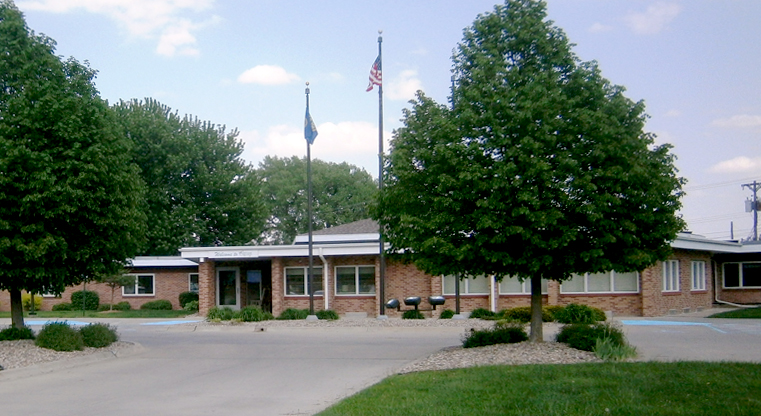
Heritage Crossings

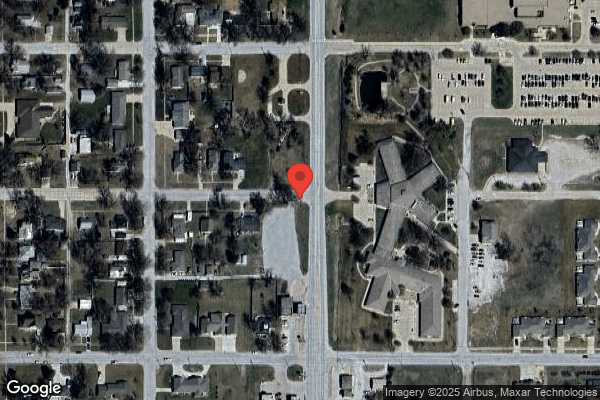
501 North 13th Street, Geneva, NE 68361 (402) 759-3194
Non profit - Corporation 68 Beds VETTER SENIOR LIVING Data: November 2025
Trust Grade
85/100
#19 of 177 in NE
Last Inspection: November 2024

Within standard 12-15 month inspection cycle. Federal law requires annual inspections.

Overview

Heritage Crossings in Geneva, Nebraska has a Trust Grade of B+, indicating it is above average and recommended for potential residents. It ranks #19 out of 177 nursing homes in Nebraska, placing it in the top half of facilities, but it is only #2 out of 2 in Fillmore County, meaning there is only one other local option. The facility's performance is stable, with a consistent number of issues reported in recent years. Staffing is rated at 4 out of 5 stars, which is a strength, although the turnover rate of 56% is average, suggesting some staff changes. Notably, there have been no fines reported, indicating good compliance. However, there are areas of concern. Recent inspections found that staff failed to follow proper hygiene protocols during wound care, which could lead to cross-contamination, and there were issues with administering insulin correctly, with a staff member not knowing to prime the insulin pen before use. Additionally, there was a failure to ensure proper wound care orders were in place for one resident. These incidents highlight the need for improvements in training and adherence to health protocols, even as the facility maintains overall high ratings.

Trust Score
B+
85/100
In Nebraska
#19/177
Top 10%
Safety Record
Low Risk
No red flags
Inspections
Holding Steady
1 → 1 violations
Staff Stability
⚠ Watch
56% turnover. Above average. Higher turnover means staff may not know residents' routines.
Penalties
✓ Good
No fines on record. Clean compliance history, better than most Nebraska facilities.
Skilled Nurses
✓ Good
Each resident gets 45 minutes of Registered Nurse (RN) attention daily — more than average for Nebraska. RNs are trained to catch health problems early.
Violations
✓ Good
Only 5 deficiencies on record. Cleaner than most facilities. Minor issues only.
★★★★★
5.0
Overall Rating
★★★★☆
4.0
Staff Levels
★★★☆☆
3.0
Care Quality
★★★★★
5.0
Inspection Score
Stable
2024: 1 issues
2025: 1 issues

The Good

  • 4-Star Staffing Rating · Above-average nurse staffing levels
  • Full Sprinkler Coverage · Fire safety systems throughout facility
  • No fines on record

Facility shows strength in staffing levels, fire safety.

The Bad

Staff Turnover: 56%

Near Nebraska avg (46%)

Frequent staff changes - ask about care continuity

Chain: VETTER SENIOR LIVING

Part of a multi-facility chain

Ask about local staffing decisions and management

Staff turnover is elevated (56%)

8 points above Nebraska average of 48%

The Ugly 5 deficiencies on record

Jun 2025 1 deficiency
CONCERN (D) 📢 Someone Reported This

A family member, employee, or ombudsman was alarmed enough to file a formal complaint

Potential for Harm - no one hurt, but risky conditions existed

Infection Control (Tag F0880)

Could have caused harm · This affected 1 resident

**NOTE- TERMS IN BRACKETS HAVE BEEN EDITED TO PROTECT CONFIDENTIALITY** Licensure reference number 175 NAC 12-006.18 The facility failed to ensure staff wear gowns and masks while performing wound car...

Read full inspector narrative →
**NOTE- TERMS IN BRACKETS HAVE BEEN EDITED TO PROTECT CONFIDENTIALITY** Licensure reference number 175 NAC 12-006.18 The facility failed to ensure staff wear gowns and masks while performing wound care, not wear 2 sets of gloves, and to perform hand hygiene between glove changes for 1 (Resident 4) out of 3 sampled residents to prevent the potential cross contamination. The facility had a census of 38. Findings are: Record review of the facility's policy Enhanced Barrier Precautions (EBP) dated 4/12/24 revealed: It is the policy of [NAME] Senior Living to implement EBP to help prevent the transmission of multidrug-resistant organisms (MDRO). -EBP will be initiated on residents with any of the following: Wounds (chronic wounds such as pressure injuries, diabetic foot ulcer, venous status ulcer, etc), and indwelling medical devices. -Implementation of EBP: Make gowns and gloves available neat or outside of the resident's room. Note: face protection may also be needed if performing activity with the risk of splash or spray (i.e., wound irrigation or tracheostomy care). -High-contact resident care activities include: Wound care for above mentioned wounds (skin tears are not included in chronic wounds). Record review of the facility's undated policy Hand Hygiene Competency revealed: When to wash hands: -before and after gloving. Record review of Resident 4's Clinical Census dated 6/12/25 revealed admission to the facility was on 12/15/22. Record review of Resident 4's Diagnosis Form dated 6/12/25 revealed a diagnosis of pressure ulcer (injury to skin and underlying tissue resulting from prolonged pressure on the skin) of sacral (area at the base of the spine) region, Stage 4. Record review of Resident 4's Minimum Data Set (MDS, a comprehensive assessment of each resident's functional capabilities) dated 5/27/25 revealed: -BIMS (Brief Interview for Mental Status, a test used to get a quick snapshot of a resident's cognitive function, scored from 0-15, the higher the score, the higher the cognitive function) score was 14. -The resident had no rejection of care, required maximum assistance with toileting hygiene, bathing, upper/lower dressing, footwear, personal hygiene, rolling left and right in bed and transfers. The resident had a catheter and was frequently incontinent bowels. Record review of Resident 4's Physician Orders dated 6/12/25 revealed an order of: -Cleanse coccyx pressure ulcer daily with normal saline and apply collagen sprinkles to wound bed surface and loosely place Silver Alginate rope dressing in wound bed, skin prep to periphery and cover with waterproof super absorbent adhesive edged dressing every day shift related to pressure ulcer of sacral region, stage 4-order 5/30/25. Observation on 6/12/25 at 10:05 AM of wound cares for Resident 4 by MDSC (Minimum Set Data Coordinator) with SSS (Social Service Supervisor) assisting with repositioning. The MDSC and SSS performed hand hygiene with soap and water x 20 seconds, donned (put on) gloves, but did not put on a gown. MDSC cleaned the bedside table with a cleansing wipe, placed a chux (disposable bed pad) on top of table, and then placed some wound supplies on top of chux. MDSC removed gloves, applied hand gel, then put new gloves on. MDCS put more wound supplies on the chux. MDSC performed hand hygiene with soap and water x 20 seconds and donned 2 gloves on each hand stating, I'm from the old school for wearing 2 gloves. MDSC asked the resident if [gender] had any pain and resident said no. MDSC and SSS positioned resident to the right side. MDSC removed the old dressing, then removed the top set of gloves from each hand without performing hand hygiene, then measured the wound using a Q-tip. MDSC removed gloves, applied hand sanitizer, and donned new gloves. MDSC cleansed the wound with Dermal wound cleanser spraying it into the wound with MDSC's face approximately 15 inches away from wound when spraying the wound with cleanser and did not have goggles or face shield on. MDSC placed gauze into the wound with finger and wiped around the wound bed attempting to remove loose exudate MDSC stated. MDSC said, I forgot, we should have gowns on. MDSC removed gloves and went out of room to get 2 gowns, which the MDSC and SSS put on. MDSC then donned new gloves without first performing hand hygiene. SSS performed hand hygiene x 20 seconds. MDSC cleansed wound again with spray, and removed gloves, performed hand hygiene with alcohol gel and donned new gloves. MDSC placed collagen sprinkles in wound, then Silver Alginate dressing into wound bed. MDSC wiped the peri-wound area with a skin prep and applied a mepilex dressing. Interview on 6/12/25 at 10:40 AM with MDSC confirmed [gender] should have worn a gown during the entire time of performing wound care, not to double glove, and perform hand hygiene between glove changes. Interview on 6/12/25 at 10:42 AM with SSS confirmed [gender] should have worn a gown during the entire time of performing wound care. Interview on 6/12/25 at 11:00 AM with the Administrator confirmed the staff should have had gowns on during wound care, masks on when performing wound care, not wear 2 gloves, and hand hygiene between glove changes.
Dec 2023 1 deficiency
CONCERN (D)

Potential for Harm - no one hurt, but risky conditions existed

Deficiency F0658 (Tag F0658)

Could have caused harm · This affected 1 resident

Licensure Reference Number 175 NAC 12-006.10A2 Based on observation, record review and interview, the facility failed to ensure standards of practice followed with administrating insulin for 2 (Reside...

Read full inspector narrative →
Licensure Reference Number 175 NAC 12-006.10A2 Based on observation, record review and interview, the facility failed to ensure standards of practice followed with administrating insulin for 2 (Resident 21 and Resident 24) of 2 sampled residents. The facility census was 45. Findings are: Observation on 12/7/23 at 8:35 AM of medication administration revealed Licensed Practical Nurse (LPN)-A removed the lid off a Tresiba Flextouch Pen, and turned the dose selector to 60 units and placed a new needle onto the pen. LPN-A began to walk towards Resident #21 to administer the medication. LPN-A was questioned regarding priming the insulin pen prior to dosing. Interview on 12/7/23 at 8:37 AM with LPN-A revealed (gender) did not know that the insulin pen/needle was to be primed before each dose. Record review of Resident 21's active physician orders revealed: Tresiba Subcutaneous Solution (Insulin Degludec) Inject 60 unit subcutaneously two times a day for Diabetes Mellitus II. Observation on 12/7/23 11:30 AM during medication administration revealed LPN-B removed the lid off the Lispro Pen, turned the dose selector to 20 units and placed the new needle onto the pen. LPN-B began to walk away from cart and towards Resident #24 to administer the medication. LPN-B was questioned regarding priming the insulin pen prior to dosing. An interview on 12/7/23 at 11:32 AN with LPN-B revealed (gender) had never done this and did not know that priming of the pen/needle was needed before each dose. Record review of Resident #20's active physician orders revealed: Humalog Injection Solution 100 UNIT/ML (Insulin Lispro) Inject 20 unit subcutaneously before meals for diabetes. An interview on 12/7/23 at 12:15 PM with the facility Director of Nursing confirmed that priming the insulin pens are to be done prior to each dosing. Prefilled Insulin Pen Competency form dated 1.2020 stated under Procedure Step: 10. To prime the pen, make sure the arrow is in the center of the dose window (If you do not see the arrow in the center of the dose window, push in the injection button fully and turn the dose knob until the arrow is seen in the center of the dose window.) 11. Pull the dose knob out in the direction of the arrow until a 0 is seen. 12. Turn the dose knob clockwise until the number 2 is seen. (If the number dialed is too high, simple turn the dose knob backward until the number 2 is seen.) 13. Hold the pen with the needle pointing straight up, tapping the clear cartridge holder so any air bubbles collect near the top. Push the injection button completely using the thumb. Keep pressing and continue to hold the injection button firmly. A stream of insulin should come out the tip of the needle. (If the stream of insulin does not come out, repeat above steps. If after 6 attempts a stream of insulin does not come out the tip, change the needle. If still unable to get insulin flowing out of needle, do not use the pen and contact pharmacy).
Oct 2022 3 deficiencies
CONCERN (D)

Potential for Harm - no one hurt, but risky conditions existed

Quality of Care (Tag F0684)

Could have caused harm · This affected 1 resident

Licensure Reference Number 175 NAC 12-006.09D2c Based on observation, interview, and record review, the facility failed to ensure that wound care orders were received for 1 (Resident 26) of 2 sampled ...

Read full inspector narrative →
Licensure Reference Number 175 NAC 12-006.09D2c Based on observation, interview, and record review, the facility failed to ensure that wound care orders were received for 1 (Resident 26) of 2 sampled resident. Total census was 48. Findings are: An observation on 1/24/2022 at 10:58 AM revealed Resident 26 had a dressing on the left ear and the left arm from mid-Bicep (part of the arm between the shoulder and elbow) to mid-hand. An observation on 10/25/2022 at 11:15 AM revealed Licensed Practical Nurse (LPN)-A performed wound care and placed a dressing on Resident 26's left arm from mid-Bicep to mid-hand. An observation on 10/25/2022 at 11:27 AM revealed LPN-A performed wound care and placed a dressing on Resident 26's left ear. A record review of the facility's Electronic Medical Record (EMR) did not reveal an order for wound care to be completed on Resident 26's left arm or left ear. A record review of the Physician Visit/Communication Form dated 09/27/2022 revealed Resident 26 had a Physician visit on 09/27/2022 for the left arm Cellulitis (a potentially serious bacterial skin infection) but did not reveal orders for wound care or dressings changes. In an interview with the Director of Nursing (DON) on 10/26/2022 at 08:03 AM, the DON confirmed Resident 26 did not have orders for wound care or dressing changes to the resident's left arm or left ear and LPN-A should not have performed wound care or applied dressings to the left arm or left ear without a physician order.
CONCERN (D)

Potential for Harm - no one hurt, but risky conditions existed

Respiratory Care (Tag F0695)

Could have caused harm · This affected 1 resident

B. An observation on 10/24/2022 at 10:55 AM revealed Resident 26 had a Positive Airway Pressure (PAP)(a device used to deliver positive air pressure to a resident's airways to prevent the airway from...

Read full inspector narrative →
B. An observation on 10/24/2022 at 10:55 AM revealed Resident 26 had a Positive Airway Pressure (PAP)(a device used to deliver positive air pressure to a resident's airways to prevent the airway from closing) device and supplies located on the nightstand next to the bed. An observation on 10/25/2022 at 10:49 AM revealed Resident 26 had a PAP device and supplies located on the nightstand next to the bed. In an interview on 10/25/2022 at 11:11 AM, the Infection Preventionist (IP) confirmed the resident wore a PAP device at night that was brought from home. A record review of Resident 26's Order Summary Report dated 10/25/2022 did not reveal a Physician order for Resident 26's PAP device. A record review of Resident 26's Treatment Administration Record (TAR) dated October 2022 did not reveal a treatment order for Resident 26's PAP device. In an interview with the IP on 10/26/2022 at 08:03 AM, the IP confirmed that the facility did not have a Physician's order for Resident 26's PAP device. Licensure Reference Number 175 NAC 12-006.09D6 Based on observation, interview and record review; the facility failed to ensure the working condition for respiratory equipment to prevent potential contamination for Resident 36, and the facility failed to ensure the facility had an order for Resident 26's Positive Airway Pressure (PAP)(a device used to deliver positive air pressure to a resident's airways to prevent the airway from closing) device. This affected 2 (Resident 36 and Resident 26) of 2 sampled residents. The facility identified with a census of 48 at the time of survey. Findings are: A. An observation on 10/24/22 at 11:40 AM of Resident 36 revealed a Continuous Positive Airway Pressure [(CPAP) - a treatment that uses mild air pressure to keep breathing airways open per machine] in the resident's room on the nightstand with the tubing taped on to the machine with medical tape. Interview on 10/24/22 at 11:41 AM with Resident 36 revealed there is a hole in it and I need a new one. Resident 36 confirmed using the CPAP machine at night. A record review of Resident 36's orders dated 4/6/22 revealed an order for CPAP: apply at bedtime to face and remove every morning. A record review of Resident 36's current comprehensive careplan (written instructions needed to provide effective and person centered care of the resident that meet professional standards of quality care), with the date initiated on and created on of 3/5/2021 revealed the resident is At risk for altered respiratory function related to Shortness of Breath and CPAP. A record review of the undated facility policy titled, Your CPAP/Bi-Level Unit under Cautions section, #3. If any visible deterioration of a component is apparent (cracking, tears, etc.) the component should be discarded and replaced. In an interview on 10/25/22 at 04:16 PM with the Assistant Director of Nursing (ADON) confirmed the use of the medical tape on the CPAP machine. The ADON confirmed the tape should not be there and staff should have replaced the tubing.
CONCERN (D)

Potential for Harm - no one hurt, but risky conditions existed

Medication Errors (Tag F0758)

Could have caused harm · This affected 1 resident

**NOTE- TERMS IN BRACKETS HAVE BEEN EDITED TO PROTECT CONFIDENTIALITY** B. A record review of the Medication Regimen Review (MRR)(a monthly evaluation of each resident's medication orders by a Pharma...

Read full inspector narrative →
**NOTE- TERMS IN BRACKETS HAVE BEEN EDITED TO PROTECT CONFIDENTIALITY** B. A record review of the Medication Regimen Review (MRR)(a monthly evaluation of each resident's medication orders by a Pharmacist) Policy, dated 05/21, revealed the Pharmacy reports all findings and recommendations to the Director of Nursing (DON), the attending Physician, the Medical Director, and the Administrator at least monthly. Recommendations are acted upon and documented by the facility staff and/or prescriber. A record review of Resident 26's Order Summary Report dated 10/25/2022 revealed a Physician order for Trazodone Hydrochloride (a medication used to treat depression) Tablet 50 milligram (mg)(a metric unit of measure). Give 1 tablet by mouth at bedtime for Continuous Positive Airway Pressure dependence (CPAP)(a device used to deliver positive air pressure to a resident's airways to prevent the airway from closing). A record review of Resident 26's Treatment Administration Record (TAR) dated October 2022 revealed a medication that was administered (given) of Trazodone Hydrochloride Tablet 50 mg. Give 1 tablet by mouth at bedtime for CPAP dependance. A record review of the Consultant Pharmacist's Medication Regimen Review, dated 08/26/2022 - 09/21/2022, revealed a recommendation to please clarify the indication for the order for Trazadone for CPAP dependance, should this be for sleep? A record review of the Consultant Pharmacist's Medication Regimen Review, Active Recommendations Lacking a Final Response report, dated 09/22/2022 - 10/19/2022, revealed a recommendation to please clarify the indication for the order for Trazadone for CPAP dependence, should this be for sleep? The MRR also had No Response in the Recommendation Status column by the Trazadone recommendation. In an interview with the Assistant Director of Nursing (ADON) on 10/26/2022 at 02:05 PM, the ADON confirmed the Consultant Pharmacist originally sent the recommendation to change the indication for the Trazadone order on 09/21/2022 but the recommendation was not addressed. The recommendation was sent again 10/19/2022 on an Active Recommendations Lacking a Final Response report, and the recommendation had not been addressed. The ADON confirmed Resident 26 did not have an approved diagnosis for Trazadone. Licensure Reference Number 175 NAC 12-006.09D Based on record review and interview, the facility failed to identify and monitor specific target behaviors for the use of an antianxiety [a class of medications used to treat anxiety] medication for Resident 45, and failed to ensure that an approved diagnoses was identified for the use of an antidepressant medication for Resident 26. This affected 2 (Residents 45 and 26) of 5 residents reviewed for medication use. The facility census was 48. Findings are: Record review of Resident 45's admission Face Sheet revealed that Resident 45 was admitted to the facility on [DATE] and included a diagnosis of Generalized Anxiety Disorder [Anxiety is the minds reaction to stressful, dangerous, or unfamiliar situations and can make the person feel nervous, restless, or tense, have a sense of impending doom and can cause sweating, increased heart rate and rapid breathing]. Record review of Resident 45's admission MDS (Minimum Data Set-a comprehensive assessment tool used to develop a resident's plan of care) most recent quarterly MDS dated [DATE] revealed that Resident 45 had a Brief Interview for Mental Status (BIMS) (a brief screening tool that aids in detecting cognitive impairment) score of 14 which indicated that Resident 45 was cognitively intact, exhibited no behavioral symptoms, had a psychiatric diagnosis of Anxiety, and used an anti-anxiety medication daily. Record review of Resident 45's Medication Administration Record for September 2022 and October 2022 revealed that Resident 45 received Ativan [an anti-anxiety medication] 0.5 milligrams 1 tab at bedtime each day. The medication was ordered and started on 9/10/22. Record review of Resident 45's Comprehensive Care Plan (a written interdisciplinary comprehensive plan detailing how to provide quality care for a resident) dated 9/26/22 identified that Resident 45 used Psychoactive Medications [a class of medications that, when administered, can affect mental processes such as mood, emotions, perceptions, and cognition] but did not identify resident specific target behaviors to be monitored for the use of an anti-anxiety medication. Record review of Resident 45's Electronic Medical Record revealed that no specific target behaviors had been identified and no monitoring for behaviors had been completed since 9/10/22 when the antianxiety medication was started. Interview on 10/26/22 at 11:11 AM with the Assistant Director of Nursing [ADON] confirmed that Resident 45 did take Ativan daily, and that there were no resident specific target behaviors identified and no behavior monitoring had been completed for the continued use of the Ativan.
Understanding Severity Codes (click to expand)
Life-Threatening (Immediate Jeopardy)
J - Isolated K - Pattern L - Widespread
Actual Harm
G - Isolated H - Pattern I - Widespread
Potential for Harm
D - Isolated E - Pattern F - Widespread
No Harm (Minor)
A - Isolated B - Pattern C - Widespread

Questions to Ask on Your Visit

  • "Why is there high staff turnover? How do you retain staff?"
  • "Can I speak with families of current residents?"
  • "What's your RN coverage like on weekends and overnight?"

Our Honest Assessment

Strengths
  • • Grade B+ (85/100). Above average facility, better than most options in Nebraska.
  • • No major safety red flags. No abuse findings, life-threatening violations, or SFF status.
  • • No fines on record. Clean compliance history, better than most Nebraska facilities.
  • • Only 5 deficiencies on record. Cleaner than most facilities. Minor issues only.
Concerns
  • • 56% turnover. Above average. Higher turnover means staff may not know residents' routines.
Bottom line: Generally positive indicators. Standard due diligence and a personal visit recommended.

About This Facility

What is Heritage Crossings's CMS Rating?

CMS assigns Heritage Crossings an overall rating of 5 out of 5 stars, which is considered much above average nationally. Within Nebraska, this rating places the facility higher than 99% of the state's 100 nursing homes. This rating reflects solid performance across the metrics CMS uses to evaluate nursing home quality.

How is Heritage Crossings Staffed?

CMS rates Heritage Crossings's staffing level at 4 out of 5 stars, which is above average compared to other nursing homes. Staff turnover is 56%, which is 10 percentage points above the Nebraska average of 46%. High turnover can affect care consistency as new staff learn residents' individual needs.

What Have Inspectors Found at Heritage Crossings?

State health inspectors documented 5 deficiencies at Heritage Crossings during 2022 to 2025. These included: 5 with potential for harm.

Who Owns and Operates Heritage Crossings?

Heritage Crossings is owned by a non-profit organization. Non-profit facilities reinvest revenue into operations rather than distributing to shareholders. The facility is operated by VETTER SENIOR LIVING, a chain that manages multiple nursing homes. With 68 certified beds and approximately 39 residents (about 57% occupancy), it is a smaller facility located in Geneva, Nebraska.

How Does Heritage Crossings Compare to Other Nebraska Nursing Homes?

Compared to the 100 nursing homes in Nebraska, Heritage Crossings's overall rating (5 stars) is above the state average of 2.9, staff turnover (56%) is near the state average of 46%, and health inspection rating (5 stars) is much above the national benchmark.

What Should Families Ask When Visiting Heritage Crossings?

Based on this facility's data, families visiting should ask: "How do you ensure continuity of care given staff turnover, and what is your staff retention strategy?" "Can I visit during a mealtime to observe dining assistance and food quality?" "How do you handle medical emergencies, and what is your hospital transfer rate?" "Can I speak with family members of current residents about their experience?" These questions are particularly relevant given the facility's high staff turnover rate.

Is Heritage Crossings Safe?

Based on CMS inspection data, Heritage Crossings has a clean safety record: no substantiated abuse findings (meaning no confirmed cases of resident harm), no Immediate Jeopardy citations (the most serious violation level indicating risk of serious injury or death), and is not on the Special Focus Facility watch list (a federal program monitoring the lowest-performing 1% of nursing homes). The facility has a 5-star overall rating and ranks #1 of 100 nursing homes in Nebraska. While no facility is perfect, families should still ask about staff-to-resident ratios and recent inspection results during their visit.

Do Nurses at Heritage Crossings Stick Around?

Staff turnover at Heritage Crossings is high. At 56%, the facility is 10 percentage points above the Nebraska average of 46%. High turnover means new staff may not know residents' individual needs, medications, or preferences. It can also be disorienting for residents, especially those with dementia who rely on familiar faces. Families should ask: What is causing the turnover? What retention programs are in place? How do you ensure care continuity during staff transitions?

Was Heritage Crossings Ever Fined?

Heritage Crossings has no federal fines on record. CMS issues fines when nursing homes fail to meet care standards or don't correct problems found during inspections. The absence of fines suggests the facility has either maintained compliance or corrected any issues before penalties were assessed. This is a positive indicator, though families should still review recent inspection reports for the full picture.

Is Heritage Crossings on Any Federal Watch List?

Heritage Crossings is not on any federal watch list. The most significant is the Special Focus Facility (SFF) program, which identifies the bottom 1% of nursing homes nationally based on persistent, serious quality problems. Not being on this list means the facility has avoided the pattern of deficiencies that triggers enhanced federal oversight. This is a positive indicator, though families should still review the facility's inspection history directly.