Genoa Community Hospital/LTC
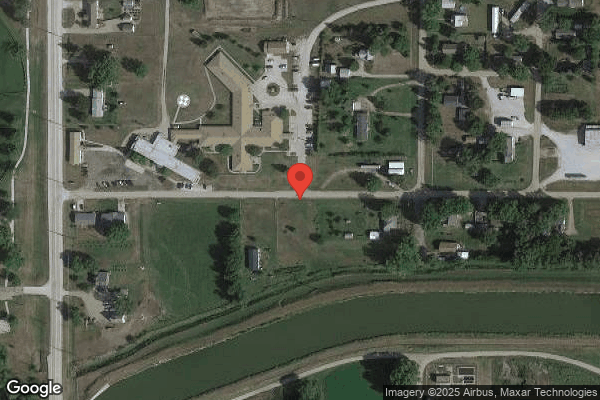
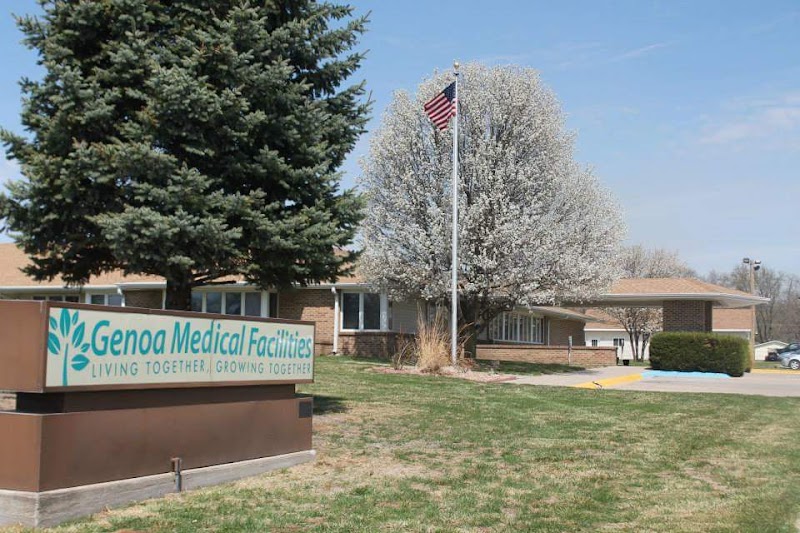
606 Ewing Avenue, Genoa, NE 68640 (402) 993-2283
Government - City 43 Beds Independent Data: November 2025
Trust Grade
60/100
#111 of 177 in NE
Last Inspection: May 2025

Inspected within the last 6 months. Data reflects current conditions.

Overview

Genoa Community Hospital/LTC has a Trust Grade of C+, which means it is slightly above average but still has room for improvement. It ranks #111 out of 177 facilities in Nebraska, placing it in the bottom half, but it is the second-best option in Nance County. The facility is showing a positive trend, reducing issues from five in 2024 to four in 2025, and it has a good staffing rating with a turnover rate of 31%, much lower than the state average. Notably, there have been no fines, which is a positive sign, but there are still concerns, including incidents where staff did not follow hand hygiene protocols and food was not stored properly, posing potential health risks. While there are strengths in staffing and a lack of fines, families should be aware of these weaknesses when considering care for their loved ones.

Trust Score
C+
60/100
In Nebraska
#111/177
Bottom 38%
Safety Record
Low Risk
No red flags
Inspections
Getting Better
5 → 4 violations
Staff Stability
○ Average
31% turnover. Near Nebraska's 48% average. Typical for the industry.
Penalties
✓ Good
No fines on record. Clean compliance history, better than most Nebraska facilities.
Skilled Nurses
○ Average
Each resident gets 40 minutes of Registered Nurse (RN) attention daily — about average for Nebraska. RNs are the most trained staff who monitor for health changes.
Violations
○ Average
10 deficiencies on record. Average for a facility this size. Mostly minor or procedural issues.
★★☆☆☆
2.0
Overall Rating
★★★★☆
4.0
Staff Levels
★☆☆☆☆
1.0
Care Quality
★★★☆☆
3.0
Inspection Score
Stable
2024: 5 issues
2025: 4 issues

The Good

  • 4-Star Staffing Rating · Above-average nurse staffing levels
  • Full Sprinkler Coverage · Fire safety systems throughout facility
  • No fines on record
  • Staff turnover below average (31%)

    17 points below Nebraska average of 48%

Facility shows strength in staffing levels, fire safety.

The Bad

2-Star Overall Rating

Below Nebraska average (2.9)

Below average - review inspection findings carefully

Staff Turnover: 31%

15pts below Nebraska avg (46%)

Typical for the industry

The Ugly 10 deficiencies on record

May 2025 4 deficiencies
CONCERN (D) 📢 Someone Reported This

A family member, employee, or ombudsman was alarmed enough to file a formal complaint

Potential for Harm - no one hurt, but risky conditions existed

Report Alleged Abuse (Tag F0609)

Could have caused harm · This affected 1 resident

**NOTE- TERMS IN BRACKETS HAVE BEEN EDITED TO PROTECT CONFIDENTIALITY** Licensure Reference Number 175 NAC 12-006.02(H) Based on record review and interview; the facility failed to submit a completed ...

Read full inspector narrative →
**NOTE- TERMS IN BRACKETS HAVE BEEN EDITED TO PROTECT CONFIDENTIALITY** Licensure Reference Number 175 NAC 12-006.02(H) Based on record review and interview; the facility failed to submit a completed investigation of Resident's 139's hip fracture and Resident 26's fall with an ankle fracture to the State Agency in 5 working days. The sample size was 14 and the facility census was 36. Findings are: A. Review of the facility policy Abuse and Neglect revealed the following: -The facility recognized the importance of assuring residents were free from all forms of abuse and implemented safeguards and practices to ensure resident safety. -Potential employees were screened for a history of abuse, mistreatment of residents as allowed by law, including checking with former employers, with appropriate licensing boards, and registries. -Employees were trained on issues related to abuse and what constituted abuse, neglect, mistreatment, and misappropriation. -Events, such as suspicious bruising of residents, occurrences, patterns, and trends that could constitute abuse were identified. -Incidents of suspected of abuse were reported to the Director of Nursing (DON), and/or director of Social Services for investigation. -Investigation results were documented, retained, completed and submitted to the required agencies within 5 working days. B. Review of Resident 139's admission record revealed the resident was admitted on [DATE] and had dementia, heart disease, high blood pressure, and dizziness. Review of Resident 139's Nursing admission assessment dated [DATE] revealed the resident had 1-2 falls in the past 90 days, had a change in cognition and displayed behavioral concerns. The resident ambulated with a device, was unstable, at risk for falling and at risk to wander. Review of Resident 139's Care Plan dated 7/13/24 revealed the resident had self-care deficits, confusion, dementia, and impaired balance. In addition, the resident had impaired cognition and thought processes. The resident was admitted to the memory support unit on 7/10/24. Review of Resident 139's Progress note dated 9/4/25 at 2:23 AM revealed the resident was assisted to bed at 8:00 PM and at 9:30 PM (on 9/3/25) staff heard the resident yell Get me out of here at which time the resident reported I twisted my leg when I fell through the roof into the basement. The resident was given Tylenol. At 2:15 AM on 9/4/24 when the resident was assisted to stand and walk into the bathroom, the resident was unable to bear weight on the left leg and the leg was externally rotated. Communication was forward to the Provider asking if an x-ray would be appropriate to check for a pathological fracture (fracture occurring unrelated to trauma or naturally occurring secondary to underlying bone disease). An x-ray was ordered and completed confirming a left hip fracture (The time of the x-ray was not documented). On 9/4/24 at 6:09 PM the provider was at the facility and spoke to the resident's family about the fracture and the family chose hospice care. Review of Resident 139's X-ray report dated 9/4/24 revealed a fracture of the left hip with advanced degenerative arthritis of the hip. Review of Resident 139's Investigation form of the 9/4/24 incident revealed the facility reported the fracture to Adult Protective Services at 12:30 PM on 9/4/24. Additional review revealed the facility conducted an investigation, including staff interviews and the findings determined that abuse had not occurred. There was no evidence the investigation was submitted to the State Agency as required. During an interview on 5/27/25 at 8:36 AM the facility Administrator revealed the facility completed an investigation for Resident's pathological hip fracture, however they had no evidence the investigation was submitted to the State Agency as required. Record review of a facility Abuse Investigation Report Form dated 10-22-2025 revealed Resident 26 had a fall with resulting in a right ankle fracture on 10/22/24. Review of the facilities Abuse Investigation Report Form revealed that Resident 26's fall with a right ankle fracture occurred on 10/22/24, was reported on 10/22/24 and the investigation report was submitted to the Health and Human Services Regulation and Licensure on 10/29/24, 6 working days from 10/22/24. An interview on 5/27/25 at 8:30 AM with the Director of Nursing confirmed that the Abuse Investigation Report was submitted on 10/29/24 (day 6) and should have been submitted by 10/28/25 (day 5).
CONCERN (D)

Potential for Harm - no one hurt, but risky conditions existed

Comprehensive Care Plan (Tag F0656)

Could have caused harm · This affected 1 resident

**NOTE- TERMS IN BRACKETS HAVE BEEN EDITED TO PROTECT CONFIDENTIALITY** Licensure Reference Number 175 NAC 12-006.09(E) Based on record review and interview; the facility failed to ensure Resident 26'...

Read full inspector narrative →
**NOTE- TERMS IN BRACKETS HAVE BEEN EDITED TO PROTECT CONFIDENTIALITY** Licensure Reference Number 175 NAC 12-006.09(E) Based on record review and interview; the facility failed to ensure Resident 26's Activity of Daily Living (ADL) needs and Resident 1's Post Traumatic Stress Disorder (PTSD) triggers were identified in the resident care plans. The sample size was 14 and the facility census was 36. Findings are: A. Review of the undated facility Care Plan Policy revealed the facility provided individualized, interdisciplinary plans of care for all resident that were appropriate to the resident's needs, strengths, and results of diagnostic limitations and goals. Results of assessment were used to develop, review, and revise the care plan. Services provided met professional standards of quality including culturally competent and trauma-informed care. Review of the undated facility policy Trauma Informed Care revealed that all residents received care in a manner that recognized and responded to the effects of trauma in accordance with federal regulation which required facilities to provide trauma informed care that met professional standards of practice. Care was delivered in a safe, empathetic, and supportive environment that avoided re-traumatization and fostered recovery and empowerment. Residents were assessed upon admission and during care plan development for a history of trauma, and care plans were individualized and included strategies to minimize triggers and promote safety. B. Review of Resident 1's Minimum Data Set (MDS-federally mandated comprehensive assessment used to develop resident care plans dated 3/5/25 revealed the resident had psychiatric diagnosis including anxiety, depression, a psychotic disorder, schizophrenia, and PTSD. Review of Resident 1's Care Plan with a revision date of 10/31/24 revealed the resident had depression, anxiety, a personality disorder, schizophrenia, and PTSD secondary to childhood abuse, however there were no interventions/approaches to direct the staff caring for the resident on what triggered the residents PTSD or how to respond to potential re-traumatization symptoms. During an interview on 5/28/25 at 10:24 AM The Care Plan/MDS RN confirmed PTSD triggers and interventions directing staff responses for Resident 1 were not identified or included in the plan of care. C. Review of Resident 26's MDS dated [DATE] revealed that the resident was dependent on staff for tub transfers, required supervision with bathing cares and walking 150 feet or more, set up assistance with eating, oral hygiene, toileting hygiene, dressing and personal hygiene and was independent with footwear, transfers and bed mobility and walking up to 50 feet with 2 turns. The following observations were related to Resident 26: -On 5/21/25 at 9:45 AM Resident 26 attended an activity off of the memory care unit, after the activity the resident was assisted back to the memory care unit and ambulated to own room independently with a steady gait. -On 5/21/25 at 12:20 PM the resident was ambulating independently out of the bathroom, resident stated that he just went to the bathroom, gait was steady. On 5/22/25 at 8:10 AM an interview with Nursing Assistant, NA-B, revealed that the resident required directions and cues with cares and ambulated independently. NA-B confirmed that staff are able to review the resident care plans if unsure how much assistance resident required with cares. The care plan for Resident 26 was reviewed with no interventions in place for how much assistance resident needed for dressing, toileting, bathing, transfers, ambulation, bed mobility and eating. On 5/28/25 at 8:15 AM the Long-Term Care Coordinator confirmed that there were no interventions on the care plan stating how much assistance was needed for dressing, toileting, bathing, transfers, ambulation, bed mobility and eating for the resident.
CONCERN (D)

Potential for Harm - no one hurt, but risky conditions existed

Deficiency F0699 (Tag F0699)

Could have caused harm · This affected 1 resident

Licensure Reference Number 175 NAC-006.09 Based on record review and interviews; the facility failed to address Resident 1's diagnosis of Post Traumatic Stress Disorder (PTSD) through evaluation and c...

Read full inspector narrative →
Licensure Reference Number 175 NAC-006.09 Based on record review and interviews; the facility failed to address Resident 1's diagnosis of Post Traumatic Stress Disorder (PTSD) through evaluation and care planning of potential triggers or situations that could lead to re-traumatization. The sample size was 1 and the facility census was 36. Findings are: Review of the undated facility policy Trauma Informed Care revealed that all residents received care in a manner that recognized and responded to the effects of trauma in accordance with federal regulation which required facilities to provide trauma informed care that met professional standards of practice. Care was delivered in a safe, empathetic, and supportive environment that avoided re-traumatization and fostered recovery and empowerment. Residents were assessed upon admission and during care plan development for a history of trauma, and care plans were individualized and included strategies to minimize triggers and promote safety. Review of Resident 1's Minimum Data Set (MDS-federally mandated comprehensive assessment used to develop resident care plans dated 3/5/25 revealed the resident had psychiatric diagnosis including anxiety, depression, a psychotic disorder, schizophrenia, and PTSD. Review of Resident 1's Care Plan with a revision date of 10/31/24 revealed the resident had depression, anxiety, a personality disorder, schizophrenia, and PTSD secondary to childhood abuse, however there were no interventions/approaches to direct the staff caring for the resident on what triggered the residents PTSD, or how to respond to potential re-traumatization symptoms. During an interview on 5/28/25 at 08:37 AM the Director of Nursing confirmed the facility had not completed a trauma-based assessment related to resident 1's diagnosis of PTSD, or identified triggers that could induce a negative resident response to a situation. During an interview on 5/28/25 at 10:24 AM The Careplan/MDS RN confirmed PTSD triggers and interventions directing staff responses for Resident 1 were not identified or included in the plan of care.
CONCERN (F)

Potential for Harm - no one hurt, but risky conditions existed

Infection Control (Tag F0880)

Could have caused harm · This affected most or all residents

**NOTE- TERMS IN BRACKETS HAVE BEEN EDITED TO PROTECT CONFIDENTIALITY** D. Review of the facility policy Hand Hygiene, undated revealed the purpose was to provide guidelines for effective hand hygiene...

Read full inspector narrative →
**NOTE- TERMS IN BRACKETS HAVE BEEN EDITED TO PROTECT CONFIDENTIALITY** D. Review of the facility policy Hand Hygiene, undated revealed the purpose was to provide guidelines for effective hand hygiene to prevent the transmission of bacteria, germs, and infections. Staff were to: -follow standard precautions, -change gloves and discard after each resident contact, and -change gloves when moving from contaminated body site to a clean body site. Staff were to perform hand hygiene: -before coming on duty, -when hands were soiled, -before each resident encounter, -after coming in contact with resident's skin, -after working on a contaminated body site then moving to a clean body site, -after coming in contact with bodily fluids, dressings, mucous membranes, -always after removing gloves or facemasks, -after toileting, -soap and water must be used when hands were visibly soiled, and -if hands are not visibly soiled, hands could be disinfected with either an alcohol-based hand rub or soap and water. Review of Resident 21's MDS dated [DATE] revealed the resident had cognitive impairment; had impairments to lower extremities on both sides; was dependent with toileting, dressing, mobility and transfers; was always incontinent of bowel and bladder functions; and had dementia. Review of Resident 21's Care Plan last revised 4/7/25 revealed the resident was cognitively impaired and required assistance with dressing, toileting, and transfers. An observation on 5/22/25 at 1245 Medication Aide (MA)-G and MA-H performed hand hygiene, applied gloves and entered Resident 21's room. The resident was in the wheelchair. MA-G brought a sit to stand mechanical lift into the residents room and the MA's hooked the resident up to the lift. The MA's lifted the resident up to standing position. MA-H pulled the residents pants down and removed the brief, and doffed without any concerns. MA-G performed perineal care using pre-moistened wet wipes. While continuing to wear the same pair of soiled gloves, MA-G applied a clean brief to the resident. While continuing to wear the same soiled gloves, MA-G pulled the residents pants up. Both MA's transferred the resident to the recliner. MA-G while continuing to wear the same pair of soiled gloves, covered the resident with a blanket and used the recliner remote control to lift the resident's legs up to a reclined position. MA-G then removed their gloves and performed hand hygiene. An interview on 5/22/25 with MA-G at 1:45 PM confirmed MA-G did not change gloves or perform hand hygiene at appropriate intervals during the provision of care. An interview on 5/28/25 at 10:30 AM with the DON confirmed gloves should be changed and hand hygiene performed when going from a dirty to a clean surface. Licensure Reference Number 175 NAC 12-006.18 Based on observations, record review, and interviews the facility failed to implement infection prevention measures to prevent the potential spread of infection for Resident 8 during the implementation of Enhanced Barrier Precautions (EBP), cleanliness of facility in the laundry room, and handwashing during the provision of care for Resident 21. The sample size was 14 with a census of 36. Findings are: A. Review of the facility policy EBP with no revision date revealed the following: -EBP refers to an infection control intervention indicated for residents with wounds regardless if wound had an infection, -EBP would be used for chronic wounds including venous stasis ulcers and diabetic foot ulcers, -Personal Protective Equipment (PPE), gown and gloves, was only necessary when performing high-contact care activities, -High-contact resident care activities included: dressing, transferring, providing hygiene cares, changing linens, toileting assistance, and wound care. B. Review of Resident 8's Minimum Data Set (MDS) (a mandatory comprehensive assessment tool used for care planning) dated 2/26/25 revealed the resident required substantial assistance with transfers and was dependent on staff for toileting hygiene. The resident had a diagnosis of Diabetes and Chronic Venous Insufficiency and had 1 venous ulcer. Review of Resident 8's care plan revealed the resident had a venous stasis ulcer of the left big toe related to chronic venous insufficiency and was on EBP during high contact cares. Review of Resident 8's wound care note dated 5/15/25 revealed Resident 8 had a diabetic toe wound (an open sore that developed on the toe due to complications of diabetes) that had yellow, odorous drainage. There were no measurements for the wound. Review of resident 8's physician order revealed the resident had an order dated 2/11/25 to apply betadine to wound bed on the left big toe 2 times daily, leave open to air at rest, cover with ambulation related to Venous Insufficiency (veins in the legs are unable to return blood to the heart effectively). The following observations were made related to Resident 8: -5/21/25 at 10:00 AM an EBP sticker was on the resident's name tag going into the resident's room. -5/22/25 at 9:15 AM Nursing assistant (NA-B), entered the residents room and put on gloves but no gown. NA-B transferred the resident to the toilet, assisted the resident with toileting cares and then transferred resident back to the wheelchair with only gloves on for PPE. An interview with the Director of Nursing (DON) on 5/28/25 at 12:30 PM confirmed the facility staff did not follow the EBP policy and NA-B should have had gown and gloves on for PPE when completing high contact cares with Resident 8 on 5/22/25. C. Review of the facility policy Environmental Services with no review date revealed the following: - It was the policy of Genoa Medical Facilities to maintain a physical and psychosocial environment that promotes the health, safety and comfort of each resident, -This policy is applied to all facilities staff, included but not limited to housekeeping, nursing, maintenance, dietary and administrative personnel, and -The facility will maintain all areas in a manner that is clean, hazard-free, and compliant with infection control standards. An observation on 5/28/25 at 12:00 PM revealed the clean side of the laundry room had a black fan that blew air on the clean linens. The fan had a thick layer of dust on the fan blades and the fan cover. The fan blew out dust particles on the clean linens. The air conditioner vent above the clean linens had a heavy layer of dust that covered the vents and cold air was blowing out of the vent onto the clean linens. An interview with the head of laundry on 5/28/25 at 12:00 PM confirmed the black fan was blowing dust on the clean linens, the vent above the clean linens had a heavy layer of dust and was blowing onto the clean linens. The cleaning schedule for the laundry room was reviewed with the head of laundry, cleaning the fans and vents were not on the list.
May 2024 5 deficiencies
CONCERN (D) 📢 Someone Reported This

A family member, employee, or ombudsman was alarmed enough to file a formal complaint

Potential for Harm - no one hurt, but risky conditions existed

Report Alleged Abuse (Tag F0609)

Could have caused harm · This affected 1 resident

Licensure Reference Number 175 NAC 12-006.02(8) Based on record review and interview; the facility failed to report a fall with significant injury to the state agency within the required time frame fo...

Read full inspector narrative →
Licensure Reference Number 175 NAC 12-006.02(8) Based on record review and interview; the facility failed to report a fall with significant injury to the state agency within the required time frame for Resident 15. The sample size was 4 and the facility census was 36. Findings are: Review of the facility policy Abuse and Neglect, undated, revealed the following: -when an incident or suspected incident of abuse was reported to the Director of Nursing (DON) or Director of social services or his/her designee they would investigate the incident which included interviews with the resident, staff, family, and any witness, a review of the medical record, and a review of all circumstances surrounding the incident, -any alleged violations would be reported to the state agency and all other agencies as required, and -the results of the investigation would be documented and submitted to the State Agency within five working days. Review of Resident 15's Minimum Data Set (MDS-a federally mandated assessment tool used in care planning) dated 2/28/24 revealed the following: -the resident had severe cognitive impairment, -diagnoses of neurocognitive disorder (a progressive dementia disorder that leads to a decline in thinking, reasoning, and independent functioning), -the resident required moderate assistance with toileting, dressing, and personal hygiene, and -the resident received antipsychotic medication (a type of psychoactive medication which alters the chemicals in the brain to effect changes in behavior, mood, and emotion), antianxiety, antidepressant, and hypnotic (a sleep-inducing medication) medications. Review of the facility form Abuse Investigation Report Form for an incident that occurred on 3/8/24 at 5:48 PM involving Resident 15 revealed the resident was found lying on the hallway floor, the resident was lethargic, and had red liquid drainage on the floor surrounding the resident's head which was identified to be from a cut above the right eyebrow. The resident was sent to the emergency room and received ten stitches. The incident had no witnesses. The facility reported the incident on 3/9/24 (no time indicated) which was more than the two-hour required time frame reporting for a significant injury to Adult Protective Services (APS). Interview with the DON and the Administrator on 5/13/24 at 2:58 PM confirmed the injury was not witnessed, the resident had an injury that required emergency treatment and APS was not notified within 2 hours.
CONCERN (D)

Potential for Harm - no one hurt, but risky conditions existed

Transfer Notice (Tag F0623)

Could have caused harm · This affected 1 resident

**NOTE- TERMS IN BRACKETS HAVE BEEN EDITED TO PROTECT CONFIDENTIALITY** Licensure Reference Number 175 NAC 12-006.05(5) Based on record review and interview, the facility failed to provide a written n...

Read full inspector narrative →
**NOTE- TERMS IN BRACKETS HAVE BEEN EDITED TO PROTECT CONFIDENTIALITY** Licensure Reference Number 175 NAC 12-006.05(5) Based on record review and interview, the facility failed to provide a written notice of transfer to 1 resident (Resident 24) or the resident's legal representative upon transfer to the hospital. The facility census was 36. Findings are: Review of the undated facility policy Notice of A Transfer and/or Discharge revealed the facility would provide a 30 day written notice of transfer or discharge to a resident and/or the resident's representative, except when an immediate transfer or discharge is required by the resident's urgent medical needs. The following information will be provided: -the reason for the transfer or discharge; -effective date of transfer or discharge; -the location the resident is transferred to; -the name, address, and telephone number of the state long-term care ombudsman; -the name address, and telephone number of each individual or agency responsible for the protection of mentally ill or developmentally disabled; and -the name, address, and telephone number of the state health department agency that handles appeals of transfer and discharge notices. Review of Resident 24's Nursing Progress Note dated 5/3/24 revealed the resident was transferred to the local hospital emergency room (ER) for manic (showing wild, apparently deranged, excitement and energy) behaviors that were unable to be controlled. The resident was then transferred and admitted to Faith Regional Behavioral Health Unit for psychosis and mania later on the same day. Review of the Resident 24's medical record on 5/14/24 revealed no evidence a written notice of transfer was provided to the resident or the resident's legal representative after the resident was transferred to the local ER. An interview with the administrator on 5/14/24 at 10:45 AM confirmed Resident 24 was transferred to the local ER on [DATE] and the facility had not provided a written notice of transfer to the resident or the resident's representative.
CONCERN (D)

Potential for Harm - no one hurt, but risky conditions existed

Deficiency F0625 (Tag F0625)

Could have caused harm · This affected 1 resident

Licensure Reference Number 175 NAC 12-006.05(1) Based on record review and interview, the facility failed to provide Resident 24 or the resident's representative, written bed hold information when the...

Read full inspector narrative →
Licensure Reference Number 175 NAC 12-006.05(1) Based on record review and interview, the facility failed to provide Resident 24 or the resident's representative, written bed hold information when the resident was transferred to the hospital emergency room (ER). The sample size was 1 and the facility census was 36. Findings are: Review of the undated facility policy Holding Bed Space revealed the facility will inform residents and/or resident representatives of the bed-hold policy upon admission and prior to a transfer for hospitalization or therapeutic leave. The Bed Hold Policy Notification and Acknowledgement will be completed at the time the bed hold is needed. Review of Resident 24's Nursing Progress Note dated 5/3/24 revealed the resident was transferred to the local hospital emergency room (ER) for manic (showing wild, apparently deranged, excitement and energy) behaviors that were unable to be controlled. The resident was then transferred and admitted to Faith Regional Behavioral Health Unit for psychosis and mania on the same day. Review of the Resident 24's medical record on 5/14/24 revealed no evidence a written bed hold notice was provided to the resident or the resident's legal representative when the resident was transferred to the hospital. An interview with the administrator on 5/14/24 at 10:45 AM confirmed Resident 24 was transferred to the local hospital on 5/3/24 and the facility had not provided a written bed hold notification to the resident or the resident's representative upon hospitalization.
CONCERN (D)

Potential for Harm - no one hurt, but risky conditions existed

Medication Errors (Tag F0758)

Could have caused harm · This affected 1 resident

Licensure Reference Number 175 NAC 12-006.09D Based on record review and interview; the facility failed to ensure there was an approved diagnosis for the use of an antipsychotic medication (a type of ...

Read full inspector narrative →
Licensure Reference Number 175 NAC 12-006.09D Based on record review and interview; the facility failed to ensure there was an approved diagnosis for the use of an antipsychotic medication (a type of psychoactive medication which alters chemicals in the brain to effect changes in behavior, mood, and emotions) for Resident 33. The sample size was 5 and the facility census was 36. Findings are: Review of the facility policy Psychotropic Medication Usage, undated, revealed the following: -psychotropic drugs included antipsychotics, -attending physicians would certify that a psychotropic medication was necessary to treat a specific condition/behavior, and -the consulting pharmacist would report any irregularities to the Medical Doctor or Director of Nursing (DON) which included not having an adequate indication for use. Review of Resident 33's Minimum Data Set (MDS-a federally mandated assessment tool used in care planning) dated 4/22/24 revealed the following: -the resident had severe cognitive impairment, -had diagnoses of heart failure, anxiety, and depression, and -required moderate assistance with toileting, dressing the lower half of the body, putting on and taking off footwear and personal hygiene. Review of Resident 33's Care Plan last reviewed 4/30/24 revealed the following: -the resident had behavior problems due to a history of Alzheimer's Dementia, anxiety, hallucinations, schizophrenia, and schizoaffective disorder, and -the resident had impaired cognitive function and impaired thought processes. Review of Resident 33's Order Review Sheet revealed the resident had an order for Haloperidol (an antipsychotic medication) 1 milligram (mg) 1 tablet (tab) orally by mouth twice daily for Alzheimer's Disease ordered 4/26/24 , and Haloperidol 5mg give 1 tab by mouth every evening with supper for Alzheimer's Disease ordered 4/26/24. Review of the Medication Administration Records (MARs) revealed in April 2024 the resident received 16 doses of Haloperidol 1mg, and 8 doses of 5mg Haloperidol. In May 2024 the resident received 1mg Haloperidol 26 times, and 5mg Haloperidol 12 times. Interview on 5/13/24 at 2:58 PM with the DON confirmed the resident's diagnosis for the use of Haloperidol was Alzheimer's Disease. Further interview confirmed Alzheimer's Disease was not an acceptable diagnosis for the antipsychotic medication.
CONCERN (F)

Potential for Harm - no one hurt, but risky conditions existed

Food Safety (Tag F0812)

Could have caused harm · This affected most or all residents

Licensure Reference Number 175 NAC 12-006.11E Based on observation, record review and interview; the facility failed to ensure 1) food was stored under sanitary conditions and 2) outdated food was not...

Read full inspector narrative →
Licensure Reference Number 175 NAC 12-006.11E Based on observation, record review and interview; the facility failed to ensure 1) food was stored under sanitary conditions and 2) outdated food was not available for consumption to prevent the potential development of food borne illness. This had the potential to affect all residents. The facility census was 36. Findings are: Review of the undated facility policy Food Storage revealed all food will be stored off the floor and leftover food is clearly labeled and dated. In addition, leftover food is to be used within 3 days of the date prepared or discarded. Observation during the initial kitchen tour on 5/8/24 at 8:40 AM revealed the following: -Walk-in cooler had 2 large trays of macaroni salad in Styrofoam bowls with plastic wrap covering the trays. There was no label or date on the trays. -Walk-in cooler had a large bowl of orange colored Jello labeled with a date of 4/15/24 (23 days ago). -Walk-in freezer had 3 stacks of food in packages sitting directly on the floor of the freezer. An interview with the Dietary Manager on 5/8/24 at 8:40 AM confirmed the leftover macaroni salad in the walk-in cooler was not labeled or dated and should have been discarded previously. The Dietary Manager also confirmed the 3 stacks of food packages stored in the walk-in freezer should not have been stored directly on the floor.
Apr 2023 1 deficiency
CONCERN (D)

Potential for Harm - no one hurt, but risky conditions existed

Investigate Abuse (Tag F0610)

Could have caused harm · This affected 1 resident

**NOTE- TERMS IN BRACKETS HAVE BEEN EDITED TO PROTECT CONFIDENTIALITY** Licensure Reference Number 175 NAC 12.006.02(8) Based on interview and record review, the facility failed to complete and submit...

Read full inspector narrative →
**NOTE- TERMS IN BRACKETS HAVE BEEN EDITED TO PROTECT CONFIDENTIALITY** Licensure Reference Number 175 NAC 12.006.02(8) Based on interview and record review, the facility failed to complete and submit a written investigation to the state agency related to a fall with a fracture for Resident 22 and a resident to resident altercation for Resident 11. The total sample size was 18 and the facility census was 37. Findings are: A. Record review of the facility policy dated 8/12/16 titled Abuse and Neglect Prevention Policy revealed the following; -all allegations of abuse (the willful infliction of injury, unreasonable confinement, intimidation or punishment with resulting physical harm, pain or mental anguish) and/or neglect (failure to provide goods and services necessary to avoid physical harm, mental anguish or mental illness) would be investigated, -all staff would be trained annually, -knowledge provided for prevention included assessment, care planning and monitoring of residents with needs and behaviors that might lead to conflict or neglect; such as history of aggressive behaviors and entering other resident's rooms, -all unusual occurrences needed to be reported to immediate supervisor for an investigation, -Residents would be separated or moved to a place of safety away from a harmful or abusive situation to prevent a reoccurrence and for their own protection, -the reporting of alleged abuse and/or neglect would be done according to state and federal guidelines, -the administrator would maintain investigation results in a confidential file, -any alleged mistreatment, neglect, physical, mental, verbal, or sexual abuse needed to be reported to the administrator and the proper authorities, -report alleged incidents to all local/state/federal agencies within 24 hours of the allegation and after conducting an internal investigation submit a report of all investigation results to the state within 5 working days, -allegations of resident to resident abuse that were not isolated, were preventable, and/or foreseeable would be reported regardless of injury or not, -all resident to resident altercations would be investigated, and -any accident that results in serious resident injury (such as a fracture) would be reviewed and also be reported to the state and local law enforcement. Record review of Resident 22's Electronic Health Record (EHR) Progress Notes revealed the following; -on 2/6/23 the resident had a fall and complained of right-hand discomfort, -on 2/7/23 the resident's right arm was swollen, bruising was noted to the palm of the hand and the hand hurt, -on 2/9/23 the resident's right hand still had swelling and bruising, -on 2/10/23 the resident's right hand was still swollen and bruised with swelling to the upper arm. The resident was seen by the Physician and an Xray was ordered. The Physician updated the facility that fractures were noted on the 4th and 5th metacarpals (long bones in the hand), -on 2/21/23 the resident had a splint placed to the right hand. Record review of documentation by the Director of Nursing (DON) on the facility form titled Individual Injury dated 2/7/23 revealed due to the resident being able to explain the injury with no reason to suspect abuse or neglect, no state report was completed. Record review of Resident 22's EHR revealed a fall risk assessment dated [DATE] with a score of 80 which indicated the Resident 22 was a high fall risk. Record review of Resident 22's Minimum Data Set (MDS- a federally mandated comprehensive assessment tool used for care planning) dated 3/11/23 revealed the Resident had moderate cognitive impairment and a fall with major injury. Record review of Resident 22's Care Plan last revised on 4/10/23 revealed the following; -the resident required assistance with dressing, toilet use, and transfers, and -diagnoses of generalized muscle weakness, need for assistance with personal care, lack of coordination, unsteadiness on feet, unspecified dementia, and malaise and fatigue. Interview with Resident 22 on 4/5/23 at 1:30 PM revealed resident had fallen not too long ago and the fall resulted in a right-hand fracture. Interview on 4/6/23 at 12:00 PM with the facility Administrator revealed the facility did not have any reported incidents for 2023. B. Record review of Resident 11's MDS dated [DATE] revealed the resident was cognitively impaired and required assistance with bed mobility, transfers, dressing, toileting and personal hygiene. The MDS identified Resident 11 had the following diagnoses; dementia, anxiety and Post Traumatic Stress Disorder (PTSD- a disorder that develops in some people who have experienced a shocking, scary, or dangerous event.) Record review of Resident 139's care plan revealed the resident was cognitively impaired, required extensive assistance with Activities of Daily Living (ADL's) and had diagnoses of dementia, psychotic disturbance, mood disturbance and anxiety. Review of Resident 139 EHR nursing progress note dated 2/20/23 at 2:02 AM revealed the following; -Licensed Practical Nurse (LPN)-P heard a loud commotion from Resident 11's room, entered the room and observed Resident 139 standing over the occupied bed of Resident 11 and was screaming an unknown person's name at the resident. -Resident 11 then shouted out [gender] name to Resident 139, while LPN-P tried to explain to Resident 139 [gender] was not who the resident thought. -Resident 139 made a forward motion towards the resident (Resident 11) lying in the bed at which time LPN-P stepped in between and stopped Resident 139's hands by putting self in front of Resident 139. -Resident 139 then verbally threatened to hit LPN-P and tried to lunge forward through LPN-P bringing [gender] arms up towards the resident (Resident 11) lying in bed. -LPN-P and an unidentified staff member had to physically hold onto Resident 139's hands and arms to prevent [gender] from harming the resident (Resident 11) lying in the bed. -Resident 139 then struck out at LPN-P and the unidentified staff member multiple times and began to escalate. Additional staff were called for assistance to remove Resident 139 from the room and [gender] was transferred to the emergency room for evaluation and treatment related to the aggressive behaviors. Record review of Resident 11's medical record revealed no evidence Resident 11 was evaluated by a nurse for potential physical or psychological harm after Resident 139 was removed from the resident's room. Record review of the facility's investigation reports since 1/12/22 revealed no evidence the incident on 2/20/23 was investigated and reported to the state agency as required. Interview conducted on 4/11/23 at 10:50 AM with the DON revealed the following; -an altercation occurred between Resident's 139 and 11, in Resident 11's room on 2/19/23 at approximately 09:30 PM (the incident was documented on 2/20/23); -Resident 139 was unsupervised in Resident 11's room prior to the loud commotion that was heard; -Resident 139 was physically aggressive during the altercation and was transferred to the ER for evaluation and treatment after the incident; -Resident 11 should have been evaluated by a nurse for potential physical and/or psychological harm following the altercation with Resident 139 and there was no evidence this was completed; and -the incident should have been investigated further and reported to the state agency as required.
Understanding Severity Codes (click to expand)
Life-Threatening (Immediate Jeopardy)
J - Isolated K - Pattern L - Widespread
Actual Harm
G - Isolated H - Pattern I - Widespread
Potential for Harm
D - Isolated E - Pattern F - Widespread
No Harm (Minor)
A - Isolated B - Pattern C - Widespread

Questions to Ask on Your Visit

  • "Can I speak with families of current residents?"
  • "What's your RN coverage like on weekends and overnight?"

Our Honest Assessment

Strengths
  • • No major safety red flags. No abuse findings, life-threatening violations, or SFF status.
  • • No fines on record. Clean compliance history, better than most Nebraska facilities.
  • • 31% turnover. Below Nebraska's 48% average. Good staff retention means consistent care.
Concerns
  • • No major red flags. Standard due diligence and a personal visit recommended.
Bottom line: Mixed indicators with Trust Score of 60/100. Visit in person and ask pointed questions.

About This Facility

What is Genoa Community Hospital/Ltc's CMS Rating?

CMS assigns Genoa Community Hospital/LTC an overall rating of 2 out of 5 stars, which is considered below average nationally. Within Nebraska, this rating places the facility higher than 0% of the state's 100 nursing homes. A rating at this level reflects concerns identified through health inspections, staffing assessments, or quality measures that families should carefully consider.

How is Genoa Community Hospital/Ltc Staffed?

CMS rates Genoa Community Hospital/LTC's staffing level at 4 out of 5 stars, which is above average compared to other nursing homes. Staff turnover is 31%, compared to the Nebraska average of 46%. This relatively stable workforce can support continuity of care.

What Have Inspectors Found at Genoa Community Hospital/Ltc?

State health inspectors documented 10 deficiencies at Genoa Community Hospital/LTC during 2023 to 2025. These included: 10 with potential for harm.

Who Owns and Operates Genoa Community Hospital/Ltc?

Genoa Community Hospital/LTC is owned by a government entity. Government-operated facilities are typically run by state, county, or municipal agencies. The facility operates independently rather than as part of a larger chain. With 43 certified beds and approximately 38 residents (about 88% occupancy), it is a smaller facility located in Genoa, Nebraska.

How Does Genoa Community Hospital/Ltc Compare to Other Nebraska Nursing Homes?

Compared to the 100 nursing homes in Nebraska, Genoa Community Hospital/LTC's overall rating (2 stars) is below the state average of 2.9, staff turnover (31%) is significantly lower than the state average of 46%, and health inspection rating (3 stars) is at the national benchmark.

What Should Families Ask When Visiting Genoa Community Hospital/Ltc?

Based on this facility's data, families visiting should ask: "Can I visit during a mealtime to observe dining assistance and food quality?" "How do you handle medical emergencies, and what is your hospital transfer rate?" "Can I speak with family members of current residents about their experience?"

Is Genoa Community Hospital/Ltc Safe?

Based on CMS inspection data, Genoa Community Hospital/LTC has a clean safety record: no substantiated abuse findings (meaning no confirmed cases of resident harm), no Immediate Jeopardy citations (the most serious violation level indicating risk of serious injury or death), and is not on the Special Focus Facility watch list (a federal program monitoring the lowest-performing 1% of nursing homes). The facility has a 2-star overall rating and ranks #100 of 100 nursing homes in Nebraska. While no facility is perfect, families should still ask about staff-to-resident ratios and recent inspection results during their visit.

Do Nurses at Genoa Community Hospital/Ltc Stick Around?

Genoa Community Hospital/LTC has a staff turnover rate of 31%, which is about average for Nebraska nursing homes (state average: 46%). Moderate turnover is common in nursing homes, but families should still ask about staff tenure and how the facility maintains care continuity when employees leave.

Was Genoa Community Hospital/Ltc Ever Fined?

Genoa Community Hospital/LTC has no federal fines on record. CMS issues fines when nursing homes fail to meet care standards or don't correct problems found during inspections. The absence of fines suggests the facility has either maintained compliance or corrected any issues before penalties were assessed. This is a positive indicator, though families should still review recent inspection reports for the full picture.

Is Genoa Community Hospital/Ltc on Any Federal Watch List?

Genoa Community Hospital/LTC is not on any federal watch list. The most significant is the Special Focus Facility (SFF) program, which identifies the bottom 1% of nursing homes nationally based on persistent, serious quality problems. Not being on this list means the facility has avoided the pattern of deficiencies that triggers enhanced federal oversight. This is a positive indicator, though families should still review the facility's inspection history directly.