Gordon Countryside Care
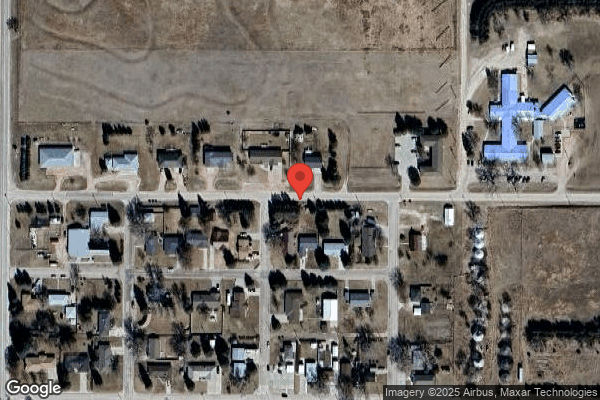
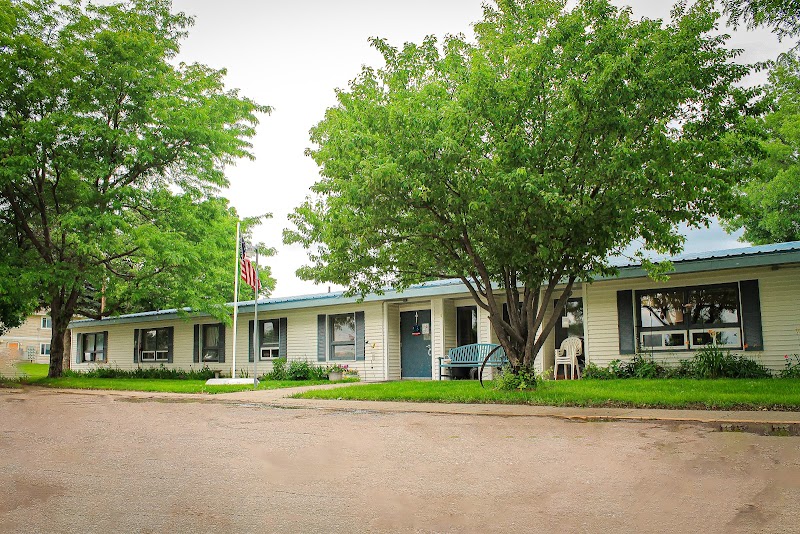
500 East 10th Street, Gordon, NE 69343 (308) 282-0806
Non profit - Corporation 40 Beds Independent Data: November 2025
Trust Grade
90/100
#17 of 177 in NE
Last Inspection: July 2024

Within standard 12-15 month inspection cycle. Federal law requires annual inspections.

Overview

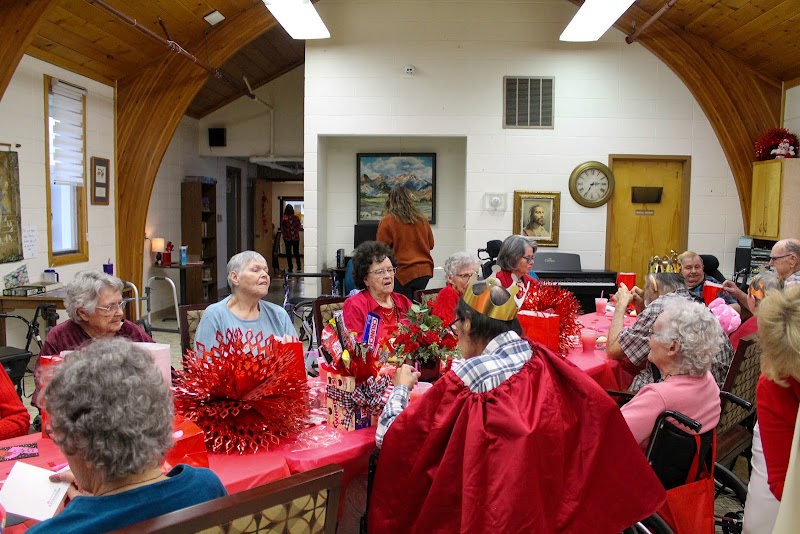
Gordon Countryside Care has earned an impressive Trust Grade of A, indicating it is highly recommended and excels in providing care. It ranks #17 out of 177 facilities in Nebraska, placing it in the top half, and #1 out of 3 in Sheridan County, meaning it is the best option locally. The facility is showing an improving trend, with issues decreasing from 5 in 2024 to just 1 in 2025. Staffing is a strength, boasting a 5-star rating and a turnover of 40%, which is lower than the state average. There have been no fines reported, and the facility enjoys greater RN coverage than 94% of Nebraska facilities, ensuring quality oversight. However, there are some concerns. Recent inspections highlighted issues such as improper food storage, with items being stored without clear expiration dates and cleaning agents not being kept away from food, raising potential contamination risks. Additionally, there were observations of kitchen practices that could lead to foodborne illnesses, which could affect all residents. While there are strengths in staffing and compliance with regulations, families should consider these weaknesses when researching this facility.
Trust Score
A
90/100
In Nebraska
#17/177
Top 9%
Safety Record
Low Risk
No red flags
Inspections
Getting Better
5 → 1 violations
Staff Stability
○ Average
40% turnover. Near Nebraska's 48% average. Typical for the industry.
Penalties
✓ Good
No fines on record. Clean compliance history, better than most Nebraska facilities.
Skilled Nurses
✓ Good
Each resident gets 60 minutes of Registered Nurse (RN) attention daily — more than 97% of Nebraska nursing homes. RNs are the most trained staff who catch health problems before they become serious.
Violations
○ Average
10 deficiencies on record. Average for a facility this size. Mostly minor or procedural issues.
★★★★★
5.0
Overall Rating
★★★★★
5.0
Staff Levels
★★★★★
5.0
Care Quality
★★★☆☆
3.0
Inspection Score
Stable
2024: 5 issues
2025: 1 issues

The Good

  • 5-Star Staffing Rating · Excellent nurse staffing levels
  • 5-Star Quality Measures · Strong clinical quality outcomes
  • Full Sprinkler Coverage · Fire safety systems throughout facility
  • No fines on record
  • Staff turnover below average (40%)

    8 points below Nebraska average of 48%

Facility shows strength in staffing levels, quality measures, fire safety.

The Bad

Staff Turnover: 40%

Near Nebraska avg (46%)

Typical for the industry

The Ugly 10 deficiencies on record

Jan 2025 1 deficiency
CONCERN (D) 📢 Someone Reported This

A family member, employee, or ombudsman was alarmed enough to file a formal complaint

Potential for Harm - no one hurt, but risky conditions existed

Notification of Changes (Tag F0580)

Could have caused harm · This affected 1 resident

B. A record review of an admission Record indicated the facility admitted Resident 2 on 9/8/2023. Under the Contacts section, an emergency contact of Resident 2's friend was listed with their emergen...

Read full inspector narrative →
B. A record review of an admission Record indicated the facility admitted Resident 2 on 9/8/2023. Under the Contacts section, an emergency contact of Resident 2's friend was listed with their emergency contact. A record review of Resident 2's Progress Notes with a date of 11/25/2024, written by Registered Nurse (RN-A) indicated that Resident 2 had fallen and was found to have audible wheezing and low oxygen levels, requiring the implementation of oxygen. The physician was notified and provided an order to transfer Resident 2 to the Emergency Department for possible respiratory failure. There was no evidence that Resident 2's emergency contact had been notified of Resident 2's change of condition. A telephone interview on 1/8/2025 at 1:15 PM with RN-A confirmed RN-A did not notify Resident 2's emergency contact of their change of condition and should have. Licensure Reference Number 175 NAC 12-006.04(F)(i)(5) Based on record review and interviews; the facility failed to notify the family or responsible party of a change in condition for 2 (Resident 1 and Resident 2) of 3 sampled residents. The facility identified a census of 30. The findings are: A record review of an undated policy titled Notification of Changes stated the facility will notify resident representative or responsible party regardless of competency level since the resident may not be able to notify them themselves. A. A record review of an admission Record indicated the facility admitted Resident 1 on 3/21/24. Under the Contacts section, the Emergency Contact section listed 2 people with their phone numbers. A record review of Resident 1's Progress Notes with a date of 10/16/24, written by Registered Nurse (RN-A) indicated that Resident 1 had no improvement to to their right lower extremity with a marked increase in redness and swelling. The physician was notified and provided an order to transfer Resident 1 to the hospital as a direct admit for intravenous (administered directly into vein) antibiotics. There was no evidence that Resident 1's emergency contact had been notified of Resident 1's change of condition A telephone interview on 1/8/2025 at 1:15 PM with RN-A confirmed RN-A did not notify Resident 1's emergency contact of their change of condition and should have.
Jul 2024 5 deficiencies
CONCERN (D)

Potential for Harm - no one hurt, but risky conditions existed

Accident Prevention (Tag F0689)

Could have caused harm · This affected 1 resident

Licensure Reference Number 175 NAC 12-006.09(I) Based on observations, record review, and interviews; the facility failed to ensure 1 (Resident 18) of 2 sampled residents' oxygen concentrator was turn...

Read full inspector narrative →
Licensure Reference Number 175 NAC 12-006.09(I) Based on observations, record review, and interviews; the facility failed to ensure 1 (Resident 18) of 2 sampled residents' oxygen concentrator was turned off when not in use and unattended. The facility census was 26. The Findings Are: A record review of facility policy Oxygen Administration with revision date of October 2010 revealed that the facility would instruct the resident, their family, visitors, and roommate (if any) of the oxygen safety precautions. The policy also stated that the facility would provide the resident with a written copy of the Oxygen Safety Handout. A record review of undated facility provided document Using Oxygen Safely, revealed instruction to Turn off your oxygen when you're not using it. A record review of Resident 18's Minimum Data Set (MDS), a federally mandated comprehensive assessment tool used for care planning, dated 7/2/2024, revealed that the resident had diagnoses of non-Alzheimer's dementia, pulmonary hypertension due to lung diseases and hypoxia (An absence of enough oxygen in the tissues to sustain bodily functions), and dependence on supplemental oxygen. A record review of Resident 18's physician's orders revealed an order for continuous oxygen therapy at 3 Liters Per Minute (LPM) via nasal cannula. An observation on 7/29/24 at 10:31 AM revealed Resident 18 was not in their room. Resident 18's oxygen concentrator was turned on and running at 3 LPM. An interview on 7/29/24 at 10:33 AM with Registered Nurse (RN)-E confirmed that Resident 18 was not in their room, they had been attending a facility activity since 10:00 AM, and that Resident 18's oxygen concentrator had been left turned on and unattended in the resident's room. An observation on 7/30/24 at 3:20 PM revealed Resident 18 was not in their room. Resident 18's oxygen concentrator was turned on and running at 3 LPM. An interview on 7/30/24 at 3:24 PM with the Director of Nursing (DON) confirmed that Resident 18 had been out of their room at a facility activity since 2:00 PM, and that Resident 18's oxygen concentrator had been left turned on and that the oxygen concentrator should have been turned off while the resident was out of their room.
CONCERN (D)

Potential for Harm - no one hurt, but risky conditions existed

Deficiency F0757 (Tag F0757)

Could have caused harm · This affected 1 resident

Based on record review and interview, the facility failed to ensure 1 (Resident 8) of 2 sampled residents was free from unnecessary medications related to a) the long-term use of an antibiotic medicat...

Read full inspector narrative →
Based on record review and interview, the facility failed to ensure 1 (Resident 8) of 2 sampled residents was free from unnecessary medications related to a) the long-term use of an antibiotic medication which did not specify a duration and b) the use of an antibiotic which had no supporting documentation for clinical use based on laboratory results. The facility census was 26. The Findings Are: A record review of facility policy Antibiotic Stewardship Program with revision date of 3/4/24 revealed that all prescriptions for antibiotics would specify the dose, duration, and indication for use. The policy also stated that the facility would monitor resident response to antibiotics, and laboratory results when available, to determine if the antibiotic was still indicated or adjustments should be made. A. A record review of Resident 8's facility admission orders dated 10/25/23, revealed Resident 8 was admitted to the facility with an order for nitrofurantoin (an antibiotic used to treat urinary tract infections (UTI)) 100 milligrams (MG) at bedtime for UTI prevention. A record review conducted on 7/30/24 of Resident 8's current physician's orders revealed an order for Nitrofurantoin 100 MG to be given on time a day for UTI prophylaxis. The order had a start date of 10/25/23 and did not have a stop date or an intended duration. A record review of Resident 8's scanned physician visit documents, revealed Resident 8 was seen by their physician on the following dates with no references made to the continued use, or duration for, Resident 8's Nitrofurantoin order: -12/20/2023 -1/17/2024 -3/29/2024 -5/21/2024 -7/17/2024 B. A record review of Resident 8's progress note dated 5/17/2024 revealed that Resident 8 was having increased confusion and a decreased appetite. The progress note also stated that a urinalysis (UA) had been obtained and sent to the lab, the resident's urine was amber cloudy, that the doctor was aware, and that the resident had denied pain with urination. A record review of a urinalysis collected for Resident 8 on 5/17/24 revealed a final culture result was received on 5/19/24 which showed there was 50,000-100,000 cfu/ml of Mixed Flora- More than 3 organisms isolated. The report also stated, please review specimen collection procedure and consider resubmitting if clinically indicated. Further record review of Resident 8's urinalysis collected on 5/17/24 revealed a handwritten note on the document stating to start the resident on cephalexin (an antibiotic medication used to treat infections) 500 MG three times a day (TID) for 7 days. The document did not have an antibiotic susceptibility report, which is normally included in a final culture report and details which antibiotics will work to eliminate the infection. A record review of Resident 8's physician's orders revealed an order for cephalexin 500 MG TID for 7 days for UTI with a start date of 5/17/24 and an end date of 5/24/24. The resident also continued to take their nitrofurantoin antibiotic during this time period. A record review of the website asap.nebraskamed.com revealed the Revised McGeer Criteria for Infection Surveillance Checklist which stated that for a voided urine sample, there was to be at least 100,000 cfu/ml of no more than two species of organisms when determining if a person had a urinary tract infection. The McGeer Criteria did not list confusion, decreased appetite, or cloudy urine as signs or symptoms of UTI. A record review of the website pubmed.ncbi.nlm.gov revealed in an article titled The significance of urine culture with mixed flora that urine cultures that contained more than one organism were usually considered contaminated. An interview on 7/31/24 at 8:35 AM with Registered Nurse (RN)-F revealed that RN-F had not specifically discussed Resident 8's antibiotic use with their primary provider in an effort to reduce the unnecessary use of antibiotics. RN-F confirmed that the facility utilized McGeer's Criteria when determining whether a resident had an infection.
CONCERN (D)

Potential for Harm - no one hurt, but risky conditions existed

Unnecessary Medications (Tag F0759)

Could have caused harm · This affected 1 resident

Licensure Reference 175 NAC 12-002.10 Based on observations, interviews, and record reviews; the facility failed to ensure medications were administered at the right time for 2 (Residents 1 and 15) of...

Read full inspector narrative →
Licensure Reference 175 NAC 12-002.10 Based on observations, interviews, and record reviews; the facility failed to ensure medications were administered at the right time for 2 (Residents 1 and 15) of 6 sampled residents and to ensure the medication error rate was less than 5%. The medication error rate was 5.4% (37 medications administered with 2 medication errors.) The facility census was 26. Findings are: A record review of a facility policy Administering Medications with a revision date of April 2019 indicated medications are to be administered within one hour of their prescribed time unless otherwise specified and the individual administering the medication is to check the label to verify the right time before administering the medication. A record review of Resident 15's Medication Administration Record with a date of July 2024 indicated an order for Basaglar insulin (a medication used to treat hyperglycemia) to be administered at 9:00 AM with no special instructions related to the administration time. An observation on 7/30/2024 at 7:29 AM revealed Registered Nurse (RN)-A administered the Basaglar insulin to Resident 15. An interview on 7/30/2024 at 7:32 AM with RN-A confirmed RN-A was aware of the administration time of 9:00 AM, but due to Resident 15 being up early, was going to override that. A record review of Resident 1's Medication Administration Record indicated an order for levothyroxine (a medication used to treat thyroid disorder). A record review of Resident 1's levothyroxine label revealed instructions that included to take on an empty stomach. An observation on 7/30/2024 at 8:07 AM revealed Resident 1 had been sitting in the dining room with a plate of food in front of them. Resident 1 had already consumed approximately 25% of the food that was on the plate. Medication Aide (MA) - B attempted to administer the levothyroxine to Resident 1 but was unsuccessful due to Resident 1's refusal. MA-B then asked the Director of Nursing (DON) to attempt to administer the medication to Resident 1. The DON was successful at getting Resident 1 to take the levothyroxine. An interview on 7/30/2024 at 11:35 AM with MA-B revealed MA-B did not notice the instructions that stated to give on an empty stomach for Resident 1's levothyroxine.
CONCERN (E)

Potential for Harm - no one hurt, but risky conditions existed

Infection Control (Tag F0880)

Could have caused harm · This affected multiple residents

Licensure Reference 175 NAC 12- 006.18(B) Based on observations, interview, and record review; the facility failed to disinfect multi-use equipment during medication administration for 3 (Residents 1,...

Read full inspector narrative →
Licensure Reference 175 NAC 12- 006.18(B) Based on observations, interview, and record review; the facility failed to disinfect multi-use equipment during medication administration for 3 (Residents 1, 16, and 23) of 3 sampled residents and implement infection control practices during wound to prevent the potential for cross-contamination for 1 (Resident 23) of 1 sampled resident. Findings are: A. A record review of a facility policy Cleaning of Patient Care Equipment with a last reviewed date of 7/20/2021 indicated patient care equipment should be cleaned after each use. A continuous observation on 7/30/2024 from 7:37 AM to 8:04 AM revealed Medication Aide (MA)-B had taken a pair of tweezers from the side of the medication cart from a graduated cylinder to pull a piece of plastic from Resident 23's medication cup, touching Resident 23's medication in the cup with the tweezers. MA-B did not disinfect the tweezer prior to use or after use. At 7:39 AM, MA-B had taken the pair of tweezers back out of the side of the medication cart to pull a piece of plastic from Resident 16's medication cup, touching Resident 16's medications in the cup with the tweezers. MA-B did not disinfect the tweezers prior to use or after use. At 8:04 AM MA-B had taken the pair of tweezers from the side of the medication cart to pull out Resident 1's pantoprazole from the medication cup, touching the other medications with the tweezers. MA-B did not disinfect the tweezer prior to use or after use. An interview on 7/30/2024 at 11:35 AM with MA-B confirmed the tweezers should be cleaned or sanitized after each use. B. A record review of the facility's undated policy Wound Care revealed instructions to place a barrier before starting, wash and dry hands thoroughly, and that a gown was only necessary if there was potential to soil the employee's skin. The policy did not include information on how long to wash hands for or that a gown was necessary for Enhanced Barrier Precautions during wound care. A record review of the Center for Disease Control (CDC)'s Implementation of Personal Protective Equipment Use in Nursing Homes to Prevent Spread of Multidrug-resistant Organisms (MDROs) with a date of 4/2/2024 indicated Enhanced Barrier Precautions, including donning a gown and gloves, should be implemented during all wound care or skin opening that requires a dressing. A record review of the CDC's Clean Hands with a date of February 16, 2024, indicated hands should be scrubbed with soap and water for at least 20 seconds. An observation on 7/31/2024 at 10:10 AM of Registered Nurse (RN)-A performing wound care for Resident 23 revealed the following: -Upon entrance, RN-A washed their hands for 15 seconds. -RN-A applied gloves, then removed keys from around their neck. -RN-A donned their gown, touching their hair with their own gloved hands. -RN-A touched the trashcan with their own gloved hands. -RN-A opened and reclosed Resident 23's drawer when obtaining additional supplies with their gloved hands. -RN-A removed their gloves, then washed their hands with soap and water for 13 seconds. An interview on 7/31/2024 at 11:00 AM with RN-A revealed RN-A was unaware of the amount of time required when washing hands with soap and water. The interview also confirmed RN-A contaminated their gloves during the wound care procedure.
CONCERN (F)

Potential for Harm - no one hurt, but risky conditions existed

Food Safety (Tag F0812)

Could have caused harm · This affected most or all residents

**NOTE- TERMS IN BRACKETS HAVE BEEN EDITED TO PROTECT CONFIDENTIALITY** Licensure Reference 175 NAC 12- 006.11(E) Based on observations, interviews, and record reviews; the facility failed to ensure f...

Read full inspector narrative →
**NOTE- TERMS IN BRACKETS HAVE BEEN EDITED TO PROTECT CONFIDENTIALITY** Licensure Reference 175 NAC 12- 006.11(E) Based on observations, interviews, and record reviews; the facility failed to ensure foods were disposed or consumed prior to best-by and use by dates, store foods at least six inches off the floor as required, and to implement hand hygiene practices as required to prevent the potential for cross contamination and foodborne illness. This had the potential to affect all 26 residents who resided within the facility. Findings are: A. A record review of a facility policy Food Storage with a last reviewed date of January 2021, indicated date marking should be visible on foods to indicate the date by which ready to eat foods should be consumed or discarded and that all foods will be consumed by their safe use by dates or discarded. An initial kitchen tour observation on 7/29/2024 at 9:50 AM revealed the following: -In the dry food storage area: -An opened bag of French-Fried Onions that had been opened, but no open date or use by date. -Five cans of Whole Oysters with best if used by dates of 5/31/2024. -One loaf of [NAME] Texas Toast with a best by date of 7/24/2024. -In the walk-in refrigerator: -A container of Deviled Egg Potato Salad with a use by date of 7/16/2024. -A container of Macaroni Salad with a use by date of 7/26/2024. -A jug of Fat Free Milk that was ¾ empty with a best by date of 7/23/2024. -A container of Original Strawberry Yoplait Yogurt with a best by date of 7/19/2024. -In the reach-in refrigerator: -A bottle of Strawberry Syrup with a best by date of 5/2024. An interview on 7/29/2024 at 10:05 AM with the Certified Dietary Manager (CDM) confirmed the items observed during the initial kitchen tour should have been dated with an open and use by date and consumed or disposed of by the use by or best by dates. B. A record review of a facility policy Food Storage with a last reviewed date of January 2021, indicated that food should be stored a minimum of six inches above the floor. An initial kitchen tour observation on 7/29/2024 at 9:50 AM revealed four cardboard boxes of food being stored on the floor of the freezer. An interview on 7/29/2024 at 10:05 AM with the CDM confirmed that all food should be stored at least six inches off the floor. C. A record review of a facility policy Standards, Review and Frequency LTC (Long Term Care) Nutrition Regulations Being Met with a last reviewed date of January 2021, revealed the following: - Employees must wash their hands - before coming in contact with any food surfaces, when switching between working with raw food and working with ready-to-eat food, after handling soiled equipment or utensils, during food preparation as necessary to remove soil and contamination and to prevent cross contamination when changing tasks, after engaging in other activities that contaminate hands. - Contact between food and bare (ungloved hands is prohibited). - Gloves are considered single-use items and must be discarded after completing the task for which they are used. The use of disposable gloves does not substitute for proper handwashing. - Further review of the policy revealed the policy did not include information regarding the length of time required to wash hands with soap and water or the procedure for handwashing to avoid contamination of items in the kitchen. A record review of the 2017 Nebraska Food Code, under section 2-301.12 indicated food employees shall clean their hands for at least 20 seconds. It also included procedures that stated to avoid re-contaminating hands, food employees shall use a disposable paper towels or similar clean barriers when touching surfaces such as manually operated faucet handles on a handwashing sink. A continuous observation on 7/30/2024 from 9:09 AM to 11:15 AM during meal preparation completed by the CDM revealed the following: -The CDM had thrown lettuce in the trashcan, touching the rim of the trash can with their hand, then touched the refrigerator door twice, then obtained clean supplies including a bowl, cutting board, and knife without first performing hand hygiene to prevent cross contamination. -The CDM turned on the water faucet with their soiled hands, washed their hands with soap and water for 20 seconds as required, then turned off the soiled faucet with their bare hand, and then applied gloves. -The CDM had applied gloves but then touched potentially soiled boxes of lettuce, contaminating their gloves, then touched the lettuce with their gloved hands and peeled the lettuce. -The CDM had removed their gloves then obtained a clean cutting board and scale without first performing hand hygiene as required. -The CDM turned on the water faucet with their soiled hands, washed their hands with soap and water for 20 seconds as required, then turned off the soiled faucet with their bare hand. The CDM then checked on a cake they were baking in the oven, inserted a toothpick into the cake using their bare hand and touched the cake with their bare contaminated hands. -The CDM applied clean gloves after they touched the cake without first performing hand hygiene. -The CDM then touched the food scale's power button with their gloved hand, then picked up a tomato to prepare for the salad. -The CDM then removed their gloves, turned on the potentially soiled water faucet, completed hand hygiene for 15 seconds, and then turned off the faucet with their clean hands, contaminating their hands. The CDM then applied clean gloves and began chopping a tomato to prepare for the salad. -The CDM removed their gloves, then began to wash their hands with soap and water for 15 seconds, the CDM then returned to chopping the tomatoes without. -After chopping the tomatoes, the CDM applied new gloves, sanitized the preparation table with a rag then removed their gloves. The CDM then opened a drawer and obtained a knife, vegetable peeler, and new cutting board without first performing hand hygiene. -The CDM then turned on the potentially soiled water faucet, washed their hands with soap and water for 15 seconds, shut off the faucet with their clean hands, contaminating their clean hands. The CDM then began to chop and peel a cucumber. -The CDM again turned on the potentially soiled water faucet, washed their hands for 15 seconds, shut off the faucet with their clean hands, contaminating their clean hands. The CDM then applied clean gloves and prepared pizza dough, pressing the dough into the pans. -The CDM then rolled the trashcan near the can opener, using a paper towel to touch the trashcan. However, the CDM's hand still did touch the trashcan. The CDM did not complete hand hygiene after touching the trashcan with their bare hand. The CDM then began to spread pizza sauce on top of the pizza dough with a spatula and had touched their two knuckles of their right hand into the pizza sauce as they spread the sauce onto the dough. -The CDM then turned on the potentially soiled water faucet, washed their hands with soap and water for 17 seconds, shut off the faucet with their clean hands, contaminating their clean hands. The CDM then obtained ground beef and put into a pan to fry. -The CDM then turned on the potentially soiled water faucet washed their hands with soap and water for 15 seconds, shut off the faucet with their clean hands, contaminating their clean hands. The CDM then began to chop an onion with their bare hands. An interview on 7/30/2024 at 10:25 AM with the CDM revealed that the CDM believed they only needed to glove their hands when food items were not going to be cooked, such as the salad. An interview on 7/30/2024 at 11:30 AM with the CDM confirmed hand hygiene should be completed in between tasks, when hands are dirty, immediately before and after gloves, and after contamination of their hands. The CDM confirmed hands are contaminated when touching meats, doors, drawers, and other dirty items. The interview also revealed the CDM believed hands should be washed for 15 seconds.
Jul 2023 2 deficiencies
CONCERN (D)

Potential for Harm - no one hurt, but risky conditions existed

Dental Services (Tag F0791)

Could have caused harm · This affected 1 resident

**NOTE- TERMS IN BRACKETS HAVE BEEN EDITED TO PROTECT CONFIDENTIALITY** Licensure Reference Number 175 NAC 12.006.14 Based on record review, observations, and interviews, the facility staff failed to...

Read full inspector narrative →
**NOTE- TERMS IN BRACKETS HAVE BEEN EDITED TO PROTECT CONFIDENTIALITY** Licensure Reference Number 175 NAC 12.006.14 Based on record review, observations, and interviews, the facility staff failed to ensure 1(Resident 2) of 3 sampled residents received routine dental services. The facility staff identified a census of 25 residents at the time of the survey. Findings are: An interview with Resident 2 on 7/19/2023 at 2:42 PM revealed Resident 2 was concerned about their teeth. Resident 2 explained the facility staff had transported them to a dentist who Just broke my teeth instead of pulling them. Resident 2's teeth were sore, and they were concerned about an infection. Resident 2 said they can barely eat as they cannot chew. Resident 2 had reported their concerns to Social Services Coordinator (SSC)-A who arranges appointments, however, Resident 2 did not have a scheduled dental appointment. Resident 2 indicated Resident 2 was told there was nothing they (the facility) could do. An observation of Resident 2's mouth on 7/19/2023 at 2:42 PM revealed the bottom front to the bottom right side of their jaw had teeth that were flat to the gum line and appeared to have been shaven/filed down as they were perfectly flat on the top. All the flattened teeth were brown, black, and cream-colored. Record review of Resident 2's Minimum Data Set (MDS-a comprehensive assessment tool used to develop a resident's care plan) dated 5/29/2023 revealed they had a Brief Interview for Mental Status (BIMS-a tool used to assess cognitive function) score of 14. According to the MDS [NAME] a score of 13 to 15 indicates a person is cognitively intact. An interview with the Director of Nursing (DON) on 7/25/2023 at 4:17 PM revealed the facility had taken Resident 2 to a dentist a while back. The DON was aware Resident 2's teeth were shaved down and flush with their gum line and said the dentist had thought it would not be reasonable to pull all of Resident 2's teeth that needed to be pulled due to their age. However, the dentist did extract two of the Resident's teeth at that time. The dentist had said Resident 2's teeth had a lot of decay. The DON revealed they had not checked with another dentist to get an appointment scheduled for Resident 2. Record review of the facility's, Clinic Referral (for visits to doctor or hospital outpatient) with a date of 8/31/2022 revealed Resident 2 had been seen by the dentist for a follow-up visit. The dentist had removed three necrotic teeth (numbers 8, 9, and 10) during the appointment. Resident 2 had seen the dentist for a follow-up appointment on 10/6/2022 and they had completed the removal of two grossly decayed and chronically infected teeth (numbers 5 and 6). A record review of Resident 2's Progress Notes (PN) with a date of 7/20/2023 and a time of 4:38 PM, revealed that SSC-A had visited the resident who had asked SSC-A if it were true that there was only one dentist they could go to. SSC-A had told Resident 2 there was only one dentist in their area who accepted NE Medicaid. Resident 2 explained they did not like that dentist because Resident 2 thought they had broken their teeth off. SSC-A explained Resident 2's teeth had broken off due to their age, hygiene, and diet. Resident 2 had requested to see a different dentist during their conversation. An interview with the Administrator on 7/25/2023 at 11:00 AM confirmed Resident 2 and their POA had concerns about dental services and potential related to Resident 2's teeth. The Administrator revealed Resident 2 had not been to a dentist since August 2022. An Observation of Resident 2's teeth on 7/25/2023 at 11:00 A.M. with the Administrator and MDS revealed the same findings as the observation on 7/19/2023 at 2:42 PM. Resident 2 had verbalized they were concerned about an infection in their teeth and wanted them taken care of. A record review of the facility's Dental Services policy with a date of 1/7/2023 revealed the facility assists residents in obtaining routine (to the extent covered under the state plan) and emergency dental care. Under Policy Explanation and Compliance Guidelines, number 1 b. Oral care shall be provided in accordance with identified needs and as specified in the plan of care. 3. The Social Services Director maintains contact information for providers of dental services that are available to facility residents at a nominal cost. 4. The facility will, if necessary or requested, assist the resident with making dental appointments and arranging transportation to and from the dental services location. 9. All actions and information regarding dental services, including any delays related to obtaining dental services, will be documented in the resident's medical record.
CONCERN (F)

Potential for Harm - no one hurt, but risky conditions existed

Food Safety (Tag F0812)

Could have caused harm · This affected most or all residents

LICENSURE REFERENCE NUMBER 175 NAC 12-006.11E Based on observations, interviews, and record reviews, the facility staff failed to ensure cleaning agents were not next to food, failed to ensure high r...

Read full inspector narrative →
LICENSURE REFERENCE NUMBER 175 NAC 12-006.11E Based on observations, interviews, and record reviews, the facility staff failed to ensure cleaning agents were not next to food, failed to ensure high risk food preparation splashing did not contaminate clean dishes and equipment to prevent the potential food contamination. This had the potential to affect all 25 residents who resided at the facility. The facility identified a census of 25 residents at the time of the survey. Findings are: An initial tour of the kitchen on 7/19/2023 at 1:25 PM revealed the handwashing sink was on the middle island countertop where the dietary staff prep the food and there were three trays filled with clean cups that were on the counter, directly behind the faucet of the handwashing sink. There were clean dishes pitchers, cups and pan sitting on the counter directly to the left of the handwashing sink as well. There was no guard in-between the clean dishes and the handwashing sink. An observation of lunch meal preparation on 7/25/2023 at 9:26 AM revealed Cook-B preparing BBQ chicken, au gratin potatoes, and baked beans. The following observations were made: -There were two small buckets filled with liquid sitting on the island counter, next to the vegetable sink, and right next to where food was being prepped. -There were clean dishes that were placed on the island counter to dry right after coming out of the dishwasher that was sitting right next to where food was being prepped and next to the handwashing sink. There was no barrier between the handwashing sink and the clean dishes, or the food being prepared and the clean dishes. -There was a toaster and package of bread on the island counter next to the clean dishes and where the food was being prepped. -The island counter was cluttered which made little room for food preparation. -At 9:42 AM, Cook-B had begun to cut bones out of pieces of chicken and had removed the skin. The bags of chicken were sitting on a baking sheet that was filled with blood and was sitting next to clean dishes, a toaster, and a loaf of bread that was sitting on the island. Cook-B had placed pieces of chicken on two other baking sheets that were sitting on the island counter and were resting against the two buckets that were filled with soapy water and sanitizing water, in addition, a box of gloves sitting next to the buckets and pans of chicken. -At 10:20 AM, the two filled buckets of sanitizing and soapy water had not been moved and the pans remained sitting up against them while Cook-B covered the pieces of chicken with BBQ sauce. -At 10:31 am Dietary Aide (DA)-D used the handwashing sink to fill a pitcher with water and used it to fill the resident's cups that were being prepared for lunch. -At 11:31 AM Cook-B was trying to open a large plastic pan liner and it was touching the front of their clothing. When Cook-B had placed the plastic liner in the pan, their clothing was touching the inside of the liner. -Both cleaning buckets were on the food prepping counter/island next to the vegetable sink throughout the lunch meal preparation. In an interview, on 7-25-2023 11:31 AM with Cook-B revealed the buckets sitting on the food prepping counter, next to the vegetable sink were filled with soapy water and sanitizing water. Cook-B confirmed the two cleaning buckets normally sit on the island counter where they prepare food. Cook-B also confirmed the pans of chicken were sitting against the buckets filled with soapy and sanitizing water as well as, near the clean dishes that sat on the counter to dry. A tour of the kitchen on 7/25/23 at 10:45 AM with the Dietary Supervisor (DS) confirmed the same findings as the initial tour that was conducted on 7/19/23 at 1:25 PM except for the three trays of clean drink cups had been moved away from the handwashing sink. DS revealed the dietary staff were not supposed to use the handwashing sink to fill pitchers with water and then pour it into residents' cups.
Jun 2022 2 deficiencies
CONCERN (D)

Potential for Harm - no one hurt, but risky conditions existed

Deficiency F0761 (Tag F0761)

Could have caused harm · This affected 1 resident

**NOTE- TERMS IN BRACKETS HAVE BEEN EDITED TO PROTECT CONFIDENTIALITY** Based on observation, record review, and interview; the facility failed to ensure 1) a prescription label matched a current phys...

Read full inspector narrative →
**NOTE- TERMS IN BRACKETS HAVE BEEN EDITED TO PROTECT CONFIDENTIALITY** Based on observation, record review, and interview; the facility failed to ensure 1) a prescription label matched a current physicians order for one of four sampled residents (Resident 24) to reduce the risk of a potential medication error and 2) ensure a medication cart was not left unlocked while unattended. The facility identified a census of 26 at the time of survey. Findings are: License Reference Number 175 NAC 12-006.12E7 A. Observation of medication administration on 6/7/2022 at 09:15 AM, revealed the label on Resident 24's Levemir Flex Touch Insulin pen (used to treat high blood sugar) did not match the current physician's order on the Medication Administration Record (MAR). The medication order on the MAR read: administer 25 units of Levemir subcutaneously in the morning and the label on Resident 24's Levemir Flex touch insulin pen read: administer 24 units of Levemir subcutaneously twice a day. Interview with RN-A (Registered Nurse) on 6/7/2022 at 09:23 AM, revealed the facility protocol is to call the pharmacy if there is a discrepancy between the label on a medication and the active order, so a new label can be received and placed on the medication. RN-A confirmed the medication label on Resident 24's Levemir insulin pen did not match the order on the MAR. RN-A stated, I know the order is right. RN-A did not call the pharmacy at that time with the discrepancy and proceeded with administering 25 units of Levemir to Resident 24. Record review of Resident 24's MAR revealed Resident 24 is supposed to take 25 units of Levemir subcutaneously in the morning and 24 units of Levemir subcutaneously in the evening. Review of the facility policy, Administering Medications dated 4/2019, stated that the individual administering medication is to check the label three times to verify the right resident, right medication, right dose, right time, and right method (route) of administration before giving the medication. Further review of the facility policy, Labeling of medication containers stated that any medication packaging or containers that are inadequately or improperly labeled are to be returned to the issuing pharmacy. License Reference Number 175 NAC 12-006.12E1 B. Observation of RN-A administering medications on 6/7/2022 at 09:15 AM revealed RN-A passing medications to a resident and had left the medication cart unlocked and unattended. The medication cart was left parked across from the nurse's station as RN-A walked down the hallway to Resident 24's room (room [ROOM NUMBER]). RN-A entered Resident 24's room and the medication cart was not within the nurse's line of vison. Interview with RN-A on 6/7/2022 at 09:26 AM, confirmed the medication cart was left unlocked, unattended, and not within the RN-A's line of sight. Review of the facility policy, Administering Medications dated 4/2019, stated that during administration of medications, the medication cart is kept closed and locked when out of sight of the medication nurse or aide. The medication cart must be clearly visible to personnel administering medications, and all outward sides must be inaccessible to residents or others passing by. Further review of the policy under the section titled, Security of Medication Cart revealed the nurse must secure the medication cart during the medication pass to prevent unauthorized entry.
CONCERN (F)

Potential for Harm - no one hurt, but risky conditions existed

Food Safety (Tag F0812)

Could have caused harm · This affected most or all residents

LICENSURE REFERENCE NUMBER 175 NAC 12-006.11E Based on observations, interviews, and record review; the facility kitchen failed to ensure food items stored in two of the refrigerators had open dates ...

Read full inspector narrative →
LICENSURE REFERENCE NUMBER 175 NAC 12-006.11E Based on observations, interviews, and record review; the facility kitchen failed to ensure food items stored in two of the refrigerators had open dates and labels. The facility had a census of 26 residents and the sample size was 12. Findings are: An observation on 06/06/22 at 04:00 PM during the initial tour of the facility kitchen revealed that several food and liquid items were open in the walk-in refrigerator without being labeled with an open date. An observation on 06/07/22 at 09:45 AM with the Dietary Service Manager (DSM) revealed that several food and liquid items were opened in the walk-in refrigerator without a label of an open date. An interview on 06/07/22 at 09:50 AM with DSM confirmed that several food and drink items were not dated upon opening. On 06/08/2022 a review of the facility Policy dated 07/07/09 for Perishable Food Storage revealed that; All foods are to be dated and properly labeled. Review of the 07/21/2016 version of the Food Code, based on the United States Food and Drug Administration Food Code and used as an authoritative reference for the food service sanitation practices, revealed the following: Packaged food shall be labeled as specified by law.
Understanding Severity Codes (click to expand)
Life-Threatening (Immediate Jeopardy)
J - Isolated K - Pattern L - Widespread
Actual Harm
G - Isolated H - Pattern I - Widespread
Potential for Harm
D - Isolated E - Pattern F - Widespread
No Harm (Minor)
A - Isolated B - Pattern C - Widespread

Questions to Ask on Your Visit

  • "Can I speak with families of current residents?"
  • "What's your RN coverage like on weekends and overnight?"

Our Honest Assessment

Strengths
  • • Grade A (90/100). Above average facility, better than most options in Nebraska.
  • • No major safety red flags. No abuse findings, life-threatening violations, or SFF status.
  • • No fines on record. Clean compliance history, better than most Nebraska facilities.
  • • 40% turnover. Below Nebraska's 48% average. Good staff retention means consistent care.
Concerns
  • • No significant concerns identified. This facility shows no red flags across CMS ratings, staff turnover, or federal penalties.
Bottom line: Generally positive indicators. Standard due diligence and a personal visit recommended.

About This Facility

What is Gordon Countryside Care's CMS Rating?

CMS assigns Gordon Countryside Care an overall rating of 5 out of 5 stars, which is considered much above average nationally. Within Nebraska, this rating places the facility higher than 99% of the state's 100 nursing homes. This rating reflects solid performance across the metrics CMS uses to evaluate nursing home quality.
How is Gordon Countryside Care Staffed?
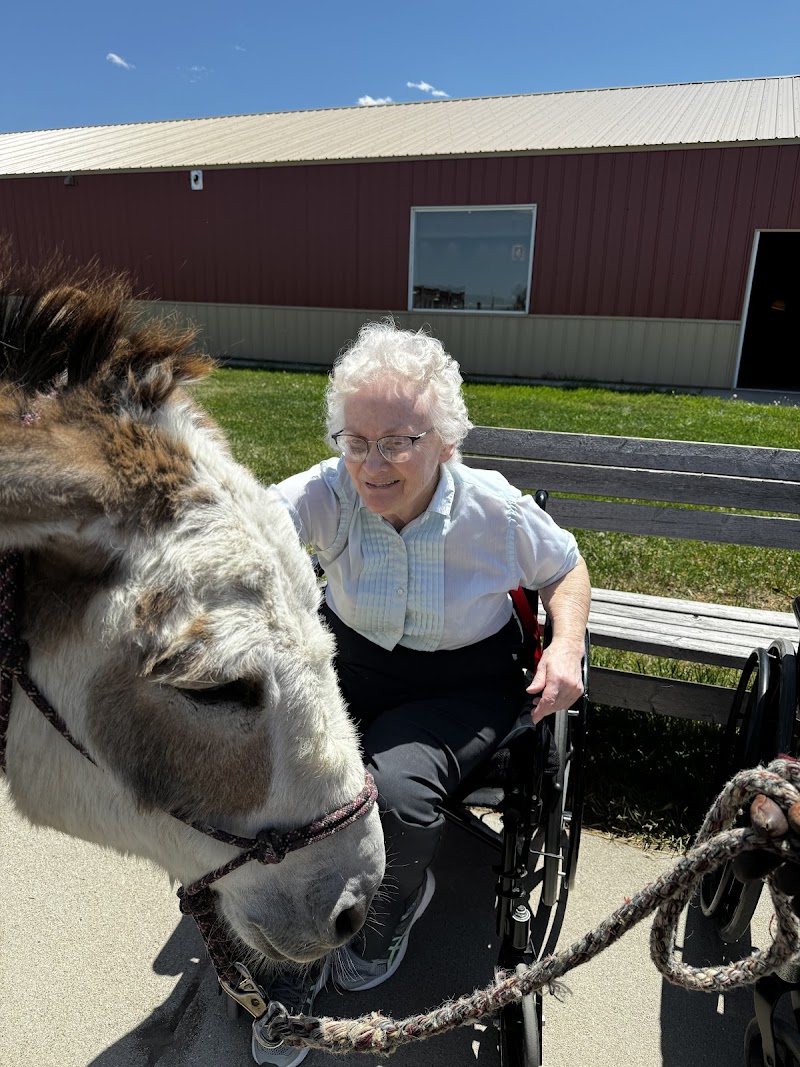
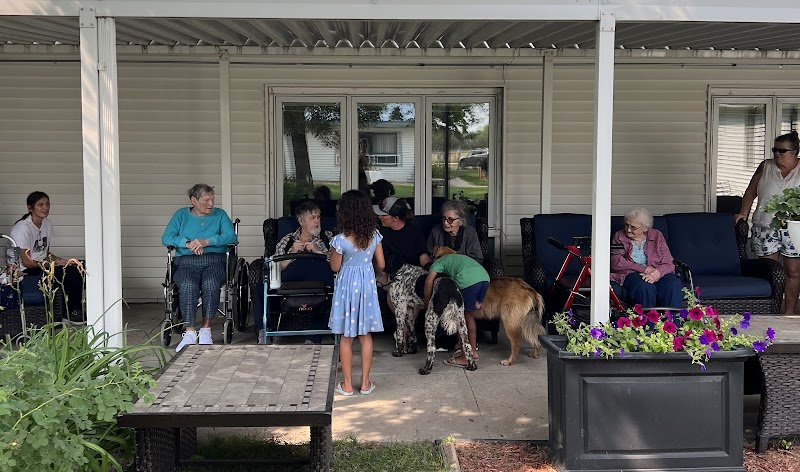
CMS rates Gordon Countryside Care's staffing level at 5 out of 5 stars, which is much above average compared to other nursing homes. Staff turnover is 40%, compared to the Nebraska average of 46%. This relatively stable workforce can support continuity of care.

What Have Inspectors Found at Gordon Countryside Care?

State health inspectors documented 10 deficiencies at Gordon Countryside Care during 2022 to 2025. These included: 10 with potential for harm.

Who Owns and Operates Gordon Countryside Care?

Gordon Countryside Care is owned by a non-profit organization. Non-profit facilities reinvest revenue into operations rather than distributing to shareholders. The facility operates independently rather than as part of a larger chain. With 40 certified beds and approximately 32 residents (about 80% occupancy), it is a smaller facility located in Gordon, Nebraska.

How Does Gordon Countryside Care Compare to Other Nebraska Nursing Homes?

Compared to the 100 nursing homes in Nebraska, Gordon Countryside Care's overall rating (5 stars) is above the state average of 2.9, staff turnover (40%) is near the state average of 46%, and health inspection rating (3 stars) is at the national benchmark.

What Should Families Ask When Visiting Gordon Countryside Care?

Based on this facility's data, families visiting should ask: "Can I visit during a mealtime to observe dining assistance and food quality?" "How do you handle medical emergencies, and what is your hospital transfer rate?" "Can I speak with family members of current residents about their experience?"

Is Gordon Countryside Care Safe?

Based on CMS inspection data, Gordon Countryside Care has a clean safety record: no substantiated abuse findings (meaning no confirmed cases of resident harm), no Immediate Jeopardy citations (the most serious violation level indicating risk of serious injury or death), and is not on the Special Focus Facility watch list (a federal program monitoring the lowest-performing 1% of nursing homes). The facility has a 5-star overall rating and ranks #1 of 100 nursing homes in Nebraska. While no facility is perfect, families should still ask about staff-to-resident ratios and recent inspection results during their visit.

Do Nurses at Gordon Countryside Care Stick Around?

Gordon Countryside Care has a staff turnover rate of 40%, which is about average for Nebraska nursing homes (state average: 46%). Moderate turnover is common in nursing homes, but families should still ask about staff tenure and how the facility maintains care continuity when employees leave.

Was Gordon Countryside Care Ever Fined?

Gordon Countryside Care has no federal fines on record. CMS issues fines when nursing homes fail to meet care standards or don't correct problems found during inspections. The absence of fines suggests the facility has either maintained compliance or corrected any issues before penalties were assessed. This is a positive indicator, though families should still review recent inspection reports for the full picture.

Is Gordon Countryside Care on Any Federal Watch List?

Gordon Countryside Care is not on any federal watch list. The most significant is the Special Focus Facility (SFF) program, which identifies the bottom 1% of nursing homes nationally based on persistent, serious quality problems. Not being on this list means the facility has avoided the pattern of deficiencies that triggers enhanced federal oversight. This is a positive indicator, though families should still review the facility's inspection history directly.