Hemingford Care Center
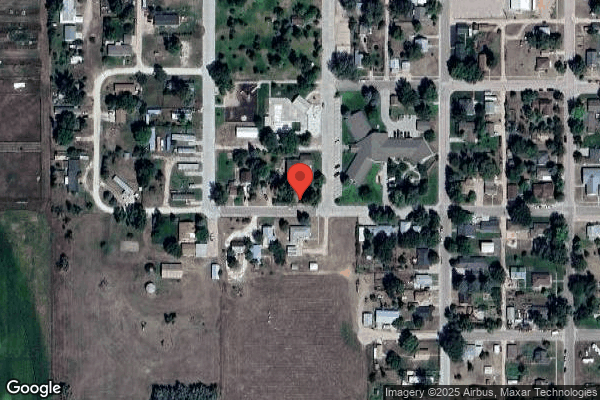

605 Donald Avenue, Hemingford, NE 69348 (308) 487-3301
For profit - Corporation 39 Beds Independent Data: November 2025
Trust Grade
45/100
#115 of 177 in NE
Last Inspection: December 2024

Within standard 12-15 month inspection cycle. Federal law requires annual inspections.

Overview

Hemingford Care Center has received a Trust Grade of D, indicating below-average quality and some significant concerns. They rank #115 out of 177 nursing homes in Nebraska, placing them in the bottom half of facilities in the state, and #2 out of 2 in Box Butte County, meaning there is only one local option that is better. Unfortunately, the facility is worsening, with issues increasing from 11 in 2023 to 20 in 2024. While staffing is a strength, rated 4 out of 5 stars with a turnover rate of 61%-higher than the state average-there are still areas of concern. Notably, they have failed to employ a full-time Registered Dietitian and have serious food safety issues, including improperly stored food that could lead to illness. Additionally, there were lapses in hand hygiene and laundry handling that pose infection risks for residents. Overall, families should weigh these strengths and weaknesses carefully when considering this facility for their loved ones.

Trust Score
D
45/100
In Nebraska
#115/177
Bottom 36%
Safety Record
Low Risk
No red flags
Inspections
Getting Worse
11 → 20 violations
Staff Stability
⚠ Watch
61% turnover. Above average. Higher turnover means staff may not know residents' routines.
Penalties
✓ Good
No fines on record. Clean compliance history, better than most Nebraska facilities.
Skilled Nurses
✓ Good
Each resident gets 52 minutes of Registered Nurse (RN) attention daily — more than average for Nebraska. RNs are trained to catch health problems early.
Violations
⚠ Watch
31 deficiencies on record. Higher than average. Multiple issues found across inspections.
★★☆☆☆
2.0
Overall Rating
★★★★☆
4.0
Staff Levels
★★★★★
5.0
Care Quality
★☆☆☆☆
1.0
Inspection Score
Stable
2023: 11 issues
2024: 20 issues

The Good

  • 4-Star Staffing Rating · Above-average nurse staffing levels
  • 5-Star Quality Measures · Strong clinical quality outcomes
  • Full Sprinkler Coverage · Fire safety systems throughout facility
  • No fines on record

Facility shows strength in staffing levels, quality measures, fire safety.

The Bad

2-Star Overall Rating

Below Nebraska average (2.9)

Below average - review inspection findings carefully

Staff Turnover: 61%

15pts above Nebraska avg (46%)

Frequent staff changes - ask about care continuity

Staff turnover is elevated (61%)

13 points above Nebraska average of 48%

The Ugly 31 deficiencies on record

Dec 2024 13 deficiencies
CONCERN (D) 📢 Someone Reported This

A family member, employee, or ombudsman was alarmed enough to file a formal complaint

Potential for Harm - no one hurt, but risky conditions existed

Report Alleged Abuse (Tag F0609)

Could have caused harm · This affected 1 resident

License Reference Number 175 NAC 12-006.02(H) Based on interviews and record review, the facility failed to report alleged misappropriation of resident property to a state agency within 24 hours and s...

Read full inspector narrative →
License Reference Number 175 NAC 12-006.02(H) Based on interviews and record review, the facility failed to report alleged misappropriation of resident property to a state agency within 24 hours and submit an investigation within 5 working days of the incident as required for 1(Resident 12) of 1 sampled resident. The facility identified a census of 27. Findings are: Record review of a facility policy, Abuse, Neglect, Exploitation or Misappropriation - Reporting and Investigating, last revised September 2022, revealed if misappropriation of resident property is suspected, the suspicion must be reported immediately to the administrator and to other officials according to state law. The policy also indicated that immediately was defined as within 24 hours of an allegation that does not involve abuse or result in serious bodily injury. Record review of an undated facility document titled, Investigation report, Misappropriation, revealed the following: -On 8/7/24 at 10:30AM, the dialysis center called the facility to report that (Resident 12) had alleged that someone stole 4 million dollars from them. -The notification to the administrator/director of nursing was at 8/7/24 at 10:30AM. -Adult Protective Services (APS) was notified on 8/13/24 at 2:12 PM by the facility. -The facility submitted an investigation report to the state agency on 8/19/2024. An interview on 12/5/24 at 10:32 AM with the Director of Nursing (DON) confirmed that the dialysis facility notified the nursing home that Resident 12 alleged that someone had stolen 4 million dollars. The interview also confirmed the allegation was reported to the state agency on 8/13/24. An interview on 12/05/24 at 10:35 AM with the Nursing Home Administrator (NHA) confirmed they did not notify the State Agency within 24 hours or submit an investigation within 5 working days as required.
CONCERN (D)

Potential for Harm - no one hurt, but risky conditions existed

Assessment Accuracy (Tag F0641)

Could have caused harm · This affected 1 resident

Licensure Reference 175 NAC 12-006.09(D) Based on record reviews and an interview, the facility failed to accurately code active diagnoses, medication use, and Gradual Dose Reduction (GDR) information...

Read full inspector narrative →
Licensure Reference 175 NAC 12-006.09(D) Based on record reviews and an interview, the facility failed to accurately code active diagnoses, medication use, and Gradual Dose Reduction (GDR) information on the Minimum Data Sets (MDS, a standardized assessment tool that measures health status in nursing home residents) for 2 (Resident 9 and 17) of 3 sampled residents. The facility identified a census of 27. Findings are: A record review of the Long-Term Care Facility Resident Assessment Instrument 3.0 User's Manual with a date of October 2023 revealed the following: -Code medications for anticoagulants if a resident is taking warfarin, heparin, or low-molecular weight heparin. -Code medications for antiplatelet use if a resident is taking clopidogrel or dipyridamole. -If a GDR has been determined clinically contraindicated, enter the date. -Code active diagnoses if that disease has a direct relationship to resident's current functional, cognitive, mood or behavior status, medical treatments, nursing monitoring, or risk of death. A. A record review of Resident 9's annual MDS with a date of 11/5/2024 indicated Resident 9 was taking an anticoagulant. It also indicated the physician had not documented a GDR as clinically contraindicated. A record review of Resident 9's Order Summary as of 12/5/2024 indicated Resident 9 was taking clopidogrel (an antiplatelet medication) 75 milligrams (mg) daily with a start date of 7/5/2022 and was not taking an anticoagulant. Resident 9 was also taking Zyprexa (an antipsychotic medication) 2.5 mg twice a day. A record review of Resident 9's Medication Risk Benefit Evaluation with a date of 10/31/2024 indicated a GDR of Resident 9's Zyprexa was contraindicated. B. A record review of Resident 17's quarterly MDS with a date of 9/10/2024 indicated under active diagnoses that Resident 17 had septicemia (an infection in the bloodstream). A record review of Resident 17's records revealed no indications of ongoing septicemia since before Resident 17 was admitted . An interview on 12/5/2024 at 11:20 AM with the MDS - Registered Nurse (RN) confirmed Resident 9 had not been taking an anticoagulant and the MDS should have been coded as Resident 9 taking an antiplatelet. The interview also confirmed Resident 9's clinically contraindicated GDR should have been documented on the MDS. Additionally, the interview confirmed Resident 17 no longer had an active diagnosis of septicemia and it should not have been coded on the MDS.
CONCERN (D)

Potential for Harm - no one hurt, but risky conditions existed

Deficiency F0661 (Tag F0661)

Could have caused harm · This affected 1 resident

Licensure Reference 175 NAC 12- 006.09(G)(i) Based on record reviews and interview, the facility failed to develop and provide a discharge summary that included a recapitulation (a brief review or sum...

Read full inspector narrative →
Licensure Reference 175 NAC 12- 006.09(G)(i) Based on record reviews and interview, the facility failed to develop and provide a discharge summary that included a recapitulation (a brief review or summary) of stay for 1 (Resident 79) of 1 sampled resident. The facility identified a census of 27. Findings are: A record review of a facility policy, Discharge Summary and Plan with a revision date of October 2022 revealed the following: - 1. The discharge summary includes a recapitulation of the resident's stay at the facility and a final summary of the resident's status at the time of the discharge. - 12. A copy of the following is provided to the resident and will be filed in the resident's medical record: an evaluation of the resident's discharge needs, the post discharge plan, and the discharge summary. A record review of an admission Record revealed Resident 79 was discharged from the facility on 10/7/2024. A record review of a Discharger Planning Review v1.1 with a date of 10/7/2024 revealed section Recap of the resident's stay was left blank. An interview on 12/4/2024 at 12:00 PM with the Director of Nursing (DON) confirmed a recapitulation of stay was not completed or provided to the resident.
CONCERN (D)

Potential for Harm - no one hurt, but risky conditions existed

Deficiency F0757 (Tag F0757)

Could have caused harm · This affected 1 resident

Licensure Reference 175 NAC 12-006.09(H) Based on record reviews and interview, the facility failed to ensure two prophylactic antibiotics had stop dates and had indications for use for 1 (Resident 2)...

Read full inspector narrative →
Licensure Reference 175 NAC 12-006.09(H) Based on record reviews and interview, the facility failed to ensure two prophylactic antibiotics had stop dates and had indications for use for 1 (Resident 2) of 1 sampled resident. The facility identified a census of 27. Findings are: A record review of an undated policy Antibiotic Stewardship - Order for Antibiotics indicated if an antibiotic is indicated, prescribers will provide complete antibiotic orders including the drug name, dose, frequency, duration of treatment (start and stop date or number of days of therapy), route and indication. A record review of Resident 2's Order Summary with an active order date of 12/5/2024 revealed orders for Macrobid (an antibiotic), with directions to give one capsule by mouth in the morning for prophylactic with a start date of 11/14/2024 and did not have a stop date or duration. It also revealed an order for bacitracin-polymyxin ophthalmic ointment, an antibiotic for the eye, with directions to instill one ribbon in the right eye at bedtime for supplement with a start date of 4/13/2024 and did not have a stop date or duration. An interview on 12/5/2024 at 9:20 AM with the Director of Nursing (DON) confirmed Resident 2's antibiotic orders did not have stop dates or durations, and the antibiotic eye drops did not have a valid indication for use.
CONCERN (D)

Potential for Harm - no one hurt, but risky conditions existed

Deficiency F0804 (Tag F0804)

Could have caused harm · This affected 1 resident

License Reference Number 175 NAC 12-006.11(D) Based on observations, record review, and interviews, the facility failed to maintain the nutritive value of pureed food. This had the potential to affec...

Read full inspector narrative →
License Reference Number 175 NAC 12-006.11(D) Based on observations, record review, and interviews, the facility failed to maintain the nutritive value of pureed food. This had the potential to affect 2 residents (Residents 5 and 15). The facility identified a census of 27. Findings are: An observation of meal service on 12/3/24 at 11:46 AM revealed the following: -Cook-A measured three foods into three separate blender containers: (a) chicken and dumplings, (b) boiled seasoned peas, and (c) cornbread. -The foods were blended by Cook-A with an electric blender attachment. -Cook-A added unmeasured hot water from a coffee carafe to each container, then re-blended to achieve a pureed consistency for the chicken and the peas, and a slurry for the cornbread. -The three blended foods were each distributed to two separate plates, and a serving of cooked canned sweet potatoes was also put on each plate. A record review of the undated facility recipe, Chicken and Dumplings, revealed no guidance for mechanical soft or pureed diet modifications. No recipe was available for the peas or cornbread. An interview on 12/3/24 at 11:46 AM with Cook-A revealed that the pureed food was prepared for and served to Resident 5 and Resident 15. An interview on 12/03/24 at 12:03 PM with the Kitchen Supervisor revealed they were not aware that adding water to food would decrease the nutritive value. An interview on 12/04/24 at 1:30 PM with the Administrator confirmed there was not an existing facility policy for preparing mechanical soft, pureed, or other mechanically altered texture foods for residents.
CONCERN (D)

Potential for Harm - no one hurt, but risky conditions existed

Deficiency F0805 (Tag F0805)

Could have caused harm · This affected 1 resident

**NOTE- TERMS IN BRACKETS HAVE BEEN EDITED TO PROTECT CONFIDENTIALITY** Licensure Reference Number 175 NAC 12-006.11(A)(iv) Based on observation, interview, and record review, the facility failed to s...

Read full inspector narrative →
**NOTE- TERMS IN BRACKETS HAVE BEEN EDITED TO PROTECT CONFIDENTIALITY** Licensure Reference Number 175 NAC 12-006.11(A)(iv) Based on observation, interview, and record review, the facility failed to serve food in the texture ordered by the medical provider for two affected residents (Residents 5 and 15). The facility identified a census of 27. Findings are: A record review of active physician's orders for Resident 5 revealed an order for, regular diet, mechanical soft texture, thin consistency liquids, ordered on 7/30/2024. A record review of active physician's orders for Resident 15 revealed an order for, liberalized diet, mechanical soft texture, regular consistency liquids, ordered on 9/23/2024. An observation of meal service on 12/3/24 at 11:46 AM revealed the following: -Cook-A measured three foods into three separate blender containers: (a) chicken and dumplings, (b) boiled seasoned peas, and (c) cornbread. -The foods were blended by Cook-A with an electric blender attachment. -Cook-A added unmeasured hot water from a coffee carafe to each blender container to achieve a pureed consistency for the chicken and the peas, and a slurry for the cornbread. -The three blended foods were each put on two separate plates. An interview with the Cook-A on 12/3/24 at 11:46 AM confirmed that the pureed food was prepared for and served to Resident 5 and Resident 15, and that those residents had a mechanical soft diet order. Record review of an undated facility document titled, Extensions: Week 2, Day 4, revealed that chicken and dumplings should be served as a ground texture to residents on a mechanical soft diet. Record review of an undated facility document titled, Extensions: Week 1, Day 3, revealed that peas should be served as a pureed texture to residents on a mechanical soft diet. Record review of an undated facility document titled, Extensions: Week 2, Day 3, revealed that cornbread should be served as a slurry texture to residents on a mechanical soft diet. An interview on 12/04/24 at 1:30 PM with the Nursing Home Administrator confirmed there was not an existing facility policy for preparing modified texture foods for residents. The Administrator was unaware the foods were being served at a different consistency than what was ordered by the medical provider. A record review of a educational document from Memorial [NAME] Cancer Center called, Eating guide for pureed and mechanical soft diets, and dated 2015 defined a mechanical soft diet as, made up of foods that require less chewing than in a regular diet. The same document defined a pureed diet as, made up of foods that require no chewing, such as mashed potatoes and pudding.
CONCERN (E)

Potential for Harm - no one hurt, but risky conditions existed

Deficiency F0655 (Tag F0655)

Could have caused harm · This affected multiple residents

Licensure Reference 175 NAC 12-006.09(F)(i) Based on record reviews and interviews, the facility failed to develop a baseline care plan within 48 hours of admission and provide a copy to the resident ...

Read full inspector narrative →
Licensure Reference 175 NAC 12-006.09(F)(i) Based on record reviews and interviews, the facility failed to develop a baseline care plan within 48 hours of admission and provide a copy to the resident or resident's representative for 5 (Residents 13, 15, 16, 20, and 22) of 8 sampled residents. The facility identified a census of 27. A record review of a facility policy Care Plans - Baseline with last revised date of March 2022 revealed under the policy statement that a baseline care plan is developed for each resident within 48 hours of admission. The policy also revealed the facility would provide a copy of the summary to the resident and/or resident representative and be documented in the medical record. A. A record review of an admission Record indicated the facility admitted Resident 13 on 6/14/2024 with diagnoses of adult failure to thrive (decline in older adults that manifests as a downward spiral of health and ability,) seizures, atrial fibrillation (a common heart condition that causes an irregular and rapid beating of the heart,) Diabetes, depression, left femur (thigh bone) fracture, acute kidney failure ( a sudden decline in the functioning of the kidneys,) and chronic kidney disease (a long-term condition that occurs when the kidneys are damaged and can't filter blood properly.) A record review of Resident 13's medical chart revealed no evidence that a baseline care plan had been developed, implemented, or provided to the resident or their representative. B. A record review of an admission Record indicated the facility admitted Resident 15 on 2/21/2024 with diagnoses of Alzheimer's disease, Dementia with agitation, mood disorder, chronic pain, and wandering. A record review of Resident 15's Baseline Care Plan v1.1 - V 1 revealed it was completed and signed 2/24/2024, which was more than 48 hours after Resident 15's admission. A record review of Resident 15's records revealed no evidence that a copy of the baseline care plan had been provided to Resident 15 or their representative. C. A record review of an admission Record indicated the facility admitted Resident 16 on 6/4/2024 with diagnoses of Dementia, psychosis (a group of symptoms that cause a person to have difficulty distinguishing reality from what is not real,) adjustment disorder (a reaction to a stressful event or change in life that is considered unhealthy or excessive,) and Macular Degeneration (a chronic eye disease that affects central vision.) A record review of Resident 16's medical chart revealed no evidence that a baseline care plan had been developed, implemented, or provided to the resident or their representative. D. A record review of an admission Record indicated the facility admitted Resident 20 on 5/1/2024 with diagnoses of dementia with psychotic disturbance, generalized anxiety disorder, Alzheimer's disease, chronic pain, and dysphasia (difficulty swallowing.) A record review of Resident 20's Baseline Care Plan v1.1 - V 1 revealed it was completed and signed on 5/4/2024, which was more than 48 hours after Resident 20's admission. A record review of Resident 20's records revealed no evidence that a copy of the baseline care plan had been provided to Resident 20 or their representative. An interview on 12/5/2024 at 9:15 AM with the Director of Nursing (DON) confirmed Residents 15 and 20 were not developed and implemented within 48 hours or provided to the resident or their representative. The DON also confirmed no baseline care plans were developed for Resident 13 or Resident 16. The DON was unaware that baseline care plans were to be developed and implemented within 48 hours and stated the facility has never provided a copy of the baseline care plan to the resident or their representative. E. A record review of an admission Record indicated the facility admitted Resident 22 on 7/24/2024 with diagnoses of dementia with behavioral disturbance, depression, hypertension (high blood pressure), Congestive Heart Failure (a chronic condition that occurs when the heart can't pump enough blood to meet the body's needs,) and chronic kidney disease. A record review of Resident 22's records revealed no evidence that a baseline care plan had been developed, implemented, or provided to resident or their representative. An interview on 12/5/2024 at 10:58 AM with the DON confirmed a baseline care plan was not developed, implemented, or provided to the resident or their representative for Resident 22.
CONCERN (E) 📢 Someone Reported This

A family member, employee, or ombudsman was alarmed enough to file a formal complaint

Potential for Harm - no one hurt, but risky conditions existed

Accident Prevention (Tag F0689)

Could have caused harm · This affected multiple residents

Licensure Reference 175 NAC 12- 006.09(I) Based on record reviews and interview, the facility failed to protect 4 (Residents 9, 16, 17, and 20) from Resident 15's adverse behaviors. The facility ident...

Read full inspector narrative →
Licensure Reference 175 NAC 12- 006.09(I) Based on record reviews and interview, the facility failed to protect 4 (Residents 9, 16, 17, and 20) from Resident 15's adverse behaviors. The facility identified a census of 27. Findings are: A record review of a facility policy, Abuse, Neglect, Exploitation and Misappropriation Prevention Program with a revised date of April 2021 indicated the facility would protect residents from abuse including from other residents. A record review of a facility policy, Abuse and Neglect - Clinical Protocol with a revise date of March 2018 indicated the physician and staff will address appropriately causes of problematic resident behavior where possible. A. A record review of an admission Record indicated the facility admitted Resident 15 on 2/21/2024 with diagnoses of Alzheimer's disease, agitation, mood disorder, wandering, and chronic pain. A record review of Resident 15's Minimum Data Set (MDS, a standardized assessment tool that measures health status in nursing home residents), revealed Resident 15 had a Brief Interview for Mental Status score of 2/15, which indicated Resident 15 had severe cognitive impairment. The MDS also revealed Resident 15 had wandering behaviors 4-6 days of the 7 day look back period and required supervision with walking. A record review of Resident 15's undated Care Plan revealed the following: -Resident 15 was admitted to the memory care unit due to diagnoses of Dementia, Alzheimer's disease, and a mood disorder. -Resident 15 was at risk for elopement due to frequent wandering without purpose, verbal aggression, refusal of care, and physical aggression, requiring increased monitoring. -Resident 15 had the tendency to enter other resident's rooms. -Resident 15 had been involved in resident-to-resident altercations on the following dates: 4/18/2024, 5/5/2024, 6/28/2024, and 7/15/2024. -On 3/6/2024, the following interventions were implemented: approach with ease; distract resident from wandering by offering pleasant diversions, structured activities, food, conversation, television, or a book; and identify patterns of wandering. -On 4/18/2024, interventions to attempt to redirect the resident when they attempt to enter other resident's room, if Resident 15 is constantly following staff around to assist Resident 15 to the bathroom and attempt to figure out any other needs they may have, monitor Resident 15 for signs of being tired and assist to room/bed if agreeable; and monitor resident when in close proximity to Resident 17. -On 6/28/2024, a duplicate intervention to supervise Resident 15 when they were ambulating in the hall and attempt to redirect if Resident 15 attempted to enter another resident's room was added. -On 6/29/2024, an additional duplicate intervention was added to include to attempt to distract Resident 15 from entering other resident's room by gently holding their hand and leading them away. Additionally, to use a calm and soothing voice, use a calm and soothing voice, attempt to engage Resident 15 in conversation, and do not tell Resident 15 they can't do something as this could increase Resident 15's agitation. -On 7/15/2024, a duplicate intervention to not tell Resident 15 they can't do something and to redirect was added. -On 7/16/2024, an intervention of a medication review completed by the pharmacist and 15-minute safety checks was added. The 15-minute safety checks were discontinued on 7/22/2024. No additional interventions were placed. B. A record review of Resident 17's Progress Notes from 4/18/2024 at 8:00 PM revealed the nurse heard loud yelling from Resident 17's room. The nurse found Resident 15 standing directly in front of Resident 17. Resident 17 stated to the nurse to get him out. The nurse was unsuccessful in getting Resident 15 out of Resident 17's room and left to get assistance from the charge nurse. Resident 17 stated that Resident 15 had opened the door to their room and laid down on their bed. When Resident 17 told Resident 15 to get out of his room, Resident 17 felt Resident 15 hit them in the back of them head. Resident 17 was assessed for injuries and none were noted. Resident 17 denied any pain related to the altercation. C. A record review of Resident 9's Progress Notes from 5/5/2024 at 12:49 PM revealed the Medication Aide (MA) on duty overheard yelling to get out of their room coming from Resident 9's room. Resident 15 had entered Resident 9's bathroom and pushed Resident 9 to the ground. Resident 9 sustained a bruise to their outer left wrist from the altercation. D. A record review of Resident 16's Progress Notes from 6/28/2024 at 10:56 PM revealed Resident 15 had entered Resident 16's room and an altercation occurred. Resident 16 reported Resident 15 had hit them in the torso. Resident 16 sustained no injuries due to the altercation. E. A record review of Resident 20's Progress Notes from 7/16/2024 at 12:00 AM revealed Resident 20 had been pushed down to the floor by Resident 15 outside their bedroom door. Resident 20 sustained a skin tear to their right upper arm. An interview on 12/9/2024 at 10:55 AM with the Director of Nursing (DON) confirmed no interventions were placed on the care plan after Resident 15's altercation with another resident on 5/5/2024. The DON also confirmed the intervention from 6/29/2024 for Resident 15's altercation with another resident was a duplicate and no intervention to prevent Resident 15 from entering other resident's room was placed. Additionally, the DON also confirmed that no other non-pharmacological intervention to prevent Resident 15 from wandering into other resident's rooms for Resident 15's resident to resident altercation on 7/16/2024 was placed.
CONCERN (F)

Potential for Harm - no one hurt, but risky conditions existed

Deficiency F0801 (Tag F0801)

Could have caused harm · This affected most or all residents

Licensure Reference Number 175 NAC 12-006.04(H)(i) Based on an interview and record reviews, the facility failed to employ a Registered Dietitian full-time or have a certified Food Service Director. T...

Read full inspector narrative →
Licensure Reference Number 175 NAC 12-006.04(H)(i) Based on an interview and record reviews, the facility failed to employ a Registered Dietitian full-time or have a certified Food Service Director. This had the potential to affect 27 residents who ate from the kitchen. The facility census identified a census of 27. Findings are: Record review of a facility document titled, Hemingford Care Center Facility Assessment - 2024, section 3.2: Staffing Plan, revealed that the facility identified the need for one, Dietician or other clinically qualified nutrition professional to serve as the director of food and nutrition services. An interview with the Kitchen Supervisor (KS) on 12/3/24 at 10:40 AM revealed KS had been the supervisor for several months but had not completed any special certifications and was not a certified FSD. An interview with the Administrator on 12/03/24 at 1:01 PM, revealed that the dietitian had resigned and no longer worked at the facility as of 11/29/24.
CONCERN (F)

Potential for Harm - no one hurt, but risky conditions existed

Food Safety (Tag F0812)

Could have caused harm · This affected most or all residents

**NOTE- TERMS IN BRACKETS HAVE BEEN EDITED TO PROTECT CONFIDENTIALITY** Licensure Reference Number 175 NAC 12.006.11(E) Based on observations and interview, the facility failed to store, label, cover,...

Read full inspector narrative →
**NOTE- TERMS IN BRACKETS HAVE BEEN EDITED TO PROTECT CONFIDENTIALITY** Licensure Reference Number 175 NAC 12.006.11(E) Based on observations and interview, the facility failed to store, label, cover, and use or discard food and drink items in a manner that prevented the potential for foodborne illness. This had the potential to affect all 27 residents residing at the facility. Findings are: An observation on 12/2/24 at 8:49 AM during the initial kitchen tour revealed the following: Refrigerated items: -1 open half-full 32-ounce container, manufacturer-labeled garlic in water covered with foil and labeled AR 10/30, OPD 11/5. -1 unlabeled package of ground meat-like substance in tubular casing. -1 1-gallon ziplock bag of loose raw meat-like substance labeled 11/29, 12/3. -1 fiberglass tray with 3 1-gallon size ziplock bags of diced meat sitting in liquid on tray, labeled (a)8/23 [NAME], (b)diced chicken, arrive frozen 11/21 LO 11/28, and (c) diced turkey out 11/29. In the dry storage room, 1opened gallon-sized container [NAME] cooking wine, labeled with open date of 8/18 and Best-if used by [DATE]. Next to the triple-compartment utility sink: 1 dual level commercial coffee maker which had 2 carafes of hot coffee and 1 carafe of hot water, with 2 of the three carafes not covered with lids. On a snack cart, three half-sandwiches in baggies labeled with the following dates: 11/29-12/2; 11/25-11/28; 11/28-12/1. An interview on 12/02/24 at 3:27 PM with the Kitchen Supervisor (KS) revealed they were unaware the coffee carafes should be covered, and not be located next to the sink where dirty dishes are washed. The interview confirmed the items listed should have been sealed, labeled clearly, used, or discarded, and the bagged meats should not have been stored in liquid in a container together.
CONCERN (F)

Potential for Harm - no one hurt, but risky conditions existed

Infection Control (Tag F0880)

Could have caused harm · This affected most or all residents

License Reference Number 175 NAC 12-006.18 Based on observations, interviews, and record reviews; the facility failed to handle contaminated linens for all residents who were residing within the faci...

Read full inspector narrative →
License Reference Number 175 NAC 12-006.18 Based on observations, interviews, and record reviews; the facility failed to handle contaminated linens for all residents who were residing within the facility in a way that prevented the potential for cross contamination; and the facility failed to complete hand hygiene between distributing laundry for Residents 11, 21, 130, and 131. The facility identified a census of 27. Findings are: A. An observation on 12/09/24 at 10:10 AM revealed Housekeeping/Laundry-G (HSKP-G) distributing personal laundry to residents on the 100 hall of the facility. HSKP-G exited Resident 21's room and returned a plastic bin to the linen cart. HSKP-G zipped the protective plastic covering closed on the cart, pushed the cart down the hall, then unzipped the plastic covering. HSKP-G removed hanging clothing from the cart, carried it into Resident 11's room, exited the room with empty hangers, retrieved a small plastic bin from the cart, returned to Resident 11's room, then exited the room again, recovered the cart, then moved down the hall. HSKP-G performed the same delivery activities for Resident 130's and 131's rooms. No hand hygiene was observed throughout the continuous observation period. An interview on 12/09/24 at 10:20 AM with HSKP-G confirmed that they did not perform hand hygiene during the distribution of resident laundry. HSKP-G stated they did not know it was required. B. Record review of a facility policy titled, Departmental (Environmental Services) - Laundry and Linen, last revised January 2014, revealed the following: Sorting Soiled Linen: Step 1. Employees sorting or washing linen must wear a gown and gloves. An interview on 12/9/24 at 10:56 AM with Housekeeping/Laundry-G (HSKP-G), revealed that laundry staff sort soiled linen into four separate bins depending on type of item. HSKP-G stated that when staff sorted soiled laundry, they wear gloves and no other protective clothing. An observation on 12/9/24 at 10:56 AM revealed a box of disposable exam gloves on top of a commercial washer. No clean or soiled gowns were observed during the tour of the laundry area. An interview on 12/9/24 at 12:15 PM with the Administrator confirmed that no gowns were used in sorting soiled laundry.
CONCERN (F)

Potential for Harm - no one hurt, but risky conditions existed

Deficiency F0943 (Tag F0943)

Could have caused harm · This affected most or all residents

Licensure Reference 175 NAC 12-006.04(B)(i) Based on record review and interviews, the facility failed to ensure 1 (Nurse Aide (NA)-F) of 6 sampled employees had completed initial orientation with tra...

Read full inspector narrative →
Licensure Reference 175 NAC 12-006.04(B)(i) Based on record review and interviews, the facility failed to ensure 1 (Nurse Aide (NA)-F) of 6 sampled employees had completed initial orientation with training on abuse. This had the potential to affect all 27 residing in the facility. Findings are: A record review of a facility policy Abuse, Neglect, Exploitation and Misappropriation Prevention Program with a revised date of April 2021 indicated the facility's process to prevent abuse, neglect, or exploitation included providing staff orientation that included topics such as abuse prevention, identification and reporting of abuse, stress management, and handing verbally or physical aggressive resident behavior. An interview on 12/10/2024 at 10:00 AM with NA-F revealed NA-F was unable to verbalize any types of abuse or when and whom to report to. NA-F revealed they had been employed with the facility since October 2024, but did not recall having had any initial orientation on abuse. An interview on 12/10/2024 at 11:40 AM with the Administrator revealed the Administrator had no evidence that NA-F had completed abuse training during initial orientation.
MINOR (C)

Minor Issue - procedural, no safety impact

Employment Screening (Tag F0606)

Minor procedural issue · This affected most or all residents

Licensure Reference Number 175 NAC 12-006.04(A)(iii) Based on record reviews and an interview, the facility failed to conduct nurse aide registry checks for adverse findings as required for 4 of 5 sam...

Read full inspector narrative →
Licensure Reference Number 175 NAC 12-006.04(A)(iii) Based on record reviews and an interview, the facility failed to conduct nurse aide registry checks for adverse findings as required for 4 of 5 sampled employees. This had the potential to affect all 27 residing within the facility. Findings are: A record review of a facility policy Abuse, Neglect, Exploitation and Misappropriation Prevention Program with a revised date of April 2021 indicated the facility would conduct employee background checks including state nurse aide registry checks for any adverse findings. A record review of a facility provided list of staff that included date of hire and position revealed the following: - Cook- A was hired on 8/29/2024. - Licensed Practical Nurse (LPN) - B was hired on 10/24/2024. - Nurse Aide (NA) - C was hired on 10/17/2024. - NA - D was hired on 10/21/2024. A. A record review of Cook-A's personnel file revealed no evidence that a nurse aide registry check had been completed. B. A record review of LPN - B's personnel file revealed no evidence that a nurse aide registry check had been completed. C. A record review of NA - C's personnel file revealed no evidence that a nurse aide registry check had been completed. D. A record review of NA-D's personnel file revealed no evidence that a nurse aide registry check had been completed. An interview on 12/3/2024 at 2:02 PM with the Administrator confirmed the facility did not conduct nurse aide registry checks for Cook-A, LPN-B, NA-C, or NA-D.
Jul 2024 2 deficiencies
CONCERN (D) 📢 Someone Reported This

A family member, employee, or ombudsman was alarmed enough to file a formal complaint

Potential for Harm - no one hurt, but risky conditions existed

Investigate Abuse (Tag F0610)

Could have caused harm · This affected 1 resident

Licensure Reference Number 175 NAC 12-006.02(H) Based on record review and interview, the facility failed to submit an accurate investigation report to the state agency following an elopement for 1 (R...

Read full inspector narrative →
Licensure Reference Number 175 NAC 12-006.02(H) Based on record review and interview, the facility failed to submit an accurate investigation report to the state agency following an elopement for 1 (Resident 1) of 2 sampled residents. The facility census was 25. The Findings Are: A record review of a facility provided document titled New Investigation Report revealed that the Director of Nursing (DON) submitted an investigation report to the State Agency on 7/11/24 regarding the elopement of Resident 1. The report stated that the facility called the incident in to Adult Protective Services (APS) on 7/6/24 at 9:32 PM, and that the facility administrator was notified of Resident 1's elopement on 7/6/24 at 6:57 PM. In the section labeled Describe the incident, the document stated that Resident 1's elopement occurred on 7/6/24 at 6:57 PM and that the NHA (Nursing Home Administrator) was notified of the incident on 7/5/24 around 5:12 PM. In the Outcome of the Facility Investigation section, the document stated that Resident 1 had been outside the facility from approximately 5:37 PM or 5:39 PM until Resident 1 returned indoors with the DON at around 6:05 PM. An interview on 7/16/24 at 9:00 AM with the DON confirmed that in the report the facility submitted to the State Agency on 7/11/24 regarding Resident 1's elopement on 7/5/24, there were several inconsistencies. The inconsistencies were: -Resident 1's elopement occurred on 7/5/24, not on 7/6/24 as documented in the report. -APS was notified of the elopement on 7/5/24, not on 7/6/24 as documented in the report. -The facility administrator was notified of the elopement on 7/5/24 at 7:17 PM, not on 7/6/24 at 6:57 PM or on 7/5/24 at 5:12 PM as documented in the report. -The resident returned to the facility on 7/5/24 with the DON at 7:05 PM, not at 6:05 PM as documented in the report.
CONCERN (D) 📢 Someone Reported This

A family member, employee, or ombudsman was alarmed enough to file a formal complaint

Potential for Harm - no one hurt, but risky conditions existed

Accident Prevention (Tag F0689)

Could have caused harm · This affected 1 resident

**NOTE- TERMS IN BRACKETS HAVE BEEN EDITED TO PROTECT CONFIDENTIALITY** Licensure Reference Number 175 NAC 12-006.09(I)(i)(3) Based on record review and interview, the facility failed to implement int...

Read full inspector narrative →
**NOTE- TERMS IN BRACKETS HAVE BEEN EDITED TO PROTECT CONFIDENTIALITY** Licensure Reference Number 175 NAC 12-006.09(I)(i)(3) Based on record review and interview, the facility failed to implement interventions to prevent elopements for 1 (Resident 1) of 2 sampled residents. The facility census was 25. The Findings Are: A record review of facility policy Wandering and Elopements with revision date of March 2019, revealed that if a resident was identified as at risk for wandering, elopement, or other safety issues, the resident's care plan will include strategies and interventions to maintain the resident's safety. The policy did not contain information regarding implementing new interventions after an elopement occurred and did not contain examples of interventions that could be put into place if a resident was at risk for wandering or elopements. A record review of Resident 1's Minimum Data Set (MDS, a federally mandated comprehensive assessment tool used for care planning) dated 3/12/24 revealed the resident had a Brief Interview for Mental Status (BIMS) score of 3/15, which indicated the resident had severe cognitive impairment. The MDS also revealed that the resident wandered daily and had diagnoses of non-Alzheimer's dementia and a personal history of traumatic brain injury. A record review of Resident 1's Elopement Risk Scale assessment dated [DATE], revealed the resident was at risk for elopement/wandering and that the following interventions were implemented: -Exit Alarms, -Behavior Logs, -Pharmacy Reviews of Medication, -Activities, -Personalization of room with familiar objects and pictures, and -Photograph in the elopement book The assessment also revealed that the resident's care plan had been updated. A record review of Resident 1's MDS dated [DATE] revealed the resident had a BIMS score of 4/15, which indicated the resident had severe cognitive impairment, and that the resident wandered daily. A record review of Resident 1's Care Plan Conference Summary dated 5/28/24, revealed that the resident would occasionally make statements about leaving the facility due to their spouse not calling or visiting. A record review of Resident 1's progress note dated 5/30/24 revealed the resident was moved to the main side of facility as the resident was not an elopement risk. A record review of Resident 1's census report revealed that the resident was moved from the facility's Memory Care Unit to the 200 hall, which is not a locked unit, on 5/30/24. A record review of Resident 1's progress note dated 6/2/24 revealed that the resident had asked the staff how to leave the facility as Resident 1 was frustrated with staff waking the resident during the night to go to the bathroom. The progress note also stated the resident was re-directed and did not seem to be exit-seeking. A record review of Resident 1's progress note dated 6/3/24 revealed that the resident became agitated toward the end of cares being provided and was asking staff if they would help the resident to leave this place. A record review of Resident 1's MDS dated [DATE] revealed the resident had a BIMS score of 4/15, which indicated the resident had severe cognitive impairment, and that the resident wandered daily. A record review of Resident 1's Treatment Administration Record (TAR) for June 2024 revealed that on 6/10/24 on the 6 AM-6 PM shift, the resident had exhibited behaviors of exit-seeking/trying to get others to leave with them and having delusions. A record review of Resident 1's progress note dated 6/15/24 revealed the resident was wandering in the halls during the night. A record review of Resident 1's progress notes dated 7/5/24 revealed at 6:57 PM, Resident 1 was observed by facility staff sitting in their wheelchair at a park in a gazebo across the street from the facility. When asked why they were outside, Resident 1 stated they felt threatened because I just transferred here from [NAME], and they were trying to give me a lot of pills. The progress note also stated that every 15-minute safety checks were implemented for the resident. At 9:56 PM, the resident's every 15-minute safety checks were decreased to hourly. A record review of a facility document titled 15-minute checks revealed that Resident 1 was on 15-minute checks from 7/5/24 at 7:15 PM until 7/5/24 at 11:45 PM. The resident was on hourly checks from 7/5/24 at 11:45 PM until 7/8/24 at 5:45 PM, when the safety checks were discontinued. A record review of Resident 1's care plan revealed a new focus area was initiated on 7/5/24 for elopement. The goal, also initiated on 7/5/24, stated the resident would not leave the facility unattended through the review date. The following interventions were also initiated on the care plan for this focus area: -7/5/24: Distract resident from wandering by offering pleasant diversions, structured activities, food, conversation, television, book. Resident prefers one on one conversation. -7/5/24: Identify pattern of wandering: Is wandering purposeful, aimless, or escapist? Is resident looking for something? Does it indicate the need for more exercise? Intervene as appropriate. -7/5/24: Monitor location every 15-minutes for safety while awake. Decrease to every hour while asleep. 7/6/24: If resident makes no attempt to exit seek, may D/C safety checks. -7/11/24: Provide a home like environment. -7/6/24: Resident's picture and face sheet placed in the Elopement Risk Book -7/6/24: Utilize behaviors logs. A record review of Resident 1's Elopement Risk Scale assessment dated [DATE] revealed the resident was at risk for elopement and that the following interventions were in place: -Behavior Logs, -Activities, -Personalization of room with familiar objects and pictures, and -Photograph in the elopement book The assessment also revealed that the resident's care plan had been updated. A record review of Resident 1's progress notes dated 7/7/24 revealed that the resident had increased confusion and had wandered toward the front entryway of the facility three times that day but was redirected. An interview on 7/15/24 at 2:50 PM with NA-A revealed that an intervention of 15-minute safety checks, then hourly safety checks had been implemented following Resident 1's elopement from the facility on 7/5/24, but that these had been discontinued. NA-A was not aware of any other interventions that were in place to prevent Resident 1 from eloping from the facility. An interview on 7/16/24 at 9:00 AM with the Director of Nursing (DON) confirmed that Resident 1 had resided within the facility's Memory Care Unit (MCU) until 5/30/24, when the resident was moved to the 200 hallway of the facility. The DON stated Resident 1 was moved off of the MCU because the facility had made the determination, through observations by the nursing staff, that the resident was no longer at risk for elopement. The DON confirmed that the resident would make comments at times about leaving the facility, but that the resident would not actively exit-seek, and that the comments were due to the resident feeling their spouse had forgotten about them. The DON revealed that the hourly safety checks were discontinued for Resident 1 on 7/8/24 as it was determined that the resident was no longer actively exit-seeking. The DON confirmed that the elopement focus area of Resident 1's care plan was newly implemented following Resident 1's elopement on 7/5/24, and that besides the safety checks, which were discontinued on 7/8/24, there were no interventions in place that would prevent the resident from being able to elope from the facility.
Mar 2024 4 deficiencies
CONCERN (D) 📢 Someone Reported This

A family member, employee, or ombudsman was alarmed enough to file a formal complaint

Potential for Harm - no one hurt, but risky conditions existed

Notification of Changes (Tag F0580)

Could have caused harm · This affected 1 resident

**NOTE- TERMS IN BRACKETS HAVE BEEN EDITED TO PROTECT CONFIDENTIALITY** Licensure Reference Number 175 NAC 12-006.04C3a(6) Based on record review and interviews, the facility failed to notify the resi...

Read full inspector narrative →
**NOTE- TERMS IN BRACKETS HAVE BEEN EDITED TO PROTECT CONFIDENTIALITY** Licensure Reference Number 175 NAC 12-006.04C3a(6) Based on record review and interviews, the facility failed to notify the resident's representative of a resident's change in condition for 1 (Resident 1) of 4 sampled residents. The facility census was 27. The Findings Are: A record review of facility policy Change in a Resident's Condition or Status with a last revised date of February 2021, revealed in #2 A 'significant change' of condition is a major decline or improvement in the resident's status that: a. will not normally resolve itself without intervention by staff or by implementing standard disease-related clinical interventions., in #4 Unless otherwise instructed by the resident, a nurse will notify the resident's representative when: b. there is a significant change in the resident's physical, mental, or psychosocial status., and in #8 The nurse will record in the resident's medical record information relative to changes in the resident's medical/mental condition or status. A record review of Resident 1's admission record revealed the resident was admitted to the facility on [DATE] with a principal diagnosis of acute and chronic respiratory failure with hypoxia. The admission record also revealed the resident's child had been designated as: Responsible Party, Power of Attorney (POA)-Care, and Emergency Contact #1. A record review of Resident 1's undated Care Plan revealed the resident had a focus area related to fluid balance with an intervention for the staff to monitor, document, and report any signs/symptoms of dehydration. One of the signs listed was recent/sudden weight loss. Resident 1 also had a focus area related to their nutritional status with an intervention to monitor, record, and report signs/symptoms of malnutrition. One of the signs listed was significant weight loss: 3 pounds in 1 week, >5% in 1 month, >7.5% in 3 months, >10% in 6 months. A record review of Resident 1's weights documented in Point Click Care (PCC), an electronic health record system, revealed a weight of 189 pounds on 2/19/24. The resident also had a weight of 180 pounds on 3/14/24, a weight of 175 pounds on 3/18/24, and a weight of 175 pounds on 3/21/24. All of these weights were documented as being obtained on the bath scale. This was a 7.4% weight loss in one month. A record review of all of Resident 1's Progress Notes from 2/1/24 through 3/24/24 revealed there was no documentation Resident 1 had experienced a significant weight loss or that the resident's POA had been notified of the resident's significant weight lost. An interview on 3/27/24 at 10:33 AM with Licensed Practical Nurse (LPN)-A revealed that [gender] did not recall noticing that Resident 1 had a weight change between when they documented the resident's weight of 190 pounds on 3/11/24 and documented the resident's weight of 175 pounds in PCC on 3/21/24. An interview on 3/27/24 at 10:40 AM with the DON confirmed that a significant weight loss, per MDS standards, was something the DON would consider to be a change in condition for a resident and that this was something the DON would expect staff to report to a resident's Power of Attorney (POA) or representative. The DON stated that if a change in resident condition was identified, the DON would expect the Charge Nurse (CN) to notify the DON so they could monitor the resident, notify the primary care provider, notify the resident's POA or guardian, and to document in PCC. The DON confirmed they had not been made aware that Resident 1 had a 7.4% weight loss over the last month and as such, was not aware of whether the resident's POA or PCP had been notified.
CONCERN (D) 📢 Someone Reported This

A family member, employee, or ombudsman was alarmed enough to file a formal complaint

Potential for Harm - no one hurt, but risky conditions existed

ADL Care (Tag F0677)

Could have caused harm · This affected 1 resident

Licensure Reference Number 175 NAC 12-006.09D1c Based on record review, observations, and interviews, the facility failed to assist a dependent resident with toileting. This affected Resident 2. The f...

Read full inspector narrative →
Licensure Reference Number 175 NAC 12-006.09D1c Based on record review, observations, and interviews, the facility failed to assist a dependent resident with toileting. This affected Resident 2. The facility identified a census of 27. The findings are: A record review of Resident 2's admission Record indicated the facility admitted Resident 2 on 5/4/2023 with diagnoses of: left side hemiplegia, paraplegia, epilepsy, Spina Bifida, and muscle weakness. A record review of Resident 2's Minimum Data Set (MDS a standardized assessment tool that measures health status in nursing home residents), dated 2/22/2024 revealed Resident 2 had a Brief Interview for Mental Status (BIMS) score of 15 out of 15, which indicated the resident was cognitively intact. The MDS also revealed the resident had impairment of upper and lower extremities and required total assistance for all Activities of Daily Living (ADLs.) A record review of Resident 2's undated Care Plan revealed Resident 2 required two-person total assistance for toileting. An observation on 3/26/2024 at 11:57 AM revealed Resident 2 had reported to Licensed Practical Nurse (LPN)-A that the Nurse Aides (NA) had come into (gender) room and had shut off the call light without assisting Resident 2 to the bathroom. LPN-A responded to the resident that [gender] would go and get assistance for Resident 2. A continuous observation on 3/26/2024 from 11:57 AM to 12:25 PM revealed LPN-A had not asked for assistance for Resident 2 for toileting nor had any staff entered Resident 2's room. An interview on 3/26/2024 at 2:22 PM with Resident 2 revealed no staff had assisted Resident 2 with toileting and was common for the staff to shut off the call light without assisting Resident 2. An interview on 3/27/2024 at 10:32 AM with NA-B revealed Resident 2 is dependent for all cares. An interview on 3/27/2024 at 10:35 with the Director of Nursing (DON) revealed the DON's expectation for providing ADL care includes following the residents care plan, answering call lights in a timely manner, and providing cares as soon as requested such as going to the bathroom or repositioning. A record review of a facility policy Activities of Daily Living (ADLs), Supporting with a last revised date of March 2018 revealed appropriate care and services will be provided to dependent residents in accordance with the care plan including toileting. The policy also revealed if residents resist care, staff will not assume the resident is refusing or declining care.
CONCERN (D) 📢 Someone Reported This

A family member, employee, or ombudsman was alarmed enough to file a formal complaint

Potential for Harm - no one hurt, but risky conditions existed

Deficiency F0692 (Tag F0692)

Could have caused harm · This affected 1 resident

**NOTE- TERMS IN BRACKETS HAVE BEEN EDITED TO PROTECT CONFIDENTIALITY** Licensure Reference Number 175 NAC 12-006.09D8b Based on record reviews and interviews, the facility failed to identify a signif...

Read full inspector narrative →
**NOTE- TERMS IN BRACKETS HAVE BEEN EDITED TO PROTECT CONFIDENTIALITY** Licensure Reference Number 175 NAC 12-006.09D8b Based on record reviews and interviews, the facility failed to identify a significant weight loss for 1 (Resident 1) of 4 sampled residents. The facility census was 27. The findings are: A record review of facility policy Weight Assessment and Intervention with last revised date of September 2008, revealed in the Weight Assessment section, #3 Any weight change of 5% or more since the last weight assessment will be retaken the next day for confirmation. If the weight is verified, nursing will immediately notify the dietitian in writing. Verbal notification must be confirmed in writing. and #6 The threshold for significant unplanned and undesired weight loss will be based on the following criteria: a. 1 month- 5% weight loss is significant; greater than 5% is severe. b. 3 months-7.5% weight loss is significant; greater than 7.5% is severe. c. 6 months- 10% weight loss is significant; greater than 10% is severe. A record review of facility policy Change in a Resident's Condition or Status with a last revised date of February 2021, revealed in #2 A 'significant change' of condition is a major decline or improvement in the resident's status that: a. will not normally resolve itself without intervention by staff or by implementing standard disease-related clinical interventions., in #4 Unless otherwise instructed by the resident, a nurse will notify the resident's representative when: b. there is a significant change in the resident's physical, mental, or psychosocial status., and in #8 The nurse will record in the resident's medical record information relative to changes in the resident's medical/mental condition or status. A record review of Resident 1's admission record revealed the resident was admitted to the facility on [DATE] with a principal diagnosis of acute and chronic respiratory failure with hypoxia. A record review of Resident 1's Transfer/Discharge report revealed the resident was discharged on 3/24/24 at 8:27 PM to Acute Care-Regional [NAME] Medical Center for Altered Mental Status. A record review of Resident 1's weights documented in Point Click Care (PCC an electronic health record system), revealed a weight of 189 pounds on 2/19/24. The resident also had a weight of 180 pounds on 3/14/24, a weight of 175 pounds on 3/18/24, and a weight of 175 pounds on 3/21/24. All of these weights were documented as being obtained on the bath scale. This was a 7.4% weight loss in one month. A record review of Resident 1's undated Care Plan revealed the resident had a focus area related to fluid balance with an intervention for the staff to monitor, document, and report any signs/symptoms of dehydration. One of the signs listed was recent/sudden weight loss. The resident also had a focus area related to their nutritional status with an intervention to monitor, record, and report signs/symptoms of malnutrition. One of the signs listed was significant weight loss: 3 pounds in 1 week, >5% in 1 month, >7.5% in 3 months, >10% in 6 months. An interview on 3/27/24 at 10:27 AM with Nurse Aide (NA)-C revealed the NA's responsibility regarding resident weights was to obtain the weights as ordered and give the weights to the nurse on duty. The NA stated the nurses documented the resident weights PCC. A record review conducted on 3/27/24 of Resident 1's task section in PCC, nutritional intakes revealed there were no fluid or meal intakes documented in the prior 30 days. An interview on 3/27/24 at 12:10 PM with Licensed Practical Nurse (LPN)-A revealed the staff write each resident's intakes on a paper document that is located in the dining room, then the aides document the intakes in PCC. The LPN confirmed that there was no documentation in PCC regarding Resident 1's fluid or meal intake for the prior 30 days. An interview on 3/27/24 at 12:12 PM with Cook-E revealed the facility only retained the paper intake documents for a year. A record review of Resident 1's meal and fluid intakes recorded on the facility's Meal Intakes documents from 3/1/24 through 3/24/24 revealed that the resident refused or there was no documentation of intake for breakfast 8 times, for lunch 17 times, and for supper 20 times. Of the 16 days the resident ate breakfast, they consumed 50% or less 5 times and each of these occurrences were after 3/13/24. Of the 7 days the resident ate lunch, 6 of the days were before 3/11/24. A record review of Resident 1's assessments revealed there was a Nutritional Assessment completed on 11/30/23 by the dietitian and that no additional nutritional assessments had been documented since that date. A record review of Resident 1's Progress Note dated 2/15/2024 at 11:02 AM by Registered Dietitian (RD)-F revealed a late entry note of Watching for decreased appetite. Resident had been eating less recently. Resident on a new pain medication that may be altering appetite. Monitoring appetite and intake closely to prevent weight loss. Resident was eating in the dining room and was independent in dining skills but benefits from cueing and encouragement at meals. A record review of Resident 1's Progress Note dated 3/23/2024 at 1:56 PM by LPN-D revealed the resident had refused their lunch and would not come out of their room. When the LPN asked the resident what was wrong the resident stated, my back door hurts. The LPN also documented that the provider was aware. A record review of all of Resident 1's Progress Notes from 2/1/24 through 3/24/24 revealed there were no other progress notes documented that indicated the resident had been refusing meals or that the resident was experiencing a weight loss. A record review of a scanned document in Resident 1's Electronic Health Record (EHR) revealed the resident was seen by their Primary Care Provider (PCP) on 3/15/24 for a 60-day recertification visit. The PCP documented in the History of Present Illness, HPI section that the resident reported they had been feeling shaky and nauseous since 3/14/24 and nothing was tasting good and that the resident reported not having much of an appetite. There was no further documentation regarding the resident's lack of appetite or nausea. A record review of Resident 1's Weekly Skin assessment dated [DATE] by LPN-D revealed there was no documentation indicating that the resident had any edema (fluid retention that results in swelling of the extremities). A record review of Resident 1's Weekly Skin assessment dated [DATE] by LPN-D revealed there was no documentation indicating that the resident had any edema (fluid retention that results in swelling of the extremities) or that the nurse had noticed a change in the resident's weight status. A record review of the Assessments section of Resident 1's EHR revealed there were no additional skin assessments documented during the month of March 2024. An interview on 3/27/24 at 10:33 AM with LPN-A revealed that the resident weights were documented by the nurse on duty in PCC. The LPN stated they were unsure if there was a facility process for reviewing resident weights but stated that if a resident's weight was up or down by three or more pounds, PCC would flag the weight. When this happened, the LPN stated they would report the weight change to the Director of Nursing (DON). If the resident had a weight loss, the LPN stated they usually initiated faxing the resident's primary care provider (PCP) with the weight change information and made a request for a supplement. The LPN stated they did not recall noticing that Resident 1 had a weight change when they entered the resident's weight in PCC on 3/21/24. The LPN stated this resident's EHR used to show the resident's previous weight when they would document a new weight, but this resident's EHR did not show that anymore. An interview on 3/27/24 at 10:40 AM with the DON confirmed that a significant weight loss, per the Minimum Data Set (MDS) standards, was something the DON would consider to be a change in condition for a resident and that this was something the DON would expect staff to report to a resident's Power of Attorney (POA) or representative. The DON stated that if a change in resident condition was identified, the DON would expect the Charge Nurse (CN) to notify the DON, notify the primary care provider, notify the resident's POA or guardian, and to document in PCC. The DON confirmed that they had not been made aware that Resident 1 had a 7.4% weight loss over the last month and as such, was not aware of whether the resident's POA or PCP had been notified. The DON also stated they had not seen a physical change nor had a physical change been reported by staff that would have indicated the staff were aware of a change in the resident's weight. The DON revealed the resident's recent complaints had been primarily related to their hemorrhoidal pain and that the facility had been addressing this. The DON stated PCC had a warning that triggered when a resident had a weight entered that was significant per MDS standards; 5% in one month, 7.5% in 3 months, or 10% in 6 months, but the DON stated they did not recall seeing a warning for Resident 1 and did not recall the charge nurses notifying them of the resident having a weight loss. The DON confirmed that Resident 1's weight section of PCC did not have any information in the warnings section but that the Profile section of the resident's EHR did have the resident's most recent weight in red with a warning symbol next to it. The DON revealed they conducted a review of all residents' weights at least twice a week, ensuring weights had been entered and looking for weight warnings and changes. The DON stated that when a weight change was identified, the facility first obtained a re-weigh to verify the weight was accurate. Once the weight change was confirmed, the facility would contact the PCP and POA, then look into why the resident was losing weight, such as whether there was an illness, or the resident was not liking what was being served on the menu. An interview on 3/27/24 at 12:13 PM with NA-B revealed Resident 1 was independent with eating and that over the prior 2 weeks the resident had been refusing to go to dining room, so the staff was delivering meal trays to the resident's room. The NA revealed that over time, the resident had been requesting only a dessert in the evenings and that the resident had only consumed a dessert in the evening for the last week. The NA stated that the nurses had been giving the resident a shake at times since the resident was not eating as much as they used to. An interview on 3/27/24 at 12:35 PM with LPN-A confirmed the LPN worked the 6 AM to 6 PM shift and was in the facility for the supper meal on the days they worked. The LPN revealed that about six months ago, Resident 1 thought they were getting too heavy and had started to occasionally decline their evening meal at that time and would only eat dessert in an attempt to lose weight, but that the resident did not lose weight with this practice. The LPN confirmed that they had recently, on occasion, given the resident a house supplement that was high in calories and nutrients. The LPN also stated that if they identified a resident that was routinely not eating well, the nurses would request order for a supplement, such as Ensure or Boost, from the resident's PCP. An interview on 3/27/24 at 1:09 PM with LPN-A revealed that when Resident 1 would refuse a meal, the staff would offer an alternative item such as soup, a sandwich, or items from the facility's snack cart. The resident had recently been frequently requesting Jello and had also requested a popsicle one day. The LPN confirmed the facility staff did provide Jello and the popsicle when requested. The LPN stated that usually when the resident refused their meal, the resident would say it was because they were just not hungry. The LPN revealed that on Sunday, 3/24/24, the resident had been complaining of not feeling well and had appeared lethargic (a state of weariness that involves diminished energy, mental capacity, and motivation) throughout the day. When asked, the resident reported they did not feel well due to their ongoing hemorrhoid pain. The LPN had asked the resident that day if they wanted to go to the emergency room (ER) to be evaluated and the resident had initially declined to go, but later the resident's family convinced the resident to go to the ER, so the nurse obtained an order from the PCP and sent the resident. After the resident was evaluated in the ER, the ER staff contacted the LPN at the facility and informed the LPN that the resident had diverticulitis and dehydration and that the resident was going to be sent to Regional [NAME] Medical Center. The LPN stated they did not know how the resident could have been dehydrated as the resident had drunk three pitchers of water in their room that day prior to going to the ER. The LPN revealed that in regard to the house supplement, the supplement was made in the facility kitchen and that the nurses used their nursing judgement for deciding when and how much to give a resident. The LPN stated that when they had a resident that didn't want to eat or when the LPN was worried about potential weight loss for a resident and the resident had already been offered and refused alternative foods, then the LPN would provide the house supplement. The LPN confirmed that the facility staff often did not document when a resident refused their meal, what alternative foods/drinks had been offered and accepted or refused, or when they were giving the residents the house supplement when there was no order in place.
CONCERN (D) 📢 Someone Reported This

A family member, employee, or ombudsman was alarmed enough to file a formal complaint

Potential for Harm - no one hurt, but risky conditions existed

Unnecessary Medications (Tag F0759)

Could have caused harm · This affected 1 resident

Licensure Reference Number 175 NAC 12-006.10D Based on observations, interviews, and record review, the facility failed to prepare and administer the correct dosage for 2 (Resident 8 and Resident 12) ...

Read full inspector narrative →
Licensure Reference Number 175 NAC 12-006.10D Based on observations, interviews, and record review, the facility failed to prepare and administer the correct dosage for 2 (Resident 8 and Resident 12) of 11 sampled residents. The medication error rate was 7.69%. The facility identified a census of 27. The findings are: An observation on 3/26/2024 at 12:18 PM revealed Licensed Practical Nurse (LPN) - A prepare an unmeasured amount of Resident 8's Dicolfenac Gel 1%. An interview on 3/26/2024 at 12:20 PM with LPN-A revealed [gender] was not knowledgeable of how to measure Diclofenac Gel 1%. A record review of Resident 8's order revealed Diclofenac Gel 1% with a direction to apply 2 grams to both knees. A continuous observation on 3/26/2024 at 12:23 PM revealed LPN-A had administered 17 grams or a converted measurement of 1.1497 tablespoons of Miralax to Resident 12. An interview on 3/27/2024 at 10:43 AM with LPN-A revealed [gender] follows the orders to know the correct amount to administer and had acknowledged the dosage varies for each resident. A record review of Resident 12's Miralax order revealed directions to administer 2 tablespoons mixed in 8 ounces of water. A record review of facility policy Administering Medications with a last revised date of April 2019 revealed the individual administering medications is to verify the right medication, right dosage, right time, and right method before administration. The policy also revealed each nurses' station has current medication reference guides available.
Jan 2024 1 deficiency
CONCERN (E) 📢 Someone Reported This

A family member, employee, or ombudsman was alarmed enough to file a formal complaint

Potential for Harm - no one hurt, but risky conditions existed

Accident Prevention (Tag F0689)

Could have caused harm · This affected multiple residents

**NOTE- TERMS IN BRACKETS HAVE BEEN EDITED TO PROTECT CONFIDENTIALITY** Licensure Reference Number 175 NAC 12-006.09D7 Based on observations, interviews, and record reviews, the facility failed to pro...

Read full inspector narrative →
**NOTE- TERMS IN BRACKETS HAVE BEEN EDITED TO PROTECT CONFIDENTIALITY** Licensure Reference Number 175 NAC 12-006.09D7 Based on observations, interviews, and record reviews, the facility failed to provide supervision to prevent the potential for elopement to 2 (Residents 2 & 4) of 5 sampled residents. This had the potential to affect 5 of 5 residents who resided in the facility's Memory Care Unit. The facility census was 25. The Findings Are: A record review of the facility policy Emergency Procedure-Missing Person, with a last revised date of August 2018, Policy Interpretation and Implementation #1 revealed Residents at risk for wandering and/or elopement will be monitored and staff will take necessary precautions to ensure their safety. A record review of the facility's resident roster on 1/30/24 revealed there were 5 residents residing in the Memory Support Unit (MCU). A. A record review of Resident 4's admission record revealed the resident was admitted to the facility on [DATE] with a primary diagnosis of Schizoaffective disorder, Bipolar type. A record review of Resident 4's active diagnosis list revealed the resident had diagnoses of: Insomnia (difficulty sleeping), Wandering, Paranoid Schizophrenia, and Dementia which increased the resident's risk for unsafe wandering and elopement. A record review of Resident 4's Elopement Risk Assessment dated 12/6/23 revealed the resident was at risk for elopement. A record review of Resident 4's current physician's orders revealed the resident did not have a Wanderguard order in place, but the resident did have an order to Admit to MCU. A record review of Resident 4's most recent Minimum Data Set (MDS- a federally mandated assessment tool used for care planning) dated 12/5/23, Section C revealed a Brief Interview of Mental Status (BIMS) score of 8/15 (according to the MDS Manual, a score of 8-12 indicates a person has moderately impaired cognition) and signs & symptoms of delirium, section GG revealed the resident had a walker and was independent with transfers and ambulation, and section P revealed no restraints or alarms were in use for the resident. A record review of Resident 4's undated Care Plan revealed the resident had a Focus of: A behavior problem related to paranoid schizophrenia, major depressive disorder, anxiety disorder and dementia. Due to Resident 4's diagnoses, the resident had behaviors of hallucinations, urinating on the floor, exit seeking, and wandering. Resident 4 was admitted to the MCU related to their diagnoses of dementia and exit seeking/wandering. The resident was an elopement risk/wanderer related to their diagnosis of dementia. Resident 4 looked out the windows/door-window for their family member to come get them. Interventions listed for this problem included The resident's safety will be maintained through the review date and Distract resident from wandering by offering pleasant diversions, structured activities, food, conversation, television, book. An interview on 1/30/24 at 3:09 PM with Medication Aide (MA)-B confirmed Resident 4 did not wander as much as they did in the past, but they did still wander in the halls in the MCU, mostly between their room and the nurse's station room. B. A record review of Resident 2's admission Record revealed the resident was admitted to the facility on [DATE] with an admitting diagnosis of Dementia in other diseases classified elsewhere, moderate, with other behavioral disturbance. A record review of Resident 2's current physician's orders revealed there was no order for resident to be admitted to the MCU and no order for a Wanderguard. A record review of Resident 2's undated Care Plan revealed a Focus of: The resident has impaired cognitive function/dementia or impaired thought processes related to (r/t) Dementia. Resident is a resident of the Memory Support Unit. A record review of Resident 2's Minimum Data Set (MDS- a federally mandated assessment tool used for care planning) dated 12/22/2023 Section C revealed a Brief Interview of Mental Status (BIMS) score of 3/15 (according to the MDS Manual, a score of 0-7 indicates severe impairment of cognition). Section GG indicated the resident utilized a wheelchair but did not indicate the resident's functional abilities. Section P revealed no restraints or alarms were in use for the resident. An interview on 1/30/2024 at 3:43 PM with Resident 2 who resided on the MCU revealed they wanted to Get out of here. Resident 2 revealed they wanted to go back home to [NAME], NE and be with their spouse. Resident 2 had said they had probably lived in the nursing home for approximately 3 months and stated, I would sure like to go home. Resident 2 stated that they were broke, so that wouldn't help and of course, my spouse may not let me in because they had left them. Resident 2 said they had been working and trying to help on the unit, but it would not be enough to pay the bills. Resident 2 then stated again, I would sure like to go home. An interview on 1/30/2024 at 3:55 PM with Nurse Aide (NA)-B revealed Resident 2 keeps them busy, all of the residents on the MCU keep them busy. NA-B said Resident 2 had always said they wanted to leave and go home. NA-B said Resident 2 had tried to get out the doors and they were worried about the resident eloping. There was a day during Christmas weekend when NA-B went outside at 4:00 PM to start their car and thought they had noticed something from the corner of their eye and had looked again. NA-B had seen that Resident 2 had removed their bedroom window screen, was standing up, and was unsteady, and they were leaning slightly out the window and trying to get out. This made NA-B very concerned as the side of the building was not secure, were concerned the resident could have gotten hurt, and could have eloped had they not seen the resident. NA-B was concerned as they had notified the DON of the incident and there was no one scheduled to work on the MCU that entire night after their shift ended at 4:30 PM, so they had retrieved a shower curtain rod and placed it in the groove of the window so that they could not open the window. NA-B was concerned as they had noted the shower curtain rod was later on a shelf in Resident 2's closet and the window screen was still off and was resting upright/leaning against something just outside of the resident's window. A record review of Resident 2's admission Elopement Risk Assessment dated 12/27/2024 revealed the resident was not identified at risk for elopement. There had not been another Elopement Risk Assessment completed after the incident reported by NA-C (the weekend of Christmas). An observation on 1/30/24 at 9:30 AM in the Memory Care Unit (MCU) hallway revealed one resident ambulating independently with a walker and another resident propelling self independently in a wheelchair with their feet. An observation on 1/30/24 at 9:32 AM revealed there were no staff present on the MCU. The surveyor pushed on the back exterior door of the MCU, and the door started beeping. A 15 second countdown was observed at the top of the door. At the end of the 15 seconds, the door started a continuous high-pitched alarm, and the door latch was heard disengaging. The door was then opened without difficulty. There was a sign on the center of the door that stated in a large bold font: Push until alarm sounds. Door can be opened in 15 seconds. Facility staff approached and turned off the door alarm by using a key in the top of the door at 9:35 AM. An interview on 1/30/24 at 9:32 AM with NA-C on the MCU revealed NA-C had been off the MCU for approximately 20 minutes as the Charge Nurse (CN) had asked NA-C to assist with a vomiting resident on the nursing floor because the NA assigned to the other hall was busy with another resident. NA-C confirmed they were the only staff assigned to work on the MCU at that time. NA-C stated typically the daytime staffing for the facility included a charge nurse who was over the whole building, an aide in the MCU, and an aide for the residents on the halls outside the MCU. If the aide assigned to the MCU was not a Medication Aide (MA), the CN was responsible for administering medications to those residents. NA-C stated the night shift staff typically did not get breaks while on shift as there was usually only one person working in the MCU and one person for the remainder of the building. NA-C stated there had been numerous staff resignations since they had started working at the facility a year ago, stating there had been too many resignations to count over the last few months. There was one staff that was pulled from Skyview in Bridgeport to assist with coverage in Hemingford due to the staffing shortage, but they were aware of three people in the Nurse Aide class who were supposed to be starting at the facility soon. NA-C reported if the back exterior door of the MCU alarm was sounding, it could not be heard at all from the MCU dining room or in the hallway from room [ROOM NUMBER] to the doors that lead to the remainder of the facility. NA-C also stated they could not hear the alarm for the back exterior door if they were in any of the resident rooms on the MCU with the door closed, such as when they were providing personal care to the residents. NA-C confirmed that the back exterior door lock did disengage 15 seconds after the door was pushed on and that the door did not have to be pushed continuously for 15 seconds. Once the back exterior door alarm began sounding, it could only be turned off by using a key that the staff carries, not by entering a code into the keypad next to the door. An observation on 1/30/24 at 10:39 AM revealed the MCU Dining Room (DR) had two doors that went into the facility kitchen, both doors were locked and required a code to be entered to open them. There was also a door in the MCU that opened to an outdoor courtyard. This door had a sign on the center of the door that stated in a large bold font: Push until alarm sounds. Door can be opened in 15 seconds and had a wooden chair partially blocking the door on the inside. When the surveyor pushed on the door, it started beeping and a 15 second countdown was seen at the top of the door. At the end of the 15 seconds, the door started a continuous high-pitched alarm, and the door latch was heard disengaging. The door was then opened without difficulty. After approximately 30 seconds, the administrator entered the MCU DR and unsuccessfully attempted to turn off the alarm with the keypad code. After approximately 2 minutes, the staff assigned to the MCU entered the DR and turned off the door alarm using a key in the top of the door, which also re-engaged the door lock. The doors between the MCU and the remainder of the facility were locked and required a code be entered in the keypad to open. An interview on 1/30/24 at 12:43 PM with Medication Aide (MA)-B revealed the residents lived in the MCU for memory support and because they were at risk for elopement, which was why the facility was supposed to have staff on the MCU at all times. MA-B stated the facility was trying to get full time staff assigned to work on the MCU. One staff was assigned to MCU at a time and that the staff were supposed to call up front if they needed to use the bathroom or leave the MCU. If there were call ins, the facility assigned staff to round on the MCU residents hourly. MA-B stated that approximately three to four nights a week there was no one specifically assigned to work on the MCU after 6:00 PM and that on these nights the staff did hourly rounds on the MCU residents. If both staff working during the night were in a room with a 2-assist resident, they would not be able to hear if the door alarm was sounding in the MCU. MA-B stated the residents in the MCU did not wear Wanderguards (a system that causes a door to lock if the person wearing a Wanderguard tag approached the door) and that the only method used to restrict the residents to the MCU was the locked doors. MA-B also stated the door between the MCU DR, and the kitchen did not always latch if it was not closed hard enough, which had the potential to allow residents access to the kitchen. An interview on 1/30/24 at 1:26 PM with MA-B confirmed that all residents that reside in the MCU had call lights in their rooms and that the call lights all alerted on the phone system at the main nurse's station with the resident's room number listed. The residents that resided in the MCU did not routinely use their call lights so when MA-B did rounds (hourly), MA-B would go into each person's room and ensure they did not have any needs at that time. MA-B stated that if a resident were to need something or have a fall during the night on the MCU when there was not a staff assigned specifically to the MCU, the staff would not be aware of it until they did their next hourly round. An interview on 1/30/2024 at 1:33 PM with MA-G revealed during the day shift, the staff on MCU normally did not go over to the nursing floor side to assist on the floor. At night the staff members working the floor have left the MCU to go help on the nursing floor. MA-G had only worked half of a day shift on the MCU. MA-G said this morning (1/30/2024) there was a resident on the MCU who had turned on their call light, but they had not noticed a lot of call lights being turned on in the MCU. The MCU call lights show up on the call light system that was located at the nurse's station on the nursing floor. At night, there was at least one staff member who was scheduled to work in the MCU, but they were not always on the unit all night long. After 10:00 PM there was normally one nurse and an aide scheduled to work the nursing floor and the MCU when no one else was scheduled specifically to the MCU. During the night, the nurse aide, and the nurse complete rounds on the MCU after they have completed rounds on the nursing floor (the residents residing in the memory care unit are left unattended in between rounds). If a resident had fallen on the MCU, the nurse and the aide working on the nursing floor probably would not know depending upon the last time they had been down on the unit. An interview on 1/30/2024 at 1:47 PM with Licensed Practical Nurse (LPN)-A revealed the call light system on the wall of the nurse's station would reveal room numbers if a call light were to be activated. The call light system at the nursing floor side displayed both the nursing floor unit and the MCU call lights. There was a call light system on the MCU that only displays call lights activated on that unit. LPN-A stated they passed the medications on the MCU on every shift lately because the LPN who previously worked on the MCU had resigned. The aides from the MCU did not go over to the nursing floor to help very often, maybe once or twice a day for approximately five minutes at a time. That morning (1/30/2024) the MCU aide went over to the nursing floor side to help another staff member with transferring (utilizing a total lift) and changing the resident's clothes. There were times on the dayshift when there had been only a nurse and an aide working the floors (including the MCU). LPN-A said ninety-five percent of the time there was a NA on the MCU. There had been times that they had sent their aide to the MCU because no one was back there. LPN-A would be the only staff working on the nursing floor (as the NA, MA, and CN). LPN-A had expressed staffing concerns to management who had informed the nurse there should be two or three new aides starting soon (that had just gotten out of the class). There was a MA who worked on the MCU three nights a week and when they were off work the other days during the week, the aide who was scheduled to work on the nursing floor had to cover both units. When that occurred, the aide and nurse were stationed on the nursing floor and the residents who resided on the MCU were left by themselves/unattended. LPN-A stated they would not hear if the door alarm on the MCU unit was sounding from the nursing unit because nothing alarms them at the nurse's station. The night staff were supposed to round on the MCU residents every two hours. The LPN stated it worried them when residents were left unattended on the MCU because what if a resident had fallen and laid there for two hours between rounds. There were a couple of residents on the MCU who would use their call light every so often, maybe twice a day (a bathroom call light and a room call light). Resident 4 used to reside on the nursing floor and was transferred to the MCU because it was a locked unit, and they were an elopement risk. LPN-A stated they had constantly checked on Resident 4 when they had resided on the nursing floor because it made them nervous after reading articles about residents getting out of nursing homes and were not found until hours later and had frozen to death. The facility did have a wander guard system, but only on the nursing floor side/front half of the facility and there was not a wander guard system on the MCU. Resident 4 used to wear a wander guard bracelet when they resided on the nursing side of the facility. LPN-A revealed the sidewalks in the courtyard outside the MCU did not get cleared from snow/ice. LPN-A confirmed NA-C was working on the MCU that day but had left the unit to go to the nursing floor side to assist a resident as they had vomited on themselves and required a total lift and that NA-C had been off of the MCU for at least fifteen minutes. An interview on 1/30/24 at 2:59 PM with the Marketing Liaison (ML)- F revealed the nursing department staffing levels were determined by the census and the resident acuity level. ML-F stated the Director of Nursing (DON) could also add additional staff if something were to occur that would necessitate additional help. ML-F stated the MCU should be staffed with a NA 24 hours a day, 7 days a week and that there was always a charge nurse on duty that was responsible for all residents in the building. ML-F stated at times there was an LPN assigned to the MCU instead of an aide. If the facility were to have a call in, ML-F stated staff would be pulled from the nursing halls to cover the MCU and that the DON helped to cover open shifts as well. When asked what ML-F's expectations of the staff were when there was no one specifically assigned to work the MCU, ML-F stated the facility would usually pull staff from the front (nursing halls) so there is someone back in the MCU. An interview on 1/30/24 at 2:59 PM with the Administrator revealed that on night shift, if the aide for the MCU called in, then the facility would have the aide from up front (nursing halls) work in the MCU and prop the door open between the MCU and nursing since we don't have anyone who wanders right now. Staff would be aware that a resident on the MCU needed something or had fallen because the staff assigned to the MCU stay on the MCU. The residents had call lights like everyone else and the staff did frequent rounds, which meant they checked on every resident every 2 hours but also walked throughout the building throughout the night doing different tasks. The administrator stated residents have to have a diagnosis of dementia or Alzheimer's disease and have to require no more than a one person assist to resident in the MCU. The facility did not have any policies specific to the MCU. The administrator also stated the facility had a Wanderguard system in place but that the residents residing in the MCU did not wear Wanderguard tags as the doors in the MCU had alarms that sounded if someone attempted to open them. The administrator stated they thought the alarms could be heard throughout the whole building. An interview on 1/30/2024 at 3:07 PM with the Administrator confirmed that the MCU back door's (door at the end of the hall) alarm could not be heard toward the opposite end of the hall, when a room door was closed, nor could they hear it while in the MCU DR. The Administrator also confirmed that the alarm could not be heard from the nursing floor side with the doors between the units closed and there was no way for the staff working on the nursing floor to be alarmed/notified that there was a door alarm going off on the MCU. The Administrator confirmed when there was only one nurse and one aide working in the facility (normally during the night) and there was no one specifically assigned to work on the MCU they would round on the MCU every 1-2 hours. The Administrator did not have an answer for how they would know if a resident in the MCU had fallen, had called out for help, or needed something until they were rounded on again. The Administrator further confirmed there was a Wanderguard system on the nursing floor side and not one on the MCU as one had not been installed, so the residents could potentially get out into the courtyard unattended if they were to push on the door and open it after it unlocked 15 seconds later. An interview on 1/30/2024 at 3:07 PM with ML-F confirmed that the MCU back door's (door at the end of the hall) alarm could not be heard toward the opposite end of the hall, when a room door was closed, nor could they hear it while in the MCU DR. ML-F also confirmed that the alarm could not be heard from the nursing floor side with the doors between the units closed and there was no way for the staff working on the nursing floor to be alarmed/notified that there was a door alarm going off on the MCU. ML-F confirmed that when there was only one nurse and one aide working in the facility (normally during the night) and there was no one specifically assigned to work on the MCU they would round on the MCU every 1-2 hours. The ML-F did not have an answer for how they would know if a resident in the MCU had fallen, had called out for help, or needed something until they were rounded on again. ML-F further confirmed there was a Wanderguard system on the nursing floor side and not one on the MCU as one had not been installed, so the residents could potentially get out into the courtyard unattended if they were to push on the door and open it after it unlocked 15 seconds later. ML-F had thought the door alarm system was similar to the facility's fire alarm system alert and could be heard on the nursing floor side should it be triggered ML-F stated, Maybe we need to look at getting a Wanderguard system installed on the MCU. The Administrator had agreed with ML-F's statement. A record review of the December 2023 nursing staff schedule for the MSU revealed there was not a facility staff member assigned to work on the MCU from 6:00 AM until 6:00 PM on the 12/24 and 12/25. There was also no staff assigned to work on the MCU from 6:00 PM until 6:00 AM on the 1st, 2nd, 3rd, 4th, 5th, 9th, 10th, 13th, 18th, 19th, 22nd, 23rd, 24th, 27th, and 28th. A record review of the January 2024 nursing staff schedule for the MSU revealed there was no one assigned to work on the MCU from 6:00 AM until 6:00 PM on the 9th. There was also no staff assigned to work on the MCU from 6:00 PM until 6:00 AM on the 4th, 15th, 16th, 17th, 20th, 21st, 24th, 25th, 26th, 29th, and 30th.
Dec 2023 11 deficiencies
CONCERN (D)

Potential for Harm - no one hurt, but risky conditions existed

Deficiency F0604 (Tag F0604)

Could have caused harm · This affected 1 resident

Licensure Reference Number 175 NAC 12-006.05 (8) Based on record review, observations, and interviews; the facility failed to identify a positioning wedge as a restraint for 1 (Resident 3) of 1 sample...

Read full inspector narrative →
Licensure Reference Number 175 NAC 12-006.05 (8) Based on record review, observations, and interviews; the facility failed to identify a positioning wedge as a restraint for 1 (Resident 3) of 1 sampled resident. The facility identified a census of 22 residents at the time of the survey. Findings are: A record review of Resident 3's admission Record with a printed date of 12/7/2023 revealed the resident had diagnoses of unspecified intracranial injury without loss of consciousness and aphasia. A record review of Resident 3's Minimum Data Set (MDS- a comprehensive assessment tool used to develop a resident's Care Plan) with a date of 8/1/2023 revealed Section C-Cognitive Patterns, the resident had a Brief Interview for Mental Status (BIMS-a test to evaluate how well an individual is cognitively functioning) did not have a score, but under C100. Cognitive Skills for Daily Decision Making, Made decisions regarding tasks of daily life: Resident 3 had a score of 3 Severely impaired-never/rarely made decisions. A record review of Resident 3's MDS with a date of 10/24/2023 revealed Section GG-Functional Abilities and Goals, the resident had scored a 1-Dependent-Helper does ALL of the Effort for the following: toileting hygiene, shower/bathing, upper and lower body dressing, putting on/taking off foot ware, personal hygiene, lying to sitting on the side of the bed, sit to stand, and chair/bed to chair transfer, toilet transfer. Resident 3 was a 3-Partial/moderate assistance-Helper does more then half the effort. Helper lifts or holds trunk, limbs, and provides more than half the effort, for the following: roll left and right and sit to lying. Section P-Restraints and Alarms, Used in Bed, there was not a restraint identified or documented. A record review of the Resident 3's Care Plan with a Focus of Activity of Daily Living (ADL) Functioning/Mobility with an initiated date of 8/11/2022 and a revision date of 12/7/2023 revealed Resident 3 was a 1 person assist with bed mobility. A Focus of Communication with an initiated date of 8/16/2023 and revision date of 12/7/2023 revealed Resident 3 had a communication problem related to (r/t) an intracranial injury. Resident 3 had aphasia. A Focus of Falls with an initiated date of 8/11/2022 and a revision date of 5/1/2023 revealed Resident 3 was at risk for falls r/t unaware of safety needs. There were no Interventions/Tasks for the use of a wedge while Resident 3 was in bed nor was a fall care planned. An observation in Resident 3's room on 12/07/2023 at 9:24 AM revealed Nursing Assistant (NA)-L was assisting the resident to bed. Once NA-L had assisted Resident 3 to lay down, NA-L took a large and thick blue wedge that had straps with buckles/Velcro tucked the wedge in-between the right side (if looking from the headboard to the foot of the bed) of the mattress and the bed frame. The wedge was not secured to the bed frame. NA-L had placed a large rectangle shaped blue floor/fall mat on the floor next to the right side of Resident 3's bed. An observation in Resident 3's room on 12/12/2023 at 12:51 PM revealed Resident 3 was lying supine (on the back) in bed with their eyes open. The bed was in low position, a large rectangle shaped blue fall mat was on the floor next to the right side of the resident's bed (looking from the headboard to the foot of the bed). There was a thick blue positioning wedge that was positioned in-between the mattress and bed frame (right side) with the straps of the wedge dangling down. The mattress was tilted upward due to the size of the wedge. An observation in Resident 3's room on 12/12/2023 at 1:57 PM revealed Resident 3 lying supine in bed with their eyes closed. There was a wide and thick blue fall mat in place on the right side of the bed (looking from the headboard to the foot of the bed), and a thick blue positioning wedge was positioned in-between the mattress and bed frame (right side) with the straps of the wedge dangling down. The right side of the mattress was tilted upward. The bathroom door was open and had scrunched up the fall mat in the top right corner, pressing it toward the head of the Resident's bed. An Interview with NA-L on 12/7/2023 at 9:24 AM revealed Resident 3 kept falling asleep out in the commons area, so they assisted them to bed to get some rest. NA-L Revealed Resident 3's bed was new, and they had difficulty getting the wedge in place in between the mattress and bed frame. An interview with Medication Aide (MA)-J on 12/12/2023 at 2:08 PM confirmed Resident 3 was not able to remove the positioning wedge from in-between their mattress and the bed frame by themselves. An interview with Licensed Practical Nurse (LPN)-D on 12/12/23 at 2:13 PM confirmed the observations on 12/12/2023 at 1:57 PM. LPN-D reported not understand why the positioning wedge was being as there was a fall mat in place on the floor next to Resident 3's bed. LPN-D revealed Resident 3 required assistance of two staff members to reposition and to move the resident in bed. An interview with the Director of Nursing (DON) on 12/12/2023 at 2:18 PM. During the interview the DON revealed they were not aware that the positioning wedge was in use for Resident 3. The DON confirmed that the positioning wedge being placed in-between Resident 3's mattress and the bed frame was a restraint as Resident 3 was not able to remove it themselves. A record review of the facility's policy, Abuse, Neglect, Exploitation and Misappropriation Prevention Program with a revised date of April 2021 revealed under the Policy Statement, residents have the right to be free from abuse and neglect. This included but not limited to freedom from physical restraints.
CONCERN (D)

Potential for Harm - no one hurt, but risky conditions existed

Transfer Notice (Tag F0623)

Could have caused harm · This affected 1 resident

**NOTE- TERMS IN BRACKETS HAVE BEEN EDITED TO PROTECT CONFIDENTIALITY** Licensure Reference number 175 NAC 12-006.05 (5) Based on interview and record reviews, the facility failed to provide notice to...

Read full inspector narrative →
**NOTE- TERMS IN BRACKETS HAVE BEEN EDITED TO PROTECT CONFIDENTIALITY** Licensure Reference number 175 NAC 12-006.05 (5) Based on interview and record reviews, the facility failed to provide notice to the state ombudsman of resident transfer or discharge. This failure affected 1 of 1 sampled resident (Resident 17). The facility identified a census of 22 residents at the time of the survey. A record review of Resident 17's face sheet revealed they were admitted on [DATE] with an admitting diagnosis of end stage renal disease (ESRD). Further review of Resident 17's face sheet revealed Resident 17 had a power of attorney (POA). Record review of Resident 17's Progress Note (PN) dated 7/17/2023 at 2:59 PM revealed Resident 17 was taken to the Emergency Department (ER). A record review of Resident 17's PN dated 8/4/2023 revealed Resident 17 was sent to the ER. A record review of Resident 17's PN dated 8/23/202 revealed Resident 17 was sent to the hospital. A record review of Resident 17's PN dated and 9/27/2023 revealed Resident 17 was sent to the ER. A record review of Resident 17's PN dated 10/13/2023 revealed Resident 17 was sent to the ER at the hospital. On 12-11-2023 at 11:48 AM an interview was conducted with the facility Administrator. During the interview the Administrator reported the Social Worker notifies the Ombudsman of discharges and transfers. On 12-11-2023 at 11:48 AM an interview was conducted with the Social Service Director (SSD). During the interview the SSD reported not knowing anything about the need to notify the Ombudsman of hospital transfers. On 12-11-2023 at 12:52 PM a follow up interview was conducted with the facility Administrator. During the interview the facility Administrator confirmed the Ombudsman was not notified of the transfers for Resident 17.
CONCERN (D)

Potential for Harm - no one hurt, but risky conditions existed

Deficiency F0637 (Tag F0637)

Could have caused harm · This affected 1 resident

Licensure Reference Number 175 NAC 12-006.09B1 (2) Based on record review, the facility failed to complete a significant change assessment within 14 days of determining the status change was significa...

Read full inspector narrative →
Licensure Reference Number 175 NAC 12-006.09B1 (2) Based on record review, the facility failed to complete a significant change assessment within 14 days of determining the status change was significant for 1 (Residents 21) of 2 sampled residents. The facility census was 22. Findings are: A record review of Resident 21's admission Record with a printed date of 12/13/2023 revealed the resident had diagnoses of Malignant neoplasm of the brain, unspecified with an onset of 9/11/2023 and Hemiplegia, unspecified affecting the right dominant side. Record review of Resident 21's Hospice admission Orders revealed the Resident was admitted to Hospice on 11/7/2023 with an admitting diagnosis of malignant neoplasm of the brain. A record review of Resident 21's a list of Minimum Data Set (MDS-a federally mandated comprehensive assessment tool used for care planning) revealed there had not been a significant change MDS completed. An interview with the MDS Coordinator on 12/11/2023 at 3:35 PM. During the interview the MDS Coordinator had confirmed Resident 21 had been placed on Hospice care on 11/7/2023 and confirmed a significant change MDS Assessment should have been completed. The MDS Coordinator confirmed they understood the CMS requirements that a significant change MDS needed to be completed within 14 days of Resident 21's significant change in condition. A record review of the facility's Policy, MDS Completion and Submission Timeframe's with a revised date of July 2017 revealed under Policy Statement the facility would conduct and submit resident assessments in accordance with current federal and state submission timeframe's.
CONCERN (D)

Potential for Harm - no one hurt, but risky conditions existed

Deficiency F0645 (Tag F0645)

Could have caused harm · This affected 1 resident

**NOTE- TERMS IN BRACKETS HAVE BEEN EDITED TO PROTECT CONFIDENTIALITY** Reference Number 175 NAC 12-006.09B Based on record review and interview; the facility staff failed to identify mental illness d...

Read full inspector narrative →
**NOTE- TERMS IN BRACKETS HAVE BEEN EDITED TO PROTECT CONFIDENTIALITY** Reference Number 175 NAC 12-006.09B Based on record review and interview; the facility staff failed to identify mental illness diagnoses on a Level 1 Preadmission Screening and Resident Review (PASARR- an evaluation used to identify the presence of mental illness, intellectual disability, or related condition) for 1 resident (Resident 6) of 1 sampled resident. The facility staff identified a census of 22 residents at the time of the survey. Findings are: A record review of Resident 6's PASARR level 1 with a date of 5/5/2023 revealed Section III: PASARR Conditions Number 1. MI (mental illness) or suspected MI: No mental health diagnosis is known or suspected. Under Section V: PASARR Screen Completion A PASARR Level II Evaluation and Determination is not required at this time. It was marked, No diagnosis or suspicion of serious Mental Illness (SMI) or intellectual disability or related condition (ID (intellectual disability/RC (related condition) were indicated. A record review of Resident 6's admission Record with a printed date of 12/7/2023 revealed Resident 6 was admitted to the facility on [DATE] and had diagnoses of bipolar disorder with unspecified onset date of 5/4/2023 and Post Traumatic Stress Disorder (PTSD) with an unspecified onset date of 5/4/2023. On 12-13-2023 at 11:11 AM an interview was conducted with the Social Services Director (SSD). During the interview the SSD confirmed Resident 6's bipolar disorder and PTSD diagnoses was not identified on the PASARR 1. The SSD confirmed a PASRR Level should have been completed due to the diagnoses of bipolar disorder and PTSD. An interview on 12/13/2023 at 11:25 AM with the Director of Nursing (DON) revealed Resident 6 had admission diagnoses of bipolar disorder, unspecified with an onset date of 10/2/2017 and PTSD, unspecified with an onset date of 7/25/202 that was reflected on their admission Record from the previous facility. An interview with the Administrator on 12/7/2023 at 9:39 AM confirmed they were unable to provide a Level II PASARR. A record review of the facility's policy, admission Criteria with a revised date of 2019 revealed under, Policy Interpretation and Implementation number 9. All new admissions and readmissions are screened for mental disorders (MD), intellectual disabilities (ID) or related disorders (RD) per the Medicaid Pre-admission Screening and Resident Review (PASARR) process. a. The facility conducts a Level 1 PASARR screen for all potential admissions, regardless of payer source, to determine if the individual meets the criteria for a MD, ID, or RD. B. If the level 1 screen indicates that the individual may meet the criteria for a MD, ID, or RD, he or she is referred to the state PASARR representative for the Level II (evaluation and determination) screening process.
CONCERN (D)

Potential for Harm - no one hurt, but risky conditions existed

Comprehensive Care Plan (Tag F0656)

Could have caused harm · This affected 1 resident

**NOTE- TERMS IN BRACKETS HAVE BEEN EDITED TO PROTECT CONFIDENTIALITY** Licensure Reference Number 175 NAC 12-006.04C3a (5) Based on observation, record review, and interviews the facility failed to e...

Read full inspector narrative →
**NOTE- TERMS IN BRACKETS HAVE BEEN EDITED TO PROTECT CONFIDENTIALITY** Licensure Reference Number 175 NAC 12-006.04C3a (5) Based on observation, record review, and interviews the facility failed to ensure 1 (Resident 14) of 2 sampled resident who received dialysis services had care plan interventions for dialysis monitoring. The facility census was 22. The Findings Are: A record review of Resident 14's admission record revealed the resident was admitted to the facility on [DATE] with a primary diagnosis of End Stage Renal Disease (ESRD). A record review of Resident 14's Minimum Data Set (MDS, a federally mandated assessment tool used for care planning), dated 11/13/23 revealed the facility staff assessed Resident 14 with a Brief Interview of Mental Status (BIMS) of a 10. According to the MDS [NAME] a score of 8 to 12 indicates a person has moderately impaired cognition. An observation on 12/06/23 at 10:30 AM of Resident 14 revealed the resident had a white dressing with a clear covering to on right upper chest. Resident 14 stated this was their dialysis catheter site. Record review of Resident 14's undated Care Plan revealed Resident 14 was receiving Dialysis services. Further review of Resident 14's undated care plan revealed a goal Resident 14 would have immediate intervention with any signs or symptoms of complications from dialysis. Resident 14's care plan did not identify the location of the dialysis access cite, how often staff were to monitor the access site and what to do if there were complications with the dialysis access cite. A record review of facility policy Care Plans, Comprehensive Person-Centered with last revised date of March 2022, revealed in section 7. The comprehensive, person-centered care plan: b. describes the services that are to be furnished to attain or maintain the resident's highest practicable physical, mental, and psychosocial well-being and e. reflects currently recognized standards of practice for problem areas and conditions. A record review of facility policy Hemodialysis Catheters- Access and Care of with last revised date of February 2023, revealed the following in the Documentation section: The nurse should document in the resident's medical record every shift as follows: -1. Location of catheter -2. Condition of dressing (interventions if needed). -3. If dialysis was done during shift. -4. Any part of report from dialysis nurse pose-dialysis being given. -5. Observations post-dialysis. On 12/13/2023 at 8:50 AM an interview was conducted with the Director of Nursing (DON). During the interview the DON reported the expectation of the charge nurse when a resident returned from dialysis was to check the dialysis communication book for any new orders and anything the dialysis staff would like them to do or observe, assess the resident's general condition, and to feed them if they were hungry. The DON reported the expected the charge nurse to look at each resident's port site for signs of infection.
CONCERN (D)

Potential for Harm - no one hurt, but risky conditions existed

Pressure Ulcer Prevention (Tag F0686)

Could have caused harm · This affected 1 resident

**NOTE- TERMS IN BRACKETS HAVE BEEN EDITED TO PROTECT CONFIDENTIALITY** LICENSURE REFERENCE NUMBER:175 NAC 12-006.09D2b Based observations, record reviews and interview; the facility staff failed to i...

Read full inspector narrative →
**NOTE- TERMS IN BRACKETS HAVE BEEN EDITED TO PROTECT CONFIDENTIALITY** LICENSURE REFERENCE NUMBER:175 NAC 12-006.09D2b Based observations, record reviews and interview; the facility staff failed to identify, obtain treatment and monitor the development of a pressure ulcer for 1 (Resident 20) of 1 sampled resident. The facility staff identified a census of 22. Findings are: A record review of Resident 20's admission Record indicated the facility admitted Resident 20 on 7/17/2023 with diagnoses of paraplegia, muscle weakness, hypothyroidism, history of traumatic brain injury, and a pressure ulcer. Record review of Resident 20's Minimum Data Set (MDS) dated [DATE] revealed the facility staff assessed the following about the resident: -Required total assistance with transfers and bathing. -Required extensive assistance with bed mobility, dressing, and toilet use. -Required supervision with personal hygiene and locomotion. -Brief Interview of Mental Status BIMS) was a 15. According to the MDS [NAME], a score of 13 to 15 indicates a person is cognitively intact. Record review of Resident 20's Care Plan dated 7-17-2023 revealed Resident 20 was identified has having the potential for impaired skin integrity/pressure development. Interventions listed on Resident 20's care plan dated 7-17-2023 included an air mattress, monitor any skin changes and pressure reliving cushion in the wheelchair or recliner. Record review of a Physicians order dated 10-20-2023 revealed the facility staff were directed to complete and document weekly on Resident 20's skin condition. Record review of Resident 20's Skin Assessment (SA) sheet dated 11-14-2023 revealed Resident 20 had a open area to the right gluteal fold area that measured 5 centimeters (cm) by 1.5 cm's. Record review of Resident 20's SA sheet dated 11-28-2023 revealed Resident 20 had a reddened open area under the right gluteal fold. There were no measurements of the size of the open area or the condition of the wound. Record review of Resident 20's medical record including progress notes, practitioner orders and treatment administration records revealed there was not SA completed for the weeks of 12-05-2023 and 12-12-2023. On 12-11-2023 at 3:05 PM observation of Resident 20's wound with Licensed Practical Nurse (LPN) C revealed the wound to Resident 20's right gluteal area was dark red and in the read area there was an open area. The open area was oblong shaped along the right gluteal fold extending up to the perineum (area between genital and anal area). The open area contained an area of white slough (dead tissue) towards the center and a portion of the side of the wound had a dark brown appearance and had no granulation (new tissue). On 12-11-2023 at 3:05 PM an interview was conducted with LPN C. During the interview LPN C reported the wound was worse. On 12-12-2023 at 10:29 AM an interview was completed with LPN C. During the interview LPN C reported Resident 20's wound was not healing. On 12-13-2023 at 12:50 PM an interview was conducted with LPN C. During the interview LPN C reported Resident 20's open area was identified on 11-14-2023. On 12-13-2023 at 12:50 PM an interview was conducted with the Director of Nursing (DON). During the interview the DON confirmed there was no indications Resident 20's practitioner had been notified of Resident 20's open area on 11-14-2023. An observation of Resident 20's wound was completed with the DON on 12-13-2023 at 1:31 PM. During the observation the DON reported the wound to Resident 20's right gluteal fold was a stage 2 (Partial-thickness loss of skin with exposed dermis, presenting as a shallow open ulcer. The wound bed is viable, pink or red, moist, and may also present as an intact or open/ruptured blister) pressure ulcer. Record review of a facility policy titled Pressure Ulcers/Skin Breakdown - Clinical Protocol revised April 2018 revealed the following information: -Assessment and Recognition: -2. The nurse shall describe and document/ report the following: full assessment of pressure sore including location, stage, length, width and depth, presence of exudates or necrotic tissue; pain assessment; resident's mobility statues; current treatments, including support surfaces; and all active diagnoses.
CONCERN (D)

Potential for Harm - no one hurt, but risky conditions existed

Accident Prevention (Tag F0689)

Could have caused harm · This affected 1 resident

**NOTE- TERMS IN BRACKETS HAVE BEEN EDITED TO PROTECT CONFIDENTIALITY** 175 NAC 12-006.09D7 Based on observations, interviews, and record review, the facility failed to utilize bath chair seatbelts du...

Read full inspector narrative →
**NOTE- TERMS IN BRACKETS HAVE BEEN EDITED TO PROTECT CONFIDENTIALITY** 175 NAC 12-006.09D7 Based on observations, interviews, and record review, the facility failed to utilize bath chair seatbelts during the use of the whirlpool bathing system according to the operational procedures manual for 1 (Resident 20) of 1 sampled resident. The facility census was 22. The findings are: A record review of the undated Operational Procedures Manual for Century Whirlpool Bathing System, under Section II Transfer In, read B. Transfer the patient into the Saf-[NAME] seat using the proper nursing transfer techniques. Secure the seatbelt around the patient's lap. The operations manual also read under Section II Transfer In, Warning: Failure to secure the patient properly with the seatbelt could result in injury to the operator or patient. A record review of the Bath, Shower/Tub policy, last revised in February of 2018, revealed the facility policy did not include information regarding the required safety feature of a bath chair seatbelt during whirlpool use. The policy did not follow the operation procedures manual as evidenced by the lack of reference to the use of a seatbelt during the use of the whirlpool bathing system. A record review of Resident 20's admission Record revealed Resident 20 was admitted to the facility on [DATE] with diagnoses that including paraplegia and muscle weakness. A record review of Resident 20's Minimum Data Set (MDS), a standardized assessment tool that measures health status in nursing home residents, with an Assessment Reference Date (ARD) of 9/13/2023, revealed Resident 20 required total assistance for all transfers and bathing. It also revealed Resident 20 required extensive assistance for bed mobility and toileting. A Brief Interview for Mental Status (BIMS,) completed on 8/25/2023, indicated the resident was cognitively intact with a score of 15/15. A record review of Resident 20's care plan Activities of Daily Living Function (ADL)/Mobility, initiated on 7/17/2023, revealed the resident had an ADL self-care performance deficit related to a spinal cord injury. The intervention for Mobility,initiated on 10/26/2023, read Resident uses a wheelchair for mobility and uses a seatbelt while in the wheelchair . The intervention for Bathing and Showering, initiated on 7/17/2023, read 1 person assist. An observation in the tub room on 12/12/2023 at 1:01 PM, revealed Nursing Assistant (NA)-H was assisting Resident 20, who was positioned in an upright position in the middle of the bath chair, into the whirlpool bath. NA-H did not secure resident to bath chair with seatbelt before placing the resident into the whirlpool bath. NA-H continued to fill the whirlpool and then began assisting the resident with bathing. Two dry bath chair belts were observed hanging on the back of the tub room door. A follow up observation in the tub room on 12/12/2023 at 1:16 PM, revealed NA-H was finishing using the whirlpool bath and assisting with bathing cares for Resident 20. NA-H assisted the resident out of the whirlpool bath. Resident 20 was tilted slightly to the right with their buttocks in the center of the upper left quadrant of the tub chair and was not wearing a bath chair seatbelt. Two dry bath belts were observed hanging on the back of the tub room door. An interview with NA-H on 12/12/2023 at 1:26 PM confirmed that bath chair seatbelts were available, but not on Resident 20. An interview with Licensed Practical Nurse ( LPN)-D on 12/12/2023 at 2:29 PM confirmed the safety expectations was to use the seat belt to ensure Resident 20 did not slide out of the chair. An interview with the Director of Nursing (DON) on 12/13/2023 at 11:40 AM confirmed the safety expectations during bathing for Resident 20 included having the bath chair seatbelt in place because of the potential to slip or topple out due to the resident's spinal cord injury, lack of core strength, and lower extremity paralysis.
CONCERN (D)

Potential for Harm - no one hurt, but risky conditions existed

Deficiency F0698 (Tag F0698)

Could have caused harm · This affected 1 resident

**NOTE- TERMS IN BRACKETS HAVE BEEN EDITED TO PROTECT CONFIDENTIALITY** B. A record review of Resident 17's admission record revealed the resident was admitted on [DATE] with a primary diagnosis of En...

Read full inspector narrative →
**NOTE- TERMS IN BRACKETS HAVE BEEN EDITED TO PROTECT CONFIDENTIALITY** B. A record review of Resident 17's admission record revealed the resident was admitted on [DATE] with a primary diagnosis of End Stage Renal Disease (ESRD) A record review of Resident 17's Minimum Data Set (MDS) dated [DATE] revealed revealed the facility staff assessed Resident 17 with a BIMS of 10. Further review of Resident 17's MDS dated [DATE] revealed Resident 17 recived Hemodialysis and transfusions. An interview on 12/07/2023 at 9:55 with Resident 17 revealed Resident had a dialysis access cite in their right chest. An observation on 12/07/2023 at 09:55 revealed resident 17 had a white dressing with tape on their right side of chest. Record review of Resident 17's PN dated 12/11/2023 revealed Resident 17 had recived dialysis treatment and returned to the facility. Further review of Resident 17's PN dated 12/11/2023 revealed there was no indications the facility staff had eveluated Resident 17's dialysis site for potential complication. Record review of Resident 17's PN dated 12/16/2023 revealed Resident 17 had received dialysis a treatment. Further review of Resident 17's PN dated 12/16/2023 revealed there was no indications the facility staff had eveluated Resident 17 fort potentail complication related to the dialysis treatment. On 12/13/2023 at 8:50 AM an interview was conducted with the DON. During the interview the DON reported the expectation was when residents return form dialysis treatments the charge nurse is to check the dialysis communication book for any new orders. The DON reported the expectation is for the charge nurse to look at each resident port site (dialysis access site) for infection. LICENSURE REFERENCE NUMBER 175 NAC 12-006.09 Based on interview and record review, the facility staff failed to provide assessment and monitoring for 2 ( Resident 14 and 17) of 2 residents who was receiving Hemodialysis (A method used to treat kidney disease by clearing metabolic waste products, toxins, and excess fluid from the blood). The facility staff identified a census of 22. The Findings Are: A. Record review of Resident 14's admission record revealed the resident was admitted to the facility on [DATE] with a primary diagnosis of End Stage Renal Disease (ESRD). A record review of Resident 14's Minimum Data Set (MDS, a federally mandated assessment tool used for care planning) dated 11/13/23 revealed the facility assessed Resident 14 with a Brief Interview of Mental Status (BIMS) of a 10. According to the MDS [NAME] a score of 8 to 12 indicates a person has moderately impaired cognition. Further review of Resident 14's MDS dated [DATE] revealed Resident 14 received dialysis services. An observation on 12/06/23 at 10:30 AM of Resident 14 revealed the resident had a white dressing with a clear covering on their right upper chest. An interview on 12/6/23 at 10:30 AM with Resident 14 revealed the area covered with the dressing on their right upper chest was their dialysis catheter site. Record review of Resident 14's Progress Notes (PN) dated 11-09-2023 revealed Resident 14 had returned to the facility from receiving dialysis treatment. Further review of Resident 14's PN dated 11-09-2023 revealed there was no indications the facility staff had evaluated Resident 14's condition after receiving dialysis treatment. Record review of Resident 14's Progress Notes (PN) dated 11-14-2023 revealed Resident 14 had returned to the facility from receiving dialysis treatment. According to Resident 14's PN dated 11-14-2023 Resident 14's there was an order to set up an appointment to have Resident 14's fistula ( a connection between an artery and vein for dialysis access). Further review of Resident 14's PN dated 11-09-2023 revealed there was no indications the facility staff had evaluated Resident 14's condition after receiving dialysis treatment. Record review of Resident 14's Progress Notes (PN) dated 11-18-2023 revealed Resident 14 had returned to the facility from receiving dialysis treatment. Further review of Resident 14's PN dated 11-09-2023 revealed there was no indications the facility staff had evaluated Resident 14's condition after receiving dialysis treatment. Record review of Resident 14's Progress Notes (PN) dated 11-28-2023 revealed Resident 14 had returned to the facility from receiving dialysis treatment. Further review of Resident 14's PN dated 11-09-2023 revealed there was no indications the facility staff had evaluated Resident 14's condition after receiving dialysis treatment. Record review of Resident 14's medical record that included progress notes, Medication Administration and Treatment records revealed there was not any evidence the facility staff was assessing Resident 14 after receiving dialysis treatment. On 12/13/2023 at 8:50 AM an interview was conducted with the Director of Nursing (DON). During the interview the DON reported the expectation was when residents return form dialysis treatments the charge nurse is to check the dialysis communication book for any new orders. The DON reported the expectation is for the charge nurse to look at each resident port site ( dialysis access site) for infection. A record review of facility policy Hemodialysis Catheters- Access and Care of with last revised date of February 2023, revealed Documentation section The nurse should document in the resident's medical record every shift as follows: 1. Location of catheter 2. Condition of dressing (interventions if needed). 3. If dialysis was done during shift. 4. Any part of report from dialysis nurse pose-dialysis being given. 5. Observations post-dialysis.
CONCERN (E)

Potential for Harm - no one hurt, but risky conditions existed

Safe Environment (Tag F0584)

Could have caused harm · This affected multiple residents

**NOTE- TERMS IN BRACKETS HAVE BEEN EDITED TO PROTECT CONFIDENTIALITY** Licensure Reference Number 175 NAC 12-006.18A Based on observation and interview; the facility staff failed ensure ventilation s...

Read full inspector narrative →
**NOTE- TERMS IN BRACKETS HAVE BEEN EDITED TO PROTECT CONFIDENTIALITY** Licensure Reference Number 175 NAC 12-006.18A Based on observation and interview; the facility staff failed ensure ventilation system vents were maintained in a clean functional condition for 6 rooms (rooms 103, 201, 207, 211, 305, and 307) affecting Residents 5, 6, 8, 10, 13, 14, 15, and 20 and 2) and failed to ensure bathroom vents were in working order in 2 rooms (307 and 311) affecting Residents 13 and 125. The facility staff identified a census of 22 residents at the time of the survey. Findings are: An observation in room [ROOM NUMBER] on 12/6/2023 at 8:30 AM revealed the bathroom vent was not in working order. An observation in room [ROOM NUMBER] on 12/7/2023 at 8:49 AM revealed the bathroom vent had thick chunks of a grey-color build-up of what appeared to be dust and debris. Some of the build-up was protruding from the vent. An observation in room [ROOM NUMBER] on 12/7/2023 at 9:00 AM revealed the bathroom vent had a grey-in-color build-up that appeared to be dust that was covering the vent. An observation in room [ROOM NUMBER] on 12/7/2023 at 9:05 AM revealed the bathroom vent had a grey in colored build-up that appeared to be dust covering the vent. An observation in room [ROOM NUMBER] on 12/7/2023 at 9:14 AM revealed the bathroom vent had a thick dark grey/black dust build-up covering the vent. An observation in the bathroom of room [ROOM NUMBER] on 12/12/2023 at 12:47 PM revealed there continued to be thick chunks of a grey-colored build-up that appeared to be dust and debris in the bathroom vent and were protruding through the vent. An observation in the bathroom of room [ROOM NUMBER] on 12/12/2023 at 12:49 PM revealed there continued to be a grey-colored build-up that appeared to be dust covering the bathroom vent. An observation in the bathroom of room [ROOM NUMBER] on 12/12/2023 at 12:50 PM revealed there continued to be a grey-in-color build-up that appeared to be dust covering the bathroom vent. An observation in the bathroom of room [ROOM NUMBER] on 12/12/2023 at 12:40 PM revealed there continued to be a thick amount a grey colored build-up that appeared to be dust covering the vent. An observation in the bathroom of room [ROOM NUMBER] on 12/12/23 at 1:15 PM revealed the bathroom vent continued to be covered in a grey-colored build-up that appeared to be dust was covering the bathroom vent. An observation in the bathroom of room [ROOM NUMBER] on 12/12/2023 at 1:19 PM revealed the bathroom vent was not in working order. An observation in the bathroom of room [ROOM NUMBER] on 12/12/2023 at 1:20 PM revealed the vent was not in working order. An interview on 12/12/2023 at 1:20 PM with the Maintenance Director (MD) confirmed all the observation findings in rooms 103, 201, 211, 305, 307, and 311. For rooms [ROOM NUMBERS], MD revealed they were a different type of vent, and they should be centralized and working, but were not. An interview on 12/12/23 at 3:45 PM a interview with MD revealed that in the Memory Care Unit, rooms [ROOM NUMBERS] had bathroom vents that were not in working order.
CONCERN (F)

Potential for Harm - no one hurt, but risky conditions existed

Deficiency F0801 (Tag F0801)

Could have caused harm · This affected most or all residents

Licensure Reference Number 175 NAC 12-006.04D2 Based on record review and interview, the facility failed to have a Qualified Dietary Manager. This had the potential to affect all residents who ate foo...

Read full inspector narrative →
Licensure Reference Number 175 NAC 12-006.04D2 Based on record review and interview, the facility failed to have a Qualified Dietary Manager. This had the potential to affect all residents who ate food served by the kitchen. The facility census was 22. A record review of the facility's dietary department staff list revealed no evidence of a Certified Dietary Manager being employed by the facility. A interview on 12/12/2023 at 10:15 AM was conducted with Registered Dietician (RD) M. During the interview RD M reported being new to the facility with plans of being at the facility monthly. RD M reported the facility did not have a Certified Dietary Manager (CDM) and was in the process of hiring one, likely from in house. RD M reported the internal candidate did not a CDM currently.
CONCERN (F)

Potential for Harm - no one hurt, but risky conditions existed

Food Safety (Tag F0812)

Could have caused harm · This affected most or all residents

**NOTE- TERMS IN BRACKETS HAVE BEEN EDITED TO PROTECT CONFIDENTIALITY** Licensure Reference Number 175 NAC 12-006.11E Based on observation and record review; the facility kitchen staff failed to store...

Read full inspector narrative →
**NOTE- TERMS IN BRACKETS HAVE BEEN EDITED TO PROTECT CONFIDENTIALITY** Licensure Reference Number 175 NAC 12-006.11E Based on observation and record review; the facility kitchen staff failed to store food, failed to complete hand hygiene during food preparation and failed to ensure kitchen equipment was maintained in a clean manor to prevent the potential for food borne illness. This had the potential to effect all residents who ate food from the kitchen. The facility staff identified a census of 22. Based on observation, interview, and record review the facility failed to ensure equipment in the kitchen was fu. This had the potential to affect all residents who received meals from the kitchen. The facility census was 22. The findings are: A. An initial observation of the kitchen tour on 12/06/2023 from 8:50 AM to 9:25 PM revealed the following: -A one gallon container of vegetable oil opened and undated. -A container of Raisin Bran cereal with a preparation dated of 9/20 and did not identify a use by date or expiration date. -A container of [NAME] Krispie's with a preparation dated of 12/5 and did not identify a use by date or expiration date. -A container of Fruit Loops with a preparation date of 11/27 and did not identify a use by date or expiration date. -A container of Frosted Flakes with a preparation date of 11/22 and did not identify a use by date or expiration date. -2 open containers of peanut butter, one with an open date of 12/3 and the other without an open date and was almost empty. -The white freezer had a open clear undated package of egg pasta cheese tortellini and a open undated package of cauliflower. -The steel freezer had a bag of whole strawberries, 3 bags of mission tortillas and a box of cinnamon rolls touching 2 bags of raw chicken on on the same shelf as tubes of raw hamburger. -The steel refrigerator had a milk carton, 2 pudding pies, 2 bagged ham sandwiches, and 2 peanut and jelly sandwiches on shelf's below ham. There was a bag of tortellini soup dated 11/12 without a use by date, a clear pitcher of caramel with a preparation date of 11/12, beef base with an open date of 11/25, ham base with an open date of 9/20 and au jus base with an open date of 10/6. There was a containers of Thousand Island dressing with an open date of 9/28, [NAME] Lynch dressing with an open date of 10/31 and ketchup with an open date of 11/27 in clear containers without original labels, use by date or expiration date. There was cheddar cheese in a zip lock bag with an open date 11/26, corned beef in a zip lock bag dated 8/24 without use by dated. There were 2 bags of raw chicken on the bottom of the steel refrigerator without dates. A record review of the Nebraska Food Code 2017, section 3-501.17 (A) revealed Except when packaging food using a reduced oxygen packaging method as specified under 3-502.12, and except as specified in (E) and (F) of this section, refrigerated, ready-to-eat, time/temperature control for safety food prepared and held in a food establishment for more than 24 hours shall be clearly marked to indicate the date or day by which the food shall be consumed on the premises, sold, or discarded when held at a temperature of 5 degrees Celsius (41 degrees Fahrenheit) or less for a maximum of 7 days. The day of preparation shall be counted as day 1. B. A initial observation of the kitchen tour on 12/06/2023 from 8:50 AM to 9:25 PM revealed the following: -The gas line and metal chain that was attached to the back of the stove had fuzzy gray dust build up. -A light coating coat of gray fuzzy dust was found on the plastic part of the outside of the ice machine filter. C. Observation on 12/12/2023 at 10:00 AM of the lunch meal preparation revealed [NAME] B completed hand hygiene and donned clean gloves. [NAME] B opened a freezer door with the gloved hands and pulled out a pan of meat, pulled of foil that was covering the meat and placed the foil into the trash. [NAME] B without changing the gloves obtained 4 pans and sprayed them with non-stick oil. [NAME] B without changing the soiled gloves removed the meat from the first pan, placed the meat on the cutting board and cut the meat up into bite sized pieces. [NAME] B without changing the soiled gloves obtained a pan and placed the cut up meat into it, [NAME] B completed cutting up the meat and removed the soiled gloves. [NAME] B without washing the hands opened a binder of recipes and then put the recipe book away. [NAME] B completed washing the hands and and then donned gloves and removed meat and placed the meat into a blender, touching the outside of the blender with the soiled gloves. [NAME] B then placed the ground up meat into a pan, placed the blender parts into the sink removed the soiled gloves and did not wash the hands. A record review of the Nebraska Food Code 2017, section 3-304.15 (A) revealed If used, single-use gloves shall be used for only one task such as working with ready-to-eat food or with raw animal food, used for no other purpose, and discarded when damaged or soiled, or when interruptions occur in the operation.
Understanding Severity Codes (click to expand)
Life-Threatening (Immediate Jeopardy)
J - Isolated K - Pattern L - Widespread
Actual Harm
G - Isolated H - Pattern I - Widespread
Potential for Harm
D - Isolated E - Pattern F - Widespread
No Harm (Minor)
A - Isolated B - Pattern C - Widespread

Questions to Ask on Your Visit

  • "Why is there high staff turnover? How do you retain staff?"
  • "Can I speak with families of current residents?"
  • "What's your RN coverage like on weekends and overnight?"

Our Honest Assessment

Strengths
  • • No major safety red flags. No abuse findings, life-threatening violations, or SFF status.
  • • No fines on record. Clean compliance history, better than most Nebraska facilities.
Concerns
  • • 31 deficiencies on record. Higher than average. Multiple issues found across inspections.
  • • Grade D (45/100). Below average facility with significant concerns.
  • • 61% turnover. Above average. Higher turnover means staff may not know residents' routines.
Bottom line: Trust Score of 45/100 indicates significant concerns. Thoroughly evaluate alternatives.

About This Facility

What is Hemingford Care Center's CMS Rating?

CMS assigns Hemingford Care Center an overall rating of 2 out of 5 stars, which is considered below average nationally. Within Nebraska, this rating places the facility higher than 0% of the state's 100 nursing homes. A rating at this level reflects concerns identified through health inspections, staffing assessments, or quality measures that families should carefully consider.

How is Hemingford Care Center Staffed?

CMS rates Hemingford Care Center's staffing level at 4 out of 5 stars, which is above average compared to other nursing homes. Staff turnover is 61%, which is 15 percentage points above the Nebraska average of 46%. High turnover can affect care consistency as new staff learn residents' individual needs. RN turnover specifically is 80%, which is notably high. RNs provide skilled clinical oversight, so turnover in this role can affect medical care quality.

What Have Inspectors Found at Hemingford Care Center?

State health inspectors documented 31 deficiencies at Hemingford Care Center during 2023 to 2024. These included: 30 with potential for harm and 1 minor or isolated issues.

Who Owns and Operates Hemingford Care Center?

Hemingford Care Center is owned by a for-profit company. For-profit facilities operate as businesses with obligations to shareholders or private owners. The facility operates independently rather than as part of a larger chain. With 39 certified beds and approximately 25 residents (about 64% occupancy), it is a smaller facility located in Hemingford, Nebraska.

How Does Hemingford Care Center Compare to Other Nebraska Nursing Homes?

Compared to the 100 nursing homes in Nebraska, Hemingford Care Center's overall rating (2 stars) is below the state average of 2.9, staff turnover (61%) is significantly higher than the state average of 46%, and health inspection rating (1 stars) is much below the national benchmark.

What Should Families Ask When Visiting Hemingford Care Center?

Based on this facility's data, families visiting should ask: "How do you ensure continuity of care given staff turnover, and what is your staff retention strategy?" "Can I visit during a mealtime to observe dining assistance and food quality?" "How do you handle medical emergencies, and what is your hospital transfer rate?" "Can I speak with family members of current residents about their experience?" These questions are particularly relevant given the facility's high staff turnover rate.

Is Hemingford Care Center Safe?

Based on CMS inspection data, Hemingford Care Center has a clean safety record: no substantiated abuse findings (meaning no confirmed cases of resident harm), no Immediate Jeopardy citations (the most serious violation level indicating risk of serious injury or death), and is not on the Special Focus Facility watch list (a federal program monitoring the lowest-performing 1% of nursing homes). The facility has a 2-star overall rating and ranks #100 of 100 nursing homes in Nebraska. While no facility is perfect, families should still ask about staff-to-resident ratios and recent inspection results during their visit.

Do Nurses at Hemingford Care Center Stick Around?

Staff turnover at Hemingford Care Center is high. At 61%, the facility is 15 percentage points above the Nebraska average of 46%. Registered Nurse turnover is particularly concerning at 80%. RNs handle complex medical decisions and coordinate care — frequent RN changes can directly impact care quality. High turnover means new staff may not know residents' individual needs, medications, or preferences. It can also be disorienting for residents, especially those with dementia who rely on familiar faces. Families should ask: What is causing the turnover? What retention programs are in place? How do you ensure care continuity during staff transitions?

Was Hemingford Care Center Ever Fined?

Hemingford Care Center has no federal fines on record. CMS issues fines when nursing homes fail to meet care standards or don't correct problems found during inspections. The absence of fines suggests the facility has either maintained compliance or corrected any issues before penalties were assessed. This is a positive indicator, though families should still review recent inspection reports for the full picture.

Is Hemingford Care Center on Any Federal Watch List?

Hemingford Care Center is not on any federal watch list. The most significant is the Special Focus Facility (SFF) program, which identifies the bottom 1% of nursing homes nationally based on persistent, serious quality problems. Not being on this list means the facility has avoided the pattern of deficiencies that triggers enhanced federal oversight. This is a positive indicator, though families should still review the facility's inspection history directly.