Legacy Square

1621 Front Street, Henderson, NE 68371 (402) 723-5301
For profit - Corporation 40 Beds Independent Data: November 2025
Trust Grade
90/100
#23 of 177 in NE
Last Inspection: September 2024

Within standard 12-15 month inspection cycle. Federal law requires annual inspections.

Overview

Legacy Square in Henderson, Nebraska, has received an impressive Trust Grade of A, indicating it is highly recommended and offers excellent care. It ranks #23 out of 177 facilities in the state, placing it in the top half, and is the best option among two facilities in York County. However, the facility is showing a worsening trend, with the number of reported issues increasing from two in 2022 to three in 2024. Staffing is a strength, earning a 5/5 star rating, with a turnover rate of 44%, which is slightly better than the state average, ensuring that staff are familiar with the residents. Notably, the facility has not incurred any fines, which is a positive sign; however, there are concerns about incidents such as a lack of proper hand hygiene protocols and a high medication error rate that exceeded acceptable limits, indicating areas that need improvement. Overall, while Legacy Square has many strengths, families should be aware of these weaknesses as they consider care options.

Trust Score
A
90/100
In Nebraska
#23/177
Top 12%
Safety Record
Low Risk
No red flags
Inspections
Getting Worse
2 → 3 violations
Staff Stability
○ Average
44% turnover. Near Nebraska's 48% average. Typical for the industry.
Penalties
✓ Good
No fines on record. Clean compliance history, better than most Nebraska facilities.
Skilled Nurses
✓ Good
Each resident gets 56 minutes of Registered Nurse (RN) attention daily — more than average for Nebraska. RNs are trained to catch health problems early.
Violations
✓ Good
Only 5 deficiencies on record. Cleaner than most facilities. Minor issues only.
★★★★★
5.0
Overall Rating
★★★★★
5.0
Staff Levels
★★★★★
5.0
Care Quality
★★★★☆
4.0
Inspection Score
Stable
2022: 2 issues
2024: 3 issues

The Good

  • 5-Star Staffing Rating · Excellent nurse staffing levels
  • 5-Star Quality Measures · Strong clinical quality outcomes
  • Full Sprinkler Coverage · Fire safety systems throughout facility
  • No fines on record
  • Staff turnover below average (44%)

    4 points below Nebraska average of 48%

Facility shows strength in staffing levels, quality measures, fire safety.

The Bad

Staff Turnover: 44%

Near Nebraska avg (46%)

Typical for the industry

The Ugly 5 deficiencies on record

Sept 2024 3 deficiencies
CONCERN (D)

Potential for Harm - no one hurt, but risky conditions existed

Unnecessary Medications (Tag F0759)

Could have caused harm · This affected 1 resident

**NOTE- TERMS IN BRACKETS HAVE BEEN EDITED TO PROTECT CONFIDENTIALITY** License Reference Number 175 NAC 12-006.10(D) Based on record review, observations, and interviews the facility failed to ensure...

Read full inspector narrative →
**NOTE- TERMS IN BRACKETS HAVE BEEN EDITED TO PROTECT CONFIDENTIALITY** License Reference Number 175 NAC 12-006.10(D) Based on record review, observations, and interviews the facility failed to ensure that the medication error rate was less than 5% for 3 (Resident 3, 14, and 24) of 9 sampled residents. There were 6 errors during the administration of 31 medications which resulted in an error rate of 19.35%. The facility census was 32. Findings are: A. Record Review of Sanofi Kwikpen Instructions for administration of Lantus revised December 2020 while using an injection pen revealed the following: After priming the needle and dialing the correct dosage of insulin: -Insert the needle into the skin. -Deliver the dose by pressing the injection button in all the way until you reach the zero it is injected. - Keep the injection button pressed all the way in. Slowly count to 10 before withdrawing the needle from the skin to ensure the full dose is delivered. -https://products.sanofi.us/lantus/lantus.html Record Review of [NAME] Lilly Instructions for administration of Humalog revised August 2023 while using an injection pen revealed the following: After priming the needle and dialing the correct dosage of insulin: -Insert the Needle into your skin. -Push the Dose Knob (Injection Button) all the way in. -Continue to hold the Dose Knob in and slowly count to 5 before removing the needle from the skin. - https://uspl.lilly.com/humalog/humalog.html#ug4 Record Review of Novo-Nordisk instructions for the administration of Ozempic (semiglutide) revised October 2023 for using the injection pen revealed the following: After priming and dialing the correct dose of Ozempic: -Press and hold down the dose button until the dose counter shows 0. The 0 must line up with the dose pointer. You may then hear or feel a click. Continue pressing the dose button while keeping the needle in your skin. -Count 6 seconds while keeping the dose button pressed. -If the needle is removed earlier, you may see a stream of OZEMPIC® coming from the needle tip. If this happens, the full dose will not be delivered. -https://www.novo-pi.com/ozempic.pdf#guide Record Review of the undated Facility Insulin Pen Administration Policy and procedure revealed insulin will be administered per the package instructions. Should the package instructions not be available the procedure will be followed. In paragraph 3, sentence 4 of the procedures to administer insulin it is stated hold the needle in place for 5 to 10 seconds. Record Review of Resident 3 Physician orders revealed the following orders: 1. Glargine (Lantus) subcutaneously (SQ) (under the skin) insulin pen injector. Give 30 units SQ twice a day. Start date 04/04/2024. 2. Humalog Kwikpen 14 units SQ three times daily. Start date 07/02/2024. 3. Semiglutide Pen Injector inject 0.5 milligrams (mg) SQ every Tuesday morning. Start date 08/19/2024. 4. Artificial Tears Ophthalmic Solution instill one drop in right eye two times a day. Start date 03/29/2024. Observed on 09/03/2024 at 8:20 AM Registered Nurse J (RN-J) administered Lantus insulin to Resident 3 using an insulin pen and did not hold the pen in the skin after pushing the injector button a minimum of 10 seconds. Next RN J gave Resident 3 Humalog insulin and did not leave this needle in the skin for a minimum of 5 seconds after pushing the injector button. Finally, RN J gave Resident 3 semiglutide with an injection pen and did not hold the need in the skin for a minimum of 6 seconds. After completing the injections, RN J gave Resident 3 the Artificial Tears Ophthalmic Solution in both eyes of Resident 3 instead of only in the Right eye as ordered. RN J then charted all the medications in the Electronic Medical Record for Resident 3 onto the September 2024 Medication Administration Record as given. RN J then proceeded to the next resident. Interview on 09/03/2024 at 2:30 PM with RN-J who confirmed that RN-J always just push the injection button of the injection pens and when I reach the zero on the dial, I pull the needle out. RN-J confirmed that is how the injections were given to Resident 3. RN-J admitted not knowing that the pen had to be held in place for a certain length of time when the injection button was pushed. RN-J then confirmed that the eye drops were given to Resident 3 in both eyes, and it was at that time that RN-J rechecked the orders for Resident 3 RN-J confirmed the eye drops were only ordered for the Right eye and not both. Observed on 09/03/2024 at 2:37 PM of RN-J who reviewed the medication insert from Glargine (lantus) insulin that belonged to Resident 3 and read the instructions for use of the Sanofi (a brand name) Insulin injection pen. RN-J pointed out that the Glargine insulin needle must be held in the skin for a total of 10 seconds. B. Record Review of Resident 14 Physician orders revealed the following order: 1. Lantus insulin 12 units SQ each morning. Observed on 09/03/2024 at 9:05 AM RN-J administered Lantus insulin via an insulin pen to Resident 14 and did not hold the insulin pen needle in the skin for a minimum of 10 seconds before removing the needle. Interview on 09/03/2024 at 2:30 PM with RN-J who confirmed the needle was not held in place for a minimum of 10 seconds. C. Record Review of National Eye Institute and the National Institute of Health website instructions for administering eye drops. Eye drops prescribed to treat glaucoma or another eye condition must be given correctly so all the medicine gets into your eye. If not used correctly, one could lose ones vision. Follow these steps to put in eye drops: 1. Tilt head back and look up. 2. With 1 hand, pull the lower eyelid down and away from the eyeball - to make a pocket for the eye drop. 3. With the other hand, hold the eye drop bottle upside down with the tip just above the pocket. Squeeze the prescribed number of eye drops into the pocket. For at least 1 minute, ask the resident to their close eye and press a finger lightly on the tear duct (small hole in the inner corner of your eye) - this keeps the eye drop from draining into your nose. 4. https://www.[NAME].nih.gov/Glaucoma/glaucoma-medicines/how-put-eye-drops updated: July 23, 2021 Record Review of Resident 24 Physician orders revealed the following order: 1. Dorzolamide HCl-Timolol Mal Ophthalmic Solution 22.3-6.8 MG/ML (Dorzolamide HCl-Timolol Maleate) Instill 1 drop in both eyes two times a day Observed on 09/03/2024 at 9:32 AM Licensed Practical Nurse E (LPN-E) administered Dorzolamide eye drops to Resident 24. The eye drops were administered in the inner canthus of the eye (Area of the eye nearest the nose and tear duct) and then immediately wiped Resident14 eye with a Kleenex and did not hold pressure at the tear duct. Interview on 09/03/2024 2:57 PM Minimum Data Set Coordinator (MDS) confirmed the errors in administration of the medications as described.
CONCERN (D)

Potential for Harm - no one hurt, but risky conditions existed

Deficiency F0760 (Tag F0760)

Could have caused harm · This affected 1 resident

**NOTE- TERMS IN BRACKETS HAVE BEEN EDITED TO PROTECT CONFIDENTIALITY** License Reference number 175 NAC 12-006.10 Based on record review, observations and interviews, the facility failed to ensure th...

Read full inspector narrative →
**NOTE- TERMS IN BRACKETS HAVE BEEN EDITED TO PROTECT CONFIDENTIALITY** License Reference number 175 NAC 12-006.10 Based on record review, observations and interviews, the facility failed to ensure that residents were free of significant medication errors while administering insulins for 3 (Residents 3 and Resident 14) of 9 sampleted residents. Facility Census was 32. Findings are: A. Record Review of Sanofi Kwikpen Instructions for administration of Lantus revised December 2020 while using an injection pen revealed the following: After priming the needle and dialing the correct dosage of insulin: -Insert the needle into the skin. -Deliver the dose by pressing the injection button in all the way until you reach the zero it is injected. -Keep the injection button pressed all the way in. Slowly count to 10 before withdrawing the needle from the skin to ensure the full dose is delivered. -https://products.sanofi.us/lantus/lantus.html Record Review of [NAME] Lilly Instructions for administration of Humalog revised August 2023 while using an injection pen revealed the following: After priming the needle and dialing the correct dosage of insulin: -Insert the Needle into your skin. -Push the Dose Knob (Injection Button) all the way in. -Continue to hold the Dose Knob in and slowly count to 5 before removing the needle from the skin. -https://uspl.lilly.com/humalog/humalog.html#ug4 Record Review of Novo-Nordisk instructions for the administration of Ozempic (semiglutide) revised October 2023 for using the injection pen revealed the following: After priming and dialing the correct dose of Ozempic: -Press and hold down the dose button until the dose counter shows 0. The 0 must line up with the dose pointer. You may then hear or feel a click. Continue pressing the dose button while keeping the needle in your skin. -Count 6 seconds while keeping the dose button pressed. -If the needle is removed earlier, you may see a stream of OZEMPIC® coming from the needle tip. If this happens, the full dose will not be delivered. -https://www.novo-pi.com/ozempic.pdf#guide Record Review of the undated Facility Insulin Pen Administration Policy and procedure revealed insulin will be administered per the package instructions. Should the package instructions not be available the procedure will be followed. In paragraph 3, sentence 4 of the procedures to administer insulin it is stated hold the needle in place for 5 to 10 seconds. Record Review of Resident 3 Physician orders revealed the following orders: 1. Insulin Glargine (Lantus) subcutaneously (SQ) (under the skin) insulin pen injector. Give 30 units SQ twice a day. Start date 04/04/2024. 2. Humalog Kwikpen 14 units SQ three times daily. Start date 07/02/2024. 3. Semiglutide Pen Injector inject 0.5 milligrams (mg) SQ every Tuesday morning. Start date 08/19/2024. Observed on 09/03/2024 at 8:20 AM Registered Nurse J (RN-J administered Lantus insulin to Resident 3 using an insulin pen and did not hold the pen in the skin after pushing the injector button a minimum of 10 seconds. Next RN J gave Resident 3 Humalog insulin and did not leave this needle in the skin for a minimum of 5 seconds after pushing the injector button. Finally, RN J gave Resident 3 semiglutide with an injection pen and did not hold the need in the skin for a minimum of 6 seconds. Interview on 09/03/2024 at 2:30 PM with RN-J who confirmed that RN-J always just push the injection button of the injection pens and when I reach the zero on the dial, I pull the needle out. RN-J confirmed that is how the injections were given to Resident 3. RN-J admitted not knowing that the pen had to be held in place for a certain length of time when the injection button was pushed. Observed on 09/03/2024 at 2:37 PM of RN-J who reviewed the medication insert from Glargine (lantus) insulin that belonged to Resident 3 and read the instructions for use of the Sanofi (a brand name) Insulin injection pen. RN-J pointed out that the Glargine insulin needle must be held in the skin for a total of 10 seconds. B. Record Review of Resident 14 Physician orders revealed the following order: 1. Lantus insulin 12 units SQ each morning. Observed on 09/03/2024 at 9:05 AM RN-J administered Lantus insulin via an insulin pen to Resident 14 and did not hold the insulin pen needle in the skin for a minimum of 10 seconds before removing the needle. Interview on 09/03/2024 at 2:30 PM with RN-J who confirmed the needle was not held in place for a minimum of 10 seconds.
CONCERN (E) 📢 Someone Reported This

A family member, employee, or ombudsman was alarmed enough to file a formal complaint

Potential for Harm - no one hurt, but risky conditions existed

Resident Rights (Tag F0550)

Could have caused harm · This affected multiple residents

**NOTE- TERMS IN BRACKETS HAVE BEEN EDITED TO PROTECT CONFIDENTIALITY** Licensure Reference Number 175NAC 12-006.05(S) Based on observation, record review, and interview the facility failed to ensure ...

Read full inspector narrative →
**NOTE- TERMS IN BRACKETS HAVE BEEN EDITED TO PROTECT CONFIDENTIALITY** Licensure Reference Number 175NAC 12-006.05(S) Based on observation, record review, and interview the facility failed to ensure that the rights of facility residents were maintained for 14 residents (14, 2, 27, 30, 22, 19, 15, 1, 18, 9, 134, 26, 8, and 3). The facility census was 32. Findings are: A. Record review of the undated facility admission Agreement revealed the section titled Rules and Regulations. The section revealed that the resident agrees to follow the rules, regulations and guidelines for residents which are included in the Resident Policies. The resident has the right to voice concerns (grievances) about the care or treatment to the administrator and to expect a response. Resident acknowledges receipt of the Resident Rights. The section titled Facility's Grievance Procedure revealed that if a resident or resident representative believes that the resident is being mistreated in any way or resident rights have been or are being violated by staff or another resident, the resident or resident representative shall make a complaint to the facility's Director of Nursing, Administrator, or Director of Social Services. The facility will review and investigate the complaint and provide a response to the resident and/or resident representative. Record review of the facility Resident Rights dated 2023 revealed that state and federal law define rights within a nursing facility to protect the potentially vulnerable people who live in a nursing facility. The resident has the right to be treated with respect and dignity and cared for in a manner and in an environment that promotes maintenance or enhancement of his or her quality of life. The nursing facility must protect and promote the rights of the resident. The resident has the right to receive visitors of his or her choosing, subject to the resident's right to deny visitation, and in a manner that does not impose on the rights of another resident. The resident has the right to personal privacy including accommodations. The resident has the right to a safe, clean, comfortable, and homelike environment, including but not limited to receiving treatment and supports for daily living safely. The nursing facility must provide a safe, clean, comfortable, and homelike environment. The nursing facility must exercise reasonable care for the protection of the resident's property from theft or loss. The nursing facility must ensure that the resident is free from physical or chemical restraints imposed for purposes of discipline or convenience and that are not required to treat the resident's medical symptoms. The facility must develop and implement written policies and procedures that prohibit and prevent abuse, neglect, and exploitation of residents and misappropriation of resident property, establish policies and procedures to investigate any such allegations, and include training. Record review of the admission Record dated 8/29/24 for Resident 6 revealed that Resident 6 admitted into the facility on [DATE]. Diagnoses included Vascular Dementia with behavioral disturbance (changes to memory, thinking, and behavior resulting from conditions that affect the blood vessels in the brain); Unspecified Dementia with other behavioral disturbance (a non-specific dementia with behaviors that can include impaired concentration, apathy (lack of feeling or emotion), anxiety, and agitation); and Anxiety. Record review of the Minimum Data Set (MDS) (a mandatory comprehensive assessment tool used for care planning) dated 6/19/24 for Resident 6 revealed that the Brief Interview for Mental Status (BIMS) (a brief screening tool that aids in detecting cognitive impairment) could not be completed for Resident 6. The MDS revealed that Resident 6 is rarely or never understood. Resident 6's cognitive skills for daily decision making are moderately impaired. The behavior section of the MDS assessment revealed that Resident 6 has a behavior of wandering. The assessment revealed that Resident 6's wandering significantly intrudes on the privacy or activities of others. Record review of the Care Plan (a written interdisciplinary comprehensive plan detailing how to provide quality care for a resident) for Resident 6 dated 8/28/24 revealed that Resident 6 is able to transfer and walk independently. The care plan revealed that Resident 6 has impaired cognitive function and decision making skills due to dementia and has behaviors of wandering and exit seeking. Interventions included: -Be aware of Resident 6's whereabouts. Resident 6 may wander any time of the day or night but tends to wander more in the afternoon or evening. Distract Resident 6 from wandering by offering toileting, food/fluid, rest, TV show in family room. Initiated 12/29/2014 with revision on 7/15/24. -Document behaviors and attempted diversional interventions in the behavioral book along with a progress note. Initiated 7/15/24. -Resident 6 requires approaches that limit choices. Present just one thought, idea, question, or command at a time. If Resident 6 becomes agitated, leave Resident 6 alone if safe to do so and attempt interaction at a later time. Switch out staff if needed. Initiated 12/29/2014 with revision on 7/15/24. -Staff to monitor for possible interactions between Resident 6 and Residents 2 and 15. (discharged residents from room [ROOM NUMBER] and room [ROOM NUMBER] were also listed in the intervention). Staff to provide early interventions as soon as possible including redirection, distraction and/or remove Resident 6 from the situation and take to an alternate location. Intervene as necessary to protect the rights and safety of both Resident 6 and other residents. Approach Resident 6 from the front and speak in a calm manner. Initiated 7/15/24. Record review of the progress note for Resident 6 dated 12/5/23 at 7:09 PM revealed that Resident 6 was repeatedly entering other resident's rooms. Staff attempted to redirect Resident 6 out of resident rooms and Resident 6 continued to roam. Resident 6 entered the room of Resident 14 and took decorations from the room. Record review of the progress note for Resident 6 dated 12/5/23 at 8:21 PM revealed that a staff member saw Resident 6 take down the stop sign outside the room door of Resident 2. Resident 6 entered the room of Resident 2. The room door was locked and staff was unable to get Resident 6 out of the room. The staff member ran to get the charge nurse. The charge nurse unlocked the door and entered the room of Resident 2. The charge nurse saw Resident 2 standing by the bed in the room facing Resident 6. Resident 2 was hitting Resident 6 across the arms and chest, screaming at Resident 6 to get out of here. The charge nurse removed Resident 6 from the room and placed the stop sign back across the door to the room of Resident 2. Resident 6 was redirected to another area to do activities, 1 on 1, and have a snack. Record review of the progress note for Resident 6 dated 12/5/23 at 8:52 PM revealed that Resident 6 continued to enter other resident's rooms that were now sleeping. The nurse tried to have Resident 6 sit and watch the television with the nurse. Resident 6 sits but gets back up right away and continues to wander. Resident 6 was opening exit doors and then walking away. Record review of the progress note for Resident 6 dated 12/9/23 at 2:49 PM revealed that Resident 6 was wandering the halls and frequently entering other resident's rooms. Record review of the progress note for Resident 6 dated 12/9/23 at 8:43 PM revealed that Resident 6 was in and out of other resident rooms throughout the shift. Resident 6 started taking other resident's walkers and wheelchairs from their rooms and walking with them down the hallway. Staff tried 1 on 1, giving snacks, activities, watching tv in the living room. All interventions were ineffective. Record review of the progress note for Resident 6 dated 12/10/23 at 9:30 PM revealed that the nurse received complaints from 3 different residents about Resident 6 coming into their rooms and touching things. The nurse did remove Resident 6 from 2 of the rooms as the residents were yelling at Resident 6 loudly enough that the nurse could hear them. Resident 6 had been wandering throughout the facility as per their usual. Record review of the progress note for Resident 6 dated 12/10/23 at 9:32 PM revealed that the nurse did attempt to redirect Resident 6 from wandering in and out of rooms this evening as residents are wanting their doors locked to keep Resident 6 out. Record review of the progress note for Resident 6 dated 12/26/23 at 7:30 PM revealed that Resident 6 wandered into the room of Resident 2. Resident 2 yelled at Resident 6 and Resident 6 did not leave the room. Resident 2 cornered Resident 6 and started punching Resident 6 in the chest. Staff separated the residents and Resident 6 was removed from the room of Resident 2. Record review of the progress note for Resident 6 dated 12/30/23 at 1:34 AM revealed that Resident 6 wandered into other resident rooms until Resident 6 went to bed around 10:00 PM. Several residents yelled at Resident 6. The nurse tried to redirect Resident 6 but Resident 6 was very hard to redirect. Record review of the progress note for Resident 6 dated 12/31/23 at 8:48 PM revealed that Resident 6 has continued to roam the building. Resident 6 continued to go into resident's rooms that have their doors shut and are sleeping. Staff has tried several attempts to redirect Resident 6 to anther activity. Resident 6 will not redirect. Staff have tried television shows, food, and having Resident 6 sit with them and Resident 6 would not do so. Record review of the progress note for Resident 6 dated 1/14/24 at 7:28 PM revealed that Resident 6 was in and out of resident rooms moving things and startling people. Resident 6 removed a family quilt from the room of Resident 27. Resident 27 was upset and the nurse tried to remove Resident 6 from the room of Resident 27 three times in the past 1.5 hours. Interview on 8/29/24 at 10:00 AM with Resident 27 revealed that Resident 27 gets irritated with Resident 6 coming into their room. Resident 27 revealed that staff have to remove Resident 6 from the room. Resident 27 revealed that Resident 6 keeps coming into their room and Resident 27 does not like it. Record review of the progress note for Resident 6 dated 1/17/24 at 8:05 PM revealed that Resident 6 was wandering into other resident rooms constantly this evening and was unable to be redirected. Resident 6 had been removed from rooms 15, 13, 18, 19, 20, 21, 4, 6, and 8 in the last 2 hours. That did not count the rooms on the other side ([NAME] Hills unit) or the other staff removing Resident 6 from rooms. The residents are very frustrated and some yell at Resident 6. Resident 6 does not redirect. Record review of the progress note for Resident 6 dated 2/3/24 at 2:16 PM revealed that Resident 6 had entered several other resident rooms and had been picking up their mail. Staff has redirected Resident 6 several times. Record review of the progress note for Resident 6 dated 2/6/24 at 7:52 PM revealed that Resident 6 entered the room of Resident 30 and took that resident's personal folding chair. Resident 6 drug the chair out of the room and placed it in the hallway. Resident 30 was very upset and said we shouldn't have people like Resident 6 in here. Record review of the progress note for Resident 6 dated 2/7/24 at 8:32 PM revealed that Resident 6 entered the room of Resident 30 and pushed a dining room chair into the room of Resident 30. Resident 30 was greatly upset. Resident 30 called and complained saying this is not the place for Resident 6. Interview on 8/29/24 at 9:30 AM with Resident 30 revealed that Resident 6 comes into their private room unannounced. Resident 30 explained that when Resident 6 came into their room one evening, Resident 6 threw their chair into the hallway, threw their pillows on the floor, then stood in their shower. Resident 30 revealed that they are not comfortable when Resident 6 enters their room. Resident 30 revealed that they must yell for a staff person to come in and get Resident 6 when it occurs. Record review of the progress note for Resident 6 dated 2/13/24 at 8:58 PM revealed that Resident 6 wandered in and out of resident rooms tonight. Two residents yelled at Resident 6 before staff were able to remove Resident 6 from their rooms. Resident 6 is becoming harder to redirect and gets visibly agitated when staff try to remove Resident 6 from other rooms. Resident 6 was in rooms 21, 20, 19, 14, 13, and 4 that the nurse had noticed tonight so far. Record review of the progress note for Resident 6 dated 3/10/24 at 8:20 PM revealed that Resident 6 had wandered the halls this evening entering multiple rooms. Resident 6 entered the room of Resident 22. Resident 22 is almost blind. Resident 6 took Resident 22 by the hand and was literally pulling Resident 22 down the hallway as Resident 22 tried to resist. The nurse intervened and took Resident 22 back to their room. The nurse tried to redirect Resident 6. Record review of the progress note for Resident 6 dated 3/16/24 at 8:35 PM revealed that Resident 6 was having increased behaviors. Resident 6 walked the halls taking off their top and then continued to get naked. Staff intervened. Resident 6 went into another resident's room several times setting of the resident's motion alarm and scaring the resident. Resident 6 went into another resident's room. The other resident was sleeping. Resident 6 walked over to the recliner and pulled their pants down and tried to urinate on the recliner. Staff removed Resident 6 from the room. Record review of the progress note for Resident 6 dated 3/28/24 at 9:35 PM revealed that Resident 6 had been wandering throughout the facility and in and out of multiple resident rooms walking in on residents in various stages of undress, upsetting them. Resident 6 is unable to be redirected and the behavior continues throughout the shift. Record review of the progress note for Resident 6 dated 4/3/24 at 6:30 PM revealed that Resident 6 entered the room of Resident 2. A nurse aide heard Resident 2 yelling. The nurse aide entered the room of Resident 2 to find Resident 2 with one hand around Resident 6's throat and slapping Resident 6 across the face with the other hand while yelling at Resident 6. Resident 6 backed up into the closet door in an attempt to get away. The nurse aide told Resident 2 to let Resident 6 go. Resident 2 let go of Resident 6 and grabbed onto the nurse aide. The nurse aide pried themselves away from Resident 2 and left the area with Resident 6. The nurse aide placed the stop sign over the door to the room of Resident 2 to deter Resident 6 from reentering the room. Record review of the progress note for Resident 6 dated 4/7/24 at 9:30 PM revealed that Resident 6 wandered the facility this past evening and entered rooms 8, 12 (the room of Resident 27), 13, 15, 19, 20, and 29 that the nurse had witnessed. Resident 6 sat off motion alarms in the room, picked up items, and sat on other resident's beds that upsets them. Record review of the progress note for Resident 6 dated 4/15/24 at 12:31 PM revealed that Resident 6 was found entering other resident's rooms 3 times this morning. Staff were able to redirect Resident 6 out of the other resident's rooms. Record review of the progress note for Resident 6 dated 4/25/24 at 8:03 PM revealed that the nurse heard Resident 19 screaming get out of here. The nurse entered the room of Resident 19 and found Resident 6 in the room. The nurse escorted Resident 6 from the room and redirected Resident 6. Record review of the progress note for Resident 6 dated 4/26/24 at 10:22 PM revealed that Resident 6 had been going in and out of rooms all evening. Resident 6 was taking things out of resident rooms like pillows and water pitchers. Resident 6 entered the room of Resident 19 and broke off leaves from Resident 19's plant and took Resident 19's candy. Record review of the progress note for Resident 6 dated 5/11/24 at 3:00 PM revealed that Resident 6 was in and out of other resident's rooms continually today. At one point, Resident 6 could not be found, and Resident 6 was sitting in another resident's recliner. Resident 6 was continually redirected out of rooms. Attempted to distract Resident 6 with TV and 1 on 1 interaction. Record review of the progress note for Resident 6 dated 5/19/24 at 10:05 PM revealed that Resident 6 wandered the halls with their walker this evening. Resident 6 entered various resident's rooms and was difficult to redirect. Resident 6 was ramming their walker into staff as they attempted to direct Resident 6 out of the room. It took various staff to redirect Resident 6 out of rooms. Record review of the progress note for Resident 6 dated 6/8/24 at 2:53 PM revealed that staff found Resident 6 sitting on the bed of another resident in room [ROOM NUMBER]. Resident 6 had knocked the phone off the hook. Record review of the progress note for Resident 30 dated 6/8/24 at 6:19 PM revealed that Resident 30 requested that their door remain locked throughout the evening as Resident 6 had entered their room. Resident 6 had squeezed themselves between the bed and the window of Resident 30's room. Resident 30 explained to the nurse at the time that Resident 6 entered the room and shut the door behind them, so when Resident 30 yelled for help, no one could hear. Resident 30 stated I was pretty scared. Record review of the progress note for Resident 6 dated 6/17/24 at 4:44 PM revealed that Resident 6 was entering other resident's rooms and taking items. Resident 6 was hard to redirect out of rooms and to give other resident's items back to the owners. Record review of the progress note for Resident 6 dated 7/14/24 at 10:31 PM revealed that Resident 6 wandered the halls this evening. Resident 6 had been taking the stop signs from resident room doors and attempting to enter other resident's rooms. When staff tried to intervene and redirect, Resident 6 pushed their walker into staff. Staff heard the alarm sound in the room of Resident 15. Staff entered the room and observed Resident 6 sitting on Resident 15's bed on top of Resident 15's legs. Staff was able to get Resident up and off of Resident 15. Record review of the progress note for Resident 6 dated 7/20/24 at 3:00 PM revealed that Resident 6 entered the room of Resident 1 without permission. Resident 1 started yelling at Resident 6 to get out. Staff redirected Resident 6 from the room and locked the door to the room of Resident 1 at the request of Resident 1. Record review of the progress note for Resident 6 dated 7/30/24 at 9:13 PM revealed that Resident 6 had been wandering about the facility this evening. Resident 6 was removed from rooms [ROOM NUMBER]. Resident 6 had been redirected from entering other rooms as well. Record review of the progress note for Resident 6 dated 8/10/24 at 4:02 PM revealed that Resident 6 had entered several other resident's rooms and has been difficult to redirect. Staff have offered Resident 6 food and fluids. Record review of the progress note for Resident 6 dated 8/18/24 at 5:03 PM revealed that Resident 6 wandered the hallways this afternoon. Resident 6 was banging on the exit door and staff was able to redirect the resident. Resident 6 entered several resident's rooms. Resident 6 opened the closet in one room. Resident 6 pushed a folding chair out of another room. Observation on 8/28/24 at 1:35 PM revealed that Resident 6 walked from the Palm Springs unit down the north hall past room [ROOM NUMBER]. Resident 6 continued through the north hall and continued to the exit door at the west end of the north hall. Resident 6 went to the door keypad and rubbed the left hand over the keypad 4 times. Resident 6 then turned around and walked down the west hallway past rooms 35 through 38. Resident 6 turned around and walked through the [NAME] Hills unit living room and stopped at the kitchen. Licensed Practical Nurse-C (LPN-C) approached Resident 6 and asked Resident 6 to follow LPN-C. Resident 6 followed LPN-C past rooms 28 through 23 and entered the Palm Springs unit. Resident 6 went to the door of the room of Resident 2. Resident 6 grabbed the door handle to open the door. LPN-C was approximately 10 feet past the room door. LPN-C turned around and redirected Resident 6 away from the room of Resident 2. LPN-C continued to have Resident 6 follow LPN-C to the Palm Springs unit living room. Record review of the progress note for Resident 6 dated 8/28/24 at 3:16 PM revealed that Resident 6 had wandered the hallways with their walker this morning. Interview on 8/29/24 at 9:58 AM with Resident 18 revealed that there are two residents that enter their private room. Resident 18 revealed the two residents either don't realize it or they just enter when no one lets them in. Resident 18 revealed it is Resident 6 and Resident 28, explaining, I told the head authority about the situation; however, it continues to happen. Resident 18 explained that they are afraid that those two residents might get COVID, because Resident 18 currently has it. Observation on 8/29/24 at 12:35 PM on the Palm Springs unit revealed that Resident 6 walked down the east hall. Resident 6 stopped at the room of Resident 134. Resident 6 walked past rooms [ROOM NUMBERS]. Licensed Practical Nurse-E (LPN-E) and the facility Director of Nursing (DON) redirected Resident 6 towards the Palm Springs unit living room. Resident 6 stopped at a chair in the living room and picked up a blanket from the chair. Resident 6 put the blanket back on the chair and then walked into the dining room. Record review of the progress note for Resident 6 dated 8/31/24 at 4:39 PM revealed that Resident 6 had been wandering in the hallways this afternoon and had entered several other resident's rooms. Staff has toileted, offered fluids and foods, and done 1 on 1 to redirect the resident. Observation on 9/03/24 at 1:31 PM on the [NAME] Hills unit revealed that Resident 6 walked down the north hall towards the Palms Spring unit. Resident 6 walked into the Palm Springs unit past the nurse's station using a walker. Resident 6 stopped outside the door of room [ROOM NUMBER] and looked into the doorway. No staff were in the area supervising Resident 6. Resident 6 walked past rooms [ROOM NUMBERS] towards the southeast exit door. Resident 6 stopped outside the oxygen room. Resident 6 pushed on the door several times trying to open the door to the oxygen room. Resident 6 turned around and walked back towards the Palm Springs unit dining room. Resident 6 picked up a yellow wet floor sign with the right hand. Resident 6 walked from the dining room towards the living room with the walker in their left hand and the wet floor sign in their right hand. Resident 6 came to another wet floor sign and knocked it over with the walker. Resident 6 let go of the walker and carried the wet floor sign into the living room. Interview on 9/3/24 at 4:00 PM with Resident 9 revealed that Resident 6 wanders into their private room in the middle of the night and was standing at the end of the bed. Resident 9 explained that they woke up and were frightened when this occurred. Resident 9 was asked if they can lock the door at night. Resident stated yes, but what would happen if I needed help, that extra minute for staff to unlock the door is necessary. Record review of the progress note for Resident 6 dated 9/3/24 at 9:09 PM revealed that Resident 6 had been in and out of multiple rooms this evening. Resident 6 had been removed from rooms 19, 15 (the room of Resident 15), 16 (room of Resident 134), and 13. Resident 6 had been encouraged to sit but continued to wander throughout the facility. Interview on 9/4/24 at 10:20 AM with Resident 134 revealed that other residents come into their room uninvited. Resident 134 revealed that the other residents usually leave the room when they see that Resident 134 is in the room. Interview on 9/3/24 at 10:27 AM with Nurse Aide-D (NA-D) confirmed that Resident 6 wanders around the facility a lot. NA-D revealed that Resident 6 often goes into other resident's rooms. NA-D revealed that facility staff try to watch Resident 6 and redirect Resident 6 from other resident rooms. Interview on 9/3/24 at 1:08 PM with Nurse Aide-F (NA-F) revealed that several staff try to watch Resident 6 since Resident 6 wanders all the time and goes into other resident's rooms. NA-F revealed that staff try to provide 1 on 1 visits and encourage Resident 6 to watch tv to keep Resident 6 out of other resident rooms. Interview on 9/3/24 at 3:18 PM with Housekeeper-G (HSK-G) confirmed that Resident 6 goes into other resident rooms throughout the day. HSK-G revealed that staff get Resident 6 out of the resident rooms. Interview on 9/4/24 at 9:13 AM with Medication Aide-H (MA-H) confirmed that Resident 6 wanders into other resident rooms through the day. MA-H revealed that residents do not like it when Resident 6 comes into their rooms. MA-H confirmed that other residents will yell at Resident 6 or hit at Resident 6 when Resident 6 wanders into their rooms. MA-H revealed that staff try do 1 on 1 visits with Resident 6 or provide magazines to try to keep Resident 6 from going into other resident rooms. Interview on 9/4/24 at 11:46 AM with Nurse Aide-I (NA-I) confirmed that resident complain about Resident 6 going into their rooms. NA-I revealed that Resident 6 usually just wants to look out a window in the rooms. NA-I revealed that all staff are to keep an eye on Resident 6. NA-I confirmed that staff can not keep an eye on Resident 6 at all times. Interview on 9/4/24 at 12:45 PM with the facility Assistant Administrator (ADMIN-B) confirmed that the facility expectation is for resident rights to be upheld. ADMIN-B confirmed that resident rights include privacy and safety. ADMIN-B revealed that the facility has tried interventions to protect the rights of residents including stop signs, locked doors, redirecting, and 1 on 1 activities to keep wandering residents out of other resident's rooms. ADMIN-B confirmed that Resident 6 continues to go into other resident's rooms. ADMIN-B confirmed that it is a concern and that there is a potential for injury with resident to resident confrontations. ADMIN-B confirmed that Resident 6 wandering into other resident's rooms is a violation of their rights. Observation on 9/4/24 at 12:55 PM outside the [NAME] Hills unit dining room revealed that Resident 6 walked past the dining room into the Palm Springs unit. Resident 6 walked to the door of Resident 2. Resident 6 rubbed the door of the room and then turned and walked back to the [NAME] Hills unit. Resident 6 walked down the north hall of the [NAME] Hills unit past the dining room. Resident 6 continued to walk to the west exit door. Resident 6 touched the door and ran their hand along the edge and along the press bar of the door. Resident 6 then turned and walked back down the north hall of the [NAME] Hills unit past the dining room and into the Palm Springs unit. Resident 6 turned and went to the family room on the Palm Springs unit. Resident 6 left the family room and walked into the Palm Springs unit living room. The time was now 1:01 PM. No staff were in the area supervising Resident 6. B. Record review of the admission Record dated 8/29/24 for Resident 28 revealed that Resident 28 admitted into the facility on 7/22/24. Diagnoses included Vascular Dementia and Anxiety. Record review of the MDS assessment dated [DATE] for Resident 28 revealed that Resident 28 was unable to complete the Brief Interview for Mental Status. Resident 28 has a problem with short-term and long-term memory. The MDS revealed that Resident 28 has a behavior of wandering. The assessment revealed that Resident 28's wandering significantly intrudes on the privacy or activities of others. Record review of the care plan dated 8/28/24 for Resident 28 revealed that Resident 28 is independent with transfers. The care plan revealed that Resident 28 has a behavior problem with wandering and resisting cares. Interventions included: -Resident 28 sometimes wanders into other resident's rooms or personal space. Intervene as soon as possible to protect the rights and safety of others. Divert attention. Remove Resident 28 from the situation and take to an alternate location as needed. Initiated 8/5/24 with revision on 8/6/24. -Resident 28 wanders throughout the facility. Identify pattern of wandering. Intervene as appropriate. Distract Resident 28 from wandering by offering food, drink, talking with the resident, TV shows (especially sports shows), toileting, or walking with the resident inside or outside the facility. Initiated 8/5/24 with revision on 8/6/24. Record review of the progress note for Resident 28 dated 7/22/24 at 8:53 PM revealed that Resident 28 wandered the facility and staff was unable to settle the resident with multiple attempts to get the resident ready for bed and show the resident their room. All interventions were ineffective. Resident 28 continued to wander and check the exits. Record review of the progress note for Resident 28 dated 7/23/24 at 9:10 PM revealed that Resident 28 had wandered in and out of other resident's rooms tonight. Resident 28 went to the doors and tried to open the outside doors. Resident 28 began to walk faster as Resident 26 yelled at Resident 28. Record review of the progress note for Resident 28 dated 7/24/24 at 7:11 PM revealed that Resident 28 entered the room of Resident 8 (a room on the [NAME] Hills unit). Staff went to remove Resident 28 from the room. Staff told Resident 28 that was not their room. About 2 minutes later, Resident 28 again went into the room of Resident 8. Staff found Resident 28 on the toilet in the room. Staff assisted Resident 28 from the bathroom and back to the Park Place unit where Resident 28's room is located so aides could assist Resident 28 with using the bathroom. Record review of the progress note for Resident 28 dated 7/24/24 at 7:20 PM revealed that Resident 28 had just been toileted successfully by the nurse aide. Resident 28 walked into the room of Resident 15 and had to be led out by staff. Staff found Resident 6's shoehorn in Resident 28's back pocket. Resident 28 has wandered the halls tonight and was redirected multiple times as they wandered. Record review of the progress note for Resident 28 dated 8/6/24 at 4:33 PM revealed that Resident 28 had been redirected out of other resident's rooms. Resident 28 will open the door and enter even if doors are closed. Resident 28 will redirect with encouragement but then repeats the behavior. Record review of the progress note for Resident 28 dated 8/6/24 at 8:25 PM revealed that Resident 28 wandered the halls and was in and out of resident's rooms. Resident 28 was redirected easily but then goes right back in. Resident 28 went and started wandering the [NAME] Hills unit hallway. The fire alarm was activated. Medication Aide-K (MA-K) saw Resident 28 walk to the east exit door and pull the fire alarm. Record review of the progress note for Resident 28 dated 8/7/24 at 8:18 PM revealed that Resident 8 wandered the halls going in and out of other resident's rooms. Resident 28 went into room [ROOM NUMBER] and turned on all the lights, putting tennis shoes in the bathroom, and then setting off the motion alarm. Staff got Resident 28 and took Resident 28 back to their room. Record review of the progress note for Resident 28 dated 8/12/24 at 9:17 PM revealed that Resident 28 had been wandering into the room of Resident 27 multiple times this shift. Record review of the progress note for Resident 28 dated 8/17/24 at 4:54 AM revealed that Resident 28 was found in the room of Resident 27. Resident 28 had set off Resident 27's motion alarm. Resident 28 was wearing Resident 27's hat and sitting on Resident 27's toilet. Resident 28 had turned on the lights in Resident 27's room awaking Resident 27. Record review of the progress note for Resident 28 dated 8/23/24 at 3:22 PM revealed that Resident 28 pulled the fire ala[TRUNCATED]
Jun 2022 2 deficiencies
CONCERN (D)

Potential for Harm - no one hurt, but risky conditions existed

Accident Prevention (Tag F0689)

Could have caused harm · This affected 1 resident

**NOTE- TERMS IN BRACKETS HAVE BEEN EDITED TO PROTECT CONFIDENTIALITY** LICENSURE REFERENCE NUMBER 175 NAC 12-006.09D7a Based on observation, interview, and record review; the facility staff failed to...

Read full inspector narrative →
**NOTE- TERMS IN BRACKETS HAVE BEEN EDITED TO PROTECT CONFIDENTIALITY** LICENSURE REFERENCE NUMBER 175 NAC 12-006.09D7a Based on observation, interview, and record review; the facility staff failed to prevent a potential accident hazard by wheeling Resident 29 in the wheelchair without their feet supported and their feet dragging on the floor. This affected 1 of 5 sampled residents. The facility identified a census of 39 at the time of survey. Findings are: Review of Resident 29's Annual MDS (Minimum Data Set-a comprehensive assessment tool used to develop a resident's care plan) dated 5/15/2022 revealed an admission date of 7/8/2019. Resident 29 had a BIMS (Brief Interview for Mental Status) score of 3 which indicated severe cognitive impairment. Resident 29 required extensive assistance from 2 staff for bed mobility, transfer, and toilet use; limited assistance from 1 staff person for locomotion on the unit and eating; and extensive assistance from 1 staff person for locomotion off the unit, dressing, and personal hygiene. A wheelchair was used for a mobility device. Active diagnoses included arthritis and Alzheimer's disease. Resident 29 had 2 falls with no injury since prior assessment and Hospice care was received while a resident. Bed alarm, chair alarm, motion sensor alarm, and wander/elopement alarm were used daily. Observation of Resident 29 on 6/27/22 at 2:33 PM revealed NA-I (Nurse Aide), pushed Resident 29 down the hall which was carpeted. Resident 29 was in a wheelchair wearing shoes and there were no foot pedals on the wheelchair. Resident 29's feet were dragging on the floor as NA-I was pushing Resident 29 in the wheelchair. At one point Resident 29's right foot caught on the floor and NA-I stopped and backed up then continued to push Resident 29 in the wheelchair with their feet dragging on the floor. Observation of Resident 29 on 6/28/22 at 11:18 AM revealed LPN-B (Licensed Practical Nurse) wheeled Resident 29 down the hall in a wheelchair with no foot pedals and Resident 29's feet were dragging on the floor. Observation of Resident 29 on 6/29/22 at 4:35 PM revealed MA-C (Medication Aide) wheeled Resident 29 into the facility from the courtyard. There were no foot pedals on the wheelchair and Resident 29's feet were dragging on the ground. Observation of Resident 29 on 6/30/22 at 11:10 AM revealed Resident 29 was observed sitting in their wheelchair in the hall by the dining room. DA-H (Dietary Aide) placed a plate of food on the dining room table. DA-H went over to Resident 29 and said come over and eat. Resident 29 did not comply. DA-H pushed Resident 29 in the wheelchair toward the dining room and Resident 29's feet were dragging on the floor. DA-H said pick up your feet, but Resident 29 did not comply and DA-H continued to push Resident 29 to the table off the carpeted hallway onto the laminate dining room floor up to the table. There were no foot pedals on the wheelchair and Resident 29's feet were dragging on the floor. When they got to the dining room floor, Resident 29's feet continued to drag and skipped along the floor as Resident 29 was wearing rubber soled shoes which caused Resident 29's feet to catch on the dining room floor. Interview with the DON (Director of Nursing) on 6/29/22 at 3:56 PM revealed the expectation was for the facility staff to wheel facility residents in their wheelchairs with their feet supported and their feet were not to be dragging on the floor. The DON revealed the resident needed to have their feet on wheelchair pedals and if the resident could not propel themselves in the wheelchair then foot pedals were required. The DON revealed if a resident was being pushed in the wheelchair and their feet were dragging on the floor, wheelchair pedals were required to support the resident's feet. Review of the facility policy Consideration for residents with wheelchairs dated [DATE] revealed the following: Use leg pedals to prevent the resident's legs from catching on things. Remove or release when resident is able to self-propel themselves. Leg pedals may stay in place if resident desires/prefers.
CONCERN (F)

Potential for Harm - no one hurt, but risky conditions existed

Infection Control (Tag F0880)

Could have caused harm · This affected most or all residents

B. Observation on 6/30/22 at 10:58 AM in the mini lounge just outside the double doors to the Park Place unit revealed that 2 unidentified persons with no face masks sat in the area. The 2 persons vis...

Read full inspector narrative →
B. Observation on 6/30/22 at 10:58 AM in the mini lounge just outside the double doors to the Park Place unit revealed that 2 unidentified persons with no face masks sat in the area. The 2 persons visited with each other. Interview on 6/30/22 at 11:02 AM in the mini lounge revealed that the 2 unidentified persons were visitors. One visitor revealed that we have parents here to visit. We don't see each other often so we are catching up. C. Record review of the undated facility policy titled Hand Hygiene revealed that the objective of the policy was to provide guidelines for effective hand hygiene in order to prevent the transmission of bacteria, germs, and infection. Proper and frequent hand washing is the healthcare worker's first line of defense against becoming infected or spreading infection to someone else. Indications for using an alcohol based hand rub or soap and water include when entering the room, after contact with objects in the immediate vicinity of the resident, and when exiting the room. Record review of the undated facility policy titled Environmental Cleaning/Disinfection-COVID-19 revealed that the laundry staff may deliver laundry directly into resident rooms without putting on any additional personal protective equipment (PPE). Staff should perform hand hygiene between each resident. Record review of the undated facility policy titled Laundry and Linen Policy/Procedures revealed that staff will practice proper hand washing techniques. Observation on 6/27/22 at 2:31 PM outside of the room of Resident 36 revealed that Laundry Assistant-G (LA-G) removed clothing on hangers from the uncovered laundry cart. LA-G carried the clothing into the room of Resident 36 and hung the clothing in the closet. Resident 29 propelled to the laundry cart in a wheelchair. Resident 29 grabbed a hanger with a blue jacket from the rack in the laundry cart with the bare hands. Resident 29 removed the hanger with the blue jacket from the laundry cart. Resident 29 attempted to hang the hanger with the blue jacket on the outside of the laundry cart. Resident 29 was unable to hang the jacket on the outside of the laundry cart. Resident 29 laid the hanger with the blue jacket on the resident's lap. LA-G exited the room of Resident 36 carrying used empty hangers. LA-G placed the empty hangers on the rack in the laundry cart. LA-G picked up the blue jacket on the hanger from Resident 29 and hung the blue jacket on the rack in the cart on the opposite end from the clean clothing. LA-G did not perform hand hygiene. LA-G removed clothing on hangers from the laundry cart and carried the clothing into the room of Resident 2. LA-G hung the clothing in the closet for Resident 2. LA-G exited the room of Resident 2 and returned to the laundry cart. LA-G did not perform hand hygiene. LA-G removed folded clothing items from the bottom of the laundry cart and held the clothing against LA-G's uniform. LA-G removed clothing on hangers from the laundry cart and carried the clothing into the room of Resident 10. LA-G continued to hold the folded clothing against LA-G's uniform. LA-G hung the clothing on hangers in the resident's closet and placed the folded clothing into a drawer. LA-G exited the room of Resident 10 and returned to the laundry cart. LA-G did not perform hand hygiene. LA-G moved the laundry cart to the adjoining hallway. LA-G removed folded clothing items from the bottom of the laundry cart and held the clothing against LA-G's uniform. LA-G removed clothing on hangers from the laundry cart and carried the clothing into the room of Resident 18. LA-G continued to hold the folded clothing against LA-G's uniform. LA-G hung the clothing on hangers in the closet and placed the folded clothing into a drawer. LA-G removed used empty hangers from the closet and exited the resident's room. LA-G returned to the laundry cart. LA-G placed the empty hangers on the rack in the laundry cart. LA-G did not perform hand hygiene. LA-G removed folded clothing items from the bottom of the laundry cart and held the clothing against LA-G's uniform. LA-G removed clothing on hangers from the laundry cart and carried the clothing into the room of Resident 17. LA-G continued to hold the folded clothing against LA-G's uniform. LA-G hung the clothing on hangers in the closet and placed the folded clothing into a drawer. LA-G returned to the laundry cart. LA-G did not perform hand hygiene. The time was now 2:40 PM. LA-G removed the blue jacket on the hanger from the laundry cart. The blue jacket had been handled with the bare hands by Resident 29. LA-G removed additional clothing on hangers from the laundry cart and carried the blue jacket and additional clothing into the room of Resident 36. LA-G hung the clothes in the closet of Resident 36. LA-G removed empty hangers from the closet and exited the resident's room. LA-G returned to the laundry cart. LA-G placed the empty hangers on the rack in the laundry cart. LA-G did not perform hand hygiene. LA-G removed folded clothing items from the bottom of the laundry cart and held the clothing against LA-G's uniform. LA-G removed clothing on hangers from the laundry cart and carried the clothing into the room of Resident 15. LA-G continued to hold the folded clothing against LA-G's uniform. LA-G hung the clothing on hangers in the closet and placed the folded clothing into a drawer. LA-G returned to the laundry cart. LA-G did not perform hand hygiene. LA-G removed folded clothing items from the bottom of the laundry cart and held the clothing against LA-G's uniform. LA-G removed clothing on hangers from the laundry cart and carried the clothing into the room of Resident 12. LA-G continued to hold the folded clothing against LA-G's uniform. LA-G hung the clothing on hangers in the closet and placed the folded clothing into a drawer. LA-G removed used empty hangers from the closet and exited the resident's room. LA-G returned to the laundry cart. LA-G placed the empty hangers on the rack in the laundry cart. LA-G did not perform hand hygiene. The time was now 2:46 PM. LA-G took the laundry cart through the double doors to exit the hallway and entered the facility lobby area. Observation on 6/28/22 at 11:20 AM near the Slate Dining Room revealed that LA-G removed a light-colored night gown on a hanger from the laundry cart. LA-G carried the clothing into the room of Resident 33. LA-G exited the resident's room and returned to the laundry cart. LA-G did not perform hand hygiene. LA-G removed a stack of folded laundry from the bottom of the laundry cart. LA-G held the stack of clothing against LA-G's uniform. LA-G carried the clothing against the uniform into the room of Resident 34. LA-G exited the resident's room and returned to the laundry cart. LA-G did not perform hand hygiene. LA-G moved the laundry cart up the hallway. Resident 14 walked up to LA-G and stated that the resident had sent a shirt to laundry. LA-G moved clothing on the rack in the laundry cart and found a shirt on a hanger. Resident 14 confirmed that it was the resident's shirt. LA-G informed Resident 14 that the shirt had not been marked with the resident's name. LA-G informed Resident 14 that LA-G would mark the shirt for Resident 14. LA-G hung the shirt back in the laundry cart. Resident 14 left the area. LA-G removed a stack of folded laundry from the bottom of the laundry cart. LA-G held the stack of clothing against LA-G's uniform. LA-G carried the clothing against the uniform into the room of Resident 7. LA-G exited the resident's room and returned to the laundry cart. LA-G did not perform hand hygiene. LA-G moved the laundry cart up the hallway. Interview on 6/29/22 at 2:07 PM with the facility Infection Control Coordinator (ICC) confirmed that staff are expected to perform hand hygiene between resident rooms at all times. The ICC confirmed that staff are expected to carry clean laundry away from the staff uniform to prevent potential cross contamination. The ICC confirmed that staff should not hold clean laundry against the staff uniform. LICENSURE REFERENCE NUMBER 175 NAC 12-006.17 LICENSURE REFERENCE NUMBER 175 NAC 12-006.17D LICENSURE REFERENCE NUMBER 175 NAC 12-006.18C1 Based on observation, interview, and record review; the facility failed to ensure facility staff and visitors wore face masks and eye covering in resident care areas and screened visitors prior to entry into the facility which had the potential to affect all of the facility residents; the facility failed to ensure that the facility staff performed hand hygiene (hand washing using soap and water or an alcohol based hand rub (ABHR) to remove germs for reducing the risk of transmitting infection among patients and health care personnel) between resident rooms for 9 residents (Residents 2, 10, 18, 17, 36, 15, 12, 34, and 7); and failed to ensure that facility staff handled laundry to prevent the potential for cross contamination for 8 residents (Residents 10, 18, 17, 36, 15, 12, 34, and 7). The facility census was 39. Findings are: A. Interview with the RD (Registered Dietitian) on 6/27/2022 at 9:00 AM revealed the facility was in outbreak status due to a Covid-19 positive staff member and all staff were required to wear an N95 face mask and protective eye wear while in the facility. Observation of the facility nurses' station on 6/27/22 at 12:31 PM revealed RN-A (Registered Nurse), was sitting in the nurses' station. It was not closed as there was no door to the area; it was enclosed on 3 sides with a window in front only. RN-A was documenting on the computer. RN-A's N95 face mask was down under their nose and their nose was exposed. RN-A had goggles on but no face shield. Resident 21 was standing right next to RN-A with no mask on. Observation of the Restorative Room on 6/27/22 at 1:40 PM revealed LPN-B (Licensed Practical Nurse) was sitting at the desk in the room eating food and drinking out of a large jug. LPN-B's N95 mask was down under their chin leaving their mouth and nose exposed. LPN-B was also talking to Resident 13 who was sitting on the Nu-Step in the therapy room. Resident 13 was not wearing a face mask. Observation of the facility nurses' station on 6/27/22 at 4:40 PM revealed Resident 29 was in the nurses' station on the unit. MA-F (Medication Aide) was standing at the medication cart in the nurses' station. MA-F was talking to Resident 29. MA-F's mask was down under their nose. MA-F then pulled their mask completely down and talked to Resident 29. MA-F's mouth and nose were uncovered and Resident 29 was not wearing a mask. MA-F was less than 6 feet away from Resident 29, approximately 3 feet away from Resident 29. Observation of the facility nurses' station on 6/27/22 at 4:55 PM revealed Resident 9 was standing in the nurses' station inside the entry way by the desk talking to RN-A who was seated at the desk. MA-F was at the medication cart in the nurses' station and was approximately 2 feet away, from Resident 9 who was not wearing a face mask. MA-F's mask was down under their chin and their mouth and nose were exposed. Observation of the facility on 6/28/22 at 12:21 PM revealed LPN-B came out of the room occupied by Resident 139 and Resident 19. LPN-B's protective eyewear was up on their head and their eyes were uncovered. Resident 139 and Resident 19 were observed in the room. Observation of the facility on 6/28/22 at 1:38 PM revealed Resident 2 was walking down the hall on the unit. Resident 2 was walking with a walker and had no face mask on. A visitor was walking right next to Resident 2 talking to them. The visitor had a surgical mask in their hand and no covering on their face. Facility staff were in the area. Observation of the facility on 6/28/22 at 4:22 PM revealed Resident 8 was observed sitting in the dining area playing cards with a visitor. They were both sitting at the table in the dining room that was a square table and there was no Plexiglas between them. The visitor was sitting in the place adjacent to Resident 8 on their left approximately 1 foot away from Resident 8. Resident 8 was not wearing a face mask or eye protection. The visitor had a face mask on that was under their nose leaving their nose exposed. Facility Staff were observed in the area. Observation of the facility on 6/28/22 at 5:07 PM revealed a local business employee (identified by the logo on their shirt) entered the facility through the double doors, bypassed the screening kiosk, and did not don a face mask. The employee walked into the facility and approached a facility staff person, talked to them, and continued to remain in the facility without a mask on. Resident 1 was sitting by the door when the employee walked in and remained in the area. Resident 1 had a surgical mask on but no eye protection. The employee was not directed back to the door to screen in or put a face mask on and there were facility staff observed in the area. Interview with the RD on 6/29/22 at 7:43 AM confirmed the employee who entered the facility without screening or donning a face mask was from a local business and was doing business in the facility. Observation of the facility on 6/29/22 at 7:57 AM revealed Resident 7 was sitting in the entry of the nurses' station in a chair. There was no door to the nurses' station and it was not a fully enclosed area. Resident 7 was not wearing a face mask. MA-C was standing not more than a foot away from Resident 7 and was talking to Resident 7. MA-C had an N95 mask on their face the mask was down under their nose and their nose was exposed. As MA-C was talking to Resident 7, MA-C pulled their face mask completely down twice and exposed their mouth and nose and talked to Resident 7. Observation of the facility on 6/29/22 at 10:12 AM revealed a visitor was sitting in the living room next to a resident in a recliner. There were 5 other unidentified residents in the living room. None of the residents had a face mask or eye covering. One unidentified resident was sitting in a wheelchair to the right of the visitor who was only a few feet away from them and the resident did not have a face covering on. Resident 23 was sitting in a recliner next to the visitor and Resident 23 did not have a face mask. The visitor had a surgical mask on and would lower the surgical mask to take a drink of soda and talk to Resident 23. Interview with the visitor at this time revealed they were not clear about when they had to wear a face mask in the facility and the facility staff had not explained to them what the expectation was. Observation of the facility on 6/30/22 at 8:00 AM revealed HK-J (Housekeeper) was standing in the door way of Resident 1's room. HK-J's housekeeping cart was in front of the door and HK-J was partially inside the room in the doorway. HK-J was facing the hall and did not have a mask or face shield on. HK-J was coughing and clearing their throat. HK-J was coughing out into the hallway adjacent to the dining room. HK-J continued to cough and clear their throat for 1-2 minutes facing the hall and turning and facing into Resident 1's room. Resident 19 was sitting at the dining room table closest to the hallway and there were other residents sitting in the dining room adjacent to the hall HK-J was facing when they were coughing. Review of the Covid-19 Staff Vaccination Status for Providers received 6/27/2022 from the RD on behalf of the ICC (Infection Control Coordinator) revealed MA-F, RN-A, and LPN-B, were Not Vaccinated for Covid-19 and had been granted exemptions. Review of the CMS Nursing Home Visitation Frequently Asked Questions (FAQs) dated March 10, 2022 revealed the following: CMS was providing clarification to recent guidance for visitation (see CMS memorandum QSO-20-39- NH REVISED 11/12/2021). While CMS cannot address every aspect of visitation that may occur, we provide additional details about certain scenarios below. However, the bottom line was visitation must be permitted at all times with very limited and rare exceptions, in accordance with residents' rights. In short, nursing homes should enable visitation following these three key points: · Adhere to the core principles of infection prevention, especially wearing a mask, performing hand hygiene, and practicing physical distancing; · Don't have large gatherings where physical distancing cannot be maintained; and · Work with your state or local health department when an outbreak occurs. States may instruct nursing homes to take additional measures to make visitation safer, while ensuring visitation can still occur. This includes requiring that, during visits, residents and visitors wear masks that were well-fitting, and preferably those with better protection, such as surgical masks or KN95. States should work with CMS on specific actions related to additional measures they were considering. 1. What was the best way for residents, visitors, and staff to protect themselves from the Omicron variant? A: The most effective tool to protect anyone from the COVID-19 Omicron variant (or any version of COVID-19) was to be up-to-date with all recommended COVID-19 vaccine doses. Also, we urge all residents, staff, and visitors to follow the guidelines for preventing COVID-19 from spreading, including wearing a well-fitting mask (preferably those with better protection, such as surgical masks or KN95) at all times while in a nursing home, practicing physical distancing, and performing hand hygiene by using an alcohol-based hand rub or soap and water. Residents do not have to wear a mask while eating or drinking, or in their rooms alone or with their roommate. Can residents have close contact with their visitor(s) during a visit and visit without a mask? A: Visitors, regardless of vaccination status, must wear masks and physically distance themselves from other residents and staff when in a communal area in the facility. Separately, while we strongly recommend that visitors wear masks when visiting residents in a private setting, such as a resident's room when the roommate isn't present, they may choose not to. Also, while not recommended, if a resident (or responsible party) was aware of the risks of close contact and/or not wearing a mask during a visit, and they choose to not wear a mask and choose to engage in close contact, the facility cannot deny the resident their right to choose, as long as the residents' choice does not put other residents at risk. This would occur only while not in a communal area. Prior to visiting, visitors should also be made aware of the risks of engaging in close contact with the resident and not wearing a mask during their visit. For additional information see the CDC website Interim Infection Prevention and Control Recommendations to Prevent SARS-CoV-2 Spread in Nursing Homes. Review of the CMS Nursing Home Visitation - COVID-19 (REVISED) 3/10/2022 revealed the following: Indoor Visitation during an Outbreak Investigation An outbreak investigation was initiated when a new nursing home-onset of COVID-19 occurs (i.e., a new COVID-19 case among residents or staff). To swiftly detect cases, we remind facilities to adhere to CMS regulations and guidance for COVID-19 testing, including routine staff testing, testing of individuals with symptoms, and outbreak testing. When a new case of COVID-19 among residents or staff was identified, a facility should immediately begin outbreak testing in accordance with CMS QSO 20-38-NH REVISED and CDC guidelines. While it was safer for visitors not to enter the facility during an outbreak investigation, visitors must still be allowed in the facility. Visitors should be made aware of the potential risk of visiting during an outbreak investigation and adhere to the core principles of infection prevention. If residents or their representative would like to have a visit during an outbreak investigation, they should wear face coverings or masks during visits, regardless of vaccination status, and visits should ideally occur in the resident's room. Facilities may contact their local health authorities for guidance or direction on how to structure their visitation to reduce the risk of COVID-19 transmission during an outbreak investigation. Review of the CDC Interim Infection Prevention and Control Recommendations to Prevent SARS-CoV-2 Spread in Nursing Homes Nursing Homes & Long-Term Care Facilities Updated Feb. 2, 2022 revealed the following: Key Points Older adults living in congregate settings were at high risk of being affected by respiratory and other pathogens, such as SARS-CoV-2. A strong infection prevention and control (IPC) program was critical to protect both residents and healthcare personnel (HCP). Even as nursing homes resume normal practices, they must sustain core IPC practices and remain vigilant for SARS-CoV-2 infection among residents and HCP in order to prevent spread and protect residents and HCP from severe infections, hospitalizations, and death. Educate Residents, HCP, and Visitors about SARS-CoV-2, Current Precautions Being Taken in the Facility, and Actions They Should Take to Protect Themselves Regularly review CDC's Interim Infection Control Recommendations for Healthcare Personnel during the COVID-19 Pandemic for current information and ensure staff and residents were updated when this guidance changes. Educate and train HCP about recommended practices to prevent spread of SARS-CoV-2, including reminding them not to report to work when ill. Training should include facility-based and consultant personnel (e.g., rehabilitation therapy, wound care, podiatry, barber), ombudsmen, and volunteers who provide care or services in the facility. Including consultants was important since they commonly provide care in multiple facilities where they can be exposed to and serve as a source of SARS-CoV-2. CDC has created training resources for front-line staff that can be used to reinforce recommended practices for preventing transmission of SARS-CoV-2 and other pathogens. Educate residents and families through educational sessions and written materials on topics, including information about SARS-CoV-2, actions the facility was taking to protect them and their loved ones from SARS-CoV-2, and actions they should take to protect themselves and others in the facility, emphasizing when they should wear source control, physically distance, and perform hand hygiene. Implement Source Control Measures Source control refers to use of respirators or well-fitting facemasks or cloth masks to cover a person ' s mouth and nose to prevent spread of respiratory secretions when they were breathing, talking, sneezing, or coughing. Source control options for HCP include: A NIOSH-approved N95 or equivalent or higher-level respirator OR A respirator approved under standards used in other countries that were similar to NIOSH-approved N95 filtering face piece respirators (Note: These should not be used instead of a NIOSH-approved respirator when respiratory protection was indicated) OR A well-fitting facemask. When used solely for source control, any of the options listed above could be used for an entire shift unless they become soiled, damaged, or hard to breathe through. If they were used during the care of patient for which a NIOSH-approved respirator or facemask was indicated for personal protective equipment (PPE) (e.g., NIOSH-approved N95 or equivalent or higher-level respirator) during the care of a patient with SARS-CoV-2 infection, facemask during a surgical procedure or during care of a patient on Droplet Precautions, they should be removed and discarded after the patient care encounter and a new one should be donned. Source control and physical distancing (when physical distancing was feasible and will not interfere with provision of care) were recommended for everyone in a healthcare setting. This was particularly important for individuals, regardless of their vaccination status, who live or work in counties with substantial to high community transmission or who have: not up to date with all recommended COVID-19 vaccine doses; or have suspected or confirmed SARS-CoV-2 infection or other respiratory infection (e.g., those with runny nose, cough, sneeze); or had close contact (patients and visitors) or a higher-risk exposure (HCP) with someone with SARS-CoV-2 infection for 10 days after their exposure, including those residing or working in areas of a healthcare facility experiencing SARS-CoV-2 transmission (i.e., outbreak); or have moderate to severe immunocompromise; or have otherwise had source control and physical distancing recommended by public health authorities. While it was generally safest to implement universal use of source control for everyone in a healthcare setting, the following allowances could be considered for individuals who were up to date with all recommended COVID-19 vaccine doses (who do not otherwise meet the criteria described above) in healthcare facilities located in counties with low to moderate community transmission. These individuals might choose to continue using source control if they or someone in their household was immunocompromised or at increased risk for severe disease, or if someone in their household was not up to date with all recommended COVID-19 vaccine doses. HCP who were up to date with all recommended COVID-19 vaccine doses: Could choose not to wear source control or physically distance when they were in well-defined areas that were restricted from patient access (e.g., staff meeting rooms, kitchen). They should wear source control when they were in areas of the healthcare facility where they could encounter patients (e.g., hospital cafeteria, common halls/corridors). Patient Visitation: Indoor visitation (in single-person rooms; in multi-person rooms, when roommates were not present; or in designated visitation areas when others were not present): The safest practice was for patients and visitors to wear source control and physically distance, particularly if either of them were at risk for severe disease or were unvaccinated. If the patient and all their visitor(s) were up to date with all recommended COVID-19 vaccine doses, they can choose not to wear source control and to have physical contact. Visitors should wear source control when around other residents or HCP, regardless of vaccination status. Outdoor Visitation: Patients and their visitors should follow the source control and physical distancing recommendations for outdoor settings described on the page addressing Your Guide to Masks. Residents who were up to date with all recommended COVID-19 vaccine doses in Nursing Homes in Areas of Low to Moderate Transmission: Nursing homes were healthcare settings, but they also serve as a home for long-stay residents and quality of life should be balanced with risks for transmission. In light of this, consideration could be given to allowing residents who were up to date with all recommended COVID-19 vaccine doses to not use source control when in communal areas of the facility; however, residents at increased risk for severe disease should still consider continuing to practice physical distancing and use of source control Implement Universal Use of Personal Protective Equipment for HCP If SARS-CoV-2 infection was not suspected in a patient presenting for care (based on symptom and exposure history), HCP should follow Standard Precautions (and Transmission-Based Precautions if required based on the suspected diagnosis). Additionally, HCP working in facilities located in counties with substantial or high transmission should also use PPE as described below: NIOSH-approved N95 or equivalent or higher-level respirators should be used for: All aerosol-generating procedures; All surgical procedures that might pose higher risk for transmission if the patient has SARS-CoV-2 infection (e.g., that generate potentially infectious aerosols or involving anatomic regions where viral loads might be higher, such as the nose and throat, oropharynx, respiratory tract). NIOSH-approved N95 or equivalent or higher-level respirators can also be used by HCP working in other situations where additional risk factors for transmission were present such as the patient was not up to date with all recommended COVID-19 vaccine doses, unable to use source control, and the area was poorly ventilated. They may also be considered if healthcare-associated SARS-CoV-2 transmission was identified and universal respirator use by HCP working in affected areas was not already in place. To simplify implementation, facilities in counties with substantial or high transmission may consider implementing universal use of NIOSH-approved N95 or equivalent or higher-level respirators for HCP during all patient care encounters or in specific units or areas of the facility at higher risk for SARS-CoV-2 transmission. Eye protection (i.e., goggles or a face shield that covers the front and sides of the face) should be worn during all patient care encounters. Encourage Physical Distancing In situations when patients were not up to date with all recommended COVID-19 vaccine doses could be in the same space (e.g., waiting rooms, cafeterias, dialysis treatment room), arrange seating so that patients can sit at least 6 feet apart, especially in counties with substantial or high transmission. This might require scheduling appointments to limit the number of patients in waiting rooms, treatment areas, or participating in group activities. Interview with the ICC on 6/29/22 at 2:02 PM revealed facility staff were required to wear masks while they were in the facility and visitors were required to wear masks when they were in public areas of the facility. If visitors were in their loved ones room, they were allowed to remove their masks. The ICC revealed facility staff were allowed to take their masks off when they were eating at breaks in the employee break room or outside on a break. The ICC revealed if the staff were transporting residents or outside with a resident they still had to wear a mask. The ICC revealed the staff were expected to wear a mask when they were in a resident care areas. The ICC revealed in order to make sure visitors wore a mask the facility had signage at the door and there usually was someone sitting at the front desk so they could flag people down if they entered the facility without a mask on. The ICC revealed if a contractor or visitor entered the facility they were expected to screen and wear a mask when they came in the building, even if it was only for a few minutes. Review of the undated facility policy Occupational Health during Covid-19 Pandemic revealed the following: Respiratory Protection: Respiratory protection will be provided for all staff members working during the COVID-19 pandemic. Clinical staff and staff with patient interaction will be expected to wear a surgical procedure mask at all times while in a public area during their shift. Non-clinical staff and staff with no patient interaction were expected to wear either a surgical procedure mask or a cloth mask at all times while in a public area during their shift. Interview with the FA (Facility Administrator) on 6/29/22 at 5:21 PM confirmed the facility staff and visitors were expected to wear a face mask in resident care areas. The FA agreed there should not be any encroachment of residents into areas if staff aren't wearing their masks and if residents were going to go into the nurses' stations, etc. then staff needed to have their masks on. The FA revealed they usually tried to have someone at the front desk to catch people.
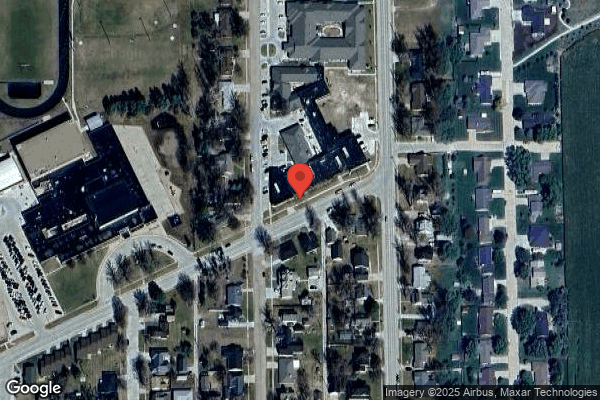
Understanding Severity Codes (click to expand)
Life-Threatening (Immediate Jeopardy)
J - Isolated K - Pattern L - Widespread
Actual Harm
G - Isolated H - Pattern I - Widespread
Potential for Harm
D - Isolated E - Pattern F - Widespread
No Harm (Minor)
A - Isolated B - Pattern C - Widespread

Questions to Ask on Your Visit

  • "Can I speak with families of current residents?"
  • "What's your RN coverage like on weekends and overnight?"

Our Honest Assessment

Strengths
  • • Grade A (90/100). Above average facility, better than most options in Nebraska.
  • • No major safety red flags. No abuse findings, life-threatening violations, or SFF status.
  • • No fines on record. Clean compliance history, better than most Nebraska facilities.
  • • Only 5 deficiencies on record. Cleaner than most facilities. Minor issues only.
Concerns
  • • No significant concerns identified. This facility shows no red flags across CMS ratings, staff turnover, or federal penalties.
Bottom line: Generally positive indicators. Standard due diligence and a personal visit recommended.

About This Facility

What is Legacy Square's CMS Rating?

CMS assigns Legacy Square an overall rating of 5 out of 5 stars, which is considered much above average nationally. Within Nebraska, this rating places the facility higher than 99% of the state's 100 nursing homes. This rating reflects solid performance across the metrics CMS uses to evaluate nursing home quality.

How is Legacy Square Staffed?

CMS rates Legacy Square's staffing level at 5 out of 5 stars, which is much above average compared to other nursing homes. Staff turnover is 44%, compared to the Nebraska average of 46%. This relatively stable workforce can support continuity of care.

What Have Inspectors Found at Legacy Square?

State health inspectors documented 5 deficiencies at Legacy Square during 2022 to 2024. These included: 5 with potential for harm.

Who Owns and Operates Legacy Square?

Legacy Square is owned by a for-profit company. For-profit facilities operate as businesses with obligations to shareholders or private owners. The facility operates independently rather than as part of a larger chain. With 40 certified beds and approximately 34 residents (about 85% occupancy), it is a smaller facility located in Henderson, Nebraska.

How Does Legacy Square Compare to Other Nebraska Nursing Homes?

Compared to the 100 nursing homes in Nebraska, Legacy Square's overall rating (5 stars) is above the state average of 2.9, staff turnover (44%) is near the state average of 46%, and health inspection rating (4 stars) is above the national benchmark.

What Should Families Ask When Visiting Legacy Square?

Based on this facility's data, families visiting should ask: "Can I visit during a mealtime to observe dining assistance and food quality?" "How do you handle medical emergencies, and what is your hospital transfer rate?" "Can I speak with family members of current residents about their experience?"

Is Legacy Square Safe?

Based on CMS inspection data, Legacy Square has a clean safety record: no substantiated abuse findings (meaning no confirmed cases of resident harm), no Immediate Jeopardy citations (the most serious violation level indicating risk of serious injury or death), and is not on the Special Focus Facility watch list (a federal program monitoring the lowest-performing 1% of nursing homes). The facility has a 5-star overall rating and ranks #1 of 100 nursing homes in Nebraska. While no facility is perfect, families should still ask about staff-to-resident ratios and recent inspection results during their visit.

Do Nurses at Legacy Square Stick Around?

Legacy Square has a staff turnover rate of 44%, which is about average for Nebraska nursing homes (state average: 46%). Moderate turnover is common in nursing homes, but families should still ask about staff tenure and how the facility maintains care continuity when employees leave.

Was Legacy Square Ever Fined?

Legacy Square has no federal fines on record. CMS issues fines when nursing homes fail to meet care standards or don't correct problems found during inspections. The absence of fines suggests the facility has either maintained compliance or corrected any issues before penalties were assessed. This is a positive indicator, though families should still review recent inspection reports for the full picture.

Is Legacy Square on Any Federal Watch List?

Legacy Square is not on any federal watch list. The most significant is the Special Focus Facility (SFF) program, which identifies the bottom 1% of nursing homes nationally based on persistent, serious quality problems. Not being on this list means the facility has avoided the pattern of deficiencies that triggers enhanced federal oversight. This is a positive indicator, though families should still review the facility's inspection history directly.