Good Samaritan Society - St John's
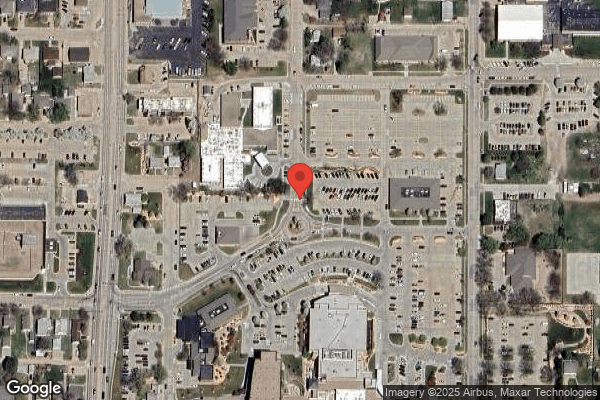
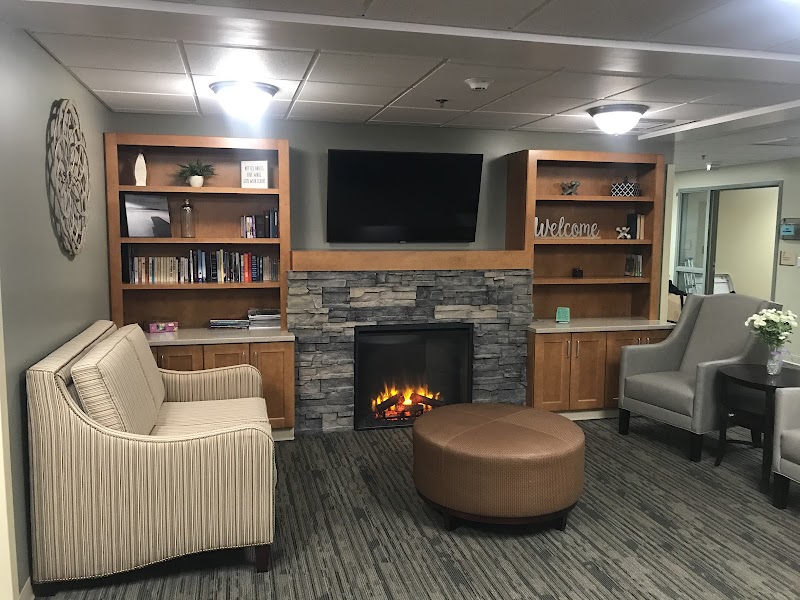
3410 Central Avenue, Kearney, NE 68847 (308) 234-1888
Non profit - Corporation 56 Beds GOOD SAMARITAN SOCIETY Data: November 2025
Trust Grade
35/100
#152 of 177 in NE
Last Inspection: January 2025

Within standard 12-15 month inspection cycle. Federal law requires annual inspections.

Overview

Good Samaritan Society - St John's in Kearney, Nebraska, has a Trust Grade of F, which means there are significant concerns about the quality of care. The facility ranks #152 out of 177 in Nebraska, placing it in the bottom half, and #4 out of 5 in Buffalo County, indicating only one local option is worse. The facility's performance is worsening, with reported issues increasing from 1 in 2024 to 10 in 2025. Staffing is average with a 3/5 rating, showing a turnover rate of 58%, which is near the state average. While the absence of fines is a positive sign, several serious concerns were noted, including a failure to complete employee healthcare questionnaires for new hires, unsanitary conditions in the laundry area, and improper food temperature management that could lead to foodborne illness, putting residents at risk. Overall, while there are some strengths, such as no fines, the number of concerning incidents raises significant red flags for families considering this facility.
Trust Score
F
35/100
In Nebraska
#152/177
Bottom 15%
Safety Record
Low Risk
No red flags
Inspections
Getting Worse
1 → 10 violations
Staff Stability
⚠ Watch
58% turnover. Above average. Higher turnover means staff may not know residents' routines.
Penalties
✓ Good
No fines on record. Clean compliance history, better than most Nebraska facilities.
Skilled Nurses
○ Average
Each resident gets 36 minutes of Registered Nurse (RN) attention daily — about average for Nebraska. RNs are the most trained staff who monitor for health changes.
Violations
⚠ Watch
31 deficiencies on record. Higher than average. Multiple issues found across inspections.
★☆☆☆☆
1.0
Overall Rating
★★★☆☆
3.0
Staff Levels
★☆☆☆☆
1.0
Care Quality
★★☆☆☆
2.0
Inspection Score
Stable
2024: 1 issues
2025: 10 issues

The Good

  • Full Sprinkler Coverage · Fire safety systems throughout facility
  • No fines on record

Facility shows strength in fire safety.

The Bad

1-Star Overall Rating

Below Nebraska average (2.9)

Significant quality concerns identified by CMS

Staff Turnover: 58%

12pts above Nebraska avg (46%)

Frequent staff changes - ask about care continuity

Chain: GOOD SAMARITAN SOCIETY

Part of a multi-facility chain

Ask about local staffing decisions and management

Staff turnover is elevated (58%)

10 points above Nebraska average of 48%

The Ugly 31 deficiencies on record

Jul 2025 2 deficiencies
CONCERN (D) 📢 Someone Reported This

A family member, employee, or ombudsman was alarmed enough to file a formal complaint

Potential for Harm - no one hurt, but risky conditions existed

Quality of Care (Tag F0684)

Could have caused harm · This affected 1 resident

Licensure Reference Number NAC 175 12-006.09(H) Based on record reviews and interviews, the facility failed to follow physician orders, and ensure follow up assessments were completed for 1 (Resident...

Read full inspector narrative →
Licensure Reference Number NAC 175 12-006.09(H) Based on record reviews and interviews, the facility failed to follow physician orders, and ensure follow up assessments were completed for 1 (Resident 4) of 3 sampled residents. The facility identified a census of 51. Findings are: Record review of the facility policy titled, Change in Condition Evaluation last reviewed 04/06/2025 revealed the following: Purpose -To improve communication between nurses and a provider when nursing is monitoring a change of condition -To enhance the nursing evaluation of and documentation of a resident who has a change in condition To provide a standard format to collect pertinent clinical data prior to contacting the provider when there is a change in condition To standardize shift to shift communication about a resident change in condition Procedure Nursing judgment should be used when determining the urgency of contacting the provider. In the event the situation requires calling 911, the Change of Condition Evaluation (CICE) would not be used. Before completing CICE: -Review the resident's medical record including diagnosis, medications, recent progress notes from a medical doctor/nurse/practitioner/physician's assistant and consultants, as well as the most recent interdisciplinary notes. -Check with other staff members who have regular contact with the resident to obtain an accurate picture of the change of condition. A record review of progress notes and assessments in Resident 4's Medical Records revealed no CICE completed. A record review of an Order Summary Report dated as of 06/01/2025 revealed the following orders: -Ipratropium-Albuterol Inhalation Solution .5-2.5 (3) milligram(MG)/3milliliter(ML), 3 milliliter inhale orally every 4 hours as needed for wheezing. Order date: 05/16/2025 -Ipratropium-Albuterol Inhalation Solution .5-2.5 (3) milligram(MG)/3milliliter(ML), 3 milliliter inhale orally two times a day for wheezing. Order date: 06/16/2025-06/30/2025 A record review of Progress Notes and Medication Administration Record for June 2025 revealed Resident 4 received medication Ipratropium-Albuterol Inhalation Solution for each as needed (PRN): June 2nd at 4:21 PM for wheezing, results: Effective with decrease congestion by Registered Nurse (RN)-B June 3rd at 8:36 PM for wheezing, results: Effective by Medication Aide (MA)-C June 8th at 7:07 AM and 3:46 PM for wheezing, results for both: Effective no audible wheezing noted documented by RN-B June 14th at 2:37 PM for wheezing, results: Effective by RN-D June 15th at 7:04 AM for cough, results: Effective by RN-D June 23rd at 2:24 PM for wheezing, results: Unknown by MA-E June 24th at 3:06 PM for wheezing, results: Ineffective by MA-F A record review of Resident 4's Progress Notes on a communication to the Physician, 6/25/2025 at 3:55 PM revealed: cough worse this am, has nebulizer twice a day (bid) and every four hours (q4h) as needed (PRN), notified physician cough still and worse, they said to increase the prn treatments to see if helps and if not to get (gender) in for appointment to check aspiration possibly, also will try leave head of bed elevated at night. June 27th at 1:24 PM for wheezing, results: Effective by MA-E June 28th at 10:52 AM for wheezing and coughing, results: Effective by Licensed Practical Nurse (LPN)-A June 28th at 2:41 PM for wheezing, results: Effective by MA-F June 29th at 3:00 AM for wheezing, results: Effective by LPN-G A record review of Resident 4's Progress Notes on administration for medication revealed: Ipratropium-Albuterol Inhalation Solution 0.5-2.5 (3) MG/3ML 3 milliliter inhale orally two times a day for wheezing PRN was given right before 6 AM dosage so did not do scheduled dosage at this time June 29th at 6:28 AM for wheezing, results: Ineffective still wheezing by LPN-A at 8:12 AM June 29th at 11:07 AM for wheezing, results: Effective by MA-F A record review of Resident 4's Progress Notes on a communication to the Physician, 6/29/2025 at 3:13 PM revealed: Resident noted to have increased weakness. VS stable. resident continues to have wheezing with a non-productive cough. Nebulizer treatment given every 4 hours while awake this weekend. Skin dry. Appetite poor all weekend. (Spouse-gender) understanding of resident decline and aware of (gender) wheezing could be caused from (gender) Hiatal hernia. Family Member 1 would like resident seen in clinic tomorrow just to be evaluated. June 29th at 3:41 PM for wheezing, results: Effective by MA-F A record review of Resident 4's Progress Notes on a communication between the family and the facility on 6/29/2025 at 7:32 PM revealed: Resident Family Member 2 at facility concerned about change in condition of resident, gender asked for me (nurse) to check temperature, O2 sat, and listen to lungs. Resident was 78% on room air, was placed on oxygen via nasal cannula at 3 liters rose to 83%. Resident audibly wheezing, using accessory muscles for breathing, cannot talk, has temperature of 100.1 degrees Fahrenheit. Resident Family Member 2 called Family Member 1 who decided on sending gender to hospital for evaluation. An interview on 07/02/2025 at 9:25 AM, LPN-A revealed a new order for Ipratropium-Albuterol Inhalation Solution on 06/16/2025 for scheduled administration twice a day due to increased wheezing. Then described RN-B called the clinic on 06/23/2025 about continued wheezing, then RN-D called on 06/25/2025 due to worsening cough and to increase the Ipratropium-Albuterol Inhalation Solution PRN dosage, and to get the Resident in the clinic if no improvement or if the facility felt aspiration was a possibility, but no new orders were given. During an interview on 07/02/2025 at 9:30 AM, the LPN-A stated they did not feel like Resident 4 was in respiratory distress at the time, and do not recall whether or not they assessed Resident 4's lungs. An interview on 07/02/2025 at 10:05 AM with MA-F revealed they monitor efficacy of treatment. An interview on 07/02/2025 at 10:15 AM, the Director of Nursing Services (DNS) revealed the facility did not complete an assessment of treatment for Resident 4. In addition, the DNS further revealed that MA's should not be monitoring whether or not the medication is effective when it comes to the use of medication Ipratropium-Albuterol Inhalation Solution, a licensed nurse should monitor this. When asked about the communication to the physician on 6/25/2025 at 3:55 PM, which revealed: cough worse this am, has nebulizer bid and q4h as needed (PRN), notified physician cough still and worse, they said to increase the PRN treatments to see if helps, why treatments were not increased or change of condition was not appropriate. The DNS reports, they (nurses) could have done more.
CONCERN (D) 📢 Someone Reported This

A family member, employee, or ombudsman was alarmed enough to file a formal complaint

Potential for Harm - no one hurt, but risky conditions existed

Accident Prevention (Tag F0689)

Could have caused harm · This affected 1 resident

**NOTE- TERMS IN BRACKETS HAVE BEEN EDITED TO PROTECT CONFIDENTIALITY** Licensure Reference Number 175 NAC 12-006.09(I) Based on record reviews and interviews, the facility failed to implement a plan ...

Read full inspector narrative →
**NOTE- TERMS IN BRACKETS HAVE BEEN EDITED TO PROTECT CONFIDENTIALITY** Licensure Reference Number 175 NAC 12-006.09(I) Based on record reviews and interviews, the facility failed to implement a plan of care to prevent potential injuries for 1 (Resident 9) of 3 sampled residents. The facility identified a census of 51. Findings are: Record review of the facility policy titled, Fall Prevention and Management last reviewed 04/08/2025 revealed the following: Purpose -To promote resident well-being by developing and implementing a fall prevention and management program. -To identify risk factors and implement intervention before a fall occurs Proactive approach before a fall occurs (e.g., New Admit) Procedure -On admission or readmission, review the applicable documents (i.e., discharge summary from transferring agency, transfer record, history and physical, lab values, nursing admit/readmit data collection) and any additional admit information documentation for fall risk factors. -Complete the Falls Tool UDA (User Defined Assessment) for fall screening and identifying fall risk factors. -Care Plan the appropriate interventions, including personalizing all areas. -Communicate fall risks and intervention to prevent a fall before it occurs per the 24-hour report, care plan and Kardex (a documentation system used by nurses to organize and quickly reference key patient information). -Communicate any identified environmental changes or needs (e.g., dietary, therapy). Record review of Resident 9's admission Record revealed the resident was admitted to the facility on [DATE] with the following diagnosis: -Stable burst fracture of unspecified lumbar vertebra, subsequent encounter for fracture with routine healing -Unspecified dementia (loss of memory, language, problem-solving and other thinking abilities) without behavioral disturbance, psychotic disturbance, mood disturbance and anxiety -Unspecified fracture of fourth lumbar vertebra, subsequent encounter for fracture with routine healing -Generalized anxiety disorder (an abnormal and overwhelming sense of apprehension and fear) -Depression (a mental health condition characterized by persistent sadness, loss of interest in activities, and changes in mood, behavior, and physical well-being) A record review of Resident 9's Falls Tool UDA in assessments on 07/02/2025 revealed none were completed. Record review of Resident 9's Progress Notes dated 06/27/2025 through 07/02/2025 revealed on 06/27/2025 at 3:06 PM Resident 9 admitted to facility. Alert to self only. Advanced dementia. Mumbles to self. Unable to answer questions. gender is present at bedside to answer questions. Put alarms on per gender request due to multiple falls in the last 2 weeks. Record review of Resident 9's Progress Notes dated 06/27/2025 at 3:54 PM revealed for Resident 9 safety facility asked gender to move resident closer to Nurses station, gender verbally agreed. Record review of Resident 9's Progress Notes dated 06/28/2025 at 12:00 PM revealed: What is being monitored daily: -Nursing to monitor vital signs, pain, surgical site to mid-lumbar, mood and behavior, ADL and transfer needs, lung sounds, participation in skilled therapies and any other abnormalities noted. Nursing interventions provided/required by nursing to address the resident's medical condition: -Resident with dementia and does not verbalize with staff. Resident with minimal eye contact. Resident requires 1 assist to dress. Resident bears weight but does not pick up feet or follow directions to pivot to toilet. Resident restless and tries to get up in which staff toilet resident and does void. How effective are the interventions/what progress is the resident making: -Resident remains on room air. No shortness of breath noted. Lungs clear. Will monitor for abnormalities. Resident with order for skilled therapies due to recent fall with lumbar fracture and surgical repair. Resident also has a left rib fracture. Record review of Resident 9's Progress Notes dated 07/01/2025 at 07:40 PM revealed: -Resident's alarm sounding. Resident found on the floor beside gender wheelchair. Lying face down. Unwitnessed. Resident unable to explain what happened due to cognitive deficits. Abrasion to right eyebrow. Physician, family and Director of Nursing Services (DNS) notified. Vitals and Neurological checks started per policy. During an interview with Licensed Practical Nurse-A (LPN-A) on 07/02/2025 at 09:15 AM revealed Resident 9 was sitting in the wheelchair in the living area alone when the resident fell. LPN-A was asked where the Baseline Care Plans (BCP, a plan of care for the resident that includes the minimum information needed to provide effective, person-centered care immediately upon admission) were located to view the interventions to prevent accidents. LPN-A handed this surveyor a binder labeled Care Plans. Record review of Resident BCP for Resident 9 revealed no BCP in the binder. During an interview on 07/02/2025 at 9:30 AM with the Health Information Manager (HIM) reported they were not certain why the BCP was not completed at the time of admission, pulled a blank form from the binder and stated they will look for it. On 07/02/2025 at 10:05 AM HIM revealed the BCP was found in their office, the BCP was dated 06/30/2025 which revealed: -The resident is provided therapy services for all disciplines. The BCP reveals Resident 9 is confused, forgetful, non-verbal and uses an alarm. Additional information reveals Resident 9 is high risk for falls demonstrated by confusion. During an interview on 07/02/2025 at 11:05 AM the DNS revealed that it is their expectation that staff complete the BCP within 12-24 hours of admission. The DNS further agreed that BCP interventions were not implemented timely to prevent accidents for Resident 9.
Jan 2025 8 deficiencies
CONCERN (D)

Potential for Harm - no one hurt, but risky conditions existed

Deficiency F0657 (Tag F0657)

Could have caused harm · This affected 1 resident

Licensure Reference Number 175 NAC 12-006.09(F)(iii) Based on record review and interview, the facility failed to ensure that the resident/resident representative were provided the opportunity to part...

Read full inspector narrative →
Licensure Reference Number 175 NAC 12-006.09(F)(iii) Based on record review and interview, the facility failed to ensure that the resident/resident representative were provided the opportunity to participate in quarterly care plan (an individualized written interdisciplinary comprehensive plan detailing how to provide quality care for a resident) review as required for 1 resident (Resident 29) of 5 residents reviewed. The facility census was 44. Findings are: A. A record review of the facility policy titled Care Plan and dated 12/2/2024, revealed that each resident will have an individualized, person-centered, comprehensive plan of care that will include measurable goals and timetables, directed toward achieving and maintaining the resident's optimal medical, nursing, physical, functional, spiritual, emotional, psychosocial, and educational needs. The resident/family or legal representative will have the opportunity to participate in the planning of his or her care to the extent possible. The interdisciplinary team will review care plans at least quarterly. A record review of the facility policy titled Comprehensive Care Plan and Care Conferences and dated 12/4/2023, revealed that the purpose is to provide an ongoing method of evaluating and updating the resident's care plan to help maintain the resident's highest practicable level of function. The section titled Coordinating the Care Conference revealed that the social worker or designee will establish the time and place to hold the care conference and invite residents and their representative at least two weeks in advance of the care conference. Invitations may be sent to the resident representative using the Care Plan Invitation Letter. If the resident and/or resident representative is not invited to the care conference, an explanation must be included in the medical record. Inform residents and representatives of the right to request meetings, request revisions to the care plan and to be informed in advance of changes to the care plan. A record review of the admission Record dated 12/31/2024 for Resident 29 revealed that Resident 29 was admitted into the facility on 5/1/2023. Resident 29 had a Power of Attorney (POA) for healthcare. The POA was a child of Resident 29. An interview on 12/30/2024 at 1:02 PM with the POA for Resident 29 revealed that they were concerned that they had not been invited to a care plan for Resident 29 since last spring or summer. A record review of the Progress Note for Resident 29 dated 8/6/2024 at 11:14 AM revealed that social services called the POA and notified them that they had a care plan conference on 8/08/2024 at 10:00 AM. A record review of the Progress Note for Resident 29 dated 8/06/2024 at 11:19 AM revealed that family stated that they would prefer to have the care plan meeting on 8/09/2024 at 9:30 AM to accommodate family schedule. A record review of the Care Plan Review note dated 8/07/2024 at 4:10 PM revealed that social services documented that Resident 29 had met goals and would continue the same course at that time. The note contained no documentation of resident or family presence or absence at the review. A record review of the Progress Notes in the medical record for Resident 29 dated from 8/08/2024 through 12/31/2024 revealed that it contained no documentation of the resident or family being invited to a care plan meeting or attending a care plan meeting. The medical record contained no documentation or explanation for the resident or family not being invited to a care plan meeting. A record review of the Care Plan Review note dated 12/19/2024 revealed it was a nursing note that the care plan was reviewed and reflected Resident 29's current Minimum Data Set assessment (a mandatory comprehensive assessment tool used for care planning). The note contained no documentation of resident or family participation in the review. An interview on 1/06/2025 at 2:25 PM with the facility Social Services Director (SSD) confirmed that a care plan meeting with each resident/family was to occur quarterly to review and discuss their care plan. SSD revealed that the facility had no documentation of Resident 29 or Resident 29's family participation or declination to participate in quarterly care plan meetings in the past year. The SSD confirmed that the SSD was unable to find any documentation that Resident 29 and Resident 29's family participated in quarterly care plan meetings in 2024 as required.
CONCERN (D) 📢 Someone Reported This

A family member, employee, or ombudsman was alarmed enough to file a formal complaint

Potential for Harm - no one hurt, but risky conditions existed

Quality of Care (Tag F0684)

Could have caused harm · This affected 1 resident

Licensure Reference Number 175 NAC 12-006.09(H)(iv)(5) Based on record reviews and interviews, the facility failed to follow physician orders on bowel protocols for 1 resident (Resident 38) of 1 sampl...

Read full inspector narrative →
Licensure Reference Number 175 NAC 12-006.09(H)(iv)(5) Based on record reviews and interviews, the facility failed to follow physician orders on bowel protocols for 1 resident (Resident 38) of 1 sampled resident. Facility census was 44. Findings are: A record review of a facility policy titled, Bowel Regimen and Standing Facility Orders dated 01/19/2024 revealed the following guidance for treating residents' bowel needs: -On Days 1 & 2 without bowel movement-do nothing. -On Day 3 without a bowel movement begin the following protocol: -On Day 3 in the AM: Administer 30 milliliters (ml) of Milk of Magnesia by mouth (PO) one time for constipation. Give 8 ounces of prune juice daily for 3 days. -If the resident does not have a bowel movement proceed to the next steps. -On Day 3 in the PM: Administer two Senna 8.6 tablets PO one time for constipation. Administer polyethylene glycol 17 grams/240 ml PO one time. -If the resident does not have a bowel movement proceed to the next steps. -On Day 4 in the AM: Administer 1 Dulcolax suppository 10 milligrams (mg) rectally for constipation. Administer polyethylene glycol 17 grams/240ml, PO one time. -On Day 5: If the resident has had no bowel movement, contact their primary physician for further clinical guidance. A record review of an admission Record revealed the facility admitted Resident 38 on 09/18/2023 with diagnoses of constipation, communication deficit. A record review of Resident 38's annual Minimum Data Set (MDS, a mandatory comprehensive assessment tool used for care planning), with an assessment reference date (ARD) of 12/11/2024, revealed Resident 38 had a Brief Interview for Mental Status (BIMS, a brief screening tool that aids in detecting cognitive impairments) score of 00/15 which indicated the resident had severe cognitive impairment. The MDS also revealed that Resident 38 was wheelchair bound, unable to propel and required substantial and/or maximum assistance for activities of daily living (ADLs, basic everyday tasks including bathing, eating, dressing, getting in and out of bed and toileting). A record review of Resident 38's Physician Orders for the month of 12/2024 revealed the following orders related to bowel management: -An order dated 05/25/2024 for Senna (a stimulant laxative) 8.6 milligrams (MG), 2 tablets by mouth as needed for constipation, give in PM of day 3 without bowel movement (BM). -An order dated 05/25/2024 for Dulcolax (a stimulant laxative) 10 MG, 1 suppository rectally every 24 hours as needed for constipation. -An order dated 05/26/2024 for Prune Juice 8 ounces (oz) as needed for constipation, give in AM of day 3 without BM for 3 days. A record review of Resident 38's 30-day look back task record for toileting and charting BM's revealed that the resident had no BM from 12/13/2024-12/15/2024 (three days) and from 12/27/2024-12/31/2024 (5 days). A record review of Resident 38's Medication Administration Record for the month of December 2024 revealed the medications Senna, Dulcolax, and Prune juice had not been provided to Resident 38 at any time that month. A record review of Progress Notes and medical records for the month of December 2024 for Resident 38 revealed no communication to the physician for clinical guidance regarding the management or treatment for bowel protocols extending to day 5 of no bowel movement. During an interview on 12/31/2024 at 3:15 PM the Quality Assurance Coordinator (QAC) revealed that bowel protocols had not been initiated as ordered for Resident 38 during the month of December 2024.
CONCERN (D)

Potential for Harm - no one hurt, but risky conditions existed

Deficiency F0692 (Tag F0692)

Could have caused harm · This affected 1 resident

**NOTE- TERMS IN BRACKETS HAVE BEEN EDITED TO PROTECT CONFIDENTIALITY** Licensure Reference Number 175NAC 12-006.09(J)(i)(1) Based on record reviews, interviews, and observations; the facility failed ...

Read full inspector narrative →
**NOTE- TERMS IN BRACKETS HAVE BEEN EDITED TO PROTECT CONFIDENTIALITY** Licensure Reference Number 175NAC 12-006.09(J)(i)(1) Based on record reviews, interviews, and observations; the facility failed to identify and monitor ongoing weight loss and implement new and/or revise interventions to prevent further weight loss for 1 (Resident 38) of 1 sampled resident. The facility census was 44. Findings are: A record review of a facility policy titled Height and Weight revised on 10/15/2024 revealed policy purposes: -To ensure that that resident maintains acceptable parameters of nutritional status regarding weight. -To report changes in a resident's clinical condition (significant weight change) to physician and family and/or resident. -Residents at nutritional risk will be weighed weekly. -The location will immediately inform the resident, consult with the resident's physician and, if known, notify the resident's legal representative when there is a significant change in the resident's weight, as defined by the RAI [NAME] (MDS). -Based on a resident's comprehensive assessment, the location ensures that a resident maintains acceptable parameters of nutritional status, such as body weight, unless his/her clinical condition demonstrates that this is not possible. A record review of Resident 38's admission Record revealed the facility admitted the resident on 09/18/2023 with a principle/admitting diagnosis of unspecified dementia. A record review of Resident 38's annual Minimum Data Set (MDS, a mandatory comprehensive assessment tool used for care planning), with an assessment reference date (ARD) of 12/11/2024, revealed Resident 38 had a Brief Interview for Mental Status (BIMS, a brief screening tool that aids in detecting cognitive impairments) score of 00/15 which indicated resident resident had severe cognitive impairment. The MDS also revealed that Resident 38 required substantial and/or maximum assistance for activities of daily living (ADLs, basic everyday tasks including eating, dressing, getting in and out of bed, bathing, and toileting). In the MDS section titled Swallowing/Nutritional Status it revealed Resident 38 was 66 inches in height and weighed 132 pounds (lbs). The MDS identified the resident as having lost weight and was not on a physician-prescribed weight loss or gain program. The nutritional approaches section revealed the resident was on a mechanically altered diet. A record review of Resident 38's care plan (a written interdisciplinary comprehensive plan detailing how to provide quality care for a resident) which had been updated on 12/12/2024 revealed the resident had a nutritional problem related to dementia, adult failure to thrive, type 2 diabetes, GERD, and dysphasia. The following interventions were identified: -An order for a texture modified diet which was initiated on 11/15/2023, -Weigh per policy. Notify registered dietician, primary care provider, and family of significant changes. Fortified foods added. A regular diet, puree texture, thin consistency, and 8 ounces (oz) of Boost three times a day (TID), with an initiation date of 09/18/2023 and a revision date of 11/13/2024. -An intervention dated 11/15/2023 with a revision date of 11/13/2024 for eating, use of adaptive equipment, needing a divided plate, 2 handled cup with a lid and straw. The care plan additionally revealed Resident 38 had an unplanned/unexpected weight loss related to decreased intake as evidenced by a 10% change over the past 6 months, initiated on 07/05/2024 and revised on 09/11/2024. The following interventions were identified: -Weigh weekly, which was initiated on 07/05/2024 and revised on 09/11/2024 and -Review overall meal plan with resident/family and adjust goals and interventions to meet resident's preferences and weight goals, which was initiated on 9/11/2024. A record review of Resident 38's weights documented in their medical records revealed the following: -On 6/25/2024 the resident weighed 150 lbs. -On 9/30/2024, the resident weighed 138 lbs. -On 11/27/2024, the resident weighed 132 lbs. -On 12/30/2024, the resident weighed 125 lbs. These weights revealed the resident had a significant weight loss of 8.7% in the three months from September 2024 through December 2024. The weights also revealed a significant weight loss of 16% in the six month from June 2024 through December 2024. A record review of Resident 38's Progress Note dated 12/19/2024 revealed a weight warning that stated the provider needed to be notified of the resident's significant weight loss. A record review of Resident 38's Mini-Nutritional Assessment (MNA) dated 12/09/2024 revealed that the resident had a moderate decrease in food intake and a weight loss of greater than 6.6 lbs which identified the resident to be at risk for malnutrition. During an interview on 12/31/2024 at 12:17 PM, the Dietary Manager (DM) revealed the only fortified foods the facility offered was milk introduced into breakfast cereals or a stand-alone drink for breakfast service only. The Facility Administrator (FA) was interviewed on 12/31/2024 at 3:05 PM. The FA revealed that the interdisciplinary team (IDT, a group of healthcare professionals with various area of expertise who work together toward the goals of the resident) got together usually weekly; but most recently it had been monthly, but had not been reviewing Resident 38 because the IDT, including the RD, felt it was not necessary to continue to review because there was not anything else that could be done. An interview on 01/02/2025 at 1:44 PM with the DM revealed that communication on Resident 38's continued weight loss had not occurred between the facility and the physician despite the Progress Note from 12/19/24 that indicated the significant weight loss. An interview on 01/02/2025 at 1:50 PM with the Registered Dietician (RD) revealed the RD felt no new interventions or monitoring was needed for Resident 38 because there was nothing else that could be done. An observation on 01/02/2024 at 2:49 PM of Nurse Aide (NA)-H revealed NA-H was passing mid-day snacks to residents throughout the building. An interview on 01/02/2024 at 4:00 PM with NA-H revealed that the facility staff did not provide a mid-day snack to Resident 38 and that NA-H did not know the reason for this. A record review of Resident 38's 30-day look back task record for providing a nighttime snack for the month of December 2024 revealed the resident accepted a snack on one date, all other days reveal the resident was either sleeping, not available, refused, or the question was not applicable. An interview with Registered Nurse (RN)-C on 01/06/2024 at 1:40 PM revealed that Resident 38's intake of the Boost supplement varied, however with a little coaxing and time, Resident 38 would drink most of the nutritional supplement.
CONCERN (D)

Potential for Harm - no one hurt, but risky conditions existed

Deficiency F0757 (Tag F0757)

Could have caused harm · This affected 1 resident

**NOTE- TERMS IN BRACKETS HAVE BEEN EDITED TO PROTECT CONFIDENTIALITY** Licensure Reference Number 175 NAC 12-006.12(A)(i-vi) Based on record reviews and interviews, the facility failed to provide a c...

Read full inspector narrative →
**NOTE- TERMS IN BRACKETS HAVE BEEN EDITED TO PROTECT CONFIDENTIALITY** Licensure Reference Number 175 NAC 12-006.12(A)(i-vi) Based on record reviews and interviews, the facility failed to provide a clinical rationale and monitoring of psychotropic medication use for 1 Resident (Resident 27). The facility census was 44. Findings are: A record review of a facility policy titled Psychotropic Medications and dated 12/30/2024, reveals its purpose: To evaluate behavior interventions and alternatives before using psychotropic medications and to eliminate unnecessary psychotropic medications. The policy also revealed that each resident's drug regimen must be free from unnecessary drugs. An unnecessary drug is any drug when used: -without adequate indications for its use, and -without adequate monitoring. The policy also revealed that based on a comprehensive assessment of a resident, the location must ensure that: -Residents who have not used psychotropic drugs are not given these drugs unless the medication is necessary to treat a specific condition as diagnosed and documented in the clinical record. A record review of Resident 27's admission Record revealed the resident was admitted to the facility on [DATE]. A record review of Resident 27's quarterly Minimum Data Set (MDS, a mandatory comprehensive assessment tool used for care planning), with an assessment reference date (ARD) of 11/20/2024, revealed Resident 27 had a Brief Interview for Mental Status (BIMS, a brief screening tool that aids in detecting cognitive impairments) score of 00/15 which indicated a severe cognitive impairment. A review of the Mood section of the MDS revealed the Patient Health Questionnaire (PHQ-2 to 9, A validated interview that screens for symptoms of depression. It provides a standardized severity score and a rating for evidence of a depressive disorder) was not completed due to no response from the resident. The MDS also revealed Resident 27 was taking the high-risk drug class; antidepressant. The medication was marked as currently taking, however the section denoting that there was an indication for the use of this medication was not marked. A record review of Resident 27's Physician Orders for the month of December 2024 revealed an order dated 7/2/2024 for Amitriptyline (an antidepressant medication) 25 milligrams (mg) by mouth one time a day for requesting diagnosis. There was no other information on the order regarding a diagnosis or indication for use. A record review of Resident 27's diagnosis list, dated 12/31/24, revealed the resident had no diagnoses related to depression. An interview on 12/31/2024 at 3:15 PM with the Quality Assurance Coordinator (QAC) confirmed Resident 27's Amitriptyline order had no indications for use. The QAC revealed that Resident 27 was originally prescribed the medication around November 2023 for pain associated with shingles (a painful rash caused by the varicella-zoster virus (VZV), the same virus that causes chickenpox). The QAC confirmed that pain associated with shingles is a short-term medical event that does not last more than a few weeks and the QAC was unaware of why the resident continued to take the medication. A record review of Resident 27's undated Care Plan revealed no evidence of the resident taking an antidepressant medication or of any interventions related to this medication. A record review of Resident 27's Treatment Administration Record (TAR) for December 2024 revealed Resident 27 had no order in place related to monitoring their use of an antidepressant medication. An interview on 01/02/2025 at 4:00 PM with MDS revealed that the medication Amitriptyline should be adequately monitored for the safety and efficacy of use.
CONCERN (E) 📢 Someone Reported This

A family member, employee, or ombudsman was alarmed enough to file a formal complaint

Potential for Harm - no one hurt, but risky conditions existed

Safe Environment (Tag F0584)

Could have caused harm · This affected multiple residents

**NOTE- TERMS IN BRACKETS HAVE BEEN EDITED TO PROTECT CONFIDENTIALITY** Licensure Reference Number 175 NAC 1-009.01(B) Licensure Reference Number 175 NAC 12-006.19(A) Based on observation, interview, ...

Read full inspector narrative →
**NOTE- TERMS IN BRACKETS HAVE BEEN EDITED TO PROTECT CONFIDENTIALITY** Licensure Reference Number 175 NAC 1-009.01(B) Licensure Reference Number 175 NAC 12-006.19(A) Based on observation, interview, and record review; the facility failed to ensure that resident equipment was cleaned and maintained for 5 residents (Residents 15, 17, 29, 7, and 18) of 8 residents sampled. This affected the residents' right to a dignified existence. The facility census was 44. Findings are: A. A record review of the facility's Resident Handbook dated 06/2021 revealed in the section titled Maintenance Services that the facility is responsible for the maintenance and service of the building and all equipment owned by the center. The section titled Resident Mobilization Information revealed the facility strives to sustain and improve each resident's health with frequent mobilization. The resident's weight-bearing support needs will be determined and the appropriate equipment will be provided for bed mobility, transfers, and ambulation. Residents who are determined to need weight bearing assistance or hands on assistance by staff will receive mobility assistance specific to their needs. A record review of the facility document Resident's Rights for Skilled Nursing Facilities dated 01/2022, revealed that the resident has the right to a dignified existence. The facility must protect and promote the rights of each resident. The facility must treat each resident with respect and dignity and care for each resident in a manner and environment that promotes maintenance or enhancement of his or her quality of life. The facility must protect and promote the rights of the resident. A record review of the facility's admission Agreement dated 07/2020, revealed in the section titled Services and Charges that the facility agrees to furnish the resident with the following services included in the daily rate: nursing services, food and nutrition services, an activities program as defined by regulations, room/bed maintenance and housekeeping services, basic laundry services, medically related social services and other services required by law. A record review of the admission Record dated 12/31/2024 for Resident 15 revealed that Resident 15 was admitted into the facility on [DATE]. A record review of the Minimum Data Set (MDS, a mandatory comprehensive assessment tool used for care planning) dated 10/24/2024 for Resident 15 revealed that Resident 15 used a manual wheelchair for mobility. An observation on 12/31/2024 at 7:22 AM in the room of Resident 15 revealed that Resident 15 was seated in a wheelchair next to the bed watching the tv. The floor in front of the resident was soiled with yellowish crumbs or food debris. The right wheelchair wheel was soiled with a large amount of tan crusty debris and grayish debris that was visible from the doorway. The wheelchair was soiled with visible tan and grayish crusty debris on the right wheelchair wheel and build up on the right brake. The edge of the wheelchair seat was soiled with a tan residue. [NAME] residue soiling was also visible on the wheelchair pedals. An observation on 12/31/2024 at 11:19 AM in the room of Resident 15 revealed that Resident 15 was seated in the recliner facing towards the tv. The resident's wheelchair was also in their room and the right wheelchair wheel was visibly soiled with a large amount of tan crusty debris and grayish debris. [NAME] crusty debris build up was piled on the right brake of the wheelchair. The seat and edge of the seat along the seat frame was soiled with tan residue. [NAME] residue soiling was also visible on the wheelchair pedals. An observation on 1/2/2025 at 8:27 AM in the facility dining room revealed that Resident 15 sat in the wheelchair at a table. The right wheelchair wheel was soiled with a large amount of tan crusty debris and grayish debris. [NAME] crusty debris build up was piled on the right brake of the wheelchair. The seat and edge of the seat along the seat frame was soiled with tan residue. The left wheelchair wheel was soiled with a brown substance on the left wheel. [NAME] residue soiling was visible on the wheelchair pedals. An observation on 01/06/2025 at 7:47 AM in the front tv room near the activity room revealed that Resident 15 sat in the wheelchair. The right wheelchair wheel remained soiled with a large amount of tan crusty debris and grayish debris. [NAME] crusty debris build up remained piled on the right brake of the wheelchair. The seat and edge of the seat along the seat frame remained soiled with tan and light yellow debris build up and chunks of food debris along the left and right edges of the wheelchair cushion. [NAME] residue soiling was also visible on the wheelchair pedals. An interview on 01/06/2025 at 11:20 AM with Nurse Aide (NA)-D revealed that resident wheelchairs were rarely cleaned and they were not on a regular cleaning schedule. An interview on 01/06/2025 at 11:56 AM with NA-E revealed that the night shift was supposed to clean wheelchairs weekly or biweekly and document the cleaning. An observation on 01/06/2025 at 12:01 PM in the facility dining room with the Facility Administrator (FA) revealed that Resident 15 sat in the wheelchair at a table. The wheelchair remained soiled with the dried white/tan, yellow, and gray debris on the wheelchair wheels, frame along the wheelchair seat cushion, and had a large crusty grayish-tan buildup on the top of the right brake. An interview on 01/06/2025 at 12:01 PM with the FA confirmed that the wheelchair of Resident 15 was soiled with dried white, yellow, and gray debris on the wheelchair wheels, frame along the wheelchair seat cushion, and had a large crusty grayish buildup on the top of the right brake. The FA confirmed that the wheelchair needed to be cleaned. A record review of the Wheelchair/Walker Cleaning Schedules for 06/23/2024-08/31/2024 revealed no cleaning of resident wheelchairs and walkers was documented. A record review of the Wheelchair Cleaning Schedule dated 10/07/2024-10/12/2024 revealed no documented cleaning of wheelchairs for Resident 15. A record review of the Wheelchair Cleaning Schedule dated 10/20/2024 revealed documentation that the wheelchair of Resident 15 was cleaned on 10/20/2024. No Wheelchair cleaning schedules were completed for 10/27/2024-01/06/2025. An interview on 01/06/2025 at 12:08 PM with the FA confirmed that the night shift was to clean wheelchairs weekly. The FA confirmed that no cleaning of wheelchairs had been documented since October 2024. The FA confirmed that the wheelchair of Resident 15 had not been cleaned since October 2024. B. A record review of the admission Record dated 12/31/2024 revealed that Resident 17 was admitted to the facility on [DATE]. A record review of the Care Plan for Resident 17 dated 12/30/2024 revealed that Resident 17 used a manual wheelchair for independent mobility. An observation on 12/31/2024 at 10:58 AM in the room of Resident 17 revealed that Resident 17 sat in the wheelchair in the middle of the room. Scattered tan debris soiling and debris were visible on the wheelchair wheels, hand propel wheels, rims, and frame. An observation on 01/02/2025 at 8:27 AM in the facility dining room revealed that Resident 17 sat in the wheelchair at a dining room table. Debris of various colors was stuck on the wheelchair on both rubber wheels, the hand propel bars, and rims. An approximately 2 centimeter x 1 centimeter whitish food chunk was visible on the right brake lever connection. An observation on 01/06/2025 at 7:47 AM outside the room door of Resident 17 revealed that Resident 17 sat in the wheelchair. Scattered tan and dark brown debris soiling remained on the wheels and frame of the wheelchair. An observation on 01/06/2025 at 12:04 PM in the facility dining room with the Facility Administrator (FA) revealed that Resident 17 sat in the wheelchair at a table. The wheelchair remained soiled with the dried white, yellow, and gray debris and residue on the wheelchair wheels, frame, along the wheelchair seat cushion, and had food debris on the top of the right brake lever connection. An interview on 01/06/2025 at 12:01 PM with the FA confirmed that the wheelchair of Resident 17 was soiled with dried white, yellow, and gray debris on the wheelchair wheels, frame, along the wheelchair seat cushion, and had food debris on the top of the right brake connection. The FA confirmed that the wheelchair needed to be cleaned. A record review of the Wheelchair/Walker Cleaning Schedules for 6/23/2024-8/31/2024 revealed no cleaning of resident wheelchairs and walkers was documented. A record review of the Wheelchair Cleaning Schedule dated 10/07/2024-10/12/2024 revealed no documented cleaning of wheelchairs for Resident 17. A record review of the Wheelchair Cleaning Schedule dated 10/20/2024 revealed documentation that the wheelchair of Resident 17 was cleaned on 10/20/2024. No Wheelchair cleaning schedules were completed for 10/27/2024-01/06/2025. An interview on 01/06/25 at 12:08 PM with the FA confirmed that the night shift was to clean wheelchairs weekly. The FA confirmed that no cleaning of wheelchairs had been documented since October 2024. The FA confirmed that the wheelchair of Resident 17 had not been cleaned since October 2024. C. A record review of the admission Record dated 12/31/2024 for Resident 29 revealed that Resident 29 was admitted into the facility on [DATE]. A record review of the Minimum Data Set (MDS) dated [DATE] for Resident 29 revealed that Resident 29 used a manual wheelchair for mobility. An observation on 12/31/2024 at 7:59 AM in the room of Resident 29 revealed that the wheelchair sat next to the resident's bed. Brown, tan, and gray debris was visible on both wheels, the wheel frames, and foot pedal peg platforms. An observation on 01/02/2025 at 10:20 AM in the room of Resident 29 revealed that Resident 29 sat in the wheelchair at the card table in the corner of the room at the foot of the bed. Food and trash debris was visible on the floor in front of the recliner and under the resident bed. The wheelchair of Resident 29 was soiled with brown, tan, and gray debris on both wheels, the foot pedal pegs, and wheelchair frame. An observation on 01/06/2025 at 9:43 AM at the room of Resident 29 revealed that Resident 29 propelled themselves out of the room in the wheelchair. [NAME] and other various colored dried debris remained visible on both wheels, foot pedal peg platforms, and frame of the wheelchair. An observation on 01/06/2024 at 11:56 AM in the room of Resident 29 with the FA confirmed that the wheelchair of Resident 29 was soiled with gray debris on the wheel spokes, brownish debris on the wheelchair frame, and other brown, tan, and gray debris on the wheelchair foot pedal platforms and the frame. A record review of the Wheelchair Cleaning Schedule dated 10/07/2024-10/12/2024 revealed no documented cleaning of wheelchairs for Resident 29. A record review of the Wheelchair Cleaning Schedule dated 10/20/2024 revealed no documentation that the wheelchair of Resident 29 was cleaned. No Wheelchair cleaning schedules were completed for 10/27/2024-01/06/2025. An interview on 01/06/2025 at 12:08 PM with the FA confirmed that the night shift was to clean wheelchairs weekly. The FA confirmed that no cleaning of any wheelchairs had been documented since October 2024. The FA confirmed that the wheelchair of Resident 29 had not been cleaned since sometime before October 2024. D. An observation on 12/30/2024 at 12:07 PM in the bathroom of Resident 7 revealed that the bathroom exhaust vent was soiled with a buildup of fluffy grayish debris. The base of the toilet had missing caulking and the base of the toilet was soiled with brown and yellow debris. An observation on 01/06/2025 at 11:58 AM with the Facility Administrator (FA) in the bathroom of Resident 7 revealed that the exhaust vent was soiled with fluffy grayish debris. The base of the toilet had missing caulking and was soiled with brown to yellow debris buildup. An interview on 01/06/2025 at 11:58 AM with the FA confirmed that the exhaust vent in the bathroom of Resident 7 was soiled and needed to be cleaned. The FA confirmed that the toilet in the bathroom of Resident 7 was soiled with brown to yellow debris buildup and needed to be cleaned. E. An observation on 12/30/2024 at 11:59 AM in the bathroom of Resident 29 revealed that the bathroom exhaust vent was soiled with a buildup of fluffy gray debris. An observation on 01/06/2025 at 11:56 AM with the FA in the bathroom of Resident 29 revealed that the exhaust vent was soiled with a buildup of fluffy gray debris. An interview on 01/06/2025 at 11:56 AM with the FA confirmed that the exhaust vent in the bathroom of Resident 29 was soiled and needed to be cleaned. F. An observation on 12/30/2024 at 11:56 AM in the bathroom of Resident 18 revealed that the hot water temperature was 110.3 degrees Fahrenheit per a thermometer with the hot water running. The water continued to rise up in the sink as the water ran. This surveyor shut the water off before it ran over the sink. The water drained slowly. An observation on 01/06/2025 at 11:58 AM in the bathroom of Resident 18 with the FA revealed that the water built up in the sink as the water was on. The water continued to rise in the sink until this surveyor shut the water off. An interview on 1/6/2025 at 11:58 AM with the FA confirmed that the drain in the bathroom sink of Resident 18 was not draining properly and needed to be fixed. G. An observation on 12/30/2024 at 12:03 PM in the bathroom of Resident 15 revealed that the hot water temperature was 110.3 degrees Fahrenheit per a thermometer with the hot water running. The water continued to rise up in the sink as the water ran. This surveyor shut the water off before it ran over the sink. The water drained slowly. An observation on 01/06/2025 at 12:04 PM in the bathroom of Resident 15 with the FA revealed that the water built up in the sink as the water was on. The water continued to rise in the sink until this surveyor shut the water off. An interview on 01/06/2025 at 12:04 PM with the FA confirmed that the drain in the bathroom sink of Resident 15 was not draining properly and needed to be fixed.
CONCERN (E)

Potential for Harm - no one hurt, but risky conditions existed

ADL Care (Tag F0677)

Could have caused harm · This affected multiple residents

**NOTE- TERMS IN BRACKETS HAVE BEEN EDITED TO PROTECT CONFIDENTIALITY** Licensure Reference Number 175 NAC 12-006.09(H)(i)(3) Based on record review, interviews, and observations, the facility failed ...

Read full inspector narrative →
**NOTE- TERMS IN BRACKETS HAVE BEEN EDITED TO PROTECT CONFIDENTIALITY** Licensure Reference Number 175 NAC 12-006.09(H)(i)(3) Based on record review, interviews, and observations, the facility failed to ensure bathing was offered and completed for residents who needed assistance. This affected 4 (Residents 1, 20, 203, and 252) of 5 sampled residents. The facility census was 44. Findings are: A record review of the facility Policy and Procedure for Bathing reviewed and revised on 09/03/2024, stated that the purpose of the policy is; - To promote cleanliness and general hygiene, - Stimulate circulation of the skin, - Promote comfort, relaxation, and well-being, - Observe resident's condition, - Assist resident with personal cares, and - To promote safety for the resident in the bath. Procedures outlined in the policy included tub or shower bathing and bed baths. A. A record review of the Minimum Data Set (MDS, a mandated assessment tool used to evaluate the health and functional status of residents in nursing homes used for care planning) dated 12/10/2024 for Resident 1 indicated this resident was admitted to the facility on [DATE]. Resident 1 had a Brief Interview for Mental Status (BIMS, a mandatory tool used to screen and identify the cognitive condition of residents upon admission into a long-term care facility) score of 15/15 indicating the resident is cognitively intact. The MDS also revealed Resident 1 needed partial to moderate assistance with bathing. A record review of Resident 1's Care Plan (a detailed document outlining a person's health needs, current medical conditions, treatment plan, and specific goals for their care) printed and reviewed on 12/30/2024 revealed Resident 1 had a self-care deficit related to the fractured pelvis and needed assistance with bathing. An interview on 12/30/2024 at 3:38 PM with Resident 1 revealed that the resident wanted to take a bath or have a whirlpool bath. However, because of a pressure ulcer Resident 1 had obtained prior to admission to the facility and daily dressing changes to the sacral area, Resident 1 was not allowed to have a regular bath. When asked how long it had been since Resident 1 had been allowed to take a bath, the resident stated let's just say it's been awhile. A record review of Resident 1's 30-day look back period of their bathing record printed on 12/31/2024 revealed that the last recorded bath was on 12/03/2024 with no other baths recorded for the month. An interview on 1/02/25 at 10:40 AM with Resident 1 revealed Resident 1's family member had gotten very upset because Resident 1 was not getting any baths. Resident 1 stated their family member had gone to the staff and requested Resident 1 have a bath immediately. Resident 1 revealed they were then given a whirlpool bath on 1/1/2025. B. A record review the MDS, dated [DATE], for Resident 20 revealed the resident was admitted to the facility on [DATE]. Resident 20 had a BIMS score of 15/15 and was alert to person, place and time. The MDS data also revealed the resident was able to shower and bathe per self without assistance. A record review of the care plan for Resident 20 revealed Resident 20 had a self-care deficit related to chronic kidney disease and weakness and required the assistance of one person for bathing and personal hygiene. Resident 20 was at risk for skin breakdown due to morbid obesity and the care plan stated that skin was to be kept clean and dry. A record review of Resident 20's 30-day look back period on the bathing record printed on 12/30/2024 revealed Resident 20 had received a bath on 12/04/2024 and 12/26/2024. An observation on 12/30/24 at 3:35 PM of Resident 20 revealed the resident was seated in a personal recliner in their room and that the resident had a foul smelling body odor. An interview on 12/31/24 at 12:00 PM Resident 20 revealed they had been given a shower that day. An interview on 1/02/2025 at 7:45 AM with Resident 20 revealed the resident had an in-room shower the resident could use if there was someone who could assist with the shower. Resident 20 stated I am scared to shower by myself because the floor floods in my bathroom when I am in the shower and i have to use a shower chair. I just need to have someone in the room with me when I shower. An interview on 01/02/25 at 10:41 AM with Nursing Assistant (NA)-B confirmed NA-B had received no training on the use of the whirlpool bath but did assist residents with their showers once or twice a month. C. A record review of the MDS dated [DATE] for Resident 252 revealed this resident had an admission date of 12/16/2024 and was admitted to the facility as a Hospice care resident. Resident 252 had a BIMS score of 14/15 and was alert and oriented to person, place, and things. A record review of Resident 252's Care Plan, with a reviewed date of 12/30/2024 revealed the resident needed assistance with activities of daily living but did not specify what type of assistance was needed. A record review of Resident 252's Care Plan after it was updated on 1/2/2025, revealed Resident 252 required set-up assistance and oxygen management assistance while bathing. A record review of Resident 252's 30-day look back period for bathing on their Bathing Tasks printed on 1/2/2025 revealed there had been no baths recorded for the prior 30 days. An observation on 12/20/2024 at 11:23 AM of Resident 252 in their room revealed Resident 252's lower right leg had yellow, crusted exudate on it. The resident's lower left leg had a bandage wrapped around the resident's calf. An interview on 01/01/2025 at 9:55 AM with Resident 252 revealed the resident used shower wipes rather than bathe because the nursing staff completed dressing changes to both of the resident's legs so early in the day and did not want to wash the medication off while bathing. Resident 252 also revealed that Resident 252 needed assistance with showers because of their oxygen tubing and due to the resident getting tired while showering. An interview on 12/31/2024 at 1:30 PM with the Facility Administrator (FA) revealed that bathing was an issue in the facility as the bath aide had been terminatied at the beginning of December 2024. FA confirmed the residents, including Residents 1, 20, and 252 were not being assisted with bathing as required. D. A record review of an admission Record indicated the facility admitted Resident 203 on 12/03/2015. A record review of Resident 203's Care Plan (a written interdisciplinary comprehensive plan detailing how to provide quality care for a resident) updated on 12/30/2024 revealed that Resident 203 had an activity of daily living (ADL, basic everyday tasks including bathing, eating, dressing, getting in and out of bed, and toileting) self-care performance deficit. Interventions preferences for baths was 1 whirlpool bath per week. Other interventions for ADL care includes 1 assist for bathing/showering and dressing, while transferring and toilet use requires full lift assistance with 2 staff assisting. A record review of Resident 203's 30-day look back task record for bathing revealed documentation that the resident must have a shower, no tub bath related to suprapubic catheter (SPC, a tube that drains urine from the bladder by inserting through the abdominal wall and into the bladder). The look back period revealed no data found for any charting that a shower was offered or completed for the 30-days prior to 1/02/2025 for Resident 203. An observation of Resident 203 on 12/30/2024 at 11:20 AM revealed the resident lying in bed with their face unshaven. The resident had pink matter at both corners of their mouth and teeth. The resident was wearing a hospital gown with brown soiling on the shoulder and chest area of the gown. An interview on 12/30/24 at 11:20 AM with Resident 203 revealed that the brown matter was from a chocolate shake that was part of their breakfast. Resident 203 also stated they had received a shower but could not recall when it was. An interview on 12/31/2024 at 1:45 PM with the Facility Administrator (FA) revealed that the lack of charting for bathing residents was accurate, and there was no other charting to disclose bathing tasks being completed for facility residents, including Resident 203. The FA further revealed that bathing had not occurred because of staffing concerns.
CONCERN (F)

Potential for Harm - no one hurt, but risky conditions existed

Infection Control (Tag F0880)

Could have caused harm · This affected most or all residents

License Reference Number 175 NAC 12-006.04(A)(iii) Based on record review and interview the facility failed to ensure that employee healthcare questionnaires were completed, reviewed, and maintained p...

Read full inspector narrative →
License Reference Number 175 NAC 12-006.04(A)(iii) Based on record review and interview the facility failed to ensure that employee healthcare questionnaires were completed, reviewed, and maintained prior to the hire dates for 5 of 5 sampled employees. This had the potential to affect all residents in the facility. The facility census was 44. Findings are: An interview on 01/06/2025 at 1:30 PM with the Facility Administrator (FA) revealed that all new hires were given paperwork which was to be filled out prior to being hired. The FA provided a copy of the facility's General Orientation Packet, which contained the paperwork the new hires were to complete. A record review of an undated copy of the facility's General Orientation Packet (GOP) revealed all paperwork in the packet must be completed by the new hire and returned to the Director of Nursing Services prior to starting work. The following documents were included in this section; -Medical History Questionnaire (a 5-page document), -Employee/Candidate Tuberculosis Screening Questionnaire (a 3-page document), -Hepatitis B Consent and Immunization Form (1 page document), and -Hepatitis B Vaccination Declination (1 page document). A. A record review of the Minimum Data Set (MDS) Nurse's employment file revealed MDS was hired by the facility on 9/17/2024. The file contained a single paged paper entitled Communicable Disease Screening (a 1-page document) which was dated and signed by MDS on 09/27/2024. There were no other documents from the GOP in the file and the Communicable Disease Screening sheet contained no evidence that it had been reviewed by facility staff. An interview on 01/06/2025 at 5:00 PM with FA confirmed this was all of the healthcare information in the personnel file for MDS. B. A record review of Facility Driver (DR)-F's employment file revealed DR-F was hired by the facility on 9/17/2024. The file contained the Employee/Candidate Tuberculosis Screening Questionnaire (a 3 page document) which was dated and signed by DR-F on 09/17/2024. This document revealed that the Infection Control Preventionist (IP) had reviewed the information. An interview on 01/06/2025 at 5:00 PM with FA confirmed this was all of the healthcare information in the personnel file for DR-F. C. A record review of Cook-K's employment file revealed Cook-K was hired on 4/29/2024. The file contained the Medical History Questionnaire, the Hepatitis B Consent and Immunization Form, and the Hepatitis B Vaccination Declination. The Hepatitis B Vaccination Declination form was signed and dated 04/29/2024 and the Hepatitis consent and immunization form was blank (because the hepatitis vaccination was declined). The first 4 pages of the Medical History Questionnaire was completed by the new hire. Page 5 of the Medical History Questionnaire was blank. This page was to be completed by the Human Resources Representative or designee, indicate that the information has been reviewed, and then signed and dated by the person reviewing. An interview on 01/06/2025 at 5:00 PM with FA confirmed this was all of the healthcare information in the personnel file for Cook-K. D. A record review of Nurse Aide (NA)-L's employment file revealed NA-L was hired by the facility on 3/4/2024. The file contained the Medical History Questionnaire signed and dated by NA-L on 03/04/2024, the Hepatitis B Consent and Immunization Form with NA-L's name on it but no other section was completed, and a blank Hepatitis B Vaccination Declination form. There was no Employee/Candidate Tuberculosis Screening Questionnaire. The first 4 pages of the Medical History Questionnaire was completed by the new hire. Page 5 of the Medical History Questionnaire was blank. This page was to be completed by the Human Resources Representative or designee, indicate that the information has been reviewed, and then signed and dated by the person reviewing. An interview on 01/06/2025 at 5:00 PM with FA confirmed this was all of the healthcare information in the personnel file for NA-L. E. A record review of Maintenance Technician (MAINT)-G's employment file revealed MAINT-G was hired on 10/9/2024. The file contained a one page Communicable Disease Screening document dated 10/09/2024. There was an untitled document that stated Completed by Location - RN Required in some states at the top and contained sections to indicate the Communicable Disease Review had been completed and Immunizations reviewed and then signed by a facility staff member, this document had not been filled out. An interview on 01/06/2025 at 5:00 PM with FA confirmed this was all of the healthcare information in the personnel file for MAINT-G.
CONCERN (F)

Potential for Harm - no one hurt, but risky conditions existed

Safe Environment (Tag F0921)

Could have caused harm · This affected most or all residents

License Reference Number 175 NAC 12-007.01(B)(ii) Based on observations and interviews, the facility failed to provide a sanitary environment in the laundry area (three specific areas which are ante ...

Read full inspector narrative →
License Reference Number 175 NAC 12-007.01(B)(ii) Based on observations and interviews, the facility failed to provide a sanitary environment in the laundry area (three specific areas which are ante room, storage room, and dirty laundry) for staff. This had the potential to affect all laundry staff and all residents. The current facility census was 44. Findings are: During the initial observation tour of the facility laundry department on 01/02/2025 at 8:43 AM, revealed the following: -The ante room to the clean laundry area. There were 3 shelves to the left which contained blankets and other various items folded. Under the shelf on the left side there was one metal mouse trap, a step stool, and cardboard boxes filled with items. The floor in that area was dusty, had dirt debris, brownish gray fuzzy matter, and paper trash on the floor. On the right side of the ante room, were hooks which held staff winter wear. At the floor level was a long wooden shelving approximately 5 feet long that lifted things off the floor approximately one inch. On that shelving piece were cardboard boxes and plastic totes stacked upon each other, one metal mouse trap, and a small trashcan. This area was also had fuzzy debris and dirt, and had not been swept. One could not see underneath the shelving piece that lifted these items directly off the floor. -In the storage room in the laundry area. There was a large framed print covered in grey fuzzy substance between the wall and one of the small tables. There was grey fuzy substance, debris, pieces of paper, a pen, a straw, and fuzz as well as two more large cardboard boxes overflowing with clothing on the floor -The dirty laundry area was inspected. Soiled clothing had been sorted into different containers and ready to be washed. There were two cardboard boxes on the floor that had at one point been wet and then dried sitting on the floor. The stainless-steel sink was covered in what looked to be soap scum and mineral deposits and was not clean. The linen scale was covered in grey fuzzy substance and debris. The vent was covered in gray fuzzy substance. A second observation tour occurred on 01/02/25 at 2:51 PM with Facility Administrator (FA) and Infection Control Preventionist (IP) in the laundry area. The Housekeeping/Laundry Supervisor (EVS) was in the storage room sorting, discarding, and organizing. Interview on 01/02/2025 at 3:00 PM with IP who revealed the laundry area was rarely inspected or observed by the IP. All of the items on the floor, including the boxes in the dirty area that had water damage, and generalized lack of cleanliness in the laundry department was discussed. IP agreed that this area had been overlooked as an area of concern for cleanliness as well as infection control. Interview on 01/02/2025 at 3:00 PM with FA revealed that EVS had been told many times to clean up that area and didn't do it and had started on it today. Staff are going to sort items and discarding what they able to eliminate and keep only what is needed.
Jan 2024 1 deficiency
CONCERN (D) 📢 Someone Reported This

A family member, employee, or ombudsman was alarmed enough to file a formal complaint

Potential for Harm - no one hurt, but risky conditions existed

Accident Prevention (Tag F0689)

Could have caused harm · This affected 1 resident

**NOTE- TERMS IN BRACKETS HAVE BEEN EDITED TO PROTECT CONFIDENTIALITY** B. Record review of Resident 2's admission Record dated 01/10/2024 revealed the resident admitted to the facility on [DATE] wit...

Read full inspector narrative →
**NOTE- TERMS IN BRACKETS HAVE BEEN EDITED TO PROTECT CONFIDENTIALITY** B. Record review of Resident 2's admission Record dated 01/10/2024 revealed the resident admitted to the facility on [DATE] with diagnoses of: Dementia (an impaired ability to remember, think, or make decisions that interfere with doing activities of daily living), Parkinson's (a disorder involving the central nervous system that affects movement causing stiffness), Adult failure to thrive (a decline in older adults that presents as a downward spiral of health ability), and Depression (a serious mental illness that negatively affects how you feel, the way you think and how you act). Record review of Resident 2's MDS dated [DATE] revealed a BIMS score of 0 which indicated the resident was severely cognitively impaired. Resident 2 needed partial to moderate assistance with Activities of Daily Living (ADLs) and used a wheelchair within the facility. The MDS revealed Resident 2 used a personal alarm in the chair and bed and had two or more falls since prior MDS assessment completion. Record review of Incidents by Incident Type document dated 01/10/2024 reflecting the period of 12/01/2023 till 01/10/2024 revealed the following incidents occurred for Resident #2: - found on the floor of the facility on 12/04/2023 at 6:30 PM, 12/05/2023 at 8:30 PM, 12/10/2023 at 6:50 PM, 12/20/2023 at 7:00 PM, 12/22/2023 at 2:50 PM, and 01/04/2024 at 5:15 PM and, - slipped on the floor of the facility on 12/11/2024 at 1:50 PM. Record review of Resident 2's Care Plan dated 01/10/2024 revealed a focus that Resident 2 had an actual fall with minor injury dated 10/01/2023. The Care Plan identified interventions of: - staff were to offer fidget toys for stimulation while resident was in the commons area dated 12/02/2023, - The resident was not to be left in their room in their wheelchair. The facility staff were to offer the resident an activity in view of staff instead of leaving the resident alone in the resident's room dated 12/05/2023, - The facility staff were to ensure that the resident was wearing appropriate footwear at all times dated 10/05/2023, - The resident's environment was to be modified to maximize the resident's safety by making sure the resident was in eye view of a staff a member at all times dated 01/04/2024, - The resident was to have a pressure alarm that was used to alert staff to resident's movement and to assist staff in monitoring the resident's movement dated 09/26/2023, - The facility staff were not to put up residents' feet when resident was sitting in the recliner dated 10/08/2023. A record review of Resident 2's Progress Note dated 12/20/2023 revealed that Resident 2 was transferred to the hospital for complaints of pain after the incident that occurred on 12/20/2023. Resident 2 was then admitted to the hospital on [DATE] with diagnoses of a urinary tract infection and a compression (collapse) fracture of the third lumbar (back) vertebra (bone). Observation on 01/10/2024 revealed: - At 10:59 AM Resident 2 was seated in their room alone in their recliner. Resident 2's feet were down touching the floor with a thick blanket wrapped around the legs and under feet on the floor. The call light was attached to the blanket covering Resident 2 near the waist. The white personal alarm box was sitting on left arm rest of the recliner that resident was sitting in and the remote control for the resident's bed was sitting on the mattress of the bed near the head of the bed. - At 11:34 AM Resident 2 continued to be sitting alone in their recliner in their room with white personal alarm box sitting on the left arm rest of the recliner, blanket wrapped around legs and under feet, call light attached to blanket at waist, and the remote control to the bed was sitting on the mattress of the bed near the head of the bed. - At 1:11 PM Resident 2 was observed sitting their room in their recliner with both feet elevated on footrest and blanket wrapped around legs and feet. The white personal alarm box was placed on the overbed table that was located to the left side of the resident's recliner within the residents reach. The remote control to the bed remained on the mattress near the head of the bed. The call light was draped over the over bed table near the white personal alarm box hanging down towards the floor. In an interview with RN-D on 01/10/2024 at 1:11 PM, revealed Resident 2's fall prevention interventions were Resident 2 was to have a personal alarm on at all times, Resident 2 was not to have their feet elevated when sitting in their recliner in their room, and the resident was to be in eye sight of staff at all times. RN-D revealed Resident 2 had a recent fall due to having the remote to their bed in their hand and elevating the bed with the remote. RN-D revealed due to that fall the remote to the resident's bed was to be placed over the head board of the bed out of the resident's reach. RN-D stated resident suffered a fracture from the incident and was hospitalized . RN-D stated fall interventions were located on the resident's Care Plan and the residents [NAME]. In an interview with Nurse Aide (NA)-A on 01/10/2024 at 1:55 PM it was confirmed that Resident 2 was not to be left alone in their room. NA-A stated the resident could have their feet elevated while alone in their room in their recliner. NA-A stated that interventions to prevent falls were found on the resident's [NAME]. In an interview with Nurse Aide (NA)-C on 01/10/2024 at 2:20 PM, NA-C stated that Resident 2 was only allowed to be alone in their room at certain times. On 01/10/2024 at 2:05 PM in an interview with the Director of Nursing (DON) it was confirmed that Resident 2 was not to be left alone in their room with their feet elevated in the recliner, personal alarm was not to be in reach, and resident's bed control was to be placed over the head board of the bed to prevent resident from using it. Licensure Reference Number 175 NAC 12-006.09D7b Based on observation, interview and record review, the facility failed to ensure that interventions to prevent falls were implemented for 2 residents (Residents 4 and 2). The facility census was 44. Findings are: A. Record review of the facility policy titled Fall Prevention and Management dated 3/29/23 revealed that the purpose included identifying risk factors and implementing interventions before a fall occurs, to give prompt treatment if a fall occurs, and to prevent further injury. Complete the Falls Tool assessment (an assessment of a resident's risk for falls). Care Plan (add interventions to the written interdisciplinary comprehensive plan detailing how to provide quality care for a resident) the appropriate interventions. Communicate fall risks and interventions to prevent a fall before it occurs. Communicate any identified environmental changes and/or referral needs. The policy revealed instructions for a fallen resident. Communicate with the physician. Complete the Falls Tool assessment. Communicate that a fall has occurred during shift change and daily stand-up meetings. Update the care plan with any changes/new interventions. Continue to monitor resident condition and the effectiveness of interventions. Record review of the admission Record dated 1/10/24 for Resident 4 revealed that Resident 4 admitted into the facility on 5/8/23 with diagnoses of: unsteadiness on feet, dementia, muscle weakness, and difficulty in walking. Record review of the Minimum Data Set (MDS) (a mandatory comprehensive assessment tool used for care planning) for Resident 4 dated 11/8/23 revealed that Resident 4 had a Brief Interview for Mental Status (BIMS) (a brief screening tool that aids in detecting cognitive impairment) score of 0 which indicated the resident was severely cognitively impaired (a score of 0 to 7 points means severe cognitive impairment; 8 to 12 points means moderate cognitive impairment; and 13 to 15 points means cognitive intactness). Record review of Resident 4's Progress Notes revealed the following: - On 12/2/23 at 3:06 PM revealed that prior to breakfast the resident was setting their alarm off getting out of the wheelchair. Resident 4 was placed back in bed. - On 12/5/23 at 1:34 AM revealed that Resident 4's alarm sounded and the resident was walking out into the hall. Resident 4 was assisted back to bed. - On 12/12/23 at 12:55 PM revealed that Resident 4 was getting out of the chair and then wanting in the wheelchair. Resident 4 would then try to get into bed. Resident 4 would start this routine over several times this AM. Resident 4 did go into an empty room and try to get into bed. Resident 4 was then assisted into their own bed again. - On 12/18/23 at 5:27 PM revealed that Resident 4 was trying to get up without assistance this afternoon. - On 12/24/23 at 3:45 PM revealed that the unidentified Nurse Aide (NA) came and got the nurse because Resident 4 was found on the floor. Resident 4's chair alarm was going off and Resident 4 was on the floor in between their bed and chair. The chair footrest was still up. Resident 4 stated that they hit their head and complained of back pain. - On 12/24/23 at 4:21 PM revealed that Resident 4 complained of back pain after the fall. The writer spoke with the on call medical provider and received orders to send Resident 4 to the hospital for further evaluation. - On 12/24/23 at 9:06 PM revealed that Resident 4 returned from the emergency room (ER) with no new orders. The ER Nurse said Resident 4 had a T2 compression fracture (a collapse of the T2 spinal bone in the thoracic section of the spine (the middle section of the spine which starts at the base of your neck and ends at the bottom of your ribs) that was possibly new. Record review of Resident 4's Care Plan dated 1/10/23 revealed a care focus area for Resident 4 being at risk for falls related to gait and balance problems. The Care Plan identified interventions which included a bed and chair alarm to alert staff to the resident's movement and to assist staff in monitoring movement. An intervention dated 12/24/23 instructed staff to not put the footrest of the recliner up and to utilize a separate footrest. Interview on 1/10/24 at 1:04 PM with Medication Aide-E (MA-E) revealed that MA-E was unaware of any recent falls for Resident 4. MA-E revealed that fall interventions for Resident 4 include a bed alarm and chair alarm, the bed in low position and to toilet Resident 4 every 2 hours. MA-E revealed that when Resident 4 was in their recliner the resident likes their feet up, head leaned back, and a blanket around the resident as Resident 4 likes to nap. MA-E confirmed that Resident 4 uses the recliner footrest when resting in the recliner. Observation on 1/10/24 at 1:41 PM in Resident 4's room revealed the resident seated in the recliner in their room. The recliner footrest was up with the resident's feet on it. Interview on 1/10/24 at 1:42 PM with Nurse Aide-A (NA-A) revealed that NA-A is unaware of any recent falls for Resident 4. NA-A revealed that fall prevention interventions for Resident 4 are the chair and bed alarm and the resident's feet up on the footrest when in their recliner. Observation 1/10/24 at 1:55 PM in the room of Resident 4 revealed that Resident 4 was seated in the recliner in the room. The recliner footrest was up. Resident 4's feet rested on the footrest. Interview on 1/10/24 at 2:19 PM with Nurse Aide-C (NA-C) revealed that NA-C was unaware of any falls in the last month for Resident 4. NA-C revealed that staff are notified of resident falls usually through communication during report. NA-C revealed that specific fall prevention interventions for Resident 4 include the alarms and regular toileting. NA-C revealed that NA-C reviews the resident [NAME] (a nursing worksheet that includes a summary of patient care information) to know what fall prevention interventions are to be in place for the resident. NA-C confirmed that Resident 4 has their feet elevated in the recliner in the room. NA-C revealed that it was okay for the resident to have their feet up in the recliner. Interview on 1/10/24 at 2:36 PM with Registered Nurse-D (RN-D) confirmed that Resident 4 had a fall on 12/24/23. RN-D revealed that the fall occurred in the late afternoon while RN-D was working. The Nurse Aide (unidentified) found Resident 4 on the floor with the chair alarm sounding. RN-D revealed that Resident 4 had gotten up on their own from the recliner to go to bed and was on the floor between the recliner and the bed. RN-D revealed the recliner footrest was still up when RN-D went to assess the resident. RN-D revealed that fall interventions for Resident 4 included the chair alarm used when Resident 4 is in the recliner. RN-D was unaware of a new intervention for a separate footstool and revealed it is okay for Resident 4 to have their feet elevated on the footrest when in the recliner. Interview on 1/10/24 at 2:47 PM with the Facility Administrator (FA) confirmed that the new intervention for Resident 4 after their fall on 12/24/23 was that the resident was not to have their feet up in the recliner as the resident crawled out of the recliner and fell. The FA revealed that one of the children of Resident 4 was to find a separate foot stool to use for elevating the resident's feet when in the recliner. The FA revealed that the foot stool could easily be moved out of the way by Resident 4 if the resident got up on their own. The FA confirmed that Resident 4 did not have a foot stool yet. The FA confirmed that Resident 4 is not to have their feet elevated on the recliner footrest. Observation on 1/10/24 at 2:48 PM in the room of Resident 4 with the FA confirmed that the feet of Resident 4 were elevated (up)with the footrest of the recliner. The FA confirmed that the expectation was that Resident 4's feet were not to be elevated on the recliner footrest to prevent resident falls.
Dec 2023 8 deficiencies
CONCERN (D)

Potential for Harm - no one hurt, but risky conditions existed

Comprehensive Care Plan (Tag F0656)

Could have caused harm · This affected 1 resident

**NOTE- TERMS IN BRACKETS HAVE BEEN EDITED TO PROTECT CONFIDENTIALITY** Licensure Reference Number 175 NAC 12-006.09C Based on observation, interview, and record review the facility failed to develop ...

Read full inspector narrative →
**NOTE- TERMS IN BRACKETS HAVE BEEN EDITED TO PROTECT CONFIDENTIALITY** Licensure Reference Number 175 NAC 12-006.09C Based on observation, interview, and record review the facility failed to develop the resident care plan (a written interdisciplinary comprehensive plan detailing how to provide quality care for a resident) to ensure that it contained the necessary focus for quality care required for 1 resident (Resident 152) and failed to develop a comprehensive care plan related to respiratory care and use of a CPAP (Continuous Positive Airway Pressure. A method of respiratory therapy in which air is pumped into the lungs through the nose or nose and mouth during spontaneous breathing, used in the treatment of sleep apnea and other respiratory disorders.) for 1 resident (Resident 8). The facility census was 49. Findings are: A. Record review of the facility policy titled Care Plan dated 11/1/23 revealed that residents will receive and be provided the necessary care and services to attain or maintain their practicable well being in accordance with the comprehensive assessment. Each resident will have an individualized, person-centered, comprehensive plan of care that will include measurable goals and timetables directed toward achieving and maintaining the resident's optimal medical, nursing, physical, functional, needs. Any problems, needs, and concerns identified will be addressed through use of departmental assessments, the Resident Assessment Instrument (RAI) (the comprehensive resident assessment) and review of the physician's orders. The plan of care will be modified to reflect the care currently required/provided for the resident. Record review of the admission Record for Resident 152 dated 12/12/23 revealed that Resident 152 admitted into the facility on 3/13/23. Record review of the Minimum Data Set (MDS) (a mandatory comprehensive assessment tool used for care planning) for Resident 152 dated 3/19/23 revealed that Resident 152 had a diagnosis of Diabetes Mellitus (a condition that happens when your blood sugar (glucose) is too high due to the pancreas not producing enough insulin). The MDS revealed that Resident 152 received insulin injections all 7 days of the 7-day assessment period. Record review of the Care Plan for Resident 152 dated 12/12/23 revealed no care focus for the resident Diabetes and insulin use. Interview on 12/13/23 at 12:19 PM with Licensed Practical Nurse-A (LPN-A) revealed that LPN-A did previously perform MDS assessments for the facility. LPN-A confirmed that a care focus for Resident 152's diabetes and insulin use should have been included in the care plan but was not. B. Record review of a facility policy entitled Care Plan dated 11/1/23 revealed the following information: - Purpose: to develop a CCP using an interdisciplinary approach - Definition: CCP: Includes measurable objective and timeframes to meet a residents medical, nursing, and mental and Psychosocial needs that are identified in the comprehensive assessment. - Policy: Each resident will have an individualized, person centered, comprehensive plan of care that includes measurable goals and timetables directed toward achieving and maintaining the residents optimal medical, nursing, physical, functional, spiritual, emotional, psychosocial and educational needs. Any problems, needs and concerns identified will be addressed thru the use of departmental assessments, the Resident Assessment Instrument (RAI) and review of physician's orders. - The care plan will be modified to reflect the care currently required/provided for the resident. - The care plan will emphasize the care and development of the whole person ensuring the resident will receive the appropriate care and services. It will address the relationship of items or services required and facility responsibility for providing those services. Record review of Resident 8's Face Sheet revealed that Resident 8 was admitted on [DATE] with diagnoses that included Obstructive Sleep Apnea and recent (October of 2023) Pneumonia due to COVID 19 Virus. Record review of Resident 8's admission Minimum Data Set (MDS) (a mandatory comprehensive assessment tool used for care planning) dated 10/31/22 revealed that Resident 8 had a Brief Interview for Mental Status (BIMS) (a brief screening tool that aids in detecting cognitive impairment) score of 11 which indicated that Resident 8 was cognitively intact. The MDS identified that Resident 8 was dependent on staff for all activity of daily living needs and used a non invasive mechanical ventilator while a resident at the facility. Record review of Physician orders for Resident 8 dated 3/21/23 revealed an order for a Continuous Positive Airway Pressure (CPAP, a machine that uses mild air pressure to keep breathing airways open while sleeping) at current settings while in bed/asleep as needed for obstructive sleep apnea. Observations on 12/11/23 at 11:40 AM In Resident 8's room revealed a CPAP machine on the bedside table near Resident 8's bed. Observation on 12/12/23 at 06:50 AM revealed Resident 8 resting in bed with the CPAP machine mask in place on Resident 8's face and the CPAP machine was operational. Record review of Resident 8's CCP dated 11/16/23 revealed no information related to the use of a CPAP machine or specific respiratory care for Resident 8. Interview on 12/13/23 at 12:26 PM with LPN-A confirmed that Resident 8's CCP did not contain any specific information related to respiratory care and the use of a CPAP.
CONCERN (D)

Potential for Harm - no one hurt, but risky conditions existed

Quality of Care (Tag F0684)

Could have caused harm · This affected 1 resident

**NOTE- TERMS IN BRACKETS HAVE BEEN EDITED TO PROTECT CONFIDENTIALITY** Licensure Reference Number 175 NAC 12-0006.09D3(5) Based on observation, record review, and interview the facility failed to ens...

Read full inspector narrative →
**NOTE- TERMS IN BRACKETS HAVE BEEN EDITED TO PROTECT CONFIDENTIALITY** Licensure Reference Number 175 NAC 12-0006.09D3(5) Based on observation, record review, and interview the facility failed to ensure interventions were utilized to promote routine bowel movements for 1 resident (Resident #11). The facility stated census was 49. Findings are: Record review of Resident #11's admission Record revealed the resident admitted to the facility on [DATE] with diagnoses of: congestive heart failure (a condition in which the heart does not pump as efficiently as it should), gastro esophageal reflux (a condition that occurs when stomach acid repeatedly flows back into the tube connecting your mouth and stomach), anemia (a condition in which the blood does not have enough healthy red blood cells), spinal stenosis (which is a narrowing of the spinal canal in the lower part of your back causing pressure on your spinal cord and nerves), and constipation (which is when a person passes less than three bowel movements a week or has difficult bowel movements). Record review of Resident #11's admission Minimum Data Set (MDS) (which is a resident assessment and care screening tool that is used by nursing homes), dated 10/18/2023 revealed the resident was cognitively intact. The MDS revealed Resident #11 required substantial maximum assistance from staff with transfers and toileting. The MDS also revealed the resident was frequently incontinent of bowel and bladder. Record review of Resident #11's active Care Plan revealed the resident had a self care performance deficit with activities of daily living (ADL) and required one staff member assist with toilet use and utilized a sit to stand lift for transfers.The Care Plan did not reveal any documentation related to Resident #11's diagnosis of constipation. Interview on 12/10/2023 at 1:45 PM with Resident #11 revealed [gender] received a suppository frequently due to constipation. Resident #11 revealed [gender] received a suppository on 12/09/2023 and still had not had a bowel movement on this date (12/10/2023). Record review of Resident #11's active Physician Orders for the month of December 2023 revealed; - Dulcolax Suppository, (a medication administered to treat constipation by stimulating bowel movement), 10 milligram (MG) insert one suppository every three days routinely and as needed, - Ferrous Sulfate, (a medication used to treat anemia), 325 MG tablet one time a day, - Benefiber drink mix, (a fiber supplement given to relieve constipation and promote digestive health), give one packet mixed in fluid three times a day, - Culturelle, (a probiotic medication used to promote digestive health), give one capsule one time a day, - Oxycodone, (a narcotic medication used to treat moderate to severe pain), 10 MG give one tablet three times a day, - Milk of Magnesia suspension, (a medication that is used to treat occasional constipation), 400 MG per 5 milliliters (ML) give 30 ML as needed with direction to contact provider or practitioner if there are three days with out a significant bowel movement. Record review of the facility supplied document labeled with Resident #11's name, task toileting, and follow up question amount of Bowel Movement (BM) revealed on 12/06/2023, 12/07/2023, and 12/08/2023 Resident #11 did not have a bowel movement documented. A record review of Resident #11 Medication Administration Record (MAR) for the month of December 2023 reflected no administrations recorded of residents as needed Dulcolax Suppository or Milk of Magnesia from 12/06/2023 through 12/09/2023. A record review of Resident #11 Progress Notes from 12/06/2023 through 12/09/2023 revealed no documented bowel assessment and no documented physician notification of resident not having a bowel movement for three days from 12/06/2023 through 12/09/2023. Interview on 12/12/2023 at 8:45 AM Licensed Practical Nurse (LPN)-A revealed the facility had a bowel movement protocol which consisted of if a resident does not have a bowel movement for three days the nurse was to perform a bowel assessment, then administer as needed Milk of Magnesia. LPN-A revealed the bowel assessment was to be documented within the resident's medical record under progress notes. Interivew on 12/12/2023 at 1:45 PM with the Director of Nursing (DON) revealed Resident #11 did not have a bowel movement on 12/06/2023, 12/07/2023, 12/08/2023, and 12/9/2023. The DON confirmed there was no bowel assessment documented in Resident #11's progress notes, no physician or provider notification documented in Resident #11's progress notes, and no interventions were implemented to relieve Resident #11's constipation.
CONCERN (D)

Potential for Harm - no one hurt, but risky conditions existed

Deficiency F0697 (Tag F0697)

Could have caused harm · This affected 1 resident

**NOTE- TERMS IN BRACKETS HAVE BEEN EDITED TO PROTECT CONFIDENTIALITY** Licensure Reference Number 175 NAC 12-0006.09D Based on observation, record review, and interview, the facility failed to provid...

Read full inspector narrative →
**NOTE- TERMS IN BRACKETS HAVE BEEN EDITED TO PROTECT CONFIDENTIALITY** Licensure Reference Number 175 NAC 12-0006.09D Based on observation, record review, and interview, the facility failed to provide interventions to prevent or manage pain for 1 resident (Resident #3) of 6 sampled residents. The facility stated census of 49. Findings are: A record review of Resident #3's admission Record revealed, the resident admitted on [DATE] with diagnoses of: soft tissue impingement (which is when soft tissue gets pinched between the bones of a joint), cervicalgia (which is a condition caused by a spinal nerve root being pinched or compressed in the neck), and pain of the right knee and hip, head and neck. A record review of Resident #3's quarterly Minimum Data Set (MDS) (which is a resident assessment and care screening tool that is used by nursing homes), dated 11/18/2023 revealed Resident #3 reported moderate pain that interfered with daily activities and sleep. A record review of Resident #3's Care Plan revealed, resident had acute pain, chronic pain, and discomfort. The Care Plan revealed the goal for Resident #3 was to verbalize adequate relief of pain or ability to cope with not completely relieved pain. The Care Plan revealed interventions of: - monitor and record pain characteristics (quality, severity, anatomical location, onset, duration aggravating factors, and relieving factors) every shift and as needed, - attempt non-pharmacological interventions (ice). A record review of Resident #3's Physician Orders for the months of November 2023 and December 2023 revealed the following orders: -Menthol (topical analgesic, which is a medication applied to the skin to relieve pain) gel 5% apply to the affected area topically in the morning and every six hours as needed for pain, with a start dated of 05/19/2023, -Tylenol (which is a pain-relieving medication) 500 MG (milligrams) one tablet every four hours as needed for pain, with a start date of 09/22/2020, -Percocet (which is a narcotic pain medication used to treat moderate to severe pain) tablet 2.5/325MG one tablet as needed every six hours for moderate or severe pain, with a start date of 11/29/2023. An interview on 12/10/2023 at 9:08 AM with Resident #3 revealed, that [gender] right knee and leg hurt constantly. Resident #3 rated [gender] pain level at 6 out of 10 on a 1 to 10 scale. Resident #3 began to cry and stated all the facility staff did for [gender] pain was administer Tylenol. Resident #3 further revealed, the Tylenol did not help [gender] pain so [gender] would just suffer through the pain and did not tell staff about it. Resident #3 then revealed, that [gender] will often not go to meals due the pain and inability to tolerate the pain. Resident #3 also revealed, that [gender] recieved a prescription for a stronger pain medication from the doctor a couple of weeks ago, and had asked for the medication, but staff informed [gender] the medication was not available. Interivew on 12/10/2023 at 2:35 PM with Registered Nurse-L (RN-L) revealed, that Resident #3 had topical analgesic cream, that was routinely applied, and as needed Tylenol for pain interventions. RN-L further revealed, [gender] had administered the as needed Tylenol that morning and it was not effective for relieving Resident #3 pain. RN-L did not offer alternate pain interventions at that time. A record review of Resident #3's Progress Notes revealed: -On 11/29/2023 at 2:28 PM new order for Percocet 2.5MG/325MG one tablet every six hours as needed for pain was received. -On 12/02/2023 at 9:12 AM resident requested the Percocet pain medication. Medication was documented as not available. No pain interventions were documented for Resident #3. -On 12/02/2023 at 5:27 PM Resident #3 family member called the facility stated Resident #3 telephoned them stating they had not received the pain medication. Family requested the Percocet pain medication for Resident #3. No pain interventions documented for Resident #3. -On 12/05/2023 at 5:20 PM nurse notified the charge nurse that the Percocet had not been received. No pain interventions documented for Resident #3. -On 12/10/2023 at 8:56 AM documentation reflecting administration of as needed Tylenol 500MG one tablet for right lower extremity pain. -On 12/10/2023 at 4:44 PM documentation reflected administration of the as needed Tylenol 500MG was ineffective and pain rating of 5 out of 10. No pain interventions documented for Resident #3. A review of Resident #3 Electronic Medication Administration Record (EMAR) and Electronic Treatment Administration Record (ETAR) reflected from 11/29/2023 through 12/11/2023 Resident # 3 received an as needed intervention for pain relief once with ineffective results documented. No further pain interventions documented for Resident #3. On 12/13/2023 at 9:09 AM an interview with the Director of Nursing (DON) revealed, that Resident #3's pain was not effectively treated and no new interventions for pain relief were implemented.
CONCERN (E)

Potential for Harm - no one hurt, but risky conditions existed

Safe Environment (Tag F0584)

Could have caused harm · This affected multiple residents

**NOTE- TERMS IN BRACKETS HAVE BEEN EDITED TO PROTECT CONFIDENTIALITY** Licensure Reference Number 175 NAC 12-006.18 Based on observation, record review and interview; the facility failed to maintain ...

Read full inspector narrative →
**NOTE- TERMS IN BRACKETS HAVE BEEN EDITED TO PROTECT CONFIDENTIALITY** Licensure Reference Number 175 NAC 12-006.18 Based on observation, record review and interview; the facility failed to maintain walls, fixtures and floors in good condition as evidenced by: scrapes and gouges on the walls, areas of repair on walls that had been patched but not painted, cracked, broken and stained areas surrounding the base of the toilets and carpet in the North hall that was loose from the floor. These conditions were found in 7 (North hallway rooms [ROOM NUMBER], South Hallway rooms 7, 13, and15, and East Hallway rooms 16, 23) of 49 occupied resident rooms and the north hallway of the facility. The facility census was 49. Findings are: Observations on the following dates and times, in resident rooms with residents identified as initial pool residents, identified the following environmental concerns: - 12/10/23 at 11:48 AM on the North hall in resident room [ROOM NUMBER]: Portions of the wall had repaired dry wall patch spots in wall but not repainted. - 12/10/23 at 12:18 PM on the East hall in resident room [ROOM NUMBER]: There were several gouges on the wall behind recliner and the caulking around the base of the toilet was stained brown and cracked. - 12/10/23 at 12:26 on the East hall in resident room [ROOM NUMBER]: There were several gouges on outside corner of wall by a recliner. - 12/10/23 at 01:49 PM on the South Hall resident room [ROOM NUMBER]: A support bar on the left side of the toilet was missing, caulking around the base of the toilet stained brown and cracked, large scrapes present on the door frame of the bathroom door, a corner baseboard was loose from the wall on the corner near the bathroom door, and several scrapes present along the wall the length of the bed. - 12/10/23 at 01:59 PM on the South hall in resident room [ROOM NUMBER]: The finish was scraped off the door frame to the bathroom, there were 3 holes in the wall by the heating unit. And there were several scrapes on the walls in bathroom. Observations on 12/13/23 between 09:00 and 9:35 AM with the Maintenance Mechanic [MM], during the environmental tour of the facility, identified and confirmed the following environmental concerns: - 12/13/23 at 9:05 AM on the South Hall resident room [ROOM NUMBER]: A support bar on the left side of the toilet was missing, caulking around the base of the toilet stained brown and cracked, large scrapes present on the door frame of the bathroom door, a corner baseboard was loose from the wall on the corner near the bathroom door, and several scrapes present along the wall the length of the bed. - 12/13/23 at 9:10 AM on the North hall in resident room [ROOM NUMBER]: Portions of the wall had repaired dry wall patch spots in wall but not repainted. - 12/13/23 at 9:15 AM on the South hall in resident room [ROOM NUMBER]: The finish was scraped off the door frame to the bathroom, there were 3 holes in the wall by the heating unit. And there were several scrapes on the walls in bathroom. - 12/13/23 at 9:18 AM on the East hall in resident room [ROOM NUMBER]: There were several gouges on the wall behind recliner and the caulking around the base of the toilet was stained brown and cracked. - 12/13/23 at 9:21 AM on the East hall in resident room [ROOM NUMBER]: There were several gouges on outside corner of wall by a recliner. - 12/13/23 at 09:24 on the North hall in resident room [ROOM NUMBER]: The caulking around the base of the toilet was stained brown and cracked. - 12/13/23 at 09:27 AM on the North hall near room [ROOM NUMBER]: There was a portion of the carpet that was loose from the floor and creating a trip hazard. - 12/13/23 at 09:35 AM on the North hall in resident room [ROOM NUMBER]: The caulking around the base of the toilet was stained brown and cracked. Interview on 12/13/23 at 09:44 AM with the MM confirmed that those areas identified needed to be repaired. The MM confirmed that there were no work orders for the areas identified and that the concerns had not been identified prior to the environmental tour of the facility. Record review of the facility Bed Count revealed that there were 49 occupied resident rooms in the facility. Record review of a facility policy entitled St. [NAME] Work Orders dated 8/19 revealed the following information: - One of the primary goals of an effective environmental services program is to accomplish as much work as possible with the resources that are available. This efficiency in work can only be achieved if all work that needs to be done is identified, the priority of the work is considered when the work is scheduled and the most cost effective approach to performing the work is employed. Work orders provide a source for collecting and analyzing this information and other data. Properly recording and analyzing this data can provide additional insight into adjustments that may be needed in the environmental services program such as additional training, increases or decreases in inventory, staffing requirements, safety concerns/issues to be addressed, quality improvement efforts, etc. In order to have an effective program, it is the responsibility of all staff to complete and submit work orders as needed or identified.
CONCERN (E) 📢 Someone Reported This

A family member, employee, or ombudsman was alarmed enough to file a formal complaint

Potential for Harm - no one hurt, but risky conditions existed

Report Alleged Abuse (Tag F0609)

Could have caused harm · This affected multiple residents

**NOTE- TERMS IN BRACKETS HAVE BEEN EDITED TO PROTECT CONFIDENTIALITY** Licensure Reference Number 175NAC 12-006.02(8) Based on interview and record review the facility failed to implement policies an...

Read full inspector narrative →
**NOTE- TERMS IN BRACKETS HAVE BEEN EDITED TO PROTECT CONFIDENTIALITY** Licensure Reference Number 175NAC 12-006.02(8) Based on interview and record review the facility failed to implement policies and procedures for ensuring the reporting of serious bodily injury and an allegation of abuse and neglect within the required timeframe for 2 (Residents 152 and 158) of 3 sampled residents; and failed to submit an investigation of potential abuse and neglect for 1 resident (Resident 153) within the required timeframe. The facility census was 49. Findings are: A. Record review of the facility policy titled Abuse and Neglect Rehab-Skilled Therapy and Rehab dated 7/6/23 revealed the purpose was to ensure that employees are knowledgeable regarding the reporting and investigative process of abuse and neglect allegations. To ensure that residents are not subjected to abuse by anyone, including but not limited to, employees, other residents, family, or friends. Alleged or suspected violations involving any mistreatment, neglect, exploitation or abuse including injuries of unknown origin will be reported immediately to the administrator. In the absence of the administrator from the location, the following individuals have the administrative authority of the administrator for purposes of immediate reporting of alleged violations: the director of nursing services or the supervisor of social services. These designated individuals are delegated the authority of the administrator to: Intervene in any situation in order to protect residents; Remove any individual from the location if necessary for the protection of residents or employees, including but not limited to, employees, visitors, contractors, or family members; Call local law enforcement for assistance with interventions necessary for the protection of residents or employees; call 911 for any type of emergency assistance. The location will have evidence that all alleged or suspected violations are thoroughly investigated and will prevent further potential abuse while the investigation is in progress. Results of all investigations will be reported to the administrator or designated representative and to other officials in accordance with state law within five working days of the incident. If the alleged or suspected violation is verified, appropriate corrective action will be taken. If an employee receives an allegation of abuse or witness suspected abuse the employee will take measures to protect the resident. The employee will then report the allegation to a supervisor. If this is an allegation of employee to resident abuse, the employee will be removed from providing direct care to all residents. Additionally, the employee will be placed on suspension pending the results of the internal investigation. Alleged violations involving neglect or abuse will be reported immediately to the administrator. Designated agencies will be notified in accordance with state law, including the state survey and certification agency. If applicable, Adult Protective Services will be notified where state law provides for jurisdiction in long-term care centers. The investigation team will review all incidents no later than the next working day following the incident. The social worker or designated employee will report the results of all investigations to the state survey and certification agency and other officials within five working days of the incident. Interview on 12/13/23 at 12:49 PM with the Facility Administrator (FA) revealed that the facility expectation was to report all suspected abuse or neglect to the state agency within 2 hours. Record review of the admission Record dated 12/12/23 for Resident 152 revealed that the resident admitted into the facility on 3/13/23. Record review of the Minimum Data Set (MDS) (a mandatory comprehensive assessment tool used for care planning) dated 3/19/23 for Resident 152 revealed that Resident 152 had a diagnosis of Diabetes and received insulin injections all 7 days of the 7-day lookback period. Record review of the Order Summary Report for Resident 152 dated 12/12/23 for physician orders active as of 6/21/23 revealed an order to give 13 units of insulin for a blood sugar of 251-300. Record review of the Medication Administration Record (MAR) (a legal record of the medications administered to a patient at a facility by a health care professional) for June 2023 for Resident 152 revealed that Licensed Practical Nurse-J (LPN-J) recorded a scheduled 4:00 PM blood sugar of 291 for Resident 152. Record review of the progress note for Resident 152 dated 6/21/23 at 5:43 PM revealed that Resident 152's blood sugar was 291 at 4:40 PM. Resident 152 was to receive 13 units of insulin and accidentally received 50 units of insulin. LPN-J immediately reported it to the Director of Nursing and the resident's physician. The physician gave an order to send the resident to the Emergency Room. Record review of the facility policy titled Medication Errors dated 3/2/23 revealed that a significant medication error is defined as one which causes the resident discomfort or jeopardizes his or her health and safety. Record review of the Adult Protective Services Intake Worksheet dated 6/29/23 for Resident 152 revealed that the facility reported the incident to the state agency on 6/28/23 (this was 7 days after the incident occurred). Interview on 12/13/23 at 12:49 PM with the FA confirmed that the facility did not report the incident for Resident 152 to the state agency within their required timeframe of 2 hours. B. Record review of the admission Record dated 12/12/23 for Resident 158 revealed that Resident 158 admitted into the facility on [DATE]. Interview on 12/10/23 at 3:02 PM with Resident 158 revealed that during the evening and night shift on the day the resident admitted into the facility the staff argued with the resident. Resident 158 revealed that Nurse Aide-K (NA-K) slammed the resident's bed against the wall. Resident 158 revealed that the resident has a bone spur on their spine that is painful and that the pain increased when the bed was slammed into the wall. Resident 158 revealed that staff could not find a bedpan (a receptacle used by a bedridden patient as a toilet and told the resident to just go in the bed and they would have to clean it up. Resident 158 revealed that NA-K kept using the F-Bomb (fuck) when arguing with the resident and the resident's spouse. Resident 158 revealed that NA-K was hostile to the resident's spouse and told the resident's spouse that the resident's spouse was crazy. Interview on 12/10/23 at 3:30 PM with the spouse of Resident 158 revealed that NA-K argued with the spouse out in the hall just outside the resident room. The spouse revealed that NA-K was cursing and told them that they were crazy. The spouse revealed that they were concerned that the resident could roll out of bed and requested side rails. The spouse revealed that NA-K told them they were not allowed to use side rails and would push the bed against the wall to keep the resident from falling out of bed. The spouse revealed that NA-K could not get the bed unlocked and had to crawl under the bed to release the lock. The spouse revealed that NA-K then slammed the bed against the wall. Interview on 12/12/23 at 12:34 PM with the Facility Administrator (FA) confirmed that the spouse of Resident 158 contacted the State Ombudsman (a state appointed advocate for residents of nursing homes) and requested a meeting with the facility and the ombudsman. The FA confirmed that the facility met with them on 12/1/23. Interview on 12/12/23 at 12:54 PM with the facility Social Services Director (SSD) revealed that the SSD, FA, and the MDS Coordinator (MDSC) met with the ombudsman, Resident 158, and the spouse of Resident 158 in the resident's room on 12/1/23. The SSD revealed that Resident 158 and the spouse told them one of the staff was abrupt and used foul language. The SSD revealed that Resident 158 told them that the resident had needed a bed pan. The spouse told them that the staff could not find a bed pan at first and told the resident to just go in the bed and they would clean it up later. The SSD revealed that the resident and spouse told them that when the staff moved the resident bed the staff had to punch the lock. The bed was slammed into the wall and bounced back and the staff used foul language. The SSD revealed that the spouse of Resident 158 wanted to spend the night in the facility with the resident as the spouse was concerned about the safety of the resident. Interview on 12/12/23 at 1:17 PM with the facility MDSC confirmed the meeting with Resident 158, the resident spouse, and the ombudsman occurred on 12/1/23. The MDSC revealed that the resident and spouse revealed that they had a concern about the staff that was rude and cussing. Resident 158 revealed that during the night NA-K was repositioning the resident around 1:30 AM and NA-K stated how in the fuck does the spouse think the resident could roll out of bed. The MDSC confirmed that the MDSC considered the concerns from the meeting as an allegation of abuse and neglect for verbal abuse. MDSC confirmed that the MDSC began an investigation after the meeting. The MDSC confirmed that the allegation was not reported to the state agency and should have been reported. Interview on 12/13/23 at 12:49 PM with the FA confirmed that the facility expectation was to report all suspected abuse or neglect to the state agency within 2 hours. The FA confirmed that the allegation of abuse for Resident 158 had not been reported to the state agency. C. Record review of the admission Record for Resident 153 dated 12/12/23 revealed that Resident 153 admitted into the facility on 7/10/23. Diagnoses included history of falling; lack of coordination; and muscle weakness. Record review of the Progress Note for Resident 153 dated 10/29/23 at 5:30 AM revealed that staff went to check on Resident 153 at around 1:45 AM. Resident 153 was out of bed and lost their balance and landed headfirst on the floor. Resident 153's forehead was bleeding profusely so 911 was called. The emergency room revealed that Resident 153 had a subdural head bleed (a type of bleed inside your head that occurs within your skull but outside the actual brain tissue. Usually caused by a head injury strong enough to burst blood vessels) and stitches to the left forehead. Resident 153 was admitted to the hospital. Record review of the Adult Protective Services Intake Worksheet dated 10/29/23 for Resident 153 revealed that the facility reported the incident to the state agency on 10/29/23. Record review of the facility Investigation Report dated 11/8/23 for Resident 153 revealed that it was the investigation report for Resident 153's fall with injury. Record review of the facility email from the facility MDSC to the State Health Facility Investigations (the state agency that receives the facility investigation reports) dated 11/9/23 revealed that the email contained the investigation report for Resident 153. This was 9 business days after the incident occurred. Interview on 12/13/23 at 12:49 PM with the Facility Administrator confirmed that the facility investigation report was not submitted to the state agency within the required timeframe of 5 business days for Resident 153.
CONCERN (E)

Potential for Harm - no one hurt, but risky conditions existed

ADL Care (Tag F0677)

Could have caused harm · This affected multiple residents

**NOTE- TERMS IN BRACKETS HAVE BEEN EDITED TO PROTECT CONFIDENTIALITY** Licensure Reference Number 175NAC 12-006.09D1c Based on observation, interview, and record review the facility failed to ensure ...

Read full inspector narrative →
**NOTE- TERMS IN BRACKETS HAVE BEEN EDITED TO PROTECT CONFIDENTIALITY** Licensure Reference Number 175NAC 12-006.09D1c Based on observation, interview, and record review the facility failed to ensure that resident bathing was provided as required for 3 residents (Residents 22, 26, and 7). The facility census was 49. Findings are: A. Record review of the facility policy titled Bathing dated 8/29/23 revealed the purpose was to promote cleanliness and general hygiene; stimulate circulation of the skin; promote comfort, relaxation, and well-being; to observe the resident's condition; and assist the resident with personal care. The policy revealed that documentation of bathing is to be in the Electronic Medical Record. Record review of the Minimum Data Set (MDS) (a mandatory comprehensive assessment tool used for care planning) for Resident 22 dated 7/7/23 revealed that Resident 22 had an admission date of 7/2/18. The MDS revealed that Resident 22 did not reject care during the 7-day assessment period. The MDS revealed that Resident 22 required the extensive assistance of one staff for transfers and for bathing. Record review of the Care Plan (a written interdisciplinary comprehensive plan detailing how to provide quality care for a resident) for Resident 22 dated 12/10/23 revealed that Resident 22 required the assist of 1 staff for personal hygiene to promote dignity. The care plan revealed that Resident 22 required 1 staff assist with bathing. Observation on 12/11/23 at 8:24 AM in the facility dining room revealed Resident 22 seated in a wheelchair. Resident 22's hair was uncombed, flat, and greasy in appearance. Resident 22's face was unshaved with approximately 1/4-inch-long whiskers. Observation on 12/11/23 at 11:28 AM in the room of Resident 22 revealed that Resident 22 wore a baseball cap. The uncombed hair visible around the cap was flat and greasy in appearance. Resident 22 was unshaved with whiskers approximately 1/4 inch long visible on the resident's face. Observation on 12/12/23 at 7:53 AM at the resident room revealed that an unidentified dietary staff entered the room and pushed Resident 22 out of the room in their wheelchair. Resident 22 was unshaved. Resident 22's hair was flat and greasy in appearance. Observation on 12/13/23 at 7:48 AM in the room of Resident 22 revealed that Resident 22 sat in the wheelchair. Resident 22 wore a baseball cap. The hair visible around the cap was messy, flat, and greasy in appearance. Record review of the Bathing Task Record dated 12/11/23 for September 2023 for Resident 22 revealed that Resident 22 received 3 baths in September 2023. Resident 22 received a bath on 9/4/23, 9/23/23 (19 days after the previous bath), and 9/30/23. Record review of the Bathing Task Record dated 12/11/23 for October 2023 for Resident 22 revealed that Resident 22 received 2 baths in October 2023. Resident 22 received a bath on 10/18/23 (18 days after the previous bath on 9/30/23), and on 10/27/23 (9 days after the previous bath). Record review of the Bathing Task Record dated 12/11/23 for November 2023 for Resident 22 revealed that Resident 22 received 2 baths in November 2023. Resident 22 received a bath on 11/8/23 (12 days after the previous bath on 10/27/23), and 11/29/23 (21 days after the previous bath). Record review of the Bathing Task Record dated 12/12/23 for December 2023 for Resident 22 revealed that Resident 22 had not received a bath in December 2023 as of 3:31 PM on 12/12/23. Resident 22 had not received a bath in the 13 days since their last bath on 11/29/23. Interview on 12/13/23 at 12:19 PM with Licensed Practical Nurse-A (LPN-A) confirmed that the resident bathing preference is obtained on admission. LPN-A confirmed that the facility expectation is for residents to receive at least 1 bath per week. LPN-A confirmed that resident baths are documented in the resident electronic health (medical) record. LPN-A confirmed that Resident 22 did not receive at least one bath weekly to meet the facility expectation. B. Record review of the MDS for Resident 26 dated 11/27/23 revealed that Resident 26 admitted to the facility on [DATE]. The MDS revealed that Resident 26 had a Brief Interview for Mental Status (BIMS) (a brief screening tool that aids in detecting cognitive impairment) score of 15 indicating that Resident 26 was cognitively intact. The MDS revealed that Resident 26 required substantial assistance of staff with bathing. Record review of the Care Plan for Resident 26 dated 12/11/23 revealed that Resident 26 required 1 staff assist with personal hygiene. Observation on 12/10/23 at 9:10 AM in the room of Resident 26 revealed that the resident's hair was flat and dull in appearance. Observation on 12/11/23 at 7:49 AM in the room of Resident 26 revealed that the resident's hair was uncombed and flat and dull in appearance. Interview on 12/11/23 at 7:49 AM with Resident 26 revealed that the resident has had 3 baths since coming to the facility in November and would prefer 2 baths per week. Observation on 12/11/23 at 8:55 AM in the room of Resident 26 revealed that their hair was combed, flat, and dull in appearance. Interview on 12/11/23 at 8:55 AM with Resident 26 revealed that the resident hoped that they would get a bath today. Interview on 12/11/23 at 2:55 PM with Nurse Aide-L (NA-L) revealed that the NA-L was doing baths today. NA-L revealed that 2 other staff did not show up, so NA-L was the only one doing baths. Observation on 12/12/23 at 11:44 AM in the hall leading to the facility dining room revealed that Resident 26 propelled themselves in a wheelchair towards the dining room. Resident 26's hair was flat, dull, and the scalp was oily in appearance. Observation on 12/12/23 at 2:33 PM in the room of Resident 26 revealed that the resident sat in the chair. Resident 26's hair was combed, flat, and dull in appearance. Interview on 12/12/23 at 2:33 PM with Resident 26 confirmed that the resident did not receive a bath yesterday or today. Record review of the Bathing Care Task Record dated 12/11/23 for November 2023 for Resident 26 revealed that Resident 26 received a bath on 11/15/23 and 11/29/23. Resident 26 was out of the facility in the hospital beginning 11/15/23 and returned to the facility on [DATE]. Resident 26 did not receive a bath in 8 days between 11/21/23 and 11/29/23. Record review of the Bathing Care Task Record for December 2023 for Resident 26 dated 12/12/23 at 3:30 PM revealed that Resident 26 last had a bath on 12/6/23. Interview on 12/13/23 at 12:19 PM with LPN-A confirmed that the resident bathing preference is obtained on admission. LPN-A confirmed that the facility expectation is for residents to receive at least 1 bath per week. LPN-A confirmed that resident baths are documented in the resident electronic health record. LPN-A confirmed that the facility did not provide Resident 26 at least one bath weekly to meet the facility expectation. LPN-A confirmed that the Resident 26's bathing preference had not been met. C. Record review of Resident 7's Face Sheet revealed that Resident 7 was admitted on [DATE] with Diagnoses that included Multiple Sclerosis and Muscle Weakness. Record review of Resident 7's Minimum Data Set (MDS) (a mandatory comprehensive assessment tool used for care planning) dated 11/6/23 identified that resident 7 had a Brief Interview for Mental Status (BIMS) (a brief screening tool that aids in detecting cognitive impairment) score of 15 which indicated that Resident 7 was cognitively intact. The MDS identified that Resident 7 needed substantial / maximal assistance with bathing. Record review of Resident 7's Visual Bedside [NAME] report dated 12/11/23 revealed that Resident 7 required the assistance of 1 staff for bathing. Interview on 12/10/23 at 3:45 PM with Resident 7 revealed that the resident stated that the facility did not provide enough baths and they were to provide 1 bath a week. The resident stated that it had been nearly 2 weeks since the resident had last received a bath. Resident 7 stated that 1 bath a week was [gender] preference. Interview with Resident 7 on 12/13/23 at 08:53 AM confirmed that they had not received a bath during the 4 days of the facility state survey and had not received a bath since the end of November. Record Review of Resident 7's Electronic Medical Record [EMR] in the bathing task for September, October, November and December 2023 revealed that Resident 7 received baths on the following dates: - September 4th and 19th (a span of 14 days between baths) and 25th - October 6th, 14th and 28th (a span of 13 days between baths) - November 4th and 29th (a span of 24 days between baths) - December: no baths received as of 12/13/23. (14 days since last bath on 11/29) Interview on 12/13/23 at 12:29 PM with LPN A revealed that resident bathing preferences are assessed on admission. LPN A stated that everyone gets at least 1 per week and if they want more, they can get a second or third one. LPN A confirmed that resident baths are documented in the bathing task in the EMR. LPN-A confirmed that Resident 7 did not baths according to the resident's preference and Resident 7's bath records showed that the resident went extended periods of time between baths.
CONCERN (E)

Potential for Harm - no one hurt, but risky conditions existed

Medication Errors (Tag F0758)

Could have caused harm · This affected multiple residents

**NOTE- TERMS IN BRACKETS HAVE BEEN EDITED TO PROTECT CONFIDENTIALITY** D. Record review of Resident #10's admission Record revealed the resident admitted to the facility on [DATE] with diagnoses of:...

Read full inspector narrative →
**NOTE- TERMS IN BRACKETS HAVE BEEN EDITED TO PROTECT CONFIDENTIALITY** D. Record review of Resident #10's admission Record revealed the resident admitted to the facility on [DATE] with diagnoses of: anxiety disorder (which is a mental health disorder that involves persistent and excessive worry that interferes with daily activities), and cognitive communication disorder (which is a condition that reduces and individuals' awareness and ability to initiate and effectively communicate their needs). Record review of Resident #10's MDS dated [DATE] revealed the resident had a severe cognitive impairment. The MDS revealed Resident #10 had verbal behaviors daily. Record review of Resident #10's Care Plan revealed a intervention that stated the resident had a new medication that may affect the residents mood and behaviors. Stated to monitor for an increase in behaviors or change in mood, and to notify the physician as necessary. Also that a urinalysis was pending the physician response and Resident #10 might need treatment for a urinary tract infection. This was dated 11/18/2023. Record review of Resident #10's physician orders for the month of 12/2023 revealed an order for Seroquel (which is an antipsychotic medication used to treat schizophrenia, bipolar disorder, and depression by balancing hormone levels in the brain), 25 mg one time daily with a diagnoses of anxiety listed and a start date of 11/18/2023. Record review of Resident #10's Progress Note dated 11/22/2023 the Consulting Pharmacist (CP) placed a recommendation to request a different diagnosis for the Seroquel medication and to complete the Abnormal Involuntary Movement Scale (AIMS) assessment, which is an assessment used to measure involuntary movements that can be a side effect of antipsychotic medications, for the Seroquel medication. Interview on 12/12/2023 at 1:45 PM with LPN-A revealed Resident #10 did not have a diagnosis of schizophrenia, bipolar disorder, or depression to support the use of the medication Seroquel. LPN-A revealed there had not been an antipsychotic medication assessment completed for Resident #10. Record review of the facility policy titled Psychotropic Medications dated 12/06/2023, revealed if the physician prescribes an antipsychotic for the resident, a Registered Nurse must complete the initial antipsychotic medication assessment and the Abnormal Involuntary Movement scale in Point Click Care (the electronic health record). Interview on 12/13/2023 at 8:45 AM with the CP revealed anxiety was not an appropriate diagnosis for the medication Seroquel. The CP revealed an AIMS assessment should have been completed by the facility for Resident #10. Interview on 12/12/2023 at 1:30 PM in an interview with the facility Director of Nursing (DON) confirmed the CP recommendations and facility policy for antipsychotic medications were not followed in regard to Resident #10 and the Seroquel medication. Licensure Reference Number 175 NAC 12-006.09D Based on observation, record review and interviews, the facility failed to identify and monitor specific target behaviors for the continued use of Antipsychotic medications (medications used to manage behavioral symptoms) for 2 residents (Residents 31 and 8) of 5 residents reviewed for unnecessary medication reviews; and the facility failed to ensure a psychotropic medication was used to treat a medically accepted/indicated condition for 1 resident (Resident 10). The facility census was 49. Findings are: A. Record review of a facility Policy entitled: Psychotropic Medications dated 12/6/23 included the following information: Purpose: - To evaluate behavior interventions and alternatives before using psychotropic medications. - To eliminate unnecessary psychotropic medications. Definition: -Medical Symptom: An indication or characteristic of a physical or psychological condition. - Each resident's drug regimen must be free from unnecessary drugs. An unnecessary drug is any drug when used: - without adequate monitoring. #9. Throughout the administration of psychotropic medications, the following must be completed: - a. Mood and behavior documentation must continue in order to monitor the effect the medication has on behavior. - f. The reduction committee will review the need for psychotropic medications at least every 3 months and document the rationale for continuing the medication. The committee will need to evaluate: 1) The residents target symptoms and the effect the medication on the severity, frequency and other characteristics. B. Observation on 12/12/23 between 8:53 AM - 9:10 AM revealed NA-B (Nurse Aide) provided activity of daily living cares related to toileting, dressing, oral care and transferring Resident 31 to a wheelchair. Throughout the observation, the resident exhibited no behaviors and was calm and allowed NA-B to assist with AM care needs. Interview on 12/12/23 at 9:10 AM with NA-B revealed that Resident 31 usually would try to grab or hit out at the staff and that Resident 31 usually resisted cares daily. NA-B stated they usually didn't document the behaviors as they were the residents' normal behaviors. Record review of Resident 31's admission Face Sheet revealed that Resident 31 was admitted to the facility on [DATE] with diagnoses that included Unspecified Dementia with Behavioral Disturbance. Record review of Resident 31's quarterly MDS (Minimum Data Set-a comprehensive assessment tool used to develop a resident's care plan) dated 10/26/23 revealed that Resident 31 had severe cognitive impairment, was rarely understood, rejected care 1-3 days during the look back period of the MDS, and was dependent on staff for all activity of daily living needs. The MDS's identified Resident 31 had diagnoses that included Dementia with Behavioral Disturbance, used daily antipsychotic medications with indications for use. Record review of Resident 31's Physician Orders dated 4/22/21 revealed orders for Seroquel [an antipsychotic medication used to treat agitation associated with mental disorders] 100 mg once a day and 100 mg 2 tablets by mouth at bedtime for Dementia with Behavioral Disturbance. Record review of Resident 31's Physician Orders dated 11/27/23 revealed an order to monitor behaviors and mood changes every shift while taking antidepressants and antipsychotics. Make progress note if behaviors and mood changes are observed two times a day. Record review of Resident 31's Comprehensive Care Plan [CCP, a written plan that directs the care of the resident] dated 8/24/23 revealed that Resident 31 did use antipsychotic medications. The CCP did not identify any specific target behaviors to observe for or identify how the staff were to monitor target behaviors for the continued use of the antipsychotic. Record review of Resident 31's most recent Medication Administration Record [MAR] dated December 2023 revealed the continued use of Seroquel. The MAR did not identify specific target behaviors to monitor for Resident 31. Record review of Resident31's Electronic Medical Record [EMR] for the past 6 months, including behavior monitoring sheets, nurse aide task lists and behavioral progress notes, revealed that no resident specific target behaviors had been identified or monitored for the continued use of the antipsychotic medication. There was only 1 note related to behaviors exhibited in the progress notes dated 11/21/23 which read: - Note Text: Monitor behaviors and mood changes every shift while taking antidepressants and antipsychotics. Make progress note if behaviors and mood changes are observed two times a day. Was a behavior observed? YES: anxious, resistive to cares. Interview on 12/12/23 at 02:29 PM with LPN-A confirmed that no specific target behaviors had been identified for Resident 31 in the EMR or the care plan. LPN-A confirmed that there was no documentation of behavior monitoring for the continued use of the antipsychotic medication for Resident 31. C. Record review of Resident 8's Face Sheet revealed that Resident 8 was admitted to the facility on [DATE]. Diagnoses included Bipolar Disorder [a serious mental illness characterized by extreme mood swings]. Record review of Resident 8's readmission MDS dated [DATE] revealed that Resident 8 had a BIMS score of 11 which indicated moderate cognitive impairment. The MDS identified Resident 8 had diagnoses that included Bipolar Disorder and the use of daily antipsychotic medications. Record review of Resident 8's Physician Orders dated 7/20/23 revealed orders for Olanzapine [an antipsychotic medication used to treat agitation associated with mental disorders] 25 mg once per day at bedtime and 200 mg one per day at bedtime for Bipolar Disorder. Record review of Resident 8's Physician Orders dated 7/25/23 revealed an order to monitor behaviors every shift related to Bipolar Disorder. Record review of Resident 8's's CCP dated 11/16/23 revealed that Resident 8 did use Psychotropic medications but did not identify specific target behaviors or monitoring of target behaviors for the continued use of the antipsychotic. Record review of Resident 8's MAR dated December 2023 revealed the continued use of Olanzapine. The MAR did not identify specific target behaviors to monitor for Resident 8. Record review of Resident 8's EMR for the past 3 months, including behavior monitoring sheets, nurse aide task lists and behavioral progress notes, revealed that no resident specific target behaviors had been identified or monitored for the continued use of the antipsychotic medication. Interview on 12/12/23 at 2:29 PM with LPN-A confirmed that no specific target behaviors had been identified. LPN-A confirmed that there was no documentation of behavior monitoring for the continued use of the antipsychotic medication for Resident 8.
CONCERN (F)

Potential for Harm - no one hurt, but risky conditions existed

Food Safety (Tag F0812)

Could have caused harm · This affected most or all residents

Licensure Reference Number 175 NAC 12-0006.11E Based on observation, record review, and interview the facility failed to maintain food temperatures at a level to prevent the potential for foodborne il...

Read full inspector narrative →
Licensure Reference Number 175 NAC 12-0006.11E Based on observation, record review, and interview the facility failed to maintain food temperatures at a level to prevent the potential for foodborne illness; and failed to ensure proper sanitization of dishes and cookware. This had the potential to affect 48 of 49 residents that ate food prepared by the facility kitchen. The facility had a census of 49. Findings are: A. Record review of the facility policy titled Food Temperature Monitoring dated 12/02/2023, revealed the proper holding temperature required for food safety was cold food to be less than 41 degrees Fahrenheit and hot food greater then 135 degrees Fahrenheit. The policy revealed before meal service the cook or designee takes the cook- to and serve temperatures of all menu items and records. In addition, the policy revealed to monitor foods throughout meal service by retaking the temperature periodically throughout the meal service to ensure foods are held below 41 degrees Fahrenheit for cold foods or above 135 degrees Fahrenheit for hot foods. A continuous observation was conducted on 12/10/2023 from 12:10 PM to 12:34 PM which revealed, Resident #30 was sitting at the dinning table with eyes closed and mechanically altered food in divided plate on the table in front of the resident. At 12:33 PM Medication Aide (MA)-F sat down beside Resident #30 and asked if the resident was ready to eat. At 12:34 it was requested that Dietary Cook(DC)-H obtained temperatures of food items on Resident #30 plate which revealed: cold broccoli salad temperature of 64 degrees Fahrenheit, meat with sauce temperature of 99.3 degrees Fahrenheit, and mandarin oranges temperature of 59.9 degrees Fahrenheit. Interview on 12/10/2023 at 12:40 PM with DC-H revealed, that cold food items should be 41 degrees Fahrenheit or below and hot food items should be 145 degrees Fahrenheit of higher. Observation on 12/12/2023 from 12:05 PM to 12:45 PM revealed: DC-G obtained all food temperatures prior to serving of the food. DC-G prepared 3 bowls of soup in the microwave. DC-G served each bowl of soup without checking the temperature of the soup. At the end of meal service at 12:45 PM the following food temperatures were obtained by DC-G Pizza 137.4 degrees Fahrenheit and lettuce salad 51.6 degrees Fahrenheit. Interview on 12/12/2023 at 12:50 PM with DC-G revealed, the lettuce salad temperature should be below 41 degrees Fahrenheit and confirmed that temperatures of each bowl of soup should have been obtained prior to serving them to residents. B. Observation on 12/12/2023 at 1:15 PM revealed the Registerd Dietician (RD) closed the handle on the dish washing machine which revealed a wash cycle temperature of 140 degrees Fahrenheit and the temperature dial that was labeled rinse cycle did not reflect a temperature when the rinse cycle was engaged on the machine. Interview on 12/12/2023 at 1:20 PM with the RD confirmed the wash cycle was 140 degrees Fahrenheit and the that dial labeled rinse cycle was not reading a temperature when rinse cycle was engaged. The RD further revealed, the Maintenance Mechanic had set the temperature of the dishwasher to 140 degrees. Interview on 12/12/2023 at 3:15 PM with the Dishwasher Supplier it was verified that the dishwasher was a high temperature dish washing machine. Record review of facility supplied policy labeled Ware washing-Mechanical and Manual dated 04/03/2023 revealed, in Section 4 Letter E check compliance for wash and rinse cycles each meal service. High temperature wash is 150 to 165 degrees Fahrenheit depending on type of machine with rinse cycle temperature of 150 to 180 degrees Fahrenheit depending on type of machine. Record review of facility supplied document labeled Ecolab dish machine rental program XL-HT Specifications not dated revealed, that the operating temperatures for wash cycle of a minimum of 150 degrees Fahrenheit and sanitizing rinse cycle of a minimum of 180 degrees Fahrenheit.
Nov 2022 12 deficiencies
CONCERN (D)

Potential for Harm - no one hurt, but risky conditions existed

Deficiency F0692 (Tag F0692)

Could have caused harm · This affected 1 resident

**NOTE- TERMS IN BRACKETS HAVE BEEN EDITED TO PROTECT CONFIDENTIALITY** Licensure Reference Number 175 NAC 12-006.09D8 Based on observation, record review and interviews; the facility failed to monito...

Read full inspector narrative →
**NOTE- TERMS IN BRACKETS HAVE BEEN EDITED TO PROTECT CONFIDENTIALITY** Licensure Reference Number 175 NAC 12-006.09D8 Based on observation, record review and interviews; the facility failed to monitor fluid intake to maintain hydration and to prevent Urinary Tract Infections (UTI) for 1 out of 2 residents sampled (Resident 28). The facility census was 50 at the time of survey. Findings are: A. During an interview on 11/15/22 at 08:07 AM, Resident 28 reported (gender) doesn't receive ice water in room routinely. A record review of Resident 28's Minimum Data Set (MDS -a comprehensive assessment of each resident's functional capabilities used to develop a resident's plan of care), dated 9/26/22 revealed in section C, Resident 28 had a Brief Interview for Mental Status (BIMS - a test used to get a quick snapshot of a resident's cognitive function, scored from 0-15, the higher the score, the higher the cognitive function) of 15. An observation on 11/15/22 at 08:07 AM revealed Resident 28 in an isolation room due to COVID-19 - (a mild to severe respiratory illness that is caused by a coronavirus) with no water. A record review of the Dietary assessment dated [DATE] revealed an estimated fluid need of Resident 28 is 1680 ml per day assessed by the RD (Registered Dietician). A record review of current orders revealed orders for - Cipro Tablet 250 MG (Milligrams) (Ciprofloxacin HCl) (antibiotic) Give 1 tablet by mouth two times a day for UTI - Encourage to drink more water Interview on 11/16/22 at 11:34 AM with the RD confirmed dietary is responsible for recording fluid intake with meals. An observation on 11/15/22 at 02:50 PM revealed no ice water in room. Family member of Resident 28 present in room and verbalized not enough fluids in between meals were being offered to Resident 28. An interview on 11/16/22 10:46 AM with the DON (Director of Nursing) confirmed there is no documentation of fluid intake in between meals and it should be done for those residents encouraged to drink fluids. An interview on 11/16/22 at 12:26 PM with the DON confirmed that residents are not offered fluid intake in between meals to encourage hydration. A record review of Intake and Output with Hydrations Guidelines Policy dated 4/25/22 revealed under the heading of Purpose: The need to measure fluid intake and/or output (I&O) in order ensure that residents receive sufficient fluid intake to maintain proper hydration and health.
CONCERN (D)

Potential for Harm - no one hurt, but risky conditions existed

Respiratory Care (Tag F0695)

Could have caused harm · This affected 1 resident

Licensure Reference Number 175 NAC 12-006.09D6(7) Based on observation, interview, and record review, the facility failed to ensure 1 (Resident 44) of 2 sampled residents had a physician's order for a...

Read full inspector narrative →
Licensure Reference Number 175 NAC 12-006.09D6(7) Based on observation, interview, and record review, the facility failed to ensure 1 (Resident 44) of 2 sampled residents had a physician's order for a Positive Airway Pressure (PAP)(a machine used to deliver positive pressure to a resident's airway to prevent the potential closure during sleep) device. Facility census was 50. Findings are: A record review of the facility's Non-Invasive (not in the body) Respiratory Support policy dated 10/21/2022 revealed orders must be obtained from the provider as to when the device can be removed and how it is to be used while the resident is performing activities of daily living. An observation of Resident 44's room on 11/14/2022 at 12:59 PM revealed a PAP device and supplies located on the bedside table. An observation of Resident 44's room on 11/15/2022 at 08:17 AM revealed a PAP device and supplies located on the bedside table. A record review of Resident 44's Clinical Physician Orders dated 11/15/2022 did not reveal an order for Resident 44's PAP device. A record review with Licensed Practical Nurse (LPN)-A Of Resident 44's Electronic Medical Record did not reveal a provider's order for the resident's PAP device. In an interview on 11/15/2022 at 03:02 PM, LPN-A confirmed there was not an order for Resident 44's PAP device and should have been.
CONCERN (D)

Potential for Harm - no one hurt, but risky conditions existed

Deficiency F0757 (Tag F0757)

Could have caused harm · This affected 1 resident

Licensure Reference Number 175 NAC 12-006.09D Based on record review and interview, the facility failed to ensure one (Resident 28) of 2 residents were free from unnecessary medications related to the...

Read full inspector narrative →
Licensure Reference Number 175 NAC 12-006.09D Based on record review and interview, the facility failed to ensure one (Resident 28) of 2 residents were free from unnecessary medications related to the use of duplicate antibiotics for the diagnosis of Urinary Tract Infections (UTI). The sample size was 1. The facility census was 50. Findings are: A record review of Resident 28's current orders revealed: - Bactrim DS tablet 800-160 mg (milligrams) 1 tablet two times a day related to UTI, dated 11/14/22 - Cipro tablet 250 mg give 1 tablet two times a day for UTI, dated 11/11/22 A record review of Resident 28's urine culture dated 11/10/22 revealed that Ciprofloxin (antibiotic) was resistant to the Escherichia coli (a bacterium commonly found in the lower intestine) bacteria in the urine. A record review of Antibiotic Stewardship Policy, dated 11/29/22 stated under the heading Background, that improving the use of antibiotics to protect the residents and reduce the threat of antibiotic is both national and Good Samaritan Society priority. A record review of Medication Administration Policy, dated last reviewed of 8/24/22 revealed under the heading, Purpose of the policy is to support antibiotic stewardship - definition of Antibiotic Stewardship Plan is a set of commitments and actions designed to optimize the treatment of infections while reducing the adverse events associated with antibiotic use. A record review of Resident 28's Electronic Medical Record revealed that Resident 28 received Bactrim from 11/14/22- 11/17/22 and Cipro from 11/11/22-11/15/22. Interview on 11/15/22 at 01:50 PM with Registered Nurse (RN) - E confirmed that Resident #28 is on 2 different antibiotics and has received both antibiotics for urinary tract infection that showed E. coli bacteria in the urine culture.
CONCERN (D)

Potential for Harm - no one hurt, but risky conditions existed

Deficiency F0886 (Tag F0886)

Could have caused harm · This affected 1 resident

**NOTE- TERMS IN BRACKETS HAVE BEEN EDITED TO PROTECT CONFIDENTIALITY** Licensure Reference Number 175 NAC 12-006.17 Based on observation, interview and record review, the facility failed to follow CD...

Read full inspector narrative →
**NOTE- TERMS IN BRACKETS HAVE BEEN EDITED TO PROTECT CONFIDENTIALITY** Licensure Reference Number 175 NAC 12-006.17 Based on observation, interview and record review, the facility failed to follow CDC guidelines for disinfecting surfaces when performing COVID-19 testing to prevent the spread of COVID-19. The facility census was 50. Findings are: An observation on 11/14/22 at 3:59 PM revealed Dietary Aide-A (DA-A) self performed COVID-19 antigen testing, utilizing an [NAME] BinaxNOW COVID-19 antigen card. DA-A completed hand hygiene using an alcohol-based hand rub (ABHR), DA-A then applied gloves, opened the package that the antigen card was in and laid the card flat on the testing surface. DA-A placed 6 drops in top hole on the inside of the card, then opened the nasal swab package. At that time, DA-A's mask was removed and swabbed each nostril 5 times. DA-A then placed the swab in the bottom hole on the inside of the card and rotated the swab 3 times. DA-A performed hand hygiene utilizing an ABHR after completing testing. DA-A did not complete cleaning of the testing surface prior to or after testing. A record review of the Centers for Disease Control and Prevention (CDC) article Guidance for SARS-CoV-2 Rapid Testing Performed in Point-of-Care Setting, dated 4/4/22, revealed: -Specimen Collection & Handling of Rapid Tests in Point-of-Care Settings: • Disinfect surfaces within 6 feet of the specimen collection and handling area at these times: • Before testing begins each day • Between each specimen collection • At least hourly during testing • When visibly soiled • In the event of a specimen spill or splash • At the end of every testing day In an interview on 11/17/22 at 11:23 AM, the Director of Nursing (DON) confirmed that best practice would be to disinfect the testing surface prior to and after COVID-19 testing.
CONCERN (E)

Potential for Harm - no one hurt, but risky conditions existed

Deficiency F0582 (Tag F0582)

Could have caused harm · This affected multiple residents

Based on interview and record review, the facility failed to ensure an Advanced Beneficiary Notice (ABN)(a written notice given to the resident prior to receiving certain items or services notifying t...

Read full inspector narrative →
Based on interview and record review, the facility failed to ensure an Advanced Beneficiary Notice (ABN)(a written notice given to the resident prior to receiving certain items or services notifying the resident that insurance may not pay and the resident's options) was issued to Resident 37, 40 and 43 prior to discharge from Skilled Services. This affected 3 of 4 sampled residents. Facility census was 50. Findings are: A. A record review of the unnamed resident discharge list dated 11/14/2022 revealed Resident 37's last covered day of Part A service was 08/06/2022 and the resident remained in the facility. In an interview on 11/17/2022 at 11:54 AM, the Director of Nursing (DON) confirmed that an ABN was not completed on Resident 37 and should have been. B. A record review of Resident 40's Skilled Nursing Facility (SNF) Beneficiary Protection Notification Review form with a Last covered day of Part A service dated 11/11/2022 revealed Resident 40 was a facility-initiated discharge when benefit days were not exhausted, and an ABN was not provided to the resident due to a facility error. In an interview on 11/15/2022 at 01:34 PM, the Director of Nursing (DON) confirmed that an ABN was not completed on Resident 40 and should have been. C. A record review of Resident 43's Skilled Nursing Facility (SNF) Beneficiary Protection Notification Review form with a Last covered day of Part A service dated 09/21/2022 revealed Resident 40 was a facility-initiated discharge when benefit days were not exhausted, and an ABN was not provided to the resident due to a facility error. In an interview on 11/15/2022 at 01:34 PM, the Director of Nursing (DON) confirmed that an ABN was not completed on Resident 43 and should have been.
CONCERN (E)

Potential for Harm - no one hurt, but risky conditions existed

ADL Care (Tag F0677)

Could have caused harm · This affected multiple residents

D. A record review of Resident 3's bathing documentation from 10/16/22 to 11/15/22 revealed Resident 3 received baths on the following dates: -10/21/22 -10/26/22 -11/6/22 In an interview on 11/16/22 ...

Read full inspector narrative →
D. A record review of Resident 3's bathing documentation from 10/16/22 to 11/15/22 revealed Resident 3 received baths on the following dates: -10/21/22 -10/26/22 -11/6/22 In an interview on 11/16/22 at 10:24 AM, the DON (Director of Nursing) confirmed that residents should receive a bath weekly, and some residents prefer more frequently. DON also confirmed that Resident 3 did not receive a bath from 10/27/22 to 11/6/22. E. In an interview with Resident 7 on 11/14/2022 at 03:01 PM, Resident 7 confirmed that it is 8-9 days between baths and prefers one at least weekly. Resident 7 confirmed the resident only got 3 baths in the last 30 days. A record review of Resident 7's 30 Day Bathing Task dated 11/16/2022 revealed the resident only received a Whirlpool bath on 10/20/2022, 10/28/2022, and 11/06/2022. A record review of Resident 7's Follow Up Question Report dated 06/20/2022 - 11/16/2022 revealed Resident 7 only received 2 baths in August 2022: 08/05/2022 and 08/17/2022. A record review of Resident 7's Follow Up Question Report dated 06/20/2022 - 11/16/2022 revealed Resident 7 only received 3 baths in October 2022: 10/10/2022, 10/20/2022, and 10/28/2022. In on 11/16/2022 at 11:04 AM, the Director of Nursing confirmed that Resident 7 did not receive a bath weekly in August 2022 or October 2022 and should have. LICENSURE REFERENCE NUMBER 175 NAC 12-006.09D1c Based on interview and record review, the facility failed to ensure bathing was provided at least once weekly for Resident 3, 7, 21, 34 and 37. The sample size was 8. The facility census was 50. FINDINGS ARE: A. During an interview on 11/14/22 at 12:30 PM, Resident 21 voiced not receiving baths on a consistent basis and voiced going more than 1 week without a bath. A record review of the bathing log for the last 30 days revealed Resident 21 went from 10/25/22 to 11/6/22 without a bath which is 10 days. An interview on 11/16/22 at 10:24 AM with the DON (Director of Nursing) revealed that the facility expectation for bathing was a minimum of one time weekly. During the interview with the DON, after review of the bathing log for the last 30 days for Resident 21, confirmed that Resident 21 was not receiving baths weekly. B. An observation on 11/14/22 at 12:15 PM revealed Resident 34 resting in the wheelchair with (gender) eyes closed and leaning (gender) head back. Resident 34 was noted to have a long beard and mustache with dark substance in circular pattern around the mouth. A record review completed on 11/16/22 at 09:07 AM of the bathing log for Resident 34 revealed baths had been completed on 10/28/22 and on 11/6/22, which is 9 days between baths. An interview on 11/16/22 at 10:24 AM with the DON revealed that the facility expectation for bathing was a minimum of one time weekly. During the interview with the DON, after review of the bathing log for the last 30 days for Resident 34, confirmed that Resident 34 was not receiving baths weekly. C. During an interview on 11/15/22 at 09:21 AM Resident 37 had voiced going 3 weeks without a bath until just this week on 11/13/22. A record review completed on 11/16/22 at 09:29 AM of the bathing log covering the last 30 days, revealed Resident 37 had received baths on 10/21/22 and not again until 11/10/22 with refusals charted on 10/27/22 and 11/6/22 which is days 8 between baths. An interview on 11/16/22 at 10:24 AM with the DON revealed that the facility expectation for bathing was a minimum of one time weekly. During the interview with the DON, after review of the bathing log for the last 30 days for Resident 37, confirmed that Resident 37 was not receiving baths weekly. A record review of the facility policy titled Bathing-R/S, LTC with a revision date of 08/24/22, does not indicate a bathing frequency.
CONCERN (E)

Potential for Harm - no one hurt, but risky conditions existed

Quality of Care (Tag F0684)

Could have caused harm · This affected multiple residents

D. A review of Resident 3's current physicians orders dated 11/14/22 revealed the following order: -Compression stockings, every morning and at bedtime related to Unspecified Diastolic (Congestive) H...

Read full inspector narrative →
D. A review of Resident 3's current physicians orders dated 11/14/22 revealed the following order: -Compression stockings, every morning and at bedtime related to Unspecified Diastolic (Congestive) Heart Failure An observation on 11/14/22 at 3:36 PM revealed Resident 3 resting in the recliner with no compression stockings on the lower legs. An observation on 11/15/22 at 2:45 PM revealed Resident 3 in the recliner with no compression stockings on the lower legs. In an interview on 11/16/22 at 8:07 AM, the Director of Nursing (DON) revealed that it is an expectation for staff to follow physician orders and apply the compression stockings as ordered. DON, also confirmed compression stockings had not been applied to Resident 3's lower legs the prior two days. LICENSURE REFERENCE NUMBER 175 NAC 12-006.D2a LICENSURE REFERENCE NUMBER 175 NAC 12-006.D2b LICENSURE REFERENCE NUMBER 175 NAC 12-006.D2c Based on observation, record review and interview, the facility failed to provide care and treatment in accordance with professional standards related to wound care for Resident 21 and 34, related to the application of treatment to the left leg for Resident 37 and related to not applying compression stockings for Resident 3. The sample size was 4. The facility identified a census of 50. FINDINGS ARE: A. During an interview on 11/15/22 at 07:30 AM, Resident 21 voiced (gender) had a recent fall resulting in a head laceration and required 4 staples on 11/4/22. Resident 21 voiced that their spouse arrived at facility before facility staff had assisted Resident 21 off of the floor. A record review completed on 11/16/22 at 09:47 AM of the Progress Notes dated 11/15/21 through 11/15/22 revealed no follow up or monitoring of staples received post fall with injury, for Resident 21. An interview on 11/17/22 at 09:52 AM with the DON (Director of Nursing), after review of the Progress Notes dated 11/15/21 through 11/15/22 for Resident 21, confirmed that no follow up or monitoring of staples post fall existed and should have. B. An observation on 11/15/22 at 07:23 AM revealed Resident 34 to have a prafo boot (an orthotic boot for the patient who needs foot and/or ankle stability in bed and whilst walking) to the RLE (right lower extremity). A record review completed on 11/16/22 at 09:17 AM, of the Progress Notes dated 11/16/21 through 11/15/22 revealed a scab noted to Resident 34's right heel had begun on 5/26/22 and the scab noted to be larger in size on 6/14/22 with no other monitoring documented regarding the right heel wound. A record review completed on 11/16/22 at 09:20 AM of the documents titled Skin Observation V-3 read no skin conditions on 5/24/22, 5/31/22, and 6/7/22. The record review revealed that the right heel wound was noted beginning 6/14/22 and all assessments since. An interview on 11/17/22 at 09:23 AM with the DON (Director of Nursing), after review of Progress Notes dated 11/16/21 through 11/15/22 for Resident 34 and review of the Skin Observation V-3 assessments for Resident 34 dated 5/24/22, 5/31/22, and 6/7/22 confirmed that monitoring and documentation was not being completed on a regular and consistent basis by the nurses and should have been. C. An observation on 11/15/22 at 09:24 AM revealed Resident 37 had large amounts of swelling to the bilateral (bil) lower extremities. During an interview on 11/15/22 at 09:24 AM, Resident 37 reported that (gender) leg treatments were not getting done daily as ordered. A record review of the orders summary dated 11/16/22 for Resident 37, revealed the following ordered leg treatment: Acetic acid (an efficient topical agent for effective elimination of wound infections caused due to multi-drug resistant, large variety of bacteria and fungus) soaks to left lower extremity for 15 minutes daily. Soak Kerlix (a brand name of a white gauze dressing) gauze with acetic acid wrap lower left leg and foot and let sit for 15 minutes. Remove wrap and redress as stated --Clean lower legs with Hebiclens (an antiseptic skin cleanser), apply phytoplex (a medicated powder used to treat fungal infections) powder, to toes and triamcinolone (a prescription medicine used to treat the symptoms of topical inflammatory dermatoses, oral inflammatory or ulcerative lesions.) cream to legs and weave gauze between toes then apply ABD's (gauze pads that are used to absorb discharges from heavily draining wounds), then wrap with Kerlix, and then wrap with Coban (A self-adherent elastic wrap that functions like a tape). FOR LEFT LEG DAILY DRESSING CHANGE++++ RIGHT LEG EVERY OTHER DAY, Mon-Wed-Fri An observation on 11/16/22 at 09:55 AM of the treatment to Resident 37's left leg, completed by RN-B and with the DON present, revealed no hand hygiene or glove changes had been completed at any time before, during or after the treatment. The observation revealed no gauze had been placed between Resident 37's toes as ordered and during the treatment, RN-B had ripped the ties off the isolation gown that was donned leaving the gown untied and continued with the treatment. Resident 37 was in a Red room (an isolation room designated for residents with positive Covid-19 test results) and had been positive for Covid-19. An interview on 11/16/22 at 10:22 AM with the DON confirmed that RN-B should not have removed the ties of the isolation gown and confirmed that hand hygiene and glove changes had not been completed before, during or after the treatment to Resident 37's leg and should have been.
CONCERN (E)

Potential for Harm - no one hurt, but risky conditions existed

Medication Errors (Tag F0758)

Could have caused harm · This affected multiple residents

**NOTE- TERMS IN BRACKETS HAVE BEEN EDITED TO PROTECT CONFIDENTIALITY** Licensure Reference Number 175 NAC 12-006.09D Based on record review and interview, the facility failed to identify and monitor ...

Read full inspector narrative →
**NOTE- TERMS IN BRACKETS HAVE BEEN EDITED TO PROTECT CONFIDENTIALITY** Licensure Reference Number 175 NAC 12-006.09D Based on record review and interview, the facility failed to identify and monitor specific target behaviors and side effects for the use of an antipsychotic (a class of medications primarily used to manage psychosis) and psychotropic medication for 3 residents (Resident 3, 4, and 21) of 5 residents reviewed for medication use. The facility census was 50. Findings are: A. Review of Resident 3's admission Face Sheet, dated 11/15/22, revealed that Resident 3 was admitted to the facility on [DATE] and included a diagnosis of Obsessive-Compulsive Disorder (a disorder characterized by unreasonable thoughts and fears that lead to compulsive behaviors) and Unspecified Dementia, unspecified severity, without behavioral disturbance, psychotic disturbance, mood disturbance and anxiety (a mental disorder in which a person loses the ability to think, remember, learn, make decisions and solve problems). A record review of Resident 3's admission MDS (Minimum Data Set- a comprehensive assessment tool used to develop a resident's plan of care) dated 10/4/22 revealed that Resident 3 had a Brief Interview for Mental Status (BIMS) (a brief screening tool that aids in detecting cognitive impairment) score of 12 which indicated that Resident 3 had a mildly impaired cognitive status, exhibited no behavior symptoms, had a psychiatric diagnosis of Non-Alzheimer's dementia and Obsessive-Compulsive Disorder and received an antipsychotic medication daily. A record review of Resident 3's Medication Administration Record for October 2022 and November 2022 revealed that Resident 3 received Olanzapine (an antipsychotic medication) 2.5 milligrams (mg) 1 tablet (tab) daily. A record review of Resident 3's Comprehensive Care Plan (a written interdisciplinary comprehensive plan detailing how to provide quality care for a resident) dated 9/30/22 identified Resident 3 used a psychotropic medication but did not identify resident specific target behaviors and side effects to be monitored for the use of an antipsychotic medication. A record review of Resident 3's Electronic Medical Record revealed that no specific target behaviors and side effects had been identified and no monitoring for behaviors had been completed since 9/28/22. A record review of the facility's Psychotropic Medications policy, dated 12/1/21, revealed: throughout the administration of the psychotropic medications, the following must be completed: a. Mood and behavior documentation must continue in order to monitor the effect the medication has on the behavior; b. Monitor for side effects of the medication. In an interview on 11/16/22 at 10:24 AM, the Director of Nursing (DON) confirmed that Resident 3 did take Olanzapine daily, and that there were no resident specific target behaviors and side effects identified and no behavior monitoring had been completed for the continued use of the Olanzapine. C. A record review of Resident 4's physician order for Sertraline with a start date of 7/30/21 revealed: - Sertraline HCl Tablet 50 MG Give 50 mg by mouth at bedtime related to OTHER SPECIFIED DEPRESSIVE EPISODES (F32.89) - Sertaline is an antidepressant medication used to treat mood disorders. A record review of Resident 4's Comprehensive Care Plan (CCP- written instructions needed to provide effective and person centered care of the resident that meet professional standards of quality care) revealed no target behaviors or side effects. A record review of Psychotropic Medications dated last reviewed 12/01/21 read as followed: 9. Throughout the administration of the psychotropic medications, the following must be completed: a. Mood and behavior documentation must continue in order to monitor the effect the medication has on the behavior. b. Monitor for side effects of the medication. If a side3 effect occurs or worsening of a known side effect is noted, the nurse will make a note in the Progress Note and notify the physician and family/legal representative of the change in condition. Interview on 11/17/22 at 09:15 AM with the DON confirmed there was not monitoring for potential of possible side effects for psychotropic medication and not monitoring of target behaviors on the Careplan or on the Medication Administration Record (MAR). A record review of Behavior Documentation revealed entries dated 2/7/21, 7/13/21, and 7/24/21. Interview on 11/17/22 at 10:22 with the DON confirmed there were no behavior documentation entries for the year 2022 and there should be. B. A record review of the Active Orders list dated 11/15/22 revealed Resident 21 had been taking the following medication which can affect mood and behavior: Effexor XR Capsule Extended Release (an antidepressant medication) 24 Hour 75 MG (Venlafaxine HCl ER) Give 1 capsule by mouth one time a day related to OTHER SPECIFIED DEPRESSIVE EPISODES A record review of the MAR (Medication Administration Record)/TAR (Treatment Administration Record) dated [DATE] for Resident 21 revealed an order that reads: Monitor behaviors. Progress Note any behaviors noted. every shift -Start Date- 09/07/2022 A record review of the MAR/TAR dated [DATE] for Resident 21 revealed a yes answer to behaviors noted on 9/7/22 with no behaviors documented in the Progress Notes for that day and shift. y and shift. A record review of the MAR/TAR dated [DATE] for Resident 21 revealed a yes answer to behaviors noted on 9/8/22 with no behaviors documented in the Progress Notes for that day and shift. A record review of the MAR/TAR dated [DATE] for Resident 21 revealed a yes answer to behaviors noted on 9/10/22 with no behaviors documented in the Progress Notes for that day and shift. A record review of the MAR/TAR dated [DATE] for Resident 21 revealed a yes answer to behaviors noted on 9/11/22 with documentation in the Progress Notes regarding Resident 21's spouse being upset about the bed being left unmade and no documentation of negative behaviors displayed by Resident 21. A record review of the MAR/TAR dated [DATE] for Resident 21 revealed a yes answer to behaviors noted on 9/14/22 with the Progress Notes reading no behaviors noted this shift. A record review of the MAR/TAR dated [DATE] for Resident 21 revealed a yes answer to behaviors noted on 9/22/22 with no behaviors documented in the Progress Notes for that day and shift. A record review of the MAR/TAR dated [DATE] for Resident 21 revealed a yes answer to behaviors noted on 9/30/22 with no behaviors documented in the Progress Notes for that day and shift. A record review of the MAR/TAR dated October 2022 for Resident 21 revealed an order that reads: Monitor behaviors. Progress note any behaviors noted. every shift -Start Date- 09/07/2022. A record review of the MAR/TAR dated October 2022 for Resident 21 revealed a yes answer to behaviors noted on 10/16/22 with no behaviors documented in the Progress Notes for that day and shift. A record review of the MAR/TAR dated October 2022 for Resident 21 revealed a yes answer to behaviors noted on 10/19/22 with the Progress Notes reading no behaviors noted this shift. A record review of the MAR/TAR dated November 2022 for Resident 21 revealed an order that reads: Monitor behaviors. Progress note any behaviors noted. every shift -Start Date- 09/07/2022. A record review of the MAR/TAR dated November 2022 for Resident 21 revealed a yes answer to behaviors noted on 11/14/22 with no behaviors documented in the Progress Notes for that day and shift. An interview on 11/17/22 at 09:00 AM with the DON (Director of Nursing), after review of the behavior documentation for Resident 21 confirmed that the MAR/TAR behaviors and Progress Notes did not match and should have.
CONCERN (E)

Potential for Harm - no one hurt, but risky conditions existed

Unnecessary Medications (Tag F0759)

Could have caused harm · This affected multiple residents

Licensure Reference Number 175 NAC 12-006.10DF Based on observation and record review, the facility failed to ensure it was free of a medication error rate of 5% or greater. Observations of 25 medicat...

Read full inspector narrative →
Licensure Reference Number 175 NAC 12-006.10DF Based on observation and record review, the facility failed to ensure it was free of a medication error rate of 5% or greater. Observations of 25 medications administered revealed 3 errors resulting in a medication error rate of 12%. The medication errors affected 2 (Resident 57 and 48) of the 5 residents sampled. The facility identified with a census of 50 at the time of survey. Findings are: A. Observation on 11/16/22 at 07:29 AM of Registered Nurse (RN) - B administering medications to Resident 57 all at the same time. A record review of Resident 57's orders revealed: - Synthroid Tablet 100 MCG (Levothyroxine Sodium) Give 1 tablet by mouth one time a day. A record review of manufacturer recommendations for levothyroxine revealed the medication should be given on an empty stomach. A record review of the pharmacy recommendations, dated 10/28/22 for Resident 48 revealed no mention of levothyroxine to be given on an empty stomach. A record review of Medication Administration Policy dated last reviewed on 8/24/22 revealed the purpose of the policy was to administer medications correctly. Interview on 11/16/22 at 01:18 PM with the DON (Director of Nursing) confirmed that levothyroxine should be given on an empty stomach and residents should rinse out mouth after using Advair B. Observation on 11/16/22 at 08:24 AM of Registerd Nurse (RN) - C administering medications to Resident 48 all at the same time. A record review of Resident 48's orders revealed: - Advair 1 puff twice daily - levothyroxine tab 100 mcg 1 tab by mouth every morning before meal A record review of manufacturer recommendations for levothyroxine revealed the medication should be given on an empty stomach. A record review of manufacturer recommendations mouth should be rinsed out after the use of Advair. A record review of Medication Administration Policy dated last reviewed on 8/24/22 revealed the purpose of the policy was to administer medications correctly. A record review of the pharmacy recommendations, dated 10/28/22 for Resident 48 revealed no mention of levothyroxine to be given on an empty stomach or rinsing mouth after the use of Advair. Interview on 11/16/22 at 01:18 PM with the DON confirmed that levothyroxine should be given on an empty stomach and residents should rinse out mouth after using Advair
CONCERN (F)

Potential for Harm - no one hurt, but risky conditions existed

Deficiency F0804 (Tag F0804)

Could have caused harm · This affected most or all residents

Licensure Reference Number 175 NAC 12-006.09D6(7) Based on observation, interview, and record review, the facility failed to ensure meals were served at a palatable, appetizing temperature to prevent ...

Read full inspector narrative →
Licensure Reference Number 175 NAC 12-006.09D6(7) Based on observation, interview, and record review, the facility failed to ensure meals were served at a palatable, appetizing temperature to prevent the potential for food borne illness, this had the potential to affect 49 of 50 residents that consumed food from the kitchen. Facility census was 50. Findings are: A record review of the facility's Food Temperature Monitoring - Food and Nutrition Service policy dated 03/15/2022 revealed that Time/temperature Control for Safety (TCS)(food that requires time/temperature control to limit bacteria growth) hot food should be served at 135 degrees Fahrenheit (a temperature scale) or higher. TCS cold foods will be held at or lower than 41 degrees Fahrenheit and served promptly after being removed from the refrigerator. The policy also includes: proper serving temperature is a temperature that is both appetizing (appealing flavor and aroma) to the resident and minimizes the risk for scalding and burns; this is the temperature when food reaches the resident. An observation on 11/14/2022 at 09:34 AM revealed that food is being served in Styrofoam (trademarked foam insulation) containers to the resident's rooms due to several residents recently tested positive for COVID-19 . In an interview on 11/15/2022 at 08:08 AM the Certified Dietary Manager (CDM) confirmed that most temperature-based food complaints are due to using Styrofoam. An observation on 11/16/2022 at 12:56 PM with the Registered Dietician (RD) revealed the RD obtained temperatures from the last Styrofoam tray that was delivered in the facility and sampled the food for flavor, temperature, and smell. The observation revealed the temperature of the ham was 119.3 degrees Fahrenheit, and the temperature of the salad was 54 degrees Fahrenheit. In an interview on 11/16/2022 at 12:56 PM, the RD confirmed the palatability (pleasant to the taste, temperature, and smell) of the ham was low due to the cool temperature, and the salad should have been colder. In an interview on 11/17/2022 at 12:34 PM, the Director of Nursing confirmed that 49 of 50 residents ate food from the kitchen.
CONCERN (F)

Potential for Harm - no one hurt, but risky conditions existed

Infection Control (Tag F0880)

Could have caused harm · This affected most or all residents

**NOTE- TERMS IN BRACKETS HAVE BEEN EDITED TO PROTECT CONFIDENTIALITY** C. An observation on 11/14/22 at 12:39 PM revealed Resident 11's CPAP (continous positive airwar pressure-a machine that uses a...

Read full inspector narrative →
**NOTE- TERMS IN BRACKETS HAVE BEEN EDITED TO PROTECT CONFIDENTIALITY** C. An observation on 11/14/22 at 12:39 PM revealed Resident 11's CPAP (continous positive airwar pressure-a machine that uses air pressure to keep breathing airways open while sleeping) tubing and mask were uncovered and fully assembled on top of the overbed table. An observation on 11/15/22 at 8:15 AM revealed Resident 11's CPAP tubing and mask were uncovered and fully assembled on top of the overbed table. A record review of Resident 11's current Physician Orders, dated 11/16/22, revealed an order dated 9/15/22 for CPAP at current setting while in bed/asleep as needed for Obstructive Sleep Apnea (a common sleep related breathing disorder) at bedtime. A record review of Resident 11's Medical Record revealed no indication of documentation that the CPAP mask had been cleaned. A record review of the Policy for Non-Invasive Respiratory Support dated revealed that staff are to clean the circuit and machine as recommended. A record review of ResMed AirTouch user guide reveals the following instructions to clean the mask: -disassemble the mask according to the disassembly instructions -if required, wipe the cushion with a CPAP wipe or equivalent and then allow to air dry -Rinse the frame and elbow under running water. Clean with a soft brush until dirt is removed -soak the component in warm water with a mild liquid detergent for up to ten minutes -shake the components in the water -brush the moving parts of the elbow and around the vent holes -brush the areas of the frame where the arms connect, and inside and outside the frame where the elbow connects -rinse the components under running water -leave the components to air dry out of direct sunlight. Make sure to squeeze the arms of the frame to ensure that excess water is removed. In an interview on 11/16/22 at 8:30 AM, the Director of Nursing (DON) confirmed that CPAP masks should be stored in an infection prevention bag. In an interview on 11/16/22 at 8:44 AM, Registered Nurse-C (RN-C) confirmed that Resident 11's CPAP mask should have been cleaned out and left to air dry. RN-A also confirmed that it had not been done. D. An observation on 11/14/22 at 11:51 AM revealed Resident 48's oxygen tubing hung over the oxygen concentrator without being covered. An observation on 11/15/22 at 8:13 AM revealed Resident 48's oxygen tubing laying on the bed without being covered. Record review of Resident 48's current Physician Orders revealed an order dated 10/17/22 for Oxygen via nasal cannula 2 Liters (L) at bedtime related to chronic respiratory failure with hypoxia; unspecified asthma An observation on 11/16/22 at 8:31 AM, RN-C observed Resident 48's oxygen tubing rolled up and on top of the concentrator without being covered. In an interview on 11/16/22 at 8:31 AM, RN-C confirmed that Resident 48's oxygen tubing should be in a bag. A record review of the facilities Oxygen Administration policy, dated 6/29/22, revealed: when oxygen is not in use, store cannula, face mask or face tent and tubing in zip-lock bag/plastic bag secured to oxygen cylinder or concentrator. E. An observation on 11/14/2022 revealed a sign on the front door that revealed a all staff and visitors that enter the facility should wear an N-95 (a close-fitting mask designed for very efficient filtration of airborne contaminates) mask while in the facility. An observation on 11/15/2022 at 08:34 AM revealed a non-direct care staff member from the facility's paper shredding company entered the building, walked through the facility, and wore a surgical mask not an N-95 mask. In an interview on 11/15/2022 at 08:34 AM, the Business Office Manager (BOM) confirmed that the staff member from the facility's paper shredding company was not wearing an N-95 mask and should have been. F. A record review of the facility's Oxygen Administration, Safety, Mask Tyles policy dated 06/29/2022 revealed that disposable equipment should be changed weekly or according to the manufacturers instruction. An observation on 11/14/2022 at 11:51 AM revealed Resident 6 had an oxygen concentrator (a machine that took air in from the room, removed the nitrogen, and sent the oxygen to the resident) the room with a humidifier bottle on it and the date on the humidifier bottle was 05/09/2022. An observation on 11/15/2022 at 10:28 AM with the Director of Nursing (DON) confirmed the DON observed the humidifier bottle on Resident 6's oxygen concentrator, and the humidifier bottle was dated 05/09/2022. In an interview on 11/15/2022 at 10:28 AM, the DON confirmed the humidifier bottle on the oxygen concentrator had not been changed since 05/09/2022 and should have been changed monthly. G. A record review of the facility's Non-Invasive (not in the body) Respiratory Support policy dated 10/21/2022 revealed the staff should have cleaned the circuit and machine as recommended. An observation on 11/14/2022 at 12:59 PM revealed Resident 44's Positive Airway Pressure (PAP)(a machine used to deliver positive airway pressure to a resident's airway to help prevent potential closure during sleep) mask, headgear, and tubing were located on the resident's nightstand uncovered with some crusting located on the mask seal. The mask was a ResMed Airfit F20 full face mask. A record review of ResMeds undated Cleaning your AirFit F20 Daily Cleaning, https://ap.resmed.com/knowledge/cleaning-your-airfit-f20-daily, revealed the following daily cleaning steps: • Take apart the mask. • Rinse the parts and clean each part with a soft brush. • Soak the parts in warm hater and a mild soap for up to 10 minutes. • Rinse the parts under running water. • Let parts air dry. An observation on 11/15/2022 at 08:17 AM revealed Resident 44's PAP mask, headgear, and tubing were laying on the resident's nightstand uncovered and not cleaned. An observation on 11/15/2022 at 03:02 PM with Licensed Practical Nurse (LPN)-A revealed that LPN-A observed Resident 44's PAP mask, headgear, and tubing were laying on the resident's nightstand uncovered and not cleaned. In an interview on 11/15/2022 at 02:56 PM, Resident 44 confirmed nursing did not clean the PAP mask, headgear, or tubing. A record review of Resident 44's Clinical Physician Orders dated 11/15/2022 did not reveal an order for Resident 44's PAP supplies cleaning. In an interview with LPN-A on 11/15/2022 at 03:02 PM, LPN-A confirmed the staff does not clean Resident 44's PAP mask, headgear, and tubing, and there was not an order for it. LPN-A confirmed the staff should have been cleaning Resident 44's PAP supplies. Licensure Reference Number 175 NAC 12-006.17D Based on observations, record review, and interview; the facility failed to ensure staff and contracted staff were wearing a mask in a manner to prevent the potential spread of COVID-19 (a mild to severe respiratory illness that is caused by a coronavirus) failed to ensure CPAP (a treatment that uses mild air pressure to keep breathing airways open) were cleaned after use and failed to store oxygen tubing in a protective bag when not in use. This had the potential to affect all residents in the facility. The facility census was 50 at the time of survey. A. Observation on 11/16/22 at 07:29 AM of Registered Nurse (RN) - E revealed RN-E was not wearing a mask in the North Hall. Observation on 11/16/22 at 07:40 AM of RN - E revealed staff entered into a COVID 19 positive room wearing a gown, gloves and N95 - (a respiratory protective device designed to achieve a very close facial fit and very efficient filtration of airborne particles) mask on. No face shield or goggles were noted. The gown was not tied in back and falling off RN-E's shoulders. Observation on 11/16/22 at 07:48 AM of RN - E revealed RN-E coming out of a resident's room removing their gown and gloves. N-95 mask was left on. Observation on 11/16/22 at 07:51 AM of RN - E entering into resident room with same N 95 mask on. Interview on 11/16/22 at 11:05 AM with the DON (Director of Nursing) confirmed that staff should be wearing a N-95 mask in the hallway. Also stated that staff should be changing N-95 masks when coming out of a COVID 19 positive room. Record review of Infection Control Policy dated 10/24/22, reads as follows #10. Employees should follow any additional masking and eye protection guidelines. To prevent employee from exposure to people with confirmed COVID [NAME] will provide PPE including gloves, protective clothing and eye protection. #11. Eye protection must be worn for all close contact with confirmed cases of COVID in long term care. Record review of Description and Precautions Policy, updated October 6, 2022 COVID 19 Positive rooms - Healthcare workers should wear full PPE: gloves, gown, N-95 and eye protection when taking care of these residents. PPE should be assigned to the red zone residents only and should not be worn to another zone. A record review of Facility COVID status: Active/Contained outbreak states Healthcare workers should wear a mask at all times. B. An observation on 11/15/22 at 07:41 AM, of staff on the North hallway revealed the nurse and the CNA (Certified Nurse Aide) were wearing N95 (a respiratory protective device designed to achieve a very close facial fit and very efficient filtration of airborne particles) masks without the bottom strap, which helps hold the mask tight to the face, in place. An observation on 11/15/22 at 08:46 AM revealed the DON (Director of Nursing) to be wearing an N95 mask without the bottom strap in place. An interview on 11/16/22 at 10:20 AM with NA-D admits that upon leaving a Covid-19 positive resident room, NA-D completed hand hygiene in the washroom at the north end of the North Hallway but then walking to the south end of the North hallway to retrieve a new N95 face mask. NA-D confirmed that (gender) walked the length of the hallway with no facial mask in place. An observation on 11/16/22 at 09:55 AM of the leg treatments for Resident 37 completed by RN-B with the DON present as well, revealed RN-B did not place gauze between Resident 37's toes as ordered. During the observation, RN-B removed the ties from the isolation gown despite Resident 37 being positive for Covid-19 (a mild to severe respiratory illness that is caused by a coronavirus). The observation revealed RN-B did not complete hand hygiene or change gloves before, during or after the treatment provided. An interview on 11/16/22 at 10:21 AM with the DON confirmed that NA-D should not be in the hallway without an N95 mask in place. During the interview with the DON, the DON confirmed that RN-B did not perform hand hygiene and should have during the treatment provided to Resident 37 and also confirmed RN-B should not have removed the ties on the isolation gown when in a Covid-19 positive resident room. An observation on 11/14/22 at 03:03 PM revealed Resident 21 to use CPAP (Continuous Positive Airway Pressure which is a treatment that uses mild air pressure to keep your breathing airways open) at night, and the tubing was observed tucked under the bedspread. An observation on 11/15/22 at 01:03 PM revealed Resident 21's CPAP tubing and nasal prongs to be tied around the positioning rail on the bed. An interview on 11/15/22 at 1:45 PM with the DON, after an observation of Resident 21's CPAP tubing and nasal prongs tied around the positioning rail, confirmed that this was not being stored in a bag as per facility expectations.
CONCERN (F)

Potential for Harm - no one hurt, but risky conditions existed

Deficiency F0882 (Tag F0882)

Could have caused harm · This affected most or all residents

Based on interview and record review, the facility failure to employ a qualified Infection Preventionist. This had the potential to affect all residents of the facility. The facility census was 50. Fi...

Read full inspector narrative →
Based on interview and record review, the facility failure to employ a qualified Infection Preventionist. This had the potential to affect all residents of the facility. The facility census was 50. Findings are: In an interview on 11/17/22 at 9:49 AM, the Director of Nursing (DON) revealed that the DON was filling in as the Infection Preventionist and that the DON did not have the certification. The DON also confirmed that the facility did not have any other Infection Preventionist employed. Record review revealed the facility was unable to provide any certification for the Infection Preventionist position.
Understanding Severity Codes (click to expand)
Life-Threatening (Immediate Jeopardy)
J - Isolated K - Pattern L - Widespread
Actual Harm
G - Isolated H - Pattern I - Widespread
Potential for Harm
D - Isolated E - Pattern F - Widespread
No Harm (Minor)
A - Isolated B - Pattern C - Widespread

Questions to Ask on Your Visit

  • "Why is there high staff turnover? How do you retain staff?"
  • "Can I speak with families of current residents?"
  • "What's your RN coverage like on weekends and overnight?"

Our Honest Assessment

Strengths
  • • No major safety red flags. No abuse findings, life-threatening violations, or SFF status.
  • • No fines on record. Clean compliance history, better than most Nebraska facilities.
Concerns
  • • 31 deficiencies on record. Higher than average. Multiple issues found across inspections.
  • • Grade F (35/100). Below average facility with significant concerns.
  • • 58% turnover. Above average. Higher turnover means staff may not know residents' routines.
Bottom line: Trust Score of 35/100 indicates significant concerns. Thoroughly evaluate alternatives.

About This Facility

What is Good Samaritan Society - St John'S's CMS Rating?

CMS assigns Good Samaritan Society - St John's an overall rating of 1 out of 5 stars, which is considered much below average nationally. Within Nebraska, this rating places the facility higher than 0% of the state's 100 nursing homes. A rating at this level reflects concerns identified through health inspections, staffing assessments, or quality measures that families should carefully consider.
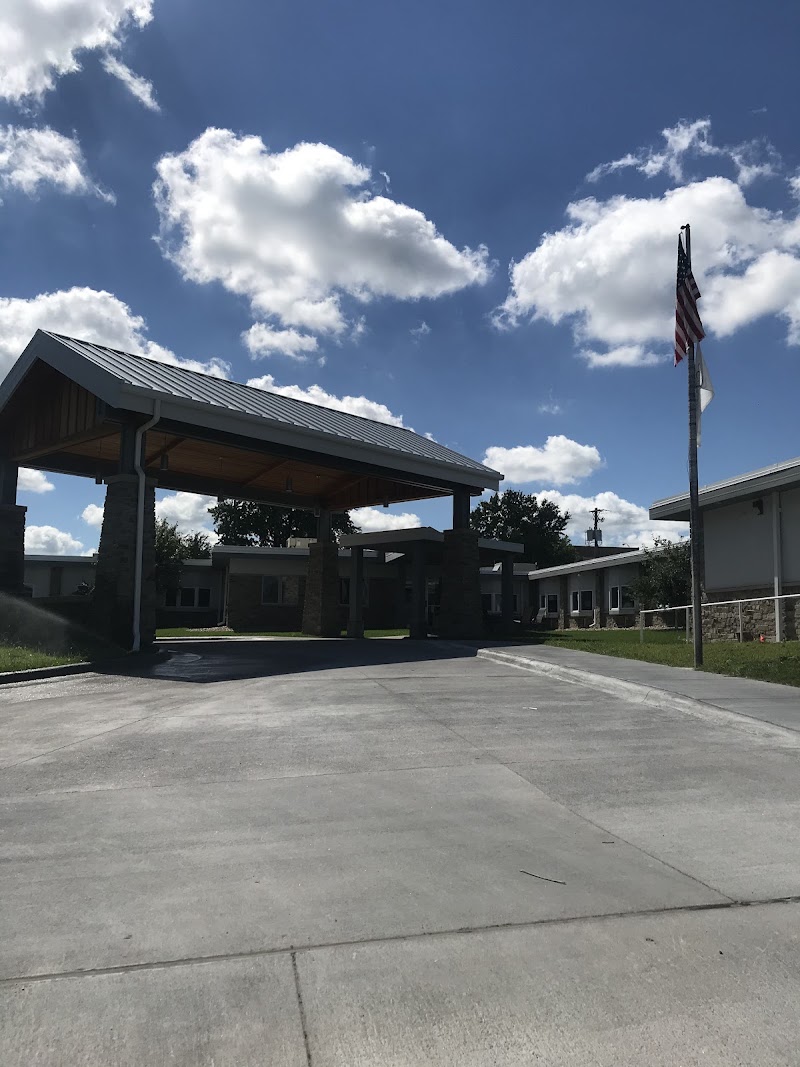
How is Good Samaritan Society - St John'S Staffed?

CMS rates Good Samaritan Society - St John's's staffing level at 3 out of 5 stars, which is average compared to other nursing homes. Staff turnover is 58%, which is 12 percentage points above the Nebraska average of 46%. High turnover can affect care consistency as new staff learn residents' individual needs.

What Have Inspectors Found at Good Samaritan Society - St John'S?

State health inspectors documented 31 deficiencies at Good Samaritan Society - St John's during 2022 to 2025. These included: 31 with potential for harm.
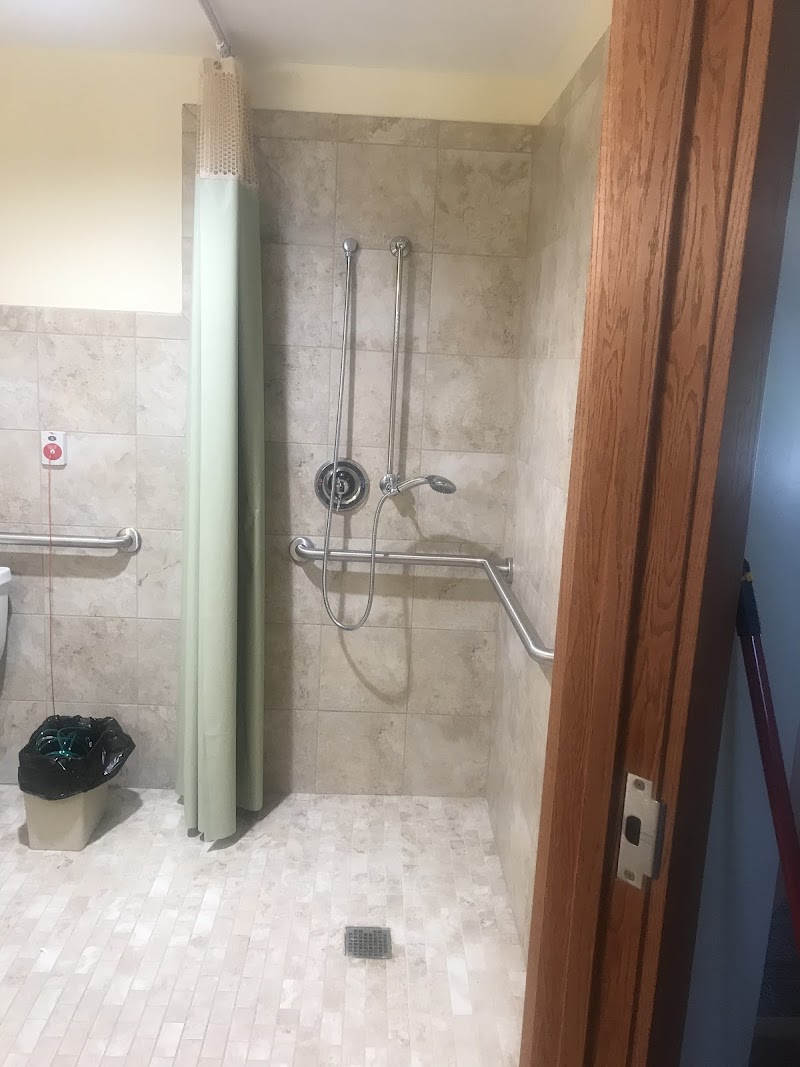
Who Owns and Operates Good Samaritan Society - St John'S?

Good Samaritan Society - St John's is owned by a non-profit organization. Non-profit facilities reinvest revenue into operations rather than distributing to shareholders. The facility is operated by GOOD SAMARITAN SOCIETY, a chain that manages multiple nursing homes. With 56 certified beds and approximately 45 residents (about 80% occupancy), it is a smaller facility located in Kearney, Nebraska.

How Does Good Samaritan Society - St John'S Compare to Other Nebraska Nursing Homes?

Compared to the 100 nursing homes in Nebraska, Good Samaritan Society - St John's's overall rating (1 stars) is below the state average of 2.9, staff turnover (58%) is significantly higher than the state average of 46%, and health inspection rating (2 stars) is below the national benchmark.

What Should Families Ask When Visiting Good Samaritan Society - St John'S?

Based on this facility's data, families visiting should ask: "How do you ensure continuity of care given staff turnover, and what is your staff retention strategy?" "Can I visit during a mealtime to observe dining assistance and food quality?" "How do you handle medical emergencies, and what is your hospital transfer rate?" "Can I speak with family members of current residents about their experience?" These questions are particularly relevant given the facility's high staff turnover rate.

Is Good Samaritan Society - St John'S Safe?

Based on CMS inspection data, Good Samaritan Society - St John's has a clean safety record: no substantiated abuse findings (meaning no confirmed cases of resident harm), no Immediate Jeopardy citations (the most serious violation level indicating risk of serious injury or death), and is not on the Special Focus Facility watch list (a federal program monitoring the lowest-performing 1% of nursing homes). The facility has a 1-star overall rating and ranks #100 of 100 nursing homes in Nebraska. While no facility is perfect, families should still ask about staff-to-resident ratios and recent inspection results during their visit.

Do Nurses at Good Samaritan Society - St John'S Stick Around?

Staff turnover at Good Samaritan Society - St John's is high. At 58%, the facility is 12 percentage points above the Nebraska average of 46%. High turnover means new staff may not know residents' individual needs, medications, or preferences. It can also be disorienting for residents, especially those with dementia who rely on familiar faces. Families should ask: What is causing the turnover? What retention programs are in place? How do you ensure care continuity during staff transitions?

Was Good Samaritan Society - St John'S Ever Fined?

Good Samaritan Society - St John's has no federal fines on record. CMS issues fines when nursing homes fail to meet care standards or don't correct problems found during inspections. The absence of fines suggests the facility has either maintained compliance or corrected any issues before penalties were assessed. This is a positive indicator, though families should still review recent inspection reports for the full picture.

Is Good Samaritan Society - St John'S on Any Federal Watch List?

Good Samaritan Society - St John's is not on any federal watch list. The most significant is the Special Focus Facility (SFF) program, which identifies the bottom 1% of nursing homes nationally based on persistent, serious quality problems. Not being on this list means the facility has avoided the pattern of deficiencies that triggers enhanced federal oversight. This is a positive indicator, though families should still review the facility's inspection history directly.