Good Samaritan Society - St Luke's Village
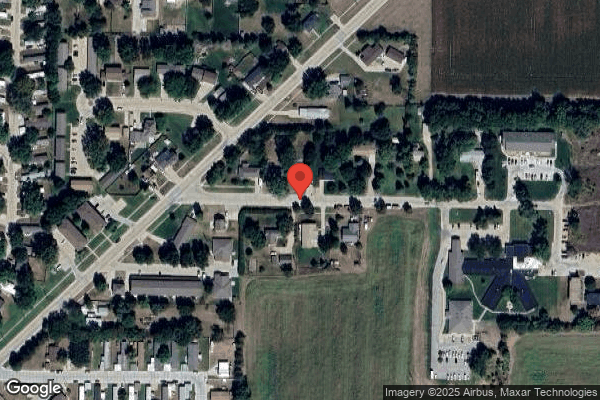
2201 East 32nd Street, Kearney, NE 68847 (308) 237-3108
For profit - Corporation 60 Beds GOOD SAMARITAN SOCIETY Data: November 2025 4 Immediate Jeopardy citations
Trust Grade
0/100
#153 of 177 in NE
Last Inspection: January 2025

Within standard 12-15 month inspection cycle. Federal law requires annual inspections.

Overview

Good Samaritan Society - St Luke's Village in Kearney, Nebraska, has received a Trust Grade of F, indicating significant concerns regarding resident care and safety. With a state rank of #153 out of 177 facilities, they are in the bottom half of nursing homes in Nebraska, and they rank last in Buffalo County. The facility's situation is worsening, having increased from 5 issues in 2024 to 14 in 2025, including critical failures to protect residents from verbal abuse by a staff member. While staffing is rated average with a 3/5 star rating, the turnover rate is concerning at 70%, significantly higher than the state average. In terms of RN coverage, the facility is better than 87% of state facilities, which is a strength, but the total fines of $84,076 raise alarms about repeated compliance problems. Families should be aware of both the concerning incidents of verbal abuse and the facility's struggles to maintain resident well-being.

Trust Score
F
0/100
In Nebraska
#153/177
Bottom 14%
Safety Record
High Risk
Review needed
Inspections
Getting Worse
5 → 14 violations
Staff Stability
⚠ Watch
70% turnover. Above average. Higher turnover means staff may not know residents' routines.
Penalties
✓ Good
$84,076 in fines. Lower than most Nebraska facilities. Relatively clean record.
Skilled Nurses
✓ Good
Each resident gets 51 minutes of Registered Nurse (RN) attention daily — more than average for Nebraska. RNs are trained to catch health problems early.
Violations
⚠ Watch
32 deficiencies on record. Higher than average. Multiple issues found across inspections.
★☆☆☆☆
1.0
Overall Rating
★★★☆☆
3.0
Staff Levels
★☆☆☆☆
1.0
Care Quality
★☆☆☆☆
1.0
Inspection Score
Stable
2024: 5 issues
2025: 14 issues

The Good

  • Full Sprinkler Coverage · Fire safety systems throughout facility
  • No fines on record

Facility shows strength in fire safety.

The Bad

1-Star Overall Rating

Below Nebraska average (2.9)

Significant quality concerns identified by CMS

Staff Turnover: 70%

24pts above Nebraska avg (46%)

Frequent staff changes - ask about care continuity

Federal Fines: $84,076

Well above median ($33,413)

Moderate penalties - review what triggered them

Chain: GOOD SAMARITAN SOCIETY

Part of a multi-facility chain

Ask about local staffing decisions and management

Staff turnover is elevated (70%)

22 points above Nebraska average of 48%

The Ugly 32 deficiencies on record

4 life-threatening
Apr 2025 2 deficiencies 2 IJ
CRITICAL (J) 📢 Someone Reported This

A family member, employee, or ombudsman was alarmed enough to file a formal complaint

Immediate Jeopardy (IJ) - the most serious Medicare violation

Quality of Care (Tag F0684)

Someone could have died · This affected 1 resident

**NOTE- TERMS IN BRACKETS HAVE BEEN EDITED TO PROTECT CONFIDENTIALITY** Licensure Reference Number: 175 NAC 12-006.09 Based on record reviews and interviews, the facility failed to follow physician or...

Read full inspector narrative →
**NOTE- TERMS IN BRACKETS HAVE BEEN EDITED TO PROTECT CONFIDENTIALITY** Licensure Reference Number: 175 NAC 12-006.09 Based on record reviews and interviews, the facility failed to follow physician orders for 1 of 4 sampled residents (Resident 1). The facility census was 42. The facility Administrator was notified on 4/16/25 at 7:48 PM of an Immediate Jeopardy (IJ) which began on 3/18/25. The IJ was removed on 4/16/25, as confirmed by surveyor onsite verification. Findings are: Review of Resident 1's Baseline Care Plan (BCP, a plan of care for the resident that includes the minimum information needed to provide effective, person-centered care immediately upon admission) last updated on 04/16/2025 revealed the resident was admitted to the facility on [DATE] from another facility for long term care. Further review of the BCP revealed Resident 1 has a communication problem related to Down's Syndrome (a disorder causing distinct facial appearance, intellectual disability, developmental delays), is non-verbal, takes an anticonvulsant, dependent for all care needs, and has a nutritional problem related to full reliance on Gastric tube feedings (PEG-Tube; a feeding tube inserted through the skin and into the stomach, bypassing the mouth and esophagus, for food and medicine). A review of Resident 1's Physician Orders for the month of 03/2025 revealed: -Dilantin Oral Suspension 125 mg/5 ml (used to treat certain type of seizures) Give 8 ml via PEG-Tube two times a day. Start Date: 02/25/2025 -Phenytoin Oral Tablet Chewable 50 mg (used to control certain type of seizures) Give 3.5 tablet via PEG-Tube every 12 hours PRN, if we run out of liquid Dilantin. Start Date: 02/25/2025 A record review of the Medication Administration Record (MAR) from March 1st through March 31, 2025 for Resident 1 revealed that the liquid Medication Dilantin was documented as see nurse notes for the 4 PM dose on 3/18/25 and 3/19/25. On 3/20/25 and 3/21/25 both 8 AM dose and 4 PM dose was documented as drug not available. On 3/23/25 for 4 PM dose and 3/25/25 for 8 AM dose was documented as drug not available. The MAR further revealed the Phenytoin Oral Tablet had no documentation from 3/18/25 through 3/20/25, and on 3/21/25 and 3/23/25 was documented as unknown and 3/25/25 Phenytoin was documented as effective. There was no other documentation for the month of March on the MAR. A record review of the MAR from April 1st through April 30, 2025 for Resident 1 revealed no documentation that Dilantin was administered for 8 AM on 4/8/2025, and the noon dose on 4/12/2025 and 4/13/2025. MAR further revealed no documentation that Phenytoin was administered for the Month of April 2025 A review of Resident 1's progress note dated 03/20/2025 revealed that Licensed Practical Nurse-B (LPN-B) sent a communication to the pharmacy stating, call placed to pharmacy and asked about resident's Dilantin refill. Medication is back ordered and should be delivered tomorrow. Review of Resident 1's progress notes for the month of March 2025 did not reveal any further documentation for Dilantin or Phenytoin. A record review of progress notes dated 04/16/2025 revealed that Resident 1 went to the hospital on [DATE] in the early am due to a seizure. The hospital notes reveal the residents' Dilantin levels were low, a new order was placed to increase the Dilantin. An interview with the pharmacy on 04/16/2025 at 4:50 PM confirmed the pharmacy did not have Dilantin or Phenytoin available to deliver to the facility from 3/18/25 through 3/21/2025. A review of Resident 1's communication form titled, Doctor of Medicine (MD)/Nursing Communications dated 03/28/2025 revealed on 03/23/2025 Phenytoin Oral Tablet Chewable 50 milligram (mg) give 3.5 tablet via PEG-Tube every 12 hours as needed for epilepsy use if we run out of liquid Dilantin administered due to liquid not available. The communication was signed by the physician on 03/31/2025. No other communication to the physician was found on notification that the medication was not available or provided. An interview with the DON and the Administrator (ADM) on 04/16/2025 at 5:10 PM confirmed there was no further documentation on the MAR or progress notes for providing the medication Dilantin on dates 3/18/2025-3/21/2025, 3/21/25, 3/23/25, and 3/25/25. The DON and the Administrator also confirmed that there was no documentation on the MAR to show that the medication Dilantin or Phenytoin Oral Tablet had been administered for the listed dates. DON and ADM further confirmed there was no documentation of administration of the medications on 04/08/2025 for the AM dose, 04/12/2025 noon dose, and 4/13/2025 noon dose. The DON and the ADM confirmed that the physician was not directly notified within 24 hours of the missing medication, and that the medication was not provided and should have been. A review of a facility policy titled, Medication: Administration Including Scheduling and Medication Aides dated 04/08/2025 revealed: -If a medication is given but not signed for, the person who administered the medication has 24 hours to sign, provided there is definitive evidence that the medication was administered. If not signed for within 24 hours, it is considered a medication error, and a SAFE Event Report must be completed. -Medication Errors: A SAFE Event Report will be completed for all medication errors. If medication is not available for 24 hours, the provider must be notified that the medication is not available and must give directions for how to proceed. The facility removed the immediate jeopardy with the following Abatement Statement: Resident 1's primary care provider was notified by the ADM and DON on 4/16/25 at 7:36 PM of the missing does of Dilantin. Resident 1 is currently in the hospital. All licensed nursing staff were immediately educated on the Policy Local Pharmacy Medication Ordering-R/S, LTC that were on shift 4/16/25. All licensed nursing staff will be educated prior to the next schedule shift. If a medication is not available, we will notify the physican immediately to get further direction and work with the pharmacy to get medication from another pharmacy. DON or designee with implement an end of shift checklist to monitor an potential missed medication and educate licensed nursing staff on checklist. DON or designee with audit for any unavailable or missed medications daily for 2 weeks, weekly for 2 weeks, and then monthly for 2 months until 100% compliance reached and brought to QAPI for further review and recommendations. At the time of the survey, the violation was determined to be at the immediate jeopardy level J. Based on observation, interview and record review completed during the onsite visit, it was determined the facility had implemented corrective action to remove the IJ violation at the time. A final revisit will be conducted to determine if the facility is in substantial compliance with participation requirements. At the time of exit, the severity of the deficiency was lowered to the D level.
CRITICAL (J) 📢 Someone Reported This

A family member, employee, or ombudsman was alarmed enough to file a formal complaint

Immediate Jeopardy (IJ) - the most serious Medicare violation

Pharmacy Services (Tag F0755)

Someone could have died · This affected 1 resident

**NOTE- TERMS IN BRACKETS HAVE BEEN EDITED TO PROTECT CONFIDENTIALITY** Licensure Reference Number: 175 NAC 12-006.12 Based on record reviews and interviews, the facility failed to ensure pharmacy pro...

Read full inspector narrative →
**NOTE- TERMS IN BRACKETS HAVE BEEN EDITED TO PROTECT CONFIDENTIALITY** Licensure Reference Number: 175 NAC 12-006.12 Based on record reviews and interviews, the facility failed to ensure pharmacy provided medications for 1 of 4 sampled residents (Resident 1). The facility census was 42. The facility Administrator was notified on 4/16/25 at 7:48 PM of an Immediate Jeopardy (IJ) which began on 3/18/25. The IJ was removed on 4/16/25, as confirmed by surveyor onsite verification. Findings are: Review of Resident 1's Baseline Care Plan (BCP, a plan of care for the resident that includes the minimum information needed to provide effective, person-centered care immediately upon admission) last updated on 04/16/2025 revealed the resident was admitted to the facility on [DATE] from another facility for long term care. Further review of the BCP revealed Resident 1 has a communication problem related to Down's Syndrome (a disorder causing distinct facial appearance, intellectual disability, developmental delays), is non-verbal, takes an anticonvulsant, dependent for all care needs, and has a nutritional problem related to full reliance on Gastric tube feedings (PEG-Tube; a feeding tube inserted through the skin and into the stomach, bypassing the mouth and esophagus, for food and medicine). A review of Resident 1's Physician Orders for the month of 03/2025 revealed: -Dilantin Oral Suspension 125 mg/5 ml (used to treat certain type of seizures) Give 8 ml via PEG-Tube two times a day. Start Date: 02/25/2025 -Phenytoin Oral Tablet Chewable 50 mg (used to control certain type of seizures) Give 3.5 tablet via PEG-Tube every 12 hours PRN, if we run out of liquid Dilantin. Start Date: 02/25/2025. A review of Resident 1's Medication Administration Record (MAR) dated 03/01/2025-03/31/2025 revealed that the resident was admitted to the facility on [DATE] from another facility for long term care. MAR for Resident 1 further revealed that the liquid Medication Dilantin was documented as see nurse notes for the 4 PM dose on 3/18/25 and 3/19/25. On 3/20/25 and 3/21/25 both 8 AM dose and 4 PM dose was documented as drug not available. On 3/23/25 for 4 PM dose and 3/25/25 for 8 AM dose was documented as drug not available. The MAR further revealed the Phenytoin Oral Tablet had no documentation from 3/18/25 through 3/20/25, and on 3/21/25 and 3/23/25 was documented as unknown and 3/25/25 Phenytoin was documented as effective. There was no other documentation for the month of March on the MAR. A record review of the MAR from April 1st through April 30, 2025 for Resident 1 revealed no documentation that Dilantin was administered for 8 AM on 4/8/2025, and the noon dose on 4/12/2025 and 4/13/2025. MAR further revealed no documentation that Phenytoin was administered for the Month of April 2025 A review of Resident 1's progress note dated 03/20/2025 revealed that Licensed Practical Nurse-B (LPN-B) sent a communication to the pharmacy stating, call placed to pharmacy and asked about resident's Dilantin refill. Medication is back ordered and should be delivered tomorrow. Review of Resident 1's progress notes for the month of March 2025 did not reveal any further documentation for Dilantin or Phenytoin. A record review of progress notes dated 04/16/2025 revealed that Resident 1 went to the hospital on [DATE] in the early am due to a seizure. The hospital notes reveal the residents' Dilantin levels were low, a new order was placed to increase the Dilantin. An interview with the pharmacy on 04/16/2025 at 4:50 PM confirmed the pharmacy did not have Dilantin or Phenytoin available to deliver to the facility from 3/18/25 through 3/21/2025. A review of Resident 1's communication form titled, Doctor of Medicine (MD)/Nursing Communications dated 03/28/2025 revealed on 03/23/2025 Phenytoin Oral Tablet Chewable 50 milligram (mg) give 3.5 tablet via PEG-Tube every 12 hours as needed for epilepsy use if we run out of liquid Dilantin administered due to liquid not available. The communication was signed by the physician on 03/31/2025. No other communication to the physician was found on notification that the medication was not available or provided. An interview with the DON and the Administrator (ADM) on 04/16/2025 at 5:10 PM confirmed there was no further documentation on the MAR or progress notes for providing the medication Dilantin on dates 3/18/2025-3/21/2025, 3/21/25, 3/23/25, and 3/25/25. The DON and the Administrator also confirmed that there was no documentation on the MAR to show that the medication Dilantin or Phenytoin Oral Tablet had been administered for the listed dates. DON and ADM further confirmed there was no documentation of administration of the medications on 04/08/2025 for the AM dose, 04/12/2025 noon dose, and 4/13/2025 noon dose. The DON and the ADM confirmed that the physician was not directly notified within 24 hours of the missing medication, and that the medication was not provided and should have been. The DON provided a facility checklist titled Nurse Shift Change Checklist dated 7/7/15 revealing: Purpose: Includes a list of items that need to be completed during the shift. 1. Verify all medications and treatments have been administered on either the clinical dashboard or eMAR (Electronic Medication Administration Record). A review of a facility policy titled, Medication: Administration Including Scheduling and Medication Aides dated 04/08/2025 revealed: -If a medication is given but not signed for, the person who administered the medication has 24 hours to sign, provided there is definitive evidence that the medication was administered. If not signed for within 24 hours, it is considered a medication error, and a SAFE Event Report must be completed. -Medication Errors: A SAFE Event Report will be completed for all medication errors. If medication is not available for 24 hours, the provider must be notified that the medication is not available and must give directions for how to proceed. A review of a facility policy titled, Local Pharmacy Medication Ordering dated 09/03/2024 revealed: -Purpose: To assist in resolving issues in receiving medications from a pharmacy. -If the medication is not available, notify the ordering physician immediately to determine whether the order should be changed tor starting the medication can wait until the medication is available from the pharmacy. Document in Progress Notes. The facility removed the immediate jeopardy with the following Abatement Statement: Resident 1's primary care provider was notified by the ADM and DON on 4/16/25 at 7:36 PM of the missing does of Dilantin. Resident 1 is currently in the hospital. All licensed nursing staff were immediately educated on the Policy Local Pharmacy Medication Orderins-R/S, LTC that were on shift 4/16/25. All licensed nursing staff will be educated prior to the next schedule shift. If a medication is not available, we will notify the physican immediately to get further direction and work with the pharmacy to get medication from another pharmacy. DON or designee with implement an end of shift checklist to monitor an potential missed medication and educate licensed nursing staff on checklist. DON or designee with audit for any unavailable or missed medications daily for 2 weeks, weekly for 2 weeks, and then monthly for 2 months until 100% compliance reached and brought to QAPI for further review and recommendations. At the time of the survey, the violation was determined to be at the immediate jeopardy level J. Based on observation, interview and record review completed during the onsite visit, it was determined the facility had implemented corrective action to remove the IJ violation at the time. A final revisit will be conducted to determine if the facility is in substantial compliance with participation requirements. At the time of exit, the severity of the deficiency was lowered to the D level.
Jan 2025 12 deficiencies
CONCERN (D) 📢 Someone Reported This

A family member, employee, or ombudsman was alarmed enough to file a formal complaint

Potential for Harm - no one hurt, but risky conditions existed

Report Alleged Abuse (Tag F0609)

Could have caused harm · This affected 1 resident

Based on record review, observation, and interview the facility failed to report an accident with major injury within the required time frames for 1 (Resident 31) of 2 sampled residents. The facility ...

Read full inspector narrative →
Based on record review, observation, and interview the facility failed to report an accident with major injury within the required time frames for 1 (Resident 31) of 2 sampled residents. The facility states census of 41. Record review of a facility policy titled Fall Prevention and Management dated 07/29/24 revealed to report to the state and regulatory agency when appropriate. A review of an admission Record indicated the facility admitted Resident 31 on 08/30/23 with diagnoses of dementia (which is a usually progressive condition marked by the development of multiple cognitive deficits (such as memory impairment, aphasia, and the inability to plan and initiate complex behavior), history of falls, and atrial fibrillation (which is when the heart has an irregular rhythm). Record review of the quarterly Minimum Data Set (MDS, a federally mandated comprehensive assessment tool used to determine a resident's functional capabilities and helps nursing home staff identify health problems), with an Assessment Reference Date (ARD) of 10/29/2024 revealed Resident 31 had a Brief Interview for Mental Status (BIMS, a brief screener that aids in detecting cognitive impairment), score of 10 indicating the resident was moderately cognitively impaired. The resident required substantial/maximal assistance with toilet use, transfers, and bed mobility. The resident used a wheelchair for propulsion throughout the facility. Record review of Resident 31's Progress Notes revealed that on 01/05/25 the resident suffered a fall and was taken to the hospital for care. Documentation further revealed the resident returned to the facility on the same day with sutures to the right hand. In an interview with the Director of Nursing Services (DNS), the DNS confirmed that the facility did not report Resident 31's fall with injury to the state or regulatory agency per facility policy and regulatory guidelines.
CONCERN (D)

Potential for Harm - no one hurt, but risky conditions existed

Assessment Accuracy (Tag F0641)

Could have caused harm · This affected 1 resident

**NOTE- TERMS IN BRACKETS HAVE BEEN EDITED TO PROTECT CONFIDENTIALITY** Licensure Reference Number 175 NAC 12.006.09B Based on record review and interview the facility failed to ensure Minimum Data Se...

Read full inspector narrative →
**NOTE- TERMS IN BRACKETS HAVE BEEN EDITED TO PROTECT CONFIDENTIALITY** Licensure Reference Number 175 NAC 12.006.09B Based on record review and interview the facility failed to ensure Minimum Data Set (MDS, a federally mandated comprehensive assessment tool used to determine a resident's functional capabilities and helps nursing home staff identify health problems) accuracy related to psychotropic medication use for one (Resident 13) of one sampled resident. The facility identified a census of 41. Findings are: A record review of Resident 13's admission Record, reviewed on 1/22/25, revealed that Resident 13 had been admitted into the facility on 2/9/24 with a primary diagnosis of hemiplegia (paralysis or weakness on one side of the body). A record review of the Quarterly MDS dated [DATE] revealed Resident 13 had a Brief Interview for Mental Status (BIMS, a brief screener that aids in detecting cognitive impairment) (score: 13-15: indicating cognitively intact, 8-12: indicating moderately impaired and 0-7: indicating severe impairment) score of 15 which indicated no cognitive impairment. A record review of the Medication Administration Record (MAR) dated January 2025 revealed Resident 13 was receiving the following medications which affected mood and behavior, *Clonazepam Oral Tablet 0.5 milligrams (mg) Give 0.5 mg by mouth at bedtime for anxiety. Start date: 02/19/2024. *Escitalopram Oxalate Oral Tablet 20 mg Give 1 tablet by mouth one time a day related to Major Depressive Disorder, recurrent. Start date: 02/10/2024. *Mirtazapine Oral Tablet 15 mg Give 1 tablet by mouth at bedtime related to Major Depressive Disorder, recurrent. Start date: 02/09/2024. *Olanzapine Oral Tablet 2.5 mg Give 2.5 mg by mouth at bedtime related to Major Depressive Disorder, recurrent. Start date: 09/22/2024. A record review of the Quarterly MDS dated [DATE] for Resident 13, Section N, question N0450 reads A. did the resident receive antipsychotic medications since admission/entry or reentry or the prior OBRA assessment, whichever is more recent? With an answer of 0 indicating antipsychotics were not received. An interview on 1/27/25 at 11:02 AM with the Director of Nursing (DON) after review of the MDS dated [DATE] for Resident 13, confirmed that Section N, question N0450 was coded incorrectly and did not reflect the antipsychotic medication that Resident 13 was taking and should have. The DON also confirmed that the facility did not have a MDS policy but followed the Resident Assessment Instrument (RAI) manual. A record review of the RAI manual (Version 3.0) revealed that it contained the following guidance related to completion of the MDS, The RAI process has multiple regulatory requirements. Federal regulations at 42 CFR 483.20 (b)(1)(xviii), (g), and (h) require that (1) the assessment accurately reflects the resident's status.
CONCERN (D)

Potential for Harm - no one hurt, but risky conditions existed

Comprehensive Care Plan (Tag F0656)

Could have caused harm · This affected 1 resident

Licensure Reference Number 175 NAC 12-006.09(H)(vi) Based on record review and interview, the facility failed to develop a care plan with measurable goals and interventions to address the care and tre...

Read full inspector narrative →
Licensure Reference Number 175 NAC 12-006.09(H)(vi) Based on record review and interview, the facility failed to develop a care plan with measurable goals and interventions to address the care and treatment for residents with dementia for 2 (Residents 31 and 35) of 2 sampled residents. The facility census was 41. Findings are: Review or a facility policy titled Psychotropic Medications dated 12/30/2024 revealed behavioral interventions are individualized, non-pharmacological approaches that are provided as part of a supportive physical and psychosocial environment and are directed toward understanding, preventing, relieving and or accommodating a resident's distress or loss of abilities as well as maintaining or improving a residents mental physician or psychosocial wellbeing. A. A review of an admission Record indicated the facility admitted Resident 31 on 08/30/2023 with diagnoses of dementia (which is a usually progressive condition marked by the development of multiple cognitive deficits (such as memory impairment, aphasia, and the inability to plan and initiate complex behavior. The quarterly Minimum Data Set (MDS, a federally mandated comprehensive assessment tool used to determine a resident's functional capabilities and helps nursing home staff identify health problems), with an Assessment Reference Date (ARD) of 10/29/2024 revealed Resident 31 had a Brief Interview for Mental Status (BIMS, a brief screener that aids in detecting cognitive impairment), score of 10 indicating the resident was moderately cognitively impaired. The MDS was coded to reflect the resident received routine antidepressant (a medication used to treat depression) and antianxiety (a medication used to decrease anxiety symptoms) medications. Review of Resident 31's Physician Orders on 01/22/2025 revealed Resident 31 had routine orders to receive antipsychotic and antidepressant medications. Review of Resident 31's Care Plan revealed no measurable goal or intervention related to the resident receiving antipsychotic medication. There were no specific target behaviors or interventions to prevent or manage behaviors listed on Resident 31's Care Plan. In an interview completed on 01/23/2025 at 9:30 AM with Nurse Aide C (NA-C), NA-C stated that Resident 31 had the behavior or repeating the same statements or requesting the same thing over and over again. In an interview completed on 01/23/2025 at 10:30 AM with Licensed Practical Nurse E (LPN-E), LPN-E stated resident specific target behaviors are documented in progress notes and on each resident's treatment administration record. The LPN confirmed that Resident 31 had no specific target behaviors listed on their treatment administration record. In an interview completed on 01/27/2025 at 11:14 AM with the facility Director of Nursing Services (DNS) the DNS confirmed Resident 31 did not have any specific target behaviors listed on the resident's treatment administration record or on the residents Care Plan. B. A review of an admission Record indicated the facility admitted Resident 35 on 06/20/2024 with diagnoses of type 2 diabetes (a common form of diabetes mellitus that develops especially in adults and most often in obese individuals and that is characterized by hyperglycemia resulting from impaired insulin utilization coupled with the body's inability to compensate with increased insulin production), hypertension (which is high blood pressure), and retention of urine (a condition where a person is unable to completely empty their bladder). The quarterly MDS, with an ARD of 12/31/2024 revealed Resident 35 had a BIMS score of 13 indicating the resident was cognitively intact. The MDS was coded to reflect the resident received routine antipsychotic and antidepressant medications. Review of Resident 35 Physician Orders on 01/22/2025 revealed Resident 35 had routine orders to receive antipsychotic and antidepressant medications. Review of Resident 35 Care Plan revealed no measurable goal or intervention related to the resident receiving antipsychotic or antidepressant medication. There were no specific target behaviors or interventions to prevent or manage behaviors listed on Resident 35's care plan. In an interview completed on 01/23/2025 at 9:30 AM with Nurse Aide C (NA-C), NA-C stated that Resident 35 would become inpatient when waiting for staff to come and assist them so when staff would enter the room the resident would be short tempered with them. In an interview completed on 01/27/2025 at 11:14 AM with the facility Director of Nursing Services (DNS) the DNS confirmed Resident 35 Care Plan did not address the residents use of antipsychotic or antidepressant medications.
CONCERN (D)

Potential for Harm - no one hurt, but risky conditions existed

Deficiency F0678 (Tag F0678)

Could have caused harm · This affected 1 resident

**NOTE- TERMS IN BRACKETS HAVE BEEN EDITED TO PROTECT CONFIDENTIALITY** Based on record review and interviews, the facility failed to provide life saving measures to a resident who desired cardiopulmo...

Read full inspector narrative →
**NOTE- TERMS IN BRACKETS HAVE BEEN EDITED TO PROTECT CONFIDENTIALITY** Based on record review and interviews, the facility failed to provide life saving measures to a resident who desired cardiopulmonary resuscitation (CPR, a lifesaving attempt combination of rescue breathing and chest compressions when someone's heart has stopped ) for 1 (Resident 39) of 42 residents sampled. The facility census was 41. Findings are: Initiation of Cardiopulmonary resuscitation (CPR) -If cardiac arrests occur, CPR must be initiated unless the resident has: -A valid DNR order on file that includes the medical order issued by a physician or other authorized non-physician practitioner. -A valid Advance Direction on file that includes written instructions such as a living will or durable power of attorney (DPOA) for healthcare, recognized under state law (weather statutory or a recognized by the courts of the state), and relating to the provision of healthcare when the individual is incapacitated. -The resident has obvious signs of clinical death (e.g., rigor mortis (the stiffening of muscles that occurs after death), dependent lividity (a discoloration of the skin that occurs after death), decapitation (separation of the head from the body), transection (the [NAME] of a part of the body) or decomposition (the state or process of decay). -The initiation of CPR could cause injury or peril to the rescuer. A record review of Resident 39's admission Record revealed a admission date of [DATE]. A record review of Resident 39's Progress Notes dated [DATE] revealed Resident 39 was admitted with diagnosis of acute on chronic diastolic heart failure (Which is a condition in which the heart muscle is unable to pump enough blood to meet the bodies needs for blood and oxygen). The Progress Note further revealed that Resident 39's wishes were reviewed with the resident and family and Resident 39 was documented as wanting to have CPR performed. A record review of Resident 39's Progress Notes dated [DATE] revealed that 2 Nursing Assistants (NA) reported to the Nurse on duty at the time, that the resident in room [ROOM NUMBER] is dead. The nurse further wrote, intention to try CPR, but resident had total back repaired wearing a brace to support chest/upper back, resident has pacemaker (an implanted device that regulates heart's rhythm and rate by sending electrical pulses) and the resident was cold and discolored at extremities. An interview on [DATE] at 3:10 PM with the Director of Nursing Services (DNS) revealed that (gender) received a phone call from the nurse on duty at the time of the incident and was alerted that the resident was found absence of vitals, cool to the touch and blue on the mouth. DNS further reveals, the nurse also stated that the call light was within reach and CPR was not initiated because the resident was cool to the touch, blue on the mouth and oxygen would not register. The DNS was then asked about the timeline and revealed (gender) was notified that the resident was found at 3:30 AM and the DNS states (gender) was called at 3:49 AM. The DNS revealed not knowing why (gender) was not notified sooner and did not interview the nurse on duty at the time as to the reason why (gender) was not notified immediately. DNS further confirmed that all staff were not re-educated on the this incident and or the facility policy regarding CPR. An interview on [DATE] at 4:57 PM with Registered Nurse-F (RN-F) revealed RN-F was on duty at the time of the incident. RN-F stated (gender) saw Resident 39 around 1:00 AM and the 2 NA's on duty that evening assisted Resident 39 to the bathroom and nothing seemed different with Resident 39. RN-F further revealed that another resident at the facility had deceased , the mortician and family were present at the facility talking with the nurse and completing paperwork when the same 2 NA's stated they heard a beeping noise and checked on Resident 39, then notifying RN-F the resident was unresponsive. RN-F revealed that after assisting the mortician and family of the recently deceased resident, RN-F went to Resident 39's room [ROOM NUMBER] at 3:30 AM, hearing a beeping noise while finding the resident unresponsive. The blankets were thrown on the floor, RN-F could not recall if the oxygen tubing was on, off, or if they themselves took the tubing from Resident 39. RN-F revealed the beeping was from the continuous glucose monitor alerting a low blood sugar. RN-F revealed that (gender) checked Resident 39's code status, grabbed the automated external defibrillator (AED) machine (a medical device designed to analyze the heart rhythm and deliver an electric shock to victims of ventricular fibrillation to restore the heart rhythm to normal), checked pulse and provided a sternum rub (a painful stimulus applied to the sternum to assess a person's level of consciousness). RN-F revealed there was no pulse, (gender) did not initiate CPR, however (gender) called the DNS at 3:49 AM and they made the decision to not perform CPR. RN-F was interviewed on the policy for providing CPR and stated (gender) was aware of what the policy states on when and who is to receive CPR and that for this incident involving Resident 39, CPR was not initiated. Record review of a policy titled, Advance Directive including Cardiopulmonary Resuscitation (CPR) and Automated External Defibrillator (AED) dated [DATE]. The purpose is to provide each resident the opportunity to make decisions related to medical care and select a proxy. To define a process to make resident decisions known. And to provide early defibrillation due to cardiac arrest to residents, staff and visitors. Initiation of Cardiopulmonary resuscitation (CPR) -If cardiac arrests occur, CPR must be initiated unless the resident has: -A valid DNR order on file that includes the medical order issued by a physician or other authorized non-physician practitioner. -A valid Advance Direction on file that includes written instructions such as a living will or durable power of attorney (DPOA) for healthcare, recognized under state law (weather statutory or a recognized by the courts of the state), and relating to the provision of healthcare when the individual is incapacitated. -The resident has obvious signs of clinical death (e.g., rigor mortis (the stiffening of muscles that occurs after death), dependent lividity (a discoloration of the skin that occurs after death), decapitation (separation of the head from the body), transection (the [NAME] of a part of the body) or decomposition (the state or process of decay). -The initiation of CPR could cause injury or peril to the rescuer.
CONCERN (D)

Potential for Harm - no one hurt, but risky conditions existed

Quality of Care (Tag F0684)

Could have caused harm · This affected 1 resident

Licensure Reference Number 175 NAC 12.006.09D3(5) Based on record review and interview, the facility failed to ensure bowel care management was provided to prevent constipation for one (Resident 30) o...

Read full inspector narrative →
Licensure Reference Number 175 NAC 12.006.09D3(5) Based on record review and interview, the facility failed to ensure bowel care management was provided to prevent constipation for one (Resident 30) of two sampled residents. The facility identified a census of 41. Findings are: A record review of Resident 30's admission Record, revealed that the resident had been admitted into the facility on 8/27/23 with a primary diagnosis of chronic respiratory failure with hypoxia (a condition where the body is unable to effectively exchange oxygen and carbon dioxide in the lungs over a prolonged period of time). A record review of the Significant Change Minimum Data Set (MDS, a federally mandated comprehensive assessment tool used to determine a resident's functional capabilities and helps nursing home staff identify health problems) dated 12/16/24, Section C, revealed Resident 30 had a Brief Interview for Mental Status (BIMS, a brief screener that aids in detecting cognitive impairment score: 13-15: indicating cognitively intact, 8-12: indicating moderately impaired and 0-7: indicating severe impairment) score of 06 which indicated severe cognitive impairment. Section H, question H0400 revealed it was coded as a 3 indicating that Resident 30 was always incontinent of bowel. A record review of the undated Comprehensive Care Plan (CCP, a document that includes measurable objectives and timetables to meet a resident's medical, nursing, and mental and psychosocial needs that are identified in the comprehensive assessment) for Resident 30 revealed that it contained the following problem statement, goal and interventions related to constipation, Observe/monitor/document/report to health care provider PRN (when needed) s/s (signs and symptoms) of complications related to constipation: change in mental status, new onset: confusion, sleepiness, inability to maintain posture, agitation, bradycardia (slow, low pulse), swollen abdomen, vomiting, small loose stools, fecal smearing, bowel sounds, sweating, abdomen tenderness, guarding, rigidity. The resident is at risk of constipation R/T (related to) Decreased mobility, Medications side effects. The resident will have a normal bowel movement at least every 3 days through the review date. A record review of bowel documentation for the last 30 days for Resident 30 revealed no Bowel Movement (BM) had been documented 12/31/24 through 1/5/25 for a total of 5 days. A record review of the Medication Administration Record (MAR) dated December 2024 and January 2025 revealed no as needed (PRN) medications had been documented for bowel care management during the timeframe of 12/31/24 through 1/27/25. An interview with the Director of Nursing (DON) on 1/23/25 at 10:38 AM revealed that the facility did not have any standing orders or bowel protocol policy to prevent constipation. During the interview on 1/23/25 at 10:38 AM with the DON revealed that the facility expectations and process was that the evening nurse would look at the bowel report pulled from the Electronic Medical Record (EMR) and if no BM in 3 days, PRN bowel medications were given on evening shift. If the resident had no PRN bowel medications available a call would be placed to the physician and orders would be obtained. If PRN bowel medications were already in place, those medications would be given that evening. If those PRN medications did not result in the resident having a BM then staff would be instructed to give the next available PRN, as example, give PRN Milk of Magnesia an over-the-counter (OTC) laxative used for the treatment for constipation and if no results then the resident would be given a PRN Dulcolax suppository (a rectal medication used to treat constipation or to empty the bowels) and if no results from that, the resident would be given a PRN Fleets enema (works by increasing water in the intestine to hydrate and soften the stool to help produce a bowel movement) and if still no bowel movement, the nurse would notify the physician. After review of the BM documentation and the MAR dated December 2024 and January 2025 the DON confirmed that staff did not follow facility expectations related to bowel management for Resident 30.
CONCERN (D) 📢 Someone Reported This

A family member, employee, or ombudsman was alarmed enough to file a formal complaint

Potential for Harm - no one hurt, but risky conditions existed

Accident Prevention (Tag F0689)

Could have caused harm · This affected 1 resident

Licensure Reference Number 175 NAC 12-006.09(I) Based on record review, observation, and interview the facility failed to use cause analysis to place intervention to prevent accidents for 1 (Resident ...

Read full inspector narrative →
Licensure Reference Number 175 NAC 12-006.09(I) Based on record review, observation, and interview the facility failed to use cause analysis to place intervention to prevent accidents for 1 (Resident 35) of 2 sampled residents to prevent accidents. Facility states census of 41. Findings are: Record review of a facility policy titled Fall Prevention and Management dated 07/29/24 revealed to complete Fall Scene Huddle Worksheet and that the care plan is to be reviewed and updated with any changes or new interventions. Record review of the admission Record revealed the facility admitted Resident 35 on 06/20/24 with diagnoses of type 2 diabetes (a common form of diabetes mellitus that develops especially in adults and most often in obese individuals and that is characterized by hyperglycemia resulting from impaired insulin utilization coupled with the body's inability to compensate with increased insulin production), hypertension (which is high blood pressure), and retention of urine (a condition where a person is unable to completely empty their bladder). Record review of the quarterly Minimum Data Set (MDS, a federally mandated comprehensive assessment tool used to determine a resident's functional capabilities and helps nursing home staff identify health problems), with an Assessment Reference Date (ARD) of 12/31/2024 revealed Resident 35 had a Brief Interview for Mental Status (BIMS: a brief screener that aids in detecting cognitive impairment), score of 13 indicating the resident was cognitively intact. The resident required supervision or touching assistance with toilet use and transfers and was independent with bed mobility. The resident used assistive devices of wheelchair and walker for mobility throughout the facility. The resident was coded to be occasionally incontinent of bladder and always continent of bowel and did not have a toileting program. Record review of Resident 35's electronic medical health record revealed: -On 12/12/24 Resident 35 was found on the floor of their room the resident indicated they fell while trying to get to the bathroom. -On 12/22/24 Resident 35 was found on the floor of their room the resident was attempting to self-transfer due to having to go to the bathroom. -On 12/29/24 Resident 35 was found on the floor of their room the resident was attempting to ambulate independently to the bathroom. Record review of Resident 35's Care Plan revealed no focuses or interventions involving the resident's urinary incontinence, urinary retention, or falls due to need to toilet. In an interview with Resident 35 on 01/22/24 at 9:30 AM revealed that [gender] had suffered from frequent falls due to having to go to the bathroom and not being able to wait for staff assistance. In an interview completed on 01/23/2025 at 9:30 AM with Nurse Aide C (NA-C), NA-C revealed that Resident 35 had suffered from falls. The NA-C revealed the resident often would not wait for staff assistance for help going to the bathroom and would fall. The NA denied the resident being on scheduled or other toileting plan. In an interview completed on 01/23/2024 at 2:45 PM with the DNS, the DNS confirmed that documentation for Resident 35 revealed the falls were associated with the residents need to toilet. The DNS confirmed that the residents care plan had no focuses or interventions placed to assist the resident with his falls due to toileting needs.
CONCERN (D)

Potential for Harm - no one hurt, but risky conditions existed

Deficiency F0712 (Tag F0712)

Could have caused harm · This affected 1 resident

**NOTE- TERMS IN BRACKETS HAVE BEEN EDITED TO PROTECT CONFIDENTIALITY** Based on record reviews and interviews, the facility failed to ensure the frequency of physician visits were completed within fe...

Read full inspector narrative →
**NOTE- TERMS IN BRACKETS HAVE BEEN EDITED TO PROTECT CONFIDENTIALITY** Based on record reviews and interviews, the facility failed to ensure the frequency of physician visits were completed within federal guidelines. This affected 2 residents, Resident 31 and Resident 35. The facility census was 41. Findings Are: A facility policy titled, Physicians Visits-Rehab/Skilled, dated 03/04/2024, was reviewed. The policy revealed the procedure: -Timing of physician's visits is based on the admission date of the resident. -Visits are required every 30 days for the first 90 days. -After 90 days, physician visits are required every 60 days. -Physician visits are considered timely if the visit occurs no later than 10 days after the due date. -The date these time periods are calculated from does not change due to a late visit. The dates continue to be calculated from the admission and thus, would be due in a shorter period if visits were made late. -If a physician is continually late completing required visits: -The director of nursing services, administrator, and/or medical director should communicate with the physician to attempt to correct this problem. A. A record review of Resident 35's admission Record revealed Resident 35 was admitted to the facility on [DATE]. A record review of Resident 35's physician's visits revealed the resident was seen by their physician on 06/25/2024, 07/25/2024, 09/10/2024, 9/19/2024, 10/24/2024, and 12/17/2024. B. A record review of Resident 31's admission Record revealed Resident 31 was admitted to the facility on [DATE]. A record review of Resident 31's physician's visits revealed the resident was seen by their physician on 01/29/2024, 05/28/2024, 8/26/2024, 11/22/2024, 12/19/2024, and 01/02/2025. An interview on 1/28/25 at 3:00 PM with the Director of Nursing Services (DNS) and Administrator confirmed that Resident 35 was not seen by their provider every 30 days for the first 90 days after admission as required. The DNS and Administrator also confirmed that Resident 31 was not seen by their provider every 60 days as required.
CONCERN (D)

Potential for Harm - no one hurt, but risky conditions existed

Pharmacy Services (Tag F0755)

Could have caused harm · This affected 1 resident

**NOTE- TERMS IN BRACKETS HAVE BEEN EDITED TO PROTECT CONFIDENTIALITY** Licensure Reference Number 175 NAC 12.006.12(B)(3) Based on observation, interview and record review; the facility failed to ens...

Read full inspector narrative →
**NOTE- TERMS IN BRACKETS HAVE BEEN EDITED TO PROTECT CONFIDENTIALITY** Licensure Reference Number 175 NAC 12.006.12(B)(3) Based on observation, interview and record review; the facility failed to ensure that medications were administered per facility policy for 1 (Resident 28) of 3 sampled residents. The facility identified a census of 41. Findings are: A record review of the facility policy titled Medication Administration Including Scheduling and Medication Aides with a reviewed/revised date of 3/29/23 contained the following guidance related to medication administration: Medications are administered to the resident according to the Six Rights. All employees passing medications are familiar with action and adverse reactions of medications. Procedure: 4. Follow the Six Rights: Right medication, right dose, right resident, right route, right time, and right documentation. 5. Perform three checks: Read the label on the medication container and compare with the MAR when removing the container from the supply drawer, when placing the medication in an administration cup/syringe and just before administering the medication. A record review of Resident 28's admission Record revealed that Resident 28 had been admitted into the facility on [DATE] with a primary diagnosis of rheumatoid arthritis (a chronic autoimmune disease that primarily affects the joints, causing inflammation, pain, and stiffness) and a secondary diagnosis of age-related osteoporosis (a condition that weakens bones and increases the risk of fractures) without current pathological fracture (a bone fracture that occurs in a weakened bone due to an underlying disease or condition). An observation on 1/23/25 at 7:15 AM revealed medications were prepared and provided by Medication Aide (MA)-B to Resident 28. The cassette for one of the medications for Resident 28 revealed a label which read Calcium Carbonate (Ca+) with Vitamin D (Vit D) once daily. A record review of an Electronic Prescription-Surescripts for Resident 28, with a Date Written of 12/16/2024 revealed the provider had written an order for Resident 28 to receive calcium carbonate 600mg- vitamin D3 5 micrograms (mcg) tablet, 1 tablet by mouth daily. A record review of Resident 28's January 2025 MAR revealed an order for Calcium Carbonate 600 mg tablet, give 2 tablets by mouth one time daily, with a start date of 10/5/2024. There was no order on the MAR for the combination medication calcium carbonate/vitamin D3. An interview on 1/23/25 at 10:38 AM with the facility Director of Nursing Services (DNS) confirmed that the medication cassette and MAR for Resident 28 did not match and that the Ca+ with Vit D order for Resident 28 had been faxed directly to the pharmacy by the provider and had not been relayed to the facility, resulting in the cassette and MAR not matching. An interview conducted via telephone on 1/23/25 at 12:17 PM with Pharmacist-C revealed that the process for receiving orders for the facility was not always consistent. Pharmacist-C voiced that some of the physicians would send new orders or changes in orders for residents directly to the pharmacy instead of to the facility, resulting in the medication orders being changed on the cassette labels and the medications within those dispensing cassettes, but the facility may not have been informed to ensure that the Order Summaries and the MARs were correct and matched the new medication cassettes.
CONCERN (D)

Potential for Harm - no one hurt, but risky conditions existed

Medication Errors (Tag F0758)

Could have caused harm · This affected 1 resident

Licensure Reference Number 175 NAC 12.006.09B(8)(b) Based on interview and record review the facility failed to ensure behavior monitoring and documentation supported the use of psychotropic medicatio...

Read full inspector narrative →
Licensure Reference Number 175 NAC 12.006.09B(8)(b) Based on interview and record review the facility failed to ensure behavior monitoring and documentation supported the use of psychotropic medications and that there was clinical rationale when a gradual dose reduction was not done for a psychotropic medication for 1 (Resident 13) of 5 sampled residents. The facility identified a census of 41. Findings Are: A. A record review of Resident 13's admission Record, reviewed on 1/22/25, revealed that Resident 13 had been admitted into the facility on 2/9/24 with a primary diagnosis of hemiplegia (paralysis or weakness on one side of the body). A record review of the Quarterly Minimum Data Set (MDS, a federally mandated comprehensive assessment tool used to determine a resident's functional capabilities and helps nursing home staff identify health problems) dated 10/29/24 revealed Resident 13 had a Brief Interview for Mental Status (BIMS, a brief screener that aids in detecting cognitive impairment) (score: 13-15: indicating cognitively intact, 8-12: indicating moderately impaired and 0-7: indicating severe impairment) score of 15 which indicated no cognitive impairment. A record review of the Medication Administration Record (MAR) dated January 2025 revealed Resident 13 was receiving the following medications which required behavior monitoring: -Clonazepam (an antianxiety medication) oral tablet 0.5 milligrams (mg), Give 0.5 mg by mouth at bedtime for anxiety, -Escitalopram Oxalate (an antidepressant medication) oral tablet 20 mg. Give 1 tablet by mouth one time a day related to Major Depressive Disorder, recurrent, -Mirtazapine (an antidepressant medication) oral tablet 15 mg. Give 1 tablet by mouth at bedtime related to Major Depressive Disorder, recurrent, and -Olanzapine (an antipsychotic medication) oral tablet 2.5 mg. Give 2.5 mg by mouth at bedtime related to Major Depressive Disorder, recurrent. A record review of the Treatment Administration Record (TAR) dated January 2025 for Resident 13 revealed the following order related to monitoring for target behaviors: -Resident 13 is on antipsychotic medication therapy, Zyprexa (olanzapine) related to Major Depressive Disorder (MDD) and anxiety. Target behavior: 1) sad statements about spouse's death and 2) self-isolation, encourage resident to come out of room for activities and dining room, monitor and document verbal or nonverbal signs that resident is becoming anxious. This order was to be documented on every 12 hours for antipsychotic monitoring. Further review of the January 2025 TAR documentation for the above order revealed that there were 15 opportunities to document that were left blank, 26 opportunities documented as not applicable (NA), and 10 opportunities documented as 0. There was also one shift with a 1 documented, which was on 1/15/25 and indicated Resident 13 had made sad statements, there was no correlating Progress Note documenting the behavior or any interventions provided. A record review of the TAR dated December 2024 for Resident 13 revealed the following order related to monitoring for target behaviors: -Resident 13 is on antipsychotic medication therapy Zyprexa related to MDD and anxiety. Target behavior: 1) sad statements about spouse's death and 2) self-isolation, encourage resident to come out of room for activities and dining room, monitor and document verbal or nonverbal signs that resident is becoming anxious. This order was to be documented on every 12 hours for antipsychotic monitoring. Further review of the December 2024 TAR documentation for the above order revealed that there were 14 opportunities to document that were left blank, 17 opportunities documented as NA, and 24 opportunities documented as 0. There were also 7 opportunities to document that had target behaviors documented: 12/2/24, 12/4/24, 12/6/24, 12/7/24, 12/8/24, 12/9/24, and 12/14/24 with no correlating Progress Note documenting the behavior or interventions provided. A record review of the TAR dated November 2024 for Resident 13 revealed the following order related to monitoring for target behaviors: -Resident 13 is on antipsychotic medication therapy Zyprexa related to MDD and anxiety. Target behavior: 1) sad statements about spouse's death and 2) self-isolation, encourage resident to come out of room for activities and dining room, monitor and document verbal or nonverbal signs that resident is becoming anxious. This order was to be documented on every 12 hours for antipsychotic monitoring. Further review of the November 2024 TAR documentation for the above order revealed that there were 12 opportunities that were left blank, 9 opportunities documented as NA, and 18 opportunities documented as 0. A record review of the facility policy titled Behavior Management with a review/revised date of 12/30/24, revealed the following guidance related to behaviors and read as follows: If a behavior is ongoing and repetitive during the shift, have the CNA (Certified Nursing Assistant) document the behavior, Social Services or Nursing also should document on the Progress Note regarding the repetitiveness and pervasiveness of the behavior. An interview on 1/27/25 at 11:40 AM with Nurse Aide (NA)-O revealed that Resident 13's behaviors were self-isolation and making sad statements, especially regarding the death of (gender) spouse. NA-O revealed that Resident 13 had been attending more activities and attended meals in the dining room instead of in (gender)'s room. An interview on 1/27/25 at 11:42 AM with Medication Aide (MA)-B revealed that Resident 13's target behaviors were self-isolation and making sad statements, especially regarding the death of (gender) spouse. MA-B revealed that Resident 13 bad been attending more activities and attended meals in the dining room instead of in (gender)'s room. A record review of the Gradual Dose Reductions (GDR) signed by the physician on 12/19/24 revealed that the physician had declined to attempt a dose reduction for the antipsychotic medications that Resident 13 was taking. There was no evidence of clinical rationale for declining the dose reduction. An interview on 1/27/25 at 1:02 PM with the facility's Director of Nursing Services (DNS) confirmed that the staff had been seeing an improvement in Resident 13's spirit and socialization as evidenced by attending more activities and meals outside of (gender)'s room. The DNS further confirmed that staff had not been documenting behaviors to support the use of the psychotropic medications for Resident 13 and that the GDR form signed by the physician did not provide a clinical rationale for not trialing a dose reduction.
CONCERN (F)

Potential for Harm - no one hurt, but risky conditions existed

Deficiency F0801 (Tag F0801)

Could have caused harm · This affected most or all residents

Based on observation, record review, and interview the facility failed to ensure they had either a full time Registered Dietitian (RD) or that the Director of food and nutritional services met the reg...

Read full inspector narrative →
Based on observation, record review, and interview the facility failed to ensure they had either a full time Registered Dietitian (RD) or that the Director of food and nutritional services met the regulatory requirements. This had the potential to affect all 41 residents who consumed foods prepared in the facility kitchen. The facility census was 41. Findings are: A record review of an untitled document provided by the facility revealed the Dietary Manager (DM)'s legal name and that the DM had completed 270 contact hours in the nutrition and food service professional training program on 12/12/2023. There was no evidence that the DM had received a certification from this training. An interview on 01/22/2025 at 11:00 AM with the DM confirmed the DM was the facility's director of food and nutritional services and that the DM did not have an educational degree or certification to meet the regulatory requirements. An interview on 01/22/2025 at 11:12 AM with the RD confirmed that the RD did not work full time within the facility. The RD also confirmed that the DM did not have an educational degree or certification to meet the regulatory requirements.
CONCERN (F)

Potential for Harm - no one hurt, but risky conditions existed

Infection Control (Tag F0880)

Could have caused harm · This affected most or all residents

**NOTE- TERMS IN BRACKETS HAVE BEEN EDITED TO PROTECT CONFIDENTIALITY** Licensure Reference Number 175 NAC 12-006.18(B) Based on observation, interview, and record review; the facility failed to ensur...

Read full inspector narrative →
**NOTE- TERMS IN BRACKETS HAVE BEEN EDITED TO PROTECT CONFIDENTIALITY** Licensure Reference Number 175 NAC 12-006.18(B) Based on observation, interview, and record review; the facility failed to ensure that staff performed hand hygiene as required and did not place potentially soiled hangers in the clean linen cart during laundry delivery service to prevent the potential for cross-contamination for 21 (Residents 9, 37, 25, 20, 192, 15, 24, 29, 18, 26, 32, 33, 7, 13, 10, 1, 14, 16, 91, 30, 21) of 21 residents observed. The facility census was 41. Findings are: A record review of a facility policy titled Laundry, Resource Packet, dated 08/30/2024 revealed: -Transporting Clean Laundry/Laundry Passes -Package, transport and store clean clothes and linens to ensure their cleanliness and to reasonably protect them from dust and soil. -Clean linen carts are to be covered at all times including during storage and distribution. -Appropriate PPE shall be worn during laundry/linen passes when entering an isolation room. -Follow infection prevention procedures to reduce the possibility of contamination. -Perform hand hygiene between laundry/linen passes. An observation on 01/22/2025 at 12:25 PM revealed Laundry Aide-L (LA-L) was pushing a covered cart down 300 hall. LA-L stopped in front of room [ROOM NUMBER] (Residents 9 & 37), opened the cart through a zipper to retrieve the clothing items, then walked into the room to deliver the items. Upon walking out of the room, LA-L was observed holding several clothing hangers from the room and placed them back into the covered cart. LA-L then pushed the covered cart to room [ROOM NUMBER], retrieved clothing from the covered cart, and delivered it to the resident in room [ROOM NUMBER] (Resident 25). LA-L was then observed pushing the cart towards room [ROOM NUMBER] (Residents 20 & 192), then retrieving the clothing for that room from the covered cart and entering room [ROOM NUMBER] and coming out with empty hangers, placing them into the covered cart. LA-L was then observed pushing the cart to room [ROOM NUMBER] (Resident 15), retrieving the clothing from the covered cart and entering room [ROOM NUMBER] with clothing in hand and coming out with empty hangers, placing them into the covered cart. LA-L then pushed the cart towards room [ROOM NUMBER] (Residents 24 & 29), retrieving the clothing from the covered cart for that room and going into room [ROOM NUMBER] and coming out with empty hangers, placing them into the covered cart. LA-L did not perform hand hygiene as required while delivering laundry into each of these residents' rooms. On 01/22/2025 at 1:07 PM LA-L was observed carrying clothing through 300 hall and entering room [ROOM NUMBER] (Resident 18) carrying out empty hangers, not performing hand hygiene before or after leaving the room. On 01/27/2025 at 12:08 PM LA-L was observed pushing a covered clean laundry cart down 100 hall. LA-L stopped in front of room [ROOM NUMBER] (Resident 26), opened the covered cart through a zipper to retrieve the clothing items, then walked into room [ROOM NUMBER] to deliver the items. Upon walking out of the room, LA-L was observed holding several clothing hangers from the room and placed them back into the covered cart. LA-L pushed the covered cart to room [ROOM NUMBER] (Residents 32 & 33), retrieved clothing from the covered cart and delivered it to the residents in room [ROOM NUMBER]. LA-L was then observed pushing the cart towards 103 (Resident 7). LA-L was observed retrieving the clothing through the covered cart then entering room [ROOM NUMBER] and coming out with empty hangers, placing them into the covered cart. LA-L then pushed the cart towards room [ROOM NUMBER] (Resident 13), retrieving the clothing for that room and going into the room and coming out with empty hangers, placing them into the covered cart. LA-L then pushed the cart towards room [ROOM NUMBER] (Resident 10), retrieving the clothing for that room, entering the room and coming out with empty hangers, placing them into the covered cart. LA-L then pushed the cart towards room [ROOM NUMBER] (Resident 1), retrieving the clothing for that room, entering and coming out with empty hangers, placing them into the covered cart. LA-L then pushed the cart towards room [ROOM NUMBER] (Resident 14), retrieving the clothing, entering the room and coming out with empty hangers, placing them into the covered cart. LA-L then pushed the cart towards room [ROOM NUMBER] (Residents 16 & 91), retrieving the clothing for that room and going into the room and coming out with empty hangers, placing them into the covered cart. LA-L then pushed the cart towards room [ROOM NUMBER] (Resident 30), retrieving the clothing, entering the room and coming out with empty hangers, placing them into the covered cart. LA-L then pushed the cart towards room [ROOM NUMBER] (Resident 21), retrieving the clothing for that room, entering the room and coming out with empty hangers, placing them into the covered cart. LA-L did not perform hand hygiene as required while delivering laundry into each of these residents' rooms. An interview with the facility Administrator (Admin) on 01/27/2025 at 1:03 PM confirmed that staff were expected to perform hand hygiene between rooms while delivering resident laundry.
CONCERN (F)

Potential for Harm - no one hurt, but risky conditions existed

Deficiency F0940 (Tag F0940)

Could have caused harm · This affected most or all residents

Licensure Reference Number 175 NAC 12-006.04(B)(i) Based on record review, and interview the facility failed to ensure staff completed initial orientation per facility policy for 1 of 5 sampled staff ...

Read full inspector narrative →
Licensure Reference Number 175 NAC 12-006.04(B)(i) Based on record review, and interview the facility failed to ensure staff completed initial orientation per facility policy for 1 of 5 sampled staff members. This had the potential to affect all residents who resided within the facility. The facility census was 41. Findings Are: A record review of a facility policy titled Orientation and dated 07/21/2023 revealed orientation must be completed with in 30 days of the employee's start date. A record review of an untitled document supplied by the facility on 01/28/2025 revealed Registered Nurse (RN)-F's date of hire was listed as 06/25/2024. A record review of a document supplied by the facility on 1/28/2025 titled General Staff Nurse Pathway revealed RN-F's name and a start date of 05/31/2025. In the section titled Competency Validation, the competency or skills for Residents Rights and Special Care Population: Dementia were initialed and dated 12/23. A record review of an untitled, facility-supplied document that was dated 12/31/24 revealed RN-F had completed the facility orientation pathway and submitted it to their manager. The document revealed that RN-F had completed training on emergency procedures and abuse and neglect on 09/18/2024. In an interview on 01/28/2025 at 1:10 PM with the facility Director of Nursing Services (DNS), the DNS confirmed that RN-F did not complete their initial orientation within 30 days of hire per facility policy. In an interview on 01/28/2025 at 1:10 PM with the facility Administrator (Admin), the Admin confirmed that RN-F did not complete their initial orientation within 30 days of hire per facility policy.
Feb 2024 5 deficiencies
CONCERN (D)

Potential for Harm - no one hurt, but risky conditions existed

Resident Rights (Tag F0550)

Could have caused harm · This affected 1 resident

**NOTE- TERMS IN BRACKETS HAVE BEEN EDITED TO PROTECT CONFIDENTIALITY** Licensure Reference Number 175 NAC 12-006.09 Based on observation, record review, and interview the facility failed to provide b...

Read full inspector narrative →
**NOTE- TERMS IN BRACKETS HAVE BEEN EDITED TO PROTECT CONFIDENTIALITY** Licensure Reference Number 175 NAC 12-006.09 Based on observation, record review, and interview the facility failed to provide bathing as required for 1 resident (Resident 20) of 5 sampled residents. The facility census was 34. Findings are: A review of Resident #20's admission Record revealed the resident admitted to the facility on [DATE] with diagnoses of: Absence of the left leg below the knee, Obesity, Type 2 Diabetes Mellitus, and Chronic Kidney Disease Stage 2. Record review of the Quarterly Minimum Data Set (MDS, which is a resident assessment and care screening tool that is used by nursing homes), dated 12/08/2023 revealed that Resident #20 had a Brief Interview for Mental Status (BIMS) score of 13 indicating the resident was cognitively intact. The MDS revealed Resident #20 required staff assistance with bed mobility, toilet use, transfers, and bathing. The MDS revealed Resident #20 was reflected as being independent with eating. Record review of Resident #20's Care Plan dated 01/29/2024 revealed a focus of having an activities of daily living self-care deficit dated 01/09/2024. The Care Plan identified a bathing intervention of requiring a weekly shower per regulation and staff needed to assist. The Care Plan identified if the resident refuses a bath at the time requested, the resident will be re approached again at a different time. The staff are to document all showers and refusals in the Point of Care (POC) system. The Care Plan identified Resident #20 prefered showers in the morning per resident initial baseline Care Plan and the resident can pivot to the shower chair with 1 assist, walker, and prosthetic to the right lower leg dated 07/20/2023. In an interview on 01/29/2024 at 1:20 PM with Resident #20 revealed [gender] would like to bathe twice weekly. Resident #20 stated they were lucky to get one bath a week and has gone as long as three weeks without receiving a bath. Resident #20 revealed the facility staff did not ask what their bathing preference was to include frequency, type, or what time. A record review of the facility supplied document labeled Documentation Survey Report V2 from April 2023 through January 2024 under the category of bathing the following was reflected: - May 18th, 2023, to May 31st, 2023, no documentation present reflecting bathing received or refused, - June 14th, 2023, to June 22nd, 2023, no documentation present reflecting bathing received or refused, - August 17th, 2023, to August 30th, 2023, no documentation present reflecting bathing received or refused, - September 13th, 2023, to September 20th, 2023, no documentation reflecting bathing received or refused, - October 6th, 2023, to October 26th, 2023, no documentation reflecting bathing received or refused, - November 9th, 2023, to November 22nd, 2023, no documentation reflecting bathing received or refused. In an interview completed on 01/31/2024 at 1:22 PM with Nurse Aide D (NA-D), NA-D stated that facility designated a bath aide who completed residents' baths and was scheduled to work Monday through Friday. In an interview conducted on 01/31/2024 at 3:22 PM with the Director of Nursing (DON) revealed that Resident #20 did not have a baseline care plan that was completed to reflect their bathing preferences. The DON revealed bathing preferences are reviewed quarterly in the facility Sit Stand Walk Data Collection Tool that is completed by the floor nurses. The DON revealed residents should receive bathing at least weekly or per their care planned preference. The DON confirmed that Resident #20 had no documentation reflecting bathing received or refused for the following time periods: May 18th, 2023, to May 31st, 2023, June 14th, 2023, to June 22nd, 2023, August 17th, 2023, to August 30th, 2023, September 13th, 2023, to September 20th, 2023, September 13th, 2023, to September 20th, 2023, October 6th, 2023, to October 26th, 2023, and November 9th, 2023, to November 22nd, 2023.
CONCERN (E)

Potential for Harm - no one hurt, but risky conditions existed

Safe Environment (Tag F0584)

Could have caused harm · This affected multiple residents

**NOTE- TERMS IN BRACKETS HAVE BEEN EDITED TO PROTECT CONFIDENTIALITY** Licensure Reference Number 175 NAC 12-006.18A Based on observation, record review, and interview, the facility failed to 1) ensu...

Read full inspector narrative →
**NOTE- TERMS IN BRACKETS HAVE BEEN EDITED TO PROTECT CONFIDENTIALITY** Licensure Reference Number 175 NAC 12-006.18A Based on observation, record review, and interview, the facility failed to 1) ensure mechanical lifts were kept clean, 2) ensure the bathroom vents were clean in rooms 101, 102, 103, 105, 106, 107, 109, 3) ensure toilet bowls were clean in rooms [ROOM NUMBER], and 3) ensure the 200 bath house linoleum was in a safe, clean, homelike condition. The facility census was 34. Findings are: A. In an observation on 01/29/2024 at 9:19 AM it was revealed that a mechanical lift was sitting in the hallway of the 200 hall with orange red dried fluid splatters on the lower metal legs of the lift. The lift also contained thick dried brown flaky to the back of the upper arm bar of the lift. In an observation on 01/31/2024 at 9:21 AM it was revealed that a mechanical lift that was sitting in room [ROOM NUMBER] was noted to have dried white and brown debris present on the foot plate of lift and thick dried brown flaky material present to the back of the upper arm bar of the lift. In an observation on 01/31/2024 at 1:22 PM Nurse Aide E (NA-E) was observed using a mechanical lift on Resident #9. NA-E did not clean the mechanical lift after use. In an interview on 01/31/2024 at 1:35 PM with NA-E it was revealed that the mechanical lift was to be cleaned after each use. In an interview on 02/05/2023 at 2:55 PM with the Facility Administrator (FA) it was confirmed that the mechanical lift present on the 200 hall had orange red dried fluid splatters on the lower legs and brown flaky material on the back of the upper arm bar. The FA stated that mechanical lifts were to be cleaned after each use by the Nurse Assistants and deep cleaned by the housekeeping staff. A record review of facility policy labeled Safe Resident Handling Program Resource dated 08/01/2023 revealed that it is the nursing department employee responsibility to follow infection control practice and clean lifts after each use. B. In an observation on 01/29/2024 at 9:19 AM it was revealed that the bathroom ceiling vents in rooms 101, 102, 103, 105, 106, 107, and 109 had gray thick fuzzy dry debris present to vent blades. In an environment observation on 01/31/2024 at 9:21 AM revealed: - the toilet in room [ROOM NUMBER] bowl was stained with yellow gray rings, - the toilet in room [ROOM NUMBER] bowl was covered in gray black fuzzy round debris and in room - 214 the toilet bowl was stained with yellow brown rings, - the 200 hall bath house the linoleum against the wall beside the bath tub was cracked and rolled up exposing the floor underneath. In an interview on 02/05/2024 at 2:55 PM it was confirmed with the Maintenance Director (MD) that the bathroom ceiling vents in rooms 101, 102, 103, 105, 106, 107, and 109 had gray thick fuzzy dry debris on the vent blades. The MD stated that the bathroom ceiling vents are cleaned by housekeeping staff and by the MD quarterly. The MD confirmed the toilets in rooms [ROOM NUMBER] were stained, and there was cracked and rolling linoleum present in the 200 hall bath house. The MD stated occupied and unoccupied rooms are cleaned by housekeeping staff routinely. The MD stated [gender] was not made aware of the linoleum in the bath house. A record review of the facility supplied unlabeled document received on 02/05/2024 revealed exhaust vents to be cleaned by maintenance staff quarterly. A record review of the facility supplied document labeled House Keeping Resource Packet dated 01/22/2024 revealed deep cleaning of residents' rooms should be performed between when a resident is discharged and admitted . In section 7 it was listed to spray all surfaces of the toilet including bowl with appropriate EPA listed product and in section 11 to scrub and wipe down the toilet. A record review of the facility supplied document labeled Sunday and not dated stated to dust all surfaces to include ceiling corners and vents.
CONCERN (E)

Potential for Harm - no one hurt, but risky conditions existed

Infection Control (Tag F0880)

Could have caused harm · This affected multiple residents

**NOTE- TERMS IN BRACKETS HAVE BEEN EDITED TO PROTECT CONFIDENTIALITY** F. A record review Resident #9's admission Record revealed the resident admitted to the facility on [DATE] with diagnoses of: Be...

Read full inspector narrative →
**NOTE- TERMS IN BRACKETS HAVE BEEN EDITED TO PROTECT CONFIDENTIALITY** F. A record review Resident #9's admission Record revealed the resident admitted to the facility on [DATE] with diagnoses of: Benign Prostatic Hyperplasia, which is a enlargement of the prostate gland, Calculus of Kidney, which is a small hard deposit that forms in the kidneys, Urinary Tract Infection, and Gross Hematuria. A record review of the Quarterly Minimum Data Set (MDS), (which is a resident assessment and care screening tool that is used by nursing homes) with and Assessment Reference Date (ARD) of 12/11/2023 revealed Resident #9 had a Brief Interview for Mental Status (BIMS) score of 3 indicating the resident had severe cognitive impairment. The resident required supervision or touching assistance with eating, substantial or maximal assistance with transfers and bed mobility, and was dependent for toileting. The MDS revealed the resident had an Indwelling Foley Catheter. A record review of Resident #9's Care Plan dated 01/29/2024 revealed the resident had a focus of having an indwelling catheter due to Neurogenic Bladder dated 09/19/2023. The Care Plan identified interventions of: catheter care by Nursing Assistants every shift dated 12/20/2023, monitor, record, and report to health care provider signs and symptoms of Urinary Tract Infection dated 12/20/2023. In an observation completed on 01/31/2024 at 10:27 AM Nurse Aide (NA)-E provided perineal cares to Resident #9. NA-E transfered Resident #9 into their bed, positioned the resident, and removed Resident #9 lower clothing items. Then, NA-E applied gloves to both hands and used disposable wipes to perform perineal cares including cleansing of Resident #9 genitals and the Foley catheter. Then, NA-E then went into Resident #9's bathroom and retireved a tube of cream and applied the cream to Resident #9 genital area. NA-E did not remove soiled gloves, complete hand hygiene and apply clean gloves prior to application of the cream. Then, NA-E released Resident #9's Foley catheter allowing the catheter tubbing and urethreal opening to come in contact with the applied cream as white cream was visible to the catheter tubbing and urethreal opening of Resident #9. In an observation completed on 01/31/2024 at 1:22 PM it was revealed that NA-E placed Resident #9's Foley catheter bag on the floor of the resident's room while transferring Resident #9 into their bed. In an interview completed on 01/31/2024 at 1:40 PM with NA-E confirmed that gloves should have been changed and hand hygiene performed prior to application of the barrier cream to Resident #9. NA-E confirmed hand hygiene should have been performed prior to replacing Resident #9's clothing and that the Foley catheter bag should not have been placed on the floor during the transfer of Resident #9. In an interview completed on 01/31/2024 at 1:40 PM with the Clinical Nurse Educator (CNE) confirmed that gloves should have been changed and hand hygiene performed prior to application of the barrier cream to Resident #9. The CNE confirmed hand hygiene should have been performed prior to replacing Resident #9's clothing and that the Foley catheter bag should not have been placed on the floor during the transfer of Resident #9. In an interview on 01/31/2024 at 3:28 PM with the Director of Nursing (DNS) it was confirmed that gloves should have been changed and hand hygiene performed prior to application of the barrier cream to Resident #9. The DON confirmed hand hygiene should have been performed prior to replacing Resident #9's clothing and that the Foley catheter bag should not have been placed on the floor during the transfer of Resident #9. A record review of the Centers for Disease Control Guideline for Prevention of Catheter-Associated Urinary Tract Infections dated 2009 revealed under Proper Techniques for Urinary Catheter Maintenance: Keep the collecting bag below the level of the bladder at all times. Do not rest the bag on the floor, Maintain good hygiene at the catheter-urethral opening. A record review of the Centers for Disease Control Hand Hygiene in Health Care Settings dated 2002 revealed The Core Infection Prevention and Control Practices for Safe Care Delivery in All Healthcare Settings recommendations of the Healthcare Infection Control Practices Advisory Committee (HICPAC) include the following strong recommendations for hand hygiene in healthcare settings. Healthcare personnel should use an alcohol-based hand rub or wash with soap and water for the following clinical indications: - Before performing an aseptic task (e.g., placing an indwelling device) or handling invasive medical devices - After contact with blood, body fluids, or contaminated surfaces -Immediately after glove removal Licensure Reference Number 175 NAC 12-006.04A2a Licensure Reference Number 175 NAC 12-006.17D Based on record review and interview, the facility failed to ensure that pre-employment health screens were completed for 5 of 8 sampled staff as required to prevent the potential for the spread of infectious disease and failed to provide personal cares to prevent the potential for cross contamination to 1 Resident (Resident #9) of 5 sampled residents. This had the potential to affect all facility residents. The facility census was 34. Findings are: A. Record review of the facility policy titled Hiring and Screening dated 3/24/22 revealed that Human Resources will conduct background checks on all new employees and transfers prior to beginning employment. All offers of employment are contingent upon successful completion of the background check, health assessment (health screen), drug screen, and any other pre-employment requirements. The section titled Health Assessment and Drug Screen revealed that the health assessment is required prior to the first day of employment and employment is contingent upon successful completion. Record review of the undated and untitled facility list of employees revealed that Registered Nurse-F (RN-F) had a hire date (employment date) of 7/19/23. Record review of the Medical History Questionnaire (a pre-employment health history screen) for RN-F revealed that it was completed and signed by RN-F on 9/11/23. (This was 54 days after RN-F's employment date of 7/19/23). Interview on 2/5/24 at 2:43 PM with the Facility Administrator (FA) confirmed the hire date for RN-F was 7/19/23. The FA confirmed that the pre-employment health screen for RN-F was not completed prior to RN-F starting employment. B. Record review of the undated and untitled facility list of employees revealed that Nurse Aide-G (NA-G) had a hire date of 8/16/23. Record review of the Medical History Questionnaire for NA-G revealed that it was completed and signed by NA-G on 2/1/24. (This was 169 days after NA-G's employment date of 8/16/23). Interview on 2/5/24 at 2:43 PM with the Facility Administrator (FA) confirmed the hire date for NA-G was 8/16/23. The FA confirmed that the pre-employment health screen for NA-G was not completed prior to NA-G starting employment. C. Record review of the undated and untitled facility list of employees revealed that Dietary Aide-H (DA-H) had a hire date of 9/27/23. Record review of the Medical History Questionnaire for DA-H revealed that it was completed and signed by DA-H on 2/1/24. (This was 127 days after DA-H's employment date of 9/27/23). Interview on 2/5/24 at 2:43 PM with the Facility Administrator (FA) confirmed the hire date for DA-H was 9/27/23. The FA confirmed that the pre-employment health screen for DA-H was not completed prior to DA-H starting employment. D. Record review of the undated and untitled facility list of employees revealed that Nurse Aide-I (NA-I) had a hire date of 1/2/24. Record review of the Medical History Questionnaire for NA-I revealed that it was completed and signed by NA-I on 2/1/24. (This was 30 days after NA-I's employment date of 1/2/24). Interview on 2/5/24 at 2:43 PM with the Facility Administrator (FA) confirmed the hire date for NA-I was 1/2/24. The FA confirmed that the pre-employment health screen for NA-I was not completed prior to NA-I starting employment. E. Record review of the undated and untitled facility list of employees revealed that Housekeeper-J (HSK-J) had a hire date of 1/16/24. Record review of the Medical History Questionnaire HSK-J revealed that it was completed and signed by HSK-J on 2/1/24. (This was 16 days after HSK-J's employment date of 1/16/24). Interview on 2/5/24 at 2:43 PM with the Facility Administrator (FA) confirmed the hire date for HSK-J was 1/16/24. The FA confirmed that the pre-employment health screen for HSK-J was not completed prior to HSK-J starting employment.
CONCERN (F)

Potential for Harm - no one hurt, but risky conditions existed

Food Safety (Tag F0812)

Could have caused harm · This affected most or all residents

Licensure Reference Number 175 NAC 12-006.11E Based on observation, record review, and interview, the facility failed to distribute and serve food in a manner to prevent food borne illness and ensure ...

Read full inspector narrative →
Licensure Reference Number 175 NAC 12-006.11E Based on observation, record review, and interview, the facility failed to distribute and serve food in a manner to prevent food borne illness and ensure dishes and utensils were cleaned in a sanitary manner. This had the potential to affect 34 residents. The facility census was 34. Findings are: A. On 01/31/2024 at 7:31 AM the following was observed in the main dinning area. There were uncovered bowls of dry cold cereal placed on tables in the dinning room where Residents #5, #26, #11, #27, #14 and, #30 sit were uncovered. An 8 ounce glass of white liquid sitting on an overbed table uncovered where Resident #1 sits. Residents #5, #26, #11, #27, #14, #30, and #1 were not present in main dining area. On 01/31/2024 at 8:01 AM Certified Dietary Manager (CDM) obtained the temperature of the 8-ounce glass of white liquid sitting on the overbed table uncovered. The temperature obtained was 49.8 degrees Fahrenheit. On 01/31/2024 at 8:15 AM during an interview with Dietary Manager (DM) it was revealed that the temperature of the glass of white liquid should be below 40 degrees Fahrenheit and should have been covered. The DM confirmed that the bowls of dry cold cereal placed on tables where residents are not present to consume them should have been covered. The DM removed the bowls at this time. A record review of facility supplied document labeled Food Temperature Monitoring dated 12/21/2023 revealed proper holding temperature of cold food should be less than 41 degrees Fahrenheit. A record review of the Nebraska Food Code dated 2012 3-305.11A(2) food shall be stored where protected from splash, dust, or other contamination. B. On 01/29/2024 at 7:34 AM in an observation of the facility dishwasher it was revealed that the Thermometer during the wash cycle read a temperature of 98 degrees Fahrenheit and a temperature of 100 degrees Fahrenheit during the final rinse cycle. On 01/29/2024 at 07:50 AM in a review of facility document labeled Dish Machine Temperature Log Chemical Sanitizing dated Month one of year 24 revealed standard wash temperature to be 120 degrees Fahrenheit and rinse temperature to be 120 degrees Fahrenheit. On 01/31/2024 at 11:20 AM in an observation of the facility dishwasher it was revealed that the Thermometer during the wash cycle read a temperature of 98 degrees Fahrenheit and a temperature of 115 degrees Fahrenheit during the final rinse cycle. On 01/31/2024 at 11:35 AM in an observation of the manufacturer's label located on the facility dishwasher with the Dietary [NAME] A (DC-A) it was revealed the wash cycle temperature was indicated to be 120 degrees Fahrenheit and the final rinse cycle temperature was to be 120 degrees Fahrenheit. On 01/30/2024 at 11:55 AM in an interview with the Dietary Manager (DM) it was revealed that the dishwasher was not at the manufacturer's directed temperature during the wash cycle or final rinse cycle. On 01/30/2024 at 11:55 AM in an interview with the Certified Dietary Manager (CDM) it was revealed that the dishwasher was not at the manufacturer's directed temperature during the wash cycle or final rinse cycle. On 01/30/2024 at 2:20 PM in and interview with the Facility Administrator (FA) it is was confirmed that the dishwasher was not at the manufacturer's directed temperature during the wash cycle or final rinse cycle. A record review of the facility supplied document labeled Dishmachine Rental Program ES-2000 Dishmachine not dated received on 02/05/2024 revealed operating temperatures of wash (minimum) of 120 degrees Fahrenheit and sanitizing rinse (minimum) of 120 degrees Fahrenheit.
MINOR (C)

Minor Issue - procedural, no safety impact

Abuse Prevention Policies (Tag F0607)

Minor procedural issue · This affected most or all residents

Licensure Reference Number 175NAC 12-006.04A3b Based on observation, record review, and interview the facility failed to ensure that pre-employment screens were completed to prevent the potential for ...

Read full inspector narrative →
Licensure Reference Number 175NAC 12-006.04A3b Based on observation, record review, and interview the facility failed to ensure that pre-employment screens were completed to prevent the potential for abuse and neglect for 1 of 8 sampled staff. The facility census was 34. Findings are: Record review of the facility policy titled Hiring and Screening dated 3/24/22 revealed that Human Resources will conduct background checks on all new employees prior to beginning employment. All offers of employment are contingent upon successful completion of the background check, health assessment, drug screen, and any other pre-employment requirements. Background checks and verification checks may include local and state specific background and/or registry checks. Record review of the undated and untitled facility list of employees revealed that Nurse Aide-K (NA-K) had a hire date (employment date) of 12/28/23. Record review of the employee file for NA-K revealed that it did not contain the required Adult/Child Central Registry check (a central database that maintains all reports of abuse, neglect, or exploitation of a vulnerable adult). Interview on 2/05/24 at 1:13 PM with the Facility Administrator (FA) revealed that the request for the pre-employment Adult/Child Central Registry check for NA-K had required a notary signature and had to be resubmitted. The FA confirmed that the Adult/Child Central Registry check for NA-K had not been completed prior to the employment start date of NA-K.
Dec 2022 7 deficiencies
CONCERN (D)

Potential for Harm - no one hurt, but risky conditions existed

Deficiency F0658 (Tag F0658)

Could have caused harm · This affected 1 resident

LICENSURE REFERENCE NUMBER 75 NAC 12-006.10B1 Based on observation, interview, and record review; the facility failed to ensure 1 of 1 sampled residents received their medication, Resident 29. The fac...

Read full inspector narrative →
LICENSURE REFERENCE NUMBER 75 NAC 12-006.10B1 Based on observation, interview, and record review; the facility failed to ensure 1 of 1 sampled residents received their medication, Resident 29. The facility identified a census of 36 at the time of survey. Findings are: Observation of Resident 29 on 12/15/22 at 12:37 PM revealed they were asleep in bed in their room. Resident 29 had a plate of food on an OTB (Over The Bed) table and there were 3 cups with pills in them on the table in front of them. Observation of Resident 29 on 12/15/22 at 12:45 PM with LPN-B (Licensed Practical Nurse) revealed Resident 29 was asleep and there were 3 cups of pills on the OTB in front of Resident 29. Interview with LPN-B at that time confirmed the pills in one of the cups were Resident 29's AM medications. LPN-B revealed they had given the medications to Resident 29 at 8:15 AM. LPN-B picked up the cup with the AM pills in it and told Resident 29 it was too late to take them now and LPN-B took them away. Interview with LPN-B on 12/15/22 at 12:45 PM revealed they were aware they were not supposed to leave the pills for Resident 29 to take on their own as they did not have an order to do leave them with the resident. Review of Resident 29's MAR (Medication Administration Record) for December 2022 and the following medications were listed for AM pass that Resident 29 did not receive because they did not take them after they were left on the table: traMADol HCl Tablet 50 MG give 1 tablet by mouth two times a day for Pain-Moderate Bumetanide Tablet 1 MG Give 2 tablet by mouth one time a day related to ACUTE KIDNEY FAILURE CeleXA Tablet 10 MG (Citalopram Hydrobromide) Give 2 tablet by mouth one time a day for MOOD/DEPRESSION Losartan Potassium Tablet 25 MG Give 0.5 tablet by mouth one time a day related to CARDIOMYOPATHY (heart disease) Pantoprazole Sodium Tablet Delayed Release 40 MG Give 1 tablet by mouth one time a day for GERD (Gastroesophageal reflux disorder-heartburn) Synthroid Tablet 75 MCG (Levothyroxine Sodium) Give 1 tablet by mouth one time a day related to HYPOTHYROIDISM (thyroid disorder) Carvedilol Tablet 3.125 MG Give 3 tablet by mouth two times a day related to NON-ST ELEVATION (NSTEMI) MYOCARDIAL INFARCTION; CARDIOMYOPATHY (heart disease) Colace Capsule 100 MG (Docusate Sodium) Give 1 capsule by mouth two times a day for CONSTIPATION Interview with the DON (Director of Nursing) on 12/19/22 at 9:18 AM revealed it was their expectation the nurse would not leave the pills and expect the resident to take them on their own. The DON revealed the nurses were expected to make sure the residents take their medications. The DON revealed the residents did not have orders for the nurses to pre-set the medications for the residents to take on their own so they were not supposed to pre-set the medications and leave them.
CONCERN (D)

Potential for Harm - no one hurt, but risky conditions existed

Deficiency F0698 (Tag F0698)

Could have caused harm · This affected 1 resident

LICENSURE REFERENCE NUMBER 175 NAC 12-006.09 Based on observation, interview and record review; the facility failed to ensure precautions were followed for a resident with an AV fistula [An AV (arteri...

Read full inspector narrative →
LICENSURE REFERENCE NUMBER 175 NAC 12-006.09 Based on observation, interview and record review; the facility failed to ensure precautions were followed for a resident with an AV fistula [An AV (arteriovenous) fistula is a connection, made by a vascular surgeon, of an artery to a vein. Arteries carry blood from the heart to the body, while veins carry blood from the body back to the heart. The surgeon usually places an AV fistula in the forearm or upper arm. An AV fistula causes extra pressure and extra blood to flow into the vein, making it grow large and strong. The larger vein provides easy, reliable access to blood vessels. Without this kind of access, regular hemodialysis sessions would not be possible. Untreated veins cannot withstand repeated needle insertions, because they would collapse the way a straw collapses under strong suction] related to obtaining blood pressure readings in the arms where the fistulas were located and failed to monitor a new fistula for complications and patency. This affected 1 of 1 residents receiving dialysis, Resident 29. The facility identified a census of 36 at the time of survey. Findings are: Review of Resident 29's quarterly MDS (Minimum Data Set-a comprehensive assessment used to develop a resident's care plan) dated 9/8/2022 revealed an admission date of 11/30/2021. Primary medical condition category was end stage renal disease. Dialysis was received while a resident. Review of Resident 29's Order Summary Report dated 12/19/2022 revealed an order for the following: No BP (Blood Pressure), IV STARTS or Blood Draws to Left Arm. every day and night shift related to END STAGE RENAL DISEASE with an active date of 4/20/2022. Review of Resident 29's Care Plan dated 4/7/22 revealed the following: the resident needs hemodialysis three times a week related to kidney failure evidenced by AV fistula placement to L) (left) upper arm. Do not draw blood in Left arm with graft. Do not take blood pressure in Left arm with graft. Review of Resident 29's BP (Blood Pressure) readings documented in the Electronic Health Record revealed the staff documented Resident 29's BP was checked on the left arm on the following dates: 12/18/2022, 12/17/2022, 12/15/2022, 12/13/2022, 12/12/2022,12/11/2022, 12/10/2022, 12/9/2022, 12/5/2022, 12/2/2022, 11/29/2022, 11/28/2022, 11/27/2022, 11/26/2022, 11/25/2022, 11/24/2022, 11/23/2022, 11/23/2022, 11/20/2022, 11/19/2022, 11/15/2022, 11/14/2022, 11/13/2022, 11/12/2022, 11/11/2022, 11/10/2022, 11/7/2022, 11/6/2022, 11/5/2022, 11/4/2022, 10/31/2022, 10/30/2022, 10/29/2022, 10/28/2022, 10/27/2022, 10/23/2022, 10/22/2022, 10/21/2022, 10/18/2022, 10/17/2022, 10/16/2022, 10/14/2022, 10/13/2022, 10/11/2022, 10/9/2022, 10/9/2022, 10/8/2022, 10/7/2022, 10/7/2022, 10/6/2022, 10/3/2022, 10/2/2022, 10/1/2022, 9/30/2022, 9/29/2022, 9/28/2022, 9/25/2022, 9/24/2022, 9/21/2022, 9/20/2022, 9/19/2022, 9/15/2022, 9/14/2022, 9/13/2022, 9/11/2022, 9/10/2022, 9/7/2022, 9/6/2022, 9/5/2022, 9/1/2022, 8/31/2022, 8/30/2022, 8/28/2022, 8/26/2022, 8/25/2022, 8/16/2022, 8/15/2022, 8/12/2022, 8/11/2022, 8/8/2022, 8/7/2022, 8/6/2022, 8/1/2022, 7/31/2022, 7/30/2022, 7/22/2022, 7/1/2022, 6/30/2022, 6/26/2022, 6/25/2022, 6/21/2022, 6/20/2022, 6/17/2022, 6/16/2022, 6/12/2022, 6/11/2022, 6/7/2022, 6/6/2022, 6/2/2022, 5/30/2022, 5/29/2022, 5/24/2022, 5/23/2022, 5/19/2022, 5/15/2022, 5/14/2022, 5/10/2022, 5/9/2022, 5/5/2022, 5/1/2022, 4/30/2022, 4/25/2022, 4/22/2022, and 4/20/2022. Interview with the DON (Director of Nursing) on 12/19/22 at 9:18 AM revealed the nurses should not have been taking Resident 29's BP on the left arm. Review of the facility policy Dialysis Services dated 9/22/2022 revealed the following: Care plan dialysis care specific to the resident: for example, avoid B/P in arm with fistula.
CONCERN (D)

Potential for Harm - no one hurt, but risky conditions existed

Drug Regimen Review (Tag F0756)

Could have caused harm · This affected 1 resident

**NOTE- TERMS IN BRACKETS HAVE BEEN EDITED TO PROTECT CONFIDENTIALITY** Licensure Reference Number 12-006.12B5 Based on interview and record review; the facility pharmacist failed to identify the irre...

Read full inspector narrative →
**NOTE- TERMS IN BRACKETS HAVE BEEN EDITED TO PROTECT CONFIDENTIALITY** Licensure Reference Number 12-006.12B5 Based on interview and record review; the facility pharmacist failed to identify the irregularity of an antipsychotic medication being used for an unapproved condition for 1 of 5 sampled residents, Resident 30. Findings are: Review of Resident 30's undated Medication administration record revealed that Resident 30 was taking Seroquel (a medication used to treat certain mental/mood conditions, an antipsychotic drug) 50 mg (milligram) tablet by mouth two times daily for agitation since September 15, 2022, and Seroquel 25 mg tablet by mouth one time a day for dementia, unspecified severity without behavioral distubance, psychotic disturbance, mood disturbance, and anxiety. Record review on 12/15/22 revealed that the pharmacist had sent letters to the physician requesting a clarification on the diagnosis for seroquel on 8/18/22, 9/14/22, and 11/23/22. There were no responses or follow upto the pharmacist letters in the medical record. Record review on 12/15/22 of the resident's medical record, including the undated Order Summary Report revealed no supporting diagnosis for the routine use of Seroquel. Record review of [NAME] Policy Enterprise Rehab/Skilled & Long Term Care Medication: Unnecessary-Rehab/Skilled policy dated 1/25/22 revealed that each resident's drug regimen must be free from unnecessary drugs. The pharmacy is responsible to be aware of the FDA black box warnings and to notify the location. The pharmacy, the location, and consultant pharmacist are responsible for identifying orders from multiple prescribers and assist in determining the use of unnecessary medications. Record review of [NAME] Policy Enterprise Rehab/Skilled & Long Term Care: Psychotropic Medications-Rehab Skilled dated 12/9/22 revealed the resident will be free from any chemical restrain imposed for the purposes of discipline or convenience and not required to treat the resident's medical symptoms. Each resident's drug regimen must be free from unnecessary drugs. An unnecessary drug is any drug when used without adequate indications for its use. Based on a comprehensive assessment of a resident, the location must ensure that residents who have not used psychotropic drugs are not given these drugs unless the medication is necessary to treat a specific condition as diagnosed and documented in the clinical record. Record review on 12/15/22 on Google at https://www.mayoclinic.org/drugs-supplements/quetiapine-oral-route/side-effects/drg-20066912?p=1 revealed that according to Mayo Clinic, Seroquel (Quetiapine) should not be used in elderly patients with dementia. This medicine should not be used to treat behavioral problems in older adult patients who have dementia or Alzheimer disease. Interview with the DON on 12/19/22 at 1:30 PM confirmed there was no other supporting diagnosis for the Seroquel.
CONCERN (D)

Potential for Harm - no one hurt, but risky conditions existed

Deficiency F0757 (Tag F0757)

Could have caused harm · This affected 1 resident

LICENSURE REFERENCE NUMBER 175 NAC 12-006.09D Based on interview and record review, the facility failed to ensure unnecessary medications weren't given to 1 of 5 sampled residents (Resident 8) related...

Read full inspector narrative →
LICENSURE REFERENCE NUMBER 175 NAC 12-006.09D Based on interview and record review, the facility failed to ensure unnecessary medications weren't given to 1 of 5 sampled residents (Resident 8) related to the administration of concurrent antibiotics. This placed Resident 8 at risk for adverse effects of the antibiotics. The facility identified a census of 36 at the time of survey. Findings are: Review of Resident 8's quarterly MDS (Minimum Data Set-a comprehensive assessment used to develop a resident's care plan) dated 10/18/2022 revealed an admission date of 4/13/22. Antibiotics were received 7 days of the 7 day MDS look back period. Review of Resident 8's Order Summary Report dated 12/19/2022 revealed the following order: Nitrofurantoin (antibiotic) Macrocrystal Capsule 50 MG Give 1 capsule by mouth one time a day related to URINARY TRACT INFECTION (UTI) with an active date of 9/8/2022. Review of Resident 8's Physician's Orders revealed the following orders: 11/1/22 Levaquin (antibiotic) 500 mg PO (by mouth) QD (Every Day) at HS (Bed time) for URI (Upper Respiratory Infection) for 7 days. 11/1/22 Rocephin (antibiotic) 1 gm IM (Intramuscularly-injected into the muscle) one time only for URI. 9/15/22 Bactrim (antibiotic) DS (Double Strength) PO BID (Twice a Day) for UTI for 7 days. Review of Resident 8's MARS (Medication Administration Records) for September 2022 and November 2022 revealed documentation the Bactrim DS and Nitrofurantoin were given concurrently from 9/15 to 9/22/22 and documentation the Levaquin and Nitrofurantoin were given concurrently from 11/1/22 to 11/7/22. On 11/1/22 it was documented Resident 8 received Rocephin, Levaquin, and Nitrofurantoin on the same day. Review of Resident 8's Progress Notes dated 4/13/2022 to 12/19/2022 revealed no documentation nursing staff contacted the medical provider to inquire about the duplicate antibiotic therapy or to hold the prophylactic antibiotic while the antibiotics Bactrim, Rocephin, and Levaquin were being administered for an acute infection. Interview with the DON (Director of Nursing) on 12/19/22 at 9:31 AM revealed the nurses should call the provider to clarify if the prophylactic antibiotic should be held while the resident was receiving an antibiotic for and acute infection. The DON revealed the nurses probably assumed the MD (Medical Doctor) knew about it because the MD should have had the medication list in front of them, but it was the DON expectation they would call and clarify that. Review of the facility policy Medication: Unnecessary-Rehab/Skilled dated 1/25/2022 revealed the following: Each resident's drug regimen must be free from unnecessary drugs. An unnecessary drug is any drug when used: In excessive dose (including duplicate therapy); Review of the facility policy Antibiotic Stewardship dated 11/29/2021 revealed the following: Purpose: to decrease the incidence of multi-drug resistance organism (MDROs); promote appropriate use while optimizing the treatment of infections and reducing the possible adverse events associated with antibiotic use.
CONCERN (D)

Potential for Harm - no one hurt, but risky conditions existed

Medication Errors (Tag F0758)

Could have caused harm · This affected 1 resident

**NOTE- TERMS IN BRACKETS HAVE BEEN EDITED TO PROTECT CONFIDENTIALITY** Licensure Reference Number 175 NAC 12-006.09D Based on interview and record review, the facility failed to ensure psychotropic m...

Read full inspector narrative →
**NOTE- TERMS IN BRACKETS HAVE BEEN EDITED TO PROTECT CONFIDENTIALITY** Licensure Reference Number 175 NAC 12-006.09D Based on interview and record review, the facility failed to ensure psychotropic medications were administered for an approved use for 1 of 5 residents, Resident 30. Facility census was 36 Findings are: Review of Resident 30's undated Medication administration record revealed that Resident 30 was taking Seroquel (a medication used to treat certain mental/mood conditions, an antipsychotic drug) 50 mg (milligram) tablet by mouth two times daily for agitation since September 15, 2022, and an order for Seroquel 25 mg tablet by mouth one time a day for dementia, unspecified severity without behavioral disturbance, psychotic disturbance, mood disturbance, and anxiety. Record review on 12/15/22 revealed that the pharmacist had sent letters to the physician requesting a clarification on the diagnosis for Seroquel 8/18/22, 9/14/22, and 11/23/22. There are no responses or follow up in the medical record. Record review on 12/15/22 of the resident's medical record, including the undated Order Summary Report revealed no supporting diagnosis for the routine use of Seroquel. Record review on 12/15/22 on Google at https://www.mayoclinic.org/drugs-supplements/quetiapine-oral-route/side-effects/drg-20066912?p=1 revealed that according to Mayo Clinic, Seroquel (Quetiapine) should not be used in elderly patients with dementia. This medicine should not be used to treat behavioral problems in older adult patients who have dementia or Alzheimer disease. Record review on 12/19/22 of [NAME] Policy Enterprise Rehab/Skilled & Long Term Care: Psychotropic Medications-Rehab Skilled dated 12/9/22 revealed the resident will be free from any chemical restrain imposed for the purposes of discipline or convenience and not required to treat the resident's medical symptoms. Each resident's drug regimen must be free from unnecessary drugs. An unnecessary drug is any drug when used without adequate indications for its use. Based on a comprehensive assessment of a resident, the location must ensure that residents who have not used psychotropic drugs are not given these drugs unless the medication is necessary to treat a specific condition as diagnosed and documented in the clinical record. Interview with the DON on 12/19/22 at 1:30 PM confirmed there was no other supporting diagnosis for the Seroquel. Interview with the DON (Director of Nursing) on 12/19/22 at 9:31 AM confirmed the diagnoses of dementia and agitation were not indicated for the Seroquel as there was a black box warning.
CONCERN (E)

Potential for Harm - no one hurt, but risky conditions existed

ADL Care (Tag F0677)

Could have caused harm · This affected multiple residents

**NOTE- TERMS IN BRACKETS HAVE BEEN EDITED TO PROTECT CONFIDENTIALITY** B. Review of Resident 13's Minimum Data Set, dated [DATE] revealed diagnoses of debility, and cardiorespiratory conditions. The ...

Read full inspector narrative →
**NOTE- TERMS IN BRACKETS HAVE BEEN EDITED TO PROTECT CONFIDENTIALITY** B. Review of Resident 13's Minimum Data Set, dated [DATE] revealed diagnoses of debility, and cardiorespiratory conditions. The MDS further indicated the resident was one assist with bathing. Record review on 12/15/22 of Resident 13's current undated Care Plan revealed the resident is a one assist with bathing and has no preferences for a shower or a bath or the time of day. Record review on 12/15/22 of the facility bath schedule revealed that Resident 13 had a bath on 11/2, 11/11, 11/15, 11/22, refused on 12/13 and refused on 10/18. Interview with Resident 13 on 12/13/22 at 10:00 AM revealed the resident prefers to have a bath and not a shower and is only being offered showers, the resident is declining taking a shower. It has been four weeks since the resident has had a bath. Interview on 12/19/22 at 9:27 AM with LPN-B (Licensed Practical Nurse) revealed that baths are given daily by a bath aide and as for the resident it is care planned as to how many baths a week the resident prefers. The resident does have a choice between a shower or a bath and usually the residents choose whirlpool baths. C. Record review of Resident 33's MDS dated [DATE] revealed diagnoses of debility and cardiorespiratory conditions. The MDS further indicated the resident was one assist with bathing. Record review done on 12/15/22 of Resident 33's Care Plan revealed the resident prefers to have one bath a week with no preference on the time of day. Record review done on 12/19/22 of the facility bath schedules revealed that Resident 33 is not getting the one bath a week that is care planned. The resident had a bath on 9/27,10/6, 10/21, refused on 11/4, 11/7, 11/15, 11/22, 12/1, 12/14. Interview on 12/13/22 at 10:30 AM with Resident 33 revealed that the resident preferred to have whirlpool baths and said it had been a couple weeks since they had a bath. LICENSURE REFERENCE NUMBER 175 NAC 12-006.09D1c Based on interview and record review; the facility failed to ensure residents received assistance with bathing as required for 3 of 5 sampled residents, Resident 13, 15, and 33. The facility identified a census of 36 at the time of survey. Findings are: A. Review of Resident 15's Quarterly MDS (Minimum Data Set-a comprehensive assessment used to develop a resident's care plan) dated 11/11/2022 revealed an admission date of 2/6/2020. Resident 15 had a BIMS (Brief Interview for Mental Status) score of 15 which indicated no cognitive impairment. Resident 15 required extensive assistance from staff for transfers and dressing. Bathing activity did not occur during the 7 day MDS look back period. Interview with Resident 15 on 12/12/22 at 3:30 PM revealed Resident 15 was not receiving a bath when they wanted one or on a regular basis. Resident 15 revealed they had received a bath on 11/15/22 and did not receive another bath until 12/10/22. Review of Resident 15's Follow Up Question Report for the electronic health record bathing documentation for the time period of 8/21/2022 to 12/19/2022 revealed there was documentation Resident 15 received a bath on 8/26/2022, 8/29/2022, 9/2/2022, 9/13/2022 (11 days with no bath), 10/3/2022 (20 days with no bath), 10/14/2022 (11 days with no bath), 10/17/2022, 10/23/2022, 11/15/2022 (23 days with no bath), 12/10/2022 (25 days with no bath) and no bath documented as of 12/19/22 (9 days with no bath). Review of the hand written note summary of the bathing documentation provided by the DON (Director of Nursing) dated 12/19/22 revealed Resident 15 received a bath on 10/3;10/17 (14 days with no bath); 10/23; 11/2 (refused); 11/5 (13 days with no bath); 11/15 (10 days with no bath); 11/18; 11/22; 12/10 (18 days with no bath); and no bath documented since 12 to 12/19 (9 days with no bath). Review of Resident 15's Care Plan dated 2/19/2020 revealed Resident 15 required showers 2 times a week during the day with 1 assist. Interview with the LTCM (Long Term Care Manager) on 12/19/22 at 11:58 AM revealed residents were expected to be bathed according to their care plan. The LTCM revealed the minimum bathing requirements was at least weekly. The LTCM revealed the bathing policy didn't specify how often a bath should be given; they just expected a bath would be provided at least weekly. Interview with the DON on 12/19/22 at 12:46 PM confirmed the staff did not get the baths done. The DON revealed during the Covid outbreak they did not have enough staff (end of November/beginning of December) and nobody got a bath. The facility was also short of staff at the end of October and they didn't get all of the baths done either. Review of the facility policy Care Plan dated 9/22/2022 revealed the following: Residents will receive and be provided the necessary care and services to attain or maintain the highest practicable well-being in accordance with the comprehensive plan of care that will include measurable goals and timetables directed toward achieving and maintaining the resident's optimal medical, nursing, physical, functional, spiritual, emotional, psychosocial, and educational needs. This plan of care will be modified to reflect the care currently required/provided for the residents. The care plan will emphasize the care and development of the whole person ensuring that the resident will receive appropriate care and services. It will address the relationship of items or services required and facility responsibility for providing these services. Review of the facility policy Bathing dated 8/24/2022 revealed the following: Purpose: to promote cleanliness and general hygiene. The policy did not specify a frequency of bathing.
CONCERN (F) 📢 Someone Reported This

A family member, employee, or ombudsman was alarmed enough to file a formal complaint

Potential for Harm - no one hurt, but risky conditions existed

Infection Control (Tag F0880)

Could have caused harm · This affected most or all residents

**NOTE- TERMS IN BRACKETS HAVE BEEN EDITED TO PROTECT CONFIDENTIALITY** E. Observation on 12/13/22 at 8:15 AM revealed MA-I delivered breakfast to Resident 34 in room [ROOM NUMBER]. MA-I set the tray ...

Read full inspector narrative →
**NOTE- TERMS IN BRACKETS HAVE BEEN EDITED TO PROTECT CONFIDENTIALITY** E. Observation on 12/13/22 at 8:15 AM revealed MA-I delivered breakfast to Resident 34 in room [ROOM NUMBER]. MA-I set the tray on the dresser and then adjusted the resident's wheelchair and straightened Resident 34's shirt then put a clothing protector on the resident. MA-I went into the bathroom and washed hands in the sink for 10 seconds, then proceeded to assist Resident 34 with eating breakfast. Observation on 12/13/22 at 8:25 AM FSA-C delivered breakfast to the 200 hall on a rolling tray that had plates that were covered with round plastic covers. FSA-C delivered a plate of breakfast and silverware to Resident 10 in room [ROOM NUMBER] then came back out of the room for Resident 10's drinks. Then when coming out of the room FSA-C conducted ABHR for a few seconds and started immediately pushing the cart again down the hall to the next room. Next FSA-C went into room [ROOM NUMBER] where FSA-C delivered breakfast and silverware to Resident 13 and left the room without doing any type of hand hygiene. FSA-C continued down the hall to Resident 37's room and delivered the breakfast and silverware to the resident first, then came out of the room again to get the drinks, on the way out the room for the last time FSA-C did do hand hygiene with ABHR. FSA-C then went and grabbed Resident 13 a clothing protector and took it into the room and left it for the resident then came out of the room without doing any hand hygiene Observation on 12/14/22 at 12:15 PM FSA-C came out of the dining room with a rolling tray full of plates with round clear covers over them and started to serve the residents in the lounge area. FSA-C gave a plate of lunch to Resident 30 along with their silverware first, then their drinks, then fixed the resident's blanket over the resident's legs. FSA-C then proceeded to serve a plate of food to Resident 21 without doing any hand hygiene and set the plate down in front of Resident 21 and set the silverware down along with the drinks. Observation on 12/14/22 at 12:30 PM of Resident 21 eating the meal with the silverware and drinking the drinks with the meal. Record review on 12/19/22 at 4:25 PM of the [NAME] Policy Enterprise Infection Prevention Hand Hygiene dated 3/29/22 revealed all employees in patient care areas will adhere to the 4 moment of Hand Hygiene and 2 Zones of Hand Hygiene. 1. Entering a Room 2. Before Clean task 3. After Bodily Fluid/Glove Removal 4. Exiting Room 5. Zones: Patient zone and Health care zone Record review on 12/19/22 at 4:11 PM of the [NAME] Policy Enterprise Hand Washing and Glove Use- Food Nutrition Services dated 8/11/22 revealed employees involved in food preparation, distribution and serving must consistently utilize good hygiene practices and techniques. Interview on 12/19/22 at 3:40 PM an interview with the DM revealed that expectations of hand hygiene are, that hands are washed prior to serving trays, and in between rooms when serving from room to room. If you touch a resident you need to do hand hygiene. C. Observation in the Hallway for breakfast meal pass on 12/13/2022 at 8:19 AM, revealed the Activities Director (AD) had exited a droplet precaution room. The AD had doffed the soiled gown and gloves prior to exiting the room. The AD had removed the soiled face shield and placed it on the top shelf of the meal cart and had completed hand sanitization. The AD removed the soiled N95 face mask from the AD's face, placed the soiled N95 mask in a small paper bag, removed a surgical face mask from a paper bag and donned the surgical mask on their face. The AD had not hand sanitized after touching the soiled N95 mask nor prior to donning the surgical face mask. The AD did not clean the metal meal cart with sanitizing wipes or any other cleaning product(s) and had not performed hand hygiene prior to walking down the hallway with the cart. D. Observation at the Nurse's station on 12/14/22 at 4:30 PM, revealed RN (Registered Nurse)-A's surgical face mask slid down RN-A's nose multiple times during an interview to where RN-A had grabbed the center of the mask to pull it up to cover RN-A's nose. The surgical face mask had several loose fibers/fuzzy pieces in the center of the mask and the mask material had become sheer to where the RN-A's lips were seen through the mask. LICENSURE REFERENCE NUMBER 175 NAC 12-006.17 LICENSURE REFERENCE NUMBER 175 NAC 12-006.17B LICENSURE REFERENCE NUMBER 175 NAC 12-006.04A2 LICENSURE REFERENCE NUMBER 175 NAC 12-006.17D LICENSURE REFERENCE NUMBER 175 NAC 12-007.03P Based on observation, interview, and record review; the facility failed to ensure staff performed hand hygiene (hand washing using soap and water or an alcohol based hand rub (ABHR) to remove germs for reducing the risk of transmitting infection among patients and health care personnel) during meal service and failed to ensure staff wore face coverings while in the facility in resident care areas which had the potential to affect all of the facility residents. The facility identified a census of 36 at the time of survey. Findings are: A. Observation of the facility on 12/13/22 at 8:23 AM revealed FSA-C (Food Service Assistant) wheeled a cart out of the kitchen with plates of food, cups of drinks, and silverware on it and stopped with the cart in the lounge area. Resident 32 and Resident 30 were sitting in the lounge area. FSA-C placed a plate of food in front of Resident 32 on a table and put drinks and silverware on the table. FSA-C then put a clothing protector on Resident 30 and moved Resident 30's walker then moved the tray table close to Resident 30. FSA-C handled all of the items with their bare hands. FSA-C then put a plate of food, drinks, and silverware wrapped in a linen napkin on another table for Resident 21. FSA-C did not do any hand hygiene after FSA-C had served Resident 32 and handled Resident 30's items before FSA-C served the plate of food to Resident 21. FSA-C then did ABHR (Alcohol Based Hand Rub) for 2 seconds and did not cover the hands with the ABHR or scrub it on all surfaces of the hands. FSA-C then pushed the cart down the hall and took a plate of food, drinks, and napkin in to Resident 10. At 8:26 AM The SSD (Social Services Director) then put a clothing protector on Resident 21 and set up the meal by uncovering the drinks and placing the silverware in reach. Resident 21 was observed feeding themselves and eating the food off the plate, using the silverware and the napkin, and drinking from the glasses FSA-C had handled. At 8:38 AM FSA-C brought a cart out of kitchen with 12 plates of food, drinks, and silverware on it. FSA-C took a plate of food and silverware to Resident 9 and put the items on the table in front of Resident 9. Resident 9 was sitting in their wheelchair at the table with no mask on. FSA-C then did a 1 second hand scrub with ABHR; the foam was still visible on their hands and FSA-C did not scrub the hands or cover the hands with the ABHR foam. FSA-C then took drinks to Resident 9 off the cart that was in the hall, then took food to Resident 8 without doing any hand hygiene. All of the residents were observed eating and drinking from the items FSA-C had handled. Observation of the facility on 12/14/22 at 8:27 AM revealed MA-I (Medication Aide) was observed pushing a cart of food down the hall. MA-I stopped and took a plate of food, drinks, and silverware to Resident 19. MA-I set the items in front of Resident 19 who was sitting in the wheelchair in front of the table and Resident 19 did not have a mask on. MA-I handled the door knob and did not do hand hygiene then walked out to the cart in the hall and picked up a plate of food, drinks, and silverware and took them in to Resident 11. Resident 11 was sitting at the table in their room and did not have a mask on. MA-I touched the doorknob to closed the door. MA-I left the room and without doing hand hygiene pushed the cart down the hall and took a plate of food, glasses of drinks, and silverware in to Resident 9 who was sitting in the activity room. All of the residents were observed eating and drinking from the items MA-I had handled. B. Interview with the LTCM (Long Term Care Manager) on 12/12/22 at 2:00 PM revealed the facility was in active outbreak status with 3 residents currently in quarantine for testing positive for Covid-19. The LTCM revealed RN-A was the IP and they had called in sick 12/12/22. Observation of the facility on 12/12/22 at 4:00 PM revealed the facility door had a sign that indicated the facility had active Covid-19. Facility staff were observed wearing surgical masks. PTA-H (Physical Therapy Assistant) was observed sitting at the desk in the therapy room with no mask on talking to an unidentified visitor/family member who was also not wearing a mask. The therapy room door was open to the hall. The AD (Activity Director) was observed wearing a surgical mask while walking down the hall on the resident unit. Their face mask was down under their nose leaving it uncovered. LPN-B, DM (Dietary Manager), LPN-D, TS (Transportation Supervisor), and 3 unidentified nurse aides were observed wearing surgical masks and no protective eyewear and they were working on the resident units. Interview with the LTCM on 12/12/22 at 4:07 PM revealed even though ICAP (infection control entity) recommended the N95 mask and protective eye wear when the facility was in outbreak status and the community transmission was high, the LTCM interpreted the regulation to read that it was at the facility discretion and that was what the facility had chosen to do, was have their staff wear surgical masks and no N95 or protective eyewear. Observation of the facility on 12/13/22 at 8:00 AM revealed CS-E (Contract Staff) was walking down the 300 hall past residents and down the hall by resident doors including the resident who was quarantined for being Covid positive. CS-E had a surgical mask that was down below their chin and their mouth and nose were not covered. Interview with CS-E at that time revealed their glasses were fogging up so they took the mask off. Other unidentified facility staff were observed in the area. Observation of the facility on 12/13/22 at 8:00 AM revealed CS-F was in the lounge and did not have a mask on. The maintenance staff and nursing staff were in the area. CS-F was standing next to an unidentified resident who was sitting in a wheelchair next to the ladder CS-F was standing on. Observation of the facility SSD office on 12/13/22 at 10:14 AM revealed the AC (Admissions Coordinator) was talking face to face with an unidentified resident family member who had been observed in the facility with a new resident on the resident unit. The door was open and the AC and the family member did not have masks on. Observation of the facility on 12/13/22 at 10:28 AM revealed RN-A with a surgical mask on that was down under their nose. The front of the mask was shredded and fuzzy like it was damaged from being handled and pulled up and it had the appearance it had been reused multiple times. RN-A was observed constantly pulling it up but it didn't stay over their nose. RN-A was observed at that time wheeling an unidentified resident into the lounge out of the nurses' station then RN-A gave an unidentified resident their pills. The unidentified resident was not wearing a face mask. Observation of the facility on 12/13/22 at 12:10 PM revealed RN-A was standing at the medication cart in the lounge area. RN-A had a surgical mask on their face that was down below their nose leaving it uncovered. Resident 32, Resident 30, and Resident 21 were observed sitting in chairs in the lounge. None of the residents had face masks on. Observation of the facility on 12/14/22 at 4:15 PM revealed RN-A was sitting in the nurses' station with no mask on. There was no door on the nurses' station and there were residents sitting in the doorway. Residents who were sitting in the doorway and close to the nurses' station in the lounge area were Resident 21; Resident 23; Resident 35; Resident 32; and Resident 30. None of them had any face covering on or their face covering did not cover their mouths and noses. Observation of the facility on 12/15/22 at 7:45 AM revealed Resident 11 was observed sitting in their wheelchair in the hallway right next to the medication cart talking to LPN-G. Neither one of them had masks on. Interview with LPN-G at that time revealed they did not have a face mask on because LPN-G was having trouble breathing because LPN-G just got over Covid pneumonia. LPN-G agreed they should be wearing the mask especially since they had just been sick. Interview with the LTCM on 12/15/22 at 10:15 AM revealed RN-A had called in sick 12/15/22. Observation of the facility on 12/15/22 at 12:45 PM revealed the TD (Therapy Director) was observed sitting in a chair at a desk in the therapy room with no mask on and their lunch on the desk next to them. Interview with the TD at that time revealed PTA-H should have been wearing a mask when they were talking to the visitor. The TD revealed they thought it was acceptable to remove their mask in the therapy room while no residents were in the room at that time. The TD revealed the therapy staff treated the therapy room as an office when residents were not in the office. When the TD was inquired how they ensured residents did not enter the therapy room within the 45 minute air quality time frame, the TD revealed they were unaware of the air quality issue. Observation of the facility on 12/19/22 at 11:28 AM revealed RN-A was standing in Resident 25's room talking to Resident 25. RN-A's mask was under their nose and it was exposed. Resident 25 was resting in bed without a mask on. Observation of the facility on 12/19/22 at 11:29 AM revealed LPN-B and RN-A were both standing in the hall on the resident unit at the medication cart. Both of them had surgical masks on and their noses were not covered. When they were approached, they both pulled with masks up over their noses. RN-A's surgical mask was threadbare and had a hole in it and their mouth was visible through the mask. Interview with RN-A on 12/19/22 at 11:29 AM revealed their mask would not stay up. Interview with LPN-B on 12/19/22 at 11:29 AM revealed their mask would not stay up. Review of the undated untitled list of Residents with their Covid-19 vaccine status revealed the following residents were not up to date (completed the primary Covid-19 vaccine series and all available boosters): Resident 9 Resident 15 Resident 38 Resident 20 Resident 24 Resident 35 Review of the facility policy Emerging Threats-Acute Respiratory syndromes Coronavirus-(Covid) dated 10/24/2022 revealed the following: When Covid-19 Community transmission is high or the facility is in an outbreak, everyone (staff, visitors, and residents) should wear a well-fitting source control mask in common areas of the facility. Review of the facility policy Source Control dated 10/27/2022 revealed the following: All employees may unmask in shared staff spaces only that have no resident access (example nurses station, conference rooms, break rooms, offices, laundry). All employees are to continue to wear masks in presence of residents. OUTBREAK-masks mandatory, encourage 6 feet spacing at breaks, frequent hygiene. All non-vaccinated staff/new staff who have not completed their two-dose series must continue testing 2-x week for high. Eye wear not required except for isolation-see policy. All visitors will continue to wear masks upon entrance to building, in hallways and in resident spaces. Shared resident rooms-may visit with resident with roommate present must adhere to principles of infection control including mask wearing at all times and hand hygiene. OUTBREAK-visitors advised of risk prior to visit. Wear facemasks while visiting, encourage good hygiene and visiting in resident room or designated area. Limit movement in facility. Interview with the DON (Director of Nursing) on 12/19/22 at 4:07 PM revealed if the masks did not fit the staff should get a different one. The DON revealed staff were required to wear masks in the facility during red (high community transmission) except in the staff break room. The DON confirmed if there was a risk of a resident entering the area, such as the therapy room, the staff should wear a mask. The DON confirmed visitors were required to wear a mask while they were in the facility.
Nov 2022 6 deficiencies 2 IJ (2 facility-wide)
CRITICAL (L) 📢 Someone Reported This

A family member, employee, or ombudsman was alarmed enough to file a formal complaint

Immediate Jeopardy (IJ) - the most serious Medicare violation

Free from Abuse/Neglect (Tag F0600)

Someone could have died · This affected most or all residents

⚠️ Facility-wide issue

**NOTE- TERMS IN BRACKETS HAVE BEEN EDITED TO PROTECT CONFIDENTIALITY** Licensure Reference Number 175 NAC 12-006.02(8). Based on observation, interview, and record review, the facility failed to prot...

Read full inspector narrative →
**NOTE- TERMS IN BRACKETS HAVE BEEN EDITED TO PROTECT CONFIDENTIALITY** Licensure Reference Number 175 NAC 12-006.02(8). Based on observation, interview, and record review, the facility failed to protect residents' right to be free from verbal abuse by facility staff NA G (Nurse Aide). This had the potential to affect all residents residing in the facility. The facility had a total census of 40 residents. The findings are: In confidential interviews on [DATE] from 10:25 AM - 2:26 PM, facility residents reported the following: -NA G was unkind, had yelled at them, and had made them cry on more than one occasion. They were fearful of retaliation if they reported NA G's actions to administration. They sometimes felt unsafe living at the facility due to NA G's behavior. -NA G was abrupt and scared them when they first arrived at the facility. -NA G yelled at them in front of a bunch of people for asking for help, including other residents and staff. They felt embarrassed and sad. -NA G scolded them for using their call light for assistance. NA G is unkind and aggressive at times. They had witnessed NA G yelling at other residents. They had voiced their concerns to DON (Director of Nursing) C. -Scared of a staff member that yells at them and is unkind. Fearful to disclose staff member's name, but reported they were working that day. A review of a document titled, CNA (Certified Nursing Assistant) Complaint, and dated [DATE] revealed the following information documented by DON C: -Met with CNA privately in my office. [CNA] tells me that [CNA] is concerned because there is a staff member who scream, yells, belittles (both staff and residents) and makes others feel terrible. States [NA G] is terrible. -States that [CNA] and other new staff have talked of quitting due to this behavior. States that residents have complained to [CNA] and staff about this behavior. Feels that residents and staff are afraid of retaliation if they complain. -CNA states that [they] heard that St. Luke's had a high turnover in staff. [CNA] states that [CNA] feels that [NA G's] negative behavior has been one reason for the high turnover. [CNA] states [CNA] has known people who have worked here previously and reports that one past employee told [CNA] that they would not step in the building for a million dollars. -CNA reports after the recent death of a female resident, [NA G] told the reporting CNA the bitch died. Per [CNA's] report, this was said in the community room [in] front of other residents. Reports [CNA] has observed three new staff members crying after an interaction with [NA G]. States [CNA] has heard both staff and residents say they are thinking of calling the state about this behavior. In CNA's words, [CNA] feels that this behavior is elder abuse. Observations on [DATE] from 11:00 AM - 2:25 PM revealed NA G was working in the facility providing direct care to facility residents. A review of the facility's as-worked schedule revealed NA G worked the following hours after allegations of abuse were reported to facility administration: -[DATE] - worked 12 hours, 6:00 AM - 2:30 PM and 6:00 PM - 10:00 PM -[DATE] - worked 12 hours, 6:00 AM - 2:30 PM and 6:00 PM - 10:00 PM -[DATE] - worked 8 hours, 6:00 AM - 2:30 PM A review of the facility's daily staffing sheet for [DATE] revealed NA G was working day shift as the bath aide. In an interview on [DATE] at 12:07 PM, the LTC (Long Term Care) Manager reported they first learned of the allegations of verbal abuse involving NA G on [DATE]. The LTC Manager stated DON C reported to them a nurse aide who desired confidentiality had reported allegations of verbal abuse involving NA G. The LTC Manager reported they instructed DON C to get more information because the allegations were vague and hearsay. An interview was conducted with DON C on [DATE] at 1:21 PM. During the interview, DON C stated they were new to their role and to long-term care and were receiving mentoring from IDON (Interim Director of Nursing) D. DON C reported a nurse aide had come to them and reported allegations of verbal abuse involving NA G on [DATE]. DON C further reported the nurse aide had requested confidentiality, but had reported observing NA G use profane language, scolding residents for using their call lights, and being verbally abusive to residents. DON C stated they had taken the weekend to mull it over and then reported the allegations to IDON D and the LTC Manager on [DATE] at 2:30 PM. DON C reported they were instructed at that time to get more information from the nurse aide who confidentially reported the abuse allegations. DON C stated they visited again with the nurse aide on [DATE] and the nurse aide expressed fear of retaliation for themselves and residents for speaking up. DON C stated they had not worked any further on the investigation since that time. DON C reported IDON D and the LTC Manager had not been involved in the investigation and had put it back on DON C to do. An interview was conducted with IDON D on [DATE] at 9:30 AM. During the interview, IDON D reported they first learned of the allegations of verbal abuse involving NA G from DON C on [DATE] in the afternoon. IDON D stated the LTC Manager was also present at that time and the LTC Manager instructed DON C to get more information, as the information they had was vague. IDON D reported they gave DON C a binder with the investigation process in it. IDON D stated they had not been involved in investigating the allegations of abuse. A review of the facility's Abuse and Neglect Policy and Procedure, last revised [DATE], revealed the following: -Alleged or suspected violations involving any mistreatment, neglect, exploitation or abuse including injuries of unknown origin will be reported immediately to the administrator. In the absence of the administrator from the location, the following individuals have the administrative authority of the administrator for purposes of immediate reporting of alleged violations: the director of nursing services or the supervisor of social services. These designated individuals are delegated the authority by the administrator to: -1. Intervene in any situation in order to protect residents. -2. Remove any individual from the location if necessary for the protection of residents or employees, including but not limited to employees, visitors, contractors or family members. -3. Call local law enforcement for assistance with interventions necessary for the protection of resident or employees. -4. Call 911 for any type of emergency assistance. -The location will have evidence that all alleged or suspected violations are thoroughly investigated and will prevent further potential abuse while the investigation is in progress. Results of all investigations will be reported to the administrator or designated representative and to other officials in accordance with state law, including to the state survey and certification agency within five working days of the incident, or sooner as designated by state law. If the alleged or suspected violation is verified, appropriate corrective action will be taken. -PROCEDURE -1. If an employee receives an allegation of abuse, neglect, exploitation or misappropriation of resident property or witnesses suspected abuse, neglect or misappropriation of resident property, the employee will take measures to protect the resident, provided the safety of the employee is not jeopardized. The employee will then repot the allegation to a supervisor. -2. The charge nurse or licensed nurse will be notified immediately, assess the situation to determine whether any emergency treatment or action is required and complete an initial investigation. If this is an injury of unknown origin, he or she also will attempt to determine the cause of the injury. The charge nurse also will ensure that any potential for further abuse is eliminated by taking one of the following actions: -a. If this is an allegation of employee to resident abuse, the employee will be removed from providing direct care to all residents. Additionally, the employee will be placed on suspension pending the results of the internal investigation. -4. Notification procedures: -a. Alleged or suspected violations involving any mistreatment, neglect, exploitation or abuse including injuries of unknown origin will be reported immediately to the administrator. An interview was conducted with the Administrator on [DATE] at 11:31 AM. During the interview, the Administrator stated they first learned of the allegations of verbal abuse involving NA G on the afternoon of [DATE]. The Administrator confirmed the allegations of verbal abuse should have been reported to them immediately on [DATE]. The Administrator further confirmed DON C or the LTC Manager should have suspended NA G and immediately started an investigation into the alleged verbal abuse after it was reported to them on [DATE] and [DATE] in accordance with the facility's Abuse and Neglect Policy and Procedure. A review of a facility investigation dated [DATE] revealed the facility had initiated the process to terminate NA G's employment after allegations of verbal abuse were substantiated as evidenced by findings in resident interviews completed by the facility on [DATE]. On [DATE] at 4:05 PM, the facility provided the following plan to abate the immediacy of the situation: -1. Immediate suspension of accused employee (NA G) -2. Interview all residents to ensure there are no other issues/concerns for abuse and neglect with other staff currently employed. This includes in regards to their safety, understanding of reporting process and retaliation. -3. Training all staff on Abuse & Neglect Policy and understanding of reporting requirements for the safety of the residents and their well-being. This is to include management team members and leadership team members. -4. Charge Nurses will continue the training of oncoming staff members to ensure Abuse & Neglect Policy and understanding of reporting requirements are reviewed and signed off on prior to working. -5. Training completed with Administrator, (DON), (IDON), and LTC Manager by corporate Risk Team on How to investigate alleged abuse and neglect as well as the Abuse and Neglect Policy and Procedure via Webex on [DATE]. -6. Center will order flip charts and other educational abuse and neglect procedure to ensure that a quick reference is available to staff when suspected abuse/neglect arises.
CRITICAL (L) 📢 Someone Reported This

A family member, employee, or ombudsman was alarmed enough to file a formal complaint

Immediate Jeopardy (IJ) - the most serious Medicare violation

Administration (Tag F0835)

Someone could have died · This affected most or all residents

⚠️ Facility-wide issue

Licensure Reference Number 175 NAC 12-006.02 Based on observation, interview, and record review, the facility administration failed to utilize its resources to attain or maintain the highest practicab...

Read full inspector narrative →
Licensure Reference Number 175 NAC 12-006.02 Based on observation, interview, and record review, the facility administration failed to utilize its resources to attain or maintain the highest practicable physical and/or psychosocial well-being of each resident as identified by the deficient practices cited. This had the potential to affect all residents residing in the facility. The facility had a total census of 40 residents. The findings are: A. F600: The facility failed to protect all facility residents' right to be free from verbal abuse. In an interview on 11/29/22 at 11:31 AM, the Administrator reported they were not made aware of the allegations of verbal abuse by a facility staff member until after the surveyor had notified facility staff that Immediate Jeopardy had been identified on the afternoon of 11/17/22. The Administrator reported they were notified by the LTC (Long Term Care) Manager via phone. B. F710: The facility failed to ensure a physician approved or wrote admission orders for 1 resident reviewed. C. F727: The facility failed to ensure a Registered Nurse was provided at least 8 consecutive hours a day, 7 days a week. D. F801: The facility failed to ensure the Dietary Department Director met qualifications. E. F865: The facility failed to ensure the QAPI (Quality Assurance Performance Improvement) Committee identified and corrected quality of care issues. In an interview on 11/28/22 at 4:24 PM, the Administrator reported the QAPI process had been pretty informal. The Administrator confirmed the facility had no minutes or documentation from QAPI meetings over the last several months. F. An interview was conducted with the Facility Administrator on 11/29/22 at 11:31 AM. During the interview, the Administrator reported they were the Administrator for two buildings in town owned by the corporation. The Administrator stated they were in this facility approximately twice a week, for about four to five hours. The Administrator reported they spent the majority of their time at the second facility and the LTC Manager was responsible for the day-to-day operations of this facility. The Administrator confirmed the LTC Manager was not a licensed Nursing Home Administrator and held no other professional healthcare license.
CONCERN (D) 📢 Someone Reported This

A family member, employee, or ombudsman was alarmed enough to file a formal complaint

Potential for Harm - no one hurt, but risky conditions existed

Deficiency F0710 (Tag F0710)

Could have caused harm · This affected 1 resident

Based on interview and record review, the facility failed to ensure a physician approved or wrote admission orders for 1 (Resident 13) of 3 residents reviewed. The facility had a total census of 40 re...

Read full inspector narrative →
Based on interview and record review, the facility failed to ensure a physician approved or wrote admission orders for 1 (Resident 13) of 3 residents reviewed. The facility had a total census of 40 residents. The findings are: A review of Resident 13's electronic medical record revealed an admission date of 7/19/22. A review of admission orders for Resident 13 dated 7/19/22 revealed admission orders were written and signed by a PA-C (Physician Assistant Certified). In an interview on 11/29/22 at 10:10 AM, the Administrator confirmed the admission orders for Resident 13 were signed by a PA-C and no documentation that a physician approved admission orders could be located. The Administrator reported nursing staff were unaware of the requirement that a physician approve or write admission orders.
CONCERN (F) 📢 Someone Reported This

A family member, employee, or ombudsman was alarmed enough to file a formal complaint

Potential for Harm - no one hurt, but risky conditions existed

Deficiency F0727 (Tag F0727)

Could have caused harm · This affected most or all residents

Licensure Reference Number 175 NAC 12-006.04C2 Based on interview and record review, the facility failed to ensure a Registered Nurse (RN) was provided at least 8 consecutive hours a day, 7 days a wee...

Read full inspector narrative →
Licensure Reference Number 175 NAC 12-006.04C2 Based on interview and record review, the facility failed to ensure a Registered Nurse (RN) was provided at least 8 consecutive hours a day, 7 days a week. This had the potential to affect all residents residing in the facility. The facility had a total census of 40 residents. The findings are: A review of the facility's as-worked nursing schedule from 10/31/22 - 11/28/22 revealed the following related to weekend RN staffing: -Saturday, 11/5/22 and Sunday, 11/6/22 - IDON (Interim Director of Nursing) D worked 12 hours both days to provide RN coverage. -Saturday, 11/12/22 - DON (Director of Nursing) C worked 8.5 hours to provide RN coverage. -Sunday, 11/13/22 - No RN coverage was documented on the schedule. -Saturday, 11/19/22 and Sunday, 11/20/22 - IDON D worked 12 hours both days to provide RN coverage. -Saturday, 11/26/22 and Sunday, 11/27/22 - IDON D worked 12 hours both days to provide RN coverage. In an interview on 11/29/22 at 9:12 AM, IDON D confirmed there was no RN at the facility on 11/13/22. IDON D reported the facility currently only had 2 full time RNs, including IDON D. IDON D stated they had been providing RN coverage almost every weekend in addition to their administrative duties.
CONCERN (F) 📢 Someone Reported This

A family member, employee, or ombudsman was alarmed enough to file a formal complaint

Potential for Harm - no one hurt, but risky conditions existed

Deficiency F0801 (Tag F0801)

Could have caused harm · This affected most or all residents

Licensure reference: 175 NAC 12-006.04D2a Based on interview and record review, the facility failed to ensure the dietary department manager met the qualifications as a food service director. This has...

Read full inspector narrative →
Licensure reference: 175 NAC 12-006.04D2a Based on interview and record review, the facility failed to ensure the dietary department manager met the qualifications as a food service director. This has the potential to affect all 40 residents of the facility. Findings are: A review of the undated staff listed revealed the Dietary Director had started on 3/30/22. In an interview on 11/29/22 at 8:18 AM, the Dietary Director confirmed being director since 3/22. The Dietary Director reported registering for Dietary Manager class that day. In an interview on 11/28/22 at 12:52 PM, the Administrator reported the dietary director would be enrolling in the dietary manager class that week.
CONCERN (F) 📢 Someone Reported This

A family member, employee, or ombudsman was alarmed enough to file a formal complaint

Potential for Harm - no one hurt, but risky conditions existed

Deficiency F0865 (Tag F0865)

Could have caused harm · This affected most or all residents

Licensure reference number: 175 NAC 12-006.07C Based on interview and record review, the facility failed to ensure that the Quality Assurance Performance Improvement committee identified and corrected...

Read full inspector narrative →
Licensure reference number: 175 NAC 12-006.07C Based on interview and record review, the facility failed to ensure that the Quality Assurance Performance Improvement committee identified and corrected quality of care issues. This has the potential to affect all 40 residents of the facility. Findings: A review of a Quality Assurance and Performance Improvement (QAPI)-All service Lines dated 6/22/21 revealed the following: -Quality Assurance and Performance Improvement (QAPI) Committee (Requirement for Rehabilitation/Skilled Care facilities) a. The QAPI Committee is responsible to track an trend performance, systematically analyze and prioritize quality deficiencies, develop action plans and monitor for effectiveness and sustainability. b. The QAPI Committee, at a minimum, meets quarterly. i. Rehab/Skilled locations will maintain a committee that consists of at a minimum: 1. director of Nursing 2. Infection Preventionist 3. Medical Director or his/her designee 4. At least three other members of the locations staff, with at least one whom is the administrator or other individual is a leadership role. c. General QAPI Committee oversight activities include: i. Setting clear expectations around safety, quality, rights, choice and respect. ii. Identify quality of care and safety concerns through the review of multiple venues including but not limited to, safety event reports, grievances, feedback from staff, annual facility or program assessments and department specific initiatives. iii. Recognize and prioritize high risk, high volume, or problem prone improvement opportunities iv. Systematically analyze underlying root causes of improvement opportunities. v. Develop and implement action plans vi. Monitor and evaluate the effectiveness of action plans and ensure sustainability. A review of the 2022 Performance Improvement Priorities revealed the following areas: -Reduce falls with major injury -Reduce 30 day rehospitalizations -Improve hand hygiene compliance -Antipsychotics Results of a complaint survey completed 11/29/22 revealed the following deficient focus areas; -F600 failure to protect residents from abuse -F710 failure to ensure admission orders were signed by a physician -F727 failure to ensure registered nurse coverage 8 hours per day, 7 days per week -F801 failure to ensure dietary director met qualifications In an interview on 11/28/22 at 3:49 PM, the Long Term Care Manager reported meeting with the QAPI Consultant on a quarterly basis to review quality measures. The Long Term Care Manager reported the QAPI committee meets monthly and attendance varies. According to the Long Term Care Manager, QAPI objectives are set for the year and if new items are identified a process improvement plan is put in place. The Long Term Care Manager reported the facility currently did not have an process improvement plans in place. In an interview on 11/29/22 at 8:18 AM, the Dietary Director confirmed being on the QAPI committee. Dietary Director reported there were no formal QAPI meetings but issues are discussed in the weekly management meetings. In an interview on 11/29/22 at 8:43 AM, the Maintenance Director confirmed being on the QAPI committee. Maintenance Director reported QAPI doesn't have separate meetings but items are discussed in weekly management meetings. In interviews on 11/28/22 at 4:26 PM and 11/29/22 at 8:51 AM, the Administrator reported QAPI is an informal process at this time. The Administrator confirmed there are no attendance reports for QAPI meetings or documentation of QAPI activities.
Understanding Severity Codes (click to expand)
Life-Threatening (Immediate Jeopardy)
J - Isolated K - Pattern L - Widespread
Actual Harm
G - Isolated H - Pattern I - Widespread
Potential for Harm
D - Isolated E - Pattern F - Widespread
No Harm (Minor)
A - Isolated B - Pattern C - Widespread

Questions to Ask on Your Visit

  • "What changes have you made since the serious inspection findings?"
  • "Why is there high staff turnover? How do you retain staff?"
  • "Can I speak with families of current residents?"
  • "What's your RN coverage like on weekends and overnight?"

Our Honest Assessment

Strengths
  • • Licensed and certified facility. Meets minimum state requirements.
Concerns
  • • Multiple safety concerns identified: 4 life-threatening violation(s), Special Focus Facility, $84,076 in fines, Payment denial on record. Review inspection reports carefully.
  • • 32 deficiencies on record, including 4 critical (life-threatening) violations. These warrant careful review before choosing this facility.
  • • $84,076 in fines. Extremely high, among the most fined facilities in Nebraska. Major compliance failures.
  • • Grade F (0/100). Below average facility with significant concerns.
Bottom line: This facility is on CMS's Special Focus list for poor performance. Consider alternatives strongly.

About This Facility

What is Good Samaritan Society - St Luke'S Village's CMS Rating?

CMS assigns Good Samaritan Society - St Luke's Village an overall rating of 1 out of 5 stars, which is considered much below average nationally. Within Nebraska, this rating places the facility higher than 0% of the state's 100 nursing homes. A rating at this level reflects concerns identified through health inspections, staffing assessments, or quality measures that families should carefully consider.

How is Good Samaritan Society - St Luke'S Village Staffed?

CMS rates Good Samaritan Society - St Luke's Village's staffing level at 3 out of 5 stars, which is average compared to other nursing homes. Staff turnover is 70%, which is 24 percentage points above the Nebraska average of 46%. High turnover can affect care consistency as new staff learn residents' individual needs. RN turnover specifically is 80%, which is notably high. RNs provide skilled clinical oversight, so turnover in this role can affect medical care quality.

What Have Inspectors Found at Good Samaritan Society - St Luke'S Village?

State health inspectors documented 32 deficiencies at Good Samaritan Society - St Luke's Village during 2022 to 2025. These included: 4 Immediate Jeopardy (the most serious level, indicating potential for serious harm or death), 27 with potential for harm, and 1 minor or isolated issues. Immediate Jeopardy findings are rare and represent the most serious regulatory concerns. They require immediate corrective action.

Who Owns and Operates Good Samaritan Society - St Luke'S Village?

Good Samaritan Society - St Luke's Village is owned by a for-profit company. For-profit facilities operate as businesses with obligations to shareholders or private owners. The facility is operated by GOOD SAMARITAN SOCIETY, a chain that manages multiple nursing homes. With 60 certified beds and approximately 38 residents (about 63% occupancy), it is a smaller facility located in Kearney, Nebraska.

How Does Good Samaritan Society - St Luke'S Village Compare to Other Nebraska Nursing Homes?

Compared to the 100 nursing homes in Nebraska, Good Samaritan Society - St Luke's Village's overall rating (1 stars) is below the state average of 2.9, staff turnover (70%) is significantly higher than the state average of 46%, and health inspection rating (1 stars) is much below the national benchmark.

What Should Families Ask When Visiting Good Samaritan Society - St Luke'S Village?

Based on this facility's data, families visiting should ask: "What changes have been made since the serious inspection findings, and how are you preventing similar issues?" "How do you ensure continuity of care given staff turnover, and what is your staff retention strategy?" "Can I visit during a mealtime to observe dining assistance and food quality?" "How do you handle medical emergencies, and what is your hospital transfer rate?" These questions are particularly relevant given the facility's Immediate Jeopardy citations and the facility's high staff turnover rate.

Is Good Samaritan Society - St Luke'S Village Safe?

Based on CMS inspection data, Good Samaritan Society - St Luke's Village has documented safety concerns. Inspectors have issued 4 Immediate Jeopardy citations (the most serious violation level indicating risk of serious injury or death). The facility is currently on the Special Focus Facility watch list (a federal program monitoring the lowest-performing 1% of nursing homes nationwide). The facility has a 1-star overall rating and ranks #100 of 100 nursing homes in Nebraska. Families considering this facility should ask detailed questions about what corrective actions have been taken since these incidents.

Do Nurses at Good Samaritan Society - St Luke'S Village Stick Around?

Staff turnover at Good Samaritan Society - St Luke's Village is high. At 70%, the facility is 24 percentage points above the Nebraska average of 46%. Registered Nurse turnover is particularly concerning at 80%. RNs handle complex medical decisions and coordinate care — frequent RN changes can directly impact care quality. High turnover means new staff may not know residents' individual needs, medications, or preferences. It can also be disorienting for residents, especially those with dementia who rely on familiar faces. Families should ask: What is causing the turnover? What retention programs are in place? How do you ensure care continuity during staff transitions?

Was Good Samaritan Society - St Luke'S Village Ever Fined?

Good Samaritan Society - St Luke's Village has been fined $84,076 across 2 penalty actions. This is above the Nebraska average of $33,920. Fines in this range indicate compliance issues significant enough for CMS to impose meaningful financial consequences. Common causes include delayed correction of deficiencies, repeat violations, or care failures affecting resident safety. Families should ask facility leadership what changes have been made since these penalties.

Is Good Samaritan Society - St Luke'S Village on Any Federal Watch List?

Good Samaritan Society - St Luke's Village is currently an SFF Candidate, meaning CMS has identified it as potentially qualifying for the Special Focus Facility watch list. SFF Candidates have a history of serious deficiencies but haven't yet reached the threshold for full SFF designation. The facility is being monitored more closely — if problems continue, it may be added to the official watch list. Families should ask what the facility is doing to address the issues that led to this status.