Tabitha At The Landing
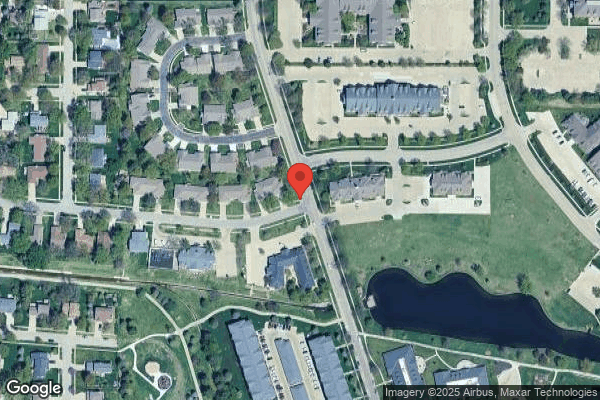
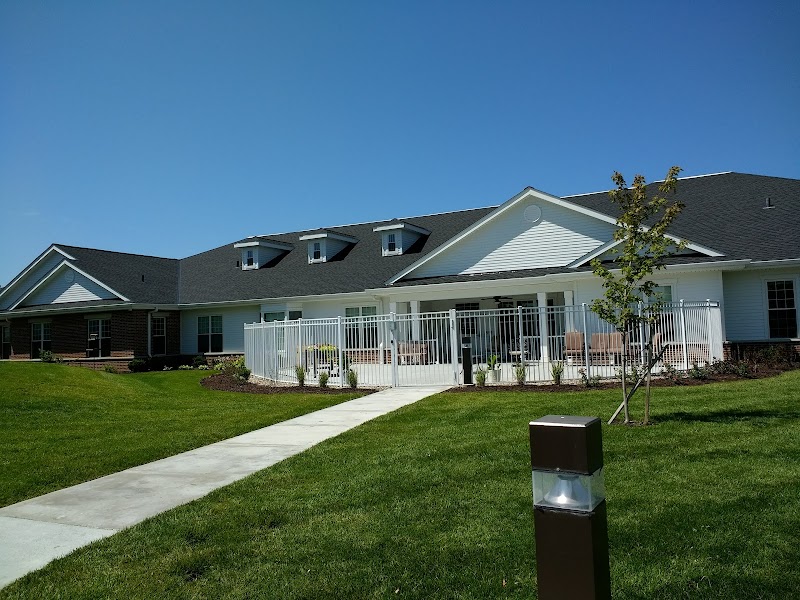
6120 South 34th Street, Lincoln, NE 68516 (402) 486-8919
Non profit - Corporation 50 Beds Independent Data: November 2025
Trust Grade
80/100
#34 of 177 in NE
Last Inspection: November 2024

Within standard 12-15 month inspection cycle. Federal law requires annual inspections.

Overview

Tabitha At The Landing has a Trust Grade of B+, which means it is above average and recommended for families considering care options. It ranks #34 out of 177 facilities in Nebraska, placing it in the top half, and #3 out of 14 in Lancaster County, indicating there are only two local options rated higher. However, the facility is experiencing a worsening trend, with the number of issues increasing from 2 in 2024 to 3 in 2025. Staffing is a strength, earning a 5/5 star rating, although the 62% turnover rate is concerning since it is higher than the state average. Notably, there have been no fines, and the facility has more RN coverage than 90% of Nebraska facilities, which is beneficial for resident care. On the downside, there have been specific inspections that raised concerns, including failures to properly store food, which could lead to foodborne illnesses, and not notifying a resident's representative about a significant bruise that developed without a clear cause. These incidents highlight areas that need immediate attention alongside the facility's strengths.
Trust Score
B+
80/100
In Nebraska
#34/177
Top 19%
Safety Record
Low Risk
No red flags
Inspections
Getting Worse
2 → 3 violations
Staff Stability
⚠ Watch
62% turnover. Above average. Higher turnover means staff may not know residents' routines.
Penalties
✓ Good
No fines on record. Clean compliance history, better than most Nebraska facilities.
Skilled Nurses
✓ Good
Each resident gets 69 minutes of Registered Nurse (RN) attention daily — more than 97% of Nebraska nursing homes. RNs are the most trained staff who catch health problems before they become serious.
Violations
⚠ Watch
13 deficiencies on record. Higher than average. Multiple issues found across inspections.
★★★★★
5.0
Overall Rating
★★★★★
5.0
Staff Levels
★★★★★
5.0
Care Quality
★★★★☆
4.0
Inspection Score
Stable
2024: 2 issues
2025: 3 issues

The Good

  • 5-Star Staffing Rating · Excellent nurse staffing levels
  • 5-Star Quality Measures · Strong clinical quality outcomes
  • Full Sprinkler Coverage · Fire safety systems throughout facility
  • No fines on record

Facility shows strength in staffing levels, quality measures, fire safety.

The Bad

Staff Turnover: 62%

16pts above Nebraska avg (46%)

Frequent staff changes - ask about care continuity

Staff turnover is elevated (62%)

14 points above Nebraska average of 48%

The Ugly 13 deficiencies on record

Jun 2025 3 deficiencies
CONCERN (D) 📢 Someone Reported This

A family member, employee, or ombudsman was alarmed enough to file a formal complaint

Potential for Harm - no one hurt, but risky conditions existed

Notification of Changes (Tag F0580)

Could have caused harm · This affected 1 resident

Licensure Reference Number 175 NAC 12-006.04(F)(i)(5) Based on record review and interviews; the facility failed to notify Resident 1's representative of being denied Hospice admission and a large bru...

Read full inspector narrative →
Licensure Reference Number 175 NAC 12-006.04(F)(i)(5) Based on record review and interviews; the facility failed to notify Resident 1's representative of being denied Hospice admission and a large bruise of unknown origin for 1 (Resident 1) of 5 sampled residents. The facility census was 15. Findings are: A record review of Resident 1's Progress Notes on 6/23/2025 at 6:00 PM revealed that a call was placed to Resident 1's Advanced Practice Registered Nurse (APRN) related to Resident 1 having a large, bruised area on (genders) left side that radiates into (genders) waist area & under left breast. It was 1st noticed by the Medication Aide-A on Thursday 6/19/2025 but has gotten larger and Resident 1 is now complains of it hurting. No recorded falls have been documented, and Resident 1 does have a chair alarm on. No SBAR (Situation, Background, Assessment, Recommendation) was written, and this Registered Nurse (RN) didn't have the APRN look at the bruise today when APRN arrived at the facility. A record review of the progress notes revealed there is no documentation for the bruise on the left side of Resident 1 before 6/23/25. Further review of the progress notes revealed there is no skin assessment on Resident 1's bruise to (gender) left side. An interview on 6/30/25 at 10:30 AM with the RN revealed that (gender) does not remember if the family was notified and there are no notes in the progress notes indicating the family was updated. The RN confirmed that the facility charts in the progress notes weekly for skin assessments. The RN confirmed that (gender) did not fill out an incident report and should have. An interview on 6/30/25 at 1:00 PM with Resident 1's Representative confirmed that the family was not notified of the bruise. The Representative confirmed that (gender) is in the facility 3-4 times a day. The Representative further confirmed that (gender) had requested a hospice consultation and was not notified that Resident 1 was denied hospice until (gender) called hospice. An interview on 6/30/25 at 11:30 AM with Social Services confirmed that hospice did not admit Resident 1 and (gender) thought that Resident 1's representative was aware. An interview on 6/30/25 at 2:13 PM with the Director of Nursing (DON) confirmed that Resident 1's representatives had not been notified of hospice denying admission for Resident 1. DON confirmed that (gender) though hospice would update the family on being denied hospice services and family was not updated when bruise was noted on Resident 1 and representatives should have been updated on the bruise and hospice denying admission.
CONCERN (D) 📢 Someone Reported This

A family member, employee, or ombudsman was alarmed enough to file a formal complaint

Potential for Harm - no one hurt, but risky conditions existed

Report Alleged Abuse (Tag F0609)

Could have caused harm · This affected 1 resident

**NOTE- TERMS IN BRACKETS HAVE BEEN EDITED TO PROTECT CONFIDENTIALITY** Licensure Reference Number 174 NAC 12-006.02(H)St 28-372 Based on record review and interviews; the facilty failed to report and...

Read full inspector narrative →
**NOTE- TERMS IN BRACKETS HAVE BEEN EDITED TO PROTECT CONFIDENTIALITY** Licensure Reference Number 174 NAC 12-006.02(H)St 28-372 Based on record review and interviews; the facilty failed to report and submit a completed investigation of injury of unknown origin for 1 (Resident 1) of 5 sampled residents to the State Agency within the 5 working days. The facilty census was 15. Findings are: A record review of [NAME] Health Care Services policy and procedures Manual: Abuse Identification and Prevention (Identifying and Reporting Incidents)dated 10/17/22 revealed that in section Investigation Injuries of Unknown or suspicious origin: -When an injury of unknown or suspicious origin is discovered, a QAR (Quality Assurance Report/Incident Report) must be initiated by the responsible professional. -Injuries that are indicators of physical abuse may include but are not limited to the following: -Bruises on bilateral arms, bilateral on soft parts of body not over bony prominence (not knees or elbows), Clustered on trunk, on top of head, old and new bruised present at the same time, not resembling the explanation given for the cause, -Any injury of unknown source, -Fracture of unknown origin. A record review of Resident 1's Progress Notes on 6/23/2025 at 6:00 PM revealed that a call was placed to Resident 1's Advanced Practice Registered Nurse (APRN) related to Resident 1 having a large, bruised area on (genders) left side that radiates into (genders) waist area & under left breast. It was 1st noticed by the Medication Aide (MA)-A on Thursday 6/19/2025 but has gotten larger and (gender) now complains of it hurting. No recorded falls have been documented, and (gender) does have chair alarm on. There was no SBAR (Situation, Background, Assessment, and Recommendation) was written, and this Registered Nurse (RN) didn't have APRN look at the bruise today when APRN arrives at the facility. An observation on 6/30/25 at 9:45 AM revealed a bruise that was dark purple/red in color on the left hip side of Resident 1. The bruise was on the left hip going up the left side of Resident 1. An interview on 6/30/25 at 10:20 AM with MA-B confirmed that Resident 1 has a chair alarm and when Resident 1 stands up Resident 1 will sit back down when the alarm goes off. MA-B confirmed that Resident 1 does not walk around on (gender) own anymore. MA-B confirmed that sometimes Resident 1 is a one assist and other times Resident is a 2 assist with ambulation and transfers. An interview on 6/30/25 at 11:30 AM with the Director of Nursing (DON) was aware of bruise on Resident 1 after the fact on the 6/24/25. The MA-A did not report it until 6/23/25. The DON confirmed that no incident report was completed, and no investigation was completed. The DON revealed that Resident 1 gets bruises from walking around and running into things. The DON revealed that (gender) didn't feel the need to report Resident 1's bruise since Resident 1 gets bruises all the time. The DON confirmed that (gender) did not investigate or report the bruise. The DON confirmed that (gender) should of done a incident report and should have done an investigation and submitted it to the State Agency in the required timeframe.
CONCERN (D) 📢 Someone Reported This

A family member, employee, or ombudsman was alarmed enough to file a formal complaint

Potential for Harm - no one hurt, but risky conditions existed

Investigate Abuse (Tag F0610)

Could have caused harm · This affected 1 resident

**NOTE- TERMS IN BRACKETS HAVE BEEN EDITED TO PROTECT CONFIDENTIALITY** Licensure Reference Number 175 NAC 12-006.02(H) Based on observation, record review, and interviews, the facility failed to inve...

Read full inspector narrative →
**NOTE- TERMS IN BRACKETS HAVE BEEN EDITED TO PROTECT CONFIDENTIALITY** Licensure Reference Number 175 NAC 12-006.02(H) Based on observation, record review, and interviews, the facility failed to investigate an incident of injury of unknown origin for 1 (Resident 1) of 5 sampled residents. The facility census was 15. Findings are: A record review of [NAME] Health Care Services policy and procedures Manual: Abuse Identification and Prevention (Identifying and Reporting Incidents) revealed that in section Investigation Injuries of Unknown or suspicious origin: -When an injury of unknown or suspicious origin is discovered, a QAR (Quality Assurance Report/Incident Report) must be initiated by the responsible professional. -Injuries that are indicators of physical abuse may include but are not limited to the following: -Bruises on bilateral arms, bilateral on soft parts of body not over a bony prominence (not knees or elbows), Clustered on trunk, on top of head, old and new bruised present at the same time, not resembling the explanation given for the cause, -Any injury of unknown source, -Fracture of unknown origin. A record review of the admission record revealed that Resident 1 was admitted to the facility on [DATE] with the diagnosis of Dementia (a decline in mental ability severe enough to interfere with daily life), Neurocognitive disorders with [NAME] Bodies (a neurodegenerative disorder characterized by a decline in thinking abilities, particularly attention, visual perception and executive function, along with the presence of [NAME] bodies (protein deposit) in the brain. A record review of Resident 1's quarterly Minimum Data Set (MDS, a standardized assessment tool used to evaluate the health and functional status of residents) dated 5/9/25 revealed that Section C -Cognitive Patterns with a Brief Interview for Mental Status (BIMS, a test used to get a quick snapshot of a resident's cognitive function, scored from 0-15, the higher the score, the higher the cognitive function), score of 7 indicating severely impaired. An observation on 6/30/25 at 9:45 AM revealed a bruise that was dark purple/red in color on the left hip side of Resident 1. The bruise was on the left hip going up the left side of Resident 1. A record review of Resident 1's Progress Notes on 6/23/2025 at 6:00 PM revealed that a call was placed to Resident 1's Advanced Practice Registered Nurse (APRN) related to Resident 1 having a large, bruised area on (genders) left side that radiates into (genders) waist area & under left breast. It was 1st noticed by the Medication Aide (MA)-A on 6/19/2025 but has gotten larger and Resident 1 was now complains of it hurting. No recorded falls have been documented, and Resident 1 does have a chair alarm on. No Situation Background Assessment Recommendation (SBAR) was written, and this Registered Nusrse (RN) didn't have APRN look at the bruise today when APRN arrives at the facility. An interview on 6/30/25 at 10:20 AM with MA-B confirmed that Resident 1 has a chair alarm and when Resident 1 stands up Resident 1 will sit back down when the alarm goes off. MA-B confirmed that Resident 1 does not walk around on (gender) own anymore. MA-B confirmed that sometimes Resident 1 is a one assist and other times Resident is a 2 assist with ambulation and transfers. An interview on 6/30/25 at 11:30 AM with the Director of Nursing (DON) confirmed that (gender) was aware of the bruise on Resident 1 after the fact on the 6/24/25. The (MA-A) did not report it until 6/23/25. The DON confirmed that no incident report was completed and no investigation was completed. The DON confirmed that Resident 1 gets bruises from walking around and running into things. The DON confirmed that (gender) didn't feel the need to report Resident 1 bruise since Resident 1 gets bruises all the time. The DON confirmed that (gender) saw no need to investigate complete an incident form. The DON confirmed that (gender) should of done a incident report and should have done an investigation.
Nov 2024 2 deficiencies
CONCERN (D)

Potential for Harm - no one hurt, but risky conditions existed

Infection Control (Tag F0880)

Could have caused harm · This affected 1 resident

**NOTE- TERMS IN BRACKETS HAVE BEEN EDITED TO PROTECT CONFIDENTIALITY** Licensure Reference Number 175 NAC 12-006.18 Based on observation, interview, and record review, the facility failed to ensure h...

Read full inspector narrative →
**NOTE- TERMS IN BRACKETS HAVE BEEN EDITED TO PROTECT CONFIDENTIALITY** Licensure Reference Number 175 NAC 12-006.18 Based on observation, interview, and record review, the facility failed to ensure hand hygiene was completed during catheter cares for Resident 18. The sample size was 1. The census was 30 at the time of survey. Findings are: Review of facility policy dated last reviewed 10/26/24, titled Hand Hygiene and Gloving, revealed alcohol based hand rub is recommended in all situations except when hands are visibly soiled. Review of the Centers for Disease Control and Preventions (CDC) website dated 2/27/2024 recommendation revealed that washing hands before and after using gloves helps prevent the spread of germs. Review of Resident 18's admission Minimum Data Set (MDS - a comprehensive assessment of each resident's functional capabilities used to develop a resident's plan of care) dated 10/27/24 revealed an admission to the facility on [DATE] and a Brief Interview for Mental Status (BIMS - a test used to get a quick snapshot of a resident's cognitive function, scored from 0-15, the higher the score, the higher the cognitive function) score of 11 which indicated moderate cognitive impairment. Review of Resident 18's Comprehensive Care Plan (CCP - written instructions needed to provide effective and person centered care of the resident that meet professional standards of quality care) revealed an indwelling foley catheter in place and catheter cares are to be performed per the physician orders initiated on 11/1/24. An observation during catheter cares on 11/20/24 at 10:57 AM for Resident 18, the Nursing Assistant (NA) - A changed gloves and did not perform any hand hygiene. In an interview on 11/20/24 at 11:01 AM NA - A confirmed that no hand hygiene was performed when changing gloves, and there was no hand sanitizer within reach. In an interview on 11/21/24 at 1:19 PM Licensed Practical Nurse (LPN) - B confirmed that hand hygiene is required when changing gloves.
CONCERN (F)

Potential for Harm - no one hurt, but risky conditions existed

Food Safety (Tag F0812)

Could have caused harm · This affected most or all residents

**NOTE- TERMS IN BRACKETS HAVE BEEN EDITED TO PROTECT CONFIDENTIALITY** Licensure Reference Number NAC 175 12-006.11c Based on observations, record review, and interviews, the facility failed to store...

Read full inspector narrative →
**NOTE- TERMS IN BRACKETS HAVE BEEN EDITED TO PROTECT CONFIDENTIALITY** Licensure Reference Number NAC 175 12-006.11c Based on observations, record review, and interviews, the facility failed to store food in a manner that would prevent food born illness to the residents, and failed to ensure hair was secured under a hairnet during meal service. This had the potential to affect all 30 residents. The facility identified a resident census of 30. Findings are: A. A review of the facility policy, Food storage, preparation, and handling, last reviewed on 12/23, revealed: The purpose of the policy is to protect the health of all individuals eating food prepared by the food and nutrition services department. To ensure that the period of food storage is consistent with the retention of food quality. Specific procedures are available for the storage, preparation, and service of food. Compliance with these procedures shall be included by reverence in all job descriptions developed after this date. Compliance with these procedures shall be a condition of employment for food service employees as per the related [NAME] policy. -All food which are removed from their original container are to be identified by their common name and the date on which the item was placed in storage. -Each employee shall review the storage area specific to their position on a daily basis and discard all foods which have reached the end of their storage period. Foods which have improperly stored will also be discarded. -Any prepared item will be discarded after three (3) days of refrigeration or three (3) months in the freezer. A Review of the facility policy, Policy for food brought into facility, (no effective date) revealed: The purpose of the policy is food safety. The policy is intended for food provided to residents from outside of the facility must be handled with appropriate food safety procedures. -Staff that receive food for storage must label with patient name and date the food arrived as it is placed in the resident refrigerator. (40 degrees or less) - Food will be disposed of if it is three days old or in a deteriorating state. An observation in the Harbor House refrigerator on 11/18/24 at 7:25 A.M., one Pantry ridge meat and cheese tray dated 11/13/2024 without and expiration date and one saucer plate of mixed cheese dated 11/13/24 without an expiration date. An observation in the Cove house on 11/18/24 at 7:43 A.M., one opened bag of sandwich style sliced turkey 32 ounce, with and expiration date of 12/24, and open date of 11/11/24. An interview on 11/19/2024 at 9:02 A.M. with Chef Manager confirmed the food items are to be removed 3 days after opening as per the policy. B. Review of the Nebraska Food Code 2-402.11, dated 2017 revealed that hair restraints are to be worn to keep hair from coming in contact with food, equipment, or utensils. An observation on 11/20/24 at 10:14 AM LPN - B went into the kitchen and put a hairnet on the top of (gender) head leaving the ponytail exposed and hanging down. In an interview on 11/20/24 at 10:15 AM LPN - B confirmed that all hair should have been contained under the hairnet. In an interview on 11/20/24 at 10:16 AM the Director of Nursing (DON) confirmed that all hair should be contained under a hairnet. In an interview on 11/20/24 at 02:59 PM the Certified Dietician (CD) confirmed that a hairnet must contain all hair. It was further confirmed there was no hairnet policy, and they follow the Nebraska Food Code regarding hair being covered.
Dec 2023 1 deficiency
CONCERN (D)

Potential for Harm - no one hurt, but risky conditions existed

Infection Control (Tag F0880)

Could have caused harm · This affected 1 resident

Licensure Reference 175 NAC 12-006.18C1 Based on observation, interviews, and record review, the facility failed to transport clean linens in a manner to prevent cross contamination. This had the pote...

Read full inspector narrative →
Licensure Reference 175 NAC 12-006.18C1 Based on observation, interviews, and record review, the facility failed to transport clean linens in a manner to prevent cross contamination. This had the potential to affect all residents. The facility census was 32. Findings are: A review of the facility's undated policy Laundry Procedures revealed the following: Linens are handled, stored, processed and transported in such a manner as to prevent the spread of infection (away from the body). An observation on 12/12/2023 at 1:52 PM revealed, Nurse Aide (NA) C carried clean towels and washcloths out of the laundry room, and carried them up against their body, with the linens touching NA C's uniform shirt. An interview on 12/12/2023 at 1:54 PM with NA C revealed, that the towels and washcloths were clean, that they delivered them from the laundry room to the bath house, and that they should not carry linens against their body or touching their clothing. An interview on 12/12/2023 at 1:58 PM with Licensed Practical Nurse (LPN) B revealed, that when transporting linens, staff should be holding them away from their bodies. LPN B further revealed, that NA C carried clean linens against their body. An interview on 12/12/2023 at 2:43 PM with LPN B revealed., that the facility's policy specified to handle linens away from the body.
Oct 2022 7 deficiencies
CONCERN (D)

Potential for Harm - no one hurt, but risky conditions existed

Deficiency F0661 (Tag F0661)

Could have caused harm · This affected 1 resident

LICENSURE REFERENCE NUMBER 175 NAC 12-006.09C3a Based on record review and interview, the facility failed to ensure a recapitulation of stay for 2 (Residents 19 and 32) of 2 residents reviewed was com...

Read full inspector narrative →
LICENSURE REFERENCE NUMBER 175 NAC 12-006.09C3a Based on record review and interview, the facility failed to ensure a recapitulation of stay for 2 (Residents 19 and 32) of 2 residents reviewed was completed after discharge from the facility. The facility census was 31. FINDINGS ARE: A. A record review of the Progress Notes dated 7/29/22 revealed no documentation of the location that Resident 32 had been discharged to. A record review of discharge paperwork for Resident 32 revealed it did not contain a recapitulation of stay for the timeframe of 4/1/22 to 7/31/22. An interview on 10/27/22 at 01:11 PM with the DON (Director of Nursing) confirmed no recapitulation of Resident 32's stay existed. B. A review of Resident 19's electronic medical record revealed an admission date of 8/31/22 and a discharge date of 10/18/22. A review of Resident 19's progress notes revealed they were discharged to another facility on 10/18/22. A review of Resident 19's medical record did not reveal a documented discharge summary for Resident 19. In an interview on 10/27/22 at 1:12 PM, the DON (Director of Nursing) confirmed a discharge summary, including a recapitulation of stay, was not completed for Resident 19. The DON stated the facility did not currently have a process for doing discharge summary documentation.
CONCERN (D)

Potential for Harm - no one hurt, but risky conditions existed

ADL Care (Tag F0677)

Could have caused harm · This affected 1 resident

**NOTE- TERMS IN BRACKETS HAVE BEEN EDITED TO PROTECT CONFIDENTIALITY** Licensure Reference Number 175 NAC 12-006.09D1c Based on observation, record review and interview, the facility failed to provid...

Read full inspector narrative →
**NOTE- TERMS IN BRACKETS HAVE BEEN EDITED TO PROTECT CONFIDENTIALITY** Licensure Reference Number 175 NAC 12-006.09D1c Based on observation, record review and interview, the facility failed to provide incontinence care or ask the resident to be changed for 2 (Resident 6 and 11) of 3 sampled residents. The facility census was 31. Findings are: A. A review of the admission Record revealed Resident 6 was admitted to the facility on [DATE]. Diagnoses included lumbar fracture, dementia with behavioral disturbance, depression, and other mixed anxiety disorders. A review of Resident 6's, undated, elimination care plan revealed Resident 6 had an actual decline in continence related to falls with lumbar 4 (L4) fracture, dementia, depression and osteoporosis as evidenced by (AEB) frequently incontinent of bladder and bowel. The interventions that were included on Resident 6's incontinence care plan include: to change Resident 6's adult disposable brief frequently and as needed (PRN) and to check Resident 6 frequently and as required for incontinence. A record review of the MDS (Minimum Data Set) dated 7/22/22 revealed that Resident 6 required extensive assistance by two staff members for toileting use. A review of the Brief Interview for Mental Status (BIMS) for Resident 6, dated 7/22/22, revealed severe cognitive impairment. An observation on 10/24/22 at 9:28 AM revealed Resident 6 was sitting in their wheelchair in the dining room at the table. An observation on 10/24/22 at 11:16 AM revealed Resident 6 was sitting in their wheelchair in their room with a noticeable smell of urine. An observation on 10/24/22 at 1:43 PM revealed Resident 6 was sitting in their wheelchair in their room with a noticeable smell of urine. An observation on 10/24/22 at 2:58 PM revealed Resident 6 lying in bed with their eyes closed. Continuous observations on 10/25/22 from 7:48 AM until 12:49 PM revealed Resident 6 was in their wheelchair in the dining room or living room participating in activities and no staff asking the resident to be changed. An observation on 10/25/22 at 12:49 PM revealed Resident 6 being assisted back to their room by staff. An observation on 10/25/22 at 2:04 PM revealed Resident 6 to be in their wheelchair in their room and preferred to not lay down at that time, when asked by NA F (Nurse Aide). NA F asked Resident 6 if staff could check them and Resident 6 refused. Resident 6 remained in their wheelchair in their room at that time. In an interview on 10/25/22 at 2:28 PM, NA F confirmed staff are expected to check residents for incontinence and change them if needed every two to three hours. In an interview on 10/25/22 at 4:45 PM, the Corporate Registered Nurse (RN) confirmed that staff are expected to check and change residents every 2 hours if they are care planned for check and change. In an interview on 10/25/22 at 4:45 PM, the DON (Director of Nursing) confirmed that a resident would be care planned for check and change every 2 hours while awake and at night staff would just check the resident for incontinence. The DON further confirmed that residents would be care planned for check and change if the resident was on diuretic (medication that increases urinary output) and before or after staff give certain medications. In an interview on 10/25/22 at 4:45 PM, the Corporate RN confirmed that a resident would be care planned for check and change if the resident was experiencing skin breakdown and that it is individualized by the resident due to diagnosis, if the resident is able to articulate that they had been incontinent, if the resident had a diagnosis of dementia or an increase in fluid intake. In an interview on 10/26/22 at 9:21 AM, the DON confirmed that a resident should not be up in their wheelchair from before breakfast until after lunch without being checked or changed. B. A record review of Resident 11's, undated, elimination care plan revealed that Resident 11 had an actual decline in incontinence related to diuretic use, Alzheimer's, dementia, and muscle weakness AEB incontinent of bladder and bowel. Resident 11's had an actual deficit in ADLs related to Alzheimer's, dementia, muscle weakness, diuretic and anti-depressant use. Resident 11's ADL care plan revealed that Resident 11 required check and change for toilet use by one to two staff. A review of the MDS dated [DATE] revealed that toilet use, which includes how a resident cleanses self after elimination; changes pad; and adjusts clothes, did not occur and that Resident 11 was always incontinent of bowel and bladder. A review of Resident 11's BIMS assessment, dated 10/9/22, revealed the interview was not attempted with Resident 11 because Resident 11 is rarely/never understood. A staff interview was completed that revealed Resident 11 is severely impaired when making decisions regarding tasks of daily life. A record review of Resident 11's, undated, communication care plan reveals an actual communication problem related to Alzheimer's and dementia AEB is rarely/never understood. An intervention listed for the communication care plan is to anticipate and meet needs. In an interview on 10/24/22 at 11:30 AM, Resident 11's family member confirmed Resident 11 is not able to identify their continence. An observation on 10/25/22 at 7:48 AM revealed Resident 11 was in the dining room at the table eating breakfast. An observation on 10/25/22 at 8:23 AM revealed Social Worker (SW) assisted Resident 11 to their room. Continuous observation of Resident 11 on 10/25/22 from 7:48 AM to 10:59 AM revealed no staff members entering Resident 11's room or asking to change the resident. Resident 11 remained up in their wheelchair. In an interview on 10/25/22 at 2:28 PM, NA F confirmed that staff are expected to check residents for incontinence and change residents if needed every two to three hours. NA F confirmed that Resident 11 is not taken to the toilet due to requiring a hoyer lift for transfers and that staff just change Resident 11. In an interview on 10/25/22 at 2:30 PM, RN E reported that Resident 11 used an EZ Stand (a mechanical device used to transfer residents that are able to bear some weight) four years ago and would ask to go to the bathroom, Resident 11 then stopped asking to go or would say no if they needed to go and staff began to check and change Resident 11. In an interview on 10/25/22 at 4:45 PM, the Corporate Registered Nurse (RN) confirmed that staff are expected to check and change residents every 2 hours if they are care planned for check and change. In an interview on 10/25/22 at 4:45 PM, the DON confirmed that a resident would be care planned for check and change every 2 hours while awake and at night staff would just check the resident for incontinence. The DON further confirmed that residents would be care planned for check and change if the resident was on diuretic (medication that increases urinary output) and before or after staff give certain medications (did not provide specific examples). In an interview on 10/25/22 at 4:45 PM, the Corporate RN confirmed that a resident would be care planned for check and change if the resident was experiencing skin breakdown and that it is individualized by the resident due to diagnosis, if the resident is able to articulate that they had been incontinent, if the resident had a diagnosis of dementia or an increase in fluid intake. In an interview on 10/26/22 at 9:21 AM, the DON confirmed that a resident should not be up in their wheelchair from before breakfast until after lunch without being checked or changed.
CONCERN (D)

Potential for Harm - no one hurt, but risky conditions existed

Deficiency F0741 (Tag F0741)

Could have caused harm · This affected 1 resident

Based on record review and interview, the facility failed to ensure staff competency for 2 of 5 newly hired employees related to Abuse and Neglect training and Dementia care training prior to providin...

Read full inspector narrative →
Based on record review and interview, the facility failed to ensure staff competency for 2 of 5 newly hired employees related to Abuse and Neglect training and Dementia care training prior to providing direct patient cares. The facility census was 31. FINDINGS ARE: A record review conducted on 10/26/22 at 11:07 AM of the education and training for 5 new employees, revealed 2 of 5 had not received Abuse and Neglect training or Dementia care training prior to providing direct patient cares. An interview on 10/26/22 at 4:55 PM with the facility Administrator confirmed that 2 of 5 reviewed new employees had not received Abuse and Neglect training or dementia care training prior to providing direct patient cares and should have.
CONCERN (D)

Potential for Harm - no one hurt, but risky conditions existed

Medication Errors (Tag F0758)

Could have caused harm · This affected 1 resident

**NOTE- TERMS IN BRACKETS HAVE BEEN EDITED TO PROTECT CONFIDENTIALITY** Licensure Reference Number 175 NAC 12-006.09D Based on record review and interview, the facility failed to ensure non-pharmacolo...

Read full inspector narrative →
**NOTE- TERMS IN BRACKETS HAVE BEEN EDITED TO PROTECT CONFIDENTIALITY** Licensure Reference Number 175 NAC 12-006.09D Based on record review and interview, the facility failed to ensure non-pharmacological interventions were provided prior to an as needed (PRN) psychotropic (a medication that affects a person's mental state) medication given and documentation of clinical rationale for increase in anti-psychotic (medications used to treat psychotic disorders) medication for 1 resident (Resident 6) of 2 residents sampled. The facility census was 31. Findings are: A. A review of Resident 6's admission Record, dated 10/26/22, revealed Resident 6 was admitted to the facility on [DATE]. Diagnoses included lumbar fracture, dementia with behavioral disturbance, depression, and other mixed anxiety disorders. A review of the facility's Pharmacy Services policy, dated August 2016, revealed the following: -Psychoactive Drug Monitoring -C.: Non-pharmacological interventions such as behavior modification or social services and their effects are documented as a part of the care planning process, and are utilized by the prescriber in assessing continued need for psychoactive medication. A record review of Resident 6's physician orders revealed the following: Quetiapine (an anti-psychotic medication that is used to treat certain mental/mood conditions) and Alprazolam (an anti-anxiety medication given to treat anxiety and panic disorders): Quetiapine 12.5 milligram (mg) by mouth (po) 1 tablet (tab) po in AM PRN, and Alprazolam (an anti-anxiety medication given to treat anxiety and panic disorder) .25mg TID PRN A record review of Resident 6's Medication Administration Record (MAR) from 7/15/22 to 10/27/22 revealed that PRN Alprazolam was given 51 times with no documentation of non-pharmacological interventions 29 times. PRN Quetiapine was given 21 times with no documentation of non-pharmacological interventions 20 times. In an interview on 10/27/22 at 12:28 PM with the Director of Nursing (DON), confirmed that documentation was not present for non-pharmacological interventions prior to PRN Alprazolam or Quetiapine use. B. A review of the facility's Pharmacy Services policy, dated August 2016, revealed the following: -Psychoactive drug monitoring guidelines include bujt may not be limited to: -Antipsychotics -2. Residents receive antipsychotic medication only for behaviors that are quantitatively and objectively documented through the use of behavior monitoring charts or a similar mechanism. A record review of Resident 6's physician orders revealed the following: Quetiapine (an anti-psychotic medication that is used to treat certain mental/mood conditions) medication changes: 7/27/22- Quetiapine 12.5 milligram (mg) by mouth (po) bedtime (HS) 1 tablet (tab) po in AM PRN, 8/4/22 Quetiapine 12.5mg three times a day (TID) 8/30/22 Quetiapine 25mg TID, 9/12/22 Quetiapine 37.5mg TID A review of Resident 6's behavior monitoring log from 7/15/22 (admission date) thru 9/12/22 (date of last dose increase) indicated the following targeted behaviors for Resident 6's Quetiapine use: delusions, social isolation, disorganized behavior/speech, decreased participation in activities and repetitive movements. A review on the behavior TAR (treatment administration record) from 7/15/22 (admission date) thru 9/12/22 (date of last dose increase) revealed Resident 6 was without behaviors 25 of 34 times in July, in August 51 of 62 times and in September 21 of 24 times. In an interview on 10/27/22 12:28 PM, the Director of Nursing (DON), confirmed that documentation was not present to explain the multiple increased dose of Quetiapine.
CONCERN (D)

Potential for Harm - no one hurt, but risky conditions existed

Deficiency F0760 (Tag F0760)

Could have caused harm · This affected 1 resident

**NOTE- TERMS IN BRACKETS HAVE BEEN EDITED TO PROTECT CONFIDENTIALITY** LICENSURE REFERENCE NUMBER 175 NAC 12-006.10D Based on record review and interview, the facility failed to ensure residents were...

Read full inspector narrative →
**NOTE- TERMS IN BRACKETS HAVE BEEN EDITED TO PROTECT CONFIDENTIALITY** LICENSURE REFERENCE NUMBER 175 NAC 12-006.10D Based on record review and interview, the facility failed to ensure residents were free from significant medication errors related to insulin being given outside of parameters for one resident (Resident 1) of two sampled. The facility census was 31. FINDINGS ARE: A record review of the Active Orders Summary dated 10/25/22 revealed Resident 1 had the following orders: -NOVOLOG (a rapid-acting insulin that helps lower mealtime blood sugar spikes) INJ FLEXPEN INJECT 2 UNITS SUBCUTANEOUSLY AT BEDTIME FOR BLOOD GLUCOSE GREATER THAN 200 -NOVOLOG INJ FLEXPEN INJECT 'SQ' PER SLIDING SCALE AT BEDTIME: LESS THAN 200=0U; 200-251=1U; 251-300=2U; 301-350=3U; 351-400=4U; GREATER THEN 400=6U & CALL MD; IF GREATER THAN 500, RECHECK BLOOD GLUCOSE IN 3 HOURS -NOVOLOG INJ FLEXPEN INJECT 'SQ' PER SLIDING SCALE THREE TIMES DAILY WITH MEALS: LESS THAN 151=0U; 151-200=1U; 201-250=2U; 251-300=3U; 301-350=4U; 351-400=5U; GREATER THAN 400=6U & CALL MD *GIVE 15 MIN BEFORE A MEAL -NOVOLOG INJ FLEXPEN INJECT 7 UNITS SUBCUTANEOUSL Y DAILY WITH SUPPER TRESIBA FLEX INJ 100UNIT INJECT 10 UNITS SUBCUTANEOUSLY AT BEDTIME A record review of the MAR (Medication Administration Record)/TAR (Treatment Administration Record) dated October 2022 and September 2022, revealed Resident 1 had received a scheduled dose of Novolog insulin when the blood sugar was below parameters on 9/1/22, 9/25/22, and 10/21/22 although the blood glucose was outside of the prescribed parameters. A record review of the MAR/TAR dated [DATE] and [DATE] revealed Resident 1's blood glucose result on 9/1/22 was 146, on 9/25/22 was 185 and on 10/21/22 was 133. An interview on 10/26/22 at 03:44 PM with the DON (Director of Nursing), after review of the blood sugars and insulin for October and September 2022 for Resident 1, confirmed that the insulin was given on 9/1/22, 9/25/22, and 10/21/22 and should not have been given.
CONCERN (D)

Potential for Harm - no one hurt, but risky conditions existed

Deficiency F0883 (Tag F0883)

Could have caused harm · This affected 1 resident

**NOTE- TERMS IN BRACKETS HAVE BEEN EDITED TO PROTECT CONFIDENTIALITY** Based on interview and record review, the facility failed to ensure pneumococcal immunizations were offered to 2 (Residents 16 a...

Read full inspector narrative →
**NOTE- TERMS IN BRACKETS HAVE BEEN EDITED TO PROTECT CONFIDENTIALITY** Based on interview and record review, the facility failed to ensure pneumococcal immunizations were offered to 2 (Residents 16 and 24) of 5 residents reviewed. The facility had a total census of 31 residents. The findings are: A. A review of an undated policy titled Flu, Pneumonia, and COVID-19 Vaccines revealed the following: -Purpose: To ensure that each client is up-to-date with influenza, pneumonia, and COVID-19 vaccinations as recommended by the CDC (Centers for Disease Control and Prevention). -Policy: Each client will be assessed for the need of Influenza, COVID-19, and pneumonia vaccinations upon admission, annually or as needed. -4. If pneumonia immunization is not recorded after age of 65, inquire about this history with client, their family, or the primary care medical office. If documentation is not confirmed then vaccinate client after verbal consent. If client was vaccinated for pneumonia before age [AGE], a booster of Pneumovax is recommended. Refer to CDC Website for Pneumovax and Prevnar vaccination grids. (Pneumococcal vaccine timing for adults) www.cdc.gov -13. Vaccination is to be strongly encouraged for all residents without contraindications to the vaccine. All residents who decline the vaccination, will need a declination form in their medical record. This needs to be signed by the resident or their representative, if applicable. B. A review of Resident 24's electronic medical record revealed an admission date of 6/14/2022. A review of Resident 24's immunization records did not reveal documentation of any pneumococcal immunizations. In an interview on 10/27/22 at 1:00 PM, the IP (Infection Preventionist) confirmed no documentation of pneumococcal immunization could be located for Resident 24. The IP further confirmed the facility did not follow their policy for pneumonia vaccination. C. A review of Resident 16's medical record revealed an admission date of 12/15/2020. A review of Resident 16's immunization records revealed Resident 16 received a pneumococcal vaccine (Prevnar 13) on 9/25/2015. No other pneumococcal immunizations were documented in the record. In an interview on 10/27/22 at 1:00 PM, the IP reported Resident 16 received a Pneumovax immunization on 9/25/2015, not Prevnar 13. The IP confirmed there was no documentation Resident 16 had been offered any further pneumococcal immunizations. The IP further confirmed the facility did not follow their policy for pneumonia vaccination.
CONCERN (F)

Potential for Harm - no one hurt, but risky conditions existed

Food Safety (Tag F0812)

Could have caused harm · This affected most or all residents

**NOTE- TERMS IN BRACKETS HAVE BEEN EDITED TO PROTECT CONFIDENTIALITY** Licensure Reference Number 175 NAC 12-006.11E Based on observation and interview, the facility failed to store food and equipmen...

Read full inspector narrative →
**NOTE- TERMS IN BRACKETS HAVE BEEN EDITED TO PROTECT CONFIDENTIALITY** Licensure Reference Number 175 NAC 12-006.11E Based on observation and interview, the facility failed to store food and equipment in a manner to prevent contamination and failed to date food in 2 of 2 kitchens. This had the potential to affect 31 residents that ate food prepared in the facility kitchens. The facility census was 31. Findings are: An observation on 10/24/22 from 7:51 AM to 8:02 AM revealed the following in the initial kitchen tour of Harbor House: -area between wall and ice machine on floor with debris present -microwave with dried debris on walls and inside door -grease build up around stove and front of oven -dried liquid running down wall next to oven -pans above stove with cooking side facing ceiling -no dates on lettuce salads in refrigerator in kitchen area -boxes on the floor, in pantry, with potatoes, tomato juice, and Shasta pop cans -Plunkett's pest control box in pantry -undated opened quarter bag of extra wide noodles -measuring scoop in container labeled flour with lid not secure -container of parsley flakes undated and no expiration date on container -unlabeled and undated shaker with white powder in it with greasy, grime buildup on top -undated shaker labeled salt with greasy, grime buildup on top An observation 10/24/22 from 8:04 AM to 08:14 AM revealed the following in the initial kitchen tour of Cove House: -Plunkett's pest control box next to stove -large pan on bottom shelf with cooking side facing up -no dates on tea, lemonade or pink juice in refrigerator in kitchen area -2 undated bags with sandwich in each bag -unlabeled and undated to go container with a hamburger and french fries in it -juice spilled in door of refrigerator in kitchen area -undated opened cookie dough package in freezer in kitchen area -Dairy Queen cup with ice cream in freezer, with no date or name -Dairy Queen cup with date of 6/10/22 and no name -undated opened bag frozen waffles -undated opened box of bacon -Plunkett's pest control box under shelving with canned items -dirty trash can and cart with food debris and other disposable items on top -labeled container of rice with measuring scoop in it -opened and undated brown sugar bag -opened brownie mix box with no date -opened and undated bag of sourdough bread -opened and undated bag of [NAME] bread -opened and undated bag of [NAME] buns -container with tomato soup expiration date of 10/21/22 -plastic bag of roast beef expiration date of 10/23/22 -plastic bag of honey ham expiration date of 10/23/22 -pan of coffee cake expiration date of 10/23/22 -pan of ham expiration date of 10/17/22 -sugar cookie dough with no date -tator tots with no date -fish fillets with no date -breadsticks with no date -wontons with no date -sausage with no date -italian sausage with no date -white rolled up food with no date In an interview on 10/25/22 at 1:00 PM, the Dietary Manager (DM) confirmed that items should be in a closed storage bag, dated with an open date and there should be no scoops in containers. In an interview on 10/27/22 at 2:00 PM, the DM confirmed that all residents in both houses receive meals from the kitchens.
Understanding Severity Codes (click to expand)
Life-Threatening (Immediate Jeopardy)
J - Isolated K - Pattern L - Widespread
Actual Harm
G - Isolated H - Pattern I - Widespread
Potential for Harm
D - Isolated E - Pattern F - Widespread
No Harm (Minor)
A - Isolated B - Pattern C - Widespread

Questions to Ask on Your Visit

  • "Why is there high staff turnover? How do you retain staff?"
  • "Can I speak with families of current residents?"
  • "What's your RN coverage like on weekends and overnight?"

Our Honest Assessment

Strengths
  • • Grade B+ (80/100). Above average facility, better than most options in Nebraska.
  • • No major safety red flags. No abuse findings, life-threatening violations, or SFF status.
  • • No fines on record. Clean compliance history, better than most Nebraska facilities.
Concerns
  • • 13 deficiencies on record. Higher than average. Multiple issues found across inspections.
  • • 62% turnover. Above average. Higher turnover means staff may not know residents' routines.
Bottom line: Generally positive indicators. Standard due diligence and a personal visit recommended.

About This Facility

What is Tabitha At The Landing's CMS Rating?

CMS assigns Tabitha At The Landing an overall rating of 5 out of 5 stars, which is considered much above average nationally. Within Nebraska, this rating places the facility higher than 99% of the state's 100 nursing homes. This rating reflects solid performance across the metrics CMS uses to evaluate nursing home quality.
How is Tabitha At The Landing Staffed?
CMS rates Tabitha At The Landing's staffing level at 5 out of 5 stars, which is much above average compared to other nursing homes. Staff turnover is 62%, which is 16 percentage points above the Nebraska average of 46%. High turnover can affect care consistency as new staff learn residents' individual needs.

What Have Inspectors Found at Tabitha At The Landing?

State health inspectors documented 13 deficiencies at Tabitha At The Landing during 2022 to 2025. These included: 13 with potential for harm.

Who Owns and Operates Tabitha At The Landing?

Tabitha At The Landing is owned by a non-profit organization. Non-profit facilities reinvest revenue into operations rather than distributing to shareholders. The facility operates independently rather than as part of a larger chain. With 50 certified beds and approximately 28 residents (about 56% occupancy), it is a smaller facility located in Lincoln, Nebraska.

How Does Tabitha At The Landing Compare to Other Nebraska Nursing Homes?

Compared to the 100 nursing homes in Nebraska, Tabitha At The Landing's overall rating (5 stars) is above the state average of 2.9, staff turnover (62%) is significantly higher than the state average of 46%, and health inspection rating (4 stars) is above the national benchmark.

What Should Families Ask When Visiting Tabitha At The Landing?

Based on this facility's data, families visiting should ask: "How do you ensure continuity of care given staff turnover, and what is your staff retention strategy?" "Can I visit during a mealtime to observe dining assistance and food quality?" "How do you handle medical emergencies, and what is your hospital transfer rate?" "Can I speak with family members of current residents about their experience?" These questions are particularly relevant given the facility's high staff turnover rate.

Is Tabitha At The Landing Safe?

Based on CMS inspection data, Tabitha At The Landing has a clean safety record: no substantiated abuse findings (meaning no confirmed cases of resident harm), no Immediate Jeopardy citations (the most serious violation level indicating risk of serious injury or death), and is not on the Special Focus Facility watch list (a federal program monitoring the lowest-performing 1% of nursing homes). The facility has a 5-star overall rating and ranks #1 of 100 nursing homes in Nebraska. While no facility is perfect, families should still ask about staff-to-resident ratios and recent inspection results during their visit.

Do Nurses at Tabitha At The Landing Stick Around?

Staff turnover at Tabitha At The Landing is high. At 62%, the facility is 16 percentage points above the Nebraska average of 46%. High turnover means new staff may not know residents' individual needs, medications, or preferences. It can also be disorienting for residents, especially those with dementia who rely on familiar faces. Families should ask: What is causing the turnover? What retention programs are in place? How do you ensure care continuity during staff transitions?

Was Tabitha At The Landing Ever Fined?

Tabitha At The Landing has no federal fines on record. CMS issues fines when nursing homes fail to meet care standards or don't correct problems found during inspections. The absence of fines suggests the facility has either maintained compliance or corrected any issues before penalties were assessed. This is a positive indicator, though families should still review recent inspection reports for the full picture.

Is Tabitha At The Landing on Any Federal Watch List?

Tabitha At The Landing is not on any federal watch list. The most significant is the Special Focus Facility (SFF) program, which identifies the bottom 1% of nursing homes nationally based on persistent, serious quality problems. Not being on this list means the facility has avoided the pattern of deficiencies that triggers enhanced federal oversight. This is a positive indicator, though families should still review the facility's inspection history directly.