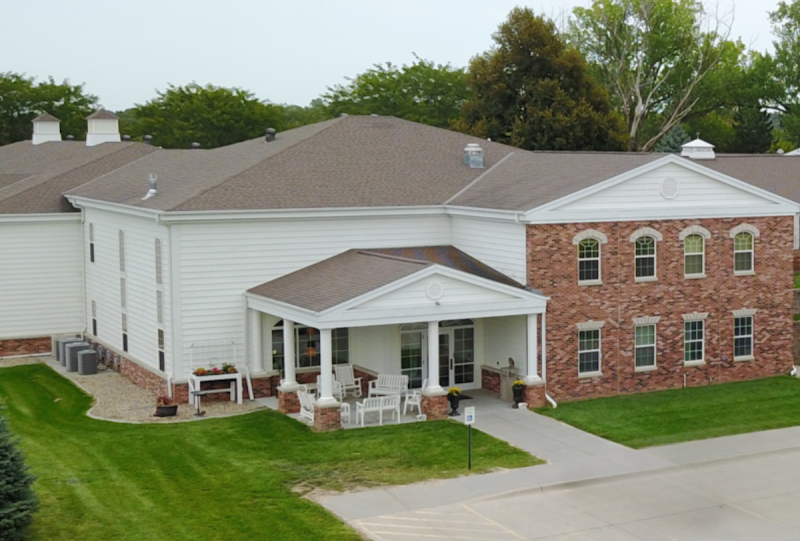
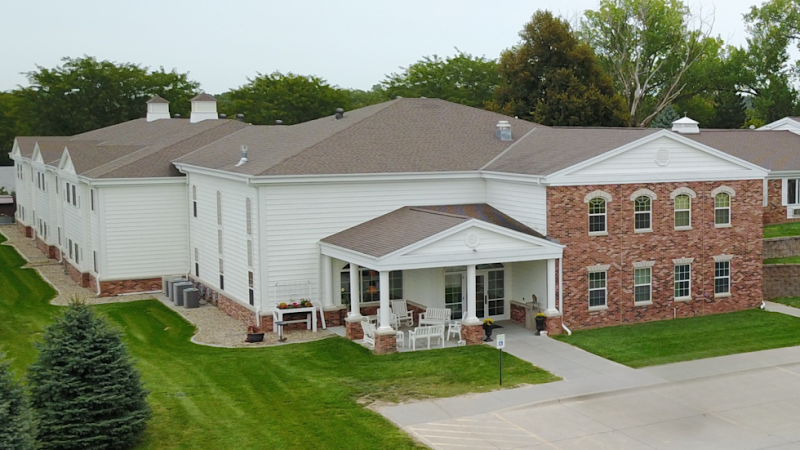
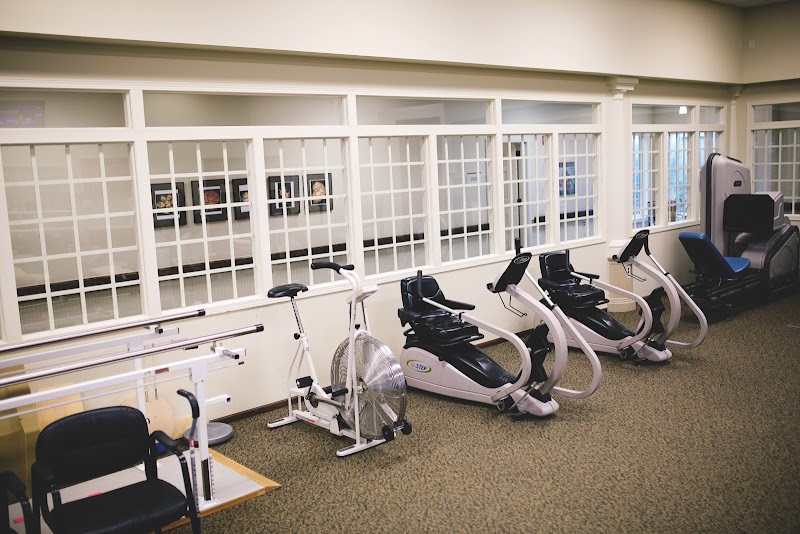
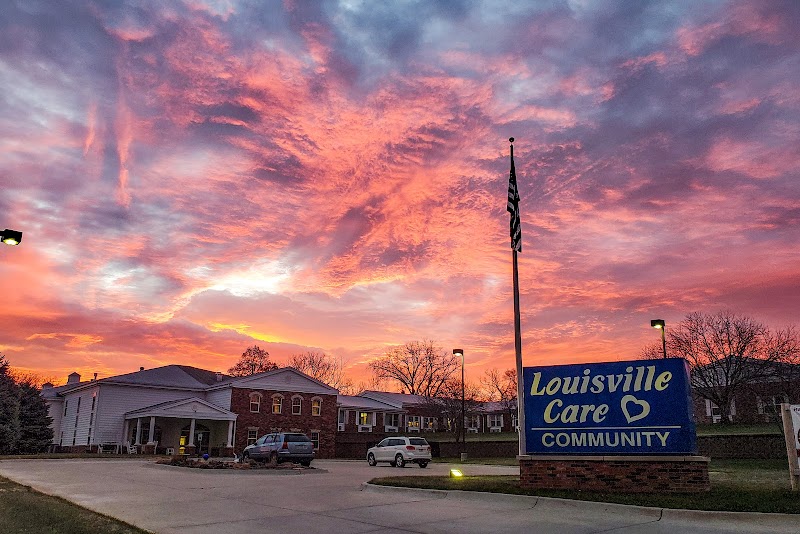
Nye Summit

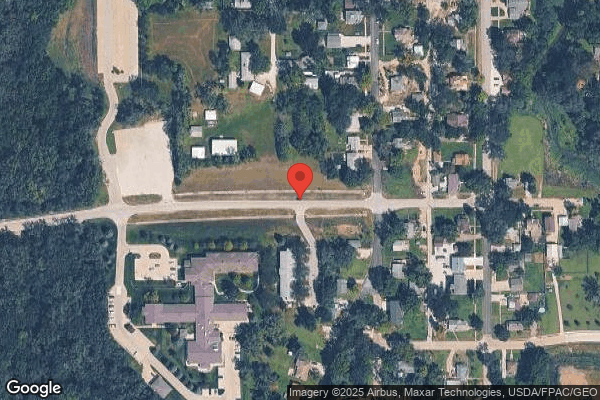
410 West 5th Street, Louisville, NE 68037 (402) 234-2125
Government - City 61 Beds Independent Data: November 2025
Trust Grade
33/100
#125 of 177 in NE
Last Inspection: January 2025

Within standard 12-15 month inspection cycle. Federal law requires annual inspections.

Overview

Nye Summit in Louisville, Nebraska has received a Trust Grade of F, indicating poor performance with significant concerns about care and safety. Ranked #125 out of 177 nursing homes in Nebraska, they are in the bottom half of facilities statewide, although they are #1 out of 2 in Cass County, meaning only one local option is better. Unfortunately, the facility is worsening, with issues increasing from 3 in 2024 to 6 in 2025. Staffing is rated average with a 3/5 star rating, but the turnover rate is concerning at 62%, which is significantly higher than the state average. They also face $23,595 in fines, indicating compliance problems that are higher than 89% of other facilities in Nebraska. While they have good RN coverage, being better than 80% of state facilities, there have been serious incidents such as residents leaving the premises unsupervised and a resident suffering a burn from hot coffee due to inadequate risk assessments. Additionally, there were failures to properly label and dispose of expired food, posing a risk for foodborne illness among residents. Overall, families should weigh these serious concerns against the facility's limited local options.

Trust Score
F
33/100
In Nebraska
#125/177
Bottom 30%
Safety Record
Moderate
Needs review
Inspections
Getting Worse
3 → 6 violations
Staff Stability
⚠ Watch
62% turnover. Above average. Higher turnover means staff may not know residents' routines.
Penalties
○ Average
$23,595 in fines. Higher than 75% of Nebraska facilities. Some compliance issues.
Skilled Nurses
✓ Good
Each resident gets 45 minutes of Registered Nurse (RN) attention daily — more than average for Nebraska. RNs are trained to catch health problems early.
Violations
⚠ Watch
22 deficiencies on record. Higher than average. Multiple issues found across inspections.
★★☆☆☆
2.0
Overall Rating
★★★☆☆
3.0
Staff Levels
★★☆☆☆
2.0
Care Quality
★★☆☆☆
2.0
Inspection Score
Stable
2024: 3 issues
2025: 6 issues

The Good

  • Full Sprinkler Coverage · Fire safety systems throughout facility
  • No fines on record

Facility shows strength in fire safety.

The Bad

2-Star Overall Rating

Below Nebraska average (2.9)

Below average - review inspection findings carefully

Staff Turnover: 62%

16pts above Nebraska avg (46%)

Frequent staff changes - ask about care continuity

Federal Fines: $23,595

Below median ($33,413)

Minor penalties assessed

Staff turnover is elevated (62%)

14 points above Nebraska average of 48%

The Ugly 22 deficiencies on record

2 actual harm
Jan 2025 6 deficiencies
CONCERN (D)

Potential for Harm - no one hurt, but risky conditions existed

Accident Prevention (Tag F0689)

Could have caused harm · This affected 1 resident

**NOTE- TERMS IN BRACKETS HAVE BEEN EDITED TO PROTECT CONFIDENTIALITY** Licensure Reference Number 175 NAC 12.006.09(I) Based on observation, interview, and record review, the facility failed to ensur...

Read full inspector narrative →
**NOTE- TERMS IN BRACKETS HAVE BEEN EDITED TO PROTECT CONFIDENTIALITY** Licensure Reference Number 175 NAC 12.006.09(I) Based on observation, interview, and record review, the facility failed to ensure interventions were implemented to protect 1 (Resident 11) of 2 sampled residents from elopement (when a resident leaves a facility without authorization or supervision, and may be a threat to their health or safety). The facility census was 48. Findings are: A record review of the facility's Elopement (when a resident leaves a medical facility without being noticed or supervised) policy with a last revision date of 10/2024 revealed the facility would do risk assessment on admission, quarterly, and with a change of condition. Wander bracelets would be placed on resident's identified as exit seekers and interventions would be placed in the care plan. A record review of Resident 11's Clinical Census dated 01/11/2025 revealed the resident was admitted to the facility on [DATE]. A record review of Resident 11's Medical Diagnosis dated 01/11/2025 revealed the resident had diagnoses of Diffuse Traumatic Brain Injury (TBI) (widespread brain damage caused by injury), fall on same level, and nicotine dependence. A record review of Resident 11's Minimum Data Set (MDS, a comprehensive assessment used to develop a resident's care plan) dated 10/15/2024 revealed the resident had a Brief Interview for Mental Status (BIMS, a score of a residents cognitive abilities) of 4 which indicated the resident was severely cognitively impaired. The resident required supervision or touching assistance with toileting, bathing, and upper body dressing. Partial moderate assistance with lower body dressing and footwear. The resident had 2 or more falls in the lookback period fallen in the last month. The resident was marked for inattention on the Acute Onset Mental Status area. The MDS revealed that the resident had a wander/elopement alarm. A record review of Resident 11's Progress Notes dated 01/11/2025 revealed that on 1/8/25 Resident 11 had attempted to leave the building. A record review of Resident 11's Progress Note dated 10/14/2024 revealed Behavior Note: Resident was observed abruptly wanting to leave. When ask about it, [gender] indicated that [gender] had been wanting something from the store to sharpen [gender] razor [gender] uses for shaving. Social Services has been working with resident and (family) on a plan for this. After further discussing with resident, [gender] indicated [gender] had known about today's outing (10/14/2024) to Dollar General. Resident was unable to go due to a limited number of wheelchair seats. A record review of the facility's Care Plan Meeting dated 10/03/2024 revealed Resident 11 was at risk for elopement and had attempted to go outside. The resident's behaviors were the resident was fixated on different things due to TBI. A record review of the facility's Team Meeting dated 10/29/2024 revealed Resident 11 continues to want to sit outside, has purpose, ie: people watching, watching birds, etc. No attempts or verbal comm of wanting to leave property. Prefers front entrance. Refuses supervision as [gender] feels [gender] is being treated like a child that way. After discussion, no wander guard at this time. Sister agrees with resident request. Will continue to observe for changes. A record review of Resident 11's Progress Note dated 11/01/2024 revealed Elopement Evaluation: -Evaluation: Elopement Score: 1.0 At Risk -History of elopement while at home: No. -History of attempting to leave the facility without informing staff: Yes. -Verbally expressed the desire to go home, packed belongings to go home or stayed near an exit door: No. -Wanders: No. -Wandering behavior a pattern or goal-directed: No. -Wanders aimlessly or non-goal-directed: No. -Wandering behavior likely to affect the safety or well-being of self/others: No. -Wandering behavior likely to affect the privacy of others: No. -Recently admitted or re-admitted (within the past 30 days) and has not accepted the situation: No. -Comments: Res. has forgotten to alert staff when (gender) is going out. However, resident is able to voice (gender's) plan stating I went out to sit with other residents already out there which in turn was verified. Resident needs reminders. A record review of the facility's Edit Intervention dated 11/10/2024 revealed the Assistant Director of Nursing (ADON) edited Resident 11's care plan to include elopement risk and added an intervention of: wears a wanderguard on wheelchair. A record review of Resident 11's Care Plan with an admission date of 08/01/2023 revealed: -A focus area of the resident enjoys sitting out front at facility with other residents, notifies staff before going outside. Date initiated of 10/04/2024. No interventions. -A focus area of elopement risk. Date initiated of 11/10/2024. Interventions of elopement risk assessment shows resident was at risk for elopement with a date initiated of 11/10/2024, observe location in the community every shift with a date initiated 11/10/2024, and wears a Wanderguard on wheelchair with a date initiated of 11/10/2024. -A focus area of the resident is at risk of falls related to unaware of safety needs with a date initiated of 08/26/2024. -A focus area of the resident has had an actual fall with no injury, poor balance, unsteady gait (walking movement) with a date initiated of 10/31/2024. -A focus area of cognition with a date initiated of 11/10/24 and an intervention of requires reminders, has mild to moderate disorientation or difficulty recalling/retaining information, and displays deficits in judgement with a date initiated of 11/10/2024. -A focus area of mobility with a date initiated of 10/04/2024, and interventions of independent with moving self throughout unit in wheelchair and requires assistance for transfers and toileting. An observation on 01/07/2025 at 2:00 PM revealed Resident 11 exited the front door of the building and was halfway between the building and the parking lot before staff stopped the resident. The resident was only wearing a sweatshirt, sweatpants, socks and shoes. The resident did not have a coat, hat, or gloves. The temperature at the time was 22 degrees Fahrenheit. To the left side of the front of the building there is a steep driveway to a busy road and a large retaining wall between the facility and the Assisted Living facility below. An observation on 01/07/2025 at 2:20 PM did not reveal a wanderguard bracelet (an device placed on a resident that would cause an alarm to sound if a resident attempted to leave a monitored door) on Resident 11 or the resident's wheelchair. An observation on 01/07/2025 at 2:24 PM revealed Resident 11 attempted to leave the front door of the building and staff had to stop the resident. An observation on 01/08/2025 at 10:56 AM revealed Resident 11 went out the front door of the facility. The Office Manager (OM) seen the resident leave the building and went outside to get the resident. The resident was wearing a long sleeve sweatshirt, sweat pants, socks, and shoes. The resident was not wearing a coat, hat, or gloves. The temperature outside at the time was 16 degrees Fahrenheit. The OM seen the resident leave the facility, went outside and got the resident and brought back inside. The resident was very concerned about the bird feeders outside. When the resident was back inside, the resident went to the window to view the birdfeeder outside. The observation did not reveal a wanderguard bracelet on the resident or wheelchair. In an interview on 01/07/2025 at 2:15 PM, Registered Nurse (RN)-C confirmed Resident 11 did not notify staff that the resident was going outside unattended, and the resident knew the resident needed to. RN-C reviewed a list of residents that were supposed to have a wander bracelet and reviewed the resident's orders and confirmed the resident was not on the list and did not have an order for a wanderguard. In an interview on 01/07/2025 at 2:20 PM, the facility's Office Manager (OM) confirmed Resident 11 did not tell the office staff that the resident was going outside when the resident left the building on 01/07/2025, but it was care planned that (gender) could go out. In an interview on 01/07/2025 at 2:20 PM. The facility's Administrative Assistant (AA) confirmed the AA seen the resident leave the building, tried to call the nursing staff but nobody answered, and the OM went outside to get the resident. In an interview on 01/07/2025 at 2:30 PM, the ADON confirmed Resident 11's care plan included an intervention for the resident to have a wanderguard as of 11/10/2024. The ADON confirmed there was not an order for the wanderguard. The ADON confirmed the resident did not have a wanderguard. The ADON confirmed the ADON reviewed the Edit Intervention dated 11/10/2024, confirmed the ADON added the intervention due to the resident was elopement risk and tried to leave the facility, but was unsure why the resident did not have a wanderguard. In an interview on 01/07/2025 at 3:15 PM, the ADON confirmed the facility did not consider the resident leaving the facility unattended was an elopement due to the staff seen the resident leave and the resident did not need a wanderguard. The ADON confirmed the Administration discussed it as a team over emails and decided not to put a wanderguard on the resident. In an interview on 01/08/2025 at 11:03 AM, the facility's OM confirmed the resident did not check in with the staff when the resident left the faciity on [DATE]. In an interview on 01/08/2025 at 11:09 AM, RN-C confirmed Resident 11 did not notify the nursing staff that he was leaving the building on 01/08/2025. In an interview on 01/08/2025 at 8:10 AM, RN-C confirmed the resident was not safe to go outside alone. RN-C confirmed the resident was impulsive (tendency to act without thinking) and the resident had poor safety awareness. In an interview on 01/08/2025 at 11:11 AM, Medication Aide (MA)-D confirmed that Resident 11 was not safe to be outside alone. The resident would be ok if supervised, but not alone. In an interview on 01/08/2025 at 8:57 AM, the facility's Infection Preventionist, who is also an RN and Quality Assurance Manager, confirmed the resident was not safe to go outside unattended and a wanderguard would be appropriate due to the resident attributes (quality or feature), BIMS, and safety concerns. In an interview on 01/08/2025 at 11:35 AM, the facility's Social Worker (SW) confirmed the SW was aware that Resident 11 had attempted to get out the back door, the side door, and today, the front door. SW confirmed that the resident was at risk for falls and was not safe to be out of the facility unattended. In an interview on 01/08/2025 at 11:23 AM, the Director of Nursing (DON) confirmed that with the resident exit seeking behaviors and safety awareness, something needed to be done to keep the resident safe. The DON will discuss with the staff. The DON confirmed a wanderguard was needed and was going to placed on Resident 11's wheelchair.
CONCERN (D)

Potential for Harm - no one hurt, but risky conditions existed

Tube Feeding (Tag F0693)

Could have caused harm · This affected 1 resident

**NOTE- TERMS IN BRACKETS HAVE BEEN EDITED TO PROTECT CONFIDENTIALITY** Licensure Reference Number 175 NAC 12.006.09(H)(vi)(3)(a) Based on observation, interview, and record review, the facility faile...

Read full inspector narrative →
**NOTE- TERMS IN BRACKETS HAVE BEEN EDITED TO PROTECT CONFIDENTIALITY** Licensure Reference Number 175 NAC 12.006.09(H)(vi)(3)(a) Based on observation, interview, and record review, the facility failed to provide cares for 1 (Resident 40) of 1 sampled resident's with a gastrostomy tube (G-tube, a tube inserted in the stomach to provide food, water, and medications). The facility census was 48. Findings are: A record review of the facility's Wound Care policy with a last revision date of 1/2024 revealed the facility was to cleanse the G-Tube area of insertion site by dabbing area with sterile water and gauze or per providers orders; noting area of breakdown, drainage, skin color, etc. Apply a clean, dry dressing such as gauze square around insertion site, may secure with paper tape. A record review of Resident 40's Clinical Census dated 01/08/2025 revealed the resident was admitted to the facility on [DATE]. A record review of Resident 40's Medical Diagnosis dated 01/11/2025 revealed the resident had diagnoses of Gastrointestinal Hemorrhage (digestive tract bleeding) Gastrostomy status (tube in the stomach), Quadriplegia (paralyzed from the neck down), Traumatic Brain Injury, and depression. A record review of Resident 40's Minimum Data Set (MDS, a comprehensive assessment used to develop a resident's care plan) dated 12/17/2024 revealed the resident did not have a Brief Interview for Mental Status (BIMS, a score of a residents cognitive abilities) due to the resident was rarely/never understood. The resident was dependent on staff for all activities of daily living and mobility. The resident required tube feeding. A record review of Resident 40's Care Plan with an admission date of 06/11/2024 revealed a focus area of risk for impaired nutritional status and an intervention of feed resident via tube feeding. A record review of Resident 40's Clinical Physician Orders dated 01/08/2025 revealed the provider ordered to complete tube care site twice daily two times a day for Gastrostomy Status. An observation on 01/07/2025 at 12:35 PM with the Infection Preventionist (IP) revealed Licensed Practical Nurse (LPN)-H pulled Resident 40's gown above the G-tube, and the split sponge (a dressing with a split in it) was not between the resident's G-tube insertion site and the G-tube flange. The site appeared to have a blood-tinged drainage around it. LPN-H placed a clean split sponge dressing and placed between the G-tube insertion site and G-tube flange without cleaning the site and continued with cares. In an interview on 01/07/2024 at 4:00 PM, LPN-H confirmed there was not a split sponge between the residents G-tube insertion site and G-tube flange because the resident had a shower in the morning and bath staff did not notify LPN-H that the split sponge had been removed. LPN-H confirmed LPN-H did not clean the site before place a new split sponge on the G-tube and should have. In an interview on 01/08/2024 at 9:05 AM, the facility's IP confirmed the bath staff should have notified LPN-H the split sponge was removed so LPN-H could have replaced it. LPN-H should have cleaned the G-Tube insertion site prior to placing a new split sponge between the G-tube insertion site and the G-tube flange but didn't.
CONCERN (D)

Potential for Harm - no one hurt, but risky conditions existed

Medication Errors (Tag F0758)

Could have caused harm · This affected 1 resident

**NOTE- TERMS IN BRACKETS HAVE BEEN EDITED TO PROTECT CONFIDENTIALITY** Licensure Reference Number 175 NAC 12-006.09(H) Based on record reviews and interviews, the facility failed to have a diagnosis ...

Read full inspector narrative →
**NOTE- TERMS IN BRACKETS HAVE BEEN EDITED TO PROTECT CONFIDENTIALITY** Licensure Reference Number 175 NAC 12-006.09(H) Based on record reviews and interviews, the facility failed to have a diagnosis in place to support the use of an antipsychotic (drugs that affect behavior, mood, thoughts, perception, and are used to manage psychotic disorders, which make it difficult to distinguish what is real from what is not) medication. This affected 2 residents (Resident 32 and Resident 7) of 5 residents sampled for unnecessary medication use. The facility census was 48. Findings are: A record review of the facility's Psychotropic [medications used to treat the symptoms of mental disorders] Medication Use policy with effective date 11/2023 revealed: Residents are not given psychotropic drugs unless the medication is necessary to treat a specific condition, as diagnosed and documented in the clinical record, and, The indications for use of any psychotropic drug shall be documented in the medical record. A. A record review of Resident 32's admission Record printed 01/06/2025 revealed the resident was admitted on [DATE] and had diagnoses of dementia with behavioral disturbance (a term for several diseases that affect memory, thinking, and the ability to perform daily activities. Some people with dementia also exhibit behaviors such as agitation, restlessness, and wandering) and depression. There were no other mental disorders listed as diagnoses. A record review of Resident 32's Order Summary Report printed 01/06/2025 revealed the resident had an order for quetiapine (an antipsychotic medication) 25 milligrams (mg) take 1 tablet by mouth at bedtime with an indication for use of agitation. A record review of a Clinical Encounter Summary with an Encounter Date of 04/20/2023 revealed Resident 32 was on quetiapine at that time for restlessness and agitation. An interview with the Assistant Director of Nursing (ADON) on 01/13/2025 at 12:05 PM confirmed that Resident 32 did not have a documented diagnosis to support the use of an antipsychotic medication. B. A record review of Resident 7's Clinical Census dated 01/08/2025 revealed the resident was admitted to the facility on [DATE]. A record review of Resident 7's Medical Diagnosis dated 01/11/2025 revealed the resident had diagnoses of Insomnia (difficulty getting and staying asleep), Liver Disease, Morbid Obesity (severely overweight), Type 2 Diabetes Mellitus (uncontrolled blood sugars), and Depression. A record review of Resident 7's Minimum Data Set (MDS, a comprehensive assessment used to develop a resident's care plan) dated 11/05/2024 revealed the resident had a Brief Interview for Mental Status (BIMS)(a score of a residents cognitive abilities) of 15 which indicated the resident was cognitively aware. The resident required partial moderate assistance with toileting, bathing, dressing, and footwear. The resident had Insomnia and was on an antipsychotic. A record review of Resident 7's Care Plan with an admission date of 10/18/2021 revealed a focus area of risk for insomnia dementia, a goal of the resident would achieve/maintain a constant sleep pattern, and an intervention of administer Quetiapine (a medication used to treat schizophrenia and bipolar disorder) as ordered by physician. A record review of Resident 7's Clinical Physician Orders dated 01/08/2025 revealed the provider ordered Quetiapine 25 milligram (mg) tablet, take 1 tablet by mouth at bedtime for Insomnia. A record review of Resident 7's New Prescription Summary dated 11/05/2024 revealed the provider ordered Quetiapine 25 mg tablet (Seroquel), Take 1 tablet by mouth daily every night. Diagnosis/Indication was F5101 - (ICD-10), which is Primary Insomnia. A note was on the order of: The resident was to start this medication after completed the Elavil taper. Effective date was 11/05/2024. The start date was 11/05/2024. A record review of Resident 7's Electronic Medical Record (EMR) did not reveal a sleep test, sleep diary, or sleep assessment had been completed. A record review of Resident 7's Behavior Monitoring and Interventions Report dated 09/06/2024 - 01/06/2025 did not reveal the resident had any behaviors or insomnia while on the Elavil or Quetiapine. A record review of Resident 7's Pharmacist's Recommendation to Prescriber dated 11/25/2025 revealed the pharmacy made a recommendation to the provider to discontinue the Quetiapine (that was started 11/13/2024 for insomnia) and start Trazadone (a medication used to treat depression that can be used off-label for Insomnia) 25 mg by mouth every night for sleep because Quetiapine can cause abnormal muscle movements and life-threatening neuroleptic malignant syndrome (a reaction that can cause muscle stiffness, high fever, altered mental status, irregular heart rhythms, and respiratory failure), increasing the overall risk. It did not reveal the provider responded to the recommendation. In an interview on 01/13/2025 at 9:40 AM, ADON confirmed Resident 7's Amitriptyline (Elavil) was discontinued, and Quetiapine was started 11/05/2025 for Insomnia. The ADON confirmed that a sleep test, sleep assessment, or sleep diary had not been completed for the Insomnia diagnosis. In an interview on 01/13/2025 at 12:47 PM, the ADON confirmed a psychotropic assessment had not been completed for Resident 7 and the last Abnormal Involuntary Movement Scale (AIMS) was 10/28/2024. In an interview on 01/13/2025 at 1:49 PM, the ADON confirmed the provider should not have changed the resident from Elavil to Quetiapine on 11/05/2024 without documentation of behaviors or doing the sleep diary. The ADON confirmed Resident 7 used the resident's own provider, not the facility's provider. If the resident used facility's provider, they would have done all the other needed steps. The ADON confirmed it takes months for that provider to address pharmacy recommendations, and the ADON had not attempted to contact the provider to address the pharmacy recommendation. In an interview on 01/13/2025 at 3:52 PM the facility's contracted pharmacist (PH)-A confirmed the provider ordered Seroquel and a pharmacy review was faxed to the ordering provider. The pharmacy did not get an addressed copy of the pharmacy review back from the provider. Quetiapine is not approved for the treatment of Insomnia and would not be a primary medication. PH-A confirmed Quetiapine could be used to treat Insomnia if the provider provided good enough rational. The consultant pharmacist recommended a sleep assessment be completed at a Quality Assurance and Performance Improvement (QAPI) meeting, and the last time they spoke to the facility, it had not been completed and should have been for that medication.
CONCERN (E)

Potential for Harm - no one hurt, but risky conditions existed

Deficiency F0692 (Tag F0692)

Could have caused harm · This affected multiple residents

**NOTE- TERMS IN BRACKETS HAVE BEEN EDITED TO PROTECT CONFIDENTIALITY** Licensure Reference Number 175 NAC 12-006.09(J)(i)(1) Based on record reviews and interviews, the facility failed to obtain resi...

Read full inspector narrative →
**NOTE- TERMS IN BRACKETS HAVE BEEN EDITED TO PROTECT CONFIDENTIALITY** Licensure Reference Number 175 NAC 12-006.09(J)(i)(1) Based on record reviews and interviews, the facility failed to obtain resident weights for 3 residents (Resident 32, Resident 3, and Resident 42) of 4 sampled for potential nutritional problems. The facility census was 48. Findings are: A record review of the facility's Resident Weights policy with effective date 11/10 revealed that residents with potential nutritional problems would be monitored by the dietitian on a weekly basis to determine if the resident had experienced a weight loss or gain that that equal or exceeds 5% in 1 month. 7.5% in 3 months, or 10% in 180 days. A. A record review of Resident 32's admission Record printed 01/06/2025 revealed the resident was admitted on [DATE] and had diagnoses of adult failure to thrive (a state of decline that shows up as weight loss, decreased appetite, poor nutrition, and inactivity), a stage 4 (full thickness) pressure injury (an injury to the skin caused by prolonged pressure) to the sacrum (bony area at the base of the spine) and malnutrition. A review of Resident 32's Weight Summary printed 01/08/2025 revealed the resident was weighed three times in 2024. On 01/05/2024, the resident weighed 141 pounds (lbs). On 06/17/2024, the resident weighed 128.5 lbs, which is an 8.87 % loss. On 09/09/2024 the weight was 128.0 pounds. There were no further weights after 09/09/2024. An interview on 01/07/2025 at 11:00 AM with Registered Nurse (RN) C confirmed that residents got weighed at least once a week on bath days. RN C confirmed Resident 32 was not getting weighed because the resident refused to get out of bed and the facility did not have a lift with a scale, so did not have a method to weigh Resident 32. An interview on 01/08/2025 at 7:44 AM with the Infection Preventionist (IP) who was an RN confirmed the facility did not have a lift with a scale. An interview on 01/08/2025 at 11:49 AM with Nurse Aide (NA) F confirmed that residents got weighed on bath days, at least once a week. NA F confirmed Resident 32 had not been getting out of bed, so it had been a while since NA F had weighed the resident. NA F confirmed the Hoyer lift did not have a scale. An interview on 01/08/2025 at 2:10 PM with RN C confirmed that Resident 32 had not been weighed in the facility since September of 2024. An interview on 01/08/2025 at 2:24 PM with the Assistant Director of Nursing (ADON) confirmed the facility expectation for resident weights was that every resident should be weighed weekly. The ADON further confirmed that Resident 32 was not being weighed because the facility did not have the equipment needed to weigh the resident. An interview on 01/08/2025 at 2:28 PM with the Registered Dietitian (RD) confirmed that the expectation for resident weights would be at least monthly. B. A record review of Resident 3's Clinical Census dated 01/08/2025 revealed the resident was admitted to the facility on [DATE]. A record review of Resident 3's Medical Diagnosis dated 01/08/2025 revealed the resident had diagnoses of cerebral infarction due to unspecified occlusion or stenosis of unspecified artery (stroke caused by blockage of an unknown artery in the brain), memory deficit following other cerebrovascular disease (memory loss due to a stroke), COVID-19, gastro-esophageal reflux disease (GERD)(stomach acid flows back up into the throat),and depression. A record review of Resident 3's Minimum Data Set (MDS, a comprehensive assessment used to develop a resident's care plan) dated 11/12/2024 revealed the resident did not have a Brief Interview for Mental Status (BIMS, a score of a residents cognitive abilities) because the resident was rarely/never understood. of 4 which indicated the resident was severely cognitively impaired. The resident required partial/moderate assistance with bathing, supervision or touching assistance toileting, footwear, and personal hygiene (cleaning), setup assistance with dressing, and was independent with eating. The MDS revealed that the resident was on a mechanically altered diet (blended to a thinner thickness). A record review of Resident 3's Care Plan with an admission date of 02/21/2023 revealed a focus area of the resident had nutritional concerns due to diagnoses of COVID-19, GERD, memory deficit disorder, pneumonia, type 2 diabetes mellitus (uncontrolled blood sugar), underweight status and the resident was receiving a mechanically altered diet and an intervention to provide supplements as ordered. The resident was independent with eating and needed an escort to the dining room. A record review of the Resident 3's Mini Nutritional Evaluation dated revealed a score of 7 of 14 which indicated the resident was malnourished. A record review of the Resident 3's Nutrition Task dated 12/10/2024 - 01/07/2024 revealed on 01/06/2025 at 10:51 AM and 1:31 PM the resident ate 51% - 75% of meal and 01/07/2025 at 2:18 PM it was marked the resident ate 0 - 25%, on 01/07/2025 at 2:20 PM it was marked the resident ate 75 - 100%, and on 01/07/2025 at 6:15 PM it said the resident ate 25 - 50% of the meal. A record review of Resident 3's Weights And (&) Vitals dated 02/21/2023 - 01/06/2024 revealed the resident was weighed weekly until 11/1/2024 but did not reveal a documented weight since. A record review of Resident 3's Weights And (&) Vitals dated 01/08/2025 with the facility's Assistant Director of Nursing (ADON) revealed the resident was weighed weekly until 11/1/2024 but did not reveal a documented weight since. A record review of the Bath List - East sheets dated 11/07/2024 - 01/07/2025 with the ADON revealed the resident was weighed on 11/25/2024 but it was not recorded in Resident 3's Electronic Medical Record (EMR), and the scale was not working on 12/09/2024 and 12/12/2024. An observation on 01/06/2025 at 1:05 PM revealed Resident 3 was lying in bed sleeping with an untouched bowl of soup on the overbed table. An observation on 01/07/2025 at 9:06 AM -10:12 AM revealed Resident 3 was lying in bed sleeping with an untouched tray of food on the overbed table. An observation on 01/07/2025 at 10:13 AM revealed a Nursing Assistant (NA) removed the untouched meal tray from the Resident 3's room. An observation on 01/07/2025 at 1:16 PM revealed the Director of Nursing (DON) deliver a tray of food to Resident 3, attempted to wake resident and assisted with putting dentures in. Resident struggled to get plastic wrap of the soup and took a couple of bites before falling back asleep. An observation on 01/07/2025 at 1:31 PM revealed Resident 3 sleeping in bed with a lunch tray on the overbed table, the sandwich was untouched, the bowl of soup had a spoon in it but the bowl was full. There was a cookie on the tray that had 2 nibbles out of it. An observation on 01/07/2025 at 4:13 PM revealed Resident 3 was sleeping in bed with 2 Twinkies on the overbed table and 1 bite out of 1 of them. In an interview on 01/07/2025 at 10:16 AM, NA-G confirmed Resident 3 tried to take a couple of bites of the Cream of Wheat but that was it. NA-G confirmed the resident was not normally a breakfast eater but liked pasta. In an interview on 01/07/2025 at 4:15 PM, the DON confirmed the resident refuses the mechanically altered diet and Resident 3's family brings in snacks. The DON confirmed the resident refuses nutritional shakes. In an interview on 01/08/2025 at 8:13 AM, Registered Nurse (RN)-C confirmed that the weights in Resident 3's Electronic Medical Record (EMR) have not been entered since 10/31/2024 and review of the bath book did not reveal weights. RN-C confirmed the resident does drink the nutritional shakes twice a day per the order but does refuse baths once in a while. In an interview on 01/08/2025 at 2:28 PM the facility's RD confirmed it was the RD's expectation that weights would be done at least monthly. In an interview on 01/08/2025 at 2:24 PM, the ADON confirmed that weights should have been completed weekly on Resident 3 and was not. C. A record review of the admission record reveals that Resident 42 was admitted to the facility on [DATE] with the diagnosis of Heart Failure (when the heart is unable to pump enough blood and oxygen to the body's organs), Chronic Kidney Disease (where your kidneys are not filtering waste effectively, potentially causing symptoms like fatigue, swelling in hands and feet), Hypertension (chronic condition where your blood pressure is consistently too high) , Chronic Pulmonary Edema (a long-term condition where fluid builds up in the lungs, making it hard to breathe), Shortness of Breath (the feeling of not being able to breathe deeply or normally), Transient Ischemic Attack (A brief stroke-like attack that, despite resolving within minutes to hours), Cerebral Infarction without Residual Deficits (recovers from a stroke without any long-term effects). A record review of the MDS Minimum Data Set, A comprehensive assessment of each resident's functional capabilities) dated Oct. 24/24 with a BIMS (Brief Interview for Mental Status, a test used to get a quick snapshot of a resident's cognitive function, scored from 0-15, the higher the score, the higher the cognitive function) score of 15 meaning cognitively intact. A record review of the Client Coordination Note Report from hospice dated 12/9/24 that Resident 42 was admitted to St. Croix hospice on 12/9/24 with assistance with stand pivot, and ambulation with walker. A record review revealed on 10/31/2024 that Resident 42's weight was 123.4 lb. There was no other weights recorded for the months of November (2024), or December (2024). An observation of Resident 42 on 1/6/25 at 9:30 AM revealed Resident 42 sitting on edge of bed eating breakfast. Resident 42 reported that there was too much food on (genders) plate. Resident 42 stated (gender) enjoys hot chocolate with all meals. Resident 42 did receive hot chocolate with (genders) meals. An observation of Resident 42 on 1/6/25 at 12:30 PM sitting on the edge of bed eating lunch. An interview on 01/08/25 9:34 AM with Assistant Director of Nursing (ADON) and hospice nurse (RN-B) confirmed that Resident 42 is on hospice and RN-B confirms that hospice does not weigh Resident 42 and Resident 42 gets a bed baths and the facility has no way to weigh Resident 42 in bed. An interview on 1/8/25 at 2:28 PM with the facility's Dietician confirmed that weights are expected at least monthly, for residents who are on hospice or comfort care. The Dietician goes by meal intake and skin, and if the resident clothes are getting loose and if there is a significant weight loss, weights should be at least weekly. An interview on 1/8/25 at 3:00 PM with the ADON confirmed that every resident with weight loss is to be weighed weekly and that Residents 42 should have been weighed weekly because of weight loss.
CONCERN (E)

Potential for Harm - no one hurt, but risky conditions existed

Deficiency F0923 (Tag F0923)

Could have caused harm · This affected multiple residents

Licensure Reference Number 175 NAC 12-007.04(D) Based on observation and interview, the facility failed to ensure that the ventilation system was operational in 14 occupied rooms (Rooms 201,202,203,20...

Read full inspector narrative →
Licensure Reference Number 175 NAC 12-007.04(D) Based on observation and interview, the facility failed to ensure that the ventilation system was operational in 14 occupied rooms (Rooms 201,202,203,204,205,206,208,209,210,211,212,213,214, and 215). This affected 14 bathrooms used by 20 residents. This had the potential to affect odor control in the facility. The facility census was 48. Findings are: An observation on 1/6/25 at 9:30 AM revealed that bathrooms in rooms 203, 204 and 206 did not have functional ventilation as tested with 1 ply square of toilet paper held flat against the ventilation cover that did not hold the paper which indicated that there was no air draw, and the ventilation system did not work. An observation on 1/13/25 at 1:30 PM with the Maintenance Director (MD) revealed that bathrooms in rooms 201,202,203,204,205,206,208,209,210,211,212,213,214, and 215 did not have functional ventilation as tested with 1 ply square of toilet paper held flat against the ventilation cover in the resident bathroom that did not hold the paper which indicated that there was no air draw, and the ventilation system did not work. An interview on 1/13/25 at 2:00 PM with MD confirmed that the ventilation system was not functioning in the bathrooms on the 200 hallway and the ventilation system should be working.
CONCERN (F)

Potential for Harm - no one hurt, but risky conditions existed

Food Safety (Tag F0812)

Could have caused harm · This affected most or all residents

Licensure Reference Number 175 NAC 12-006.11(E) Based on observations and interview, the facility failed to label and date opened packages of food and failed to dispose of expired food from the walk-i...

Read full inspector narrative →
Licensure Reference Number 175 NAC 12-006.11(E) Based on observations and interview, the facility failed to label and date opened packages of food and failed to dispose of expired food from the walk-in refrigerator and walk in freezer to prevent the potential for food borne illness. This had the potential to affect 47 residents that consumed food from the kitchen. Findings are: An initial observation on 1/6/25 at 8:15 AM of the walk in refrigerator in the kitchen revealed: - an undated zip lock bag of lettuce, - an undated zip lock bag of cut up celery. - a container of cooked vegetables dated 12/26/24, which indicated the food was expired, - an undated open package of turkey slices exposed to the air, - an undated zip lock bag of unknown meat, - 2 packages of undated white cheese packages, - an undated package of American cheese. An observation on 1/6/25 at 8:25 AM of the walk-in freezer in the kitchen revealed: - an undated open bag of French fries exposed to the air, -an undated zip lock bag of an unidentified white shredded substance, - an undated zip lock bag of an unidentified brown substance. An interview on 1/6/25 at 1:30 PM with the Dietary Manager (DM) confirmed that all food items listed above should have been labeled and dated. The DM confirmed that the cooked vegetables dated 12/26/24 were expired and should have been discarded.
Oct 2024 1 deficiency 1 Harm
SERIOUS (G) 📢 Someone Reported This

A family member, employee, or ombudsman was alarmed enough to file a formal complaint

Actual Harm - a resident was hurt due to facility failures

Accident Prevention (Tag F0689)

A resident was harmed · This affected 1 resident

**NOTE- TERMS IN BRACKETS HAVE BEEN EDITED TO PROTECT CONFIDENTIALITY** Licensure Reference Number 178 NAC 12-006.09(I) Based on interview, observation, and record review, the facility staff failed to...

Read full inspector narrative →
**NOTE- TERMS IN BRACKETS HAVE BEEN EDITED TO PROTECT CONFIDENTIALITY** Licensure Reference Number 178 NAC 12-006.09(I) Based on interview, observation, and record review, the facility staff failed to evaluate and implement interventions to prevent elopement for 2 (Resident 1 and 4) of 4 residents sampled. The facility identified a census of 44. Findings are: Record review of Facility policy dated 10/2024 revealed the following: -Elopement is a situation where an unsupervised resident is found outside of the facility. Staff is unaware of the resident's departure (did not visually see the resident leave). -Policy -It is the policy of the facility to take proper preventative measures to prevent episodes of resident wandering from the facility and to locate resident in an expedient and timely manner. -Procedure-Elopement I. Preventative measures will be taken by the facility to prevent residents from elopement. A. Assessing all residents upon admission for the potential of exit seeking. An Elopement Risk Assessment will be completed on each resident on pre-admission/admission, quarterly and on change of condition if they display behavior changes that may indicate a risk for exit seeking. B. Interventions are placed on the Resident's Care Plan. C. Wander guard bracelets (a device worn by residents who wander that will, if too close to an exit door, will lock the exit door and sound an alarm to alert facility staff) will be placed on Resident that are identified as Exit Seekers. D. Ongoing documentation by the night charge nurse that the wander bracelets on residents are functioning and documenting such on the Medical Administration Record (MAR). E. Ongoing documentation by the Maintenance Director that the wander guard door signaling devices are tested on e time a week and the door alarms are tested on a weekly basis. F. Family will be instructed upon admission about the need to sign in and out at the nurse's station when taking the resident out of the facility. G. A photograph will be taken of each resident upon admission and updated as resident's physical appearance changes. H. Doors will be alarmed at all times with the exception of the Front Door during normal visiting hours. II. If an employee observes a resident leaving the premises, he/she should: A. Attempt to prevent the departure in a courteous manner. B. Get help from other staff members in the immediate vicinity. C. Instruct another staff member to inform the Charge Nurse of Director of Nursing that resident has left the premises. III. When an employee discovers that a resident is missing from the facility: A. Notify the Charge Nurse B. Initiate a search of the building and the premises. C. Notify Director of Nursing and/or Administrator or their designees. D. Initiate an extensive search of the surrounding area. IV. When a departing individual returns to the facility: A. In case of an Elopement the Charge Nurse or designated staff member will complete the Incident Report Form. B. Notify the attending Physician. C. Notify the resident's legal representative of the incident. D. Notify Director of Nursing and/or Administrator or designees. E. On direction of above notify Health and Human Services/Adult Protective Services. F. All pertinent information will be charted in departmental notes. G. Administration may discuss additional safety measures such as wander guard placement; room move or alternative facility placement. A. Record review of Resident 1's Census Sheet revealed the resident was admitted to the facility on [DATE]. Record review of Resident 1's Minimum Data Set (MDS, a federally mandated assessment tool used for care-planning) dated 9/3/2024 revealed Resident 1 had a Brief Interview for Mental Status (BIMS, a brief screener that aids in detecting cognitive impairment) with a score of 1. A BIMS score of 1 indicated the resident was severely cognitively impaired. The functional status of Resident 1 was assessed as eating required set-up or clean up assist, toileting and bed mobility required partial/moderate assistance, and transfers required substantial/maximum assist. The mobility devices used by Resident 1 was identified as using a wheelchair. Resident 1's active diagnosis included: Progressive neurological conditions, diabetes, respiratory failure, altered mental status, and atrial fibrillation. Resident 1 also received Hospice Care (an interdisciplinary medical caregiving approach aimed at optimizing quality of life and mitigating suffering among people with serious, complex, and terminal illnesses). Record review of Resident 1 Care Plan (CP) dated 10/14/2024 identified a focus of The resident has impaired cognitive function/dementia or impaired thought processes related to dementia. The goal of the focus is Resident will remain safe in the facility despite wandering behaviors secondary to dementia diagnosis by next review on 10/16/2024. The interventions were identified as the following: 1. Ask yes/no questions to determine the resident's needs. 2. Cue, reorient and supervise as needed. 3. Discuss concerns about confusion, disease process, nursing home placement with resident/family/caregivers). 4. Give resident puzzles, crafts, and activities to keep his hands busy to help prevent him from fiddling with his dentures. 5. The resident is able to: self-propel around the unit. Resident prefers not to wear the Wander guard on wrist. Placed on the wheelchair due to irritation and discomfort. Record review of Resident 1's Elopement Risk Tool (ERT) dated 5/21/24 revealed Resident 1 had been found to be at risk for elopement. According to the ERT dated 5/21/2024 Resident 1 cognition had declined since being on hospice and a wander guard was placed. Record review of a facility Investigation report (IR) dated 9/05/2024 revealed Resident 1 was found in the facility parking lot by staff as they were leaving on 8/30/2024. According to the IR dated 9/05/2024 a Wander guard was in place and did not alarm when Resident 1 left. The intervention put into place to prevent re-occurrence was to place the Wander guard in a new location on Resident 1's wheelchair. In addition staff were to check the whereabouts of Resident 1 at shift change and to re-direct the resident into the commons area. Record review of a IR dated 10/16/2024 revealed on 10/13/2024 the Assisted Living staff notified the facility Charge Nurse Resident 1 was lying on the ground in the driveway. According to the IR dated 10/16/2024 Resident 1 required medical attention and was transported to the hospital. Further review of the IR dated 10/16/2024 Resident 1 sustained multiple small subdural brain bleeds, right sided rib fracture and a pelvis fracture and there was no witnesses. Record review of Resident 1's Hospital admission records dated 10/13/2024 revealed under the Consult orders section of the report revealed Resident 1 had a small subdural hematoma ( a collection of blood between the covering of the brain and its outermost covering). Record review of a information sheet from the hospital printed on 10/14/2024 for Resident 1 identifed the reason Resident 1 hospitalization was a fracture of Pubic Rami (pelvis area), Head injury and multiple rib fractures. Record review of Resident 1's Progress note dated 10/14/2024 revealed Resident 1 returned to the facility with the diagnosis of a closed fracture of multiple of Pubic Rami, Right Head injury and multiple right side rib fractures. On 10/17/2024 at 11:24 AM an interview was conducted with the facility Administrator. During the interview the facility Administrator reported Resident 1 did not have have the wander guard on the wheelchair or their person when Resident 1 was found. The Administrator further reported hospice personal brought in a new wheelchair on 10/12/2024 and the Wander guard was not transferred to the new wheelchair. A interview with Assistant Director of Nursing (ADON) at 3:10 PM revealed the ADON reported Resident 1 wasn't getting up out of bed currently, staff were to keep Resident 1 comfortable due to their injuries. B. Record review of Resident 4's quarterly MDS dated [DATE] revealed an admission date of 1/6/24 and diagnoses that included Alzheimer's Disease, Non - Alzheimer's Dementia, Anxiety and Depression. The MDS identified that Resident 3 had a BIMS score of 4, which indicated severe cognitive impairment, no wandering behaviors exhibited, manual wheelchair use, no impairment in range of motion of upper or lower extremities and independence with locomotion once in the wheelchair. Record review of Resident 4's Care Plan dated 1/8/24 revealed a concern related to the risk of elopement as evidenced by exit seeking behaviors, disorientation to surroundings, agitation, anxiety, wandering and verbalizing intent to leave. The care plan included no updates or revisions to the care plan related to elopement risk until 10/14/24. Interventions included: - 1/8/24: Elopement risk assessment quarterly and PRN [as needed] - 1/8/24: Place a wander guard on me, please check to make sure it is functioning correctly per facility protocol. - 10/14/24: Check wander guard for proper functioning. Record review of Resident 4's Elopement Risk Tool dated 1/24/24 revealed that the resident had been found to be at risk for elopement. Record review of a facility investigation dated 6/25/24 revealed that Resident 4 had eloped from the facility on 6/19/24 to the assisted living side of the building. The investigative report revealed that the alarms were intact and functional and going off at the time of the elopement. The facility investigation revealed that the residents care plan was updated to include walking rounds to be completed at each shift change due to wandering behaviors and resident was to be escorted by staff to every meal by wheelchair. Record review of Resident 4's Electronic Medical Record revealed no elopement risk assessments had been completed quarterly after 1/24/24 and a risk assessment had not been completed after the elopement on 6/19/24 as per the facility policy. Record review of Resident 4's CP revealed no new interventions related to elopement had been identified in the care plan for Resident 4 after the elopement on 6/19/24. Record review of Resident 4's TAR dated June 2024 revealed an order to check the wander guard for proper functioning (on wheelchair) was started on 5/28/24. Record review of Resident 4's TAR's dated June 2024, August 2024, [DATE] and October 2024 revealed missing documentation of the monitoring of the wander guard on the following dates: - June 2024: 6/1, 6/2, 6/3 - August 2024: 8/1, 8/2, 8/18, 8/19, 8/23, 8/27, 8/28, 8/30 - September 2024: 9/8, 9/9, 9/20, 9/28, 9/29 - October 2024: 10/8 Observation on 10/17/24 at 8:25 AM: revealed Resident 4 seated in a wheelchair in the main dining room. A wander guard was attached to the left leg of the wheelchair with a replacement date of 11/15/ 25 written on the wander guard. Interview on 10/17/24 at 1:30 PM with the ADON confirmed that documentation on the TAR for checking of the wander guards was missing on the above cited dates. The ADON was unable to confirm that monitoring had been completed on those dates. The ADON confirmed that no elopement risk assessment had been completed after the elopement on 6/19/24 in accordance with the policy. The ADON confirmed that no quarterly elopement assessments had been completed since 1/24/24.
Jul 2024 1 deficiency 1 Harm
SERIOUS (G) 📢 Someone Reported This

A family member, employee, or ombudsman was alarmed enough to file a formal complaint

Actual Harm - a resident was hurt due to facility failures

Accident Prevention (Tag F0689)

A resident was harmed · This affected 1 resident

Licensure Reference Number 175 NAC 12-006.09(I) Based on observation, record review and interview; the facility failed to evaluate Resident 1's risk for hot liquid burns which resulted in a burn from ...

Read full inspector narrative →
Licensure Reference Number 175 NAC 12-006.09(I) Based on observation, record review and interview; the facility failed to evaluate Resident 1's risk for hot liquid burns which resulted in a burn from a hot coffee spill. A total of 3 residents were reviewed for burn risk. The facility census was 38. Findings are: Record review of a facility policy entitled Hot Liquid Safety dated 6/2024 revealed the following: -Hot liquids are to be served at proper (safe and appetizing) temperatures using appropriate safety precautions. -Definitions: - Proper (safe and appetizing) temperature: means both appetizing to the resident and minimize the risk for scalding burns. - Scalding is a burn caused by spills, immersion, splashes, or contact with hot water, food and hot beverages, or steam. 1. Hot Liquids can cause scalding and burns. The degree of injury depends on the temperature, the amount of skin exposed and the duration of the exposure. Refer to the table attached to this policy for an illustration of the time required for a burn to occur at various temperatures. 2. The temperature of the hot liquids will be checked in the dietary department prior to serving. If the temperature is greater than 140 degrees Fahrenheit, hold the liquid in the dietary department until it reaches the appropriate temperature. 3. All residents are assessed for their ability to handle containers and consume hot liquids. Residents with difficulties will receive appropriate supervision and use of assistive devices in order to consume hot liquids. Interventions will be individualized and noted on the care plan. Interventions include but are not limited to: a. wide based cups b. Cups with lids and handles c. Limit Styrofoam cups to residents with no difficulties. d. Aprons e. Disallow hot liquids while lying in bed. 4. Staff shall respond immediately to spills or other accidents with hot liquids to minimize the risk for burns. Follow procedures regarding incidents / accidents should anyone experience exposure to hot liquids. 5. Monitor residents for at least 24 hours following exposure to hot liquids, as redness or blisters may not appear initially. 6. General safety precautions when serving hot liquids include , but are not limited to: a. Make sure resident is alert and proper positioning to consume hot liquids. b. Use cups, mugs, or other containers that are appropriate for hot beverages. c. Do not overfill containers. d. Regulate temperature of hot liquids to which residents have direct access. e. Place filled containers directly on table. Do not hand them directly to the residents. f. Keep hot liquids away from the edges of the table. g. Do not refill containers while the resident is holding onto the container. -Time and Temperature relationship to Serious Burns 155 degrees 1 second 148 degrees 2 seconds 140 degrees 5 seconds 133 degrees 15 seconds 127 degrees 1 minute 124 degrees 3 minutes 120 degrees 5 minutes. The facility policy Hot Liquid Safety was updated in July of 2024 after Resident 1 experienced a hot coffee burn. The policy was revised to read: 3. All residents will be assessed for their ability to handle containers and consume hot liquids on admission, and per MDS schedule. B. Record review of Resident 1's Quarterly MDS (Minimum Data Set-a comprehensive assessment used to develop a resident's care plan) dated 4/9/24 revealed an admission date of 1/6/24 with diagnoses that included progressive neurological conditions, Alzheimer's disease, anxiety disorder and depression. The MDS identified that Resident 1 had a BIMS (Brief Interview for Mental Status, a brief screener that aides in detecting cognitive impairment) score of 1 which indicated severe cognitive impairment. The MDS identified that Resident 1 required supervision with eating, had no impairment in range of motion of the upper extremities, exhibited no behaviors and had no problems with skin. Record review of an Incident Note for Resident 1 dated 7/18/2024 revealed the following: Note Text: Resident was in the dining room just before lunch and had reached for [gender] coffee and [gender] spilled cup in [gender] lap. Resident was wearing a Clothing protector and it covered [gender] trunk, chest, abdomen and peri area. Coffee soaked to [gender] pant legs and pull-up. One CNA (Certified Nursing Assistant) informed that [gender] held a table cloth for privacy and the other CNA removed [gender] Coffee soaked pants and pull-up, and was brought back to this nurse. Resident was taken to [gender] room and placed in bed, where ice waster soaked wash cloths placed on [gender] inner thighs that were approximately 5 centimeter [cm] x 5 cm rectangle area that is deeper pink. These wash cloths were changed frequently q [every] 10 to 15 minutes to remove any heat on the skin, resident tolerated well and was cooperative. Area on inner left thigh faded and is currently skin tone, area on right side slightly pink sporadic with a small raised area that is not fluid filled at this time, but appears to be a possible blister that may or may nor reabsorb. A TORB to [provider] to put Silver Sulfadiazine cream 1% [ a topical cream used to treat and prevent infections in people with severe burns] on effected areas in inner thighs once per shift and PRN [as needed], until healed. Daughter called and verbalized understanding. Record review of Resident 1's Physician Orders dated 7/18/22 revealed an order for Silver Sulfadiazine cream 1% apply topically to inner thighs 3 times daily and as needed. Record review of Resident 1's Skin Evaluation dated 7/22/24 revealed a second ( burn can be red, have developed a fluid filled blister and is painful) or third degree (destroy the epidermis and dermis. Third-degree burns may also damage the underlying bones, muscles, and tendons) burn to the right inner thigh that measured 4.0 cm in length, 1.25 cm in width and 0.0 cm in depth. The area had no exudate [fluids] and no odor. Record review of Resident 1's Comprehensive Care Plan (CCP, a written interdisciplinary comprehensive plan detailing how to provide quality care for a resident) dated revised on 6/25/24 revealed that Resident 1 had impaired cognitive function related to Dementia. An intervention was initiated on 7/22/24 that read: provide resident with a lidded cup at all meals. The CCP in Resident 1's Electronic Medical Record [EMR] did not include information related to burn risk or having had an actual burn on 7/18/22. Record reviewed of Staff Communication provided on Friday 7/18/24 in the Nursing Communication Book revealed the following: [Resident 1] had a hot liquid spill and staff needed to ensure that [Resident 1] is getting a lidded no spill cup with [gender] meals and when offering [gender] coffee or hot drinks. The communication was signed by the DON on 7/18/24. Record review of Resident 1's EMR revealed that no hot liquid risk assessments had been completed prior to 7/22/24 related to the risk for hot liquid burns. A Hot Liquid Risk Screen was completed by facility staff on 7/22/24 for Resident 1 and identifed that Resident 1 had had a burn from a hot liquid spill on 7/18/24. The risk screen dated 7/22/24 revealed that Resident 1 scored a 9 on the risk screen. A score between 6 -9 indicated moderate risk. This score indicated that Resident 1 was at moderate risk for burns from hot liquids. Observation on 7/22/24 at 7:00 AM revealed 2 pots of coffee brewed in the facility kitchen. Dietary Aide [DA] A poured a cup of coffee into a cup and took the temperature of the coffee with the facility thermometer. The coffee temperature registered 166 degrees Fahrenheit. DA A wrote down the temperature of the coffee on a Coffee Temperature Log Sheet dated July 2024. DA A took the lids off of the coffee pots to let the coffee cool. Observation on 7/22/24 at 7:40 AM revealed DA A and DA B poured several cups of coffee for residents, including Resident 1. DA A and B let the coffee sit on the counter in the preparation area for approximately 3 minutes, did not obtain the temperature of the coffee and served the coffee to the residents. Observation on 7/22/24 at 11:30 AM revealed DA A poured coffee into a cup and took the temperature of the coffee with the facility thermometer. The coffee temperature registered 172 degrees Fahrenheit. DA A wrote down the temperature of the coffee on a Coffee Temperature Log Sheet dated July 2024. DA A took the lids off of the coffee pots to let the coffee cool. Observation on 7/22/24 between 10:30 and 10:45 AM with LPN D, the Director of Nursing [DON] and Resident 1's son revealed the following: Observed Resident 1 lying in bed with a brief in place. The inner thighs were exposed for the observation. Observation of the residents left inner thigh showed that areas of burn were resolved and skin was clear with a single pinpoint area of redness present. Observation of the right inner thigh revealed several reddened areas with a half fluid filled blister present in the center of the reddened area. LPN D described the inner right thigh blister area as a half fluid filled blister, approximately 1.5 cm, that had partially reabsorbed with portions that were granulated in. No open areas were observed. The resident exhibited no pain and, when asked, the resident stated no pain. LPN D performed hand hygiene for 20 seconds, donned clean gloves and applied Silver Sulfadiazine cream 1% to the reddened surfaces of the inner right thigh area, to the blister area on the inner right thigh and to the pin point red area on the left inner thigh. LPN D removed the soiled gloves and performed hand hygiene. Interview on 7/22/24 at 7:05 AM with DA A revealed that the temperature of the coffee is taken before each meal and logged on the check sheet. We wait a bit to serve it to the residents to let it cool a bit. We also only pour the cup half full, give 2 residents a cup with a lid and can add ice to it if needed to cool it down. The only residents that I know of that need lidded cups are (Resident 1 and Resident 2). I don't know anything about who is at risk for burns except just that I was told that [Resident 1] needed a lidded cup after [Resident 1] got a burn from coffee so now we give [gender] a lidded cup for [gender] coffee. Interview on 7/22/24 at 7:15 AM with Licensed Practical Nurse [LPN] D revealed that they did not do a formal hot liquid risk assessments on the residents to LPN D's knowledge. The kitchen tests the temperature of the coffee before each meal. LPN D stated there were 2 residents [Residents 1 and 2] that used cups with lids due to hot coffee spills that resulted in burns. The dietary staff only fill the coffee cups half full, let it sit awhile before giving to them and add ice if they feel it is too hot. They also ask the residents if it is too hot. If we see someone looks shaky, we will get them a cup with a lid and tell the Dietary Manager or the DON. LPN D confirmed that Resident 1 had gotten a burn from a hot coffee spill on 7/18/24. Interview on 7/22/24 at 10:48 AM with LPN D confirmed that Resident 1's burn treatment was ordered 7/18/24 and provided three times per day and as needed until healed. LPN D stated that the areas were healing and appeared improved. Interview with the facility Administrator on 7/22/24 at 11:55 AM confirmed the Policy entitled Hot Liquid Safety, with an effective date of June 2024, was done after a resident had received a burn on 4/30/24. The Administrator confirmed that the policy was revised July 2024 after Resident 1 had gotten a hot liquid burn on 7/18/24. The Administrator confirmed that the residents had not been assessed for their ability to handle containers and consume hot liquid prior to 7/22/24 and that no Hot Liquid Risk Screen had been completed until 7/22/24 for Resident 1. Record review of staff education on Hot Liquid Safety provided on 5/16/24 for Nurse's and all Nurse Aides on 5/30/24 included the following interventions: - Dietary will be checking the temperature of hot liquids started May 1st since had a burn 4/30/24. - Be Observant! If you see a resident who may look like they are having difficulty with their coffee cup I.E. hands shaking, etc, get a different cup from dietary as dietary is ordering special cups to prevent spills. - If you have a concern with a resident and their ability to use a cup, notify Dietary or management (if you are a nurse), or the nurse ( for MA/NA) who will relay information to the appropriate department. - Any incidents with liquid require an incident report and notification of appropriate departments, i.e. administration, PCP and POA. Interview on 7/22/24 at 9:59 AM with the Regional Nurse Consultant [RNC] confirmed that no hot liquid risk assessments had been completed on the residents in the facility prior to 7/22/24. The RNC confirmed that the education provided to staff on 5/16/24 and 5/30/24 had not been specific and left the decision of who was at risk for hot liquid burns up to the dietary aides, nurse aides and nurses to decide. The RNC confirmed that no hot liquid assessments had been completed on any residents after a burn had occurred for a resident on 4/30/24. The RNC confirmed that the MDS Coordinator was doing a hot liquids risk assessment on all residents in the facility on 7/22/24 to get a baseline for each resident. The RNC stated that the facility had implemented a quality assurance plan of correction on 7/19/24 that included hot liquid assessments on admission, quarterly and as needed. Record review of a list of residents that were evaluated by Hot Liquid Risk Screen on 7/22/24 revealed a total of 10 residents identified at risk for hot liquid burns. Five residents were identified at moderate risk and needed lidded cups. Four residents were identifed at high risk but did not consume any hot liquids. One resident was identified as high risk but took nothing by mouth [NPO].
Mar 2024 1 deficiency
CONCERN (D) 📢 Someone Reported This

A family member, employee, or ombudsman was alarmed enough to file a formal complaint

Potential for Harm - no one hurt, but risky conditions existed

Report Alleged Abuse (Tag F0609)

Could have caused harm · This affected 1 resident

Based on record review and interview; the facility failed to submit an investigation to the state agency within the required five working days for 3 (Residents 1, 2, and 3) of 3 sampled residents. The...

Read full inspector narrative →
Based on record review and interview; the facility failed to submit an investigation to the state agency within the required five working days for 3 (Residents 1, 2, and 3) of 3 sampled residents. The facility census was 40. Findings are: A. Review of Resident 2's Progress Note dated 1/25/24 at 10:51 PM revealed: at 6:00 PM the writer saw two residents hitting at each other. When asked what happened, resident (Resident 2) stated the other resident (Resident 1) came over and hit [gender] on the face. Resident (Resident 2) retaliated and started hitting back. The resident was unable to say why or what happened. Resident 1 was at resident's (Resident 2) table. No injury noted at this time. Both residents were separated. Resident 1 was moved to [gender] table. Both POAs (power of attorney) called. PCP (primary care physician) and supervisor notified. APS (Adult Protective Services) called. Review of the facility reportable investigations in the last two months revealed no investigation was completed for Resident 1 and Resident 2. Interview on 3/4/24 at 11:22 AM, the Director of Nursing (DON) confirmed that a facility investigation was not submitted to the state agency on Resident 1 and Resident 2 within the required five working days. B. Review of Resident 3's Progress Note dated 2/8/24 at 10:16 PM revealed individuals were yelling for help. The Progress Note revealed Resident 3 was in the dining room lying on their right side on the floor with the wheelchair behind them. There was blood on the floor. Resident 3 was assisted to lying on their back and noted an approximate 3.5 centimeters (cm) laceration on their left forehead. Resident 3 complained of pain at the site. Resident 3's range of motion was normal for the resident and did not have complaints of pain to any other sites. The Progress Note revealed presure was applied to the forehead and the resident was assisted to the wheelchair with 3 staff assist. Resident 3's bleeding to the laceration had stopped. Notifications were made to 911, the Assistant Director of Nursing, and the resident's family member. Emergency Medical Technicians arrived and resident departed to the hospital. The facility staff notified APS at approximately 8:08 PM. Review of the facility reportable investigations in the last two months revealed no investigation was completed for Resident 3. Interview on 3/4/24 at 11:23 AM, the DON confirmed that a facility investigation was not submitted to the state agency on Resident 3 within the required five working days.
Dec 2023 4 deficiencies
CONCERN (D) 📢 Someone Reported This

A family member, employee, or ombudsman was alarmed enough to file a formal complaint

Potential for Harm - no one hurt, but risky conditions existed

ADL Care (Tag F0677)

Could have caused harm · This affected 1 resident

**NOTE- TERMS IN BRACKETS HAVE BEEN EDITED TO PROTECT CONFIDENTIALITY** 175 NAC 12.006.09D1c Based on observation, interview and record review the facility failed to provide hair care for 2 (Resident ...

Read full inspector narrative →
**NOTE- TERMS IN BRACKETS HAVE BEEN EDITED TO PROTECT CONFIDENTIALITY** 175 NAC 12.006.09D1c Based on observation, interview and record review the facility failed to provide hair care for 2 (Resident 30 and Resident 22) of 4 sampled residents. Facility census was 38. Findings are: A. Record Review of Resident 22's Minimum Data Set (MDS, a standardized assessment tool that measures health status in nursing home residents), dated 5/02/2023 revealed Resident 22 had a Brief Interview of Mental Status (BIMS) score of 8. According to the MDS [NAME] as score of 8 to 12 indicates moderately impaired cognition. Record Review of Resident 22's care plan dated 10/16/2023 revealed Resident 22 needed extensive assistance of 1 staff member with all Activities of Daily Living (ADLs). An observation on 12/11/2023 at 12:10 PM revealed Resident 22 sitting in a wheelchair in the dining room eating lunch with other residents. Further observation on 12/11/2023 at 12:10 PM revealed Resident 22 hair was sticking up in the back and was uncombed. An interview on 12/11/2023 at 12:10 PM with Nursing Assistant (NA) A confirmed that Resident 22's hair was uncombed. B. Record Review of Resident 30's MDS dated [DATE] revealed that Resident 30 had a BIMS score of 8 indicating moderate cognitive impairment. Record Review of Resident 30's care plan dated 08/15/2023 revealed Resident 30 needed extensive assistance of 1 nursing staff for all ADLs. An observation on 12/11/2023 at 12:00 PM revealed Resident 30 sitting in a wheelchair in the dining room with other residents with uncombed hair. An interview with NA-A on 12/11/2023 at 12:06 PM confirmed NA-A did not comb Resident 30's hair.
CONCERN (D) 📢 Someone Reported This

A family member, employee, or ombudsman was alarmed enough to file a formal complaint

Potential for Harm - no one hurt, but risky conditions existed

Accident Prevention (Tag F0689)

Could have caused harm · This affected 1 resident

175 NAC 12.006.09D7 Based on observation, interview and record review the facility failed to ensure fall interventions were in place for 1(Resident 30) of 7 sampled residents. The facility staff ident...

Read full inspector narrative →
175 NAC 12.006.09D7 Based on observation, interview and record review the facility failed to ensure fall interventions were in place for 1(Resident 30) of 7 sampled residents. The facility staff identified a census of 38. Findings are: Record Review of Resident 30's care plan dated 9/21/2023 revealed Resident 30 had a Morse Fall Scale (MFS, a rapid and simple method of assessing a patient's likelihood of falling) score of 75 indicating Resident 30 was at high risk of falling. Record Review of Resident 30's care plan dated 9-20-2023 revealed Resident 30 had the potential for falls. The goal for Resident 30 was not to have significant injuries from falls and and the risk of falls would be decreased. According to Resident 30's care plan dated 9/20/2023 Resident 30 occasionally transferred from the bed in a low position to a mat that was to be placed next to the bed. An observation on 12/06/2023 at 11:57 AM revealed Resident 30 was lying in bed. The fall mat was beside the bed and the call light was out of reach. An observation on 12/11/2023 at 9:41 AM revealed Resident 30 was lying in bed with the fall mat folded up leaning against the night stand. An interview on 12/11/2023 at 10:30 AM with Licensed Practical Nurse (LPN)-D confirmed the fall mat was not in place. An observation on 12/11/2023 at 1:07 PM revealed Resident 30 was lying in bed and the fall mat was folded and completely under the bed. The call light was on the rolling bed side table out of Resident 30's reach. Resident 30 did not have oxygen tubing on and the oxygen concentrator was shut off. An interview on 12/11/2023 at 1:10 PM with Nursing Assistant (NA) B confirmed that Resident 30's fall mat was under the bed, the call light was out of reach and that the oxygen tubing was not on the resident. An interview on 12/11/2023 at 1:15 PM with the Assistant Director of Nursing (ADON) confirmed that Resident 30 was to have the call light within reach and the fall mat should be next to Resident 30's bed while the resident is in it. The ADON also confirmed that the oxygen concentrator was not on.
CONCERN (F) 📢 Someone Reported This

A family member, employee, or ombudsman was alarmed enough to file a formal complaint

Potential for Harm - no one hurt, but risky conditions existed

Deficiency F0804 (Tag F0804)

Could have caused harm · This affected most or all residents

175 NAC 12.00611D Based on observation, interview and record review the facility failed to prepare food according to the recipe to conserve the nutritional value of the meal. This affects all resident...

Read full inspector narrative →
175 NAC 12.00611D Based on observation, interview and record review the facility failed to prepare food according to the recipe to conserve the nutritional value of the meal. This affects all residents that eat from the facility kitchen. The facility census was 38. Findings are: Record Review of the DiningRD.com recipe for Baked Macaroni and Cheese revealed that the ingredients for the meals was as follows: -Pasta, Elbow Macaroni, Dry -1 pound. -Water, boiling -4 quarts -Margarine solids -4 and 1/2 ounces -Flour, all purpose- 1/2 cup -Salt, iodized- 1teaspoon and 1/8 teaspoon -Mustard, dry -3/4 teaspoon -Cheese, Cheddar, Shredded 1 pound 11 ounces -Cracker crumbs 2 and 1/4 cups -Margarine solids, melted 1 and 1/4 ounces An observation on 12/07/2023 at 9:50 AM of the preparation of the baked macaroni and cheese revealed the Dietary Manager (DM) making cheese sauce. The DM had a pan on the stove top with milk and butter in it. The DM used a gloved hand and added 2 handfuls (unmeasured amount) of cheese to the pan and whisked it into the mixture then again with gloved hand added 2 more handfuls (unmeasured) into the pan and whisks. An interview with the DM on 12/07/2023 at 10:30 AM confirmed that the DM did not measure the cheese as the recipe indicated and that the residents do not like the cracker crumb topping with margarine so that would be omitted from the recipe. An interview with the Certified Dietary Manager (CDM) and the DM on 12/07/2023 at 1:55 PM confirmed that by not measuring the ingredients in a recipe would affect the nutritive value and taste of the food.
CONCERN (F) 📢 Someone Reported This

A family member, employee, or ombudsman was alarmed enough to file a formal complaint

Potential for Harm - no one hurt, but risky conditions existed

Food Safety (Tag F0812)

Could have caused harm · This affected most or all residents

175 NAC 12.00611E Based on observation, interview and record review the facility failed to ensure holding temperatures of hot foods was at or above 135 degrees Fahrenheit, failed to use the correct sa...

Read full inspector narrative →
175 NAC 12.00611E Based on observation, interview and record review the facility failed to ensure holding temperatures of hot foods was at or above 135 degrees Fahrenheit, failed to use the correct sanitization solution to disinfect surfaces, failed to use hair restraints for facial hair and failed to perform hand hygiene in a manner to prevent cross contamination. This had the potential to affect 38 of 38 residents who eat out of the facility kitchen. The facility census was 38. Findings are: A. Record Review of the Nebraska Food Code 2022 Section 3-5, Limitation of Growth of Organisms of Public Health Concern Sub Part 3-501 under Section 81-2,272.01 Time/Temperature Control for Safety of Food, Hot and Cold Holding (Replaces 2017 Food Code 3-501.16) states the following: (1) Except during preparation, cooking, or cooling, time/temperature control for safety food shall be maintained: (a) At 135 degrees Fahrenheit (F) or above. An observation on 12/11/23 at 12:40 PM revealed [NAME] C using the facility thermometer was taking the temperatures of food on the steam table after meal the lunch meal service. The temperatures for the soup was 133 degrees F and the temperature of the pork chops was 105.8. An interview on 12/11/2023 at 12:45 PM with the Certified Dietary Manager (CDM) revealed the soup and pork chop should be at 135 degrees F or above. B. Record Review of Sanitizing and Disinfectant Solutions directions provided by facility revealed the following: -Guideline: Employees shall refer to the manufacturer guidelines for the proper use of sanitizer and disinfectant solutions. -Procedure: -1. The employee will prepare sanitizer solution or disinfectant solution in accordance with manufacturers guidelines. -2. If a dispensing system is used, appropriate concentration level will be tested at least daily. -3. If the solution must be prepared, guidelines for preparation will be posted or available for staff. The staff member will prepare the solution in accordance with the posted or available instructions and test with a test tape/strip before use. An observation on 12/07/2023 at 13:55 PM revealed that the facility used a dispensing system for sanitization solution. The Dietary Manager (DM) performed testing of the sanitization solution that was in a bucket in the 3-compartment sink. The sanitation solution did not change the color of the test strip indicating it would not sanitize. An interview with the DM on 12/07/2023 at 2:00 PM confirmed that the sanitization solution in the bucket was not tested on that day. An interview with the Certified Dietary Manager (CDM) revealed that the test strips that were on the wall in the kitchen near the sanitization dispenser were expired. C. Record Review of Louisville Care Community Dietary Infection Control Basics Reviewed 10/2023 revealed: -Policy: -It is the expectation of the facility that basic infection control practices are followed to prevent the spread of infection. -Under Policy Explanation and Compliance Guidelines: -1. Prevention of food-borne illness or cross contamination. -2. All food items should be: a. stored properly according to the Nebraska Food Code Guidelines b. temperatures checked prior to serving. c. Covered when transporting in appropriate containers or drink covers. 3. To help prevent cross-contamination and prevent possible illness, hand hygiene should be maintained, examples include after glove removal, before and after food preparation. 4. Food should be dated and labeled. 5. Hairnets should be worn anytime entering the kitchen, ball caps are not acceptable. Record Review of the Nebraska Food Code under hygienic practices Subparts 2-402 Hair restraints states Food employees shall wear hair restraints such as beard restraints that are designed and worn to effectively keep their hair from contacting exposed FOOD; clean EQUIPMENT, UTENSILS and LINENS. An observation on 12/07/2023 at 7:57 AM of the DM with facial hair without a beard net on. An observation on 12/07/2023 at 9:00 AM of a male staff member with facial hair walking through the kitchen without a beard net. An observation on 12/07/2023 at 9:32 AM of DM preparing cheese sauce without a beard net. An interview with DM on 12/07/2023 at 2:20 PM revealed that the facility does not have beard nets. An interview with the CDM on 12/07/2023 at 2:25 PM confirmed that beard nets help prevent cross contamination. D. Record Review of Louisville Care Community Hand Hygiene Procedure-Pg. 2 revealed the following: -Hand Washing Procedure: -1). Prepare paper towel for drying prior to washing hands if dispenser must be touched. -2). Turn on the water and adjust the water temperature -3). Moisten hands with water -4). Apply soap -5). Rub hands together vigorously for 15-20 seconds creating a rich lather. Rub soap (using friction) between fingers and around any jewelry. -6). Rinse hands thoroughly under a stream of water starting from the wrists. -7). Dry hands thoroughly using a disposable paper towel -8). Turn water off using a paper towel, not bare handed An observation on 12/07/2023 at 9:50 AM revealed the DM preparing cheese sauce. After stirring the sauce on the stove, the DM went to the hand washing sink and performed hand hygiene with soap and water for 15 seconds. An observation on 12/07/2023 at 10:30 AM revealed DM added macaroni to the cheese sauce. Further observation on 12/07/2023 at 10:30 AM revealed after adding the pasta to the cheese sauce, the DM went to the hand washing sink and performed hand hygiene using soap and water for 10 seconds. An observation on 12/07/2023 at 1:55 PM revealed the DM turned on the water at the hand washing sink in the kitchen, applied soap and rubbed hands together for 10 seconds. An interview on 12/07/2023 at 2:00 PM with the DM revealed hands should be rubbed for 20 seconds. An interview on 12/07/2023 at 2:00 PM with the CDM revealed that hands should be rubbed for 20 seconds during hand hygiene and confirmed the DM's hand hygiene was not long enough.
Jul 2023 1 deficiency
CONCERN (D) 📢 Someone Reported This

A family member, employee, or ombudsman was alarmed enough to file a formal complaint

Potential for Harm - no one hurt, but risky conditions existed

Quality of Care (Tag F0684)

Could have caused harm · This affected 1 resident

Licensure reference: 175 NAC 12-006.09D Based on observation, interview, and record review, the facility failed to ensure neurological checks [an evaluation of a person's nervous system] were complete...

Read full inspector narrative →
Licensure reference: 175 NAC 12-006.09D Based on observation, interview, and record review, the facility failed to ensure neurological checks [an evaluation of a person's nervous system] were completed for 1 [Resident 3] of 4 sampled residents. The facility had a total census of 42 residents. Findings are: Observations on 7/25/23 at 9:45 AM revealed Resident 3 had bruising to left eye and forehead. A review of a Progress Note for Resident 3 dated 7/19/23 revealed a bruise was noted above the left eyebrow that is 3.5 centimeters( cm) x 3 cm and an abrasion was noted to left knee 2 cm x 2.5 cm. Resident 3 was uncertain what happened but Resident 3 stated Resident 3 may have fallen. Progress Notes identified Resident 3 was on apixaban [a blood thinner medication]. A review of Resident 3 Progress Notes since 7-19-2023 did not reveal any documentation of neurological checks being completed on Resident 3. In an interview on 7/25/23 at 1:34 PM, the Director of Nursing and the Nursing Supervisor A confirmed that neurological checks were not completed and should have been completed on Resident 3. A review of facility policy dated 6/4/14 titled NeuroChecks/Crani Checks revealed the following policy and guidelines: -Policy: It will be an objective of the Louisville Care Community to provide safety for all residents and emergency care to those injured. Neurochecks (Crani checks) will be initiated if there is suspected or known to be a head injury. -Guideline Elements: The charge Nurse/Staff Nurse will notify the physician of the fall or injury that has occurred in a timely manner and with verbal contact if a head injury has occurred and the initial crani check is NOT negative. She/he will complete the appropriate fall/injury forms as stated in the policy for accident reporting. If there is head involvement with a fall or injury; crani checks are to be completed as per the following outline and the Crani check Flow Sheet completed: 1) Initially at injury (*reporting to the physician, if abnormal), and every 15 minutes for the 1st hour. 2) Every 30 minutes x2. (*if crani checks have NOT been negative, the physician is to be contacted again at this time and the physician's orders followed or IF negative, continue with the following schedule.) 3) Every 4 hours x5. 4) Every shift for the 2nd day. 5) Every shift for the 3rd day. Crani checks are to include recording of vital signs, pupil reaction to light and if equal; strength of arms (ability to hold arms in raised position), presence and equality of hand grasps, and state of awareness. A signature is required from the person completing the Neuro checks.
Dec 2022 8 deficiencies
CONCERN (D)

Potential for Harm - no one hurt, but risky conditions existed

Transfer Notice (Tag F0623)

Could have caused harm · This affected 1 resident

**NOTE- TERMS IN BRACKETS HAVE BEEN EDITED TO PROTECT CONFIDENTIALITY** Based on record review and interview, the facility failed to provide a transfer/discharge notice to Resident 20's representative...

Read full inspector narrative →
**NOTE- TERMS IN BRACKETS HAVE BEEN EDITED TO PROTECT CONFIDENTIALITY** Based on record review and interview, the facility failed to provide a transfer/discharge notice to Resident 20's representative for their discharge to the hospital. Facility census was 38. Record review of Resident 20's progress notes dated 11/23/2022 revealed Resident 20 left the facility at 08:05am on 11/23/2022 by emergency medical services to be transported to [NAME] Medical Center. Record review revealed that the Nurse on duty called the Power of Attorney (POA) to advise. A record review of the nurse progress notes dated 11/23/2022 stated a bed hold was received and the primary care physician was notified. An interview on 12/12/2022 at 12:46PM with the ADON (Assistant Director of Nursing) confirmed that Resident 20's representative was notified by telephone of Resident 20's transfer to the hospital on [DATE]. The ADON was unable to find a transfer/discharge summary in Resident 20's electronic health record or in their physical chart. The ADON confirmed Resident 20's representative did not receive a written transfer/discharge notice for Resident 20's discharge to the hospital on [DATE]. During an interview with on 12/12/2022 at 12:58PM the ADON revealed that a copy of the Medication Administration Record (MAR) and Treatment Administration Record (TAR) a copy of the face sheet and a copy of Resident 20's advanced directive was sent to the hospital with Resident 20. An interview with LPN - C (Licensed Practical Nurse) on 12/12/2022 at 01:09PM confirmed that each resident who is sent to the hospital for evaluation should be accompanied by a transfer/discharge summary. An interview on 12/12/2022 at 01:10PM with LPN D confirmed the expectation is that each resident who is sent to the hospital for evaluation should be accompanied by a transfer/discharge summary.
CONCERN (D)

Potential for Harm - no one hurt, but risky conditions existed

Deficiency F0655 (Tag F0655)

Could have caused harm · This affected 1 resident

LICENSURE REFERENCE NUMBER 175 NAC 12-006.09C1a Based on record review and interview; the facility staff failed to develop a baseline care plan for 1 (Resident 38) of 3 residents. The facility staff i...

Read full inspector narrative →
LICENSURE REFERENCE NUMBER 175 NAC 12-006.09C1a Based on record review and interview; the facility staff failed to develop a baseline care plan for 1 (Resident 38) of 3 residents. The facility staff identified a census of 38. Findings are: Record review of a History and Physical (H&P) printed on 10-07-2022 revealed Resident 38 had been seen in the emergency department related to falling at home. Record review of Resident 38's Progress Notes (PN) dated 10-10-2022 revealed Resident 38 admitted to the facility. According to Resident 38's PN dated 10-10-2022 Resident 38 had fallen at home. Record review of Resident 38's Base Line Care Plan (BLCP) dated 10-11-2022 revealed there was not information that Resident 38 had a fall history and what the facility staff were to do in an attempt to prevent further falls. On 12-13-2022 at 6:50 AM an interview was conducted with the Interim Director of Nursing (IDON). During the interview the IDON confirmed Resident 38's BLCP did not include information Resident 38 was at risk for falls.
CONCERN (D) 📢 Someone Reported This

A family member, employee, or ombudsman was alarmed enough to file a formal complaint

Potential for Harm - no one hurt, but risky conditions existed

Deficiency F0676 (Tag F0676)

Could have caused harm · This affected 1 resident

**NOTE- TERMS IN BRACKETS HAVE BEEN EDITED TO PROTECT CONFIDENTIALITY** LICENSURE REFERENCE NUMBER 175 NAC 12-006.09D1 Based on record review and interview; the facility staff failed to evaluated and ...

Read full inspector narrative →
**NOTE- TERMS IN BRACKETS HAVE BEEN EDITED TO PROTECT CONFIDENTIALITY** LICENSURE REFERENCE NUMBER 175 NAC 12-006.09D1 Based on record review and interview; the facility staff failed to evaluated and implement a restorative program for 1 (Resident 38) of 2 sampled residents. The facility staff identified a census of 38. Findings are: Record review of a History and Physical (H&P) printed on 10-07-2022 revealed Resident 38 had been seen in the emergency department related to falling at home. According to the information in the H&P printed on 10-07-2022, Resident 38 had been weaker for months and had recently completed rehabilitation therapy at another facility and was discharged home with follow up home health and therapy. Record review of Resident 38's Progress Notes (PN) dated 10-10-2022 revealed Resident 38 admitted to the facility. According to Resident 38's PN dated 10-10-2022 Resident 38 had fallen at home. Record review of Resident 38's Minimum Data set (MDS, a federally mandated assessment tool use for care planning) dated 11-16-2022 revealed the facility staff assessed the following about the resident: -Brief Interview of Mental Status (BIMS) was a 9. According to the MDS [NAME] a score of 8 to 12 indicates moderately impaired cognition. -Required extensive assistance with bed mobility, dressing, toilet use and personal hygiene. Review of Resident 38's medical record revealed there was not evidence Resident 38 had been evaluated for a Nursing Restorative Program (NRP). On 12-13-2022 at 12:00 PM an interview was conducted with the interim director of Nursing (IDON). During the interview the IDON confirmed Resident 38 had not been evaluated for a NRP and should have been. Record review of the facility Restorative Nursing Policy revised on 7-02-2014 revealed the following information: -Policy: -It is the policy of the facility to provide restorative nursing to all residents. Restorative nursing promotes the residents ability to continue to live as independently and safely as possible by regaining or maintaining their health and strength. Thus, improving the residents physical, psychological, social and/or spiritual function.
CONCERN (D)

Potential for Harm - no one hurt, but risky conditions existed

Medication Errors (Tag F0758)

Could have caused harm · This affected 1 resident

LICENSURE REFERENCE NUMBER 172 NAC 12-006.09D Based on record review and interview; the facility staff failed to identify and monitor specific behaviors for the use of a antipsychotic medication for 1...

Read full inspector narrative →
LICENSURE REFERENCE NUMBER 172 NAC 12-006.09D Based on record review and interview; the facility staff failed to identify and monitor specific behaviors for the use of a antipsychotic medication for 1 (Resident 26) of 5 sampled residents. The facility staff identified a census of 38. Findings are: Record review of a Physicians Orders sheet printed on 12-13-2022 revealed Resident 26's practitioner ordered medications that included Risperidone (a antipsychotic medication) to be given at bed time. Record review of a Note To Attending Physician/Prescriber (NTAPP) dated 11-30-2022 requested a dose reduction in the amount of the risperidone medication. Further review NTAPP dated 11-30-2022 revealed the practitioner declined the request for a dose reduction as the medication was needed to control Resident 26's behaviors. Review of Resident 26's medical record revealed there were not specific behaviors identified or specific behaviors being monitored related to the use of the risperidone medication. On 12-13-2022 at 11:22 AM a interview was conducted with the Interim Director of Nursing (IDON). During the interview the IDON confirmed specific behaviors were not identified and being monitored for the use of the risperidone.
CONCERN (D)

Potential for Harm - no one hurt, but risky conditions existed

Deficiency F0760 (Tag F0760)

Could have caused harm · This affected 1 resident

LICENSURE REFERENCE NUMBER 175 NAC 12-006.10d Based on record review and interview; the facility staff failed to ensure 1 (Resident 9) of 5 sampled residents were free of significant medication error....

Read full inspector narrative →
LICENSURE REFERENCE NUMBER 175 NAC 12-006.10d Based on record review and interview; the facility staff failed to ensure 1 (Resident 9) of 5 sampled residents were free of significant medication error. The facility staff identified a census of 38. Findings are: Record review of a Physicians Order's sheet dated for December 2022 revealed Resident 9's practitioner ordered medications that included Amitriptyline (a antidepressant medication) at bed time. Record review of a Note To Attending Physician/Prescriber (NTAPP) dated 10-29-2022 revealed the facility consultant pharmacist faxed a requested for a dose reduction of the Amitriptyline from 75 milligrams to 50 mg per day as the medication side effect could cause confusion , constipation, blurred vision, urinary retention etc when used in the elderly. Further review of the NTAPP dated 10-29-2022 revealed Resident 9's practitioner agreed to the dose reduction as of 11-07-2022. Record review of a NTAPP dated 10-29-2022 revealed the facility a requested for a dose reduction of the Amitriptyline from 75 milligrams to 50 mg per day. Further review of the NTAPP dated 10-29-2022 revealed Resident 9's practitioner decline the dose reduction as of 11-22-2022. On 12-13-2022 at 1:09 PM an interview was conducted with the Interim Director of Nursing (IDON). During the interview the IDON reported the same request for a dose reduction contained 2 different orders. The IDON reported the dose of the Amitriptyline should have been clarified. The IDON reported the medication error would be a significant error related to the potential side effects of the medication.
CONCERN (E) 📢 Someone Reported This

A family member, employee, or ombudsman was alarmed enough to file a formal complaint

Potential for Harm - no one hurt, but risky conditions existed

Accident Prevention (Tag F0689)

Could have caused harm · This affected multiple residents

LICENSURE REFERENCE NUMBER 175 NAC 12-006.18E1 Based on record review and interview; the facility staff failed to evaluate casual factors and implement interventions to prevent falls for 3 (Resident ...

Read full inspector narrative →
LICENSURE REFERENCE NUMBER 175 NAC 12-006.18E1 Based on record review and interview; the facility staff failed to evaluate casual factors and implement interventions to prevent falls for 3 (Resident 9, 26 and 38) of 5 sampled residents. The facility staff identified a census of 38. Findings are: A. Record review of Resident 9's Comprehensive Care Plan (CCP) dated 10-06-2022 revealed Resident 9 was identified as having falls. Record review of a Resident Incident Report (RIR) sheet dated 7-04-2022 revealed Resident 9 fell on the floor. Record review of RIR dated 7-27-2022 revealed Resident 9 fell to the floor. Record review of a RIR dated 11-30-2022 revealed resident 9 fell to the floor. Review of Resident 9's medical record that included CCP, Progress Notes and Practitioners orders revealed there was not evidence the facility had evaluated casual factors for Resident 9's falls and implemented interventions in an attempt to prevent further falls for the RIR dated 7-04-2022, 7-27-2022 and 11-30-2022. On 12-13-2022 7:10 AM an interview was conducted with the Interim Director of Nursing (IDON). During the interview the IDON confirmed casual factors for Resident 9 falls were not completed and additional interventions were not implemented related to the falls on 7-04-2022, 7-27-2022 and 11-30-2022. B. Record review of Resident 26's CCP dated 11-24-2022 revealed Resident 26 was a high fall risk. Record review of a RIR dated 8-20-2022 revealed Resident 26 fell on the floor. Record review of a RIR dated 9-30-2022 revealed Resident 26 was found on the floor. Record review of a RIR dated 11-04-2022 revealed Resident 26 was found on the floor in the bathroom. Review of Resident 26's medical record that included CCP, Progress Notes and Practitioners orders revealed there was not evidence the facility had evaluated casual factors for Resident 26's fall and implemented interventions in an attempt to prevent further falls for the RIR dated 8-20-2022, 9-30-22 and 11-04-2022. On 12-13-2022 at 10:15 AM an interview was conducted with the IDON. During the interview the IDON confirmed addition interventions and the evaluation of casual factors for Resident 26's falls was not completed and should have been. C. Record review of Resident 38's CCP dated 12-01-2022 revealed Resident 38 was identified at high risk for falls. Record review of a RIR dated 10-11-2022 revealed Resident 38 was found sitting on the floor. Record review of a RIR dated 10-16-2022 revealed Resident 38 was found on the floor. Record review of a RIR dated 10-25-2022 revealed Resident 38 was found on the floor. Record review of a RIR dated 10-29-2022 revealed Resident 38 was found on the floor in the bathroom. Record review of a RIR dated 11-12-2022 revealed Resident 38 was found laying on the floor. Review of Resident 38's medical record that included CCP, Progress Notes and Practitioners orders revealed there was not evidence the facility had evaluated casual factors for Resident 38's fall and implemented interventions in an attempt to prevent further falls for the RIR dated 10-11-2022, 10-16-2022, 10-25-2022, 10-29-2022 and 11-12-2022. On 12-13-2022 at 1:07 PM an interview was conducted with the IDON. During the interview the IDON confirmed casual factors and additional interventions to prevent further falls were not completed for Resident 38. Record review of the facility policy and procedures titles Accident/Fall-Injury Prevention and Reporting updated on 3-10-2017 revealed the following information: -Policy: -To determine the potential for falls and injury for a resident and to recognize the signs of impending falls to assist in prevention of falls and injury. Louisville Care Center (LCC) will develop, implement and maintain a resident fall prevention program which outlines the ongoing assessments and individualized interventions to be taken to prevent falls. -Guideline Elements: -2C. Fall interventions will be placed on the residents care plans as soon as possible following the decision for type and placement.
CONCERN (E)

Potential for Harm - no one hurt, but risky conditions existed

Incontinence Care (Tag F0690)

Could have caused harm · This affected multiple residents

**NOTE- TERMS IN BRACKETS HAVE BEEN EDITED TO PROTECT CONFIDENTIALITY** LICENSURE REFERENCE NUMBER 175 NAC 12-006.09D3(2) Based on record review and interview; the facility staff failed to evaluated a...

Read full inspector narrative →
**NOTE- TERMS IN BRACKETS HAVE BEEN EDITED TO PROTECT CONFIDENTIALITY** LICENSURE REFERENCE NUMBER 175 NAC 12-006.09D3(2) Based on record review and interview; the facility staff failed to evaluated and implement a toileting program for 3 (Resident 9, 26. and 38) of 3 residents. The facility staff identified a census of 38. Findings are: A. Record review of Resident 9's Minimum Data Set (MDS, a federally mandated assessment tool use for care planning) dated 9-23-2022 revealed the facility staff assessed the following about Resident 9: -Brief Interview of Mental Status (BIMS) was a 15. According to the MDS [NAME] a score of 13 to 15 indicates a person is cognitively intact. -Frequently incontinent of bladder and did not have a toileting program. Review of Resident 9's medical record including Progress Notes, Comprehensive Care Plan (CCP) and Resident 9's assessments revealed there was not information that facility staff had evaluated Resident 9 for a toileting program. On 12-12-2022 at 3:50 PM an interview was conducted with the Interim Director of Nursing (IDON). During the interview the IDON confirmed Resident 9 had not been evaluated for a toileting program and should have been. B. Record review of Resident 26's MDS dated [DATE] revealed the facility staff assessed the following about Resident 26: -BIMS was a 10. According to the MDS [NAME] a score of 8 to 12 indicates moderately impaired cognition. -Frequently incontinent of bladder and occasionally incontinent of bowel and no toileting program. Review of Resident 26's medical record including Progress Notes, Comprehensive Care Plan (CCP) and Resident 26's assessments revealed there was not information the facility staff had evaluated Resident 26 for a toileting program. On 12-12-2022 at 2:20 PM a interview was conducted with the IDON. During the interview the IDON confirmed Resident 26 was not evaluated for a toileting program and should have been. C. Record review of Resident 38's MDS dated [DATE] revealed the facility staff assessed the following about the resident: -BIMS was a 9. -Frequently incontinent of bowel. Review of Resident 38's medical record including Progress Notes, Comprehensive Care Plan (CCP) and Resident 38's assessments revealed there was not information the facility staff had evaluated Resident 38 for a toileting program. On 12-12-2022 at 10:00 AM an interview was conducted with IDON. During the interview, the IDON confirmed Resident 38 had not been evaluated for a toileting program and should have been.
CONCERN (F)

Potential for Harm - no one hurt, but risky conditions existed

Food Safety (Tag F0812)

Could have caused harm · This affected most or all residents

LICENSURE REFERENCE NUMBER 175 NAC 12-006.11E Based on observation and interview; the facility kitchen staff failed to utilize handwashing and gloving techniques to prevent the potential of food borne...

Read full inspector narrative →
LICENSURE REFERENCE NUMBER 175 NAC 12-006.11E Based on observation and interview; the facility kitchen staff failed to utilize handwashing and gloving techniques to prevent the potential of food borne illness during meal service. The had the potential to effect all residents who eat food from the kitchen. The facility staff identified a census of 38. Findings are: Observation of the food preparation and service on 12-12-2022 from 11:30 AM through 12:50 PM revealed [NAME] B obtained pork loin pieces and placed them into a blender and pureed the pork for residents with pureed ordered diets. [NAME] B placed the pureed pork into plates for the resident. Further observation revealed as [NAME] B placed the pureed pork into the plates, some of the pork splashed onto a container of milk that was next to the blender. [NAME] B using gloves fingers removed the pork from the container of milk. [NAME] B without changing the gloves and completing handwashing touched a single door cooler handle, 3 cupboard doors handles, drawer for utensils, microwave, blender and scoops used for serving. On 12-12-2022 at 12:50 PM an interview was conducted with [NAME] B. During the interview [NAME] B confirmed touching the pureed pork and should have changed the gloves.
Understanding Severity Codes (click to expand)
Life-Threatening (Immediate Jeopardy)
J - Isolated K - Pattern L - Widespread
Actual Harm
G - Isolated H - Pattern I - Widespread
Potential for Harm
D - Isolated E - Pattern F - Widespread
No Harm (Minor)
A - Isolated B - Pattern C - Widespread

Questions to Ask on Your Visit

  • "Why is there high staff turnover? How do you retain staff?"
  • "Can I speak with families of current residents?"
  • "What's your RN coverage like on weekends and overnight?"

Our Honest Assessment

Strengths
  • • Licensed and certified facility. Meets minimum state requirements.
Concerns
  • • 22 deficiencies on record, including 2 serious (caused harm) violations. Ask about corrective actions taken.
  • • $23,595 in fines. Higher than 94% of Nebraska facilities, suggesting repeated compliance issues.
  • • Grade F (33/100). Below average facility with significant concerns.
  • • 62% turnover. Above average. Higher turnover means staff may not know residents' routines.
Bottom line: Trust Score of 33/100 indicates significant concerns. Thoroughly evaluate alternatives.

About This Facility

What is Nye Summit's CMS Rating?

CMS assigns Nye Summit an overall rating of 2 out of 5 stars, which is considered below average nationally. Within Nebraska, this rating places the facility higher than 0% of the state's 100 nursing homes. A rating at this level reflects concerns identified through health inspections, staffing assessments, or quality measures that families should carefully consider.

How is Nye Summit Staffed?

CMS rates Nye Summit's staffing level at 3 out of 5 stars, which is average compared to other nursing homes. Staff turnover is 62%, which is 16 percentage points above the Nebraska average of 46%. High turnover can affect care consistency as new staff learn residents' individual needs. RN turnover specifically is 88%, which is notably high. RNs provide skilled clinical oversight, so turnover in this role can affect medical care quality.

What Have Inspectors Found at Nye Summit?

State health inspectors documented 22 deficiencies at Nye Summit during 2022 to 2025. These included: 2 that caused actual resident harm and 20 with potential for harm. Deficiencies causing actual harm indicate documented cases where residents experienced negative health consequences.

Who Owns and Operates Nye Summit?

Nye Summit is owned by a government entity. Government-operated facilities are typically run by state, county, or municipal agencies. The facility operates independently rather than as part of a larger chain. With 61 certified beds and approximately 40 residents (about 66% occupancy), it is a smaller facility located in Louisville, Nebraska.

How Does Nye Summit Compare to Other Nebraska Nursing Homes?

Compared to the 100 nursing homes in Nebraska, Nye Summit's overall rating (2 stars) is below the state average of 2.9, staff turnover (62%) is significantly higher than the state average of 46%, and health inspection rating (2 stars) is below the national benchmark.

What Should Families Ask When Visiting Nye Summit?

Based on this facility's data, families visiting should ask: "How do you ensure continuity of care given staff turnover, and what is your staff retention strategy?" "Can I visit during a mealtime to observe dining assistance and food quality?" "How do you handle medical emergencies, and what is your hospital transfer rate?" "Can I speak with family members of current residents about their experience?" These questions are particularly relevant given the facility's high staff turnover rate.

Is Nye Summit Safe?

Based on CMS inspection data, Nye Summit has a clean safety record: no substantiated abuse findings (meaning no confirmed cases of resident harm), no Immediate Jeopardy citations (the most serious violation level indicating risk of serious injury or death), and is not on the Special Focus Facility watch list (a federal program monitoring the lowest-performing 1% of nursing homes). The facility has a 2-star overall rating and ranks #100 of 100 nursing homes in Nebraska. While no facility is perfect, families should still ask about staff-to-resident ratios and recent inspection results during their visit.

Do Nurses at Nye Summit Stick Around?

Staff turnover at Nye Summit is high. At 62%, the facility is 16 percentage points above the Nebraska average of 46%. Registered Nurse turnover is particularly concerning at 88%. RNs handle complex medical decisions and coordinate care — frequent RN changes can directly impact care quality. High turnover means new staff may not know residents' individual needs, medications, or preferences. It can also be disorienting for residents, especially those with dementia who rely on familiar faces. Families should ask: What is causing the turnover? What retention programs are in place? How do you ensure care continuity during staff transitions?

Was Nye Summit Ever Fined?

Nye Summit has been fined $23,595 across 1 penalty action. This is below the Nebraska average of $33,315. While any fine indicates a compliance issue, fines under $50,000 are relatively common and typically reflect isolated problems that were subsequently corrected. Families should ask what specific issues led to these fines and confirm they've been resolved.

Is Nye Summit on Any Federal Watch List?

Nye Summit is not on any federal watch list. The most significant is the Special Focus Facility (SFF) program, which identifies the bottom 1% of nursing homes nationally based on persistent, serious quality problems. Not being on this list means the facility has avoided the pattern of deficiencies that triggers enhanced federal oversight. This is a positive indicator, though families should still review the facility's inspection history directly.