Accura Healthcare of Neligh
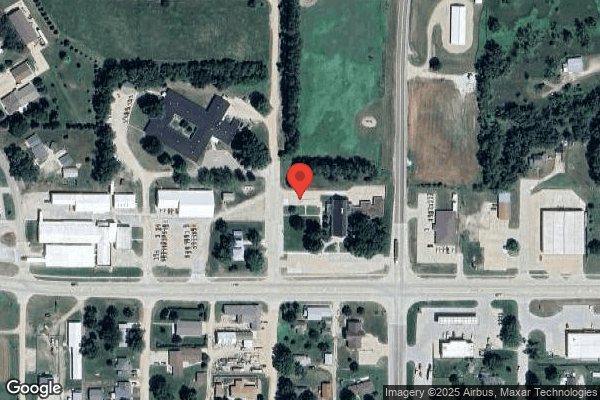
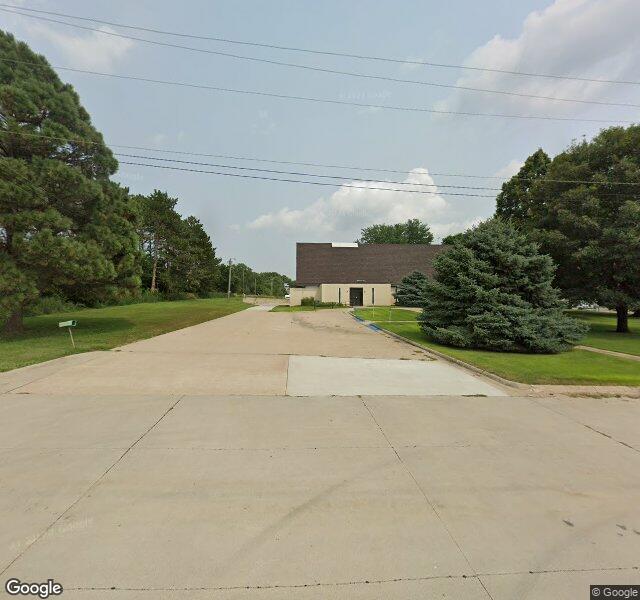
1100 T Street, Neligh, NE 68756 (402) 887-5428
For profit - Limited Liability company 70 Beds ARBOR CARE CENTERS Data: November 2025
Trust Grade
55/100
#102 of 177 in NE
Last Inspection: March 2025

Within standard 12-15 month inspection cycle. Federal law requires annual inspections.

Overview

Accura Healthcare of Neligh has a Trust Grade of C, meaning it falls in the average range among nursing homes, not particularly strong but also not the worst. It ranks #102 out of 177 facilities in Nebraska, placing it in the bottom half, while it is the only option in Antelope County. The facility is improving, with the number of issues identified decreasing from 7 in 2024 to 5 in 2025. However, staffing is a concern, with a low rating of 2 out of 5 stars and 55% turnover, which is about average for the state. Though there have been no fines recorded, the nursing home has less RN coverage than 88% of Nebraska facilities, which may affect care quality. Specific incidents noted include a staff member improperly handling medications without proper hygiene, a failure to maintain mechanical lifts for resident safety, and insufficient interventions to prevent residents from wandering or falling. Overall, while there are some positive trends and no fines, families should weigh these concerns when considering this facility.

Trust Score
C
55/100
In Nebraska
#102/177
Bottom 43%
Safety Record
Low Risk
No red flags
Inspections
Getting Better
7 → 5 violations
Staff Stability
⚠ Watch
55% turnover. Above average. Higher turnover means staff may not know residents' routines.
Penalties
✓ Good
No fines on record. Clean compliance history, better than most Nebraska facilities.
Skilled Nurses
⚠ Watch
Each resident gets only 23 minutes of Registered Nurse (RN) attention daily — below average for Nebraska. Fewer RN minutes means fewer trained eyes watching for problems.
Violations
⚠ Watch
19 deficiencies on record. Higher than average. Multiple issues found across inspections.
★★☆☆☆
2.0
Overall Rating
★★☆☆☆
2.0
Staff Levels
★☆☆☆☆
1.0
Care Quality
★★★☆☆
3.0
Inspection Score
Stable
2024: 7 issues
2025: 5 issues

The Good

  • Full Sprinkler Coverage · Fire safety systems throughout facility
  • No fines on record

Facility shows strength in fire safety.

The Bad

2-Star Overall Rating

Below Nebraska average (2.9)

Below average - review inspection findings carefully

Staff Turnover: 55%

Near Nebraska avg (46%)

Higher turnover may affect care consistency

Chain: ARBOR CARE CENTERS

Part of a multi-facility chain

Ask about local staffing decisions and management

The Ugly 19 deficiencies on record

Mar 2025 5 deficiencies
CONCERN (D)

Potential for Harm - no one hurt, but risky conditions existed

Accident Prevention (Tag F0689)

Could have caused harm · This affected 1 resident

**NOTE- TERMS IN BRACKETS HAVE BEEN EDITED TO PROTECT CONFIDENTIALITY** LICENSURE REFERENCE NUMBER 175 NAC 12-006.09D7 (b) Based on observations, interviews, and record review; the facility failed to ...

Read full inspector narrative →
**NOTE- TERMS IN BRACKETS HAVE BEEN EDITED TO PROTECT CONFIDENTIALITY** LICENSURE REFERENCE NUMBER 175 NAC 12-006.09D7 (b) Based on observations, interviews, and record review; the facility failed to implement fall interventions, and to develop and/or revise fall interventions for the prevention of ongoing falls for Residents 5, 15 and 19. The sample size was 4 and the facility census was 33. Findings are: A. Review of the facility policies Fall Prevention Program and Fall Risk Assessment with revision dates of 9/24 revealed at the time of admission, a Fall Risk Assessment was to be completed to determine a resident's risk for falls. The Fall Risk Assessment was then to be completed quarterly, annually and with any significant change in condition. If the resident were determined to be at risk for falls, a care plan would be created to address each item identified on the risk assessment and updated accordingly. The at-risk care plan would include interventions, including adequate interventions consistent with the resident's needs and goals to reduce the risk of an accident. The staff were to monitor the effectiveness of the care plan interventions and modify the interventions, as necessary. B. Review of Resident 5's Minimum Data Set (MDS-a federally mandated comprehensive assessment tool used for care planning) dated 2/6/25 revealed the resident was admitted [DATE] with diagnoses of pneumonia, atrial fibrillation, heart failure, arthritis, non-Alzheimer's dementia, Parkinson's disease, anxiety, depression, bipolar disorder and morbid obesity. The following was assessed for the resident: -cognition was moderately impairment. -frequently incontinent of bladder. -dependent for personal hygiene, dressing, transfers, toileting hygiene and bed mobility. -functional limitation of range of motion to bilateral lower extremities. -use of chair alarm daily. Review of the Resident 5's current Care Plan dated 9/5/24 revealed the resident was at risk for falls related to poor balance and the need for assistance with transfers. Nursing interventions with development dates included the following: -9/5/24 allow the resident privacy but do not leave unattended and alone on the commode or in the bathroom. -9/6/24 resident to wear non-skid footwear when up and out of bed. -9/6/24 do not leave the resident unattended and alone while seated in the wheelchair in the resident's room. Assist to the recliner or into bed before leaving the room. -9/9/24 Tabs alarm (personal alarm with a pull string that attaches magnetically to the alarm with a garment clip to the resident. When the resident attempts to rise, the pull string magnet is pulled away from the alarm which causes the alarm to sound) to alert staff when the resident attempts to transfer without assistance. Staff to check placement and function each shift. -9/10/24 Dycem (non-slip material) pad to the seat of the resident's recliner. -10/4/24 each time staff walks by the resident's room to check and to monitor for safety in positioning in bed and chair. -10/14/24 the evening shift to toilet the resident before they leave at 10:00 PM. Review of an Incident Report dated 1/9/25 at 6:00 AM revealed the resident was found on the floor next to the resident's bed. The resident's bed was in the lowered position, but the resident's Tabs alarm was not in place. Review of a staff meeting held 1/9/25 revealed the nursing staff were educated on ensuring all resident's fall alarms were functional and in place before leaving the resident rooms. Review of an Incident Report dated 1/20/25 at 4:00 AM revealed the resident was observed on the floor next to the resident's bed. An intervention was identified to make sure the bed controls were not in reach for the resident as the resident was unable to utilize safely. Review of an Incident Report dated 1/22/25 at 2:22 PM revealed the resident was transferred to the bath chair by the bath-aide. The staff failed to secure the bath chair safety belt and started to undress the resident. The resident leaned forward and then fell out of the bathchair. Staff were educated to secure the seat belt on the bathchair before starting to work with the resident. Further review revealed no documentation as to the education provided or to the staff who received the education. No further interventions were developed and current interventions were not reviewed and/or revised. Review of an Incident Report dated 2/14/25 at 6:45 AM revealed the resident was found seated on the floor next to the resident's bed. The bed was in the lowered position and the resident identified sliding off the edge of the bed. Review of a Post Fall Evaluation dated 2/14/25 at 10:31 AM revealed the resident's Tabs alarm was not sounding when the resident was found on the floor. An intervention was developed for non-slip strips to be placed on the floor next to the resident's bed. Further review of the assessment revealed no evidence staff addressed the resident's fall alarm not functioning. Review of an Incident Report dated 2/23/25 at 2:25 AM revealed the resident's fall alarm was sounding and the resident was found on the floor in the resident's room next to the bed. At the time of the fall the resident was wearing gripper socks. An intervention was identified for a fall mat next to the resident's bed to prevent or to lessen injuries related to a fall. Observations of Resident 5 revealed the following: -3/18/25 at 11:20 AM the resident was seated in the wheelchair in the corridor outside of the dining room. The resident had a Tabs alarm box attached to the back of the chair, however, the pull string and garment clip was hanging down the back of the chair and was not attached to the resident and/or their clothing. -3/18/25 Nurse Aide (NA)-G approached the resident from behind and clipped the string of the fall alarm to the back of the resident's clothing. NA-G stated, I guess I forgot to attach your alarm. -3/18/25 from 1:45 PM to 2:15 PM the resident was seated in the wheelchair alone and unsupervised in the resident's room. -3/20/25 at 9:25 AM the resident's bathroom call light was activated. NA-G opened the bathroom door and revealed the resident was attached to the mechanical lift and was alone and unsupervised, seated on the toilet. -3/20/25 from 9:37 AM to 11:40 AM the resident remained in the resident's room while seated in the wheelchair. The resident was alone and unsupervised throughout this time. Interview with NA-G on 3/20/25 at 11:45 AM revealed the resident was at risk for falls and was to always have a Tabs alarm on when up in the wheelchair. NA-G was unaware of interventions for the resident to be supervised when alone in the wheelchair in the resident's room or when in the bathroom but confirmed most of the resident's falls occurred when the resident was attempting to self-transfer. During an interview on 3/20/25 at 2:49 PM, the Interim Director of Nursing (DON) confirmed the resident's Care Plan identified the resident was not to be left alone and unsupervised in the resident's room when seated in the wheelchair or when in the bathroom. The resident was a high risk for falls and continued to self-transfer despite repeated directions to use the call light and to call for staff assistance. The following was also confirmed: -Tabs alarm was to always be on the resident when up in the wheelchair and/or recliner. -the Charge Nurses were to complete an Incident Report at the time of each fall with identified causal factors and a new intervention. The fall interventions should be related to the causal factors to prevent further falls. Reports should include implementation of current interventions in place at the time of the falls. -staff re-education should be documented as to when it occurred, what education was provided and which staff received if this was identified as a fall intervention. C. Review of Resident 19's MDS dated [DATE] revealed the resident was admitted [DATE] with diagnoses of Alzheimer's disease, non-Alzheimer's dementia, depression, and osteoporosis. The following was assessed for the resident: -cognition was moderately impairment. -frequently incontinent of bowel and bladder. -substantial for dressing, transfers, and toileting hygiene. -use of a motion sensor alarm daily. Review of the resident's current Care Plan dated 9/18/24 revealed the resident was at risk for falls related to Alzheimer's disease, impaired safety awareness and need for assistance with transfers. Nursing interventions with dates the interventions were developed included the following: -9/18/24 make sure the resident's room was free of clutter and the resident's bedspread was not touching the floor. -9/18/24 make sure the resident's bed was always in the normal position except during active cares. -9/18/24 to wear non-skid footwear unless wearing shoes. -9/18/24 Make sure the resident's walker was always safely within reach. Review of an Incident Report dated 12/1/24 at 10: 40 PM revealed the resident was found on the floor of the resident's room in front of the electric lift recliner. The recliner was in the highest position. The resident identified trying to fix the lights on a nearby Christmas tree. The resident was encouraged to use the call light to seek staff assistance when needed. An intervention was identified to speak to the staff tomorrow to see of the resident's room could be rearranged so the Christmas tree was less accessible to the resident. In addition, a video camera was placed in the room with the monitor positioned at the Nurse's Station so the staff would be able to observe the resident more closely. Review of a Progress Note dated 12/2/24 at 3:40 AM revealed the resident had an unwitnessed fall in the resident's room when reaching for a box of Kleenex. The staff rearranged the resident's room to ensure the resident could reach frequently used items. Review of a Progress Note dated 12/19/24 at 1:31 PM revealed the resident was reaching for an item in the closet, lost balance and fell. The resident's fall alarm was sounding at the time of the fall. The assessment indicated the staff were provided re-education regarding leaving the resident alone in the room when positioned in the wheelchair. Review of an Incident Report dated 12/26/24 at 5:40 PM revealed the resident was found on the floor of the resident's room by the bathroom door. The resident identified trying to take self to the bathroom. A new intervention was identified to toilet the resident before and after meals. Review of an Incident Report dated 1/4/25 at 7:05 PM revealed the resident was found on the floor next to the resident's bed. The resident identified getting ready for bed, stumbled and fell backwards. An intervention was identified to assist the resident with getting ready for bed after the evening meal. Review of an Incident Report dated 1/5/25 at 5:05 PM revealed the staff heard the resident's fall alarm sounding and found the resident on the floor of the bathroom. The resident was incontinent of urine. A new intervention was listed to take the resident to the bathroom every 2 hours when awake. Observations of Resident 19 revealed the following: -3/20/25 from 7:43 AM to 9:03 AM the resident was seated in the dining room in a regular chair. No fall alarm was in place to the resident's chair. -3/20/25 from 10:11 AM to 11:24 AM the resident was alone in the resident's room, and unsupervised. The video camera was faced away from the resident and did not allow staff to visualize the resident from the Nurse's Station. During an interview on 3/24/25 at 11:55 AM the DON confirmed the following regarding Resident 19: -the resident had a video camera in the resident's room which was attached to a monitor at the Nurse's Station. Staff were to point the camera at the resident when in the recliner or in bed so the resident could be monitored more closely. -fall alarms were to always be on the resident. -12/19/24 the staff were re-educated regarding leaving the resident alone and unsupervised in the resident's room. The DON verified there was no evidence as to when the staff were re-educated, and which staff received the education. In addition, no other interventions were developed. D. Review of Resident 15's MDS dated [DATE] revealed the resident had a diagnosis of Non-Traumatic Brain Dysfunction, Alzheimer's Disease and Paranoid Personality Disorder. The following was assessed regarding the resident: -cognitive skills for daily decision making was severely impaired. - inattention and disorganized thinking continuously. - dependent on staff for eating, oral hygiene, toileting hygiene, bathing, dressing and personal hygiene. - dependent on staff for repositioning in bed and transferring from bed to chair and tub. - dependent on staff for wheelchair mobility. - always incontinent of bowel and bladder. - 2 or more falls, 1 with injury and 1 without injury since previous assessment. Review of Resident 15's Care Plan dated 10/8/24 revealed the resident was at risk for falls related to poor balance, confusion and the need for assistance with transfers. Nursing interventions with development dates included the following: -10/8/24 Do not leave resident unattended alone in room when in the wheelchair. Assist to the recliner or to bed before leaving the room. -10/8/24 Make sure that the bed is in the normal low position at all times except during cares. -10/8/24 Resident does not remember to pull the call light to ask for assistance when the resident wants to get up. Each time a staff member walks by the room, take the time to get eyes on the resident to ensure safety -10/8/24 Transfer with 2 assist and mechanical lift. Make sure the sling fits properly prior to lifting. -2/6/25 Ensure residents bed in a locked position before leaving the room -3/13/25 Hourly checks done on resident at all times. Review of Nursing Progress Note dated 3/13/25 at 6:00 PM revealed the resident was laying on the floor on their stomach beside the bed, had reddened area to left check with no other injuries noted. A new intervention was identified for hourly checks at all times. An observation on 3/18/25 at 9:49 AM revealed the resident was sitting in a wheelchair in room alone, rocking back and forth, eyes were open, and resident was moaning. An observation on 3/20/25 at 7:15 AM revealed the resident was sitting in a wheelchair in room alone with eyes shut. An observation on 3/20/25 at 8:00 AM revealed the resident was sitting in a wheelchair in room alone, eyes were shut, and resident was moaning. An interview on 3/20/25 at 10:40 AM with NA-G and MA-H confirmed that the resident was at risk for falls, was to be on hourly checks at all times, staff confirm that hourly checks were not being completed. Staff were unaware of intervention for the resident to be supervised when alone in the wheelchair in the resident's room. An interview on 3/20/25 at 2:55 PM with the interim DON confirmed that the resident was at risk for falls. The fall prevention care planned intervention of hourly checks at all times and do not leave resident unattended alone in room when in wheelchair were not being implemented. An observation on 3/24/25 at 2:20 PM revealed the resident was lying in bed, awake, trying to sit up, bed was in highest position, no staff were in the room. An interview on 3/24/25 at 2:30 PM with NA-K confirmed that the bed was in the highest position when resident was in the bed and resident was alone in the room.
CONCERN (D)

Potential for Harm - no one hurt, but risky conditions existed

Incontinence Care (Tag F0690)

Could have caused harm · This affected 1 resident

LICENSURE REFERENCE NUMBER 175 NAC 12-006.09D3 Based on observation, record review and interview; the facility staff failed to provide care and management of Resident 6's urinary catheter (tube place...

Read full inspector narrative →
LICENSURE REFERENCE NUMBER 175 NAC 12-006.09D3 Based on observation, record review and interview; the facility staff failed to provide care and management of Resident 6's urinary catheter (tube placed into the bladder to drain urine) to prevent the potential for infections and/or complications. The sample size was 1 and the facility census was 33. Findings are: A. Review of the facility policy Catheter Cares dated 9/2024 revealed it was the policy of this facility to ensure residents with indwelling catheters received appropriate catheter care and maintained their dignity and privacy when indwelling catheters were in use. The following was indicated: -catheter care was be performed every shift and as needed by nursing personnel. -privacy bags were to be available and catheter drainage bags were to be always covered while in use. -privacy bags were to be switched out when soiled, and with a catheter change was needed. -empty drainage bags when the bag was half-full or every 3 to 6 hours. -ensure the catheter drainage bag was located below the level of the bladder to discourage backflow of urine. The following guidelines were identified for completion of catheter cares: -perform hand hygiene and place on gloves. -gently grasp penis and draw foreskin back if applicable. -using circular motion, cleanse the meatus. -starting at the meatus, move down and cleanse the shaft of the penis. -with a clean cloth, start at the urinary meatus and move outward, wipe the catheter making sure to hold the catheter in place so as not to pull on the catheter. B. Minimum Data Set Date: 3/6/25 Type: Quarterly BIMS: 15 out of 15 Resident mood interview conducted and the resident identified the following: -feeling down, depressed or hopeless 12-14 days -trouble falling asleep or staying asleep or sleeping too much 7-11 days. -feeling tired or having little energy 12-14 days -moving or speaking slowly 2-6 days. Behaviors: None Functional limitation of ROM: no impairment Self-Care Status: Set-up or clean up assistance with eating/drinking, and oral hygiene. Dependent with toileting hygiene, toileting bathing, dressing, and personal hygiene. Substantial/maximal assistance with bed mobility and transfers. Bowel and bladder: indwelling catheter and ostomy. Active diagnoses: diabetes, HTN, PVD, hyperlipidemia,, depression, pressure ulcer stage 3, obstructive sleep apnea, and osteoarthritis. Pain: denied the presence of pain. Prognosis does the resident have a condition or a chronic disease that may result in a life expectancy of less than 6 months. No Falls: None Weight: 252 pounds, no weight loss//gain. Unhealed pressure/venous ulcers: one stage 3 pressure ulcer which was present on admission and a diabetic foot ulcer. Resident has a PRD for chair and bed, nutrition/hydration interventions to manage skin problems, pressure ulcer care, application of nonsurgical dressings, applications of ointments/medications and application of dressings. Observation of wound care for Resident 6 on 3/20/25 from 10:12 AM to 10:45 AM revealed Licensed Practical Nurse (LPN)-D washed hands and placed on a disposable gown and gloves. LPN-D prepared items to complete the dressing change and placed on a bedside table. LPN-D used the bed controls to lower the bed so that staff could more easily access the resident's wounds. However, once the bed was lowered the urinary catheter drainage bag which was hanging from the bedframe was now positioned directly on the floor underneath of the resident's bed. The catheter drainage bag remained on the floor throughout the completion of wound care. During an interview with LPN-D on 3/20/25 at 11:30 AM, the LPN confirmed the resident's catheter drainage bag should not have been positioned on the floor during the wound care. During an observation of catheter cares and a transfer on 3/20/25 at 11:40 AM the following was observed: -Nurse Aide (NA)-H and NA-G entered the resident's room, washed hands, and placed on gowns and gloves. The resident remained in bed and lying on back. NA-H removed the bed linens and adjusted the resident's clothing to expose the catheter insertion site. The resident was observed to have feces to bilateral groin and lower abdomen. -NA-G used pre-moistened cleansing cloths to remove feces. NA-G removed soiled gloves but failed to complete hand hygiene before placing on clean gloves. -NA-G completed catheter cares and removed soiled gloves. -without performing hand hygiene, NA-G placed on clean gloves and removed the catheter drainage bag from the bed frame and placed directly on the resident's bed linens. The drainage bag contained approximated 700 cubic centimeters (cc) of yellow urine. -the catheter drainage bag remained on the resident's bed while the staff removed the PRAFO devices to bilateral feet and changed the resident's clothing. -NA-G removed the catheter drainage bag from the bed and placed the bag on the resident's lap. The resident was assisted to sit on the side of the bed. -the catheter drainage bag was then removed from the resident's lap and NA-G held the bag against NA-G's uniform as staff placed the resident on the mechanical lift and transferred the resident into the wheelchair. -the resident was positioned into the wheelchair and the catheter drainage bag was placed into a privacy bag underneath of the wheelchair. During an interview with NA-G on 3/20/25 at 12:00 PM the following was confirmed: -the resident's urinary catheter drainage bag was to remain below the level of the resident's bladder with any cares. -the catheter drainage bag should not have been placed directly on the bed linens or on the resident's lap. -after cleansing the feces from the resident's groin areas and lower abdomen, and after completion of catheter cares, staff should have removed soiled gloves and performed hand hygiene before placing on clean gloves and continuing cares.
CONCERN (D)

Potential for Harm - no one hurt, but risky conditions existed

Drug Regimen Review (Tag F0756)

Could have caused harm · This affected 1 resident

Licensure Reference Number 175 NAC 12-006.12(A)(vi) Based on record review and interviews; the facility failed to follow the consultant pharmacist's recommendations to address irregularities in the me...

Read full inspector narrative →
Licensure Reference Number 175 NAC 12-006.12(A)(vi) Based on record review and interviews; the facility failed to follow the consultant pharmacist's recommendations to address irregularities in the medication regimen for Resident 16. The sample size was 6 and the facility census was 33. Findings are: A. Review of the facility policy Medication Regimen Review (MRR) dated September 2024 revealed the following: -The MRR was a thorough process of review and assessment conducted by a Consultant Pharmacist of the medications ordered for each resident, with a goal of promoting positive outcomes and minimizing adverse consequences associated with medications. -The MRR occurred monthly for each resident and recommendations were reported to the Administrator, Director of Nursing, attending physicians, and the Medical Director as it applied. -The Consultant Pharmacist utilized federally mandated standards of care, in addition to other applicable standards. -The Consultant Pharmacist provided reporting each month including documented concerns, irregularities, clinically significant risks, adverse consequences that resulted from of could be associated with medications. -The reports included nursing issues as well as communication to attending physicians. -Letters were provided to attending physicians regarding any significant potential or actual medication concerns. -Facility staff notified the attending physicians and obtained responses within a timely manner. B. Review of Resident 16's Minimum Data Set (MDS-federally mandated comprehensive assessment used in the development of the resident care plan) dated 1/9/25 revealed the resident received an antidepressant medication. Review of Resident 16's Order Summary Report sheet dated 1-31-2025 revealed that resident had an order for Mirtazapine (Remeron) (antidepressant) 7.5 milligrams (mg) by mouth at bedtime for appetite also related to insomnia. Review of Consultant Pharmacist's MRR for Resident 16 revealed the following: 8/14/2024-Need a consent for the following medication: Remeron. 12/09/2024-Need a consent for the following medication: Remeron. 01/15/2025-Need a consent for the following medication: Remeron. 02/10/2025-Need a consent for the following medication: Remeron. Informed consent for Remeron was signed by responsible party on 3/18/25, 7 months after the pharmacist made their initial recommendation. An interview on 03/20/25 at 1:55 PM with the Director of Nursing, Registered Nurse (RN-L) and Social Services Director confirmed that the facility had not addressed the Consultant Pharmacist MRR request in a timely manner or in accordance with facility policy.
CONCERN (D)

Potential for Harm - no one hurt, but risky conditions existed

Infection Control (Tag F0880)

Could have caused harm · This affected 1 resident

**NOTE- TERMS IN BRACKETS HAVE BEEN EDITED TO PROTECT CONFIDENTIALITY** Licensure Reference Number 175 NAC 12-006.17 Based on observation, record review, and interview; the facility failed to prevent ...

Read full inspector narrative →
**NOTE- TERMS IN BRACKETS HAVE BEEN EDITED TO PROTECT CONFIDENTIALITY** Licensure Reference Number 175 NAC 12-006.17 Based on observation, record review, and interview; the facility failed to prevent the potential for cross contamination as the staff failed to utilize the required Personal Protective Equipment (PPE) when performing direct cares for Resident 6 who was on Enhanced Barrier Precautions and to change gloves and perform hand hygiene at appropriate intervals when providing wound care for Residents 5 and 6. The total sample size was 19 and the census was 33. Findings are: A. Review of the facility policy Infection Prevention and Control Program with a revision date of 5/16/23 revealed the facility had established and maintained an infection prevention and control program designed to provide a safe, sanitary, and comfortable environment to help prevent the development and transmission of communicable diseases and infections. B. Review of the facility policy Hand Hygiene dated 9/2024 revealed all staff were to perform proper hand hygiene procedures to prevent the spread of infection to other personnel, residents, and visitors. Hand hygiene was the general term for cleaning your hands by handwashing with soap and water or the use of antiseptic hand rub also known as alcohol-based hand rub. (ABHR). The use of gloves would not replace hand hygiene. If gloves were required, staff were to perform hand hygiene prior to donning and immediately after removing gloves. C. Review of the Clean Dressing Change Policy dated 9/24 revealed it was the policy of this facility to provide wound care in a manner to decrease the potential for infection and/or cross contamination. The following guidelines were identified: -each wound will be treated individually. -when multiple wounds were being dressed, the dressings would be changed in order of least contaminated to most contaminated. Dressings of infected wounds should be changed last. -set-up a clean filed on the overbed table with the needed supplies for wound cleansing and dressing application. -establish an area for soiled products to be placed. -perform hand hygiene and place on clean gloves. -remove the existing dressing. -remove gloves, discard, complete hand hygiene and put on clean gloves. -cleanse the wound and pat dry with gauze. -measure wound using a disposable measuring guide. -remove soiled gloves, discard, perform hand hygiene and place on clean gloves. -dress wound as ordered and secure dressing. -discard disposable items including gloves and wash hands. D. Review of the Enhanced Barrier Precautions (EBP) Policy with a revision date of 5/24 revealed it was the policy of this facility to implement EBP for the prevention of the transmission of multidrug resistant organisms. EBP refers an infection control intervention designed to reduce the transmission of multidrug-resistant organisms that employed a targeted gown, and gloves use during high contact resident care activities. EBP were to be used for residents with any of the following; chronic wounds such as pressure ulcers, diabetic foot ulcers, unhealed surgical wounds, chronic venous stasis ulcers and/or indwelling medical devices such as urinary catheters, central lines, feeding tubes, and tracheostomy/ventilator tubes. The use of PPE for residents on EBP was necessary when performing high-contact care activities such as the following: -dressing. -bathing/showering. -transferring. -providing hygiene. -changing linens. -changing briefs or assisting with toileting. -device care or use. -wound care. E. Review of Resident 6's Minimum Data Set (MDS-a federally mandated comprehensive assessment tool used for care planning) dated 3/6/25 revealed the resident was admitted [DATE] with diagnoses of diabetes, peripheral vascular disease, depression and a stage 3 (staging system is a method of summarizing characteristics of pressure ulcers including the extent of tissue damage. A stage 3 ulcer is a full thickness tissue loss. The subcutaneous fat may be visible, but bone, tendon or muscle is not exposed. Slough (dead tissue) may be present but does not obscure the depth of tissue loss) pressure ulcer. The stage 3 pressure ulcer and a diabetic foot ulcer were both present with the resident's admission. Observation of wound care for Resident 6's right foot pressure ulcer and left foot diabetic ulcer on 3/20/25 at 10:12 AM revealed the following: -Licensed Practical Nurse (LPN)-D entered the resident's room, washed hands, and placed on a disposable gown and gloves. LPN-D positioned a barrier on a bedside table and placed items needed for the dressing changes on the barrier. -LPN-D removed the Coban and the gauze wraps which had been used to keep the dressing in place to the sole of the resident's right foot. LPN-D sprayed saline wound wash onto the dressing, which had a small amount of brown shadow drainage until the dressing was no longer adhered to the wound bed and removed the dressing. -after removal of the soiled dressing, LPN-D did not remove gloves but proceeded to cleanse the wound bed and then to pat dry. The resident's wound was covered with black eschar (dead tissue) and the perimeter of the wound had a deep pink color with dry and flakey skin. -while still wearing the same gloves, LPN-D applied a clean dressing to the wound and re-wrapped with gauze and Coban. -after completing the dressing change to the resident's right foot, LPN- removed soiled gloves but failed to complete hand hygiene before putting on a clean pair of gloves. -LPN-D removed the dressing to the wound site on the side of the resident's left foot. -without removing soiled gloves, LPN-D cleansed the wound with saline wound wash and completed the dressing change. -after completion of the dressing change, and without removing soiled gloves, LPN-D placed a heel protector on the resident's left foot, positioned the resident for comfort and adjusted the resident's bed linens. -LPN-D removed disposable gown and gloves and exited the resident's room still without performing hand hygiene. During an interview with LPN-D on 3/20/25 at 11:30 AM the following was confirmed: -the resident was currently on EBP related to a diabetic ulcer and pressure ulcers. -when completing wound care, should have removed gloves, and performed hand hygiene after removing the soiled dressings and then placed on clean gloves. -should have performed hand hygiene each time clean gloves were donned and when removing soiled gloves. During an interview with NA-G on 3/20/25 at 12:00 PM the following was confirmed: -the resident's urinary catheter drainage bag was to remain below the level of the resident's bladder with any cares. -the catheter drainage bag should not have been placed directly on the bed linens or on the resident's lap. -after cleansing the feces from the resident's groin areas and lower abdomen, and after completion of catheter cares, staff should have removed soiled gloves and performed hand hygiene before placing on clean gloves and continuing cares. F. Review of Resident 5's MDS dated [DATE] revealed the resident was admitted [DATE] with diagnoses of pneumonia, heart failure, non-Alzheimer's dementia, Parkinson's disease, bipolar disorder, and morbid obesity. The resident was identified as having one unstageable (the stage is not clear; the base of the wound is covered by a layer of dead tissue and are unable to see the base of the wound to determine a stage) pressure ulcer which was not present on admission. During an observation of toileting cares for Resident 5 on 3/20/25 at 9:25 AM the following was observed: -the resident's bathroom call light was activated. NA-G and NA-H entered the resident's room, performed hand hygiene, and placed on clean gloves. Staff did not place on gowns and no gowns were visible in the resident's room. -the resident was in the bathroom and was attached to the mechanical lift. Staff assisted the resident per the mechanical lift into a standing position and NA-G performed hygiene cares with pre-moistened cleansing cloths. -the resident was transferred out of the bathroom with the lift and was transferred into a wheelchair. -staff removed gloves and washed hands before leaving the resident's room. During an interview on 3/20/25 at 11:45 AM, NA-G confirmed the resident had a pressure ulcer which was not resolved and continued to receive treatment. However, the wound vac treatment (uses a device to apply negative pressure to a wound to promote healing by removing fluid and debris and encouraging blood flow) had been discontinued so NA-G thought the resident was no longer on EBP. The following was observed during wound care for Resident 5 on 3/20/25 at 1:40 PM: -without performing hand hygiene, LPN-D placed on a disposable gown and gloves. -the dressing was removed from the right buttock area which had a small area of brownish drainage. -LPN-D removed gloves and without performing hand hygiene placed on a new pair of gloves. -the wound was cleansed with wound wash and was patted dry. -a barrier cream was applied to the area surrounding the wound bed with LPN-D's gloved hand. -LPN-D removed gloves but failed to complete hygiene before putting on a clean pair of gloves and applying a dressing to the wound. -with completion of wound care, LPN-D removed gloves and gown but failed to perform hand hygiene before exiting the resident's room. An interview was conducted with LPN-D on 3/20/25 at 2:00 PM and the following was confirmed: -the resident's pressure ulcer had improved but was not healed and the resident was still on EBP. -should have performed hand hygiene each time clean gloves were donned and when removing soiled gloves.
CONCERN (E)

Potential for Harm - no one hurt, but risky conditions existed

Safe Environment (Tag F0584)

Could have caused harm · This affected multiple residents

Licensure Reference Number 175 NAC 12-006.19 Based on observations, record review and interview; the facility failed to ensure mechanical lifts were maintained in a manner to promote resident safety. ...

Read full inspector narrative →
Licensure Reference Number 175 NAC 12-006.19 Based on observations, record review and interview; the facility failed to ensure mechanical lifts were maintained in a manner to promote resident safety. This has the potential to affect all residents who utilized mechanical lifts. In addition, the facility failed to ensure the wall, curtain, light cover and bathroom door frame were maintained in good repair in room C11, maintain the cleanliness of the bathroom ceiling ventilation covers, maintain the door frames to the resident's room and bathrooms to be free of chipped paint to 29 rooms ( C5 to C14, D15 to D27, B30 to B530) and maintain the cleanliness and condition of bathroom floors in room C11 and D25. The sample size was 19 and the facility census was 33. Findings are: A. Review of the Facility Assessment Tool with a revision date of 1/27/25 revealed the facility conducted an annual review of their resident population and the resources the facility needed to care for their residents. The purpose of the assessment was to determine what resources were necessary to care for residents competently during both day-to-day operations and emergencies. The facility ensured equipment was maintained to protect and promote the health and safety of residents including lifts (lifting devices). Equipment and/or devices were inspected annually or replaced/repaired if they presented a hazard. The maintenance and nursing staff ensured adequate supplies or equipment for resident care. Maintenance staff were to perform inspections of the property and building. B. Review of the facility policy Safe Resident Handling/Transfers dated 12/5/23 revealed the following: -It was the policy of the facility to ensure that residents were handled and transferred safely to prevent or minimize risks for injury and provide and promote a safe, secure and comfortable experience for the resident while keeping the employees safe in accordance with current standards and guidelines. -All residents required safe handling when transferred to prevent or minimize the risk for injury to themselves and the employees that assist them. -Mechanical lifting equipment or other approved transferring aides were used based on resident need. -Staff inspected equipment prior to use to ensure functionality and alerted maintenance or designee if the equipment was not functioning properly. -Damaged, broken, or improperly functioning lift equipment was not used and tagged out according to facility policy. C. Review of the facility policy Preventative Maintenance Program dated September 2024 revealed the following: -The Maintenance Director was to develop and maintain a schedule of services to ensure that the building and equipment were maintained in a safe and operable manner. -The Maintenance Director was to assess all areas of the building to determine if maintenance was required. -If maintenance was required, the Maintenance Director should decide what tasks need to be completed and how often to complete them. -Tasks completed would be documented on a calendar. -Documentation should be completed for all tasks and kept in the Maintenance Director's office for at least 3 years. D. During an interview on 3/18/25 at 10:15 AM with responsible party of Resident 15, a concern was brought up in regard to the wall in room C11 being gouged, scraped and missing paint and the curtain liner hanging lower the curtain. Observation of resident rooms during the initial pool on 3/18/25 from 10:30 AM to 2:30 PM revealed the following: -Resident room C11 had a 21 centimeter (cm) by 16 cm area with paint peeled away with scrapes and gouges in the drywall. The curtain in the room had the inner lining hanging lower than the curtain and there was a large hole in the light cover over the resident bed. -Ventilation covers were coated with a collection of a dark fuzzy substance which resembled dust in bathrooms of rooms C5 to C14, D15 to D27, and B38 to B53. -Door frames to the resident rooms and bathrooms had chipped and peeling paint to the bottom 1/3 of the doors, rooms C5 to C14, D15 to D27 and B38 to B53. -The bathroom in room D25 had cracked flooring around the toilet and the tile was stained a dark brown color. -The bathroom in room C9/C11 had stained tile, black in color, surrounding the toilet, the threshold going into the bathroom from room C9 and C11 was missing chunks of tile. The lower 1/3rd of the door frame to room C11 was the color of a brown substance with a rust like appearance, the base of the door frame was missing a piece of the door frame with a sharp splintered edge measuring 8cm by 2.5 cm. During an interview on 3/20/25 at 1:30 PM the Housekeeping Supervisor confirmed that the ventilation covers in the resident bathrooms are not being cleaned. During an interview on 3/20/25 at 2:30 PM the facility Maintenance Director and the interim Director of Nursing (DON) confirmed that they were unaware of the condition to the wall, curtain and bathroom in room C11 and the bathroom in room D25. The Maintenance Director and the interim DON confirm that the wall, light cover, curtain and bathroom in room C9/C11 need to be fixed, the bathroom floor in room D23 needs to be fixed and the door frames to the rooms and bathroom need to be painted. E. During an observation of the provision of care for Resident 3 on 3/20/25 at 11:24 AM Nurse Aides (NA)'s J and N entered the resident room to assist the resident to the commode. Both NA's put on gowns and gloves, placed a lifting sling under the resident and proceeded to transfer the resident to the commode using a full body mechanical lift. During the lifting process the mechanical lift stopped abruptly, and the NA's had to utilize the emergency switch to lower the lift. The NAs were unable to get the lift to function even after retrieving a fresh battery. During an interview on 3/20/25 at 11:51 AM NA -N confirmed having routinely struggled with the mechanical lifts used in the facility. NA-N further reported staff have to routinely stop in the middle of a task and replace a battery, and sometimes that doesn't even work. During an interview on 3/20/25 11:55 AM Resident 3 confirmed staff daily have to try multiple things just to get the facility lifts to work as intended when they are completing cares. During an interview on 3/20/25 at 12:00 PM the interim DON confirmed nursing staff had reported problems with the facility mechanical lifts working consistently, and/or the batteries working consistently, however was not aware of a long-term solution to ensure the facility lifts were being maintained to ensure care delivery was safe and consistent. During an interview on 3/25/25 at 9:50 PM the facility Maintenance Director confirmed being aware of the facility mechanical lifts were not consistently functioning despite the facility replacing the removable lift batteries, however the lifts also have attached power boxes that the batteries hook to and a request to replace those had not been approved.
Mar 2024 7 deficiencies
CONCERN (D)

Potential for Harm - no one hurt, but risky conditions existed

Deficiency F0604 (Tag F0604)

Could have caused harm · This affected 1 resident

LICENSURE REFERENCE NUMBER 175 NAC 12-006.05(8) Based on observations, record review and interview; the facility staff failed to evaluate the use of a seatbelt as a restraint for 1 (Resident 30) of 1 ...

Read full inspector narrative →
LICENSURE REFERENCE NUMBER 175 NAC 12-006.05(8) Based on observations, record review and interview; the facility staff failed to evaluate the use of a seatbelt as a restraint for 1 (Resident 30) of 1 sampled resident. The facility identified a census of 33. Findings are: Review of Resident 30's Minimum Data Set (MDS, a federally mandated assessment tool used for care planning) dated 1/19/24 revealed diagnoses of non-traumatic brain dysfunction, malignant neoplasm of cerebral meninges (tumor formed in the layers of the tissue that covers the brain and the spinal cord), cancer, diabetes, paraplegia (inability to voluntarily move the lower parts of the body), seizure disorder, and depression. The facility staff assessed the following about the resident: -cognitively intact, -dependent with bed mobility, transfers, dressing, toilet use and personal hygiene, and -no restraints were in place. Review of the resident's current Care Plan dated 1/26/24 revealed the resident had paralysis, was unable to self-propel a regular wheelchair and had limited ability to perform gross motor skills. The resident was identified as using a motorized wheelchair with an intervention for Physical Therapy (PT) and Occupational Therapy (OT) to assess and determine the resident's ability to use the motorized wheelchair. The Care Plan further identified a seat belt was placed on the resident when in the motorized wheelchair. The following interventions were indicated: -ensure the resident was positioned correctly while restrained, and -monitor/document/report any changes regarding effectiveness of restraint, less restrictive device if appropriate, and any negative or adverse effects. Review of Resident 30's medical record that included progress notes, assessments and practitioner orders revealed there was no evidence the facility had evaluated the seatbelt as a restraint or how the seatbelt was being used to treat a medical condition. During an interview on 3/13/24 at 11:00 AM, Resident 30 reported the resident had lower extremity paralysis and was using an electric wheelchair. The resident identified the following: -independent with mobility when using the electric wheelchair, -use of a seatbelt when positioned in the electric wheelchair, and -uncertain if would be able to remove the seat belt independently but had never been asked to demonstrate. Observations of Resident 30 on 3/13/24 at 11:00 AM and on 3/14/24 at 11:08 AM and at 12:20 PM, revealed the resident was seated in an electric wheelchair with a connected seat belt. During an interview on 3/14/24 at 2:59 PM, the Director of Nursing (DON) and Register Nurse (RN) Consultant-P, staff confirmed there was no evaluation of the seatbelt as a potential restraint. In addition, the DON was unable to produce a policy regarding potential restraint use and monitoring for the facility. Observations on 3/18/24 at 12:26 PM and on 3/19/24 at 8:49 AM revealed Resident 30 was seated in the motorized wheelchair and the seatbelt was always buckled across the resident's lap when positioned in the chair.
CONCERN (D)

Potential for Harm - no one hurt, but risky conditions existed

Assessment Accuracy (Tag F0641)

Could have caused harm · This affected 1 resident

**NOTE- TERMS IN BRACKETS HAVE BEEN EDITED TO PROTECT CONFIDENTIALITY** Licensure Reference Number 175 NAC 12-006.09B Based on record review and interview; the facility failed to accurately code Resid...

Read full inspector narrative →
**NOTE- TERMS IN BRACKETS HAVE BEEN EDITED TO PROTECT CONFIDENTIALITY** Licensure Reference Number 175 NAC 12-006.09B Based on record review and interview; the facility failed to accurately code Resident 25's Minimum Data Set (MDS- a federally mandated assessment tool used in care planning) to reflect the resident's current urinary and nutritional interventions. The sample size was 18 and the facility census was 33. Findings are: Review of Resident 25's MDS dated [DATE] revealed the following: -diagnoses of spinal cord injury, orthostatic hypotension (low blood pressure that happens when changing positions), neurogenic bladder (lack of control of the bladder due to neurological injury), quadriplegia (paralysis of all 4 limbs), -required set up assistance with eating and was dependent with toileting and dressing, -did not use any appliances for bladder elimination (such as an indwelling catheter), -urinary incontinence was not rated (the resident had a catheter), -did not receive parenteral (administration in a way not involving the intestines or digestive tract) or Intravenous (Into the Vein [IV]) feedings, -did not have a feeding tube, -received 25% or less of total calories through parenteral or IV feedings, and -received 500 cubic centimeters (cc) per day or less of fluids through IV or tube feedings. Review of Resident 25's Care Plan revised 2/22/24 revealed the following: -was able to feed self with staff set up, -had adaptive equipment for eating utensils, -staff were to keep the resident's hydration system filled with water, -required total assistance with catheter cares, and -had an indwelling suprapubic catheter (a tube inserted through the abdomen into the bladder to drain urine). Interview on 3/14/24 at 9:40 AM with Resident 25 revealed the resident had an indwelling catheter, did not receive any nutrition or fluids through an artificial route, and was able to feed themself since the resident was admitted to the facility in October of 2023. Interview on 3/18/24 at 7:30 AM with the MDS Coordinator confirmed the resident had an indwelling catheter. Further interview on 3/18/24 at 2:58 PM confirmed the resident had the urinary catheter upon admit to the facility, the resident did not receive nutrition or fluids through parenteral, IV, or TF, and the resident was able to feed self with set-up assistance. The MDS Coordinator confirmed the MDS dated [DATE] had not been completed accurately. Interview on 3/18/24 at 3:20 PM with the Director of Nursing (DON) and the Consulting RN confirmed the facility did not have a policy on completing assessments and the facility followed the Resident Assessment Instrument (RAI) manual for guidance. Further interview confirmed the MDS dated [DATE] had not been accurately coded.
CONCERN (D)

Potential for Harm - no one hurt, but risky conditions existed

Medication Errors (Tag F0758)

Could have caused harm · This affected 1 resident

Licensure Reference Number: 175 NAC 12-006.09D Based on record review and interview; the facility failed to ensure that routine assessments were completed to monitor for adverse side effects of anti-p...

Read full inspector narrative →
Licensure Reference Number: 175 NAC 12-006.09D Based on record review and interview; the facility failed to ensure that routine assessments were completed to monitor for adverse side effects of anti-psychotic medications (medication used to treat psychosis) for 1 (Resident 2) of 5 sampled residents. The facility census was 33. Findings include: A. Review of a form titled Clinical Management dated 10/2021 revealed it was the policy of the facility to complete assessments per the outlined time frames to ensure monitoring of individual resident's current medical status. Staff were to complete an Abnormal Involuntary Movement Scale (AIMS- assessment used to monitor for extrapyramidal symptoms (EPS-involuntary movements and tremors that could be permanent) for residents receiving an antipsychotic medication. B. Review of Resident 2's Minimum Data Set (MDS-a federally mandated assessment) dated 12/7/23 revealed diagnoses of progressive neurological condition, dementia, anxiety, depression, and psychotic disorder. The assessment indicated the resident's cognition was intact and the resident had poor appetite and sleeping habits. The resident had physical and verbal behaviors directed at others and received antianxiety, antidepressant and an antipsychotic medication all on a routine basis. Review of Resident 2's physician orders revealed the resident had an order dated 12/22/23 for Risperidone (antipsychotic medication) 0.25 milligrams (mg) twice a day for diagnosis of severe depressive disorder with psychotic symptoms. Review of the resident's current Care Plan with revision date of 12/29/23 revealed the resident was started on the Risperidone due to behavioral disturbances; inappropriateness in common areas, yelling, delusions, demanding and irritability. Review of the resident's medical record revealed no evidence the facility had completed an AIMs assessment when the resident was started on the Risperidone 12/22/23. Further review of the resident's medical record revealed no evidence the facility was monitoring the resident's use of the Risperidone for potential side effects of the medication. During an interview on 3/19/24 at 7:57 AM, the Director of Nursing (DON) confirmed the resident had taken Risperidone 0.25 mg twice a day since 12/22/23. Facility staff should have completed an initial AIMS assessment when the resident was started on the antipsychotic and assessments should then be completed quarterly or with a re-admission/change of condition to monitor for potential EPS. The DON further confirmed there was no evidence in the resident's medical record to indicate staff were monitoring for potential side effects from use of the antipsychotic medication.
CONCERN (E) 📢 Someone Reported This

A family member, employee, or ombudsman was alarmed enough to file a formal complaint

Potential for Harm - no one hurt, but risky conditions existed

Accident Prevention (Tag F0689)

Could have caused harm · This affected multiple residents

**NOTE- TERMS IN BRACKETS HAVE BEEN EDITED TO PROTECT CONFIDENTIALITY** Licensure Reference Number 175 NAC 12-006.09D7 Based on observations, record review and interview, the facility failed to develo...

Read full inspector narrative →
**NOTE- TERMS IN BRACKETS HAVE BEEN EDITED TO PROTECT CONFIDENTIALITY** Licensure Reference Number 175 NAC 12-006.09D7 Based on observations, record review and interview, the facility failed to develop and/or implement interventions to prevent ongoing elopements for Resident 236 and falls for Residents 27 and 5. The sample size was 6 and the facility census was 33. Findings are: A. Review of the facility Elopement and Wandering Residents policy with a revised date of 5/2020 revealed the facility would ensure residents who exhibited wandering behavior and/or were at risk for elopement received adequate supervision. The following interventions were identified for managing residents at risk for elopement or unsafe wandering: -residents were to be assessed for risk of elopement upon admission and throughout their stay, -the resident would be evaluated to determine the unique factors contributing to risk to develop a person-centered care plan, -interventions to increase staff awareness of the resident's risk, modify the resident's behaviors or minimize risks associated with hazards was to be added to the resident's care plan and communicated to staff, -adequate supervision was to be provided to help prevent accidents or elopements, -charge nurses were to monitor the implementation of interventions, response to interventions and document accordingly, and -the effectiveness of interventions to be evaluated, changes made as needed, and changes communicated to relevant staff. The following Post-Elopement Procedure was identified: -licensed nurse to perform a physical assessment and document findings, -social service designee to re-assess the resident and make referrals for counseling or consults as needed, and -implement any new physician orders and communicate to staff, resident, and resident representative. B. Review of Resident 236's Face Sheet revealed the resident was admitted [DATE] with diagnoses of unspecified dementia, psychotic/mood disturbance, anxiety, depression, and vascular dementia. Review of an Elopement Risk assessment dated [DATE] at 3:07 PM revealed the resident had a history of elopement while living at home and wandering behaviors. The wandering placed the resident at risk and affected the safety and well-being of the resident and others. The resident was identified as high risk for elopement. A wander guard bracelet (a device attached to the resident that sets off an alarm at facility exits that are equipped with sensor devices activated by the bracelet) was placed on the resident. Review of the resident's current Care Plan dated 11/3/22 revealed the resident was at risk for Elopement related to a history of elopement while living at home. The following interventions were indicated with a date of 11/1/22 for development/implementation: -clearly identify the resident's room and bathroom, -encourage participation in activity program, -engage in purposeful activity, -monitor and report behaviors especially exit seeking, -monitor for whereabouts in the facility, -picture identification at the front desk, -redirect resident when wander guard sounds and attempting to leave the facility, and -test wander guard alarm to make sure it is working properly and check for placement. Review of a Nursing Progress Note dated 4/27/23 at 9:09 PM revealed the door alarm was activated by the employee entrance/exit door. Resident 236's walker was positioned near the door. The resident was found outside walking in the trees on the other side of the employee parking lot. The resident was assisted back into the facility and to the resident's room. 15-minute checks were immediately initiated and were to be completed for 12 hours. No injuries were identified. Review of the resident's medical record which included the resident's current Care Plan, Nursing Progress Notes, assessments, and physician orders revealed no new interventions were developed and/or implement after the resident's 15-minute checks were discontinued on 4/28/23 to prevent further potential elopements. Review of a Care Plan Note dated 5/1/23 at 2:18 PM revealed the resident was displaying increased non-compliance. The resident had been going into other resident's rooms and taking naps on open beds, using other resident's bathrooms, had been more outspoken and irritable. In addition, the resident had increased exit seeking behaviors. Review of a Nursing Progress Note dated 5/1/23 at 8:00 PM revealed the wander guard alarm and the door alarm were sounding. The resident's walker was observed outside of the alarming exit door and staff were able to visualize the resident outside. The staff witnessed the resident step off the sidewalk and onto the grass falling forward onto knees. Interview with the Director of Nursing (DON) on 3/18/24 at 10:02 AM confirmed the following regarding Resident 236: -the resident had an elopement on 4/27/23 at 9:09 PM, -staff completed 15-minute checks on the resident for 12 hours after the resident's elopement, -no additional interventions were developed/implemented after the resident's 15- minute checks were discontinued, -continued to have exit seeking behaviors, and -the resident had another elopement 5/1/23 at 8:00 PM. C. Review of the facility Fall Prevention and Fall Leaf Program with a revision date of 2/2023 revealed the purpose of the policy was to ensure fall risks were identified and interventions were developed to prevent falls, when possible and to maintain a safe environment for each resident. At the time of admission, each resident's risk for falls was to be evaluated. If the resident's score was 10 or greater, the resident was identified as high risk for falls. The following procedure was indicated after a resident fall: -staff to complete a post fall evaluation, and -staff to review the evaluation to determine the need for revision of current interventions or development of new interventions. D. Review of Resident 27's MDS dated [DATE] revealed diagnoses of non-traumatic brain dysfunction, dementia, anxiety, depression, and Alzheimer's dementia. The following was assessed for Resident 27: -short- and long-term memory loss with moderately impaired decision-making skills, -incontinent of bowel and bladder, -required assistance with transfers, bed mobility, toilet use, dressing and personal hygiene, and -1 fall without injury since previous assessment. Review of the resident's current Care Plan dated 6/27/23 revealed the resident was at risk for falls due to poor safety awareness, unsteady gait, and history of falls. The following interventions and dates of implementation were identified: -6/27/23 make sure resident wearing non-skid footwear when up and about, -7/29/23 video monitor, -8/23/23 bed and chair alarms always, and -8/23/23 ambulate resident with gait belt and walker from meals and to the resident's room, toilet the resident and transfer into wheelchair, recliner, or bed. Review of a Post Fall Evaluation dated 10/2/23 revealed the resident had a fall on 10/1/23 at 8:44 PM. The evaluation indicated the resident had been found on the floor of the resident's room, the resident had been wearing socks and the resident's fall alarm was not sounding. Further review of the evaluation revealed a new intervention to ensure the resident was wearing tennis shoes or gripper socks (intervention already identified after a fall on 6/27/23). Further review revealed no evidence the facility addressed the resident's fall alarm which had not been alarming when the resident fell. Review of a Post Fall Evaluation dated 10/25/23 revealed the resident had a fall at 11:15 PM. The fall occurred in the resident's room when the resident had attempted to self-transfer from the wheelchair to the bed. The resident's fall alarm had not sounded as the staff had left it attached to the resident's recliner and had not been placed on the wheelchair. The evaluation indicated staff received re-education regarding use of the resident's fall alarms. Review of a Post Fall Evaluation dated 11/29/23 revealed the resident had a fall on 11/26/23 at 1:30 PM. The resident was found on the floor of the resident's room after attempting to self-transfer from the recliner to the wheelchair. Further review revealed the resident's fall alarm had not been activated. Staff were again re-educated regarding the use of Resident 27's fall alarms. Observations of Resident 27 on 3/18/24 revealed the following: -7:34 AM the resident was seated in a wheelchair in the resident's room. The wheelchair was positioned between the foot of the resident's bed and the recliner. The video camera positioned on a dresser at the foot of the resident's bed was pointed toward the head of the resident's bed and the doorway of the resident's room, and -2:34 PM the resident was seated in the recliner of the resident's room with the footrest elevated. The video camera remained pointed toward the door of the resident's room and the head of the resident's bed. Observation of the monitor linked to the camera and positioned on the Nurse's Station confirmed the resident was not visible on the monitor. Interview with the DON on 3/18/24 at 3:16 PM confirmed the following: -staff were to develop a new intervention or were to revise current interventions with each resident fall to prevent further falls and potential injuries, -there was no documentation as to which staff received education or what education was provided after the resident's falls on 10/25/23 at 11:15 PM and on 11/26/23 at 1:30 PM, and -use of the video monitor was not an effective fall intervention if the camera did not capture the resident on the video monitor. E. Review of Resident 5's MDS dated [DATE] revealed diagnoses of non-traumatic brain dysfunction, dementia, anxiety, and depression. The following was assessed for the resident: -cognition was severely impaired, -required substantial assistance with bed mobility, transfers, dressing, toileting use and personal hygiene, -incontinent of bowel and bladder, and -behaviors which included wandering and rejection of cares. Review of the resident's current Care Plan with a revision date of 5/23/23 revealed the resident was at risk for falls related to poor safety awareness, refusal to call for assistance, poor positioning in wheelchair and unaware of physical limitations. The following interventions were identified: -staff to assist with toileting after the evening meal, -bathroom door alarm, -keep resident's bedside table clean and water within reach, -anti-rollback brakes on wheelchair, -video monitor, and -fall alarm with alarm attached to the resident's lower back and out of reach of the resident. Review of a Post Fall Evaluation dated 12/5/23 at 5:00 PM revealed the resident was found on the floor of the resident's room. The resident had been leaning forward to reach something from the floor. Further review of the evaluation revealed no evidence a new intervention was developed to prevent further falls. Review of a Nursing Progress Note dated 12/18/23 at 12:05 AM revealed the resident was found on the floor of the resident's room in front of the wheelchair. The resident was fully dressed, with shoes on and the fall alarm sounding. Review of the resident's medical record revealed no evidence current interventions were revised or additional interventions were developed. Review of a Post Fall Evaluation dated 12/23/23 at 7:00 AM revealed the resident was found on the floor of the resident's room The resident indicated trying to self-transfer from the bed to the wheelchair, brakes were not locked, and the resident slid to the floor. Review of the resident's Post Fall Evaluation revealed no change in the resident's fall prevention interventions. Observations of Resident 5 on 3/18/24 revealed the following: -7:08 AM the resident was seated in a wheelchair in the resident's room. The resident's fall alarm was pinned to the resident's upper left shoulder and the video camera in the resident's room was faced toward the head of the resident's bed and the entrance of the resident's room. The resident's wheelchair was behind the camera and the video monitor at the nurse's station revealed no image of the resident, and -10:20 AM the fall alarm remained to upper left shoulder and video camera remained facing the head of the bed and the doorway of the room. The resident had an opened bag of candy and several pieces had spilled onto the floor. The resident was leaning forward to pick the candy up from the floor. During an interview with the DON on 3/18/24 at 10:30 AM, the DON confirmed the following: -the resident's fall alarm was to be pinned to the resident's lower back to prevent the resident from removing, and -the video camera in the resident's room should be positioned on the resident so staff could monitor from the nursing station to prevent further falls for Resident 5.
CONCERN (F)

Potential for Harm - no one hurt, but risky conditions existed

Infection Control (Tag F0880)

Could have caused harm · This affected most or all residents

F. Review of the facility policy Administering Medication, undated, revealed the following: -only licensed persons were to administer and document the administration of medications, -the Director of ...

Read full inspector narrative →
F. Review of the facility policy Administering Medication, undated, revealed the following: -only licensed persons were to administer and document the administration of medications, -the Director of Nursing (DON) supervised and directed all personnel who administered medications, -medications were administered in accordance with prescriber orders, and -staff were to follow established facility infection control procedures for the administration of medications. G. Observation on 3/18/24 at 8:10 AM revealed MA-G performed hand hygiene, obtained Resident 4's medication cards from the medication cart, compared each medication card to the Medication Administration Record (MAR), MA-G pushed the medication out of the window of the medication card into MA-G's bare hand, then MA-G placed the medication into the medication cup. MA-G repeated this process for a total of 12 medications. MA-G then administered all 12 medications to the resident. Interview on 3/18/24 at 3:20 PM with the DON confirmed that staff should not be touching the medications they are administering to residents with their bare hands. E. During observations of facility staff wearing their required surgical masks to protect the residents from the potential spread of COVID-19 in the facility the following was observed; -on 3/13/23 at 8:30 AM MA-D was observed walking in the resident hallway with a surgical mask on, but not covering the nose/nostrils. -on 3/13/23 at 9:15 AM MA-D was observed walking in the hallway and turning to address a resident with a surgical mask on but pulled well below the nose and was pulled down even further when addressing the resident. -on 3/14/23 at 12:00 PM MA-D was observed in the dining room delivering meal trays to the resident wearing a surgical mask that was on but not covering the nose/nostrils. -on 3/14/23 at 12:00 PM Dietary Aide (DA)-Z was observed in the dining room delivering meal trays to resident wearing a surgical mask that was on but not covering the nose/nostrils. During an interview on 3/13/24 at 8:33 AM RN-AA revealed that all staff were to be wearing masks in the facility due to one resident still on isolation for COVID exposure, and a recent COVID-19 outbreak. Licensure Reference Number 175 NAC 12-006.17 Based on observations, interviews, and record review the facility staff failed to: 1). utilize Personal Protective Equipment (PPE) in a manor to prevent the potential spread of COVID-19; 2) administer medication in a manner to prevent the potential for cross contamination; and 3) develop/implement a water management program which identified a risk assessment and control measures to address potential hazards. This had the potential to affect all residents. The total sample size was 21 and the facility census was 33. Findings are: A. Review of the facility Water Management Program with a revision dated of 9/2022 revealed the Water Management Plan referred to the documents that contained all the information pertaining to the development and implementation of the facility's water management activities for reducing the risk of Legionella (bacterium which causes Legionnaires' disease, a serious type of pneumonia. The bacteria can be found in human-made building water systems such as sinks, shower heads, decorative fountains, hot tubs, or large complex plumbing systems). The document indicated the facility was to develop a risk assessment to identify where Legionella and/or other opportunistic pathogens could grow and spread in the facility's water system. In addition, the facility was to develop/implement control measures to address potential hazards and was to conduct an annual evaluation of the water management program. B. Review of the Water Management Program revealed no evidence the facility had developed a risk assessment to include use of a water system schematic description and environmental assessment. In addition, there was no evidence the facility had developed/implemented specified control measures to address potential hazards. An interview with the facility Administrator on 3/19/24 at 10:22 AM confirmed no risk assessment had been completed and the facility did not have a plan to prevent the growth of waterborne bacteria in the facility water system. The Administrator indicated the policy was developed in 2022 and there was no evidence there had been any further evaluation of the program. C. Review of a facility policy titled Personal Protective Equipment with a revision date of 7/2020 revealed the facility promoted the appropriate use of PPE to prevent the transmission of pathogens to residents, visitors, and other staff. Staff were to wear a mask to protect the face from contamination with blood, body fluids and other potentially infectious materials during tasks that generate splashes or sprays. The policy further indicated when wearing a face mask, don't do the following: -don't wear under your nose or mouth, -don't allow a strap to hang down and don't cross the strings, -don't touch or adjust the face mask without hand hygiene before and after, -don't wear your facemask on the head, -don't wear your facemask around the neck, and -don't wear your facemask around your wrist. D. Observations of staff wearing face masks throughout the facility on 3/14/24 revealed the following: -7:14 AM to 7:35 AM Licensed Practical Nurse (LPN)-A was administering medications to Resident 18 through the resident's gastrointestinal feeding tube (tube inserted into the stomach that brings nutrition directly to the stomach). LPN-A was wearing a face mask which was positioned below the staff's nose and exposed the nares. LPN-A used gloved hands repeatedly to reposition mask on staff's face but never secured the mask over staff's nose, and -10:55 AM to 11:25 AM Medication Aide (MA)-D provided Resident 27 assistance with transferring, toileting, and personal hygiene. MA-D then ambulated the resident out to the dining room for the noon meal. MA-D was wearing a facemask, but the mask was positioned below staff's nose. MA-D was standing close to the resident throughout much of the observation and Resident 27 was not wearing a mask. An interview with the Infection Preventionist on 03/18/24 at 9:43 AM revealed the facility had been in an outbreak status on 3/13/24 and 3/14/24 due to recent COVID positive residents. All staff were to wear surgical masks when in resident care areas. Masks were to be worn over the staff's nose and mouth and the nose should not be left exposed.
MINOR (C)

Minor Issue - procedural, no safety impact

Employment Screening (Tag F0606)

Minor procedural issue · This affected most or all residents

Licensure Reference Number 175 NAC 12-006. 04B Based on record review and interview; the facility failed to provide the required abuse training for new and existing staff. The sample size was 8 and th...

Read full inspector narrative →
Licensure Reference Number 175 NAC 12-006. 04B Based on record review and interview; the facility failed to provide the required abuse training for new and existing staff. The sample size was 8 and the facility census was 33. Findings are: Review of the facility policy Abuse, Neglect, Misappropriation and Exploitation dated 10/2019 revealed the following; -Residents had the right to be free from abuse, neglect, misappropriation of resident property and exploitation. -Resident were not subject to abuse by anyone including, but not limited to; facility staff, other residents, consultants, contractors, volunteers, or staff of other agencies serving the resident, family members, legal guardians, friends, or other individuals. -The facility reported allegation of suspected abuse, neglect, or exploitation immediately to the facility Administrator, Other officials in accordance with State Law, and the State Survey and Certification Agency. -The facility would not employ otherwise engage individuals who had been found guilty of abuse, neglect, exploitation, misappropriation of property, or mistreatment by a court of law. -Background, reference, and credential checks would be conducted on employees prior to or at the time of employment, by facility administration, in accordance with applicable State and Federal regulations. -New employees would be educated on abuse, neglect, and exploitation during initial orientation, and -Annual education and training were provided to all existing employees. Review of the facility undated Relias Official Transcripts (computer generated training modules) revealed the following; -Nurse Aide (NA)-R (new staff) had not completed Abuse and Neglect training. -Housekeeper-S (new staff) had not completed Abuse and Neglect training. -NA-T (new staff) had not completed Abuse and Neglect training. -Medication Aide (MA)-P (existing staff) had completed Understanding Abuse and Neglect on 8/4/22, but there was no evidence abuse and neglect training was completed in 2023 or 2024. -NA-Q (existing staff) had not completed Abuse and Neglect training. Review of the Nursing Staff Meeting Sign-In's dated August 2023, and September 2023 with content including Abuse/Neglect revealed the following existing staff were not in attendance; -NA-U -MA-P -NA-Q During an interview on 3/19/24 at 12:18 PM The Director of Nursing confirmed the facility had no evidence that all new and existing staff had completed the required initial and yearly training on abuse. During an interview on 3/9/24 at 1:08 PM Registered Nurse Consultant confirmed the facility had no evidence of the required initial training for abuse and neglect for NA-R, Housekeeper-S, and NA-T, and had no evidence the required ongoing abuse and neglect training for MA-P, NA-Q, and NA-U had been completed.
MINOR (C)

Minor Issue - procedural, no safety impact

Deficiency F0943 (Tag F0943)

Minor procedural issue · This affected most or all residents

Licensure Reference Number 175 NAC 12-006. 04B Based on record review and interview; the facility failed to provide the required abuse training for new and existing staff. The sample size was 8 and th...

Read full inspector narrative →
Licensure Reference Number 175 NAC 12-006. 04B Based on record review and interview; the facility failed to provide the required abuse training for new and existing staff. The sample size was 8 and the facility census was 33. Findings are: Review of the facility policy Abuse, Neglect, Misappropriation and Exploitation dated 10/2019 revealed the following; -Residents had the right to be free from abuse, neglect, misappropriation of resident property and exploitation. -Resident were not subject to abuse by anyone including, but not limited to; facility staff, other residents, consultants, contractors, volunteers, or staff of other agencies serving the resident, family members, legal guardians, friends, or other individuals. -The facility reported allegation of suspected abuse, neglect, or exploitation immediately to the facility Administrator, Other officials in accordance with State Law, and the State Survey and Certification Agency. -The facility would not employ otherwise engage individuals who had been found guilty of abuse, neglect, exploitation, misappropriation of property, or mistreatment by a court of law. -Background, reference, and credential checks would be conducted on employees prior to or at the time of employment, by facility administration, in accordance with applicable State and Federal regulations. -New employees would be educated on abuse, neglect, and exploitation during initial orientation, and -Annual education and training were provided to all existing employees. Review of the facility undated Relias Official Transcripts (computer generated training modules) revealed the following; -Nurse Aide (NA)-R (new staff) had not completed Abuse and Neglect training. -Housekeeper-S (new staff) had not completed Abuse and Neglect training. -NA-T (new staff) had not completed Abuse and Neglect training. -Medication Aide (MA)-P (existing staff) had completed Understanding Abuse and Neglect on 8/4/22, but there was no evidence abuse and neglect training was completed in 2023 or 2024. -NA-Q (existing staff) had not completed Abuse and Neglect training. Review of the Nursing Staff Meeting Sign-In's dated August 2023, and September 2023 with content including Abuse/Neglect revealed the following existing staff were not in attendance; -NA-U -MA-P -NA-Q During an interview on 3/19/24 at 12:18 PM The Director of Nursing confirmed the facility had no evidence that all new and existing staff had completed the required initial and yearly training on abuse. During an interview on 3/9/24 at 1:08 PM Registered Nurse Consultant confirmed the facility had no evidence of the required initial training for abuse and neglect for NA-R, Housekeeper-S, and NA-T, and had no evidence the required ongoing abuse and neglect training for MA-P, NA-Q, and NA-U had been completed.
Feb 2023 7 deficiencies
CONCERN (D)

Potential for Harm - no one hurt, but risky conditions existed

Notification of Changes (Tag F0580)

Could have caused harm · This affected 1 resident

Licensure Reference Number 175 NAC 12-006.04C3a Based on record review and interview, the facility failed to notify the Resident 9's responsible party and the physician of a change in condition relate...

Read full inspector narrative →
Licensure Reference Number 175 NAC 12-006.04C3a Based on record review and interview, the facility failed to notify the Resident 9's responsible party and the physician of a change in condition related to multiple vomiting episodes. The total sample size was 18. The facility census was 36. Findings are: A. Review of the facility's policy Change in Condition Notification last reviewed 10/2019 revealed the purpose of the policy was to monitor residents for changes in their condition, respond appropriately and to notify the physician and responsible party/family member of the changes. B. Review of Resident 9's Minimum Data Set (MDS - a federally mandated comprehensive assessment tool used for care planning) dated 1/5/23 revealed diagnoses of schizophrenia, anemia, seizure disorder, dysphagia (difficulty swallowing), and gastroesophageal reflux disorder (GERD- a condition where stomach acids flow from the stomach back into the esophagus). The assessment also revealed the resident's cognition was severely impaired and required extensive assistance with bed mobility, transfers, dressing, eating, toileting and personal hygiene. Review of Resident 9's Nursing Progress Notes revealed the following: -10/12/22 at 04:01 AM, the resident was removed from the dining room after vomiting a large amount of liquid, had an episode of diarrhea and was tested for Covid-19; -11/4/22 at 09:31 AM, the resident vomited a large amount of undigested food after breakfast; -11/23/22 at 4:05 PM, the resident was lethargic (feeling sluggish or lacking energy) and leaning more; and -11/30/22 at 12:00 PM, the resident vomited several times after breakfast. Review of the resident's medical record revealed no evidence the physician or the resident's representative/family member was notified regarding the resident's changes in condition. During an interview with Licensed Practical Nurse (LPN)-N on 2/16/23 at 09:25 AM, LPN-N confirmed the physician and the resident's representative should have been notified of the following episodes: -10/12/22 the resident vomited and had diarrhea; -11/4/22 the resident vomited a large amount of undigested food after breakfast; -11/23/22 the resident was lethargic (feeling sluggish or lacking energy) and leaning more; and -11/30/22 the resident vomited several times after breakfast. In addition, LPN-N confirmed there was no evidence in Resident 9's medical record the physician and representative/family member had been notified regarding the resident's condition changes.
CONCERN (D)

Potential for Harm - no one hurt, but risky conditions existed

Deficiency F0582 (Tag F0582)

Could have caused harm · This affected 1 resident

Licensure Reference Number 175 NAC 12-006.05(1) Based on record review and interview: the facility failed to provide Advanced Beneficiary Notice of Medicare non-coverage that included listing of servi...

Read full inspector narrative →
Licensure Reference Number 175 NAC 12-006.05(1) Based on record review and interview: the facility failed to provide Advanced Beneficiary Notice of Medicare non-coverage that included listing of services, reason for non-payment, and the estimated cost for continued services for Resident's 28, and 138. The sample size was 3 and the facility census was 36. Findings are: A. Review of Resident 28's CMS (Center for Medicare and Medicaid Services) Form CMS-20052 (2/2017) revealed the resident was admitted to Medicare Part A skilled services on 10/26/22 and the last covered day of Medicare Part A services was 11/17/22. Review of Resident 28's Advance Beneficiary Notice of Medicare Non-Coverage form CMS-R-131 dated 11/14/22 did not list the covered service that would no longer be covered, the reason for non-payment, or the estimated cost for continued services at the skilled level of care. B. Review of Resident 138's CMS (Center for Medicare and Medicaid Services) Form CMS-20052 (2/2017) revealed the resident was admitted to Medicare Part A skilled services on 10/25/22 and the last covered day for Medicare Part A services was 12/2/22. Review of Resident 138's Advance Beneficiary Notice of Medicare Non-Coverage form CMS-R-131 dated 12/1/22 did not list the covered service that would no longer be covered, the reason for non-payment, or the estimated cost for continued services at the skilled level of care. C. During an interview on 02/15/23 at 10:45 AM the facility Administrator confirmed the facility did not correctly list what covered service would be no longer be covered by Medicare, the reason for non-payment, or the estimated cost for continued services at the skilled level of care on the required Advance Beneficiary Notice of Medicare Non-Coverage form CMS R-131 for Resident's 28 and 138.
CONCERN (D)

Potential for Harm - no one hurt, but risky conditions existed

Accident Prevention (Tag F0689)

Could have caused harm · This affected 1 resident

**NOTE- TERMS IN BRACKETS HAVE BEEN EDITED TO PROTECT CONFIDENTIALITY** Licensure Reference Number 175 NAC 12-006.09D7 Based on observations, interviews and record review, the facility failed to; 1) i...

Read full inspector narrative →
**NOTE- TERMS IN BRACKETS HAVE BEEN EDITED TO PROTECT CONFIDENTIALITY** Licensure Reference Number 175 NAC 12-006.09D7 Based on observations, interviews and record review, the facility failed to; 1) implement interventions and to revise and/or develop new interventions to prevent ongoing falls for Resident 9 and 2) ensure Resident 186's portable oxygen tanks were stored properly in order to prevent potential injury. The total sample size was 18 and the facility census was 36. Findings are: A. Review of Resident 9's Minimum Data Set (MDS - a federally mandated comprehensive assessment tool used for care planning) dated 1/5/23 revealed diagnoses of schizophrenia, anemia, seizure disorder, dysphagia (difficulty swallowing), and gastroesophageal reflux disorder (GERD- a condition where stomach acids flow from the stomach back into the esophagus). The assessment also revealed the resident's cognition was severely impaired and required extensive assistance with bed mobility, transfers, dressing, eating, toileting and personal hygiene. Review of Resident 9's care plan with a review date of 1/18/23, revealed the resident was at risk for falls with the following intervention implemented on 5/8/22; bed and chair alarms in place at all times, floor mat alarm in place when the resident is in bed and staff are to check for proper function of the alarms. During an observation of staff providing cares for Resident 9 on 2/15/23 at 09:30 AM, the following was revealed: -Medication Assistant (MA)-M and Registered Nurse (RN)-L assisted the resident with toileting cares and then transferred the resident into bed. A floor mat alarm was propped up against the wall in the resident's room. MA-M placed the floor mat alarm in front of the resident's bed on the floor. MA-M was asked to check the function of the floor mat alarm after it was in place. MA-M stepped onto the floor alarm mat and it did not sound. MA-M then stepped off the floor mat and the alarm sounded. MA-M indicated the floor mat alarm should sound when pressure is applied to alert staff of a potential fall. MA-M and RN-L attempted to reset the device 3 times and the alarm did not sound when pressure was applied. RN-L also indicated the alarm should sound when pressure is applied on the floor mat for proper function of the floor mat alarm. An interview with MA-M on 2/15/23 at 9:40 AM, confirmed staff were expected to check that Resident 9's floor mat alarm was in place and functioning while the resident was in bed and document this in the resident's medical record. An observation of Resident 9 on 2/15/23 at 1:30 PM revealed the following: -accompanied by the Director of Nursing ( DON), the resident's floor mat alarm was located on the floor next to bed with a padded floor mat underneath. The DON stepped onto the floor mat alarm to check the function of the device and the alarm did not sound when pressure was applied. The DON confirmed the alarm should sound when pressure is applied to the floor mat to alert staff of a potential fall and the current floor mat alarm had not functioned properly and should be replaced. Review of Resident 9's Nursing Progress Notes dated 9/16/22 at 3:51 PM revealed the following: -the nurse was called to the resident's room and [gender] was sitting on the floor beside the bed. The padded floor mat and floor mat alarm were in place and staff reported the floor alarm did not sound when the resident fell. A new intervention was implemented; staff are to check the function of the floor mat alarm when laying the resident down for an afternoon nap. Review of Resident 9's medical record revealed documentation the resident's floor mat alarm had not been checked for functional status on the following shifts and dates: -evening shift (12/2/22, 12/18/22, 12/19/22 and 2/15/23); -night shift (12/5/22, 12/7/22, 12/11/22, 12/16/22, 12/22/22, 12/29/22, 12/31/22, 1/2/23, 1/7/23, 1/16/23, 2/5/23 and 2/14/23. An interview with the DON on 2/15/23 at 1:30 PM, confirmed the following related to Resident 9 and fall interventions: -the fall interventions implemented on 5/8/22 and 9/16/22 were the same related to checking that the floor mat alarm was in place and functioning while the resident was in bed; and -staff should have documented in the resident's medical record, the floor mat alarm was in place and functioning each shift and there was no evidence this was completed on the evening shift (12/2/22, 12/18/22, 12/19/22 and 2/15/23) and night shift (12/5/22, 12/7/22, 12/11/22, 12/16/22, 12/22/22, 12/29/22, 12/31/22, 1/2/23, 1/7/23, 1/16/23, 2/5/23 and 2/14/23). B. Review of Resident 186's MDS dated [DATE] revealed diagnoses of kidney failure, diabetes, heart failure, anemia and high blood pressure. The assessment also revealed the resident was mostly independent with bed mobility, transfers, dressing, eating, toileting and personal hygiene and was dependent on oxygen. An observation of Resident 186's room on 02/13/23 from 10:20 AM to 1:00 PM, revealed there were 2 portable oxygen cylinders standing directly on the floor near the resident's entry door, on the inside of the room. In addition, one of the oxygen cylinder's had a regulator attached that indicated the tank was ½ full. C. Review of the facility's policy Oxygen Storage with a review date of 2/1/23 revealed the purpose of the policy was to provide guidance for the proper storage and care of oxygen to ensure the safety of residents and employees. In addition, oxygen cylinders should be stored in racks, sturdy portable carts, or approved stands and should never be left free standing or stored in resident rooms/living areas. D. During an interview with the DON on 2/15/23 at 1:30 PM, the DON confirmed portable oxygen tanks should not be stored in a resident's room and Resident 186's oxygen tanks should have been secured in a rack or in the bag attached to the back of the resident's wheel chair.
CONCERN (D)

Potential for Harm - no one hurt, but risky conditions existed

Medication Errors (Tag F0758)

Could have caused harm · This affected 1 resident

Licensure Reference Number 175 NAC 12-006.09D Based on record review and interview the facility failed to ensure as needed psychotropic medications were limited to 14 days for Resident 22. The sample ...

Read full inspector narrative →
Licensure Reference Number 175 NAC 12-006.09D Based on record review and interview the facility failed to ensure as needed psychotropic medications were limited to 14 days for Resident 22. The sample size was 18 and the census size was 36. Findings are: Review of the facility policy Psychotropic Drug Use Policy and Form, last reviewed 11/2019 revealed the following: -a psychotropic drug (a type of psychoactive medication which alters chemicals in the brain to effect changes in behavior, mood and emotion) was any drug that affected brain activities associated with mental processes and behavior and it could include but not be limited to anti-anxiety medications, -a collaboration of the physician, pharmacist and other members of the interdisciplinary team would review each resident's drug regimen and would review the dose, duration of use, indications for use, adverse effects, and behavioral interventions, and -as needed orders for antipsychotropic drugs were limited to 14 days and could not be renewed unless the attending physician or prescribing practitioner evaluated the resident for the appropriateness of the medication. Review of Resident 22's Care Plan dated 1/26/23 revealed the resident had a seizure disorder related to dementia and had been prescribed psychotropic medication. Review of Resident 22's Medication Administration Record (MAR) for January 2023 revealed an order for as needed Ativan obtained on 1/12/23 with no stop date identified. Review of the MAR for February 2023 revealed the resident received the medication on 2/4/23 which is 9 days past the limit of 14 days. Review of Resident 22's Progress Notes revealed the Consultant Pharmacist had completed a Medication Record Review on 2/9/23 and no evidence of documentation to address the stop date for the as needed Ativan order. Interview on 2/15/23 at 1:05 PM with the Director of Nursing (DON) and Licensed Practical Nurse (staff-N) confirmed the medication had not been renewed, had no stop date and it had been given past the 14 day limt.
CONCERN (D)

Potential for Harm - no one hurt, but risky conditions existed

Deficiency F0883 (Tag F0883)

Could have caused harm · This affected 1 resident

Licensure Reference Number 175 NAC 12-006.09 Based on record review and interview; the facility failed to administer the vaccine Prevnar 20 (pneumonia vaccine) as ordered for Resident 27. The facilit...

Read full inspector narrative →
Licensure Reference Number 175 NAC 12-006.09 Based on record review and interview; the facility failed to administer the vaccine Prevnar 20 (pneumonia vaccine) as ordered for Resident 27. The facility census was 36. Findings are: A. Review of the facility policy dated 12/21 revealed the following; -each resident would be assessed for pneumococcal immunization upon admission, -each resident would be offered the pneumococcal vaccine, -each resident would be provided with education on the risks and benefits of the pneumococcal vaccine, -a pneumococcal vaccine is recommended for all adults 65 years and older, -the type of vaccine given would depend on the recipient's age and susceptibility to pneumonia, in accordance with current CDC guidelines and recommendations. B. Review of the facility policy Medication and Treatment Orders dated 1/23 revealed the following; -Orders for medications and treatments will be consistent with principle of safe and effective order writing. -Drugs and biological orders would be recorded on the physician's order sheet in the resident's chart and reviewed monthly by the pharmacist. C. Review of Resident 27's Medical Record revealed a signed physician order on 12/8/22 for the Prevnar 20 vaccine. Review of Resident 27's immunization record revealed no evidence the resident had been immunized with the Prevnar 20 vaccine. D. During an interview on 2/15/23 at 2:03 PM the Director of Nursing (DON) confirmed the facility received an order for Prevnar 20 Vaccine on 12/8/22 for Resident 27, however as of this date 2/15/23 (70 days later) the Prevnar 20 vaccine had not been administered.
CONCERN (D)

Potential for Harm - no one hurt, but risky conditions existed

Deficiency F0886 (Tag F0886)

Could have caused harm · This affected 1 resident

**NOTE- TERMS IN BRACKETS HAVE BEEN EDITED TO PROTECT CONFIDENTIALITY** Licensure Reference Number 175 NAC 12-006.17 Based on interview and record review; the facility failed to prevent the potential ...

Read full inspector narrative →
**NOTE- TERMS IN BRACKETS HAVE BEEN EDITED TO PROTECT CONFIDENTIALITY** Licensure Reference Number 175 NAC 12-006.17 Based on interview and record review; the facility failed to prevent the potential spread of COVID-19 as the facility failed to perform a test for Resident 32 who had documented signs and symptoms of potential COVID-19. The total sample size was 18 and the census was 36. Findings are: A. Review of the facility's Coronavirus Testing policy with an effective date of 10/22 revealed residents who had signs or symptoms of Covid-19 (fever, cough, sore throat, stomach pain, respiratory distress, diarrhea or other symptoms unusual to their normal bodily function), regardless of vaccination status, must be tested as soon as possible and placed on transmission-based precautions pending test results. B. Review of Resident 32's Minimum Data Set (MDS-a federally mandated comprehensive assessment tool used for care planning) dated 1/11/23 revealed the resident was admitted [DATE] with diagnoses of cervical cancer and acute/chronic blood loss related to cancer. The assessment indicated the resident had a condition or a chronic disease which may result in a life expectancy of less than 6 months. Review of Resident 32's Nursing Progress Notes revealed the following: -1/19/23 at 12:27 PM the resident voiced complaints of phlegm at the back of the resident's throat; -2/1/23 at 2:33 PM the resident had complaint of an upset stomach; -2/1/23 at 4:46 PM the resident was very short of breath with complaint of cough and congestion. The resident's temperature was 100 degrees Fahrenheit (F); and -2/6/23 at 9:41 AM the resident reported increased sleepiness and no energy. Review of Resident 32's medical record revealed no evidence the resident received a COVID test despite the residents ongoing potential symptoms from 1/19/23 to 2/6/23. Review of a Nursing Progress Note dated 2/9/23 at 9:00 PM revealed the resident had increased confusion and was difficult to awaken. A COVID test was performed, and the resident tested positive. Interview with Licensed Practical Nurse (LPN)-N on 2/13/23 at 1:00 PM confirmed LPN-N was the facility Infection Preventionist. Further interview revealed the facility staff were to document testing and results of the test in each resident's Nursing Progress Notes. LPN-N confirmed there was no evidence Resident 32 had been COVID tested when the resident began displaying potential symptoms of COVID-19.
CONCERN (D)

Potential for Harm - no one hurt, but risky conditions existed

Deficiency F0888 (Tag F0888)

Could have caused harm · This affected 1 resident

Licensure Reference Number 175 NAC 12-006.17 Based on record review and interview; the facility failed to ensure 1 staff (Nurse Aide (NA) -P with a requested medical exemption for the COVID-19 vaccine...

Read full inspector narrative →
Licensure Reference Number 175 NAC 12-006.17 Based on record review and interview; the facility failed to ensure 1 staff (Nurse Aide (NA) -P with a requested medical exemption for the COVID-19 vaccine, had evidence of the required elements for an appropriate medical exemption (physician signature, clinical rationale for the exemption, and a date when the exemption was approved by the physician). The facility had 62 staff members. The facility census was 36. Findings are: Review of the facility COVID-19 Staff Vaccination Status revealed the facility had 62 employees, 36 employees were fully vaccinated, 23 employees had been granted an exemption, and 3 employees had a temporary delay in the vaccine. Further review revealed that one staff member had been granted a medical exemption to the vaccine. Review of the COVID-19 Medical Exemption Request Form dated 11/21 for Nurse Aide-P revealed NA-P completed a request for medical exemption on 1/20/22, but the facility had no evidence a physician had reviewed, granted, or documented a rationale for the exemption. During an Interview on 2/16/23 at 9:03 AM the facility Infection Preventionist- LPN (Licensed Practical Nurse)-N confirmed the facility had no evidence a physician had documented a clinical rationale or signed and dated a requested medical exemption for NA-P.
Understanding Severity Codes (click to expand)
Life-Threatening (Immediate Jeopardy)
J - Isolated K - Pattern L - Widespread
Actual Harm
G - Isolated H - Pattern I - Widespread
Potential for Harm
D - Isolated E - Pattern F - Widespread
No Harm (Minor)
A - Isolated B - Pattern C - Widespread

Questions to Ask on Your Visit

  • "Can I speak with families of current residents?"
  • "What's your RN coverage like on weekends and overnight?"

Our Honest Assessment

Strengths
  • • No major safety red flags. No abuse findings, life-threatening violations, or SFF status.
  • • No fines on record. Clean compliance history, better than most Nebraska facilities.
Concerns
  • • 19 deficiencies on record. Higher than average. Multiple issues found across inspections.
  • • Grade C (55/100). Below average facility with significant concerns.
Bottom line: Mixed indicators with Trust Score of 55/100. Visit in person and ask pointed questions.

About This Facility

What is Accura Healthcare Of Neligh's CMS Rating?

CMS assigns Accura Healthcare of Neligh an overall rating of 2 out of 5 stars, which is considered below average nationally. Within Nebraska, this rating places the facility higher than 0% of the state's 100 nursing homes. A rating at this level reflects concerns identified through health inspections, staffing assessments, or quality measures that families should carefully consider.

How is Accura Healthcare Of Neligh Staffed?

CMS rates Accura Healthcare of Neligh's staffing level at 2 out of 5 stars, which is below average compared to other nursing homes. Staff turnover is 55%, compared to the Nebraska average of 46%.

What Have Inspectors Found at Accura Healthcare Of Neligh?

State health inspectors documented 19 deficiencies at Accura Healthcare of Neligh during 2023 to 2025. These included: 17 with potential for harm and 2 minor or isolated issues.

Who Owns and Operates Accura Healthcare Of Neligh?

Accura Healthcare of Neligh is owned by a for-profit company. For-profit facilities operate as businesses with obligations to shareholders or private owners. The facility is operated by ARBOR CARE CENTERS, a chain that manages multiple nursing homes. With 70 certified beds and approximately 31 residents (about 44% occupancy), it is a smaller facility located in Neligh, Nebraska.

How Does Accura Healthcare Of Neligh Compare to Other Nebraska Nursing Homes?

Compared to the 100 nursing homes in Nebraska, Accura Healthcare of Neligh's overall rating (2 stars) is below the state average of 2.9, staff turnover (55%) is near the state average of 46%, and health inspection rating (3 stars) is at the national benchmark.

What Should Families Ask When Visiting Accura Healthcare Of Neligh?

Based on this facility's data, families visiting should ask: "Can you walk me through typical staffing levels on day, evening, and night shifts?" "Can I visit during a mealtime to observe dining assistance and food quality?" "How do you handle medical emergencies, and what is your hospital transfer rate?" "Can I speak with family members of current residents about their experience?" These questions are particularly relevant given the below-average staffing rating.

Is Accura Healthcare Of Neligh Safe?

Based on CMS inspection data, Accura Healthcare of Neligh has a clean safety record: no substantiated abuse findings (meaning no confirmed cases of resident harm), no Immediate Jeopardy citations (the most serious violation level indicating risk of serious injury or death), and is not on the Special Focus Facility watch list (a federal program monitoring the lowest-performing 1% of nursing homes). The facility has a 2-star overall rating and ranks #100 of 100 nursing homes in Nebraska. While no facility is perfect, families should still ask about staff-to-resident ratios and recent inspection results during their visit.

Do Nurses at Accura Healthcare Of Neligh Stick Around?

Accura Healthcare of Neligh has a staff turnover rate of 55%, which is 9 percentage points above the Nebraska average of 46%. Moderate turnover is common in nursing homes, but families should still ask about staff tenure and how the facility maintains care continuity when employees leave.

Was Accura Healthcare Of Neligh Ever Fined?

Accura Healthcare of Neligh has no federal fines on record. CMS issues fines when nursing homes fail to meet care standards or don't correct problems found during inspections. The absence of fines suggests the facility has either maintained compliance or corrected any issues before penalties were assessed. This is a positive indicator, though families should still review recent inspection reports for the full picture.

Is Accura Healthcare Of Neligh on Any Federal Watch List?

Accura Healthcare of Neligh is not on any federal watch list. The most significant is the Special Focus Facility (SFF) program, which identifies the bottom 1% of nursing homes nationally based on persistent, serious quality problems. Not being on this list means the facility has avoided the pattern of deficiencies that triggers enhanced federal oversight. This is a positive indicator, though families should still review the facility's inspection history directly.