Ambassador Health of Omaha
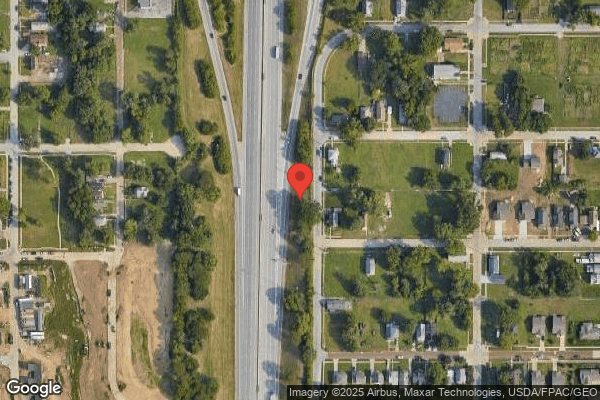
1540 North 72ndStreet, Omaha, NE 68114 (402) 393-6500
For profit - Corporation 146 Beds AMBASSADOR HEALTH Data: November 2025
Trust Grade
83/100
#40 of 177 in NE
Last Inspection: July 2025

Inspected within the last 6 months. Data reflects current conditions.

Overview

Ambassador Health of Omaha has a Trust Grade of B+, which means it is above average and generally recommended for families considering care options. It ranks #40 out of 177 facilities in Nebraska, placing it in the top half, and #5 out of 23 in Douglas County, indicating only four local facilities are better. However, the facility's trend is worsening as the number of reported issues increased from 2 in 2024 to 3 in 2025. Staffing is a strength, with a 4/5 star rating and a turnover rate of 27%, significantly lower than the state average, plus it has more RN coverage than 98% of Nebraska facilities. On the downside, recent inspections revealed concerning incidents, such as food not being properly labeled and stored, a resident not having the required head elevation during tube feeding, and medication administration protocols not being followed correctly, which could potentially affect resident safety.

Trust Score
B+
83/100
In Nebraska
#40/177
Top 22%
Safety Record
Low Risk
No red flags
Inspections
Getting Worse
2 → 3 violations
Staff Stability
✓ Good
27% annual turnover. Excellent stability, 21 points below Nebraska's 48% average. Staff who stay learn residents' needs.
Penalties
✓ Good
No fines on record. Clean compliance history, better than most Nebraska facilities.
Skilled Nurses
✓ Good
Each resident gets 129 minutes of Registered Nurse (RN) attention daily — more than 97% of Nebraska nursing homes. RNs are the most trained staff who catch health problems before they become serious.
Violations
✓ Good
Only 5 deficiencies on record. Cleaner than most facilities. Minor issues only.
★★★★☆
4.0
Overall Rating
★★★★☆
4.0
Staff Levels
★★★★☆
4.0
Care Quality
★★★★☆
4.0
Inspection Score
Stable
2024: 2 issues
2025: 3 issues

The Good

  • 4-Star Staffing Rating · Above-average nurse staffing levels
  • 4-Star Quality Measures · Strong clinical quality outcomes
  • Low Staff Turnover (27%) · Staff stability means consistent care
  • Full Sprinkler Coverage · Fire safety systems throughout facility
  • No fines on record
  • Staff turnover is low (27%)

    21 points below Nebraska average of 48%

Facility shows strength in staffing levels, quality measures, staff retention, fire safety.

The Bad

Chain: AMBASSADOR HEALTH

Part of a multi-facility chain

Ask about local staffing decisions and management

The Ugly 5 deficiencies on record

Jul 2025 3 deficiencies
CONCERN (D)

Potential for Harm - no one hurt, but risky conditions existed

Tube Feeding (Tag F0693)

Could have caused harm · This affected 1 resident

Licensure Reference Number 175 NAC 12-006.09(H)(vi)(3)(a)Based on observation, interview and record review the facility failed to ensure resident's receiving a continuous tube feeding had a head of be...

Read full inspector narrative →
Licensure Reference Number 175 NAC 12-006.09(H)(vi)(3)(a)Based on observation, interview and record review the facility failed to ensure resident's receiving a continuous tube feeding had a head of bed elevation of at least 30 degrees for 1 (Resident 18) of 2 residents sampled. The facility census was 78.The findings are:Record review of Resident 18's Minimum Data Set (MDS: a federally mandated assessment tool used for care planning) dated 05-12-2025 revealed the facility staff assessed the following about the resident:-had a diagnosis of an anoxic brain injury (an injury that completely deprives the brain of oxygen).-had a gastric tube (a tube inserted into the stomach for the delivery of nutrition).-was ventilator (a medical device that helps a person breathe) dependent.-required total assistance with hygiene, toileting, dressing, bathing, bed mobility and transfers. Record review of Resident 18's orders revealed an order for a continuous tube feeding at 55 milliliters (ml) per hour continuously and to elevate the Head of Bed (HOB) 30 degrees every shift, day and night.Record review of Resident 18's Comprehensive Care Plan (CCP) revealed a problem of potential altered nutrition and hydration related to total dependence on tube feedings for nutrition and hydration. The CCP also revealed the goal was to meet the nutritional needs of Resident 18, without signs of dehydration or tube feeding rejection. Under approaches for the staff to use revealed the HOB was to be elevated no less than 30 degrees. An observation on 07-08-2025 at 8:52 AM revealed Resident 18 was lying in bed with the tube feeding running and the HOB was elevated 15 degrees according to the gauge on the side of the bed. An observation on 07-09-2025 at 6:20 AM revealed Resident 18 was lying in bed with the tube feeding running and the HOB was elevated 15 degrees according to the gauge on the side of the bed.An observation on 07-10-2025 at 9:16 AM revealed Resident 18 was lying in bed with the tube feeding running and the HOB was elevated 15 degrees according to the gauge on the side of the bed. An interview with the Registered Nurse (RN) D at 9:20 AM confirmed the bed was not elevated 30 degrees but it was close. An observation on 07-22-2025 at 12:00 PM with the Administrator (ADM) and Director of Nursing (DON) measuring the angle of the HOB with a cell phone app which revealed when the gauge on the bed reads 15 the angle of the HOB was 18 degrees. Record review of the facility's policy titled Tube Feeding: Continuous dated 06-2025 revealed the following:-it is the policy of this facility to provide continuous enteral feedings for the resident when it is indicated and prescribed by the physician. Under the procedure section, the policy directs the staff to elevate the head of bed 30-45 degrees unless contraindicated.
CONCERN (D)

Potential for Harm - no one hurt, but risky conditions existed

Deficiency F0757 (Tag F0757)

Could have caused harm · This affected 1 resident

**NOTE- TERMS IN BRACKETS HAVE BEEN EDITED TO PROTECT CONFIDENTIALITY** Based on interview and record review, the facility failed to ensure that the ordered parameters were followed prior to Carvedilo...

Read full inspector narrative →
**NOTE- TERMS IN BRACKETS HAVE BEEN EDITED TO PROTECT CONFIDENTIALITY** Based on interview and record review, the facility failed to ensure that the ordered parameters were followed prior to Carvedilol (a medication used to treat heart failure and high blood pressure) administration for 1 (Resident 40) of 5 sampled residents. The facility census was 78.Findings are: A record review of the facility's Medications: Administration-General Principles dated 09/2019 revealed it was the policy of the facility to administer medications as prescribed by the physician. A special preparation for the medication administration procedure was to take any required vital signs prior to administration for medications with parameters for administration. A record review of Resident 40's Face Sheet dated 07/10/2025 revealed the resident was admitted to the facility on [DATE]. The resident had diagnoses of Hypertension (high blood pressure), Congestive Heart Failure (CHF), Duchenne or [NAME] muscular Dystrophy (genetic disorder characterized by the progressive loss of muscle), Chronic Respiratory Failure, Dependence on a Respirator (breathing machine), Tracheostomy (trach)(tube inserted in neck to assist with breathing), and Gastronomy (G-tube)(tube in the stomach to allow feeding). A record review of Resident 40's Minimum Data Set (MDS)(a comprehensive assessment used to develop a resident's care plan) dated 05/27/2025 revealed the resident was admitted to the facility 08/20/2024. The resident had a Brief Interview for Mental Status (BIMS)(a score of a resident's cognitive abilities) of 15 which indicated the resident was cognitively aware. The resident was dependent on staff for all activities of daily living (ADLs). The resident required a trach, G-tube, and an invasive mechanical ventilator (breathing machine). The resident had Hypertension. A record review of Resident 40's Care Plan with an admission date of 08/20/2024 revealed the resident was on a Beta Blocker (medicines that lower blood pressure). A record review of Resident 40's Orders dated 07/08/2025 revealed Resident 40's practitioner ordered the following: -Carvedilol tablet; 12.5 milligram (mg): 1 tablet in the evening; Once an evening, decrease evening carvedilol to 12.5 mg if Systolic Blood Pressure (SBP)(top number of the reading which represented the arteries) below 100 re-check in 60 minutes and call the provider prior to holding. Start date 04/22/2024.- Carvedilol tablet; 25 mg: 1 tablet in the morning; Once a morning Carvedilol 25 mg if SBP below 100 recheck in 60 minutes call the provider prior to holding medication. Star date 04/22/2024. A record review of Resident 40's Medication Administration History (MAR) dated 05/01/2025 - 05/31/2025 and the resident's Vitals Report dated 05/01/2025 - 05/31/2025 revealed the following: -On 05/04/2025 the morning dose of Carvedilol was administered but the blood pressure had not been taken. -On 05/05/2025 the morning dose of Carvedilol was administered but the blood pressure had not been taken. -On 05/08/2025 the morning dose of Carvedilol was administered and the SBP was 97 -On 05/13/2025 the evening dose of Carvedilol was administered and the SBP was 95 -On 05/17/2025 the evening dose of Carvedilol was administered and the SBP was 95. -On 05/18/2025 the evening dose of Carvedilol was administered and the SBP was 90. -On 05/04/2025 the morning dose of Carvedilol was administered but the blood pressure had not been taken. -On 05/20/2025 the evening dose of Carvedilol was administered and the SBP was 90. -On 05/21/2025 the evening dose of Carvedilol was administered but the blood pressure had not been taken. -On 05/20/2025 the evening dose of Carvedilol was administered and the SBP was 97. -On 05/22/2025 the evening dose of Carvedilol was administered and the SBP was 96. -On 05/2/2025 the morning dose of Carvedilol was administered and the SBP was 98. -On 05/24/2025 the morning dose of Carvedilol was administered but the blood pressure had not been taken. -On 05/25/2025 the morning dose of Carvedilol was administered but the blood pressure had not been taken. -On 05/26/2025 the evening dose of Carvedilol was administered but the blood pressure had not been taken. -On 05/28/2025 the morning dose of Carvedilol was administered but the blood pressure had not been taken. -On 05/22/2025 the evening dose of Carvedilol was administered and the SBP was 98. -On 05/30/2025 the evening dose of Carvedilol was administered but the blood pressure had not been taken. -On 05/22/2025 the evening dose of Carvedilol was administered and the SBP was 94 A record review of Resident 40's MAR dated 06/01/2025 - 06/30/2025 and the resident's Vitals Report dated 06/01/2025 - 06/30/2025 revealed that: -On 06/02/2025 the morning dose of Carvedilol was administered and the SBP was 88. -On 06/03/2025 the evening dose of Carvedilol was administered and the SBP was 95. -On 06/04/2025 the evening dose of Carvedilol was administered but the blood pressure had not been taken. -On 06/05/2025 the evening dose of Carvedilol was administered and the SBP was 90. -On 06/07/2025 the evening dose of Carvedilol was administered but the blood pressure had not been taken. -On 06/08/2025 the morning dose of Carvedilol was administered but the blood pressure had not been taken. - On 06/12/2025 the morning dose of Carvedilol was administered but the blood pressure had not been taken. - On 06/14/2025 the evening dose of Carvedilol was administered and the SBP was 98. -On 06/15/2025 the evening dose of Carvedilol was administered and the SBP was 90. -On 06/18/2025 the evening dose of Carvedilol was administered and the SBP was 93. -On 06/20/2025 the evening dose of Carvedilol was administered and the SBP was 94. -On 06/22/2025 the morning dose of Carvedilol was administered but the blood pressure had not been taken. -On 06/20/2025 the evening dose of Carvedilol was administered and the SBP was 94. -On 06/22/2025 the morning dose of Carvedilol was administered but the blood pressure had not been taken. -On 06/22/2025 the evening dose of Carvedilol was administered and the SBP was 92. -On 06/26/2025 the morning dose of Carvedilol was administered but the blood pressure had not been taken. -On 06/27/2025 the evening dose of Carvedilol was administered but the blood pressure had not been taken. -On 06/30/2025 the morning dose of Carvedilol was administered but the blood pressure had not been taken A record review of Resident 40's MAR dated 07/01/2025 - 07/08/2025 and the resident's Vitals Report dated 07/01/2025 - 07/07/2025 revealed that: - On 07/01/2025 the morning dose of Carvedilol was administered but the blood pressure had not been taken. -On 07/04/2025 the morning dose of Carvedilol was administered but the blood pressure had not been taken. - On 07/05/2025 the morning dose of Carvedilol was administered but the blood pressure had not been taken. A record review of Resident 40's MAR dated 07/01/2025 - 07/10/2025 with a run date of 07/10/2025 revealed the Carvedilol administration records now had an associated blood pressure line. A record review of Resident 40's Progress Notes dated 05/01/2025 - 07/01/2025 did not reveal a blood pressure had been rechecked or the provider notified of an SBP of less than 100 except on 07/02/2025 at 8:34 AM. In an interview on 07/08/2025 at 10:27 AM, the Director of Nursing (DON) confirmed that Resident 40's Carvedilol was administered with an SBP of less than 100 and should not have been and re-checks should have been completed.
CONCERN (E)

Potential for Harm - no one hurt, but risky conditions existed

Food Safety (Tag F0812)

Could have caused harm · This affected multiple residents

**NOTE- TERMS IN BRACKETS HAVE BEEN EDITED TO PROTECT CONFIDENTIALITY** Licensure Reference Number 175 NAC 12.006.11(D)Licensure Reference Number 175 NAC 12.006.11(E) Based on observation, interview, ...

Read full inspector narrative →
**NOTE- TERMS IN BRACKETS HAVE BEEN EDITED TO PROTECT CONFIDENTIALITY** Licensure Reference Number 175 NAC 12.006.11(D)Licensure Reference Number 175 NAC 12.006.11(E) Based on observation, interview, and record review, the facility failed to ensure that all food stored in the facility's dry storage, refrigerators (fridge) and freezer were labeled, dated, and sealed, the low-temperature dish machine was reaching 120 degrees Fahrenheit (F)(a temperature scale) during every wash cycle, items were tested for the temperature (temped) after being reheated in the microwave to prevent foodborne illness, failed to follow recipes, and failed to ensure the kitchen shelving and equipment were clean to prevent cross contamination. This had the potential to affect 32 residents that consumed food from the kitchen. The total facility census was 78.Findings are: A.A record review of the facility's Food Receiving and Storage dated 12/21/2025 revealed that dry foods that were stored in bins are removed from original packaging, labeled and dated (use by date). All foods stored in the refrigerators or freezer are covered, labeled, and dated (use by date). Refrigerated foods are labeled, dated, and monitored so they are used by their use-by date, frozen, or discarded. An observation on 07/07/2025 at 7:04 AM - 7:45 AM revealed:The True 3-door fridge contained: 1 each 5-pound (lb) container of [NAME] Cottage Cheese that was opened but not dated and expired 07/01/2025. 1 each 5-lb [NAME] Sour Cream that was opened, not dated. 2 bags of a leafy green substance that were opened, not labeled or dated. 1 partial, long, round object sealed in plastic wrap not labeled or dated.The walk-in fridge contained: 1 each cube of a white substance wrapped in plastic wrap, not labeled or dated. 1 plastic bag of slices of a white substance that was opened, not labeled or dated. 3 plastic bags of a shredded and grated white substance, 1 bag not labeled or dated, 1 bag not labeled, and 1 bag not dated. 1 small black container with a clear lid with 2 peeled eggs inside, not labeled or dated. 1 open bag of mixed vegetables, not sealed or dated. 1 large clear container with a red lid that contained a red liquid, not labeled. 1 gallon of [NAME] Mayo that had been opened, not dated. 1 gallon of Imperial Honey Mustard Dressing that had been opened, not dated. 1 gallon Casa [NAME] Enchilada Sauce that had been opened, not dated. 1 gallon Marzetti Buttermilk Ranch Dressing that had been opened, not dated. 2 each Grove Apple concentrate that had been opened and dated 05/19. 1 each Grove Pineapple concentrate that had been opened and dated 05/19. 1 each 25 lb container of Chef Grade Hard Cooked Peeled Eggs opened, not sealed or datedThe walk-in freezer contained: 1 bag of round bread items that had been opened, not labeled or dated. 1 bag of long, brown sticks that had been opened, not sealed, labeled or dated. 1 bag of long, brown sticks that had been opened, not labeled or dated. 1 bag of small, tan sticks that had been opened, not labeled or dated. 1 bag of brown, breaded strips that had been opened, not labeled or dated.The dry storage room contained: 1 large clear container with a blue lid that contained a white powder substance that was not sealed, labeled, or dated. 1 bag of a brown powder substance in a box that had been opened, not labeled or dated. 1 opened bag of small marshmallows that had been opened, not sealed or dated. 1 bag of small chunks that had been opened, not sealed and dated 3/21. 1 bag of Dark Roast Gravy Mix wrapped in plastic wrap that had been opened, not dated. 1 silver bag labeled croutons that had been opened, not dated. 1 6-quart plastic container with a red lid labeled corn meal that had 1 label dated 9/19 and another label was dated 4-10. In an observation on 07/07/2025 at 7:45 AM with the Kitchen Manager (KM) revealed The True 3-door fridge contained 1 each 5-pound (lb) container of [NAME] Cottage Cheese that was opened but not dated and expired 07/01/2025. 1 each 5-lb [NAME] Sour Cream that was opened, not dated. 2 bags of a leafy green substance that were opened, not labeled or dated. 1 partial, long, round object sealed in plastic wrap not labeled or dated.The walk-in fridge contained: 1 each cube of a white substance wrapped in plastic wrap, not labeled or dated. 1 plastic bag of slices of a white substance that was opened, not labeled or dated. 3 plastic bags of a shredded and grated white substance, 1 bag not labeled or dated, 1 bag not labeled, and 1 bag not dated. 1 small black container with a clear lid with 2 peeled eggs inside, not labeled or dated. 1 open bag of mixed vegetables, not sealed or dated. 1 large clear container with a red lid that contained a red liquid, not labeled. 1 gallon of [NAME] Mayo that had been opened, not dated. 1 gallon of Imperial Honey Mustard Dressing that had been opened, not dated. 1 gallon Casa [NAME] Enchilada Sauce that had been opened, not dated. 1 gallon Marzetti Buttermilk Ranch Dressing that had been opened, not dated. 2 each Grove Apple concentrate that had been opened and dated 05/19. 1 each Grove Pineapple concentrate that had been opened and dated 05/19. 1 each 25 lb container of Chef Grade Hard Cooked Peeled Eggs opened, not sealed or dated.The walk-in freezer contained: 1 bag of round bread items that had been opened, not labeled or dated. 1 bag of long, brown sticks that had been opened, not sealed, labeled or dated. 1 bag of long, brown sticks that had been opened, not labeled or dated. 1 bag of small, tan sticks that had been opened, not labeled or dated. 1 bag of brown, breaded strips that had been opened, not labeled or dated.The dry storage room contained: 1 large clear container with a blue lid that contained a white powder substance that was not sealed, labeled, or dated. 1 bag of a brown powder substance in a box that had been opened, not labeled or dated. 1 opened bag of small marshmallows that had been opened, not sealed or dated. 1 bag of small chunks that had been opened, not sealed and dated 3/21. 1 bag of Dark Roast Gravy Mix wrapped in plastic wrap that had been opened, not dated. 1 silver bag labeled croutons that had been opened, not dated. 1 6-quart plastic container with a red lid labeled corn meal that had 1 label dated 9/19 and another label was dated 4-10. In an interview on 07/07/2025 at 7:45 AM, KM confirmed all the above items were not sealed, labeled, or dated and should have been. In an interview on 07/08/2025 at 2:40 AM, the facility's Medical Nutrition Therapist (MNT) confirmed the above items were not sealed, labeled, or dated and should have been. B.A record review of the facility's Sanitization policy dated 12/26/2023 revealed the dishwashing machines are operated to manufacturer instructions. Low temperature dishwasher (chemical sanitization) wash temperature should be 120 degrees F. Stop machine and notify supervisor if low-temperature dishwasher is below 50 ppm or if temperature is below specified temperature range. An observation on 07/08/2025 at 8:26 AM revealed the facility's cook (Cook)-B loaded, started, and walked away from the main kitchen's EcoLabs XL2000/4000 low-temperature dish machine and both the wash and rinse temperatures were 106 degrees F on both the upper and lower thermometers. The observation did not reveal the potential of hydrogen (pH) was tested following the cycle, but did reveal the dishes that were washed were put away. An observation on 07/08/2025 at 10:52 AM revealed Cook-C loaded, started and walked away from the main kitchen's EcoLabs XL2000/4000 low-temperature dish machine and both the wash and rinse temperatures were 82 degrees F on both the upper and lower thermometers. The observation did not reveal the potential of hydrogen (pH) was tested following the cycle, but did reveal the dishes that were washed were put away. An observation on 07/08/2025 at 11:07 AM with the KM revealed the KM ran emptied he water from the kitchen's EcoLabs XL2000/4000 low-temperature dish machine, ran it again empty and the upper thermometer read 115 degrees F and the lower thermometer read 117 degrees F, and the KM walked away. An observation on 07/08/2025 at 11:23 AM revealed Cook-B loaded, started and walked away from the main kitchen's EcoLabs XL2000/4000 low-temperature dish machine and both the wash and rinse temperatures were 106 degrees F on the upper thermometer and 102 degrees F on the lower thermometer. The observation did not reveal the potential of hydrogen (pH) was tested following the cycle, but did reveal the dishes that were washed were put away. In an interview on 07/08/2025 at 11:07 AM, the facility's KM confirmed the main kitchen's EcoLabs XL2000/4000 low-temperature dish machine cools down and takes a while to heat back up if it sits for a while. In an interview on 07/08/2025 at 2:40 PM. The facility's MNT confirmed that the main kitchen's EcoLabs XL2000/4000 low-temperature dish machine should have reached 120 degrees F for all wash cycles. C.A record review of the facility's Food Preparation and Service policy dated 12/21/2023 revealed ready to eat foods that require reheating are taken directly from the sealed container and cooked to at least 135 degrees for holding for hot service. An observation on 07/08/2025 at 11:34 AM revealed that Cook-C placed a cup of milk in the microwave for 1 minute, then added 30 seconds, and left it in the microwave. At 11:42 AM Cook-C added 30 seconds to the microwave and pressed start. Cook-C then handed the cup to the Nursing Assistant (NA) and the NA mixed the microwaved milk and a packet of Chocolate Cocoa mix and handed it to Resident 24. The observation did not reveal the milk was temped following the microwaving process. An observation on 07/08/2025 at 11:54 AM revealed Cook-C opened a can of Tomato Soup and poured it into a cup. Cook-C placed the cup of Tomato soup in the microwave and heated for 30 seconds, then added another 30 seconds while the soup was cooking. Cook-C then removed the cup of Tomato Soup from the microwave and handed the cup to the NA that placed it in front of Resident 24. The observation did not reveal Cook-C temped the Tomato Soup following being microwaved. In an interview on 07/08/2025 at 12:08 PM, the facility's MNT confirmed Cook-C should have temped food following being microwaved. D.A record review of the facility's Standardized Recipes policy dated 12/21/23 revealed standardized recipes shall be developed and used in the preparation of foods. Clear concise directions are given for making the product. A record review of the facility's Orange Chicken recipe dated 2025 revealed:The ingredients for 50 servings were: 11 lbs, 2 ounces (oz) skinless, boneless, chicken breasted thawed and cut into bite sized pieces. 1 cup, 6 tablespoons (Tbsp) all-purpose flour. 8 and 1/4 oz margarine, 2 quarts (qt). 3 cups Orange (Asian) sauce. The directions were: 1. Dredge chicken pieces in flour. 2. Place coated chicken in a single layer on sheet pan sprayed with nonstick cooking spray and drizzle with melted margarine. 3.Bake 20-25 minutes at 350 degrees F until desired internal temperature was reached. 4. Heat orange sauce over medium heat until desired internal temperature is reached, stirring frequently. 5. Spray steam table pans with nonstick cooking spray, add chicken and heated orange sauce. Cover and return to oven for 8-10 minutes until desired internal temp is reached. A record review of the facility's Steamed [NAME] recipe dated 2025 revealed:The ingredients for 50 servings were: 2 qts. long grain rice. 1 gallon, 3 cups water. 9 and 1/2 oz magarine.The directions were: 1. Rinse rice in a colander to remove some of the starch. 2. Stray steam atble pan with nonstick cooking spray. 3. Add rice and water to pan. Stir to distribute evenly. 4. Cover pan tightly with foil. Bake 1 hour at 350 degrees F or until desired internal temp is reached. Final internal cook temp of 135 degrees F. 5. Remove from oven and fluff rice with a fork. 6. Stir in margarine. A record review of the facility's Broccoli recipe dated 2025 revealed:The ingredients for 50 servings were: 2 qt water. 12 and 1/2 lbs broccoli florets (tops). 1/2 lb margarine. 2 teaspoons (tsp) iodized salt.The directions were: 1. Tap frozen vegetables in package to loosen. 2. Bring water to a boil in saucepan, stockpot, or steam jacketed kettle; add broccoli and cook until fork tender and desired temperature of 135 degrees F was reached. 3. Drain broccoli slightly, leaving enough broccoli in pan to retain heat. Add margarine and salt. 4. Transfer to steam table pans. Cover and hold until ready to serve. An observation on 07/08/2025 at 8:26 AM - 11:26 AM of Cook-A prepare facility's Orange Chicken did not reveal that Cook-A cut chicken breast into bite size pieces and dredge chicken in flour prior to cooking, drizzle chicken with melted margarine prior to cooking, heat the orange sauce over medium heat, or measure the ingredients. The observation of Cook-A prepare the Steamed [NAME] did not reveal Cook-A rinsed rice to remove starch, stir in margarine after cooking, it was done before cooking, or measure the ingredients. The observation of Cook-A prepare the Broccoli did not reveal Cook-A followed instructions such as cooking in saucepan, stockpot, or steam jacketed kettle and margarine and salt were not added. An observation on 07/08/2025 at 11:31 AM of the second-floor kitchen steam table revealed the first pan of Orange Chicken was dry with very little sauce. Cook-C called down to the main kitchen to get another pan of Orange Chicken more Kikkoman's Orange Sauce and served from the second pan until it was gone, then poured an un-measured amount of Kikkoman's Orange Sauce into the first pan of Orange Chicken before serving. The observation did not reveal the Orange Chicken was temped following adding the sauce. In an interview on 07/08/2025 at 8:48 AM, Cook-A confirmed Cook-A did not cut or flour the chicken breast prior to cooking and Cook-A put about 2 Tbsp soy sauce and teriyaki sauce and sprinkled with an un-measured amount of black pepper prior to placing in the oven. Cook-A confirmed Cook-A did not follow the recipes or measure ingredients, Cook-A just done what KM told Cook-A to do. In an interview on 07/08/2025 at 2:40 PM, the facility's MNT confirmed the facility's cooks should have followed the recipes when preparing all menu items. E.A record review of the facility's Sanitization policy dated 12/26/2023 revealed all utensils, counters, shelves, and equipment were to be kept clean, maintained in good repair, and free from breaks, corrosions, open seams, cracks, and chipped areas that may affect their use or proper cleaning. Nonfood contact surfaces of all other equipment including, but not limited to tables, counters, etc. shall be cleaned and sanitized as frequently as necessary in order to prevent accumulation of dust, dirt, food particles, and other soil or debris. An observation on 07/07/2025 at 7:04 AM - 7:45 AM revealed all the shelves below the prep tables contained food spills and food debris. The shelves above the prep table on the South wall were sticky and contained food debris. The exterior front of the Cres Cor double warmer contained food splatters, and the drip pan on the bottom contained food debris. An observation on 07/07/2025 at 7:45 AM with KM revealed all the shelves below the prep tables contained food spills and food debris. The shelves above the prep table on the South wall were sticky and contained food debris. The exterior front of the Cres Cor double warmer contained food splatters, and the drip pan on the bottom contained food debris. In an interview on 07/07/2025 at 7:45 AM, KM confirmed that all the shelves below the prep tables contained food spills and food debris. The shelves above the prep table on the South wall were sticky and contained food debris. The exterior front of the Cres Cor double warmer contained food splatters, and the drip pan on the bottom contained food debris and should have been clean.
May 2024 2 deficiencies
CONCERN (D)

Potential for Harm - no one hurt, but risky conditions existed

Drug Regimen Review (Tag F0756)

Could have caused harm · This affected 1 resident

**NOTE- TERMS IN BRACKETS HAVE BEEN EDITED TO PROTECT CONFIDENTIALITY** License Reference Number 175 NAC 12-006.12B Based on interviews and record review, the facility failed to ensure a documented ra...

Read full inspector narrative →
**NOTE- TERMS IN BRACKETS HAVE BEEN EDITED TO PROTECT CONFIDENTIALITY** License Reference Number 175 NAC 12-006.12B Based on interviews and record review, the facility failed to ensure a documented rationale was provided by the physician for an as needed psychotropic medication for an order of longer duration than two-week period for 1 (Resident 29) of 5 sampled resident. The facility identified a census of 83. The findings are: A record review of the Resident 29's census sheet revealed an admission date of 08/02/2017. A record review of Resident 29's undated Diagnosis Sheet listed the following diagnoses: Mitochondrial metabolism disorder, unspecified, chromosomal abnormality, cyclical vomiting, congenital insufficiency of aortic valve-Bicuspid aortic valve, respiratory disorder, anemia, hypertension, diaphragmatic hernia with obstruction, pneumonitis, due to inhalation of food and vomit, obstructive sleep apnea, atrial septal defect, constipation, disturbances of salivary secretion, and insomnia. A record review of Resident 29's Minimum Data Set (MDS, a federally mandated assessment tool used for care-planning) dated 2/20/24 revealed the resident to be [AGE] years old. Resident had short- and long-term memory problems. Resident's ability to make daily decisions was identified as severely impaired. Resident 29 had no physical or verbal behaviors, nor any rejection of care issues. The resident did routinely take an antipsychotic (a medication used to reduce or relive symptoms of psychosis), antidepressant and an anticoagulant (a blood thinner). A record review of Resident 29's Physician's Order revealed an order for Lorazepam (psychotropic medication in the class of anti-anxiety medication, used to treat anxiety) 2 milligrams (mg) per milliliter (ml) intravenous (IV medication given in the vein), dilute in minimum of 1:1 with normal saline every 6 hours as needed for excessive drooling and retching. The start date for the Lorazepam was 07/21/2023 with no stop date. A record review of Resident 29's Pharmacy Consults since July of 2023 throught April of 2024 revealed no review for the use of the as needed Lorazepam for cyclic vomiting was mentioned. An interview with the Director of Nursing (DON) on 05/13/24 at 1:31 PM revealed there was no documented rationale for the use of the as needed Lorazepam for longer than 2-week was available. An interview on 05/14/24 12:18 PM with the IV Medication Pharmacist confirmed the pharmacy did not have a documented rationale for the use of the as needed Lorazepam for longer than 2 weeks. An interview on 05/14/24 at 12:19 PM to the Pharmacy Consultant confirmed the facility did not have a documented rationale for the use of the as needed Lorazepam longer than a 2-week period.
CONCERN (D)

Potential for Harm - no one hurt, but risky conditions existed

Infection Control (Tag F0880)

Could have caused harm · This affected 1 resident

Licensure Reference Number NAC 175 12.006.17B Based on observation, interview and record review; the facility staff failed to wear a gown during wound care for 1 resident (Resident 19) of 1 sampled re...

Read full inspector narrative →
Licensure Reference Number NAC 175 12.006.17B Based on observation, interview and record review; the facility staff failed to wear a gown during wound care for 1 resident (Resident 19) of 1 sampled residents who was on contact precautions. The facility census was 83. Findings are: Record Review of Resident 19's Minimum Data Set (MDS, a federally mandated assessment tool used for care planning) dated 04-10-2024 revealed Resident 19 had a Brief Interview of Mental Status (BIMS, an assessment that aids in detecting cognitive impairment. A score of 0-7 equals severe impairment, 8-12 indicates moderate impairment and 13-15 indicates cognitively intact) score of 15 indicating intact cognition. The MDS also revealed Resident 19 had diagnoses of respiratory failure and was ventilator (Ventilators are machines used to move air in and out of a patient's lungs when lung capacity decreases or stops altogether) dependent and was receiving wound care and treatments for a surgical wound. Record Review of Resident 19's Electronic Health Record (EHR, a digital version of a patient's paper chart) revealed Resident 19 had a surgical wound on the left thigh and a culture (a sample of body fluid or tissue is added to a substance that promotes the growth of germs) and sensitivity (sensitivity test checks to see what kind of medicine, such as an antibiotic, will work best to treat the illness or infection) lab test was collected on 05-02-2024 that revealed growth of Methicillin Resistant Staphylococcus Aureus (MRSA, a multidrug resistant organism) and Methicillin Sensitive Staphylococcus Aureus (MSSA)organisms. The EHR also revealed Resident 19's physician had ordered on 01-30-2024 daily dressing changes for the surgical wound on the left thigh and on 05-08-2024 Bactrim DS (an antibiotic) was ordered twice a day for 7 days to treat the MRSA and MSSA in the left thigh wound. An observation on 05-09-2024 at 10:40 AM of Resident 19's bathroom door revealed a sign that instructed staff that Resident 19 was on Contact Precautions (Contact Precautions are intended to prevent transmission of infectious agents which are spread by direct or indirect contact with the patient or the patient's environment). The sign indicated that staff should always wear a gown and gloves. An observation on 05-09-2024 at 10:45 AM of the Wound Nurse (WN) B without a gown on performing wound care to Resident 19's left thigh wound. An interview on 05-09-2024 at 11:10 AM revealed WN-B was aware that Resident 19 was on contact precautions and should have worn a gown during wound care. An interview conducted on 05-09-2024 at 1:31 PM with the Unit Coordinator (UC) A confirmed that Resident 19 was on contact precautions and gown and gloves should be used when providing care. According to the recommendations from the Centers of Disease Control (CDC) to prevent the spread Multi Drug Resistant Organisms (MDRO) in Long Term Care Facilities (LTCF) for ill residents (e.g., those totally dependent upon healthcare personnel for healthcare and activities of daily living, ventilator-dependent) and for those residents whose infected secretions or drainage cannot be contained, use Contact Precautions in addition to Standard Precautions.
Understanding Severity Codes (click to expand)
Life-Threatening (Immediate Jeopardy)
J - Isolated K - Pattern L - Widespread
Actual Harm
G - Isolated H - Pattern I - Widespread
Potential for Harm
D - Isolated E - Pattern F - Widespread
No Harm (Minor)
A - Isolated B - Pattern C - Widespread

Questions to Ask on Your Visit

  • "Can I speak with families of current residents?"
  • "What's your RN coverage like on weekends and overnight?"

Our Honest Assessment

Strengths
  • • Grade B+ (83/100). Above average facility, better than most options in Nebraska.
  • • No major safety red flags. No abuse findings, life-threatening violations, or SFF status.
  • • No fines on record. Clean compliance history, better than most Nebraska facilities.
  • • Only 5 deficiencies on record. Cleaner than most facilities. Minor issues only.
Concerns
  • • No significant concerns identified. This facility shows no red flags across CMS ratings, staff turnover, or federal penalties.
Bottom line: Generally positive indicators. Standard due diligence and a personal visit recommended.

About This Facility

What is Ambassador Health Of Omaha's CMS Rating?

CMS assigns Ambassador Health of Omaha an overall rating of 4 out of 5 stars, which is considered above average nationally. Within Nebraska, this rating places the facility higher than 99% of the state's 100 nursing homes. This rating reflects solid performance across the metrics CMS uses to evaluate nursing home quality.

How is Ambassador Health Of Omaha Staffed?

CMS rates Ambassador Health of Omaha's staffing level at 4 out of 5 stars, which is above average compared to other nursing homes. Staff turnover is 27%, compared to the Nebraska average of 46%. This relatively stable workforce can support continuity of care.

What Have Inspectors Found at Ambassador Health Of Omaha?

State health inspectors documented 5 deficiencies at Ambassador Health of Omaha during 2024 to 2025. These included: 5 with potential for harm.

Who Owns and Operates Ambassador Health Of Omaha?

Ambassador Health of Omaha is owned by a for-profit company. For-profit facilities operate as businesses with obligations to shareholders or private owners. The facility is operated by AMBASSADOR HEALTH, a chain that manages multiple nursing homes. With 146 certified beds and approximately 80 residents (about 55% occupancy), it is a mid-sized facility located in Omaha, Nebraska.

How Does Ambassador Health Of Omaha Compare to Other Nebraska Nursing Homes?

Compared to the 100 nursing homes in Nebraska, Ambassador Health of Omaha's overall rating (4 stars) is above the state average of 2.9, staff turnover (27%) is significantly lower than the state average of 46%, and health inspection rating (4 stars) is above the national benchmark.

What Should Families Ask When Visiting Ambassador Health Of Omaha?

Based on this facility's data, families visiting should ask: "Can I visit during a mealtime to observe dining assistance and food quality?" "How do you handle medical emergencies, and what is your hospital transfer rate?" "Can I speak with family members of current residents about their experience?"

Is Ambassador Health Of Omaha Safe?

Based on CMS inspection data, Ambassador Health of Omaha has a clean safety record: no substantiated abuse findings (meaning no confirmed cases of resident harm), no Immediate Jeopardy citations (the most serious violation level indicating risk of serious injury or death), and is not on the Special Focus Facility watch list (a federal program monitoring the lowest-performing 1% of nursing homes). The facility has a 4-star overall rating and ranks #1 of 100 nursing homes in Nebraska. While no facility is perfect, families should still ask about staff-to-resident ratios and recent inspection results during their visit.

Do Nurses at Ambassador Health Of Omaha Stick Around?

Staff at Ambassador Health of Omaha tend to stick around. With a turnover rate of 27%, the facility is 19 percentage points below the Nebraska average of 46%. Low turnover is a positive sign. It means caregivers have time to learn each resident's needs, medications, and personal preferences. Consistent staff also notice subtle changes in a resident's condition more quickly. Registered Nurse turnover is also low at 23%, meaning experienced RNs are available to handle complex medical needs.

Was Ambassador Health Of Omaha Ever Fined?

Ambassador Health of Omaha has no federal fines on record. CMS issues fines when nursing homes fail to meet care standards or don't correct problems found during inspections. The absence of fines suggests the facility has either maintained compliance or corrected any issues before penalties were assessed. This is a positive indicator, though families should still review recent inspection reports for the full picture.

Is Ambassador Health Of Omaha on Any Federal Watch List?

Ambassador Health of Omaha is not on any federal watch list. The most significant is the Special Focus Facility (SFF) program, which identifies the bottom 1% of nursing homes nationally based on persistent, serious quality problems. Not being on this list means the facility has avoided the pattern of deficiencies that triggers enhanced federal oversight. This is a positive indicator, though families should still review the facility's inspection history directly.