Douglas County Health Center
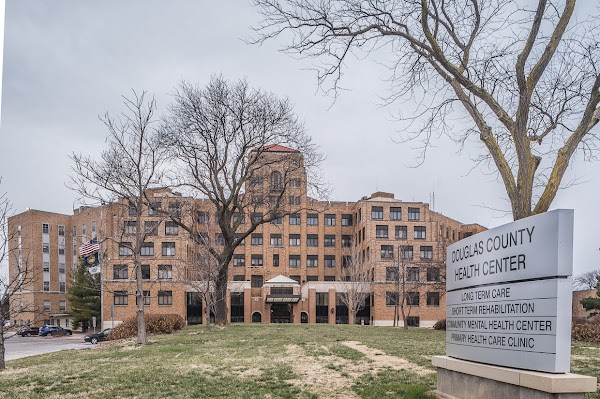
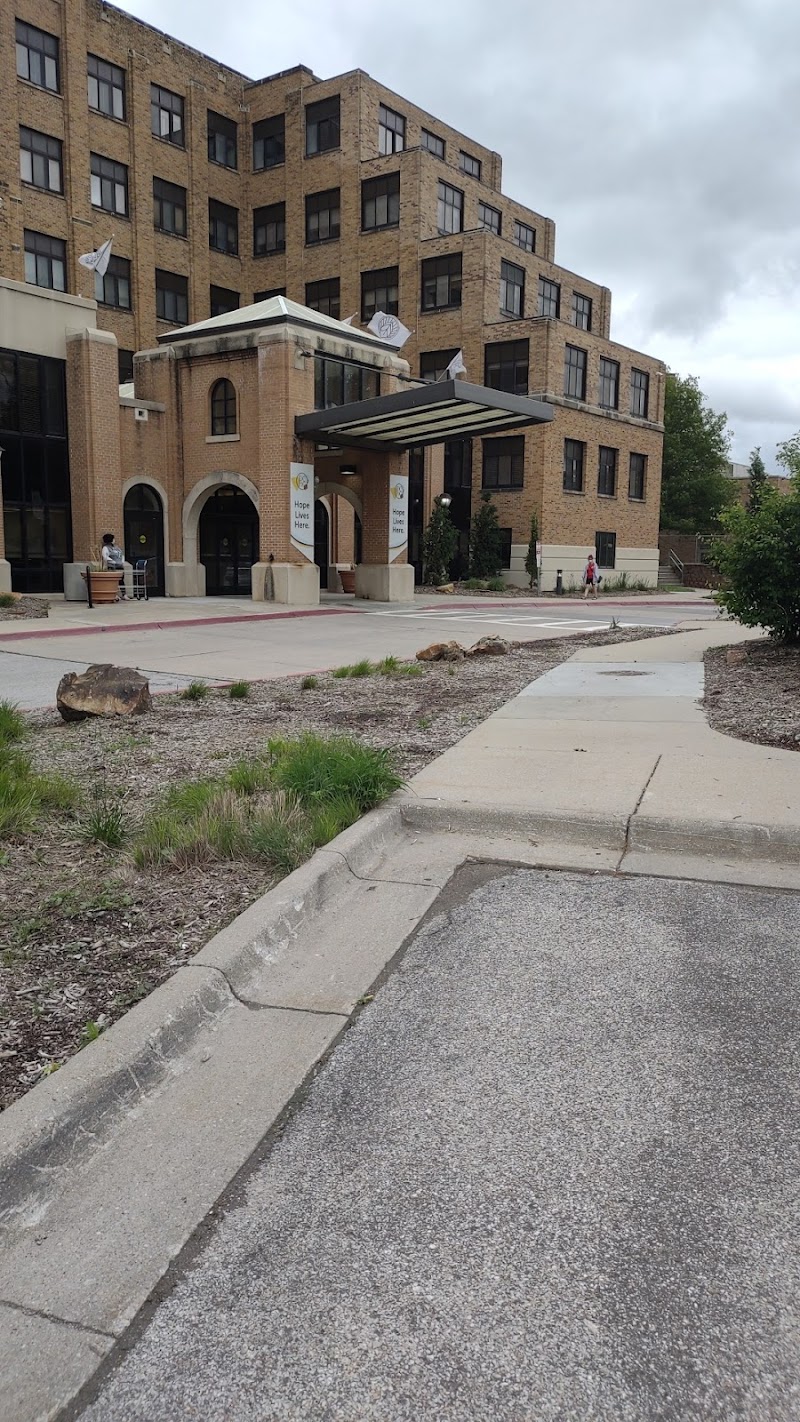
4102 Woolworth Avenue, Omaha, NE 68105 (402) 444-7041
Government - City/county 254 Beds Independent Data: November 2025
Trust Grade
65/100
#81 of 177 in NE
Last Inspection: May 2025

Inspected within the last 6 months. Data reflects current conditions.

Overview

Douglas County Health Center has a Trust Grade of C+, indicating a decent performance that is slightly above average. Ranking #81 out of 177 facilities in Nebraska places it in the top half of the state, and it ranks #10 out of 23 in Douglas County, meaning there are only nine local options that are better. However, the facility is trending downward, with the number of issues increasing from 11 in 2024 to 14 in 2025. Staffing is a strong point, earning a 5 out of 5 stars with a low turnover rate of 23%, which is significantly better than the state average of 49%. On the downside, there have been concerning incidents, such as staff failing to use proper beard restraints while preparing food and not changing gloves during food prep, both of which pose risks for foodborne illness. Overall, while the staffing and absence of fines are positives, the trend of increasing issues and specific safety lapses warrant careful consideration.
Trust Score
C+
65/100
In Nebraska
#81/177
Top 45%
Safety Record
Low Risk
No red flags
Inspections
Getting Worse
11 → 14 violations
Staff Stability
✓ Good
23% annual turnover. Excellent stability, 25 points below Nebraska's 48% average. Staff who stay learn residents' needs.
Penalties
✓ Good
No fines on record. Clean compliance history, better than most Nebraska facilities.
Skilled Nurses
✓ Good
Each resident gets 57 minutes of Registered Nurse (RN) attention daily — more than average for Nebraska. RNs are trained to catch health problems early.
Violations
⚠ Watch
32 deficiencies on record. Higher than average. Multiple issues found across inspections.
★★★☆☆
3.0
Overall Rating
★★★★★
5.0
Staff Levels
★★★★☆
4.0
Care Quality
★★☆☆☆
2.0
Inspection Score
Stable
2024: 11 issues
2025: 14 issues

The Good

  • 5-Star Staffing Rating · Excellent nurse staffing levels
  • 4-Star Quality Measures · Strong clinical quality outcomes
  • Low Staff Turnover (23%) · Staff stability means consistent care
  • Full Sprinkler Coverage · Fire safety systems throughout facility
  • No fines on record
  • Staff turnover is low (23%)

    25 points below Nebraska average of 48%

Facility shows strength in staffing levels, quality measures, staff retention, fire safety.

The Bad

3-Star Overall Rating

Near Nebraska average (2.9)

Meets federal standards, typical of most facilities

The Ugly 32 deficiencies on record

May 2025 14 deficiencies
CONCERN (D)

Potential for Harm - no one hurt, but risky conditions existed

Deficiency F0605 (Tag F0605)

Could have caused harm · This affected 1 resident

Licensure Reference Number 175 NAC 12-006.05(G) Based on record review and interview, the facility failed to identify and monitor target behaviors for the use of an antipsychotic medication for 1 (Res...

Read full inspector narrative →
Licensure Reference Number 175 NAC 12-006.05(G) Based on record review and interview, the facility failed to identify and monitor target behaviors for the use of an antipsychotic medication for 1 (Resident 97) of 2 sampled residents. The facility identified a census of 240. Findings are: A record review of Resident 97's diagnoses revealed the resident had a diagnosis of dementia (a term used for diseases that affect memory, thinking and the ability to perform daily activities). A record review of Resident 97's physicians orders revealed the resident had an order for Quetiapine Fumarate (an antipsychotic medication used to treat a variety of mental health conditions) 100mg (milligram - a unit of measurement) twice a day and an order for Quetiapine Fumarate 50mg at noon for dementia. Further record review of Resident 97's physicians orders revealed a physician's order dated 7/27/2023, which stated to monitor the resident for behaviors daily. There were no time values present on the order. A record review of Resident 97's Medication Administration Record (MAR) and Treatment Administration Record (TAR) for May 2025 revealed target behaviors (specific, observable actions or patterns of behavior that are chosen as the focus of an intervention or behavior change plan) were not identified and there was no indication on the MAR or TAR for staff to record behavior monitoring for the use of Quetiapine Fumarate. A record review of Resident 97's care plan copied on 5/8/2025 revealed there were no target behaviors identified. An interview on 5/13/2025 at 2:45 PM with Registered Nurse (RN)-D confirmed target behaviors were not identified for Resident 97 and prompts to complete behavior monitoring were not present on the Medication Administration Record (MAR) or the Treatment Administration Record (TAR). A record review of the facility's policy Use of Psychotropic Medications last modified on 4/29/2025 revealed the following: Policy Explanation and Compliance Guidelines: 14. The effects of the psychotropic medications on a resident's physical, mental, and psychosocial well-being will be evaluated on an ongoing basis, such as: d) In accordance with nurse assessments and medication monitoring parameters consistent with clinical standards of practice, manufacturers specifications and the residents comprehensive plan of care.
CONCERN (D) 📢 Someone Reported This

A family member, employee, or ombudsman was alarmed enough to file a formal complaint

Potential for Harm - no one hurt, but risky conditions existed

Report Alleged Abuse (Tag F0609)

Could have caused harm · This affected 1 resident

**NOTE- TERMS IN BRACKETS HAVE BEEN EDITED TO PROTECT CONFIDENTIALITY** Licensure Reference Number 175 NAC 12-006.02(H) St 28-372 Based on record reviews and interviews, the facility failed to report...

Read full inspector narrative →
**NOTE- TERMS IN BRACKETS HAVE BEEN EDITED TO PROTECT CONFIDENTIALITY** Licensure Reference Number 175 NAC 12-006.02(H) St 28-372 Based on record reviews and interviews, the facility failed to report to Adult Protective Services and the Department of Health and Human Services an alleged verbal altercation between 2 residents within the prescribed time frame. This had the potential to affect 1 (Resident 218) out of 2 residents sampled. The facility census was 240. Findings are: A record review of Resident 218's Minimum Data Set (MDS, a federally mandated comprehensive assessment tool used to determine a resident's functional capabilities and helps nursing home staff identify health problems) revealed the resident admitted to the facility on [DATE]. The MDS revealed a Brief Interview for Mental Status (BIMS, a brief screener that aids in detecting cognitive impairment) score of 12/15. The MDS manual states a score of 8-12 is considered moderately impaired. Section I of the MDS revealed the resident was diagnosed with non-traumatic brain dysfunction, non-Alzheimer's dementia, and psychotic disorder (other than schizophrenia). A record review of the facility progress note dated 04/04/2025 at 10:00 AM revealed Resident 218 had an argument with an unnamed resident in the dining room on the unit. No residents were harmed, the unnamed resident used racial slurs, derogatory words and threatened to beat up Resident 218. Resident 218 attempted to grab the walker and charge the unnamed resident. Staff intervened and removed both residents from the dining room. No residents were hurt. An interview was conducted with Unit Manager (UM)-H on 05/08/2025 at 1:17 PM regarding the incident on 04/04/2025 between the unnamed resident and Resident 218. UM-H didn't feel the incident was reportable because verbal altercations happen all the time on the unit. UM-H stated the situation was not reportable because the derogatory remarks were not considered verbal abuse. An interview was conducted on 05/08/2025 at 3:05 PM with Resident 218 regarding the incident on 04/04/2025 when Resident 218 was called a derogatory name, Resident 218 stated feelings of shock and remembrance of the Ku Klux [NAME] (KKK) and did not feel safe. An interview was conducted on 05/08/2025 at 3:55 PM with the Director of Nursing (DON) and Assistant Director of Nursing (ADON) regarding the incident with Resident 218 and another resident on 04/04/2025. The DON and ADON didn't feel that the verbal remarks were reportable or that there was a need to further investigate the incident to determine if it was reportable. An interview was conducted on 05/08/2025 at 4:10 PM with the Administrator and after reading the progress note from 04/04/2025 in Resident 218's chart the Administrator agreed that the event was reportable. A record review of the facility's Policy Suspected Resident Abuse or Neglect Including Misappropriation of Resident Property dated 03/11/2025. -Residents must not be subjected to abuse by anyone including, but not limited to facility staff, other residents, consultants, volunteers or other agencies serving the resident . Purpose 1. To take steps to prevent abuse/neglect/misappropriation/exploitation of resident property 2. To ensure residents' safety and rights are protected 3.To investigate reports of suspected abuse, neglect or misappropriation/exploitation of property so that corrective action can be taken. 13. the Nurse Manager, House Supervisor, Nursing Administration or appropriate Administrative Staff Member, will report the alleged abuse/neglect suspicion of a crime immediately upon receiving the information as follows: Report the incident within 2 hours to: A. APS B. Sheriff (NOTE: follow the above reporting process regardless of the alleged abuse/neglect or crime was felt to be inflicted by an employee, another resident, a visitor, a student, volunteer or a contractor) 14. information that should be given when a report of abuse/neglect or a suspicion of a crime is made includes: A. initial telephone report B. Written report of alleged crime/abuse/neglect and investigation C. Additional written information if requested 16. The internal investigation will be completed and a formal report sent to the State and APS within 5 working days of the notification of the allegation.
CONCERN (D) 📢 Someone Reported This

A family member, employee, or ombudsman was alarmed enough to file a formal complaint

Potential for Harm - no one hurt, but risky conditions existed

Investigate Abuse (Tag F0610)

Could have caused harm · This affected 1 resident

**NOTE- TERMS IN BRACKETS HAVE BEEN EDITED TO PROTECT CONFIDENTIALITY** Licensure Reference Number 175 NAC 12-006.02(H) Based on record reviews, interviews and observations, the facility failed to in...

Read full inspector narrative →
**NOTE- TERMS IN BRACKETS HAVE BEEN EDITED TO PROTECT CONFIDENTIALITY** Licensure Reference Number 175 NAC 12-006.02(H) Based on record reviews, interviews and observations, the facility failed to investigate an alleged verbal altercation between Resident 218 and an unnamed resident. This had the potential to affect 1 (Resident 218) out of 2 residents sampled. The facility census was 240. Findings are: A record review of Resident 218's Minimum Data Set (MDS, a federally mandated comprehensive assessment tool used to determine a resident's functional capabilities and helps nursing home staff identify health problems) revealed the Resident admitted to the facility on [DATE]. The MDS revealed a Brief Interview for Mental Status (BIMS, a brief screener that aids in detecting cognitive impairment) score of 12/15. The MDS manual states a score of 8-12 is considered moderately impaired. Section I of the MDS revealed the resident was diagnosed with non-traumatic brain dysfunction, non-Alzheimer's dementia, and psychotic disorder (other than schizophrenia). A record review of the facility progress note dated 04/04/2025 at 10:00 AM revealed Resident 218 had an argument with an unnamed resident in the dining room on the unit. No residents were harmed, the unnamed resident used racial slurs, derogatory words and threatened to beat up Resident 218. Resident 218 attempted to grab the walker and charge the unnamed resident. Staff intervened and removed both residents from the dining room. No residents were hurt. An interview as conducted 05/08/2025 at 10:09 AM interview with Unit Manager (UM)-H regarding Resident 218 and the alleged altercation on 04/04/2025. UM-H revealed that an unnamed resident called Resident 218 a derogatory name using the N word, UH-M stated that it was evident that Resident 218 was devastated. An interview was conducted with UM-H on 05/08/2025 at 1:17 PM regarding the incident on 04/04/2025 between the unnamed resident and Resident 218. UM-H didn't feel the incident was reportable because verbal altercations happen all the time on the unit. UM-H stated the situation was not reportable because the derogatory remarks were not considered verbal abuse. An interview was conducted on 05/08/2025 at 3:55 PM with the Director of Nursing (DON) and Assistant Director of Nursing (ADON) regarding the incident with Resident 218 and another resident on 04/04/2025. The DON and ADON didn't feel that the verbal remarks were reportable and that there was no need to further investigate the incident to determine if it was reportable. An interview was conducted on 05/08/2025 at 4:10 PM with the Administrator and after reading the progress note from 04/04/2025 in Resident 218's chart the Administrator agreed that the event was reportable. A record review of the facility's Policy Suspected Resident Abuse or Neglect Including Misappropriation of Resident Property dated 03/11/2025. -Residents must not be subjected to abuse by anyone including, but not limited to facility staff, other residents, consultants, volunteers or other agencies serving the resident . Purpose 1. To take steps to prevent abuse/neglect/misappropriation/exploitation of resident property 2. To ensure residents' safety and rights are protected 3.To investigate reports of suspected abuse, neglect or misappropriation/exploitation of property so that corrective action can be taken. 13. the Nurse Manager, House Supervisor, Nursing Administration or appropriate Administrative Staff Member, will report the alleged abuse/neglect suspicion of a crime immediately upon receiving the information as follows: Report the incident within 2 hours to: A. APS B. Sheriff (NOTE: follow the above reporting process regardless of the alleged abuse/neglect or crime was felt to be inflicted by an employee, another resident, a visitor, a student, volunteer or a contractor) 14. information that should be given when a report of abuse/neglect or a suspicion of a crime is made includes: A. initial telephone report B. Written report of alleged crime/abuse/neglect and investigation C. Additional written information if requested 16. The internal investigation will be completed and a formal report sent to the State and APS within 5 working days of the notification of the allegation.
CONCERN (D)

Potential for Harm - no one hurt, but risky conditions existed

Comprehensive Assessments (Tag F0636)

Could have caused harm · This affected 1 resident

**NOTE- TERMS IN BRACKETS HAVE BEEN EDITED TO PROTECT CONFIDENTIALITY** Licensure Reference Number 175 NAC 12-006.09(B) Based on record reviews and interviews, the facility failed to ensure that the M...

Read full inspector narrative →
**NOTE- TERMS IN BRACKETS HAVE BEEN EDITED TO PROTECT CONFIDENTIALITY** Licensure Reference Number 175 NAC 12-006.09(B) Based on record reviews and interviews, the facility failed to ensure that the Minimum Data Set (MDS, a federally mandated comprehensive assessment tool used to determine a resident's functional capabilities and helps nursing home staff identify health problems) comprehensive assessment identified Post Traumatic Stress Disorder (PTSD) for 1 (Resident 135) of 2 sampled residents. The facility census was 240. Findings are: A record review of Resident 135's MDS revealed Resident 135 was admitted to the facility on [DATE] with diagnoses of unspecified dementia, anxiety disorder and post-traumatic stress disorder (PTSD). Resident 135 had a Brief Interview for Mental Status (BIMS, a brief screener that aids in detecting cognitive impairment) score of 10/15. The MDS manual identified a score of 8-12 was moderately impaired. Further record review of Resident 135's MDS revealed an admission Assessment was completed on 03/18/2025 and revealed non-Alzheimer's dementia and anxiety listed as current diagnoses but did not indicate a diagnosis of PTSD in Section I. An interview was conducted on 05/08/2025 at 1:07 PM with MDS-G to discuss the omission of PTSD in Section I of the MDS. MDS-G stated a diagnosis is not added based on a history of and the diagnoses found in the Point Click Care (PCC) computer system used by the facility are not used for the MDS. MDS-G stated that the diagnoses used for Section I are dependent upon the resident's appointment with the mental health provider. The appointment with the mental health provider was 04/08/2025, which was after the MDS was completed. An interview was conducted on 05/13/2025 at 10:09 AM with the lead Minimum Data Set Coordinator (MDSC)-F regarding the diagnosis of PTSD confirmed that the diagnosis of PTSD should have been on the admission assessment in Section I as Resident 135 had a diagnosis of PTSD.
CONCERN (D)

Potential for Harm - no one hurt, but risky conditions existed

Comprehensive Care Plan (Tag F0656)

Could have caused harm · This affected 1 resident

**NOTE- TERMS IN BRACKETS HAVE BEEN EDITED TO PROTECT CONFIDENTIALITY** Licensure Reference Number 175 NAC 12-006.09(E)(i) Based on record reviews and interviews, the facility failed to develop a pers...

Read full inspector narrative →
**NOTE- TERMS IN BRACKETS HAVE BEEN EDITED TO PROTECT CONFIDENTIALITY** Licensure Reference Number 175 NAC 12-006.09(E)(i) Based on record reviews and interviews, the facility failed to develop a person-centered comprehensive care plan to meet the mental and psychological needs of 1 resident (135) out of 2 sampled. The facility census was 240. Findings are: A record review of Resident 135's Minimum Data Set (MDS, a federally mandated comprehensive assessment tool used to determine a resident's functional capabilities and help nursing home staff identify health problems) revealed Resident 135 was admitted to the facility on [DATE] with diagnoses of unspecified dementia, anxiety disorder and post-traumatic stress disorder (PTSD). Resident 135 had a Brief Interview for Mental Status (BIMS, a brief screener that aids in detecting cognitive impairment) score of 10/15. The MDS manual identified a score of 8-12 was moderately impaired. A review of facility progress notes written by Licensed Practical Nurse (LPN)-I on 05/02/2025 and 05/03/2025 revealed that Resident 135 was being confrontational and hallucinating about the war. A record review of Resident 135's MDS revealed an admission Assessment was completed on 03/18/2025 and revealed non-Alzheimer's dementia and anxiety listed as current diagnoses but did not indicate a diagnosis of PTSD in Section I of the MDS. An interview was conducted on 05/13/2025 at 10:09 AM with the lead Minimum Data Set Coordinator (MDSC)-F regarding the diagnosis of PTSD. MDSC-F confirmed that the diagnosis of PTSD should have been on the admission assessment in Section I as Resident 135 had a diagnosis of PTSD. A record review of Resident 135's undated care plan revealed no evidence of the resident's PTSD diagnosis being addressed. An interview was conducted with Social Worker (SW)-E on 05/08/2025 at 11:52 AM regarding the diagnosis of post-traumatic stress disorder (PTSD) for Resident 135. SW-E confirmed that the PTSD diagnosis was not addressed on Resident 135's comprehensive care plan. Record review of the facility's Interdisciplinary Plan of Care Policy dated 04/23/2024 revealed: The resident's entire medical record is part of the resident's interdisciplinary plan of care. Interdisciplinary (ID) care plan meetings are conducted in the following manner: 1. Prior to each meeting members of the ID team gather data to assess the residents' needs, to re-evaluate the residents' discharge plan as indicated; to make a list of areas to be addressed as identified by the MDS, and CAA's (care area assessments) to prioritize their list of needs and to evaluate a current plan of care. 5. Each problem identified on the care plan will include a goal, a target date for achievement, and a plan of care/steps to be taken to assist the resident in goal achievement. Record review of the facility's policy DCHC Trauma Informed Care dated 3/3/2025 revealed: Policy Explanation and Compliance Guidelines: 2. The facility will use a multi-pronged approach to identifying a resident's history of trauma, as well as his or her cultural preferences. This will include asking the residents about triggers that may be stressors or may prompt recall of a previous traumatic event, as well as screening and assessment tools such as the Resident Assessment Instrument (RAI), admission Assessment, the history and physical, the social history/assessments, and others. 4. The facility will collaborate with resident trauma survivors, and as appropriate, the resident's family, friends, the primary care physician, and any other health care professionals (psychologists and mental health professionals) to develop and implement individualized care plan interventions.
CONCERN (D)

Potential for Harm - no one hurt, but risky conditions existed

Quality of Care (Tag F0684)

Could have caused harm · This affected 1 resident

Licensure Reference Number 175 NAC 12-006.09(H)(iii)(3). Based on observation, interview and record review, the facility failed to evaluate and monitor open lesions for 1 (Resident 65) of 4 residents ...

Read full inspector narrative →
Licensure Reference Number 175 NAC 12-006.09(H)(iii)(3). Based on observation, interview and record review, the facility failed to evaluate and monitor open lesions for 1 (Resident 65) of 4 residents sampled. The facility census was 240. Findings Are: Record review of Resident 65's Minimum Data Set (MDS: a federally mandated assessment tool used for care planning) dated 03-24-2025 revealed the facility staff assessed the following about the resident: -A Brief Interview of Mental Status (BIMS) was not scored for this resident. -The resident required extensive assistance with lower body dressing, bed mobility and transfers. -The resident required total assistance with toileting and bathing. Record review of Resident 65's Comprehensive Care Plan (CCP) printed on 05-13-2025 revealed a focus area of risk for impaired skin integrity due to impaired mobility, bowel and bladder incontinence, and anemia. The goal was that Resident 65's skin will remain intact. Interventions for the staff to use were: -assist bars/side rails to help resident with self-mobility and steadiness with transfers, -blue boots to bilateral feet as needed, -ensure nails are clipped, -evaluate skin integrity, -pressure reduction cushion on bed and in the wheelchair, and -weekly skin assessments and as needed and to notify the provider as needed for skin concerns. An interview on 05-07-2025 at 4:15 PM with Resident 65 revealed they had wounds on the buttocks. Record review of Resident 65's weekly skin assessments revealed the following: -04-21-2025 Skin issue: #001 skin issue had not been evaluated, the location was the right gluteus. Issue type-open lesion. Wound acquired in-house. It is unknown how long the wound has been present. No measurements had been included in the assessment. Skin issue #002 skin issue has been evaluated, the location was the buttocks and the description stated it was reddened. The wound was acquired in-house and it was unknown how long the wound had been present. -04-28-2025 Skin issue: #001 skin issue has been evaluated and the location was the right gluteus. Issue type stated it was an open lesion. Wound was acquired in-house and the reason measurements were not documented was because measurements were not taken during the assessment. Skin issue #002 had been evaluated, the location was the buttocks, issue type stated reddened. -05-05-2025 Skin issue #001 skin issue had not been evaluated. The location was right gluteus, issue type stated open lesion. Wound acquired in house, and no measurements were included in the assessment. Skin issue #002 has not been evaluated to the buttocks of generalized redness. -05-12-2025 Skin issue #001 has not been evaluated to the right gluteus, issue type was an open lesion, wound acquired in-house and no measurements were included in the assessment. An observation on 05-13-2025 at 8:33 AM of Nursing Assistant (NA)-P performing a brief change for Resident 65 revealed 2 open wounds to the left buttock, one was approximately 2 centimeters (cm) length by 1 cm width and the other open wound was approximately 1 cm length by 0.5 cm width. The right buttock had an open wound that was approximately 1 cm in length and 0.5 cm in width. The upper right thigh near the gluteal fold had an open wound that was approximately 3 cm in length by 0.5 cm in width. All wound beds were pink in color and had a scant amount of pink drainage. An interview was conducted on 05-13-2025 with NA-P at 8:55AM which revealed the areas observed on Resident 65's buttocks were not new, but the NA did not know what the treatment for the wounds were. An interview was conducted with the Unit Manager (UM)-C on 05-13-2025 that confirmed the wounds had not been measured weekly and should have been. Record review of the facility policy titled Skin Assessment/Wound Care dated 04-10-2025 revealed it is the facility's policy to perform a full body skin assessment as part of our systematic approach to pressure injury prevention and management. This policy includes procedural guidelines for performing the full body skin assessment. -A full body, or head to toe, skin assessment will be conducted by a licensed nurse upon admission, readmission, and weekly thereafter. -Documentation of the skin assessment will include the date and time of the assessment, document observations, such as skin conditions, document the type of wound, describe the wound with measurements, color, type of tissue in the wound bed, drainage, odor or pain.
CONCERN (D)

Potential for Harm - no one hurt, but risky conditions existed

Pressure Ulcer Prevention (Tag F0686)

Could have caused harm · This affected 1 resident

Licensure Reference Number 175 NAC 12-006.09(H)(iii)(1) Based on observation, interview and record review the facility failed to implement interventions to offload heels to prevent the potential for p...

Read full inspector narrative →
Licensure Reference Number 175 NAC 12-006.09(H)(iii)(1) Based on observation, interview and record review the facility failed to implement interventions to offload heels to prevent the potential for pressure ulcer development for 1 (Resident 236) of 3 sampled residents. The facility census was 235. The findings are: Record review of Resident 236's Minimum Data Set (MDS: a federally mandated assessment tool used for care planning) dated 03-19-2025 revealed the facility staff assessed the following about the resident: -Brief Interview of Mental Status (BIMS) was scored as a 15. According to the MDS Manual a score of 13-15 indicates a person is cognitively intact. -The resident required extensive assistance with upper body dressing and bed mobility. -The resident required total assistance with transfers, toileting, bathing, and lower body dressing. -The resident currently had a pressure ulcer. Record review of Resident 236's Order Summary Report (OSR) printed on 05-07-2025 revealed an order dated 04-24-2025 to offload heels while the patient is in bed, as tolerated. Record review of Resident 236's Comprehensive Care Plan printed on 05-07-2025 revealed a focus area pressure ulcer to sacrum will show signs of healing and the resident will be free of further skin breakdown, and pressure injuries. Interventions listed included: -administer treatments as ordered and monitor for effectiveness. -follow facility policies/protocols for the prevention/treatment of skin breakdown. -if resident refuses treatment, confer with the resident, family and the interdisciplinary team to determine why and try alternative methods to gain compliance. Document the alternative methods. There was no evidence of interventions specific to preventing pressure to the resident's heels. An observation on 05-12-2025 at 7:16 AM revealed Resident 236 was lying in bed on back with heels resting on the mattress without being offloaded. An observation on 05-12-2025 at 9:33 AM revealed Resident 236 was lying in bed on back and heels were not offloaded. An interview conducted with Resident 236 on 05-12-2025 at 1:05 PM revealed that while Resident 236 was in the hospital, their feet were offloaded by placing a pillow under the lower leg to allow the heels to float, but the staff didn't do that at the facility. An observation on 05-12-2025 at 1:25 PM of Resident 236 lying in bed on back without heels offloaded. During this observation Registered Nurse (RN)-M entered the room to perform wound care and confirmed the heels were not offloaded and should have been. Record review of the facility policy titled Pressure Injury Prevention and Management dated 03-27-2025 revealed the facility is committed to the prevention of avoidable pressure injuries, unless clinically unavoidable, and to provide treatment and services to heal the pressure ulcer/injury, prevent infection and the development of additional pressure ulcers/injuries. Listed under interventions for prevention and to promote healing: -Section c. Evidence based interventions for prevention will be implemented for all resident who are at risk or have a pressure injury present. Basic or routine care interventions include but are not limited to: redistribute pressure (such as repositioning, protecting or offloading heels, etc.)
CONCERN (D)

Potential for Harm - no one hurt, but risky conditions existed

Deficiency F0688 (Tag F0688)

Could have caused harm · This affected 1 resident

**NOTE- TERMS IN BRACKETS HAVE BEEN EDITED TO PROTECT CONFIDENTIALITY** Licensure Reference Number 175 NAC 12-006.09(H)(v) Based on observation, record review and interview; the facility failed to ree...

Read full inspector narrative →
**NOTE- TERMS IN BRACKETS HAVE BEEN EDITED TO PROTECT CONFIDENTIALITY** Licensure Reference Number 175 NAC 12-006.09(H)(v) Based on observation, record review and interview; the facility failed to reevaluate wheelchair positioning, ensure foot pedals were in place and head rest was positioned to support the head for 1 (Resident 164) of 2 sampled residents. The facility census was 240. Findings are: Record review of Resident 164's clinical census report revealed Resident 164 was admitted to the facility on [DATE] and to Hospice on 11/29/24. Record review of Resident 164's quarterly Minimum Data Set (MDS, a federally mandated comprehensive assessment tool used to determine a resident's functional capabilities and helps nursing home staff identify health problems) dated 2/10/25 revealed a Brief Interview for Mental Status (BIMS, a brief screener that aids in detecting cognitive impairment) score of 0/15. The MDS manual identified that a score of 0-7 indicated severe cognitive impairment. The MDS identified that Resident 164 was dependent on staff for all Activities of Daily Living (ADLs) (tasks related to personal care, such as dressing, eating, and mobility). The MDS identified that Resident 164 used a manual wheelchair for locomotion and utilized hospice services while a resident. Record review of hospice physician orders for Resident 164 dated 11/29/24 revealed an order for a tilt in space wheelchair and leg rests to go on the wheelchair. The wheelchair and leg rests were delivered to the facility on [DATE] for Resident 164. Observation on 05/07/25 at 11:57 AM revealed Resident 164 seated in a tilt in space wheelchair. No leg rests were attached to the wheelchair and Resident 164's legs dangled from the chair with no support provided. The head rest attached to the chair was positioned in contact with the top of the shoulders with the head left unsupported. Observation on 05/07/25 at 02:00 PM revealed Resident 164 seated in a tilt in space wheelchair. No leg rests were attached to the wheelchair and Resident 164's legs dangled from the chair with no support provided. The head rest attached to the chair was positioned in contact with the top of the shoulders with the head left unsupported. Observation on 05/08/25 at 10:07 AM revealed Resident 164 seated in a tilt in space wheelchair. No leg rests were attached to the wheelchair and Resident 164's legs dangled from the chair with no support provided. The head rest attached to the chair was positioned in contact with the top of the shoulders with the head left unsupported. Observation on 05/08/25 at 2:15 PM revealed Resident 164 seated in a tilt in space wheelchair. No leg rests were attached to the wheelchair and Resident 164's legs dangled from the chair with no support provided. The head rest attached to the chair was positioned in contact with the top of the shoulders with the head left unsupported. Observation on 05/12/25 between 11:55 AM and 12:20 PM revealed Nursing Assistant (NA)-A and NA-B knocked and entered Resident 164's room. Unit Manager (UM)-C entered the room also to observe. NA-A and NA-B proceeded to transfer the resident into the tilt in space wheelchair. NA-A tried to position the headrest to support the residents head, but it kept falling and come into contact with the residents upper shoulders. NA-A stated, It wont stay so we just use it to support (gender) back. UM-C left the room and returned a minute later with leg rests. NA-B placed the leg rests into position on the wheelchair and placed the residents feet onto the foot pedals. The residents legs were very long, and the foot pedals were shorter than the residents legs which caused the residents knees to be up in the air and not in contact with the seat of the wheelchair. UM-C then positioned the head rest on the wheelchair behind the residents head and tried to tighten the head rest so that it would stay in that position. The head rest stayed in that position until the resident was moved into the dining area. The head rest then fell back down and rested against the resident upper shoulders. No staff attempted to reposition the residents headrest. The residents right leg had slipped off of the foot pedal after being transported into the dining area, and the right leg dangled unsupported by the foot rest. No staff attempted to reposition the residents right leg onto the foot pedal. Observation on 05/13/25 at 8:54 AM revealed Resident 164 in the wheelchair in the main dining room. Foot pedals were in place on the wheelchair with both feet on the pedals. The residents knees were up in the air due to the short wheelchair pedals and were not supported by the wheelchair seat. The headrest was positioned against the residents upper back and not in a position to support the head. Interview on 05/13/25 at 8:57 AM with UM-C revealed that the hospice company had provided Resident 164 with the wheelchair and foot pedals. UM-C confirmed that the wheelchair pedals should have been in place on the wheelchair to provide support to the legs and the head rest should have been positioned to support the head. UM-C confirmed that the facility had not contacted the hospice agency to reevaluate the wheelchair. The UM-C confirmed that the facility had not reevaluated the wheelchair because it was a hospice-provided wheelchair. The UM-C stated that the hospice provided the wheelchair and they go by height and weight to determine what size of wheelchair was provided.
CONCERN (D)

Potential for Harm - no one hurt, but risky conditions existed

Respiratory Care (Tag F0695)

Could have caused harm · This affected 1 resident

**NOTE- TERMS IN BRACKETS HAVE BEEN EDITED TO PROTECT CONFIDENTIALITY** Licensure Reference Number 12-006.09(H)(vi)(3)(g) Based on observation, interview and record review, the facility failed to obta...

Read full inspector narrative →
**NOTE- TERMS IN BRACKETS HAVE BEEN EDITED TO PROTECT CONFIDENTIALITY** Licensure Reference Number 12-006.09(H)(vi)(3)(g) Based on observation, interview and record review, the facility failed to obtain and implement orders for a non-invasive ventilator including settings and daily, weekly, and monthly cleaning for 1 (Resident 55) of 4 sampled residents. The facility census was 235. The findings are: Record review of Resident 55's Minimum Data Set (MDS: a federally mandated assessment tool used for care planning) dated 04-18-2025 revealed the facility staff assessed the following about the resident: -The resident was admitted to the facility on [DATE]. -A Brief Interview of Mental Status (BIMS, a brief screener that aids in detecting cognitive impairment) was scored as a 14/15. According to the MDS Manual a score of 13-15 indicates a person is cognitively intact. -The resident required extensive assistance with lower body dressing, bed mobility, and transfers. -The resident required total assistance with toileting and bathing. -The resident had diagnoses of congestive heart failure and obstructive sleep apnea (a condition where breathing repeatedly stops and starts while asleep). -The resident required a non-invasive mechanical ventilator. -The resident had impairment in range of motion to one of the upper extremities. Record review of Resident 55's Order Summary Report (OSR) printed on 05-08-2025 revealed no orders for the use of a non-invasive ventilator, such as a BiPAP machine. Record review of Resident 55's Comprehensive Care Plan dated 04-11-2025 revealed a focus area of BiPAP Therapy with an initiation date of 04-11-2025 with a goal that Resident 55 would adhere to the BiPAP regimen, and interventions listed for the staff to use was to encourage Resident 55 to use the BiPAP. An observation on 05-07-2025 at 3:09 PM revealed a BiPAP machine on Resident 55's bedside table. An interview was conducted on 05-12-2025 at 3:34 PM with the Unit Manager (UM)-L which confirmed BiPAP settings were not obtained because the BiPAP machine that was in use was Resident 55's home machine and confirmed that daily, weekly and monthly cleaning were not implemented until 05-11-2025. Record review of the facility policy CPAP/BIPAP Care dated 07-03-2024 revealed the following: -CPAP/BIPAP Daily Care: Clean mask/cushion pillow with warm, soapy water, rinse and air dry. -CPAP/BIPAP Weekly Care: Wash headgear, tubing, mask, cushion/pillows in warm soapy water, rinse and air dry. Wipe CPAP/BIPAP unit off with a damp cloth. Rinse water chamber with vinegar, rinse with water and air dry. -CPAP/BIPAP Monthly Care: Remove filter from the unit and replace with a new one. Your mask cushions, and/or nasal pillows may be disinfected by soaking for 5 to 10 minutes in a 1:1 vinegar/water solution.
CONCERN (D)

Potential for Harm - no one hurt, but risky conditions existed

Deficiency F0697 (Tag F0697)

Could have caused harm · This affected 1 resident

Based on record review and interview, the facility failed to assess for pain prior to administering scheduled pain medication and failed to monitor for the effectiveness of pain medication for 1 (Resi...

Read full inspector narrative →
Based on record review and interview, the facility failed to assess for pain prior to administering scheduled pain medication and failed to monitor for the effectiveness of pain medication for 1 (Resident 19) of 2 sampled residents. The facility had a census of 240. Findings are: A record review of the facility's Pain Management Policy which was last modified on 3/20/2025 revealed the following policy statement: -A resident will be assessed for the presence/absence of pain on admission, at least quarterly at the time of the MDS (Minimum Data Set - a federally mandated standardized assessment tool used in nursing homes to gather information about resident's health, functional status, and preferences) assessment and when there is a change in the resident's condition and any time a resident is receiving pain medication. A record review of Resident 19's physicians orders revealed Resident 19 has an order for scheduled Tramadol HCL (a medication used to relieve moderate to moderately severe pain) 50 MG (milligrams - a unit of measurement) tablet. 1 tablet three times a day for pain. A record review of Resident 19's MDS (Minimum Data Set - a federally mandated, standardized assessment tool used in Medicare and Medicaid certified nursing homes and skilled nursing facilities to evaluate residents' functional capabilities and identify health problems) dated 3/25/2025, Section J pain assessment revealed Resident 19 had frequent pain that had limited their day-to-day activities. Resident 19's pain was assessed at an 8 on a zero to ten scale with zero being no pain and ten as the worst pain you can imagine. A record review of Resident 19's Medication Administration Record (a document used to track and document the medications administered to a patient) for May 2025 revealed it does not include pain level assessments (a tool used to understand and quantify a persons' pain when the scheduled pain medication was administered). A record review of Resident 19's Physicians order summary revealed there is no order to assess the residents' pain. A record review of Resident 19's Care Plan (a written document that outlines a person's individual needs, goals, and the specific services and support they will receive to support those needs), copied 5/8/2025 revealed an intervention (the act or fact of taking action about something in order to have an effect on its outcome) dated 10/15/2024 which stated, Evaluate the effectiveness of pain-relieving interventions (non-medication and medication). An interview on 5/12/2025 at 2:45 PM with Registered Nurse (RN)-D confirmed the resident did not have an order for pain assessments or to monitor the effectiveness of the scheduled pain medication administered.
CONCERN (D)

Potential for Harm - no one hurt, but risky conditions existed

Deficiency F0699 (Tag F0699)

Could have caused harm · This affected 1 resident

**NOTE- TERMS IN BRACKETS HAVE BEEN EDITED TO PROTECT CONFIDENTIALITY** Based on record reviews and interviews, the facility failed to ensure trauma survivors received trauma-informed care to eliminat...

Read full inspector narrative →
**NOTE- TERMS IN BRACKETS HAVE BEEN EDITED TO PROTECT CONFIDENTIALITY** Based on record reviews and interviews, the facility failed to ensure trauma survivors received trauma-informed care to eliminate triggers that may cause re-traumatization for 1 (Resident 135) of 2 sampled residents. The facility census was 240. Findings are: A record review of Resident 135's Minimum Data Set (MDS, a federally mandated comprehensive assessment tool used to determine a resident's functional capabilities and help nursing home staff identify health problems) revealed Resident 135 was admitted to the facility on [DATE] with diagnoses of unspecified dementia, anxiety disorder and post-traumatic stress disorder (PTSD). Resident 135 had a Brief Interview for Mental Status (BIMS, a brief screener that aids in detecting cognitive impairment) score of 10/15. The MDS manual identified a score of 8-12 as having moderately impaired cognition. A record review of progress notes written by Licensed Practical Nurse (LPN)-I on 05/02/2025 and 05/03/2025 revealed Resident 135 was confrontational with cares and hallucinating about the war. A record review of Resident 135's medical record revealed no PTSD or trauma informed care assessment had been completed. An interview was conducted with Social Worker (SW)-E on 05/08/25 at 11:52 AM regarding the diagnosis of post-traumatic stress disorder (PTSD) for Resident 135. SW-E confirmed that the diagnosis was not addressed on Resident 135's care plan. SW-E also confirmed there was no assessment completed to determine what triggers would affect the resident. A record review of the facility's policy DCHC Trauma Informed Care dated 03/03/2025 revealed: Policy: It is the policy of this facility to provide care and services which, in addition to meeting professional standards, are delivered using approaches which are culturally competent, account for experiences and preferences, and address the needs of trauma survivors by minimizing triggers and/or re-traumatization. Definitions: Trauma Informed Care is an approach to delivering care that involved understanding, recognizing and responding to the effects of all types of trauma. A trauma-informed approach to care delivery recognizes the widespread impact and signs and symptoms of trauma in residents, and incorporates knowledge about trauma into care plans, policies, procedures and practices to avoid re-traumatization. Policy Explanation and Compliance Guidelines: 2. The facility will use a multi-pronged approach to identifying a resident's history of trauma, as well as [gender] cultural preferences. This will include asking the residents about triggers that may be stressors or may prompt recall of a previous traumatic event, as well as screening and assessment tools such as the Resident Assessment Instrument (RAI), admission Assessment, the history and physical, the social history/assessments, and others. 4. The facility will collaborate with resident trauma survivors, and as appropriate, the resident's family, friends, the primary care physician, and any other health care professionals (psychologists and mental health professionals) to develop and implement individualized care plan interventions.
CONCERN (D) 📢 Someone Reported This

A family member, employee, or ombudsman was alarmed enough to file a formal complaint

Potential for Harm - no one hurt, but risky conditions existed

Deficiency F0712 (Tag F0712)

Could have caused harm · This affected 1 resident

Based on record reviews and interviews, the facility failed to ensure 3 (Resident 218, 135, 226) of 7 residents had a physician conduct a face-to-face visit within the first 30 days after admission. T...

Read full inspector narrative →
Based on record reviews and interviews, the facility failed to ensure 3 (Resident 218, 135, 226) of 7 residents had a physician conduct a face-to-face visit within the first 30 days after admission. The facility census was 240. Findings are: A. A record review of Resident 218's admission record revealed an admission date of 07/30/2024. A review of Resident 218's records revealed there was no evidence of a physician visit within the first 30 or 60 days after admission. Record review revealed Resident 218 was seen by a nurse practitioner (NP) on 08/09/2024 to establish care and on 09/20/24 for recertification. B. A record review of Resident 135's admission record revealed an admission date of 03/11/2025. A review of Resident 135's records revealed there was no evidence of a physician visit within the first 30 days after admission. A record review revealed Resident 135 was seen by an NP on 03/11/2025 for admission history and physical. C. A record review of Resident 226's admission record revealed an admission date of 04/15/2025. A review of Resident 226's records revealed there was no evidence of a physician visit within the first 30 days after admission. A record review revealed Resident 226 was seen by an NP on 04/15/2025 for an admission history and physical. An interview was conducted on 05/12/25 at 8:02 AM with the Compliance Officer, who stated there was no policy on physician visits for the facility. On 05/12/25 at 11:38 AM an interview with the Medical Director (MD) was conducted regarding initial admission assessments for new admissions. The MD stated the initial visit was not conducted by the MD and stated the NPs completed the initial admission assessments within 24 hours since they were assigned to the facility. The MD stated the notes were available for review and if the NP had concerns, MD would be available to visit on site.
CONCERN (D)

Potential for Harm - no one hurt, but risky conditions existed

Infection Control (Tag F0880)

Could have caused harm · This affected 1 resident

**NOTE- TERMS IN BRACKETS HAVE BEEN EDITED TO PROTECT CONFIDENTIALITY** Licensure Reference Number 175 NAC 12-006.18(B) & 1-005.06 Based on observation, interview and record review the facility faile...

Read full inspector narrative →
**NOTE- TERMS IN BRACKETS HAVE BEEN EDITED TO PROTECT CONFIDENTIALITY** Licensure Reference Number 175 NAC 12-006.18(B) & 1-005.06 Based on observation, interview and record review the facility failed to secure a catheter bag for 1 (Resident 221) of 2 residents and failed to secure oxygen tubing with cannula for 1 (Resident 108) of 5 residents sampled in a manner to prevent the potential for cross contamination. The facility census was 240. The findings are: A. Record review of Resident 221's Minimum Data Set (MDS: a federally mandated assessment tool used for care planning) dated 03-12-2025 revealed the facility staff assessed the following about the resident: -Brief Interview of Mental Status (BIMS) was not conducted because Resident 221 was not able to complete the interview. -The resident required extensive assistance with dressing and personal hygiene. -The resident required total assistance with bed mobility, toileting and bathing. -The resident had an indwelling urinary catheter (a tube inserted into the bladder to collect urine). An observation on 05-07-2025 at 9:10 AM revealed Resident 221 was lying in bed and their urinary catheter drainage bag was lying on the floor without a cover or barrier. An observation on 05-12-2025 at 7:02 AM revealed Resident 221 was lying in bed and their urinary catheter drainage bag was lying on the floor without a cover or barrier. An interview on 05-12-2025 at 7:15 AM with Nursing Assistant (NA)-N confirmed the catheter drainage bag was on the floor and it should not have been. B. Record review of Resident 108's MDS dated [DATE] revealed the facility staff assessed the following about the resident: -BIMS was scored as 0/15. According to the MDS Manual a score of 0-7 indicates severe cognitive impairment. -The resident required extensive assistance with transfers, and personal hygiene. -The resident required total assistance with toileting, bathing, and dressing. -The resident was receiving oxygen. An observation on 05-07-2025 at 12:39 PM revealed Resident 108 was in the dining room and in the resident's room, their oxygen concentrator was running with the oxygen tubing and cannula on the floor. An observation on 05-13-2025 at 7:30 AM revealed Resident 108 was sitting in the dining room and in the resident's room the oxygen tubing and cannula were lying on the floor. An interview on 05-13-2025 at 7:35 AM with NA-O confirmed the oxygen tubing and cannula were lying on the floor and should not have been. Record review of the facility policy titled Infection Prevention and Control Program dated 07-30-2025 revealed the facility has established and maintains an infection control program designed to provide safe, sanitary, and comfortable environment and to help prevent the development and transmission of communicable diseases and infections. All staff are responsible for following all policies and procedures related to the program. Under section 11 titled Supplies Protocol all non-sterile items are stored and maintained as clean.
CONCERN (F)

Potential for Harm - no one hurt, but risky conditions existed

Food Safety (Tag F0812)

Could have caused harm · This affected most or all residents

Licensure Reference Number 175 NAC 12-006.11(E) Based on observation, interview and record review the facility failed to utilize beard restraints while preparing food in facility kitchen. This had the...

Read full inspector narrative →
Licensure Reference Number 175 NAC 12-006.11(E) Based on observation, interview and record review the facility failed to utilize beard restraints while preparing food in facility kitchen. This had the potential to affect 231 of the 235 residents in the facility. The facility census was 240. The findings are: Record review of the Nebraska Food Code 2-402.11 revealed food employees shall wear hair restraints such as hats, hair coverings or nets, beard restraints, and clothing that covers body hair that are designed and worn to effectively keep their hair from contacting exposed food, clean equipment, utensils and linens and unwrapped single service items. Observation on 05-07-2025 at 7:30 AM revealed Dietary Aide (DA)-R was at the cold side of the service line assisting with plating food without a beard net in place and DA-R had a goatee that was approximately an inch long. Observation on 05-08-2025 at 8:49 AM revealed DA-R at the cold side of the service line, plating food without a beard net and DA-R had a goatee. Furthermore, Dietary [NAME] (DC)-Q was at the short-order grill preparing eggs without a beard net and DC-Q had a mustache and goatee that was approximately 1 and a half inch in length. An observation on 05-13-2025 at 7:00 AM revealed DA-R was at the service line assisting with plating room trays and DC-Q was at the short-order grill cooking an omelet both were not wearing hair nets and both had facial hair. An interview with the Dietary Manager (DM) on 05-13-2025 at 7:30 AM confirmed both DA-R and DC-Q had facial hair that required a beard restraint. Record review of the facility policy titled Dress Code Policy dated 07-03-2024 revealed the purpose of the policy was to promote a safe work environment and a positive image to others, giving attention to infection control and safety requirements. Furthermore, under the dietary section of the policy, sideburns, mustaches and beards are to be trimmed and groomed. Beards greater than ½ inch in length shall be covered with a beard net.
Jul 2024 1 deficiency
CONCERN (D) 📢 Someone Reported This

A family member, employee, or ombudsman was alarmed enough to file a formal complaint

Potential for Harm - no one hurt, but risky conditions existed

Notification of Changes (Tag F0580)

Could have caused harm · This affected 1 resident

**NOTE- TERMS IN BRACKETS HAVE BEEN EDITED TO PROTECT CONFIDENTIALITY** Licensure Reference Number 175 NAC 12-006.04(f)(i)(5) Based on observation, record review and interview; the facility failed to ...

Read full inspector narrative →
**NOTE- TERMS IN BRACKETS HAVE BEEN EDITED TO PROTECT CONFIDENTIALITY** Licensure Reference Number 175 NAC 12-006.04(f)(i)(5) Based on observation, record review and interview; the facility failed to ensure follow up was completed with the physician to obtain x-rays after complaints of pain were made by Resident 1 and failed to ensure x-ray recommendations were followed timely for Resident 1. X-rays showed that Resident 1 sustained a fracture of the right shoulder. The facility census was 239. Findings are: Record review of Resident 1's Face Sheet revealed a admission date of 4/5/19 with diagnoses that included restlessness and agitation, altered mental status, schizophrenia, psychosis and mood affective disorder. Record review of Resident 1's quarterly MDS (Minimum Data Set-a comprehensive assessment used to develop a resident's care plan) dated 4/30/24 revealed a BIMS (Brief interview for mental status, a brief screener that aids in detecting cognitive impairment) score of 15, which indicated that Resident 1 was cognitively intact. The MDS showed that resident 1 was independent with all activity of daily living needs and had no falls since the previous assessment in January 2024. A Fall Risk Assessment was completed on 4/26/24 with a score of 2. This score identified that Resident 1 was at low risk for falls. Record review of Resident 1's Progress Notes revealed the following: - 5/15/24 09:45: Fax to [resident physician] due to resident wants [gender] shoulder x-rayed, stating it hurts. - 5/17/24 14:44: continues to ask about arm X-ray. Dr was faxed 2 days ago, no bruise but says it hurts. - 5/17/24 15:08: x-ray orders to do Monday [5/20/24] [Scheduled by outside Hospital for 5/21/24] - 5/21/24 08:30: went to have shoulder x-ray with NA [nursing assistant] - 5/30/24 16:39: Results from bilateral shoulder x-rays results faxed to [Resident 1's physician]. - 6/19/24 12:52: [Resident 1's physician] faxed over asking when is [Resident 1's] repeat X-ray scheduled? - 6/21/24 08:30: Resident went out for an x-ray of the right shoulder at the [outpatient radiology center]. Resident was accompanied by staff - 6/27/24 11:11: x-ray results from 2 view shoulder completed on 6/21/24 faxed to [Resident 1's physician]. - 6/27/24 16:45: APS [ Adult Protective Services] called at this time due to: healing non-displaced right greater tuberosity fracture. - 6/27/24 17:40: POA [power of attorney] made aware of x-ray results showing healing non-displaced right greater tuberosity fracture. - 6/27/24 17:51: [Resident 1] was interviewed and asked if [gender] knew possible causative factors for [gender] right greater tuberosity fracture. [Resident 1] verbalized not knowing how [gender] could had fractured self. Record review of X-ray results dated 5/21/24 revealed a possible non displaced right greater tuberosity fracture. Recommendation by the Radiologist read: : Follow-up radiographs in 10-14 days could be obtained for further evaluation. Record review of X-ray's completed on 6/21/24 and faxed to the facility on 6/27/24 revealed healing non-displaced right greater tuberosity fracture right shoulder. Record review of Resident 1's Electronic Medical record [EMR] including doctor orders, progress notes and miscellaneous records revealed no follow up with Resident 1's physician had been attempted by the facility staff between 5/15 and 5/17 to try to obtain x-rays for Resident 1's right shoulder. Record review of Resident 1's Progress Notes on 5/15/24 and 5/17/24 indicated that Resident 1 was having continued pain to the right shoulder. Record review of Resident 1's Mediation Administration Record dated May 2024 revealed that Resident 1 received the following scheduled pain medication: - Acetaminophen 500 mg 1 tab three times daily for headache / mild pain with a start date of 4/1/24. - Acetaminophen with Codeine #3 1 tab twice daily for Migraine with a start date of 4/29/24. Record review of Resident 1's Doctor orders and Progress note dated 6/19/24 revealed the following: - When is [Resident 1] scheduled for [gender] repeat x-ray at [outside hospital]. Patient needed a follow up per radiologist 10-14 days. Orders were sent to [phone number]. Record review of Resident 1's Electronic Medical record [EMR] including doctor orders, progress notes and miscellaneous records revealed no attempts to follow up with Resident 1's physician regarding the recommendations for follow up x-rays within 10 - 14 days. Observation on 7/17/24 at 11:45 AM revealed Resident 1 standing in [gender] room shaving at the mirror. The resident was using the right arm to shave and had good range of motion with the right arm. Resident 1 exhibited no signs of pain or discomfort during the observation. Interview on 7/17/24 at 11:48 AM with Resident 1 stated that x-rays showed [gender] had a broken right shoulder and the resident didn't know how that had happened. The resident stated that there was no pain now and it was healed. Interview on 7/17/24 at 10:06 AM with the Assistant Director of Nursing [ADON] confirmed that Resident 1 had sustained a fracture to the right shoulder and exhibited pain on 5/15/24 when Resident 1 approached the nurse and complained of right arm pain and wanted an x-ray done. The ADON confirmed that there was no follow up attempts to reach Resident 1's physician between 5/15 and 5/17 when the resident re-approached the staff and continued to complain of right arm pain. The ADON confirmed that the staff should have tried to call the physician on 5/16/24 after 24 hours had gone by with no response from the physician. Interview on 7/17/24 at 10:47 AM with Registered Nurse (RN) A Nurse Manager confirmed that that there had been no attempts to follow up with Resident 1's physician after the X-ray report dated 5/21/24 was received by the facility. RN A confirmed that the X-ray radiologist recommended a follow up X-ray within 10-14 days and the 14 th day would have been 6/4/24. RN A confirmed that facility staff did not follow up with Resident 1's physician about the recommendation by the radiologist until they received a question from Resident 1's physician regarding a follow up X-ray and an order for a new X-ray on 6/19/24. RN A confirmed that this was a total of 15 days elapsed with no follow up after the recommended time frame for the follow up x-rays and a total of 30 days between the X-ray on 5/21/24 which showed a possible fracture and 6/21/24 that showed a healing fracture for Resident 1. Interview on 7/17/24 at 2:39 PM with the facility Director of Nursing [DON] confirmed that after Resident 1's initial report of pain and physician notification on 5/15/24. According to the DON the staff should have tried to contact the physician the following day, 5/16/24, because the physician hadn't gotten back to them. The DON stated I would expect my staff to follow up due to continued reports of pain by the resident. I would expect my staff to call and clarify if the physician wanted a follow up X-ray after we saw the X-ray results on 5/21/24 with the radiologist recommendations. This didn't happen and Resident 1 went an additional 2 weeks after the recommended 14 days to get a follow up X-ray completed. Record review of a facility policy and procedures entitled Guidelines for Physician Notification dated 12/27/23 revealed the following: - Immediate notification: Any symptom, sign or apparent discomfort that is acute or sudden in onset and a marked change (more severe) in relation to usual symptoms and signs or, unrelieved by measures already prescribed. - X-ray: report immediately to the physician new or unsuspected finding (e.g. fracture). Old or long standing findings with no change report next working day. - Falls/ injury: with any suspected serious injury (e.g.Fracture), any hip pain or more then minor pain elsewhere report immediately to the physician. - Fracture and dislocations: Any suspected fracture or dislocation report immediately to the physician. - Pain: New severe pain or marked increase in chronic pain report immediately to the physician. Increase in frequency or severity of pain report to the physician the next working day.
May 2024 1 deficiency
CONCERN (D) 📢 Someone Reported This

A family member, employee, or ombudsman was alarmed enough to file a formal complaint

Potential for Harm - no one hurt, but risky conditions existed

Comprehensive Care Plan (Tag F0656)

Could have caused harm · This affected 1 resident

Based on interview, and record review; the facility failed to implement a care planned intervention for 1 (Resident #2) of 6 residents whose care plans were reviewed. Specifically, following an incide...

Read full inspector narrative →
Based on interview, and record review; the facility failed to implement a care planned intervention for 1 (Resident #2) of 6 residents whose care plans were reviewed. Specifically, following an incident on 04/22/2023 involving Resident #2 and another resident, the facility implemented a new intervention consisting of a magnetic barrier attached to Resident #2's door frame to deter other residents from entering Resident #2's room. This intervention was never discontinued, but the barrier was removed, and additional resident to resident altercations involving Resident #2 and Resident #3 occurred on 10/17/2023 and 11/22/2023, when Resident #3 entered Resident #2's room. Findings included: The facility's policy titled, Interdisciplinary Plan of Care, reviewed on 04/23/2024, indicated, Members of the Interdisciplinary Team are responsible for updating the plan of care, as indicated, as the resident's status changes or as other problems/needs are identified. Interdisciplinary Team members will review and evaluate the plan of care to make recommendations and revisions as needed. The policy further indicated, Record the date the care/treatment/intervention was initiated/evaluated. Include month, day and year. EVALUATION/PROGRESS: Document the team's evaluation of the current problem, plan of care, and progress made. Make certain to note if/when a need is resolved, therefore no longer active. A record review of the admission Record revealed the facility admitted Resident #2 on 04/13/2023. According to the admission Record, the resident had a medical history that included diagnoses of dementia with agitation and major depressive disorder without psychotic features. A record review of quarterly Minimum Data Set (MDS, a standardized assessment tool that measures health status in nursing home residents), with an Assessment Reference Date (ARD) of 09/18/2023, revealed Resident #2 had a Brief Interview for Mental Status (BIMS, test is used to get a quick snapshot of how well you are functioning cognitively at the moment) score of 6, which indicated the resident had severe cognitive impairment. A record review of Resident #2's care plan included a Focus area, initiated on 04/22/2023 and revised on 10/20/2023, that indicated the resident had the potential to be physically aggressive related to dementia with agitation. Per the care plan, Resident #2 had a history of altercations with other residents, including an incident on 04/22/2023 in which Resident #2 bear hugged another resident from behind and told them to get out of Resident #2's room. The care plan reflected an active intervention initiated on 04/22/2023 that directed staff to apply a magnetic barrier attached to the door frame to deter other residents from entering Resident #2's room. A document from the Chief Nursing Officer (CNO) to the state survey agency, dated 10/19/2023, revealed that on 10/17/2023 it was reported Resident #3 wandered into Resident #2's room, and Resident #2 pushed Resident #3 out of the room with enough force to propel Resident #3 into the hall, causing Resident #3 to fall and hit their head. Per this document, a door net was ordered for Resident #2's room, despite the care plan already reflecting an active intervention for the use of a magnetic door barrier. A record review of Resident #2's care plan Focus area addressing the potential for physical aggression was updated following the incident on 10/17/2023 to reflect Resident #2 pushed peer violently out of room causing a fall in which the other resident (Resident #3) hit their head on the floor. On 10/17/2023, an intervention was added to the care plan that indicated an orange mesh door curtain was ordered to prevent peers from wandering into Resident #2's room, despite the care plan already reflecting an active intervention for the use of a magnetic door barrier. There was no indication any of the listed interventions had been discontinued. A document from the CNO to the state survey agency, dated 11/29/2023, revealed that on 11/22/2023 a resident altercation occurred, involving Resident #2 and Resident #3. Per the document, Resident #3 entered Resident #2's room, and Resident #2 pushed Resident #3 out and yelled at them to leave. The document indicated the force of [Resident #2's] pushing caused [Resident #3] to fall backwards across the hall and strike [his/her] head on the handrail. During an interview on 05/14/2024 at 10:56 AM, Unit Manager I stated Resident #2 had unpredictable, aggressive behavior. During a follow-up interview on 05/14/2024 at 2:35 PM, Unit Manager I stated a magnetic mesh barrier was put up on Resident #2's doorway to prevent residents from entering their room in April 2023, because Resident #2 was territorial when other residents entered their room. Unit Manager I further stated the use of magnetic barriers was subjective based on each resident. Unit Manager I said if staff saw an issue, staff put the barrier up for a period of time, then stated the mesh barrier on Resident #2's door probably came down sometime after it was initially put up in April 2023. During an interview on 05/14/2024 at 3:46 PM, the Compliance Officer stated the facility was remodeling the memory care unit where Resident #2 and Resident #3 resided from 07/26/2023 to 11/10/2023. Per the Compliance Officer, Resident #2's magnetic barrier would have come down during that time for painting, and because the resident was stable at that time, staff did not put the barrier back in place on Resident #2's door. During the interview, the Compliance Officer stated she would review interdisciplinary team notes to see if she could locate any documentation regarding a decision to remove Resident #2's magnetic barrier due to the resident being stable. After reviewing notes, the Compliance Officer returned with documentation related to remodeling the memory care unit but had no documentation related to a decision to discontinue the use of Resident #2's magnetic door barrier. During an interview on 05/15/2024 at 9:50 AM, the Administrator said Resident #2 did not like other people in their space, so staff placed a physical barrier up over the doorframe to Resident #2's room for a while, which staff utilized periodically. Per the Administrator, the use of the physical barriers was dependent on the resident. The Administrator indicated if a resident became stable, the mesh barrier could come down and staff would adjust the care plan accordingly. During an interview on 05/15/2024 at 2:06 PM, Unit Manager I stated interventions listed on a resident's care plan were interventions staff could use and described them as tools in a toolbelt where staff could use them some days and use other interventions different days; however, Unit Manager I stated there was no documentation regarding conversations about removing the mesh barrier or documentation indicating the mesh barrier was discontinued because Resident #2 was stable. During an interview on 05/15/2024 at 4:31 PM, the Assistant Director of Nursing (ADON) stated she expected staff to follow the care plan because care plans were individualized for resident care. The ADON said she could not speak to whether the mesh barrier used on Resident #2's door to keep other residents out of their room was an effective intervention or not. The ADON further stated she did not know if staff would have removed the intervention for the mesh barrier from the care plan if it was taken down. She stated if an incident occurred, staff could look at the care plan to see if there was a useful intervention they could put in place, as opposed to routinely implementing care planned interventions to prevent further incidents. During an interview on 05/15/2024 at 4:42 PM, the Compliance Officer stated anyone who worked on the memory care unit knew Resident #2 could be explosive, depending on the day. The Compliance Officer further stated a care plan was a flexible document but said she expected staff know a resident's care plan and follow it.
Apr 2024 8 deficiencies
CONCERN (D)

Potential for Harm - no one hurt, but risky conditions existed

Deficiency F0553 (Tag F0553)

Could have caused harm · This affected 1 resident

**NOTE- TERMS IN BRACKETS HAVE BEEN EDITED TO PROTECT CONFIDENTIALITY** Based on interviews, record review, and facility policy review, the facility failed to invite 1 (Resident #45) of 39 sampled res...

Read full inspector narrative →
**NOTE- TERMS IN BRACKETS HAVE BEEN EDITED TO PROTECT CONFIDENTIALITY** Based on interviews, record review, and facility policy review, the facility failed to invite 1 (Resident #45) of 39 sampled residents whose care plans were reviewed to attend their care conferences. Findings included: A review of a facility policy titled, Interdisciplinary Plan of Care, last modified on 02/03/2021, revealed, Purpose 1. To facilitate an interdisciplinary approach to resident care which is aimed at meeting the many and varied needs of the resident. 2. To promote collaboration of the various disciplines. Procedure The resident's interdisciplinary plan of care is developed and revised through a collaborative effort of an Interdisciplinary Team (IDT), the resident and the resident's guardian/DPOA [durable power of attorney] or representative of his/her choice. The policy further specified, 3. The disciplines discuss their assessments of the resident's needs. The members of the Interdisciplinary Team, the resident, and their family/guardian or representative of his/her choice are encouraged to be actively involved in identifying needs and the planning of care. A review of an admission Record revealed the facility admitted Resident #45 to the facility on [DATE] with diagnoses that included chronic atrial fibrillation, unspecified intellectual disabilities, Tourette's disorder, and major depressive disorder. A review of an annual Minimum Data Set (MDS is part of the federally mandated process for clinical assessment of all residents in Medicare and Medicaid certified nursing homes.), with an Assessment Reference Date (ARD) of 02/12/2024, revealed Resident #45 had a Brief Interview for Mental Status (BIMS) score of 15, which indicated the resident was cognitively intact. A review of Resident #45's comprehensive care plan revealed a Focus area, initiated on 05/25/2022 and revised on 02/14/2024, that indicated the resident was at risk for self-care deficit due to decreased mobility, intellectual disability, incontinence, and chronic pain. An intervention initiated on 05/25/2022 directed staff to encourage the resident to participate in planning day to day care. During an interview on 04/22/2024 at 11:25 AM, Resident #45 stated they had not been asked to attend their care conferences. Resident #45 said their family member participated in care conferences via phone calls, but the resident also wanted to attend. A review of Resident #45's Multidisciplinary Care Conference documents, dated 06/01/2023 at 9:22 AM, 08/28/2023 at 11:06 AM, 11/30/2023 at 9:46 AM, and 03/04/2024 at 9:41 AM, revealed no documentation that indicated Resident #45 attended any of their care conferences. A review of social services Progress Notes, for the timeframe from 05/25/2023 to 04/23/2024 revealed documentation that the resident's responsible party was invited to the resident's care conferences; however, there was no documentation indicating the resident had been invited to attend. During an interview on 04/25/2024 at 9:30 AM, the Chief Nursing Officer (CNO) revealed it was important for residents to be invited to their care plan meetings so the residents could have a voice in their own care. The CNO stated they expected care plan meetings to be held quarterly and after any significant change in condition. The CNO said they expected residents and their family members to be invited. During an interview on 04/25/2024 at 2:50 PM, Registered Nurse (RN) Y revealed the facility conducted care conferences within 30 days of admission and on a quarterly and annual basis. RN Y said it was mandatory for staff to invite the residents to attend their care conferences. During an interview on 04/26/2024 at 9:28 AM, Social Worker (SW) Z revealed they sent out care conference invitations by way of mail to the resident's responsible party and entered a progress note. SW Z said they had not invited Resident #45 to their care conferences and stated that there had been times that residents were invited to care plan meetings, and it had not gone well. During an interview on 04/26/2024 at 11:25 AM, the Assistant Director of Nursing (ADON) revealed they expected residents to be invited to their care conferences. The ADON indicated residents should be invited to their care conferences to state their concerns, because the residents were the best voice of what was important to them. During an interview on 04/26/2024 at 12:19 PM, the Administrator revealed they expected residents to be invited to their care conferences, regardless of whether they had a responsible party or guardian. The Administrator said residents should be involved in their care plan because it affected them.
CONCERN (D)

Potential for Harm - no one hurt, but risky conditions existed

Notification of Changes (Tag F0580)

Could have caused harm · This affected 1 resident

Based on record review, interviews, and facility policy review, the facility failed to promptly notify a resident's hospice service provider of a change in condition for 1 (Resident #231) of 2 sampled...

Read full inspector narrative →
Based on record review, interviews, and facility policy review, the facility failed to promptly notify a resident's hospice service provider of a change in condition for 1 (Resident #231) of 2 sampled residents reviewed for change in condition. Specifically, Resident #231's hospice and primary care provider were not notified of an abnormal culture and sensitivity (C&S) lab result until a week after it was reported to the facility. As a result of this delayed notification, the hospice provider did not order an antibiotic to treat Resident #231 until a week after the abnormal C&S lab result was reported to the facility. Findings included: A review of a facility policy titled Guidelines for Physician Notification, last modified by the facility on 09/28/2020, revealed under the section titled Physician Notification, the column titled Next Working Day indicated that physician notification by the next working day was recommended in the guidelines for laboratory tests, including a Urine Culture and Sensitivity revealing > [greater than] 100,000 colony count without any symptoms. Further review revealed under the section titled Physician Notification, the column titled Immediate indicated that immediate notification of the physician was recommended in the guidelines for laboratory tests, including a Urine Culture and Sensitivity revealing >100,000 colony count with a urinary pathogen with symptoms and no treatment. A review of an admission Record indicated the facility admitted Resident #231 on 11/13/2023 with diagnoses that included neurocognitive disorder with Lewy bodies, dementia in other diseases classified elsewhere, adult failure to thrive, benign prostatic hyperplasia with lower urinary tract symptoms, and retention of urine. The admission Minimum Data Set (MDS is part of the federally mandated process for clinical assessment of all residents in Medicare and Medicaid certified nursing homes.), with an Assessment Reference Date (ARD) of 11/20/2023, revealed Resident #231 had a Brief Interview for Mental Status (BIMS) score of 08, which indicated the resident had moderate cognitive impairment. A review of Resident #231's Care Plan revealed a Focus area initiated on 11/21/2023 that indicated the resident had an indwelling catheter for benign prostatic hyperplasia with retention. Interventions directed staff to monitor, record, and report to the medical doctor signs and symptoms of a urinary tract infection (UTI). Further review revealed a Focus area initiated on 11/21/2023 that indicated the resident had a terminal prognosis and was receiving hospice services. Interventions directed staff to work cooperatively with the hospice team to ensure the residents spiritual, emotional, intellectual, physical and social needs were met. A review of Resident #231's urine culture and sensitivity laboratory results reported on 11/23/2023 revealed there were over 100,000 colony-forming units per milliliter of Enterococcus faecalis. The report revealed a handwritten note written by Advanced Practice Registered Nurse (APRN) G that revealed noted 11/30/23 [2023]. Further review revealed a handwritten note that stated Macrobid (an antibiotic) 100 milligrams (mg), one capsule twice a day for five days, was started and to please send to the hospice service provider for review. A review of Resident #231's urine culture and sensitivity laboratory results reported on 11/23/2023 revealed there were over 100,000 colony forming units per milliliter of Enterococcus faecalis. The report revealed a handwritten note that stated the results were faxed to the hospice service provider on 11/30/2023 at 3:15 PM. A review of Resident #231's nursing Progress Note, dated 11/27/2023 at 10:40 PM, revealed that lab results were placed in the APRN book along with a C&S. A review of Resident #231's nursing Progress Note, dated 11/30/2023 at 3:00 PM, revealed that the results for a C&S were sent over to the hospice team that day. A review of Resident #231's nursing Progress Note, dated 11/30/2023 at 5:15 PM, revealed that the facility contacted the hospice service provider for a faxed prescription for an antibiotic for the resident's UTI. The note revealed the facility also sent out a fax of the nurse practitioner's recommendation for their review. A review of Resident #231's Hospice Physician Order dated 11/30/2023 at 5:15 PM revealed that the Doctor of Osteopathic Medicine (DO) H wrote an order for Macrobid 100 mg twice daily for five days. A review of Resident #231's Order Summary Report with an order date range of 11/20/2023 to 02/09/2024 revealed an order with a start date of 11/30/2023 for Macrobid oral capsule 100 mg by mouth two times a day for five days. A review of Resident #231's nursing Progress Note, dated 12/01/2023 at 10:48 AM, revealed a new order to start Macrobid 100 mg by mouth twice daily for five days. During an interview on 04/24/2024 at 10:51 AM, Registered Nurse (RN) I stated that for residents on hospice, abnormal lab results were sent to the hospice team. During an interview on 04/24/2024 at 11:49 AM, the hospice service provider's Manager of Clinical Services revealed that the hospice service provider did not receive Resident #231's abnormal lab results until 11/30/2023. During an interview on 04/26/2024 at 8:26 AM, RN I confirmed that the facility received the abnormal C&S laboratory results for Resident #231 on 11/23/2023. RN I also confirmed that there was no specific documentation that indicated the hospice service provider was alerted of the abnormal C&S laboratory results prior to 11/30/2023. RN I stated that the facility's APRN had to order the antibiotic because it was not done by the hospice service provider. During an interview on 04/26/2024 at 9:14 PM, DO H revealed they would not have become aware of Resident #231's abnormal C&S until 11/30/2023 because the standard practice would have been to immediately act on it. During an interview on 04/26/2024 at 11:01 AM, the Administrator revealed that the facility staff should notify physicians of abnormal labs immediately. The Administrator stated if the facility staff notified the physician of an abnormal lab but there was no response, the facility staff would follow up within 48 to 72 hours or sooner if the clinical situation were urgent. During an interview on 04/26/2024 at 11:10 AM, the Assistant Director of Nursing (ADON) stated their expectation was for abnormal laboratory reports to be reported to the provider within 24 hours. The ADON stated if the provider did not respond within two hours, the expectation was that they escalated to another provider above the one that was contacted.
CONCERN (D)

Potential for Harm - no one hurt, but risky conditions existed

Grievances (Tag F0585)

Could have caused harm · This affected 1 resident

Based on observations, interviews, record reviews, and facility policy review, the facility failed to ensure call lights were within reach for 2 (Resident #101 and Resident #487) of 2 residents observ...

Read full inspector narrative →
Based on observations, interviews, record reviews, and facility policy review, the facility failed to ensure call lights were within reach for 2 (Resident #101 and Resident #487) of 2 residents observed for the use of call lights. Findings included: A review of a facility policy titled Call Lights: Accessibility and Response, last modified by the facility on 04/24/2024, revealed, 5. Staff will ensure the call light is within reach of resident and secured, as needed. 6. The call system will be accessible to residents while in their bed or other sleeping accommodations within the resident's room. A. A review of Resident #487's admission Record revealed the facility admitted the resident on 06/23/2023 and readmitted the resident on 04/17/2024. According to the admission Record, the resident had a medical history that included diagnoses of a history of falling and difficulty in walking. A review of an admission Minimum Data Set (MDS is part of the federally mandated process for clinical assessment of all residents in Medicare and Medicaid certified nursing homes.), with an Assessment Reference Date (ARD) of 04/23/2024, revealed Resident #487 had a Brief Interview for Mental Status (BIMS) score of 14, which indicated the resident was cognitively intact. The MDS indicated the resident was dependent on staff to stand from a sitting position and with chair/bed-to-chair transfers. A review of Resident #487's Care Plan revealed a Focus area initiated on 04/25/2024 that indicated the resident had an activities of daily living (ADL) self-care performance deficit. Intervention directed staff to encourage the resident to use the bell (call light) for assistance. During an observation and interview on 04/22/2024 at 9:32 AM, Resident #487 was observed eating with their meal tray on the bedside table in their room. Resident #487 was sitting at the foot of the bed in a recliner chair. The call light was at the head of the bed, between the mattress and the headboard, lying on the floor and not within reach of the resident. Resident #487 stated they could not walk without assistance and asked the surveyor if they would hand them the call light. During an observation and interview on 04/22/2024 at 9:48 AM, Nursing Assistant (NA) D revealed Resident #487 was dependent on staff to get up and ready for the day. NA D stated the resident was dependent on staff for transfers, and staff used the sit-to-stand mechanical lift to transfer the resident. NA D stated the resident was able to use the call light to call staff for their needs, and the resident's call light should be within reach. NA D entered Resident #487's room and was observed to get Resident #487's call light out from behind the bed. NA D stated the call light was not within reach and the call light should have been within reach. NA D stated all staff were responsible for ensuring the call light was within reach. During an interview on 04/23/2024 at 3:45 PM, Resident #487 revealed they would like to have a clip on their call light because the call light falls on the floor at night, and they have had a difficult time reaching the call light when it fell to the floor. During an interview on 04/25/2024 at 2:34 PM, Licensed Practical Nurse (LPN) E revealed call lights should be within reach, and some residents have clamps that help secure the call light to the residents' blankets. LPN E stated staff should check to ensure call lights were within reach during rounds. LPN E stated Resident #487's call light did not have a clip. LPN E stated they did not know what happened to the clip. LPN E stated Resident #487 had the ability to use their call light. B. A review of Resident #101's admission Record revealed the facility admitted the resident on 11/16/2023 with diagnoses that included muscle weakness and a history of falls. A review of a quarterly Minimum Data Set (MDS), with an Assessment Reference Date of 02/26/2024, revealed Resident #101 had a Brief Interview for Mental Status (BIMS) score of 15, which indicated the resident was cognitively intact. The MDS indicated the resident needed substantial/maximal assistance from staff with rolling from left to right and was dependent on staff for chair/bed-to-chair transfers. A review of Resident 101's care plan revealed a Focus area initiated on 12/05/2023 that indicated the resident had an activities of daily living (ADL) self-care performance deficit. Interventions directed staff to encourage the resident to use the bell (call light) for assistance. During an observation and interview on 04/22/2024 at 11:36 AM, Resident #101 was observed in bed with the call light lying on the floor beside the bed. Resident #101 stated that they wanted to put their head of bed up and needed help to call someone to find their remote. During an interview on 04/22/2024 at 11:48 AM, Nursing Assistant (NA) F revealed Resident #101 was not able to get up on their own. NA F stated the resident had the ability to use the call light. NA F stated the call light should be within reach. NA F stated the call light was hard to keep on the bed due to no rails on the bed to secure the call light. NA F stated the call light was on the floor, and they were not sure if there were any devices to secure the call light to the bed or the resident's covers. During an observation on 04/24/2024 at 10:15 AM, Resident #101's call light was noted on the floor. Resident #101 proceeded to look for the call light and was trying to reach for it on the floor from their bed. There was a housekeeper in the room, and the housekeeper picked it up off the floor for the resident. During an interview on 04/25/2024 at 2:34 PM, LPN E revealed they went into Resident #101's room earlier in the day, and the call light was on the floor. LPN E stated the call light had to be put back in reach. LPN E stated they were not sure what happened to the clip on the call light. LPN E stated Resident #101 was able to use their call light. During an interview on 04/25/2024 at 3:19 PM, the Administrator revealed call lights should be within reach of the resident. The Administrator stated in March, clips were ordered to replace the clips on the call lights to help secure the call lights to ensure they were within reach. During an interview on 04/25/2024 at 3:27 PM, the Chief Nursing Officer (CNO) revealed call lights and personal items should be within reach. The CNO stated the facility on 03/19/2024 evaluated the need for clips to secure call lights and remotes. The CNO stated these clips end up missing or broken over time. The CNO stated the clips were ordered and were in the building. The CNO stated the remote clips engineering would need to install, but the call light clips could be installed by the floor staff.
CONCERN (D)

Potential for Harm - no one hurt, but risky conditions existed

PASARR Coordination (Tag F0644)

Could have caused harm · This affected 1 resident

Based on interviews, record review, and facility policy review, the facility failed to ensure new Level I Preadmission and Resident Reviews (PASRRs) were completed after residents were diagnosed with ...

Read full inspector narrative →
Based on interviews, record review, and facility policy review, the facility failed to ensure new Level I Preadmission and Resident Reviews (PASRRs) were completed after residents were diagnosed with new mental illness diagnoses and prescribed psychotropic medications for 2 (Resident #12 and Resident #74) of 5 sampled residents reviewed for PASRR requirements. Findings included: A review of a facility policy titled, Pre-admission Screening and Resident Review (PASSR), last modified on 12/12/2018, revealed, With any significant change in status or newly evident or possible serious mental disorder or intellectual disability or related condition, a new PASRR Level I screen will be completed for any resident identified per a Level II screen as requiring specialized services. Any changes will be promptly reported to the State mental health authority or State intellectual disability authority as indicated. A. A review of an admission Record revealed the facility admitted Resident #12 on 06/26/2008. According to the admission Record, the resident had a medical history that included diagnoses of traumatic brain injury (onset date 02/07/2022), unspecified psychosis not due to a substance or known physiological condition (onset date 02/07/2022), bipolar disorder (onset date 02/07/2022), anxiety disorder (onset date 02/07/2022), and unspecified moderate dementia with agitation (onset date 10/01/2022). A review of Resident #12's Level I PASRR, dated 07/21/2008, revealed the question regarding whether the resident had a serious mental illness, including Psychotic/Delusional Disorder and Bipolar Disorder, was answered, No. The question regarding whether the resident had any mental disorders, including Anxiety Disorder, was answered, No. Resident #12's Level I PASRR also reflected the resident was not prescribed or had not been prescribed within the prior six months any psychoactive (mental health) medications. The section of the Level I PASRR titled, Determination and Outcome indicated the resident had a closed head injury at the age of 27 and had no diagnosis of mental illness, so the outcome was Negative, and a Level II was not required. A review of a quarterly Minimum Data Set (MDS is part of the federally mandated process for clinical assessment of all residents in Medicare and Medicaid certified nursing homes.), with an Assessment Reference Date (ARD) of 03/01/2024, revealed Resident #12 had a Brief Interview for Mental Status (BIMS) score of 13, which indicated the resident was cognitively intact. Per the MDS, the resident had active diagnoses at the time of the assessment that included non-Alzheimer's dementia, traumatic brain injury, anxiety disorder, bipolar disorder, and psychotic disorder. The MDS indicated Resident #12 had other behavioral symptoms not directed toward others one to three days during the seven-day assessment look-back period and received antipsychotic, antianxiety, and antidepressant medications. A review of Resident #12's Order Summary Report, listing active orders as of 04/23/2024, revealed an order started on 05/03/2022 for aripiprazole 20 milligrams (mg), one tablet orally one time a day related to bipolar disorder, an order started on 03/26/2023 for Ativan oral tablet 1 mg, one tablet by mouth two times a day related to bipolar disorder, an order started on 05/03/2022 for escitalopram 10 mg, one tablet orally one time a day related to generalized anxiety disorder, an order started on 05/03/2022 for escitalopram 20 mg, one tablet orally one time a day related to generalized anxiety disorder, and an order started on 05/03/2022 for risperidone 3 mg, one-half tablet orally two times a day related to bipolar disorder. During an interview on 04/24/2024 at 1:14 PM, the Admissions Clinical Liaison (ACL) said they were responsible for PASRRs. The ACL stated their responsibilities included making sure all residents had a PASRR on admission and ensuring the PASRRs included the correct information. The ACL stated if a resident had a change in condition, including additional diagnoses or medications, the staff were to inform them, and a new PASRR would be submitted. The ACL stated if mental illness diagnoses were added after Resident #12's admission, a new PASRR should have been submitted to the state for review. The ACL stated they were working in the facility in 2022 but was unaware Resident #12 was diagnosed with new mental illnesses. The ACL stated Resident #12 should have had a new PASRR submitted for review that reflected their new mental illness diagnoses. During an interview on 04/25/2024 at 9:28 AM, the Chief Nursing Officer (CNO) stated they expected PASRRs to be completed by the ACL when new mental illness diagnoses were added. The CNO stated this would be important to help determine the level of care the resident required and to make sure the facility could provide the care the resident needed. During an interview on 04/25/2024 at 2:13 PM, the Administrator reviewed Resident #12's Level I PASRR from 2008 and acknowledged the PASRR did not reflect Resident #12's psychotropic medications and psychiatric diagnoses. B. A review of an admission Record revealed the facility admitted Resident #74 on 04/16/2021 and most recently readmitted the resident on 06/09/2022. According to the admission Record, the resident had a medical history that included diagnoses of alcohol dependence with alcohol-induced persisting dementia (onset date 02/11/2022), major depressive disorder (onset date 02/11/2022), anxiety disorder (onset date 02/11/2022), and delusional disorders (onset date 03/10/2023). A review of Resident #74's Level I PASRR, dated 09/24/2019, revealed the form indicated, No mental health diagnosis is known or suspected, and the resident did not receive antidepressants, mood stabilizers, antipsychotics, or other mental health medications at the time of the Level I PASRR or within the six months prior. The form reflected Resident #74 had an alcohol dependency or abuse disorder and dementia. The Section of the Level I PASRR titled, Outcome, indicated there was no evidence of a PASRR condition of a serious behavioral health condition and specified, If changes occur or new information refutes these findings, a new screen must be submitted. A review of an annual Minimum Data Set (MDS), with an Assessment Reference Date (ARD) of 02/02/2024, revealed Resident #74 had a Brief Interview for Mental Status (BIMS) score of 8, which indicated the resident had moderate cognitive impairment. Per the MDS, the resident had active diagnoses at the time of the assessment that included non-Alzheimer's dementia, anxiety disorder, depression, alcohol dependence with alcohol-induced persisting dementia, and delusional disorder. The MDS indicated Resident #74 received antipsychotic, antianxiety, and antidepressant medications during the seven-day assessment look-back period. A review of Resident #74's comprehensive care plan revealed a Focus area, initiated on 06/01/2023 and revised on 11/08/2023, that indicated the resident used psychotropic medications for anxiety, depression, and delusional disorder. An additional Focus area, initiated on 12/12/2022, indicated Resident #74 had a mood problem related to major depressive disorder. A review of Resident #74's Order Summary Report, listing active orders as of 04/24/2024, revealed an order started on 05/03/2022 for lorazepam 0.5 milligrams (mg), one-half tablet by mouth two times a day related to anxiety disorder, an order started on 10/06/2022 for mirtazapine 30 mg, one tablet by mouth at bedtime for major depressive disorder, and an order started on 02/10/2023 for Abilify 2 milligrams (mg), give one tablet by mouth in the morning for delusions related to delusional disorder. During an interview on 04/24/2024 at 1:14 PM, the Admissions Clinical Liaison (ACL) revealed they were responsible for PASRRs. The ACL stated their responsibilities included making sure all residents had a PASRR on admission and ensuring the PASRRs included the correct information. The ACL stated if a resident had a change in condition, including additional diagnoses or medications, the staff were to inform them, and a new PASRR would be submitted. The ACL stated a new PASRR should have been submitted for Resident #74 but said they were unaware of the resident's diagnoses. During an interview on 04/25/2024 at 9:28 AM, the Chief Nursing Officer (CNO) stated they expected PASRRs to be completed by the ACL when new mental illness diagnoses were added. The CNO stated this would be important to help determine the level of care the resident required and to make sure the facility could provide the care the resident needed. During an interview on 04/25/2024 at 2:13 PM, the Administrator agreed Resident #74's Level I PASRR did not reflect the resident's psychiatric diagnoses or medications.
CONCERN (D)

Potential for Harm - no one hurt, but risky conditions existed

Accident Prevention (Tag F0689)

Could have caused harm · This affected 1 resident

Based on observation, interview, and record review, the facility failed to ensure medications were not left at the bedside of 1 (Resident #102) of 20 residents that resided in the Field of Dreams neig...

Read full inspector narrative →
Based on observation, interview, and record review, the facility failed to ensure medications were not left at the bedside of 1 (Resident #102) of 20 residents that resided in the Field of Dreams neighborhood, which was a locked behavioral unit. Findings included: A review of an admission Record revealed the facility admitted Resident #102 on 07/10/2023. A review of a quarterly Minimum Data Set (MDS is part of the federally mandated process for clinical assessment of all residents in Medicare and Medicaid certified nursing homes.), with an Assessment Reference Date (ARD) of 02/21/2024, revealed Resident #102 had a Brief Interview for Mental Status (BIMS) score of 15, which indicated the resident was cognitively intact. A review of Resident #102's April 2024 Medication Administration Record (MAR) revealed the resident was scheduled to receive the following medications during the 9:00 AM medication pass on 04/22/2024: - allopurinol oral tablet 300 milligrams (mg), one tablet one time a day for prevention of calcium-containing kidney stones; - aspirin delayed release 81 mg tablet, one tablet one time day to prevent a heart attack; - cholecalciferol (vitamin D3) 5000 units, give 5000 units by mouth one time a day for supplement; - duloxetine hydrocholoride (HCl) delayed release 30 mg, one capsule by mouth one time a day for neuropathic pain; - FiberCon oral tablet 625 mg, give two tablets by mouth one time a day for loose stools; - furosemide 40 mg, one tablet by mouth one time a day related to hypertensive heart and chronic kidney disease; - loratadine 10 mg, one tablet by mouth one time a day for inflammation of the nose due to allergy; -potassium chloride extended release 20 milliequivalents (meq), one tablet by mouth one time a day related to hypertensive heart and chronic kidney disease; - valsartan oral tablet 160 mg, one tablet by mouth one time a day for hypertension; - apple cider vinegar gummy, one gummy by mouth two times a day with meals; - magnesium oxide oral tablet 400 mg, two tablets by mouth two times a day for low magnesium; - pregabalin oral capsule 100 mg, one capsule by mouth two times a day for nerve pain; and - guaifenesin oral tablet 400 mg, one tablet three times a day for congestion. An observation on 04/22/2024 at 10:15 AM revealed a cup of medication at Resident #102's bedside. A gummy was still inside the medication cup, and the resident had removed one pink pill and two white pills and placed them on their over-the-bed table. Resident #102 said they had already taken a few of the medications and indicated the nurse left the medications in their room, because the nurse trusted the resident would take them. Resident #102 said it was not unusual for the nurse to leave the medications in their room. During an interview on 04/22/2024 at 10:30 AM, Registered Nurse (RN) C revealed the danger of leaving medications in a resident's room could be the resident may spill them, not take the medications, or may choke on the medications. RN C further stated there were residents who wandered that resided on the unit, and they could wander into the room and take the medications. During an interview on 04/25/2024 at 9:45 AM, the Chief Nursing Officer (CNO) revealed they expected nurses to observe residents taking their medications and did not expect the nurses to leave medications in residents' rooms. The CNO stated it was important for the nurse to stay in the room while the resident took the medications, because leaving the room had the potential to harm any wandering residents that might take the medications. During an interview on 04/25/2024 at 2:25 PM, the Administrator revealed the consequences of leaving medications at a resident's bedside included the resident not taking the medications or other residents could take the medications.
CONCERN (D)

Potential for Harm - no one hurt, but risky conditions existed

Infection Control (Tag F0880)

Could have caused harm · This affected 1 resident

Based on observations, interviews, review of medical records, and facility policy review, the facility failed to ensure staff performed hand hygiene and did not touch medications with their bare hands...

Read full inspector narrative →
Based on observations, interviews, review of medical records, and facility policy review, the facility failed to ensure staff performed hand hygiene and did not touch medications with their bare hands when administering medication for 1 (Resident #160) of 3 residents observed during medication pass. Findings included: A review of a facility policy titled, Hand Hygiene, last modified on 07/14/2023, revealed, 2. Hand hygiene is indicated and will be performed under the conditions listed in, but not limited to, the attached hand hygiene table. A review of the attached Hand Hygiene Table revealed staff should perform hand hygiene with Either Soap and Water or Alcohol Based Hand Rub (ABHR is preferred) Between resident contacts and Before preparing or handling medications. A review of an admission Record revealed the facility admitted Resident #160 on 03/21/2018. According to the admission Record, the resident had a medical history that included diagnoses of vascular dementia without behavioral disturbance, psychotic disturbance, mood disturbance, or anxiety; type two diabetes mellitus; hypertensive heart disease without heart failure; unspecified mood disorder; and vitamin D deficiency. A review of Resident #160's quarterly Minimum Data Set (MDS is part of the federally mandated process for clinical assessment of all residents in Medicare and Medicaid certified nursing homes.), with an Assessment Reference Date (ARD) of 03/11/2024, revealed the resident had a Brief Interview for Mental Status (BIMS) score of 1, which indicated the resident had severe cognitive impairment. An observation was made on 04/24/2024 at 8:30 AM of Registered Nurse (RN) A preparing to give medications to Resident #160. The nurse had just completed medication pass with another resident in the dining area and returned to the medication cart. RN A was not observed to use hand sanitizer or wash their hands prior to beginning medication pass for Resident #160. While preparing Resident #160's medications, RN A touched two of them with their bare hands when removing the medications from the container and placing them into a medication cup. During an interview on 04/24/2024 at 8:34 AM, RN A revealed normally they would not put medications in their hand and touch the pills, but the surveyor's observation had interrupted their normal routine. During an interview on 04/24/2024 at 8:35 AM, RN B revealed they expected staff to wash their hands between residents and expected a nurse not to place medications into their bare hand prior to giving the medication to a resident, and added it was an infection control issue. An interview was held with the Chief Nursing Officer (CNO) on 04/25/2024 at 9:36 AM. The CNO stated she expected medications not to be touched with bare hands due to infection control purposes. An interview was held with Staff Development Instructor (SDI) OO on 04/25/2024 at 12:24 PM. SDI OO stated that during nurse education the facility's nurses were trained not to touch medications with their bare hands. SDI OO stated the nurses were to open the medication container and drop the medication into the cup. SDI OO stated the issue with touching medications with bare hands would be an infection control issue with cross contamination from the nurse's hands to the resident's medications.
CONCERN (E)

Potential for Harm - no one hurt, but risky conditions existed

Food Safety (Tag F0812)

Could have caused harm · This affected multiple residents

**NOTE- TERMS IN BRACKETS HAVE BEEN EDITED TO PROTECT CONFIDENTIALITY** Based on observations, interviews, and facility policy review, the facility failed to ensure staff stored foods for residents in...

Read full inspector narrative →
**NOTE- TERMS IN BRACKETS HAVE BEEN EDITED TO PROTECT CONFIDENTIALITY** Based on observations, interviews, and facility policy review, the facility failed to ensure staff stored foods for residents in a sanitary manner. Specifically, staff failed to label and date resident foods brought in by visitors, clear the nourishment refrigerators of spoiled foods, and maintain the temperature logs for the nourishment refrigerators. This had the potential to affect 153 residents who resided in 6 neighborhoods (Wind Song Way, Field of Dreams, [NAME] Way, Tranquility Road, Sunshine Gardens, and Safe Harbor) of 10 total neighborhoods in the facility. Findings included: Review of a facility policy titled, Use and Storage of Food Brought in by Family or Visitors, last modified on 10/21/2019, revealed, Policy: It is the right of the residents of this facility to have food brought in by family or other visitors. However, the food must be handled in a way to ensure the safety of the resident. The policy specified, 2. All food items that are already prepared by the family or visitor brought in must be labeled with content and dated. a. The facility may refrigerate labeled and dated prepared items in the nourishment refrigerator. b. The prepared food must be consumed by the resident within 3 days. c. If not consumed within 3 days, food will be thrown away by facility staff. Review of a facility policy titled, Cleaning Responsibilities for Nursing Personnel, last modified on 01/31/2020, revealed that Nurses are responsible for cleaning the medication room and refrigerators. On 04/25/2024 at 3:11 PM the Director of Support Services stated there was no facility policy addressing nourishment refrigerators. On 04/25/2024 at 11:10 AM, observation of the nourishment refrigerator for the Windsong Way neighborhood revealed the April 2024 Dietary Refrigerator Temperature log specified, Refrigerator temperatures range: Between 32 and 40 degrees Fahrenheit Refrigerator Temperature MUST be recorded daily. The April 2024 log was missing documentation of temperature checks for 14 days (04/01/2024, 04/02/2024, 04/07/2024, 04/08/2024, 04/09/2024, 04/13/2024, 04/14/2024, 04/18/2024, 04/19/2024, 04/20/2024, 04/21/2024, 04/22/2024, 04/23/2024, and 04/24/2024). The refrigerator contained three plastic sealable food-storage containers labeled for a resident, but there were no dates indicating when they were first stored in the refrigerator. The refrigerator also contained a container of leftover food labeled for another resident, but there was no date to indicate when the item was first stored in the refrigerator. An open container of butter spread that was not labeled with the date it was opened was also observed in the nourishment refrigerator. During an interview on 04/25/2024 at 11:10 AM, Nursing Assistant (NA) J and NA K both revealed that the food items that had been opened should have been dated. On 04/25/2024 at 11:49 AM, observation of the nourishment refrigerator for the Field of Dreams neighborhood revealed the April 2024 Dietary Refrigerator Temperature log was missing documentation of temperature checks for eight days (04/02/2024, 04/08/2024, 04/09/2024, 04/13/2024, 04/14/2024, 04/18/2024, 04/20/2024, and 04/24/2024). During an interview on 04/25/2024 at 11:50 AM, Registered Nurse (RN) L said the dietary department maintained the nourishment refrigerators. On 04/25/2024 at 1:42 PM, observation of the nourishment refrigerator for the [NAME] Way neighborhood revealed the April 2024 Dietary Refrigerator Temperature log was missing documentation of temperature checks for eight days (04/01/2024, 04/07/2024, 04/08/2024, 04/09/2024, 04/18/2024, 04/19/2024, 04/23/2024, and 04/24/2024). On 04/25/2024 at 1:45 PM, observation of the nourishment refrigerator for the Tranquility Road neighborhood revealed the April 2024 Dietary Refrigerator Temperature log was missing documentation of temperature checks for 10 days (04/02/2024, 04/07/2024, 04/08/2024, 04/09/2024, 04/11/2024, 04/12/2024, 04/18/2024, 04/20/2024, 04/23/2024, and 04/24/2024). The refrigerator also contained a bottle of cranberry juice that was opened and undated. On 04/25/2024 at 1:45 PM, observation of the nourishment refrigerator for the Sunshine Gardens neighborhood revealed food items labeled for residents but undated, including a pizza box containing leftover pizza, a package of sliced cheese, and a package of cracker cut cheese. The packages of sliced cheese and cracker cut cheese had a greenish-grey discoloration. During an interview on 04/25/2024 at 1:45 PM, Health Unit Assistant ([NAME]) M for Sunshine Gardens confirmed the sliced cheese and cracker cut cheese were moldy and promptly discarded them. [NAME] M also confirmed the pizza box of leftover pizza was undated, but [NAME] M stated the pizza was received by the resident the day prior. On 04/25/2024 at 2:05 PM, observation of the nourishment refrigerator for the Safe Harbor neighborhood revealed an undated paper bag of food from a fast-food burger restaurant labeled for a resident. There was also an undated and unlabeled bag from a fast-food pizza restaurant and an opened, undated container of salad dressing that was frozen solid due to being stored too close to the freezer section of the refrigerator. During an interview on 04/25/2024 at 2:05 PM, [NAME] N for Safe Harbor revealed they did not know where the bag from the fast-food pizza restaurant came from, and it would have to be discarded. [NAME] N said the undated bag from the fast-food burger restaurant belonged to one of the residents, and [NAME] N then went to ask the resident when it was received so it could be dated. During an interview on 04/25/2024 at 3:11 PM, the Director of Support Services (DSS), including Food Services, revealed food service staff managed the nourishment refrigerators and that it was their responsibility to record the temperatures on the logs. The DSS said any foods brought into residents should be labeled with the resident's name and the date it was received and should be discarded after three days. The DSS also confirmed that it was facility expectation that undated food items be discarded from the nourishment refrigerators, and any spoilt food, including the moldy cheese, should also be discarded. During an interview on 04/26/2024 at 11:01 AM, the Administrator revealed dietary staff were responsible for checking the temperatures of the nourishment refrigerators daily, and nursing staff were responsible for the day-to-day maintenance of the nourishment refrigerators, including cleaning the refrigerators of spoilt or outdated items and labeling and dating residents' foods. During an interview on 04/26/2024 at 11:10 AM, the Assistant Director of Nursing (ADON) revealed the facility expectation was that food brought in from visitors be labeled and dated, that the refrigerator temperatures be logged daily, and for the refrigerators to be checked daily and any outdated, undated, or spoilt food items discarded.
MINOR (C)

Minor Issue - procedural, no safety impact

Deficiency F0577 (Tag F0577)

Minor procedural issue · This affected most or all residents

Based on observations, interviews, and facility policy review, the facility failed to ensure the most recent survey results were readily accessible to all residents to review and that posted notices o...

Read full inspector narrative →
Based on observations, interviews, and facility policy review, the facility failed to ensure the most recent survey results were readily accessible to all residents to review and that posted notices of the availability of the survey results were in an area of the facility that was prominent and accessible to the public. This had the potential to affect all residents that resided in the facility. Findings included: A review of a facility policy titled Availability of Survey Results, last modified by the facility on 08/24/2023, revealed, Policy: The purpose of this policy is to uphold a resident's right to examine the results of the most recent survey of the facility conducted by federal or state surveyors and any plan of correction in effect with respect to the facility. Definitions: Place readily accessible is a place (such as a lobby or other area frequented by most residents, visitors, or other individuals) where individuals wishing to examine survey results do not have to ask to see them. Results of the most recent survey means the Statement of Deficiencies (Form CMS [Center for Medicare and Medicaid] 2567) and the Statement of Isolated Deficiencies generated by the most recent standard survey and any subsequent extended surveys, and any deficiencies resulting from any subsequent complaint investigation(s). Policy Explanation and Compliance Guidelines: 1. A readable copy of our company's most recent federal and/or state survey report and plan of correction for any identified deficiencies is maintained in a 3-ring loose-leaf binder titled Results of Most Recent Survey. 2. The survey binder is located (in the main lobby) and is available for review by interested persons who wish to review information relative to our company's compliance with federal or state rules, regulations and guidelines governing our company's operation. 3. A representative of management is assigned the responsibility of making weekly inspections of the survey binder to ensure that the binder contains current information, is in its designated area(s), and is readily accessible without one having to ask staff members for the information. 4. The facility will maintain reports of any surveys, certifications, and complaint investigations made respecting the facility during the 3 preceding years, and any plan of correction in effect with respect to the facility. This information will be available for any individual to review upon request. Further review revealed, 6. Signs identifying the availability and location of our survey binder and availability of previous survey results are posted throughout the building and public bulletin boards. During the recertification and complaint survey from 04/22/2024 through 04/26/2024 there were no signs observed posted in the building indicating where the survey results were located. The facility had 10 different units spread throughout the building on different floors and some of the units are locked. During an interview on 04/24/2024 at 2:54 PM, the Compliance Officer (CO) revealed that the survey book was located on the ground floor in the lobby at the desk where the security guards were seated. During an interview on 04/24/2024 at 4:29 PM, the CO revealed that the survey book was located downstairs, and it was the incorrect notebook. The CO stated that the notebook was supposed to be a three-inch ring binder book with their business card on the front. The CO stated that they were responsible for updating the survey notebook with the latest CMS-2567. The CO confirmed that the survey book did not contain the latest recertification survey from 05/16/2023. During an interview on 04/25/2024 at 2:33 PM, the Administrator revealed that they expected the survey book to be updated with the latest survey. The Administrator stated that the CO was responsible for checking the book monthly. The Administrator stated that the facility had 10 units and that if a resident wanted to see the survey results, staff could go downstairs and get the survey notebook. The Administrator stated that in the past, the facility had posted signs that indicated where the survey book was located. The Administrator stated that the facility was renovated, and the signs were not put back up. The Administrator stated that the survey notebook was put in a central location because when they were on the units, they would disappear. During an interview on 04/26/2024 at 11:21 AM, the Assistant Director of Nursing (ADON) revealed that the survey notebook was available in the lobby on the desk and the CO's office. The ADON revealed that they would expect a survey notebook to be on each unit available to residents and their family members. The ADON stated that there was a handful of residents who would ask how the survey went. The ADON stated that none of the residents had ever asked them for the recent survey results. The ADON stated that, to their knowledge, there were no signs on the units posted to indicate where the survey results notebook was located.
Mar 2024 1 deficiency
CONCERN (D) 📢 Someone Reported This

A family member, employee, or ombudsman was alarmed enough to file a formal complaint

Potential for Harm - no one hurt, but risky conditions existed

Report Alleged Abuse (Tag F0609)

Could have caused harm · This affected 1 resident

**NOTE- TERMS IN BRACKETS HAVE BEEN EDITED TO PROTECT CONFIDENTIALITY** Based on record review and interview; the facility failed to provide a written investigation to the state agency within the requ...

Read full inspector narrative →
**NOTE- TERMS IN BRACKETS HAVE BEEN EDITED TO PROTECT CONFIDENTIALITY** Based on record review and interview; the facility failed to provide a written investigation to the state agency within the required five working days for 1 (Resident 1) of 3 sampled residents. The facility census was 231. Findings are: Review of the [NAME] County Health Center Abuse/Neglect/Misappropriation/Crime Reporting Form, dated 2/12/24, revealed that the Administrator and Director of Nursing (DON) were notified of an incident that involved Resident 1 on 2/12/24 at 2:30 PM and that the incident was reported to [name] at Adult Protective Services (APS) at an undocumented date and time. Review of the [NAME] County Health Center fax cover sheet dated 2/16/24 and addressed to the state agency included the written investigation called to APS. Interview on 3/5/24 at 12:18 PM, the Assistant Director of Nursing (ADON) revealed that the written investigation had been scanned into a draft folder and then never sent in. The ADON confirmed that the written facility investigation had not been provided to the state agency within the required five working days.
May 2023 6 deficiencies
CONCERN (D)

Potential for Harm - no one hurt, but risky conditions existed

Notification of Changes (Tag F0580)

Could have caused harm · This affected 1 resident

Licensure Reference Number 175 NAC 12-004.c3a(6) Based on observation, interview, and record review, the facility failed to notify the provider and resident representative of a change in condition for...

Read full inspector narrative →
Licensure Reference Number 175 NAC 12-004.c3a(6) Based on observation, interview, and record review, the facility failed to notify the provider and resident representative of a change in condition for Resident 175. Total facility census was 216. Findings are: Record review of the facility's guidelines for Physician Notification with revision date of 05/26/2022 revealed the facility was to notify the House Supervisor or Nurse Manager of resident condition changes, and the physician should have been notified the next working day of any wound unless they required sutures (stitches). Record review of the facility's Notification of Resident Condition Change/Room Change Policy with a last review date of 11/07/2022 revealed in the event of a significant change in the resident's condition, the resident's family or legal guardian and the House Supervisor would be notified by the licensed nurse on duty. Observation on 05/10/2023 at 4:43 PM revealed Resident 175 was in the dining room reclined in the wheelchair with both socks off and was observed to have brown crusted wounds to the right foot great toe, left foot great toe, and left foot second toe. Observation on 05/11/2023 at 1:04 PM revealed Resident 175 was in the dining room reclined in the wheelchair with both socks off and was observed to have brown crusted wounds to the right foot great toe, left foot great toe, and left foot second toe. The wounds appeared unchanged from the 05/10/2023 observation. Record review of Resident 175's Skin Only Evaluation dated 04/28/2023 revealed Resident 175 had no skin issues. Record review of Resident 175's Skin Only Evaluation dated 05/05/2023 revealed a new skin issue of an open lesion on the right toe, and new open lesion on the left toe. The Skin Only Evaluation dated 05/05/2023 did not reveal wound measurements. The Skin only Evaluation dated 05/05/2023 did not reveal any Care Planning goals or interventions, or Clinical Suggestions. Record review of Resident 175's Electronic Medical Record (EMR) did not reveal causative factors for the bilateral wounds on the toes. Interview on 05/15/2023 at 8:00 AM, with Licensed Practical Nurse (LPN)-E confirmed the resident did not have ordered treatments for open lesions for the right or left toe and LPN-E was not aware of skin wounds on Resident 175's toes. Interview on 05/15/2023 at 10:09 AM, LPN-E confirmed LPN-E completed a bilateral knee to foot observation and the only skin issue that was observed by LPN-E was an extremely small wound on the left great toe. Record review of Resident 175's Skin Only Observation dated 05/12/2023 revealed Resident 175 had no skin issues, and the right and left toe skin issues were resolved. A record review of Treatment Administration Records for May 2023, and the Clinical Physician Orders dated 05/15/2023 did not reveal treatments or physician orders to treat the open lesions on Resident 175's new open lesions to the right great toe or second left toe. An observation on 05/15/2023 at 10:20 AM with Nurse Manager, Registered Nurse (RN)-A revealed RN-A removed Resident 175's socks on both feet and confirmed RN-A observed small wound on left great toe, open wound on the right great toe, and open wound on second left toe. The wounds appeared unchanged from 05/11/2023. A record review of Resident 175's Progress Notes dated 05/04/2023 - 05/15/2023 did not reveal that the Provider or the resident's family had been notified of the open lesions on Resident 175's left or right toes. In an interview on 05/15/2023 at 10:20 AM, Nurse Manager, Registered Nurse (RN)-A confirmed RN-A confirmed RN-A observed small wound on left great toe, open lesion on the right great toe, and open lesion on second left toe. RN-A confirmed that Resident 175's provider and family had not been notified of the new open lesions and no wound care orders had been received for the 05/05/2023 new skin issues.
CONCERN (D)

Potential for Harm - no one hurt, but risky conditions existed

Safe Environment (Tag F0584)

Could have caused harm · This affected 1 resident

Licensure Reference Number 175 NAC 12-006.18B Based on observation and interview, the facility failed to ensure 1 (Resident 129) of 1 sampled resident's water faucet was operational to allow the flow ...

Read full inspector narrative →
Licensure Reference Number 175 NAC 12-006.18B Based on observation and interview, the facility failed to ensure 1 (Resident 129) of 1 sampled resident's water faucet was operational to allow the flow of hot water. Total facility census was 216. Findings are: An observation of Resident 129's room on 05/10/2023 at 04:47 PM revealed no hot water was released when the hot water handle was turned to the on position on the water faucet. An observation of Resident 129's room on 05/11/2023 at 01:00 PM revealed no hot water was released when the hot water handle was turned to the on position on the water faucet. An observation on 05/15/2023 at 07:25 AM revealed hot water lever was still not working on Resident 129's water faucet. In an observation and interview on 05/15/2023 at 11:33 AM, Registered Nurse (RN)-A observed the hot water lever on Resident 129's faucet did not turn on when the handle was turned and confirmed the hot water on the faucet did not work. In an interview on 05/16/2023 at 08:10 AM, Maintenance Director (MD)-D confirmed there was not a work order in the system for Resident 129's hot water faucet prior to 5/15/2023.
CONCERN (D) 📢 Someone Reported This

A family member, employee, or ombudsman was alarmed enough to file a formal complaint

Potential for Harm - no one hurt, but risky conditions existed

Safe Transfer (Tag F0626)

Could have caused harm · This affected 1 resident

Based on record review and interview, the facility failed to reevaluate resident status and provide notice of discharge for 1 [Resident 265] of 1 sampled resident following transfer to the hospital in...

Read full inspector narrative →
Based on record review and interview, the facility failed to reevaluate resident status and provide notice of discharge for 1 [Resident 265] of 1 sampled resident following transfer to the hospital in an emergency status. The facility had a total census of 216 residents. Findings are: Record review of Resident 265's Progress Notes dated 3/31/23 revealed Resident 265 had reported eating 4 or 5 AA batteries, part of a stuffed animal and part of a CD player. Orders were received to send Resident 265 to the emergency room. Bed Hold policy was sent with Resident 265. Record review of Resident 265's Social Services notes dated 4/5/23 as a late entry for 4/4/23 revealed bed hold policy and transfer notice were mailed to guardian. Social Service notes dated 4/6/23 revealed 15 day Medicaid bed hold policy was explained to Resident 265's mother/guardian. Social Service Notes dated 4/10/23 revealed Resident 265's mother/guardian was contact to arrange for pick up of Resident 265's belongings. Record review of Bed Hold Policy Notice dated 3/31/23 revealed Resident or Resident representative had elected to reserve Resident 265's bed starting 3/31/23. A review of Bed Hold Policy Notice updated 2/23/23 revealed the following: If Resident is eligible for, or is receiving Medicaid, and Resident leaves facility for a period of hospitalization or therapeutic leave, Resident's bed will be reserved for the applicable maximum number of days paid for a reserved bed under the Nebraska medical Assistance program which is fifteen (15) days, and eighteen (18) days for therapeutic leave. The bed reservation period may be subject to change in accordance with any changes in the Nebraska Medical Assistance program. During the bedhold period, Resident is permitted to return and resume residence in Facility in the same room. If the period of hospitalization or therapeutic leave exceeds the maximum time for reservation of a bed under Medicaid, Resident may return to Facility to his/her previous room if available or immediately upon the first availability of a bed in a semi-private room if Resident requires the services of Facility and is eligible for Medicare skilled nursing facility services or Medicaid, Resident/Resident Representative may reserve a bed by electing to pay Medicaid per diem rate charged immediately prior to the leave, and by providing written notice and advance payment for the days included in the reservation period. Record review of Transfer/Discharge Notice updated 3/3/22 for Resident 265 dated 3/31/23 revealed Resident 265 was discharged to the hospital was necessary for the Resident's welfare and the Resident 265's needs cannot be met in the facility. Interview on 5/16/23 at 12:11 PM, Social Worker H revealed the bed hold and transfer/discharge notice is given to any resident transferred to the hospital. Interview on 5/16/23 at 10:00 AM, Compliance Officer Registered Nurse B reported Resident 265 had been released from the facility. Interview on 5/16/23 at 12:30 PM, the Administrator reported the hospital had been informed the facility would not be able to readmit Resident 265. The Administrator was not aware if admission nurse had been contacted for a re-evaluation of Resident 265's status. A review of Transfer and Discharge policy modified on 2/16/2023 revealed the following: -2. Once admitted , the resident has the right to remain at the facility unless their transfer or discharge meets one of the following specified exemptions: a. The transfer or discharge is necessary for the resident's welfare and the resident's needs cannot be met in the facility. b. The transfer or discharge is appropriate because the resident's health has improved sufficiently so that the resident no longer needs the services provided by the facility. c. The safety of individuals in the facility is endangered due to the clinical or behavioral status of the resident. d. the health of individuals in the facility would otherwise be endangered. -12 j. In a situation where the facility initiates discharge while the resident is in the hospital following emergency transfer, the facility will have evidence that the resident's status at the time the resident seeks to return to the facility meets one of the specified exemptions (see #2, a-d of this policy for list of exemptions). -12 k. In situations where the facility has decided to discharge the resident while the resident is still hospitalized , the facility will send a notice of discharge to the resident and resident representative before the discharge, and must also send a copy of the discharge notice to a representative of the Office of the State Long-Term Care Ombudsman. Notice to the Ombudsman will occur at the same time the notice of discharge is provided to the resident and resident representative, even though, at the time of initial emergency transfer, sending a copy of the transfer notice to the Ombudsman only needed to occur as soon as practicable.
CONCERN (D)

Potential for Harm - no one hurt, but risky conditions existed

Dental Services (Tag F0791)

Could have caused harm · This affected 1 resident

LICENSURE REFERENCE NUMBER 175 NAC 12-006.14 Based on record review, interview, and observation, the facility failed to ensure Resident 176 received follow up dental services. The facility staff ident...

Read full inspector narrative →
LICENSURE REFERENCE NUMBER 175 NAC 12-006.14 Based on record review, interview, and observation, the facility failed to ensure Resident 176 received follow up dental services. The facility staff identified a census of 216. Findings are: Interview on 5/10/23 at 2:50 PM with Resident 176 revealed that [gender] had dental x-rays 2 months ago and had not recieved follow up. Resident 176 revealed [gender] wanted teeth removed to get dentures. Observation on 5/10/23 at 2:50 PM revealed that Resident 176 has multiple decayed and broken teeth. Interview on 5/11/23 at 2:00 PM with Social Worker (S.W.-H, someone who assists Resident's with a variety of arrangements and financial services) revealed that information has not been recieved from the dentist. Interview on 5/11/23 at 3:00 PM Nurse manager (N.M.-I, A Registered Nurse that monitor and oversees the Residents on specific units of the facility), verified that there were no other dental visits for Resident 176 since 10/28/22. Record review of Physician consult document dated 10/28/22. The document has a written note on it stating, I notified the Power of Attorney (P.O.A., is an individual that makes decisions for a Resident when the Resident is unable to make the decision for themselves) and it is okay to procced with extractions. Physician Consult was noted. The document stateed the next appointment is TBD. The document also stateed under Physician's New Order/Visit Summary: the New Physician's Orders box is checked and the description states Consent for extractions/ dentures # 4,5,6,7,8,9,20,21,22. This document is signed by a provider on 11/1/222. Record review of Resident 176 Minimal Data Set (MDS: a federally mandated comprehensive assessment tool used for care planning) dated 10/19/22 revealed the facility staff assessed Resident 176 with Obvious or likely cavity or broken natural teeth. Record review revealed Resident 176's Care Plan initiated on 10/14/22 and revised on 3/20/23, revealed Resident 176 had poor oral care. Review of Resident 176's medical record revealed that there was no evidence staff had arranged dental services to follow up on the 10/28/22 Physician's consult orders.
CONCERN (D)

Potential for Harm - no one hurt, but risky conditions existed

Infection Control (Tag F0880)

Could have caused harm · This affected 1 resident

**NOTE- TERMS IN BRACKETS HAVE BEEN EDITED TO PROTECT CONFIDENTIALITY** Licensure Reference Number 175 NAC 12-006.17D Based on observation, interview, and record review, the facility failed to ensure ...

Read full inspector narrative →
**NOTE- TERMS IN BRACKETS HAVE BEEN EDITED TO PROTECT CONFIDENTIALITY** Licensure Reference Number 175 NAC 12-006.17D Based on observation, interview, and record review, the facility failed to ensure staff performed hand hygiene (cleaning) between resident contact. This had the potential to affect 3 residents (Resident 80, 131, and 146). Total facility census was 216. Findings are: Record review of the facility's Hand Hygiene Policy with a last review date of 07/14/2022 revealed staff should perform hand hygiene before touching a resident, after touching a resident, and after contact with body fluids. Observation on 05/10/2023 at 11:50 AM revealed Resident 80 was sitting in the [NAME] Way Dining Room with nasal drainage from Resident 80's nose extending to their legs. Recreational Therapy Aide (RT)-C used a towel to wipe Resident 80's nasal drainage and proceeded to then place RT-C's right hand on Resident 131's back without having performed hand hygiene. Observation on 05/11/2023 at 1:28 PM revealed RT-C was seated in the [NAME] Way Dining Room with RT-C's shoe and sock removed. RT-C was then observed putting sock on shoe back on the right foot and proceeded to Resident 146 seated in the [NAME] Way Dining Room. RT-C placed RT-C's right hand on Resident 200's back without having performed hand hygiene. Interview on 05/16/2023 at 9:15 AM, the Administrator confirmed that RT-C should have performed hand hygiene between resident contacts, and after contact with Resident 80's body fluid.
CONCERN (F)

Potential for Harm - no one hurt, but risky conditions existed

Food Safety (Tag F0812)

Could have caused harm · This affected most or all residents

Licensure reference: 175 NAC 12-006.11E Based on observation and interview, the facility failed to ensure glove changes were completed during food preparation and service to prevent potential food bor...

Read full inspector narrative →
Licensure reference: 175 NAC 12-006.11E Based on observation and interview, the facility failed to ensure glove changes were completed during food preparation and service to prevent potential food borne illness. This has the potential to affect 208 residents who eat meals prepared in the kitchen. The facility had a total census of 216 residents. Findings are: Observations of tray line on 5/15/23 between 11:45 AM-12:03 PM revealed Cook-F wearing gloves to open freezer door to obtain pizza then with same gloves used hands to place sausage on pizza. Cook-F continued with food preparation without changing gloves including handling precook hamburgers and tomato and lettuce for hamburgers. [NAME] F wearing same gloves moved trash can and continued with food preparation including handing ready to eat foods with changing gloves. Observations of tray line on 5/15/23 between 11:45 AM-12:03 PM revealed Cook-G wearing gloves dishing food from steam table on to plates then opening steam table drawer and dishing French fries on to plate with same gloves. Observations of tray line on 5/15/23 at 12:40 PM revealed Cook-F opening refrigerator drawers and doors on deli station with gloved hands then continuing to handle cheese, lettuce and tomatoes and hamburger buns with same gloves. Interview on 5/16/23 between 8:24-9:20 AM, Dietary Director-K confirmed gloves should be changed after handling refrigerator handles and food should be dished with utensils. Record review of the 7/21/2016 version of the Food Code, based on the United States food and Drug Administration food code and used as an authoritative reference for food service sanitation practices, revealed the following: single use gloves shall be used for only one task such as working with ready-to-eat food or with raw animal food, used for no other purpose and discarded when damaged or soiled, or when interruptions occur in the operation.
Nov 2022 1 deficiency
CONCERN (D) 📢 Someone Reported This

A family member, employee, or ombudsman was alarmed enough to file a formal complaint

Potential for Harm - no one hurt, but risky conditions existed

Accident Prevention (Tag F0689)

Could have caused harm · This affected 1 resident

**NOTE- TERMS IN BRACKETS HAVE BEEN EDITED TO PROTECT CONFIDENTIALITY** Licensure Reference Number 175 NAC 12-006.09D7b(3) Based on interview and record review, the facility failed to ensure that 2 (R...

Read full inspector narrative →
**NOTE- TERMS IN BRACKETS HAVE BEEN EDITED TO PROTECT CONFIDENTIALITY** Licensure Reference Number 175 NAC 12-006.09D7b(3) Based on interview and record review, the facility failed to ensure that 2 (Resident 1 and 3) of 5 sampled residents had updated fall prevention interventions in place following a fall. Facility census was 188. Findings are: A. A record review of Resident 3's Minimum Data Set (MDS)(a comprehensive resident assessment of a person's functional, medical, and mental function) dated 08/31/2022 revealed Resident 3 had a Brief Interview of Mental Status (BIMS) score of 11 (a score of 11 means the resident wass moderately impaired). The resident needed supervision to transfer, and a 1 person assist to support the transfer. A record review of Resident 3's Care Plan with an admission date of 12/11/2017 did not reveal an intervention to supervise, or 1 person assist Resident 3 with transfers. In an interview on 11/29/2022 at 11:49 AM, the Director of Nursing (DON) confirmed that Resident's 3's Care Plan did not include an intervention to supervise, or 1 person assist Resident 3 with transfers. B. A record review of Resident 3's Care Plan with an admission date of 12/11/2017 revealed the resident had a fall on 09/26/2022, 11/14/2022, 11/15/2022, and 11/18/2022. A record review of Resident 3's Care Plan with an admission date of 12/11/2017 revealed the resident had a fall on 09/26/2022 and revealed an intervention after the fall to monitor more frequently. In an interview with Licensed Practical Nurse (LPN)-A on 11/28/2022 at 11:42 AM, LPN-A confirmed if an intervention is listed on the Care Plan for Resident 3 of frequent monitoring or monitor more frequently, that meant the staff would complete a [NAME] County Health Center 15-Minute Observations Form for at least 24 hours. A record review of Resident 3's Electronic Medical Record (EMR) did not reveal that a [NAME] County Health Center 15-Minute Observations Form had been completed. In an interview on 11/29/2022 at 11:49 AM, the Director of Nursing (DON) confirmed that an intervention of monitor more frequently was the only intervention that was put in place after Resident 3's fall on 09/26/2022, and that a [NAME] County Health Center 15-Minute Observations Form had not been completed. C. A record review of Resident 3's Care Plan with an admission date of 12/11/2017 revealed the resident had a fall on 09/26/2022, 11/14/2022, 11/15/2022, and 11/18/2022. A record review of Resident 3's Care Plan with an admission date of 12/11/2017 revealed the resident had a fall on 11/14/2022 and the Care Plan did not reveal that an intervention had been put into place to prevent future falls. In an interview on 11/29/2022 at 11:49 AM, the Director of Nursing (DON) confirmed that Resident's 3's Care Plan did not include an intervention to prevent future falls after the 11/14/2022 fall. D. A record review of Resident 3's Care Plan with an admission date of 12/11/2017 revealed the resident had a fall on 09/26/2022, 11/14/2022, 11/15/2022, and 11/18/2022. A record review of Resident 3's Care Plan with an admission date of 12/11/2017 revealed the resident had a fall on 11/15/2022 and the Care Plan did not reveal that an intervention had been put into place to prevent future falls. In an interview on 11/29/2022 at 11:49 AM, the Director of Nursing (DON) confirmed that Resident's 3's Care Plan did not include an intervention to prevent future falls after the 11/15/2022 fall. E. A record review of Resident 1's Care Plan with an admission date of 07/23/2019 revealed the resident had a fall on 08/28/2022. A record review of Resident 1's Care Plan with an admission date of 07/23/2019 revealed the resident had a fall on 08/28/2022 and the Care Plan revealed an intervention (an action taken to prevent a situation) after the fall for frequent (often) monitoring. In an interview with Licensed Practical Nurse (LPN)-A on 11/28/2022 at 11:42 AM, LPN-A confirmed if an intervention is listed on the Care Plan for Resident 1 of frequent monitoring, that meant the staff would complete a [NAME] County Health Center 15-Minute Observations Form for at least 24 hours. In an interview on 11/29/2022 at 11:49 AM, the Director of Nursing (DON) confirmed that an intervention of frequent monitoring was the only intervention that was put in place after Resident 1's fall on 08/28/2022, and that frequent monitoring is not an intervention that would prevent future falls after the monitoring period was completed.
Understanding Severity Codes (click to expand)
Life-Threatening (Immediate Jeopardy)
J - Isolated K - Pattern L - Widespread
Actual Harm
G - Isolated H - Pattern I - Widespread
Potential for Harm
D - Isolated E - Pattern F - Widespread
No Harm (Minor)
A - Isolated B - Pattern C - Widespread

Questions to Ask on Your Visit

  • "Can I speak with families of current residents?"
  • "What's your RN coverage like on weekends and overnight?"

Our Honest Assessment

Strengths
  • • No major safety red flags. No abuse findings, life-threatening violations, or SFF status.
  • • No fines on record. Clean compliance history, better than most Nebraska facilities.
  • • 23% annual turnover. Excellent stability, 25 points below Nebraska's 48% average. Staff who stay learn residents' needs.
Concerns
  • • 32 deficiencies on record. Higher than average. Multiple issues found across inspections.
Bottom line: Mixed indicators with Trust Score of 65/100. Visit in person and ask pointed questions.

About This Facility

What is Douglas County Health Center's CMS Rating?

CMS assigns Douglas County Health Center an overall rating of 3 out of 5 stars, which is considered average nationally. Within Nebraska, this rating places the facility higher than 99% of the state's 100 nursing homes. This mid-range rating indicates the facility meets federal standards but may have areas for improvement.
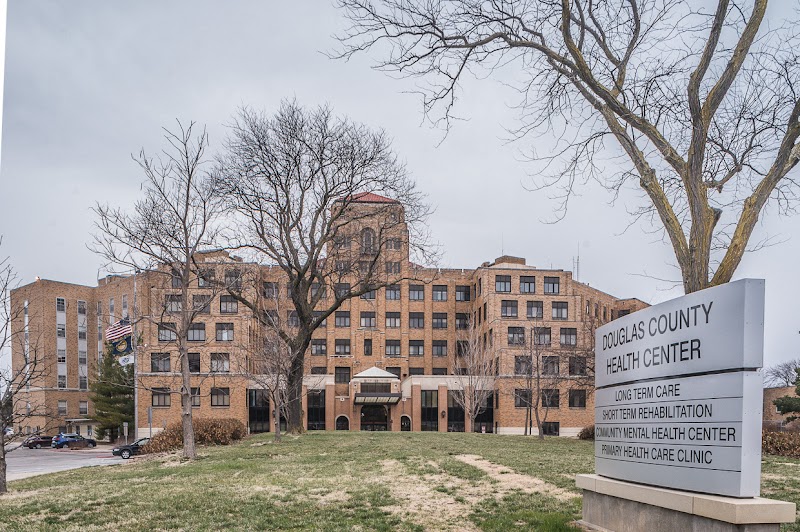
How is Douglas County Health Center Staffed?
CMS rates Douglas County Health Center's staffing level at 5 out of 5 stars, which is much above average compared to other nursing homes. Staff turnover is 23%, compared to the Nebraska average of 46%. This relatively stable workforce can support continuity of care.

What Have Inspectors Found at Douglas County Health Center?

State health inspectors documented 32 deficiencies at Douglas County Health Center during 2022 to 2025. These included: 31 with potential for harm and 1 minor or isolated issues.

Who Owns and Operates Douglas County Health Center?

Douglas County Health Center is owned by a government entity. Government-operated facilities are typically run by state, county, or municipal agencies. The facility operates independently rather than as part of a larger chain. With 254 certified beds and approximately 234 residents (about 92% occupancy), it is a large facility located in Omaha, Nebraska.

How Does Douglas County Health Center Compare to Other Nebraska Nursing Homes?

Compared to the 100 nursing homes in Nebraska, Douglas County Health Center's overall rating (3 stars) is above the state average of 2.9, staff turnover (23%) is significantly lower than the state average of 46%, and health inspection rating (2 stars) is below the national benchmark.

What Should Families Ask When Visiting Douglas County Health Center?

Based on this facility's data, families visiting should ask: "Can I visit during a mealtime to observe dining assistance and food quality?" "How do you handle medical emergencies, and what is your hospital transfer rate?" "Can I speak with family members of current residents about their experience?"

Is Douglas County Health Center Safe?

Based on CMS inspection data, Douglas County Health Center has a clean safety record: no substantiated abuse findings (meaning no confirmed cases of resident harm), no Immediate Jeopardy citations (the most serious violation level indicating risk of serious injury or death), and is not on the Special Focus Facility watch list (a federal program monitoring the lowest-performing 1% of nursing homes). The facility has a 3-star overall rating and ranks #1 of 100 nursing homes in Nebraska. While no facility is perfect, families should still ask about staff-to-resident ratios and recent inspection results during their visit.

Do Nurses at Douglas County Health Center Stick Around?

Staff at Douglas County Health Center tend to stick around. With a turnover rate of 23%, the facility is 22 percentage points below the Nebraska average of 46%. Low turnover is a positive sign. It means caregivers have time to learn each resident's needs, medications, and personal preferences. Consistent staff also notice subtle changes in a resident's condition more quickly. Registered Nurse turnover is also low at 25%, meaning experienced RNs are available to handle complex medical needs.

Was Douglas County Health Center Ever Fined?

Douglas County Health Center has no federal fines on record. CMS issues fines when nursing homes fail to meet care standards or don't correct problems found during inspections. The absence of fines suggests the facility has either maintained compliance or corrected any issues before penalties were assessed. This is a positive indicator, though families should still review recent inspection reports for the full picture.

Is Douglas County Health Center on Any Federal Watch List?

Douglas County Health Center is not on any federal watch list. The most significant is the Special Focus Facility (SFF) program, which identifies the bottom 1% of nursing homes nationally based on persistent, serious quality problems. Not being on this list means the facility has avoided the pattern of deficiencies that triggers enhanced federal oversight. This is a positive indicator, though families should still review the facility's inspection history directly.