Emerald Nursing & Rehab Omaha
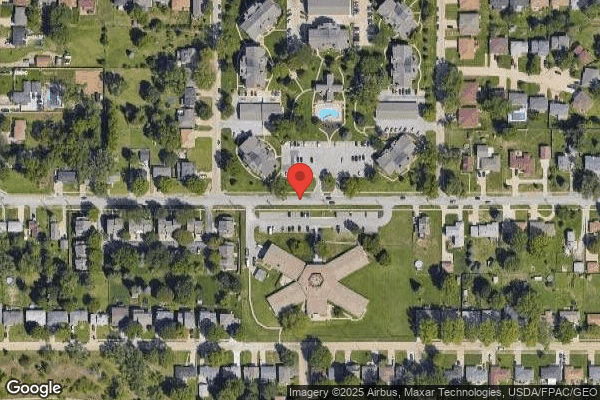
5505 Grover Street, Omaha, NE 68106 (402) 558-0225
For profit - Corporation 155 Beds EMERALD HEALTHCARE Data: November 2025 1 Immediate Jeopardy citation
Trust Grade
0/100
#147 of 177 in NE
Last Inspection: September 2024

Within standard 12-15 month inspection cycle. Federal law requires annual inspections.

Overview

Emerald Nursing & Rehab Omaha has received a Trust Grade of F, indicating significant concerns about the facility's quality of care. With a state rank of #147 out of 177 in Nebraska, they are in the bottom half of nursing homes, and #19 out of 23 in Douglas County means there are only a few local options that perform better. Although the facility is showing signs of improvement, decreasing from 13 issues in 2024 to 5 in 2025, the large total of 54 problems identified, including serious incidents like a resident eloping multiple times due to inadequate supervision, raises alarms. Staffing is rated average with a 3/5 star rating and a turnover rate of 45%, which is below the state average; however, RN coverage is concerning as it is less than 79% of facilities in Nebraska. It is also troubling that the facility has incurred $174,895 in fines, higher than 97% of other Nebraska facilities, which indicates repeated compliance issues. Overall, while there are some positive aspects, such as a decrease in reported issues, the significant number of serious deficiencies and high fines should be carefully considered by families evaluating care options.
Trust Score
F
0/100
In Nebraska
#147/177
Bottom 17%
Safety Record
High Risk
Review needed
Inspections
Getting Better
13 → 5 violations
Staff Stability
⚠ Watch
45% turnover. Above average. Higher turnover means staff may not know residents' routines.
Penalties
✓ Good
$174,895 in fines. Lower than most Nebraska facilities. Relatively clean record.
Skilled Nurses
⚠ Watch
Each resident gets only 26 minutes of Registered Nurse (RN) attention daily — below average for Nebraska. Fewer RN minutes means fewer trained eyes watching for problems.
Violations
⚠ Watch
54 deficiencies on record. Higher than average. Multiple issues found across inspections.
★☆☆☆☆
1.0
Overall Rating
★★★☆☆
3.0
Staff Levels
★☆☆☆☆
1.0
Care Quality
★☆☆☆☆
1.0
Inspection Score
Stable
2024: 13 issues
2025: 5 issues

The Good

  • Full Sprinkler Coverage · Fire safety systems throughout facility
  • No fines on record

Facility shows strength in fire safety.

The Bad

1-Star Overall Rating

Below Nebraska average (2.9)

Significant quality concerns identified by CMS

Staff Turnover: 45%

Near Nebraska avg (46%)

Higher turnover may affect care consistency

Federal Fines: $174,895

Well above median ($33,413)

Significant penalties indicating serious issues

Chain: EMERALD HEALTHCARE

Part of a multi-facility chain

Ask about local staffing decisions and management

The Ugly 54 deficiencies on record

1 life-threatening 4 actual harm
Feb 2025 5 deficiencies 1 Harm
SERIOUS (G) 📢 Someone Reported This

A family member, employee, or ombudsman was alarmed enough to file a formal complaint

Actual Harm - a resident was hurt due to facility failures

Safe Transfer (Tag F0626)

A resident was harmed · This affected 1 resident

**NOTE- TERMS IN BRACKETS HAVE BEEN EDITED TO PROTECT CONFIDENTIALITY** Based on record review and interview, the facility failed to ensure that 1 [Resident 1] of 7 sampled residents was permitted to ...

Read full inspector narrative →
**NOTE- TERMS IN BRACKETS HAVE BEEN EDITED TO PROTECT CONFIDENTIALITY** Based on record review and interview, the facility failed to ensure that 1 [Resident 1] of 7 sampled residents was permitted to readmit following hospitalization. The facility had a total census of 71 residents. Findings are: A. A review of Resident 1's admission Record revealed Resident 1 was admitted to the facility on [DATE] with a diagnosis of Parkinson's disease [a progressive neurodegenerative disorder] with dyskinesia [involuntary uncontrolled movements]. A review of Resident 1's Progress Note dated 1/14/25 revealed Resident 1 was leaving facility for a peg tube [a feeding tube insert through the skin and stomach wall] insertion that morning. A review of Progress Notes from 1/14/25-1/31/25 revealed Resident 1 remained in the hospital. A review of Resident 1 census in electronic medical record revealed Resident 1 was identified as being in the hospital on 1/14/25 and billing was stopped on 1/31/25. Further review of Resident 1's electronic medical record revealed Resident 1's primary payer had been Medicaid until 2/1/24 at which time Resident 1 payer was identified as private pay. A review of undated Nursing facility Transfer or Discharge Notice revealed Resident 1 was being discharged for failure to pay for a stay at the facility after reasonable and appropriate notice. The notice also stated that Non-payment applies if the resident does not submit the necessary paperwork for third-party payment or after the third party including Medicare or Medicaid, denies the claim and the resident revises to pay for his or her stay. The Nursing Facility Transfer or Discharge Notice did not identify a date of transfer/discharge or identify a place that Resident 1 would be transferred or discharged to. In an interview on 2/6/25 at 9:19 AM, Resident 1's family member reported Resident 1 had been set to be released from the hospital back to the facility on Friday, 1/31/25. Resident 1's family member reported being notified on Friday that Resident 1 would not be allowed to return to the facility and was sent a notice of discharge by email. Family Member of Resident 1 reported that Resident 1 remained in the hospital. In interviews on 2/6/25 at 10:24 AM and 1:33 PM, Business Manager C reported Resident 1 is not being readmitted and Business Manager C was directed to issue a 30-day notice. Business Manager C confirmed Resident 1's Medicaid payment stopped on 2/1/24. Business Manager C reported that Medicaid applications have been filed for Resident 1 on 5/13/24, 10/23/24, 10/31/24 and 1/28/25. In an interview on 2/6/25 at 2:19 PM, Hospital Laison D confirmed Resident 1 has been denied readmit due to financial reasons. Hospital Laison D reported an understanding that Resident 1 would be readmitted when Resident 1 had a payer source. In interviews on 2/26/25 at 12:23 PM and 1:42 PM, the Administrator reported that Resident 1's Medicaid application has been denied 4 times. The Administrator confirmed that Resident 1 had a new Medicaid application completed on 1/28/25 and Resident 1 would be allowed to return when Resident 1's has a payor source. B. A review of facility policy titled Transfer and Discharge updated 1/2024 revealed policy did not address readmission following transfer/discharge to the hospital.
CONCERN (D) 📢 Someone Reported This

A family member, employee, or ombudsman was alarmed enough to file a formal complaint

Potential for Harm - no one hurt, but risky conditions existed

Transfer Notice (Tag F0623)

Could have caused harm · This affected 1 resident

**NOTE- TERMS IN BRACKETS HAVE BEEN EDITED TO PROTECT CONFIDENTIALITY** Licensure reference: 71-6022(1) Based on record review and interview, the facility failed to ensure 1 [Resident 1] of 7 sampled ...

Read full inspector narrative →
**NOTE- TERMS IN BRACKETS HAVE BEEN EDITED TO PROTECT CONFIDENTIALITY** Licensure reference: 71-6022(1) Based on record review and interview, the facility failed to ensure 1 [Resident 1] of 7 sampled residents was provided with a 30-day notice of discharge that included a safe discharge location. The facility had a total census of 71 residents. Findings are: A. A review of Resident 1's admission Record revealed Resident 1 was admitted to the facility on [DATE] with a diagnosis of Parkinson's disease [a progressive neurodegenerative disorder] with dyskinesia [involuntary uncontrolled movements]. A review of Resident 1's Progress Note dated 1/14/25 revealed Resident 1 was leaving the facility for a peg tube [a feeding tube insert through the skin and stomach wall] insertion that morning. A review of Progress Notes from 1/14/25-1/31/25 revealed Resident 1 remained in the hospital. A review of Resident 1 census in electronic medical record revealed Resident 1 was identified as being in the hospital on 1/14/25 and billing was stopped on 1/31/25. A review of undated Nursing Facility Transfer or Discharge Notice revealed Resident 1 was being discharged for failure to pay for a stay at the facility after reasonable and appropriate notice. The notice also stated that Non-payment applies if the resident does not submit the necessary paperwork for third-party payment or after the third party including Medicare or Medicaid, denies the claim and the resident revises to pay for his or her stay. The Nursing Facility Transfer or Discharge Notice did not identify a date of transfer/discharge or identify a place that Resident 1 would be transferred or discharged to. In an interview on 2/6/25 at 9:19 AM, Resident 1's family member reported Resident 1 had been set to be released from the hospital back to the facility on Friday, 1/31/25. Resident 1's family member reported being notified on Friday that Resident 1 would not be allowed to return to the facility and was sent a notice of discharge by email. Family Member of Resident 1 reported that Resident 1 remained in the hospital. In interviews on 2/6/25 at 10:24 AM and 1:33 PM, Business Manager C reported Resident 1 is not being readmitted and Business Manager C was directed to issue a 30-day notice. Business Manager C confirmed that Resident 1's discharge notice was completed without a date of discharge or a place that Resident 1 was to be discharged to. In an interview on 2/6/25 at 1:42 PM, the Administrator confirmed that Resident 1's Transfer or Discharge Notice was completed without a date of transfer/discharge or identified a place that Resident 1 would be transferred or discharged to. B. A review of facility policy titled Transfer and Discharge updated 1/2024 revealed the following under Non-Emergency transfers or Discharges-initiated by the facility, return not anticipated: -a. Document the reasons for the transfer or discharge in the resident's medical record, and in the case of necessity for the resident's welfare and the resident's needs cannot be met in the facility, document the specific resident needs that cannot be met, facility attempts to meet the resident needs, and the service available at the receiving facility to meet the needs. Document any danger to the health or safety of the resident or other individuals that failure to transfer or discharge would pose. -b. At least 30 days before the resident is transferred or discharged , the Social Service Director will notify the resident and the resident's representative in writing in a language and manner they understand. (This time frame does not apply if the resident has not resided in the facility for 30 days.) -c. Contents of the notice must include: i. The reason for transfer or discharge; ii. The Effective date of transfer or discharge; iii. The location to which the resident is transferred or discharged ; iv. A statement of the resident's appeal rights, including the name, address (mailing and email), and telephone number of the entity which receives such requests; and information on how to obtain an appeal form and assistance in completing the form and submitting the appeal hearing request; and v. The name, address (mailing and email) and telephone number of the Office of the State Long-Term Care Ombudsman. vi. For nursing facility residents with intellectual and developmental disabilities or related disabilities, the mailing and email address and telephone number of the agency responsible for the protection and advocacy of individuals with developmental disabilities must be included in the notice. vii. For nursing facility residents with a mental disorder or related disabilities, the mailing and email address and telephone number of the agency responsible for the protection and advocacy of individuals with a mental disorder must be included in the notice.
CONCERN (D) 📢 Someone Reported This

A family member, employee, or ombudsman was alarmed enough to file a formal complaint

Potential for Harm - no one hurt, but risky conditions existed

Quality of Care (Tag F0684)

Could have caused harm · This affected 1 resident

**NOTE- TERMS IN BRACKETS HAVE BEEN EDITED TO PROTECT CONFIDENTIALITY** Licensure Reference Number 175 NAC 12-006.09(H)(iii) Based on observations, record reviews, and interview; the facility staff fa...

Read full inspector narrative →
**NOTE- TERMS IN BRACKETS HAVE BEEN EDITED TO PROTECT CONFIDENTIALITY** Licensure Reference Number 175 NAC 12-006.09(H)(iii) Based on observations, record reviews, and interview; the facility staff failed identify wound sizes and failed to re-evaluate treatment interventions for 1 (Resident 4) of 3 sampled residents. The facility staff identified a census of 71. Findings are: Record review of a Order Summary Report (OSR) dated 2-05-2025 revealed Resident 4 admitted to the facility on [DATE]. Further review of OSR dated 2-05-2025 for Resident 4 revealed Resident 4's practitioner on 5-20-2024 ordered a barrier cream to be applied to Resident 4's buttocks and perineal areas, 3 times a day related to Moisture Associate Skin Damage (MASD, caused by prolonged exposure to various sources of moisture, such as, urine, stool and perspiration). Record review of a Skin/Wound Weekly Observation (SWWO) sheet dated 1-01-2025 revealed the facility staff evaluated Resident 4's skin as having MASD. Resident 4's SWWO sheet dated 1-01-2025 revealed both buttocks had redness with scattered scratch marks and did not have the measurements of the scratch marks. Record review of a Skin/Wound Weekly Observation (SWWO) sheet dated 1-08-2025 revealed the facility staff evaluated Resident 4's skin as having MASD. Resident 4's SWWO sheet dated 1-08-2025 revealed both buttocks had redness with scattered scratch marks and did not have the measurements of the scratch marks. Record review of Resident 4's SWWO sheet dated 1-15-2025,1-22-2025 and 1-29-2025 revealed Resident 4 continued to have the MASD with redness to both buttocks and did not have measurements. Record review of Resident 4's medical record that included Progress Notes (PN), practitioners orders, care plans, and faxes revealed there had not been changes in the treatment plan since the order for the barrier cream on 5-20-2024. On 2-06-2025 at 2:28 an interview was conducted with Unit Manager (UM) B. During the interview UM B confirmed the facility staff did not measure the area of redness to Resident 4 buttocks. UN B reported if a resident is being seen by the skin nurse they usually change the treatment if it's not effective. UM B further confirmed a evaluation of Resident 4's treatment for the MASD had not been completed. According to information at myamericannurse.com revealed the following information: -A change in treatment for MASD should occur when there is a worsening of skin condition, increased moisture exposure, a change in the underlying cause of moisture (like incontinence management), a lack of improvement with the current treatment, or the development of secondary infection. -Consulting a wound care specialist is especially important if MASD worsens or fails to improve after initial interventions. The facility was not able to provide additional information on Resident 4's MASD prior to exit from the facility.
CONCERN (D) 📢 Someone Reported This

A family member, employee, or ombudsman was alarmed enough to file a formal complaint

Potential for Harm - no one hurt, but risky conditions existed

Incontinence Care (Tag F0690)

Could have caused harm · This affected 1 resident

**NOTE- TERMS IN BRACKETS HAVE BEEN EDITED TO PROTECT CONFIDENTIALITY** Licensure Reference Number 175 NAC 12-006.09(H)(iv)(2) Based on observations record review and interview; the facility staff fai...

Read full inspector narrative →
**NOTE- TERMS IN BRACKETS HAVE BEEN EDITED TO PROTECT CONFIDENTIALITY** Licensure Reference Number 175 NAC 12-006.09(H)(iv)(2) Based on observations record review and interview; the facility staff failed to evaluate a toileting program for 1(Resident 4) of 1 sampled resident. The facility staff identified a census of 71. Findings are: Record review of a Order Summary Report sheet dated 2-05-2025 revealed Resident 4 was admitted to the facility on [DATE]. Record review of Resident 4's Minimum Data Set (MDS, a federally mandated assessment to used for care planning) dated 11-23-2024 revealed the facility staff assessed the following about the resident: -Brief Interview of Mental Status (BIMS) revealed the facility staff assessed Resident 4 with a BIMS score of 13. According to the MDS [NAME] a score of 13 to 15 indicates a person is cognitively intact. -Dependent on staff for toileting. -Required superviison or touch assistance with personal hygiene. -Required partial to moderate assistance with sitting to standing position. -Always incontinent of bladder and did not have a toileting program. -Frequently incontinent of bowel and did not have a toileting program. Record review of Resident 4's Comprehensive Care Plan (CCP) with a date of 11-14-2023 revealed Resident 4 would become excoriate at times due to Resident 4's incontinence and refusing to allow staff to change Resident 4. Record review of Resident 4's medical record that include Progress Notes (PN), practitioners orders and fax sheets revealed there was no indications Resident 4 had been refusing incontinence care from 2-01-2025 to 2-06-2025. Observation on 2-05-2025 at 8:56 AM revealed Resident 4 was seated up in a wheelchair. Further observation on 2-05-2025 at 8:56 AM revealed Resident 4's pants were wet with a strong urine like odor in Resident 4's room. Observation on 2-06-2025 10:20 AM revealed Resident 4 was seated in a wheelchair. Resident 4's pants was observed to be wet and a urine odor was in the room. On 2-05-2025 at 8:56 AM an interview was conducted with Resident 4. During the interview toileting assistance was discussed with the resident. Resident 4 reported they would like more assistance with toileting and staying dry. On 2-06-2025 at 10:20 AM a interview was conducted with Licensed Practical Nurse (LPN) A. During the interview LPN A confirmed Resident 4's pants were wet. LPN A further reported Resident 4 usually is wet let that twice on LPN A's shift. On 2-06-2025 at 11:28 AM an interview was conducted with the Director of Nursing (DON). During the interview the DON reported Resident 4 had not been evaluated for a toileting program.
CONCERN (D) 📢 Someone Reported This

A family member, employee, or ombudsman was alarmed enough to file a formal complaint

Potential for Harm - no one hurt, but risky conditions existed

Infection Control (Tag F0880)

Could have caused harm · This affected 1 resident

Licensure Reference Number 175 NAC 12-006.17 Based on observations, record review and interviews; the facility staff failed to utilize handwashing and gloving techniques to prevent potential cross con...

Read full inspector narrative →
Licensure Reference Number 175 NAC 12-006.17 Based on observations, record review and interviews; the facility staff failed to utilize handwashing and gloving techniques to prevent potential cross contamination and failed to implement Enhanced Barrier Precautions during the provision of care for 1 (Resident 4) of 3 sampled residents. The facility staff identified a census of 52. Findings are: Record review of the facility policy for Enhanced Barrier Precaution revised on 3-20-2024 revealed the following information: -Policy Statement: -Enhanced Barrier Precaution (EBP) are an infection control intervention designed to reduce the transmission of resistant organisms that employs targeted gown and glove use during high contact resident care activity. -EBP maybe indicated for residents with any of the following: -Wounds, indwelling medical devices, infection or colonization with Multi-Drug Resistant Organism (MDRO). Record review of the facility policy for Handwashing revised on 3-20-2024 revealed the following: Policy Statement: This facility considers hand hygiene the primary means to prevent the spread of infections. -7 Use alcohol based hand rub (ABHR) containing at least 62% alcohol:or alternately, soap and water for the following situations: -b. Before and after direct contact with residents. -h. before moving from contaminated body site to clean body site during resident care. -i. After contact with residents intact skin. -m. After removing gloves. Record review of Resident 4's Comprehensive Care Plan (CCP) revised on 6-14-2024 revealed Resident 4 was colonized with Methicillin Resistant Staphylococcus Aureus (type of bacteria that is resistant to the antibiotic methicillin and other antibiotics in the same class). Resident 4's CCP directed staff were to wear gowns and gloves when changing contaminated linens. Record review of a Skin/Wound Weekly Observation sheet dated 3-18-2025 revealed Resident 4 had Moisture Associated Skin Damage (MASD, caused by prolonged exposure to various sources of moisture, such as, urine, stool and perspiration) to the right thigh area that measured 10.34 centimeters (cm) by 8.40 cm's, to the left thigh area that measured 7.37 cm's by 7.32 cm's and to the scrotum that measured 3.69 cm's by 3.27 cm's. Observation on 3-25-2025 at 9:06 AM revealed Resident 4 was seated on the toilet in the bathroom. Nursing Assistant (NA) D without handwashing, using ABHR or having a gown on applies a gait belt around Resident 4's waist. NA D applied gloves and instructed Resident 4 to stand in order to cleanse the resident after use of the bathroom. NA D obtained a wipe and wiped the buttocks area removing bowel moment. NA D obtained another wipe and completed the cleansing of the buttocks. NA D without completing hand hygiene, ABHR or changing the soiled gloves obtained a wipe and cleansed the front groin areas. NA D removed the soiled gloves and did not complete hand hygiene. Observation on 3-25-2025 at 9:12 AM revealed Resident 4 was standing up in the bathroom in preparation for Licensed Practical Nurse (LPN) B to complete the treatment to the right and left thighs and Resident 4's scrotal area. Resident 4 was observed to have a whitish of ointment like substance to the right, left and scrotal areas. LPN B without donning a gown ,applied gloves without using ABHR or handwashing applied the treatment ointment Resident 4's practitioner had ordered. LPN B without changing the soiled gloves or using ABHR touch clean briefs that were applied to Resident 4, Resident 4's arm, shirt and gait belt. On 3-25-2025 at 9:32 AM an interview was conducted with LPN B. During the interview LPN B confirmed soiled gloves were not changed and hands santitized between clean and soiled item and a gown had not been worn. On 3-25-2025 1:07 PM an interview was conducted with NA D. During the interview NA D confirmed hands were not washed, gloves were not changed and that a gown should have been worn and was not.
Dec 2024 1 deficiency
CONCERN (D) 📢 Someone Reported This

A family member, employee, or ombudsman was alarmed enough to file a formal complaint

Potential for Harm - no one hurt, but risky conditions existed

Pressure Ulcer Prevention (Tag F0686)

Could have caused harm · This affected 1 resident

**NOTE- TERMS IN BRACKETS HAVE BEEN EDITED TO PROTECT CONFIDENTIALITY** Licensure Reference Number 175 NAC 12.006.09(H)(iii)(2) Based on observation, interview and record review the facility failed to...

Read full inspector narrative →
**NOTE- TERMS IN BRACKETS HAVE BEEN EDITED TO PROTECT CONFIDENTIALITY** Licensure Reference Number 175 NAC 12.006.09(H)(iii)(2) Based on observation, interview and record review the facility failed to ensure practitioner's orders for wound and skin care were followed for 2 (Resident 1 and 4) of 3 sampled residents. The facility census was 62. Findings Are: A. Record review of Resident 1's Minimum Data Set (MDS, a federally mandated assessment tool used for care planning) dated 09-23-2024 revealed the facility staff assessed the following about the resident: -A Brief Interview of Mental Status (BIMS, a brief screener that aids in detecting cognitive impairment) was scored as a 13/15. According to the MDS Manual a score of 13 to 15 indicate a person is cognitively intact. -The resident required total assistance with eating, dressing, bathing and bed mobility. -The resident had a diagnosis of Quadriplegia. -The resident had 3 pressure ulcers. Record review of Resident 1's Electronic Health Record (EHR, a digital version of a patient's paper medical chart) revealed Resident 1 was readmitted to the facility from the hospital on [DATE]. Record review of Resident 1's transition orders from the hospital dated 11-29-2024, revealed an order for PREVENT Silicone Cream to be applied twice daily to the wound bed on Resident 1's right posterior thigh. Record review of Resident 1's progress notes dated 12-02-2024 revealed the wound to the resident's right posterior thigh was left open to air because the PREVENT Silicone Cream was not available. Further review of Resident 1's progress notes revealed the PREVENT Silicone cream was also not available on 12-03-2024, 12-04-2024 and 12-05-2024. An interview conducted on 12-05-2024 at 9:40 AM with a pharmacy tech (CP) revealed the pharmacy received the order for PREVENT Silicone Cream on 12-03-2024 and the pharmacy was waiting for facility approval due to the cream not being covered by insurance. An interview with Licensed Practical Nurse (LPN)-A on 12-05-2024 at 2:00 PM revealed the PREVENT Silicone Cream had not been available and confirmed the wound treatment had not been administered as the practitioner ordered. B. Record review of Resident 4's MDS dated [DATE], revealed the facility staff assessed the following about the resident: -The resident's BIMS was scored as an 8/15. According to the MDS Manual a score of 8 to 12 indicated a person had moderate cognitive impairment. -The resident required total assistance with eating, hygiene, bathing, toileting, dressing and bed mobility. -The resident had limited range of motion to both upper extremities. Record review of Resident 4's EHR revealed an order to wash and dry both palms of hands. There was also an order to apply palm guards to both hands every morning and remove at bedtime for contractures. An observation of Resident 4 on 12-04-2024 at 12:00 PM revealed the absence of palm guards to both hands. An observation was conducted of skin care for Resident 4 on 12-05-2024 at 9:50 AM revealed LPN-B washed and dried both of the resident's hands but did not apply the resident's palm guards. An interview was conducted with LPN-A on 12-05-2024 at 2:00 PM revealed Resident 4 was evaluated for a splint but then did not want to return to be fitted. The interview also confirmed that the order for palm guards was not being followed as the palm guards were not available for use. An interview with the Director of Nursing (DON) on 12-05-2024 at 2:15 PM confirmed the physician had not been contacted regarding Resident 1's palm guards and when a treatment is unavailable the provider should be contacted and an alternative treatment obtained.
Nov 2024 1 deficiency
CONCERN (D) 📢 Someone Reported This

A family member, employee, or ombudsman was alarmed enough to file a formal complaint

Potential for Harm - no one hurt, but risky conditions existed

Deficiency F0760 (Tag F0760)

Could have caused harm · This affected 1 resident

Licensure Reference Number 175 NAC 12.006.10(D) Based on record review and interview the facility failed to ensure residents were free of significant medication errors for 1 (Resident 1) of 5 sampled ...

Read full inspector narrative →
Licensure Reference Number 175 NAC 12.006.10(D) Based on record review and interview the facility failed to ensure residents were free of significant medication errors for 1 (Resident 1) of 5 sampled residents. The facility census was 65. Findings are:: Record review of Resident 1's Minimum Data Set (MDS, a federally mandated assessment tool used for care planning) dated 09-23-2024 revealed the facility staff assessed the following about the resident: -Brief Interview of Mental Status (BIMS) was scored as a 15. According to the MDS manual a score of 13 to 15 indicate a person is cognitively intact. -Diagnosis of End Stage Renal Disease (ESRD) currently receiving dialysis. -had a heart transplant in the past. -recently had a blood clot in the veins in the left upper extremity. -required moderate assistance with toileting, bathing, dressing, and transfers. -currently taking an anticoagulant medication. Record review of Resident 1's progress notes revealed on 09-24-2024 Resident 1 was to have a PT/INR (a lab test that measures how long it takes the blood to clot) on 09-26-2024. An interview with the Unit Director (UD) on 11-21-2024 at 2:00 PM revealed the PT/INR was to be done at the doctor's office during Resident 1's appointment on 09-26-2024. Furthermore, the facility contacted the Coumadin clinic and received orders for Warfarin (generic name for Coumadin) 3.5 milligrams (mg) on 09-26-2024 and then to hold Warfarin for the next 3 days. Record review of Resident 1's Medication Administration Record (MAR) for September of 2024 printed on 11-21-2024 revealed on 09-27-2024, 9-28-2024, and 09-29-2024 it was documented that the staff administered 0.5 mg of Warfarin. Record review of Resident 1's progress notes dated 09-30-2024 revealed the facility received a call from the hospital with an update that Resident 1's procedure had to be rescheduled for 10-03-2024. Furthermore, the facility received orders to hold Warfarin for Resident 1 until post procedure. Record review of Resident 1's MAR for October of 2024 printed on 11-21-2024 revealed on October 2 the staff documented administering 3 mg of Warfarin to Resident 1. An interview with the UD on 11-21-2024 at 2:30 PM confirmed that according to the MARs for September and October. Resident 1 received the incorrect dose of Warfarin on 09-27-2024, 09-28-2024, 09-29-2024, and 10-02-2024. An interview with the Director of Nursing (DON) on 11-21-2024 at 3:00 PM confirmed Warfarin had not been given according to orders and a medication error involving Warfarin would be a significant medication error.
Sept 2024 10 deficiencies 1 Harm
SERIOUS (G)

Actual Harm - a resident was hurt due to facility failures

Quality of Care (Tag F0684)

A resident was harmed · This affected 1 resident

Licensure Reference Number 175 NAC 12.006.09(H)(iii)(3) Based on observation, interview and record review the facility failed to provide treatment for a skin breakdown for 1 (Resident 56) of 3 residen...

Read full inspector narrative →
Licensure Reference Number 175 NAC 12.006.09(H)(iii)(3) Based on observation, interview and record review the facility failed to provide treatment for a skin breakdown for 1 (Resident 56) of 3 residents sampled residents. The facility census was 68. The findings are: Record review of Resident 56's Minimum Data Set (MDS, a federally mandated assessment tool used for care planning) dated 08-16-2024 revealed the facility staff assessed the following about the resident: -Diagnosis of Diabetes Mellitus Type 2, Severe Protein Calorie Malnutrition, Cirrhosis of the liver, and Clostridium Difficile Enterocolitis (a condition that causes diarrhea and inflammation of the colon, or colitis, that can be life-threatening). -Brief Interview of Mental Status (BIMS, an assessment that aids in detecting cognitive impairment. A score of 0-7 equals severe impairment, 8-12 indicates moderate impairment and 13-15 indicates cognitively intact) score of 12 indicating moderate cognitive impairment. -required extensive assistance with oral hygiene and bed mobility. -required total assistance with dressing, toileting and bathing. -was always incontinent of bowel and bladder. Record review of Resident 56's Skin/Wound Weekly Observation Form (SWOF) dated 09-02-2024 revealed the were no skin issues identified. Record review of Resident 56's SWOF dated 09-09-2024 revealed a new skin issue was identified and described as Moisture Associated Skin Damage (MASD, is a general term for skin problems that occur due to prolonged exposure to moisture from bodily fluids such as urine or feces.) without measurements, to the groin and scrotum. The SWOF revealed Resident 56's physician was updated and response from the physician was pending. Record Review of Resident 56's Electronic Health Record (EHR) that included progress notes, orders and administration records revealed no follow up from the physician or Nurse Practitioner (NP). Record review of Resident 56's Treatment Administration Record (TAR) for September 2024 printed on 09-19-2024 revealed no treatment had been administered for MASD. Record review of Resident 56's progress note dated 09-15-2024 revealed the facility staff had noted that Resident 56 had an increase in redness to the groin, peri area, inner thighs and scrotal area that was foul smelling and Resident 56 had a new open area measuring 4 centimeters (cm) by 2 cm to the right buttock. Record review of Resident 56's SWOF dated 09-15-2024 revealed a new skin issue was identified and described as MASD to groin without measurements and a new skin issue identified as an open area to the right buttock measuring 4 cm by 2 cm. Furthermore, the SWOF indicated Resident 56's physician was notified and response from physician was will see on Monday (09-16-2024). Record Review of Resident 56's EHR such as progress notes, physician orders, and care plan revealed Resident 56 was not seen by the physician or NP on 09-16-2024 and did not contain information facility staff followed up to obtain a treatment for the skin breakdown. Record review of Resident 56's progress note dated 09-18-2024 revealed a Nurse Practitioner (NP) for Resident 56's physician was at the facility and gave treatment orders for MASD areas. Record review of Resident 56's TAR printed 09-23-2024 revealed an order dated 09-18-2024 to wash perineal area, groin, inner thighs and scrotal area with soap and water, pat dry, apply Desitin (a zinc oxide cream), cover with antifungal powder twice daily. The TAR revealed where staff are to sign that this treatment was administered was left blank until 09-21-2024, 2 days later. Observation on 09-23-2024 at 1:00 PM of Nursing Assistant (NA) E providing incontinence care for Resident 56 revealed Resident 56's pants were wet with urine and the incontinence brief that was in use was saturated. Further observation of Resident 56's skin revealed a dark red and swollen penis and scrotum, dark red skin to bilateral groins, inner thighs, gluteal cleft and bilateral buttocks. During the observation an open area was observed to Resident 56's right buttock that had a tear drop appearance that measured approximately 3 cm by 1 cm with dark red wound edges and a pale pink wound bed. Record Review of Resident 56's progress note dated 09-23-2024 revealed the NP had seen Resident 56 for MASD to scrotum, inner thighs, and groin with redness and swelling. New orders received for Prednisone (oral steroid) 10 milligrams daily for 7 days due to no improvement in redness or swelling. An interview with Licensed Practical Nurse (LPN) G on 09-24-2024 at 1:25 PM revealed on 09-23-2024 after observing the wound at 1:00 PM, LPN G notified the NP because the swelling to the penis and scrotum had worsened. An interview with the Director of Nursing (DON) on 09-24-2024 at 10:39 AM confirmed Resident 56 was not seen on Monday 09-16-2024 and was not seen by the NP until Wednesday 09-18-2024. An interview with the DON on 09-24-2024 at 1:33 PM revealed on 09-22-2024 the DON had observed the area and there wasn't any swelling and confirmed treatment of Resident 56's MASD was not received until 09-18-2024 and not implemented until 09-21-2024. Record Review of the Facility Skin and Wound Management-Prevention of Pressure dated 01/2024 revealed on page 4 under alterations in skin integrity for perineal denudation revealed directions to cleanse skin, gently dry. Apply a zinc oxide paste twice a day and as needed due to incontinence or excessive drainage. According to Allnurses.com a denuded wound is an injury that occurs when the protective top layer of the skin is gone, leaving the underlying tissue exposed and common causes of denuded wounds include trauma, burns, surgical procedures, and wound debridement. Trauma can include lacerations, abrasions, and puncture wounds. In addition, medical practices can cause denuded wounds if they involve scraping away the skin, such as in wound debridement. Other causes of denuded wounds include chronic diseases, such as diabetes and vascular disease, which can lead to ulcerations. Additionally, the skin can become denuded by prolonged contact with waste body fluids such as urine, wound exudate, and stool.
CONCERN (D) 📢 Someone Reported This

A family member, employee, or ombudsman was alarmed enough to file a formal complaint

Potential for Harm - no one hurt, but risky conditions existed

Investigate Abuse (Tag F0610)

Could have caused harm · This affected 1 resident

Licensure Reference Number 175 NAC 12.006.02(H) Based on record review and interview, the facility failed to complete a thorough written investigation and report an allegation of staff to resident abu...

Read full inspector narrative →
Licensure Reference Number 175 NAC 12.006.02(H) Based on record review and interview, the facility failed to complete a thorough written investigation and report an allegation of staff to resident abuse within the required timeframe to the Department of Health and Human Services [DHHS] for 1 (Residents 125) of 3 facility self-report investigations reviewed. The facility census was 68. Findings are: Record review of facility policies and procedures entitled Abuse, Neglect, and Exploitation dated November 2017 revealed the following information: The facility must: 7. Investigation of alleged abuse, neglect and exploitation: When suspicion of abuse, neglect or exploitation, or reports of abuse. neglect or exploitation occur, an investigation is immediately warranted. Once the resident is immediately cared for and initial reporting has occurred, an investigation should be conducted. Components of an investigation may include: a. Interview the resident involved, if possible, and document all responses. c. Interview all witnesses separately. Include roommates, residents in adjoining rooms, staff members in the area and visitors in the area. Obtain witness statements, according to appropriate policies. All statements should be signed and dated by the person making the statement. d. Document the entire investigation chronologically. 13. In response to allegations of abuse, neglect, exploitation or mistreatment, the facility must: a. Ensure that all allegations of alleged violations involving abuse, neglect, exploitation or mistreatment, including injuries of unknown source and misappropriation of resident property, are reported immediately, but not later then 2 hours after the allegation is made, if the events that caused the allegation result in serious bodily injury, or not later the 24 hours if the advents that cause the allegation do not involve abuse and do not result in serious bodily injury, to the administrator of the facility and to other official ( including the State Survey Agency and Adult Protective Services where state law provides for jurisdiction in long term care facilities) in accordance with State law. b. Have evidence that all alleged violations are thoroughly investigated. c. Prevent further potential abuse, neglect, exploitation or mistreatment, while the investigation is in progress. d. Report all investigations to the administrator or designated representative and to other official in accordance with state law, including the state survey agency, within 5 working days of the incident. The administrator should follow up with government agencies, during business hours, to confirm the report was received and to report the results of the investigation, when final, as required by the state agencies. Record review of Resident 125's admission Minimum Data Set [MDS, a comprehensive clinical assessment of the resident used to develop a residents plan of care] dated 1/25/24 revealed an admission date of 1/18/24. The MDS identified that Resident 125 had a Brief Interview for Mental Status [BIMS, a brief screener that aids in detecting cognitive impairment) score of 12 which indicated that Resident 125 had moderately impaired cognition. The MDS identified diagnoses that included acute cystitis with hematuria, no neurological or psychiatric disorders, no mood problems, no behaviors exhibited, wheelchair use, upper body impairment of range of motion on both sides, and lower body range of motion impairment on 1 side. The MDS identifed that Resident 125 required maximum assistance with upper and lower body dressing and total dependence on staff for toileting hygiene and all types of transfers. Record review of an Adult Protective Services [APS] report dated 1/26/24 revealed that facility staff had called in an allegation of staff to resident abuse that involved Resident 125 on 1/26/24 at 1:21 PM. The APS report revealed that the facility reporter stated that Resident 125 had reported that a staff member had grabbed the resident by the shirt and had thrown the resident into bed. The reporter advised that an internal investigation had been opened regarding the allegation. Record review of all facility reportable incidents since January 1st 2024 revealed that no incidents that involved Resident 125 had been reported to facility staff, APS or DHHS. Record review of Resident 125's Electronic Medical Record Progress Notes since January 1st 2024 revealed no written record of any incidents with staff or reports to the facility staff of alleged staff to resident abuse. Interview on 09/23/24 at 07:28 AM with the Director of Nursing [DON] confirmed that no written investigation report had been completed or sent into DHHS for the allegation of staff to resident abuse that involved Resident 125. The DON confirmed the facility policy for investigation and reporting of abuse and that all investigations must be submitted to the state survey agency [DHHS] within 5 working days. The DON confirmed that no investigation had been done into this incident so no report had been made to DHHS as required. Interview on 09/23/24 at 08:35 AM with the facility Social Worker [SW] revealed that the SW did recall calling into APS the allegation of staff to resident abuse that involved Resident 125 and that the facility Administrator or the DON was going to do the investigation. The SW was not able to produce any documentation of a facility written investigation into this allegation of abuse by Resident 125.
CONCERN (D)

Potential for Harm - no one hurt, but risky conditions existed

Deficiency F0655 (Tag F0655)

Could have caused harm · This affected 1 resident

**NOTE- TERMS IN BRACKETS HAVE BEEN EDITED TO PROTECT CONFIDENTIALITY** Licensure Reference Number 175 NAC 12-006.09(F) Based on record review and interview, the facility failed to develop a baseline ...

Read full inspector narrative →
**NOTE- TERMS IN BRACKETS HAVE BEEN EDITED TO PROTECT CONFIDENTIALITY** Licensure Reference Number 175 NAC 12-006.09(F) Based on record review and interview, the facility failed to develop a baseline care plan for 1 resident (Resident 177). The facility had a census of 68. Findings are: A record review of Resident 177's Electronic Health Record revealed Resident 177 was admitted to the facility on [DATE]. A record review of Resident 177's order summary revealed the following diagnoses: Atherosclerotic Heart Disease of Native Coronary Artery without Angina Pectoris, Heart Failure, Personal History of other Venous Thrombosis and Embolism, Hyperlipidemia, End Stage Renal Disease, Personal History of Transient Ischemic Attack (TIA), and Cerebral Infarction without Residual Deficits, Chronic Fatigue, unspecified, Type 2 Diabetes Mellitus with other skin ulcer, non-pressure Chronic Ulcer of other part of left foot with unspecified severity, Chronic Kidney disease, Heart Transplant status with long term (current) use of immunosuppressive biologic, primary Hypertension, dependence on Renal Dialysis, Gangrene, Acute Embolism and Thrombosis of superficial veins of left upper extremity. A record review of the pre-admission information e-mail from the Business Office Manager, dated 9/17/2024 revealed Resident 177's primary diagnosis was a diabetic foot infection of the left great toe, left upper arm deep vein thrombus (DVT) and right upper arm wound with a wound vac. Other diagnoses included end stage renal disease on dialysis, Heart Transplant. Additional information included Residents mental status, weightbearing status, dialysis schedule and wound care with an additional note relating to the potential amputation of the left great toe. A record review of Resident 177's baseline care plan revealed it does not address Resident 177's dialysis status, skin issues/wounds, central line or Residents medications. An interview on 9/23/2024 at 8:40AM with Resident 177 confirmed the resident had not received a copy of the baseline care plan. An interview on 9/23/2024 at 8:45AM with LPN C confirmed a baseline care plan is used to provide initial care for a new resident and inform nursing staff of a new resident's needs. LPN C confirmed Resident 177's baseline care plan would not inform the nursing staff of the residents' dialysis status, wound care needs, medications, and access devices.
CONCERN (D)

Potential for Harm - no one hurt, but risky conditions existed

Tube Feeding (Tag F0693)

Could have caused harm · This affected 1 resident

Licensure Reference Number 175 NAC 12.006.09(H)(vi)(3)(a) Based on observation, interview and record review the facility failed to maintain a gastric feeding tube to prevent potential complications fo...

Read full inspector narrative →
Licensure Reference Number 175 NAC 12.006.09(H)(vi)(3)(a) Based on observation, interview and record review the facility failed to maintain a gastric feeding tube to prevent potential complications for 1 of 1 (Resident 65) sampled residents. The facility census was 68. Findings are: Record review of Resident 65's Minimum Data Set (MDS, a federally mandated assessment tool used for care planning) dated 06-23-2024 revealed the facility staff assessed the following about the resident: -Diagnosis of CVA, with subsequent hemiplegia and dysphagia, HTN, and anxiety. - Brief Interview of Mental Status (BIMS, an assessment that aids in detecting cognitive impairment. A score of 0-7 equals severe impairment, 8-12 indicates moderate impairment and 13-15 indicates cognitively intact) of 12 which indicates moderate cognitive impairment. -Required set up assistance with eating. -Required extensive assistance with oral hygiene and upper body dressing. -Required total assistance with lower body dressing, toilet hygiene, bed mobility and transfers. -currently had a feed An interview was conducted with Resident 65 on 09-18-2024 at 1:42 PM which revealed Resident 65 reported having a feeding tube and further reported the staff had not done anything with the feeding tube since admission. An observation was conducted during the interview which revealed a feeding tube present to the abdomen. The feeding tube was without a securement device to prevent accidental dislodgement and a dark brown, black substance was present inside of the feeding tube. An interview on 09-23-2024 at 1:42 PM with the Director of Nursing (DON) and Licensed Practical Nurse (LPN) B revealed Resident 65 was admitted in June without orders for use, site care, flushes or securement. An observation was conducted on 09-23-2024 at 1:55 PM of Resident 65's abdomen with LPN B that revealed an unsecured feeding tube with a dark brown, black substance inside. During the observation an interview was conducted with LPN B that confirmed there was a dark brown, black substance in the feeding tube that could cause an infection. An interview with the facility Nurse Practitioner (NP) on 09-24-2024 at 9:03 AM confirmed the substance in the tube could cause an infection and the feeding tube should be removed. An interview on 09-24-2024 at 1:49 PM with the DON confirmed the facility staff should have called Resident 65's practitioner for care and treatment orders of the feeding tube. Record Review of the Facility Policy Care and Treatment of Feeding Tubes dated 1-2024 revealed the following: -Policy-it is the policy of this facility to utilize feeding tubes in accordance with current clinical standards of practice, with interventions to prevent complications to the extent possible. -In accordance with facility protocol, licensed nurses will monitor and check that the feeding tube is in the right location (e.g. stomach or small intestine, depending on the tube): -tube placement will be verified before beginning a feeding and before administering medications. -the external retention device will checked daily to assure it is properly approximated to the abdominal wall and that the surrounding skin is intact. -direction for staff on how to provide the following care will be provided: -how to secure a feeding tube externally. -examination of the insertion site in order to identify, lessen, or resolve possible skin irritation and local infection. -frequency of and volume used for flushing, including flushing for medication administration and what to do when a prescriber's order does not specify. -the facility will notify and involve the physician or designated practitioner of any complications, and in evaluating and managing care to address the complications and risk factors.
CONCERN (D)

Potential for Harm - no one hurt, but risky conditions existed

Deficiency F0698 (Tag F0698)

Could have caused harm · This affected 1 resident

Licensure Reference Number 175 NAC 12-006.09 Based on observation, interview and record review, the facility staff failed to evaluate a dialysis access's site for 1 (Resident 177) of 1 sampled residen...

Read full inspector narrative →
Licensure Reference Number 175 NAC 12-006.09 Based on observation, interview and record review, the facility staff failed to evaluate a dialysis access's site for 1 (Resident 177) of 1 sampled residents who received dialysis treatments. The facility reported a census of 68. Findings are: A record review of Resident 177's order summary revealed the following diagnoses: Atherosclerotic Heart Disease of Native Coronary Artery without Angina Pectoris, Heart Failure, Personal History of other Venous Thrombosis and Embolism, Hyperlipidemia, End Stage Renal Disease, Personal History of Transient Ischemic Attack (TIA), and Cerebral Infarction without Residual Deficits, Chronic Fatigue, unspecified, Type 2 Diabetes Mellitus with other skin ulcer, non-pressure Chronic Ulcer of other part of left foot with unspecified severity, Chronic Kidney disease, Heart Transplant status with long term (current) use of immunosuppressive biologic, primary Hypertension, dependence on Renal Dialysis, Gangrene, Acute Embolism and Thrombosis of superficial veins of left upper extremity. A record review of Resident 177's Order Summary revealed the following orders dated 9/18/2024: -Complete the Dialysis Pre-Observation that includes vital signs. Fill out the dialysis communication form to send with resident. in the morning every Mon, Wed, Fri for Dialysis A record review of Resident 177's practitioners orders dated 9/20/2024 revealed Resident 177's practitioner ordered the following: -Nurse to remove dressing on left subclavian approximately 4 hours after return from Dialysis every evening shift every Mon, Wed, Fri for ESRD. A record review of Resident 177's Electronic Health Record (EHR) revealed the dialysis Pre-observation and dialysis Post observation forms had not been filled out for Resident 177 on Wednesday 9/18/2024 or Friday 9/20/2024 that Resident 177 had received dialysis. An observation on 09/19/2024 at 12:10 PM of Resident 177 revealed Resident 177 had an undated dressing on their upper right arm. The Resident had a 2 port (opening) dialysis catheter in their upper left chest and a 3 lumen (lumen - a smaller tube that leads to a larger tube in the body) central line in their right femoral/groin area. An interview on 09/19/2024 at 8:20 AM with Resident 177 revealed the resident was alert and answered questions appropriately. Resident 177 reported they had an active dialysis (a treatment that removes excess fluid and waste products from the blood when the kidneys are unable to do so) access site in the left upper arm. An interview on 09/19/2024 at 12:10 PM with Resident 177 revealed they had a dialysis access site in their left elbow, but it caused blood flow trouble to the left arm and was removed. An observation on 09/23/2024 at 8:38 AM with Licensed Practical Nurse (LPN) C of Resident 177's access sites revealed the following: - LPN C confirmed Resident 177 had 2 port dialysis catheter in the left subclavian vein, a 3-lumen catheter in the right femoral and the presence of a thrill (a vibration caused by blood flowing through a fistula) in the residents left antecubital area. Resident informed LPN C a failed dialysis access had been partially removed but part of it was in their elbow. -LPN C confirmed they had not known Resident 177 had anything in the left elbow area and confirmed they had not assessed Resident 177's femoral access device correctly and had not noticed it had 3 lumens. An interview with LPN C on 9-23-2024 at 8:19 AM confirmed there were no records of a Pre or Post Dialysis observation forms in Resident 177's EHR. An interview on 09/19/2024 at 11:22 AM with Licensed Practical Nurse A (LPN) revealed LPN A did not know where the dialysis access site was on Resident 177. An interview on 09/19/2024 at 11:38 AM with LPN B revealed LPN B did not know where Resident 177's dialysis access site was located. An interview on 09/19/2024 at 12:44 PM with LPN B confirmed an assessment of Resident 177 revealed the Resident had a wound to the upper right arm, AV fistulas (a surgically created connection between and artery and a vein that allows for long-term dialysis access) in both right and left arms and a dialysis catheter (a hollow tube that's used to access a patient's blood for dialysis treatment) in the upper left chest. An interview on 09/23/2024 at 8:19 PM with LPN C confirmed a dialysis pre and post observation should be completed for a resident who receives dialysis. LPN C confirmed the pre and post dialysis observation form had not been completed for Resident 177. LPN C confirmed they had assessed Resident 177 on Wednesday September 17 and Resident 177 had a 2-port dialysis catheter in their upper left subclavian (below the collar bone) and a 2-port dialysis catheter in the right femoral. An interview on 09/19/2024 at 1:46 PM with the Director of Nursing (DON) confirmed it was the DON's expectation that the floor nurses perform a complete assessment of the residents. The DON reported it was the expectation the nurses complete the pre and post dialysis assessments including identifying the presence of an unused dialysis catheter during their assessment. A record review of the Special needs policy revised on 1/2024 revealed the following: -To address special needs, this facility will provide the necessary care and treatment, including medical and nursing care, consistent with professional standards of practice and in accordance with physician orders, the comprehensive person-centered care plan and the residents' goals and preferences. -This policy pertains to the following needs: parenteral fluids, respiratory care, prostheses and dialysis, Colostomy, Urostomy Ileostomy. -7: Medical conditions will be monitored and managed to prevent complication: -a. The attending physician will assume responsibility for the overall care and treatment of the residents' medical conditions.' -b. RNs (Registered Nurse) and LPNs will participate in the management of medical conditions by following physicians' orders, assessment of residents and reporting changes in condition to the residents' physicians. -c. Interventions will be modified in a resident's plan of care as needed. -8: Policies and procedures related to special needs will reflect current professional standards of practice. -a. All employees are responsible for following established policies and procedures. -b. Violation of policies and procedures will result in disciplinary action up to and including termination. -A record review of the facility Dialysis Transportation Policy revised 1/2024 revealed the following: -5: Fistula/Shunt site will be checked every shift for bruits, bleeding increased pain, and signs of infection.
CONCERN (D)

Potential for Harm - no one hurt, but risky conditions existed

Deficiency F0757 (Tag F0757)

Could have caused harm · This affected 1 resident

Licensure Reference Number 175 NAC 12.006.09 (H) Based on interview and record review the facility failed to ensure parameters were followed related to blood pressure medications resulting in unnecess...

Read full inspector narrative →
Licensure Reference Number 175 NAC 12.006.09 (H) Based on interview and record review the facility failed to ensure parameters were followed related to blood pressure medications resulting in unnecessary medication use for 1 (Resident 44) of 5 sampled residents. The facility census was 68. The findings are: Record review of Resident 44's Minimum Data Set (MDS, a federally mandated assessment tool used for care planning) revealed the facility staff assessed the following about the resident: - Brief Interview of Mental Status (BIMS, an assessment that aids in detecting cognitive impairment. A score of 0-7 equals severe impairment, 8-12 indicates moderate impairment and 13-15 indicates cognitively intact) score of 14 indicating intact cognition. -Diagnosis of orthostatic hypotension (also known as postural hypotension, is a sudden drop in blood pressure that occurs when standing up from a sitting or lying down position.), diabetes, bipolar disorder, left below the knee amputation. Record review of Resident 44's Medication orders revealed an order for Midodrine 5mg tablet (a medication used to treat orthostatic hypotension by causing blood vessels to tighten, which increases blood pressure.), take 1 tablet by mouth before meals. Do not give at bedtime and Hold if Systolic Blood Pressure (SBP, is the maximum pressure in your arteries when your heart contracts and pumps blood into the body. It's the first and higher number in a blood pressure reading, which is written as systolic pressure over diastolic pressure) is greater than 120. Record Review of Resident 44's Medication Administration Record (MAR) printed on 09-23-2024 revealed the following for the administration of Midodrine: -on 09-06-2024 at 7:00 AM SBP was 131 and medication was documented as administered and at 11:00 AM SBP was 148 and medication was documented as administered. -on 09-09-2024 at 7:00 AM SBP was 147 and medication documented as administered and at 11:00 AM SBP was 145 and documented as administered. -on 09-10-2024 at 7:00 AM SBP was 142 and medication was documented as administered and at 11:00 AM SBP was 134 and medication was documented as administered. -on 09-12-2024 at 5:00 PM SBP was 138 and medication was documented as administered. -on 09-16-2024 at 11:00 AM SBP was 143 and medication was documented as administered. -on 09-19-2024 at 5:00 PM SBP was 140 and medication was documented as administered. -09-22-2024 at 7:00 AM SBP was 162 and medication was documented as administered and at 11:00 AM at 11:00 AM SBP was 149 and medication was documented as administered. An interview with the Director of Nursing on 09-23-2024 at 2:33 PM confirmed the Midodrine medication was given when the physician's orders indicated the medication should have been held and Resident 44 was given a medication that was not necessary on those dates. Record review of the Facility's Policy: Medication Regimen Review dated 1-2024 revealed the following: - it is the facilities policy to provide a Medication Regimen Review (MRR) for all residents admitted to the nursing facility. -A MRR is a thorough evaluation of the medication regimen of a resident with the goal of promoting positive outcomes and minimizing adverse consequences associated with medication. The review includes preventing, identifying, reporting, and resolving medication-related problems, medication errors, or other irregularities and collaborating with other members of the interdisciplinary team. -Each residents' drug regimen remains free of unnecessary drugs. An unnecessary drug is any drug when used: -in excessive doses, including duplicate therapy. -for excessive duration. -without adequate monitoring -without adequate indications for its use. -in the presence of adverse consequences which indicate the dose should be reduced or discontinued.
CONCERN (D)

Potential for Harm - no one hurt, but risky conditions existed

Infection Control (Tag F0880)

Could have caused harm · This affected 1 resident

**NOTE- TERMS IN BRACKETS HAVE BEEN EDITED TO PROTECT CONFIDENTIALITY** License Reference Number 175 12.006.18(B), 12.006.18(D), and 12.006.19(A) Based on observation, interviews, and record reviews, ...

Read full inspector narrative →
**NOTE- TERMS IN BRACKETS HAVE BEEN EDITED TO PROTECT CONFIDENTIALITY** License Reference Number 175 12.006.18(B), 12.006.18(D), and 12.006.19(A) Based on observation, interviews, and record reviews, the facility failed to perform hand hygiene in a manner to prevent cross contamination during skin care for Resident 1, failed to identify a resident on Enhanced Barrier Precautions for Resident 1, failed to provide bags to secure oxygen tubing in a manner that prevents the potential for cross contamination for 2 Residents (Residents 41 and 23), and failed to utilize PPE for a resident on Enhanced Barrier Precautions during wound care for Resident 48. The Facility identified a census of 68. Findings are: A. Record review of Facility Policy entitled: Isolation-Categories of Transmission-Based Precaution dated 1/2024- Enhanced Barrier Precautions (EBP): An infection control intervention designed to reduce transmission of multi-drug-resistant organisms (MDROs, microorganisms that are resistant to one or more types of antibiotics making them difficult to treat and spread quickly) in nursing homes. EBP involve gown and glove use during high-contact resident care activities for residents known to be colonized or infected with a MDRO as well as those at increased risk of MDRO acquisition (e.g., residents with wounds or indwelling medical devices). EBP expand the use of gown and gloves beyond anticipated blood and body fluid exposures. They focus on use of gown and gloves beyond anticipated blood and body fluid exposures. They focus on use of gown and gloves during high-contact resident care activities that have been demonstrated to result in transfer of MDROs to hands and clothing of healthcare personnel, even if blood and body fluid exposure is not anticipated. EBP are recommended for residents known to be colonized or infected with a MDRO as well as those at increased risk of MDRO acquisition (e.g., residents with wounds or indwelling medical devices). Standard Precautions still apply while using EBP. For example, if splashes and sprays are anticipated during the high-contact care activity, face protection should be used in addition to the gown and gloves. B. Record review of Facility Policy entitled: Infection Control Standard Precautions-Handwashing dated 1/2024 revealed: Policy Statement: This facility considers hand hygiene the primary means to prevent the spread of infections. Policy Interpretation and Implementation: 1. All personnel shall be trained and regularly in-serviced on the importance of hand hygiene in preventing the transmission of healthcare-associated infections. 2. All personnel shall follow the handwashing/hand hygiene procedures to help prevent the spread of infections to other personnel, resident, and visitors. 3. Hand hygiene products and supplies (sinks, soap, towels, alcohol-based hand rub, etc.) shall be readily accessible and convenient for staff use to encourage compliance with hand hygiene policies. 4. Triclosan-containing soaps will not be used. 5. Resident, family members and/or visitors will be encouraged to practice hand hygiene through the use of fact sheets, pamphlets and/or other written materials provided at the time of admission and/or posted throughout the facility. 6. Wash hands with soap (antimicrobial or non-antimicrobial) and water for the following situations: -When hands are visibly soiled; and -After contact with a resident with infectious diarrhea including, but not limited to infections caused by norovirus, salmonella, shigella, and C. difficile. 7. Use and alcohol-based hand rub containing at least 62% alcohol; or, alternatively, soap (antimicrobial or non-antimicrobial) and water for the following situations: -Before and after coming on duty. -Before and after direct contract with resident. -Before preparing or handling medications. -Before performing any non-surgical invasive procedures. -Before and after handling an invasive device (e.g., urinary catheters, IV access sites). -Before donning sterile gloves. -Before handling clean or soiled dressing, gauze pads, etc. -Before moving from a contaminated body site to a clean body site during resident care. -After contact with a resident's intact skin. -After contact with blood or bodily fluids. -After handling used dressings, contaminated equipment, etc. -After contact with objects (e.g., medical equipment) in the immediate vicinity of the resident. -After removing gloves. -Before and after entering isolation precaution settings. -Before and after eating or handling food. -Before and after assisting a resident with meals; and -After personal use of the toilet or conducting your personal hygiene. -Hand hygiene is the final step after removing and disposing of personal protective equipment. 8. The use of gloves does not replace handwashing/hand hygiene. Integration of glove use along with routine hand hygiene is recognized as the best practice for preventing healthcare associated infections. 9. Single-use disposable gloves should be use: -Before aseptic procedures. -When anticipating contact with blood or body fluids; and -When in contact with a resident or the equipment or environment of a resident, who is in contact precautions. 10. Wearing artificial fingernails is strongly discouraged among staff members with direct resident-care responsibilities and is prohibited among those caring for severely ill or immunocompromised resident. C. Record review of Facility Policy entitled: Infection control Considerations, related to Oxygen Administration dated 9/2024 revealed the following: 1. Obtain equipment (i.e. oxygen tubing, reservoir, and distilled water). 2. Use distilled water for humidification per facility protocol. 3. [NAME] bottle with date and initials upon opening and discard after 24-hours. 4. Check water levels of refillable humidifier units daily. If the water level falls below the fill line: -Discard residual solution. -Pour a small amount of distilled water into the reservoir and swish around to rinse all surfaces. -Discard water. -Refill with distilled water to fill line. -Change the reservoir ever 48-hours and disinfect with 2% alkaline. 5. Change pre-filled humidifier when the water level becomes low. 6. Change the oxygen cannula and tubing every 7 days, or as needed. 7. Keep the oxygen cannula and tubing used in a plastic bag when not in use. 8. Wash filters from oxygen concentrators every seven days with soap and water. Rinse and squeeze dry. 9. Wash hands after manipulation. D. Record review of Resident 1's Face Sheet dated 9/19/2024 revealed an admission date of 1/11/2019. Record review of Resident 1's Face Sheet revealed a diagnosis of Extended Spectrum Beta Lactamase (ESBL, an enzymes produced by some bacteria that make them resistant to many antibiotics, including penicillin and cephalosporins) resistance and a personal history of Methicillin Resistant Staphylococcus Aureus Infection (MRSA, an infection caused by a type of staph bacteria that becomes resistant to many of the antibiotics used to treat ordinary staph infections). Included in the list of MDROs are ESBL and MRSA. Record review of Resident 1 Minimum Data Set (MDS, a federally mandated assessment tool used for care planning) dated 6/30/2024 revealed Resident 1 had a Brief Interview for Mental Status (BIMS, a brief screening tool that aids in detecting cognitive impairment) score of 14. According to the MDS manual, a BIMS score of 13-15 indicated Resident 1 was cognitively intact. Resident 1's functional abilities were: Eating-set up/clean up assist, bed mobility-partial/moderate assist, toileting and transfers-dependent on facility staff. Observation on 9/19/24 at 7:53 AM revealed no EBP signage outside of Resident 1's door. Observation on 9/23/24 at 7:10 AM revealed no EBP signage outside of Resident 1's door. Observation on 9/23/24 at 7:51 AM revealed no EBP signage outside of Resident 1's door. Observation on 09/23/24 at 7:51 AM Nurses' Aide-I (NA-I) and Licensed Practical Nurse-B (LPN-B). NA-I did hand hygiene (HH) by washing hands with soap and water in the sink for 24 second and donned clean gloves. NA-I did not don a gown before care was to be provided. NA-I obtained a wet towel, cleaned the abdominal fold on the right side, using a clean edge of the towel with each swipe. On the right-side abdominal fold, a superficial open area was noted to be approximately 2 cm x 0.5 cm in the mid area of the fold. NA-I placed the soiled towel in a bag and obtained another clean towel without benefit of HH. Both sides of the abdominal folds were red with no odor noted. NA-I cleaned the left side of the abdominal fold using a clean area of the towel with each swipe. NA-I removed the soiled completed HH with hand sanitizer and applied clean gloves. Interview of NA-I on 9/23/24 at 8:10 AM confirmed NA-I did not do HH when completed with right side abdominal fold care and before beginning the left side abdominal fold care. Interview with Director of Nursing (DON) on 9/23/24 at 2:30 PM confirmed Resident 1 should have had EBP in place as Resident 1 had a diagnosis of ESBL and MRSA. E. Record review of Resident 23's Face Sheet dated 9/19/24 revealed an admission date of 11/27/2023. Resident 23's diagnosis listed on the Face Sheet identified the following: Chronic Obstructive Pulmonary Disease (COPD) with acute exacerbation, obesity, Post-Traumatic Stress Disorder (PTSD), paranoid schizophrenia, depression, obstructive sleep apnea, hypertension, and colostomy placement. Record review of Resident 23's MDS dated [DATE] revealed a BIMS score of 13. According to the MDS manual, BIMS score of 13-15 indicated Resident 13 was cognitively intact. Resident 23 functional abilities were: Eating-set up/clean up assist, bed mobility-substantial/maximum assist, toileting and transfers-dependent. Record review of Order Summary for Resident 23 dated 12/1/2023 revealed an order for Oxygen (O2) as needed to keep O2 saturations (the amount of O2 carried by red blood cell and is measured with a medical device that clips to the finger called a pulse oximeter) greater than 90%, use no more than 4 liters of O2. Observation on 09/18/24 at 03:19 PM revealed Resident 23 had an O2 concentrator. The tubing to the O2 concentrator was wrapped around the concentrator and tucked into the handle at the top of the concentrator. There was no bag present for the tubing to be placed inside. Observation on 09/19/24 at 10:24 AM revealed Resident 23's O2 tubing was laying on the floor. Observation on 09/19/24 at 1:07 PM revealed Resident 23's O2 tubing is laying on the floor. Interview on 09/19/24 at 2:29 PM, the DON confirmed Resident 23's O2 tubing should not be on the floor and the tubing should have been in a bag when not in use. F. Record review of Resident 41's Face Sheet dated 9/19/2024 revealed an admission date of 4/2/2021. Resident 41's medical diagnosis listed on the Face Sheet identified: Osteoarthritis of hip, diabetes, COPD, hypertension, major depressive disorder, and hypothyroidism. Record review of Resident 41's MDS dated [DATE] revealed Resident 41 is rarely/never understood. Staff Assessment of Mental Status revealed Resident 41 had Short-term memory problems, but Long-term memory was OK. Resident could normally recall the current season, location of own room, staff name and faces, and that they were in a nursing home. Resident 41 uses a wheelchair for locomotion. Resident 41's functional abilities were as follows: eating-setup or clean-up assistance, toileting-supervision or touching assistance, bed mobility and transfer-dependent on facility staff. Record review of Resident 41's Order Summary dated 4/30/2023 revealed an order for O2 at 2 liters as needed to keep O2 saturations above 90%. Observation on 09/19/24 at 7:50 AM of Resident 41's O2 tubing was hanging over the O2 concentrator, no bag was present to store the O2 tubing. Observation on 09/19/24 at 10:25 AM of Resident 41's O2 tubing was rolled up and hanging on the O2 concentrator, no bag was present to store the O2 tubing. Observation on 09/19/24 at 1:25 PM of Resident 41's O2 tubing rolled up and hanging on the O2 concentrator, no bag was present to store the O2 tubing. Interview on 09/19/24 at 2:29 PM, the DON confirmed Resident 41's O2 tubing should have been placed inside a bag when not in use. F. Record Review of Resident 48's Minimum Data Set, dated [DATE] revealed the facility staff assessed the following about the resident: -Brief Interview of Mental Status (BIMS, an assessment that aids in detecting cognitive impairment. A score of 0-7 equals severe impairment, 8-12 indicates moderate impairment and 13-15 indicates cognitively intact) score of 10 indicating moderate cognitive impairment. -Required moderate assistance with bed mobility. -Required total assistance with hygiene, bathing, toileting, dressing and transfers. -was frequently incontinent of bowel and bladder -currently had a pressure ulcer. Record review of a facility map used to identify rooms where Enhanced Barrier Precautions (EBP, an infection control intervention that is used in nursing homes that aims at reducing the spread of Multi-Drug Resistant Organisms) were in use updated on 09-19-2024 revealed Resident 48 was on EBP for a wound. An observation on 09-23-2024 at 12:00 PM of Licensed Practical Nurse B performing wound care for Resident 48 revealed a sign on door to the resident's room had a small orange sign with EBP on it. Inside the room was a cart with gowns and gloves in it. LPN B gathered supplies and entered the room and placed a paper towel on the bedside table and set the wound care supplies on it. After hand hygiene, LPN B applied clean gloves and removed the old dressing, cleansed the wound and patted dry. LPN B removed soiled gloves and used alcohol-based hand rub for hand hygiene and applied clean gloves and proceeded to dress the wound. An interview on 09-23-2024 at 12:10 PM with LPN B revealed EBP stood for Enhanced Barrier Precautions and confirmed a gown and gloves should have been worn during wound care for Resident 48. Record review of the facility policy titled Multi-Drug Resistant Organisms (MDRO stands for multi-drug-resistant organism, which is a term used to describe bacteria that are resistant to one or more classes of antibiotics) Personal Protective Equipment (PPE)-Enhanced Barrier Precautions revealed the following: Policy Statement- Enhanced Barrier Precautions (EBP) are an infection control intervention designed to reduce the transmission of resistant organisms that employs targeted gown and glove use during high contact resident care activities. -EBP may be indicated for residents with any of the following: -Chronic Wounds or indwelling medical devices, regardless of MDRO colonization status -Infection or colonization with an MDRO. -examples of chronic wounds include pressure ulcers, diabetic foot ulcers, unhealed surgical wounds and venous stasis ulcers. -For residents for whom EBP are indicated, EBP is employed when performing the following high-contact resident care activities: -Dressing -bathing/showering -transferring -providing hygiene -changing linens -changing briefs or assisting with toileting -device care and use -wound care. An interview with the DON on 09-23-2024 at 3:30 PM confirmed Resident 48 was on EBP for a pressure wound and agreed a gown should have been worn.
CONCERN (E) 📢 Someone Reported This

A family member, employee, or ombudsman was alarmed enough to file a formal complaint

Potential for Harm - no one hurt, but risky conditions existed

Safe Environment (Tag F0584)

Could have caused harm · This affected multiple residents

**NOTE- TERMS IN BRACKETS HAVE BEEN EDITED TO PROTECT CONFIDENTIALITY** Licensure Reference Number 175 NAC 12-006.19A Based on observation, interview and record review; the facility failed to maintain...

Read full inspector narrative →
**NOTE- TERMS IN BRACKETS HAVE BEEN EDITED TO PROTECT CONFIDENTIALITY** Licensure Reference Number 175 NAC 12-006.19A Based on observation, interview and record review; the facility failed to maintain walls, floors, baseboards, fixtures, equipment, window blinds, light fixtures, door knobs, air conditioning unit and urine odors in 16 (Rooms 208, 209, 214, 301, 306, 312, 316, 405, 408, 409, 412, 415, 504, 507, 509 and 510 ) of 50 occupied resident rooms. The facility census was 68. Findings are: Observation on 09/23/24 between 9:15 AM and 10:46 AM, with the facility Assistant Administrator [AA] , Housekeeping Director [HD], and Maintenance Director [MD], identified the following environmental concerns during the environmental tour of the facility; - Toilets were stained with a dark brown, greasy substance resembling feces: Rooms 208, 301, 306, - Base of toilets were stained with a a dark brown greasy substance: Rooms 208, 209, 301, 312, 409, 412, 504, 507, 509 - Baseboards and bathroom floors were stained and wax covered with dust and particles of dirt present: Rooms 208, 306, 312, 409 - Foot boards on beds were broken and loose: Rooms 312 bed 1, 316 bed 1, 405 bed 1 - Walls had dark stains and food spatters: room [ROOM NUMBER] - Missing baseboard on the wall under the sink: room [ROOM NUMBER] - Gouges in the drywall on the wall next to the bathroom door: room [ROOM NUMBER] - Tape was present on the floor to the entrance to the room which created an unclean surface: room [ROOM NUMBER] - Window blind would not retract and the chain was broken: room [ROOM NUMBER] - Strong odors of urine present in resident bathrooms: Rooms 208, 214 - Bugs were present in the light fixture: room [ROOM NUMBER] - Missing the air conditioner cover and the insulation was exposed: room [ROOM NUMBER] - Missing the doorknob on the inside of the bathroom door room [ROOM NUMBER] Interview on 09/23/24 at 10:50 AM with the AA and HD confirmed the above areas of concern observed during the environmental tour of the facility. The AA confirmed the above identified issues needed to be fixed and / or cleaned. Interview on 09/23/24 at 11:10 AM with the facility MD confirmed that there were no work orders for the areas identified and that the observed concerns had not been identified prior to the environmental tour of the facility. Record review of a facility policy entitled: Maintenance Service, dated December 2009, revealed: 1. The Maintenance Department is responsible for maintaining the buildings, grounds, and equipment in a safe and operational manner at all times. Record review of a facility policy entitled: Work Orders, Maintenance, dated April 2010, revealed: 1. In order to establish a priority of maintenance service, work orders must be filled out and forwarded to the Maintenance Director. 3. A supply of work orders is maintained at the nurses station. 4. Work orders should be placed in the appropriate file basket at the nurses' station. Work orders are picked up daily. 5. Emergency requests will be given priority in making necessary repairs.
CONCERN (F) 📢 Someone Reported This

A family member, employee, or ombudsman was alarmed enough to file a formal complaint

Potential for Harm - no one hurt, but risky conditions existed

Deficiency F0804 (Tag F0804)

Could have caused harm · This affected most or all residents

Licensure Reference Number 175 NAC 12.006.11(D) Based on observation, interview and record review, the facility failed to follow the standardized recipe for Shepard's Pie to maintain the taste and nut...

Read full inspector narrative →
Licensure Reference Number 175 NAC 12.006.11(D) Based on observation, interview and record review, the facility failed to follow the standardized recipe for Shepard's Pie to maintain the taste and nutritional value of the food and in accordance with the facility policy. This had the ability to affect all residents that ate food prepared in the facility kitchen. The facility census was 68. Findings are: Record review of a facility policy entitled; Food and Nutrition Management, Preparation Guidelines dated 11/17 revealed the following: 1. The cook, or designee, should prepare menu items following the facilities written menu's and standardized recipes. Record Review of the planned facility Menu for Wednesday, 09/18/24, included Shepard's Pie as the entree. Observation on 09/18/24 between 10:30 AM and 10:55 AM revealed [NAME] D had began preparing Shepherds Pie for the lunch meal. Observation revealed that the Shepard Pie was partially done, with browned hamburger, onions and green beans layered into a large baking pan. [NAME] D prepared 1 large package of instant mashed potatoes with butter and milk. [NAME] D placed the prepared, unmeasured mashed potatoes on top of the green beans, added an unmeasured amount of shredded cheese on top of the mashed potatoes, then added an unmeasured amount of parsley and paprika on top to finish the Shepard's Pie. [NAME] D placed the large pan of prepared Shepard's Pie into the oven to bake. Observation, during the preparation of the Shepard's Pie, revealed that no written, standardized recipe was out on the counter or consulted during the preparation of the Shepard's Pie. Record review of the DiningRD.com recipe for Shepard's Pie, used by the facility as their standardized recipe, revealed the ingredients for the entree to make 60 servings were as followed: - Onions: 3 3/4 cup - Margarine: 2 1/2 ounces - Beef, ground: 18 pounds [lbs], 7 ounces - Salt: 3 tablespoons, 2 teaspoons - Pepper: 2 teaspoons - Carrots, fresh, diced: 1 pound, 14 ounces. - Tomatoes, diced, canned or crushed: 1 1/4 Number 10 can - Flour: 2 cups - Water: 2 cups - Peas, green frozen: 10 pounds - Potatoes, mashed, instant prepared: 1 gallon, 1 quart - Cheese, cheddar, shredded 1 pound The recipe identified that one 3 inch by 3 inch portion size provided the following nutritional values: - Kcal [calories]: 470.767 Kcal - Protein: 27.413 grams - Carbohydrates: 35.543 grams - Fat: 24.510 grams Interview on 09/19/24 at 09:40 AM with [NAME] D confirmed that the recipe for the Shepherds Pie, prepared on 9/18/24, had not been followed or consulted. [NAME] D confirmed that the peas, carrots and tomatoes had been substituted with green beans because [NAME] D believed the green beans tasted better in Shepard's Pie. [NAME] D confirmed the parsley and paprika had been added for taste. Interview on 09/23/24 at 08:52 AM with the Dietary Manager [DM] confirmed that [NAME] D should have followed the written recipe for the Shepard's Pie entree served on 9/18/24. The DM confirmed that substituting vegetables could affect the taste and, potentially, the nutritional value of the Shepard's Pie. Interview on 09/23/24 at 09:12 AM with the Director of Nursing confirmed that all residents that resided in the facility ate foods prepared in the facility kitchen.
CONCERN (F) 📢 Someone Reported This

A family member, employee, or ombudsman was alarmed enough to file a formal complaint

Potential for Harm - no one hurt, but risky conditions existed

Food Safety (Tag F0812)

Could have caused harm · This affected most or all residents

Licensure Reference Number 175 NAC 12-006.11 E Based on observation, record review and interview; the facility failed to perform hand washing and gloving during food preparation in the facility kitche...

Read full inspector narrative →
Licensure Reference Number 175 NAC 12-006.11 E Based on observation, record review and interview; the facility failed to perform hand washing and gloving during food preparation in the facility kitchen and failed to maintain equipment in a clean manner to prevent the potential for food borne illness. This had the potential to affect all residents that ate food prepared in the facility kitchen. The facility census was 68. Findings are: A. Observation on 09/18/24 between 07:15 AM and 07:45 AM revealed [NAME] D prepared egg and cheese biscuit sandwiches. [NAME] D left the food preparation area for a few minutes and, prior to returning to the food preparation area, performed hand washing for 10 seconds. Observation on 09/18/24 between 10:30 AM and 10:55 AM, during food preparation of the lunch meal entree revealed [NAME] D prepared the lunch meal entree. At 10:35 AM, [NAME] D left the food preparation area and the kitchen to bring juice to a resident at the request of a nurse. At 10:45 AM, [NAME] D returned to the kitchen, performed a 12 second hand wash , donned new gloves and returned to the food preparation area. Observation on 09/18/24 between 11:25 AM and 11:45 AM revealed [NAME] D performed hand hygiene for 10 seconds and donned clean gloves. [NAME] D prepared puree Shepard's Pie in a Robo Coup [electric blender] to a smooth mashed potatoes consistency. [NAME] D scooped the puree food into a pan, covered it and placed it onto the steam table. Wearing the same gloves and with no hand hygiene performed, [NAME] D took the soiled Robo coup and pan to the soiled dish area. [NAME] D put the Robo coup equipment through the wash and rinse cycle in the facility dish machine. [NAME] D removed and reassembled the Robo coup while it was still wet. Wearing the same gloves and with no hand hygiene performed, [NAME] D prepared puree spinach in the Robo coup to a smooth mashed potatoes consistency. [NAME] D placed the spinach into a pan, covered and placed it onto the steam table. Wearing the same gloves and with no hand hygiene performed, [NAME] D got several clean scoops out of a drawer for the foods on the steam table and placed them into the pans of food on the steam table. [NAME] D took soiled Robo coup, pan and scoop used for the puree foods into the dish room, cleaned up the food preparation area and threw away trash. [NAME] D removed and discarded the soiled gloves and used sanitizer solution to clean the counter of the food preparation area. Observation on 09/19/24 between 10:00 AM and 10:05 AM revealed [NAME] D doing dishes in the soiled dish room. [NAME] D left the dish room and, with no hand hygiene performed, went to the food preparation area and stirred meat (hamburger) cooking on the stove. [NAME] D returned to the dirty dish area and resumed doing dishes. Observation on 09/19/24 between 10:25 AM and 10:40 AM revealed [NAME] J made 2 salads. With gloves in place, DA J used gloved hands to place lettuce on 2 plates. Wearing the same gloves, [NAME] J opened the refrigerator (touched the door handle) and removed a container of cheese. [NAME] J removed the gloves, went to the refrigerator and got a tomato. [NAME] J rinsed the tomato under running water, got a knife and a cutting board. With no hand wash performed, [NAME] J donned new gloves, cut the tomato and placed the cut pieces onto the top of the lettuce. [NAME] J wrapped the portion of unused tomato with plastic wrap, set it on the food preparation counter and took the knife and the cutting board to the dirty dish area. Wearing the same gloves and with no hand hygiene performed, [NAME] J got a new knife and a new cutting board, opened the refrigerator ((touched the door handle) and got out a bag of prepared lunch meat. Wearing the same gloves with no hand hygiene performed, [NAME] D touched the meat with gloved hands, cut the portions of lunch meat into pieces and placed the meat onto the salads. [NAME] J then resealed the bag of meat and placed it onto the food preparation counter. With no hand hygiene performed and wearing the same gloves, [NAME] J took the knife and cutting board to the soiled dish room. With no hand hygiene performed, [NAME] J removed 1 glove on the right hand, donned a new glove and used the gloved hand to place shredded cheese on the salad. With no hand hygiene performed, [NAME] J removed the right hand glove, donned a new right hand glove, opened the refrigerator and removed a bag of hard boiled eggs. [NAME] J removed an egg from the bag of hard boiled eggs and cut 1 egg with the egg slicer. With no hands hygiene and wearing the same gloves, [NAME] J retied the bag of eggs closed, placed them with the cheese container and left over tomato, picked them up and placed all the items into the refrigerator. [NAME] J removed the soiled gloves and applied new gloves with no hand hygiene performed. [NAME] J wrapped the salads with plastic wrap, removed the gloves, dated the salads, and placed into the reach in cooler by the serving table. With no hand hygiene performed, [NAME] J returned to the food preparation area. Interview on 09/23/24 at 08:52 AM with the Dietary Manager [DM] revealed that the facility expectation for hand washing in the kitchen is 20 seconds. The DM confirmed that staff are expected wash hands between clean and dirty tasks, if they leave the food preparation area, they should wash hands before coming back to the prep area. Record review of a facility policy entitled Preventing Food Borne Illness - Employee Hygiene and Sanitary dated January 2024 revealed the following information: Food service employees shall follow appropriate hand hygiene and sanitary procedures to prevent spread of food borne illness. 6. Employees must wash hands: - c. whenever entering or re-entering the kitchen - d. Before coming into contact with any food surfaces - e. After handling raw meat, poultry or fish and when switching between working with raw foods and working with ready to eat foods. - f. after handling soiled equipment or utensils - g. During food preparation, as often as necessary to remove soil and contamination when changing tasks and/or - h. After engaging in other activities that contaminate the hands. 10. Gloves are considered single use items and must be discarded after completing the task for which they are used. The use of disposable gloves does not substitute for proper hand washing. B. Record review of the Nebraska Food Code dated July 2016 section 4-602.12 revealed that non-food contact surfaces of equipment shall be cleaned at a frequency necessary to prevent the accumulation of soil residues. Observation on 9/18/24 between 07:15 AM and 07:45 AM during the initial kitchen tour, and on 09/23/24 between 09:15 AM and 09:30 AM with the DM revealed the following sanitation concerns in the food preparation areas of the facility kitchen: - A circulation fan inside the walk in cooler was coated with a dark gray fuzzy substance that resembled dust. The fan was on and blew the particles around the cooler. Pieces of the dark fuzzy substance were adhered to the walls of the cooler. - The ventilation hood and lights above the facility stove and oven were coated with a greasy substance. - A large air conditioning [AC] unit surface was covered with a reddish substance which resembled rust. It was turned on, functional and was positioned so the air blew toward the food preparation area, stove and ovens. Condensation was observed to be dripping from the surface of the air conditioning unit. Observation on 9/18/24 at 10:40 AM, during the food preparation of the lunch meal entree, revealed that the AC unit blew condensation water particles into the center of the food preparation area as [NAME] D was preparing the meal entree. [NAME] D asked Dietary Aide H to drain the unit as it was spewing particles of water into the food preparation area of the facility kitchen. [NAME] D reported that the AC unit had just been fixed, but still had some problems with condensation when it was full and hadn't been drained recently. Interview on 09/23/24 at 08:52 AM with the DM confirmed the circulation fan, ventilation hood and lights, and the large AC unit concerns identified needed to be cleaned and/or repaired. The DM was unable to provide cleaning or maintenance work orders for the identifed areas of concerns. Interview on 09/23/24 at 09:12 AM with the Director of Nursing confirmed that all residents that resided in the facility ate foods prepared in the facility kitchen.
Mar 2024 1 deficiency
CONCERN (D) 📢 Someone Reported This

A family member, employee, or ombudsman was alarmed enough to file a formal complaint

Potential for Harm - no one hurt, but risky conditions existed

Notification of Changes (Tag F0580)

Could have caused harm · This affected 1 resident

**NOTE- TERMS IN BRACKETS HAVE BEEN EDITED TO PROTECT CONFIDENTIALITY** Licensure Reference Number: 175 NAC 12-006.04C3a(6). Based on record review and interview, the facility failed to notify the med...

Read full inspector narrative →
**NOTE- TERMS IN BRACKETS HAVE BEEN EDITED TO PROTECT CONFIDENTIALITY** Licensure Reference Number: 175 NAC 12-006.04C3a(6). Based on record review and interview, the facility failed to notify the medical provider of blood sugars that were outside of parameters and holding insulin based on blood sugars for 1 [Resident 1] of 4 residents. The facility had a total census of 62 residents. Findings are: A record review of Resident 1's admission record revealed Resident 1 was admitted to facility on 3/11/24 with a diagnosis of hyperglycemia [high blood sugar]. A record review of Resident 1's active orders revealed an order dated 3/11/24 to notify the provider of blood sugars of greater than 400 or less than 70. A review of Resident 1's 3/2024 MAR [Medication Administration Record] revealed an order dated 3/11/25 for Lispro [a medication to treat high blood sugars] insulin inject per sliding scale 4 times per day as follows based on blood sugar level: -blood sugar level of 180-250 administer 3 units of Lispro Insulin -blood sugar level of 251-300 administer 6 units of Lispro Insulin -blood sugar level of 301-350 administer 9 units of Lispro Insulin -blood sugar level of 351-400 administer 12 units of Lispro Insulin -blood sugar level greater than 400 administer 15 units of Lispro Insulin A review of Resident 1's 3/2024 MAR revealed the following orders for Humulin N [Intermediate acting insulin]: -start 3/11/24- discontinue 3/13/24 Humulin N inject 15 units subcutaneously every 8 hours scheduled at 6 AM, 2 PM, and 10 PM -start 3/13/24-discontinue 3/14/24 Humulin N inject 20 units subcutaneously every 8 hours scheduled at 6 AM 2 PM, and 10 PM -start 3/14/24-discontinue 3/16/24 Humulin N inject 20 units every 8 hours scheduled at 12:00 AM, 8 AM, 4 PM -start 3/16/24-discontinue 3/21/24 Humulin N inject 25 units subcutaneously every 8 hours scheduled at 6 AM 2 PM, and 10 PM -start 3/21/24 Humulin N inject 25 units subcutaneously every 8 hours scheduled at 12:00 AM, 8 AM, and 4 PM A record review of Resident 1's 3/2024 MAR revealed blood sugars greater than 400 or less than 70 on the following dates and times: -3/11/24 at 4:30 PM the blood sugar was 403 -3/11/24 at 10 PM the blood sugar was 535 -3/12/24 at 11 AM the blood sugar was 519 -3/13/24 at 4:30 PM the blood sugar was 460 -3/13/24 at 10 PM the blood sugar was 500 -3/14/24 at 4:30 PM the blood sugar was 515 -3/19/24 at 11 AM the blood sugar was 415 -3/19/24 at 2 PM the blood sugar was 415 -3/19/24 at 10 PM the blood sugar was 516 -3/20/24 at 4:30 PM the blood sugar was 404 -3/24/24 at 7 AM the blood sugar was 481 -3/24/24 at 10 PM the blood sugar was 62 -3/25/24 at 7 AM the blood sugar was 404 -3/25/24 at 4:30 PM the blood sugar was 421 A review of Resident 1's Progress Notes revealed the following notes documenting notification of Resident 1's provider of blood sugar levels: -3/14/24 at 3:27 AM New orders received at 1:00 AM to recheck resident blood sugar in 2 hours due hyperglycemia reading of 552 and to give 25 Units of insulin Lispro NOW. Blood sugar at 0300 measured at 235. No new orders. -3/12/24 1:26 PM At 1250 contacted [name] APRN [Advanced Practice Registered Nurse] concerning elevated blood sugars. Informed of tube feeding orders and insulin orders. Orders rec'd [received] to increase Humulin N insulin to 20 units every 8 hours and to continue with the sliding scale of Lispro. A review of Resident 1's 3/2024 MAR revealed Humulin N 25 Units scheduled for 12:00 AM was not administered for the following dates and times with the reasons as follows: -3/22/24 12 AM other/see nurses notes -3/23/24 12 AM other/see nurses notes -3/25/24 12 AM hold/see nurses notes -3/26/24 12 AM blood sugar 100, other/see nurses notes 3/27/24 12 AM blood sugar 92, hold/see nurses notes A review of Resident 1's Progress Notes revealed the following notes that corresponded to the documentation on the MAR related to not administering Resident 1's Humulin N 25 Units scheduled for 12 AM: -3/22/24 12:47 AM Blood sugar 128 at 2330 with only 110 supplemental feeding administered -3/23/24 12:08 AM Blood sugar monitoring. Insulin's held during the night due to low glucose levels -3/25/24 12:08 AM BS [Blood Sugar] 112. Pt [patient] has been known to drop fast. Will recheck at a later time. -3/26/24 12:30 AM Blood sugar 100. TF fed [tubefeeding] was 33 -3/27/24 12:47 AM Insulin held d/t [due to] pt [patient history of bs [blood sugar] dropping. A review of the Provider Communication Form for Resident 1 dated 3/25/24 revealed the following: -Midnight Humulin N is being held due to lower blood sugars (not less then 100). This is an every 8 hour insulin. Changed from 6, 2, and 10 to 8, 4 and midnoc [midnight] due to was holding 6 am dose. Then due to was holding 6 am dose. Then Blood sugars @ 0700/0730 is elevated. No Blood Sugar is to be done with Humulin N yet they are. An order was received for Resident 1 on 3/25/24 to do blood sugars with Humulin N insulin. In an interview on 3/27/24 at 10:21 AM, LPN A [Licensed Practical Nurse] reported facility policy is to notify APRN of blood sugars less than 60 or greater than 400 and document notification in the progress notes. LPN A reported Resident 1's Humulin N administration times were changed to be more compatible with meal and feeding times. In an interview on 3/27/24 at 11:46 AM, the DON [Director of Nursing] confirmed that there is no documentation that Resident 1's provider was notified of high and low blood sugars other than the two times documented in the Progress Notes on 3/12/24 and 3/14/24. The DON reported that the night nurse had held Resident 1's 12 AM insulin based on nursing judgement and did not notify the provider of the insulin being held. The DON reported plans to provide education to nursing staff and to implement a Progress Improvement Plan. A review of facility policy titled Notification of Condition Change: Physician Policy revised 12/17/18 revealed the following: -Charge nurses are responsible to provide timely and complete communication to physicians when there is a change in a resident's condition. -Type of conditions that may require notification of the physician: .16. Extremes in blood levels concerns. A review of facility policy titled Administering Medications revised April 2019 revealed the following: -If a dosage is believed to be inappropriate or excessive for a resident, or a medication has been identified as having potential adverse consequences for the resident or is suspected of being associated with adverse consequences, the person preparing or administering the medication will contact the prescriber, the resident's Attending Physician or the facility's Medical director to discuss the concerns.
Dec 2023 1 deficiency
CONCERN (F) 📢 Someone Reported This

A family member, employee, or ombudsman was alarmed enough to file a formal complaint

Potential for Harm - no one hurt, but risky conditions existed

Infection Control (Tag F0880)

Could have caused harm · This affected most or all residents

**NOTE- TERMS IN BRACKETS HAVE BEEN EDITED TO PROTECT CONFIDENTIALITY** Licensure Reference Number 175 NAC 12-006.17 Based on observation, interview, and record review, the facility failed to ensure s...

Read full inspector narrative →
**NOTE- TERMS IN BRACKETS HAVE BEEN EDITED TO PROTECT CONFIDENTIALITY** Licensure Reference Number 175 NAC 12-006.17 Based on observation, interview, and record review, the facility failed to ensure staff donned (put on) and doffed (took off) the required PPE (personal protective equipment) when in a resident's room that was positive for COVID-19, failed to ensure eye protection was worn that had side shields (shields attached to the sides of prescription glasses), and failed to ensure all staff required to wear a N-95 Respirator (N-95 mask) (a tight fitting mask designed to filter out very small particles) had a Fit-Test (a test to ensure the mask sealed) or medical evaluation to prevent the potential spread of COVID-19. This had the potential to affect all 59 residents in the facility. The facility census was 59. Findings are: A record review of the facility's COVID-19 Policy dated 09/28/2023 revealed, staff that entered a room of a resident with suspected or confirmed COVID-19 should have used a N-95 respirator, gown, gloves, and eye protection (goggles or a face shield that covered the front and sides of the face). N-95 Respirators should be used in the context of a comprehensive respiratory protection program that included medical evaluations, Fit-Testing, and training on the use. A. A record review of the entrance door to the facility revealed, an orange sign that read ATTENTION ALL STAFF AND VISITORS We're in COVID outbreak, therefore mask are required Visitors may wear a surgical mask Employees must wear a N95 and eye protection. A record review of the facility's Omaha Operations LLC Midnight Census Report dated 12/13/2023 revealed, the staff had put a plus (+) sign by Resident 1 and Resident 2's names indicating the residents were COVID-19 positive and both residents in room [ROOM NUMBER] were positive for COVID-19. An observation on 12/13/2023 at 2:08 PM revealed, resident room [ROOM NUMBER]'s door was open and there was a Red Zone sign (N-95, gown, gloves, and eye protection required) on the door. Nursing Assistant (NA)-A and NA-B were standing inside the room within 10 feet of Resident 1 talking with the resident and adjusting the resident's television remote without a gowns or gloves. An observation on 12/13/2023 at 11:25 AM revealed, a contracted Lab Technician (LAB) walked from the nursing station on the 200-hall to the foyer without eye protection on after LAB was informed earlier in the day of the need to wear eye protection. An observation on 12/13/2023 at 11:33 AM revealed, Licensed Practical Nurse (LPN)-C exited room [ROOM NUMBER] and walked to nurses' station on the 300-hall with prescription glasses on and no side shields. An observation on 12/13/2023 at 11:37 AM revealed, Occupational Therapist (OT)-D was sitting on the bed closet to the window in room [ROOM NUMBER] within 10 feet of the resident with no eye protection. An observation on 12/13/2023 at 11:57 AM revealed, LPN-C walked down the 400-hall with prescription glasses on and no side shields. In an interview on 12/13/2023 at 2:10 PM with the Administrator revealed, staff should have worn a gown and gloves along with a N-95 mask and eye protection when in a red room. According to the facility Administrator staff should have worn eye protection at all times when in a patient care area, and eye protection should cover the sides of the face per the facility's policy. B. A record review of the entrance door to the facility revealed, an orange sign that read ATTENTION ALL STAFF AND VISITORS We're in COVID outbreak, therefore mask are required Visitors may wear a surgical mask Employees must wear a N95 and eye protection. Observations on 12/13/2023 between 7:00 AM and 2:10 PM revealed staff were wearing N-95 Respirators. In an interview on 12/13/2023 at 9:43 AM with the Administrator revealed, the facility was not doing Fit-Testing for staff that were required to wear a N-95 respirator while in the facility. In an interview on 12/13/2023 at 2:10 PM with the Administrator revealed, the facility did not have a current Fit-Testing policy. The Administrator reported the facility stopped fit testing any new employee hired in about the last 2 years.
Aug 2023 9 deficiencies 1 IJ
CRITICAL (J) 📢 Someone Reported This

A family member, employee, or ombudsman was alarmed enough to file a formal complaint

Immediate Jeopardy (IJ) - the most serious Medicare violation

Accident Prevention (Tag F0689)

Someone could have died · This affected 1 resident

**NOTE- TERMS IN BRACKETS HAVE BEEN EDITED TO PROTECT CONFIDENTIALITY** Licensure Reference 175 NAC 12-006.09D7 Based on observation, record review, and interview, the facility failed to ensure each r...

Read full inspector narrative →
**NOTE- TERMS IN BRACKETS HAVE BEEN EDITED TO PROTECT CONFIDENTIALITY** Licensure Reference 175 NAC 12-006.09D7 Based on observation, record review, and interview, the facility failed to ensure each resident received supervision to prevent accidents for 1 (Resident #65) of 4 residents reviewed for supervision. Specifically, the facility failed to monitor and supervise a severely cognitively impaired resident with known wandering and exit seeking behaviors to prevent elopement. Resident #65 eloped and was found across the street from the facility on 01/10/2023 and 07/13/2023. The first elopement occurred on 01/10/2023 with further attempts and/or actual elopements occurring on 02/01/2023, 02/11/2023, 03/01/2023, 05/26/2023, 07/13/2023, and 07/19/2023. The facility also failed to ensure hot water temperatures in residents' hand sinks were within range to prevent burn/scald injuries. This affected 8 (Rooms 305, 306, 307, 308, 309, 310, 314, and 316) of 14 rooms on Hall 300. It was determined the facility's non-compliance with one or more requirements of participation caused, or was likely to cause, serious injury, harm, impairment, or death to residents. The Immediate Jeopardy (IJ) was related to State Operations Manual, Appendix PP, 483.25 (Quality of Care) at a scope and severity of J. The IJ began on 01/10/2023 when the Director of Nursing (DON) observed Resident #65 outside the facility and across the street. The Administrator was notified of the IJ on 08/10/2023 at 10:54 AM and provided the IJ Template at 10:57 AM. An abatment plan was requested. The abatement plan was accepted by the State Survey Agency on 08/10/2023 at 7:43 PM. The IJ was removed on 08/11/2023 at 2:05 PM, after the survey team performed onsite verification that the abatement plan had been implemented. Noncompliance for F689 remained at the lower scope and severity of no actual harm with an isolated potential for more than minimal harm that was not immediate jeopardy. Findings are: 1. A facility policy titled, Elopement/Exit Seeking, reviewed and revised on 09/02/2019, indicated, Cognitively impaired residents at risk for elopement will be appropriately monitored to reduce the potential for injury. Elopement is defined as a resident leaving the physical structure of the facility without the knowledge of facility staff. 1. Upon admission, residents will be assessed for elopement risk. 2. Residents shall be reassessed at least quarterly related to elopement risk. 3. Cognitively impaired residents with the physical ability to leave the facility without assistance, and who have demonstrated or vocalized a desire to leave the facility will be placed on a unit with an electronic monitoring system. If a facility does not have an operational electronic monitoring system, the resident will be evaluated for transfer to a more appropriate facility that offers electronic monitoring. Interim safety monitoring measures shall be implemented pending transfer. The policy further indicated, 6. Electronic monitoring devices shall be checked for function at least once every 24 hours. In the event of an electronic monitoring system failure, alternate security measures will be implemented to include temporary use of manual door alarms, visual monitoring of exit doors, increased staffing levels, and/or increased observation of at-risk residents. A policy titled Resident Elopement Follow-Up Procedure, reviewed and revised on 09/02/2019, indicated, It is the policy of this facility to provide a safe and secure environment for our residents and to be proactive in preventing resident elopement. The policy further indicated, 3. Plan of Care will be modified to incorporate an increased elopement risk and increased monitoring as needed based on behaviors. Review of an admission Record revealed Resident #65 was admitted to the facility on [DATE] with diabetes, osteoarthritis, Alzheimer's disease, chronic pain, cerebral infarction, and hypertension. Review of the annual Minimum Data Set (MDS), with an Assessment Reference Date of 06/24/2023, revealed Resident #65 had a Brief Interview for Mental Status (BIMS) score of 6, meaning the resident had severe cognitive impairment. The MDS indicated Resident #65 experienced continuous disorganized thinking. The resident was independent with locomotion on and off the unit and with walking in their room and the corridor. The MDS indicated the resident did not wander in the past seven days. Review of the care plan, initiated 06/01/2023, revealed Resident #65 was at risk for elopement related to exit seeking behaviors. The care plan indicated that on 07/13/2023, Resident #65 removed the wander monitoring bracelet and eloped. The care plan did not provide direction to staff regarding interventions to reduce the risk of or prevent the elopement of Resident #65. Review of Progress Notes, dated 01/10/2023 at 6:49 PM and completed by the Director of Nursing (DON), indicated Resident #65 was outside of the building across the street, talking to workers that were working on a house. The resident was asking them to use a phone. The resident willingly returned to the facility with staff. The resident was educated on letting staff know they wished to leave the facility and signing themselves out. Review of Progress Notes, dated 02/01/2023 at 1:58 PM and completed by Licensed Practical Nurse (LPN) B, revealed at 10:30 AM Resident #65 attempted to go outside by the kitchen door. The note indicated during nice weather, the resident liked to go out the door onto the patio and tend to plants. Review of Progress Notes, dated 02/11/2023 at 1:19 PM and completed by LPN Q, revealed at 12:30 PM, Resident #65 left the building with a walker, and a staff member saw the resident walking in the parking area. The note indicated the resident was escorted back into the facility and was provided education on signing a book to let staff know the resident was going outside and the proper way to leave the building. Review of Progress Notes, dated 02/14/2023 at 12:04 PM and completed by LPN B, revealed Resident #65 had a wander monitoring bracelet applied to the left side of their walker. Review of Progress Notes, dated 03/01/2023 at 1:26 PM and completed by the DON, revealed Resident #65 was exit seeking and the resident stated they wanted to go to the hospital due to back pain. The note indicated Resident #65 exited the building to go to the courtyard and started walking towards the street and was resistive to coming back inside the facility. The note indicated the nurse practitioner (NP) was notified, and the resident was sent to the hospital. Review of Progress Notes, dated 03/01/2023 at 1:36 PM and completed by LPN B, indicated around 12:30 (PM) Resident #65 went out the back door and out the back gate before staff were able to get to them. The note indicated the resident stated they were going to go to a house down the road because no one would listen to them about their back pain. The resident requested to go to the hospital. Review of a Nursing Quarterly Data Collection form, dated 03/27/2023 and completed by the MDS Coordinator, revealed Resident #65 did not have a history of exit seeking, wandering, or getting lost. The form indicated Resident #65 did not have a diagnosis of Alzheimer's disease and was not a potential elopement risk. Review of Progress Notes, dated 03/27/2023 at 3:19 PM and completed by the MDS Coordinator, indicated Resident #65 did not have a potential for elopement. During an interview on 08/10/2023 at 8:24 AM, LPN I indicated the wandering/elopement assessment dated [DATE], which indicated Resident #65 was not an elopement risk, was coded incorrectly. LPN I stated the resident absolutely would have been at risk at that time. Review of Progress Notes, dated 05/22/2023 at 4:13 AM and completed by LPN S, revealed Resident #65 was outside sitting at the gazebo. The resident was encouraged to come inside, and the resident came back into the facility without difficulty. During an interview on 08/10/2023 at 2:14 PM, LPN S stated on 5/22/2023 at 4:13 AM they could not find Resident #65. They found the resident outside sleeping in the gazebo. LPN S indicated it was about 2:00 AM, 3:00 AM, or 4:00 AM. LPN S indicated none of the staff knew the resident was outside. LPN S stated the resident did wear a wander monitoring bracelet, but the resident frequently took it off. Review of Progress Notes, dated 05/26/2023 at 11:18 AM and completed by the MDS Coordinator, revealed Resident #65 was observed outside by staff, attempting to walk down the sidewalk with the intention of leaving the facility grounds. The note indicated the resident was unsteady and almost fell three times. The note indicated the resident refused any alternative activities and returned to the facility after approximately 45 minutes of encouragement by staff. The note indicated Resident #65 had a history of dementia, behaviors, and attempting to leave facility grounds. A review of Progress Notes, dated 06/22/2023 and completed by LPN B, indicated Resident #65 was a potential elopement risk. Review of Progress Notes, dated 07/13/2023 at 11:56 AM and completed by LPN C, revealed Resident #65 was walking outside and was assisted from the grass to the cement for safety. The note indicated the resident was not easily redirected and the nurse was unable to get the resident to return to the building. The note indicated an interpreter helped with translation and management was called to assist with redirection. Review of Progress Notes, dated 07/13/2023 at 7:09 PM and completed by Registered Nurse (RN) D, indicated Resident #65 was found outside by a nursing assistant (NA). They noted the resident refused to come back inside the facility and the NA stayed with the resident for a couple hours before the resident returned to the facility. Review of Progress Notes, dated 07/13/2023 at 7:11 PM and completed by the DON, revealed Resident #65 and their family were informed that staff needed to be notified before the resident went outside. The note indicated the resident needed to be accompanied by family or staff when going outside. Review of an Elopement Risk Assessment, dated 07/13/2023, revealed Resident #65 had intermittent confusion, purposeful exit seeking, and was a score of 10, meaning the resident is at high risk for elopement. Review of the weather for 07/13/2023, obtained from the weatherunderground.com website, revealed the temperature for that date was 80 degrees Fahrenheit. Review of an Abuse, Neglect or Misappropriation document, dated 07/20/2023, revealed the date of the incident to be 07/13/2023 at 11:30 AM. The document indicated Resident #65 was observed ambulating with their walker through the gate of the fence in the back yard of the facility heading toward a neighboring house across the street. The document indicated staff responded immediately but were unable to redirect the resident back to the facility. The resident indicated they wanted to live under a bridge. The document indicated management called law enforcement for assistance. The document indicated Resident #65 returned to the facility after approximately two hours and remained in the gazebo until their family arrived. The document indicated Resident #65 had a wander monitoring bracelet on their walker due to cutting it off their wrist on multiple occasions. The document indicated the facility monitored the placement and function of the wander monitoring bracelet every shift and staff were educated to be aware of the resident's location. The document indicated a lock was applied to the gate in the backyard and had contacted facilities with dementia units in the area. Review of an Order Summary Report for the timeframe from 01/01/2023 through 08/31/2023 revealed an order, dated 07/13/2023, which indicated, Check placement and function of wander guard [wander monitoring bracelet] q [every] shift. There was no order for a wander monitoring bracelet prior to 07/13/2023. Review of Progress Notes, dated 07/14/2023 at 10:30 AM and completed by RN E, revealed Resident #65 was angry due to a wander monitoring bracelet being on the walker. The nurse documented there were slices in the band of the wander monitoring bracelet. Review of Progress Notes, dated 07/15/2023 at 11:05 AM, indicated Resident #65 cut the wander monitoring bracelet off with a plastic knife from the kitchen. Review of Progress Notes, dated 07/15/2023 at 2:25 PM, indicated Resident #65 cut the wander monitoring bracelet off their walker and the nurse planned to replace the wander monitoring bracelet when the resident was asleep. Review of Progress Notes, dated 07/16/2023 at 4:53 AM and completed by RN E, indicated on 07/15/2023 at 10:20 PM Resident #65 was outside in the gazebo and wanted to sleep there. The note indicated the resident came inside and staff initiated every 10-minute checks on the resident until the resident fell asleep and a new wander monitoring bracelet could be placed. The note indicated the resident slept in their bed all night. Review of Progress Notes, dated 07/17/2023 at 3:05 AM, indicated the wander monitoring bracelet band was noted to be damaged. Review of Progress Notes, dated 07/18/2023 at 8:33 PM and completed by RN D, revealed Resident #65 was outside lying on a bench and refused to come inside. Review of Progress Notes, dated 07/19/2023 at 9:36 AM and completed by LPN B, revealed Resident #65 was outside in a fenced area lying under a tree. The resident indicated they cut the wander monitoring bracelet off with a butter knife. The note indicated the resident remained outside under the tree with staff monitoring. The wander monitoring bracelet was found on the resident's overbed table, and the strap had been cut. Review of Progress Notes, dated 07/19/2023 at 4:00 PM and completed by the Administrator, indicated law enforcement and emergency medical personnel were at the facility to take Resident #65 for a mental health evaluation. The note indicated the resident was not cooperative and kicked and punched while being assisted to a gurney with wrists cuffed. The resident was transported to a medical facility for a psychiatric evaluation. During an interview on 08/09/2023 at 2:35 PM, the DON provided a Staff In-Service sheet dated 07/20/2023. The Staff In-Service sheet revealed 12 staff members were in-serviced related to alarms, staff answering the alarms, and who was at risk for elopement. The DON stated it was a regularly scheduled in-service and confirmed no education was given to staff on 07/13/2023, the day of Resident #65's elopement. During an observation on 08/08/2023 at 9:20 AM, the exterior door on the south side of the building, leading to the fenced gazebo area, was unsecure. The surveyor was able to push the door open and exit the building without a keypad or an alarm sounding. Further observations on 08/08/2023 at 9:47 AM, 11:39 AM, 1:45 PM, 2:39 PM, and 4:40 PM revealed the northwest gate that included the gazebo area, where residents went outside, was wide open. Signage on the gate indicated, Gate is to remain locked at all times. THIS IS NOT AN OPTION. The wooden gate outside the conference room was unlocked and open, leaving both areas unsecure for residents. During an observation on 08/08/2023 at 2:39 PM, LPN I went outside with the surveyor. LPN I confirmed the northwest gate was open and stated the gate should be closed. During an observation on 08/08/2023 at 4:40 PM, the Chief Operating Officer, the DON, and the Corporate Nurse Consultant observed the gate on the patio outside was unlocked and residents could elope through the conference room. The Chief Operating Officer acknowledged the sign that indicated, Gate is to remain locked at all times. TRIS IS NOT AN OPTION. The DON and Corporate Nurse Consultant confirmed the patio door was unlocked and they both stood at the door until the Maintenance Director could put a keypad code on the exit door from the conference room. During an interview on 08/08/2023 at 9:33 AM, Resident #18 stated they were going outside on 07/13/2023 to see the garden with Certified Medication Assistant (CMA) A. Resident #18 stated when they exited the door, they saw Resident #65 outside. Resident #18 stated, Look, [Resident #65] is across the street over by the brown house. Resident #18 stated CMA A ran back into the building to get help. Resident #18 stated they were hollering at Resident #65. Resident #65 turned around once but kept standing by the house. Resident #18 stated five or six staff members ran over there, and Resident #65 would not come back. Resident #18 stated Resident #65 was saying that was their house and they thought they lived there. Resident #18 stated the police had to get the resident and bring them back. Resident #18 stated Resident #65 was allowed to go outside by themselves, but they did not think the resident would go out the gate. During a telephone interview on 08/08/2023 at 2:51 PM, CMA A stated Resident #65 was confused, and when CMA A and Resident #18 went outside to the garden on 07/13/2023, Resident #65 was already out there and on the outside of the gate. CMA A told Resident #18 to keep calling for Resident #65 and the CMA went inside to get help. CMA A stated Resident #65 crossed the street. CMA A stated there was not any staff outside with the resident. During an interview on 08/08/2023 at 1:59 PM, LPN I stated they were the charge nurse on 07/13/2023 when Resident #65 eloped. LPN I said Resident #65 was alert and oriented to situations and confused at times. LPN I stated Resident #65 was allowed to go outside by themselves. LPN I stated Resident #65 had exit-seeking behaviors prior to the elopement on 07/13/2023. The LPN stated the resident had a wander monitoring bracelet placed three to six months before the elopement but could not find the order for it. LPN I stated Resident #65 had a wander monitoring bracelet prior to July 2023, because they knew the resident had cut it off. LPN I confirmed Resident #65's care plan was initiated on 06/01/2023 and stated the care plan for wandering and exit-seeking behavior should have been assessed prior to that date. LPN I indicated Resident #65 should have been assessed for other interventions and that they needed supervision outside. LPN I stated the current lock on the south gate was applied after the elopement with Resident #65 and the LPN stated the south gate should be locked at all times. LPN I stated there was not any direct education provided to staff after the elopement. During an interview on 08/08/2023 at 12:05 PM, LPN C stated Resident #65 was confused. LPN C stated they were the nurse for Resident #65 on 07/13/2023 when the resident eloped. LPN C stated Resident #65 went outside a lot and had a wander monitoring bracelet that the resident cut off all the time. LPN C stated Resident #65 would sneak out of the facility and go outside. LPN C stated when Resident #65 refused the wander monitoring bracelet, staff would do frequent checks and rounds but sometimes [the resident] gets out. During an interview on 08/08/2023 at 12:30 PM, NA J stated they were Resident #65's NA on 07/13/2023. NA J stated it was their understanding that Resident #65 was to wear a wander monitoring bracelet. NA J stated the resident took it off frequently. NA J stated the south gate did not have a lock on it prior to Resident #65 eloping on 07/13/2023. NA J said the facility added the lock after the resident eloped. The NA said they did not receive any in-services related to elopement/wandering residents on 07/13/2023. NA J stated Resident #65's behavior was not new and spoke of a Memorial Day incident when Resident #65 started walking down the street but did not make it and was not allowed outside after that for a while. NA J stated they were not aware they should be checking for wander monitoring bracelets. During an interview on 08/09/2023 at 9:22 AM, Housekeeper (HSK) F stated that one of the NAs came to get them to translate for Resident #65 on 07/13/2023. HSK F stated when they went outside, Resident #65 was already across the road, in front of a house. HSK F stated Resident #65 was very angry and wanted to get out of the facility. HSK F stated Resident #65 refused to go back into the facility. Resident #65 was told they would have to call the police to help, and Resident #65 told them to call the police and sat on the curb and waited for the police to come. HSK F stated they saw Resident #65 outside the facility without staff present prior to the elopement on 07/13/2023. HSK F stated they felt the facility needed to be more aware of residents. During an interview on 08/09/2023 at 9:55 AM, LPN B stated Resident #65 wandered frequently and sometimes would be in the courtyard alone. LPN B stated Resident #65 had a wander monitoring bracelet. LPN B indicated it was not safe for Resident #65 to go outside alone. LPN B stated the resident liked to take the wander monitoring bracelet off and because of this, a wander monitoring bracelet was not an appropriate intervention for Resident #65. LPN B reported that on 03/01/2023, Resident #65 got out of the building and was on the other side of the gate and would not come back in until they sent the resident to the hospital. During an interview on 08/08/2023 at 11:08 AM, Certified Medication Assistant (CMA) G stated Resident #65's wander monitoring bracelet was always on their walker, but the resident would cut them off. CMA G stated they were aware of Resident #65 cutting the wander monitoring bracelet on three separate occasions; sometimes the resident would hand the wander monitoring bracelet to staff. They stated staff would try to replace it but sometimes Resident #65 would not allow it. CMA G stated Resident #65 was confused and was allowed to go outside by themselves on 07/13/2024. CMA G said staff were not required to be outside with the resident. CMA G stated Resident #65 tried to leave the facility before 07/13/2023, and that was not Resident #65's first attempt. During an interview on 08/09/2023 at 7:25 AM, the Corporate Nurse Consultant stated they were not aware of any other elopements by Resident #65 besides the elopement on 07/13/2023. During an interview on 08/09/2023 at 11:26 AM, the DON stated on 07/19/2023 Resident #65 was hospitalized and evaluated for treatment. The DON stated Resident #65 was harmful to themselves and needed a locked dementia unit. The resident was not allowed to come back to the facility because they did not feel they could meet their needs. The DON indicated that after looking back at the progress notes, medical chart, and assessments, they did not feel staff were coding/assessing the resident appropriately. The DON said Resident #65 had Alzheimer's disease and two documented instances of leaving the premises. The DON stated Resident #65 went outside often, and staff would not always be supervising them. The DON stated it was not appropriate for a resident with cognitive impairment to go outside by themselves at 4:00 AM. The DON stated their expectation for a resident that was cognitively impaired and a fall risk, was staff would monitor them when they went outside. The DON stated after reading the progress notes from 01/10/2023 and 02/11/2023, they would consider those incidents to be elopements. The DON stated the progress note from 03/01/2023 indicated Resident #65 had exit seeking behavior and the resident should have been coded as an elopement risk. The DON read the elopement assessment for 03/27/2023, and stated, No, this assessment is not accurate. The DON indicated the physician order for the wander monitoring bracelet was placed on 07/13/2023 and confirmed Resident #65 had worn a wander monitoring bracelet prior to that date. The DON indicated the resident had a history of taking the wander monitoring bracelet off. The DON stated they kept the resident safe outside with intermittent monitoring. The DON stated when a resident removed their wander monitoring bracelet the staff would implement every 15-minute checks or provide one-on-one for the resident. The DON stated Resident #65 was not being assessed appropriately so those interventions were not implemented. The DON indicated that since Resident #65's wandering behavior began in January of 2023, Resident #65's care plan should have been updated sooner. The DON confirmed the care plan was initiated on 06/01/2023 and could not find anything before that date. During an interview on 08/09/2023 at 1:54 PM, the Administrator stated they filed to have Resident #65 taken for a mental health review on 07/19/2023. The Administrator indicated the resident needed an inpatient locked unit. The resident would not keep a wander monitoring bracelet on and cut it off. The Administrator indicated the resident needed more care than the facility could provide. The resident was a danger to themselves and others. The Administrator indicated they did not know about the elopement or exit seeking behaviors of Resident #65 on 01/10/2023, 02/11/2023, and 05/26/2023. The Administrator stated they should have been notified and stated the resident should have had a wander monitoring bracelet and gone to the hospital sooner. The Administrator indicated Resident #65's exit seeking behavior should have been on the care plan and the care plan should have been updated the first time the resident eloped or tried to leave the facility. The Administrator indicated the cause for Resident #65's exit seeking behavior should have been assessed and addressed. During an interview on 08/10/2023 at 8:47 AM, the MDS Coordinator confirmed she completed the elopement assessment on 03/27/2023. The MDS Coordinator reported they marked that Resident #65 was not a wandering/exit seeking resident. After reading the progress note from 01/10/2023, the MDS Coordinator stated they thought the resident was not making sound decisions. After reading the progress note for 02/01/2023, the MDS Coordinator did not think the resident was exit seeking. The resident liked to go outside and was allowed to go by themselves. The MDS Coordinator also did not think the incident on 02/11/2023 was exit seeking; the resident was doing something outside. After reading the progress note for 03/01/2023, the MDS Coordinator stated the resident was exit seeking at that time. After reading the progress notes, the MDS Coordinator stated Resident #65 was not coded correctly on the elopement assessment on 03/27/2023. The MDS Coordinator stated the resident should have been assessed as a wanderer. The MDS Coordinator stated if they would have coded the resident correctly, the resident would have triggered as being at risk for elopement and would have been reviewed by the interdisciplinary team. The MDS Coordinator confirmed Resident #65 wore a wander monitoring bracelet but cut it off frequently. The MDS Coordinator indicated the wander monitoring bracelet was not an appropriate intervention since they could take it off. The MDS Coordinator indicated another intervention should have been put in place on the second removal. The MDS Coordinator confirmed that the care plan should have been initiated prior to 06/01/2023. During an interview on 08/11/2023 at 9:32 AM, the Nurse Practitioner (NP) was asked if they were notified of Resident #65's elopements. The NP stated they were notified of the elopement in July 2023 but did not recall the others. The NP indicated Resident #65 was having increasing behaviors, being physically aggressive, and was exit seeking. The resident always wandered, but in July 2023 it got worse. The NP indicated the resident needed a locked unit and the resident should have been placed in one sooner than they were. The NP indicated they mentioned it to the DON several times. The NP confirmed Resident #65 was allowed to go outside unattended and stated the resident should have been supervised. The resident was wandering/exit seeking and should not have been outside by themselves. The NP stated that for Resident #65, an appropriate intervention would have been one-on-one supervision. The NP indicated the care plan should have been updated when the behavior was first identified. 2. On 08/09/2023 at 2:50 PM, the Maintenance Supervisor provided documentation of the facility's water temperature testing logs and stated what was provided was all they had. The Logbook Report, generated on 08/09/2023, indicated hot water temperatures had been tested on the following nine dates in the previous 12 months: 07/14/2023, 06/16/2023, 05/10/2023, 04/05/2023, 03/15/2023, 02/06/2023, 02/02/2023, 01/02/2023, and 10/17/2022. During an interview on 08/10/2023 at 10:31 AM, the Maintenance Supervisor stated they had just taken hot water temperatures of the hand sinks in the residents' rooms on Hall 300 and provided a copy of the temperatures just taken. The hand sink hot water temperatures were as follows: - room [ROOM NUMBER], occupied by 2 residents, was 126.1 degrees Fahrenheit (F). - room [ROOM NUMBER], occupied by 2 residents, was 122.5 degrees F. - room [ROOM NUMBER], occupied by 2 residents, was 127 degrees F. - room [ROOM NUMBER], occupied by 2 residents, was 126.2 degrees F. - room [ROOM NUMBER], occupied by 2 residents, was 125.9 degrees F. - room [ROOM NUMBER], occupied by 1 resident, was 124.9 degrees F. - room [ROOM NUMBER], occupied by 2 residents, was 122.7 degrees F. - room [ROOM NUMBER], occupied by 1 resident, was 123.2 degrees F. Review of the facility's Incidents By Incident Type log, dated 01/01/2023 through 08/10/2023, revealed there had been no incidents related to water being too hot. During an interview on 08/11/2023 at 8:16 AM, Resident #2 stated the hot water did not get too hot in their sink and they usually used cold water. During an interview on 08/11/2023 at 8:21 AM, Resident #33 stated the water was not too hot because they mixed cold water with hot water. During an interview on 08/11/2023 at 8:23 AM, Licensed Practical Nurse (LPN) B stated no resident on Hall 300 had complained of the hot water being too hot. The LPN stated Resident #21, who had severe cognitive impairment, could not use the hand sink by themselves. During an interview on 08/11/2023 at 8:28 AM, Certified Medication Assistant (CMA) A stated no resident on Hall 300 had complained of the water being too hot. The CMA stated Resident #21 could not use the sink by themselves. During an interview on 08/11/2023 at 9:38 AM, the Maintenance Supervisor stated they were responsible for testing the hot water in the residents' hand sinks and the bathing areas. They stated they tested the hot water weekly and tested random rooms, one at each end of the resident halls. The Maintenance Supervisor stated they had not completed weekly hot water testing since 10/2022. They stated no resident had complained of water being too hot. They stated not testing the hot water temperatures could result in a resident getting scalded or burned. During an interview on 08/11/2023 at 9:44 AM, the Director of Nursing (DON) stated they were not aware of any resident who had been burned because the hot water was too hot. They stated not testing the hot water could result in a resident being burned. During an interview on 08/11/2023 at 11:29 AM, the Administrator stated maintenance personnel were responsible for testing hot water temperatures. They stated the hot water was tested weekly, and the hot water temperature was supposed to be less than 120 degrees F. The Administrator stated they periodically reviewed the hot water testing logs, and no resident had complained that the hot water in their hand sink was too hot. The Administrator stated there was a possibility for injury by scalding if hot water temperatures were not monitored. The Administrator stated they were not aware hot water temperatures had been tested o[TRUNCATED]
CONCERN (D)

Potential for Harm - no one hurt, but risky conditions existed

Deficiency F0554 (Tag F0554)

Could have caused harm · This affected 1 resident

**NOTE- TERMS IN BRACKETS HAVE BEEN EDITED TO PROTECT CONFIDENTIALITY** Licensure Reference 175 NAC 12-006.10A Based on observations, interviews, and record reviews, the facility failed to ensure a re...

Read full inspector narrative →
**NOTE- TERMS IN BRACKETS HAVE BEEN EDITED TO PROTECT CONFIDENTIALITY** Licensure Reference 175 NAC 12-006.10A Based on observations, interviews, and record reviews, the facility failed to ensure a resident was assessed for the self-administration of medications for 1 (Resident #33) of 1 sampled resident reviewed for self-administering medications. Findings are: A review of a facility policy titled, Self-Administration of Medication, with a reviewed/revised date of 12/15/2018, revealed, The self-administration of drugs may occur if ordered by the physician and the resident is competent to safely self-administer the medications as determined by the interdisciplinary team. A review of Resident #33's admission Record indicated the facility admitted the resident on 10/07/2022 with diagnoses that included cerebral vascular accident, pulmonary hypertension, and seizures. The quarterly Minimum Data Set (MDS), dated [DATE], revealed Resident #33 had a Brief Interview for Mental Status (BIMS) of 13, which indicated the resident was cognitively intact. The MDS indicated the resident was independent with all activities of daily living. A review of Resident #33's comprehensive care plan revealed there was no care plan for the self-administration of medications. During an interview on 08/07/2023 at 9:29 AM, Resident #33 stated there was a bottle of Tylenol in the top drawer of the dresser; the resident stated [gender] self-administered the medication. Resident #33 stated the medication relieved the arthritis in their knees and hands. The resident stated staff were not notified when the medication was consumed. The resident stated [gender] took the Tylenol every eight hours. During a concurrent observation and interview on 08/08/2023 at 9:05 AM, Resident #33 showed the surveyor the bottle of Tylenol 650 milligram (mg) tablets. The resident stated that a family member would take [gender] to Walmart to purchase the Tylenol. The resident stated the facility had not provided [gender] with the Tylenol. A review of Resident #33's active physician's orders revealed there was no physician's order for Tylenol to be administered to the resident. There was also no physician's order for self-administration of medications. During an interview on 08/08/2023 at 10:17 AM, Licensed Practical Nurse (LPN) C stated they did not know if there was a resident who self-administered medications on Hall 300, the resident's hall. LPN C was asked how the facility would know if a resident was keeping medications in their room and LPN C stated they did not know. During an interview on 08/09/2023 at 1:20 PM, the Director of Nursing (DON) was asked what the facility process was to allow a resident to self-administer medications. The DON stated a physician's order, a competency assessment, and education of the resident was required. The DON was informed Resident #33 was keeping Tylenol in their room and was self-administering the medication. The DON stated [gender] had no idea the resident was self-administering a medication. During an interview on 08/10/2023 at 10:52 AM, the Administrator stated that in order for a resident to keep and self-administrator medications there needed to be a physician's order and an assessment.
CONCERN (D) 📢 Someone Reported This

A family member, employee, or ombudsman was alarmed enough to file a formal complaint

Potential for Harm - no one hurt, but risky conditions existed

Investigate Abuse (Tag F0610)

Could have caused harm · This affected 1 resident

**NOTE- TERMS IN BRACKETS HAVE BEEN EDITED TO PROTECT CONFIDENTIALITY** 2. Review of an admission Record revealed Resident #65 was admitted to the facility on [DATE] with diabetes, osteoarthritis, Alz...

Read full inspector narrative →
**NOTE- TERMS IN BRACKETS HAVE BEEN EDITED TO PROTECT CONFIDENTIALITY** 2. Review of an admission Record revealed Resident #65 was admitted to the facility on [DATE] with diabetes, osteoarthritis, Alzheimer's disease, chronic pain, cerebral infarction, and hypertension. Review of the annual Minimum Data Set (MDS), with an Assessment Reference Date of 06/24/2023, revealed Resident #65 had a Brief Interview for Mental Status (BIMS) score of 6, meaning the resident had severe cognitive impairment. The MDS indicated Resident #65 experienced continuous disorganized thinking. The resident was independent with locomotion on and off the unit and with walking in their room and the corridor. The MDS indicated the resident did not wander in the past seven days. Review of Resident #65's care plan, with an initiation date of 06/01/2023, revealed Resident #65 was at risk for elopement related to exit-seeking behaviors. The care plan indicated that on 07/13/2023, Resident #65 removed the wander monitoring bracelet and eloped. Review of an incident report for an elopement, dated 07/13/2023 at 2:15 PM, revealed Resident #65 was witnessed by another resident walking across the street to a neighboring house. Staff responded and attempted to redirect Resident #65 back to the facility. Resident #65 was resistive and refused to return to the facility. Staff stayed with Resident #65 because they were not willing to return. Law enforcement was called and was able to convince Resident #65 to return to the facility, but Resident #65 would not go back inside the facility and would only stay outside in the gazebo. One on one monitoring was provided by facility staff until a family member arrived. Review of investigation documents provided by the facility related to the elopement incident on 07/13/2023 revealed a sheet of paper with Resident #65's first name at the top and a date of 7/13/2023. The sheet of paper included four handwritten paragraphs from witnesses to the incident with only the first names of the witnesses identified. An Abuse, Neglect or Misappropriation form, dated 7/20/2023, was included in the documents, which was the form submitted to the state survey agency. The incident report dated 7/13/2023 was also in the investigation documents. No other documentation was provided as part of the facility investigation. During an interview on 08/08/2023 at 9:33 AM, Resident #18 stated Resident #18 and Certified Medication Assistant (CMA) A were going outside to see the garden. When they exited the door to the gazebo area, they saw Resident #65 was outside and outside of the gate. CMA A went back in the building to get help. Resident #65 walked across the street to a house. During a telephone interview on 08/08/2023 at 2:51 PM, CMA A stated the CMA and Resident #18 were going outside to the back to see the garden. CMA A stated that when they exited the door, they saw Resident #65 was already outside and was already on the outside of the gate. CMA A had gone back inside to get help, and when the CMA returned, Resident #65 had crossed the street. CMA A stated there was no staff with the resident outside. During an interview on 08/09/2023 at 11:26 AM, the Director of Nursing (DON) was asked what should be included in a thorough investigation. The DON stated a thorough investigation should include interviews with the resident, if able, staff, and other residents and witness statements should be obtained. The DON stated the investigation should also include an incident report, a review of progress notes, and observations, and they should assess the situation and attempt to identify the root cause. The DON stated the investigation of the 07/13/2023 elopement for Resident #65 should have included interviews with more people, a record review, staff education, and a review of the facility's processes. The DON stated they did not document a root cause for the 07/13/2023 elopement. The DON confirmed the investigation was not as complete as they typically would have done. During an interview on 08/09/2023 at 1:54 PM, the Administrator stated a thorough investigation should include determining a root cause, making sure documentation was in place, completing the reports, calling in reportable incidents, obtaining witness statements, and updating the care plan. Licensure Reference 175 NAC 12-006.02 (8) Based on interviews and record review, the facility failed to have evidence that a thorough investigation was conducted for 2 (Resident #12 and Resident #65) of 6 residents reviewed for abuse and elopement. Findings are: A review of a facility policy titled, Abuse, Neglect and Exploitation, with a created date of November 2017, revealed, 7. Investigation of Alleged Abuse, Neglect and Exploitation. When suspicion of abuse, neglect or exploitation, or reports of abuse, neglect or exploitation occur, an investigation is immediately warranted. Once the resident is cared for and initial reporting has occurred, an investigation should be conducted. Components of an investigation may include: a. Interview the involved resident, if possible, and document all responses. If resident is cognitively impaired, interview the resident several times to compare responses. The policy also revealed, c. Interview all witnesses separately. Include roommates, residents in adjoining rooms, staff members in the area, and visitors in the area. Obtain witness statements, according to appropriate policies. All statements should be signed and dated by the person making the statement. d. Document the entire investigation chronologically. 1. A review of Resident #12's admission Record revealed the facility admitted the resident on 07/04/2012 and readmitted the resident on 04/01/2021 with diagnoses that included quadriplegia, neuromuscular dysfunction of the bladder, and neurogenic bowel. A review of a quarterly Minimum Data Set (MDS), with an Assessment Reference Date (ARD) of 08/27/2022, revealed Resident #12 had a Brief Interview for Mental Status (BIMS) score of 12, indicating the resident had moderate cognitive impairment. According to the MDS, Resident #12 had no physical or verbal behavioral symptoms directed towards others, no other behavioral symptoms not directed towards others, and rejected care one to three days during the assessment look-back period. A review of Resident #12's comprehensive care plans revealed a Focus, initiated on 03/08/2019, that indicated Resident #12 had behaviors, including a history of refusing meals, yelling at staff or kicking them out of the resident's room, and refusing medications and treatments. Interventions initiated on 03/08/2019 directed staff to provide an opportunity for positive interactions, approach/speak in a calm manner, divert the resident's attention, remove from the situation, and take the resident to an alternate location as needed. A review of an incident report, dated 09/25/2022 at 11:21 AM and completed by Licensed Practical Nurse (LPN) Q, revealed Resident #12 alleged a staff member grabbed their arm, placed it on their chest, and told the resident to shut up. The report indicated the staff member was removed from the floor and sent home pending an investigation into the allegation. No injuries were observed at the time of the incident and no medical intervention was necessary. The section listing Witnesses indicated, No witnesses found. A review of a nursing Progress Note, dated 09/25/2022 at 12:14 PM, revealed Resident #12 reported to the nurse that a nursing assistant (NA) had abused the resident by grabbing their right hand, pushing it into their chest, and telling them to shut up. Resident #12 was assessed, and no injuries were noted. The note indicated the nurse notified the nurse manager, Director of Nursing (DON), and Resident #12's family of the allegation, obtained a statement from the NA, then sent the NA home per the DON's instructions. A review of the facility's investigation documentation revealed the following: - an unsigned and undated handwritten document that included documentation of interviews with two residents, - a handwritten statement from NA U (the alleged perpetrator), dated 09/25/2022 at 9:05 AM, - a handwritten document dated 09/28/2022 labeled as an interview with Resident #12, - an unsigned and undated handwritten page with a statement that appeared to describe a reenactment of the event, - an unsigned and undated document that described NA U's version of the incident, - an unsigned and undated document that appeared to document two voicemails being left for NA U and an attempt to contact NA U's staffing agency, and - a document summarizing the facility's investigation into the allegation and their findings. A review of a Daily Census, dated 09/25/2022, provided by the facility, identified 16 interviewable residents on the same unit with Resident #12. The facility only provided evidence of interviews with 2 of the 16 residents. The facility also did not provide evidence of interviews with other staff working on 09/25/2022. During an interview on 08/10/2023 at 3:32 PM, LPN Q confirmed that on 09/25/2022, Resident #12 had reported that while the resident was trying to explain where to put their coffee, NA U grabbed the resident's hand, pushed it towards their chest, and told them to shut up. LPN Q confirmed having interviewed NA U and said that NA U stated Resident #12 swung at them while they were attempting to feed the resident. LPN Q said they notified management and Resident #12's family of the allegation, obtained NA U's written statement and sent them home, and did a skin assessment on Resident #12. LPN Q said they did not interview other residents to see if they had concerns with NA U but did check on them. During an interview on 8/11/2023 at 4:27 PM, the DON confirmed there were no other staff interviews contained within the facility's investigation. The DON said they spoke with LPN Q on 09/25/2023 but did not have notes of the conversation in the file and acknowledged they could have interviewed other staff. The DON indicated they may have talked to other staff but did not write it down. The DON also confirmed the investigation only contained documentation of interviews with two additional residents and indicated they would usually interview more than two residents as part of an investigation. The DON stated the facility did not substantiate abuse but determined NA U's actions were inappropriate, so NA U was not allowed to return to the facility.
CONCERN (D) 📢 Someone Reported This

A family member, employee, or ombudsman was alarmed enough to file a formal complaint

Potential for Harm - no one hurt, but risky conditions existed

Comprehensive Care Plan (Tag F0656)

Could have caused harm · This affected 1 resident

**NOTE- TERMS IN BRACKETS HAVE BEEN EDITED TO PROTECT CONFIDENTIALITY** Licensure Reference 175 NAC 12-006.09C Based on record review and interviews, the facility failed to initiate and update a compr...

Read full inspector narrative →
**NOTE- TERMS IN BRACKETS HAVE BEEN EDITED TO PROTECT CONFIDENTIALITY** Licensure Reference 175 NAC 12-006.09C Based on record review and interviews, the facility failed to initiate and update a comprehensive care plan for a resident with wandering/exit seeking behaviors for 1 (Resident #65) of 4 sampled residents reviewed for elopement. Findings are: Review of a facility policy titled, Incidents and Accidents Communication, revised 09/01/2021, revealed, 6. Analysis, preventative plan, summary, determination and follow-up will be completed in a timely matter. 7. Care plan will be updated. Review of a facility policy titled, Resident Elopement Follow-Up Procedure, revised 09/02/2019, revealed, It is the policy of this facility to provide a safe and secure environment for our residents and to be proactive in preventing resident elopement. The policy indicated that following an elopement, the following actions would be initiated: 3. Plan of Care will be modified to incorporate an increased elopement risk and increased monitoring as needed based on behaviors. Review of an admission Record revealed Resident #65 was admitted to the facility on [DATE] with diagnoses that included diabetes, osteoarthritis, Alzheimer's disease, chronic pain, cerebral infarction, and hypertension. Review of the annual Minimum Data Set (MDS), with an Assessment Reference Date of 06/24/2023, revealed Resident #65 had a Brief Interview for Mental Status (BIMS) score of 6, meaning the resident had severe cognitive impairment. The MDS indicated Resident #65 experienced continuous disorganized thinking. The resident was independent with locomotion on and off the unit and with walking in their room and the corridor. The MDS indicated the resident did not wander in the past seven days. Review of Resident #65's care plan, with an initiation date of 06/01/2023, revealed Resident #65 was at risk for elopement related to exit-seeking behaviors. The care plan indicated that on 07/13/2023, Resident #65 removed the wander monitoring bracelet and eloped. An intervention initiated 06/01/2023 revealed staff attempted to place a wander monitoring bracelet to the resident's wrist and the resident continued to remove the bracelet. An intervention initiated 06/09/2023 revealed staff attempted several times to put a wander monitoring bracelet on Resident #65's walker but the resident removed it. Review of Progress Notes, dated 01/10/2023 at 6:49 PM, indicated Resident #65 was outside of the building across the street, talking to workers that were working on a house. The resident willingly returned to the facility with staff. Review of Progress Notes, dated 02/01/2023 at 1:58 PM, revealed at 10:30 AM Resident #65 attempted to go outside by the kitchen door. The note indicated during nice weather, the resident liked to go out the door onto the patio and tend to plants. Review of Progress Notes, dated 02/11/2023 at 1:19 PM, revealed at 12:30 PM, Resident #65 left the building with a walker, and a staff member saw the resident walking in the parking area. The note indicated the resident was escorted back into the facility. Review of Progress Notes, dated 02/14/2023 at 12:04 PM, revealed Resident #65 had a wander monitoring bracelet applied to the left side of their walker. Review of Progress Notes, dated 03/01/2023 at 1:26 PM, revealed Resident #65 was exit seeking and the resident exited the building to go to the courtyard and started walking towards the street. The resident was resistive to coming back inside the facility. Review of Progress Notes, dated 03/01/2023 at 1:36 PM, indicated around 12:30 (PM) Resident #65 went out the back door and out the back gate before staff were able to get to them. Review of Progress Notes, dated 05/26/2023 at 11:18 AM, revealed Resident #65 was observed outside by staff, attempting to walk down the sidewalk with the intention of leaving the facility grounds. The note indicated the resident returned to the facility after approximately 45 minutes of encouragement by staff. The note indicated Resident #65 had a history of dementia, behaviors, and attempting to leave facility grounds. A review of Progress Notes, dated 06/22/2023, indicated Resident #65 was a potential elopement risk. Review of an Abuse, Neglect or Misappropriation document, dated 07/20/2023, revealed the date of the incident to be 07/13/2023 at 11:30 AM. The document indicated Resident #65 was observed ambulating with their walker through the gate of the fence in the back yard of the facility heading toward a neighboring house across the street. The document indicated staff responded immediately but were unable to redirect the resident back to the facility. The document indicated management called law enforcement for assistance. The document indicated Resident #65 returned to the facility after approximately two hours and remained in the gazebo until their family arrived. The document indicated Resident #65 had a wander monitoring bracelet on their walker due to cutting it off their wrist on multiple occasions. The document indicated the facility monitored the placement and function of the wander monitoring bracelet every shift and staff were educated to be aware of the resident's location. Further review of Resident #65's care plan revealed there were no documented care plan or interventions for risk of elopement prior to 06/01/2023 despite documented evidence of exit-seeking behaviors and elopement. During an interview on 08/08/2023 at 1:59 PM, Licensed Practical Nurse (LPN) I confirmed Resident #65 had exit-seeking behaviors prior to the elopement on 07/13/2023. The LPN stated the resident had a wander monitoring bracelet placed three to six months before the elopement but could not find the order for it. LPN I stated Resident #65 had a wander monitoring bracelet prior to July 2023, because they knew the resident had cut it off. LPN I confirmed Resident #65's care plan was initiated on 06/01/2023 and stated the care plan for wandering and exit-seeking behavior should have been assessed prior to that date. LPN I indicated Resident #65 should have been assessed for other interventions and that they needed supervision outside. During an interview on 08/09/2023 at 11:26 AM, the Director of Nursing (DON) indicated the resident had a history of taking the wander monitoring bracelet off. The DON stated they kept the resident safe outside with intermittent monitoring. The DON stated when a resident removed their wander monitoring bracelet the staff would implement every 15-minute checks or provide one-on-one for the resident. The DON stated Resident #65 was not being assessed appropriately so those interventions were not implemented. The DON indicated that since Resident #65's wandering behavior began in January of 2023, Resident #65's care plan should have been updated sooner. The DON confirmed the care plan was initiated on 06/01/2023 and could not find anything before that date. During an interview on 08/09/2023 at 1:54 PM, the Administrator stated Resident #65's exit seeking behavior should have been on the care plan and the care plan should have been updated the first time the resident eloped or tried to leave the facility. During an interview on 08/10/2023 at 8:47 AM, the MDS Coordinator confirmed Resident #65 wore a wander monitoring bracelet but cut it off frequently. The MDS Coordinator indicated the wander monitoring bracelet was not an appropriate intervention since they could take it off. The MDS Coordinator indicated another intervention should have been put in place on the second removal. The MDS Coordinator confirmed that the care plan should have been initiated prior to 06/01/2023. During an interview on 08/11/2023 at 9:32 AM, the Nurse Practitioner (NP) indicated Resident #65 was having increasing behaviors, being physically aggressive, and was exit seeking. The resident always wandered, but in July 2023 it got worse. The NP indicated the resident needed a locked unit and the resident should have been placed in one sooner than they were. The NP indicated they mentioned it to the DON several times. The NP confirmed Resident #65 was allowed to go outside unattended and stated the resident should have been supervised. The resident was wandering/exit seeking and should not have been outside by themself. The NP stated that for Resident #65, an appropriate intervention would have been one-on-one supervision. The NP indicated the care plan should have been updated when the behavior was first identified.
CONCERN (D) 📢 Someone Reported This

A family member, employee, or ombudsman was alarmed enough to file a formal complaint

Potential for Harm - no one hurt, but risky conditions existed

Incontinence Care (Tag F0690)

Could have caused harm · This affected 1 resident

**NOTE- TERMS IN BRACKETS HAVE BEEN EDITED TO PROTECT CONFIDENTIALITY** Licensure Reference 175 NAC 12-006.09D3 Based on interviews and record reviews, the facility failed to ensure a resident with a ...

Read full inspector narrative →
**NOTE- TERMS IN BRACKETS HAVE BEEN EDITED TO PROTECT CONFIDENTIALITY** Licensure Reference 175 NAC 12-006.09D3 Based on interviews and record reviews, the facility failed to ensure a resident with a urinary catheter received treatment and services to prevent urinary tract infections for 1 (Resident #12) of 1 resident reviewed for catheters Findings are: Review of a facility policy titled, Indwelling Foley Catheter, Protocol, revised 04/29/2020, revealed, Indwelling catheters will not be changed on a routine basis, rather, it is suggested to change catheters and drainage bags based on clinical indications such as infection, obstruction, or when the closed system is compromised unless otherwise ordered by a physician. Review of the admission Record revealed the facility admitted Resident #12 on 04/01/2021 with diagnoses which included quadriplegia and neuromuscular dysfunction of the bladder. Review of an annual Minimum Data Set (MDS), with an Assessment Reference Date of 05/05/2023, revealed Resident #12 scored 13 on a Brief Interview for Mental Status assessment, indicating the resident was cognitively intact. Per the MDS, the resident had an indwelling catheter, and had not had a urinary tract infection (UTI) in the last 30 days. Review of a care plan, initiated on 04/11/2018, revealed Resident #12 was at risk for a UTI related to the use of an indwelling catheter. An intervention directed staff to monitor for signs and symptoms of a UTI which included pain, change in color and odor of urine output, elevated temperature, and confusion. Review of a care plan, initiated on 03/08/2019, revealed Resident #12 had a history of refusing care, medications, and treatments. Interventions directed staff to approach the resident in a calm manner, provide education, explanation, divert attention, and offer praise of improvement in behaviors. Review of a hospital History & Physical, dated 03/01/2023, revealed Resident #12 had a scheduled procedure including removal of a left nephroureteral stent (a thin, flexible tube that holds open the ureters, tubes that allow urine to flow from the kidneys into the bladder) and placement of a stent. Review of the hospital discharge orders, dated 03/02/2023, revealed Resident #12's urology office would call to schedule a follow-up appointment for Resident #12. Review of Progress Notes, dated 03/26/2023 at 5:40 AM, revealed the nurse attempted to change Resident #12's indwelling catheter because it was not draining well. The nurse confirmed there was an order to change the catheter as needed, obtained consent from the resident, and attempted to change the catheter but noted a thread that appeared to be anchoring it to the bladder. The nurse flushed the catheter and ensured it was functioning correctly. The note revealed, Catheter is now in place draining dark yellow urine. water is offered and encouraged. The nurse manager and provider are informed. provider recommended that resident be monitored, and nurse should call [him/her] back for anything abnormal. During an interview on 08/10/2023 at 3:05 PM, Licensed Practical Nurse (LPN) Q stated Resident #12's urinary catheter was not draining on 03/26/2023. The LPN said when getting ready to change the urinary catheter, they noted it was sutured in. LPN Q said they flushed the urinary catheter and it was draining properly, and they notified the provider. LPN Q said the resident did not have any further issues with the urinary catheter. Review of a faxed document from a urology clinic, dated 03/29/2023, revealed, Please exchange foley catheter with same size around 4/1 [04/01/2023]. Stent is attached to current catheter, which can be discarded with old catheter. The faxed document indicated the facility should call the clinic with questions. The document was noted and signed by Registered Nurse (RN) R on 03/30/2023. Review of Progress Notes, dated 03/31/2023 at 1:40 PM, revealed, orders from urology center change foly [Foley] with the same size catheter Stent is attached to current catheter which can be discarded with old foley. Fill balloon with 10 cc [cubic centimeters] of sterile water Irrigate with 50 cc sterile water call [phone number] with questions. Review of the ETAR [electronic treatment administration record], dated April 2023, revealed an order for staff to change the indwelling catheter if clogged and as needed. There was no indication of a scheduled urinary catheter change on or around 04/01/2023, or an as needed urinary catheter change during the month of April 2023. During a phone interview on 08/10/2023 at 1:37 PM, RN R indicated the RN was unable to recall if they put an order in the computer to change Resident #12's catheter on 04/01/2023 or why they would not have put the order in. Review of an ETAR for May 2023 revealed an order that directed nursing staff to change the urinary catheter if clogged and as needed. There was no documentation indicating the urinary catheter was changed during the month of May 2023. Review of a physician's order, dated 06/23/2023, revealed an order written by RN R to change Resident #12's catheter monthly on the last day of the month. Review of an ETAR for June 2023 revealed an order to change the indwelling catheter every month on the last day of the month. The ETAR indicated the catheter change scheduled for 06/30/2023 was refused. There was no documentation indicating the catheter was changed on as needed basis for the month of June 2023. During a phone interview on 08/10/2023 at 1:37 PM, RN R was unable to recall why the RN wrote the order on 06/23/2023 to change Resident #12's catheter monthly. Review of Progress Notes, dated 07/01/2023 at 1:56 AM, revealed Resident #12 refused the catheter change scheduled for night shift on 06/30/2023. The note was signed by RN E. Review of Progress Notes, dated 07/30/2023 at 8:11 AM, revealed Resident #12's catheter was leaking, but when staff attempted to change it, the resident refused and requested to go out to the hospital because the catheter was surgically in place. The note was signed by LPN T. Review of hospital records, dated 07/30/2023, indicated Resident #12 was transported to the emergency department (ED) from the long-term care facility where they resided. The record indicated Resident #12's urinary catheter had become clogged with debris, and they were transferred to the ED for a catheter exchange. The record indicated the nursing facility was supposed to remove the urinary catheter and ureteral stent three months ago but did not. The note indicated the resident was not experiencing any acute symptoms including no acute pain. Review of a hospital record completed by a physician, dated 07/30/2023, indicated the urinary catheter was successfully exchanged and Resident #12 was discharged back to the facility. During an interview on 08/10/2023 at 11:26 AM, LPN T stated Resident #12's catheter was leaking on 07/30/2023 and the resident requested to go out to the hospital to have the catheter changed because it was sutured into the resident's bladder. LPN T indicated that after Resident #12 told LPN T the catheter had been surgically placed, the LPN reviewed the chart and saw the order from the urology clinic that the catheter was to be changed on 04/01/2023. LPN T confirmed that Resident #12 wanted to have the catheter changed at the hospital and was sent out to the emergency room for replacement. During an interview on 08/10/2023 at 12:01 PM, LPN I stated the order from the urology clinic to change Resident #12's catheter on or around 04/01/2023 had been entered into the progress notes on 03/31/2023 but had not been entered as a physician's order or assigned on the ETAR. LPN I confirmed that for staff to have been aware the catheter was due to have been changed and completed the task, it should have been assigned on the ETAR. During an interview on 08/11/2023 at 3:58 PM, the Director of Nursing (DON) confirmed there was a faxed order from the urology clinic to change Resident #12's catheter on or around 04/01/2023 that was not entered into the facility's order system or assigned on the ETAR. The DON stated that prior to 06/23/2023, Resident #12 had an order to change the catheter as needed, but on 06/23/2023 an order was entered to change the catheter every 30 days on the last day of the month. The DON confirmed there was no documentation of an attempt to change Resident #12's catheter from 03/26/2023 until 06/30/2023. The DON stated they expected staff to enter orders into the computer and put them on the medication administration record or ETAR so they could be followed. During a phone interview on 08/11/2023 at 5:40 PM, Urology Clinic Nurse X confirmed that patients had stents in for several months at a time, and Resident #12 was not at risk of kidney damage or UTI related to the stent staying in until 07/30/2023.
CONCERN (D)

Potential for Harm - no one hurt, but risky conditions existed

Pharmacy Services (Tag F0755)

Could have caused harm · This affected 1 resident

**NOTE- TERMS IN BRACKETS HAVE BEEN EDITED TO PROTECT CONFIDENTIALITY** Licensure Reference 175 NAC 12.006.12B Based on interviews and record review, the facility failed to have a physician ordered tr...

Read full inspector narrative →
**NOTE- TERMS IN BRACKETS HAVE BEEN EDITED TO PROTECT CONFIDENTIALITY** Licensure Reference 175 NAC 12.006.12B Based on interviews and record review, the facility failed to have a physician ordered treatment available for 1 (Resident #33) of 3 sampled residents who were reviewed for pain control. Findings are: A review of an undated facility document titled, Reordering Medications, revealed, 1. Once the supply on the current active card(s) reaches 5 doses left, a request for refill will be required by facility staff. A review of Resident #33's admission Record indicated the facility admitted the resident on 10/07/2022 with diagnoses that included cerebral vascular accident, pulmonary hypertension, and seizures. The quarterly Minimum Data Set (MDS), dated [DATE], revealed Resident #33 had a Brief Interview for Mental Status (BIMS) of 13, which indicated the resident was cognitively intact. The MDS indicated the resident was independent with all activities of daily living. A review of the resident's active physician orders revealed an order, dated 04/28/2023, for a corn cushion to be applied to the top of the resident's left fourth toe daily. On 08/07/2023 at 9:29 AM, Resident #33 was overheard asking a staff member for a patch for the top of one of the resident's toes. The staff member told the resident they were out of the patches, but they would order them. During an interview on 08/07/2023 at 10:29 AM, Resident #33 stated the corn rubbed the shoe and was painful; the resident added the patch prevented the shoe from rubbing the corn. The resident stated they were supposed to have a patch applied every day. During an interview on 08/08/2023 at 9:05 AM, Resident #33 stated the facility was still out of the patches. During an interview on 08/08/2023 at 10:33 AM, Certified Medication Assistant (CMA) M was asked if the resident had been administered the corn patch. CMA M stated the resident had not been administered the patch. During an interview on 08/08/2023 at 3:10 PM, Resident #33 stated the facility told the resident they were still out of the patches. During an interview on 08/09/2023 at 8:37 AM, Resident #33 stated the facility was still out of the patches. During an interview on 08/10/2023 at 8:20 AM, Licensed Practical Nurse (LPN) C stated they had ordered the patches on Monday (08/07/2023) and Tuesday (08/08/2023). LPN C did not know if they had been ordered prior to that. LPN C stated they were supposed to order them before they were all gone. LPN C provided a visualization to the surveyor of the patches being available in the treatment cart and stated the facility had just received them. During an interview on 08/10/2023 at 10:14 AM, the Director of Nursing (DON) stated the medication and/or treatment supplies were to be reordered within four to six days before the supply was empty. The DON stated the nurse could go to the resident's medication screen and click on the medication name, and that would send a message to the pharmacy to reorder. The DON indicated staff could also send a sheet to the pharmacy with the label of the medication attached, and they could phone the pharmacy. The DON stated they had not been informed there was a problem with the patch being unavailable; the DON added if they had been informed, they would have been on the phone to the pharmacy. The DON stated they would have expected to be informed of the issue. During an interview on 08/10/2023 at 10:14 AM, the Corporate Nurse Consultant provided documentation the patches had been ordered on 08/04/2023. During an interview on 08/10/2023 at 10:52 AM, the Administrator stated that if staff had informed them there was a delay in obtaining a medication or supplies, the Administrator would have immediately contacted the pharmacy.
CONCERN (E) 📢 Someone Reported This

A family member, employee, or ombudsman was alarmed enough to file a formal complaint

Potential for Harm - no one hurt, but risky conditions existed

Report Alleged Abuse (Tag F0609)

Could have caused harm · This affected multiple residents

**NOTE- TERMS IN BRACKETS HAVE BEEN EDITED TO PROTECT CONFIDENTIALITY** Licensure Reference 175 NAC 12-006.02 (8) Based on interviews and record review, the facility failed to report incidents of elo...

Read full inspector narrative →
**NOTE- TERMS IN BRACKETS HAVE BEEN EDITED TO PROTECT CONFIDENTIALITY** Licensure Reference 175 NAC 12-006.02 (8) Based on interviews and record review, the facility failed to report incidents of elopement to administration and the state survey agency for 1 (Resident #65) of 4 sampled residents reviewed for wandering and elopement. Findings are: Review of a facility policy titled, Elopement/Exit Seeking, with a reviewed/revised date of 09/02/2019, revealed, Cognitively impaired residents at risk for elopement will be appropriately monitored to reduce the potential for injury. The policy indicated, 7. Staff should promptly report any resident who tries to leave the premises or is suspected of being missing to the Charge Nurse or Director of Nursing. The policy also indicated, 9. When a departing individual returns to the facility, the Director of Nursing or Charge Nurse shall: d) Complete and file Report of Incident/Accident. Review of a facility policy titled, Incidents and Accidents Communication, with a reviewed/revised date of 09/01/2021, revealed, The facility will document, investigate, notify, analyze, and develop prevention plan when incidents and accidents occur. The policy further revealed, 6. Analysis, preventive plan, summary, determination and follow-up will be completed in a timely manner, and State and Local authorities will be notified per policy. Review of a facility policy titled, Accidents and Incidents-Investigating and Recording, with a reviewed/revised date 12/11/2018, revealed All accidents or incidents occurring on our premises must be investigated and reported to the administrator. Review of an admission Record revealed Resident #65 was admitted to the facility on [DATE] with diabetes, osteoarthritis, Alzheimer's disease, chronic pain, cerebral infarction, and hypertension. Review of the annual Minimum Data Set (MDS), with an Assessment Reference Date of 06/24/2023, revealed Resident #65 had a Brief Interview for Mental Status (BIMS) score of 6, meaning the resident had severe cognitive impairment. The MDS indicated Resident #65 experienced continuous disorganized thinking. The resident was independent with locomotion on and off the unit and with walking in their room and the corridor. The MDS indicated the resident did not wander in the past seven days. Review of Progress Notes, dated 01/10/2023 at 6:49 PM, indicated Resident #65 was outside of the building across the street, talking to workers that were working on a house. The resident willingly returned to the facility with staff. Review of Progress Notes, dated 02/11/2023 at 1:19 PM, revealed at 12:30 PM, Resident #65 left the building with a walker, and a staff member saw the resident walking in the parking area. The note indicated the resident was escorted back into the facility. Review of Progress Notes, dated 03/01/2023 at 1:26 PM, revealed Resident #65 was exit seeking and the resident exited the building to go to the courtyard and started walking towards the street. The resident was resistive to coming back inside the facility. An additional Progress Note, written at 1:36 PM, indicated around 12:30 (PM) Resident #65 went out the back door and out the back gate before staff were able to get to them. Review of Progress Notes, dated 05/26/2023 at 11:18 AM, revealed Resident #65 was observed outside by staff, attempting to walk down the sidewalk with the intention of leaving the facility grounds. The note indicated the resident returned to the facility after approximately 45 minutes of encouragement by staff. The note indicated Resident #65 had a history of dementia, behaviors, and attempting to leave facility grounds. During an interview on 08/09/2023 at 11:26 AM, the Director of Nursing (DON) indicated the incidents documented in the progress notes on 01/10/2023 and 02/11/2023 were elopement incidents. The DON confirmed they did not report the elopement incidents to the state survey agency on 01/10/2023 and 02/11/2023 and did not know why they were not reported. During an interview on 08/09/2023 at 7:25 AM, the Corporate Nurse Consultant stated they were not aware of any other elopements by Resident #65 besides the elopement on 07/13/2023. During an interview on 08/09/2023 at 1:54 PM, the Administrator read the progress notes for the dates of 01/10/2023, 02/11/2023, and 05/26/2023. The Administrator stated they were not aware of the elopements or exit-seeking behavior on 01/10/2023, 02/11/2023, and 05/26/2023. The Administrator confirmed they should have been notified. The Administrator stated they expected staff to report incidents of elopements and exit seeking to them and stated the elopement incidents should have been reported to the state survey agency and adult protective services. The Administrator indicated it was frustrating that staff received training and staff still did not report these incidents to the Administrator.
CONCERN (E)

Potential for Harm - no one hurt, but risky conditions existed

Deficiency F0757 (Tag F0757)

Could have caused harm · This affected multiple residents

Based on interviews and record review, the facility failed to ensure a resident's drug regimen was free from unnecessary drugs for 1 (Resident #43) of 5 residents reviewed for unnecessary medications....

Read full inspector narrative →
Based on interviews and record review, the facility failed to ensure a resident's drug regimen was free from unnecessary drugs for 1 (Resident #43) of 5 residents reviewed for unnecessary medications. Specifically, the facility failed to follow a physician's order to hold Midodrine (used to treat low blood pressure) when a resident's systolic blood pressure (SBP) was greater than 120 millimeters of mercury (mmHg). Resident #43 received Midodrine ten times in July 2023 and eight times in August 2023 when the medication should have been held. Findings are: A facility policy titled, Physician Orders, dated December 2014, indicated, It is the policy of this facility to secure physician orders for care and services for residents as required by state and federal law. Physician orders will include the medication and/or treatment and a correlating medical diagnosis or reason. The policy provided did not address the facility's policy on following physician's orders. A review of Resident #43's admission Record revealed the facility admitted the resident on 09/16/2021, with diagnoses that included type two diabetes mellitus, chronic obstructive pulmonary disease (COPD), depression, and orthostatic hypotension. A review of the quarterly Minimum Data Set (MDS), with an Assessment Reference Date (ARD) of 06/14/2023, revealed Resident #43 had a Brief Interview for Mental Status (BIMS) score of 14, indicating the resident was cognitively intact. A review of Resident #43's care plan, initiated on 08/22/2022, indicated a risk for cardiac complications related to a history of hypotension and tobacco use. Interventions directed staff to administer cardiac medications as ordered, to notify the physician as warranted, to obtain vital signs as directed and as indicated, and to alert the physician of abnormal values in a timely manner as indicated. A review of Resident #43's July 2023 EMAR [electronic medication administration record] revealed an order, started on 03/10/2023, for Midodrine tab 5 milligrams (mg) (a medication used for patients with low blood pressure when standing). The order indicated to take one tablet by mouth before meals and to hold for a SBP (systolic blood pressure) greater than 120 mmHg related to an orthostatic hypotension diagnosis. Further review of the EMAR revealed the Midodrine was administered on the following dates and times when the SBP was greater than 120 mmHg: - 07/05/2023 at 5:00 PM, blood pressure (BP) of 173/88 mmHg - 07/10/2023 at 7:00 AM, BP of 139/86 mmHg - 07/26/2023 at 11:00 AM, BP of 135/82 mmHg - 07/26/2023 at 5:00 PM, BP of 132/73 mmHg - 07/29/2023 at 5:00 PM, BP of 125/59 mmHg - 07/30/2023 at 7:00 AM, BP of 132/73 mmHg - 07/30/2023 at 11:00 AM, BP of 134/96 mmHg - 07/30/2023 at 5:00 PM, BP of 128/74 mmHg - 07/31/2023 at 7:00 AM, BP of 124/70 mmHg - 07/31/2023 at 11:00 AM, BP of 134/78 mmHg A review of Resident #43's August 2023 EMAR revealed an order, started on 03/10/2023, for Midodrine tab 5 mg. The order indicated to take one tablet by mouth before meals and to hold for a SBP greater than 120 mmHg related to an orthostatic hypotension diagnosis. Further review of the EMAR revealed the Midodrine was administered on the following dates and times when the SBP was greater than 120 mmHg: - 08/02/2023 at 5:00 PM, BP of 126/70 mmHg - 08/03/2023 at 7:00 AM, BP of 161/81 mmHg - 08/03/2023 at 11:00 AM, BP of 161/81 mmHg - 08/03/2023 at 5:00 PM, BP of 166/84 mmHg - 08/05/2023 at 7:00 AM, BP of 136/76 mmHg - 08/05/2023 at 5:00 PM, BP of 156/76 mmHg - 08/06/2023 at 5:00 PM, BP of 145/61 mmHg - 08/07/2023 at 5:00 PM, BP of 160/83 mmHg During an interview on 08/10/2023 at 3:58 PM, Licensed Practical Nurse (LPN) Q stated staff were expected to follow physician orders and any parameters listed as part of the order. LPN Q further stated they took a resident's BP, and if the order were to hold a medication for a SBP greater than 120 mmHg, the medication should be held. LPN Q reviewed the August 2023 EMAR for Resident #43 and stated they did not know why they administered Midodrine when the SBP was greater than 120 mmHg; it should have been held. LPN Q further stated Midodrine raised blood pressure, and if Resident #43's SBP was already greater than 120 mmHg, they did not want to raise the blood pressure further. LPN Q again stated they did not know why they administered the medication when the SBP was outside recommended parameters. During an interview on 08/11/2023 at 8:57 AM, the Nurse Practitioner (NP) stated they expected facility staff to follow physician orders for parameters when included in an order. The NP further stated a resident's BP could increase further if Midodrine was administered when the SBP was already greater than 120 mmHg. Per the NP, it was important to prevent the BP from getting too high because a resident could have a stroke if their blood pressure were too high. During an interview on 08/11/2023 at 10:30 AM, Certified Medication Assistant (CMA) H stated they followed physician orders when administering medications, and when there was a parameter included to hold Midodrine when the SBP was greater than 120 mmHg, they held it. If the SBP was less than 120 mmHg, then they would administer the medication. Per CMA H, it was important to hold Midodrine if the SBP was greater than 120 mmHg because that placed a resident at increased risk for adverse reactions. CMA H stated they received education on following parameters listed when administering medications and now knew to hold the medication when the SBP was greater than 120 mmHg. During an interview on 08/11/2023 at 11:36 AM, the Director of Nursing (DON) stated they expected nursing staff to read the complete physician's order when administering medications and to follow any parameters included. The DON further stated if there was an order to hold a medication when a resident's SBP was greater than 120 mmHg, they expected staff to follow that and administer medications as ordered. Per the DON, they identified this concern during a mock survey completed in June 2023 and provided staff education to not administer medications when a resident's vitals were outside acceptable parameters. The DON stated when administering Midodrine and a resident's SBP was greater than 120 mmHg, the medication should be held. During an interview on 08/11/2023 at 11:53 AM, the Administrator stated they expected staff to follow physician's orders for parameters when they were included with an order. The Administrator further stated they expected staff to hold Midodrine if a resident's SBP was greater than 120 mmHg because they did not want to raise a resident's BP even further.
CONCERN (F) 📢 Someone Reported This

A family member, employee, or ombudsman was alarmed enough to file a formal complaint

Potential for Harm - no one hurt, but risky conditions existed

Food Safety (Tag F0812)

Could have caused harm · This affected most or all residents

Licensure Reference 175 NAC 12-006.11C Based on observations and interviews, the facility failed to maintain overall kitchen sanitation and failed to store foods in a manner to prevent cross-contamina...

Read full inspector narrative →
Licensure Reference 175 NAC 12-006.11C Based on observations and interviews, the facility failed to maintain overall kitchen sanitation and failed to store foods in a manner to prevent cross-contamination. This had the potential to affect 65 residents who received meals from the facility kitchen. Findings are: 1. A facility policy titled, General Kitchen Sanitation, dated 07/23/2014, indicated, The facility recognizes that food-borne illness has the potential to harm patients/residents. All Dietary employees will maintain clean, sanitary kitchen facilities in accordance with the county health department regulations and the current Federal and State Food Codes in order to minimize the risk of infection and food borne [sic] illness. Observations on 08/07/2023 beginning at 8:38 AM revealed a spot of dried red substance approximately six to eight inches in length on the floor of the walk-in refrigerator next to shelves with food stored on them. Multiple spice containers were observed on a shelf next to the oven with their lids open, exposed to the air. A pan holding a bag of dry rice was observed with multiple kernels scattered in the pan open to the air around the base of the bag in the dry storage area. The floor of the dry storage area was littered with crumbs and trash debris. The walls in the dish room and next to the ice machine had multiple brown splatters with dried food debris present. Further observation revealed the floor of the freezer was littered with multiple pieces of ravioli and other trash debris. During an interview on 08/07/2023 at 8:45 AM, the [NAME] stated the dried red substance on the floor of the walk-in refrigerator was probably blood from the meat that was served for dinner the previous night and should have been mopped up. The [NAME] further stated the spice containers should have been closed to prevent contamination from dirt and bugs, and the ravioli was dropped on the floor of the freezer the previous night by staff who did not pick it up. During an interview on 08/07/2023 at 11:20 AM, the [NAME] stated they had cleaning schedules with assignments, but the kitchen did not have sufficient staff to routinely clean the kitchen completely. During an interview on 08/10/2023 at 8:10 AM, the Director of Nursing (DON) stated they expected the kitchen to be clean and organized, and for staff to use sanitary practices while cleaning, preparing, and serving food. The DON then stated they expected kitchen staff to keep a clean kitchen to prevent contamination and foodborne illnesses. During an interview on 08/10/2023 at 8:31 AM, the Administrator stated they knew the kitchen sanitation was not where it needed to be, and that kitchen sanitation was important to ensure that no residents became sick from the food. 2. A facility policy titled, Food Storage, dated 03/14/2014, indicated, To ensure that all food served by the facility is of excellent quality and safe for consumption, all food will be stored according to the current Federal and State Food Code. The policy indicated, To ensure freshness, store opened and bulk items in tightly covered containers. All containers must be labeled and dated, and Provide scoops for items stored in bins, such as sugar, flour, rice and other items. Store scoops covered in a protected area near the food containers. The policy indicated, Date, label and tightly seal all refrigerated foods, including leftovers, using clean, non-absorbent, covered containers that are approved for food storage. All items should include name of item and a use-by date, and Store raw meats and eggs on the bottom shelf to prevent contamination of other foods. The policy also indicated that for freezers, Store all foods on racks or shelves off the floor. Observation on 08/07/2023 at 8:38 AM revealed an undated, unlabeled bag of raw ground beef stored on a shelf above other ready-to-eat foods in the refrigerator, including cooked leftovers. Plastic scoops were stored in the all-purpose flour bin and in the white sugar bin with the handles touching the food. During an interview on 08/07/2023 at 8:45 AM, the [NAME] acknowledged the bag of ground beef was neither labeled nor dated and should not have been stored on the shelf above ready-to-eat items because it could drip on the food below and contaminate it. The [NAME] further stated they knew scoops should not be stored in the food storage bins due to multiple dirty hands handling those scoops. As the [NAME] stated this, they tapped one scoop with their pen and placed the scoop back into the flour container. During an interview on 08/10/2023 at 8:10 AM, the Director of Nursing (DON) stated they did not work in the kitchen but knew there were regulations related to food storage. The DON then stated they did not know what their expectation was in relation to storing raw meat next to ready-to-eat foods. During an interview on 08/10/2023 at 8:31 AM, the Administrator stated raw foods should be stored on the bottom shelf to prevent cross contamination, and the scoops had always been stored in the food storage bins.
Apr 2023 5 deficiencies 1 Harm
SERIOUS (G) 📢 Someone Reported This

A family member, employee, or ombudsman was alarmed enough to file a formal complaint

Actual Harm - a resident was hurt due to facility failures

Pressure Ulcer Prevention (Tag F0686)

A resident was harmed · This affected 1 resident

B. Record review of the physician orders dated 1-30-2023 for Resident 5 revealed an order for a Prevalon boot (a boot that floats the heel off the surface of the mattress) to the right foot when in b...

Read full inspector narrative →
B. Record review of the physician orders dated 1-30-2023 for Resident 5 revealed an order for a Prevalon boot (a boot that floats the heel off the surface of the mattress) to the right foot when in bed for every shift for wound care. Review of the Tissue Analytics wound evaluation dated 2-27-23 revealed an order for Prevalon boots. Record review of the April 2023 Treatment Administration Record revealed documentation on every shift that Prevalon boot was on Resident 5. There was no documentation in the medical record indicating that Resident 5 refused the Prevalon boots. Observation on 4-12-23 at 6:19 AM revealed Resident 5 was lying in bed. The Prevalon boot was sitting on the floor next to the dresser. Observation on 4-12-23 at 7:24 AM revealed Resident 5 remained in bed. The Prevalon boot was sitting on the floor next to the dresser. On 4-12-23 at 7:16 AM an interview was conducted with LPN-A which revealed the Prevalon boot was ordered for right foot while in bed for Resident 5. LPN-A confirmed the boot was not on Resident 5. LICENSURE REFERENCE NUMBER 175 NAC 12-006.09D2b Based on record review, observation, and interview; the facility failed to evaluate pressure ulcer healing and implement interventions to prevent the development of pressure ulcers for 2 (Resident 1 and 5) of 4 sampled residents. The facility staff identified a census of 76. Findings are: A. Record review of Resident 1's Minimum Data Set (MDS, a federally mandated assessment tools used for care planning) dated 2-05-2023 revealed the facility staff assessed the following about the resident; -Brief Interview of Mental Status (BIMS) was a 12. According to the MDS manual a score of 8 to 12 indicated moderately impaired cognition. -Required extensive assistance with bed mobility, toilet use and personal hygiene. -Required limited assistance with transfers and dressing. -Was at risk for pressure ulcer development. -Currently had 2 stage 3 pressure ulcers (Stage 3 Pressure Ulcer: Full-thickness skin loss in which subcutaneous fat may be visible in the ulcer and granulation tissue and epibole (rolled wound edges) are often present. Slough and/or eschar (dead tissue) may be visible but does not obscure the depth of tissue loss). Record review of a Physician's Orders sheet dated 10-28-2022 revealed Resident 1 was diagnosed with a stage 3 pressure ulcer to the right buttocks that measured 4.1 centimeters (cm) by 4.0 cm by 0.1 cm and a left buttock stage 3 pressure ulcer that measured 0.6 cm by 2.0 cm by 0.1 cm. Record review of an appointment sheet with the practitioner progress note dated 2-24-2023 revealed the right buttock region measured 7.2 by 3.0 by 0.1 cm and the left region measured 6.4 cm by 3.50 cm by 0.1 cm. The practitioner directed the current treatment be continued and to return to the clinic in 2 months. Record review of Resident 1's Skin/Wound Weekly Observation sheet dated 3-16-2023 revealed Resident 1 had a pressure ulcer identified as a stage 3 to the right buttocks that measured 7.2 cm by 3.0 and a stage 3 pressure ulcer to the left buttock that measured 6.4 cm by 3.5 cm. Record review of Resident 1's medical record that included practitioners orders, Comprehensive Care Plan and progress notes did not contain information on ongoing evaluation of Resident 1's pressure ulcer to the left and right buttocks. Record review of a facility Wound and Skin Log sheet dated 4-03-2023 revealed Resident 1's right buttocks pressure ulcer measured 7.2 cm by 3.0 cm by 0.1 cm and the left buttocks pressure ulcer measured 6.4 cm by 3.50 cm by 0.10 cm. Observation on 4-12-2023 at 9:47 AM of Resident 1's treatment to the pressure ulcers on the left and right buttocks with Licensed Practical Nurse (LPN) B revealed Resident 1 had 2 areas on the right buttocks that measured approximately 3.2 cm by 2.3 wide and the second measured approximately 2.1 roundish. Further observation revealed Resident 1 had 2 open area to the left buttock with both areas measuring approximately the size of a nickel. On 4-12-2023 at 11:55 AM an interview with LPN B revealed that LPN B was the facility wound nurse. LPN B revealed skin checks were to be completed on all residents weekly and residents with identified wounds were to have an assessment completed weekly. LPN B revealed Resident 1 had 4 open areas to the buttocks that were pressure ulcers. LPN B revealed Resident 1 did not have weekly assessments completed. LPN B revealed the measurements documented on the Wound and Skin Log dated 4-03-2023 were taken from the appointment sheet dated 2-24-2023 and no actual measurement had been completed for the Wound and Skin Log dated 4-03-2023. Record review of the facility Clinical Management for Wound care Documentation dated 5-2017 revealed the following information; -The purpose of this guideline is to provide a consistent process for accurate and complete wound treatment documentation. -Policy explanation and Compliance guideline -The facility must maintain clinical record on each resident in accordance with accepted professional standards and practices that are complete, accurately documented, readily accessible and organize. The clinical record must contain enough information to show that the facility knows the status of the individual, has adequate plans of care, and provides sufficient evidence of the effects of care provided. Documentation should provide a picture of the residents progress, including response to treatment, change in condition, and changes in treatment. -Treatment and Documentation Guidelines: -Type of wound such as pressure, surgical, etc. -Stage of pressure injury. -Measurements with height, width, depth undermining or tunneling. -Description of the wound such as drainage, odor, type of tissue and color of the wound bed. -Current treatment. -Weekly progress towards healing and effectiveness of current interventions. Record review of an undated policy on Skin Integrity Guideline provided on 4-12-2023 by Nurse Consultant C revealed the following information: -Purpose: -To provide a comprehensive approach for monitoring skin condition. To promote healing of wounds of any etiology. - Documentation of weekly Skin Evaluations/Observations. -Licensed nurses will be responsible for performing a skin evaluation/observation weekly, utilizing the weekly Skin Review Form. -Licensed nurses to document weekly on identified wounds using the Wound Evaluation Flow Sheet.
CONCERN (D) 📢 Someone Reported This

A family member, employee, or ombudsman was alarmed enough to file a formal complaint

Potential for Harm - no one hurt, but risky conditions existed

Notification of Changes (Tag F0580)

Could have caused harm · This affected 1 resident

LICENSURE REFERENCE NUMBER 175 NAC 12-006.04C3a(6) Based on record review and interview; the facility staff failed to notify the practitioner of a decline in the condition of a wound for 1 (Resident 5...

Read full inspector narrative →
LICENSURE REFERENCE NUMBER 175 NAC 12-006.04C3a(6) Based on record review and interview; the facility staff failed to notify the practitioner of a decline in the condition of a wound for 1 (Resident 5) of 3 sampled residents. The facility staff identified a census of 73. Findings are: Record review of Resident 5's Comprehensive Care Plan (CCP) revised on 3-30-2023 revealed Resident 5 was at risk for skin breakdown. Further review of Resident 5's CCP revised on 3-30-2023 revealed Resident 5 had toes removed realted to diabetes. According to Resident 5's CCP revised on 3-30-2023, staff were to assess any skin impaired areas, monitor for infection and report concerns to the practitioner. Record review of Resident 5's Skin/Wound Weekly Observation (SWWO) sheet dated 5-23-23 revealed Resident 5 had a wound to the right planter foot that measured 0.4 centimeters (cm) by 0.4 cm. Record review of Resident 5's SWWO dated 5-29-2023 revealed Resident 5 had a wound to the right stub of the foot that measured 1.0 cm by 1.0 cm. Record review of Resident 5's medical record that included progress notes, practitioners orders and CCP revealed there was no indication Resident 5's practitioner had been notified of the decline in wound healing. On 6-1-2023 at 3:47 PM an interview was conducted with Licensed Practical Nurse (LPN) D, the facility wound nurse. During the interview Resident 5's SWWO dated 5-23-2023 and 5-29-2023 were reviewed. LPN D reported the wound on the right stump as noted on the SWWO dated 5-29-2023 and the wound on the right planter as noted on the SWWO dated 5-23-2023 were the same area. LPN D confirmed the area to the right plantar foot had increased in size. LPN D reported not being aware Resident 5's practitioner had been notified. On 6-01-2023 at 4:48 PM an interview with the Director of Nursing (DON) was completed. During the interview the DON reported Resident 5's practitioner had not been notified of the increase of size of Resident 5's wound and should have been.
CONCERN (D) 📢 Someone Reported This

A family member, employee, or ombudsman was alarmed enough to file a formal complaint

Potential for Harm - no one hurt, but risky conditions existed

Quality of Care (Tag F0684)

Could have caused harm · This affected 1 resident

LICENSURE REFERENCE NUMBER 175 NAC 12-006.09D2 Based on observations, record review and interview; the facility staff failed to identify and monitor wounds for 1 (Resident 2) of 4 sampled residents. T...

Read full inspector narrative →
LICENSURE REFERENCE NUMBER 175 NAC 12-006.09D2 Based on observations, record review and interview; the facility staff failed to identify and monitor wounds for 1 (Resident 2) of 4 sampled residents. The facility staff identified a census of 76. Findings are: Record review of Resident 2's Order Summary Report sheet identified as active orders as of 4-12-2023 revealed Resident 2 had the diagnoses that included type 2 Diabetic with a foot ulcer and chronic kidney disease. Further review of Resident 2's active orders revealed Resident 2 had a wound care treatment order to the right ankle. Observation on 4-12-2023 at 12:34 PM of wound care with Licensed Practical Nurse (LPN) B revealed the treatment to the right ankle was completed. Further observations on 4-12-2023 at 12:34 PM revealed Resident 2 had 2 scabbed like area to the right lower leg and an area to the left upper thigh area. LPN B using a measuring device measured the scab like area on the right lower leg closer to the head as 0.4 centimeters (cm) and the scab like area on the right lower leg closer to the foot as 0.4 cm by 0.6 cm and the left upper thigh area as 0.2 cm by 0.3 cm. Review of Resident 2's medical record that included progress notes, Comprehensive Care Plan and practitioners' orders revealed there was no indications the areas to the right lower leg and the left upper thigh area had been identified or was being monitored for Resident 2. On 4-12-2023 at 12:44 PM an interview was conducted with LPN B. During the interview LPN B confirmed the areas were new and should be monitored. LPN B further reported not being aware of the wound areas.
CONCERN (D) 📢 Someone Reported This

A family member, employee, or ombudsman was alarmed enough to file a formal complaint

Potential for Harm - no one hurt, but risky conditions existed

Deficiency F0760 (Tag F0760)

Could have caused harm · This affected 1 resident

LICENSURE REFERENCE NUMBER 175 NAC 12-006.10D Based on observation, record review and interview, the facility staff failed to ensure 2 (Resident 5 and 8) of 12 sampled residents were free of significa...

Read full inspector narrative →
LICENSURE REFERENCE NUMBER 175 NAC 12-006.10D Based on observation, record review and interview, the facility staff failed to ensure 2 (Resident 5 and 8) of 12 sampled residents were free of significant medication errors. The facility staff identified a census of 76. The findings are: A. Record review of the physician orders dated 3-10-23 for Resident 5 revealed an order for Midodrine tablet (a medication to treat low blood pressure) 5 milligrams (mg) take 1 tablet by mouth before meals. Do not give at bedtime. Hold for SBP (Systolic Blood Pressure: the first number in the blood pressure reading that measures the pressure in your arteries when your heart beats) greater than 120. Record Review of the documented blood pressures for Resident 5 on the April 2023 MAR (Medication Administration Record) revealed the following: On 4-7-2023 at 5:00 PM there was a documented blood pressure of 131/70 and the medication was documented as given. On 4/8/2023 the documented blood pressures were as follows: -7:00 AM, 128/79 and the medication was documented as given. -11:00 AM, 122/67 and the medication was documented as given. -5:00 PM, 136/72 and the medication was documented as given. On 4/9/2023 the documented blood pressures were as follows: 7:00 AM - 130/69 and the medication was documented as given. 11:00 AM - 127/70 and the medication was documented as given. 5:00 PM - 131/74 and the medication was documented as given. On 4/10/2023 the documented blood pressure was as follows: -7:00 AM, 122/70 and the medication was documented as given. -11:00 AM, 132/76 and the medication was documented as given. -5:00 PM, 141/91 and the medication was documented as given. On 4/11/2023 the documented blood pressures were as follows: -7:00 AM , 127/68 and the medication was documented as given. -11:00 AM, 122/74 and the medication was documented as given. -5:00 PM, 128/76 and the medication was documented as given. An interview with the DON (Director Of Nursing) was conducted on 4/12/23 at 9:11 AM which confirmed the order for Midodrine 5mg before meals and to hold if SBP greater than 120. The DON also confirmed the medication was given when it should have been held according to the physician order. B. Record review of a Order Summary Report sheet dated 4-12-2023 revealed Resident 8's practitioner ordered medications that include Novolog insulin 9 units to be given with breakfast. Observation on 4-11-2023 at 8:47 AM revealed Licensed Practical Nurse (LPN) D obtained Resident 8's Novolog insulin and set the amount of insulin at 8 units of the Novolog insulin. LPN D entered Resident 8's room and administered the 8 units of Novolog insulin to Resident 8. An interview on 4-11-23 at 8:52 AM with LPN D confirmed 8 units of Humalog insulin was administered and the amount should have been 9 units of insulin. An interview on 4-12-2023 at 1:46 PM with the DON confirmed not giving the correct amount of insulin would be a significant error.
CONCERN (F) 📢 Someone Reported This

A family member, employee, or ombudsman was alarmed enough to file a formal complaint

Potential for Harm - no one hurt, but risky conditions existed

Deficiency F0804 (Tag F0804)

Could have caused harm · This affected most or all residents

LICENSURE REFERENCE NUMBER 175 NAC 12-006.11D Based on observations and interviews; the facility kitchen staff failed to ensure foods were served at temperatures that was palatable. This had the poten...

Read full inspector narrative →
LICENSURE REFERENCE NUMBER 175 NAC 12-006.11D Based on observations and interviews; the facility kitchen staff failed to ensure foods were served at temperatures that was palatable. This had the potential to affect all residents who eat from the kitchen. The facility staff identified a census of 76. Findings are: On 4-11-2023 at 9:57 AM during a confidential interview it was reported the food was cold and looked terrible. Record review of the the 4-11-23 lunch menu revealed the meal was baked turkey, cornbread dressing, green bean casserole, baked macaroni and cheese with a desert. Observation on 4-11-2023 at 11:55 AM of the kitchen food service revealed [NAME] E obtained the temperatures of the following food on the steam table: -Baked turkey was 192 degrees. -Green bean casserole was 192 degrees. -Macaroni and Cheese was 201. -Cornbread dressing was 195. Observation on 4-11-2023 at 12:10 PM revealed Dietary Assistant (DA) G removed all the lids covering the food on the steam table and partially removed tin foil from each food item on the steam table. DA G then preceded to serve the lunch meal. On 4-11-2023 at 1:15 PM an evaluation of a test meal tray was completed with the Dietary Manager (DM). The DM using the facility thermometer revealed the following temperature of the test tray after all residents were served their lunch as follows: -Turkey was 100 degrees. -Corn bread stuffing was 130.0 degrees. -Green bean casserole was 126.0 degrees. -Pureed turkey was 132.0 degrees. -Pureed bean casserole was 132.0 degrees. On 4-11-2023 at 1:20 PM an interview was conducted with the DM that revealed food holding temperature should be 135.0 degrees or higher. The DM reported when tasting the turkey, it was not hot and futher confirmed foods were not maintain at a minimum of 135 degrees.
Jul 2022 21 deficiencies 1 Harm
SERIOUS (G)

Actual Harm - a resident was hurt due to facility failures

Deficiency F0697 (Tag F0697)

A resident was harmed · This affected 1 resident

**NOTE- TERMS IN BRACKETS HAVE BEEN EDITED TO PROTECT CONFIDENTIALITY** LICENSURE REFERENCE NUMBER 175 NAC 12-006.09D Based on observation, record review and interview; the facility staff failed to re...

Read full inspector narrative →
**NOTE- TERMS IN BRACKETS HAVE BEEN EDITED TO PROTECT CONFIDENTIALITY** LICENSURE REFERENCE NUMBER 175 NAC 12-006.09D Based on observation, record review and interview; the facility staff failed to re-evaluate and implement interventions to manage pain for 1 (Resident 42) of 2 sampled residents. The facility staff identified a census of 63. Findings are: Record review of Resident 42's Minimum Date Set (MDS: a federally mandated assessment tool used for care planning) dated 6-02-2022 revealed the facility staff assessed the following about the resident: -Brief Interview of Mental Status (BIMS) was a 8. According to the MDS [NAME], a score of 8 to 12 indicates moderately impaired cognition. -Required extensive assistance with bed mobility and eating. -Required extensive assistance with transfers, dressing, toilet use and personal hygiene. Record review of a Quarterly Pain Assessment (QPA) dated 5-31-2022 revealed the facility staff assessed Resident 42 with having a diagnoses that would give reason for Resident 42 to be in pain. Further review of the QPA dated 5-31-2022 revealed the facility staff indicated Resident 42 was not in pain or at risk for pain. Record review of a Resident 42's Occupational Therapy Evaluation and Plan of Treatment (OTEPT) note dated 5-18-2022 revealed the referral was due to decreased in range of motion indicating the need for Occupational Therapy (OT) to decrease painful condition of upper extremities. Further review of Resident 42's OTEPT note dated 5-18-2022 revealed Resident 42 had skin breakdown to the left hand with moderate to severe flexion contractures. The reason for services was to decrease the painful condition of the upper extremity and improve motor control/tone. According to the National Cancer Institute found at www.cancer.gov a contracture is a permanent tightening of the muscles, tendons, skin, and nearby tissues that causes the joints to shorten and become very stiff. This prevents normal movement of a joint or other body parts. Record review of Resident 42's Comprehensive Care Plan (CCP) revised on 2-04-2019 revealed Resident 42 needed pain management. A goal revised on 5-27-2022 was Resident 42 would maintain adequate level of comfort as evidenced by no signs or symptoms of unrelieved pain or distress. Interventions to meet this goal included administering pain medication, evaluate characteristics and frequency of pain and to evaluate the need to provide medications prior to treatment or therapy. Observation on 7-11-2022 at 1:10 PM revealed Resident 42 was in bed with a splinting device to the right hand and a rolled gauze to the left hand. The left hand fingers were pressing into the palm of the left hand. On 7-11-2022 at 1:10 PM an interview was conducted with Resident 42. When asked if the left hand was painful, Resident 42 responded yes. Record review of an Order Summary Report sheet printed on 7-13-2022 revealed Resident 42's practitioner ordered a treatment to the left hand that directed staff to use soap and water daily to clean the entire hand including the palm and fingers. In addition, staff were to place a rolled wash cloth into the palm of the hand to assist in keeping the area dry. Observation on 7-13-2022 at 2:05 PM of Resident 42's left hand treatment revealed Licensed Practical nurse (LPN) U explained to Resident 42 of the plan to complete the treatment. LPN U obtained a wash cloth with soap and water and stated to open Resident 42's left hand. Resident 42 stated my hand hurts. LPN U continued to open Resident 42's left hand in a prying like manner, Resident 42's face become reddens, brows furrowed and yells out, stop, stop. LPN U continues to pry open the left hand and started to wash the palm when Resident 42 started to hit out at LPN U. LPN U stated to Resident 42 we need to get this done. Resident 42's face reddened, brow was furrowed and started to cry out. LPN U stopped the treatment as Resident 42 hit out. On 7-13-2022 at 2:15 PM an interview was completed with LPN U. During the interview LPN U reported Resident 42 is always painful due to the contractures. When asked if Resident 42 had been pre-medicated prior to the left hand treatment, LPN U stated no. LPN U confirmed the treatment should have been stopped and Resident 42 given some medication for pain. Record review of The facility Policy on Pain Management dated 11-2017 revealed the following: -Policy: -The facility must ensure that pain management is provided to residents who require such services, consistent with professional standards of practice, the comprehensive person-center care plan and the residents goal. -Policy Explanation and Compliance Guidelines: -2. Behavioral signs and symptoms that my suggest the presence of pain include but are not limited to : -d. Resisting care, striking out. -g. Facial expressions, grimacing, frowning, fear, grinding of teeth. -k. Sighing, groaning, crying and breathing heavily. -Monitoring: -2. If re-assessment findings indicate pain is not adequately controlled, revise the pain management regimen and plan of care as indicated.
CONCERN (D)

Potential for Harm - no one hurt, but risky conditions existed

Resident Rights (Tag F0550)

Could have caused harm · This affected 1 resident

Licensure Reference 175 NAC 12-006.05 Based on record review and interview, the facility failed to obtain permission to cut hair for 1 (Resident 118) of 1 residents. The facility staff identified a ce...

Read full inspector narrative →
Licensure Reference 175 NAC 12-006.05 Based on record review and interview, the facility failed to obtain permission to cut hair for 1 (Resident 118) of 1 residents. The facility staff identified a census of 63. Findings are: Record review of a Complaint/Grievance Form dated 8-17-2021 revealed a family member stated Resident 118's hair had been in braids and it was cut off without the family representatives knowledge or approval. Record review of the complaint/grievance form of 8-17-2021 revealed there was no communication between the facility and Resident 118's family representative relating to the cutting of Resident 118's hair. Interview with the Director of Nursing (DON) on 7-18-2022 at 10:00 AM revealed that Resident 118 had their hair cut at the facility. Resident 118 was in a vegetative state and was unable to consent to having their hair cut. An Interview with the DON confirmed the DON was not aware that Resident 118's hair had been cut until a family member filed a grievance. The DON had not requested permission to cut the resident's hair from the resident representative and/or guardian.
CONCERN (D)

Potential for Harm - no one hurt, but risky conditions existed

Deficiency F0608 (Tag F0608)

Could have caused harm · This affected 1 resident

LICENSURE REFERENCE NUMBER 175 NAC 12-006.02 (8) Based on interviews, observation and record review; the facility failed to report misappropriation of resident property to law enforcement within the p...

Read full inspector narrative →
LICENSURE REFERENCE NUMBER 175 NAC 12-006.02 (8) Based on interviews, observation and record review; the facility failed to report misappropriation of resident property to law enforcement within the prescribed timeframe's for 1 (Resident 124) of 2 sampled residents. The facility staff identified a census of 63. Findings are: Record review of the facility's investigation dated 7/9/22 revealed that Resident 124's misappropriation of property did not get reported to the local law enforcement agency. Further review of the investigation revealed that the investigation was initially started because the resident reported perfume being stolen. During the investigation, the facility became aware of the resident's debit card being used while the resident was in the hospital between 6-11-22 to 6-22-22 to purchase 2 bottles of perfume and the purchases were made from the Sephora counter at a JC Penny's store. Record review of Minimum Data Set (MDS: a Federally mandated assessment in nursing homes) dated 6/29/22 revealed the resident has a BIMS (Brief Interview for Mental Status) of 15 and Medical Diagnoses of End Stage Renal Disease and Diabetes Mellitus Type 2. An interview with Resident 124 on 7/14/22 at 12:50 PM revealed that the resident had left the debit card out on the dresser in the resident's room between 6-11-22 to 6-22-22 while the resident was in the hospital. Two purchases were made from the card during that time. The resident verbalized that (gender) called the store (JC Penny's) and confirmed the purchases were made from the Sephora counter at JC Penny during the time the resident was in the hospital. A bottle of perfume for $112 dollars was purchased and then a bottle of cologne was purchase for $84 dollars. The perfume was delivered to the facility (and then later stolen) and the cologne was picked up at the JC Penny store on 6/22/2022. The resident confirmed (gender) had not been at the store during the month of June and was in the hospital when the 2 items were purchased. Observation of Resident 124's bank statement on 7/14/22 at 12:55 PM confirmed that there were 2 purchases made at JC Penny's store, one for $112 dollars and one for $84 dollars. Record review of the Abuse, Neglect and Exploitation Policy created 11/2017 revealed that If a crime, or suspicion of a crime has occurred, notify the local law enforcement agency. Interview with the Director of Nursing (DON) on 7/14/22 at 2:45 PM confirmed that this incident had not been reported to the law enforcement agency.
CONCERN (D)

Potential for Harm - no one hurt, but risky conditions existed

Transfer Notice (Tag F0623)

Could have caused harm · This affected 1 resident

**NOTE- TERMS IN BRACKETS HAVE BEEN EDITED TO PROTECT CONFIDENTIALITY** Licensure Reference Number 175 NAC 12-006.05 Based on interview and record review, the facility failed to notify the resident's ...

Read full inspector narrative →
**NOTE- TERMS IN BRACKETS HAVE BEEN EDITED TO PROTECT CONFIDENTIALITY** Licensure Reference Number 175 NAC 12-006.05 Based on interview and record review, the facility failed to notify the resident's representative prior to transfer to another facility for Resident 119; failed to notify the Ombudsman (an official that works with nursing home residents that helps protect resident's rights) prior to transfer for Resident 119; and failed to send a copy of the notice to the Ombudsman for Resident 18 and 23. This affected 3 out of 3 sampled residents (Resident 18, 23, and 119). Total census was 63. Findings are: A. A record review of the undated Ombudsman Office Facility Initiated Transfer and Discharge Notice Checklist (a discharge that was not originated through a resident's verbal or written request) revealed at least 30 days before a facility transferred or discharged a resident, the facility must notify the resident and the resident's representative in writing. The checklist also revealed that the facility must send a copy of the notice of the facility-initiated transfer to the Ombudsman as soon as practicable before the transfer or discharge, when the safety of individuals in the facility would be endangered. A record review of Resident 119's Progress Notes dated 07/14/2020 at 02:00 PM revealed the resident was admitted to the facility on [DATE]. A record review of Resident 119's Progress notes dated 03/21/2022 at 10:18 AM revealed Resident 119 was transferred to a different nursing facility. A record review of Resident 19's Progress Notes dated 12/06/2021 through 03/21/2022 did not reveal charting regarding the resident's planned transfer until the note dated 03/21/2022 at 10:18 AM that stated the resident had been transferred. A record review of the facility's Notice of Transfer/Discharge form dated 03/14/2022 revealed the date of the notice was 03/14/2022, the date of transfer/discharge was to be 04/13/2022 and the POA (Power of Attorney) was given the Notice of Transfer/discharge on [DATE]. The only signature on the form was the facility's Administrator. The checkbox for the line that stated the facility sent the Ombudsman a copy of the notice was not checked. In an interview on 07/18/2022 with Resident 119's Power of Attorney, the POA confirmed the facility notified the POA on 03/15/2022 in writing of the facility's intent to transfer the resident, due to the facility was unable to meet the resident's needs. Resident 119's POA confirmed the POA received a text from the Medical Records staff member (MR)-K on 03/21/2022 and MR-K asked the POA if the POA was going to be at the facility to pack Resident 119's personal belongings. The POA then called MR-K and MR-K then notified the POA that Resident 119 had been transferred to a different facility. The POA confirmed the POA was upset, and the facility had not discussed the transfer with the POA since the Administrator gave the POA the written notice of transfer on 03/15/2022. A record review of the facility's Action Summary dated 04/06/2022 revealed it was the report of transfers/discharges to the Ombudsman. Resident 119's name was on the list that was sent 04/06/2022 and showed an effective date of discharge of 03/21/2022. In an interview on 07/18/2022 at 10:20 AM, the Social Services Director (SS)-F confirmed the Ombudsman was not notified for Resident 119's 03/21/22 transfer until 04/06/2021 on the monthly report and that should have been done in advance of the transfer. SS-F confirmed the facility did not have a Discharge Plan for Resident 119, and the facility did not have an acknowledgement of transfer from Resident 119's representative. B. A record review of the undated Ombudsman Office Facility Initiated Transfer and Discharge Notice Checklist (a discharge that was not originated through a resident's verbal or written request) revealed when a facility transferred a resident on an emergency bases, it is considered a facility-initiated transfer and copies of notices for the emergency transfer must be sent to the Ombudsman when practicable. A record review of Resident 18's Progress Notes dated 06/22/2022 revealed the resident was sent to the hospital emergency department for evaluation. In an interview on 07/18/2022 at 10:20 AM, the Social Services Director (SS)-F confirmed the Ombudsman was not notified for Resident 18's 06/22/2022 hospital transfer. In an interview on 07/18/2022 at 06:59 AM the Administrator confirmed Resident 18 was transferred to the hospital and the facility did not notify the Ombudsman. C. A review of Resident 23's Progress Notes revealed that the resident was sent to the emergency room on 4/9/22. An interview with the Social Services Director (SS) F on 7/18/22 at 10:10 AM revealed that the Ombudsman had not been sent a notification of that transfer. SS F further confirmed that the Ombudsman had not been sent any notifications of transfers during the months on April, May, and June 2022.
CONCERN (D)

Potential for Harm - no one hurt, but risky conditions existed

Deficiency F0645 (Tag F0645)

Could have caused harm · This affected 1 resident

Based on record review and interview, the facility failed to ensure a PASARR (Preadmission Screening and Resident Review that is a federal requirement to help ensure that individuals are not inappropr...

Read full inspector narrative →
Based on record review and interview, the facility failed to ensure a PASARR (Preadmission Screening and Resident Review that is a federal requirement to help ensure that individuals are not inappropriately placed in nursing homes for long term care. Level II screening is triggered by evidence of a serious mental illness (MI), Intellectual or Developmental Disabilities(IDD)or condition related to Intellectual or Developmental Disabilities (RC)as defined by state and federal) was completed upon re-admission to the facility for Resident 32. The sample size was 2. The facility census was 63. Findings are: A record review of the demographic information for Resident 32 revealed an original admission date of 2/5/2018 with a latest readmission dated of 3/30/22. A record review of the PASARR dated 1/29/18 revealed Resident 32 had been admitted in 2018 to the facility with a 90 day exemption PASARR (indicating that it was felt that Resident 32 could be discharged within 90 days of admission). An interview on 07/18/22 at 09:23 AM with the DON (Director of Nursing) confirmed no PASARR had been completed upon readmission to the facility and that the only PASARR on file is the 90 day exemption PASARR obtained upon original admission date of January 2018.
CONCERN (D)

Potential for Harm - no one hurt, but risky conditions existed

Deficiency F0679 (Tag F0679)

Could have caused harm · This affected 1 resident

**NOTE- TERMS IN BRACKETS HAVE BEEN EDITED TO PROTECT CONFIDENTIALITY** LICENSURE REFERENCE NUMBER 175 NAC 12-006.09D5b Based on record review and interview; the facility staff failed to implement an ...

Read full inspector narrative →
**NOTE- TERMS IN BRACKETS HAVE BEEN EDITED TO PROTECT CONFIDENTIALITY** LICENSURE REFERENCE NUMBER 175 NAC 12-006.09D5b Based on record review and interview; the facility staff failed to implement an individualized activity program for 1 (Resident 58) of 3 sampled residents. The facility staff identified a census of 63. Findings are: Record review of an Order Summary Report (OSR) printed on 7-13-2022 revealed Resident 58 admitted to the facility on [DATE]. On 7-11-2022 at 1:58 PM an interview was conducted with Resident 58. During the interview Resident 58 reported nothing was going on when asked about activities. On 7-12-2022 at 8:26 AM a follow up interview was conducted with Resident 58. During the interview Resident 58 reported activity staff provide a list of scheduled activities. Resident 58 reported the activities listed did not interest Resident 58. Record review of Resident 58's Recreation Services Assessment(RSA) dated 6-23-2022 revealed Resident 58 liked some discussion groups, T.V, Music, occasional bingo, and church. Further review of Resident 58's RSA revealed Resident 58's program preference was 1 to 1, in and out of rooms and outside and had 2 dogs. Record review of Resident 58's Activity Attendance record for June,13th through June 30th 2022 revealed Resident 58 attended 6 activities. Record review of Resident 58's Activity Attendance record for July, 1st 2022 through July 14th, 2022 revealed Resident 58 attended 2 activities. On 7-14-2022 at 11:15 AM an interview was conducted with the Activity Director (AD). During the interview review of Resident 58's activity attendance was completed. The AD confirmed Resident 58 liked 1 to 1's, parties, pets and small group. The AD confirmed 1 to 1's had not been completed, pet program had not been completed and Resident 58 had not been outside.
CONCERN (D)

Potential for Harm - no one hurt, but risky conditions existed

Quality of Care (Tag F0684)

Could have caused harm · This affected 1 resident

B. Record review of the Hospice contract with Hillcrest Hospice Care dated 2019 revealed; Facility shall immediately notify Hospice if: Clinical complications appear that suggest a need to alter the p...

Read full inspector narrative →
B. Record review of the Hospice contract with Hillcrest Hospice Care dated 2019 revealed; Facility shall immediately notify Hospice if: Clinical complications appear that suggest a need to alter the plan of care. Record review of Resident 114's Progress Notes revealed: *1/24/22 at 08:56 Resident admitted to Hospice. *1/24/22 at 21:33 Resident slid off bed, laying on floor mat on left side *2/23/22 at 18:56 Resident in wheelchair, slid to floor, resident resistant to cares and swinging at staff *2/24/22 at 21:33 Resident found on fall mattress by bed, resident is restless and confused *3/1/22 at 16:30 Resident on floor in room *3/1/22 19:36 Resident observed laying on matt on side, resident stripped out of clothing Review of Progress Notes for Resident 114 revealed no documentation of notification to Hospice of falls and change in resident condition on 1/24/22, 2/23/22, 2/24/22, 3/1/22 at 16:30 and 19:36. Interview on 7/13/22 at 11:30 AM with the DON confirmed there was no documentation or evidence that the facility notified the Hospice nurse of the falls and change in condition for Resident 114. C. Record review of Resident 117's Progress Notes revealed: *3/2/22 at 16:41 Resident refused Lantus x 2 days *3/2/22 at 08:31 Resident continues to refuse Lantus *3/1/22 12:03 Resident continues to refuse insulin all shift, adamant he does not take it *3/1/22 08:48 Resident refusing treatments and insulin today Review of Progress Notes for Resident 117 revealed no documentation of notification to Hospice of the resident's refusal of insulin and treatments. Interview on 7/13/22 at 11:30 AM with the DON confirmed there was no documentation or evidence that the facility notified the Hospice nurse of the refusal of insulin and treatments for Resident 117. LICENSURE REFEERENCE NUMBER 175 NAC 12-006.09D Based on interview and record review, the facility failed to ensure treatment and care was provided according to professional standards of practice related to following physician orders for 1 of 1 sampled residents (Resident 38) and failed to notify the hospice provider of changes of condition or refusal of medications for 2 residents (Resident 114 and 117) out of 4 sampled residents. The facility census was 63. Findings are: A. An interview on 07/11/22 at 02:17 PM revealed Resident 38 had sores on (gender) labia which were caused by the catheter tubing. A record review of the document titled Tissue Analytics dated 5/16/22 from the wound clinic revealed the following orders: Follow up with Urology to discuss options for catheter An interview on 07/13/22 at 03:55 PM with the DON (Director of Nursing) confirmed that no urology consult appointment had been set up thus far.
CONCERN (D)

Potential for Harm - no one hurt, but risky conditions existed

Pressure Ulcer Prevention (Tag F0686)

Could have caused harm · This affected 1 resident

Licensure Reference Number 175 NAC 12-006.09D2a Based on observation, interview, and record review; the facility failed to ensure pressure injury prevention measures were in place for Resident 45. Thi...

Read full inspector narrative →
Licensure Reference Number 175 NAC 12-006.09D2a Based on observation, interview, and record review; the facility failed to ensure pressure injury prevention measures were in place for Resident 45. This affected 1 of 6 sampled residents. Total census was 63. Findings are: Record review of the facility's Wound Prevention and Treatment Policy dated 10/26/2011 revealed the facility would implement interventions to prevent the development of pressure ulcers by: -Identifying factors placing residents at risk. -Reduce the occurrence of pressure over bony areas. -Protect against pressure, friction, and shear. -Increase awareness through education. An observation of Resident 45 on 07/12/2022 revealed the resident was laying in bed with their heels directly on the linens over the mattress. Prevalon Heel Protector (a padded boot to minimize pressure, friction, and shear on the feet, heels, and ankles of residents) was located on the floor at the foot of the bed. An observation of Resident 45 on 07/13/2022 at 06:48 AM revealed Resident 45 was lying in bed with heels flat on the bed. An observation on 07/14/2022 at 07:41 AM revealed Resident 45 was lying in bed, heels flat on the bed, and the Prevalon Heel Protector located on the floor at the foot of the bed. A record review of Resident 45's Clinical Physician Orders dated 07/13/2022 revealed an order for Prevalon boot on at all times to left foot. Order start date was 06/08/2022. A record review of Resident 45's Treatment Administration Record (TAR) dated July 2022 revealed Prevalon boot on at all times to left foot. Every shift for dark area to left heel. The tar revealed the Prevalon boot was not applied 07/02/2022 at 06:00 AM, 07/04/2022 at the night shift, 07/08/2022 at the night shift, 07/09/2022 at 06:00 AM, 07/10/2022 at 06:00 AM, 07/11/2022 at 06:00 AM, and 07/12/2022 at 06:00 AM. In an interview with Licensed Practical Nurse (LPN)-L confirmed Prevalon Boot was not on and protecting Resident 45's left heel and the resident's heels were flat on the mattress.
CONCERN (D)

Potential for Harm - no one hurt, but risky conditions existed

Deficiency F0700 (Tag F0700)

Could have caused harm · This affected 1 resident

Based on observation, record review, and interview, the facility failed to evaluate the risk of entrapment and obtain informed consent for the use of side rails for Resident 27. This affected 1 reside...

Read full inspector narrative →
Based on observation, record review, and interview, the facility failed to evaluate the risk of entrapment and obtain informed consent for the use of side rails for Resident 27. This affected 1 resident of 1 sampled for side rails. The facility census was 63. Findings are: An observation on 7/11/22 at 1:29 PM revealed that there were half rails on the right side of Resident 27's bed. The observation further revealed a space between the mattress and bedrail that was one hand width wide. An observation on 7/12/22 at 8:43 AM revealed the space between the mattress and bedrail measured 4.75 inches. Resident 27 was lying in bed on (gender) back on the right edge of the mattress with (gender) right arm resting directly on the bed frame between the mattress and bed rail. An interview with Resident 27 on 7/12/22 at 8:57 AM revealed that (gender) did feel discomfort with how the right arm was positioned. In an interview on 7/12/22 at 9:22 AM Resident 27 stated that (gender) was unable to move much on (gender's) own and required assistance to reposition in bed. When the resident was asked if (gender) was able to move (gender) arm, (gender) lifted the arm briefly, then put it back down on the frame. An observation made on 7/14/22 at 9:35 AM accompanied by the Facility Administrator (Admin) B revealed that the space between the mattress and the side rail was 3.5 inches. An interview on 7/14/22 at 9:35 AM with Admin B confirmed that the mattress holders were not in place on the bed frame and the mattress was easily moveable. An interview on 7/14/22 at 1:09 PM with the Director of Nursing (DON) revealed that the facility did not have an entrapment policy. An interview on 7/18/22 at 8:54 AM with the Infection Control Nurse (ICP) C confirmed that there was no Side Rail/Entrapment Evaluation done, and no Side Rail consent form signed for Resident 27.
CONCERN (D)

Potential for Harm - no one hurt, but risky conditions existed

Drug Regimen Review (Tag F0756)

Could have caused harm · This affected 1 resident

**NOTE- TERMS IN BRACKETS HAVE BEEN EDITED TO PROTECT CONFIDENTIALITY** Licensure Reference 175 NAC 12-006.12B5 Based on record review and interview, the facility failed to ensure that Medication Regi...

Read full inspector narrative →
**NOTE- TERMS IN BRACKETS HAVE BEEN EDITED TO PROTECT CONFIDENTIALITY** Licensure Reference 175 NAC 12-006.12B5 Based on record review and interview, the facility failed to ensure that Medication Regimen Reviews (MRR) were done monthly for 2 residents (Resident 23 and 50) of 5 sampled for Medication Regimen Reviews. The facility census was 63. Findings are: A. A review of Resident 23's admission Record revealed the resident was admitted to the facility on [DATE]. A review of the resident's Electronic Medical Record (EMR) revealed one Pharmacy Note from 6/23/22 in the Progress Notes. No other Pharmacy Notes were in the EMR. A review of printed MRRs for Resident 23 from the Pharmacy revealed 2 pages titled Note To Attending Physician/Prescriber, 2 pages titled Summary Report-For Medical Director And (Director of Nursing) DON, and 1 page titled Nursing Recommendations-Nursing Please Address, all dated 1-19-22. The review further revealed 1 page titled Summary Report-For Medical Director And (Director of Nursing) DON, and 1 page titled Nursing Recommendations-Nursing Please Address, both dated 6/24/22. None of the pages had any corresponding acknowledgements from the provider. There were no notes from the Pharmacy for the months of December 2021, or February, March, April, and May of 2022. An interview on 7/18/22 at 8:54 AM with the Infection Control Nurse (ICP) confirmed that there were no other MRRs done, and no signed MRRs available for the resident. B. A review of Resident 50's admission Record revealed the resident was admitted to the facility on [DATE]. A review of the resident's EMR revealed one Pharmacy Note from 6/23/22 in the Progress Notes. No other Pharmacy Notes were in the EMR. The facility was unable to provide any printed MRRS for Resident 50. An interview on 7/18/22 at 8:54 AM with the Infection Control Nurse (ICP) confirmed there were no MRRs available for the resident.
CONCERN (D)

Potential for Harm - no one hurt, but risky conditions existed

Deficiency F0757 (Tag F0757)

Could have caused harm · This affected 1 resident

**NOTE- TERMS IN BRACKETS HAVE BEEN EDITED TO PROTECT CONFIDENTIALITY** B. A record review of Resident 18's Medication Administration Record for July 2022 revealed the resident's Physician ordered 1 t...

Read full inspector narrative →
**NOTE- TERMS IN BRACKETS HAVE BEEN EDITED TO PROTECT CONFIDENTIALITY** B. A record review of Resident 18's Medication Administration Record for July 2022 revealed the resident's Physician ordered 1 tablet of Mirtazapine (a medication given for depression) 7.5 milligram (MG)(a metric unit of measure) to be given by mouth at bedtime. A record review of Resident 18's Medical Diagnosis dated 07/12/2022 did not reveal a diagnosis of depression. A record review of Resident 18's Note To Attending Physician/Prescriber dated 12/13/2021 revealed the Physician indicated Insomnia (persistent problems falling and staying asleep) as a diagnosis for Resident 18's Mirtazapine. A record review of Resident 18's medical record did not reveal that a sleep test or that an ongoing sleep evaluation had been performed to assess if the use of Mirtazapine was indicated. In an interview on 07/18/2022 at 06:35 AM, the Infection Control Preventionist (ICP)-C (a nurse that has had specific training on the prevention of infections) confirmed Resident 18's Physician indicated the diagnosis of Insomnia was listed on the Note To Attending Physician/Prescriber dated 12/13/2021. In an interview on 07/18/2022 at 08:44AM, ICP-C confirmed the facility did not have a sleep test or ongoing sleep evaluation for the indicated diagnosis of Insomnia for Resident 18. LICENSURE REFERENCE NUMBER 175 NAC 12-006.12B(5) Based on record review and interview, the facility failed to ensure residents were free from unnecessary medications related to duplicate therapy for Resident 16 and 18. The sample size was 4. The facility census was 62. FINDINGS ARE: A. A record review of the Active Orders tab for Resident 16 revealed the following routine medications were ordered: -amlodipine tab 10mg take 1 tablet by mouth daily *avoid grapefruit* (related diagnoses: essential (primary) hypertension (i10)) (indications for use: htn); -aripiprazole tab 15mg take 1 tablet by mouth daily (related diagnoses: other recurrent depressive disorders; -atorvastatin tab 20mg take 1 tablet by mouth at bedtime *avoid grapefruit* (related diagnoses: hyperlipidemia, unspecified; -bisoprol fum tab 10mg take 1 tablet by mouth twice daily (related diagnoses: essential (primary) hypertension (i10) (indications for use: htn); -bupropn hcl tab 150mg xl take three tablets (450mg) by mouth daily (related diagnoses: other recurrent depressive disorders; -clonazepam tab 1mg take 1 tablet by mouth at bedtime (related diagnoses: anxiety disorder, unspecified (f41. 9) (indications for use: anxiety); -duloxetine cap 60mg take one capsule by mouth twice daily *do not crush/chew*(related diagnoses: major depressive disorder, single episode (f32)) (indications for use: depression); -fenofibrate tab 145mg take 1 tablet by mouth daily (related diagnoses: hyperlipidemia, unspecified; -metformin tab 500mg take 1 tablet by mouth twice daily with meals (indications for use: diabetes); novolog inj flexpen inject 65 units three times daily with meals *give 15 min before a meal*refrigerate until opening/exp 28 days after open*(related diagnoses: type 2 diabetes mellitus -novolog inj flexpen inject 'sq' per sliding scale at bedtime: [PHONE NUMBER]u, 251-300=6u, 301-350=9u, 351-400=12u, >400=15u and call; md *refrigerate until use - expires 28 days from initial use*(related diagnoses: type 2 diabetes mellitus; -novolog inj flexpen inject 'sq' per sliding scale three times daily with meals 151-200=3u,201250=6u, 251-300=9u, 301350=12u, >350=15u and call md *refrigerate until use - expires 28 days from initial use*(related diagnoses: type 2 diabetes mellitus; -reguloid cap 0.52gm take one capsule by mouth twice daily **cold seal**do not crush/chew*(indications for use: regulate bowel movements) -senna plus 8.6-50mg tab take 1 tablet by mouth twice daily (indications for use: constipation); -spironolact tab 25mg take 1 tablet by mouth daily (related diagnoses: edema, unspecified; -trazodone tab 150mg take 1/2 tab (75mg) by mouth at bedtime (related diagnoses: insomnia not due to a substance or known physiological condition (f51.0) (indications for use: insomnia); -trulicity inj 3/0.5 inject 0.5ml (3mg) subcutaneously daily on sundays (indications for use: diabetes); -torsemide tab 20mg take 1 tablet by mouth daily (indications for use: edema; -toujeo max solostar300unit/ml inject 70 units subcutaneously at bedtime (related diagnoses: type 2 diabetes mellitus with hyperglycemia; -prostat sf two times a day for wound healing take 30 ml bid. A record review of the July 2022 MAR (Medication Administration Record) revealed Resident 16 was taking 2 medications for hyperlipidemia, 2 diuretics, 2 antihypertensives, 2 bowel care medications, 6 medications for mood/behaviors/insomnia, and 4 medications for Diabetes Mellitus. A record review of the MMR's (Monthly Medication Review) for the last 1 year revealed no documentation prior to 7/13/22 regarding the 6 different classifications of duplicate medications being used. An interview on 07/13/22 at 09:00 AM with the DON (Director of Nursing) confirmed that no documentation existed related to the physician's awareness or notification of duplicate medications being given to Resident 16. An interview with the DON on 07/18/22 at 09:41 AM confirmed no sleep diary for Resident 16 had been completed prior to initiating Trazadone for insomnia.
CONCERN (D)

Potential for Harm - no one hurt, but risky conditions existed

Deficiency F0760 (Tag F0760)

Could have caused harm · This affected 1 resident

Licensure Reference 175 NAC 12-006.10D Based on record review and interview, the facility failed to ensure that Resident 50 was free from significant medication errors related to anti-hypertensives (m...

Read full inspector narrative →
Licensure Reference 175 NAC 12-006.10D Based on record review and interview, the facility failed to ensure that Resident 50 was free from significant medication errors related to anti-hypertensives (medications to treat high blood pressure) and insulin (an injectable medication to treat diabetes.) This affected 1 of 5 residents sampled for medication reviews. The facility census was 63. Findings are: A review of Resident 50's Medication Administration Records (MARs) from May, June, and July 2022 revealed the following orders: -Metoprolol (an anti-hypertensive medication) 25 milligrams (mg) by mouth twice daily with additional directions to hold the medication if the resident's Systolic Blood Pressure (SBP-the top number in a blood pressure reading) was less than 120. This order was started 6/27/22. The Metoprolol was given when the SBP was lower than 120, 7 times between July 1 and July 14, 2022. -Novolog (a form of insulin) inject 3 units under the skin three times daily 15 minutes before meals with additional directions to hold the medication for a blood glucose (BG) less than 150. This order was started 5/27/22. The Novolog was given for BG less than 150, 6 times in May 2022, 26 times in June 2022, and 7 times between July 1 and July 14, 2022. An interview with the Director of Nursing (DON) on 7/18/22 at 10:00 AM confirmed the Metoprolol had been given outside of the parameters set by the provider. An interview with the DON on 7/18/22 at 11:40 AM confirmed the Novolog had been given outside of the parameters set by the provider.
CONCERN (D)

Potential for Harm - no one hurt, but risky conditions existed

Deficiency F0761 (Tag F0761)

Could have caused harm · This affected 1 resident

Licensure Reference NAC 12-006.12E7 C. Observation of Medication cart D1 on 07-13-2022 at 11:45 AM revealed the following medications were not marked with the date the medications were opened: -Milk o...

Read full inspector narrative →
Licensure Reference NAC 12-006.12E7 C. Observation of Medication cart D1 on 07-13-2022 at 11:45 AM revealed the following medications were not marked with the date the medications were opened: -Milk of magnesia for Resident 16; -Haloperidol for Resident 32; -Miralax for Resident 45; -Miralax for Resident 15; -Miralax for Resident 60; -Lactulose for Resident 33. Observation of Medication cart D2 on 07-13-2022 at 11:50 AM for medication storage revealed the following medications were not marked with the date the medications were opened. -Miralax for Resident 8. -Pepto Bismol for Resident 20. -Miralax for Resident 59. -Firvanq (vancomycin) for Resident 4. - Discontinue date 7/12/2022. Was stored in cart and was not refrigerated. An interview with MA-V (Medication Aide) on 07-13-2022 at 11:50 AM confirmed that the opened medications were not dated with the date they were opened. Continued interview with MA-V confirmed that the opened medications were not dated with the date they were opened. Observation of the C Hall Medication cart on 07-13-2022 at 12:00 PM revealed the following medications were not marked with the date the medications were opened. -Miralax for Resident 8. -Miralax for Resident 50. -Potassium Chloride for 50 -Miralax for Resident 23. -Miralax for Resident 139. -Miralax for Resident 56. -Lactulose for Resident 46. -Miralax for Resident 46. An interview with MA-V on 07-13-2022 at 12:00 PM confirmed that the opened medications were not dated with the date they were opened. LICENSURE REFERRENCE NUMBER 175 NAC 12-006.12E1 Based on observation, record review and interview; the facility failed to ensure medications were stored securely related to medications left in resident rooms for Resident 16 and 38 and failed to date medications when opened. The facility census was 63. FINDINGS ARE: A. An observation revealed Resident 16 had a pink plastic basket with 2 bottles of Nystatin (an antifungal medication) powder, one bottle of some liquid spray and a tube of cream kept in Resident 16's room. An interview on 7/11/22 at 02:54 PM with Resident 16 confirmed medications were left in the room and Resident 16 confirmed administering them independently. A record review of the assessment titled MEDICATION SELF-ADMINISTRATION SAFETY SCREEN dated 1/5/21 for Resident 16 revealed the following instructions Complete this assessment prior to resident initiating self administration of medication and with any medication order changes, change in function/condition that might affect the resident's ability to safely self-administer medications. Ongoing assessment should occur at a minimum of quarterly. Use clinical judgment with section B to determine if or what level of self administration will be allowed. The record review of the assessment titled MEDICATION SELF-ADMINISTRATION SAFETY SCREEN dated 1/5/21 for Resident 16 revealed the assessment was blank. An interview on 7/13/22 at 03:55 PM with the DON (Director of Nursing), after a review of the assessment titled MEDICATION SELF-ADMINISTRATION SAFETY SCREEN dated 1/5/21 for Resident 16, confirmed the assessment was blank and that Resident 16 was not approved to self-administer medications or keep them at bedside. B. An observation revealed AYR gel (used to treat dry or irritated nose passages) and nasal spray and a cream sitting on the bedside table in Resident 38's room. An interview on 07/11/22 at 02:48 PM with Resident 38 confirmed medications were left in the room and Resident 38 confirmed administering them independently. The record review of the assessment titled MEDICATION SELF-ADMINISTRATION SAFETY SCREEN dated 6/8/2020 for Resident 38 revealed the follow question and answer under section A, question 1: 1. Does the resident WANT to Self-Administer his/her own medications? with an answer of No An interview on 7/13/22 at 03:55 PM with the DON, after a review of the assessment titled MEDICATION SELF-ADMINISTRATION SAFETY SCREEN dated 6/8/2020 for Resident 38, confirmed that the assessment indicated that Resident 38 did not wish to self-administer medications and that medications should not be left in Resident 38's room.
CONCERN (D)

Potential for Harm - no one hurt, but risky conditions existed

Deficiency F0806 (Tag F0806)

Could have caused harm · This affected 1 resident

**NOTE- TERMS IN BRACKETS HAVE BEEN EDITED TO PROTECT CONFIDENTIALITY** Based on observation, record review and interview; the facility staff failed to ensure 1 (Resident 132) of 1 sampled resident di...

Read full inspector narrative →
**NOTE- TERMS IN BRACKETS HAVE BEEN EDITED TO PROTECT CONFIDENTIALITY** Based on observation, record review and interview; the facility staff failed to ensure 1 (Resident 132) of 1 sampled resident did not receive eggs that was identified as a food allergy. The facility staff identified a census of 63. Findings are: Record review of an admission Record sheet printed on 7-14-2022 revealed Resident 132 admitted to the facility on [DATE]. Further review of Resident 132's admission Record sheet revealed Resident 132 had an allergy to eggs. On 7-12-2022 at 9:40 AM an interview was conducted with Resident 132. During the interview Resident 132 reported receiving eggs for breakfast and that Resident 132 was allergic to eggs. Observation on 7-14-2022 at 8:30 AM revealed Resident 132 was served eggs for breakfast. On 7-14-2022 at 8:30 AM an interview was conducted with Licensed Practical Nurse (LPN) Y. During the interview LPN Y confirmed Resident 132 had received eggs for breakfast.
CONCERN (D)

Potential for Harm - no one hurt, but risky conditions existed

Deficiency F0883 (Tag F0883)

Could have caused harm · This affected 1 resident

Based on interview and record review, the facility failed to provide evidence that a Pneumonia vaccination was offered and refused, and that education was provided for the refusal of the Pneumonia vac...

Read full inspector narrative →
Based on interview and record review, the facility failed to provide evidence that a Pneumonia vaccination was offered and refused, and that education was provided for the refusal of the Pneumonia vaccine for Resident 7 and 45, and the Influenza vaccination was offered and refused, and that education was provided for the refusal of the Influenza vaccine for Resident 7. This affected 2 of 3 sampled residents. Total census was 63. Findings are: A. Record review of the facility's Infection Prevention and Control Program Policy, Revision 22 dated 05/20/2017 revealed each resident would be offered the Influenza vaccine each year and the Pneumonia vaccine would be offered on admission. Residents or Resident's Representative would receive education regarding the vaccine's risk, benefits, and potential side effects. The medical record would provide documentation of the education provided and details regarding if the resident received the vaccination or not. B. A record review of the un-named, un-dated facility vaccination list revealed Resident 7 refused all vaccinations including the Pneumonia and Influenza vaccine. In an interview on 07/13/2022 at 11:45 AM, the Infection Control Preventionist (ICP)-C (a nurse that has had specific training on the prevention of infections) confirmed the facility did not have documentation that the Pneumonia and Influenza vaccine was offered and refused by Resident 7 or Resident 7's representative. The IPC-C confirmed the facility did not have documentation that education for the Pneumonia and Influenza vaccine benefits, risks, and side effects was provided to Resident 7. C. A record review of the un-named, un-dated facility vaccination list revealed Resident 45 refused all vaccinations including the Pneumonia and Influenza vaccine. A record review of Resident 45's un-dated Client Information sheet revealed Resident 45 did receive the Influenza vaccine on 03/12/2022. In an interview on 07/13/2022 at 11:45 AM, the Infection Control Preventionist (ICP)-C confirmed the facility did not have documentation that the Influenza vaccine was offered and refused by Resident 45 or Resident 45's representative. The IPC-C confirmed the facility did not have documentation that education for the Pneumonia vaccine benefits, risks, and side effects was provided to Resident 45.
CONCERN (D)

Potential for Harm - no one hurt, but risky conditions existed

Deficiency F0887 (Tag F0887)

Could have caused harm · This affected 1 resident

Based on interview and record review, the facility failed to provide evidence that a COVID-19 vaccination was offered and refused, and that education was provided for the refusal of the COVID-19 vacci...

Read full inspector narrative →
Based on interview and record review, the facility failed to provide evidence that a COVID-19 vaccination was offered and refused, and that education was provided for the refusal of the COVID-19 vaccine for Resident 7 and 45. This affected 2 of 3 sampled residents. Total census was 63. Findings are: A. Record review of the facility's COVID-19 Policy, Revision 22 dated 03/16/2022 revealed each resident would be offered the COVID-19 vaccine and any Booster shots following. Before being offered the COVID-19 vaccine, each resident or representative will receive education regarding the vaccine's risk, benefits, and potential side effects. The medical record would include the minimum documentation: Risk and benefit education provided. Each dose administered. If the resident refused or it was contraindicated (should not be given) The facility will keep Evidence of the material provided. B. A record review of the un-named, un-dated facility vaccination list revealed Resident 7 refused all vaccinations including the COVID-19 vaccine. In an interview on 07/13/2022 at 11:45 AM, the Infection Control Preventionist (ICP)-C (a nurse that has had specific training on the prevention of infections) confirmed the facility did not have documentation that the COVID-19 vaccine was offered and refused by Resident 7 or Resident 7's representative. The IPC-C confirmed the facility did not have documentation that education for the COVID-19 vaccine benefits, risks, and side effects was provided to Resident 7. C. A record review of the un-named, un-dated facility vaccination list revealed Resident 45 refused all vaccinations including the COVID-19 vaccine. In an interview on 07/13/2022 at 11:45 AM, the Infection Control Preventionist -C confirmed the facility did not have documentation that the COVID-19 vaccine was offered and refused by Resident 45 or Resident 45's representative. The IPC-C confirmed the facility did not have documentation that education for the COVID-19 vaccine benefits, risks, and side effects was provided to Resident 45.
CONCERN (E)

Potential for Harm - no one hurt, but risky conditions existed

Deficiency F0561 (Tag F0561)

Could have caused harm · This affected multiple residents

**NOTE- TERMS IN BRACKETS HAVE BEEN EDITED TO PROTECT CONFIDENTIALITY** H. A record review of Resident 18 Minimum Data Set (MDS)(a screening and assessment tool of health status which forms the founda...

Read full inspector narrative →
**NOTE- TERMS IN BRACKETS HAVE BEEN EDITED TO PROTECT CONFIDENTIALITY** H. A record review of Resident 18 Minimum Data Set (MDS)(a screening and assessment tool of health status which forms the foundation of the comprehensive assessment for residents) revealed the resident is totally dependent on the staff for bathing. A record review of Resident 18's Care Plan Focus dated 11/24/2022 revealed the resident was at risk for skin breakdown, and an intervention was put in place on 12/07/2021 concerning bathing, and the resident preferred to receive a shower 2 times per week. A record review of Record review of Resident 18's Bathing Task dated 07/13/2022 did not reveal the resident had been bathed in the last 30 days. A record review of the last 60 days bathing records revealed Resident 18 received either a bath or shower on 07/01/2022 and a bed bath on 07/08/2022. In an interview on 07/13/2022 at 10:58 AM with the DON, the DON confirmed that the facility was aware there was a problem with Resident 18 receiving baths. The DON also confirmed that bathing was not being completed per resident preference. F. A review of Resident 23's Bath Record printed 7/14/22 for the past 30 days revealed that the resident had received showers on 6/29/22 and 7/13/22. A review of the Bath Skin Check Sheets provided by the facility revealed the resident had been bathed on 6/29/22 and 7/13/22. A review of the resident's Comprehensive Care Plan revealed an intervention initiated 1/12/22 that stated Concerning bathing, I prefer to receive showers 2X weekly. My desired bathing schedule will be accommodated weekly. An interview with the DON on 7/14/22 at 11:01 AM confirmed that the resident had not had a shower or bath documented between 6/29/22 and 7/13/22. G. An interview with Resident 50 on 7/13/22 revealed that the resident had only had 2 showers since being admitted . A review of the resident's admission Record revealed the resident was admitted on [DATE]. A review of the resident's Bath Record printed 7/14/22 for the past 30 days revealed that the resident had received a shower on 7/13/22. A review of the Bath Skin Check Sheets provided by the facility revealed the resident had been bathed on 6/4/22 and 7/13/22. A review of the resident's CCP revealed an intervention initiated 6/18/22 that stated Regarding bathing, I prefer to receive showers 2X weekly. My desired bathing schedule will be accommodated weekly. An interview with the DON on 7/14/22 at 11:01 confirmed that the resident had not had a shower or bath documented between 6/4/22 and 7/13/22. LICENSURE REFERENCE NUMBER 175 nac 12-006.05(4) Based on record review and interview; the facility staff failed to follow 9 (Resident 34, 18, 58, 50, 23, 38, 39, 128 and 129) of 9 sampled resident's bathing preferences. The facility staff identified a census of 63. Findings are: A. Record review of Resident 34's bathing record for the month of September 2021 revealed no showers were given during that month, A review of the month of March 2022 revealed one shower was given 3/3/2022 and there was no other record of showers that month and one shower was given in the month of June 2022. A review of Resident 34's Comprehensive Care Plan (written instructions needed to provide effective and person-centered care of the resident) dated 3/10/2017 with a revision date of 5/20/2022 revealed the resident preferred to receive a shower weekly. On 7/14/22 at 3:00 PM an interview with the Director of Nursing (DON) confirmed that there were no other bathing records available for Resident 34 B. Record review of Resident 128's bathing record for the months of February and March 2022 revealed one resident refusal of an offered shower and no other record of a shower being given during those 2 months. A review of Resident 128's Comprehensive Care Plan dated 3/7/2022 revealed Resident 128 preferred to receive 2 showers a week. On 7/14/22 at 3:00 PM an interview with the DON confirmed there were no other documents found to indicate Resident 128 received any other baths for February and March of 2022. C. Record review of Resident 129's bathing record for the months of February and March 2022 revealed the resident received a bath on 2/7/22 and 2/9/22. No other records of bathing were found for the months of February and March 2022. A Review of Resident 129's Comprehensive Care Plan dated 2/9/2022 revealed Resident 129 preferred to receive a shower 2 times a week. On 7/14/22 at 3:00 PM an interview with DON confirmed that there were no other documents found to indicate Resident 129 received any other baths for February and March of 2022. D. During an interview on 07/11/22 at 02:28 PM, Resident 38 voiced receiving a bath one time weekly at best. A record review of the bathing task documentation for Resident 38 for the last 30 days (6/24/22 through 7/11/22) revealed Resident 38 had not received a bath more than once every 14 days. The record review of the bathing task documentation for Resident 38 revealed baths were given on 6/24/22 and 7/8/22 with n/a documented on 6/27/22 and 7/11/22. A record review of theCCP for Resident 38 revealed a bathing preference of twice weekly. An interview on 07/14/22 at 11:03 AM with the DON after review of the bathing task documentation for the last 30 days, confirmed that bathing preferences were not being followed and that Resident 38 had received only 2 baths in the last 30 days. The interview on 07/14/22 at 11:03 AM with the DON revealed a PIP (Process Improvement Plan) related to bathing had been put into place on 6/29/22. During the interview, the DON confirmed that despite the PIP being initiated, bathing had not improved and was still a problem due to staffing shortages. An interview on 07/18/22 at 09:39 AM with the DON confirmed that no bathing policy existed. E. An interview with Resident 39's representative on 07/12/22 at 09:10 AM revealed concerns that bathing was not occurring consistently. A record review of the bathing documentation for Resident 39 for the last 30 days (6/13/22 through 7/11/22) revealed Resident 39 had not received a bath or shower since 06/21/22. The record review revealed baths were documented as not applicable on 7 occasions and refused on 4 occasions. A record review of the running CCP for Resident 39 revealed a bathing preference of one time weekly. An interview on 07/14/22 at 11:23 AM with the DON after review of the bathing task documentation for the last 30 days, confirmed that Resident 39 had received no baths since 6/21/22. I. On 7-12-2022 at 8:25 AM an interview was conducted with Resident 58. During the interview when asked how many baths a week Resident 58 would like, Resident 58 stated 2 to 3, I'm not getting any now. Record review of Resident 58's bathing record from 6-28-2022 through 7-14-2022 revealed Resident 58 received a bed bath on 7-01-2022 and on 7-07-2022. On 7-14-2022 at 4:00 PM an interview was conducted with the DON. During the interview, the DON confirmed Resident 58 had 2 bed baths.
CONCERN (E)

Potential for Harm - no one hurt, but risky conditions existed

Safe Environment (Tag F0584)

Could have caused harm · This affected multiple residents

**NOTE- TERMS IN BRACKETS HAVE BEEN EDITED TO PROTECT CONFIDENTIALITY** Licensure Reference 175 NAC 12-006.18A1 Licensure Reference 175 NAC 12-006.18A3 Licensure Reference 175 NAC 12-006.18B Licensure...

Read full inspector narrative →
**NOTE- TERMS IN BRACKETS HAVE BEEN EDITED TO PROTECT CONFIDENTIALITY** Licensure Reference 175 NAC 12-006.18A1 Licensure Reference 175 NAC 12-006.18A3 Licensure Reference 175 NAC 12-006.18B Licensure Reference 175 NAC 12-006.18C Based on observation and interview, the facility failed to ensure the lights, linens, walls, vents, sinks, floors, doors, and resident equipment were kept clean and in good repair in 12 rooms (room [ROOM NUMBER], 303, 305, 313, 314, 402, 407, 414, 501, 502, 504, and 507) of 46 occupied rooms. The facility census was 63. Findings are: An observation of room [ROOM NUMBER] on 7/11/22 at 11:49 AM revealed the sink not draining with black specks in the water. An observation of room [ROOM NUMBER] on 7/12/22 at 8:42 AM revealed the sink full of water with black specks in it. An observation of room [ROOM NUMBER] on 7/12/22 at 9:31 AM revealed the bathroom light did not turn on. An observation of room [ROOM NUMBER] on 7/13/22 at 9:12 AM revealed the bathroom light did not turn on and the bed was unmade with a dirty bottom sheet and black stains on the pillowcase. An observation of room [ROOM NUMBER] on 7/14/22 at 9:40 AM with the Facility Administrator (FA) B revealed the bathroom light did not turn on and the bed was unmade, the bottom sheet was soiled, and the pillowcase had black stains on it. An interview with FA B on 7/14/22 at 9:40 AM confirmed that the bathroom light in room [ROOM NUMBER] did not turn on, and that the bed linens were soiled. Observations made during an Environmental tour on 7/14/22 from 2:50 PM to 3:30 PM accompanied by the Maintenance Director (MD) U revealed the following concerns: -a hole in the wall behind the hall door into the room in room [ROOM NUMBER] -the wall over the bed by the window in room [ROOM NUMBER] was scuffed -vents were dusty in room [ROOM NUMBER], 303, and 305 -the vents in rooms [ROOM NUMBER] were not working -the pipe protector for the sink in room [ROOM NUMBER] was on a cooler under the sink -the faucet in room [ROOM NUMBER] sprayed outside the sink in room [ROOM NUMBER] -the sinks in rooms [ROOM NUMBER] were draining slowly or not at all, and the drainpipe in room [ROOM NUMBER] had been taken apart -the floor in room [ROOM NUMBER] had a hole in the tile behind the door to the hallway, and the transition strip between the bathroom and bedroom floors was loose -in room [ROOM NUMBER] the door to the hallway was dirty and scuffed and the door jamb was dirty -the closet doors in room [ROOM NUMBER] were scratched and dirty -the bathroom doors in 402 and 414 had paint missing -a wheelchair in room [ROOM NUMBER] had cracked surfaces on the armrests. An interview with MD U confirmed the following observations: -a hole in the wall behind the hall door into the room in room [ROOM NUMBER] -the wall over the bed by the window in room [ROOM NUMBER] was scuffed -vents were dusty in room [ROOM NUMBER], 303, and 305 -the vents in rooms [ROOM NUMBER] were not working -the pipe protector for the sink in room [ROOM NUMBER] was on a cooler under the sink -the faucet in room [ROOM NUMBER] sprayed outside the sink in room [ROOM NUMBER] -the sinks in rooms [ROOM NUMBER] were draining slowly or not at all, and the drainpipe in room [ROOM NUMBER] had been taken apart -the floor in room [ROOM NUMBER] had a hole in the tile behind the door to the hallway, and the transition strip between the bathroom and bedroom floors was loose -in room [ROOM NUMBER] the door to the hallway was dirty and scuffed and the door jamb was dirty -the closet doors in room [ROOM NUMBER] were scratched and dirty -the bathroom doors in 402 and 414 had paint missing -a wheelchair in room [ROOM NUMBER] had cracked surfaces on the armrests. An interview with The Housekeeping Director (HD) on 7/18/22 at 9:23 AM revealed that the bathroom vents in the resident's rooms were cleaned and inspected monthly by housekeeping, and that was documented on a monthly log. A review of the Monthly Vent Inspection logs from February through June of 2022 revealed that on 2/24/22 the vent in 406, 504, and 506 did not work. On 3/26/22 the vents in rooms 406, 504, 506, and 507 did not work and maintenance was notified. On 4/21/22 504 was marked as not working. On 5/26/22 rooms [ROOM NUMBERS] were marked as little suction, notified Kelley and on 6/27/22, the log indicated that the vent in room [ROOM NUMBER] was not working and maintenance was notified. An interview with HD on 7/18/22 at 10:37 AM confirmed that the check marks on the Monthly Vent Inspection log indicated that the vent was both cleaned and inspected.
CONCERN (E)

Potential for Harm - no one hurt, but risky conditions existed

Deficiency F0692 (Tag F0692)

Could have caused harm · This affected multiple residents

**NOTE- TERMS IN BRACKETS HAVE BEEN EDITED TO PROTECT CONFIDENTIALITY** C. A review of Resident 50's Weight and Vitals Summary revealed that on 5/27/22 the resident weighed 112.8 pounds and on 6/4/22 ...

Read full inspector narrative →
**NOTE- TERMS IN BRACKETS HAVE BEEN EDITED TO PROTECT CONFIDENTIALITY** C. A review of Resident 50's Weight and Vitals Summary revealed that on 5/27/22 the resident weighed 112.8 pounds and on 6/4/22 the resident weighed 105.4 pounds. This was a loss of 6.56% in 8 days. There were no further weights documented after 6/4/22. A review of the resident's Progress Notes revealed a Nutrition Note from 6/4/22 at 12:59 PM written by the facility's Registered Dietitian that addressed the weight loss and made recommendations to prevent further loss. A review of the facility's Weight Monitoring policy dated 04/22 revealed that under the Compliance Guidelines section, it stated: -1. Suggested weight schedule: -B. Residents with weight loss-weekly. An interview with the Director of Nursing (DON) on 7/14/22 at 11:01 AM confirmed that the resident had a 6.56% weight loss between 5/27/22 and 6/4/22 and had not had a weight documented since then. In an interview on 7/18/22 at 11:55 AM the DON confirmed that the facility's policy stated to obtain weekly weights on residents with weight loss. B. A record review of the weights for Resident 32 for the last 4 months were documented as follows: -7/12/2022 at 12:57, 102.5 Lbs (pounds); -6/27/2022 at 15:51, 102.0 Lbs; -5/25/2022 at 14:47, 130.6 Lbs; -3/30/2022 at 13:45, 130.5 Lbs; -3/30/2022 at 13:43, 132.0 Lbs. -The record review of the weights for Resident 32 for the last 4 months revealed a 29% weight loss in 4 months. A record review of the Progress Notes dated 3/30/22 through 7/18/22 for Resident 32 revealed one dietary/nutrition note entry since re-admission on [DATE] dated 7/13/22. Record review of the assessments tab revealed one assessment titled Nutrition Assessment dated 5/29/22 for Resident 32 with a locked date of 7/13/22. An interview on 07/18/22 at 09:32 AM with DM (Dietary Manager)-J confirmed no previous nutrition notes were available or completed prior to 7/13/22 for Resident 32. An interview on 07/18/22 at 09:34 AM with the DON (Director of Nursing) confirmed that no further nutrition notes or assessments had been completed for Resident 32 since the noted weight loss between May 2022 and June 2022. LICENSURE REFERENCE NUMBER 175 NAC 12-006.09D8b Based on observations, record review and interview; the facility staff failed to ensure water was available for 1 (Resident 42), failed to monitor the effectiveness of nutritional interventions for 1 (Resident 50) and failed to evaluate nutritional management for 1(Resident 32) of 8 sampled residents. The facility staff identified a census of 63. Findings are: A. Record review of an Order Summary Report (OSR) sheet printed on 7-13-2022 revealed Resident 42 was admitted on [DATE]. Further review of Resident 42's OSR printed on 7-13-2022 revealed Resident 42 was to have Nectar Like consistency of liquid. Record review of Resident 42's Minimum Date Set (MDS: a federally mandated assessment tool used for care planning) dated 6-02-2022 revealed the facility staff assessed the following about the resident: -Brief Interview of Mental Status (BIMS) was a 8. According to the MDS [NAME], a score of 8 to 12 indicates moderately impaired cognition. -Required extensive assistance with bed mobility and eating. -Required extensive assistance with transfers, dressing, toilet use and personal hygiene. Record review of Resident 42's Comprehensive Care Plan (CCP) dated 5-01-2019 revealed staff were to encourage Resident 42 to drink fluids. Observation on 7-11-2022 at 1:10 PM revealed Resident 42 was in bed and there was no water within reach or available for Resident 42. Observation on 7-13-2022 at 7:20 AM revealed Resident 42 was up in a wheelchair with no water within reach or available. Observation on 7-13-2022 at 9:01 AM revealed Resident 42 was up in a wheelchair and did not have water within reach or available. Observation on 7-13-2022 at 1:01 PM revealed Nursing Assistant (NA) Z and NA AA revealed Resident 42 was transferred to bed. NA Z and NA AA provided care and left Resident 42's room. No fluids were offered to Resident 42. On 7-13-2022 at 1:15 PM an interview was conducted with NA Z. During the interview NA Z confirmed water was not offered to Resident 42. On 7-13-2022 at 1:15 PM an interview was conducted with NA AA. During the interview NA AA confirmed water was not offered to Resident 42.
CONCERN (F)

Potential for Harm - no one hurt, but risky conditions existed

Food Safety (Tag F0812)

Could have caused harm · This affected most or all residents

**NOTE- TERMS IN BRACKETS HAVE BEEN EDITED TO PROTECT CONFIDENTIALITY** LICENSURE REFERENCE NUMBER 175 NAC 12-006.11c Based on observation, interview and record review; the facility failed to ensure f...

Read full inspector narrative →
**NOTE- TERMS IN BRACKETS HAVE BEEN EDITED TO PROTECT CONFIDENTIALITY** LICENSURE REFERENCE NUMBER 175 NAC 12-006.11c Based on observation, interview and record review; the facility failed to ensure food was stored in a manner to prevent the potential for cross contamination and food borne illness. This had the potential to affect all residents. The facility census was 63. FINDINGS ARE: An observation on 07/11/22 at 09:55 AM during initial walk through of the kitchen revealed the following: -walk-in freezer to have boxes stacked on top of each other to the point of crushing what was inside resulting boxes with sticky bottoms of the boxes. Boxes containing food were noted to be sitting on the floor as well as touching the ceiling. During the observation of the walk-in freezer, dinner rolls, frozen corn, a bag of frozen French fries and a bag of frozen chicken breasts were all noted to have the original packaging opened, not resealed or in a container and not dated. -observation of the refrigerator revealed lunch meat noted to have the original packaging opened and was not resealed or in a container after opening and no date indicating the date it was opened. The observation also revealed shredded cheese and fruit cocktail in containers with lids that did not seal. -observation of the dry storage room revealed several boxes stacked and stored on the floor An interview on 07/11/22 at 09:55 AM with Cook-I confirmed all food in both the refrigerator and freezer should be kept in resealable packages or sealed containers once opened and contain an opened date. When questioned regarding the containers with lids that did not seal, Cook-I replied the lids don't fit. During the interview on 07/11/22 at 09:55 AM, Cook-I confirmed that both the refrigerator and freezer should not contain food which was opened and not dated. An observation on 07/12/22 at 08:27 AM of the walk in freezer with Cook-I revealed boxes remain stacked and touching the ceiling. An observation of the fridge revealed 4 lunch meats which had been placed in zip-lock bags but remained undated and a metal container dated 6/29/22 which contained Jell-O that had green mold on the top. During the observation, Cook-I confirmed these food items were not being stored properly. A record review of the documents titled AM [NAME] Duties dated January 2022 and February 2022, revealed a list of Daily Duties which included label/date all opened items and label/date leftovers. The record review revealed no AM [NAME] Duties logs since February 2022 existed. An interview on 07/12/22 at 03:10 PM with the DM-J, [NAME], confirmed that no AM [NAME] Duties logs since February 2022 existed but should have. A record review of the policy titled Nutritional Services and dated 3/14/14 revealed the following: 1. Dry Storage Rooms * To ensure freshness, store opened and bulk items in tightly covered containers. All containers must be labeled and dated. * All items should be stored at least 6 above the floor and 18 below the ceiling on clean racks or shelves and protected from overhead pipes and other contamination. 2. Refrigerators * All refrigerated foods will be stored per the current Food Code. * Date, label and tightly seal all refrigerated foods, including left overs, using clean, nonabsorbent, covered containers that are approve for food storage. All items should include name of item and a use-by date. 3. Freezers * Store all foods on racks or shelves off the floor. * Store frozen foods in moisture-proof wrap or containers that are labeled and dated.
CONCERN (F)

Potential for Harm - no one hurt, but risky conditions existed

Infection Control (Tag F0880)

Could have caused harm · This affected most or all residents

**NOTE- TERMS IN BRACKETS HAVE BEEN EDITED TO PROTECT CONFIDENTIALITY** Licensure Reference Number 175 NAC 12-006.17 Based on observation, interview, and record review, the facility failed to ensure s...

Read full inspector narrative →
**NOTE- TERMS IN BRACKETS HAVE BEEN EDITED TO PROTECT CONFIDENTIALITY** Licensure Reference Number 175 NAC 12-006.17 Based on observation, interview, and record review, the facility failed to ensure staff and visitors' COVID-19 screening was completed and evaluated prior to entrance into facility; failed to ensure signage was posted indicating what Personal Protective Equipment (PPE) staff and visitors were to use for a Yellow Isolation Zone and a contact isolation room; and failed to ensure staff donned (put on) the correct PPE for specific Isolation Zones to prevent the potential spread of COVID-19. This had the potential to affect all residents in the facility. Total census was 63. Findings are: A. A record review of the COVID-19 Policy, Revision 22, dated 03/16/2022 revealed the facility must implement a staff member screening process to prevent the potential spread of COVID-19. An observation on 07/11/2022 at 10:12 AM revealed a sign at the screening area right inside the front entrance. The sign revealed: All staff If you have not been boosted then you must test twice a week. you must test before you start working on the floor. Testing will be in the conference room. please make sure that you write in the testing book when you test. Thank you. An observation on 07/11/2022 at 10:12 AM revealed 1 other sign at the reception desk to the right of the screening table. That sign revealed: All staff who are not boosted must test twice a week on Tuesday and Thursday. If you are not boosted, you must wear an N95. Everyone is to wear googles at this time. An observation on 07/11/2022 at 10:12 AM did not reveal a sign instructing staff or visitors what to do in the event of a fever or COVID-19 symptoms. A record review of the Employee Screening log dated 06/23/22 - 07/12/2022 revealed: -Medical Records (MR)-M marked yes unusual fatigue and muscle aches on 06/24/2022, 06/28/2022, 06/29/2022, 06/30/2022, and 07/12/2022. -Staff - Q marked yes to muscle aches and respiratory illness on 06/24/2022, 06/26/2022, 06/28/2022, 07/04/2022, and 07/09/2022. -Nursing Assistant (NA)-R marked cough, muscle aches, respiratory illness on 06/29/2022. -Registered Nurse (RN)-S did not mark any symptoms yes or no on 07/02/2022 and 07/05/2022. -Houskeeper (HSK)-P did not mark any symptoms yes or no on 07/05/2022 and did not record a temperature on 07/12/2022. In an interview on 07/11/2022 at 11:18 AM with Infection Control Preventionist (ICP)-C (a nurse that has had specific training on the prevention of infections) confirmed the staff was to call her when the staff had a temperature or COVID-19 symptoms. Upon review of the Employee Screening log dated 06/23/2022 - 07/12/2022, the ICP-C confirmed that ICP-C was not notified of several of the entries including 07/12/2022 entries by MR-K and HSK-P. B. A record review of the COVID-19 Policy, Revision 22, dated 03/16/2022 revealed the facility must implement a visitor screening process to prevent the potential spread of COVID-19. Door signs will be posted on all facility doors to communicate visitor screening. A trained team member can review the visitor's screen form and determine if visitors can enter the facility. An observation on 07/11/2022 at 10:12 AM did not reveal a trained team member to review the visitor's screen form and did not reveal a sign instructing staff or visitors what to do in the event of a fever or COVID-19 symptoms. An observation of the Visitor Screening logs dated 5/22/2022 - 07/18/2022 revealed 1 visitor did not answer the question about exposure to COVID-19 on 05/22/2022, 06/17/2022, and 07/03/2022, 2 visitors signed in on the same form without documenting temperatures on 06/03/2022, a visitor marked yes on signs or symptoms of a respiratory illness on 06/03/2022, a visitor marked yes on contact with someone with COVID-19 on 06/15/2022, 2 visitors screened in on the same form with 2 temperatures but 1 name on 07/01/2022, 07/03/2022, and 07/06/2022, a visitor did not mark a temperature on 07/05/2022, 07/13/2022, 07/18/2022 and was allowed in the facility. An observation on 07/13/2022 at 12:07 PM revealed a hospital bed delivery driver was observed entering the building and walking down the 500 hallway to room [ROOM NUMBER] without screening. In an interview with the Business Office Manager (BOM)-N confirmed the hospital bed delivery driver entered the building without screening. In an interview on 07/13/2022 at 12:09 with the Infection Control Preventionist (ICP)-C confirmed visitors should have been completing the entire screening form anytime they entered the building but do not all of the time. C. A record review of the COVID-19 Policy, Revision 22, dated 03/16/2022 revealed a resident room should have been identified as red, yellow, green, and gray with appropriate precautions implemented. In a yellow Zone gown, gloves, eye protection and N95 mask should have been donned (put on). Record review of the un-named, un-dated Infection Control and Prevention (ICAP) recommendation sheet for a Yellow Zone revealed COVID-19 full Personal Protective Equipment (PPE) should have been donned and the room doors should have remained closed. An observation on 07/11/2022 at 11:10 AM revealed room [ROOM NUMBER] had the door open and had a yellow piece of paper beside the door that had the following typing on it: ON, HAND HYGIENE, GOWN, MASK, EYEWEAR/FACESHIELD, GLOVES. room [ROOM NUMBER] had the door open and had a red piece of paper on the door stating: STOP SEE NURSE BEFORE ENTERING ROOM THANK YOU. In an interview on 07/11/2022 at 11:10 AM with Nursing Assistant (NA)-H, NA-H confirmed room [ROOM NUMBER] was not a red room, but NA-H did not know what the red sign was for or if that was an isolation room. In an interview on 07/11/2022 at 11:10 AM with Medication Aide (MA)-M, MA-M confirmed room [ROOM NUMBER] was in contact isolation and room [ROOM NUMBER] was a modified yellow room. At that time the Infection Control Preventionist (ICP)-C told MA-M that the yellow sign meant it was a Yellow Zone Isolation room. An observation on 07/11/2022 at 11:42 revealed rooms [ROOM NUMBER] all had the yellow ON, HAND HYGIENE, GOWN, MASK, EYEWEAR/FACESHIELD, GLOVES sign on the wall by the door and the doors were open. An observation on 07/13/2022 at 06:39 AM revealed rooms [ROOM NUMBER] all had the yellow ON, HAND HYGIENE, GOWN, N95 MASK, EYEWEAR/FACESHIELD, GLOVES sign on the wall by the door and the doors were open. In an interview on 07/11/2022 at 11:10 AM the ICP-C confirmed the signs on the yellow sheet of paper are Yellow Zone Isolation rooms and a gown, eye protection, N95 mask, and gloves should have been donned. ICP-C confirmed room [ROOM NUMBER] was a contact isolation room, not a Red Zone Isolation room. D. A record review of the COVID-19 Policy, Revision 22, dated 03/16/2022 revealed a resident room should have been identified as red, yellow, green, and gray with appropriate precautions implemented. In a yellow Zone gown, gloves, eye protection and N95 mask should have been donned (put on). Record review of the un-named, un-dated Infection Control and Prevention (ICAP) recommendation sheet for a Yellow Zone revealed COVID-19 full Personal Protective Equipment (PPE) should have been donned and the room doors should have remained closed. An observation on 07/11/2022 at 11:20 AM revealed Medication Aide (MA)-M was walking down the 500 hallway with eye protection off. An observation on 07/11/2022 at 11:33 AM revealed MA-T exit room [ROOM NUMBER] and enter room [ROOM NUMBER] to draw a blood sugar and then exit the room with safety glasses on top of MA-T's head. An observation on 07/11/2022 at 11:36 AM revealed the Business Office Manager (BOM)-N escort Adult Protective Service (APS) staff member into room [ROOM NUMBER], a Yellow Zone Isolation room, and not instruct the APS staff member to don Personal Protective Equipment (PPE). The APS staff member was in the Yellow Zone Isolation room with only a surgical mask on. An observation on 07/13/2022 at 06:32 AM revealed Nursing Assistant (NA)-O exited room [ROOM NUMBER], a Yellow Zone Isolation room with only a surgical mask on and the eye protection on top of the head. In an interview on 07/13/2022 at 06:38 AM the Infection Control Preventionist (ICP)-C confirmed that ICP-C observed NA-O exit room [ROOM NUMBER] without the required PPE and confirmed staff should have donned a gown, gloves, N95 mask, and eye protection over the eyes to enter a Yellow Zone Isolation room.
Understanding Severity Codes (click to expand)
Life-Threatening (Immediate Jeopardy)
J - Isolated K - Pattern L - Widespread
Actual Harm
G - Isolated H - Pattern I - Widespread
Potential for Harm
D - Isolated E - Pattern F - Widespread
No Harm (Minor)
A - Isolated B - Pattern C - Widespread

Questions to Ask on Your Visit

  • "What changes have you made since the serious inspection findings?"
  • "Can I speak with families of current residents?"
  • "What's your RN coverage like on weekends and overnight?"

Our Honest Assessment

Strengths
  • • Licensed and certified facility. Meets minimum state requirements.
Concerns
  • • Multiple safety concerns identified: 1 life-threatening violation(s), 4 harm violation(s), $174,895 in fines, Payment denial on record. Review inspection reports carefully.
  • • 54 deficiencies on record, including 1 critical (life-threatening) violation. These warrant careful review before choosing this facility.
  • • $174,895 in fines. Extremely high, among the most fined facilities in Nebraska. Major compliance failures.
  • • Grade F (0/100). Below average facility with significant concerns.
Bottom line: Trust Score of 0/100 indicates significant concerns. Thoroughly evaluate alternatives.

About This Facility

What is Emerald Nursing & Rehab Omaha's CMS Rating?

CMS assigns Emerald Nursing & Rehab Omaha an overall rating of 1 out of 5 stars, which is considered much below average nationally. Within Nebraska, this rating places the facility higher than 0% of the state's 100 nursing homes. A rating at this level reflects concerns identified through health inspections, staffing assessments, or quality measures that families should carefully consider.
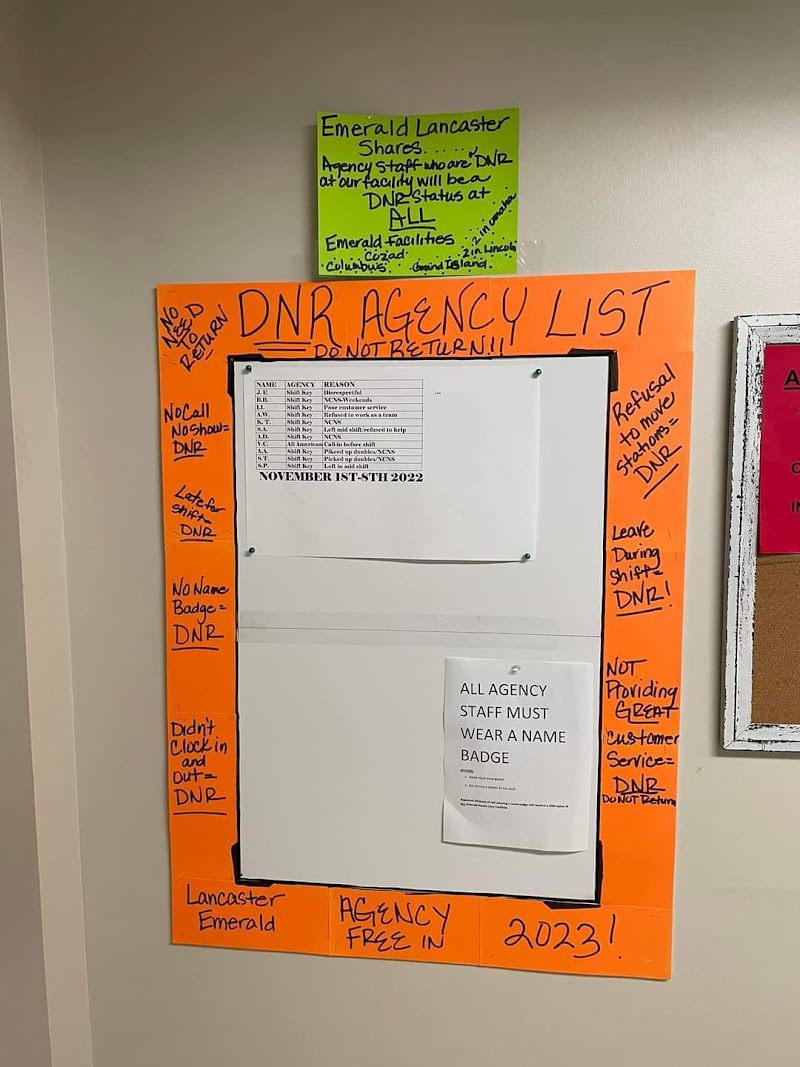
How is Emerald Nursing & Rehab Omaha Staffed?
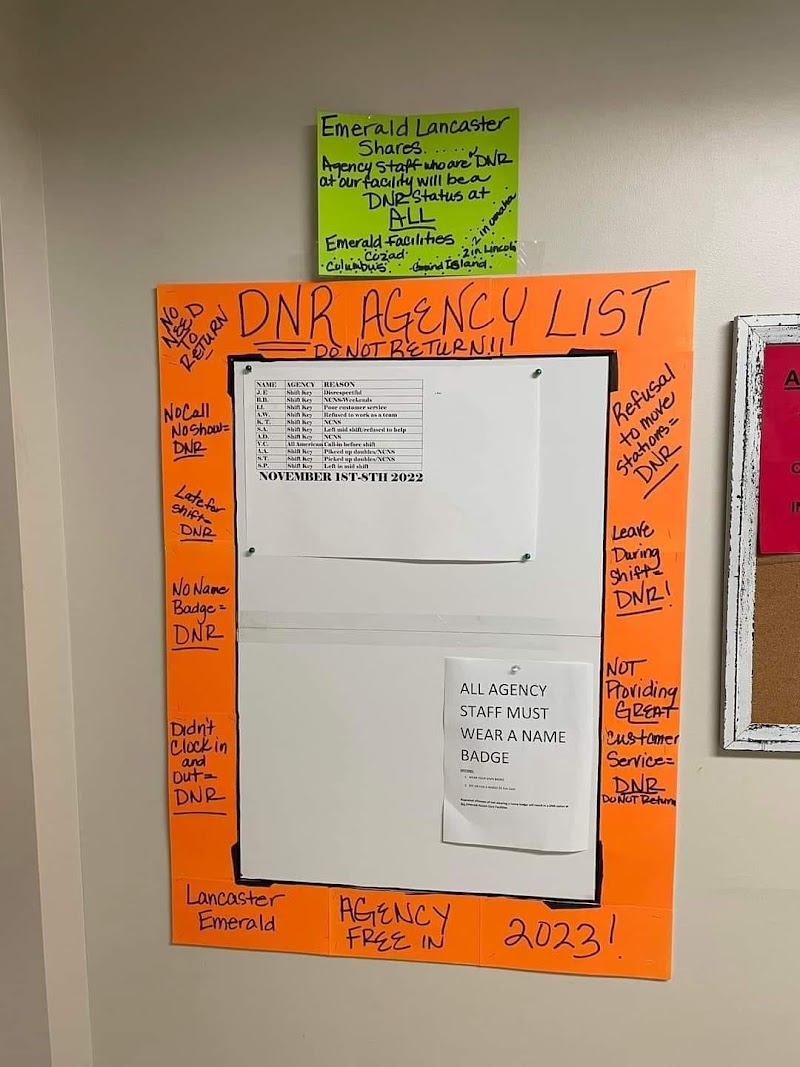
CMS rates Emerald Nursing & Rehab Omaha's staffing level at 3 out of 5 stars, which is average compared to other nursing homes. Staff turnover is 45%, compared to the Nebraska average of 46%. This relatively stable workforce can support continuity of care. RN turnover specifically is 71%, which is notably high. RNs provide skilled clinical oversight, so turnover in this role can affect medical care quality.

What Have Inspectors Found at Emerald Nursing & Rehab Omaha?

State health inspectors documented 54 deficiencies at Emerald Nursing & Rehab Omaha during 2022 to 2025. These included: 1 Immediate Jeopardy (the most serious level, indicating potential for serious harm or death), 4 that caused actual resident harm, and 49 with potential for harm. Immediate Jeopardy findings are rare and represent the most serious regulatory concerns. They require immediate corrective action.

Who Owns and Operates Emerald Nursing & Rehab Omaha?

Emerald Nursing & Rehab Omaha is owned by a for-profit company. For-profit facilities operate as businesses with obligations to shareholders or private owners. The facility is operated by EMERALD HEALTHCARE, a chain that manages multiple nursing homes. With 155 certified beds and approximately 53 residents (about 34% occupancy), it is a mid-sized facility located in Omaha, Nebraska.

How Does Emerald Nursing & Rehab Omaha Compare to Other Nebraska Nursing Homes?

Compared to the 100 nursing homes in Nebraska, Emerald Nursing & Rehab Omaha's overall rating (1 stars) is below the state average of 2.9, staff turnover (45%) is near the state average of 46%, and health inspection rating (1 stars) is much below the national benchmark.

What Should Families Ask When Visiting Emerald Nursing & Rehab Omaha?

Based on this facility's data, families visiting should ask: "What changes have been made since the serious inspection findings, and how are you preventing similar issues?" "Can I visit during a mealtime to observe dining assistance and food quality?" "How do you handle medical emergencies, and what is your hospital transfer rate?" "Can I speak with family members of current residents about their experience?" These questions are particularly relevant given the facility's Immediate Jeopardy citations.

Is Emerald Nursing & Rehab Omaha Safe?

Based on CMS inspection data, Emerald Nursing & Rehab Omaha has documented safety concerns. Inspectors have issued 1 Immediate Jeopardy citation (the most serious violation level indicating risk of serious injury or death). The facility has a 1-star overall rating and ranks #100 of 100 nursing homes in Nebraska. Families considering this facility should ask detailed questions about what corrective actions have been taken since these incidents.

Do Nurses at Emerald Nursing & Rehab Omaha Stick Around?

Emerald Nursing & Rehab Omaha has a staff turnover rate of 45%, which is about average for Nebraska nursing homes (state average: 46%). Moderate turnover is common in nursing homes, but families should still ask about staff tenure and how the facility maintains care continuity when employees leave.

Was Emerald Nursing & Rehab Omaha Ever Fined?

Emerald Nursing & Rehab Omaha has been fined $174,895 across 4 penalty actions. This is 5.0x the Nebraska average of $34,828. Fines at this level are uncommon and typically indicate a pattern of serious deficiencies, repeated violations, or failure to correct problems promptly. CMS reserves penalties of this magnitude for facilities that pose significant, documented risk to resident health or safety. Families should request specific documentation of what issues led to these fines and what systemic changes have been implemented.

Is Emerald Nursing & Rehab Omaha on Any Federal Watch List?

Emerald Nursing & Rehab Omaha is not on any federal watch list. The most significant is the Special Focus Facility (SFF) program, which identifies the bottom 1% of nursing homes nationally based on persistent, serious quality problems. Not being on this list means the facility has avoided the pattern of deficiencies that triggers enhanced federal oversight. This is a positive indicator, though families should still review the facility's inspection history directly.