Emerald Nursing & Rehabilitation Mercy

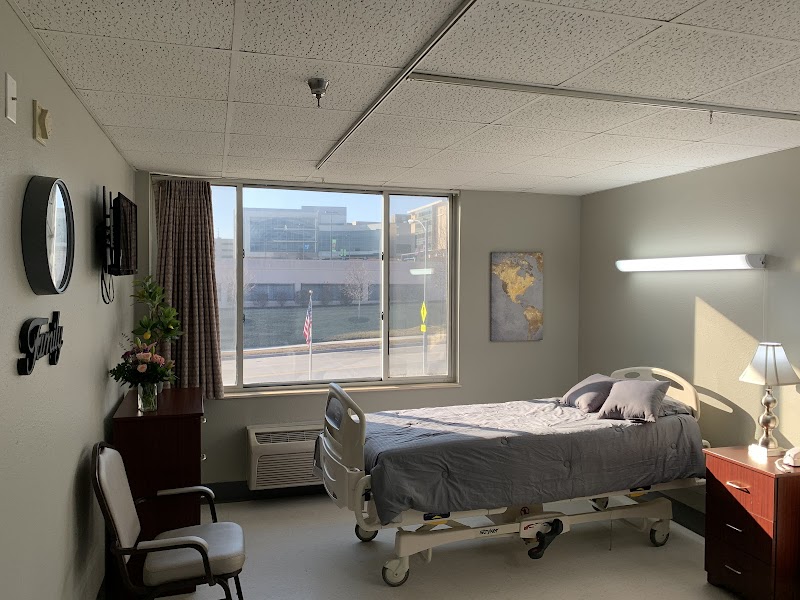
7410 Mercy Road, Omaha, NE 68124 (402) 397-1220
For profit - Limited Liability company 174 Beds EMERALD HEALTHCARE Data: November 2025 1 Immediate Jeopardy citation
Trust Grade
0/100
#148 of 177 in NE
Last Inspection: March 2025

Within standard 12-15 month inspection cycle. Federal law requires annual inspections.

Overview

Emerald Nursing & Rehabilitation Mercy has a Trust Grade of F, which indicates significant concerns and poor performance in various areas. It ranks #148 out of 177 facilities in Nebraska, placing it in the bottom half, and #20 out of 23 in Douglas County, suggesting there are better local options available. Although the facility is showing some improvement, with issues decreasing from 20 in 2024 to 18 in 2025, the overall situation remains troubling. Staffing is a major weakness, with a low rating of 1 out of 5 stars and a turnover rate of 70%, significantly higher than the state average of 49%. Additionally, the facility has faced $65,787 in fines, higher than 88% of Nebraska facilities, indicating ongoing compliance issues. There are specific incidents of concern; for example, one resident was not signed out properly when leaving the facility, which could lead to elopement risks. Additionally, medications were not administered according to physician orders for two residents, which can have serious health implications. Finally, the facility failed to conduct necessary neurological assessments after unwitnessed falls, putting residents at risk for undetected injuries. While there are some average quality measures noted, these weaknesses highlight significant areas that families should consider carefully.

Trust Score
F
0/100
In Nebraska
#148/177
Bottom 17%
Safety Record
High Risk
Review needed
Inspections
Getting Better
20 → 18 violations
Staff Stability
⚠ Watch
70% turnover. Very high, 22 points above average. Constant new faces learning your loved one's needs.
Penalties
✓ Good
$65,787 in fines. Lower than most Nebraska facilities. Relatively clean record.
Skilled Nurses
⚠ Watch
Each resident gets only 18 minutes of Registered Nurse (RN) attention daily — below average for Nebraska. Fewer RN minutes means fewer trained eyes watching for problems.
Violations
⚠ Watch
56 deficiencies on record. Higher than average. Multiple issues found across inspections.
★☆☆☆☆
1.0
Overall Rating
★☆☆☆☆
1.0
Staff Levels
★★★☆☆
3.0
Care Quality
★☆☆☆☆
1.0
Inspection Score
Stable
2024: 20 issues
2025: 18 issues

The Good

  • Full Sprinkler Coverage · Fire safety systems throughout facility
  • No fines on record

Facility shows strength in fire safety.

The Bad

1-Star Overall Rating

Below Nebraska average (2.9)

Significant quality concerns identified by CMS

Staff Turnover: 70%

24pts above Nebraska avg (46%)

Frequent staff changes - ask about care continuity

Federal Fines: $65,787

Above median ($33,413)

Moderate penalties - review what triggered them

Chain: EMERALD HEALTHCARE

Part of a multi-facility chain

Ask about local staffing decisions and management

Staff turnover is very high (70%)

22 points above Nebraska average of 48%

The Ugly 56 deficiencies on record

1 life-threatening 2 actual harm
Jul 2025 3 deficiencies 1 Harm
SERIOUS (G) 📢 Someone Reported This

A family member, employee, or ombudsman was alarmed enough to file a formal complaint

Actual Harm - a resident was hurt due to facility failures

Deficiency F0760 (Tag F0760)

A resident was harmed · This affected 1 resident

**NOTE- TERMS IN BRACKETS HAVE BEEN EDITED TO PROTECT CONFIDENTIALITY** Licensure reference: 175 NAC 12-006.10(D) Based on record review and interview, the facility failed to ensure medications were p...

Read full inspector narrative →
**NOTE- TERMS IN BRACKETS HAVE BEEN EDITED TO PROTECT CONFIDENTIALITY** Licensure reference: 175 NAC 12-006.10(D) Based on record review and interview, the facility failed to ensure medications were provided in accordance with physician's orders for 2 [Resident 4 and 6] of 6 sampled residents. The facility had a total census of 92. Findings are:A.A review of Resident 6's admission Record revealed Resident 6 was admitted to the facility on [DATE] with a diagnosis of pneumonia and type 1 diabetes mellitus with diabetic polyneuropathy [a complication of diabetes that involved nerve damage in the arms, hands, legs, and feet]. A review of Resident 6's 7/2025 MAR [Medication Administration Record] revealed Resident 6 was not administered the following medications on 7/18/25:-Cefdinir [an antibiotic] 300 mg, 1 capsule every 12 hours scheduled for 8 PM.-Lantus insulin [long acting] 25 units subcutaneously at bedtime scheduled for 6 PM. A review of Resident 6's Progress Note dated 7/19/25 at 1:11 AM revealed Resident blood sugar was 349 when checked with glucometer. According to Resident 6's Progress Note, the on-call provider was notified with no new orders. A review of Resident 6's Progress Note dated 7/19/25 at 12:58 PM revealed insulin orders were received for sliding scale insulin. The 7/19/25, 12:58 PM note stated that Resident 6 was administered 4 units of insulin before lunch for blood sugar of 346. A review of Resident 6's Progress Note dated 7/19/24 at 4:15 PM revealed Resident 6's family member reported Resident 6 had a blood sugar of 400 on Dexcom and wanted Resident 6 to go to the hospital. A review of American Diabetes Association on 7/31/25 website revealed the following target blood sugar:-Before a meal: 80-130-1-2 hours after beginning of the meal: less than 180 mg/dl A review of Resident 6's Progress Note dated 7/20/25 revealed Resident 6 was admitted to the hospital with a diagnosis of diabetic ketoacidosis [a life-threatening complication of diabetes that develops when your body doesn't have enough insulin to allow blood sugar into your cells for use as energy]. In interviews on 7/28/25 at 12:11 PM, 4:15 PM, and 4:29 PM, the DON [Director of Nursing] confirmed Resident 6 did not get medications ordered for evening of 7/18/25. The DON confirmed that Lantus insulin was available in the emergency medication kit and Resident 6's orders were entered between 5-6 PM therefore not providing the insulin would be a significant medication error. Further, the DON reported Resident 6's Cefdinir had been delivered to the facility at 7:52 PM on 7/18/25 and not administering it to Resident 6 would be considered a significant medication error. - A review of Resident 4's admission Record revealed Resident 4 was admitted to the facility on [DATE] with a diagnosis of diabetes mellitus and dependence on renal dialysis. A review of Resident 4's 7/2025 MAR revealed orders for sliding scale insulin 3 times per day at scheduled times of 8 AM, 12 PM, and 5 PM per the following sliding scale: 150-200=1 unit; 251-300=3 units; 301-350=4 units; 351-400=5 units; 401-450=6; greater than 450=7 units and call provider. A review Resident 4's 7/2025 between 7/1/25 and 7/28/25 revealed Resident 4's sliding scale insulin not provided at 5 PM on the following days:-Wednesday 7/2/25 noted to be out of facility,-Monday 7/7/25 noted to be out of the facility,-Wednesday 7/9/25 noted to out of facility,-Friday 7/11/25 blank,-Wednesday 7/16/25 out of facility,-Friday 7/18/25 blank,-Monday 7/21/24 out of the facility,-Wednesday 7/23/25 blank,-Saturday 7/26/25 blank. In interviews on 7/28/25 at 12:23 PM, 2:50 PM, and 4:08 PM, the DON reported Resident 4 goes to dialysis around 1 PM and comes back around dinner time. The DON reported an expectation that Resident 4's blood sugar be checked and sliding scale insulin provided after Resident 4 returned from dialysis. The DON confirmed not administering Resident 4's sliding scale insulin would be considered a significant medication error.
CONCERN (D) 📢 Someone Reported This

A family member, employee, or ombudsman was alarmed enough to file a formal complaint

Potential for Harm - no one hurt, but risky conditions existed

Notification of Changes (Tag F0580)

Could have caused harm · This affected 1 resident

**NOTE- TERMS IN BRACKETS HAVE BEEN EDITED TO PROTECT CONFIDENTIALITY** Licensure reference: 175 NAC 12-006.04(F)(i)(5) Based on record review and interview, the facility failed to ensure notification...

Read full inspector narrative →
**NOTE- TERMS IN BRACKETS HAVE BEEN EDITED TO PROTECT CONFIDENTIALITY** Licensure reference: 175 NAC 12-006.04(F)(i)(5) Based on record review and interview, the facility failed to ensure notification of physician of sliding scale insulin not being administered to 1 [Resident 4] of 6 sampled residents. The facility had a total census of 92. Findings are:A review of Resident 4's admission Record revealed Resident 4 was admitted to the facility on [DATE] with a diagnosis of diabetes mellitus and dependence on renal dialysis. A review of Resident 4's 7/2025 Medication Administration Record (MAR) revealed orders for sliding scale insulin 3 times per day per the following sliding scale: 150-200=1 unit; 251-300=3 units; 301-350=4 units; 351-400=5 units; 401-450=6; greater than 450=7 units and call provider. A review Resident 4's 7/2025 between 7/1/25 and 7/28/25 revealed Resident 4's sliding scale insulin not provided at 5 PM on the following days:-Wednesday 7/2/25 noted to be out of facility,-Monday 7/7/25 noted to be out of the facility,-Wednesday 7/9/25 noted to out of facility,-Friday 7/11/25 blank,-Wednesday 7/16/25 out of facility,-Friday 7/18/25 blank,-Monday 7/21/24 out of the facility,-Wednesday 7/23/25 blank,-Saturday 7/26/25 blank. A review of Progress Notes for Resident 4 from 7/1/25-7/28/25 did not reveal documentation of Resident 4's provider being notified that sliding scale insulin had not been provided to Resident 4. In interviews on 7/28/25 at 12:23 PM, 2:50 PM, and 4:08 PM, the Director of Nursing (DON) reported Resident 4 goes to dialysis around 1 PM and comes back around dinner time. The DON reported an expectation that Resident 4's blood sugar be checked and sliding scale insulin provided after Resident 4 returned from dialysis. The DON confirmed not administering Resident 4's sliding scale insulin would be considered a significant medication error. The DON reported a mass email had been sent out to providers reporting that medications had been administered to residents. In a follow-up interview on 7/28/25 at 4:27 PM, the DON reported that the documentation could not be located that notified Resident 4's provider of the missed insulin. A review of facility policy titled Medication Error reviewed 1/3/2019 revealed resident attending physician and responsible party are to be notified of medication errors.
CONCERN (D) 📢 Someone Reported This

A family member, employee, or ombudsman was alarmed enough to file a formal complaint

Potential for Harm - no one hurt, but risky conditions existed

Deficiency F0658 (Tag F0658)

Could have caused harm · This affected 1 resident

Licensure reference: 175 NAC 12-006.10 (A)(ii) Based on observation, interview, and record review, the facility failed to ensure insulin was administered in accordance with standards of practice for 3...

Read full inspector narrative →
Licensure reference: 175 NAC 12-006.10 (A)(ii) Based on observation, interview, and record review, the facility failed to ensure insulin was administered in accordance with standards of practice for 3 [Residents 1, 3, and 4] of 6 sampled residents. The facility had a total census of 92 residents. Findings are:-A review of Resident 1's 7/2025 MAR [Medication Administration Record] revealed an order for Lispro insulin 5 units to be given 3 times daily with meals scheduled for 8 AM 12 PM, and 5 PM. Observations on 7/28/25 at 7:27 AM revealed LPN [Licensed Practical Nurse] A dialing up 5 units of insulin without priming the insulin pen. LPN A administered insulin into back of Resident 1's right arm. In an interview on 7/28/25 at 8:10 AM, LPN confirmed insulin pen was not primed before dialing insulin to be administered. -A review of Resident 3's 7/2025 MAR revealed an order for Novlog flex pen inject per sliding scale 4 times a day at 8 AM, 12 PM, 5 PM, and 8 PM per sliding scale as follows: 150-199 =1 units; 200-249=2 units, 250-299=3 units; 300-349=4 units; 350-399=5 units; 400-999=6 units, call provider if blood sugar greater than 400. Observations on 7/28/25 at 7:39 AM revealed LPN A dialed up 1 unit of insulin without priming the insulin pen for blood sugar of 161. LPN A administered insulin into Resident 3's back of right arm. In an interview on 7/28/25 at 8:10 AM, LPN confirmed insulin pen was not primed before dialing insulin to be administered. -A review of Resident 4's 7/2025 MAR revealed an order for Admelog Solo inj pen inject per sliding scale 3 times a day at 8 AM, 12 PM, and 5 PM per sliding scale as follows: 150-200=1 unit; 201-250=2 units; 251-300=3 units; 301-350=4 units; 351-400=5 units; 401-450=6 units; greater than 450=7 units and call provider. Observations on 7/28/25 at 7:57 AM revealed LPN B dialing up 4 units of insulin without priming the insulin pen for a blood sugar of 320. LPN B administered insulin into Resident 4 lower left abdomen. In an interview on 7/28/25 at 8:05 AM, LPN B confirmed that LPN B had not primed the insulin pen and reported that only insulin syringes need to be primed. -In an interview on 7/28/25 at 3:09 PM, RN Nurse Consultant C confirmed that insulin pens needed to be primed and that it is a standard of practice. -A review of undated facility competency for Insulin Administration revealed the following procedure:- Ensure to prime insulin pen with 2 units of insulin and waste for verification of functioning insulin pen.
Jun 2025 2 deficiencies
CONCERN (D) 📢 Someone Reported This

A family member, employee, or ombudsman was alarmed enough to file a formal complaint

Potential for Harm - no one hurt, but risky conditions existed

Notification of Changes (Tag F0580)

Could have caused harm · This affected 1 resident

**NOTE- TERMS IN BRACKETS HAVE BEEN EDITED TO PROTECT CONFIDENTIALITY** Licensure Reference Number 175 NAC 12-006.04(F)(i)(5). Based on record review and interview the facility failed to notify the re...

Read full inspector narrative →
**NOTE- TERMS IN BRACKETS HAVE BEEN EDITED TO PROTECT CONFIDENTIALITY** Licensure Reference Number 175 NAC 12-006.04(F)(i)(5). Based on record review and interview the facility failed to notify the resident's physician of a change of condition for 2 (Resident 1 and 3) of 4 sampled residents. The facility census was 101. The findings are: A. Record review of the Resident 3's Minimum Data Set (MDS: a federally mandated assessment tool used for care planning) dated 05-22-2025 revealed the facility staff assessed the following about the resident: -Brief Interview of Mental Status (BIMS) was scored as a 15. According to the MDS Manual a score of 13-15 indicates a person is cognitively intact. -required total assistance with bathing and removing footwear. -required extensive assistance with lower body dressing. -was at risk of developing pressure ulcers. -had one or more unhealed pressure ulcers. Record review of Resident 3's Skin-Wound Weekly Observation (SWWO) dated 05-28-2025 revealed Resident 3 had a deep tissue injury (a pressure ulcer where the skin and underlying tissue are damaged but the skin is intact) measuring 0.5 centimeters (cm) in length by 0.5 cm in width to the right heel. Record review of Resident 3's progress notes dated 06-03-2025 which revealed the area to Resident 3's right heel was open and weeping green/yellow discharge and had a foul odor. Record review of Resident 3's Electronic Health Record (EHR) revealed no indication Resident 3's physician was updated about the change in condition to the right heel. An interview with the Wound Nurse (WN) on 06-05-2025 at 2:30 PM confirmed Resident 3's physician should have been called when the right heel wound worsened. B. Record review of Resident 1's MDS dated [DATE] revealed the facility staff assessed the following about the resident: -BIMS was scored as an 11. According to the MDS Manual a score of 8-12 indicates moderate cognitive impairment. -required total assistance with hygiene, bathing, dressing, bed mobility and transfers. Record review of Resident 1's SWWO dated 03-29-2025 revealed the facility staff had identified a stage 1 pressure ulcer to the coccyx measuring 6 cm in length by 5 cm in width. Record review of Resident 1's EHR revealed no indication that Resident 1's physician was notified of the wound to the coccyx. An interview with the WN on 06-05-2025 at 12:30 PM revealed the staff did not update the physician about the wound and confirmed the expectation when identifying a new wound was to contact the physician or practitioner for treatment orders. Record review of the facility policy titled Notification of Changes Policy dated 01-2024 revealed it is the policy of this facility that changes in a resident's condition or treatment are immediately shared with the resident and/or resident representative, according to their authority, and reported to the attending physician or delegate (hereafter designated as the physician). The intent of the policy is to provide appropriate and timely information about changes relevant to a resident's condition. Requirements for notification of the resident's physician include a significant change in the resident's physical, mental or psychosocial status, and a need to alter treatment significantly such a to commence a new form of treatment.
CONCERN (D) 📢 Someone Reported This

A family member, employee, or ombudsman was alarmed enough to file a formal complaint

Potential for Harm - no one hurt, but risky conditions existed

Pressure Ulcer Prevention (Tag F0686)

Could have caused harm · This affected 1 resident

**NOTE- TERMS IN BRACKETS HAVE BEEN EDITED TO PROTECT CONFIDENTIALITY** Licensure Reference Number 175 NAC 12-006.09(H)(iii)(2). Based on observation, interview and record review the facility failed t...

Read full inspector narrative →
**NOTE- TERMS IN BRACKETS HAVE BEEN EDITED TO PROTECT CONFIDENTIALITY** Licensure Reference Number 175 NAC 12-006.09(H)(iii)(2). Based on observation, interview and record review the facility failed to evaluate, monitor and implement interventions for pressure ulcer prevention and to promote wound healing for 1 (Resident 3) of 4 resident sampled. The facility census was 101. The findings are: Record review of the Resident 3's Minimum Data Set (MDS: a federally mandated assessment tool used for care planning) dated 05-22-2025 revealed the facility staff assessed the following about the resident: -admitted to the facility on [DATE]. -Brief Interview of Mental Status (BIMS) was scored as a 15. According to the MDS Manual a score of 13-15 indicates a person is cognitively intact. -required total assistance with bathing and removing footwear. -required extensive assistance with lower body dressing. -was at risk of developing pressure ulcers. -had one or more unhealed pressure ulcers. Record review of Resident 3's Comprehensive Care Plan (CCP) dated 05-29-2025 revealed the following about Resident 3 -had an impairment of skin integrity related to impaired mobility, edema, fragile skin, diabetes and lymphedema. -The goal was Resident 3 would have no complications related to skin injury through the next review date. -Interventions listed were to avoid scratching, keep fingernails short, educate the resident/family/caregivers of causative factors and measures to prevent skin injury, keep skin clean and dry, use caution during transfers and bed mobility to prevent injury, layered compression wraps to bilateral lower extremities. Further review of the CCP revealed no indication the facility implemented pressure relieving measures to prevent pressure ulcer development. Record review of Resident 3's Nursing admission Data Collection (NADC) dated 05-16-2025 revealed on admission Resident 3 had a stage 2 pressure ulcer (a pressure ulcer involving partial thickness skin loss of the outer layer of skin) to the right heel measuring 2 centimeters (cm) in length by 2 cm in width. Record review of Resident 3's physician notes dated 05-23-2025 revealed the right lower extremity had no active open ulcerations and gave orders to elevate bilateral lower extremities. Record review of Resident 3's Skin-Wound Weekly Observation (SWWO) dated 05-24-2025 revealed a new pressure ulcer to the right heel and a scabbed area to the right heel as well. The SWWO did not have a description or measurements for the new pressure ulcer. Record review of Resident 3's SWWO dated 05-28-2025 revealed Resident 3 had a deep tissue injury (DTI, a pressure ulcer where the skin and underlying tissue are damaged but the skin is intact) measuring 0.5 centimeters (cm) in length by 0.5 cm in width. Record review of Resident 3's progress notes dated 06-03-2025 revealed the area to the right heel was open and weeping greenish yellow discharge that was foul smelling. Record review of Resident 3's progress notes, orders, medication and treatment administration records, physician visits and faxes revealed no orders for the care and treatment of the pressure ulcer to the right heel. An observation on 06-05-2025 of Resident 3 at 10:30 AM revealed Resident 3 was in the room sitting in the wheelchair. Resident 3 lifted the right foot to reveal the right heel had a gauze bandage in place with a round area of brownish discoloration where the gauze had adhered to the wound, approximately 3 cm in length by 2 cm in width. There was a foul odor from the right heel. An interview with the Wound Nurse on 06-05-2025 at 3:45 PM confirmed the lack of treatment orders for the pressure ulcer to the right heel, and causal factors and interventions were not reviewed or modified and the wound worsened. Furthermore, the WN confirmed that the CCP did not include interventions for pressure redistribution, monitoring of the pressure ulcers, or prevention and treatment strategies. Record review of the facility policy titled Skin and Wound Management-Prevention of Pressure dated 06-07-2024 revealed the following: -Purpose- the purpose of this procedure is to provide information regarding identification of pressure injury risk factors and interventions for specific risk factors. -Preparation-review the resident's care plan and identify the risk factors as well as the interventions designed to reduce or eliminate those considered modifiable. -Monitoring- Evaluate, report and document potential changes in the skin and review the interventions and strategies for effectiveness on an ongoing basis.
Apr 2025 1 deficiency
CONCERN (D) 📢 Someone Reported This

A family member, employee, or ombudsman was alarmed enough to file a formal complaint

Potential for Harm - no one hurt, but risky conditions existed

Deficiency F0698 (Tag F0698)

Could have caused harm · This affected 1 resident

Licensure Reference Number 175 NAC 12-006.09(H) Based on record review and interview the facility failed to perform pre and post dialysis (a life-sustaining treatment used when kidneys fail to filter ...

Read full inspector narrative →
Licensure Reference Number 175 NAC 12-006.09(H) Based on record review and interview the facility failed to perform pre and post dialysis (a life-sustaining treatment used when kidneys fail to filter waste and excess fluid from the blood) assessments for 2 (Residents 2 and 3) of 3 sampled residents, failed to assess the dialysis access sites (the locations where a dialysis machine can access the blood stream to perform dialysis) on each shift for 2 (Residents 2 and 3) of 3 sampled residents who had a dialysis access site, and failed to ensure the physician was notified of missed dialysis treatment for 1 (Resident 1) of 3 sampled residents. The facility had a census of 108. Findings are: A record review of the facility's Special Needs policy dated 11-17; 1-2024 revealed the following information: This policy pertains to the following needs: parenteral fluids, respiratory care, prostheses and dialysis, colostomy, urostomy, ileostomy. - Policy Explanation and Compliance Guidelines: - 7. Medical conditions will be monitored and managed to prevent complications. - b. Registered Nurses (RN) and Licensed Practical Nurses (LPN) will participate in the management of medical conditions by following physicians' orders, assessment of residents, and reporting changes in condition to the residents' physicians. A record review of the facility's Special Needs - Dialysis Transportation policy, revised 3/30 revealed the following information: - Policy: This policy is to outline care and services for dialysis residents to reduce the risk of infections, complications and to provide for ongoing monitoring and interventions. - Procedure. General Information: - 5. Fistula/shunt site will be checked every shift for bruits, bleeding, increased pain, and signs of infection. - 7. Documentation will occur according to protocols. - 8. The physician and dialysis center will be notified of any condition changes. A. A record review of the order summary for Resident 2 revealed they do not have any dialysis care orders in their medical charts. An interview on 4/29/25 at 5:20 PM with Licensed Practical Nurse (LPN)-A confirmed there are no orders in the medical chart of Resident 2 to assess their dialysis access site (the locations where a dialysis machine can access the blood stream to perform dialysis) on each shift or to perform pre and post dialysis assessments. LPN-A confirmed they know the resident goes to dialysis because a sheet is placed on the desk each day informing staff on the unit as to who is going to dialysis. LPN-A confirmed they had not received education specific to dialysis patients prior to beginning work at the facility. An interview on 4/30/35 at 7:25 AM with LPN-B, confirmed Resident 2 did not have any orders relating to dialysis on their medical charts. An interview on 4/30/25 at 12:07 PM with the Director of Nursing (DON) confirmed Resident 2 does not have orders to assess their dialysis site on each shift and does not have orders to complete pre and post dialysis assessments on the days the resident receives dialysis. B. A record review of the order summary for Resident 3 revealed they do not have any dialysis care orders in their medical charts. An interview on 4/29/2025 at 4:15 PM with Resident 3 confirmed they do not have a pre and post dialysis assessment completed each time they go to dialysis. An interview on 4/29/25 at 5:20 PM with LPN-A confirmed there are no orders in the medical chart of Resident 3 to assess their dialysis access site on each shift or to perform pre and post dialysis assessments of a resident receiving dialysis. LPN-A confirmed they know the resident goes to dialysis because a sheet is placed on the desk each day informing staff on the unit as to who is going to dialysis. LPN-A confirmed they had not received education specific to dialysis patients prior to beginning work at the facility. An interview on 4/30/35 at 7:25 AM with LPN-B, confirmed Resident 3 did not have any orders relating to dialysis on their medical charts. An interview on 4/30/25 at 12:07 PM with the DON confirmed Resident 3 does not have orders to assess their dialysis site on each shift and does not have orders to complete pre and post dialysis assessments on the days the resident receives dialysis. An interview on 4/30/25 at 12:07 PM with the DON confirmed the facility expectation is that pre and post assessments are completed for each dialysis resident on the days they receive dialysis and the dialysis access site is assessed each shift. The DON confirmed that if the orders for pre and post observations are not in the system there is nothing to prompt the staff to complete the assessments. C. A record review of Resident 1's medical chart revealed Resident 1 had a diagnosis of dependence on renal dialysis due to Chronic Kidney disease, stage 5 (the most severe stage of kidney failure, where the kidneys are unable to filter waste and fluids from the blood effectively). A record review of Resident 1's dialysis schedule revealed they were to have dialysis on 4/17/2025 and they did not go to the appointment. A record review of Resident 1's medical chart revealed no evidence the provider had been notified that Resident 1 had missed a dialysis appointment. An interview on 4/30/2024 at 8:55 AM with LPN-C revealed Resident 1 had missed a dialysis appointment a few weeks ago but they did not know when or if the physician was notified. An interview on 4/30/2025 at 9:55 AM with Resident 1 revealed they had missed dialysis a couple of weeks ago and did not remember why. Resident 1 was unable to remember if the doctor had been told they had missed dialysis. An interview on 4/30/2025 at 12:07 PM with the DON confirmed Resident 1 was to have a dialysis fistula (a surgically created connection between an artery and a vein) replacement/repaired on 4/17/2025 and then attend dialysis. The fistula appointment was cancelled, and Resident 1 did not attend dialysis. The DON confirmed there was no written indication in Resident 1's chart that the provider had been notified that Resident 1 missed a dialysis appointment. The DON confirmed the provider should have been notified of the missed dialysis per the dialysis policy. An interview on 4/30/2025 at 1:15 PM with LPN-D confirmed there were no notes in the resident's chart that the provider had been notified that Resident 1 missed a dialysis appointment.
Apr 2025 3 deficiencies
CONCERN (D) 📢 Someone Reported This

A family member, employee, or ombudsman was alarmed enough to file a formal complaint

Potential for Harm - no one hurt, but risky conditions existed

Grievances (Tag F0585)

Could have caused harm · This affected 1 resident

**NOTE- TERMS IN BRACKETS HAVE BEEN EDITED TO PROTECT CONFIDENTIALITY** Licensure Reference Number 175 NAC 1-005.04 Based on record review and interview the facility failed to investigate and resolve ...

Read full inspector narrative →
**NOTE- TERMS IN BRACKETS HAVE BEEN EDITED TO PROTECT CONFIDENTIALITY** Licensure Reference Number 175 NAC 1-005.04 Based on record review and interview the facility failed to investigate and resolve grievances for 2 (Resident 5 and 6) of 3 residents sampled. The facility census was 105. The findings are: A. Record review of Resident 5's Minimum Data Set (MDS: a federally mandated assessment tool used for care planning) dated 3-6-2025 revealed the facility staff assessed the following about the resident: -Brief Interview of Mental Status (BIMS) was scored at a 15. According to the MDS Manual a score of 13-15 indicates a person is cognitively intact. -Required total assistance with toileting. -Required substantial assistance with wheelchair mobility. -Required limited assistance with hygiene and transfers. Record review of the facility's grievance log revealed Resident 5 had submitted a grievance on 03-21-2025. Record review of the facility's Grievance Policy dated 01-2024 revealed it is the policy of this facility that each resident has the right to voice grievances to the facility or other agency or entity that hears grievances without discrimination or reprisal and without fear of discrimination or reprisal. Such grievances include those with respect to care and treatment which has been furnished as well as that which has not been furnished, the behavior of staff and of other residents, and other concerns regarding their long-term care facility stay. The grievance official will lead any necessary investigations by the facility and will provide a written response to the resident or resident representative which includes: -date of the grievance or concern -summary of the grievance. -investigation steps -findings -resolution outcome and actions taken and date decision was issued. An interview on 04-16-2025 at 1:35 PM with Resident 5 revealed Resident 5 had not received a resolution to the grievance filed on 03-21-2025. Resident 5 revealed an email received on 03-21-2025 from the Social Service Director (SSD) that the SSD, the Director of Nursing (DON) and the Dietary Manager (DM) are actively working on a resolution. An interview conducted on 4-17-2025 with the SSD revealed the grievance process is the following: -the SSD was the grievance officer -the grievance comes the grievance officer and is logged on the grievance log. -the grievance officer then sends an email to the appropriate department head to address. -the department head addresses the grievance and submits the resolution to the Administrator (ADM). -once approved by the ADM, then the department head takes the resolution back to the resident. -the turnaround time for a grievance is 1-2 days. An interview conducted with the DON on 4-17-2025 at 2:40 PM confirmed an investigation and resolution was not completed for Resident 5's grievance dated 03-21-2025. B. Record review of Resident 6's MDS dated [DATE] revealed the facility staff assessed the following about the resident: -BIMS was scored as a 15. According to the MDS Manual a score of 13-15 indicates a person is cognitively intact. -required moderate assistance with bathing, and lower body dressing. -required limited assistance with transfers, bed mobility, and toileting. Record review of the facility's grievance log revealed Resident 6 had submitted a grievance on 04-09-2025. An interview with Resident 6 was conducted on 04-16-2025 at 1:45 PM revealed Resident 6 had submitted a grievance a week ago and had not received a resolution. An interview with the DON on 04-17-2025 at 2:40 PM confirmed that an investigation and resolution was not completed for Resident 6's grievance dated 04-09-2025.
CONCERN (D) 📢 Someone Reported This

A family member, employee, or ombudsman was alarmed enough to file a formal complaint

Potential for Harm - no one hurt, but risky conditions existed

Quality of Care (Tag F0684)

Could have caused harm · This affected 1 resident

Licensure Reference Number 175 NAC 12-006.09(H)(iv)(5) Based on record review and interview the facility failed to monitor bowel movements for 1(Resident 4) of 3 residents sampled. The facility census...

Read full inspector narrative →
Licensure Reference Number 175 NAC 12-006.09(H)(iv)(5) Based on record review and interview the facility failed to monitor bowel movements for 1(Resident 4) of 3 residents sampled. The facility census was 105. Record review of Resident 4's Minimum Data Set (MDS, a federally mandated assessment tool used for care planning) dated 04-04-2025 revealed the facility staff assessed the following about the resident: -BIMS was scored as a 15. -required total assistance with toileting, lower body dressing, bed mobility, and transfers. -required extensive assistance with upper body dressing. -was always incontinent of bowel and bladder. -a trial toileting plan was not attempted. Record review of Resident 4's progress note dated 3-29-2025 revealed Resident 4 had been readmitted to the facility after hospitalization for a small bowel obstruction. Record review of Resident 4's progress notes from 03-30-2025 to 04-16-2025 did not address the small bowel obstruction, an abdominal assessment or bowel movements. Record review of Resident 4's Comprehensive Care Plan (CCP) dated 03-12-2025 revealed Resident 4 had bowel incontinence related to immobility. An interview on 04-17-2025 at 1:50 PM with Resident 4 revealed Resident 4 had a history of constipation and had recently been in the hospital for a small bowel obstruction. Record review of Resident 4's bowel movements from 03-19-2025 through 04-17-2025 revealed no bowel movement for the following dates: 04-02-2025 04-03-2025 04-04-2025 04-05-2025 04-06-2025 An interview with the Director of Nursing on 04-17-2025 at 11:00 AM revealed the facility process for monitoring bowel movements was the night shift would run a report of all residents that had not had a bowel movement in the last 3 days. The night shift gives the report to the day shift and the day shift provides medications to residents according to the practitioner's orders. An interview with Registered Nurse (RN) C on 04-17-2025 at 11:05 AM revealed a list of resident that had not had a bowel movement in 3 days was not provided by night shift. An interview with Licensed Practical Nurse (LPN) A on 04-17-2025 at 11:15 AM revealed no consistent process for monitoring bowel movements and confirmed a report was not provided by the night shift. An interview with LPN B on 4-17-2025 at 11:35 AM revealed night shift has never reported or provided a list of residents that had not had a bowel movement in 3 days. An interview with the DON on 4-17-2025 at 3:55 PM confirms that staff should have been monitoring Resident 4's bowel movements after a recent hospitalization for a bowel obstruction.
CONCERN (D) 📢 Someone Reported This

A family member, employee, or ombudsman was alarmed enough to file a formal complaint

Potential for Harm - no one hurt, but risky conditions existed

Incontinence Care (Tag F0690)

Could have caused harm · This affected 1 resident

**NOTE- TERMS IN BRACKETS HAVE BEEN EDITED TO PROTECT CONFIDENTIALITY** Licensure Reference Number 12-006.09(H)(iv)(2) Based on record review and interview the facility failed to implement a toileting...

Read full inspector narrative →
**NOTE- TERMS IN BRACKETS HAVE BEEN EDITED TO PROTECT CONFIDENTIALITY** Licensure Reference Number 12-006.09(H)(iv)(2) Based on record review and interview the facility failed to implement a toileting program for 2 (Resident 1 and 4) of 3 sampled residents. The facility census was 105. The findings are: Record review of Resident 1's admission bladder assessment dated [DATE] revealed the following about Resident 1: -was currently incontinent of bladder, -had impaired mobility -had urine leakage on the way to the bathroom -the incontinence was new and occurred after an injury Record review of Resident 1's Minimum Data Set (MDS: a federally mandated assessment tool used for care planning) dated 03-30-2025 revealed the facility staff assessed the following about the resident: -admitted to the facility on [DATE]. -Brief Interview of Mental Status (BIMS) was scored as a 15. According to the MDS Manual a score of 13-15 indicates a person is cognitively intact. -admitted with a right fractured femur (upper leg). -required total assistance with lower body dressing. -required moderate assistance with transfers and bed mobility. -was frequently incontinent of bladder. -a trial toileting program had not been attempted. An interview with Resident 1 conducted on 04-16-2025 at 12:30 PM revealed Resident 1 could feel the urge to urinate and used to call for assistance, and further reported by the time the staff arrived Resident 1 was incontinent. Record review of Resident 1's Comprehensive Care Plan revealed Resident 1 had bladder incontinence related to immobility from a fracture, and stress or functional incontinence. The goal identified was Resident 1 would remain clean and dry. The interventions listed for staff to utilize were to establish voiding patterns, and brief use change daily and as needed. Record review of Resident 1's 72-hour toileting log revealed the toileting log was reviewed on 03-25-2025. An interview with the Director of Nursing on 04-17-2025 at 2:30 PM revealed the 72-hour toileting log was not accurate and confirmed Resident 1 was not evaluated for a toileting program. B. Record review of Resident 4's readmission bladder assessment dated [DATE] revealed the following about Resident 4: -currently incontinent of bladder -had impaired mobility and was dependent on 2 staff members for transfers. -not appropriate for a toileting program without rationale provided. Record review of Resident 4's MDS dated [DATE] revealed the facility staff assessed the following about the resident: -BIMS was scored as a 15. -required total assistance with toileting, lower body dressing, bed mobility, and transfers. -required extensive assistance with upper body dressing. -was always incontinent of bowel and bladder. -a trial toileting plan was not attempted. Record review of Resident 4's CCP dated 03-12-2025 revealed Resident 4 had bladder incontinence related to impaired mobility, prostate enlargement and end stage renal disease. The goal identified for Resident 4 was to remain clean and dry. The interventions listed for staff to use were to wake the resident at night to void and to use disposable briefs, change on rounds and as needed. An interview with Resident 4 on 04-16-2025 at 12:45 PM revealed Resident 4 could feel the urge to urinate or have bowel movement, but did not use the toilet or commode because a mechanical lift was required to transfer Resident 4. Record review of Resident 4's 72-hour toileting log dated 04-08-2025 revealed the log was still in progress. An interview with Resident 4 on 04-17-2025 at 1:50 PM revealed Resident 4 began standing and pivoting to transfer instead of using a mechanical lift. An interview with the DON on 04-17-2025 at 2:30 PM revealed the 72-hour toileting log for Resident 4 was not completed and confirmed Resident 4 had not been evaluated for a toileting plan. Furthermore, the DON confirmed the facility did not have a policy for toileting programs. According to the Mayo Clinic treatment for bladder incontinence includes bladder training, double voiding, scheduled toilet trips and pelvic floor muscle exercises.
Mar 2025 9 deficiencies
CONCERN (D) 📢 Someone Reported This

A family member, employee, or ombudsman was alarmed enough to file a formal complaint

Potential for Harm - no one hurt, but risky conditions existed

Notification of Changes (Tag F0580)

Could have caused harm · This affected 1 resident

Licensure Reference Number 175 NAC 12-006.04(F)(i)(5) Based on interview and record review; the facility failed to notify the family of the development of a new wound and new treatment orders for 1 (R...

Read full inspector narrative →
Licensure Reference Number 175 NAC 12-006.04(F)(i)(5) Based on interview and record review; the facility failed to notify the family of the development of a new wound and new treatment orders for 1 (Resident 108) of 4 sampled residents reviewed for wounds. The facility identified a census of 111. Findings are: A record review of Resident 108's Skin/Wound Weekly Observation dated 7/19/24, 7/28/24, and 8/5/24 revealed an existing wound to the left toes with a wound vac (medical device that removes drainage and assist with wound healing) treatment in place and no other skin conditions. A record review of Resident 108's Tissue Analytics dated 7/24/24 revealed a new trauma wound to the right great toe with treatment orders dated 7/25/24 to continue to paint the wound with betadine. A record review of Resident 108's medical record including progress notes revealed that there was no documentation regarding the resident's family member being notified of the new wound or new treatment. On 3/20/25 at 8:10 AM the Director of Nursing confirmed that the expectation would be to notify the Resident's family member of changes of condition. A record review of a facility policy entitled Change in Condition Notification dated 12/2014 revealed: -The facility's policy is to monitor residents for changes in their condition, to respond appropriately to those changes and to notify the physician and responsible party/family member of changes. -3. The responsible party/family member will be notified of changes in condition unless directed otherwise in the resident's chart/IPOC. The facility was unable to provide additional documentation at the time of survey exit.
CONCERN (D) 📢 Someone Reported This

A family member, employee, or ombudsman was alarmed enough to file a formal complaint

Potential for Harm - no one hurt, but risky conditions existed

ADL Care (Tag F0677)

Could have caused harm · This affected 1 resident

**NOTE- TERMS IN BRACKETS HAVE BEEN EDITED TO PROTECT CONFIDENTIALITY** Licensure reference: 12-006.09(H)(i)(3) Based on interview and record review, the facility failed to ensure baths were provided ...

Read full inspector narrative →
**NOTE- TERMS IN BRACKETS HAVE BEEN EDITED TO PROTECT CONFIDENTIALITY** Licensure reference: 12-006.09(H)(i)(3) Based on interview and record review, the facility failed to ensure baths were provided in accordance with resident choice for 2 [Resident 68 and 75] of 37 sampled residents and failure to ensure assistance with eating for 1 [Resident 84 ] of 37 sampled residents. The facility had a total census of 111 residents. Findings are: A. A review of Resident 68's admission Record revealed Resident 68 was admitted to the facility on [DATE] with a diagnosis of acute respiratory failure [lungs are unable to adequately exchange oxygen and carbon dioxide] with hypoxia [low blood oxygen levels]. A review of Resident 68's MDS [Minimum Data Set; a comprehensive assessment used for care planning] revealed Resident 68 had a Brief Interview for Mental Status score of 8 indicating moderately impaired cognitive function. Further review of MDS revealed Resident 68 was dependent for bathing self. A review of Resident 68's Care Plan revealed Resident 68 was dependent for bathing and preferred two showers per week. A review of bath documentation dated 3/20/25 for Resident 68 revealed Resident 68 had a bath on 2/26/25 and refused a bath on 2/28/25. There was no baths or refusals documented between 2/28/25 and 3/20/25. A review of Resident 68's census reported revealed Resident 68 was moved to the 4th floor on 3/3/25. A review undated bath schedule for 4th floor revealed Resident 68 was not listed on the bath schedule. In an interview on 3/18/25 at 2:24 PM, the DON [Director of Nursing] confirmed that Resident 68 was not on the 4th floor bath schedule. The DON reported Point Click Care [electronic medical record systems] needed to be updated to remind staff when a bath is due. B. A record review of Resident 75's Medical Diagnoses printed 3/18/25 revealed diagnoses of cellulitis (bacterial infection of the skin) of left lower limb and Methicillin resistant staphylococcus aureus infection. A record review of Resident 75's Quarterly MDS dated [DATE] revealed a Brief Interview for Mental Status (BIMS, a brief screener that aids in detecting cognitive impairment) score of 15. According to the MDS [NAME] a score of 13 to 15 indicates a person is cognitively intact. A record review of Resident 75's Comprehensive Care Plan (CCP, a document that includes measurable objectives and timetables to meet a resident's medical, nursing, and mental and psychosocial needs that are identified in the comprehensive assessment) dated 4/15/24 revealed the resident required setup or clean-up assistance with bathing and the resident wished to complete bathing hygiene twice weekly. An interview with Resident 75 on 3/18/25 at 1:15 PM revealed that the resident is scheduled for bathing on Monday and Thursday each week. The resident revealed that [gender] chooses to not take a bath on Monday because it causes them to be fatigue. A record review of Resident 75's Documentation Survey Report v2 for January, February, and March of 2025, printed on 3/18/2025 revealed the following: -January 2025, Resident 75 received 2 showers and should have received 9. -February 2025 Resident 75 refused a shower 2 times. Further review of the bathing documentation for February 2025 revealed there was no indications the 6 other baths were provided. -March 2025, up to 3-20-2025, Resident 75 received 1 shower of the 5 Resident 75 should have received. An observation on 3/17/25 at 10:55 AM and an observation on 3/18/25 at 1:15 PM revealed that Resident 75's hair was oily, shiny, and not styled. An interview with the DON on 3/18/25 at 1:28 PM revealed that the DON was unable to locate any further bathing documentation for the past 90 days of Resident 75 receiving additional baths. The DON reported the expectation is bathing is completed per resident preferences and for staff to document bathing or refusal of bathing in the electronic medical record. Record review of a facility policy entitled Activities of Daily Living (ADLs) dated revised 1/2024 revealed that the facility will ensure a resident's abilities in ADL's do not deteriorate unless deterioration is unavoidable. This includes the resident's ability to: 1. Bathe, dress, and groom. The policy identified that a resident who is unable to carry out ADLs would receive the necessary services to maintain good nutrition, grooming, and personal and oral hygiene. C. Record review of Resident 84's MDS revealed a score of 3. According to the MDS [NAME] a score of 0 to 7 indicates a person has severe cognitive impairment. The MDS identified that Resident 84 had a range of motion limitation to all extremities and the resident required setup assistance to eat. Record review of Resident 84's CCP revised on 7/29/24 revealed Resident 84 was supervision for eating. A second entry on the CCP dated 6/19/24 revealed that the resident required substantial assistance and supervision with eating during meals and that the resident at times will refuse to eat stating that [gender] is not hungry with the following interventions dated revised 6/19/24: - Resident needs to be taken into the dining room for all meals in order to get assistance with eating during meals. Should the resident have family visiting family is willing to assist the resident in the room. - Resident will get a PB&J sandwich each morning to have with resident should resident get hungry after refusing to eat at mealtimes. - Should resident refuse to eat try to encourage resident to take a bite. If resident continues to refuse the meal, document refusal. Continuous observations of Resident 84 on 3/17/25 from 10:40 AM through 1:15 PM revealed the following -At 10:40 AM Resident 84 was sitting at the nurse's station. -At 11:50 AM the resident left the unit with therapy staff. -At 12:20 PM the resident returned to the unit's dining room for lunch. -At 12:46 PM revealed the following: _Resident 84 was served chili, cornbread, and a desert. The desert was served in a bowl covered with plastic wrap. Resident 84 removed the plastic and attempted to eat chili which ran off the spoon onto the resident's clothing. Resident 84 pulled off a bite of the cornbread using their fingers. To open the desert Resident 84 pierced the plastic wrap with a fork, put two fingers in the hole and separated the fingers to open a larger hole and pulled bites off to eat. -At 1:04 PM, the resident was removed from the dining room without an offer of assistance to finish the meal. Resident 84 consumed approximately 30% of the noon meal. An interview on 3/20/25 at 8:10 AM with the DON confirmed that the resident required supervision and assistance with meals. Record review of a facility policy entitled Activities of Daily Living (ADLs) dated revised 1/2024 revealed that the facility will ensure a resident's abilities in ADLs do not deteriorate unless the deterioration is unavoidable. This includes the resident's ability to: 1. Bathe, dress, and groom; 2. Transfer and ambulate; 3. Toilet. The policy identified that a resident who is unable to carry out ADLs would receive the necessary services to maintain good nutrition, grooming, and personal and oral hygiene.
CONCERN (D) 📢 Someone Reported This

A family member, employee, or ombudsman was alarmed enough to file a formal complaint

Potential for Harm - no one hurt, but risky conditions existed

Quality of Care (Tag F0684)

Could have caused harm · This affected 1 resident

Licensure Reference Number 175 NAC 12-006.10 Based on interview and record review; the facility failed to obtain an order prior to administration of the Covid-19 vaccine for 1 (Resident 84) of 6 sampl...

Read full inspector narrative →
Licensure Reference Number 175 NAC 12-006.10 Based on interview and record review; the facility failed to obtain an order prior to administration of the Covid-19 vaccine for 1 (Resident 84) of 6 sampled residents. The facility identified a census of 111. Record review of facility policy entitled Quality of Care - Immunizations Vaccination of Residents Dated revised 1/2024 revealed: -All residents will be offered vaccines that aid in preventing infectious diseases unless the vaccine is medically contraindicated, or the resident has already been vaccinated. -7. Certain vaccines (e.g., influenza and Pneumococcal vaccines) may be administered per the physician approved facility protocol (standing orders) after the resident has been assessed by the physician for medical contraindications for each vaccine. The resident's attending physician must provide a separate written order for any other vaccination, and such orders shall be recorded in the resident's medical record. Record review of Resident 84's Medical Diagnoses printed 3/18/25 revealed diagnoses of anoxic brain damage (loss of oxygen supply to the brain), cardiac arrest, cerebral infarction, traumatic hemorrhage of Left Cerebrum (brain), other psychoactive substance abuse, and urinary tract infection. Record review of Resident 84's Quarterly Minimum Data Set (MDS, a federally mandated comprehensive assessment tool used to determine a resident's functional capabilities and helps nursing home staff identify health problems) dated 10/23/24 revealed a score of 3 of 15 which indicated the resident had a severe cognitive impairment and that the resident's Covid-19 vaccination was not up to date. Record review of Resident 84's Informed Consent for Influenza & Covid-19 Vaccine signed 10/25/24 revealed the resident's Healthcare Power of Attorney (POA, surrogate decision maker) revealed permission was given for the Covid-19 vaccination. Further review of the Informed Consent for Influenza &Covid-19 Vaccine sheet dated 10/25/2024 revealed the vaccine was administered in the left arm. Record review of Resident 84's Progress Notes (PN) dated 10/30/24 at 10:45 AM revealed the facility was called by the provider's nurse regarding the resident's immunization status. According to the PN dated 10/30/2025 Resident 84 received a Covid-19 vaccine and didn't receive the Flu Vaccine. Resident 84's PN dated 10/30/2025 revealed Resident 84 had been vaccinated twice with Covid-19 vaccine. Record review of Resident 84's Immunizations from Methodist Health System with fax date and time stamp of 10/30/24 at 10:46 AM confirmed Resident 84 had received the Covid-19 vaccination at the clinic on 10/22/24. Record review of Resident 84's Physician Order Summary printed 3/17/25 revealed no order or standing order for the Covid-19 vaccination. Record review of Resident 84's Order Recap Report reviewing orders from 8/1/24 through 10/31/24 revealed no order or standing order for the Covid-19 vaccination. An interview on 3/20/25 at 10:43 AM with the Director of Nursing (DON) confirmed that an order or standing order should have been obtained prior to administration of the Covid-19 vaccine.
CONCERN (D) 📢 Someone Reported This

A family member, employee, or ombudsman was alarmed enough to file a formal complaint

Potential for Harm - no one hurt, but risky conditions existed

Pressure Ulcer Prevention (Tag F0686)

Could have caused harm · This affected 1 resident

**NOTE- TERMS IN BRACKETS HAVE BEEN EDITED TO PROTECT CONFIDENTIALITY** Licensure Reference Number 175 NAC 12-006.09(H)(iii)(2) Based on observations, record reviews and interviews, the facility faile...

Read full inspector narrative →
**NOTE- TERMS IN BRACKETS HAVE BEEN EDITED TO PROTECT CONFIDENTIALITY** Licensure Reference Number 175 NAC 12-006.09(H)(iii)(2) Based on observations, record reviews and interviews, the facility failed to provide a pressure ulcer treatment as ordered for 1 one (Resident 112) of 5 residents reviewed for wound management. The facility census was 111. Findings are: Record review of Resident 112's admission Minimum Data Set (MDS, a federally mandated comprehensive assessment tool used to determine a resident's functional capabilities and helps nursing home staff identify health problems) dated 03/11/2025 revealed the resident was dependent for toileting hygiene, needs substantial assistance to roll left and right, to move from a sitting to lying position, and needs substantial assistance to transfer from the bed to the chair. The MDS revealed Resident 112 had an unhealed pressure ulcer at Stage 1 (intact skin with a localized area of non-blanchable erythema (redness) or higher, and two unstageable(full-thickness skin and tissue loss in which the extent of tissue damage within the ulcer cannot be confirmed because the wound bed is obscured by slough (dead tissue) or eschar(brownish, black tissue) )pressure ulcers that were present upon admission/entry. According to Resident MDS date 3/11/2025 Resident 112 admitted to facility on 03/05/2025. Resident 112's Brief Interview for Mental Status (BIMS, brief interview of mental status) was a 14. According to the MDS [NAME] a score of 13 to 15 indicate a person is cognitively intact. Record review of Resident 112's Comprehensive Care Plan (CCP, a document that includes measurable objectives and timetables to meet a resident's medical, nursing, and mental and psychosocial needs that are identified in the comprehensive assessment) dated 03/07/2025 revealed Resident 112 was admitted with a pressure ulcer to the right buttock and was followed by the Medical Director and Advanced Practice Registered Nurse (APRN). Record review of a Order Summary Report printed on 3-18-2025 revealed the following pressure ulcer treatment orders to the right buttocks: -Wound Vac (device to remove drainage and assist in wound healing by a suction method ) to the right buttocks with the dressing to be changed every 3 days and as needed. -Staff were directed to use an Adaptic (a type of dressing) to the base of the wound and the use a black foam covering. The wound Vac machine setting was to be 125 millimeters of mercury (mmHg) suction. Observation on 3/17/2025 at 10:36 AM of wound care revealed Licensed Practical Nurse (LPN-G) placed the black foam into the wound bed and did not place the Adaptic dressing to the base of the wound as ordered. Further observation on 3/17/2025 at 10:36 AM revealed LPN-G did not measure the wound and the Wound Vac was set at 120 mmHg instead of the 125 mmHg as ordered. An interview with was conducted with LPN-G on 3/17/2025 at 3:30 PM. During the interviewer LPN-G confirmed Resident 112's wound vac was running at 120 mmHg, the Adaptic was not used during the wound care dressing change and no wound measurements were completed for Resident 112. A record review of the facility's Skin and Wound Management Policy dated 01/2024 revealed: Assessment and Recognition 2. In addition, the nurse shall describe and document/report the following: a) full assessment of pressure sore including location, stage, length, width and depth, presence of exudate or necrotic tissue;
CONCERN (D) 📢 Someone Reported This

A family member, employee, or ombudsman was alarmed enough to file a formal complaint

Potential for Harm - no one hurt, but risky conditions existed

Accident Prevention (Tag F0689)

Could have caused harm · This affected 1 resident

**NOTE- TERMS IN BRACKETS HAVE BEEN EDITED TO PROTECT CONFIDENTIALITY** Licensure Reference Number 175 NAC 12-006.09(I) Based on observation, record review and interview; the facility failed to implem...

Read full inspector narrative →
**NOTE- TERMS IN BRACKETS HAVE BEEN EDITED TO PROTECT CONFIDENTIALITY** Licensure Reference Number 175 NAC 12-006.09(I) Based on observation, record review and interview; the facility failed to implement interventions to prevent falls for 1 (Resident 119) of 4 residents. The facility census was 111. Findings are: Record review of Resident 119's clinical census revealed an admission date of 03/06/2025. Record review of Resident 119's admission Minimum Data Set (MDS, a federally mandated comprehensive assessment tool used to determine a resident's functional capabilities and helps nursing home staff identify health problems) dated 3-12-2025 revealed a Brief Interview for Mental Status (BIMS, a brief screener that aids in detecting cognitive impairment) score of 15. According to the MDS [NAME] a score of 13 to 15 indicates a person is cognitively intact. Further review of Resident 119's MDS dated [DATE] revealed Resident 119 had lower extremity impairment on one side, the use of a walker and a wheelchair for mobility, and the resident required supervision or touching assistance when standing from sitting in a chair. Record review of Resident 119's Comprehensive Care Plan (CCP), a document that includes measurable objectives and timetables to meet a resident's medical, nursing, and mental and psychosocial needs that are identified in the comprehensive assessment) revealed diagnoses that included fracture of unspecified metatarsal bone(s) right foot, subsequent encounter for fracture with routine healing, major depressive disorder, recurrent, severe with psychotic symptoms, morbid obesity, bipolar disorder, and anxiety disorder. Record review of Resident 119's CCP dated 03/06/2025 revealed that Resident 119 was at risk for falls. Interventions were as follows: - lock brakes on shower chair dated 03/16/2025. -Physical Therapy ( PT)/ Occupational Therapy (OT) to evaluate and treat if indicated dated 03/06/2025. - Residents 119's safety insight is poor at this time,staff will conduct routine visual rounding per routine care task to determine additional safety queuing. Interview on 03/16/2025 at 11:25 AM with Resident 119 revealed Resident 119 had a fall on 03/15/2025 in the shower room. Resident 119 reported they was alone in the shower and after completion of personal hygiene cares, the resident tried to sit back down on the shower chair and the chair slipped out from underneath the resident. Resident 119 further reported staff said the brakes on the shower chair were not locked and then stated the brakes were broken. Record review of the Fall Data Collection dated 03/15/2025 at 1:30 PM revealed that Resident 119 had an unwitnessed fall in the whirlpool room. According to the Fall Data Collection form dated 3/15/2025 Resident 119 went to stand up to wash their private area and the chair moved backwards causing Resident 119 to land on the buttocks on the floor. The Fall Data Collection sheet dated 3/15/2025 identified safety measures in place at the time of the fall indicated none were in use, and the and did not have on footwear. The Fall Data Collection information sheet dated 3/15/2025 revealed that the likely root cause of the fall was the amount of assistance in effect, and footwear or lack thereof in place. The initial intervention that was implemented to prevent reoccurrence included staff to assist with showers and get shower chair that locks. A interview on 03/17/2025 at 3:00 PM was conducted with Licensed Practical Nurse (LPN)-A. During the interview LPN-A reported hearing yelling come from down the hall on 03/15/2025. LPN-A reported asking the Nursing Assistant (NA) what happened with the NA reporting Resident 119 was in the shower and had fallen. Record review of Resident 119's Physical Therapy (PT) notes dated 03/07/2025 to 04/05/2025 revealed that Resident 119 was non-weight bearing and contact guard assist with transfers. Interview on 03/18/2025 at 9:55 AM with the Director of Rehabilitation (DOR) confirmed Resident 119 is non-weight bearing and should not have been left alone in the shower. Observation on 03/18/2025 at 04:40 AM of the shower chair revealed two labels on the chair. One label read: Product to be used with assistance at all times. Never leave person unattended. Recommend 2 persons be used for transferring occupant in/out of shower chairs or any other products. The other label read: casters may slide when brake is engaged depending on type of flooring and/or use in a wet environment. Interview on 03/18/2025 at 11:51 AM with Director of Nursing (DON) confirmed that no one should be left alone in the shower. The DON also confirmed that Resident 119 had a fall in the shower while unsupervised.
CONCERN (D) 📢 Someone Reported This

A family member, employee, or ombudsman was alarmed enough to file a formal complaint

Potential for Harm - no one hurt, but risky conditions existed

Drug Regimen Review (Tag F0756)

Could have caused harm · This affected 1 resident

**NOTE- TERMS IN BRACKETS HAVE BEEN EDITED TO PROTECT CONFIDENTIALITY** B. Record review of Resident 47's quarterly MDS dated [DATE] revealed an admission date of 9/25/23 and diagnoses that included M...

Read full inspector narrative →
**NOTE- TERMS IN BRACKETS HAVE BEEN EDITED TO PROTECT CONFIDENTIALITY** B. Record review of Resident 47's quarterly MDS dated [DATE] revealed an admission date of 9/25/23 and diagnoses that included Major Depressive Disorder and anxiety disorder. Resident 47's MDS identified that resident 47 had a BIMS score of 05 which indicated severe cognitive impairment. The MDS identified that Resident 47 had lower extremity impairment on both sides, was dependent on staff for toileting, showering, lower body dressing, bed mobility, and transfers. The MDS identified that Resident 47 used an antidepressant medication daily with indications for use. Record review of Resident 47's Physicians Orders revealed the following antidepressant medication orders: - Duloxetine 20 mg cap take 2 capsules by mouth daily for Major Depressive Disorder active on 12/24/24. - Sertraline 50 mg take 1 tab by mouth daily for Major Depressive Disorder active on 12/24/24. Record review of Resident 47's Pharmacy MMR's from March 2024 - current 3/16/25 revealed the following information: - 3/26/24 GDR requested for the use of Duloxetine, Sertraline, Vraylar, Divalprox, Lithium No response as of 4/17/24. - 4/17/24 No recommendations, did not address GDR of antidepressant medications. - 5/13/24 GDR requested for the use of Duloxetine, Sertraline, Vraylar, Divalprox, Lithium Second request, No response as of 6/14/24. - 6/14/24 GDR requested for the use of Duloxetine, Sertraline, Vraylar, Divalprox, Lithium Third request, agreed on 7/10/24 discontinued Vraylar, did not address other medications. - 7/10/24 Did not address GDR of antidepressant medications. - 8/16/24 No recommendations, did not address GDR of antidepressant medications. - 9/11/24 No recommendations, did not address GDR of antidepressant medications. - 10/14/24 Did not address GDR of antidepressant medications. - 11/12/24 No recommendations, did not address GDR of antidepressant medications. - 12/19/24 GDR request for the use of Duloxetine and Sertraline, no response as of 1/15/25. - 1/15/25 Did not address GDR of antidepressant medications. - 2/12/25 No recommendations, did not address GDR of antidepressant medications. - 3/12/24 GDR request for the use of Duloxetine and Sertraline, identified duplicate antidepressant therapy, no response as of 1/15/25. Interviewed on 03/20/25 at 09:39 AM with the DON confirmed there had been no follow up on the pharmacy recommendations for a GDR for the antidepressant medications for Resident 47. Licensure Reference Number 175 NAC 12-006.12(A)(vi) Based on record review and interviews, the facility failed to ensure recommendations for pharmacy requests were reviewed and actions taken related to Gradual Dose Reduction (GDR, Stepwise tapering of a dose to determine whether or not symptoms, conditions, or risks can be managed by a lower dose or whether or not the dose or medication can be discontinued), discontinued medications, and stops dates not updated for Resident 46, and failed to follow up on pharmacy recommendations for gradual dose reduction for antidepressant medications used for Resident 47. This affected two (Residents 46 and 47) of five residents reviewed for unnecessary medications. The facility census was 111. Findings are: A. Record review of a facility policy entitled Medication Regimen Review (MRR, includes medication reconciliation, a review of all medications a resident is currently using, and a review of the drug regimen to identify, and if possible, prevent potential clinically significant medication adverse consequences) dated January 2024 revealed that upon completion of the MRR, the facility designee and/or physician will respond to the recommendations in a timely manner. Record review of Resident 46's quarterly Minimum Data Set (MDS, a federally mandated comprehensive assessment tool used to determine a resident's functional capabilities and helps nursing home staff identify health problems) revealed Resident 46's Brief Interview for Mental Status (BIMS, a brief screener that aids in detecting cognitive impairment) score was a 7 which indicated severe cognitive impairment. Diagnoses included major depressive disorder, generalized anxiety disorder, and Parkinson's disease. Record review of current Physician's Orders dated 03/20/25 revealed orders for the following medications: - Lorazepam tab 1 milligram (mg) take 1 tablet by mouth every one hour as needed for anxiety/restlessness/behaviors started on 01/09/2025 - Mirtazapine tab 7.5mg give 1 tablet orally at bedtime for antidepressant started on 06/14/2024 - Tramadol HCL tab 50mg give 1 tablet orally every 6 hours as needed for pain started on 03/03/2023 Record review of Resident 46's MRR revealed the following information: - Mirtazapine - Recommendation to discontinue (DC) on 06/17/2024 - no response - Mirtazapine - Recommendation to DC on 10/16/2024 no response - Lorazepam MRR dated 10/15/24 - recommendation to add stop date of 04/15/2025 - physician agreed to this 11/05/2024 - record review of Resident 46's Medication Administration Records (MAR) dated April 2025 revealed no stop date was added. - Tramadol MRR dated 10/16/2024 revealed the following finding - Active on facility MAR. This order was discontinued in May. I see no recent active order from provider No response as of 11/15/2024 - Mirtazapine - recommendation to DC on 10/16/2024 - declined with no rationale on 11/15/2024 - Mirtazapine - recommendation to DC 11/15/2024 -no response as of 12/20/2024 - Mirtazapine - recommendation to DC 12/20/2024 -no response as of 1/15/2025 - Lorazepam - 12/20/2024 recommendation to add stop date of 06/20/2025 - no response as of 01/15/2025 - Lorazepam - 02/13/2025 recommendation to add stop date - no response as of 03/12/2025 - Lorazepam - 03/12/2025 recommendation to add stop date - no response as of 03/20/2025 - Mirtazapine 02/13/2025 request for GDR no response as of 03/12/2025 - Mirtazapine 2nd Request for GDR 03/12/2025 no response as of 03/20/2025 Interview on 03/18/2025 at 1:15 PM with Consultant Pharmacist revealed that the facility pharmacy or facility were able to make changes in the electronic medical record based on recommendations. If changes were made in the resident's electronic medical record, the facility pharmacist would be able to confirm the changes were made and recommendations followed. Interview on 03/20/2025 at 09:40 AM with Director of Nursing (DON) confirmed several months of pharmacy recommendations for Resident 46 were not addressed as recommended on the MRR.
CONCERN (D) 📢 Someone Reported This

A family member, employee, or ombudsman was alarmed enough to file a formal complaint

Potential for Harm - no one hurt, but risky conditions existed

Medication Errors (Tag F0758)

Could have caused harm · This affected 1 resident

**NOTE- TERMS IN BRACKETS HAVE BEEN EDITED TO PROTECT CONFIDENTIALITY** Based on interview and record review, the facility to identify target behaviors to ensure adequate monitoring for 1 [Resident 68...

Read full inspector narrative →
**NOTE- TERMS IN BRACKETS HAVE BEEN EDITED TO PROTECT CONFIDENTIALITY** Based on interview and record review, the facility to identify target behaviors to ensure adequate monitoring for 1 [Resident 68] of 4 sampled residents receiving antipsychotic medications. The facility had a total census of 111 residents. Findings are: A review of Resident 68's admission Record revealed Resident 68 was admitted to the facility on [DATE] with a diagnosis of acute respiratory failure [lungs are unable to adequately exchange oxygen and carbon dioxide] with hypoxia [low blood oxygen levels]. A review of Resident 68's MDS [Minimum Data Set; a comprehensive assessment used for care planning] revealed Resident 68 had a Brief Interview for Mental Status score of 8 indicating moderately impaired cognitive function. Further review revealed Resident 68 received an antipsychotic medication on a routine basis. A review of Resident 68's 3/2025 MAR [Medication Administration Record] revealed an order for Quetiapine [an antipsychotic medication] 25 mg 1 tablet by mouth twice per day for major depressive disorder. A review of Resident 68's Care Plan revealed a focus area dated 1/8/25 that stated Resident 68 used antipsychotic medication with a goal of remaining free from psychotropic drug complications. The following interventions were listed for Resident 68: -Consult with pharmacy with physician to consider a dosage reduction when clinically appropriate dated 1/8/25 -Discuss with physician and family ongoing need for use of medication. Review behaviors/interventions and alternate therapies attempted and their effectiveness dated 1/8/25. -Educate resident/family/caregivers about risks, benefits and side effects and/or toxic symptoms of antipsychotic medications dated 1/8/25. -Observe/document/report as needed any adverse reactions of antipsychotic medications dated 1/8/25. A review of Resident 68's Care Plan and 3/2025 MAR did not reveal any target behaviors identified for use in monitoring the effectiveness of antipsychotic medication. In an interview on 3/18/25 at 2:24 PM, the DON confirmed that target behaviors are to be documented in Resident 68's MAR or Care Plan and if they are not in those to places no target behaviors have been identified. A review of facility policy titled Behavior Management Program dated 1/2024 revealed the following under assessment: -a. Behaviors shall be identified through the RAI [Resident Assessment Instrument] process and through staff interaction. -b. Further assessments to identify and manage behaviors may be conducted. -c. Identified behaviors should be evaluated for frequency, duration and intensity for a pattern by the documentation on MAR [Medication Administration Record] or other specified location. -d. The Interdisciplinary Team should decide which residents need a behavior management program vs. residents that are care planned with appropriate interventions. -e. The plan of care should be reviewed at least quarterly for continued need of behavior management and appropriate interventions. -f. Additional behavioral intervention tips can be found in Exhibit A. -g. An outline for problem solving challenging behavior can be found in Exhibit B.
CONCERN (E) 📢 Someone Reported This

A family member, employee, or ombudsman was alarmed enough to file a formal complaint

Potential for Harm - no one hurt, but risky conditions existed

Infection Control (Tag F0880)

Could have caused harm · This affected multiple residents

**NOTE- TERMS IN BRACKETS HAVE BEEN EDITED TO PROTECT CONFIDENTIALITY** D. Record review of an order listing report printed and dated current on 03/16/2025 revealed a total of 23 resident rooms in the...

Read full inspector narrative →
**NOTE- TERMS IN BRACKETS HAVE BEEN EDITED TO PROTECT CONFIDENTIALITY** D. Record review of an order listing report printed and dated current on 03/16/2025 revealed a total of 23 resident rooms in the facility with orders for enhanced barrier precautions. A total of 25 residents resided in those rooms and were identified that the residents in those rooms needed enhanced barrier precautions during high contact resident care activities. Observation on 3/16/2025 between 01:30 PM and 2:09 PM revealed the following rooms with no personal protective equipment (gowns) available and no sign on the door which would indicate that the residents that resided in those rooms were to be in EBP. - Rooms 203, 204, 205, 208, 210, 211, 212, 216, 224, 235, 305, 308, 402, 403, 404, 405, 406, 408. 418, 424, 426, 429, 435. Observation on 3/16/2025 at 1:35 PM revealed NA-H knocked and entered room [ROOM NUMBER] with no gown in place. NA-H proceeded to provide personal hygiene cares to Resident 115. Interview on 3/16/2025 at 1:45 PM with NA-H confirmed that no gown was worn during the provision of personal hygiene cares for Resident 115. Observation on 03/16/2025 at 1:40 PM revealed NA-I was observed in room [ROOM NUMBER] and provided personal hygiene cares to Resident 5. NA-I did not have a gown in place. Interview on 3/16/2025 at 1:55 PM with NA-I confirmed that no gown was worn during the provision of personal hygiene cares for Resident 5. Observation on 3/18/2025 at 4:42 AM with NA-J was observed in room [ROOM NUMBER] and provided personal hygiene cares to Resident 56. NA-J did not have a gown in place. Observation during walking rounds in the facility on 03/20/25 between 7:45 AM - 8:15 AM with the ADON confirmed that no gowns were available or signs present to indicate EBP in resident rooms 203, 204, 205, 208, 210, 211, 212, 216, 224, 235, 305, 308, 402, 403, 404, 405, 406, 408. 418, 424, 426, 429, and 435. The ADON confirmed that Residents 115, 5 and 56 were in enhanced barrier precaution rooms and gowns should have been worn when cares were provided to those residents. Interview on 3/20/25 at 8:15 AM with the ADON confirmed that the expectation is that isolation gowns needed to be present in the rooms near the doors and an enhanced barrier signs present on the outside of the door to identify those residents that were on EBP. Licensure Reference Number 175 NAC 1-005.06(D, E & F) Licensure Reference Number 175 NAC 12-006.18(B) Based on observation, interview and record review; the facility failed to perform hand hygiene between glove changes during toileting care for 1 (Resident 84) of 4 sampled residents. The facility failed to utilize enhanced barrier precautions (EBP, an infection control intervention designed to reduce transmission of multidrug-resistant organisms (MDROs) in nursing homes. Enhanced Barrier Precautions involve gown and glove use during high-contact resident care activities for residents known to be colonized or infected with a MDRO as well as those at increased risk of MDRO acquisition [e.g., residents with wounds or indwelling medical devices]) during wound cares for 1 (Resident 75) of 4 sampled residents. The facility failed to ensure EBP was in place for 23 resident rooms in the facility with residents who had orders for EBP (Rooms 208, 211, 212, 224, 308, 402, 403, 404, 405, 408, 424, 426, 429). A total of 25 residents resided in those rooms and were identified as needing EBP due to high-risk care needs of residents. The facility failed to utilize enhanced barrier precautions during personal hygiene cares for 3 (Resident 115, 5, and 56) of 3 sampled residents. The facility identified a census of 111. Findings are: Record review of a facility policy entitled Infection Control Standard Precautions-Handwashing revised 1/2024 revealed that the facility considers hand hygiene the primary means to prevent the spread of infections and identified that an alcohol-based hand rub containing at least 62% alcohol; or alternatively soap and water after removing gloves. Record review of a facility policy entitled Isolation-Categories of Transmission-Based Precautions revised 1/2024 revealed: Enhanced Barrier Precautions An infection control intervention designed to reduce transmission of multidrug-resistant organisms (MDROs) in nursing homes. Enhanced Barrier precautions involve gown and glove use during high-contact resident care activities for residents known to be colonized or infection with a MDRO as well as those at increased risk of MDRO acquisition (e.g., residents with wounds or indwelling medical devices). Enhanced Barrier Precautions expand the use of gown and gloves beyond anticipated blood and body fluid exposures. They focus on use of gown and gloves during high-contact resident care activities that have been demonstrated to result in transfer of MDROs to hands and clothing of healthcare personnel, even if blood and body fluid exposure is not anticipated. Enhanced Barrier Precautions are recommended for residents know to be colonized or infected with a MDRO as well as those at increased risk of MDRO acquisition (e.g., residents with wounds or indwelling medical devices). Standard Precautions still apply while using Enhanced Barrier Precautions. For example, if splashes and sprays are anticipated during the high-contact care activity, face protection should be used in addition to the gown and gloves. A. Record review of Resident 84's Medical Diagnoses printed 3/18/25 revealed diagnoses of anoxic brain damage (loss of oxygen supply to the brain), cardiac arrest, cerebral infarction, traumatic hemorrhage of Left Cerebrum (brain), other psychoactive substance abuse, and urinary tract infection. Record review of Resident 84's Minimum Data Set (MDS, a federally mandated comprehensive assessment tool used to determine a resident's functional capabilities and helps nursing home staff identify health problems) dated 1-23-2025 revealed a score of 3. According to the MDS [NAME] a score of 0 to 7 indicates a person has severe cognitive impairment. According to Resident 84 MDS dated [DATE] Resident 84 had a range of motion limitation to all extremities, required partial/moderate assistance with toilet transfers and required substantial/maximal assistance with toileting hygiene. A record review of Resident 84's Comprehensive Care Plan (CCP, a document that includes measurable objectives and timetables to meet a resident's medical, nursing, and mental and psychosocial needs that are identified in the comprehensive assessment) revealed interventions dated revised 7/29/24 of substantial assistance for toileting hygiene and partial assistance for toilet transfers. The CCP identified the following urinary incontinence interventions dated revised 4/26/24: -Voiding Routine: Wake the resident at night to void. -Incontinent: Routine Check and change as required for incontinence. -Brief Use: The resident uses disposable briefs. Change on rounds and PRN (as needed). An observation on 3/17/25 at 1:11 PM revealed Nursing Assistant (NA)-C assisted Resident 84 to the restroom. NA-C donned gloves, removed a soiled incontinence brief from Resident 84, and assisted Resident 84 to sit on the toilet. NA-C doffed (removed) gloves and did not perform hand hygiene. Once Resident 84 finished using the restroom NA-C donned gloves and performed peri-care. NA-C doffed gloves and without performing hand hygiene donned new gloves applied barrier cream and a clean incontinence brief to Resident 84. NA-C removed the soiled gloves and did not perform hand hygiene. An interview on 3/17/25 at 1:20 PM with NA-C confirmed hand hygiene was not performed after doffing gloves and should have been. B. Record review of Resident 75's Medical Diagnoses printed on 3/18/25 revealed diagnoses of cellulitis (bacterial infection of the skin) of left lower limb and methicillin resistant staphylococcus aureus infection. Record review of Resident 75's Quarterly MDS dated [DATE] revealed a BIMS score of 15. According to the MDS [NAME] a score of 13 to 15 indicate a person is cognitively intact. In addition, Resident 75's MDS dated [DATE] identified Resident 75 had open skin lesion. Record review of Resident 75's Physician Order Summary revealed an order dated 2/17/25 indicating the resident was in enhanced barrier precautions. The physician order summary also identified wound care to the left medial ankle dated 2/19/25 where staff is to gently remove the old dressing using normal saline if needed; cleanse the wound with normal saline and pat dry; apply Medihoney (specialized jel) to the wound and apply several layers of Xeroform (a type of dressing)over the wound bed. Cover with an abdominal pad, wrap with kerlix and secure with tape. Record review of Resident 75's CCP revealed the following skin interventions dated 4/15/24: -Avoid Scratching and keep hands and body parts from excessive moisture. Keep fingernails short. - Educate resident/family/caregivers of causative factors and measures to prevent skin injury. - Keep skin clean and dry. Use lotion on dry skin. -Use caution during transfers and bed mobility to prevent injury. An observation on 3/18/25 at 6:47 AM revealed a signed posted in the room entitled Enhanced Barrier Precautions which indicated everyone must clean their hands when entering and when leaving the room. The sign further instructed providers and staff must also: wear gloves and a gown for the following high-contact resident care activities: dressing; bathing/showering; transferring; changing linens; providing hygiene; changing briefs or assisting with toileting; device care or use: central line, urinary catheter, feeding tube, tracheostomy; and wound care: any skin opening requiring a dressing. Further observations on 3/18/2025 at 6:47 AM revealed a plastic three drawer cart was present with gowns available directly beneath the sign. An observation of Resident 75's wound care on 3/18/25 at 6:50 AM revealed Registered Nurse (RN)-E entered the room, disinfected a and placed a barrier on the table. RN-E retrieved supplies and placed them on the barrier. Without wearing a gown, RN-E performed hand hygiene, donned gloves and proceeded with the ordered wound treatment. An interview on 3/20/25 at 8:09 AM with the Director of Nursing (DON) confirmed that resident 75 was on enhanced barrier precautions and RN-E should have worn a gown and gloves. C Record review of Resident 112's MDS dated [DATE] revealed the resident was dependent for toileting hygiene, needs substantial assistance to roll left and right, to move from a sitting to lying position, and needs substantial assistance to transfer from the bed to the chair. The MDS revealed Resident 112 had an unhealed pressure ulcer at Stage 1 (Intact skin with a localized area of non-blanchable erythema (redness) or higher, and two unstageable (full-thickness skin and tissue loss in which the extent of tissue damage within the ulcer cannot be confirmed because the wound bed is obscured by slough (dead tissue) or eschar (brownish to black tissue) pressure ulcers that were present upon admission/entry. According to Resident 112's MDS dated [DATE] Resident 112 had a BIMS of a 14. Record review of Resident 112's CCP dated 03/07/2025 revealed Resident 112 was admitted with a pressure ulcer to the right buttock and was followed by the Medical Director and Advanced Practice Registered Nurse (APRN). An observation on 03/17/2025 at 10:36 AM revealed Licensed Practical Nurse (LPN)-G completed wound care on Resident 112. LPN-G had on a gown, gloves, and all supplies were on a sterile field. LPN-G placed Petroleum Gauze to the left buttocks opened areas and placed black foam in wound bed on right buttock. Wearing the same soiled gloves with no hand hygiene performed, LPN-G placed Petroleum Gauze to a reddened area on right buttock up to the right hip. A wound vacuum dressing was applied to the buttocks. LPN-G changed gloves but did not perform hand hygiene. LPN-G applied new glove and a new canister was added to the wound vacuum. Wearing the same soiled gloves, LPN-G repositioned the resident and began cleaning up the area. LPN-G removed the soiled gloves and performed hand hygiene prior to leaving the room. An Interview on 03/20/2025 at 8:15 AM was completed with the Assistant Director of Nursing (ADON). During the interview the ADON confirmed that hand hygiene should have been completed prior to and during wound care treatments and hand hygiene should have been performed between glove changes.
CONCERN (F) 📢 Someone Reported This

A family member, employee, or ombudsman was alarmed enough to file a formal complaint

Potential for Harm - no one hurt, but risky conditions existed

Food Safety (Tag F0812)

Could have caused harm · This affected most or all residents

Licensure reference: 175 NAC 12-006.11(E) Based on observations, interviews, and record reviews, facility failed to label and date foods and to ensure food is disposed of in accordance with facility p...

Read full inspector narrative →
Licensure reference: 175 NAC 12-006.11(E) Based on observations, interviews, and record reviews, facility failed to label and date foods and to ensure food is disposed of in accordance with facility policy to ensure food safety. This has the potential to effective 110 of 111 residents residing in the facility. Findings are: A. Observations on 3/18/25 at 5:39 AM and 6:05 AM revealed the following items in the 4th floor refrigerator: -2 unlabeled bottles of a green substance -an undated jar of Miracle Whip -an undated jar of mustard -an undated jar of salsa -a bottle of white chocolate sauce with no label and an expiration date of 3/7/25 -a bottle of BBQ sauce with no label or date -orange juice concentration dated 2/25 In an interview on 3/18/25 at 6:05 AM, the Dietary Director confirmed foods in the refrigerator need to be labeled and dated and the white chocolate sauce was outdated. The Dietary Director confirmed that foods needed to be disposed of 7 days after opening. Observations on 3/18/25 at 5:56 AM and 6:11 revealed the following items in the third floor refrigerator: -yogurt with an open date of 3/10 -an undated small container of salad dressing -a undated drink from a coffee house In an interview on 3/18/25 at 6:11 AM, the Dietary Director confirmed the foods that are not labeled and dated need to be discarded. Observations of the reach-in refrigerator on 3/18/25 at 8:18 AM revealed sliced turkey in a pan labeled 3/18/25. In an interview on 3/18/25 at 8:18 AM, the Dietary Director confirmed that food needs to be disposed of after 7 days. A review of undated facility policy titled Food Safety Requirements (Use And storage of Food and Beverage Brought in for Residents, Food Procurement) revealed the following regarding education of anyone including staff that may provide food to residents: -1. Proper food handling to prevent foodborne illness -2. Perishable food such as meat, poultry, fish and dairy products must be frozen or refrigerated immediately after receipt. -3. Requirements for covered containers or secure wrapping -4. Proper labeling and dating of each item -5. Leftover foods will be used within 3 days or discarded -6. All refrigerators will be at or below 41 degrees F, freezers will be cold enough to keep foods frozen solid to the touch -7. Leftovers will be reheated to 165 degrees -8. Method for checking proper food temperature. A further review of undated facility policy titled Food Safety Requirements (Use And storage of Food and Beverage Brought in for Residents, Food Procurement) revealed the following: -Facility staff will be appointed to check resident refrigerators for proper temperatures, food containment and quality, and disposal of items per facility policy. B. Observations on 3/16/25 at 7:16 AM revealed Dietary Aide B working in the kitchen with beard and no beard guard. Observations on 3/18/25 at 9:27 AM revealed Dietary Aide B working in the kitchen with beard and no beard guard. Observations on 3/20/25 at 9:22 AM revealed Dietary Aide B working with dirty dishes with beard and no beard guard. In an interview on 3/18/25 at 9:32 AM the Dietary Director confirmed Dietary Aide B need to wear a beard guard. A review of facility policy dated Preventing Foodborne Illness-Employee Hygiene and Sanitary dated 1/2024 revealed the following: -Hair nets or caps and/or beard restraints must be worn to keep hair from contacting exposed food, clean equipment, utensils and linens. C. A review of Diet Roster dated 3/20/25 revealed one resident of the facility did not eat food prepared by the facility.
Nov 2024 2 deficiencies 1 Harm
SERIOUS (G) 📢 Someone Reported This

A family member, employee, or ombudsman was alarmed enough to file a formal complaint

Actual Harm - a resident was hurt due to facility failures

Quality of Care (Tag F0684)

A resident was harmed · This affected 1 resident

**NOTE- TERMS IN BRACKETS HAVE BEEN EDITED TO PROTECT CONFIDENTIALITY** Liscensure Reference Number 175 NAC 12-006.09 Based on record review and interviews; the facility failed to conduct neurological...

Read full inspector narrative →
**NOTE- TERMS IN BRACKETS HAVE BEEN EDITED TO PROTECT CONFIDENTIALITY** Liscensure Reference Number 175 NAC 12-006.09 Based on record review and interviews; the facility failed to conduct neurological assessments after unwitnessed falls and falls with head injuries for 3 (Residents 1,2, and 4) of 4 sampled residents. The facility census was 101. Findings are: A. Record review of Resident 2's Minimum Data Set (MDS, a federally mandated assessment tool used for care planning) dated 10-13-2024 revealed the facility staff assessed the following about the resident: -Brief Interview of Mental Status (BIMS) was scored as an 8. According to the MDS Manual a score of 8 to 12 indicate a person has severe cognitive impairment. -Required total assistance with dressing, toileting, bathing, transfers and bed mobility. Record review of Resident 2's progress notes revealed on 10-23-24 Resident 2 fell out of bed when the nursing assistant rolled [gender] to the left side. Furthermore, Resident 2 had sustained a hematoma (a solid swelling of clotted blood within the tissues) to the right side of the forehead and neurological assessments had been initiated. Record review of the Resident 2's Electronic Health Record (EHR), including assessments revealed the absence of a neurological assessment record. An interview conducted with Licensed Practical Nurse (LPN) A on 11-14-2024 at 11:30 AM revealed LPN A worked on 10-24-2024 with Resident 2 and did not perform neurological assessments. An interview conducted on 11-14-2024 at 2:00 PM with Nursing Assistant (NA) D revealed NA D had worked with Resident 2 on 10-25-2024 and had noticed that Resident 2 was not acting right. Furthermore, NA D revealed Resident 2 had a red and white bump to the forehead and when NA D moved the Resident 2's legs, Resident 2 winced. Record review of Resident 2's progress notes revealed on 10-25-2024 Resident 2 was exhibiting confusion and was unable to follow directions and was sent to the hospital. An interview conducted on 11-14-24 at 2:15 PM with the Interim Director of Nursing (IDON) confirmed that neurological assessments were not performed for Resident 2. B. Record review of Resident 1's MDS dated [DATE] revealed the facility staff assessed the following about the resident: -BIMS was scored as a 14. According to the MDS Manual a score of 13 to 15 indicates a person is cognitively intact. -required extensive assistance with toileting, dressing, and transfers. -required total assistance with bathing. Record review of a list provided by the facility of incidents by incident type dated 11-14-2024 revealed Resident 1 had an unwitnessed fall on 09-08-2024, 09-29-2024, 10-15-2024, 10-19-2024, 10-29-2024. Record review of Resident 1's EHR revealed incomplete neurological assessments for the unwitnessed fall on 09-08-2024, and no neurological assessments for the unwitnessed falls on 09-29-2024, 10-15-2024, 10-19-2024 and 10-29-2024. An interview with the Assistant Director of Nursing (ADON) B conducted on 11-14-2024 at 2:55 PM revealed the facility could not locate any neurological assessments in the EHR or on paper for Resident 1. C. Record review of Resident 4's Care Plan printed on 11-14-2024 revealed the following about the resident: -had diagnosis of Dementia, Diabetes and a left Below the Knee Amputation (BKA). -required extensive assistance with dressing. -required total assistance with bed mobility, transfers, and bathing. Record review of the facility list of incidents by incident type dated 11-14-2024 revealed Resident 4 had an unwitnessed fall on 10-16-2024 and 10-29-2024. Record review of Resident 4's EHR revealed an incomplete neurological assessment for the fall on 10-16-2024 and no neurological assessments for the fall on 10-29-2024. An interview with the Assistant Director of Nursing (ADON) B conducted on 11-14-2024 at 2:55 PM revealed the facility could not locate any neurological assessments in the EHR or on paper for Resident 4. Record review of the facility policy Accidents/Neuro Checks dated 01-2024 revealed the following -Policy: the purpose of this procedure is to provide guidelines for a neurological assessment. -Neurological assessments are indicated: -upon physician order; -following an unwitnessed fall; -following a fall or other accident/injury involving head trauma; or -when indicated by resident's condition. An interview with the Interim Director of Nursing (IDON) on 11-14-2024 at 3:00 PM confirmed that neurological assessments for Resident 1, 2 and 4 were not done or not completed and should have been performed after an unwitnessed fall or a fall with head injury.
CONCERN (F) 📢 Someone Reported This

A family member, employee, or ombudsman was alarmed enough to file a formal complaint

Potential for Harm - no one hurt, but risky conditions existed

Deficiency F0726 (Tag F0726)

Could have caused harm · This affected most or all residents

Licensure Reference Number 175 NAC 12.006.04(G)(i) Based on record review and interviews; the facility failed to ensure 4 of 4 nursing staff sampled had competency evaluations. This had the ability to...

Read full inspector narrative →
Licensure Reference Number 175 NAC 12.006.04(G)(i) Based on record review and interviews; the facility failed to ensure 4 of 4 nursing staff sampled had competency evaluations. This had the ability to affect all residents that reside in the facility. The facility census was 101. The findings are: Record review of the facility's list of staff with position revealed the following: -Nursing Assistant (NA) C was hired on 09-13-2022. -NA D was hired on 05-28-2024. -NA E was hired on 04-09-2024. -NA F was hired on 10-01-2024. Record review of the facility's competencies for Nursing Assistants revealed the absence of competency evaluations for NA C, D, E, and F. An interview with the Interim Director of Nursing (IDON) was conducted on 11-14-2024 at 2:15 PM confirmed that competency evaluations were not completed for NA C, D, E, and F.
Oct 2024 1 deficiency
CONCERN (D) 📢 Someone Reported This

A family member, employee, or ombudsman was alarmed enough to file a formal complaint

Potential for Harm - no one hurt, but risky conditions existed

Deficiency F0658 (Tag F0658)

Could have caused harm · This affected 1 resident

Licensure Reference Number 175 NAC 12-006.10 Based on record review and interview, the facility failed to follow the medical provider's orders for 1 (Resident 2) of 3 sampled residents. The facility i...

Read full inspector narrative →
Licensure Reference Number 175 NAC 12-006.10 Based on record review and interview, the facility failed to follow the medical provider's orders for 1 (Resident 2) of 3 sampled residents. The facility identified a census of 106. Findings are: Record review of Resident 2's admission orders dated 7-30-2024 revealed, Resident 2's practitioner order the medications be administered through the G-tube (A tube that is inserted into the gastrointestinal tract to provide nutrition or medication). Record review of an practitioners order dated 9/04/2024 revealed Resident 2's Medical Practitioner had changed the medication route from G-tube to oral (consumption by mouth). Record review of the Resident 2's Medication Administration Record (MAR) for September 2024 revealed that the facility discontinued the medications on 9/4/2024 and restarted the medications on 9/06/2024 for the following: - Pantoprazole 2 MG/ML, give 20 Milliliters (ML) orally in the morning related to Gastro-Esophageal Reflux (Inflammation of the esophagus). - Amiodarone 200 Milligram (mg) Tablet, give 1 tablet orally in the morning related to Atrial Fibrillation (a heart condition that causes an irregular heartbeat, often resulting in a faster-than-normal heart rate). - Atorvastatin 40 mg Tablet, give 1 tablet in the morning related to Hyperlipidemia, (A condition in which there are elevated levels of fat particles (lipids) in the blood). - Famotidine 20 mg Tablet, give 1 tablet orally two times a day related to Hyperlipidemia. - Gabapentin CAP 100 mg, give 1 capsule orally two times a day related to Post Traumatic Seizures (Seizures that result from traumatic brain injury, brain damage caused by physical trauma). - Hydrochlorot Tab 25 mg, give 1 tablet orally one time a day related to Chronic Diastolic (Congestive) Heart Failure (a condition where the left ventricle of the heart becomes stiff and unable to fill properly with blood). - Losartan Potassium Tab 50 mg, give 1 tablet in the morning related to Anemia (a condition in which your body does not produce enough healthy red blood cells, or your red blood cells do not function properly). - Metoprolol Tartrate Tab 25 mg, give 1 tablet orally two times a day related to Diastolic (Congestive)Heart Failure. - Oxcarbazepine Tab 300 mg, give 1 tablet every 8 hours related to Post Traumatic Seizures. - Tab-A-Vite TAB IRON/BET, give 1 tablet orally in the morning for supplement. Further review of Resident 2's MAR for September 2024 revealed the medication Levetiracetam ( a anticonvulsant) was not restarted until 9/09/2024. An interview on 10/01/2024 at 9:45 AM with the Director of Nursing (DON) confirmed the order received from the medical provider was to change the route of the medications and not to discontinue the medications. The DON confirmed that Resident 2 did not receive the medications as ordered by the Medical Practitioner.
Jul 2024 5 deficiencies
CONCERN (D) 📢 Someone Reported This

A family member, employee, or ombudsman was alarmed enough to file a formal complaint

Potential for Harm - no one hurt, but risky conditions existed

Notification of Changes (Tag F0580)

Could have caused harm · This affected 1 resident

**NOTE- TERMS IN BRACKETS HAVE BEEN EDITED TO PROTECT CONFIDENTIALITY** Licensure Reference Number 175 NAC 12-006.04(F)(i)(5) Based on interview and record review the facility failed to notify the res...

Read full inspector narrative →
**NOTE- TERMS IN BRACKETS HAVE BEEN EDITED TO PROTECT CONFIDENTIALITY** Licensure Reference Number 175 NAC 12-006.04(F)(i)(5) Based on interview and record review the facility failed to notify the resident's physician prior to transfer to the hospital for 1(Resident 5) of 3 residents sampled. The facility census was 99. Findings are: Record Review of Resident 5's Minimum Data Set (MDS, a federally mandated assessment tool used for care planning) dated 7-11-2024 revealed Resident 5 had the diagnosis of Acute Cystitis, Dementia, Bipolar Disorder, Chronic Obstructive Pulmonary Disease, and had a Multi Drug Resistant (MDRO, bacteria that is resistant to more than 1 antibiotic), and a Brief Interview of Mental Status (BIMS, an assessment that aids in detecting cognitive impairment. A score of 0-7 equals severe impairment, 8-12 indicates moderate impairment and 13-15 indicates cognitively intact) score of 12 indicating moderate cognitive impairment. The MDS also indicated Resident 5 was occasionally incontinent of bladder and frequently incontinent of bowel and required moderate assistance from staff with upper body dressing, maximal assistance from staff for showering, bed mobility and transfers and was dependent on staff for toileting hygiene and lower body dressing. The MDS also revealed an admission date of 07-08-2024 and a discharge date of 07-11-2024. Record Review of the facilities Admission/Discharge To/From Report dated 07-01-2024 to 07-30-2024 and printed 07-18-2024 revealed Resident 5 was admitted to the facility from the hospital on [DATE] and discharged from the facility to the hospital on [DATE]. Record Review of Resident 5's Nursing Progress note dated 07-11-2024 revealed Resident 5 discharged to the hospital. The progress note did not indicate what hospital, why the resident needed to be transferred, or if the attending physician was notified of the transfer. An interview conducted with Licensed Practical Nurse (LPN) B on 07-22-2024 at 11:00 AM revealed LPN B was unaware of the need to transport Resident 5 to the hospital and was instructed to do so. The interview also revealed that Resident 5 was transferred to the hospital by the facility van and with a medication list and no additional information. According to LPN D, LPN D did not call and give a report to the receiving hospital emergency department of the residents condition. An interview conducted with facility Van Driver (VD) G on 07-22-2024 at 12:50 PM revealing (gender) transported Resident 5 to the hospital emergency department on 07-11-2024. Record Review of the facility policy Notification of Changes dated 01-2024 revealed it is the policy of this facility that changes in a resident's condition or treatment are reported to the attending physician or delegate. The policy also indicated under requirements for notification of the resident's physician when there is a need to alter treatment significantly. An interview with the Director of Nursing (DON) on 07-23-2024 at 3:00 PM confirmed the physician had not been updated prior to the transfer.
CONCERN (D) 📢 Someone Reported This

A family member, employee, or ombudsman was alarmed enough to file a formal complaint

Potential for Harm - no one hurt, but risky conditions existed

Transfer Requirements (Tag F0622)

Could have caused harm · This affected 1 resident

**NOTE- TERMS IN BRACKETS HAVE BEEN EDITED TO PROTECT CONFIDENTIALITY** Licensure Reference Number 175 NAC 71-71-6022 (1) Based on record review and interview, the facility failed to document the basi...

Read full inspector narrative →
**NOTE- TERMS IN BRACKETS HAVE BEEN EDITED TO PROTECT CONFIDENTIALITY** Licensure Reference Number 175 NAC 71-71-6022 (1) Based on record review and interview, the facility failed to document the basis for transfer and failed to provide a report the receiving provider for 1 (Resident 5) of 3 residents sampled who had transferred to the hospital. The facility census was 99. Findings are: Record Review of Resident 5's Minimum Data Set (MDS, a federally mandated assessment tool used for care planning) dated 7-11-2024 revealed Resident 5 had a diagnosis of Acute Cystitis, Dementia, Bipolar Disorder, Chronic Obstructive Pulmonary Disease, and had a Multi Drug Resistant (MDRO, bacteria that is resistant to more than 1 antibiotic), and a Brief Interview of Mental Status (BIMS, an assessment that aids in detecting cognitive impairment. A score of 0-7 equals severe impairment, 8-12 indicates moderate impairment and 13-15 indicates cognitively intact) score of 12 indicating moderate cognitive impairment. The MDS also indicated Resident 5 was occasionally incontinent of bladder and frequently incontinent of bowel and required moderate assistance from staff with upper body dressing, maximal assistance from staff for showering, bed mobility and transfers and was dependent on staff for toileting hygiene and lower body dressing. The MDS also revealed an admission date of 07-08-2024 and a discharge date of 07-11-2024. Record Review of the facilities Admission/Discharge To/From Report 07-01-2024 to 07-30-2024 printed on 07-18-2024 revealed Resident 5 was admitted to the facility from the hospital on [DATE] and discharged from the facility to the hospital on [DATE]. Record Review of Resident 5's Nursing Progress note dated 07-11-2024 revealed Resident 5 discharged to the hospital. The progress note did not indicate what hospital, why the resident needed to be transferred or whether the receiving hospital was given report on Resident 5. An interview conducted with Licensed Practical Nurse (LPN) B on 07-22-2024 at 11:00 AM revealed the reason Resident 5 went to the hospital was because the Director of Nursing (DON) told LPN B to do so. The interview also revealed that Resident 5 was transferred to the hospital in the facility van and a medication list and no other information was sent with the resident. LPN D reported not call and give a report to the receiving hospital emergency department the over all condition of the resident. An interview was conducted with the facility Van Driver (VD) G on 07-22-2024 at 12:50 PM revealed (gender) transported Resident 5 to the hospital emergency department on 07-11-2024. Record Review of the facility policy Transfer and Discharge from the Facility Policy dated 01-2024 revealed when the facility transfers or discharges a resident the facility must ensure transfer or discharge is documented in the resident's medical record and appropriate information is communicated to the receiving healthcare institution. The documentation in the resident's record must include: -The basis for transfer -The specific resident need(s) that cannot be met, the facility attempts to meet the needs, and the service available at the receiving facility to meet the need(s). Information provided to the receiving provider must include a minimum of the following: -Contact information of the practitioner responsible for the care of the resident. -Resident Representative information including contact information. -Advance Directive information. -All special instruction or precautions for ongoing care, as appropriate. -Comprehensive care plan goals -All other necessary information, to ensure a safe and effective transition of care. An interview with the Director of Nursing on 07-23-2024 at 3:00 PM confirmed the absence of documentation in Resident 5's medical record regarding the basis for the transfer,an order from a physician to transfer Resident 5 to the hospital, and a report was given to the receiving hospital Emergency Department.
CONCERN (D) 📢 Someone Reported This

A family member, employee, or ombudsman was alarmed enough to file a formal complaint

Potential for Harm - no one hurt, but risky conditions existed

Transfer Notice (Tag F0623)

Could have caused harm · This affected 1 resident

**NOTE- TERMS IN BRACKETS HAVE BEEN EDITED TO PROTECT CONFIDENTIALITY** Nebraska Statute 71-6022(2) Based on interview and record review the facility failed to provide a discharge notice 30 days prior...

Read full inspector narrative →
**NOTE- TERMS IN BRACKETS HAVE BEEN EDITED TO PROTECT CONFIDENTIALITY** Nebraska Statute 71-6022(2) Based on interview and record review the facility failed to provide a discharge notice 30 days prior to a facility-initiated discharge for 1 of 3 (Resident 5) sampled residents. The facility census was 99. Record Review of Resident 5's Minimum Data Set (MDS, a federally mandated assessment tool used for care planning) dated 7-11-2024 revealed Resident 5 had diagnosis of Acute Cystitis (an infection in the bladder), Multi Drug Resistant Organism (MDRO, a bacteria that is resistive to treatment by more than 1 antibiotic), Dementia, Bipolar Disorder(a mental health conditions characterized by periodic, intense emotional states affecting a person's mood, energy, and ability to function), Chronic Obstructive Pulmonary Disease (COPD, is a condition caused by damage to the airways or other parts of the lung that blocks airflow and makes it hard to breathe), and a Brief Interview of Mental Status (BIMS, an assessment that aids in detecting cognitive impairment. A score of 0-7 equals severe impairment, 8-12 indicates moderate impairment and 13-15 indicates cognitively intact) score of 12 indicating moderate cognitive impairment. The MDS also indicated Resident 5 was occasionally incontinent of bladder and frequently incontinent of bowel and required moderate assistance from staff with upper body dressing, maximal assistance from staff for showering, bed mobility and transfers and was dependent on staff for toileting hygiene and lower body dressing. The MDS also revealed an admission date of 07-08-2024 and a discharge date of 07-11-2024. Record Review of the facilities Admission/Discharge To/From Report 07-01-2024 to 07-30-2024 printed 07-18-2024 revealed Resident 5 was admitted to the facility from the hospital on [DATE] and discharged from the facility to the hospital on [DATE]. Record Review of Resident 5's nursing progress note dated 07-11-2024 revealed Resident 5 was discharged to the hospital. Further review of Resident 5's progress note provided no other information about the discharge, including providing a 30-discharge notice. An interview with the facility Administrator (ADM) C was conducted on 07-23-2024 at 12:30 PM confirmed a 30-day discharge notice was not issued for Resident 5. Record review of the facility policy Transfer and Discharge from the Facility Policy dated 01-2024 revealed before the facility transfers or discharges a resident, the facility must- -Notify the resident and the resident's representative of the transfer or discharge and the reasons for the move in writing and in a language and manner they understand. -The facility must send a copy of this notice to a representative of the Office of the State Long Term Care Ombudsman. -- the transfer/discharge notice will be issued with a discharge date of at least 30 days before the resident is transferred or discharged .
CONCERN (D) 📢 Someone Reported This

A family member, employee, or ombudsman was alarmed enough to file a formal complaint

Potential for Harm - no one hurt, but risky conditions existed

Accident Prevention (Tag F0689)

Could have caused harm · This affected 1 resident

Licensure Reference Number 175 NAC 12-006.09(I)(i)(1) Based on observation, interview, and record review the facility failed to implement fall interventions for 1 (Resident 1) of 3 sampled residents. ...

Read full inspector narrative →
Licensure Reference Number 175 NAC 12-006.09(I)(i)(1) Based on observation, interview, and record review the facility failed to implement fall interventions for 1 (Resident 1) of 3 sampled residents. The facility census was 99. The Findings are: Record Review of Resident 1's Minimum Data Set (MDS, a federally mandated assessment tool used for care planning) dated 04-07-2024 revealed a diagnosis of intervertebral disc degeneration in the lumbar region Intervertebral disc disease is a common condition characterized by the breakdown (degeneration) of one or more of the discs that separate the bones of the spine (vertebrae), causing pain in the back or neck and frequently in the legs and arms ), ataxia (Ataxia describes poor muscle control that causes clumsy movements), anemia (Anemia is a problem of not having enough healthy red blood cells or hemoglobin to carry oxygen to the body's tissues), osteoarthritis (Osteoarthritis is a degenerative joint disease, in which the tissues in the joint break down over time) of bilateral hips, hypertension, and peripheral vascular disease (Peripheral vascular disease is the reduced circulation of blood to a body part other than the brain or heart) The MDS also revealed Resident 1 had Brief Interview of Mental Status (BIMS, an assessment that aids in detecting cognitive impairment. A score of 0-7 equals severe impairment, 8-12 indicates moderate impairment and 13-15 indicates cognitively intact) of 14 and required moderate assistance from staff for bed mobility, dressing and toileting hygiene, maximal assistance from staff for bathing and transfers. Record Review of a list provided by the facility on 07-18-2024 of Residents who had a fall with injury revealed Resident 1 had a fall with injury on 06-28-2024 and 07-03-2024. Record Review of Resident 1's care plan printed 07-18-2024 revealed Resident 1 was at risk for falls. The care plan also listed the following interventions: -06-24-2024: Will remove fall mat as it seems to be a barrier for unassisted self-transfers. -7-03-2024 Anti-roll back device will be added to the resident's wheelchair. -10-23-2024 Call before you fall sign in room and bathroom. -05-20-2024 Dycem (non-slip material keeps objects from sliding or rolling) to wheelchair. -05-20-2024 Non-skid strips to be applied next to the bed. -07-12-2024 The resident is to have foot pedals on her wheelchair during transport. An observation of Resident 1's room on 07-22-2024 at 7:20 AM revealed Resident 1 was lying in bed, the floor next to the bed did not have nonskid strips in place, there was no signage on the walls in the room or bathroom to call don't fall, and the wheelchair did not have dycem on the seat. An interview conducted on 07-22-2024 at 7:25 AM with the Assistant Director of Nursing (ADON) A confirmed that the fall interventions of nonskid strips next to bed, call before you fall signs were not present in the room or bathroom, and dycem was not in place in the wheelchair. Record Review of the facility policy Falls Management revised on 01-2024 revealed a Risk Reduction, Falls and Injuries Program will be used to assess residents to determine fall risk factors. The interdisciplinary team identifies and implements appropriate interventions to reduce the risk of falls or injuries while maximizing dignity and independence. The policy also revealed under procedure step 2, implement goals and interventions with resident/patient/family for inclusion in the interdisciplinary plan of care based on individual needs.
CONCERN (D) 📢 Someone Reported This

A family member, employee, or ombudsman was alarmed enough to file a formal complaint

Potential for Harm - no one hurt, but risky conditions existed

Deficiency F0760 (Tag F0760)

Could have caused harm · This affected 1 resident

Licensure Reference Number 175 NAC 12-006.10(D) Based on observation, interview and record review the facility failed to ensure residents were free of significant medication errors for 1 of 5 (Residen...

Read full inspector narrative →
Licensure Reference Number 175 NAC 12-006.10(D) Based on observation, interview and record review the facility failed to ensure residents were free of significant medication errors for 1 of 5 (Resident 6) sampled residents. The facility census was 99. Findings are: Record Review of Resident 6's Minimum Data Set (MDS, a federally mandated assessment tool used for care planning) dated 07-02-2024 revealed diagnosis of Heart Failure, Peripheral Vascular Disease (PVD, is the reduced circulation of blood to a body part, other than the brain or heart, due to a narrowed or blocked blood vessel), Right Below the Knee Amputation (surgical removal of a limb), Renal insufficiency (gradual decline in kidney function over time), and Diabetes Mellitus. The MDS also revealed Resident 6 had a Brief Interview of Mental Status (BIMS, an assessment that aids in detecting cognitive impairment. A score of 0-7 equals severe impairment, 8-12 indicates moderate impairment and 13-15 indicates cognitively intact) score of 8 and required moderate assistance from staff for upper body dressing, maximal assistance from staff for bed mobility and was dependent on assistance from staff for toileting hygiene, lower body dressing and transfers. An interview on 07-22-2024 at 11:15 AM with Resident 6 revealed Resident 6 had an appointment on 07-17-2024 and had new orders and provided a copy. Resident 6 stated (gender) was unsure about being provided with the right medications. Record Review of the physician's visit document provided by Resident 6 revealed an order to reduce Lasix (a medication used to treat the symptoms of fluid retention in individuals with heart failure, liver disease or kidney disorder) to 40 milligrams (mg) once daily. An observation on 07-22-2024 at 8:00 AM of Medication Aid (MA) F administering medications to Resident 6 revealed Lasix 40 mg and Lasix 80 mg was administered to Resident 6. An interview conducted with the Director of Nursing on 07-23-2024 at 12:00 PM confirmed that the administration of Lasix 40 mg and Lasix 80 mg was an error. An interview with LPN B at 2:20 PM on 07-23-2024 revealed Resident 6 had received 120 mg of Lasix daily since 07-19-2024, when 40 mg should have been administered. Record Review of the facility policy Medication Errors revised 01-2024 under Policy Explanation and Compliance Guidelines defines a Medication Error means the observed or identified preparation or administration of medications or biologicals which in not in accordance with: 1. The prescriber's order; 2. Manufacturer's specifications (not recommendations) regarding the preparation and administration of the medication or biological; or 3. Accepted professional standards and principles which apply to professionals providing services. Accepted professional standards and principles include the various practice regulation in each State, and currently commonly accepted health standards established by national organizations, boards, and councils.
Feb 2024 12 deficiencies
CONCERN (D) 📢 Someone Reported This

A family member, employee, or ombudsman was alarmed enough to file a formal complaint

Potential for Harm - no one hurt, but risky conditions existed

Deficiency F0685 (Tag F0685)

Could have caused harm · This affected 1 resident

Licensure Reference Number 175 NAC 12-006.09D1d(1) Based on record review and interview, the facility failed to assist in scheduling an eye appointment for 1 (Resident 57) of 3 sampled residents. The ...

Read full inspector narrative →
Licensure Reference Number 175 NAC 12-006.09D1d(1) Based on record review and interview, the facility failed to assist in scheduling an eye appointment for 1 (Resident 57) of 3 sampled residents. The facility census was 89. Findings are: Record Review of Resident 57's Care Plan dated 05-27-2022 revealed Resident 57 had impaired visual function related to glaucoma (an eye disease that can cause vision loss and blindness by damaging a nerve in the back of your eye) and the facility was to arrange consultation with an eye care practitioner. Record Review of Resident 57's medical record revealed Resident 57's responsible party signed a request for medical eye care on 02-09-2023. An interview conducted with Resident 57's legal guardian on 02-12-2024 at 2:35 PM revealed that an eye appointment had been requested over a year ago. Record Review of the facility grievance log revealed Resident 57's guardian filed a grievance on 11-20-2023 about Resident 57 not having an eye appointment. Record review of Resident 57's medical record revealed the absence of records from an eye care practitioner. Interview with the facility's Nurse Consultant confirmed that an eye appointment was not made for Resident 57.
CONCERN (D)

Potential for Harm - no one hurt, but risky conditions existed

Deficiency F0688 (Tag F0688)

Could have caused harm · This affected 1 resident

**NOTE- TERMS IN BRACKETS HAVE BEEN EDITED TO PROTECT CONFIDENTIALITY** Licensure Reference Number 175 NAC 12-006.09D4 Based on record review and interview; the facility staff failed to evaluate 1 (Re...

Read full inspector narrative →
**NOTE- TERMS IN BRACKETS HAVE BEEN EDITED TO PROTECT CONFIDENTIALITY** Licensure Reference Number 175 NAC 12-006.09D4 Based on record review and interview; the facility staff failed to evaluate 1 (Resident 44) of 3 sampled residents for a Restorative Nursing Program (RNP). The facility identified a census of 89. Findings are: Record review of Resident 44's Order Summary sheet printed on 2-13-2024 revealed Resident 44 admitted to the facility on [DATE] with the diagnoses of: a right Femur fracture, Dementia, and Cerebral Infarction (commonly known as a stroke). Record review of Resident 44's Comprehensive Care Plan (CCP) dated 10-23-2023 revealed Resident 44 had functional deficits with current Activities of Daily Living (ADL's) related to the right hip fracture, stroke and Dementia. The goal identified for Resident 44 was to maintain current level of ADL function. Intervention to achieve this goal was for Occupational Therapy (OT), Physical Therapy (PT) and Speech Therapy (ST). Record review of Resident 44's Minimum Data Set (MDS, a federally mandated assessment tool used for care planning) dated 12-17-2024 revealed the facility staff assessed Resident 44 as follows: -Required substantial assistance with eating, oral hygiene, sit to stand, lying to sitting and sit to laying. -Required total assistance with toileting, upper and lower body dressing. Record review of Resident 44's Physical Therapy Treatment Encounter Note (PTTEN) dated 1-03-2024 revealed Resident 44 had plateau in therapy. Further review of Resident 44's PTTEN dated 1-03-2024 revealed there was no indications Resident 44 had been evaluated for a Nursing Restorative Program. On 2-13-2024 at 3:45 PM an interview was conducted with Resident 44's Family Member (FM). During the interview Resident 44's FM reported Resident 44 had completed therapy and was concerned no exercise program had been implemented for Resident 44 and was concerned Resident 44 might decline. On 2-14-2024 at 2:32 PM an interview was conducted with the Therapy Director (TD). During the interview the TD reported Resident 44 was not evaluated for a Nursing Restorative Program. The TD further reported the facility did not have a Nursing Restorative Program in the building. Record review of information found at HTTP;//leadingage revealed the following information about a Nursing Restorative Program: -Description -Restorative Nursing Program refers to nursing interventions that promote the resident's ability to adapt and adjust to living as independently and safely as possible. This concept actively focuses on achieving and maintaining optimal physical, mental, and psychosocial functioning. -Restorative Nursing Programs are formal, planned and organized programs. The facility was not able to provide information on a facility Nursing Restorative Program prior to exit from the facility.
CONCERN (D) 📢 Someone Reported This

A family member, employee, or ombudsman was alarmed enough to file a formal complaint

Potential for Harm - no one hurt, but risky conditions existed

Incontinence Care (Tag F0690)

Could have caused harm · This affected 1 resident

**NOTE- TERMS IN BRACKETS HAVE BEEN EDITED TO PROTECT CONFIDENTIALITY** Licensure Reference Number 175 NAC 12-006.09D4 Based on observations, record review, and interview; the facility staff failed to...

Read full inspector narrative →
**NOTE- TERMS IN BRACKETS HAVE BEEN EDITED TO PROTECT CONFIDENTIALITY** Licensure Reference Number 175 NAC 12-006.09D4 Based on observations, record review, and interview; the facility staff failed to complete catheter (tube placed into bladder) care for 1 (Resident 33) and failed to complete incontinence care for 1 (Resident 44) of 4 sampled residents. The facility staff identified a census of 89. Findings are: A. Record review of a Order Summary Report (OSR) printed on 2-13-2024 revealed Resident 33 admitted to the facility on [DATE]. Further review of Resident 33's OSR revealed Resident 33 had a suprapubic catheter (tube place usually through lower abnormal area into the bladder to drain urine). Record review of Resident 33's Treatment Administration Record (TAR) for February 2024 revealed Resident 33 had treatment orders to cleanse the supra pubic site twice a day with soap and water. Observation on 2-14-2024 at 8:20 AM with Assistant Director of Nursing (ADON) E of suprapubic catheter care by Licensed Practical Nurse (LPN) F. LPN F gathered the required equipment, placed the items on Resident 33's tray table and donned gloves. LPN F using a wash cloth wiped Resident 33's insertion site of the suprapubic catheter. LPN F did not cleanse the catheter tubing from the insertion site outwards. On 2-14-2024 at 9:34 AM an interview was conducted with ADON E. During the interview the ADON E confirmed LPN F did not cleanse the suprapubic catheter tubing. Record review of the facility Suprapubic Catheter Care policy dated 10-2010 revealed the following: -Purpose: -The purpose of this policy is to prevent skin irritation around the stoma site and to prevent infection of the resident's urinary tract. -6. Wash around the catheter site with soap and water. wash the outer part of the catheter tube with soap and water. B. Record review of Resident 44's Comprehensive Care Plan (CCP) dated 10-23-2023 revealed Resident 44 was incontinent and required staff to check and change the resident. Observation on 2-14-2014 at 9:32 AM with ADON E of Nursing Assistant (NA) L providing incontinence care for Resident 44. NA L donned gloves and removed Resident 44's adult brief revealing Resident 44 was incontinent of urine. NA L using a wipe cleansed the labia area, obtained another wipe and cleansed Resident 44's groin area. NA I after changing gloves assisted Resident 44 into the left laying position. NA I obtained a wipe and cleansed Resident 44's right buttocks. NA L did not cleanse Resident 44's left buttocks area. NA L obtained a adult brief and applied it to the resident. On 2-14-2024 at 2:32 PM an interview was conducted with ADON E. During the interview ADON E confirmed NA L did not provide complete incontinet care for Resident 44. Record review of the facility policy on Perineal Care dated 2-2018 revealed the following information: -Purpose: -The purpose of this procedure are to provide cleanliness and comfort to the resident, prevent infections and skin irritation, and to observe the residents skin condition. -Steps in the Procedure: -8e. wash the rectal area thoroughly,wiping from the base of the labia towards and extending over the buttocks.
CONCERN (D)

Potential for Harm - no one hurt, but risky conditions existed

Deficiency F0692 (Tag F0692)

Could have caused harm · This affected 1 resident

**NOTE- TERMS IN BRACKETS HAVE BEEN EDITED TO PROTECT CONFIDENTIALITY** Licensure Reference Number175 NAC 12-006.09D8a Based on interviews, record review, and observation, the facility failed to provi...

Read full inspector narrative →
**NOTE- TERMS IN BRACKETS HAVE BEEN EDITED TO PROTECT CONFIDENTIALITY** Licensure Reference Number175 NAC 12-006.09D8a Based on interviews, record review, and observation, the facility failed to provide nutritional interventions for continued weight loss on 1 (Resident 84) and failed to have a method of accurately and consistently obtaining weights for 1 (Resident 44) of 3 sampled residents. The facility has a census of 89. The findings are: A. Record review of Resident 84's Face Sheet revealed the resident was admitted on [DATE] with the following diagnoses: non-pressure chronic ulcer of other part of left foot with unspecified severity, cellulitis of left lower limb, and mild protein-calorie malnutrition. Record review of Resident 84's Discharge summary dated [DATE] from the hospital revealed the resident had an albumin level (a laboratory test measuring the amount of protein in your blood and if measure is low it can indicate malnutrition) of 2.7 and normal results should be 3.5 to 5.5. Record review of Resident 84's Minimum Data Set (MDS) (federally mandated assessment tool for residents in Long Term Care) revealed the resident had a Brief Interview for Mental Status (BIMS) (an interview tool used to score cognition) with a score of 15, indicating the resident's cognition is intact. Under section GG of the MDS, it revealed resident required set up for eating and clean up assistance, toileting partial/moderate assistance, transfers partial/ moderate assistance, and bed mobility required supervision or touching assistance. Section K revealed no swallowing disorders, height was 67 inches, and weight was 115 pounds. Section L questions were as follows: A. Broken or loosely fitting full or partial denture (chipped, cracked, unclean, or loose) B. No natural teeth or tooth fragment(s) (edentulous) C. Abnormal mouth tissue (ulcers, masses, oral lesions, including under denture or partial if one is worn) D. Obvious or likely cavity or broken natural teeth. E. Inflamed or bleeding gums or loose natural teeth. F. Mouth or facial pain, discomfort, or difficulty with chewing G. Unable to examine. Z. None of the above were present. Section L was marked Z with none of the above were present. Observation with Resident 84 on 2/12/24 at 11:30 AM revealed Resident 84 was almost edentulous, but the resident had one tooth and some teeth fragments that remained. Interview with Resident 84 on 2/12/24 at 11:30 AM reported the resident wanted to get the last remaining teeth fragments pulled and get dentures. Record review of Resident 84's Care Plan revealed the following problem: - The resident has nutritional problem or potential nutritional problem related to wounds, cellulitis, COPD. A problem statement revision was completed on: 02/12/2024 which revealed the resident was underweight per Body Mass Index (BMI) (BMI is a measure of body fat based on height and weight), resident has weight loss post hospitalization. The Care Plan identified the following goal: The resident will maintain adequate nutritional and hydration status. The goal statement revision was completed on 2/10/2024 which revealed diet per Medical Director (MD), monitor the resident's weight, monitor the resident's meal intake, and provide supplement per the MD. Record review of admission nutrition form dated 11/20/23 indicated that if a resident's BMI is below 18.5, notify Medical Doctor. Resident 84's BMI was 18.1. There was no documentation found in Resident 84's medical record that notification to the MD was completed. Interview with Registered Dietician (RD) on 2/13/24 at 2:40 PM revealed Resident 84's admission weight BMI revealed, that even though a resident's BMI is below 18.5, if the resident had a good appetite, RD may not start a supplement. Observation on 2/12/24 at 12:35 PM revealed Resident 84 was served a room tray. Resident 84 had ground chicken in red sauce with spaghetti noodles. At 1:15 PM 50% of chicken and noodles consumed and 100% of ensure supplement had been consumed. Observation on 2/14/24 at 1:30 PM revealed Resident 84 had been served a room tray and 50% was consumed and 100% of the supplement. Record of weight of Resident 84's weight on 12/14/23 revealed a weight of 137.6 pounds that had been crossed out. Interview with RD on 2/13/24 at 2:40 PM revealed that the RD felt the weight from 12/14/23 was incorrect so the weight was struck out and the RD asked for a re-weigh, a new weight was not obtained. No other weights for the month of December were found in the medical record. Record review of Resident 84's Progress Note dated 1/4/24 indicated the resident had 3 episodes of vomiting and sharp epigastric pain and was sent to the hospital. Record review of Resident 84's progress note dated 1/9/24 indicated the resident returned from the hospital with the following diagnoses: abdominal pain/inflammation of the pancreas, hypertension, C-diff (inflammation of the bowel caused by an infection), 3+ pitting pedal edema. Weight of 122.8 was entered in the resident's record and then struck out. Record review of Resident 84's of RD note dated 1/14/24 revealed that a reweigh was done on 1/13/24 and the results were 115.8. The RD indicated that the resident had 3+ pitting edema after hospitalization so the re-weigh put the resident at (gender) current body weight. Record review of Resident 84's progress note dated 1/17/24 revealed resident had abdominal pain and was sent to the emergency room. Record review of Resident 84's hospital progress note dated 1/19/24 revealed an Albumin level of 2.3, which was lower than original admission. Record review of Resident 84's progress note dated 1/20/24 revealed the resident returned with diagnosis of abdominal pain/intestinal infection and was placed on a pureed diet and thin liquids. Record review of Resident 84's weights on 1/20/24 revealed a weight of 112.5 Record review of resident 84's Advanced Practice Nurse (APRN) visit note on 1/22/24 revealed APRN noted that the resident was very emaciated and has loss of muscle in upper and lower extremities. Resident is not eating much at this time. Resident has not had any further episodes of vomiting and denies bloody stools. No diarrhea. Resident is weak and fatigued. At this time will continue with the treatment plan with no changes. Record review of Resident 84's skilled nursing noted dated 1/24/24 revealed the resident had no edema. Record review of Resident 84's physician order/fax dated 2/2/24 from the APRN revealed an order for weekly weights and change diet to mechanical soft. Resident had been seen on 1/22/24 by the APRN and this order didn't come in for 11 days. Record review of Resident 84's weight records revealed no weight obtained from 1/21/24 through 2/7/24 (18 days). Record review of Resident 84's Primary Care Provider (PCP) for follow up dated 2/6/24 revealed the following: note indicated patient very emaciated and ordered the following: Ensure daily, bath aide daily, restroom every four hours, physical therapy/occupational therapy (PT/OT) daily, wound care daily-focus on feet, return in 1 month with labs. Record review of Resident 84's weights revealed a weight of 98 pounds on 2/7/24 which is a 15.37% loss from 1/13/24. Record review of RD note quarterly nutrition note dated 2/12/24 revealed that the resident triggered for weight loss of 14.5 pounds in less than 30 days. BMI was 15.3 which is under weight. RD requested re-weigh and weekly weight and recommended Prostat 30 milliliters (ml) twice a day due to wound. Record review of Resident 84's Physician Orders dated 2/7/24 revealed Prostat was discontinued as resident refused to drink. Record review of Resident 84's Physician Orders dated 2/8/24 revealed Ensure three times a day, toilet every 4 hours, and a daily bath were added to resident orders. On 2/12/24, the Ensure was changed to house supplement. Record review of Resident 84's Physicians Orders revealed Pantoprazole 40 mg daily was ordered on 2/8/24 and started on 2/9/24. Record review of Resident 84's weights revealed a weight of 95.8 pounds on 2/13/24 this is a 17.27% weight loss. Record review of facility policy entitled Clinical Management for Weight Monitoring Policy: Based on the resident's comprehensive assessment, the facility will ensure that all residents maintain acceptable parameters of nutritional status, such as usual body weight or desirable body weight range and electrolyte balance, unless the resident's clinical condition demonstrates that this is not possible or resident preferences indicate otherwise. Interview on 2/14/24 at 2:15 PM with Assistant Director of Nursing (ADON)-B regarding the process for obtaining weights and re-weighs revealed that communication requests are used for re-weighs. ADON B, when aware, will write the re-weighs down and remind staff by writing it on a piece of paper and giving it to the NA (nurse aide) staff. When asked what the process is when a weight loss is noted, ADON B verbalized that everyone on the risk team brings information for residents at risk to be reviewed. Record review of the facility Residents at Risk (RAR) and Interdisciplinary team (IDT) meetings notes that are documented in the resident progress notes revealed the following in resident 84's progress notes: RAR on 2/7/24 revealed no mention of weight loss. RAR on 1/3/24 revealed no mention of weight loss. RAR on 1/10/24 revealed no mention of weight loss. IDT on 11/30/23 revealed a care plan meeting note with no mention of weight. RAR on 11/29/23 revealed no mention of weight. Interview on 2/14/24 at 2:32 PM with LPN (Licensed Practical Nurse)-J revealed if no weights are performed by the NAs, the nurses will pass on to the next shift or the nurses just get the weights themselves. On 2/15/24 at 1:00 PM an interview was conducted with Director of Nursing (DON); the Regional Nurse Consultant (RNC) and ADON-B were also present. DON had noticed an issue with weights so ADONs are now looking at weights prior to entering. Resident 84's weight had been as much as 137.4 pounds. If a weight is off staff should re-weigh. Performance Improvement Plan (PIP) dated 12/2/23 and revised on 1/31/24 had been started. On 1/10/24 ([NAME] ARNP) noted severe inflammatory changes to intestine as Resident 84 had been vomiting. ARNP suggestions were to encourage resident to eat, follow up with gastrointestinal appointments, and labs. Dietician started coming to risk about 2 weeks ago. DON-ARNP addressed Resident 84's weight on 2/2 (the APRN visit was 1/22, but the facility did not receive the progress note or recommendations until 2/2) asking for weekly weights. Interview with Regional Nurse Consultant (RNC) on 2/14/24 at 2:40 PM stated that the ARNP stated the weight loss was unavoidable. No documentation was found in chart. Record review of Resident 84's progress notes on 2/15/24 revealed a late entry was entered by RNC for 2/8/24, which stated, visited with ARNP regarding resident's weight loss and ARNP stated that with the resident's last two hospital visits, returned from hospital with C-diff, and multiple GI problems the resident had recently that the weight loss was unavoidable. This was added after the interview discussing Resident 84's low BMI upon admission and weight loss through the resident's stay and lack of interventions for nutritional needs. Interview on 2/15/24 at 12:53 PM with RD revealed that the RD had a long conversation with the resident today (2/15/24). The RD obtained a list of resident's likes and dislikes. The RD went on to say that Resident 84 was eating 75-100%. If a resident was eating 75-100% of their meals, the RD considered this as meeting their nutritional needs. Nothing triggered the dietician to look at the resident's nutrition until the 98-pound weight result, even though Resident 84 had wounds, mild protein caloric deficiency diagnosis upon admission, and a low albumin level according to the hospital labs. Staff did not send a referral or (RD) evaluation before the 98-pound weight results. Record review of Resident 84's medical record revealed Resident 84 had a -17.27% weight loss since admission. Prior to 2/12/24 and 2/14/24, no relevant care plan interventions had been put into place. Record review also revealed no nutritional goals, preferences or choices had been identified until 2/15/24. Weights were missed in December and were missed 1/21/24-2/6/24. Upon admission, (11/10/23) Resident 84 had a low Albumin level of 2.7 which would indicate protein malnutrition. Ensure supplements were not started until 2/8/24 after a visit to the Primary Care Provider (PCP). B. Record review of Resident 44's weights from 10-10-2023 through 2-12-2024 revealed the following information: - 10-10-2023, Resident 44's weight was 120 pounds (lbs) and was weighed using a mechanical lift. - 11-29-2023,Resident 44's with was 105 lbs and was weighted using sit down scale. - 12-09 -2023, Resident 44's weight was 107.1 lbs and was weighed using a wheelchair. - 12-25-2023, Resident 44's weight was 100.2 lbs and was weighed using a bed scale. - 1-25-2024, Resident 44's weight was 112. lbs and was weighed using a wheelchair. - 2-05-2024, Resident 44's weight was 103.8 lbs and was weighed using a sit down scale. - 2-12-2024, Resident 44's weight was 105. lbs and was weighed using a a wheelchair. On 2-13-2024 at 2:33 PM an interview was conducted with the facility RD. During the interview review of Resident 44's weights were reviewed including the method used to weigh Resident 44. The RD reported Resident 44's weights would not be accurate as the facility was using different methods in weighing Resident 44. On 2-13-2024 at 3:45 PM a interview was conducted with Resident 44's Responsible Family Member (RFM) . During the Resident 44's RFM reported Resident 44 had never weighed 120 lbs and stated its hard to believe (Resident 44) lost weight.
CONCERN (D)

Potential for Harm - no one hurt, but risky conditions existed

Deficiency F0698 (Tag F0698)

Could have caused harm · This affected 1 resident

**NOTE- TERMS IN BRACKETS HAVE BEEN EDITED TO PROTECT CONFIDENTIALITY** Based on record review, observation, and interviews, the facility failed to identify, assess, and monitor a fistula site for 1 r...

Read full inspector narrative →
**NOTE- TERMS IN BRACKETS HAVE BEEN EDITED TO PROTECT CONFIDENTIALITY** Based on record review, observation, and interviews, the facility failed to identify, assess, and monitor a fistula site for 1 resident (Resident 25) of 1 sampled resident. The facility identified a census of 89. Findings are: Observation on 2/12/24 at 11:05 AM of Resident 25 revealed a dressing on the resident's right antecubital and right upper forearm, with dried blood underneath the dressing. The dressing was loose around the edges. Interview on 2/12/24 at 11:05 AM with Resident 25 revealed that resident had been on dialysis over a month and that resident had a fistula created about a week ago and the facility staff had not looked at the fistula since it was created. Record review of Resident 25's, quarterly Minimum Data Set (MDS) dated [DATE] revealed Section C Brief Interview Mental Status (BIMS) (a test to evaluate the resident's cognition) revealed a score of 11. A score of 11 indicated the resident was mildly cognitively impaired. Section GG revealed the following: Eating is set up assist, bed mobility is substantial/maximum assist, transfers are substantial/maximum assist, and toileting-dependent (ostomy). Section O: Dialysis and hemodialysis were not marked as the resident did not have dialysis at the time of this MDS. Record review of Resident's 25 Face Sheet revealed the resident was admitted on [DATE] with the following diagnosis: essential primary hypertension, chronic obstructive pulmonary disease, hypertensive heart and chronic kidney disease with heart failure and stage 1 through stage 4 chronic kidney disease, unspecified chronic kidney disease, chronic combined systolic and diastolic heart failure, hypoosmolality and hyponatremia, chronic kidney disease stage 4, tobacco use, dependence on renal dialysis, anemia in chronic kidney disease, hypokalemia, and end stage renal disease. Record review of a communication/fax form from Catholic Health Initiates (CHI) Health Clinic, Cardiothoracic and Vascular Surgery on 2/5/24. Patient is scheduled for procedure Thursday 2/8/24, orders attached. Patient is scheduled for permacath exchange, upper extremity fistula creation 2/8 . Record review of Resident 25's Order Summary Report revealed a physician order on 1/3/24 for hemodialysis on Monday, Wednesday, Friday, at a clinic. Record review of Resident 25 Care Plan dated 2/5/24 revealed no care plan entry for fistula, no care plan for dialysis, weights being done per facility weight policy. Vitals were being monitored per policy for dialysis. Communication between dialysis is done with a binder specific for this resident. Record review of Resident 25's Nursing Notes from 2/8/24 to 2/12/24 revealed no documentation or assessments of the fistula found in the chart. An interview on 2/13/24 at 2:35 PM with Registered Nurse (RN) A revealed the nurse was not sure if Resident 25 had a fistula appointment or if the fistula was even created. When the dressings on the right arm were pointed out to the RN, the RN was unaware of the dressings. Record review of Resident 25's Nursing Notes revealed a note was created by RN A on 2/13/24 at 5:21 PM, after the fistula was pointed out, with the following information: Resident presents with two incisions to right arm. Right Antecubital incision secured with staple. Right Axillary incision secured with staples. Incisions Clean dry and intact. New Fistula present +Bruit/+Thrill, no discoloration. Denies numbness or tingling, radial pulse positive. Range or motion present in Right arm. Interview with Assistant Director of Nursing (ADON-A) 2/14/24 at 7:48 AM revealed the expectations of the nursing staff for residents on hemodialysis are as follows: pre and post vitals and the vitals should be recorded on the communication form sent to dialysis. The ADON-A was not sure if weights were done prior to dialysis. The expectation of assessment of the fistula should be daily. The ADON-A confirmed the assessment of the new fistula was missed from 2/8/24 to 2/13/24. ADON-A was unaware when the fistula creation was done. The ADON-A had been attempting to call CHI to have the record of the procedure for fistula creation sent to Emerald, after it was brought to the facility's attention that no record of the procedure being done was found in Resident 25's medical record. A record review of the Dialysis Care policy dated September 1, 2021, revealed: Residents ordered dialysis therapy will be monitored and documentation will be maintained in the medical record. All residents receiving dialysis will be assessed before and after dialysis treatment and for compliance with their individualized plan of care. Guidelines: All residents receiving dialysis treatment will have their access site assessed every shift. Assessment includes the following: Number 2- for peripheral access, arteriovenous (AV) Graft or AV fistula: Check bruit and thrill and Number 3-for central access, Portacath or Permacath: Check that any port cap/clamp is taped. Record review of Resident #25's Physician Orders revealed 2 orders were added on 2/13/24 at 6:00 PM with the following dialysis orders: Dialysis - (All Access) Inspect Dialysis Access Site: Upper Right Arm for Infection Daily: Localized Pain, Erythema, Warmth, Edema, or Abnormal Drainage. Every shift-Start Date-02/13/2024 1800. Dialysis - (AV Shunt or Graft) Check AV Access site to Upper Right Arm Every Shift for active Thrill and Bruit; If not present, contact MD immediately. DO NOT Perform BP's or Venipuncture on Access Arm, Leave Dressing in Place (If Present) for 12 hours Post-Treatment every shift-Start Date-02/13/2024 1800.
CONCERN (D)

Potential for Harm - no one hurt, but risky conditions existed

Deficiency F0699 (Tag F0699)

Could have caused harm · This affected 1 resident

**NOTE- TERMS IN BRACKETS HAVE BEEN EDITED TO PROTECT CONFIDENTIALITY** Licensure Reference Number 175 NAC 12-006.09D5 Based on observations, record review and interview; the facility staff failed to ...

Read full inspector narrative →
**NOTE- TERMS IN BRACKETS HAVE BEEN EDITED TO PROTECT CONFIDENTIALITY** Licensure Reference Number 175 NAC 12-006.09D5 Based on observations, record review and interview; the facility staff failed to evaluate and implement interventions to manage triggers for 1 (Resident 33) of 1 resident with a diagnosis of Post Traumatic Stress Disorder (PTSD). The facility staff identified a census of 89. Findings are: Record review of Resident 33's Minimum Data Set (MDS, a federally mandated assessment tools used for care planning) dated 11-27-2023 revealed the facility staff assessed Resident 33 with a Brief Interview of Mental Status (BIMS) of a 15. According to the MDS [NAME] a score of 13 to 15 indicates a person is cognitively intact. Further review of Resident 33's MDS dated [DATE] revealed Resident 33 had the diagnoses of PTSD. Record review of Resident 33's Comprehensive Care Plan (CCP) revised on 1-04-2023 revealed the facility staff had identified Resident 33 had the diagnosis of PTSD. Further review of Resident 33's CCP revised on 1-04-2023 revealed there were no indications of what Resident 33's triggers where for the PTSD and what interventions staff were to use to mitigate the triggers. On 2-13-2024 at 11:15 AM an interview was conducted with Resident 33. During the interview Resident 33 reported having PTSD and what helped in managing the PTSD was having a fan on, keeping the door open, curtains open and the light on. Observation on 2-14-2024 at 6:00 AM revealed Resident 33 was in bed and the lights were not on for the resident. Observation on 2-14-2024 at 6:35 AM revealed Resident 33 was in bed and no light was on in the room. On 2-14-2024 at 6:52 AM an interview was conducted with Licensed Practical Nurse (LPN) F. During the interview LPN F reported not knowing if Resident 33's light needed to be on. When asked how the manage triggers for Resident 33's PTSD LPN F reported not being sure on what to do. On 2-14-2024 at 1:03 PM an interview was conducted with Assistant Director of nursing (ADON) E. During the interview ADON E reported there was not an evaluation of Resident 33's PTSD and what interventions were to be implemented to mitigate the triggers for re-traumatization.
CONCERN (D) 📢 Someone Reported This

A family member, employee, or ombudsman was alarmed enough to file a formal complaint

Potential for Harm - no one hurt, but risky conditions existed

Dental Services (Tag F0791)

Could have caused harm · This affected 1 resident

Licensure Reference Number 175 NAC 12-006.14 Based on record review and interview, the facility failed to ensure dental services were provided for 1 of 4 sampled residents (Resident 57). The facility ...

Read full inspector narrative →
Licensure Reference Number 175 NAC 12-006.14 Based on record review and interview, the facility failed to ensure dental services were provided for 1 of 4 sampled residents (Resident 57). The facility census was 89. Findings are: An interview with Resident 57's legal guardian on 02-12-2024 revealed Resident 57 has not had a dental appointment in over a year. Record Review of Resident 57's medical record revealed a consent for 360 dental services signed by Resident 57's guardian on 02-09-2023 and an absence of records for dental services provided. Record Review of the facility's grievance log revealed Resident 57's guardian requested a dental appointment on 11-20-2023. An interview with the facility's Nurse Consultant confirmed Resident 57 had not been seen for dental services.
CONCERN (F)

Potential for Harm - no one hurt, but risky conditions existed

Deficiency F0801 (Tag F0801)

Could have caused harm · This affected most or all residents

Licensure Reference Number 175 NAC 12-006.04D2 Based on record review and interview, the facility failed to employ a qualified dietary manager. This has the potential to affect all residents residing ...

Read full inspector narrative →
Licensure Reference Number 175 NAC 12-006.04D2 Based on record review and interview, the facility failed to employ a qualified dietary manager. This has the potential to affect all residents residing at the facility. The facility census was 89. The findings are: Review of the Dietary Manager's (DM) personnel file revealed no certification for the DM position. Record Review staff contact list on 2/14/23 at 9:37 am revealed the current DM is listed as DM on the staff contact list. Interview with Registered Dietician (RD) on 2/14/23 at 9:37 AM revealed the RD is in the building one time a week for oversite. The RD revealed the DM was in class and will complete in the fall to become certified. On 2/14/24 at 9:46 AM an interview with the Administrator confirmed the DM has until the fall to complete the required classes for the DM position.
CONCERN (F)

Potential for Harm - no one hurt, but risky conditions existed

Menu Adequacy (Tag F0803)

Could have caused harm · This affected most or all residents

Licensure Reference Number 175 NAC 12-006.11A1 Based on observation, record review and interview, the facility failed to ensure an approved recipe was followed to meet the nutritional needs of the res...

Read full inspector narrative →
Licensure Reference Number 175 NAC 12-006.11A1 Based on observation, record review and interview, the facility failed to ensure an approved recipe was followed to meet the nutritional needs of the residents. This had the ability to affect 88 of the 89 residents served food from the kitchen. The facility identified a census of 89. Findings are: Observation on 2/14/24 at 8:39 AM through 9:45 AM revealed [NAME] C prepared the hamburger stew for the noon meal by placing 1/1/2 rolls of packaged ground beef into the large cooking roaster. Cook C was following a recipe that was hand-written on a notepad, the following was on the notepad: HamburgerStew = Ground meat-1 1/2 Sliced carrots-boil half Diced potatoes-1 can Gravy Brown Do not boil the zucchini. Record review of the facility recipe for hamburger stew was as follows: Beef, ground 19 pounds 3 ounces-(Cook C used 15 pounds). Onion-4 cups- (Cook C used none). Water-hot 2 gallon- (Cook C used indeterminate amount with the gravy). Carrots-fresh diced 1 gallon, 2 quart- (Cook C used indeterminate amount of frozen carrots). Celery, fresh, cut in 1-inch pieces-4 quarts- (Cook C used none). Potatoes, fresh, 120 count, cut into 1-inch pieces to equal 8 pounds-(Cook C used 6.5 pounds of canned potatoes). Salt iodized-4 tablespoons- (Cook C used indeterminate amount). Water, hot-4 gallons- (Cook C used indeterminate amount with gravy mix). Flour, all-purpose-4 cups- (Cook C used gravy mix). Water cold-2 quart- (Cook C used indeterminate amount). Peas, green, frozen, thawed 12 pounds, 14 ounces- (Cook C used none). Interview on 2/14/24 at 8:45 AM with [NAME] C revealed they were not aware of how many pounds of ground beef were in the packages. Then, [NAME] C verbalized that (gender) just puts in 1 1/2 packages of ground beef. Continued observation on 2/14/24 from 8:39 AM to 9:45 AM; revealed [NAME] C removed gloves and performed hand hygiene (HH) under running water for 10 seconds in the prep sink. Then, [NAME] C applied new gloves and scooped out 7 scoops of frozen carrots, no measurement was used during this process. The carrots were placed on the stovetop in a pan with water. [NAME] C then removed gloves and completed HH and applied new gloves. [NAME] C then sprinkled pepper, garlic salt, and signature blend over the ground beef. No spices were measured, and garlic salt and signature blend were not on the recipe. Then, [NAME] C removed gloves and performed HH under running water for 7 seconds. Cook C obtained a large sheet pan and applied new gloves, then picked up the ½ package of ground beef, wrapped it in saran wrap, dated the package, and put the package in the walk-in cooler. Removed gloves and performed HH under running water in the prep sink for 7 seconds and applied new gloves. [NAME] C then placed foil over sheet pans and obtained a box of zucchini from the freezer. [NAME] C then sprayed the sheet pans with all-purpose cooling spray over foil, opened 8-2# bags of zucchini. [NAME] C then touched zucchini with soiled gloves, removed their gloves and performed HH for 5 seconds in the prep sink and applied new gloves. [NAME] C then scooped out the grease from the hamburger with the ladle and put in a metal pan. [NAME] C then removed gloves and completed HH for 8 seconds in the prep sink. [NAME] C left the kitchen and went out to the dry storage and obtained a can of diced white potatoes (6.5#) with a can opener. [NAME] C then performed HH for 6 seconds in the prep sink. [NAME] C then applied gloves, utilized a spatula, and stirred ground beef with potatoes, added the carrots, removed gloves, and performed HH for 4 seconds in the prep sink. [NAME] C applied new gloves, poured water into a metal pan without measuring. [NAME] C obtained 3 bags of southern style brown gravy mix and obtained hot water from hot water dispenser into a 1-liter plastic container. [NAME] C did not measure the hot water, mixed in one bag of gravy then put this mixture into the unmeasured water on the stovetop. [NAME] C then repeated this process x 1 and then poured runny gravy over the hamburger and vegetables. Interview on 2/14/24 at 9:35 AM revealed, I'm not gonna lie, I don't measure. I measure with my heart. I've been doing this a long time. Interview on 2/14/24 at 11:10 AM with the Dietician confirmed the recipe for hamburger stew should have been followed, and that HH is not to be done in the prep sink and should be performed for 20 seconds. Interview on 2/14/24 at 11:26 AM with [NAME] C confirmed the cook did not use onions, celery, or peas in the hamburger stew and that is was on the recipe. [NAME] C verbalized the facility did not have celery.
CONCERN (F)

Potential for Harm - no one hurt, but risky conditions existed

Food Safety (Tag F0812)

Could have caused harm · This affected most or all residents

Licensure Reference Number 175 NAC 12-006.11E Based on observation, record review, and interview, the facility failed to provide clean and sanitary conditions for food preparation and failed to preven...

Read full inspector narrative →
Licensure Reference Number 175 NAC 12-006.11E Based on observation, record review, and interview, the facility failed to provide clean and sanitary conditions for food preparation and failed to prevent the potential for food borne illnesses due to expired food and improper hand hygiene during food preparation. This had the potential to affect 88 of 89 resident served food from the kitchen. The facility identified a census of 89. Findings are: An observation on 2/12/2024 at 7:10 AM during the initial kitchen tour revealed the following: - a cart with coffee dispensers, clean plates, and bananas on it. The cart had dirt and food crumbs, spilled red liquid and dried coffee on all three shelves, the ice machine had a scoop inside laying on the ice, two large coffee dispensers and one large drink dispenser with a drain across the front of the cart which had a dried dark build-up of unidentifiable substance. The floor around the prep station and stove was sticky with a greasy substance. -A large roaster/pan where large quantities of food are cooked and sits on pedestals had thick dried grease and food particles on the pedestals and spatters of dried yellow substance on the outside of the roaster. The floor behind and beside the fryers had thick grease and old food particles on it. - The stand-up refrigerator in the kitchen prep area had one cut tomato in a plastic bag labeled 1/31/24, that was expired. A plastic tub of chopped garlic in water with an expiration date of 11/11/23. There were dried food particles and crumbs in the bottom of the refrigerator. -Across from the prep station there was a counter with spices and storage of flour and sugar. The top of sugar tote was dirty with dried liquid and food particles, and the flour tote had dried lettuce and food crumbs on the lid. - The walk-in cooler had a bag of polish sausage uncovered, opened and un-dated. - Two 2% lactose free milk 1/2 gallon were expired with an expiration date of 2/4/24. - There was an open bag of lettuce with no date. There was a tall cart in the walk-in cooler with 5 metal trays with dried milk and food crumbs, stacked on the shelves. -The walk-in freezer had an open bag of pancakes with no date. Record review of the Dining and Culinary Cleaning Checklist for the PM shift had blanks on Thursday and Friday for the previous week and the AM shift was blank on the previous Friday as well. Observation of the dry storage revealed the following items: - 6 boxes of Quaker Medium Barley Soup were labeled with a use by date of 8/8/23, - full large box of unopened lentils Browns Best used by 4/16/2023, - a Grove orange juice box open with one un-opened boxes laying on the floor, - vanilla wafers were spilled out of the bags laying on the shelf, - 3 Thickened lemon-flavored water (46 fluid ounce cartons) were expired on 10/10/2023, - 1 large box of graham cracker crumbs sitting open on the shelf, no date, - 3 bags of ripe olives sliced with no expiration date. An observation on 2/12/24 at 12:11 PM of the 2nd floor refrigerator in the dining room, that was utilized to store resident snacks and beverages, revealed the following: 4 Ham and cheese sandwiches with 2/2/24 date on the plastic bag, 1 ham and cheese sandwich with 2/7/24 date on the plastic bag, 2 undated lettuce salads, all items were available for resident use. The refrigerator had dried sticky juice on all surfaces. Observation on 2/12/24 at 12:15 PM of the 4th floor refrigerator by the nurses' station, that was utilized to store resident snacks and beverages, revealed the following: Cottage cheese container with cottage cheese running down the side of the container and on the shelf, as well as dried juice on the shelves. A bottle of Zesty Italian dressing with expiration date of 9/3/23, and an opened and undated chocolate pudding, all available for resident use. Observation of [NAME] C on 2/14/24 from 8:39 AM to 945 AM, preparing hamburger stew for noon meal revealed the following: [NAME] C placed 1 & 1/2 rolls of packaged ground beef into the large cooking roaster. Continued observation on 2/14/24 from 8:39 AM to 9:45 AM; revealed [NAME] C removed gloves and performed hand hygiene (HH) under running water for 10 seconds in the prep sink. Then, [NAME] C applied new gloves and scooped out 7 scoops of frozen carrots, no measurement was used during this process. The carrots were placed on the stovetop in a pan with water. [NAME] C then removed gloves and completed HH and applied new gloves. [NAME] C then sprinkled pepper, garlic salt, and signature blend over the ground beef. No spices were measured, and garlic salt and signature blend were not on the recipe. Then, [NAME] C removed gloves and performed HH under running water for 7 seconds. Cook C obtained a large sheet pan and applied new gloves, then picked up the ½ package of ground beef, wrapped it in saran wrap, dated the package, and put the package in the walk-in cooler. Removed gloves and performed HH under running water in the prep sink for 7 seconds and applied new gloves. [NAME] C then placed foil over sheet pans and obtained a box of zucchini from the freezer. [NAME] C then sprayed the sheet pans with all-purpose cooling spray over foil, opened 8-2# bags of zucchini. [NAME] C then touched zucchini with soiled gloves, removed their gloves and performed HH for 5 seconds in the prep sink and applied new gloves. [NAME] C then scooped out the grease from the hamburger with the ladle and put in a metal pan. [NAME] C then removed gloves and completed HH for 8 seconds in the prep sink. [NAME] C left the kitchen and went out to the dry storage and obtained a can of diced white potatoes (6.5#) with a can opener. [NAME] C then performed HH for 6 seconds in the prep sink. [NAME] C then applied gloves, utilized a spatula, and stirred ground beef with potatoes, added the carrots, removed gloves, and performed HH for 4 seconds in the prep sink. [NAME] C applied new gloves, poured water into a metal pan without measuring. [NAME] C obtained 3 bags of southern style brown gravy mix and obtained hot water from hot water dispenser into a 1-liter plastic container. [NAME] C did not measure the hot water, mixed in one bag of gravy then put this mixture into the unmeasured water on the stovetop. [NAME] C then repeated this process x 1 and then poured runny gravy over the hamburger and vegetables. Interview on 2/14/24 at 11:10 AM with the Dietician confirmed the cleanliness concerns in the kitchen and undated and expired foods. The Dietician stated hand hygiene is not to be done in the prep sink and should be performed for 20 seconds. Record review of Center for Disease Control and Prevention for hand hygiene indicates the following standard of practice: 1), wet hands with clean running water. 2). Lather with soap and rub together. 3). Scrub your hands for 20 seconds. 4) Rinse under clean running water and 5). Dry with a clean paper towel. (cdc.gov/handhygiene/providers).
CONCERN (F)

Potential for Harm - no one hurt, but risky conditions existed

Infection Control (Tag F0880)

Could have caused harm · This affected most or all residents

**NOTE- TERMS IN BRACKETS HAVE BEEN EDITED TO PROTECT CONFIDENTIALITY** Record review of Resident 26's Face Sheet revealed the resident was admitted to the facility on [DATE] with the following diagno...

Read full inspector narrative →
**NOTE- TERMS IN BRACKETS HAVE BEEN EDITED TO PROTECT CONFIDENTIALITY** Record review of Resident 26's Face Sheet revealed the resident was admitted to the facility on [DATE] with the following diagnoses: Multiple Sclerosis and neuromuscular dysfunction of the bladder. Record Review of quarterly Minimum Data Set (MDS), (a federally mandated assessment tool required for long term care residents) dated 11/13/23 revealed the resident had a Brief Interview for Mental Status (BIMS) (a tool to determine a resident's level of cognition) score of 15. This score indicates the resident is cognitively intact. Section GG of the MDS revealed resident is dependent for toileting, bed mobility, and transfers. Section H of the MDS revealed Resident #26 is always incontinent of bowel and bladder. Observation on 2/14/24 at 11:12 AM to 11:20 AM Nurse Aide (NA) D performed peri care on Resident 26. The Assistant Director of Nursing (ADON) B was also present in the room. NA D provided privacy for the resident by pulling bed curtain and the window curtain. NA D used hand sanitizer and applied gloves. NA D placed on a barrier on the bedside table, placed numerous peri-wipes on the barrier. NA D then moved Resident 26's personal belongings from the bed to the side table and removed their gloves. NA D did not perform hand hygiene and then applied new gloves. NA D cleaned Resident 26's front peri area moving from outer to inner labia using a new wipe each time. NA D repositioned the resident and touched the resident with the dirty gloves. NA D removed the soiled brief and then removed gloves. NA D obtained a clean brief from the drawer and applied clean gloves, without the benefit of HH. NA D positioned the clean brief and cleaned the buttocks of the resident. NA-D assisted resident to reposition, touching the resident with the soiled gloves. An interview with ADON B on 2/14/24 at 11:20 AM confirmed the expectation for the NA is to perform HH before applying clean gloves. An interview with NA D on 2/14/24 at 11:26 AM confirmed that the NA should have done HH at each gloves change. Record review of Center for Disease Control and Prevention for hand hygiene indicates the following standard of practice: 1), wet hands with clean running water. 2). Lather with soap and rub together. 3). Scrub your hands for 20 seconds. 4) Rinse under clean running water and 5). Dry with a clean paper towel. (cdc.gov/handhygiene/providers). LICENSURE REFERENCE NUMBER 175 NAC 12-006.17a(2) LICENSURE REFERENCE NUMBER 175 NAC 12-006.17b Based on observations, record reviews and interviews; the facility staff failed to identify organisms for infection in their infection control program in real time and failed to utilize handwashing and gloving techniques during the provision of cares for 2 (Resident 33 and 26) of 4 sampled residents. The facility staff identified a census of 89. Findings are: A. Record review of the facility policy for Infection Prevention and Control Program (IPCP) dated 1/2024 revealed the following information: -Policy: -It is the policy of this facility to establish and maintain an infection prevention and control program designed to provide a safe, sanitary, and comfortable environment and help prevent the development and transmission of communicable disease and infections. Record review of the facility Antibiotic Tracking Sheet (ATS) for the months of 12-18-2023 through 1-10-2024 revealed the ATS did identify the organisms that were the cause of infection. Record review of the facility IPCP revealed there was no indications the facility had been identifying and tracking organisms that cause infections from 1-11-2024 through 2-14-2024. Record review of a February 2024 map tracking of infections revealed there were 2 residents with urinary tract infection, 3 residents with skin infections and 3 resident identified as other infections. On 2-15-2024 at 1:33 PM an interview was conducted with the Infection Control Preventionist (ICP). During the interview, review of the facility ATS for January 2024 and ATS to February 14, 2024 was completed. The ICP confirmed the ATC had not been completed. B. A. Record review of a Order Summary Report (OSR) printed on 2-13-2024 revealed Resident 33 admitted to the facility on [DATE]. Record review of Resident 33's Minimum data Set (MDS,a federally mandated assessment tool used for care planning) dated 11-27-2023 revealed Resident 33 was frequently incontinent of bowel. Observation on 2-13-2024 at 10:10 AM revealed Nursing Assistant (NA) L had gloves on and had positioned Resident 33 onto the right laying side revealing Resident 33 was incontinent of stool. NA L using a cleansing wipe removed the stool from the resident. NA L without changing the soiled gloves, touched Resident 33's hip, clean draw sheet and legs. Resident 33. NA L with the same soiled gloves removed more stool from Resident 33's buttock area. NA L with the same soiled gloves, touched Resident 33's hips, clean adult brief and legs. NA L removed the soiled gloves and without handwashing, donned a pair of gloves and picked up soiled items on the floor and placed them into a plastic bag. On 2-13-2024 at 10:55 AM an interview was conducted with NA L. During the interview NA L reported when gloves are soiled they are to be changed and hands washed.
MINOR (C) 📢 Someone Reported This

A family member, employee, or ombudsman was alarmed enough to file a formal complaint

Minor Issue - procedural, no safety impact

Social Worker (Tag F0850)

Minor procedural issue · This affected most or all residents

Licensure Reference Number 175 NAC 12-006.04E1 Based on record review and interview the facility failed to ensure the Social Service Coordinator had the qualifications to hold that position in a facil...

Read full inspector narrative →
Licensure Reference Number 175 NAC 12-006.04E1 Based on record review and interview the facility failed to ensure the Social Service Coordinator had the qualifications to hold that position in a facility with over 120 licensed beds. This had the potential to affect all residents. The facility census was 89. Findings are: Record Review of the Long Term Care Bed Count Record provided by the facility dated 02-15-2024 revealed the facility had a census of 89 and 174 licensed beds. Record Review of the facility's Job Description for Social Services Coordinator under Qualifications required the employee to have a Bachelor's Degree in Social Services, Psychology or related field. An interview conducted with Administrator (ADM) on 02-15-2024 at 3:00 PM confirmed that the facility did not have a qualified social worker employed. An interview with the ADM on 02-15-2024 at 3:15 PM confirmed the facility was licensed for 174 beds.
Nov 2023 1 deficiency
CONCERN (D) 📢 Someone Reported This

A family member, employee, or ombudsman was alarmed enough to file a formal complaint

Potential for Harm - no one hurt, but risky conditions existed

Deficiency F0561 (Tag F0561)

Could have caused harm · This affected 1 resident

Licensure Reference Number 175 NAC 12.006.05(4). Based on record review and interview: the facility failed to ensure that bathing was provided according to the comprehensive plan of care for 2 (Reside...

Read full inspector narrative →
Licensure Reference Number 175 NAC 12.006.05(4). Based on record review and interview: the facility failed to ensure that bathing was provided according to the comprehensive plan of care for 2 (Resident 2 and 3) of 6 sampled residents. The facility staff reported a census of 86. Findings are: Record Review of an undated Policy and Procedure of Resident Rights revealed that the resident has the right to participate in the development and implementation of the resident's person-centered plan of care. The policy also revealed that the resident has the right to choose schedules including bathing. A. Record review of Resident 2's comprehensive plan of care revised on 9/12/2023 revealed that Resident 2 was to be given a shower two times a week. A record review of tasks in Resident 2's electronic health record (EHR) for October 7, through November 7, 2023, revealed Resident 2 received three bed baths out of nine times Resident 2 should have received a bath/shower. An interview conducted on 11/07/2023 at 7:45 AM with Resident 2 revealed that the resident wasn't being bathed as often as (gender) wanted. An interview on 11/07/2023 with the Director of Nursing (DON) at 3:15 PM confirmed that the facility staff did not provide baths according to Resident 2's comprehensive plan of care. B. Record review of Resident 3's comprehensive plan of care revised on 7/25/2023 revealed that Resident 3 was to be given a shower two times a week and to provide a bed bath if Resident 3 could not tolerate a shower. A record review of tasks in Resident 3's EHR for October 7 through November 7, 2023, revealed Resident 3 received three sponge baths out of nine times Resident 3 should have received a bath. An interview was conducted on 11/07/2023 with Resident 3 at 1:55 PM. During the interview Resident 3 reported not get bathed as often as (gender) prefers and has not received a bath yet this week. An interview on 11/07/2023 with the Director of Nursing (DON) at 3:15 PM confirmed that the facility staff did not provide baths according to Resident 3's comprehensive plan of care.
Sept 2023 3 deficiencies 1 IJ
CRITICAL (J) 📢 Someone Reported This

A family member, employee, or ombudsman was alarmed enough to file a formal complaint

Immediate Jeopardy (IJ) - the most serious Medicare violation

Accident Prevention (Tag F0689)

Someone could have died · This affected 1 resident

**NOTE- TERMS IN BRACKETS HAVE BEEN EDITED TO PROTECT CONFIDENTIALITY** Licensure Reference Number 175 NAC 12-006.09D7 Based on record review and interview; the facility staff failed to implement inte...

Read full inspector narrative →
**NOTE- TERMS IN BRACKETS HAVE BEEN EDITED TO PROTECT CONFIDENTIALITY** Licensure Reference Number 175 NAC 12-006.09D7 Based on record review and interview; the facility staff failed to implement interventions to prevent elopement and failed to implement action plans to identify the location of 1 (Resident 14) of 3 sampled residents. The facility staff identified a census of 94. Findings are: Record review of an undated Policy titled Signing Resident Out revealed the following information: -Policy: -Residents leaving the facility premises will be encouraged to sign out/or inform nursing staff of their plan to leave the facility. -Specific Procedures/Guidance: -Residents and/or the residents representatives will be educated on the facility process for signing-out when the resident leaves the facility premises. -1 a. A resident leaving the premises will be signed out or will notify nursing representative of their plan to leave the premise. -2. A sign out log location will be designed by the facility and accessible to residents. -3. The sign out log will indicate the date and time the resident is leaving the facility premise, general indication of intended location and the residents expected date and time of return. Record review of the facility Elopement/Exit Seeking Policy revised on 9-02-2019 revealed the following information: - Elopement is defined as a resident leaving the physical structure of the facility without the knowledge of facility staff. -10. If an employee discovers that a resident is missing from the facility,he/she shall: -a. Determine if the resident is out on an authorized leave pass. -b. If the resident was not authorized to leave, initiate a search of the building, grounds and surrounding areas. -c. If the resident is not located, notify the Administrator, Director of Nursing, the residents representative, attending physician, law enforcement officials and government agency as indicated. -e. Initiate an extensive search of the surrounding area. Review of the facility Policy for Resident Elopement Follow-up Procedure revised on 9-02-2019 revealed the following: -Policy: -It is the policy of this facility to provide a safe and secure environment for our residents and to be proactive in preventing resident elopement. Record review of a admission Record sheet printed on 9-19-2023 revealed Resident 14 admitted to the facility on [DATE] with the diagnoses that included Cellulitis (skin infection) of the left lower limb, Diabetes, Heart Failure, Hypertension and severe Sepsis (the body's extreme response to an infection). Record review of a Functional Abilities sheet dated 9-15-2023 revealed the facility staff assessed the following about Resident 14: -Uses a manual wheelchair. -Dependent for toileting, upper and lower body dressing, and standing and transferring. Record review of Resident 14's Progress Note (PN) dated 9-16-2023 with a time data entry of 1:32 PM revealed at 8:45 AM Resident 14 was observed at the facility elevator with a family member. According to Resident 14's PN dated 9-16-2023 with a data entry time of 1:32 PM revealed the facility nurse asked if Resident 14 was going out to smoke with Resident 14 responding with a wave. Record review of Resident 14's PN dated 9-16-2023 with a data time entry of 3:45 PM revealed Resident 14 had left the unit with a male visitor before 9:00 AM. Resident 14's PN dated 9-16-2023 with a date entry time of 3:45 PM revealed Resident 14's personal belonging were gone and the facility wheelchair Resident 14 was utilzing was in the lobby. The facility staff made calls to Resident 14's contact numbers without any response. Record review of a sign out sheet revealed the sign out sheet had multiple dates of facility residents leaving and returning to the facility. Further review of the sign out sheet revealed Resident 14 was not on the sign out sheet on. On 9-20-2023 at 1:21 PM an interview was conducted with Licensed Practical Nurse (LPN) A. During the interview LPN A reported Resident was at the facility elevator on 9/16/2023 LPN A reported asking Resident 14 if Resident 14 was going out to smoke. LPN A reported Resident 14 waved and did not say anything. LPN A reported after not seeing Resident 14 return after about 30 minutes LPN A looked in the smoking area and did not see Resident 14. LPN A reported looking for the sign out sheet and was not able to locate it. LPN A reported law enforcement or a facility search was not completed. LPN A reported the facility DON was notified of Resident 14 missing and was waiting for instructions. On 9-20-2023 at 1:30 PM an interview was conducted with the Interim Director of Nursing (IDON). During the interview the IDON reported being notified Resident 14 was missing on 9/16/2023. According to the IDON, Resident 14's room was searched and Resident 14's personal items were missing and felt Resident 14 had left the facility Against Medical Advice (AMA). When asked if Resident had spoken about going AMA, the IDON stated no. The IDON confirmed the facility staff did not know where Resident 14 had gone to or where Resident 14 currently is located. The IDON further confirmed law enforcement or an extended search for Resident 14 was not implemented. On 9-20-23 at 10:40 AM a follow up interview was conducted with the IDON. During the interview the IDON reported Resident 14 had not been educated on the Signing Residents Out process and should have been. The IDON reported initially the Signing Residents out had been on admission paper work, however, this information had been deleted and Resident 14 would not have had the information. On 9-19-2023 at 5:24 PM an action plan to remove the Immediate Jeopardy situation was provided as follows: -The facility administrator called local law enforcement about Resident 14. -All residents will be assessed to identify impaired cognitive status by Social Services by 9-19-2023 at 8:00 PM. -All residents who are identified to have impaired cognitive status will have an elopement risk assessment completed by nursing on 9-19-2023 by 10:00 PM. -Wander Guard placement was initiated for residents deemed at risk for elopement/wandering completed by nursing on 9-19-2023 at 10:00 PM. -Wander guard placement and function checks in Point Click Care (PCC) orders were completed for current residents with wander guard in place and identified at risk for elopement by nursing on 9-19-2023 by 10:00 PM. -Care plans of residents identified to be at risk for elopement were reviewed and updated by nursing on 9-19-2023 by 10:00 PM. -The elopement books were reviewed and updated to reflect residents risk for elopement/wandering by Social services on 9-19-2023 by 11:00 PM. -Education will be completed with staff on Signing Resident out and Elopement Policy by DON (Director of Nursing) or designee. Initiated by DON on 9-19-2023 at 5:30 PM. -Education reconciliation completed to ensure staff have received education prior to working by DON/designee stated on 9-19-2023 at 5:30 PM. -The facility will keep Resident sign out book at reception desk, reviewed every 2 hours until process is established. -The facility Administrator will initiate an audit of signing out resident log daily until a process is established. -QAPI (Quality Assessment Process Improvement) meeting regarding elopement completed 9-19-2023 at 3:45 PM with the facility Administrator, DON, Social services Director, Regional consultant, Unit Managers, Activity Director , Therapy Director, Admissions Director and Chief Operating Officer.
CONCERN (E) 📢 Someone Reported This

A family member, employee, or ombudsman was alarmed enough to file a formal complaint

Potential for Harm - no one hurt, but risky conditions existed

Deficiency F0947 (Tag F0947)

Could have caused harm · This affected multiple residents

Licensure Reference Number 175 NAC 12-006.04B2a Based on record review and interview; the facility staff failed to ensure 6 Nursing Assistants (NA D, NA E, NA G, NA H, NA I and NA J) of 8 NAs employed...

Read full inspector narrative →
Licensure Reference Number 175 NAC 12-006.04B2a Based on record review and interview; the facility staff failed to ensure 6 Nursing Assistants (NA D, NA E, NA G, NA H, NA I and NA J) of 8 NAs employed a year or longer received the required 12 hours of training yearly. The facility staff identified a census of 94. Findings are: Record review of a sheet provided on 9-20-2023 by the facility Administrator of the facility Nursing Assistant hire dates revealed the following: -NA D was hired on 9-13-2022. -NA E was hired on 1-07-2020. -NA G was hired on 4-05-2022. -NA H was hired on 12-28-2021. -NA I was hired on 9-11-1984. -NA J was hired on 7-15-2020. On 9-20-2023 at 3:40 PM an interview was conducted with the Regional Nurse Consultant (RNC). During the interview the RNC reported the the facility was not able to provide the 12 hour education for NA D, NA E, NA G, NA H, NA I or NA J.
CONCERN (F) 📢 Someone Reported This

A family member, employee, or ombudsman was alarmed enough to file a formal complaint

Potential for Harm - no one hurt, but risky conditions existed

Deficiency F0838 (Tag F0838)

Could have caused harm · This affected most or all residents

**NOTE- TERMS IN BRACKETS HAVE BEEN EDITED TO PROTECT CONFIDENTIALITY** Based on record review and interview; the facility staff failed to ensure the Facility Assessment (tool used to identify all the...

Read full inspector narrative →
**NOTE- TERMS IN BRACKETS HAVE BEEN EDITED TO PROTECT CONFIDENTIALITY** Based on record review and interview; the facility staff failed to ensure the Facility Assessment (tool used to identify all the resources needed to meet the needs of the facility residents) identified if the facility Administrator, Director of Nursing (DON), Assistant Director of Nursing's, Social Services Director, Human Resources Director, Minimum Data Set,(MDS, a federally mandated assessment tool use for care planning) Coordinator, Business Office Manager, Environmental Services/Maintenance Director and the Dietary Manager were full or part time, failed to identify the needs for an Activities Director or Infection Control Preventionist and the amount of time needed to meet all the facility resident's needs. This had the potential to effect all residents in the facility. The facility staff identified a census of 94. Findings are: Record review of the Facility assessment dated [DATE] and updated 10-11-2022 revealed the following information: -Facility Assessment tool: -Purpose: -The purpose of the assessment is to determine what resources are necessary to care for residents competently during both day-to-day operations and emergencies. Use this assessment to make decisions about your direct care staff needs, as well as your capabilities to provide services to the residents in your facility. Using the competency-based approach focuses on ensuring that each resident is provided care that allows the resident to maintain or attain their highest practicable physical, mental, and psychosocial well-being. -Staffing plan (other): - Administrator, Director of Nursing, Assistant Director of Nursing, Human Resources, MDS Coordinator, Business office, Dietary Manager, Social service. Environmental Services/maintenance Director. The facility assessment did not identify the hours required of each member to meet the residents needs in the facility. In addition, the Activity Director and the Infection Control Preventionist were not identified as needed on the facility assessment. On 9-20-2023 at 3:30 PM an interview was conducted with the facility Administrator. During the interview the Administrator confirmed the facility Assessment did not identify the hours required or the use of an Activity Director or Infection control Preventionist to meet the needs of the facility residents.
Jun 2023 1 deficiency
CONCERN (D) 📢 Someone Reported This

A family member, employee, or ombudsman was alarmed enough to file a formal complaint

Potential for Harm - no one hurt, but risky conditions existed

Deficiency F0760 (Tag F0760)

Could have caused harm · This affected 1 resident

LICENSURE REFERENCE NUMBER 175 NAC 12-006.10D Based on record review and interview; the facility staff failed to ensure 1 (Resident 40) of 6 sampled residents was free of significant medication errors...

Read full inspector narrative →
LICENSURE REFERENCE NUMBER 175 NAC 12-006.10D Based on record review and interview; the facility staff failed to ensure 1 (Resident 40) of 6 sampled residents was free of significant medication errors. The facility staff identified a census of 94. Findings are: Record review of an Order Recap Report (ORR) printed on 6-08-2023 revealed Resident 40's practitioner ordered medications that included Levothyroxine (medication used to treat thyroid issues), Eliquis (commonly known as a blood thinner),Quetiapine (an intipsychotic medication), Metoprol (medication used for high blood pressure) and Timolol eye drops (medication used to decrease the pressure in a eye). Record review of Resident 40's Medication Administration Record (MAR) for May 2023 revealed the medications were not available to be given and the dates of unavailability: -Levothyroxine was not available to be given on May 22nd, 24th, 26th, 27th,and 31st. -Quetipine was not available to be given for the 5:00 PM dose on May 17th, 20th and 23rd. -Metoprol was not available to be given on May 20th, 21st, 22nd, 23rd and 31st. Record review of Resident 40's MAR for June 1st through June 7th revealed the following information: -The 5:00 PM dose of the Quetipine was not available to be given on June 4th and the 5th. -The Quetipine dose given at bed time was not available to be given on June 6th and 7th. -Timolol eye drops were not available to be given on June 1st. On 6-08-2023 at 11:48 AM an interview was conducted with the Director of Nursing (DON). During the interview review of Resident 40's MARS for May and June 2023 were reviewed. During the interview the DON confirmed not giving Resident 40 the Levothyroxine, Quetipine, Metoprol and Timolol eye drops would be significant medication errors.
Apr 2023 4 deficiencies
CONCERN (D) 📢 Someone Reported This

A family member, employee, or ombudsman was alarmed enough to file a formal complaint

Potential for Harm - no one hurt, but risky conditions existed

Deficiency F0561 (Tag F0561)

Could have caused harm · This affected 1 resident

**NOTE- TERMS IN BRACKETS HAVE BEEN EDITED TO PROTECT CONFIDENTIALITY** LICENSURE REFERENCE NUMBER 175 NAC 12-006.05(4) Based on record review and interview;the facility staff failed to provide bathin...

Read full inspector narrative →
**NOTE- TERMS IN BRACKETS HAVE BEEN EDITED TO PROTECT CONFIDENTIALITY** LICENSURE REFERENCE NUMBER 175 NAC 12-006.05(4) Based on record review and interview;the facility staff failed to provide bathing preferences for 1(Resident 91) of 3 sampled residents. The facility staff identified a census of 97. Findings are: Record review of Resident 91's Minimum Data Set (MDS,a federally mandated assessment tool used in care planning) dated 2-28-2023 revealed the facility staff assessed Resident 91 with a Brief interview of Mental Status (BIMS) of a 14. According to the MDS [NAME] a score of 13 to 15 indicates a person is cognitively intact. On 4-18-2023 at 3:10 PM an interview was conducted with Resident 91. During the interview Resident 91 reported wanting a shower at least every other day. Record review of bathing documentation sheets provided by the facility revealed the following: -2-23-2023, Resident 91 declined to have a shower. -2-25-2023, Resident 91 was given a shower. -3-02-2023, Resident 91 was given a bed bath. -3-06-2023, Resident 61 received a shower. -3-23-2023, Resident 91 received a bed bath. -4-07-2023, Resident 91 received a shower. -4-10-2023, Resident 91 received a shower. On 4-19-2023 at 3:45 PM an interview was conducted with the Director of Nursing (DON). During the interview the DON confirmed Resident 91 did not receive a shower every other day.
CONCERN (D) 📢 Someone Reported This

A family member, employee, or ombudsman was alarmed enough to file a formal complaint

Potential for Harm - no one hurt, but risky conditions existed

Accident Prevention (Tag F0689)

Could have caused harm · This affected 1 resident

LICENSURE REFERENCE NUMBER 175 NAC 12-006.18E1 Based on observations, record review and interview; the facility staff failed to evaluate casual factors for multiple falls for 1 (Resident 99) and faile...

Read full inspector narrative →
LICENSURE REFERENCE NUMBER 175 NAC 12-006.18E1 Based on observations, record review and interview; the facility staff failed to evaluate casual factors for multiple falls for 1 (Resident 99) and failed to implement interventions to prevent falls for 1 (Resident 43) of 4 sampled residents. The facility staff identified a census of 97. Findings are: A. Record review of Resident 99's Care Plan dated 10-31-2022 and revised on 11-13-2022 revealed Resident 99 was at risk for falls. The goal identified for Resident 99 was to have decreased falls and/or minimize injuries from falls. Record review of Resident 99's medical record revealed Resident 99 was found on the floor on 11-13-2022, 11-15-2022, 2-21-2022,12-22-2022,1-11-2023, 1-29-2023 and 1-30-2023. Review of Resident 99's medical record that included Progress Notes, Practitioners Notes and Care Plan revealed there was not evidence the facility had comprehensively evaluated casual factors for Resident 99 being found repeatedly on the floor. On 4-19-2023 at 4:35 PM an interview was conducted with the Director of Nursing (DON). During the interview the DON reported having completed an evaluation of each fall. The DON reported was not sure about if a comprehensive evaluation had been completed of what the casual factors were for Resident 99's repeated falls. B. Record review of Resident 43's Care Plan dated 4-06-2023 revealed Resident 43 had an actual fall. The goal identified for Resident 43 was not to have any injury related to a fall. The intervention dated 4-07-2023 was to place Dycem ( a small rubbery material) to the wheelchair. On 4-18-2023 at 3:15 PM an interview was conducted with Resident 43. During the interview Resident 43 reported having 2 falls while at the facility. Resident 43 reported staff were to place Dycem in the wheelchair and they haven't done that. Observation on 4-18-2023 at 3:15 PM revealed there was no indication the Dycem was placed on the residents wheelchair. Observation on 4-19-2023 at 12:28 PM revealed Resident 43's lunch was served by Nursing Assistant (NA) A. On 4-19-2023 at 12:28 PM an interview was conducted with NA A. During the interview NA A confirmed there was not Dycem on Resident 43 wheelchair. Record review of the facility Falls Management Policy and Procedure revised on 4-2020 revealed the following information: -Policy: -A risk reduction,Falls and injuries Program will be used to assess residents/patients to determine fall risk factors. -Fall injury Prevention-Post Fall: -6. Discuss findings and interventions with the resident/patient/family for inclusion in the Interdisciplinary Plan of Care(IPOC). -8. Present resident/patient at the next scheduled IPOC meeting: -C. Discuss identified trends or potential risk factors.
CONCERN (D) 📢 Someone Reported This

A family member, employee, or ombudsman was alarmed enough to file a formal complaint

Potential for Harm - no one hurt, but risky conditions existed

Incontinence Care (Tag F0690)

Could have caused harm · This affected 1 resident

**NOTE- TERMS IN BRACKETS HAVE BEEN EDITED TO PROTECT CONFIDENTIALITY** LICENSURE REFERENCE NUMBER 175 NAC 12-006.09D3(2) Based on interview and record review; the facility staff failed to evaluate 1(...

Read full inspector narrative →
**NOTE- TERMS IN BRACKETS HAVE BEEN EDITED TO PROTECT CONFIDENTIALITY** LICENSURE REFERENCE NUMBER 175 NAC 12-006.09D3(2) Based on interview and record review; the facility staff failed to evaluate 1(Resident 43) of 1 resident for a toileting program. The facility staff identified a census of 97. Findings are: Record review of a Order Summary Report sheet printed 4-19-2023 revealed Resident 43 admitted to the facility on [DATE] with the diagnoses of a stroke. Record review of Resident 43's Care Plan dated 4-06-2023 revealed Resident 43 was dependent on staff to assist with toileting. The goal for Resident 43 was to be clean, dry and odor free. On 4-18-2023 at 3:15 PM an interview was conducted with Resident 43. During the interview Resident 43 reported needing assistance with toileting due to a recent stroke. Resident 43 reported being aware of the need to use the toilet and would like assistance to use the bathroom. Resident 43 reported using an adult brief as staff do not get there in time to assist Resident 43. Record review of Resident 43's Occupational Therapy (OT) Evaluation and Plan of treatment notes dated 4-08-2023 revealed a goal for Resident 43 was to be able to efficiently maintain perineal hygiene, adjust clothing before and after voiding or having a bowel movement. Review of Resident 43's medical record that included Progress Notes, Care Plan and Practitioners Orders revealed there was not evidence the facility had implement interventions, such as a toileting program, to assist Resident 43 in reaching the goal OT identified on 4-08-2023 to efficiently maintain perineal hygiene, adjust clothing before and after voiding or having a bowel movement. On 4-19-2023 at 4:32 PM an interview was conducted with the Director of Nursing (DON). During the interview the DON reported Resident 43 was not on a toileting program.
CONCERN (D) 📢 Someone Reported This

A family member, employee, or ombudsman was alarmed enough to file a formal complaint

Potential for Harm - no one hurt, but risky conditions existed

Deficiency F0697 (Tag F0697)

Could have caused harm · This affected 1 resident

**NOTE- TERMS IN BRACKETS HAVE BEEN EDITED TO PROTECT CONFIDENTIALITY** LICENSURE REFERENCE NUMBER 175 NAC 12-006.09 Based on record review and interview; the facility staff failed to implement practi...

Read full inspector narrative →
**NOTE- TERMS IN BRACKETS HAVE BEEN EDITED TO PROTECT CONFIDENTIALITY** LICENSURE REFERENCE NUMBER 175 NAC 12-006.09 Based on record review and interview; the facility staff failed to implement practitioner orders for pain management for 1 (Resident 43) of 1 sampled resident. The facility staff identified a census of 97. Findings are: Record review of a Order Summary Report sheet printed 4-19-2023 revealed Resident 43 admitted to the facility on [DATE]. Record review of Resident 43's Care Plan dated 4-06-2023 revealed Resident 43 had pain. One of the goals for Resident 43 was to be able to have adequate relief of pain or ability to cope with incompletely relieved pain. Record review of a Physician/Provider Communication Sheet (PPCS) dated and signed 4-12-2023 revealed Resident 43's practitioner ordered a Lidocaine patch to be placed on in the AM and removed in the PM to Resident 43's right back area. Record review of Resident 43's Medications Administration Record (MAR) and Treatment Administration Record (TAR) for the month of April 2023 revealed there was no indications Resident 43 was provided the ordered Lidocaine patch to manage Resident 43's pain. On 4-18-2023 at 3:15 PM an interview was conducted with Resident 43. During the interview Resident 43 reporting pain levels of up to a 10 on a scale of 0 to 10. Resident 43 reported having an order for a Lidocaine patch and staff have not been putting the Lidocaine patch on. On 4-19-2023 at 3:20 PM an interview was conducted with the Director of Nursing (DON). During the interview the DON confirmed the Lidocaine patch was not on Resident 43's MARS or TARS for April 2023 and would not be able to determine if the Lidocaine patch was provided to Resident 43. The DON further reported the facility pharmacy places the orders into the residents record and this not not happen with the Lidocaine patch.
Apr 2023 2 deficiencies
CONCERN (D) 📢 Someone Reported This

A family member, employee, or ombudsman was alarmed enough to file a formal complaint

Potential for Harm - no one hurt, but risky conditions existed

Notification of Changes (Tag F0580)

Could have caused harm · This affected 1 resident

LICENSURE REFERENCE NUMBER 175 NAC 12-006.04C3a(6) Based on record review and interview; the facility staff failed to notify the practitioner of blood sugar levels for 1(Resident 2) of 3 sampled resid...

Read full inspector narrative →
LICENSURE REFERENCE NUMBER 175 NAC 12-006.04C3a(6) Based on record review and interview; the facility staff failed to notify the practitioner of blood sugar levels for 1(Resident 2) of 3 sampled residents. The facility staff identified a census of 98. Findings are: Record review of a Discharge Document sheet dated 3-03-2023 revealed Resident 3's practitioner under the section titled Discharge Instructions directed Resident 2's blood sugar levels (BS) be obtained before meals and at bed time. Resident 2's practitioner further directed that if Resident 2's BS levels were above 200 or below 75 the facility staff were to call the practitioner. Record review of Resident 2's Treatment Administration record (TAR) for March 2023 revealed the following blood sugar level: -6:30 AM BS level check: -3-05-2023, BS was 209. -3-07-2023, BS was 284. -3-08-2023, BS was 282. - 3-11-2023, BS was 251. -3-14-2023, BS was 233. -11:30 AM BS level checks: -3-10-2023, BS was 243. -3-13-2023, BS was 305. -3-20-2023, BS was 328. -3-15-2023, BS was 400. -3-16-2023, BS was 400. -6:30 PM BS level checks: -3-08-2023, BS was 274. -3-09-2023, BS was 288. -3-10-2023, BS was 309. -3-11-2023, BS was 207. -3-13-2023, BS was 222. -3-14-2023, BS was 380. -9:30 PM BS level Checks: -3-03-2023, BS was 375. -3-04-2023, BS was 268. -3-06-2023, BS was 300. -3-08-2023, BS was 280. -3-09-2023, BS was 300. Review of Resident 2's medical record that included progress notes and practitioner orders revealed there was no evidence the facility staff had notified the practitioner of Resident 2's BS levels over 200. On 4-04-2023 at 10:18 AM an interview was conducted with the Director of Nursing (DON). During the interview review of Resident 2's BS levels were reviewed. The DON confirmed Resident 2's BS were to be called to the practitioner when over 200.
CONCERN (D) 📢 Someone Reported This

A family member, employee, or ombudsman was alarmed enough to file a formal complaint

Potential for Harm - no one hurt, but risky conditions existed

Unnecessary Medications (Tag F0759)

Could have caused harm · This affected 1 resident

LICENSURE REFERENCE NUMBER 175 NAC 12-006.10D Based on observations, record reviews and interviews; the facility staff failed to ensure a medication error rate of less then 5%. Observations of 29 medi...

Read full inspector narrative →
LICENSURE REFERENCE NUMBER 175 NAC 12-006.10D Based on observations, record reviews and interviews; the facility staff failed to ensure a medication error rate of less then 5%. Observations of 29 medications administered revealed 4 errors resulting in an error rate of 13.79% that affected 2(Resident 3 and 4) of 3 residents. The facility staff identified a census 98. Findings are: A. Record review of a Order Summary Report sheet printed on 4-03-2023 revealed Resident 4's practitioner ordered medications that included Spiriva ( medication used for Resident 4's diagnoses of asthma) and Symbicort inhaler used for Resident 4's Chronic Obstructive Pulmonary Disease. Observation on 4-03-2023 at 8:42 AM of medication administration for Resident 4 revealed Certified Medication Assistant (CMA) A prepared Resident 4's medications including the Symbicort and Spiriva inhalers. CMA A took the medications to Resident 4 and proceeded to administer the medication. Resident 4 at this time reported to CMA A having taken the Symbicort and Spiriva inhalers as had them in the room. On 4-03-2023 at 8:48 AM an interview was conducted with CMA A. During the interview CMA A confirmed the Symbicort and Spiriva were going to be given until Resident 4 intervened. CMA A reported being unaware Resident 4 had already recived the inhalers. B. Record review of Resident 3's Order Summary Sheet active as of 4-03-2023 revealed Resident 3's practitioner ordered medications Metoprol(used to treat high blood pressure) 25 milligrams (mg) and Potassium (supplement) 30 miliequivalent ( meq) to be given daily. Observation on 4-03-2023 at 9:14 AM revealed CMA B prepared Resident 3 medications that included the Metoprol. According to the instructions Resident 3's pulse was to be obtained and if the pulse was below 50, the medication was to be held. Further observation of Resident 3's medication preparation revealed CMA B placed a 10 meq tablet into a container of the medications to be given to Resident 3. CMA B took the medications to Resident 3 and gave the medications to Resident 3. Resident 3's pulse was not obtained or was the correct dosage of the potassium given. On 4-03-2023 at 9:20 AM an interview was conducted with CMA B. During the interview CMA B confirmed Resident 3's pulse was not obtained and should have been and confirmed 10 meq of the potassium was given when Resident 3 should have received 30 meq of the potassium.
Feb 2023 7 deficiencies
CONCERN (D)

Potential for Harm - no one hurt, but risky conditions existed

Deficiency F0578 (Tag F0578)

Could have caused harm · This affected 1 resident

Based on record review and interview; the facility staff failed to identify and communicate Advance Directive to nursing staff for 1 (Resident 77) of 1 sample resident. The facility census was 96. Fin...

Read full inspector narrative →
Based on record review and interview; the facility staff failed to identify and communicate Advance Directive to nursing staff for 1 (Resident 77) of 1 sample resident. The facility census was 96. Findings are: Review of Resident 77's Face sheet dated 3-29-22 revealed there were not any Advanced Directives selected for this resident in this chart. Interview 2-9-22 at 2:14 PM with the Social Service Director revealed Resident 77 did not have an advanced directive. Interview with the Administrator on 2-13-23 at 3:00 PM confirmed that the facility did not have a copy of Resident 77's Advanced Directives.
CONCERN (D)

Potential for Harm - no one hurt, but risky conditions existed

Deficiency F0637 (Tag F0637)

Could have caused harm · This affected 1 resident

175 NAC 12-006.09b1(2) Based on record review and interviews, the facility failed to ensure the completion of a Significant Change in Status Assessment (SCSA) Minimum Data Set (MDS-a comprehensive ass...

Read full inspector narrative →
175 NAC 12-006.09b1(2) Based on record review and interviews, the facility failed to ensure the completion of a Significant Change in Status Assessment (SCSA) Minimum Data Set (MDS-a comprehensive assessment of each resident's functional capabilities) for 1 Resident (16) after the resident had a significant change in condition. The facility's census was 96. Findings are: A review of Resident 16's Electronic Health Record revealed that the resident had the 3rd, 4th, and 5th toes of their right foot amputated on 12/7/22. A review of the resident's Quarterly MDS Section G Functional Status dated 10/21/22 revealed that the resident was marked as requiring limited (non-weight bearing) assistance with bed mobility, and supervision (non-touching assistance) with walking in their room and the corridors, transferring between surfaces, toilet use, and maintaining personal hygiene. A review of Resident 16's Quarterly MDS Section K Swallowing/Nutritional Status dated 10/21/22 revealed that the resident was marked No for question K0300 Loss of 5% or more in the last month or loss of 10% or more in last 6 months. A review of the resident's Quarterly MDS Section G Functional Status dated 12/13/22 revealed that the resident was marked as requiring extensive (weight-bearing) assistance with bed mobility, supervision with transferring between surfaces, and limited assistance with toilet use and maintaining personal hygiene. The resident was marked as not having walked in their room or the corridors during the review period for this MDS. A review of Resident 16's Quarterly MDS Section K Swallowing/Nutritional Status dated 12/13/22 revealed that the resident was marked Yes-not on physician-prescribed weight-loss regimen, for question K0300 Loss of 5% or more in the last month or loss of 10% or more in last 6 months. In an interview conducted 2/14/23 at 12:44 PM, the MDS coordinator confirmed that an SCSA MDS should have been completed after Resident 16's toes were amputated and was not done.
CONCERN (D)

Potential for Harm - no one hurt, but risky conditions existed

Respiratory Care (Tag F0695)

Could have caused harm · This affected 1 resident

Licensure Reference Number 175 NAC 12-006.09D6(7) Based on observation, interview, and record review, the facility failed to ensure 1 (Resident 249) of 3 sampled resident's oxygen tank was full and wo...

Read full inspector narrative →
Licensure Reference Number 175 NAC 12-006.09D6(7) Based on observation, interview, and record review, the facility failed to ensure 1 (Resident 249) of 3 sampled resident's oxygen tank was full and working to provide the resident's oxygen as ordered. The total facility census was 96. Findings are: An observation on 02/08/2023 at 10:41 AM revealed Resident 249 was lying in bed with the oxygen nasal cannula (a tube inserted in a resident's nose to deliver oxygen) in the nose, but the gauge on the oxygen tank revealed the tank was empty. In an interview on 02/08/2023 at 10:41 AM, Resident 249 confirmed that the resident could not feel oxygen flowing from the nasal cannula. An observation on 02/08/2023 at 11:09 AM revealed Nursing Assistant (NA)-A entered Resident 249's room to assist the resident, exited the room, and returned to the Nurse's Station. An observation on 02/08/2023 at 11:16 AM revealed Resident 249's oxygen tank was empty per the gauge on the oxygen tank. In an observation with the Assistant Director of Nursing (ADON) on 02/08/2023 at 11:43 AM, the ADON confirmed that the oxygen tank was empty and that Resident 249's SaO2 (a blood-oxygen saturation reading, with a normal value of greater than 90 percent) was 85 percent (%). In an interview on 02/08/2023 at 11:43 AM, the ADON confirmed that Resident 249's oxygen tank should have been monitored and changed to a full tank prior to being empty. A record review of the facility's Oxygen Administration Policy dated 10/2010 revealed that staff should have assessed the resident for signs of hypoxia (low blood oxygen level), checked the oxygen tank to ensure the oxygen tank was working, and observed the resident periodically to be sure the oxygen was tolerated.
CONCERN (D)

Potential for Harm - no one hurt, but risky conditions existed

Deficiency F0698 (Tag F0698)

Could have caused harm · This affected 1 resident

LICENSURE REFERENCE NUMBER 175 NAC 12-006.09 Based on record review and interview; the facility staff failed to follow pre-dialysis instructions identified on a Dialysis Communication Sheet and failed...

Read full inspector narrative →
LICENSURE REFERENCE NUMBER 175 NAC 12-006.09 Based on record review and interview; the facility staff failed to follow pre-dialysis instructions identified on a Dialysis Communication Sheet and failed to provide post-dialysis monitoring in accordance with physicians orders for 1(Resident 68) of 1 sampled resident. Findings are: A record review of the facility's undated Dialysis Communication Sheet contained the following instructions: -An assessment should be performed prior to the resident leaving for dialysis. This should include any concerns with the Resident, the vital signs (temperature, pulse rate, respirations and blood pressure) taken prior to leaving, any concerns with fluid intake, any antibiotics started, any medication or dietary changes and any episodes of falling or changes in condition noted. -The nurse performing this assessment should sign their name and time the sheet when the resident leaves the facility. -This should be put in the Red Dialysis binder with the resident name and given to the resident to take with them to dialysis. Record review of Resident 68's Red Dialysis book revealed the Res Dialysis book did not contain any information as directed in the undated Dialysis Communication Sheet. A record review of Resident 68's physician orders dated 10/17/2022 revealed the following: -Monitor for signs and/or symptoms when returning from dialysis such as extra low blood pressure, shortness of breath, swelling, chest pain, etc. -Monitor dialysis site daily for bleeding and swelling. A record review of Resident 68's Medical record revealed there was not evidence the facility staff had monitored Resident 68 as ordered on 10-17-2022. A record review of Resident 68's Electronic Health Record containing daily vital signs reveal no vital signs were charted prior to Resident 68's departure for dialysis on 02/14/2023. During an interview on 02/08/23 at 2:01 PM Resident 68 reported the . dialysis catheter and dressing are not checked at the facility either before or after dialysis. Resident 68 reported .the people at the dialysis clinic are the only people who do anything with their dialysis catheter. An interview on 02/14/2023 at 10:30 AM with the Assistant Director of Nursing (ADON) confirmed Resident 68 had an original order dated 10/17/2022 to monitor for bleeding, swelling, low BP (Blood Pressure), SOB (Shortness of Breath), swelling, chest pain on return from dialysis. The ADON confirmed this order did not appear on the Treatment Administration Record. The ADON confirmed there was no record of anyone monitoring the resident at any time when Resident 68 returned from dialysis visits.
CONCERN (D)

Potential for Harm - no one hurt, but risky conditions existed

Deficiency F0761 (Tag F0761)

Could have caused harm · This affected 1 resident

**NOTE- TERMS IN BRACKETS HAVE BEEN EDITED TO PROTECT CONFIDENTIALITY** Licensure Reference Number 175 NAC 12-006.12E1 Licensure Reference Number 175 NAC 12-006.12E8 Based on observation, interview, a...

Read full inspector narrative →
**NOTE- TERMS IN BRACKETS HAVE BEEN EDITED TO PROTECT CONFIDENTIALITY** Licensure Reference Number 175 NAC 12-006.12E1 Licensure Reference Number 175 NAC 12-006.12E8 Based on observation, interview, and record review, the facility failed to ensure 2 (Residents 58 and 248) of 3 sampled resident's medications were secured and not stored in the resident's rooms and failed to ensure an unidentified medication in room [ROOM NUMBER] was stored safely. The total facility census was 96. Findings are: A. Record review of the facility's Self Administering (taking medication without supervision of a staff member) of Medications Policy dated 02/13/2023 revealed that if a resident chose to self-administer medications, an assessment of the residents physical and mental ability should have been performed, and the medications should have been in a locked box. An observation on 02/08/2023 at 2:42 PM revealed Resident 248 had 1 Ventolin Inhaler (an inhalation (breath in) medication used to open a person's airways when) on the overbed table by the bed and there was a pink wash basin on the dresser in the room that contained 2 Ventolin, and 3 Incruse (a dry powder inhalation medication used to open a person's airway) inhalers (a medication device used to deliver medication when breathed in). In an interview on 02/08/2023 at 02:42 PM, Resident 248 confirmed there were 3 Ventolin inhalers, and 3 Incruse inhalers that were left in the room. An observation on 02/09/2023 at 12:43 PM revealed there were 3 Ventolin and 3 Incruse inhalers located in a pink was basin on Resident 248's dresser. A record review of Resident 248's Clinical Physician Orders dated 02/09/2023 did not reveal an order for the Incruse inhalers. A record review of Resident 248's Inventory of Personal Effects form dated 02/01/2023 did not reveal that Resident 248 had 3 Ventolin and 3 Incruse inhalers on admission. In an observation and interview with the Director of Nursing (DON) on 02/13/2023 at 10:10 AM, the DON confirmed Resident 248 had 3 Ventolin and 3 Incruse inhalers in the room and should not have. The DON confirmed that Resident 248 had not had an assessment to self-administer medications, did not have a Physician's order to self-administer medications, and it was not on the resident's Care Plan to self-administer medications. The DON confirmed the resident did not have an order for the Incruse inhalers. B. On 02/08/23 at 9:30 AM an unknown medication/tablet was observed in a medication cup on the bedside table of Resident 22. An interview on 02/08/23 at 9:30 AM with Resident 22 revealed the resident did not know what the medication was, did not know who placed it on the bedside table and did not want to take it. A record review of the resident's electronic health record confirmed Resident 22 had not been assessed and/or approved to self-administer medications. An interview on 02/08/23 at 9:45 AM with the Assistant Director of Nursing (ADON) confirmed the medication should not have been left unsupervised in the resident's room. The ADON confirmed they were unaware of what the medication was. The ADON confirmed they had not given the medication to the patient. A record review of Resident 58's electronic health record confirmed Resident 58 had not been assessed or approved to self-administer medications. C. On 02/08/23 at 10:45 AM Symbicort inhaler and Incruse Ellipta inhaler were observed on the bedside table of Resident 58. An interview on 02/08/2023 at 11:30 AM with Licensed Practical Nurse (LPN) - O confirmed medications are not to be left in the resident's rooms. LPN - O confirmed Resident 58 had not been assessed or approved to self-administer medications.
CONCERN (E)

Potential for Harm - no one hurt, but risky conditions existed

Safe Environment (Tag F0584)

Could have caused harm · This affected multiple residents

Licensure Reference Number 175 NAC 12-006.05(21) Based on observation and interview, the facility failed to provide a homelike environment for all 10 residents in the dining room by leaving plates wit...

Read full inspector narrative →
Licensure Reference Number 175 NAC 12-006.05(21) Based on observation and interview, the facility failed to provide a homelike environment for all 10 residents in the dining room by leaving plates with food, cups with fluid, and silverware on the plastic serving trays in front of the residents. This affected Residents 80, 82, 26, 67, 2, 33, 18, 24, 88, and 64. The total facility census was 96. Findings are: An observation on 02/09/2023 at 12:00 PM revealed 10 residents in the second-floor dining room received lunch trays and the plates that contained food, cups that contained fluids, and silverware were located on the plastic trays and left in front of Resident 80, 82, 26, 67, 2, 33, 18, 24, 88, and 64. An observation on 02/13/2023 at 07:42 AM revealed 8 residents in the second-floor dining room received lunch trays and the plates that contained food, cups that contained fluids, and silverware were located on the plastic trays and left in front of Resident 80, 82, 26, 2, 33, 18, 88, and 64. In an interview on 02/13/2023 at 10:42 AM, the Director of Nursing (DON) confirmed that the plates, cups, and silverware that contained the resident's food and drinks should have been removed from the plastic trays during mealtimes.
CONCERN (F) 📢 Someone Reported This

A family member, employee, or ombudsman was alarmed enough to file a formal complaint

Potential for Harm - no one hurt, but risky conditions existed

Infection Control (Tag F0880)

Could have caused harm · This affected most or all residents

**NOTE- TERMS IN BRACKETS HAVE BEEN EDITED TO PROTECT CONFIDENTIALITY** G. An observation on 2/9/23 at 8:48 AM, revealed LPN-C's surgical mask was pulled down under LPN-C's nose and mouth while speaki...

Read full inspector narrative →
**NOTE- TERMS IN BRACKETS HAVE BEEN EDITED TO PROTECT CONFIDENTIALITY** G. An observation on 2/9/23 at 8:48 AM, revealed LPN-C's surgical mask was pulled down under LPN-C's nose and mouth while speaking with a resident. In an interview, on 2/9/23 at 8:49 AM, LPN-C confirmed that LPN-C's surgical mask had been pulled down with LPN-C's nose and mouth exposed while LPN-C was speaking with a resident. LPN-C confirmed that LPN-C's nose and mouth should have been covered by the surgical mask. A record review of the facilities Personal Protective Equipment-Face Mask policy, revised July 2009, revealed the following: -4. Face masks must cover the nose and mouth when worn. H. An observation, on 2/9/23 at 8:44 AM revealed Resident 3's oxygen nasal cannula tubing on the floor. An observation on 2/9/23 at 12:23 PM revealed Resident 3's oxygen nasal cannula tubing on the floor. In an interview, on 2/9/23 at 1:04 PM, LPN-K confirmed that Resident 3's oxygen nasal cannula tubing was on the floor. LPN-K confirmed that Resident 3's oxygen nasal cannula tubing should not be on the floor. A record review of the facilities Oxygen Administration policy, revised October 2010, revealed no direction on how to store oxygen nasal cannula tubing when not in use to prevent the potential for cross contamination. I. A record review of the undated [NAME] BINAXNOW COVID-19 AG CARD TEST HELPFUL TESTING TIPS revealed the facility should avoid cross-contamination (transfer of harmful bacteria from one person, object, or place to another) between specimens (a sample for medical testing), which includes decontaminating (chemical removal of dangerous substances) surfaces before processing another specimen. An observation, on 2/13/23 at 2:24 PM, revealed HR (Human Resources) self-administered COVID-19 testing without decontaminating the testing surface before test was administered. In an interview, on 2/13/23 at 2:24 PM, HR revealed HR was unaware of when the testing surface should be decontaminated. In an interview, on 2/14/23 at 9:23 AM, the DON revealed that the testing surface should be decontaminated after each test. The DON confirmed that the [NAME] BINAXNOW COVID-19 AG CARD TEST HELPFUL TESTING TIPS stated to decontaminate the surface before processing another specimen. A record review of the facilities Policy and Procedure for Mandated COVID 19 Testing, reviewed 12/26/22, revealed the following: -Specimen collection: Facilities should refer to CDC's guidance on collecting, handling, and testing clinical specimens. During specimen collection, facilities must maintain proper infection control . Licensure Reference Number 175 NAC 12-006.17A1 Licensure Reference Number 175 NAC 12-006.17D Licensure Reference Number 175 NAC 12-006.17B Licensure Reference Number 175 NAC 12-006.18B Licensure Reference Number 175 NAC 12-006.18C1 Based on observation, interview, and record review, the facility failed to ensure staff wore surgical masks above the nose and below the chin while serving meals and in resident care areas to prevent the potential spread of COVID-19, failed to perform hand hygiene (cleaning) between residents to prevent cross-contamination (spread of bacteria from one surface to another), failed to ensure oxygen nasal cannula (a tube inserted in the resident's nose to deliver oxygen) was off the floor, failed to sanitize (clean) and store nebulizer administration set (a device used to deliver liquid medication to the lungs) per facility policy, failed to sanitize COVID-19 testing surfaces to prevent the spread of COVID-19 between tests, failed to ensure infection control practices were followed during wound care for Resident 62, and failed to ensure clean clothes and linens were held away from the body while delivered to resident rooms to prevent cross-contamination. This had the potential to affect all 96 residents in the facility. Findings are: A. A record review of the facility's Personal Protective Equipment (PPE) - Face Masks Policy dated 07/2009 revealed that face masks must cover the nose and mouth when worn. An observation on 02/08/2023 at 10:15 AM revealed Licensed Practical Nurse (LPN)-C delivered medications to resident rooms [ROOM NUMBERS] with the surgical mask below the nose. An observation on 02/08/2023 at 10:46 AM revealed LPN-C standing at the medication cart in the second-floor hallway with the surgical mask below the nose. An observation on 02/08/2023 at 02:04 PM revealed Maintenance Man (MM)-F in the second-floor hallway with the surgical mask below the nose. An observation on 02/09/2023 at 6:56 AM revealed LPN-C standing at the medication cart at the second-floor Nurse's Station within 6 feet of a resident with the surgical mask below the nose. An observation on 02/09/2023 at 7:54 AM revealed DA-G within 6 feet of Resident 30 with the surgical mask below the nose. An observation on 02/09/2023 at 12:00 PM revealed Dietary Aide (DA)-B was in the second-floor dining room with 10 residents. DA-B was observed to served lunch with a surgical mask below the nose. An observation on 02/13/2023 at 7:42 AM revealed DA-B was in the second-floor dining room with 8 residents. DA-B was observed to served breakfast with a surgical mask below the nose. An observation on 02/14/2023 at 9:49 AM revealed Registered Nurse (RN)-I within 6 feet of a resident with the surgical mask below the nose. In an interview with the Director of Nursing (DON) on 02/13/2023 at 10:42 AM, the DON confirmed that all staff should wears masks above the nose and below the chin in all resident care areas. B. A record review of the facility's Handwashing/Hand Hygiene Policy dated 08/2019 revealed staff should have performed hand hygiene hand hygiene before and after resident contact, after contact with objects (medical equipment), after removing gloves, before and after entering isolation precaution setting, before and after handling food, and before and after assisting resident with meals. An observation on 02/09/2023 at 12:00 PM revealed Nursing Assistant (NA)-T was in the second-floor dining room assisting Resident 88. NA-T then went and assisted Resident 249 cut the food on the plate and then went and touched Resident 33 without having performed hand hygiene between residents. An observation on 02/13/2023 at 10:42 AM revealed NA-A was in the second-floor dining room and touched Resident 2 and Resident 2' wheelchair brakes and then went and delivered room tray to room [ROOM NUMBER] without hand hygiene. In an interview on 02/13/2023 at 10:42 AM, the DON confirmed that staff should have performed hand hygiene between residents. C. A record review of the facility's Laundry and Bedding, Soiled Policy dated 10/2018 revealed clean linens were to be protected from dust and soiling during transport and storage to ensure cleanliness. A record review of the Departmental (Environmental Services) - Laundry and Linen Policy dated 01/2014 revealed clean linen will remain clean through measures designed to protect it from environmental contamination. An observation on 02/08/2023 at 11:03 AM revealed Housekeeping Aide (HA)-E walked down the 200 hallway to room [ROOM NUMBER] with linens for the bed held against HA-E's chest and clothing. An observation on 02/08/2023 at 12:45 PM revealed Laundry Aide (LA)-D carried Resident 248's clean, uncovered clothing to room [ROOM NUMBER] pressed between LA-D's left arm and chest as LA-D walked down the 200 hallway. In an interview on 02/14/2023 at 08:33 AM, Maintenance Director (MD)-H confirmed that staff should not have held clean laundry or linens again the staff's body or clothing when being delivered to resident rooms. D. On 02/08/23 at 08:30 AM observations of the administration of medications by Licensed Practical Nurse C (LPN) to Resident 244 revealed LPN-C did not use hand sanitizer before or after administering the medications to Resident 244. Further observations revealed LPN -C then went on to administer medications to Resident 249 and did not hand sanitize between patients, before entering a patient room or on exiting a patient room. On 02/09/23 at 7:15 AM medication administration by Certified Medication Aide (CMA)-N to Resident 11 was observed. CMA-N did not use hand sanitize prior to dispensing medication. CMA-N did not hand sanitize when exiting the room or on return to the medication cart. An interview on 02/08/23 with the Assistant Director Of Nursing confirmed staff are supposed to use hand sanitizer or hand hygiene prior to and after patient care, prior to and after administering medication and prior to entering and after leaving a resident's room. E. On 02/08/23 at 1:08 PM Resident 40 was observed receiving O2(oxygen) at 2LPM via nasal canula. The tubing was dated 02 /05/23. A nebulizer was on Resident 40's bedside locker. The nebulizer mask with tubing attached was lying unprotected on the bedside locker. Observation on 02/09/23 7:15 AM the nebulizer mask was observed lying unprotected on Resident 40's nightstand. Record review of the facility nebulizer policy dated 2001 and revised October 2010 revealed post-treatment care for the nebulizer is as follows: -Rinse and disinfect the nebulizer equipment according to the facility protocol, or; a. wash pieces with warm soapy water; • b. rinse with hot water; • c. place all pieces in a bowl and cover with isopropyl (rubbing) alcohol. Soak for five minutes; • d. rinse all pieces with sterile water (NOT tap, bottled or distilled) and • e. allow to air dry on a paper towel. When equipment is completely dry, store in a plastic bag with the resident's name and the date on it. An interview on 02/09/23 at 11:00 AM with the Assistant Director of Nursing (ADON) confirmed that the nebulizer mask should have been cleaned and returned to a plastic bag attached to the resident's bedside locker. The ADON confirmed the facility policy for nebulizer care was not followed. F. A record review of Resident 62's wound care order from the wound care clinic reads as follows: -Clean both legs with facility choice cleanser. Apply medihoney to open area. Wrap leg with cotton/cling to adhere compression to be completed every day shift every Monday. Observation was completed of wound care provided by Licensed Practical Nurse (LPN- L) to Resident 62 on 02/13/23 at 02:49 PM. LPN-L entered the room accompanied by the ADON. LPN-L did not wash or use hand sanitizer on entering the room. The ADON cleared Resident 62's bedside table and LPN-L placed a basket on the table which contained meta honey, cleansing solution, Coban, cotton cling roll and cotton 4 x 4's. LPN-L used hand sanitizer and donned gloves and then donned a 2nd pair of gloves. LPN-L removed the soiled dressing from Resident 62's left leg. A piece of gauze was stuck to the open area and LPN-L sprayed it with cleaning solution and eased off the stuck gauze. LPN-L rolled dirty dressing into top pair of gloves and discarded it in the trash. LPN-L wiped down resident wound with a pre-moistened 4 x 4. LPN-L opened the tube of medihoney and applied it to the wound. The medihoney began to run off the side of Resident 62's leg so LPN-L used another pre moistened gauze to wipe up the excess meta honey and then dabbed at the open area with the soiled gauze. LPN-L removed the gloves, donned a new pair of gloves without using hand sanitizer began to wrap cotton cling around Resident 62's entire lower leg. LPN-L unsuccessfully searched their pockets for a pair of scissors while wearing soiled gloves. LPN-L allowed the roll of cotton cling to rest on the bed while waiting for the scissors. The ADON acquired scissors from the Nurse's station and LPN-L cut the cotton cling. LPN-L began to wind coban around the cotton cling but did not have enough. The ADON returned to the nurse's station and retrieved a new roll of coban. LPN-L applied the coban, cut and dated it. LPN-L removed the soiled gloves, [NAME] 2 pairs of gloves one over the other and used the scissors to cut through the dressing on the right leg. LPN-L removed the dressing and discarded it along with the top pair of gloves. LPN-L used a premoistened 4x4 to clean the wound on the right calf and then used that same 4 x 4 to wipe down the whole lower leg, dragging the soiled 4x4 over the open area. LPN-L removed the soiled gloves, donned a new pair and applied medihoney to the open area. The medihoney began to run down Resident 62's leg and LPN-L used a premoistened 4 x 4 to trap the excess and dabbed at the open area with the soiled 4 x 4 to remove the excess from the wound. LPN-L wound the cotton cling around the lower leg and cut it to fit. LPN-L wrapped the leg in coban and dated it with a pen. LPN-L repacked the basket and discarded the gloves. An interview with the ADON on 02/13/2023 at 03:15PM confirmed LPN-L did not hand sanitize between glove changes and did not follow the wound dressing change orders.
Understanding Severity Codes (click to expand)
Life-Threatening (Immediate Jeopardy)
J - Isolated K - Pattern L - Widespread
Actual Harm
G - Isolated H - Pattern I - Widespread
Potential for Harm
D - Isolated E - Pattern F - Widespread
No Harm (Minor)
A - Isolated B - Pattern C - Widespread

Questions to Ask on Your Visit

  • "What changes have you made since the serious inspection findings?"
  • "Why is there high staff turnover? How do you retain staff?"
  • "Can I speak with families of current residents?"
  • "What's your RN coverage like on weekends and overnight?"

Our Honest Assessment

Strengths
  • • Licensed and certified facility. Meets minimum state requirements.
Concerns
  • • Multiple safety concerns identified: 1 life-threatening violation(s), 2 harm violation(s), $65,787 in fines, Payment denial on record. Review inspection reports carefully.
  • • 56 deficiencies on record, including 1 critical (life-threatening) violation. These warrant careful review before choosing this facility.
  • • $65,787 in fines. Extremely high, among the most fined facilities in Nebraska. Major compliance failures.
  • • Grade F (0/100). Below average facility with significant concerns.
Bottom line: Trust Score of 0/100 indicates significant concerns. Thoroughly evaluate alternatives.

About This Facility

What is Emerald Nursing & Rehabilitation Mercy's CMS Rating?

CMS assigns Emerald Nursing & Rehabilitation Mercy an overall rating of 1 out of 5 stars, which is considered much below average nationally. Within Nebraska, this rating places the facility higher than 0% of the state's 100 nursing homes. A rating at this level reflects concerns identified through health inspections, staffing assessments, or quality measures that families should carefully consider.

How is Emerald Nursing & Rehabilitation Mercy Staffed?
CMS rates Emerald Nursing & Rehabilitation Mercy's staffing level at 1 out of 5 stars, which is much below average compared to other nursing homes. Staff turnover is 70%, which is 24 percentage points above the Nebraska average of 46%. High turnover can affect care consistency as new staff learn residents' individual needs. RN turnover specifically is 64%, which is notably high. RNs provide skilled clinical oversight, so turnover in this role can affect medical care quality.

What Have Inspectors Found at Emerald Nursing & Rehabilitation Mercy?

State health inspectors documented 56 deficiencies at Emerald Nursing & Rehabilitation Mercy during 2023 to 2025. These included: 1 Immediate Jeopardy (the most serious level, indicating potential for serious harm or death), 2 that caused actual resident harm, 52 with potential for harm, and 1 minor or isolated issues. Immediate Jeopardy findings are rare and represent the most serious regulatory concerns. They require immediate corrective action.

Who Owns and Operates Emerald Nursing & Rehabilitation Mercy?

Emerald Nursing & Rehabilitation Mercy is owned by a for-profit company. For-profit facilities operate as businesses with obligations to shareholders or private owners. The facility is operated by EMERALD HEALTHCARE, a chain that manages multiple nursing homes. With 174 certified beds and approximately 101 residents (about 58% occupancy), it is a mid-sized facility located in Omaha, Nebraska.

How Does Emerald Nursing & Rehabilitation Mercy Compare to Other Nebraska Nursing Homes?

Compared to the 100 nursing homes in Nebraska, Emerald Nursing & Rehabilitation Mercy's overall rating (1 stars) is below the state average of 2.9, staff turnover (70%) is significantly higher than the state average of 46%, and health inspection rating (1 stars) is much below the national benchmark.

What Should Families Ask When Visiting Emerald Nursing & Rehabilitation Mercy?

Based on this facility's data, families visiting should ask: "What changes have been made since the serious inspection findings, and how are you preventing similar issues?" "How do you ensure continuity of care given staff turnover, and what is your staff retention strategy?" "Can you walk me through typical staffing levels on day, evening, and night shifts?" "Can I visit during a mealtime to observe dining assistance and food quality?" These questions are particularly relevant given the facility's Immediate Jeopardy citations, the facility's high staff turnover rate, and the below-average staffing rating.

Is Emerald Nursing & Rehabilitation Mercy Safe?

Based on CMS inspection data, Emerald Nursing & Rehabilitation Mercy has documented safety concerns. Inspectors have issued 1 Immediate Jeopardy citation (the most serious violation level indicating risk of serious injury or death). The facility has a 1-star overall rating and ranks #100 of 100 nursing homes in Nebraska. Families considering this facility should ask detailed questions about what corrective actions have been taken since these incidents.

Do Nurses at Emerald Nursing & Rehabilitation Mercy Stick Around?

Staff turnover at Emerald Nursing & Rehabilitation Mercy is high. At 70%, the facility is 24 percentage points above the Nebraska average of 46%. Registered Nurse turnover is particularly concerning at 64%. RNs handle complex medical decisions and coordinate care — frequent RN changes can directly impact care quality. High turnover means new staff may not know residents' individual needs, medications, or preferences. It can also be disorienting for residents, especially those with dementia who rely on familiar faces. Families should ask: What is causing the turnover? What retention programs are in place? How do you ensure care continuity during staff transitions?

Was Emerald Nursing & Rehabilitation Mercy Ever Fined?

Emerald Nursing & Rehabilitation Mercy has been fined $65,787 across 3 penalty actions. This is above the Nebraska average of $33,737. Fines in this range indicate compliance issues significant enough for CMS to impose meaningful financial consequences. Common causes include delayed correction of deficiencies, repeat violations, or care failures affecting resident safety. Families should ask facility leadership what changes have been made since these penalties.

Is Emerald Nursing & Rehabilitation Mercy on Any Federal Watch List?

Emerald Nursing & Rehabilitation Mercy is not on any federal watch list. The most significant is the Special Focus Facility (SFF) program, which identifies the bottom 1% of nursing homes nationally based on persistent, serious quality problems. Not being on this list means the facility has avoided the pattern of deficiencies that triggers enhanced federal oversight. This is a positive indicator, though families should still review the facility's inspection history directly.