Hillcrest Millard LLC
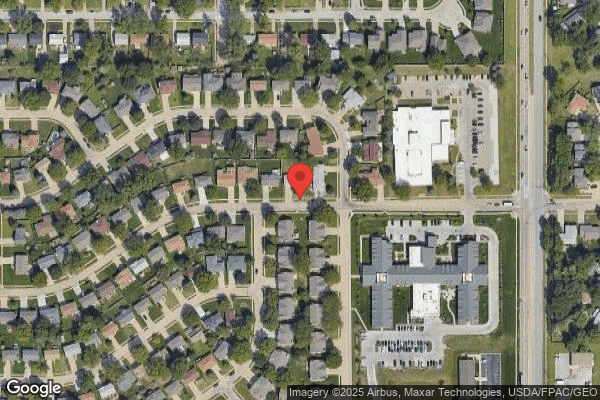

13225 Westwood Lane, Omaha, NE 68144 (531) 365-3000
For profit - Limited Liability company 76 Beds Independent Data: November 2025
Trust Grade
40/100
#119 of 177 in NE
Last Inspection: September 2024

Within standard 12-15 month inspection cycle. Federal law requires annual inspections.

Overview

Hillcrest Millard LLC has received a Trust Grade of D, indicating below-average performance and raising some concerns for potential residents and their families. It ranks #119 out of 177 facilities in Nebraska, placing it in the bottom half, and #16 out of 23 in Douglas County, meaning there are better options nearby. The facility's trend is worsening, with issues increasing from 8 in 2023 to 13 in 2024. Staffing is rated average at 3 out of 5 stars, but the 73% turnover rate is significantly higher than the state's average, which may affect care continuity. Although there are no fines on record, the facility has faced issues, such as failing to prepare food according to nutritional guidelines and not responding to call lights in a timely manner for several residents, which could impact their well-being.

Trust Score
D
40/100
In Nebraska
#119/177
Bottom 33%
Safety Record
Low Risk
No red flags
Inspections
Getting Worse
8 → 13 violations
Staff Stability
⚠ Watch
73% turnover. Very high, 25 points above average. Constant new faces learning your loved one's needs.
Penalties
✓ Good
No fines on record. Clean compliance history, better than most Nebraska facilities.
Skilled Nurses
○ Average
Each resident gets 39 minutes of Registered Nurse (RN) attention daily — about average for Nebraska. RNs are the most trained staff who monitor for health changes.
Violations
⚠ Watch
28 deficiencies on record. Higher than average. Multiple issues found across inspections.
★★☆☆☆
2.0
Overall Rating
★★★☆☆
3.0
Staff Levels
★★★★☆
4.0
Care Quality
★★☆☆☆
2.0
Inspection Score
Stable
2023: 8 issues
2024: 13 issues

The Good

  • 4-Star Quality Measures · Strong clinical quality outcomes
  • Full Sprinkler Coverage · Fire safety systems throughout facility
  • No fines on record

Facility shows strength in quality measures, fire safety.

The Bad

2-Star Overall Rating

Below Nebraska average (2.9)

Below average - review inspection findings carefully

Staff Turnover: 73%

26pts above Nebraska avg (46%)

Frequent staff changes - ask about care continuity

Staff turnover is very high (73%)

25 points above Nebraska average of 48%

The Ugly 28 deficiencies on record

Sept 2024 8 deficiencies
CONCERN (D)

Potential for Harm - no one hurt, but risky conditions existed

Notification of Changes (Tag F0580)

Could have caused harm · This affected 1 resident

**NOTE- TERMS IN BRACKETS HAVE BEEN EDITED TO PROTECT CONFIDENTIALITY** Licensure Reference Number 175 NAC 12.006.04(F)(i)(5) Based on interview and record review the facility failed to notify the phy...

Read full inspector narrative →
**NOTE- TERMS IN BRACKETS HAVE BEEN EDITED TO PROTECT CONFIDENTIALITY** Licensure Reference Number 175 NAC 12.006.04(F)(i)(5) Based on interview and record review the facility failed to notify the physician and obtain treatment orders for a pressure ulcer for 1 (Resident 61) of 1 resident sampled. The facility census was 60. The findings are: Record review of Resident 61's Electronic Health Record (EHR, is a digital version of a patient's paper chart) revealed a nursing admission screening/history document dated 09-03-2024 revealed an admission date of 09-03-2024 and Resident 61 had diagnosis of Diabetes Mellitus and anemia, required staff assistance with bed mobility and was dependent on staff for transfers. The document also revealed Resident 61 had a history of pressure ulcers. Record review of a Brief Interview of Mental Status (BIMS, an assessment that aids in detecting cognitive impairment. A score of 0-7 equals severe impairment, 8-12 indicates moderate impairment and 13-15 indicates cognitively intact) dated 09-05-2024 revealed a score of 14 indicating cognitively intact. An interview with Resident 61 on 09-09-2024 at 9:38 AM revealed Resident 61 reported having a pressure ulcer to the buttocks. Record review of Resident 61's Treatment Administration Record (TAR) printed 09-10-2024 revealed a skin only assessment was scheduled for 09-03-2024 that was not signed as completed. The TAR did not have a treatment identified for the pressure ulcer to buttocks. An observation on 09-11-2024 at 7:39 AM of Nurse Tech (NT)B repositioning Resident 61 revealed a dressing dated 09-09-2024 on Resident 61's buttocks. An interview with Licensed Practical Nurse (LPN) C on 09-11-2024 revealed Resident 61 had a pressure ulcer to the coccyx (The coccyx, or tailbone, is a small triangle-shaped bone derived from the fusion of the four rudimentary coccygeal vertebrae at the bottom of the vertebral column) and was calling the doctor for treatment orders. An observation of Resident 61 on 09-11-2024 at 8:55 AM with LPN C performing wound care revealed Resident 61 had a pressure ulcer to the coccyx. An interview conducted on 09-11-2024 at 12:46 PM with the facility's Regional Nurse Consultant (RNC) confirmed the physician was not notified and treatment orders were not obtained until 09-11-2024 for Resident 61. Record review of the facility's undated policy titled Hillcrest [NAME] Skin Integrity, Skin Injury Prevention Policy revealed the following: -Policy: to provide direction to the Clinical Team for obtaining correct orders for treatment in skin integrity and wound care concerns. All team members are responsible for preventing, caring for, and providing treatment to any patient/guest/elder/client that has altered skin integrity. -Purpose: 1. To identify at risk/guests/patients/elders for potential altered skin integrity. 2. To prevent breakdown of skin tissue or ulcerations 3. To provide treatment that promotes prevention of altered skin integrity and to resolve existing areas of altered skin integrity. 4. To appropriately identify and utilize prevention techniques and pressure redistribution surfaces on guests/patients/elders at risk for altered skin integrity. -Procedure: 1. Licensed staff will perform a head-to-toe assessment upon admission/readmission and continue to do so routinely and as needed. The findings of each assessment will be documented per facility protocol on the admissions assessment form and/or skin assessment form. 2. Licensed staff members will complete a Braden Scale Assessment once the head-to-toe assessment is completed for all admissions/readmissions. 3. Any skin integrity issues identified will be documented and communicated to the physician. Areas identified will be communicated to the physician on Wound Letter communication forms.
CONCERN (D) 📢 Someone Reported This

A family member, employee, or ombudsman was alarmed enough to file a formal complaint

Potential for Harm - no one hurt, but risky conditions existed

Safe Environment (Tag F0584)

Could have caused harm · This affected 1 resident

**NOTE- TERMS IN BRACKETS HAVE BEEN EDITED TO PROTECT CONFIDENTIALITY** Licensure Reference Number 175 NAC 12-006.19 and 12.006.19(B) Based on observation and interviews, the facility failed to mainta...

Read full inspector narrative →
**NOTE- TERMS IN BRACKETS HAVE BEEN EDITED TO PROTECT CONFIDENTIALITY** Licensure Reference Number 175 NAC 12-006.19 and 12.006.19(B) Based on observation and interviews, the facility failed to maintain cleanliness of floors, toilets, equipment, and upkeep of the floors and walls in 4 resident rooms ( 157, 153, 104, and 142). The facility identified a census of 60. Findings are: Observations in room [ROOM NUMBER] on 9/9/24 at 11:28 AM and 9/10/24 at 1:40 PM revealed scratches where paint and dry wall had worn away on the bathroom door frame. Observations in room [ROOM NUMBER] on 9/9/24 at 11:28 AM and 9/10/24 at 1:25 PM revealed a carpet stain right inside the resident's room. Observations in room [ROOM NUMBER] on 9/9/24 at 1:45 PM and 9/10/24 at 1:30 PM revealed a toilet riser over the toilet with the foot pegs of the toilet riser sunken in the floor with the cement around the foot pegs worn away. The floor around the toilet was also stained. Observations in room [ROOM NUMBER] on 9/9/24 at 12:13 PM and 9/10/24 at 12:03 PM revealed a urinary catheter bag stained with blood in the bathroom sitting on a shower chair. Interview on 9/10/24 at 1:55 PM with the Maintenance Director (MD-A) confirmed room [ROOM NUMBER] had scratches where the paint and dry wall were worn away on the bathroom door frame. MD-A confirmed the carpet was stained in room [ROOM NUMBER]. MD-A confirmed the floor in room [ROOM NUMBER] needed cleaning and repaired. Interview on 9/10/24 at 1:47 PM with Regional Nurse Consultant (RNC) confirmed the urinary catheter bag stained with blood should have been removed from the room. Interview on 09/10/24 03:04 PM with the Facility Administrator (ADM) confirmed there had not been any housekeeping schedules. MD-A had accepted the position 9/10/24 after 3 months with no MD. The ADM reported that the ADM had overseen maintenance, laundry, and housekeeping for the past 3 months.
CONCERN (D) 📢 Someone Reported This

A family member, employee, or ombudsman was alarmed enough to file a formal complaint

Potential for Harm - no one hurt, but risky conditions existed

Deficiency F0655 (Tag F0655)

Could have caused harm · This affected 1 resident

**NOTE- TERMS IN BRACKETS HAVE BEEN EDITED TO PROTECT CONFIDENTIALITY** Licensure Reference Number 175 NAC 12-006.09(F)(i) Based on record review and interview, the facility failed to ensure that the ...

Read full inspector narrative →
**NOTE- TERMS IN BRACKETS HAVE BEEN EDITED TO PROTECT CONFIDENTIALITY** Licensure Reference Number 175 NAC 12-006.09(F)(i) Based on record review and interview, the facility failed to ensure that the baseline care plan (BCP, a written plan required to be developed within 48 hours of admission detailing the instructions needed to provide initial effective and person-centered quality care for a resident) included significant medical information needed to provide care was completed for 2 (Residents 58 and 73) of 15 sampled residents reviewed for baseline care plans. The facility census was 60. Findings are: A. Record review of Resident 58's admission Face Sheet revealed an admission date of 9/5/24. Diagnoses included: Diabetes Mellitus Type 2 (DM insulin dependent) and Hypertension (HTN, high blood pressure), Atrial Fibrillation and Major Depressive Disorder Record review of Resident 58's admission Physician Orders dated 9/5/24 revealed the following orders for monitoring: - Antidepressant behavior monitoring for signs / symptoms of target behaviors. Notify physician of increased behaviors or ineffective antidepressant medication. - Blood Glucose Monitoring four times a day for diabetes. Notify Medical Doctor [MD] of BS <70 or >400. - Hypoglycemic Episode - Conscious as needed for diabetes If patient is conscious and blood glucose level is less than 70, give 15-20 grams of carbs [carbohydrates] (IE: 4 ounces of apple juice) May give glucose gel, recheck in 15 minutes. Do not give hypoglycemic medications such as Metformin, etc. Notify MD/nurse on call. - Hypoglycemic Episode - Unconscious as needed for Hypoglycemic Episode If Patient is unconscious and blood glucose less than 70, administer injection of Glucagon. Notify physician/nurse on call and/or call 9-1-1 for further medical intervention. - Observe closely for side effects of Diuretic medication including decreased PO intake, acute confusion, agitation, delusions, aggression, lethargy, decreased sweating, tachycardia, hypotension, orthostasis, generalized weakness, sunken eyes one time a day for monitoring 'Y' if observed and select chart code Other/ See Nurses Notes' and write progress note of findings. 'N' if none were observed. - Observe closely for significant side effects of Antidepressant medication including drowsiness, blurred vision, dizziness, nausea, fatigue, trouble sleeping, dry mouth, hallucinations, other unusual changes in mood or behavior one time a day for monitoring 'Y' if observed and select chart code 'Other/ See Nurses Notes' and write progress note of findings. 'N' if none were observed. - Pain Monitoring - Assess for pain every shift for monitoring Monitor for non-verbal S/S or C/O pain. Utilize [NAME] Scale for patients who are non-verbal. Utilize numeric scale for verbalization. Record review of Resident 58's Baseline Care Plan dated 9/5/24 revealed 2 problems identified on the BCP, transition needs / plans and nutritional risk. The BCP did not contain any information related to the increased need for blood pressure monitoring for HTN, blood sugar and basic monitoring for DM, use of antidepressants and monitoring for depression, bleeding risk associated with anticoagulant use [Eliquis medication], monitoring for use of diuretic medication [Torsemide] or pain monitoring for Resident 58. Interview on 9/11/24 at 12:42 PM with the Regional Nurse Consultant [RNC] confirmed that Resident 58's BCP did not contain significant medical information related to monitoring for Hypertension, monitoring for Diabetes Mellitus, increased bleeding risk, monitoring for diuretic use, pain monitoring and behavior monitoring for antidepressant use. B. Record review of Resident 73's admission Face Sheet revealed an admission date of 8/29/24. Diagnoses included: Diabetes Mellitus Type 2, Hypertension (HTN, high blood pressure) and Major Depressive Disorder. Record review of Resident 73's admission Physician Orders dated 8/29/24 revealed the following orders for monitoring: - Antidepressant behavior monitoring for signs / symptoms of target behaviors. Notify physician of increased behaviors or ineffective antidepressant medication. - Blood Glucose monitoring prn [as needed]. Call if <70 or >400 as needed for signs or symptoms of hypo or hyperglycemia [low or high blood sugar respectively]. - Observe closely for significant side effects of Antidepressant medication including drowsiness, blurred vision, dizziness, nausea, fatigue, trouble sleeping, dry mouth, hallucinations, other unusual changes in mood or behavior one time a day for monitoring 'Y' if observed and select chart code 'Other/ See Nurses Notes' and write progress note of findings. 'N' if none were observed. - Pain Monitoring - Assess for pain every shift for monitoring Monitor for non-verbal signs/ symptoms or complaints of pain. Utilize [NAME] Scale for patients who are non-verbal. Utilize numeric scale for verbalization. Record review of Resident 73's Physicians Orders dated 8/29/24 revealed the following medications ordered for Resident 73: - Escitalopram Oxalate Tablet 20 MG Give 1 tablet by mouth in the morning for Depression. - Gabapentin Oral Capsule 100 MG (Gabapentin) Give 1 capsule by mouth two times a day for neuropathy [Nerve damage with pain symptoms]. - Glipizide Oral Tablet 5 MG (Glipizide) Give 1 tablet by mouth in the morning for DIABETES. - Ibuprofen Oral Tablet 200 MG (Ibuprofen) Give 3 tablets by mouth every 8 hours for back pain Record review of Resident 73's Baseline Care Plan dated 8/29/24 revealed 1 problem identified on the BCP, fall risk. The BCP did not contain any information related to blood sugar and basic monitoring for DM, monitoring for depression or pain monitoring for Resident 73. Interview on 9/11/24 at 12:45 PM with the Regional Nurse Consultant [RNC] confirmed that Resident 73's BCP did not contain significant medical information related to monitoring of blood sugars for Diabetes Mellitus, pain monitoring or behavior monitoring for antidepressant use.
CONCERN (D) 📢 Someone Reported This

A family member, employee, or ombudsman was alarmed enough to file a formal complaint

Potential for Harm - no one hurt, but risky conditions existed

Pressure Ulcer Prevention (Tag F0686)

Could have caused harm · This affected 1 resident

**NOTE- TERMS IN BRACKETS HAVE BEEN EDITED TO PROTECT CONFIDENTIALITY** Licensure Reference Number 175 NAC 12.006.09(H)(iii)(1) Based on observation, interview and record review the facility failed to...

Read full inspector narrative →
**NOTE- TERMS IN BRACKETS HAVE BEEN EDITED TO PROTECT CONFIDENTIALITY** Licensure Reference Number 175 NAC 12.006.09(H)(iii)(1) Based on observation, interview and record review the facility failed to identify, evaluate and provide treatment for a pressure ulcer for 2 (Resident 61 and 155) of 3 sampled residents. The facility census was 60. Findings are: A. Record review of Resident 155's Minimum Data Set (MDS, a federally mandated assessment tool used for care planning) dated 06-07-2024 revealed the facility staff assessed the following about the resident: - Brief Interview of Mental Status (BIMS, an assessment that aids in detecting cognitive impairment. A score of 0-7 equals severe impairment, 8-12 indicates moderate impairment and 13-15 indicates cognitively intact) score of 15 indicating cognitively intact. -Required moderate assistance with bed mobility, transfers and lower body dressing. -Required maximal assistance with bathing. -Currently had a pressure ulcer. Record review of Resident 155's Electronic Health Record ((EHR, is a digital version of a patient's paper chart)) revealed a nursing admission screening/history dated 05-31-2024 revealed Resident 155 had blanchable redness (a skin condition where redness disappears when pressure is applied to the area, and then returns when pressure is released) to the buttocks region. The EHR also revealed Resident 155 was discharged to the hospital on [DATE]. Record review of Resident 155's base line care plan dated 05-31-2024 revealed no skin issues. Record review of a Skin Only Evaluation Sheet dated 06-04-2024 revealed Resident 155 had unmeasured excoriation (a place where your skin is scraped or abraded) to buttocks, and an unmeasured open wound to the sacrum. Record review of Resident 155's Treatment Administration Record (TAR) revealed no treatment for excoriation to the buttocks or treatment for an open area to the sacrum until 06-10-2024. Record review of the facility's policy titled Hillcrest [NAME] Skin Integrity, Skin Injury Prevention Policy revealed the following: Policy: to provide direction to the Clinical Team for obtaining correct orders for treatment in skin integrity and wound care concerns. All team members are responsible for preventing, caring for, and providing treatment to any patient/guest/elder/client that has altered skin integrity. Purpose: -To identify at risk/guests/patients/elders for potential altered skin integrity. -To prevent breakdown of skin tissue or ulcerations -To provide treatment that promotes prevention of altered skin integrity and to resolve existing areas of altered skin integrity. -To appropriately identify and utilize prevention techniques and pressure redistribution surfaces on guests/patients/elders at risk for altered skin integrity. Procedure: -Licensed staff will perform a head-to-toe assessment upon admission/readmission and continue to do so routinely and as needed. The findings of each assessment will be documented per facility protocol on the admissions assessment form and/or skin assessment form. -Licensed staff members will complete a Braden Scale Assessment once the head-to-toe assessment is completed for all admissions/readmissions. -Any skin integrity issues identified will be documented and communicated to the physician. Areas identified will be communicated to the physician on Wound Letter communication forms. -Nurse techs will complete visual body audits daily with every basic ADL (Activities of Daily Living) care and bathing occurrence. If there are concerns, the tech will notify the nurse immediately through verbal communication. -Notification to the Registered Dietician will occur with any significant skin integrity change or new admission with impaired skin integrity. -A skin integrity plan of care will be initiated for prevention and risk for development and/or reduction of impaired skin integrity. An interview with the Regional Nurse Consultant (RNC) on 09-11-2024 at 12:46 PM confirmed interventions to promote healing and treatment of Resident 155's wounds to sacrum and buttocks were not obtained until 06-10-2024. B. Record review of Resident 61's Nursing admission Screening/History document dated 09-03-2024 revealed Resident 61 had diagnosis of Diabetes Mellitus and Anemia, required staff assistance with bed mobility and was dependent on staff assistance for transfers. The document also revealed Resident 61 had a history of pressure ulcers. Record review of a Brief Interview of Mental Status (BIMS, an assessment that aids in detecting cognitive impairment. A score of 0-7 equals severe impairment, 8-12 indicates moderate impairment and 13-15 indicates cognitively intact) dated 09-05-2024 revealed a score of 14 indicating cognitively intact. An interview with Resident 61 on 09-09-2024 at 9:38 AM revealed Resident 61 had a pressure ulcer to the buttocks. Record review of a Braden Scale (The Braden Scale is a tool used to assess a patient's risk of developing pressure ulcers or injuries. The scale's total score ranges from 6-23, with lower scores indicating a higher risk of developing pressure ulcers. The risk categories are: 19-23: No risk, 15-18: Mild risk, 13-14: Moderate risk, 10-12: High risk, 9 and less: Very high risk) conducted for Resident 61 on 09-03-2024 revealed a score of 13 which indicated a moderate risk for pressure sore development. This review also revealed the absence of a skin assessment on 09-03-2024. Record review of Resident 61's Treatment Administration Record (TAR) printed 09-10-2024 revealed a skin only assessment was scheduled for 09-03-2024 that was not signed as completed. The TAR did not have a treatment listed for the pressure ulcer to the buttocks. An observation on 09-11-2024 at 7:39 AM of Nurse Tech (NT)B repositioning Resident 61 revealed a dressing dated 09-09-2024 on Resident 61's buttocks. An interview with Licensed Practical Nurse (LPN) C on 09-11-2024 at 8:03 AM revealed Resident 61 had an open area to the coccyx (The coccyx, or tailbone, is a small triangle-shaped bone derived from the fusion of the four rudimentary coccygeal vertebrae at the bottom of the vertebral column) and was calling the doctor for treatment orders. An observation of Resident 61 on 09-11-2024 at 9:15 AM with LPN C performing wound care revealed an open area to Resident 61's coccyx that was approximately 1 centimeter in length by 0.3 centimeters in width and approximately 0.1 centimeters in depth. The skin around the wound was red in color, the wound edges were pale pink in color and the wound bed was dark pink color. An interview with Resident 61 during the dressing change on 09-11-2024 at 9:15 AM revealed Resident 61 told the facility staff on the date of admission that (gender) had a pressure ulcer and requested an air mattress. A follow up observation during wound care for Resident 61 on 09-11-2024 at 9:20 AM revealed a non air mattress in use on Resident 61's bed. Record review of a progress note from Resident 61's healthcare practitioner dated 09-11-2024 revealed Resident 61 was seen for a stage 2 ( stage 2, partial-thickness loss of skin with exposed dermis, presenting as a shallow) open ulcer pressure ulcer to the coccyx. An interview conducted on 09-11-2024 at 12:46 PM with the facility's Regional Nurse Consultant (RNC) confirmed a skin assessment was not conducted on admission, interventions to promote healing was not put into place and treatment orders were not obtained until 09-11-2024 for Resident 61.
CONCERN (D)

Potential for Harm - no one hurt, but risky conditions existed

Accident Prevention (Tag F0689)

Could have caused harm · This affected 1 resident

**NOTE- TERMS IN BRACKETS HAVE BEEN EDITED TO PROTECT CONFIDENTIALITY** Licensure Reference Number 12.006.09(1) Based on observation, interview and record review the facility failed to investigate and...

Read full inspector narrative →
**NOTE- TERMS IN BRACKETS HAVE BEEN EDITED TO PROTECT CONFIDENTIALITY** Licensure Reference Number 12.006.09(1) Based on observation, interview and record review the facility failed to investigate and identify causal factors for injuries for 1 (Resident 56) of 5 sampled residents. The facility census was 60. Findings are: Record review of Resident 56's Minimum Data Set (MDS, a federally mandated assessment tool used for care planning) revealed an admission date of 08-27-2024 with diagnosis of Chronic Obstructive Pulmonary Disease (COPD), Respiratory Failure, Right Below the Knee Amputation (BKA) and anxiety. The MDS indicated Resident 56 required supervision with transfers, upper body dressing and hygiene and required moderate assistance with bathing and lower body dressing. An observation on 09-09-2024 at 9:23 AM revealed a foam island dressing to Resident 56's right elbow with the date 09-09-2024 written on the dressing. An interview on 09-09-2024 at 9:30 AM with Resident 56 revealed (gender) had bumped the right elbow on the handrail next to the toilet sometime last week. Record review of a progress note dated 09-03-2024 revealed Resident 56 had a new skin tear to the right elbow. Record review of a Hillcrest [NAME] communication sheet dated 09-08-2024 which revealed the staff communicated to the nurse practitioner that Resident 56 had 2 skin tears to the right upper extremity and requested treatment orders. The nurse practitioner responded with an order to cover the skin tears with a mepilex dressing, and change it every other day. Record review of a progress note for Resident 56 dated 09-09-2024 that indicated the facility staff received new orders from the Nurse Practitioner for wound care to right elbow. Cleanse with soap and water, pat dry, apply xeroform gauze to the skin tear and cover with mepilex every Monday, Wednesday, and Friday. An observation on 09-11-2024 at 10:15 AM of Licensed Practical Nurse (LPN) C performing wound care to Resident 56's right elbow, revealed 2 dressings were in place to the right elbow, dated 09-10-2024. LPN C removed the old dressings to reveal 5 skin tears. The skin tears were approximately 1 to 1.5 centimeters in length in various stages of healing. Record review of Resident 56's medical record revealed no measurements for the skin tears and no event report or investigation into the causal factors of the skin tears. An interview with the Director of Nursing (DON) on 09-12-2024 at 8:41 AM confirmed that an event report or an investigation into the causal factors of the skin tears to the right elbow was not conducted. Record review of an undated policy titled Hillcrest [NAME] Skin Integrity, Wound, Ulcer Assessment Prevention Treatment Documentation policy revealed the following: -Policy- to provide direction to the Clinical Team for obtaining correct orders for treatment in skin integrity and wound care concerns. -Purpose- -To identify at risk guests for potential altered skin integrity - to prevent breakdown of skin tissue or ulcerations, -to provide treatment that promotes prevention of altered skin integrity and to resolve existing areas of altered skin integrity, -to appropriately identify and utilize prevention techniques and pressure redistribution surfaces on guests at risk for altered skin integrity. -Assessment and Documentation -a licensed nurse/physician/therapist may stage a wound and determine etiology. -measurement of the wound must be completed upon identification. -if a bruise, contusion, abrasion, skin tear or laceration is observed on a guest, an event report should be completed with causal factors.
CONCERN (D)

Potential for Harm - no one hurt, but risky conditions existed

Medication Errors (Tag F0758)

Could have caused harm · This affected 1 resident

**NOTE- TERMS IN BRACKETS HAVE BEEN EDITED TO PROTECT CONFIDENTIALITY** Licensure Reference Number 175 NAC 12-006.09(H) Based on record review and interview, the facility failed to identify and monito...

Read full inspector narrative →
**NOTE- TERMS IN BRACKETS HAVE BEEN EDITED TO PROTECT CONFIDENTIALITY** Licensure Reference Number 175 NAC 12-006.09(H) Based on record review and interview, the facility failed to identify and monitor specific target behaviors for the use of an antidepressant [a class of medications used to treat depression] medication for 2 (Residents 58 and 73) of 5 residents reviewed for psychotropic [a group of medications used to treat mental health disorders] medication use. The facility census was 60. Findings are: A. Record review of a facility policy entitled Psychotropic Medication dated 1/1/23 identified the following: - A psychotropic drug is any drug that affects the brains activities associated with mental processes or behavior. Psychotropic drugs include Antidepressants. - Use of psychotropic medications in specific circumstances: b. Enduring conditions ( non-acute, chronic, prolonged): The patients symptoms and therapeutic goals shall be specifically identified and documented. B. Record review of Resident 58's admission Face Sheet revealed that Resident 58 was admitted to the facility on [DATE] and included a diagnosis of Major Depressive Disorder and Anxiety disorder. Record review of Resident 58's 5 day MDS (Minimum Data Set-a comprehensive assessment tool used to develop a resident's plan of care) dated 9/12/24 was in progress and not completed. Record review of Resident 58's admission Physician Orders dated 9/5/24 revealed a physician order for Mirtazapine [an antidepressant medication] 15 milligrams [mg] give 1 tablet by mouth at bedtime for Depression. The Physician orders dated 9/5/24 also included antidepressant behavior monitoring for sign / symptoms of target behaviors. No specific target behaviors were identified in the physician orders. Record review of Resident 58's Medication Administration Record [MAR] for September 2024 revealed that Resident 58 received Mirtazapine 15 mg 1 tablet by mouth at bedtime for Depression. The medication was ordered and started on 9/5/24. There was documentation of generalized monitoring of behaviors on the MAR but no specific individualized target behaviors were identified for Resident 58. Record review of Resident 58's Comprehensive Care Plan (CCP, a written interdisciplinary comprehensive plan detailing how to provide quality care for a resident) dated 9/5/24 did not identify resident specific target behaviors to be monitored for the use of an antidepressant medication. Record review of Resident 58's Electronic Medical Record [EMR] revealed that no specific target behaviors had been identified and no monitoring for specific target behaviors had been completed. C. Record review of Resident 73's admission Face Sheet revealed that Resident 73 was admitted to the facility on [DATE] and included a diagnosis of Major Depressive Disorder, recurrent moderate and Anxiety Disorder. Record review of Resident 73's admission MDS dated [DATE] revealed that Resident 73 had a Brief Interview for Mental Status (BIMS) (a brief screening tool that aids in detecting cognitive impairment) score of 13 which indicated that Resident 73 was cognitively intact, exhibited no behavioral symptoms, had a psychiatric diagnosis of Major Depressive Disorder and Anxiety, and used an anti-depressant medication daily. Record review of Resident 73's admission Physician Orders dated 8/29/24 revealed a physician order for Escitalopram Oxalate [an antidepressant medication] 20 mg 1 tablet by mouth in the morning for depression. Physician orders dated 8/29/24 also included antidepressant behavior monitoring for signs / symptoms of target behaviors. No specific target behaviors were identified in the physician orders. Record review of Resident 73's MAR for August and September 2024 revealed Resident 73 received Escitalopram Oxalate 20 mg 1 tablet by mouth in the morning for depression. The medication was ordered and started on 8/29/24. There was documentation of generalized monitoring of behaviors on the MAR but no specific individualized target behaviors were identified for Resident 73. Record review of Resident 73's CCP dated 8/29/24 did not identify resident specific target behaviors to be monitored for the use of an antidepressant medication. Record review of Resident 73' EMR revealed that no specific target behaviors had been identified and no monitoring for specific target behaviors had been completed. D. Interview on 9/11/24 at 12:52 PM with the Regional Nurse Consultant [RNC] confirmed that Resident 58 and 73 did take antidepressant medications regularly and that there were no resident specific target behaviors identified. The RNC confirmed no specific monitoring for individualized target behaviors had been completed for the continued use of the antidepressant medications.
CONCERN (E) 📢 Someone Reported This

A family member, employee, or ombudsman was alarmed enough to file a formal complaint

Potential for Harm - no one hurt, but risky conditions existed

Deficiency F0725 (Tag F0725)

Could have caused harm · This affected multiple residents

**NOTE- TERMS IN BRACKETS HAVE BEEN EDITED TO PROTECT CONFIDENTIALITY** Licensure Reference Number 175 NAC 12.006.04 Based on observation, interview and record review the facility failed to ensure tha...

Read full inspector narrative →
**NOTE- TERMS IN BRACKETS HAVE BEEN EDITED TO PROTECT CONFIDENTIALITY** Licensure Reference Number 175 NAC 12.006.04 Based on observation, interview and record review the facility failed to ensure that call lights were answered in a timely manner for 10 of 28 (Resident 103, 33, 58,56, 61, 44, 70, 156, 13 and 253) sampled residents. The facility census was 60. The Findings are: A. Record review of Resident 61's Electronic Health Record (EHR, is a digital version of a patient's paper chart) revealed a nursing admission screening/history document dated 09-03-2024 which indicated Resident 61 had diagnosis of Diabetes Mellitus and anemia, required staff assistance with bed mobility and was dependent on staff for transfers. Record review of a Brief Interview of Mental Status (BIMS, an assessment that aids in detecting cognitive impairment. A score of 0-7 equals severe impairment, 8-12 indicates moderate impairment and 13-15 indicates cognitively intact) dated 09-05-2024 for Resident 61 revealed a score of 14 indicating cognitively intact. An interview with Resident 61 on 09-09-2024 at 12:38 PM revealed Resident 61 had to wait 4 hours to be transferred out of his wheelchair. Record review of Hillcrest Millard's Device Activity Log (HMDAL) for Resident 61 from 09-03-24 to 09-10-2024 revealed call light response times as follows: -09-04-2024 at 4:17 PM Call Light Response Time (CLRT) was 20 minutes. -09-04-2024 at 5:20 PM CLRT was 33 minutes. -09-05-2024 at 6:26 AM CLRT was 24 minutes. -09-05-2024 at 6:50 AM CLRT was 30 minutes. -09-05-2024 at 7:37 AM CLRT was 21 minutes. -09-05-2024 at 8:22 AM CLRT was 24 minutes. -09-06-2024 at 6:32 AM CLRT was 20 minutes. -09-06-2024 at 7:54 AM CLRT was 56 minutes. -09-06-2024 at 9:13 AM CLRT was 45 minutes. -09-08-2024 at 8:52 AM CLRT was 47 minutes. -09-10-2024 at 11:20 AM CLRT was 20 minutes. -09-10-2024 at 1:01 PM CLRT was 24 minutes. B. Record review of Resident 56's Minimum Data Set (MDS, a federally mandated assessment tool used for care planning) revealed an admission date of 08-27-2024 with diagnosis of Chronic Obstructive Pulmonary Disease (COPD), Respiratory Failure, Right Below the Knee Amputation (BKA) and anxiety. The MDS indicated Resident 56 was cognitively intact with a Brief Interview of Mental Status (BIMS, an assessment that aids in detecting cognitive impairment. A score of 0-7 equals severe impairment, 8-12 indicates moderate impairment and 13-15 indicates cognitively intact) score of 13 which indicated intact cognition and required supervision with transfers, upper body dressing and hygiene and required moderate assistance with bathing and lower body dressing. An interview with Resident 56 on 09-09-2024 at 2:27 PM revealed Resident 56 had at times waited a long time to get assistance from staff. Record review of the HMDAL for Resident 56 from 09-01-2024 to 09-09-2024 revealed call light response times as follows: -09-04-2024 at 4:26 AM CLRT was 90 minutes. -09-04-2024 at 11:22 AM CLRT was 26 minutes. -09-04-2024 at 12:29 PM CLRT was 36 minutes. -09-06-2024 at 6:34 AM CLRT was 68 minutes. -09-06-2024 at 7:11 AM CLRT was 31 minutes. -09-06-2024 at 9:24 AM CLRT was 42 minutes. -09-06-2024 at 1:37 PM CLRT was 27 minutes. -09-06-2024 at 6:12 PM CLRT was 20 minutes. C. Record Review of Resident 44's admission MDS dated [DATE] revealed the facility staff assessed the following about the resident: -Resident 44 admitted to the facility on [DATE] with a diagnosis of Osteoarthritis and Resident 44 had a left total knee replacement prior to admission. -Brief Interview of Mental Status (BIMS, an assessment that aids in detecting cognitive impairment. A score of 0-7 equals severe impairment, 8-12 indicates moderate impairment and 13-15 indicates cognitively intact) score of 15 indicating intact cognition. -required moderate staff assistance for transfers and bed mobility. -required total assistance bathing and lower body dressing. An interview with Resident 44 on 09-09-2024 at 11:01 AM revealed call lights are not answered quickly and Resident 44 gives the staff a little time to respond and then takes (gender) to the bathroom. Record review of Resident 44's HMDAL from 09-01-2024 to 09-10-2024 revealed call light response times as follows: -09-02-2024 2:12 PM CLRT was 25 minutes. -09-02-2024 8:13 PM CLRT was 22 minutes. -09-04-2024 9:00 AM CLRT was 37 minutes. -09-07-2024 8:45 AM CLRT was 34 minutes. -09-08-2024 7:59 PM CLRT was 25 minutes. -09-08-2024 10:19 PM CLRT was 20 minutes. D. Record Review of Resident 70's MDS dated [DATE] revealed the facility staff assessed the following about the resident: -Resident 70 had Arthritis, Fibromyalgia, and COPD -required moderate assistance with upper body dressing and bed mobility. -required maximal assistance with transfers. -required total assistance with toileting, bathing and lower body dressing. -was frequently incontinent of urine. - Brief Interview of Mental Status (BIMS, an assessment that aids in detecting cognitive impairment. A score of 0-7 equals severe impairment, 8-12 indicates moderate impairment and 13-15 indicates cognitively intact) dated 09-06-2024 revealed a score of 15 indicating Resident 70 was cognitively intact. An interview with Resident 70 on 09-10-2024 at 7:57 AM revealed to go to the bathroom it was an hour wait for assistance. Record review of Resident 70's HMDAL from 09-01-2024 to 09-10-2024 revealed the following call light response times: -09-06-2024 at 8:09 PM CLRT was 21 minutes. -09-06-2024 at 9:44 PM CLRT was 21 minutes. -09-07-2024 at 5:09 PM CLRT was 27 minutes. -09-09-2024 at 6:37 AM CLRT was 25 minutes. E. Record Review of Resident 13's MDS dated [DATE] revealed the facility staff assessed the following about the resident: -Resident 70 was morbidly obese and had COPD -BIMS score of 15 indicated intact cognition. -required maximal assistance with toileting hygiene, bathing, and lower body dressing. -was occasionally incontinent of urine and frequently incontinent of bowel. An interview with Resident 13 on 09-09-2024 at 1:20 PM revealed Resident 13 had waited a half an hour to get assistance off of the toilet. Record Review of Resident 13's HMDAL from 09-01-2024 to 09-10-2024 revealed the following call light response times: -09-01-2024 at 7:54 AM CLRT was 23 minutes. -09-01-2024 at 8:05 PM CLRT was 32 minutes. -09-01-2024 at 11:37 PM CLRT was 29 minutes. -09-04-2024 at 6:06 AM CLRT was 28 minutes. -09-05-2024 at 7:49 AM CLRT was 30 minutes. -09-06-2024 at 7:37 AM CLRT was 30 minutes. -09-06-2024 at 11:01 PM CLRT was 23 minutes. -09-07-2024 at 2:18 PM CLRT was 27 minutes. -09-07-2024 at 7:19 PM CLRT was 42 minutes. -09-08-2024 at 9:02 PM CLRT was 31 minutes. -09-09-2024 at 9:14 PM CLRT was 26 minutes. F. Record Review of Resident 156's MDS dated [DATE] revealed the following about the resident: -Resident 156 admitted to the facility on [DATE] with diagnosis of Heart Failure, Respiratory Failure and COPD. -Resident 156 had a BIMS score of 15 which indicated intact cognition. -required moderate assistance with bathing and bed mobility -required maximal assistance with lower body dressing. -required total assistance for transfers. Record Review of Resident 156's EHR revealed a discharge date of 08-22-2024. Record review of the facility's grievance log revealed Resident 156's family representative had voiced concerns about call light response times on 08-14-2024 and again on 08-22-2024. Record review of Resident 156's HMDAL from 08-11-2024 to 08-21-2024 revealed the following call light response times: -08-11-2024 at 7:32 PM CLRT was 31 minutes. -08-11-2024 at 8:17 PM CLRT was 48 minutes. -08-12-2024 at 3:29 PM CLRT was 33 minutes. -08-13-2024 at 6:10 PM CLRT was 36 minutes. -08-14-2024 at 9:32 AM CLRT was 27 minutes. -08-14-2024 at 5:22 PM CLRT was 26 minutes. -08-14-2024 at 6:50 PM CLRT was 41 minutes. -08-14-2024 at 7:42 PM CLRT was 79 minutes. -08-15-2024 at 5:24 PM CLRT was 49 minutes. -08-16-2024 at 5:55 PM CLRT was 25 minutes. -08-17-2024 at 11:38 AM CLRT was 43 minutes. -08-17-2024 at 6:46 PM CLRT was 44 minutes. -08-17-2024 at 8:25 PM CLRT was 27 minutes. An observation on 09-12-2024 at 9:20 AM at the nurse's station on the Railroad Crossing Hallway revealed 2 cell phone pagers for the call light system at the nurse's station. Also during this observation the computer screen for the call light system revealed room [ROOM NUMBER]'s call light was on since 8:59 AM. An observation on 09-12-2024 at 9:22 AM revealed Nurse Aid (NA) J walking up to the nurse's station to look at the computer screen for call lights. An interview was conducted during this observation with NA J that revealed NA J was not carrying the cell phone pager for call lights. NA J explained (gender) had been busy and forgot to pick one up. NA J confirmed that since 6:00 AM (gender) was not carrying a cell phone pager. An interview on 09-12-2024 at 9:45 AM with NA I revealed (gender) was not carrying a cell phone pager at that time because the battery was dead and had placed the cell phone pager on the charger at the nurse's station. An interview with the Director of Nursing (DON) on 09-12-2024 at 12:15 PM revealed the expectation was for call light response times of 15 minutes or less. The DON also confirmed that a performance improvement plan (PIP) had been on-going in the facility and agreed the PIP was ineffective. G. A record review of the call light log times for August 2024 for Resident 253 revealed the following- -8/11/2024-Call light at 1:50 PM for 46 minutes and at 2:59 PM the call light was on for 50 minutes. -8/12-2024-Call light at 9:33 PM for 37 minutes. -8/13-2024- Call light at 11:03 AM for 26 minutes. -8/14-2024-Call light at 12:36 PM for 31 minutes. -8/17/2024-Call light at 2:41 PM for 33 minutes. An interview on 9/11/24 at 2:00 PM with Licensed Practical Nurse (LPN) D revealed LPN D had not been trained on the phone pager and did not carry one. An interview on 9/11/24 at 2:25 PM with LPN E confirmed LPN E did not carry a phone pager and had not been trained to use a phone pager. An interview on 9/12/2024 at 11:15 AM with Medication Aide (MA) F confirmed they do not carry a phone pager. H. Observation on 09/9/24 at 10:30 AM on the Lumberyard side of the facility revealed the call light system rings through to a computer at the desk outside the nursing station and the record of the room and what time the call light was activated can be visually seen on the computer screen. I. Record review of Resident 33's admission Face Sheet revealed an admission date of 08/09/24 with diagnoses that included Pneumonia, acute respiratory failure with Hypoxia, Chronic Obstructive Pulmonary Disease, muscle weakness and need for assistance with personal care. Record review of Resident 33's Minimum Data Set (MDS - a comprehensive assessment tool used to develop a resident's plan of care) dated 8/16/24 revealed that the MDS was in progress and had not been completed. Interview on 09/09/24 at 11:24 AM revealed that Resident 33 was alert and oriented and had a complaint of the call light not being answered in a timely manner. Record review or Resident 33's call light Device Activity Records for September 2024 revealed the following long call lights: -9/1/24-Call light at 11:39 AM for 16 minutes. -9/1/24-Call light at 11:06 AM for 27 minutes. -9/2/24-Call light at 7:30 PM for 19 minutes. -9/2/24-Call light at 5:02 PM for 26 minutes. -9/3/24-Call light at 7:39 PM for 26 minutes. -9/4/24 Call light at 3:58 PM for 31 minutes. -9/5/24-Call light at 5:59 AM for 62 minutes. -9/5/24-Call light at 7:07 AM for 19 minutes. -9/6/24-Call light at 4:47 PM for 22 minutes. -9/6/24-Call light at 10:16 AM for 17 minutes. -9/7/24-Call light at 11:56 AM for 21 minutes. J. Record review of Resident 58's admission Face Sheet revealed an admission date of 09/05/24 with diagnoses that included Acute infarction of spinal cord and Paraplegia. Record review of Resident 58's 5-day MDS date 09/12/24 revealed that the MDS was in progress and not completed. Interview on 09/09/24 at 11:59 AM revealed that Resident 58 was alert and oriented and had a complaint of call lights not being answered in a timely manner. Record review of Resident 58's September 2024 Device Activity Report revealed the following long call light response times: -9/5/24-Call light on at 6:06 PM for 28 minutes. -9/6/24-Call light on at 9:24 PM for 29 minutes. -9/10/24-Call light on at 8:34 AM for 18 minutes. K. Record review of Resident 103's admission Face Sheet revealed an admission date of 2/3/24 with diagnoses that included Malignant Neoplasm of Liver, Pulmonary Embolism, Heat Failure, Atrial Fibrillation, unsteadiness on feet and muscle weakness. Record review of Resident 103's (closed record) MDS dated [DATE] revealed a BIMS score of 14 which indicated Resident 103 was cognitively intact and the resident was independent with activities of daily living at the time of admission. Record review of a Concern Form for Resident 103 dated 2/3/24 revealed a grievance from the family related to long call light response time. Attached to the grievance was the following call light times on a Device Activity Report: -2/3/24 at 2:08 PM for 43 minutes. -2/3/24 at 2:54 PM for 26 minutes. -2/4/24 at 1:53 AM for 22 minutes. -2/4/24 at 5:15 AM for 24 minutes. -2/4/24 at 9:05 AM for 37 minutes. L. Interview on 09/10/24 at 07:58 AM with NA G on the Lumberyard side of the facility revealed that the call lights ring to a cell phone and the NA's all carry the cell phone pagers. Interview on 09/11/24 at 8:05 AM with LPN D revealed the nurses and the medication technicians did not carry cell phone pagers and the NA's were responsible for answering the call lights. M. Observations (continuous) on 9/12/24 from 06:41 AM to 8:10 AM of call light response times were as follows: -room [ROOM NUMBER]: Call light on at 6:59 AM. Call light was on for 61 minutes and continued to be on at 8:10 AM. -room [ROOM NUMBER]: Call light on at 7:09 AM. Call light was on for 51 minutes and continued to be on at 8:10 AM -room [ROOM NUMBER]: Call light on at 7:24 AM. Call light on for 36 minutes and continued to be on at 8:10 AM. -room [ROOM NUMBER]: Call light on at 7:51 AM. Call light on for 19 minutes and continued to be on at 8:10 AM. -room [ROOM NUMBER]: Call light on at 7:53 AM. Call light on for 17 minutes and continued to be on at 8:10 AM. Interview on 09/12/24 at 10:28 AM with Registered Nurse [RN] H confirmed that the nurses do not carry the cell phone pagers, only the nurse aides carry the pagers. N. Interview on 09/12/24 at 12:11 PM with the DON confirmed that the expectation is that call lights should be answered in under 15 minutes. The DON confirmed the long call light times for Residents 33, 58 and 103. The DON confirmed that the nurses and the medication technicians are expected to assist with answering the call systems and that the medication technicians should carry a cell phone pager. The DON stated that the nurses don't have to wear a cell phone pager but they should assist with answering the call lights. The DON confirmed that the facility had identified this as a problem and had implemented a performance improvement project [PIP] in June 2024 to try to improve call light response times. The DON agreed that the PIP for call lights had not been effective and long call light response times continued to be an issue at the facility.
CONCERN (F) 📢 Someone Reported This

A family member, employee, or ombudsman was alarmed enough to file a formal complaint

Potential for Harm - no one hurt, but risky conditions existed

Deficiency F0804 (Tag F0804)

Could have caused harm · This affected most or all residents

License Reference Number 175 NAC 12-006.09(J) Based on observation, record review and interview, the facility failed to ensure that food was prepared according to the recipe in order to retain nutriti...

Read full inspector narrative →
License Reference Number 175 NAC 12-006.09(J) Based on observation, record review and interview, the facility failed to ensure that food was prepared according to the recipe in order to retain nutritional value. This had the potential to affect all residents that ate foods prepared in the facility kitchen. The facility had a census of 60. Findings are: An observation on 09/11/2024 at 10:45 AM of Chef A preparing Salisbury steak patties for lunch on 09/12/24. revealed Chef A washed their hands and donned gloves. Chef A put unmeasured amounts of beef base, tomato ketchup, Worcestershire sauce, garlic, liquid eggs, mustard, breadcrumbs, onion powder, chopped onions, bell peppers and ground beef into a large pan. Chef A mixed the ingredients together while wearing gloves and then patted out unmeasured amounts of beef into patties. Chef A did not weigh the patties to ensure they met the required ounces identified in the recipe. An interview on 09/11/2024 at 10:55 AM with Chef A confirmed they did not measure ingredients or follow the recipe as it was written. A record review of the facility Recipe for Salisbury steak revealed the following information: Ingredients: -Ground beef 20lbs -eggs, liquid pasteurized 3 cups 2 Tbsp -breadcrumbs, plain 1 qt -Onion, Yellow Fresh, diced 1 qt ,-Worcestershire sauce 2/3 cup - Parsley flakes, dried 2/3 cups - Seasoning Italian 2/3 cups - pepper, black ground 1 tbsp - 2 tsp. Salt, iodized. An interview on 9/12/2024 at 11:32 AM with the Culinary Director (CD) confirmed that preparing food with unmeasured items not in the recipe could alter the nutritional value of the food.
Apr 2024 3 deficiencies
CONCERN (D) 📢 Someone Reported This

A family member, employee, or ombudsman was alarmed enough to file a formal complaint

Potential for Harm - no one hurt, but risky conditions existed

Notification of Changes (Tag F0580)

Could have caused harm · This affected 1 resident

**NOTE- TERMS IN BRACKETS HAVE BEEN EDITED TO PROTECT CONFIDENTIALITY** Licensure reference: 175 NAC 12-006.04C3a(6) Based on record review and interview, the facility failed to ensure the medical pro...

Read full inspector narrative →
**NOTE- TERMS IN BRACKETS HAVE BEEN EDITED TO PROTECT CONFIDENTIALITY** Licensure reference: 175 NAC 12-006.04C3a(6) Based on record review and interview, the facility failed to ensure the medical provider was notified of blood sugar levels outside of parameters for 1 [Resident 4] of 4 sampled residents. The facility had a total census of 72 residents. Findings are: A review of admission Record revealed Resident 4 was admitted to the facility on [DATE] with a readmission date of 3/6/24 with a primary diagnoses of end stage renal disease, dependence on renal dialysis, and a type 2 diabetes mellitus without complications. A review of Resident 4's 4/2024 MAR [Medication Administration Record] revealed an order for blood glucose monitoring 4 times per day with the physician to be notified of blood sugars of less than 70 or greater than 400. A review of Resident 4 Progress Notes dated 4/8/24 at 4:39 PM revealed Resident 4's Aspart insulin [rapid acting insulin] was held due a blood sugar of 67 with a snack given. Progress note did not reveal that Resident 4's medical provider was notified of blood sugar outside of parameters. A review of Resident 4's Progress Note dated 4/4/24 at 7:49 PM revealed Resident 4's blood sugar was 59 in PM. The Progress Note stated that a snack was given as well as dinner. According to Resident 4's Progress Note dated 4/4/24 at 7:49 PM Resident 4's Blood sugar was 124 now. Resident 4's Progress Note did not reveal Resident 4's medical provider was notified of blood sugar outside of parameters. In an interview on 4/18/24 at 4:02 PM, the Director of Nursing confirmed there was no evidence of Resident 4's medical provider being notified of blood sugars being outside of parameters and that medical provider should have been notified. A review of facility policy with effective date of 2/1/23 titled Blood Glucose Testing Procedure revealed the following: -Notify the provider,, if needed, of abnormal findings.
CONCERN (D) 📢 Someone Reported This

A family member, employee, or ombudsman was alarmed enough to file a formal complaint

Potential for Harm - no one hurt, but risky conditions existed

Deficiency F0698 (Tag F0698)

Could have caused harm · This affected 1 resident

**NOTE- TERMS IN BRACKETS HAVE BEEN EDITED TO PROTECT CONFIDENTIALITY** Licensure Reference Number 175 NAC 12-006.09 Based on observation, interview, and record review, the facility failed to ensure c...

Read full inspector narrative →
**NOTE- TERMS IN BRACKETS HAVE BEEN EDITED TO PROTECT CONFIDENTIALITY** Licensure Reference Number 175 NAC 12-006.09 Based on observation, interview, and record review, the facility failed to ensure coordination of medication administration with dialysis schedule for 2 [Residents 2 and 4] of 2 sampled residents requiring dialysis. The facility had a total census of 72 residents. Findings are: A. A review of a admission Record revealed Resident 2 was admitted to the facility on [DATE] with a readmission date of 4/15/24. The admission Record for Resident 2 listed a primary diagnosis of pneumonia [an infection in the lungs] and diagnoses of type 2 diabetes mellitus [a disorder in which the body has trouble controlling blood sugar] without complications and end stage renal disease [a condition in which the kidneys lose the ability to remove waste and balance fluids]. A review of Resident 2's 4/2024 MAR [Medication Administration Record] revealed Resident 2 had an appointment for dialysis at 6:15 AM every Tuesday, Thursday, and Saturday with Resident 2 to arrive at the dialysis facility at 5:45 AM. In an interview on 4/18/24 at 9:14 AM, LPN A reported that Resident 2 was to have a blood sugar check and insulin but Resident 2 had already left for dialysis. In an interview on 4/18/24 at 9:20 AM, Medication Aide D confirmed Medication Aide D had not provided medications to Resident 2 before Resident 2 left for dialysis. In an interview on 4/18/24 at 9:22 AM, LPN Unit Manager C reported Resident 2 leaves for dialysis at 4:30 AM. Observations on 12/18/24 at 12:15 PM revealed Resident 2 had returned from dialysis. A check of Resident 2's blood sugar by LPN A revealed a blood sugar of 249. LPN A administered 5 units of Aspart insulin [Rapid acting insulin] to back of Resident 2's right arm. In an interview on 4/18/24 at 12:15 PM, Resident 2 reported returning from dialysis at 10:30 AM and that Resident 2 had eaten lunch. Resident 2 reported that Resident 2 received 2 medications before going to dialysis. A review of Progress Notes revealed Resident 2 was admitted to the hospital on [DATE] and was readmitted on [DATE]. A review of Resident 2's 4/2024 MAR revealed the following medications were documented as not being given due to Resident 2 being out of facility or at dialysis: -Amlodipine Besylate 10 Milligrams (mg) [medication for hypertension] scheduled for AM; not administered on 4/2/24, 4/6/24, and 4/18/24 -Aspirin 81 mg scheduled for AM; not administered on 4/2/24, 4/6/24 and 4/18/24 -Calcitrate Plus D 315 mg 5 mcg [Calcium and Vitamin D] oral tablet scheduled for AM; not administered on 4/2/24, 4/6/24 and 4/18/24 -Cholecalciferol [a vitamin D supplement] 1000 units; not administered on 4/2/24, 4/6/24 and 4/18/24 -Glargine insulin [long acting insulin] 10 units scheduled for AM; not administered on 4/2/24, 4/6/24 and 4/18/24 -Potassium Chloride ER 10 MEQ scheduled for AM; not administered on 4/2/24, 4/6/24 and 4/18/24 -Toresemide [diuretic] 100 mg scheduled for AM; not administered on 4/2/24, 4/6/24 and 4/18/24 -Valsartan [medication for high blood pressure] 20 mg scheduled for AM; not administered on 4/2/24 and 4/18/24 -Acidophilus [probiotic] 1 capsule schedule for AM; not administered on 4/2/24, 4/6/24 and 4/18/24 -Amoxicillin-Pot Clavulanate [antibiotic] 875-125 mg scheduled for AM and hour of sleep; not administered on 4/18/24 AM -Carvedilol [a medication for high blood pressure] scheduled for AM and PM; not administered in AM on 4/2/24, 4/6/24 and 4/18/24 -Entresto [a medication for heart failure] oral tablet 24-26 mg .5 tablet scheduled for AM and hour of sleep; not administered in AM on 4/6/24 -Insulin Aspart [rapid acting insulin] 3 units scheduled for AM, Noon, and PM; not administered in AM on 4/2/24, 4/6/24, and 4/18/24 -Insulin Aspart sliding scale insulin scheduled for AM, Noon and PM; not administered in AM on 4/2, 4/6/24, and 4/18/24 A review of Resident 2's 4/2024 MAR and care plan did not reveal any directions on how to provide medications when Resident 2 was going out to dialysis. In an interview on 4/18/24 at 3:06 PM, LPN B reported that residents that leave between 4-5 AM for dialysis are not back to the facility until noon. LPN B reported morning medications are not given to the residents and that noon medications, blood sugar checks and noon insulin are administered to residents when they get back to the facility according to LPN B. In an interview on 4/18/24 at 3:15 PM, LPN A reported if a resident is gone from the facility at the time medications are to be provided, out of the facility is documented, and medications are resumed when the resident returns to the facility. In an interview on 4/18/24 at 3:17 PM, LPN Unit Manager C reported administration of medications for residents going to dialysis varies based on provider direction and could be provided after return from dialysis or scheduled around dialysis. In an interview on 4/18/24 at 4:34 PM, the Director of Nursing (DON) reported had started to work with providers on adjustment of times of medications for residents going to dialysis. According to the DON, physicians are to be notified of medications not provided to residents. B. A review of admission Record revealed Resident 4 was admitted to the facility on [DATE] with a readmission date of 3/6/24 with a primary diagnoses of end stage renal disease, dependence on renal dialysis, and a type 2 diabetes mellitus without complications. A review of Resident 4's 4/2024 MAR revealed Resident 4 had an appointment for dialysis at 5:30 AM on Tuesdays, Thursdays, and Saturdays. In an interview on 4/18/24 at 9:14 AM, LPN A reported that Resident 4 is to have a blood sugar check and insulin but Resident 4 leaves for dialysis prior to the start of the shift. In an interview on 4/18/24 at 9:20 AM, Medication Aide D confirmed Medication Aide D had not provided medications to Resident 4 before Resident 4 left for dialysis. In an interview on 4/18/24 at 9:22 AM, LPN Unit Manager C reported Resident 4 leaves for dialysis at 5:45 AM. Observations on 4/18/24 at 12:44 PM revealed Resident 4 eating lunch. A check of Resident 4 of Resident 4's blood sugar revealed a blood sugar of 108. LPN A administered 7 units of Aspart insulin in the back of Resident 4's right arm. In an interview on 4/18/24 at 12:44 PM, Resident 4 reported taking 1 medication before going to dialysis and stated that Resident 4 doesn't want anything to eat before dialysis. A review of Resident 4's 4/2024 MAR revealed the following medications were documented as not being given due to Resident 4 being out of facility or at dialysis: -CertaVite Senior Oral Tablet [vitamin with minerals] 1 tablet scheduled to be administered in AM; was not administered on 4/4/24, 4/9/24, 4/11/24, and 4/13/24 due to Resident 4 being out of facility; medication was documented as held on 4/2/24 and 4/6/24 with note that medication is held due to Resident 4 was at dialysis -Sertraline [medication for depression] 50 mg scheduled to be administered in AM; was not administered on 4/4/24, 4/9/24, 4/11/24, and 4/13/24 due to Resident 4 being out of the facility; medication was documented as held on 4/2/24 and 4/6/24 with note that medication is held due to Resident 4 being at dialysis -Tracrolimus [antirejection medication] .5 mg scheduled to be administered in AM and PM; AM dose was not administered on 4/4/24, 4/9/24, 4/11/24, and 4/13/24 due to Resident 4 being out of the facility; medication was documented as held on 4/2/24 and 4/6/24 with note that medication is held due to Resident 4 being at dialysis -Calcium Citrate plus D oral table 315 mg, 6.25 mcg 2 tablets scheduled for AM and PM; AM dose was not administered on 4/4/24, 4/9/24, 4/11/24, and 4/13/24 due to Resident 4 being out of the facility; medication was documented as held 4/6/24 with note that medication is held due to Resident 4 being at dialysis -Cholestyramine [medication to lower cholesterol] oral packet 4 gram scheduled for AM and PM; AM dose was not administered on 4/4/24, 4/11/24 due to Resident 4 being out of the facility and was documented as held on 4/6/24 and 4/13/24 -Medroxyprogesterone [medication used to stop uterine bleeding] 10 mg scheduled to be administered in AM; AM dose was not administered on 4/4/24 due to Resident 4 being out of the facility and held on 4/2/24 and 4/6/24 due to dialysis -Mycophenolate sodium oral tablet delayed release [anti-rejection medication] scheduled to be administered AM and PM; AM dose was not given on 4/4/24, 4/9/24, 4/11/24, 4/13/24 due Resident 4 being out of the facility and held on 4/2/24 and 4/6/24 due to Resident 4 being at dialysis -Nystatin Powder [treats fungal or yeast infections] scheduled to be administered AM and PM; AM dose was not given on 4/4/24, 4/9/24, 4/11/24, 4/13/24, 4/18/24 due to Resident 4 being out of the facility and was held on 4/6/24 due to Resident 4 being at dialysis -Aspart insulin 7 units to administered AM, noon, and PM; AM dose was not given on 4/4/24, 4/6/24, 4/9/24, 4/11/24 and 4/16/24; insulin was held on 4/2/24 and 4/13/24 -Sildenafil Citrate 20 mg [medication for pulmonary hypertension] scheduled to be administered AM and PM; AM dose was not given to Resident 4 being out of the facility on 4/4/24, 4/9/24, 4/11/24, 4/13/24, and was held on 4/2/24 and 4/6/24 A review of Resident 4's 4/2024 MAR and care plan did not reveal any directions for administration of medication on dialysis days. In an interview on 4/18/24 at 3:06 PM, LPN B reported that residents that leave between 4-5 AM for dialysis are not back to the facility until noon. LPN B reported morning medications are not given to residents on dialysis. LPN B reported noon medications, blood sugar checks and noon insulin are administered to residents when they get back to the facility from dialysis. In an interview on 4/18/24 at 3:15 PM, LPN A reported if a resident is gone from the facility at the time medications are to be provided, out of the facility is documented, and medications are resumed when the resident returns to the facility. In an interview on 4/18/24 at 3:17 PM, LPN Unit Manager C reported administration of medications for residents going to dialysis varies based on provider direction and could be provided after return from dialysis or scheduled around dialysis. In an interview on 4/18/24 at 4:34 PM, the DON reported had started to work with providers on adjustment of times of medications for residents going to dialysis. The DON reported the physicians are to be notified of medications not provided to residents. C. A review of facility policy dated 1/1/2023 titled Dialysis Monitoring Policy revealed the following: -The facility will co-ordinate care with the dialysis provider in developing an appropriate plan of care to include, but not limited to: .b. Any recommended medication schedule change.
CONCERN (D) 📢 Someone Reported This

A family member, employee, or ombudsman was alarmed enough to file a formal complaint

Potential for Harm - no one hurt, but risky conditions existed

Deficiency F0761 (Tag F0761)

Could have caused harm · This affected 1 resident

Licensure reference: 175 NAC 12-006.12E1 Based on observations, interview, and record review, the facility failed to ensure insulin pens were labeled with date opened for 3 [Residents 2, 3, and 4] of ...

Read full inspector narrative →
Licensure reference: 175 NAC 12-006.12E1 Based on observations, interview, and record review, the facility failed to ensure insulin pens were labeled with date opened for 3 [Residents 2, 3, and 4] of 4 sampled residents with orders for insulin. The facility had a total census of 72 residents. Findings are: A. Observations on 4/18/24 at 12:15 PM revealed Resident 2's Aspart [rapid acting insulin] and Glargine [long-acting insulin] insulin pens were not dated with date opened. LPN A obtained a new Aspart insulin pen from the facility emergency medication stock for administration of insulin to Resident 2. In an interview on 4/18/24 at 12:15 PM, LPN A indicated both insulin pens would be disposed of due to not being dated when opened. A review of Resident 2's 4/2024 MAR [Medication Administration Record] revealed insulin pen is to be discarded 28 days after initial use. B. Observations on 4/18/24 at 7:19 AM revealed Resident 3's Glargine insulin pen was not labeled with date opened. LPN A obtained a new Glargine insulin pen from the facility emergency medication stock for administration of insulin to Resident 3. In an interview on 4/18/24 at 7:19 AM, LPN A confirmed Glargine insulin pen was not dated and would be discarded. A review of Resident 3's 4/2024 MAR revealed insulin pen is to be discarded 28 days after initial use. C. Observations on 4/18/24 at 12:44 PM revealed Aspart pen had no label with Resident 3's name on it or dated with date opened. LPN A disposed of pen and obtained a new insulin pen from medication refrigerator for Resident 3. A review of Resident 4's 4/2024 MAR [Medication Administration Record] revealed insulin pen is to be discarded 28 days after initial use. D. In an interview on 4/18/24 at 4:02 PM, RN [Registered Nurse] Consultants E and F confirmed insulin pens are to be dated when first used.
Feb 2024 2 deficiencies
CONCERN (D) 📢 Someone Reported This

A family member, employee, or ombudsman was alarmed enough to file a formal complaint

Potential for Harm - no one hurt, but risky conditions existed

Quality of Care (Tag F0684)

Could have caused harm · This affected 1 resident

**NOTE- TERMS IN BRACKETS HAVE BEEN EDITED TO PROTECT CONFIDENTIALITY** Licensure Reference Number : 175 NAC 12-006.09 Based on record review and interview, the facility staff failed to ensure neurolo...

Read full inspector narrative →
**NOTE- TERMS IN BRACKETS HAVE BEEN EDITED TO PROTECT CONFIDENTIALITY** Licensure Reference Number : 175 NAC 12-006.09 Based on record review and interview, the facility staff failed to ensure neurological assessments were completed after a fall to evaluate for potential changes in condition for 2 [Residents 5 and 3] of 4 sampled residents with falls. The facility had a total census of 59 residents. Findings are: A. A review of facility policy titled Neuro Checks dated 3/31/2021 revealed the following policy: A Neuro check is a simple and standardized assessment to detect changes in level of consciousness. These may be performed on an individual with a post-fall head injury, or unwitnessed fall. Consciousness is the most sensitive indicator of neurological change. Procedure is as follows: 1. Neuro checks will be completed per physician order or initiated by the nurse, at their discretion, based on physical assessment of the resident, guest, or elder. 2. Neuro checks will be completed on the resident, guest, or elder with an unwitnessed fall or fall with head injury. 3. The nurse should review the previous assessment for comparison and report any significant/abnormal variances to the physician for further instructions. 4. If a resident, guest, or elder is transferred for further evaluation and is medically cleared for return to the facility, the neuro checks may be discontinued unless otherwise directed by their provider. B. A review of Resident 5's admission record revealed an admission date of 2/13/24 with a primary diagnosis of Ventral Hernia (hernia that occurs through your front abdominal muscles) without obstruction or gangrene. A review of a Incident Report/Incident Report log dated 2/17/24 at 7:38 AM and Progress Note (PN) dated 2/17/24 for Resident 5 revealed a nurse heard a bump while walking to Resident 5's door. According to the PN dated 2/17/2024 when the door was opened, Resident 5 was starting to go down to the floor. Resident 5 was seen falling and hit their head on a plastic trash can in Resident 5's room. Resident 5 reported losing (gender) balance and sliding. Resident 5 was able to stand with 2 persons assistance and a gait belt. A review of Resident 5's Progress Notes revealed the following follow up charting regarding the fall: -2/17/24 10:55 AM, Resident 5 did fall this AM around 7:30 AM while attempting to change their gown. Resident 5 is alert and oriented and able to voice Resident 5 needs to staff and peers. -2/17/24 4:10 PM Resident 5 is currently on fall charting and denies any issues. -2/18/24 4:33 AM Resident 5 continues on fall charting related to a witnessed fall on 2/18/24. Resident 5 had no complaints of pain or discomfort. -2/18/24 3:43 PM Resident 5 continues on follow up fall charting from 2/17. No injuries noted or reported at this time. -2/19/24 Resident 5 continues on fall charting related to a witnessed fall on 2/18/24 when Resident 5 hit their head on the trash can in room. Resident 5 has no complaints of pain or discomfort. A review of electronic medical record did not reveal any documentation of neuroloical assessments being completed on Resident 5 after their fall on 2/17/24. A review of Incident Report/Incident Report log dated 2/20/24 at 10:23 AM and PN dated 2/20/24 at 10:40 AM revealed Resident 5 was ambulating from the bathroom and Resident 5 fell to the floor. Resident 5 was laying with their head by their bed and recliner with legs stretched out. Resident 5 denied hitting their head and denied pain. Neurolocial assessments were initiated for Resident 5 and Resident 5's Range of Motion was within normal limits. A review of Incident Report/Incident Report log dated 2/20/24 at 11:46 AM and PN dated 2/20/24 at 4:31 PM for Resident 5 revealed Resident 5 transferred off the toilet, lost their footing/balance and fell backwards hitting their head on the toilet. Resident 5 had a 5 centimeter (cm) x 5 cm bump on the back of their head. Resident 5 reported having neck pain. The PN dated 2/20/24 revealed the facility started over with vital signs and crani checks which were all within normal limits. The PN revealed Resident 5's pupils were equal and reactive and the resident reported 5 out of 10 pain. A review of Resident 5's Progress Notes revealed the following charting regarding the fall: -2/20/24 at 4:51 PM Resident 5 has fallen 2 times this shift. Neurological assessments were started due to an unwitnessed fall. Resident 5 also stated that Resident 5 hit their head on toilet during second fall. A review of Resident 5's Neurological Checks form in the electronic medical record revealed the form was initiated on 2/20/24 at 10:30 AM. Each neurological check had documented dates and times for the vitals. A review of of the Neurological checks revealed the following the time frames for conducting the Neurological Checks with results: -Check 1, initial Neurological Assessment-Vitals were documented as taken on 2/20/24 at 9 AM with remainder of neuro check completed -Check 2, 15 minute evaluation # 1-Vitals were documented as taken on 2/20/24 at 12 AM with remainder of neuro checks completed -Check 3,15 minute evaluation #2 was not completed -Check 4,15 minute evaluation #3 was not completed -Check 5,15 minute evaluation #4 -Vital signs were documented as taken on 2/20/24 at 9:45 AM with remainder of neuro checks completed -Check 6,30 minute evaluation #1-was not completed -Check 7,30 minute evaluation #2-Vital signs were documented as taken on 2/20/24 at 9:45 AM with remainder of neuro checks completed -Check 8,30 minute evaluation #3-was not completed -Check 9,30 minute evaluation #4-Vital signs were documented as taken on 2/20/24 at 10:15 AM with remainder of neuro checks completed -Check 10, hour evaluation #1-Vials were documented as taken on 2/20/24 at 11:15 AM with remainder of neuro checks completed. -Check 11, hour evaluation #2 was not completed -Check 12, hour evaluation #3 was not completed -Check 13, hour evaluation #4-Vital signs were documented as taken on 2/20/24 at 11:45 AM with remainder of neuro checks completed -Check 14, hour evaluation #1 was not completed -Check 15, hour evaluation #2-Vital signs were documented as taken on 2/20/24 at 7:45 PM with remainder of neuro checks completed -Check 16, hour evaluation #3-Vital signs were documented as taken on 2/20//24 at 11:30 PM with remainder of neuro checks completed -Check 17, hour evaluation #4-Vital signs documented as taken on 2/21/24 at 3:45 AM with remainder of neuro checks completed -Check 18, hour evaluation #1 was not completed -Check 19, hour evaluation #2 was not completed -Check 20, hour evaluation #3 was not completed. A review of Health Care Provider visit note dated 2/21/24 revealed Resident 5 was seen per nursing request due to multiple falls. Further review of the Health Care Provider visit note dated 2/21/2024 revealed the following information: -Neuro checks have been stable per nursing. -Vitals stable. -Orders for Complete Blood Count and Basic Metabolic Panel in AM due to 2 falls. -Resident 5 continues to have nausea and vomiting which Resident 5 has had since the hospital. A review of Progress Notes for Resident 5 revealed the following: -2/22/24 at 12:20 PM a Nurse from Resident 5's surgeon's office reported Resident 5 was being sent to emergency room from the doctor's office. -2/22/24 at 3:50 PM Resident 5 was being admitted to the hospital for a subdermal hematoma. A review of General Surgery Consult Note for Resident 5 with encounter date of 2/22/24 revealed Resident 5 complained of posterior head pain, fogginess, lack of clear vision, pain in lower back and tailbone region. A Cat Scan [imaging test] showed small right posterior para-falcine subdural hemorrhage [bleeding in your brain] without significant mass effect or midline shift. In interviews on 2/29/24 at 11:19 and 11:59 AM, the facility Director of Nursing reported there were not additional neurological assessments to be provided. The Director of Nursing confirmed that neurological assessments should have been completed after fall on 2/17 and both falls on 2/20/24 with neurological assessments starting over after the second fall on 2/20/24. C. A review of Resident 3's admission record revealed they were admitted to the facility on [DATE] with a diagnosis of Orthostatic Hypotension [a sudden drop in blood pressure when one stands up]. A review of Resident 3's Incident Report/Incident Report log dated 2/20/24 at 9:14 AM and Progress Note dated 2/20/24 at 8:15 AM revealed Resident 3 was found sitting on the floor by the side of their bed. Resident 3 denied hitting their head and denied they had nausea/vomiting or dizziness. Neurological assessments were initiated. A review of Resident 3's Neurological Checks form in the electronic medical record revealed the form was initiated of 2/20/24 at 9:14 AM. Each neurological check had documented dates and times for the vitals. A review of of the Neurological checks revealed the following the time frames for conducting the Neurological Checks with results: -Check 1 initial Neurological Assessment-Vital signs from 2/20/24 at 7:17 AM with remainder of neuro checks completed -Check 2,15 minute evaluation #1-Vital signs documented as taken on 2/20/24 at 8:15 AM with remainder of neuro checks completed -Check 3,15 minute evaluation #2-Vital signs documented as taken on 2/20/24 at 8:30 AM with remainder of neuro checks completed -Check 4,15 minute evaluation #3-Vital signs documented as taken on 2/20/24 at 8:45 AM with remainder of neuro checks completed -Check 5,15 minute evaluation #4-vital signs documented as taken on 2/20/24 at 9 AM with remainder of neuro checks completed -Check 6,30 minute evaluation #1-Vital signs documented as taken on 2/20/24 at 9:30 AM with remainder of neuro checks completed -Check 7,30 minute evaluation #2-Vital signs documented as taken on 9/20/24 at 10 AM Vital signs refused with remainder of neuro checks completed -Check 8,30 minute evaluation #3-Vital signs documented as taken on 2/20/24 at 10:30 AM with remainder of neuro checks completed -Check 9,30 minute evaluation #4 was not completed due to Resident 3 sleeping -Check 10,1 hour evaluation #1 was not completed due to Resident 3 sleeping -Check 11,1 hour evaluation #2 -Vital signs documented as taken on 2/20/24 at 1 PM with remainder of neuro checks completed -Check 12,1 hour evaluation #3-Vital signs documented as taken on 2/20/24 at 2 PM with remainder of neuro checks completed -Check 13,1 hour evaluation #4-vitals documented as taken on 2/20/24 at 3 PM with remainder of neuro checks completed -Check 14,4 hour evaluation #1 was not completed -Check 15,4 hour evaluation #2 was not completed -Check 16,hour evaluation #3 was not completed -Check 17,4 hour evaluation #4 was not completed -Check 18,8 hour evaluation #1 was not completed -Check 19,8 hour evaluation #2 was not completed -Check 18,8 hour evaluation #3 was not completed A review of Resident 3's Progress Note dated 2/25/24 at 7:45 PM revealed Resident 3 was sitting on their fallmat in their room on their left side of the bed after rolling out of the bed. Resident 3 is alert and oriented x 3 with intermittent confusion. Resident 3 denied head impact. Resident 3's neurolocial assessment and vital signs within normal limits. A review of electronic medical record did not reveal any documented neurological assessments for Resident 3 after the fall on 2/25/24. In an interview on 2/29/24 at 12:29 PM, the Director of Nursing confirmed that neurological assessments should have been completed for Resident 3 after falls on 2/20/24 and 2/25/24 as the falls were unwitnessed.
CONCERN (D) 📢 Someone Reported This

A family member, employee, or ombudsman was alarmed enough to file a formal complaint

Potential for Harm - no one hurt, but risky conditions existed

Deficiency F0760 (Tag F0760)

Could have caused harm · This affected 1 resident

**NOTE- TERMS IN BRACKETS HAVE BEEN EDITED TO PROTECT CONFIDENTIALITY** Licensure reference: 175 NAC 12-006.09D. Based on record review and interview, the facility failed to ensure 1 [Resident 2] of 7...

Read full inspector narrative →
**NOTE- TERMS IN BRACKETS HAVE BEEN EDITED TO PROTECT CONFIDENTIALITY** Licensure reference: 175 NAC 12-006.09D. Based on record review and interview, the facility failed to ensure 1 [Resident 2] of 7 sampled residents was free from a significant medication error. The facility had a total census of 59 residents. Findings are: A review of admission Record revealed Resident 2 was admitted to the facility on [DATE] with a diagnosis of type 2 Diabetes Mellitus without complications. A review of Resident 2's 2/2024 MAR [Medication Administration Record] revealed the following orders for insulin: -Insulin Glargine Solution [long acting insulin], inject 15 units subcutaneously in the morning -Insulin aspart [short acting insulin], inject 3 unit subcutaneously 3 times a day at AM, noon, and PM -Insulin Aspart Subcutaneous, inject per sliding scale: blood sugar 0-199=0 units; 200-250=2 units; 251-299=3 units; 300-350=4 units; 351-400=5 units; 401-450=8 units; 451+, =10 units, subcutaneously 3 times per day A review of Resident 2's Febuary 2024 MAR revealed Insulin Aspart 3 units scheduled for AM was not administered on 2/28/24 due to other/progress note. A review of Resident 2's Febuary 2024 MAR revealed Insulin Glargine 15 units scheduled for AM was not administered on 2/28/24 due to Resident 2 being absent from home without medications. A review of Resident 2's Febuary 2024 MAR revealed Resident 2's AM blood sugar level on 2/28/24 was 166 mg/dl and the noon blood sugar level was 306 mg/dl. In an interview on 2/28/24 at 10:32 AM, Registered Nurse (RN)-A reported that [gender] had checked Resident 2's blood sugar that morning and Resident 2 did not require any sliding scale insulin. RN-A revealed they did not give Resident 2 the scheduled short acting or the long acting insulin that morning as [gender] did not see it on the MAR. RN-A was uncertain where Resident 2 was at the time but reported that the night nurse had stated Resident 2 was going out with family. A review of Resident 2's Medication Error Report dated 2/29/24 revealed the following description of error: On 2/28/24, agency nurse did not give the resident long acting insulin prior to Resident 2 leaving for a medical appointment. Under the section Action Taken on the Medication Error Report the following was listed: 2/28/24 DON [Director of Nursing] called endocrinologist office to inform them of missing dose. They have not returned call. In an interview on 2/28/24 at 11:03 AM, the Director of Nursing reported the scheduled fast acting insulin was to be given 3 times per day with food and the scheduled long acting insulin was to be given by 11 AM. The Director of Nursing was unaware of error at that time and confirmed that Resident 2's medical provider need to be called. In further interview with the Director of Nursing on 2/29/24 at 12:25 PM, confirmed the omission of the fast acting scheduled insulin would be considered a signification medication error. A review of facility policy titled Medication Errors dated 5/23/17 revealed the following policy: Any time a medication is not given as prescribed or according to the five rights of medication administration a medication error report will be generated.
Aug 2023 7 deficiencies
CONCERN (D)

Potential for Harm - no one hurt, but risky conditions existed

Resident Rights (Tag F0550)

Could have caused harm · This affected 1 resident

**NOTE- TERMS IN BRACKETS HAVE BEEN EDITED TO PROTECT CONFIDENTIALITY** Licensure Reference Number 175 NAC 12.006.05(21) Based on observation, interview, and record review, the facility failed to ensu...

Read full inspector narrative →
**NOTE- TERMS IN BRACKETS HAVE BEEN EDITED TO PROTECT CONFIDENTIALITY** Licensure Reference Number 175 NAC 12.006.05(21) Based on observation, interview, and record review, the facility failed to ensure the Foley Catheter Bag (a bag that holds urine) was covered to protect the dignity of 2 (Residents 54 and 26) of 3 sampled residents. The facility census was 70. Findings are: A record review of the undated Foley Catheter Bag Policy revealed a resident's Foley catheter bag should be covered, or placed out of sight on the resident's bed. A. A record review of Resident 54's Minimum Data Set (MDS)(an assessment tool that measures the health status of nursing home residents) list dated 08/02/2023 revealed Resident 54 was admitted to the facility on [DATE]. A record review of Resident 54's Diagnoses/Surgical Procs (Procedures) dated 08/02/2023 revealed Resident 54 had diagnoses of Benign Prostatic Hyperplasia (enlarged prostate), Bladder-Neck Obstruction (obstruction of urinary flow at the bladder neck), and Retention of Urine among others. A record review of Resident 54's MDS dated [DATE] revealed the resident had a Brief Interview for Mental Status (BIMS)(a score of a residents cognitive abilities) of 13. According to the MDS Manual as score of 13 to 15 indicates a resident is cognitively intact. The resident was a 1-person physical assist with bed mobility (moving in bed), transfers, dressing, and toilet use. The MDS revealed the resident did have an indwelling catheter (a tube inserted in the bladder to assist urination). A record review of Resident 54's Care Plan dated 08/02/2023 revealed the resident's diagnoses for the Foley catheter were Neurogenic Bladder (lack of bladder control) and Bladder-Neck Obstruction. The Care Plan revealed the resident was to get Foley catheter care per protocol. An observation on 07/31/2023 at 10:11 AM revealed Resident 54's Foley Catheter bag was laying on the floor uncovered and easily visible from the hallway. An observation on 08/01/2022 at 12:02 PM revealed Resident 54 was seated in the main dining room with the Foley catheter bag below the wheelchair uncovered, and easily visible. An observation on 08/02/2023 at 08:07 AM revealed Resident 54's Foley catheter bag was laying on the floor uncovered, and easily visible from the hallway. An observation on 08/02/2022 at 12:35 PM with the Director of Nursing (DON) revealed Resident 54's Foley catheter bag was uncovered and hung below the wheelchair while the resident was seated in the main dining room. In an interview on 08/02/2023 at 12:35 AM, the DON confirmed that Resident 54's Foley catheter bag was uncovered and visible while the resident was seated in the main dining room, and it should have been covered with a dignity bag. B. A record review of Resident 26's MDS list dated 08/03/2023 revealed Resident 26 was admitted to the facility on [DATE]. A record review of Resident 26's MDS dated [DATE] revealed the resident had a BIMS score of of 12. According to the MDS Manual a score between 8-12 indicates a resident has moderately impaired cognition. The MDS dated [DATE] revealed the resident had diagnoses of Non-Traumatic Brain dysfunction (injury to the brain that was not from a physical force to the head, Unspecified Dementia (confusion), Benign Prostatic Hyperplasia (enlarged prostate), Neurogenic Bladder (lack of bladder control), Neuromuscular Dysfunction of the Bladder (lack of bladder control due to the muscles), Personal History of Urinary Tract Infections (UTI), and more. The MDS revealed the resident was a 1-person physical assist with bed mobility (moving in bed) and toilet use, and a 2-person physical assist with transfers and dressing. The MDS revealed the resident did have an indwelling catheter. A record review of Resident 26's Care Plan dated 08/01/2023 revealed the resident had an intervention for catheter care and had a history of Urosepsis (a very serious infection from a UTI). An observation on 07/31/2023 at 11:50 AM revealed Resident 26's Foley catheter bag was uncovered and hanging at the end of the bed. The Foley catheter bag was clearly visible from the hallway. An observation on 08/01/2023 at 7:47 AM revealed Resident 26's Foley catheter bag was uncovered and hanging at the end of the bed. The Foley catheter bag was clearly visible from the hallway. An observation on 08/02/2023 at 12:35 PM revealed Resident 26's Foley catheter bag was uncovered and hanging at the end of the bed. The Foley catheter bag was clearly visible from the hallway. An observation on 08/02/2022 at 12:35 PM with the DON revealed Resident 26's Foley catheter bag was uncovered and hung at the end of the bed clearly visible from the hall. In an interview on 08/02/2023 at 12:35 AM, the DON confirmed that Resident 26's Foley catheter bag was uncovered and visible from the hall and the Foley catheter bag should have been covered with a dignity bag.
CONCERN (D)

Potential for Harm - no one hurt, but risky conditions existed

Comprehensive Assessments (Tag F0636)

Could have caused harm · This affected 1 resident

**NOTE- TERMS IN BRACKETS HAVE BEEN EDITED TO PROTECT CONFIDENTIALITY** Licensure Reference Number 175NAC 12-006.09B1(2) Based on record review and interview, the facility failed to ensure that the re...

Read full inspector narrative →
**NOTE- TERMS IN BRACKETS HAVE BEEN EDITED TO PROTECT CONFIDENTIALITY** Licensure Reference Number 175NAC 12-006.09B1(2) Based on record review and interview, the facility failed to ensure that the resident significant change in status assessment was completed within the regulatory time frame for 1 (Resident 26) of 6 resident reviewed. The facility census was 70. Findings are: Record review of the Centers for Medicare and Medicaid Services (CMS) RAI manual version v1.17.1 dated October 2019 revealed that a Significant Change in Status Assessment (SCSA) is a comprehensive assessment for a resident that must be completed when the facility team has determined that a resident meets the significant change guidelines for either major improvement or decline. The Minimum Data Set (MDS-a mandatory comprehensive assessment tool used for care planning) completion date must be no later than 14 days after the determination that the criteria for an SCSA were met. Record review of the admission Record for Resident 26 revealed Resident 26 admitted to the facility on [DATE]. Record review of the electronic health record for Resident 26 revealed that a SCSA for Resident 26 was initiated on 6/26/23 because Resident 26 had been discharged from hospice services. The SCSA should have been completed no later than 7/9/23. The status of the SCSA was documented as completed on 7/25/23. Interview on 08/01/23 at 10:58 AM with the MDS Coordinator confirmed that the expectation is for the resident SCSA to be completed within 14 days after a determination of a significant change had been made and that the facility does not have a specific MDS policy related to completion of a SCSA MDS and followed the guidelines in the RAI manual for completion. The MDS Coordinator confirmed that the SCSA assessment had not been completed within 14 days as required for Resident 26.
CONCERN (D)

Potential for Harm - no one hurt, but risky conditions existed

Deficiency F0692 (Tag F0692)

Could have caused harm · This affected 1 resident

**NOTE- TERMS IN BRACKETS HAVE BEEN EDITED TO PROTECT CONFIDENTIALITY** LICENSURE REFERENCE NUMBER 175 NAC 12-006.09D8b1 Based on interview, record review and observation, the facility staff failed to...

Read full inspector narrative →
**NOTE- TERMS IN BRACKETS HAVE BEEN EDITED TO PROTECT CONFIDENTIALITY** LICENSURE REFERENCE NUMBER 175 NAC 12-006.09D8b1 Based on interview, record review and observation, the facility staff failed to identify and implement interventions for a significant weight loss for 1 (Resident 39) of 8 sampled residents. The facility identified a census of 70. The findings are: Record review of Resident 39's Care Plan dated 6-29-2023 revealed a goal for Resident 39 was to maintain nutrition status through weight maintenance, diet tolerance. Interventions are to assist with ordering meals, set up, and assist with eating meals. Record review of Resident 39's Nurse tech Care Plan (A Way of communicating with the nurse aides to care for each resident) on 8/2/23 revealed that Resident 39 Needs to be checked frequently, meals ordered, and set up/assist resident with the meal. Record review of the Registered Dietician's (RD) evaluation of Resident 39's nutritional requirements dated 7-08-2023 revealed the RD identified Resident 39 admitted to the facility on [DATE] with a weight of 145 pounds. According to the RD evaluation dated 7-08-2023 Resident 39 did not have a history of significant weight loss. The RD assessment dated [DATE] identified Resident 39 would maintain nutritional status through weight maintenance, diet tolerance and maintaining skin integrity. Review of Resident 39's medical record revealed an admission weight of 145.0 pounds on 6/29/23. Further review of Resident 39's medical record revealed on 7-29-2023 Resident 39 weight was 137.5 pounds. A loss of 7.5 pounds or 5.17 % pounds in 30 days. According to the Minimum Data Set (a federally mandated assessment tool used for care planning) [NAME], a loss of 5% body weight indicates significant wight loss. Observation on 8-02-2023 from 7:46 AM to 9:55 AM revealed Resident 39's meal arrived and Nurse Tech (NT) A removed the cover of the meal and left the residents room. Record review of the RD assessment dated [DATE] revealed the RD identified on 7-29-2023 Resident 39 weight was 137.5. Interview with RDN (Regional Director of Nursing) on 8/3/23 at 7:37 AM reveals the RD is out if the building and would complete an assessment shortly. The RDN reported the facility staff realized this morning Resident 39 had weight loss.
CONCERN (D)

Potential for Harm - no one hurt, but risky conditions existed

Deficiency F0757 (Tag F0757)

Could have caused harm · This affected 1 resident

**NOTE- TERMS IN BRACKETS HAVE BEEN EDITED TO PROTECT CONFIDENTIALITY** Licensure Reference Number 175NAC 12-006.09D Based on record review and interviews, the facility failed to ensure non-pharmacolo...

Read full inspector narrative →
**NOTE- TERMS IN BRACKETS HAVE BEEN EDITED TO PROTECT CONFIDENTIALITY** Licensure Reference Number 175NAC 12-006.09D Based on record review and interviews, the facility failed to ensure non-pharmacological interventions were attempted prior to administration of an as needed (PRN) pain medication for 1( Resident 172) of 5 sampled residents. The facility census was 70 Findings are: Review of the admission record for Resident 172 revealed that Resident 172 admitted to the facility on [DATE] with a diagnosis of encounter for other orthopedic aftercare and spinal stenosis, lumbar region without neurogenic claudication. In an interview on 7/31/23 at 9:16 AM Resident 172 reported that Resident 172 was admitted to the facility after back surgery. Resident 172 revealed Resident 172 had frequent pain to her back. Review of Resident 172's physician orders, dated 8/1/23, revealed an order for: -Hydroco/APAP (medication to treat pain) tablet (tab) 5-325 milligram (mg) 1 tab by mouth every 6 hours as needed for pain -Ice to the affected area as needed Review of Resident 172's electronic medication administration record (EMAR) for July 2023 and August 2023 revealed that Resident 172 received the Hydroco/APAP 6 times in July and 1 time in August as of 8/1/23 and ice had not been administered. Review of Resident 172's electronic health record (EHR) and paper chart revealed no documentation that a non-pharmacological intervention had been attempted prior to administration of the Hydroco/APAP. Review of Resident 172's baseline care plan revealed the following: -Goal: Resident's pain will be managed to a level acceptable to their tolerance -Interventions: Pain: Non-pharmacological interventions such as repositioning, therapy, ice, exercises, and relaxation Review of the facility's Pain Management Policy, dated 1/1/23, revealed the following: -The nurse for each shift should be responsible for effectively monitoring and managing pain through the use of the facility's assessment tools. -Prior to administration of pain medications, the med tech/nurse should determine the location of pain, type and intensity of pain using one of the facility's assessment tools and record as necessary. Review of Resident 172's EHR and paper chart revealed no facility assessment tool completed prior to administration of the Hydroco/APAP. An interview on 08/03/23 at 11:31 AM with Registered Nurse (RN)-E confirmed there was no non-pharmacological intervention had been attempted or an assessment tool completed prior to administration of the Hydroco/APAP.
CONCERN (D)

Potential for Harm - no one hurt, but risky conditions existed

Medication Errors (Tag F0758)

Could have caused harm · This affected 1 resident

**NOTE- TERMS IN BRACKETS HAVE BEEN EDITED TO PROTECT CONFIDENTIALITY** B. Review of Resident 172's admission record revealed that Resident 172 admitted to the facility on [DATE]. Review of Resident 1...

Read full inspector narrative →
**NOTE- TERMS IN BRACKETS HAVE BEEN EDITED TO PROTECT CONFIDENTIALITY** B. Review of Resident 172's admission record revealed that Resident 172 admitted to the facility on [DATE]. Review of Resident 172's physician orders, dated 8/1/23, revealed the following order: -Duloxetine (a medication used to treat depression) capsule (cap) 30 milligrams 1 cap by mouth every morning, dx: depression Review of Resident 172's baseline care plan revealed the following: -Goal: Resident will not experience adverse effects of high-risk medications. -Interventions: Antidepressant: Monitor for signs/symptoms of depression. Monitor for side effects, Medications as ordered. Review of Resident 172's electronic health record and paper chart revealed no documentation related to behaviors or side effects being monitored for the use of an anti-depressant. Interview on 8/3/23 at 9:42 AM with Clinical Coordinator (CC)-G confirmed that there was no documentation related to behaviors or side effects being monitored and that the facility had not monitored behaviors or side effects for Resident 172s use of an anti-depressant. Review of facility's Psychotropic Medication Policy, dated 1/1/23, revealed the following: -Patients are not prescribed psychotropic medications unless they are necessary to treat a specific condition, as diagnosed and documented in the medical record, and the medication is beneficial to the patient, as evidenced by monitoring and documentation of the patient's response to the medications. Based on record review and interview, the facility failed to ensure target behavior monitoring and side effect monitoring were completed for Resident 158's Generalized Anxiety Disorder and Resident 172's Depressive Disorder. This affected 2 of 5 sampled residents. The facility census was 70. Findings are: A. A record review of the undated Behavior Monitoring Policy revealed that the occurrence of adverse behaviors should be documented on the Behavior Assessment in the Electronic Health Record (EHR) and in nurse's notes. A record review of the Medication Regimen Review Policy dated 01/01/2023 revealed the facility's nurse should have followed up on the pharmacist's recommendations to ensure recommendations were completed. The facility's nurse should have reviewed and followed up on recommendations made by the Pharmacist. A record review of Resident 158's Clinical Note Entry dated 07/18/2023 revealed Resident 158 was admitted to the facility on [DATE]. A record review of Resident 158's History and Physical (H&P) dated 07/08/2023 revealed the resident was pleasant and was admitted to the hospital with Acute on Chronic Symptomatic Anemia (new and long term low red blood cells), Possible Gastrointestinal Bleed (bleeding in the stomach, intestines, or bowels), Chronic Kidney Disease, Chronic Obstructive Pulmonary Disease (COPD)(long term lung disease), Hypertension (high blood pressure), Hypothyroidism (low thyroid function), and Obesity (overweight). A record review of Resident 158's Diagnoses/Surgical Procs 9Procedures) dated 08/02/2023 revealed a diagnosis of GI Bleeding, Chronic Kidney Disease, Hypertension, Hypothyroidism, and other heart issues. A record review of Resident 158's Physician's Orders dated 08/02/2023 revealed the resident had and order for Quetiapine (a medication used to treat Schizophrenia, Bipolar Disorder, and Depression) 25 milligram (mg)(a metric unit of measure) twice per day for Generalized Anxiety Disorder. A record review of the Rely Care Pharmacy admission Medication Regimen Review (MRR) dated by Resident 158's provider on 07/21/2023 revealed the pharmacist recommended that the provider ensure there was a proper diagnosis to support the use along with behavior and side effect monitoring for the Quetiapine. The nurse signed that the medication discrepancies were communicated to the provider and addressed. The provider signed and dated the form but did not make any changes. A record review of the Family Practice Office Note dated 09/07/2022 revealed Resident 158's Family Practice physician did justify the use of Quetiapine for Anxiety. A record review of Resident 158's Baseline Care Plan dated 08/02/2023 revealed the resident had a goal that the resident would not experience adverse effects of high-risk medications but did not have interventions in place for antianxiety medications (a medicine used to treat anxiety). A record review Resident 158's EHR did not reveal a Behavior Assessment for Resident 158. A record review of the July 2023 and August 2023 Medication Administration Records (MARs) and Treatment Administration Records (Tars) did not reveal that the facility was monitoring Resident 158 for targeted behaviors related to Anxiety or side effect monitoring related to the medication Quetiapine. A record review of the entire EHR and paper chart did not reveal that the facility was monitoring Resident 158 for targeted behaviors related to Anxiety or side effect monitoring related to the medication Quetiapine.
CONCERN (E)

Potential for Harm - no one hurt, but risky conditions existed

Deficiency F0638 (Tag F0638)

Could have caused harm · This affected multiple residents

**NOTE- TERMS IN BRACKETS HAVE BEEN EDITED TO PROTECT CONFIDENTIALITY** Licensure Reference Number 175NAC 12-006.09B Based on record review and interview, the facility failed to complete a quarterly M...

Read full inspector narrative →
**NOTE- TERMS IN BRACKETS HAVE BEEN EDITED TO PROTECT CONFIDENTIALITY** Licensure Reference Number 175NAC 12-006.09B Based on record review and interview, the facility failed to complete a quarterly Minimum Data Set (MDS- a mandatory comprehensive assessment tool used for care planning) within the regulatory time frame for 5 (Residents 19, 30, 38, 43, and 55) of 6 residents reviewed. The facility census was 70. Findings are: Record review of the Centers for Medicare and Medicaid Services (CMS) RAI manual version v1.17.1 dated October 2019 revealed that a Quarterly MDS is used to track the resident's status between comprehensive assessments, and to ensure monitoring of critical indicators of the gradual onset of significant changes in resident status. The MDS completion date must be no later than 14 days after the Assessment Reference Date (ARD). A. Review of the admission Record for Resident 19 revealed that Resident 19 admitted to the facility on [DATE]. Review of the electronic health record (EHR) for Resident 19 revealed that a quarterly MDS was set with an ARD of 6/20/23. The MDS should have been completed no later than 7/3/23. The status of the MDS was documented as completed on 7/17/23. B. Review of the admission Record for Resident 30 revealed that Resident 30 admitted to the facility on [DATE]. Review of the EHR for Resident 30 revealed that a quarterly MDS was set with an ARD of 6/9/23. The MDS should have been completed no later than 6/22/23. The status of the MDS was documented as completed on 7/14/23. C. Review of the admission Record for Resident 38 revealed that Resident 38 admitted to the facility on [DATE]. Review of the EHR for Resident 38 revealed that a quarterly MDS was set with an ARD of 6/7/23. The MDS should have been completed no later than 6/20/23. The status of the MDS was documented as completed on 7/14/23. D. Review of the admission Record for Resident 43 revealed that Resident 43 admitted to the facility on [DATE]. Review of the EHR for Resident 43 revealed that a quarterly MDS was set with an ARD of 6/9/23. The MDS should have been completed no later than 6/22/23. The status of the MDS was documented as completed on 7/14/23. E. Review of the admission Record for Resident 55 revealed that Resident 55 admitted to the facility on [DATE]. Review of the EHR for Resident 55 revealed that a quarterly MDS was set with an ARD of 6/17/23. The MDS should have been completed no later than 6/30/23. The status of the MDS was documented as completed on 7/14/23. Interview on 08/01/23 at 10:58 AM with the MDS Coordinator confirmed that the expectation is for the resident quarterly MDS to be completed within 14 days of the ARD and that the facility does not have a specific MDS policy related to completion of a quarterly MDS and followed the guidelines in the RAI Manual for completion. The MDS Coordinator confirmed that the quarterly MDSs had not been completed within 14 days as required for Residents 19, 30, 38, 43 and 55.
CONCERN (E)

Potential for Harm - no one hurt, but risky conditions existed

MDS Data Transmission (Tag F0640)

Could have caused harm · This affected multiple residents

Based on record review and interview, the facility failed to transmit a Minimum Data Set (MDS- a mandatory comprehensive assessment tool used for care planning) assessment within the regulatory time f...

Read full inspector narrative →
Based on record review and interview, the facility failed to transmit a Minimum Data Set (MDS- a mandatory comprehensive assessment tool used for care planning) assessment within the regulatory time frame for 5 (Residents 19, 30, 38, 43, and 55) of 6 residents reviewed. The facility census was 70. Findings are: Record review of the Centers for Medicare and Medicaid Services (CMS) RAI manual version v1.17.1 dated October 2019 revealed that a facility must transmit required MDS9Minimum Data Set, a federally mandated assessment tool used for care planning) data records to CMS' Quality Improvement and Evaluation System Assessment Submission and Processing system and that the MDS must be transmitted by the 14th day of completion. A. Review of the electronic health record (EHR) for Resident 19 revealed that a quarterly MDS was set with an ARD of 6/20/23. The status of the MDS was documented as completed on 7/17/23 and had not been transmitted as of 8/1/23. B. Review of the EHR for Resident 30 revealed that a quarterly MDS was set with an ARD of 6/9/23. The status of the MDS was documented as completed on 7/14/23 and had not been transmitted as of 8/1/23. C. Review of the EHR for Resident 38 revealed that a quarterly MDS was set with an ARD of 6/7/23. The status of the MDS was documented as completed on 7/14/23 and had not been transmitted as of 8/1/23. D. Review of the EHR for Resident 43 revealed that a quarterly MDS was set with an ARD of 6/9/23. The status of the MDS was documented as completed on 7/14/23 and had not been transmitted as of 8/1/23. E. Review of the EHR for Resident 55 revealed that a quarterly MDS was set with an ARD of 6/17/23. The status of the MDS was documented as completed on 7/14/23 and had not been transmitted as of 8/1/23. Interview on 08/01/23 at 10:58 AM with the MDS Coordinator confirmed that the expectation is for the resident quarterly MDSs to be transmitted within 14 days of the completion date and that the facility does not have a specific MDS policy related to transmission of a quarterly MDS and followed the guidelines in the RAI Manual for transmitting. The MDS Coordinator confirmed that the quarterly MDSs had not been transmitted within 14 days as required for Resident 19, 30, 38, 43 and 55.
Jun 2023 1 deficiency
CONCERN (D) 📢 Someone Reported This

A family member, employee, or ombudsman was alarmed enough to file a formal complaint

Potential for Harm - no one hurt, but risky conditions existed

Accident Prevention (Tag F0689)

Could have caused harm · This affected 1 resident

Licensure reference: 175 NAC 12-006.09D7b Based on record review and interview, the facility failed to implement fall prevention interventions for 1 [Resident 5] of 5 sampled residents. The facility h...

Read full inspector narrative →
Licensure reference: 175 NAC 12-006.09D7b Based on record review and interview, the facility failed to implement fall prevention interventions for 1 [Resident 5] of 5 sampled residents. The facility had a total census of 58 residents. Findings are: Record review of Resident 5's Progress Notes dated 6/9/23 revealed Resident 5 rolled out of bed when being taken off the bed pan. Resident 5 received a skin tear to left forearm. Record review of Resident 5's Huddle Report dated 6/9/23 revealed fall was evaluated for potential causal factors with the following plan of action to prevent future events identified: have 2 aides when taking Resident 5 off of the bed pan, one on each side to prevent this from happening again. In interviews on 6/13/23 at 12:01 PM and 3:30 PM, Resident 5 confirmed sliding out of bed on to their bottom. Resident 5 reported sometimes 1 staff member and other times 2 staff members assist Resident 5 with bed pan since the incident. Record review of Resident 5's care plan revealed undated problem of Resident 5 being at risk for falls due to recent hospitalization and surgery with goal date of 8/25/23 to have no fall with injury through the next review date. The interventions included: encourage to use call light and fall risk assessment to be completed per protocol. Intervention dated 6/9/23 stated physical therapy and occupational therapy as ordered. Intervention identified on 6/9/23 Huddle Report regarding having 2 aides to assist off the bed pan was not listed on Care Plan. Record review of Resident 5's Nurse Tech Care Plan dated 5/16/23 did not include any information regarding fall prevention intervention of having 2 staff members to assist Resident 5 with bed pan. Interview on 6/13/23 at 3:27 PM, Nurse Aide A reported being aware Resident 5 had slid out of bed. Nurse Aide A reported being directed to keep Resident 5 in the middle of the bed. Nurse aide A was not aware of intervention to utilize 2 staff members when transferring Resident 5 in bed. Nurse Aide A reported using 1 staff member to assist Resident 5. Nurse Aide A reported utilized shoe [a paper shoe cut out with information on transfer status that is attached to wheelchair] and Resident 5's white board for information regarding assisting Resident 5. Observation on 6/13/23 at 3:30 PM of Resident 5's in room white board and shoe did not reveal any information regarding utilizing 2 staff members to assist when taking Resident 5 off bed pan. Interview on 6/13/23 at 3:00 PM, the Director of Nursing reported new fall prevention interventions would be added to the care plan by the MDS Coordinator [Minimum Data Set; a comprehensive assessment tool used for care planning] and added to the nurse tech care plan by the Clinical Care Coordinator. New fall prevention interventions would also be passed on during report. Interview on 6/13/23 at 3:13 PM and 3:28 PM, Clinical Care Coordinator B confirmed that fall prevention intervention of having 2 staff assist Resident 5 off bed pan should have been added to the nurse tech care plan. Interview on 6/13/23 at 3:36 PM MDS Coordinators C and D reported that they initiate resident care plans but do not make any updates to a resident care plan unless a quarterly MDS is completed.
May 2022 7 deficiencies
CONCERN (D)

Potential for Harm - no one hurt, but risky conditions existed

Report Alleged Abuse (Tag F0609)

Could have caused harm · This affected 1 resident

LICENSURE REFERENCE NUMBER 175 NAC 12-006.02(8) Based on record review and interview, the facility failed to report potential neglect by not reporting a fall with injury within the required 2 hours fo...

Read full inspector narrative →
LICENSURE REFERENCE NUMBER 175 NAC 12-006.02(8) Based on record review and interview, the facility failed to report potential neglect by not reporting a fall with injury within the required 2 hours for Resident 54 and failed to submit the completed written investigation to the required State Agency within 5 working days for Residents 53. The sample size was 3. The facility census was 58. FINDINGS ARE: A. A record review of the facility policy titled Reporting Allegations of Abuse/Neglect/Exploitation with an effective date of 2/9/18, reads as follows: 7. Reporting/Response: The facility will report all alleged violations and all substantiated incidents to the state agency and to all other agencies as required, and take all necessary corrective actions depending on the result of the investigation. The facility will analyze the occurrences to determine what changes are needed, if any, to policies and procedures to prevent further occurrences. B. A record review of the facility investigation report regarding a fall with injury for Resident 54 and dated 11/18/21 revealed a fall had occurred on 11/17/21 at 02:30 PM, which resulted in a head laceration and lead to Resident 54 being transferred to the emergency room (ER). The record review of the facility investigation report revealed the ER had reported to the facility the finding of a right wrist fracture for Resident 54. A record review of the facility investigation report regarding a fall with injury for Resident 54 dated 11/18/21 contained a statement that read: Reported to APS 11/18/21at 6:10 PM. An interview on 5/3/22 at 10:29 AM with RN-C (Registered Nurse), after review of the investigation report regarding a fall with injury for Resident 54 and dated 11/18/21 confirmed that the incident had not been reported to the required State Agency within the required timeframe. C. A record review of the facility investigation report of a fall with injury for Resident 53 revealed a fall had occurred on 7/15/21 at 02:00 PM which resulted in a left humerus fracture. The record review of the facility investigation report of the 7/15/21 fall with injury for Resident 53 revealed the fall had been reported to APS (Adult Protective Services) on 7/15/21 at 10 AM. A record review of the faxed written investigation regarding the fall with injury for Resident 53 sent by DOCS (Director of Clinical Services)-I revealed a fax date of 7/26/21 at 08:09 AM. An interview on 5/3/22 at 2:55 PM with DOCS-J, after review of the faxed written investigation regarding the fall with injury for Resident 53, confirmed that the written investigation had not been faxed in within 5 days as it should have been.
CONCERN (D)

Potential for Harm - no one hurt, but risky conditions existed

Deficiency F0655 (Tag F0655)

Could have caused harm · This affected 1 resident

**NOTE- TERMS IN BRACKETS HAVE BEEN EDITED TO PROTECT CONFIDENTIALITY** Licensure Reference NAC 175 12-006.09C1a Based on record reviews and interviews, the facility failed to develop baseline care pl...

Read full inspector narrative →
**NOTE- TERMS IN BRACKETS HAVE BEEN EDITED TO PROTECT CONFIDENTIALITY** Licensure Reference NAC 175 12-006.09C1a Based on record reviews and interviews, the facility failed to develop baseline care plans (BCP-a plan of care for the resident that includes the minimum information needed to provide effective, person-centered care immediately upon admission) for Resident 254 and 278 within 48 hours. This affected 2 of 8 residents sampled for baseline care plans. The facility census was 58. Findings are: A. Interview on 4/25/22 at 2:17 PM, Resident 254 stated (gender) had not had a BCP meeting. Record review revealed that the resident was admitted on [DATE]. A progress note written by the Transition Specialist (Transitions-A) on 4/21/222 at 7:47 PM revealed the resident had an initial meeting with Transitions-A where they discussed the upcoming baseline care plan. No further documentation was noted of the BCP through 4/25/22 at 8:59 AM. In an interview on 4/27/22 at 10:00 AM the Director of Transitions (DOT) confirmed that the BCP was not completed within 48 hours of the resident's admission. B. Interview on 4/25/22 at 3:33 PM, Resident 278 stated (gender) could not remember having had a BCP meeting. Record review revealed that the resident was admitted on [DATE]. A progress note written by the Transition Specialist (Transitions-B) on 4/25/22 at 12:34 PM as a late entry from 4/21/22 at 6:20 PM revealed the resident had an initial meeting with Transitions-B where they discussed the upcoming baseline care plan. There was no further documentation of the BCP until 4/25/22 at 12:27 PM. In an interview on 4/27/22 at 10:00 AM the Director of Transitions (DOT) confirmed that the BCP was not completed within 48 hours of the resident's admission.
CONCERN (D)

Potential for Harm - no one hurt, but risky conditions existed

Food Safety (Tag F0812)

Could have caused harm · This affected 1 resident

LICENSURE REFERENCE NUMBER 175 NAC 12-006.11E Based on observation and interview, the facility failed to ensure safe storage of food to prevent the potential for food borne illnesses related to undate...

Read full inspector narrative →
LICENSURE REFERENCE NUMBER 175 NAC 12-006.11E Based on observation and interview, the facility failed to ensure safe storage of food to prevent the potential for food borne illnesses related to undated food stored in refrigerators. The facility census was 58. FINDINGS ARE: An observation on 04/25/22 at 09:04 AM revealed a container of peaches in the single refrigerator that was not labeled or dated to ensure it was not expired. An observation on 04/25/22 at 09:06 AM revealed two separate containers of lettuce salads in the double refrigerator which were not labeled or dated to ensure it was not expired An interview with the DCS-L on 04/26/22 at 09:07 AM confirmed that the peaches and the lettuce salads should have been label and dated and were not. A record review of the facility policy titled Food Procurement -- Family and Visitors with an effective date of 8/13/19 did not address food procurement within the main kitchen, only the food brought in from the outside. A record review of the facility policy titled Culinary Food Preparation Policy with an effective date of 5/18/17 contained a statement which read as follows: 6. Cold food items will remain refrigerated until needed for service. The record review of this policy revealed it did not include any directions related to labeling or dating opened food/leftover food and had no indication as to how long the food could be kept.
CONCERN (D)

Potential for Harm - no one hurt, but risky conditions existed

Medical Records (Tag F0842)

Could have caused harm · This affected 1 resident

Licensure Reference Number 175 NAC 12-006.10B Based on observation, record review and interview; the facility failed to maintain records that reflected the care provided related to treatments for 2 re...

Read full inspector narrative →
Licensure Reference Number 175 NAC 12-006.10B Based on observation, record review and interview; the facility failed to maintain records that reflected the care provided related to treatments for 2 residents (Residents 22 and 32) of 8 residents reviewed. The facility census was 58. Findings are: A. A record review of Resident 22's TAR (treatment administration record) revealed an order for CPAP settings per home settings had been signed 18 times between 4/7/22 and 4/24/22. An observation on 5/2/22 at 8:40 AM revealed no CPAP (Continuous Positive Airway Pressure) equipment in Resident 22's room. An interview with Resident 22 on 5/2/22 at 8:40 AM confirmed no CPAP had been used while Resident 22 had been in this facility. A record review of Resident 22's History and Physical dated 3/25/22 confirmed diagnosis of Obstructive Sleep Apnea with use of CPAP. An interview on 5/2/22 at 2:39 PM with RN C (Registered Nurse) confirmed the order for the CPAP was on the TAR and Resident 22 did not have the CPAP machine. B. A record review of Resident 32's TAR revealed an order for oxygen at 2 liters as needed. It had been signed for 17 times from 4/1/22 through 4/24/22 as 2 liters of oxygen used. An observation on 5/2/22 at 08:45 AM revealed no oxygen in Resident 32's room. An interview on 5/2/22 at 8:45 AM with Resident 32 confirmed oxygen had not been used for a long time. A record review of Resident 32's History and Physical dated 3/22/22 revealed a diagnosis of sleep apnea with use of oxygen as needed. An interview with RN C on 5/2/22 at 11:53 AM confirmed Resident 32 did not use oxygen. An interview on 5/2/22 at 2:39 PM with RN C confirmed oxygen was not in Resident 32's room and was on Resident 32's TAR and should not have been marked as being used.
CONCERN (E)

Potential for Harm - no one hurt, but risky conditions existed

Respiratory Care (Tag F0695)

Could have caused harm · This affected multiple residents

D. An observation on 4/25/22 at 11:45 AM revealed nebulizer treatment was completed and the kit was hanging over the handle of the drawer on the nightstand in Resident 253's room. There was no bag not...

Read full inspector narrative →
D. An observation on 4/25/22 at 11:45 AM revealed nebulizer treatment was completed and the kit was hanging over the handle of the drawer on the nightstand in Resident 253's room. There was no bag noted in room. An observation on 04/26/22 at 03:40 PM revealed nebulizer treatment kit was hanging over nightstand drawer handle in Resident 253's room and tubing was not dated. There was no bag noted in room. A record review of the facility policy titled Nebulizer Storage dated 2/1/22 revealed to store nebulizer and tubing in bag at night. May have out during the day. Store in bag when not in use. An interview on 04/27/22 at 09:08 AM with RAD K confirmed the facility expectation is to place nebulizer treatments in bag when not in use LICENSURE REFERRENCE NUMBER 175 NAC 12-006.09D6 Based on record review, observation and interview; the facility failed to ensure cleaning and storage of respiratory equipment to prevent potential cross contamination for Resident 5, 21, 27 and 253. The sample size was 15. The facility census was 58. FINDINGS ARE: A. An observation on 04/25/22 at 01:46 PM revealed Resident 5's CPAP (Continuous Positive Airway Pressure -- a treatment that uses mild air pressure to keep your breathing airways open) mask was resting face down on the night stand. An observation on 04/26/22 at 09:42 AM revealed Resident 5's CPAP mask to be resting face down on the bed. A record review of the document titled Physician's Orders and dated 4/27/22 for Resident 5 revealed a treatment order which read as follows: -CPAP STORAGE, CPAP Mask and tubing to be stored in Respiratory Bag when not in use in the morning, daily at 0700 to 10:59 Orig Date 4/26/22 dx: CPAP An interview on 04/27/22 at 09:08 AM with RAD (Regional Administrative Director)-K confirmed that the facility expectation was to place respiratory equipment in a bag when not in use. B. An observation on 04/25/22 at 01:21 PM revealed a nebulizer kit (a drug delivery device used to administer medication in the form of a mist inhaled into the lungs) resting in the holder on the machine for Resident 21. An interview on 4/25/22 at 01:21 PM revealed Resident 21 rinses the nebulizer kit after each use on own. An observation on 04/26/22 at 08:40 AM revealed Resident 21's nebulizer kit resting in the holder on the machine with no bag present for storage. An interview on 04/27/22 at 09:08 AM with RAD-K confirmed that the facility expectation was to place respiratory equipment in a bag when not in use. A record review of the document titled Physician's Orders and dated 4/27/22 for Resident 21 revealed an -Informational Order which read as follows: Nebulizer Storage, store nebulizer and tubing in bag at night. May have out during the day. Orig Date 2/1/22. C. An observation on 04/25/22 at 01:46 PM revealed Resident 27 had a CPAP mask which was resting face down on the bed. An observation on 04/26/22 at 08:53 AM revealed the CPAP mask for Resident 27 to be resting with the mask face down on the nightstand and not in a protective bag or cover. A record review of the document titled Physician's Orders and dated 4/27/22 for Resident 27 revealed an -Informational Order which read as follows: CPAP STORAGE, store in bag when not in use during the day -- sometimes resident puts on for naps and keeps at bedside out of bag. Orig Date 4/1/22 An interview on 04/27/22 at 09:08 AM with RAD-K confirmed that the facility expectation was to place respiratory equipment in a bag when not in use.
CONCERN (E)

Potential for Harm - no one hurt, but risky conditions existed

Medication Errors (Tag F0758)

Could have caused harm · This affected multiple residents

Based on record review and interview, the facility failed to prevent the use of unnecessary psychotropic medications related to not monitoring of target behaviors and potential adverse effects for Res...

Read full inspector narrative →
Based on record review and interview, the facility failed to prevent the use of unnecessary psychotropic medications related to not monitoring of target behaviors and potential adverse effects for Resident 5, 21, 254, and 278. This affected 4 of 5 residents sampled for medication reviews. The facility census was 58. Findings are: A. A record review of Resident 254's Medication Administration Record (MAR) printed on 4/25/22 for the month of April 2022 revealed orders for clonazepam (an anti-anxiety medication), mirtazapine (an anti-depressant), and sertraline (an anti-depressant). Written under the clonazepam was S/S (signs/symptoms) anxiety with no specific S/S of anxiety listed for monitoring. There was no place indicated to monitor for side effects. There was no place under the mirtazapine to document monitoring for either S/S or side effects. Written under the sertraline was Side Effects with no specific side effects listed for monitoring. A review of the Treatment Administration Record (TAR)for Resident 254 printed on 4/25/22 for the month of April 2022 revealed an order for Antidepressant behavior monitoring-monitor for signs/symptoms of target behaviors (list behaviors such as expressing sadness, tearful episodes, no food intake). Notify physician of increased behaviors or ineffective antidepressant medication. In an interview on 5/3/22 at 10:33 AM the Regional Nurse Consultant (RNC) confirmed there were no target behaviors or side effects of the psychotropic medications listed on the MAR or TAR for Resident 254. B. Record review of Resident 278's MAR printed on 4/25/22 for the month of April 2022 revealed orders for alprazolam (an anti-anxiety medication), fluoxetine (an anti-depressant), fluvoxamine (an antidepressant), olanzapine (an anti-psychotic), and trazodone (an anti-depressant). Written under the alprazolam was S/S Anxiety and Side Effects with no specific S/S of anxiety or side effects listed for monitoring. Written under the fluoxetine was S/S Depression and Side Effects with no specific S/S of depression or side effects listed for monitoring. There was no place under the fluvoxamine or olanzapine to document monitoring for either S/S or side effects. Written under the trazodone was S/S Insomnia and Side Effects with no specific S/S of insomnia or side effects listed for monitoring. A review of the Treatment Administration Record (TAR) for Resident 278 printed on 4/25/22 for the month of April 2022 revealed an order for Behavior charting to be completed focused on targeted behaviors for psychotropic medications every shift. No target behaviors were listed. In an interview on 5/3/22 at 10:33 AM the Regional Nurse Consultant (RNC) confirmed there were no target behaviors or side effects of the psychotropic medications listed on the MAR or TAR. C. A record review of the Physician's Orders dated 4/27/22 for Resident 5 revealed the following medication orders that would affect Resident 5's mood and/or behaviors: -Duloxetine (an antidepressant medication) 20mg (milligram) orally every morning for Depression -Alprazolam (an antianxiety medication) 0.5mg orally every 6 hrs. (hours) as needed for Anxiety A record review of the TAR (Treatment Administration Record) dated April 2022 for Resident 5 revealed the following order : -Behavior Charting Q (every) Shift: Behavior charting to be completed focused on targeted behaviors for psychotropic medications q shift, DX (diagnosis): MDD (Major Depressive Disorder) and Anxiety. The record review of the TAR dated April 2022 for Resident 5 revealed no signatures indicating the Behavior Charting task had been completed from 4/1/22 through 4/23/22. The record review also revealed no target behaviors listed for Resident 5 and no listed side effects of the medications for staff to monitor. A record review of the document titled Consultant Pharmacist Recommendation and signed on 3/3/22 revealed an order to decrease Resident 5's Duloxetine from 40 mg to 20mg every day. A record review of the Progress Notes dated 3/3/22 through 5/2/22 revealed no behavior monitoring related to the decrease in the antidepressant dosage An interview on 05/02/22 at 09:36 AM with RNC, after review of the TAR for Resident 5, confirmed that no target behaviors or side effects of psychotropic medications were listed and no staff signatures had been documented. D. A record review of the Physician's Orders dated 4/27/22 for Resident 21 revealed the following medication orders that would affect Resident 5's mood and/or behaviors: -Bupropion HCL XL (an antidepressant medication) 300mg orally every morning for Anxiety/Depression -Escitalopram (an antidepressant medication) 200mg orally every morning for Depression -Mirtazapine (an antidepressant medication) 45mg 1/2 tab orally q bedtime for Depression A record review of the TAR dated April 2022 for Resident 21 revealed the following order: -Behavior Charting Q Shift: Behavior charting to be completed focused on targeted behaviors for psychotropic medications q shift, DX: MDD and Anxiety. An interview on 05/02/22 at 09:36 AM with RNC, revealed that target behaviors for each resident would be listed on the TAR and not on the CCP (Comprehensive Care Plan), and after review of the TAR for Resident 21, confirmed that no target behaviors or side effects were listed and no staff signatures had been documented. A record review of the Mental Health Clinic Note dated 2/15/22 read as follows: -Client taking three anti-depressants with unique action; therefore, no duplication of treatment is noted.
CONCERN (E)

Potential for Harm - no one hurt, but risky conditions existed

Infection Control (Tag F0880)

Could have caused harm · This affected multiple residents

Licensure Reference 175 NAC 12-006.17D Based on record review, observations, and interviews; the facility failed to ensure hand hygiene and use of Personal Protective Equipment (PPE-apparel such as ma...

Read full inspector narrative →
Licensure Reference 175 NAC 12-006.17D Based on record review, observations, and interviews; the facility failed to ensure hand hygiene and use of Personal Protective Equipment (PPE-apparel such as masks and gloves worn by health care workers to prevent the spread of infection) to prevent cross-contamination during medication administration for 4 Resident (254, 48, 273, and 278) out of 6 residents observed for medication administration, during catheter care for 1 resident (254) observed for catheter cares, and during wound care for 2 residents (254 and 287) out of 3 observed for wound care. The facility census was 58. Findings are: A. Observation of Medication Aide (MA) F during medication pass on 5/2/22 from 8:27 AM to 9:15 AM revealed the following: -MA F entered Resident 273's room to give medications. MA F discovered (gender) was out of the supply of one medication, so MA F went to both of the facility's medication storage rooms, touching counters, cupboard doors, storage totes, and the medication carts to obtain the missing medication. MA F returned to Resident 273's room, and without performing hand hygiene took a medication cup off the cart by touching the inner surface of the cup, placed the medications in the cup, and administered the needed medications. MA F washed hands with soap and water for 4 seconds. -MA F then went to Resident 254's room and without performing hand hygiene opened the resident's nurse server (the cupboard in the resident's room where the resident's medications are stored) and took out the resident's medications. MA F then discovered (gender) was out of the supply of 3 medications, so MA F went to both medication storage rooms to obtain the needed supply. During this process, MA F touched counters, cupboard doors, storage totes, and medication carts before returning to Resident 254's room. Without performing hand hygiene, MA F got a medication cup off the cart by touching the inner surface of the cup, placed the resident's medications in the cup, and administered the needed medications. MA F washed (gender) hands with soap and water for 5 seconds and then wiped the edge of the sink off with the paper towel used to dry (gender) hands. -MA F went to Resident 48's room, touched the cart, the computer keyboard, and the cupboard door. Without performing hand hygiene, MA F took a medication cup off the cart by touching the inner surface of the cup, prepared medications in the cup, and administered the medications to the resident. -MA F entered Resident 276's room and walked over to stand right on the opposite side of the tray table to the resident. Resident 276 was seated in the recliner with the tray table over (gender) lap. Resident 276 indicated to MA F that (gender) was unable to hear MA F/ MA F pulled the mask down under the chin to speak to the resident. MA F replaced the mask and did not perform hand hygiene. MA F noted that the resident was out of the supply of 2 medications, so MA F went to the medication room, touching counters, cupboard doors, storage totes, and the medication cart to obtain those medications. Returned to Resident 276's room and without performing hand hygiene got a medication cup off the cart by touching the inner surface of the cup and placed the resident's medications in the cup. The resident had eye drops ordered, and MA F administered those first without wearing gloves. MA F then noted that the resident did not have water to swallow (gender) medications with, so MA F went to get water. MA F obtained a cup of water and a straw, opened the straw, touched the end of the straw, and then placed that end of the straw in the resident's cup of water. MA F handed the cup of medications to the resident. Resident 276 held the cup of medication up to (gender) mouth and as (gender) was shaking the pills into (gender) mouth, one of them stuck to the side of the cup. MA F tapped the cup on the tray table to get it to fall back into the cup, then used (gender) bare finger to push the pill back down into the cup. Resident 276 then attempted to take the pill, but it fell out of the cup into the recliner. MA F picked the pill up with (gender) bare hands, put it back in the cup, then put the cup up to the resident's mouth to give the pill. MA F then washed (gender) hands with soap and water for 5 seconds. In an interview on 5/2/22 at 9:15 with MA F, MA F confirmed that hand washing should be performed for 20 seconds, a pill that is dropped should be wasted and not given, and gloves should be worn for the administration of eye drops. In an interview on 5/2/22 at 9:45 AM the Regional Nurse Consultant (RNC) confirmed that hands should be washed when leaving a resident's room, going to other rooms to get supplies and returning to a resident's room, that gloves should be worn with the administration of eye drops, that a pill that gets dropped should not be given, and that the medication cups should be picked up by the outside surface, not the inside surface. In an interview on 5/2 22 at 10:46, the RNC confirmed that staff should not lower their mask below their chin to talk to a resident and staff should not touch the end of a straw, then put that end into the cup. B. Observation of peri-cares and catheter cares performed by Nurse Aide (NA) G and NA H on 4/7/22 at 10:25 AM revealed the following: -NA G and NA H both performed hand hygiene and put on gloves, then worked together to reposition Resident 254 and pull the resident's pants down. NA H removed the gloves, did not perform hand hygiene, and with same soiled hands obtained a basin of water and brought it to the bedside to have the resident test the temperature for comfort. NA H then without performing hand hygiene put gloves on and emptied the catheter bag, then changed the gloves without performing hand hygiene. NA H then removed the resident's soiled brief and with the same soiled gloves put a clean incontinent pad under the resident. NA H wearing the same soiled gloves touched the resident on the left shoulder, both arms and both hands to assist the resident to reposition from side to side. With the same soiled gloves, NA H put clean washcloths in the basin of water and performed catheter care and peri-care in the front. With the same soiled gloves, NA H then adjusted the resident's pillow, got fresh water in the basin, changed gloves with no hand hygiene, assisted the resident to turn to the side by touching the right shoulder, performed peri-cares to the buttocks, fastened the clean brief, then changed the gloves. An interview with NA H on 4/27/22 at 11:02 AM confirmed that the gloves should have been changed and hand hygiene performed when going from a dirty area to a clean area. C. Observation of wound care performed on Resident 254 by the RNC on 4/27/22 at 10:42 AM revealed the following: -RNC performed hand hygiene, applied gloves, and applied ointment to Resident 254's left buttock. RNC then removed the gloves and left the room to obtain supplies to perform dressing changes to both sides of the back. RNC returned to the room, performed hand hygiene and applied clean gloves. RNC then removed the old bandages from the residents back and, using the same soiled gloves, washed the area with a washcloth. RNC then changed the gloves with no hand hygiene and applied new bandages. RNC then washed (gender) hand for 9 seconds. An interview with the RNC on 4/27/22 at 10:56 AM confirmed that handwashing should be done for 20 seconds, gloves should be changed between dirty and clean procedures, and hand hygiene should be performed when gloves are changed. D. Observation of wound care performed on Resident 287 by RNC on 4/27/22 at 12:53 PM revealed the following: -RNC had prepared supplies ahead of time and had them lying on a towel on the bed. RNC performed hand hygiene and put on gloves. RNC changed the dressing to the left knee, and put the remaining dressing supplies into a plastic bag for storage. The RNC performed hand hygiene and put on clean gloves. The RNC removed the old dressing to the left ankle with (gender) left hand and stated that was the dirty hand. The RNC then used both hands to open a bottle of water to use for wound cleansing without changing gloves or performing hand hygiene. The RNC then cleaned the ankle wound with the clean right hand. Using the same soiled glove, the RNC removed the dressing to the resident's sacrum. The RNC then removed the gloves, performed hand hygiene, and put on clean gloves. The RNC then picked up the contaminated bottle of water with the clean gloves and cleaned the area to the resident's sacrum. The RNC opened the package for the new dressing with the same soiled gloves, removed the gloves and performed hand hygiene and then applied the new dressing with bare hands. Then the RNC put the contaminated bottle of water into the plastic bag with the other remaining supplies for dressing changes. An interview with the RNC on 4/27/22 at 1:12 PM confirmed that the bottle of water had been contaminated when it was opened using a soiled glove.
Understanding Severity Codes (click to expand)
Life-Threatening (Immediate Jeopardy)
J - Isolated K - Pattern L - Widespread
Actual Harm
G - Isolated H - Pattern I - Widespread
Potential for Harm
D - Isolated E - Pattern F - Widespread
No Harm (Minor)
A - Isolated B - Pattern C - Widespread

Questions to Ask on Your Visit

  • "Why is there high staff turnover? How do you retain staff?"
  • "Can I speak with families of current residents?"
  • "What's your RN coverage like on weekends and overnight?"

Our Honest Assessment

Strengths
  • • No major safety red flags. No abuse findings, life-threatening violations, or SFF status.
  • • No fines on record. Clean compliance history, better than most Nebraska facilities.
Concerns
  • • 28 deficiencies on record. Higher than average. Multiple issues found across inspections.
  • • Grade D (40/100). Below average facility with significant concerns.
  • • 73% turnover. Very high, 25 points above average. Constant new faces learning your loved one's needs.
Bottom line: Trust Score of 40/100 indicates significant concerns. Thoroughly evaluate alternatives.

About This Facility

What is Hillcrest Millard Llc's CMS Rating?

CMS assigns Hillcrest Millard LLC an overall rating of 2 out of 5 stars, which is considered below average nationally. Within Nebraska, this rating places the facility higher than 0% of the state's 100 nursing homes. A rating at this level reflects concerns identified through health inspections, staffing assessments, or quality measures that families should carefully consider.

How is Hillcrest Millard Llc Staffed?

CMS rates Hillcrest Millard LLC's staffing level at 3 out of 5 stars, which is average compared to other nursing homes. Staff turnover is 73%, which is 26 percentage points above the Nebraska average of 46%. High turnover can affect care consistency as new staff learn residents' individual needs.

What Have Inspectors Found at Hillcrest Millard Llc?

State health inspectors documented 28 deficiencies at Hillcrest Millard LLC during 2022 to 2024. These included: 28 with potential for harm.
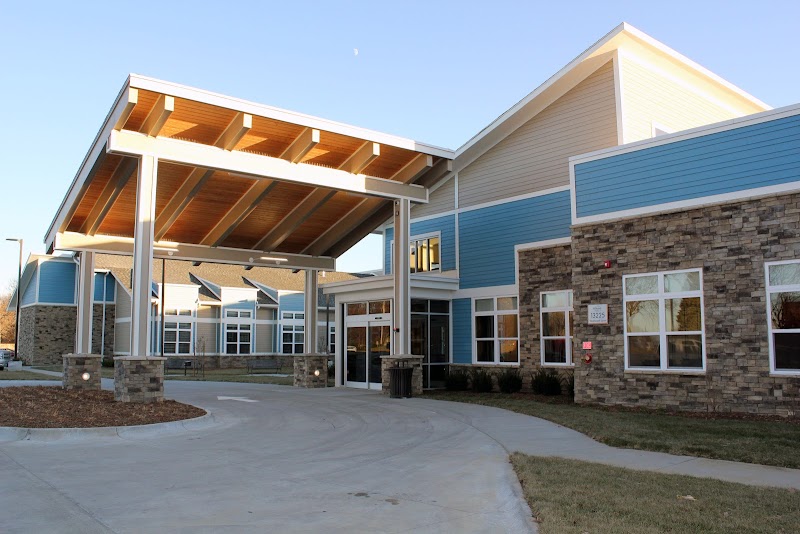
Who Owns and Operates Hillcrest Millard Llc?

Hillcrest Millard LLC is owned by a for-profit company. For-profit facilities operate as businesses with obligations to shareholders or private owners. The facility operates independently rather than as part of a larger chain. With 76 certified beds and approximately 59 residents (about 78% occupancy), it is a smaller facility located in Omaha, Nebraska.

How Does Hillcrest Millard Llc Compare to Other Nebraska Nursing Homes?

Compared to the 100 nursing homes in Nebraska, Hillcrest Millard LLC's overall rating (2 stars) is below the state average of 2.9, staff turnover (73%) is significantly higher than the state average of 46%, and health inspection rating (2 stars) is below the national benchmark.

What Should Families Ask When Visiting Hillcrest Millard Llc?

Based on this facility's data, families visiting should ask: "How do you ensure continuity of care given staff turnover, and what is your staff retention strategy?" "Can I visit during a mealtime to observe dining assistance and food quality?" "How do you handle medical emergencies, and what is your hospital transfer rate?" "Can I speak with family members of current residents about their experience?" These questions are particularly relevant given the facility's high staff turnover rate.

Is Hillcrest Millard Llc Safe?

Based on CMS inspection data, Hillcrest Millard LLC has a clean safety record: no substantiated abuse findings (meaning no confirmed cases of resident harm), no Immediate Jeopardy citations (the most serious violation level indicating risk of serious injury or death), and is not on the Special Focus Facility watch list (a federal program monitoring the lowest-performing 1% of nursing homes). The facility has a 2-star overall rating and ranks #100 of 100 nursing homes in Nebraska. While no facility is perfect, families should still ask about staff-to-resident ratios and recent inspection results during their visit.

Do Nurses at Hillcrest Millard Llc Stick Around?

Staff turnover at Hillcrest Millard LLC is high. At 73%, the facility is 26 percentage points above the Nebraska average of 46%. High turnover means new staff may not know residents' individual needs, medications, or preferences. It can also be disorienting for residents, especially those with dementia who rely on familiar faces. Families should ask: What is causing the turnover? What retention programs are in place? How do you ensure care continuity during staff transitions?

Was Hillcrest Millard Llc Ever Fined?

Hillcrest Millard LLC has no federal fines on record. CMS issues fines when nursing homes fail to meet care standards or don't correct problems found during inspections. The absence of fines suggests the facility has either maintained compliance or corrected any issues before penalties were assessed. This is a positive indicator, though families should still review recent inspection reports for the full picture.

Is Hillcrest Millard Llc on Any Federal Watch List?

Hillcrest Millard LLC is not on any federal watch list. The most significant is the Special Focus Facility (SFF) program, which identifies the bottom 1% of nursing homes nationally based on persistent, serious quality problems. Not being on this list means the facility has avoided the pattern of deficiencies that triggers enhanced federal oversight. This is a positive indicator, though families should still review the facility's inspection history directly.