Life Care Center of Omaha
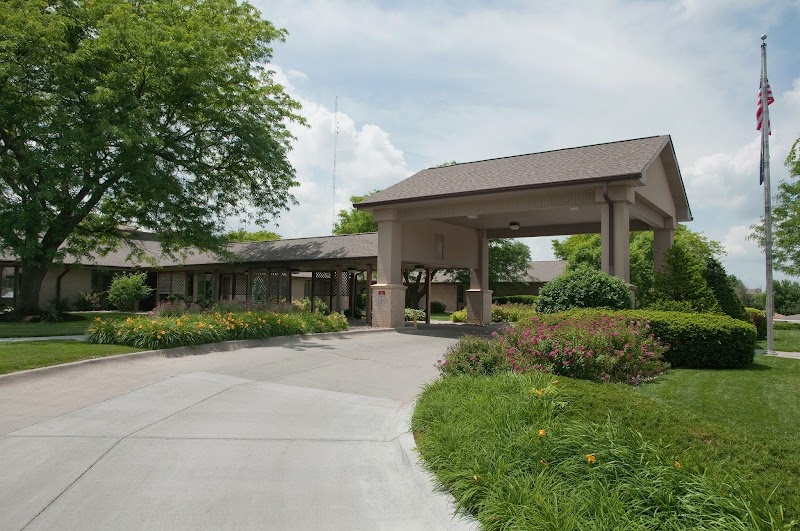
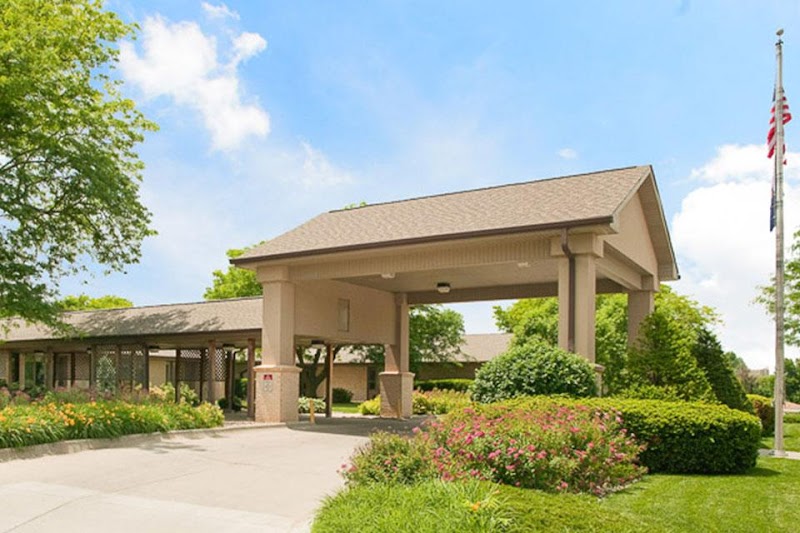
6032 Ville de Sante Drive, Omaha, NE 68104 (402) 571-6770
For profit - Corporation 128 Beds LIFE CARE CENTERS OF AMERICA Data: November 2025 1 Immediate Jeopardy citation
Trust Grade
23/100
#159 of 177 in NE
Last Inspection: July 2024

Within standard 12-15 month inspection cycle. Federal law requires annual inspections.

Overview

Life Care Center of Omaha has received a Trust Grade of F, indicating significant concerns about the quality of care provided. Ranking #159 out of 177 facilities in Nebraska places it in the bottom half of the state, and it is #22 out of 23 in Douglas County, meaning only one local option is better. While the facility is showing improvement, with issues decreasing from 16 in 2024 to 11 in 2025, it still reported a concerning $31,079 in fines, which is higher than 83% of other Nebraska facilities. Staffing is rated average, with a turnover of 48%, which is slightly below the state average; however, there were critical incidents, including a failure to monitor a resident's Wanderguard bracelet, which could lead to elopement, and issues with maintaining cleanliness in the kitchen that could affect multiple residents. Overall, while there are some strengths, such as average staffing levels, the facility must address serious weaknesses to ensure resident safety and care quality.
Trust Score
F
23/100
In Nebraska
#159/177
Bottom 11%
Safety Record
High Risk
Review needed
Inspections
Getting Better
16 → 11 violations
Staff Stability
⚠ Watch
48% turnover. Above average. Higher turnover means staff may not know residents' routines.
Penalties
✓ Good
$31,079 in fines. Lower than most Nebraska facilities. Relatively clean record.
Skilled Nurses
○ Average
Each resident gets 38 minutes of Registered Nurse (RN) attention daily — about average for Nebraska. RNs are the most trained staff who monitor for health changes.
Violations
⚠ Watch
50 deficiencies on record. Higher than average. Multiple issues found across inspections.
★☆☆☆☆
1.0
Overall Rating
★★★☆☆
3.0
Staff Levels
★★★★☆
4.0
Care Quality
★☆☆☆☆
1.0
Inspection Score
Stable
2024: 16 issues
2025: 11 issues

The Good

  • 4-Star Quality Measures · Strong clinical quality outcomes
  • Full Sprinkler Coverage · Fire safety systems throughout facility
  • No fines on record

Facility shows strength in quality measures, fire safety.

The Bad

1-Star Overall Rating

Below Nebraska average (2.9)

Significant quality concerns identified by CMS

Staff Turnover: 48%

Near Nebraska avg (46%)

Higher turnover may affect care consistency

Federal Fines: $31,079

Below median ($33,413)

Moderate penalties - review what triggered them

Chain: LIFE CARE CENTERS OF AMERICA

Part of a multi-facility chain

Ask about local staffing decisions and management

The Ugly 50 deficiencies on record

1 life-threatening
Sept 2025 5 deficiencies
CONCERN (D) 📢 Someone Reported This

A family member, employee, or ombudsman was alarmed enough to file a formal complaint

Potential for Harm - no one hurt, but risky conditions existed

Deficiency F0627 (Tag F0627)

Could have caused harm · This affected 1 resident

**NOTE- TERMS IN BRACKETS HAVE BEEN EDITED TO PROTECT CONFIDENTIALITY** Licensure Reference Number 175 NAC 12-006.09(G) Based on interview and record review, the facility failed to complete a discharg...

Read full inspector narrative →
**NOTE- TERMS IN BRACKETS HAVE BEEN EDITED TO PROTECT CONFIDENTIALITY** Licensure Reference Number 175 NAC 12-006.09(G) Based on interview and record review, the facility failed to complete a discharge plan for 1 (Resident 102) of 2 sampled residents. The facility census was 98. Findings are:A record review of Resident 102's Progress Notes dated 09/11/2025 revealed the resident was discharged to home on [DATE]. A record review of Resident 102's Notice Of Resident Transfer Or Discharge dated 08/18/2025 revealed the resident discharged to home and the box was marked that the resident's health had improved sufficiently and no longer needed the services provided by the facility. A record review of Resident 102's Discharge Summary Information dated 08/18/2025 revealed the resident was discharged to home. The reason for discharge was patient request. The resident was educated on the discharge process and was not expected to return. A record review of Resident 102's Care Plan with an admission date of 08/08/2025 did not reveal a Focus area or interventions for the discharge plan. A record review of Resident 102's Baseline Care Plan dated 08/08/2025 revealed the box for Discharge Plan was not checked. In an interview on 09/10/2025 at 11:50 AM, the facility's Regional Nurse Consultant (RNC)-A confirmed there was not a discharge plan done for Resident 102 and it should have been done.
CONCERN (D) 📢 Someone Reported This

A family member, employee, or ombudsman was alarmed enough to file a formal complaint

Potential for Harm - no one hurt, but risky conditions existed

Assessment Accuracy (Tag F0641)

Could have caused harm · This affected 1 resident

**NOTE- TERMS IN BRACKETS HAVE BEEN EDITED TO PROTECT CONFIDENTIALITY** Licensure Reference Number 175 NAC 12-006.09 Based on observation, interview and record review the facility failed to accurately...

Read full inspector narrative →
**NOTE- TERMS IN BRACKETS HAVE BEEN EDITED TO PROTECT CONFIDENTIALITY** Licensure Reference Number 175 NAC 12-006.09 Based on observation, interview and record review the facility failed to accurately code the Minimum Data Set (MDS: a federally mandated assessment tool used for care planning) for 1 (Resident 13) of 1 residents sampled. The facility census was 98. The findings are:Record review of Resident 13's MDS dated [DATE] revealed the facility staff assessed the following about the resident:-Brief Interview of Mental Status (BIMS) was scored as a 15. According to the MDS Manual a score of 15 indicates a person is cognitively intact.-required limited assistance with upper body dressing.-required extensive assistance with bed mobility and lower body dressing.-required total assistance with toileting, bathing, and transfers-oral and dental status including edentulous and loosely fitting dentures were not present. An observation on 09-08-2025 at 10:36 AM revealed Resident 13 was edentulous. During the observation a interview conducted with Resident 13 with Resident 13 reporting the dentures were to big. An interview conducted on 09-15-2025 at 10:15 AM with the Regional Director of Clinical Reimbursement confirmed the MDS was coded incorrectly for Resident 13's oral status.
CONCERN (D) 📢 Someone Reported This

A family member, employee, or ombudsman was alarmed enough to file a formal complaint

Potential for Harm - no one hurt, but risky conditions existed

Accident Prevention (Tag F0689)

Could have caused harm · This affected 1 resident

**NOTE- TERMS IN BRACKETS HAVE BEEN EDITED TO PROTECT CONFIDENTIALITY** Licensure Reference Number 175 NAC 12-006.09(I) Based on observation, interview, and record review, the facility failed to imple...

Read full inspector narrative →
**NOTE- TERMS IN BRACKETS HAVE BEEN EDITED TO PROTECT CONFIDENTIALITY** Licensure Reference Number 175 NAC 12-006.09(I) Based on observation, interview, and record review, the facility failed to implement interventions to prevent the potential for accidents on 2 (Residents 9 and 111) of 7 sampled residents. The facility census was 98. Findings are:A. A record review of the facility's “Transportation Coordination and Services” policy with a reviewed date of 05/15/2025 revealed the facility would ensure safety and infection control procedures were followed in accordance with state and federal guidance. A record review of the facility's “Suicide Precautions” policy with a reviewed date of 09/06/2024 revealed that residents who made attempts should be transferred to an acute setting for evaluation and reported in accordance with state regulation. Provide one to one supervision (1:1)(one staff with the resident at all times) until resident was transferred to an acute inpatient setting (hospital). A record review of Resident 111's “Clinical Census” dated 09/10/2025 revealed the resident was admitted [DATE] and the resident's Point Click Care number was 7563. A record review of Resident 111's “Medical Diagnosis” dated 09/11/2025 revealed the resident had diagnoses of Schizoaffective Disorder (a mental health condition that combines symptoms of schizophrenia and mood disorders), Alcohol Abuse, Traumatic Subdural Hemorrhage Without Loss of Consciousness (bleeding between the brain and the inner layer of the [NAME]), and Other Speech And Language Deficits Following Cerebrovascular Disease (speech or language impairment after a stroke or other brain event). A record review of Resident 111's Minimum Data Set (MDS)(a comprehensive assessment used to develop a resident's care plan) dated 07/03/2025 revealed the resident had a Brief Interview for Mental Status (BIMS)(a score of a resident's cognitive abilities) of 10 which indicated the resident was moderately cognitively impaired. The resident was independent for activities of daily living except the resident needed supervision or touching assistance with bathing. The resident was independent with all areas of mobility. The resident was on antipsychotic medications (medications used to treat psychotic disorders), antianxiety medications, and antidepressant medications. The resident did have inattention, disorganized thinking but did not have mood symptoms or behaviors in the lookback period. A record review of Resident 111's “Care Plan” with an admission date of 06/26/2025 revealed the resident had a focus area of at risk for behavior problem related to schizoaffective disorder and interventions of administer medications as ordered with a date initiated of 11/10/2023, anticipate and meet the residents needs with a date initiated of 11/10/2023, explain all procedures to the resident before starting and allow the resident time to adjust to changes with a date initiated of 11/10/2023. A record review of Resident 111's “Progress Note” dated 07/28/2025 at 2:30 PM by Registered Nurse (RN)-C revealed during a bingo activity Resident 111 placed an orange bingo cap in the resident's mouth with an attempt to swallow it. The nurse spotted it and it was removed. The resident “appeared tearful, was rocking back and forth and was emotionally distressed.” The resident was provided safety by providing a 1:1. A record review of Resident 111's “Progress Note” dated 07/28/25 at 14:55 PM by RN-C revealed a non-emergency medical transportation company would transport the resident to the hospital emergency room (ER) for evaluation. A record review of Resident 111's “Progress Note” dated 07/28/25 at 15:04 PM by RN-C revealed report was called to a nurse at the hospital ER and notified of the reasoning the resident would be seen in the ER. A record review of Resident 111's “Progress Note” dated 07/28/25 at 16:30 PM by Licensed Practical Nurse (LPN)-D revealed the hospital ER nurse called the facility to voice frustration that the resident was sent to the ER unaccompanied (no companion or escort). In a telephone interview on 09/10/2025 at 8:22 AM, RN-C confirmed RN-C was the nurse that took care of Resident 111 on 07/28/2025. RN - C reported Resident 111 was in the dining room playing bingo. The Activities Director (AD) came and got RN-C and reported Resident 111 was trying to make Resident 111 gag. RN-C took the resident to the resident's room and RN-C seen an orange cap about the size of a medicine bottle cap in the resident's mouth and removed it. RN-C went and got the Director of Nursing (DON). The DON instructed RN-C the resident needed 1:1 supervision so RN-C went and got the Bath Aide to do the 1:1. RN-C confirmed RN-C spoke to the resident and the resident confirmed the resident was trying to harm self. RN-C confirmed an attempt was made to transfer the resident with the facility van driver, but they were bust, so RN-C contacted the driver from the non-emergency transportation company to transport the resident to the ER and called the hospital ER to give report. RN-C confirmed RN-C told the driver to keep an eye on the resident, but confirmed RN-C did not make Driver-E aware that the resident had attempted self-harm. RN-C's reported their shift was ending, so RN-C gave report to Licensed Practical Nurse (LPN)-D and left for the day. RN-C confirmed when RN-C left, the resident was still at the facility and the Bath Aide was still doing 1:1 with Resident 111. RN-C confirmed it was RN-C's decision to call the non-emergency transport company's driver and not to call 911 since the cap was out and the Bath Aide was doing 1:1. In an interview on 09/10/2025 at 9:20 AM, Driver-E confirmed Driver-E recalled the transport to the ER of Resident 111 on 07/28/2025, but did not recall being given any special instructions or being given a packet to take to the ER. In an interview on 09/10/2025 at 3:04 PM, LPN-D confirmed Resident 111 had already left the facility when LPN-D started the shift on 07/28/2025. LPN-D recalled getting report from RN-C but did not know who transported the resident. LPN-D confirmed the Bath Aide did not go to the ER with the resident, but the resident was gone when LPN-D got there. In an interview on 09/10/2025 at 1:30 PM, the facility's RNC-A confirmed facility staff did not go with Resident 111 to the hospital ER on [DATE]. B. Record review of Resident 9's “Clinical Census” revealed the facility admitted the resident on 1/26/24. Record review of Resident 9's “Medical Diagnosis” printed 9/9/2025 revealed the resident had diagnoses which included muscle weakness, need for assistance with personal care, convulsions, and abnormal posture. Record review of Resident 9's MDS dated [DATE] revealed Resident 9 had a BIMS score of 13. According to the MDS manual, a score of 13 indicated the resident was cognitively intact. Further review of the MDS identified Resident 9 required supervision while eating and was dependent upon staff for all other activities of daily living including transfers and mobility. Record review of Resident 9's “Progress Notes” printed 9/9/2025 revealed: -7/8/2025: “Bath aide called nurse to show purple bruise to left front shoulder. Resident not sure how she got this, denies pain to area. Message left with family to return call to facility. NP [nurse practitioner], DON notified.” Record review of a facility provided document “Skin Related Injury” dated 7/8/2025 involving Resident 9 revealed after facility investigation, the determined cause of the bruise to the shoulder was related to wheelchair positioning. Further review of the document showed a note dated 7/9/2025 “therapy applied a wedge in between knees to assist with positioning.” Record review of Resident 9's CCP revealed interventions to place an abductor wedge between the knees and make sure wedge is in place between resident and armrest on right side while in wheelchair dated revised 5/8/2025. An observation on 9/11/2025 at 10:34 AM revealed a standard foam cushion in the seat of Resident 9's wheelchair. Nurse Aide (NA)-B utilized a gait belt, performed a stand pivot transfer with Resident 9, and seated Resident 9 in the wheelchair. No wedge was placed between the resident and the armrest of the wheelchair, nor was an abductor wedge placed between Resident 9's knees. An observation on 9/15/2025 at 11:45 AM revealed Resident 9 seated in the wheelchair in the main dining room. A standard foam cushion was in the seat of the wheelchair. No further positioning devices were present. An interview on 9/11/2025 at 10:34 AM with NA-B revealed [gender] works with Resident 9 approximately half of NA-B's scheduled shifts. NA-B further revealed that [gender] was never made aware that Resident 9 required positioning devices to prevent the potential for further injury. NA-B reported that [gender] has never seen cushions or wedges in use with Resident 9. An interview on 9/15/2025 at 11:50 PM with the Director of Nursing confirmed the resident did not have any wedge or abductor wedge in use for Resident 9. An interview on 9/15/2025 at 12:20 PM with the Director of Rehabilitation (DOR) confirmed Resident 9 should have an abductor wedge between the knees. The DOR reported that the wedge between the resident and the right side of the wheelchair was no longer an active intervention. Record review of a facility policy entitled “Incident and Reportable Event Management” dated reviewed 9/25/24 revealed: -The Five “I's” to Event Management: -Intervention -1. The licensed nurse should implement an appropriate immediate intervention, based on the conclusions of the initial investigation. -2. The licensed nurse should update the resident care plan and communicate the intervention to the staff caring for the resident. -3. The IDT will, as part of their review, determine if the initial intervention is sufficient or if a modification is needed. Any changes from the initial intervention will be documented on the resident's care plan and communicated to the staff caring for the resident.
CONCERN (D) 📢 Someone Reported This

A family member, employee, or ombudsman was alarmed enough to file a formal complaint

Potential for Harm - no one hurt, but risky conditions existed

Unnecessary Medications (Tag F0759)

Could have caused harm · This affected 1 resident

Licensure Reference Number 175 NAC 12-006.10(D) Based on observation, interview and record review the facility failed to ensure a medication error rate of 5% or less as evidenced by 2 medication admin...

Read full inspector narrative →
Licensure Reference Number 175 NAC 12-006.10(D) Based on observation, interview and record review the facility failed to ensure a medication error rate of 5% or less as evidenced by 2 medication administration errors out of 25 opportunities for error, resulting in an error rate of 8%. The facility census was 98. The findings are:Record review of the facility policy titled Medication Administered through an Enteral Tube (feeding tube) dated 11-15-2024 revealed medications are administered by authorized and qualified facility staff, as prescribed, in accordance with standard nursing principles and practices. Insert medication syringe into the appropriate port and pour each medication through the syringe. Medications should be prepared and given separately. Do not mix medications together in a medication syringe. Record review of Resdient 3's Minimum Data Set (MDS: a federally mandated assessment tool used for care planning) revealed the facility staff assessed the following about the resident:-required total assistance with eating, hygiene, bathing, dressing, toileting, transfers and bed mobility.-had a feeding tube (a tube inserted into the gastrointestinal tract to deliver nutrition, fluids and medications). An observation on 09-15-2025 at 1:37 PM was conducted of Licensed Practical Nurse (LPN) F administering medication to Resident 3 revealed hydralazine 75 milligram (mg) tablet and baclofen 5 mg tablet were to be administered. LPN F removed the tablets from the medication cards and placed both medications in a clear pouch and inserted the pouch into the pill crusher and crushed the medications together. After the medications were crushed the medications were poured out of the clear pouch and into a clear medicine cup. Then LPN F along with LPN G went to Resident 3's room to administer the medication. LPN F poured approximately 3 teaspoons of water into the cup with medications and stirred it with a plastic spoon until the medication had dissolved. Resident 3's tube feeding was placed on hold by LPN F and a feeding syringe was inserted into the resident feeding port and after checking placement, LPN F flushed the feeding tube with water and then administered both medications dissolved in water through the feeding tube followed by a water flush. LPN G was present during the observation and was training LPN F. An interview with LPN G on 09-15-2025 at 1:45 PM reveals Resident 3's physician had given an order for medications to be crushed and administered together through the feeding tube. An interview with the Director of Nursing on 09-15-2025 confirmed Resident 3 did not have an order for medications to be crushed and administered together through the feeding tube and confirmed medications should not have been crushed and administered together for Resident 3.
CONCERN (F) 📢 Someone Reported This

A family member, employee, or ombudsman was alarmed enough to file a formal complaint

Potential for Harm - no one hurt, but risky conditions existed

Staffing Information (Tag F0732)

Could have caused harm · This affected most or all residents

Based on record review and interview, the facility failed to ensure that the posted nurse staffing information contained the required information related to the total number of actual hours worked per...

Read full inspector narrative →
Based on record review and interview, the facility failed to ensure that the posted nurse staffing information contained the required information related to the total number of actual hours worked per discipline. This had the potential to affect all residents that resided in the facility. The facility staff identified a census of 98.Record reviews of 30 days of past posted nurse staffing between 8/10/25 and 9/10/25 revealed the daily posted nurse staffing did not contain the total number of actual hours worked for the different types of staff.An interview on 9/15/25 at 1:02 PM with the facility Administrator confirmed the nurse staff posting information did not contain the total number of actual hours worked per discipline and that the hours had not been calculated or documented on the posted nurse staffing and should have been.
Jun 2025 3 deficiencies
CONCERN (D) 📢 Someone Reported This

A family member, employee, or ombudsman was alarmed enough to file a formal complaint

Potential for Harm - no one hurt, but risky conditions existed

Deficiency F0628 (Tag F0628)

Could have caused harm · This affected 1 resident

**NOTE- TERMS IN BRACKETS HAVE BEEN EDITED TO PROTECT CONFIDENTIALITY** Based on record review and interview the facility failed to provide a report to the receiving healthcare institution after an em...

Read full inspector narrative →
**NOTE- TERMS IN BRACKETS HAVE BEEN EDITED TO PROTECT CONFIDENTIALITY** Based on record review and interview the facility failed to provide a report to the receiving healthcare institution after an emergent transfer from the facility for 2 (Resident 1 and 3) of 4 residents sampled. The facility census was 95. The findings are: A. Record review of Resident 1's admission assessment dated [DATE] revealed the facility staff assessed the following about the resident: -was alert and oriented to person, place and time. -was receiving dialysis. -required extensive assistance with transfers. -required limited assistance with bed mobility, dressing, toileting and hygiene. -had an active infectious disease that required transmission-based precautions. Record review of Resident 1's progress notes dated 05-24-25 revealed Resident 1 and spouse wanted to be sent to the hospital due to body pain and had declined treatment for this at the facility. Furthermore, the progress note reveals the on-call supervisor was notified and 911 was called and an ambulance arrived at the facility to take Resident 1 to the hospital. Record review of Resident 1's Electronic Medical Record including physician's orders, progress notes, and transfer forms revealed no notification to the receiving hospital on the care needs of the resident. An interview with Licensed Practical Nurse (LPN) E on 06-11-2025 at 10:00 AM revealed LPN E was the nurse that transferred Resident 1 to the hospital on [DATE] and confirmed that a report was not given to the hospital after Resident 1's transfer. B. Record review of Resident 3's Minimum Data Set (MDS: a federally mandated assessment tool used for care planning) dated 05-06-2025 revealed the facility staff assessed the following about the resident: -the resident is rarely understood. -required total assist with eating, hygiene, dressing, toileting, bathing, bed mobility and transfers -had a urinary catheter. Record review of Resident 3's progress notes dated 4-27-2025 revealed Resident 3 was unresponsive and the staff called 911 and sent the resident to the hospital. Record review of Resident 3's Electronic Health Record revealed no information on when the ambulance arrived and what information was communicated to the receiving hospital on the care and needs of the resident. An interview with the Director of Nursing on 06-11-20256 at 1:15 PM revealed the expectation was for the staff to call the hospital and provide a report on the resident that is being sent there and confirmed that a report was not given to the hospital after Resident 3's transfer.
CONCERN (D) 📢 Someone Reported This

A family member, employee, or ombudsman was alarmed enough to file a formal complaint

Potential for Harm - no one hurt, but risky conditions existed

Deficiency F0726 (Tag F0726)

Could have caused harm · This affected 1 resident

**NOTE- TERMS IN BRACKETS HAVE BEEN EDITED TO PROTECT CONFIDENTIALITY** Licensure Reference Number 175 NAC 12-006.04 Based on record review and interview the facility failed to train licensed staff on...

Read full inspector narrative →
**NOTE- TERMS IN BRACKETS HAVE BEEN EDITED TO PROTECT CONFIDENTIALITY** Licensure Reference Number 175 NAC 12-006.04 Based on record review and interview the facility failed to train licensed staff on an external cardiac defibrillator, prior to providing care to 1 (Resident 1) of 1 residents sampled. The facility census was 95. The findings are: Record review of Resident 1's admission assessment dated [DATE] revealed the facility staff assessed the following about the resident: -was alert and oriented to person, place and time. -was receiving dialysis. -required extensive assistance with transfers. -required limited assistance with bed mobility, dressing, toileting and hygiene. -had an active infectious disease that required transmission-based precautions. Record review of Resident 1's discharge orders from the hospital revealed an order for a life vest (an external defibrillator designed to protect individuals at risk of Sudden Cardiac Arrest by monitoring heart rhythms and delivering a shock when abnormal rhythms are detected) was to be worn at all times. An interview with Licensed Practical Nurse (LPN) E on 06-10-2025 at 3:00 PM revealed LPN C had worked and who provided care for Resident 1 revealed LPN C had no prior training on the Life Vest. Furthermore, LPN C revealed there were no training materials for the staff to refer to if needed. An interview with LPN D on 06-11-2025 at 10:15 AM that revealed LPN D had provided care for Resident 1 and had no prior training on the Life Vest. An interview with LPN F on 06-11-2025 at 10:30 AM that revealed LPN F had provided care for Resident 1 and had no prior training at the facility on the Life Vest. An interview with the Director of Nursing (DON) on 06-11-2025 at 2:40 PM confirmed that training on the Life Vest had not occurred prior to admitting and providing care Resident 1 who had a Life Vest in use.
CONCERN (D) 📢 Someone Reported This

A family member, employee, or ombudsman was alarmed enough to file a formal complaint

Potential for Harm - no one hurt, but risky conditions existed

Infection Control (Tag F0880)

Could have caused harm · This affected 1 resident

**NOTE- TERMS IN BRACKETS HAVE BEEN EDITED TO PROTECT CONFIDENTIALITY** Licensure Reference Number 175 NAC 1-005.06(E & F), 12-006.18(B) Based on observation, interview and record review the facility ...

Read full inspector narrative →
**NOTE- TERMS IN BRACKETS HAVE BEEN EDITED TO PROTECT CONFIDENTIALITY** Licensure Reference Number 175 NAC 1-005.06(E & F), 12-006.18(B) Based on observation, interview and record review the facility failed to utilize contact precautions for 1(Resident 2) of 3 residents sampled and failed to utilize enhanced barrier precautions for 2 (Resident 3 and 4) of 2 residents sampled. The facility census was 95. The findings are: A. Record review of Resident 2's Minimum Data Set, (MDS: a federally mandated assessment tool used for care planning) dated 04-16-2025 revealed the facility staff assessed the following about the resident: -Brief Interview of Mental Status (BIMS) was scored as a 15. According to the MDS Manual a score of 13 to 15 indicate a person is cognitively intact. -was legally blind -had a C. Difficile infection (a bacterium that can cause inflammation of the colon and diarrhea) -was on isolation for an active infection. -required supervision and minimal assistance with toileting, bathing and transfers. -was occasionally incontinent of bowel and bladder. An observation on 06-10-2025 at 8:15 AM of Resident 2's room revealed a sign on the door that stated contact precautions staff must wear a gown and gloves upon entering the room. There was another sign on the door that indicated hand hygiene with soap and water only. There was a cart located on the outside of the room that contained gowns and gloves. An observation on 06-10-2025 at 12:50 PM revealed Housekeeper (HK) K mopping the floor in Resident 2's room, without wearing a gown. An interview with HK K on 06-10-2025 at 1:00 PM confirmed a gown was not worn to mop the floor and should have been worn based on the sign on the door. An interview with the Regional Nurse Consultant (RNC) on 06-11-2025 at 2:30 PM confirmed Resident 2 was on contact precautions and the HK K should have worn a gown and gloves while cleaning and mopping the room. Record review of the facility policy titled Contact Precautions dated 04-22-2025 revealed contact precautions should be used when a resident develops signs and symptoms of a transmissible infection or has a laboratory confirmed infection that requires use of contact precautions to prevent transmission of pathogens that are spread by direct person to person contact or indirect contact with the resident or environment and requires the use of personal protective equipment (PPE) including a gown and gloves. B. Record review of Resident 3's MDS dated [DATE] revealed the facility staff assessed the following about the resident: -the resident is rarely understood. -required total assist with eating, hygiene, dressing, toileting, bathing, bed mobility and transfers -had a urinary catheter. An observation on 06-10-2025 at 9:30 AM of Resident 3's room revealed a sign that stated Enhanced Barrier Precautions (EBP) and the sign instructed the staff must wear a gown and gloves for the following high resident contact activities: dressing, bathing/showering, transferring, providing hygiene, changing linens, changing briefs or assisting with toileting, device care or use: such as urinary catheter, feeding tube, and wound care. An observation on 06-11-2025 at 9:10 AM of Nursing Assistant (NA) G and NA J providing care for Resident 3 without wearing a gown. Resident 3 had just returned from the shower and was transferred onto the bed. NA G had assisted Resident 3 to roll to the side, while NA J dried Resident 3's back and buttocks. Furthermore, Resident 3 had a dressing to the buttocks that had become loose, and NA J removed the loose dressing and dried the area. During the observation, Resident 3 had a bowel movement and NA J provided perineal care and placed a new brief under the resident. NA G then rolled Resident 3 to the back and assisted with Resident 3 with dressing. An interview conducted with NA J on 06-11-2025 at 9:25 AM revealed NA J did not wear a gown because (gender) was not aware a gown was required. An interview conducted with NA G on 06-11-2025 at 9:33 AM revealed a gown was not worn because (gender) was not aware of Resident 3 being on EBP. An interview with the RNC on 06-11-2025 at 2:30 PM confirmed Resident 3 was on EBP and the staff should have worn a gown while providing care for Resident 3. C. Record review of Resident 4's MDS dated [DATE] revealed the facility staff assessed the following about the resident: -BIMS was scored at a 15 indicating intact cognition. -had a multidrug resistant organism (MDRO; a germ that is resistant to many antibiotics). -required dialysis (a medical procedure that cleans blood when the kidneys are unable to so). -required total assistance with toileting, bathing, dressing, transfers, and bed mobility. An observation on 06-10-2025 at 1:00 PM of Resident 4's room revealed a sign that stated Enhanced Barrier Precautions (EBP) and the sign instructed the staff must wear a gown and gloves for the following high resident contact activities: dressing, bathing/showering, transferring, providing hygiene, changing linens, changing briefs or assisting with toileting, device care or use: such as urinary catheter, feeding tube, and wound care. An observation on 06-11-2025 at 11:00 AM revealed NA H and NA I transferring Resident 4 into bed from the electric wheelchair, without wearing a gown. After Resident 4 was on the bed, NA I left the room and NA H continued to provide care for the resident. NA H proceeded to perform a brief change and perineal care for Resident 4 without a gown. Furthermore, the observation revealed a vascular access port used for dialysis to the right upper chest. An interview with NA H on 06-11-2025 at 11:25 AM confirmed a gown was not worn while providing care even though there was an EBP sign on the door. An interview with Registered Nurse (RN) B at 11:35 AM revealed RN B was not aware of Resident 4 being on EBP. An interview with the RNC on 06-11-2025 at 2:30 PM confirmed Resident 4 was on EBP and the staff should have worn a gown while transferring and providing perineal care. Record review of the facility policy titled Enhanced Barrier Precautions dated 04-22-2025 revealed the facility should use EBP as an additional MDRO mitigation strategy for residents that meet the following criteria, during high-contact resident activities: -wounds and/or indwelling medical devices even if the resident is not known to be infected or colonized with a MDRO. -indwelling medical device examples include central lines, urinary catheters, feeding tubes, and tracheostomies.
Mar 2025 3 deficiencies
CONCERN (D) 📢 Someone Reported This

A family member, employee, or ombudsman was alarmed enough to file a formal complaint

Potential for Harm - no one hurt, but risky conditions existed

Tube Feeding (Tag F0693)

Could have caused harm · This affected 1 resident

175 NAC 12-006.09(H)(vi)(3)(a) Based on observation, interview and record review the facility failed to administer enteral tube feedings and water flushes according to the practitioner's orders for 1 ...

Read full inspector narrative →
175 NAC 12-006.09(H)(vi)(3)(a) Based on observation, interview and record review the facility failed to administer enteral tube feedings and water flushes according to the practitioner's orders for 1 (Resident 5) of 1 residents sampled. The facility census was 99. The findings are: Record review of Resident 5's Minimum Data Set (MDS: a federally mandated assessment tool used for care planning) dated 12-24-2024 revealed the facility the following about the resident. -Brief Interview of Mental Status (BIMS) was scored as a 3. According to the MDS Manual a score of 0-7 indicates severe cognitive impairment. -had a diagnosis of Protein Calorie Malnutrition -required total assistance with eating, hygiene, toileting, bathing, dressing, transfers and bed mobility. -had a feeding tube and was receiving 51% or more of the daily total calories through the feeding tube. Record review of Resident 5's order summary printed on 03-13-2025 revealed an order Nepro enteral feeding at 45 milliliters (ml) per hour through the feeding tube for 24 hours a day continuously. Additionally, the order summary did not have an order to flush the feeding tube with water. An observation on 03-13-2025 at 1:30 PM revealed Resident 5 sitting in the room with the tube feeding running at 45 ml per hour, the feeding bag was dated 03-12-2025 and the bag was labeled Isosource 45 ml per hour and another feeding bag with clear liquid in it with no label or date on the bag. An interview conducted on 03-13-2025 at 2:05 PM with Registered Nurse (RN) C confirmed the tube feeding infusing for Resident 5 was labeled Isosource 45ml per hour dated 03-12-2025 and the clear liquid in the other feeding bag was water and the pump was set at 300 ml of water every 6 hours. RN C further confirmed the order was for Nepro tube feeding. RN C reported not find an order to flush the feeding tube with 300 ml of water every 6 hours. An interview conducted on 03-17-2025 at 11:03 AM with the facility's Registered Dietician (RD) confirmed that Nepro tube feeding formula is not interchangeable with Isosource tube feeding formula and the Isosource should not have been administered to Resident 5. Record review of the facility policy titled Enteral Therapy (Continuous) dated 09-10-2024 revealed as the policy statement: -the facility will provide continuous enteral nutrition therapy in accordance with physician orders and professional standards of practice.
CONCERN (D) 📢 Someone Reported This

A family member, employee, or ombudsman was alarmed enough to file a formal complaint

Potential for Harm - no one hurt, but risky conditions existed

Unnecessary Medications (Tag F0759)

Could have caused harm · This affected 1 resident

Licensure Reference Number 175 NAC 12-006.10(D) Based on observation, interview and record review the facility failed to ensure a medication error rate of less than 5%. Observation of 29 medications a...

Read full inspector narrative →
Licensure Reference Number 175 NAC 12-006.10(D) Based on observation, interview and record review the facility failed to ensure a medication error rate of less than 5%. Observation of 29 medications administered revealed 3 errors resulting in a medication error rate of 10.34%. The medication errors affect 2 (Resident 2 and 3) of 4 residents. The facility census was 99. Findings are: A. Record review of Resident 3's Medication Administration Record (MAR) printed on 03-13-2025 revealed the following medications to be administered for 8:00 AM: -Amlodipine Besylate (medication used for blood pressure management) 10 milligrams (mg) -Baclofen (muscle relaxant) 15 mg -Calcium Carbonate Chewable 500 mg -Culturelle Capsules 1 capsule -Donepezil (medication used to improve mental function) HCl 10 mg -Fluticazone Propionate Nasal Suspension 1 spray each nare -Gabapentin (anticonvulsant medication) 300 mg -Isosorbide mononitrate ( ER 30 mg -Refresh Tears Solution 0.5 % 1 drop in both eyes. An observation on 03-13-2025 at 7:35 AM of Registered Nurse (RN) B administering medications for Resident 3 revealed the Refresh Tears Solution was not administered. An interview on 03-13-2025 at 7:45 AM with RN B confirmed the Refresh eye drops for Resident 3 were unavailable therefore the eye drops were omitted from the administration. B. Record review of Resident 2's MAR printed on 03-13-2025 revealed the following medications to be at administered at 8:00 AM: -Certirizine HCL (medication used for allergies) 10 mg -Oxcarbazepine (anticonvulsant medication) 300mg -Atorvastatin Calcium ( medication used to manage cholesterol) F/C 20 mg -Lantus (Insulin Glargine) injection 15 units -Timolol Maleate gel forming solution 0.5% 1 drop both eyes An observation on 03-13-2025 at 8:15 AM with Licensed Practical Nurse (LPN) A administering medications to Resident 2 revealed the administration of Atorvastatin 20 mg and Oxcarbapine 300 mg and Lantus insulin 15 units. The Certirizine and the Timolol Maleate medications were not administered at the time of the observation. An interview was conducted on 03-13-2025 at 10:05 AM with LPN A which confirmed the Certirizine 10 mg was not administered for Resident 2 and the Timolol Maleate gel solution 0.5% was administered late at 10:00 AM. Record review of the facility policy titled Administration of Medications revealed the following: -The facility must ensure medications are administered safely and appropriately per physician order to address residents' diagnoses and signs and symptoms. -Medication error- this means the observed or identified preparation and administration of medications or biological's which is not in accordance with: -the prescribe's order -Manufacturer's specifications (not recommendations) regarding the preparation or administration of the medication or biological; or -Accepted professional standards and principles which apply to professionals providing services. Accepted professional standards and principles include the various practice regulations in each State, and current commonly accepted health standards established by national organizations, boards, and councils. -Staff who are responsible for medication administration will adhere to the 10 rights of Medication Administration including: -Right time and Frequency- check the order for when the medication should be given.
CONCERN (D) 📢 Someone Reported This

A family member, employee, or ombudsman was alarmed enough to file a formal complaint

Potential for Harm - no one hurt, but risky conditions existed

Deficiency F0761 (Tag F0761)

Could have caused harm · This affected 1 resident

175 NAC 12-006.12(D)(iii) Based on observation, interview and record review the facility failed to ensure 10 insulin pens were labeled with the date opened for Residents 5, 6 and 8 during an observati...

Read full inspector narrative →
175 NAC 12-006.12(D)(iii) Based on observation, interview and record review the facility failed to ensure 10 insulin pens were labeled with the date opened for Residents 5, 6 and 8 during an observation of 1 medication cart sampled. The facility census was 99. The findings are: Record review of the facility policy Guidance for Using Insulin Products revealed the following information: -insulin products should not be used if they were frozen. -Before opening all unused vials, pens, and cartridges of insulin are best stored in a refrigerator between 36 and 46 degrees Fahrenheit and can be kept until the expiration date printed on the packaging. -Storage of unopened insulin products outside of the refrigerator is permissible but results in an earlier expiration date. -Upon opening all vials, cartridges, pens should be dated and stored away from direct heat or light. Insulin pens should not be refrigerated once opened. -Lantus insulin opened and stored at room temperature will expire in 28 days. -Lispro insulin opened and stored at room temperature will expire in 28 days. Observation on 03-17-2025 at 7:45 AM revealed the following 10 insulin pens were available for use without opened dates: -3 Lantus pens and 2 lispro pens did not have an opened date for Resident 8. - 3 Lispro pens did not have an opened date for Resident 5 -1 Lantus pen and 1 lispro pen did not have an opened date for Resident 6. An interview conducted with Registered Nurse (RN) C on 03-13-2025 at 7:50 AM confirmed that the 10 insulin pens did not have a date indicating when initial use began and that the insulin will expire 28 days after opening.
Oct 2024 3 deficiencies
CONCERN (D) 📢 Someone Reported This

A family member, employee, or ombudsman was alarmed enough to file a formal complaint

Potential for Harm - no one hurt, but risky conditions existed

Deficiency F0553 (Tag F0553)

Could have caused harm · This affected 1 resident

**NOTE- TERMS IN BRACKETS HAVE BEEN EDITED TO PROTECT CONFIDENTIALITY** Licensure Reference Number 175 NAC 12-006.05(E) Based on record review and interview; the facility staff failed to include the r...

Read full inspector narrative →
**NOTE- TERMS IN BRACKETS HAVE BEEN EDITED TO PROTECT CONFIDENTIALITY** Licensure Reference Number 175 NAC 12-006.05(E) Based on record review and interview; the facility staff failed to include the resident/ family member in the quarter care planning process for 1 (Resident 2) of 3 sampled residents. The facility staff identified a census of 90. Findings are: Record review of a Order Summary Report printed on 10-28-2024 revealed Resident 2 admitted to the facility on [DATE]. Record review of Resident 2's Electronic Medical Record (EMR) under the section identified as census revealed Resident 2 discharge from the facility on 8-23-2024. Further review of Resident 2's EMR revealed the last quarter care planning process was completed on 10-24-2023. There was no indication a quarter care planning process was conducted as of 10-29-2024. On 10-28-2024 at 10:10 AM an interview was conducted with a Family Member (FM) of Resident 2's. During the interview Resident 2's FM reported not being invited or being aware of the quarterly care planning process. Resident 2's FM reported being involved in planning care for Resident 2. On 10-28-2024 at 3:42 PM an interview was conducted with the Social Services Director (SSD). During the interview the SSD confirmed Resident 2's record did not reflect the care planning process had been completed for the resident. The SSD reported not being aware that the quarterly care planning process had been completed for Resident 2.
CONCERN (D) 📢 Someone Reported This

A family member, employee, or ombudsman was alarmed enough to file a formal complaint

Potential for Harm - no one hurt, but risky conditions existed

Accident Prevention (Tag F0689)

Could have caused harm · This affected 1 resident

**NOTE- TERMS IN BRACKETS HAVE BEEN EDITED TO PROTECT CONFIDENTIALITY** Licensure Refernce Number 175 NAC 12-006.09(l) Based on observations, record review and interview; the facility staff failed to ...

Read full inspector narrative →
**NOTE- TERMS IN BRACKETS HAVE BEEN EDITED TO PROTECT CONFIDENTIALITY** Licensure Refernce Number 175 NAC 12-006.09(l) Based on observations, record review and interview; the facility staff failed to implement assessed interventions to prevent accidents/falls for 3 (Resident 1,3 and 4) of 4 sampled residents. The facility staff identified a censu of 90. Findings are: A. Record review of Resident 1's Comprehensive Care Plan (CCP) printed on 10-28-2024 revealed Resident 1 was admitted to the facility on [DATE]. Further review of Resident 1's CCP revealed Resident 1 had a fall initiated on 7-03-2023. According to Resident 1's CCP the goal for Resident 1 was Resident 1 would not sustain a serious injury requiring hospitalization. Interventions to meet this good were as follows: -Anticipate and meet the residents needs. -Call light in reach. -Complate a fall risk assessment. -Fall mate next to the bed. -Parameter mattress to the bed. Observation on 10-28-2024 at 7:26 PM revealed Resident 1 was in bed and did not have a fall mat in place. On 10-28-2024 at 7:28 PM Licensed Practical nurse (LPN) A confirmed Resident 1 did not have a fall mat and should have had one. B. Record review of Resident 3's CCP with an initiated date of 4-23-2020 revealed Resident 3 had a fall. The goal for Resident 3 was Resident 3 wound not sustain any serious injury with falls requiring hospitalization. Interventions identified on Resident 3 CCP included the following: -Educate staff to remove a sling ( item used with a mechainal lift transfer) after being positioned in a chair. -Fall mat at bed side when the resident is in bed. -frequent checks when the resident was in bed to ensure bed positioning. Observation on 10-28-2024 at 10:24 AM revealed Resident 3 was in the lobby area seated in a wheelchair and setting on a sling. Observation on 10-28-2024 at 12:55 PM revealed Resident 3 was setting on a sling. 10-28-2024 at 1:23 PM an interview was conducted with LPN F. During the interview LPN F confirmed Resident 3 was sitting on a sling. Observation on 10-28-2024 at 7:20 PM revealed Resident 3 was in bed and did not have a fall mat in place. A interview was conducted with Registered Nurse (RN) D on 10-28-2024 at 7:22 PM. During the interview RN D confirmed Resident 3 should have had a mat next to their bed and did not. Observation on 10-29-2024 at 4:36 AM revealed Resident 3 was in bed and did not have a mat next to the bed. C. Record review of Resident 4's CCP with an iniiation date of 3-30-2023 revealed Resident 4 was at rsik for falls. The goal identified on Resident 4's CCP was Resident 4 would not sustain serious injury requiring hospitalization. The interventions list on the CCP were as follows: -Anticipate and meet Resident 4's needs. -Call light within reach. -Fall mat at bed side while the resident is in bed. Low bed when Resident 4 is asleep. Observation on 10-28-2024 at 1:17 PM revealed Resident 4 was in bed and did not have a mat next to the bed. Observation on 10-28-2024 at 7:22 PM revealed Resident 4 was in bed and did not have a fall mat next to the bed. On 10-28-2024 at 7:22 PM an interview was conducted with RN D. During the interview RN D confirmed Resident 4 did not have a fall mat and should have had one.
CONCERN (D) 📢 Someone Reported This

A family member, employee, or ombudsman was alarmed enough to file a formal complaint

Potential for Harm - no one hurt, but risky conditions existed

Unnecessary Medications (Tag F0759)

Could have caused harm · This affected 1 resident

Licensure Reference Number 175 NAC 12-006.10D Based on observation, record review and interview; the facility staff failed to ensure a medication error rate of less than 5%. Observation of 34 medicati...

Read full inspector narrative →
Licensure Reference Number 175 NAC 12-006.10D Based on observation, record review and interview; the facility staff failed to ensure a medication error rate of less than 5%. Observation of 34 medication revealed 4 errors resulting in an error rate of 11.76%. The medication errors effect 3 (Resident 10,11 and 13) of 5 sampled residents. The facility staff identified a census of 90. Findings are: A. Record review of Resident 10's Medication Administration Record (MAR) for October 2024 revealed Resident 10 practitioner had ordered Atorvastation(medication to treat high cholesterol level) 20 milligrams (mg) and Metamucil 4 in 1 fiber oral packet to be given 4 times a day. According to Resident 10's MAR for October 2024, the Atorvastation was schedule to be given at 5:00 PM. Observation on 10-28-2024 at 7:33 PM revealed Licensed Practical Nurse (LPN) A prepared Resident 10 medications that included the Atorvastatin 20 mg. In addition LPN A scooped out 1 scoop of the Metamucil using a plastic spoon and place the medication into a plastic cup. LPN A took the medications and administered them to Resident 10. On 10-28-2024 at 7:40 PM and interview was conducted with LPN A. During the interview LPN A confirmed the Atrovastatin was given late and and the Metamucil was not given as ordered. B. Record review of a Order Summary Report printed on 10-29-2024 revealed Resident 11's practitioner ordered medication that included Diltiazem (medication used to treat high blood pressure) 180 mg capsule to be given at bed time. Observation on 10-28-2024 at 8:00 PM revealed Registered Nurse (RN) B prepared Resident 11's medication to be administered. During the observation the Diltiazem was not available to be given to Resident 11. On 10-28-2024 at 8:10 PM an interview was conducted with RN B. During the interview RN B confirmed the Diltiazem was not available to be given to Resident 11 and was an error. C. Record review of Resident 13's MAR for October 2024 revealed Resident 13's practitioner order medications that included Calcium Carbonate 600 mg tablets , twice a day. Further review of Resident 13's MAR for October 2024 revealed the Calcium Carbonate was scheduled for 10 am and 3 PM. Observation on 10-29-2024 at 7:23 AM revealed RN D prepared Resident 13's medications for administration including the Calcium Carbonate and administered them to Resident 13. On 10-29-2024 at 7:35 AM an interview was conducted with RN D. During the interview RN D confirmed the Calcium Carbonate was given early and was an error.
Jul 2024 6 deficiencies
CONCERN (D)

Potential for Harm - no one hurt, but risky conditions existed

PASARR Coordination (Tag F0644)

Could have caused harm · This affected 1 resident

Based on record review and interview, the facility failed to ensure a Preadmission Screening and Resident Review (PASARR, a federal requirement to help ensure that individuals who have a serious menta...

Read full inspector narrative →
Based on record review and interview, the facility failed to ensure a Preadmission Screening and Resident Review (PASARR, a federal requirement to help ensure that individuals who have a serious mental disorder or intellectual disabilities are not inappropriately placed in nursing homes for long term care, requires that all applicants to a Medicaid-certified nursing facility be evaluated for a serious mental disorder and/or intellectual disability, be offered the most appropriate setting for their needs, and receive the services they need in those settings) Level II was completed on a resident with a serious mental disorder for 1 of 1 resident's reviewed (Resident 6). The facility identified a census of 81. Findings are: Record review of Resident 6's PASARR Level I screening determination notification dated 6/1/2023 revealed the following statement: There were no signs of a serious mental illness, intellectual disability or a related condition found during the Level I screen. No further clinical review or onsite evaluation is needed. Record review of Resident 6's Census Sheet revealed an admission date to the facility on 6/6/2023. Record review of Resident 6's Medical Diagnosis Sheet revealed the Diagnosis of Bipolar Disorder dated 6/7/2023. Bipolar Disorder is a serious mental illness that causes unusual shifts in mood, ranging from extreme highs (mania) to extreme lows (depression). Bipolar Disorder therefore was missed during the initial Level I PASARR screening. Record review of Resident 6's Minimum Data Set (MDS, a federally mandated assessment tool used for care-planning) revealed a Brief Interview for Mental Status (BIMS, a brief screener that aids in detecting cognitive impairment) with a score of 15. A BIMS score of 15 indicated the resident was cognitively intact. The MDS also revealed Resident 6 was independent with eating, transfers, bed mobility, and toileting. Under Section I of the MDS, the following diagnoses were marked: Anxiety, Depression, and bipolar disorder. Interview on 7/23/24 at 09:13 AM with facility Social Services Director confirmed the resident had a diagnosis of Bipolar Disorder upon admission but was not identified on the initial PASARR Level I screening. Social Service Director also confirmed a referral should have been made for a PASARR level II once the facility identified the omission. Record review of the facility policy entitled Pre-admission Screening and Resident Review dated 9/25/2023 revealed the following: -The facility will ensure that potential admissions are screened for possible serious mental disorders or intellectual disabilities and related conditions. This initial pre-screening is referred to PASARR level I and is completed prior to admission to a nursing facility. A negative Level I screen permits admission to proceed and ends the PASARR process unless a possible serious mental disorder or Intellectual Disability (ID) arises later. A possible Level I screen necessitates an in-depth evaluation of the individual by the state-designated authority, known as PASARR Level II, which must be conducted prior to admission to a nursing facility. Federal Regulations F644 A facility must coordinate assessments with the pre-admission screening and resident review program under Medicaid in subpart C of this part to the maximum extent practicable to avoid duplicative testing and effort. Coordination includes: Incorporating the recommendations from the PASARR Level II determination and the PASARR evaluation report into a resident's assessment, care planning, and transitions of care. Referring all Level II residents and all residents with newly evident or possible serious mental disorder, intellectual disability, or related condition for level II resident review upon significant change in status assessment. Preadmission screening for individuals with a mental disorder and individuals with intellectual disability. A nursing facility must notify the state mental health authority or state intellectual disability authority (SMH or ID), as applicable, promptly after a significant change in the mental or physical condition of a resident who has a mental illness or intellectual disability for resident review. Procedure 1. Ensure Level I PASARR screening has been completed on potential admissions prior to admission. 2. A negative Level I screen permits admission to proceed and ends the PASARR process unless a possible serious mental disorder or intellectual disability arises later. 3. A record of the pre-screening should be retained in the resident's medical record. 4. A positive Level I screen necessitates an in-depth evaluation of the individual by the state-designated authority, known as PASARR level II, which must be conducted prior to admission to nursing facility. 5. When a Level II PASARR screening is warranted it must be obtained as well as determination letter prior to admission. The Level II PASARR cannot be conducted by the nursing facility. 6. With respect to the responsibilities under the PASARR program, the state is responsible for conducting the screens, preparing the PASARR report, and providing or arranging the specialized services that are needed as a result of conducting the screens. a. The state is required to provide a copy of the PASARR report to the facility. This report must list the specialized services that the individual requires and that are the responsibility of the State to provide. All other needed services are the responsibility of the facility to provide. 7. The Level II PASARR determination and the evaluation report specify services to be provided by the facility and/or specialized services defined by the State. 8. Recommendations from the PASARR Level II determination and PASARR evaluation report are to be incorporated in the person-centered care plan as well as in transitions of care. 9. As part of the PASARR process, the facility is required to notify the appropriate SMH/ID authority when a resident with a mental disorder or intellectual disability has a significant change in their physical or mental condition. This will ensure that residents with a mental disorder or intellectual disability continue to receive the care and services they need in the most appropriate setting. 10. Referral to the SMH/ID authority should be made as soon as the criterial indicative of a significant change are evident. a. Each State Medicaid Agency might have specific processes and guidelines for referral, and which types of significant changes should be referred. Therefore, facilities should become acquainted with their own State requirements. 11. Facilities should look to their state PASARR program requirements for specific procedures. PASARR contact information for the SMH/ID authorities and the State Medicaid Agency. 12. The State must provide or arrange for the provision of specialized services to all nursing facility resident with MD or ID in accordance with 483.120, whose needs are such that continuous supervision, treatment, and training by qualified mental health or ID personnel is necessary, as identified in the resident's PASARR level II. Examples of individual who may not have previously been identified by PASARR to have MD, ID or a related condition include, but is not limited to: a. A resident who exhibits behavioral, psychiatric, or mood related symptoms suggesting the presence of a mental disorder (where dementia is not the primary diagnosis). b. A resident whose intellectual disability or related condition was not previously identified and evaluated through PASARR. c. A resident transferred, admitted , or readmitted to a NF following an inpatient psychiatric stay or equally intensive treatment. Interview on 7/23/24 at 09:13 AM with facility Social Services Director confirmed the resident had a diagnosis of Bipolar Disorder upon admission but was not identified on the initial PASARR Level I screening. Social Service Director also confirmed a referral should have been made for a PASARR level II once the facility identified the omission.
CONCERN (D)

Potential for Harm - no one hurt, but risky conditions existed

Deficiency F0655 (Tag F0655)

Could have caused harm · This affected 1 resident

Licensure Reference Number 175 NAC 12-006.09(F)(i) Based on record review and interview, the facility failed to complete a baseline care plan (a person-centered plan developed and implemented to meet ...

Read full inspector narrative →
Licensure Reference Number 175 NAC 12-006.09(F)(i) Based on record review and interview, the facility failed to complete a baseline care plan (a person-centered plan developed and implemented to meet the resident's needs) on admission for 1 (Resident 79) of 29 sampled residents. The facility identified a census of 81. Findings are: Record review of Resident 79's (Electronic Medical Record) EMR revealed the admission date of 06/21/2024. Record review of Resident 79's baseline care plan that was initiated in (Point Click Care, a system for documenting clinical information on residents) PCC on 06/21/2024 revealed the facility staff had not developed a baseline care plan for Resident 79. Interview concluded on 07/18/2024 at 1:29 PM with the (Assistant Director of Nursing) ADON confirmed that baseline care plans should be completed within 48 hours of admission. The ADON confirmed Resident 79 baseline care plan in PCC were blank and had no information about Resident 79's physical or medical needs, goals or interventions to maintain or improve Resident 79's health or physical needs. Record review of the facility's policy Person Centered Care Planning dated 08/22/2023 revealed; Each resident will have a person-centered comprehensive care plan developed and implemented to meet his or her preferences and goals, and address the resident's medical, physical, mental, and psychosocial needs. Further review of the facility's procedure revealed: 1. The facility will develop a person-center care plan that addresses the goals, preferences, needs and strengths of the resident, including those identified in the comprehensive resident assessment, to assist the resident to attain or maintain his or her highest practicable well-being and prevent avoidable decline. 2. The care plan will include measurable goals, timeframe's to meet the patient's cultural, nursing, mental, and psychosocial needs including services being provided to meet those needs. 3. The care plan will reflect interventions that are person-centered, measurable, and include time frames to achieve the desired outcome. Record review of facility's: Area of focus: Care Planning, Baseline, Comprehensive. and Routine Updates, Clinical Leadership Resource Pathway, Dated 12/05/22. -Baseline Care Plan: Completion and implementation of the baseline care plan within 48 hours of a resident's admission is intended to promote continuity of care and communication among nursing home staff, increase resident safety, and safeguard against adverse events that are most likely to occur right after admission; and to ensure the resident and representative, if applicable, are informed of the initial plan for delivery of care and services and representative, if applicable, are informed of the initial plan for delivery of care and services by receiving a written summary of the baseline care plan. -Why-The baseline care plan must include the minimum health care information necessary to properly care for each resident immediately upon admission and a summary must be presented to the resident or their representative that includes the initial goals of the resident, a summary of the resident's medications and dietary instructions, services, and treatments to be administered by the facility, and any updates. -When-The baseline care plan must be developed within 48 hours of a resident's admission.
CONCERN (D)

Potential for Harm - no one hurt, but risky conditions existed

Comprehensive Care Plan (Tag F0656)

Could have caused harm · This affected 1 resident

Licensure Reference Number 175 NAC 12-006.09(E) Based on record review and interview, the facility staff failed to complete a Comprehensive Care Plan (CCP, the plan of care is developed from a compreh...

Read full inspector narrative →
Licensure Reference Number 175 NAC 12-006.09(E) Based on record review and interview, the facility staff failed to complete a Comprehensive Care Plan (CCP, the plan of care is developed from a comprehensive assessment to ensure the resident achieves optimal functional status.) for Resident 79 after the completion of the comprehensive assessment. This affected 1 (Resident 79) of 29 sampled residents. The facility identified a census of 81. Findings are: Record review of Resident 79's (Electronic Medical Record) EMR revealed the admission date of 6/21/24. Record review of Resident 79's Minimum Data Set (MDS, a federally mandated assessment tool used for care planning) dated 06/28/2024 identify Resident 79 used a wheelchair and a walker. The MDS section GG- Functional Abilities and Goals, identified Resident 79 needed setup or clean-up assistance with oral hygiene. Further review of Resident 79's MDS revealed Resident 79 was dependent for showering, toileting, and lower body dressing. Resident 79 required substantial/maximal assistance with transferring from one surface to another per the MDS. Record review of Resident 79's CCP dated 06/22/2024 revealed there was 1 focus area identified was on relating to Advanced Directives. Further review of Resident 79's CCP dated 06/22/2024 there was no information on the CCP that identified the care needs of the resident. Interview conducted on 7/18/24 at 1:29 PM with the (Assistant Director of Nursing) ADON confirmed Resident 79's CCP had not been completed. Record review of the facility's policy Person Centered Care Planning dated 08/22/2023 revealed; Each resident will have a person-centered comprehensive care plan developed and implemented to meet his or her preferences and goals, and address the resident's medical, physical, mental, and psychosocial needs. Further review of the facility's procedure revealed: 1. The facility will develop a person-center care plan that addresses the goals, preferences, needs and strengths of the resident, including those identified in the comprehensive resident assessment, to assist the resident to attain or maintain his or her highest practicable well-being and prevent avoidable decline. 2. The care plan will include measurable goals, timeframe's to meet the patient's cultural, nursing, mental, and psychosocial needs including services being provided to meet those needs. 3. The care plan will reflect interventions that are person-centered, measurable, and include time frames to achieve the desired outcome. Record review of the facility's Area of Focus: Care Planning-Baseline, Comprehensive, and Routine Updates Clinical Leadership Resource Pathway. Dated 12/05/2022. Comprehensive Care Plan (What) -Developed after the (Minimum Data set) MDS assessment is completed to address the resident's goals and preferences, contain measurable objectives and timeframe, interventions to assist the resident' meets their goals, additional follow-up and clarification, items needing additional assessment, testing, and review with the practitioner, items may require additional monitoring but do not require other investigations, and the resident's preferences and potential for future discharge plan. -Comprehensive Care Plan: (Why) Federal Regulation 483.21(b) requires the facility to develop and implement a comprehensive person-centered care plan for each resident . that includes measurable objectives and timeframe to meet the residents medical nursing, and mental and psychosocial needs that are identified in comprehensive assessment (MDS). -The comprehensive Care Plan cannot be completed until the MDS, the Care Area Triggers are addressed through the Care Areas Assessment Process. -The Comprehensive Care Plan is to be completed within 7 days of Care Area Assessments. -Comprehensive Care Plan: (How) -The Comprehensive Care Plan cannot be completed until the MDS, Care Area Triggers are addressed through the Care Area Assessment Process. -The Comprehensive Care Plan must include a problem/focus statement, measurable goals, and interventions. -Comprehensive Care Plan: (When) -The Comprehensive Care Plan is to be completed within 7 days of Care Area Assessments. -The Comprehensive Care Plan must be updated with each MDS assessment and periodically.
CONCERN (D)

Potential for Harm - no one hurt, but risky conditions existed

Deficiency F0679 (Tag F0679)

Could have caused harm · This affected 1 resident

**NOTE- TERMS IN BRACKETS HAVE BEEN EDITED TO PROTECT CONFIDENTIALITY** Licensure reference: 175 NAC 006.09(H)(vi)(2) Based on observation, interview, and record review, the facility failed to ensure ...

Read full inspector narrative →
**NOTE- TERMS IN BRACKETS HAVE BEEN EDITED TO PROTECT CONFIDENTIALITY** Licensure reference: 175 NAC 006.09(H)(vi)(2) Based on observation, interview, and record review, the facility failed to ensure activities were provided to meet resident needs and interests for 1 [Resident 63] of 1 sampled resident. The facility had a total census of 81 residents. Findings are: A review of Resident 63's electronic medical record revealed Resident 63 was admitted on [DATE] with a diagnosis of dysphagia, oropharyngeal phase [difficulty swallowing], and anoxic brain damage [brain injury caused by lack of oxygen]. A review of Resident 63's annual MDS [Minimum Data Set; a comprehensive assessment used for care planning] dated 5/17/24 identified the following: -Brief Interview for Mental Status was not completed -Resident 63 was identified as having short-term and long-term memory problems -The following activities were identified as being very important to Resident 63: listening to music, doing things with groups of people, going outside to get fresh air when the weather is good A review of annual activities evaluation for Resident 63 dated 5/31/24 revealed the following preferences: -music -television -frequency of activities 1-2 weekly in own room A review of Resident 63's care plan identified of focus area dated 8/14/23 of Resident 63 being dependent on staff for meeting emotional, intellectual, physical and social needs related to immobility with a goal of participation in activities at least 1-2 times weekly when up in Resident 63's chair. Interventions were as follows: -All staff to converse with Resident 63 while providing care -Resident 63 needs 1:1 bedside/in-room visits and activities if unable to attend out of room events -Resident 63 prefers the following radio stations: country music -Establish and record Resident 63's prior level of activity involvement and interests by talking with Resident 63, caregivers, and family on admission and as necessary -Thank Resident 63 for attendance at activity function Observations on 7/17/24 at 9:33 AM, 10:53 AM and 11:47 AM revealed Resident 63 in bed in room with no activities going on. Observations on 7/18/24 at 7:49 AM revealed Resident 63 up in wheelchair in common area in front of TV. Observations on 7/22/24 at 7:23 AM, 9:18 AM, 9:30 AM, 11:51 AM, 2 PM, and 4:06 PM revealed Resident 63 in bed in Resident 63's room with no activities going on. In an interview on 7/22/24 at 2:06 PM, Nurse Aide C confirmed Resident 63 had not been gotten out of bed during the day shift on 7/22/24. A review of Resident 63's Individual Resident Daily Participation Record revealed the following activity participation: -Between 7/1/24-7/18/24, Resident 63 accepted one 1-1 visit and was unavailable for one 1-1 visit. No other activity participation was documented. -For the month of 6/2024, Resident 63 accepted 3 1-1 visits and was unavailable for 2 1-1 visits. Resident 63 accepted 1 exercise activity. -For the month of 5/2024, Resident 63 accepted 3 1-1 visits and was unavailable for 3 1-1 visits. In interviews on 7/22/4 at 9:13 AM and 7/23/24 at 9:07 AM, the Activity Director reported that more 1-1 visits may have been provided than are recorded on the participation record. The Activity Director reported that if Resident 63 is up and available, Resident 63 will be brought to activities. The Activity Director reported that Resident 63 is not always out of bed to come to activities. A review of undated list of Activity Ideas for Low-function, Bedbound Residents revealed the following: -Arts and Crafts: yarns, paper, coloring, cloth, pillow-toy stuffing, painting -Bedside Music -Correspondence: assist in letter writing, read mail -Games and Exercises: checkers, cards, ball throwing, ring toss -Reality Orientation: environmental awareness, weather, time of the day, place, who they are, how they are, news -Religious activities: Bible reading, music, singing, prayer -Miscellaneous: nail care
CONCERN (D)

Potential for Harm - no one hurt, but risky conditions existed

Accident Prevention (Tag F0689)

Could have caused harm · This affected 1 resident

**NOTE- TERMS IN BRACKETS HAVE BEEN EDITED TO PROTECT CONFIDENTIALITY** Licensure reference: 175 NAC 12-006.09(I) Based on observation, interview, and record review, the facility failed to ensure inte...

Read full inspector narrative →
**NOTE- TERMS IN BRACKETS HAVE BEEN EDITED TO PROTECT CONFIDENTIALITY** Licensure reference: 175 NAC 12-006.09(I) Based on observation, interview, and record review, the facility failed to ensure interventions to prevent potential falls were implemented for 1 [Resident 63] of 3 residents sampled for falls. The facility had a total census of 81 residents. Findings are: A review of Resident 63's electronic medical record revealed Resident 63 was admitted on [DATE] with a diagnosis of dysphagia, oropharyngeal phase [difficulty swallowing], and anoxic brain damage [brain injury caused by lack of oxygen]. A review of Resident 63's annual MDS [Minimum Data Set; a comprehensive assessment used for care planning] dated 5/17/24 revealed Resident 63 has had 2 falls with no injury since admission/entry or reentry or prior assessment whichever is more recent. A review of Resident 63's care plan identified of focus area dated 5/17/23 of being at risk for falls related to confusion, incontinence, and unaware of safety needs with a goal of Resident 63 not sustaining a serious injury that required hospitalization. Interventions were as follows: -Assist with activity of daily living as needed. -Resident 63 will move closer to the nurses' station. -Call light within reach. -Fall mat at bedside when in bed. -Frequent checks on resident to ensure proper bed positioning. -Low bed when resident is asleep or when appropriate for resident safety. -Mechanical lift. -Medication review. -Educate staff to do frequent incontinence monitoring. -New orders for Urinalysis and labs. -Perimeter mattress to assist resident in identifying edge of bed. -Positioning pillows to assist in proper bed positioning. -Urinalysis with culture and sensitivity if indicated. -Will evaluate for floor mattress. -Will have medication review. Resident will have lab draw for therapeutic level. -Will place in large bed to assist with position. A review of Incident Report dated 6/4/24 at 4:45 AM for Resident 63 revealed Resident 63 was found on mat next to bed. Resident 63 was conscious and upset hollering out. Resident 63 had no observed injuries at time of incident. A review of Incident Report dated 7/22/24 at 6:30 AM for Resident 63 revealed Resident 63 was found lying on left side on the fall mat. Resident 63 had no observed injuries at time of incident. Observations on 7/22/24 at 7:23 AM revealed Resident 63 in bed with head of bed at 45-degree angle. A fall mat was in place on floor next to bed and bed in medium position. Observations on 7/22/24 at 9:30 AM revealed Resident 63 with feet off edge of bed. Resident 63 had no wedges in place to assist with keeping Resident 63 in bed. Resident 63's nurse was alerted to Resident 63's position. Observations on 7/23/24 at 6:40 AM revealed Resident 63 with brief and gown off. Resident 63 had no wedges in place to keep Resident 63 in bed. A whole-body pillow was observed on side of bed next to wall. Resident 63's bed was in a medium position and mat was in place on floor next to bed. In an interview on 7/23/24 at 6:40 AM, LPN B [Licensed Practical Nurse] confirmed wedges were not in place and Resident 63's bed was in a medium position. In an interview on 7/23/24 at 9:25 AM, the ADON confirmed that wedges were being used in placed of a peripheral mattress and need to be in place for Resident 63. A review of facility policy titled Fall Management dated 12/4/23 revealed the following: -The facility will assess the resident upon admission/readmission, quarterly, with change in condition and with any fall event for any fall risk and will identify appropriate interventions to minimize the risk of injury related to falls.
CONCERN (D)

Potential for Harm - no one hurt, but risky conditions existed

Tube Feeding (Tag F0693)

Could have caused harm · This affected 1 resident

**NOTE- TERMS IN BRACKETS HAVE BEEN EDITED TO PROTECT CONFIDENTIALITY** Licensure reference: 175 NAC 12-006.09(H)(vi)(3) Based on observation, interview, and record review, the facility failed to ensu...

Read full inspector narrative →
**NOTE- TERMS IN BRACKETS HAVE BEEN EDITED TO PROTECT CONFIDENTIALITY** Licensure reference: 175 NAC 12-006.09(H)(vi)(3) Based on observation, interview, and record review, the facility failed to ensure enteral feeding was provided in accordance with physician order for 1 [Resident 63] of 1 resident sampled for enteral feeding. The facility had a total census of 81 residents. Findings are: A review of Resident 63's electronic medical record revealed Resident 63 was admitted on [DATE] with a diagnosis of dysphagia, oropharyngeal phase [difficulty swallowing], and anoxic brain damage [brain injury caused by lack of oxygen]. A review of Resident 63's annual MDS [Minimum Data Set; a comprehensive assessment used for care planning] dated 5/17/24 revealed Resident 63 received greater than 51% of total calories from enteral tube feeding. A review of Resident 63's 7/2024 MAR [Medication Administration Record] revealed the following orders: -Jevity 1.5 [tube feeding formula] 300 cc [cubic centimeters] bolus via G-tube [a tube inserted in resident's stomach], flush with 50 ml [milliliters] water before and after bolus 4 times per day with scheduled times of 12 AM, 6 AM, 12 PM and 6 PM. -300 cc water via G-tube at 9 AM, 3 PM, and 9 PM. Observations on 7/18/24 at 9:12 AM revealed Registered Nurse A administering tube feeding of 300 cc Jevity 1.5 with 50 ml water flush. Registered Nurse A checked for residual which was 60 cc then flushed tube with 25 cc water. Registered Nurse A poured 2 oz. [ounces] of Jevity 1.5 formula into syringe and began to administer feeding via gravity. Registered Nurse A then added water to syringe and continue gravity feeding. Registered Nurse A reported having difficulty administering the tube feeding. Registered Nurse A left the room to call Resident 63's Nurse Practitioner regarding difficulty with administering tube feeding. Registered Nurse A then checked orders in electronic medical record and determined Resident 63 had orders for 300 cc water flush at 9 AM and orders for Jevity tube feeding every 6 hours. Registered Nurse A returned to Resident 63's room and flushed tube with another 10 cc water. Registered Nurse A reported Registered Nurse A will follow up with Nurse Practitioner. A review of Progress Note for Resident 63 dated 7/18/24 revealed the following: -Resident 63 received an extra feeding of Jevity 1.5 bolus 150 cc at 9:10 AM with 50 cc of water. Feeding was not due until 12 PM. APRN [Advanced Practice Registered Nurse] was notified with order to listen to bowel sounds and continue 12 PM feeding. In an interview on 7/22/24 at 3:16 PM, the ADON [Assistant Director of Nursing] confirmed that the timing for administration of Resident 63's tube feeding was not followed. A review of gastric Enteral Tube Feeding 2024 Checklist revealed the first step is to verify the practitioner's order.
Apr 2024 4 deficiencies 1 IJ
CRITICAL (J) 📢 Someone Reported This

A family member, employee, or ombudsman was alarmed enough to file a formal complaint

Immediate Jeopardy (IJ) - the most serious Medicare violation

Accident Prevention (Tag F0689)

Someone could have died · This affected 1 resident

**NOTE- TERMS IN BRACKETS HAVE BEEN EDITED TO PROTECT CONFIDENTIALITY** Licensure reference: 175 NAC 12-006.09D7 Based on observation, interview, and record review, the facility failed to ensure monit...

Read full inspector narrative →
**NOTE- TERMS IN BRACKETS HAVE BEEN EDITED TO PROTECT CONFIDENTIALITY** Licensure reference: 175 NAC 12-006.09D7 Based on observation, interview, and record review, the facility failed to ensure monitoring of Wanderguard bracelet placement and function to prevent potential elopement from the facility for 1 [Resident 1] of 3 sampled residents at risk for elopement. The facility had a total census of 85. Findings are: A. A review of admission Record revealed Resident 1 was admitted to the facility on [DATE] with a diagnoses of hemiplegia [severe or complete loss of strength or paralysis on one side of the body] and hemiparesis [mild or partial weakness or loss of strength on one side of the body] following cerebral infarction affecting right dominant side. Observations on 4/1/24 at 5:58 PM revealed Resident 1 with a Wanderguard bracelet [a bracelet worn by a resident that triggers an alarm if resident attempts to exit a facility] on right wrist. RN [Registered Nurse]-B checked the bracelet with the tester machine and the braclet was functioning. A review of MDS [Minimum Data Set; a comprehensive assessment used for care planning] dated 2/8/24 revealed Resident 1 had a BIMS [Brief Interview for Mental Status is used to get a quick snapshot of how well you are functioning cognitively at the moment] score of 3 suggesting severe cognitive impairment. A review of Resident 1's care plan revealed a problem of being at risk for elopement with history of attempts to leave facility unattended and impaired safety awareness dated 7/27/23 with the following interventions: -Add resident to the Elopement book dated 7/27/23, -Complete Elopement Risk assessment dated [DATE], -Document wandering behavior and attempted diversional interventions in behavior, -The resident will not leave facility unattended dated 7/27/23, -Encourage to participate in activities to divert from exit seeking behavior dated 12/19/23, -Frequent monitoring dated 7/27/23, -Provide for safe wandering-resident is an elopement risk dated 7/27/23, -Wanderguard dated 2/12/24. A review of Elopement Risk Evaluations completed for Resident 1 revealed the following: -2/9/2023 Resident 1 is not at risk for elopement. -5/9/2023 Resident 1 is not at risk for elopement. -7/26/2023 Resident 1 is at risk for elopement. -8/9/2023 Resident 1 is not at risk for elopement. -11/15/2023 Resident 1 is not at risk for elopement. -11/24/2023 Resident is at risk for elopement. -3/4/2024 Resident 1 not at risk for elopement. -4/1/2024 Resident 1 is at risk for elopement. A review of Progress Note for Resident 1 dated 7/26/23 at 1:20 PM revealed Resident 1 found walking up the hill. Staff drove and retrieved Resident 1. Resident 1 was drove back down to the facility. Resident 1 was noted not to have sustained any injuries. Wanderguard was placed on Resident 1. A review of Incident Report for Resident 1 dated 11/24/23 at 6:05 PM revealed housekeeping found Resident 1 walking outside on the front side of the building and informed nurse. Nurse rushed to the outside and found Resident 1 at the end of the building sidewalk returning back to the front door. Resident 1 reported Resident 1 was walking. A check of Resident 1's Wanderguard bracelet revealed it was working according to the Incident Report. In an interview on 4/1/24 at 3:40 PM, RN-B reported the Wanderguard did not sound when Resident 1 went out the door on 11/24/23 but it sounded when Resident 1 came back inside and was working when checked with the tester. A review of Progress Note for Resident 1 dated 12/30/23 at 8:32 AM revealed Resident 1 was attempting to leave the building. Resident 1 was redirected back to the common area. A review of Progress Note for Resident 1 dated 12/31/23 at 2 PM revealed Resident 1 dressed in coat and hat. Resident 1 was seeking exit and trying to get out front door as well as side exit door. Wanderguard was in place and functioning. Resident 1 was on 1:1 for an hour with a nurse aide until Resident agreed to go to room and rest. A review of Progress Note for Resident 1 dated 2/11/24 at 11:30 AM revealed Resident 1 was attempting to exit front door of the facility. Resident 1 became angry when attempting to re-direct. Resident 1's Wanderguard was not working properly or alarming. Resident 1's Wanderguard was replaced. In an interview on 4/1/24 at 10:31 AM, LPN [Licensed Practical Nurse]-A reported that [gender] had checked this morning and Resident 1's Wanderguard bracelet was functioning. LPN-A confirmed that Resident 1 will watch the door and attempt to leave. A review of Resident 1's TARs [Treatment Administration Records] for 7/2034, 8/2023, 9/2023, 10/2023, 11/2023, 12/2023, 1/2024, 2/2024, and 3/2024 revealed no documentation of Resident 1's Wanderguard bracelet being monitored for placement or function. A review of Resident 1's Order Summary Report revealed an order dated 4/1/2023 to check Wanderguard placement and function every shift. In an interview on 4/1/23 at 1:11 PM, the ADON [Assistant Director of Nursing] confirmed [gender] had added Wanderguard monitoring to Resident 1's TAR that day. In interviews on 4/1/24 at 1:11 PM and 2:35 PM, the ADON confirmed the Wanderguard bracelet was placed on Resident 1 on 7/26/23 and there was no evidence that monitoring of placement or function had been completed between 7/26/23 and today. The DON reported the process is to add to the care plan and TAR for monitoring when placed on resident. In a follow-up interview on 4/1/24 at 3:23 PM, the DON reported there was no policy on monitoring function of Wanderguard bracelets. A review of facility policy titled Area of Focus: Elopement reviewed 11/28/23 revealed the following: -Elopement occurs when a resident leaves the premises or a safe area without authorization (i.e., an order for discharge or leave of absence) and/or any necessary supervision to do so. A resident who leaves a safe area may be at risk of (or has the potential to experience) heat or cold exposure, dehydration and/or other medical complications, drowning, or being struck by a motor vehicle. -The interdisciplinary team will review and revise the resident's unsafe wandering management care plan, if indicated, upon completion of each comprehensive, significant change and quarterly MDS and upon an unsafe wandering or elopement event. B. The facility implemented the following interventions on 4/1/2024 to remove the immediacy of the situation and to protect the residents: Resident 1: Resident was immediately assessed to confirm placement and function of Wanderguard. The physician order for monitoring function daily and placement every shift has been written. The care plan has been updated to reflect the current status of the resident. The following interventions were implemented to protect other residents that may be at risk for elopement: -A one-time review of current resident population will be completed by 04.02.24 to validate residents have been assessed for elopement risk. -A one-time review of current residents identified at risk for elopement confirming they have a wander guard bracelet on their person. -A one-time review of residents identified as being at risk of elopement have been reviewed validating the monitoring orders are in place on the Treatment Administration Record. -A one-time review has been completed validating the elopement binder is up to date with the current list of residents identified at risk for elopement with resident characteristics and picture. -Going forward, the IDT [Interdisciplinary Team] will be responsible to review new admissions, readmissions, quarterly, and significant change assessments to validate the elopement assessments are completed accurately and the elopement process was followed weekly for 2 months, then monthly for 2 months. -An Ad hoc QAPI meeting has been completed with the Medical Director to review the plan. The medical director is in agreement with the plan. Education to staff: Facility staff on the PM shift have been re-educated on wander guard placement and function monitoring, documentation of monitoring process, and elopement prevention. Night shift will be educated 04.01.24. Day shift 04.02.24 at begin of shift. Following 4/2/24, staff re-education will be completed prior to the next shift scheduled for both facility associate and agency staff. Education on elopement prevention is completed with any new associate and/or agency staff hires during the orientation process or at the beginning of the shift for new agency staff. Auditing: The Director of Nursing/Designee will be responsible for monitoring wander guard function and placement completion and documentation on Treatment Records 5 times weekly for 2 weeks, weekly for 2 weeks, monthly for 3 months.
CONCERN (D) 📢 Someone Reported This

A family member, employee, or ombudsman was alarmed enough to file a formal complaint

Potential for Harm - no one hurt, but risky conditions existed

Investigate Abuse (Tag F0610)

Could have caused harm · This affected 1 resident

**NOTE- TERMS IN BRACKETS HAVE BEEN EDITED TO PROTECT CONFIDENTIALITY** Licensure reference: 175 NAC 12-006.02 (8) Based on record review and interview, the facility failed to report to Adult Protecti...

Read full inspector narrative →
**NOTE- TERMS IN BRACKETS HAVE BEEN EDITED TO PROTECT CONFIDENTIALITY** Licensure reference: 175 NAC 12-006.02 (8) Based on record review and interview, the facility failed to report to Adult Protective Service and submit investigation to state agency within 5 working days 2 elopements involving 1 [Resident 1] of 4 sampled residents. The facility had a total census of 85 residents. Findings are: A. A review of the admission Record revealed Resident 1 was admitted to the facility on [DATE] with a diagnoses of hemiplegia and hemiparesis following cerebral infarction affecting right dominant side. A review of the MDS [Minimum Data Set; a comprehensive assessment used for care planning] dated 2/8/24 revealed Resident 1 had a BIMS [Brief Interview for Mental Status is used to get a quick snapshot of how well you are functioning cognitively at the moment] score of 3 indicating severe cognitive impairment. A review of Resident 1's Care Plan revealed a problem of being at risk for elopement with history of attempts to leave facility unattended and impaired safety awareness dated 7/27/23 with the following interventions: -Add resident to the Elopement book dated 7/27/23, -Complete Elopement Risk assessment dated [DATE], -Document wandering behavior and attempted diversional interventions in behavior, -The resident will not leave facility unattended dated 7/27/23, -Encourage to participate in activities to divert from exit seeking behavior dated 12/19/23, -Frequent monitoring dated 7/27/23, -Provide for safe wandering-resident is an elopement risk, -Wanderguard dated 2/12/24. A review of Progress Note for Resident 1 dated 7/26/23 at 1:20 PM revealed Resident 1 was found walking up the hill. Staff drove and retrieved Resident 1. Resident 1 was drove back down to the facility. Resident 1 was noted not to have sustained any injuries. Wanderguard was placed on Resident 1. A review of Incident Report for Resident 1 dated 11/24/23 at 6:05 PM revealed housekeeping found Resident 1 walking outside on the front side of the building and informed nurse. Nurse rushed to the outside and found Resident 1 at the end of the building side walk returning back to the front door. Resident 1 reported Resident 1 was walking. A check of Resident 1's Wanderguard bracelet revealed it was working according to Incident Report. In interviews on 4/1/24 at 2:43 PM and 3:59 PM, the Administrator confirmed Resident 1's elopements on 7/26/23 and 11/24/23 were not reported to Adult Protective Services or an investigation submitted to the state agency. The Administrator reported that Resident 1's was not considered to have eloped as Resident 1 did not leave the facility grounds. B. A review of facility policy titled Missing Residents/Actual Elopement Event revised 4/5/23 revealed the following: -Elopement definition-This occurs when a resident leaves the premises or a safe area without authorization (i.e., an order for discharge or leave of absence) and/or any necessary supervision to do so. A situation in which a resident with decision-making capacity leaves the facility intentionally would generally not be considered an elopement unless the facility is unaware of the resident's departure and/or whereabouts. -Procedure-The Executive Director or designee will report the event to all appropriate agencies as well as the regional and divisional team.
CONCERN (D) 📢 Someone Reported This

A family member, employee, or ombudsman was alarmed enough to file a formal complaint

Potential for Harm - no one hurt, but risky conditions existed

Deficiency F0947 (Tag F0947)

Could have caused harm · This affected 1 resident

Licensure reference: 12-006.04B2a Based on record review and interview, the facility failed to ensure 2 [Nurse Aide C and D] of 5 sampled nurse aides had completed 12 hours of yearly in-service traini...

Read full inspector narrative →
Licensure reference: 12-006.04B2a Based on record review and interview, the facility failed to ensure 2 [Nurse Aide C and D] of 5 sampled nurse aides had completed 12 hours of yearly in-service training and failed to complete dementia and abuse in-service training for 1[ Nurse Aide C] of 5 sampled nurse aides. The facility had a total census of 85 residents. Findings are: A review of employee list with an effective date of 3/7/24 revealed a hire date of 11/28/17 for Nurse Aide-C. A review of Nurse Aide-C's completion certificates revealed Nurse Aide-C completed 1.95 hour of continuing education between service dates of 11/28/22 to 11/28/23. The completion certificates did not include any training on abuse prevention or dementia for the service year. A review of employee list with an effective date of 3/7/24 revealed a hire date of 10/5/18. A review of Nurse Aide-D's completion certificates revealed Nurse Aide D completed 1.03 hours of continuing education between service dates of 10/5/22-10/5/23. In an interview on 4/3/24 at 10:30 AM, the Director of Nursing confirmed Nurse Aide-C and Nurse Aide-D had not completed 12 hours of continuing education per year.
MINOR (C) 📢 Someone Reported This

A family member, employee, or ombudsman was alarmed enough to file a formal complaint

Minor Issue - procedural, no safety impact

Staffing Information (Tag F0732)

Minor procedural issue · This affected most or all residents

Based on observation, record review, and interview, the facility failed to ensure posting of daily nursing staffing. The facility had a total census of 85 residents. Findings are: Observations on 4/2...

Read full inspector narrative →
Based on observation, record review, and interview, the facility failed to ensure posting of daily nursing staffing. The facility had a total census of 85 residents. Findings are: Observations on 4/2/24 at 1:00 PM revealed daily nursing staffing posting was dated 3/13/24. A review of facility staff posting revealed the census and staffing hours were from 3/13/24. In an interview on 4/2/24 at 1:11 PM, the Administrator confirmed that the daily nursing staffing positing was not up-to-date. The Administrator reported that a new scheduler had just been hired.
Jan 2024 3 deficiencies
CONCERN (D) 📢 Someone Reported This

A family member, employee, or ombudsman was alarmed enough to file a formal complaint

Potential for Harm - no one hurt, but risky conditions existed

Report Alleged Abuse (Tag F0609)

Could have caused harm · This affected 1 resident

Licensure Reference Number 175 NAC 12-006.02(8) Based on record review and interview; the facility staff failed to investigate and report within 5 working days of a potential allegation of neglect for...

Read full inspector narrative →
Licensure Reference Number 175 NAC 12-006.02(8) Based on record review and interview; the facility staff failed to investigate and report within 5 working days of a potential allegation of neglect for 1 (Resident 1) of 3 sampled Resident. The facility staff identified a census of 90. Record review of the facility Abuse-Identification of Types policy and procedure dated 10-04-2022 and a policy review date of 7-18-2023 revealed the following: -Neglect: -Neglect is defined as a failure of the facility, its employees or service providers to provide goods and services to a resident that are necessary to avoid physical harm, pain, mental anguish or emotional distress. a. neglect includes cases where the facility's indifference or disregard for the residents care, comfort or safety, result in or could have resulted in, physical harm, pain, mental anguish, or emotional distress. Neglect may be the result of a pattern of failures or maybe the result of one or more failure of one resident and one staff person. b. Neglect of goods or services may occur when staff are aware, or should be aware, of identified needs based upon assessment and care planning, but are unable to meet the identified needs due to other circumstances such as lack of training. Record review of the facility Abuse-Conducting an investigation policy and procedure dated 10-04-2022 and a policy review date of 7-18-2023 revealed the following: -Policy: It is the policy of this facility that allegations of abuse (abuse, neglect, mistreatment, including injuries of unknown source, exploitation and misappropriation of property) are promptly and thoroughly investigated. -Procedure: -3. When an incident or suspected incident of a resident abuse, and/or neglect, injury of unknown source, exploitation, or misappropriation of resident property is reported, the administer/designee will investigate the occurrence. -9. If the accused individual is an employee, the alleged perpetrator will be removed from resident care immediately and placed on suspension pending results of the investigation. Record review of the facility policy and procedure titles Abuse-Reporting and response-Suspicion of a crime dated 10-04-2022 and revised on 10-13-2023 revealed the following information: -Reporting Procedures: -Policy: The facility will ensure reporting reasonable suspicion of crimes against a resident or individual receiving care from the facility within the prescribed time frames. Record review of the facility Policy and procedure for Transfer with a mechanical lift, long term care revealed the following: -Critical Notes: -The facility will ensure that two associates should be present during transfers of residents who require a mechanical lift. Record review of Resident 1's Comprehensive Care Plan (CCP) dated 8-02-2022 revealed Resident 1 required the use of a mechanical lift/Hoyer with the assistance of 2 staff members. Record review of a Witnessed Fall sheet dated 12-29-2023 revealed Resident 1 had slipped out of a sling (device used when transferring a resident using a mechanical lift) during a transfer with a hoyer left. Record review of Resident 1's Progress Note (PN) dated 12-29-2023 revealed the following: -aide (Nursing Assistant) came to this nurse and stated that the resident had fallen out of sling when resident being transferred from bed to scooter with 1 assist and a hoyer lift. this nurse and another nurse went to assess resident right away and VS (vital signs) are taken. No injuries are noted from fall. resident lying on floor with head next to lift. Further review of Resident 1's PN dated 12-29-2023 revealed the practitioner was notified and ordered the resident be sent to Emergency Department due to the fall. Record review of a Fall Witness Statement dated 12-29-2023 revealed Nursing Assistant (NA) D was assisting Resident 1 at the time of the fall. Record review of a Student/Instructor General Orientation Check list dated 11-07-2023 revealed NA D initialed understanding of the facility policy for using lifts for transfers. Record review of A Correction Action Form dated 12-29-2023 revealed the details of the incident identified NA D had used a hoyer lift on a resident without a second person present as required. Record review of a Education Acknowledgement Form (EAF) dated 12-29-2023 revealed NA D received retraining/refresher training regarding the 2 person lift policy requiring 2 nursing employee are to be present during any transfers involving a mechanical lift. On 1-08-2024 at 2:50 PM an interview was conducted with Registered Nurse (RN) E which revealed all nursing staff are taught in orientation to use 2 people who require mechanical lifts for transfers. RN E reported NA D had been suspended after Resident 1's fall on 12-29-2023. On 1-09-2024 at 3:30 PM an interview was conducted with the facility Administrator. During the interview the Administrator reported not having a investigation that was completed into Resident 1's fall on 12-29-2023. The facility Administrator reported not feeling NA D had the intent to do harm and did not think was reportable. The Administrator confirmed during the interview that using 1 person to use a hoyer resulting in a fall could have been neglect and did not report the incident.
CONCERN (D) 📢 Someone Reported This

A family member, employee, or ombudsman was alarmed enough to file a formal complaint

Potential for Harm - no one hurt, but risky conditions existed

Incontinence Care (Tag F0690)

Could have caused harm · This affected 1 resident

**NOTE- TERMS IN BRACKETS HAVE BEEN EDITED TO PROTECT CONFIDENTIALITY** Licensure Reference Number 175 NAC 12-006.09D4 Based on observation, record review and interview; the facility staff failed to e...

Read full inspector narrative →
**NOTE- TERMS IN BRACKETS HAVE BEEN EDITED TO PROTECT CONFIDENTIALITY** Licensure Reference Number 175 NAC 12-006.09D4 Based on observation, record review and interview; the facility staff failed to ensure complete personal cares for 1 (Resident 3) of 4 sampled residents. The facility staff identified a census of 90. Findings are: Record review of Resident 3's Minimum Data Set (MDS, a federally mandated assessment tool used for care planning) dated 12-13-2023 revealed the facility staff assessed Resident 3's Brief Interview of Mental Status (BIMS) as a 15. According to the MDS [NAME] a score of 13 to 15 indicates the resident is cognitively intact. Further review of Resident 3's MDS dated [DATE] revealed the following information about resident 3: -Dependent for toilet use, personal hygiene and transfers. -Required substantial to maximal assistance with rolling side to side, sitting and laying and dressing upper body. -Limited range in motion to the upper and lower extremities. Observation on 1-08-2024 at 11:20 AM revealed Nursing Assistant (NA) A entered Resident 3's room and explained NA A will be providing personal care for Resident 3. NA A unfasten Resident 3 brief and placed the brief between Resident 3's legs. NA A using a cloth wiped down each groin side, folds the cloth and cleans the labia area. NA A cues Resident 3 into the left laying position and pulled the adult brief out from in between Resident 3's legs revealed Resident 3 was incontinent of bladder. NA A obtained a cloth and wiped the right out portion of Resident 3's buttocks and did not attempt to cleans the inner portion of the buttock. NA A after donning clean gloves, assisted Resident 3 into a right laying position revealing Resident 3 was incontinet of bowel. NA A obtained 3 wipes removed the bowel movement and adult brief. NA A using a cloth wiped the left outer buttock, obtained another cloth and wiped between Resident 3 buttock 1 time removing stool. NA A after removing the soiled gloves donned a clean pair of gloves, applied a clean adult brief and assist Resident 3 into a back laying position. On 1-08-2024 at 1:50 PM an interview was conducted with NA A. During the interview NA A reported Resident 3 required 2 staff to assist with personal care. NA A reported the labia area should have been cleansed first and then the groin. NA A confirmed Resident 3's pericare was not completed and had not cleansed in between Resident 3 buttocks.
CONCERN (D) 📢 Someone Reported This

A family member, employee, or ombudsman was alarmed enough to file a formal complaint

Potential for Harm - no one hurt, but risky conditions existed

Deficiency F0697 (Tag F0697)

Could have caused harm · This affected 1 resident

**NOTE- TERMS IN BRACKETS HAVE BEEN EDITED TO PROTECT CONFIDENTIALITY** Licensure Reference Number 175 NAC 12-006.09D Based on observations, record review and interviews; the facility staff failed to ...

Read full inspector narrative →
**NOTE- TERMS IN BRACKETS HAVE BEEN EDITED TO PROTECT CONFIDENTIALITY** Licensure Reference Number 175 NAC 12-006.09D Based on observations, record review and interviews; the facility staff failed to implement pain management interventions for 1 (Resident 3) of 3 sampled residents. The facility staff identified a census of 90. Findings are: Record review of Resident 3's Minimum Data Set (MDS, a federally mandated assessment tool used for care planning) dated 12-13-2023 revealed the facility staff assessed Resident 3's Brief Interview of Mental Status (BIMS) as a 15. According to the MDS Manual a score of 13 to 15 indicated the resident is cognitively intact. Further review of Resident 3's MDS dated [DATE] revealed the following information about Resident 3: - dependent for toilet use, personal hygiene and transfers, - required substantial to maximal assistance with rolling side to side, sitting and laying and dressing upper body, - limited range in motion to the upper and lower extremities, - frequent pain that affected [gender] sleep at times and occasionally interfered with day to day activities, - on a scale of 0 to 10, Resident 3's pain was identified as a 5. Record review of information sheet tilled Learning About the 0 to 10 Pain Scale found at www.KaiserPermanente.org revealed the following information: -0 = No pain. -1 = Pain is very mild, barely noticeable. Most of the time you don't think about it. -2 = Minor pain. It's annoying. You may have sharp pain now and then. -3 = Noticeable pain. It may distract you, but you can get used to it. -4 = Moderate pain. If you are involved in an activity, you're able to ignore the pain for a while, but it is still distracting. -5 = Moderately strong pain. You can't ignore it for more than a few minutes, however, with effort you can still work or do some social activities. -6 = Moderately stronger pain. You avoid some of your normal daily activities and you have trouble concentrating. -7 = Strong pain. It keeps you from doing normal activities. -8 = Very strong pain. It's hard to do anything at all. -9 = Pain that is very hard to bear. You can't carry on a conversation. -10 = Worst pain possible. Record review of Resident 3's Comprehensive Care Plan (CCP) dated 5-01-2019 and revised on 4-21-2022 revealed Resident 3 had chronic pain related to impaired mobility,arthritis and nerve pain. Interventions identified on Resident 3 CCP revised on 4-21-2022 revealed the following: - anticipate the need for pain relief and to respond immediately to complaints of pain. - try different pain relieving methods such as positioning, relaxation therapy, heat, cold application and bathing, - evaluate the effectiveness of pain interventions, - observe and report to the nurse any signs or symptoms of non-verbal pain. For example, changes in breathing, grunts,moans, yelling out, sad, crying, and grimacing, - body is tense, ridged, curled up or thrashing, - observe and report to the nurse residents complaints of pain or request for pain treatment, - 2 staff to assist with pericare. On 1-08-2024 at 11:05 AM an interview was conducted with Resident 3. During the interview Resident 3 reported having pain to the left upper thigh area and the pain level could reach a 9 on the scale of 0 to 10. Resident 3 reported reciving pain medications, however, the medication do not control the pain. Resident 3 stated [gender] had reported to facility nursing staff the pain medication was not helpful and wanted better pain control. Resident 3 became tearful and a redden face when speaking about (gender) pain. Observation on 1-08-2024 at 11:20 AM revealed Nursing Assistant (NA) A entered Resident 3's room and explained NA A would be providing personal care for Resident 3. NA A unfasten Resident 3's brief and placed the brief between Resident 3's legs. NA A completed cleaning the front personal area. Then, NA Aprepared to turn Resident 3 to the left laying position, NA A placed the right leg over the left leg. NA A cued Resident 3 to reach for the side rail when turning to the left side revealing as NA A assisted Resident 3 to turn, Resident 3 yelled out that hurts, my leg. NA A asked Resident 3, is it your left leg? with Resident 3 responding with a yes. Observation of Resident 3 revealed Resident 3's face was red and Resident 3 was noted to be holding (gender) breath. NA A without stopping and reporting to nurse continued to assist Resident 3 onto the left laying position. NA A using a cloth wiped Resident 3's buttock and assisted Resident 3 into a back laying position. NA A lifted Resident 3's left leg and placed the left leg onto of the right leg in preparation to turn onto the right laying side. Resident 3 yelled out my leg, my leg, stop a minute, that hurts. NA A Stated I know it hurts, they'll bring you something. We gotta get this done. NA A cued Resident 3 to grab the right side rails and assisted Resident 3 into a right laying position to complete the personal care task. NA A then assisted Resident 3 into a back laying position. Observation of Resident 3 revealed Resident 3's face was redden and there was an indication Resident 3 was holding the breath. Further observation revealed Resident 3 exhaled and started to cry. NA A stated to Resident 3 what's wrong with Resident 3 stating I hurt, I hurt. NA A stated I'll let the nurse know when we are done. On 1-08-2024 at 1:50 PM an interview was conducted with NA A. During the interview NA A confirmed Resident 3 was in pain. NA A reported Resident 3 always has pain, the nurses know. They tell us to continue the care and they get something scheduled. On 1-09-2024 at 1:40 PM an interview was conducted with Licensed Practical Nurse (LPN) B. During the interview, the observation on 1-08-2024 at 11:20 AM of Resident 3's care was discussed with LPN B. LPN B reported NA A should have stopped the care immediately and notified LPN B. LPN B stated no when asked if LPN B had been notified of Resident 3's pain on 1-08-2024.
Jun 2023 6 deficiencies
CONCERN (D) 📢 Someone Reported This

A family member, employee, or ombudsman was alarmed enough to file a formal complaint

Potential for Harm - no one hurt, but risky conditions existed

ADL Care (Tag F0677)

Could have caused harm · This affected 1 resident

**NOTE- TERMS IN BRACKETS HAVE BEEN EDITED TO PROTECT CONFIDENTIALITY** Licensure Reference Number 175 NAC 12-006.09D1c Based on observations, interviews, and record review; the facility failed to pro...

Read full inspector narrative →
**NOTE- TERMS IN BRACKETS HAVE BEEN EDITED TO PROTECT CONFIDENTIALITY** Licensure Reference Number 175 NAC 12-006.09D1c Based on observations, interviews, and record review; the facility failed to provide nail care for a dependent resident for 1 (Resident 5) of 2 sampled residents. The facility census was 91. Findings are: Observation on 6/26/23 at 9:32 AM of Resident 5's toenails revealed both great toenails approximately 2 centimeters (cm) above the tip of the toe, yellow in color, and curved in towards 2nd toe on each foot. The observation further revealed the rest of Resident 5's toenails approximately 1 cm above the tip of the toe, yellow in color, and the 2nd toe on Resident 5's right foot grown into the tip of the toe. Interview on 6/26/23 at 9:32 AM with Resident 5 revealed that Resident 5 experienced pain due to the length of Resident 5's toenails, experienced increased pain when a sheet rubbed against Resident 5's toenails, that Resident 5 had not been offered to see a podiatrist (a doctor that treats the foot, ankle and related structures of the leg) and that staff had not offered to provide care to Resident 5's toenails in a long time. Review of Resident 5's admission Record, dated 6/26/23, revealed that Resident 5 admitted to the facility on [DATE] and current medical diagnoses included: Diabetes Mellitus with Diabetic Neuropathy and Hemiplegia and Hemiparesis following unspecified Cerebrovascular Disease affecting Left Non-Dominant Side. Review of Resident 5's Minimum Data Set (MDS-federally mandated process for clinical assessment of all residents in certified nursing homes that provides a comprehensive assessment of each resident's functional capabilities), dated 3/30/23, revealed the following: -Brief Interview for Mental Status (BIMS- tool used to screen and identify cognitive status)- 15 or cognitively intact -Required extensive assistance from 1 staff for personal hygiene -Functional impairment to range of motion to one side Interview on 6/27/23 at 8:55 AM Social Worker (SW)-E revealed that a podiatrist was at the facility in April and that Resident 5 had not been seen. Observation on 6/28/23 at 10:55 AM of Resident 5's toenails revealed both great toenails approximately 2 centimeters (cm) above the tip of the toe, yellow in color, and curved in towards 2nd toes. The observation further revealed the rest of Resident 5's toenails approximately 1 cm above the tip of the toe, yellow in color, and the 2nd toe on Resident 5's right foot grown into the tip of the toe. Interview on 6/28/23 at 11:04 AM with Certified Nursing Assistant (CNA)-B confirmed the length and color of Resident 5's toenails. Review of Resident 5's current physician orders, dated 6/26/23, revealed the following order: -May have podiatry care as needed Review of Resident 5's comprehensive care plan (an interdisciplinary communication tool that includes measurable objectives and describe the services that are to be furnished to attain or maintain the resident's highest practicable physical, mental, and psychosocial well-being), dated 6/26/23, revealed the following: -Focus: I have an ADL self-care performance deficit related to left sided hemiplegia. -Intervention/Tasks: Bathing/Showering: Check nail length and trim and clean on bath day and as necessary. Report any changes to the nurse. -Intervention: I require extensive to total assistance by 1-2 staff with personal hygiene and oral care -Focus: I am at risk for hypoglycemia/hyperglycemia related to diagnoses of diabetes -Intervention/Tasks: Inspect feet daily for open areas, sores, pressure areas, blisters, edema, or redness -Refer to podiatrist/foot care as needed Review of Resident 5's electronic and paper health record revealed no documentation related to nailcare being provided, offered, or refused. The medical record revealed no documentation that Resident 5 had been seen by a podiatrist. Review of the facilities Nail Care policy, dated 8/22/22, revealed the following: -Special care must be given to residents with certain underlying conditions such as Diabetes. For this group of residents, the procedure for Toenail Care will be modified as listed below: -1. In general, residents that fall into this category should only have their toenails filed and not trimmed by the staff at the facility -2. The staff should arrange for the resident to be seen by a podiatrist that either visits the facility periodically to provide services or sent to an independent podiatry office for evaluation and treatment -3. If during assessment by a licensed nurse, it is determined the resident's toenails need trimming prior to being seen by a podiatrist, a Physician or licensed independent practitioner should evaluate and oversee the nail trimming process by a Registered Nurse. The Physician or licensed independent practitioner will need to attest that prior to nail trimming, they have evaluated and determined the need for the toenails to be trimmed in the facility outweighs the risks of performing the trimming by a Registered Nurse
CONCERN (D) 📢 Someone Reported This

A family member, employee, or ombudsman was alarmed enough to file a formal complaint

Potential for Harm - no one hurt, but risky conditions existed

Quality of Care (Tag F0684)

Could have caused harm · This affected 1 resident

**NOTE- TERMS IN BRACKETS HAVE BEEN EDITED TO PROTECT CONFIDENTIALITY** Licensure Reference 175 NAC 12-006.09D Based on record reviews and interviews, the facility failed to provide emergency care for...

Read full inspector narrative →
**NOTE- TERMS IN BRACKETS HAVE BEEN EDITED TO PROTECT CONFIDENTIALITY** Licensure Reference 175 NAC 12-006.09D Based on record reviews and interviews, the facility failed to provide emergency care for Resident 13 as evidenced byt he facility contacting an ambulance transport company as opposedd to calling 911 for immediate transport for emergency services. This affected 1 of 5 sampled residents. The facility census was 91. Findings are: Record review of Resident 13's admission Record revealed that Resident 13 was initially admitted to the facility on [DATE] with diagnoses of Nontraumatic Intracerebral Hemorrhage (bleeding in the brain, not caused by trauma), Other Symptoms and Signs Involving Cognitive (thinking) Functions Following Nontraumatic Intracerebral Hemorrhage, Cognitive Communication Deficit, Other Reduced Mobility, and Need for Assistance with Personal Care. Resident 13 also had Hemiplegia (one-sided paralysis) and Hemiparesis (one-sided weakness) Following Unspecified Cerebrovascular (blood flow in the brain) Disease Affecting the Right Dominant Side. The resident and/or resident's representative had requested a FULL CODE (full support which includes cardiopulmonary resuscitation [CPR] if the patient has no heartbeat and is not breathing) status. Record review of Resident 13's Quarterly Minimum Data Set (MDS-a comprehensive assessment of each resident's functional capabilities) dated [DATE], Section B Hearing, Speech, and Vision revealed that the resident does not speak, is rarely/never understood, and rarely/never understands. The MDS identified Resident 13 had an indwelling catheter (a tube for draining urine from the bladder). Record review of Resident 13's Clinical Census record revealed that the resident was on a Hospital Paid Leave effective [DATE]. Record review of Resident 13's Progress Note dated [DATE] at 7:15 PM revealed Resident 13's skin was cool, clammy, and was sweaty. Resident 13's vital signs were: blood pressure of 86/63, respirations 38, heart rate (HR)126, temperature 96.9, oxygen level 92% RA (Room Air). BS (Blood Sugar) 108. Provider notified about change of condition. Order to send to ER (Emergency Room). Family notified via phone call. EMS (Emergency Medical Services) came to pick up resident. Resident left facility for [hospital]. A review of a copy of Quick ADT (Admission, Discharge, Transfer) provided by the facility revealed a Last Action Type of Transfer Out dated [DATE] at 5:04 PM. A review of the order in the Electronic Health Record (EHR) for the resident to be sent to the emergency room revealed an order time of 5:20 PM on [DATE]. A review of the copy of Dining Hours provided by the facility revealed that supper trays were served on the North Side, which included Resident 13's room, at 5:30-6:00 PM. A review of the EHR page for the eInteract Transfer Form revealed a date and time of 6-24-23 at 5:30 PM and a date and time the form was locked of 6-24-23 at 5:51 PM. A review of a handwritten note provided by the Director of Nursing (DON) revealed that the transport company had been called regarding the need to transport on [DATE] at 5:47 PM, and they had arrived to pick up Resident 13 on [DATE] at 6:43 PM. A review of Resident 13's Medication and Treatment Administration Record (MAR/TAR) for June revealed a dose of Tramadol had been given to the resident at 3:12 PM on [DATE]. A review of the hospital update obtained by the facility revealed that Resident 13 arrived at the ER at 7:13 PM on [DATE], was intubated (a procedure where a tube is placed into the windpipe so a machine can breathe for the person) while in the ER and was then admitted to the Intensive Care Unit. An interview with the DON on [DATE] at 9:13 AM revealed that Resident 13 was non-verbal and unable to communicate except with eye contact and smiles. An interview with the DON on [DATE] at 9:38 AM revealed that the resident had been ADT'd out of the facility at 5:04 PM on [DATE]. The DON clarified this to mean that the resident had been transferred out of the facility at the indicated time of 5:04 PM. The DON confirmed that the nurse must have been aware at that time that the resident would require transfer. The DON further revealed that this time was incorrect, and the resident had not left until later in the evening. An interview on [DATE] at 9:40 AM with Licensed Practical Nurse (LPN) G revealed that the LPN had worked on the 2:00 PM to 10:00 PM shift on [DATE]. LPN G revealed that Resident 13's Vital Signs (VS-measurements of heart rate [HR], blood pressure [BP], temperature, oxygenation, and respiratory rate [RR]) had been stable at the beginning of the shift. LPN-G described the resident's usual level of interaction as non-verbal, and further stated the resident would make eye contact, follow staff with eyes, and smile at staff. LPN G revealed that close to supper time, before room trays were passed, the LPN had noted that the resident had decreased awareness, a low BP, and an elevated HR. LPN G confirmed that the VS taken at this time were the ones in the Progress Note from 7:15 PM. The LPN revealed that they had contacted the provider, the resident's family, and the transport service all about the same time and that LPN G did not remember what time that was. LPN G confirmed that it must have been prior to 5:20 PM as that was the time of the order in the EHR to send the resident to the ER. The LPN further confirmed that LPN G contacted a transport service, not 911, and that it took the transport service about an hour to get to the facility. LPN G confirmed that he had attempted to get another set of VS when the ambulance arrived. An interview with LPN H on [DATE] at 9:49 AM revealed that at approximately 2:00 PM, Resident 13 sounded rattly so they decided to give the resident some guaifenesin (a medication to help thin mucus.) LPN H further revealed that at the end of the shift, they noted beads of perspiration on Resident 13's forehead. LPN H revealed that this usually meant (Resident 13) was hot, but then they noticed that Resident 13's respiratory rate (RR) was rapid, so they checked the resident's VS. LPN H revealed that the resident's RR was 28 (normal is 12-20) and HR was in the 130s (normal is 60-100). LPN H revealed that at that time, they went and got LPN G, who thought the resident was in pain and was going to give Tramadol. LPN H confirmed that this set of VS had been passed on to LPN G. An interview with LPN G on [DATE] at 2:45 PM confirmed that the transport service had informed them that it would be about an hour before they were able to transport the resident. LPN G further confirmed that they did no further evaluation of the resident until the ambulance arrived. LPN G revealed at that time they attempted to get another oxygen reading but were unable to obtain one. An interview with LPN I on [DATE] at 10:15 AM revealed that if a non-verbal resident had a change in condition, they would perform a full head to toe assessment, including lung sounds and observation of the catheter. LPN I further revealed that if a resident had a low BP and was lethargic (condition of deep and lasting drowsiness from which the sufferer can be aroused only with difficulty and temporarily) they would call 911 and not wait for a transport company. An interview with the DON on [DATE] at 12:40 confirmed that in Resident 13's case, 911 should have been called for transport rather than a transport company. DON further revealed that if a transport company was contacted and informed the caller that it would be an hour before the company was able to transport the resident, the DON would have contacted the provider to inform them and determine what the provider wanted done. The DON confirmed that the time between the transport company being called and when they arrived was close to 1 hour.
CONCERN (D)

Potential for Harm - no one hurt, but risky conditions existed

Deficiency F0698 (Tag F0698)

Could have caused harm · This affected 1 resident

Licensure reference number 175 NAC 12-006.09 Based on record review and interviews, the facility failed to monitor a hemodialysis access (is a way to reach the blood) site for 1 resident of 1 (Residen...

Read full inspector narrative →
Licensure reference number 175 NAC 12-006.09 Based on record review and interviews, the facility failed to monitor a hemodialysis access (is a way to reach the blood) site for 1 resident of 1 (Resident 8) sampled. The facility identified a census of 91. Findings are: Record review of facility Policy on Dialysis dated 11/23/22 revealed general guidelines to monitor vascular access site for signs of clotting every 8 hours. Monitor for any complaints of pain or discomfort at vascular site. Notify physician of any change in mental or physical status. Avoid taking blood pressure and performing venipuncture on the arm with the shunt in place. Document in the clinical nursing record: dialysis treatment completed, order changes, condition of shunt site, complaints from resident if applicable, and whether physician and responsible part notification. Record review of resident 8's Face Sheet revealed diagnoses of End Stage Renal Disease in which the resident requires hemodialysis (a procedure to remove waste products and excess fluid from the blood when the kidneys stop working properly) 3 days a week. Record review of Resident 8's care plan dated 6/22/23 identified Resident 8 had a BIMS (Brief Interview for Mental status) score of 15 which indiciated resident is cognitlvey intact. Record review of Resident 8's Care Plan dated 6/22/23 revealed that Resident 8 will have no signs and symptoms of complications from dialysis through the review date. The care plan identified interventions which are as follows; - Assess shunt (a passage that is made to allow blood or other fluid to move from one part of the body to another) for bruit (a whooshing sound) and thrill (a vibration caused by blood flowing through the fistula and can be felt), - Do not take blood pressure on the arm with shunt, - Check and change dressing daily at access site and document, - Observe for bleeding at dialysis access site, -Observe and report to physician as needed any signs and symptoms of infection to access site: redness, swelling, warmth, or drainage. Record review of Resident 8's electronic medical record revealed no documentation of assessment of the hemodialysis access site. Interview on 6/28/23 at 11:40 AM with the Director of Nursing revealed Resident 8's hemodialysis access site had not been assessed since November 2022.
CONCERN (E) 📢 Someone Reported This

A family member, employee, or ombudsman was alarmed enough to file a formal complaint

Potential for Harm - no one hurt, but risky conditions existed

Safe Environment (Tag F0584)

Could have caused harm · This affected multiple residents

**NOTE- TERMS IN BRACKETS HAVE BEEN EDITED TO PROTECT CONFIDENTIALITY** Licensure Reference Number 175 NAC 12-006.18 Based on observation and interview, the facility failed to maintain walls, fixtures...

Read full inspector narrative →
**NOTE- TERMS IN BRACKETS HAVE BEEN EDITED TO PROTECT CONFIDENTIALITY** Licensure Reference Number 175 NAC 12-006.18 Based on observation and interview, the facility failed to maintain walls, fixtures, ceiling tiles, outlets, baseboards and doors in 21 ( Rooms 100, 102, 105, 107, 200, 201, 204, 205, 303, 306, 402, 407, 409, 410, 505, 604, 605, 606, 700, 707, 708) of 101 occupied resident rooms. The facility census was 91. Findings are: Observation on 06/28/23 between 1:00 PM and 2:01 PM with the Director of Environmental Services and the Director of Maintenance [DM] revealed the following concerns with the facility environment: - The caulking surrounding the sink was cracked and broken and the sink was pulled away from the wall in resident bathrooms in rooms 100, 105, 107, 201, 205, 605 and 700. - There were scrapes present in the drywall on walls by beds in resident rooms 102, 107, 200, 205, 407 and 606. - There were stained, brown areas present around the base of the toilet in resident bathrooms in rooms 105, 204, 409, 410, 604, 707 and 708. - The ceiling tile was cracked and pushed up into the ceiling in resident bathroom room [ROOM NUMBER]. - No hot water came from the faucet in resident bathroom room [ROOM NUMBER]. - No cold water came from the faucet in resident bathroom room [ROOM NUMBER]. - The outlet that held the cable that runs to the television was pulled away from the wall in resident room [ROOM NUMBER]. - The ceiling tile was cracked and missing in areas of the resident bathroom in resident room [ROOM NUMBER]. - The baseboard was pulled away from the wall near the bathroom door in resident room [ROOM NUMBER]. - There were scraped areas in the wood of closet doors in resident rooms 402. - There were scraped areas in the wood of bathroom doors in resident room [ROOM NUMBER] and 505. - The wall paint was bubbled and loose from the wall in resident room [ROOM NUMBER]. - The sink drained very slowly in resident bathroom room [ROOM NUMBER]. - The paint was peeled away from the wall behind the sink in resident bathroom in room [ROOM NUMBER]. Interview on 06/28/23 at 2:05 PM with the DM confirmed that those areas identified needed to be repaired. The DM confirmed that there were no work orders for the areas identified and that the concerns had not been identified prior to the environmental tour of the facility.
CONCERN (E) 📢 Someone Reported This

A family member, employee, or ombudsman was alarmed enough to file a formal complaint

Potential for Harm - no one hurt, but risky conditions existed

Infection Control (Tag F0880)

Could have caused harm · This affected multiple residents

**NOTE- TERMS IN BRACKETS HAVE BEEN EDITED TO PROTECT CONFIDENTIALITY** Licensure reference number 175 NAC 12-006.17D Based on record reviews, observations, and interviews, the facility failed to ensu...

Read full inspector narrative →
**NOTE- TERMS IN BRACKETS HAVE BEEN EDITED TO PROTECT CONFIDENTIALITY** Licensure reference number 175 NAC 12-006.17D Based on record reviews, observations, and interviews, the facility failed to ensure hand hygiene was completed between glove changes for 2 residents (Resident 54 and 19) of 2 sampled residents, and failed to perform hand hygiene during catheter care for Resident 19. The facility staff identified a census of 91. Findings are: A. Record review of facility policy on Hand Hygiene dated 6/13/23 revealed Associates perform hand hygiene (even if gloves are used) in the following situations; a) before and after contact with the resident, b) after contact with blood, body fluids, or visibly contaminated surfaces, c) after contact with objects and surfaces in the resident's environment, d) after removing personal protective equipment (e.g. gloves, gown, eye protection, facemask), e) before performing a procedure such as an aseptic task (e.g. insertion of an invasive device such as urinary catheter, manipulation of central venous catheter, and/or dressing care). Record review of the undated facility policy on Blood Glucose Monitoring, revealed the Centers for Disease Control (CDC) recommends refraining from sharing blood glucose monitors among residents whenever possible. If one device must be used to monitor several residents, it must be cleaned and disinfected after every use following the manufacturer's instructions to prevent carryover of blood and infectious agents. Record review of Lippincott procedures-Hand Hygiene Reviewed 8-19-22 revealed the following: Using an alcohol-based hand rub is appropriate for decontaminating the hands before direct patient contact; before putting on gloves; before inserting an invasive device; after contact with a patient; when moving from a contaminated body site to a clean body site during patient care; after contact with body fluids, excretions, mucous membranes, nonintact skin, or wound dressings (if hands aren't visibly soiled); after removing gloves; and after contact with inanimate objects in the patient's environment. and; Keep in mind that glove use doesn't eliminate the need for hand hygiene. B. Record review or Resident 19's Face Sheet dated 6/28/23 revealed that resident admitted to the facility on [DATE] with diagnoses of a Pressure ulcer of sacral stage 4 and a Pressure ulcer of right heel un-stageable. Observation of wound care for Resident 19 on 06/28/23 at 10:25 AM completed by Licensed practical nurse (LPN) C. LPN C entered Resident 19's room, washed their hands, and set the wound supplies on the bed side table. LPN C then applied gloves and removed Resident 19's wound dressing from the right inner foot. LPN C then changed gloves and placed on a new pair of gloves without performing hand hygiene. LPN C cleansed the wound with normal saline and utilized gauze to pat the wound dry. LPN C then opened a xeroform dressing and cut small piece and placed it on to Resident 19's wound. LPN C changed their gloves and cleaned the scissors with Sani-Wipes and placed the scissors on a paper towl on the bed side table. LPN C then changed their gloves without performing hand hygiene. LPN C then covered the wound with a mepelix dressing and labeled the dressing. LPN C took off their gloves and did not perform hand hygiene. C. Record review of Resident 54's Face Sheet dated 6/29/23 revealed Resident 54 admitted on [DATE] with diagnoses that include: hemiplegia and hemiparesis following cerebral infarction affecting right dominant side, Type 2 Diabetes Mellitus with hyperglycemia, Aphasia following cerebral infarction, Hypertensive heart disease with heart failure, Hypothyroidism, Chronic respiratory failure, Dysphagia, following cerebral infarction, Hyperlipidemia, Depression, Anxiety, Pseudobulbar affect, Vascular dementia. Observation on 6/28/23 at 8:49 AM of medication administration to Resident 54 revealed Registered Nurse (RN) M checked Resident 54's blood sugar with a glucometer and then placed it on the facility medication cart. RN M did not clean the glucometer after use. RN M then prepared Resident 54's Novolog (short acting) insulin by obtaining it from the medication cart and placed a pen on the needle. RN M did not clean the insulin pen prior to placement of the needle. RN M administered the insulin to Resident 54, returned to the medication cart, and removed their gloves. RN M did not perform hand hygiene. RN M then placed on gloves and prepared Lantus (long acting) insulin for Resident 54. RN M rubbed their nose, did not change gloves or perform hand hygiene, and administered the insulin to Resident 54. RN M then returned to the medication cart, removed their gloves, and did not perform hand hygiene. RN M then prepared Resident 54's oral medications from the medication cart and placed them into a packet, crushed them, and then placed them in a cup with apple sauce and changed their gloves. RN M did not perform hand hygiene and applied new gloves. RN M then opened a capsule and put it into the prepared medication applesauce cup. RN M then entered Resident 54's room with the same gloves and touched the end of Resident 54's bed to reposition the head of the bed. RN M changed their gloves at that time and performed hand hygiene. RN M then placed the medications in Resident 54's mouth, went to the medication cart, removed their gloves, but did not perform hand hygiene. Interview on 6/29/23 at 12:57 PM with Director of Nursing (DON) revealed that hand hygiene should be performed prior to making contact with a resident, after contact with a resident or bodily fluids, after touching the resident's environment, after removing personal protective equiptmetn, and before performing a procedure such as an aseptic task. D. Record review of Resident 19's admission Record revealed an admission date of 12/30/21 with diagnoses of Multiple Sclerosis and Neuromuscular Dysfunction of the Bladder, Unspecified. Observation conducted on 6/28/23 at 10:30 AM of supra-pubic catheter (a flexible tube inserted into the bladder directly through the lower abdomen) cares for Resident 19 performed by LPN C revealed LPN C sanitized their hands, put on clean gloves, then went into Resident 19's bathroom and turned on the water. LPN C then returned to the resident's side, unfastened the resident's incontinence brief, and removed the old dressing from the catheter insertion site. LPN C removed the soiled gloves, obtained new dressings for the insertion site, and put new gloves. LPN C did not perform hand hygiene. LPN C then applied a skin cleanser to the site, obtained washcloths, went to the bathroom and held the washcloths under the running water, turned off the water, and returned to the resident and cleaned around the catheter site. LPN C disposed of the washcloth, removed the gloves, and performed hand hygiene before putting on new gloves. LPN C then patted Resident 19's insertion site dry with gauze, put 2 gauze drain sponges in place around the tubing, and removed their gloves. LPN C did not perform hand hygiene. LPN C then tore tape off a roll and put on new gloves. LPN C did not perform hand hygiene. LPN C then secured the gauze sponges with the tape to Resident 19, and dated and initialed the dressing. Interview on 6/28/23 at 11:30 AM with LPN C revealed they should have sanitized their hands between removal of soiled gloves and putting on clean ones. Interview on 6/29/23 at 12:40 PM with the DON confirmed LPN C should have sanitized their hands between gloves when changing gloves.
CONCERN (F)

Potential for Harm - no one hurt, but risky conditions existed

Food Safety (Tag F0812)

Could have caused harm · This affected most or all residents

Licensure Reference Number 175 NAC 12-006.11E Nebraska Food Code 4-602.13 Based on observation, interview and record review; the facility failed to maintain a fan, air conditioner units and ceiling v...

Read full inspector narrative →
Licensure Reference Number 175 NAC 12-006.11E Nebraska Food Code 4-602.13 Based on observation, interview and record review; the facility failed to maintain a fan, air conditioner units and ceiling ventilation covers in clean condition in the facility kitchen. This had the ability to affect 87 of 91 residents who ate food prepared in the facility kitchen. The facility census was 91. Findings are: Observation on 6/26/23 of the facility kitchen between 6:35 AM and 6:55 AM revealed the following: - A fan was present in the facility dish room. The fan was on and blowing toward the clean side of the facility dishwasher. The exterior of the fan cover had a gray substance present that resembled dust. - Two air conditioners that were in the wall in the main kitchen over the food prep areas had covers that were coated with a gray, dark fuzzy substance that resembled dust. The air conditioners were on and blowing into the kitchen toward the food preparation areas, the stove, and oven and the steam table areas. - 2 large ceiling ventilation covers over the food preparation area in the facility kitchen had a gray substance present that resembled dust. Observation on 6/28/23 between 2:15 PM and 2:30 PM with the Dietary Manager [DM] revealed the following sanitation concerns in the facility: - A fan that was in the on position and blowing on the clean side of the dishwasher and in a circle around the dish area. The fan was turned off by the Dietary Manager and the blades and exterior of the cover had dark, gray, fuzzy substance that resembled dust present. The Dietary Manager confirmed that the fan was dust covered and was blowing on the clean side of the dish room onto the clean dishes. - Two air conditioners that were in the wall in the main kitchen over the food preparation areas had covers that had a dark gray substance that resembled dust present. The air conditioners were on and blowing into the kitchen toward the food preparation areas, the stove, and oven and the steam table areas. - 2 large ceiling ventilation covers had a dark gray substance that resembled dust present on the exterior of the covers. Interview on 6/28/23 at 2:35 PM with the Dietary Manager confirmed the presence of dust on the fan, air conditioner covers and the ceiling ventilation covers and confirmed that the maintenance department usually cleaned those areas and the DM was unsure when they had last been cleaned. Interview on 6/28/23 at 2:40 PM with facility [NAME] L revealed that all the residents except 4 ate foods prepared in the facility kitchen. Record review of the Nebraska Food Code dated July 2016 section 4-602.13 revealed that non-food contact surfaces of equipment shall be cleaned at a frequency necessary to prevent the accumulation of soil residues.
Apr 2023 1 deficiency
CONCERN (D) 📢 Someone Reported This

A family member, employee, or ombudsman was alarmed enough to file a formal complaint

Potential for Harm - no one hurt, but risky conditions existed

Infection Control (Tag F0880)

Could have caused harm · This affected 1 resident

**NOTE- TERMS IN BRACKETS HAVE BEEN EDITED TO PROTECT CONFIDENTIALITY** Licensure Reference Number 175 NAC 12-006.17B Based on observation, record review and interview; the facility failed to complete...

Read full inspector narrative →
**NOTE- TERMS IN BRACKETS HAVE BEEN EDITED TO PROTECT CONFIDENTIALITY** Licensure Reference Number 175 NAC 12-006.17B Based on observation, record review and interview; the facility failed to complete dressing changes to wounds in a manner to prevent the potential for cross contamination for 1 (Resident 3) of 3 residents observed for infection control practices and dressing changes. The facility census was 88. Findings are: Record review of Resident 3's Minimum Data Set [MDS] [a comprehensive evaluation of the resident used to develop a plan of care] dated 3/25/23 revealed that Resident 3 was admitted to the facility on [DATE]. The MDS identified diagnoses of complete traumatic amputation of the left great toe, Type 2 Diabetes Mellitus with foot ulcer and complete traumatic amputation of one right lesser toe. The MDS identified that Resident 3 had a Brief Interview for Mental Status [BIMS] [a brief screening tool that aids in detecting cognitive impairment) score of 15 which indicated intact cognition and decision-making abilities. The MDS identified that Resident 3 had a diabetic foot ulcer [wound], a surgical wound with care and required limited assistance with bed mobility. Record review of Physician Orders dated 3/30/23 revealed an order to clean the left 3rd and 4th toe wound with normal saline, pat dry, apply Xeroform [a type of dressing for wound healing] to open areas (cut to fit), apply Telfa [a brand of dressing] to sutures, wrap with Kerlix [a brand of dressing]. Record review of Physician Orders dated 3/30/23 revealed an order to apply Telfa over the sutures on the 2nd toe of the right foot and then wrap with Kerlix daily for protection. Observation of Resident 3's wound treatments on 4/5/23 between 11:20 AM to 11:50 AM with the Director of Nursing and Licensed Practical Nurse [LPN] A identified the following concerns with infection control practices: - LPN A did not perform hand washing or apply hand sanitizer prior to entering Resident 3's room or getting the wound care supplies out of the dresser drawer. - LPN A did not apply a clean barrier to the bed prior to setting the supplies down directly on the bed linens of Resident 3's bed. The resident was laying on the bed at the time with long pants and Rooke [a brand of shoe used to protect the feet] boots in place. - LPN A did not perform hand hygiene prior to applying gloves and removed scissors from the pocket of LPN A's pants. LPN A placed it on top of the bed linens [with no clean barrier in place] next to the dressing change supplies and the residents' feet. - With gloves in place but no hand hygiene preformed prior to applying the gloves, LPN A applied Normal Saline to a gauze sponge and cleaned a small slit area on the outside of the residents left leg. LPN A removed the soiled gloves and applied new gloves. - With gloves in place but no hand hygiene preformed prior to applying the gloves, LPN A used the scissors (LPN A did not clean the scissors prior) to cut a small piece of Xeroform dressing to the size of the wound area, placed it over the wound. LPN A set the scissors down onto the wound care package. - With the same gloves in place and no hand hygiene performed, LPN A moved to the right foot and, using the same scissors [ not cleaned], cut then removed the soiled dressings to the 3rd and 4th toe area of left foot. LPN A placed the scissors onto the bed linens next to the wound care supplies and the residents' legs. - With the same gloves in place and no hand hygiene performed, LPN A cleaned the 3rd and 4th toe area of left foot with a normal saline soaked sponge. LPN A removed the soiled gloves and without performing hand hygiene, applied new gloves. - With gloves in place and no hand hygiene performed, LPN A cut a new piece of Xeroform dressing with scissors [not clean], set the scissors onto the bed linens [no barrier] and placed the dressings over the wounds on the right foot. LPN A covered the wounds with a gauze dressing and then Kerlix. Without removing the soiled gloves, LPN A applied ace wraps [a support bandage] from the knee to the bottom of foot and around the dressings of the left foot. LPN A threw away the packaging of the dressings into the trash but did not discard the soiled gloves. - Using the same soiled gloves, LPN A cut the soiled dressings from the area 2nd toe area of the right foot. - Using the same soiled scissors and soiled gloves, LPN A cut the Telfa dressing to wound size and placed over the wounds to the right foot. LPN A then cut the Kerlix dressing with the soiled scissors, placed the scissors onto the bed linens on the bed and covered the wounds. Midway thru the wrapping of the Kerlix dressing, LPN A removed the soiled gloves, and with no hand hygiene performed, applied new gloves, and continued to wrap the foot with the Kerlix dressing. - With the same gloves in place and no hand hygiene performed, LPN A applied ace wraps [a support bandage] from the knee to the bottom of foot and around the dressings of the left foot. LPN A removed the gloves and threw away the packaging of the dressings into the trash. - With no hand hygiene performed, LPN A put the residents Rooke boots on both feet, lowered the bed with the controls and gathered the trash. LPN A left the residents room, went to the soiled utility room on the hall and performed hand hygiene for 10 seconds. Interview on 4/5/23 at 11:55 AM with the DON confirmed that LPN A did not perform hand hygiene between clean and dirty tasks or between treatments to each wound area. The DON confirmed that gloves were changed but hand hygiene should have been performed each time before applying new gloves. The DON confirmed that the scissors came from the staffs' pocket, were not cleaned prior to use, and was used to cut both clean and dirty dressings and was not cleaned between clean and dirty dressings. The DON confirmed that no barrier was used under the wound care supplies, and they were placed directly onto the resident's bed. Record review of a policy entitled Wound Management dated 4/18/22 revealed the following procedures for wound management: - Prepare supplies utilizing a clean technique. - Perform hand hygiene. - Disinfect the residents tray table or treatment tray using a disinfectant wipe or disinfectant spray or cloth. - Perform hand hygiene. - Place the supplies including the prescribed dressings, gauze pads and cleaning solution on the table or treatment tray. - Perform hand hygiene. - Put on gloves to comply with standard precautions. - Remove the old dressing carefully by pushing the residents' skin away from the dressing to avoid tearing the residents skin. - Discard the used dressing into a plastic bag. - Remove and discard gloves, perform hand hygiene, and put on new gloves. - Clean the wound with normal saline solution, saline wipe, wound cleaner or potable tap water. - Remove and discard gloves, perform hand hygiene, and put on new gloves. - Apply treatment as ordered. - Discard used supplies in appropriate receptacles. - Remove and discard gloves and perform hand hygiene.
Feb 2023 3 deficiencies
CONCERN (D) 📢 Someone Reported This

A family member, employee, or ombudsman was alarmed enough to file a formal complaint

Potential for Harm - no one hurt, but risky conditions existed

Deficiency F0573 (Tag F0573)

Could have caused harm · This affected 1 resident

Licensure reference: 12.006.05(18) Based on record review and interview, the facility failed to provide copy of medical record within 2 working day for 1 [Resident 3] of 1 sampled resident. The facili...

Read full inspector narrative →
Licensure reference: 12.006.05(18) Based on record review and interview, the facility failed to provide copy of medical record within 2 working day for 1 [Resident 3] of 1 sampled resident. The facility had a total census of 78 residents. Findings are: A review of Authorization for Release of Information revealed Resident 3 completed and signed the form on 10/14/22 requesting a copy of Resident 3's medical record. In an interview on 2/15/23 at 10:06 AM, the Medical Records Director reported that Resident 3's records were sent out on 11/4/23. The Medical Records Director reported that facility policy required that current residents be provided a copy of the medical record with 2 days and discharged residents be provided a copy of the record in 30 days. A review of facility policy titled Disclosure of Protected Health Information (PHI)-Release of Information revised 8/16/22 revealed the following: The maximum turnaround time to respond to a valid request for discharged resident's information is 30 days from the diate of the request unless otherwise required by state law.
CONCERN (D) 📢 Someone Reported This

A family member, employee, or ombudsman was alarmed enough to file a formal complaint

Potential for Harm - no one hurt, but risky conditions existed

Notification of Changes (Tag F0580)

Could have caused harm · This affected 1 resident

B. Review of Resident 1's PN dated 10/17/2023 revealed Resident 1 tested positive for Covid-19 and did not indicate Resident 1's family was notified. Interview with Resident 1 at 10:10 AM revealed th...

Read full inspector narrative →
B. Review of Resident 1's PN dated 10/17/2023 revealed Resident 1 tested positive for Covid-19 and did not indicate Resident 1's family was notified. Interview with Resident 1 at 10:10 AM revealed that Resident 1's family should be kept informed of any changes in (gender) care. Interview on 2/15/2023 at 1:19 PM with the DON revealed there is no documentation to indicate Resident 1's representative was notified of the new diagnosis. Licensure reference: 12-006.04C3a(6) Based on record review and interview, the facility failed to notify resident representatives of changes in resident condition for 2 [Residents 1 and 10] of 12 sampled residents. The facility has a total census of 78 residents. Findings are: A. A review of facility policy revised on 8/18/22 titled Change in Resident's Condition or Status revealed the following: (i)a facility must immediately inform the resident; consult with the resident's physician; and notify, consistent with his or her authority, the resident representative(s) when there is- (A) An accident involving the resident which results in injury and has the potential for requiring physician intervention; (B) A significant change in the resident's physical, mental, or psychosocial status (that is, a deterioration in health, mental, or psychosocial status in either life-threatening conditions or clinical complications); (C) A need to alter treatment significantly (that is, a need to discontinue an existing form of treatment due to adverse consequences, or to commence a new form of treatment); or (D) A decision to transfer or discharge the resident from the facility as specified in 483.1(C)(l)(ii) -A review of Progress Notes (PN) dated 11/27/22 revealed Resident 10 tested positive for COVID 19 on that date. Further review of Resident 10's PN's did not contain documentation of Resident 10's resident representative being notified of positive COVID 19 test. In an interview on 2/15/23 at 1:19 PM, the Director of Nursing (DON) confirmed there is no way of knowing if resident representative was notified if not documented in the progress note.
CONCERN (D) 📢 Someone Reported This

A family member, employee, or ombudsman was alarmed enough to file a formal complaint

Potential for Harm - no one hurt, but risky conditions existed

Respiratory Care (Tag F0695)

Could have caused harm · This affected 1 resident

Licensure reference: 12.006.09D6 Based on record review and interview, the facility failed to ensure provision of oxygen in accordance with physician's order for 1 [Resident 3] of 3 sampled receiving ...

Read full inspector narrative →
Licensure reference: 12.006.09D6 Based on record review and interview, the facility failed to ensure provision of oxygen in accordance with physician's order for 1 [Resident 3] of 3 sampled receiving oxygen. The facility had a total census of 78. Findings are: A review of progress notes for Resident 3 revealed the following documentation of Resident 3 receiving oxygen therapy: -8/1/22 at 1:588 PM oxygen worn at 3 liters per nasal cannula. -7/31/22 at 1:12 PM oxygen worn at 3 liters per nasal cannula. A review of oxygen saturation levels documented in the vitals section of Resident 3's electronic medical record revealed Resident's 3 oxygen saturation level was measured with oxygen on per nasal cannula on the following dates and times between 9/2/22-10/3/22: 10/2/22 1:11 PM; 9/29/22 9:29 AM; 9/27/22 3:16 AM; 9/25/22 6:55 AM; 9/24/22 12:14 PM; 9/23/22 2:55 AM; 9/23/22 3:55 AM; 9/18/22 10:50 AM 9/17/22 2:06 AM; 9/16/22 7:45 AM and 3:07 AM; 9/11/22 3:56 AM; 9/10/22 3:08 PM; 9/9/22 2:46 AM; 9/8/22 3:40 AM; and 9/2/22 4:30 PM, 8:34 AM and 2:15 AM. A review of physician's orders for Resident 3 did not reveal any orders for oxygen. In an interview on 2/15/22 at 2:15 PM, the DON confirmed no order for oxygen could be located.
Mar 2022 13 deficiencies
CONCERN (D)

Potential for Harm - no one hurt, but risky conditions existed

Deficiency F0561 (Tag F0561)

Could have caused harm · This affected 1 resident

F561 Licensure reference: 175 NAC 12-006.05 Based on record review and interview, the facility failed to ensure residents were aware of their right to choose a physician for 1 [Resident 79] of 26 samp...

Read full inspector narrative →
F561 Licensure reference: 175 NAC 12-006.05 Based on record review and interview, the facility failed to ensure residents were aware of their right to choose a physician for 1 [Resident 79] of 26 sampled residents. The facility had a total census of 73 residents. Findings are: In an interview on 3/23/22 at 9:08 AM, Resident 79's family member reported being unaware of the right to choose their own physician. A review of Resident 79's admission record revealed Resident 79's physician was the medical director. A review of Resident 79's Professional Selection Acknowledgement revealed no physician was listed for Resident 79. In an interview on 3/28/22 at 1:49 PM, the Director of Admissions reported that residents see the Medical Director and the Medical Director's nurse practitioner when they are in the facility. The Director of Admissions reported that residents can see their primary physician at their office if they want. The Director of Admissions confirmed that the resident is not asked to sign anything which identifies their physician choice. In an interview on 3/28/22 at 2:09 PM, the Director of Nursing reported that there had been discussion recently about having residents sign something to acknowledge their physician choice but nothing had been implemented. The Director of Nursing reported that most primary physicians do not want to come to the facility so the resident would have to go to appointments at the resident's physician office. In an interview on 3/28/22 at 3:45 PM, the Administrator acknowledged the facility could do a better job about explaining physician choice. A review of the facility admission agreement revealed the following: -You or your Legal Representative may choose any physician licensed by the state in which the Facility operates as his Attending Physician, as long as the Attending Physician agrees to follow and abide by the rules, policies, and procedures of the Facility and by the applicable state and federal la
CONCERN (D)

Potential for Harm - no one hurt, but risky conditions existed

Notification of Changes (Tag F0580)

Could have caused harm · This affected 1 resident

REFERENCE 175 NAC 12-006.04c3A(6) Based on record review and interview, the facility failed to notify the physician of a BS (Blood Sugar) over 400 as per physician order for 1 (Resident 48) of 1 sampl...

Read full inspector narrative →
REFERENCE 175 NAC 12-006.04c3A(6) Based on record review and interview, the facility failed to notify the physician of a BS (Blood Sugar) over 400 as per physician order for 1 (Resident 48) of 1 sampled resident. The facility staff identified a census of 73. Findings are: On 03/28/22 at 12:38 PM a review of current physician orders revealed an order for HumaLOG Solution Cartridge 100 UNIT/ML (Insulin Lispro) Inject as per sliding scale: 151 - 200 = 4 units;201 - 250 = 8 units;251 - 300 = 10 units;301 - 350 = 12 units;351 - 400 = 16 units ;401 - 999 = 18 units if over 400 give 18 units and call MD subcutaneously before meals and at bedtime for DM (Diabetes Mellitus) dated 1/27/22. Review of the MAR (Medication Administration Record) for March 2022 revealed the following: -The documented BS on 3/10/22 at 1030 was 540. 18 Units of Insulin was given. -The documented BS on 3/11/22 at 1630 was 518. 18 units of Insulin was given. -The documented BS on 3/13/22 at 2000 was 450. 18 units of Insulin was given. -The documented BS on 3/15/22 at1030 was 515. 18 Units of Insulin was given. Record review of Progress notes for March 2022 revealed no documentation the MD was notified of BS being over 400 as ordered. On 3/28/22 at 1:18 PM an interview with the Director of Nursing confirmed there was no documentation in the physician was notified when the BS was over 400.
CONCERN (D)

Potential for Harm - no one hurt, but risky conditions existed

Deficiency F0582 (Tag F0582)

Could have caused harm · This affected 1 resident

Based on record review and interview, the facility failed to issue a Skilled Nursing Facility Advanced Beneficiary Notice [SNFABN] to inform the resident or responsible party of the potential liabilit...

Read full inspector narrative →
Based on record review and interview, the facility failed to issue a Skilled Nursing Facility Advanced Beneficiary Notice [SNFABN] to inform the resident or responsible party of the potential liability for payment and the right to request a standard claim appeal be sent to the fiscal intermediary for a payment decision for 3 (Residents 34, 53 and 63) of 3 resident beneficiary notices reviewed. The facility census was 73. Findings are: A. Record review of a Centers for Medicare and Medicaid Services and Certification letter dated 09/20 revealed that the Skilled Nursing Facility must inform the beneficiary of potential liability for payment for non-covered services upon completion of Medicare part A services. The SNF's responsibility to provide notice can be fulfilled by use of the SNFABN. The SNFABN informs the beneficiary of the right to have a claim submitted to the fiscal intermediary for a decision by Medicare. Issuing the Notice of Medicare Non Coverage [NOMNC, a request for an expedited appeal]] to a beneficiary only conveys notice of the right to an expedited review of a service termination and does not fulfill the providers' obligation to advise the beneficiary of potential liability of payment. The provider must still issue the SNFABN to address liability. B. Record review of Resident 34's Notice of Medicare Non Coverage dated 10/28/21 revealed that Medicare services ended on 10/28/21. Resident 34 was not issued a SNFABN liability notice. C. Record review of Resident 53's Notice of Medicare Non-Coverage dated 2/18/22 revealed that Medicare services ended on 2/18/22. Resident 53 was not issued a SNFABN liability notice. D. Record review of Resident 63's Notice of Medicare Non-Coverage dated 1/8/22 revealed that Medicare services ended on 1/8/22. Resident 63 was not issued a SNFABN liability notice. E Interview with the facility Business Office Manager [BOM] on 3/28/22 at 10:10 AM confirmed that an SNFABN had not been issued to Residents 34, 53 or 63 and confirmed that the Notice of Medicare Non Coverage was the only notice provided to those residents. The BOM stated they had been giving the SNFABN's to residents upon admittance to the facility. The BOM was not aware of the requirement to issue an SNFABN upon discharge from Medicare part A services.
CONCERN (D)

Potential for Harm - no one hurt, but risky conditions existed

Deficiency F0679 (Tag F0679)

Could have caused harm · This affected 1 resident

**NOTE- TERMS IN BRACKETS HAVE BEEN EDITED TO PROTECT CONFIDENTIALITY** LICENSURE REFERENCE NUMBER 175 NAC 12-006.09D5b Based on observation, record review and interview; the facility activity staff f...

Read full inspector narrative →
**NOTE- TERMS IN BRACKETS HAVE BEEN EDITED TO PROTECT CONFIDENTIALITY** LICENSURE REFERENCE NUMBER 175 NAC 12-006.09D5b Based on observation, record review and interview; the facility activity staff failed to provide individualized activities for 1 (Resident 13) of 3 sampled residents. The facility staff identified a census of 73. Findings are: Record review of Resident 13's Comprehensive Care Plan (CCP) last reviewed on 2-20-2022 revealed Resident 13 admitted to the facility on [DATE]. Resident 13's CCP identified Resident 13 had the diagnoses that included Vascular Dementia and Alzheimer disease. Further review of Resident 13's CCP revealed Resident 13 was dependent/independent on staff for meeting emotional, intellectual, physical and social needs. According to Resident 13's CCP, resident 13 would benefit from opportunities for socializing and group activities. Interventions listed on Resident 13 CCP identified Resident 13 liked laying on the bed, watching TV and especially liked gunsmoke and Bonanza. In addition, the facility were to invite Resident 13 to scheduled activities such as bingo, socials, special event and church, provide circle groups 3 times a week, music and to take on walks. Observation on 3-23-2022 at 11:45 AM revealed Resident 13 was seated in (gender) room. No TV or music was on. Observation on 3-28-2022 at 11:10 AM revealed Resident 13 was seated in the lobby area of the south side of the building asleep in a chair. Observation on 3-28-2022 at 1 PM revealed Resident 13 was seated in in the lobby area of the south side of the building asleep in a chair. Observation on 3-28-2022 at 2:30 PM revealed Resident 13 was asleep in a chair on the south side of the building. Record review of Resident 13 Activity record for January 2022, February 2022 and to March 3-28-2022 revealed Resident had a total of 6, 1 to 1's for the 3 month span. There was no evidence Resident 13 was provided music, T.V., group activities, socials, or group activities. On 3-29-2022 at 10:05 AM an interview was conducted with the Activity Director (AD). During the interview the AD confirmed was provided the 1 to 1's with Resident 13. The AD further confirmed activities such as T. V, gunsmoke, music and bingo were not provided to Resident 13.
CONCERN (D)

Potential for Harm - no one hurt, but risky conditions existed

Quality of Care (Tag F0684)

Could have caused harm · This affected 1 resident

Licensure Reference Number NAC 12-600.09 Based on observation, record review and interview, the facility failed to provide compression treatments per physician order. This affected one ( Resident 16) ...

Read full inspector narrative →
Licensure Reference Number NAC 12-600.09 Based on observation, record review and interview, the facility failed to provide compression treatments per physician order. This affected one ( Resident 16) of one resident sampled. The facility census was 73. Findings are: An observation of Resident 16's room on 03/23/2022 at 10:00PM confirmed a pneumatic compression device (a machine which squeezes legs/arms with air to improve circulation) with bilateral (affecting both sides) leg attachments was on the floor under Resident 16's desk beside the bed. A record review revealed a Physician Order dated 08/26/2021 for Pneumatic Compression Therapy. Apply bilateral leg devices to entire leg. To run one hour every evening shift for circulation 1 hour only. A record review of Resident 16's Treatment Administration Reports reveal the pneumatic compression device was checked as not working on September 13 and 30, 2021, November 4, 5, 8, 9, 12, 15, 16, 18 and 28, 2021, December 7, 8, 11, 15, 21 and 22, 2021, January 27, 2022, February 6, 17, and 20, 2022 and March 14, 21 and 24, 2022. On all other days during that time period a check mark was placed in the Treatment Administration Record. An interview with the Director of Nursing, (DON) on 03/29/2022 at 11:56AM confirmed that the check mark indicated that the treatment was completed as ordered. An observation on 03/29/2022 at 12:09PM revealed Licensed Practical Nurse A (LPN) was unable to get the unit to operate. An interview with Resident 16 on 03/29/2022 at 12:29PM revealed Resident 16 is aware the compression device is supposed to be worn every day but the device does not work. An interview with the Director of Nursing on 03/29/2022 at 12:30PM revealed that the process to repair or replace broken equipment is to remove the broken equipment from the floor and tag it. It is placed in the maintenance room and the maintenance manager is informed. Maintenance then repairs the item if appropriate or contacts the appropriate equipment company and the company repairs the equipment. If the equipment company is unable to repair the item, the expectation is that the equipment will be replaced. An interview with Licensed Practical Nurse B (LPN) on 03/29/2022 at 12:35PM confirmed that the compression device was not operational. LPN-B confirmed the process to repair or replace broken equipment is to contact the physician to let them know the unit is malfunctioning. LPN-B stated NA-C (Nurse Aide), Transportation and Supply then reorders another unit. An interview with NA-C on 03/29/2022 at 12:54PM confirmed a nurse will inform NA-C when equipment or supplies are needed and NA-C then attempts to order what is needed.
CONCERN (D)

Potential for Harm - no one hurt, but risky conditions existed

Accident Prevention (Tag F0689)

Could have caused harm · This affected 1 resident

REFERENCE 175 NAC 12-006.09D7 Based on observation, record review and interviews; the facility failed to have interventions in place to prevent falls for 1 (Resident 48) of 1 sampled resident. The fac...

Read full inspector narrative →
REFERENCE 175 NAC 12-006.09D7 Based on observation, record review and interviews; the facility failed to have interventions in place to prevent falls for 1 (Resident 48) of 1 sampled resident. The facility staff identified a census of 73. Findings are: Record review on 03/29/22 at 09:56 AM of Resident 48's current care plan revealed the following: - A fall occuring on 3/7/21 with an intervention on 3/7/21 of transfer pole. - A fall on 3/24/21 with intervention of 3/25/21 for PT (Physical Therapy) to assess appropriate bed height for safe transfer and height will be marked on transfer pole for staff education/implementation. -Other interventions for falls included non skid strips at bedside. Observation on 3/28/22 at 10:40 AM revealed a transfer pole present and a fall matt in Resident 48's room. Non skid strips at bedside were covered with fall matt. Interview and observation with LPN A (Licensed Practical Nurse) on 3/28/22 at 11:40 AM in Resident 48's room revealed that the transfer pole was present but could not find a mark for the bed height. LPN A was not aware of the transfer pole needing a mark for bed height. LPN A was not aware of the fall matt as an intervention on the current care plan. Interview with DON (Director of Nursing) on 3/28/22 at 11:47 AM revealed that when they moved the resident to a new room the pole did not get marked and the DON confirmed the fall matt was not an intervention for falls on the care plan for Resident 48.
CONCERN (D)

Potential for Harm - no one hurt, but risky conditions existed

Deficiency F0692 (Tag F0692)

Could have caused harm · This affected 1 resident

**NOTE- TERMS IN BRACKETS HAVE BEEN EDITED TO PROTECT CONFIDENTIALITY** LICENSURE REFERENCE NUMBER 175 NAC 12-006.09D8b Based on record review and interview; the facility staff failed to complete a nu...

Read full inspector narrative →
**NOTE- TERMS IN BRACKETS HAVE BEEN EDITED TO PROTECT CONFIDENTIALITY** LICENSURE REFERENCE NUMBER 175 NAC 12-006.09D8b Based on record review and interview; the facility staff failed to complete a nutritional evaluation for 2 (Res 9 and 79) and failed evaluate weight loss for 1( Resident 27) for 3 of 3 sampled residents. The facility staff identified a census of 73. Findings are: A. Record review of Resident 27's Comprehensive Care Plan (CCP) dated 10-12-21 revealed Resident 27 was identified at risk for sub optimal nutrition. The goal identified for Resident 27 was to eat 76 to 100% of 2 meals daily in the next quarter. Interventions listed on Resident 27's CCP to meet this goal included monitoring for independence with meals, supervision with meals, 1 person to total assist with meals. Monitor intakes after each meal and record,monitor weights monthly and as needed, offer snacks and Registered Dietician (RD) to evaluate annually and as needed. Record review of Resident 27's weights revealed the following information: - 3-05-2022, 242.6 pounds (lbs). -3-07-2022, 234.1 lbs, a loss of 8.5 lbs or 3.5% loss compared to Resident 27's weight on 3-05-2022. -3-09-2022, 235.8 lbs, a loss of 6.8 pounds or 2.80% loss compared to the weight on 3-05-2022. -3-21-2022, 224.4 lbs, a loss of 18.2 lbs or 7.50% loss compared to the weight on 3-05-2022. Record review of Resident 27's medical record that included Practitioners order, Register Dietician Notes and progress notes revealed there was not an evaluation of Resident 27's weight loss. On 3-24-2022 at 1:30 PM an interview was conducted with the Director of nursing (DON). During the interview the DON confirmed a nutritional evaluation had not been completed for Resident 27's weight loss. B. Record review of Resident 9's CCP dated 12-31-2022 revealed Resident 9 admitted to the facility on [DATE]. Further review of Resident 9's CCP revealed Resident 9 was identified as having sub optimal nutritional resiliency. A goal for Resident 9 was to consume 51 to 75% of 2 meals daily in the next quarter. Interventions identified on Resident 9's CCP included monitoring nutritional labs. Record review of a Chemistry sheet for Resident 9 revealed Resident 9's practitioner order a Registered Dietician (RD) to evaluate and make recommendations dated 2-01-2022. Review of Resident 9's medical record revealed there was not evidence the RD completed an evaluation and made recommendations related to the 2-01-2022 order by Resident 9's practitioner. On 3-29-2022 at 11:27 AM an interview was conducted with the DON. During the interview the DON confirmed the facility RD had not completed the evaluation and made recommendations related to the practitioners order dated 2-01-2022. C. A review of Resident 79's admission Record revealed Resident 79 was admitted to the facility on [DATE]. In an interview on 3/23/22 at 9:12 AM, Resident 79 reported that Resident 79 had lost some weight but wasn't sure when it happened. A review of Resident 79's Nutrition assessment dated [DATE] revealed the following information was not included on the assessment: -Resident 79's weight -Resident 79's height -Resident 79's BMI [body mass index-a measure of body fat based on height and weight] -Resident 79's UBW [usual body weight] -Resident 79's IBW [ideal body weight] -Significant Weight Change was listed as unknown -Under meal intake was listed to monitor -Under have labs been drawn in the last 90 days was listed unknown -Nutritional needs for energy, protein and fluids were not completed with a to determine The Assessment Summary section of Resident 79's Nutrition assessment dated [DATE] stated the following: No evidence of skin breakdown but noted reddened are are [sic] on sacrum. Would obtain height and weight and reevaluate for supportive [sic] nutrition. Likely to meet needs on current order. Will monitor. A review of Resident 79's medical record revealed a weight dated 3/21/22. A review of Resident 79's medical record on 3/29/22 did not reveal an updated nutritional assessment. In an interview on 3/29/22 at 11:47 AM, Consultant Registered Dietitian reported that information was not available and that the Registered Dietitian would go back by the end of the month or when the information as available. In an interview on 3/29/22 at 11:44 AM, the Director of Nursing confirmed that the admission nutritional assessment was not complete. A review of facility policy titled Nutrition Assessment revised 12/16/21 revealed the following: -The Registered Dietitian assesses the resident to determine nutritional needs by reviewing the information and completing the RD portion of the nutrition assessment. If there is a contract RD, it will be completed on the next visit or per state regulation. -Nutrition assessment includes an estimate of calorie, nutrient and fluid needs. Approximate needs are compared with approximate intake to determine if present intake is adequate to meet those needs. -Nutrition assessment also includes information such as route of intake, any special food formulation, meal and snack patterns, supplements, dislikes and preferences. -Nutrition assessment should note general appearance, height, weight and laboratory/diagnostic evaluation.
CONCERN (D)

Potential for Harm - no one hurt, but risky conditions existed

Deficiency F0745 (Tag F0745)

Could have caused harm · This affected 1 resident

**NOTE- TERMS IN BRACKETS HAVE BEEN EDITED TO PROTECT CONFIDENTIALITY** LICENSURE REFERENCE NUMBER 175 NAC 12-006.04E3 Based on record review and interview; the facility Social Services (SS) failed to...

Read full inspector narrative →
**NOTE- TERMS IN BRACKETS HAVE BEEN EDITED TO PROTECT CONFIDENTIALITY** LICENSURE REFERENCE NUMBER 175 NAC 12-006.04E3 Based on record review and interview; the facility Social Services (SS) failed to provide medically related mental health distress with statements of suicidal ideation's for 1 (Resident 27) of 1 sample resident. The facility staff identified a census of 73. Findings are: Record review of Resident 27's Comprehensive Care Plan (CCP) dated 10-01-2021 revealed Resident 27 was at risk for changes in mood or behavior due to Resident 27's medical condition. Further review of Resident 27's CCP revealed on 12-26-2021 Resident 27 had made suicidal statement. Record review of Resident 27's medical record revealed Resident 27 re-admitted to the facility on [DATE]. Record review of information sheet sent from the hospital dated 1-25-2022 revealed the reason for the admission had been Resident 27 attempted to hang self in the shower. Additional information identified on the information sheet sent from the hospital identified current stressors as being locked up. Record review of Resident 27's medical record that included progress notes and Resident 27's CCP revealed there was not evidence the Social Services staff had identified and implemented a plan to support Resident 27 mental and psychosocial health. Review of Resident 27's medical record that included progress notes revealed Resident 27 was admitted to the hospital on [DATE] related to suicidal ideation. Record review of a Hospital Consult report sheet dated 2-10-22 revealed Resident 27 was admitted due to suicidal ideation. Further review of the Hospital Consult report sheet date 2-10-2022 revealed Resident 27 had made gestures of putting the oxygen tubing around (gender) neck. According to the information in the Hospital Consult report sheet dated 2-10-2022, current symptoms causing impairment of day to day functioning included depressed mood, hopelessness and anxiety. Record review of a After Visit Summary sheet dated 3-02-2022 revealed Resident 27 re-admitted to the nursing facility. Review of Resident 27's medical record that included Progress Notes, CCP and Practitioners orders revealed the Social Services staff did not identify and implement a plan to support Resident 27's mental and psychosocial health. On 3-28-2022 at 3:10 PM an interview was conducted with the Director of Nursing (DON). During the interview the DON confirmed Social Service staff did not identify and implement a plan to assist Resident 27 with mood and behavioral challenges. On 3-29-2022 at 12:27 PM a interview with the Social Services Director (SSD) via phone was attempted without success.
CONCERN (D)

Potential for Harm - no one hurt, but risky conditions existed

Medication Errors (Tag F0758)

Could have caused harm · This affected 1 resident

LICENSURE REFERENCE NUMBER 175 NAC 12-006.09D Based on record review and interview; the facility staff failed to monitor behaviors for the use of antipsychotic medications for 2 (Resident 13 and 27) o...

Read full inspector narrative →
LICENSURE REFERENCE NUMBER 175 NAC 12-006.09D Based on record review and interview; the facility staff failed to monitor behaviors for the use of antipsychotic medications for 2 (Resident 13 and 27) of 6 sampled residents. The facility staff identified a census of 73. Findings are: A. Record review of Resident 9's Medication Administration Record (MAR) for March 2022 revealed Resident 9 received medications that included Olanzapine (antipsychotic medication) and Haloperidol (antipsychotic medication). Record review of Resident 9's Comprehensive Care Plan (CCP) dated 2-03-2020 revealed staff were to observe for target behaviors symptoms such as, agitation, hallucinations, striking out, delusions or hitting. Review of Resident 9's medical record revealed there was not evidence the facility staff were monitoring Resident 9 target behaviors. On 3-28-2022 at 11:10 AM an interview was conducted with the Director of Nursing (DON). During the interview the DON confirmed Resident 9's target behaviors were not being monitored. B. Record review of an Order Summary Report printed on 3-23-2022 revealed Resident 27's practitioner ordered medications that included Abilify ( antipsychotic medication) and Haloperidol. Record review of Resident 27 CCP last reviewed on 3-09-2022 revealed staff were to monitor for target behaviors symptoms. Resident 27's CCP did not identify what target behaviors were to be monitored. Review of Resident 27's record revealed there were not indications the facility staff were monitoring any behaviors related to the use of the antipsychotic medications. On 3-24-2022 at 1:30 PM an interview was conducted with the DON. During the interview the DON confirmed behavior monitoring related to the use of the antipsychotic medications was not completed.
CONCERN (E)

Potential for Harm - no one hurt, but risky conditions existed

Safe Environment (Tag F0584)

Could have caused harm · This affected multiple residents

**NOTE- TERMS IN BRACKETS HAVE BEEN EDITED TO PROTECT CONFIDENTIALITY** Licensure Reference Number 175 NAC 12.006-18 Based on observation and interview; the facility failed to maintain walls, floors, ...

Read full inspector narrative →
**NOTE- TERMS IN BRACKETS HAVE BEEN EDITED TO PROTECT CONFIDENTIALITY** Licensure Reference Number 175 NAC 12.006-18 Based on observation and interview; the facility failed to maintain walls, floors, baseboards, doors and door frames, closets and dresser drawers, fixtures, fall prevention strips, carpets in the lobby area of the north wing and urine odors in resident room [ROOM NUMBER] and 12 (Rooms 101, 102, 103, 104, 304, 401, 402, 608, 700, 703, 704, 707) of 56 occupied resident rooms. The facility census was 73. Findings are: Observations of the facility environment on 3/29/22 between 10:00 AM and 10:45 AM with the facility Environmental Services Director [ESD], Maintenance Supervisor [MS] and the Environmental Assistant revealed the following issues in resident rooms and common areas: - Large scrapes and gouges along walls in resident rooms and resident bathrooms (rooms 101, 103, 104, 608, 700). - Stained floor tiles surrounding the base of the toilet and the floors in rooms 103, 402, 608, 700, 704, 707. - Linoleum warped and cracked and pulled away from the floor in rooms 103, 402, 608, 700, 704, 707. - Scraped areas and holes in bathroom doors and door frames in rooms 101, 102, 303 and 707. - Baseboard pulled away from the wall in resident bathroom in room [ROOM NUMBER]. - Missing, cracked caulking around sink fixtures in bathrooms of rooms 101, 102, 103, 402. - Scratches and gouges on the front of the closets and built in dressers in rooms 102, 103 and 402. - Fall prevention strips on the floors in resident rooms and bathrooms pulled away from the floor which created a non-cleanable surface in room [ROOM NUMBER] and 703. - Room not homelike with no personal items of decoration present in rooms [ROOM NUMBERS]. - No water pressure in the bathroom sink in room [ROOM NUMBER]. - Floors wet and sticky with urine in room [ROOM NUMBER]. - Strong odor of urine present in room [ROOM NUMBER]. - Carpets in the North side of the building in the lobby area were very worn and stained. Interview on 03/29/22 at 10:24 AM with the ESD confirmed that the resident rooms [ROOM NUMBERS] did not have any personal items in their rooms to make them homelike. Interview on 03/29/22 at 10:55 AM with the MS confirmed that the concerns and condition of walls, floors, baseboards, doors and door frames, closets and dresser drawers, fixtures, fall prevention strips, carpets in the lobby area of the north wing and urine odors needed to repaired, cleaned and corrected. The MS confirmed there were no work orders identified for any of the issues that were identified during the environmental tour.
CONCERN (F)

Potential for Harm - no one hurt, but risky conditions existed

Deficiency F0838 (Tag F0838)

Could have caused harm · This affected most or all residents

Based on record review and interview, the facility failed to have a facility assessment that identified the correct number of total hours for the Dietician and did not identify total hours for the SSD...

Read full inspector narrative →
Based on record review and interview, the facility failed to have a facility assessment that identified the correct number of total hours for the Dietician and did not identify total hours for the SSD (Social Services Director) on the staffing plan. This has the potential to affect all residents in the facility. The facility staff identified a census of 73. Findings are: On 3/29/22 at 12:30 PM a review of the facility assessment revised and signed by the Administrator and the Director of Nursing on 4/6/2021 revealed documentation of the staffing plan for a dietician of 16 hours/week. The staffing plan does not identify the total number of hours for the SSD. Review of the contract dated and signed 7/1/21 with the facility dietician reveals 8 hours /week. On 3/29/22 at 12:45 PM an interview with the Administrator confirmed the staffing plan for dietician was incorrect and the SSD hours was not identified on the staffing plan.
CONCERN (F)

Potential for Harm - no one hurt, but risky conditions existed

QAPI Program (Tag F0867)

Could have caused harm · This affected most or all residents

LICENSURE REFERENCE NUMBER 175 NAC 12-006.07C Based on record review and staff interviews; the facility Quality Assessment Performance Improvement [QAPI] plan failed to identify issues relevant to F 5...

Read full inspector narrative →
LICENSURE REFERENCE NUMBER 175 NAC 12-006.07C Based on record review and staff interviews; the facility Quality Assessment Performance Improvement [QAPI] plan failed to identify issues relevant to F 561, F 580, F 582, F 584, F 679, F 684, F 689, F 692, F 745, F 758, F 838 and F 880 and implement plans of action to identify and correct the deficient practice. This deficient practice had the potential to affect all residents who reside in the facility. The facility staff identified a census of 54. Findings are: Record review of the facility undated QAPI program revealed the Executive Director assumes responsibility for the implementation and coordination of the QAPI plan. Members included are: The Executive Director, all department managers, the Director of Nursing, the Infection Preventionist and the facility Medical Director. The QA team draws ideas for Quality Improvement from several sources and select high risk, high volume, and areas of systemic failures in quality of care and quality of life. The QAPI process utilized performance improvement teams and a systemic approach to assess changes and to determine if the change has had the desired effect. Interview on 3/29/22 at 12:03 PM with the facility Administrator confirmed that the following citations had not been identified by the QAPI process and no plans of actions were implemented to identify and correct the deficient practices: - F 561: Right to choose Physician - F 580: Notify Physician of change in condition - F 582: Liability Notices - F 584: Environmental issues - F 679: Activities for dependent resident - F 684: Treatments per physician order - F 689: Accident prevention - F 692: Nutrition services - F 745: Medically related Social Services - F 758: Medication monitoring for antipsychotic use - F 838: Facility assessment accuracy - F 880: Infection prevention and control.
CONCERN (F)

Potential for Harm - no one hurt, but risky conditions existed

Infection Control (Tag F0880)

Could have caused harm · This affected most or all residents

**NOTE- TERMS IN BRACKETS HAVE BEEN EDITED TO PROTECT CONFIDENTIALITY** I. An observation of the delivery of clean laundry to resident rooms on 3/24/2022 at 10:14AM revealed the following: the clean l...

Read full inspector narrative →
**NOTE- TERMS IN BRACKETS HAVE BEEN EDITED TO PROTECT CONFIDENTIALITY** I. An observation of the delivery of clean laundry to resident rooms on 3/24/2022 at 10:14AM revealed the following: the clean laundry was not covered by a sheet or other clothing cover during transportation to the residents' rooms. The Environmental Services Assistant (ESA) did not wear gloves when delivering the clean laundry to the resident rooms. The ESA did not wash their hands or use hand sanitizer in between leaving one resident room, gathering clean laundry and entering another residents' room. An interview with the ESA on 3/28/2022 at 08:45AM confirmed clean laundry is to be covered with a sheet or other clothing cover while transporting clean laundry to the residents' rooms. An interview with the ESA on 3/28/2022 at 08:45am confirmed the ESA is to wash their hands or use hand sanitizer between individual resident laundry deliveries. J. An observation of the Infection Preventionist (IP) testing an unvaccinated staff member on 3/28/2022 at 09:47AM revealed the following: The IP placed the testing supplies on a table. The IP donned gown and gloves. The IP was wearing a mask and a face shield. The IP opened Covid-10 Ag test packet and rotated the nasal swab three times in each of the staff member's nostrils. The IP placed 6 drops of solution in test window. The IP placed the swab in the open window of the test pocket and rotated swab. The test packet was sealed and the IP removed gown and gloves and washed hands. The IP timed the test for 15 minutes and then checked the test. The test was negative. The IP disposed of the used test in the trash, washed their hands and exited the room. An interview with the Director of Nursing (DON) on 03/29/2022 at 01:34PM confirmed the process to perform a Covid-19 test is for the tester to wash hands, don gloves and follow the instructions on the Covid-19 test kit procedure card. An interview with the Infection Preventionist (IP) on 03/29/2022 at 01:43PM confirmed that the process to perform a Covid-19 test is to wash their hands and then follow the instructions on the Covid-19 procedure card contained in the test kit in use at the time of the testing. G. Record review of a admission Record sheet printed on 3-29-2022 revealed Resident 76 was admitted to the facility on [DATE]. Record review of Resident 76's Clinical Immunizations record printed on 3-29-2022 revealed Resident 76 had been given the 1 dose of the SARS-COV-2 vaccine on 10-20-2021. There was not information that Resident 76 received the second dose of the 2 dose vaccine. Observation on 3-23-2022 at 7:15 AM revealed there was not any indication on Resident 76's door to indicated Resident 76 was in isolation. Further observation on 3-23-2022 at 7:15 AM revealed Resident 76 was in the hall way of the hall where Resident 76 resided with a face mask below the chin. Observations on 3-23-2022 at 9:55 AM revealed Resident 76 had signs newly posted that identified full PPE (gowns, gloves, N95 and eye protection) is to be use. Further observation revealed Nursing Assistant (NA) G used a mobile device to obtain Resident 76 blood pressure, temperature and pulse in addition left the room door open. NA G did not gown or donn gloves. NA G completed obtaining Resident 76's blood pressure, pulse and temperature and without sanitizing the mobile device brought it out into the hall and left resident 76's door open. On 3-23-2022 at 9:55 AM an interview was conducted with NA G. During the interview NA G confirmed no gown or gloves were worn and the mobile device had not been sanitized. On 3-29-2022 at 1:51 PM an interview was conducted with the Director of nursing (DON). During the interview the DON confirmed Resident 76 should have been in isolation and initially was not. Licensure Reference Number 175 NAC 12-006.17 Based on observation, record review and interview; the facility failed to follow isolation precautions for new admissions for 3 (Residents 82, 76 and 79) of 3 reviewed for isolation precautions, failed to transport the laundry in a manner to prevent the potential spread of infections and failed to perform hand hygiene prior to performing testing for COVID 19. This had the potential to affect all residents that resided in the facility. The facility census was 73. Findings are: A. Record review of the facility COVID 19 Policies revised 2/18/22 for new Admissions revealed the following guidelines: - In general, all residents who are not up to date with all recommended COVID 19 vaccinations doses and are new admissions and readmissions shall be placed in quarantine, even if they have a negative test upon admission. Residents can be removed from Transmission Based Precautions after day 7 if a viral test is negative for SARS CoV 2 on day 5-7 and they did not develop symptoms. Newly admitted residents shall be monitored for evidence of COVID 19 for 10 days after admission - All recommended COVID 19 PPE should be worn during care of the residents under quarantine, which includes use of an N 95 or higher level respirator, eye protection, gloves and gown. B. Record review of the facility resident Roster Matrix revealed that Resident 82 was admitted on [DATE]. Record review of Resident 82's immunization record dated 3/29/22 revealed that Resident 82 had refused the COVID 19 vaccination at the time of admission. C. Observations of Resident 82 during the course of the survey revealed the following: - 03/23/22 at 9:46 AM: The door to resident 82's room was open and had 2 signs present on the exterior of the door with the following information: a. One sign identified that Resident 82 was in Contact / Droplet isolation with precautions listed on one sheet of paper that included: Clean hands when entering and leaving room, wear a N 95 or higher mask, wear eye protection and gown and glove at the door. Keep door closed. Use patient dedicated or disposable equipment. Clean and disinfect shared equipment. b. One sign listed additional instructions to standard precautions that included: Essential Transport only Patient should remain in room except for medical necessity. Patient should wash their hands. Place patient in a clean gown. Place surgical mask on resident. Clean and disinfect transport vehicle equipment. Alert receiving department regarding patient isolation precautions status. Observation revealed there was a full container of Personal Protective Equipment outside of Resident 82's doorway. - 03/23/22 at 10:18 AM: Resident 82 was in bed in the room with the residents door open. - 03/23/22 at 1:20 PM: Resident 82 was seated in a wheelchair in doorway of the residents room. Resident 82 did not have a face mask in place and was observed to talk with staff as they walked by in the hallway. - 03/23/22 at 2:47 PM: Resident 82 was working with Physical Therapy in the facility therapy room with no mask or gown in place. - 03/28/22 at 1:31 PM: Resident 82 sat in the wheelchair in the hallway outside of the residents room with no mask in place. - 03/28/22 at 03:27 PM: With no gown or gloves in place, Nurse Aide [NA] G took the vital signs of Resident 82. in the residents room. D. Interview on 03/28/22 at 01:35 PM with Resident 82 revealed [gender] did go out into the hallway at times and did go to the therapy room to participate in Physical Therapy. E. Interview on 03/29/22 at 9:19 AM with the facility Infection Preventionist [IP] confirmed that Resident 82 had been placed into isolation on admission on [DATE] and was considered an unvaccinated resident due to the refusal of the COVID 19 vaccine. F. Interview on 3/29/22 at 12:26 PM with the facility IP confirmed that staff should follow the isolation precautions sign instructions on the door and should wear gowns and gloves when in the room and the door should be kept shut per the sign. The IP confirmed that Resident 82 should have stayed in [gender] room except for medical necessity or appointments. H. Observations on 3/23/22 at 8:34 AM revealed an isolation sign on Resident 79's room door and a personal protective equipment station in hall outside of Resident 79's door. In an interview on 3/23/22 at 8:34 AM, Resident 79's family member had been placed in isolation that morning. Observations on 3/24/22 at 11:33 AM revealed droplet/contact precautions sign posted outside of door and PPE station next to door. A review of Resident 79's admission Record revealed Resident 79 was admitted to the facility on [DATE]. A review of Resident 79's immunization record revealed Resident 79 had received first dose of COVID 19 vaccination on 2/19/21, second dose of COVID 19 vaccination on 3/12/21 and a booster shot on 10/4/21. A review of Resident 79's history and physical revealed Resident 79 had been diagnosed with COVID 19 on 2/9/22. In an interview on 3/28/22 at 8:54 AM, Infection Preventionalist reported all newly admitted residents are put in a private room and in isolation for 10 days. Newly admitted resident are to receive therapy in their rooms. In an interview on 3/28/22 at 9:33 AM, the Director of Nursing reported newly admitted residents that are vaccinated and have known exposure are admitted to a green room [no precautions], unvaccinated newly admitted residents with no known exposure are admitted to a gray room [transmission based precautions], and newly admitted unvaccinated residents with a known exposure are admitted to a yellow room [transmission based precautions]. The Director of Nursing confirmed that Resident 79 did not need to be in isolation. A review of undated facility COVID-19 Policies revealed the following: In general, residents who are up to date with all recommended COVID-19 vaccine doses and residents who have recovered from SARS-CoV-2 infection in the prior 90 days do not need to be placed in quarantine but should be tested as described in the testing section as described in the testing section above. Quarantine might be considered if the resident is moderately to severely immunocompromised.
Understanding Severity Codes (click to expand)
Life-Threatening (Immediate Jeopardy)
J - Isolated K - Pattern L - Widespread
Actual Harm
G - Isolated H - Pattern I - Widespread
Potential for Harm
D - Isolated E - Pattern F - Widespread
No Harm (Minor)
A - Isolated B - Pattern C - Widespread

Questions to Ask on Your Visit

  • "What changes have you made since the serious inspection findings?"
  • "Can I speak with families of current residents?"
  • "What's your RN coverage like on weekends and overnight?"

Our Honest Assessment

Strengths
  • • Licensed and certified facility. Meets minimum state requirements.
Concerns
  • • Multiple safety concerns identified: 1 life-threatening violation(s), $31,079 in fines. Review inspection reports carefully.
  • • 50 deficiencies on record, including 1 critical (life-threatening) violation. These warrant careful review before choosing this facility.
  • • $31,079 in fines. Higher than 94% of Nebraska facilities, suggesting repeated compliance issues.
  • • Grade F (23/100). Below average facility with significant concerns.
Bottom line: Trust Score of 23/100 indicates significant concerns. Thoroughly evaluate alternatives.

About This Facility

What is Life Care Center Of Omaha's CMS Rating?

CMS assigns Life Care Center of Omaha an overall rating of 1 out of 5 stars, which is considered much below average nationally. Within Nebraska, this rating places the facility higher than 0% of the state's 100 nursing homes. A rating at this level reflects concerns identified through health inspections, staffing assessments, or quality measures that families should carefully consider.
How is Life Care Center Of Omaha Staffed?

CMS rates Life Care Center of Omaha's staffing level at 3 out of 5 stars, which is average compared to other nursing homes. Staff turnover is 48%, compared to the Nebraska average of 46%.

What Have Inspectors Found at Life Care Center Of Omaha?

State health inspectors documented 50 deficiencies at Life Care Center of Omaha during 2022 to 2025. These included: 1 Immediate Jeopardy (the most serious level, indicating potential for serious harm or death), 48 with potential for harm, and 1 minor or isolated issues. Immediate Jeopardy findings are rare and represent the most serious regulatory concerns. They require immediate corrective action.
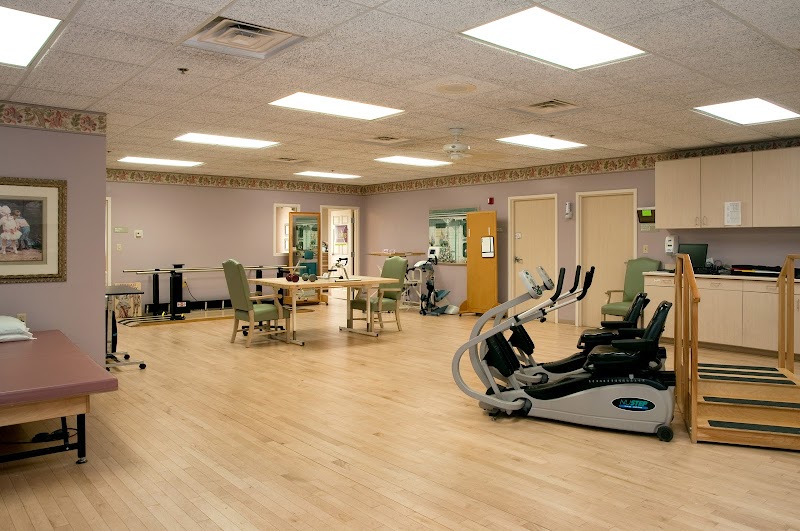
Who Owns and Operates Life Care Center Of Omaha?

Life Care Center of Omaha is owned by a for-profit company. For-profit facilities operate as businesses with obligations to shareholders or private owners. The facility is operated by LIFE CARE CENTERS OF AMERICA, a chain that manages multiple nursing homes. With 128 certified beds and approximately 95 residents (about 74% occupancy), it is a mid-sized facility located in Omaha, Nebraska.

How Does Life Care Center Of Omaha Compare to Other Nebraska Nursing Homes?

Compared to the 100 nursing homes in Nebraska, Life Care Center of Omaha's overall rating (1 stars) is below the state average of 2.9, staff turnover (48%) is near the state average of 46%, and health inspection rating (1 stars) is much below the national benchmark.

What Should Families Ask When Visiting Life Care Center Of Omaha?

Based on this facility's data, families visiting should ask: "What changes have been made since the serious inspection findings, and how are you preventing similar issues?" "Can I visit during a mealtime to observe dining assistance and food quality?" "How do you handle medical emergencies, and what is your hospital transfer rate?" "Can I speak with family members of current residents about their experience?" These questions are particularly relevant given the facility's Immediate Jeopardy citations.

Is Life Care Center Of Omaha Safe?

Based on CMS inspection data, Life Care Center of Omaha has documented safety concerns. Inspectors have issued 1 Immediate Jeopardy citation (the most serious violation level indicating risk of serious injury or death). The facility has a 1-star overall rating and ranks #100 of 100 nursing homes in Nebraska. Families considering this facility should ask detailed questions about what corrective actions have been taken since these incidents.

Do Nurses at Life Care Center Of Omaha Stick Around?

Life Care Center of Omaha has a staff turnover rate of 48%, which is about average for Nebraska nursing homes (state average: 46%). Moderate turnover is common in nursing homes, but families should still ask about staff tenure and how the facility maintains care continuity when employees leave.

Was Life Care Center Of Omaha Ever Fined?

Life Care Center of Omaha has been fined $31,079 across 1 penalty action. This is below the Nebraska average of $33,390. While any fine indicates a compliance issue, fines under $50,000 are relatively common and typically reflect isolated problems that were subsequently corrected. Families should ask what specific issues led to these fines and confirm they've been resolved.

Is Life Care Center Of Omaha on Any Federal Watch List?

Life Care Center of Omaha is not on any federal watch list. The most significant is the Special Focus Facility (SFF) program, which identifies the bottom 1% of nursing homes nationally based on persistent, serious quality problems. Not being on this list means the facility has avoided the pattern of deficiencies that triggers enhanced federal oversight. This is a positive indicator, though families should still review the facility's inspection history directly.