Quality Living, Inc.
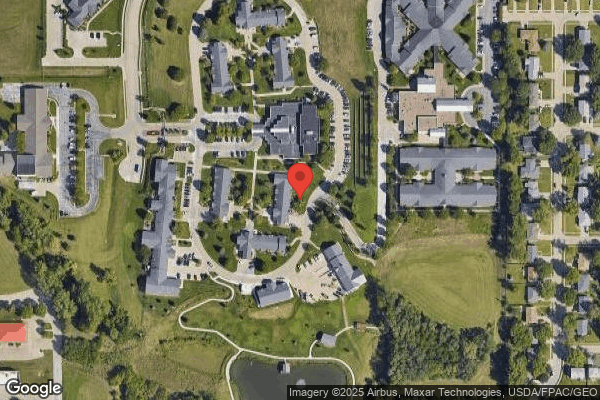

6404 North 70th Plaza, Omaha, NE 68104 (402) 573-3700
Non profit - Corporation 133 Beds Independent Data: November 2025
Trust Grade
65/100
#95 of 177 in NE
Last Inspection: March 2025

Within standard 12-15 month inspection cycle. Federal law requires annual inspections.

Overview

Quality Living, Inc. in Omaha, Nebraska has a Trust Grade of C+, indicating it is slightly above average but still has room for improvement. It ranks #95 out of 177 facilities in the state, placing it in the bottom half, and #15 out of 23 in Douglas County, meaning only a few local options are better. The facility's performance is worsening, increasing from 4 issues in 2024 to 10 in 2025. Staffing is considered a strength with a 4 out of 5-star rating and a turnover rate of 44%, which is below the Nebraska average. However, the facility has concerning RN coverage, being lower than 99% of Nebraska facilities, which can affect the quality of care provided. Specific incidents noted include a staff member preparing food without a beard restraint, which poses a risk of contamination, and a nurse failing to use gloves while handling medications and performing wound care, increasing the risk of infection. Additionally, the facility did not notify a medical practitioner about a change in a resident's wound condition, which could lead to potential harm. While there are strengths in staffing and no fines recorded, the issues highlighted indicate a need for significant improvements in care practices.
Trust Score
C+
65/100
In Nebraska
#95/177
Bottom 47%
Safety Record
Low Risk
No red flags
Inspections
Getting Worse
4 → 10 violations
Staff Stability
○ Average
44% turnover. Near Nebraska's 48% average. Typical for the industry.
Penalties
✓ Good
No fines on record. Clean compliance history, better than most Nebraska facilities.
Skilled Nurses
○ Average
Each resident gets 34 minutes of Registered Nurse (RN) attention daily — about average for Nebraska. RNs are the most trained staff who monitor for health changes.
Violations
⚠ Watch
16 deficiencies on record. Higher than average. Multiple issues found across inspections.
★★★☆☆
3.0
Overall Rating
★★★★☆
4.0
Staff Levels
★★★★☆
4.0
Care Quality
★★★☆☆
3.0
Inspection Score
Stable
2024: 4 issues
2025: 10 issues

The Good

  • 4-Star Staffing Rating · Above-average nurse staffing levels
  • 4-Star Quality Measures · Strong clinical quality outcomes
  • Full Sprinkler Coverage · Fire safety systems throughout facility
  • No fines on record
  • Staff turnover below average (44%)

    4 points below Nebraska average of 48%

Facility shows strength in staffing levels, quality measures, fire safety.

The Bad

3-Star Overall Rating

Near Nebraska average (2.9)

Meets federal standards, typical of most facilities

Staff Turnover: 44%

Near Nebraska avg (46%)

Typical for the industry

The Ugly 16 deficiencies on record

Mar 2025 10 deficiencies
CONCERN (D)

Potential for Harm - no one hurt, but risky conditions existed

Notification of Changes (Tag F0580)

Could have caused harm · This affected 1 resident

Licensure Reference Number 175 NAC 12-006.04(F)(i)(5) Based on record review and interview the facility failed to notify the medical practitioner of a change in wound condition for 1(Resident 39) of 1...

Read full inspector narrative →
Licensure Reference Number 175 NAC 12-006.04(F)(i)(5) Based on record review and interview the facility failed to notify the medical practitioner of a change in wound condition for 1(Resident 39) of 1 residents sampled. The facility census was 95. The findings are: Record review of Resident 39's Minimum Data Set (MDS: a federally mandated assessment tool used for care planning) dated 12-17-2024 revealed the facility staff assessed the following about the resident: -Had a Diagnosis of Multiple Sclerosis -Brief Interview of Mental Status (BIMS) was scored as a 4. According to the MDS Manual a score of 0-7 equals severe cognitive impairment. -Required extensive assistance with eating, bathing and upper body dressing. -Required total assistance with toileting, bed mobility, transfers and lower body dressing. -had a pressure ulcer. Record review of Resident 39's Skin and Wound Evaluation (SWE) dated 02-23-2025 revealed a stage 3 pressure ulcer was identified by facility staff to the coccyx (tailbone). Further review of Resident 39's SWE dated 02-23-2025 revealed at the end of the SWE under the section marked notifications, revealed no check marks to indicate the physician had been notified of the wound. An interview with the Director of Nursing on 03-03-2025 at 3:16 PM confirmed Resident 39's medical provider was not notified of the stage 3 pressure ulcer to the coccyx. Record review of the facility policy dated 12/2023 titled Notification to the Medical Provider revealed the following: -Purpose- to ensure effective medical care to the individuals served within the continuum of the facility -A medical provider is a key member of the interdisciplinary team and communication is crucial for coordinated care and to ensure appropriate medical decision-making. -Guidelines- any significant change in the resident's condition, such as a decline in vital signs, new medical complications, or falls, will need to be reported to the medical provider promptly by a member of the nursing team.
CONCERN (D)

Potential for Harm - no one hurt, but risky conditions existed

Deficiency F0604 (Tag F0604)

Could have caused harm · This affected 1 resident

Licensure Reference Number 175 NAC 12-006.05 Based on Record observation, record review and interview revealed the facility failed to re-evaluate a protective device as a potential restraint for 1 (Re...

Read full inspector narrative →
Licensure Reference Number 175 NAC 12-006.05 Based on Record observation, record review and interview revealed the facility failed to re-evaluate a protective device as a potential restraint for 1 (Resident 45) of 3 residents sampled. The facility identified a census of 95. Findings are: Record review of Resident 45's Minimum Data Set (MDS, a federally mandated comprehensive assessment tool used to determine a resident's functional capabilities and helps nursing home staff identify health problems) dated February 11th, 2025 Section C (Cognitive patterns) revealed a Brief Interview for Mental Status (BIMS, a brief screener that aids in detecting cognitive impairment) of a 3. According to the MDS Manule a score of 0 to 7 indicates a person has severe cognitive imparement. Section P identified Resident 45 had a trunk restraint, used in chair or out of bed. Record review of a document titled Physical/Occupational Therapy Evaluation and Consent for Use of Protective Devices, dated 4/8/2021 revealed the intervention of the rear buckling lap belt related to falls and decreeased awareness. Record review of a physician order for Resident 45's protective Device dated 3/16/2021revealed the following information for interventions and a rational: -Floor Alarm related to Resident attempting to self-transfer. -Seat belt/rear buckling seat belt related to diffuse weakness with poor balance. Resident is unaware of deficits and at risk for falls. - Video Monitoring related to diffuse weakness with poor balance, unaware of deficits and at risk for falls. Observation on 02/25/25 12:41 PM revealed Resident 45 had a seatbelt across their lap, had no transfer pole in the resident's room and no video monitoring being completed as ordered. Observation on 03/03/2025 9:30 AM Resident 45 sitting in a wheelchair with the seatbelt on and fastened in the back. Interview on 03/03/25 1:30 PM with Administrator [NAME] President(ADM-VP)-F confirmed that interventions are not updated, and the review/evaluation has not been completed since 2022. Record review of the Facility policy titled Restraints/Protective devices dated 6/24 revealed a restraint is any device applied to a client that interferes with some aspect of independent movement. Procedure: Medical provider order is required for any type of restrain or protective device.
CONCERN (D)

Potential for Harm - no one hurt, but risky conditions existed

Quality of Care (Tag F0684)

Could have caused harm · This affected 1 resident

Licensure Reference Number 175 NAC 12-006.09D2 Based on observation, record review and interview, the facility failed to evaluate the condition of an abrasion to the right heel at the time it was foun...

Read full inspector narrative →
Licensure Reference Number 175 NAC 12-006.09D2 Based on observation, record review and interview, the facility failed to evaluate the condition of an abrasion to the right heel at the time it was found and failed to ensure treatments were provided for 1 (Resident 76) of 1 resident sampled for non-pressure alteration in skin integrity. The facility census was 95. Findings are: Record review of a facility policy entitled Interrupted Skin Integrity: policy dated 6/23 revealed the following: - Purpose: To promote skin integrity, monitor to prevent complications, and to provide comfort. - Supportive Data: Conditions such as dry skin, minor rashes, mild abrasions, superficial cuts, skin irritations, acne, or minor insect bites that are non-infectious and can be managed with basic care and observation. - Step 4: Nursing to perform skin check and assess area. - Step 5: Minor cuts, abrasions, or superficial wounds should be cleaned and bandaged properly to prevent infection. - Step 6: Refer to QLI [Quality Living Inc.] wound protocol and notify medical provider. - Step 9: Document in MAR [Medication Administration record]. Record review of a facility policy entitled QLI Wound Protocol dated and signed by the Physician Assistant on 1/1/25 revealed the following: - Cleanse the area with soap and water or wound cleanser; dry; apply skin prep and cover with Band-Aid or foam padded adhesive dressing if needed. Continue treatment until resolved. Record review of Resident 76's admission Minimum Data Set [MDS, a comprehensive assessment used to develop a care plan for the resident] dated 11/25/24 identified a Brief Interview for Mental Status [ BIMS] score of 15 which indicated intact cognitive impairment. The MDS identified that resident 76 was independent with walking and transfers and did not identify any skin impairment present. Observation on 02/25/25 at 9:40 AM revealed Resident 76 walked with a walker into House 5. The resident had on backless clogs with no socks present on the feet. Observation revealed a small, pinpoint size, black scabbed area present in the middle of the back of the right heel. Interview on 02/25/25 at 9:45 AM with Resident 76 revealed that the area to his right heel was present and the resident did skin care to the area with a triple antibiotic ointment independently. The resident stated it had developed when [gender] had rubbed the toenail of the left foot against the area to the right heel while sleeping. The resident reported that staff checked the area every day. Record review of a late entry Skin / Wound note for Resident 76, dated 1/15/25, with a lock date of 2/26/25, revealed a note that read: This nurse was notify about two abrasions on the back of resident heels one on the right and one on the left. Upon assessment abrasions were measuring 1 cm [centimeters] width and 0.5 cm in width there is no depth, displays signs of healing. Left heel had a scab and right heel appear very superficial opening. This nurse cleansed with soap and water applied Mepilex to back of heels. Notify PT [Physical Therapy], OT [Occupational Therapy], and provider. Record review of a Telephone Order for Resident 76 dated 2/13/25 from the Advanced Practitioner Registered Nurse [APRN] read: ok for triple antibiotic ointment to right heel daily until abrasion has resolved. Record review of a Skin / Wound note for Resident 76 dated 2/25/25 revealed the following: Resident right heel assessed this morning. Wound displays signs of healing. Small scabbing noted in wound bed. Record review of Resident 76's MAR/ Treatment Administration Record [TAR] dated January and February 2025 revealed that the treatment order received on 1/15/25 for the Mepilex dressing had not been transcribed to the treatment record to ensure the treatment had been provided. There was no monitoring of the Mepilex to ensure that the resident had completed the daily treatment. Record review of Resident 76's MAR/TAR dated February 2025 revealed that the treatment order received on 2/13/25 for the Triple Antibiotic Ointment had not been transcribed to the treatment record. There was no monitoring of the Triple Antibiotic Ointment to ensure that the daily treatment had been completed. Interview on 02/27/25 at 9:40 AM with Residential Nurse Coordinator [RNC]-K confirmed that the nurse who had found the abrasion on 1/15/25 had not documented any information, measurements or condition of Resident 76's right heel abrasion at the time it was found. RNC - K confirmed that late entry notes by the nurse that found Resident 76's abrasion to the right foot were completed during the annual survey. RNC-K confirmed there was no documentation of the condition of Resident 76's right heel abrasion until 2/26/25. RNC-K confirmed that the nurse should have documented the assessment and condition of the wound at the time it was found. Interview on 03/03/25 at 06:26 AM with RNC-K confirmed that the Mepilex dressing treatment, and the triple antibiotic treatment had not been placed on the MAR/TAR in January or February 2025 to ensure the treatments had been provided to Resident 76's right heel abrasion.
CONCERN (D)

Potential for Harm - no one hurt, but risky conditions existed

Pressure Ulcer Prevention (Tag F0686)

Could have caused harm · This affected 1 resident

Licensure Reference Number 175 NAC 12-006.09(H)(iii)(2) Based on observation, interview and record review the facility failed to evaluate, implement treatment orders, and monitor a pressure ulcer whic...

Read full inspector narrative →
Licensure Reference Number 175 NAC 12-006.09(H)(iii)(2) Based on observation, interview and record review the facility failed to evaluate, implement treatment orders, and monitor a pressure ulcer which resulted in a decline in the condition of the pressure ulcer for 1 (Resident 39) of 5 residents sampled. The facility census was 95. The findings are: A. Record review of Resident 39's Minimum Data Set (MDS: a federally mandated assessment tool used for care planning) dated 12-17-2024 revealed the facility staff assessed the following about the resident: -Had a Diagnosis of Multiple Sclerosis -Brief Interview of Mental Status (BIMS) was scored as a 4. According to the MDS Manual a score of 0-7 equals severe cognitive impairment. -Required extensive assistance with eating, bathing and upper body dressing. -Required total assistance with toileting, bed mobility, transfers and lower body dressing. -had a pressure ulcer. Record review of Resident 39's Comprehensive Care Plan printed on 02-26-2025 revealed Resident 39 had potential and /or actual impairment in skin integrity. Interventions to be provided by the staff were: -Follow physician orders for treatment of any possible skin injuries -Monitor/document the location, size and treatment of the skin injury. Report abnormalities, failure to heal, signs and symptoms of infection. -Weekly treatment documentation to include measurement of each area of skin breakdown's width, length, depth, type of tissue and exudate and any other notable changes or observations. Record review of Resident 39's Braden Scale (a tool used to predict the risk of developing a pressure ulcer) dated 01-12-2025 revealed Resident 39 scored at 16 indicating moderate risk for pressure ulcer development. Record review of Resident 39's Order Summary Report (OSR) sheet printed on 02-27-2025 revealed an order dated of 07-07-2024 for the facility staff to complete a skin and wound evaluation for buttocks wounds weekly. Record review of a fax transmittal dated 01-30-2025 to Resident 39's healthcare provider revealed the staff noted excoriation to bilateral buttocks and were requesting a treatment of calmoseptine cream ( a barrier type of cream) and stoma powder. Record review of Resident 39's Electronic Health Record (EHR) revealed no skin and wound evaluations indicating excoriation to Resident 39's bilateral buttocks including the condition of the wound, size and any abnormalities. Record review of Resident 39's Skin and Wound Evaluation dated 02-23-2025 revealed the following: -Resident 39 had a pressure ulcer, stage 3 (an ulcer that extends through the skin but not into the muscle or bone) to the coccyx (the tailbone). -the pressure ulcer to the coccyx measured 4.2 centimeters (cm) by 3.3 cm. -the age of the wound was unknown. -the pressure ulcer was slow to heal or stalled but stable. Record review of Resident 39's EHR revealed no skin and wound evaluations for the bilateral buttocks between 01-30-2025 and 02-23-2025 that included the condition of the wound, size and any abnormalities. An observation on 02-27-2025 at 9:36 AM of Resident 39 receiving wound care by Licensed Practical Nurse (LPN) L that revealed Resident 39 had 2 wounds, one on each buttock. The wound to the left buttock was approximately 6 centimeters (cm) by 4 cm and had a pink wound bed with an area approximately 1 centimeter in diameter that was beefy red and was actively bleeding. The wound to the right buttock was approximately 5 cm by 4 cm with a beefy red wound bed and no active bleeding. An interview with the Director of Nursing (DON) on 02-27-2025 at 1:12 PM confirmed the skin and wound evaluations for the buttocks were not done weekly as ordered and further confirmed Resident 39 had developed a stage 3 pressure ulcer. Record review of the facility's undated policy titled Pressure Ulcer: Risk Assessment and Care Guidelines revealed skin checks will be completed on any resident who is at moderate to high risk to develop pressure ulcers. The frequency of the skin checks will be determined by nursing. B. Record review of Resident 39's OSR printed on 02-27-2025 revealed an order dated 10-24-2024 to wash buttocks with soap and water, clean wound with wound cleanser, apply triad paste to open area on left buttock, apply a thick layer of calmoseptine cream to remaining buttocks twice daily. An observation on 02-27-2025 at 9:36 AM of Resident 39 receiving wound care by Licensed Practical Nurse (LPN) L that revealed Resident 39 had 2 wounds, one on each buttock. LPN L cleansed the wounds with wound cleanser and patted the wounds dry with gauze and then applied calmoseptine to both wounds. Record review of Resident 39's OSR printed on 02-27-2025 revealed no treatment orders for the right buttock. An interview with the DON on 02-27-2025 at 11:37 AM which revealed the treatment that was observed for Resident 39 was not the current order for treatment to the buttocks. The DON confirmed the facility received an order on 01-30-2025 to crust (mix calmoseptine and stoma powder) bilateral buttocks with calmoseptine and stoma powder to treat excoriation on the bilateral buttocks.
CONCERN (D)

Potential for Harm - no one hurt, but risky conditions existed

Deficiency F0688 (Tag F0688)

Could have caused harm · This affected 1 resident

**NOTE- TERMS IN BRACKETS HAVE BEEN EDITED TO PROTECT CONFIDENTIALITY** Licensure Reference Number 175 NAC 12-006.09(H)(V) Based on record review and interview; the facility staff failed to provide Ra...

Read full inspector narrative →
**NOTE- TERMS IN BRACKETS HAVE BEEN EDITED TO PROTECT CONFIDENTIALITY** Licensure Reference Number 175 NAC 12-006.09(H)(V) Based on record review and interview; the facility staff failed to provide Range of Motion (ROM) to maintain mobility for 1 of (Resident 29) of 3 sampled residents. The facility identified a census of 95. Findings are: Record review of Resident 29's Minimum Data Set (MDS, a federally mandated comprehensive assessment tool used to determine a resident's functional capabilities and helps nursing home staff identify health problems), MDS dated [DATE] indicated Resident 29 was dependent on staff for all cares and movements. Section GG indicated Resident 29 was impaired on both sides of the resident's body involving upper and lower extremities. Section O revealed restorative nursing was completed 1 day during the look back (7 days of review for the resident). Review of section C, cognitive patterns revealed Resident 29 was severely impaired and never/rarely made decisions. Record review of Resident 29's Care Plan/[NAME] revealed, Resident 29 was to receive ROM 3 days a week. The primary focus is Passive Range Of Motion (PROM) to Bilateral Upper Extremity (BUE) and the resident's neck. Record review of the Point Of Care (POC) documentation provided by the facility revealed, -Resident 29 had ROM preformed to the neck six times out of twelve potential visits tin December 2024 on the following days: 12/6,12/7,12/14, 12/20, 12/21, and 12/28/24. -Resident 29 had ROM preformed to the neck three times out of twelve potential visits in January 2025. The dates the resident was seen for ROM to the neck were 01/02, 01/08, and 01/18/2025. -Resident 29 had ROM to the neck five times out of twelve potential visits in February 2025. The following dates the resident had ROM in February was, 020/5, 02/15,02/19, 02/21, and 02/26/2025. -Record review of POC documentation provided by the facility revealed Resident 29 had ROM preformed on the Upper Extremities (UE) four times out of twelve potential visits in December 2024. The following are dates Resident 29 received ROM, 12/07, 12/14, 12/21, and 12/28/2024. -Record review of the POC documentation provided by the facility revealed Resident 29 had ROM preformed on the UE's 1 time out of twelve potential visits in January 2025. The date the ROM was preformed was 01/18/2025. - Record review of the POC documentation provided by the facility revealed Resident 29 had ROM preformed on the UE's one time out of twelve potential visits in February 2025. The date the ROM was preformed was 02/26/2025. -Record review of the POC documentation provided by the facility revealed Resident 29 had ROM to the Lower Extremities (LE) two times out of twelve potential visits in December 2024. The dates were 12/14 and 12/21/2024. -Record review of the POC documentation provided by the facility revealed no LE ROM was performed in January 2025 or February 2025. Interview on 03/03/25 at 1:30 PM the Administrator-VP-F confirmed the care plan is not updated to include lower extremities. ADM-VP-F also confirmed that therapy is not documenting the ROM exercises. Record review of the facility policy titled Exercise, Range of Motion, dated 4/25/12 revealed the following information: - Range of motion exercises are used to maintain/improve joint mobility and decrease spasticity, improve joint mobility, prevent contractures, increase sensation, stimulate normal reflexes, and prevent muscle atrophy. Passive ROM exercises that are done completely by team members without assist of the resident.
CONCERN (D)

Potential for Harm - no one hurt, but risky conditions existed

Tube Feeding (Tag F0693)

Could have caused harm · This affected 1 resident

LICENSURE REFERENCE NUMBER 175 NAC 12-006.09(H)(vi)(3)(a) Based on observation, interview, and record review, the facility failed to evaluate the gastrostomy tube (G-Tube, a tube inserted in the stoma...

Read full inspector narrative →
LICENSURE REFERENCE NUMBER 175 NAC 12-006.09(H)(vi)(3)(a) Based on observation, interview, and record review, the facility failed to evaluate the gastrostomy tube (G-Tube, a tube inserted in the stomach to provide food, water and medications) for drainage or migration (movement of the G-tube) prior to administering tube feeding for 1 (Resident 58) of 6 sampled residents with a G-tube. The facility census was 95. Findings are: A record review of the facility's policy entitled Tube Feeding: Bolus updated 9/2019 revealed that if drainage was noted at the insertion site and migration of placement is suspected based on additional signs and symptoms (e.g. nausea, vomiting, bloating, pain, abdominal distention, etc.), the physician would be notified in order to determine an appropriate assessment plan (i.e. x-ray) and treatment. A record review of Resident 58's Minimum Data Set (MDS, a federally mandated comprehensive assessment tool used for resident-centered care planning) dated 12/17/24 revealed the resident did not have a Brief Interview for Mental Status (BIMS, a brief screening tool that aids in detecting cognitive impairment) due to the resident was rarely/never understood. The MDS further revealed diagnoses of aphasia, quadriplegia, and traumatic brain disorder. The MDS identified the resident required tube feeding to receive nutrition and hydration. A record review of Resident 58's Order Summary Report revealed an order dated 1/30/25 for Impact Peptide 1.5, give at rate of 105 milliliters (mL)/hour (hr) for 12 hours, give with water 70mL/hr which was to be ran from 6:00 PM to 6:00 AM; an order dated 1/30/25 for Impact Peptide 1.5, give 100mL via G-tube bolus at 9:00 AM prior to morning meds and 12:00 PM prior to noon meds; and an order dated 11/20/24 for water bolus 50 mL before and after feedings and before and after medications. A record review of Resident 58's Comprehensive Care Plan (CCP, a written interdisciplinary comprehensive plan detailing how to provide quality care for a resident) dated 12/24/24 revealed a focus area of nutrition/hydration and identified the resident was unable to take food or water by mouth and required nutrition and hydration by G-tube. An observation on 02/27/25 at 09:01 AM with Director of Residential Services (DRS)-O revealed Licensed Practical Nurse (LPN)-M asked Resident 58 if [gender] was still having abdominal pain identified the night prior. LPN-M exposed the G-tube which revealed a split sponge dressing dated 2/27/25. Without checking the G-tube site for drainage or migration of placement of the G-Tube, LPN-M flushed the tube with water, administered tube feeding, and flushed the tube with water. LPN-M closed the G-tube, adjusted the residents clothing and assured the call light was within reach and exited the room. An interview with LPN-M on 02/27/25 at 09:18 AM revealed that tube placement was not checked as facility policy only requires this to be done when ordered by the physician. An interview with Registered Nurse Coordinator (RNC)-K revealed that G-tube dressing changes are completed twice daily as part of the resident's activities of daily living (ADL) care. RNC-K confirmed that the nurse would not know of leakage or potential migration of G-tube placement without directly inspecting the site.
CONCERN (D)

Potential for Harm - no one hurt, but risky conditions existed

Medication Errors (Tag F0758)

Could have caused harm · This affected 1 resident

LICENSURE REFERENCE NUMBER 175 NAC 12-006.09(B)(iii) Based on record review and interview; the facility failed to identify and monitor specific target behaviors for the continued use of as-needed anti...

Read full inspector narrative →
LICENSURE REFERENCE NUMBER 175 NAC 12-006.09(B)(iii) Based on record review and interview; the facility failed to identify and monitor specific target behaviors for the continued use of as-needed antianxiety medications for 1 (Resident 67) of 5 sampled residents. The facility census was 95. Findings are: A record review of the facility undated policy entitled Limitations of Psychoactive Drugs revealed that the interdisciplinary team would work together to ensure appropriate use, evaluation, and monitoring of psychotropic medications. The following was identified: The team will monitor psychotropic medication use and note adverse effects or changes in resident behaviors and report to the provider. A record review of Resident 67's Minimum Data Set (MDS, a federally mandated comprehensive assessment tool used for resident-centered care planning) dated 1/17/2025 revealed the resident had a Brief Interview for Mental Status (BIMS, a brief screening tool that aids in detecting cognitive impairment) of 14 which indicated intact cognition, and that the resident received antianxiety, antidepressant, and hypnotic medications. A record review of Resident 67's Order Summary dated 2/26/25 revealed a diagnosis of anxiety disorder. The order summary also revealed an order dated 11/18/24 for hydroxyzine (psychoactive medication used to treat anxiety) 75 milligrams (mg) to be administered every six hours as needed for anxiety and an order dated 10/27/24 for clonazepam (psychoactive medication used to treat anxiety) 1.5 mg at bedtime. A record review of Resident 67's February 2025 Medication Administration Record (MAR) revealed an order dated 12/30/24 for Behavior Monitoring for Anxiety to be documented every shift. A record review of Resident 67's Comprehensive Care Plan (CCP, a written interdisciplinary comprehensive plan detailing how to provide quality care for a resident) revealed a need for Mood/Behavior Monitoring for impact on function change with medicinal intervention of clonazepam for anxiety. Further review of the residents CCP revealed no evidence of specific target behaviors. During an interview on 3/3/25 at 12:03 PM with Registered Nurse Coordinator (RNC)-K confirmed that anxiety is not a specific enough target behavior to support the continued use of as-needed antianxiety medications.
CONCERN (D)

Potential for Harm - no one hurt, but risky conditions existed

QAPI Program (Tag F0867)

Could have caused harm · This affected 1 resident

Licensure Reference Number 175 NAC 12-006.07 Based on record review and interviews; the facility failed to ensure the Quality Assurance Performance Improvement Program [QAPIP, a facility process that ...

Read full inspector narrative →
Licensure Reference Number 175 NAC 12-006.07 Based on record review and interviews; the facility failed to ensure the Quality Assurance Performance Improvement Program [QAPIP, a facility process that identifies problems in the facility and works to correct the concerns] identified and addressed concerns related to deficient practice identified on the annual survey 2025 (F 580, F 604, F 684, F 686, F 688, F 693, F 758, F 812, F 867, F 880) and to ensure correction for repeat deficient practice from a previous survey 2024 (F 880) was maintained. This had the potential to affect 95 residents that resided in the facility. The facility census was 95. Findings are: Record review of a facility Policy entitled Policy for Program Improvement dated revised 4/23 revealed the following: Quality Living, Inc. (QLI) is dedicated to providing excellent services for our residents. The Leadership Team is responsible for monitoring services provided and improving processes as needed. A Program Improvement Committee representing leaders from each campus is designated to meet on a quarterly basis to review quality of services and track program improvement. The Program Improvement Committee is chaired by the Director of Nursing, or another leader designated by the President & CEO. Committee members include the Administrator, Director of Clinical Services, Medical Director, Director of Nursing and at least three other members of the facility team as appointed by the President & CEO. The Committee is responsible for considering the quality of care provided at QLI, which includes identifying and analyzing trends and any corrective action needed. Specific areas that will be reviewed at the quarterly meetings include dietary, nursing care, safety, infection control, and pharmacy. Observations, record reviews and interviews during the current annual survey of the facility between 2/28/25 and 3/3/25 revealed the following identified deficient practice: - F 580: Notify physician of changes in resident condition. - F 684: Skin treatments - F 686: Pressure ulcer treatments and monitoring with a decline in the pressure sore condition - F 688: Services for range of motion. - F 693: Tube feeding services - F 758: Target behaviors for anxiety medication use. - F 880: Hand washing / gloving with cares and medication pass. (repeat citation from 2024) - F 687: QAPIP program not effective as identified by current citations and repeat citations. Interview on 03/03/25 at 8:45 AM with Nurse Aide [NA] A reported not being aware of a QAPIP Program in the facility. Interview on 03/03/25 at 8:47 AM with Nurse Aide [NA] B reported not being aware of a QAPIP Program in the facility. Interview on 03/03/25 at 8:48 AM with Nurse Aide [NA] C reported not being aware of a QAPIP Program in the facility. Interview on 03/03/25 at 8:55 AM with Registered Nurse [RN] D reported not being aware of a QAPIP Program in the facility. Interview on 03/03/25 at 8:58 AM with Nurse Aide [NA] E reported not being aware of a QAPIP Program in the facility. Interview on 03/03/25 at 11:36 AM with the facility Director of Nursing [DON] and the facility Compliance Coordinator [CC] revealed the facility did not have Performance Improvement Programs [PIP, a program designed to identifiy concerns in the facility with ongoing monitoring to correct) in place related to the new deficiencies identified during the annual survey and had not maintained correction for the repeated tag F 880. The DON confirmed that the areas of concern had not been identified through the QAPIP process and confirmed that the QA process had not been effective to identify current issues.

CONCERN (E)

Potential for Harm - no one hurt, but risky conditions existed

Food Safety (Tag F0812)

Could have caused harm · This affected multiple residents

B. Record review of a facility policy / procedure entitled Team Member Hygiene dated 4/24 revealed the following: Quality Living Inc. will promote that each team member involved in food care follows s...

Read full inspector narrative →
B. Record review of a facility policy / procedure entitled Team Member Hygiene dated 4/24 revealed the following: Quality Living Inc. will promote that each team member involved in food care follows strict standards and proper hygiene to prevent contamination of food and food surfaces. The following procedures apply: - 4. Team members with long hair will keep their hair restrained in some manner to prevent hair from falling into the food. Team members shall wear a hair restraint such as a hat, hair covering or net, beard restraint, and clothing that covers body hair designed and worn to effectively keep hair from contacting exposed food, clean equipment, utensils, linens and unwrapped single service and single use articles. Observation on 02/26/25 at 12:25 PM revealed House Supervisor [HS] H was in the House 4 kitchen and prepared breakfast for a resident. HS-H had a full beard with no beard restraint in place during the preparation of the food. Interview on 03/03/24 at 8:35 AM with the facility Compliance Coordinator confirmed that beard nets are required if staff have a full beard and should have been worn during breakfast preparation. Observation on 03/03/25 at 8:40 AM revealed Physical Therapist [PT]-I was in the House 4 kitchen and prepared breakfast for a resident. PT-I had a full beard with no beard restraint in place during the preparation of the food. Interview on 03/03/25 at 09:32 AM with the House Coordinator for House 4 confirmed that House 4 had a total of 10 residents that resided in the house and ate foods prepared in the house kitchen. Licensure Reference Number NAC 175 12-006.11(E) Based on observations, record review and interview, the facility staff failed to complete hand washing between glove changes during meal preparation to prevent food-borne illness which had the potential to effect 50 residents in the Summit area of the facility and failed to ensure staff wore beard nets in the food preparation area in House 4. This had the potential to affect 10 residents that resided in that house and ate foods prepared in that facility house kitchen. The facility staff identified a census of 95. Findings are: A. Record review of the facility provided policy titled Hand Hygiene and dated 04/2010, revealed handwashing is to occur before food preparation. Observation on 02/27/25 at 9:41 AM with Dietary Assistant (DA)-R, and Kitchen manager (KM)-P revealed during preparation for pureed fish, and corn revealed DA-R puts gloves on without handwasing, puts 10 fish planks into the Ninja Blender, then with same gloved hands reached into the hamburger buns and pulled out 4 buns, tore the hamburger buns into smaller pieces and placed the pieces of bread into the blender. DA-R went to the stove with the same gloves and put 1-1/2 Cups of hot water from the stove and 1 cup tarter sauce into the Ninja blender and blended the contents into a pureed consistency. DA-R removed the gloves after pouring the pureed mixture into a container and placed the purred food on the steam table. DA-R put a new pair of gloves on without hand hygiene, put 6 cups of corn kernels into the blender, and 2 cups hot water and blended the items. DA-R removed the soiled gloves placing the dirty gloves onto the spice table, donned a new pair and did not wash hands. A interview on 03/03/2025 at 9:30 AM was completed with DA-R. During the interview DA-R confirmed they should have washed their hands after removing the gloves.
CONCERN (E)

Potential for Harm - no one hurt, but risky conditions existed

Infection Control (Tag F0880)

Could have caused harm · This affected multiple residents

**NOTE- TERMS IN BRACKETS HAVE BEEN EDITED TO PROTECT CONFIDENTIALITY** D. Observation on 02/27/2025 6:16 AM revealed LPN-S pulled the capsule Dantrolene 50 mg apart without gloved hands. LPN-S put th...

Read full inspector narrative →
**NOTE- TERMS IN BRACKETS HAVE BEEN EDITED TO PROTECT CONFIDENTIALITY** D. Observation on 02/27/2025 6:16 AM revealed LPN-S pulled the capsule Dantrolene 50 mg apart without gloved hands. LPN-S put the medication into a cup and added water to administer via G-Tube to Resident 5. Interview with LPN-S on 2/27/2025 at 6:24 AM confirmed that the capsule should have been opened with gloves on. Interview with the DON on 03/03/25 10:19 AM confirmed that the nursing staff should be wearing gloves when pulling capsules apart. Licensure Reference Number 175 NAC 12-006.18(B) & 1-005.06 Based on observation, interview and record review the facility failed to perform hand hygiene between glove changes during wound care for Resident 39, failed to handle a urinary drainage bag for Resident 47 and failed to handle medications for Resident 35 and 39 in a manner to prevent cross contamination. The facility census was 95. The findings are: A. Record review of Resident 39's Minimum Data Set (MDS: a federally mandated assessment tool used for care planning) dated 12-17-2024 revealed the facility staff assessed the following about the resident: -Had a Diagnosis of Multiple Sclerosis -Brief Interview of Mental Status (BIMS) was scored as a 4. According to the MDS Manual a score of 0-7 indicates severe cognitive impairment. -Required extensive assistance with eating, bathing and upper body dressing. -Required total assistance with toileting, bed mobility, transfers and lower body dressing. -had a pressure ulcer. An observation on 02-27-2025 at 9:36 AM of Licensed Practical Nurse (LPN) L performing wound care for Resident 39 revealed LPN L entered Resident 39's room performs hand hygiene and applied a gown and gloves. a LPN L cleansed the wounds on Resident 39's buttocks and patted the wounds dry with gauze. LPN L then removed the soiled gloves, applied new gloves and did not performing hand hygiene in between glove changes. An interview with LPN L on 02-27-2025 at 10:11 AM confirmed hand hygiene was not performed between glove changes and should have been. An interview conducted with the DON on 03-03-2025 at 10:20 AM confirmed hand hygiene should be performed after cleaning a wound and before applying a treatment to the wound. B. Record review of Resident 47's MDS dated [DATE] revealed the facility staff assessed the following about the resident: -BIMS was scored as 0. According to the MDS Manual, a score of 0-7 indicates severe cognitive impairment. -required total assistance for eating, dressing, toileting, transferring, bed mobility and bathing. -currently used an external urinary catheter. An observation on 02-25-2025 at 3:06 PM revealed Resident 47 was lying in bed and the external urinary catheter drainage bag was lying on the floor next to the bed. An observation on 03-03-2025 at 9:01 AM with Campus Leader (CL) V revealed Nurse Aid (NA) U was assisting Resident 47 with getting dressed. Further observation revealed Resident 47's external urinary drainage bag was on the floor near the foot of the bed. An interview on 03-03-2025 at 9:05 AM with NA U confirmed the external urinary drainage bag was touching the floor and should not have been. An interview on 03-03-2025 at 9:06 AM with CL V confirmed the external urinary drainage bag had been on the floor and should have been placed in a basin designated for the drainage bag to prevent potential infection. C. Record review of Resident 39's Minimum Data Set (MDS: a federally mandated assessment tool used for care planning) dated 12-17-2024 revealed the facility staff assessed the following about the resident: -Had a Diagnosis of Multiple Sclerosis -Brief Interview of Mental Status (BIMS) was scored as a 4. According to the MDS Manual a score of 0-7 indicates severe cognitive impairment. -Required extensive assistance with eating, bathing and upper body dressing. -Required total assistance with toileting, bed mobility, transfers and lower body dressing. -had a pressure ulcer. An observation on 02-27-2025 at 8:24 AM of Medication Aid (MA) T preparing medications to administer to Resident 39 revealed the use of bare hands to open omeprazole and potassium chloride capsules in order to mix the contents with pudding. After mixing the contents of the capsules in pudding, MA T then spooned the mixture into Resident 39's mouth. An interview was conducted on 02-27-2025 at 8:30 AM with MA T. During the interview MA T confirmed gloves were not worn when opening the omeprazole and potassium chloride capsules and should have been. An interview with the DON on 03-03-2025 at 10:18 AM confirmed the staff should not touch medications with bare hands, gloves should be worn to prevent cross contamination. Record review of the facility's undated policy titled Medication Administration revealed the following: -purpose-to provide medications safely and per physician order. -Dispense medication dose without touching the medication. Record review of the facility policy dated 04-2010 titled Hand Hygiene revealed: -purpose all personnel shall follow hand hygiene policy and procedures to prevent the spread of infections and/or diseases to residents, team members and visitors. -proper hand hygiene should be completed after to contact with blood, oral secretions or broken skin.
Feb 2024 4 deficiencies
CONCERN (D)

Potential for Harm - no one hurt, but risky conditions existed

Comprehensive Assessments (Tag F0636)

Could have caused harm · This affected 1 resident

**NOTE- TERMS IN BRACKETS HAVE BEEN EDITED TO PROTECT CONFIDENTIALITY** Licensure Reference Number 175 NAC 12-006.09B1 Based on record review and interview, the facility failed to complete a annual Mi...

Read full inspector narrative →
**NOTE- TERMS IN BRACKETS HAVE BEEN EDITED TO PROTECT CONFIDENTIALITY** Licensure Reference Number 175 NAC 12-006.09B1 Based on record review and interview, the facility failed to complete a annual Minimum Data Set (MDS, a federally mandated assessment tool use for care planning) for 1 of 4 sampled residents (Resident 6) in the required time frames. The facility census was 93. Findings are: Record review of the MDS Manual instructed revealed an annual MDS must be completed and signed no later tahn 14 days from the reference date and within 366 days of the last annual MDS. Record Review of Resident 6's annual MDS, dated [DATE] revealed Resident 6's MDS was signed as completed on 1/24/2024. Review of Resident 6's previous annual MDS was signed as completed 12/30/2022. This indicated the MDS signed as complete on 1/24/2024 was 40 days after the reference date and 390 days from the previous annual MDS. An interview with the Director of Nursing on 2/01/2024 at 9:05 AM confirmed that Resident's 6's MDS dated [DATE] was completed late.
CONCERN (D)

Potential for Harm - no one hurt, but risky conditions existed

Deficiency F0638 (Tag F0638)

Could have caused harm · This affected 1 resident

Licensure Reference Number 175 NAC 12-006.09B2 Based on record review and interview the facility failed to complete quarterly Minimum Data Set (MDS, a federally mandated assessment tool use for care p...

Read full inspector narrative →
Licensure Reference Number 175 NAC 12-006.09B2 Based on record review and interview the facility failed to complete quarterly Minimum Data Set (MDS, a federally mandated assessment tool use for care planning) for 2 (Resident 3 and Resident 41) of 4 sampled residents in the required time frames. The facility census was 93. Findings are: Record Review of the Resident Assessment Instrument Manual revealed a quarterly MDS, must be completed and signed no later than 14 days from the reference date. Record Review of Resident 3's quarterly MDS, with a reference date of 11/09/2023 revealed it was signed (indiciating completion) on 11/30/2023, which is 21 days after the reference date. Record Review of Resident 41's quarterly MDS, with a reference date of 10/30/2023 revealed it was signed on 11/29/2023, which is 30 days after the reference date. An interview on 2/1/2024 at 9:00 AM with the Director of Nursing (DON) revealed [gender] functioned as the MDS Coordinator as well and confirmed the quarterly MDS assessments for Residents 3 and 41 were completed late.
CONCERN (D)

Potential for Harm - no one hurt, but risky conditions existed

Assessment Accuracy (Tag F0641)

Could have caused harm · This affected 1 resident

**NOTE- TERMS IN BRACKETS HAVE BEEN EDITED TO PROTECT CONFIDENTIALITY** Licensure Reference Numbers 175 NAC 12.006.09B The facility failed to ensure a quarterly Minimum Data Set (MDS, a federally mand...

Read full inspector narrative →
**NOTE- TERMS IN BRACKETS HAVE BEEN EDITED TO PROTECT CONFIDENTIALITY** Licensure Reference Numbers 175 NAC 12.006.09B The facility failed to ensure a quarterly Minimum Data Set (MDS, a federally mandated assessment tool used for care planning) was coded to reflect the care and services for 1 (Resident 3) of 4 sampled residents. The facility census was 93. Findings are: Record Review of Resident 3's quarterly MDS dated [DATE] revealed that under Section O, special treatments, procedures, and programs, the following items were checked as performed while Resident 3 was in the facility; - Chemotherapy - Radiation - Oxygen therapy - Suctioning - Tracheostomy care - Invasive Mechanical Ventilator - Non-invasive Ventilator - Intravenous Medications - Hospice Care - Dialysis - Isolation or quarantine for active infectious disease Record Review of Resident 3's electronic medical record from 8/9/2023 to 11/9/2023 revealed no orders for, or documentation of these special treatments, procedures or programs. An observation of Resident 3 on 01/31/2024 at 7:45 AM revealed the resident did not have a tracheostomy, there was no ventilator or oxygen in use. An interview with Resident 3 during the observation on 01/31/2024 at 7:45 AM revealed they did not have dialysis or was recieving hospice care. An interview on 2/1/2024 at 9:00 AM with the Director of Nursing (DON) revealed [gender] also functioned as the MDS coordinator and confirmed the quarterly MDS assessment for Resident 3. The DON revealed Resident 3 did not recieve those treatments, procedures, or programs.
CONCERN (D)

Potential for Harm - no one hurt, but risky conditions existed

Infection Control (Tag F0880)

Could have caused harm · This affected 1 resident

Licensure Reference Number 175 NAC 12-006.17D. Based on observation, record review, and interview, the facility failed to ensure hand hygiene and gloving were performed in a manner to prevent cross c...

Read full inspector narrative →
Licensure Reference Number 175 NAC 12-006.17D. Based on observation, record review, and interview, the facility failed to ensure hand hygiene and gloving were performed in a manner to prevent cross contamination for 2 (Resident 248, 44) of 6 residents reviewed during medication administration. The facility census was 93. Findings are: A: Record review of the facility Hand Hygiene Policy dated 04/2010 revealed: The Center for Disease Control Guideline for Handwashing & Hospital environmental Control, 1985. Handwashing is the single most important procedure for preventing HAI (Healthcare Associated Infections). Proper handwashing helps to prevent the spread of germs from one resident to another and to team members. After proper hand hygiene, hands are considered clean until they come in contact with someone or something else. Proper hand hygiene to be completed: - before providing hands-on cares with a resident, - when hands are soiled, - before preparing or handling medications, - after handling items or work surfaces potentially contaminated with blood, secretions, excretions, etc., - when hands may be contaminated or dirty. B: Observation on 01/31/24 at 8:20 AM revealed Registered Nurse (RN) A set up oral medications, applied gloves in the medication room (located within an office inside of the cottage), shut the medication room door, and then went down the hallway to Resident 248's room with the same pair of gloves on. RN A then knocked on Resident 248's door and touched the door handle prior to entering the resident's room with the same pair of gloves on. RN A set the basket with the accu-check (blood sugar machine) on the bedside table without a barrier. RN A gave the oral medications by placing the medications in [gender] gloved hand (the same gloves) and then placed a few medications in the resident's hand at a time. Then, RN A performed an accu-check (blood sugar) reading on Resident 248 without performing hand hygiene or changing gloves. RN A then changed their gloves without performing hand hygiene and adminsitered diclofenac (topical pain relief medication). Then, RN A removed their soiled gloves then performed hand hygiene. Interview on 2/1/24 at 8:35 AM with the Assistant Director of Nursing (ADON) confirmed that RN A should not have applied gloves prior to going to Resident 248's room. The ADON confirmed, RN A should have removed gloves after the administration of oral medications and performed hand hygiene and donned new gloves before performing the accu-check. The ADON confirmed, RN A should have removed their gloves, performed hand hygiene, applied new gloves prior to the application of the diclofenac treatment. C: Observation on 1/31/24 at 8:40 AM revealed RN B applied gloves in the medication room (located within an office inside of the cottage), shut the door to the medication room, and went down the hallway to Resident 44's room. RN B had the same gloves on, knocked on Resident 44's room door and opened the door. Then, RN B gave the medication cup to Resident 44 who tipped the medication cup into [gender] mouth. RN B then touched their hair and applied diclofenanc without changing glvoes or performing hand hygiene. RN B performed hand hygiene upon leaving the room. Interview on 2/1/24 at 8:35 AM with Assistant Director of Nursing (ADON) confirmed RN B should not have worn gloves from the medication room. ADON confirmed RN B should have changed soiled gloves and performed hand hygiene before the application of the diclofenac.
Feb 2023 2 deficiencies
CONCERN (D)

Potential for Harm - no one hurt, but risky conditions existed

Deficiency F0657 (Tag F0657)

Could have caused harm · This affected 1 resident

175 NAC 12-006.09C1c Based on record review and interviews, the facility failed to include the resident or the resident's representative when performing the quarterly review and revision of Care Plan ...

Read full inspector narrative →
175 NAC 12-006.09C1c Based on record review and interviews, the facility failed to include the resident or the resident's representative when performing the quarterly review and revision of Care Plan (CCP- written instructions needed to provide effective and person-centered care of the resident that meet professional standards of quality care.) This affected 1 of (Resident 39) of 1 resident sampled for care plan conferences. The facility census was 99. Findings are: An interview conducted with Resident 39 on 1/30/23 at 2:16 PM revealed Resident 39 had not been invited to care plan conferences. In an interview with Resident 39's family member on 1/30/23 at 2:16 PM Resident 39's family member confirmed that they had not received invitations to any care plan conferences. A review of Resident 39's Electronic Health Record (EHR) revealed that the resident had an admitting diagnosis for 5/26/16 of Multiple Sclerosis (MS-a disease in which the immune system attacks the protective coating of the nerves, resulting in many symptoms, up to and including the inability to move one or more limbs.) A review of agendas for the Team Conferences held for Resident 39 revealed there were 2 available since 2021. Those were dated 5/4/21 and 10/12/22. The facility was unable to provide any further documentation of care plan conferences held. An interview with the Service Coordinator (SC) on 2/2/23 from 9:04 AM to 9:30 AM revealed that the care plan conferences were referred to as Team Conferences for this facility, and that they tried to have them annually. For these conferences, they made an agenda and asked the family what they wanted on the agenda. The SC confirmed that the facility was not conducting quarterly care plan conferences.
CONCERN (D) 📢 Someone Reported This

A family member, employee, or ombudsman was alarmed enough to file a formal complaint

Potential for Harm - no one hurt, but risky conditions existed

Deficiency F0679 (Tag F0679)

Could have caused harm · This affected 1 resident

175 NAC 12-006.09B Based on observations, record review, and interviews, the facility failed to evaluated and implement a individulized activity program for 1 (Resident 30) of 3 sampled residents. Th...

Read full inspector narrative →
175 NAC 12-006.09B Based on observations, record review, and interviews, the facility failed to evaluated and implement a individulized activity program for 1 (Resident 30) of 3 sampled residents. The facility census was 99. Findings are: A. An observation on 1/30/23 at 11:16 AM revealed Resident 30 seated in a wheelchair (w/c) in their room with the TV on. An observation on 1/30/23 at 1:30 PM revealed the resident seated in a w/c in their room with the TV on. An observation on 2/1/23 at 11:59 AM revealed the resident seated in a w/c in their room with the TV on. A review of the Electronic Health Record (EHR) for Resident 30 revealed an admission date of 8/22/02 with a diagnosis of brain injury and quadriplegia (an inability to move all 4 limbs). A review of an undated document Recreation/Leisure stated that a schedule had been made to meet the interests, physical, and psychosocial well-being of this resident, in keeping with (gender's) care plan. A review of the January 2023 Calendar for (Resident 30) provided by the facility and dated 2/2/23 revealed a total of 5 activities scheduled for Resident 30 for the month of January. A review of Resident 30's Comprehensive Care Plan (CCP- written instructions needed to provide effective and person-centered care of the resident that meet professional standards of quality care) revealed a focus last revised 9/20/20 that stated the resident was dependent on staff for meeting emotional, intellectual, physical, and social needs. Interventions for this focus included Ensure that the activities the resident is attending are: Compatible with known interests and preferences and Age appropriate, and when the resident chooses not to participate in organized activities, the resident prefers to watch movies in his room or community space, chat with staff, or go outside if the weather permits. Both of those interventions were last revised 9/20/20. A review of Resident 30's CCP revealed a focus for a psychosocial well-being problem with an intervention that stated the resident depends on others to make own decisions. (Gender) can smile for 'yes' and blank face/no smile for 'no.' Last revision date for the focus and intervention was 9/27/20. An interview with the Director of the Summit (DoS) conducted on 02/02/23 at 8:24 AM revealed that the resident was non-verbal and unable to communicate activity desires. The DoS further confirmed that the facility did not have a form they filled out to assess the resident's activities interests and capabilities. 175 NAC 12-006.09B Based on observations, record review, and interviews, the facility failed to evaluated and implement a individulized activity program for 1 (Resident 30) of 3 sampled residents. The facility census was 99. Findings are: A. An observation on 1/30/23 at 11:16 AM revealed Resident 30 seated in a wheelchair (w/c) in their room with the TV on. An observation on 1/30/23 at 1:30 PM revealed the resident seated in a w/c in their room with the TV on. An observation on 2/1/23 at 11:59 AM revealed the resident seated in a w/c in their room with the TV on. A review of the Electronic Health Record (EHR) for Resident 30 revealed an admission date of 8/22/02 with a diagnosis of brain injury and quadriplegia (an inability to move all 4 limbs). A review of an undated document Recreation/Leisure stated that a schedule had been made to meet the interests, physical, and psychosocial well-being of this resident, in keeping with (gender's) care plan. A review of the January 2023 Calendar for (Resident 30) provided by the facility and dated 2/2/23 revealed a total of 5 activities scheduled for Resident 30 for the month of January. A review of Resident 30's Comprehensive Care Plan (CCP- written instructions needed to provide effective and person-centered care of the resident that meet professional standards of quality care) revealed a focus last revised 9/20/20 that stated the resident was dependent on staff for meeting emotional, intellectual, physical, and social needs. Interventions for this focus included Ensure that the activities the resident is attending are: Compatible with known interests and preferences and Age appropriate, and when the resident chooses not to participate in organized activities, the resident prefers to watch movies in his room or community space, chat with staff, or go outside if the weather permits. Both of those interventions were last revised 9/20/20. A review of Resident 30's CCP revealed a focus for a psychosocial well-being problem with an intervention that stated the resident depends on others to make own decisions. (Gender) can smile for 'yes' and blank face/no smile for 'no.' Last revision date for the focus and intervention was 9/27/20. An interview with the Director of the Summit (DoS) conducted on 02/02/23 at 8:24 AM revealed that the resident was non-verbal and unable to communicate activity desires. The DoS further confirmed that the facility did not have a form they filled out to assess the resident's activities interests and capabilities. 175 NAC 12-006.09B Based on observations, record review, and interviews, the facility failed to evaluated and implement a individulized activity program for 1 (Resident 30) of 3 sampled residents. The facility census was 99. Findings are: A. An observation on 1/30/23 at 11:16 AM revealed Resident 30 seated in a wheelchair (w/c) in their room with the TV on. An observation on 1/30/23 at 1:30 PM revealed the resident seated in a w/c in their room with the TV on. An observation on 2/1/23 at 11:59 AM revealed the resident seated in a w/c in their room with the TV on. A review of the Electronic Health Record (EHR) for Resident 30 revealed an admission date of 8/22/02 with a diagnosis of brain injury and quadriplegia (an inability to move all 4 limbs). A review of an undated document Recreation/Leisure stated that a schedule had been made to meet the interests, physical, and psychosocial well-being of this resident, in keeping with (gender's) care plan. A review of the January 2023 Calendar for (Resident 30) provided by the facility and dated 2/2/23 revealed a total of 5 activities scheduled for Resident 30 for the month of January. A review of Resident 30's Comprehensive Care Plan (CCP- written instructions needed to provide effective and person-centered care of the resident that meet professional standards of quality care) revealed a focus last revised 9/20/20 that stated the resident was dependent on staff for meeting emotional, intellectual, physical, and social needs. Interventions for this focus included Ensure that the activities the resident is attending are: Compatible with known interests and preferences and Age appropriate, and when the resident chooses not to participate in organized activities, the resident prefers to watch movies in his room or community space, chat with staff, or go outside if the weather permits. Both of those interventions were last revised 9/20/20. A review of Resident 30's CCP revealed a focus for a psychosocial well-being problem with an intervention that stated the resident depends on others to make own decisions. (Gender) can smile for 'yes' and blank face/no smile for 'no.' Last revision date for the focus and intervention was 9/27/20. An interview with the Director of the Summit (DoS) conducted on 02/02/23 at 8:24 AM revealed that the resident was non-verbal and unable to communicate activity desires. The DoS further confirmed that the facility did not have a form they filled out to assess the resident's activities interests and capabilities.
Understanding Severity Codes (click to expand)
Life-Threatening (Immediate Jeopardy)
J - Isolated K - Pattern L - Widespread
Actual Harm
G - Isolated H - Pattern I - Widespread
Potential for Harm
D - Isolated E - Pattern F - Widespread
No Harm (Minor)
A - Isolated B - Pattern C - Widespread

Questions to Ask on Your Visit

  • "Can I speak with families of current residents?"
  • "What's your RN coverage like on weekends and overnight?"

Our Honest Assessment

Strengths
  • • No major safety red flags. No abuse findings, life-threatening violations, or SFF status.
  • • No fines on record. Clean compliance history, better than most Nebraska facilities.
  • • 44% turnover. Below Nebraska's 48% average. Good staff retention means consistent care.
Concerns
  • • 16 deficiencies on record. Higher than average. Multiple issues found across inspections.
Bottom line: Mixed indicators with Trust Score of 65/100. Visit in person and ask pointed questions.

About This Facility

What is Quality Living, Inc.'s CMS Rating?

CMS assigns Quality Living, Inc. an overall rating of 3 out of 5 stars, which is considered average nationally. Within Nebraska, this rating places the facility higher than 99% of the state's 100 nursing homes. This mid-range rating indicates the facility meets federal standards but may have areas for improvement.
How is Quality Living, Inc. Staffed?

CMS rates Quality Living, Inc.'s staffing level at 4 out of 5 stars, which is above average compared to other nursing homes. Staff turnover is 44%, compared to the Nebraska average of 46%. This relatively stable workforce can support continuity of care. RN turnover specifically is 62%, which is notably high. RNs provide skilled clinical oversight, so turnover in this role can affect medical care quality.

What Have Inspectors Found at Quality Living, Inc.?

State health inspectors documented 16 deficiencies at Quality Living, Inc. during 2023 to 2025. These included: 16 with potential for harm.

Who Owns and Operates Quality Living, Inc.?

Quality Living, Inc. is owned by a non-profit organization. Non-profit facilities reinvest revenue into operations rather than distributing to shareholders. The facility operates independently rather than as part of a larger chain. With 133 certified beds and approximately 92 residents (about 69% occupancy), it is a mid-sized facility located in Omaha, Nebraska.

How Does Quality Living, Inc. Compare to Other Nebraska Nursing Homes?

Compared to the 100 nursing homes in Nebraska, Quality Living, Inc.'s overall rating (3 stars) is above the state average of 2.9, staff turnover (44%) is near the state average of 46%, and health inspection rating (3 stars) is at the national benchmark.

What Should Families Ask When Visiting Quality Living, Inc.?

Based on this facility's data, families visiting should ask: "Can I visit during a mealtime to observe dining assistance and food quality?" "How do you handle medical emergencies, and what is your hospital transfer rate?" "Can I speak with family members of current residents about their experience?"

Is Quality Living, Inc. Safe?

Based on CMS inspection data, Quality Living, Inc. has a clean safety record: no substantiated abuse findings (meaning no confirmed cases of resident harm), no Immediate Jeopardy citations (the most serious violation level indicating risk of serious injury or death), and is not on the Special Focus Facility watch list (a federal program monitoring the lowest-performing 1% of nursing homes). The facility has a 3-star overall rating and ranks #1 of 100 nursing homes in Nebraska. While no facility is perfect, families should still ask about staff-to-resident ratios and recent inspection results during their visit.

Do Nurses at Quality Living, Inc. Stick Around?

Quality Living, Inc. has a staff turnover rate of 44%, which is about average for Nebraska nursing homes (state average: 46%). Moderate turnover is common in nursing homes, but families should still ask about staff tenure and how the facility maintains care continuity when employees leave.

Was Quality Living, Inc. Ever Fined?

Quality Living, Inc. has no federal fines on record. CMS issues fines when nursing homes fail to meet care standards or don't correct problems found during inspections. The absence of fines suggests the facility has either maintained compliance or corrected any issues before penalties were assessed. This is a positive indicator, though families should still review recent inspection reports for the full picture.

Is Quality Living, Inc. on Any Federal Watch List?

Quality Living, Inc. is not on any federal watch list. The most significant is the Special Focus Facility (SFF) program, which identifies the bottom 1% of nursing homes nationally based on persistent, serious quality problems. Not being on this list means the facility has avoided the pattern of deficiencies that triggers enhanced federal oversight. This is a positive indicator, though families should still review the facility's inspection history directly.