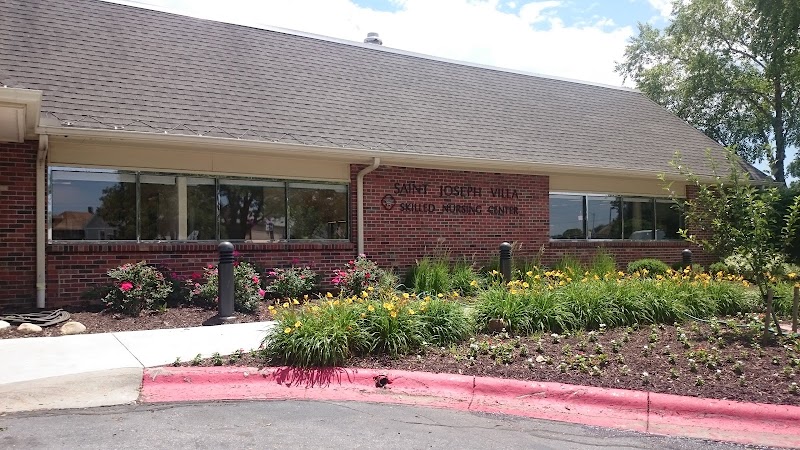
St. Joseph Villa Nursing Center
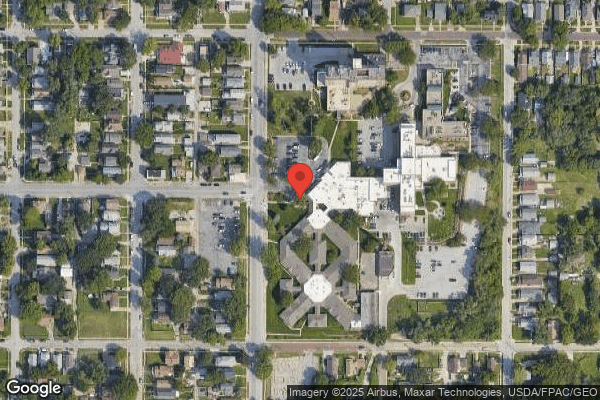
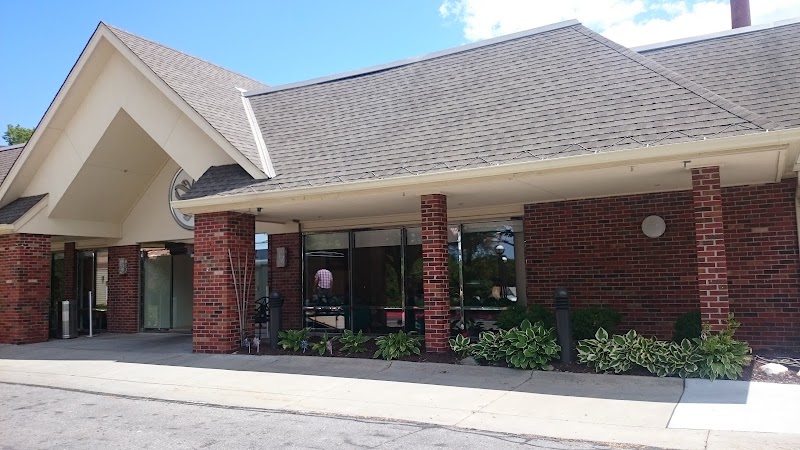
2305 South 10th Street, Omaha, NE 68108 (402) 345-5683
For profit - Limited Liability company 184 Beds DELMAR GARDENS Data: November 2025 1 Immediate Jeopardy citation
Trust Grade
18/100
#131 of 177 in NE
Last Inspection: August 2024

Within standard 12-15 month inspection cycle. Federal law requires annual inspections.

Overview

St. Joseph Villa Nursing Center received a Trust Grade of F, indicating significant concerns about the facility's care and management. They rank #131 out of 177 nursing homes in Nebraska, placing them in the bottom half of facilities in the state, and #17 out of 23 in Douglas County, meaning only a few local options are worse. While the facility has been improving in terms of issues reported, going from 9 in 2024 to just 1 in 2025, they still face serious challenges. Staffing is a relative strength with a 4/5 star rating and a turnover rate of 35%, significantly lower than the state average, but there is less RN coverage than 97% of facilities, which raises concerns about the quality of care. Notably, there have been alarming incidents, including a critical finding of failing to protect residents from sexual abuse and serious issues regarding safe transfers, which highlight the need for families to carefully consider this facility for their loved ones.
Trust Score
F
18/100
In Nebraska
#131/177
Bottom 26%
Safety Record
High Risk
Review needed
Inspections
Getting Better
9 → 1 violations
Staff Stability
○ Average
35% turnover. Near Nebraska's 48% average. Typical for the industry.
Penalties
✓ Good
$36,170 in fines. Lower than most Nebraska facilities. Relatively clean record.
Skilled Nurses
⚠ Watch
Each resident gets only 17 minutes of Registered Nurse (RN) attention daily — below average for Nebraska. Fewer RN minutes means fewer trained eyes watching for problems.
Violations
⚠ Watch
21 deficiencies on record. Higher than average. Multiple issues found across inspections.
★★☆☆☆
2.0
Overall Rating
★★★★☆
4.0
Staff Levels
★★☆☆☆
2.0
Care Quality
★★☆☆☆
2.0
Inspection Score
Stable
2024: 9 issues
2025: 1 issues

The Good

  • 4-Star Staffing Rating · Above-average nurse staffing levels
  • Full Sprinkler Coverage · Fire safety systems throughout facility
  • No fines on record
  • Staff turnover below average (35%)

    13 points below Nebraska average of 48%

Facility shows strength in staffing levels, fire safety.

The Bad

2-Star Overall Rating

Below Nebraska average (2.9)

Below average - review inspection findings carefully

Staff Turnover: 35%

11pts below Nebraska avg (46%)

Typical for the industry

Federal Fines: $36,170

Above median ($33,413)

Moderate penalties - review what triggered them

Chain: DELMAR GARDENS

Part of a multi-facility chain

Ask about local staffing decisions and management

The Ugly 21 deficiencies on record

1 life-threatening 3 actual harm
Jul 2025 1 deficiency
CONCERN (D) 📢 Someone Reported This

A family member, employee, or ombudsman was alarmed enough to file a formal complaint

Potential for Harm - no one hurt, but risky conditions existed

Infection Control (Tag F0880)

Could have caused harm · This affected 1 resident

**NOTE- TERMS IN BRACKETS HAVE BEEN EDITED TO PROTECT CONFIDENTIALITY** Licensure Reference Number 175 NAC 12-006.18 Based on observation, interview and record review the facility staff failed to ensu...

Read full inspector narrative →
**NOTE- TERMS IN BRACKETS HAVE BEEN EDITED TO PROTECT CONFIDENTIALITY** Licensure Reference Number 175 NAC 12-006.18 Based on observation, interview and record review the facility staff failed to ensure Enhanced Barrier Precautions (EBP - an infection control strategy that focuses on prevention the spread of multidrug-resistant organisms (MDRO) were followed when wound care was provided to 1 (Resident 2) of 3 residents sampled. The facility staff identified a census of 145. Findings are: Record review of Resident 2's undated Face Sheet revealed Resident 2 admitted to the facility on [DATE]. Record review of a General Order sheet revealed Resident 2's practitioner order a treatment to Resident 2's wound on the left heel dated 6-10-2025. An observation on 7/7/2025 at 9:55 AM of wound care to Resident 2's left heel by Licensed Practical Nurse A (LPN) revealed LPN A entered Resident 2 room and informed Resident 2 of need to complete wound care. LPN A carried a basin containing 3 plastic bags and a clean towel. LPN A placed the clean towel over Resident 2's bed side table and wash hand and donned gloves and did not don a gown. LPN A after setting up the supplies needed for wound care removed the soiled dressing from Resident 2's left heel. LPN A remove their soiled gloves,completed hand hygiene and donned a clean pair of gloves. LPN A with out donning a gown cleans the wound area, removed the soiled gloves completed hand hygiene and don a clean pair of gloves. LPN A completed the treatment as ordered to Resident 2's left heel,removed the soiled gloves and completed hand hygiene. An interview with LPN A was conducted on 7-7-2025 at 9:50 AM. During the interview LPN A confirmed LPN A should have been wearing a gown. A record review of the facility's Enhanced Barrier Precautions Policy dated July 2022 and revised 3/2024 revealed EBP are indicated for residents with any of the following: -Wounds and/or indwelling medical devices even if the resident is not known to be infected or colonized with a MDRO. -Procedure: -3. Personal Protective Equipment (PPE) including gowns and gloves, will be available immediately out side of the residents room. -4. PPE should be worn with during high contact resident activities: -Dressing, bathing/showering, providing hygiene, changing linens, changing briefs or assisting with toileting, and wound care.
Aug 2024 9 deficiencies 1 Harm
SERIOUS (G) 📢 Someone Reported This

A family member, employee, or ombudsman was alarmed enough to file a formal complaint

Actual Harm - a resident was hurt due to facility failures

Accident Prevention (Tag F0689)

A resident was harmed · This affected 1 resident

**NOTE- TERMS IN BRACKETS HAVE BEEN EDITED TO PROTECT CONFIDENTIALITY** LICENSE REFERENCE NUMBER NAC 12.006.09(I) Based on record review and interview; the facility staff failed to transfer 1 (Residen...

Read full inspector narrative →
**NOTE- TERMS IN BRACKETS HAVE BEEN EDITED TO PROTECT CONFIDENTIALITY** LICENSE REFERENCE NUMBER NAC 12.006.09(I) Based on record review and interview; the facility staff failed to transfer 1 (Resident 9) of 1 residents in a manner to prevent injury. The facility staff identified a census 159. Findings are: Record review of Resident 9's Electronic Health Record (EHR) titled Census Sheet revealed Resident 9 was admitted to the facility on [DATE]. Record review of Resident 9's Minimum Data Set (MDS, a federally mandated assessment tool used for care planning) dated 6-06-2024 revealed the following: -Resident 9 had short term and long-term memory problem. -Dependent for eating, bed mobility, transfers, and toileting. -Has a diagnosis of Alzheimer's and dementia with behavioral disturbance. Record review of Resident 9's Comprehensive Care Plan (CCP) with a last conference date of 6-05-2024 revealed Resident 9 required extensive to total assistance with Activities of Daily living (ADL's). According to Resident 9's CCP dated 7-06-2016 revealed 2 staff were to transfer Resident 9 using a full body sling. Further review of Resident 9's CCP revealed Resident 9's CCP did not identify the size of body sling that staff were to use when transferring Resident 9. Record review of Resident 9's Resident Profile (a sheet that identifies care needs of the resident including transfer status that nursing assistant use in the provision of care) sheet printed on 8-22-2024 revealed Resident 9's Profile sheet did not identify the size of the sling staff were to use for a Hoyer left transfer. Record review of an undated Final report for self-report of a major injury sheet revealed Nursing Assistant (NA) Q and NA R were transferring Resident 9 from the bed to the resident's wheelchair using a Hoyer (mechanical lift). Further review of the Final report revealed during the transfer Resident 9's bottom started to slide down through the opening of the Hoyer sling. NA R stopped pushing the Hoyer and NA Q cradled Resident 9, one arm under the legs and 1 arm behind the residents back in order to prevent the resident from sliding any further out of the sling. According to the final report, Resident 9 was assisted back into bed. The Final report identified Resident 9 stated my leg, my leg. The Final report sheet indicated NA Q went and found a full body sling versus the one NA Q and NA R were using, which was identified as a divided leg Hoyer sling. Record review of Resident 9's Progress Notes (PN) dated 7-16-2024 timed at 4:43 PM revealed Resident 9 had extreme pain while being transferred using the Hoyer left and after contacting the practitioner, Resident 9 was sent to the Emergency Room. Record review of Resident 9's PN dated 7-16-2024 with a time of 9:15 PM revealed the facility staff were notified Resident 9 had a tibial fracture (a fracture that occurred when the shinbone breaks near the knee) and anterior displaced fibula (a fracture of the calf bone) fracture. Record review of Resident 9's Emergency Department dated 7-16-2024 revealed the following information: -Resident 9 had an acute displaced and angulated fractures to of the proximal tibia and proximal fibula metaphysis. On 8-22-2024 at 9:35 AM an interview was conducted with NA Q. During the interview NA Q reported they were using a sling in which the legs of the sling were crossed. NA Q reported thinking the sling was too big for Resident 9. NA Q reported when NA Q and NA R started to move Resident in the Hoyer, Resident 9 began to slide out of the sling. NA Q reported not having knowledge of what size of sling residents needed when using the Hoyer lift. Record review of NA Q's Certified Nursing Assistant (CNA) Care Guidelines Orientation Checklist dated 6-25-2024 revealed there was no indications on how staff were to determine the sling size when using the Hoyer Lift. Record review of NA R Certified Nursing Assistant Care Guidelines Orientation Checklist dated 4-30-2024 revealed there were no indications on how staff were to determine the sling size when using the Hoyer Lift. On 8-22-2024 at 10:43 AM an interview was conducted with Licensed Practical Nurse (LPN) N. During the interview LPN N reported not knowing how to determine which slings are to be used with Hoyer Lifts for resident. On 8-22-2024 at 10:45 AM an interview was completed with the MDS Coordinator C. During the interview MDSC reported sling sizes are not identified in the resident's medical record. On 8-22-2024 at 10:43 AM an interview was conducted with the Director of Nursing (DON). During the interview the DON confirmed Resident 9 sustained a fracture and was a major injury for Resident 9. Record Review of the Nursing Policy and Procedure Manual (dated 5/2021) Titled: Lift, Mechanical Full Body: -Purpose: To ensure that all nursing staff are using proper transfer techniques to minimize the risk of injury to resident and staff, while using full body lift. -Procedure: 1. Secure the assistance of another NA or other qualified employee. 2. Adjust bed to the same height as the surface transferring to. Lock brakes of bed and chair. 3. Position of transferring surfaces should be in close proximity to minimize transport area allowing enough room to move base from bed to chair or chair to bed. 4. Position lift sling under resident by rolling resident side to side while rolling sling underneath the resident if sling is not under resident. 5. Wheel the lift into place over the resident with the base beneath the bed or around the chair. 6. Attach the lift sling to the lift. 7. Widen the base/legs of the lift prior to moving the lift. The lift is more stable when the legs are widened. 8. Unlock the wheels of the lift when actually lifting the resident on an electric lift. This allows the lift to adjust for the change in weight. 9. Resident's arms should be inside the sling. 10. Begin lifting the resident, using the control panel on the lift. 11. Prior to moving resident, check to ensure the sling is securely attached to the mechanical lift after slightly raising resident. 12. Lift the resident only high enough to clear both the surface they are on, and the surface they are moving to. The higher a resident is lifted in the air, the less stable the transfer. 13. The second staff member monitors the resident's body position, making sure the resident' extremities or head does not bump or swing into any object (including the mast on the lift). 14. As the first staff member moves the lift toward the chair/bed with the resident suspended in the sling, the second staff member is guiding the resident's legs to prevent injury. 15. Bring the lift into position so that the resident is over the seat of the chair or centered over the bed. CAUTION: Do not close the support legs while transporting residents. 16. Lower the sling so that the resident is seated in the chair or centered on the bed. 17. Remove the sling from the hooks on the lift. 18. Carefully move the lift away from the resident; watching to make sure the resident is not bumped with the lift. There were no instructions on how staff were to determine the sling size when using the Hoyer Lift in the Mechanical Full Body Lift Policy and Procedure.
CONCERN (D)

Potential for Harm - no one hurt, but risky conditions existed

Deficiency F0583 (Tag F0583)

Could have caused harm · This affected 1 resident

LICENSURE REFERENCE NUMBER 175 NAC 12.006.05(S) Based on observation, record review, and interview, the facility failed to ensure privacy for 1 (Resident 95) of 1 residents reviewed by posting informa...

Read full inspector narrative →
LICENSURE REFERENCE NUMBER 175 NAC 12.006.05(S) Based on observation, record review, and interview, the facility failed to ensure privacy for 1 (Resident 95) of 1 residents reviewed by posting information regarding the resident's diet on the outside of the resident's door. The facility identified a census of 159. Findings are: Record review of Resident 95's Minimum Data Set (MDS, a federally mandated assessment tool used for care-planning) had a Brief Interview for Mental Status (BIMS, a brief screener to determine cognition) with a score of 9. A BIMS score of 9 indicated the resident was moderately cognitively impaired. Resident 95 had a diagnosis of Diabetes Mellitus. Observation on 08/19/24 at 7:03 AM and 8/20/24 at 10:09 AM revealed a sign on Resident 95's door which read Bed 1-do not give this resident snacks full of sugar, Glucerna (a nutritional shake for those with Diabetes) and 1/2 of sandwich is ok. We cannot help it if the family give snacks full of sugar but as a facility, we have an obligation to not give (gender) snacks full of sugar. A interview on 08/20/24 at 10:09 AM with the Director of Nursing (DON) confirmed the note on the outside of the door about Resident 95's diet violated privacy. Record review of Facility Policy: Resident Rights (undated) Privacy and Confidentiality You Right to privacy and confidentiality is as important to you as it is to any other person. You have the right: 1. To have other people respect your personal privacy during telephone calls and personal visits, as you receive care, and in connection with written communication; and 2. To confidentiality for your personal and clinical record.
CONCERN (D)

Potential for Harm - no one hurt, but risky conditions existed

Quality of Care (Tag F0684)

Could have caused harm · This affected 1 resident

**NOTE- TERMS IN BRACKETS HAVE BEEN EDITED TO PROTECT CONFIDENTIALITY** Licensure Reference Number 175 NAC 12.006.09(H)(iii) Based on observation, interview, and record review, the facility failed to ...

Read full inspector narrative →
**NOTE- TERMS IN BRACKETS HAVE BEEN EDITED TO PROTECT CONFIDENTIALITY** Licensure Reference Number 175 NAC 12.006.09(H)(iii) Based on observation, interview, and record review, the facility failed to ensure 1 (Resident 78) of 2 sampled resident's compression stockings (special hose used to treat venous disorders) and Prevalon boots (pressure relieving heel protectors) were applied per the physician's orders. The facility census was 159. Findings are: A record review of the facility's Physician Orders, Following policy dated 06/29/2021 revealed all physician orders would be followed as prescribed and if not followed, the reason shall be recorded on the resident's medical record. A record review of Resident 78's Face Sheet dated 08/21/2024 revealed the resident was originally admitted to the facility on [DATE]. The resident had diagnoses of Peripheral vascular Disease (reduced blood flow in limbs), Cellulitis (bacterial skin infection) of right lower leg, and Unspecified dementia (confusion). A record review of Resident 78's Minimum Data Set (MDS)(a comprehensive assessment used to develop a resident's care plan) dated 06/11/2024 revealed the resident did not have a completed Brief Interview for Mental Status (BIMS)(a score of a residents cognitive abilities) due to the resident was rarely/never understood. The resident was dependent on staff for all activities of daily living (ADLs). The resident was at risk for developing pressure ulcers (skin breakdown). A record review of Resident 78's Care Plan with a last care conference date of 06/12/2024 revealed the resident had a problem area of cellulitis of the right lower limb and an intervention to administer (follow) medical doctor (MD) orders. The resident had a problem area of at risk for discomfort due to end-of-life changes, and an intervention of provide preventative skin care as needed. The resident had a problem area of at risk for skin breakdown, and an intervention of apply treatments per MD orders and use Prevalon boots per treatment order to relieve pressure on heels. A record review of Resident 78's Medication Administration Record and Treatment Administration Record (MARs & TARs) dated June - August 2024 did not reveal the resident had compression stockings applied until 08/21/2024 or Prevalon boots applied until 08/20/2024. A record review of Resident 78's Active Orders dated 08/21/2024 revealed the resident had orders of compression stockings during the day and Prevalon boots to bilateral lower extremities (both lower legs) while in bed. An observation on 08/19/2024 at 2:03 PM revealed Resident 78 was sitting up in a wheelchair but did not reveal the resident had compression stocking on. An observation on 08/20/2024 at 6:50 AM revealed Resident 78 was sitting in a wheelchair in the resident's room but did not reveal the resident had compression stockings on. An observation on 08/20/2024 at 2:36 PM with Licensed Practical Nurse (LPN)-F revealed Resident 78 was sleeping in bed but did not reveal the resident had compression stocking on or in the room and no Prevalon boots on. In an observation on 08/20/2024 at 2:36 PM, LPN-F confirmed Resident 78 did not have compressions stocking on or in the room and did not have Prevalon boots on and should have had them on. LPN-F confirmed the orders were entered into the system wrong so it would not have shown in the system for the nurse to apply the compression stockings or Prevalon boots. LPN-F confirmed the resident would not refuse to wear compression stocking or Prevalon boots.
CONCERN (D) 📢 Someone Reported This

A family member, employee, or ombudsman was alarmed enough to file a formal complaint

Potential for Harm - no one hurt, but risky conditions existed

Incontinence Care (Tag F0690)

Could have caused harm · This affected 1 resident

LICENSURE REFERENCE NUMBER 175 NAC 12-006.09(H)(iv)(2) Based on record review and interview, the facility failed to evaluate and implement a toileting program for 1 resident (Resident 1) of 2 resident...

Read full inspector narrative →
LICENSURE REFERENCE NUMBER 175 NAC 12-006.09(H)(iv)(2) Based on record review and interview, the facility failed to evaluate and implement a toileting program for 1 resident (Resident 1) of 2 residents. The facility identified a census of 159. Findings are: Record review of Resident 1's Minimum Data Set (MDS, a federally mandated assessment tool used for care-planning) dated 7/19/2024 revealed Resident 1 had a Brief Interview for Mental Status (BIMS, a brief screener to determine cognition) with a score of 13 indicating the resident was cognitively intact. Resident 1's urinary status was frequently incontinent of urine and always incontinent of bowel with no toileting program. Record review of Resident 1's Care Plan (a written interdisciplinary comprehensive plan detailing how to provide quality care for a resident) revealed the resident was incontinent of bowel and bladder related to immobility. The Care Plan revealed no evidence of evaluation or implementation of a toileting plan. A interview on 08/21/24 at 9:17 AM was conducted with Resident 1. During the interview Resident 1 reported they had the urge to go to the toilet and knew when (gender) needed to use the toilet. Resident 1 reported being able to use a bedpan if anyone would bring them one. A interview on 08/21/24 at 12:41 PM with MDS Coordinator (MDSC) confirmed Resident 1 was not on a toileting program and had not been evaluated for a toileting program. Record review of facility Policy and Procedure dated 6/2021 for Urinary Incontinence: Purpose: To develop and implement systems to ensure that any resident, based on the resident's comprehensive assessment that is incontinent receives appropriate treatment and services to prevent urinary tract infections and to restore as much normal bladder function as possible. Procedure 1. Assess for urinary continence status upon admission, quarterly and with any significant change of condition and develop an Incontinence Plan of Care. 2. Using the urinary Incontinence Assessment define the type of incontinence. 3. For the cognitively intact resident who is able to direct or participate in their own care, determine the times throughout the day and night that the need to void is identified by the resident and care plan a toileting schedule based on the resident defined timetable regardless of the type of incontinence. 4. For the cognitively impaired resident who cannot participate or direct their won care initiate a toileting monitoring record Incontinence Voiding Diary to define the times that the resident voids. Complete this study for 1-4 days. Develop a care plan based on the results and establish a specific toileting schedule. 5. Reassess and revise the care plan as needed. The objective is to keep the resident dry by voiding in the toilet.
CONCERN (D)

Potential for Harm - no one hurt, but risky conditions existed

Deficiency F0757 (Tag F0757)

Could have caused harm · This affected 1 resident

**NOTE- TERMS IN BRACKETS HAVE BEEN EDITED TO PROTECT CONFIDENTIALITY** Licensure Reference Number 175 NAC 12-006.18 Based on record review and interview, the facility failed to have an indication for...

Read full inspector narrative →
**NOTE- TERMS IN BRACKETS HAVE BEEN EDITED TO PROTECT CONFIDENTIALITY** Licensure Reference Number 175 NAC 12-006.18 Based on record review and interview, the facility failed to have an indication for antibiotic use for 2 (Resident 28 and 144) out of 2 sampled residents. The facility staff identified a census 159. Findings are: A. Record review of a fax sheet for Resident 28 dated 6/10/24 from Consonus Pharmacy revealed there was a physician order for Amoxicillin /Augmentin ( a antibiotic medication (ATB) 500-125 mg per tablet, Quantity 20 tablets, take 1 tablet by mouth 2 times a day, effective start date was 6/9/24. Further review of the fax sheet for Resident 28 dated 6/10/24, did not indicate why the ATB was being given. Record review of Medication Administration Record (MAR) revealed the ATB was given for a total of 20 doses from 6/10/24-6/19/24. Record review of Resident 28's record that included practitioner orders, progress notes and laboratory work revealed there was no indication of the need for ABT. A interview with the Infection Preventionist Coordinator (IPC)-I on 8/21/24 at 11:16 AM confirmed the ATB for Resident 28's Urinary Tract Infection (UTI) diagnosis did not meet the McGeer's (tool used to assist in making a determination criteria for ATB use). B. Record Review of Resident 144's active orders summary printed 08-19-2024 revealed an order for doxycycline ( a antibiotic medication) 20 mg twice a day without a stop date. An interview with the IPC I revealed when a resident is admitted to the facility on an antibiotic the staff are to look at the reason the resident is on the antibiotic and request from the physician a stop date or rationale for continued use. Record review of the facility policy revealed the Infection Control Policy and Procedure Manual dated April 2023, Rev.2/2024. Title: Antibiotic Stewardship Policy: [NAME] Gardens values the importance of a quality antibiotic stewardship program designed to help antibiotic resistance, infection control, optimize antimicrobial therapy, and ultimately provide quality resident care. We are committed to an interdisciplinary approach and championing a program that includes antimicrobial use protocols, monitoring guidelines, tracking of appropriate antimicrobial use, infection control, and education period. [NAME] Gardens will implement and sustain this program on behalf of the residents whom we are so honored to serve. Purpose: To establish guidelines for a multidisciplinary antibiotic stewardship program that will promote the appropriate use of antimicrobials and minimize antibiotic overuse and resistance. Procedure: The following procedures will outline; key duties of the interdisciplinary antibiotic stewardship team; appropriate identification; communication, and documentation of potential infections; appropriate prescribing of antimicrobials; proper monitoring and follow-up on antibiotic therapy; And evaluation of antibiotic use and other stewardship activities. Duties of the interdisciplinary antibiotic stewardship team: C. Help ensure the antibiotics are only being used when appropriate and that the proper follow up is occurring (such as on cultures and sensitivities). Evaluation and treatment of potential bacterial infections. Treatment with an antibiotic is only appropriate when the practitioner determines that the most likely cause of the resident's symptoms is a bacterial infection. Antibiotics should only be used for the appropriate length of time needed to treat the infection, and in some cases to reduce the risk of relapse or control risk to others. Antibiotics should not be used for treating viral Illnesses or infections that do not meet treatment criteria. -Nursing staff: A. When a resident has a suspected infection, the nurse should perform and document a complete assessment utilizing established assessment protocols to determine if resident meets criteria for needing antibiotics. D. Send antibiotic orders to pharmacy with the following information. -i. Name of antibiotic -ii. Dose (i.e. milligrams) -iii. Route of administration (i.e. by mouth) -iv. Frequency (i.e. daily) -v. Duration of therapy (either by including a stop date or by writing X 7 days) E. Place laboratory orders if applicable (blood level, culture & sensitivity, etc.) -i. The urine sample for the cultural sensitivity should be before the initiation of the antibiotic. - ii. Results of the culture should be treated as priority and communicate to the prescribe as soon as possible. Consult pharmacy for recommendations. -2. Data to be considered as part of the assessment, should include: -a. Completeness Of clinical assessment documentation at the time of suspected infection -b. Completeness of antimicrobial medication orders. -c. Appropriateness of antibiotic selection. -d. Promptness of labs and cultures being drawn and reported -e. Proper de-escalation of antibiotic therapy after C&S reports are received. B. Record Review of Resident 144's active orders summary printed 08-19-2024 revealed an order for doxycycline ( a antibiotic medication) 20 mg twice a day without a stop date. An interview with the IPC I revealed when a resident is admitted to the facility on an antibiotic the staff are to look at the reason the resident is on the antibiotic and request from the physician a stop date or rationale for continued use. Record review of the facility policy revealed the Infection Control Policy and Procedure Manual dated April 2023, Rev.2/2024. Title: Antibiotic Stewardship Policy: [NAME] Gardens values the importance of a quality antibiotic stewardship program designed to help antibiotic resistance, infection control, optimize antimicrobial therapy, and ultimately provide quality resident care. We are committed to an interdisciplinary approach and championing a program that includes antimicrobial use protocols, monitoring guidelines, tracking of appropriate antimicrobial use, infection control, and education period. [NAME] Gardens will implement and sustain this program on behalf of the residents whom we are so honored to serve. Purpose: To establish guidelines for a multidisciplinary antibiotic stewardship program that will promote the appropriate use of antimicrobials and minimize antibiotic overuse and resistance. Procedure: The following procedures will outline; key duties of the interdisciplinary antibiotic stewardship team; appropriate identification; communication, and documentation of potential infections; appropriate prescribing of antimicrobials; proper monitoring and follow-up on antibiotic therapy; And evaluation of antibiotic use and other stewardship activities. Duties of the interdisciplinary antibiotic stewardship team: C. Help ensure the antibiotics are only being used when appropriate and that the proper follow up is occurring (such as on cultures and sensitivities). Evaluation and treatment of potential bacterial infections. Treatment with an antibiotic is only appropriate when the practitioner determines that the most likely cause of the resident's symptoms is a bacterial infection. Antibiotics should only be used for the appropriate length of time needed to treat the infection, and in some cases to reduce the risk of relapse or control risk to others. Antibiotics should not be used for treating viral Illnesses or infections that do not meet treatment criteria. -Nursing staff: A. When a resident has a suspected infection, the nurse should perform and document a complete assessment utilizing established assessment protocols to determine if resident meets criteria for needing antibiotics. D. Send antibiotic orders to pharmacy with the following information. -i. Name of antibiotic -ii. Dose (i.e. milligrams) -iii. Route of administration (i.e. by mouth) -iv. Frequency (i.e. daily) -v. Duration of therapy (either by including a stop date or by writing X 7 days) E. Place laboratory orders if applicable (blood level, culture & sensitivity, etc.) -i. The urine sample for the cultural sensitivity should be before the initiation of the antibiotic. - ii. Results of the culture should be treated as priority and communicate to the prescribe as soon as possible. Consult pharmacy for recommendations. -2. Data to be considered as part of the assessment, should include: -a. Completeness Of clinical assessment documentation at the time of suspected infection -b. Completeness of antimicrobial medication orders. -c. Appropriateness of antibiotic selection. -d. Promptness of labs and cultures being drawn and reported -e. Proper de-escalation of antibiotic therapy after C&S reports are received. Licensure Reference Number 175 NAC 12-006.18 Based on record review and interview, the facility failed to have an indication for antibiotic use for 2 (Resident 28 and 144) out of 2 sampled residents. The facility staff identified a census 159. Findings are: A. Record review of a fax sheet for Resident 28 dated 6/10/24 from Consonus Pharmacy revealed there was a physician order for Amoxicillin /Augmentin ( a antibiotic medication (ATB) 500-125 mg per tablet, Quantity 20 tablets, take 1 tablet by mouth 2 times a day, effective start date was 6/9/24. Further review of the fax sheet for Resident 28 dated 6/10/24, did not indicate why the ATB was being given. Record review of Medication Administration Record (MAR) revealed the ATB was given for a total of 20 doses from 6/10/24-6/19/24. Record review of Resident 28's record that included practitioner orders, progress notes and laboratory work revealed there was no indication of the need for ABT. A interview with the Infection Preventionist Coordinator (IPC)-I on 8/21/24 at 11:16 AM confirmed the ATB for Resident 28's Urinary Tract Infection (UTI) diagnosis did not meet the McGeer's (tool used to assist in making a determination criteria for ATB use).
CONCERN (D) 📢 Someone Reported This

A family member, employee, or ombudsman was alarmed enough to file a formal complaint

Potential for Harm - no one hurt, but risky conditions existed

Deficiency F0887 (Tag F0887)

Could have caused harm · This affected 1 resident

Licensure Reference Number 175 NAC 12-006.18 Based on interview and record review, the facility failed to prevent potential COVID-19 infection as evidenced by the failure to offer, provide education, ...

Read full inspector narrative →
Licensure Reference Number 175 NAC 12-006.18 Based on interview and record review, the facility failed to prevent potential COVID-19 infection as evidenced by the failure to offer, provide education, and give 2 residents (Resident 15 and 25) of 5 residents reviewed, the opportunity to accept or decline updated COVID-19 vaccination for 2024-2025. The facility identified a census of 159. Findings are: Record review of Centers for Disease Control 2024-2025 COVID-19 vaccine dated July 3, 2024, recommendations were: Everyone ages 6 months and older should get the 2024-2025 COVID-19 vaccine. This includes people who have received a COVID-19 before and people who have had COVID-19. Record review of Resident 15's Immunization Record revealed COVID-19 vaccine history of vaccines given on 3/31/21, 4/21/21, and 11/23/21. The Electronic Health Record (EHR) did not reveal any documentation of education, the vaccine being offered nor any opportunities for the resident to decline or accept the vaccine for the 2024-2025 updated vaccination. Record review of Resident 25's Immunization Record revealed COVID-19 vaccine history of vaccines given on 12/29/20, 1/19/21, 10/3/21, 5/25/22, and 10/5/22. The EHR did not reveal any documentation of education, the vaccine being offered nor any opportunities for the resident to decline or accept the vaccine for the 2024-2025 updated vaccination. Interview with Director of Nursing (DON) on 8/19/24 at 2:15 PM confirmed Resident 15 and Resident 25 were not offered, given, and/or provided education for the COVID-19 vaccination for 2024-2025. Record review of Facility Policy and Procedure for COVID-19 Vaccination Program dated May 2021 the following: Purpose: To maximize COVID-19 vaccination rates by ensuring that residents and staff are educated about the COVID-19 vaccine and are offered opportunities to receive the vaccine. Procedure: -All residents will be provided information on COVID-19 vaccination, to include risks and benefits. If a resident is not vaccinated the resident will be encouraged and given the opportunity to be vaccinated if indicated. -Facility staff will document COVID-19 education provided to residents in the EHR. -For resident that choose to be vaccinated, the facility will document which vaccine was administered, which dose was administered and the date of vaccination in the HER. -If a resident declines to be vaccinated, the facility will document, in the HER progress notes, the reason for refusal, and any contraindications the resident may have to the vaccine. -The facility will keep abreast of new vaccine information as provided by the CDC and Department of Public health and will provide ongoing education to address individual concerns, science-based findings, and benefits of vaccination to staff and resident as appropriate.
CONCERN (E)

Potential for Harm - no one hurt, but risky conditions existed

Deficiency F0761 (Tag F0761)

Could have caused harm · This affected multiple residents

Licensure Reference Number 175 NAC 12-006.12(D)(i) Based on observation, interview, and record review, the facility staff failed to secure medications in 2 unlocked medication carts . This had the pot...

Read full inspector narrative →
Licensure Reference Number 175 NAC 12-006.12(D)(i) Based on observation, interview, and record review, the facility staff failed to secure medications in 2 unlocked medication carts . This had the potential to affect 10 residents identified as self-mobile who resided on the 100 hall. An observation on 8/19/24 at 7:10 AM revealed the medication cart unlocked and un attended on the 100 hall. An interview on 8/19/24 at 7:12 AM with Registered Nurse (RN)-J confirmed the medication cart had been unlocked and unattended. An interview on 8/19/24 at 7:17 AM with MA (Medication Assistant)-K confirmed the medication cart should not have been left unlock and out of sight of MA-K. An observation on 8/21/24 at 6:12-6:18 AM revealed MA-N walked away from the medication cart leaving the medication cart unlocked and unsupervised on the 100 hall. Further observation revealed MA-N left a card (method of packaging medications) of Acetaminophen on top of the cart and unsecured. During an interview on 8/21/24 at 6:18 AM with MA-N confirmed the medication card should not have been left on top of the medication cart, and the cart should've been locked and secured. Record review of the facility medication storage policy received dated 8-2018 revealed the following: -Title:Medication storage. -Purpose: To ensure all medications are stored in accordance with state and federal regulations. All medications and biologicals are stored in locked compartments under proper temperature controls and only authorized by personnel. Have access to keys. Procedure. 1. Scheduled II Drugs are stored in containers or cabinets under double lock in the Medication Room. Only the Charge Nurse or Medication Nurse has access to the narcotics keys. The key to the narcotic compartment or cabinet is not the same as the medication room or Medicare key. 5. Medications which require refrigeration are kept in a refrigerator in the locked medication room period. Drug stored under refrigeration or stored separately from food. All refrigerated areas and devices have a temperature between 36 and 46°F and are equipped with two thermometers. Temperatures are logged daily by Med Tech or Nurse for quality assurance. 6. If the refrigerator temperature is not within the designated range, the temperature knob in the refrigerator should be adjusted accordingly to correct the temperature. If the medication becomes frozen at less than <36°, it needs to be destroyed and replaced. If the temperature is greater than >46°, the guidance for stability of medication at room temperature should be followed. Pharmacy should be contacted about any questions regarding temperature excursions and medication stability. 7. All regular medications will be stored between 56° and 86°F. 8. Compartments and areas containing drugs are locked when not in use or left Unattended. Such areas include drawers, cabinets, rooms, refrigerators, carts, and boxes
CONCERN (E) 📢 Someone Reported This

A family member, employee, or ombudsman was alarmed enough to file a formal complaint

Potential for Harm - no one hurt, but risky conditions existed

Menu Adequacy (Tag F0803)

Could have caused harm · This affected multiple residents

Licensure Reference Number 175 NAC 12-006.11 Based on observation, interview and record review the facility failed to follow the menu to meet the nutritional needs of residents that received pureed me...

Read full inspector narrative →
Licensure Reference Number 175 NAC 12-006.11 Based on observation, interview and record review the facility failed to follow the menu to meet the nutritional needs of residents that received pureed meals. This affected 7 (Residents 43, 54, 63, 78, 79, 125, and 129) observed of 13 residents the facility had identified as requiring a pureed meal. The facility census was 159. Findings are: Record Review of the facility's menu identified as Wednesday, week 5 revealed the kitchen would be serving, 4 ounces(oz) vegetable beef soup with 2 crackers, 1 hot dog with bun, 4 oz macaroni salad, 1 slice of watermelon and 1 slice of cake for lunch. An interview on 08-21-2024 with [NAME] W at 11:35 AM revealed the pureed meal consisted of 4 oz pureed vegetable beef soup with crackers , 6 oz pureed hot dog with bun and gravy, 4 oz pureed macaroni salad, 4 oz pureed watermelon and 4 oz pureed cake. A continuous observation on 08-21-2024 from 12:00 -1:27 PM of [NAME] X serving lunch revealed residents who had a pureed diet were served 4 oz pureed mashed potatoes with 2 oz gravy instead of the 6 oz pureed hot dog and bun with gravy. An interview with [NAME] X on 08-21-2024 at 1:30 PM revealed the mashed potatoes were served in place of the pureed hot dog and bun by mistake. An interview with [NAME] W PM 08-21-2024 at 1:35 revealed the residents should have received the pureed hot dog and bun and confirmed the menu was not followed. [NAME] W also confirmed the residents on pureed diets did not get the correct serving of protein for the meal. An interview with the facility's Registered Dietician (RD) on 08-21-2024 at 2:26 PM confirmed the pureed menu was not followed and the residents who received mashed potatoes instead of the hot dog received less calories.
CONCERN (E)

Potential for Harm - no one hurt, but risky conditions existed

Infection Control (Tag F0880)

Could have caused harm · This affected multiple residents

**NOTE- TERMS IN BRACKETS HAVE BEEN EDITED TO PROTECT CONFIDENTIALITY** LICENSE REFERENCE NUMBER 175 NAC 12-006.18 AND 12-006.19(C)(i) Based on observations, interviews and record reviews, the facilit...

Read full inspector narrative →
**NOTE- TERMS IN BRACKETS HAVE BEEN EDITED TO PROTECT CONFIDENTIALITY** LICENSE REFERENCE NUMBER 175 NAC 12-006.18 AND 12-006.19(C)(i) Based on observations, interviews and record reviews, the facility failed to gown during personal cares for residents on Enhanced Barrier Precautions (EBP, is a strategy used in nursing homes to reduce the spread of Multi-Drug Resistant Organisms (MDROs) to prevent cross-contamination for 5 residents (Residents 64, 29, 66,144, 149) of 31 residents on EBP,failed to ensure Resident 8's nasal cannula was kept off the floor and ensure the laundry aide kept clean laundry away from the staff members clothing to prevent cross contamination. The facility census was 159. Findings are: A. Record review of Resident 29 Minimum Data Set (MDS, a federally mandated assessment tool used for care planning) dated 6/4/2024 revealed Resident 29 is rarely/never understood so a Brief Interview for Mental Status (BIMS, a brief screener used to determine cognition) could not be performed. A staff assessment of Resident 29's memory revealed short-term and long-term memory are OK. Resident 29 can recall current season, location of room, staff names and faces, and that (gender) is in a nursing home. Resident 29's diagnosis include: Stroke with the loss of the ability to speak (aphasic). Resident also has a gastrointestinal tube (G-tube, a small flexible tube that is surgically inserted through the abdominal wall and into the stomach) for the purpose of receiving adequate water (fluid) intake. Record review of Resident 29's Order Summary dated 3/7/2024 revealed an order for Bolus (a single dose) of 400 milliliters (mL) of water per G-tube (tube placed into the stomach to provide nutrition and fluids) every 6 hours at 3:00 AM, 9:00 AM, 3:00 PM, and 9:00 PM. Observation of the outside doorway on 8/21/24 at 8:40 AM of Resident 29's room revealed a sign for EBP. EBP would indicate the need for gowns and gloves during high-contact resident care activities for residents known to be infected with a MDRO or for those at increased risk of MDRO acquisition (e.g. residents with wounds or indwelling medical devices). Observation on 8/21/2024 at 8:42 AM revealed Licensed Practical Nurse (LPN) N entered Resident 29's room with out donning a gown. LPN-N completed hand hygiene (HH), donned gloves obtained 400 ml of water in preperation of administering fluids to Resident 29 via a G-tube. LPN- N checked for placement of the tube, once confirmed LPN-N administered the 400 ml of water and completed hand hygiene. A interview with LPN-N on 8/21/2024 at 9:03 AM confirmed LPN-N should have worn a gown when water was administered via the G-tube. B. Record review of Resident 64's MDS revealed a BIMS score of 8. A BIMS score of 8 indicating the resident's cognition is severely impaired. The MDS also indicated the resident had an indwelling foley catheter (a thin, flexible tube that is inserted into the urethra and bladder to collect and drain urine) and a diagnosis of obstructive uropathy (a disorder of the urinary tract that occurs due to obstructed urinary flow). Observation of the outside doorway on 8/20/2024 at 10:50 AM of Resident 64's room revealed a sign for EBP. EBP would indicate the need for gowns and gloves during high-contact resident care activities for residents known to be infected with a MDRO or for those at increased risk of MDRO acquisition (e.g. residents with wounds or indwelling medical devices). Observation on 8/20/24 at 10:57 AM of Nursing Assistant-P (NA-P) revealed NA-P entered Resident 64's room without donning a clean gown to empty the foley catheter bag of urine. NA-P provided privacy for the resident by closing the drapes and closing the door. NA-P explained the procedure to be performed. NA-P did HH with hand sanitizer and applied clean gloves. NA-P opened 2 alcohol pads and cleaned the end of the leg bag with one alcohol pad. NA-P twisted the end of the leg bag open and allowed the urine to flow into the graduate located on the floor in a plastic bag. NA-P cleaned the end of the leg bag with the 2nd alcohol pad and then twisted the end shut. NA-P took note of the amount of urine in the graduate before emptying in the toilet and rinsed the graduate with a disposable cup of water removed gloves and completed HH. A interview on 8/20/24 at 11:30 PM with NA-P confirmed a gown should have been worn for emptying urine from Resident 64's catheter bag. C. Record Review of Resident 66's dated 07-15-2024 revealed an admission date of 01-22-2020 with diagnosis of Chronic Respiratory Failure requiring oxygen, Type 2 Diabetes, Congestive Heart Failure and morbid obesity. The MDS also indicated Resident 66 had a Multi Drug Resistant Organism (MDRO, which is a bacterium that has become resistant to certain antibiotics) and required set up assistance from staff for eating and personal hygiene and was dependent on staff assistance for toileting, dressing, bathing, bed mobility and transfers. An observation on 08-21-2024 at 6:41 AM of Nursing Assistant (NA) Y providing care for Resident 66 revealed NA Y was wearing gloves without a gown picking and up linens, cleaned a bed pan and bagging trash in the room. Record Review of a sign outside of Resident 66's room indicated Enhanced Barrier Precautions to remind staff must wear a gown and gloves for the following High-Contact Resident Care Activities including changing linens and providing hygiene. An interview with NA Y on 08-21-2024 at 6:45 AM revealed according to NA Y, Resident 66 was on EBP because (gender) uses oxygen, so wearing a gown is not needed. An interview with Licensed Practical Nurse (LPN) L on 08-21-2024 at 6:55 AM revealed Resident 66 was on EBP because (gender) had a vent (non-invasive). Record Review of the facility's list of residents on EBP dated 08-12-2024 revealed Resident 66 had a MDRO - Extended-spectrum beta-lactamases (ESBLs, are enzymes produced by some bacteria that make them resistant to many antibiotics) and was put on EBP for that reason. An interview with the Assistant Director of Nursing (ADON) on 08-22-2024 at 6:55 AM confirmed Resident 66 was on EBP and the staff should have worn a gown and gloves while providing care such as gathering linens or hair care. D. Record Review of Resident 144's MDS dated [DATE] revealed an admission date of 10-04-2023 with the diagnosis of Amyotropic Lateral Sclerosis (ALS, is a neurological disorder that affects motor neurons, the nerve cells in the brain and spinal cord that control voluntary muscle movement and breathing), dysphagia (difficulty swallowing), myoneural disorder (myoneural disorder is a condition that causes muscles to weaken due to improper signal transmission between the nerves and muscles). The MDS also indicated that Resident 144 had a gastrostomy tube (a small, flexible tube that is surgically inserted through the abdomen and into the stomach to provide direct access for feeding, hydration, or medicine) and was dependent on staff assistance for toileting, bathing, dressing, transfers and hygiene. An observation on 08-20-2024 at 1:30 PM of Nursing Assistants (NA) Y and Z transferring Resident 144 to the commode. Both NAs donned gloves and both aids placed a lift sling around Resident 144 and under (gender) arms. Once the sling was placed the lift belt was secured NA Z used the controls on the lift to raise Resident 144. NA Y was guiding Resident 144 as NA Z moved the lift to the commode. NA Y pulled down Resident 144's pants and brief, and NA Z using the lift controls lowered Resident 144 to the commode. An interview was conducted with NA Y on 08-20-2024 at 1:30 PM revealed a gown was not used because Resident 144 does not have a wound. An interview on 08-20-2024 with NA Z at 1:36 PM revealed a gown was not used. NA Z also indicated the sign outside Resident 144's room indicated staff should wear a gown. Record Review of Record Review of the facility's list of residents on EBP dated 08-12-2024 revealed Resident 144 had a gastrostomy tube and was placed on EBP for that reason. An interview conducted on 08-22-2024 at 7:43 AM with the ADON confirmed a gown and gloves should have been worn while assisting Resident 144 with toileting. E. Record Review of Resident 149's MDS dated [DATE] revealed an admission date of 09-14-2023 with diagnosis of cerebral palsy (a group of neurological disorders that appear in infancy or early childhood and permanently affect body movement and muscle coordination), anxiety, and depression. The MDS also revealed Resident 149 had a gastrostomy tube (a small, flexible tube that is surgically inserted through the abdomen and into the stomach to provide direct access for feeding, hydration, or medicine) and was dependent on staff assistance for bathing, dressing, toileting, hygiene, bed mobility and transfers. An observation on 08-20-2024 at 1:40 PM revealed Licensed Practical Nurse (LPN) BB administering medications to Resident 149 through (gender) gastrostomy tube. LPN BB was wearing gloves and did not have a gown on. An interview on 08-20-2024 at 1:44 PM with LPN BB revealed LPN BB had forgot to wear a gown while administering medications through the gastrostomy tube. Record Review of the facility's EBP listed dated 08-12-2024 revealed Resident 149 was placed on EBP due to having a gastrostomy tube. An interview with the ADON on 08-22-2024 at 8:20 AM confirmed Resident 149 was on EBP and staff should wear a gown and gloves when administering medications through a gastrostomy tube. Record Review of the Facility policy Enhanced Barrier Precautions revealed: Nursing Policy and Procedure Date: 3/2024 Title: Enhanced Barrier Precautions Purpose: To reduce the spread of multi-drug resistant organisms (MDRO) Definitions: MDRO: bacteria or fungi resistant to multiple antimicrobials Colonization: Germ is found on or in the body but is not causing infection. Types of MDROs include but not limited to: -Pan-resistant organisms -Carbapenemase-producing carbapenem-resistant Enterobacterales, -Carbapenemase-producing carbapenem Pseudomonas spp., -Carbapenemase-producing carbapenem-resistant Acinetobacter baumannii. -Candida auris -Methicillin-resistant Staphylococcus aureus (MRSA), -ESBL-producing Enterobacterales, -Vancomycin-resistant Enterococci (VRE) -Drug-resistant Streptococcus pneumoniae. EBP are indicated for resident with any of the following: -Infection or colonization with a CDC-targeted MDRO when Contact Precautions do not otherwise apply; or -Wounds and/or indwelling medical devices even if the resident is not known to be infected or colonized with a MDRO. Procedure 1.Residents with colonization of MDRO and/or with indwelling medical devices (central lines, G-tubes, foley catheters) will be placed on Enhanced Barrier Precautions (EBP). 2.Signage will be placed outside of their rooms to alert staff that PPE is needed. 3.Personal protective equipment (PPE) including gowns and gloves, will be available immediately outside of the resident room. 4.PPE should be worn with during high-contact resident care activities: -Dressing -Bathing/showering -Transferring (not needed when transferring in a common area) -Providing hygiene -Changing linens -Changing briefs or assisting with toileting -Device care or use: Central line, urinary catheter, feeding tube, tracheostomy/ventilator -Wound care: Chronic wounds, not shorter-lasting wounds, such as skin breaks or skin tears covered with an adhesive bandage or similar dressing. Chronic wound examples include pressure injuries, diabetic foot ulcers, unhealed surgical wounds, and venous stasis ulcers. 5-Trash can will be placed inside the resident room and near the exit for discarding PPE after removal, prior to exit of the room or before providing care for another resident in the same room. 6.-Private room is not required. 7.-Resident may participate in communal activities and dining. F. A record review of the facility's Oxygen - Safe Use policy dated November, 2022 revealed the facility staff was to store all cannulas (tube inserted into a resident's nose to deliver oxygen) and tubing in a labeled and dated plastic bag. Oxygen should not be allowed to drag on or touch the floor. An observation on 08/19/2024 at 8:33 AM revealed Resident 8 was not in the room and the resident's oxygen nasal cannula was laying on the floor. An observation on 08/19/2024 at 11:13 AM revealed Resident 8 was not in the room and the resident's oxygen nasal cannula was laying on the floor. An observation on 08/20/2024 at 10:59 AM revealed a Nursing Assistant (NA) was assisting Resident 8 in a wheelchair to the front of the building. An observation of the resident's room revealed Resident 8's oxygen nasal cannula was on the floor. An observation on 08/20/2024 at 11:21 AM revealed Resident 8's oxygen nasal cannula was laying on the floor. NA-G entered the room and assisted Resident 8's roommate and exited the room. The oxygen nasal cannula remained on the floor. An observation on 08/20/2024 at 11:40 AM with the facility's Assistant Director of Nursing (ADON) revealed Resident 8's oxygen nasal cannula was laying on the floor. In an interview on 08/20/2024 at 11:40 AM, the facility's ADON confirmed the ADON seen the oxygen nasal cannula on the floor. The ADON confirmed the oxygen nasal cannula should not have been on the floor, it should have been in a plastic bag when not in use, and the ADON threw the oxygen nasal cannula away. G. A record review of the facility's Laundry/Linen Protocols dated October 2019 revealed the staff were to maintain the laundry facilities and adhere to proper protocols to prevent the spread of infection by appropriately maintaining the laundry area and equipment and properly handling, storing, processing, and transporting linens and personal laundry. An observation on 08/19/2024 at 11:58 AM revealed the Laundry Supervisor (LS) delivered personal laundry to resident rooms [ROOM NUMBER] down a [NAME] Isolation Zone hallway with the clothing tucked between LS's left arm and body touching LS's clothing. Further observation revealed as the LS walked dothe the hall, the residents clothing were dragging on the floor. An observation on 08/20/2024 at 1:45 PM revealed the facility's LS left the laundry area and walked past the receptionist desk with a stack of linens resting on LS's left arm and resting against LS's chest. An observation on 08/21/2024 at 11:49 AM revealed the facility's LS delivered laundry to resident rooms, 500, 501, 1000, 1001, 1002, 600, 601, 603, 604, 400, 402, 403, 404, 405, 406, 407, 408, 410, 411, 1000, and 803 while hold the personal laundry between LS's arms and against LS's body. In an interview on 08/22/2024 at 7:47 AM, the facility's ADON confirmed the LS should have held the personal laundry away from the body and LS's clothing when delivering to prevent cross contamination.
Jul 2023 6 deficiencies 1 IJ
CRITICAL (J)

Immediate Jeopardy (IJ) - the most serious Medicare violation

Free from Abuse/Neglect (Tag F0600)

Someone could have died · This affected 1 resident

**NOTE- TERMS IN BRACKETS HAVE BEEN EDITED TO PROTECT CONFIDENTIALITY** LICENSURE REFERENCE NUMBER 175 NAC 12-006.02(8) Based on interviews, record review, and facility document and policy review, the...

Read full inspector narrative →
**NOTE- TERMS IN BRACKETS HAVE BEEN EDITED TO PROTECT CONFIDENTIALITY** LICENSURE REFERENCE NUMBER 175 NAC 12-006.02(8) Based on interviews, record review, and facility document and policy review, the facility failed to protect the residents' right to be free from sexual abuse by a resident. Specifically, the facility failed to ensure 2 (Resident #141 and Resident #142) of 4 residents reviewed for abuse who resided on the memory care unit (MCU) and were cognitively impaired were free from sexual abuse. The facility census was 147. Findings are: Review of a facility policy titled, Abuse, Neglect and Exploitation, Freedom From, last revised in 09/2022, indicated, It is the policy of [the facility] to maintain a work and living environment that is professional and residents are free from threat or occurrence of harassment, abuse (verbal, physical, mental or sexual), neglect, corporal punishment involuntary seclusion and misappropriation of property. The policy indicated sexual abuse is non-consensual sexual contact of any type with a resident which includes, but is not limited to, sexual harassment, sexual coercion or sexual assault. Sexual contact is considered nonconsensual when the resident appears to want the contact but does not have the cognitive ability to consent, the resident does not want the contact, and the resident is sedated or unconscious. The resident has the right to choose sexual contact/preference in the community setting. The resident and/or representative will make the decisions regarding sexual contact/preference in the community setting. The sexual contact choice/preference will be care planned and reviewed by the interdisciplinary Review Team during care plan meetings quarterly and with significant change in resident condition to ensure resident rights and safety needs are met. When a resident makes a choice of a sexual contact or preference, the Interdisciplinary Team will meet with the resident and/or responsible party to ensure the sexual activity balances considerations of safety, resident's rights, resident's understanding of actions and ability to consent to the sexual activity. The documentation will be recorded on the resident's care plan. The sexual contact choice or preference will be care planned and reviewed by the Interdisciplinary Team during Care Plan meetings quarterly and with a significant change in resident condition to ensure resident rights and safety needs are monitored and re-evaluated periodically, as needed based on resident physical, mental and psycho-social needs. Every effort will be made to preserve the resident's dignity, privacy and self-determination or freedom of choice. A review of Resident #142's admission Record revealed the facility admitted Resident #142 on [DATE]. The resident had diagnoses which included dementia with other behavioral disturbance and insomnia. The quarterly Minimum Data Set (MDS, a federally mandated assessment tool used for care planning), with an Assessment Reference Date (ARD) of [DATE], revealed Resident #142 had a Brief Interview for Mental Status (BIMS) score of 4, indicating the resident had severely impaired cognition. The resident had behaviors of rejecting care and wandering one to three days during the assessment period. The MDS revealed the resident was independent with bed mobility, transfers, walking in the room, on the corridor, and on and off the unit. The resident required staff supervision for dressing, toileting, and personal hygiene. The MDS indicated Resident #142 received antipsychotic medication on an as needed basis. A review of Resident #142's Care Plan, initiated on [DATE], revealed the resident displayed behaviors of refusing medications and activities of daily living, pulled the fire alarm, screamed/yelled/verbal behaviors, pacing, and delusions related to deceased parents. The Care Plan indicated the resident had a diagnosis of dementia, was new to the facility, and was working on adjustment. The facility developed care plan interventions that directed staff to administer medication as prescribed; educate staff as needed on approaches that work best for the resident; remove the resident from the situation if/when the resident's behaviors become disruptive to others; engage family and friends in an effort to reduce behaviors; educate family on dementia/poor cognition and behavioral symptoms; prepare and organize supplies before care, do not argue with resident about deceased parents; provide distractions from behavior by offering snacks, changing environments, engaging in activities of interest, and avoiding over stimulation and excessive noise; and provide supportive words and validate feelings as appropriate. A review of Resident #142's Care Plan, initiated on [DATE], revealed the resident had difficulty understanding others and could not always process conversations/information. The facility developed interventions that directed staff to ask simple yes or no questions and questions requiring one-to-two-word answers, rephrase if necessary for the resident to understand, and attend to non-verbal behaviors. A review of Resident #142's Care Plan, revised on [DATE], revealed the resident was at risk for wandering/elopement related to dementia. The Care Plan indicated the resident paced the halls. The facility developed an intervention, dated [DATE], that directed staff to monitor Resident #142's whereabouts when wandering and redirect the resident if they wandered into other residents' rooms; remove the resident from unsafe situations and intervene as appropriate. A review of a Face Sheet indicated the facility admitted Resident #141 on [DATE]. The resident had diagnoses which included dementia with agitation, depression, and Alzheimer's disease. The quarterly MDS, with an ARD of [DATE], revealed Resident #141 had moderately impaired cognitive skills for daily decision making per the Staff Assessment for Mental Status (SAMS). The MDS revealed the resident had continuous behaviors of inattention and disorganized thinking. The resident was independent with transfers and ambulation in the room and on and off the unit. The MDS also indicated the resident received antipsychotic medication in the seven days prior to ARD. A review of Resident #141's Care Plan, initiated on [DATE], revealed the resident had cognitive deficits related to dementia. Interventions directed staff to anticipate the resident's needs, provide verbal reminders, and redirect as needed. A review of Resident #141's Care Plan, initiated on [DATE], revealed the resident had difficulty understanding others and trouble communicating needs related to dementia. Interventions directed staff to ask simple yes or no questions, repeat phrases as needed, and attend to non-verbal behaviors. A review of Resident #142's progress notes revealed the resident exhibited the following behaviors toward a peer of the opposite gender: - On [DATE] at 5:59 PM, Resident #142 was attempting to kiss a peer of the opposite gender. - On [DATE] at 9:48 PM, Resident #142 made statements that themselves, and another resident were going to get married and wanted to leave. - On [DATE] at 11:10 PM, Resident #142 and their peer of the opposite gender were at the front entrance and the fire alarm was pulled. - On [DATE] at 8:30 PM, Resident #142 continued on behavior monitoring, needing redirection several times while attempting to kiss a peer of the opposite gender. - On [DATE] at 9:13 PM, Resident #142 continued on behavior monitoring, needing redirection several times related to exit seeking and attempting to kiss a peer of the opposite gender. - On [DATE] at 6:02 PM, Resident #142 continued on behavior monitoring, needing redirection several times related to exit seeking and attempting to kiss a peer. - On [DATE] at 11:36 AM, Resident #142 attacked the nurse when they attempted to remove Resident #141 from rummaging in a room. - On [DATE] at 10:01 PM, Resident #142 had been possessive of peer, not allowing them to wander off on their own. - On [DATE] at 9:32 PM, the peer of the opposite gender was lying in their bed, trying to sleep. Resident #142 entered the room and woke up the peer. Staff were attempting to keep the resident in the dining room in sight. - On [DATE] at 1:54 PM, Resident #142 was noted to be very controlling of a peer of the opposite gender, not letting them walk around alone. Resident #142 and the peer attempted to go into rooms and got upset and physically aggressive with staff when separation was attempted. - On [DATE] at 9:00 PM, Resident #142's obsessive behavior with a peer of the opposite gender continued, continuing to not let the peer go off alone. Resident #142 insisted on being with their peer, even if incontinence care was needed. Resident #142 told staff members the peer did not need staffs' assistance and insisted on accompanying their peer. If the peer was in bed, Resident #142 would enter their room, wake them, and bring them out to the common area to be with them. New orders for liquid Depakote were obtained from an Advanced Practice Registered Nurse (APRN). - On [DATE] at 11:09 AM, Resident #142 was still presenting with obsessive behavior of a peer of opposite gender, wishing to take care of the peer's routines. Resident #142 changed the peer's drink and tried to be in bed together. The residents were re-directable but were angry. - On [DATE] at 11:36 AM, Resident #142 continued with obsessive behavior with a peer of opposite gender, making sure they were within sight and diverting the peer away from any other residents who attempted to talk with the peer. - On [DATE] at 8:59 PM, Resident #142 continued to be possessive of a peer of opposite gender, rousing the peer from lying in bed. - On [DATE] at 3:19 PM, Resident #142 was on behavior monitoring for beginning Depakote. The resident was ambulating the hallways looking for Resident #141 and was redirected without difficulty. - On [DATE] at 12:37 PM, Resident #142 was awake early looking for their peer of the opposite gender. The resident spent the day pacing the unit with the peer of the opposite gender. - On [DATE] at 6:37 PM, Resident #142 was pacing and refusing medications. The resident was being possessive of a peer of the opposite gender, jumping up when the peer got up to walk, especially if any other residents of Resident #142's gender were around. - On [DATE] at 1:00 PM, Resident #142's obsession with a peer of the opposite gender was present and were observed to kiss each other one time and were redirected. - On [DATE] at 9:44 PM, Resident #142 continued to keep a peer of the opposite gender at their side. - On [DATE] at 1:16 PM, Resident #142 was controlling of a peer of the opposite gender and their whereabouts. - On [DATE] 12:50 PM, Resident #142 was close with a peer of the opposite gender. - On [DATE] at 1:14 PM, Resident #142 had no behaviors noted but the resident was still very closely attached to a peer of the opposite gender, sitting by each other frequently. - On [DATE] at 1:15 PM, Resident #142 was exhibiting obsession with a peer of the opposite gender. Further review of Resident #142's Care Plan revealed no documented evidence the facility developed interventions to address the resident's behaviors of attempting to kiss another resident nor being obsessive/possessive with the peer. A review of Resident #141's progress notes revealed the resident exhibited the following behaviors toward peers of the opposite gender: - On [DATE] at 12:28 PM, Resident #141 thought one of the other residents of the opposite gender was their ex-spouse. Resident #141 was hanging around with the other resident and telling them what to do. - On [DATE] at 12:57 PM, Resident #141 paced the hallway and was very friendly with residents of the opposite gender. Staff had to intervene a few times as Resident #141 kissed Resident #142. Both residents were easily redirected. - On [DATE] at 2:15 PM, Resident #141 was friendly with a member of the opposite gender who inappropriately physically touched the resident and verbally stated, I love you. Resident #141 responded by saying, What is this for? in a raised voice. Resident #141 continued to wander with this same resident and visited with other residents of the opposite gender. - On [DATE] at 12:21 PM, Resident #141 visited the rooms of other residents of the opposite gender. Staff were able to redirect the resident with additional effort. A review of Resident #141's Care Plan revealed no documented evidence the facility developed interventions to address kissing another resident nor inappropriate physical touching by another resident. A review of Resident #142's [DATE] Medication Administration Record [MAR] revealed that beginning on [DATE] staff were required to monitor the resident's obsessiveness with other resident. The MAR indicated staff were required to document how often the behavior occurred, the intensity, and how the resident responded to redirection (easily altered or difficult to redirect). The MAR indicated the behavior occurred continuously on [DATE] and was difficult to redirect. A review of Resident #142's [DATE] Medication Administration Record revealed the resident exhibited obsessiveness with other resident on [DATE], [DATE], [DATE], [DATE], [DATE], [DATE], [DATE], 0616/2023, [DATE], [DATE], [DATE], [DATE], [DATE], and [DATE]. A review of Resident #142's [DATE] Medication Administration Record revealed the resident exhibited obsessiveness with other resident on [DATE], [DATE], [DATE], [DATE], [DATE], and [DATE]. A review of Resident #141 and Resident #142's progress note, dated [DATE] at 3:30 PM, revealed Certified Medication Assistant (CMA) A looked through a window into a lounge area of the MCU and observed Resident #141 providing oral sex to Resident #142. Both residents looked up at CMA A and stopped what they were doing. As CMA A entered the MCU to separate the residents, Resident #141 and Resident #142 walked in separate directions. CMA A notified the charge nurse, who assessed the residents with no injuries noted. A review of a progress note for Resident #141 and Resident #142, dated [DATE] at 3:45 PM, revealed the facility notified Adult Protective Services of the reportable incident. A review of an Event Report revealed on [DATE], CMA A looked through a window into the MCU and observed Resident #141 providing oral sex to Resident #142. Both residents looked up at CMA A and stopped what they were doing. The report revealed no injuries were noted. The report indicated Resident #141 was to have a chaperone when in a private location with a resident of the opposite gender. An observation on [DATE] at 8:45 AM with the Assistant Director of Nursing (ADON) revealed Resident #141 was standing next to Resident #142, who was seated in a chair. Resident #142 had their hand and was patting on Resident #141's lower back. Resident #141 had their arm around Resident #142's shoulder. Resident #141 went to untie the string on Resident #142's pants and a Nursing Assistant (NA) came and assisted Resident #141 down the hallway. An interview was attempted with Resident #142 on [DATE] at 3:10 PM. During the interview, the resident responded nonsensically. Even though the resident responded with a smile when asked about Resident #141, no specific information was provided, and the resident claimed no memory of events on [DATE]. During a telephone interview on [DATE] at 10:43 AM, CMA A stated the CMA saw through a window to the MCU, Resident #141 bending over performing oral sex on Resident #142, who was rubbing Resident #141's back. The CMA went into the common area room on the MCU, but the residents had already separated from each other. CMA A reported what was witnessed to the charge nurse, who forwarded the information to the DON. CMA A stated they provided a written statement to the DON. Review of an untitled facility witness statement from CMA A, dated [DATE], revealed the CMA was passing medication around 3:30 PM and was pushing a medication cart down 600 hall. CMA A looked into the dementia unit (MCU) window and observed Resident #141 bent over with their mouth on Resident #142's genitalia. Resident #142 was rubbing Resident #141's back at the time. Both residents looked up and immediately stopped. CMA A went into the dementia unit and both residents went their separate ways. CMA A immediately reported the incident to charge nurse, Licensed Practical Nurse (LPN) GG. During a telephone interview on [DATE] at 2:25 PM, LPN GG stated they were the assigned LPN for the MCU on [DATE] but was off the unit at the time of the incident between Resident #141 and Resident #142. LPN GG stated CMA A reported the incident and LPN GG passed the concern onto the DON who made phone calls to the physician and families. LPN GG stated they had witnessed Resident #141 and Resident #142 walking the halls together, holding hands, and kissing each other but would not have expected them to perform oral sex. LPN GG had found the two residents alone in a room together, but they would be rummaging through drawers. LPN GG stated they knew of no interventions for either resident regarding their relationship. Review of an untitled facility witness statement from LPN C, dated [DATE], revealed they had witnessed Resident #141 and Resident #142 holding hands, kissing on the cheek, and rubbing backs. On [DATE] at 7:56 PM, a telephone interview with LPN C revealed that in [DATE], Resident #141 thought Resident #142 was an ex-spouse. LPN C stated Resident #141 called Resident #142 by ex-spouse's name. LPN C stated Resident #141 and Resident #142's started out just talking at first. Resident #142 then became attracted to and liked Resident #141 and started holding hands. LPN C stated Resident #142 gave Resident #141 attention and their relationship escalated. LPN C stated Resident #142 thought Resident #141 was their parent. LPN C stated Resident #141 and Resident #142's would both kiss each other on the hand, and they would rub each other on the back. LPN C stated they did not think their behavior was anything but comfort and attention for each other. LPN C said they did not feel like their behavior was sexual. LPN C stated when they found them touching, kissing, or together, the staff would just redirect them. On [DATE] at 9:52 AM, a telephone interview with LPN P revealed that the LPN thought Residents #141 and Resident #142 had the capacity to consent for sexual activity, even though they had a low BIMS score (indicative of cognitive impairments) and dementia. LPN P stated that using the reasonable person concept, they thought that kissing and touching would not happen if Resident #141 and Resident #142 did not have dementia and lived outside of the facility. LPN P stated they documented inappropriate physical touch on [DATE] but did not think it was sexual or abuse. LPN P stated Resident #141 and Resident #142 had a close relationship and staff tried to separate them, but it did not work in the beginning. LPN P stated that Resident #141 and Resident #142 did not have a care plan about their sexual behaviors nor relationship. An interview with LPN S on [DATE] at 10:57 AM revealed the LPN did not think Resident #141 and Resident #142 had the cognitive ability to consent to sexual behavior. During an interview on [DATE] at 11:12 AM, the Social Services Associate (SSA) stated the DON notified them of the incident between the residents the evening of [DATE] and asked the SSA to conduct a BIMS assessment of the residents. The SSA stated neither resident was aware nor remembered the incident when SSA interviewed them on [DATE]. Both residents had severe cognitive impairment. The SSA stated they knew of Resident #142 and Resident #141 holding hands while walking down the hallway and attempting to kiss each other multiple times. The SSA stated the residents were admitted the same day and gravitated toward each other. When the residents were separated, they became aggressive. The SSA stated no behavior like what was observed on [DATE] had been observed in the past. They stated Resident #141 believed Resident #142 was their ex-spouse, and the interaction between the residents seemed consensual. The SSA stated the families of the residents were aware of the relationship, had met the other resident, and had given their verbal approval for the relationship. SSA stated they were not sure what assessments would be used to determine the residents' ability to consent. During a telephone interview on [DATE] at 10:31 AM, Resident #142's Responsible Party (RP) stated the facility had called them on [DATE] to inform them of the sexual act witnessed on [DATE]. The RP was surprised and shocked. They stated the facility had notified them that the resident had a friend of the opposite gender that the resident spent time with. However, Resident #142's RP stated they had no knowledge and the facility had not notified them of anything physical, like kissing, occurring between Resident #142 and Resident #141. The RP stated Resident #142 had always been single and never married. During a telephone interview on [DATE] at 1:22 PM, the RP of Resident #141 stated the facility had notified them of the incident between Resident #141 and Resident #142 on [DATE]. The RP stated the facility had notified them of the relationship between the residents shortly after it started in [DATE]. The RP stated they had met Resident #142 and had been all right with the relationship up until yesterday. Resident #141's RP stated their knowledge of the relationship before [DATE] consisted of holding hands, a smooch, and puppy love. They stated Resident #141 believed Resident #142 was their ex-spouse, who they had remained close with and who had cared for the resident after they separated. They stated having no knowledge of the residents being found alone together. The facility stated during the call on [DATE], the facility staff were doing their best to keep the residents separated. They stated the incident was concerning to the family, and they were concerned it could happen again. During an interview on [DATE] at 8:36 AM, the MDS Coordinator (MDSC) stated they were a part of the care plan team and responsible for implementing and revising care plans. The MDSC stated Resident #141 and Resident #142's care plan should have been updated to include sexual behaviors, and their relationship; however, the MDSC was not aware of these behaviors, and it was missed. The MDSC stated that the staff in the dementia unit did not think Resident #141 and Resident #142 had a relationship. The MDSC stated after they reviewed Resident #141 and Resident #142's progress notes, it revealed a relationship that should be investigated, and care plan interventions implemented. The MDSC stated that Resident #141 and Resident #142 did not have capacity to consent to sexual activity. The MDSC stated that sexual abuse included unwanted touching and unwanted kissing. The MDSC stated she did not know whether the incident would have occurred if interventions had been put in place. During an interview on [DATE] at 11:20 AM, the ADON stated before the incident on [DATE], Resident #141 and Resident #142 had no interventions or monitoring for their relationship, behaviors, or sexual interactions. The ADON stated she had mixed feelings on their capacity to consent because Resident #141 and Resident #142 lacked capacity to make good judgement due to their cognition and were not able to recall each other's name, but they were familiar with each other. The ADON stated she never thought it would lead up to the sexual event that happened on [DATE]. The ADON stated that it was possible if Resident #141 and Resident #142 had care plan interventions in place to protect both residents, the sexual abuse would not have happened. During an interview with the DON on [DATE] at 12:27 PM, the DON stated Resident #141 gravitated to Resident #142, even introducing them as their ex-spouse. They stated when Resident #141 and Resident #142 were admitted they would exit seek together and pull the fire alarms. According to the DON, the friend referred to in Resident #142's nursing notes was referring to Resident #141. They stated Resident #142 had not gravitated toward any other female residents while on the unit. The DON stated the dynamic of the unit changed when the residents were admitted and they made sure there was always three CNAs on the MCU; one would watch the doors, the second was in the common area, and the third was a one-to-one staff for another resident. The DON stated breaks were always covered so there were always three CNAs on the MCU. During an interview on [DATE] at 12:19 PM, the DON stated the facility had no specific process to determine a resident's capacity to consent to sexual activity. The DON stated neither Resident #141 nor Resident #142 had been assessed to determine capacity to consent to sexual activity. The DON stated no behavior monitoring nor interventions were implemented following a documented kiss that took place on [DATE]. The DON further stated nothing was implemented to protect the residents following the documented inappropriate physical touch that occurred between another resident and Resident #141 on [DATE], either. The DON stated it should have absolutely been care planned. During an interview on [DATE] at 11:43 AM, the DON stated that there was nothing in the care plans of Resident #141 and Resident #142 about their relationship, kissing, touching, nor holding hands. The DON stated Resident #141 and Resident #142's togetherness and holding hands was a comfort thing, but beyond that, they lacked the capacity to consent. The DON stated Resident #141 and Resident #142 were obsessed with each other. The DON stated since the beginning of Resident #141 and Resident 142's relationship when they admitted , care plan interventions should have been implemented. They expected care plans to be implemented and revised with new behaviors or concerns. During an interview on [DATE] at 12:54 PM, Physician G, the primary care provider for Resident #141 and Resident #142, stated they were aware of the residents' cognitive status and had been made aware of the sexual activity between the residents that had occurred the evening of [DATE]. Physician G stated they believed the residents had the capacity to consent to sexual activity because the residents had a history of holding hands and had an attachment. Physician G stated they had observed the residents holding hands, hugging, sitting together, and had not seen the residents with any other resident except each other. Physician G stated, in this case, they believed the residents did not have the capacity to consent to medical decisions, but the residents had been agreeable and attracted to each other in the past. Physician G stated this, in their mind, made the residents' behavior consensual. Physician G stated they did not think the fact the residents had dementia meant the residents did not have the desire to have sexual relations with one another. The physician stated they believed Resident #141 and Resident #142 had an attraction to one another since admission and that was the equivalent of giving consent. During an interview on [DATE] at 3:44 PM, geriatric psychiatric Nurse Practitioner (NP) H stated they were familiar with Resident #141 and Resident #142 and the residents' cognitive status. NP H stated they had been notified about the sexual incident between the residents the evening of [DATE]. NP H stated a resident's capacity to consent to sexual activity would be based on their diagnoses and BIMS score. NP H stated Resident #141 had no BIMS and Resident #142 had a BIMS of 4 and, with the residents' diagnoses, NP H did not believe either resident had the capacity to consent to sexual activity. NP H stated no one at the facility had asked them for recommendations for approaches to address the sexual attraction of Resident #141 and Resident #142. During an interview on [DATE] at 3:44 PM, the Administrator stated they were not aware of the behaviors of sexual attraction of any residents in the memory care unit until [DATE]. The Administrator stated they had seen handholding during their rounds in the unit but was not aware of inappropriate touching. The Administrator stated staff had not reported any inappropriate touching or kissing to them and the Administrator had not witnessed residents kissing or inappropriate touching. The Administrator stated they did not make it a practice to review nurses' progress notes. The Administrator stated they did not know how they felt about the determination of a resident's capacity to consent to sexual activity but felt it was important to have a discussion with the family members to make them aware of what was going on. The Administrator stated they did not consider kissing to be sexual abuse and did not know how they felt about residents' sexual behaviors beyond that. The Administrator stated touching that made either resident uncomfortable was inappropriate. The Administrator stated any type of sexual behavior that was new to the facility staff should be reported if the staff knew the residents did not have full consenting capacity. The Administrator stated the facility staff had not seen anything they thought met the definition of sexual abuse. They stated staffing had been increased, and the Administrator had asked staff to increase the number of activities to keep the residents busy, but that had not worked. The Administrator stated the Quality Assessment and Assurance/Quality Assessment Performance Improvement (QAA/QAPI) committee had not discussed the residents' sexual attraction. During an interview on [DATE] at 3:00 PM, the Administrator stated there was no care plan in place related to Resident #141 and Resident #142's relationship prior to [DATE]. Per the Administrator, there were multiple documented incidents in the progress notes that should have been care planned but were not identified. The Administrator then stated they expected their staff to understand the facility's policy before working the floor. If staff witnessed any incidents between residents, staff were expected to identify these incidents and report them to a charge nurse or supervisor so that further action could be taken to protect the residents. The Administrator stated it was not acceptable to just document these incidents in the progress notes. The care plan team also needed to be involved so that appropriate interventions could be implemented. Per the Administrator, the facility's training on the abuse policy included the seven required components, and staff were expected to adhere to this policy. The Administrator then stated staff assumed it was acceptable for two people to have a sexual relationship regardless of cognition because the documented incidents were not reported, and no interventions were implemented. It was determined the facility's non-compliance with one or more requirements of participation caused, or was likely to cause, serious injury, harm, impairment, or death to residents. The Immediate Jeopardy (IJ) was related to State Operations Manual, Appendix PP, 483.12 (Freedom from Abuse, Neglect, and Exploitation) at a scope and severity of J. To abate the immediacy of the situation the facility provided the following plan as follows: -Removal Plan: The Administrator and Director of Nursing (DON) were notified of the IJ on [DATE] at 6:23 PM and provided the IJ Template at 6:28 PM. The facility[TRUNCATED]
CONCERN (D)

Potential for Harm - no one hurt, but risky conditions existed

Comprehensive Care Plan (Tag F0656)

Could have caused harm · This affected 1 resident

**NOTE- TERMS IN BRACKETS HAVE BEEN EDITED TO PROTECT CONFIDENTIALITY** LICENSURE REFERENCE NUMBER 175 NAC 12-006.09C Based on interviews, record review, and facility document and policy review, the f...

Read full inspector narrative →
**NOTE- TERMS IN BRACKETS HAVE BEEN EDITED TO PROTECT CONFIDENTIALITY** LICENSURE REFERENCE NUMBER 175 NAC 12-006.09C Based on interviews, record review, and facility document and policy review, the facility failed to develop a comprehensive care plan for 2 (Resident #141 and Resident #142) of 29 residents reviewed for care plan implementation. Specifically, the facility failed to develop a care plan to address Resident #141 and Resident #142's relationship and behaviors. The facility census was 147. Findings are: A. Review of a facility policy titled, Behaviors Using Person-Centered Care, Accommodating, with a revised date of 02/2021, indicated, Purpose: To assist nursing staff/caregivers in providing person-centered care by understanding behavior management concepts. To assist with assessing, documenting and developing interventions in dealing with behaviors with non-pharmacological and, if necessary [sic] pharmacological interventions. The policy indicated, I. B. Criteria for identifying a problem behavior: A danger or safety risk to self/others, and II. Steps to Accommodate Behaviors A. Identify and limit behavioral triggers-underlying causes/medications, environmental modifications. Review of a facility policy titled, Care Management, revised date of 05/2021, indicated, Purpose: To provide for management of resident care that is conducted systematically and comprehensively by a facility-wide (Interdisciplinary) Team knowledgeable in current concepts of geriatric care. Resident care management should be consistent with the medical plan of care. Nursing uses the five steps of the nursing process. 1. Assessment 2. Diagnosis 3. Goal Setting 4. Implementation 5. Evaluation as a Guide. The policy indicated, Policy: B. Coordination of the plan of care is the responsibility of nursing. However, planning, implementation, and evaluation requires joint participation by each discipline rendering service. The policy indicated, Policy: C. 2. An initial assessment of a new resident's status and needs is conducted by each service represented in the Interdisciplinary Team. Reassessments are made when change in condition occurs and at specified intervals during the residents' stay, and 5. In each case, the plan of care is reviewed and revised to reflect current needs of the resident. The policy also indicated, Procedures 1. d. A comprehensive planned [sic] of care, based on interdisciplinary assessments, is developed and implemented within 21 days of admission for permanent residents, and e. The plan of care is continually updated to reflect current resident needs at all times. Review of a facility policy titled, Abuse, Neglect and Exploitation, Freedom From, with a revised date of 09/2022, indicated, It is the policy of [the facility] to maintain a work and living environment that is professional and residents are free from threat or occurrence of harassment, abuse (verbal, physical, mental or sexual), neglect, corporal punishment involuntary seclusion and misappropriation of property. The policy indicated sexual abuse is non-consensual sexual contact of any type with a resident which includes, but is not limited to, sexual harassment, sexual coercion or sexual assault. Sexual contact is considered nonconsensual when the resident appears to want the contact but does not have the cognitive ability to consent, the resident does not want the contact, and the resident is sedated or unconscious. The resident has the right to choose sexual contact/preference in the community setting. The resident and/or representative will make the decisions regarding sexual contact/preference in the community setting. The sexual contact choice/preference will be care planned and reviewed by the interdisciplinary Review Team during care plan meetings quarterly and with significant change in resident condition to ensure resident rights and safety needs are met. When a resident makes a choice of a sexual contact or preference, the Interdisciplinary Team will meet with the resident and/or responsible party to ensure the sexual activity balances considerations of safety, resident's rights, resident's understanding of actions and ability to consent to the sexual activity. The documentation will be recorded on the resident's care plan. The sexual contact choice or preference will be care planned and reviewed by the Interdisciplinary Team during Care Plan meetings quarterly and with a significant change in resident condition to ensure resident rights and safety needs are monitored and re-evaluated periodically, as needed based on resident physical, mental and psycho-social needs. B. Review of Resident #142's admission Record revealed the facility admitted Resident #142 on [DATE]. The resident had diagnoses which included dementia with other behavioral disturbance and insomnia. The quarterly Minimum Data Set (MDS), with an Assessment Reference Date (ARD) of [DATE], revealed Resident #142 had a Brief Interview for Mental Status (BIMS) score of 4, indicating the resident had severely impaired cognition. The resident had behaviors of rejecting care and wandering one to three days during the assessment period. The MDS revealed the resident was independent with bed mobility, transfers, walking in the room, on the corridor, and on and off the unit. The resident required staff supervision for dressing, toileting, and personal hygiene. The MDS indicated Resident #142 received antipsychotic medication on an as needed basis. A review of Resident #142's Care Plan, initiated on [DATE], revealed the resident displayed behaviors of refusing medications and activities of daily living, pulled the fire alarm, screamed/yelled/verbal behaviors, pacing, and delusions related to deceased parents. The Care Plan indicated the resident had a diagnosis of dementia, was new to the facility, and was working on adjustment. The facility developed care plan interventions that directed staff to administer medication as prescribed; educate staff as needed on approaches that work best for the resident; remove the resident from the situation if/when the resident's behaviors become disruptive to others; engage family and friends in an effort to reduce behaviors; educate family on dementia/poor cognition and behavioral symptoms; prepare and organize supplies before care, do not argue with resident about deceased parents; provide distractions from behavior by offering snacks, changing environments, engaging in activities of interest, and avoiding overstimulation and excessive noise; and provide supportive words and validate feelings as appropriate. An intervention, dated [DATE], instructed staff to be aware that Resident #142 had a known relationship with another resident and to ensure the residents have a chaperone when in private location due to their cognition. Resident #142's Care Plan did not address an interpersonal or sexual relationship with another resident of the opposite gender before [DATE]. A review of a Face Sheet indicated the facility admitted Resident #141 on [DATE]. The resident had diagnoses which included dementia with agitation, depression, and Alzheimer's disease. The quarterly MDS, with an ARD of [DATE], revealed Resident #141 had moderately impaired cognitive skills for daily decision making per the Staff Assessment for Mental Status (SAMS). The MDS revealed the resident had continuous behaviors of inattention and disorganized thinking. The resident was independent with transfers and ambulation in the room and on and off the unit. The MDS also indicated the resident received antipsychotic medication in the seven days prior to ARD. A review of Resident #141's Care Plan, initiated on [DATE], revealed the resident had cognitive deficits related to dementia. Interventions directed staff to anticipate the resident's needs, provide verbal reminders, and redirect as needed. B. Review of Resident #141's Care Plan, initiated on [DATE], revealed the resident had difficulty understanding others and trouble communicating needs related to dementia. Interventions directed staff to ask simple yes or no questions, repeat phrases as needed, and attend to non-verbal behaviors. Resident #141's Care Plan also revealed a problem area, with a start date of [DATE], that indicated verbal and physical behaviors of aggression towards others. An approach started on [DATE] indicated Resident #141 had a known relationship with another resident that included hand holding and kissing on the cheek, and instructed staff to ensure the resident had a chaperone when in private locations due to their cognition. Resident #141's Care Plan did not address an interpersonal relationship with another resident of the opposite gender prior to [DATE]. A review of Resident #141's progress notes revealed the resident exhibited the following behaviors toward peers of the opposite gender: - On [DATE] at 12:28 PM, Resident #141 thought one of the other residents of the opposite gender was their ex-spouse. Resident #141 was hanging around with the other resident and telling them what to do. - On [DATE] at 12:57 PM, Resident #141 paced the hallway and was very friendly with residents of the opposite gender. Staff had to intervene a few times as Resident #141 kissed Resident #142. Both residents were easily redirected. - On [DATE] at 2:15 PM, Resident #141 was friendly with a member of the opposite gender who inappropriately physically touched the resident and verbally stated, I love you. Resident #141 responded by saying, What is this for? in a raised voice. Resident #141 continued to wander with this same resident and visited with other residents of the opposite gender. - On [DATE] at 12:21 PM, Resident #141 visited the rooms of other residents of the opposite gender. Staff were able to redirect the resident with additional effort. A review of Resident #142's progress notes revealed the resident exhibited the following behaviors toward a peer of the opposite gender: - On [DATE] at 5:59 PM, Resident #142 was attempting to kiss a peer of the opposite gender. - On [DATE] at 9:48 PM, Resident #142 made statements that themself, and another resident were going to get married and wanted to leave. - On [DATE] at 11:10 PM, Resident #142 and their peer of the opposite gender were at the front entrance and the fire alarm was pulled. - On [DATE] at 8:30 PM, Resident #142 continued on behavior monitoring, needing redirection several times while attempting to kiss a peer of the opposite gender. - On [DATE] at 9:13 PM, Resident #142 continued on behavior monitoring, needing redirection several times related to exit seeking and attempting to kiss a peer of the opposite gender. - On [DATE] at 6:02 PM, Resident #142 continued on behavior monitoring, needing redirection several times related to exit seeking and attempting to kiss a peer. - On [DATE] at 11:36 AM, Resident #142 attacked the nurse when they attempted to remove Resident #141 from rummaging in a room. - On [DATE] at 10:01 PM, Resident #142 had been possessive of peer, not allowing them to wander off on their own. - On [DATE] at 9:32 PM, the peer of the opposite gender was lying in their bed, trying to sleep. Resident #142 entered the room and woke up the peer. Staff were attempting to keep the resident in the dining room in sight. - On [DATE] at 1:54 PM, Resident #142 was noted to be very controlling of a peer of the opposite gender, not letting them walk around alone. Resident #142 and the peer attempted to go into rooms and got upset and physically aggressive with staff when separation was attempted. - On [DATE] at 9:00 PM, Resident #142's obsessive behavior with a peer of the opposite gender continued, continuing to not let the peer go off alone. Resident #142 insisted on being with their peer, even if incontinence care was needed. Resident #142 told staff members the peer did not need staffs' assistance and insisted on accompanying their peer. If the peer was in bed, Resident #142 would enter their room, wake them, and bring them out to the common area to be with them. New orders for liquid Depakote were obtained from an Advanced Practice Registered Nurse (APRN). - On [DATE] at 11:09 AM, Resident #142 was still presenting with obsessive behavior of a peer of opposite gender, wishing to take care of the peer's routines. Resident #142 changed the peer's drink and tried to be in bed together. The residents were redirectable but were angry. - On [DATE] at 11:36 AM, Resident #142 continued with obsessive behavior with a peer of opposite gender, making sure they were within sight and diverting the peer away from any other residents who attempted to talk with the peer. - On [DATE] at 8:59 PM, Resident #142 continued to be possessive of a peer of opposite gender, rousing the peer from lying in bed. - On [DATE] at 3:19 PM, Resident #142 was on behavior monitoring for beginning Depakote. The resident was ambulating the hallways looking for Resident #141 and was redirected without difficulty. - On [DATE] at 12:37 PM, Resident #142 was awake early looking for their peer of the opposite gender. The resident spent the day pacing the unit with the peer of the opposite gender. - On [DATE] at 6:37 PM, Resident #142 was pacing and refusing medications. The resident was being possessive of a peer of the opposite gender, jumping up when the peer got up to walk, especially if any other residents of Resident #142's gender were around. - On [DATE] at 1:00 PM, Resident #142's obsession with a peer of the opposite gender was present and were observed to kiss each other one time and were redirected. - On [DATE] at 9:44 PM, Resident #142 continued to keep a peer of the opposite gender at their side. - On [DATE] at 1:16 PM, Resident #142 was controlling of a peer of the opposite gender and their whereabouts. - On [DATE] 12:50 PM, Resident #142 was close with a peer of the opposite gender. - On [DATE] at 1:14 PM, Resident #142 had no behaviors noted but the resident was still very closely attached to a peer of the opposite gender, sitting by each other frequently. - On [DATE] at 1:15 PM, Resident #142 was exhibiting obsession with a peer of the opposite gender. A review of Resident #141 and Resident #142's progress note, dated [DATE] at 3:30 PM, revealed CMA A looked through a window into a lounge area of the MCU and observed Resident #141 providing oral sex to Resident #142. Both residents looked up at CMA A and stopped what they were doing. As CMA A entered the MCU to separate the residents, Resident #141 and Resident #142 walked in separate directions. CMA A notified the charge nurse, who assessed the residents with no injuries noted. A review of an Event Report, dated [DATE], indicated a Certified Medication Aide (CMA) looked through a window into the dementia care unit and observed Resident #141 performing oral sex on another resident. Both residents looked up, saw the CMA, and stopped what they were doing. There were no injuries noted. Interventions put into place included instructions for staff that Resident #141 was to have a chaperone when in a private location with a resident of the opposite gender. Review of an untitled facility witness statement from CMA A, dated [DATE], revealed the CMA was passing medication around 3:30 PM and was pushing a medication cart down 600 hall. CMA A looked into the dementia unit (MCU) window and observed Resident #141 bent over with their mouth on Resident #142's genitalia. Resident #142 was rubbing Resident #141's back at the time. Both residents looked up and immediately stopped. CMA A went into the dementia unit and both residents went their separate ways. CMA A immediately reported the incident to charge nurse, Licensed Practical Nurse (LPN) GG. Review of an untitled facility witness statement from LPN C, dated [DATE], revealed they had witnessed Resident #141 and Resident #142 holding hands, kissing on the cheek, and rubbing backs. On [DATE] at 7:56 PM, a telephone interview with LPN C revealed that Resident #141 thought Resident #142 was their ex-spouse in 04/2023. LPN C stated Resident #141 started connecting with Resident #142 as a result and always called Resident #142 by Resident #141's ex-spouse's name. LPN C stated Resident #141 and Resident #142 were just talking at first, then Resident #142 became attracted to and liked Resident #141, and they started holding hands. LPN C stated Resident #142 gave Resident #141 attention and their relationship escalated. LPN C stated Resident #142 thought Resident #141 was their parent. LPN C stated Resident #141 would rub Resident #142's back, and they would kiss each other on the hand, then both Resident #141 and Resident #142 would rub each other on the back. LPN C stated they did not think the behavior was anything but comfort and attention from each other. LPN C stated they did not feel like any of their behavior was sexual and they were just comforting each other. LPN stated they thought the care plan interventions were appropriate. LPN C stated when they found them touching, kissing, or together, staff would just redirect them. During an interview on [DATE] at 8:36 AM, the MDS Coordinator (MDSC) stated they were a part of the care plan team and responsible for implementing and revising care plans. The MDSC stated Resident #141 and Resident #142's care plan should have been updated to include sexual behaviors, and their relationship; however, the MDSC was not aware of these behaviors, and it was missed. The MDSC stated that the staff in the dementia unit did not think Resident #141 and Resident #142 had a relationship. The MDSC stated after they reviewed Resident #141 and Resident #142's progress notes, it revealed a relationship that should be investigated, and care plan interventions implemented. The MDSC stated that with any new behaviors, issues or concerns, a care plan should have been updated with interventions. The MDSC stated that Resident #141 and Resident #142's care plans did not address sexual behaviors or sexual incidents prior to the incident on [DATE]. The MDSC stated it was expected that care plans be implemented with new issues or concerns and revised as needed. On [DATE] at 9:52 AM, a telephone interview with LPN P revealed Resident #141 and Resident #142 had a close relationship and staff tried to separate them, but it did not work. LPN P stated that Resident #141 and Resident #142 did not have a care plan that addressed sexual behaviors and their relationship. During an interview on [DATE] at 11:20 AM, the Assistant Director of Nursing (ADON) stated that before the incident on [DATE] between Resident #141 and Resident #142, there were no interventions or monitoring regarding their relationship, behaviors, or sexual interactions. The ADON stated that it was possible if Resident #141 and Resident #142 had care plan interventions in place to protect both residents, the sexual abuse would not have happened. During an interview on [DATE] at 11:43 AM, the DON stated that there was nothing in the care plan of Resident #141 and Resident #142 about their relationship, kissing, touching, and holding hands. The DON stated that since the beginning of Resident #141 and Resident #142's relationship when they admitted , care plan interventions should have been implemented. The DON expected the care plan to be implemented and revised with new behaviors or concerns. During an interview on [DATE] at 12:42 PM, the Administrator stated Resident #141 and Resident #142's relationship and their behaviors with one another should have been addressed in their care plan. The Administrator stated that care plans should be inclusive and individualized. The Administrator stated they expected care plans to be updated and individualized to include everything needed to care for a resident.
CONCERN (D)

Potential for Harm - no one hurt, but risky conditions existed

ADL Care (Tag F0677)

Could have caused harm · This affected 1 resident

LICENSURE REFERENCE NUMBER 175 NAC 12-006.09D1C Based on observations, interviews, record review, and facility policy review, it was determined the facility failed to provide services to residents who...

Read full inspector narrative →
LICENSURE REFERENCE NUMBER 175 NAC 12-006.09D1C Based on observations, interviews, record review, and facility policy review, it was determined the facility failed to provide services to residents who were unable to carry out activities of daily living (ADL) necessary to maintain good grooming and personal hygiene for 1 (Resident #48) of 6 sampled residents reviewed for assistance with ADL care. Specifically, Resident #48 had fingernails that were long with dirty substances underneath the nails and chin hairs approximately 1 inch in length. The facility census was 147. Findings are: Review of a facility policy titled, Nails, Care of (Finger and Toe), with a reviewed date of May 2021, indicated, Purpose: To provide cleanliness. To prevent spread of infection. For comfort. To prevent skin problems. Review of a facility policy titled, Shaving, with a review date of May 2021, indicated, Purpose: To remove excessive hair from face. To provide cleanliness. To improve resident morale and appearance. The policy further indicated, Note: Female residents with excessive facial hair should be shaved as needed. A review of a Face Sheet, revealed the facility admitted Resident #48 on 03/24/2023 with diagnoses that included dementia, depression, essential tremor, and weakness. The quarterly Minimum Data Set (MDS,a federally mandated assessment tool used for care planning ), with an Assessment Reference Date (ARD) of 06/26/2023, revealed Resident #48 had short-term and long-term memory problems and had severely impaired cognitive skills for daily decision making, per a Staff Assessment for Mental Status (SAMS). The resident had no behaviors. The MDS indicated the resident required supervision with bed mobility, limited assistance with one-person physical assistance with personal hygiene, and extensive assistance from staff with bathing. A review of Resident #48's Care Plan, initiated on 03/26/2023, revealed the resident had a deficit in ADL functioning and impaired mobility related to reduced mobility and dementia. Interventions instructed staff to assist by one staff with bathing, dressing, and personal hygiene, and provide assistance with ADLs as needed or requested. During an observation on 07/17/2023 at 7:23 AM, Resident #48 was observed lying in bed in their room with gray chin hairs on the chin approximately 1 inch in length, and long fingernails that extended over the tip of the fingers approximately 1/2 inch in length with brown substances underneath the nail. During an observation on 07/17/2023 at 11:08 AM, Resident #48 was observed sitting in a walker outside of their room with gray chin hairs on the chin approximately 1 inch in length, and long fingernails that extended over the tip of the fingers approximately 1/2 inch in length with brown substances underneath the nail. During an interview on 07/18/2023 at 8:38 AM, Nursing Assistant (NA) R indicated they had just shaved and cut and cleaned the nails of Resident #48, but the resident did have long chin hair and long and dirty fingernails. NA R stated a resident's facial hair should be shaved when it was observed and on their shower days. NA R stated that nail care should be done daily and as needed. NA R stated they had worked with Resident #48 on 07/17/2023 but did not have a chance to perform ADL care for Resident #48 because they were too busy. NA R stated Resident #48 did not usually refuse care. NA R stated they were usually assigned to provide care for Resident #48 and was responsible for the resident's care on Monday and Tuesday. CNA R stated they expected nail care and shaving to be done daily and as needed. During an interview on 07/20/2023 at 10:57 AM, Licensed Practical Nurse (LPN) S stated Resident #48 was dependent on staff for ADL care including shaving and nail care. They stated ADL care should be done daily, on bath days, and as needed. LPN S stated they expected residents' fingernails to be cleaned and trimmed, and chin hair to be shaved. LPN S stated Resident #48 did not refuse ADL care. During an interview on 07/20/2023 at 9:45 AM, the Director of Nursing (DON) stated Resident #49 was dependent on staff for ADL care. The DON stated nail care and shaving should be completed daily and as needed when nails were observed long or dirty or when facial hair was observed. The DON expected Resident #48 to be shaved and have clean and trimmed nails. The DON stated CNAs were responsible for ADL care. During an interview on 07/21/2023 at 8:18 AM, the Administrator stated Resident #48 was dependent on staff for ADL care including nail care and shaving. The Administrator stated they had no knowledge of Resident #48 refusing nail care or shaving. The Administrator stated the charge nurse was responsible for monitoring the care, and CNAs were responsible for executing the care. The Administrator stated they expected residents dependent on staff to have cut and clean nails and groomed appropriately.
CONCERN (D)

Potential for Harm - no one hurt, but risky conditions existed

Unnecessary Medications (Tag F0759)

Could have caused harm · This affected 1 resident

LICENSURE REFERENCE NUMBER 175 NAC 12-006.10D Based on observations, record review, interviews, and facility policy review, the facility failed to ensure a medication error rate of less than 5%. Durin...

Read full inspector narrative →
LICENSURE REFERENCE NUMBER 175 NAC 12-006.10D Based on observations, record review, interviews, and facility policy review, the facility failed to ensure a medication error rate of less than 5%. During the medication pass observation, there were two medication errors out of 29 opportunities, resulting in a 6.9% medication error rate. This affected 2 (Resident #111 and Resident #79) of 4 residents observed receiving medication during the medication pass.The facility census was 147. Findings are: A review of the facility's Medication Administration policy and procedure, revised 01/2021, revealed, 9. Cross-check all medication orders that are new, or that you question. a. Check physician's order against the eMAR [electronic medication administration record]. b. Check eMAR against label on drug container. c. Check label on drug container against the physician's order. The policy further revealed, Prepare all meds [medications] for the resident as ordered for the time pass and check the prep box. A. A review of the Resident Face Sheet for Resident #111 revealed the facility admitted the resident on 06/15/2023 with a diagnosis that included allergic rhinitis. A review of the admission Minimum Data Set (MDS, a federally mandated assessment tool used for care planning), with an Assessment Reference Date (ARD) of 06/21/2023, revealed Resident #111 had a Brief Interview for Mental Status (BIMS) score of 6, which indicated the resident had severe cognitive impairment. A review of the physician's Orders revealed an order, dated 06/15/2023, which indicated the resident was to be administered fluticasone propionate (Flonase) suspension, 50 micrograms (mcg) per actuation; two sprays in each nostril daily for cough. On 07/18/2023 at 7:25 AM, Licensed Practical Nurse (LPN) C was observed as they administered Flonase suspension. LPN E administered one spray to each of Resident #111's nostrils. During an interview on 07/18/2023 at 8:49 AM, LPN C stated they had administered one spray of Flonase to each of Resident #111's nostrils and that the physician's order was for two sprays to be administered to each nostril. B. A review of the Resident Face Sheet for Resident #79 revealed the facility originally admitted the resident on 02/16/2021 and readmitted the resident on 05/23/2023 with a diagnosis that included vitamin D deficiency. A review of the quarterly MDS, with an Assessment Reference Date (ARD) of 06/16/2023, revealed Resident #79 had a Brief Interview for Mental Status (BIMS) score of 5, which indicated the resident had severe cognitive impairment. A review of the physician's Orders revealed an order, dated 05/24/2023, which indicated the resident was to be administered Theragran-M (minerals) Premier 50 Plus; one tablet daily. On 07/18/2023 at 7:50 AM, Certified Medication Aide (CMA) E was observed as they administered a multivitamin to Resident #79. During an interview on 07/18/2023 at 8:55 AM, CMA E stated they had administered the resident a multivitamin without minerals and the resident was supposed to be administered a multivitamin with minerals.
CONCERN (D)

Potential for Harm - no one hurt, but risky conditions existed

Deficiency F0760 (Tag F0760)

Could have caused harm · This affected 1 resident

LICENSURE REFERENCE NUMBER 175 NAC 12-006.10D Based on record review, interview, and facility policy review, the facility failed to ensure 1 (Resident #1) of 1 resident who received insulin was free f...

Read full inspector narrative →
LICENSURE REFERENCE NUMBER 175 NAC 12-006.10D Based on record review, interview, and facility policy review, the facility failed to ensure 1 (Resident #1) of 1 resident who received insulin was free from significant medication errors. Specifically, the facility failed to ensure staff administered Resident #1's insulin as ordered by the physician. The facility census was 147. Findings are: A review of a facility policy titled, Medication Administration, revised January 2021, indicated, Identify medication due by the green line to the left of the medication and read medication name, dosage and interval ordered. A review of a facility policy titled, Injection (subcutaneous), revised May 2021, indicated part of the procedure was to prepare Correct medication and dosage. A review of a Resident Face Sheet indicated the facility readmitted Resident #1 on 09/30/2022 with a diagnosis that included type II diabetes mellitus with hyperglycemia. The quarterly Minimum Data Set (MDS, a federally mandated assessment tool used for care planning), with an Assessment Reference Date (ARD) of 04/08/2023, revealed Resident #1 had a Brief Interview for Mental Status (BIMS) score of 15, which indicated the resident was cognitively intact. The MDS indicated the resident received insulin injections four days during the assessment period. A review of Resident #1's Care Plan, dated 10/07/2022, revealed the resident was at risk for hypo/hyperglycemia related to insulin dependent type two diabetes. Interventions directed staff to administer hypoglycemic insulin as ordered by the Medical Director (MD). A review of Resident #1's physician orders revealed an order, with a start date of 04/07/2023, for Humalog KwikPen Insulin (insulin lispro) insulin pen 100 unit/milliliter (ml). The order directed staff to administer 5 units subcutaneously before meals and at bedtime with administration times of 7:00 AM, 11:00 AM, 5:00 PM, and 8:00 PM. A review of Resident #1's, Medication Administration Record (MAR) revealed on 06/20/2023 at 8:00 PM, Licensed Practical Nurse (LPN) LL administered Resident #1's Humalog KwikPen Insulin (insulin lispro). A review of Resident #1's Recent Progress Notes, dated 06/20/2023 at 10:34 PM, indicated Resident #1 received twenty-five units of Humalog insulin instead of the prescribed dose of five units. A review of Resident #1's Recent Progress Notes, dated 06/20/2023 at 8:51 PM, indicated the resident was not having any symptoms of hypoglycemia (low blood sugar). The note indicated the physician was notified and ordered blood glucose checks every hour for five hours. During an interview on 07/19/2023 at 11:13 AM, LPN LL stated they realized they had given Resident #1 the wrong insulin dosage as soon as it was given and notified their supervisor and contacted the family and doctor. LPN LL stated the doctor gave orders to monitor, take blood sugars more often and provide snacks to the resident. LPN LL stated Resident #1 did not experience any negative side effects. During an interview on 07/21/2023 at 3:19 PM, the Director of Nursing stated they expected the staff to check the MAR to ensure they had the right medicine and the right dosage.
CONCERN (D)

Potential for Harm - no one hurt, but risky conditions existed

Deficiency F0839 (Tag F0839)

Could have caused harm · This affected 1 resident

**NOTE- TERMS IN BRACKETS HAVE BEEN EDITED TO PROTECT CONFIDENTIALITY** LICENSURE REFERENCE NUMBER 175 NAC 12-006.04A1 Based on interviews, record review, and facility document review, it was determin...

Read full inspector narrative →
**NOTE- TERMS IN BRACKETS HAVE BEEN EDITED TO PROTECT CONFIDENTIALITY** LICENSURE REFERENCE NUMBER 175 NAC 12-006.04A1 Based on interviews, record review, and facility document review, it was determined the facility failed to ensure professional staff's licenses were active for 1 (Licensed Practical Nurse [LPN] KK) of 27 nurses employed by the facility. The facility census was 147. Findings are: Review of the facility's undated document titled, Job Description Charge Nurse indicated, Qualifications Must be a RN [registered nurse] or LPN currently licensed by the State of Nebraska. A review of LPN KK's personnel file revealed LPN KK was hired on [DATE]. Evidence of a current nursing license was not present. During an interview on [DATE] at 1:14 PM, the Business Office (BO) stated they had printed the nurses most recent licenses but had not filed them and would provide LPN KK's license. The BO found LPN KK's verification and stated the document must be incorrect and would re-verify on the board of nursing website. The BO immediately pulled up the website and verified that the expiration date for LPN KK's nursing license was [DATE] and was inactive. The BO asked the Administrator for assistance, and the Administrator also verified the license was showing inactive. The Administrator stated LPN KK would be pulled off the floor and schedule immediately. During an interview on [DATE] at 1:22 PM, the Director of Nursing (DON) stated LPN KK was removed from their duties immediately and sent home until the issue could be resolved. During an additional interview on [DATE] at 1:26 PM, the DON stated it was the nurse's responsibility to make sure their licenses were active and the responsibility of the human resources department to keep the personnel files up to date and report to them if a license was inactive. During an interview on [DATE] at 10:16 AM, the BO stated that normally they would generate a report and if they saw a nurse up for renewal, they would give the report to the DON. The BO stated this one had gotten overlooked, but it was the nurse's responsibility to keep up with their licenses. During an interview on [DATE] at 2:40 PM, LPN KK stated they had no excuse why their license was expired. LPN KK stated the facility did not remind them that their license was due to be renewed or that it had expired. During an interview on [DATE] at 3:19 PM, the DON stated human resources kept track of the licenses and would remind the staff. The DON stated they did not know what happened with LPN KK' s license not being renewed.
Jun 2022 5 deficiencies 2 Harm
SERIOUS (G)

Actual Harm - a resident was hurt due to facility failures

Deficiency F0688 (Tag F0688)

A resident was harmed · This affected 1 resident

**NOTE- TERMS IN BRACKETS HAVE BEEN EDITED TO PROTECT CONFIDENTIALITY** Licensure Reference Number 175 NAC 12-006.09D4 Based on observation, record review and interview; the facility failed to ensure ...

Read full inspector narrative →
**NOTE- TERMS IN BRACKETS HAVE BEEN EDITED TO PROTECT CONFIDENTIALITY** Licensure Reference Number 175 NAC 12-006.09D4 Based on observation, record review and interview; the facility failed to ensure devices were utilized to prevent contractures [a permanent tightening of muscles, tendons, skin and nearby tissues that causes the joints to shorten and become very stiff. This prevents movement of the joints or body part] and to decrease risk of skin breakdown secondary to contractures for 1 (Resident 37) of 1 resident reviewed for Range of Motion. The facility census was 154. Findings are: Record review of Resident 37's admission MDS (Minimum Data Set-a comprehensive assessment tool used to develop a resident's care plan) dated 9/3/21 revealed that Resident 37 had severely cognitive impaired decision making, required extensive assistance of staff with bed mobility, total assistance with transfers and required assistance with eating. The MDS identified that Resident 37 had no impairment in range of motion of the upper extremities. Record review of the most recent MDS dated [DATE] revealed that Resident 37 had severely cognitive impaired decision making, required extensive assistance of staff with bed mobility, total assistance with transfers and required assistance with eating. The MDS identified that Resident 37 had no impairment in range of motion of the upper extremities. Record review of Physician Orders dated 6/1/22 revealed that Resident 37 was admitted to Hospice [ A health service that focuses on comfort and quality of life by reducing pain and suffering at the end of life] services on 12/21/21. Record review of a significant change MDS dated [DATE] revealed that Resident 37 was on Hospice and had no impairment in range of motion of the upper extremities. Record review of Resident 37's Comprehensive Care Plan dated 1/4/22 revealed that Resident 37 was at risk for discomfort due to end of life changes and recieved Hospice services. Interventions included: - Offer non pharmacological means of pain relief : Repositioning, Range of Motion etc. - Monitor for skin breakdown, provide preventative skin care as needed. Record review of a Hospice Care Interdisciplinary Note [IN] dated 3/28/22 revealed that an Occupational Therapy [OT] evaluation had been completed for increased right hand contracture. The note indicated the following: - Patient would not allow OT to touch right hand due to increased pain and stiffness, unable to complete passive range of motion. A soft hand splint was provided to the patient, who was able to place it into the palm with a demonstration from OT. Soft hand splint utilized to decrease risk of skin breakdown secondary to contractures. Recommend wearing the soft hand splint as tolerated, recommendations conveyed to primary Registered Nurse Case Manager [ from the Hospice company] and facility staff. Record review of Resident 37's facility Physician Orders dated 4/1/22 through 6/14/22 revealed no order for a soft hand splint for Resident 37. Record review of Resident 37's Physician Orders for Hospice Patient from the Hospice Agency dated 3/28/22 revealed the following order: Wear soft hand splint to right hand as tolerated per Hospice OT. The verbal order was taken by the Hospice RN on 3/28/22. The faxed on date and by whom was left blank on the order. Observations on 6/8/22 at 10:21 AM, 12:05 PM and 1:23 PM revealed Resident 37 laying in bed. Resident 37's right hand was contracted into a tight fist and the resident could not open the hand on request. Observation revealed that no splint device was in use and there was nothing in the hand to prevent skin breakdown secondary to the contracture. Observations on 6/9/22 at 08:47 AM and 1:14 PM revealed Resident 37 laying in bed. Observation revealed that no splint devices were in use and there was nothing in the right hand to protect the skin from breakdown secondary to the contracture. Interview on 06/9/22 at 10:29 AM with Nursing Assistant [NA] D and NA E confirmed that Resident 37's right hand was contracted into a tight fist and there was nothing present inside the hand. Both NA D and NA E confirmed they had not seen a splint in use for Resident 37 at any time. Observations on 6/13/22 at 6:37 AM, and 9:10 AM of Resident 37 revealed that no splint device was in use and there was nothing present in the hand. Observation on 6/13/22 at 9:15 AM with Licensed Practical Nurse [ LPN] F confirmed that Resident 37's right hand was contracted into a tight fist and there was nothing in the hand and no splint in place. LPN F confirmed that the right hand could not be opened. Observation on 6/13/22 at 9:15 AM revealed that Resident 37 pulled the hand away and cried out in pain when the LPN tried to look at the right hand. Resident 37 stated it bad. Interview on 6/13/22 at 9:15 AM revealed that LPN F confirmed that the right hand could not be opened and that the resident pulled away in pain and stated it Bad. Interview on 06/14/22 at 09:48 AM with the Assistant Director of Nursing [ADON] confirmed that the facility was unaware of the order for the splint use for Resident 37 and a soft splint had never been utilized for Resident 37. The ADON confirmed that they were unable to find documentation that a splint had ever been utilized or the facility informed of the recommendations. The ADON confirmed the presence of a statement on the Hospice IN note that indicated that facility staff had been informed and a soft splint had been provided. The ADON confirmed that, according to the Hospice OT documetation on 3/28/22, the resident had been able to open the right hand enough to put the splint on at the time of the OT assessment. Interview on 06/14/22 at 10:34 AM with the Director of Nursing confirmed that a soft splint had never been utilized for Resident 37. Interview on 06/14/22 at 10:45 AM with the DON and the ADON confirmed that a soft splint had been located in the residents room but had never been used.
SERIOUS (G)

Actual Harm - a resident was hurt due to facility failures

Deficiency F0692 (Tag F0692)

A resident was harmed · This affected 1 resident

LICENSURE REFERENCE NUMBER 175 NAC 12-006.09D8b Based on observation, record review and interview; the facility staff failed to provide assistance with eating for 1 (Resident 50) of 5 sampled resident...

Read full inspector narrative →
LICENSURE REFERENCE NUMBER 175 NAC 12-006.09D8b Based on observation, record review and interview; the facility staff failed to provide assistance with eating for 1 (Resident 50) of 5 sampled residents who then experienced weight loss. The facility identified a census of 154. The findings are: Review of the Minimum Data Set (MDS a federally mandated comprehensive assessment tool used for care planning) dated 3/24/22 revealed Resident 50 required supervision and 1 person assist for eating. Record review of Point of Care History for Resident 50 with dates of 6/8/2022-6/11/2022 revealed documentation for staff support provided for eating was 1 person physical assist. Record review of Resident 50's weight revealed a documented weight of 132 pounds on 5/7/2022. Weight provided by LPN F (Licensed Practical Nurse) on 6/13/2022 revealed the resident's weight was 121 pounds which revealed an 8.33% significant weight loss in 1 month. An observation of dining on 06/08/22 from 11:30 AM to 12 Noon revealed Resident 50 at the dining table with lunch plate that was untouched. At no time during the observation did a staff member assist Resident 50 with eating. An observation of dining on 06/09/22 from 08:00 AM to 08:30 AM revealed Resident 50 at the dining room table with a breakfast plate that was untouched. At no time during the observation did a staff member assist Resident 50 with eating. An observation on 06/13/2022 at 09:03 AM revealed Resident 50 was lying in bed and the breakfast tray was on the over bed table uncovered and untouched. Observation on 06/13/2022 at 09:43 AM revealed Resident 50 continued to be in bed and the breakfast tray remained on the over bed table untouched. An interview was conducted with LPN F and the Assistant Director of Nursing on 06/13/2022 at 12:39 PM which revealed that Resident 50 has had a decline in Activities of Daily Living since returning from the hospital and should have assistance with eating and staff should be offering assistance at meals. An interview with NA I (Nurse Aide) on 06/14/2022 at 10:46 AM revealed that Resident 50 required assist of 1 staff with eating. An interview with the Director of Nursing (DON) on 06/14/2022 at 10:59 AM confirmed that resident 50 has had a decline and required assistance with eating.
CONCERN (D)

Potential for Harm - no one hurt, but risky conditions existed

Deficiency F0637 (Tag F0637)

Could have caused harm · This affected 1 resident

**NOTE- TERMS IN BRACKETS HAVE BEEN EDITED TO PROTECT CONFIDENTIALITY** Licensure Reference 175 NAC 12-006.09B1(2) Based on record review and interview, the facility failed to ensure that a Significan...

Read full inspector narrative →
**NOTE- TERMS IN BRACKETS HAVE BEEN EDITED TO PROTECT CONFIDENTIALITY** Licensure Reference 175 NAC 12-006.09B1(2) Based on record review and interview, the facility failed to ensure that a Significant Change in Status Assessment (SCSA) Minimum Data Set (MDS-a comprehensive assessment of each resident's functional capabilities) was done within 14 days after a change in Hospice providers for Resident 76. This affected 1 of 1 resident sampled for significant change MDS. The facility census was 154. Finding are: A record review of Resident 76's Census Page revealed that the resident was admitted [DATE] on Hospice. On 5/16/22 the resident changed Hospice companies. A record review of Resident 76's list of MDS assessments completed revealed an Entry MDS dated [DATE], and an admission MDS dated [DATE]. There were no SCSA MDS listed. A review of the Resident Assessment Instrument (RAI-a set of instructions for how and when to complete the MDS) revealed that an SCSA is required to be performed when a terminally ill resident enrolls in a Hospice program (Medicare-certified or State-licensed Hospice provider) or changes Hospice providers and remains a resident at the nursing home. An interview on 6/14/22 at 9:51 AM with MDS coordinator H confirmed that a SCSA MDS should have been completed with change in Hospice providers.
CONCERN (E)

Potential for Harm - no one hurt, but risky conditions existed

Safe Environment (Tag F0584)

Could have caused harm · This affected multiple residents

**NOTE- TERMS IN BRACKETS HAVE BEEN EDITED TO PROTECT CONFIDENTIALITY** Licensure Reference Number 175 NAC 12.006-18 Based on observation and interview, the facility failed to ensure the cleanliness a...

Read full inspector narrative →
**NOTE- TERMS IN BRACKETS HAVE BEEN EDITED TO PROTECT CONFIDENTIALITY** Licensure Reference Number 175 NAC 12.006-18 Based on observation and interview, the facility failed to ensure the cleanliness and condition of ceilings, fixtures, baseboards, call cords, toilet frames and homelike environment in 5 (rooms 700, 703, 705, 707, 801) of 16 occupied resident rooms on the 700 and 800 hall of the facility. There were a total of 88 occupied rooms in the facility. The facility census was 154. Findings are: Observation on 06/14/22 between 9:30 AM to 10:00 AM with the Environmental Services Director [ESD] and Administrator [ADM] revealed the following concerns: - Ventilation covers were coated with a gray fuzzy substance that resembled dust in the bathroom in rooms 700, 705, 707 and 801. - A nightlight cover was pushed into the wall in the bathroom of room [ROOM NUMBER]. - Ceiling tile had areas of paint damage and peeling paint around the ventilation system cover and the sprinkler system head in resident bathrooms [ROOM NUMBERS]. - There were brown stains surrounding the base of the toilet in resident bathrooms in rooms 700, 705. - Base boards were soiled and pulled away from the wall in resident bathrooms in rooms [ROOM NUMBERS]. - Call cords were soiled with a brown substance in the resident bathroom in room [ROOM NUMBER]. - The toilet assist frame was loose in the bathroom of room [ROOM NUMBER]. - There were no personal items or decorations to make the rooms homelike in resident rooms 700, 707 and 801. Interview on 06/14/22 at 10:00 AM with the ADM confirmed that the resident rooms 700, 707 and and 801 did not have any personal items or decorations in their rooms to make them homelike. Interview on 06/14/22 at 10:04 AM with the ESD confirmed that the ceilings, fixtures, baseboards, call cords, toilet frames needed to repaired, cleaned and corrected. The ESD confirmed there were no work orders identified for any of the issues that were identified during the environmental tour.
CONCERN (E)

Potential for Harm - no one hurt, but risky conditions existed

Infection Control (Tag F0880)

Could have caused harm · This affected multiple residents

**NOTE- TERMS IN BRACKETS HAVE BEEN EDITED TO PROTECT CONFIDENTIALITY** Licensure Reference Number 175 NAC 12-006.17B Based on observation, interview and record review; the facility failed to complete...

Read full inspector narrative →
**NOTE- TERMS IN BRACKETS HAVE BEEN EDITED TO PROTECT CONFIDENTIALITY** Licensure Reference Number 175 NAC 12-006.17B Based on observation, interview and record review; the facility failed to complete hand hygiene and glove changes between resident contacts when serving and assisting residents with eating during 3 of 3 meal observations on the 700 hall of the facility. This had the potential to affect 16 residents that ate food in the 700 hall dining area. The facility failed to transport linen in an manner to prevent the potential for cross contamination. The facility census was 154. Findings are: A. Record review of a facility Policy dated June 2021 entitled : Gloves, Use of for Feeding revealed the following: 1. Gloves are not to be used when feeding, unless your hands are touching the food. 2. Hands must be washed before feeding residents. Record review of a facility Policy dated January 2021 entitled; Hand Washing revealed the following: Policy : Hand washing: dated [DATE] when to wash hands: - before and after each resident contact - after touching a resident Observation on 06/08/22 between 7:40 AM and 8:45 AM revealed Nursing Assistant [NA] B and NA C served the breakfast meal to several residents in the dining room of the 700 hall. NA B and C both wore gloves during the meal delivery and set up of foods for the residents. NA B sat down next to Resident 28, touched Residents 28's shoulder with the gloved hand and then reached over and began feeding Resident 6 with the same gloved hand. NA B did not remove the glove or perform hand hygiene between resident contacts. Observation on 6/8/22 between 11:29 AM and 12:20 PM in the 700 hall dining area dining in unit revealed the following: - NA B and C both wore gloves while moving between several residents and assisted them with eating. - NA B touched Resident 28's hair with a gloved hand then picked up a plate and touched the eating surface of the plate with the soiled glove. NA B opened the plate of food and set it in front of Resident 6. NA B touched Resident 28's shoulder with a gloved hand and then began feeding Resident 6. NA B did not remove the glove or perform hand hygiene between resident contacts. - NA C patted Resident 129's shoulder with a gloved hand, touched Resident 28's shoulder and then resumed feeding resident 129. NA C then cut up Resident 29's hotdog and touched the bun with the soiled glove. NA B did not remove the glove or perform hand hygiene between resident contacts. - There were a total of 16 residents that ate in the dining room during the observation. Observation on 06/09/22 07:35 AM and 8:10 AM revealed several residents in the 700 hall dining room. NA B and NA Q assisted residents with eating with gloves on. They both moved between residents and assisted several residents with eating. NA B sat down next to Resident 28, touched Residents 28's shoulder with the gloved hand and then reached over and began feeding Resident 6 with the same gloved hand. NA B did not remove the glove or perform hand hygiene between resident contacts. NA Q wore gloves in the dining area while feeding residents and fed residents with no hand hygiene between assistance of residents. NA Q patted Resident 129's shoulder with a gloved hand, touched Resident 28's shoulder and then resumed feeding resident 129. Interview on 06/14/22 at 07:05 AM with Licensed Practical Nurse [LPN] F confirmed that the facility should follow the policies entitled Gloves, Use with Feeding, and Hand Washing. LPN F confirmed should not have been wearing gloves while assisting residents with eating and should have performed hand hygiene after touching a resident. Interview on 06/14/22 at 08:41 AM with the Assistant Director of Nursing [ADON] confirmed that gloves should not have been worn when feeding the residents and hand hygiene should have been completed between contact with residents in the dining area. B. Observation on 06/09/22 at 09:56 AM revealed NA A came out of resident room [ROOM NUMBER] with a large bag of soiled linen. NA A dragged the bag of soiled linen in contact with the floor of the 500 hall to the soiled utility room on the 200 hall. When asked why it was being dragged along in contact with the floor NA A replied: it was heavy. NA A confirmed that the soiled linen bag made contact with the floor on the 500 and 200 hall of the facility. Interview on 06/14/22 at 08:39 AM the ADON confirmed that the bag of soiled linen should have been kept off of the floor when going down the halls. The ADON confirmed the facility did not have a policy related to linen handling.
Understanding Severity Codes (click to expand)
Life-Threatening (Immediate Jeopardy)
J - Isolated K - Pattern L - Widespread
Actual Harm
G - Isolated H - Pattern I - Widespread
Potential for Harm
D - Isolated E - Pattern F - Widespread
No Harm (Minor)
A - Isolated B - Pattern C - Widespread

Questions to Ask on Your Visit

  • "What changes have you made since the serious inspection findings?"
  • "Can I speak with families of current residents?"
  • "What's your RN coverage like on weekends and overnight?"

Our Honest Assessment

Strengths
  • • 35% turnover. Below Nebraska's 48% average. Good staff retention means consistent care.
Concerns
  • • Multiple safety concerns identified: 1 life-threatening violation(s), 3 harm violation(s), $36,170 in fines. Review inspection reports carefully.
  • • 21 deficiencies on record, including 1 critical (life-threatening) violation. These warrant careful review before choosing this facility.
  • • $36,170 in fines. Higher than 94% of Nebraska facilities, suggesting repeated compliance issues.
  • • Grade F (18/100). Below average facility with significant concerns.
Bottom line: Trust Score of 18/100 indicates significant concerns. Thoroughly evaluate alternatives.

About This Facility

What is St. Joseph Villa Nursing Center's CMS Rating?

CMS assigns St. Joseph Villa Nursing Center an overall rating of 2 out of 5 stars, which is considered below average nationally. Within Nebraska, this rating places the facility higher than 0% of the state's 100 nursing homes. A rating at this level reflects concerns identified through health inspections, staffing assessments, or quality measures that families should carefully consider.
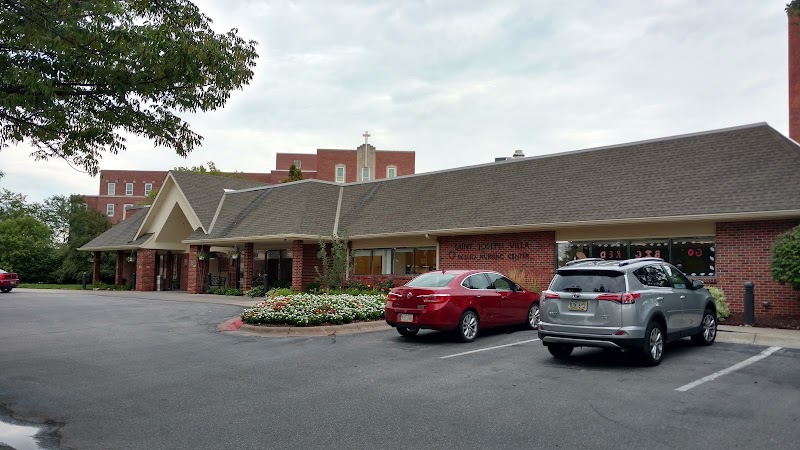
How is St. Joseph Villa Nursing Center Staffed?
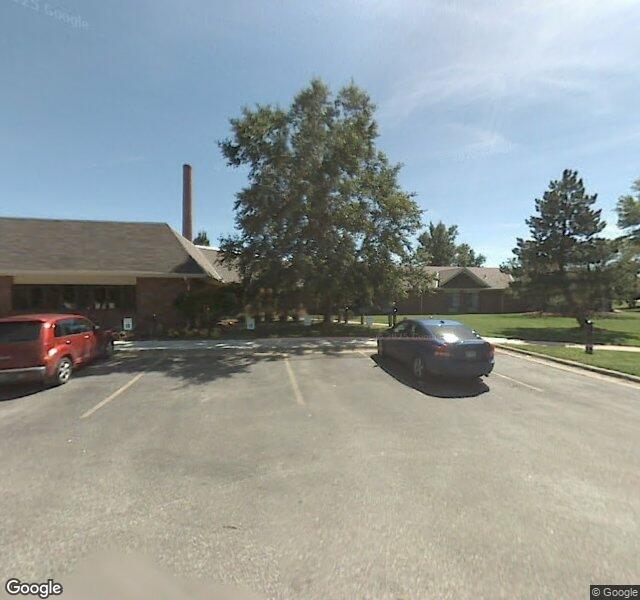
CMS rates St. Joseph Villa Nursing Center's staffing level at 4 out of 5 stars, which is above average compared to other nursing homes. Staff turnover is 35%, compared to the Nebraska average of 46%. This relatively stable workforce can support continuity of care.

What Have Inspectors Found at St. Joseph Villa Nursing Center?

State health inspectors documented 21 deficiencies at St. Joseph Villa Nursing Center during 2022 to 2025. These included: 1 Immediate Jeopardy (the most serious level, indicating potential for serious harm or death), 3 that caused actual resident harm, and 17 with potential for harm. Immediate Jeopardy findings are rare and represent the most serious regulatory concerns. They require immediate corrective action.

Who Owns and Operates St. Joseph Villa Nursing Center?

St. Joseph Villa Nursing Center is owned by a for-profit company. For-profit facilities operate as businesses with obligations to shareholders or private owners. The facility is operated by DELMAR GARDENS, a chain that manages multiple nursing homes. With 184 certified beds and approximately 152 residents (about 83% occupancy), it is a mid-sized facility located in Omaha, Nebraska.

How Does St. Joseph Villa Nursing Center Compare to Other Nebraska Nursing Homes?

Compared to the 100 nursing homes in Nebraska, St. Joseph Villa Nursing Center's overall rating (2 stars) is below the state average of 2.9, staff turnover (35%) is significantly lower than the state average of 46%, and health inspection rating (2 stars) is below the national benchmark.

What Should Families Ask When Visiting St. Joseph Villa Nursing Center?

Based on this facility's data, families visiting should ask: "What changes have been made since the serious inspection findings, and how are you preventing similar issues?" "Can I visit during a mealtime to observe dining assistance and food quality?" "How do you handle medical emergencies, and what is your hospital transfer rate?" "Can I speak with family members of current residents about their experience?" These questions are particularly relevant given the facility's Immediate Jeopardy citations.

Is St. Joseph Villa Nursing Center Safe?

Based on CMS inspection data, St. Joseph Villa Nursing Center has documented safety concerns. Inspectors have issued 1 Immediate Jeopardy citation (the most serious violation level indicating risk of serious injury or death). The facility has a 2-star overall rating and ranks #100 of 100 nursing homes in Nebraska. Families considering this facility should ask detailed questions about what corrective actions have been taken since these incidents.

Do Nurses at St. Joseph Villa Nursing Center Stick Around?

St. Joseph Villa Nursing Center has a staff turnover rate of 35%, which is about average for Nebraska nursing homes (state average: 46%). Moderate turnover is common in nursing homes, but families should still ask about staff tenure and how the facility maintains care continuity when employees leave.

Was St. Joseph Villa Nursing Center Ever Fined?

St. Joseph Villa Nursing Center has been fined $36,170 across 2 penalty actions. The Nebraska average is $33,441. While any fine indicates a compliance issue, fines under $50,000 are relatively common and typically reflect isolated problems that were subsequently corrected. Families should ask what specific issues led to these fines and confirm they've been resolved.

Is St. Joseph Villa Nursing Center on Any Federal Watch List?

St. Joseph Villa Nursing Center is not on any federal watch list. The most significant is the Special Focus Facility (SFF) program, which identifies the bottom 1% of nursing homes nationally based on persistent, serious quality problems. Not being on this list means the facility has avoided the pattern of deficiencies that triggers enhanced federal oversight. This is a positive indicator, though families should still review the facility's inspection history directly.