The Banyan at Montclair
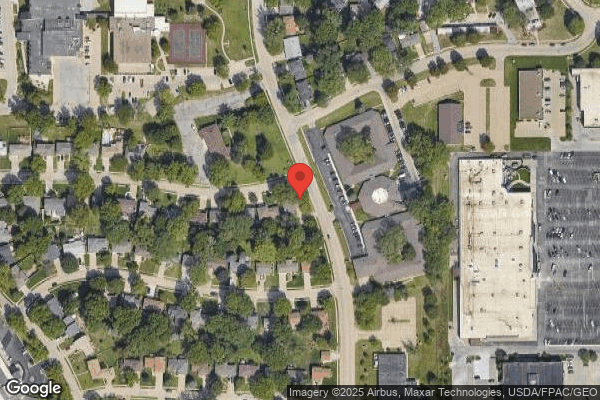
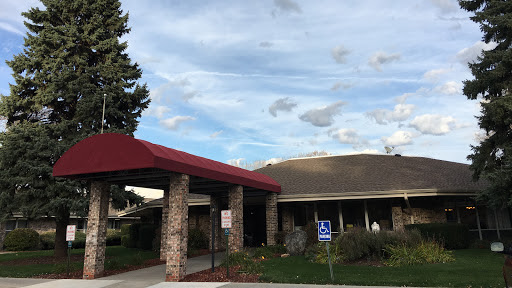
2525 South 135th Avenue, Omaha, NE 68144 (402) 333-2304
For profit - Limited Liability company 175 Beds AVID HEALTHCARE GROUP Data: November 2025 5 Immediate Jeopardy citations
Trust Grade
0/100
Last Inspection: December 2024

Within standard 12-15 month inspection cycle. Federal law requires annual inspections.

Overview

The Banyan at Montclair has received a Trust Grade of F, indicating significant concerns about the quality of care provided. This facility is ranked #None of None in Nebraska and #None of None in Douglas County, suggesting that it does not meet the standards set by other local options. Although the facility's trend is improving, having reduced issues from 34 in 2024 to 20 in 2025, the overall situation remains troubling. Staffing is a concern with a turnover rate of 67%, which is significantly higher than the Nebraska average, and the facility has incurred $177,316 in fines, indicating compliance problems that are worse than 96% of other facilities in the state. There are some critical issues to note: temperatures in numerous resident rooms were found to be unsafe, with readings as low as 67 degrees Fahrenheit, posing discomfort and potential health risks. Additionally, dangerously high water temperatures were recorded, reaching 129.9 degrees Fahrenheit, which increases the risk of burns for vulnerable residents. While there is average RN coverage, the presence of multiple serious deficiencies raises questions about the overall quality of care and safety at this facility. Families should weigh these strengths and weaknesses carefully when considering care options for their loved ones.

Trust Score
F
0/100
In Nebraska
#112/223
Top 50%
Safety Record
High Risk
Review needed
Inspections
Getting Better
34 → 20 violations
Staff Stability
⚠ Watch
67% turnover. Above average. Higher turnover means staff may not know residents' routines.
Penalties
✓ Good
$177,316 in fines. Lower than most Nebraska facilities. Relatively clean record.
Skilled Nurses
✓ Good
Each resident gets 43 minutes of Registered Nurse (RN) attention daily — more than average for Nebraska. RNs are trained to catch health problems early.
Violations
⚠ Watch
88 deficiencies on record. Higher than average. Multiple issues found across inspections.
☆☆☆☆☆
0.0
Overall Rating
☆☆☆☆☆
0.0
Staff Levels
☆☆☆☆☆
0.0
Care Quality
☆☆☆☆☆
0.0
Inspection Score
Stable
2024: 34 issues
2025: 20 issues

The Good

  • Full Sprinkler Coverage · Fire safety systems throughout facility
  • No fines on record

Facility shows strength in fire safety.

The Bad

Staff Turnover: 67%

21pts above Nebraska avg (46%)

Frequent staff changes - ask about care continuity

Federal Fines: $177,316

Well above median ($33,413)

Significant penalties indicating serious issues

Chain: AVID HEALTHCARE GROUP

Part of a multi-facility chain

Ask about local staffing decisions and management

Staff turnover is elevated (67%)

19 points above Nebraska average of 48%

The Ugly 88 deficiencies on record

5 life-threatening 3 actual harm
Jun 2025 17 deficiencies
CONCERN (D) 📢 Someone Reported This

A family member, employee, or ombudsman was alarmed enough to file a formal complaint

Potential for Harm - no one hurt, but risky conditions existed

Notification of Changes (Tag F0580)

Could have caused harm · This affected 1 resident

Licensure Reference Number 175 NAC 12-006.04(F)(i)(5) Based on record review and interview; the facility failed to notify the provider of unavailable medication for 1 (Resident 57) of 7 sampled reside...

Read full inspector narrative →
Licensure Reference Number 175 NAC 12-006.04(F)(i)(5) Based on record review and interview; the facility failed to notify the provider of unavailable medication for 1 (Resident 57) of 7 sampled residents. The facility staff identified a census of 110. The findings are: Record review of an undated facility policy entitled Unavailable Medications revealed: 4. Medications may be unavailable for a number of reasons. Staff shall take immediate action when it is known that the medication is unavailable: a. Determine reason for unavailability, length of time medication is unavailable, and what efforts have been attempted by the facility or pharmacy provide to obtain the medication. b. Notify physician of inability to obtain medication upon notification or awareness that medication is not available. Obtain alternative treatment orders and/or specific orders for monitoring resident while medication is on hold. Record review of Resident 57's admission Record printed 6/25/25 identified Resident 57 as having diagnoses of bipolar disorder (a condition characterized by dramatic shifts in mood, energy, and activity levels that affect a person's ability to carry out day-to-day tasks. These shifts in mood and energy levels are more severe than the normal ups and downs that are experienced by everyone), schizoaffective disorder (a chronic mental health condition characterized primarily by symptoms of schizophrenia, such as hallucinations or delusions, and symptoms of a mood disorder, such as mania and depression), anxiety, and vascular dementia. Record review of resident 57's Minimum Data Set (MDS, a federally mandated comprehensive assessment tool used to determine a resident's functional capabilities and helps nursing home staff identify health problems) revealed the facility admitted the resident on 02/21/25 and identified Resident 57 had a Brief Interview for Mental Status (BIMS, a brief screener that aids in detecting cognitive impairment) score of 14. According to the MDS manual, a score of 13-15 indicated the resident was cognitively intact. Further review of the MDS identified resident 57 received antipsychotic, antianxiety, and anticonvulsant medications. Record review of resident 57's Physician's Orders active as of 04/12/25 revealed an order for tetrabenazine (given for tardive dyskinesia, a condition characterized by involuntary movements after prolonged use of antipsychotic medication), 25 milligrams three times daily ordered 03/20/25. Record review of Resident 57's Medication Administration Record (MAR) for April and May 2025 revealed the tetrabenazine was not received from 04/04/25 through 05/22/25 when the medication was discontinued. Further review of the April 2025 MAR revealed an order to hold tetrabenazine was entered on 04/05/25 through 04/12/25 and from 04/12/25 through 04/19/25. Record review of resident 57's Progress Notes (PN) showed the following: -04/04/25 at 2:41 PM - Insurance is not covering the tetrabenazine and the pharmacy was notified. -04/04/25 at 8:24 PM - Waiting on pharmacy, insurance is not covering the cost. -04/12/25 at 2:36 PM - tetrabenazine is not available per pharmacy. Further review of Resident 57's medical record revealed no further information about the hold order for tetrabenazine, or that Resident 57's provider was notified that the medication was not available. An interview on 06/30/25 at 12:05 PM with Assistant Director of Nursing (ADON-H) confirmed [gender] was aware of a hold order dated 04/05/25 through 04/12/25 but was unable to locate the order from the provider. ADON-H confirmed Resident 57's provider was not notified the tetrabenazine was not available until 04/12/25, 8 days after the last dose of medication was administered. The facility was unable to produce further documentation at the time of survey exit.
CONCERN (D) 📢 Someone Reported This

A family member, employee, or ombudsman was alarmed enough to file a formal complaint

Potential for Harm - no one hurt, but risky conditions existed

Grievances (Tag F0585)

Could have caused harm · This affected 1 resident

**NOTE- TERMS IN BRACKETS HAVE BEEN EDITED TO PROTECT CONFIDENTIALITY** Licensure Reference Number 175 NAC 1-005.04 Based on record reviews and interviews, the facility failed to resolve an ongoing gr...

Read full inspector narrative →
**NOTE- TERMS IN BRACKETS HAVE BEEN EDITED TO PROTECT CONFIDENTIALITY** Licensure Reference Number 175 NAC 1-005.04 Based on record reviews and interviews, the facility failed to resolve an ongoing grievance (a complaint or protest) and provide a written decision regarding grievance to the resident's representative. This had the potential to affect 1 (Resident 40) out of 1 resident sampled. The facility census was 110. Findings are: A record review of Resident 40's Minimum Data Set (MDS, a federally mandated comprehensive assessment tool used to determine a resident's functional capabilities and helps nursing home staff identify health problems) dated 05/22/2025 revealed a Brief Interview for Mental Status (BIMS, a brief screener that aids in detecting cognitive impairment) score of 10. According to the MDS Manual a score of 8-12 indicates a person has moderately impaired cognition Section I of the MDS revealed the Resident was diagnosed with non-Alzheimer's dementia. Record review of the grievance form dated 03/16/2025 by the Director of Rehab (DOR) G on behalf of Resident's 40's Family Member (FM) revealed items listed as missing include a [NAME] shirt and 4 pairs of sleep bottoms. On 04/03/2025 the Grievance Official follow-up revealing the items were located and sent to laundry to be labeled with the family member being educated on ensure clothing was labeled prior to giving to resident. The Grievance form was signed as resolved by SSD-F on 04/03/2025. An interview was conducted on 06/23/2025 at 12:54 PM with Resident 40's FM revealing Resident 40 had 4 pajama pants missing specifically, with Cuddle Duds with the pants have never been found. On 06/26/2025 an observation was made of the Resident's room revealing a sign on the closet door that read Family will do laundry, with no pajama pants being observed hanging in the Resident's closet. On 06/30/2025 8:16 AM observed the Director of Nursing (DON) looking through clean clothing and the dirty laundry basket and no pajama pants found. On 06/30/2025 at 11:19 AM the DON confirmed that there were no Resident belongings in the laundry room. An interview was conducted with Resident 40's FM on 06/30/2025 at 11:28 AM. During the interview Resident 40's FM confirm the Resident 40's belongings were still missing. Resident 40's FM reported the pants in the Resident's room were not the Resident's pants and did not know where they came from. The FM revealed Social Services Director (SSD) F had called months ago regarding the missing items and revealed that all the Resident's clothes should be labeled before bringing them into the facility. Resident 40's FM reported not being satisfied with the resolution and was not provided with a written summary. A record review of the facility policy Resident and Family Grievances dated 4/2024 revealed: 10. Procedure: g. In accordance with the resident's right to obtain a written decision regarding his or her grievance, the Grievance Official will issue a written decision on the grievance to the resident or representative at the conclusion of the investigation. The written decision will include at a minimum: i. the date the grievance was received ii. the steps taken to investigate the grievance iii. a summary of the pertinent findings or conclusions regarding the resident's concern(s). iv. A statement as to whether the grievance was confirmed or not confirmed. v. any corrective action taken or to be taken by the facility as a result of the grievance. vi. The date the written decision was issued. 12. the facility will make prompt efforts to resolve grievances.
CONCERN (D) 📢 Someone Reported This

A family member, employee, or ombudsman was alarmed enough to file a formal complaint

Potential for Harm - no one hurt, but risky conditions existed

Free from Abuse/Neglect (Tag F0600)

Could have caused harm · This affected 1 resident

**NOTE- TERMS IN BRACKETS HAVE BEEN EDITED TO PROTECT CONFIDENTIALITY** Licensure Reference Number 175 NAC 12-006.05(H) Based on interview and record review the facility failed to protect 1(Resident 3...

Read full inspector narrative →
**NOTE- TERMS IN BRACKETS HAVE BEEN EDITED TO PROTECT CONFIDENTIALITY** Licensure Reference Number 175 NAC 12-006.05(H) Based on interview and record review the facility failed to protect 1(Resident 3) of 2 resident's sampled from physical abuse. The facility census was 110. Findings are: A. Record review of Resident 3's Minimum Data Set (MDS: a federally mandated assessment tool used for care planning) dated 05-09-2025 revealed the facility staff assessed the following about the resident: -Brief Interview of Mental Status (BIMS) was scored as a 15. According to the MDS Manual a score of 13-15 indicates a person is cognitively intact. -had a cerebral infarction also known as a stroke with paralysis on one side of the body. -required limited assistance with bathing, transferring into or out of the tub or shower, and ambulation. Record Review of Resident 3's Comprehensive Care Plan (CCP) dated 06-03-2025 revealed Resident 3 had been involved in a resident-to-resident altercation in June of 2025. An interview conducted with Resident 3 on 06-26-2025 at 9:53 AM revealed on 06-02-2025 Resident 3 and Resident 299 were waiting in the hallway to out for a cigarette; Resident 299 was angry about something and was yelling and acting erratically and then intentionally kicked me in the right shin. Resident 3 also revealed the kick did not result in pain, injury or mental anguish. B. Record review of Resident 299's MDS dated [DATE] revealed the facility staff assessed the following about the resident: -Brief Interview of Mental Status (BIMS) was scored at a 15. According to the MDS Manual a score of 13-15 indicates a person is cognitively intact. -had verbal behaviors that were directed towards others for 1 to 3 days during the assessment period. -required extensive assistance with bathing. -required limited assistance with transfers and ambulation. -required supervision with bed mobility and hygiene. Record review of Resident 299's CCP dated 03-31-2025 revealed the following: -Focus Resident 299 had a behavior problem as evidenced by making verbally inappropriate statements to staff and other residents. -The Goal for this focus area was Resident 299's behaviors will not interfere with the delivery of care or services or result in harm to self or others through the review date, and Resident 299 will be clean, well groomed and episodes of physical behaviors will decrease to less than weekly. -Interventions to achieve the goal were administer medications as ordered, monitor behavior episodes and attempt to determine the underlying cause, assess and anticipate residents needs, approach resident in a calm manner, when resident becomes agitated intervene before the agitation escalates by guiding away from the source of distress, engage resident in calm conversation, if the resident response is aggressive then approach at a later time after ensuring the safety of the resident and nearby residents. Record review of Resident 299's Progress Note (PN) dated 06-01-2025 at 5:45 PM revealed Resident 299 had a significant increase in agitation throughout the day, refusing medications, asking staff for scissors but would not say what the scissors were needed for, several other residents and staff have noticed an increase in agitation and negative behaviors, was yelling outside during smoke break and continued yelling into the dining room where resident transferred self into a regular chair and then shoved the wheelchair at the staff and began throwing items about. Record review of Resident 299's Electronic Health Record (EHR) revealed no change in interventions to manage Resident 299's escalating behavior on 06-01-2025 at 5:45 PM. Record review of Resident 299's PN dated 06-02-2025 at 1:14 AM revealed Resident 299 was found in room at 9:45 PM, had shredded papers all over the room and had taken everything off the bedside table and nightstand and threw it on the floor. This nurse cleaned up the room and went back 10 minutes later to find the resident had taken everything out of the closet and thrown on the floor. Resident refused skin assessments 4 times this shift and refused offers for medication, food, fluids and treatments. Resident was found in the hallway by staff wandering into other resident's rooms stating the British are going to kill me when questioned and threatened to pull the fire alarm and at 12:45 AM was observed by staff beating on the candy machine and when the nurse went to bring Resident 299 back to the nurse's station Resident 299 was not located for about 10 minutes when the resident was found in the conference room on 500 Hall. Resident was returned to the room, remains up in the wheelchair, refuses to go to bed. Record review of Resident 299's PN dated 06-02-2025 at 1:57 AM revealed Resident 299 was placed on 10-minute checks due to increased instability in gait and poor balance, as Resident 299 had gone to the toilet and placed a bottle of personal cleanser and an orange into the toilet and had turned her wheelchair upside down in the bathroom. Record review of Resident 299's PN dated 06-02-2025 at 2:31 AM revealed Resident 299 was sitting on the edge of the bed with staff assisting Resident 299 into a wheelchair and took Resident 299 to the nurse's station for closer observation. Record review of Resident 299's PN dated 06-02-2025 at 7:22 PN revealed nursing staff document Resident 299 had gotten into an altercation with another resident. According to Resident 299's PN dated 06-02-2025 the nurse asked Resident 299 if they wanted to go back to their room and come back later to smoke with the resident agreeing. While the nurse continued to pass the facility residents bedtime medications in the hallway, Resident 299 was observed half naked in the hallway. Resident 299 was redirected to their room where Resident 299 continued yelling out and using derogatory language towards staff. Resident PN dated 06-02-2025 further identified a CNA and Nurse went to help resident to the bathroom as Resident 299 was yelling out. After finishing using the bathroom a CNA gave a pullup brief to Resident 299 revealing Resident 299 slapped the CAN hand stating they gave (gender) a yeast infection with brief. Record review of Resident 299's PN dated 06-02-2025 at 9:51 PM reveals a resident informed the nurse that Resident 299 kicked Resident 3 in the right shin while waiting at the smoking entrance. Record review of Resident 299's EHR revealed no change in interventions to manage 299's escalating behavior after kicking Resident 3 in the shin. Record review of Resident 299's PN dated 06-03-2025 at 8:26 AM revealed Resident 299 was in dining room yelling at other staff and residents about Mexicans stealing Resident 299's things, Gettysburg ,[NAME] King, [NAME] Obama, the English destruction of our land. (Gender) also was upset because they wanted a bathtub installed in Resident 299's room. Resident 299 demanded other residents be moved in the dining room because Resident 299 did not like where they were sitting. According to Resident 299's PN dated 06-03-2025 at 8:26 AM staff attempted to redirect Resident 299 without success. An interview conducted with the Director of Nursing on 06-30-2025 at 12:30 PM confirmed the facility did not increase supervision of Resident 299 due to escalating behaviors to prevent the behaviors. Record review of the facility policy dated 08-2024 titled Abuse, Neglect and Exploitation revealed: -It is the policy of this facility to provide protections for the health, welfare and rights of each resident by developing and implementing policies and procedures that prohibit and prevent abuse, neglect, exploitation and misappropriation of resident property. -abuse means the willful infliction of injury, unreasonable confinement, intimidation, or punishment with resulting harm, pain or mental anguish, which can include staff to resident abuse and certain resident-to-resident altercations. -physical abuse includes, but is not limited to hitting, slapping, punching, biting and kicking. - the facility will implement policies and procedures to prevent and prohibit abuse of all types through identification, ongoing assessment, care planning of appropriate interventions, and monitoring residents with needs and behaviors which might lead to conflict.
CONCERN (D) 📢 Someone Reported This

A family member, employee, or ombudsman was alarmed enough to file a formal complaint

Potential for Harm - no one hurt, but risky conditions existed

Report Alleged Abuse (Tag F0609)

Could have caused harm · This affected 1 resident

Licensure Reference Number 175 NAC 12-006.02(H) Based on record reviews and interviews, the facility failed to notify the required State Agency of a significant injury within the required time frame ...

Read full inspector narrative →
Licensure Reference Number 175 NAC 12-006.02(H) Based on record reviews and interviews, the facility failed to notify the required State Agency of a significant injury within the required time frame for 1 (Resident 70) of 1 sampled. The facility staff identified a census of 110. Findings are: A record review of Resident 70's admission Record revealed the facility admitted the Resident on 04/15/2024. Further review of Resident 70's admission Record revealed diagnoses of history of falling, schizoaffective disorder, bipolar type, violent behavior, traumatic subdural hemorrhage without loss of consciousness, and other chronic pain. A record review of Resident 70's Minimum Data Set (MDS, a federally mandated comprehensive assessment tool used to determine a resident's functional capabilities and helps nursing home staff identify health problems) dated 04/04/2025 revealed a Brief Interview for Mental Status (BIMS, a brief screener that aids in detecting cognitive impairment) score of 5. The MDS manual states a score of 0-7 indicated the Resident had severe impairment. A record review of Resident 70's Progress Notes (PN) dated 03/11/2025 revealed the Resident had a fall that resulted in surgery and subsequent hospital stay. An interview was conducted on 06/25/25 at 1:32 PM with Licensed Practical Nurse (LPN)-E regarding the Resident's fall on 03/11/2025. During the interview LPN-E reported evaluating Resident 70 and felt an emergency room visit was needed. LPN-E reported Registered Nurse ( RN)-K had notified the physician for order to send Resident to the emergency room. According to LPN-E, LPN-E felt the situation was more emergent and called 911. LPN-E reported the Director of Nursing (DON) and the Administrator had come to the area and were aware of the situation when it happened. Record review of Resident 70's PN dated 3/11/2025 at 4:26 Pm revealed revealed RN-K had been made aware of Resident 70's surgery and hospitalization. An interview was conducted on 06/25/25 at 1:43 PM with the DON and Regional Nurse Consultant (RNC) regarding Resident 70's fall on 03/11/2025. The DON confirmed knowledge of the situation with Resident 70 being sent to the emergency room but revealed no knowledge of Resident needing surgery and being admitted to the hospital until 03/12/2025. According to the DON when they were aware of the surgery and hospitalization, Adult Protective Services (APS) was called on 3/12/2025 at 9:00 AM. Facility Policy on Abuse, Neglect and Exploitation dated 8/2024 revealed the following: -Policy Explanation and Compliance Guidelines: 1. The facility will develop and implement written policies and procedures that: c. include training for new and existing staff on activities that constitute abuse, neglect, exploitation, and misappropriation of resident property, reporting procedures, and dementia management and resident abuse prevention; VII. Reporting/Response A. The facility will have written procedures that include: 1. Reporting of all alleged violations to the Administrator, state agency, adult protective services and to all other required agencies (e.g. law enforcement when applicable) within specified timeframe's: a. immediately, but not later than 2 hours after the allegation is made, if the events that cause the allegation involve abuse or result in serious bodily injury, or b. Not later than 24 hours if the events that cause the allegation do not involve abuse and do not result in serious bodily injury. Review of facilities Fall Prevention Program dated 04/2024 revealed the following: 9. When any resident experiences a fall, the facility will: a. Assess the resident b. complete a post fall assessment c. complete an incident report d. notify physician and family e. review the resident's care plan and update as indicated f. document all assessments and actions g. obtain witness statements in the case of injury.
CONCERN (D) 📢 Someone Reported This

A family member, employee, or ombudsman was alarmed enough to file a formal complaint

Potential for Harm - no one hurt, but risky conditions existed

Deficiency F0638 (Tag F0638)

Could have caused harm · This affected 1 resident

Licensure Reference Number 175 NAC 12-006.09(D) Based on record review and interview, the facility failed to complete the Quarterly Minimum Data Set (MDS, a federally mandated assessment tool used to ...

Read full inspector narrative →
Licensure Reference Number 175 NAC 12-006.09(D) Based on record review and interview, the facility failed to complete the Quarterly Minimum Data Set (MDS, a federally mandated assessment tool used to determine a resident's functional capabilities and helps nursing home staff identify health problems) within the required time frames for 1 (Resident 72) of 29 sampled residents. The facility staff identified a census of 110. The findings are: Record review of the Centers for Medicare and (&) Medicaid Services Long-Term Care Facility Resident Assessment Instrument (RAI) Manual Version 1.18.11 dated 10/2023 revealed a quarterly MDS must be completed and signed not later than 14 days from the assessment reference date. Record review of Resident 72's quarterly MDS with a reference date of 6/10/25 revealed that as of 6/26/25 at 10:36 AM, the MDS had not been signed as completed, which is two days after the reference date. During an interview on 6/26/25 at 10:36 AM, the MDS Coordinator (MDSC-I) stated MDSC-I had begun the role in April and due to still learning, Regional MDS support was to sign the MDS as completed. MDSC-I confirmed that the quarterly MDS assessment for Resident 72 was not signed and should have been by 6/24/25.
CONCERN (D) 📢 Someone Reported This

A family member, employee, or ombudsman was alarmed enough to file a formal complaint

Potential for Harm - no one hurt, but risky conditions existed

Assessment Accuracy (Tag F0641)

Could have caused harm · This affected 1 resident

**NOTE- TERMS IN BRACKETS HAVE BEEN EDITED TO PROTECT CONFIDENTIALITY** Licensure Reference Number 175 NAC 12-006.09(B) Based on record reviews and interview, the facility failed to ensure the Minimum...

Read full inspector narrative →
**NOTE- TERMS IN BRACKETS HAVE BEEN EDITED TO PROTECT CONFIDENTIALITY** Licensure Reference Number 175 NAC 12-006.09(B) Based on record reviews and interview, the facility failed to ensure the Minimum Data Set (MDS, a federally mandated comprehensive assessment tool used to determine a resident's functional capabilities and help nursing home staff identify health problems) dated 04/25/25 reflected only medications received for 1 (Resident 49) of 6 sampled residents. The facility staff identified a census of 110. The findings are: Record review of the Centers for Medicare and (&) Medicaid Services Long-Term Care Facility Resident Assessment Instrument (RAI) 3.0 User's Manual, Version 1.8.11 dated 10/2023, Section N - Medications revealed: The intent of the items in this section is to record the number of days, during the last 7 days (or since admission/entry or reentry if less than 7 days) that any type of injection, insulin and/or select medications were received by the resident. N0415 Steps for Assessment instructed to review the resident's medical record for documentation that medications were received, including antipsychotics, in the 7-day look back period, and to review documentation from other health care settings where the resident may have received medications while a resident of the nursing home. Coding instructions included checking column one if the resident took medications during the 7-day look back period. A record review of Resident 49's admission Record printed 06/25/25 revealed the facility admitted the resident on 06/15/23 and identified Resident 49 had diagnoses of stroke, dementia, insomnia, and major depressive disorder. A record review of Resident 49's April 2025 Medication Administration Record (MAR) revealed Resident 49 did not receive any antipsychotic medications in the look back period. A record review of Resident 49's Annual MDS dated [DATE] revealed Section N0415A1 antipsychotics was checked. Section Z revealed Section N0415A1 was signed as complete and accurate on 05/08/25. In an interview on 06/26/25 at 10:36 AM, MDS Coordinator (MDSC-I) confirmed that Resident 49 did not receive antipsychotic medications during the look-back period and further confirmed that the Annual MDS dated [DATE] incorrectly identified that the resident had received an antipsychotic.
CONCERN (D) 📢 Someone Reported This

A family member, employee, or ombudsman was alarmed enough to file a formal complaint

Potential for Harm - no one hurt, but risky conditions existed

Deficiency F0655 (Tag F0655)

Could have caused harm · This affected 1 resident

**NOTE- TERMS IN BRACKETS HAVE BEEN EDITED TO PROTECT CONFIDENTIALITY** Licensure Reference Number 175 NAC 12-006.09(F) Based on record review and interview, the facility staff failed to ensure a Base...

Read full inspector narrative →
**NOTE- TERMS IN BRACKETS HAVE BEEN EDITED TO PROTECT CONFIDENTIALITY** Licensure Reference Number 175 NAC 12-006.09(F) Based on record review and interview, the facility staff failed to ensure a Baseline Care Plan was completed for 1( Resident 255) of 1 residents within 48 hours of admission. The facility had a census of 110. Findings are: Record review of a Order summary Report sheet printed on 6-24-2025 revealed the facility staff admitted Resident 255 on 06-18-2025. A record review of the Resident 255's discharge orders from the hospital dated [DATE] revealed the following information: Renal Diet (a meal plan designed to support kidney health by carefully managing the intake of sodium, potassium, phosphorus, and protein along with fluid). 1500 milliliters (ml - a unit of measurement) a day fluid restriction. Dialysis (a mechanical treatment that performs the function of healthy kidneys to remove waste and excess fluid from the blood). Monday/Wednesday/Friday at 6:00 AM. Resident had a hemodialysis catheter (a soft flexible tube used to access a patient's blood for hemodialysis dual lumen (a catheter with two separate working channels) right internal jugular (a major vein that returns blood from the brain, face, and neck to the heart). A record review of Resident 255's Baseline Care Plan revealed on [DATE] at 3:30 PM revealed additional care areas were initiated by the MDSC J (Minimum Data Set Coordinator -a person responsible for overseeing the comprehensive assessment of resident's health and care needs for compliance with federal regulations and Medicare and Medicaid reimbursement). These areas were Activities of Daily Livings (self-care tasks necessary for independent living), falls, nutrition, and dialysis. An interview on [DATE] at 10:30 AM with Licensed Practical Nurse (LPN) E confirmed Resident 255's Baseline Care Plan, (a document created within 48 hours of a residents admission to a facility - which outlines the initial instructions for providing effective, person-centered care that meets professional standards) dated [DATE], contained Code information dated [DATE] (which indicates if a resident wants the facility to perform CPR (Cardiopulmonary resuscitation) in the event the residents heart stopped beating), Behavioral information (a focus on managing and preventing specific behaviors), and Pressure Ulcer information (a focus on managing and preventing pressure ulcers), dated [DATE]. An interview on [DATE] at 2:30 PM with an MDSC J confirmed Resident 255's Baseline Care Plan contained information related to behavioral information, and Pressure Ulcer information. The MDS coordinator confirmed the Baseline Care Plan did not include dialysis information, medication information, target behaviors or behavioral monitoring. MDSC J confirmed they were unaware Resident 255 was a dialysis patient. MDSC J confirmed they added the additional areas to the Baseline Care Plan on [DATE].
CONCERN (D) 📢 Someone Reported This

A family member, employee, or ombudsman was alarmed enough to file a formal complaint

Potential for Harm - no one hurt, but risky conditions existed

Deficiency F0657 (Tag F0657)

Could have caused harm · This affected 1 resident

**NOTE- TERMS IN BRACKETS HAVE BEEN EDITED TO PROTECT CONFIDENTIALITY** Licensure Reference Number 175 NAC 12-006.09(F)(iii) Based on record reviews and interviews, the facility failed to revise the c...

Read full inspector narrative →
**NOTE- TERMS IN BRACKETS HAVE BEEN EDITED TO PROTECT CONFIDENTIALITY** Licensure Reference Number 175 NAC 12-006.09(F)(iii) Based on record reviews and interviews, the facility failed to revise the comprehensive care plan for 1 (Resident 70) of 1 sampled. The facility census was 110. The findings are: A record review of Resident 70's admission Record revealed the facility admitted the Resident on 04/15/2024. Further review of Resident 70's admission Record identified diagnoses of history of falling, schizoaffective disorder, bipolar type, violent behavior and other chronic pain. A record review of Resident 70's Minimum Data Set (MDS, a federally mandated comprehensive assessment tool used to determine a resident's functional capabilities and helps nursing home staff identify health problems) dated 04/047/2025 revealed a Brief Interview for Mental Status (BIMS, a brief screener that aids in detecting cognitive impairment) score of 5. The MDS manual states a score of 0-7 is considered a score of 0-7 indicated the Resident had severe impairment. A record review of progress notes revealed the Resident had a fall that resulted in surgery and subsequent hospital stay with Resident 70 returning to the facility on [DATE]. A record review of the Resident's Comprehensive Care Plan (CCP, a document that includes measurable objectives and timetables to meet a resident's medical, nursing, and mental and psychosocial needs that are identified in the comprehensive assessment) dated 04/16/2024 revealed independence with eating, toileting, ambulation, dressing, and personal hygiene. An MDS Section GG was completed on 03/23/2025 and revealed the Resident had declined in ADL's. The Resident required assistance with oral hygiene, supervision or touching assistance with toileting hygiene, setup or cleanup assistance with upper body dressing, partial/moderate assistance with lower body dressing and setup or cleanup assistance with personal hygiene. Observation on 6/24/25 12:20 PM revealed Resident 70 was in their room trying to put a hoodie. Further observations revealed Nursing Assistant (NA)-C came to assist Resident with getting hoodie on correctly. On 06/26/25 at 12:58 PM a interview was conducted with NA-C. During the interview NA-C reported staff assist Resident 70 to the restroom to avoid falls. An interview was conducted with Minimum Data Set Coordinator (MDSC)-I on 6/26/2025 at 10:00 AM. During the interview MDSC-I confirmed Resident 70's CCP had not been updated to reflect Resident 70 required assistance with oral hygiene, supervision or touching assistance with toileting hygiene, setup or cleanup assistance with upper body dressing, partial/moderate assistance with lower body dressing and setup or cleanup assistance with personal hygiene.
CONCERN (D) 📢 Someone Reported This

A family member, employee, or ombudsman was alarmed enough to file a formal complaint

Potential for Harm - no one hurt, but risky conditions existed

Deficiency F0688 (Tag F0688)

Could have caused harm · This affected 1 resident

**NOTE- TERMS IN BRACKETS HAVE BEEN EDITED TO PROTECT CONFIDENTIALITY** C. Record review of Resident 72's admission Record revealed the facility admitted the resident on 11/07/23 and identified diagno...

Read full inspector narrative →
**NOTE- TERMS IN BRACKETS HAVE BEEN EDITED TO PROTECT CONFIDENTIALITY** C. Record review of Resident 72's admission Record revealed the facility admitted the resident on 11/07/23 and identified diagnoses of bilateral osteoarthritis of the knee, need for assistance with personal care, and pain. Record review of Resident 72's Quarterly MDS dated [DATE] identified Resident 72 had a BIMS score of 10. According to the MDS Manual, a score of 10 indicated the resident had a moderate cognitive impairment. Further review of the MDS revealed one day of restorative nursing for AROM at 15 minutes or more in the 7-day look back period. Record review of Resident 72's CCP dated 01/01/25 revealed the following: -Focus: Resident 72 was on a restorative nursing program. -Goal: Resident 72 will participate in restorative nursing program to maintain or improve ROM dated 10/10/2024. -Intervention: BLE ROM all joints/planes. The CCP did not include a frequency on how often to perform AROM exercises. Record review of TNRNPC dated 02/10/25 revealed for Resident 72 revealed physical therapy had recommended the following modality for Resident 72: -AROM to BLE in all planes for 2 sets of 15 repetitions (reps). The TNRNPC did not include a frequency on how often to perform AROM exercises. Record review of Resident 72's restorative nursing program documentation over the past 30 days revealed the resident received restorative on the following days: 05/25/25, 05/28/25, 06/04/25, 06/12/25, 06/13/25, 06/18/25, 06/23/25, 06/25/25. An interview on 06/23/25 at 3:25 PM with Resident 72 revealed Resident 72 believe [gender] was to receive restorative nursing at least twice weekly but was unsure of the last time that restorative was received twice weekly. An interview on 06/30/2025 at 8:48 AM with the DON confirmed that Resident 72's restorative program did not specify a frequency for exercises and should. Record review of a facility policy entitled Restorative Nursing Programs dated revised 1/14/25 revealed: - Policy: It is the policy of this facility to provide maintenance and restorative services designed to maintain or improve a resident's abilities to the highest practicable level. - 9. The DON/Restorative nurse is responsible for maintaining a current list of residents who require restorative nursing services, and for ensuring that all elements of each resident's program are implemented. -10. A resident's restorative nursing plan will include: -a. The problem, need, or strength the restorative tasks are to address. -b. The type of activities to be performed. -c. Frequency of activities -d. Duration of activities -e. Measurable goal and target date. Licensure Reference Number 175 NAC 12-006.09 (H) Based on record review and interview the facility failed to establish a restorative nursing program with frequency of modalities for 3 (Resident 3, 37 and 72) of 5 residents sampled. The facility census was 110. Findings are: A. Record review of Resident 3's Minimum Data Set (MDS: a federally mandated assessment tool used for care planning) dated 05-09-2025 revealed the facility staff assessed the following about the resident: -Brief Interview of Mental Status (BIMS) was scored as a 15. According to the MDS Manual a score of 13-15 indicates a person is cognitively intact. -had a cerebral infarction also known as a stroke with paralysis on one side of the body. -required limited assistance with bathing, transferring into or out of the tub or shower, and ambulation. -was receiving restorative range of motion, and ambulation. Record review of Resident 3's Comprehensive Care Plan (CCP) dated 07-16-2024 revealed the following: -Focus Resident 3 was working with restorative for bilateral lower extremity strengthening and ambulation. -Goal Resident 3 will participate in a restorative program dated 07-16-2024 revised on 09-16-2024. -Interventions listed were Active Range of Motion (AROM) to bilateral lower extremities (BLE) in all plains and joints. Record review of Therapy to Nursing, Restorative Nursing Program Communication (TNRNPC) dated 03-20-2025 for Resident 3 revealed physical therapy had recommended the following modalities for Resident 3: -AROM to BLE for 2 sets of 10 in each motion. -ambulate with 2 staff members plus wheelchair to follow closely for safety for 100 to 125 feet with a front wheeled walker. -use the Nustep (a recumbent cross training machine) for 15 minutes. Furthermore, there was not a frequency on how often to perform the AROM or the ambulation. Record review of restorative nursing documentation in Resident 3's Electronic Health Record (EHR) for 06-01-2025 to 06-30-2025 revealed Resident 3 received AROM and ambulation on 06-28-2025. An interview conducted on 06-25-2025 at 9:15 AM with Resident 3 revealed the staff had provided range of motion and restorative ambulation but did not know how often it was to be done. An interview conducted on 06-30-2025 at 1:37 PM with the Director of Nursing (DON) confirmed restorative modalities did not have a frequency and should have. B. Record review of Resident 37's MDS dated [DATE] revealed the facility staff assessed the following about the resident: -had a diagnosis of Dementia. -was rarely understood. -BIMS was not conducted. -Required total assistance with eating, hygiene, toileting, bathing, transfers and bed mobility. -was receiving restorative modalities of Range of Motion (ROM) and transfer training. Record review of TNRNPC for Resident 37 dated 01-27-2025 revealed physical therapy had recommended the following modalities for Resident 37: -BLE ROM exercise in all planes for 2 sets of 10 in each motion. -transfer training- stand at the side railing in the therapy gym for 20 to 30 seconds with one person assist and gait belt (a belt used to provide stability with transfers and ambulation). There was no directions TNRNPC on how often to perform ROM or standing in the therapy gym. Record review of Resident 37's EHR revealed from 06-01-2025 to 06-30-2025 Resident 37 received assistance with standing on 06-15-2025, 06-25-2025 and 06-28-2025 and the ROM program was provided on 06-04-2025, 06-11-2025, 06-15-2025, 06-25-2025, and 06-28-2025. An interview conducted on 06-25-2025 at 8:00 AM with Resident 37's family member revealed the only restorative they were aware of was that Resident 37 goes to a group exercise where the residents toss a balloon around for 5 minutes. An interview conducted on 06-30-2025 at 1:37 PM with the DON confirmed restorative modalities did not have a frequency and should have.
CONCERN (D) 📢 Someone Reported This

A family member, employee, or ombudsman was alarmed enough to file a formal complaint

Potential for Harm - no one hurt, but risky conditions existed

Accident Prevention (Tag F0689)

Could have caused harm · This affected 1 resident

**NOTE- TERMS IN BRACKETS HAVE BEEN EDITED TO PROTECT CONFIDENTIALITY** Licensure Reference Number 175 NAC 12-006.09(I) Based on observation, interview and record review the facility failed to assess ...

Read full inspector narrative →
**NOTE- TERMS IN BRACKETS HAVE BEEN EDITED TO PROTECT CONFIDENTIALITY** Licensure Reference Number 175 NAC 12-006.09(I) Based on observation, interview and record review the facility failed to assess the ability to smoke safely, which resulted in physical injury for 1 (Resident 50) of 1 smoking residents sampled and failed to implement a fall mat for 1 (Resident 99) of 2 residents sampled. The facility census was 110. The findings are: A. Record review of Resident 50's Minimum Data Set (MDS: a federally mandated assessment tool used for care planning) dated 12-23-2024 revealed the facility staff assessed the following about the resident: -had admitted to the facility on [DATE]. -Brief Interview of Mental Status (BIMS) was scored at a 5. According the MDS Manual a score of 0-7 indicates a person has severe cognitive impairment. -had a previous cerebrovascular accident (stroke) with hemiplegia (paralysis to one side of the body) and aphasia (a brain disorder that affects how you speak and understand language). -had limited range of motion to the right arm and leg. - was non ambulatory. Record review of Resident 50's progress note dated 03-24-2025 revealed Resident 50 was out in the courtyard smoking and set (gender) beard and hair on fire, resulting in burns to the anterior neck, right chest and left fingertips. Record review of Resident 50's Electronic Health Record revealed a safe smoking evaluation had not been conducted for Resident 50 prior to 03-24-2025. Record review of the facility reported incident and self-identified plan of correction, revealed the following: -all current smokers were evaluated to determine their capability for safe smoking. -smoking aprons enforced for resident's deemed to require it. -staff to light all resident cigarettes moving forward using 1 lighter -the new procedure was reviewed and discussed with all smokers. -training to staff was provided on 03-24-2025 and 3-28-2025. An interview conducted on 06-30-2025 at 7:07 AM with the Director of Nursing (DON) confirmed a safe smoking evaluation had not been conducted for Resident 50 prior to smoking on 03-24-2025, a safe smoking evaluation was conducted after Resident 50 had been burned. An observation conducted on 06-30-2025 from 9:00AM to 9:40 AM revealed the Activity Director (AD) was present to supervise resident's smoking. The staff member had a toolbox with each resident's cigarettes individually contained inside. The toolbox also contained a list of smokers with designation of which person is required to wear an apron and 1 lighter. During this continuous observation the AD was present for the entire smoking cession and the AD was the only person who had a lighter and was lighting the cigarettes for the residents. On 06-30-2025 at 12:30 PM implementation of the self-identified plan of correction was verified on-site, specifically evaluations for all smokers to determine their capability for safe smoking, signed copies of the smoking policy that was reviewed with each smoker, and now staff are to light all resident's cigarettes revealing the facility staff had correct the past non-compliance related to smoking. B. Record review of Resident 99's MDS dated [DATE] revealed the facility staff assessed the following about the resident: -had osteoporosis (brittle bones), epilepsy (a seizure disorder) and a left hip fracture. -BIMS was scored as a 7. According to the MDS Manual a score of 0-7 indicate a person has severe cognitive impairment. -required extensive assistance with eating and hygiene. -required total assistance with transfers, bed mobility, dressing and toileting. -was non ambulatory. Record review of Resident 99's Comprehensive Care Plan dated 01-26-2025 revealed the following: -Focus Resident is at risk for falls related to gait and balance problems and a history of falls. -Goal Resident will be free from falls and subsequent injuries through the review date. -interventions were bed in low position, complete fall risk assessment upon admission, quarterly and with any change of condition, encourage socialization and activity attendance, fall mat at bedside when occupied, non-skid footwear (socks and shoes) as Resident allows, offer toileting assistance when rounding, provide verbal cues for safety and sequencing when needed. An observation on 06-25-2025 at 7:20 AM revealed Resident 99 was lying in bed without a fall mat at bedside. An observation on 06-26-2025 at 5:45 AM revealed Resident 99 was lying in bed without a fall mat at bedside. An interview with conducted with Nursing Assistant (NA) U on 06-26-2025 at 6:30 AM which confirmed there was no fall mat in Resident 99's room because Resident 99 is independent with everything and did not need one. An interview with the Director of Nursing on 06-30-2025 at 7:06 AM revealed Resident 99 had been in a different room and when Resident 99 moved to the current room the fall mat was not moved with the resident and should have been. Record review of the facility policy dated 04-2024 titled Fall Risk/Prevention revealed the following: -it is the policy of this facility to provide an environment that is free from accident hazards over which the facility has control and provides supervision and assistive devices to each resident to prevent avoidable accidents. -the risk assessment will be completed upon admission, quarterly and when a significant change has been identified. -the risk assessment will identify environmental hazards and individual risks, including the need for supervision. -each residents risk factors and environmental hazards will be evaluated when developing the resident's comprehensive care plan, and the care plan will be revised as needed. -the care plan will include interventions, including adequate supervision, consistent with the needs, goals, and current standards of practice. -monitor the effectiveness of the care plan interventions and modify the interventions as necessary, in accordance with the current standards of practice.
CONCERN (D) 📢 Someone Reported This

A family member, employee, or ombudsman was alarmed enough to file a formal complaint

Potential for Harm - no one hurt, but risky conditions existed

Incontinence Care (Tag F0690)

Could have caused harm · This affected 1 resident

Licensure Reference Number 175 NAC 12-006.09(H)(iv)(2) Based on observation, interview, and record review; the facility staff failed to evaluate and implement a toileting program for 1 (Resident 72) o...

Read full inspector narrative →
Licensure Reference Number 175 NAC 12-006.09(H)(iv)(2) Based on observation, interview, and record review; the facility staff failed to evaluate and implement a toileting program for 1 (Resident 72) of 1 sampled resident. The facility staff identified a census of 110. The findings are: Record review of a facility policy entitled Incontinence dated 8/2024 revealed: -Based on the resident's comprehensive assessment, all residents that are incontinent will receive appropriate treatment and services. - 4. Residents that are incontinent of bladder or bowel will receive appropriate treatment to prevent infections and to restore continence to the extent possible. Record review of Resident 72's admission Record (AR) printed on 06/25/25 revealed the facility admitted the resident on 11/07/23. Further review of the AR identified that Resident 72 had diagnoses of type 2 diabetes mellitus, chronic constipation, benign prostatic hyperplasia (a condition where the prostate gland enlarges, potentially causing urinary problems), polyuria (increased urine production), and bilateral osteoarthritis of the knee. Record review of Resident 72's quarterly Minimum Data Set (MDS, a federally mandated comprehensive assessment tool used to determine a resident's functional capabilities and helps nursing home staff identify health problems) dated 06/10/25 identified facility staff assessed the following about the resident: -The resident had adequate hearing and the ability to understand others. -The resident had a Brief Interview for Mental Status (BIMS, a brief screener that aids in detecting cognitive impairment) score of 10. According to the MDS manual, a score of 10 indicated the resident had a moderate cognitive impairment. -The resident required substantial/maximal assistance with transfers and toileting. -The resident was frequently incontinent of bowel and bladder and was not on a toileting program. Record review of Resident 72's Quarterly Evaluation, Bowel and Bladder dated 10/16/24 revealed the resident was not continent of bowel and bladder. The evaluation further identified the resident's urinary and bowel incontinence was improved. The program potential evaluated the resident as aware of the urge to void, the urge to defecate, appropriate places to pass urine or stool, and was able to find the toilet. The evaluation revealed the resident understood reminders and prompts, was motivated to be continent, and is aware when wet or soiled from incontinence. Further review of the electronic health record (EHR) revealed a past due quarterly evaluation which included bowel and bowel assessments. The EHR showed the assessment was due to be completed on 06/09/25. No new evaluation of Resident 72's bowel and bladder retraining ability since 10/16/2024 was available. Record review of Resident 72's POC Response History for bladder continence revealed the resident was continent of bladder 7 out of 28 responses from 05/27/25 to 06/24/25. Record review of Resident 72's Comprehensive Care Plan (CCP, a document that includes measurable objectives and timetables to meet a resident's medical, nursing, and mental and psychosocial needs that are identified in the comprehensive assessment) revealed the following incontinence interventions: -Resident 72 transfers with substantial assistance and gait belt dated revised 06/24/25. -Apply appropriate disposable undergarments as accepted by resident dated 08/02/24. -Observe for redness and skin breakdown daily dated 08/02/24. -Provide peri care and apply protective skin barrier after each incontinent episode dated 08/02/24. An observation on 06/25/25 at 1:28 PM revealed Resident 72 activated his call light for toileting assistance. Nurse Aide (NA-R) assisted Resident 72 to the toilet, the resident was continent of bowel and bladder at this time. During an interview on 06/23/25 at 3:27 PM, Resident 72 reported that [gender] is aware of the need to use the toilet and that [gender] was not on a toilet program. An interview on 06/25/25 at 1:28 PM with NA-R revealed Resident 72 was not on a toileting program and confirmed that the resident activated the call light for toileting assistance. An interview on 06/26/25 at 10:20 AM with the Administrator (ADM) with the Director of Nursing (DON) and Regional Director of Operations (RDO) present revealed in the past the bowel and bladder evaluations were auto-triggered, but the facility discovered on this date that the bowel and bladder evaluations were no longer auto-triggered. An interview on 06/30/2025 at 11:10 AM with the DON confirmed Resident 72 did not have a bladder and bowel re-evaluation completed since October 2024 and should be completed quarterly with the MDS.
CONCERN (D) 📢 Someone Reported This

A family member, employee, or ombudsman was alarmed enough to file a formal complaint

Potential for Harm - no one hurt, but risky conditions existed

Deficiency F0700 (Tag F0700)

Could have caused harm · This affected 1 resident

Licensure Reference Number 175 NAC 12-006.09(I) Based on observations, record reviews, and interviews; the facility failed to assess for bed assist bar (a bar affixed to the bed used to assist the res...

Read full inspector narrative →
Licensure Reference Number 175 NAC 12-006.09(I) Based on observations, record reviews, and interviews; the facility failed to assess for bed assist bar (a bar affixed to the bed used to assist the resident in bed mobility and positioning) use for 1 (Resident 49) of 1 sampled resident. The facility staff identified a census of 110. The findings are: Record review of Resident 49's admission Record printed 06/25/25 revealed the facility admitted the resident on 06/25/23 and identified Resident 49 had diagnoses that included stroke, dementia, epilepsy, weakness, other abnormalities of gait and mobility, and reduced mobility. Record review of Resident 49's Minimum Data Set (MDS, a federally mandated comprehensive assessment tool used to determine a resident's functional capabilities and helps nursing home staff identify health problems) revealed Resident 49 had a Brief Interview for Mental Status (BIMS, a brief screener that aids in detecting cognitive impairment) score of 11. According to the MDS manual, a score of 11 indicated the resident had a moderate cognitive impairment. Further review of the MDS revealed Resident 49 required substantial assistance for bed mobility and transfers. The MDS did not identify use of bed assist bars. Record review of Resident 49's Quarterly Evaluation, Section 7 Alarming Devices/Bed Rails/Restraints dated 01/29/25 revealed the resident did not use bed assist bars. Record review of Resident 49's Physician's Orders revealed the following: -Ok for assist bars on bed dated 04/22/24. -Apply assist bars to bed bilaterally for assistance with repositioning and mobility dated 06/17/25. Record review of Resident 49's Comprehensive Care Plan (CCP, a document that includes measurable objectives and timetables to meet a resident's medical, nursing, and mental and psychosocial needs that are identified in the comprehensive assessment) revealed: -Resident 49 requires assistance with ADL's which included bed mobility and transfers. -Assist bars on bed offload feet when in bed initiated on 04/23/24 and revised on 06/23/25. An observation on 06/23/25 at 12:02 PM revealed Resident 49 in bed leaned to the left with the resident's head resting on the left bed assist bar. An observation on 06/24/25 at 1:47 PM revealed Resident 49 in bed with body in alignment and bilateral bed assist bars in place on the bed. An observation on 06/26/25 at 10:27 AM with Assistant Director of Nursing (ADON-H) revealed Resident 49 in bed with proper body alignment and bilateral bed assist bars in place. An interview on 06/26/25 at 10:27 AM with ADON-H confirmed the placement of bilateral bed assist bars. ADON-H further confirmed that the bed assist portion of the Quarterly Evaluation dated 01/29/25 showed that the resident did not use a bed rail/handrail/grab bar, restraint, or alarm. ADON-H stated that bed rail assessment should be completed quarterly to verify that the bed assist bars were an appropriate intervention for the resident. An interview on 06/26/25 at 10:36 AM was conducted with MDS Coordinator (MDSC-I). During the interview MDSC-I confirmed Resident 49 had not been evaluated for the bed assist bars since 01/29/25 and should be completed quarterly with the MDS assessment.
CONCERN (D) 📢 Someone Reported This

A family member, employee, or ombudsman was alarmed enough to file a formal complaint

Potential for Harm - no one hurt, but risky conditions existed

Unnecessary Medications (Tag F0759)

Could have caused harm · This affected 1 resident

Licensure Reference Number 175 NAC 12-006.10(D) Based on observation, record review, and interview; the facility staff failed to ensure a medication error rate of less than 5 percent (%). Observation ...

Read full inspector narrative →
Licensure Reference Number 175 NAC 12-006.10(D) Based on observation, record review, and interview; the facility staff failed to ensure a medication error rate of less than 5 percent (%). Observation of 35 medications revealed 3 errors with a resulting error rate of 8.57%. The medication errors are related to 1 (Resident 91) of 6 sampled residents. The facility staff identified a census of 110. The findings are: Record review of Resident 91's Medication Administration Record (MAR) dated 06/2025 revealed Resident 91's practitioner had ordered medications that included: -potassium 20 milliequivalents (mEq) to be given in the morning; -divalproex tablet delayed release 500 mg to be given twice a day; and -artificial tears one drop in both eyes to be given twice a day. Observation on 06/25/25 at 7:57 AM revealed Medication Aide (MA-S) prepared Resident 91's medications for administration. The potassium and divalproex medication cards from which medications are dispensed and compared to the MAR read Do Not Crush. MA-S crushed all the resident's medications prior to mixing with applesauce. The resident consumed all the medications. MA-S proceeded to administer the eye drops by using the thumb to pull Resident 91's upper eyelid up, then dropped the eye drop directly on the eye. During an interview on 06/25/25 at 8:19 AM, MA-S confirmed that the potassium and divalproex medication cards read Do Not Crush and that all oral medications were crushed. MA-S revealed that instruction was provided to always crush Resident 91's medications. MA-S further confirmed that the proper way to administer an eye drop was to form a pouch in the lower eyelid and administer the drop into the pouch. During an interview on 06/25/25 at 8:47 AM Registered Nurse (RN-T) confirmed that if the medication card says do not crush and the medication was crushed, that would constitute a medication error. Record review of an undated facility policy entitled Medication Administration revealed: -10. Ensure that the six rights of medication administration are followed: -a. Right resident -b. Right drug -c. Right dosage -d. Right route -e. Right time -f. Right documentation -11. Review MAR to identify medication to be administered. -12. Compare medication source (bubble pack, vial, etc.) with MAR to verify resident name, medication name, form, dose, route, and time. -c. If other than PO route, administer in accordance with facility policy for the relevant route of administration (i.e. injection, eye, ear, rectal, etc.). -17. Administer medication as ordered in accordance with manufacturer specifications. -c. Crush medications as ordered. Do not crush medications with do not crush instructions. Record review of an undated facility policy entitled Administration of Eye Drops or Ointments revealed: -5. Administration: -b. steady hand holding the medication, as needed, on resident's forehead. -c. with other hand, pull down lower eyelid to form a pouch of the conjunctival sac, instructing resident to look up. -d. For eye drops: squeeze the prescribed number of drops into the conjunctival sac, avoiding placement of the drops directly on the eyeball.
CONCERN (E) 📢 Someone Reported This

A family member, employee, or ombudsman was alarmed enough to file a formal complaint

Potential for Harm - no one hurt, but risky conditions existed

Safe Environment (Tag F0584)

Could have caused harm · This affected multiple residents

Licensure Reference Number 175 NAC 12-006.19 Based on observations and interviews, the facility failed to maintain the carpets in clean condition to prevent urine odors in 13 resident rooms (Rooms 103...

Read full inspector narrative →
Licensure Reference Number 175 NAC 12-006.19 Based on observations and interviews, the facility failed to maintain the carpets in clean condition to prevent urine odors in 13 resident rooms (Rooms 103, 105, 106, 109, 203, 205, 207, 208, 311, 317, 407, 409) of 45 occupied resident rooms on the north side of the building and the carpets throughout the 100, 200, 300 and 400 hallways of the north side of the facility. This had the potential to affect 17 residents that resided in those rooms. The facility had a total of 81 occupied resident rooms in the facility. The facility census was 110. Findings are: Observation during the environmental tour 6/25/25 between 8:00 AM and 9:50 AM, with the facility Maintenance Director [MD], Housekeeping Director [HD] and Administrator [ADM], revealed the following environmental concerns in resident use areas in the facility: - Carpets were stained in spots on the north side of the building on the 100, 200, 300 and 400 hallways. - A piece of carpet was pulled up and folded over itself beside the vending machine in the 400 hallway. - Carpets were stained in spots with a strong odor of urine present in resident rooms 103, 105, 106, 109, 203, 205, 207, 310, , 315, 317, 407, and 409. - Carpets were stained in spots in resident rooms 103, 105, 106, 109, 203, 208, and 311. - A strong odor of urine was present in the 100-unit hallway. - Handrails along the 100 hallway had a buildup of dust, dead bugs, food particles and trash in the space between the handrail and the wall. Interview on 06/25/25 at 09:50 AM with the facility HD confirmed that the carpets are stained in several of the rooms and several areas of the hallways on the 100, 200, 300 and 400 hallways. The HD confirmed that several of the rooms had a strong odor of urine present. The HD confirmed the build up of dust, dead bugs, food particles and trash in the space between the handrails and the walls on the 100 hall of the facility and that the carpet had not been placed under the leg of the vending machine as intended. Observation on 06/30/25 between 11:00 AM and 11:38 AM with the Housekeeping Director revealed the following environmental concerns in resident use areas in the facility: - Stained carpets in resident rooms 103, 105, 106, 109, 203, 208, and 311. - Stained carpets with strong odors of urine present in resident rooms 205, 207, 310, 315, 317, 407, and 409. - Carpets were stained in spots on the north side of the building on the 100, 200, 300 and 400 hallways. - Strong odor of urine present in the 100-unit hallway. Interview with the HD on 06/30/25 at 11:39 AM confirmed that the rooms observed had carpets that were very stained, the carpet fibers held odors of urine and urine odors were present in those rooms. The HS confirmed that housekeeping staff had tried to clean the carpets and that they would not come clean and needed to be replaced.
CONCERN (E) 📢 Someone Reported This

A family member, employee, or ombudsman was alarmed enough to file a formal complaint

Potential for Harm - no one hurt, but risky conditions existed

Deficiency F0628 (Tag F0628)

Could have caused harm · This affected multiple residents

**NOTE- TERMS IN BRACKETS HAVE BEEN EDITED TO PROTECT CONFIDENTIALITY** Licensure Reference Number 175 NAC 12-006.05 Based on record reviews and interviews, the facility failed to notify the resident ...

Read full inspector narrative →
**NOTE- TERMS IN BRACKETS HAVE BEEN EDITED TO PROTECT CONFIDENTIALITY** Licensure Reference Number 175 NAC 12-006.05 Based on record reviews and interviews, the facility failed to notify the resident and resident representative in writing of the reason for hospital transfer for 5 residents (Resident 45, 75, 70, 61 and 16) of 5 sampled resident. The facility staff identified a census of 110. The findings are: A. Record review of the facility policy Transfer and discharge date d 4/2024: 12. Emergency Transfers/Discharges - initiated by the facility for medical reasons to an acute care setting such as hospital, for the immediate safety and welfare of a resident (nursing responsibilities unless otherwise specified). a. obtain physicians' orders for emergency transfer or discharge, stating the reason the transfer or discharge is necessary on an emergency basis d. The original copies of the transfer form and Advance Directive accompany the resident. copies retained in the medical record. g. provide a notice of transfer and the facility's bed hold policy to the resident and representative as indicated. A. A record review of Resident 45's admission Record revealed the facility admitted the Resident on 01/14/2024. Further review of Resident 45's admission Record identified diagnoses of Alzheimer's disease, unspecified, paroxysmal atrial fibrillation, unspecified combined systolic and diastolic heart failure. A record review of Resident 45's Significant Change Minimum Data Set (MDS, a federally mandated comprehensive assessment tool used to determine a resident's functional capabilities and helps nursing home staff identify health problems) dated 05/22/2025 identified Resident 45 had a Brief Interview for Mental Status (BIMS, a brief screener that aids in detecting cognitive impairment) score of 99. According to the MDS Manual, a score of 99 indicated that the Resident was unable to complete the interview. Record review of the Resident' 45's Progress Notes (PN) revealed Resident 45 was sent to the hospital on [DATE]. Record review of Resident 45's medical record that included PN's, faxes. practitioner orders care plan revealed there was no indications information of the reason for transfer and no indications a written notification of the transfer had been completed. In an interview on 06/25/2025 at 3:45 PM the Regional Nurse Consultant (RNC) confirmed there was no transfer form for the incident which sent the resident to the hospital on [DATE] and no written notification to the Resident's representative. B. A record review of Resident 75's admission Record revealed the facility admitted the Resident on 01/08/2024. Further review of Resident 75's admission Record identified diagnoses of hyperlipidemia, Type 1 diabetes mellitus with other specified complications. A record review of Resident 75's MDS dated [DATE] identified Resident 75 had a BIMS score of 15. According to the MDS Manual, a score of 15 indicated the Resident was cognitively intact. Record review of Resident 75's PN dated 04/04/2025 revealed an emergency discharge to the hospital. Record review of Resident 75's medical record that included PN's, faxes. practitioner orders care plan revealed there was no indications information of the reason for transfer and no indications a written notification of the transfer had been completed. In an interview on 06/25/2025 at 3:45 PM the RNC confirmed there was no transfer form for the incident and no written notification to the Resident's representative. C. A record review of Resident 70's admission Record revealed the facility admitted the Resident on 04/15/2024. Further review of Resident 70's admission Record identified diagnoses of history of falling, schizoaffective disorder, bipolar type, violent behavior and other chronic pain. A record review of Resident 70's MDS dated [DATE] identified Resident 70 had a BIMS score of 5. According to the MDS Manual, a score of 0-7 indicated the Resident had severe impairment. Record review of Resident 70's PN dated 03/11/2025 revealed Resident 70 was discharged to the hospital. Record review of Resident 70's medical record that included PN's, faxes. practitioner orders care plan revealed there was no indications information of the reason for transfer and no indications a written notification of the transfer had been completed. In an interview on 06/25/2025 at 3:45 PM the Regional Nurse Consultant (RNC) confirmed there was no transfer form for the incident which sent the resident to the hospital on [DATE] and no written notification to the Resident's representative. D. Record review of Resident 16's admission Record revealed that Resident 16 was admitted to the facility on [DATE] with diagnoses that included secondary Parkinsonism, and Alzheimer's Disease early onset. Record review of Resident 16's Clinical Census revealed that Resident 16 was discharged to the hospital on [DATE]. Record review of Resident 16's quarterly MDS dated [DATE] revealed that Resident 16 had a BIMS score of 15. The MDS manual identified that a score of 13-15 indicated the resident was cognitively intact. The MDS identified that Resident 16 had verbal behaviors exhibited toward others and rejection of care 1-3 days per week. The MDS identified that Resident 16 used a wheelchair for ambulation and required supervision with activities of daily living. Record review of a Health Status Note for Resident 16, dated 12/10/24, revealed the following information: - Note Text: Resident called 911 and stated [gender] couldn't breathe. However, resident was non-compliant with nursing staff, refused to be assessed by staff and told 911 [gender] just wanted to go to the hospital. Upon the ems's [Emergency Medical ] assignment, resident's spo2 [oxygen level] was 94%, [gender] was very aggressive and telling staff [gender] does not want them in his room. Resident took all [gender] meds this morning, and [gender] refused to sign any paperwork. [gender] was transported via stretcher and taken to [hospital]. Pa [physician assistant] [name] notified. Record review of Resident 16's Electronic Medical Record, including scanned documents, revealed no written transfer / discharge notice with the reason for transfer and the required information had been provided to Resident 16 at the time of discharge to the hospital on [DATE]. Interview on 06/26/25 at 10:58 AM with the RNC confirmed that no written transfer / discharge notice with the required information was provided to Resident 16 at the time of transfer to the hospital on [DATE]. E. Record review of Resident 61's admission Record revealed that Resident 61 was admitted to the facility on [DATE] with diagnoses that included acute kidney failure and Type 2 Diabetes Mellitus. Record review of Resident 61's Clinical Census revealed that Resident 61 was discharged to the hospital on 4/27/25 and returned to the facility on 5/2/25. Resident 61 was discharged to the hospital again on 5/14/25 and returned to the facility on 5/29/25. Record review of Resident 61's 5 -day scheduled MDS assessment dated [DATE] revealed that Resident 61 had a BIMS score of 15. The MDS manual identified that a score of 13-15 indicated the resident was cognitively intact. The MDS identified that Resident 61 used a wheelchair for ambulation and required substantial to maximum assistance with activities of daily living. Record review of Resident 61's Health Status notes identified the following information: - 5/14/2025 10:19 Health Status Note Note Text: This ADON [assistant director of nursing] received a call back from resident's nurse at [Name] hospital who stated that resident is going to be transferred and admitted to [Name] hospital for hypotension and abnormal labs. - 5/14/2025 05:45 Health Status Note: Note Text: [Name] PA notified altered labs, B/P 84/42, unable to manage pain, TO [telephone order] send to ER, resident transferred 4:10 am per squad - 5/14/2025 10:19 Health Status Note Note Text: This ADON received a call back from resident's nurse at [name] hospital who stated that resident is going to be transferred and admitted to [name] hospital for hypotension and abnormal labs. - 4/27/2025 12:28 Health Status Note Note Text: Resident continues on Fluconazole daily for Tinea Cruris. Bilateral legs are very red, swollen, and warm to the touch. Resident complains of itching but denies any pain. Vitals: BP-106/64, P-90, R-18, T-98.4, O2-93% room air. Called Dr [Name] and [Gender] said go ahead and send [gender] to the hospital (non-emergent). Nurse called [name] for transportation. They transported resident from bed to stretcher and took resident to [hospital name] ER.[emergency room]. Record review of Resident 61's Electronic Medical Record, including scanned documents, revealed no written transfer / discharge notice with the reason for transfer and the required information had been provided to Resident 61 at the time of discharge to the hospital on 5/14/25 and 4/27/25. Interview on 06/26/25 at 10:58 AM with the RNC confirmed that no written transfer / discharge notice with the required information was provided to Resident 61 at the time of transfer to the hospital on 4/27/25 or 5/14/25.
CONCERN (E) 📢 Someone Reported This

A family member, employee, or ombudsman was alarmed enough to file a formal complaint

Potential for Harm - no one hurt, but risky conditions existed

Food Safety (Tag F0812)

Could have caused harm · This affected multiple residents

Record review of the facility policy for Resident in room Refrigerators dated 5/01/2025 revealed the following: -2. The resident is responsible for recording refrigerator temps weekly on a temperature...

Read full inspector narrative →
Record review of the facility policy for Resident in room Refrigerators dated 5/01/2025 revealed the following: -2. The resident is responsible for recording refrigerator temps weekly on a temperature log attached to the refrigerator. -b. Temperatures will be at or below 41 degrees( Fahrenheit) F and freezers will be cold enough to keep foods frozen solid to the touch (or in accordance with state regulations) -c. if Temps are out of range, the resident shall discard any food that requires refrigeration. An observation was conducted on 06/25/2025 at 8:30 AM of refrigerator temperatures for Resident 75's personal refrigerator revealed a temperature of 47.3 degrees Fahrenheit (F). According to the temperature log on Resident 75's refrigerator door revealed the temps should be between 36-46 degrees F. Record review of the temperature log for Resident 75's refrigerator revealed the following temperatures above 41 degrees: 6/25/25 44 degrees F 6/24/25 43 degrees F 6/20/25 43 degrees F 6/16/25 51 degrees F 6/15/25 43 degrees F 6/14/25 45 degrees F On 6-25-2025 at 8:30 AM the Maintenance Director (MD) confirmed the temperature log had readings above 46 and the information was relayed to the maintenance department. The MD confirmed the refrigerator temperature reading was 47.3 Licensure Reference Number 175 NAC 12-006.11E Nebraska Food Code 2017 4-904.11(A) Based on observation, record review and interviews; the facility failed to handle dishware in a manner to prevent the potential for food borne illness while serving foods in the facility dining room. This had the potential to affect 7 (Residents 3, 44, 53, 72, 99, 105, and 250) residents that received foods during the meal service and failed to ensure a refrigerators were maintained below 41 degrees in 1 (Resident 75) of 15 resident refrigerators. The facility census was 110. Findings are: A. Record review of an undated facility Policy entitled Proper Handling of Tableware revealed the following information: Handling of clean tableware: - Do not touch eating surfaces of forks, spoons, knives, rims of glasses, or the inside of bowls and plates. - Glasses, cups and bowls should be handled by the base or out edge only. Observation during dining services on 06/23/25 between 12:00 PM and 12:28 PM revealed Dietary Aide (DA) A served a drink to Resident 72. Observation revealed that DA-A handled the glass of juice by the rim of the glass to hand it to the resident. DA-A continued to serve drinks to several other residents in the dining room and touched the rim of the glasses as the drinks were being poured. No hand sanitizer was observed to be used during the meal service. Observation during dining services on 06/23/25 at 12:10 PM revealed DA-A served a drink to Resident 3. Observation revealed that DA-B handled the glass of milk by the rim of the glass to hand it to the resident. Observation during dining services on 06/23/25 at 12:13 PM revealed the Dietary Manager (DM) served a salad to Resident 44. The DM held the salad bowl by the rim and touched the interior surface of the salad bowl with a bare finger. Observation during dining services on 06/23/25 at 12:15 PM revealed DA-A served a salad to Resident 72. DA-A held the salad bowl by the rim and touched the interior surface of the salad bowl with a bare finger. Observation during dining services on 06/23/25 at 12:18 PM revealed DA-A served a salad to Resident 250. DA-A held the salad bowl by the rim and touched the interior surface of the salad bowl with a bare finger. Observation during dining services on 06/23/25 at 12:20 PM revealed DA-B served a drink to Resident 99. Observation revealed that DA-B handled the glass of milk by the rim of the glass to hand it to the resident. DA-B continued to serve drinks to other residents (Residents 105 and 53) in the dining room and touched the rim of the glasses as the drinks were being poured. Interview on 06/25/25 at 11:30 AM with the DM confirmed that staff should not touch the rim of glasses and should not touch the inside surface of bowls when serving foods. Interview on 06/30/25 at 07:45 AM with the facility Administrator revealed that the average number of residents that eat in the facility dining area is 30.
CONCERN (E) 📢 Someone Reported This

A family member, employee, or ombudsman was alarmed enough to file a formal complaint

Potential for Harm - no one hurt, but risky conditions existed

Infection Control (Tag F0880)

Could have caused harm · This affected multiple residents

Licensure Reference Number 175 NAC 12-006.18 Based on observations, interviews and record reviews, the facility failed to ensure Enhanced Barrier Precautions (EBP - an infection control intervention d...

Read full inspector narrative →
Licensure Reference Number 175 NAC 12-006.18 Based on observations, interviews and record reviews, the facility failed to ensure Enhanced Barrier Precautions (EBP - an infection control intervention designed to reduce transmission of multidrug resistance organisms (MDRO's) in nursing homes), were utilized during a peripherally inserted central catheter (PICC - a long thin tube that is inserted into an arm vein and threaded into a larger vein near the heart) dressing change for 1 (Resident 82) of 1 resident sampled for PICC line dressing changes, failed to observe hand hygiene between glove changes and when changing the routes of medication administration for 1(Resident 91) of 6 sampled residents sampled for medication administration, failed to ensure that a gown was worn and hand hygiene was completed between glove changes when providing tube feeding to 1 (Resident 90) of 2 residents samples for Gastrointestinal tubes (a feeding tube inserted through the abdominal wall into the stomach) and failed to ensure that nebulizer machines (a machine that changes liquid medication into fine droplets that are administered via an oral device of a face mask) were not placed on the floor for 2 residents (Resident 14 and 64) of 2 residents sampled. The facility staff identified a census of 110. Findings are: A. Record review of a facility policy entitled PICC/Midline/CVAD Dressing Change dated revised 4/2024 revealed: -2. Establish area for soiled products to be placed. -3. g. Open the sterile dressing change kit, lay out the sterile drape and place supplies on the sterile field being careful not to contaminate them. Record review of Resident 82's admission Record printed 06/25/25 revealed the facility admitted the resident on 12/26/24 and identified Resident 82 had diagnoses of acute osteomyelitis (infectious inflammation of bone marrow), extended spectrum beta lactamase (ESBL, an enzyme produced by some bacteria that allows them to become resistant to certain antibiotics), local infection of the skin and subcutaneous tissue, and type 2 diabetes mellitus. Record review of Resident 82's quarterly Minimum Data Set (MDS, a federally mandated comprehensive assessment tool used to determine a resident's functional capabilities and helps nursing home staff identify health problems) dated 05/27/25 identified facility staff assessed the following about the resident: -Resident 82 had a MDRO, wound infection, and diabetes mellitus. -Resident 82 received intravenous (IV) antibiotics while a resident. Record Review of Resident 82's Physician's Orders revealed the following orders: - Central Line Dressing Change with transparent semi-permeable membrane (TSM, a type of dressing used to cover catheter insertion sites, allowing observation of the site while protecting it from contamination) dressing every 7 days and PRN (as needed). Located on Right Upper Chest dated 05/21/25. - Enhanced Barrier Precautions due to central line IV access. Ensure appropriate PPE is used during resident care activities dated 05/22/25. -Daptomycin-Sodium Chloride IV Solution (antibiotic medication) Use 250 mg IV one time a day related to local infection of the skin and subcutaneous tissue, dated 05/21/25. Administer at 50 milliliters (mL) per hour (hr) over 30 minutes into the vein one time a day at the same time every day. Record Review of Resident 82's Comprehensive Care Plan (CCP, a document that includes measurable objectives and timetables to meet a resident's medical, nursing, and mental and psychosocial needs that are identified in the comprehensive assessment) revealed staff were to use EBP due to wound on scalp and central line in place dated revised 05/28/25. An observation on 06/24/25 at 12:12 PM of Resident 82's PICC line dressing changed revealed MDS Coordinator (MDSC)-I performed hand hygiene and provided the resident with a mask to wear. MDSC-I prepared a sterile field, arranged supplies, then removed the old PICC line dressing. MDSC-I removed the soiled gloves, placed the soiled gloves in the sterile field where the chlorhexidine swab was exposed, performed hand hygiene, and completed the remainder of the dressing change. An interview on 06/24/25 at 12:30 PM with MDSC-I confirmed that soiled gloves were placed in the sterile field during the dressing change and should have been discarded elsewhere. B. Record review of a facility policy entitled Enhanced Barrier Precautions dated revised 03/20/24 revealed: -1. Prompt recognition of need. -a. All staff receive training on EBP upon hire and at least annually and are expected to comply with all designated precautions. -b. All staff receive training on high-risk activities and common organisms that require enhanced barrier precautions. 2. Initiation of Enhanced barrier precautions: b. An order for enhanced barrier precautions will be obtained for residents with any of the following: i. wounds (e.g., chronic wounds such as pressure ulcers, diabetic foot ulcers, unhealed surgical wounds, and chronic venous stasis ulcers) and/or indwelling medical devices (e.g. central lines, urinary catheters, feeding tubes, tracheostomy/ventilator tubes) even if the resident is not known to be infected or colonized with a MDRO. ii. Infection or colonization with a CDC-targeted MDRO when contact precautions do not otherwise apply. 3. Implementation of Enhanced Barrier Precautions: b. PPE for EBP is only necessary when performing high-contact care activities and may not need to be donned prior to entering the resident's room. 4. High-contact resident care activities include: a. Dressing b. bathing c. transferring d. providing hygiene e. changing linens f. Changing briefs or assisting with toileting g. Device care or use: central lines, urinary catheters, feeding tubes, tracheostomy/ventilator tubes. h. Wound care: any skin opening requiring a dressing. 6. MDROs for which EBP applies are based on local epidemiology. At a minimum, they should include resistant organisms targeted by CDC but can also include other epidemiologically important MDROs. 9. EBP should be used for the duration of the affected resident's stay in the facility or until resolution of the wound or discontinuation of the indwelling medical device that placed them at higher risk. Record review of the facility's EBP roster dated 06/23/25 included Resident 82 for central line and wound. An observation on 06/24/25 at 12:12 PM of Resident 82's PICC line dressing changed revealed MDS Coordinator (MDSC-I) performed the PICC line dressing change without the use of a gown. An interview on 06/24/25 at 12:30 PM with MDSC-I confirmed that a gown was part of EBP, was not utilized during the PICC line dressing change, and should have. C. Record review of a facility policy entitled Hand Hygiene dated revised 4/1/25 revealed: -1. Staff will perform hand hygiene when indicated, using proper technique consistent with accepted standards of practice. -6. The use of gloves does not replace hand hygiene. If your task requires gloves, perform hand hygiene prior to donning (applying) gloves, and immediately after removing gloves. An observation on 06/25/25 at 7:57 AM revealed Medication Aide (MA-S) prepared Resident 91's medications. After returning oral medication packages to the medication cart and without the benefit of hand hygiene, MA-S donned gloves, locked the computer, and locked the medication cart. MA-S administered oral medications to Resident 91 and when finished, dropped the spoon on the floor. MA-S picked up the spoon and discarded it, doffed gloves, and without the benefit of hand hygiene donned new gloves. MA-S applied a cream medication and when completed, doffed gloves. Without the benefit of hand hygiene, MA-S assisted Resident 91 with administration of a nasal spray. Without hand hygiene, MA-S lifted Resident 91's right upper eye lid, administered an eye drop and repeated the process with the resident's left eye. Without performing hand hygiene, MA-S returned to the medication cart, returned medications to the drawers, and documented the medications administered. An interview on 06/25/25 at 8:19 AM with MA-S confirmed that hand hygiene was not performed between glove changes or when changing from nasal spray to eye drops and should have. D. An observation on 6/23/2025 at 10:48 AM revealed a nebulizer machine (a machine that changes liquid medicine into fine droplets inhaled through a mouthpiece or a mask) and tubing and a room telephone placed directly on the carpeted floor beside the bed of Resident 64. An observation on 6/24/2025 at 5:00 PM revealed a nebulizer machine and tubing and room telephone on the floor beside the bed of Resident 64. An observation on 6/24/2025 at 7:10 AM revealed a nebulizer machine and tubing and room telephone on the floor beside the bed of Resident 64. An interview on 6/23/2025 at 10:50 AM with Resident 64 confirmed the nebulizer machine and tubing and the room telephone are always kept on the floor of the resident's room. An interview on 6/24/25 at 5:10 PM with Licensed Practical Nurse (LPN) O confirmed having the nebulizer machine, tubing and telephone on the floor is an infection control risk. An interview on 6/24/25 at 5:15 PM with Medication Aide (MA) P confirmed the placement of the nebulizer machine, tubing and telephone on the floor is an infection control risk. An interview on 6/24/2025 at 5:20 PM with the Consultant Infection Preventionist (CIP) confirmed that having the nebulizer machine, tubing, and the telephone on the floor of the room created an infection control risk. E. An observation on 6/26/2025 at 9:55 AM revealed Resident 14 was reclined on their bed and received a breathing treatment from a nebulizer machine. The nebulizer machine was positioned on the floor and the nebulizer tubing was resting partly on the floor. An interview on 6/26/2025 at 9:55 AM with Licensed Practical Nurse E confirmed that a nebulizer machine on the floor of the resident's room created an infection control risk. F. An observation on 6/26/2025 at 6:15 AM of tube feed administration for Resident 90 by Licensed Practical Nurse Q revealed LPN Q entered Resident 90's room after knocking and informed them they were there to set up the tube feed. LPN Q washed their hands did not donn a gown and returned to Resident 90's bedside. LPN Q donned gloves and removed a stethoscope from a drawer and a 60 cc (cubic centimeters) syringe to determine tube placement in the abdomen using air forced through the syringe. LPN Q discarded their gloves, cleaned the stethoscope with an alcohol wipe, replaced it in the drawer, and placed the syringe on a paper towel on Resident 90's table. LPN Q did not use hand sanitizer or wash their hands. LPN Q then unpacked the kangaroo delivery system (a double bag and tube system intended to deliver nutrition, hydration, and formula through a tube directly into the stomach via an entry point in the abdomen) and used the bathroom faucet to fill the water pouch portion of the delivery system. LPN Q donned gloves without washing hands or using hand sanitizer and filled the tube feed pouch of the kangaroo set with 4 containers of Jevity 1.5 containing 8 oz each. LPN Q hung the set from a pole and threaded the tubing through the feeding pump (a machine used to provide patients with the essential nutrients and hydration needed in order to survive). LPN Q ran the tube feed through the tubing until it reached the exit site. LPN Q changed their gloves and did not hand sanitize. LPN Q attached the tubing to the residents G-tube (a feeding tube inserted through the abdominal wall directly into the stomach) entry site and began the tube feeding. LPN Q removed their gloves and wrote the date, time and their initials on a label and placed it on the tube feed bag. LPN Q donned gloves gathered their trash and left the room. An interview with LPN Q on 6/26/25 at 6:45 AM confirmed Resident 90 is on EBP. LPN Q confirmed they did not use hand sanitizer between donning and doffing of gloves, before touching the faucet to fill the kangaroo set and locating and replacing the stethoscope from the drawer. LPN Q confirmed they did not don a gown before working on the tube feeding and did not think they were supposed to. LPN Q agreed that according to the EBP sign outside the resident's room, a gown should have been worn. LPN Q confirmed that not wearing a gown and not using hand sanitizer between glove changes created a break in infection prevention practice.
Apr 2025 1 deficiency
CONCERN (E) 📢 Someone Reported This

A family member, employee, or ombudsman was alarmed enough to file a formal complaint

Potential for Harm - no one hurt, but risky conditions existed

Pressure Ulcer Prevention (Tag F0686)

Could have caused harm · This affected multiple residents

**NOTE- TERMS IN BRACKETS HAVE BEEN EDITED TO PROTECT CONFIDENTIALITY** Licensure Reference Number 175 NAC 12-006.09(H)(iii)(1) and 12-006.09(H)(iii)(2) Based on observation, interview and record revi...

Read full inspector narrative →
**NOTE- TERMS IN BRACKETS HAVE BEEN EDITED TO PROTECT CONFIDENTIALITY** Licensure Reference Number 175 NAC 12-006.09(H)(iii)(1) and 12-006.09(H)(iii)(2) Based on observation, interview and record review the facility failed to evaluate, monitor, implement interventions for pressure ulcer prevention and promote healing for 4 (Resident 1,2,3 and 4) of 5 residents sampled. The facility census was 108. The findings are: Record review of the facility's policy titled Wound Treatment Management dated 04-01-2024 indicated the policy was to promote wound healing of various types of wounds, it is the policy of this facility to provide evidence-based treatments in accordance with current standards of practice and physician orders. The policy explanation and compliance guidelines revealed the following: -Wound treatments will be provided in accordance with physician's orders, including cleansing method, type of dressing, and frequency of dressing change. -In the absence of treatment orders, the licensed nurse will notify the physician to obtain treatment orders. -The effectiveness of treatments will be monitored through ongoing assessment of the wound. -Considerations for needed modifications include lack of progression towards healing, changes in the characteristics of the wound, such as pressure injury stage, the size, shape and depth of the wound. Record review of s facility policy titled Skin Assessment sheet dated 08-2024 indicated it is the facility policy to perform a full body skin assessment as part of the systematic approach to pressure injury prevention and management. The policy also indicated a full body, or head to toe, skin assessment will be conducted by a licensed or registered nurse upon admission/readmission, daily for 3 days, and weekly thereafter. The skin assessment should include the date and time of the assessment, the type of wound, a description of the wound to include measurements, color, type of tissue in the wound bed, drainage, odor or pain. A. Record review of Resident 2's Minimum Data Set (MDS; a federally mandated assessment tool used for care planning) dated 12-30-2025 revealed the facility staff assessed the following about the resident: -Brief Interview of Mental Status (BIMS) was scored as a 13. According to the MDS Manual a score of 13 to 15 indicate a person is cognitively intact. -Required partial assistance with transfers. -Required extensive assistance with toilet hygiene, bathing, and lower body dressing. -Was at risk of developing pressure ulcers. Record review of Resident 2's Comprehensive Care Plan (CCP) dated 12-27-2025 revealed Resident 2 had the potential for the development of a pressure ulcer related to impaired mobility and incontinence. Resident 2's CCP also listed an intervention to conduct weekly skin checks to monitor for redness, circulatory problems, pressure sores, open areas and other changes in skin integrity and to report new conditions to the physician. Record review of Resident 2's Braden Scale (BS; a tool used to predict pressure ulcer development) dated 01-28-2025 revealed a scored at a 16. According to the Wound Care Education Institute, published in March 2024 a score of 16 indicates mild risk for pressure ulcer development. Record review of Resident 2's progress notes dated 03-17-2025 revealed the facility staff identified an open wound to the left buttock that had full thickness skin loss, with macerated wound edges that measured 2 centimeters (cm) length by 1 cm width by 0.1 cm depth. Record review of Resident 2's Treatment Administration Record (TAR) for March of 2025 revealed no wound treatment orders for the left buttock pressure ulcer. Record review of Resident 2's Weekly Wound Assessment (WWA) dated 03-25-2025 revealed the presence of a pressure ulcer to the buttocks without measurements or staging of the pressure ulcer. An observation on 04-01-2025 at 1:50 PM with Registered Nurse (RN) A revealed Resident 2 had a pressure ulcer to the right buttock that was approximately 0.8 cm in length by 0.2 width and 0.1 depth with a dry pale pink wound bed. RN A cleansed the area with wound cleanser and applied a moisture barrier cream to the area. An interview with the Director of Nursing (DON) on 04-01-2025 at 3:15 PM revealed the onset of Resident 2's wound was on 03-17-2025. The DON further confirmed a treatment was not obtained until 04-01-2025 and the wound had not been monitored with measurements since 03-17-2025. B. Record review of Resident 4's MDS dated [DATE] revealed the facility staff assessed the following about the resident: -BIMS was scored at a 10, according to the MDS Manual a score of 8-12 indicates moderate cognitive impairment. -Required total assistance with bed mobility and toileting. -had a hip fracture. -did not currently have a pressure ulcer and was at risk of developing a pressure ulcer. Record review of Resident 4's BS dated 03-07-2025 revealed Resident 4 was scored at a 17. According to the Wound Care Education Institute, published in March 2024 a score of 17 indicates mild risk for pressure ulcer development. Record review of Resident 4's CCP dated 03-04-2025 revealed Resident 4 had the potential for the development of a pressure ulcer. Resident 4's CCP indicated an intervention to conduct weekly skin checks to monitor for redness, circulatory problems, pressure sores, open areas and other changes in skin integrity and to report new conditions to the physician. Record review of Resident 4's admission Assessment sheet dated 02-28-2025 revealed Resident 4 had an impairment of skin integrity from a left hip fracture. No other skin impairments were identified on the admission Assessment sheet dated 02-28-2025 for Resident 4. Record review of Resident 4's Electronic Medical Record revealed there was no indications weekly skin checks had been completed between 02-28-2025 and 03-20-2025. Record review of Resident 4's progress notes dated 03-13-2025 revealed Resident 4 was seen by a wound practitioner for a deep tissue injury (DTI, a form of pressure induced damage to underlying tissues, including muscle, bone and subcutaneous layers while the skin surface may remain intact) to the left heel. Furthermore, the practitioner ordered betadine daily to the left heel, and to offload pressure to heels when in bed. An observation on 04-01-2025 at 9:50 AM of Resident 4 sitting in her wheelchair with the left foot in a pressure relieving boot and did not have a sock on. Resident 4 was able to lift the left leg revealing a black DTI to the left heel approximately 4 cm length by 4 cm width. An interview conducted on 04-01-2025 at 3:00 PM with Licensed Practical Nurse (LPN) C, the former wound nurse, revealed all residents are to have a weekly skin assessment and confirmed that interventions to prevent pressure to the heels was not initiated for Resident 4 until after the DTI was identified. An interview with the DON on 04-01-2025 at 3:15 PM revealed between 02-28-2025 and 03-20-2025 Resident 4 had not received a weekly skin evaluation and confirmed the DTI was acquired in the facility. C. Record review of Resident 1's Electronic Health Record (EHR) revealed Resident 1 readmitted to the facility on [DATE] and discharged from the facility on 03-28-2025. Record review of Resident 1's MDS dated [DATE] revealed the facility staff assessed the following about the resident: -BIMS was not scored due to Resident 1 not being able to complete the interview. -Required total assistance with toileting, bathing, dressing, bed mobility and transfers. -currently had a pressure ulcer. Record review of Resident 1's BS dated 02-21-2025 revealed a scored of a 12. According to the Wound Care Education Institute, published in March 2024 a score of 12 indicates high risk for pressure ulcer development. Record review of Resident 1's readmission assessment dated [DATE] revealed Resident 1 had a stage 3 pressure ulcer (a pressure ulcer that has full thickness skin loss that extends into the subcutaneous tissue but not muscle or bone) to the sacrum measuring 2 cm in length by 4 cm in width by 0.2 cm depth. Record review of Resident 1's assessments revealed no weekly skin evaluations or weekly wound assessments were conducted after 02-21-2025 until 03-20-2025 Record review of Resident 1's CCP printed on 03-31-2025 revealed Resident 1 had the potential for impaired skin integrity related to decreased mobility and age-related fragile skin. The CCP indicated an intervention dated 12-18-2019 was for a weekly skin inspection and to observe and document location size and treatment of skin injuries and to report any abnormalities to the practitioner. Record review of a wound evaluation conducted by the wound practitioner on 03-20-2025 revealed Resident 1 had an unstageable pressure ulcer (a pressure ulcer that's depth is unknown because dead tissue obscures the extent of the tissue damage) to the sacrum measuring 4.63 cm in length by 3.83 cm in width by 0.3 cm depth and resident had a DTI to the right lateral ankle measuring 1.34 cm in length by 0.82 cm in width by 0 cm depth. An interview conducted on 04-01-2025 at 3:00 PM with Licensed Practical Nurse (LPN) C, the former wound nurse, revealed all residents are to have a weekly skin assessment. An interview conducted with the DON on 04-01-2025 at 3:15 PM confirmed weekly skin evaluations were not done for Resident 1 after 02-21-2025 and Resident 1 developed a new DTI to the right ankle. The DON further confirmed weekly wound assessments with wound measurements were not completed for the sacral wound and the sacral wound had worsened. D. Record review of Resident 3's MDS dated [DATE] revealed the facility staff assessed the following about the resident: -BIMS was scored at 9. According to the MDS Manual a score of 8-12 indicates moderated cognitive impairment. -required total assistance with toileting, bathing, dressing, bed mobility and transfers. -currently had a stage 3 pressure ulcer. Record review of Resident 3's CCP dated 12-04-2024 revealed Resident 3 was admitted on [DATE] with a stage 3 pressure ulcer to the left lateral heel. The CCP indicated an intervention to provide wound care per physician's order. Record review of Resident 3's Treatment Administration Record (TAR) for March 2025 revealed an order dated 03-06-2025 for an alternating air mattress to the bed for the wound to the left heel. According to Resident 3's TAR for March 2025 there was an order dated 03-15-2025 directing staff to complete a treatment to Resident 1's left heel. The order dated 03-15-2025 for wound care to the left heel directed staff to cleanse the left heel with wound cleanser, lightly moisten a collagen dressing (wound dressing that promotes new tissue growth) and place in the wound bed then cover with a hydrofera blue (an antibacterial wound dressing) dressing followed by an abdominal pad (a drainage absorbing dressing) and kerlix with dressing changes every 3 days. Record review of Resident 3's progress notes revealed the following: -03-26-2025 resident is on a regular mattress and the Assistant Director of Nursing is evaluating the order. -03-27-2025 resident is on a regular mattress, and a work order was placed for maintenance to find an air mattress. -03-28-2025 resident is on a regular mattress and maintenance and the management team were working to get an air mattress. -03-28-2025 Regular mattress is in use for now and management is aware. -03-29-2025 maintenance is working on getting an air mattress. -03-31-2025 the team is looking for a functioning mattress. -04-01-2025 the team is working on obtaining an alternating air mattress. An observation on 03-31-2025 at 2:10 PM revealed Resident 3 was in bed lying on his back with the head of bed elevated. The mattress on the bed in use was not an air alternating mattress. An observation on 04-01-2025 at 6:55 AM revealed Resident 3 was lying in bed on their back without an alternating air mattress in use. An observation on 04-01-2025 at 1:45 PM of RN A providing wound care to Resident 3's left heel revealed the pressure ulcer to the left heel measured approximately 2 cm by 0.2 cm with pale pink wound edges. Further review of Resident 3's treatment revealed RN A applied a blue super absorbent dressing instead of the hydrotherapy blue dressing. An interview with RN A on 04-01-2025 at 7:00 am confirmed Resident 3 had an order for an air alternating mattress that was not in place. Record review of the facility policy titled Wound Treatment Management dated 04-01-2024 revealed it is the policy of this facility to provide evidence-based treatments in accordance with the current standards of practice and physician orders. An interview with the DON on 04-01-2025 at 3:15 PM confirmed the blue super absorbent dressing was not the correct dressing to be used for Resident 3's wound care and further confirmed Resident 3 moved rooms on 3-26-2025 and the air alternating mattress was not moved with the resident.
Feb 2025 2 deficiencies 1 IJ (1 facility-wide)
CRITICAL (L) 📢 Someone Reported This

A family member, employee, or ombudsman was alarmed enough to file a formal complaint

Immediate Jeopardy (IJ) - the most serious Medicare violation

Safe Environment (Tag F0584)

Someone could have died · This affected most or all residents

⚠️ Facility-wide issue

**NOTE- TERMS IN BRACKETS HAVE BEEN EDITED TO PROTECT CONFIDENTIALITY** Licensure reference: 175 NAC 12-007.04C1 Based on observation, interview, and record review, the facility failed to ensure tempe...

Read full inspector narrative →
**NOTE- TERMS IN BRACKETS HAVE BEEN EDITED TO PROTECT CONFIDENTIALITY** Licensure reference: 175 NAC 12-007.04C1 Based on observation, interview, and record review, the facility failed to ensure temperatures in 59 of 76 occupied resident rooms and common areas were maintained at a safe and comfortable level. This has the potential to affect all 119 residents of the facility. The facility was notified on 2/18/25 at 8:23 PM of an Immediate Jeopardy (IJ) which began on 2/18/25. The IJ was removed on 2/19/25, as confirmed by surveyor onsite verification. Findings are: A. A review of undated, un-timed temperature log revealed the following temperatures of less than 71 degrees F [Fahrenheit]: memory care unit 67.3 F; room [ROOM NUMBER] 68.3 F; and Station 1 67 F. A notation on the log revealed the log temperatures were due to a tripped breaker and the breaker had been reset. The log also stated an electrician had been called to increase the breaker size to prevent a reoccurrence. In an interview on 2/18/25 at 5:53 PM, the DON [Director of Nursing] reported that the undated log had been completed on 2/18/25 at 3 PM and that the low temperatures were due to the breaker being tripped. Observations on 2/18/25 between 3:56 PM-4:09 PM revealed the portal heaters in hallways as follows: -500 hallway-4 portal heaters -600 hallway-3 portal heaters -700 hallway-2 portal heaters -400 hallway-1 portal heater -200 hallway-1 portal heater Observations of random resident rooms on 2/18/25 between 4:56 PM-5:30 PM revealed the following temperatures below 71 F measured by the Maintenance Director with a facility thermometer: -room [ROOM NUMBER]-69 F -room [ROOM NUMBER]-66 F -room [ROOM NUMBER]-68 F -room [ROOM NUMBER]-69.1 F -room [ROOM NUMBER]-63 F -200 hallway-64 F -room [ROOM NUMBER]-64 F -room [ROOM NUMBER]-58.6 F -room [ROOM NUMBER]-61 F -Hallway near North exit door in Memory Unit-51 F -Memory Care hallway-67 F -room [ROOM NUMBER]-61.7 F -room [ROOM NUMBER]-65.5 F -room [ROOM NUMBER]-69.6 F -800 hallway-70.5 F -room [ROOM NUMBER]-70.1 F -room [ROOM NUMBER]-70.2 F -500 hallway-66.9 F -room [ROOM NUMBER]-66.9 F -room [ROOM NUMBER]-69.6 F -room [ROOM NUMBER]-69.1 F -room [ROOM NUMBER]-67.3 F -600 hallway-64.9 F -room [ROOM NUMBER]- 68.4 F -room [ROOM NUMBER]-70.9 F -room [ROOM NUMBER]-68.9 F -room [ROOM NUMBER]-67.1 F -room [ROOM NUMBER]-69.4 F -room [ROOM NUMBER]-70 F In an interview on 2/18/25 between 4:56-5:30 PM, the Maintenance Director reported that having to many portal heaters running in the hallways will trip the breaker. In an interview on 2/18/25 between 5:53 PM-6:09 PM, the DON and RDO [Regional Director of Operations] identified the following interventions had been implemented to maintain temperatures and keep residents warm in the building: -Residents offered extra blankets -Windows covered with plastic -Facility has closed to admission for the week -Several rooms on the 700 hallway have been closed for the winter -An electrician has been hired to resolve the issues with the breakers Observations on 2/18/25 between 9:41 PM-10:23 PM of all occupied rooms revealed the following temperatures below 71 F in the building measured by the Maintenance Director with a facility thermometer: -room [ROOM NUMBER]-68.7 F -room [ROOM NUMBER]-65.5 F -room [ROOM NUMBER]-64.6 F -room [ROOM NUMBER]-63.1 F -room [ROOM NUMBER]-62.2 F -room [ROOM NUMBER]-66.2 F -room [ROOM NUMBER]-64.3 F -room [ROOM NUMBER]-68.5 F -room [ROOM NUMBER]-64.8 F -room [ROOM NUMBER]-64.9 F -room [ROOM NUMBER]-65.5 F -room [ROOM NUMBER]-59.2 F -room [ROOM NUMBER]-62.2 F -room [ROOM NUMBER]-61.9 F -room [ROOM NUMBER]-61.9 F -room [ROOM NUMBER]-61.9 F -room [ROOM NUMBER]-63.1 F -room [ROOM NUMBER]-65.6 F -room [ROOM NUMBER]-64.8 F -room [ROOM NUMBER]-62.2 F -room [ROOM NUMBER]-58.8 F -Memory Unit dining room-65.8 F -room [ROOM NUMBER]-58.8 F -room [ROOM NUMBER]-63.7 F -room [ROOM NUMBER]-61.5 F -room [ROOM NUMBER]-59.2 F -room [ROOM NUMBER]-58.1 F -room [ROOM NUMBER]-58.8 F -room [ROOM NUMBER]-65.3 F -room [ROOM NUMBER]-66.4 F -room [ROOM NUMBER]-59 F -room [ROOM NUMBER]-64.2 F -room [ROOM NUMBER]-64.8 F -room [ROOM NUMBER]-65.7 F -room [ROOM NUMBER]- 64.9 F -room [ROOM NUMBER]-61.3 F -room [ROOM NUMBER]-62.4 F -room [ROOM NUMBER]-69.8 F -room [ROOM NUMBER]-66 F -room [ROOM NUMBER]-65.1 F -room [ROOM NUMBER]-65.2 F -room [ROOM NUMBER]-63.5 F -room [ROOM NUMBER]-61.7 F -room [ROOM NUMBER]-61.9 F -room [ROOM NUMBER]-64.4 F -room [ROOM NUMBER]-63.3 F -room [ROOM NUMBER]-69.1 F -room [ROOM NUMBER]-64.4 F -room [ROOM NUMBER]-67.1 F -room [ROOM NUMBER]-62.6 F -room [ROOM NUMBER]-60.1 F -room [ROOM NUMBER]-61.5 F -room [ROOM NUMBER]-63.3 F -room [ROOM NUMBER]-69.6 F -room [ROOM NUMBER]-64.2 F -room [ROOM NUMBER]-64.2 F -room [ROOM NUMBER]-63.5 F -room [ROOM NUMBER]-67.1 F -room [ROOM NUMBER]-64.9 F -room [ROOM NUMBER]-63.5 F In an interview on 2/18/25 at 10:30 PM, the DON reported staff were checking to ensure all of the wall heaters were on in the rooms on the 700 hallway. A review of facility policy dated 8/23 titled Loss of Heating or Cooling revealed the following procedure for loss of heat: -a. Layer clothing. -b. Provide extra blankets. -c. Serve warm foods and liquids. -d. Monitor residents for signs of hypothermia. Notify physician as needed. -e. Consider partial or complete evacuation, depending on the circumstances and estimated time before heating will be restored. The Immediate Jeopardy situation was determined to have begun on 2/18/25. The facility was informed of the Immediate Jeopardy status on 2/18/25 at 8:23 PM. The facility abatement plan was implemented on 2/18/25. The specific requirements that were violated were F584 and 175 NAC 12-007.04C1. The facility implemented the following actions on 2/18/25 to remove the immediacy of situation and to protect the residents: -Every resident will have their temperature taken every two hours to assess for hypothermia. If the resident temperature drops, to the resident shows signs of hypothermia, appropriate medical treatment will be provided, beginning with moving the resident to a warmer environment. -Every occupied room temperature will be taken every hour to assure they maintain their temperature. -If the temperature drops or there are problems with the portable heaters, maintenance will be notified immediately. -If a resident is cold in their room, another room will be offered. If no other warmer rooms are available, residents will be moved to an area in the dining room for warmth. -Education will be provided to nursing staff of the temperature process and schedule. -Education will be provided to staff on the signs of the hypothermia. -A portable whole building heating unit was obtained from Nebraska Machinery. The heater will be operational by approximately midnight on 2/18/25. B. Record review of a temperature log sheet with columns identifed a resident room number, resident temp (temperature) and time. Further review of the sheet revealed the upper portion had the dates of 2-17 and 2-18 with out the year. The lower portion of the sheet had a staff name and identified resident room temperatures obtained at 11:00 PM, 1:00 AM and 2:00 AM revealing the following information: -11:00 PM: -room [ROOM NUMBER] was 63.0 degrees (D) F. -room [ROOM NUMBER] was 64.0 DF. -room [ROOM NUMBER] was 66.9 DF. -room [ROOM NUMBER] was 67.8 DF. -room [ROOM NUMBER] was 68.2 DF. -room [ROOM NUMBER] was 65.1 DF. -room [ROOM NUMBER] was 61.1 DF. -room [ROOM NUMBER] was 63.1 DF. -1:00 AM: -room [ROOM NUMBER] was 63.2 DF. -room [ROOM NUMBER] was 66.2 DF. -room [ROOM NUMBER] was 65.1 DF. -room [ROOM NUMBER] was 67.5 DF. -room [ROOM NUMBER] was 68.0 DF. -room [ROOM NUMBER] was 66.4 DF. -room [ROOM NUMBER] was 69.1 DF. -room [ROOM NUMBER] was 66.7 DF. -2:00 AM has 2 different entries for room temperature as follows: -room [ROOM NUMBER] had 57.0 DF and 55.0 DF. -room [ROOM NUMBER] had 56.0 DF and 55.0 DF. -room [ROOM NUMBER] had 55.0 DF and 55.0 DF. -room [ROOM NUMBER] had 56.0 DF and 56.0 DF. -room [ROOM NUMBER] had 67.0 DF and 56.0 DF. -room [ROOM NUMBER] had 69.0 DF and 60.0 DF. -room [ROOM NUMBER] had 70.0 DF and 58.0 DF. -room [ROOM NUMBER] had 70.0 DF and 60.0 DF. -room [ROOM NUMBER] had 70.0 DF and 61.0 DF. -room [ROOM NUMBER] entries were not legible. Record review of an undated temperature log sheet with a timed entry of 4:00 AM revealed the following information: -room [ROOM NUMBER] was 52.3 DF. -room [ROOM NUMBER] was 49.0 DF. -room [ROOM NUMBER] was 52.9 DF. -room [ROOM NUMBER] was 53.0 DF. -room [ROOM NUMBER] was 54.1 DF. -room [ROOM NUMBER] was 56.7 DF. -room [ROOM NUMBER] was 57.7 DF. -room [ROOM NUMBER] was 69.0 DF. Observation on 2-19-2025 at 5:24 AM revealed the windows in rooms 204, 205 and 206 had frost build up. Further observations revealed the residents in the 200 section of the building had 2 to 3 blankets covering them. On 2-19-2025 at 5:28 AM an interview was conducted with Licensed Practical Nurse (LPN) A. During the interview LPN A confirmed resident room temperatures were obtained every 2 hours and not hourly as directed in the facility abatement plan. LPN A further confirmed the resident rooms in the 200 had were cold. LPN A reported not being aware if the Maintenance Director (MD) had been notified of the continued cold resident room. LPN A confirmed LPN A had not followed up on the resident room temperatures. C. Observation on 2-19-2025 at 5:48 AM revealed upon entering the secured memory support unit revealed there were 2 portable heating units with one of the heating units tuned off. On 2-19-2025 at 5:48 AM Nursing Assistant (NA) C reported they were instructed to turn off the 1 heating unit as it was blowing out cold air. NA C further reported the secured unit was cold and they were trying to keep the residents covered with extra blankets. Observation on 2-19-2025 at 5:52 AM with Registered Nurse (RN) B revealed RN B using the facility thermometer gun from another unit, obtain the temperatures in the following rooms: -room [ROOM NUMBER] was 56.6 DF. -room [ROOM NUMBER] was 50.5 DF. -room [ROOM NUMBER] was 57.9 DF. -room [ROOM NUMBER] was 62.8 DF. -room [ROOM NUMBER] was 53.4 DF. On 2-19-2025 at 5:52 AM during the observation RN B confirmed the resident rooms were cold. RN B reported the thermometer gun staff had been using in the secured unit was not accurate. D. Record review of a Room Temps (temperature) sheet dated 2-19 and no year identified, with a time of 7:00 AM revealed the following information: -room [ROOM NUMBER] was 68.4 DF. -room [ROOM NUMBER] was 64.6 DF. -room [ROOM NUMBER] was 59.2 DF. -room [ROOM NUMBER] was 61.5 DF. -room [ROOM NUMBER] was 62.4 DF. -room [ROOM NUMBER] was 60.1 DF. -room [ROOM NUMBER] was 55.9 DF. -room [ROOM NUMBER] was 68.7 DF. -room [ROOM NUMBER] was 52.2 DF. -room [ROOM NUMBER] was 61.7 DF. -room [ROOM NUMBER] was 64.8 DF. -room [ROOM NUMBER] was 55.4 DF. E. Observation on 2-19-2025 at 5:40 AM revealed the portable heating unit by the 500 exit door was not on. Observation on 2-19-2025 at 6:35 AM revealed the portable heating unit by the 500 exit door was not on. Record review of a temperature sheet dated 2-18-2025 for the 500 hall revealed the following temperature information: -5:00 AM: -room [ROOM NUMBER] A was 65.7 DF. -room [ROOM NUMBER] A was 64.0 DF. -room [ROOM NUMBER] A was 69.3 DF. -room [ROOM NUMBER] A was 65.1 DF. -room [ROOM NUMBER] A was 67.5 DF. Record review of an undated temperature log revealed the temperature of resident room at 7:00 AM revealed the following: -room [ROOM NUMBER] was 63.1 DF. -room [ROOM NUMBER] was 64.6 DF. -room [ROOM NUMBER] was 66.7 DF. -room [ROOM NUMBER] was 65.0 DF. -room [ROOM NUMBER] A was 65.0 DF. -room [ROOM NUMBER] B was 64.0 DF. On 2-19-2025 at 7:02 AM an interview was conducted with the Maintenance Director (MD). During the interview the MD reported not being notified of the cold rooms or the portable heating unit being off on the 500 hall exit door area. On 2-19-2025 at 7:10 AM an interview was conducted with RN D. During the interview when asked how often were resident room temperatures and resident temperature were to be obtained, RN D reported every 2 hours. RN D further reported if the residents rooms were cold, the MD was to be called. On 2-19-2025 at 7:12 AM an interview was conducted with LPN E. During the interview when asked how often temperatures in residents room and residents were to be obtained, LPN E reported hourly. On 2-19-2025 at 9:40 AM an interview was conducted with the DON. During the interview review of the temperature logs on the 200 and temperatures obtained by RN B was completed. The DON confirmed the original abatement plan had not been followed and further confirmed the secured unit resident rooms were cold. The DON reported the MD should have been called to report the residents rooms were cold. According to Accucheck.com temperature on the morning of 2-19-2025 was 10 below zero. On 2-19-2026 at 11:02 AM the facility implemented a revised abatement plan to to remove the immediacy of situation and to protect the residents as follows: -On February 18.2025 the building temperatures were not maintained at a safe and comfortable levels, according to federal requirements. To protect the safety of the affected residents, the following steps were being taken: -Every resident will have their temperature taken every two hours to assess for hypothermia. If the resident temperature drops, to the resident shows signs of hypothermia, appropriate medical treatment will be provided, beginning with moving the resident to a warmer environment. -Every occupied room temperature will be taken every hour to assure they maintain their temperature. -If the room temperature falls by more than 1 degree or there are problems with the portable heaters, maintenance will be notified immediately. -If a resident is cold in their room, another room will be offered. If no other warmer rooms are available,the residents will be moved to the dining room. -Education will be provided to nursing staff of the temperature process and schedule. -Education will be provided to staff on the signs of the hypothermia. -A portable whole building heating unit was obtained from Nebraska Machinery. The heater will be operational by approximately midnight on 2/18/25. -staff were re-educated on 2/19/2025 on taking room temperatures every hour, residents temperatures every 2 hours, and when to call maintenance. Education will be provided every shift by DON or designee, until all staff have been educated and are able to verbalize understanding of the temperature process. -DON or designee will verify that temperature procedures are being followed, and all heating units are functioning properly every two hours. -The doors to the memory care unit will be opened to allow heat to flow through. A staff member will be stationed at each memory care unit entrance continuously to ensure no resident leave the unit unattended. Velcro door signs will be added to each unit doorway as a visual reminder for residents. We will re-evaluate temperatures in 24 hours to determine if this needs to continue. -Three additional large heating units have been obtained and en route to the building as of 1000. -Heating company called to check heating system to ensure current system is working properly. -Maintenance are working to patch large portable units into wall ventilation system so that we are not dependent on hallway heater. If maintenance unable to connect heating units to ventilation system, we will blow heat directly into the building through a door opening or window opening. Hourly monitoring to continue until comfortable temperatures are maintained. -staff will be educated the carbon monoxide detectors on each unit and what to do if they alarm. At the time of the survey, the violation was determined to be at the immediate jeopardy level L. Based on observation, interview and record review completed during the onsite visit, it was determined the facility had implemented corrective action to remove the IJ violation at the time. A final revisit will be conducted to determine if the facility is in substantial compliance with participation requirements. At the time of exit, the severity of the deficiency was lowered to the F level.
CONCERN (F) 📢 Someone Reported This

A family member, employee, or ombudsman was alarmed enough to file a formal complaint

Potential for Harm - no one hurt, but risky conditions existed

Administration (Tag F0835)

Could have caused harm · This affected most or all residents

Licensure Reference Number 175 NAC 12-006.01 (C) Licensure Reference Number 175 NAC 12-006.02(A)(G) Based on observations, record review, and interviews; the facility administration staff failed to en...

Read full inspector narrative →
Licensure Reference Number 175 NAC 12-006.01 (C) Licensure Reference Number 175 NAC 12-006.02(A)(G) Based on observations, record review, and interviews; the facility administration staff failed to ensure effective management of facility resources to maintain the highest practical well being of residents and the facility environment as evidenced by failure to implement an effective plan of action to maintain correction for previously cited areas of deficient practice result. The facility staff identified a census was 119. Findings are: Review of the facility survey history revealed the facility received a citation at F584 for failing to ensure temperatures on the 200 hallway were maintained on 12-05-2024. F 584, The facility failed to maintain temperatures in resident rooms and common area. The facility failure resulted in an Immediate Jeopardy (IJ) situation. According to the Center for Medicare and Medicaid Services (CMS) A IJ is a situation in which the nursing home's non-compliance with one or more requirements has caused, or is likely to cause, serious injury, harm, impairment, or death to a resident. On 2/18/25 facility provided an abatement plan to remove the immediacy of situation and to protect the residents. Observations and record reviews on 2-19-2025 revealed the facility staff had not implemented the complete abatement plan. On 2-19-2025 at 9:40 AM an interview was conducted with the Director of Nursing (DON). The DON confirmed the original abatement plan had not been followed.
Dec 2024 7 deficiencies
CONCERN (D)

Potential for Harm - no one hurt, but risky conditions existed

Notification of Changes (Tag F0580)

Could have caused harm · This affected 1 resident

**NOTE- TERMS IN BRACKETS HAVE BEEN EDITED TO PROTECT CONFIDENTIALITY** Licensure reference: 12-006.04(F)(i)(5) Based on observation, interview, and record review, the facility failed ensure provider ...

Read full inspector narrative →
**NOTE- TERMS IN BRACKETS HAVE BEEN EDITED TO PROTECT CONFIDENTIALITY** Licensure reference: 12-006.04(F)(i)(5) Based on observation, interview, and record review, the facility failed ensure provider was notified of weight loss for 1 [Resident 9] of 5 residents sampled for nutrition. Findings are: A. A review of Resident 9's admission record revealed Resident 9 was admitted to the facility on [DATE] with diagnoses of cerebrovascular disease [stroke] and dysphagia [difficulty swallowing]. A review of Resident 9's Care Plan revealed a focus area initiated 2/10/17 and revised 12/3/24 of compromised nutritional status with weight loss noted 12/1/24 and the following interventions: -Assess oral intake dated 2/10/17 -Offer the resident a bedtime snack dated 2/10/17 -Provided dietary supplements as ordered dated 5/28/19 -Provide/serve the resident's nutritional diet as ordered. Monitor and record intake with every meal dated 2/10/17 and revised 12/18/19. -Weight will be obtained as ordered by medical doctor dated 2/10/17 Observations on 12/3/24 at 12:06 PM and 12:55 PM revealed Resident 9 eating lunch including chicken, potatoes, cornbread, and pears. Resident 9 was observed to eat the chicken, half the potatoes, the corn bread, and the pears. A review of Resident 9's weights in the electronic medical record revealed a weight of 136.2 lbs. [pounds] on 10/30/24 and a weight of 121.8 lbs. on 11/27/24 which reflects a weight loss of 14.4 lbs. or 10.57% in 1 month. A review of Dietary Note dated 11/15/24 revealed Resident 9 weighed 136.2 lbs. on 10/3/24 and weighed 123 lbs. on 11/13/24 which was a 9% weight loss in 30 days. Dietary note identified Resident 9's nutritional needs as 1397-1650 calories, 1650, cc fluid, and 55 grams protein. The plan included recommendations of increasing med pass supplement from once per day to 3 times per day and notifying medical doctor of weight loss. A review of Resident 9's Progress Notes did not reveal documentation of Resident 9's provider being notified of Resident 9's weight loss. In an interview on 12/5/24 at 2:20 PM, Assistant Director of Nursing A confirmed there was not evidence of Resident 9's provider being notified of the weight loss.
CONCERN (D)

Potential for Harm - no one hurt, but risky conditions existed

Transfer Notice (Tag F0623)

Could have caused harm · This affected 1 resident

**NOTE- TERMS IN BRACKETS HAVE BEEN EDITED TO PROTECT CONFIDENTIALITY** Based on record review and interview, the facility failed to ensure resident's conditions was evaluated for readmission followin...

Read full inspector narrative →
**NOTE- TERMS IN BRACKETS HAVE BEEN EDITED TO PROTECT CONFIDENTIALITY** Based on record review and interview, the facility failed to ensure resident's conditions was evaluated for readmission following hospitalization for 1 [Resident 119] of 3 residents sampled for hospitalization. The facility had a total census of 117 residents. Findings are: A review of Resident 119 admission Record revealed Resident 119 was admitted to the facility on [DATE] with Malignant Carcinoid tumor of the Bronchus and Lung [cancer], Secondary Malignant Neoplasm of Left Adrenal Gland [a cancerous tumor that has spread], and Secondary Malignant Neoplasm of Right Adrenal Gland. A review of Resident 119 Progress Notes revealed the following: -9/3/24 at 2:56 PM Facility staff and Resident 119's family met via zoom to touch regarding resident behaviors and discharge plan. Team discussed resident being sent to the hospital with family for admission to psychiatric care unit to address medications and behaviors. Hospice was agreeable to plan. -9/3/24 at 5:54 PM Resident was discharged from facility to home with family. All medications and belongings were sent with family. A review of Resident 119's Notice of Resident Transfer or discharge date d 9/3/24 revealed Resident 119 was being discharged to the hospital related to transfer/discharge being necessary for the resident's welfare and the resident's need cannot be met by the facility and the safety of individuals in the facility is endangered due to the clinical or behavioral status of the resident i.e. resident is aggressive and destructive. The Transfer/Discharge Notice included contact information for the Department of Health and Human Services Legal Services, the long-term care Ombudsman, Department of Health and Human Services Division of Developmental Disabilities, and Adult Protective Services. A review of Resident 119's hospice discharge order dated 9/3/24 revealed Resident 119 was being discharged from facility to the hospital. In an interview on 12/5/24 at 4:03 PM, the Administrator reported that the discharge order dated 9/3/24 was the only discharge notice that Resident 119 received and that all admissions are reviewed by a centralized intake. A review of email chain dated 9/9/24 revealed email at 6 AM referral for Resident 119 with a response email at 8:06 AM that denied placement at facility due to property destruction while at facility. A review of facility policy titled Transfer and Discharge dated 4/1/24 revealed the following Under Emergency Transfers/Discharges section: -i. The resident will be permitted to return to the facility upon discharge from the acute care setting. -j. In a situation where the facility initiates discharge while the resident is in the hospital following emergency transfer, the facility will have evidence that the resident's status at the time the resident seeks to return to the facility meets one of the specified exemptions (see#2, a-d of this policy for list of exemptions). -k. In situations where the facility has decided to discharge the resident while the resident is still hospitalized , the facility will send a notice of discharge to the resident and resident representative before the discharge to the resident and resident representative before the discharge and must also send a copy of the discharge notice to a representative of the Office of the State Long-Term Care Ombudsman. Notice to the Ombudsman will occur at the same time the notice of discharge is provided to the resident and resident representative, even though, at the time of initial emergency transfer, sending a copy of the transfer notice to the Ombudsman only needed to occur as soon as practicable. -l. The resident has the right to return to the facility pending an appeal of any facility-initiated discharge unless the return would endanger the health or safety of the resident or other individuals in the facility. The facility will document the danger that the failure to transfer or discharge would pose. A review of facility policy titled Transfer and Discharge dated 4/1/24 revealed the following under Policy Explanation and Compliance Guidelines: -2. Once admitted , the resident has the right to remain at the facility unless their transfer or discharge meets one of the following specified exemptions: a. The transfer or discharge is necessary for the resident's welfare and the resident's needs cannot be met in the facility. b. the Transfer or discharge is appropriate because the resident's health has improved sufficiently so that the resident no longer needs the services provided by the facility. c. The safety of individuals in the facility is endangered due to the clinical or behavioral status of the resident. d. The health of individuals in the facility would otherwise be endangered. e. The resident has failed, after reasonable and appropriate notice, to pay or have paid under Medicare or Medicaid for his or her stay at the facility. Nonpayment applies if the resident does not submit the necessary paperwork for third party payment or after the third party, including Medicare or Medicaid, denies the claim and the resident refuses to pay for his or her stay. f. The facility ceases to operate.
CONCERN (D) 📢 Someone Reported This

A family member, employee, or ombudsman was alarmed enough to file a formal complaint

Potential for Harm - no one hurt, but risky conditions existed

Quality of Care (Tag F0684)

Could have caused harm · This affected 1 resident

**NOTE- TERMS IN BRACKETS HAVE BEEN EDITED TO PROTECT CONFIDENTIALITY** Licensure Reference Number 175 NAC 12.006.09 Based on observation, interview and record review, the facility failed to ensure an...

Read full inspector narrative →
**NOTE- TERMS IN BRACKETS HAVE BEEN EDITED TO PROTECT CONFIDENTIALITY** Licensure Reference Number 175 NAC 12.006.09 Based on observation, interview and record review, the facility failed to ensure an order for daily weights was followed for 1 (Resident 34), failed to ensure a providers' order was clarified for 1 (Resident 12) and failed to ensure an order to discontinue medication was transcribed for 1 (Resident 7). The total sample size was 24. The facility had a census of 117. Findings are: A. A record review of Resident 24's Minimum Data Set (MDS - a standardized assessment tool used to evaluate the health of residents in nursing homes that are certified by Medicare or Medicaid) dated 9/2/24 revealed Resident 34 had a Brief Interview for Mental Status (BIMS - a screening tool used to assess a person's cognitive functioning) of 15, indicating the resident was cognitively intact. A record review of Resident 34's Electronic Health Record (EHR) revealed Resident 34 has the following diagnoses: -Acute on chronic diastolic (congestive) heart failure (a condition in which the heart doesn't pump blood as well as it should) -Unspecified chronic kidney disease. (a condition in which the kidneys don't filter waste as well as they should. Record review of a practitioners order dated 2/17/2024 revealed the following order: Daily weight - use Hoyer (a mechanical device that provides safe transfers for people with limited mobility) scale for accuracy. Notify provider if 2 lb (lb-a unit of weight) weight gain in one day or 5 lb gain in one week to be completed one time a day related to Acute Kidney failure (a condition in which the kidneys suddenly can't filter waste from the blood) and acute on chronic diastolic (congestive) heart failure (a condition in which the heart doesn't pump blood as well as it should). A record review of Resident 34's weights between 6/1/24 and 12/5/24 revealed Resident 34 did not have a weight recorded on the following dates: -May 2024, 1, 2, 3, 4, 5, 8, 9, 10, 12 and 18. -July 2024, 5, 14, 27. -August 2024, 4 and 23, -September 2024, 5, 8, 9, 16, 20 and 29. -October 2024, 1, 5, 6, 7, 8. 10, 13, 15, 24. -November 2024, 6 and 22. An interview on 12/05/24 at 12:12 PM with Assistant Director of Nursing (ADON) L revealed ADON L had reviewed the weight record of Resident 34 and confirmed the resident did not have weights on the above-mentioned dates. An interview on 12/05/2024 at 12:27 PM with ADON L confirmed Resident 34 was to be weighed daily. ADON L further confirmed the providers order was not followed to obtain daily weights. B. A record review of Resident 12's Electronic Health Record (EHR) revealed the following diagnosis: -Type 2 diabetes mellitus without complications. (a long-term condition in which the body has trouble controlling blood sugar and using it for energy). A record review of Residents 12's MDS dated [DATE] revealed Resident 12 had a BIMS of 14, indicating the resident was cognitively intact. A record review of Resident 12's provider's order dated 12/1/2023 directed staff to Inject 1 application subcutaneously one time a day ,every Friday for infection control. An interview on 12/03/2024 at 2:35 PM with Resident 12 revealed the resident had a chest port (a device used to draw blood and give treatments, including intravenous fluids, blood transfusions, or drugs such as chemotherapy and antibiotics). The resident reported they were not receiving anything via the port and no one was accessing the port. An interview on 12/03/2024 at 3:45 PM with Registered nurse ( RN) K reported they were not aware Resident 12 had a chest port. RN K further reported they had not accessed the port. An interview on 12/03/2024 at 4:30 PM with the Director of Nursing confirmed the order had been in place since 12/1/23 and had not been changed or discontinued. The DON confirmed they were unaware of the order until 12/3/24 when they were asked for clarification. The DON and the Nurse Consultant J confirmed the order should have been clarified. C. A review of admission Record revealed Resident 7 was admitted to the facility on [DATE] with diagnoses of spinal stenosis [space inside the black bone is too small] and chronic pain syndrome [persistent pain]. A review of Resident 7's Progress Note dated 11/6/24 revealed an order to stop as needed acetaminophen and start acetaminophen 500 milligram (mg) 2 tabs (1000 mg) orally three times per day. A review of Resident 7's 11/2024 MAR [Medication Administration Record], 12/2024 MAR, and order summary revealed order for as needed acetaminophen had not been discontinued. In an interview on 12/5/24 at 9:46 AM, the Director of Nursing confirmed that Resident 7's as needed acetaminophen had not been discontinued.
CONCERN (D)

Potential for Harm - no one hurt, but risky conditions existed

Pressure Ulcer Prevention (Tag F0686)

Could have caused harm · This affected 1 resident

**NOTE- TERMS IN BRACKETS HAVE BEEN EDITED TO PROTECT CONFIDENTIALITY** Licensure Reference Number 175 NAC 12-006.09(H)(iii)(1) Based on record review, observation and interview; the facility staff fa...

Read full inspector narrative →
**NOTE- TERMS IN BRACKETS HAVE BEEN EDITED TO PROTECT CONFIDENTIALITY** Licensure Reference Number 175 NAC 12-006.09(H)(iii)(1) Based on record review, observation and interview; the facility staff failed to implement interventions to prevent pressure ulcer development for 1 Resident (Resident 5) of 7 residents sampled. The facility identified a census of 117. Findings are: Record review of Resident 5's Comprehensive Care Plan (CCP) dated 12/04/2024 revealed an admission date of 3/07/2019 and had diagnoses as follows: - Cardiomegaly, - Presence of cardiac and vascular implant and graft, - Lack of coordination, - Muscle weakness, - Abnormalities of gait and mobility, - Nonrheumatic Mitral (Heart valve) Prolapse, - Iron Deficiency Anemia, - Congenital Malformations of Bladder and Urethra, - Reduced mobility. Further review of Resident 5's CCP dated 12/04/2024 revealed interventions to prevent skin integrity impairment related to decreased mobility was as follows: - Encourage good nutrition and hydration to promote healthier skin. Give prescribed supplements. - Encourage resident to allow staff to assist with repositioning off left buttock wound. May utilize positioning pillows as resident allows. - Follow facility protocols for treatment of injury. - Give supplement after meals per Medical Doctor (MD) order. - Identify/document potential causative factors and eliminate/resolve where possible. - Observe/document location, size, and treatment of skin injury. Report abnormalities, failure to heal, signs and symptoms of infection, maceration etc. to MD. - Skin assessment upon admission/readmission and as needed (PRN). - Use caution during transfers and bed mobility to prevent striking arms, legs, and hands against any sharp or hard surface. - Weekly skin inspection. - Wound care treatments as ordered. Additional review of Resident 5's CCP updated on 12/4/24 a Stage II (Partial-thickness loss of skin with exposed dermis, presenting as a shallow open ulcer) Pressure Ulcer (PU, refers to localized damage to the skin and/or underlying soft tissue usually over a bony prominence) to left buttock measuring 1.7 Centimeter (cm) x 0.7 cm x 0.1 cm. Record review of the Resident 5's Braden score (A risk assessment tool that predicts a patient's likelihood of developing pressure ulcers) on assessment dated [DATE] resulted in a score of 17 indicating mild risk of developing a pressure ulcer. Record review of the Minimum Data Set (MDS, a federally mandated assessment for the purpose of care planning) dated 9/30/24 revealed the facility staff assessed the following: -Had short-term and long-term memory deficit. -Required substantial to maximum assistance with personal hygiene. -Required substantial to maximum assistance with rolling side to side. -Required substantial to maximum assistance with repositioning. Record review of skin assessment dated [DATE] at 11:35 AM indicated no open areas. Record review revealed a progress note created by the facility's Registered Dietitian's (RD) dated 12/04/2024 revealed the RD identified Resident 5 had a new wound. Record review of Tissue Analytics (A software that the wound APRN documents their findings) notes from initial visit for this wound dated 12/05/2024 revealed the left buttock wound is new. An observation on 12/02/2024 at 8:35 AM revealed Resident 5 sleeping in the bed and was positioned on their back. Resident 5's back of head, shoulder's, coccyx, and heels were laying on the bed without protection. The foot and head of the bed were both elevated in a V like position causing Resident 5's buttock area to be pushed further into the mattress. An observation on 12/02/2024 at 12:32 PM revealed Resident 5 sleeping in the bed. Resident 5 was positioned on their back. Resident 5's back of head, shoulder's, coccyx, and heels were laying on the bed without protection. The foot and head of the bed were both elevated approximately 30 degrees putting pressure to Resident 5's lower back, buttock, and heels. A continuous observation on 12/02/2024 at 12:41-1:04 PM revealed Resident 5 sleeping in a sitting position. The foot and the head of the bed were both elevated in a V like position causing Resident 5's buttock area to be pushed further into the mattress. An observation on 12/02/2024 at 2:30 PM revealed Resident 5 remained in the bed with the foot and head of the bed elevated in a V like position causing Resident 5's buttock area to be pushed further into the mattress. An observation on 12/02/2024 at 3:30 PM revealed Resident 5 remained in the bed with the foot and head of the bed elevated in a V like position causing Resident 5's buttock area to be pushed further into the mattress. An observation on 12/2/24 4:30 PM revealed Resident 5 remained in the bed with the foot and head of the bed elevated with Resident 5's back of head, shoulders, coccyx/buttocks, and heals were laying on the mattress. An observation on 12/03/2024 at 12:15 PM revealed Resident 5 remained positioned on their back. Resident 5's back of head, shoulder's, coccyx, and heels were laying on the mattress. The foot and head of the bed were both elevated in a V like position putting pressure to Resident 5's lower back, buttock, and heels. An observation on 12/03/24 12:26 PM revealed Resident 5 remained positioned on their back. Resident 5's back of head, shoulder's, coccyx, and heels were laying on the mattress. The foot and head of the bed were both elevated in a V like position putting pressure to Resident 5's lower back, buttock, and heels. An observation on 12/03/2024 at 12:50 PM revealed Resident 5 remained in the bed in the with heels, buttock, back and head against the mattress. An observation on 12/03/2024 at 1:28 PM revealed Resident 5 was laying with heels, buttock, back and head against the mattress. The foot and head of the bed were elevated approximately 30 degrees. An observation on 12/04/2024 at 9:40 AM revealed a wound on Resident 5's Left Ischium/ buttock (The left ischium forms the left lower and back region of the hip bone), the wound was open, raised with a beefy red wound bed, and was approximately 1.0 X 1.0. The Licensed Practical Nurse-E (LPN) placed barrier cream on the wound after Nursing Assistant's (NA) had provided personal care. An interview on 12/02/2024 at 1:10 PM with LPN-E revealed Resident 5 was sitting position in the bed with the foot and the head of the bed elevated. No protection for Resident 5's back of head, shoulder's, coccyx, or heels. An interview on 12/04/24 Registered Nurse (RN)-L revealed Resident 5's heels were on the bed. RN-L confirmed that Resident 5's foot of the bed being raised was putting increased pressure to the Resident 5's heels. An interview on 12/04/2024 at 9:27 AM with LPN-E revealed Resident 5 did not previously have any open areas on the left ischium/ buttock. The LPN-E confirmed staff had not repositioned Resident 5. An interview on 12/04/24 9:40 AM confirmed LPN-E identified open-area to left ischium/ buttock and with the area and lack of repositioning this wound would be caused by pressure. An interview on 12/05/2024 at 11:32 AM with Advanced Practice Registered Nurse (APRN) wound nurse and discussed the causal factors and observations from the survey. The APRN reported with the additional observations and details provided, Resident 5's left ischium/ buttock wound would be considered pressure. APRN further confirmed no pressure prevention was observed. Record review of the facility's Pressure Injury Prevention Guidelines copyright dated 2023. Policy documented to prevent the formation of avoidable pressure injuries and to promote healing of existing pressure injuries. The facility is to implement evidence-based interventions for all residents who are assessed at risk or who have a pressure injury. Policy Explanation and Compliance Guidelines: -Individual interventions will address specific factors identified in the resident's risk assessment, skin assessment, and the pressure injury assessment. -Interventions will be implemented in accordance with the physician orders, including the type of prevention device to be used. -Guidelines for prevention may be utilized in obtaining physician orders -Interventions will be documented in the care plan and communicated to all relevant staff. -Compliance with interventions will be documented in the medical record. -The effectiveness of interventions will be monitored through ongoing assessments of the resident and/or wound. -Preventive Skin Care -Nutrition/ hydration -Repositioning -Routine repositioning schedule: every two hours, using both side-lying and back positions. -Reposition when in bed, and out of bed. -Avoid positioning the resident on bony prominences/turning surfaces with existing pressure injuries. Pressure Relieving Devices: -Pillows and wedges may be utilized to maintain proper repositioning. -Apply heel suspension devices according to the manufacture's instruction. -Provide alternative support surfaces as needed. Considerations for utilizing specialized support surfaces.
CONCERN (D) 📢 Someone Reported This

A family member, employee, or ombudsman was alarmed enough to file a formal complaint

Potential for Harm - no one hurt, but risky conditions existed

Infection Control (Tag F0880)

Could have caused harm · This affected 1 resident

**NOTE- TERMS IN BRACKETS HAVE BEEN EDITED TO PROTECT CONFIDENTIALITY** Licensure Reference Number 175 NAC 12.006.18 Based on observation, record review and interview, the facility failed to ensure a ...

Read full inspector narrative →
**NOTE- TERMS IN BRACKETS HAVE BEEN EDITED TO PROTECT CONFIDENTIALITY** Licensure Reference Number 175 NAC 12.006.18 Based on observation, record review and interview, the facility failed to ensure a nurse performed hand hygiene, changed gloves, and wore a gown when providing care to 1 resident (Resident 115) of 1 resident who was on Enhanced Barrier Precautions (EBP - a set of infection control practices that use gowns and gloves during high-contact care activities to reduce the spread of multidrug-resistant organisms (MDROs). The total sample was 24. The facility census was 117. Findings are: A. A record review of Resident 115's Minimum Data Set, dated [DATE] (MDS - a standardized assessment tool used to evaluate the health of residents in nursing homes that are certified by Medicare or Medicaid) dated 9/2/24 revealed Resident 115 had a Brief Interview for Mental Status (BIMS - a screening tool used to assess a person's cognitive functioning) of 4, indicating the resident had severe cognitive impairment. A record review of Resident 115's Electronic Health Record (EHR) revealed Resident had the following diagnoses: -Anorexia (an eating disorder that causes people to weigh less that is considered healthy for their age and height) -severe protein-calorie malnutrition (a nutritional status in which reduced availability of nutrients leads to changes in body composition and function) -adult failure to thrive (a syndrome in older adults characterized by unexplained weight loss, decreased appetite, poor nutrition, inactivity, and often accompanied by depression, cognitive decline and functional impairments). An observation on 12/2/2024 at 2:10 PM revealed Resident 115 had a staff member in their room as a 1-1 (a type of care that involves keeping a patient under constant observation to reduce the risk of harm) to prevent resident from removing their gastrostomy tube (G-tube - a method of delivering nutrition and fluids to the body when a person is unable to eat or drink safely by mouth). An observation on 12/2/2024 at 2:10 PM revealed a CDC (Centers for Disease Control and Prevention) Enhanced Barrier Precautions sign posted outside the resident room door. This stated everyone must clean their hands, including before entering and after leaving the room. It also stated providers and staff must also wear gown and gloves for high-contact resident care activities which includes feeding tube care and use. An observation on 12/04/2024 at 5:37 AM of Registered Nurse (RN) G who administered tube feeding (a method of delivering nutrition and fluids to the body when a person is unable to eat or drink safely by mouth) to Resident 115. RN G entered the residents room wearing gloves but no gown, placed the tube feeding bags on the bedside table and exited the room without removing the gloves or performing hand hygiene. RN G continued to wear the same soiled gloves while they collected 4 x 8 oz (ounce, a unit of measurement) of Osmolite 1.5 (a brand of tube feeding formula) and returned to the resident's room. RN G placed the formula on the bedside table and entered the resident bathroom, turned on the water and returned to the resident room. RN G was wearing the same soiled gloves. RN G poured the 4 containers of formula into one of the feeding bags, returned to the bathroom, filled a graduate container (a container with markings that indicate its volume) with water and returned to the resident room, where the RN then filled the 2nd bag with water. RN G hung the bags on a stand and returned to the bathroom to put more water in the graduate container before turning off the water. RN was wearing the same soiled gloves. RN G returned to the bedside with a 60 milliliter (ml - a unit of measurement) syringe and the graduate container. RN G used a stethoscope to check placement of the G tube. RN G placed the stethoscope on the residents' abdomen and pushed air through the syringe into the abdomen to ensure the G-tube remained in the stomach. RN G used the syringe to flush the tube with 30 ml of water wearing the same soiled gloves, RN G replaced the soiled dressing from around the g-tube with a clean one. RN G exit the resident room and went to the nurses' station, locate a connecting piece to facilitate the tube feeding and return to the residents' room wearing the same soiled gloves. RN G attached the tube feeding to the residents g tube and started the tube feeding. RN G gathered the trash and removed their gloves. RN G washed their hands after discarding the trash. An interview on 12/04/2024 at 5:57 AM with RN G confirmed RN G did not change their gloves, wash their hands, or don a gown prior to entering the residents' room at 5:37 AM, during the process of preparing and administering the tube feeding, when they changed the dressing around the G-tube or when checking the tube feeding for placement. RN G confirmed they had not changed their gloves or washed their hands when they left the room to collect supplies.
CONCERN (E) 📢 Someone Reported This

A family member, employee, or ombudsman was alarmed enough to file a formal complaint

Potential for Harm - no one hurt, but risky conditions existed

Safe Environment (Tag F0584)

Could have caused harm · This affected multiple residents

**NOTE- TERMS IN BRACKETS HAVE BEEN EDITED TO PROTECT CONFIDENTIALITY** Licensure reference: 175 NAC 12-006.19 and 175 NAC 12-007.04(C) Based on observations, interviews, and record reviews, the facil...

Read full inspector narrative →
**NOTE- TERMS IN BRACKETS HAVE BEEN EDITED TO PROTECT CONFIDENTIALITY** Licensure reference: 175 NAC 12-006.19 and 175 NAC 12-007.04(C) Based on observations, interviews, and record reviews, the facility failed to ensure temperatures were maintained on the 200 hallway which has the potential to affect 16 residents residing on the 100 hallway, the handrails on the 300/400 unit were in good repair which has the potential to affect 37 residents residing in the 300 and 400 hallway, the door to the smoking room was in good repair which has the potential to affect 16 residents who smoke at the facility, and a guard was in place on the baseboard heater in room [ROOM NUMBER] which has the potential to affect 2 resident residing in room [ROOM NUMBER]. The facility had a total census 117 residents. Findings are: A. Observations on 12/2/24 at 3:24 PM revealed a temperature of 69 F [Fahrenheit] on the thermometer located in the 200 hallway. Observations on 12/3/24 between 11:40 AM and 3:46 PM revealed the following temperatures on the thermometer located in the 200 hallway: -12/3/24 11:40 AM 63 F -12/3/24 12:24 PM 64 F -12/3/24 12:56 PM 65 F -12/3/24 2:40 PM 67 F -12/3/24 3:46 PM 68 F Observations on 12/4/24 between 5:38 AM-12:33 PM revealed the following temperatures on the thermometer located in the 200 hallway: -12/4/24 5:38 AM 68 F -12/4/24 7:10 AM 68 F -12/4/24 10:10 AM 69 F -12/4/24 12:33 AM 70 F Observations on 12/5/24 between 6:05 AM-7:01 AM revealed the following temperatures on the thermometer located in the 200 hallway: -12/5/24 6:05 AM 63 F -12/5/24 7:01 AM 63 F In an interview on 12/5/24 between 9:13-9:25 AM, Resident 60 reported being cold. Observations on 12/5/24 between 9:13-9:25 AM revealed Resident 6 was wearing a shawl made from a blanket and temperature on thermometer in room showed 62.8 F. In an interview on 12/5/24 at 7:10 AM, the Administrator and the Maintenance Director confirmed that the temperature on thermometer located in the 200 hallway was 63 F and the thermometer was set at 90 F. The furnace for this area was replaced in 2/2024. The Administrator and the Maintenance Director confirmed that the furnace unit is not working as it should and the heating air conditioning company can not determine what is wrong. In an interview on 12/5/24 at 7:45 AM, the Maintenance Director reported the service call on 11/29/24 was for the furnace on the 200 hallway A review of invoice from Heating and Air Conditioning company dated 11/29/24 revealed the work request for newer unit set at 85 degrees with it only 68 degrees in the building. Description of Repair on the invoice identified the following: -unit running with all operations normal but with low air flow -followed all ductwork in the attic found no issues -checked electrics and blower motor drive ok -11/30/24 attended to same call and found same issues as previous B. Observations on 12/5/24 at 11:17 AM revealed the finish on the handrails was worn off on the hall from the dining room and down the 300/400 hallways. In an interview on 12/5/24 at 11:17 AM, the Maintenance Director confirmed that the finish on the handrails was worn off in the 300/400 hallways and confirmed that a work order had not yet been made. C. Observations on 12/5/24 between 10:06-10:35 AM revealed the door to the smoking area was dented and daylight could be seen through the door frame. In an interview on 12/5/24 between 10:06-10:35 AM, the Maintenance Director confirmed the exit door to the smoking area needed to be replaced and the replacement had not been approved. D. Observations on 12/5/24 at 10:20 AM revealed the guard on the baseboard heater in room [ROOM NUMBER] was missing. In an interview on 12/5/24 at 10:20 AM, the Maintenance Director confirmed the guard over the baseboard heater was missing.
CONCERN (F)

Potential for Harm - no one hurt, but risky conditions existed

QAPI Program (Tag F0867)

Could have caused harm · This affected most or all residents

Licensure Reference Number 175 NAC 12-006.07 Based on record review and staff interviews; the facility Quality Assessment Performance Improvement (QAPI) program failed to identify ongoing issues relev...

Read full inspector narrative →
Licensure Reference Number 175 NAC 12-006.07 Based on record review and staff interviews; the facility Quality Assessment Performance Improvement (QAPI) program failed to identify ongoing issues relevant to F584 and F623 and implement plans of action to identify and correct the deficient practice. The facility QAPI program failed to ensure repeated deficiencies at F580, F684, F686, and F880 were corrected and the correction maintained on multiple surveys since 3-26-2024. The facility staff identified a census of 117. Findings are: Record review of the facility policy tilled Quality Assurance and Performance Improvement dated 8-31-2024 revealed the following information: -Policy: -It is the policy of this facility to develop, implement and maintain an effective, comprehensive, data-driven QAPI program the focuses on indicators of the outcomes of care and quality of life and address all the care and unique services the facility provided. 2. Governance and leadership: -b. Governing oversight responsibilities include,but are not limited to the following: -ii. Ensuring the program is ongoing, defined, implemented, maintained and addresses identified priorities. -v. Ensuring the program identifies and prioritizes problems and opportunities that reflect organizational processes, functions and services provided to residents based on performance indicator data and the resident, staff input, and other information. -e. QAPI training that outlines and informs staff of the elements of QAPI and goals of the facility will be mandatory for all staff. 3. Program Feedback, Data systems and monitoring- a. The facility maintain procedures for feedback, data collection system monitoring and including adverse event monitoring. b. The facility draws data from multiple sources including input from all staff, residents families and other as appropriate. Data sources my include, but not limited to: -xii. Staff, resident and family satisfaction surveys. -xiii. Suggestions. During the the re-certification survey ending 12-05-2024, that included observations record reviews and interviews revealed new citations and repeated citations as following: -F584, The facility was cited related to temperatures in rooms, hand rails, and exit door. -F623, The facility was cited related to failing to evaluate a resident for readmission to the facility. -The repeated citation revealed the following: -F580. The facility staff failed to notify the practitioner of weight loss and failing to follow practitioners orders. -F684. The facility failed to discontinue an order, obtain ordered weights and obtain clarification of orders. -F686. The facility failed to implement interventions to prevent pressure ulcer development. -F880. The facility failed to ensure respiratory equipment was clean and stored to prevent potential contamination and fail to were PPE for residents on Enhanced Barrier Precautions ( EBP, a set of infection control practices that use gowns and gloves during high-contact care activities to reduce the spread of multidrug-resistant organisms (MDROs). -F867. The facility failed to have an effective QAPI program as identified by current and repeated citations. On 12-05-2024 at 4:55 PM an interview was conducted with Nursing Assistant (NA) B. During the interview NA B reported not being aware of anything the QAPI committee was working on. On 12-05-2024 at 4:57 PM an interview was conducted with Licensed Practical Nurse (LPN) C. During the interview LPN C reported not being aware of what the QAPI committee was working on. On 12-05-2024 at 5:01 PM an interview was conducted with LPN D. During the interview LPN D reported they did not know what the QAPI committee was working on. ON 12-05-2024 at 5:05 PM an interview was conducted with LPN E. During the interview LPN E reported not knowing what the QAPI committee was working on. LPN E further reported having worked at the facility for a year. On 12-05-2024 at 5:08 PM an interview was conducted with NA F. During the interview NA F reported not being aware of what the QAPI committee was working on.
Nov 2024 2 deficiencies
CONCERN (D) 📢 Someone Reported This

A family member, employee, or ombudsman was alarmed enough to file a formal complaint

Potential for Harm - no one hurt, but risky conditions existed

Medical Records (Tag F0842)

Could have caused harm · This affected 1 resident

**NOTE- TERMS IN BRACKETS HAVE BEEN EDITED TO PROTECT CONFIDENTIALITY** Licensure Reference Number 175 NAC 12-006.17(A)(v) Based on record reviews and interviews, the facility failed to maintain a com...

Read full inspector narrative →
**NOTE- TERMS IN BRACKETS HAVE BEEN EDITED TO PROTECT CONFIDENTIALITY** Licensure Reference Number 175 NAC 12-006.17(A)(v) Based on record reviews and interviews, the facility failed to maintain a complete and accurate medical record for 1(Resident 1) of 5 sampled residents. The facility census was 118. Findings are: A record review of Resident 1's admission Record printed 11/13/2024 revealed the resident was over [AGE] years of age, was admitted to the facility on [DATE] and had diagnoses including chronic kidney disease, diabetes, heart failure, and pressure injuries to their left heel and sacral area (the area at the base of the spine between the hips). The resident was discharged to an acute care hospital on [DATE]. A review of a communication app used by the facility to communicate with the Primary Care Provider (PCP) revealed the following information: On 10/11/2024 at 5:48 PM, from the facility iPad, an image of a handwritten note from the resident's cardiologist. On 10/21/2024 at 4:18 PM, from the PCP, a response to notification that the nurse had been unable to obtain ordered lab. On 10/22/2024 at 5:51 AM, from the facility iPad, a notification that the resident had refused bedtime medications on 10/21/2024. On 10/22/2024 at 7:37 AM, from the PCP, acknowledgement of the medication refusal. On 10/25/2024 at 9:55 PM, from the facility iPad, an image of lab results. On 10/25/2024 at 10:06 PM, from the PCP, an instruction to send the lab results to the resident's cardiologist. On 10/25/2024 at 10:09 PM, from the facility iPad, acknowledgement of the instruction. On 10/29/2024 at 4:42 AM, from the facility iPad, notification that Resident 1 was having a hard time breathing, that their oxygen saturation (O2 sat - a measure of how much oxygen is in your blood. In people over 70, it should be between 95-100%) was 72% and that the facility had applied oxygen at 2 liters per minute (a common flow rate), which brought the O2 sat up to 89%. A review of Resident 1's Progress Notes printed 11/13/2024 revealed no mention of the cardiology appointment or note on 10/11/2024, the PCP response to lab not obtained on 10/21/2024, the bedtime medication refusal, notification of the PCP, and PCP response on 10/22/2024, the lab being obtained, the results being sent to the PCP, the instruction to send them to the cardiologist, and the acknowledgement from the facility on 10/25/2024, or the low O2 sat and oxygen being applied on 10/25/2024. A review of the facility's undated Documentation in Medical Record policy marked Copyright 2024 at the bottom revealed that each resident's medical record should be accurate and contain enough information to provide a picture of the resident's progress, and that licensed staff and interdisciplinary team members should document all assessments, observations, and services provided in the resident's medical record prior to the end of the shift in which it occurred. In an interview on 11/14/2024 at 11:20 AM, the Director of Nursing (DON) confirmed that the nurses were putting information into the communication app and not into Resident 1's Electronic Health Record (EHR). The DON reported that the Assistant Directors of Nursing were reading through the app daily to find out about changes of condition and new orders. The DON confirmed that information entered into the communication app was not part of the medical record. In an interview on 11/14/2024 at 1:40 PM, the DON confirmed that information regarding the cardiology appointment or note on 10/11/2024, the PCP response to lab not obtained on 10/21/2024, the bedtime medication refusal, notification of the PCP, and PCP response on 10/22/2024, the lab being obtained, the results being sent to the PCP, the instruction to send them to the cardiologist, and the acknowledgement from the facility on 10/25/2024, or the low O2 sat and oxygen being applied on 10/25/2024 were not in Resident 1's EHR. In an interview on 11/14/2024 at 4:20 PM, the DON confirmed the facility policy regarding documenting in the medical record was not followed.
CONCERN (D) 📢 Someone Reported This

A family member, employee, or ombudsman was alarmed enough to file a formal complaint

Potential for Harm - no one hurt, but risky conditions existed

Infection Control (Tag F0880)

Could have caused harm · This affected 1 resident

Licensure Reference Number 175 NAC 12-006.09(H)(iv)(1) and 175 NAC 12-006.18(B) Based on record reviews, observations, and interviews, the facility failed to ensure that Resident 2's indwelling urinar...

Read full inspector narrative →
Licensure Reference Number 175 NAC 12-006.09(H)(iv)(1) and 175 NAC 12-006.18(B) Based on record reviews, observations, and interviews, the facility failed to ensure that Resident 2's indwelling urinary catheter was cleaned in a manner to prevent potential urinary tract infection and failed to ensure that Enhanced Barrier Precautions were maintained for in order to prevent the potential for cross-contamination for 2 (Residents 2 and 5) of 4 sampled residents. The facility census was 118. Findings are: A. A record review of the facility's undated Suprapubic Catheterization (SP catheter-a tube that goes into the bladder through the lower abdomen to drain urine) policy marked Copyright 2023 at the bottom revealed that the stoma (the opening the catheter goes into the bladder through) should be cleaned outward from the stoma in a circular motion. B. A record review of the facility's undated Enhanced Barrier Precautions policy marked Copyright 2024 at the bottom revealed that Enhanced Barrier Precautions (EBP) was an infection control intervention that employed the use of a gown and gloves to reduce transmission of multi-drug resistant organisms (MDROs) during high contact resident care activities. EBP should be in place for residents with wounds and/or indwelling medical devices such as urinary catheters. Further review revealed that high contact resident care activities included performing hygiene and device care and use. C. A record review of Resident 2's admission Record printed 11/13/2024 revealed an admission date of 10/26/2023. The resident had diagnoses of multiple sclerosis (MS-a disorder of the central nervous system marked by weakness, numbness, a loss of muscle coordination, and problems with vision, speech, and bladder control), quadriplegia (a medical condition that causes partial or total loss of movement and sensation in all four limbs and the torso), a pressure injury to the sacral area, and a neuromuscular dysfunction of the bladder (a condition that causes bladder control issues due to nerve, spinal cord, or brain problems). A record review of Resident 2's annual Minimum Data Set (MDS-a comprehensive assessment of each resident's functional capabilities) dated 09/30/2024 revealed a Brief Interview for Mental Status (BIMS- a test used to get a quick snapshot of a resident's cognitive function, scored from 0-15, the higher the score, the higher the cognitive function) score of 14. In an interview on 11/13/2024 at 2:00 PM, Resident 2 reported that they had a history of having urinary tract infections (UTIs). The resident reported that staff did not wear a gown when the catheter bag was emptied. An observation on 11/13/2024 at 2:00 PM revealed a sign on the outside of Resident 2's room that indicated a resident in the room was on EBP, and provided information on what Personal Protective Equipment (PPE-protective items such as gown and gloves worn to protect the resident and staff member from infection) to wear and when. Further observations revealed PPE was inside the room and a catheter drainage bag was hanging from the bed frame. An observation on 11/14/2024 at 10:17 AM revealed Nursing Assistant (NA) A performing catheter cares and emptying the catheter drainage bag for Resident 2. NA A put on gloves, got 2 basins with warm water in them, and removed items from the resident's over bed table. NA A did not wipe off the table. The NA then removed their gloves, did not perform hand hygiene, and placed the basins, clean washcloths and towels, and cleansing solution on the over bed table. NA A washed their hands with soap and water for 6 seconds, took gloves out of their pocket and put them on. NA A was not wearing a gown. While leaning over the bed and touching the sheets, the NA got a washcloth wet, put cleansing solution on it, and wiped across the resident's abdominal fold from the left side to the right, lifting but not removing the gauze dressing over the resident's SP catheter insertion site and wiping under the gauze directly across the site. Using the same washcloth, NA A wiped down the left side of the groin from front to back, then the right side of the groin from front to back, then between the upper thighs. NA A got another washcloth wet and used it to wipe the cleansing solution off by wiping across the resident's abdominal fold from the left side to the right, lifting but not removing the gauze dressing over the resident's SP catheter insertion site and wiping under the gauze directly across the site, then wiping down the left side of the groin from front to back, then the right side of the groin from front to back, then between the upper thighs. NA A removed their gloves, did not perform hand hygiene, and got a new pair of gloves from a box offered to them by Assistant Director of Nursing (ADON) B. NA A dried the abdominal fold, groin areas, and between the upper thighs with a clean towel. The NA changed gloves without performing hand hygiene, got a clean washcloth wet and added cleansing solution, and wiped the catheter tubing, moving away from the insertion site, got a second washcloth wet and wiped the cleansing solution off the tubing, moving away from the insertion site. NA A then reported that they were going to empty the catheter drainage bag. Without performing hand hygiene, the NA changed gloves. NA A was not wearing a gown. The NA emptied the catheter drainage bag into a graduate cylinder and poured the urine into the toilet. NA A then changed gloves without performing hand hygiene, emptied the trash, and removed their gloves. An interview on 11/14/2024 at 10:38 AM with NA A confirmed that the NA had cleaned the SP catheter insertion site when they wiped across the abdominal fold and under the gauze. The NA confirmed that hand washing with soap and water should be done for 20 seconds, and that hand hygiene should be performed when changing gloves, and they had not done that. NA A revealed they were unsure of what EBP was, and that they had seen the EBP sign outside Resident 2's door, but had not read it. NA A then read the sign, and confirmed that they should have been wearing a gown during catheter cares and emptying the catheter drainage bag and they did not have one on. An interview on 11/14/2024 at 11:05 AM with ADON B confirmed that NA A should have cleaned off the over bed table prior to putting supplies on it, worn a gown during Resident 2's catheter cares and emptying the bag, washed their hands with soap and water for at least 20 seconds, and performed hand hygiene when changing gloves. An interview on 11/14/2024 at 4:20 PM with the Director of Nursing (DON) confirmed that NA A should have been wearing a gown when performing catheter cares and when emptying the drainage bag for Resident 2, and that SP catheter cares should be done by wiping away from the site in a circular motion. D. A record review of Resident 5's admission record printed 11/14/2024 revealed an admission date of 06/15/2023. The resident had diagnoses of a stroke (damage to brain tissue due to loss of blood flow), dementia (a term for several diseases that affect memory, thinking, and the ability to perform daily activities), and a flaccid neurogenic bladder (a bladder that doesn't empty because it doesn't contract enough) and had an indwelling catheter (tube placed into the bladder to drain urine). An observation on 11/13/2024 at 3:10 PM revealed a sign on the outside of Resident 5's room that indicated a resident in the room was on EBP, and provided information on what PPE to wear and when. PPE was inside the room. An observation on 11/14/2024 at 8:26 AM revealed Resident 5 was in bed. NA C was kneeling next to the bed and had gloves on, but was not wearing a gown. When the NA stood up, they were holding a graduate cylinder with urine in it with a catheter drainage bag hanging from the bed frame. An interview on 11/14/2024 at 8:29 AM with NA C revealed the NA knew what EBP was and that it meant to wear a gown and gloves when emptying the catheter bag or doing personal hygiene. NA C confirmed they were not wearing a gown when emptying Resident 5's catheter bag and should have been. An interview on 11/14/2024 at 11:05 AM with ADON B confirmed that NA C should have had a gown on to empty Resident 5's catheter bag. An interview on 11/14/2024 at 4:20 PM with the DON confirmed that NA C should have been wearing a gown when emptying a catheter bag.
Sept 2024 2 deficiencies
CONCERN (D) 📢 Someone Reported This

A family member, employee, or ombudsman was alarmed enough to file a formal complaint

Potential for Harm - no one hurt, but risky conditions existed

Deficiency F0563 (Tag F0563)

Could have caused harm · This affected 1 resident

**NOTE- TERMS IN BRACKETS HAVE BEEN EDITED TO PROTECT CONFIDENTIALITY** Licensure Reference 175 NAC 12-006.05(S) Based on interview and record review, the facility failed to ensure that 1 (Resident 5)...

Read full inspector narrative →
**NOTE- TERMS IN BRACKETS HAVE BEEN EDITED TO PROTECT CONFIDENTIALITY** Licensure Reference 175 NAC 12-006.05(S) Based on interview and record review, the facility failed to ensure that 1 (Resident 5) of 3 sampled residents was able to have a visitor of their choice. The facility had a census of 123. Finding are: A record review of Resident 5's Clinical Resident Profile revealed Resident 5 had been admitted to the facility on [DATE] and the residents' family member was listed as their responsible party and their Power of Attorney for health care and financial. A record review of Resident 5's Minimum Data Set (MDS - a standardized assessment tool used to evaluate the health status of nursing home residents) revealed Resident 5 had a Brief Interview for Mental Status (BIMS - a cognitive screening tool used to assess a persons' cognitive functioning) of 3 indicating the resident severely cognitively impaired. A record review of an e-mail, dated 9/5/2024 from the facility Administrator (Admin) to the Ombudsman (a person who investigates, reports on and helps settle complaints) revealed the following information: Resident 5's family member was aggressive and threatening to the Social Services person. Resident 5's family member had called the police. The Admin asked the police to notify the family member they were banned from the facility until further notice. A telephone interview with Residents 5's family member on 9/25/2024 at 1:22 PM confirmed they were waiting for facility to set up a meeting so they could visit the resident. The residents' family member stated it has been a month and the situation has not been resolved. An interview with Resident 5 confirmed the resident was unable to answer questions verbally but was able to answer yes or no questions by nodding or shaking their head. When asked has your family member been to visit you this week? Resident 5 shook their head no. Do you want your family member to visit you? Nodded head and smiled. Yes. An interview was conducted on 9/25/2024 at 11:48 AM with the Administrator. During the interview the Administrator reported Resident 5's family member had reported Resident 5 was missing clothing. According to the Administrator it was sometime after that the family member came into the facility and was aggressive and threatening to a staff member. The family member reported having called the police and with a facility staff member waited outside. The Administrator further reported that once the police arrived the Administrator request that family member be banded from the facility until further notice . The Administrator confirmed the plan was to set up a meeting with the family member to discuss acceptable behavior in the facility. On 9-25-2025 at 12:17 PM an interview was conducted with Licensed Practical Nurse (LPN) A. During the interview LPN A reported Resident 5 could understand and be understood if asked yes, no questions. LPN A reported resident 5 liked having visit from the family member and further reported Resident 5 had no other visitors. An interview on 9/26/2024 at 11:55 AM with the Administrator confirmed they were aware it had been three weeks since Resident 5's family member had been banned from the facility and there had been no attempt to set up a meeting with residents' family member to resolve the issue. An interview on 9/26/2024 at 3:20 PM with the Administrator confirmed the facility had not contacted Resident 5's family member.
CONCERN (D) 📢 Someone Reported This

A family member, employee, or ombudsman was alarmed enough to file a formal complaint

Potential for Harm - no one hurt, but risky conditions existed

Grievances (Tag F0585)

Could have caused harm · This affected 1 resident

**NOTE- TERMS IN BRACKETS HAVE BEEN EDITED TO PROTECT CONFIDENTIALITY** Licensure Reference Number 175 NAC 12-006.05(S) Based on interview and record review, the facility failed to resolve grievances ...

Read full inspector narrative →
**NOTE- TERMS IN BRACKETS HAVE BEEN EDITED TO PROTECT CONFIDENTIALITY** Licensure Reference Number 175 NAC 12-006.05(S) Based on interview and record review, the facility failed to resolve grievances in a timely manner for 1 resident (Resident 5) of 3 residents sampled. The facility had a census of 123. Findings are: A record review of Resident 5's Clinical Resident Profile revealed Resident 5 had been admitted to the facility on [DATE] and the residents' family member was listed as their responsible party and their Power of Attorney for health care and financial. A record review of Resident 5's Minimum Data Set (MDS - a standardized assessment tool used to evaluate the health status of nursing home residents) revealed Resident 5 had a Brief Interview for Mental Status (BIMS - a cognitive screening tool used to assess a persons' cognitive functioning) of 3 indicating the resident severely cognitively impaired. A record review of the Social Services progress notes revealed the following note dated 9/3/2024. Care conference held with the resident (Resident 5). Social Services in attendance with Resident and family member/POA in person. Addressed questions regarding clothing, Residents room, and Residents daily routine. A record review of an unresolved grievance form dated 9/3/2024 provided by the Administrator revealed the Residents family member had complained about the resident missing clothes and they had made multiple calls to the facility and left messages which were unanswered. A record review of a grievance form dated 9/3/24for Resident 5 revealed the following: -Family member is claiming they had made multiple calls to the facility that have gone unanswered regarding missing clothing for their mom. -Person investigating grievance: Social Services Director -Grievance follow up: -Social Services, called family member to ask for description of missing items - family member unable to provide. Offered to have staff show resident unclaimed clothing or to reimburse family member if they purchase new clothes. -Resolution date: No date provided. A telephone interview with Residents 5's family member on 9/25/2024 at 1:22 PM revealed they had a discussion on 9/3/2024 at Resident 5's care conference and discussed Resident 5's missing clothes. The family member was informed the facility would be looking into the missing clothing. According to Resident 5's family member the issue has not been resolved. On 9-25-2025 at 12:17 PM an interview was conducted with Licensed Practical Nurse (LPN) A. During the interview LPN A reported Resident 5 could understand and be understood if asked yes, no questions. An interview on 9/25/2024 at 2:45 PM with Resident 5 confirmed the resident was able to answer yes or no questions by nodding or shaking their head. During the interview Resident 5 nodded their head yes when asked if they had missing clothing and if the facility staff were aware of that. Resident 5 nodded no when asked if anyone in the facility talked to you about your missing clothes and have they been replaced. An interview on 9/26/2024 at 3:20 PM with the facility Administrator confirmed the facility had not resolved the issue of Resident 5's missing clothes. A record review of the facility's undated Resident and Family Grievances policy revealed the following: -Procedure: d. (ii) All staff involved in the grievance investigation or resolution should make prompt efforts to resolve the grievance and return the grievance form to the Grievance Official. Prompt efforts include acknowledgement of complaint/grievances and actively working toward a resolution of that complaint grievance. g. In accordance with the residents' right to obtain a written decision regarding his or her grievance, the Grievance Official will issue a written decision on the grievance to the resident or representative at the conclusion of the investigation. The written decision will include at a minimum: (i) The date the grievance was received. 12. The facility will make prompt efforts to resolve grievances.
Aug 2024 2 deficiencies
CONCERN (E) 📢 Someone Reported This

A family member, employee, or ombudsman was alarmed enough to file a formal complaint

Potential for Harm - no one hurt, but risky conditions existed

Deficiency F0725 (Tag F0725)

Could have caused harm · This affected multiple residents

**NOTE- TERMS IN BRACKETS HAVE BEEN EDITED TO PROTECT CONFIDENTIALITY** Licensure Reference Number 175 NAC 12.006.04(G) Based on observation and interviews, the facility failed to ensure sufficient st...

Read full inspector narrative →
**NOTE- TERMS IN BRACKETS HAVE BEEN EDITED TO PROTECT CONFIDENTIALITY** Licensure Reference Number 175 NAC 12.006.04(G) Based on observation and interviews, the facility failed to ensure sufficient staff were available to answered calls for assistance in a timely manner for 6 (Residents 4,11,12,13,14 and 15) of 37 residents observed on the 500-600 hall. The facility census was 123. Findings are: An observation of call lights being on and the call light notification system on 8/26-2024 from 10:40 AM to 10:45 AM revealed the following information: -The call light for room [ROOM NUMBER] had been on for 27:44 minutes. -The call light for room [ROOM NUMBER] had been on for 32.27 minutes. -The call light for room [ROOM NUMBER] had been on for 39:00 minutes. -The call light for room [ROOM NUMBER] had been on for 17:09 minutes. -The call light for room [ROOM NUMBER] had been on for 13:37 minutes. -The call light for room [ROOM NUMBER] had been on for 16:01 minutes. An interview on 8/26/2024 at 11:00 AM was conducted with Registered Nurse-E (RN). During the interview RN -E reported 5-10 minutes is a reasonable amount of time to answer a call light. An interview on 8/26/2024 at 11:01 AM with Licensed Practical Nurse (LPN)-G reported anything more than 10 minutes to answer a call light is too long. An interview on 8/26/2024 at 11:03 AM with Nurse Aide-H (NA) reported staff do not know how long a call light has been going off unless they check the call notification system at the nurses' station. An interview on 8/26/2024 at 11:05 AM with NA - I confirmed if they are in a room answering a light and they come out of the room and 2 other call lights are going off, they answer the call light closest to where they are. An interview on 8/26/2024 at 11:30 AM was conducted with RN-F. During the interview RN-F reported call lights should be answered within 10 minutes An interview was conducted on 8/26/2024 at 1:20 PM with the Director of Nursing (DON). During the interview the DON confirmed the facility did not have an acceptable time to answer call lights. The DON stated that sometimes the aides are busy in a residents' room for a long period of time and other residents might have to wait 30 minutes or longer. An interview on 8/26/2024 at 1:30 PM with Resident 5 revealed they have had to wait 45 minutes for the call light to be answered. Resident 5 reported 10-15 minutes is a reasonable amount of time to wait for a call light to be answered. An interview on 8/26/2024 at 1:35 PM with Resident 6 revealed the resident reporting they have had to wait up to an hour for the call light to be answered. Resident 6 reported 10-15 minutes is a reasonable amount of time to wait for a call light to be answered. An interview on 8/26/2024 at 1:40 PM with Resident 7 revealed Resident 7 thought 5-10 minutes is a reasonable amount of time to wait for a call light to be answered. An interview on 8/26/2024 at 1:45 PM with Resident 1 revealed Resident 1 reporting they have had to wait for 2 hours for the call light to be answered. Resident 1 thought 15-20 minutes is a reasonable amount of time to wait for a call light to be answered. An interview on 8/21/2024 at 9:00 AM with Resident 4 revealed Resident 4 thought 15 minutes was a reasonable amount of time to wait. An interview on 8/22/2024 at 1:45 PM with Resident 2 revealed Resident 2 thought 10-15 minutes is a reasonable amount of time to wait for a call light to be answered. An interview with Resident 3 on 8/21/2024 at 1:30 PM revealed the resident thought 5-10 minutes is a reasonable amount of time to wait for a call light to be answered.
CONCERN (F) 📢 Someone Reported This

A family member, employee, or ombudsman was alarmed enough to file a formal complaint

Potential for Harm - no one hurt, but risky conditions existed

Food Safety (Tag F0812)

Could have caused harm · This affected most or all residents

Licensure Reference Number 175 NAC 12.006.11(E) Based on observation, interviews and record review, the facility kitchen staff failed to ensure food was thawed in a manor to prevent the potential for ...

Read full inspector narrative →
Licensure Reference Number 175 NAC 12.006.11(E) Based on observation, interviews and record review, the facility kitchen staff failed to ensure food was thawed in a manor to prevent the potential for food borne illness, failed to ensure that foods were labeled and dated and failed to discard food that was out of date This has the potential to effect all residents who ate food from the kitchen. The facility claimed a census of 123 residents. Findings are: An observation of the kitchen on 8/22/24 at 7:30 AM revealed the following: - The refrigerator contained 35 small containers of an unlabeled, undated food on a tray. -A second tray contained 46 containers of a jello-like substance which was not labeled and was dated 8/15/2024 and 3 containers of a jello-like substance which was not labeled and was dated 8/3/2024. -A third tray contained 11 portions of an unlabeled food dated 8/11. -A 4th tray contained 40 containers of an unlabeled food, 37 of which were dated 8/21/24 and 3 which were dated 8/13/24. An observation on 8/22/2024 at 8:35 AM of a kitchen sink revealed it contained 8 sealed bags of partially frozen chicken breasts. The chicken was not submerged in water and there was no running water to thaw the chicken. An interview on 8/22/24 at 7:45 AM with Cook-A revealed the chicken was in the sink to thaw faster. Cook-A reported they did not know why the containers of food were undated, or unlabeled or why there were food containers with old dates. Cook-A confirmed they did not know when the dated food should be discarded. An interview on 8/22/2024 at 7:47 AM with Dietary Staff (DS) C revealed they did not know why some food portions were undated and unlabeled and was unable to explain why some food had different dates and why it was unlabeled. An interview on 8/22/2024 at 9:35 AM was conducted with the Dietary Manager (DM). During the interview the DM reported chicken in the sink had been deposed of and reported it was not policy to defrost chicken in the sink. The DM also confirmed that food should be labeled and dated according to policy. The DM stated that open food should be discarded 7 days after it being dated. The DM confirmed there was unlabeled and out of date food in the refrigerator. An interview on 8/26/2024 at 11:55 AM with the Dietary District Manager of the Healthcare Services Group, Inc revealed that they had provided In-Service education with the dietary employees on 8/23/24 in a language they understood which covered the correct way to defrost meat, the need to label and date food in the refrigerator and how to test the dishwasher for correct chemical sanitization. A record review of the Healthcare Services Group, Inc. Food preparation policy, dated 5/2014 and revised most recently 2/2023 revealed the following: -5. The [NAME] thaws frozen items that require defrosting prior to preparation using one of the following methods: -Thawing in the refrigerator, in a drip-proof container, and in a manner that prevents cross-contamination. -Thawing the item in a microwave oven then transferring immediately to conventional cooking equipment. -Completely submerging the item under cold water (at a temperature of 70 degrees F or below) that is running fast enough to agitate and float off loose ice particles -Cooking directly from the frozen state, when directed. A record review of the Food Storage: Cold foods policy from the Healthcare Services Group, Inc dated 5/2014 and revised on 2/2023 revealed the following: -5. All foods will be stored wrapped or in covered containers, labeled and dated and arranged in a manner to prevent cross contamination.
Jul 2024 2 deficiencies 1 Harm
SERIOUS (G) 📢 Someone Reported This

A family member, employee, or ombudsman was alarmed enough to file a formal complaint

Actual Harm - a resident was hurt due to facility failures

Deficiency F0760 (Tag F0760)

A resident was harmed · This affected 1 resident

**NOTE- TERMS IN BRACKETS HAVE BEEN EDITED TO PROTECT CONFIDENTIALITY** Licensure Reference Number 175 NAC 12-006.10(D) Based on interview and record review the facility failed to ensure 1 (Resident 4...

Read full inspector narrative →
**NOTE- TERMS IN BRACKETS HAVE BEEN EDITED TO PROTECT CONFIDENTIALITY** Licensure Reference Number 175 NAC 12-006.10(D) Based on interview and record review the facility failed to ensure 1 (Resident 4) of 4 was free from significant medication errors. The facility staff identified a census of 131. Findings are: A record review of Resident 4's patient profile sheet dated 6/23/2024 revealed Resident 4 was [AGE] years old. A record review of the residents' electronic health record medical diagnosis sheet revealed Resident 4 had the following medical diagnoses: Acute on Chronic Diastolic (Congestive) Heart Failure, Chronic Kidney Disease, Stage 4, Cirrhosis of Liver, Anemia, Type 2 Diabetes with Diabetic Polyneuropathy, Hypertension, Hypothyroidism, Vitamin D Deficiency, Constipation and Extended Spectrum Beta Lactamase Resistance (EBSL). A record review of Resident 4's quarterly Minimum Data Set (MDS - a federally mandated process for clinical assessment of all residents in Medicare or Medicaid certified nursing homes) dated 5/28/2024 revealed Resident 4 had a Brief Interview for Mental Status (BIMS - A federal mandated tool used to screen and identify the cognitive condition of residents in a long-term care facility) of 13 which indicated Resident was cognitively intact. A record review of Resident 4's hospital discharge paperwork dated 6/18/2024 revealed Resident 4 had been hospitalized from [DATE] to 6/18/2024 for Acute Chronic Congestive Heart Failure (a condition that occurs when the heart tries to compensate for a loss of function that developed over time). A record review of page 6 of a 34 page hospital discharge document dated 6/18/2024 revealed Resident 4 was to start taking the following medications: levofloxacin (an antibiotic used to treat bacterial infection) 250 Milligrams (mg) tablet. Take 1 tablet (250 mg total) by mouth every other day for 1 dose starting on June 20, 2024. Metolazone (a medication used to treat fluid retention) 5 mg tablet, take 1 tablet (5 mg total) by mouth once a week for 30 days. Start June 24, 2024. Potassium chloride SA (a medication used to treat low potassium levels in patients) 20 milliequivalent (mEq - the number of grams of medication contained in a 1milliter solution) tablet. Take 2 tablets (40 mEq total) by mouth daily with breakfast for 30 days. Rifaximin (a medication used to treat hepatic encephalopathy - a condition that occurs when your liver does not work properly) 550 mg tablet. Take 1 tablet (550 mg total) by mouth 2 times a day for 30 days. Sevelamer carbonate (a medication used to lower the body's phosphorus levels in patient with chronic kidney disease) 800 mg tablet. Take I tablet (800 mg total) by mouth 3 times a day with meals for 30 days, torsemide 40 mg (a medication used to remove fluid buildup in the body). Take 40 mg by mouth 2 times daily for 30 days. Also on page 6 were the instructions to continue to take Acetaminophen (a mild pain medication) 500 mg tablet. Take 2 tablets (1,000 mg total) by mouth 3 times a day as needed for pain, Artificial tears, place 1 drop into both eyes once every 4 hours as needed for dry eyes. A record review of Resident 4's facility Order Summary sheet printed 7/8/2024 revealed the orders for levofloxacin ( a antibiotic medication), metolazone (a diuretic), potassium chloride SA, rifaximin(an antibiotic medication), sevelamer carbonate, acetaminophen, artificial tears and torsemide did not appear on the Order Summary sheet. A record review of Resident 4's progress note dated 6/23/2024 at 11:09 AM revealed Resident 4's physician was informed Resident 4 was more confused than usual, chewing on their medication and attempting to dump water on their eyes. The physician ordered Resident 4 to be sent to the emergency room to be evaluated. A record review of a progress note dated 6/23/2024 at 2:28 PM revealed Resident 4 had been admitted to the hospital for Hepatic Encephalopathy (a brain dysfunction due to liver dysfunction). A record review of a progress note dated 6/24/2024 at 4:26 PM revealed the Director of Nursing (DON) received a call to confirm the current medication list for Resident 4 and found the following medications had not been implemented: Levaquin, Metolazone, Potassium Chloride SA, Rifaximin and torsemide. A record review of a progress note dated 6/26/2024 at 5:00PM revealed the residents Power of Attorney (POA) called the facility to let them know Resident 4 had passed away. A record review of the Facility Verification of Investigation sheet titled Significant Medication Error-#1070010, submitted to the state on 7/1/2024 revealed a signed typewritten note dated 6/28/2024 which revealed the person who placed the discharge orders into Point Click Care (PCC - a healthcare computer software provider for long-term care and senior care industries) had printed out the discharge orders from an e-mail and took them home to enter into the software system. The individual had left out pages 6 and 7 which had the residents new orders and therefore they did not enter the new orders into PCC. An interview on 7/8/2024 at 2:45 PM with the Director of Nursing (DON) revealed the facility had investigated the incident and reported a corporate employee had taken the orders home to enter them into the facility system. The DON reported the facility investigation confirmed the employee had missed the page containing the new and revised orders for the medications resulting in Resident 4 not receiving the ordered medications.
CONCERN (D) 📢 Someone Reported This

A family member, employee, or ombudsman was alarmed enough to file a formal complaint

Potential for Harm - no one hurt, but risky conditions existed

Deficiency F0761 (Tag F0761)

Could have caused harm · This affected 1 resident

**NOTE- TERMS IN BRACKETS HAVE BEEN EDITED TO PROTECT CONFIDENTIALITY** Licensure Reference Number 175 NAC 12-006.12.(D)(iii) Licensure Reference Number 175 NAC 12-006.12.(D)(vi) Based on observation,...

Read full inspector narrative →
**NOTE- TERMS IN BRACKETS HAVE BEEN EDITED TO PROTECT CONFIDENTIALITY** Licensure Reference Number 175 NAC 12-006.12.(D)(iii) Licensure Reference Number 175 NAC 12-006.12.(D)(vi) Based on observation, interview and record review the facility staff failed to ensure that an insulin injector pen was labeled correctly for 1 resident (Resident 6), failed to ensure that an expired insulin injector pen for 1 resident (Resident 5) was discarded and failed to ensure that an insulin injector pen was identified and dated before it was placed in the medication cart. The facility staff identified there were 26 residents in the facility who receive insulin via insulin injector pens. The facility staff identified a census of 131. Findings are: An observation of the labels of the opened insulin injector pens for 26 residents were examined on [DATE] from 9:45AM to 10:05 AM A. An observation on [DATE] at 9:45 AM of a medication cart revealed 1 opened Victoza insulin pen was labeled with Resident 6's name. Further review revealed the Victoza insulin pen did not have an opened-on date or an expiration date on the pen. An interview on [DATE] at 9:50 AM with Registered Nurse D (RN) confirmed the pen was labeled with the resident's name and did not have an opened date or expiration date identified. B. An observation on [DATE] at 10:05AM of a medication cart revealed Resident 5's opened Lantus insulin pen had an expiration date was [DATE] and did not have an opened-on date. An interview with RN E confirmed Resident 5's Lantus insulin pen should have been discarded when it expired and should have had an opened-on date. C. An observation on [DATE] at 7:35 AM revealed 1 FLASP insulin pen had an expiration date but did not have a resident name or opened by date. An interview on [DATE] at 7:35 PM with Licensed Practical Nurse F confirmed it was unknown who the pen belonged to and it should be discarded. A record review of the facility's Insulin Pen policy dated [DATE] and revised on [DATE] revealed the following information. Policy Explanation and Compliance Guidelines: 2. Insulin pens must be clearly labeled with the resident name, physician name, date dispensed, type of insulin, amount to be given, frequency and expiration date. 3. If the label is missing, the pen will not be used; a new pen must be ordered from the pharmacy. 11 Procedure e. Check the expiration date on the pen. Discard if expired. An interview on [DATE] at 10:15 AM with Director of Nursing (DON),confirmed there was no name on the FLASP insulin injector pen, and it should have been discarded. The DON confirmed that the insulin injector pens should have been labeled with the date opened, date of expiration and the residents' name.
Jun 2024 1 deficiency
CONCERN (D) 📢 Someone Reported This

A family member, employee, or ombudsman was alarmed enough to file a formal complaint

Potential for Harm - no one hurt, but risky conditions existed

Deficiency F0760 (Tag F0760)

Could have caused harm · This affected 1 resident

Licensure reference: 175 NAC 12-006.10 Based on record review and interview, the facility failed to ensure 1 [Resident 2] of 5 sampled residents was free from a significant medication error. The facil...

Read full inspector narrative →
Licensure reference: 175 NAC 12-006.10 Based on record review and interview, the facility failed to ensure 1 [Resident 2] of 5 sampled residents was free from a significant medication error. The facility had a total census of 130 residents. Findings are: A review of Resident 2's admission record revealed an admission date of 3/22/21 with a diagnosis of Type 2 Diabetes Mellitus [a condition that involves the way the body regulates and uses sugar as a fuel]. A review of Resident 2's hospital discharge orders dated 5/14/24 revealed a new order for Lispro insulin [fast acting insulin] sliding scale to be given with meals and night based on the following blood sugars: -151-200 give 2 units -201-250 give 4 units -251-300 give 6 units -351-400 give 8 units -More than 400 call MD [Medical Doctor] -Stop Lyumjev KwikPen U-100 insulin 100 unit/ml -Change insulin glargine U-300 300 unit/ml [Toujeo; a long-acting insulin] to 12 units subcutaneously nightly A review of APRN A [Advance Practice Registered Nurse] orders for Resident 2 dated 5/14/24 revealed the following order: Resume previous orders with changes per hospital discharge. A review of Resident 2's 5/2024 MAR [Medication Administration Record] revealed order for sliding scale Lispro Insulin was not listed. A review Huco [a secure application used to communicate and receive orders from provider group] documentation for Resident 2 dated 5/15/24 at 8:36 PM revealed provider notification that Resident 2 had orders for both Toujeo and Lyumjev insulin at bedtime. Huco documentation revealed an order at 5/15/24 at 8:39 PM to discontinue Toujeo insulin. A review of Huco documentation and electronic medical record for Resident 2 between 5/15/24 and 6/24/24 did not reveal any orders to discontinue sliding scale Lispro insulin. In an interview on 6/24/24 at 4:24 PM, the Director of Nursing reported not transcribing Resident 2's sliding scale Lispro insulin order would be counted as a medication error. A review of Medication Error report for Resident 2 dated 6/24/24 revealed the following re-admission orders had been received on 5/14/24: resume previous orders with changes per hospital discharge and add physical therapy, occupational therapy and speech therapy. The hospital discharge order to start insulin lispro and stop Lyumjev kwikpen [fast acting insulin] was not entered or implemented. Further review of the Medication Error reported revealed Resident 2's physician was notified of incorrect entry of orders from hospital re-admission. Resident 2's physician did not want sliding scale Lispro Insulin order implemented. A review of Resident 2's 5/2024 MAR [Medication Administration Record] revealed Resident 2's blood sugar was being monitored once per day at bedtime and every Monday AM with blood sugars as follows: -5/16/24 158 -5/17/24 321 -5/18/24 218 -5/19/24 281 -5/20/24 AM 220 -5/20/24 refused -5/21/24 217 -5/22/24 217 -5/23/24 209 -5/24/24 other -5/25/24 278 -5/26/24 254 -5/27/24 AM 212 -5/27/24 216 -5/28/24 182 -5/29/24 176 -5/30/24 175 A review of Resident 2's 6/2024 MAR revealed Resident 2's blood sugar was being monitored twice per day at bedtime between starting 6/1/24. Blood sugars are as follows: -6/1/24 refused -6/2/24 AM 193, PM refused -6/3/24 AM 220, PM 220 -6/4/24 AM 203, PM blank -6/5/24 AM 203, PM 187 -6/6/24 AM 203, PM 185 -6/7/24 AM 199, PM 217 -6/8/24 197, PM 199 -6/9/24 AM 212, PM 212 -6/10/24 AM 178, PM 226 -6/11/24 AM 198, PM blank -6/12/24 blank -6/13/24 AM 179, PM 151 -6/14/24 AM 180, PM 194 -6/15/24 AM 182, PM 199 -6/16/24 AM 217, PM 243 -6/17/24 AM 192, PM 198 -6/18/24 AM 216, PM 216 -6/19/24 AM 232, PM 218 -6/20/24 AM 223, PM 174 -6/21/24 AM 164, PM 166 -6/22/24 AM 165, PM 226 -6/23/24 AM 212 PM 222 In further interview on 6/26/24 at 1:50 PM, the Director of Nursing reported Resident 2's provider did not want Resident 2 on sliding scale Lispro Insulin. The Director of Nursing did not feel the failure to transcribe the Lispro Insulin sliding scale order as a significant medication error as Resident 2 did not have a negative outcome and was not experiencing high blood sugars. A review of undated facility policy titled Medication Errors revealed the following: -Medication error means the observed or identified preparation or administration of medications or biologicals which is not in accordance with the prescriber's order; manufacturer's specifications (not recommendations) regarding the preparation and administration of the medication or biological; or accepted professional standards and principles which apply to professionals providing services. -Significant medication error means one which causes the resident discomfort or jeopardizes his/her health and safety. -Medication errors, once identified, will be evaluated to determine if considered significant or not by utilizing the following three general guidelines: a. Resident's Condition: If the resident's condition requires rigid control, such as strict intake and output measurement, daily weights or monitoring of lab values. b. Drug Category: If the medication is from a category that usually requires the resident to be titrated to a specific blood level such as a medication with a narrow therapeutic Index (NTI). Examples of medications with narrow therapeutic index (NTI) include: Phenytoin (Dilantin), Carbamazepine (Tegretol), Warfarin (Coumadin), Digoxin (Lanoxin), Theophylline (TheoDur), Lithium Salts (Eskalith, Lithobid). c. Frequency of Error: If an error is occurring repeatedly such as an omission of a resident's medication several times.
Jun 2024 1 deficiency
CONCERN (D) 📢 Someone Reported This

A family member, employee, or ombudsman was alarmed enough to file a formal complaint

Potential for Harm - no one hurt, but risky conditions existed

Quality of Care (Tag F0684)

Could have caused harm · This affected 1 resident

**NOTE- TERMS IN BRACKETS HAVE BEEN EDITED TO PROTECT CONFIDENTIALITY** Licensure Reference Number 175 NAC 12-006.09 Based on record review and interview, the facility failed to monitor 2 (Resident 1 ...

Read full inspector narrative →
**NOTE- TERMS IN BRACKETS HAVE BEEN EDITED TO PROTECT CONFIDENTIALITY** Licensure Reference Number 175 NAC 12-006.09 Based on record review and interview, the facility failed to monitor 2 (Resident 1 and 3) of 3 residents post procedural appointments. The facility identified a census of 132. Findings are: A. Record review of Resident 1's Census revealed an admission date of 10/13/24. Record review of Resident 1's Minimum Data Set (MDS, a federally mandated assessment completed to do care-planning) dated 4/15/24, revealed the resident's Brief Interview of Mental Status (BIMS, is a mandatory tool used to screen and identify the cognitive condition of residents upon admission into a long-term care facility) had a score of 8, which indicated the resident was severely cognitively impaired. Record review of Resident 1's undated Diagnosis sheet revealed the following diagnoses: Alzheimer's Disease, inguinal hernia, chronic atrial fibrillation, pain, Vitamin D deficiency, benign prostatic hyperplasia, hypertension, inflammatory disorder of the scrotum, muscle wasting, insomnia, and chronic kidney disease. Record review of Resident 1's medical record revealed a post-surgical report for a local surgical extraction of a failing implant #19 (left lower molar) on 05-01/2024. The report also revealed that written instructions were discussed and given to the patient. A prescription for analgesics was dispensed and the patient was instructed to call if any questions or problems were encountered. Record review of Resident 1's Order Summary for 5-1-2024, revealed no new order for analgesics in the Resident 1's record. Record review of Resident 1's Progress Notes and assessments revealed no nursing assessment of the left molar area post surgically for Resident 1. Interview on 6/3/24 at 10:00 AM with LPN-B revealed critical charting for an antibiotic should be done every shift (twice daily) by the nursing staff for the duration of the antibiotic and for 7 days after the antibiotic was completed. Interview on 6/3/24 at 1:10 PM with Registered Nurse (RN)-C revealed there is no facility policy for a change in condition charting or when a resident returns from a procedure. RN-C revealed the facility process was to initiate an E-Interact change in condition assessment which will then identify a change in a condition for a resident. RN-C revealed after the change in condition assessment is completed then critical charting is implemented. RN-C revealed critical charting is completed within the Progress Notes. RN-C then revealed the Assistant Director of Nursing (ADON) or the nurse on call, if after hours, will determine what and why to chart for critical charting which is to be completed twice daily until the issues are resolved. Interview on 6/3/24 at 2:30 PM with the Director of Nursing (DON) confirmed the nursing staff should have initiated critical charting for Resident 1 on the site where the resident's implant #19 had been extracted. The DON confirmed the instructions and post operative report of the extraction of the failing implant #19 had never been received by the facility until 6/3/24 and no new analgesic orders were initiated after the extraction. The DON also revealed Resident 1 was started on an antibiotic and the nursing staff should have completed critical charting for an antibiotic and assessed Resident 1 until the site was healed. Record review of Resident 1's Order Summary revealed a new order was received on 5/29/24 and initiated on 5/30/24 for Augmentin 875 milligrams (mg) 1 tablet orally twice daily for 7 days for oral infection. Record review of Resident 1's Progress Notes and assessments revealed no progress notes or assessment of an oral infection, monitoring the extraction site, or antibiotic charting. B. A record review of Resident 3's Electronic Health Record (EHR, is a digital version of a patient's paper chart) revealed Resident 3 had admitted to the facility on [DATE] with diagnoses of: acute compression fracture of the 3rd Lumbar Vertebrae and 8th rib, ground level fall, Diabetes Mellitus, neuropathy, and alcohol use with chronic pancreatitis. A record review of a list of residents, provided by the facility revealed Resident 3 was cognitively intact. An interview with Resident 3 on 6/03/24 at 11:30 AM revealed that Resident 3 had an appointment with an eye doctor on 5/29/24. Resident 3 stated a procedure was performed at the appointment that involved having (gender) left eye stitched shut. Resident 3 revealed the facility staff had not assessed [gender] eye upon return from the appointment. An observation on 6/3/24 at 11:30 AM revealed Resident 3's left eye was stitched closed. A record review of Resident 3's documentation from the appointment on 5/29/24 revealed Resident 3 had a corneal abrasion and a temporary Tarsorrhaphy (the joining of part or all of the upper and lower eyelids so as to partially or completely close the eye. Temporary tarsorrhaphies are used to help the cornea heal or to protect the cornea during a short period of exposure or disease) of the left eye and provided orders from the doctor for an antibiotic. A record Review of Resident 3's Progress Notes revealed no mention of Resident 3 having an appointment on 5/29/24 or an assessment following the appointment. A Progress Note dated 5/30/24 revealed a nurse called the doctor's office for post procedure after care orders. A record Review of Resident 3's medical record from dates 5/29/24 through 6/03/24 revealed no documentation in regards to the left eye on 5/30/24. An interview on 6/3/24 at 3:00 PM with the Director of Nursing (DON) confirmed Resident 3 should have been placed on critical charting after having the procedure on the left eye and assessed by the facility nursing staff.
Mar 2024 15 deficiencies 1 Harm
SERIOUS (G) 📢 Someone Reported This

A family member, employee, or ombudsman was alarmed enough to file a formal complaint

Actual Harm - a resident was hurt due to facility failures

Pressure Ulcer Prevention (Tag F0686)

A resident was harmed · This affected 1 resident

**NOTE- TERMS IN BRACKETS HAVE BEEN EDITED TO PROTECT CONFIDENTIALITY** Licensure Reference Number 175 NAC 12-006.09D2a Based on observation, record reviews and interview; the facility staff failed to...

Read full inspector narrative →
**NOTE- TERMS IN BRACKETS HAVE BEEN EDITED TO PROTECT CONFIDENTIALITY** Licensure Reference Number 175 NAC 12-006.09D2a Based on observation, record reviews and interview; the facility staff failed to implement interventions to prevent and treat pressure ulcer for 1 (Resident 87 ) of 5 sampled residents. The facility staff identified a census of 126. The findings are: A. Record review of Resident 87's Minimum Data Set (MDS, a federally mandated assessment tool used for care planning) dated 2-08-2024 revealed Resident 87 admitted to the facility on [DATE] with the diagnoses of Anemia, Atrial fibrillation, Hypertension, Gastroesophageal reflux Disease (GERD), thyroid disorder, Cerebrovascular Accident (stroke), Malnutrition, Hemiplegia (paralysis on one side of the body). Further review of Resident 87's MDS dated [DATE] revealed Resident 87 required Substantial/Maximal assistance with toileting, shower/baths, upper body dressing, lower body dressing, rolling left and right and go from a sitting to lying position. Resident 87 was dependent on staff form sitting to standing and chair to bed transfer. The facility staff identified Resident 87 was frequently incontinent of bladder. Resident 87's MDS dated [DATE] identified the resident as at risk for developing pressure ulcers and did not currently have a pressure ulcer. Record review of a Skin Only Evaluation ([NAME]) sheet dated 2-05-2024 revealed the facility staff had identified Resident 87 did not have any skin issues. Record review of Resident 87's Comprehensive Care Plan (CCP) printed on 3-19-2024 revealed the facility staff identified Resident 87 was at risk for skin impairment related to decreased mobility, muscle weakness, malnutrition, cancer and anemia. The goal identified for Resident 87 was to be free from pressure ulcers revised on 3-08-2024. Intervention identified on Resident 87's CCP printed on 3-19-2024 was to have the resident wear edema wear, encourage good nutrition and hydration, encourage the resident to wear Pravalon boots (a type of heel protection boots that lift the heel to help prevent the development of heel pressure injuries), Braden scale (a nursing assessment used to accurately identify pressure injury risk) upon admission, re-admission, weekly, quarterly, annually, and as needed. In addition, staff was to complete weekly skin inspections. Record review of Resident 87's Comprehensive Skin Sheet Evaluation (CSE) sheet dated 2-12-2024 revealed the facility staff evaluated Resident 87 with no skin issues. Record review of Resident 87's CSE sheet dated 2-19-2024 revealed the facility staff evaluated Resident 87 with no sin issues. Record review of a Skin Observation-Shower sheet for Resident 87 dated 2-28-2024 revealed Resident 87 was identified as having red areas and open area to Resident 87's left buttocks. Record review of Resident 87's practitioner orders, CCP, Progress notes, faxes, assessments revealed there were no additional CSE weekly skin evaluations completed. In addition, there was no indications the facility staff had followed up on the Skin Observation-Shower sheet dated 2-28-2024 that had identified Resident 87 had red and open areas to the left buttocks. Record review of Resident 87's medical record revealed the a Braden scale completed was on 2-5-2024. An observation on 3-25-2024 at 3:10 PM of Resident 87's skin during a dressing change being performed by LPN (Licensed Practical Nurse) -O revealed a dressing was observed on Resident 87's right buttock. LPN-O removed the soiled dressing revealing a moderate amount of red and brown drainage on it. The wound to the right buttock was approximately 2.5 centimeters in length and 1.5 centimeters in width, with an approximate depth of 0.1-0.2 centimeters. The wound edges were pink in color and the wound bed was beefy red with a drop of blood noted in the center of the wound bed. Skin to left buttock was intact and free of the presence of a wound dressing. LPN-O irrigated the wound with wound wash and patted the wound dry with a clean dry gauze sponge. LPN-O then applied hydrogel gauze to the wound bed and covered the area with a bordered foam dressing. During this observation on 3-25-2024 at 3:10 PM the wound nurse LPN-I was present and confirmed the correct dressing was applied to the pressure ulcer on the right buttock and did not have a pressure ulcer on the left buttock. Record review of Resident 87's order summary printed on 3-19-2024 revealed the facility received an order for wound care plus service to evaluate and treat Resident 87 on 3-6-2024. In addition, orders for wound care was to right buttock as follows: -cleanse wound with wound wash -apply hydrogel gauze -cover with bordered foam dressing daily at bedtime and as needed if the dressing was soiled dated 3-12-2024. Record review of Wound Care Plus's progress notes dated 03-07-2024 indicated that Resident 87 had a pressure ulcer to the right buttock that was a stage 3 (a full thickness tissue loss through the epidermis and dermis). Wound care orders were written on 03-07-2024 to cleanse wound with wound cleanser of facility choice, apply hydrogel sheet/gauze preferred, cover with bordered gauze change daily and as needed for soiling, saturation, or unscheduled removal. An interview with the DON on 3-26-2024 at 11:45 AM revealed that no other skin checks were performed by the facility staff between 02-28-2024 and 03-07-2024 when the Wound Care Plus practitioner evaluated Resident 87. The DON confirmed there was no follow up by nursing staff for the Skin Observation-Shower Sheet completed on 2-28-2024 and the one Braden Scale evaluation had been completed for Resident 87 was done on admission on [DATE]. Record review of an undated policy Pressure Injury Prevention and Management revealed the facility shall establish and utilize a systematic approach for the pressure injury prevention and management including prompt assessment and treatment; intervening to stabilize, reduce or remove underlying risk factors, monitoring the impact of the interventions and modifying interventions as appropriate. Licensed nurses will conduct a pressure injury assessment using the Braden Scale on all residents upon admission/readmission, then weekly for 4 weeks, then quarterly or whenever the resident's condition changes significantly. Licensed nurses will conduct a full body skin assessment on all residents upon admission/readmission, weekly, and after any newly identified pressure injury. Findings will be documented in the medical record.
CONCERN (D) 📢 Someone Reported This

A family member, employee, or ombudsman was alarmed enough to file a formal complaint

Potential for Harm - no one hurt, but risky conditions existed

Notification of Changes (Tag F0580)

Could have caused harm · This affected 1 resident

**NOTE- TERMS IN BRACKETS HAVE BEEN EDITED TO PROTECT CONFIDENTIALITY** Licensure Reference Number 175 NAC 12-006.04C3a(6) Based on record review and interview, the facility failed to ensure the respo...

Read full inspector narrative →
**NOTE- TERMS IN BRACKETS HAVE BEEN EDITED TO PROTECT CONFIDENTIALITY** Licensure Reference Number 175 NAC 12-006.04C3a(6) Based on record review and interview, the facility failed to ensure the responsible party was notified of a change of condition for 1 [Resident 32] of 4 sampled residents. The facility had a total census of 126. Findings are: A review of Resident 32's electronic medical record revealed Resident 32 was admitted to the facility on [DATE] with a diagnosis of unspecified dementia. A review of Resident 32's Progress Note dated 3/13/24 at 6:03 PM revealed Resident 32 was being sent to emergency room for evaluation and treatment of left sided weakness, facial drooping, and slurred speech since 3/8/24. Resident 32's Progress Note indicated Resident 32's physician was informed and a verbal order was received to send to emergency room via 911. A review of Resident 32's Progress Note dated 3/13/24 at 6:16 PM revealed Resident 32's family was notified of Resident 32's condition and transfer to the hospital. A review of Neurology Consult Note dated 3/14/24 identified a diagnosis of subacute CVA [Cerebral vascular accident]. In an interview on 3/18/24 at 2:03 PM, LPN C reported that Resident 32 was noted to have some left sided weakness. LPN C reported that PA [Physician Assistant] D had evaluated Resident 32 on the day that changes were noted and determined it was an exacerbation of an old stroke. LPN C had reported PA D had directed LPN C to monitor Resident 32 for any changes. A review of PA D's Progress Note for date of service 3/8/24 revealed Resident 32 was evaluated after nursing staff identified light weakness in left hand compared to right. Under Assessment and Plan section of Progress Note, Resident 32 was noted to be functioning at baseline neurological with no outright signs or symptoms of CVA or TIA [Transient ischemic attack]. The Progress Note identified the provider advised nursing staff verbally to continue to monitor resident and update the provider on any change of status and to update family of Resident 32's weakness. A review of Resident 32's Progress Notes between 3/8/24-3/11/24 did not reveal the facility staff had notified Resident 32's family being notified of Resident 32's weakness. In an interview on 3/19/24 at 10:49 AM, Resident 32's family reported being notified Resident 32 was being sent to the hospital via 911 on 3/11/24. Resident 32's family member confirmed no notification had been received of Resident 32's change of condition until 3/11/24 when Resident 32 was sent to the hospital. In an interview on 3/19/24 at 11:01 AM, LPN C reported being uncertain if LPN C had notified Resident 32's family of change in condition. LPN C reported that normally family notification would be documented in the medical record. In an interview on 3/19/24 at 11:28 AM the Assistant Director of Nursing (ADON) F confirmed family should have been notified of Resident 32's change before 3/11/24. A review of facility policy titled Notification of Changes copyrighted in 2023 revealed the following: -The facility must inform the resident, consult with the resident's physician and/or notify the resident's -family member or legal representative when there is a change requiring such notification. -1. Accidents a. Resulting in injury b. Potential to require physician intervention. -2. Significant change in the resident's physical, mental or psychosocial condition such as deterioration in health, mental or psychosocial status. This may include: a. Life-threatening conditions, or b. Clinical complications -3. Circumstances that require a need to alter treatment This may include: a. New treatment b. Discontinuation of current treatment due to: i. Adverse consequences ii. A change or room or roommate assignment. iii. A change in resident rights
CONCERN (D)

Potential for Harm - no one hurt, but risky conditions existed

Deficiency F0604 (Tag F0604)

Could have caused harm · This affected 1 resident

Licensure Reference Number 175 NAC 12-00605(8) Based on observations, record review, and interview; the facility staff failed to evaluate the use of a seatbelt as a restraint for 1 (Resident 2) of 1 s...

Read full inspector narrative →
Licensure Reference Number 175 NAC 12-00605(8) Based on observations, record review, and interview; the facility staff failed to evaluate the use of a seatbelt as a restraint for 1 (Resident 2) of 1 sampled resident. The facility identified a census of 126. Findings are: Record review of an undated facility policy entitled Restraint Free Environment revealed the following information: - It is this policy that each resident shall attain and maintain his / her highest practicable well being in an environment that prohibits the use of restrains for discipline or convenience and limits restrain use to circumstances in which the resident has a medical symptoms that warrant the use of restraints. - Physical Restraint: refers to any manual method or physical or chemical device adjacent to the residents body that the individual cannot easily remove which restricts freedom of movement. Physical restraints may include: Using devices in conjunction with a chair such as belts that the resident cannot easily remove and prevents the resident from rising. - Before a resident is restrained, the facility will determine the presence of a specific medical symptom that would require the use of the restraint and determine: a. how the restraint would treat the medical symptom. b. The length of time the restraint is anticipated to be used to treat the medical symptom, who may apply the restraint and the time and frequency that the restraint will be released. c. The type and direct monitoring and supervision that will be provided during the use of the restraint. d. How the resident will request staff assistance and how needs will be meet while the restraint is in place. - Medical symptoms warranting the use of the restraint should be documented in the medical record. The residents medical record needs to include documentation that less restrictive alternatives were attempted to treat the medical symptom but were ineffective, on going re-evaluation of the need for the restraint and the effectiveness of the restraint in treating the medical symptom. The care plan should be updated accordingly to include the development and implementation of interventions, to address any risks related to the use of the restraint. Review of Resident 2's Minimum Data Set (MDS, a federally mandated assessment tool used for care planning) dated 1/19/24 revealed an admission date of 4/18/23 and diagnoses that included: aphasia (speech difficulty), quadriplegia, seizure disorder, traumatic brain injury, anxiety, depression and bipolar disorder (mood disorder). The MDS identified that Resident 2 had a Brief Interview for Mental Status (BIMS- a brief screener that aids in detecting cognitive impairment) score of 4 (severely cognitively impairment), exhibited no mood or behavior problems, used a manual wheelchair, required substantial / maximum assistance with sit to stand and chair / bed to chair transfers and no restraints were used. Observations on the following dates and times revealed the use of a seatbelt with a single clasp attached to Resident 2's wheelchair. The seatbelt was observed to be connected in the front of the resident during all the observations. - 03/18/24 12:47 PM Resident 2 was seated in a spot by the nurses station on Station 3 eating lunch. A seatbelt was positioned around the resident and was connected. - 03/19/24 12:40 PM Resident 2 was seated in a spot by the nurses station on Station 3 eating lunch. A seatbelt was positioned around the resident and was connected. - 03/19/24 2:00 PM Resident 2 was seated in the area by the nurses station on Station 3. A seatbelt was positioned around the resident and was connected. - 03/20/24 6:10 AM Resident 2 was seated in area by the nurses station on Station 3. The seatbelt was not buckled and the resident grabbed the ends and connected it without assistance. Record review of Resident 2's Electronic Medical Record [EMR] including doctor orders, progress notes, assessments and miscellaneous documents revealed no assessment or evaluation for the continued use of a seatbelt for Resident 2. Record review of Resident 2's Comprehensive Care Plan [CCP] dated 1/11/24 revealed no information related to the use of a seatbelt for Resident 2. Interview on 3/20/24 at 11:00 AM with the Director of Nursing [DON] confirmed that Resident 2 did use a seatbelt but was able to disconnect it without assistance. The DON confirmed that the use of the seatbelt had not been assessed as a potential restraint and medical reasons for the use of the seatbelt had not been evaluated or documented in the EMR. The DON confirmed that the EMR and the CCP did not contain any information related to the continued use of a seatbelt for Resident 2.
CONCERN (D) 📢 Someone Reported This

A family member, employee, or ombudsman was alarmed enough to file a formal complaint

Potential for Harm - no one hurt, but risky conditions existed

Report Alleged Abuse (Tag F0609)

Could have caused harm · This affected 1 resident

Licensure Reference Number 175 NAC 12.006.02(8) Based on observation, record review, and interview; the facility failed to report an allegation of staff to resident abuse within the required timeframe...

Read full inspector narrative →
Licensure Reference Number 175 NAC 12.006.02(8) Based on observation, record review, and interview; the facility failed to report an allegation of staff to resident abuse within the required timeframe to the Department of Health and Human Services [DHHS] for 1( Residents 233) of 4 facility self report investigations reviewed. The facility census was 126. Findings are: Record review of an undated facility policy entitled Abuse , Neglect, Exploitation revealed the following information: A. The facility will have written procedures that include: 1. Reporting of all alleged violations to the Administrator, state agency, Adult Protective Services and to all other required agencies within specified timeframe's: - a. Immediately, but not later then 2 hours after the allegation is made, if the events that cause the allegation of abuse or result in serious bodily injury or: - b. Not later then 24 hours if the events that cause the allegation do not involve abuse and do not involve serious bodily injury. B. The Administrator will follow up with government agencies, during business hours, to confirm the initial report was received, and to report the results of the investigation when final within 5 working days of the incident, as required by state agencies. Record review of Resident 233's 5-day admission Minimum Data Set (MDS, a clinical assessment of the resident used to develop a comprehensive plan of care) revealed an admission date of 10/12/23 with diagnoses that included cerebral vascular accident (stroke), diabetes mellitus and adjustment disorder with anxiety. The MDS identified Resident 233 had a BIMS (Brief interview Mental Status, a brief screener that aids in detecting cognitive impairment) score of 13 (cognition intact), used a walker and wheelchair, required substantial to maximum assistance from staff with toileting, showering, lower body dressing and putting on/taking off footwear. Record review of a facility investigation dated 11/22/23, related to an allegation of staff abuse that involved Resident 233, revealed that an investigation was initiated on 11/18/23 and was completed on 11/22/25. The incident occurred on 11/18/23 at 1:21 PM immediately after Resident 233 made an allegation of staff to resident abuse. Adult Protective Services was notified on 11/18/23 at 2:59 PM (within the required 2 hours). Two possible employees were identified and both were immediately suspended on 11/18/23 pending the results of the investigation. One of the staff members was terminated on 11/20/23. The facility report did not include verification that the investigation had been sent into DHHS within 5 working days. Interview on 03/19/24 at 09:02 AM with the facility Administrator [ADM] confirmed that no report of the investigation had been sent into DHHS. The ADM confirmed that staff were not able to locate email or fax confirmation that the report had been sent in to DHHS.
CONCERN (D) 📢 Someone Reported This

A family member, employee, or ombudsman was alarmed enough to file a formal complaint

Potential for Harm - no one hurt, but risky conditions existed

Quality of Care (Tag F0684)

Could have caused harm · This affected 1 resident

**NOTE- TERMS IN BRACKETS HAVE BEEN EDITED TO PROTECT CONFIDENTIALITY** Licensure Reference Number 175 NAC 12-006.09 Based on record review and interview, the facility failed to ensure monitoring was ...

Read full inspector narrative →
**NOTE- TERMS IN BRACKETS HAVE BEEN EDITED TO PROTECT CONFIDENTIALITY** Licensure Reference Number 175 NAC 12-006.09 Based on record review and interview, the facility failed to ensure monitoring was completed for change of resident condition for 1 [Resident 32] of 4 sampled residents. The facility has a total census of 126 residents. Findings are: A review of Resident 32's electronic medical record revealed Resident 32 was admitted to the facility on [DATE] with a diagnosis of unspecified Dementia. A review of Resident 32's Progress Note dated 3/13/24 at 6:03 PM revealed Resident 32 was being sent to emergency room for evaluation and treatment of left sided weakness, facial drooping, and slurred speech since 3/8/24. Resident 32's Progress Note dated 3/13/24 indicated Resident 32's physician was informed and verbal order was received to send to emergency room via 911. A review of Neurology Consult Note dated 3/14/24 identified a diagnosis of subacute CVA [Cerebral vascular accident]. In an interview on 3/18/24 at 12:14 PM, LPN [Licensed Practical Nurse] A reported that Medication Aide B had alerted LPN A that Resident 32 was having left sided weakness and slurred speech. LPN A had checked the tablet used to communicate with the health care provider group and found a note to the providers that had not been sent. LPN A reported calling the provider and receiving orders to send Resident 32 to the hospital. LPN A reported that LPN A's assessment indicated that Resident 32 had an obvious change in condition. LPN A reported that information is not being passed along to the next shift for follow up. In an interview on 3/18/24 1:14 PM, Medication Aide B reported on 3/13/24 Medication Aide B had been cleaning Resident 32's fingernails and Resident 32 would not use Resident 32's left hand. In an interview on 3/18/24 at 2:03 PM, LPN C reported that Resident 32 was noted to have some left sided weakness. LPN C reported that PA [Physician Assistant] D had evaluated Resident 32 on the day that changes were noted and determined it was an exacerbation of an old stroke. LPN C had reported PA D had directed LPN C to monitor Resident 32 for any changes. In an interview on 3/18/24 at 2:15 PM, PA D reported evaluating Resident 32 and finding no evidence of acute cardio or neurological changes. Resident 32's vital signs were ok and Resident 32 had no slurring of words. PA D reported that PA D did not hear any more about Resident 32 between the assessment and when Resident 32 was sent to the hospital. A review of PA D's Progress Note for date of service on 3/8/24 revealed Resident 32 was evaluated after nursing staff identified light weakness in left hand compared to right. Under Assessment and Plan section of Progress Note, Resident 32 was noted to be functioning at baseline neurological with no outright signs or symptoms of CVA or TIA [Transient ischemic attack]. The Progress Note by the provider advised nursing staff verbally to continue to monitor Resident 32 and update provider on any change of status. In an interview on 3/19/24 at 6:37 AM, Medication Aide E reported being alerted to Resident 32 talking gibberish and left arm was not the same over the weekend of 3/9/24 to 3/10/24. Medication Aide E had been on the phone with ADON [Assistant Director of Nursing] F at the time and had informed ADON F of Resident 32's condition. ADON F directed Medication Aide E to notify nurse on duty of Resident 32's condition and have nurse evaluate Resident 32. In an interview on 3/19/24 at 6:52 AM, Nurse Aide G reported working the weekend of 3/9/24-3/10/24 and that Resident 32 wouldn't move left arm, left side of face was drooping and had slurred speech. Nurse Aide G reported alerting the nurse of Resident 32's change. In an interview on 3/19/24 at 7:55 AM, ADON F confirmed getting a call from Medication Aide E on the weekend of 3/9-24-3-10/24 regarding Resident 32. ADON F had directed Medication Aide E to inform the nurse to assess Resident 32 and contact the provider for any orders. ADON F reported that ADON F didn't hear any more about Resident 32 condition. A review of Resident 32's electronic medical record including assessments and progress notes between 3/8/24-3/11/24 did not reveal any documentation of an assessment being completed of Resident 32's condition. In a follow up interview on 3/19/24 at 11:01 AM, LPN C reported that PA D had directed LPN C to monitor Resident 32 and let PA D know of any changes. LPN C reported that LPN C had checked Resident 32 and there were no changes from when Resident 32 was evaluated by PA D. LPN C confirmed that LPN C did not document any assessment of Resident 32 in the electronic medical record. In a follow-up interview on 3/19/24 at 11:24 AM, ADON G reported an expectation that the assessment of Resident 32 should have been documented in Resident 32's medical record. In an interview on 3/19/24 at 3:32 PM, Regional RN [Registered Nurse] Consultant H reported an evaluation can be completed in the electronic medical record for a change in resident condition. This will result in an alert being generated for the 24 hour report in the electronic medical record that will alert the next shift that resident has had a change of condition. In an interview on 3/19/24 at 8:35 AM, the Director of Nursing confirmed an expectation that either a progress note or a change of condition evaluation should have been completed on Resident 32 when changes in condition were observed on 3/8/24.
CONCERN (D)

Potential for Harm - no one hurt, but risky conditions existed

Deficiency F0697 (Tag F0697)

Could have caused harm · This affected 1 resident

**NOTE- TERMS IN BRACKETS HAVE BEEN EDITED TO PROTECT CONFIDENTIALITY** Licensure Reference Number 175 NAC 12-006.09 Based on observation, record review and interview the facility staff failed to deve...

Read full inspector narrative →
**NOTE- TERMS IN BRACKETS HAVE BEEN EDITED TO PROTECT CONFIDENTIALITY** Licensure Reference Number 175 NAC 12-006.09 Based on observation, record review and interview the facility staff failed to develop and implement a pain management program for 1 (Resident 134) of 2 residents sampled. The facility census was 129. Findings are: Record review of Resident 134's Progress Notes (PN) revealed Resident 134 admitted to the facility on [DATE] following hospitalization for spine surgery. According to Resident 134's PN dated 3-13-2024 revealed direct skilled nursing was required for inherent complexity of the care of surgical wounds or open lesions from spinal surgery. In addition, overall management and evaluation of the care plan required due to pain management with the resident receiving an as needed Oxycodone (a semi-synthetic narcotic pain medication). Record Review of Resident 134's admission Minimum Data Set (MDS, a federally mandated assessment tool used for care planning) revealed a Brief Interview for Mental Status (BIMS, an assessment that aids in detecting cognitive impairment. A score of 0-7 equals severe impairment, 8-12 indicates moderate impairment and 13-15 indicates cognitively intact) score of 13 indicating indicating Resident 134 was cognitively intact. Record Review of Resident 134's order summary report of active orders as of 03-19-2024 revealed Resident 134 had a diagnosis of Scoliosis, Fusion of the Spine-Lumbar region, Athrodesis Status (surgical immobilization of a joint by fusion of the adjacent bones), Hypertension, hypothyroidism, neuralgia and neuritis, chronic kidney disease and pain. Active orders included an order for buprenorphine HCI (a synthetic opioid used to treat pain) 750 micrograms in the cheek every morning and bedtime for pain, pregabalin 150 mg ( a medication used to treat nerve pain) by mouth 3 times a day for pain, Oxycodone 10 mg every 4 hours as needed for chronic pain, extra strength Tylenol 1000 mg 3 times a day as needed for pain/discomfort, and cyclobenzaprine 10 mg ( a muscle relaxant) every 8 hours as needed for pain related to muscle spasms. Record review of Resident 134's Pain Evaluation (PE) sheet on 03-13-2024 revealed Resident 134 had pain rated at a 7, the location of the pain was the spine associated with the surgical incision on the back. Resident 134's PE sheet dated 3-13-2024 revealed the pain began after surgery with the pain described as dull, the pain had an effect on the resident's mood, repositioning and pain medication alleviated the pain. Resident 134 PE sheet dated 3-13-2024 revealed lying in the same position for a long time aggravates the pain. Treatment for pain was identified as Oxycodone 10 mg by mouth every 4 hours and as needed. Record Review of Resident 134's baseline care plan did not identify pain as a concern and did not identify an acceptable pain level or pain goal for Resident 134. Record Review of Resident 134's Medication Administration Record (MAR) revealed the as needed Oxycodone was used 2-4 times a day prior to 03-20-2024 and non-pharmacological interventions were not used. Record Review of a handwritten note with Comprehensive Pain and Infusion Center letterhead dated 03-20-2024 revealed Resident 134 was able to be treated by a medical professional using their best clinical judgement for acute pain. This includes narcotics. Further review of the note dated 3-20-2024 revealed using the narcotic would not be a violation of the pain contract that Resident 134 was currently in. An observation of Resident 134 on 03-20-2024 at 8:50 AM revealed Resident 134 lying in bed, moaning. Resident 134 was grimacing and (gender) face was red. An interview was conducted with Resident 134 during this observation with Resident 134 reporting being up all night in pain and the staff told (gender) they were out of Oxycodone. Resident 134 rated the pain at a 7 on a 0-10 scale, 1-being the least amount of pain and 10-being the highest amount of pain. An interview with Licensed Practical Nurse (LPN) A on 03-20-2024 at 9:40 AM confirmed that there was no Oxycodone available for Resident 134 on the medication cart or in the facility Pyxis machine (an automated medication dispensing system that provides secure medication storage including narcotic medications). An interview with LPN A on 03-20-2024 at 11:00 AM revealed that Resident 134 had a pain contract with a pain specialist. LPN A stated not knowing what the pain contract entails or what Resident 134's acceptable pain level was. An interview conducted with Resident 134 on 03-20-2024 at 11:10 AM revealing Resident 134's acceptable pain level was a 5 and current Resident 134's pain level was a 8.5. An interview conducted with LPN A on 03-20-2024 at 1:15 PM revealed that the pharmacy called and said it would be a couple of hours before the Oxycodone arrived. LPN A confirmed that it was taking too long to get pain medication and Resident 134 did not have a pain management program that identified an acceptable pain level. An observation on 03-20-2024 at 3:15 PM revealed Resident 134 lying on their left side in bed revealing an approximated incision from the shoulder blades to the sacrum, with staples present. An interview with Resident 134 was conducted during this observation which revealed that (gender)refused to have the staples removed from the incision today due to the pain. An interview on 03-25-2024 at 11:42 AM with LPN N revealed LPN N did not know what Resident 134's acceptable pain level was, what the pain contract was for or what the interventions were to alleviate Resident 134's pain. An interview conducted on 03-25-2024 at 11:59 PM with the Director of Nursing (DON) confirmed the facility did not know about a pain contract with a pain specialist until 03-20-2024 when Resident 134 was out of the pain medication, Oxycodone. Record Review of an undated facility policy for Pain Management revealed the facility will use a systematic approach for recognition, assessment, treatment and monitoring of pain. For pain management and treatment, the facility in collaboration with the attending physician/prescriber, other health care professionals and the resident will develop, implement, monitor and revise as necessary interventions to prevent or manage each individual resident's pain beginning at admission. The interdisciplinary team and the resident will collaborate to arrive at a pertinent, realistic and measurable goal for pain.
CONCERN (D)

Potential for Harm - no one hurt, but risky conditions existed

Deficiency F0700 (Tag F0700)

Could have caused harm · This affected 1 resident

**NOTE- TERMS IN BRACKETS HAVE BEEN EDITED TO PROTECT CONFIDENTIALITY** Licensure Reference Number: 175 NAC 12-006.09D7a Based on observations, record review, and interview: the facility failed to as...

Read full inspector narrative →
**NOTE- TERMS IN BRACKETS HAVE BEEN EDITED TO PROTECT CONFIDENTIALITY** Licensure Reference Number: 175 NAC 12-006.09D7a Based on observations, record review, and interview: the facility failed to assess the need for and resident safety regarding the continued use of a half sized side rail for 2 (Resident 2 and 20) of 2 residents reviewed for the use of side rails. This failure could potentially result in resident injury related to the gaps between the side rail and the mattress. The facility census was 126. Findings are: A. Record review of an undated facility policy entitled Proper use of bed rails revealed the following information: It is the policy of this facility to utilize a person-centered approach when determining the use of bed rails. Appropriate alternative approaches are attempted prior to installing or using bed rails. If bed rails are used, the facility ensures correct installation, use and maintenance of the rails. Definitions: - Bed Rails are adjustable metal or rigid plastic bars that attach to the bed. They are available in a variety of types, shapes and sizes ranging from full to one half, one quarter or one eighth lengths. - Entrapment is an event in which a resident is caught, trapped or entangled in the space in or about the bed rail. 1. As part of the residents comprehensive assessment, the following components will be considered when determining the need and whether or not the use of bed rails meets those needs: - a. Medical Diagnoses - b. size and weight - c. sleep habits - d. medications - e. Acute medical or underlying or surgical interventions - f. underlying medical conditions - g. Existence of delirium - h. Ability to toilet safely - i. Cognition - j. Communication - k. Mobility (in and out of bed) - l. Risk of falling 2. The resident assessment must also include an evaluation of the alternatives that were attempted prior to the installation or use of a bed rail and how these alternatives failed to meet the residents assessed need. 3. The resident assessment must also assess the residents risk from using bed rails. 4. The resident assessment should assess the residents risk of entrapment between the mattress and bed rail or in the bed rail itself. B. Record review of Resident 2's significant change MDS (Minimum Data Set, a federally mandated comprehensive assessment tool utilized to develop resident care plans) dated 1/19/24 revealed an admission date of 4/8/16. The MDS revealed Resident 2 had a Brief Interview for Mental Status (BIMS, a brief screener used to detect cognitive impairment) score of 04 ( severe cognitive impairment), exhibited no mood or behavior problems and required substantial to maximum assistance with rolling right to left in bed and sit to stand in wheelchair. In the section of the MDS for Physical Restraints, the facility coded the resident had not used a bed rail during the assessment reference period (prior 7 days). The resident was identified as on Hospice (end of life care) while a resident. Record review of Resident 2's Clinical Census Report identifed that Resident 2 was admitted to Hospice on 1/9/24. Observations on 03/18/24 at 11:52 AM and 3/20/24 at 11:00 AM revealed the presence of a side rail that extended half the length of the bed that was attached to Resident 2's bed frame. There was a gap between the side rail and the mattress which measured 3 inches in width. The side rail was loose and was able to be moved back and forth while on the bed. Record review of Resident 2's Electronic Medical Record [EMR] including doctor orders, progress notes, assessments and miscellaneous documents revealed no assessment for the need for or the safety of the use of side rails for Resident 2. C. Record review of Resident 20's significant change MDS dated [DATE] revealed an admission date of 5/16/17. The MDS revealed Resident 20 was moderately cognitively impaired, exhibited no mood or behavior problems, required substantial to maximum assistance with rolling right to left in bed. In the section of the MDS for Physical Restraints, the facility coded the resident had not used a bed rail during the assessment reference period (prior 7 days). Record review of Resident 20's Clinical Census Report identifed that Resident 20 was admitted to Hospice on 10/19/23. Observations on 03/19/24 at 12:32 PM and 3/20/24 at 6:15 AM revealed the presence of a side rail that extended half the length of the bed that was attached to Resident 20's bed frame. There was a gap between the side rail and the mattress which measured 3 inches in width. The side rail was loose and was able to be moved back and forth while on the bed. Record review of Resident 20's EMR including doctor orders, progress notes, assessments and miscellaneous documents revealed no assessment for the need for or the safety of the use of side rails for Resident 20. D. Interview on 3/20/24 at 11:00 AM with the Director of Nursing [DON] confirmed the presence of a half size bed rail on Resident 2 and 20's beds,. The DON confirmed that there was a 3 inch gap between the mattress and the bed rail on both beds and that this could pose a risk for entrapment if the residents were caught in the gap. The DON confirmed that no bed rail safety assessment had been completed for Resident 2 or 20 and that Hospice had brought out the beds for the residents with the bed rail attached when they were admitted to Hospice.
CONCERN (D)

Potential for Harm - no one hurt, but risky conditions existed

Medication Errors (Tag F0758)

Could have caused harm · This affected 1 resident

**NOTE- TERMS IN BRACKETS HAVE BEEN EDITED TO PROTECT CONFIDENTIALITY** Licensure Reference Number 175 NAC 12-006.09D Based on record review, observations, and interviews, the facility staff failed to...

Read full inspector narrative →
**NOTE- TERMS IN BRACKETS HAVE BEEN EDITED TO PROTECT CONFIDENTIALITY** Licensure Reference Number 175 NAC 12-006.09D Based on record review, observations, and interviews, the facility staff failed to identify and monitor specific target behaviors for the use of an antipsychotic [a class of medications used to treat psychosis] medication for 2 (Resident 96 and 78) and failed to discontinue an antipsychotic medication per gradual dose reduction order for 1 ( Resident 78) of 5 residents reviewed for unnecessary medications. The facility census was 126. Findings are: A. Review of the facility's Use of Psychotropic Medication Policy (with a copyright date of 2023 from The Compliance Store) revealed residents are not given psychotropic drugs unless the medication is necessary to treat a specific condition, as diagnosed and documented in the clinical record, and the medication is beneficial to the resident, as demonstrated by monitoring and documentation of the resident's response to the medication(s). Psychotropic drug is any drug that affects brain activities associated with mental processes and behavior. Psychotropic drugs include but are not limited to the following categories: antipsychotics, antidepressants, anti-anxiety, and hypnotics. Residents who use psychotropic drugs shall receive gradual dose reductions, unless clinically contraindicated, in an effort to discontinue these drugs. Review of the facility's Gradual Dose Reduction (GDR) of Psychotropic Drugs (with a copyright date of 2023 from the Compliance Store) revealed residents who use psychotropic drugs receive (GDR) and behavioral interventions, unless clinically contraindicated, in an effort to discontinue these drugs. Definition of GDR is the stepwise tapering of a dose to determine if symptoms, conditions, or risks can be managed by a lower dose or if the dose or medication can be discontinued. B. Record review of Resident 78's Quarterly Minimum Data Set (MDS) (a federally mandated comprehensive assessment tool used to develop resident care plans) dated 1/5/24 revealed Resident 78's Brief Interview of Mental Status (BIMS) (a test to reveal a resident's cognitive status) revealed a score of 5. A score of 5 indicated the resident is severely cognitively impaired. Section D of the MDS revealed the resident had no mood or behavior issues identified. Section I revealed the following diagnoses: medically complex conditions, Anemia, Coronary Artery Disease, Heart Failure, Hypertension, Diabetes Mellitus, Hyperlipidemia, non-Alzheimer's Dementia. Record review of Resident 78's census tab in Resident 78's Electronic Management System (EMS) revealed Resident 78 was admitted to Hospice on 7/1/23. Record review of Resident 78's Care Plan (CP) dated 7/25/2023 indicated Resident 78 had Mood Distress-Depression. According to Resident 78's CP dated 7/25/2024, Resident 78 demonstrated a significant mood distress and a difficult time adjusting to placement and changes in roles/status. in addition, Resident 78 had a diagnosis of adjustment disorder with mixed anxiety and depressed mood. The goal identified for Resident 78 was to remain free of signs and symptoms. The interventions identified on Resident 78's CP to manage mood and anxiety were as follows: -will verbalize the thoughts and feelings that contribute to remaining depressed - administer medications as ordered -monitor and document side effects and effectiveness, monitor/document/report to Nurse/MD signs and symptoms of depression, including hopelessness, anxiety, sadness, negative statements, repetitive anxious or health-related complaints, tearfulness,. -provide Resident #78 time to talk as needed and encourage Resident 78 to express feelings. Further review of Resident 78's CP dated 7/25/2023 revealed there were not any targeted behaviors for the antipsychotic medication (Quetiapine). Record review of Resident 78's Physician's Order Summary as of 3/20/24 revealed Resident 78 is on the following antipsychotic medication: Quetiapine tab 25 milligrams (mg), take 1/2 TAB (12.5 mg) by mouth at bedtime for unspecified dementia, unspecified severity, without behavioral disturbance, psychotic disturbance, mood disturbance, and anxiety. Record review of Resident 78's Gradual Dose Reduction dated 6/16/23 revealed Quetiapine was to be discontinued on 6/20/2023 when the GDR was signed by the physician. Record review of Resident 78's Medication Administration Records (MAR) from June 2023 through March 2024 revealed Resident 78 received Quetiapine 12.5 mg at bedtime every day. Observations of Resident 78 on 3/18/24 at 10:00 AM, 3/19/24 at 7:00 AM, 3/20/24 at 6:00 AM, 8:00 AM and 11:30 AM revealed Resident 78, no disruptive or negative behaviors were noted. A interview with Director of Nursing (DON) was conducted on 3/20/24 at 11:40 AM. During the interview the DON reported there was no behavior charting currently done for residents on psychotropic medications. DON confirmed there was a discontinue order for the quetiapine 12.5 mg at bedtime for Resident 78 signed by the physician on 6/20/23 that was not implemented. C. Record review of Resident 96's Clinical Census report revealed Resident 98 was admitted to the facility on [DATE] and resided on the secured unit of the facility. Record review of Resident 96's quarterly MDS dated [DATE] revealed that Resident 96 had diagnose of: Alzheimer's disease, Non-Alzheimer's dementia, depression, psychotic disorder and unspecified dementia with other behavioral disturbance. The MDS indicated Resident 96 was severely cognitively impaired, exhibited wandering behaviors 1 to 3 days during the look back period of the MDS (past 7 days) and used an anti-psychotic medication daily. Record review of Resident 96's Physician Orders revealed Resident 96 was prescribed Seroquel (Quetiapine Fumarate) (an antipsychotic medication) Oral Tablet 50 mg, give 1 tablet by mouth three times a day for psychosis on 11/13/23. Record review of Resident 96's Physician Orders revealed Resident 96 was prescribed Seroquel Oral Tablet 25 mg 1 tablet 3 times per day on 11/20/23, give together with 50 mg to equal 75 mg total. Observations of Resident 96 on 03/18/24 at 12:40 PM, 03/19/24 at 12:50 PM and 03/20/24 at 11:47 AM revealed the resident was in the activity/dining area on the secured unit of the facility. No negative behaviors were observed at the time of the observations. Record review of Resident 96's most recent Medication Administration record [MAR] dated February and March 2024 showed that the Seroquel was provided in accordance with the physician orders. Record review of resident 96's Electronic Medical Record [EMR] including physician orders, progress notes, nurse aide task documentation and progress notes revealed no target behaviors had been identified and no monitoring for behaviors had been completed for the use of the antipsychotic medication. Record review of Resident 96's Physician Orders dated 3/21/24 revealed the following: - Monitor for the following targeted behaviors r/t (related to) the use of anti-psychotic medication.- fear/paranoia - hallucinations. -Document: yes if any of the above are observed and add a progress note including intervention used Document no if monitored and none of the above was observed every shift for Medication Management. Interview on 03/20/24 at 11:47 AM with the DON confirmed that specific target behaviors had not been identified and there was no behavior monitoring completed for the continued use of the Seroquel prior to 3/20/24 for Resident 96.
CONCERN (D) 📢 Someone Reported This

A family member, employee, or ombudsman was alarmed enough to file a formal complaint

Potential for Harm - no one hurt, but risky conditions existed

Deficiency F0760 (Tag F0760)

Could have caused harm · This affected 1 resident

**NOTE- TERMS IN BRACKETS HAVE BEEN EDITED TO PROTECT CONFIDENTIALITY** Licensure Reference Number 175 12-006.10D Based on observation, interview, and record review the facility failed to ensure resid...

Read full inspector narrative →
**NOTE- TERMS IN BRACKETS HAVE BEEN EDITED TO PROTECT CONFIDENTIALITY** Licensure Reference Number 175 12-006.10D Based on observation, interview, and record review the facility failed to ensure residents were free of significant medication errors for 1 (Resident 137) of 8 sampled residents. The facility census was 126. Findings are: Record review of Resident 137's Minimum Data Set (MDS, a federally mandated assessment tool used for care planning) dated -3-11-2024 revealed Resident 137 admitted to the facility on [DATE] with diagnoses of Seizure Disorder-Epilepsy, Anemia, Arthritis, Cerebrovascular Accident, Depression, and Asthma. The MDS also revealed Resident 137 had a Brief Interview of Mental Status score (BIMS, an assessment that aids in detecting cognitive impairment. A score of 0-7 equals severe impairment, 8-12 indicates moderate impairment and 13-15 indicates cognitively intact) of 15 indicating Resident 137 was cognitively intact. An interview with Resident 137 on 03-18-2024 at 2:17 PM revealed Resident 137 was concerned that (gender) was not getting all the medications ordered for seizures. During the interview with Resident 137 on 3-18-2024 at 2:17 PM Physician's Assistant (PA) D entered Resident 137 room and discussed the benefit of going to the hospital to see Resident 137's neurologist today for seizures rather than wait for the scheduled appointment on 04-02-2024. Record Review of Resident 137's Medication Administration Record (MAR, a tool for tracking administration of medications and missed doses for whatever reason) for the month of March 2024 revealed active orders for the following medications: -Clobazam 10 milligram (mg), give 1.5 tablet by mouth 2 times a day for Epilepsy -Lamotrigine 250 mg by mouth 2 times a day for Epilepsy -Levetiracetam 1000 mg give 2 tablets by mouth 2 times a day for Epilepsy -Gabapentin give 400 mg by mouth 4 times a day for neuralgia -Midazolam Nasal Solution 5 mg per 0.1 milliliter (ml) give 1 spray in alternating nostrils as needed for seizures related to Epilepsy. Additionally, Resident 137's MAR indicated that there was a missed dose of Clobazam in the morning on 03-16-2024 as staff were waiting for the pharmacy to deliver the medication. Record Review of a Progress Note by PA D with a date of service of 03-18-2024 revealed Resident 137 was on a significant anti-seizure regimen that includes 5 different medications. The medications identified in this regimen are as follows: -Lamotrigine 250 mg 2 times a day (an anti-epileptic medication). -Levetiracetam 2000 mg 2 times a day (an anticonvulsant medication). -Clobazam 15 mg 2 times a day (sedative medication). -Gabapentin 400 mg 4 times a day (anticonvulsant medication). -Midazolam nasal spray 5 mg/0.1 ml give 1 spray in alternating nostrils for seizure activity as needed. In addition, the Progress note by PA D dated 03-18-2024 revealed that Resident 137 did not receive the scheduled morning dose of Clobazam on 03-16-2024 due to awaiting delivery of the medication from the pharmacy. PA-D discussed with Resident 137's neurologist and the medical director and both agreed that hospitalization was appropriate at the time. Record Review of an Order Administration note dated 03-19-2024 revealed Resident 137 was sent to the hospital for recurrent seizures to be immediately (STAT) evaluated by Resident 137's neurologist. Record review of the facility's undated policy titled Medication Errors identified a Significant Medication Error as an error which causes the resident discomfort or jeopardizes the resident's health and safety. The factors indicating errors in medication administration include medication administration not in accordance with the Prescribers' order such as omission of the medication. Record review of the facility's undated policy title Unavailable Medications revealed staff shall take immediate action when it is known that a medication is not available to notify the physician to obtain alternative treatment and/or specific orders for monitoring the resident while the medication is on hold An interview with LPN A on 03-20-2024 at 12:00 PM confirmed that the morning dose of Clobazam was missed on 03-16-2024, and the physician should have been notified to provide an alternative treatment for Resident 137. LPN A further confirmed missing a dose of seizure medication was a significant medication error for Resident 137.
CONCERN (D)

Potential for Harm - no one hurt, but risky conditions existed

Deficiency F0909 (Tag F0909)

Could have caused harm · This affected 1 resident

Licensure Reference Number 175 NAC 12-006.18B3 Based on observation and interview, the facility failed to routinely check bed rails [a bar that is attached to the bed frame and is used to provide ass...

Read full inspector narrative →
Licensure Reference Number 175 NAC 12-006.18B3 Based on observation and interview, the facility failed to routinely check bed rails [a bar that is attached to the bed frame and is used to provide assistance with pulling oneself up in bed] for security and maintain documentation of preventative maintenance for 10 (Beds in resident rooms 104 A, 107 B, 109 B, 111 A 309 B, 310 A, 317 B, 403 A, 403 B, 803 ) of 134 occupied resident beds in the facility. The facility census was 126. Findings are: A. Record review of an undated facility policy entitled Proper use of bed rails revealed the following information: It is the policy of this facility to utilize a person-centered approach when determining the use of bed rails. Appropriate alternative approaches are attempted prior to installing or using bed rails. If bed rails are used, the facility ensures correct installation, use and maintenance of the rails. Definitions: Bed Rails are adjustable metal or rigid plastic bars that attach to the bed. They are available in a variety of types, shapes and sizes ranging from full to one half, one quarter or one eighth lengths. Installation and Maintenance of bed rails: 12. The facility will assure the correct installation and maintenance of the bed rails prior to use. This includes: - a. Checking with the manufacturer to make sure the bed rails, mattress and bed frame are compatible. - b. Ensuring the beds dimensions are appropriate for the resident by: i. Confirming that the bed rails are the appropriate for the size and weight of the resident. ii. Installing bed rails using manufacturers instructions and specifications to ensure a proper fit. iii. Inspecting and regularly checking the mattress and bed rail for possible entrapment. iv. Ensuring the bed frame, bed rail and mattress do not leave a gap wide enough to entrap a residents head or body, regardless of mattress width, length and / or depth. v. Checking the bed rails regularly to make sure they are installed correctly and have not shifted or loosened over time. - d. Conducting routine preventative maintenance of beds and rails to ensure they meet safety standards and are not in need of repair. B. Observations on 03/18/24 at 11:52 AM and 3/20/24 at 11:00 AM revealed the presence of a bed rail that extended half the length of the bed that was attached to Resident 2's bed frame. There was a gap between the side rail and the mattress which measured 3 inches in width. The bed rail was loose and was able to be moved back and forth while on the bed. C. Observations on 03/19/24 at 12:32 PM and 3/20/24 at 6:15 AM revealed the presence of a bed rail that extended half the length of the bed that was attached to Resident 20's bed frame. There was a gap between the side rail and the mattress which measured 3 inches in width. The bed rail was loose and was able to be moved back and forth while on the bed. D. Interview on 3/20/24 at 11:00 AM with the Director of Nursing [DON] confirmed the presence of a half size bed rail on Resident 2 and 20's beds,. The DON confirmed that there was a 3 inch gap between the mattress and the bed rail on both beds. The DON confirmed that Hospice had brought out the beds for the residents with the bed rail attached when they were admitted to Hospice. The DON confirmed that the bed rails could easily be moved back and forth and were loose. E. Record review of a list of residents that had bed rails present on their beds was provided by the Director of Maintenance [DOM]. The list included the following resident beds: 104 A, 107 B, 109 B, 111 A 309 B, 310 A, 317 B, 403 A, 403 B and 803. F. Interview on 3/20/24 at 01:20 PM with the Director of Maintenance [DOM] confirmed that the bed rails on the beds in resident rooms 104 A, 107 B, 109 B, 111 A 309 B, 310 A, 317 B, 403 A, 403 B and 803 were present on the beds and that routine checks on the beds and the rails had not been completed.
CONCERN (E) 📢 Someone Reported This

A family member, employee, or ombudsman was alarmed enough to file a formal complaint

Potential for Harm - no one hurt, but risky conditions existed

ADL Care (Tag F0677)

Could have caused harm · This affected multiple residents

**NOTE- TERMS IN BRACKETS HAVE BEEN EDITED TO PROTECT CONFIDENTIALITY** Licensure Reference Number 175 NAC 12-006.09D1c Based on record review, interview, and observation, the facility failed to provi...

Read full inspector narrative →
**NOTE- TERMS IN BRACKETS HAVE BEEN EDITED TO PROTECT CONFIDENTIALITY** Licensure Reference Number 175 NAC 12-006.09D1c Based on record review, interview, and observation, the facility failed to provide bathing per resident preference for 2 (Resident 78 and 384) of 13 sampled residents. The facility identified a census of 126. Findings are: A. Record review of the facility policy Resident Showers and the policy is undated. The policy states: It is the practice of this facility to assist residents with bathing to maintain proper hygiene, stimulate circulation and help prevent skin issues as per the current standards of practice. Policy explanation and Compliance Guidelines: 1) Residents will be provided showers as per request or as per facility schedule protocols and based upon resident safety. B. Record review of Resident 78's Quarterly Minimum Data Set (MDS, a federally mandates assessment tool used for care planning) dated 1/5/24 revealed Resident 78's Brief Interview of Mental Status (BIMS) was a 5. According to the MDS [NAME] a score of 0 to 7 indicates a person has severe cognitive impairment. Review of section GG of the MDS revealed Resident 78 is dependent for shower/bath and is dependent for personal hygiene. Record review of Resident 78 Care Plan dated 11/23/23 revealed the following focus: -needs assist with activities of daily living (ADL). Care plan goal: resident will maintain a sense of dignity by being clean, dry, odor free, safe, and dressed appropriately on an ongoing basis for 90 days. Care plan interventions for bathing/showering and personal hygiene had no interventions identified. Record review revealed Resident 78 was admitted on Hospice services on 7/1/23. Record review of Resident 78 Bathing Preference sheet dated 8/16/23 revealed Resident 78 preferred a shower, two times per week. Record review of Resident 78 bathing record in Resident 78's Electronic Medical Record (EMR) keeping system for the last 30 days as of March 25th 2024 revealed there was no indications the facility staff had provided Resident 78 with shower/baths. Observation on 3/18/24 at 10:00 AM of Resident 78 revealed Resident 78's hair was uncombed and had a strong odor of urine. Observation on 3/19/24 at 7:00 AM revealed Resident 78 smelled of urine and Resident 78's hair was uncombed. Observation on 3/19/24 at 12:30 PM revealed Resident 78 remained in bed with a hospital gown on, hair uncombed, and smelled of urine. Observation on 3/20/24 at 6:00 AM revealed Resident 78 was in bed and had an odor of urine. A interview was conducted with Director of Nursing ( DON) on 3/20/24 at 2:00 PM. During the interview DON reported Resident 78 receives showers/baths from the hospice aide. The DON confirmed no baths were given by the facility staff during the last 30 days. C. Record review of Resident 384's Clinical Census Report revealed an admission date of 1/3/24 and a discharge date of 1/12/24. Review of Resident 384's MDS dated [DATE] identified a BIMS, score of 11 (moderately cognitively impaired), had diagnoses that included hypertension, pneumonia, arthritis and chronic obstructive pulmonary disease. The assessment further indicated the resident required substantial to maximum assistance with shower/bathing and upper and lower body dressing. Record review of Resident 384's Baseline Care Plan dated 1/3/24 revealed that no information about bathing preferences had been identified on the baseline care plan. Record review of Resident 384's Bathing Preferences assessment dated [DATE] revealed Resident 384 preferred a shower to be given 3 times per week. The assessment was signed and dated 1/3/24 by the resident. Record review of a facility nurse aide task sheet ADL (activity of daily living) Bathing, that identified baths provided during Resident 384's stay at the facility, revealed that Resident 384 received a shower on 1/4/24 according to the provided bath records. On 1/7/24, the type of bath was marked not applicable. Interview on 03/21/24 at 8:44 AM with the DON confirmed that Resident 384 had received 1 shower throughout the residents stay at the facility and Resident 384 did not receive any type of bath on 1/7/24. The DON confirmed that Resident 384 did not get showers per the residents preference. The DON confirmed that Resident 384's bath preference was for 3 times per week for a shower. The DON confirmed that Resident 384 did not receive a shower after 1/4/24 and went a total of 8 days without a shower before the resident was discharged .
CONCERN (E) 📢 Someone Reported This

A family member, employee, or ombudsman was alarmed enough to file a formal complaint

Potential for Harm - no one hurt, but risky conditions existed

Infection Control (Tag F0880)

Could have caused harm · This affected multiple residents

**NOTE- TERMS IN BRACKETS HAVE BEEN EDITED TO PROTECT CONFIDENTIALITY** D. Record review of Resident 80's Minimum data set ( MDS, a federally mandated assessment tool used for care planning) dated 2/1...

Read full inspector narrative →
**NOTE- TERMS IN BRACKETS HAVE BEEN EDITED TO PROTECT CONFIDENTIALITY** D. Record review of Resident 80's Minimum data set ( MDS, a federally mandated assessment tool used for care planning) dated 2/1/24 revealed a Brief Interview of Mental status ( BIMS) score of 12. according to the MDS [NAME] a score of 8 to 12 indicates a person is moderately cognitively impaired. Section GG of the MDS revealed resident is dependent for toileting hygiene and is dependent for bed mobility. Section H revealed resident is occasionally incontinent of urine and is always continent of bowel. Section I revealed the following diagnoses: hypertension, diabetes mellitus, aphasia, non-Alzheimer's dementia, and depression. Observation on 3/20/2024 at 1:09 PM with ADON-F revealed NA K and ADON-F completed hand hygiene and donned gloves. NA-K pulled down Resident 80's adult brief in preparation for personal care. NA-K removed 2 wipes from the container and cleansed Resident 80's left groin with one of the wipes and used the second wipe to cleanse Resident 80's right groin area. NA-K without changing the soiled gloves obtained a cleaning wipe retracted Resident 80's foreskin and cleansed the area. NA-K without changing the soiled gloves and completing hand hygiene obtained a cleaning wipe and cleansed Resident 80's scrotum. NA-K removed the soiled gloves completed hand hygiene for 6 seconds and donned a pair of gloves. NA-K and ADON-F assisted Resident 80 into a right laying position. NA-K obtained a wiped and cleansed buttocks and rectal area. NA-K removed the soiled gloves and completed hand hygiene for 8 seconds. NA-K donned gloves, obtained a cream an applied it to Resident 80's buttock and without changing the soiled gloves applied an adult brief to Resident 80 buttocks and rolled the resident onto a back laying position. NA-K removed the soiled gloves and without hand hygiene donned a pair of gloves and applied cream to Resident 80's scrotum. NA-K removed the soiled gloves and completed handwashing for 3 seconds. A interview with NA-K was conducted on 3/20-2024 at 1:40 PM. during the interview NA-K confirmed hand hygiene should be performed for 20 seconds when using soap and water. NA-K confirmed the wipe's package did become contaminated with removal of the wipes with dirty gloves and further confirmed hand hygiene should be done with each glove change. B. Record Review of the facility's undated policy titled Transmission-Based (Isolation) Precautions defines contact isolation as measures that intended to prevent transmission of infectious agents which are spread by direct or indirect contact with the resident's environment. Included in the policy was Type and Duration of Transmission-Based Precautions Recommended for Selected Infections and Conditions that indicated for Clostridium Difficile use contact precautions for the duration of the illness and that Hand hygiene was to be done with soap and water. Record Review of Resident 120's Order Summary Report printed on 03-20-2024 revealed Resident 120 was admitted to the facility on [DATE] with active diagnoses of Enterocolitis due to Clostridium Difficile, (C-Diff, a gram positive bacteria that creates spores that are hard to get rid of and causes diarrhea and inflammation of the colon) Wedge Compression Fracture of Thoracic-11 and Thoracic-12 vertebra, Wedge Compression Fracture of the First Lumbar Vertebra, Unspecified Fracture of the Sacrum, Unspecified Fracture of Pubis, Celiac Disease, Anemia, Gastro-Esophageal Reflux Disease (GERD). The report also revealed Resident 137 has difficulty walking and needs assistance with personal care. Included in Resident 137's active orders was an order for Isolation-Contact Precautions, every shift. Reason for isolation: C. Diff. An observation of the signs outside of Resident 120's room revealed on the sign was: CONTACT PRECAUTIONS revealed the following information: - Everyone must clean their hands including before entering and when leaving the room. Included was a picture of a bottle with the abbreviation ABHR (Alcohol-Based Hand Rub). - Providers and staff must also put on gloves before entering the room and to discard the gloves before room exit the room. - Put on gown before room entry and to discard gown before room exit. The posted information also instructed staff/providers not to wear the same gown and gloves for the care of more than 1 person. Continuous observation on 3-20-2024 from 6:05 AM to 6:25 AM revealed Nursing Assistant (NA) S applies PPE outside of Resident 120 door after using ABHR. NA S enterer Resident 120's room revealing Resident 120 was lying in bed. NA S explains that it was time to check Resident 120's brief and preceded to remove brief and confirmed that Resident 137 was having a bowel movement. After cleaning Resident 120 and applying a new brief, NA S went to the bathroom and removed the soiled gloves and applied clean gloves. NA S went to Resident 120's bedside and assisted in placing a pillow under Resident 120's legs and covering (gender) with blankets. NA S went to Resident 120's the door, removed gloves and gown and placed them in the trash then used ABHR from the dispenser in the room located right next to the door. An observation on 03-20-2024 at 8:02 AM revealed Occupational Therapist (OT) M used ABHR, applied gloves and gown and entered Resident 120's room. OT M assisted Resident 120 to the bathroom with a walker and assisted Resident 120 with personal hygiene while Resident 120 was standing at the sink. Once completed OT M assisted Resident 120 with walker back to a wheelchair in the room. OT M removed the gloves and gown and placed them in the trash and used ABHR from the dispenser located right next to Resident 120's door. A interview was conducted on 03-20-2024 at 8:02 AM with OT M. During the interview OT M confirmed using ABHR to performed hand hygiene after leaving Resident 120's room. An interview with conducted LPN (Licensed Practical Nurse) A on 03-20-2024 at 8:20 AM. During the interview LPN A confirmed the sign outside the door directed staff to use ABHR. LPN A also stated Resident 120 was on contact precautions for C. Diff and ABHR was not effective to prevent the transmission of C. Diff and hand washing with soap and water must be used. An interview conducted on 3-20-2024 at 3:45 PM with Regional Registered Nurse H confirmed that hand hygiene must be done with soap and water for C. Diff. C. Record review of Resident 41's Treatment Administration Record (TAR) for March 2024 revealed Resident 41 re-admitted to the facility on [DATE]. Further review of Resident 41's TAR for March 2024 revealed Resident 41 had pressure ulcers to the left Ischium with treatment orders to cleanse the wound with wound wash. Apply collagen pad to wound and apply Medi honey alginate to wound bed. Staff were then to apply fluff gauze to wound and cover with super absorbent pad. The order further instructed staff to secure the pad with tape. Record review on 3/20/24 of Resident 41's treatment orders revealed: 1) Left Ischium- Cleanse wound with wound wash. Apply collagen pad to wound. Apply Medi honey alginate ( medication used to aid in wound healing) to wound bed, honey side to wound bed. Apply fluff gauze to wound. Cover with super absorbent pad, secure with tape. one time a day for Wound care, and as needed for Accidental removal. 2) Sacrum- Cleanse with wound wash. Pat dry. use skin prep on peri wound. Apply collagen pad to wound bed. Apply Medi honey alginate to wound bed, honey side to wound. Apply fluff gauze packed into wound. Cover with super absorbent dressing. Secure with tape. One time a day for Wound care, and as needed for Accidental removal. Observation on 3/20/24 at 6:54 AM with Assistant Director of Nursing (ADON)-F revealed LPN T entered Resident 41's room to perform a wound treatment to 2 pressure ulcers on the resident's sacral area and left ischium. LPN-T grabbed dressing packages without hand hygiene and opened the packages onto Resident 41's bed. LPN-T proceed to put one glove on without hand hygiene walked over to Resident 41's bed and touched a soiled pad with the gloved hand. LPN-T then removed the glove and balled it up in LPN-T's hand. LPN-T left Resident 41's room to locate another pad and did not complete hand hygiene. LPN-T returned to Resident 41's room and put on gloves without completing hand hygiene ,removed a soiled dressing and applied wound cleanser to the sacral wound. LPN-T did not change gloves between removing the soiled dressing and applying wound cleanser to the sacral wound. LPN-T returned to opening clean dressing packages onto the resident's sheets after reaching into the pocket with the soiled gloves. LPN-T then touched Resident 41's pad, grabbed clean gauze, with the same soiled gloved hands, cut a dressings with the same soiled gloved hands. LPN-T wiped the sacral wound with a gauze pad, without changing the soiled gloves or completing hand hygiene. LPN-T without changing the soiled gloves and completing hand hygiene opened a dressing package and another package of collagen filler powder with the same soiled gloves. LPN-T after cutting dressing to size, placed the collagen filler powder on the dressing LPN-N then with the same soiled gloves placed the dressing with the collagen filler to the outside of Resident 41's wound. A interview on 3/20/24 at 8:00 AM was conducted with ADON-F. During the interview ADON-F confirmed LPN did not change gloves and perform hand hygiene during the treatment for Resident 41. A interview with LPN-T was conducted on 3/20/24 at 8:30 AM. During the interview LPN-T confirmed no hand hygiene was completed before and during the treatment for Resident 41. Licensure Reference Number: 175 NAC 12-006.17B Based on observations, record review and interview; the facility staff failed to implement infection control precaution to prevent the spread of infectious disease for 1 (Resident 100) and failed to utilized handwashing and gloving techniques during the provision of care and treatments for 3 (Resident 120, 41 and 80). The total sample size was 12. The facility staff identified a census of 126. Findings are: A. Review of Resident 100's electronic medical record revealed Resident 100 was admitted on [DATE]. Diagnoses list in electronic medical records identified a diagnosis of Extended Spectrum Beta Lactamase Resistance [an enzyme found in some strains of bacteria that is antibiotic resistant] during stay dated 3/11/24. A review of Resident 100's Urinalysis result dated 12/27/23 showed moderate Leukocyte Esterase [white blood cells] with specimen forwarded for culture and sensitivity. A review of Resident 100's Urine Culture Result dated 12/29/23 revealed microbiology results of Escherichia coli ESBL [Extended Spectrum Beta Lactamase] greater than 100,000 cfu/ml [colony-forming unit per milliliter]. A review of 12/23 Monthly Infection Surveillance log revealed Resident 100's urinary tract infection from 12/28/23 was noted on the log with a notation that no culture was completed. In an interview on 3/18/24 at 10:35 AM, RN [Registered Nurse] Infection Preventionist reported being unaware that Resident 100 had tested positive for ESBL in 12/23. RN Infection Preventionist reported that Resident 100 was not placed in isolation at the time. In an interview on 3/18/24 at 11:07 AM, the DON [Director of Nursing] confirmed Resident 100's Urine Culture was positive for ESBL in 12/23. In further interview on 3/20/24 at 8:32 AM, the DON reported that the procedure for an ESCL infection would be to place resident an individual room. If an individual room is not available, resident could be placed with someone that doesn't use the restroom or cohorted with another resident with ESBL.
CONCERN (F) 📢 Someone Reported This

A family member, employee, or ombudsman was alarmed enough to file a formal complaint

Potential for Harm - no one hurt, but risky conditions existed

Deficiency F0726 (Tag F0726)

Could have caused harm · This affected most or all residents

Licensure Reference Number 175 NAC 12-006.04B2 Based on record review and interview, the facility failed to complete competencies for 7 (staff members C, T, U, V, W, X and Y) of 34 Licensed Practical ...

Read full inspector narrative →
Licensure Reference Number 175 NAC 12-006.04B2 Based on record review and interview, the facility failed to complete competencies for 7 (staff members C, T, U, V, W, X and Y) of 34 Licensed Practical Nurse [LPN] employees files, 2 (staff members Z, and AA) of 36 Registered Nurse [RN] employee files and 6 (staff members J, K, L, BB, CC and DD) of 122 Nurse Aide [NA] employee files. The files reviewed included both facility and agency staff. This had the potential to affect 126 residents that resided in the facility. The facility census was 126. Findings are: A. Record review of the Facility Assessment Tool dated 12/20/23 revealed the following information related to competencies: Staff are provided ongoing education utilizing online education, staff in services, conferences and competency/skills fair. Consider the following competencies (this is not an inclusive list): - Activities of daily living: Bathing (tub, shower, sitz), bed making (occupied and unoccupied), bedpan, dressing, feeding, nail and hair care, Perineal care ( female and male), mouth care (brushing teeth or dentures), providing resident privacy, range of motion (upper and lower extremity), transfers, using gait belt, using mechanical lifts. - Infection control: Hand hygiene, isolation, standard universal precautions including use of personal protective equipment, MRSA / VRE / CDI precautions, environmental cleaning. - Medication administration: injectable, oral, subcutaneous, topical. - Resident assessment and examinations-admission assessment, skin assessment, pressure injury assessment, neurological check, lung sounds, nutritional check, observation of response to treatment, pain assessment. - Caring for persons with Alzheimers/Dementia - Specialized care -Catheterization insertion/care, colostomy care, diabetic blood glucose, testing, oxygen administration, suctioning, pre-op and post-op care, trachea care/suctioning, ventilator care, tube feedings, wound care/dressings. B. Record review of 4 LPN employee files of staff who had been here over a year and 3 agency employee LPN's revealed no competencies for care and services provided to residents had been completed or documented for 2023. There was no information related to competencies completed in the employee files. Facility staff reviewed: - Staff Member U was hired on 4/11/17. - Staff member V was hired on 12/2/19. - Staff Member W was hired on 9/20/21. - Staff member X was hired on 4/4/16. Agency staff reviewed: - Staff Member C: see F 880 related to Hand Hygiene during medication administration. - Staff member Y - Staff member T : see F 880 related to wound care treatments. C. Record review of 2 RN employee files who had been here over a year revealed no competencies for care and services provided to residents had been completed or documented for 2023. There was no information related to competencies completed in the employee files. Facility staff reviewed: - Staff member Z was hired on 12/23/19. - Staff Member AA was hired on 12/22/20 D. Record review of 3 NA employee files who had been here over a year and 3 agency staff members revealed no competencies for care and services provided to residents had been completed or documented for 2023. There was no information related to competencies completed in the employee files. Facility staff reviewed: - Staff member BB was hired on 11/15/18. - Staff member CC was hired on 2/3/21. - Staff member DD was hired on 6/25/21. Agency staff reviewed: - Staff member K: see F 880 related to hand washing during pericare. - Staff member J: see F 880 related to hand washing during pericare. - Staff member L: see F 880 related to hand washing during pericare. Interview on 3/19/20 at 1:48 PM with the Director of Nursing [DON] confirmed that the facility was unable to locate any competency checks that had been completed for their facility staff. The DON stated they had called the various agencies that the facility utilizes and none were able to provide competency checks for the agency staff. The DON confirmed that no competency checks were done with agency staff prior to entering and working in the building. Interview on 03/25/24 at 09:43 AM with the DON confirmed that Staff Members T, Y, C, K, J and L are agency staff. Cross reference 880
CONCERN (F)

Potential for Harm - no one hurt, but risky conditions existed

Food Safety (Tag F0812)

Could have caused harm · This affected most or all residents

Licensure Reference Number 175 NAC 12-006.11E Based on observations, record review and interview; the facility kitchen staff failed to utilize handwashing and gloving techniques during food preparatio...

Read full inspector narrative →
Licensure Reference Number 175 NAC 12-006.11E Based on observations, record review and interview; the facility kitchen staff failed to utilize handwashing and gloving techniques during food preparation to prevent potential food borne illness and failed to maintain the kitchen equipment/floors in clean manor and in good repair. This had the potential to effect 126 residents who ate food from the kitchen. The facility staff identified a census of 126. Findings are: A. Observation on 03/20/24 between 7:10 AM and 7:30 AM during preparation of breakfast revealed the following hand washing concerns: -Cook II cooked eggs, stopped and went to the walk-in refrigerator for more eggs, performed hand hygiene for 7 seconds, donned new gloves then returned to the prep area and continued cooking eggs. -Dietary Aide JJ took soiled dishes into the dish room, performed hand hygiene for 8 seconds, donned new gloves and returned to the food preparation area. Interview on 03/20/24 at 8:50 AM with the Dietary Manager confirmed the expectation of 20 second hand wash between tasks and prior to performing any type of food preparation, and after returning from the soiled dish area. The DM confirmed that the expectation is that hands are to be washed before applying gloves. The DM confirmed that the [NAME] II and Dietary Aide JJ did not wash their hands for a long enough period of time in accordance with the expectations and the facility policy. Observations on 3/20/24 between 10:15 AM and 10:30 AM during preparation of puree foods revealed the following hand washing concerns: -Cook II prepared puree Salisbury steak. [NAME] II placed 3 portions of steak into the Robo coup with gloved hands and pureed the meat. [NAME] II stopped, removed the soiled gloves, went to the sink for hot water for broth, performed hand hygiene for 7 seconds, donned new gloves then returned to the prep area and finished making the puree meat. Observation on 3/20/24 at 10:50 AM revealed Dietary Aide KK poured drinks with gloves on. Dietary Aide KK took the pitchers to the soiled dish area, returned to prep area and started rolling clean silverware with no hand hygiene performed. Interview on 3/20/24 at 11:00 AM with the DM confirmed that [NAME] II did not perform hand hygiene for a long enough period of time and Dietary Aide KK did not wash hands after returning from the soiled dish area and prior to touching clean silverware. Observation on 03/20/24 between 7:10 AM and 7:30 AM with the DM, District Manager for Dietary and the Registered Dietician revealed the following concerns with the sanitation in the kitchen: -Walk in freezer: floor tiles stained brown, broken and missing, several particles of food on the floor. -Walk in refrigerator: Shelves were corroded with a rust colored substance and portions of the metal coating were peeled away. -Burnt, black food spatters were present on the back splash of the stove, front of stove and side of the steamer next to the stove. -Grease and food particles were present on the attached shelf above the stove. -The pan drying rack was corroded with a rust colored substance and portions of the metal coating were peeled away. -Two green food transport carts had food and liquid spatters present on the interior of the carts. Interview on 3/20/24 at 7:50 AM with the DM confirmed the observed concerns with the sanitation in the kitchen: -Walk in freezer: floor tiles stained brown, broken and missing, several particles of food on the floor. -Walk in refrigerator: Shelves were corroded with a rust colored substance and portions of the metal coating were peeled away. -Burnt, black food spatters were present on the back splash of the stove, front of stove and side of the steamer next to the stove. -Grease and food particles were present on the attached shelf above the stove. -The pan drying rack was corroded with a rust colored substance and portions of the metal coating were peeled away. -Two green food transport carts had food and liquid spatters present on the interior of the carts. Record review of weekly cleaning schedules between 3/11/24 and 3/17/24 identified that ovens/ stove tops were signed off as cleaned last on 3/17/24 and back splash polished was signed off as cleaned daily with the last time being documented on 3/17/24. Interview on 03/21/24 at 08:36 AM with the facility Administrator revealed that all 126 that resided in the facility ate foods prepared in the facility kitchen. Record review of the undated facility policy Tilted Policy and Procedure Manual Hand Washing. Policy: Employees will wash hands as frequently as needed throughout the day using proper hand washing procedures (and surrogate prosthetic device washing procedures as appropriate). Hand washing facilities will be readily accessible and equipped with hot and cold running water, paper towels, and/or automatic hand dryer, soap trash cans and signage outlining hand washing procedures. If chemical sanitizing gels are used, staff must first wash hands as outlined hand as outlined below. -Procedure: Hands and exposed portions of arms (or surrogate prosthetic devices) should be washed immediately before engaging in food preparation. -2. How to wash hands: --C) Scrub well with soap and additional water as needed, scrubbing all areas thoroughly. Pay close attention to the fingernails using a brush as needed. Scrub for a minimum of 10 to 15 seconds within the 20 second-hand washing procedure. Apply vigorous friction between fingers and fingertips. Rinse with clean, running warm water.
CONCERN (F)

Potential for Harm - no one hurt, but risky conditions existed

QAPI Program (Tag F0867)

Could have caused harm · This affected most or all residents

Licensure Reference Number 175 NAC 12-006.07 Based on record review and interview, the facility failed to ensure the Quality Assurance Performance Improvement Program [QAPI, a facility process that id...

Read full inspector narrative →
Licensure Reference Number 175 NAC 12-006.07 Based on record review and interview, the facility failed to ensure the Quality Assurance Performance Improvement Program [QAPI, a facility process that identifies problems in the facility and works to correct the concerns] identified and addressed concerns related to deficient practice cited on the current annual survey 2024 (F 580, 604, 609, 677, 684, 686, 697, 700, 726, 758, 760, 812, 867, 880 and 909) and repeat deficient practice from previous surveys (684 x 1 year, 812 x 4 years and 880 x 2 surveys). This had the potential to affect all 126 residents that resided in the facility. The facility census was 126. Findings are: A. Record review of a facility policy entitled Quality Assurance and Performance Improvement Plan revised February 2020 revealed the following information: The facility shall develop, implement and maintain ongoing, facility wide, data driven QAPI program that is focused on indicators of the outcomes of care and quality of life for our residents. The objectives of the QAPI Program are to: - 1. Provide a means to measure current and potential indicators for outcomes of care and quality of life. - 2. Provide a means to establish and implement performance improvement projects to correct identified negative or problematic indicators. - 3. Reinforce and build upon effective systems and processes related to the delivery of care and services. - 4. Establish systems through which to monitor and evaluate corrective actions. Implementation: 2. The QAPI plan describes the process for identifying and correcting quality deficiencies. Key components of the process include: - a. Tracking and measuring performances - b. Establishing goals and thresholds for performance - c. identifying and prioritizing quality deficiencies - d. Systematically analyzing underlying causes of systemic improvement activities - e. Developing and implementing corrective actions and performance improvement activities and - f. Monitoring or evaluating the effectiveness of corrective actions / performance improvement activities and revising as needed. The committee meets monthly to review reports, evaluate data and monitor QAPI activities and make adjustments to the plan. B. Observations, record reviews and interviews during the current annual survey of the facility between 3/14/24 and 3/26/24 revealed the following identified deficient practice: - F 580 Notify family of changes in resident condition. - F 604: Physical restraints related to seatbelts. - F 609: Abuse allegation reporting to state agency. - F 677: ADL bathing assist. - F 684: Monitoring for change in condition (repeat x 1 year). - F 686: Pressure ulcer treatments, monitoring. - F 697: Pain management. - F 700: Bed rails no assessment. - F 726: Staff competencies. - F 758: Behavior monitoring for use of Antipsychotic medication. - F 760: Significant medication error. - F 812: Kitchen: sanitary conditions / hand hygiene (repeat x 4 years). - F 867 Quality Assurance (repeat x 2 years). - F 880: Hand Hygiene / gloving during cares, treatments, medication pass (repeat x 2 years). - F 909: Bed rail maintenance. Interview on 03/25/24 12:42 PM interview with the facility Administrator revealed the facility had no active Performance Improvement Programs [PIP, a program designed to identified concerns in the facility with ongoing monitoring to correct] right now in the building. Interview on 03/26/24 at 07:44 AM with the facility Administrator confirmed that the QAPI process had not identified the current deficient practices and had not maintained correction for repeated tags.
Mar 2024 2 deficiencies 1 IJ
CRITICAL (J) 📢 Someone Reported This

A family member, employee, or ombudsman was alarmed enough to file a formal complaint

Immediate Jeopardy (IJ) - the most serious Medicare violation

Accident Prevention (Tag F0689)

Someone could have died · This affected 1 resident

**NOTE- TERMS IN BRACKETS HAVE BEEN EDITED TO PROTECT CONFIDENTIALITY** Licensure Reference Number 175 NAC 12-006.09D7 Based on observation, record review, and interview, the facility failed to ensure...

Read full inspector narrative →
**NOTE- TERMS IN BRACKETS HAVE BEEN EDITED TO PROTECT CONFIDENTIALITY** Licensure Reference Number 175 NAC 12-006.09D7 Based on observation, record review, and interview, the facility failed to ensure that staff were trained to check the function of individual resident elopement prevention equipment to prevent an elopement (unsupervised wandering that leads to the resident leaving the facility without facility staff knowledge). The facility staff identified a total of 13 residents at risk for elopement. The facility had a census of 135. Findings are: A. Record review of Resident 1's Medical Diagnosis sheet, revealed Resident 1's medical diagnoses of: personal history of traumatic brain injury, paranoid schizophrenia and anxiety disorder. Record review of Resident 1's Minimum Data Set (MDS - a federally mandated assessment tool used for care planning) dated 2/15/2024 indicated the resident had a Brief Interview Mental Status, (BIMS - a federally mandated tool used to screen and identify the cognitive condition of residents upon admission into a long-term care facility) score of 15 out of 15 which indicated the resident was cognitively intact. A record review of the Resident 1's Clinical Resident Profile sheet, dated 11/08/2023 indicated Resident 1 had a guardian. A record review of Resident 1's physician's orders dated 11/8/2023 revealed the following: Wanderguard to left ankle check place and functioning every shift. Record review of Resident 1's Comprehensive Care Plan (CCP) printed on 3/01/2024 revealed Resident 1 was an elopement risk/wander with an initiated date of 11/08/2023 and was revised on 2/24/2024. The CCP goal that was identified for Resident 1 revealed to not leave the facility unattended. The interventions identified on Resident 1's CCP revealed: - Apply a wander guard or wander alert and check the functioning as ordered. The wander guard was to be placed on the left ankle with an initiated date of 11/08/2023. - Distract the resident from wandering by offering pleasant diversions, structured activities, food, conversation, television, and a book. - Monitor the resident's activity and whereabouts, initiated on 11/08/2023. - Provide Structured activities to occupy time and attention as needed, initiated on 11/08/2023. Record review of Resident 1's Progress Note (PN) dated 2/24/2024 at 7:10 AM revealed at approximately 5:00 AM to 5:15 AM Resident 1's nurse entered Resident 1's room to administer their morning medications and realized the resident was not present. The PN revealed Resident 1's nurse searched the dining room and discovered Resident 1 was not there. The nurse activated the elopement procedures and conducted a thorough search of all common areas, including the gardens, and all resident rooms on each floor. Then, at approximately 5:45 AM the hospital contacted the facility and informed the facility staff that Resident 1 was found at a gas station and was experiencing confusion and coldness and was admitted to the emergency room (ER). A record review of Resident 1's Elopement Evaluation dated 11/08/2023 revealed the following questions: Does the Resident have a history of elopement or an attempted elopement while at home? The response was marked yes. Does the resident have a history of elopement or attempted leaving the facility without informing staff? The response was marked yes. A record review of Resident 1's Elopement Evaluation dated 02/15/2024 revealed the following questions: Does the Resident have a history of elopement or an attempted elopement while at home? The response was marked no. Does the resident have a history of elopement or attempted leaving the facility without informing staff? The response was marked no. There was no information on the Elopement Evaluation sheet dated 2-15-2024 as to why the history of attempts at elopement had changed from the elopement sheet dated 11-08-2023. A record review of Resident 1's Elopement Risk dated 02/24/2024 and signed by the MDS Coordinator revealed the following conclusion: Resident 1 left the building without supervision and went to a gas station and identified Resident 1 as an elopement risk. A record review of the Facility Verification of Investigation form dated 3/1/24 revealed the following: -New interventions: -New elopement assessment completed determining Resident 1 was at risk for elopement. -WanderGuard placed to Resident 1's left ankle. -Resident 1's guardian notified and wishes to have the WanderGuard in place indefinitely. -Resident 1's practitioner notified. -Resident 1's Care Plan updated. Observation on 2/27/2024 at 5:00 PM revealed Registered Nurse (RN)-A was checking the function of Resident 1's WanderGuard with a WanderGuard scanner which revealed Resident 1's WanderGuard was not functioning. Interview on 2/27/2024 at 6:25 PM with RN-A revealed Resident 1's Wanderguard was checked and was not functioning. B. Record review of Resident 2's CCP initiated on 08/31/2023 revealed Resident 2's medical diagnoses of: Unspecified Dementia and Adjustment Disorder with mixed Anxiety and Depressed Mood. Record review of Resident 2's MDS dated [DATE], indicated the resident had a BIMS score of 9 which indicated the resident had moderate cognitive impairment. Record review of Resident 2's CCP initiated on 8/31/2023 revealed Resident 2 was an elopement risk/wander with an initiated date of 11/08/2023 and revised on 2/24/24. The goal identified for Resident 2 was to not elope from the facility. The interventions identified on Resident 2's CCP revealed: - Check placement and functioning of WanderGuard per protocol, initiated on 01/10/2024 and revised on 02/28/2024. - Has a WanderGuard on right ankle, initiated on 10/19/2023 and revised on 11/08/2023 and - Identify events that increase anxiety and trigger resident to want to elope with an initiated date 08/31/2023. Record review of Resident 2's Elopement Risk dated 2/24/2024 revealed Resident had the ability to leave the facility, was at risk for elopement and was confused. Further review of the Elopement Risk dated 2/24/2024 identified the following interventions: - Personal safety Alarm device, - Utilization of a check in/out log, - Photo on potential elopement list, - Staff aware of residents on wander/elopement risk. Observation on 2/27/2024 at 5:00 PM revealed RN-A checked the function of Resident 2's WanderGuard utilizing a scanner which revealed the WanderGuard was not functioning. Interview on 2/27/2024 at 6:25 PM with RN-A revealed Resident 2's WanderGuard was checked it was not functioning. C. A record review of Resident 3's CCP initiated on 11/08/2023 revealed Resident 3's medical diagnoses of: Schizophrenia, Schizoaffective Disorder, Bipolar type, Personal History of other Mental and Behavioral Disorders, Bipolar Disorder, Generalized Anxiety Disorder. A record review of Resident 3's Clinical Resident Profile dated 11/08/2023 revealed Resident 3 had a guardian. A record review of Resident 3's CCP initiated on 11/08/2023 and revised on 02/24/2024 revealed Resident 3 was an elopement risk/wander. The goal identified for Resident 3 was to not elope from the facility. The interventions on the CCP revealed: - Identify events that increase anxiety and trigger resident to want to elope which was initiated on 2/24/2024, - Promote verbalization of feelings which was initiated: 02/24/2024, - Resident listed on Behavior log with wander guard noted which was initiated on 02/24/2024, - WanderGuard check every shift for placement and that it is working which was initiated on 02/24/2024. Record review of Resident 3's Elopement Risk dated 2/24/2024 revealed Resident had the ability to leave the facility, was at risk for elopement and was confused. The Elopement Risk identified the following interventions: - personal safety Alarm device, - photo on potential elopement list. Observation on 2/27/2024 at 6:15 PM Resident 3 was sitting at a table in the dining room and had a WanderGuard on their right ankle. Observation on 2/27/2024 at 5:00 PM revealed RN-A was checking the function of Resident 3's WanderGuard utilizing the scanner which revealed the WanderGuard was not functioning. Interview on 2/27/2024 at 6:25 PM with RN A revealed Resident 3's WanderGuard was checked and it was not functioning. D. Interview on 2/27/2024 at 11:30 AM with the Director of Nursing (DON) revealed if a resident failed the Elopement Risk Assessment a WanderGuard was to be placed onto the resident. Interview on 2/27/2024 at 5:15 PM with the DON revealed the process for an elopement was in a binder at the each nursing station. The DON confirmed the 13 residents identified at risk for elopement resided on the facility halls between nurse station 3 and 4. The DON confirmed the Elopement Book was kept at the receptionist desk located near the front door. Record review of the binder on nursing stations 1, 2, 3 and 4 on 3/04/2024 at 10:30 AM revealed the binders did not contain the names or pictures of the residents who were at risk of elopement. Record review of the binder revealed it contained the Wandering and Elopement policy effective date 07/01/2020 revealed the following: - The purpose of this policy is to provide a system for identification of residents at risk for unsafe wandering and elopement, provide a program of supervision and interventions to minimize risk of resident elopements, improve resident safety through timely investigations of elopements and elopement attempts, and provide staff education in effective wandering/elopement management through in-services and elopement drills. Record review of an undated sheet identified as Elopement, provided by the DON on 2/27/2024 at 5:20PM and describing the process to follow to for residents at risk for elopement, revealed the following information: 1. Elopement assessments are to be completed on Admission, Quarterly and as needed. 2. If a resident is at risk for elopement, ensure the resident has a WanderGuard on. If the resident does not have a WanderGuard on, notify the DON immediately. 3. When a resident is determined to be at risk for elopement, a WanderGuard must be placed on the resident, an order must be entered into PCC for WanderGuard placement, an order must be entered to check placement and function of WanderGuard q shift, the resident will need to be added to the elopement book, and the care plan must be updated. New WanderGuards will be kept in the treatment cart at each nurses' station. Notify PCP and responsible party anytime an initial WanderGuard is placed. 4. All residents determined to be at risk for elopement are added to the facility Elopement Book. The Elopement Book is located at the front desk. 5. All residents at risk for elopement must have their WanderGuard checked every shift to ensure it is present and functioning properly. If at any time a WanderGuard is not functioning, notify the DON immediately. A new WanderGuard will need to be placed immediately. 6. In the event an elopement occurs notify facility administrator and DON immediately. Interview on 2/27/2024 at 5:20 PM with Licensed Practical Nurse (LPN)-B revealed [gender] was unaware of how to check a WanderGuard for function and had not received training on how to operate a WanderGuard scanner. LPN-B confirmed they had not examined the binder for the residents at risk for elopement on any of the 4 nursing stations. Interview on 2/27/2024 at 5:25 PM with RN-C revealed [gender] was unaware of how to check a WanderGuard for function and had not received training on how to operate a WanderGuard scanner. RN-C confirmed they had not examined the binder on any of the 4 nursing stations for the residents at risk for elopement. Interview on 2/27/2024 at 6:20 PM the DON confirmed [gender] was not aware 3 of 13 WanderGuards were not functional. Interview on 2/28/2024 at 7:30 AM with RN-D revealed [gender] was unaware of how to check a WanderGuard for function and had not received training on how to operate a WanderGuard scanner. RN-D confirmed they had not examined the binder on any of the 4 nursing stations to identify the residents at risk for elopement. Interview on 2/28/2024 at 8:25 AM with RN-E revealed[gender] was unaware of how to check a WanderGuard for function and had not received training on how to operate a WanderGuard scanner. RN-E confirmed they had not examined the binder on any of the 4 nursing stations to identify the residents at risk for elopement. Interview on 2/28/2024 at 8:45 AM the DON revealed [gender] was unaware the nurses did not know how to check a WanderGuard for function. The DON revealed the nurses had been informed to check the binders on the nursing stations for instructions. The DON confirmed the facility did not complete competency training for staff regarding the WanderGuard system. Interview on 2/27/2024 at 12:15 PM with the facility Administrator confirmed a new door switch was installed at the receptionist desk on 2/26/2024. The Administrator confirmed that to enter the building by the front door requires someone needs to use the code or press the switch at the receptionist desk to open the front door. The Administrator confirmed several residents in the facility knew how to use the switch to open the front door. The new door switch is on the right side of the desk and is not easily visible to residents. The following is the Abatement Statement to remove the immediency received from the Facility Administrator dated 2/28/2024. Immediately: An audit of all residents was conducted to assess elopement risk, completed by DON, MDS, and LPN Supervisor on 2/24/2024. Any necessary wander guards were put into place. An audit of all residents with wanderguards in use was conducted to verify orders for checking placement and function Q shift is in place completed by DON, MDS and LPN Supervisor on 2/24/2024. An audit of care plans for residents at risk for elopement was completed by the DON, MDS, and LPN Supervisor on 2/24/2024 to validate current interventions and risk are reflected. An audit of front door for proper wanderguard system function was completed with no concerns identified by Maintenance Director on 2/24/2024. An audit of the elopement binder was completed to validate current identification sheets are in place as required, by Administrator and Social Services Director on 2/24/2024. Education initiated by DON and designees to licensed nurses on 2/28/2024 regarding checking wander guards for working order every shift and education related to how to use the device to check wander guards. The education will also include this abatement information. 3. Measure put in place/systematic changes to ensure the deficient practice does not recur. Education to be completed by DON and designees to licensed nurses prior to next shift worked regarding checking wander guards for working order every shift and education related to how to use the device to check wander guards. The education will also include this abatement information. New facility and agency staff will be educated on the facility elopement binder at the front desk, which will identify the residents at risk for elopement and the facility elopement process and the steps to check for proper function of wanderguard. Maintenance Director added a switch at the front desk to disable the front door release button when the desk is not being monitored by staff, and clinical staff were notified of new process on 2/27/2024. Staff will be further educated prior to next shift worked until all staff are educated. How-to-binder at each nurses station updated with summary of process for determining residents that are at risk and steps to take when a wanderguard is not functioning. All current wanderguards in place were checked for placement and function by facility leadership on 2/27/2024 and 2/28/2024. If wanderguard is identified as missing or not functioning, it will be replaced immediately. 4. Plans to monitor performance to ensure solutions are sustained. Audit of TAR during clinical stand up to ensure placement and function of the wanderguard has been documented as completed and in place and functioning, 5x/week x 4 weeks, 3x/week x 4 weeks, 1x/week x 4 weeks with results taken to QAPI x 3 months. Nurse manager to verify function and placement of all wanderguards weekly x 12 weeks with results taken to QAPI x 3 months. Maintenance Director and /or designee to check power of wanderguard screener 5xweek x 4 weeks, 3x/week x 4 weeks, 1x/week x 4 weeks with results taken to QAPI x 3 months. Maintenance Director and/or designee to audit front door for proper wanderguard system function 5x/week x 4 weeks, 3x/week x 4 weeks, 1x/week x 4 weeks with results taken to QAPI x 3 months. Administrator and/or designee will ensure facility has a supply of spare wanderguards weekly x 12 weeks with results taken to QAPI for 3 months.
CONCERN (E) 📢 Someone Reported This

A family member, employee, or ombudsman was alarmed enough to file a formal complaint

Potential for Harm - no one hurt, but risky conditions existed

Deficiency F0730 (Tag F0730)

Could have caused harm · This affected multiple residents

Licensure Reference Number 175 NAC 12-006.04 Based on record review and interview, the facility staff failed to ensure 5 Nursing Assistants (NA) (NA-G, NA-H, NA-I, NA-J and NA-K) of 33 Nursing Assista...

Read full inspector narrative →
Licensure Reference Number 175 NAC 12-006.04 Based on record review and interview, the facility staff failed to ensure 5 Nursing Assistants (NA) (NA-G, NA-H, NA-I, NA-J and NA-K) of 33 Nursing Assistants sampled received and completed 12 hours of continuing education. The facility staff identified a census of 135. Findings are: A record review of the employee files of 5 nursing assistants (NA) revealed there was no evidence of the employees receiving and completing the required 12 hours of continuing education. Record review of NA-G's employee record revealed a hire date of: 10/31/2022. Record review of NA-H's employee record revealed a hire date of 8/22/2022. Record review of NA-I's employee record revealed a hire date of 10/17/2022. Record review of NA-J's employee record revealed a hire date of 10/10/2022. Record review of NA-K's employee record revealed a hire date of 2/14/2022. Interview on 03/04/2024 at 9:00 AM with the Facility Administrator confirmed [gender] was unable to find education for NA-G, NA-H, NA-I, NA-J, and NA-K. The Administrator was unable to confirm if the 5 NAs recieved 12 hours of continuing education. Interview on 03/04/2024 at 10:20 AM with the Director of Nursing revealed the facility does provide monthly inservices to their staff and have the staff sign their attendance. The DON confirmed the facility was unable to find sign in sheets confirming the 5 Nursing Assistants (NA-G, NA-H, NA-I, NA-J, and NA-K) received 12 hours of continuing education.
Apr 2023 13 deficiencies 3 IJ (3 affecting multiple)
CRITICAL (K)

Immediate Jeopardy (IJ) - the most serious Medicare violation

Accident Prevention (Tag F0689)

Someone could have died · This affected multiple residents

**NOTE- TERMS IN BRACKETS HAVE BEEN EDITED TO PROTECT CONFIDENTIALITY** C. The following water temperatures were observed on 03/27/23 at 1:18 PM revealed the following information: -The water temperat...

Read full inspector narrative →
**NOTE- TERMS IN BRACKETS HAVE BEEN EDITED TO PROTECT CONFIDENTIALITY** C. The following water temperatures were observed on 03/27/23 at 1:18 PM revealed the following information: -The water temperature in the bathroom of room [ROOM NUMBER] was 127.7 degrees Fahrenheit. - The water temperature in the bathroom of room [ROOM NUMBER] was 125.7 degrees Fahrenheit. - The water temperature in the bathroom of room [ROOM NUMBER] was 125.3 degrees Fahrenheit. - The water temperature in the North spa (bathhouse) was 129.9 degrees Fahrenheit. An observation on 03/28/2023 at 10:16 AM revealed the resident in room [ROOM NUMBER] attempting to get to walk to the bathroom on their own. RN- T (Registered Nurse) intervened and assisted the resident to the bathroom. On 3-28-2023 at 10:16 AM a interview was conducted with Registered nurse (RN)-T During the interview RN T reported the resident had the physical ability to get to the bathroom and had a dementia diagnosis. This diagnosis also places the resident at risk for burns from excessively hot water. On 03/27/23 at 12:22 PM an interview with BA (Bath Aide) S. During the interview BA S reported maintenance staff check the temperature of the water everyday before showers are given. LICENSURE REFERENCE NUMBER 175 NAC 12-006.18E3, 175 NAC 12-006.09D7 Based on observation, record review and interview; the facility failed to ensure water temperatures in resident rooms and a bathing area were maintained at a temperature to prevent the potential for scald burns for rooms 111, 112, 202, 203, 204, 205, 208, 209, 300, 307, 309, 317, 409, 406, 401, and the North spa room. The facility census was 107. Findings are: A. On 03/27/23 at 09:00 AM an observation of the water temperatures in room [ROOM NUMBER] was 129 degrees. room [ROOM NUMBER] had a water temperature of 126 degrees, room [ROOM NUMBER] had a water temperature of 127.1 degrees and room [ROOM NUMBER] had a water temperature of 123.9. Resident 1 resides in room [ROOM NUMBER] and has a BIMS (Brief Interview for Mental Status) of 5. According to the MDS [NAME] a score of 5 indicates a resident is cognitively impaired. Resident 1 is mobile per wheelchair. Resident 54 resides in room [ROOM NUMBER] has a BIMS of 2 which indicates the resident is cognitively impaired. Resident 54 is ambulatory. Resident 67 and Resident 3 reside in room [ROOM NUMBER]. Resident 67 has a BIMS of 5 indicating cognitive impairment and Resident 3 has a BIMS of 3 indicating cognitive impairment. Resident 67 and Resident 3 are both mobile per wheelchair. D. Review of a Daily Round sheet of water temperature for February 2023 revealed the following information: -2-10-2023: -100 hall, 135.4 degrees. -200 hall, 137.6 degrees. -300 hall, 138.2 degrees. -400 hall, 140.1 degrees. -500 hall, 124.7 degrees. -South Spa 121.8 degrees. -North Spa 136.4 degrees. -2-13-2023: -200 hall, 128.6 degrees. -300 hall, 133.3 degrees. -500 hall 126.1 degrees. -600 hall 123.6 degrees. -2-16-2023: -100 hall 123.3 degrees. -300 hall 134.2 degrees. -South spa 125.7 degrees. Record review of A daily Rounds sheet of water temperature for March 2023 revealed the following information: -3-2-2023: -100 hall was 126.8 degrees. -400 hall was 127.5 degrees. -500 hall was 127.5 degrees. -600 hall was 125.6 degrees. -South Spa was 122.9 degrees. -North Spa was 122.1 degrees. -3-8-2023: -South Spa 124.5 degrees. -North Spa 141.0 degrees. -3-10-2023: -200 hall was 126.6 degrees. -300 hall was 138.5 degrees. -400 hall was 135.0 degrees. -South Spa was 125.0 degrees. -North Spa was 135.0 degrees. -3-17-2023: -100 hall was 135.5 degrees. -300 hall was 132.0 degrees. -South Spa was 125.6 degrees. -North Spa was 133.5 degrees. Review of the policy revealed: -Test temperature in shower areas. Shower should be between 100 and 110. -Test temperature at the mixing valve. -Check resident rooms at the end of each wing on a rotating basis or by facility policy. Resident rooms in Nebraska should be between 110 and 120. -Record results in the water temperature log. -Note any discrepancies. -Adjust water heater settings as required. -Retest as necessary. Interview on 3/27/2023 at 10:00 AM with the Maintenance Director revealed information had been provided for maintenance to leave the water temperatures high so the pipes would not freeze during the winter. The TELS (a system for documenting and tracking maintenance activities) instructions are the policy for checking water temps. Interview on 3/27/2023 at 11:45 AM with Consultant Z revealed the mixing valve have been adjusted and they will be checking all sinks at 15 min intervals and readjusting as needed. Interview on 03/29/23 at 1:35 PM with Consultant Z revealed the water had been adjusted down and now is too cold and the facility has had to suspend bathing and has called in a plumber. As outlined by Consultant Z of the facility on 3/27/2023 at 12:30 PM the facility initiated the following plan to address the immediacy of the situation and abate the immediate jeopardy situation: 1. The facility immediately verified the main hot water heater/mixing valve is set at 100 degrees and began adjusting it according to room temperature readings. 2. The facility immediately initiated and are continuing to check water temps in resident rooms and shower areas. 3. Facility educated residents and staff to increase use of hand sanitizer while temps are being monitored. Additional staff sent to memory unit. 4. Facility immediately educated maintenance personnel to regulations and policies associated with Water temps, 110-120 degrees at sinks, and 100-110 in shower areas. and the practice of placing the results in TELS system going forward. 5. The facility immediately initiated facility wide education on Azria Water Temps, and regulations associated with water temps, 110-120 degrees at sink and 100 to 110 degrees in shower areas. Azria Water Temps states that if at any time the water feels excessive to touch they will report to the immediate supervisor. The education will take place before staff work their next shift. 6. The DON educated and competencies bath aides on ensuring water temps are between 100-110 degrees on daily basis before first shower/ bath of the day/ shift. The facility maintenance staff and /designees will continue to audit water temps facility wide and adjust the main water heater mixing valves as needed until temps reach regulatory requirement, 110-120 degrees at sinks, and 100-110 in shower areas. Those staff will alert administrator / designee of any temps outside of the regulatory requirements and further action / adjustments to the water heater/mixing valve will be completed. Facility maintenance staff/ designee will audit random water temps on each station and each bath house daily x 2 weeks, then 3x's a week x 6 weeks, and then return to periodically per policy. Staff will alert administrator / designee of any temps outside of the regulatory requirements and further action/ adjustments to the water heater/mixing valve will be taken. Results of all audits will be taken to QAPI for further review and analysis. With the above interventions initiated, the immediate jeopardy was abated and the scope and severity of the deficiency was lowered to an E B. Record review of Federal Tag F 689's Time and Temperature Relationship to Serious Burns identified that water may reach hazardous temperatures in hand sinks, showers, tubs, and any other source or location where hot water is accessible to a resident and may put residents at increased risk for burns caused by scalding. Decreased cognition may put residents at risk for burns caused by scalding. The degree of injury depends on factors including the water temperature, the amount of skin exposed, and the duration of exposure. The following information illustrates damage to skin in relation to the temperature of the water and the length of time of exposure: - Water at 140 degrees F could cause 3rd degree scald burns after 5 seconds of exposure. - Water at 133 degrees F could cause 3rd degree scald burns after 15 seconds of exposure. - Water at 127 degrees F could cause 3rd degree scald burns after 1 minute of exposure. - Water at 124 degrees F could cause 3rd degree scald burns after 3 seconds of exposure. Observation on 3/27/23 between 9:00 AM and 10:00 AM revealed that the following hot water temperatures in resident bathroom sinks on the 100 and 200 halls of the facility: - room [ROOM NUMBER]: 127.4 Degrees Fahrenheit [F] - room [ROOM NUMBER]: 127.5 F - room [ROOM NUMBER]: 126 F - room [ROOM NUMBER]: 126 F - room [ROOM NUMBER]: 126.8 F - room [ROOM NUMBER]: 127.1 F - room [ROOM NUMBER]: 128.8 - room [ROOM NUMBER]: 126.8 F Observation on 3/27/23 at 10:00 AM revealed that there was a total of 14 residents that resided in the rooms with hot water accessible. Interview on 03/27/23 at 10:10 AM with Nursing Assistant [NA] G confirmed the water was hot and stated, If the water is too hot, I turn on some cold to even it out and then report it immediately to maintenance. Interview on 03/27/23 at 10:15 AM with NA H confirmed the water was hot and stated, I turn on the cold water and then report it to maintenance right away. Interview on 3/27/23 at 3:00 PM with Director of Maintenance [DM] C revealed that the hot water is checked in one room on each hall weekly. DM C confirmed that they were not aware the water was too hot. DM C stated that the water temperatures were increased in January to keep the pipes from freezing. Interview on 04/03/23 at 09:50 AM with Licensed Practical Nurse [ LPN] J revealed that, of the 14 residents that resided in the rooms with hot water accessible, Resident 5 and Resident 34 were self-mobile once in their wheelchairs and were severely cognitively impaired. LPN J confirmed that Resident 5 and 34 would be able to wheel themselves into the bathroom and up to the hot water faucet to access the hot water. LPN J confirmed that Resident 5 and 34 had very poor safety awareness. LPN J confirmed that Residents 5 and 34 were most at risk for scald burns due to being self-mobile, severely cognitively impaired and had poor safety awareness. Record review of Resident 5's most recent Minimum Data Set [MDS] [a mandatory clinical comprehensive assessment used for care planning] dated 3/16/23 revealed a Diagnoses of Non - Alzheimer's Dementia and a Brief Inventory of Mental Status [BIMS] [a brief screening tool that aids in detecting cognitive impairment] score of 5 [severe cognitive impairment]. The MDS identified that Resident 5 required supervision with locomotion in the room and on the unit. Record review of Resident 34's most recent MDS 2/8/23 revealed a Diagnoses of Non - Alzheimer's Dementia and a [BIMS] score of 4 [severe cognitive impairment]. The MDS identified that Resident 5 required limited assistance with locomotion in the room and on the unit.
CRITICAL (K)

Immediate Jeopardy (IJ) - the most serious Medicare violation

Administration (Tag F0835)

Someone could have died · This affected multiple residents

Licensure Reference Number 175 NAC 12-006.02 Based on observation, record review and interviews, the facility failed to ensure the facility and corporate administration utilize resources in a manner t...

Read full inspector narrative →
Licensure Reference Number 175 NAC 12-006.02 Based on observation, record review and interviews, the facility failed to ensure the facility and corporate administration utilize resources in a manner to ensure resident safety and quality of care. The facility census was 107. Findings are: The facility was found to be out of regulatory compliance in multiple areas resulting in an extended survey related to substandard quality of care for accidents. Please refer to the Tag citations for specific detailed findings. -F584-Based on observation and interview, the facility failed to maintain the cleanliness and condition of ventilation systems, fixtures, base boards and walls in 12 (resident rooms 106, 110, 111, 112, 204, 307, 309, 315, 317, 402, 404 and 409) of 73 occupied resident rooms. -F623-Based on record review and interview the facility failed to ensure Resident 43 was given a letter explaining the reason for transfer to the hospital. -F661-Based on record review and interview, the facility failed to complete discharge summaries/ recapitulation for Resident 110. -F684- Based on observation, record review and interview, the facility failed to identify, obtain treatment orders and monitor a skin abrasion for 1 (Resident 60) of 1 sampled resident. -F689-Based on observation, record review and interview; the facility failed to ensure water temperatures in resident rooms and a bathing area were maintained at a safe temperature to prevent the potential for scald burns for rooms 111, 112, 202, 203, 204, 205, 208, 209, 300, 307, 309, 317, 409, 406, 401, and the North spa room. -F695-Based on observation, record review and interview; the facility failed to ensure nebulizer (a small machine that turns liquid medicine into a mist that can be easily inhaled) equipment was stored in a manner to prevent the potential for cross contamination and changed weekly for 2 (Resident 1 and 49) of 2 sampled residents. -F698-Based on Observation, record review and interviews the facility failed to ensure a dialysis access site was checked daily and failed to maintain a fluid restriction order for Resident 2. -F812-Based on observation and interview; the facility dietary staff failed to maintain the cleanliness and condition of ceiling tiles, stove back splash, shelf above the stove, floors in the walk-in cooler, plate warmer, light fixtures and ventilation covers in the facility kitchen to avoid the potential for food borne illness. This had the potential to affect 107 residents that ate food prepared in the facility kitchen. -F867- Based on observations, record reviews and interviews, the facility Quality Assurance Performance Improvement (QAPI) team failed to identify high water temperatures to avoid the potential for burns and failed to maintain compliance as evidenced by repeat deficient practice. -F880-Based on observation, interview and record review the facility, failed to ensure staff wore the designated PPE in rooms in precautions, failed to ensure staff followed the masking requirements, failed to ensure infection control procedures were followed during catheter care for 1 resident (Resident 15) and failed to disinfect blood glucose machines between 2 residents (Residents 71 and 74). -F923-Based on observation, record review and interview; the facility failed to ensure a working ventilation system in 17 resident bathrooms (rooms 106, 110, 111, 112, 202, 203, 204, 205, 208 209, 307, 309, 315, 317, 402, 404, 409) of 73 occupied resident rooms. -F940-Based on observation, record review and interview; the facility failed to provide education/orientation specific to maintenance job duties to the maintenance employees. Interview on 03/30/23 at 10:39 AM with Consultant Z revealed the Quality Assurance Performance Improvement (QAPI) committee has been primarily focusing on the plan of correction from the previous complaint survey deficient practice.
CRITICAL (K)

Immediate Jeopardy (IJ) - the most serious Medicare violation

QAPI Program (Tag F0867)

Someone could have died · This affected multiple residents

Licensure Reference Number 175 NAC 12-006.07 Based on observations, record reviews and interviews, the facility Quality Assurance Performance Improvement (QAPI) team failed to identify high water temp...

Read full inspector narrative →
Licensure Reference Number 175 NAC 12-006.07 Based on observations, record reviews and interviews, the facility Quality Assurance Performance Improvement (QAPI) team failed to identify high water temperatures to avoid the potential for burns and failed to maintain compliance as evidenced by repeat deficient practice. The facility census was 107. Findings are: Review of the facility Quality Assessment and Assurance (QA&A) policy dated March 2023 revealed the following members: Administrator, Director of Nursing, Assistant Director of Nursing, Business office manager (BOM) and Assistant BOM, housekeeping supervisor, Social services director, Maintenance Director, Dietary manager, Activities director, Medical records, Staffing, Concierge. Review of the facility policy dated February 2022 titled Quality Assurance and Performance improvement (QAPI) Program revealed: -The facility shall develop, implement, and maintain an ongoing, facility-wide, data-driven QAPI program that is focused on indicators of the outcomes of care and quality of life for our residents. -The objective of the QAPI program is to provide a means to establish and implement performance improvement projects to correct identified negative or problematic indicators. -The owner and/or governing board of our facility is ultimately responsible for the QAPI program. -The committee meets monthly to review reports, evaluate data, and monitor QAPI-related activities and makes adjustments to the plan. Review of the facility [NAME] report revealed repeat tags during the past 3 annual surveys: -F584 Safe/clean/comfortable/homelike environment. -F623 Notice requirements before transfer/discharge. -F689 Free of Accident Hazards. -F695 Respiratory care. -F812 Kitchen cleanliness. -F867 Quality Assurance performance Improvement. -F880 Infection Control. Additional repeat tags from complaint surveys since last annual survey on 10/14/2021 include: -F880 Infection Control -F689 Free of Accident Hazards -F695 Respiratory care -F812 Kitchen cleanliness Interview on 03/30/23 at 10:39 AM with Consultant Z revealed the Quality Assurance Performance Improvement (QAPI) committee has been primarily focusing on the plan of correction from the previous complaint survey deficient practice.
CONCERN (D)

Potential for Harm - no one hurt, but risky conditions existed

Transfer Notice (Tag F0623)

Could have caused harm · This affected 1 resident

Based on record review and interview the facility failed to ensure 1(Resident 43) of 1 resident was given a letter explaining the reason for transfer to the hospital. The facility staff identified a c...

Read full inspector narrative →
Based on record review and interview the facility failed to ensure 1(Resident 43) of 1 resident was given a letter explaining the reason for transfer to the hospital. The facility staff identified a census of 107. Findings are: A record review of Resident 43s' electronic health record revealed Resident 43 was discharge to the hospital on 3/20/23. Further record review failed to reveal a letter of transfer being issued to Resident 43 prior to Resident 43's departure to the hospital. An interview on 03/29/2023 at 3:25PM with Clinical Consultant (CC) Z confirmed that a letter of transfer was not given to Resident 43 explaining the reason for transfer to the hospital.
CONCERN (D) 📢 Someone Reported This

A family member, employee, or ombudsman was alarmed enough to file a formal complaint

Potential for Harm - no one hurt, but risky conditions existed

Deficiency F0661 (Tag F0661)

Could have caused harm · This affected 1 resident

LICENSURE REFERENCE 175 NAC 12-006.09c3 Based on record review and interview, the facility failed to complete discharge summaries/ recapitulation for 1(Resident 110) of 3 sampled residents. The facili...

Read full inspector narrative →
LICENSURE REFERENCE 175 NAC 12-006.09c3 Based on record review and interview, the facility failed to complete discharge summaries/ recapitulation for 1(Resident 110) of 3 sampled residents. The facility identified a census of 107. Findings are: Record review for 2/8/23 documentation in the progress note reveals that the Resident (110) left against medical advice (AMA). Record review of the Electronic Medical Record (EMR) further revealed no discharge summary or recapitulation (Reason for the Resident's stay, What the facility did as well as the Resident's condition upon discharge) of stay was completed. Interview with Corporate Nurse Consultant Z on 03/28/23 at 3:23 PM confirmed there was not a discharge summary/ recapitulation of stay on Resident's 110.
CONCERN (D)

Potential for Harm - no one hurt, but risky conditions existed

Quality of Care (Tag F0684)

Could have caused harm · This affected 1 resident

Licensure Reference Number 175 NAC 12-006.09D2 Based on observation, record review and interview, the facility failed to identify, obtain treatment orders and monitor a skin abrasion for 1 (Resident 6...

Read full inspector narrative →
Licensure Reference Number 175 NAC 12-006.09D2 Based on observation, record review and interview, the facility failed to identify, obtain treatment orders and monitor a skin abrasion for 1 (Resident 60) of 1 sampled resident. The facility census was 107. Findings are: Record review of a Policy entitled Skin Tears - Abrasions and Minor Breaks, Care of dated September 2013 revealed the following: - General Guidelines: 1. An abrasion is an area on the skin that has been damaged by friction, scraping, rubbing or trauma. A skin tear is the disruption of epidermis resulting in a lifting or friction of the skin. - Preparation: 1. Obtain a Physicians order as needed. Document physician notification in medical record. 2. Review the residents care plan, current orders, and diagnoses to determine resident needs. 3. Check the treatment. 4. Generate an alteration in skin form and complete. - Documentation: Record the following information in the resident's medial record: 1. Complete risk management / investigation of causation when abrasion / skin tear is discovered. 2. Generate / update alteration 3. Document physician and family notification in the medical record. 6. Any complications related to the abrasion (e.g., pain, redness, drainage, swelling, bleeding). 8. Interventions implemented or modified to prevent additional abrasions may be placed on the care plan. -Reporting: 1. Notify the responsible family member. Physician notification may be routine ( that is, non immediate) if the abrasion is uncomplicated or not associated with significant trauma. 2. Notify the physician of any abnormalities ( i,e., excessive bleeding, localized swelling, redness, drainage, tenderness, pain etc.) 3. Report other information in accordance with facility policy/guideline and professional standards of practice. Record review of Resident 60's most recent Minimum Data Set [a comprehensive assessment used to develop a care plan for the resident] dated 3/7/23 identified a Brief Interview for Mental Status [ BIMS] score of 3 which indicated severe cognitive impairment. The MDS identified that resident 60 had a diagnosis of Dementia and did not identify any skin impairments present. Observation on 03/27/23 at 08:35 AM and 2:29 PM revealed Resident 60 seated in lobby area by nurse's station in a wheelchair eating breakfast. There was a small, round wound present on the right cheek of the resident with a spot of blood present. Observation on 03/28/23 at 02:54 PM revealed Resident 60 seated in a wheelchair at table near the nurses station. There was a small, round wound present on the right cheek of the resident with a spot of blood present. Record review of Resident 60's Electronic Medical Record [EMR] revealed evidence that the facial wound had been identified, evaluated or monitored and no treatment orders had been obtained. Interview on 03/28/23 at 08:13 AM with the Director of Nursing [DON] confirmed that there was an area on Resident 60's right cheek that appeared to be a lesion or abrasion that the resident had picked. The DON confirmed that the nurse on duty on 3/27/23 had not identified or evaluated the area, had not obtained treatment orders, and had not started monitoring of the wound. The DON stated that the nurse should have evaluated it, obtained treatment orders, and started monitoring of the wound to Resident 60's right cheek. The DON stated they would evaluate the wound, obtain treatment orders and start monitoring of the wound for Resident 60. Record review of a Physician order dated 3/28/23 revealed the following orders: - Right cheek abrasion skin care- cleanse area with normal saline, pat dry, apply thin layer of A&D[ a specific brand of ointment] ointment to abrasion. 2 times a day for 14 days, encourage resident to not scratch the area. every shift for abrasion treatment. Record review of a Skin alteration Evaluation dated 3/28/23 revealed the following assessment: - Resident has a small dime size area to rt [right] cheek appears to have 2 small dry areas together and some slight bruising. CNA [certified nursing assistant] states resident has been scratching area and noted to have small amount of dried blood noted. Small amt of dried blood noted to index finger on rt [right] hand. Resident redirected to not scratch area.
CONCERN (D)

Potential for Harm - no one hurt, but risky conditions existed

Respiratory Care (Tag F0695)

Could have caused harm · This affected 1 resident

B. An observation on 03/29/23 at 1:06 PM revealed Resident 49's nebulizer mask was lying on the residents' side table with a plastic bag attached to the side of the tray table. A record review of the ...

Read full inspector narrative →
B. An observation on 03/29/23 at 1:06 PM revealed Resident 49's nebulizer mask was lying on the residents' side table with a plastic bag attached to the side of the tray table. A record review of the facility policy Administering Medication through a Small Volume (Handheld) nebulizer dated 2001 and revised October 2010 revealed the following Steps in the Procedure. When treatment is complete, turn off nebulizer and disconnect T-piece, mouthpiece and medication cup. Rinse and disinfect the nebulizer equipment according to facility protocol or; a. wash pieces with warm soapy water b. rinse with hot water c. allow to air dry on a paper towel. When equipment is completely dry, store in a plastic bag with the resident's name and the date on it. An interview with RN-T (Registered Nurse) on 03/29/23 at 1:45 PM confirmed the facility policy is to wash, rinse and air dry the nebulizer mask and then store it in a plastic bag until it is to be used next. RN-T confirmed that the procedure was not followed with Resident 49's nebulizer equipment on 03/29/2023. LICENSURE REFERENCE NUMBER 175 NAC 12-006.09D6 Based on observation, record review and interview; the facility failed to ensure nebulizer ( a small machine that turns liquid medicine into a mist that can be easily inhaled) equipment was stored in a manner to prevent the potential for cross contamination and changed weekly for 2 (Resident 1 and 49) of 2 sampled residents. The facility staff identified a census of 107. The findings are: An observation on 03/27/23 at 11:56 AM revealed a Nebulizer mask laying on the floor under the chair in Resident 1's rooms. The date on the nebulizer tubing was 02/19/23. An observation on 03/27/23 at 2:12 PM revealed the nebulizer mask continued to be on the floor under the chair in Resident 1's room. An observation on 03/28/23 at 7:37 AM revealed the nebulizer mask remained on the floor under the chair in Resident 1's room. An observation on 03/28/23 at 2:30 PM revealed the nebulizer mask remained on the floor under the chair in Resident 1's room. Record review of Resident 1's orders for February 2023 revealed a nebulizer treatment three times a day for 5 days was ordered 2/27/23 and ended 3/3/23. Further review of Resident 1's orders in February 2023 revealed a nebulizer treatment three times a day for 7 days dated 2/3/23 and ended 2/10/23. An observation and interview on 03/29/23 at 2:41 PM with The Assistant Director of Nursing (ADON)F confirmed the nebulizer tubing for Resident 1 was dated 2/19/23 and the nebulizer mask was laying on the floor under the chair in Resident 1's room. During the interview ADON-F was unable to explain the 2/19/23 date on the tubing. ADON-F revealed that the policy is to change the nebulizer equipment weekly and the staff document on the MAR (Medication Administration Record)/TAR (Treatment Administration Record). Review of the MAR/TAR with ADON-F confirmed there was no documentation of the nebulizer equipment for Resident 1 being changed weekly. Review of the Policy for Administering Medications through a Small Volume (Handheld) Nebulizer revised October 2010 revealed the following: -When treatment is complete, turn off nebulizer and disconnect T-piece, mouthpiece and medication cup. Wash pieces with warm soapy water, rinse with ht water, and allow to air dry on paper towel. -When equipment is completely dry, store in a plastic bag. -Change out equipment and tubing every 7 days, or according to facility protocol.
CONCERN (D) 📢 Someone Reported This

A family member, employee, or ombudsman was alarmed enough to file a formal complaint

Potential for Harm - no one hurt, but risky conditions existed

Deficiency F0698 (Tag F0698)

Could have caused harm · This affected 1 resident

Based on Observation, record review and interviews the facility failed to ensure a dialysis access site was checked daily and failed to maintain a fluid restriction order for 1 (Resident 2) of 1 sampl...

Read full inspector narrative →
Based on Observation, record review and interviews the facility failed to ensure a dialysis access site was checked daily and failed to maintain a fluid restriction order for 1 (Resident 2) of 1 sampled resident. The facility census was 107. Findings are: A. Review of Resident 2's Medical Diagnosis in the Electronic Medical Record (EMR) revealed the following: -Dependence on Renal Dialysis -End state renal disease Review of Resident 2's Nursing Note dated 3/15/2023 revealed Resident 2 returned from the hospital after having a procedure to place an arteriovenous (AV) fistula (a type of dialysis access site). Review of the After Procedure Summary dated 3/17/2023 for care of the new fistula instructs to check for thrill each day. Review of Resident 2's Treatment Administration Record (TAR) revealed no documentation of assessment of bruit and thrill (sound and feel of blood running in the site) for the new dialysis access site. Review of Resident 2's care plan revealed an intervention initiated on 2/14/2023 to Monitor AV fistula for thrill or bruit daily Review of the policy dated September 2010 titled Hemodialysis Access Care revealed to prevent infection and/or clotting the following should be done: -Check for signs of Infection at the access site when performing routine care and at regular intervals -Check the color and temperature of the fingers and the radial pulse of the access arm when performing routine care and at regular intervals. -Check patency of the site at regular intervals. Palpate the site to feel the thrill, or use a stethoscope to hear the whoosh or bruit of blood flow through the access. Interview on 03/29/23 11:27 AM with Consultant Z revealed the Bruit and Thrill should be checked daily. Interview on 03/29/23 at 3:00 PM with Consultant Z revealed the Thrill was not being checked daily after the AV fistula was placed. B. Review of Resident 2's physician orders dated 1/19/2023 revealed an order for a fluid restriction every shift and not exceed 1500 milliliters (ml's) in 24 hours related to End Stage Renal Disease. Document total ml at the end of every shift. Review of Resident 2's Treatment Administration Record (TAR) for March 2023 revealed the facility staff documentation the amount of fluids Resident 2 had in a 24 time frame: -5th 1910 ml -6th 2180 ml -7th 1760ml -9th 1800ml -12th 2150ml -14th 2100ml -15th 1880 ml -20th 1950 ml -22nd 1780 ml -23rd 1820 ml -24th 1800 ml Review of Resident 2's progress note revealed no Dietary note to specify how Resident 2's fluids were to be distributed through out the day. Review of Resident 2's care plan revealed no care plan for fluid restriction. Interview on 3/29/2023 at 2:30 PM with Consultant Z revealed a prescribed fluid restriction was not initiated for Resident 2 to limit his fluid intake.
CONCERN (D)

Potential for Harm - no one hurt, but risky conditions existed

Deficiency F0940 (Tag F0940)

Could have caused harm · This affected 1 resident

LICENSURE REFERENCE NUMBER 175 NAC 12-006.04B Based on observation, record review and interview; the facility failed to provide education/orientation specific to maintenance job duties to 3 of 3 maint...

Read full inspector narrative →
LICENSURE REFERENCE NUMBER 175 NAC 12-006.04B Based on observation, record review and interview; the facility failed to provide education/orientation specific to maintenance job duties to 3 of 3 maintenance employees. The facility identified a census of 107. The findings are: On 03/27/23 at 09:00 AM observations were conducted of water temperatures in resident rooms and a bathing area that were not maintained at a safe temperature to prevent the potential for scald burns for rooms 111, 112, 202, 203, 204, 205, 208, 209, 300, 307, 309, 317, 409, 406, 401, and the North spa room. According to the facility guidelines the water temperatures in resident rooms in Nebraska should be between 110 and 120. On 04/03/23 at 7:11 AM an interview conducted with the MD (Maintenance Director) C revealed MD-C has been employed a little over a year and was not aware of what the water temperatures should be. Review of MD-C employee file revealed no documentation of education/orientation to maintenance duties. On 04/03/23 at 7:15 AM an interview with MA (Maintenance Assistant) D revealed MA-D has been employed since June 2022 and was not aware of what the water temperatures in resident rooms should be. Review of MA-D employee file revealed no documentation of education/orientation to maintenance duties. On 04/03/23 at 7:18 AM an interview with MA-E revealed MA-E has been employed for 2 1/2 months and was unaware that water temperatures were suppose to be taken and what the water temperature should be. Review of MA-E employee file revealed no documentation of education/orientation to maintenance duties. All three of the maintenance employees stated that their orientation to their position was a tour of the facility, being handed keys, codes to the facility doors, and general facility orientation. There was no director of maintenance doing orientation. Upon hire all three of the maintenance employees were not aware of what the water temperatures should be or that they were suppose to be doing water temps. Interview on 04/03/23 at 7:45 AM with RN-Z revealed the orientation to the maintenance position is an informal process on the job training with going through all the books and the Technology Enhanced Life Safety (TELS: software designed to help maintenance teams drive efficiency and cost savings. Improve Compliance. Increase Visibility. Boost Operational Efficiency. RN-Z confirmed there was no written documentation of orientation to the maintenance position. Interview with the Assistant Regional Maintenance on 04/03/23 at 10:38 AM revealed orientation for maintenance personnel is an informal process of going through the books and TELS. The Assistant Regional Maintenance confirmed there is no written documentation of orientation for maintenance personnel. Review of the Maintenance Director Job Description last updated 2/21/21 revealed essential functions of Operates the maintenance department in a safe manner by ensuring compliance with Federal, State, and local regulations and following established policies and procedures.
CONCERN (E) 📢 Someone Reported This

A family member, employee, or ombudsman was alarmed enough to file a formal complaint

Potential for Harm - no one hurt, but risky conditions existed

Safe Environment (Tag F0584)

Could have caused harm · This affected multiple residents

**NOTE- TERMS IN BRACKETS HAVE BEEN EDITED TO PROTECT CONFIDENTIALITY** Licensure Reference Number 175 NAC 12-006.18 Based on observation and interview, the facility failed to maintain the cleanliness...

Read full inspector narrative →
**NOTE- TERMS IN BRACKETS HAVE BEEN EDITED TO PROTECT CONFIDENTIALITY** Licensure Reference Number 175 NAC 12-006.18 Based on observation and interview, the facility failed to maintain the cleanliness and condition of ventilation systems, fixtures, baseboards and walls in 12 (resident rooms 106, 110, 111, 112, 204, 307, 309, 315, 317, 402, 404 and 409) of 73 occupied resident rooms. The facility census was 107. Findings are: Observation on 03/29/23 between 8:35 AM and 9:15 AM with the facility Director of Maintenance [DM], the Regional Director of Maintenance, the Business office Manager acting on behalf of the Administrator and the Director of Housekeeping revealed the following issues with the facility environment: - Ventilation covers dust covered in resident bathrooms: 106, 110, 111, 112, 307, 309, 315, 317, 402, 404, 409 - Missing toilet paper holder in resident bathroom: 204 - Stained toilet base and cracked or missing caulking in resident bathrooms: 112, 204, 317 - Baseboard pulled away from the hall in resident bathrooms: 204 - Holes / scratches in the walls in resident bathrooms: 112, 204 Interview on 03/29/23 at 9:20 with the DM confirmed the observations and issues identified: - Ventilation covers dust covered in resident bathrooms: 106, 110, 111, 112, 307, 309, 315, 317, 402, 404, 409 - Missing toilet paper holder in resident bathroom: 204 - Stained toilet base and cracked or missing caulking in resident bathrooms: 112, 204, 317 - Baseboard pulled away from the hall in resident bathrooms: 204 - Holes / scratches in the walls in resident bathrooms: 112, 204 Interview on 03/29/23 at 10:00 AM with the Maintenance Director revealed a work order for issues in room [ROOM NUMBER] dated 2/23/23 but confirmed the issues in room [ROOM NUMBER] had not been addressed as of 3/29/23. The MD confirmed that no work orders had been made for the other resident rooms identified with environmental issues.
CONCERN (E) 📢 Someone Reported This

A family member, employee, or ombudsman was alarmed enough to file a formal complaint

Potential for Harm - no one hurt, but risky conditions existed

Deficiency F0923 (Tag F0923)

Could have caused harm · This affected multiple residents

Licensure Reference Number 175 NAC 12-007.04D Based on observation, record review and interview; the facility failed to ensure a working ventilation system in 17 resident bathrooms (rooms 106, 110, 11...

Read full inspector narrative →
Licensure Reference Number 175 NAC 12-007.04D Based on observation, record review and interview; the facility failed to ensure a working ventilation system in 17 resident bathrooms (rooms 106, 110, 111, 112, 202, 203, 204, 205, 208 209, 307, 309, 315, 317, 402, 404, 409) of 73 occupied resident rooms. The facility census was 107. Findings are: Observations of the facility environment on 3/27/23 between 9:00 AM and 10:00 AM revealed that the ventilation system in resident bathrooms in rooms 111, 112, 202, 203, 204, 205, 208 and 209 did not draw a 1 ply square of tissue to the surface of the ventilation covers in resident bathrooms. The fact that the tissue square was not drawn to the cover indicated that the system was non-operational at the time of the observation. Observation on 03/29/23 Between 8:35 AM and 9:15 AM the Director of Maintenance [DM] C, the Regional Director of Maintenance, the Business Office Manager acting on behalf of the Administrator and the Director of Housekeeping revealed that the ventilation system in resident bathrooms in rooms 106, 110, 111, 112, 202, 203, 204, 205, 208 209, 307, 309, 315, 317, 402, 404, 409 did not draw a 1 ply square of tissue to the surface of the ventilation covers in resident bathrooms. The fact that the tissue square was not drawn to the cover indicated that the system was non-operational at the time of the observation. Interview on 03/29/23 at 10:00 AM with DM C confirmed that the ventilation system had last been checked on 3/2/23 and was operational at that time. The DM C confirmed that the ventilation system was checked monthly but was not sure when it became inoperable after 3/2/23.
CONCERN (F)

Potential for Harm - no one hurt, but risky conditions existed

Food Safety (Tag F0812)

Could have caused harm · This affected most or all residents

**NOTE- TERMS IN BRACKETS HAVE BEEN EDITED TO PROTECT CONFIDENTIALITY** Licensure Reference Number 175 NAC 12.006.11E Nebraska Food Code 4-601.11(C) Based on observation and interview; the facility di...

Read full inspector narrative →
**NOTE- TERMS IN BRACKETS HAVE BEEN EDITED TO PROTECT CONFIDENTIALITY** Licensure Reference Number 175 NAC 12.006.11E Nebraska Food Code 4-601.11(C) Based on observation and interview; the facility dietary staff failed to maintain the cleanliness and condition of ceiling tiles, stove back splash, shelf above the stove, floors in the [NAME] cooler, plate warmer, light fixtures and ventilation covers in the facility kitchen to avoid the potential for food borne illness. This had the potential to affect 107 residents that ate food prepared in the facility kitchen. The facility census was 107. Findings are: Observation on 03/29/23 between 10:30 AM and 10:55 AM with the District Manager Dietary [DMD] identified the following issues in the kitchen: - Water damaged ceiling tiles with a black appearing substance present above the dish machine in the dirty dish area. - Stove back splash has black burned on areas and grease present and food spatters present. - Shelf above stove grease present and food spatters present. - Transition strip pulled away from the floor in the [NAME] cooler - Food spatters present inside the plate warmer - Cracked light fixture cover over the food prep area - Dust covered ventilation cover directly over the steam table in the kitchen Interview 03/29/23 11:00 AM with the DMD confirmed the identified areas of concern and confirmed that the issues needed to be addressed and corrected: - Water damaged ceiling tiles with a black appearing substance present above the dish machine in the dirty dish area. - Stove back splash has black burned on areas and grease present and food spatters present. - Shelf above stove grease present and food spatters present. - Transition strip pulled away from the floor in the [NAME] cooler - Food spatters present inside the plate warmer - Cracked light fixture cover over the food prep area - Dust covered ventilation cover directly over the steam table in the kitchen Interview on 03/30/23 at 6:41 AM with the DMD confirmed that all residents in the facility ate foods prepared in the facility kitchen.
CONCERN (F)

Potential for Harm - no one hurt, but risky conditions existed

Infection Control (Tag F0880)

Could have caused harm · This affected most or all residents

**NOTE- TERMS IN BRACKETS HAVE BEEN EDITED TO PROTECT CONFIDENTIALITY** D. Observation on 3-29-2023 at 6:45 AM revealed Certified Medication Assistant (CMA) A obtained a Glucometer( machine used to ...

Read full inspector narrative →
**NOTE- TERMS IN BRACKETS HAVE BEEN EDITED TO PROTECT CONFIDENTIALITY** D. Observation on 3-29-2023 at 6:45 AM revealed Certified Medication Assistant (CMA) A obtained a Glucometer( machine used to test blood sugar levels). CMA A did not ensure the glucometer had been disinfected prior to use with Resident 71. Further observation on 3-29-2023 starting at 6:45 AM revealed CMA A did not disinfect the glucometer after using it with Resident 71. CMA A using the same glucometer tested Resident 74's sugar levels. An interview on 3/29/23 at 7:00 AM was conducted with the Corporate Nurse Consultant (CNC) Z. During the interview CNC Z confirmed the MA did not disinfect the glucometer inbetwwen use. Licensure Reference Number 175 NAC 12-006.17B Based on observation, interview and record review the facility failed to ensure staff wore the designated PPE in rooms in precautions, failed to ensure staff followed the masking requirements, and failed to disinfect blood glucose machines between use for 2 (Residents 71 and 74) of 2 residents. The facility census was 107. Findings are: A. An observation on 03/28/2023 at 08:45AM revealed NA-L, (Nurse Assistant) entered room [ROOM NUMBER] to deliver a breakfast tray. NA-L did not don a face shield or use hand sanitizer prior to entering room [ROOM NUMBER] or after exiting room [ROOM NUMBER]. A sign on the door of room [ROOM NUMBER] identified the room was a [NAME] zone. The sign indicated a face mask and face shield were required on entering the room. An interview on 03/28/2023 at 9:00AM with NA-L confirmed the NA-L did not don a face shield on entering the room and did not use hand sanitizer before entering or after exiting room [ROOM NUMBER]. An interview on 03/30/2023 at 10:33AM with the Infection Preventionist confirmed that the facility is doing contact tracing because of a known infection source in the most recent outbreak. The residents confirmed to be within 6 feet of the infected residents are placed in a TAN zone which requires all staff entering the room to wear a face shield and a mask. B. An observation on 03/29/2023 at 1:30PM revealed NA-R feeding lunch to Resident 15. NA-R was seated beside the bed facing the resident. NA-R had their face mask pulled down on their face to beneath their chin while feeding the resident. An interview on 03/30/23 at 11:21AM was completed with the Director of Nursing (DON). During the interview the DON confirmed that NA-R should have kept their mask on their face and not under their chin while feeding the resident. C. An observation on 03/29/2023 at 1:40 PM revealed Residents 43's nebulizer mask, tubing and nebulizer machine lying on the residents' bed. An interview on 03/29/2023 at 1:45 PM with RN- K(Registered Nurse) confirmed that the nebulizer mask should be rinsed, allowed to air dry and then be stored in a plastic bag until it is next used on the Resident. A record review of the facility policy Administering Medications through a small volume (Handheld) nebulizer, dated 2001 and revised October 2010 confirmed the following: Rinse and disinfect the nebulizer equipment according to facility protocol, or; A. Wash pieces with warm soapy water; B. Rinse with hot water; C. Allow to air dry on a paper towel. When equipment is completely dry, store in a plastic bag with the residents' name and the date on it.
Jan 2023 2 deficiencies
CONCERN (E) 📢 Someone Reported This

A family member, employee, or ombudsman was alarmed enough to file a formal complaint

Potential for Harm - no one hurt, but risky conditions existed

Unnecessary Medications (Tag F0759)

Could have caused harm · This affected multiple residents

Deficiency Text Not Available

Read full inspector narrative →
Deficiency Text Not Available
CONCERN (E) 📢 Someone Reported This

A family member, employee, or ombudsman was alarmed enough to file a formal complaint

Potential for Harm - no one hurt, but risky conditions existed

Infection Control (Tag F0880)

Could have caused harm · This affected multiple residents

Deficiency Text Not Available

Read full inspector narrative →
Deficiency Text Not Available
Nov 2022 19 deficiencies 1 Harm
SERIOUS (G) 📢 Someone Reported This

A family member, employee, or ombudsman was alarmed enough to file a formal complaint

Actual Harm - a resident was hurt due to facility failures

Deficiency F0697 (Tag F0697)

A resident was harmed · This affected 1 resident

Licensure Reference Number 175 NAC 12-006.09 Based on observation, interview, and record review, the facility failed to implement interventions to manage pain during wound care for 1 (Resident 2) of 3...

Read full inspector narrative →
Licensure Reference Number 175 NAC 12-006.09 Based on observation, interview, and record review, the facility failed to implement interventions to manage pain during wound care for 1 (Resident 2) of 3 sampled residents. The facility had a total census of 126 residents. The findings are: A review of the facility's Wound Report, last updated 10/20/22, revealed Resident 2 had a surgical site wound to their right hand due to post-op amputation of fingers. The wound was documented as measuring 5cm (centimeters) x 5cm with a depth of 0.2cm. A review of a Resident Grievance/Complaint Investigation Report Form dated 11/1/22 for Resident 2 and completed by the Wound Care Registered Nurse (RN-L) revealed the following recommendations/corrective actions were taken to resolve a concern voiced by Resident 2's family related to Resident 2's wound care: -[Resident 2] voices concerns, discussed plan of correction [Resident 2] agreeable. Education to staff - premedicate [with] pain medicine prior to all wound care. Complete wound [treatments] as ordered, ensure supplies stocked . An observation on 11/8/22 at 10:26 AM revealed LPN-K (Licensed Practical Nurse) provided wound care to an amputation site of the second digit on Resident 2's right hand. At the start of the wound care Resident 2 stated the wound, burned like hell. LPN-K rinsed the wound with 250 mL (milliliters) of sterile normal saline. Resident 2 was wincing and grimacing throughout the rinsing of the wound. LPN-K asked Resident 2 if they wanted to continue with the wound care and Resident 2 replied, keep going since we already started. Resident 2 fanned their right hand in the air to dry it while LPN-K washed their hands in the bathroom sink. While fanning their right hand, Resident 2 was in visible pain, wincing and covering their mouth. LPN-K dressed Resident 2's wound and cleaned up the supplies. At the end of the treatment, Resident 2 requested pain medication. When leaving the room at 10:40 AM, LPN-K told Resident 2 they would have the medication aide bring them some morphine (a narcotic medication used to treat moderate to severe pain). In an interview on 11/8/22 at 11:47 AM, Resident 2 reported they had just received their pain medication approximately 5 minutes ago. Resident 2 stated they had been in excruciating pain the whole time they had to wait for pain medication. An observation on 11/8/22 at 11:47 AM revealed Resident 2 was lying in bed in visible pain. Resident 2 was restless, wincing, and moaning. A review of Resident 2's November 2022 MAR (Medication Administration Record) revealed orders for the following medications for pain: -Acetaminophen (Tylenol) 500mg (milligrams) - take 2 tablets (1000mg) three times daily for pain - scheduled at 8:00 AM, 2:00 PM, and 8:00 PM -Morphine Sulfate 15mg ER (extended release) - take 1 tablet by mouth twice daily for pain - scheduled at 8:00 AM and 8:00 PM. -Morphine Solution 20mg/mL - take 0.25mL (5mg) by mouth every 1 hour as needed for pain -Oxycodone (a narcotic medication used to treat moderate to severe pain) 5mg - take 1 tablet by mouth every 1 hour as needed for pain/shortness of breath A review of Resident 2's November 2022 MAR revealed the following documentation for pain medications prior to Resident 2's wound care on 11/8/22: -Acetaminophen 500mg 2 tablets at 8:00 AM - documented as given -Morphine Sulfate 15mg ER - scheduled at 8:00 AM - documented as not given, no explanation documented -Oxycodone 5mg - as needed - documented as given at 7:42 AM for a pain level of '9' and follow up documentation that it was ineffective. A review of Resident 2's November 2022 MAR revealed the following documentation for pain medications following Resident 2's wound care on 11/8/22: -Morphine Solution 20mg/mL - take 0.25mL (5mg) every hour as needed - documented as given at 11:42 AM for a pain level of '10' and follow up documentation that it was ineffective. In an interview on 11/14/22 at 12:32 PM, the DON (Director of Nursing) confirmed Resident 2 was supposed to have pain medication administered prior to wound care. The DON reported the expectation was that staff offer pain medication to residents prior to wound care and if a resident requests pain medication it should be given as soon as possible after the request is made.
CONCERN (D) 📢 Someone Reported This

A family member, employee, or ombudsman was alarmed enough to file a formal complaint

Potential for Harm - no one hurt, but risky conditions existed

Report Alleged Abuse (Tag F0609)

Could have caused harm · This affected 1 resident

Based on record review and interview, the facility failed to submit an investigation to the state survey agency within 5 working days for 2 of 4 investigations reviewed. The facility had a total censu...

Read full inspector narrative →
Based on record review and interview, the facility failed to submit an investigation to the state survey agency within 5 working days for 2 of 4 investigations reviewed. The facility had a total census of 126 residents. Findings are: A. A review of facility investigations revealed an allegation of staff to resident verbal abuse involving Resident 9 that occurred on 10/31/22. Facility investigation did not include documentation of completed investigation being submitted to the state survey agency. In an interview on 11/9/22 at 10:07 AM, the current Administrator reported the investigation had not been submitted by the previous administrator. B. A review of facility investigations revealed a resident to resident altercation dated 11/1/22 involving Residents 10 and 11. The facility investigation included a fax cover sheet that identified the report had been submitted to an old fax number for the state survey agency. In an interview on 11/14/22 at 11:03 AM, the Director of Nursing reported the report was faxed to the number listed on the form.
CONCERN (D) 📢 Someone Reported This

A family member, employee, or ombudsman was alarmed enough to file a formal complaint

Potential for Harm - no one hurt, but risky conditions existed

Deficiency F0678 (Tag F0678)

Could have caused harm · This affected 1 resident

**NOTE- TERMS IN BRACKETS HAVE BEEN EDITED TO PROTECT CONFIDENTIALITY** Licensure Reference Number 175 NAC 12-006.09 Based on record review and interview, the facility failed to ensure resident code s...

Read full inspector narrative →
**NOTE- TERMS IN BRACKETS HAVE BEEN EDITED TO PROTECT CONFIDENTIALITY** Licensure Reference Number 175 NAC 12-006.09 Based on record review and interview, the facility failed to ensure resident code status was updated for 1 [Resident 2] of 3 sampled residents. The facility had a total census of 126 residents. The findings are: A review of Resident 2's progress notes revealed the following information: -[DATE] at 1:08 PM - Resident 2 chose to revoke hospice services -[DATE] at 2:01 PM - Social Services met with Resident 2 to discuss code status. During the meeting, Resident 2 stated they would like to change from DNR (do not resuscitate) status to Full Code (CPR - cardiopulmonary resuscitation - would be performed). Social Services wrote they completed a Code Status form, uploaded it into medical records and faxed it to the physician for a signature. Social Services also wrote they would remain involved and update Resident 2's medical record. A review of Resident 2's medical record on [DATE] at 9:45 AM revealed Resident 2's face sheet, care plan, and eMAR (electronic medication administration record) all identified Resident 2 as being DNR status. In an interview on [DATE] at 11:05 AM the Social Services Director (SSD) reported they had met with Resident 2 on [DATE] and had them sign a new code status form. The SSD stated they faxed the form to Resident 2's physician and then sent an email to nursing staff so they could update the medical record. The SSD reported they do not update the medial record and was not sure who did. In an interview on [DATE] at 11:30 AM, the Director of Nursing (DON) confirmed Resident 2's code status still reflected DNR status in their medical record and had not been changed after Resident 2 requested to be a Full Code on [DATE]. The DON reported they updated Resident 2's code status in their medical record.
CONCERN (D) 📢 Someone Reported This

A family member, employee, or ombudsman was alarmed enough to file a formal complaint

Potential for Harm - no one hurt, but risky conditions existed

Deficiency F0679 (Tag F0679)

Could have caused harm · This affected 1 resident

LICENSURE REFERENCE NUMBER 175 NAC 12-006.09D5b Based on observation, record review and interview, the facility failed to implement an individualized activity program for 2 [Resident 4 and 5] of 3 sam...

Read full inspector narrative →
LICENSURE REFERENCE NUMBER 175 NAC 12-006.09D5b Based on observation, record review and interview, the facility failed to implement an individualized activity program for 2 [Resident 4 and 5] of 3 sampled residents. The facility had total 126 residents. The findings are: A. An observation on 11/7/22 at 11:00 am revealed Resident 5 was lying in (gender) bed. An observation on 11/7/22 at 02:00 PM revealed Resident 5 was lying in (gender) bed. An observation on 11/7/22 at 03:31 PM revealed Resident 5 was lying in (gender) bed. An observation on 11/8/22 at 06:50 AM revealed Resident 5 was resting in (gender) bed. An observation on 11/8/22 at 08:25 AM revealed Resident 5 was sitting at bedside eating breakfast. An observation on 11/08/22 at 12:18 PM revealed Resident 5 was lying in (gender) bed. An observation on 11/08/22 at 03:00 PM revealed Resident 5 was lying in (gender) bed. Record review of the last activity evaluation for Resident 5 dated 11/23/21 revealed the following: Limited activity participation. Resident 5 participates in organized or 1:1 activities with assistance from staff. Resident 5 enjoys walking, manicures, bingo, and music. Review of Resident 5's current Comprehensive Care Plan revealed Resident 5's activity involvement is limited due to cognitive impairment secondary to Alzheimer's disease or related dementia. Resident 5 Enjoys music, walking, and visiting with staff. Goal is Resident 5 will participate in staff initiated out of room activities 3 days per week. Interventions include to invite and encourage Resident 5 to engage in activities. Provide informal 1:1 with resident 5 in or out of doors. Record review of Daily Participation Record for the month of November revealed activities for Resident 5 was documented 1 day on the 3rd. Record review of the Azria Activity Programs policy statement dated June 2018 revealed activities offered are based on the comprehensive resident-centered assessment and the preferences of each resident. Activity programs are designed to encourage maximum individual participation and are geared to the individual residents' needs. Interview on 11/8/22 at 08:15 AM with NA H (Nurse Aide) revealed there is suppose to be a different activity calendar for the Dementia Unit. Activity staff are suppose to come to the unit and write the activities for the day on a dry erase board in the dining room of the Dementia Unit. NA H confirmed the activities written on the dry erase board were not for the current day and those activities have been on that dry erase board for several days. An interview on 11/9/22 at 01:20 PM with the Activity Director confirmed there was no other activity assessments for Resident 5 in the medical record. The Activity Director further confirmed that there was not an activity staff to go to the Dementia Unit currently and the activity documentation for Resident 5 only has 1 day of activities for the month of November. B. Observations on 11/7/22 at 1:44 PM revealed Resident 4 seated in wheelchair in common area by nurses' station. Observations on 11/7/22 at 3:08 PM revealed Resident 4 in bed. Observations on 11/8/22 at 1 PM revealed Resident 4 asleep in bed. Observations on 11/9/22 at 9:25 AM revealed Resident 4 in bed with TV on. Observations on 11/9/22 at 11:56 AM revealed Resident 4 seated in common area by nurses' station asking to go to bed. A review of Resident 4's plan care revealed a focus area revised on 1/2/2019 of low functioning/cognitive impairment. Care Plan identified that Resident 4 would come to bingo , musical entertainment and kindergartners visit. Interventions included 1:1 activities, encourage to engage in activities, offer independent materials as desired, self-directed activities in the pm such as visual or auditory sensory activities if restless, and individual-focused sessions 3-5 times per week emphasizing sensory and environmental awareness, integration and stimulation. A review of Resident 4's 11/2022 activities daily participation log for 11/1/22-11/8/22 revealed the following: -Resident 4 declined bingo 2 times -Resident 4 declined games and movies 1 time each -Resident 4 participated in independent materials 2 times -Resident 4 participated in TV on 6 days A review of Resident 4's 10/2022 activities daily participation log revealed the following: -Resident 4 declined beauty/barber 1 time and participated 1 time -Resident 4 declined bingo 3 times -Resident 4 declined entertainment and games 1 time -Resident 4 participated in independent materials 8 times -Resident 4 participated in religious service/study 2 times -Resident 4 participated in TV on 9 days A review of undated note on back of participation log for 11/2022 revealed Resident 4 has limited activity participation due to memory loss and confusion. Resident 4 was noted to display behaviors during group settings and has passive participation in organized activities. The note stated staff to provide weekly 1:1 visits based on perceived level of comfort. In an interview on 11/9/22 at 1:20 PM, the Activities Director reported Resident 4 is to have 1:1 visits at least once per week. The Activities Director reported that due to activities staffing they are unable to do 1-1 visits.
CONCERN (D) 📢 Someone Reported This

A family member, employee, or ombudsman was alarmed enough to file a formal complaint

Potential for Harm - no one hurt, but risky conditions existed

Quality of Care (Tag F0684)

Could have caused harm · This affected 1 resident

Licensure Reference Number 175 NAC 12-006.09D2 Based on observation, interview, and record review, the facility failed to provide wound care in accordance with physician's orders for 2 (Resident 2 and...

Read full inspector narrative →
Licensure Reference Number 175 NAC 12-006.09D2 Based on observation, interview, and record review, the facility failed to provide wound care in accordance with physician's orders for 2 (Resident 2 and 8) of 4 residents reviewed. The facility had a total census of 126 residents. The findings are: A. A review of the facility's Wound Report, last updated 10/20/22, revealed Resident 2 had a surgical site wound to their right hand due to post-op amputation of fingers. The wound was documented as measuring 5cm (centimeters) x 5cm with a depth of 0.2cm. A review of Resident 2's November 2022 TAR (Treatment Administration Record) revealed the following order: -Right hand wound care - mix warm water with Hibiclens (an antiseptic solution brand name) 4% in clean tub, patient to soak right hand for 15 minutes. Rinse with sterile water. Allow the hand to air dry for 15-30 minutes. Apply hydrogel to wound bed, follow with slightly moistened gauze, follow with dry gauze and rolled gauze as top dressing, then tape - every day shift for wound healing. An observation on 11/8/22 at 9:44 AM revealed LPN-K (Licensed Practical Nurse) provided wound care to an amputation site of the second digit on Resident 2's right hand. LPN-K washed their hands in the bathroom sink and then applied gloves. LPN-K filled an empty sharps container with warm water and set it in front of Resident 2. LPN-K used scissors from Resident 2's bedside table to cut off the gauze wrap from Resident 2's right hand. LPN-K unwrapped the gauze and removed it. Under the gauze wrap remained 2 gauze pieces that were stuck to the open wound on Resident 2's right hand. LPN-K removed their gloves, washed their hands in the bathroom, then applied new gloves. LPN-K added 6 capfuls of 4% antiseptic solution to the warm water and instructed Resident 2 to put their right hand into the sharps container with the dirty dressing still stuck to the wound. LPN-K stated they would be back after Resident 2 soaked their hand for 20 minutes to finish the wound care. An observation on 11/8/22 at 10:26 AM revealed LPN-K returned to Resident 2's room to continue providing wound care to an amputation site of the second digit on Resident 2's right hand. LPN-K dumped the antiseptic solution from the sharps container, washed their hands in the bathroom sink, and then applied gloves. LPN-K rinsed the wound with 250 mL (milliliters) of sterile normal saline. Resident 2 fanned their right hand in the air to dry it for approximately one minute while LPN-K removed their gloves and washed their hands in the bathroom sink. LPN-K dressed Resident 2's wound with hydrogel gauze then covered it with dry gauze pads. Then, LPN-K wrapped Resident 2's hand with rolled gauze and taped it to secure. In an interview on 11/14/22 at 12:32 PM, the DON (Director of Nursing) confirmed Resident 2's wound care was not provided in accordance with physician's orders, as the wound was supposed to be allowed to air dry for 15-30 minutes after being soaked and rinsed. B. A review of Resident 8's November 2022 TAR revealed the following order: -Apply Therabond (an antimicrobial dressing used to prevent infection) to right AKA (above the knee amputation) wounds daily - remove Therabond dressing wash with mild soap/rinse, cleanse wound with NS (normal saline), pat dry, reapply Therabond to wound site. Dress with gauze wrap - every day shift. An observation on 11/14/22 at 7:42 AM revealed RN-L (Registered Nurse) provided wound care to an amputation site above Resident 8's right knee. RN-L washed their hands in the bathroom, applied gloves, then laid out their supplies on a towel on Resident 8's bedside table. RN-L removed their gloves, washed their hands, and applied new gloves. RN-L removed adhesive bandages from 2 small, open areas along the surgical incision. RN-L removed the Therabond from the wound beds and washed it in the bathroom sink with soap and water, then dried it with a paper towel and placed it on the towel barrier. RN-L removed their gloves, performed hand hygiene, then applied new gloves. RN-L washed both wounds using gauze pads and normal saline, then patted dry. RN-L removed their gloves, performed hand hygiene, and applied new gloves. RN-L applied the washed Therabond to both wound beds and then wrapped the stump with rolled gauze and taped to secure. RN-L removed their gloves and performed hand hygiene. In an interview on 11/14/22 at 7:56 AM, RN-L confirmed the adhesive bandages that were on Resident 8's open areas were not the dressing ordered by the physician. RN-L stated they were going to do some education with whoever did the dressing for Resident 8 the previous day.
CONCERN (D) 📢 Someone Reported This

A family member, employee, or ombudsman was alarmed enough to file a formal complaint

Potential for Harm - no one hurt, but risky conditions existed

Pressure Ulcer Prevention (Tag F0686)

Could have caused harm · This affected 1 resident

Licensure Reference Number 175 NAC 12-006.09D2a Licensure Reference Number 175 NAC 12-006.09D2b Based on observation, interview, and record review, the facility failed to implement interventions to pr...

Read full inspector narrative →
Licensure Reference Number 175 NAC 12-006.09D2a Licensure Reference Number 175 NAC 12-006.09D2b Based on observation, interview, and record review, the facility failed to implement interventions to prevent and heal pressure sores for 1 (Resident 7) of 4 sampled residents. The facility had a total census of 126 residents. The findings are: A review of Resident 7's November 2022 TAR (treatment administration record) revealed an order for the following: -Prevalon (a cushioned boot used to prevent heels from rubbing on a surface) boots at all times to bilateral feet - every shift for heel protection A review of a Skin Alteration Evaluation for Resident 7 dated 11/7/22 revealed Resident 7 had a pressure ulcer to their right heel. The pressure ulcer was documented as a stage 2 and measured 2 cm x 2cm in size. An observation on 11/8/22 at 7:50 AM revealed Resident 7 was sitting on the edge of their bed, leaning on their pillow with their eyes closed. Resident 7 wore no Prevalon boots. An observation on 11/8/22 at 7:56 AM revealed NA-J (Nurse Aide) assisted Resident 7 with morning cares. NA-J transferred Resident 7 to their wheelchair and put the foot pedals on the wheelchair. NA-J did not apply Resident 7's Prevalon boots to their bialateral feet. Observations on 11/8/22 from 8:25 AM - 9:17 AM revealed Resident 7 sat in their wheelchair at the dining table. Resident 7 wore no Prevalon boots. An observation on 11/8/22 at 12:52 PM revealed Resident 7 sat in their wheelchair at the dining table. Resident 7 wore no Prevalon boots. In an interview on 11/14/22 at 12:32 PM, the DON (Director of Nursing) confirmed Resident 7 had a current pressure ulcer on their right heel and was supposed to have their Prevalon boots on at all times.
CONCERN (D) 📢 Someone Reported This

A family member, employee, or ombudsman was alarmed enough to file a formal complaint

Potential for Harm - no one hurt, but risky conditions existed

Deficiency F0688 (Tag F0688)

Could have caused harm · This affected 1 resident

LICENSURE REFERENCE NUMBER 175 NAC 12-006.09D4 Based on record review and interview, the facility failed to provide restorative nursing for 4 [Resident 1, 4, 5 and 6] of 4 sampled residents. The facil...

Read full inspector narrative →
LICENSURE REFERENCE NUMBER 175 NAC 12-006.09D4 Based on record review and interview, the facility failed to provide restorative nursing for 4 [Resident 1, 4, 5 and 6] of 4 sampled residents. The facility had total 126 residents. The findings are: A. An interview on 11/7/22 at 01:45 PM with Resident 1 revealed (gender) was walking with staff until October 1 when the staff said they would not walk with Resident 1 anymore. Record review of Therapy to Nursing restorative communication form dated 08/4/22 revealed a need for restorative ambulation, Passive Range of Motion and balance to maintain or increase strength gained from therapy. Record review of Resident 1's current Comprehensive Plan of Care revealed a focus of Restorative Program including Ambulate using a walker between 50ft to 95 ft with stand by assist of 1 staff followed by the wheelchair to increase safety, Active Range of Motion exercises on bilateral lower extremities, and standing ball toss or card games twice a week to bilateral upper extremities. The goal for Resident 1 was to maintain bilateral lower extremity strength and mobility. Record review of Resident 1's restorative documentation from 10/24/22-11/8/22 revealed no documentation of restorative ambulation or standing ball toss or card games twice a week per plan of care for Resident 1. An interview on 11/9/22 at 07:25 AM with Restorative Aide (RA) E confirmed there was no restorative documentation for ambulation or standing ball toss. RA E further stated that when (gender) is pulled to the floor there is no one to complete restorative care. B. Record review of Therapy Communication Restorative Nursing Form for Resident 5 dated 5/6/22 revealed Recommendation of ambulation X 500 feet with a rolling walker and Bilateral lower extremity Active Range of Motion 2-3 times a week. Record review of Resident 5's Comprehensive Care Plan revealed a focus of Restorative Program to maintain gained strength, prevent decline of gained ability to walk. The goal for Resident 5 was to maintain or improve on strength, ability to walk. Interventions include Active range of Motion to bilateral lower extremities with verbal cues and ambulate with walker. Record review of the Resident 5's restorative documentation for last 30 days revealed no documentation of restorative being completed. An interview with RA E on 11/9/22 at 07:25 AM confirmed there was no restorative documentation for Resident 5 and that Resident 5 is on a restorative program. C. A review of Resident 4's care plan revealed a focus area dated 12/7/21 that identified Resident 4 was to participate in a restorative nursing program. Resident 4's goal was not to have a decline in lower body strength through next review with a target date of 2/17/2023. Interventions included active and passive range of motion to bilateral lower extremities to all planes and joints, 2 sets of 5-10 reps in sitting or lying position 2 to 3 times per week. A review of Therapy Communication, Restorative Nursing Program dated 11/30/21 revealed a restorative plan of active or passive range of motion exercises for bilateral lower extremities for all planes/joints, 2 sets of 5-10 reps each motion sitting or lying in bed. A review of Resident 4's restorative nursing program participation record did not reveal any documented participation in a restorative program from 10/10/22 to 11/6/22. In an interview on 11/8/22 at 6:55 AM, Restorative Aide E reported Resident 4 was not a part of the restorative program. Restorative Aide E reported some restorative is assigned to the aides. In an interview on 11/8/22 at 7 AM, the Director of Nursing reported that Resident 4's care plan identified an actual restorative plan. D. A review of Therapy Communication, Restorative Nursing Program form for Physical Therapy dated 10/26/22 revealed a restorative program of ambulate Resident 6 using the 2 wheeled walker in the hallway for 200 feet or 350 feet with supervision and gait belt. A review of Therapy Communication, Restorative Nursing Program form for Occupational Therapy dated 10/26/22 revealed the following restorative program: raise arms above head, arms straight out from shoulders, tilt head back, chin up, tilt head down, chin to chest, turn head side to side. In an interview on 11/8/22 at 6:55 AM, Restorative Aide E reported Resident 6 was not a part of the of the restorative program. Restorative Aide E reported some restorative is assigned to the aides. In an interview on 11/8/22 at 7 AM, the Director of Nursing reported that Resident 4's care plan identified an actual restorative plan. E. An interview with LPN G and RN F on 11/9/22 at 10:45 AM regarding restorative program revealed that therapy completes a form with restorative program directions and those directions are then put on the care plan. The Assistant Director of Nursing (ADON) then enters the restorative directions into the tasks for the restorative aid to complete. LPN G and RN F further confirmed there is no one monitoring the restorative program.
CONCERN (D) 📢 Someone Reported This

A family member, employee, or ombudsman was alarmed enough to file a formal complaint

Potential for Harm - no one hurt, but risky conditions existed

Accident Prevention (Tag F0689)

Could have caused harm · This affected 1 resident

LICENSURE REFERENCE NUMBER 175 NAC 12-006.18B Based on observation and interview, the facility failed to ensure the full body lift was in working order for transfer of 1 [Resident 3] of 2 sampled resi...

Read full inspector narrative →
LICENSURE REFERENCE NUMBER 175 NAC 12-006.18B Based on observation and interview, the facility failed to ensure the full body lift was in working order for transfer of 1 [Resident 3] of 2 sampled residents. The facility had total 126 residents. The findings are: Record review of Resident 3's Minimum Data Set (MDS: a federally mandated comprehensive assessment tool used for care planning) dated 09/12/22 revealed Resident 3 was totally dependent with transfers. Record review of Resident 3's current Comprehensive Care Plan revealed Resident 3 requires 2 staff assist with a Hoyer (full body lift) with transfers. An observation on 11/7/22 at 11:30 am of Resident 3 being transferred from bed to electric wheelchair using the hoyer lift with 4 staff NA C (Nurse Aide), NA A, RN B (Registered Nurse) and MA D (Medication Aide) assisting. NA C brought a hoyer lift into Resident 3's room and attached the sling that had been placed under Resident 3 to the hoyer lift. NA A was using the remote control on the Hoyer and started to lift Resident 3 from the bed. The Hoyer lift leg would not go in and the battery that runs the Hoyer went dead. NA A was able to push the emergency red button on the Hoyer lift and lowered Resident 3 back onto the bed. MA D went to get a different Hoyer lift. Again NA C attached the sling to the Hoyer lift. NA A used the remote to lift Resident 3 from bed to the wheelchair. Once Resident 3 was over the wheelchair, the lift would not work. The Emergency red button did not lower resident to the chair. Resident 3 was in the air over the wheelchair and MA D went to get another battery. Once the battery was replaced the staff lowered the resident to the wheelchair. An interview with NA C, NA A, RN B and MA D at 11:50 am on 11/7/22 confirmed the lift did not work correctly and the batteries were not holding a charge. Interview with DON on 11/9/22 at 11:30 AM confirmed there is no routine inspections of the lifts used in the facility and that they depend on staff to report issues with lifts. DON further stated that the facility needs to get someone in the facility to check all lifts and batteries.
CONCERN (D) 📢 Someone Reported This

A family member, employee, or ombudsman was alarmed enough to file a formal complaint

Potential for Harm - no one hurt, but risky conditions existed

Respiratory Care (Tag F0695)

Could have caused harm · This affected 1 resident

**NOTE- TERMS IN BRACKETS HAVE BEEN EDITED TO PROTECT CONFIDENTIALITY** Licensure Reference Number 175 NAC 12-006.09D6 Based on observation, interview, and record review, the facility failed to provid...

Read full inspector narrative →
**NOTE- TERMS IN BRACKETS HAVE BEEN EDITED TO PROTECT CONFIDENTIALITY** Licensure Reference Number 175 NAC 12-006.09D6 Based on observation, interview, and record review, the facility failed to provide oxygen in accordance with physician's orders for 1 (Resident 7) of 2 sampled residents. The facility had a total census of 126 residents. The findings are: A review of Resident 7's medical record revealed Resident 7 was admitted to the facility on [DATE] with a primary diagnosis of acute respiratory failure with hypoxia (low levels of oxygen in the body tissues). A review of Resident 7's November 2022 MAR (Medication Administration Record) revealed an order for the following: -O2 (oxygen) 4 lpm (liters per minute) per NC (nasal cannula) to keep oxygen saturation above 90%. Notify MD (physician) if less than 90% - every day and night shift. An observation on 11/8/22 at 7:56 AM revealed NA-J (Nurse Aide) assisted Resident 7 with morning cares. NA-J assisted Resident 7 to their wheelchair to go to breakfast. In an interview at this time NA-J reported that Resident 7's portable oxygen tank was empty and that they would need to get the nurse to change it. Observation on 11/8/22 from 8:25 AM - 9:17 AM revealed Resident 7 sat at the dining table with a nasal cannula in their nose hooked to the portable oxygen tank on the back of their wheelchair. Further observation at this time revealed the portable oxygen tank on the back of Resident 7's wheelchair was set at 4 lpm and the needle on the tank was in the red, indicating the tank was empty. In an interview on 11/8/22 at 9:25 AM, LPN-K (Licensed Practical Nurse) confirmed Resident 7's portable oxygen tank was empty.
CONCERN (D) 📢 Someone Reported This

A family member, employee, or ombudsman was alarmed enough to file a formal complaint

Potential for Harm - no one hurt, but risky conditions existed

Deficiency F0760 (Tag F0760)

Could have caused harm · This affected 1 resident

Licensure reference: 175 NAC 12-006.10D Based on record review and interview, the facility failed to provide medication in accordance with physician order for 1 [Resident 4] of 11 sampled residents. T...

Read full inspector narrative →
Licensure reference: 175 NAC 12-006.10D Based on record review and interview, the facility failed to provide medication in accordance with physician order for 1 [Resident 4] of 11 sampled residents. The facility had total 126 residents. Findings are: A. A review of Resident 4's 10/2022 and 11/2022 MAR [Medication Administration Record] revealed an order for Clonazepam .5 mg, by mouth 1 tablet at bedtime on Sundays, Mondays, Tuesdays, Wednesdays, Fridays, and Saturdays. Documentation on the MAR for 10/21/22, 10/22/21, 10/28/22, 10/30/21, 10/31/22, 11/1/22, 11/2/22, 11/4/22, and 11/5/22 indicated medication was not provided and to see progress notes. A review of Resident 4's progress notes revealed Clonazepam .5 mg was on order and not available on 10/21/22, 10/22/22, 10/27/22, 10/28/22, 10/29/22, 11/1/22, 11/2/22, 11/3/22, 11/4/22 and 11/6/22. In an interview on 11/9/22 at 10:14 AM, the Director of Nursing reported the pharmacy did not send the Clonazepam due to needing a clarification of the order and the medication came in on 11/6/22. The Director of Nursing confirmed the Director of Nursing was not made aware that the medication was not available and no medication error reports were completed. B. A review of 11/20/22 MAR revealed an order dated 4/22/22 for Haloperidol Lactate Injection [an antipsychotic] 5mg/ml inject 2 mg (.4 ml) intermuscular daily on Friday. A review of After Visit Summary dated 4/26/22 for Resident 4 revealed an order for Haloperidol lactate 5 mg/ml inject .4 ml (2 mg total) into the muscle once a week on Friday for ECT [Electroconvulsive therapy] treatment. A review of email dated 11/14/22 from transportation revealed Resident 4 had not received a ECT treatment in 11/2022 and was not scheduled for an ECT treatment until 11/18/22. A review of 11/2022 MAR revealed Resident 4 had received the Haloperidol injection on 11/4/22. A review of email dated 11/14/22 from transportation revealed Resident 4 had received an ECT treatment on 10/21/22. A review of 10/2022 MAR revealed Resident 4 had received the Haloperidol injection on 10/14/22 and 10/28/22 when Resident 4 did not have an ECT treatment. A review of 10/2022 MAR revealed Resident 4 had received the Haloperidol injection on 10/14/22 and 10/28/22 when Resident 4 did not have an ECT treatment. A review of email dated 11/14/22 from transportation revealed Resident 4 had received an ECT treatment on 9/9/22, 9/16/22, and 9/23/22. A review of Administration Progress Note dated 9/16/22 revealed Resident 4 did not receive Haloperidol injection on 9/16/22 as Resident 4 did not have an ECT treatment that day. A review of email dated 11/14/22 from transportation revealed Resident 4 had received an ECT treatment only one date in 8/2022 on 8/26/22. A review of 8/2022 MAR revealed Resident 4 received a Haloperidol injection on 8/5/22 when no ECT treatment occurred. A review of email dated 11/14/22 from transportation revealed Resident 4 had received an ECT treatment on 7/8/22 and 7/29/22. A review of 7/2022 MAR revealed Resident 4 received a Haloperidol injection on 7/15/22 and 7/22/22 when no ECT treatment occurred. A review of email dated 11/14/22 from transportation revealed Resident 4 had received an ECT treatment one time in 6/2022 on 6/10/22. A review of 6/2022 MAR revealed Resident 4 received a Haloperidol injection on 6/17/22 and 6/24/22 when no ECT treatment occurred. A review of email dated 11/14/22 from transportation revealed Resident 4 had received an ECT treatment on only one time in 5/2022 on 5/20/22. A review of 5/2022 MAR revealed Resident 4 received a Haloperidol injection on 5/13/22 and 5/27/22 when no ECT treatment occurred. In an interview on 11/9/22 at 12:36 PM, the Director of Nursing reported the Haloperidol injection order was not entered correctly in the MAR. The Director of Nursing confirmed that administering the Haloperidol when Resident 4 did not have an ECT treatment would be a medication error.
CONCERN (D) 📢 Someone Reported This

A family member, employee, or ombudsman was alarmed enough to file a formal complaint

Potential for Harm - no one hurt, but risky conditions existed

Deficiency F0919 (Tag F0919)

Could have caused harm · This affected 1 resident

Licensure Reference Number 175 NAC 12-007.04G Based on observation and interview, the facility failed to ensure a call light was accessible for 1 (Resident 7) of 8 sampled residents and failed to ensu...

Read full inspector narrative →
Licensure Reference Number 175 NAC 12-007.04G Based on observation and interview, the facility failed to ensure a call light was accessible for 1 (Resident 7) of 8 sampled residents and failed to ensure a call light was functional for 1 (Resident 4) of 8 sampled residents. The facility had a total census of 126 residents. The findings are: A. A review of an MDS (Minimum Data Set - a federally mandated assessment tool used for resident care planning) dated 9/19/22 for Resident 7 revealed a BIMS (Brief Interview for Mental Status) score of 15, indicating an intact cognitive response. Further review revealed Resident 7 required limited assistance from one staff member for toileting, transfers, bed mobility, and dressing. In an interview on 11/8/22 at 11:50 AM, Resident 7 reported they didn't think they had a call light. Resident 7 stated if they needed help, they would yell when they saw someone pass in the hallway. An observation on 11/8/22 at 11:50 AM revealed no call light was plugged into the port on Resident 7's side of the room. No call light was observed in Resident 7's reach at this time. An observation with the [NAME] President of Clinical Services on 11/8/22 at 12:00 PM confirmed there was no call light plugged into the port on Resident 7's side of the room. Further observation at this time revealed there was a splitter plugged into Resident 7's roommate's call light and a short call light was coming out of the splitter. The short call light was approximately 3 feet long and did not reach Resident 7 in their bed. In an interview on 11/8/22 at 12:00 PM, the [NAME] President of Clinical Services confirmed Resident 7's did not have an accessible call light. B. Observations on 11/7/22 at between 10:05-10:40 AM revealed Resident 4's call light was not functional. Observations on 11/7/22 at 3:45 PM revealed Resident 4's call light was not functional. In an interview on 11/7/22 at 3:45 PM, Licensed Practical Nurse K confirmed Resident 4's call light was not functional.
CONCERN (E) 📢 Someone Reported This

A family member, employee, or ombudsman was alarmed enough to file a formal complaint

Potential for Harm - no one hurt, but risky conditions existed

Safe Environment (Tag F0584)

Could have caused harm · This affected multiple residents

**NOTE- TERMS IN BRACKETS HAVE BEEN EDITED TO PROTECT CONFIDENTIALITY** LICENSURE REFERENCE NUMBER 175 NAC 12-006.18B3 Based on observation, interview, and record review, the facility failed to ensure...

Read full inspector narrative →
**NOTE- TERMS IN BRACKETS HAVE BEEN EDITED TO PROTECT CONFIDENTIALITY** LICENSURE REFERENCE NUMBER 175 NAC 12-006.18B3 Based on observation, interview, and record review, the facility failed to ensure the building and equipment was maintained in a clean manner and good repair as evidenced by: -carpet in hallways 100, 200, 400, 500, 600, and 800 hallways was soiled and stained; -carpets in resident rooms 103, 105, 110, 202, 204, 205, 211, 303, 401, 407, and 409 were stained and soiled; -bathroom walls and floors in rooms [ROOM NUMBERS] were not maintained in good repair; -bathroom door in room [ROOM NUMBER] was scratched; -ceiling in room [ROOM NUMBER] and 508 was stained; -spa room floor on South side of building was soiled and cluttered with equipment and supplies; -over bed table in room [ROOM NUMBER] was soiled with dried food and privacy curtain was soiled; -missing transition strips between hallway carpet and room flooring for rooms 101, 103, 303, 306, 503, 603, and 707; -carpets in rooms [ROOM NUMBER] were worn and frayed; -hoyer and sit to stand lift in 100 and 200 hall were soiled; -wheelchairs for Resident 3 and 12 were soiled; -floor in dining room was soiled; The facility had a total census of 126 residents and 85 occupied resident rooms The findings are: A. An observation on 11/8/22 at 07:30 AM revealed the following: -The hoyer and sit to stand lift in 100 and 200 hall were soiled. -The wheelchairs for Resident 3 and 12 were soiled. Interview with LPN N (Licensed Practical Nurse) and MA D (Medication Aide) on 11/8/22 at 07:30 AM confirmed the hoyer, sit to stand lifts and the wheelchairs for Resident 3 and 12 were soiled. B. Observation on 11/14/22 between 09:05 AM and 09:50 AM with the facility Administrator (ADM) and the facility Maintenance Director (MD) revealed the following concerns in the facility: - The carpets in hallways 100, 200, 400, 500, 600 and 800 were soiled and stained. -The carpets in resident rooms 103, 105, 110, 202, 204, 205, 211, 303, 401, 407 and 409 were stained and soiled. -The bathroom walls in rooms [ROOM NUMBERS] had holes in them and the bathroom floor tiles were in need of repair. -The bathroom door in room [ROOM NUMBER] was scratched -The ceiling in room [ROOM NUMBER] and 508 was stained -There were missing transition strips between hallway carpet and room flooring for rooms 101, 103, 303, 306, 503, 603, and 707. -The carpets in rooms [ROOM NUMBER] were worn and frayed. Interview on 11/14/22 at 09:50 AM with the facility ADM confirmed the concerns identified during the environmental tour. C. Observations on 11/7/22 at 11 AM and 11/8/22 at 11:35 AM revealed the over bed table had dried liquid spills and the privacy curtain was soiled. In an interview on 11/8/22 at 11:35 AM, the Administrator confirmed the privacy curtain and over bed table needed cleaning. D. Observations on 11/8/22 at 7:21 AM and 8:03 AM revealed urine under a chair in the main dining area. Observations on 11/8/22 at 8:23 AM revealed urine under the chair in the main dining room and breakfast meal service was starting. In an interview on 11/8/22 at 8:29 AM, the Administrator confirmed that there was urine under the resident chair in the dining room. E. Observations on 11/8/22 between 6:52-6:55 AM in the south side spa room revealed the following: -floor was soiled thru the room -supples including toilet brushes, parts of spray bottles, sharps container, and open containers of cleanling supplies were being stored on floor thru out room -supplies were stacked on the sink and the window sil -there was broken tile in the shower area -chipped paint on the window sil -a wheelchair scale was stored in one of the shower areas In an interview on 11/8/22 at 8:34 AM, the Administrator confirmed the south side spa room was not clean or in good repair.
CONCERN (E) 📢 Someone Reported This

A family member, employee, or ombudsman was alarmed enough to file a formal complaint

Potential for Harm - no one hurt, but risky conditions existed

ADL Care (Tag F0677)

Could have caused harm · This affected multiple residents

**NOTE- TERMS IN BRACKETS HAVE BEEN EDITED TO PROTECT CONFIDENTIALITY** Licensure Reference Number 175 NAC 12-006.09D1c Based on observations, record review, and interview, the facility failed to prov...

Read full inspector narrative →
**NOTE- TERMS IN BRACKETS HAVE BEEN EDITED TO PROTECT CONFIDENTIALITY** Licensure Reference Number 175 NAC 12-006.09D1c Based on observations, record review, and interview, the facility failed to provide bathing for 8 [Resident 1, 2, 3, 4, 5, 6, 7, and 8] of 8 residents sampled and incontinence care for 1 [Resident 7] of 8 sampled residents. The facility had a total census of 126 residents. Findings are: A. A review of an MDS (Minimum Data Set - a federally mandated assessment tool used for resident care planning) dated 9/19/22 for Resident 7 revealed Resident 7 required limited assistance from one staff member for toileting, transfers, bed mobility, and dressing. An observation on 11/8/22 at 7:50 AM revealed Resident 7 was sitting on the edge of their bed, leaning on their pillow with their eyes closed. A strong urine odor was noted in the room. An observation on 11/8/22 at 7:56 AM revealed NA-J (Nurse Aide) assisted Resident 7 with morning cares. During the observed care, NA-J did not assist Resident 7 to the bathroom to use the toilet. Further observation revealed Resident 7's incontinence brief, disposable bed pad, 2 reusable bed pads, and sheets were soaked with urine. In an interview on 11/8/22 at 8:05 AM, NA-J confirmed Resident 7 was incontinent of urine. NA-J further confirmed the incontinence brief, disposable bed pad, 2 reusable bed pads, and the sheets on Resident 7's bed were soiled and needed changed. A review of Resident 7's undated CCP (Comprehensive Care Plan - a document outlining how to care for a resident) revealed Resident 7 required assistance bed mobility, transfers, dressing, walking, persona hygiene, eating, and toileting. In an interview on 11/14/22 at 12:32 PM, the DON confirmed Resident 7 required assistance with toileting and incontinence care. The DON further confirmed that it was unlikely Resident 7 was provided help with incontinence care or toileting overnight since they were incontinent of so much urine in their bed the morning of 11/8/22. B. A review of the facility bath schedule dated 10/11/22 revealed Resident 2 was scheduled for baths on Tuesdays and Saturdays weekly. In an interview on 11/7/22 at 3:25 PM, Resident 2 reported getting baths about once a week. A review of Resident 2's bathing documentation from 9/1/22 - 11/8/22 revealed Resident 2 received baths on the following dates: -9/13/22 -9/28/22 -9/30/22 -10/19/22 -10/26/22 -10/28/22 -11/2/22 In an interview on 11/14/22 at 12:32 PM, the DON (Director of Nursing) confirmed the facility could locate no more bathing documentation. The DON further confirmed Resident 2 went long periods of time without bathing, according to the documentation. C. A review of the facility bath schedule dated 10/11/22 revealed Resident 7 was scheduled for baths on Sundays and Thursdays weekly. A review of Resident 7's bathing documentation from admission [DATE]) - 11/8/22 revealed Resident 7 received baths on the following dates: -9/29/22 -9/30/22 -10/4/22 -10/11/22 -10/14/22 In an interview on 11/14/22 at 12:32 PM, the DON confirmed the facility could locate no more bathing documentation. The DON further confirmed Resident 7 had not had a bath in a month, according to the documentation. D. A review of the facility bath schedule dated 10/11/22 revealed Resident 8 was scheduled for baths on Tuesdays and Fridays weekly. A review of Resident 8's bathing documentation from admission [DATE]) - 11/8/22 revealed Resident 8 received baths on the following dates: -10/11/22 -10/21/22 -11/1/22 In an interview on 11/14/22 at 12:32 PM, the DON confirmed the facility could locate no more bathing documentation. The DON further confirmed Resident 8 went long of periods of time without bathing, according to the documentation. E. Review of Resident 5's bath schedule revealed Resident 5 was scheduled for baths on Monday and Friday. Review of the bathing documentation for Resident 5 revealed a bath was documented as given on 9/1, 9/12, 10/10, 10/21, 10/25. F. Review of Resident 1's bath schedule revealed Resident 1 was scheduled for baths on Sunday, Tuesday, and Friday. Review of bathing documentation for Resident 1 from 09/01/22 to present revealed bathing occurred on 9/7/22, 9/12, 9/22/22, 9/23/22, 9/26, 9/30, 10/5, 10/7, 10/10, 10/15, 10/18, 10/26, 11/5. G. Review of Resident 3's bath schedule revealed Resident 3 was scheduled for baths on Sunday and Tuesday. Review of bathing documentation for Resident 3 revealed bathing occurred on 8/13, 8/30, 9/1, 9/14, 9/20, 9/23, 10/7, 10/18. H. A review of the facility bath schedule dated 10/11/22 revealed Resident 4 was scheduled for a bath on Sundays and Thursdays. A review of bath documentation from 9/1/22 to 11/8/22 revealed baths documented for Resident 4 on the following dates: 9/8/22, 9/20/22, 9/22/22, 10/2/22, and 10/26/22. I. In an interview on 11/7/22 at 1:52 PM, Resident 6 reported baths are not provided every week. A review of the facility bath schedule dated 10/11/22 revealed Resident 6 is scheduled for baths on Sunday and Wednesday. A review of bath documentation from 9/1/22 to 11/8/22 revealed baths documented for Resident 6 on 9/27/22, 10/11/22, and 11/8/22. J. In an interview on 11/7/22 at 11 AM, Resident 9 reported receiving a bath every 2-3 weeks. A review of bath schedule dated 10/11/22 revealed Resident 9 was scheduled for baths on Sunday, Tuesday, Wednesday, and Friday. A review of bath documentation from 9/1/22 to 11/8/22 revealed baths documented for Resident 9 on 9/7/22, 9/23/22, 9/30/22, and 10/22/22. K. In an interview on 11/9/22 at 7:15 AM, the Director of Nursing reported that baths are not being charted. The Director of Nursing reported that the bath aide may be pulled to work the floor if other staff call in. If the bath aide is called to the floor, the nurse aides are to pick up the baths that are to be done that day. L. In an follow interview on 11/9/22 at 12:44 PM, the Director of Nursing confirmed that no additional bath documentation could be found.
CONCERN (E) 📢 Someone Reported This

A family member, employee, or ombudsman was alarmed enough to file a formal complaint

Potential for Harm - no one hurt, but risky conditions existed

Pharmacy Services (Tag F0755)

Could have caused harm · This affected multiple residents

F. Record review of Resident 5's Controlled Drug Record for Tramadol ( a medication used for pain) revealed the following: -1 count on 11/7/22 at 02:30 PM had only 1 signature. -1 count on 11/9/22 at ...

Read full inspector narrative →
F. Record review of Resident 5's Controlled Drug Record for Tramadol ( a medication used for pain) revealed the following: -1 count on 11/7/22 at 02:30 PM had only 1 signature. -1 count on 11/9/22 at 0600 AM had only 1 signature. G. In an interview on 11/9/22 at 11:23 PM, the Director of Nursing reported that a controlled substances count is to be completed every time there is a change of the staff member working on the cart. Both staff members doing the count need to check the cart and the count sheet and both need to sign. The Director of Nursing confirmed the controlled substances count are not consistently being done the same way. Licensure reference: 175 NAC 12-006.12 E1b Based on record review and interview, the facility failed to ensure controlled substance counts were completed to protect resident medications from theft and loss for 5 [Residents 2, 4, 5, 9 and 11 ] of 17 sampled residents. The facility had total 126 residents. Findings are: A. A review of facility policy titled Controlled substances and revised April 2019 revealed the following is to be completed at the end of each shift: -Controlled medications are counted at the end of each shift. The nurse coming on duty and the nurse going off duty determine the count together. -Any discrepancies in the controlled substance count are documented and reported to the director of nursing services. -The director of nursing services investigates all discrepancies in controlled medication reconciliation to determine the cause and identify any responsible parties, and reports the findings to the administrator. -The director of nursing services consults with the provider pharmacy and the administrator to determine whether further legal action is indicated. B. A review of Resident 2's Controlled Drug Records for Lorazepam Intensol Concentrate 2 mg/ml [a medication of anxiety] for 10/17/22-11/6/2022 revealed the following: -No counts were documented between 10/27/22-11/2/22 -1 count on 11/2/22 at 5 PM with only one signature -2 counts on 11/3/22 at 2 PM and 6 PM with one signature on each one -1 count on 11/4/22 at 3 PM with one signature -1 count on 11/5/22 at 6 PM with one signature -3 counts on 11/622 at 6 AM, 2 PM, and 11 PM with one signature on the 6AM and 2 PM and 2 signatures on the 11 PM A review of Resident 2's Controlled Drug Records for Morphine Solution 20 mg/ml [a medication for pain] for 11/4-11/6/22 revealed the following: -2 counts on 11/4/22 at 6 AM and 3 PM with only one signature -1 count on 11/5/22 at 6 PM with one signature -3 counts on 11/622 at 6 AM, 2 PM, and 11 PM with one signature on the 6AM and 2 PM and 2 signatures on the 11 PM A review of Resident 2's Controlled Drug Records for oxycodone HCl 5 mg [a medication for pain] for 11/1/22-11/6/22 revealed the following: -No counts on 11/1/22 -2 counts on 11/2/22 at 5 PM and 9 PM with one signature -1 count on 11/3/22 at 6 PM with 2 signatures -1 count on 11/422 at 6 AM with 1 signature -1 count on 11/5/22 at 7:18 AM with 2 signatures -2 counts on 11/6/22 at 6 AM and 11 PM with one signature on the 6AM and 2 PM and 2 signatures on the 11 PM A review of Resident 2's Controlled Drug Records for Pregabalin 100 mg [a medication or pain] for 11/1/22-11/6/22 revealed the following: -No counts on 11/1/22 -3 counts on 11/2/22 at 8:47 AM, 5 PM, and 8 PM with 2 signatures on 1 and one signature on 2 counts -2 counts on 11/3/22 at 8:49 AM and 12 PM with 2 signatures on 1 and 1 signature on the other -1 count on 11/4/22 at 3 PM with 1 signature -1 count on 11/5/22 with 2 signatures -2 counts on 11/6/22 at 6 AM and 11 PM with 1 signature on 1 and no signature on the other C. A review of Resident 4's Controlled drug Record for Tramadol 50 mg [a medication for pain] for 10/30/22-11/6/22 revealed the following: -No counts were completed between 10/30/22-11/2/22 -1 count on 11/2/22 at 5 PM with 1 signature -2 counts on 11/3/22 at 2 PM and 6 PM with 1 signature on 1 and 2 signatures on the other -2 counts on 11/4/22 at 6 AM and 3 PM with 1 signature on 1 and no signature on the other -1 count on 11/5/22 at 6 PM with 2 signatures -3 counts on 116/2 at 6 AM, 2 PM, and 10 PM with 1 signature on 2 counts and 2 signatures on 1 count D. A review of Resident 9's Controlled Drug Record for Clonazepam 2 mg [a sedative] for 11/1/22-11/6/22 revealed the following: -1 count on 11/1/22 at 6 PM with 2 signatures -2 counts on 11/2/22 at 6 AM and 6 PM with 1 signature on each -1 count on 11/3/22 at 6 PM with 2 signatures -2 counts on 11/4/22 at 6 AM and 6 PM with 1 signature on each count -2 counts on 11/5/22 at 2 PM and 6 PM with 2 signatures on 1 count and 1 signature on 1 count -1 count on 11/622 at 6 PM with 1 signature A review of Resident 9's Controlled Drug Record for Clonazepam .5 mg prn for 11/1/22-11/6/22 revealed the following: -No counts completed on 11/1/22 -2 counts on 11/2/22 with 1 signature on each count -1 count on 11/3/22 at 6 PM with 2 signatures -2 counts on 11/4/22 with 1 signature on each -2 counts on 11/5/22 with 2 signatures on 1 count and 1 signature on 1 count -1 count on 11/6/22 at 6 PM with 1 signature A review of Resident 9's Controlled Drug Record for Clonazepam .5 mg, 1 tablet daily at 6 PM for 11/1/22-11/6/22 revealed the following: -1 count on 11/1/22 with no time with 2 signatures -2 counts on 11/2/22 at 6 AM and 6 PM with 1 signature on each -1 count on 11/3/22 at 6 PM with 2 signatures -2 counts on 11/4/22 at 6 AM and 6 PM with 1 signature on each -2 counts on 11/5/22 at 2 PM and 6 PM with 1 signature on 1 and 2 signatures on the other -no counts on 11/6/22 A review of Resident 9's Controlled Drug Record for Hydrocodone-Acetaminophen 5-325 mg [a medication for pain] for 11/1/22-11/6/22 revealed the following: -1 count on 11/1/22 at 6 PM with 1 signature -2 counts on 11/2/22 at 6 AM and 6 PM with 1 signature on each -1 count on 11/3/22 at 6 PM with 2 signatures -2 counts on 11/4/22 at 6 AM and 6 PM with 1 signature on each -2 counts on 11/5/22 at 2 PM and 6 PM with 1 signature on 1 and 2 signatures on 1 -1 count on 11/6/22 at 6 PM with 1 signature A review of Resident 9's Controlled Drug Record for Dextroamphetamine/Amphetamine 30 mg [a stimulant] for 11/1/22-11/6/22 revealed the following: -1 count on 11/1/22 at 6 PM with 2 signatures -2 counts on 11/2/22 at 6 AM and 6 PM with 1 signature on each -1 count on 11/3/22 at 6 PM with 2 signatures -2 counts on 11/4/22 at 6 AM and 6 PM with 1 signature on each -2 counts on 11/5/22 at 2 PM and 6 PM with 1 signature on 1 and 2 signatures on 1 -1 count on 11/6/22 at 6 PM with 1 signature A review of Resident 9's Controlled Drug Record for Pregabalin 50 mg [a medication for pain] for 11/1/22-11/6/22 revealed the following: -1 count on 11/1/22 at 6 PM with 2 signatures -2 counts on 11/2/22 at 6 AM and 6 PM with 1 signature on each -1 count on 11/3/22 at 6 PM with 2 signatures -2 counts on 11/4/22 at 6 Am and 6 PM with 1 signature on each -2 counts on 11/5/22 at 2 PM and 5 PM with 1 signature on each -1 count on 11/6/22 at 6 PM with 1 signature A review of Resident 9's Controlled Drug Record for Zolpidem 10 mg [a medication for insomnia] for 11/1/22-11/6/22 revealed the following: -1 count on 11/1/22 at 6 PM with 2 signatures -2 counts on 11/2/22 at 6 AM and 6 PM with 1 signature on each -1 count on 11/3/22 at 6 PM with 2 signatures -2 counts on 11/4/22 at 6 AM and 6 PM with 1 signature on each -2 counts on 11/5/22 at 2 PM and 6 PM with 1 signature on each -1 count on 116/22 at 6 PM with 1 signature A review of Resident 9's Controlled Drug Record for Testosterone cypionate injection [a hormone] for 11/1/22-11/6/22 revealed the following: -1 count on 11/1/22 at 6 PM with 2 signatures -2 counts on 11/2/22 at 6 AM and 6 PM with 1 signature on each -1 count on 11/3/22 at 6 PM with 2 signatures -1 count on 11/4/22 at 6 AM with 1 signature -2 counts on 11/5/22 at 2 PM and 6 PM with 1 signature on each -no counts on 11/6/22 A review of Resident 9's Controlled Drug Record for Clonazepam 1 mg [a sedative] for 11/1/22-11/6/22 revealed the following: -1 count on 11/1/22 at 6 PM with 2 signatures -2 counts on 11/2/22 at 6 AM and 6 PM with 1 signature on each -2 counts on 11/3/22 at 6 AM and 6 PM with 1 signature on 1 and 2 signatures on 1 -2 counts on 11/4/22 at 6 AM and 6 PM with 1 signature on each -2 counts on 11/5/22 at 2 PM and 6 PM with 2 signatures on 1 and 1 signature on 1 -1 count on 11/6/22 at 6 PM with 1 signature E. A review of Resident 11's Controlled Drug Record for Lorazepam 1 mg [a medication for anxiety] for 11/1/22-11/6/22 revealed the following: -1 count on 11/1/22 at 6 PM with 2 signatures -2 counts on 11/2/22 at 6 AM and 6 PM with 1 signature on 1 and 2 signatures on 1 -no counts on 11/3/22 -2 counts on 11/4/22 at 6 AM and 6 PM with 1 signature on each -2 counts on 11/5/22 at 2 PM and 6:30 PM with 1 signature on each -1 count on 11/6/22 at 6 PM with 1 signature A review of Resident 11's Controlled Drug Record for Lorazepam 1 mg prn [a medication for anxiety] for 11/1/22-11/6/22 revealed the following: -1 count on 11/1/22 at 6 PM with 2 signatures -2 counts on 11/2/22 at 6 AM and 6 PM with 1 signature on 1 and 2 signatures on 1 -no counts on 11/3/22 -2 counts on 11/4/22 at 6 AM and 6 PM with 1 signature on each -2 counts on 11/5/22 at 2 PM and 6:30 PM with 1 signature on each -1 count on 11/6/22 at 6 PM with 1 signature A review of Resident 11's Controlled Drug Record for Clonazepam .5 mg [a sedative] for 11/1/22-11/6/22 revealed the following: -1 count on 11/1/22 at 6 PM with 2 signatures -2 counts on 11/2/22 at 6 AM and 6 PM with 1 signature on 1 and 2 signatures on 1 -1 count on 11/3/22 at 6 PM with 2 signatures -2 counts on 11/4/22 at 6 AM and 6 PM with 1 signature on each -2 counts on 11/5/22 at 2 PM and 6 PM with 1 signature on 1 and 2 signatures on the 1 -1 count on 11/6/22 at 6 PM with 1 signature A review of Resident 11's Controlled Drug Record for Clonazepam .5 mg prn [a sedative] for 11/1/22-11/6/22 revealed the following: -1 count on 11/1/22 at 6 PM with 2 signatures -2 counts on 11/2/22 at 6 AM and 6 PM with 1 signature on each -1 count on 11/3/22 at 6 PM with 2 signatures -2 counts on 11/4/22 at 6 AM and 6 PM with 1 signature on each -2 counts on 11/5/22 at 2 PM and 6 PM with 1 signature on 1 and 2 signatures on the 1 -1 count on 11/6/22 at 6 PM with 1 signature -In an interview on 11/9/22 at 11:23 PM, the Director of Nursing reported that a controlled substances count is to be completed every time there is a change of the staff member working on the cart. Both staff members doing the count need to check the cart and the count sheet and both need to sign. The Director of Nursing confirmed the controlled substances count are not consistently being done the same way.
CONCERN (E) 📢 Someone Reported This

A family member, employee, or ombudsman was alarmed enough to file a formal complaint

Potential for Harm - no one hurt, but risky conditions existed

Unnecessary Medications (Tag F0759)

Could have caused harm · This affected multiple residents

Licensure Reference Number 175 NAC 12-006.10D Based on observation, interview, and record review, the facility failed to administer medications in accordance with the Five Rights (Right Resident, Righ...

Read full inspector narrative →
Licensure Reference Number 175 NAC 12-006.10D Based on observation, interview, and record review, the facility failed to administer medications in accordance with the Five Rights (Right Resident, Right Medication, Right Dose, Right Time, and Right Route) for 3 (Resident 113, 117, and 118) of 4 residents observed for medication administration. The medication error rate was 38.2%. The facility had a total census of 115 residents. The findings are: A. Observations of medication administration on 1/10/23 from 9:10 AM - 10:45 AM revealed 13 observed medication errors out of 34 opportunities for error. This resulted in a medication error rate of 38.2%. B. A review of the facility's Administering Medications Policy, last revised April 2019, revealed the following information: -Policy heading: Medications are administered in a safe and timely manner, and as prescribed. -4. Medications are administered in accordance with prescriber orders, including any required time frame. -5. Medication administration times are determined by resident need and benefit, not staff convenience. Factors that are considered include: -a. enhancing optimal therapeutic effect of the medication; -b. preventing potential medication or food interactions; and -c. honoring resident choices and preferences, consistent with his or her care plan. -7. Medications are administered within one (1) hour of their prescribed time, unless otherwise specified (for example, before and after meal orders). -10. The individual administering the medication checks the label to verify the right resident, right medication, right dosage, right time, and right method (route) of administration before giving the medication. C. An observation on 1/10/23 at 9:10 AM revealed MA (Medication Aide) - C prepared the following medications for Resident 117: -Acetaminophen (Tylenol - used to treat pain/fever) 500mg (milligrams) 2 tablets -Gabapentin (a medication used to treat neuropathic pain) 300mg -Gabapentin 600mg -Oxycodone (a narcotic medication used to treat moderate to severe pain) 5mg ½ tab -Advair 250/50 inhaler (an inhaled medication used to treat asthma or chronic lung disease) -Diclofenac Sodium 1% gel (a nonsteroidal, anti-inflammatory, topical medication used to treat pain related to inflammation or swelling of the joints) Further observation revealed MA - C squirted some of the Diclofenac Sodium 1% gel into a medication cup and took it along with Resident 117's oral medications into Resident 117's room. MA - C applied gloves, administered Resident 117's oral medications and inhaler, then applied the Diclofenac Sodium 1% gel to Resident 117's bilateral knees. A review of Resident 117's January 2023 MAR (Medication Administration Record) revealed orders for the following: -Acetaminophen 500mg - take 2 tablets by mouth three times daily; scheduled at 8:00 AM, 2:00 PM, and 8:00 PM. -Gabapentin 300mg - take one capsule by mouth three times daily; scheduled at 8:00 AM, 2:00 PM, and 8:00 PM. -Gabapentin 600mg - take one tablet by mouth three times daily; scheduled at 8:00 AM, 2:00 PM, and 8:00 PM. -Oxycodone 5mg - take ½ tablet (2.5mg) by mouth twice daily; scheduled at 7:00 AM and 7:00 PM. -Advair 250/50 inhaler - inhale one puff by mouth twice daily; scheduled at 7:00 AM and 7:00 PM. -Diclofenac Gel 1% - apply 4 grams topically to bilateral knees four times daily; scheduled at 8:00 AM, 12:00 PM, 4:00 PM, and 8:00 PM. In an interview on 1/11/23 at 12:52 PM, the CNO (Chief Nursing Officer) confirmed the observed medications for Resident 117 were given outside of the prescribed time frame. In an interview on 1/11/23 at 1:02 PM, the DON (Director of Nursing) confirmed the Diclofenac 1% gel came with a measuring card tool that should have been used to measure out 4 grams of gel to apply to Resident 117's knees. D. An observation on 1/10/23 at 9:20 AM revealed MA - C prepared the following medications for Resident 118: -Doxycycline (an antibiotic medication) 100mg -Acetaminophen 500mg 2 tablets -Spiriva Aer (an inhaled medication used to treat asthma or chronic lung disease) 1.25mcg (micrograms) inhaler -Advair 500/50 inhaler Further observation revealed MA - C administered Resident 118's oral medications. Then, MA - C handed Resident 118 the Spiriva inhaler and Resident 118 took two puffs. Next MA - C handed Resident 118 the Advair inhaler and Resident 118 took one puff. MA - C did not instruct or assist Resident 118 to rinse their mouth after administering the inhalers. A review of Resident 118's January 2023 MAR revealed orders for the following: -Doxycycline 100mg - take one capsule by mouth twice daily for 5 days; scheduled at 7:00 AM and 7:00 PM. -Acetaminophen 500mg - take two tablets by mouth three times daily; scheduled at 8:00 AM, 2:00 PM, and 8:00 PM. -Spiriva Aer 1.25mcg - inhale two puffs by mouth daily; scheduled at 7:00 AM. -Advair 500/50 - inhale one puff by mouth twice daily - rinse mouth after use; scheduled at 7:00 AM and 7:00 PM. A review of the facility's Administering Medications Through a Metered Dose Inhaler Policy, last revised October 2010, revealed the following information: -15. Allow at least one (1) minute between inhalations of the same medication and at least two (2) minutes between inhalations of different medications. In an interview on 1/11/23 at 12:52 PM, the CNO confirmed the Doxycycline and Acetaminophen for Resident 118 were given outside of the prescribed time frame. The CNO further confirmed the Spiriva and Advair inhalers for Resident 118 should have been spaced out by at least 2 minutes and MA - C should have instructed and assisted Resident 118 to rinse their mouth after the Advair inhaler. E. An observation on 1/11/23 at 10:05 AM revealed MA - A administered the following treatments during the provision of care for Resident 113: -Miconazole Nitrate (an antifungal medication) 2% Powder - applied to Resident 113's abdominal skin folds -Cortisone 10 (a 1% hydrocortisone cream - used to treat itch and inflammation) - applied to Resident 113's back Further observation revealed the Miconazole Nitrate powder and the Cortizone 10 were kept in Resident 113's room on a bookcase. A review of Resident 113's January 2023 MAR revealed no orders for Miconazole Nitrate 2% Powder or Cortisone 10. A review of an order entry dated 11/22/21 for Resident 113 revealed the following note: -Okay to keep the following meds at bedside: Cortisone Cream Further review revealed no dosage or directions for the Cortisone Cream. In an interview on 1/11/23 at 11:48 AM, the CNO confirmed Resident 113 did not have an order for the Miconazole Nitrate 2% powder. The CNO further confirmed there was no ordered dosage or directions for the Cortisone Cream.
CONCERN (E) 📢 Someone Reported This

A family member, employee, or ombudsman was alarmed enough to file a formal complaint

Potential for Harm - no one hurt, but risky conditions existed

Infection Control (Tag F0880)

Could have caused harm · This affected multiple residents

Licensure Reference Number 175 NAC 12-006.17B Based on observation, interview, and record review, the facility failed to ensure wound care was provide in a manner to prevent cross-contamination for 1 ...

Read full inspector narrative →
Licensure Reference Number 175 NAC 12-006.17B Based on observation, interview, and record review, the facility failed to ensure wound care was provide in a manner to prevent cross-contamination for 1 (Resident 2) of 4 residents observed for wound care. The facility had a total census of 126 residents. The findings are: A review of the facility's Wound Report, last updated 10/20/22, revealed Resident 2 had a surgical site wound to their right hand due to post-op amputation of fingers. The wound was documented as measuring 5cm (centimeters) x 5cm with a depth of 0.2cm. A review of Resident 2's November 2022 TAR (Treatment Administration Record) revealed the following order: -Right hand wound care - mix warm water with Hibiclens (an antiseptic solution brand name) 4% in clean tub, patient to soak right hand for 15 minutes. Rinse with sterile water. Allow the hand to air dry for 15-30 minutes. Apply hydrogel to wound bed, follow with slightly moistened gauze, follow with dry gauze and rolled gauze as top dressing, then tape - every day shift for wound healing. An observation on 11/8/22 at 9:44 AM revealed LPN-K (Licensed Practical Nurse) provided wound care to an amputation site of the second digit on Resident 2's right hand. LPN-K washed their hands in the bathroom sink and then applied gloves. LPN-K filled an empty sharps container with warm water and set it in front of Resident 2. LPN-K used scissors from Resident 2's bedside table to cut off the gauze wrap from Resident 2's right hand. LPN-K unwrapped the gauze and removed it. Under the gauze wrap remained 2 gauze pieces that were stuck to the open wound on Resident 2's right hand. LPN-K removed their gloves, washed their hands in the bathroom, then applied new gloves. LPN-K added 6 capfuls of 4% antiseptic solution to the warm water and instructed Resident 2 to put their right hand into the sharps container with the dirty dressing still stuck to the wound. LPN-K stated they would be back after Resident 2 soaked their hand for 20 minutes to finish the wound care. In an interview on 11/14/22 at 12:32 PM, the DON (Director of Nursing) confirmed Resident 2's dirty dressing should have been removed prior to Resident 2 soaking the wound in the warm water/antiseptic solution. The DON further confirmed the solution was contaminated when the dirty dressing was soaked in it with Resident 2's hand.
CONCERN (F) 📢 Someone Reported This

A family member, employee, or ombudsman was alarmed enough to file a formal complaint

Potential for Harm - no one hurt, but risky conditions existed

Deficiency F0725 (Tag F0725)

Could have caused harm · This affected most or all residents

**NOTE- TERMS IN BRACKETS HAVE BEEN EDITED TO PROTECT CONFIDENTIALITY** LICENSURE REFERENCE NUMBER 175 NAC Based on observation, interview, and record review; the facility failed to ensure sufficient...

Read full inspector narrative →
**NOTE- TERMS IN BRACKETS HAVE BEEN EDITED TO PROTECT CONFIDENTIALITY** LICENSURE REFERENCE NUMBER 175 NAC Based on observation, interview, and record review; the facility failed to ensure sufficient staff to care for residents. This resulted in residents not receiving baths and scheduled restorative. The facility identified a census of 126. Findings are: A. A review of the facility bath schedule dated 10/11/22 revealed Resident 2 was scheduled for baths on Tuesdays and Saturdays weekly. In an interview on 11/7/22 at 3:25 PM, Resident 2 reported getting baths about once a week. A review of Resident 2's bathing documentation from 9/1/22 - 11/8/22 revealed Resident 2 received baths on the following dates: -9/13/22 -9/28/22 -9/30/22 -10/19/22 -10/26/22 -10/28/22 -11/2/22 In an interview on 11/14/22 at 12:32 PM, the DON (Director of Nursing) confirmed the facility could locate no more bathing documentation. The DON further confirmed Resident 2 went long periods of time without bathing, according to the documentation. B. A review of the facility bath schedule dated 10/11/22 revealed Resident 7 was scheduled for baths on Sundays and Thursdays weekly. A review of Resident 7's bathing documentation from admission [DATE]) - 11/8/22 revealed Resident 7 received baths on the following dates: -9/29/22 -9/30/22 -10/4/22 -10/11/22 -10/14/22 In an interview on 11/14/22 at 12:32 PM, the DON confirmed the facility could locate no more bathing documentation. The DON further confirmed Resident 7 had not had a bath in a month, according to the documentation. C. A review of the facility bath schedule dated 10/11/22 revealed Resident 8 was scheduled for baths on Tuesdays and Fridays weekly. A review of Resident 8's bathing documentation from admission [DATE]) - 11/8/22 revealed Resident 8 received baths on the following dates: -10/11/22 -10/21/22 -11/1/22 In an interview on 11/14/22 at 12:32 PM, the DON confirmed the facility could locate no more bathing documentation. The DON further confirmed Resident 8 went long of periods of time without bathing, according to the documentation. D. Review of Resident 5's bath schedule revealed Resident 5 was scheduled for Monday and Friday. Review of the bathing documentation for Resident 5 revealed a bath was documented as given on 9/1, 9/12, 10/10, 10/21, 10/25. E. Review of Resident 1's bath schedule revealed Resident 1 was scheduled for Sunday, Tuesday, and Friday. Review of bathing documentation for resident 5 from 09/01/22 to present revealed bathing occurred on 9/7/22, 9/12, 9/22/22, 9/23/22, 9/26, 9/30, 10/5, 10/7, 10/10, 10/15, 10/18, 10/26, 11/5. F. Review of Resident 3's bath schedule revealed Resident 3 was scheduled for Sunday and Tuesday. Review of bathing documentation for Resident 3 revealed bathing occurred on 8/13, 8/30, 9/1, 9/14, 9/20, 9/23, 10/7, 10/18. G. A review of the facility bath schedule dated 10/11/22 revealed Resident 4 was scheduled for a bath on Sundays and Thursdays. A review of bath documentation from 9/1/22 to 11/8/22 revealed baths documented for Resident 4 on the following dates: 9/8/22, 9/20/22, 9/22/22, 10/2/22, and 10/26/22. H. In an interview on 11/7/22 at 1:52 PM, Resident 6 reported baths are not provided every week. A review of the facility bath schedule dated 10/11/22 revealed Resident 6 is scheduled for baths on Sunday and Wednesday. A review of bath documentation from 9/1/22 to 11/8/22 revealed baths documented for Resident 6 on 9/27/22, 10/11/22, and 11/8/22. I. In an interview on 11/7/22 at 11 AM, Resident 9 reported receiving a bath every 2-3 weeks. A review of bath schedule dated 10/11/22 revealed Resident 9 was scheduled for baths on Sunday, Tuesday, Wednesday, and Friday. A review of bath documentation from 9/1/22 to 11/8/22 revealed baths documented for Resident 9 on 9/7/22, 9/23/22, 9/30/22, and 10/22/22. J. In an interview on 11/9/22 at 7:15 AM, the Director of Nursing reported that baths are not being charted. The Director of Nursing reported that the bath aide may be pulled to work the floor if other staff call in. If the bath aide is called to the floor, the nurse aides are to pick up the baths that are to be done that day. K. In an interview on 11/9/22 at 7:51 AM, Bath Aide I confirmed being pulled to work the floor 3 times in the last week. Bath Aide I reported baths are not done if bath aide is pulled to the floor. L. Record review of Resident 1's restorative documentation from 10/24-11/8/22 revealed no documentation of restorative ambulation or standing ball toss or card games twice a week per plan of care. An interview on 11/9/22 at 07:25 AM with Restorative Aide (RA) E confirmed there was no restorative documentation for ambulation or standing ball toss. Record review of the Resident 5's restorative documentation for last 30 days revealed no documentation of restorative being completed. An interview with RA E on 11/9/22 at 07:25 AM confirmed there was no restorative documentation for Resident 5 and that Resident 5 is on a restorative program. RA E stated that when there is a call in (gender) does get pulled to work on the floor and further stated that when (gender) is pulled to the floor there is no one to complete restorative care. M. Record review of Therapy Communication Restorative Nursing Form for Resident 5 dated 5/6/22 revealed Recommendation of ambulation X 500 feet with a rolling walker and Bilateral lower extremity Active Range of Motion 2-3 times a week. Record review of Resident 5's Comprehensive Care Plan revealed a focus of Restorative Program to maintain gained strength, prevent decline of gained ability to walk. The goal for Resident 5 was to maintain or improve on strength, ability to walk. Interventions include Active range of Motion to bilateral lower extremities with verbal cues and ambulate with walker. Record review of the Resident 5's restorative documentation for last 30 days revealed no documentation of restorative being completed. An interview with RA E on 11/9/22 at 07:25 AM confirmed there was no restorative documentation for Resident 5 and that Resident 5 is on a restorative program. N. A review of Resident 4's care plan revealed a focus area dated 12/7/21 that identified Resident 4 was to participate in a restorative nursing program. Resident 4's goal was not to have a decline in lower body strength through next review with a target date of 2/17/2023. Interventions included active and passive range of motion to bilateral lower extremities to all planes and joints, 2 sets of 5-10 reps in sitting or lying position 2 to 3 times per week. A review of Therapy Communication, Restorative Nursing Program dated 11/30/21 revealed a restorative plan of active or passive range of motion exercises for bilateral lower extremities for all planes/joints, 2 sets of 5-10 reps each motion sitting or lying in bed. A review of Resident 4's restorative nursing program participation record did not reveal any documented participation in a restorative program from 10/10/22 to 11/6/22. O. A review of Therapy Communication, Restorative Nursing Program form for Physical Therapy dated 10/26/22 revealed a restorative program of ambulate Resident 6 using the 2 wheeled walker in the hallway for 200 feet or 350 feet with supervision and gait belt. A review of Therapy Communication, Restorative Nursing Program form for Occupational Therapy dated 10/26/22 revealed the following restorative program: raise arms above head, arms straight out from shoulders, tilt head back, chin up, tilt head down, chin to chest, turn head side to side. In an interview on 11/8/22 at 6:55 AM, Restorative Aide E reported Resident 6 was not a part of the of the restorative program. Restorative Aide E reported some restorative is assigned to the aides. In an interview on 11/8/22 at 7 AM, the Director of Nursing reported that Resident 4's care plan identified an actual restorative plan. P. An interview with LPN G (Licensed Practical Nurse) and RN F (Registered Nurse) on 11/9/22 at 10:45 AM regarding restorative program revealed that therapy completes a form with restorative program directions and those directions are then put on the care plan. The Assistant Director of Nursing (ADON) then enters the restorative directions into the tasks for the restorative aid to complete. LPN G and RN F further confirmed there is no one monitoring the restorative program.
CONCERN (F) 📢 Someone Reported This

A family member, employee, or ombudsman was alarmed enough to file a formal complaint

Potential for Harm - no one hurt, but risky conditions existed

Deficiency F0804 (Tag F0804)

Could have caused harm · This affected most or all residents

Licensure reference: 175 NAC 12-006.11D Based on observation and interview, the facility failed to ensure food was served at preferred temperatures. This has the potential to affect 125 of the 126 res...

Read full inspector narrative →
Licensure reference: 175 NAC 12-006.11D Based on observation and interview, the facility failed to ensure food was served at preferred temperatures. This has the potential to affect 125 of the 126 residents of the facility. Findings are: In confidential interviews on 11/7/22, two residents reported the following concerns: -food is cold -food is terrible Observations on a test tray on station 1 on 11/8/22 at 12:25 PM revealed the following temperatures -Turkey 119.3 F -Mashed potatoes 124F -Peas 122.9F In an interview on 11/8/22 at 12:50 PM, the Dietary Director reported a goal of having food temperatures at 135 F when served to the residents.
CONCERN (F) 📢 Someone Reported This

A family member, employee, or ombudsman was alarmed enough to file a formal complaint

Potential for Harm - no one hurt, but risky conditions existed

Food Safety (Tag F0812)

Could have caused harm · This affected most or all residents

Licensure Reference: 175 NAC 12-007.01A Based on observation and interview, the facility failed to ensure kitchen equipment was in good repair. The facility had total 126 residents. Findings are: Obse...

Read full inspector narrative →
Licensure Reference: 175 NAC 12-007.01A Based on observation and interview, the facility failed to ensure kitchen equipment was in good repair. The facility had total 126 residents. Findings are: Observations in the kitchen on 11/8/22 between 7:45-7:53 AM revealed the following: -tile missing on the floor of the walk-in freezer -chipped and peeling paint on the side of the ventilation hood -drainage pipe from the garbage disposal was propped up with an overturn red bucket and a plastic coffee cup In an interview on 11/8/22 between 7:45-7:53 AM, the Dietary Director reported maintenance would be notified of the needed repairs.
Understanding Severity Codes (click to expand)
Life-Threatening (Immediate Jeopardy)
J - Isolated K - Pattern L - Widespread
Actual Harm
G - Isolated H - Pattern I - Widespread
Potential for Harm
D - Isolated E - Pattern F - Widespread
No Harm (Minor)
A - Isolated B - Pattern C - Widespread

Questions to Ask on Your Visit

  • "What changes have you made since the serious inspection findings?"
  • "Why is there high staff turnover? How do you retain staff?"
  • "Can I speak with families of current residents?"
  • "What's your RN coverage like on weekends and overnight?"

Our Honest Assessment

Strengths
  • • Licensed and certified facility. Meets minimum state requirements.
Concerns
  • • Multiple safety concerns identified: 5 life-threatening violation(s), Special Focus Facility, 3 harm violation(s), $177,316 in fines, Payment denial on record. Review inspection reports carefully.
  • • 88 deficiencies on record, including 5 critical (life-threatening) violations. These warrant careful review before choosing this facility.
  • • $177,316 in fines. Extremely high, among the most fined facilities in Nebraska. Major compliance failures.
  • • Grade F (0/100). Below average facility with significant concerns.
Bottom line: This facility is on CMS's Special Focus list for poor performance. Consider alternatives strongly.

About This Facility

What is The Banyan At Montclair's CMS Rating?

The Banyan at Montclair does not currently have a CMS star rating on record.
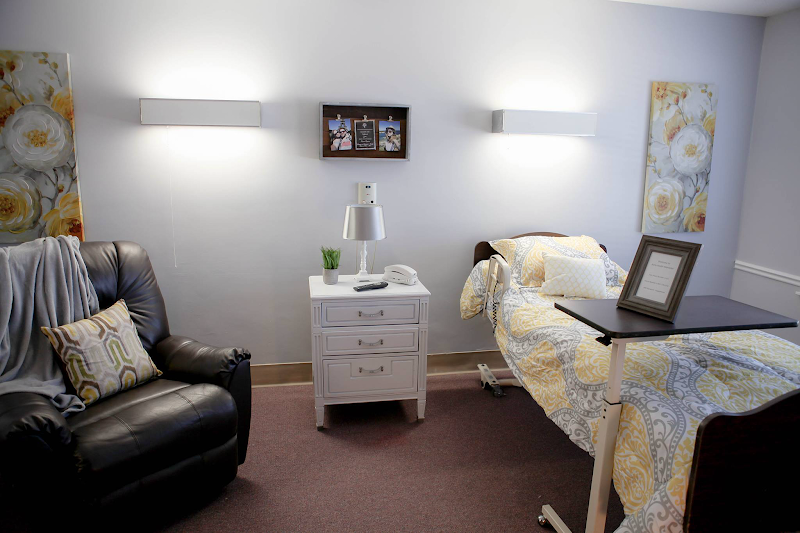
How is The Banyan At Montclair Staffed?

Staff turnover is 67%, which is 21 percentage points above the Nebraska average of 46%. High turnover can affect care consistency as new staff learn residents' individual needs. RN turnover specifically is 60%, which is notably high. RNs provide skilled clinical oversight, so turnover in this role can affect medical care quality.

What Have Inspectors Found at The Banyan At Montclair?

State health inspectors documented 88 deficiencies at The Banyan at Montclair during 2022 to 2025. These included: 5 Immediate Jeopardy (the most serious level, indicating potential for serious harm or death), 3 that caused actual resident harm, and 80 with potential for harm. Immediate Jeopardy findings are rare and represent the most serious regulatory concerns. They require immediate corrective action.
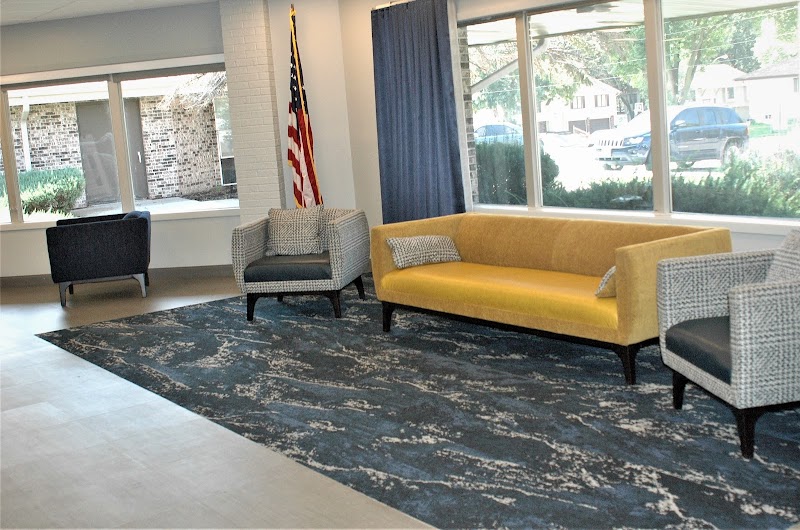
Who Owns and Operates The Banyan At Montclair?

The Banyan at Montclair is owned by a for-profit company. For-profit facilities operate as businesses with obligations to shareholders or private owners. The facility is operated by AVID HEALTHCARE GROUP, a chain that manages multiple nursing homes. With 175 certified beds and approximately 102 residents (about 58% occupancy), it is a mid-sized facility located in Omaha, Nebraska.

How Does The Banyan At Montclair Compare to Other Nebraska Nursing Homes?

Compared to the 100 nursing homes in Nebraska, The Banyan at Montclair's staff turnover (67%) is significantly higher than the state average of 46%.

What Should Families Ask When Visiting The Banyan At Montclair?

Based on this facility's data, families visiting should ask: "What changes have been made since the serious inspection findings, and how are you preventing similar issues?" "How do you ensure continuity of care given staff turnover, and what is your staff retention strategy?" "Can I visit during a mealtime to observe dining assistance and food quality?" "How do you handle medical emergencies, and what is your hospital transfer rate?" These questions are particularly relevant given the facility's Immediate Jeopardy citations and the facility's high staff turnover rate.

Is The Banyan At Montclair Safe?

Based on CMS inspection data, The Banyan at Montclair has documented safety concerns. Inspectors have issued 5 Immediate Jeopardy citations (the most serious violation level indicating risk of serious injury or death). The facility is currently on the Special Focus Facility watch list (a federal program monitoring the lowest-performing 1% of nursing homes nationwide). The facility has a 0-star overall rating and ranks #100 of 100 nursing homes in Nebraska. Families considering this facility should ask detailed questions about what corrective actions have been taken since these incidents.

Do Nurses at The Banyan At Montclair Stick Around?

Staff turnover at The Banyan at Montclair is high. At 67%, the facility is 21 percentage points above the Nebraska average of 46%. Registered Nurse turnover is particularly concerning at 60%. RNs handle complex medical decisions and coordinate care — frequent RN changes can directly impact care quality. High turnover means new staff may not know residents' individual needs, medications, or preferences. It can also be disorienting for residents, especially those with dementia who rely on familiar faces. Families should ask: What is causing the turnover? What retention programs are in place? How do you ensure care continuity during staff transitions?

Was The Banyan At Montclair Ever Fined?

The Banyan at Montclair has been fined $177,316 across 4 penalty actions. This is 5.1x the Nebraska average of $34,852. Fines at this level are uncommon and typically indicate a pattern of serious deficiencies, repeated violations, or failure to correct problems promptly. CMS reserves penalties of this magnitude for facilities that pose significant, documented risk to resident health or safety. Families should request specific documentation of what issues led to these fines and what systemic changes have been implemented.

Is The Banyan At Montclair on Any Federal Watch List?

The Banyan at Montclair is currently on the Special Focus Facility (SFF) watch list. This federal program identifies the roughly 1% of nursing homes nationally with the most serious and persistent quality problems. SFF facilities receive inspections roughly twice as often as typical nursing homes. Factors in this facility's record include 5 Immediate Jeopardy findings and $177,316 in federal fines. Facilities that fail to improve face escalating consequences, potentially including termination from Medicare and Medicaid. Families considering this facility should ask for documentation of recent improvements and what specific changes have been made since the designation.