The Cypress at Midtown
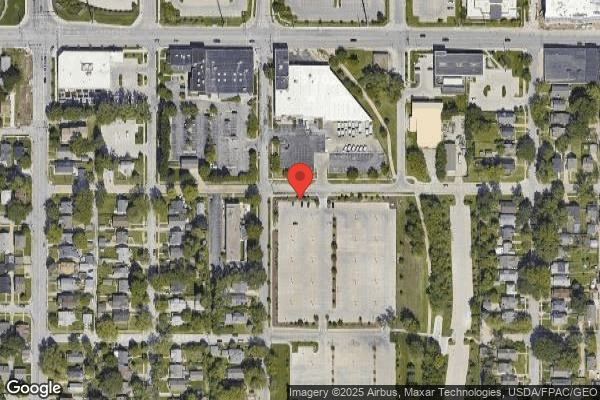
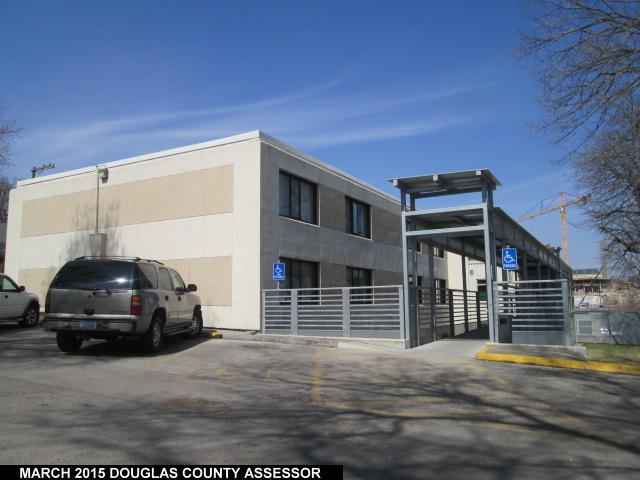
910 South 40th Street, Omaha, NE 68105 (402) 342-2015
For profit - Limited Liability company 61 Beds AVID HEALTHCARE GROUP Data: November 2025
Trust Grade
65/100
#66 of 177 in NE
Last Inspection: January 2025

Within standard 12-15 month inspection cycle. Federal law requires annual inspections.

Overview

The Cypress at Midtown has a Trust Grade of C+, indicating that it is slightly above average but still has areas for improvement. It ranks #66 out of 177 facilities in Nebraska, placing it in the top half, and #7 out of 23 in Douglas County, meaning there are only a few facilities in the area that are ranked higher. Unfortunately, the facility is experiencing a worsening trend, with issues increasing from 1 in 2024 to 5 in 2025. Staffing is a concern, with a 67% turnover rate, which is significantly higher than the state's average, suggesting that staff may not be consistent in providing care. On the positive side, the facility has not received any fines, indicating compliance with regulations, and has average RN coverage, which is important for catching potential issues. However, there have been specific incidents related to food quality, such as serving cold and unappetizing meals and failing to ensure that the dietary manager was qualified, which could affect the overall well-being of residents. Families should weigh these strengths and weaknesses when considering Cypress at Midtown for their loved ones.

Trust Score
C+
65/100
In Nebraska
#66/177
Top 37%
Safety Record
Low Risk
No red flags
Inspections
Getting Worse
1 → 5 violations
Staff Stability
⚠ Watch
67% turnover. Above average. Higher turnover means staff may not know residents' routines.
Penalties
✓ Good
No fines on record. Clean compliance history, better than most Nebraska facilities.
Skilled Nurses
✓ Good
Each resident gets 46 minutes of Registered Nurse (RN) attention daily — more than average for Nebraska. RNs are trained to catch health problems early.
Violations
⚠ Watch
21 deficiencies on record. Higher than average. Multiple issues found across inspections.
★★★★☆
4.0
Overall Rating
★★★☆☆
3.0
Staff Levels
★★☆☆☆
2.0
Care Quality
★★★★☆
4.0
Inspection Score
Stable
2024: 1 issues
2025: 5 issues

The Good

  • Full Sprinkler Coverage · Fire safety systems throughout facility
  • No fines on record

Facility shows strength in fire safety.

The Bad

Staff Turnover: 67%

20pts above Nebraska avg (46%)

Frequent staff changes - ask about care continuity

Chain: AVID HEALTHCARE GROUP

Part of a multi-facility chain

Ask about local staffing decisions and management

Staff turnover is elevated (67%)

19 points above Nebraska average of 48%

The Ugly 21 deficiencies on record

Mar 2025 1 deficiency
CONCERN (D) 📢 Someone Reported This

A family member, employee, or ombudsman was alarmed enough to file a formal complaint

Potential for Harm - no one hurt, but risky conditions existed

Accident Prevention (Tag F0689)

Could have caused harm · This affected 1 resident

**NOTE- TERMS IN BRACKETS HAVE BEEN EDITED TO PROTECT CONFIDENTIALITY** Licensure Reference Number 175 NAC 12-006.09(I) Based on observation, interview and record review the facility failed to impleme...

Read full inspector narrative →
**NOTE- TERMS IN BRACKETS HAVE BEEN EDITED TO PROTECT CONFIDENTIALITY** Licensure Reference Number 175 NAC 12-006.09(I) Based on observation, interview and record review the facility failed to implement interventions to prevent falls for 2 (Resident 1 and 2) of 3 residents sampled. The facility census was 40. Findings are: Record review of the facility policy titled Fall Prevention Program dated 08-2024 revealed the following: -each resident will be assessed for fall risk and will receive care and services in accordance with their individualized level of risk to minimize the likelihood of falls. -the facility uses a standardized risk assessment for determining a resident's fall risk. -the risk assessment categorizes residents according to low, moderate, or high risk. -upon admission the nurse will complete a fall risk assessment along with the admission assessment to determine the resident's level of fall risk. -the nurse will refer to the facility's High Risk or Low/Moderate Risk protocols when determining primary interventions. -each resident's risk factors and environmental hazards will be evaluated when developing the resident's comprehensive plan of care. -interventions will be monitored for effectiveness. -the plan of care will be revised as needed. A. Record review of Resident 1's Minimum Data Set (MDS, a federally mandated assessment tool used for care planning) dated 02-16-2025 revealed the facility staff assessed the following about the resident: -Brief Interview of Mental Status (BIMS) was scored as a 3/15. According to the MDS Manual a score of 0-7 indicates severe cognitive impairment. -The resident required set up and supervision for eating and upper body dressing. -The resident required substantial assistance with toileting, bathing, lower body dressing and transfers. Record review of Resident 1's Comprehensive Care Plan (CCP) dated 03-17-2025 revealed Resident 1 had the potential for falls related to having had a stroke and a history of seizures. The CCP also indicated that Resident 1 was to have an alarm to bed and wheelchair. An observation on 3-18-2025 at 2:40 PM of Resident 1 sitting in a wheelchair next to the nurse's station revealed no alarm in use on the wheelchair. An observation on 3-20-2025 at 8:05 AM of Resident 1 sitting in the wheelchair in the library revealed no alarm in use on the wheelchair. An interview on 3-20-2025 at 10:35 AM with the Director of Nursing (DON) which confirmed Resident 1 did not have a fall alarm on the wheelchair and should have had one. B. Record review of Resident 2's MDS dated [DATE] revealed the facility staff assessed the following about the resident: -BIMS was scored as a 9/15. According to the MDS Manual a score of 8-12 indicates moderate cognitive impairment. -The resident required substantial assistance with bathing and lower body dressing. -The resident required partial assistance with toileting, personal hygiene, upper body dressing, transfers and bed mobility. Record Review of Resident 2's CCP dated 02-13-2025 revealed Resident 2 had a history of falls and was to have a clip alarm when in chair and bed, and a fall mat when in bed. An observation on 3-18-2025 at 1:50 PM revealed Resident 2 sitting in a wheelchair, in room without a clip alarm in use. An observation on 3-20-2025 at 6:50 AM revealed Resident 2 lying in bed without a clip alarm in place, or a fall mat next to bed. An interview on 3-20-2025 at 7:55 AM with Nurse Aid (NA)-C which revealed Resident 2 does not use a clip alarm or a fall mat. An interview with the DON on 3-20-2025 at 10:35 AM confirmed Resident 2 should have had a clip alarm and a fall mat when in bed.
Jan 2025 4 deficiencies
CONCERN (D) 📢 Someone Reported This

A family member, employee, or ombudsman was alarmed enough to file a formal complaint

Potential for Harm - no one hurt, but risky conditions existed

ADL Care (Tag F0677)

Could have caused harm · This affected 1 resident

**NOTE- TERMS IN BRACKETS HAVE BEEN EDITED TO PROTECT CONFIDENTIALITY** Licensure Reference Number 175 NAC 12-006.09(H)(i)(3) Based on interview and record review the facility failed to provide baths ...

Read full inspector narrative →
**NOTE- TERMS IN BRACKETS HAVE BEEN EDITED TO PROTECT CONFIDENTIALITY** Licensure Reference Number 175 NAC 12-006.09(H)(i)(3) Based on interview and record review the facility failed to provide baths according to the plan of care for 2 (Resident 17 and 34) of 3 residents sampled. The facility census was 40. The findings are: A. Record review of Resident 17's Minimum data Set ( MDS: a federally mandated assessment tool used for care planning) dated 11-26-2024 revealed the facility staff assessed the following about the resident: -Brief Interview of Mental Status (BIMS) was scored as a 0. According to the MDS Manual a score of 0 to 7 indicates a person has a severe cognitive impairment. -Required extensive assistance with toileting, bathing, transfers and lower body dressing. -Required limited assistance with eating, hygiene, and bed mobility. Record review of Resident 17's Care Plan dated 07-03-2023 revealed Resident 17 wanted a bath once a week on Wednesday with Resident 17 required substantial assistance with bathing. Record review of Resident 17's Electronic Health Record (EHR) revealed a bath was provided on: 12-04-2024 and 12-14-2024, a 10 day span of time between baths. An interview was conducted on 01-06-2024 at 12:00 PM with the Director of Nursing (DON). During the interview the DON reported 10 days is too long in between baths for Resident 17. B. Record review of Resident 34's MDS dated [DATE] revealed the facility staff assessed the following about the resident: -BIMS was scored as a 14. According to the MDS Manual a score of 13 to 15 indicate a person is cognitively intact. -Required substantial assistance with bathing and lower body dressing -Required total assistance with transfers and toileting. Record Review of Resident 34's Bathing Preferences Document dated 07-12-2024 revealed Resident 34 wanted 2 baths a week. Record review of Resident 34's EHR revealed Resident 34 received a bath on: 12-05-2024, and 12-15-2024, a 10 spam between baths. An interview conducted on 01-06-2024 at 12:00 PM with the Director of Nursing (DON) revealed 10 days is too long in between baths for Resident 34. Record review of the facility policy titled Resident Showers dated 08-2024 revealed the following policy statement: It is the practice of this facility to assist residents with bathing to maintain proper hygiene, stimulate circulation and help prevent skin issues as per current standards of practice. The policy explanation and compliance guidelines revealed residents will be provided showers as per request or as per facility schedule protocols and based upon resident safety.
CONCERN (D) 📢 Someone Reported This

A family member, employee, or ombudsman was alarmed enough to file a formal complaint

Potential for Harm - no one hurt, but risky conditions existed

Quality of Care (Tag F0684)

Could have caused harm · This affected 1 resident

**NOTE- TERMS IN BRACKETS HAVE BEEN EDITED TO PROTECT CONFIDENTIALITY** Licensure Reference Number 175 NAC 12-006.09(H)(iii) Based on observation, interview and record review the facility failed to fo...

Read full inspector narrative →
**NOTE- TERMS IN BRACKETS HAVE BEEN EDITED TO PROTECT CONFIDENTIALITY** Licensure Reference Number 175 NAC 12-006.09(H)(iii) Based on observation, interview and record review the facility failed to follow practitioner's orders for wound care and skin integrity for 2 (Resident 5 and 34) of 4 sampled residents. The facility census was 40. The findings are: A. Record review of Resident 5's Minimum Data Set (MDS, a federally mandated assessment tool used for care planning) dated 11-02-2024 revealed the facility staff assessed the following about the resident: -Brief Interview of Mental Status (BIMS) was scored at a 15. According to the MDS Manual a score of 13 to 15 indicate a person is cognitively intact. -required substantial assistance with toileting, lower body dressing, and bathing. -required total assistance with putting on and taking off footwear. Record review of Resident 5's Order Summary sheet printed on 12-31-2024 revealed an order for a double layer of compression to both lower extremities of small edema wear (blue) followed by tubigrip size F apply from below the knee to tips of toes. An observation on 12-31-2024 at 12:30 PM revealed Resident 5 had tubigrip (a compression bandage for swelling) and edema wear (a compression bandage) over the tubigrip to both lower legs. An observation on 01-02-2025 at 10:10 AM revealed Resident 5 had returned from taking a bath and both legs had a tubigrip dressing with an edema wear dressing over the top. An interview with Registered Nurse (RN) B on 01-02-2025 at 10:15 AM revealed confirmed the compression dressings were applied in the wrong order. RN B reported the correct order was to apply the edema wear first followed by the tubigrip dressing. B. Record review of Resident 34's MDS dated [DATE] revealed the facility staff assessed the following about the resident: -BIMS was scored as a 14. According to the MDS Manual a score of 13 to 15 indicate a person is cognitively intact. -Required substantial assistance with bathing and lower body dressing -Required total assistance with transfers and toileting. Record review of Resident 34's order summary printed 12-31-2024 revealed an order for wound care to a sacral wound as follows: -Wound treatment: Sacral wound: Vashe compress to wound for 10 minutes then apply triad paste directly into the wound bed, change daily on every day shift. An observation on 01-02-2025 at 12:04 PM of RN E providing wound care for Resident 34 revealed a border dressing dated 12-31-2024 was on Resident 34's sacral area. An interview conducted with RN E on 01-02-2025 at 12:15 PM revealed the dressing to Resident 34's sacrum was a daily dressing change. RN E confirmed the date on the dressing was 12-31-2024 and should have been changed on 01-01-2025. Record review of the facility policy titled Wound Treatment Program dated 08-2023 revealed the following: Policy: to promote wound healing of various types of wounds, it is the policy of this facility to provide evidence-based treatments in accordance with current standards of practice and physician orders. Policy Explanation and Compliance Guidelines: Wound treatments will be provided in accordance with physician orders, including the cleansing method, type of dressing and frequency of dressing change.
CONCERN (D)

Potential for Harm - no one hurt, but risky conditions existed

Accident Prevention (Tag F0689)

Could have caused harm · This affected 1 resident

Licensure Reference Number 175 NAC 12-006.09(I)(i)(B) Based on observation, interview and record review the facility failed to implement interventions to prevent potential falls for 1 (Resident 17) of...

Read full inspector narrative →
Licensure Reference Number 175 NAC 12-006.09(I)(i)(B) Based on observation, interview and record review the facility failed to implement interventions to prevent potential falls for 1 (Resident 17) of 4 residents sampled. The facility census was 40. The findings are: Record review of Resident 17's Minimum Data Set (MDS, a federally mandated assessment tool used for care planning) dated 11-26-2024 revealed the facility staff assessed the following about the resident: -Brief Interview of Mental Status (BIMS) was scored as a 0. According to the MDS Manual a score of 0 to 7 indicates a person has severe cognitive impairment. -required substantial assistance with toileting, showering, lower body dressing, and transfers. -required limited assistance with eating, hygiene, and bed mobility. Record review of Resident 17's care plan dated 06-15-2020 with a revision date of 09-26-2024 revealed Resident 17 was a fall risk and had fallen on 12-18-2024 while attempting to self-transfer. An intervention with a initiation date of 12-18-2024 revealed staff were to be in attendance with eyes on resident when Resident 17 was up in chair in their room. An observation on 01-02-2025 at 1:37 PM revealed Resident 17 was up in chair in room. During this observation, there were no staff present in Resident 17's room, at the nurse's station across the hall from the room, or in the hallway. An interview with Nursing Assistant (NA) F on 01-02-2025 at 1:45 PM revealed that Resident 17 was to be supervised while eating, otherwise the resident did not require supervision. An interview with Medication Aid (MA) D on 01-02-2025 at 1:50 PM revealed Resident 17 required supervision was while eating and no other time. An observation on 01-06-2025 at 12:30 PM revealed Resident 17 was sitting in a chair in their room, without the presence of staff in the room, at the nurse's station or in the hallway. An interview with Licensed Practical Nurse (LPN) A on 01-06-2024 at 12:35 PM confirmed Resident 17 was alone in their room without staff superviison. LPN A further reported Resident 17 did not need to be supervised while sitting in chair in room. An interview was conducted on 01-06-2025 at 12:46 PM with the Director of Nursing (DON) confirmed the intervention for Resident 17's fall on 12-18-2024 was to have staff supervise the resident while up in chair in room. Record review of the facility policy titled Fall Risk assessment dated 08-2023 revealed the following: -Policy: it is the policy of this facility to provide an environment that is free from accident hazards over which the facility has control, and provides supervision and assistive devices to each resident to prevent avoidable accidents. -The risk assessment will be completed by the nurse or designee upon admission, quarterly, or when a significant change is identified. -The risk assessment will contain the following components: -a. Identify environmental hazards and individual risks, including the need for supervision. -b. Evaluate and analyze hazards and risks. -An at risk for falls care plan will be completed for each resident to address each item identified on the risk assessment and will be updated accordingly. -The at risk for falls care plan will include interventions, including supervision, consistent with a resident's needs, goals, and current standards of practice in order to reduce the risk of an accident.
CONCERN (D)

Potential for Harm - no one hurt, but risky conditions existed

Deficiency F0692 (Tag F0692)

Could have caused harm · This affected 1 resident

Licensure Reference Number 175 NAC 12-006.09(J)(ii) Based on observation, interview and record review the facility failed to provide assistive equipment for eating for 1 (Resident 17) of 2 residents s...

Read full inspector narrative →
Licensure Reference Number 175 NAC 12-006.09(J)(ii) Based on observation, interview and record review the facility failed to provide assistive equipment for eating for 1 (Resident 17) of 2 residents sampled. The facility census of 40. The findings are: Record review of Resident 17's Minimum Data Set (MDS, a federally mandated assessment tool used for care planning) dated 11-26-2024 revealed the facility staff assessed the following about the resident: -Brief Interview of Mental Status (BIMS) was scored as a 0. According to the MDS Manual a score of 0 to 7 indicates a person has severe cognitive impairment. -required substantial assistance with toileting, showering, lower body dressing, and transfers. -required limited assistance with eating, hygiene, and bed mobility. Record review of Resident 17's care plan dated 06-15-2020 revised on 09-26-2024 revealed Resident 17 was a risk for a potential nutritional problem related to having had a stroke with subsequent swallowing problems. Interventions included on the care plan were to provide and serve the diet as ordered. A Scoop plate, weighted utensils, and 2 handled cups were to be provided at meals. Record review of a green colored dietary slip dated 12-31-2024 for Resident 17 revealed the following: -Diet: was a regular diet -Texture consistency was pureed -Other instruction were: no straws, supervision the at meals, provide a scoop plate, 2 handled cup, and a specialty plate. -Adaptive equipment was identified as a weighted utensils, 2 handled cup with lid for all liquids. An observation on 12-31-2024 at 12:30 PM revealed Resident 17 sitting on the side of the bed eating lunch. Resident 17 was served puree chicken pot pie, puree asparagus, puree cranberry bar served on a regular plate and weighted utensils were provided. Resident 17 was also served a cup of coffee in a maroon one handled cup and a glass of juice. An observation on 01-02-2025 at 8:17 AM revealed Resident 17 was sitting on the side of the bed with bedside table in front of resident. Resident 17 was drinking coffee from a maroon one handled cup without a lid and a glass of juice without handles. An interview with Nursing Assistant (NA) E on 01-02-2024 at 10:00 AM confirmed that Resident 17 was drinking coffee from a maroon cup with one handle and no lid and was served juice in a glass without handles. An observation on 01-06-2025 at 8:53 AM revealed Resident 17 was sitting in a chair eating breakfast. Resident 17 was served a bowl of hot cereal, and pureed sausage and a pureed pancake on a regular plate with weighted utensils. Resident 17 had a cup of coffee in a maroon one handled cup without a lid, and a regular glass of juice without handles. An interview on 01-06-2025 at 8:55 AM with NA E confirmed Resident 17 was not provided with a scoop plate or 2 handled cups for liquids with the breakfast meal. An interview on 01-06-2025 at 9:06 AM with the Dietary Manager (DM) C confirmed that Resident 17 is to be served meals on a scoop plate with 2 handled cups for all liquids.
May 2024 1 deficiency
CONCERN (D) 📢 Someone Reported This

A family member, employee, or ombudsman was alarmed enough to file a formal complaint

Potential for Harm - no one hurt, but risky conditions existed

Infection Control (Tag F0880)

Could have caused harm · This affected 1 resident

Licensure Reference Number 175 NAC 12.006.17D Based on observations, interviews, and record review; the facility failed to ensure that staff performed hand hygiene (sanitizing) using hand sanitizer or...

Read full inspector narrative →
Licensure Reference Number 175 NAC 12.006.17D Based on observations, interviews, and record review; the facility failed to ensure that staff performed hand hygiene (sanitizing) using hand sanitizer or wash hands with soap and water for at least 20 seconds to prevent cross contamination for 1 (Resident #9) of 1 sampled resident. The facility census was 50. Findings are: Observation on 5/22/24 at 8:02 AM for incontinent cares for Resident #9 with NA-A and NA-B and assisting the resident with repositioning. Director of Nursing (DON) was in room observing also. Received permission from Resident #9 for surveyor to observe cares. NA-A had gloves on when surveyor entered room. The NA then had placed the equipment on bedside table. NA-A pulled cleansing wipes out of the container and sprayed No Rinse foam cleanser onto the wipes, then assisted with removing old brief and placed soiled brief in the trash can.The NA-A did not perform hand hygiene or change gloves. NA-A then cleansed penis and groins with wipes. NA-A did not dry the area. NA-A and NA-B repositioned resident onto left side and NA-A then cleansed buttocks and anus with wipes but did not dry area. The resident was then repositioned onto [gender]'s back. NA-A changed gloves at this time with no hand hygiene and assisted changing the draw sheet on the bed and applied clean brief. NA-A removed [gender] gloves and threw them in the trash, and then removed the trash can liner to take to hopper room. In an interview on 5/22/24 at 8:12 AM with NA-A revealed, I don't think I forgot anything, maybe I should have changed my gloves when I washed (gender's) bottom. In an interview on 5/22/24 at 8:15 AM with the DON revealed the expectation was for NA-A to do frequent hand washing and changing of gloves during cares. DON confirmed the NA should have performed hand hygiene and changed gloves after removing the brief and perform hand hygiene when the gloves were changed. The DON confirmed the NA did not meet the facilities expectation of hand hygiene. DON revealed the facility has talked about getting small bottles of sanitizer for staff to carry. DON revealed that NA-A needed to dry areas after cleansing. Record review of Perineal Care Policy undated revealed: It is the practice of this facility to provide perineal care to all incontinent residents during routine bath and as needed in order to promote cleanliness and comfort, prevent infection to the extent possible, and to prevent and assess for skin breakdown. Policy Explanation and Compliance Guidelines: 6. Perform hand hygiene and put on gloves. Apply other personal protective equipment as appropriate. 12. Males: i. Pat dry 16. Remove gloves and discard. Perform hand hygiene. Record review of Hand Hygiene policy dated 4/1/24 revealed: All staff will perform proper hand hygiene procedures to prevent the spread of infection to other personnel, residents, and visitors. This applies to all staff working in all locations within the facility. Policy Explanation and Compliance Guidelines: 4. hand hygiene technique when using an alcohol-based hand rub: a. Apply to palm of one hand the amount of product recommended by the manufacturer. b. Rub hands together, covering all surfaces of hands and fingers until hands feel dry. c. This should take about 20 seconds. 5. Hand hygiene technique when using soap and water. a. Wet hand with water. Avoid using hot water to prevent drying of skin. b. Apply to hands the amount of soap recommended by the manufacturer. c. Rub hands together vigorously for at least 20 seconds, covering all surfaces of the hands and fingers. d. Rinse hands with water. e. Dry thoroughly with a single-use towel. f. Use clean towel to turn off the faucet. 6. Additional considerations: a. The use of gloves does not replace hand hygiene. If your task requires gloves, perform hand hygiene prior to donning gloves, and immediately after removing gloves.
Nov 2023 4 deficiencies
CONCERN (D)

Potential for Harm - no one hurt, but risky conditions existed

Deficiency F0582 (Tag F0582)

Could have caused harm · This affected 1 resident

Licensure Reference Number 175 NAC 12-006.05(1) Based on record review and interview, the facility failed to provide a Skilled Nursing Facility Advanced Beneficiary Notice of Non-coverage (a notice gi...

Read full inspector narrative →
Licensure Reference Number 175 NAC 12-006.05(1) Based on record review and interview, the facility failed to provide a Skilled Nursing Facility Advanced Beneficiary Notice of Non-coverage (a notice given to beneficiaries in Original Medicare to convey that Medicare is not likely to provide coverage in a specific case) within the required timeframe for 1 (Resident 2) of 3 sampled residents. The facility identified a census of 38. Skilled Nursing Facility Advanced Beneficiary Notice of Non-coverage Findings are: A record review of Resident 2's demographic information revealed the resident readmitted from the hospital to the facility on 7/11/2023. A record review of Resident 2's census information revealed Resident 2 had returned to the facility on 7/11/23 under Medicare A (insurance coverage by Medication covering skilled nursing facility care) services A record review of Resident 2's MDS (Minimum Data Set, a comprehensive assessment of each resident's functional capabilities) dated 7/15/23, Section C, revealed the resident was rarely understood. A record review of Resident 2's Skilled Nursing Facility Advanced Beneficiary Notice of Non-coverage (SNF ABN) revealed that Resident 2's Medicare Part A Skilled Services began on 7/11/2023 and the last covered day of Medicare Part A services was 8/12/23. The signature line indiciated Resident 2 had signed the SNF ABN form on 9/18/23. An interview on 11/29/23 at 10:40 AM with the facility Social Worker (SW), after review of the SNF ABN signed on 9/18/23 by Resident 2, confirmed the notice of skilled nursing coverage ending had not been provided or signed within the required timeframe of at least two days before the end of a Medicare covered Part A stay and should have been. A record review of the undated facility policy titled Advance Beneficiary Notices read as follows: 6a. If a reduction in care occurs and the beneficiary wants to continue to receive the care that is no longer considered medically reasonable and necessary, the facility shall issue an ABN prior to furnishing non-covered care. b. If services are being terminated and the beneficiary wants to continue receiving care that is no longer considered medical reasonable and necessary, the facility shall issue an ABN prior to furnishing non-covered care. 7. To ensure that the resident, or representative, has enough time to make a decision whether or not to receive the services in question and assume financial responsibility, the notice shall be provided at least two days before the end of a Medicare covered Part A stay or when all of Part B therapies are ending. The notices must not be provided while the resident/representative is under duress or in an emergency situation. 8. The Business Office Manager, or designee, is responsible for issuing notices.
CONCERN (D)

Potential for Harm - no one hurt, but risky conditions existed

Deficiency F0661 (Tag F0661)

Could have caused harm · This affected 1 resident

**NOTE- TERMS IN BRACKETS HAVE BEEN EDITED TO PROTECT CONFIDENTIALITY** Licensure Reference Number 175 NAC 12-006.09C3 Based on interview and record review the facility failed to complete a recapitula...

Read full inspector narrative →
**NOTE- TERMS IN BRACKETS HAVE BEEN EDITED TO PROTECT CONFIDENTIALITY** Licensure Reference Number 175 NAC 12-006.09C3 Based on interview and record review the facility failed to complete a recapitulation of stay for 1 (Residents 33) of 3 sampled residents. The facility identified a census of 38. Findings are: A. A record review of Resident 33's demographic information revealed that Resident 33 admitted to the facility on [DATE] with a primary diagnosis of Heart Failure, Unspecified. A record review of Resident 33's Progress Notes dated 10/13/23 through 10/14/23 revealed Resident 33 had discharged with family. An interview on 11/28/23 at 2:20 PM with the facility DON confirmed that no recapitulation of stay had been completed for Resident 33. A record review of the undated facility policy titled Transfer and Discharge (including AMA) read as follows; 14. b. A member of the interdisciplinary team completes relevant sections of the Discharge Summary. The nurse caring for the resident at the time of discharge is responsible for ensuring the Discharge Summary is complete and includes, but is not limited to, the following: i. A recap of the resident's stay that includes diagnoses, course of illness/treatment or therapy, and pertinent lab, radiology, and consultation results. ii. A final summary if the resident's status. iii. Reconciliation of all pre-discharge medications with the resident's post-discharge medications (both prescribed and over the counter). iv. A post discharge plan of care that is developed with the participation of the resident and the resident's representative(s) which will assist the resident to adjust to his or her new living environment.
CONCERN (E) 📢 Someone Reported This

A family member, employee, or ombudsman was alarmed enough to file a formal complaint

Potential for Harm - no one hurt, but risky conditions existed

Infection Control (Tag F0880)

Could have caused harm · This affected multiple residents

Licensure Reference Number 175 NAC 12-006.17 Based on observation, interview, and record review, the facility failed to clean and store respiratory equipment in a manner to prevent the potential for c...

Read full inspector narrative →
Licensure Reference Number 175 NAC 12-006.17 Based on observation, interview, and record review, the facility failed to clean and store respiratory equipment in a manner to prevent the potential for cross contamination for four (Residents 8, 9, 36, and 41) of four residents sampled. The facility identified a census of 38. Findings are: A. A record review of the demographic information revealed Resident 8 had been accepted into the facility on 7/30/18 with a primary diagnosis of malignant neoplasm of the larynx, unspecified. A record review of the MDS (Minimum Data Set, a comprehensive assessment of each resident's functional capabilities) dated 8/30/23, Section C, revealed Resident 8 had a BIMS (Brief Interview for Mental Status, a test used to get a quick snapshot of a resident's cognitive function, scored from 0-15, the higher the score, the higher the cognitive function)score of 13. An observation on 11/27/23 at 02:50 PM revealed the CPAP (Continuous Positive Airway Pressure - a treatment that uses mild air pressure to keep your breathing airways open) mask for Resident 8 to be hanging off the loop rail on the bed and still intact. An observation on11/28/23 at 02:50 PM revealed a CPAP mask for Resident 8 to be hanging off the loop rail on the bed and still intact. An interview on 11/28/23 at 01:43 PM with Licensed Practical Nurse (LPN)-D confirmed that the CPAP mask should be rinsed and allowed to air dry and then should be stored in the bag. LPN-D confirmed that the CPAP mask for Resident 8 was not being cleaned and stored properly. A record review of the undated facility policy titled Noninvasive Ventilation (CPAP, BiPAP, AVAPS, Trilogy) revealed it did not contain guidance related to cleaning and storage of the mask or tubing B. An observation on 11/27/23 at 3:30 PM revealed Resident 9's oxgyen tubing to be resting on top of the oxygen machine with the nasal cannula touching the machine. A bag was noted to be attached to the machine for tubing storage. During an interview on 911/27/23 at 3:30 PM Resident 9 voiced only wearing the oxygen at nighttime. An observation on 11/28/23 at 1:35 PM revealed the oxygen tubing for Resident 9 was draped over the top of the oxygen concentrator with the nasal cannula touching the front of the machine and not stored in a bag. An interview on 11/28/23 at 01:43 PM with LPN-D confirmed that oxygen tubing should be stored in a bag when not in use. LPN-D confirmed that the oxygen tubing for Resident 9 was not being cleaned and stored properly C. An observation on 11/29/23 at 7:54 AM, when accompanied by the facility DON (Director of Nursing) revealed Resident 36's CPAP (Continuous Positive Airway Pressure - a treatment that uses mild air pressure to keep your breathing airways open) mask to be attached to the tubing and machine and hanging off the nightstand. The facility DON was present during the observation and confirmed that the CPAP mask and tubing were not being stored in a bag as per facility policy. During an interview on 11/29/23 at 11:30 AM, Resident 36 confirmed that the CPAP mask and tubing were not being stored in the bag when not in use. A record review of the undated facility policy titled Noninvasive Ventilation (CPAP, BiPAP, AVAPS, Trilogy) revealed it did not contain guidance related to cleaning and storage of the mask or tubing. D. An observation on 11/27/23 at 11:24 AM revealed that Resident 41 was noted to have a nebulizer machine resting on the heater with the nebulizer kit and mask intact and hanging from the machine. An observation on 11/28/23 at 1:35 PM revealed the nebulizer mask and kit for Resident 41 was intact and hanging from the machine and not stored in a bag. An interview on 11/28/23 at 01:43 PM with LPN-D confirmed that the nebulizer kit and mask should be rinsed and allowed to air dry and then should be stored in the bag. LPN-D confirmed that the nebulizer mask and kit for Resident 41 were not being cleaned and stored properly. During an interview on 11/29/23 at 11:25 AM, Resident 41 confirmed that the nebulizer kit and tubing were not rinsed after use or stored in a bag. Resident 41 voiced they only change it weekly. A record review of the undated facility policy titled Nebulizer Therapy read as follows; Care of Equipment 1. Clean after each use. 3. Disassemble parts after every treatment. 4. Rinse the nebulizer cup and mouthpiece with sterile or distilled water. 5. Shake off excess water. 6. Air dry on an absorbent towel. 7. Once completely dry, store the nebulizer cup and the mouthpiece in a zip lock bag.
CONCERN (F) 📢 Someone Reported This

A family member, employee, or ombudsman was alarmed enough to file a formal complaint

Potential for Harm - no one hurt, but risky conditions existed

Deficiency F0804 (Tag F0804)

Could have caused harm · This affected most or all residents

**NOTE- TERMS IN BRACKETS HAVE BEEN EDITED TO PROTECT CONFIDENTIALITY** Licensure Reference Number 175 NAC 12-006.11D Based on observation, interview and record review, the facility failed to serve fo...

Read full inspector narrative →
**NOTE- TERMS IN BRACKETS HAVE BEEN EDITED TO PROTECT CONFIDENTIALITY** Licensure Reference Number 175 NAC 12-006.11D Based on observation, interview and record review, the facility failed to serve food that was palatable and at safe temperatures to prevent the potential for food borne illness. This had the potential to affect all residents receiving food from the kitchen. Findings are: Interview on 11/27/23 at 2:40 PM with Resident 5 revealed the facility food is cold and bland. Observation on 11/29/23 at 12:10 PM of food temperatures on a test tray with Cook-B revealed: -the chilli was 177.4 degrees Fahrenheit, -the apple crisp was 152.0 degrees Fahrenheit -the lettuce salad with ranch dressing was 50 degrees Fahrenheit -the lettuce salad with ranch dressing temperature was rechecked at 59 degrees Fahrenheit and 60 degrees Fahrenheit (F) utilizing another thermometer from the kitchen. Interview on 11/29/23 at 2:27 PM with the Dietary Manager (DM)-C revealed the chilli that was served today on 11/29 tasted terrible, it tasted like tomato soup with beans. The DM-C also confirmed 20 residents would have recieved the salad. A record review of the dietary food temperature logs titled Production Sheet-Copy of weeks 1-4, Dining RD.com and covering the last 14 days revealed the following food and temperatures which were out of recommended range; -10/28/23, Egg Salad Cold Plate with a documented temperature of 45 F, -10/28/23, Creamy fruit salad (mech soft) with a documented temperature of 45 F, -10/29/23, Boston Crème Pie with a documented temperature of 45 F, -10/29/23, Crispy Chicken Strip Salad with a documented temperature of 42 F, -10/29/23, Chopped Cranberry Apples (dental soft) with a documented temperature of 45 F, -10/30/23, there were no temperatures documented on this date, -10/31/23, Pico Salad with a documented temperature of 45 F, -11/1-11/5/23, there were no temperatures docuemnted through this date range, -11/6/23, Seasonal Fresh Fruit and sliced bannanas with a documented temperature of 45 F, -11/7/23, Apple Salad [NAME] with a documented temperature of 54 F, -11/8/23, Cheese & Egg Casserole with a documented temperature of room temp, -11/8/23, Pear Spice Upside Down Cake and Biscuit with a documented temperature of room temp for both, -11/9/23, Biscuit with a documented temperature of room temp, -11/9/23, Pumpkin Pie with a documented temperature of warm and Herbed Dinner Roll with a documented temperature of room temp, -11/10/23, Tartar Sauce and Coleslaw with a documented temperature of 45 F, -11/11/23, Cranberry Crumble with a documented temperature of 45 F, -11/14/23, Chocolate Chip Cake with a documented temperature of room temp. An interview on 11/29/23 at 1:58 PM with the facility Administrator, after review of the above listed kitchen food temperature logs, confirmed that food was being served outside of recommended safe food temperatures and should not have been. A record review of the undated facility policy titled Record of Food Temperatures read as follows; 1. Food temperatures will be check on all items prepared in the dietary department. 4. Potential hazardous cold food temperatures will be kept at or below 41 degrees Fahrenheit. 11. No food will be served that does not meet the food code standard temperatures. 14. Food temperatures will be verified using a thermometer which is both clean, sanitized, and calibrated to ensure accuracy. A record review of the undated facility policy titled Food Preparation Guidelines read as follows; 3. Food and drinks shall be palatable, attractive, and at a safe and appetizing temperature. Strategies to ensure resident satisfactions include: a. Providing meals that are varied in color and texture. b. Using spices or herbs to season food in accordance with recipes. c. Serving hot foods/drinks hot and cold food/drinks cold. d. Addressing resident complaints about food/drinks. e. Honoring resident preferences, as possible, regarding foods and drinks.
Oct 2022 11 deficiencies
CONCERN (D)

Potential for Harm - no one hurt, but risky conditions existed

ADL Care (Tag F0677)

Could have caused harm · This affected 1 resident

LICENSURE REFERENCE NUMBER 175 NAC 12-006.09D1c Based on record review, observation and interview; the facility failed to provide assistance with eating for 1 (Resident 12) of 3 sampled residents. The...

Read full inspector narrative →
LICENSURE REFERENCE NUMBER 175 NAC 12-006.09D1c Based on record review, observation and interview; the facility failed to provide assistance with eating for 1 (Resident 12) of 3 sampled residents. The facility staff identified a census of 39. The findings are: Review of the Minimum Data Set (MDS; a federally mandated comprehensive assessment tool used for care Planning) dated 08/03/22 revealed Resident 12 required extensive assistance of 1 staff for eating. Review of the current care plan revealed Resident 12 required assistance with eating and a goal of Resident 12 will be assisted with eating. Record review of Resident 12's weight documented on 4/8/22 was 168.3 pounds (lbs.) and current documented weight on 10/23/22 is 141 lbs., a decrease of 16.22 % in 6 months or 27.3 lbs. An observation on 10/24/22 at 12:25 PM revealed Resident 12 was served a lunch meal tray. Staff set the lunch plate on the over bed table next to the resident and left the room. An observation on 10/24/22 at 12:29 PM revealed Resident 12 grabbed the plate of food from the over bed table and moved it to (gender) lap. An observation on 10/24/22 from 12:32 PM to 1:05PM revealed Resident 12 set the lunch plate back on the over bed table and took 2 bites of food with (gender) fingers. No staff assistance was provided during the observation. An observation on 10/25/22 at 08:55 AM revealed Resident 12 was served breakfast. The dietary staff sat 2 bowls of food on the overbed table. An observation on 10/25/22 from 09:00 AM to 09:27 AM revealed no staff assisted Resident 12 with eating. Meal tray continued to be in front of the resident on the overbed table. Resident 12 did not eat anything. Interview conducted with Interim Director of Nursing on 10/25/22 at 2:00 PM confirmed that Resident 12 has had a significant weight loss, requires assistance with eating and should be getting assistance at meals.
CONCERN (D)

Potential for Harm - no one hurt, but risky conditions existed

Deficiency F0679 (Tag F0679)

Could have caused harm · This affected 1 resident

**NOTE- TERMS IN BRACKETS HAVE BEEN EDITED TO PROTECT CONFIDENTIALITY** LICENSURE REFERENCE NUMBER 175 NAC 12-006.09D5b Based on record review, observation and interview; the facility failed to implem...

Read full inspector narrative →
**NOTE- TERMS IN BRACKETS HAVE BEEN EDITED TO PROTECT CONFIDENTIALITY** LICENSURE REFERENCE NUMBER 175 NAC 12-006.09D5b Based on record review, observation and interview; the facility failed to implement an individualized activity program for 1(Resident 12) of 4 sampled residents. The facility staff identified a census of 39. Record review of Resident 12's current comprehensive plan of care revealed a focus of Activities. Resident 12 is able to nod to say yes or no to activities. Resident 12 enjoys holding the staffs hand and just being present with the staff when the resident is upset. Interventions for the Activites plan of care revealed the following: - Pray with a rosery. -Offered every opportunity with religious services. -Provide for 1:1 activities -Sit with Resident 12 and hold (gender) hand. Record review of the activity assessment dated [DATE] revealed the assessment was blank. Record review of the activity particpation documentation revealed on 10/19/22 and 10/23/22 Resident 12 was offered TV/Movie. Further review of Resident 12's participation record for October revealed pray with rosary, religious services, 1:1 activites or sit and hold Residnt 12's hand was not identified as being offered to Resident 12. On 10/24/22 at 11:46AM an observation of Resident 12 revealed the resident sitting in the wheelchair in (gender) room. On 10/24/22 at 02:50 PM an observation of Resident 12 revealed the resident sitting in the wheelchair in (gender) room. On 10/25/22 at 12:27 PM an observation of Resident 12 revealed the resident lying in (gender) bed asleep. On 10/25/22 at 02:45 PM an observation of Resident 12 revealed the resident sitting in the wheelchair in (gender) room. Interview conducted on 10/26/22 at 01:30 PM with the Interim Director of Nursing (DON) confirmed Resident 12's activity assessment dated [DATE] was blank. The DON also confirmed Resident 12's care plan had interventions of pray with rosary, offer every opportunity with religious services, provide 1:1 activities that Resident 12 enjoys, and sit with Resident 12 and hold (gender) hand and confirmed that activities offered did not match the plan of care.
CONCERN (D)

Potential for Harm - no one hurt, but risky conditions existed

Deficiency F0688 (Tag F0688)

Could have caused harm · This affected 1 resident

Licensure reference: 175 NAC 12-006.09D4 Based on observation, interview, and record review, the facility failed to implement use of a splint as indicated on the care plan for 1 [Resident 19] of 1 res...

Read full inspector narrative →
Licensure reference: 175 NAC 12-006.09D4 Based on observation, interview, and record review, the facility failed to implement use of a splint as indicated on the care plan for 1 [Resident 19] of 1 resident sampled for limited range of motion. The facility had a total census of 39 residents. Findings are: A review of Resident 19's plan of care revealed a focus area with a goal of not developing further contractures initiated 5/10/22 with target date of 12/14/22. The care plan identified that Resident 19 is to wear a right hand splint during the day with skin guard under the splint at all times. Observations on the following days and times revealed Resident 19's splint was not in place: -10/24/22 1:14 PM -10/25/22 at 12:28 PM -10/25/22 at 3:16 PM -10/26/22 at 9:06 PM In an interview on 10/26/22 at 9:09 AM, Nurse Aide H reported being unable to locate the splint this morning when getting Resident 19 up. Observations on 10/26/22 between 9:09-9:13 AM revealed splint was located and placed on Resident 19 by Licensed Practical Nurse I. Observations on 10/27/22 at 11:26 AM revealed Resident 19 splint was not in place. In an interview on 10/27/22 at 11:26 AM, Director of Nursing confirmed the splint was not in place on Resident 19's right hand.
CONCERN (D)

Potential for Harm - no one hurt, but risky conditions existed

Deficiency F0692 (Tag F0692)

Could have caused harm · This affected 1 resident

LICENSURE REFERENCE NUMBER 175 NAC 12-006.09D8 Based on observation, interview and record review; the facility failed to meet the nutritional needs for 1 (Resident 12) of 3 sampled residents. The faci...

Read full inspector narrative →
LICENSURE REFERENCE NUMBER 175 NAC 12-006.09D8 Based on observation, interview and record review; the facility failed to meet the nutritional needs for 1 (Resident 12) of 3 sampled residents. The facility staff identified a census of 39. The findings are: Record review of Resident 12's weight documented on 4/8/22 was 168.3 lbs. (pounds) and current documented weight on 10/23/22 was 141 lbs. which is a decrease of 16.22 % in 6 months or 27.3 lbs. Review of the Registered Dietician Evaluation dated 04/13/22 revealed Resident 12 is a nutrition risk. Weight is down. Tube feeding meets calorie needs and is adequate. Meal intake is poor. Resident 12 is offered meals but refuses. Review of the Minimum Data Set (MDS: a federally mandated comprehensive assessment tool used for care planning) dated 8/3/22 revealed a weight of 155 lbs. and identified weight loss. Additionally the MDS revealed Resident 12 requires extensive assistance of 1 staff with eating. Review of care plan revealed the following: - NUTRITION - Resident 12 is at risk for alteration in nutritional status related to: Cerebralvascular Accident (CVA: damage to the brain from interruption of the blood supply), dysphagia (dificulty swallowing foods or fluids) and refusing meals. -Goal of Resident 12 will tolerate tube feed and will consume foods and fluids as desired and tolerated. -Interventions include: *Provide assistance for meals if indicated *Staff is to offer any food items Resident 12 might eat ie: breakfast sandwiches, supplements. - FEEDING TUBE (a surgically placed device used to give direct access to the stomach for supplemental feedings)- Initially placed on 3/22/22 Resident 12 is receiving gastric tube feeding due to declining meals/meds(guardian requested gastric tube feeding). -Goal of Resident 12 will tolerate g-tube feeding without complication. -Interventions include: *Monitor for signs of early stage aspiration pneumonia such as coughing, fever, shortness of breath, wheezing and excessive sweating. *Monitor signs of gastric tube intolerance such as nausea, vomiting, diarrhea, abdominal pain and abdominal distention and notify my physician and Registered Dietician. Record review of Resident 12's medical record revealed Resident 12 was admitted to Hospice Services on 05/02/22 for diagnosis of Cerebral Infarction (disrupted blood flow to the brain). Record review of the Client Coordination Note dated 5/2/22 revealed: Resident 12 had a g- tube placed 7/29/21 and the tube feedings were stopped on 11/16/21 with the g-tube being removed on 12/22/21. Resident 12 discharged to skilled services on 12/24/21. Resident 12 had a functional decline at the Skilled Nursing Facility and is no longer able to feed self. Resident 12 had a g- tube reinserted 4 weeks ago and continues with weight loss. Resident 12 and family in agreement with hospice services for end of life cares and support. Record review of the Treatment Administration Record (TAR) for May 2022 revealed an order for g-tube feeding of 50ml per hour continuous and documented as given until discontinue date of 5/19/22. A new order for g-tube feeding dated 5/19/22 of 25ml per hour continuous and documented as given. Review of Resident 12's Hospice order dated 5/31/22 revealed to discontinue the tube feeding. Further review of Resident 12's medical record revealed no indication of reason to discontinue the tube feeding. Review of the Hospice order dated 08/02/22 revealed to assist the resident with meals. An observation on 10/24/22 at 12:25 PM revealed Resident 12 was served a lunch meal tray. Staff set the lunch plate on the over bed table next to the resident and left the room. An observation on 10/24/22 at 12:29 PM revealed Resident 12 grabbed the plate of food from the over bed table and moved it to (gender) lap. An observation on 10/24/22 from 12:32 PM to 01:05PM revealed Resident 12 set the lunch plate back on the over bed table and took 2 bites of food with (gender) fingers. No staff assistance was provided during the observation. An observation on 10/25/22 at 08:55 AM revealed Resident 12 was served breakfast. The dietary staff sat 2 bowls of food on the overbed table. An observation on 10/25/22 from 09:00 AM to 09:27 AM revealed no staff assisted Resident 12 with eating. The meal tray continued to be in front of the resident on the overbed table. Resident 12 did not eat anything. Interview conducted on 10/25/22 at 02:47 PM with NA F (Nurse Aide) confirmed that Resident 12 needs help with eating and probably would do better if they got (gender) up and took (gender) to the dining room. Interview conducted with NA E on 10/25/22 at 02:52 PM confirmed that Resident 12 needs help with eating and most of the time (gender) does not get assistance. Interview with the Interim Director of Nursing (DON) on 10/25/22 at 02:00 PM confirmed that the resident has had a significant weight loss and the DON was unable to locate information on why Resident 12's tube feeding was discontinued on 5/31/22. The DON further confirmed that Resident 12 does require assitance with eating and should be getting assistance from staff for meals.
CONCERN (D)

Potential for Harm - no one hurt, but risky conditions existed

Infection Control (Tag F0880)

Could have caused harm · This affected 1 resident

175 NAC 12-006.17D Based on observation, record review, and interview, the facility failed to ensure Hand Hygiene was completed during tube feeding for Resident 4 to prevent the potential for cross-co...

Read full inspector narrative →
175 NAC 12-006.17D Based on observation, record review, and interview, the facility failed to ensure Hand Hygiene was completed during tube feeding for Resident 4 to prevent the potential for cross-contamination and the facility failed to ensure a Foley catheter bag was covered for Resident 13 to prevent the potential for cross-contamination. This affected 2 of 4 residents (Resident 4 and 13) reviewed for Infection Control. The facility census was 39. A. An Observation of Licensed Practical Nurse (LPN) A on 10/26/22 at 1:25 PM revealed that LPN A typed the code into the code pad by the door to the stairs, opened the door, touched the stair railing, typed the code into the code pad at the top of the stairs, and opened the door. LPN A entered Resident 4's room and, without performing Hand Hygiene, picked up a container of formula then donned gloves. LPN A then accessed the resident's feeding tube, administered the formula, cleaned and put supplies away, and then performed Hand Hygiene. An interview with LPN A on 10/26/22 at 1:30 PM confirmed that the LPN should have performed Hand Hygiene after entering Resident 4's room and prior to beginning to administer the tube feeding. B. A record review of Azria's Handwashing/Hand Hygiene Policy revised August 2019 revealed that Hand Hygiene should be performed before and after handling an invasive device. C. Record review of Resident 13's current physician orders revealed an order for an indwelling foley catheter(a flexible tube inserted into the bladder to drain urine). An observation on 10/24/22 at 11:26 AM of Resident 13's catheter bag revealed the catheter bag was lying on the wheelchair footrest uncovered. An observation on 10/24/22 at 12:26 PM of Resident 12's catheter bag revealed the catheter bag was lying on the wheelchair footrest uncovered and no catheter bag cover was available on Resident 12's electric wheelchair. An observation on 10/24/22 at 02:23 PM of Resident 12 sitting outside in the electric wheelchair revealed the catheter bag was lying on the wheelchair footrest uncovered. An observation on 10/25/22 at 10:15 AM of Resident 12's catheter bag revealed the catheter bag was lying on the wheelchair footrest uncovered. On 10/26/22 at 11:42 AM an interview was conducted with QMA J and the Interim Director of Nursing (DON) which confirmed there was no catheter bag cover on the electric wheelchair. The DON confirmed the expectation is the catheter bag should be covered and not laying on the footrest of the electric wheelchair.
CONCERN (E)

Potential for Harm - no one hurt, but risky conditions existed

Safe Environment (Tag F0584)

Could have caused harm · This affected multiple residents

**NOTE- TERMS IN BRACKETS HAVE BEEN EDITED TO PROTECT CONFIDENTIALITY** 175 NAC 12-006.18A(1) Based on observations and interviews, the facility failed to ensure a clean and homelike environment relat...

Read full inspector narrative →
**NOTE- TERMS IN BRACKETS HAVE BEEN EDITED TO PROTECT CONFIDENTIALITY** 175 NAC 12-006.18A(1) Based on observations and interviews, the facility failed to ensure a clean and homelike environment related to dust inside the bathroom vents in rooms 201, 204, 205, and 211, dirty floors in the elevator, in the second-floor hallway between the elevator and the stairwell door, and in the bathroom for room [ROOM NUMBER], and a urine odor in the bathroom for room [ROOM NUMBER]. There were 16 bathrooms in the facility. The facility census was 39. Findings are: Observation on an Environmental Tour with the Maintenance Supervisor (MS) on 10/27/22 from 8:43 AM to 8:54 AM revealed that there was dust inside the vents in the bathrooms for rooms 201, 204, 205, and 211. Observation on a tour conducted with the Director of Operations (DoO) revealed dirty floors in the elevator, in the hallway between the elevator doors and the door to the stairwell, and in the bathroom for room [ROOM NUMBER]. The tour further revealed a strong smell of urine in the bathroom for room [ROOM NUMBER]. An interview with the MS on 10/27/22 at 8:55 AM confirmed dusty vents in 201, 204, 205, and 211. An Interview with the DoO confirmed that the inside of the vents had not been being cleaned. The DoO further confirmed the floors in the elevator, hallway, and bathroom were dirty, and the bathroom had a strong odor of urine.
CONCERN (E)

Potential for Harm - no one hurt, but risky conditions existed

Deficiency F0625 (Tag F0625)

Could have caused harm · This affected multiple residents

Based on record reviews and interviews, the facility failed to provide information regarding the Bed Hold Policy to 3 residents (Resident 4, 20, and 25) of 3 sampled for hospitalization upon transfer ...

Read full inspector narrative →
Based on record reviews and interviews, the facility failed to provide information regarding the Bed Hold Policy to 3 residents (Resident 4, 20, and 25) of 3 sampled for hospitalization upon transfer to the hospital. The facility census was 39. Findings are: A. A review of Resident 4's Transfer or Discharge Notice dated 8/26/22 revealed that the resident was transferred to the hospital on 8/26/22 for a choking episode. A review of the resident's Electronic Health Record revealed no documentation that information regarding the Bed Hold Policy (BHP) was given to the resident or the resident's representative. An interview with the Director of Nursing (DON) on 10/27/22 at 10:56 AM confirmed that information regarding the BHP was not given to Resident 4 or the resident's representative for this transfer. B. A review of Resident 20's Progress Notes revealed the resident was transferred to the hospital 8/27/22 with respiratory distress. A review of the resident's EHR revealed no documentation that information regarding the BHP was given to the resident or the resident's representative. An interview with the DON on 10/27/22 at 10:56 AM confirmed that information regarding the BHP was not given to Resident 20 or the resident's representative for this transfer. C. A review of Resident 25's Progress Notes revealed the resident was transferred to the hospital 9/1/22 with a urinary tract infection and COVID-19. A review of the resident's EHR revealed no documentation that information regarding the BHP was given to the resident or the resident's representative. An interview with the DON on 10/27/22 at 10:56 AM confirmed that information regarding the BHP was not given to Resident 25 or the resident's representative for this transfer.
CONCERN (E)

Potential for Harm - no one hurt, but risky conditions existed

Unnecessary Medications (Tag F0759)

Could have caused harm · This affected multiple residents

Licensure Reference Number 175 NAC 12-006.10D Based on observation, record review and interviews, the facility failed to ensure a medication error rate below 5%. The Error Rate was 7.4%. The facility ...

Read full inspector narrative →
Licensure Reference Number 175 NAC 12-006.10D Based on observation, record review and interviews, the facility failed to ensure a medication error rate below 5%. The Error Rate was 7.4%. The facility census was 39. Findings are: A. Observation of medication pass on 10/26/22 at 8:00 AM revealed Resident 18 was provided with a Fluticasone inhaler (a medication to prevent asthma). Resident 18 used the inhaler with staff observing. Resident 18 then continued to take additional oral medications without rinsing their mouth. Review of Resident 18's physicians order for the inhaler revealed the resident is to rinse mouth after using medication. Interview 10/27/22 at 11:59 AM with the DON (Director of Nursing) revealed Resident 18 should have been instructed and assisted to rinse their mouth after using the inhaler. B. Observation on 10/26/2022 at 7:55 AM revealed MA-B placed midodrine (treats low blood pressure) in cup with all morning medications. Interview on 10/26/2022 at 7:56 AM with MA-B (Medication Aide) revealed MA-B gave the midodrine 10 mg 1 tablet to Resident 18 with all other morning medications. Review of physician orders for Resident 18 revealed the instructions on the physician order for Midodrine was to give the medication before breakfast. Interview on 10/27/22 at 11:59 AM with the DON revealed the midodrine should not have been given with other medications.
CONCERN (F)

Potential for Harm - no one hurt, but risky conditions existed

Deficiency F0801 (Tag F0801)

Could have caused harm · This affected most or all residents

Licensure reference: 175 NAC 12-006.04D2a Based on record review and interviews, the facility failed to ensure the Dietary Department Manager met qualifications. This has the potential to affect all 3...

Read full inspector narrative →
Licensure reference: 175 NAC 12-006.04D2a Based on record review and interviews, the facility failed to ensure the Dietary Department Manager met qualifications. This has the potential to affect all 39 residents of the facility. Findings are: A review of an undated staff list revealed Dietary Staff Member G was the Dietary Manager In an interview on 10/26/22 at 1:02 PM Dietary Staff Member G reported taking the dietary manager classes with an expectation the classes would be completed in November of 2022. In an interview on 10/27/22 at 11:29 AM, the Consultant Registered Dietitian reported being in the facility 6 hours every other week.
CONCERN (F)

Potential for Harm - no one hurt, but risky conditions existed

Deficiency F0804 (Tag F0804)

Could have caused harm · This affected most or all residents

**NOTE- TERMS IN BRACKETS HAVE BEEN EDITED TO PROTECT CONFIDENTIALITY** Licensure reference: 175 NAC 12-006.11D Based on observations and interview, the facility failed to ensure food was palatable an...

Read full inspector narrative →
**NOTE- TERMS IN BRACKETS HAVE BEEN EDITED TO PROTECT CONFIDENTIALITY** Licensure reference: 175 NAC 12-006.11D Based on observations and interview, the facility failed to ensure food was palatable and served at preferred temperatures. This has the potential to affect all residents of the facility. Findings are: In confidential interviews conducted on 10/24/22 between 10:30-11:34 AM, 3 of 3 sampled residents reported the following food concerns: -all processed food -food is terrible, no alternatives -food is terrible -no variety -no alternatives except hamburger or hotdog Observations of a test tray sampled on 10/24/22 at 12:37 PM revealed the flowing -Broccoli chicken [NAME] entrée temperature of 132.6 F [Fahrenheit] -Peas and carrots 116.6 F warm to taste -Noodles 106.3 F cool and chewy In an interview on 10/24/22 at 12:37 PM, the Dietary Department Manager reported a goal that food temperatures should be at least 135 F on the plate. In an interview on 10//27/22 at 1:25 PM, the Dietary Department Manger reported all residents of the facility eat food prepared at the facility.
CONCERN (F)

Potential for Harm - no one hurt, but risky conditions existed

Food Safety (Tag F0812)

Could have caused harm · This affected most or all residents

Licensure reference: 175 NAC 12-006.11E Based on observation, interview, and record review, the facility failed to ensure walls, floors, vents, non-food contact surfaces and equipment was maintained i...

Read full inspector narrative →
Licensure reference: 175 NAC 12-006.11E Based on observation, interview, and record review, the facility failed to ensure walls, floors, vents, non-food contact surfaces and equipment was maintained in a clean manner and in good repair, dishwasher sanitation concentration met manufacturer requirements, a service sink was available for use and mops/mop buckets were stored in a non-food preparation area, left over foods were labeled and dated with date of preparation, and food temperatures were maintained to prevent the potential for food-borne illness, This has the potential of affect all 39 residents of the facility. Findings are: A. Observations on 10/24/22 between 8:34 AM-9:06 AM and 10/26/22 between 9:17-9:25 AM revealed the following was not being maintained in a clean manner or good repair: -the handwashing sink was heavily soiled -the paint was wearing off the floor in the dry storage area -the floor under the shelves in the dry storage area was soiled with a build-up of dust -the shelves in the dry storage area were dusty -the floor thru out the kitchen including under equipment, the 4-compartment sink, and the dishwasher was heavily soiled -the sides and doors of the 2 reach-in refrigerators, the reach in freezer, the stove, and the convection oven were heavily soiled -the wall behind the dirty side of the dishwasher was soiled with a black substance on the tile -the guard on the bottom of the reach-in refrigerator was missing -the filter on the HVAC unit was heavily soiled with a build up on dust and tape/insulation was hanging down from the duct system -the vents on the HVAC duct system were soiled and rusty -the window behind the HVAC was cracked and had tape over the cracks -the dish dolly was soiled on the side and top -the shelf under the steam soiled was soiled with food debris In an interview on 10/27/22 10:08-10:30 AM, the Administrator and Dietary Department Manager confirmed the kitchen equipment and physical facilities were in need of cleaning and repair. B. Observations on 10/24/22 between 8:34 AM-9:06 AM revealed test of Chlorine based sanitizer in dishwasher revealed sanitizer concentration did not meet 50 ppm. Dishwasher sanitizer log had not been completed since 10/17/22. In an interview on 10/24/22 between 8:34 AM-9:06 AM, the Dietary Department Manager identified that the sanitizer concentration was testing between 10-25 ppm and need to be 50 ppm. The Dietary Department Manager confirmed the dishwasher log was not completed and should have been completed daily. In an interview on 10/25/22 at 2:09 PM Dishwasher Corporate Representatives, reported test strips for checking sanitizer concentration need to be replaced and also concentration of sanitizer going into the dishwasher needed to be adjusted. C. Observations on 10/24/22 between 8:34 AM-9:06 AM and 10/26/22 between 9:17-9:25 AM revealed the following: -mop bucket with dirty water in it stored under 4 compartment sink -soiled mops being stored next to reach in freezer with floor under mops soiled -soiled mop being stored next to shelf on dirty side of dishwasher -soiled mop head on floor under soiled side of dishwasher -soiled mops and broom stored next to dirty side of dishwasher In an interview on 10/24/22 between 8:34 AM-9:06 AM, the Dietary Department reported mop water was dumped into 4th compartment of 4 compartment sink. In an interview on 10/27/22 between 10:08 AM-10:30 AM, the Dietary Department Manager reported the kitchen has not had a utility sink during the time the Dietary Department Manager has worked at the facility. Review of the 7/21/2016 version of the Food Code, based on the United States Food and Drug Administration Food Code and used as an authoritative reference for food service sanitation practices, revealed the following: At least 1 service sink or 1 curbed cleaning facility equipped with a floor drain shall be provided and conveniently located for the cleaning of mops or similar wet floor cleaning tools and for the disposal of mop water and similar liquid waste. D. Observations on 10/24/22 between 8:34 AM-9:06 AM revealed the following unlabeled and undated food items in reach-in refrigerator that had been removed from original packaging: -tuna -2 sandwiches -pineapple Observations on 10/26/22 at 10:49Am revealed chicken salad stored in reach in that was not labeled or dated. In an interview on 10/24/22 between 10:08 AM-10:30 AM, the Dietary Department Manager confirmed foods should be labeled and dated with open date or preparation date. Review of the 7/21/2016 version of the Food Code, based on the United States Food and Drug Administration Food Code and used as an authoritative reference for food service sanitation practices, revealed the following: foods prepared and held in a food establishment for more than 24 hours hall be clearly marked with date of preparation and food prepared and packaged by a food processing plant and held refrigerated at a food establishment shall be clearly marked with the dated the original container was opened. E. Observations on 10/26/22 between 10:49 AM-11:30 AM revealed the following temperatures of food on the steam table in the kitchen taken by [NAME] C: -hotdogs 129.4 F [Fahrenheit] -hamburgers 121.8 F Observations on 10/26/22 at 12:29 PM revealed the following temperatures of food on the steam table in second floor dining room taken by Dietary Aide D: -hot dogs 129.5 F Observations on 10/26/22 at 12:54 PM revealed the following temperatures of food on the steam table in second floor dining room taken by Dietary Department Manager: -spinach 117 F -hamburgers 116.4 F -hotdogs 109.5 F In an interview on 10/27/22 between 10:08-10:30 AM, Dietary Department Manager reported hotdogs and hamburgers should be heated to a temperature of 165 F. Foods stored on the steam table should be at least 135 F. A review of facility policy titled Food Preparation and Service revised 4/2019 revealed the following: The danger zone for food temperatures is between 41 F and 135 F. This temperature range promotes the rapid growth of pathogenic micoorganisms that cause foodborne illness. F. In an interview on 10//27/22 at 1:25 PM, the Dietary Department Manger reported all residents of the facility eat food prepared at the facility.
Understanding Severity Codes (click to expand)
Life-Threatening (Immediate Jeopardy)
J - Isolated K - Pattern L - Widespread
Actual Harm
G - Isolated H - Pattern I - Widespread
Potential for Harm
D - Isolated E - Pattern F - Widespread
No Harm (Minor)
A - Isolated B - Pattern C - Widespread

Questions to Ask on Your Visit

  • "Why is there high staff turnover? How do you retain staff?"
  • "Can I speak with families of current residents?"
  • "What's your RN coverage like on weekends and overnight?"

Our Honest Assessment

Strengths
  • • No major safety red flags. No abuse findings, life-threatening violations, or SFF status.
  • • No fines on record. Clean compliance history, better than most Nebraska facilities.
Concerns
  • • 21 deficiencies on record. Higher than average. Multiple issues found across inspections.
  • • 67% turnover. Above average. Higher turnover means staff may not know residents' routines.
Bottom line: Mixed indicators with Trust Score of 65/100. Visit in person and ask pointed questions.

About This Facility

What is The Cypress At Midtown's CMS Rating?

CMS assigns The Cypress at Midtown an overall rating of 4 out of 5 stars, which is considered above average nationally. Within Nebraska, this rating places the facility higher than 99% of the state's 100 nursing homes. This rating reflects solid performance across the metrics CMS uses to evaluate nursing home quality.

How is The Cypress At Midtown Staffed?

CMS rates The Cypress at Midtown's staffing level at 3 out of 5 stars, which is average compared to other nursing homes. Staff turnover is 67%, which is 20 percentage points above the Nebraska average of 46%. High turnover can affect care consistency as new staff learn residents' individual needs. RN turnover specifically is 62%, which is notably high. RNs provide skilled clinical oversight, so turnover in this role can affect medical care quality.

What Have Inspectors Found at The Cypress At Midtown?

State health inspectors documented 21 deficiencies at The Cypress at Midtown during 2022 to 2025. These included: 21 with potential for harm.

Who Owns and Operates The Cypress At Midtown?

The Cypress at Midtown is owned by a for-profit company. For-profit facilities operate as businesses with obligations to shareholders or private owners. The facility is operated by AVID HEALTHCARE GROUP, a chain that manages multiple nursing homes. With 61 certified beds and approximately 40 residents (about 66% occupancy), it is a smaller facility located in Omaha, Nebraska.

How Does The Cypress At Midtown Compare to Other Nebraska Nursing Homes?

Compared to the 100 nursing homes in Nebraska, The Cypress at Midtown's overall rating (4 stars) is above the state average of 2.9, staff turnover (67%) is significantly higher than the state average of 46%, and health inspection rating (4 stars) is above the national benchmark.

What Should Families Ask When Visiting The Cypress At Midtown?

Based on this facility's data, families visiting should ask: "How do you ensure continuity of care given staff turnover, and what is your staff retention strategy?" "Can I visit during a mealtime to observe dining assistance and food quality?" "How do you handle medical emergencies, and what is your hospital transfer rate?" "Can I speak with family members of current residents about their experience?" These questions are particularly relevant given the facility's high staff turnover rate.

Is The Cypress At Midtown Safe?

Based on CMS inspection data, The Cypress at Midtown has a clean safety record: no substantiated abuse findings (meaning no confirmed cases of resident harm), no Immediate Jeopardy citations (the most serious violation level indicating risk of serious injury or death), and is not on the Special Focus Facility watch list (a federal program monitoring the lowest-performing 1% of nursing homes). The facility has a 4-star overall rating and ranks #1 of 100 nursing homes in Nebraska. While no facility is perfect, families should still ask about staff-to-resident ratios and recent inspection results during their visit.

Do Nurses at The Cypress At Midtown Stick Around?

Staff turnover at The Cypress at Midtown is high. At 67%, the facility is 20 percentage points above the Nebraska average of 46%. Registered Nurse turnover is particularly concerning at 62%. RNs handle complex medical decisions and coordinate care — frequent RN changes can directly impact care quality. High turnover means new staff may not know residents' individual needs, medications, or preferences. It can also be disorienting for residents, especially those with dementia who rely on familiar faces. Families should ask: What is causing the turnover? What retention programs are in place? How do you ensure care continuity during staff transitions?

Was The Cypress At Midtown Ever Fined?

The Cypress at Midtown has no federal fines on record. CMS issues fines when nursing homes fail to meet care standards or don't correct problems found during inspections. The absence of fines suggests the facility has either maintained compliance or corrected any issues before penalties were assessed. This is a positive indicator, though families should still review recent inspection reports for the full picture.

Is The Cypress At Midtown on Any Federal Watch List?

The Cypress at Midtown is not on any federal watch list. The most significant is the Special Focus Facility (SFF) program, which identifies the bottom 1% of nursing homes nationally based on persistent, serious quality problems. Not being on this list means the facility has avoided the pattern of deficiencies that triggers enhanced federal oversight. This is a positive indicator, though families should still review the facility's inspection history directly.