The Lighthouse at Lakeside Village
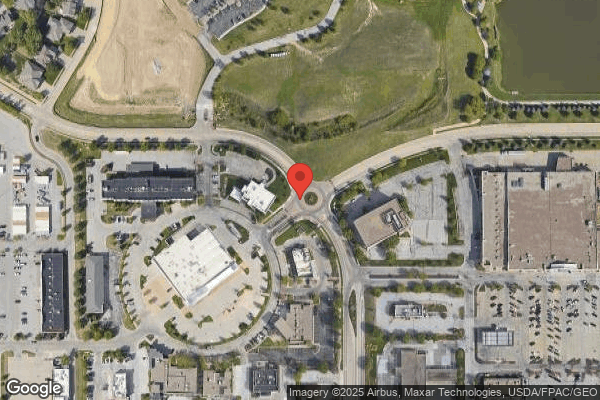

17600 Arbor Street, Omaha, NE 68130 (402) 717-0200
Non profit - Corporation 54 Beds IMMANUEL Data: November 2025
Trust Grade
80/100
#67 of 177 in NE
Last Inspection: March 2025

Within standard 12-15 month inspection cycle. Federal law requires annual inspections.

Overview

The Lighthouse at Lakeside Village has a Trust Grade of B+, indicating that it is above average and recommended for families considering care options. It ranks #67 out of 177 nursing homes in Nebraska, placing it in the top half of facilities in the state, and #8 out of 23 in Douglas County, meaning only seven local options are better. However, the facility is experiencing a worsening trend, with the number of issues increasing from 3 in 2024 to 5 in 2025. Staffing is a strong point, with a 5/5 star rating and a turnover rate of 38%, which is well below the state average, suggesting that staff are experienced and familiar with the residents. There have been no fines, which is positive, and the facility boasts more RN coverage than 98% of state facilities, ensuring better oversight of resident care. However, there are concerns, including incidents where expired food was not discarded and hand hygiene was neglected during food preparation, which could potentially lead to health risks for residents. Additionally, care plans were not updated to accurately reflect residents' code statuses, indicating some gaps in compliance with care procedures. Overall, while there are significant strengths, families should be aware of these weaknesses.

Trust Score
B+
80/100
In Nebraska
#67/177
Top 37%
Safety Record
Low Risk
No red flags
Inspections
Getting Worse
3 → 5 violations
Staff Stability
○ Average
38% turnover. Near Nebraska's 48% average. Typical for the industry.
Penalties
✓ Good
No fines on record. Clean compliance history, better than most Nebraska facilities.
Skilled Nurses
✓ Good
Each resident gets 96 minutes of Registered Nurse (RN) attention daily — more than 97% of Nebraska nursing homes. RNs are the most trained staff who catch health problems before they become serious.
Violations
⚠ Watch
11 deficiencies on record. Higher than average. Multiple issues found across inspections.
★★★★☆
4.0
Overall Rating
★★★★★
5.0
Staff Levels
★★★★☆
4.0
Care Quality
★★★☆☆
3.0
Inspection Score
Stable
2024: 3 issues
2025: 5 issues

The Good

  • 5-Star Staffing Rating · Excellent nurse staffing levels
  • 4-Star Quality Measures · Strong clinical quality outcomes
  • Full Sprinkler Coverage · Fire safety systems throughout facility
  • No fines on record
  • Staff turnover below average (38%)

    10 points below Nebraska average of 48%

Facility shows strength in staffing levels, quality measures, fire safety.

The Bad

Staff Turnover: 38%

Near Nebraska avg (46%)

Typical for the industry

Chain: IMMANUEL

Part of a multi-facility chain

Ask about local staffing decisions and management

The Ugly 11 deficiencies on record

Mar 2025 5 deficiencies
CONCERN (D)

Potential for Harm - no one hurt, but risky conditions existed

MDS Data Transmission (Tag F0640)

Could have caused harm · This affected 1 resident

Based on interview and record review; the facility failed to transmit a Minimum Data Set (MDS, a federally mandated comprehensive assessment tool used for care planning) record to the Centers for Medi...

Read full inspector narrative →
Based on interview and record review; the facility failed to transmit a Minimum Data Set (MDS, a federally mandated comprehensive assessment tool used for care planning) record to the Centers for Medicare and Medicaid Services (CMS) within the prescribed time frames for 1 (Resident 6) of 1 sampled resident. The facility census was 31. Findings are: Record review of the Resident Assessment Instrument (RAI) manual revealed the facility is required to transmit the MDS within 14 days of completion. Record review of Resident 6's death tracking record with an assessment reference date (ARD) of 11/19/24, revealed the assessment was completed on 12/2/2024 but was not transmitted to CMS. An interview with the MDS Specialist (MDSS) on 03/10/2025 at 12:01 PM revealed that the MDS was marked as not to be transmitted to CMS. The MDSS confirmed the record should have been submitted to CMS. An interview with the Corporate Nurse Specialist (CNS) on 03/10/2025 at 3:46 PM confirmed the facility follows guidelines in the RAI manual for MDS transmission.
CONCERN (D)

Potential for Harm - no one hurt, but risky conditions existed

Deficiency F0657 (Tag F0657)

Could have caused harm · This affected 1 resident

**NOTE- TERMS IN BRACKETS HAVE BEEN EDITED TO PROTECT CONFIDENTIALITY** Licensure Reference Number 175 NAC 12-006.09(F)(iii) Based on record review and interview; the facility failed to update the Com...

Read full inspector narrative →
**NOTE- TERMS IN BRACKETS HAVE BEEN EDITED TO PROTECT CONFIDENTIALITY** Licensure Reference Number 175 NAC 12-006.09(F)(iii) Based on record review and interview; the facility failed to update the Comprehensive Care Plan (CCP, a written interdisciplinary plan detailing how to provide quality care for a resident) to accurately reflect code status for 2 (Residents 5 and 12) of 2 sampled residents. The facility census was 31. Findings are: Record review of a facility policy entitled Care Plans-Comprehensive dated [DATE] revealed that the facility develops a comprehensive care plan for each resident which would include measurable objectives and timetables designed to meet the resident's medical, nursing, mental, and psychosocial needs through compassionate, trauma informed care, as identified in the comprehensive assessment. The policy identified that the care plan is periodically reviewed and revised by the interdisciplinary team after assessment. A. Record review of Resident 5's Census List dated [DATE] revealed the facility admitted the resident on [DATE]. Record review of Resident 5's Diagnosis List dated [DATE] revealed the resident had diagnoses of non-ST elevation myocardial infarction (heart attack), metabolic encephalopathy (a brain dysfunction caused by a problem with the body's chemical processes), and unspecified dementia with behavioral disturbance. Record review of Resident 5's Minimum Data Set (MDS, a federally mandated assessment used for care planning) dated [DATE] revealed the resident had a Brief Interview for Mental Status (BIMS, a brief screening tool that aids in detecting cognitive impairment) score of 02 which indicated a severe cognitive impairment. Record review of Resident 5's Resuscitation Authorization dated [DATE] revealed the resident wished to have cardiopulmonary resuscitation (CPR) attempted if needed. Record review of Resident 5's updated Resuscitation Authorization dated [DATE] revealed that the resident's code status was changed to Do Not Resuscitate (DNR). Record review of Resident 5's Order Summary Report dated [DATE], revealed an order dated [DATE] for DNR. Record review of Resident 5's CCP revealed an entry dated [DATE] that the resident admitted long-term care and the resident has personal choices. An intervention dated [DATE] identified the resident's code status as CPR/Full Code. An interview on [DATE] at 2:17 PM with the Social Services Designee (SSD) confirmed that Resident 5's updated code status was DNR and that the care plan was not updated and should have been. B. Record review of Resident 12's Census List dated [DATE] revealed that the facility admitted the resident on [DATE]. Record review of Resident 12's Diagnosis Report dated [DATE] revealed the resident had diagnoses that included chronic respiratory failure with hypoxia, dysphagia (difficulty swallowing), cerebral infarction (stroke), myocardial infarction (heart attack), pulmonary hypertension, malignant melanoma of scalp and neck (skin cancer), and congestive heart failure. Record review of Resident 12's MDS dated [DATE] revealed a BIMS score of 9 which indicated a moderate cognitive impairment. Record review of Resident 12's Resuscitation Authorization dated [DATE] revealed the resident wished to have cardiopulmonary resuscitation (CPR) attempted if needed. Record review of Resident 12's updated Resuscitation Authorization dated [DATE], revealed that the resident's code status was changed to Do Not Resuscitate (DNR). Record review of Resident 12's Order Summary Report dated [DATE], revealed an order dated [DATE] for DNR. Record review of Resident 12's CCP revealed an entry revised on [DATE] that the resident has personal choices. An intervention dated revised [DATE] identified the resident's code status as CPR. An interview on [DATE] at 2:17 PM with the SSD confirmed that Resident 12's updated code status was DNR and that the care plan was not updated and should have been.
CONCERN (D)

Potential for Harm - no one hurt, but risky conditions existed

Accident Prevention (Tag F0689)

Could have caused harm · This affected 1 resident

**NOTE- TERMS IN BRACKETS HAVE BEEN EDITED TO PROTECT CONFIDENTIALITY** Licensure Reference Number 175 NAC 12-006.09(I) Based on observation, interview, and record review; the facility failed to imple...

Read full inspector narrative →
**NOTE- TERMS IN BRACKETS HAVE BEEN EDITED TO PROTECT CONFIDENTIALITY** Licensure Reference Number 175 NAC 12-006.09(I) Based on observation, interview, and record review; the facility failed to implement interventions to prevent the potential for hot liquid burns for 1 (Resident 5) of 2 sampled residents. The facility census was 31. Findings are: A record review of the facility's policy entitled Hot Liquids Safety dated 2/16/22 revealed that the facility would have a process in place to assess risk of injury from hot liquids so appropriate interventions could be implemented to reduce the risk of burns. A record review of Resident 5's Census List dated 03/11/2025 revealed the resident was admitted to the facility on [DATE]. A record review of Resident 5's Diagnosis List dated 03/10/2025 revealed the resident had diagnoses of non-ST elevation myocardial infarction (heart attack), metabolic encephalopathy (a brain dysfunction caused by a problem with the body's chemical processes), need for assistance with personal care, visual hallucinations, psychotic disorder with delusions, unspecified dementia with behavioral disturbance, and chronic peripheral venous insufficiency. A record review of Resident 5's Minimum Data Set (MDS, a federally mandated assessment used for care planning) dated 01/07/2025 revealed the resident had a Brief Interview for Mental Status (BIMS, a brief screening tool that aids in detecting cognitive impairment) score of 02 which indicated the resident had severe cognitive impairment. The resident required setup or cleanup assistance with eating and was dependent upon staff for wheelchair mobility. A record review of Resident 5's Hot Liquid Safety Assessment dated 01/06/2025 identified that Resident 5 would use a cup with lid and drink hot liquids while sitting at a table only. A record review of Resident 5's Comprehensive Care Plan (CCP, a written interdisciplinary plan detailing how to provide quality care for a resident) revised 05/03/2024 revealed that Resident 5 was at risk for injury related to hot liquid burns. The CCP interventions included that Resident 5 would only consume hot liquids while sitting at a table and hot liquids would have a lid. Continuous dining observation on 03/10/2025 at 8:11 AM to 8:59 AM revealed Resident 5 was served coffee in a paper cup with no lid. Resident 5 picked up the cup of coffee and turned the cup in a pouring motion, then sat the cup down on the table. There was no spillage from the cup. An observation on 03/10/2025 at 12:42 PM revealed Resident 5 received a paper cup of coffee with no lid. An interview on 03/10/2025 at 8:43 AM with Lead Server (LS)-F revealed kitchen staff does not serve hot liquids in resident rooms unless it is approved by nursing, residents sit at the table with hot liquids, and all residents who receive hot liquids receive a lid unless the resident requested the lid to be off. If a resident request the lid to be off the cup, the nursing department would be notified. An interview on 03/10/2025 at 1:58 PM with Registered Nurse (RN)-A revealed [gender] was not notified that Resident 5 was served coffee without a lid. An interview on 03/10/2025 at 2:00 PM with Nursing Assistant (NA)-G revealed [gender] was not notified that Resident 5 was served coffee without a lid. An interview on 03/10/2025 at 2:01 PM with Care Partner (CP)-I revealed [gender] was not notified that Resident 5 was served coffee without a lid. An interview on 03/10/2025 at 2:03 PM with CP-H revealed [gender] was not notified that Resident 5 was served coffee without a lid. An interview on 03/11/2025 at 1:32 PM with the Director of Nursing confirmed that Resident 5 was at-risk for hot liquid burns and that the care plan identified interventions of cups containing hot liquids to have lids, and hot liquids to be consumed at a table only. The DON confirmed the expectation is that if the resident is care planned to have lids on hot liquid cups, that the lids would be utilized.
CONCERN (D)

Potential for Harm - no one hurt, but risky conditions existed

Unnecessary Medications (Tag F0759)

Could have caused harm · This affected 1 resident

Licensure Reference Number 175 NAC 12-006.10(D) Based on observation, interview, and record review; the facility failed to ensure a medication error rate of 5% or less as evidenced by three errors out...

Read full inspector narrative →
Licensure Reference Number 175 NAC 12-006.10(D) Based on observation, interview, and record review; the facility failed to ensure a medication error rate of 5% or less as evidenced by three errors out of 25 opportunities and resulted in a medication error rate of 12%. This affected two (Resident 1 and Resident 36) out of three residents sampled. The facility census was 31. The Findings are: A. A record review of an admission Record indicated the facility admitted Resident 36 to the facility on 2/20/25 with a diagnosis of periprosthetic fracture around internal prosthetic right hip joint and age-related osteoporosis without current pathological fracture. An observation on 03/10/25 at 7:12 AM of medications for Resident 36 revealed Register Nurse (RN)-A administered the following: Acetaminophen 500 milligram (mg) take 2 tablets by mouth three times a day. Do not exceed 4 grams in one day. For pain control. Alendronate 70 mg take 1 tablet by mouth weekly with full glass of water on an empty stomach, sit up for 30 minutes, no food, medications, or beverages for 30 minutes. For age related osteoporosis without current pathological fracture. Aspirin low chew 81 mg take 1 tablet by mouth twice a day for 42 days for periprosthetic fracture around internal prosthetic right hip joint. Lidocaine Patch 4% - apply 1 patch at 8:00 AM daily for right hip pain. Oyster Shell/Vitamin D 500/200 tablet take 1 tablet by mouth daily as a calcium supplement. Tramadol HCL tablet 50 mg take 1 tablet by mouth three times a day for pain. Vitamin D3 2000Units (50 micrograms (MCG)) take 1 tablet by mouth daily for supplement. Record review of Resident 36's physician orders revealed the following: -Alendronate tab 70 milligram (mg), take one tablet by mouth weekly with a full glass of water on an empty stomach, sit up for 30 minutes, no food, medications or beverages for 30 minutes. Do not crush. Record Review of manufacturer's recommendation for Resident 36's Alendronate revealed: According to the manufacturer's package labeling for many bisphosphonates, absorption is decreased when Oyster Shell Calcium with vitamin D Oral Tablet 500-5 MG-MCG is co-administered. Clinical impact is not known. An interview with the Director of Nursing (DON) on 3/11/25 at 1:45 PM confirmed the Alendronate should have been given 30 minutes prior to any other medication or food. B. A record review of an admission Record indicated the facility admitted Resident 1 to the facility on 2/5/25 with a diagnosis of aspiration pneumonitis and a diagnosis of Gastroesophageal reflux disease (GERD). An observation on 3/11/25 at 8:46 AM revealed Resident 1 finished eating prior to medication administration. RN-A began medication administration at 9:04 AM and administered: Omeprazole 40 mg take 1 capsule by mouth every morning, take 60 minutes before meals, do not crush/chew. For GERD. Record review of Resident 1's physician orders revealed the following: Omeprazole capsule 40 mg - take one capsule by mouth every morning, take 60 minutes before meals, do not crush/chew. An interview was conducted on 3/11/25 at 9:32 AM with RN-A who confirmed Resident 1 had already eaten breakfast. RN-A stated that some residents have requested to receive their medications all together for medications like omeprazole and thyroid replacements because they don't want to be woken up. That's why [gender] omeprazole is scheduled in the AM. An interview on 3/11/25 at 9:35 AM with the Asisstant Director of Nursing confirmed that at the time of medication administration, it would be the expectation to administer the omeprazole 60 minutes before meals. Record review of Resident 1's Omeprazole revealed: According to the manufacturer's guidance, swallow intact with a glass of water at least 1 hour prior to a meal. Do not use with any other liquid. Do not open capsules or mix the contents with food. Record Review on 3/11/25 of the Facility Medication Administration Policy effective 3/8/22 revealed the following: -Medications for individual residents will have pharmacy label with the resident name, drug, dose, directions and prescribing physician.
CONCERN (F)

Potential for Harm - no one hurt, but risky conditions existed

Food Safety (Tag F0812)

Could have caused harm · This affected most or all residents

Licensure Reference Number 175NAC 12-006.11(E) Based on observation, interview, and record review; the facility failed to ensure expired food was discarded on or before the expiration date and failed ...

Read full inspector narrative →
Licensure Reference Number 175NAC 12-006.11(E) Based on observation, interview, and record review; the facility failed to ensure expired food was discarded on or before the expiration date and failed to ensure opened food items were sealed and dated. The facility also failed to perform hand hygiene prior to and after touching soiled items while preparing food which had the potential for food borne illness. The facility also failed to measure items according to the recipe while preparing food. This had the potential to affect 30 out of 31 residents who consumed from the main kitchen in the facility. The facility census was 31. Findings are: A. An observation during the initial kitchen tour of the main kitchen on 3/6/25 at 12:22 PM revealed the dry storage area had two bags of corn flakes opened with no date, and a third bag opened with a date of 12/23. One bag of premier white chips opened with no date, one small bin of white chips with no lid, one can of coconut pecan frosting with expiration date of March 21, 2023. One 25 pound bag of lentil beans opened with a date of 9/18/24 in a tub with no lid. One bag of cinnamon granola opened with no date, seven boxes of cheese sticks that expired on 4/22/24, one opened bag of jet puffed marshmallows with no date, a small spaghetti bag opened and wrapped with plastic wrap but not dated, a bag of rotini noodles opened with no date, a bag of small pasta shells opened with no date, a bag of elbow macaroni opened with no date, a large bag of spaghetti opened, wrapped with plastic wrap and no opened date, Crunchy dip bag opened with no date. Several gallon jugs of salad dressing with no expiration date to be found on containers. One package of an unidentified white substance with a date of 12/14 written on it, six boxes cream of wheat that expired 7/20/21. An interview on 3/6/25 at 12:30 PM with the Sous Chef (SC-C) confirmed no manufacturer date could be found on the salad dressings and the above listed items were opened, expired foods and available for use in the dry storage area. SC further confirmed that the items listed above should be removed so that they are no longer available for use. An observation on 3/6/25 at 1:05 PM during the initial tour of the main kitchen of the small freezers that were available on the food preparation line revealed the following; one bag of breaded meat opened with no date, a bag of french fries opened with no date, a bag of tater tots opened with no date, a bag of hash brown patties opened with no date, a large bag of fish opened with no date, a bag of fajita blend veggies opened with no date, a small bag of curly fries opened with no date, a small bag of sweet potato fries opened with no date, a bag of onion rings opened with no date, a box of Quick steak opened with no date, a small steam pan with chicken fried steaks with no cover, one bag of corn opened and dated 2/14 and two additional bags of corn opened with no date, two bags of peas opened with no date, a bag of sunshine carrots opened with no date, one bag of chuckwagon corn opened with no date, one bag of chicken nuggets opened with no date, and a bag of opened cookie dough with no date. An interview on 3/6/25 at 12:22 PM with the Executive Chef (EC-D) confirmed the above listed foods were undated and opened in the freezers, and should be closed and dated. Record review of the facility policy titled Food Storage General Guidelines with a review date of 3/12/24 revealed under Procedure, General Guidelines: -All foods are labeled and dated. -Expiration dates of food products are checked when the stock is rotated. -Food is stored in clean, approved containers that are covered, labeled and dated. This includes foods stored in refrigerators, freezers, and pantries. Opened, dated perishable food is used or discarded following the guidelines provided in item 3) above. B. An observation on 3/11/25 at 9:00 AM of Lead [NAME] (LC-E) preparing scrambled eggs with ham and cheese for the noon meal using an 80 servings recipe. The LC-E completed hand hygiene and applied clean gloves. The LC-E obtained four 12x24x2 pans, sprayed pans with gloves on, and then poured an undetermined amount of ham cubes into each pan, with no amount measured. The recipe called for 2 pounds plus 3 ½ ounces of ham. LC-E removed gloves, completed hand hygiene and began cracking eggs into a bowl. Egg shells fell in the bowl, LC-E dumped bowl of eggs into trash, removed gloves, rinsed hands under water with no soap and applied new gloves. LC-E then retrieved new bowl and began to crack more eggs. After all the eggs were in the bowl the measurement was at approximately 5 liters, the recipe called for 1 ¾ gallons plus 1 2/3 cup of eggs. LC-E obtained milk and poured an undetermined amount into the bowl of eggs and mixed with electric blender stick. The recipe called for 1 quart plus 1 ¼ cup of milk. LC-E then poured the mixture into four separate pans and determined more egg mixture was needed. Approximately 60 more eggs were cracked and blended without milk and poured into the first pan that needed more egg mixture. The pans were covered with tin foil and then placed in the oven. An observation on 3/11/25 at 10:06 AM revealed LC-E completed hand hygiene and applied clean gloves then obtained a bag of shredded cheese and dumped a portion into a visibly soiled bowl with food particals. LC-E removed the pans one at a time from the oven with the same gloves on, completed temperature checks and stirred each pan, then with the same soiled gloves on LC-E sprinkled an undetermined amount of cheese on top of all four pans, and returned pans to oven uncovered. The recipe called for 2 pounds plus 3 ½ ounces of cheese. An interview on 3/11/25 with EC-D at 10:35 AM confirmed that LC-E did not measure the ingredients per the recipe and stated, they have been using the recipe for quite some time and the cooks know the amounts for 80 servings for all recipes. The EC-D also confirmed the hand hygiene and gloving concerns when preparing food. Record review of the Facility Policy Sanitary Conditions effective date 5/23/22 revealed Policy Statement A: food is stored, prepared, distributed, and served in accordance with professional standards for food service safety. Record review of the Facility Policy Hand Washing Food Service effective date of 11/17/21 revealed Procedure: -After handling soiled equipment and utensils, -when changing tasks, -scrub for a minimum of 20 seconds. Record review of the Facility Policy Glove Use Food Service effective date of 3/8/22 revealed Procedure -after handling soiled equipment or utensils, -after any activity that contaminates the gloves.
Apr 2024 3 deficiencies
CONCERN (D)

Potential for Harm - no one hurt, but risky conditions existed

Assessment Accuracy (Tag F0641)

Could have caused harm · This affected 1 resident

**NOTE- TERMS IN BRACKETS HAVE BEEN EDITED TO PROTECT CONFIDENTIALITY** Licensure Reference Number 175 NAC 12-006.09B Based on record review and interview, the facility failed to ensure that the Minim...

Read full inspector narrative →
**NOTE- TERMS IN BRACKETS HAVE BEEN EDITED TO PROTECT CONFIDENTIALITY** Licensure Reference Number 175 NAC 12-006.09B Based on record review and interview, the facility failed to ensure that the Minimum Data Set (MDS, a mandatory comprehensive assessment tool used for care planning) was accurate and coded to reflect Hospice [End of Life] Services for Resident 1 and no intravenous (IV) fluid use for Resident 10. The sample size reviewed was 13. The facility census at the time of the survey was 31. Findings are: A. Record review of the Clinical Census Report revealed that Resident 1 was admitted to the facility on [DATE]. Resident 1 was admitted to Hospice services on 1/19/22 Record review of Resident 1's Comprehensive Care Plan [CCP, a interdisciplinary comprehensive plan that detailed care of the resident] dated 1/8/24 revealed that Resident 1 had an overall decline in health and had a terminal prognosis related to advanced Alzheimer's disease. Record review of Resident 1's MDS dated [DATE] revealed diagnoses that included Non Alzheimer's Dementia. The MDS revealed that Resident 1 was severely cognitively impaired with a Brief Interview for Mental Status [BIMS, a brief screener that aids in detecting cognitive impairment] score of 00 and was dependent on staff for all activity of daily living needs. Section Section O, K1 revealed that Hospice was not marked for Resident 1 on the MDS. Interview on 04/03/24 at 2:00 PM with the Director of Nursing [DON] confirmed that the Resident 1 had been on Hospice for a long time, since January of 2022, and that the MDS was coded incorrectly and Hospice should have been marked while a resident. B. Record review of Resident 10's Clinical Census Report revealed that Resident 10 was admitted to the facility on [DATE]. Record review of Resident 10's admission MDS dated [DATE] revealed that no BIMS score had been identified for Resident 10. The MDS revealed diagnoses that included Alzheimer's Disease and vascular dementia and that Resident 10 was dependent with all activities of daily living. Section K0520 of the MDS revealed that Resident 10 had received IV fluids as a resident and not as a resident, both of which were marked on the MDS. Interview on 04/03/24 at 10:06 AM with the Assistant Director of Nursing [ADON] confirmed that the MDS was coded incorrectly and that Resident 10 did not receive IV fluids while as a resident in the facility. The ADON stated that Resident 10 did receive IV fluids while in the hospital prior to admission but the fluids had been discontinued at the hospital.
CONCERN (D)

Potential for Harm - no one hurt, but risky conditions existed

Unnecessary Medications (Tag F0759)

Could have caused harm · This affected 1 resident

Licensure Reference Number 175 NAC 12-006.10D Based on observation, record review and interview; the facility staff failed to ensure it was free of a medication error rate of 5% or greater. Observatio...

Read full inspector narrative →
Licensure Reference Number 175 NAC 12-006.10D Based on observation, record review and interview; the facility staff failed to ensure it was free of a medication error rate of 5% or greater. Observations were made of 25 medications administered which revealed 2 errors resulting in an error rate of 8%. The medication errors affect 2 (Resident 8 and 25) of 3 sampled residents. The facility staff identified a census of 31. Findings are: Record Review of Resident 8's Medication Summary printed on 04-03-2024 revealed an order for mucous relief 600 mg by mouth twice a day. Do not crush. An observation on 04-03-2024 at 7:40 AM of Care Partner (CP)-B administering medication for Resident 8 revealed CP-B prepared mucous relief 600 mg by placing the medication into a med pouch, crushing medication and then mixing the medication in applesauce. CP-B took the prepared medication and administered it to Resident 8. An interview with CP-B on 04-03-2024 at 7:55 AM confirmed that CP-B should not have crushed the mucous relief tablet. An interview with Registered Nurse (RN)-E on 04-03-2024 at 1:37 PM confirmed a medication error occurred because the mucous relief 600 mg medication should not have been crushed. Record Review of the facility Policy-Medication Administration dated 03-08-2024 under Crushing of Medication revealed the follow information: 1. Only medications approved by the manufacturer and pharmacy, and which have a provider order are crushed. 2. Each medication to be crushed should have this instruction on the Medication Administration Record. 3. If a medication cannot be crushed and the resident cannot take medication whole, alternatives include: -Pill can be administered in applesauce or food serving with similar consistency. -Pharmacy can dispense in liquid form. -Order can be requested from provider for different medication with the same class of drugs can be crushed or supplied in liquid form. B. Record Review of Resident 25's Medication Summary printed on 04-03-2024 revealed an order for Tylenol 500 mg take 2 tablets by mouth twice a day. An observation on 04-03-2024 at 8:00 AM of CP-B preparing medications for Resident 25 revealed CP-B began preparing medications to be administered and noted that Tylenol 500 mg take 2 tablets by mouth twice a day was unavailable. An interview with CP-B on 04-03-2024 at 12:41 PM revealed RN-E was notified of the Tylenol 500 mg tablets for Resident 25 was unavailable. An interview with the Director of Nursing (DON) on 04-03-2024 at 1:31 PM confirmed that a medication not given is an omission medication error. An interview with RN-A on 04-04-2024 at 11:02 AM confirmed that the facility had Tylenol 500 mg in stock and it was not given on 04-03-2024 at 8:00 AM to Resident 25. Record Review of the facility Policy-Medication Administration dated 03-08-2022 revealed Policy Statement: It is the Care Communities policy to store and administer medications and treatments in a safe and effective manner. The Procedure section revealed the following: Professional standards of medication administration are followed. -6 rights of medication administration-right resident, drug, dose, time, route, documentation. -Resident is observed swallowing oral medication. -Documentation is completed before setting up medication for the next resident.
CONCERN (D)

Potential for Harm - no one hurt, but risky conditions existed

Infection Control (Tag F0880)

Could have caused harm · This affected 1 resident

175 NAC 12-006.17 Based on observation, record review and interview the facility failed to ensure linens were not exposed to cross contamination as evidenced by placing washcloths into the sink and fa...

Read full inspector narrative →
175 NAC 12-006.17 Based on observation, record review and interview the facility failed to ensure linens were not exposed to cross contamination as evidenced by placing washcloths into the sink and failed to perform hand hygiene and glove changes during personal cares for 2 residents (Resident 2 and 20) of 7 sampled residents observed. The facility identified census was 31. Findings are: Record Review of the facility policy Hand Hygiene and Glove Usage dated 03-09-2021 revealed the following: -Policy Statement: It is the policy of the facility that hand hygiene for residents and staff will be performed to avoid the spread of pathogens. The use of gloves is to protect from potential exposure to blood, body fluids and/or other potentially infectious material with providing care. Gloves do not eliminate the need for hand hygiene. Hand Hygiene is required before putting on gloves and after removing gloves. -Under the section identified as Definitions revealed the following: -Hand Hygiene-Clean hands at appropriate times: -Before and after providing care to or handling resident belongings -After removing gloves. -After handling soiled linen or equipment. -Anytime you notice hands are soiled Glove Usage-Should be worn and changed at appropriate times: -Between Residents -When going from one contaminated area to another on a resident. -When going from a contaminated area/task to a clean area/task on a resident. -After completing a dirty task before going to a clean task. A. An observation on 04-03-2024 at 9:53 AM of Nursing Assistant (NA)-D providing a shower for Resident 20 revealed NA-D had 5 washcloths in the sink soaking in soap and water, NA-D performed hand hygiene with Alcohol Based Hand Rub (ABHR) and applied clean gloves. With gloved hands, NA-D took a washcloth from the sink and washed Resident 20's face, then tossed the washcloth in a plastic bag. NA-D took another washcloth from the sink and washed Resident 20's feet then discarded washcloth in plastic sack. NA-D using a mechanical lift raised Resident 20 in the mechanical lift to be transferred from the toilet to shower chair. NA-D took another washcloth and washed Resident 20's peri area and buttocks and discarded the washcloth in the plastic bag. NA-D with the same soiled gloved hands repositioned resident in shower chair and fastened a seat belt. NA-D with the same soiled gloves took another washcloth out of the sink basin and washed Resident 20's back, arms, chest and abdomen and discarded the wash cloth in a plastic bag. An interview with NA-D on 04-03-2024 at 10:30 AM revealed that NA-D did not remove gloves, perform hand hygiene and apply clean gloves after washing Resident 20's peri area and buttocks and before washing other areas of Resident 20's body. NA-D further confirmed washcloths were placed in the sink for use with Resident 20 An interview with RN-E on 04-04-2024 at 7:15 AM confirmed the placement of washcloths into the sink could cause cross contamination. B. An observation on 04-04-2024 at 7:40 AM of Care Partner (CP)-C providing care for Resident 2 revealed CP-C went to the bathroom with gloved hands, picked up Resident 2's denture cup and rinsed the dentures under running water. CP-C applied adhesive to the dentures, went to Resident 2's bedside and inserted the dentures into Resident 2's mouth. CP-C without changing the gloves lowered Resident 2's head of the bed and unfastened Resident 2's brief. CP-C went into the bathroom and obtained a bottle of bath soap and on the way back to the bedside CP-C used Alcohol Based Hand Rub (ABHR) on (gender) gloved hands and then continued to change Resident 2's brief. An interview with CP-C on 04-04-2024 at 8:04 AM confirmed that ABHR was used on gloved hands. An interview with RN-E at 8:10 AM on 04-04-2024 confirmed that ABHR should never be used on gloved hands, the gloves should have been removed and hand hygiene performed on bare hands.
Mar 2023 3 deficiencies
CONCERN (D)

Potential for Harm - no one hurt, but risky conditions existed

Assessment Accuracy (Tag F0641)

Could have caused harm · This affected 1 resident

**NOTE- TERMS IN BRACKETS HAVE BEEN EDITED TO PROTECT CONFIDENTIALITY** B. Resident 32 admitted to the facility on [DATE] for rehab with a goal to return home. The resident's admitting diagnosis was c...

Read full inspector narrative →
**NOTE- TERMS IN BRACKETS HAVE BEEN EDITED TO PROTECT CONFIDENTIALITY** B. Resident 32 admitted to the facility on [DATE] for rehab with a goal to return home. The resident's admitting diagnosis was closed fracture of left distal femur. Record review of Resident 32's MDS dated [DATE] revealed in Section A (2100)that the Resident was discharged to the hospital. Record review of Resident 32's progress notes dated 1/20/23 revealed that the resident was discharged to home. Record review of Resident 32's Discharge summary dated [DATE] revealed the resident was discharged to home. Record review of Resident 32's Physicians noted dated 1/17/23 revealed that the resident was discharged to home. An Interview with the MDS Coordinator on 3/20/23 at 1:42 PM, confirmed that the data entered in Section A (2100) question of discharge status was marked acute hospital and should of been marked discharged to the community. 175 NAC 12-006.09B Based on record reviews and interviews, the facility failed to ensure the Minimum Data Set (MDS-a comprehensive assessment of each resident's functional capabilities) reflected the current status of the resident at the time of the assessmenht regarding falls for Resident 16 and discharge for Resident 32. This affected 2 of 14 residents sampled for MDS accuracy. The facility census was 33. Findings are: A. An initial interview with Resident 16 on 3/15/23 at 11:02 AM revealed that the resident had fallen at home prior to the hospitalization resulting in the nursing home admission. A review of the resident's hospital History and Physical dated 2/20/23 revealed that the reason for the emergency room visit was that the resident had a GLF (Ground Level Fall), on ground for 36 hours. A review of Resident 16's Medical Diagnosis page printed 3/16/23 at 9:21 AM revealed the resident was admitted to the facility on [DATE] with diagnoses of Unspecified Fall, Initial Encounter, and Fall on Same Level, Unspecified, Initial Encounter. A review of the resident's admission MDS dated [DATE] revealed in Section J Health Conditions that question J1700 A Did the resident have a fall any time in the last month prior to admission/entry or reentry? was answered no and question J1700 B Did the resident have a fall any time in the last 2-6 months prior to admission/entry or reentry? was answered no. An interview with the MDS Coordinator (MDS) confirmed that the MDS should have been marked yes for question J1700 A, indicating a fall within the month prior to admission.
CONCERN (D)

Potential for Harm - no one hurt, but risky conditions existed

Quality of Care (Tag F0684)

Could have caused harm · This affected 1 resident

**NOTE- TERMS IN BRACKETS HAVE BEEN EDITED TO PROTECT CONFIDENTIALITY** Licensure Reference Number 175 NAC 12-006.09D3(5) Based on record review and interview; the facility failed to follow the facili...

Read full inspector narrative →
**NOTE- TERMS IN BRACKETS HAVE BEEN EDITED TO PROTECT CONFIDENTIALITY** Licensure Reference Number 175 NAC 12-006.09D3(5) Based on record review and interview; the facility failed to follow the facility's bowel protocol to prevent constipation for one (Resident 1) of one sampled resident. The facility census was 33. Findings are: In an interview on 3/15/23 at 1:44PM, Resident 1 revealed that Resident 1 had gone four days at times without a bowel movement. Record review of Resident 1's 30 Day Bowel Elimination Task, dated 2/19/23 to 3/20/23, revealed that Resident 1 went from 2/20/23-2/22/23, 2/27/23-3/1/23, 3/5/23-3/8/23, 3/10/23-3/12/23 and 3/14/23-3/16/23 without a bowel movement. Record review of Resident 1's current orders, dated 3/20/23, revealed orders for the following: -PEG3350 powder (a medication to prevent constipation) mix 17 grams (1 capful) in 4-8 ounces of liquid every day as needed (PRN). Indication for use: constipation -Milk of Magnesia suspension (a medication to treat constipation) 1200/15 milliliters (ml), take 30ml once daily PRN for constipation -Enema ready-[NAME]-TO-Use (a medication used to cleanse or stimulate the emptying of the bowel) use 1 enema per rectum once daily PRN for constipation if no bowel movement for three days -Bisacodyl suppository (a medication used to treat constipation) 10 milligrams, insert 1 suppository rectally once daily PRN for constipation -Docusate Sodium capsule (a medication used in the management and treatment of constipation) 100 milligrams twice daily PRN for constipation -Bowel protocol day 2 no bowel movement (BM): day shift as needed for constipation Give prune product as needed -Bowel protocol day 2 no BM: evening shift every 8 hours as needed for constipation Repeat prune product as needed; continue increased fluids -Bowel protocol day 3 no BM: day shift as needed for constipation Repeat prune product as needed; continue increased fluids -Bowel protocol day 3 no BM: evening shift every 8 hours as needed for constipation Digital check, assess bowel sounds, temperature (temp), give PRN medication as needed and sign off on medication administration record (MAR) -Bowel protocol day 4 no BM: day shift as needed for constipation If no results in 4 hours, then do digital check assess bowel sounds, temp, give PRN medication as needed -Bowel protocol day 4 no BM: night shift as needed for constipation If no results by AM, then do digital check, assess bowel sounds, temp, give PRN medication as needed Record review of Resident 1's MAR (Medication Administration Record) revealed that Resident 1 did not receive any PRN bowel medications and the bowel protocol was not followed. In an interview on 3/20/23 at 2:42PM, the Director of Nursing (DON) confirmed that on 2/20/23-2/22/23, 2/27/23-3/1/23, 3/5/23-3/8/23, 3/10/23-3/12/23 and 3/14/23-3/16/23 the bowel protocol was not followed for Resident 1 as ordered by the physician. Record review of the facility's Bowel and Bladder Management policy, dated 3/4/22, revealed the following: -Residents will be monitored as their condition requires for constipation and diarrhea. -Constipation- if a resident is showing signs or symptoms of constipation, bowel interventions will be started per physician orders.
CONCERN (D)

Potential for Harm - no one hurt, but risky conditions existed

Deficiency F0688 (Tag F0688)

Could have caused harm · This affected 1 resident

**NOTE- TERMS IN BRACKETS HAVE BEEN EDITED TO PROTECT CONFIDENTIALITY** Licensure Reference Number 175 NAC 12-006.09D4 Based on record review and interview; the facility failed to ensure a restorative...

Read full inspector narrative →
**NOTE- TERMS IN BRACKETS HAVE BEEN EDITED TO PROTECT CONFIDENTIALITY** Licensure Reference Number 175 NAC 12-006.09D4 Based on record review and interview; the facility failed to ensure a restorative nursing program per therapy recommendation was initiated for 1 (Resident 1) of 3 sampled residents. The facility census was 33. Findings are: In an interview on 3/15/23 at 1:43PM Resident 1 revealed that Resident 1 had not received restorative care. A review of Resident 1's Minimum Data Set (MDS -a comprehensive assessment of each resident's functional capabilities used to develop a resident's plan of care), dated 1/31/23, revealed that Resident 1 had an impairment to both of Resident 1's lower extremities and revealed no documentation that a restorative nursing program had been completed. A review of Resident 1's occupational therapy Discharge summary, dated [DATE], revealed the recommendation for a restorative ROM (Range of Motion) program. The discharge summary further revealed that the information had been issued to the resident and to the restorative nursing staff with the recommended exercises and number of repetitions listed. A review of Resident 1's comprehensive care plan (written instructions needed to provide effective and person centered care of the resident that meet professional standards of quality care) revealed no mention that Resident 1 had been recommended for a restorative nursing program. A review of Resident 1's electronic medical record revealed no documentation of a restorative nursing program being completed for Resident 1. In an interview on 3/20/23 at 1:05PM, RA-A (Restorative Aide) revealed that Resident 1 was not receiving a restorative nursing program. In an interview on 3/20/23 at 2:40PM, the Director of Nursing (DON) confirmed that Resident 1 was not receiving a restorative program. A review of the facility's Restorative Program policy, dated 2/24/22, revealed the following: -documentation of the restorative plan with periodic progress notes are maintained in the resident's clinical record.
Understanding Severity Codes (click to expand)
Life-Threatening (Immediate Jeopardy)
J - Isolated K - Pattern L - Widespread
Actual Harm
G - Isolated H - Pattern I - Widespread
Potential for Harm
D - Isolated E - Pattern F - Widespread
No Harm (Minor)
A - Isolated B - Pattern C - Widespread

Questions to Ask on Your Visit

  • "Can I speak with families of current residents?"
  • "What's your RN coverage like on weekends and overnight?"

Our Honest Assessment

Strengths
  • • Grade B+ (80/100). Above average facility, better than most options in Nebraska.
  • • No major safety red flags. No abuse findings, life-threatening violations, or SFF status.
  • • No fines on record. Clean compliance history, better than most Nebraska facilities.
  • • 38% turnover. Below Nebraska's 48% average. Good staff retention means consistent care.
Concerns
  • • 11 deficiencies on record. Higher than average. Multiple issues found across inspections.
Bottom line: Generally positive indicators. Standard due diligence and a personal visit recommended.

About This Facility

What is The Lighthouse At Lakeside Village's CMS Rating?

CMS assigns The Lighthouse at Lakeside Village an overall rating of 4 out of 5 stars, which is considered above average nationally. Within Nebraska, this rating places the facility higher than 99% of the state's 100 nursing homes. This rating reflects solid performance across the metrics CMS uses to evaluate nursing home quality.
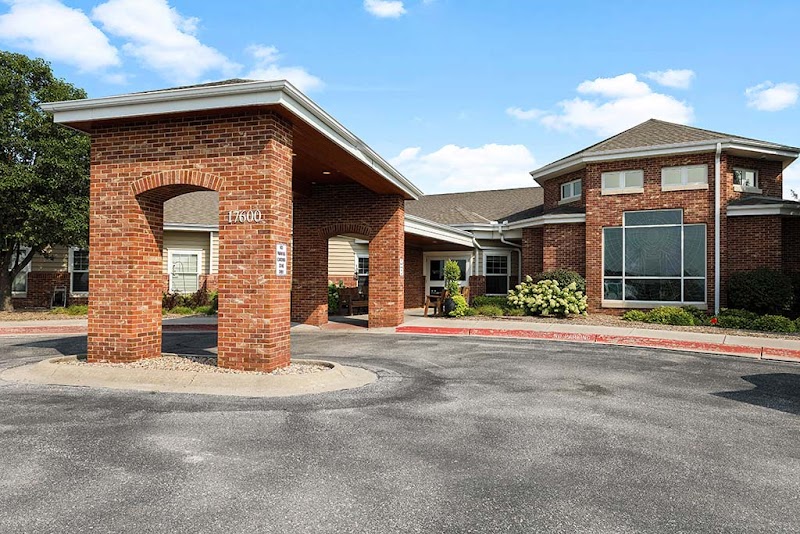
How is The Lighthouse At Lakeside Village Staffed?

CMS rates The Lighthouse at Lakeside Village's staffing level at 5 out of 5 stars, which is much above average compared to other nursing homes. Staff turnover is 38%, compared to the Nebraska average of 46%. This relatively stable workforce can support continuity of care.

What Have Inspectors Found at The Lighthouse At Lakeside Village?

State health inspectors documented 11 deficiencies at The Lighthouse at Lakeside Village during 2023 to 2025. These included: 11 with potential for harm.
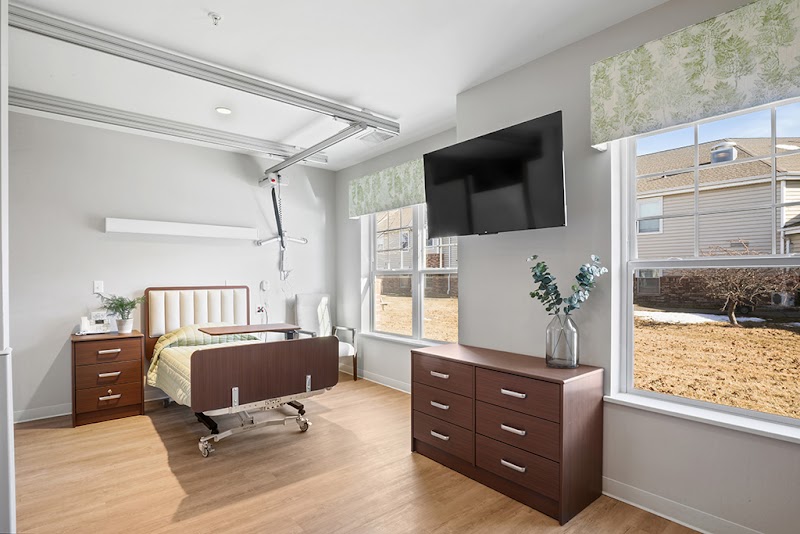
Who Owns and Operates The Lighthouse At Lakeside Village?

The Lighthouse at Lakeside Village is owned by a non-profit organization. Non-profit facilities reinvest revenue into operations rather than distributing to shareholders. The facility is operated by IMMANUEL, a chain that manages multiple nursing homes. With 54 certified beds and approximately 31 residents (about 57% occupancy), it is a smaller facility located in Omaha, Nebraska.

How Does The Lighthouse At Lakeside Village Compare to Other Nebraska Nursing Homes?

Compared to the 100 nursing homes in Nebraska, The Lighthouse at Lakeside Village's overall rating (4 stars) is above the state average of 2.9, staff turnover (38%) is near the state average of 46%, and health inspection rating (3 stars) is at the national benchmark.

What Should Families Ask When Visiting The Lighthouse At Lakeside Village?

Based on this facility's data, families visiting should ask: "Can I visit during a mealtime to observe dining assistance and food quality?" "How do you handle medical emergencies, and what is your hospital transfer rate?" "Can I speak with family members of current residents about their experience?"

Is The Lighthouse At Lakeside Village Safe?

Based on CMS inspection data, The Lighthouse at Lakeside Village has a clean safety record: no substantiated abuse findings (meaning no confirmed cases of resident harm), no Immediate Jeopardy citations (the most serious violation level indicating risk of serious injury or death), and is not on the Special Focus Facility watch list (a federal program monitoring the lowest-performing 1% of nursing homes). The facility has a 4-star overall rating and ranks #1 of 100 nursing homes in Nebraska. While no facility is perfect, families should still ask about staff-to-resident ratios and recent inspection results during their visit.

Do Nurses at The Lighthouse At Lakeside Village Stick Around?

The Lighthouse at Lakeside Village has a staff turnover rate of 38%, which is about average for Nebraska nursing homes (state average: 46%). Moderate turnover is common in nursing homes, but families should still ask about staff tenure and how the facility maintains care continuity when employees leave.

Was The Lighthouse At Lakeside Village Ever Fined?

The Lighthouse at Lakeside Village has no federal fines on record. CMS issues fines when nursing homes fail to meet care standards or don't correct problems found during inspections. The absence of fines suggests the facility has either maintained compliance or corrected any issues before penalties were assessed. This is a positive indicator, though families should still review recent inspection reports for the full picture.

Is The Lighthouse At Lakeside Village on Any Federal Watch List?

The Lighthouse at Lakeside Village is not on any federal watch list. The most significant is the Special Focus Facility (SFF) program, which identifies the bottom 1% of nursing homes nationally based on persistent, serious quality problems. Not being on this list means the facility has avoided the pattern of deficiencies that triggers enhanced federal oversight. This is a positive indicator, though families should still review the facility's inspection history directly.