Good Samaritan Society - Osceola
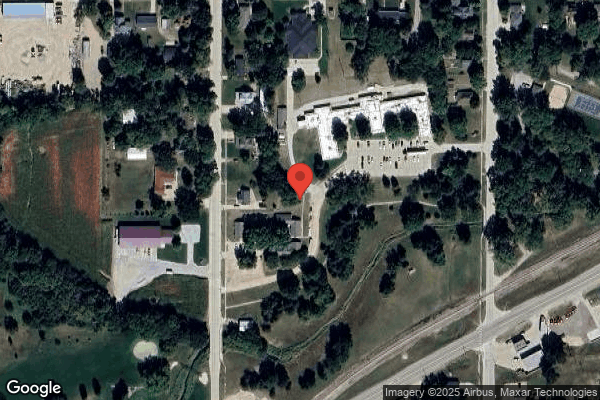
600 Center Drive, Osceola, NE 68651 (402) 747-2691
Non profit - Corporation 47 Beds GOOD SAMARITAN SOCIETY Data: November 2025
Trust Grade
73/100
#50 of 177 in NE
Last Inspection: January 2025

Within standard 12-15 month inspection cycle. Federal law requires annual inspections.

Overview

Good Samaritan Society - Osceola has a Trust Grade of B, indicating it is a solid choice for families looking for a nursing home. It ranks #50 out of 177 facilities in Nebraska, placing it in the top half, but it is the second-best option in Polk County, meaning there is only one local facility rated higher. The facility is improving, with issues decreasing from 7 in 2023 to just 2 in 2025. Staffing is a strength, with a turnover rate of 34%, significantly lower than the state average, indicating that staff members are more likely to stay and build relationships with residents. However, the facility has faced concerning fines totaling $9,750, which are higher than 81% of Nebraska facilities, suggesting potential compliance issues. Recent inspections revealed some weaknesses, including a failure to date opened food items, which could lead to foodborne illness, and not ensuring that an unvaccinated staff member underwent weekly COVID-19 testing. Additionally, four residents did not receive a written summary of their baseline care plans, which limited their ability to participate in their care effectively. While there are notable strengths, particularly in staffing, it's essential for families to consider these issues when making a decision.

Trust Score
B
73/100
In Nebraska
#50/177
Top 28%
Safety Record
Low Risk
No red flags
Inspections
Getting Better
7 → 2 violations
Staff Stability
○ Average
34% turnover. Near Nebraska's 48% average. Typical for the industry.
Penalties
✓ Good
$9,750 in fines. Lower than most Nebraska facilities. Relatively clean record.
Skilled Nurses
○ Average
Each resident gets 38 minutes of Registered Nurse (RN) attention daily — about average for Nebraska. RNs are the most trained staff who monitor for health changes.
Violations
⚠ Watch
16 deficiencies on record. Higher than average. Multiple issues found across inspections.
★★★★☆
4.0
Overall Rating
★★★☆☆
3.0
Staff Levels
★★☆☆☆
2.0
Care Quality
★★★★☆
4.0
Inspection Score
Stable
2023: 7 issues
2025: 2 issues

The Good

  • Full Sprinkler Coverage · Fire safety systems throughout facility
  • No fines on record
  • Staff turnover below average (34%)

    14 points below Nebraska average of 48%

Facility shows strength in fire safety.

The Bad

Staff Turnover: 34%

12pts below Nebraska avg (46%)

Typical for the industry

Federal Fines: $9,750

Below median ($33,413)

Minor penalties assessed

Chain: GOOD SAMARITAN SOCIETY

Part of a multi-facility chain

Ask about local staffing decisions and management

The Ugly 16 deficiencies on record

Jan 2025 2 deficiencies
CONCERN (D)

Potential for Harm - no one hurt, but risky conditions existed

Deficiency F0657 (Tag F0657)

Could have caused harm · This affected 1 resident

**NOTE- TERMS IN BRACKETS HAVE BEEN EDITED TO PROTECT CONFIDENTIALITY** Licensure Reference Number 175 NAC 12-006.09(F)(ii) Based on record review and interview the facility failed to ensure that the ...

Read full inspector narrative →
**NOTE- TERMS IN BRACKETS HAVE BEEN EDITED TO PROTECT CONFIDENTIALITY** Licensure Reference Number 175 NAC 12-006.09(F)(ii) Based on record review and interview the facility failed to ensure that the resident/resident representative was provided timely notice of care plan meetings (conferences). This had the potential to prevent the resident/representative from attending care plan meetings and participating in the comprehensive care plan (a written interdisciplinary comprehensive plan to meet the resident's needs that are identified in the resident's comprehensive assessment) review. This affected 2 of 12 residents reviewed (Residents 3 and 25). The facility census was 30. Findings are: A record review of the facility policy titled Comprehensive Care Plan and Care Conferences dated 12/4/23 revealed that the purpose is to develop a person-centered care plan for each resident and provide an ongoing method of assessing, implementing, evaluating, and updating the resident's care plan. The section titled Interdisciplinary Team Members revealed that the comprehensive care plan is developed by an interdisciplinary team. The interdisciplinary team consists of the resident and/or representative, registered nurse, social services, activity services, food and nutrition services, rehabilitation/restorative services, certified nursing assistants, physician and/or clinicians, other healthcare professionals, administrator (when available/appropriate), Director of Nursing (when available/appropriate), and environmental services (when available/appropriate). The section titled Coordinating the Care Plan revealed the designated employee will keep track of care conference dates and inform interdisciplinary team members at least two weeks in advance of scheduled care conferences. The social worker or designated employee will: Establish the time and place to hold care conferences. Invite residents and their representative (with resident's permission) at least two weeks in advance of the care conference. If the resident and/or representative is not invited to the care conference, an explanation must be included in the medical record. Care plans are to be reviewed with each MDS (Minimum Data Set, a mandatory comprehensive assessment tool used for care planning) completed. A. A record review of the MDS dated [DATE] revealed that it was a quarterly assessment for Resident 3. Resident 3 had an admission date into the facility of 3/30/23. The MDS revealed that Resident 3 had a Brief Interview for Mental Status (BIMS, a brief screening tool that aids in detecting cognitive impairment) score of 15/15 indicating that Resident 3 was cognitively intact. An interview on 1/26/25 at 1:38 PM with Resident 3 revealed that the facility only provides about a 1 day notice of Resident 3's care plan meetings. Resident 3 voiced concern that the facility does not provide adequate notice to allow the resident and family to participate in the care plan meetings. A record review of the Care Plan invitation letters for Resident 3 dated between 11/15/23-1/29/25 revealed: -Care Plan Invitation Letter dated 1/2/24 for the care plan meeting scheduled 1/11/24 (9 day notice). -Care Plan Invitation Letter dated 3/12/24 for care plan meeting scheduled 3/14/24 (2 day notice). -Care Plan Invitation Letter dated 8/27/24 for care plan meeting scheduled 9/5/24 (9 day notice). -Care Plan Invitation Letter dated 11/27/24 for care plan meeting scheduled 12/5/24 (8 day notice). A record review of the Care Conference Note dated 1/11/24 at 10:53 AM for Resident 3 revealed that the resident was invited but did not attend. A record review of the Care Conference Note dated 3/14/24 at 11:05 AM for Resident 3 revealed that the resident was invited but did not attend. A record review of the Care Conference Note dated 6/13/24 at 10:03 AM for Resident 3 revealed that Resident 3 was invited but did not attend. (The facility did not provide a Care Plan Invitation Letter for the 6/13/24 care plan meeting for Resident 3). A record review of the Care Conference Note dated 9/5/24 at 10:22 AM for Resident 3 revealed that Resident 3 was invited to attend and did attend. A record review of the Care Conference Note dated 12/5/24 at 1:26 PM for Resident 3 revealed that Resident 3 was invited but did not attend. An interview on 1/29/25 at 11:13 AM with the facility Social Services Director (SSD) confirmed that the SSD is responsible for sending the care plan meeting invitation letters for the facility. The SSD revealed that the SSD and MDSC (Minimum Data Set Coordinator- a facility nurse that utilizes a mandatory comprehensive assessment tool for care planning) complete a calendar for upcoming resident care plan meetings for 3 months at a time related to when the resident's MDS is due. The care plan meeting for each resident is scheduled for the week following the MDS due date. The SSD revealed that the calendar is then provided to the entire care team. The SSD confirmed that the care plan invitation letters to the resident/resident representative is required to provide at least a 2 week notice of the upcoming care plan meeting. The SSD revealed that the care plan invitation letters were being sent with only 1 week notice but some residents/representatives were not receiving the invitations in time. The SSD confirmed that the care plan invitation letters for Resident 3 dated 1/2/24, 3/12/24, 8/27/24, and 11/27/24 had not provided at least a 2 week notice as required. The SSD confirmed that the facility did not have a care plan invitation letter for Resident 3 for the 6/13/24 care plan meeting. B. A record review of the MDS dated [DATE] for Resident 25 revealed that it was a quarterly assessment for Resident 25. Resident 25 had an admission date into the facility of 8/15/24. The BIMS score for Resident 25 was 12/15, identifying Resident 25 as having moderate cognitive impairment. An interview on 1/26/25 at 2:12 PM with Resident 25 revealed that the resident had not had any care plan meetings while in the facility. An interview on 1/26/25 at 2:12 PM with the spouse of Resident 25 revealed that they had not had any care plan meetings with the facility since Resident 25 admitted into the facility. A record review of the Care Plan Review invite letters from 8/1/24-1/29/25 for Resident 25 revealed: -Care Plan Invitation Letter dated 8/12/24 for care plan meeting scheduled for 8/21/24 (9 day notice). -Care Plan Invitation Letter dated 11/11/24 for care plan meeting scheduled for 11/20/24 (9 day notice). A record review of the Care Conference Note dated 8/29/24 at 11:57 AM for Resident 25 revealed that Resident 25 and their spouse were invited but did not attend. A record review of the Care Conference Note dated 11/27/24 at 3:22 PM for Resident 25 revealed that Resident 25 and family were invited but did not attend. An interview on 1/29/25 at 11:13 AM with the facility Social Services Director (SSD) confirmed that the care plan invitation letters to the resident/resident representative is to provide at least a 2 week notice of the upcoming care plan meeting. The SSD revealed that the care plan invitation letters were being sent with only 1 week notice but some residents/representatives were not receiving the invitations in time. The SSD confirmed that the care plan invitation letters for Resident 3 dated 8/12/24 and 11/11/24 had not provided at least a 2 week notice as required.
CONCERN (E)

Potential for Harm - no one hurt, but risky conditions existed

Deficiency F0655 (Tag F0655)

Could have caused harm · This affected multiple residents

**NOTE- TERMS IN BRACKETS HAVE BEEN EDITED TO PROTECT CONFIDENTIALITY** Licensure Reference Number 175 NAC 12-006.09(F)(i) Based on record review and interview the facility failed to ensure that a wri...

Read full inspector narrative →
**NOTE- TERMS IN BRACKETS HAVE BEEN EDITED TO PROTECT CONFIDENTIALITY** Licensure Reference Number 175 NAC 12-006.09(F)(i) Based on record review and interview the facility failed to ensure that a written summary of the baseline care plan (a written plan required to be developed within 48 hours of admission detailing the instructions needed to provide initial effective and person-centered quality care for a resident) was provided to the resident/resident representative and ensure that the baseline care plan was reviewed with the resident/resident representative. This prevented the resident/resident representative from participating in the care plan and identifying additional individual care needs of the resident. This affected 4 of 4 residents reviewed (Residents 25, 22, 30, and 16). The facility census was 30. Findings are: A record review of the facility policy titled Care Plan dated 12/2/24 revealed that the purpose is to develop a comprehensive care plan using an interdisciplinary team approach. The definition for Baseline care plan: Includes the instructions needed to provide effective and person-centered care of the resident that meet professional standards of quality care. The policy revealed that a baseline care plan will be developed upon admission according to federal and state regulations. The facility must provide the resident and resident representative with a written summary of the baseline care plan. Use the Progress Note-Care Conference Note to document that the meeting occurred with the resident and representative and any significant discussion that occurred. A. A record review of the admission Record for Resident 25 dated 1/28/25 revealed that Resident 25 admitted into the facility on 8/15/24. Diagnoses included malignant neoplasm of the prostate (a type of cancer that originates in the prostate gland), history of falling, major depressive disorder, and Parkinson's Disease. A record review of the Minimum Data Set (MDS, a mandatory comprehensive assessment tool used for care planning) dated 11/21/24 for Resident 25 revealed that Resident 25 had a Brief Interview for Mental Status (BIMS, a brief screening tool that aids in detecting cognitive impairment) score of 12/15. A score of 12 indicates moderate cognitive impairment. A record review of the medical record for Resident 25 revealed no documentation of a baseline care plan. A record review of the Care Conference Note for Resident 25 dated 8/29/24 at 11:57 AM revealed that the resident and their spouse were invited to the care conference but did not attend. The note contained no documentation of discussion of a baseline care plan with the resident/resident representative. The note contained no documentation that a written summary of a baseline care plan had been provided to the resident/resident representative. An interview on 1/26/25 at 2:12 PM with Resident 25 revealed that the resident had not had any discussion of a baseline care plan and had not had any care plan meetings. Resident 25 revealed that the resident had not received a written summary of a baseline care plan. An interview on 1/26/25 at 2:12 PM with the spouse of Resident 25 revealed that they had not had any discussion of a baseline care plan and had not had any care plan meetings since Resident 25 admitted into the facility. The spouse of Resident 25 revealed that they had not received a written summary of a baseline care plan from the facility. An interview on 1/28/25 at 4:05 PM with the Facility Administrator (FA) confirmed that the facility does resident data collection assessments that transfers information over to the comprehensive care plan (a written interdisciplinary comprehensive plan to meet the resident's needs that are identified in the resident's comprehensive assessment). The FA revealed that staff are to print that as the baseline care plan. The FA revealed that staff are expected to provide a copy of the care plan to the resident and a retain a signed copy for the facility. The FA confirmed that the facility did not have documentation that a written summary of a baseline care plan was provided to Resident 25 or their representative. The FA confirmed that the facility did not have documentation that a meeting to review the baseline care plan with the resident/resident representative occurred. B. A record review of the admission Record for Resident 22 dated 1/27/25 revealed that Resident 22 admitted into the facility on [DATE]. Diagnoses included Alzheimer's Disease, heart failure, anxiety, and delusional disorders (a mental health condition characterized by persistent, false beliefs (delusions) that are not based on reality). A record review of the MDS dated [DATE] for Resident 22 revealed that Resident 22 had a BIMS score of 11/15. A score of 11 indicates moderate cognitive impairment. A record review of the medical record for Resident 22 revealed no documentation of a baseline care plan. A record review of the Care Conference Note for Resident 22 dated 11/14/24 at 11:41 AM revealed that the resident and their family were invited to the care conference but did not attend. The note contained no documentation of discussion of a baseline care plan with the resident/resident representative. The note contained no documentation that a written summary of a baseline care plan was provided to the resident/resident representative. An interview on 1/28/25 at 4:05 PM with FA confirmed that the facility does resident data collection assessments that transfers information over to the comprehensive care plan. The FA revealed that staff are to print that as the baseline care plan. The FA revealed that staff are expected to provide a copy of the care plan to the resident and a retain a signed copy for the facility. The FA confirmed that the facility did not have documentation that a written summary of a baseline care plan was provided to Resident 22 or their representative. The FA confirmed that the facility did not have documentation that a meeting to review the baseline care plan with the resident/resident representative occurred. C. A record review of the admission Record for Resident 30 dated 1/28/25 revealed that Resident 30 admitted into the facility on [DATE]. Diagnoses included fractured wrist and ankle, liver transplant, and diabetes. A record review of the MDS dated [DATE] for Resident 30 revealed that Resident 30 had a BIMS score of 15/15. A score of 15 indicates that the resident is cognitively intact. A record review of the medical record for Resident 30 revealed no documentation of a baseline care plan. A record review of the Care Conference Note for Resident 30 dated 11/27/24 at 3:39 PM revealed that the resident was invited to the care conference but did not attend. The note contained no documentation of discussion of a baseline care plan with the resident. The note contained no documentation that a written summary of a baseline care plan was provided to the resident. An interview on 1/28/25 at 4:05 PM with FA confirmed that the facility does resident data collection assessments that transfers information over to the comprehensive care plan. The FA revealed that staff are to print that as the baseline care plan. The FA revealed that staff are expected to provide a copy of the care plan to the resident and a retain a signed copy for the facility. The FA confirmed that the facility did not have documentation that a written summary of a baseline care plan was provided to Resident 30. The FA confirmed that the facility did not have documentation that a meeting to review the baseline care plan with the resident occurred. D. A record review of the admission Record for Resident 16 dated 1/27/25 revealed that Resident 16 was admitted to the facility on [DATE]. A record review of Resident 16's Medical Diagnoses as documented on 01/27/2025 revealed the resident had the following medical issues; anxiety disorder, cognitive communication deficit, conduct disorder, disorientation, history of falling, insomnia, major depressive disorder, Parkinsonism, history of cancer of the bladder and thyroid, restlessness and agitation, unspecified abnormalities or gait and mobility, dementia with behavioral disturbances and anxiety, unsteadiness on feet, and vitamin D deficiency. A record review of the MDS dated [DATE] for Resident 16 revealed this resident had a BIMS score of 11/15 which was indicative of moderate cognitive impairment. A record review of the medical record for Resident 16 revealed no documentation of a baseline care plan. A record review of the Care Conference Note for Resident 16 dated 06/27/24 at 11:41 AM revealed that the resident and family members were invited to the care conference but did not attend. The note contained no documentation of discussion of a baseline care plan with the resident or family members. The note contained no documentation that a written summary of a baseline care plan was provided to the resident or the family members. An interview on 1/28/25 at 4:05 PM with FA confirmed that the facility does resident data collection assessments that transfers information over to the comprehensive care plan. The FA revealed that staff are to print that as the baseline care plan. The FA revealed that staff are expected to provide a copy of the care plan to the resident and family members and retain a signed copy for the facility records. The FA confirmed that the facility did not have documentation that a written summary of a baseline care plan was provided to Resident 16. The FA confirmed that the facility did not have documentation that a meeting to review the baseline care plan with the resident occurred.
Nov 2023 6 deficiencies
CONCERN (D)

Potential for Harm - no one hurt, but risky conditions existed

Deficiency F0561 (Tag F0561)

Could have caused harm · This affected 1 resident

LICENSURE REFERENCE NUMBER 175 NAC 12-006.05 (4) Based on interview and record review, the facility staff failed to honor resident bathing preference of 1 sampled resident (Resident 20). The facility ...

Read full inspector narrative →
LICENSURE REFERENCE NUMBER 175 NAC 12-006.05 (4) Based on interview and record review, the facility staff failed to honor resident bathing preference of 1 sampled resident (Resident 20). The facility identified a census of 40 at the time of survey. Findings are: Review of Resident 20's quarterly MDS (Minimum Data Set-a comprehensive assessment used to develop a resident's care plan) dated 1/11/23 revealed Resident's 20 had a BIMS (Brief Interview for Mental Status) score of 15 which indicated Resident 20 was cognitively intact. Resident 20 was dependent on staff for assistance for bathing. An interview on 11/12/23 at 12:32 PM with Resident 20 revealed, [gender] would like 2 baths a week, but only receives 1 bath a week. Review of Resident 20's Documentation Survey Report for bathing for October and November of 2023 revealed, documentation Resident 20 received a bath on 10/3, 10/10, 10/16, 10/24, November 10/2, 11/6, and 11/9, which was 1 bath a week. Review of Resident 20's MDS schedule revealed, no documentation that Resident 20 had been out of the facility or was unavailable for bathing. Record review on 11/13/23 revealed, a bathing preference sheet called Sit-stand -walk data collection dated on 9/27/23 indicated Resident 20's preference for bathing was twice a week. Record review of the active Care Plan on 11/13/23 revealed, Resident 20's preference for bathing was not documented. An interview on 11/13/23 at 10:33 AM with the Interim Director of Nursing (IDON) revealed, Resident 20's preference for bathing was not being followed and should be.
CONCERN (D)

Potential for Harm - no one hurt, but risky conditions existed

Assessment Accuracy (Tag F0641)

Could have caused harm · This affected 1 resident

**NOTE- TERMS IN BRACKETS HAVE BEEN EDITED TO PROTECT CONFIDENTIALITY** Licensure Reference Number 175 NAC 12-006.09B Based on record review and interview, the facility failed to ensure the Minimum Da...

Read full inspector narrative →
**NOTE- TERMS IN BRACKETS HAVE BEEN EDITED TO PROTECT CONFIDENTIALITY** Licensure Reference Number 175 NAC 12-006.09B Based on record review and interview, the facility failed to ensure the Minimum Data Set (MDS- a comprehensive assessment of each resident's functional capabilities used to develop a resident's plan of care which is used in all long term care settings to track progress) was coded to reflect bathing for 1 resident (Resident 7) of 4 sampled residents. The facility census was 40 at the time of survey. Findings are: An interview on 11/12/23 at 11:21 AM with Resident 7 revealed, [gender] received a bath once a week only from hospice staff. Record review of Resident 7's Comprehensive Care Plan (CCP-written instructions needed to provide effective and person centered care of the resident that meet professional standards of quality care) dated 9/18/23 revealed, Resident 7 requested one bath per week. Record review of Resident 7's MDS dated [DATE] revealed, a Brief Interview for Mental Status (BIMS - a test used to get a quick snapshot of a resident's cognitive function, scored from 0-15, the higher the score, the higher the cognitive function) score of 15 out of 15 which indicated the resident was cognitively intact. A record review of Resident 7's MDS revealed, Resident 7 was totally dependent for bathing in section GG. An interview on 11/13/23 at 2:36 PM with the facility MDS nurse revealed, the facility staff had not given Resident 7 a bath and only the hospice staff has given the resident a bath. The MDS nurse revealed the MDS was marked incorrectly as bathing should not have been coded in section GG. An interview on 11/14/23 at 11:01 AM with the NA-F (Nursing Assistant) confirmed that Resident 7 had only ever gotten a bath by hospice care staff since admission and only wants hospice care staff to give the resident a bath once a week. A record review of the Resident Assessment Instrument (RAI) Manual (users guide to help nursing home staff gather definitive information on a resident's strengths and needs to be addressed) revealed: for the purposes of completing Section GG, a helper was defined as facility staff who are direct employees and facility-contracted employees only. The helper is does not include individuals hired, compensated or not, by individuals outside the facility's management and administration such as hospice staff. Therefore, when helper assistance is required because a resident's performance is unsafe or of poor quality, consider only facility staff when scoring according to the amount of assistance provided. An interview on 11/13/23 at 10:57 AM with the facility Administrator revealed, the facility utilized the RAI manual guidelines to complete an MDS.
CONCERN (D)

Potential for Harm - no one hurt, but risky conditions existed

Deficiency F0658 (Tag F0658)

Could have caused harm · This affected 1 resident

Licensure Reference Number 175 NAC 12-006.09 Based on record review, observation and interview, the facility failed to administer insulin per the facility policy to 1 (Resident 21) of 1 resident sampl...

Read full inspector narrative →
Licensure Reference Number 175 NAC 12-006.09 Based on record review, observation and interview, the facility failed to administer insulin per the facility policy to 1 (Resident 21) of 1 resident sampled. The facility identified a census of 40. Findings are: A record review of the facility's policy Medication: Insulin Administration, Insulin Pens-R/S, LTC dated 4/26/23 section titled Procedure revealed, do not use a syringe to remove insulin from the pen. A record review of the active Order Summary and diagnoses for Resident 21 revealed, NovoLIN 70/30 Suspension (70-30) 100 UNIT/ML (Insulin NPH Isophane & Regular), Inject 70 unit subcutaneously one time a day, related to Type 2 Diabetes Mellitus. An observation on 11/13/23 at 6:48 AM revealed, RN-B (Registered Nurse) wiped the end of the insulin pen with an alcohol wipe then dialed insulin pen. RN-B then inserted a needle attached to a syringe, and RN-B then pushed the button on the top of the pen, which pushed the dialed dose into the needle/syringe. RN-B then dialed again and pushed the top of the pen pushing more insulin into the needle/syringe. RN-B gave the insulin to Resident 21 via the insulin needle and syringe in the right lower quadrant of the abdomen. An interview on 11/13/23 at 8:01 with the facility I-DON (Interim Director of Nursing) revealed it was against the facility policy to draw insulin out of an insulin pen. Record review of the Primary Care Diabetes Society statement reveals Transferring insulin from a pen cartridge or prefilled pen to an insulin syringe is NOT a practice that is endorsed by any of the insulin manufactures and is an unlicensed activity. This information can be located at the following address: https://www.pcdsociety.org/resources/details/pcds-statement-on-the-drawing-up-of-insulin-using-insulin-syringes-from-insulin-pen-cartridges-and-prefilled-pens.
CONCERN (D)

Potential for Harm - no one hurt, but risky conditions existed

Medication Errors (Tag F0758)

Could have caused harm · This affected 1 resident

Licensure Reference Number: 175 NAC 12-006.12B(5) Based on record review and interview, the facility failed to ensure Medication Regimen Reviews (MRR) identified potential unnecessary medications rela...

Read full inspector narrative →
Licensure Reference Number: 175 NAC 12-006.12B(5) Based on record review and interview, the facility failed to ensure Medication Regimen Reviews (MRR) identified potential unnecessary medications related to psychotropic (drugs that affect brain activity associated with mental processes and behavior) medications use for 1 (Resident 26) of 2 residents sampled. The facility staff identified the census as 40 at time of survey. Findings are: A record Review of Policy Psychotropic Medication Rehab/Skilled revised 12/9/22 revealed, under Gradual Dose Reduction (GDR): 1 Antipsychotics: A) Within the first year a resident is admitted on an antipsychotic medication or after the location has initiated an antipsychotic medications, the location must attempt a gradual dose reduction in two separate quarters with at least one month between attempts, unless clinically contraindicated. After the first year, a GDR must be attempted annually, unless contraindicated. 2) throughout the administration of the psychotropic medications, the following must be completed Mood and behavior documentation must continue to monitor the effect the medication has on the behaviors A. A review of Resident 26's medical records revealed, an admission date of 8/3/23 with the diagnoses of: major depression disorder (a mental health disorder characterized by persistently depressed mood or loss of interest in activities causing significant impairment in daily life), unspecified dementia without behaviors disturbance (a person is presenting signs and symptoms of dementia and has a dementia diagnosis, but they lack any symptoms of behavioral disturbances). A record review of Resident 26's active Physician orders revealed, Resident 26 has an order for Wellbutrin XL 150 mg (milligrams) daily (a medication to treat depression) with a start date of 8/4/23 and Lexapro 20 mg daily (a medication to treat depression) with a start date of 8/4/23. A record review of Residents 26's Medication Review from the pharmacy revealed, recommended a decrease in the medication Risperdal but did not mention the Lexapro or Wellbutrin. The Physician did decrease the Risperdal dose per pharmacy recommendation. A record review of Resident 26's Medical Records in the progress notes revealed, no notes regarding the rationale for the use of psychotropic medication with no target behaviors documented. An interview on 11/13/23 at 3:36 PM with the IDON (Interim Director of Nursing) revealed, that the Behavior Committee did not review Resident 26's Lexapro or Wellbutrin XL. IDON also revealed, that the physician did not give a rationale for the continuous use of the medications Lexapro and Wellbutrin XL on 9/11/23. IDON confirmed there are no target behaviors charted.
CONCERN (D)

Potential for Harm - no one hurt, but risky conditions existed

Infection Control (Tag F0880)

Could have caused harm · This affected 1 resident

B. Record review of the facility policy Blood Glucose Monitoring, Disinfecting and Cleaning. General Cleaning and Disinfecting Procedures revealed, according to CMS requirements and best practice, blo...

Read full inspector narrative →
B. Record review of the facility policy Blood Glucose Monitoring, Disinfecting and Cleaning. General Cleaning and Disinfecting Procedures revealed, according to CMS requirements and best practice, blood glucose meters should be cleaned and disinfected after each use whether the meter is assigned to a resident or is shared among residents. A record review of Resident 33's active Order Summary and diagnoses revealed: - check blood glucose four times a day for type 2 diabetes, - Novolog Solution 100 unit/mL (milliliter) (a medication to treat diabetes) inject 20 units subcutaneously (under the skin) three times a day for type 2 diabetes and, - Insulin Detemir Solution 100 unit/mL, inject 45 units subcutaneously one time a day for diabetes. An observation on 11/13/23 at 7:22 AM of Licensed Practical Nurse (LPN)-C revealed, LPN-C took a blood sugar utilizing a blood glucose meter on Resident 33. LPN-C did not disinfect the machine following the test. A record review of Resident 90 active Order Summary and diagnoses revealed: - Levemir FlexPen Subcutaneous Solution Pen-injector 100 UNIT/ML (Insulin Detemir) Inject 20 unit subcutaneously two times a day, related to Type 2 Diabetes Mellitus. An observation on 11/13/23 at 7:27 AM of LPN-C revealed, LPN-C took a blood sugar utilizing the blood glucose meter on Resident 90. The blood glucose meter was the same equipment as utilized on Resident 33 which was not disinfected after use. An interview on 11/13/23 at 7:32 AM with LPN-C revealed, the blood glucose meter was not disinfected between Resident 33 and Resident 90. An interview on 11/13/23 at 8:01 AM with the I-DON revealed, the blood glucose meter should be disinfected between residents. Licensure Reference Number 175 NAC 12-006.17.B Based on observations, record review and interviews, the facility failed to replace oxygen tubing weekly in order to prevent the potential for cross contamination for 1 resident (Resident 7) out of 3 sampled residents. The facility staff failed to disinfect glucose machine (a machine that tests blood sugar levels) between residents. This had the potential to affect 2 (Resident 33 and Resident 90) of 2 diabetic residents. The facility identified a census of 40 at time of survey. Findings are: A. A record review of the facility policy dated 6/30/2023 titled Oxygen Administration, under the heading: Cleaning the concentrator/filters and Inspections revealed, that all disposable equipment should be changed out weekly and marked with date and initials. A record review of Resident 7's Minimum Data Set (MDS- a comprehensive assessment of each resident's functional capabilities used to develop a resident's plan of care) dated 9/19/23 revealed, a Brief Interview for Mental Status (BIMS - a test used to get a quick snapshot of a resident's cognitive function, scored from 0-15, the higher the score, the higher the cognitive function) score of 15 which indicated the resident was cognitively intact. The MDS revealed Resident 7 had the following diagnoses: Chronic Obstructive Pulmonary Disease, Congestive Heart Failure, and Chronic Lung Disease. A record review of Resident 7's current Physician Orders dated 9/13/23 revealed, oxygen via nasal cannula as needed for dyspnea or hypoxia (oxygen saturation less than 94%). An observation on 11/12/23 at 11:30 AM of the oxygen tubing was on Resident 7 by nasal cannula on the oxygen concentrator at 2.5 liters per minute. The tubing was not dated and had no initials. An observation on 11/13/23 at 12:14 PM of the oxygen tubing was on Resident 7 by nasal cannula on the oxygen concentrator at 2.5 liter per minute. The tubing was not dated and had no initials. An interview on 11/13/23 2:52 PM with the MDS nurse revealed, that facility staff are to change the oxygen tubing for residents in the facility. A record review of Resident 7's Physican Orders revealed, no order to change oxygen weekly. A record review of Resident 7's Electronic Medical Record from November 1-15th revealed no record of changing the oxygen tubing. An interview on 11/15/23 at 9:52 AM with the Interim Director of Nursing (I-DON) revealed, the oxygen tubing should be changed weekly and it had not been changed.
CONCERN (F)

Potential for Harm - no one hurt, but risky conditions existed

Food Safety (Tag F0812)

Could have caused harm · This affected most or all residents

Licensure Reference Number 175 NAC 12-007.01A Based on record review, observation and interview, the facility failed to date opened food items to prevent the potential for food borne illness. This had...

Read full inspector narrative →
Licensure Reference Number 175 NAC 12-007.01A Based on record review, observation and interview, the facility failed to date opened food items to prevent the potential for food borne illness. This had the potential to affect all residents in the building. The facility staff identified a census of 40. Findings are: A record review of the facility policy Date Marking-Food and Nutrition dated 4/12/23 revealed, section 4. food is discarded when: c. The container or package does not bear a date or day. A record review of the facility policy Food-Supply Storage dated 5/11/23 under Food and nutrition Services section 8 revealed, that once meal service is over, cover, date, and label trays of individually portioned items such as desserts, salads, glasses of juice, milk, or supplements. A record review of the facility policy Date Marking- Food and Nutrition, Time/Temperature control for safety foods (TCS) dated 4/12/23 revealed, items are date-marked when received, when manufacturer package is opened and when removed from freezer into refrigeration. section 2. when TCS food has been opened but remains in storage, employees: 1) The date/time the original container is opened. An observation on 11/12/23 at 8:01 AM of the facility kitchen revealed the following: - 3 bags of pasta were open and the only date was the date received (the date on which the product was received) on the bag. No open date was located. - Gold Medal -Complete buttermilk pancake mix opened and inside is the dry powder mix inside a zip lock bag without an open date. - French's crispy fried onions bag had been opened and appeared to be approximately 1/2 bag remaining with no open date. An observation on 11/12/23 at 8:05 AM of the walk-in refrigerator revealed, a cucumber/bean salad that was covered but not dated. The observation revealed 3 individual serving deserts that were covered but no date was on them. There was also a ham that was thawed for lunch and was on the bottom shelf of the refrigerator. An observation on 11/12/23 at 9:16 AM of the CDM-G (Certified Dietary Manager) revealed, CDM-G was pulling all dry storage foods that have been opened and not dated. An interview on 11/12/23 at 9:16 AM with CDM-G revealed, that the above foods should have an opened date and the foods in the refrigerator should have been dated. CDM-G pulled all items from the refrigerator as the CDM-G revealed they were unaware how long the items were there and opened.
May 2023 1 deficiency
CONCERN (D) 📢 Someone Reported This

A family member, employee, or ombudsman was alarmed enough to file a formal complaint

Potential for Harm - no one hurt, but risky conditions existed

Free from Abuse/Neglect (Tag F0600)

Could have caused harm · This affected 1 resident

**NOTE- TERMS IN BRACKETS HAVE BEEN EDITED TO PROTECT CONFIDENTIALITY** Licensure Reference Number 175 NAC 12-006.02(8) Based on observation, interview, and record review, the facility failed to prote...

Read full inspector narrative →
**NOTE- TERMS IN BRACKETS HAVE BEEN EDITED TO PROTECT CONFIDENTIALITY** Licensure Reference Number 175 NAC 12-006.02(8) Based on observation, interview, and record review, the facility failed to protect residents' right to be free from physical abuse by Resident 1. This had the potential to affect all residents residing in the facility. The facility had a total census of 38 residents. The findings are: Record review of admission Record dated 5/16/2023 identified Resident 1 admitted to the facility on [DATE]. The admission record revealed Resident 1 had the following diagnoses; -Atrial Fibrillation -Diabetes Mellitus -Generalized Anxiety Disorder -Cognitive Communication Deficit -Unspecified Dementia Record review of a Suggestion or Concern form dated 5/15/23 revealed Resident 2 reported another facility resident was coming into their room, throwing things at Resident 2 and shoving Resident 2's items around. Resident 2 also reported the resident was loud and nasty to Resident 2. There was a note attached to the Suggestion or Concern form that stated, still working on interventions and investigation. No further follow-up or resolution was documented on the form. Record review of facility investigations on 5/16/23 did not reveal a documented investigation related to Resident 2's allegations against Resident 1. Interview on 5/16/23 at 9:53 AM, Resident 3 reported Resident 1 frequently came in their room often and tried to take things out of their room. Resident 3 stated they were worried about Resident 1 coming in their room at night, so a staff member gave them a motion alarm to put in their doorway at night. Resident 3 reported the motion alarm was supposed to squawk and wake Resident 3 up if Resident 1 came in Resident 3's room while Resident 3 was sleeping. Resident 3 further reported they had witnessed Resident 1 be violent with staff, especially in the evening hours. Interview on 5/16/23 at 10:32 AM, Resident 2 reported they did not feel safe at the facility due to concerns with Resident 1 coming in their room. Resident 2 stated Resident 1 frequently wandered into Resident 2's room, even when the door was closed. Resident 2 stated the previous Friday evening Resident 1 punched the wall outside Resident 2's door, then came back with a plastic glass and threw it at Resident 2. Resident 2 also reported Resident 1 was in their room again the previous Sunday afternoon. Resident 2 reported [gender] was in the bathroom and when [gender] came out, they found Resident 1 sitting in their wheelchair. Resident 2 stated they asked Resident 1 to leave their room and Resident 1 began shoving the bedside table at Resident 2. Resident 2 stated they turned their call light on and began to yell for help. Staff were not responding, so Resident 2 began to turn the call light on and off repeatedly to try to get someone's attention, as they were fearful Resident 1 would hurt them. Resident 2 stated another resident (Resident 5) came to the doorway and told Resident 2 they would go get help. Resident 2 reported Nurse Aide (NA) - A finally came to the door, but would not enter the room because NA - A stated they did not want to get hit by Resident 1. Resident 2 further reported they had witnessed Resident 1 being violent with staff, especially during the evening hours. Resident 2 stated the Director of Nursing (DON) and Registered Nurse (RN) - B had spoken to Resident 2 the previous day and said they were getting Resident 1 evaluated. Resident 2 reported no other interventions were put into place to protect residents from Resident 1 and they continued to feel unsafe. Interview on 5/16/23 at 10:46 AM, Resident 5 reported Resident 1 frequently came in their room, even if the door was closed. Resident 5 reported hearing Resident 2 yelling for help on Sunday afternoon. Resident 5 stated they stayed in the hallway and after Resident 2 had their call light on for awhile, Resident 5 went and got a staff member for assistance. Resident 5 reported the staff member who responded had a heck of a time getting Resident 1 out of Resident 2's room. Resident 5 further reported they felt unsafe in the facility at times due to Resident 1 coming in Resident 5's room because of Resident 1's unpredictable behavior. Resident 5 was not aware of any interventions that were put into place to keep Resident 1 from entering their room. Interview on 5/16/23 at 1:34 PM, Resident 4 reported Resident 1 often came in their room, even if the door was closed. Resident 4 reported one night a couple weeks prior, Resident 1 came in Resident 4's room, tried to hit Resident 4 and called Resident 4 names, so Resident 4 stated they punched Resident 1. Resident 4 stated they felt unsafe at the facility at times because they were worried about Resident 1 coming in their room. Observation on 5/16/23 at 12:07 PM revealed Resident 1 was sitting in the recliner chair in their room. No staff were present in the area. In a confidential interview on 5/16/23 at 12:17 PM, a staff member reported Resident 1 was soiled and refused to allow staff to clean them. The staff member reported Resident 1 was being aggressive when staff attempted to help Resident 1. The staff member further reported Resident 1 was staying in their room due to being soiled and the refusal of cares. Record review of Resident 1's progress notes revealed the following: -1/3/23 at 9:33 PM - [Resident 1] has been wandering the hallways into other res (resident) rooms this evening. Staff also observed [Resident 1] sitting in the dining room with [Resident 1's] shirt off. Nurse aides were able to redirect [Resident 1] back to [Resident 1's] room for a short time before [Resident 1] starts wandering the halls again. [Resident 1] was wandering aimlessly down the west hallway without a mask on. This nurse takes [Resident 1] a mask and tries to hand it to [Resident 1]. [Resident 1] swings at this nurse stating, get away from me. This nurse turns around and walks up the hallway towards the nurses' station hoping that [Resident 1] would follow and head back to [Resident 1's] room. This nurse turns around to check on [Resident 1]. [Resident 1] starts picking up pace with fists clinched running towards this nurse . -1/5/23 at 10:57 PM - [Resident 1] arguing with another resident in hallway. [Resident 1] reached out to push other resident away but made no contact . -1/5/23 at 11:29 PM - [Resident 1] went into room [ROOM NUMBER]. The resident who lives in room [ROOM NUMBER] became startled. [Resident 1] left room and went back to [Resident 1's] room. The resident in room [ROOM NUMBER] came after [Resident 1] with a fly swatter . -4/22/23 at 3:27 PM - Irritable at times towards staff members. Did tell a staff member to get the f**k out of his room. Throws a shoe at another staff member. Did come out to dining room for breakfast and was in pleasant spirits. Room tray for lunch. -5/2/23 at 1:05 AM - [Resident 1] aimlessly ambulated in hallways and other residents' room during evening hours. Resident not always easily redirected. Resident dumping salt out of salt shakers in dining room. Resident refused HS (bedtime) cares. Tells staff to get out of [Resident 1's] way. Noc (night) CNA (Certified Nursing Assistant) was able to redirect [Resident 1} and get [Resident 1] to bed. At this time [Resident 1] is resting in bed with eyes closed. -5/8/23 at 6:25 PM - [Resident 1] was sitting in east lounge when another (resident) came up to [Resident 1]. [Resident 1] became upset and attempted to kick the other resident. Staff intervened and separated them. -5/11/23 at 2:02 AM - Staff member reported that shortly after supper [Resident 1] was found urinating into trash can in east lounge. Very unsettled prior to [10:15 PM] when [Resident 1] was directed into room for noc. Struck staff member in breast, buttock, arms, and back on different occasions. Swinging out at others. Continuously has to be redirected out of other's rooms. At one point he followed CNA into a room and threw an electrical cord at the other resident but did not hurt (them). [Resident 1] charged at another resident and staff member had to get in between them to stop the interaction. [Resident 1] was attempting to eat puzzle pieces, pulling (their) pants down; mooning others. Cursing at times. Singing at times. -5/11/23 at 2:05 AM - Also it was reported to writer that earlier in the shift [Resident 1] found a pair of scissors and was 'waving' around at staff. Was eventually able to retrieve the scissors from [Resident 1] without incident. -5/12/23 at 11:03 PM - [Resident 1] has been walking the hallways entering other resident rooms. [Resident 1] was also moving tables and sitting in the dining room. Staff approach [Resident 1] regarding going to [Resident 1's] room. [Resident 1] states you go to your room. [Resident 1] then clenches a fist stating just get. [Resident 1] has refused cares. The nurse aide reports that [Resident 1] grabbed their arm this evening. -5/14/23 at 12:28 AM - During evening hours (5/13/23) [Resident 1] aimlessly ambulated in hallways and into other residents' rooms. [Resident 1] would lay down in other resident's bed and and/or go through other residents' things. [Resident 1] also looked in some residents' dresser drawers. Staff attempted to redirect but would ignore staff and hum and walk on. Staff reported that [Resident 1] would stack dining room chairs on the tables and if the chair fell off the table [Resident 1] would not pick them up but hum and go on to the next table. [Resident 1] was also witnessed playing with TV (television) and microphone wires in dining room. When this LPN (Licensed Practical Nurse) informed [Resident 1] that behavior was not acceptable, [Resident 1] raised voice at this LPN. Words and comments made no sense to this LPN. Noted [Resident 1] had balled left hand into a fist. Explained to [Resident 1] that hitting was not okay either. Offered a snack and [Resident 1] yelled np but [Resident 1] followed this LPN to the commons table and sat down. This LPN got [Resident 1] a snack and drink. [Resident 1] sat there until staff offered assistance to bathroom and bed. At this time [Resident 1] is resting in bed with eyes closed. 5/14/23 at 2:43 PM - [Resident 1] was assisted to room after lunch, but has been out walking around and trying to go into other resident's rooms. [Resident 1] went into room [ROOM NUMBER] and was sitting on wheelchair. 5/14/23 at 3:00 PM - [Resident 1] peed on the floor in the dining room and on one of the dining room tables. -5/15/23 at 4:47 AM - During evening hours (5/14/23) [Resident 1] was restless. Aimlessly walking in hallways. [Resident 1] goes into other's rooms and goes through personal belongings, sits in chairs or lays in their beds. Not always easily redirected. [Resident 1] becomes irritated and agitated with redirection. [Resident 1] threw a tote full of Legos at dietary staff. [Resident 1] was noted to be in east nurses' station and attempting to get into the med (medication) cart. Picks up med cups and spoons off cart. When staff intervened [Resident 1] pushed MA (Medication Aide) out of the med room and then shut the door. MA immediately attempted to enter room and [Resident 1] left room humming. This LPN told [Resident 1] that this behavior was not acceptable. [Resident 1] raised [Resident 1's] voice and talked of something about the nurses' station door/doorway. 1:1 given but [Resident 1] ignores staff and hums and walks away. [Resident 1] was given PRN (as needed) pain med and took it without incident. [Resident 1] at this time is resting in bed with eyes closed. No further behaviors noted. -5/15/23 at 10:11 PM - [Resident 1] was pacing the hallways in the evening going into other resident rooms. This nurse provides 1:1 to [Resident 1] and [Resident 1] grabs this nurse's hand and would not let go. This nurse states to [Resident 1], let's get to your room and use the restroom. [Resident 1] mocks this nurse stating, you go and use your restroom. [Resident 1] is in [Resident 1's] room at this time resting in bed. -5/16/23 4:54 AM - [Resident 1] has refused cares tonight. When staff approach [Resident 1], [Resident 1] clinches a fist. Record review of Resident 1's care plan printed on 5/16/2023 revealed there was no behavioral interventions prior to 5/16/23. Record review of Resident 1's care plan printed on 5/16/2023, revealed a focus that was initiated on 5/16/2023 that identified Resident 1 had a behavior symptom related to Dementia. Resident 1's care plan revealed a goal that was initiated on 5/16/2023 that Resident 1 would have fewer episodes of aggressive behavior by review date. Resident 1's care plan further identified interventions that were initiated on 5/16/2023 which are the following: -Intervene as necessary to protect the rights and safety of others. Approach/speak in a calm manner. Divert attention. Remove from situation and take to alternate location as needed. -Provide opportunity for positive interaction, attention. -Resident prefers the following diversional activities; -sit with resident in Resident 1's room, -walk with the resident throughout the facility, -provide one on one conversation, -Resident 1 enjoys sports on TV, -Anger, pacing, attempt non-pharmacological interventions, -walk with Resident 1 to the bathroom and inform Resident 1 [gender] is in the [gender] room, -minimize potential of resident behavior problems by modifying environmental factors and daily routine, -limit choices, -limit distractions, -limit noise, -may need curtains closed when Resident 1 is anxious to avoid increasing anxiety related to getting out to the cars. Resident 1 thinks the cars in the parking lot are [gender], -small groups work better for [gender]. In confidential interviews on 5/16/23 from 10:56 AM - 2:48 PM, facility staff reported the following: -Staff member reported facility residents had stated they feared Resident 1 and didn't like that Resident 1 comes in their rooms. Resident 1 was difficult to redirect and became aggressive with staff when they tried to get Resident 1 out of other resident rooms. Resident 1 was independently mobile and moved quickly, so Resident 1 was hard to keep an eye on. Staff member stated the previous Sunday, Resident 2 reported to staff that Resident 2 was scared of Resident 1. The staff member also reported Resident 1 tried to kick another resident one day the previous week. -Staff member reported Resident 1 was aggressive with staff and swung at staff. Resident 1 went in other resident rooms often and it was very difficult to get Resident 1 out of other resident rooms. The staff member was not aware of any interventions to protect residents from Resident 1 other than trying to redirect Resident 1, but Resident 1 was very difficult to redirect. The staff member stated Resident 1 was independently mobile. -Staff member reported Resident 1 wandered in and out of other resident rooms and it had gotten worse recently. The previous Sunday, Resident 2 reported that Resident 1 had shoved something into Resident 2 while in Resident 2's room. That same day, the staff member sent an email to the DON and Administrator, reporting the allegations. The staff member was not aware of any interventions to protect residents from Resident 1 other than staff were to try to keep an eye on Resident 1. -Staff member reported that Resident 1 goes in and out of other rooms often and that Resident 1 sometimes became violent when redirected. The staff member reported Resident 1 had swung at them and grabbed their wrist. The staff member stated staff were supposed to keep an eye on Resident 1, but that was difficult without extra staffing. The staff member reported they would intervene if Resident 1 became violent with another resident, but was fearful because Resident 1 was large in size and would become violent with them if they intervened. The staff member further reported Resident 1 was independently mobile and they were not aware of any other interventions being utilized to protect other residents from Resident 1. -Staff member reported Resident 1 was aggressive at times. The staff member stated they were supposed to redirect Resident 1 if Resident 1 was in other residents' rooms with snacks or activities. The staff member reported redirection was more difficult over approximately the last month. Record review of the facility's Abuse and Neglect policy, last revised 10/13/2022, revealed the following: -Purpose -To ensure that employees are knowledgeable regarding the reporting and investigative process of abuse and neglect allegations in the location -To ensure that residents are not subjected to abuse by anyone, including, but not limited to, location employees, other residents, consultants or volunteers, employees of other agencies serving the individual, family members or legal guardians, friends or other individuals - To ensure that all identified incidents of alleged or suspected abuse/neglect including injuries of unknown origin, are promptly reported and investigated -Policy -The resident has the right to be free from abuse, neglect, misappropriation of resident property and exploitation. This includes but is not limited to freedom from corporal punishment and involuntary seclusion. Residents must not be subjected to abuse by anyone, including, but not limited to, location employees, other residents, consultants or volunteers, employees of other agencies serving the resident, family members or legal guardians, friends or other individuals. -Alleged or suspected violations involving any mistreatment, neglect, exploitation or abuse including injuries of unknown origin will be reported immediately to the administrator. In the absence of the administrator from the location, the following individuals have the administrative authority of the administrator for purposes of immediate reporting of alleged violations: the director of nursing services or the supervisor of social services . -The location will have evidence that all alleged or suspected violations are thoroughly investigated and will prevent further potential abuse while the investigation is in progress. Results of all investigations will be reported to the administrator or designated representative and to other officials in accordance with state law, including to the state survey and certification agency within five working days of the incident, or sooner as designated by state law. If the alleged or suspected violation is verified, appropriate corrective action will be taken. -Procedure -1. If an employee receives an allegation of abuse, neglect, exploitation, or misappropriation of resident property or witnesses suspected abuse, neglect or misappropriation of resident property, the employee will take measures to protect the resident, provided the safety of the employee is not jeopardized. The employee will then report the allegation to a supervisor. -2. The charge nurse or licensed nurse will be notified immediately, assess the situation to determine whether any emergency treatment or action is required and complete an initial investigation. If this is an injury of unknown origin, he or she also will attempt to determine the cause of the injury. The charge nurse also will ensure that any potential for further abuse is eliminated by taking one of the following actions: -b. if it is an allegation of resident to resident abuse, the residents will be separated immediately and both ensured a safe environment. Determine if a room change needs to be made. -4. Notification procedures: -a. Alleged or suspected violations involving any mistreatment, neglect, exploitation or abuse including injuries of unknown origin will be reported immediately to the administrator. -b. In case of absence of the administrator, follow the chain of command for notification (director of nursing services, social work, etc.). If the alleged perpetrator is one's supervisor or department manager, notify his or her supervisor . -c. Designated agencies will be notified in accordance with state law, including the State Survey and Certification Agency. If applicable, Adult Protective Services will be notified where state law provides for jurisdiction in long-term care centers. -i. If there is an allegation of abuse, neglect, exploitation or mistreatment, including injuries of unknown source and misappropriation of resident property, and/or there is serious bodily injury, then it will be reported immediately, but not later than two hours after the allegation is made. -ii. If there is an allegation that does not involve abuse and there is no serious bodily injury, then it will be reported not later than 24 hours after the allegation is made. -9. The investigation may include interviewing employees, residents or other witness to the incident. Interview all involved (employee, resident and family) individually, not as a group, so that their descriptions of the incident can be compared to determine any inconsistencies. Consider having each person write his or her memory of the event. In interviews on 5/16/23 at 12:24 PM and 12:31 PM, the Business Office Manager (BOM) confirmed the allegations of abuse made by Resident 2 were not reported to the required state agencies. The BOM reported the DON and Administrator were working on an investigation, but they were not at the facility that day and there was no documented investigation. The BOM reported Resident 2 called National Campus (the facility's corporate office) to report the allegations on the morning of 5/15/23. The BOM reported the interventions the facility had implemented to protect other residents from Resident 1 were calling Columbus Community Hospital to try to get Resident 1 admitted to an inpatient psychiatric bed and no longer allowing Resident 1 to eat in the facility dining room. The BOM stated they thought the dining area was overstimulating for Resident 1 and starting today they were going to have Resident 1 eat in their room or at the table by the nurses' station. The BOM was unable to provide any other interventions in place to protect facility residents from Resident 1. A review of a facility investigation dated 5/19/23 revealed the following: -Report to NC (National Campus): I received a call from [Resident 2 - Resident 2's phone number], who is a wheelchair resident at [NAME], NE (Nebraska). Just recently they admitted a new patient who has Alzheimer's (a progressive form of dementia) and Sundowners (a state of confusion occurring in the late afternoon and lasting into the night) and (gender) has been coming into [Resident 2's] room, thrown things at [Resident 2], shoved [Resident 2] and is loud and nasty to [Resident 2]. [Resident 2] didn't know (gender) prior to (gender) moving into the facility. (Gender) also does this to another (resident). I asked [Resident 2] if (gender) had spoken to the manager and [Resident 2] said (manager) is never there. (Gender) name is [Facility Administrator]. [Resident 2] has talked to the nurses but their hands are tied and is not on meds that would help this situation. [Resident 2] is concerned for [Resident 2's] life and the other residents. [Resident 2] said (gender) is a big (man/woman) and strong - probably over 6' (feet) tall and 200 pounds. I told (gender) I would pass this on to the proper people and that someone would be in contact with (gender). [Resident 2] asked that they do something soon as [Resident 2] is afraid. Thanks. On 5/16/23 at 3:34 PM, the facility provided the following plan to abate the immediacy of the situation: -1. 15 minute checks initiated (for Resident 1) effective immediately 5/16/23 at 1:45 PM. -2. Medical Director notified and to assist in plan. -3. Staff educated 5/16/23 on the following via call em all (staff notification system) and visual postings prior to working next shift: -a. 15 minute checks - all staff are responsible -i. Laser alarm to be placed in threshold of resident door -ii. (Resident 1) will be supervised by staff members while out of their room - one to one -b. Turn on TV/sporting events or music (keep lower, 50s or 60s) -c. Meals in (Resident 1's) room or at East station (face the hallway) -d. Toileting every 2 hours from 7am - 9pm -4. Staff to intervene using the following methods: -a. If staff are unable to redirect resident another staff member to approach and attempt -b. Staff to offer coffee and snacks -c. Staff to offer using the bathroom and check pain level -d. If the above interventions do not work, the charge nurse will call the sheriff's office for assistance. -5. Facility has consulted Columbus Behavioral Health and [NAME] Behavioral Health -a. [NAME] denied at this time. No beds available. -b. [NAME] Behavioral Health contacted. Denied due to no acute issues. -6. Facility staff to interview residents to ensure they feel safe and secure.
Dec 2022 7 deficiencies
CONCERN (D)

Potential for Harm - no one hurt, but risky conditions existed

Assessment Accuracy (Tag F0641)

Could have caused harm · This affected 1 resident

Licensure Reference Number 175 NAC 12-006.09B Based on record review and interview, the facility failed to complete a death in facility MDS (Minimum Data Set -a comprehensive assessment of each reside...

Read full inspector narrative →
Licensure Reference Number 175 NAC 12-006.09B Based on record review and interview, the facility failed to complete a death in facility MDS (Minimum Data Set -a comprehensive assessment of each resident's functional capabilities used to develop a resident's plan of care) within the required time frame for Resident 24. The sample size was 3. The facility had a census of 38 at the time of survey. Findings are: A record review of Resident 24's MDS revealed an entry date to the facility of 3/15/22. A record review of Resident 24's electronic medical record census revealed that Resident 24 had passed away on 7/3/2022. A record review of Resident 24's progress notes dated 7/3/22 revealed vital signs ceased at 0920. A record review of Resident 24's completed MDSs revealed no Death in Facility (DIF) MDS was completed. A record review of the RAI Manual (Resident Assessment Instrument that helps nursing home staff gather definitive information. Interdisciplinary use of the RAI promotes the emphasis on quality of care) revealed a tracking record, encoding should occur within 7 days of the Event Date. Interview on 12/12/22 at 02:53 PM with RN (Registered Nurse) E confirmed there was no MDS done and that a DIF MDS should have been done by 7/10/22.
CONCERN (D) 📢 Someone Reported This

A family member, employee, or ombudsman was alarmed enough to file a formal complaint

Potential for Harm - no one hurt, but risky conditions existed

Accident Prevention (Tag F0689)

Could have caused harm · This affected 1 resident

**NOTE- TERMS IN BRACKETS HAVE BEEN EDITED TO PROTECT CONFIDENTIALITY** Licensure Reference Number 175 NAC 12-006.09D7b(4) Based on observation, interview, and record review; the facility failed to ev...

Read full inspector narrative →
**NOTE- TERMS IN BRACKETS HAVE BEEN EDITED TO PROTECT CONFIDENTIALITY** Licensure Reference Number 175 NAC 12-006.09D7b(4) Based on observation, interview, and record review; the facility failed to evaluate the risk of elopement related to the use of a Wander guard chair alarm device [a device used to alert staff that the resident has gone out of an exit door] for 1 (Resident 18) of 3 residents reviewed for elopement prevention. The facility census was 38. Findings are: Observation on 12/07/22 at 10:00 AM and 2:00 PM revealed that Resident 18 sat in a wheelchair in the dining area of the facility. A Wander guard device was attached to the left side of the wheelchair. Interview on 12/08/22 at 10:59 AM with the Director of Nursing [DON] confirmed that Resident 18 had a Wander guard device on the wheelchair Record review of Resident 18's admission Face Sheet revealed that Resident 18 was admitted on [DATE] with Diagnoses that included Alzheimer's Disease, Vascular Dementia with behavioral Disturbance and Recurrent Depressive Disorder. A Review of Resident 18's most recent quarterly MDS (Minimum Data Set-a comprehensive assessment tool used to develop a resident's care plan) dated 9/7/22 revealed a Brief Interview for Mental Status [BIMS] score of 5 which indicated that Resident 18 exhibited severe cognitive impairment. Record review of an Elopement Risk assessment dated [DATE] for Resident 18 indicated that Resident 18 was identified as at risk for elopement and Resident 18's Electronic Medical Record [EMR] records indicated that a Wander guard device was initiated at the time of the assessment on 6/23/21. Record review of Resident 18's EMR revealed that Elopement Assessments were completed on 6/23/21, 9/22/21 and 12/22/21. Record review of Physician orders dated 11/21/21 revealed that the Wander guard device was discontinued on 11/21/21 due to no exit seeking. Record review of a Physician orders dated 4/28/22 revealed an order for a Wander guard to be placed to Resident 18's wheelchair due to risk of elopement. Record review of Resident 18's EMR revealed that no assessment of the risk for elopement had been completed after the wander guard device was initiated on 4/28/22. Interview on 12/12/22 at 12:14 PM with the facility Administrator [ADM] confirmed that no elopement risk assessment had been completed for Resident 18 since the Wander guard was initiated on 4/28/22. The ADM confirmed that elopement risk assessments should be completed quarterly. Record review of a facility policy entitled Alarms: Bed, Chair and Door revised on 8/24/22 revealed the following information: - Purpose: To ensure that the use of alarms is dignified and appropriate based on the resident's condition. - 5. Review of the resident's condition will determine if the resident benefits from the use of an alarm. - 7. The use of alarms will be reviewed on a regular basis but not less than quarterly by the interdisciplinary team.
CONCERN (D)

Potential for Harm - no one hurt, but risky conditions existed

Deficiency F0742 (Tag F0742)

Could have caused harm · This affected 1 resident

**NOTE- TERMS IN BRACKETS HAVE BEEN EDITED TO PROTECT CONFIDENTIALITY** State Licensure Reference Number 175 NAC 12-006.09D5 Based on observation, interview, and record review, the facility failed to ...

Read full inspector narrative →
**NOTE- TERMS IN BRACKETS HAVE BEEN EDITED TO PROTECT CONFIDENTIALITY** State Licensure Reference Number 175 NAC 12-006.09D5 Based on observation, interview, and record review, the facility failed to address 1 (Resident 15) of 3 sampled resident's decline in mental and behavioral status. Total census was 38. Findings are: In an observation and interview on 12/07/2022 at 02:26 PM, Resident 15 confirmed the resident's hallucinations (a perception of having seen, heard, touched, or smelled something that wasn't there) were returning after an inpatient (a patient that stays in a hospital while under treatment) admission for a Bipolar (a mental health disorder that involves high and low moods) incident on 09/17/2022. A record review of Resident 15's Medical Diagnosis list dated 12/08/2022 revealed the facility entered a diagnoses of Bipolar II disorder on 09/30/2022, 09/30/2022 - Dementia with Behavioral Disturbance (a group of think and social symptoms that interferes with daily functioning along with exhibiting behavior issues), 10/20/2022 - Delusional Disorders (a belief or altered reality that is held despite evidence), 03/01/2022 - Anxiety Disorder (a mental disorder characterized by feelings of worry, anxiety, or fear that interferes with daily activities), 05/01/2022 - Major Depressive Disorder (a mental health disorder characterized by persist depressed mood or loss of interest in activities causing significant impairment to daily life), 01/26/2022 - Insomnia (persistent problem falling and staying asleep), and 07/28/2021 - Nightmare Disorder. A record review of Resident 15's Progress notes dated 07/01/2022 through 09/30/2022 revealed the resident had increased confusion, behaviors, and hallucinations leading up to an event on 09/14/2022 where the resident eloped (left the facility unattended) from the facility on 09/14/2022 and an incident on 09/17/2022 where the resident struck another resident in the head and shoulder area. The resident's son picked up the resident and took the resident to be admitted to a Senior Behavioral Health Unit (a mental health facility for older persons) on 09/17/2022 for a Psychiatric (a group of doctors that specialize in mental disorders) evaluation. Resident 15 returned to the facility on [DATE]. A record review of Resident 15 Progress Note dated 11/03/2022 revealed the resident reported to Licensed Practical Nurse (LPN)-C that the resident felt like the resident had Seasonal Affective Disorder (a mood disorder of depression that occurs in climates where there was less sunlight at certain times of the year). A record review of Resident 15's Progress Note dated 11/04/2022 revealed LPN-C charted the resident was confused to the time of day, that the resident did not remember having breakfast, and the resident preferred to sit in a dark room. A record review of Resident 15's Progress Note dated 11/04/2022 revealed Registered Nurse (RN)-A charted Resident 15 reported having vivid dreams about playing with dolls and, the resident reported had strange dreams like that when the resident got bad before. A record review of a Therapy Note dated 11/08/2022 completed on the computer with Resident 15's Psychologist (a person that studies cognitive, emotional, and social process and behavior by observing, interpreting, and recording how residents relate to one another and to the environment) revealed the resident reported the resident was doing well, Lethargic (feel tired or sluggish) due to medication but overall, the week had gone well. The Psychologist encouraged increased participation in activities that bring pleasure. A record review of Resident 15's Progress Note dated 11/10/2022 at 12:15 AM, 03:41 AM, and 05:40 AM revealed Registered Nurse (RN)-F charted Resident 15 was confused on times of day, ambulated (walk) in the halls, and just not acting right. A record review of Resident 15's Progress Note dated 11/12/2022 revealed Registered Nurse (RN)-F charted Resident 15 was confused and seen a man outside the door that was not there. A record review of Resident 15's Progress Notes dated 11/14/2022 revealed the resident reported having periods of craziness to the resident's physician and he stopped the order for Gabapentin (a medicine used to prevent convulsions). A record review of Resident 15's Progress Note dated 11/20/2022 revealed LPN-C charted Resident 15 reported hearing voices again, like before I went crazy. A record review of Resident 15's Progress Note dated 11/22/2022 revealed the resident reported in the Care Plan meeting that the resident hears voices at night. A record review of a Therapy Note dated 11/22/2022 completed on the computer with Resident 15's Psychologist revealed the resident reported that the resident was staring to get back to where the resident was before the resident went to the hospital. The resident had issues sleeping like before the hospital admission. The resident received a lot of attention while in the hospital and the resident sought out attention negative or positive. The Psychologist encouraged increased participation in activities that bring pleasure. A record review of a Therapy Note dated 12/06/2022 completed on the computer with Resident 15's Psychologist revealed the resident reported the resident was doing well, Lethargic due to medication but overall, the week had gone well. There is no indication of Psychosis (a severe mental condition in which thought, and emotions are so affected that contact is lost with external reality). The Psychologist encouraged increased participation in activities that bring pleasure. A record review of Resident 15's Progress Notes dated 10/25/2022 revealed the Consultant Pharmacist recommended that a sleep assessment was due. A record review of Resident 15's Progress Notes dated 10/25/2022 through 12/12/2022 did not reveal that a sleep assessment had been completed. A record review of Resident 15's Clinical - Assessment list dated 12/08/2022 did not reveal that a sleep assessment had been completed. A record review of Resident 15's Care Plan dated 12/12/2022 revealed the resident had impaired cognition, Dementia, and impaired thought processes, and the intervention was to monitor, document, and report to the health care provider of any changes. A record review of Resident 15's Care Plan dated 12/12/2022 revealed the resident had bipolar Disorder, and the interventions were to monitor based on clinical practice guidelines related to hallucinations and to consult with Pharmacy, Health care provider, and others to consider dosage reductions on the resident's antipsychotic medications (medications to manage psychosis. A record review of Resident 15's Progress Note dated 12/12/2022 revealed LPN-B charted Resident 15 reported the resident had been hallucinating and not sleeping well. In an interview on 12/07/2022 at 03:12 LPN-C confirmed Resident 15 had reported hallucinations and issues with sleeping to the nursing staff. LPN-C confirmed the resident had seen a Psychologist through the computer and the Psychologist was not allowed to adjust medications. The facility had a Psychiatric Advanced Practice Registered Nurse (APRN)(a nurse allowed to practice under a physician and can prescribe medications), but that APRN was no longer with the facility, and the facility was in the process of finding a new one. LPN-C confirmed that this resident really needed the medications reviewed. The facility did not contact the resident's Primary Care Physician (PCP) for mental issues due to the facility did not want to hire a new APRN and have the APRN and PCP both adjusting the resident's Psychiatric medications. In an interview with RN-A on 12/12/2022 at 01:00 PM, RN-A confirmed that LPN-B notified RN-A in report that Resident 15 reported hallucinating again. RN-A confirmed that LPN-B nor RN-A notified the provider of the resident's confusion, hallucinations, behaviors, or issues sleeping. In an interview on 12/12/2022 at 04:08 PM, the Administrator confirmed there was no documentation that the facility had notified Resident 15's PCP, Pharmacist, or Psychologist about the resident's confusion, hallucinations, behaviors, or issues sleeping and should have been.
CONCERN (D)

Potential for Harm - no one hurt, but risky conditions existed

Infection Control (Tag F0880)

Could have caused harm · This affected 1 resident

Licensure Reference Number 175 NAC 12-006.17A Based on observation, record review and interview; the facility staff failed to utilize handwashing and gloving technique to prevent the potential for cro...

Read full inspector narrative →
Licensure Reference Number 175 NAC 12-006.17A Based on observation, record review and interview; the facility staff failed to utilize handwashing and gloving technique to prevent the potential for cross contamination during medication administration for 2 (Resident 8 and 15) of 5 residents sampled. The facility had a census of 38 at the time of survey. Findings are: An observation on 12/12/22 at 09:15 AM of RN (Registered Nurse) A revealed RN A administered insulin to Resident 8 with no observation of hand hygiene or glove application. A record review of Resident 8's orders revealed an order for Lantus Solution Inject 55 units subcutaneously every morning. An observation on 12/12/22 at 09:27 AM of RN A revealed RN A administered eye drops to Resident 15 with no observation of hand hygiene or glove application. A record review of Resident 15's orders revealed: -Combigan 0.2-0.5% eye drop 1 to each eye twice daily -Lubricating tears 1 drop to both eyes twice daily A record review of the undated Sequence for Donning Personal Protective Equipment Policy revealed that gloves should have been used. A record review of the undated skills checklist for Medication Administration for Eyes revealed steps to perform hand hygiene and donned gloves before administering eye drops. A record review of Medication Insulin Administration dated reviewed 4/4/22 revealed under the Procedure heading 3. To perform hand hygiene and 8. To apply gloves. An interview on 12/12/22 at 09:34 AM RN D confirmed staff should perform hand hygiene and wear gloves when administering eye drops and insulin.
CONCERN (E)

Potential for Harm - no one hurt, but risky conditions existed

Safe Environment (Tag F0584)

Could have caused harm · This affected multiple residents

**NOTE- TERMS IN BRACKETS HAVE BEEN EDITED TO PROTECT CONFIDENTIALITY** Licensure Reference Number 175 NAC 12-006.18A(1) Based on observation and interview, the facility failed to maintain the conditi...

Read full inspector narrative →
**NOTE- TERMS IN BRACKETS HAVE BEEN EDITED TO PROTECT CONFIDENTIALITY** Licensure Reference Number 175 NAC 12-006.18A(1) Based on observation and interview, the facility failed to maintain the condition and cleanliness of mobility bars [a bar that is attached to the bed frame and is used to provide assistance with pulling oneself up in bed], walls, door frames, ventilation covers and fixtures in 8 (Resident rooms 101, 103, 104, 109, 112, 115, 204 and 213) of 33 occupied resident rooms. The facility census was 38. Findings are: Observation on 12/8/22 between 9:45 and 9:48 AM revealed loose mobility bars attached to the beds in rooms [ROOM NUMBERS]. Observation on 12/12/22 between 9:43 AM and 10:00 AM with the facility Administrator revealed the following concerns during the environmental tour of the facility: - Loose mobility bars attached to the beds in resident rooms [ROOM NUMBERS]. - Scratches on walls in resident rooms [ROOM NUMBERS] - Scratches on the bathroom doorframe in resident room [ROOM NUMBER]. - The ventilation covers in resident bathrooms were coated with a gray fuzzy substance that resembled dust in resident rooms 101, 103, 104, 109, 115, 204 and 213. - The finish was worn off the edge of the toilet seat in the resident bathroom in room [ROOM NUMBER]. Interview with the Administrator on 12/12/22 at 10:04 AM confirmed the loose mobility bars attached to the beds in resident rooms [ROOM NUMBERS], scratches on walls in resident rooms [ROOM NUMBERS], scratches on the bathroom door frame in resident room [ROOM NUMBER], the ventilation covers in resident bathrooms were coated with a gray fuzzy substance that resembled dust in resident rooms 101, 103, 104, 109, 115, 204 and 213 and the finish was worn off the edge of the toilet seat in the resident bathroom in room [ROOM NUMBER]. The Administrator confirmed there were no work orders for the identified issues.
CONCERN (E)

Potential for Harm - no one hurt, but risky conditions existed

Deficiency F0909 (Tag F0909)

Could have caused harm · This affected multiple residents

**NOTE- TERMS IN BRACKETS HAVE BEEN EDITED TO PROTECT CONFIDENTIALITY** Licensure Reference Number 175 NAC 12-00618B3 Based on observation and interview, the facility failed to routinely check bed mob...

Read full inspector narrative →
**NOTE- TERMS IN BRACKETS HAVE BEEN EDITED TO PROTECT CONFIDENTIALITY** Licensure Reference Number 175 NAC 12-00618B3 Based on observation and interview, the facility failed to routinely check bed mobility bars [a bar that is attached to the bed frame and is used to provide assistance with pulling oneself up in bed] for security and maintain documentation of preventative maintenance for 12 (Beds in resident rooms 101, 109, 110, 112, 115, 202, 204, 213, 217 B, 219 A, 221 B and 225 B.) of 38 occupied resident beds in the facility. The facility census was 38. Findings are: Observation on 12/8/22 between 9:45 AM and 9:48 AM revealed that the bed mobility bars that were attached to the beds in resident rooms [ROOM NUMBERS] were loose. Observation on 12/13/22 between 7:15 AM and 7:24 AM revealed the following rooms had bilateral mobility bars attached to the beds: 101, 109, 110, 112, 115, 202, 217 B, 219 A, 221 B and 225 B. Interview with the facility Administrator on 12/12/22 at 4:30 PM revealed that the facility maintenance department did not routinely check the mobility bars to ensure they were secured tightly to the bed and did not do routine preventative maintenance to ensure the security of the mobility bars.
CONCERN (F)

Potential for Harm - no one hurt, but risky conditions existed

Deficiency F0886 (Tag F0886)

Could have caused harm · This affected most or all residents

Based on interview and record review, the facility failed to ensure that weekly COVID-19 testing was completed on an unvaccinated staff member to prevent the potential spread of COVID-19. This had the...

Read full inspector narrative →
Based on interview and record review, the facility failed to ensure that weekly COVID-19 testing was completed on an unvaccinated staff member to prevent the potential spread of COVID-19. This had the potential to affect all residents in the facility. Findings are: A record review of the facility's COVID-19 Immunization, Employee- Enterprise policy dated 06/13/2022 revealed any person who was exempt from the COVID-19 vaccination for a religious exemption (free from an obligation) shall submit to mandatory surveillance testing (regularly scheduled COVID-19 testing). In an interview on 12/07/2022 at 09:17 AM, the Administrator confirmed the facility staff members that were not fully up to date on the COVID-19 vaccinations, had a medical exemption, or had a religious exemption for the COVID-19 vaccine were required to test weekly for COVID-19. A record review of the COVID-19 Staff Vaccination Status for Providers dated 01/2022 revealed Nursing Assistant (NA)-G was not vaccinated and had an exemption. A record review of NA-G's HR Workforce Administration Case dated 09/30/2021 revealed NA-G was granted a Religious Exemption from the COVID-19 vaccination and was to test for COVID-19 weekly. A record review of the facility's Staff Schedules dated September 25, 2022 through December 16, 2022 revealed NA-G had worked the following dates: • 10/14/2022 • 10/18/2022 • 10/19/2022 • 10/21/2022 • 11/01/2022 • 11/02/2022 • 11/03/2022 • 11/04/2022 • 11/07/2022 A record review of the facility's COVID-19 Testing Logs dated 09/25/2022 through 12/10/2022 did not reveal that NA-G had been tested for COVID-19 until 11/08/2022. A record review of the facility's Staff Schedules dated September 25, 2022 through December 16, 2022 revealed NA-G had worked the following dates: • 11/26/2022 • 11/27/2022 • 11/29/2022 • 11/30/2022 • 12/01/2022 • 12/02/2022 • 12/05/2022 • 12/06/2022 • 12/07/2022 • 12/08/2022 A record review of the facility's COVID-19 Testing Logs dated 09/25/2022 through 12/10/2022 did not reveal that NA-G had been tested for COVID-19 from 11/25/2022 until 12/12/2022. In an interview on 12/13/2022 at 09:23 AM, the facility's Infection Preventionist (IP) confirmed that NA-G was unvaccinated and had a religious exemption. The IP confirmed That NA-G started employment at the facility 10/13/2022. The IP confirmed NA-G was allowed to work at the facility from 10/13/2022 until 11/08/2022 without having been tested for COVID-19 and should not have tested before starting work and every week thereafter. The IP confirmed NA-G had not tested for COVID-19 between 11/25/2022 and 12/12/2022 and worked 11/26/2022, 11/27/2022, 11/29/2022, 11/30/2022, 12/01/2022, 12/02/2022, 12/05/2022, 12/06/2022, 12/07/2022, and 12/08/2022 and should have tested for COVID-19 every week.
Understanding Severity Codes (click to expand)
Life-Threatening (Immediate Jeopardy)
J - Isolated K - Pattern L - Widespread
Actual Harm
G - Isolated H - Pattern I - Widespread
Potential for Harm
D - Isolated E - Pattern F - Widespread
No Harm (Minor)
A - Isolated B - Pattern C - Widespread

Questions to Ask on Your Visit

  • "Can I speak with families of current residents?"
  • "What's your RN coverage like on weekends and overnight?"

Our Honest Assessment

Strengths
  • • 34% turnover. Below Nebraska's 48% average. Good staff retention means consistent care.
Concerns
  • • 16 deficiencies on record. Higher than average. Multiple issues found across inspections.
Bottom line: Mixed indicators with Trust Score of 73/100. Visit in person and ask pointed questions.

About This Facility

What is Good Samaritan Society - Osceola's CMS Rating?

CMS assigns Good Samaritan Society - Osceola an overall rating of 4 out of 5 stars, which is considered above average nationally. Within Nebraska, this rating places the facility higher than 99% of the state's 100 nursing homes. This rating reflects solid performance across the metrics CMS uses to evaluate nursing home quality.

How is Good Samaritan Society - Osceola Staffed?

CMS rates Good Samaritan Society - Osceola's staffing level at 3 out of 5 stars, which is average compared to other nursing homes. Staff turnover is 34%, compared to the Nebraska average of 46%. This relatively stable workforce can support continuity of care.

What Have Inspectors Found at Good Samaritan Society - Osceola?

State health inspectors documented 16 deficiencies at Good Samaritan Society - Osceola during 2022 to 2025. These included: 16 with potential for harm.

Who Owns and Operates Good Samaritan Society - Osceola?

Good Samaritan Society - Osceola is owned by a non-profit organization. Non-profit facilities reinvest revenue into operations rather than distributing to shareholders. The facility is operated by GOOD SAMARITAN SOCIETY, a chain that manages multiple nursing homes. With 47 certified beds and approximately 30 residents (about 64% occupancy), it is a smaller facility located in Osceola, Nebraska.

How Does Good Samaritan Society - Osceola Compare to Other Nebraska Nursing Homes?

Compared to the 100 nursing homes in Nebraska, Good Samaritan Society - Osceola's overall rating (4 stars) is above the state average of 2.9, staff turnover (34%) is significantly lower than the state average of 46%, and health inspection rating (4 stars) is above the national benchmark.

What Should Families Ask When Visiting Good Samaritan Society - Osceola?

Based on this facility's data, families visiting should ask: "Can I visit during a mealtime to observe dining assistance and food quality?" "How do you handle medical emergencies, and what is your hospital transfer rate?" "Can I speak with family members of current residents about their experience?"

Is Good Samaritan Society - Osceola Safe?

Based on CMS inspection data, Good Samaritan Society - Osceola has a clean safety record: no substantiated abuse findings (meaning no confirmed cases of resident harm), no Immediate Jeopardy citations (the most serious violation level indicating risk of serious injury or death), and is not on the Special Focus Facility watch list (a federal program monitoring the lowest-performing 1% of nursing homes). The facility has a 4-star overall rating and ranks #1 of 100 nursing homes in Nebraska. While no facility is perfect, families should still ask about staff-to-resident ratios and recent inspection results during their visit.

Do Nurses at Good Samaritan Society - Osceola Stick Around?

Good Samaritan Society - Osceola has a staff turnover rate of 34%, which is about average for Nebraska nursing homes (state average: 46%). Moderate turnover is common in nursing homes, but families should still ask about staff tenure and how the facility maintains care continuity when employees leave.

Was Good Samaritan Society - Osceola Ever Fined?

Good Samaritan Society - Osceola has been fined $9,750 across 1 penalty action. This is below the Nebraska average of $33,176. While any fine indicates a compliance issue, fines under $50,000 are relatively common and typically reflect isolated problems that were subsequently corrected. Families should ask what specific issues led to these fines and confirm they've been resolved.

Is Good Samaritan Society - Osceola on Any Federal Watch List?

Good Samaritan Society - Osceola is not on any federal watch list. The most significant is the Special Focus Facility (SFF) program, which identifies the bottom 1% of nursing homes nationally based on persistent, serious quality problems. Not being on this list means the facility has avoided the pattern of deficiencies that triggers enhanced federal oversight. This is a positive indicator, though families should still review the facility's inspection history directly.