Accura HealthCare of Pierce
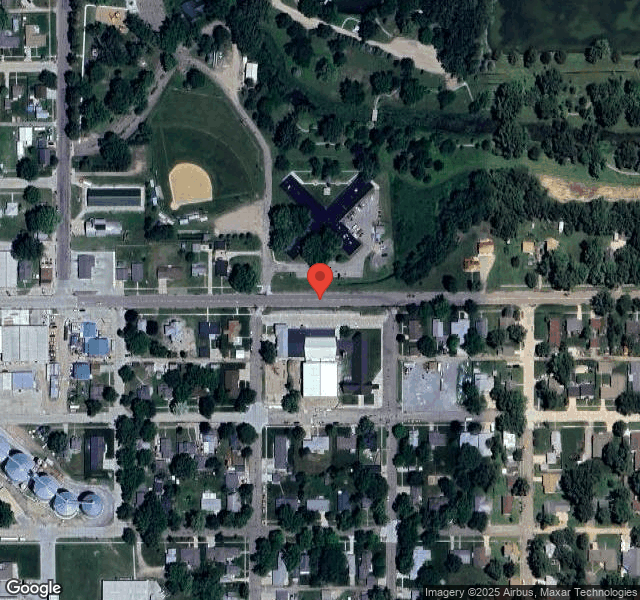
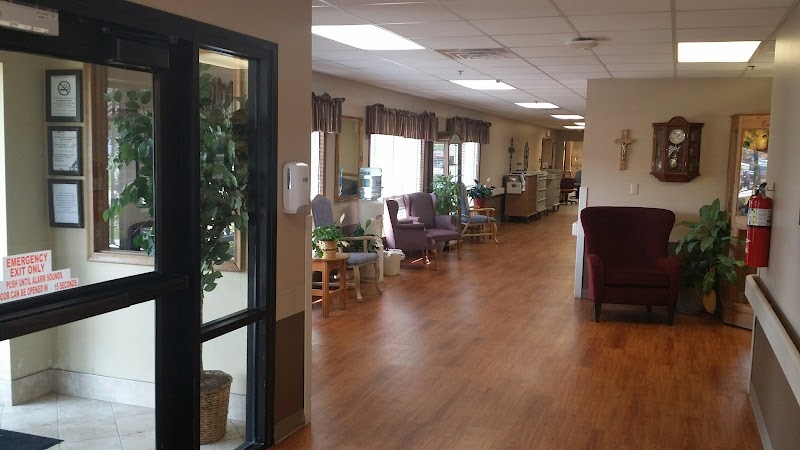
515 East Main Street, Pierce, NE 68767 (402) 329-6228
For profit - Corporation 75 Beds Independent Data: November 2025
Trust Grade
50/100
#69 of 177 in NE
Last Inspection: February 2025

Within standard 12-15 month inspection cycle. Federal law requires annual inspections.

Overview

Accura HealthCare of Pierce has a Trust Grade of C, which means it is average and falls in the middle of the pack compared to other facilities. It ranks #69 out of 177 nursing homes in Nebraska, placing it in the top half of the state, but it's #2 out of 2 in Pierce County, indicating only one local option is better. The facility is improving, with issues decreasing from 9 in 2024 to 7 in 2025, but staffing is a concern with a 97% turnover rate, much higher than the state average of 49%. While there are no fines on record, which is a positive sign, the facility has faced specific concerns, such as not employing a qualified Dietary Manager and failing to ensure proper food safety and hygiene practices, including hand hygiene and PPE usage, which could risk residents' health. Overall, while there are strengths like good RN coverage, the high turnover and specific deficiencies are important factors for families to consider.

Trust Score
C
50/100
In Nebraska
#69/177
Top 38%
Safety Record
Low Risk
No red flags
Inspections
Getting Better
9 → 7 violations
Staff Stability
⚠ Watch
97% turnover. Very high, 49 points above average. Constant new faces learning your loved one's needs.
Penalties
✓ Good
No fines on record. Clean compliance history, better than most Nebraska facilities.
Skilled Nurses
○ Average
Each resident gets 36 minutes of Registered Nurse (RN) attention daily — about average for Nebraska. RNs are the most trained staff who monitor for health changes.
Violations
⚠ Watch
29 deficiencies on record. Higher than average. Multiple issues found across inspections.
★★★☆☆
3.0
Overall Rating
★★☆☆☆
2.0
Staff Levels
★★★★★
5.0
Care Quality
★★☆☆☆
2.0
Inspection Score
Stable
2024: 9 issues
2025: 7 issues

The Good

  • 5-Star Quality Measures · Strong clinical quality outcomes
  • Full Sprinkler Coverage · Fire safety systems throughout facility
  • No fines on record

Facility shows strength in quality measures, fire safety.

The Bad

3-Star Overall Rating

Near Nebraska average (2.9)

Meets federal standards, typical of most facilities

Staff Turnover: 97%

50pts above Nebraska avg (47%)

Frequent staff changes - ask about care continuity

Staff turnover is very high (97%)

49 points above Nebraska average of 48%

The Ugly 29 deficiencies on record

Feb 2025 7 deficiencies
CONCERN (D) 📢 Someone Reported This

A family member, employee, or ombudsman was alarmed enough to file a formal complaint

Potential for Harm - no one hurt, but risky conditions existed

Grievances (Tag F0585)

Could have caused harm · This affected 1 resident

Licensure Reference Number 175 NAC 12-006.06(A) Based on record review and interviews; the facility failed to notify residents of the resolution for grievances for 2 (Resident 11 and 16) of 21 sampled...

Read full inspector narrative →
Licensure Reference Number 175 NAC 12-006.06(A) Based on record review and interviews; the facility failed to notify residents of the resolution for grievances for 2 (Resident 11 and 16) of 21 sampled residents. The facility census was 33. Findings are: A. Review of the facility Grievance Process with a revision date of January 2023 revealed the procedure of the grievance process was that the Grievance Official would: -be responsible for overseeing the grievance process, -receive and track grievances, -lead investigations, and -issue written grievance decisions to the resident. The written grievance would include: -the date the grievance was received, -a summary statement of the resident's grievance, -the steps taken to investigate the grievance, -a summary of the findings regarding the concern, -any corrective action taken by the facility and -the date that the grievance was resolved. Review of a Grievance Form dated 12/10/24 revealed Resident 11 was missing a pink turtleneck shirt. Further review of the form revealed that no pertinent findings were documented. On 12/11/24 Activity Assistant (AA)-P went through the closets of all the resident's and found nothing. The grievance was signed as resolved on 12/11/24. The form revealed that the resident was notified of the resolution on 12/11/24. Review of a Grievance Form dated 12/10/24 revealed Resident 16 was missing a pink shirt and a pair of red leggings with pink flowers on them. No pertinent findings were documented. AA-P on 12/11/23 went through all the resident's closets and found nothing. The grievance was signed as resolved on 12/11/24. The form revealed the resident was notified of the resolution on 12/11/24. Review of a Grievance Form dated 1/7/25 revealed Resident 16 was missing a t-shirt gown and socks. Further review of the form revealed on 1/13/25 the laundry aide documented the resident had complained of the missing items for the last 3 months. No action was taken, and the grievance was signed as resolved on 1/13/25. The grievance form indicated the resident was notified of the resolution, but no date was documented. Interview with Resident 11 on 2/10/25 at 9:15 AM verified that the resident had not been notified if personal items had been found when a grievance had been completed for missing personal items. Interview with Resident 16 on 2/10/25 at 9:15 AM verified that the resident had not been notified if personal items had been found when a grievance had been completed for missing personal items. Interview with AA-P on 2/10/25 at 10:15 AM verified that all resident closets in the facility had been looked through for the missing items for Residents 11 and 16. Interview with Registered Nurse (RN)-M on 2/10/25 at 10:30 AM verified that the facility does not have a policy for resident missing items. Interview with the Activities Director (AD)-I on 2/10/25 at 10:45 AM verified that when missing personal items were reported a grievance form was filled out and then given to the Department Head pertaining to the grievance. Staff checked the resident's room, other resident's rooms and laundry staff were notified of the missing items. Interview with the Social Services Director (SSD)-L on 2/10/25 at 11:45 AM verified that when a resident had missing personal item a grievance form was filled out and given to the laundry staff. Laundry staff had 5 days to look for the missing item, then the form was returned to the Administrator. SSD-L verified that the residents were not notified if the clothing was found or not unless the resident asked.
CONCERN (D)

Potential for Harm - no one hurt, but risky conditions existed

Assessment Accuracy (Tag F0641)

Could have caused harm · This affected 1 resident

**NOTE- TERMS IN BRACKETS HAVE BEEN EDITED TO PROTECT CONFIDENTIALITY** Licensure Reference Number 175 NAC 12-006.09(B) Based on record review and interview; the facility failed to accurately code 2 (...

Read full inspector narrative →
**NOTE- TERMS IN BRACKETS HAVE BEEN EDITED TO PROTECT CONFIDENTIALITY** Licensure Reference Number 175 NAC 12-006.09(B) Based on record review and interview; the facility failed to accurately code 2 (Resident 22 and 29) of 12 sampled residents' Minimum Data Set (MDS-federally mandated comprehensive assessment used to develop resident care plans) to accurately reflect their Preadmission Screening and Resident Review (PASRR-federally mandated preadmission screening designed to determine appropriate placement and services for residents with mental illness (MI), intellectual disability (ID), or developmental disability (DD) status.). The facility census was 33. Findings are: A. Review of the Resident Assessment Instrument (RAI)-instruction for accurate completion of Resident MDS revealed the following instructions for completing: - All individuals who are admitted to a Medicaid certified nursing facility, regardless of the individual's payment source, must have a Level I PASRR completed to screen for possible mental illness, intellectual disability, developmental disability, or related conditions. - Individuals who have or are suspected to have MI or ID/DD or related conditions may not be admitted to a Medicaid-certified nursing facility unless approved through Level II PASRR determination. Those residents covered by Level II PASRR process may require certain care and services provided by the nursing home, and/or specialized services provided by the State. Steps for Assessment: 1. Complete for admission assessment, Annual assessments, and Significant Change/Correction Assessments. 2. Review the Level I PASRR form to determine whether a Level II PASRR was required. 3. Review the PASRR report provided by the State if Level II screening was required. Coding Instructions: - Code 0, no: if any of the following apply: - PASRR Level I screening did not result in a referral for Level II screening, or - Level II screening determined that the resident does not have a serious MI and/or ID/DD or related conditions, or - Code 1, yes: if PASRR Level II screening determined that the resident has a serious mental illness and/or ID/DD or related condition. B. Review of Resident 22's PASRR screening completed on 11/11/21 revealed a PASRR Level II was completed, and the resident was found to have an intellectual disability or related condition. The resident was approved for unlimited days of nursing facility care. Review of Resident 22's MDS dated [DATE] revealed the resident was not referred for a Level II screening or have a serious MI/ID/DD or related condition. Further review indicated the resident had diagnosis of bipolar and schizophrenic disorders. Review of Resident 22's Care Plan with a revision date of 11/21/24 revealed the resident had bipolar disorder, major depressive disorder, and schizoaffective disorder. In addition, the resident had impaired cognitive function and Down Syndrome and had a Level II PASRR. During an interview on 2/6/25 at 7:46 AM, the Director of Nursing (DON) confirmed Resident 22 had an intellectual disability and would require a Level II PASRR screening. During an interview on 2/6/25 at 1:09 PM, the DON confirmed Resident 22's PASRR status was not correctly coded on the MDS dated [DATE]. C. Review of Resident 29's PASRR dated 5/28/24 revealed a PASRR Level II was completed, and the resident was found to have a serious mental illness. The resident was found to be appropriate for nursing facility care with 180 days approved. Review of Resident 29's MDS dated [DATE] revealed the resident was not referred for a Level II screening or have a serious MI/ID/DD or related condition. Further review revealed the resident had an anxiety disorder and depressive disorder. Review of Resident 29's Care Plan with a revision date of 9/19/24 revealed the resident took an antidepressant and psychotropic (mind altering) medications and was a Level II PASRR. During an interview on 2/6/25 at 1:56 PM, the DON confirmed the MDS completed on 6/27/24 indicated the resident did not have a Level II assessment, however the resident did have a Level II Assessment and thus the MDS was incorrectly coded.
CONCERN (D)

Potential for Harm - no one hurt, but risky conditions existed

PASARR Coordination (Tag F0644)

Could have caused harm · This affected 1 resident

**NOTE- TERMS IN BRACKETS HAVE BEEN EDITED TO PROTECT CONFIDENTIALITY** Based on record review and interview; the facility failed to complete a new Preadmission Screening and Resident Review (PASRR- f...

Read full inspector narrative →
**NOTE- TERMS IN BRACKETS HAVE BEEN EDITED TO PROTECT CONFIDENTIALITY** Based on record review and interview; the facility failed to complete a new Preadmission Screening and Resident Review (PASRR- federally mandated preadmission screening to determine appropriate placement and services for those residents with Mental Illness/Intellectual Disability or Related Disorders (MI/ID/RD)) for 1 (Resident 29) of 2 sampled residents when the initial PASRR approval time expired. The facility census was 33. Findings are: Review of the facility policy for Pre-admission Screening for MR/MI dated 2/2015 revealed the following: -The facility verified that all residents were screened prior to admission to determine whether they had a Mental Illness (MI) or Mental Retardation/Developmental Disability (MR/DD) diagnosis and if the facility was able to meet the specialized needs of the resident. A Level II screen was done to assist the facility in determining the types of services required to care for the resident. -The Social Services staff worked with the interdisciplinary team to arrange for and provide individualized interventions as part of the resident care plan. Review of Resident 29's PASRR Level II determination notification dated [DATE] revealed the resident was found to have a serious mental illness, the resident did require and was appropriate for nursing facility services, was approved for 180 days (through [DATE]), and did not require specialized services at that time. Review of Resident 29's medical record revealed no evidence the facility had completed an updated screen following the approved 180 days. During an interview on [DATE] at 1:56 PM the Director of Nursing (DON) confirmed Minimum Data Set (MDS-federally mandated comprehensive assessment used to develop resident care plans) assessments were being completed by an outside source and confirmed the facility was unaware Resident 29 had a Level II PASRR completed on [DATE] and unaware the resident was approved for only 180 days at that time, The DON was unsure if any further PASRR had been completed. Further interview on [DATE] at 3:13 PM the DON confirmed the facility had not been able to locate any further evidence a new PASRR assessment was completed for resident 29 after the initial assessment expired.
CONCERN (D)

Potential for Harm - no one hurt, but risky conditions existed

Deficiency F0692 (Tag F0692)

Could have caused harm · This affected 1 resident

**NOTE- TERMS IN BRACKETS HAVE BEEN EDITED TO PROTECT CONFIDENTIALITY** Licensure Reference Number 175 NAC 12-006.09(J)(i)(1) Based on record review and interview; the facility failed to implement nut...

Read full inspector narrative →
**NOTE- TERMS IN BRACKETS HAVE BEEN EDITED TO PROTECT CONFIDENTIALITY** Licensure Reference Number 175 NAC 12-006.09(J)(i)(1) Based on record review and interview; the facility failed to implement nutritional interventions for the prevention of weight loss for 1 (Resident 21) of 3 sampled residents. The facility census was 33. Findings are: A. Review of the Nutritional Status-Unintended Weight Loss Policy dated 4/2013 revealed the staff were to strive to improve the resident's weight by identifying risk factors associated with weight loss and determining appropriate individualized interventions. Staff were to monitor weight and/or food intake and report to the Registered Dietician (RD) as applicable. Staff then to develop and implement individualized interventions to address unintended weight loss. B. Review of Resident 21's Minimum Data Set (MDS-a federally mandated comprehensive assessment tool used for care planning) dated 11/25/24 revealed the resident was admitted [DATE] with diagnosis of seizure disorder and depression. The resident's cognition was moderately impaired the resident's weight was 223 pounds (lbs.) Review of Weights and Vitals Summary Sheet (document used to record the resident's weights) revealed Resident 21's weight was 232 lbs. on 1/2/25. Review of a Registered Dietician (RD) Progress Note dated 1/27/25 at 3:12 PM revealed the resident's weight was now 212 lbs. (down 20 lbs. or a 9% loss in 3 weeks). The RD interviewed the resident who made a recommendation for the resident to receive Ensure (nutritional drink with added calories and protein) once a day for weight loss. Review of the resident's Medication Administration Record (MAR) dated 1/2025 revealed an order dated 1/28/25 for Ensure supplement once a day for weight loss. Further review of the MAR revealed no indication as to how much supplement the resident was to be given. In addition, on 1/28, 1/29, 1/30 and 1/31 the MAR identified the supplement was not provided for the resident as the supplement was not available. Review of Resident 21's MAR dated 2/2025 revealed on 2/1, 2/2, 2/3, 2/4 and on 2/5 the Ensure nutritional supplement remained unavailable and was not given to the resident. Further review revealed the supplement was discontinued on 2/5/25 and a new order was received for Mighty Shakes 120 cubic centimeters (cc) once a day. During an interview with the RD on 2/6/25 at 3:03 PM, the RD confirmed the resident had a significant weight loss since admission. The RD had made a recommendation on 1/28/25 for the resident to receive Ensure Supplement once a day for weight loss. The RD confirmed the resident's MAR did not identify how much nutritional supplement the resident was to receive. The RD was also aware the supplement was not given from 1/28 to 2/6 (10 days) despite the resident's significant weight loss. The RD was unaware the facility only offered the Mighty Shake nutritional supplement and did not provide Ensure.
CONCERN (D)

Potential for Harm - no one hurt, but risky conditions existed

Deficiency F0699 (Tag F0699)

Could have caused harm · This affected 1 resident

**NOTE- TERMS IN BRACKETS HAVE BEEN EDITED TO PROTECT CONFIDENTIALITY** Based on record review and interview; the facility failed to develop and implement individualized interventions to prevent or to...

Read full inspector narrative →
**NOTE- TERMS IN BRACKETS HAVE BEEN EDITED TO PROTECT CONFIDENTIALITY** Based on record review and interview; the facility failed to develop and implement individualized interventions to prevent or to minimize the effects of potential trauma triggers for 1 (Resident 23) of 21 residents sampled. The facility census was 33. Findings are: Review of Resident 23's Minimum Data Set (MDS, a federally mandated assessment tools used for care planning) dated [DATE] revealed the resident was admitted [DATE] with diagnoses of: anxiety, depression and post-traumatic stress disorder (PTSD- mental health condition that is caused by an extremely stressful or terrifying event) and the resident was assessed as being cognitively intact. Review of a Trauma Informed Care assessment dated [DATE] at 11:58 AM revealed the resident identified a personal preference for the staff not to approach the resident from behind without warning. In addition, the resident did not like loud slamming noises or doors slamming. When the resident was asked about potential events in the resident's life that might have caused the resident trauma; the resident identified being a survivor of abuse, a history of homelessness and imprisonment, and the traumatic loss of a loved one. The resident also identified drinking self to near death on 5 different occasions. The resident did not like bright flashing lights or violent men's voices. Further review of the assessment revealed no evidence the facility staff developed individualized interventions to alleviate or to lessen the resident's PTSD triggers. Review of Resident 23's current Care Plan dated [DATE] revealed the resident had a diagnosis of PTSD. Further review of Resident 23's care plan revealed there were no indications of what Resident 3's triggers were for the PTSD and what interventions staff were to use to mitigate the triggers. During an interview on [DATE] at 1:35 PM with Resident 23 revealed potential triggers for PTSD but indicated the facility had not addressed triggers with the resident and no interventions were in place to prevent potential triggers. During an interview with the Social Service Director (SSD), the Administrator and the Director of Nursing (DON) on [DATE] at 10:08 AM, the following was confirmed: -the facility did not have a policy related to trauma-informed care. -no interventions were developed and/or implemented to minimize or mitigate potential trauma triggers for Resident 23.
CONCERN (D)

Potential for Harm - no one hurt, but risky conditions existed

Medication Errors (Tag F0758)

Could have caused harm · This affected 1 resident

Based on record review and interview; the facility failed to identify and monitor specific target behaviors, to have documented non-pharmacological interventions to address potential behaviors and to ...

Read full inspector narrative →
Based on record review and interview; the facility failed to identify and monitor specific target behaviors, to have documented non-pharmacological interventions to address potential behaviors and to attempt a Gradual Dose Reduction (GDR) and/or have a documented contraindication for the GDR related to use of a psychotropic (a drug or substance that affects how the brain works) medication for 1 (Resident 26) of 5 sampled residents. The facility census was 33. Findings are: A. Review of the facility policy Behavior Management: Psychotropic Medication Management dated 5/2014 revealed residents receiving psychotropic medications to treat behavioral symptoms are to be evaluated, monitored and managed by an Interdisciplinary Team (IDT). The following was identified: -residents were not given psychotropic drugs unless the medication was necessary to treat a specific condition, as diagnosed and documented in the clinical record, and the medication was beneficial to the resident, as demonstrated by monitoring and documentation of the resident's response to the medication. -psychotropic medication included Antipsychotics, antidepressants, anti-anxiety, and hypnotics. -residents and their families were educated on the benefits and risks of psychotropic medications as well as alternate treatments available. -residents who used psychotropic medications received gradual dose reductions, unless clinically contraindicated, to discontinue those medications. -the Physician in collaboration with the Consultant Pharmacist re-evaluated the use of medication and considered whether the medication could be reduced or discontinued. B. Review of Resident 26's Minimum Data Set (MDS- federally mandated comprehensive assessment used to develop resident Care Plans) dated 12/2/24 revealed the resident had diagnoses of: Parkinson's disease and non-Alzheimer's dementia, had severe cognitive impairment, and took an antipsychotic medication. Review of an Order Summary Report for Resident 26 revealed an order dated 2/12/24 for Seroquel (psychoactive medication used to treat schizophrenia, bipolar disorder, and depression) 25 milligrams (mg) to be given twice a day. Review of a form titled Consultant Pharmacist Recommendation to the Physician dated 8/12/24 revealed a recommendation for a GDR of the resident's Seroquel. The form was returned from the physician on 8/26/24 and the physician ordered continue present medication. Further review of the form revealed no evidence as to why the GDR was clinically contraindicated. Review of the resident's current Care Plan dated 1/2/25 revealed the resident used a psychoactive medication. Interventions included monitoring the effectiveness of the medication and monitoring for adverse side effects, administering the medication as ordered and consulting with the pharmacist and the physician to consider dosage reduction when clinically appropriate. Further review of the resident's care plan revealed no evidence of specific target behaviors and no evidence of non-pharmacological interventions. During an interview on 2/6/25 at 10:29 AM, Nurse Aide (NA)-B indicated the resident did not have behaviors and NA-B was uncertain why the resident was on the antipsychotic medication. Interview on 2/10/25 at 9:18 AM with the Registered Nurse Clinical Consultant and the Director of Nursing revealed the following: -the resident had no target behaviors identified for use of the Seroquel. -the resident's care plan did not list non-pharmacological interventions for use of the Seroquel. -8/26/24 the resident's physician refused a GDR and failed to indicate clinical rationale as to why the GDR could not be attempted.
CONCERN (F)

Potential for Harm - no one hurt, but risky conditions existed

Deficiency F0801 (Tag F0801)

Could have caused harm · This affected most or all residents

Licensure Reference Number 175 NAC 12-006.04(H)(ii)(1) Based on record review and interview; the facility failed to employ a qualified Dietary Manager (DM). This had the potential to affect food servi...

Read full inspector narrative →
Licensure Reference Number 175 NAC 12-006.04(H)(ii)(1) Based on record review and interview; the facility failed to employ a qualified Dietary Manager (DM). This had the potential to affect food service provided to all residents who were served food from the kitchen. The facility census was 33. Findings are: A. Review of the facility Job Description: Director of Dining Services with a revised date of 07/18/2024 revealed the necessary qualification of a Director of Dining Services was to meet State requirements for Dietary Manager. B. A review of an undated staff list revealed DM-N was listed as the Dining Services Manager. During an interview on 2/6/25 at 1:30 PM, the facility Administrator (ADM) verified that the current DM did not have the required training to meet the qualifications for the DM position. ADM also confirmed that the Registered Dietician was not full time at the facility.
Feb 2024 9 deficiencies
CONCERN (D)

Potential for Harm - no one hurt, but risky conditions existed

Deficiency F0582 (Tag F0582)

Could have caused harm · This affected 1 resident

Licensure Reference Number 175 NAC 12-006.05(1) Based on record review and interview, the facility failed to provide 1 (Resident 28) of 3 sampled residents with the cost of continuing to receive skill...

Read full inspector narrative →
Licensure Reference Number 175 NAC 12-006.05(1) Based on record review and interview, the facility failed to provide 1 (Resident 28) of 3 sampled residents with the cost of continuing to receive skilled Medicare Services, a choice of whether to appeal the facilities Medicare determination to discontinue services, or the reason for the discharge from skilled Medicare services. The facility census was 34. Findings are: Review of Resident 28's Notice of Medicare Non-Coverage revealed, the resident representative was notified on 1/12/24 that skilled Medicare services last day of coverage would be 1/15/24. Further review of the Advanced Beneficiary Notice (ABN- form provided to inform the resident/representative of the reason Medicare would not continue to pay, the cost of continuing to receive skilled services, and an option to appeal the facilities decision about coverage) did not indicate the resident/representative decision to appeal and/or their desired billing options. During an interview on 2/22/24 at 11:30 AM the Business Office Manager (BOM) revealed, the BMO was unsure of what information was to be on the notice of Non-Coverage for Medicare services. The BOM confirmed, the facility was listing a monthly cost for a non-skilled semi-private room on the notice form as the resident planned to continue to reside in the facility. In addition the notice did not reveal the cost of continuing to receive skilled care services or the specific reason why services were being discontinued. The BOM confirmed that Resident 28's responsible party did not have documented evidence of being provided with a choice to continue to receive services or request an appeal. During an interview on 2/22/24 at 11:38 AM the facility Administrator confirmed, the facility did not have evidence they were providing residents or their responsible parties with the daily cost of receiving skilled care once the facility determined services would no longer be covered by Medicare, or documented proof that an appeal option was presented to Resident 28.
CONCERN (D)

Potential for Harm - no one hurt, but risky conditions existed

Comprehensive Care Plan (Tag F0656)

Could have caused harm · This affected 1 resident

**NOTE- TERMS IN BRACKETS HAVE BEEN EDITED TO PROTECT CONFIDENTIALITY** Licensure Reference Number 175 NAC 12-006.09C Based on record review and interview, the facility failed to ensure individualized...

Read full inspector narrative →
**NOTE- TERMS IN BRACKETS HAVE BEEN EDITED TO PROTECT CONFIDENTIALITY** Licensure Reference Number 175 NAC 12-006.09C Based on record review and interview, the facility failed to ensure individualized Care Plans were developed to address: 1) changes in fluid restriction amounts and current discharge status for Resident 26 and 2) current discharge status and hospice services for Resident 30. The sample size was 2 and the facility census was 35. Findings are: A. Review of the facility policy Care Plan Development dated 8/2015 revealed the following: -An individualized, comprehensive care plan will be developed for each resident in the facility using results from the RAI/MDS assessment [Minimum Data Set - a federally mandated comprehensive assessment tool used to develop resident care plans] and input from the resident/family/legal representative and disciplinary team. -The care plan would be developed within 21 days of admission or 7 days after the completion date of a comprehensive MDS assessment and describe the services that are to be furnished to attain or maintain the resident's highest practicable physical, mental and psychosocial well-being. -Includes measurable objectives, interventions, goals and timetables. -The care plan will be reviewed and revised as needed, when a significant change in condition is noted, when outcomes were not achieved or when outcomes are completed, and at least every 92 days. -Any changes must be reported to the MDS coordinator for review. -Documentation must be consistent with the resident's plan of care and revisions will be done on an as needed basis and can be done by any member of the interdisciplinary team. B. Record review of Resident 26's undated current care plan revealed the following: -The resident had the potential for fluid volume overload related to kidney failure with a goal to follow the diet and 1500 milliliter (ml) fluid restriction daily which was revised 5/22/23, -The resident was residing at the facility for Short-term Rehab with a goal to return home when medically stable which was initiated on 4/11/23. During an interview with Resident 26 on 2/20/24 at 8:30 AM, the resident stated [gender] was admitted to the facility in April of 2023 and resided at the facility permanently with no plans to discharge. Record review of Resident 26's Medication Administration Record dated 2/1/24 to 2/29/24 revealed a physician's order dated 9/26/23 for a fluid restriction of 2000ml [240 at meals, 90 with each med pass (4 med passes), 460 every 12 hour shift every shift.] There was no evidence of a current order related to a fluid restriction for 1500 ml. During an interview with the Director of Nurses (DON) on 2/22/24 at 2:45 PM, the DON confirmed Resident 26's Care Plan was not accurate regarding the resident's discharge status that indicated [gender] was there for short-term rehabilitation and the amount of the resident's fluid restriction should have been updated to reflect 2000ml per day on 9/26/23. C. Record review of Resident 30's MDS dated [DATE] (identified as a significant change MDS assessment) revealed the resident was originally admitted on [DATE] and readmitted on [DATE] with diagnoses of high blood pressure, infection of the blood, stroke, respiratory failure, and depression. The assessment further revealed the resident was also receiving hospice services. Record review of Resident 30's undated Care Plan revealed the following: -The resident was at the facility for short-term rehabilitation with a goal to participate in Physical Therapy/Occupational Therapy services to be able to return home which was initiated on 4/13/23, -The Care Plan did not include any information regarding the resident's hospice services, what services were involved and who was responsible for providing those services. During an interview with the DON on 2/26/24 at 09:15 AM, the DON confirmed Resident 30's Care Plan was not accurate related to the resident's discharge status that indicated [gender] was there for short-term rehabilitation and the resident's hospice services. The DON also confirmed the Care Plan should have been updated to reflect the changes.
CONCERN (D)

Potential for Harm - no one hurt, but risky conditions existed

Deficiency F0692 (Tag F0692)

Could have caused harm · This affected 1 resident

Licensure Reference Number 175 NAC 12-006.09D8 Based on record review and interview, the facility failed to ensure Resident 31's weight loss was reported to and reviewed by a facility dietitian to ens...

Read full inspector narrative →
Licensure Reference Number 175 NAC 12-006.09D8 Based on record review and interview, the facility failed to ensure Resident 31's weight loss was reported to and reviewed by a facility dietitian to ensure the resident was receiving the required calories and nutrition. The sample size was 13 and the facility census was 34. Review of the facility policy Weight Changes dated 6/2015 revealed the following; -The nutritional statuses of residents were evaluated routinely, and appropriate nutrition interventions were implemented to prevent weight loss. -Weight changes were evaluated and monitored by the nutritional services staff and appropriate interventions were implemented. -For unplanned weight loss the facility evaluated the resident and calculated the estimated nutritional needs. -The facility documented the interventions and effectiveness in the progress notes, and -monitored the resident with the interdisciplinary team during weekly meetings. Review of Resident 31's Minimum Data Set (MDS-federally required comprehensive assessment used to develop resident care plans) dated 1/25/24 revealed, the following diagnoses of diabetes, and morbid obesity. In addition, the resident had a recorded weight of 258 pounds with unplanned weight loss. Review of the Resident 31's Care Plan dated 11/17/23 revealed, the resident was on a Consistent Carbohydrate Diet, was diabetic and morbidly obese. The resident was monitored for signs and symptoms of malnutrition including a significant weight loss of 5% in a month, and 7.5% in 3 months, and a Registered Dietitian (RD) evaluated and made recommendations as needed. Review of the RD reviews from 11/13/23 through 2/21/24 revealed, no evidence the RD reviewed Resident 31's status after 11/17/23 despite a 16.43% weight loss. Review of Resident 31's Weight Record from 11/13/23 through 2/21/24 revealed the resident's admission weight on 11/13/23 was 280 pounds, on 12/29/23 the resident's weight was 269 (3.93% loss), on 1/26/24 the resident's weight was 249 pounds (a loss of 11.07% since admission), on 2/14/24 the resident's weight was 238 pounds (down 15% since admission), and on 2/21/24 the Resident's weight was 234 (a total weight loss percent of 16.43%). Review of fax communication sent to the Resident's physician on 2/14/23 revealed, the physician was notified of an 18-pound weight. loss and poor appetite. The physician ordered a twice daily supplement of Ensure. Review of the Resident's Treatment Administration Record revealed, the Ensure Supplement was started on 2/15/24 (after a weight loss of 15%) During an interview on 2/20/24 at 1:36 PM Resident 31 reported some weight loss and a loss of appetite. The resident also reported receiving supplements. Resident 31 reported having a personal goal of weight loss and was pleased with the loss. During an interview on 2/21/24 at 2:54 PM the Director of Nursing (DON) confirmed, the facility had no evidence a dietitian had reviewed the resident's nutritional status since 11/17/23 despite a weight loss of 46 pounds or 16.43% since admission, to ensure the resident was receiving needed calories and nutrition. In addition, the DON reported the resident was pleased with the weight loss and the physician was aware. The DON was however, unaware of who was currently the facility RD (Registered Dietitian) and had no knowledge of who was reviewing resident's nutritional status and reviewing weight loss, to provide the physician with nutritional need-based recommendations. During an interview on 2/21/24 at 3:29 PM the facility Administrator confirmed, the facility did not currently have a Registered Dietitian and had not had one for approximately one month.
CONCERN (D)

Potential for Harm - no one hurt, but risky conditions existed

Medication Errors (Tag F0758)

Could have caused harm · This affected 1 resident

**NOTE- TERMS IN BRACKETS HAVE BEEN EDITED TO PROTECT CONFIDENTIALITY** Licensure Reference Number 175 NAC 12-006.09D Based on record review and interview; the facility failed to ensure as needed psyc...

Read full inspector narrative →
**NOTE- TERMS IN BRACKETS HAVE BEEN EDITED TO PROTECT CONFIDENTIALITY** Licensure Reference Number 175 NAC 12-006.09D Based on record review and interview; the facility failed to ensure as needed psychotropic (medications which alter consciousness, mood and thoughts) medications were limited to 14 days or had a defined duration of administration for Resident's 23 and 32. The total sample size was 15 and the facility census was 34. Findings are: A. Review of the facility policy Behavior Management Psychoactive Medication Management dated 5/2014 revealed residents receiving psychoactive medications to treat behavioral symptoms would be evaluated, monitored, and managed by the interdisciplinary team and the interdisciplinary team would seek an appropriate duration for each medication. B. Review of Resident 23's Minimum Data Set (MDS-a federally mandated assessment tool used in care planning) dated 11/28/23 revealed the following: -diagnoses of high blood pressure, arthritis, dementia, malnutrition, anxiety, and chronic lung disease, -the resident had cognitive impairment, -the resident exhibited behaviors of difficulty focusing attention and disorganized thinking, and -the resident was dependent with toilet assistance, transferring, and dressing. Review of Resident 23's Care Plan last revised on 12/14/24 revealed the resident used psychotropic medications related to dementia with behavioral disturbances and anxiety. Review of Resident 23's Medication Administration Records (MAR) for January and February 2024 revealed an order for Ativan (psychotropic medication) 0.5 milligrams (mg) as needed for anxiety ordered 10/4/23 with no stop date or duration. Review of Resident 23's Medical Record revealed no documentation that the Pharmacist had addressed the Ativan order and no documentation that the ordering Physician had been contacted regarding the duration of the Ativan. C. Review of Resident 32's MDS dated [DATE] revealed the following: -diagnoses of arthritis, osteoporosis, dementia, and Parkinson's disease, -the resident had cognitive impairment, - the resident exhibited behaviors of difficulty focusing attention and disorganized thinking, and -the resident required assistance with toileting, transferring, and dressing. Review of Resident 32's Care Plan last revised 2/21/24 revealed the resident had a history of wandering and had impaired cognitive function. Staff were to monitor for side effects of medications. Review of Resident 32's MAR for January and February 2024 revealed the resident had an order for Ativan 0.5mg as needed for anxiety with an order date of 12/26/23 with no stop date or duration date. Review of Resident 32's Medical Record revealed no documentation that the Pharmacist had addressed the Ativan order and no documentation that the ordering Physician had been contacted regarding the duration of the Ativan. Interview on 2/22/24 at 2:44 PM with the Director of Nursing (DON) confirmed the Ativan orders for Residents 23 were given past the 14-day limits with no duration limits documented.
CONCERN (D)

Potential for Harm - no one hurt, but risky conditions existed

Infection Control (Tag F0880)

Could have caused harm · This affected 1 resident

Licensure Reference Number 175 NAC 12-006.17 D. Review of the facility policy Antimicrobial Stewardship Program last revised 9/2019 revealed the facility would: -monitor antibiotic use through availab...

Read full inspector narrative →
Licensure Reference Number 175 NAC 12-006.17 D. Review of the facility policy Antimicrobial Stewardship Program last revised 9/2019 revealed the facility would: -monitor antibiotic use through available reports such as clinical practice guidelines, antibiograms (a table showing how susceptible a series of organisms are to different antimicrobials [a substance that kills microorganisms such as bacteria or mold, or stops them from growing and causing disease]), clinical evaluation, and prescribing documentation, -monitor cultures (the growth of organisms in the laboratory), and if obtained, before treatment begins and if indicated, and -change treatments based on results. Review of the facility form Infection Control Log for November and December in 2023 and January 2024 revealed no documentation that the facility was tracking culture results. Interview on 2/22/24 at 10:50 AM with the DON revealed that the facility had not been tracking the bacteria's that grow from culture reports. Further interview on 2/26/24 at 10:50 AM with the DON and the Registered Nurse Consultant confirmed that pathogens had not been tracked and the facility was not identifying trends of pathogens. Licensure Reference Number 175 NAC 12-006.17D Based on observation, record review and interview, the facility failed to: 1) prevent the potential spread of Covid-19 infection related to two residents (Resident's 26 and 35) who had potential symptoms and were not tested according to current guidelines and 2) track pathogens [an organism causing disease to its host] to identify potential trends related to infection surveillance. The total sample size was 15 and the facility census was 35. Findings are: A. Review of the facility policy Pandemic Covid-19 Plan with a revised date of 4/2023 revealed the following: -The facility would implement interventions to eliminate potential exposures. -All residents would be screened for signs/symptoms of Covid-19 to include, but not limited to; fever, cough, shortness of breath, headache, fatigue, loss of smell or taste and diarrhea. -Place residents with suspected or confirmed Covid-19 in a private room when available with the door closed. -Provide Covid-19 resident testing per Center for Disease Control (CDC)/Center for Medicare & Medicaid Services (CMS) guidelines. Residents that refuse Covid-19 testing will be placed in isolation for 10 days. B. An observation of Resident 26 on 2/20/24 at 11:00 AM revealed the resident was congested and a harsh cough. The resident stated the cough had been a lot worse approximately 4 to 5 days ago, was congested and taking cough medication, and had been going out of the facility to dialysis 3 days a week. The resident also stated [gender] had not been tested for Covid-19. Record review of Resident 26's nursing progress notes revealed the following: -1/10/24 at 6:36 AM, the resident complained of nausea on Sunday, had a cough and was feeling kind of achy and had a low back ache. There was no evidence the resident was tested for Covid-19. -1/25/24 at 9:46 AM, the resident had a cough and was taking an antibiotic for a respiratory infection. There was no evidence the resident was tested for Covid-19. -1/28/24 at 1:03 PM, the resident continued taking an antibiotic for a respiratory infection and reported a productive cough. There was no evidence the resident was tested for Covid-19. -2/2/24 at 11:12 PM, the resident continues to have some chest congestion and cough and was taking an antibiotic for a respiratory infection. There was no evidence the resident was tested for Covid-19. -2/6/24 at 3:57 AM, the resident continues to have some chest congestion and cough. There was no evidence the resident was tested for Covid-19. Record review of Resident 26's Medication Administration Record dated 2/1/24 to 2/29/24, revealed the resident had been given doses of Guaifensesin (cough medication) on 2/17/24, 2/18/24, 2/19/24, and 2/20/24 for a cough. Further review revealed no evidence the resident had been tested for Covid-19. C. Record review of Resident 35's nursing progress notes revealed the following: -1/18/24 at 11:41 AM, the resident had a cough and 'green snot with red streaks'. There was no evidence the resident was tested for Covid-19. -1/18/24 at 12:45 PM, the physician prescribed an antibiotic for a respiratory infection and there no evidence the resident was tested for Covid-19. -1/19/24 at 12:47 PM, the resident's lung sounds were coarse on the right side. There was no evidence the resident was tested for Covid-19. An interview with the Director of Nurses (DON) on 2/22/24 at 8:40 AM confirmed the facility had been following current CDC guidelines regarding Covid-19 and testing of residents. The DON also confirmed facility staff should have tested Resident 26 and Resident 35 for Covid-19 infection upon identification of symptoms and there was no evidence in both resident's medical records they had been tested.
CONCERN (E)

Potential for Harm - no one hurt, but risky conditions existed

Assessment Accuracy (Tag F0641)

Could have caused harm · This affected multiple residents

**NOTE- TERMS IN BRACKETS HAVE BEEN EDITED TO PROTECT CONFIDENTIALITY** Licensure Reference Number 175 NAC 12-006.09B Based on record review and interview; the facility failed to accurately code Resid...

Read full inspector narrative →
**NOTE- TERMS IN BRACKETS HAVE BEEN EDITED TO PROTECT CONFIDENTIALITY** Licensure Reference Number 175 NAC 12-006.09B Based on record review and interview; the facility failed to accurately code Residents 3, 16, 23, 26, and 30's Minimum Data Set (MDS-a federally mandated assessment tool used in care planning) to reflect the resident's current nutritional interventions. The sample size was 15 and the facility census was 34. Findings are: A. Review of Resident 3's MDS dated [DATE] revealed the following: -diagnoses of high blood pressure, cerebral palsy, seizure disorder, anxiety, and depression, -did not receive parenteral (administration in a way not involving the intestines or digestive tract) or Intravenous (IV) feedings, -did not have a feeding tube, -received 25% or less of total calories through parenteral or IV feedings, and -received 500 cubic centimeters (cc) per day or less of fluids through IV or tube feedings. B. Review of Resident 16's MDS dated [DATE] revealed the following: -diagnoses of atrial fibrillation, high blood pressure, reflux disease, diabetes, stroke, depression, and chronic lung disease, -did not receive parenteral or IV feedings, -did not have a feeding tube, -received 25% or less of total calories through parenteral or IV feedings, and -received 500 cubic centimeters (cc) per day or less of fluids through IV or tube feedings. C. Review of Resident 23's MDS dated [DATE] revealed the following: -diagnoses of high blood pressure, arthritis, dementia, malnutrition, anxiety, and chronic lung disease, -was receiving Hospice services, -did not receive parenteral or IV feedings, -did not have a feeding tube, -received 25% or less of total calories through parenteral or IV feedings, and -received 500 cubic centimeters (cc) per day or less of fluids through IV or tube feedings. D. Review of Resident 26's MDS dated [DATE] revealed the following: -diagnoses of anemia, heart failure, high blood pressure, arterial disease, renal (kidney) disease, and diabetes, -did not receive parenteral or IV feedings, -did not have a feeding tube, -received 25% or less of total calories through parenteral or IV feedings, and -received 500 cubic centimeters (cc) per day or less of fluids through IV or tube feedings. E. Review of Resident 30's MDS dated [DATE] revealed the following: -diagnoses of high blood pressure, septicemia (an invasion of the blood stream by an infective organism), hemiplegia (paralysis of one side of the body), malnutrition, depression, and respiratory failure, -was receiving Hospice services, -did not receive parenteral or IV feedings, -did not have a feeding tube, -received 25% or less of total calories through parenteral or IV feedings, and -received 500 cubic centimeters (cc) per day or less of fluids through IV or tube feedings. Interview on 2/22/24 at 11:41 AM with the Director of Nursing (DON) and the Registered Nurse Consultant confirmed the facility did not have any residents receiving tube, parenteral, or IV feedings in November and December of 2023. Further interview confirmed the MDS assessments that were completed 11/21/23 through 12/6/23 were not completed correctly regarding nutrition interventions for resident's 3, 16, 23, 26 and 30. Further interview on 2/26/24 at 8:15 AM confirmed the facility did not have a policy on completing resident assessments and that the facility used the RAI (Resident Assessment Instrument) manual for guidance.
CONCERN (F)

Potential for Harm - no one hurt, but risky conditions existed

Food Safety (Tag F0812)

Could have caused harm · This affected most or all residents

Licensure Reference Number 175 NAC 12-006.11E Based on observations, record review and interview, the facility failed to ensure measures were implemented to prevent the potential of food borne illness...

Read full inspector narrative →
Licensure Reference Number 175 NAC 12-006.11E Based on observations, record review and interview, the facility failed to ensure measures were implemented to prevent the potential of food borne illnesses related to food storage and unserviceable cookware items. This had the potential to affect all residents who consumed food from the kitchen. The facility census was 35. Findings are: A. Review of the facility policy Sanitation dated 6/2015 revealed the following related to dry storage goods: 1) products would be labeled with delivery date indicating month, day and year the product was receive and 2) follow the expiration date for all packaged goods and discard three months after opening. B. Review of the facility policy Cleaning and Sanitizing dated 06/2015 revealed pots and pans should be free of pitting, carbon build up, grease and food particles. C. Observations during the follow-up kitchen sanitation tour conducted on 2/21/24 from 11:00 AM to 11:35 AM revealed the following: -The dry goods storage room had a clear plastic container with a lid that was labeled Breadcrumbs and dated 8/17/22. -A large frying pan with black carbon build up on the inside walls of the pan and a square metal serving pan that had 4 blackened areas inside on the bottom of the pan. During an interview with the Dietary Manager on 2/21/24 at 11:30 AM, the Dietary Manager confirmed the following: -The breadcrumbs stored in the dry storage room were not in the original container, had been dated 8/17/2022, there was no expiration date identified and they should have been discarded. -The frying pan and serving pan had been used for meal services, had carbon build on the inside of the cookware and should not have been used.
MINOR (C)

Minor Issue - procedural, no safety impact

Employment Screening (Tag F0606)

Minor procedural issue · This affected most or all residents

Licensure Reference Number 175 NAC 12-006.04A3d Based on record review and interview, the facility failed to complete the required background checks for 1 (Cook-N) of 5 sampled staff. This had the abi...

Read full inspector narrative →
Licensure Reference Number 175 NAC 12-006.04A3d Based on record review and interview, the facility failed to complete the required background checks for 1 (Cook-N) of 5 sampled staff. This had the ability to affect all residents. The facility census was 34. Findings are: Review of the facility policy Abuse Prevention Program and Reporting, last reviewed 8/2019 revealed, the facility would screen all potential employees prior to hire for a history of abuse, neglect or mistreatment of resident/patients, exploitation and/or misappropriation of resident property during the hiring process and screening would consist of but not be limited to the following: -inquiries into state licensure, -inquiries into state nurse aide registry/dependent child/adult abuse registry, and -criminal background checks. Review Cook-N's file revealed Cook-N was hired in January 2024 and there was no documentation that a criminal background check or an Adult Protective Services (APS) Central Registry/Nebraska Child Abuse and Neglect (CAN) Central Registry check had been completed. An interview with the Administrator on 2/26/24 at 12:42 PM confirmed, there was no documentation that Cook-N had a criminal background check, or an APS/CAN registry check completed upon hire.
MINOR (C)

Minor Issue - procedural, no safety impact

Staffing Information (Tag F0732)

Minor procedural issue · This affected most or all residents

Based on observation, record review and interview; the facility failed to ensure the daily posting of nursing hours included the required information. This had the potential to affect all residents. T...

Read full inspector narrative →
Based on observation, record review and interview; the facility failed to ensure the daily posting of nursing hours included the required information. This had the potential to affect all residents. The facility census was 34. Findings are: Observation on 2/20/24 at 10:05 AM revealed, the staff posting was near the nurse's station and was missing the facility name and the census for the day. Observation on 2/21/24 at 7:15 AM revealed, the staff posting was missing the facility name and the census. Observation on 2/22/24 at 9:10 AM revealed, the staff posting was missing the facility name and the census. Review of the daily staff postings for the month of February 2024 revealed, 2/1/24 through 2/22/24 postings were missing the facility name and 2/12/24 through 2/18/24 and 2/20/24 through 2/22/24 were missing the facility census. Interview on 2/26/24 at 10:50 AM with the Director of Nursing (DON) and the Registered Nurse Consultant confirmed, facility did not have a policy for staff posting requirements. Further interview confirmed, the staff postings did not have the required documentation.
Apr 2023 2 deficiencies
CONCERN (E) 📢 Someone Reported This

A family member, employee, or ombudsman was alarmed enough to file a formal complaint

Potential for Harm - no one hurt, but risky conditions existed

Deficiency F0657 (Tag F0657)

Could have caused harm · This affected multiple residents

**NOTE- TERMS IN BRACKETS HAVE BEEN EDITED TO PROTECT CONFIDENTIALITY** Licensure Reference Number 175 NAC 12-006.09C1c Based on record review and interview the facility failed to revise the Care Plan...

Read full inspector narrative →
**NOTE- TERMS IN BRACKETS HAVE BEEN EDITED TO PROTECT CONFIDENTIALITY** Licensure Reference Number 175 NAC 12-006.09C1c Based on record review and interview the facility failed to revise the Care Plans for 3 of 3 sampled residents (1,2, and 3) to address the care needs related to positive COVID-19 infections. The facility census was 34. Findings are: A. Review of the facility policy Care Plan Development dated 08/15 revealed the following; -an individualized, comprehensive Care Plan would be developed for each resident in the facility, -the Care Plan would identify resident needs and strengths, build on resident ability, -the Care Plan would be reviewed and revised as needed, and -the Care Plan would serve as an integral part of the care of residents. B. Review of the facility Testing Log for residents from 4/6/23 through 4/17/23 revealed the following; -on 4/8/23 Resident 1 tested positive for COVID-19 -on 4/10/23 Resident 2 tested positive for COVID-19 -on 4/17/23 Resident 3 tested positive for COVID-19 C. Review of Resident 1's Care Plan with a revision date of 4/18/23 revealed the resident was admitted to the facility on [DATE], had schizophrenia, and Parkinson's disease, and had chosen long term placement in the facility. The Care Plan had no information regarding the resident's positive COVID-19 status until 4/18/23 (10 days after the positive COVID-19 test). D. Review of Resident 2's Care Plan with a revision date of 4/18/23 revealed the resident was admitted to the facility on [DATE], had chronic heart disease and was iron deficient. The Care Plan had no information regarding the resident's Positive COVID-19 status until 4/18/23 (8 days after the positive COVID-19 test). E. Review of Resident 3's Care Plan with a revision date of 4/19/23 revealed the resident was admitted to the facility on [DATE], had hypertension (high blood pressure) and a history of stroke. The Care Plan had no information regarding the resident's positive COVID-19 status until 4/19/23 (2 days after the positive COVID-19 test). F. During an interview on 4/19/23 at 10:15 AM the facility Administrator confirmed Resident's 1, 2, and 3's Care Plans did not address the care needs related to positive COVID-19 prior to 4/18/23 when specific COVID-19 Care Plan information was requested by the survey team member.
CONCERN (F) 📢 Someone Reported This

A family member, employee, or ombudsman was alarmed enough to file a formal complaint

Potential for Harm - no one hurt, but risky conditions existed

Infection Control (Tag F0880)

Could have caused harm · This affected most or all residents

**NOTE- TERMS IN BRACKETS HAVE BEEN EDITED TO PROTECT CONFIDENTIALITY** Licensure Reference Number 175 NAC 12-006.17 Based on observation, interview, and record review; the facility failed to perform ...

Read full inspector narrative →
**NOTE- TERMS IN BRACKETS HAVE BEEN EDITED TO PROTECT CONFIDENTIALITY** Licensure Reference Number 175 NAC 12-006.17 Based on observation, interview, and record review; the facility failed to perform hand hygiene at appropriate intervals, properly wear and dispose of Personal Protective Equipment (PPE- gowns, gloves, masks, shield used to protect the care giver from potential contamination and to prevent the spread of infection), and maintain a contingency plan for unvaccinated staff to prevent the spread of COVID-19. This had the potential to affect all facility residents. The facility census was 34. Findings are: A. Review of the facility policy COVID-19 Immunizations: Employee, with a revision date of 2/23 revealed the following; -the facility recognized the major impact and mortality of COVID disease on residents/patients of long-term care facilities and the effectiveness of vaccines in preventing illness, hospitalization, and death. The facility, as recommended by the CDC, provided COVID-19 vaccines to facility employees, -to ensure the facility provided employee vaccinations when available for administration, to minimize the risk of COVID-19 viral transmission to and from staff and residents; employees were provided with education related to the benefits, potential risk and side effects of the COVID-19 in a manner that was understood, -all employees were offered the COVID-19 vaccination per the Center for Disease Control (CDC) and the Food and Drug Administration (FDA) and manufacturer guidelines, when available to the facility and/or provided information on where it could be obtained, -no staff member would be required to be vaccinated if they objected, -staff could request a vaccine exemption, and -the facility would maintain exemption records, education records, consents, and vaccine logs, and -unvaccinated staff who declined the COVID-19 vaccine or who did not provide the facility with proof of vaccination would receive additional training related to PPE and COVID-19. B. Review of the facility policy Contact Precautions with a revision date of 3/22 revealed the facility would do the following; -implement standard precautions (set of infection control practices used to prevent transmission of diseases that can be acquired while handling patients) and contact precautions (set of infection control practices intend to prevent the spread of infectious agents including organisms which are spread through indirect or direct contact). -place infected residents in a private room when available, -wear gloves when entering the resident room, -change gloves after contact with infective material, -remove gloves before leaving the room and wash hands immediately with an antimicrobial agent or waterless antiseptic agent, and -ensure hands did not touch potentially contaminated environmental surfaces or items after glove removal. C. Review of the facility policy Pandemic COVID-19 Plan with a revision date of 4/2023 revealed the following; -the purpose of the plan was to provide the appropriate care and services to residents/patients with COVID-19 in the facility, identify residents/patients who needed to be discharged to receive care and services, and to provide a safe work environment for employees during a pandemic, -the Pandemic COVID-19 plan included a comprehensive infection control response which included but was not limited to; -elimination of potential exposures, -engineering controls, -administrative controls, -PPE, -work practice controls, -Resident/Patient care and services, -vaccination, -employee health and education, and -staffing considerations. Further review revealed the facility; -implemented interventions to eliminate potential exposures, -followed standard, droplet, and contact precautions when caring for a resident with COVID-19, -provided education and monitored for implementation of respiratory hygiene, -maintained isolation procedures, -provided PPE to staff and instructed the staff in the use of the PPE, -implemented work practice controls to reduce the risk of transmitting COVID-19, -initiated vaccination plans to provide vaccine as available to residents and staff, -followed employee heath guidelines for health monitoring and return to work guidelines, and -provided education to all staff including contracted services, with a focus on prevention of disease transmission, hand washing, the use of hand sanitizers, and identification and reporting of COVID-19 symptoms, -informed caregivers of revisions in resident plans of care, and -reviewed and revised the pandemic plan based on guidance provided from the Centers for Disease Control and Prevention (CDC) and Occupation Safety and Health Administration (OSHA). D. During an interview on 4/18/23 at 8:54 AM, Nurse Aide (NA)-B revealed not being vaccinated for COVID-19. The NA was not aware of any additional requirements the facility had for unvaccinated staff. E. During an interview on 4/18/23 at 8:57 AM with NA-C, revealed NA-C was not vaccinated for COVID-19. The NA was not aware of any additional requirements the facility had for unvaccinated staff. F. During an observation on 4/18/23 at 8:59 AM, NA-C exited facility room [ROOM NUMBER] in which the resident was in isolation, removed gloves and put on a clean gown and gloves and did not hand sanitize. G. During an observation on 4/18/23 at 9:00 AM, Medication Aide (MA)-D exited facility room [ROOM NUMBER] in which the resident was in isolation, removed a face mask, did not hand sanitize, and placed on a clean mask and then hand sanitized. H. During an observation on 4/18/23 at 9:07 AM, NA-E exited room [ROOM NUMBER] in which a resident was in isolation, wearing gloves, a face shield and a mask. NA-E then placed a food tray on a covered cart, removed gloves, and did not hand sanitize. Nurse Aid-E then walked down the hall toward the nurses station, obtained a can of spray sanitizer, removed and sprayed the face shield, waved the shield in the air to dry, walked to room [ROOM NUMBER] with the food cart, placed on gloves without sanitizing, accepted a food tray from room [ROOM NUMBER] from another staff member, placed the food tray on the cart, then removed gloves and hand sanitized. I. During an observation on 4/18/23 at 9:15 AM, NA-E put on a mask, gown and gloves: no face shield was applied, NA-E then entered room [ROOM NUMBER] and closed the door. At 9:25 AM NA-E exited room [ROOM NUMBER]; gloves and gown were off, NA- E then hand sanitized, removed the used mask and placed it on top of a box of new gloves sitting on a caddy containing clean PPE. NA-E then put on a clean mask, picked up the dirty mask and walked down the hall with it in ungloved hands and placed it in the trash receptacle on the medication cart. Again NA-E did not hand sanitize and walked to a hallway door to the back entrance of the facility and opened the door. NA-E then proceeded to the nurses station and opened that door. At the nurses station the NA-E retrieved a key and opened 2 locked supply room doors, and from the second one retrieved a tube of skin barrier cream. NA then set the cream on the caddy of clean PPE outside of resident room [ROOM NUMBER]. NA-E then put on a clean gown, shield and gloves, did not hand sanitize and re-entered room [ROOM NUMBER] with the skin barrier cream. At 9:27 AM, NA-E exited room [ROOM NUMBER], hand sanitized, removed mask and without hand sanitizing again put on a clean mask. J. During an observation on 4/18/23 at 9:28 AM NA-B exited room [ROOM NUMBER] and placed a sealed bag of linen or trash on the hallway floor next to the resident room, removed a mask, placed the soiled mask on top of the sealed bag, put on a new mask and then hand sanitized. K. During an observation on 4/18/23 at 9:43 AM NA-E exited room [ROOM NUMBER] in which a resident was in isolation, removed a gown, shield, and gloves at the doorway and disposed of the used PPE in the trash just outside the doorway, NA-E removes the used mask and placed it on the clean PPE caddy, hand sanitized, put on new mask, then picked up the used mask and discarded it. NA-E then reached into the clean PPE caddy and retrieved a gown without sanitizing hands after handling the used mask. NA-e then put on the clean gown and gloves, clean shield and entered room [ROOM NUMBER]. L. During an observation on 4/18/23 at 9:50 AM, Registered Nurse (RN)-G was sitting at the nurses station with a mask positioned below the nose. M. During an observation on 4/18/23 at 9:55 AM, Housekeeper-F was wearing a mask above the chin, crooked across the nose, and gaping on both sides of the face below and above the mask. N. During an observation on 4/18/23 at 10:00 AM, laundry staff-H was in the laundry room; no face mask was worn. O. During an interview on 4/18/23 at 10:00 AM with Laundry Staff -H revealed the staff was not aware of the need to wear a mask while in the laundry room. P. During an Observation on 4/18/23 at 10:05 AM, Dietary Cook-J was in the facility kitchen wearing a surgical mask rather than a N95 mask (an OSHA approved mask that filters out at least 95% of airborne particles). Q. During an interview on 4/18/23 at 10:05 AM Dietary Cook-J revealed the staff was not vaccinated for COVID-19. The staff reported not being aware an N95 mask was required during a facility outbreak. Dietary Cook-J did report currently participating in COVID-19 testing twice weekly, due to the facility outbreak. Further interview revealed Dietary [NAME] -J was not aware of any additional requirements for unvaccinated staff. R. During an interview on 4/18/23 at 12:30 PM with RN-K revealed the following; -the initial COVID-19 positive staff was identified on 4/6/23, and the facility implemented outbreak testing on the same day for all staff and residents; no additional positive COVID-19 tests were identified. -on 4/8/23 one COVID-19 positive resident test was identified, and the facility plan was to continue with outbreak testing and increased resident screening for signs and symptoms of COVID-19. -on 4/10/23 one COVID-19 positive resident was identified through screening and routine testing. The facility contacted the corporate Infection Preventionist and a virtual infection prevention meeting was held. All communal dining and activities were suspended on 4/10/23 and all staff were wearing N95 masks for residents in isolation. -on 4/13/23 the facility continued outbreak testing, and daily or every other day positive residents and staff had been identified, -on 4/13/23 all staff were required to wear N95 masks throughout the facility, -additional interview with RN-K, confirmed RN-K was not aware of any additional requirements for unvaccinated staff, -further interview confirmed that staff were to perform hand hygiene with each glove change, were not to touch clean PPE after touching potentially soiled PPE or surfaces, without first sanitizing, and staff must sanitize anytime potentially contaminated surfaces or PPE were touched, and -as of 4/17/23, 21 facility residents had tested positive for COVID-19. S. Review of the facility Vaccine Matrix completed by the facility on 4/18/23 revealed the facility had 52 staff members, and 34 staff members were vaccinated for COVID 19 and 18 staff members had been granted a vaccine exemption. T. During an interview on 4/19/23 at 8:35 AM the facility Administrator confirmed the facility had no evidence unvaccinated facility staff had completed additional training for PPE and COVID-19 no evidence that unvaccinated contract or agency staff had received any additional training for PPE or COVID-19 in accordance with the facility policy. U. During an interview on 4/19/23 at 10:30 AM, RN-O confirmed the facility had 23 Residents test positive for COVID-19 since 4/8/23.
Jan 2023 11 deficiencies
CONCERN (D) 📢 Someone Reported This

A family member, employee, or ombudsman was alarmed enough to file a formal complaint

Potential for Harm - no one hurt, but risky conditions existed

Deficiency F0558 (Tag F0558)

Could have caused harm · This affected 1 resident

**NOTE- TERMS IN BRACKETS HAVE BEEN EDITED TO PROTECT CONFIDENTIALITY** Licensure Reference Number 175 NAC 12-006.18B1 Based on observation, record review and interview; the facility failed to provide...

Read full inspector narrative →
**NOTE- TERMS IN BRACKETS HAVE BEEN EDITED TO PROTECT CONFIDENTIALITY** Licensure Reference Number 175 NAC 12-006.18B1 Based on observation, record review and interview; the facility failed to provide accommodation of Resident 8's bariatric needs. The sample size was 16 and the facility census was 34. Findings are: A. Review of the Facility Assessment with a revision date of 9/20/22 revealed the facility had the following staffing needs (per 8 hours shifts); with an average daily census of 36. -a ratio of licensed nurses to aids to assure professional guidance and supervision in the nursing care of residents, -day shift (4 nurse aides), -evening shift (3 nurse aides), and -night shift (2 nurse aides). B. Review of the facility Daily Team Assignment revealed the following; -on [DATE] the day shift had 3 nurse aides, evening shift had 1.5 nurse aides, and the night shift had 1 nurse aide (3.5 nurse aides short of normal staffing levels over 24 hours). -on [DATE] the day shift had 2 nurse aides, evening shift had 2 nurse aides, and the night shift had 1 nurse aide (4 nurse aides short of normal staffing levels over 24 hours). -on [DATE] the day shift had 3 nurse aides, the evening shift had 2 nurse aides, and the night shift had 1 nurse aide (3 nurse aides short of normal staffing levels over 24 hours). -on [DATE] the day shift had 3 nurse aides, the evening shift had 1.5 nurse aides, and the night shift had 1 nurse aide (3.5 nurse aides short of normal staffing levels over 24 hours). -on [DATE] the day shift had 4 nurse aides, the evening shift had 3 nurse aides, and the night shift had 2 nurse aide (normal staffing levels over 24 hours). -on [DATE] the day shift had 4 nurse aides, the evening shift had 2.5 nurse aides, and the night shift had 2 nurse aide (0.5 nurse aid short of normal staffing levels over 24 hours). -on [DATE] the day shift had 3 nurse aides, the evening shift had 1 nurse aides, and the night shift had 1 nurse aide (4 nurse aides short of normal staffing levels over 24 hours). -on [DATE] the day shift had 2 nurse aides, the evening shift had 1 nurse aides, and the night shift had 1 nurse aide (5 nurse aids short of normal staffing levels over 24 hours). -on [DATE] the day shift had 2 nurse aides, the evening shift had 1 nurse aides, and the night shift had 1.5 nurse aides (4.5 nurse aides short of normal staffing levels over 24 hours). -on [DATE] the day shift had 4 nurse aides, the evening shift had 2 nurse aides, and the night shift had 2 nurse aides (1 nurse aide short of normal staffing levels over 24 hours). -on [DATE] the day shift had 4 nurse aides, the evening shift had 1.5 nurse aides, and the night shift had 2 nurse aides (1.5 nurse aides short over 24 hours). -on [DATE] the day shift had 3 nurse aides, the evening shift had 2 nurse aides, and the night shift had 2 nurse aides (2 aides short over 24 hours). C. Review of Resident 8's Care Plan with a revision date of 9/26/22 revealed the following; -the resident had self-care deficits due to a history of having a stroke, impaired balance, limited mobility and limitations to the left side of the body; and required assistance with bed mobility, bathing, dressing, toilet use, and hygiene, -the resident transferred with 2 assists, the use of a gait belt and a cane, -the resident was at risk for the development of pressure ulcer or skin breakdown due to obesity, immobility and incontinence and the resident needed assistance to turn and or reposition every 2-3 hours or more often as needed or requested, and -the resident had nutritional problems including obesity and edema (fluid retention in the body tissues). Review of Resident 8's Minimum Data Set (MDS -federally mandated comprehensive resident assessment used to develop the resident care plan) dated 10/18/22 revealed the following; -diagnoses of hypertension, hemiplegia (loss of functional motion to one side of the body), a seizure disorder, and kidney disease, -cognitive score of 15 out of 15 (indicates no cognitive decline), -frequent pain of 9 out of 10 on a scale of 1 to 10, -body weight of 404 pounds, -extensive assisted provided for bed mobility, transfers, dressing and toileting, -balance during transitions and walking was not assessed, -range of motion was not assessed, and -frequent bladder incontinence. Review of Resident 8's Progress Notes revealed the following; -On 9/10/22 at 3:16 PM the resident was assisted from the bathroom to the reclining using 3 staff members and was very unsteady and unable to assist the staff with standing. -On 10/24/22 at 4:37 PM Doxycycline (antibiotic) was ordered for cellulitis due the left arm being red and warm. -On 1/3/23 at 3:15 AM the resident was sent to the emergency room for a change in condition (low oxygen levels and altered mental status). -On 1/3/23 at 9:28 AM the resident's responsible party was notified the resident had been admitted to the hospital with a probable urinary tract infection. Observations of provision of care for Resident 8 revealed the following; -On 1/9/23 at 6:50 PM the resident was in room sitting in a wheelchair. The resident was obese, had on a hospital identification and warning bands, and the resident's left hand and arm were very edematous and the fingers were contracted into a fist. -On 1/10/23 at 7:40 AM a breakfast room tray was delivered by staff. The resident was in bed on back with head elevated. The staff placed the meal on a bed side table and assisted the resident in preparing the meal for consumption. -On 1/10/23 at 10:00 AM the resident was in bed resting on back. -On 1/10/23 at 12:46 PM the resident was in bed resting on back. -On 1/10/23 at 3:24 PM the resident was resting in bed on back; bed was repositioned from the previous observation and the resident was lying slightly to the right. -On 1/11/23 at 7:58 AM the resident was in bed lying on back with the head of bed (HOB) elevated slightly, eating breakfast independently. -On 1/11/23 at 9:00 AM the resident was lying in bed on back with the HOB elevated slightly. -On 1/11/23 at 9:59 AM the resident continued to lay in bed on back with the HOB elevated approximately 30 degrees. -On 1/11/23 at 10:05 AM the resident was provided care: 4 staff members were in attendance including the Director of Nursing (DON) and 3 Nurse Aides (NA's-B, C, and D). The resident's bed was positioned flat to allow for cares. A brief soiled with urine and stool was removed from the front side of the resident. The resident's genitals were cleaned with disposable wipes and then the resident was rolled to the left with the assist of all 4 staff members while the brief was removed and the resident's buttock and peri-anal area, groin including between the legs were cleansed. The bed sheet was soiled with urine and feces, thus the resident was rolled to the right to facilitate removal of the soiled bedding and placement of clean bedding. Extensive assist from all 4 staff provided. Resident had no functional movement in left arm and the hand remained contracted into a fist and the arm and hand remained very swollen. A clean and dry brief was reapplied and the resident was positioned on back with the HOB elevated 30 degrees. -On 1/11/23 at 12:26 AM the resident was resting in bed on back with the HOB elevated 30 degrees. -On 1/11/23 at 3:06 PM the resident resting in bed on back, the call light was activated and NA responded then left the room to get more assistance. -On 1/12/23 at 8:00 AM the resident was resting in bed on back eating pancake and sausage. The HOB was elevated approximately 20 degrees. -On 1/12/23 at 10:54 AM the resident was resting in bed on back with oxygen on and the HBO elevated approximately 20 degrees. -On 1/12/23 at 11:51 AM staff delivered a meal tray. The resident in bed on back with the HOB elevated 60 degrees. The resident's left hand and arm remained very edematous. During an interview on 1/10/23 at 10:00AM with Resident 8, the resident confirmed that the fire department had to be contacted to transfer the resident into bed last evening as the resident was too weak to stand following the hospitalization and the facility mechanical lift was not strong enough to lift the resident into bed, so the resident would have to remain in bed until an appropriate lift could be obtained. D. During an interview on 1/11/23 at 11:27 AM the DON confirmed the facility should have 4 staff members capable of providing nursing care services available in the building 24 hours a day at this time for Resident 8. Additional interview on 1/12/23 at 10:02 AM the DON confirmed that the facility had been unable to locate a lift capable of safely transferring Resident 8. Continued interview confirmed Resident 8 will have to remain in bed until an appropriate bariatric mechanical lift is obtained. Additional interview on 1/12/23 at 10:07 AM the DON confirmed the facility did not have the Facility Assessment recommended staff numbers available for cares [DATE] through Jan, 3, 2023 and on [DATE] through [DATE].
CONCERN (D)

Potential for Harm - no one hurt, but risky conditions existed

MDS Data Transmission (Tag F0640)

Could have caused harm · This affected 1 resident

Based on record review and interview; the facility failed to complete Resident 16's Minimum Data Set (MDS-federally mandated assessment used to develop the residents Care Plan) in the required time fr...

Read full inspector narrative →
Based on record review and interview; the facility failed to complete Resident 16's Minimum Data Set (MDS-federally mandated assessment used to develop the residents Care Plan) in the required time frames. The sample size was 16 and the facility census was 34. Findings are: Review of the Resident Assessment Instrument (RAI-manual used to provide clear guidance on how to use the resident assessment to correctly and effectively provide appropriate care) revealed the Resident MDS (Minimum Data Set- assessment used to assist the facility in developing the resident's care plan); should accurately assess the resident's status and the completion date must be no later than 14 days from the Assessment Reference Date (ARD). Review of Resident 16's MDS revealed an ARD of 12/13/22 and a completion date of 1/11/23 (29 days after the ARD). During an interview on 1/12/23 at 12:33 PM the Director of Nursing (DON) confirmed that Resident 16's MDS was not signed as complete, within the required 14 day time frame.
CONCERN (D)

Potential for Harm - no one hurt, but risky conditions existed

Deficiency F0688 (Tag F0688)

Could have caused harm · This affected 1 resident

**NOTE- TERMS IN BRACKETS HAVE BEEN EDITED TO PROTECT CONFIDENTIALITY** Licensure Reference Number 175 NAC 12-006.09D1b Based on record review and interview; the facility failed to implement a restora...

Read full inspector narrative →
**NOTE- TERMS IN BRACKETS HAVE BEEN EDITED TO PROTECT CONFIDENTIALITY** Licensure Reference Number 175 NAC 12-006.09D1b Based on record review and interview; the facility failed to implement a restorative nursing program to maintain and/or to prevent potential decline and/or complications of contractures (a condition of shortening and hardening of muscles, tendons, or other tissue often leading to deformity and or rigidity of joints), mobility, or range of motion for Resident 8 and 29. The sample size was 16 and the facility census was 34. Findings are: A. Review of the facility policy Restorative Nursing date 5/2014 revealed the following; -the facility strived to enable residents to attain and maintain their highest practicable level of physical, mental, and psychosocial functioning. The interdisciplinary team worked with the resident and responsible party to identify measurable restorative goals and practical interventions that could be implemented and achieved with nursing support, -a licensed nurse managed the restorative nursing process with assistance of nursing assistants trained in providing restorative care, and -components of a restorative nursing program included, but was not limited to, identification of residents whom would benefit from restorative nursing, development of measureable goals and individualized interventions, and evaluation of progress toward goals and effectiveness of interventions. -The procedure included review of the resident's documentation with the interdisciplinary team (care plan, therapy screens/evaluation, Activity of Daily Living Records, MDS assessment, Bladder and Bowel evaluations, Progress Notes and the Medical Record). -determination if the resident met criteria for a restorative nursing program, -referral of specific indicated procedures, -determination of the resident's willingness and ability to participate, -identification of goals and interventions with input from the IDT, resident and or responsible party, -documented individual goal and interventions, -communication of the interventions and goals to the care giving team, -documented participation, -monitoring and documentation of progress toward the goals weekly, -evaluation of effectiveness of the interventions, and -communication of changes to the care giving team. B. Review of the facility policy; Range of Motion data collection: dated 5/2014 revealed the following; -The purpose was to identify and document resident functional and voluntary range of motion, -the responsible party would be a licensed nurse, and -data collection would be completed at the time of admission to a restorative nursing program for passive or active range of motion, quarterly and with a significant change. C. Review of Resident 8's Care Plan with a revision date of 9/26/22 revealed the following; -the resident had self-care deficits due to a history of having a stroke, impaired balance, limited mobility and limitations to the left side of the body; and required assistance with bed mobility, bathing, dressing, toilet use, and hygiene, -the resident transferred with 2 assists, the use of a gait belt and a cane, -the resident was at risk for the development of pressure ulcer or skin breakdown due to obesity, immobility and incontinence and the resident needed assistance to turn and or reposition every 2-3 hours or more often as needed or requested, -the resident had nutritional problems including obesity and edema (fluid retention in the body tissues), and -no evidence that measures were in place to address loss of mobility, movement, and the left hand contractures. Review of Resident 8's Minimum Data Set (MDS -federally mandated comprehensive resident assessment used to develop the resident care plan) dated 10/18/22 revealed the following; -diagnoses of hypertension, hemiplegia (loss of functional motion to one side of the body), a seizure disorder, and kidney disease, -cognitive score of 15 out of 15, -frequent pain of 9 out of 10 on a scale of 1 to 10, -body weight of 404 pounds, -extensive assisted provided for bed mobility, transfers, dressing and toileting, -balance during transitions and walking was not assessed, -range of motion was not assessed, and -frequent bladder incontinence. Review of Resident 8's Progress Notes revealed the following; -On 9/10/22 at 3:16 PM the resident was assisted from the bathroom to the reclining using 3 staff members and was very unsteady and unable to assist the staff with standing. -On 10/24/22 at 4:37 PM Doxycycline (antibiotic) was ordered for cellulitis due the left arm being red and warm. -On 1/3/23 at 3:15 AM the resident was sent to the emergency room for a change in condition (low oxygen levels and altered mental status). -On 1/3/23 at 9:28 AM the resident's responsible party was notified the resident had been admitted to the hospital with a probable urinary tract infection. Observations of provision of care for Resident 8 revealed the following; -On 1/9/23 at 6:50 PM the resident was in room sitting in a wheelchair. The resident was obese, had on a hospital identification and warning bands, and the resident's left hand and arm were very edematous and the fingers were contracted into a fist. -On 1/10/23 at 7:40 AM a breakfast room tray was delivered by staff. The resident was in bed on back with head elevated. The staff placed the meal on a bed side table and assisted the resident in preparing the meal for consumption. -On 1/10/23 at 10:00 AM the resident was in bed resting on back. -On 1/10/23 at 12:46 PM the resident was in bed resting on back. -On 1/10/23 at 3:24 PM the resident was resting in bed on back; bed was repositioned from the previous observation and the resident was lying slightly to the right. -On 1/11/23 at 7:58 AM the resident was in bed lying on back with the head of bed (HOB) elevated slightly, eating breakfast independently. -On 1/11/23 at 9:00 AM the resident was lying in bed on back with the HOB elevated slightly. -On 1/11/23 at 9:59 AM the resident continued to lay in bed on back with the HOB elevated approximately 30 degrees. -On 1/11/23 at 10:05 AM the resident was provided care: 4 staff members were in attendance including the Director of Nursing (DON) and 3 Nurse Aides (NA's-B, C, and D). The resident's bed was positioned flat to allow for cares. A brief soiled with urine and stool was removed from the front side of the resident. The resident's genitals were cleaned with disposable wipes and then the resident was rolled to the left with the assist of all 4 staff members while the brief was removed and the resident's buttock and peri-anal area, groin including between the legs were cleansed. The bed sheet was soiled with urine and feces, thus the resident was rolled to the right to facilitate removal of the soiled bedding and placement of clean bedding. Extensive assist from all 4 staff provided. Resident had no functional movement in left arm and the hand remained contracted into a fist and the arm and hand remained very swollen. A clean and dry brief was reapplied and the resident was positioned on back with the HOB elevated 30 degrees. -On 1/11/23 at 12:26 AM the resident was resting in bed on back with the HOB elevated 30 degrees. -On 1/11/23 at 3:06 PM the resident resting in bed on back, the call light was activated and NA responded then left the room to get more assistance. -On 1/12/23 at 8:00 AM the resident was resting in bed on back eating pancake and sausage. The HOB was elevated approximately 20 degrees. -On 1/12/23 at 10:54 AM the resident was resting in bed on back with oxygen on and the HBO elevated approximately 20 degrees. -On 1/12/23 at 11:51 AM staff delivered a meal tray. The resident in bed on back with the HOB elevated 60 degrees. The resident's left hand and arm remained very edematous. During an interview on 1/11/23 at 2:20 PM the Physical Therapy Assistant (PTA)-E confirmed that Resident 8 had a loss of motion and contracture present to the left arm and hand. Further interview confirmed that a routine Passive Range of Motion (PROM) restorative nursing plan to address the edema and motion loss of Resident 8's left arm and hand would normally be recommended, however the facility did not have a Restorative Nursing program being utilized due to lack of available staff and did not have staff designated to provide those services. During an interview on 1/12/23 at 12:46 PM the facility Provisional Administrator and Licensed Practical Nurse (LPN) -H confirmed that Resident 8 did not have a restorative nursing plan to address the contracture to the left arm and the MDS with ARD date of 10/18/22 did not have a completed Range of Motion assessment, therefore the potential for and or actual decline or complications were not addressed on the plan of care. D. Review of Resident 29's MDS dated [DATE] revealed diagnoses of aphasia (difficulty communicating), hemiplegia, stroke, anxiety and depression. The assessment indicated the resident's cognition was intact and the resident required extensive staff assistance with transfers, dressing, toilet use, bed mobility and ambulation. Review of a PT Discharge Summary form revealed Resident 29 received therapy from 10/15/21 to 11/29/21 and was discharged with a recommendation of an established ambulation/restorative program. Review of Resident 29's current Care Plan with a revision date of 12/17/21 revealed a self-care deficit related to a previous stroke with left sided impairment. The resident required staff assistance with ambulation and use of a walker. An intervention was identified for the resident to participate in a walk-to-dine program at least 2 meals a day. Interview with the resident on 1/9/23 at 7:32 PM revealed the resident currently did not receive therapy or restorative and the resident felt it would be a benefit to have a program. Review of the residents Nursing Rehab walk to dine documentation from 1/1/23 to 1/10/23 revealed no documentation to indicate the resident was offered and/or assisted with a walk to dine program. Interview with PTA-E on 1/11/23 at 8:47 AM revealed a restorative program was in place for the resident to be ambulated twice a day but the program was currently not implemented due to availability of direct care staff.
CONCERN (D)

Potential for Harm - no one hurt, but risky conditions existed

Deficiency F0692 (Tag F0692)

Could have caused harm · This affected 1 resident

Licensure Reference Number: 12-006.09D8b Based on record review and interviews; the facility failed to identify and monitor ongoing weight loss and to develop interventions to prevent further weight ...

Read full inspector narrative →
Licensure Reference Number: 12-006.09D8b Based on record review and interviews; the facility failed to identify and monitor ongoing weight loss and to develop interventions to prevent further weight loss for 1 (Resident 18) of 2 sampled residents. The facility census was 34. Findings are: A. Review of the Weight Loss policy with a revision date of 4/2013 revealed weights were to be obtained and recorded on admission and then weekly for the next 4 weeks proceeding to monthly weights and/or with a change in condition. The following procedure was identified: -document notification of physician, dietician, and family/responsible party if a loss of 5 percent (%) in 30 days, 7.5% in 90 days or 10% loss in 180 days; -verify the dietician has reviewed and documented caloric needs; -document in Progress Notes any identified risk factors related to weight loss; -record physician notification of weight loss and any additional orders; and -document interventions to address weight loss and effectiveness of interventions. B. Review of Resident 18's Minimum Data Set (MDS-a federally mandated comprehensive assessment tool used for care planning) dated 11/28/22 revealed diagnoses of sepsis, dysphagia (difficulty swallowing), aspiration pneumonia (pneumonia which occurs when food or liquids are breathed into the airways or lungs instead of being swallowed), diabetes and depression. The assessment indicated the resident's cognition was intact, the resident was independent with eating and drinking and the resident had behaviors which included rejection of cares. Review of a Weights and Vitals Summary Sheet (form used to document a resident's weights, blood pressure, respirations, temperature and pulse) revealed the resident's weights on 5/11/22 was 254 pounds. Review of a Registered Dietician (RD) Progress Note dated 5/12/22 at 11:21 AM revealed the resident's weight remained stable with no significant weight changes. The resident remained on a fluid restriction with a NAS (No Added Salt) diet. No new recommendations were identified. Review of a Weights and Vitals Summary Sheet revealed the following regarding the resident's weights: -11/18/22 weight was 252 pounds; -12/19/22 weight was 224 pounds (down 28 pounds or an 11% loss in 1 month) and -1/6/23 weight was 220 pounds (down 4 pounds in 1 month). Review of the resident's medical record revealed no evidence the RD and/or the resident's physician were notified of the resident's significant weight loss or that interventions were developed to prevent further loss. During an interview on 1/11/23 at 11:21 AM with Registered Nurse (RN)-K and Licensed Practical Nurse (LPN-H, Provisional Administrator) at 11:21 AM, the following was confirmed: -the resident had been noncompliant with dietary and fluid restrictions and had refused to come to the dining room for meals so increased supervision could be provided with meal intakes; -the facility currently did not have a Dietary Manager (DM) or an RD in place; -the previous DM was responsible for notifying the RD of a significant weight loss; -the physician had not been kept updated regarding the resident's weight loss; and -no interventions were developed and/or implemented to prevent further weight loss.
CONCERN (D)

Potential for Harm - no one hurt, but risky conditions existed

Medication Errors (Tag F0758)

Could have caused harm · This affected 1 resident

Licensure Reference Number 175 NAC 12-006.09D Based on record review and interview; the facility failed to ensure Resident 9's psychotropic medications were reviewed for gradual dose reduction. The sa...

Read full inspector narrative →
Licensure Reference Number 175 NAC 12-006.09D Based on record review and interview; the facility failed to ensure Resident 9's psychotropic medications were reviewed for gradual dose reduction. The sample size was 5 and the facility census was 34. Findings are: Review of Resident 9's Minimum Data Set (MDS-a federally mandated comprehensive assessment used to develop the resident care plan) dated 11/29/22 revealed the following; -diagnoses of hypertension, diabetes, dementia, Parkinson's disease, anxiety, and bipolar depression, -cognitive score of 10/15 indicative of moderate cognitive loss, -no behaviors, -constant pain rated at 8 out of 10, -no falls, -intact skin, -body weight of 213 pounds with no loss or gain, -received extensive assist with bed mobility, transfers, dressing and toileting, -Range of Motion and Balance During Ambulation and Transitions was not assessed, -frequently involuntary of bowel and incontinent of bladder, and -received antipsychotic, antidepressant, diuretic and opioid medications Review of Resident 9's Care Plan with a revision date of 9/26/22 revealed the following; -the resident had a potential to demonstrate physical behavior such as kissing, hugging and unwanted touching of female residents and poor impulse control due to bipolar disorder, -was to be seen by APRN for medication management, -used the medication Zyprexa (antipsychotic) for bipolar disorder and anxiety, -consult the pharmacist and MD to consider dosage reduction when clinically appropriate, -discuss with the MD and family regarding the ongoing need for use of medication, and -educate the resident/family/caregivers about risks, benefits, and the side effects of the medications. Review of the Resident 9's Order Summary Report Physicians Orders revealed the following psychotropic medications; -Duloxetine (antidepressant) 60mg daily for treatment of bipolar disorder, anxiety, dementia, and mood disturbance, -Zyprexa (antipsychotic) 2.5 mg daily at bedtime for treatment of bipolar disorder, and -Depakote (anticonvulsant) 500 mg daily in the morning and 750mg at bedtime ordered for bipolar disorder. Review of the Medication Administration Records for January 2023 revealed Resident 9 received the following psychotropic medication in December 2022, and January 2023; -Depakote 500mg daily ordered on 3/27/19, -Duloxetine 60mg daily ordered on 10/11/22, and -Zyprexa 2.5mg daily ordered on 7/16/19. Further Review of the Medication Administration Records for target behaviors revealed the following; -no documented target behaviors were documented in December 2022 or January 2023. Review of the Resident 9's Medical Record for Gradual Dose Reductions revealed the following; Duloxetine - was ordered on 10/11/22 and a gradual dose reduction was not indicated. Zyprexa - was ordered on 7/16/19 and a gradual dose reduction had not be documented as contraindicated for gradual dose reduction since 9/8/21, and Depakote - ordered on 3/27/19 had no evidence a gradual dose reduction or a documented contraindication had been documented. During an interview on 1/11/23 at 3:02 PM Nurse Aide (NA)-C revealed the NA had worked in the facility for approximately 6 months and had never been aware of Resident 9 being aggressive toward staff while providing cares, and the NA was not aware of any aggression toward other residents. During an interview on 1/12/23 at 2:06 PM the Director of Nursing (DON) confirmed the facility did not have documented dose reductions in the past year for resident 9's psychotropic medications (Zyprexa and Depakote) and no documented clinical rational, or contraindications from the provider as to why a gradual dose reduction was not attempted.
CONCERN (E) 📢 Someone Reported This

A family member, employee, or ombudsman was alarmed enough to file a formal complaint

Potential for Harm - no one hurt, but risky conditions existed

Notification of Changes (Tag F0580)

Could have caused harm · This affected multiple residents

**NOTE- TERMS IN BRACKETS HAVE BEEN EDITED TO PROTECT CONFIDENTIALITY** D. Review of Resident 18's MDS dated [DATE] revealed diagnoses of sepsis, dysphagia (difficulty swallowing), aspiration pneumoni...

Read full inspector narrative →
**NOTE- TERMS IN BRACKETS HAVE BEEN EDITED TO PROTECT CONFIDENTIALITY** D. Review of Resident 18's MDS dated [DATE] revealed diagnoses of sepsis, dysphagia (difficulty swallowing), aspiration pneumonia (pneumonia which occurs when food or liquids are breathed into the airways or lungs instead of being swallowed), diabetes and depression. The assessment indicated the resident's cognition was intact, the resident was independent with eating and drinking and the resident had behaviors which included rejection of cares. Review of a Weights and Vitals Summary Sheet (form used to document a resident's weights, blood pressure, respirations, temperature and pulse) revealed the following regarding the resident's weights: -11/18/22 weight was 252 pounds; and -12/19/22 weight was 224 pounds (down 28 pounds or an 11% loss in 1 month). Review of the resident's medical record revealed no evidence the Registered Dietician (RD), the resident's physician and the resident's representative were notified of the resident's significant weight loss. Review of the resident's Medication Administration Record (MAR) dated 1/2023 revealed an order dated 11/22/22 for a 2200 milliliter (ml) fluid restriction in 24 hours. Further review revealed the following fluid intakes for 1/1/23 to 1/9/23: -1/1/23 total of 2700 ml in 24 hours; -1/2/23 total of 2750 ml in 24 hours; -1/3/23 total of 2450 ml in 24 hours; -1/4/23 total of 2700 ml in 24 hours; -1/5/23 total of 2700 ml in 24 hours; -1/6/23 total of 2500 ml in 24 hours; -1/7/23 total of 2920 ml in 24 hours; -1/8/23 total of 2950 ml in 24 hours; and -1/9/23 total of 2500 in 24 hours. Further review revealed the resident was noncompliant with fluid restrictions 9 out of 9 days reviewed in January. Review of the resident's medical record revealed no evidence the resident's physician and/or representative were notified of the resident's daily noncompliance with fluid restriction. During an interview on 1/11/23 at 11:21 AM with Registered Nurse (RN)-K and Licensed Practical Nurse (LPN-H, Provisional Administrator), the following was confirmed: -the resident had been noncompliant with dietary and fluid restrictions and had refused to come to the dining room for meals so increased supervision could be provided with meal intakes; -the facility currently did not have a Dietary Manager (DM) or an RD in place; -the previous DM was responsible for notifying the RD of a significant weight loss; and -the physician had not been kept updated regarding the resident's weight loss or the resident's noncompliance with fluid restriction. Licensure Reference Number 175 NAC 12-006.04C3a Based on record review and interviews, the facility failed to: 1) update Resident 13's guardian regarding dental work and ongoing dental appointments; 2) inform Resident 1's guardian of a change of condition with subsequent hospitalization; and 3) notify Resident 18's physician regarding non-compliance with fluid restrictions and the resident's significant weight loss. The sample size was 3 and the facility census was 34. Findings are: A. Review of the facility policy Notification of Resident Change in Condition with revision date 11/2019 revealed staff were to notify the resident's physician and family/representative immediately if there was a change in the resident's clinical condition. The following procedure was identified: -staff to verify current orders that could be used to treat the change in condition; -implement interventions and evaluate resident's response; -obtain and document vital signs and complete a physical evaluation; -notify the physician and family/representative at the earliest possible time if a change in condition or immediately if there is a significant change of status; -document the times notification was made, and names of the person spoken to; and -record any new physician orders. B. Review of Resident 13's Minimum Data Set (MDS-a federally mandated comprehensive assessment tool used for care planning) dated 10/4/22 revealed diagnoses of bipolar disorder, schizophrenia, diabetes, and manic psychosis. The assessment indicated the resident's cognition was moderately impaired and the resident had behaviors with delusions. In addition, assessment of the resident's oral/dental status revealed likely cavities and broken natural teeth. Review of Nursing Progress Notes revealed the following: -7/14/22 at 1:16 PM the resident left the facility for a dental appointment and returned at 1:53 PM with no new orders; -8/23/22 at 10:02 AM the resident was out of the facility for a dental appointment and returned at 11:57 AM; -9/20/22 at 9:57 AM the resident left the facility for a dental appointment with a tooth extraction and returned from the appointment at 12:58 PM with new orders for the resident not to smoke or use straws for the next 48 hours; -10/4/22 at 12:51 PM the resident left the facility for a dental appointment and returned at 1:51 PM; and -10/26/22 at 7:40 AM the resident was out of the facility for a dental appointment and returned at 8:40 AM. Review of the resident's medical record revealed no evidence the facility staff had notified the resident's guardian regarding ongoing dental appointments and a tooth extraction from 7/14/22 through 10/26/22. During an interview on 1/12/23 at 12:45 PM with the Director of Nursing (DON) and the Social Service Director (SSD), staff confirmed there was no documentation in the resident's medical record to indicate the resident's guardian was notified of the resident's dental appointments on 7/14/22, 8/23/22, 9/20/22, 10/4/22 and on 10/26/22. C. Review of Resident 1's MDS dated [DATE] revealed diagnoses of septicemia, stroke, respiratory failure, diabetes and depression. The assessment indicated the resident's cognition was moderately impaired and the resident had behaviors which included verbal behaviors directed at others and rejection of cares. Review of Resident 1's Nursing Progress Notes revealed the following: -5/4/22 at 5:37 PM the resident had red tinged urine in catheter tubing; -5/6/22 at 2:16 PM (late entry) while the resident was in the dining room at lunch, the resident was observed shivering and was unable to feed self; -5/7/22 at 1:34 AM the resident was more lethargic but did still arouse to verbal stimuli; -5/7/22 at 6:18 AM the resident had altered mental status, temperature was 99.1 degrees Fahrenheit, pulse was 104 and oxygen saturation was 78 percent; and -5/7/22 at 6:26 AM the resident was very lethargic and did not arouse to stimulation with an oxygen saturation of 73 percent. The resident was transferred to the emergency room for evaluation and treatment. Review of the resident's medical record revealed no documentation to indicate the resident's guardian was notified of the resident's change of condition and subsequent hospitalization until after the resident had left the facility. Interview with the DON on 1/10/23 at 9:22 AM revealed staff should have contacted Resident 1's guardian regarding the resident's change in condition prior to the resident's hospitalization.
CONCERN (E)

Potential for Harm - no one hurt, but risky conditions existed

Assessment Accuracy (Tag F0641)

Could have caused harm · This affected multiple residents

Licensure Reference Number 175 NAC 12-006.09B2 Based on record review and interview; the facility failed to complete all sections of the Minimum Data Set (MDS-federally mandated assessment used to dev...

Read full inspector narrative →
Licensure Reference Number 175 NAC 12-006.09B2 Based on record review and interview; the facility failed to complete all sections of the Minimum Data Set (MDS-federally mandated assessment used to develop the residents Care Plan) for Resident 1, 2, 3, 8, 9,10, 13, 16, 18, 19, 20, 26, 28, 29, and 186. The sample size was 16 and the facility census was 34. Findings are: Review of Resident MDS Assessments for the following residents did not have Sections G0300 or G0400 completed. -Resident 1 with an Assessment Reference Date (ARD) of 10/31/22, -Resident 2 with an ARD of 11/10/22, -Resident 3 with an ARD of 11/29/22, -Resident 8 with an ARD of 10/18/22, -Resident 9 with an ARD of 11/29/22, -Resident 10 with an ARD of 10/14/22, -Resident 13 with an ARD of 10/4/22, -Resident 16 with an ARD of 12/13/22, -Resident 18 with an ARD of 11/28/22, -Resident 19 with an ARD of 9/27/22, -Resident 20 with an ARD of 11/8/22, -Resident 26 with an ARD of 10/18/22, -Resident 28 with an ARD of 12/27/22, -Resident 29 with an ARD of 10/4/22, and -Resident 186 with an ARD of 12/23/22 An Interview on 1/12/23 at 12:55 PM with the Director of Nursing (DON) confirmed the facility did not complete sections G0300 and G0400 of the MDS assessments for Resident 1, 2, 3, 8, 9,10,13,16,18,19, 20, 26, 28, 29, and 186 to accurately reflect the resident's status.
CONCERN (F) 📢 Someone Reported This

A family member, employee, or ombudsman was alarmed enough to file a formal complaint

Potential for Harm - no one hurt, but risky conditions existed

Deficiency F0725 (Tag F0725)

Could have caused harm · This affected most or all residents

**NOTE- TERMS IN BRACKETS HAVE BEEN EDITED TO PROTECT CONFIDENTIALITY** Licensure Reference Number 175 NAC 12-006.04 Based on observations, record review and interviews; the facility failed to ensure ...

Read full inspector narrative →
**NOTE- TERMS IN BRACKETS HAVE BEEN EDITED TO PROTECT CONFIDENTIALITY** Licensure Reference Number 175 NAC 12-006.04 Based on observations, record review and interviews; the facility failed to ensure sufficient direct care nursing staff were available to; 1) provide a restorative nursing program for Resident 8 and 29; 2) meet the transfer needs for Resident 8; and 3) have Nursing Assistants (NAs) in accordance with the Facility Assessment to ensure resident care needs were met. In addition, the facility failed to assure a Dietary Manager and a Registered Dietitian were on staff. The sample size was 16 and the facility census was 34. Findings are: A. Review of the facility Grievance/Concern/Complaint Reports revealed the following; -On 6/23/22 a grievance revealed a resident reported waiting 40 minutes for staff to respond to a call light. -On 9/16/22 a grievance revealed a resident reported call lights taking an hour or longer. -On 11/8/22 a grievance revealed a resident reported call lights being on for a long time during the day and evening. B. Review of the Facility Assessment with a revision date of 9/20/22 revealed the facility had the following staffing needs (per 8 hours shifts), with an average daily census of 36. -a ratio of licensed nurses to aids to assure professional guidance and supervision in the nursing care of residents, -day shift (4 nurse aides), -evening shift (3 nurse aides), and -night shift (2 nurse aides). C. Review of the facility Daily Team Assignment forms revealed the following; -on [DATE] the day shift had 3 nurse aides, evening shift had 1.5 nurse aides, and the night shift had 1 nurse aide (3.5 nurse aides short of normal staffing levels over 24 hours). -on [DATE] the day shift had 2 nurse aides, evening shift had 2 nurse aides, and the night shift had 1 nurse aide (4 nurse aides short of normal staffing levels over 24 hours). -on [DATE] the day shift had 3 nurse aides, the evening shift had 2 nurse aides, and the night shift had 1 nurse aide (3 nurse aides short of normal staffing levels over 24 hours). -on [DATE] the day shift had 3 nurse aides, the evening shift had 1.5 nurse aides, and the night shift had 1 nurse aide (3.5 nurse aides short of normal staffing levels over 24 hours). -on [DATE] the day shift had 4 nurse aides, the evening shift had 3 nurse aides, and the night shift had 2 nurse aide (normal staffing levels over 24 hours). -on [DATE] the day shift had 4 nurse aides, the evening shift had 2.5 nurse aides, and the night shift had 2 nurse aide (0.5 nurse aid short of normal staffing levels over 24 hours). -on [DATE] the day shift had 3 nurse aides, the evening shift had 1 nurse aides, and the night shift had 1 nurse aide (4 nurse aides short of normal staffing levels over 24 hours). -on [DATE] the day shift had 2 nurse aides, the evening shift had 1 nurse aides, and the night shift had 1 nurse aide (5 nurse aides short of normal staffing levels over 24 hours). -on [DATE] the day shift had 2 nurse aides, the evening shift had 1 nurse aides, and the night shift had 1.5 nurse aides (4.5 nurse aides short of normal staffing levels over 24 hours). -on [DATE] the day shift had 4 nurse aides, the evening shift had 2 nurse aides, and the night shift had 2 nurse aides (1 nurse aide short of normal staffing levels over 24 hours). -on [DATE] the day shift had 4 nurse aides, the evening shift had 1.5 nurse aides, and the night shift had 2 nurse aides (1.5 nurse aides short over 24 hours). -on [DATE] the day shift had 3 nurse aides, the evening shift had 2 nurse aides, and the night shift had 2 nurse aides (2 aides short over 24 hours). D. Review of Resident 8's Care Plan with a revision date of 9/26/22 revealed the following; -the resident had self-care deficits due to a history of having a stroke, impaired balance, limited mobility and limitations to the left side of the body; and required assistance with bed mobility, bathing, dressing, toilet use, and hygiene, -the resident transferred with 2 assists, the use of a gait belt, and a cane, -the resident was at risk for the development of pressure ulcer or skin breakdown due to obesity, immobility and incontinence and the resident needed assistance to turn and or reposition every 2-3 hours or more often as needed or requested, -the resident had nutritional problems including obesity and edema (fluid retention in the body tissues). Review of Resident 8's Minimum Data Set (MDS -federally mandated comprehensive resident assessment used to develop the resident care plan) dated 10/18/22 revealed the following; -diagnoses of hypertension, hemiplegia (loss of functional motion to one side of the body), a seizure disorder, and kidney disease, -cognitive score of 15 out of 15, -frequent pain of 9 out of 10 on a scale of 1 to 10, -body weight of 404 pounds, -extensive assisted provided for bed mobility, transfers, dressing and toileting, -balance during transitions and walking was not assessed, -range of motion was not assessed, and -frequent bladder incontinence. Review of Resident 8's Progress Notes revealed the following; -On 9/10/22 at 3:16 PM the resident was assisted from the bathroom to the reclining using 3 staff members and was very unsteady and unable to assist the staff with standing. -On 10/24/22 at 4:37 PM Doxycycline (antibiotic) was ordered for cellulitis due the left arm being red and warm. -On 1/3/23 at 3:15 AM the resident was sent to the emergency room for a change in condition (low oxygen levels and altered mental status). -On 1/3/23 at 9:28 AM the resident's responsible party was notified the resident had been admitted to the hospital with a probable urinary tract infection. Observations of provision of care for Resident 8 revealed the following; -On 1/9/23 at 6:50 PM the resident was in room sitting in a wheelchair. The resident was obese, had on a hospital identification and warning bands, and the resident's left hand and arm were very edematous and the fingers were contracted into a fist. -On 1/10/23 at 7:40 AM a breakfast room tray was delivered by staff. The resident was in bed on back with head elevated. The staff placed the meal on a bed side table and assisted the resident in preparing the meal for consumption. -On 1/10/23 at 10:00 AM the resident was in bed resting on back. -On 1/10/23 at 12:46 PM the resident was in bed resting on back. -On 1/10/23 at 3:24 PM the resident was resting in bed on back; bed was repositioned from the previous observation and the resident was lying slightly to the right. -On 1/11/23 at 7:58 AM the resident was in bed lying on back with the head of bed (HOB) elevated slightly, eating breakfast independently. -On 1/11/23 at 9:00 AM the resident was lying in bed on back with the HOB elevated slightly. -On 1/11/23 at 9:59 AM the resident continued to lay in bed on back with the HOB elevated approximately 30 degrees. -On 1/11/23 at 10:05 AM the resident was provided care: 4 staff members were in attendance including the Director of Nursing (DON) and 3 Nurse Aides (NA)'s-B, C, and D). The resident's bed was positioned flat to allow for cares. A brief soiled with urine and stool was removed from the front side of the resident. The resident's genitals were cleaned with disposable wipes and then the resident was rolled to the left with the assist of all 4 staff members while the brief was removed and the resident's buttock and peri-anal area, groin including between the legs were cleansed. The bed sheet was soiled with urine and feces, thus the resident was rolled to the right to facilitate removal of the soiled bedding and placement of clean bedding. Extensive assist from all 4 staff members was provided. Resident had no functional movement in the left arm. The hand remained contracted into a fist and the arm and hand remained very swollen. A clean and dry brief was applied, and the resident was positioned on back with the HOB elevated 30 degrees. -On 1/11/23 at 12:26 AM the resident was resting in bed on back with the HOB elevated 30 degrees. -On 1/11/23 at 3:06 PM the resident resting in bed on back, the call light was activated and NA responded then left the room to get more assistance. -On 1/12/23 at 8:00 AM the resident was resting in bed on back eating pancake and sausage. The HOB was elevated approximately 20 degrees. -On 1/12/23 at 10:54 AM the resident was resting in bed on back with oxygen on and the HBO elevated approximately 20 degrees. -On 1/12/23 at 11:51 AM staff delivered a meal tray. The resident was in bed on back with the HOB elevated 60 degrees. The resident's left hand and arm remained very edematous with a clenched fist. During an interview on 1/22/23 at 10:00AM with Resident 8, the resident confirmed that the fire department had to be contacted to transfer him/her into bed last evening as he/she is too weak to stand following the hospitalization and the facility mechanical lift was not strong enough to lift him/her into bed, so he/she would have to remain in bed until an appropriate lift could be obtained. E. During an interview on 1/11/23 at 2:20 PM the Physical Therapy Assistant (PTA)-E confirmed that Resident 8 had a loss of motion and contracture present to the left arm and hand. Further interview confirmed that a routine Passive Range of Motion (PROM) restorative nursing plan to address the edema and motion loss of Resident 8's left arm and hand would normally be recommended, however the facility did not have a Restorative Nursing program being utilized due to lack of available staff and did not have staff designated to provide those services. F. During an interview on 1/11/23 at 11:27 AM the DON confirmed the facility should have 4 staff members capable of providing nursing care services available in the building 24 hours a day at this time for Resident 8. Additional interview on 1/12/23 at 10:02 AM the DON confirmed that the facility had been unable to locate a lift capable of safely transferring Resident 8. In addition the DON confirmed that the corporate management would only allow access to Durable Medical Equipment (DME) through a single company, and that company had been unable to locate an appropriate lift. Additional interview confirmed Resident 8 will have to remain in bed until an appropriate bariatric mechanical lift is obtained. Additional interview on 1/12/23 at 10:07 AM the DON confirmed the facility did not have Facility Assessment recommended staff numbers available for cares [DATE] through Jan, 3, 2023 and on [DATE] through [DATE]. G. Review of Resident 29's MDS dated [DATE] revealed diagnoses of aphasia (difficulty communicating), hemiplegia, stroke, anxiety and depression. The assessment indicated the resident's cognition was intact and the resident required extensive staff assistance with transfers, dressing, toilet use, bed mobility and ambulation. Review of a PT Discharge Summary form revealed Resident 29 received therapy from 10/15/21 to 11/29/21 and was discharged with a recommendation of an established ambulation/restorative program. Review of Resident 29's current Care Plan with a revision date of 12/17/21 revealed a self-care deficit related to a previous stroke with left sided impairment. The resident required staff assistance with ambulation and use of a walker. An intervention was identified for the resident to participate in a walk-to-dine program at least 2 meals a day. Interview with the resident on 1/9/23 at 7:32 PM revealed the resident currently did not receive therapy or restorative and the resident felt it would be a benefit to have a program. Review of the residents Nursing Rehab walk to dine documentation from 1/1/23 to 1/10/23 revealed no documentation to indicate the resident was offered and/or assisted with a walk to dine program. Interview with PTA-E on 1/11/23 at 8:47 AM revealed a restorative program was in place for the resident to be ambulated twice a day but the program was currently not implemented due to availability of direct care staff.
CONCERN (F)

Potential for Harm - no one hurt, but risky conditions existed

Deficiency F0801 (Tag F0801)

Could have caused harm · This affected most or all residents

Licensure reference: 175 NAC 12-006.04D2a Based on record review and interview: the facility failed to employee a qualified Dietary Manager and a Registered Dietician. This had the potential to affect...

Read full inspector narrative →
Licensure reference: 175 NAC 12-006.04D2a Based on record review and interview: the facility failed to employee a qualified Dietary Manager and a Registered Dietician. This had the potential to affect all residents who reside in the facility. The total sample size was 16 and the facility census was 34. Findings are: A. Review of the Job Description for Dietary Services Supervisor with an effective date of 1/2013 revealed the Dietary Supervisor was to manage the operation of the dietary department to include staffing, food ordering and preparation, food delivery and clean-up in accordance with facility policies, physician orders, resident care plans and appropriate regulations. The following duties were identified: -plan facility and individual resident menus in conjunction with the Dietician and other department heads; -assist in planning, developing, organizing, implementing, evaluating and directing the dietary department; -ensure food was nutritional and appetizing and served in a timely manner; -process diet changes and new diets as received from the nursing department; -assist in developing diet plans for individual residents; -review therapeutic and regular diet plans and menus to assure compliance with physician orders; -inspect food storage rooms/areas for upkeep and supply control; -interview residents and their family to determine dietary likes/dislikes; and -ensure dietary service work areas are maintained in a clean, safe and sanitary manner. B. Interview with the Provisional Administrator on 1/10/23 at 8:35 PM revealed the facility did not currently employ a Dietary Manager or a Registered Dietician.
CONCERN (F)

Potential for Harm - no one hurt, but risky conditions existed

Food Safety (Tag F0812)

Could have caused harm · This affected most or all residents

LICENSURE REFERENCE NUMBER 175 NAC 12-006.11E Based on observation, record review and interview; the facility failed to store, prepare and serve food in a manner to prevent the potential for cross con...

Read full inspector narrative →
LICENSURE REFERENCE NUMBER 175 NAC 12-006.11E Based on observation, record review and interview; the facility failed to store, prepare and serve food in a manner to prevent the potential for cross contamination and/or food borne illness as: 1) the inside surface of the microwave was soiled with food residue; 2) ceiling ventilation covers over food prep and storage areas were stained and soiled; 3) no monitoring of temperatures for a refrigerator/freezer with resident food/drink items in the Activity room; and 4) failed to monitor the dish washing machine to ensure dishware and cookware were clean and sanitized. This had the potential to affect all residents whose food was prepared in the facility kitchen. The sample size was 17 and the facility census was 34. Findings are: A. Review of the Nutrition Services Manual, related to Refrigerator and Freezer Temperature Logs dated 6/2015 revealed the purpose of the policy was to ensure temperatures were recorded for all refrigeration/freezer units located in the pantries, resident area/rooms. Staff were to obtain and document temperatures when units were opened for the first time each day and if any temperature variances were noted then to report to the Maintenance Supervisor. B. Observations conducted during the initial kitchen tour on 1/09/23 6:17 PM revealed the following: -microwave with food splattered to the inside surfaces; -vent in the ceiling above the food prep area with multiple areas of brown discoloration; -vent in the ceiling above the stove/oven with several areas of brown discoloration/debris; -vent in the ceiling above the steam table with areas of brown discoloration which resembled rust; and -vent in the ceiling above the coffee machine with brown, rust like discoloration. C. Interview with Dietary [NAME] (DC)-G on 1/11/23 at 10:00 AM revealed the facility used a low temperature dishwasher and staff recorded a temperature each meal for the wash cycle and the rinse cycle. DC-G further revealed the wash temperature was to be a minimum of 120 degrees Fahrenheit (F) and a minimum of 130 degrees F for the rinse cycle. D. Observations during the follow up kitchen sanitation tour on 1/11/23 from 10:03 AM to 12:15 PM revealed the following: -Dietary [NAME] (DC)-G prepared 3 different puree food items with a food processor. After each item was prepared, DC-G placed the food/canister bowl, blade, lid and a rubber spatula into the dishwasher. The initial time the dishwasher was used, a temperature of 108 degrees F was obtained, and the rinse cycle temperature was 114 degrees F. The second wash cycle temperature was 106 degrees F, and the rinse cycle temperature was 118 degrees F. DC-G used the dishwasher a third time and the wash cycle temperature measured 104 degrees F with a rinse cycle temperature of 112 degrees F. DC-G made no attempt to report the dishwasher temperatures or to put interventions in place despite the temperatures remaining below the required parameters; -microwave continued to have food splattered to the inside surfaces; -vent in the ceiling above the food prep area with multiple areas of brown discoloration; -vent in the ceiling above the stove/oven with several areas of brown discoloration/debris; -vent in the ceiling above the steam table with areas of brown discoloration which resembling rust; -vent in the ceiling above the coffee machine with brown rust like discoloration; and - refrigerator in the Activity Room which contained resident food items and drinks with no temperature log available E. Review of the Dish Machine/Sanitation Log for January 2023 revealed staff were to log a wash and a rinse temperature after each meal. The following temperatures were documented: -1/1/23 to 1/11/23 the wash temperatures were 120 degrees F after each breakfast meal. The rinse temperatures were below 130 degrees on 1/1, 1/2, 1/3, 1/5, 1/7, 1/8, 1/9, and 1/10 (8 out of 11 days); 1/1/23 to 1/11/23 the wash temperatures were 120 degrees or greater after each noon meal. The rinse temperatures were below 130 degrees F on 1/2, 1/3, 1/9 and on 1/11 (4 out of 11 days); and - 1/1/23 to 1/10/23 the wash temperatures were 120 degrees F or greater after each evening meal. The rinse temperatures were below 130 degrees F on 1/5, 1/6, 1/7, 1/8 and 1/9 (5 out of 10 days). F. During an interview with DC-G on 1/11/23 at 1:00 PM, DC-G confirmed the vents in the kitchen ceiling and the microwave were stained and/or soiled and required cleaning. In addition, staff failed to document routine temperatures of the refrigerator in the Activity Room which contained resident food/drinks and the dishwasher temperatures were below the required parameters to prevent the potential for food borne illness.
CONCERN (F)

Potential for Harm - no one hurt, but risky conditions existed

Infection Control (Tag F0880)

Could have caused harm · This affected most or all residents

**NOTE- TERMS IN BRACKETS HAVE BEEN EDITED TO PROTECT CONFIDENTIALITY** Licensure Reference Number 175 NAC 12-006.17 Based on observations, record reviews and interviews; the facility staff failed to ...

Read full inspector narrative →
**NOTE- TERMS IN BRACKETS HAVE BEEN EDITED TO PROTECT CONFIDENTIALITY** Licensure Reference Number 175 NAC 12-006.17 Based on observations, record reviews and interviews; the facility staff failed to utilize Personal Protective Equipment (PPE) in a manner to prevent the potential spread of Covid-19 in the building. This failure had the potential to affect all residents in the building. The facility census was 34. Findings are: Review of the facility's undated infection control manual, revealed evidence of an email sent to the Director of Nurses, dated 1/9/23 at 9:59 AM from the Director of Infection Preventionist's that contained specific information regarding PPE and mask wearing practices in the facility: - regardless of Covid-19 community transmission levels, all healthcare providers would be required to wear a well-fitted surgical mask while within 6 feet of residents or while in resident care areas; - during times of outbreak, all staff would be required to wear PPE, including N95 masks and eye protection in all areas of the facility; and - unvaccinated staff must continue to wear a KN95 or higher level of respiratory protection at all times while in the facility. An observation of the maintenance supervisor on 1/10/23 at 09:00 AM, revealed the staff member had a surgical mask on that was located below the nose and [gender] walked through the hallway, where 3 unidentified residents were seated. An observation on 1/11/23 at 11:00 AM revealed the maintenance supervisor wore a surgical mask that was positioned below the nose and [gender] was going in and out of resident rooms escorted by the Fire Marshall. There were residents inside 2 of the rooms, room [ROOM NUMBER] and 53. The residents did not have face masks on while the maintenance supervisor was inside the rooms with the mask pulled below the nose. An observation on 1/11/23 at 1:25 PM revealed the maintenance supervisor was in the hallway and wore a surgical face mask that was positioned below the nose. During an interview with the maintenance supervisor on 1/11/23 at 1:30 PM, the maintenance supervisor confirmed [gender] was not vaccinated against Covid-19 and no additional testing or wearing of a higher level mask (KN95 or N95) was required when on duty, unless the facility had a Covid-19 outbreak. During observations of cares provided to Resident 28 on 1/11/23 from 8:00 AM to 8:20 AM, Nurse Aide (NA)-C and (NA)-B wore a surgical face mask while working closely with the resident. In addition, NA-C and NA-B confirmed they had not been vaccinated against Covid-19 and they were not aware of any additional precautions in place to prevent the potential spread of Covid-19 infection. During an interview on 1/11/23 at 11:20 AM with Registered Nurse (RN)-K, the infection control preventionist, RN-K confirmed the facility did not have additional precautions in place for unvaccinated staff to prevent the potential spread of Covid-19 infection. RN-K also confirmed vaccinated and unvaccinated staff are expected to wear a surgical mask properly, so that it covers the nose and mouth at all times in resident care areas. Additionally, RN-K confirmed NA-B, NA-K and the maintenance supervisor were not vaccinated against Covid-19.
Understanding Severity Codes (click to expand)
Life-Threatening (Immediate Jeopardy)
J - Isolated K - Pattern L - Widespread
Actual Harm
G - Isolated H - Pattern I - Widespread
Potential for Harm
D - Isolated E - Pattern F - Widespread
No Harm (Minor)
A - Isolated B - Pattern C - Widespread

Questions to Ask on Your Visit

  • "Why is there high staff turnover? How do you retain staff?"
  • "Can I speak with families of current residents?"
  • "What's your RN coverage like on weekends and overnight?"

Our Honest Assessment

Strengths
  • • No major safety red flags. No abuse findings, life-threatening violations, or SFF status.
  • • No fines on record. Clean compliance history, better than most Nebraska facilities.
Concerns
  • • 29 deficiencies on record. Higher than average. Multiple issues found across inspections.
  • • Grade C (50/100). Below average facility with significant concerns.
  • • 97% turnover. Very high, 49 points above average. Constant new faces learning your loved one's needs.
Bottom line: Mixed indicators with Trust Score of 50/100. Visit in person and ask pointed questions.

About This Facility

What is Accura Healthcare Of Pierce's CMS Rating?

CMS assigns Accura HealthCare of Pierce an overall rating of 3 out of 5 stars, which is considered average nationally. Within Nebraska, this rating places the facility higher than 99% of the state's 100 nursing homes. This mid-range rating indicates the facility meets federal standards but may have areas for improvement.
How is Accura Healthcare Of Pierce Staffed?

CMS rates Accura HealthCare of Pierce's staffing level at 2 out of 5 stars, which is below average compared to other nursing homes. Staff turnover is 97%, which is 50 percentage points above the Nebraska average of 47%. High turnover can affect care consistency as new staff learn residents' individual needs. RN turnover specifically is 100%, which is notably high. RNs provide skilled clinical oversight, so turnover in this role can affect medical care quality.

What Have Inspectors Found at Accura Healthcare Of Pierce?

State health inspectors documented 29 deficiencies at Accura HealthCare of Pierce during 2023 to 2025. These included: 27 with potential for harm and 2 minor or isolated issues.
Who Owns and Operates Accura Healthcare Of Pierce?

Accura HealthCare of Pierce is owned by a for-profit company. For-profit facilities operate as businesses with obligations to shareholders or private owners. The facility operates independently rather than as part of a larger chain. With 75 certified beds and approximately 36 residents (about 48% occupancy), it is a smaller facility located in Pierce, Nebraska.

How Does Accura Healthcare Of Pierce Compare to Other Nebraska Nursing Homes?

Compared to the 100 nursing homes in Nebraska, Accura HealthCare of Pierce's overall rating (3 stars) is above the state average of 2.9, staff turnover (97%) is significantly higher than the state average of 47%, and health inspection rating (2 stars) is below the national benchmark.

What Should Families Ask When Visiting Accura Healthcare Of Pierce?

Based on this facility's data, families visiting should ask: "How do you ensure continuity of care given staff turnover, and what is your staff retention strategy?" "Can you walk me through typical staffing levels on day, evening, and night shifts?" "Can I visit during a mealtime to observe dining assistance and food quality?" "How do you handle medical emergencies, and what is your hospital transfer rate?" These questions are particularly relevant given the facility's high staff turnover rate and the below-average staffing rating.

Is Accura Healthcare Of Pierce Safe?

Based on CMS inspection data, Accura HealthCare of Pierce has a clean safety record: no substantiated abuse findings (meaning no confirmed cases of resident harm), no Immediate Jeopardy citations (the most serious violation level indicating risk of serious injury or death), and is not on the Special Focus Facility watch list (a federal program monitoring the lowest-performing 1% of nursing homes). The facility has a 3-star overall rating and ranks #1 of 100 nursing homes in Nebraska. While no facility is perfect, families should still ask about staff-to-resident ratios and recent inspection results during their visit.

Do Nurses at Accura Healthcare Of Pierce Stick Around?

Staff turnover at Accura HealthCare of Pierce is high. At 97%, the facility is 50 percentage points above the Nebraska average of 47%. Registered Nurse turnover is particularly concerning at 100%. RNs handle complex medical decisions and coordinate care — frequent RN changes can directly impact care quality. High turnover means new staff may not know residents' individual needs, medications, or preferences. It can also be disorienting for residents, especially those with dementia who rely on familiar faces. Families should ask: What is causing the turnover? What retention programs are in place? How do you ensure care continuity during staff transitions?

Was Accura Healthcare Of Pierce Ever Fined?

Accura HealthCare of Pierce has no federal fines on record. CMS issues fines when nursing homes fail to meet care standards or don't correct problems found during inspections. The absence of fines suggests the facility has either maintained compliance or corrected any issues before penalties were assessed. This is a positive indicator, though families should still review recent inspection reports for the full picture.

Is Accura Healthcare Of Pierce on Any Federal Watch List?

Accura HealthCare of Pierce is not on any federal watch list. The most significant is the Special Focus Facility (SFF) program, which identifies the bottom 1% of nursing homes nationally based on persistent, serious quality problems. Not being on this list means the facility has avoided the pattern of deficiencies that triggers enhanced federal oversight. This is a positive indicator, though families should still review the facility's inspection history directly.