Colonial Manor of Randolph
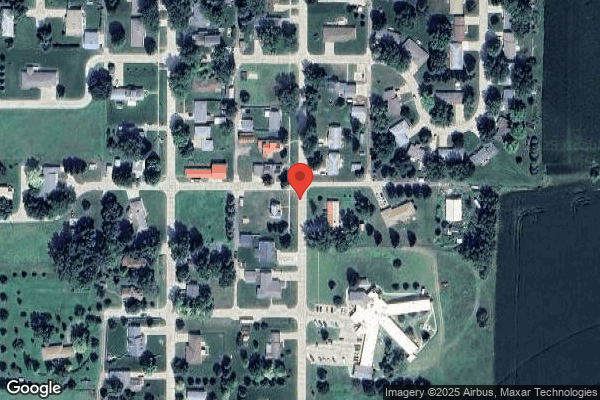
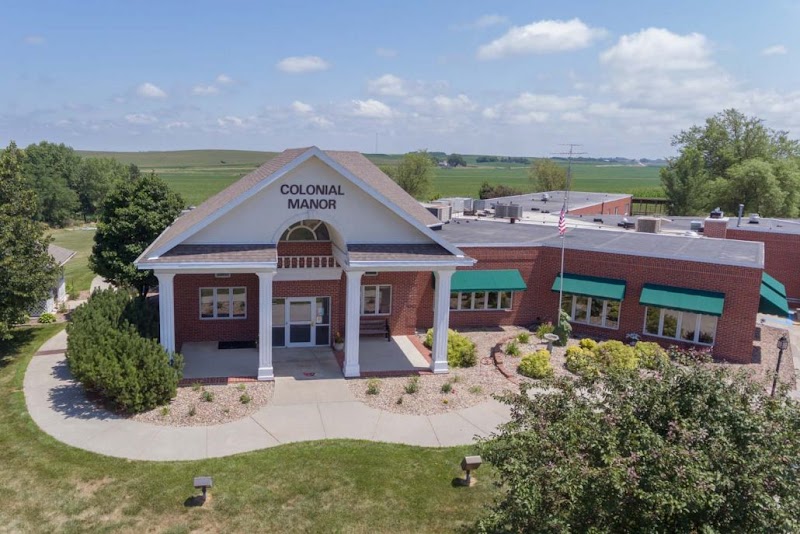
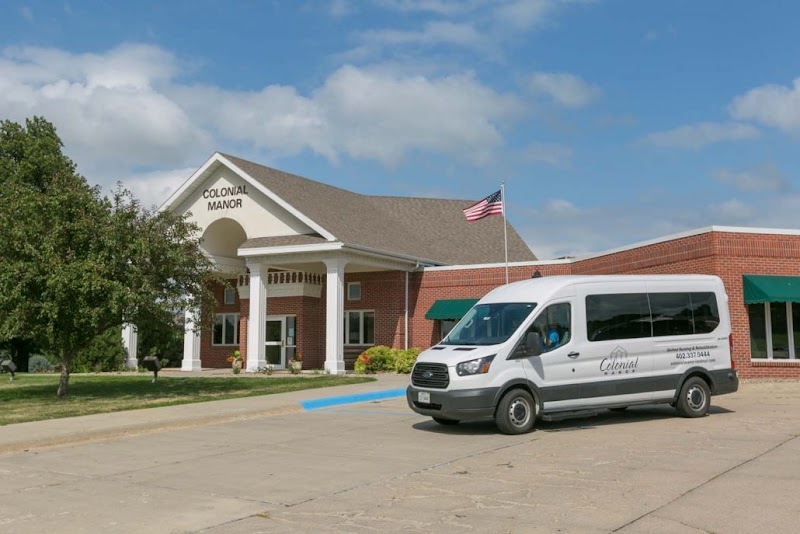
811 South Main Street, Randolph, NE 68771 (402) 337-0444
For profit - Corporation 45 Beds THE ENSIGN GROUP Data: November 2025
Trust Grade
65/100
#79 of 177 in NE
Last Inspection: October 2024

Within standard 12-15 month inspection cycle. Federal law requires annual inspections.

Overview

Colonial Manor of Randolph has a Trust Grade of C+, indicating it is slightly above average among nursing homes. It ranks #79 out of 177 facilities in Nebraska, placing it in the top half, and #2 out of 3 in Cedar County, meaning only one local option is better. However, the facility’s trend is worsening, with the number of issues reported increasing from 3 in 2023 to 7 in 2024. Staffing is a strength, rated 4 out of 5 stars, with a turnover rate of 48%, which is slightly below the state average. Notably, there have been no fines, and the facility has more RN coverage than 79% of Nebraska facilities, which is a positive aspect as RNs can catch potential problems. On the downside, the facility has been cited for several concerns, including improper food storage, which could lead to foodborne illness, and issues with environmental maintenance, such as damage to doors and walls. Additionally, a resident experienced a significant health decline due to a lack of timely testing for respiratory issues, leading to hospitalization for pneumonia and sepsis. Overall, while there are strengths in staffing and RN coverage, families should be aware of the facility's recent trend and specific incidents that raise concerns about resident safety and care quality.
Trust Score
C+
65/100
In Nebraska
#79/177
Top 44%
Safety Record
Low Risk
No red flags
Inspections
Getting Worse
3 → 7 violations
Staff Stability
⚠ Watch
48% turnover. Above average. Higher turnover means staff may not know residents' routines.
Penalties
✓ Good
No fines on record. Clean compliance history, better than most Nebraska facilities.
Skilled Nurses
✓ Good
Each resident gets 44 minutes of Registered Nurse (RN) attention daily — more than average for Nebraska. RNs are trained to catch health problems early.
Violations
⚠ Watch
14 deficiencies on record. Higher than average. Multiple issues found across inspections.
★★★☆☆
3.0
Overall Rating
★★★★☆
4.0
Staff Levels
★★☆☆☆
2.0
Care Quality
★★★☆☆
3.0
Inspection Score
Stable
2023: 3 issues
2024: 7 issues

The Good

  • 4-Star Staffing Rating · Above-average nurse staffing levels
  • Full Sprinkler Coverage · Fire safety systems throughout facility
  • No fines on record

Facility shows strength in staffing levels, fire safety.

The Bad

3-Star Overall Rating

Near Nebraska average (2.9)

Meets federal standards, typical of most facilities

Staff Turnover: 48%

Near Nebraska avg (46%)

Higher turnover may affect care consistency

Chain: THE ENSIGN GROUP

Part of a multi-facility chain

Ask about local staffing decisions and management

The Ugly 14 deficiencies on record

Oct 2024 7 deficiencies
CONCERN (D)

Potential for Harm - no one hurt, but risky conditions existed

Deficiency F0625 (Tag F0625)

Could have caused harm · This affected 1 resident

**NOTE- TERMS IN BRACKETS HAVE BEEN EDITED TO PROTECT CONFIDENTIALITY** Licensure Reference Number 175 NAC 12-006.05(B) Based on record review and interview, the facility failed to provide Resident 36...

Read full inspector narrative →
**NOTE- TERMS IN BRACKETS HAVE BEEN EDITED TO PROTECT CONFIDENTIALITY** Licensure Reference Number 175 NAC 12-006.05(B) Based on record review and interview, the facility failed to provide Resident 36 and/or the resident's representative, bed hold information when the resident was transferred to the hospital. The sample size was 1 and the facility census was 38. Findings are: A. A record review of the facility's Bed Hold policy (revision date of 12/23) revealed the facility was to provide written information to the resident and/or the resident representative regarding the right to exercise the bed hold provision of 15 days at admission and then provide an additional notice before transferring to a general acute care hospital or before the resident went on a therapeutic leave. In the event of an emergency transfer, the additional notice was to be provided within 24 hours. The written information to be given to the resident and/or representative included the following: -The duration of the state bed-hold, if any, during which the resident was permitted to return and resume residence in the facility. -The reserve bed payment policy in the state plan if any. -The facility policy regarding bed-hold periods to include permitting residents to return to the next available bed. -Conditions upon which the resident would be able return to the facility. B. A record review of Resident 36's nursing progress notes revealed the following: -9/10/2024 at 3:39 AM the resident reported to the direct care staff that something was wrong and wanted the nurse. Upon assessment, the resident had an irregular respiratory rate and pulse with complaints of difficulty breathing. The resident requested to be evaluated in the Emergency Room. -9/10/2024 at 7:15 AM the facility received notification the resident was admitted to the hospital. -9/12/24 at 1:45 PM the facility received notification the resident was to be discharged from the hospital and was to return to the facility. A record review of Resident 36's medical record from 9/10/24 to 9/12/24 revealed no evidence the resident or the resident's representative were notified of the facility bed hold policy. During an interview on 10/02/24 at 10:19 AM, the Administrator confirmed the facility had no documented evidence that Resident 36 or their representative were provided with the required bed hold information when discharged to the hospital from [DATE] to 9/12/24.
CONCERN (D)

Potential for Harm - no one hurt, but risky conditions existed

Deficiency F0657 (Tag F0657)

Could have caused harm · This affected 1 resident

**NOTE- TERMS IN BRACKETS HAVE BEEN EDITED TO PROTECT CONFIDENTIALITY** C. A record review of Resident 35's MDS dated [DATE] revealed the resident was cognitively intact, had diagnoses of depression, ...

Read full inspector narrative →
**NOTE- TERMS IN BRACKETS HAVE BEEN EDITED TO PROTECT CONFIDENTIALITY** C. A record review of Resident 35's MDS dated [DATE] revealed the resident was cognitively intact, had diagnoses of depression, spine narrowing, heart disease and stroke, and the mood assessment indicated the resident had felt down, depressed or hopeless nearly every day; had trouble falling or staying asleep, or was sleeping too much nearly every day; felt tired or had little energy nearly every day; felt bad about themselves or that they were a failure or let their family down nearly every day; had thoughts that they were better off dead, or of hurting themselves in some way nearly every day, the resident had pain almost constantly rated 9 out of 10, had limited range of motion, and was dependent with toileting, lower body dressing and required maximal assistance with upper body dressing, and hygiene. A record review of Resident 35's Care Plan last revised 9/3/24 revealed the resident required assistance with hygiene, dressing, transfers, and toileting; had a history of a stroke; had depression with interventions to encourage to express feelings, monitor/document/report signs or symptoms of depression and provide the resident gaming time. There was no documentation to show the facility addressed the resident had thoughts they were better off dead, or of hurting themselves. A record review of the facility facsimile form Physician Fax regarding Resident 35 dated 5/21/24 revealed the resident was interviewed and revealed they had no plan of hurting themselves. The facility had interventions to increase staff 1:1 to four times per week, encourage the resident to go outside daily for 15-20 minutes, and continue to encourage the resident to go to the dining room for meals. Interview on 10/3/24 at 11:20 AM with the DON confirmed Resident 35's Care Plan did not address Resident 35's thoughts that they were better off dead or of hurting themselves. Further interview confirmed the interventions indicated on the fax were not implemented onto the Care Plan. Licensure Reference Number 175 NAC 12-006.09(F)(iii) Based on interview and record review; the facility failed to ensure Resident 30's Care Plan was revised to address suicidal ideation and failed to include mood and behavior interventions in the Care Plan for Resident 35. The sample size was 15 and the facility census was 38. Findings are: A. Review of the facility's undated Care Plan policy revealed that care plans were modified between care conferences and when appropriate to the resident's current needs, problems, and goals. This included: -A significant change in the resident's condition, -a change of planned interventions, -new goals were established, -new diagnosis, medication, or abnormal labs, and -revisions that involved the care of other disciplines were done through consultative and collaborative efforts and documented. B. Review of Resident 30's Minimum Data Set (MDS, federally mandated comprehensive assessment tool used to develop resident care plans) dated 9/6/24 revealed the resident had intact cognitive functioning, had complex medical conditions including hemiplegia (partial or complete paralysis on one side of the body), diabetes, hypertension, and vascular (blood circulation) disease. The resident was mildly depressed, always felt socially isolated and had chronic pain. In addition, the resident was dependent for bathing, toileting hygiene, and bed mobility, and received substantial assistance with dressing. A record review of Resident 30's Care Plan with a revision date of 7/14/24 revealed the resident had chronic pain and used antidepressant medication. There was no indication the Care Plan addressed the resident's comments of self-harm or include interventions related to the residents comments of self-harm. A record review of Resident 30's progress notes revealed the following: -On 9/21/24 at 9:48 PM The resident had requested arsenic or cyanide to get this over with. In addition, the resident requested a knife and stated, All I need is a butter knife through my skull. The nurse implemented 15-to-30-minute checks and notified the Director of Nursing (DON). The DON directed the staff to use plastic silverware and notify the physician. During an interview on 10/03/24 at 9:21 AM the DON confirmed that Resident 30's Care Plan did not address the Resident's suicidal ideation, or the interventions put in place for the resident's safety (15-to-30 minute checks and plastic silverware).
CONCERN (D)

Potential for Harm - no one hurt, but risky conditions existed

Quality of Care (Tag F0684)

Could have caused harm · This affected 1 resident

**NOTE- TERMS IN BRACKETS HAVE BEEN EDITED TO PROTECT CONFIDENTIALITY** Licensure Reference Number 175 NAC 12-006.09(H) Based on observations, record review and interview; the facility staff failed to...

Read full inspector narrative →
**NOTE- TERMS IN BRACKETS HAVE BEEN EDITED TO PROTECT CONFIDENTIALITY** Licensure Reference Number 175 NAC 12-006.09(H) Based on observations, record review and interview; the facility staff failed to identify and/or monitor bruising and to evaluate causal factors related to the bruise for 1 (Resident 17) of 1 sampled resident. The facility identified a census of 38. Findings are: A record review of Resident 17's Minimum Data Set (MDS, a federally mandated assessment tool used for care planning) dated 9/19/24 revealed the resident was admitted on [DATE] with diagnoses of stroke, hemiplegia (weakness or partial paralysis of 1 side of the body) and anemia. The facility staff assessed the following about the resident: -Severe cognitive impairment. -Substantial to maximal assistance required with bathing/showering, dressing, personal hygiene, bed mobility and transfers. -Always incontinent of bladder and frequently involuntary of bowel. A record review of Resident 17's current Care Plan (undated) revealed the resident was at risk for impairment to the resident's skin. Interventions included: -Monitor/document/report to the physician any changes in skin status, appearance, color, wound healing, signs of infection and wound size. -Weekly head to toe skin assessment. -Notify the Charge Nurse immediately of any new areas of skin breakdown; redness, bruising, blisters, and any discoloration noted with the resident's bath or with cares. -Encourage to turn and reposition and provide assist, as necessary. Observations of Resident 17 on 9/30/24 at 2:51 PM, and on 10/1/24 at 6:45 AM revealed the resident had a large bruise to the top of the resident's left hand. The bruise was yellow/green in appearance and completely covered the dorsal aspect of the resident's left hand. A record review of Weekly Skin Evaluations conducted on 9/24/24 at 8:27 PM and on 9/30/24 at 11:30 PM revealed documentation which indicated Resident 17 had no new skin issues noted. During an interview on 10/1/24 at 7:00 PM, Nurse Aide (NA)-B confirmed the bruising to the top of the resident's left hand was at least 1 week old. NA-B stated they had reported the bruise to the Charge Nurse a week ago when NA-B gave the resident a bath. NA-B was uncertain as to how the bruising had occurred. A record review of Resident 17's medical record which included Treatment Administration Records (TAR), Nursing Progress Notes, and Weekly Skin Evaluations revealed the bruising to the resident's left hand had not been identified and was not being monitored to ensure healing. In addition, there was no evidence the staff had evaluated causal factors to determine how the bruising had occurred. During an interview on 10/1/24 at 10:20 AM, Registered Nurse (RN)- I confirmed staff were to complete weekly skin evaluations on each resident to identify any new areas of skin breakdown and then were to continue to monitor/assess the areas weekly until resolved. RN-I indicated no knowledge regarding the bruising to Resident 17's left hand.
CONCERN (D)

Potential for Harm - no one hurt, but risky conditions existed

Medication Errors (Tag F0758)

Could have caused harm · This affected 1 resident

Licensure Reference Number 175 NAC 12-006.09 Based on interview and record review; the facility failed to ensure Resident 18's antianxiety medication had a duration for use/stop-date. The sample size ...

Read full inspector narrative →
Licensure Reference Number 175 NAC 12-006.09 Based on interview and record review; the facility failed to ensure Resident 18's antianxiety medication had a duration for use/stop-date. The sample size was 5 and the facility census was 38. Findings are: Review of the facility's Psychotropic Medication policy with a revision date of 12/2023 revealed the following: -The facility ensured residents who had not used psychotropic (drug that affects how the brain works and causes changes in mood, awareness, thoughts, feeling, or behavior) drugs were not given those drugs, unless the medication was necessary to treat a specific condition as diagnosed and documented in the clinical record, -Residents who used psychotropic drugs received gradual dose reductions and or behavioral interventions unless clinically contraindicated, -Psychotropic medications were not administered for the purpose of discipline or convenience and only administered when required to treat the resident's medical symptoms after nonpharmacological interventions had been attempted and failed, and -as needed (PRN) orders for psychotropic medications were limited to 14 days, and in order for psychotropic medication orders to be extended beyond 14 days, the provider documented the rationale and duration for the order. Review of Resident 18's Minimum Data Set (MDS, a federally mandated comprehensive assessment tool used for care planning) dated 9/6/24 revealed the resident had severe cognitive impairment, had diagnoses of cancer, seizures, anxiety, depression, and a psychotic disorder; and was dependent in oral hygiene, toileting, dressing, and transfers. Review of Resident 18's Care Plan last revised 9/20/24 revealed the resident was at risk for seizures, was receiving hospice services, had severe cognitive impairment, required assistance with transfers, toileting, bed mobility, and dressing, and had anxiety with behaviors. Review of Resident 18's Medication Administration Records (MAR) for August and September 2024 revealed an order for Lorazepam (antianxiety medication) Concentrate every 6 hours PRN (as needed) for anxiety, shortness of breath, restlessness, or seizure activity. This order was started on 8/14/24 with no documented stop date or duration. Review of the facility form Medical Doctor (MD)/Nursing Communications dated 8/14/24 revealed an order for Lorazepam liquid for seizure activity every 6 hours PRN with no stop date or duration documented. Interview with the Director of Nursing (DON) and the Assistant Director of Nursing (ADON) on 10/3/24 at 9:50 AM confirmed as needed Lorazepam should have a stop date documented. Further interview with the DON on 10/3/24 at 11:20 AM confirmed Resident 18's as needed Lorazepam did not have a stop date documented.
CONCERN (D) 📢 Someone Reported This

A family member, employee, or ombudsman was alarmed enough to file a formal complaint

Potential for Harm - no one hurt, but risky conditions existed

Unnecessary Medications (Tag F0759)

Could have caused harm · This affected 1 resident

Licensure Reference Number 175 NAC 12-006.10(D) Based on observations record review and interviews; the facility failed to ensure a medication error rate of less than 5%. Observations of 31 medication...

Read full inspector narrative →
Licensure Reference Number 175 NAC 12-006.10(D) Based on observations record review and interviews; the facility failed to ensure a medication error rate of less than 5%. Observations of 31 medications revealed 2 errors resulting in an error rate of 6.45%. The errors effected 2 (Resident 25 and 21) of 3 residents. The facility census was 38. Findings are: A. Review of the facility policy Administering Medications with a review date of 5/21 revealed the following: -Medications must be administered in accordance with the orders, including any required times. -Medications must be administered within one hour of their prescribed time, unless otherwise specified (for example, before and after meal orders). -The individual administering the medication must check the label 3 times to verify the right resident, right medication, right dosage, right time, and right route before giving the medication. B. Review of the undated manufacturer's instructions for administration of an insulin pen revealed the following procedure should be completed: -To avoid air being injected and ensure the proper dose is administered, turn the dose selector to select 2 units. -Hold the insulin pen with the needle pointing up. Tap the cartridge gently with finger a few times to make any air bubbles collect at the top. -Keep the needle pointing upwards, press the push-button all the way in until the dose selector returns to zero. A drop of insulin should appear at the needle tip. If not, change the needle and repeat. Ensure the dose selector is set at zero after air is expelled. -Turn the dose selector to the number of units you need to inject and insert the needle into the skin. -Inject the dose by pressing the push button all the way in until the dose selector returns to zero. C. Review of Resident 25's physician orders revealed an order dated 8/7/25 for Insulin Glargine (medication used to treat diabetes) 15 units subcutaneously (applied under the skin) twice a day. Observation on 10/1/24 at 9:38 AM of Licensed Practical Nurse (LPN)-A preparing to administer Resident 25's Insulin Glargine 15 units subcutaneously per an insulin pen: -LPN-A held the pen sideways, then turned the dose selector to 15 units. -LPN-A injected the insulin into the resident's skin until the dose selector returned to zero. Interview with LPN-A on 10/1/24 at 10:00 AM confirmed the LPN failed to prepare the Glargine Insulin pen by expelling 2 units of potential air bubbles prior to selecting the ordered dose of insulin to prevent a medication error. D. Review of Resident 21's physician orders revealed an order dated 3/3/23 for Pantoprazole (medication used to treat heartburn and acid reflux) 20 milligrams daily. Review of Resident 21's medication label for Pantoprazole 20 milligrams revealed the medication was to be administered daily. In addition, the medication label indicated it was to be given 30 to 60 minutes before the meal. Observation of Registered Nurse (RN)-I preparing medications for Resident 21 on 10/2/24 at 8:01 AM, revealed RN-I administered Resident 21's Pantoprazole 20 milligrams. The resident was seated at the dining room table and was served their breakfast meal at 8:10 AM (9 minutes after the resident's Pantoprazole was administered). During an interview on 10/3/24 at 8:42 AM, RN-I confirmed Resident 21's Pantoprazole 20 mg was to be given 30-60 minutes before the resident was served their meal and had not been administered as ordered by the physician.
CONCERN (D)

Potential for Harm - no one hurt, but risky conditions existed

Infection Control (Tag F0880)

Could have caused harm · This affected 1 resident

C. Review of the facility policy Respiratory Equipment Cleaning & Storage with a revision date of 2/2019 revealed the following: -It was the policy of the facility to maintain respiratory therapy equ...

Read full inspector narrative →
C. Review of the facility policy Respiratory Equipment Cleaning & Storage with a revision date of 2/2019 revealed the following: -It was the policy of the facility to maintain respiratory therapy equipment in a clean and sanitary manner and to use tubing, masks, and cannulas (the nasal cannula end of the tubing fits into your nose and is the most common delivery accessory) for residents receiving therapy. -When licensed staff removed treatment, the tubing would be covered or stored in a bag. D. Review of the facility's Hand Hygiene Infection Control Policy with a revision date 10/2022 revealed the following: -It was the policy of the facility to provide the necessary supplies, education, and oversight to ensure healthcare workers performed hand hygiene based on accepted standards. -All personnel followed the handwashing/hand hygiene procedure to help prevent the spread of infections to other personnel, residents, and visitors. -Use of an Alcohol-Based Hand Rub (ABHR), containing at least 62% alcohol; or, alternatively, soap (antimicrobial or non-antimicrobial) and water for the following situations: -before moving from a contaminated body site to a clean body site during resident care, -after contact with a resident's intact skin, -after contact with blood or bodily fluids, and -after removing gloves. E. The following observations of Resident 34's oxygen equipment from 9/30/24 through 10/2/24 revealed the following: -On 9/30/24 at 3:36 PM the oxygen tubing and nasal cannula (a device that delivers extra oxygen through a tube and into the nose) laid on the floor with no date on the tubing and no storage bag on the concentrator (takes air from your surroundings, extracts oxygen and filters the oxygen into purified oxygen for breathing). -On 10/1/24 at 7:55 AM the oxygen tubing and nasal cannula laid on the floor with no date on the tubing and no storage bag on the concentrator. -On 10/2/24 at 7:36 AM the oxygen tubing was hung over the side of the oxygen concentrator, and the oxygen cannula touched the floor. During an interview on 10/1/24 at 7:55 AM, Certified Nursing Assistant (CNA)-L confirmed Resident 34 wore oxygen at night, took the oxygen tubing off in the morning, staff shut the oxygen concentrator off and put the tubing in a white bag. CNA-L confirmed that there was no white bag on the side of the concentrator. An interview on 10/1/24 at 9:16 AM with Licensed Practical Nurse (LPN)-J confirmed that Resident 34 wore oxygen at night, took the oxygen tubing off, handed the tubing to staff or laid it on the resident lap, staff shut oxygen concentrator off and put the tubing in a white mesh bag. An interview on 10/2/24 at 7:36 AM with Resident 34 confirmed taking the oxygen tubing off and I either hand it to the staff or lay it on my lap. An interview on 10/2/24 at 10:30 AM with the DON, confirmed that the oxygen tubing with the nasal cannula should be stored in a bag on the side of the concentrator when not in use. F. During an observation of care for Resident 23 on 10/2/24 at 7:52 AM, CNA-B put gloves on, assisted the resident with sitting up on the edge of bed, dressing and hygiene. CNA-B transferred the resident with a mechanical stand-up lift, removed an incontinent brief (was wet), completed perineal cares (washing the genital and rectal areas of the body), put on a clean brief, pulled up the resident pants, transferred resident into wheelchair and then removed the gloves that had been worn throughout all cares provided. CNA-B made the resident's bed, straightened up the room and took out the trash and dirty linens. All tasks were completed without the benefit of hand hygiene. An interview on 10/2/24 at 2:45 PM with the DON confirmed that hand hygiene should be completed when staff enter a resident room, after gloves are removed from hands, when going from a dirty to a clean task, and before exiting the resident room. Licensure Reference Number NAC 175 12-006.18 Based on observation and interview; the facility failed to wear Personal Protective Equipment (PPE) as required to prevent the potential spread of infection, failed to store Resident 30's urinal to prevent the potential for cross contamination, failed to store oxygen equipment for Resident 34 to prevent the potential for cross contamination, and failed to change gloves and wash hands at the required intervals during the provision of incontinence cares for Resident 23. The total sample size was 17 and the facility census was 38. Findings are: A. Review of the facility policy Infection Control, last revised 10/22 revealed the following: -The elements of infection prevention and control program consisted of oversight, surveillance, data analysis, outbreak management, and prevention of infection, -The goals were to to decrease the risk of infections, identify and correct problems related to infection control, ensure compliance, and monitor personnel health and safety, -Under the infection control program, the facility would decide what measures would be applied in individual circumstances, and -The facility staff would conduct themselves and provide care in a way that would minimize the spread of infections. B. The following observations were made: -On 9/30/24 at 10:15 AM upon entering the facility a sign out front that read the staff were to be wearing masks and eye protection, -On 10/2/24 at 7:30 AM Registered Nurse (RN)-H was talking to a visitor in the facility and their mask was below their nose, -On 10/2/24 at 9:22 AM RN-H was observed pushing a resident in a wheelchair, RN-H stopped to talk to the resident and their mask was below their nose, -On 10/2/24 at 2:10 PM RN-H came out of a resident's room with their mask below their nose and their eye protection on top of their head, -On 10/3/34 at 8:10 AM RN-H was walking through the dining room (residents were eating breakfast) and their mask was below their nose, and -On 10/3/24 at 8:50 AM RN-H was in the dining room assisting a resident to eat their breakfast and the RN's mask was below their nose. An interview on 10/3/24 at 9:30 AM with the Infection Preventionist confirmed masks were to be worn covering the nose and the mouth. An interview on 10/3/24 at 9:35 AM with the Director of Nursing (DON) confirmed RN-H was not wearing their mask correctly. G. Review of Resident 30's Minimum Data Set (MDS, a federally mandated comprehensive assessment tool used to develop resident care plans) dated 9/6/24 revealed the resident had intact cognitive functioning, had complex medical conditions including hemiplegia (partial or complete paralysis on one side of the body), diabetes, and hypertension and vascular (blood circulation) disease. The resident was mildly depressed, always felt socially isolated and had chronic pain. In addition, the resident was dependent for bathing, toileting hygiene, and bed mobility, and received substantial assistance with dressing. Review of Resident 30's Care Plan with a revision date of 7/14/24 revealed the resident was dependent on staff for cares, had a history of a stroke with hemiplegia (partial or complete paralysis on one side of the body), required the assistance of 1-2 staff to turn side to side in bed, was dependent for transfers using a mechanical lift, was dependent for dressing, and dependent for toileting hygiene. During observations of Resident 30 from 9/30/24 through 10/3/24 the following was identified: -On 9/30/24 at 1:35 PM the resident was lying in bed, and a tray of food was present on the overbed table. There were also several cans of chips on another overbed table next to the resident. There was also a urinal with a small amount of urine in it sitting on the overbed table near the snacks. -On 9/30/24 at 3:25 PM the resident was lying in bed and there was an empty urinal on overbed table next to the resident's snacks. -On 10/1/24 at 6:50 AM the resident was lying in bed and a urinal was on the overbed table next to snacks. -On 10/1/24 at 9:10 AM the resident was sitting up in the bed talking on the telephone and a urinal was sitting on the bedside table beside a food tray. -On 10/2/24 at 7:01 AM the resident was lying in bed and a urinal was sitting on the overbed table next to a water pitcher and box of crackers. -On 10/3/24 at 7:45 AM the resident was lying in bed and the urinal was on the overbed table next to the water pitcher. During an interview on 10/2/24 at 10:30 AM RN-R confirmed that allowing Resident 30's urinal to be stored/kept on the overbed table next to the residents' water pitcher, food or snacks was not in line with the facility infection control practices.
CONCERN (F)

Potential for Harm - no one hurt, but risky conditions existed

Food Safety (Tag F0812)

Could have caused harm · This affected most or all residents

Licensure Reference Number 175 NAC 12-006.11(E) Based on observation, record review, and interview; the facility failed to store foods to prevent the potential for food borne illness and assure food s...

Read full inspector narrative →
Licensure Reference Number 175 NAC 12-006.11(E) Based on observation, record review, and interview; the facility failed to store foods to prevent the potential for food borne illness and assure food safety as staff and/or resident food items were stored in a resident refrigerator without a label and date; This had the potential to affect all residents that ate from the facility kitchen. The facility census was 38. Findings Are: Review of the Nebraska Food Code based on the United States Food and Drug Administration Food Code and used as an authoritative reference for food service and sanitation practices revealed the following: -2-401.11(A) an employee shall eat, drink . in designated areas where the contamination of exposed food; clean equipment, utensils, and linens; unwrapped single-service and single-use articles; or other items needing protection cannot result. -3-201.11(C) Packaged Food shall be labeled as specified by law, including 21 CFR 101 Food labeling, 9 CFR 317 Labeling, Marking Devices, and Containers and 9 CFR 381 Subpart Labeling and Containers. -3-501.17 of the Food Code, refrigerated, ready to eat, time/temperature control for safety food prepared and held in a food establishment for more than twenty-four hours shall be clearly marked to indicate the date of preparation. Observation conducted during the initial kitchen tour on 9/30/24 at 10:34 AM with Dietary Aide (DA)-G, revealed the following items in the resident refrigerator which were stored without a label and/or a date and without identification as to which resident the items belonged to: -A juice-like drink in a 24-ounce clear plastic container. -2 containers with tomatoes. -A sandwich in plastic wrap. -A container with peppers, onions, chicken legs and squash. During an interview on 10/2/24 at 3:00 PM, the facility Operations Manager confirmed items stored in the kitchen refrigerators should be labeled and dated.
Sept 2023 3 deficiencies
CONCERN (D) 📢 Someone Reported This

A family member, employee, or ombudsman was alarmed enough to file a formal complaint

Potential for Harm - no one hurt, but risky conditions existed

Deficiency F0583 (Tag F0583)

Could have caused harm · This affected 1 resident

Licensure Reference Number 175 NAC 12-006.05(21) Based on observation and interview; the facility failed to provide privacy during personal cares for Resident 5. The sample size was 18 and the facilit...

Read full inspector narrative →
Licensure Reference Number 175 NAC 12-006.05(21) Based on observation and interview; the facility failed to provide privacy during personal cares for Resident 5. The sample size was 18 and the facility census was 38. Findings are: Review of Resident 5's Care Plan, undated revealed the following: -the resident was nonverbal and was rarely/never understood, -staff were to anticipate needs, -staff were to promote dignity by ensuring privacy, -the resident was dependent on staff to complete peri cares, -the resident required 1-2 assist for transfers and bed mobility, and -the resident required 1 assist with personal hygiene, dressing, eating and moving in the wheelchair. Observation on 9/11/23 at 9:37 AM revealed no privacy curtain was noted in Resident 5's shared room. Observation on 9/13/23 at 7:00 AM with Nursing Assistant (NA-I) and NA-H revealed Resident 5 was in bed and the resident's roommate (Resident 20) was also in the room watching television. No privacy curtain was noted in the resident room. NA-I put pants on the resident and pulled them up to the resident's knees. Both NA's assisted to sit Resident 5 on the edge of the bed, changed the resident's shirt and hooked the resident up to the sit to stand mechanical lift (mechanical device that allows residents to be transferred between a bed and a chair using a hydraulic power and requires no weight bearing assistance from the resident. The NA's used the lift to stand the resident up next to the resident bed, and NA-I removed the residents soiled brief and performed peri cares then applied a clean brief to the resident. The NA's transferred the resident using the mechanical lift to position the resident above the wheelchair and pulled the resident's pants up before lowering the resident into the wheelchair. The resident's roommate remained in the resident room during the resident cares. Interview on 9/13/23 at 7:22 AM with NA-I revealed the resident room had not had a privacy curtain up since the resident moved into that room. Interview on 9/13/23 at 8:53 AM with the Administrator confirmed that there was no privacy curtain in the resident room and no way to provide privacy for the resident during cares.
CONCERN (D) 📢 Someone Reported This

A family member, employee, or ombudsman was alarmed enough to file a formal complaint

Potential for Harm - no one hurt, but risky conditions existed

Medication Errors (Tag F0758)

Could have caused harm · This affected 1 resident

Licensure Reference Number 175 NAC 12-006.09D Based on interview and record review; the facility failed to ensure as needed psychotropic medications (a type of psychoactive medication which alters che...

Read full inspector narrative →
Licensure Reference Number 175 NAC 12-006.09D Based on interview and record review; the facility failed to ensure as needed psychotropic medications (a type of psychoactive medication which alters chemicals in the brain to effect changes in behavior, mood, and emotion) were limited to 14 days for Resident 5. The sample size was 5 and the census was 38. Findings are: Review of the facility policy Psychotropic Drug Use last revised 8/2017 revealed the following: -orders for psychotropic drugs are limited to 14 days except for as needed orders if the prescribing Practitioner believes it is appropriate for the as needed order to be extended, then he/she should document their rationale and duration for the order, and -PRN (as needed) medications would be within guidelines, and -quarterly or with any significant change in condition, the residents will be calendared for referral to the Psychotropic Drug Review Committee to assess for continued need/justification of the medication and possible Gradual Dose Reduction. Review of Resident 5's Medication Administration Records revealed an order for Lorazepam (a psychotropic medication) 0.5 milligrams (mg) with an order date of 12/6/21 with no stop date and was received as needed: -2 times in April 2023, -7 times in May 2023, -4 times in June 2023, and -1 time in July 2023. Review of Resident 5's Care Plan, undated revealed a diagnosis of impaired cognition related to Alzheimer's Disease and that the resident had been prescribed a scheduled dose of Lorazepam and an as needed dose. An interview on 9/14/23 at 2:38 PM with the Director of Nursing (DON) confirmed there was no stop date or reevaluation date for the PRN lorazepam.
CONCERN (E) 📢 Someone Reported This

A family member, employee, or ombudsman was alarmed enough to file a formal complaint

Potential for Harm - no one hurt, but risky conditions existed

Infection Control (Tag F0880)

Could have caused harm · This affected multiple residents

**NOTE- TERMS IN BRACKETS HAVE BEEN EDITED TO PROTECT CONFIDENTIALITY** E. Review of Resident 3's Progress Notes revealed the following: -on 8/4/23 at 5:19 AM the resident had a non-productive cough, ...

Read full inspector narrative →
**NOTE- TERMS IN BRACKETS HAVE BEEN EDITED TO PROTECT CONFIDENTIALITY** E. Review of Resident 3's Progress Notes revealed the following: -on 8/4/23 at 5:19 AM the resident had a non-productive cough, the resident was not able to cough up any drainage and lung sounds were diminished, -on 8/4/23 at 12:43 PM the resident had a non-productive cough and lung sounds were diminished, -on 8/5/23 at 2:45 AM the resident's oxygen saturation was 70-72% (normal is 90-100) and oxygen was placed on the resident, -on 8/5/23 at 3:32 AM the resident agreed to be seen in the Emergency Room, and -on 8/5/23 at 10:25 AM the resident was admitted to the hospital for pneumonia, sepsis (a complication of an infection), and congestive heart failure. An interview with Resident 3 on 9/11/23 at 9:25 AM revealed the resident was hospitalized in the beginning of August for shortness of breath and a cough. The resident stated, I know the nursing home didn't test me for Covid-19 and I am not sure the hospital tested me either. The resident reported that the resident was hospitalized with a diagnosis of pneumonia. F. Review of Resident 20's Progress Notes revealed the following: -on 6/13/23 at 2:51 AM the resident's face was flushed, and breathing was labored. The resident's heart rate was in the 140's (normal heart rate for an adult is 60-100), oxygen saturation was 86% and the resident had an emesis. An as needed breathing treatment, Tylenol, cough medication, and oxygen were administered, and oxygen saturation rose to 93%. The labored breathing and high heart rate continued. -on 6/13/23 at 8:40 AM the resident's provider admitted the resident to the hospital. G. An interview with Licensed Practical Nurse (LPN-A) on 9/12/23 at 11:45 AM revealed staff should test residents for Covid-19 with any new or worsening symptoms such as fever, cough, and shortness of breath and the test results would be in the progress notes. H. An interview with the DON on 9/14/23 at 12:15 PM confirmed there was no documentation that Resident 3 was tested for Covid-19 on August 4th or 5th and Resident 20 was tested for Covid-19 on 6/13/23. Further interview confirmed that both resident's should have been tested for Covid-19 when their symptoms started. I. An observation on 9/13/23 at 9:05 AM revealed Resident 22 was in bed. NA-I performed hand hygiene and put on a clean pair of gloves. NA-I applied pants, socks, and shoes to the resident. The resident sat on the edge of the bed and NA-I applied a gait belt to the resident's waist and brought a front wheeled walker to the resident. The resident stood with assist from NA-I and ambulated to the resident's bathroom. NA-I assisted the resident to pull down the resident's pants and the resident sat on the toilet. NA-I removed a soiled brief from the resident and NA-I removed their gloves. No hand hygiene was observed being performed. NA-I assisted the resident to change their undergarments and shirt. NA-I, still not wearing gloves, obtained the resident's dentures from the denture cup, rinsed them off and handed them to the resident. NA-I obtained a washcloth and gave the resident the washcloth to wash their face. NA-I put on a clean pair of gloves without performing hand hygiene, assisted the resident to standing, and performed peri care using pre-moistened wet wipes on the resident. NA-I removed the dirty gloves, did not perform hand hygiene, applied a clean brief to the resident, and assisted the resident to pull up their pants. The resident ambulated into the resident room and sat in the resident's wheelchair. NA-I gave the resident the breakfast room tray on a tray table. NA-I uncovered the resident's meal and pulled the spoon and the fork out of the napkin by grabbing onto the part of the utensil that touches food, not on the handle. On 9/13/23 at 9:25 AM interview with NA-I revealed the facility has had in-services on hand hygiene and infection control. NA-I confirmed that hand hygiene should have been completed after removing gloves. Further interview revealed NA-I should have worn gloves when touching residents' dentures and should have grabbed the eating utensils by the handles. 9/13/23 at 2:48 PM Interview with the DON confirmed hand hygiene was expected to be completed before and after providing cares and removing gloves. Further interview confirmed NA-I was expected to wear gloves at appropriate times and to handle eating utensils by the handles, not by the part that touches the resident's food. Licensure Reference Number 175 NAC 12-006.17 Based on observations, record review and interview; the facility failed to prevent the potential spread of Covid-19 related to testing symptomatic residents (Resident 3, 13, and 20) and failed to ensure hand hygiene and gloving was performed at appropriate intervals during the provision of cares for Residents 22 and 27. This had the potential to affect all residents. The sample size was 18. The facility census was 38. Findings are: A. Review of the facility's Infection Control and Prevention Policy titled Emerging Infectious Diseases (EID): Corona Virus Disease 2019 with a revised date 9/11/23 revealed the following: -The purpose of the policy is to include plans and actions to respond to the threat of Covid-19 in order to prevent transmission. Staff and residents are to be tested for Covid-19 if onset of symptoms develop. -Hand hygiene should be performed by staff before and after all resident contact, contact with potentially infectious material, and before putting on and after removing Personal Protective Equipment (PPE - includes facemask or respirator, eye protection, gloves and/or gowns). Hand Hygiene after removing PPE is particularly important to remove any pathogens (an organism causing disease to its host) that might have been transferred to bare hands during the removal process. -Staff should perform hand hygiene by using Alcohol Based Hand Rub (ABHR with 60-95% alcohol) or washing hands with soap and water for at least 20 seconds. If hands are visibly soiled, use soap and water before returning to ABHR. B. Review of Resident 13's Nursing Progress Notes revealed the following: -7/29/23 at 11:19 PM, the resident had a cough, wheezing, and vomited. The resident was started on an antibiotic medication for possible aspiration. There was no evidence the resident was tested for Covid-19. -8/22/23 at 1:10 PM, the resident was seen by the physician and had congestion. The physician prescribed an antibiotic. There was no evidence of documentation the resident was tested for Covid-19 -8/23/23 at 11:09 AM, the resident had symptoms of congestion, cough and abnormal lung sounds. There was no evidence of documentation the resident was tested for Covid-19. -8/25/23 (3 days after symptoms were identified) the resident tested positive for Covid-19. An interview with the Director of Nurses (DON) on 9/14/23 at 2:00 PM, confirmed Resident 13 had documented respiratory symptoms on 7/29/23, 8/22/23 and 8/23/23 and should have been tested for Covid-19 at the time symptoms were identified and had not been tested until 8/25/23. C. An observation of cares provided to Resident 27 on 9/13/23 at 08:25 AM, revealed the following: -Nurse Aide (NA)-D and NA-E, had disposable gloves on and assisted the resident to the bathroom. -NA-E emptied the resident's urinary catheter drainage bag (a device used to collect urine that is attached to a flexible tube inserted into a person's bladder), disinfected the drainage spout using an alcohol wipe and then closed the spout. -NA-E removed gloves and placed them in the trash receptacle, but did not wash or sanitize hands. -NA-D then proceeded to clean the resident's genitals using disposable cleansing wipes. The resident reached down and touched [gender] genitals with bare hands twice and NA-E then held onto the resident's soiled hands and did not have gloves on. -After the resident was assisted out of the bathroom, NA-D proceeded to wash the resident's face with a wet washcloth and NA-E continued to hold onto the resident's soiled hands and had not performed hand hygiene on the resident or self and did not have gloves on. -NA-D and NA-E assisted the resident to walk to the dining room and once seated, NA-E exited the dining room and then entered another resident's room (room [ROOM NUMBER]) and did not sanitize or wash hands prior to entering the room. D. An interview with the Director of Nurses (DON) on 9/13/23 at 3:30 PM, confirmed nursing staff should sanitize or wash hands with soap and water before and after contact with each resident.
Jun 2022 4 deficiencies
CONCERN (D)

Potential for Harm - no one hurt, but risky conditions existed

Deficiency F0558 (Tag F0558)

Could have caused harm · This affected 1 resident

**NOTE- TERMS IN BRACKETS HAVE BEEN EDITED TO PROTECT CONFIDENTIALITY** Licensure Reference Number 175 NAC 12-006.18B1 Based on observations and interviews; the facility failed to ensure a call light ...

Read full inspector narrative →
**NOTE- TERMS IN BRACKETS HAVE BEEN EDITED TO PROTECT CONFIDENTIALITY** Licensure Reference Number 175 NAC 12-006.18B1 Based on observations and interviews; the facility failed to ensure a call light was within reach for 1 (Resident 22) of 1 sampled resident who required assistance with activities of daily living. The facility census was 31 with 25 total sampled residents. Findings are: Review of Resident 22's Minimum Data Set (MDS- a federally mandated comprehensive assessment tool used for care planning) dated 4/19/22 indicated the resident was admitted [DATE] with diagnoses of dementia, non-traumatic brain dysfunction and chronic obstructive pulmonary disease. The assessment identified the resident required extensive assist for bed mobility, transfers, dressing, personal hygiene, and toileting and had occasional bowel incontinence. During observations on 6/13/22, the following was observed for Resident 22: -10:41 AM the resident was seated in a wheelchair in the dining room. Resident 22 told the Activity Director (AD) the resident needed to use the bathroom. The AD instructed the resident to go to the resident's room. -10:53 AM the resident self-propelled wheelchair to room. The resident could be heard calling out for the staff to assist the resident with toileting. The resident did not utilize the call light to seek staff assistance. -11:00 AM the resident propelled the wheelchair out to the corridor and called out for assistance. The resident indicated, there is never a call light in this room. -11:13 AM Nurse Aide (NA)-J entered the resident's room with the sit-to-stand lift (mechanical lift that allows for patient transfers from a seated position to a standing position. This lift is designed to support only the upper body of the resident and requires the resident to have some weight-bearing capability). Further observation of the resident's room revealed the call light and cord were coiled and positioned on top of the bedside table towards the back of the table and underneath a newspaper. During observations on 6/14/22 the following was identified: -7:15 AM the resident was lying in bed with eyes closed. The resident's head was positioned near the center of the bed, the resident was lying on the left side with knees drawn forward and hanging off the edge of the bed. The resident's call light was on the floor and not within reach for the resident. -7:32 AM Registered Nurse (RN)-L entered the resident's room with equipment to assess the resident and obtain vital signs. -7:32 AM RN-L exited the resident's room. The resident's call light remained on the floor of the room and not within the resident's reach. -8:15 AM NA-J entered the resident's room with the mechanical lift and assisted the resident out of bed. Interview with NA-J on 6/14/22 at 8:29 AM revealed the following: -NA-J customarily cared for Resident 22 and worked the day shift. -when NA-J entered the resident's room to get the resident up for the day, it was common to find the call light either on the floor or on the bedside table out of the resident's reach. -the call light did not have a clip to secure it in place and indicated this might be a reason the call light was not always accessible to the resident. During an interview with the Director of Nursing (DON) and the Administrator on 6/14/22 at 11:57 AM, the DON confirmed Resident 22 required extensive staff assistance with activities of daily living. The DON further confirmed the residents should have their call lights placed within reach to call for assistance when needed.
CONCERN (D)

Potential for Harm - no one hurt, but risky conditions existed

ADL Care (Tag F0677)

Could have caused harm · This affected 1 resident

**NOTE- TERMS IN BRACKETS HAVE BEEN EDITED TO PROTECT CONFIDENTIALITY** LICENSURE REFERENCE NUMBER 175 NAC 12-006.09D1c Based on observations, record review and interview; the facility failed to provi...

Read full inspector narrative →
**NOTE- TERMS IN BRACKETS HAVE BEEN EDITED TO PROTECT CONFIDENTIALITY** LICENSURE REFERENCE NUMBER 175 NAC 12-006.09D1c Based on observations, record review and interview; the facility failed to provide timely toileting assistance/incontinence management for 1 (Resident 22) of 1 sampled resident who required assistance with activities of daily living. The facility census was 31. Findings are: Review of Resident 22's Minimum Data Set (MDS- a federally mandated comprehensive assessment tool used for care planning) dated 4/19/22 indicated the resident was admitted [DATE] with diagnoses of dementia, non-traumatic brain dysfunction, stroke, and chronic obstructive pulmonary disease. The assessment further indicated the resident required extensive assist for bed mobility, transfers, dressing, personal hygiene, and toileting and had occasional bowel incontinence. Review of Resident 22's undated current Care Plan revealed the resident had a self-care deficit related to a previous stroke. The following interventions were identified: -utilize the sit-to-stand lift (mechanical lift that allows for patient transfers from a seated position to a standing position. This lift is designed to support only the upper body of the resident and requires the resident to have some weight-bearing capability) for all transfers. -encourage the resident to use the call light for assistance. -extensive staff assist with bed mobility. -extensive staff assist with dressing, toileting and personal hygiene. During observations on 6/13/22, the following was observed for Resident 22: -10:41 AM the resident was seated in a wheelchair in the dining room. Resident 22 told the Activity Director (AD) the resident needed to use the bathroom. The AD instructed the resident to go to the resident's room. -10:43 AM the resident self-propelled the wheelchair out to the Nurse's Station and asked again about assistance with getting to the bathroom. Licensed Practical Nurse (LPN)-A pushed the resident away from the Nurse's Station and to the entrance of the North Corridor and cued the resident to continue to the resident's room to obtain assistance with toileting. As the resident continued down the corridor to the resident's room, Nursing Assistant (NA)-J passed by the resident. Resident 22 told staff the resident had pooped the resident's pants. The resident was again told to go the room. -10:53 AM the resident entered the resident's room. The resident could be heard calling out for the staff to assist the resident with toileting. -11:00 AM the resident propelled the wheelchair out to the corridor and called out for assistance. -11:13 AM (32 minutes after the resident first indicated the need to use the bathroom) NA-J entered the resident's room with the sit-to-stand lift and assisted the resident to the bathroom. The resident's disposable incontinence brief was soiled with feces. Interview with NA-J on 6/14/22 at 8:29 confirmed the resident required extensive staff assistance with toileting. During an interview with the Director of Nursing (DON) and the Administrator on 6/14/22 at 11:57 AM, the DON confirmed Resident 22 should have been provided with timelier toileting assistance.
CONCERN (D)

Potential for Harm - no one hurt, but risky conditions existed

Deficiency F0761 (Tag F0761)

Could have caused harm · This affected 1 resident

Licensure Reference Number 175 NAC 12-006.12E8 Based on observation, record review, and interview; the facility failed to assure that discontinued medications were accounted for in the interim time be...

Read full inspector narrative →
Licensure Reference Number 175 NAC 12-006.12E8 Based on observation, record review, and interview; the facility failed to assure that discontinued medications were accounted for in the interim time between being discontinued and destroyed. The facility census was 31. Findings are: Review of the undated facility policy Storage of Medication revealed the following; -Medication and biologicals were to be stored safely, securely, and properly, following manufacturer's recommendations or those of the supplier. The medication supply is accessible only to licensed nursing personnel, pharmacy personnel, or staff members lawfully authorized to administer medications. Review of the undated facility policy Disposing of Medication revealed the following; -Discontinued medications would be verified by a licensed nurse, pharmacy personnel, or those lawfully authorized to administer medications, and -removed from the resident's medication storage area and placed in a locked medication destruction area until disposed of in a biohazard container or per regulatory compliance regarding proper disposal of medication. On 6/14/22 at 10:00 AM during observation of the facility medication room and storage areas the following was observed -the medication heparin (medication used to inhibit blood clotting) in 8 single use syringes was observed in a bag located on top of the facility medication refrigerator, in the medication room, and was not stored with other discontinued medication, and -the following medications were observed in a locked cupboard at the nurses station with no accounting of the amounts of the following medications; -Metoprolol Tartrate 25mg (16 tabs), -Ipatropium/Albuterol 3mg/ml (30 vials), -Meclizine (30 tabs) -Bactrim DS (14 tabs) -Naloxone (2 doses) -Ozempic (1 pen) There was no evidence the facility documented the quantity of each medication to assure that when the medications were destroyed or the proper amount of each medication was accounted for. On 06/14/22 10:39 AM an interview with Licensed Practical Nurse (LPN)-M confirmed the unit dose syringes of Heparin (a medication to inhibit clotting of blood) located on top of the refrigerator in the medication room had been discontinued and had not been properly placed for destruction. Further interview confirmed the medications located in the cabinet at the nurses station had been discontinued, and the facility did not have a system in place to account for the amount of each discontinued medication to assure that all medications were accounted for at the time of disposition.
CONCERN (E)

Potential for Harm - no one hurt, but risky conditions existed

Safe Environment (Tag F0584)

Could have caused harm · This affected multiple residents

**NOTE- TERMS IN BRACKETS HAVE BEEN EDITED TO PROTECT CONFIDENTIALITY** Licensure Reference Number 175 NAC 12-006.18 Based on observation and interview, the facility failed to ensure the facility envi...

Read full inspector narrative →
**NOTE- TERMS IN BRACKETS HAVE BEEN EDITED TO PROTECT CONFIDENTIALITY** Licensure Reference Number 175 NAC 12-006.18 Based on observation and interview, the facility failed to ensure the facility environment was well maintained and in good repair. The sample size was 25 and the facility census was 31. Findings are: Observations on 6/13/22 from 8:09 AM to 8:55 AM and during the environmental tour with the Maintenance Supervisor and the Administrator on 6/14/22 from 9:32 AM to 9:44 AM revealed the following environmental concerns: -bathroom door of room [ROOM NUMBER] had 2 gouged holes below the handle of the door on the outside surface. -frame of the entrance door to room [ROOM NUMBER] was paint chipped and peeling. -veneer on the entrance door to room [ROOM NUMBER] was peeled away from the door with a piece missing from the bottom edge of the door and the inner bottom corner with a splintered and sharpened edge. -wall on the left side, in the middle of the North Corridor had multiple scuffed areas with missing paint. -veneer on the entrance door of room [ROOM NUMBER] had a piece missing with several white circular stains to the area where the veneer was gone. -veneer to the entrance door of room [ROOM NUMBER] was no longer adhered to the door and had a sharp outer edge to the bottom of the door. -the door to the closet of room [ROOM NUMBER] was missing. -frame for the entrance door of room [ROOM NUMBER] was scuffed and paint chipped, the bathroom door had 3 holes to the other surface, the wall behind a recliner was scuffed and gouged and the wall near the baseboard at the foot of the resident's bed had a hole in the drywall. Interview with the Administrator and the Maintenance Supervisor on 6/14/22 at 3:19 PM confirmed the observations and verified repairs were needed.
Understanding Severity Codes (click to expand)
Life-Threatening (Immediate Jeopardy)
J - Isolated K - Pattern L - Widespread
Actual Harm
G - Isolated H - Pattern I - Widespread
Potential for Harm
D - Isolated E - Pattern F - Widespread
No Harm (Minor)
A - Isolated B - Pattern C - Widespread

Questions to Ask on Your Visit

  • "Can I speak with families of current residents?"
  • "What's your RN coverage like on weekends and overnight?"

Our Honest Assessment

Strengths
  • • No fines on record. Clean compliance history, better than most Nebraska facilities.
Concerns
  • • 14 deficiencies on record. Higher than average. Multiple issues found across inspections.
Bottom line: Mixed indicators with Trust Score of 65/100. Visit in person and ask pointed questions.

About This Facility

What is Colonial Manor Of Randolph's CMS Rating?

CMS assigns Colonial Manor of Randolph an overall rating of 3 out of 5 stars, which is considered average nationally. Within Nebraska, this rating places the facility higher than 99% of the state's 100 nursing homes. This mid-range rating indicates the facility meets federal standards but may have areas for improvement.
How is Colonial Manor Of Randolph Staffed?

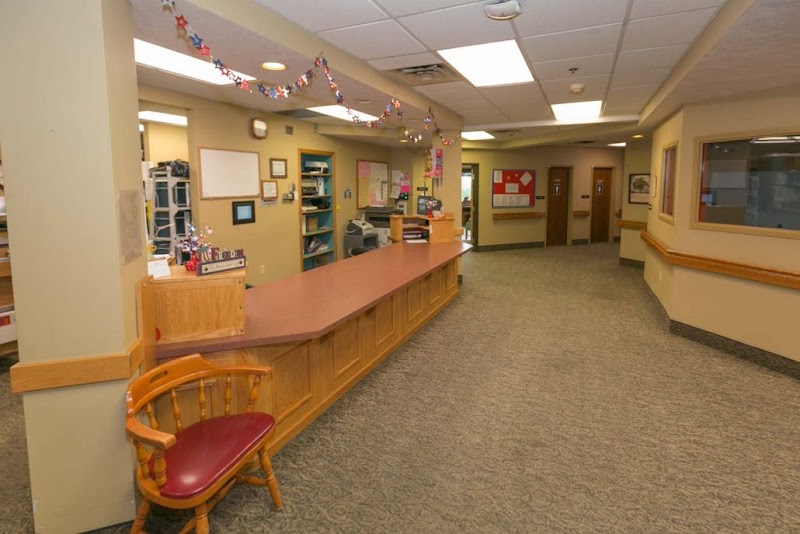
CMS rates Colonial Manor of Randolph's staffing level at 4 out of 5 stars, which is above average compared to other nursing homes. Staff turnover is 48%, compared to the Nebraska average of 46%.

What Have Inspectors Found at Colonial Manor Of Randolph?

State health inspectors documented 14 deficiencies at Colonial Manor of Randolph during 2022 to 2024. These included: 14 with potential for harm.
Who Owns and Operates Colonial Manor Of Randolph?

Colonial Manor of Randolph is owned by a for-profit company. For-profit facilities operate as businesses with obligations to shareholders or private owners. The facility is operated by THE ENSIGN GROUP, a chain that manages multiple nursing homes. With 45 certified beds and approximately 41 residents (about 91% occupancy), it is a smaller facility located in Randolph, Nebraska.

How Does Colonial Manor Of Randolph Compare to Other Nebraska Nursing Homes?

Compared to the 100 nursing homes in Nebraska, Colonial Manor of Randolph's overall rating (3 stars) is above the state average of 2.9, staff turnover (48%) is near the state average of 46%, and health inspection rating (3 stars) is at the national benchmark.

What Should Families Ask When Visiting Colonial Manor Of Randolph?

Based on this facility's data, families visiting should ask: "Can I visit during a mealtime to observe dining assistance and food quality?" "How do you handle medical emergencies, and what is your hospital transfer rate?" "Can I speak with family members of current residents about their experience?"

Is Colonial Manor Of Randolph Safe?

Based on CMS inspection data, Colonial Manor of Randolph has a clean safety record: no substantiated abuse findings (meaning no confirmed cases of resident harm), no Immediate Jeopardy citations (the most serious violation level indicating risk of serious injury or death), and is not on the Special Focus Facility watch list (a federal program monitoring the lowest-performing 1% of nursing homes). The facility has a 3-star overall rating and ranks #1 of 100 nursing homes in Nebraska. While no facility is perfect, families should still ask about staff-to-resident ratios and recent inspection results during their visit.

Do Nurses at Colonial Manor Of Randolph Stick Around?

Colonial Manor of Randolph has a staff turnover rate of 48%, which is about average for Nebraska nursing homes (state average: 46%). Moderate turnover is common in nursing homes, but families should still ask about staff tenure and how the facility maintains care continuity when employees leave.

Was Colonial Manor Of Randolph Ever Fined?

Colonial Manor of Randolph has no federal fines on record. CMS issues fines when nursing homes fail to meet care standards or don't correct problems found during inspections. The absence of fines suggests the facility has either maintained compliance or corrected any issues before penalties were assessed. This is a positive indicator, though families should still review recent inspection reports for the full picture.

Is Colonial Manor Of Randolph on Any Federal Watch List?

Colonial Manor of Randolph is not on any federal watch list. The most significant is the Special Focus Facility (SFF) program, which identifies the bottom 1% of nursing homes nationally based on persistent, serious quality problems. Not being on this list means the facility has avoided the pattern of deficiencies that triggers enhanced federal oversight. This is a positive indicator, though families should still review the facility's inspection history directly.