Northfield Retirement Communities Care Center
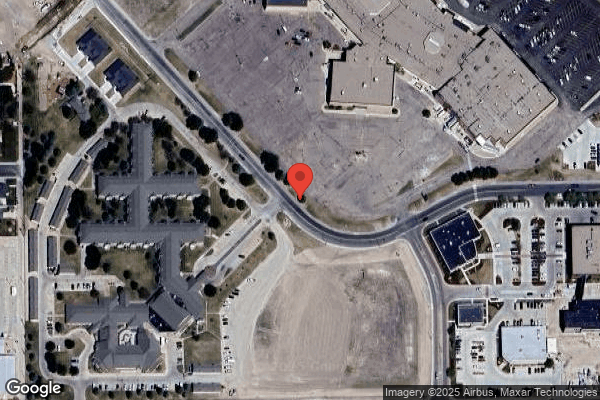

2100 Circle Drive, Scottsbluff, NE 69361 (308) 632-4342
Non profit - Corporation 66 Beds Independent Data: November 2025
Trust Grade
35/100
#162 of 177 in NE
Last Inspection: May 2025

Inspected within the last 6 months. Data reflects current conditions.

Overview

Northfield Retirement Communities Care Center has a Trust Grade of F, indicating significant concerns about the quality of care provided. With a state rank of #162 out of 177, they are in the bottom half of nursing homes in Nebraska, and they rank last in Scotts Bluff County. The facility is worsening, with the number of reported issues increasing from 11 in 2024 to 12 in 2025. Staffing is a major weakness, rated at 1 out of 5 stars, with a turnover rate of 64%, significantly higher than the state average, and less RN coverage than 91% of facilities in Nebraska. Specific incidents noted during inspections include the failure to ensure RN services for the required hours, spoiled food being stored in the kitchen, and inadequate training for new staff on critical topics, highlighting both serious shortcomings and a need for improvement in care practices.

Trust Score
F
35/100
In Nebraska
#162/177
Bottom 9%
Safety Record
Low Risk
No red flags
Inspections
Getting Worse
11 → 12 violations
Staff Stability
⚠ Watch
64% turnover. Above average. Higher turnover means staff may not know residents' routines.
Penalties
✓ Good
No fines on record. Clean compliance history, better than most Nebraska facilities.
Skilled Nurses
○ Average
Each resident gets 30 minutes of Registered Nurse (RN) attention daily — about average for Nebraska. RNs are the most trained staff who monitor for health changes.
Violations
⚠ Watch
27 deficiencies on record. Higher than average. Multiple issues found across inspections.
★☆☆☆☆
1.0
Overall Rating
★☆☆☆☆
1.0
Staff Levels
★☆☆☆☆
1.0
Care Quality
★☆☆☆☆
1.0
Inspection Score
Stable
2024: 11 issues
2025: 12 issues

The Good

  • Full Sprinkler Coverage · Fire safety systems throughout facility
  • No fines on record

Facility shows strength in fire safety.

The Bad

1-Star Overall Rating

Below Nebraska average (2.9)

Significant quality concerns identified by CMS

Staff Turnover: 64%

18pts above Nebraska avg (46%)

Frequent staff changes - ask about care continuity

Staff turnover is elevated (64%)

16 points above Nebraska average of 48%

The Ugly 27 deficiencies on record

May 2025 10 deficiencies
CONCERN (D)

Potential for Harm - no one hurt, but risky conditions existed

Notification of Changes (Tag F0580)

Could have caused harm · This affected 1 resident

**NOTE- TERMS IN BRACKETS HAVE BEEN EDITED TO PROTECT CONFIDENTIALITY** Licensure Reference Number 175 NAC 12-006.04(F)(i)(5) Based on Interview and record review, the facility failed to notify the me...

Read full inspector narrative →
**NOTE- TERMS IN BRACKETS HAVE BEEN EDITED TO PROTECT CONFIDENTIALITY** Licensure Reference Number 175 NAC 12-006.04(F)(i)(5) Based on Interview and record review, the facility failed to notify the medical provider of 1 (Resident 22) of 1 resident's elevated blood pressures. The facility identified a census of 45. Findings are: A record review of a facility policy titled, Change in a resident's condition or status, last revised February 2021, revealed that the nurse will notify the resident's physician or physician on call in several situations which include the need to alter the resident's medical treatment, and a significant change in the resident's physical/emotional/mental condition. A record review of Resident 22's Continuity of Care Document, revealed Resident 22 was admitted to the facility on [DATE]. The document also revealed Resident 22 had diagnoses of dementia, hypertension, cognitive communication deficit, anxiety, and chronic pain. A record review of Resident 22's physician orders revealed an active order dated 11/19/21 which read, Blood pressure and pulse BID (twice daily) if out of parameters recheck 2 hours post B/P meds. A record review of Resident 22's care plan and physician orders revealed no evidence of recommended blood pressure range or parameter for the resident to maintain. A record review of Resident 22's vital sign records revealed the following dates, times, and blood pressure (BP) measurements: -On 5/5/25 at 8:26 AM their BP was 206/103, -On 5/5/25 at 12:17 PM their BP was 187/92, -On 5/4/25 at 4:33 AM their BP was 196/80, -On 5/3/25 at 9:07 AM their BP was 173/88, -On 4/27/25 at 5:12 AM their BP was 178/68, -On 4/20/25 at 8:19 AM their BP was 176/76 -On 4/16/25 at 8:59 AM their BP was 176/77, -On 4/15/25 at 8:29 AM their BP was 187/84, -On 4/14/25 at 7:18 AM their BP was 182/73, and -On 4/9/25 at 6:09 AM their BP was 192/81. A record review of Resident 22's nursing progress notes between 4/8/25 and 5/7/25 revealed no evidence that a physician was notified of Resident 22's high blood pressure. A record review of the 2017 American College of Cardiology (ACC) and American Heart Association (AHA) clinical practice guidelines for hypertension (originally published 11/13/17) revealed that lowering BP in isolated systolic hypertension (defined as systolic BP >160 with variable diastolic BP <90, <95, or <110) is effective in reducing the risk of fatal and nonfatal stroke, cardiovascular events, and death. (Full title: 2017 ACC/AHA/AAPA/ABC/ACPM/AGS/APhA/ASH/ASPC/NMA/PCNA Guideline for the Prevention, Detection, Evaluation, and Management of High Blood Pressure in Adults: A Report of the American College of Cardiology/American Heart Association Task Force on Clinical Practice Guidelines; ahajournals.org) An interview with the Director of Nursing (DON) on 5/5/25 at 4:17 PM confirmed that nursing staff did not notify the medical provider of blood pressure values outside of Resident 22's baseline measurements (baseline is a reference point to track changes and assess the impact of treatments or interventions over time). The interview also confirmed that the nursing staff should have taken additional BP measurements to ensure Resident 22's well-being.
CONCERN (D)

Potential for Harm - no one hurt, but risky conditions existed

Deficiency F0605 (Tag F0605)

Could have caused harm · This affected 1 resident

**NOTE- TERMS IN BRACKETS HAVE BEEN EDITED TO PROTECT CONFIDENTIALITY** Licensure Reference Number 175 NAC 12-006.05(G) Based on interview and record review, the facility failed to attempt gradual dos...

Read full inspector narrative →
**NOTE- TERMS IN BRACKETS HAVE BEEN EDITED TO PROTECT CONFIDENTIALITY** Licensure Reference Number 175 NAC 12-006.05(G) Based on interview and record review, the facility failed to attempt gradual dose reductions or provide clinical rationale for not attempting a gradual dose reduction for 2 (Residents 19 and 24) of 5 sampled residents' psychotropic medications. The facility identified a census of 45. Findings are: Record review of a facility policy titled, Psychotropic medication use, last revised July 2022, revealed that psychotropic medications included anti-psychotics, anti-depressants, anti-anxiety medications, and hypnotics. The policy also revealed that residents on psychotropic medications receive gradual dose reductions (GDRs) unless clinically contraindicated. A. A record review of Resident 24's Continuity of care document, revealed Resident 24 was admitted to the facility on [DATE]. The document also revealed Resident 24 had diagnoses of dementia (a progressive condition marked by cognitive deficits including memory, thinking, and social abilities), falls, anxiety, drug-induced dyskinesia (uncontrolled involuntary muscle movements), and chronic pain. A record review of Resident 24's physician orders revealed active orders for the following psychotropic medications with the indications in parentheses: -Mirtazapine, an antidepressant, 15 milligrams (mg) daily at bedtime (anxiety), with the most recent order date of 10/28/24. -Quetiapine, an antipsychotic,12.5 mg daily in the morning (ordered for dementia), 25 mg at bedtime daily (ordered for anxiety). 6/19/24 and 10/28/24 were documented as start dates, respectively. A record review of Resident 24's care plan revealed a section, Psychotropic Drug Use, last revised 4/15/25 which revealed the following: Resident(name) has dementia with behaviors and anxiety. They take anti-depressants and anti-psychotic medication. The meds have been adjusted. Sees psych prn. Does have hx of TD. The care plan Approach stated that a GDR would be done if recommended by pharmacist and approved by the physician. Record review of facility document titled, Consultant pharmacist medication regimen review (MRR) and physician notification, for Resident 24 revealed a note in August 2024 which stated, If not contraindicated, would you consider a GDR (gradual dose reduction) of Lexapro or Remeron? There was no statement written in the space provided for physician response below the pharmacist's recommendation. An interview with the Director of Nursing (DON) on 5/07/25 at 9:34 AM revealed the physician did not respond to the pharmacist recommendation in August 2024. The DON also confirmed that no other pharmacist recommendations for psychotropic medication gradual dose reductions were suggested. The interview also revealed no physician documentation of clinical rationale for not attempting a GDR existed for this resident. The DON confirmed a GDR should have been attempted or a clinical rationale for not attempting a GDR should have been documented by the physician. B A record review of Resident 19's Significant Change Minimum Data Set (MDS, a federally mandated comprehensive assessment tool used to determine a resident's functional capabilities and help nursing home staff identify health problems) dated 02/21/2025, revealed the resident had displayed disorganized thinking continuously. Resident had difficulty following what was being said and the resident's behaviors interfered with the resident's care and affected the resident's ability to participate in activities or social interactions. The MDS also revealed the resident rejected cares at times and had physical behavioral symptoms directed towards others which included hitting, kicking, pushing, scratching, grabbing, abusing others sexually. A record review of Resident 19's Continuity of Care document revealed Resident 19 had an order for Lexapro (Antidepressant) 10 mg once a day with an indication of major depression and a start date of 03/02/2023. A record review of Resident 19's Care Plan dated 03/05/2025 stated there would be a drug reduction as recommended by pharmacist and approved by physician. A record review of Resident 19's medical records revealed no evidence of a GDR being attempted or any clinical rationale for why a GDR should not be attempted. An interview on 05/07/2025 with the DON revealed the facility does not complete any GDRs unless the pharmacist identifies to do so during monthly reviews. Additionally, the DON confirmed the facility had no evidence a GDR had been attempted or was documented by their physician as clinically contraindicated for Resident 19.
CONCERN (D)

Potential for Harm - no one hurt, but risky conditions existed

Deficiency F0655 (Tag F0655)

Could have caused harm · This affected 1 resident

**NOTE- TERMS IN BRACKETS HAVE BEEN EDITED TO PROTECT CONFIDENTIALITY** Licensure Reference Number 175 NAC 12-006.09(F)(i) Based on record reviews and interviews, the facility failed to develop a base...

Read full inspector narrative →
**NOTE- TERMS IN BRACKETS HAVE BEEN EDITED TO PROTECT CONFIDENTIALITY** Licensure Reference Number 175 NAC 12-006.09(F)(i) Based on record reviews and interviews, the facility failed to develop a baseline care plan (BCP, a resident's plan of care that includes the minimum information needed to provide effective, person-centered care immediately upon admission) within 24 hours as required for 1 (Resident 41) of 2 sample residents. The facility identified a census of 45. Findings are: A record review of a facility policy, Care Plans - Baseline with a revised date of March 2022, revealed a BCP would be developed within 48 hours of admission to meet the resident's immediate health and safety needs. There was no evidence that a BCP would be developed within 24 hours as required by state regulation. Additionally, the policy revealed a BCP is to include initial goals, physician's orders, dietary orders, therapy services, social services, and Pre-admission Screening and Resident Review (PASRR, a process which requires that all applicants to Medicaid-certified nursing facilities be given a preliminary assessment to determine whether they might have Serious Mental Illness or Intellectual Disability) recommendations. A record review of Resident 41's Face Sheet indicated Resident 41 had been admitted to the facility on [DATE]. Resident 41 had diagnoses of dementia (a usually progressive condition marked by the development of multiple cognitive deficits such as memory impairment, aphasia, and the inability to plan and initiate complex behavior), Pressure-induced deep tissue damage(DTPI, a type of pressure ulcer where the damage extends beyond the skin's surface into the underlying soft tissues), Refsum's disease (an inherited condition that causes vision loss, absence of the sense of smell, and a number of other symptoms), pain, acute kidney failure, history of blood clots in the leg, atrial fibrillation (a common heart rhythm disorder characterized by an irregular and often rapid heartbeat), high blood pressure, depression, anxiety, retention of urine, and abnormal weight loss. A record review of Resident 41's admission Minimum Data Set (MDS, a federally mandated comprehensive assessment tool used to determine a resident's functional capabilities and help nursing home staff identify health problems) with an Assessment Reference Date (ARD) of 1/31/2025 revealed the following: -Resident 41 had short/long-term memory impairment with severe impairment of their cognitive decision-making skills. -Resident 41 required moderate assistance with eating and oral hygiene; substantial assistance with personal hygiene; and was dependent for assistance with toileting, bathing, and dressing. Additionally, Resident 41 required partial assistance for bed mobility and maximum assistance for transfers. -Resident 41 had a urinary catheter and was always incontinent of bowel. -Resident 41 received scheduled and as needed pain medication. Resident 41 displayed indications of pain through non-verbal sounds (such as crying, whining, moaning, etc.), vocal complaints, and facial expression (grimaces, furrowed brow, clenched teeth, etc.) on 3-4 days during the past 5 days of the ARD. -Resident 41 had a history of falls prior to admission and had 1 fall since their admission that caused injury. -Resident 41 had an order for a mechanically altered diet. -Resident 41 had one stage 2 (partial-thickness skin loss) and two unstageable pressure ulcers. Treatments included pressure-reducing devices for their chair and bed, repositioning program, and pressure ulcer care. -Resident 41 was taking an antidepressant (a type of medicine used to treat depression), an anticoagulant (blood thinner), an antibiotic, and an opioid (prescription pain medicine). -Resident 41 required oxygen use. A record review of Resident 41's medical record revealed no evidence a BCP had been developed. An interview on 5/7/2025 at 9:30 AM with the Director of Nursing (DON) confirmed the facility had not developed a BCP and should have developed one within 24 hours as required for Resident 41.
CONCERN (D)

Potential for Harm - no one hurt, but risky conditions existed

Quality of Care (Tag F0684)

Could have caused harm · This affected 1 resident

**NOTE- TERMS IN BRACKETS HAVE BEEN EDITED TO PROTECT CONFIDENTIALITY** Licensure Reference Number 175 NAC 12-006.12 Based on interview and record review, the facility failed to follow the physician's...

Read full inspector narrative →
**NOTE- TERMS IN BRACKETS HAVE BEEN EDITED TO PROTECT CONFIDENTIALITY** Licensure Reference Number 175 NAC 12-006.12 Based on interview and record review, the facility failed to follow the physician's orders for 1 (Resident 44) of 1 sampled resident. The facility identified a census of 45. Findings are: A record review of Resident 44's Continuity of care document, revealed they were admitted on [DATE]. The document also revealed Resident 44 had diagnoses of lobar pneumonia (a lung infection that affects a specific area of the lungs, usually caused by bacteria), heart failure (an inability of the heart to pump effectively), chronic obstructive pulmonary disease (a lung condition that results in airflow limitation and persistent symptoms like shortness of breath, coughing, and mucus production), diabetes type 2, and chronic pulmonary edema (too much fluid in the lungs). A record review of Resident 44's nursing progress notes revealed the following: -Resident 44 returned to the facility from a hospital stay which ended on [DATE]. The resident was treated for respiratory failure and pneumonia. -A progress note on [DATE] at 9:15 AM revealed that the nurse called the physician's office to report Resident 44 had a 6 pound weight gain since the previous day. -A progress note on [DATE] at 2:33PM revealed that the physician called the facility and gave an order to start bumetanide (a diuretic, a medicine used to treat fluid retention) 0.5 mg and to re-weigh Resident 44 on [DATE] in the morning. -A progress note on [DATE] at 10:57 AM stated that Resident 44 had edema (swelling) in both legs. The progress note on [DATE] at 1:04 PM stated the physician ordered bumetanide 0.5 mg twice a day. -A progress note on [DATE] stated that the facility received signed orders for a blood test and bumetanide 0.5 mg twice a day. -A progress note on [DATE] at 11:13 AM stated the resident had a weight gain of about 7 pounds since the prior day, [DATE]. -A progress note from [DATE] at 5:31 PM stated that the blood test results were received, then faxed to the physician's office. -A progress note from [DATE] at 3:42 AM stated the resident had shortness of breath and was given nebulized medication and refused to wear the bi-pap (a non-invasive breathing machine that uses two levels of positive air pressure to keep the airway open). -A progress note on [DATE] at 11:07 AM stated the Resident 44 had lost 4 pounds and still had edema in both legs. -A progress note [DATE] at 1:00 PM revealed that the nurse spoke with the physician regarding a bumetanide order that should have been implemented over the weekend, which was an increase over the prior order. The note also revealed the order was intended to be two 0.5 mg tablets in the morning and one 0.5 mg tablet at bedtime for one week. -A progress note on [DATE] at 3:48 PM revealed Resident 44 had edema in both legs and arms and the nurse educated the resident to conserve energy. -A progress note on [DATE] at 9:10 AM revealed Resident 44's lung sounds included wheezes and the edema in their legs was increased. -A progress note on [DATE] at 9:45 revealed that Resident 44 had shortness of breath and dyspnea with exertion (difficulty breathing after physical activity). -A record review of the subsequent progress notes showed a decline in physical condition. Resident 44 died on [DATE] at 1:25 AM. A record review of Resident 44's Continuity of care document, revealed seven separate orders for bumetanide between [DATE] and [DATE]. The orders included different administration times and dosages. A review of Resident 44's medication administration record (MAR) revealed the following missed doses of bumetanide: -[DATE] 2-4:00 PM dose of one 0.5 mg tablet was not administered, with the reason given: waiting for delivery. -[DATE] 7-10:00 AM dose of one 0.5 mg tablet was not administered, with the reason given: drug unavailable, awaiting delivery. -[DATE] 7-10:00 AM dose of two 0.5 mg tablets was not administered, with the reason: med cart not available, half tab available Qday, order needs clarification. The dose given was 0.25 mg. -[DATE] 1-3:00 PM dose of one 0.5 mg tablet was not administered, with the reason given: on hold. An interview with the Director of Nursing (DON) on [DATE] at 12:18 PM confirmed that the facility should have obtained the bumetanide from their contracted pharmacy. The DON stated that when the medication was unavailable, the back-up pharmacy should have been contacted. The DON confirmed the medication should have been given as ordered. The interview also confirmed Resident 44 was put on comfort cares [DATE] and died on [DATE] at 1:25 AM.
CONCERN (D)

Potential for Harm - no one hurt, but risky conditions existed

Deficiency F0688 (Tag F0688)

Could have caused harm · This affected 1 resident

**NOTE- TERMS IN BRACKETS HAVE BEEN EDITED TO PROTECT CONFIDENTIALITY** Licensure Reference Number NAC 175-12-006.09(H)(v) Based on observations, interviews, and record review the facility failed to p...

Read full inspector narrative →
**NOTE- TERMS IN BRACKETS HAVE BEEN EDITED TO PROTECT CONFIDENTIALITY** Licensure Reference Number NAC 175-12-006.09(H)(v) Based on observations, interviews, and record review the facility failed to provide treatment and care for contractures for 1 (Resident 1) of 4 sampled residents. The facility identified a census of 45. Findings are: An interview on 05/05/25 at 9:45 AM with Resident 1 in their room revealed that Resident 1 had contractures to bilateral hands which Resident 1 stated was from arthritis. Resident 1's fingers on bilateral hands were observed to be bent over stiffly into palms, with the exception of bilateral thumbs, which were observed to have free movement. Resident 1 stated the contractures did cause pain and denied being able to open fingers. Resident 1 stated that they still were able to grab and hold objects but that the contractures made it significantly more difficult to complete some tasks. Resident 1 stated that facility staff were not working with the contractures. Resident 1 denies receiving services from physical therapy, occupational therapy, or floor staff related to the contractures. A record review of Resident 1's admission summary revealed an admission date of 1/31/20 with a primary diagnosis of Parkinson's Disease, a progressive neurological disorder that primarily affects movement, causing symptoms like tremors, stiffness, and slowness of movement. A record review of Resident 1's admission Minimum Data Set (MDS, a federally mandated comprehensive assessment tool used to determine a resident's functional capabilities and helps nursing home staff identify health problems) dated 7/1/20 revealed in Section G that Resident 1 had no functional limitation to range of motion with either upper or lower extremities- indicating that no contractures were present at the time of the assessment. A record review of Resident 1's quarterly MDS dated [DATE] revealed in Section G that Resident 1 had no functional limitation to range of motion with either upper or lower extremities- indicating that no contractures were present at the time of the assessment. A record review of Resident 1's quarterly MDS dated [DATE] revealed in Section G that Resident 1 had no functional limitation to range of motion with either upper or lower extremities- indicating that no contractures were present at the time of the assessment. A record review of Resident 1's quarterly MDS dated [DATE] revealed in Section G that Resident 1 had functional limitation to range of motion with both upper and lower extremities- indicating that Resident 1 had contractures present at the time of the assessment. A record review of Resident 1's care plan revealed a focus area for nutrition which revealed that Resident 1 was at nutritional risk related to contractures to bilateral hands. The focus area further indicated that Resident 1 had been offered adaptive silverware but refused to use it. No other documented evidence of interventions for Resident 1's contractures were noted in that focus area. The care plan further revealed a focus area of Activity of Daily Living (ADLs- basic self-care tasks that people perform to maintain their independence and well-being) Functional Status/Rehabilitation Potential. This focus area detailed that Resident 1 required supervised to extensive assistance with ADLs due to contractures to both hands related to osteoarthritis. Interventions for this focus area instructed staff to observe for decline related to ADLs and to notify physician, allow Resident 1 to do as much for themself as they are able, to provide extensive assistance with dressing as Resident 1 allows, and to notify therapy and physician of any decline. No documented evidence of further interventions related to contractures were noted on the care plan. An interview on 5/6/25 at 12:50 PM with Physical Therapist (PT) revealed the therapy department attempted to utilize splints to contractures years ago, but that Resident 1 refused to use them. The PT was unable to present documented evidence of splint use and refusal. An interview on 5/6/25 at 3:45 PM with the Director of Nursing (DON) confirmed that there were no specific interventions in place to monitor the contractures and prevent them from worsening or developing complications. The DON denied knowing exactly when Resident 1 developed the contractures and confirmed that there should have been specific interventions in place to address them.
CONCERN (D)

Potential for Harm - no one hurt, but risky conditions existed

Deficiency F0757 (Tag F0757)

Could have caused harm · This affected 1 resident

Licensure Reference Number 175 NAC 12-006.09(H) Based on record review and interviews the facility failed to provide rational or clinical indicators of continued use of an antibiotic for one (Resident...

Read full inspector narrative →
Licensure Reference Number 175 NAC 12-006.09(H) Based on record review and interviews the facility failed to provide rational or clinical indicators of continued use of an antibiotic for one (Resident 14) of one sampled resident. The facility census was 45. Findings are: A record review of Resident 14's Minimum Data Set (MDS, a federally mandated comprehensive assessment tool used to determine a resident's functional capabilities and help nursing home staff identify health problems), dated 02/24/2025 revealed in Section N that the resident was taking an antibiotic. A record review of Resident 14's Care Plan revealed the resident had a supra pubic catheter related to urine retention. Resident 14 had a history of urinary tract infections and the resident was started on a routine antibiotic for prophylaxis on 08/05/2019. A record review of Resident 14's physician's order dated 04/26/2022 revealed an order for cephalexin (an antibiotic) 250 milligrams (MG) with a start date of 05/03/2022, a discontinue date of 03/04/2025, and a restart date of 03/04/2025 with a new diagnosis added of Prophylactic measures, unspecified. There was no stop date on the order. A record review of Resident 14's Progress Note dated 12/26/2024 revealed the Nurse Practitioner was in the facility on rounds and gave a new diagnosis of UTI Prophylactic for the resident's antibiotic and Supra Pubic catheter. A record review of Resident 14's Referral Form note dated 12/24/2024 revealed in the nurses notes/reason for referral, the nurse was asking for a reason for the prophylactic antibiotic. Under the findings and recommendations section in a progress note written by hand was the statement UTI prophylactic. An interview on 05/07/25 at 9:15 AM with the Nurse Practitioner confirmed Resident 14's antibiotic had been ordered for prophylaxis. A record review of the Center for Disease Control's (CDC) document The Core Elements of Antibiotic Stewardship for Nursing Homes APPENDIX A: Policy and Practice Actions to Improve Antibiotic Use revealed Surveys of antibiotic use have shown that (Urinary Tract Infection) UTI prophylaxis accounts for a significant proportion of antibiotic prescriptions. Very few studies support antibiotic use for UTI prophylaxis, especially in older adults, and many studies have shown this antibiotic exposure increases risk of side effects and resistant organisms. Therefore, efforts to educate providers on the potential harm of antibiotics for UTI prophylaxis could reduce unnecessary antibiotic exposure and improve resident outcomes.'
CONCERN (F)

Potential for Harm - no one hurt, but risky conditions existed

Deficiency F0727 (Tag F0727)

Could have caused harm · This affected most or all residents

Nebraska Revised Statute 71-6018.02(2)(a) Based on record reviews and interviews, the facility failed to ensure the services of a Registered Nurse (RN) for at least 8 consecutive hours a day, 7 days a...

Read full inspector narrative →
Nebraska Revised Statute 71-6018.02(2)(a) Based on record reviews and interviews, the facility failed to ensure the services of a Registered Nurse (RN) for at least 8 consecutive hours a day, 7 days a week as required. This had the potential to affect all residents who reside within the facility. The facility identified a census of 45. Findings are: A record review of a Payroll-Based Journal Staffing Data Report (PBJ, a system analysis report of staffing metrics, such as excessively low weekend staffing, no RN hours, and failure to have licensed nursing coverage 24 hours/day, that is based off payroll information submitted by the nursing homes) from July 1 - September 30, 2024, revealed the facility had triggered for four or more days within the quarter for no RN hours. The infraction dates were 8/10/2024, 8/11/2024, 8/16/2024, and 9/22/2024. A record review of facility-provided Timecard Reports from 8/10/2024-8/11/2024 revealed no evidence of RN hours on 8/10/2024 or 8/11/2024. A record review of facility-provided Timecard Reports from 9/22/2024 revealed no evidence of RN hours on 9/22/2024. An interview on 5/7/2025 at 12:50 PM with the Nurse Consultant (NC) confirmed the facility did not have RN hours on 8/10/2024, 8/11/2024, or 9/22/2024 but was able to provide evidence of 8-consecutive RN hours on 8/16/2024. A record review of facility-provided Individual Timecards from 2/2/2025-2/8/2025 revealed no evidence of RN hours on 2/8/2025. A record review of facility-provided Individual Timecards from 2/12/2025-2/26/2025 revealed no evidence of RN hours on 2/15/2025 or 2/16/2025. A record review of facility-provided Individual Timecards from 4/1/2025-4/12/2025 revealed no evidence of RN hours on 4/5/2025, 4/6/2025, or 4/12/2025. An interview on 5/8/2025 at 10:00 AM with the Nursing Home Administrator (NHA) revealed the facility's process for ensuring RN hours are to schedule an RN at least 8 consecutive hours every day. If a callout or unanticipated staffing shortage of the RN would occur, the RN would be responsible for attempting to find a replacement, the NHA would also attempt to find coverage. However, the facility had been having difficulty fulfilling RN hours due to vacations and other unexpected staffing turnovers. The NHA confirmed the facility had no evidence of RN hours for at least 8 consecutive hours on 2/8/2025, 2/15/2025, 2/16/2025, 4/5/2025, 4/6/2025, and 4/12/2025.
CONCERN (F)

Potential for Harm - no one hurt, but risky conditions existed

Food Safety (Tag F0812)

Could have caused harm · This affected most or all residents

Licensure Reference Number NAC 175 12-006.11(E) Based on record review, interviews, and observations the facility failed to identify and dispose of spoiled fruits and vegetables stored in the walk-in ...

Read full inspector narrative →
Licensure Reference Number NAC 175 12-006.11(E) Based on record review, interviews, and observations the facility failed to identify and dispose of spoiled fruits and vegetables stored in the walk-in refrigerator. This had the potential to affect all residents who resided within the facility. The facility identified a census of 45. Findings are: A record review of the facility policy Dietary Policy dated 3/17/25 revealed staff will check for expiration dates when getting food. If food is found to be expired, discard immediately. Do not return expired foods to shelves. There was no evidence of guidance in the policy related to the monitoring and disposal of fresh fruits and vegetables. An observation on 05/04/2025 at 6:15 PM during initial kitchen tour revealed two bags of grapes that had a greenish black fuzzy substance sticking to the grapes with a cloudy light greenish liquid substance throughout the bag. The observation further revealed an open box that contained a bag with one tomato in it. The tomato was noted to have a fuzzy greenish black substance around the stem. An interview on 05/04/2025 at 7:00 PM with the Certified Dietary Manager (CDM) confirmed, these products should never have been in the refrigerator and should have been disposed of immediately. CDM stated that staff check foods that have expiration dates (canned or boxed items) upon removing from storage, but was unable to indicate how they monitor fresh fruits and vegetables.
CONCERN (F)

Potential for Harm - no one hurt, but risky conditions existed

Deficiency F0940 (Tag F0940)

Could have caused harm · This affected most or all residents

Licensure Reference Number 175 NAC 12-006.04(B)(i) Based on record reviews and interviews, the facility failed to implement an effective initial training program to ensure new employees had completed ...

Read full inspector narrative →
Licensure Reference Number 175 NAC 12-006.04(B)(i) Based on record reviews and interviews, the facility failed to implement an effective initial training program to ensure new employees had completed training on topics of resident rights, emergency procedures, abuse/neglect, dementia care and medical emergency directives (for nursing staff) for 3 (Dietary Aide (DA) -G, Nurse Aide (NA) -B, and Medication Aide (MA) -D) of 5 sample employees. This had the potential to affect all residents residing within the facility. The facility identified a census of 45. Findings are: A record review of the facility's undated Facility Assessment Competency Tool, under the section Workforce Training, revealed high priority rating for training on abuse and neglect, emergency preparedness and resident rights and medium priority rating for dementia training. There was no evidence of the importance of training regarding medical emergency directives. A record review of an undated, facility-provided staff list revealed the following: -DA-G was hired on 4/19/2025. -NA-B was hired on 2/19/2025. -MA-D was re-hired on 1/13/2025. A record review of DA-G's personnel record revealed no evidence that initial orientation training had been completed, including on topics of resident rights, emergency procedures, or dementia. A record review of NA-B's personnel record revealed no evidence that initial orientation training had been completed on dementia or medical emergency directives. A record review of MA-D's personnel record revealed no evidence initial orientation training had been completed on dementia or medical emergency directives. An interview on 5/6/2025 at 3:40 PM with Human Resources (HR) confirmed DA-G had no evidence initial orientation training had been completed and no evidence NA-B or MA-D had completed initial orientation training on dementia or medical emergency directives.
CONCERN (F)

Potential for Harm - no one hurt, but risky conditions existed

Deficiency F0947 (Tag F0947)

Could have caused harm · This affected most or all residents

Licensure Reference Number 175 NAC 12-006.04(B)(ii) Licensure Reference Number 175 NAC 12-006.04(B)(ii)(1) Based on record review and interviews, the facility failed to ensure nurse aides (NA)/ medica...

Read full inspector narrative →
Licensure Reference Number 175 NAC 12-006.04(B)(ii) Licensure Reference Number 175 NAC 12-006.04(B)(ii)(1) Based on record review and interviews, the facility failed to ensure nurse aides (NA)/ medication aides (MA) had completed ongoing training of at least 12 hours per year on topics appropriate to the employee's job duties, abuse/neglect training, and at least 4 hours of dementia training as required for 5 (MA-H, NA-A, MA-F, MA-E, and NA-I) of 5 sample employees. This had the potential to affect all residents residing within the facility. The facility identified a census of 45. Findings are: A record review of the facility's undated Facility Assessment Competency Tool, under the section Workforce Training, revealed high priority rating for nurse aide education and training on abuse and neglect, and medium priority rating for dementia training. There was no evidence of time requirements for ongoing training. A record review of an undated facility-provided staff list revealed the following: -MA-H was hired on 6/6/2022. -NA-A was hired on 6/26/2022. -MA-F was re-hired on 6/21/2022. -MA-E was re-hired on 10/13/2023. -NA-I was hired on 3/6/2023. A record review of the facility's provided copy of MA-H's Relias Transcript with a date range of 6/6/2023-6/6/2024 revealed MA-H had completed 1.75 hours of ongoing training. There was no evidence that ongoing training on dementia had been completed. A record review of the facility's provided copy of NA-A's Relias Transcript with a date range of 6/6/2023-6/6/2024 revealed a total of 3 hours of ongoing training had been completed. NA-A had completed an additional 0.17 hours of training, but the courses of Setting Up the Steam Table, Proper Freezer Storage, and Dry Storage were unrelated to NA-A's job duties. There was no evidence NA-A had completed ongoing training on dementia. A record review of the facility's provided copy of MA-F's Relias Transcript with a date range of 6/21/2023-6/21/2024 revealed MA-F had completed 4.75 hours of ongoing training with 0.25 hours of training on dementia. There was no evidence MA-F had completed ongoing training on abuse and neglect. A record review of the facility's provided copy of MA-E's Relias Transcript with a date range of 10/13/2023-10/23/2024 revealed MA-E had completed a total of 8 hours of ongoing training had been completed with 0.25 hours of training on dementia. A record review of the facility's provided copy of NA-I's Relias Transcript with a date range of 3/6/2024-3/6/2025 revealed no evidence NA-I had completed 4 hours of ongoing training on dementia. An interview on 5/7/2025 at 8:30 AM with the Nurse Consultant (NC) confirmed the facility had not met the requirements for ongoing training for the 5 sampled staff.
Jan 2025 2 deficiencies
CONCERN (D) 📢 Someone Reported This

A family member, employee, or ombudsman was alarmed enough to file a formal complaint

Potential for Harm - no one hurt, but risky conditions existed

Deficiency F0655 (Tag F0655)

Could have caused harm · This affected 1 resident

**NOTE- TERMS IN BRACKETS HAVE BEEN EDITED TO PROTECT CONFIDENTIALITY** Based on record review and interview, the facility failed to provide a written summary of the baseline care plan to 1 (Resident ...

Read full inspector narrative →
**NOTE- TERMS IN BRACKETS HAVE BEEN EDITED TO PROTECT CONFIDENTIALITY** Based on record review and interview, the facility failed to provide a written summary of the baseline care plan to 1 (Resident 1) of 3 sampled residents. The facility census was 51. Findings Are: A record review of a facility policy Care Plans-Baseline with a last revised date of March 2022, revealed that a baseline plan of care to meet the resident's immediate health and safety needs is developed for each resident within 48 hours of admission. The policy also stated that the resident and/or representative are to be provided a written summary of the baseline care plan. A record review of Resident 1's admission Record revealed the resident was admitted to the facility on [DATE]. A record review of Resident 1's medical records revealed no evidence that a written summary of Resident 1's baseline care plan had been provided to the resident or their representative. An interview on 1/15/2025 at 1:05 PM with the Social Services Director (SSD) confirmed that a written summary of Resident 1's baseline care plan had not been provided to the resident or their representative.
MINOR (C) 📢 Someone Reported This

A family member, employee, or ombudsman was alarmed enough to file a formal complaint

Minor Issue - procedural, no safety impact

Deficiency F0844 (Tag F0844)

Minor procedural issue · This affected most or all residents

Licensure Reference Number 175 NAC 12-006.01(G)&(H) Based on record review and interview, the facility failed to notify the State Agency of a change in administrator within 5 working days as required....

Read full inspector narrative →
Licensure Reference Number 175 NAC 12-006.01(G)&(H) Based on record review and interview, the facility failed to notify the State Agency of a change in administrator within 5 working days as required. This had the potential to affect all residents who resided within the facility. The facility census was 51. Findings Are: A record review of a facility provided document titled Change of Administrator or Director of Nursing Notification Form revealed that the facility had a change in administrator on 10/11/2024. A record review of a facility provided email exchange revealed that the facility had emailed the Change of Administrator or Director of Nursing Notification Form related to the change in administrator that occurred on 10/11/2024 to the State Agency on 11/8/2024. An interview on 1/15/25 at 1:33 PM with the Administrator confirmed that the facility did not send the notification email regarding the facility's change in administrator that occurred on 10/11/2024 to the State Agency until 11/8/2024 and that this was outside of the required timeframe.
Jun 2024 11 deficiencies
CONCERN (D)

Potential for Harm - no one hurt, but risky conditions existed

Accident Prevention (Tag F0689)

Could have caused harm · This affected 1 resident

Licensure Reference Number 175 NAC 12-006.18E1 Based on observations, record review, and interview the facility failed to ensure an' oxygen concentrator was turned off when not in use, and failed to e...

Read full inspector narrative →
Licensure Reference Number 175 NAC 12-006.18E1 Based on observations, record review, and interview the facility failed to ensure an' oxygen concentrator was turned off when not in use, and failed to ensure the nasal cannula was not left on the resident's unoccupied bed when the concentrator was left on and unattended for 1 (Reskdent 32) of 1 sampled resident. The facility census was 47. The Findings Are: A record review of facility policy Oxygen Administration with last revised date of October 2010, revealed the facility would instruct the resident, their family, visitors, and roommate (if any) of the oxygen safety precautions and that the facility would provide the resident with a written copy of the Oxygen Safety handout. A record review of undated facility provided document Using Oxygen Safely, revealed instruction to Turn off your oxygen when you're not using it. Don't set the cannula or mask on the bed or a chair if the oxygen is turned on. A record review of Resident 32's Significant Change in Condition Minimum Data Set (MDS, a federally mandated comprehensive assessment tool used for care planning), dated 3/24/24 revealed in Section C a Brief Interview for Mental Status (BIMS) score of 15/15, which indicated the resident was cognitively intact, and in Section O that the resident was receiving oxygen therapy. A record review of Resident 32's physician's orders revealed an order with a start date of 12/18/23 revealed the resident was to utilize oxygen at 2 liters per minute (LPM). An observation on 6/13/24 at 12:00 PM revealed Resident 32 was not in their room. Their O2 concentrator, which was sitting on the floor near Resident 32's bed, was turned on and set at 2 LPM. The nasal cannula tubing was attached to the oxygen concentrator with the nasal cannula end of the tubing laying on top of the resident's blankets on their bed. An interview on 6/13/24 at 12:05 PM with the Director of Nursing (DON) confirmed Resident 32's oxygen concentrator was running at 2 LPM, that the nasal cannula was laying on the resident's bed, and that there was no one present in the resident's room at that time.
CONCERN (D)

Potential for Harm - no one hurt, but risky conditions existed

Deficiency F0697 (Tag F0697)

Could have caused harm · This affected 1 resident

Licensure Reference Number 175 NAC 12-006.09 Based on record review and interview, the facility failed to evaluate and implement interventions to manage pain for 1(Resident 39) of 1 sampled residents....

Read full inspector narrative →
Licensure Reference Number 175 NAC 12-006.09 Based on record review and interview, the facility failed to evaluate and implement interventions to manage pain for 1(Resident 39) of 1 sampled residents. The facility census was 47. The Findings Are: A record review of facility policy Pain Assessment and Management with last revised date of October 2022, revealed pain would be assessment using a consistent approach and a standardized pain assessment instrument appropriate to the resident's cognitive level. A record review of website, wongbakerfaces.org revealed the Wong-Baker FACES Pain Rating Scale was a self-assessment tool that must be understood by the patient, so they would be able to choose the face that best illustrated the physical pain they were experiencing. The website also stated it was not a tool to be used by a third person, parents, healthcare professionals, or caregivers, to assess the patient's pain. A record review of the website, painscale.com revealed the following explanation of the 0-10 pain rating scale: - A rating of 0 indicated a person was having no pain. - A rating of 1-3 indicated a person was having mild pain. - A rating of 4-6 indicated a person was having moderate pain. - A rating of 7-8 indicated a person was having severe pain. - A rating of 9-10 indicated a person was having the worst pain possible. A record review of Resident 39's quarterly Minimum Data Set (MDS), a federally mandated comprehensive assessment tool used for care planning, dated 4/17/24 revealed in Section C a Brief Interview for Mental Status (BIMS) score of 7/15, which indicated the resident had severe cognitive impairment. Section I revealed the resident had a diagnosis of non-Alzheimer's dementia and a diagnosis of pain. A record review of Resident 39's care plan revealed the resident had the potential for general pain and discomfort and had a diagnosis of pain. The care plan stated that Resident 39's cognition was impaired, and the FACES scale might need to be used. The resident's goal for this problem was to have no verbal or non-verbal indicators of pain within one hour of an intervention. The interventions for the problem included to observe the resident for complains of pain and for non-verbal signs of pain. A record review conducted on 6/16/24 of Resident 39's physician's orders revealed an order with a start date of 10/12/23, for acetaminophen (a medication used for pain) 325 milligrams (MG), two tablets as needed every 4 hours for pain. The documentation on the order revealed that over the prior 30 days, the resident had only received the acetaminophen on 5/20/24 and 5/22/24. There was no evidence of the medication being administered on any other dates. A record review of Resident 39's Treatment Administration Record (TAR) revealed an order with a start date of 10/12/23, of Check a Pain Scale every shift and document intensity with a special instruction on the order that stated to note if the 0-10 Scale or the FACES scale was used and to document the intensity of the pain. The review of the TAR from 5/18/24 through 6/17/24 revealed the following dates with documentation of pain and the pain intensity: - On 5/20/24 the resident's pain was documented at a 5 out of 10 on both the day and evening shifts. There was no evidence of the resident being offered their as needed acetaminophen on the evening shift. - On 5/24/24 the resident's pain was documented at a 4 out of 10 on the day shift. There was no evidence of the resident being offered their as needed acetaminophen. - On 5/25/24 the resident's pain was documented at a 10 out of 10 on the day shift. There was no evidence of the resident being offered their as needed acetaminophen. - On 5/26/24 the resident's pain was documented at a 5 out of 10 on the day shift. There was no evidence of the resident being offered their as needed acetaminophen. - On 5/27/24 the resident's pain was documented at a 10 out of 10 on the day shift, a 3 out of 10 on the evening shift, and a 1 out of 10 on the night shift. There was no evidence of the resident being offered their as needed acetaminophen. - On 5/30/24 the resident's pain was documented at a 5 out of 10 on the day shift. There was no evidence of the resident being offered their as needed acetaminophen. - On 6/1/24 the resident's pain was documented at a 3 out of 10 on the evening shift and a 2 out of 10 on the night shift. There was no evidence of the resident being offered their as needed acetaminophen. - On 6/2/24 the resident's pain was documented at a 5 out of 10 on the day shift, and at a 2 out of 10 on the evening and night shifts. There was no evidence of the resident being offered their as needed acetaminophen. - On 6/5/24 the resident's pain was documented at a 1 out of 10 on the day shift and was documented as yes on the night shift. There was no evidence of the resident being offered their as needed acetaminophen. - On 6/6/24 the resident's pain was documented at a 2 out of 10 on the evening shift. There was no evidence of the resident being offered their as needed acetaminophen. - On 6/7/24 the resident's pain was documented at a 4 out of 10 on the day shift and at a 10 out of 10 on the evening shift. There was no evidence of the resident being offered their as needed acetaminophen. - On 6/9/24 the resident's pain was documented at a 10 out of 10 on the day shift and at a 1 out of 10 on the evening shift. There was no evidence of the resident being offered their as needed acetaminophen. - On 6/11/24 the resident's pain was documented at a 1 out of 10 on the day and evening shifts. There was no evidence of the resident being offered their as needed acetaminophen. - On 6/12/24 the resident's pain was documented at a 1 out of 10 on the day shift and at a 4 out of 10 on the night shift. There was no evidence of the resident being offered their as needed acetaminophen. - On 6/16/24 the resident's pain was documented at a 2 out of 10 on the day and evening shifts, and at a 1 out of 10 on the night shift. There was no evidence of the resident being offered their as needed acetaminophen. A record review of Resident 39's progress note on 5/24/24 at 8:19 AM revealed that the resident had increased levels of agitation, had been combative, had been making negative statements, and was distrustful of staff that morning. Resident 39 was given an as needed anti-anxiety medication for their agitation. There was no evidence in the progress note that the resident had been offered their as needed acetaminophen. A record review of Resident 39's progress note on 5/27/2024 at 7:46 AM revealed that the resident was agitated, grimacing, was yelling out, and distrustful of staff. The note also stated the resident was not easily redirected. There was no evidence in the progress note that the resident had been offered their as needed acetaminophen. A record review of Resident 39's progress note on 5/29/2024 at 9:26 AM revealed that the DON was called to the dining room as the resident was not eating and was yelling out. The DON attempted to reposition the resident in their wheelchair, but the resident did not have relief of symptoms from this. The resident was then assisted to lay down in bed for comfort. There was no evidence in the progress note that the resident had been offered their as needed acetaminophen. A record review of Resident 39's progress note on 6/07/2024 at 8:39 AM revealed the resident had been yelling out and uncomfortable while at the table in the dining room. The resident had refused their medications that AM and had been assisted to lay down in bed after being in the dining room. A record review of Resident 39's progress note on 6/08/2024 at 9:17 AM revealed the resident had been yelling out while in their room and in the dining room, and that the resident appeared to be in pain throughout the entire meal. There was no evidence in the progress note that the resident had been offered their as needed acetaminophen. An interview on 6/12/24 at 12:37 PM with Resident 39's representative revealed the resident had arthritis, particularly in the right leg and that the resident had pain to both legs. An interview on 6/17/24 at 1:00 PM with the DON confirmed that the charge nurse on duty each shift was responsible for completing each resident's ordered pain assessment. An interview on 6/18/24 at 10:31 AM with Registered Nurse (RN)-B, revealed that due to Resident 39's cognition, a licensed nurse was required to complete their pain assessment each shift. RN-B revealed at times the resident was oriented enough to rate their pain on the 0-10 scale, otherwise the facility staff was to utilize the FACES pain scale for the resident's assessments. RN-B further reported on occasion they would utilize the FLACC (Face, Legs, Activity, Cry, Consolability) pain scale (a behavioral pain assessment scale targeted for use in children). RN-B reported based on the resident's pain rating, the staff could utilize pain medications, or they could try repositioning. RN-B revealed Resident 39 most often had pain in the mornings during their AM cares and getting ready for the day and had generalized pain.
CONCERN (D)

Potential for Harm - no one hurt, but risky conditions existed

Medication Errors (Tag F0758)

Could have caused harm · This affected 1 resident

Licensure Reference Number 175 NAC 12-006.10 Based on interviews and record reviews, the facility failed to ensure PRN (as needed) antipsychotic medication use was limited to 14 days and that a ration...

Read full inspector narrative →
Licensure Reference Number 175 NAC 12-006.10 Based on interviews and record reviews, the facility failed to ensure PRN (as needed) antipsychotic medication use was limited to 14 days and that a rationale for continued use was documented by the provider as required for 1 (Resident 21) of 5 sampled residents. The facility census was 47. Findings are: A record review of a facility policy Antipsychotic Medication Use with a revised date of July 2022 indicated PRN medications will not be renewed beyond 14 days unless the healthcare practitioner has evaluated the resident for the appropriateness of that medication and documented the rationale for continued use. The duration of the PRN order will be indicated in the order. A record review of Resident 21's Face Sheet indicated the facility admitted Resident 21 on 4/28/2022 with diagnoses of Dementia with behavioral disturbance and anxiety. A record review of Resident 21's Orders as of 6/17/2024 revealed an order for Seroquel 25 milligrams (mg) as needed for agitation. The order had begun on 9/9/2023 and did not include a stop date or duration. A record review of Resident 21's medical record revealed no evidence of recent documentation from a physician for the rationale for continued use of the antipsychotic. An interview on 6/17/2024 at 10:54 AM with the Director of Nursing (DON) confirmed the order did not include a stop date or duration. A follow up interview on 6/17/2024 at 4:12 PM with the DON confirmed there was no documented rationale for the continued use of the antipsychotic for Resident 21.
CONCERN (D)

Potential for Harm - no one hurt, but risky conditions existed

Unnecessary Medications (Tag F0759)

Could have caused harm · This affected 1 resident

Licensure Reference Number 175 NAC 12-006.10D Based on Record Review, Observations, and Interviews, the facility failed to ensure it was free of a medication error rate of 5% or greater. Observation o...

Read full inspector narrative →
Licensure Reference Number 175 NAC 12-006.10D Based on Record Review, Observations, and Interviews, the facility failed to ensure it was free of a medication error rate of 5% or greater. Observation of 36 medications administered revealed 4 errors while crushing medications resulting in a medication error rate of 11.11%. These medication errors affected 2 residents (Resident 5 and Resident 22) of 5 observed residents. Current Census at the facility was 48. The findings are: A. A review of the medication Potassium Chloride (a medication that is indicated in patients for whom dietary intake is inadequate) from Drug.com on 6/17/2024 reveals; Swallow tablets whole without crushing, chewing or sucking. A review of the medication Ferrous Sulfate (a medication used to treat a lack of red blood cells in the blood stream caused by having too little iron in the body) from Drug.com on 6/17/2024 reveals; Swallow the tablet whole and do not crush, chew, or break it. Take ferrous sulfate on an empty stomach, at least 1 hour before or 2 hours after a meal. Avoid taking antacids or antibiotics within 2 hours before or after taking ferrous sulfate. A review of the medication Enteric Coated Aspirin (a medication used to treat pain and reduce fever or inflammation. It is sometimes used to treat or prevent heart attacks, strokes, and chest pain.) from Drug.com on 6/17/2024 reveals: Do not crush, chew, break, or open an enteric-coated or delayed/extended-release pill. Swallow the pill whole. Interview on 6/13/2024 at 07:40 AM with Medication Aide-A (MA) confirmed that MA-A has been a Medication Aide for one year and works this capacity on nearly all shifts. B. Observation on 6/13/2024 at 7:50 AM of MA-A adminitsering medications reveal all medication tablets were crushed for Resident #5 including potassium chloride 20 milliequivalents and ferrous sulfate 325 mg and administered to Resident #5 while Resident #5 was eating breakfast. A interview on 6/13/2024 at 7:55 AM with MA-A confirmed that all medications in tablet form were crushed for Resident #5. C. Observation on 6/13/2024 at 8:00 AM of MA-A administering medications revealed all medications for Resident #22 were crushed prior to administering including enteric coated aspirin 81 milligrams and potassium chloride ER 20 milliequivalents. Interview on 6/13/2024 at 08:04 with MA-A confirmed all medications were crushed for Resident #22 prior to administration.
CONCERN (E)

Potential for Harm - no one hurt, but risky conditions existed

Deficiency F0582 (Tag F0582)

Could have caused harm · This affected multiple residents

Based on record review and interview, the facility failed to provide the Centers for Medicare and Medicaid Services (CMS)-10055 form to 3 (Residents 23, 33, and 41) of 3 sampled residents as required....

Read full inspector narrative →
Based on record review and interview, the facility failed to provide the Centers for Medicare and Medicaid Services (CMS)-10055 form to 3 (Residents 23, 33, and 41) of 3 sampled residents as required. The facility census was 47. The Findings Are: A record review of facility policy Medicare Advance Beneficiary and Medicare Non-Coverage Notices with last revised date of September 2022, revealed in the Skilled Nursing Facility Advance Beneficiary Notice (CMS form 10055) section that if the director of admissions or benefits coordinator believed that Medicare would not pay for an otherwise covered skilled service, the resident (or representative) would be notified in writing why the service may not be covered and of the resident's potential liability for payment of the non-covered service. A. A record review of CMS form SNF Beneficiary Notification Review for Residents who Received Medicare Part A Services, completed by the facility Minimum Data Set Coordinator (MDS) on 6/13/24 in regard to Resident 33, revealed the resident's last covered day of Part A Service was 1/25/24, and that a Skilled Nursing Facility-Advance Beneficiary Notice (SNF-ABN), CMS-10055 Form was not provided to the resident. The reason for the form not being provided was documented as Only have form 10123. B. A record review of CMS form SNF Beneficiary Notification Review for Residents who Received Medicare Part A Services, completed by the facility Minimum Data Set Coordinator (MDS) on 6/13/24 in regard to Resident 41, revealed the resident's last covered day of Part A Service was 3/28/24, and that a Skilled Nursing Facility-Advance Beneficiary Notice (SNF-ABN), CMS-10055 Form was not provided to the resident. The reason for the form not being provided was documented as Only have form 10123. C. A record review of CMS form SNF Beneficiary Notification Review for Residents who Received Medicare Part A Services, completed by the facility Minimum Data Set Coordinator (MDS) on 6/13/24 in regard to Resident 23, revealed the resident's last covered day of Part A Service was 5/23/24, and that a Skilled Nursing Facility-Advance Beneficiary Notice (SNF-ABN), CMS-10055 Form was not provided to the resident. The reason for the form not being provided was documented as Only have form 10123. An interview on 6/13/24 at 10:00 AM with the Minimum Data Set Coordinator (MDS) revealed the facility did not have the SNF-ABN, Form CMS-10055 and had not provided this form to Residents 23, 33, or 41, or to any of their representatives.
CONCERN (E)

Potential for Harm - no one hurt, but risky conditions existed

Drug Regimen Review (Tag F0756)

Could have caused harm · This affected multiple residents

**NOTE- TERMS IN BRACKETS HAVE BEEN EDITED TO PROTECT CONFIDENTIALITY** Licensure Reference 175 NAC 12-006.12B Based on interviews and record reviews, the facility failed to ensure a medication regime...

Read full inspector narrative →
**NOTE- TERMS IN BRACKETS HAVE BEEN EDITED TO PROTECT CONFIDENTIALITY** Licensure Reference 175 NAC 12-006.12B Based on interviews and record reviews, the facility failed to ensure a medication regimen review was completed monthly by the pharmacist and that a physician had reviewed the pharmacist's recommendations as required for 3 (Resident 1, 21, and 39) of 5 sampled residents. The facility census was 47. Findings are: A record review of a facility policy Medication Regimen Reviews with a last revised date of May 2019 indicated the pharmacist will review the medication regiment at least monthly for every resident receiving medication. In addition, the pharmacist documents any irregularities and makes recommendations as needed. The physician then reviews the recommendation and documents what action was taken to address it as part of the resident's permanent medical record. A. A record review of Resident 21's quarterly Minimum Data Set (MDS), a standardized assessment tool that measures health status in nursing home residents, with an Assessment Reference Date of 5/8/2024 indicated Resident 21 was admitted on [DATE] and had diagnoses of hypertension (high blood pressure,) Dementia, hypothyroidism, anxiety, and pain. The MDS also indicated Resident 21 received routine antipsychotic and antidepressant medications. A record review of Resident 21's medical record revealed no evidence of the pharmacist having completed a review of the resident medications over the past year. An interview on 6/17/2024 at 4:15 PM with the Director of Nursing (DON) confirmed the facility did not have documentation that a pharmacist had completed monthly medication regimen reviews or that a physician had reviewed the pharmacist's recommendation as required over the past year. B. A record review of Resident 1's MDS completed on 5/27/24 revealed the resident was admitted to the facility on [DATE] and had diagnoses of hypertension (elevated blood pressure), non-Alzheimer's dementia, hyperkalemia (elevated potassium in the blood), nontoxic goiter (a condition affecting the Thyroid), and edema (an excess of fluid in the body tissues). The MDS also revealed that the resident was taking antipsychotic and antidepressant medications. A record review of Resident 1's medical records revealed no evidence of the pharmacist having completed the required monthly reviews of the resident's medications since their admission. An interview on 6/17/24 at 4:15 PM with the Director of Nursing (DON) confirmed that the facility did not have documentation that a pharmacist had completed monthly medication regimen reviews or that a physician had reviewed the pharmacist's recommendations as required since Resident 1 was admitted . C. A record review of Resident 39's MDS, completed on 4/17/24 revealed the resident was admitted to the facility on [DATE] and had diagnoses of anemia, heart failure, hypertension, a urinary tract infection within the prior 30 days, hyperlipidemia, a cerebrovascular accident, non-Alzheimer's dementia, post traumatic stress disorder, pain, edema, benign prostatic hyperplasia with lower urinary tract symptoms, unspecified disorder of adult personality and behavior, and constipation. The MDS also revealed the resident was taking antipsychotic, antianxiety, antidepressant, and diuretic medications. A record review of Resident 39's medical records revealed no evidence of the pharmacist having completed the required monthly reviews of the resident's medications since their admission. An interview on 6/17/24 at 4:15 PM with the Director of Nursing (DON) confirmed that the facility did not have documentation that a pharmacist had completed monthly medication regimen reviews or that a physician had reviewed the pharmacist's recommendations as required since Resident 39 was admitted .
CONCERN (F)

Potential for Harm - no one hurt, but risky conditions existed

Menu Adequacy (Tag F0803)

Could have caused harm · This affected most or all residents

Licensure Reference 175 NAC 12-006.11D Based on observations, interviews, and record review; the facility failed to follow a recipe to ensure nutritive value was preserved. This had the potential to a...

Read full inspector narrative →
Licensure Reference 175 NAC 12-006.11D Based on observations, interviews, and record review; the facility failed to follow a recipe to ensure nutritive value was preserved. This had the potential to affect all 47 residents that reside and eat at the facility. Findings are: A continuous observation on 6/17/2024 at 9:17 AM of meal preparation of Turkey Tetrazzini prepared by Cook-K revealed the following: - Cook-K could not find the scale and therefore had portioned out an approximate amount of spaghetti noodles. - Cook-K had found the scale, but the weight of the turkey was too heavy for the scale and therefore, did not weigh the amount of turkey placed into the dish. An interview on 6/17/24 at 10:24 AM with Cook-K confirmed they were unable to find the scale and had guessed the portion of spaghetti noodles placed into the meal. An interview on 6/17/24 at 10:40 AM with Cook-K confirmed the turkey was too heavy to weigh and had guessed the amount of turkey placed into the meal. A record review of the facility provided recipe for Turkey Tetrazzini with a report date of 6/23/2023 revealed the recipe called for 3 pounds 12 ounces of spaghetti noodles and 7 pounds 8 ounces of cooked diced turkey.
CONCERN (F)

Potential for Harm - no one hurt, but risky conditions existed

Deficiency F0804 (Tag F0804)

Could have caused harm · This affected most or all residents

Licensure Reference 175 NAC 12-006.11D Based on observations, interviews, and record review; the facility failed to follow a recipe to ensure nutritive value was preserved. This had the potential to a...

Read full inspector narrative →
Licensure Reference 175 NAC 12-006.11D Based on observations, interviews, and record review; the facility failed to follow a recipe to ensure nutritive value was preserved. This had the potential to affect all 47 residents that reside and eat at the facility. Findings are: A continuous observation on 6/17/2024 at 9:17 AM of meal preparation of Turkey Tetrazzini prepared by Cook-K revealed the following: - Cook-K could not find the scale and therefore had portioned out an approximate amount of spaghetti noodles. - Cook-K had found the scale, but the weight of the turkey was too heavy for the scale and therefore, did not weigh the amount of turkey placed into the dish. An interview on 6/17/24 at 10:24 AM with Cook-K confirmed they were unable to find the scale and had guessed the portion of spaghetti noodles placed into the meal. An interview on 6/17/24 at 10:40 AM with Cook-K confirmed the turkey was too heavy to weigh and had guessed the amount of turkey placed into the meal. A record review of the facility provided recipe for Turkey Tetrazzini with a report date of 6/23/2023 revealed the recipe called for 3 pounds 12 ounces of spaghetti noodles and 7 pounds 8 ounces of cooked diced turkey.
CONCERN (F)

Potential for Harm - no one hurt, but risky conditions existed

Food Safety (Tag F0812)

Could have caused harm · This affected most or all residents

**NOTE- TERMS IN BRACKETS HAVE BEEN EDITED TO PROTECT CONFIDENTIALITY** Licensure Reference 175 NAC 12-006.11E Based on observations, interviews, and record review; the facility failed to ensure foods...

Read full inspector narrative →
**NOTE- TERMS IN BRACKETS HAVE BEEN EDITED TO PROTECT CONFIDENTIALITY** Licensure Reference 175 NAC 12-006.11E Based on observations, interviews, and record review; the facility failed to ensure foods were discarded before the expiration dates, foods were stored in a manner that prevented potential for foodborne illnesses and failed to ensure the kitchen was maintained in a sanitary conditions. This had the potential to affect all 47 residents that resident at the facility. Findings are: A record review of the facility policy Food Storage with a copyright date of 2013 revealed the following: - Food should be date marked to indicate the day which food should be consumed or discarded by. - Food is to be stored at a minimum of 6 inches off the floor. - All food should be covered, labeled, and dated. - Leftover food is used within 3 days or discarded. A record review of the facility policy Dry Storage Areas with a copyright date of 2013 revealed foods with expiration dates are used prior to the date on the package. An observation during the initial kitchen tour on 6/12/2024 at 7:18 AM of the pantry revealed the following: -There were four bottles of Thick It Clear Advantage Cranberry Juice Blends with an expiration date of 6/5/2024. -There were four, gallon jugs of ReaLime Juice with a best by date of November 30, 2021. An interview on 6/12/2024 at 8:17 AM with the Assistant Food Supervisor (AFS) confirmed these items were passed expiration date. The AFS disposed of the items during the interview. An observation during the initial kitchen tour on 6/12/2024 at 7:27 AM of the walk-in refrigerator revealed the following: -There were four Reduce Fat Ice Cream Chocolate Mixes with use by dates of 5/30/2024. -There were two Vanilla Soft Serve Mixes with use by dates of 5/23/2024. -There was a package of hotdog buns that were ¾ used with no opened-on or use by date. -There was a package of tortillas with no opened-on or use by date. -There were two clear single serve bowls of grape and strawberry fruit mix wrapped in plastic wrap with no preparation or use by dates. -There was one container of Fresh Salad that was ½ empty with a use by date of 6/9/2024. -There was one container of Fresh Salad that was ¼ empty with a use by date of 6/7/2024. -There was one container of Fresh Salad that was full and had a use by date of 6/9/2024. An interview on 6/12/2024 at 8:20 with the AFS confirmed these items were expired and the other items should have been dated with a preparation date and use by date. An observation during the initial kitchen tour on 6/12/2024 at 7:36 AM of the walk-in freezer revealed the following: -There was one white box of Sysco food on the floor. -There was a brown box of Vanilla Mighty Shakes stored on the floor. -There was a cup of chocolate ice cream stored on the floor. -There were two clear dishes of vanilla ice cream stored on a pink tray with no coverage of the plastic wrap. The plastic wrap was attached to the tray but did not cover the ice cream. A package of raw meat was stored next to the ice cream. An interview on 6/12/2024 at 8:25 AM with the AFS confirmed the food could not be stored on the floor and meat should not be stored with the other foods but should be stored on a lower shelf. An observation during the initial kitchen tour on 6/12/2024 at 7:42 AM of a kitchen shelf revealed four bottles of Smucker's Platescapers Raspberry with expiration date of 5/24/2024. An interview on 6/12/2024 at 8:28 AM with the AFS confirmed these items were expired. An observation during the initial kitchen tour on 6/12/2024 at 7:43 AM of the reach-in refrigerator revealed the following: -There were seven individual Cranberry juice boxes with best by dates of 5/17/2024. -There was a tray of six individual cups of [NAME] Lynch dressing and four individual cups of Ranch on a tray that was partially covered with plastic wrap with two of the cups being fully exposed. There was no preparation or use by date. An interview on 6/12/2024 at 8:30 AM with the AFS confirmed the juice boxes were expired. The tray of salad dressings was no longer present at the time of the interview. An observation during the initial kitchen tour on 6/12/2024 at 7:45 AM of a kitchen shelf with spices revealed the following: -There was a bottle of Cream of Tartar that was ½ used with a received date of 9/20/2018. -There was a bottle of Ground Thyme Leaves that was ½ used with a received date of 3/4/2021. -There was a bottle of Whole Fennel Seeds that was 1/3 used with no received or use by date. -There was a bottle of Celery Salt that was ¾ used with a received date of 1/2/2020. -There was a bottle of Mélange Pepper that was 7/8 used with an expiration date of 2017. -The shelf had old flour, salt, and other debris. An interview on 6/12/2024 at 8:35 AM with the AFS confirmed the spices should be disposed of and the shelf needed to be wiped down. An observation during the initial kitchen tour on 6/12/2024 at 7:53 AM of the ice machine revealed various food debris and a build up of fuzzy gray matter on the floor surrounding the ice machine. An interview on 6/12/2024 at 8:32 AM with AFS confirmed this area was part of the kitchen and did need to be cleaned. An observation on 6/12/2024 at 8:51 AM of the south kitchenette revealed the following: -There was one bottle of Smucker's Platescapers Raspberry that had expired on 5/24/2024. -There was white frosting in a plastic bag with a preparation date of 5/30/2024 with no use by date. An interview on 6/12/2024 at 8:54 AM with Dietary Aide (DA) - D confirmed the Smucker's Platescapers Raspberry was expired. An interview on 6/12/2024 at 8:55 AM with DA-E revealed items should be discarded after 10 days. DA-E confirmed the frosting should have been disposed of before this date.
CONCERN (F)

Potential for Harm - no one hurt, but risky conditions existed

Infection Control (Tag F0880)

Could have caused harm · This affected most or all residents

Licensure Reference Number 175 NAC 12-006.17 Based on observation, interviews, and record review the facility failed to utilize Enhanced Barrier Precautions as required for 1 (Resident 39) of 1 sample...

Read full inspector narrative →
Licensure Reference Number 175 NAC 12-006.17 Based on observation, interviews, and record review the facility failed to utilize Enhanced Barrier Precautions as required for 1 (Resident 39) of 1 sampled resident and failed to implement a water management program that would prevent the growth and spread of Legionella and other opportunistic water borne pathogens. This had the potential to affect all residents. The facility census was 47. The Findings Are: A. A record review of undated facility policy Enhanced Barrier Precautions (EBP) Policy for Long-Term Care Facilities, revealed enhanced barrier precautions would be implemented in the facility to prevent the transmission of infectious diseases, including but not limited to, respiratory viruses (e.g., influenza, COVID-19) and multi-drug resistant organisms (MDROs). An observation on 6/13/24 at 8:52 AM revealed Resident 39 laying in their bed in their room. The resident had an indwelling urinary catheter with the catheter bag hanging in a dignity bag on the side of their bed. There was no signage inside or outside of the resident's room and no Personal Protective Equipment (PPE) set up that would indicate the resident was on Enhanced Barrier Precautions. A record review of Resident 39's physician's orders revealed an order for catheter cares to be performed every shift. There were no orders in place that would indicate the resident required EBP during the catheter cares. An interview on 6/13/24 at 11:05 AM with the Assistant Director of Nursing (ADON) confirmed the facility had no residents on any type of precautions at that time. An interview on 6/18/24 at 8:50 AM with the ADON confirmed the facility did not implement EBP for residents with indwelling catheters that did not have a MDRO, and that the facility used standard precautions for all residents unless they had methicillin-resistant staphylococcus aureus (MRSA) or another resistant strain of resistant pathogen. B. A record review of facility policy Legionella Water Management Program with last revised date of September 2022, revealed the facility's water management program would include the following elements: -A detailed description and diagram of the water system in the facility. -The identification of areas in the water system that could encourage the growth and spread of Legionella or other waterborne bacteria. -The identification of situations that can lead to Legionella growth. -Specific measures used to control the introduction and/or spread of Legionella. -The control limits or parameters that are acceptable and that are monitored. -A diagram of where control measures are applied. -A system to monitor control limits and the effectiveness of control measures. -A plan for when control limits are not met and/or control measures are not effective. -Documentation of the program. How did you know they didn't have one? An interview on 6/18/24 at 8:17 AM the Plant Director (PD) revealed that the facility had not performed an assessment of where Legionella or other opportunistic waterborne pathogens could grow and spread within the facility's waterlines and had not established a detailed description and diagram of the water system in the facility. The PD stated that the facility completed water temperature checks in random rooms in the care center on a weekly basis and that the temperatures should maintain at 120 degrees. The PD also stated that the water was run (sink, shower, and toilets) in all empty rooms every 30 days and the nursing department in the care center was responsible for this. The PD confirmed that there were no other measures or monitors in place for the facility's water management program.
MINOR (C)

Minor Issue - procedural, no safety impact

Abuse Prevention Policies (Tag F0607)

Minor procedural issue · This affected most or all residents

**NOTE- TERMS IN BRACKETS HAVE BEEN EDITED TO PROTECT CONFIDENTIALITY** Licensure reference Number 175 NAC 12-006.04A3b Based on record review and interviews, the facility staff failed to completed ba...

Read full inspector narrative →
**NOTE- TERMS IN BRACKETS HAVE BEEN EDITED TO PROTECT CONFIDENTIALITY** Licensure reference Number 175 NAC 12-006.04A3b Based on record review and interviews, the facility staff failed to completed background checks for 5 of 5 employees reviewed and failed to provide rational for hiring for 1 of 1 staff member who had a negative findings. This had the potential to affect all residents who resided within the facility. The facility census was 47. The Findings Are: A record review of facility policy Background Screening Investigations with revised date of March 2019, revealed the facility was to conduct background checks and criminal conviction checks on all potential direct access employees. The policy also revealed that the background and criminal checks would be initiated within two days of an offer for employment and would be completed prior to employment. There was no information contained in the policy regarding conducting a criminal background check on employees who were legally minors, a nurse aide registry check on employees who were direct care employees but not nurse's aides, nor regarding what the facility would do to mitigate risk to the residents if they hired someone with a criminal record. Record review of Dietary Aid (DA) G employee file revealed there was no criminal background check or Nurse Aide Registry completed. Record review of Nurse Aide (NA) J) employee file revealed there was no criminal background check completed. Record review of Medication Aide (MA) H's employee file revealed the Nurse Aide Registry had not been completed and did not have a rational for hiring with negative finding on the criminal background check. An interview on 6/17/24 at 10:07 AM with Human Resources (HR) revealed the facility did not conduct a criminal background check on their employees that were legally minors since those records are sealed. HR confirmed that a criminal background check was not completed for DA-G, who was [AGE] years old at the time of hire, or for NA-J, who was [AGE] years old at the time of hire. HR- also revealed they did not run a nurse aide registry check on any staff, aside from those who would had been hired to work as a nurse aide. HR confirmed a nurse aide registry check was not completed on DA-G or on MA-H. HR also confirmed that MA-H had a criminal record and the facility had not documented rationale for proceeding with MA-H's employment.
May 2023 4 deficiencies
CONCERN (D)

Potential for Harm - no one hurt, but risky conditions existed

Incontinence Care (Tag F0690)

Could have caused harm · This affected 1 resident

Licensure Reference Number: 175 NAC 12-006.09D3(6) Based on record review and interview, the facility failed to ensure that residents were free of indwelling Foley catheters (a drainage tube inserted ...

Read full inspector narrative →
Licensure Reference Number: 175 NAC 12-006.09D3(6) Based on record review and interview, the facility failed to ensure that residents were free of indwelling Foley catheters (a drainage tube inserted into the bladder) without an approved clinical diagnosis for 1 resident (Resident #22). The sample size was 12. The facility census was 47. Findings are: Record review of the comprehensive care plan for Resident #22 dated 5/1/2023, revealed Resident #22 had urinary retention and had a Foley catheter. Record review of the Physician Order Report for Resident #22 revealed an order for Foley Catheter Care Q (every) shift with a start date of 02/24/2023. Record review of the diagnosis list for Resident #22 revealed no medical indication or clinically approved diagnosis for Resident #22 to have an ongoing indwelling catheter. Interview on 05/01/2023 with the Director of Nursing confirmed that Resident #22 did not have a clinical approved diagnosis or medical indication to have an ongoing indwelling catheter. Interview on 05/01/2023 with the Nurse Consultant revealed Resident #22 had no medical indication and no clinical approved diagnosis to have an ongoing indwelling Foley catheter. Interview on 05/01/2023 with the facility Administrator revealed Resident #22 had no medical indication and no clinical approved diagnosis to have an ongoing indwelling Foley catheter.
CONCERN (F)

Potential for Harm - no one hurt, but risky conditions existed

Deficiency F0801 (Tag F0801)

Could have caused harm · This affected most or all residents

License Reference Number 175 NAC 12-006.04D2A Based on interview and record review, the facility failed to ensure the Dietary Manager had the credentialing to meet the regulatory requirements for the...

Read full inspector narrative →
License Reference Number 175 NAC 12-006.04D2A Based on interview and record review, the facility failed to ensure the Dietary Manager had the credentialing to meet the regulatory requirements for the position. This had the potential to affect all 47 residents in the facility. Findings are: Interview on 4/24/2023 at 7:36 AM with Cook-A revealed the Dietary Manager was not a certified/registered dietician. Cook-A further revealed the facility had a registered dietician who came to the facility weekly and did not work full time. Record review revealed the Dietary Manager could not produce records to show the required certification or credentialing for the Dietary Manager position in food service. Interview on 4/24/2023 at 8:28 AM with the Dietary Manager confirmed the Dietary Manager did not have the required credentials for the position. The Dietary Manager further revealed the facility had a certified dietician who worked weekly and did not fulfill full time hours.
CONCERN (F)

Potential for Harm - no one hurt, but risky conditions existed

Food Safety (Tag F0812)

Could have caused harm · This affected most or all residents

**NOTE- TERMS IN BRACKETS HAVE BEEN EDITED TO PROTECT CONFIDENTIALITY** License Reference Number NAC 175 12-006.11E Based on observation, interview, and record review, the facility failed to ensure f...

Read full inspector narrative →
**NOTE- TERMS IN BRACKETS HAVE BEEN EDITED TO PROTECT CONFIDENTIALITY** License Reference Number NAC 175 12-006.11E Based on observation, interview, and record review, the facility failed to ensure food was stored in a manner to prevent food borne illness and failed to ensure staff wore hair restraints during food preparation. This had a potential to affect all 47 residents residing in the facility that received meals from the kitchen. Findings are: Observation on 4/23/2023, at 7:36 A.M. of the main kitchen revealed the following; -Two double ovens and two range ovens had black and brown colored substance in the ovens and on the outside of the oven doors, -Five small portion cups that were filled with dressing all uncovered and with no date or label, -1/2 gallon of [NAME] 2% milk with an expiration date of 4/21/2023, -Unopened package of De Cecco Potato Gnochi that had a best used date of 1/2/2023, -Unopened box of Pomi Double concentrated tomato paste that had an expiration date of 12/16/2022, -Two unopened Yoplait yogurts with an expiration date 8/22 and 11/22, -Open bottle of Smucker's Raspberry Syrup with an expiration date of 5/17/22. Observation on 4/23/2023, at 7:36 AM of the facility kitchenette revealed the following; -Smucker's caramel syrup with an expiration date of 11/3/22, -Smucker's raspberry syrup with an expiration date of 4/13/202, -30 unopened Yoplait yogurts with an expiration date of 4/4/2023. Observation on 4/23/2023, at 7:36 A.M. revealed Cook-A was in the kitchen without a facial hair restraint. Observation on 4/23/2023, at 7:36 A.M. revealed Cook-E was in the kitchen without a facial hair restraint. Observation on 4/23/2023, at 7:36 A.M. revealed Cook-F was in the kitchen without a facial hair restraint. Observation on 4/26/2023, at 8:03 A.M. revealed Cook-E walked through the main kitchen without a facial hair restraint. Observation on 4/26/2023, at 8:03 A.M. of the main kitchen revealed Cook-F donned gloves, opened and entered the cooler, retrieved onions and green peppers and placed them on the counter and diced the onions and green peppers. Observation on 4/26/2023, at 8:03 A.M. of the main kitchen revealed Cook-E unwrapped pizza dough with bare hands. Observation further revealed Cook-E's clothing touched the dough throughout preparation. Observation on 4/26/2023, at 9:11 A.M. of the main kitchen revealed the Maintenance Supervisor walked through the kitchen without a hair restraint on. Interview on 4/26/2023 at 9:43 A.M. with the Dietary Manager (DM) revealed Cook-E's personal clothing did touch the pizza dough. Interview on 4/26/2023 at 10:07 A.M. with the DM confirmed the following items within the main kitchen; -Two double ovens and two range ovens had black and brown colored substance in the ovens and on the outside of the oven doors, -Five small portion cups that were filled with dressing all uncovered and with no date or label, -1/2 gallon of [NAME] 2% milk with an expiration date of 4/21/2023, -Unopened package of De Cecco Potato Gnochi that had a best used date of 1/2/2023, -Unopened box of Pomi Double concentrated tomato paste that had an expiration date of 12/16/2022, -Two unopened Yoplait yogurts with an expiration date 8/22 and 11/22, -Open bottle of Smucker's Raspberry Syrup with an expiration date of 5/17/22. The interview further revealed the following items were within the facility kitchenette; -Smucker's caramel syrup with an expiration date of 11/3/22, -Smucker's raspberry syrup with an expiration date of 4/13/202, -30 unopened Yoplait yogurts with an expiration date of 4/4/2023. Interview on 4/26/2023, at 4:26 P.M. with the DM revealed Cook-A, Cook-E, and Cook-F needed to have facial hair restraints on. DM further revealed the facility does not have a cleaning checklist for the main kitchen but does for the kitchenette. Record review of the facility's undated policy Sanitation and Infection Control revealed under the section Cleaning Schedules, number 1) Cleaning schedules will be developed by the facility's manager or appointed designee. Number 4) The consultant dietician will check the cleanliness of the kitchen and dining areas during each visit.
CONCERN (F)

Potential for Harm - no one hurt, but risky conditions existed

Deficiency F0882 (Tag F0882)

Could have caused harm · This affected most or all residents

Licensure Reference Number 175 NAC 12-006.17 Based on interview and record review, the facility failed to employ at least a part time employee who had completed the required training as an Infection P...

Read full inspector narrative →
Licensure Reference Number 175 NAC 12-006.17 Based on interview and record review, the facility failed to employ at least a part time employee who had completed the required training as an Infection Preventionist. This had the potential to impact all 47 residents in the facility. Findings are: On 4/24/2023, at 7:45 AM during the Enterance Conference, the DON (Director of Nursing) and the facility Nurse Consultant revealed the DON was responsible for facility's Infection Control Program but has not completed the required Infection Preventionist Certification. Record review revealed the facility was unable to provide any certification/documentation for the Infection Preventionist position.
Understanding Severity Codes (click to expand)
Life-Threatening (Immediate Jeopardy)
J - Isolated K - Pattern L - Widespread
Actual Harm
G - Isolated H - Pattern I - Widespread
Potential for Harm
D - Isolated E - Pattern F - Widespread
No Harm (Minor)
A - Isolated B - Pattern C - Widespread

Questions to Ask on Your Visit

  • "Why is there high staff turnover? How do you retain staff?"
  • "Can I speak with families of current residents?"
  • "What's your RN coverage like on weekends and overnight?"

Our Honest Assessment

Strengths
  • • No major safety red flags. No abuse findings, life-threatening violations, or SFF status.
  • • No fines on record. Clean compliance history, better than most Nebraska facilities.
Concerns
  • • 27 deficiencies on record. Higher than average. Multiple issues found across inspections.
  • • Grade F (35/100). Below average facility with significant concerns.
  • • 64% turnover. Above average. Higher turnover means staff may not know residents' routines.
Bottom line: Trust Score of 35/100 indicates significant concerns. Thoroughly evaluate alternatives.

About This Facility

What is Northfield Retirement Communities Care Center's CMS Rating?

CMS assigns Northfield Retirement Communities Care Center an overall rating of 1 out of 5 stars, which is considered much below average nationally. Within Nebraska, this rating places the facility higher than 0% of the state's 100 nursing homes. A rating at this level reflects concerns identified through health inspections, staffing assessments, or quality measures that families should carefully consider.

How is Northfield Retirement Communities Care Center Staffed?

CMS rates Northfield Retirement Communities Care Center's staffing level at 1 out of 5 stars, which is much below average compared to other nursing homes. Staff turnover is 64%, which is 18 percentage points above the Nebraska average of 46%. High turnover can affect care consistency as new staff learn residents' individual needs. RN turnover specifically is 88%, which is notably high. RNs provide skilled clinical oversight, so turnover in this role can affect medical care quality.

What Have Inspectors Found at Northfield Retirement Communities Care Center?

State health inspectors documented 27 deficiencies at Northfield Retirement Communities Care Center during 2023 to 2025. These included: 25 with potential for harm and 2 minor or isolated issues.

Who Owns and Operates Northfield Retirement Communities Care Center?

Northfield Retirement Communities Care Center is owned by a non-profit organization. Non-profit facilities reinvest revenue into operations rather than distributing to shareholders. The facility operates independently rather than as part of a larger chain. With 66 certified beds and approximately 46 residents (about 70% occupancy), it is a smaller facility located in Scottsbluff, Nebraska.

How Does Northfield Retirement Communities Care Center Compare to Other Nebraska Nursing Homes?

Compared to the 100 nursing homes in Nebraska, Northfield Retirement Communities Care Center's overall rating (1 stars) is below the state average of 2.9, staff turnover (64%) is significantly higher than the state average of 46%, and health inspection rating (1 stars) is much below the national benchmark.

What Should Families Ask When Visiting Northfield Retirement Communities Care Center?

Based on this facility's data, families visiting should ask: "How do you ensure continuity of care given staff turnover, and what is your staff retention strategy?" "Can you walk me through typical staffing levels on day, evening, and night shifts?" "Can I visit during a mealtime to observe dining assistance and food quality?" "How do you handle medical emergencies, and what is your hospital transfer rate?" These questions are particularly relevant given the facility's high staff turnover rate and the below-average staffing rating.

Is Northfield Retirement Communities Care Center Safe?

Based on CMS inspection data, Northfield Retirement Communities Care Center has a clean safety record: no substantiated abuse findings (meaning no confirmed cases of resident harm), no Immediate Jeopardy citations (the most serious violation level indicating risk of serious injury or death), and is not on the Special Focus Facility watch list (a federal program monitoring the lowest-performing 1% of nursing homes). The facility has a 1-star overall rating and ranks #100 of 100 nursing homes in Nebraska. While no facility is perfect, families should still ask about staff-to-resident ratios and recent inspection results during their visit.

Do Nurses at Northfield Retirement Communities Care Center Stick Around?

Staff turnover at Northfield Retirement Communities Care Center is high. At 64%, the facility is 18 percentage points above the Nebraska average of 46%. Registered Nurse turnover is particularly concerning at 88%. RNs handle complex medical decisions and coordinate care — frequent RN changes can directly impact care quality. High turnover means new staff may not know residents' individual needs, medications, or preferences. It can also be disorienting for residents, especially those with dementia who rely on familiar faces. Families should ask: What is causing the turnover? What retention programs are in place? How do you ensure care continuity during staff transitions?

Was Northfield Retirement Communities Care Center Ever Fined?

Northfield Retirement Communities Care Center has no federal fines on record. CMS issues fines when nursing homes fail to meet care standards or don't correct problems found during inspections. The absence of fines suggests the facility has either maintained compliance or corrected any issues before penalties were assessed. This is a positive indicator, though families should still review recent inspection reports for the full picture.

Is Northfield Retirement Communities Care Center on Any Federal Watch List?

Northfield Retirement Communities Care Center is not on any federal watch list. The most significant is the Special Focus Facility (SFF) program, which identifies the bottom 1% of nursing homes nationally based on persistent, serious quality problems. Not being on this list means the facility has avoided the pattern of deficiencies that triggers enhanced federal oversight. This is a positive indicator, though families should still review the facility's inspection history directly.