Ridgewood Rehabilitation & Care Center
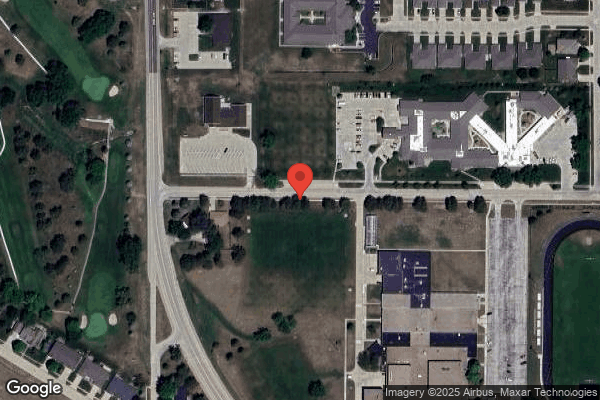
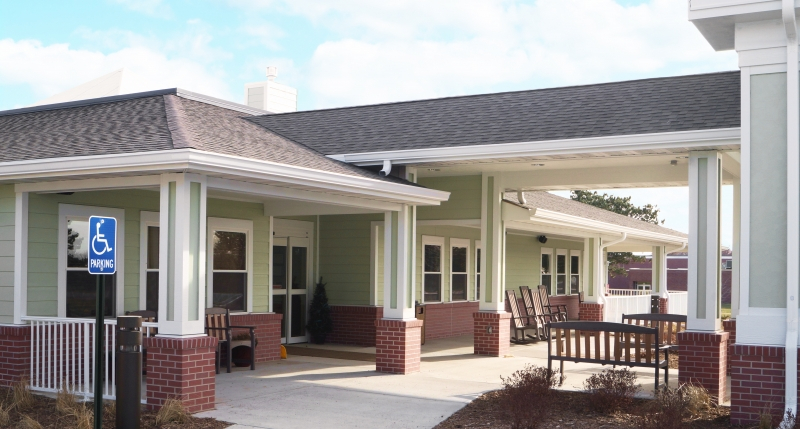
624 Pinewood Avenue, Seward, NE 68434 (402) 643-2902
Non profit - Corporation 82 Beds VETTER SENIOR LIVING Data: November 2025
Trust Grade
70/100
#96 of 177 in NE
Last Inspection: January 2025

Within standard 12-15 month inspection cycle. Federal law requires annual inspections.

Overview

Ridgewood Rehabilitation & Care Center in Seward, Nebraska, has a Trust Grade of B, indicating it is a good choice for care, but not without concerns. It ranks #96 out of 177 facilities in Nebraska, placing it in the bottom half, but it is the top facility in Seward County. Unfortunately, the facility's trend is worsening, as the number of issues reported increased from 3 in 2024 to 7 in 2025. Staffing is a strength here, with a 4 out of 5-star rating and a turnover rate of 32%, which is significantly better than the state average. However, there is less RN coverage than 78% of facilities in Nebraska, which raises concerns about the level of nursing oversight. Specific incidents from recent inspections include concerns about training, as two nursing assistants did not complete the required 12 hours of in-service training, and issues with food safety practices, where staff failed to properly label and date food items and ensure cleanliness in kitchen areas. While there have been no fines, the facility has shown some troubling trends that families should consider when researching care options.

Trust Score
B
70/100
In Nebraska
#96/177
Bottom 46%
Safety Record
Low Risk
No red flags
Inspections
Getting Worse
3 → 7 violations
Staff Stability
○ Average
32% turnover. Near Nebraska's 48% average. Typical for the industry.
Penalties
✓ Good
No fines on record. Clean compliance history, better than most Nebraska facilities.
Skilled Nurses
⚠ Watch
Each resident gets only 29 minutes of Registered Nurse (RN) attention daily — below average for Nebraska. Fewer RN minutes means fewer trained eyes watching for problems.
Violations
⚠ Watch
11 deficiencies on record. Higher than average. Multiple issues found across inspections.
★★★☆☆
3.0
Overall Rating
★★★★☆
4.0
Staff Levels
★★☆☆☆
2.0
Care Quality
★★★☆☆
3.0
Inspection Score
Stable
2024: 3 issues
2025: 7 issues

The Good

  • 4-Star Staffing Rating · Above-average nurse staffing levels
  • Full Sprinkler Coverage · Fire safety systems throughout facility
  • No fines on record
  • Staff turnover below average (32%)

    16 points below Nebraska average of 48%

Facility shows strength in staffing levels, fire safety.

The Bad

3-Star Overall Rating

Near Nebraska average (2.9)

Meets federal standards, typical of most facilities

Staff Turnover: 32%

14pts below Nebraska avg (46%)

Typical for the industry

Chain: VETTER SENIOR LIVING

Part of a multi-facility chain

Ask about local staffing decisions and management

The Ugly 11 deficiencies on record

Jan 2025 7 deficiencies
CONCERN (D)

Potential for Harm - no one hurt, but risky conditions existed

Respiratory Care (Tag F0695)

Could have caused harm · This affected 1 resident

Licensure Reference Number 175 NAC 12-006.09(H)(vi)(3)(g) Based on interviews and record reviews the facility failed to obtain a physician's order for the settings of the Continuous Positive Airway Pr...

Read full inspector narrative →
Licensure Reference Number 175 NAC 12-006.09(H)(vi)(3)(g) Based on interviews and record reviews the facility failed to obtain a physician's order for the settings of the Continuous Positive Airway Pressure (CPAP, a treatment that uses mild air pressure to keep your breathing airways open) machine for 1 (Resident 11) of 4 sampled residents. The facility census was 57. Findings are: Record review of Resident 11's Clinical Census dated 1/16/25 revealed admission to facility was 12/16/24. Record review of Resident 11's Medical Diagnoses dated 1/15/25 revealed Obstructive Sleep Apnea. Record review of Resident 11's MDS (Minimum Data Set, a comprehensive assessment of each resident's functional capabilities) dated 12/20/24 revealed: -Section C: BIMS (Brief Interview for Mental Status, a test used to get a quick snapshot of a resident's cognitive function, scored from 0-15, the higher the score, the higher the cognitive function) was 9 which indicates moderate cognitive impairment. -Section O Non-invasive Mechanical Ventilator. Record review of Resident 11's Physician's orders dated 1/16/25 revealed: -CPAP on every HS (hour of sleep) for sleep apnea, per home settings, on at HS, off in AM, every morning and at bedtime for Sleep apnea On HS; Off AM Record review of Resident 11's Physician orders, care plan, treatment administration record dated 1/16/25 revealed there were no settings for resident's CPAP. Interview with ADON on 1/21/25 at 9:25 AM revealed that ADON that there was no settings for Resident 11's CPAP. Record review of the facilities Your CPAP/Bi-Level Unit undated education revealed no instructions regarding the CPAP settings.
CONCERN (D)

Potential for Harm - no one hurt, but risky conditions existed

Medication Errors (Tag F0758)

Could have caused harm · This affected 1 resident

**NOTE- TERMS IN BRACKETS HAVE BEEN EDITED TO PROTECT CONFIDENTIALITY** Licensure Reference Number 175 NAC 12-006.10 Based on observation, interview, and record review, the facility failed to provide ...

Read full inspector narrative →
**NOTE- TERMS IN BRACKETS HAVE BEEN EDITED TO PROTECT CONFIDENTIALITY** Licensure Reference Number 175 NAC 12-006.10 Based on observation, interview, and record review, the facility failed to provide rational and justification to extend 1 (Resident 30) of 5 sampled resident's as needed (PRN) Alprazolam (Xanax)(an anti-anxiety medication) beyond 14 days. The facility census was 57. Findings are: A record review of the facility's Psychoactive Medication and Medication Regimen Review Management Standard dated 09/2024 revealed that an indication for use was: the identified, documented clinical rational for administering a medication based upon an assessment of the resident's condition. An unnecessary drug was when a drug was ordered for an excessive duration, or without adequate indications for its use, or without adequate monitoring. A record review of Resident 30's Clinical Census dated 01/16/2025 revealed the resident was admitted to the facility on [DATE]. The resident was discharged to the hospital on [DATE] and returned to the facility on [DATE]. A record review of Resident 30's Medical Diagnosis dated 01/11/2025 revealed the resident had diagnoses of Anxiety Disorder, Pain, Dementia (confusion) without behavioral disturbance, Chronic Obstructive Pulmonary Disease (COPD), and Pneumonia. A record review of Resident 30's Minimum Data Set (MDS)(a comprehensive assessment used to develop a resident's care plan) dated 12/29/2024 revealed the resident had a Brief Interview for Mental Status (BIMS)(a score of a residents cognitive abilities) of 15 which indicated the resident was cognitively aware. The resident required supervision and assistance with oral hygiene (cleaning), partial/moderate assistance for upper body dressing, and substantial/maximal assistance with toileting, bathing, lower body dressing and footwear. The resident had Anxiety and was on an antianxiety medication. A record review of Resident 30's Care Plan with an admission date of 02/24/2023 revealed a focus area of uses psychoactive medications (medications that alter mood and perception) related to Anxiety and an intervention of antianxiety adverse effects - monitor/document/report PRN: drowsiness, lack of energy, clumsiness, slow reflexes, slurred speech, confusion and disorientation, depression, dizziness, light-headedness, impaired thinking and judgement, memory loss, forgetfulness, nausea, stomach upset, and blurred vision. Unexpected side effects: mania (extreme mood swings), hostility, rage, aggressive behavior, and hallucinations. Attempt non-pharmacological interventions prior to administering PRN psychoactive medications. A record review of Resident 30's Order Summary Report dated 01/16/2025 revealed the resident had physician orders for: • Alprazolam Oral Tablet 0.5 milligram (MG) 2 times per day (BID) for Anxiety **Time of administration specifically ordered by PCP (Primary Care Physician or Provider)** Prescriber Written 08/30/2024 • Alprazolam Oral Tablet 0.5 MG give 1 tablet by mouth every 8 hours as needed for Anxiety for 6 Months **May take two hours after scheduled dose of administration** Prescriber Written 08/30/2024 and set to end 02/28/2025 A record review of the facility's Physician Visit/Communication Form dated 08/30/2024 revealed the facility notified the physician that Resident 30 and the resident's spouse requested Xanax at 10:00 AM, at bedtime, and PRN. The physician agreed, signed, and dated the form, but did not include rational as to why the resident needed the PRN Xanax for more than the allowed 14 days. A record review of Resident 30's Medication Administration Record and Treatment Administration Record (MAR & TAR) dated November 2024 - January 2025 revealed the facility administered PRN Xanax to the resident on the following dates: • 11/21/2024 • 11/08/2024 • 11/02/2024 • 11/01/2024 • 12/02/2024 - No documented out of character behaviors • 12/05/2024 - Documented out of character behaviors • 01/11/2025 - No documented out of character behaviors • 01/13/2025 - No documented out of character behaviors • 01/16/2025 - Documented out of character behaviors A record review of Resident 30's Behavior/Intervention Monthly Flow Record Dated November 2024 did not reveal the resident had documented behaviors on: • 11/21/2024 • 11/08/2024 • 11/02/2024 A record review of Resident 30's Progress Notes Dated 01/22/2025 did not reveal the resident had documented behaviors on: • 11/21/2024 • 11/08/2024 • 11/02/2024 • 12/02/2024 • 01/11/2025 • 01/13/2025 An observation on 01/15/2025 at 11:43 AM revealed Resident 30 was sitting in a recliner in the room. Resident was very pleasant and appeared calm and in no distress. An observation on 01/16/2025 at 8:41 AM revealed Resident 30 was sitting in the room straightening the blankets on the bed. Resident appeared calm and in no distress. In an interview on 01/22/2025 at 10:49 AM, the facility's Administrator confirmed the Administrator reviewed Resident 30's progress notes and behavior monitoring, and the physician communication forms related to the PRN Xanax order. The Administrator confirmed the physician did not document rational for ordering Xanax PRN for greater than 14 days and should have. The Administrator confirmed behaviors were not documented to justify the use for the Xanax that was administered on the following dates and there should have been: • 11/21/2024 • 11/08/2024 • 11/02/2024 • 12/02/2024 • 01/11/2025 • 01/13/2025
CONCERN (D)

Potential for Harm - no one hurt, but risky conditions existed

Deficiency F0760 (Tag F0760)

Could have caused harm · This affected 1 resident

B. Record review of Resident 36's Clinical Census admission was 1/7/22. Record review of Resident 36's MDS (Minimum Data Set, a comprehensive assessment of each resident's functional capabilities) da...

Read full inspector narrative →
B. Record review of Resident 36's Clinical Census admission was 1/7/22. Record review of Resident 36's MDS (Minimum Data Set, a comprehensive assessment of each resident's functional capabilities) dated 12/6/24 revealed: -Section C: BIMS (Brief Interview for Mental Status, a test used to get a quick snapshot of a resident's cognitive function, scored from 0-15, the higher the score, the higher the cognitive function) was 11, which indicates moderate cognitive impairment. -Section N: Indicates that the resident is Hypoglycemic (has low blood sugar) . Record review of Resident 36's Diagnosis list dated 1/16/25 revealed Type 2 Diabetes Mellitus without complications. Record review of Resident 36's Physician's orders dated 1/16/25 revealed: - Basaglar KwikPen Subcutaneous Solution Pen-injector 100 Unit/ML (Insulin Glargine) Inject 50 units subcutaneously at bedtime for diabetes. -NovoLOG Injection Solution 100 Unit/ML (Insulin Aspart) Inject 6 units subcutaneously before meals for diabetes, administer with sliding scale-Fiasp Flex pen equivalent. -NovoLOG Injection Solution 100 Unit/ML (Insulin Aspart), Inject as per sliding scale: 151-200 = 4; 201 - 250 = 8; 251 - 300 = 10; 301 - 350 = 12; 351 - 425 = 15; 426 - 500 = 18; 501 - 650 = 20; 651 - 800 = 22 notify Dr. if blood sugar below 50 and above 400, subcutaneously four times a day for diabetes. Administer with scheduled dose= Fiasp Flex pen equivalent Observation on 1/16/25 at 12:09 PM of Resident 36's insulin administration and obtaining BS (blood sugar) by LPN-B. LPN-B obtained the BS from right forefinger after cleansing with alcohol wipe with results 367. LPN-B prepared 6 units Novolog and 15 units sliding scale Novolog totaling 21 units without priming needle and gave in resident's left lower abdomen after cleansing with alcohol wipe. Interview on 1/16/25 at 12:12 PM with LPN-B revealed that [gender] was taught to prime the insulin pen the first time the pen was opened and did not have to prime after that for any other times used. Interview on 1/21/25 at 11:56 AM with Interim DON revealed that the nurse needed to prime the pre-filled insulin pens prior to setting the dose at each administration to ensure that the correct amount of insulin is administered. Record review of Pre-filled Insulin Pen Competency Policy dated 1/2020 revealed: Important notes: Use a new needle for each injection, making sure it is completely attached to the pen before priming, setting the dose and injecting the insulin. Procedure Step: 10. To prime the pen, make sure the arrow is in the center of the dose window. (If you do not see the arrow in the center of the dose window, push in the injection button fully and turn the dose knob until the arrow is seen in the center of the dose window.) 11. Pull the dose knob out in the direction of the arrow until a 0 is seen. 12. Turn the dose knob clockwise until the number 2 is seen. (If the number dialed is too high, simply turn the dose knob backward until the number 2 is seen.) 13. Hold the pen with the needle pointing straight up, tapping the clear cartridge holder so any air bubbles collect near the top. Push the injection button completely using thumb. Keep pressing and continue to hold the injection button firmly. A stream of insulin should come out of the tip of the needle. (If the stream of insulin does not come out, repeat above steps. If after 6 attempts a stream of insulin does not come out the tip of the needle, change the needle. If still unable to get insulin flowing out of the needle, do not use the pen and contact pharmacy). Licensure Reference Number 175 NAC 12-006.10(D) Based on record review, observations and interviews, the facility failed to ensure 2 residents (Resident 5 and 36) out of 4 sampled residents were free of a significant medication error. The facility census was 57. Findings are: A. A record review of the facility's Oral Drug Administration policy dated 5/20/24 revealed: -Verify the order on the patient's medication administration record by checking it against the practitioners orders. -Check the expiration date on the medication. -Visually inspect the medication for particles, discoloration, or other loss of integrity -Verify that you're administering the medication at the proper time, in the prescribed dose, and by the correct route to reduce the risk of medication errors. An observation on 01/16/25 at 8:07 AM revealed the Registered Nurse (RN) opened the narcotic drawer from the medication cart and taking one Phenobarbital 32.4 mg pill out of the medication pack (A blister pack is a form of tamper-evident packaging where an individual pushes individually sealed tablets through the foil in order to take the medication) and put the Phenobarbital pill in a plastic medication cup. The RN then signed out the Phenobarbital and took the Phenobarbital pill to Licensed Practical Nurse (LPN-A). The LPN-A put the medication cup with the Phenobarbital pill in the medication cart for Resident # 5. LPN-A signed (genders) name besides the RN in the narcotic book for the Phenobarbital. An observation on 1/16/25 at 8:15 with the LPN-A revealed that the LPN-A administered the Phenobarbital to Resident #5 per peg tube (a thin, flexible tube surgically inserted through the abdominal wall and into the stomach as an alternative route for delivering nutrition, fluids, and medications directly into the stomach). An interview on 1/16/25 at 8:30 AM with the RN confirmed that (gender) should not have pulled the Phenobarbital out of the medication pack unless that nurse was going to be giving the medication themselves. RN confirmed that (gender) should not have given the Phenobarbital to the LPN-A . An interview on 1/16/25 at 8:30 AM with the LPN-A confirmed that (gender) did administer the Phenobarbital to Resident # 5. LPN-A confirmed that (gender) did not remove the Phenobarbital from the narcotic drawer. The LPN-A confirmed (gender) did not compare the label with the medication record. The LPN-A confirmed that this is the normal practice with giving Resident # 5 medications. An interview on 01/16/25 at 1:34 PM with Infection Preventionist/Staff Development (IP/SD) confirmed that the expectations during a medication pass is that the nurse who is pulling the medication out of the narcotic box is the nurse who is administrating the medication. The nurse pulling the medications out of a narcotic box should not give the narcotic to another nurse to administer.
CONCERN (D)

Potential for Harm - no one hurt, but risky conditions existed

Deficiency F0813 (Tag F0813)

Could have caused harm · This affected 1 resident

Licensure Reference Number 175 NAC 12-006.11(E) Based on observation, interview, and record review, the facility failed to ensure food in the Life Enrichment refrigerator and freezer were labeled with...

Read full inspector narrative →
Licensure Reference Number 175 NAC 12-006.11(E) Based on observation, interview, and record review, the facility failed to ensure food in the Life Enrichment refrigerator and freezer were labeled with the resident's name and dated. The facility census was 57. Findings are: A record review of the facility's Visitor Food policy revealed that food stored for residents needed to be labeled, dated, and stored safely in designated area per facility policy following the food safety guidelines for personal food. An observation on 01/15/2025 at 8:10 AM revealed the Life Enrichment (activities) kitchen residential refrigerator/freezer contained: • 1 plastic container of grapes not labeled, dated, or sealed • 1 purple/pink/white cake light covered in plastic wrap not labeled, dated or sealed • 1 plastic wrapped white cheese that had a resident's name first name on it, no date • 1 sealed package of beef snack sticks that had a resident's first name on it, no date • 1 container Coffee Ice Cream with a resident's first name on it, no date • 1 container Rocky Road Ice cream had a resident's first name on it, no date • 1 container Vanilla Bean ice cream had a resident's first name on it, no date An observation on 01/15/2025 at 1:36 PM with the facility's Registered Dietician (RD) revealed the Life Enrichment kitchen residential refrigerator/freezer contained: • 1 plastic container of grapes not labeled, dated, or sealed • 1 purple/pink/white cake light covered in plastic wrap not labeled, dated or sealed • 1 plastic wrapped white cheese that had a resident's name first name on it, no date • 1 sealed package of beef snack sticks that had a resident's first name on it, no date • 1 container Coffee Ice Cream with a resident's first name on it, no date • 1 container Rocky Road Ice cream had a resident's first name on it, no date • 1 container Vanilla Bean ice cream had a resident's first name on it, no date An observation on 01/16/25 08:37 AM revealed the Life Enrichment (activities) kitchen residential refrigerator/freezer contained: • 1 pack of white cheese in a plastic wrap labeled with a resident's first name, no date • 1 pack of beef meat sticks labeled with a resident's first name, no date In an interview on 01/15/2025 at 1:36 PM with the facility's RD confirmed the Life Enrichment kitchen residential refrigerator/freezer contained: • 1 plastic container of grapes not labeled, dated, or sealed • 1 purple/pink/white cake light covered in plastic wrap not labeled, dated or sealed • 1 plastic wrapped white cheese that had a resident's name first name on it, no date • 1 sealed package of beef snack sticks that had a resident's first name on it, no date • 1 container Coffee Ice Cream with a resident's first name on it, no date • 1 container Rocky Road Ice cream had a resident's first name on it, no date • 1 container Vanilla Bean ice cream had a resident's first name on it, no date The RD confirmed the items should have been sealed, labeled with the resident's name, and dated with the date it was placed in the refrigerator/freezer and was not.
CONCERN (D)

Potential for Harm - no one hurt, but risky conditions existed

Infection Control (Tag F0880)

Could have caused harm · This affected 1 resident

**NOTE- TERMS IN BRACKETS HAVE BEEN EDITED TO PROTECT CONFIDENTIALITY** D. A record review of the facility's Nebulizer Therapy (medication delivered to the resident's lungs), small volume policy dated...

Read full inspector narrative →
**NOTE- TERMS IN BRACKETS HAVE BEEN EDITED TO PROTECT CONFIDENTIALITY** D. A record review of the facility's Nebulizer Therapy (medication delivered to the resident's lungs), small volume policy dated November 17, 2017, revealed after the nebulizer treatment, staff was to rinse the nebulizer with sterile water and allow it to air-dry, or discard it after the treatment. A record review of Resident 2's Order Summary Report dated 01/21/2025 revealed the resident had physician orders for: • DuoNeb Solution 0.5-2.5 (3) milligrams (MG)/3 milliliter (ML), (Ipratropium-Albuterol)(a medication used to relax the muscle around the tubes in the lungs) 1 vial inhale orally via nebulizer every 6 hours as needed for cough, shortness of breath, prescriber written 05/28/2024 • DuoNeb Solution 0.5-2.5 (3) MG/3ML, 1 vial inhale orally via nebulizer three times a day for cough, shortness of breath, prescriber written 01/08/2025 An observation on 01/15/2025 at 11:53 AM revealed Resident 2's nebulizer kit was laying on the bedside table with a residual amount of medication in it and facial oils on the mask. An observation on 01/21/2025 at 10:43 AM revealed Resident 2's nebulizer kit was laying on top of the nebulizer machine on the bedside table with a residual amount of medication in it and facial oils on the mask. An observation on 01/21/2025 at 11:02 AM with the facility's Assistant Director of Nursing (ADON) revealed Resident 2's nebulizer kit was laying on top of the nebulizer machine on the bedside table with a residual amount of medication in it and facial oils on the mask. In an interview on 01/21/2025 at 11:02 AM, the facility's ADON confirmed Resident 2's nebulizer kit was laying on top of the nebulizer machine on the bedside table with a residual amount of medication in it and facial oils on the mask and it should have been cleaned after the treatment. E. A record review of the facility's Nebulizer, small volume policy dated November 17, 2017, revealed after the nebulizer treatment, staff was to rinse the nebulizer with sterile water and allow it to air-dry, or discard it after the treatment. A record review of Resident 22's Order Summary Report dated 01/21/2025 revealed the resident had physician orders for: • DuoNeb Solution 0.5-2.5 (3) MG/3 ML, 1 vial inhale orally via nebulizer every 6 hours as needed for cough, shortness of breath, prescriber written 05/23/2024 • DuoNeb Solution 0.5-2.5 (3) MG/3ML, 1 vial inhale orally via nebulizer two times a day for cough, shortness of breath, mucus, prescriber written 09/27/2024 An observation on 01/15/2024 at 10:01 AM revealed Resident 22's nebulizer kit was laying on the bed with a small amount of medication remaining in the cup and facial oils on the mask. An observation on 01/21/2025 at 10:51 AM revealed Resident 22's nebulizer kit was draped over the oxygen concentrator (a machine used to purify oxygen) with a residual amount of medication in the cup. An observation on 01/21/2025 at 10:57 AM with the ADON revealed Resident 22's nebulizer kit was draped over the oxygen concentrator with a residual amount of medication in the cup. In an interview on 01/21/2025 at 10:57 AM, the ADON confirmed Resident 22's nebulizer kit was draped over the oxygen concentrator with a residual amount of medication in the cup and was not clean. The ADON's expectation was after the nebulizer treatment, the staff would clean, dry, and place the nebulizer kit in a bag. Licensure reference number 175 NAC 12-006.17 Based on observations, record reviews, and interviews, the facility failed to ensure Resident 11's catheter drainage bag was off the floor, ensure staff wore gloves when touching Resident 4's catheter tube, use infection control technique when removing cleansing wipes, provide activities of daily living cares for Resident 4 without performing hand hygiene, and failed to clean Resident 2, 22, and 50's nebulizer kits to prevent potential cross contamination. The facility census was 57. Findings are: A. Record review of Resident 4's Clinical Census dated 1/16/25 revealed resident admitted to the facility on [DATE]. Observation of Resident 4 on 01/15/25 at 9:45 AM revealed slightly cloudy urine in catheter tubing. Record review of Resident 4's MDS (Minimum Data Set, a comprehensive assessment of each resident's functional capabilities) dated 12/20/24 revealed: -Section C: BIMS (Brief Interview for Mental Status, a test used to get a quick snapshot of a resident's cognitive function, scored from 0-15, the higher the score, the higher the cognitive function) was 13, which indicated that the resident's cognition is intact. Record review of Resident 4's physician's orders dated 1/16/25 revealed: -Macrobid Oral Capsule 100 mg (milligram), Give 100 mg by mouth two times a day for Urinary Tract Infection until 01/21/2025 - Start Date- 01/14/2025. -Change indwelling catheter monthly and PRN(as needed) inability to drain every day shift starting on the 1st and ending on the 1st every month for wound healing. Medical justification/diagnosis: Nonhealing wound related to constant moisture form incontinence Indwelling catheter: Catheter size 16fr/30cc balloon Irrigate as needed. -Catheter cares two times a day related to Type 2 Diabetes Mellitus with Hyperglycemia. Interview on 1/21/25 at 10:50 AM with LPN-B revealed Resident 4's catheter was placed on 12/31/24 to assist with promoting wound healing. Observation of catheter cares for Resident 4 on 1/21/25 at 8:33 AM by NA-C revealed the following. NA-C had gown and gloves on when surveyor arrived in room. NA-C removed resident's pullup (incontinence product) and placed the catheter drainage bag on the foot of bed. NA-C took a cleansing wipe out of the wipes container using the contaminated glove. NA-C wiped left groin with wipe and turned it over and cleansed the right groin, then threw it away in the trash. NA-C took another wipe out of container using the same glove and cleansed underneath meatus opening and perineal care, then threw the wipe away. NA-C took another wipe using the same glove and wiped around catheter tubing at meatus opening and threw wipe away. NA-C took another wipe from container with same glove and cleansed catheter tube from meatus down about 4 inches and threw the wipe away. NA-C assisted putting a new pullup on. NA-C removed [gender] gloves without performing hand hygiene and assisted resident to sit up on edge of bed and put on pants. NA-C placed a gait belt on resident and transferred the resident into wheelchair using walker. NA-C placed the catheter drainage bag under the wheelchair in the privacy bag while touching the catheter tubing without gloves on. NA-C took gown off and pushed resident into bathroom. NA-C touched [gender] own hair. NA-C did not perform hand hygiene. NA-C handed resident a comb, hearing aids and eyeglasses. NA-C took resident to the dining room for breakfast without performing hand hygiene. Interview with interim DON on 1/21/25 at 11:00 am confirmed that staff should not take a cleansing wipe out of the wipe container using a contaminated glove, pick up catheter tubing without gloves, touch their own hair or do other activities of daily living without hand hygiene, and that staff should wash hands when finished with catheter cares and when removing gloves. Interview with NA-C on 1/21/25 at 11:20 AM confirmed NA-C should not take a cleansing wipe out of the wipe container using a contaminated glove, touch their own hair, do other activities of daily living without hand hygiene, and needed to wash hands when finished with catheter cares and when removing gloves. Record review of facility's Handwashing Competency policy dated 8/2013 revealed: When to wash hands: -After touching a resident or handling their belongings -Whenever hands are soiled -After any contact with body fluids -After handling contaminated items (linens/garbage/briefs, etc.) -Before and after gloving -Whenever indicated Record review of facility's Foley Catheter Care Competency policy revised 7/2009 revealed: Procedure Step: 12. Remove gloves and wash hands. Record review of Enhanced Barrier Precautions (EBP) policy dated 4/12/24 revealed: Definitions: Enhanced Barrier Precautions (EBP) refer to an infection control intervention designed to reduce transmission of multidrug-resistant organisms that employs the use of gown and glove use during high contact resident cares. High contact resident care activities include: -Providing hygiene -Dressing -Transferring -Changing briefs or assisting with toileting -Device care or use for central lines including PIIC lines, urinary catheters, feeding tubes, tracheostomy tubes B. Record review of Resident 11's Clinical Census dated 1/16/25 revealed resident admitted to the facility on [DATE]. Observation on 1/15/25 at 1:07 PM of Resident 11's catheter drainage bag tubing had dark yellow urine with sediment. Record review of Resident 11's MDS (Minimum Data Set, a comprehensive assessment of each resident's functional capabilities) dated 12/20/24 revealed: -Section C: BIMS BIMS ( Brief Interview for Mental Status, a test used to get a quick snapshot of a resident's cognitive function, scored from 0-15, the higher the score, the higher the cognitive function) was 9 which indicates moderate cognitive impairment. -Section H: urinary catheter. Record review of Resident 11's Physician's orders dated 1/16/25 revealed: - Foley catheter coude- replace Foley monthly, catheter cares every shift, gets changed at urology per wife. Record review of Resident 11's Medical Diagnosis dated 1/16/25 revealed Obstructive and Reflux Uropathy (refers to a condition where urine flow is blocked within the urinary tract). Observation on 1/21/25 at 7:45 AM with NA-C for catheter cares for Resident 11 revealed the following. NA-C had gown and gloves on when surveyor entered room. Resident walked to the bathroom with walker and sat on toilet. NA-C took the catheter bag off the walker and placed it on the bare floor. NA-C did not do hand hygiene or apply new gloves. NA-C took a cleansing wipe from the wipes container and was touching the edges of the container, cleansed the right groin and turned the wipe over and cleansed the left groin. NA-C took another wipe from container with the same glove and cleansed resident's genital area. NA-C took a cleansing wipe from the wipe container touching the edges of the container and cleansed catheter tubing from meatus down tubing approximately 4 inches. NA-C placed the catheter bag onto walker and assisted resident with new pull up. NA-C performed hand hygiene with soap and water for 18 seconds. Interview with interim DON on 1/21/25 at 11:00 AM revealed that staff is to keep the catheter bag off the floor, not use contaminated gloves to take cleansing wipes from the wipes container. Interview with NA-C on 1/21/25 at 11:21 AM confirmed [gender] should have kept the catheter bag off the floor and not use the same gloves to take cleansing wipe from the wipe container. Interview with Administrator on 1/21/25 at 1:55 AM revealed that the facility did not have a Catheter policy. Record review of Foley Catheter Care Competency education dated 7/2009 revealed: 10. Check the drainage tubing and bag to ensure proper positioning and drainage. Record review of Resident Handwashing Competency policy dated 8/2013 revealed: When to wash hands: -After touching a resident or handling their belongings -Whenever hands are soiled -After any contact with body fluids -After handling contaminated items (linens/garbage/briefs, etc.) -Before and after gloving -Whenever indicated Record review of Enhanced Barrier Precautions (EBP) policy dated 4/12/24 revealed: Definitions: Enhanced Barrier Precautions (EBP) refer to an infection control intervention designed to reduce transmission of multidrug-resistant organisms that employs the use of gown and glove use during high contact resident cares. High contact resident care activities include: -Providing hygiene -Dressing -Transferring -Changing briefs or assisting with toileting -Device care or use for central lines including PICC (peripherally inserted central catheter) lines, urinary catheters, feeding tubes, tracheostomy tubes (a tube inserted into the windpipe through a surgcally created opening in the neck). C. A record review of the facility's Nebulizer Therapy (medication delivered to the resident's lungs), small volume policy dated November 17, 2017, revealed after the nebulizer treatment, staff were to rinse the nebulizer with sterile water and allow it to air-dry, or discard it after the treatment. A record review of Resident 50's Order Summary Report dated 01/21/2025 revealed the resident had physician orders for: -Ensure O2 tank is off and has O2 for the morning and (REPLACE if empty!) every evening shift for nursing order. -DuoNeb Solution 0.5-2.5 (3) MG/3ML, 1 vial inhale orally via nebulizer four times a day for shortness of breath, prescriber written 11/13/2024. An observation on 01/15/2025 at 8:18 AM revealed Resident 50's nebulizer kit was laying on the bedside table with a residual amount of medication in it and facial oils on the mask. An observation on 01/15/25 at 08:19 AM revealed Resident 50's oxygen concentrator was on in the bathroom and oxygen tubing was hanging over chair in room. Resident 50 was sitting in the dining room. An observation on 01/16/25 at 10:15 AM revealed Resident 50's nebulizer kit was laying on the bedside table with a residual amount of medication in it and facial oils on the mask. An observation on 01/16/25 at 08:30 AM revealed Resident 50's oxygen concentrator was on in the bathroom and oxygen tubing was hanging over chair in room. Resident 50 was sitting in the dining room. An observation on 1/21/25 at 8:51 AM revealed Resident 50's oxygen concentrator was in the bathroom still running and oxygen tubing was draped over the chair. An observation on 1/21/25 at 8:51 AM revealed that Resident 50's nebulizer kit was laying on the bedside table with a residual amount of medication in it and facial oils on the mask. An interview on 1/21/25 at 11:00 AM with the ADON confirmed that the nebulizer mask had residual medication amount in the medicine cup and the medicine cup should be cleaned after each use and it wasn't cleaned after use. ADON confirmed that the oxygen concentrator should be turned off when not in use and it was not turned off when not in use. ADON confirmed that Resident 50 changes from the oxygen concentrator to the oxygen portable tank themselves and places the oxygen tubing over the chair.
CONCERN (E)

Potential for Harm - no one hurt, but risky conditions existed

Food Safety (Tag F0812)

Could have caused harm · This affected multiple residents

Licensure Reference Number 175 NAC 12-006.11(E) Based on observation, interview, and record review, the facility failed to ensure the microwave, refrigerator, and freezer in the Life Enrichment (activ...

Read full inspector narrative →
Licensure Reference Number 175 NAC 12-006.11(E) Based on observation, interview, and record review, the facility failed to ensure the microwave, refrigerator, and freezer in the Life Enrichment (activities) kitchen were clean. The facility census was 57. Findings are: A record review of the facility's kitchens Deep Cleaning schedule revealed the microwave and refrigerator/freezer should have been cleaned daily. A record review of the facility's requested last 2 months of the Life Enrichment kitchen's Weekly Cleaning logs dated 11/21/2024 - 01/21/2025 did not reveal they had been completed. An observation on 01/15/2025 at 8:10 AM revealed the Life Enrichment kitchen's microwave had multi-colored food splatters and debris throughout and the residential refrigerator/freezer bottoms and drawers contained food drippings and debris. An observation on 01/15/2025 at 1:36 PM with the facility's Registered Dietician (RD) revealed the Life Enrichment kitchen's microwave had multi-colored food splatters and debris throughout and the residential refrigerator/freezer bottoms and drawers contained food drippings and debris. In an interview on 01/22/2025 at 10:29 AM, the facility's Administrator confirmed 10-12 residents consume food from the Life Enrichment kitchen. In an interview on 01/15/2025 at 1:36 PM with the facility's RD confirmed the Life Enrichment kitchen's microwave had multi-colored food splatters and debris throughout and the residential refrigerator/freezer bottoms and drawers contained food drippings and debris and should have been clean.
CONCERN (F)

Potential for Harm - no one hurt, but risky conditions existed

Deficiency F0947 (Tag F0947)

Could have caused harm · This affected most or all residents

Licensure reference number 175 NAC 12.006.04(B)(ii)(1) Based on record reviews and interviews the facility failed to ensure staff had the required 12 hours of in-service training for 2 nursing assista...

Read full inspector narrative →
Licensure reference number 175 NAC 12.006.04(B)(ii)(1) Based on record reviews and interviews the facility failed to ensure staff had the required 12 hours of in-service training for 2 nursing assistants (2 out of 5 sampled) staff. This had the potential to affect all residents in the facility. The facility census was 57. Findings are: Record review of NA-D's Relias (a company that provides healthcare training/education) training hours revealed 8.59 hours of education for the last year (2024). Record review of NA-E's Relias training hours revealed 11.05 hours of education for the last year (2024). Record review of employee names with their hire date revealed NA-D's hire date was 7/11/13 and NA-E's hire date was 12/17/22. Record review of employee's education training for the past year, found NA-D and NA-E did not have the required 12 hours of education yearly. Interview with the IP/SD (Infection Preventionist/Staffing Development) on 1/21/25 at 2:32 PM revealed the facility's year for nurses' aides 12-hour education is from January 1st to December 31st. Interview with the IP/SD on 1/22/25 at 11:04 AM confirmed that NA-D and NA-E did not have 12-hours of education training completed for 2024.
Feb 2024 3 deficiencies
CONCERN (D)

Potential for Harm - no one hurt, but risky conditions existed

Resident Rights (Tag F0550)

Could have caused harm · This affected 1 resident

**NOTE- TERMS IN BRACKETS HAVE BEEN EDITED TO PROTECT CONFIDENTIALITY** Licensure Reference Number 175 NAC 12.006.05(21) Based on observation, interview, and record review, the facility failed to ensu...

Read full inspector narrative →
**NOTE- TERMS IN BRACKETS HAVE BEEN EDITED TO PROTECT CONFIDENTIALITY** Licensure Reference Number 175 NAC 12.006.05(21) Based on observation, interview, and record review, the facility failed to ensure secretions (a substance discharged from the body) were controlled to maintain the dignity of 1 (Resident 4) of 1 sampled resident. The facility census was 60. Findings are: A record review of Resident 4's admission Record dated 02/12/2024 revealed the resident was admitted to the facility on [DATE]. A record review of Resident 4's Medical Diagnosis dated 02/12/2024 revealed the resident had diagnoses of Cerebral Palsy, Unspecified (disorders that affect a person's ability to move and maintain balance and posture), Dysphagia, Oropharyngeal Phase (swallowing difficulties due to items get stuck in the back of the mouth), Neonatal Aspiration of Amniotic Fluid and Mucus with Respiratory Symptoms (inhaled fluids during birth), Acquired Deformity of the Chest and Ribs, Other Disorders of the Lung, and Muscle Wasting and Atrophy (loss of muscle tissue). A record review of Resident 4's Minimum Data Set (MDS)(a comprehensive assessment used to develop a resident's care plan) dated 12/01/2023 revealed the resident had a Brief Interview for Mental Status (BIMS)(a score of a residents cognitive abilities) of 99 which indicated the resident was unable to complete the interview. The resident was dependent on staff for all activities of daily living including oral and personal hygiene (cleaning). The MDS did not reveal the resident had a suction machine. A record review of Resident 4's Care Plan with an admission date of 01/30/2015 revealed the resident had Focus areas of potential risk for infection related to dependance for personal care, tube feeding, swallowing issues/aspiration risk, and potential for complications related to presence of enteral nutrition feeding tube and Dysphasia and an intervention was head of bed elevated at least 30 degrees as tolerated to reduce the risk of aspiration. An observation from the hallway on 02/07/2024 at 9:02 AM revealed Resident 4 was sitting in a wheelchair in the resident's room with a long, thick strand of secretions coming from the Resident's mouth and extended to the Resident's lap and Resident 4 had a weak cough and audible rhonchi (congested sounds heard without a stethoscope). Resident 4 had a towel that covered the chest and abdomen (stomach area) that was held by a cable around the neck with clips on both sides. Resident 4 had a suction machine in the room that did not have the canister or tubing set up on it. An observation from the hallway on 02/07/2024 at 11:21 AM revealed Resident 4 was sitting in a wheelchair at the nurse station with a long, thick strand of secretions coming from the Resident's mouth and extended to the Resident's lap. Resident 4 had a towel that covered the chest and abdomen that was held by a cable around the neck with clips on both sides. Resident 4 had a suction machine in the room that did not have the canister or tubing set up on it. An observation from the hallway on 02/08/2024 at 7:22 AM revealed Resident 4 was sitting in a wheelchair in [gender]'s room with a long, thick strand of secretions coming from Resident 4's mouth and extended to the Resident's lap. Resident 4 had a towel that covered the chest and abdomen that was held by a cable around the neck with clips on both sides. Resident 4 had a suction machine in the room that did not have the canister or tubing set up on it. An observation from the hallway on 02/08/2024 at 11:35 AM revealed Resident 4 was sitting in a wheelchair at the nurse station with a long, thick strand of secretions coming from the Resident's mouth and extended to the Resident's lap. Resident 4 had a towel that covered the chest and abdomen that was held by a cable around the neck with clips on both sides. Resident 4 had a suction machine in the room that did not have the canister or tubing set up on it. An observation from the hallway on 02/12/2024 at 11:21 AM revealed Resident 4 was sitting in a wheelchair at the nurse station with a long, thick strand of secretions coming from the resident's mouth and extended to the resident's lap. Resident 4 had a towel that covered the chest and abdomen that was held by a cable around the neck with clips on both sides. Resident 4 had a suction machine in the room that did not have the canister or tubing set up on it. A record review of Resident 4's Clinical Physician Orders dated 02/12/2024 revealed Resident 4 had an order of: May suction orally as needed (PRN) for secretions every 1 hours as needed. An observation from the hallway on 02/12/2024 at 11:21 AM revealed Resident 4 was sitting in a wheelchair at the nurse station with a long, thick strand of secretions coming from the resident's mouth and extended to the resident's lap. Audible rhonchi could be heard, and Resident 4 had a towel that covered the chest and abdomen that was held by a cable around the neck with clips on both sides. Resident 4 had a suction machine in the room that did not have the canister or tubing set up on it. In an interview on 02/12/2024 at 12:47 PM, Registered Nurse (RN)-A confirmed there were Yankauer oral suction tips (a tool used to suction oropharyngeal secretions to prevent aspiration) in the room, but there was not a suction canister or tubing to make the machine usable. RN-A confirmed Resident 4 had an order to suction orally every hour if needed for secretions, but they do not do that. They only do that when Resident 4 choked during oral care. RN-A confirmed the thick secretions from the mouth to the lap was common for Resident 4 and that was why the staff kept the towel on the Resident. An observation on 02/13/2024 at 8:58 AM of Resident 4's morning cares revealed the resident had a large amount of thick oral secretions the extended to the lap and the resident had a suction machine in the room with the supplies on the bottom shelf and not hooked up to the suction machine. RN-B completed oral cares and wiped the resident's mouth with a towel but did not orally suction the Resident and [gender] still had audible rhonchi. In an interview on 02/13/2024 at 8:58 AM, RN-B confirmed Resident 4 had a large amount of thick oral secretions. RN-B confirmed that was normal for the Resident and the Resident has always just had the towel on the chest and abdomen. The family was aware, and the family provided the towel clips that go around the neck to protect the resident's clothing. RN-B confirmed the suction equipment and supplies were available and needed put together, but the staff only suctioned the Resident when [gender] choked during oral cares. RN-B confirmed that Resident 4 would not refuse oral suctioning while in the Resident's room. In an interview on 02/12/2024 at 4:07 PM, the Assistant Director of Nursing (ADON) confirmed the ADON observed Resident 4 in a wheelchair at the nurse's station with thick secretions from the mouth to the lap. The ADON confirmed that was normal for Resident 4 and the staff did not orally suction unless the Resident was choking. The ADON confirmed it could be a dignity issue, but it was normal for Resident 4. The ADON confirmed the suction equipment was not set up and ready to go if Resident 4 had an emergency or the staff wanted to suction the Resident's secretions. In an interview on 02/13/2024 at 11:37 AM, the Administrator confirmed the excessive thick secretions for Resident 4 was normal for the resident and the staff had not attempted to orally suction the resident throughout the day to see if it would decrease the secretions that escaped from the mouth. The administrator confirmed it could be considered a dignity issue and the facility did not know how the resident actually felt about the excessive secretions and the clothing protector.
CONCERN (E)

Potential for Harm - no one hurt, but risky conditions existed

Infection Control (Tag F0880)

Could have caused harm · This affected multiple residents

**NOTE- TERMS IN BRACKETS HAVE BEEN EDITED TO PROTECT CONFIDENTIALITY** Licensure Reference Number 175 NAC 12.006.17B Based on observation, interview, and record review, the facility failed to ensure ...

Read full inspector narrative →
**NOTE- TERMS IN BRACKETS HAVE BEEN EDITED TO PROTECT CONFIDENTIALITY** Licensure Reference Number 175 NAC 12.006.17B Based on observation, interview, and record review, the facility failed to ensure the oxygen concentrator's (a machine used to deliver purified oxygen) cabinet filters were present and clean for 4 residents (Residents 2, 4, 31, and 60) of 5 sampled residents, ensure 2 residents (Residents 2 and 60) of 2 sampled resident's positive airway pressure device (PAP) masks were cleaned daily, and ensure 1 resident (Resident 20) of 2 sampled resident's PAP filter was clean. The total facility census was 60. Findings are: A. A record review of the undated Platinum Series XL, 5, 10 Operators Manual revealed there were cabinet filters on both sides of the unit that should have been removed and cleaned at least once a week. https://www.invacare.com/product_files/1106664.pdf A record review of Resident 2's Order Summary Report dated 02/13/2024 revealed orders of: BiPAP (a machine used to treat sleep apnea) at night with oxygen at 2 liters per minute (l/m) and External Filter: Rinse weekly (Saturdays), let dry and Replace every evening shift Sat. A record review of Resident 2's Treatment Administration Record (TAR) dated [DATE], [DATE], and [DATE] revealed the order of: External Filter: Rinse weekly (Saturdays), let dry Replace every evening shift Sat was marked completed every Saturday, and was last marked completed Saturday 02/10/2024. The TAR revealed Resident 2 used the oxygen every night the resident was at the facility. An observation on 02/07/2024 at 9:24 AM revealed Resident 2 had an Invacare Platinum XL oxygen concentrator in the room that was connected to the PAP and the cabinet filters on each side of the unit were missing. An observation on 02/07/2024 at 1:36 PM revealed Resident 2 had an Invacare Platinum XL oxygen concentrator in the room that was connected to the PAP and the cabinet filters on each side of the unit were missing. In an interview on 02/07/2024 at 1:36 PM, Resident 2 confirmed the oxygen concentrator and PAP was used every night. An observation on 02/08/2024 at 1:27 PM revealed Resident 2 had an Invacare Platinum XL oxygen concentrator in the room that was connected to the PAP and the cabinet filters on each side of the unit were missing. An observation on 02/12/2024 at 7:16 AM revealed the Invacare Platinum XL oxygen concentrator was in the hall by Resident 2's door and the cabinet filters on the unit were missing. In an interview on 02/12/2024 at 7:16 AM, Resident 2 confirmed the staff changed the oxygen concentrator that was in the room because they told [gender] that it didn't have filters. In an interview on 02/08/2024 at 01:27 PM, RN-B confirmed the staff cleaned the filters on the oxygen concentrators every Saturday on the night shift. When the staff took an oxygen concentrator out of the room, the staff should have cleaned the unit and cleaned and replaced the filters. In an interview on 02/12/2024 at 12:47 PM, Registered Nurse (RN-A) confirmed Resident 2's Invacare Platinum XL oxygen concentrator did not have the cabinet filters. In an interview on 02/12/2024 at 1:50 PM, the Assistant Director of Nursing (ADON) confirmed the Invacare Platinum XL oxygen concentrator was in Resident 2's room and it did not have the external cabinet filters and should have. The ADON confirmed the external cabinet filters should have been cleaned and replaced every week. The ADON confirmed the internal filter was very gray and fuzzy and should not have been. B. A record review of the undated Platinum Series XL, 5, 10 Operators Manual revealed there were cabinet filters on both sides of the unit that should have been removed and cleaned at least once a week. https://www.invacare.com/product_files/1106664.pdf A record review of Resident 4's Order Summary Report dated 02/12/2024 revealed orders of: Apply oxygen at 0.5 - 2 l/m as needed at hours of sleep (HS) and remove in the morning after the breathing treatment and External Filter: Rinse weekly (Saturdays), let dry Replace every evening shift Sat for infection prevention. A record review of Resident 4's TAR dated [DATE] and [DATE] revealed the order of: External Filter: Rinse weekly (Saturdays), let dry Replace every evening shift Sat for infection prevention was marked completed every Saturday, and was last marked completed Saturday 02/10/2024. The Tar revealed the resident did have the oxygen applied on: -02/01/2024 -02/02/2024 -02/03/2024 -02/04/2024 -02/06/2024 -02/07/2024 -02/08/2024 -02/12/2024 An observation on 02/07/2024 at 9:42 AM revealed Resident 4 had an Invacare Platinum XL oxygen concentrator in the room that had a nasal cannula (NC)(a tube used to deliver oxygen to the nose) and the cabinet filters on each side of the unit were missing. An observation on 02/08/2024 at 7:22 AM revealed Resident 4 had an Invacare Platinum XL oxygen concentrator in the room that had a NC and the cabinet filters on each side of the unit were missing. In an interview on 02/08/2024 at 01:27 PM, RN-B confirmed the staff cleaned the filters on the oxygen concentrators every Saturday on the night shift. In an interview on 02/12/2024 at 12:47 PM, Registered Nurse (RN-A) confirmed Resident 4's Invacare Platinum XL oxygen concentrator did not have the cabinet filters. In an interview on 02/12/2024 at 1:34 PM, the Assistant Director of Nursing (ADON) confirmed the Invacare Platinum XL oxygen concentrator was in Resident 4's room and it did not have the external cabinet filters and should have. The ADON confirmed the external cabinet filters should have been cleaned and replaced every week. The ADON confirmed the internal filter was very gray and fuzzy and should not have been. C. A record review of Resident 31's Order Summary Report dated 02/08/2024 revealed orders of: Apply oxygen at 1-3 liters per minute as needed and External Filter: Rinse weekly (Saturdays), let dry Replace every evening shift Sat. A record review of Resident 31's Treatment Administration Record (TAR) dated [DATE] and [DATE] revealed the order of: External Filter: Rinse weekly (Saturdays), let dry Replace every evening shift Sat was marked completed every Saturday, and was last marked completed Saturday 02/10/2024. The TAR did not reveal the resident was using oxygen. An observation on 02/07/2024 at 9:24 AM revealed Resident 31 had an oxygen concentrator was on and the Resident had the NC in the nose. The oxygen concentrator was set at 1 liters per minute (l/m). The cabinet filter on left side of the unit was missing. In an interview on 02/07/2024 at 10:32 AM, Resident 31 confirmed [gender] used the oxygen most days when the [gender] felt it was needed. An observation on 02/08/2024 at 7:50 AM revealed Resident 31 had an oxygen concentrator was on and the Resident had the NC in the nose. The oxygen concentrator was set at 1 l/m. The cabinet filter on left side of the unit was missing. In an interview on 02/08/2024 at 01:27 PM, RN-B confirmed the staff cleaned the filters on the oxygen concentrators every Saturday on the night shift. In an interview on 02/12/2024 at 12:47 PM, Registered Nurse (RN-A) confirmed Resident 31's oxygen concentrator did not have the cabinet filter. In an interview on 02/12/2024 at 1:34 PM, the Assistant Director of Nursing (ADON) confirmed Resident 31's oxygen concentrator was being used by Resident 31, and it did not have the external cabinet filter and should have. The ADON confirmed the external cabinet filters should have been cleaned and replaced every week. D. A record review of the undated Invacare Perfecto2 V Oxygen Concentrator manual revealed there were cabinet filters on both sides of the unit that should have been removed and cleaned at least once a week. https://www.invacare.com/product_files/1106664.pdf A record review of Resident 60's Clinical Census dated 02/08/2024 revealed the Resident was admitted to the facility on [DATE]. A record review of Resident 60's Order Summary Report dated 02/08/2024 revealed orders of: 4 l/m of oxygen bled into CPAP every HS and did not reveal an order to clean and replace the oxygen concentrator filter. A record review of Resident 60's TAR dated [DATE] revealed the Resident's oxygen was applied every night 02/06/2024 - 02/12/2024. An observation on 02/07/2024 at 12:31 PM revealed Resident 60 had an Invacare Perfecto2 V oxygen concentrator in the room that was connected to the PAP and the cabinet filter was coated with a gray fuzzy substance. An observation on 02/08/2024 at 7:25 AM revealed Resident 60 had an Invacare Perfecto2 V oxygen concentrator in the room that was connected to the PAP and the cabinet filter was coated with a gray fuzzy substance. In an interview on 02/08/2024 at 7:25 AM, Resident 60 confirmed the oxygen and PAP were used nightly. In an interview on 02/08/2024 at 1:27 PM, RN-B confirmed the staff cleaned the filters on the oxygen concentrators every Saturday on the night shift. In an interview on 02/12/2024 at 12:47 PM, Registered Nurse (RN-A) confirmed Resident 31's oxygen concentrator's cabinet filter was observed and had a gray fuzzy substance on it In an interview on 02/12/2024 at 1:34 PM, the Assistant Director of Nursing (ADON) confirmed Resident 60's oxygen concentrator was being used by the Resident, and the external cabinet filter had a gray fuzzy substance on it and it should have been cleaned. The ADON confirmed the external cabinet filters should have been cleaned and replaced every Saturday night. E. A record review of the facility's undated Your Continuous Positive Airway Pressure (CPAP)/Bi-Level Unit (machines used to treat sleep apnea) policy revealed the portion of the mask that comes in contact with the skin should have been wiped daily with a cloth to remove skin oils from the mask. A record review of Resident 2's Order Summary Report dated 02/13/2024 did not reveal orders to clean the PAP or supplies. An observation on 02/07/2024 at 9:24 AM revealed Resident 2's PAP mask was laying on the sheets in the bed and had an only film on the mask seal (the part of the mask that comes in contact with the skin). An observation on 02/07/2024 at 1:36 PM revealed Resident 2's PAP mask was draped over the bedside table and there was an oily film on the mask seal. In an interview on 02/07/2024 at 1:36 PM, Resident 2 confirmed the [gender] was wearing the PAP every night, was not sure what it was supposed to be set at, and the staff cleans the mask weekly, but not wiped off daily. An observation on 02/08/2024 at 7:47 AM revealed Resident 2's PAP mask was in the black infection control bag and had an oily film on the mask seal. An observation on 02/12/2024 at 7:16 AM revealed Resident 2's PAP mask was draped over the bedside table and had an oily film on the mask seal. In an interview on 02/08/2024 at 01:27 PM, RN-B confirmed the staff only cleaned the PAP masks weekly on the day shift and it was not completed every day. In an interview on 02/13/2024 at 11:31 AM, the ADON confirmed the staff only cleaned PAP supplies weekly and the mask was not being wiped off daily and should have been per the policy. F. A record review of the facility's undated Your Continuous Positive Airway Pressure (CPAP)/Bi-Level Unit (machines used to treat sleep apnea) policy revealed the portion of the mask that comes in contact with the skin should have been wiped daily with a cloth to remove skin oils from the mask. A record review of Resident 60's Clinical Census dated 02/08/2024 revealed the Resident was admitted to the facility on [DATE]. A record review of Resident 60's Order Summary Report dated 02/08/2024 did not reveal orders to clean the PAP or supplies. An observation on 02/07/2024 at 12:32 PM revealed Resident 60's PAP mask was draped over the bedside table with an oily film on the mask seal. An observation on 02/08/2024 at 7:35 AM revealed Resident 60's PAP mask was draped over the bedside table with an oily film on the mask seal. In an interview on 02/08/2024 at 7:35 AM, Resident 60 confirmed the facility's staff had not cleaned the mask or wiped off the seal since the Resident was admitted . In an interview on 02/08/2024 at 01:27 PM, RN-B confirmed the staff only cleaned the PAP masks weekly on the day shift and it was not completed every day. In an interview on 02/13/2024 at 11:31 AM, the ADON confirmed the staff only cleaned PAP supplies weekly and the mask was not being wiped off daily and should have been per the policy. G. A record review of the facility's undated Your Continuous Positive Airway Pressure (CPAP)/Bi-Level Unit (machines used to treat sleep apnea) policy revealed that the filter maintenance would depend on the model the resident had, and it would be specific to the manufacturer's recommendations. A record review of the undated ResMed AirSense 10 User Guide revealed the air filter should have been checked and replaced at least every 6 months and the air filter was not washable or reusable. https://document.resmed.com/documents/products/machine/airsense-series/user-guide/airsense-10-device-with-humidifier_user-guide_amer_eng.pdf A record review of Resident 2's Order Summary Report dated 02/13/2024 revealed orders of: BiPAP (a machine used to treat sleep apnea) at night with oxygen at 2 liters per minute (l/m) and External Filter: Rinse weekly (Saturdays), let dry Replace every evening shift Sat. A record review of Resident 2's Treatment Administration Record (TAR) dated [DATE], [DATE], and [DATE] revealed the order of: External Filter: Rinse weekly (Saturdays), let dry Replace every evening shift Sat was marked completed every Saturday, and was last marked completed Saturday 02/10/2024. The TAR revealed Resident 2 used the BiPAP every night the resident was at the facility. An observation on 02/07/2024 at 9:24 AM revealed Resident 2's PAP filter had a gray fuzzy substance on it. An observation on 02/07/2024 at 1:36 PM revealed Resident 2's PAP filter had a gray fuzzy substance on it. In an interview on 02/07/2024 at 1:36 PM, Resident 2 confirmed [gender] was wearing the PAP every night, was not sure what it was supposed to be set at and was not sure that the staff had ever changed the filter. An observation on 02/08/2024 at 7:47 AM revealed Resident 2's PAP filter had a gray fuzzy substance on it. An observation on 02/12/2024 at 7:16 AM revealed Resident 2's PAP filter had a gray fuzzy substance on it. In an interview on 02/08/2024 at 01:27 PM, RN-B confirmed the staff were to clean filters and change the tubing weekly, every Saturday night. In an interview on 02/12/2024 at 1:50 PM, the ADON that the ADON observed the PAP filter and it had a gray fuzzy substance on it and that it should have been cleaned and changed, but had not been.
CONCERN (F)

Potential for Harm - no one hurt, but risky conditions existed

Food Safety (Tag F0812)

Could have caused harm · This affected most or all residents

**NOTE- TERMS IN BRACKETS HAVE BEEN EDITED TO PROTECT CONFIDENTIALITY** Licensure Reference Number 175 NAC 12.006.11E Based on observation, interview, and record review, the facility failed to ensure ...

Read full inspector narrative →
**NOTE- TERMS IN BRACKETS HAVE BEEN EDITED TO PROTECT CONFIDENTIALITY** Licensure Reference Number 175 NAC 12.006.11E Based on observation, interview, and record review, the facility failed to ensure items stored in the facility's refrigerators and freezers were labeled and dated, ensure kitchen staff performed handwashing for at least 20 seconds, ensure floors in the dry storage and walk-in refrigerator and freezer were clean, and failed to test the sanitizing solution in the sanitizing bucket to prevent potential foodborne illness. This had the potential to affect 59 of the facility's 60 residents that consumed food from the kitchen. The total facility census was 60. Findings are: A. A record review of the facility's undated Labeling and Dating Foods (Date Marking) revealed in the dry storage, individual items would be marked with the date the item was received into the facility. Refrigerated and freezer storage items would be re-dated with a use by date once opened. Prepared food items should be discarded if it doesn't have a specific manufacturer date and has been refrigerated for 7 days, leftover for more than 72 hours, or expired. An observation on 02/07/2024 at 7:52 AM kitchen revealed: -1 opened white plastic container of chicken base on the prep table shelf not dated -1 opened bag of mozzarella cheese in the reach-in refrigerator un-dated -1 opened bag of dry mashed potatoes closed with tape on the dry shelf next to the reach-in refrigerator not dated -Walk-In Refrigerator: -1 each 18-quart clear container with lid had an orange substance in in not labeled or dated -1 opened and taped closed bag of shredded lettuce not labeled or dated -1 opened and taped shut bag of cabbage not labeled or dated -1 opened and taped shut bag of shredded carrots not labeled or dated -1 opened bag of Sysco Reliance Whipped Topping not dated -2 opened containers Resers Deli Salads not dated -1 opened container Len's Classic [NAME] not dated -Locked Dry Storage: -1 opened bag and closed with tape Pasta La [NAME] Enriched Noodle Product not dated -1 opened bag and closed with tape Pasta La [NAME] Macaroni Product not dated An observation on 02/07/2024 at 8:42 AM with the facility's cook revealed the all the items list above were not labeled or dated. In an interview on 02/07/2024 at 8:42 AM, the facility's cook confirmed the above listed items had been opened and not been labeled or dated. In an interview on 02/07/2024 at 12:01 PM, The facility's Registered Dietician (RD) confirmed all the items listed above should have been labeled or dated after being opened. B. A record review of undated Visitor Food policy revealed food stored for the residents needed to be labeled and dated and stored safely in the designated area. A record review of the facility's undated, unnamed sign located on the front of the side-by-side refrigerator/freezer revealed: All items in the freezer and refrigerator must be in a covered container and have a name and date. No metal cans are allowed. All open food/leftovers will be thrown away after 3 days or after the expiration date on the container. An observation on 02/07/2024 at 9:56 AM revealed the side-by-side refrigerator/freezer in the North dining room of the Cardinal unit contained: -a bowl covered with plastic wrap labeled with a resident's name and room number was not dated -1 green cup with a white lid did not reveal a name or date -1 opened pop bottle labeled Fanta Orange had a sticky note with a resident's 1st name but no date -1 ice cream cake labeled with a resident's 1st name; last initial was dated 12/23 -1 cup of a frozen orange frozen substance was not labeled or dated In an interview on 02/07/2024 at 10:16 AM, the RD confirmed the RD observed the items in the side-by-side refrigerator/freezer and the items where not labeled and dated correctly and should have been. C. A record review of the facility's undated Handwashing Techniques revealed the staff should wet hands, apply soap, and scrub hands and arms vigorously for 20 seconds, then rinse. Food handlers must wash hands before start work and after, after using the restroom, when handling raw food, and after touching hair, face, or body, etc. Food handlers should change their gloves before beginning a different task and after handling ready to eat food. A record review of the Handwashing Competency dated 08/2013 revealed the facility staff should have wet hands, apply soap and lather, and rubbed hands together for a full 20 seconds. Staff should have performed handwashing after handling contaminated items and before applying and after removing gloves. An observation on 02/08/2024 at 10:30 AM revealed the facility's [NAME] tested the temperature (temped) the chicken breast, wiped the thermometer (temp) probe, performed handwashing for 12 seconds and applied gloves. The [NAME] then performed mechanical process of the chicken, covered with foil, labeled, removed gloves and placed the pan on the steam table prior to preparing chicken broth without handwashing. The [NAME] then applied gloves, did not perform handwashing, and pureed the chicken breast. The [NAME] disassembled the blender and ran the blender parts through the dish sanitizer, removed the parts and applied gloves without handwashing, and re-assembled the blender. The [NAME] then pureed the cauliflower and dumped in a steam pan, covered with foil, labeled and dated, placed in the warmer, got the stuffing, temped the stuffing, got a steam pan from the dishwashing room, went a got food from the walk-in refrigerator, applied gloves, and dumped the stuffing in the blender, all without handwashing. Pureed the stuffing and dumped the blender of stuffing in the steam pan, removed gloves, cover the steam pan with foil, labeled and dated, and put the steam pan in the warmer, without handwashing. In an observation of food preparation on 02/12/2024 at 9:00 AM revealed the [NAME] changed gloves 5 times during the food preparation process without handwashing. In an interview on 02/08/2024 at 11:20 AM, the RD confirmed the [NAME] should have applied soap and lathered for at least 20 seconds during food temping and preparation and before and after glove changes. D. An observation on 02/07/2024 at 7:52 AM revealed the floor in the walk-in refrigerator had a gray coating and multiple 2-[NAME] cart tracks through the gray fuzzy substance. The walk-in freezer floor had a gray fuzzy substance on it with scattered frozen French fries and drippings from the meat. The floors in the locked dry storge room had a gray fuzzy substance on them and multiple 2-[NAME] cart tracks from the door to the can racks. In and interview with the [NAME] on 02/07/2024 at 8:42 AM, the [NAME] confirmed the [NAME] observed the floors in the walk-in refrigerator, walk-in freezer, and locked dry storage floors were dirty and should have been clean. In an interview on 02/08/2024 at 11:20 AM, the RD confirmed the floors in the walk-in refrigerator, walk-in freezer, and locked dry storage floors were dirty and should have been clean. E. A record review of the undated EcoLab's Sink and (&) Surface Cleaner Sanitizer Test Strips How-to Guide revealed the Dodecyl Benzene Sulfonic Acid (DDBSA)(a sanitizing chemical) of the Sink & Surface Cleaner Sanitizer should have been between 272 and 700 parts per million (PPM). An observation on 02/07/2024 at 8:27 AM revealed the [NAME] took a rag from the sanitizing bucket and wiped the prep table but did not reveal the [NAME] tested the sanitizing buckets for the active range of DDBSA. A record reveal of the kitchen's logbooks with multiple dates, did not reveal a log for the testing of the sanitizing bucket. In an interview on 02/07/2024 at 8:27 AM, the [NAME] confirmed she had wiped the food preparation table with a rag from the sanitizing bucket. The cook confirmed the [NAME] does not test the dilution of the sanitizing bucket and has not tested since re-hired in September 2023 and should have tested the dilution of the bucket to ensure the sanitizer was effective. In an interview on 02/08/2024 at 11:20 AM, the RD confirmed the kitchen sanitizing bucket should have been tested twice a day and was not.
Jan 2023 1 deficiency
CONCERN (D)

Potential for Harm - no one hurt, but risky conditions existed

Quality of Care (Tag F0684)

Could have caused harm · This affected 1 resident

**NOTE- TERMS IN BRACKETS HAVE BEEN EDITED TO PROTECT CONFIDENTIALITY** LICENSURE REFERENCE NUMBER 175 NAC 12-006.09D Based on record review and interview; the facility failed to follow standards of p...

Read full inspector narrative →
**NOTE- TERMS IN BRACKETS HAVE BEEN EDITED TO PROTECT CONFIDENTIALITY** LICENSURE REFERENCE NUMBER 175 NAC 12-006.09D Based on record review and interview; the facility failed to follow standards of practice pertaining to notification of physician and treatment of blood sugars less than (<) 60 for Resident 17. The facility census was 56. Findings are: A. A review of Resident 17's face sheet revealed that Resident 17 was admitted to the facility on [DATE] with a diagnosis of type 2 diabetes mellitus without complications (a condition that affects the way the body processes blood sugar). A review of Resident 17's current orders, dated 1/5/23, revealed an order to: -Notify MD (Medical Doctor) for blood sugar greater than (>) 450 or <60. A review of Resident 17's blood sugars revealed that Resident 17's blood sugar was <60 on: -5/7/22 at 12:20 PM, blood sugar reading: 59 -7/24/22 at 8:31 AM. blood sugar reading: 57 -8/3/22 at 12:15 PM, blood sugar reading: 58 -12/16/22 at 7:42 AM, blood sugar reading: 59 A review of Resident 17's electronic medical record revealed no notification was provided to the physician on 5/7/22, 7/24/22, 8/3/22 at 12:15 PM, and 12/16/22. A review of the facilities Hypoglycemia/Hyperglycemia (hypoglycemia-low blood sugar, hyperglycemia-high blood sugar) Management plan, dated 2/2018, revealed the following: -All insulin dependent diabetics must have physician ordered blood sugar parameters (high and low) listed on their MAR, as to when the physician needs to be notified. An interview, on 1/5/23 at 1:04 PM, the Director of Nursing (DON) confirmed that the physician should have been notified and was not notified on 5/7/22, 7/24/22, 8/3/22, and 12/16/22 that Resident 17's blood sugars had been <60. B. A review of the facility's Hypoglycemia/Hyperglycemia plan, dated 2/2018, revealed the following: -Please refer to the following documents created by the American Diabetes Association for the assessment and treatment of Hypoglycemia and Hyperglycemia. A review of the American Diabetes Association guide to treatment of hypoglycemia revealed the following: -1. Consume 15-20 grams of glucose or simple carbohydrates; 2. Recheck your blood glucose after 15 minutes; 3. If hypoglycemia continues, repeat; 4. Once blood glucose returns to normal, eat a small snack if your next planned meal or snack is more than an hour or two away. A review of Resident 17's electronic medical record revealed that Resident 17 had not been provided 15-20 grams of glucose or simple carbohydrates on 7/24/22, 8/3/22 at 12:15 PM, and 12/16/22. The review further revealed Resident 17's blood sugar had not been rechecked on 5/7/22, 7/24/22, 8/3/22 at 12:15 PM, and 12/16/22. In an interview, on 1/5/23 at 4:16 PM, the DON confirmed that staff should have followed and had not followed the American Diabetes Association guide to treatment of hypoglycemia to treat Resident 17's blood sugars that had been <60 on 5/7/22, 7/24/22, 8/3/22 at 12:15 PM, and 12/16/22.
Understanding Severity Codes (click to expand)
Life-Threatening (Immediate Jeopardy)
J - Isolated K - Pattern L - Widespread
Actual Harm
G - Isolated H - Pattern I - Widespread
Potential for Harm
D - Isolated E - Pattern F - Widespread
No Harm (Minor)
A - Isolated B - Pattern C - Widespread

Questions to Ask on Your Visit

  • "Can I speak with families of current residents?"
  • "What's your RN coverage like on weekends and overnight?"

Our Honest Assessment

Strengths
  • • No major safety red flags. No abuse findings, life-threatening violations, or SFF status.
  • • No fines on record. Clean compliance history, better than most Nebraska facilities.
  • • 32% turnover. Below Nebraska's 48% average. Good staff retention means consistent care.
Concerns
  • • 11 deficiencies on record. Higher than average. Multiple issues found across inspections.
Bottom line: Mixed indicators with Trust Score of 70/100. Visit in person and ask pointed questions.

About This Facility

What is Ridgewood Rehabilitation & Care Center's CMS Rating?

CMS assigns Ridgewood Rehabilitation & Care Center an overall rating of 3 out of 5 stars, which is considered average nationally. Within Nebraska, this rating places the facility higher than 99% of the state's 100 nursing homes. This mid-range rating indicates the facility meets federal standards but may have areas for improvement.

How is Ridgewood Rehabilitation & Care Center Staffed?
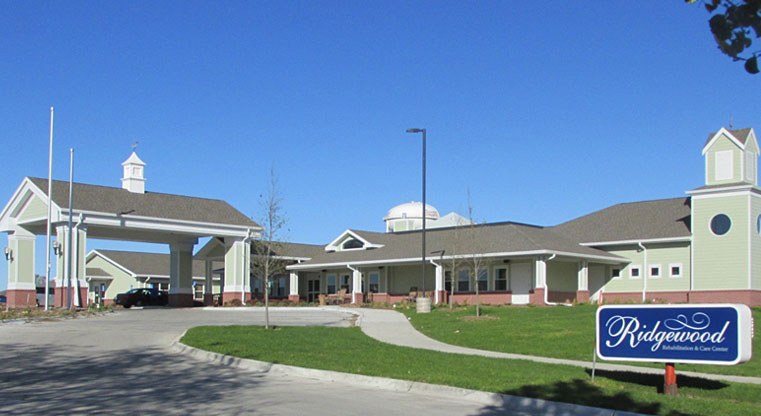
CMS rates Ridgewood Rehabilitation & Care Center's staffing level at 4 out of 5 stars, which is above average compared to other nursing homes. Staff turnover is 32%, compared to the Nebraska average of 46%. This relatively stable workforce can support continuity of care.

What Have Inspectors Found at Ridgewood Rehabilitation & Care Center?

State health inspectors documented 11 deficiencies at Ridgewood Rehabilitation & Care Center during 2023 to 2025. These included: 11 with potential for harm.

Who Owns and Operates Ridgewood Rehabilitation & Care Center?

Ridgewood Rehabilitation & Care Center is owned by a non-profit organization. Non-profit facilities reinvest revenue into operations rather than distributing to shareholders. The facility is operated by VETTER SENIOR LIVING, a chain that manages multiple nursing homes. With 82 certified beds and approximately 54 residents (about 66% occupancy), it is a smaller facility located in Seward, Nebraska.

How Does Ridgewood Rehabilitation & Care Center Compare to Other Nebraska Nursing Homes?

Compared to the 100 nursing homes in Nebraska, Ridgewood Rehabilitation & Care Center's overall rating (3 stars) is above the state average of 2.9, staff turnover (32%) is significantly lower than the state average of 46%, and health inspection rating (3 stars) is at the national benchmark.

What Should Families Ask When Visiting Ridgewood Rehabilitation & Care Center?

Based on this facility's data, families visiting should ask: "Can I visit during a mealtime to observe dining assistance and food quality?" "How do you handle medical emergencies, and what is your hospital transfer rate?" "Can I speak with family members of current residents about their experience?"

Is Ridgewood Rehabilitation & Care Center Safe?

Based on CMS inspection data, Ridgewood Rehabilitation & Care Center has a clean safety record: no substantiated abuse findings (meaning no confirmed cases of resident harm), no Immediate Jeopardy citations (the most serious violation level indicating risk of serious injury or death), and is not on the Special Focus Facility watch list (a federal program monitoring the lowest-performing 1% of nursing homes). The facility has a 3-star overall rating and ranks #1 of 100 nursing homes in Nebraska. While no facility is perfect, families should still ask about staff-to-resident ratios and recent inspection results during their visit.

Do Nurses at Ridgewood Rehabilitation & Care Center Stick Around?

Ridgewood Rehabilitation & Care Center has a staff turnover rate of 32%, which is about average for Nebraska nursing homes (state average: 46%). Moderate turnover is common in nursing homes, but families should still ask about staff tenure and how the facility maintains care continuity when employees leave.

Was Ridgewood Rehabilitation & Care Center Ever Fined?

Ridgewood Rehabilitation & Care Center has no federal fines on record. CMS issues fines when nursing homes fail to meet care standards or don't correct problems found during inspections. The absence of fines suggests the facility has either maintained compliance or corrected any issues before penalties were assessed. This is a positive indicator, though families should still review recent inspection reports for the full picture.

Is Ridgewood Rehabilitation & Care Center on Any Federal Watch List?

Ridgewood Rehabilitation & Care Center is not on any federal watch list. The most significant is the Special Focus Facility (SFF) program, which identifies the bottom 1% of nursing homes nationally based on persistent, serious quality problems. Not being on this list means the facility has avoided the pattern of deficiencies that triggers enhanced federal oversight. This is a positive indicator, though families should still review the facility's inspection history directly.