Cloverlodge Care Center
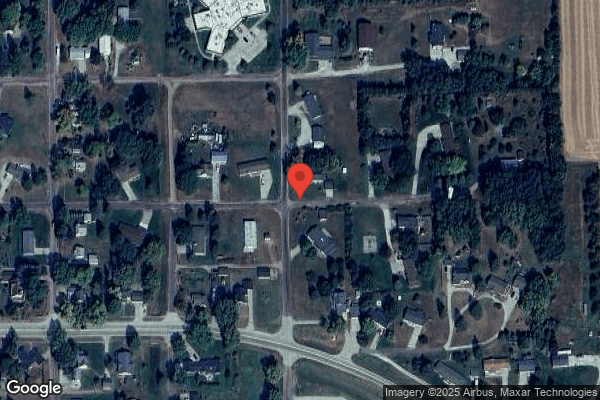
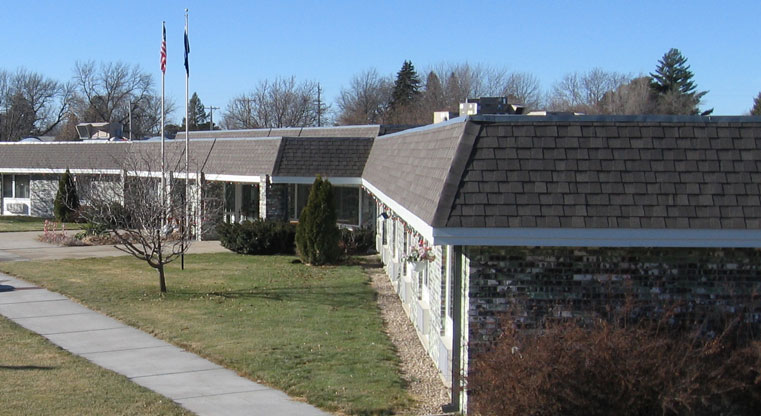
301 North 13th Street, St Edward, NE 68660 (402) 678-2294
Non profit - Corporation 47 Beds VETTER SENIOR LIVING Data: November 2025
Trust Grade
95/100
#10 of 177 in NE
Last Inspection: April 2025

Within standard 12-15 month inspection cycle. Federal law requires annual inspections.

Overview

Cloverlodge Care Center in St. Edward, Nebraska, has earned an impressive Trust Grade of A+, indicating it is an elite facility within the top tier of nursing homes. It ranks #10 out of 177 in the state, placing it well within the top half of Nebraska facilities, and is the best option in Boone County out of two available homes. The facility has shown improvement, reducing its issues from 5 in 2024 to 3 in 2025. Staffing is a strong point, with a perfect 5-star rating and a turnover rate of just 23%, significantly lower than the state average, ensuring continuity of care for residents. While there have been no fines, which is excellent, the facility has faced some concerns regarding cleanliness and infection control practices, including failures to maintain a proper cleaning schedule in the kitchen and to follow hygiene protocols during medication administration. Overall, Cloverlodge Care Center has many strengths, but potential residents and their families should be aware of these issues as they make their decisions.

Trust Score
A+
95/100
In Nebraska
#10/177
Top 5%
Safety Record
Low Risk
No red flags
Inspections
Getting Better
5 → 3 violations
Staff Stability
✓ Good
23% annual turnover. Excellent stability, 25 points below Nebraska's 48% average. Staff who stay learn residents' needs.
Penalties
✓ Good
No fines on record. Clean compliance history, better than most Nebraska facilities.
Skilled Nurses
✓ Good
Each resident gets 46 minutes of Registered Nurse (RN) attention daily — more than average for Nebraska. RNs are trained to catch health problems early.
Violations
○ Average
9 deficiencies on record. Average for a facility this size. Mostly minor or procedural issues.
★★★★★
5.0
Overall Rating
★★★★★
5.0
Staff Levels
★★★★★
5.0
Care Quality
★★★★☆
4.0
Inspection Score
Stable
2024: 5 issues
2025: 3 issues

The Good

  • 5-Star Staffing Rating · Excellent nurse staffing levels
  • 5-Star Quality Measures · Strong clinical quality outcomes
  • Low Staff Turnover (23%) · Staff stability means consistent care
  • Full Sprinkler Coverage · Fire safety systems throughout facility
  • No fines on record
  • Staff turnover is low (23%)

    25 points below Nebraska average of 48%

Facility shows strength in staffing levels, quality measures, staff retention, fire safety.

The Bad

Chain: VETTER SENIOR LIVING

Part of a multi-facility chain

Ask about local staffing decisions and management

The Ugly 9 deficiencies on record

Apr 2025 3 deficiencies
CONCERN (D)

Potential for Harm - no one hurt, but risky conditions existed

Accident Prevention (Tag F0689)

Could have caused harm · This affected 1 resident

Licensure Reference Number 175 NAC 12-006.09(I) Based on observation, interview and record review the facility failed to assess Resident 21 for safe mechanical lift use to prevent the potential for ac...

Read full inspector narrative →
Licensure Reference Number 175 NAC 12-006.09(I) Based on observation, interview and record review the facility failed to assess Resident 21 for safe mechanical lift use to prevent the potential for accidents. The sample size was 3 and the facility census was 29. Findings are: A record review of the facility's Sit to Stand Lift Competency dated 10/2024 revealed the following: -the resident must be able to bear weight on at least 1 leg, -staff would report to the supervisor when a change in resident transfer was noted, and -staff would use the correct lift sling based on the assessment of the residents. If the sling fit was inappropriate notify the supervisor. A record review of Resident 21's current Care Plan with a revision date 2/22/24 revealed that Resident 21 had an Activity of Daily Living self-performance deficit related to left arm functional limitation, history of stroke, and weakness. Activity of Daily Living interventions were: -toilet use: the resident was dependent on staff for toileting care with 1-person assist, and -resident transferred with 1-2 person assist with mechanical lift. The resident also had the potential for impairment to skin integrity related to functional limitation in left arm and leg. An intervention listed for this concern was that the facility educated staff to watch elbows when using the mechanical for transfer into bathroom. A record review of Resident 21's Nursing Progress Notes revealed the following: -3/25/25 at 4:24 PM a skin tear was noted to the resident's right elbow measuring 2 centimeters (cm) by 2 cm. Staff was educated to watch the resident's elbows when in the mechanical lift being transferred. Resident does chicken wing (arms poorly support the resident weight forcing the elbows upward) when in the mechanical lift. An observation on 4/22/25 at 10:30 AM with Nursing Assistant (NA)-G revealed when Resident 21 was transferred with the mechanical lift the resident's elbows were pointed out to the side of the lift on both arms. The resident was assisted with toileting cares and when standing resident up from the toilet with use of mechanical lift, the resident was bearing weight to legs poorly and the resident's arms and shoulders were being pulled on by the mechanical lift. NA-G cued the resident to stand up, yet the resident was unable to stand up and bear full weight to legs. An interview on 4/22/25 at 10:45 AM with NA-G confirmed that when Resident 21 was transferred with use of the mechanical lift, the resident's elbows extended out to both sides and resident chicken wings. Resident 21's shoulders were pulled on when the resident chicken wings. When the resident was being transferred with the mechanical lift staff had to make sure that the resident's elbows do not hit the doorway of the bathroom. NA-G confirmed that if a resident had a difficult time when being transferred with a mechanical lift the Director of Nursing (DON) was to be notified. NA-G confirmed that the DON had not been notified of Resident 21's elbow's sticking out to the side, chicken winging, and shoulders being pulled on with all transfers when using the mechanical lift. An interview on 4/22/25 at 12:00 PM with the DON confirmed that when a resident's transfer status has changed the supervisor was to be notified, a transfer evaluation or therapy screen should be done if the mechanical lift caused them to chicken wing. The DON confirmed that there was not a transfer evaluation or therapy screen completed after reviewing the documentation from 3/15/25. Further interview confirmed that NA-G had not notified the supervisor of how the resident's transfer went on the morning of 4/22/25. An interview on 4/22/25 at 2:25 PM with the DON confirmed that NA-G voiced concerns with resident's transfer with the use of the mechanical lift going from the bathroom to the wheelchair the morning of 4/22/25. Resident was not bearing weight to her legs and was chicken winging causing the resident's shoulders to be pulled on. MA-C confirmed that the resident's sling used when transferring with the mechanical lift does slide up at times and then the resident chicken wings and resident's shoulders are pulled on.
CONCERN (E)

Potential for Harm - no one hurt, but risky conditions existed

Safe Environment (Tag F0584)

Could have caused harm · This affected multiple residents

**NOTE- TERMS IN BRACKETS HAVE BEEN EDITED TO PROTECT CONFIDENTIALITY** Licensure Reference Number 175 NAC 12-006.19(B) Based on observations, interviews, and record reviews, the facility failed to ma...

Read full inspector narrative →
**NOTE- TERMS IN BRACKETS HAVE BEEN EDITED TO PROTECT CONFIDENTIALITY** Licensure Reference Number 175 NAC 12-006.19(B) Based on observations, interviews, and record reviews, the facility failed to maintain the facility walls and woodwork in a manner to promote a clean and homelike environment. This affected 16 of 30 resident rooms and the facility census was 29. Findings are: A record review of the Facility Assessment with a revision date of 4/15/25 revealed the facility's physical environment promoted the health and safety of the resident population, and each department manager followed procedures for maintaining inventory and equipment, and used the TELS (Technology for Enhanced Long-Term Care) system to track equipment and preventative maintenance. During a tour of the facility on 4/22/25 between 8:37 AM and 9:15 AM the following concerns were identified: -In room [ROOM NUMBER] the wood trim on the bottom of the closet door was deeply marred and had chipping paint. -In room [ROOM NUMBER] the wood trim on the bottom of the closet door was deeply marred and had chipping paint. -In room [ROOM NUMBER] the wall beside the bed had gouged drywall with chipping paint. -In room [ROOM NUMBER] the wall beside the bed had gouged drywall with chipping paint. -In room [ROOM NUMBER] the wood trim on the bottom of the closet door was deeply marred and had chipping paint. -In room [ROOM NUMBER] the wood trim on the bottom of the closet door was deeply marred and had chipping paint. -In room [ROOM NUMBER] the wood trim on the bottom of the closet door was deeply marred and had chipping paint. -In room [ROOM NUMBER] the wood trim on the bottom of the closet door was deeply marred and had chipping paint. -In room [ROOM NUMBER] the wood trim on the bottom of the closet door was deeply marred and had chipping paint. The wall behind the resident's recliner had gouged drywall and chipped paint. -In room [ROOM NUMBER] the wood trim on the bottom of the closet door was deeply marred and had chipping paint. The wall behind the resident's recliner had gouged drywall and chipped paint. -In room [ROOM NUMBER] the wood trim on the bottom of the closet door was deeply marred and had chipping paint. The wall behind the resident's recliner had gouged drywall and chipped paint. -In room [ROOM NUMBER] the wood trim on the bottom of the closet door was deeply marred and had chipping paint. The wall beside the bed had gouged drywall with chipping paint. -In room [ROOM NUMBER] the wall behind the resident's recliner had gouged drywall and chipped paint. -In room [ROOM NUMBER] the wall beside the bed had gouged drywall with chipping paint. -In room [ROOM NUMBER] the wall beside the bed had gouged drywall with chipping paint. -In room [ROOM NUMBER] the wood trim on the bottom of the closet door was deeply marred and had chipping paint. During an interview on 4/22/25 at 8:28 AM the facility Housekeeper/Laundry Supervisor revealed the facility used the TELS system to let the maintenance department know of items in need of repair. In addition, they confirmed the facility was aware of the multiple areas of drywall gauges and missing paint on the walls behind recliners and beds and that the areas had been there for quite a while and was unsure why they had not been repaired. During an interview on 4/23/25 at 1:33 PM the Maintenance Director revealed being aware of multiple rooms that needed drywall repair, and repaired woodwork, but confirmed those repairs had not been completed. The Maintenance Director reported knowing the repairs were needed for quite a while. During an interview on 4/23/25 at 1:48 PM the Administrator confirmed the facility has multiple areas of drywall and woodwork that needed repair.
CONCERN (E)

Potential for Harm - no one hurt, but risky conditions existed

Infection Control (Tag F0880)

Could have caused harm · This affected multiple residents

**NOTE- TERMS IN BRACKETS HAVE BEEN EDITED TO PROTECT CONFIDENTIALITY** Licensure Reference Number 175 NAC 12-006.17 Based on observation, interview, and record review; the facility failed to follow i...

Read full inspector narrative →
**NOTE- TERMS IN BRACKETS HAVE BEEN EDITED TO PROTECT CONFIDENTIALITY** Licensure Reference Number 175 NAC 12-006.17 Based on observation, interview, and record review; the facility failed to follow infection control guidelines related to medication administration which had the potential to affect all residents. The facility also failed to complete hand hygiene during the provision of cares for Residents 11, 13, and 18. The facility census was 29. Findings are: A. A record review of the facility policy Safe Medication Administration Practices, last revised 5/20/24 revealed staff were to do the following: -avoid distractions and interruptions when preparing and administering medications, -check the residents medical record to make sure that all required documents were present and current, -monitor and document the effectiveness of all medications administered, -dispose of all containers to avoid cross-contamination after removal of a medication from its original container, and -perform hand hygiene. An observation on 4/22/25 at 8:03 AM with Medication Aide (MA)-C revealed that while obtaining Tramadol (an oral medication used to treat pain) for a resident out of a locked drawer in the medication cart, MA-C pushed the medication out of the medication card directly into their hand and then placed the medication into the medication cup. An observation on 4/22/25 at 8:20 AM with MA-C revealed while obtaining Glipizide (an oral medication used for the management of blood sugars) for a resident, MA-C pushed the medication from the medication card directly into their hand then placed the medication into the medication cup. Interviews on 4/22/25 at 8:03 AM and 8:20 AM with MA-C confirmed MA-C pushed the medications into their hand but should have pushed the medication out of the card into a medication cup. Interview on 4/23/25 at 2:50 PM with the Director of Nursing (DON) confirmed that medications were to be pushed out of the medication card into the medication cups, not into staff hands. B. A record review of the facility policy Hand Hygiene, last revised on 9/12/17 revealed the following: -staff would exercise proper hand hygiene techniques to prevent the transmission of infectious agents, -the facility adopted the Centers for Disease Control and Prevention (CDC) hand hygiene guidelines, -hand hygiene was to occur before and after resident contact, after removing gloves, after contact with bodily fluids, when there was potential exposure to organisms, before handling medications or food, after blowing their nose, sneezing, coughing, and touching hair or face, -hands would be washed with soap and water when visibly soiled or contaminated with dirt, blood, or bodily fluids, -alcohol-based hand rub was preferred of hands were not visibly soiled or contaminated, and -gloves were not a substitute for hand hygiene. A record review of Resident 11's Minimum Data Set (MDS, a federally mandated assessment tool used in Care Planning) dated 2/26/25 revealed the resident had severe cognitive impairment, was dependent with dressing, toileting, and personal hygiene, was frequently incontinent of bladder and bowel and had diagnoses of Alzheimer's Disease and dementia. A record review of Resident 11's Care Plan, last revised 4/10/25 revealed the resident was dependent with dressing, personal hygiene, and toileting; required assistance with bed mobility and transfers; and the resident had cognitive impairment. Observation on 4/22/25 at 9:55 AM Nursing Assistant (NA)-G had Resident 11 sitting on the edge of the bed with a gait belt on. NA-G assisted the resident to ambulate to the bathroom. NA-G, while not wearing any gloves, pulled Resident 11's pants and soiled brief down. The resident sat on the toilet. NA-G put on a clean pair of gloves without performing hand hygiene and removed the soiled brief. Still wearing the same pair of gloves, NA-G obtained a new brief from the resident's dresser, applied it to the resident and applied the resident's pants. NA-G removed their gloves and without performing hand hygiene applied a new pair of gloves. NA-G performed peri cares and doffed the gloves. No hand hygiene was observed. NA-G applied new gloves, assisted the resident to pull their pants up, then doffed the gloves without performing hand hygiene. NA-G ambulated with the resident back to the resident's bed and assisted the resident to change their clothes. NA-G ambulated the resident back to the bathroom and assisted the resident with brushing their teeth and hair and washing their face and hands. NA-G ambulated the resident back to the resident recliner, covered with a blanket and turned the tv on. NA-G left the resident room, and no hand hygiene was observed. C. A record review of Resident 13's MDS dated [DATE] revealed the resident had severe cognitive impairment, was dependent with toileting, and dressing, was frequently incontinent with bladder and bowel habits and had a diagnosis of dementia. A record review of Resident 13's Care Plan, last revised 1/30/25 revealed the resident was dependent with toilet use and dressing the lower half of the body, and required assistance with upper body dressing, bed mobility, personal hygiene and transfers. Further review revealed the resident had cognitive impairment. Observation on 4/22/25 at 9:15 AM revealed NA-F assisted the resident into the bathroom. NA-F pulled the resident's pants and brief down without wearing gloves. Resident 13 was incontinent of a bowel movement. NA-F instructed Resident 13 to sit down on the toilet and NA-F put on gloves without performing hand hygiene. NA-F removed the residents soiled brief and applied a clean brief. NA-F performed peri-cares and removed their gloves. NA-F did not perform hand hygiene and pulled the resident's brief and pants up. NA-F ambulated with Resident 13 to their recliner and the resident sat down. NA-F removed the trash from the bathroom and disposed of properly. No hand hygiene was observed. Interview on 4/23/25 at 2:50 PM with the DON confirmed hand hygiene should be performed after removing gloves. D. A record review of Resident 18's MDS dated [DATE] revealed the resident had severe cognitive impairment, was dependent on staff for toileting, dressing, personal hygiene, rolling left to right in bed and chair to bed/bed to chair transfer. Resident 18 was always incontinent of bowel and bladder and had diagnoses of progressive neurological condition, dementia, Parkinson's Disease and Psychotic Disorder. An observation on 4/22/25 at 9:40 AM revealed that NA-G had gloves on, transferred resident 18 with the mechanical lift onto their bed, checked the resident for being incontinent of bowel and bladder, resident did not need to be changed. NA-G removed their gloves and no hand hygiene was observed. NA-G reapplied gloves, repositioned the resident in bed, covered the resident with a blanket, removed gloves, picked up the trash from the room and exited the room. No hand hygiene was observed. An interview with the DON on 4/23/25 at 2:50 PM confirmed hand hygiene should be performed after removing gloves.
May 2024 5 deficiencies
CONCERN (D)

Potential for Harm - no one hurt, but risky conditions existed

Transfer Notice (Tag F0623)

Could have caused harm · This affected 1 resident

**NOTE- TERMS IN BRACKETS HAVE BEEN EDITED TO PROTECT CONFIDENTIALITY** Licensure Reference Number 175 NAC 12-006.02(1) Based on record review and interview, the facility failed to submit transfer and...

Read full inspector narrative →
**NOTE- TERMS IN BRACKETS HAVE BEEN EDITED TO PROTECT CONFIDENTIALITY** Licensure Reference Number 175 NAC 12-006.02(1) Based on record review and interview, the facility failed to submit transfer and discharge notifications to the State Ombudsman (an official appointed to investigate individuals' complaints and serves as a consumer advocate) as required for 1 (Resident 34) of 1 sampled resident. The facility census was 33. Findings are: Review of the Resident 34's Nursing Progress Notes revealed the resident was transferred and admitted to the hospital on [DATE], 2/1/24 and again on 4/16/24. During an interview on 5/9/24 at 11:08 AM, the Social Service Director (SSD) and the Administrator confirmed the facility had no documented evidence the State Ombudsman was notified of Resident 34's hospital discharges.
CONCERN (D)

Potential for Harm - no one hurt, but risky conditions existed

Deficiency F0625 (Tag F0625)

Could have caused harm · This affected 1 resident

Licensure Reference Number 175 NAC 12-006.05(1) Based on record review and interview, the facility failed to provide Resident 34 or the resident's representative, bed hold information when the residen...

Read full inspector narrative →
Licensure Reference Number 175 NAC 12-006.05(1) Based on record review and interview, the facility failed to provide Resident 34 or the resident's representative, bed hold information when the resident was transferred to the hospital. The sample size was 1 and the facility census was 33. Findings are: Review of the undated facility Notice of Bed Hold Policy revealed the facility advised the resident and or family of the bed hold policy, in writing and when possible, within 24 hours of an emergency transfer to inform them of the bed hold rate (daily cost/rate for the type of room being held for the resident). Review of Resident 34's Nursing Progress Notes revealed the resident was transferred to the hospital on 2/1/24. Review of Resident 34's medical record from 2/1/24 through 3/1/24 revealed no evidence the resident or the resident's representative were notified of the facility bed hold policy when Resident 34 was transferred to the hospital on 2/1/24. During an interview on 5/9/24 at 11:08 AM, the Social Service Director (SSD) and the Administrator confirmed the facility had no documented evidence Resident 34 or their representative were provided with the required bed hold information when discharged to the hospital on 2/1/24.
CONCERN (D)

Potential for Harm - no one hurt, but risky conditions existed

Accident Prevention (Tag F0689)

Could have caused harm · This affected 1 resident

**NOTE- TERMS IN BRACKETS HAVE BEEN EDITED TO PROTECT CONFIDENTIALITY** LICENSURE REFERENCE NUMBER 175 NAC 12-006.18E1 Based on observations, record review and interviews; staff failed to utilize a fu...

Read full inspector narrative →
**NOTE- TERMS IN BRACKETS HAVE BEEN EDITED TO PROTECT CONFIDENTIALITY** LICENSURE REFERENCE NUMBER 175 NAC 12-006.18E1 Based on observations, record review and interviews; staff failed to utilize a full body lift (device that allows residents to be transferred between 2 surfaces using hydraulic power and requires no weight bearing assistance from the resident) and a sit-to-stand mechanical lift (mobile lift that allows for resident transfer from a seated to a standing position) in a manner to prevent potential accidents for 2 (Residents 9 and 34) of 4 sampled residents. The facility census was 33. Findings are: A. Review of a Lift and Transfer Program Policy dated 2/19 revealed that 2 team members were required to be involved with the entire process of assisting a resident and operating a full body lift. B. Review of Resident 9's Minimum Data Set (MDS-a federally mandated comprehensive assessment tool used for care planning) dated 4/3/24 revealed diagnoses of non-traumatic brain dysfunction, heart failure, arthritis, and dementia. The assessment indicated the resident's cognition was severely impaired, the resident was dependent for transfers, dressing, bed mobility, and toileting hygiene, and the resident was always incontinent of bowel and bladder. Review of Resident 9's current Care Plan with a revision date of 1/4/24 revealed the resident was to have total assist of 2 staff for transfers with the full body lift. During an observation on 5/9/24 at 1:23 PM, Nurse Aide (NA)-H used the full body lift to transfer the resident from the wheelchair to the bed. NA-H attached the lift sling which was positioned underneath of the resident to the lift and used the hand control to raise the resident out of the wheelchair. NA-H physically maneuvered the lift close to the resident's bed and while continuing to use the hand control manipulated the resident's body over the bed and lowered the resident onto the bed. NA-H did not have assistance from another staff member with this transfer but completed the transfer independently. During an interview on 5/9/24 at 2:45 PM, the Director of Nursing and the Administrator verified NA-H should not have transferred Resident 9 independently and 2 staff should be utilized with all full body lift transfers to prevent potential injuries or falls. C. Review of a Sit-to Stand Competency form completed by NA-H on 3/10/24 revealed the following procedure for use of the sit-to-stand lift: -identify the correct lift and harness by checking source that designates the resident's mechanical lift needs, -inspect the lift and harness for safe use, -explain lift procedure to the resident and lock wheels of bed or chair, -begin with the resident seated. If in bed, raise the back of the bed and then assist resident to dangling position, -position the harness around the resident's upper body at least 2-3 inches below the under arm, -position the resident's arms outside the harness, -fasten the safety belt around the resident's waist/pelvis, -position the lift in front of the resident opening the legs of the lift with the leg spreader bar if necessary to fit around furniture. Assist the resident to place feet squarely on the footrest, -carefully advance the lift toward the resident, until shins rest against the shin pad if possible. Fasten shins with the shin strap to keep shins and feet in place. Shin rest should be below the resident's knees for comfort. Adjust as needed, -fasten the loops of the harness to the lift arm hooks using the shortest loops possible. Use the same loop on both sides. Instruct the resident to hold the padded handles with both hands if able, -while raising the resident up, be sure to grasp the loose end of the waist strap and tighten as the resident is raised. Gently keep the slack removed from the belt throughout the process, -using the up button on the hand control, slowly raise the resident to a standing. The resident should be encouraged to bear weight as they are lifted and lean back if possible, and -transfer the resident to the desired location. D. Review of Resident 34's MDS dated [DATE] revealed the resident was admitted [DATE] with diagnoses of dementia, Alzheimer's disease, anemia, end stage renal disease, and urinary tract infection in the last 30 days. The resident was assessed with severe cognitive impairment; required substantial to maximal staff assistance with dressing, personal hygiene, and transfers; required total assistance with toileting; and had an indwelling urinary catheter. Review of Resident 34's current Care Plan with a revision date of 12/11/23 revealed the resident was to be trtansferred with 1 staff assist using the sit-to-stand mechanical lift. During an observation on 5/13/24 at 10:46 AM, NA-H transferred Resident 34 out of the wheelchair and onto the bed with the sit-to-stand lift. NA-H placed and secured the harness around the resident's upper body. NA-H assisted to place the resident's feet on the footrest of the lift and placed the resident's shins against the shin pad. However, NA-H failed to secure the resident's lower legs with the shin strap before standing the resident up from the wheelchair and transferring the resident onto the bed. During an interview on 5/13/24 at 11:06 AM, NA-H confirmed staff had been trained to secure the resident's lower legs with the shin strap of the sit-to-stand lift but indicated the resident's room was too crowded to secure the resident's legs. An interview with the DON on 5/13/24 at 12:26 PM verified NA-H should have assured Resident 34's lower legs were secured to the shin pad of the mechanical lift before transferring the resident to promote the resident's safety.
CONCERN (D)

Potential for Harm - no one hurt, but risky conditions existed

Infection Control (Tag F0880)

Could have caused harm · This affected 1 resident

**NOTE- TERMS IN BRACKETS HAVE BEEN EDITED TO PROTECT CONFIDENTIALITY** Licensure Reference Number 175 NAC 12-006.17 Based on observations, record review and interview; the facility failed to implemen...

Read full inspector narrative →
**NOTE- TERMS IN BRACKETS HAVE BEEN EDITED TO PROTECT CONFIDENTIALITY** Licensure Reference Number 175 NAC 12-006.17 Based on observations, record review and interview; the facility failed to implement hand hygiene measures to prevent the potential spread of infection for Resident 5 and failed to wear the required Personal Protective Equipment (PPE) when providing management/care of Resident 34's catheter. The sample size was 14 and the facility census was 33. Findings are: A. Review of the undated facility policy Infection Prevention and Control Program revealed the facility developed and maintained an infection prevention and control program that provided a safe, sanitary, and comfortable environment to help prevent the development and transmission of infection. B. Review of the undated facility policy Standard Precautions revealed the following: -team members followed accepted standards of practice to prevent the transmission of infections and communicable diseases, including the use of standard precautions (precautions used during the provision of all care, established to prevent infection and or the spread of infection), and -hand hygiene would be done, for a minimum of 20 seconds, before and after all patient care and after removing and disposing of gloves and other protective equipment. C. Review of Resident 5's Minimum Data Set (MDS-federally mandated comprehensive assessment used to develop resident Care Plans) dated 4/3/24 revealed the following; -the resident had severe cognitive impairment and dementia, -was incontinent of bladder, and -received substantial assistance with transfers, toileting, and toileting hygiene. During an Observation of care for Resident 5 on 5/13/24 at 9:51 AM, Nurse Aide (NA)-H entered Resident 5's room. NA-H did not perform hand hygiene (wash hands or sanitize). NA-H put on gloves and assisted the resident from a wheelchair to the bathroom using a stand-up mechanical lift. NA-H pulled down the resident pants and incontinence brief and then using the mechanical lift sat the resident on the toilet. After going to the bathroom NA-H assisted the resident to stand, assisted the resident with toileting hygiene and pulled up the brief and pants. NA-H then removed the gloves but did not perform hand hygiene. The resident was then assisted back into the wheelchair and positioned for comfort. NA-H exited the room and did not perform hand hygiene. D. During an interview on 5/13/24 at 1:55 PM, Licensed Practical Nurse/Infection Preventionist (LPN/IP) revealed staff are to perform hand hygiene prior to administering care, each time gloves are changed and after completing care to prevent the potential spread of infection. E. Review of the facility policy for Enhanced Barrier Precautions (EBP-use of PPE to reduce the transmission of multi drug-resistant organisms (MDRO- organisms resistant to at least one or more classes of antimicrobial agents) between residents) dated 4/12/24 revealed EBP was to be initiated on residents with any of the following: -chronic wounds such as pressure injuries, diabetic foot ulcers, or venous stasis ulcers (non-healing wound around the ankle and lower legs caused by blood flow problems), -indwelling medical devices such as central lines, urinary catheters, feeding tubes and tracheostomy tubes, and -surgical wounds that have drains (device to remove fluid as it collects), a recent dehiscence (closed incision which re-opens either internally or externally), have been left open to heal or shows signs of infection. The policy further revealed use of PPE would be required with high-contact resident care activities such as dressing, bathing, transferring, providing hygiene, changing linens, changing briefs, or assisting with toileting, device care or use and wound care. F. Review of Resident 34's MDS dated [DATE] revealed the resident was admitted [DATE] with diagnoses of dementia, Alzheimer's disease, anemia, end stage renal disease, and urinary tract infection in the last 30 days. The resident was assessed with severe cognitive impairment; required substantial to maximal staff assistance with dressing, personal hygiene, and transfers; required total assistance with toileting; and had an indwelling urinary catheter. Observations of cares completed on 5/13/24 at 10:46 AM by NA-H revealed the following: -entered the resident's room, washed hands, and placed on a clean disposable gown, a pair of disposable gloves and goggles, -emptied the resident's urinary catheter drainage bag and removed disposable gloves, -without washing hands or performing hand hygiene, transferred the resident onto the bed and laid the resident on their back, -without use of gloves, NA-H lowered the resident's slacks and grabbed the uncovered catheter drainage bag, pulled the bag through the left leg and out the top of the slacks, -still without use of gloves, continued to hold the catheter drainage bag and ran the bag down the top of the resident's slacks and out the bottom of the right pant leg, -secured the catheter tubing to a catheter secure band on the upper right thigh, - adjusted the resident's slacks, covered with a blanket, and attached the call light to the blanket, and -finally washed hands before exiting the resident's room. During interviews on 5/13/24 from 11:06 AM to 12:26 PM, NA-H and the Director of Nursing (DON) confirmed NA-H should have been wearing gloves when handling Resident 34's urinary catheter drainage bag as the resident was on EBP because of the resident's catheter.
CONCERN (F)

Potential for Harm - no one hurt, but risky conditions existed

Food Safety (Tag F0812)

Could have caused harm · This affected most or all residents

Licensure Reference Number 175 NAC 12-006.11E Based on observation and interview; the facility failed to implement and maintain a cleaning schedule for kitchen items and equipment to prevent the poten...

Read full inspector narrative →
Licensure Reference Number 175 NAC 12-006.11E Based on observation and interview; the facility failed to implement and maintain a cleaning schedule for kitchen items and equipment to prevent the potential for food borne illness. This had the potential to affect all facility residents. The facility census was 33. Findings are: The following concerns were identified during the follow up kitchen tour on 5/13/24 from 11:40 AM through 12:05 PM: -a thick layer of black burnt on grease was noted on the inside surface and back surface of the grill attached to the oven and the inside surfaces of the oven especially around the doors were also covered with burnt on food residue; The outside surface of the oven also had areas of food residue, and the floor beneath the oven had grease and food debris visible. -The walk-in refrigerator had food residue running down the outside surface of the refrigerator below the access doors and next to the walk-in door where the garbage cans were located. -The reach-in refrigerator in the dry storage area had a very soiled handle and the surrounding surface area around the handle was also soiled. -The facility toaster was also coated with burnt on grease and covered in breadcrumbs inside and below the toaster on the stainless-steel cabinet it was sitting on. -The wall behind the steam table (used to keep prepared food warm during meal service) was soiled with food debris. -The microwave oven had spattered food present inside that had not been cleaned after use. -The food serving cart used to take food items to residents had wheels that were covered in dirt and debris and had food residue and crumbs in all the corners of all 3 shelves. - The floor just underneath and below the cupboards in the snack and serving area adjacent to the kitchen also had dirt and debris on the floors and one cupboard door was chipped and pealing and was not a cleanable surface. During an interview on 5/14/24 at 10:02 AM The Food Services Supervisor (FSS) confirmed the facility had not implemented and maintained a cleaning schedule for kitchen items and equipment such as the ovens, the stove top grill, the floor under the oven, a gray storage cabinet beneath a food preparation area, the outsides of the sugar and flour bins beneath the food preparation area, the outside walls of both the walk in and the reach in refrigerators, the toaster and the area beneath the toaster, the microwave, and the wall directly behind the steam table in which the prepared food was served from were not on a routine cleaning schedule. In addition, the FSS confirmed the facility had no evidence they were cleaning kitchen items/equipment on a routine schedule and did not have a policy for kitchen sanitation.
May 2023 1 deficiency
CONCERN (D)

Potential for Harm - no one hurt, but risky conditions existed

Food Safety (Tag F0812)

Could have caused harm · This affected 1 resident

Licensure Reference Number 175 NAC 12-006.11E Based on interview and record review, the facility failed to ensure dishwasher temperatures were maintained at acceptable levels to prevent the potential ...

Read full inspector narrative →
Licensure Reference Number 175 NAC 12-006.11E Based on interview and record review, the facility failed to ensure dishwasher temperatures were maintained at acceptable levels to prevent the potential for food born illness. This had the potential to affect all residents. The facility census was 37. Findings are: Review of the facility's Dishwasher Temperature Log revealed the following related to dishwasher temperature ranges: -wash cycle temperatures should be 150 degrees or higher for a minimum of 40 seconds; -rinse cycle temperatures should be 180 degrees or higher for 18 seconds but not to exceed 194 degrees; and -if temperatures are not within the acceptable temperature range, the machine is to be shut down and notify maintenance. Review of the dishwasher temperature logs dated 3/1/23 through 3/31/23 revealed the following: -3/1/23 a rinse temperature at breakfast of 170 degrees. -3/2/23 a rinse temperature at breakfast of 174 degrees. -3/3/23 through 3/5/23 no dishwasher temperatures were checked at breakfast and lunch meals. -3/6/23 a rinse temperature at breakfast of 178 degrees. -3/7/23 a rinse temperature at breakfast of 167 degrees and at lunch 175 degrees. -3/8/23 a rinse temperature at breakfast of 170 degrees. -3/10/23 a rinse temperature at breakfast of 176 degrees. -3/11/23 a rinse temperature at breakfast of 176 degrees. -3/12/23 a rinse temperature at breakfast of 170 degrees. -3/13/23 a rinse temperature at breakfast of 178 degrees. -3/14/23 a rinse temperature at breakfast of 170 degrees. -3/15/23 a rinse temperature at breakfast and lunch of 170 degrees. -3/16/23 a rinse temperature at breakfast of 170 degrees and at lunch 171 degrees. -3/18/23 a rinse temperature at breakfast of 176 degrees and at lunch 178 degrees. -3/22/23 a rinse temperature at supper of 170 degrees. -3/23/23 a rinse temperature at breakfast of 176 degrees and at lunch 170 degrees. -3/26/23 a rinse temperature at supper of 174 degrees. -3/27/23 a rinse temperature at breakfast of 170 degrees. -3/29/23 a rinse temperature at breakfast of 176 degrees. Review of the dishwasher temperature logs dated 4/1/23 through 4/25/23 revealed the following: -4/1/23 a rinse temperature at breakfast of 170 degrees. -4/2/23 a rinse temperature at breakfast of 172 degrees. -4/3/23 a rinse temperature at breakfast of 172 degrees and at lunch 165 degrees. -4/10/23 a rinse temperature at breakfast of 174 degrees. -4/11/23 a rinse temperature at breakfast of 170 degrees. -4/13/23 a rinse temperature at breakfast of 178 degrees. -4/14/23 a rinse temperature at breakfast of 178 degrees. -4/15/23 a rinse temperature at breakfast of 176 degrees. -4/16/23 a rinse temperature at breakfast of 170 degrees. -4/17/23 a rinse temperature at breakfast of 175 degrees. -4/18/23 a rinse temperature at breakfast of 168 degrees. -4/19/23 a rinse temperature at breakfast of 174 degrees. -4/20/23 a rinse temperature at breakfast of 175 degrees. -4/21/23 a rinse temperature at breakfast of 174 degrees. -4/22/23 a rinse temperature at breakfast of 170 degrees and at lunch 175 degrees. -4/23/23 a rinse temperature at breakfast of 175 degrees. -4/24/23 a rinse temperature at breakfast of 178 degrees. -4/25/23 a rinse temperature at breakfast of 178 degrees. An interview with the dietary manager on 5/1/23 at 2:30 PM confirmed the following: -the facility had a high temperature dishwasher and the acceptable ranges should be a minimum of 150 degrees for the wash cycle and 180 degrees for the rinse cycle; -if temperatures fall below the acceptable ranges staff should re-run the cycle 2 to 3 more times to ensure temperatures did not meet the minimum ranges; -if temperatures remained below the minimum acceptable ranges, the machine is to be shut down and dishes are to be washed manually following sanitation guidelines, and notify the dietary manager and/or the maintenance staff member for repair; -dishwasher rinse temperatures were below the acceptable ranges 21 out of 31 days in March, 2023 and 18 of 25 days in April 2023; and -staff had not notified the dietary manager or the maintenance staff member about the low dishwasher temperatures and continued to use the machine in March and April 2023.
Understanding Severity Codes (click to expand)
Life-Threatening (Immediate Jeopardy)
J - Isolated K - Pattern L - Widespread
Actual Harm
G - Isolated H - Pattern I - Widespread
Potential for Harm
D - Isolated E - Pattern F - Widespread
No Harm (Minor)
A - Isolated B - Pattern C - Widespread

Questions to Ask on Your Visit

  • "Can I speak with families of current residents?"
  • "What's your RN coverage like on weekends and overnight?"

Our Honest Assessment

Strengths
  • • Grade A+ (95/100). Above average facility, better than most options in Nebraska.
  • • No major safety red flags. No abuse findings, life-threatening violations, or SFF status.
  • • No fines on record. Clean compliance history, better than most Nebraska facilities.
  • • 23% annual turnover. Excellent stability, 25 points below Nebraska's 48% average. Staff who stay learn residents' needs.
Concerns
  • • No significant concerns identified. This facility shows no red flags across CMS ratings, staff turnover, or federal penalties.
Bottom line: Generally positive indicators. Standard due diligence and a personal visit recommended.

About This Facility

What is Cloverlodge Care Center's CMS Rating?

CMS assigns Cloverlodge Care Center an overall rating of 5 out of 5 stars, which is considered much above average nationally. Within Nebraska, this rating places the facility higher than 99% of the state's 100 nursing homes. This rating reflects solid performance across the metrics CMS uses to evaluate nursing home quality.

How is Cloverlodge Care Center Staffed?

CMS rates Cloverlodge Care Center's staffing level at 5 out of 5 stars, which is much above average compared to other nursing homes. Staff turnover is 23%, compared to the Nebraska average of 46%. This relatively stable workforce can support continuity of care.

What Have Inspectors Found at Cloverlodge Care Center?

State health inspectors documented 9 deficiencies at Cloverlodge Care Center during 2023 to 2025. These included: 9 with potential for harm.

Who Owns and Operates Cloverlodge Care Center?

Cloverlodge Care Center is owned by a non-profit organization. Non-profit facilities reinvest revenue into operations rather than distributing to shareholders. The facility is operated by VETTER SENIOR LIVING, a chain that manages multiple nursing homes. With 47 certified beds and approximately 29 residents (about 62% occupancy), it is a smaller facility located in St Edward, Nebraska.

How Does Cloverlodge Care Center Compare to Other Nebraska Nursing Homes?

Compared to the 100 nursing homes in Nebraska, Cloverlodge Care Center's overall rating (5 stars) is above the state average of 2.9, staff turnover (23%) is significantly lower than the state average of 46%, and health inspection rating (4 stars) is above the national benchmark.

What Should Families Ask When Visiting Cloverlodge Care Center?

Based on this facility's data, families visiting should ask: "Can I visit during a mealtime to observe dining assistance and food quality?" "How do you handle medical emergencies, and what is your hospital transfer rate?" "Can I speak with family members of current residents about their experience?"

Is Cloverlodge Care Center Safe?

Based on CMS inspection data, Cloverlodge Care Center has a clean safety record: no substantiated abuse findings (meaning no confirmed cases of resident harm), no Immediate Jeopardy citations (the most serious violation level indicating risk of serious injury or death), and is not on the Special Focus Facility watch list (a federal program monitoring the lowest-performing 1% of nursing homes). The facility has a 5-star overall rating and ranks #1 of 100 nursing homes in Nebraska. While no facility is perfect, families should still ask about staff-to-resident ratios and recent inspection results during their visit.

Do Nurses at Cloverlodge Care Center Stick Around?

Staff at Cloverlodge Care Center tend to stick around. With a turnover rate of 23%, the facility is 22 percentage points below the Nebraska average of 46%. Low turnover is a positive sign. It means caregivers have time to learn each resident's needs, medications, and personal preferences. Consistent staff also notice subtle changes in a resident's condition more quickly.

Was Cloverlodge Care Center Ever Fined?

Cloverlodge Care Center has no federal fines on record. CMS issues fines when nursing homes fail to meet care standards or don't correct problems found during inspections. The absence of fines suggests the facility has either maintained compliance or corrected any issues before penalties were assessed. This is a positive indicator, though families should still review recent inspection reports for the full picture.

Is Cloverlodge Care Center on Any Federal Watch List?

Cloverlodge Care Center is not on any federal watch list. The most significant is the Special Focus Facility (SFF) program, which identifies the bottom 1% of nursing homes nationally based on persistent, serious quality problems. Not being on this list means the facility has avoided the pattern of deficiencies that triggers enhanced federal oversight. This is a positive indicator, though families should still review the facility's inspection history directly.