Stanton Health Center
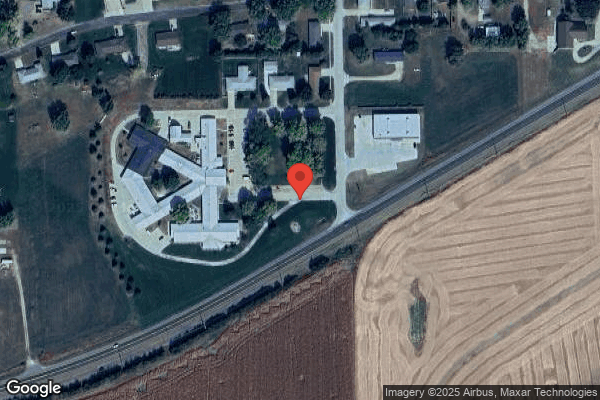
301 17th Street, Stanton, NE 68779 (402) 439-2111
Non profit - Church related 70 Beds Independent Data: November 2025 1 Immediate Jeopardy citation
Trust Grade
51/100
#61 of 177 in NE
Last Inspection: July 2025

Inspected within the last 6 months. Data reflects current conditions.

Overview

Stanton Health Center has a Trust Grade of C, which means it is average compared to other nursing homes, sitting in the middle of the pack. It ranks #61 out of 177 facilities in Nebraska, placing it in the top half, and is the only facility in Stanton County. The facility is improving, having reduced its issues from five in 2024 to four in 2025, but it still faces some concerning fines of $15,269, which are higher than 81% of Nebraska facilities. Staffing is a strength with a 4/5 star rating and RN coverage better than 83% of state facilities, although the turnover rate of 58% is average and may indicate some instability. However, there have been serious incidents, including a failure to perform CPR on a resident who was unresponsive and not notifying a physician about a significant change in another resident's condition, which raises concerns about the quality of care and communication within the facility.

Trust Score
C
51/100
In Nebraska
#61/177
Top 34%
Safety Record
High Risk
Review needed
Inspections
Getting Better
5 → 4 violations
Staff Stability
⚠ Watch
58% turnover. Above average. Higher turnover means staff may not know residents' routines.
Penalties
✓ Good
$15,269 in fines. Lower than most Nebraska facilities. Relatively clean record.
Skilled Nurses
✓ Good
Each resident gets 54 minutes of Registered Nurse (RN) attention daily — more than average for Nebraska. RNs are trained to catch health problems early.
Violations
⚠ Watch
14 deficiencies on record. Higher than average. Multiple issues found across inspections.
★★★★☆
4.0
Overall Rating
★★★★☆
4.0
Staff Levels
★★★★☆
4.0
Care Quality
★★★★☆
4.0
Inspection Score
Stable
2024: 5 issues
2025: 4 issues

The Good

  • 4-Star Staffing Rating · Above-average nurse staffing levels
  • 4-Star Quality Measures · Strong clinical quality outcomes
  • Full Sprinkler Coverage · Fire safety systems throughout facility
  • No fines on record

Facility shows strength in staffing levels, quality measures, fire safety.

The Bad

Staff Turnover: 58%

12pts above Nebraska avg (46%)

Frequent staff changes - ask about care continuity

Federal Fines: $15,269

Below median ($33,413)

Minor penalties assessed

Staff turnover is elevated (58%)

10 points above Nebraska average of 48%

The Ugly 14 deficiencies on record

1 life-threatening 1 actual harm
Jul 2025 4 deficiencies
CONCERN (D)

Potential for Harm - no one hurt, but risky conditions existed

Resident Rights (Tag F0550)

Could have caused harm · This affected 1 resident

Licensure Reference Number 175 NAC 12-006.05(S) Based on observation, interview, and record review; the facility failed to ensure Resident 46's dignity was maintained related to a transfer to the bath...

Read full inspector narrative →
Licensure Reference Number 175 NAC 12-006.05(S) Based on observation, interview, and record review; the facility failed to ensure Resident 46's dignity was maintained related to a transfer to the bathhouse. The sample size was 2 and the census was 49. Findings are: A record review of the undated facility Resident Rights provided to residents at the time of admission, revealed that all residents have the right to be treated with consideration, respect, and full recognition of his or her dignity and individuality, including privacy in treatment and in care for his or her personal needs.During an observation on 7/8/25 at 8:17 AM, Resident 46 was positioned in a bath chair in the corridor outside of the resident's room. The resident's lower legs and feet were uncovered and were hanging suspended from the seat of the chair. The resident wore a hospital gown with the back open which exposed the resident's lower back and buttocks. The resident's legs, feet, back and buttocks were bare and were visible to any other residents, staff and/or visitors who were in the corridor or who were on their way to or from the breakfast meal. Bath aide (BA)-W transferred the resident from the resident's room to the bathhouse which was at the end of the corridor. During an interview on 7/10/25 at 9:44 AM, BA-W confirmed working as the full-time bath aide. BA-W also confirmed the resident should have been covered with no bare skin exposed when transferring in the corridor to the bathhouse.
CONCERN (D) 📢 Someone Reported This

A family member, employee, or ombudsman was alarmed enough to file a formal complaint

Potential for Harm - no one hurt, but risky conditions existed

Investigate Abuse (Tag F0610)

Could have caused harm · This affected 1 resident

**NOTE- TERMS IN BRACKETS HAVE BEEN EDITED TO PROTECT CONFIDENTIALITY** Licensure Reference Number 175 NAC 12-006.02(H) Based on record review and interview; the facility failed to report, investigate...

Read full inspector narrative →
**NOTE- TERMS IN BRACKETS HAVE BEEN EDITED TO PROTECT CONFIDENTIALITY** Licensure Reference Number 175 NAC 12-006.02(H) Based on record review and interview; the facility failed to report, investigate, and submit a completed investigation report related to an allegation of potential abuse to the State Agency within the required time frame for Residents 3 and 39. The sample size was 5 and the facility census was 49. Findings are: A. Record review of the facility policy Abuse, Neglect, or Misappropriation of Property last revised 1/23/24 revealed the facility had a zero tolerance policy and mandated employees to immediately report any allegations/suspicions of:-any type of crime committed against a resident,-Resident abuse,-willful resident neglect, -misappropriation of resident property, and-exploitation of a resident. The Administrator, Director of Nursing (DON), or designee would interview the person reporting, any witnesses, the resident and the charge nurse, review the residents medical record, interview all staff members that had contact with the resident, interview the roommate, family members and visitors if possible,-the Administrator or designee would report to law enforcement and the State Agency within 2 hours after forming a suspicion of serious bodily harm and 24 hours in all other cases, and-the Charge Nurse/Department Supervisor must report to the Administrator/DON immediately. For Resident-to-Resident incidents without injury, the facility would:-investigate, -implement and document necessary precautions/interventions to prevent further occurrence,-notify the responsible parties of all residents involved,-notify the physicians of the residents involved, and -document the finding that validate the conclusion of isolated, not preventable, or unforeseeable incidents. B. Record review of Resident 3's Minimum Data Set (MDS- a federally mandated assessment tool used in developing Care Plans) dated 6/25/25 revealed the resident had moderate cognitive impairment; required assistance with dressing and hygiene, and was dependent with toileting; had diagnoses of Alzheimer's Disease, dementia, anxiety and depression and had no behaviors. Record review of Resident 3's Care Plan last reviewed 6/25/25 revealed the resident had a cognitive deficit with diagnoses of Alzheimer's Disease, dementia, anxiety, and depression; had a history of making sexual comments and/or suggestions towards staff with inappropriate touching; and required assistance with bed mobility, dressing, oral cares, personal hygiene, toileting, and transfers. Record review of Resident 3's Progress Notes revealed the following entries:-on 3/20/25 at 1:00 PM a Behavior Note revealed it was reported to a nurse that Resident 3 was caught pulling out another Resident's (unnamed) shirt from the neckline and looking down their shirt. Resident 3 was stopped and told that was inappropriate. -on 6/3/25 at 4:59 AM a Behavior Note revealed Resident 3 was found in the Dining Room after the evening meal sitting next to Resident 39 holding their hand. Resident 3 was reminded not to touch other residents and stated I can touch whoever I want. Resident 39 was removed from the dining room and taken to the solarium. Resident 3 followed and sat away from Resident 39. An aide took Resident 39 down the hallway (where Resident 39's room was) and Resident 3 followed but was intercepted and assisted to the hallway where Resident 3's room was located. C. Record review of Resident 39's MDS dated [DATE] revealed the resident had severe cognitive impairment; exhibited physical and verbal behaviors; was dependent with oral hygiene, toileting, dressing, and personal hygiene; and had diagnoses of Alzheimer's Disease, non-Alzheimer's dementia, anxiety, depression, and a psychotic disorder (a mental disorder characterized by a disconnection from reality. Record review of Resident 39's Care Plan last reviewed 6/25/25 revealed the resident required substantial assistance with bed mobility and transfers, and was dependent with dressing, oral cares, personal hygiene, and toileting; had the potential to be physically aggressive; was combative during cares; had impaired cognition; and had diagnoses of Alzheimer's Disease, dementia, delusional disorder, anxiety and depression. Record review of Resident 39's Progress Notes reviewed no evidence of the incident with Resident 3 on 6/3/25. D. Record review of the Facility Reported Incidents for the last 12 months revealed no evidence that the incident on 3/20/25 or the incident on 6/4/25 were reported to the State Agency. E. An interview on 7/9/25 at 3:25 PM with the Administrator and the Director of Nursing (DON) confirmed the incidents documented in Resident 3's Progress Notes on 3/20/25 and 6/4/25 were not reported to the State Agency and they should have been reported. Further interview revealed the management staff were not able to determine who the other resident was in the note from 3/20/25.
CONCERN (D) 📢 Someone Reported This

A family member, employee, or ombudsman was alarmed enough to file a formal complaint

Potential for Harm - no one hurt, but risky conditions existed

Quality of Care (Tag F0684)

Could have caused harm · This affected 1 resident

**NOTE- TERMS IN BRACKETS HAVE BEEN EDITED TO PROTECT CONFIDENTIALITY** Licensure Reference Number 175 NAC 12-006.09Based on interview and record review; the facility failed to complete neurological a...

Read full inspector narrative →
**NOTE- TERMS IN BRACKETS HAVE BEEN EDITED TO PROTECT CONFIDENTIALITY** Licensure Reference Number 175 NAC 12-006.09Based on interview and record review; the facility failed to complete neurological assessments (assessment of motor and sensory skills, hearing, speech, vision, coordination, and balance to determine a potential injury or change in status) after unwitnessed falls for 1 (Resident 46) of 4 sampled residents. The facility identified a census of 49.Findings are:Record review of the facility policy Resident Fall Assessments with a revision date of 8/24 revealed after an unwitnessed fall or a fall in which a head injury was identified, the staff were to complete a neurological assessment per policy:-every 15 minutes for 1 hour,-every hour for 4 hours, and-every 4 hours for 19 hours. Record review of Resident 46's Minimum Data Set (MDS-a comprehensive assessment tool used to develop a resident's care plan) dated 5/15/25 revealed the resident was admitted on [DATE] with diagnoses of non-traumatic brain dysfunction, heart failure, diabetes, Alzheimer's dementia, anxiety, and depression. The following was assessed regarding Resident 46:-short- and long-term memory loss with severely impaired decision-making needs,-physical behaviors directed at others,-dependent on staff for assistance with transfers, bed mobility, toileting, and personal hygiene,-always incontinent of bowel and bladder, and-impaired balance.Record review of an Incident Report dated 1/21/25 at 11:45 PM revealed Resident 46 had been seated in the corridor in the resident's wheelchair. The staff heard something crash and observed the resident on the floor next to the chair. No injuries were identified. Record review of a Neurological Assessment Flow Sheet revealed on 1/22/25 at 1:30 AM, 2:30 AM, 3:30 AM, 4:30 AM, and at 4:30 PM the staff failed to document neurological assessments and/or vital signs and instead documented Resident 46 was sleeping. In addition, there was no evidence neurological assessments were completed on 1/22/25 at 8:30 PM and on 1/23/25 at 12:30 AM, 4:30 AM and at 8:30 AM to assess for a potential head injury. Record review of an Incident Report dated 1/28/25 at 9:15 AM revealed Resident 46 was found on the floor after sliding out of the wheelchair. No injuries were identified. Record review of a Neurological Assessment Flow Sheet revealed of 1/28/25 at 10:00 PM and on 1/29/25 at 2:00 AM and at 6:00 AM neurological assessments and/or vital signs were not completed as Resident 46 was sleeping. Record review of an Incident Report dated 6/17/25 at 9:45 PM revealed Resident 46 was on the floor in the resident's room next to the bed. The resident appeared unharmed. Record review of a Neurological Assessment Flow Sheet revealed on 6/18/25 at 6:30 PM neurological assessments and/or vital [NAME] were not completed to assess Resident 46 for potential injury as the resident was sleeping. During an interview on 7/10/25 at 9:35 AM, Registered Nurse (RN)-U confirmed if a resident had an unwitnessed fall, the charge nurse was to complete neurological assessments and vital signs every 15 minutes for 1 hour, every hour for 4 hours and then every 4 hours for 19 hours to determine the potential for injury. These scheduled assessments should not be omitted unless the resident was out of the building.
CONCERN (D) 📢 Someone Reported This

A family member, employee, or ombudsman was alarmed enough to file a formal complaint

Potential for Harm - no one hurt, but risky conditions existed

Infection Control (Tag F0880)

Could have caused harm · This affected 1 resident

Licensure Reference Number 175 NAC 12-006.18(B)Based on observations, record review and interview; the facility failed to ensure respiratory care equipment was cleaned and stored in a sanitary manner ...

Read full inspector narrative →
Licensure Reference Number 175 NAC 12-006.18(B)Based on observations, record review and interview; the facility failed to ensure respiratory care equipment was cleaned and stored in a sanitary manner to prevent the potential for cross contamination for Resident 6. The sample size was 1 and the facility census was 49. Findings are: Record review of the facility policy Respiratory Equipment Storage and Sanitation with a revision date of 7/1/24 revealed the purpose of the policy was to ensure respiratory equipment was stored and sanitized in a manner that prevented cross contamination, protected the resident's health and complied with infection prevention and control standards. Nebulizer (a drug delivery device used to administer medication in the form of a mist inhaled into the lungs) equipment was to be dissembled and thoroughly rinsed after use, set out to dry on a clean dry surface and disinfected per policy using an approved disinfectant or sterilization method. Once the equipment was dry and ready for storage, it was to be placed in a clean, labeled, anti-microbial storage bag assigned to the individual resident. Equipment and supplies were not to be stored on the floor or in a high-moisture area. Record review of Resident 6's current undated Care Plan revealed the resident had shortness of breath and decreased lung expansion related to Chronic Obstructive Pulmonary Disease (COPD), intermittent asthma, and obstructive sleep apnea. The following interventions were listed:-keep the head of the bed elevated at least 30 degrees while lying flat,-maintain a clear airway by encouraging the resident to clear own secretions with effective coughing,-education resident/family/caregivers regarding side effects and overuse of inhalers and nebulizers,-encourage prompt treatment of any respiratory infections, and-give nebulizer treatments as ordered. Record review of Resident 6's Order Summary Report revealed the following orders with the date of initiation:-8/19/24 Albuterol Sulfate (medication used to treat or prevent breathing problems) aerosol solution 2 puffs every 6 hours as needed for wheezing.-12/31/24 Ipratropium-Albuterol inhalation solution 0.5-2.5 (3) milligrams (mg)/3 milliliters (ml) 1 vial orally as needed for shortness of breath twice a day.-3/11/25 Ipratropium-Albuterol inhalation solution 0.5-2.5 (3) mg/3ml 1 vial orally four times a day for shortness of breath. -1/16/25 Pulmicort inhalation suspension 0.5 mg/2ml 1 vial inhale orally twice a day for asthma. Record review of Resident 6's Nursing Progress Notes for January of 2025 revealed the following:-1/10/25 at 2:25 PM the resident received Ipratropium-Albuterol inhalation solution 0.5/2.5 (3) mg/3ml as needed for shortness of breath.-1/16/25 at 2:43 PM the resident requested the Ipratropium-Albuterol inhalation solution 0.5/2.5 (3) mg/3ml as needed for shortness of breath. -1/16/25 at 3:46 PM the resident was seen by the Primary Care Provider (PCP) and a new order was received for Z-pack (antibiotic used to treat bacterial infections) as directed and Medrol dose pack (medication used to treat inflammation) as directed. Record review of Resident 6's Nursing Progress Notes for March of 2025 revealed the following:-3/11/25 at 2:01 PM the resident received Albuterol Sulfate aerosol solution 2 puffs orally as needed for wheezing. -3/11/25 at 2:04 PM a note was sent to the PCP regarding the resident's increased pulmonary conditions. The resident had experienced increased shortness of breath and wheezing related to periods of activity.-3/20/25 at 1:20 PM the PCP ordered Breo (medication used to control asthma symptoms by improving breathing prevent wheezing) inhalation 1 puff a day.-3/20/25 at 4:04 PM the resident was seen by the PCP with a new order for a Prednisone(medication used to treat inflammation) taper.-3/21/25 at 10:28 AM the resident with wheezing lung sounds and a non-productive dry cough. -3/23/25 at 1:35 PM the resident's lung sounds were coarse with wheezes throughout. -3/28/25 at 11:57 AM the resident with wheezing sounds to all lung fields. Record review of Resident 6's Nursing Progress Notes for May of 2025 revealed the following:-5/22/25 at 3:24 PM the resident was seen by the PCP and had complaints about shortness of breath. A new order was received for Z-pack 30 mg for 3 days, then 20 mg for 3 days and 10 mg for 3 days then discontinued. In addition, the resident was started on Azithromycin (antibiotic used to treat bacterial infections) for an upper respiratory infection.-5/26/25 at 1:23 PM the resident continued to have shortness of breath of breath, wheezing and a cough. During an interview with Resident 6 on 7/7/25 at 9:54 AM, the resident confirmed repeated upper respiratory infections and reported the nebulizer machine was always left by the staff in the seat of the resident's recliner. Observations of Resident 6's room on 7/7/25 at 12:45 PM, 7/8/25 at 9:23 AM and 12:01 PM, and on 7/9/25 from 9:12 AM to 11:30 AM and at 2:08 PM revealed a nebulizer machine positioned in the seat of the resident's recliner. The tubing/mouthpiece and chamber were attached to the machine, uncovered, and not dated. Droplets of moisture were visible to the inside surface of the chamber. An incontinence pad with a light brown stain was in the seat of the recliner and directly underneath the nebulizer machine. There was no black antimicrobial bag seen in the resident's room. During an interview on 7/9/25 at 11:24 AM, Registered Nurse (RN)-T identified if a resident is on routine nebulizer treatments, the staff are to pull the components of the nebulizer equipment apart and then they are to be rinsed out and placed on a barrier to dry. Once the equipment was air dried, it was to be placed in a black antimicrobial bag for storage until the next treatment. In addition, the tubing and the mouthpiece were to be replaced weekly and labeled with the date they were changed out.
Jun 2024 5 deficiencies
CONCERN (D)

Potential for Harm - no one hurt, but risky conditions existed

Notification of Changes (Tag F0580)

Could have caused harm · This affected 1 resident

**NOTE- TERMS IN BRACKETS HAVE BEEN EDITED TO PROTECT CONFIDENTIALITY** Licensure Reference Number 175 NAC 12-006.04C3a(6) Based on record review and interview; the facility failed to notify Resident ...

Read full inspector narrative →
**NOTE- TERMS IN BRACKETS HAVE BEEN EDITED TO PROTECT CONFIDENTIALITY** Licensure Reference Number 175 NAC 12-006.04C3a(6) Based on record review and interview; the facility failed to notify Resident 2's Primary Care Physician (PCP) of the resident's change in fluid buildup, mental status, and behaviors. The sample size was 1 and the facility census was 62. Findings are: A. Review of the facility policy Provider Notice of Adverse Event and/or Change in Condition with a review date of 6/5/23 revealed the facility staff were to assure timely and appropriate notification to the PCP regarding changes in condition and adverse events. A change in condition was defined as any significant alteration in a resident's physical, mental, or emotional state that may require medical intervention or adjustment of the resident's care plan. B. Review of Resident 2's Minimum Data Set (MDS, a federally mandated assessment tool used for care planning ) dated 3/28/24 revealed the resident was admitted [DATE] with diagnoses of paranoid schizophrenia, diabetes, cerebral palsy, depression, and anxiety. The assessment identified the resident was having behavior symptoms not directed at others (physical symptoms such as hitting or scratching self, pacing, rummaging, public sexual acts, disrobing in public, throwing, or smearing food or bodily waste and verbal/vocal symptoms like screaming or making disruptive sounds) and rejection of cares. The assessment further indicated the resident was receiving the following medications: an antipsychotic (a type of psychoactive medication which alters chemicals in the brain to effect changes in behavior, mood, and emotion), an antidepressant (medication used to treat depression), and an antianxiety (medication used to treat anxiety). Review of Resident 2's Nursing Progress Notes revealed the following: -5/17/24 at 2:04 PM the resident returned from the hospital. The resident was seated in a wheelchair, awake and alert. The resident was assisted to the resident's room and then immediately started to cry. -5/18/24 at 2:20 AM the resident had refused to be toileted and refused to go to bed. The resident was making strange noises and had placed personal belongings in a trash receptacle in the resident's room. -5/18/24 at 8:19 AM the resident reported hearing voices and of feeling afraid. At times staff were able to hear the resident screaming and yelling in the resident's room. -5/18/24 at 1:21 PM the resident was combative and resistive with cares, made repetitive statements, was continually removing shirt, shredding Kleenex onto the floor and chewing up food only to spit it back out onto the resident or the floor. -5/18/24 at 10:26 PM the resident was seated in a chair in the resident's room and was making loud, odd noises. The resident was rocking back and forth and was incontinent of bladder. -5/18/24 at 11:28 PM the resident was lying in bed and was growling loudly. The resident pulled the electric cords plugged into the wall socket and was banging on the wall. Staff responded to the resident's call light and found the resident with the call light cord wrapped multiple times around the resident's head. -5/19/24 at 6:00 AM the resident was found with chunks of hair pulled out of the resident's head and lying on the floor. -5/19/24 at 6:18 AM the resident had been awake throughout the night. The resident was now in room and was speaking the same word over and over and was rocking continuously. -5/19/24 at 8:27 AM speech was nonsensical and pressured. The resident would repeatedly bend at the waist and then sit back up in the chair while chanting. -5/19/24 at 9:30 AM the resident was seated in a chair in the resident's room, rolling head around in a non-stop circle and repeating the word no. -5/19/24 at 5:25 PM staff reported the resident had been moving nonstop since the day shift had started. The resident appeared uncomfortable with mental health issues. The resident was no longer able to control movements with hyperverbal and nonsensical speech patterns. -5/20/24 at 3:24 PM the resident had 3+ pitting edema (occurs when there is an excess fluid buildup in the body causing swelling. When pressure is applied to the swollen area a pit or indentation will remain. 3+ pitting edema is when pressure leaves an indentation of 5-6 millimeters (mm) that takes up to 60 seconds to rebound) to lower legs. -5/20/24 at 10:21 PM the resident had been awake and seated in a chair throughout the day with 4+ (pressure leaves an indentation of 8 mm or deeper which takes 2-3 minutes to rebound) pitting edema to legs. Legs were slightly warm to the touch and reddened. 5/21/24 at 8:14 AM the facility notified the resident's PCP regarding the resident's bilateral lower extremity edema. Review of the resident's electronic medical record from 5/18/24 to 5/20/24 revealed no evidence Resident 2's PCP was notified of the resident's escalating behaviors, lack of sleep, wrapping of the call light cord around the resident's head and the resident pulling out own hair. In addition, the facility did not notify the PCP of the resident's increased fluid retention and warmth/redness to lower extremities until 5/21/24. Interview on 6/11/24 at 12:05 PM with the Director of Nursing (DON) confirmed the resident's PCP was sent a facsimile on 5/21/24 to update the PCP regarding the resident's increased fluid retention, warmth, and redness of lower extremities. However, the facility failed to notify the PCP of the resident's ongoing behaviors from 5/18/24, which included the resident wrapping the call light cord around their head, pulling out their own hair, inability/refusal to sleep, and repetitive chanting and movements.
CONCERN (D)

Potential for Harm - no one hurt, but risky conditions existed

Deficiency F0661 (Tag F0661)

Could have caused harm · This affected 1 resident

**NOTE- TERMS IN BRACKETS HAVE BEEN EDITED TO PROTECT CONFIDENTIALITY** Licensure Reference Number 175 NAC 09(G)(i) Based on record review and interview the facility failed to complete the required Di...

Read full inspector narrative →
**NOTE- TERMS IN BRACKETS HAVE BEEN EDITED TO PROTECT CONFIDENTIALITY** Licensure Reference Number 175 NAC 09(G)(i) Based on record review and interview the facility failed to complete the required Discharge Summary for Resident 63. The sample size was 2 and the facility census was 62. Findings are: Review of the facility policy Transfer and Discharge with a revision date of 5/21/24 revealed the following: -The facility permitted each resident to remain in the facility and not initiate transfer and or discharge except in limited circumstances. -A Resident initiated transfer or discharge meant the resident and or their representative provide notice of their intent to leave the facility. -The facility evaluated and determined the level of care needed for residents leaving the facility, and -completed a Discharge Summary including a recapitulation of the resident's stay, a final summary of the resident's status, reconciliation of the resident's medications and a post discharge plan of care. Review of Resident 63's Admission/Discharge Record dated 6/13/24 revealed the resident was initially admitted to the facility on [DATE] and discharged on 4/26/24. Further Review of Resident 63's Medical Record revealed no evidence the facility had completed the required Discharge Summary. On 6/13/24 at 12:00 PM the Director of Nursing confirmed the facility had not completed the required Discharge Summary for Resident 63.
CONCERN (D)

Potential for Harm - no one hurt, but risky conditions existed

Quality of Care (Tag F0684)

Could have caused harm · This affected 1 resident

**NOTE- TERMS IN BRACKETS HAVE BEEN EDITED TO PROTECT CONFIDENTIALITY** Licensure Reference Number 175 NAC 12-006.09 Based on interview and record review, the facility failed to follow Resident 2's ph...

Read full inspector narrative →
**NOTE- TERMS IN BRACKETS HAVE BEEN EDITED TO PROTECT CONFIDENTIALITY** Licensure Reference Number 175 NAC 12-006.09 Based on interview and record review, the facility failed to follow Resident 2's physician order regarding a fluid restriction, and Resident 3's physician orders related to daily weights and use of an as needed diuretic. The sample size was 5 and the facility census was 62. The findings are: A. Review of Resident 2's Minimum Data Set (MDS, a federally mandated assessment tool used for care planning ) dated 3/28/24 revealed the resident was admitted [DATE] with diagnoses of coronary artery disease, paranoid schizophrenia, diabetes, cerebral palsy, depression, and anxiety. The assessment identified the resident was having behavior symptoms not directed at others (physical symptoms such as hitting or scratching self, pacing, rummaging, public sexual acts, disrobing in public, throwing, or smearing food or bodily waste and verbal/vocal symptoms like screaming or making disruptive sounds) and rejection of cares. The assessment further indicated the resident was receiving the following medications: an antipsychotic (a type of psychoactive medication which alters chemicals in the brain to effect changes in behavior, mood, and emotion), an antidepressant (medication used to treat depression), an antianxiety (medication used to treat anxiety) and a diuretic (medication used to increase passing of urine). Review of Resident 2's undated current Care Plan revealed the resident was at risk for weight fluctuations related to fluid retention. Interventions included a 1500 cubic centimeter (cc) fluid restriction. The resident was to receive 360 cc of fluids with each meal. The care plan further indicated the resident was not always compliant with fluid restriction as the resident was requesting an extra-large coffee at each meal. Review of the resident's Medication Administration Record (MAR) dated 6/2024 revealed an order dated 3/3/22 for the resident to receive 180 cc of fluid with the morning and the evening medication administrations and 60 cc of fluid at the 4:00 PM medication administration. Observations of Resident 2 on 6/10/24 at 9:32 AM revealed the resident was seated in the resident's room and was watching television. On a bedside dresser next to the resident was a water receptacle which contained 600 cc of water, two cans which each contained 120 cc of grape juice and a 20-ounce bottle of soda with approximately 10 ounces of the soda already consumed. On the floor next to the resident were an addition 18 bottles of soda which were each 20 ounces. Observations of Resident 2 on 6/11/24 revealed the following: -9:09 AM the resident was served a breakfast meal tray which consisted of a large cup of coffee which was 180 cc, 120 cc of milk, and 120 cc of grape juice. In addition, the resident's water receptacle had been filled with 600 cc of ice water. -10:11 AM the resident had consumed all the fluids on the breakfast room tray and the resident's water receptacle had approximately 100 cc consumed (a total of 520 cc of fluid). -12:30 PM the resident was served a room tray which consisted of a large coffee which was 180 cc, a 120-cc container of grape juice, a glass with 180 cc of water and the resident had a full 20-ounce soda on the tray. -2:29 PM the resident had consumed all the fluids served with the noon meal for an approximate total of 970 cc of fluid. An interview with Dietary Aide (DA)-A on 6/11/24 at 2:30 PM revealed the resident refused to come out to the dining room for any meals and consumed all meals in the resident's room. The dietary staff served the room trays and then picked up the trays when the resident was finished with eating. Dietary were then responsible for documenting the fluid intakes at meals. DA-A reported no knowledge the resident was on a fluid restriction. Interview with the Director of Nursing (DON) on 6/11/24 at 2:45 PM confirmed the resident was not compliant with the ordered fluid restriction and the facility allowed the resident to keep unlimited fluids in the resident's room to drink whenever the resident desired. B. Review of Resident 3's MDS dated [DATE] revealed the resident was admitted [DATE] with diagnoses of non-traumatic brain dysfunction, Alzheimer's disease, anemia, coronary artery disease, heart failure, non-Alzheimer's dementia, malnutrition, depression, and Parkinson's disease. The resident was assessed as having a weight of 218 pounds and the resident received the following medications: an antidepressant and a diuretic. Review of Nursing Progress Notes dated 5/2/24 revealed the following: -10:33 AM the resident was having increased weakness and shortness of breath. The resident had edema to bilateral ankles and during a transfer, the resident had increased shortness of breath and the resident's face turned purple. The resident's physician was notified, and the resident was transferred to the emergency room for evaluation. -3:04 PM the resident returned from the emergency room with new orders for daily weights, oxygen to keep saturations above 90 percent, and to administer breathing treatments as needed. Review of the Resident's MAR for 6/2024 revealed the resident had an order dated 4/29/24 for Lasix (diuretic medication used to treat fluid retention by increasing urine output) 40 mg daily as needed if the resident had a weight gain of 2 pounds or more in 1-day, increased leg swelling, increased shortness of breath and increased fluid retention. Review of the resident's Weights and Vitals Summary Form (a document used to record the resident's weights) revealed the following regarding the resident's weights: -5/2/24 weight was 220 pounds. -5/5/24 weight was 219 pounds, -5/6/24 weight was 215 pounds, -5/7/24 weight was 216 pounds, -5/8/24 weight was 216 pounds, -5/9/24 weight was 217 pounds, -5/10/24 weight was 215 pounds, -5/11/24 weight was 219 pounds, -5/12/24 weight was 218 pounds, -5/13/24 weight was 217 pounds, -5/14/24 weight was 215 pounds, -5/15/24 weight was 218 pounds, -5/16/24 weight was 218 pounds, -5/17/24 weight was 218 pounds, -5/18/24 weight was 218 pounds, -5/19/24 weight was 218 pounds, -5/20/24 weight was 215 pounds, -5/27/24 weight was 213 pounds, and -6/10/24 weight was 212 pounds. Further review of the resident's weight documentation revealed no daily weights were obtained on 5/3, 5/4, 5/21 to 5/26, 5/28 to 5/31 and 6/1 to 6/9/24 (no weights were obtained 21 out of 40 days reviewed). In addition, the resident had a 4-pound weight gain on 5/11/24, and a 3-pound weight gain on 5/15/24. Review of the resident's May 2024 MAR revealed no as needed Lasix was administered to the resident despite the resident's weight gain of 2 or more pounds in one day. Interview with the DON on 6/13/24 at 12:09 PM revealed the resident did have an order for as needed Lasix 40 mg to be given with a 2-pound weight gain in 1 day and an order for daily weights. Staff failed to complete daily weights as ordered and to administer the as needed Lasix as ordered.
CONCERN (D)

Potential for Harm - no one hurt, but risky conditions existed

Pressure Ulcer Prevention (Tag F0686)

Could have caused harm · This affected 1 resident

**NOTE- TERMS IN BRACKETS HAVE BEEN EDITED TO PROTECT CONFIDENTIALITY** LICENSURE REFERENCE NUMBER 175 NAC 12-006.09D2b Based on observation, record review and interview; the facility failed to provid...

Read full inspector narrative →
**NOTE- TERMS IN BRACKETS HAVE BEEN EDITED TO PROTECT CONFIDENTIALITY** LICENSURE REFERENCE NUMBER 175 NAC 12-006.09D2b Based on observation, record review and interview; the facility failed to provide assessment and monitoring of Resident 114's pressure ulcer (injuries to the skin and the tissue below the skin due to pressure) to ensure healing. The sample size was 3 and the facility census was 62. Findings are: A. Review of the facility policy Skin Care and Management with a revision date of 4/23/24 revealed the facility had established a systemic approach for prevention and management of pressure ulcers which included prompt assessment and treatment; intervention to reduce or remove underlying risk factors; and monitoring/modifying interventions as appropriate. A Licensed Nurse was to conduct a full body assessment on all residents at admission/readmission then weekly and after any newly identified pressure ulcer or skin alteration. Findings were to be documented in the medical record and the Primary Care Physician (PCP) notified. Assessments of any new pressure ulcers were to be completed weekly and staging (system used to determine the severity of a pressure ulcer) clearly identified. Weekly assessments were to be continued until the area was healed and were to include the following: -wound date onset, -wound type, -pressure ulcer stage if applicable, -wound measurements, -wound bed description, -type and amount of drainage, -wound edges and surrounding skin, -signs of infection, -pain, and -treatment/dressing used. B. Review of Resident 114's Minimum Data Set (MDS, a federally mandated assessment tool used for care planning ) dated 5/28/24 revealed the resident was admitted [DATE] with diagnoses of sepsis, anemia, pressure ulcer to the sacral region, depression, cancer of the bladder, malnutrition, and urinary tract infection. The facility staff assessed the following about the resident: -cognition was moderately impaired, -substantial to maximal assistance was provided with dressing, and personal hygiene, -dependent with toileting hygiene, showering/bathing, bed mobility and transfers, -frequently involuntary of bowel, and -at risk for the development of pressure ulcer and currently had a stage 1 (intact skin with non-blanchable (discoloration of the skin that does not turn white when pressed) redness of a localized area) pressure ulcer. Review of Resident 114's current, undated Care Plan revealed the resident was at risk for altered skin integrity related to impaired mobility, bowel incontinence and history of pressure ulcers. The following interventions were identified: -Licensed Nurse was to complete a weekly assessment and to record and/or monitor for wound healing. Assessment was to include measurements of the width, length and depth of the ulcer, drainage and status of the wound bed and perimeter, -monitor nutritional status, and -pressure relieving devices to bed and chair. Review of a Nursing Progress Note dated 5/21/24 at 1:01 PM revealed the resident was admitted from an acute care hospital with a reddened buttock fold and a Mepilex dressing (dressing that absorbs drainage and maintains a moist wound environment) covered the coccyx (small bone at the bottom of the spine) area. Review of Non-Pressure Skin Condition Record revealed on 5/21/24 the resident was admitted with several small, scattered areas of bruising to bilateral upper extremities and bruising to the resident's abdominal fold related to diabetic injections. Further review revealed no evidence the stage 1 pressure ulcer to the resident's coccyx area was assessed and/or the assessment documented. Review of a Nursing Progress Note dated 5/25/24 at 3:13 PM revealed the resident would at times call for the staff to put cream on the resident's buttocks because of discomfort to the area. Review of the resident's electronic medical record revealed no assessment was completed regarding the resident's buttocks/coccyx area. Review of a Weekly Skin Integrity Review dated 6/1/24 revealed the resident's skin was intact and no areas of redness or open areas were identified. Review of a Physician Visit Progress Note dated 6/4/24 revealed the resident was seen by the physician who ordered a consult with the Wound Care Clinic for the resident's coccyx pressure ulcer and a special cushion to be placed in the resident's wheelchair seat for pressure reduction. Review of a Weekly Skin Integrity Review dated 6/10/24 revealed the resident's skin was intact and no reddened or open areas were identified. During an observation of wound care on 6/12/24 at 8:33 AM, Licensed Practical Nurse (LPN)-B completed hand hygiene and placed on clean gloves. LPN-B removed the Mepilex dressing to the resident's coccyx and identified the resident had an open area which measured approximately 1.5 centimeters (cm) by .2 cm. LPN-B confirmed this area was a stage 2 pressure ulcer (partial loss of skin presenting as a shallow open area). LPN-B sprayed normal saline on the ulcer and patted the area dry with clean gauze. LPN-B then placed a clean dressing on the area and applied a layer of barrier cream to the resident's reddened/excoriated buttock fold. During an interview on 6/12/24 at 9:00 AM, LPN-B confirmed the facility had been treating the resident's pressure ulcer since admission and staff were to complete weekly skin assessments on any pressure ulcers. LPN-B was uncertain as to when the pressure ulcer changed from a stage 1 to a stage 2 ulcer. Interview with the Director of Nursing (DON) on 6/12/24 at 1:10 PM revealed the resident had been admitted with a stage 1 pressure ulcer. The facility staff had failed to assess and to monitor the pressure ulcer and failed to identify when the ulcer progressed to the stage 2 pressure ulcer.
CONCERN (D)

Potential for Harm - no one hurt, but risky conditions existed

Infection Control (Tag F0880)

Could have caused harm · This affected 1 resident

Licensure Reference Number 175 NAC 12-006.18(B) Based on observation, record review and interview; the facility failed to maintain infection prevention measures for Enhanced Barrier Precautions (EBP-a...

Read full inspector narrative →
Licensure Reference Number 175 NAC 12-006.18(B) Based on observation, record review and interview; the facility failed to maintain infection prevention measures for Enhanced Barrier Precautions (EBP-an infection control measure designed to reduce transmission of Multiple Drug Resistant Organisms (MDRO's-bacteria that have become resistant to certain antibiotics) during the provision of wound care for Residents 22 and 52, failed to implement EBP and best practice for catheter care to prevent potential infections for Resident 52, and failed to complete hand hygiene at appropriate intervals during the provision of care for Residents 22 and 52. The sample size was 20 and the facility census was 62. Findings are: A. Review of the facility policy Infection Prevention and Control Program with a revision date of 2/8/24 revealed the facility established and maintained an infection prevention and control program designed to provide a safe, sanitary, and comfortable environment, that helped to prevent the development and transmission of communicable diseases and infections, per accepted national standards and guidelines. In additional, all staff received training relevant to their specific roles and responsibilities, regarding the facilities infection prevention and control program, including policies and procedures related to their job functions. All staff demonstrated competency in relevant infection control practices and direct care staff demonstrated competence in resident care procedures established by the facility. B. Review of the facility policy Enhanced Barrier Precautions dated 5/16/23 with a revision date of 3/27/24 revealed the following: -The facility policy implemented EBP for the prevention of MRDO transmission of multidrug-resistant organisms. -Enhanced Barrier Precautions referred to an infection control intervention designed to reduce transmission of multidrug-resistant organisms that employed gown and gloves use, during high contact resident care activities. -All staff received training on EBP upon hire and at least annually and were expected to comply with all designated precautions. -All staff received training on high-risk activities and common organisms that require enhance barrier precautions. -The facility staff had discretion on how to communicate to staff which residents required EBP prior to high-contact care activities. - The facility had discretion in using EBP's for residents who did not have a chronic wound or indwelling medical device and were infected or colonized (presence of bacteria without causing disease) with a MRDO that was not currently targeted (resistant to all or most antibiotic/antimicrobial medications) by the Center for Disease Control (CDC). -EBP would be ordered for residents with chronic wounds such as pressure ulcers, diabetic foot ulcer/s, unhealed surgical wound/s, and chronic venous stasis ulcer/s (skin ulcer related to circulatory problems) and/or indwelling medical devices such as central lines, catheters, feeding tubes, or tracheostomy/ventilator tubes even for those residents not known to have MDRO's. -EBP were also ordered for infection or colonization with a CDC targeted MDRO when Contact Precautions (addition isolation precautions including the use of Personal Protective Equipment (PPE) worn by staff during the provision of care, taken to prevent the spread of infection) did not otherwise apply. -Implementation of Enhanced Barrier Precautions included, 1). gowns and gloves made available immediately near or outside resident rooms, 2). PPE for EBP did not have to be put on prior to entering resident rooms, 3). ensured access to alcohol-based hand rub in every resident room, and 4). positioned a trash can inside the resident room and near the exit for discarding PPE after removal, prior to exit of the room, or prior to providing care for another resident. -The facility Infection Preventionist (IP-qualified professional staff who make sure healthcare workers and patients do the things to prevent infection/s or the spread of infection) incorporated periodic monitoring and assessment of adherence, to determine the need for additional training and education, and provided education to residents and visitors for EBP. -High contact activities included bathing, dressing, transferring, providing hygiene, changing linens, toileting assistance (including changing briefs), device care or use (catheters, central lines, tube feedings, tracheostomies/ventilator tubes), and wound care. -EBP depended on local epidemiology (the study of who, where, and when patterns of health and disease occur) and were used during the duration of the affected person's stay in the facility, or until resolution or the wound or discontinuation of the indwelling medical device. C. Review of the facility policy Catheter Care with a revision date of 9/5/23 revealed the following: -The facility ensured residents with indwelling catheters received appropriate catheter care, and maintained their dignity and privacy when catheters were in use. -Urine drainage bags were kept below the level of the resident's bladder to discourage back-flow of urine. D. Review of the facility policy Using Isolation Personal Protective Equipment with a revision date of 12/7/23 revealed the following: -The primary purpose for implementing isolation procedures was to prevent the spread of infections from one individual to another and reduce the risk of infection in immunocompromised individuals. -When putting on a gown staff wrapped the gown around the back, secured the gown with the ties, and made sure their clothing was completely covered, and the gown was secure around the waist and neck. E. Review of the facility policy Hand Hygiene with a revision date of 2/8/24 revealed the following: -The facility performed proper hand hygiene procedures to prevent the spread of infections to other personnel, residents, and visitors. -Hand hygiene was a general term for cleaning your hands by washing with soap and water or the use of an antiseptic hand rub, also known as alcohol-based hand rub. -Staff performed hand hygiene when indicated, using proper technique consistent with accepted standards of practice. -The use of gloves did not replace hand hygiene, and -hand hygiene was performed under the following conditions, including but not limited to when coming on duty,between resident contacts, after handling contaminated items including items potentially contaminated with body fluid, when moving from a contaminated to a clean body site, and before and after removing personal protective equipment including gloves. F. Review of Resident 52's Care Plan with a revision date of 3/25/24 revealed that the resident had a terminal condition, was dependent on the staff for toileting and hygiene needs including catheter care, had wounds that were not expected to heal and, EBP and had been initiated and were to remain in place due the presence of chronic wounds and a catheter. Staff were to apply appropriate precautions with high contact care activities. During an observation of the provision of Care for Resident 52 On 6/11/24 at 1:33 PM Nurse Aid (NA-D) and Medication Aide (MA-C) retrieved gowns from a drawer just outside of the resident's room and entered the resident's room. NA-D immediately performed hand hygiene and put on the gown and gloves,and MA-C tucked the folded gown under an arm, performed hand hygiene and put on gloves. MA-C then approached the resident with the gown still off and applied a gait-belt (safety belt used to assist the resident during transfers and walking) around the resident's waist and brushed up against the resident's legs and clothing while no gown was in use. MA-C put on the gown securing it at the waist but not at the neck. NA-D and MA-C transferred the resident from a wheelchair to the bed. During the transfer MA-C's gown was gaping and falling off at the neck. NA-D handed the resident's catheter drainage bag to MA-C who lifted the bag approximately 2 feet above the resident before securing it the bedside. MA-C went to the bathroom and removed gloves, performed hand hygiene, re-secured the gown at the waist, and lifted it around the neck however leaving it unsecured at the neck. MA-C retrieved a graduate from the bathroom, went back to the bedside and lifted the catheter drainage bag waist high, observed the contents, placed the graduate container on the floor, knelt and emptied the urine from the bag. MA-C and NA- D assured the resident's comfort, removed their gowns and gloves, and hand sanitized. NA-D while not wearing gloves or a gown straightened and secured the resident's privacy curtain (brushing up against the curtain), secured the window curtain part way open, and picked up the resident's extra blanket, and folded it all the while the blanket touched NA-D's clothing. During an interview on 6/11/24 at 1:55 PM RN-E confirmed that staff should have gowns fully secured around the waist and neck, put the gown on prior to performing tasks such as applying a belt gait, and should not remove the gown until full contact with the resident or the resident's belonging is completed. Additional interview confirmed the staff were to keep catheter drainage bags at or below the level of the bladder at all times, to prevent urine from flowing back into the tubing and increasing the risk for infections. During an observation of the provision of wound care for Resident 52 on 6/13/24 at 7:29 AM RN-O entered the resident's room, performed hand hygiene, retrieved clean wrapped dressings from a dresser drawer, and put on gloves. RN-O greeted the resident and explained the plan to change the dressings on the resident's foot. RN-O removed a blanket from the resident's feet and placed a clean paper towel on bed and placed the clean dressings on the paper towel. RN-O used a bandage scissors and removed a dressing from the resident's left foot and discarded the dressing in the trash. RN-O removed the gloves and put on clean gloves without performing hand hygiene. RN-O cleansed a small wound on the lateral left foot and the left heel with wound cleanser and gauze. Again RN-O removed the gloves and put on clean gloves without performing hand hygiene. RN-O applied clean dressings to both the lateral foot and the left heel. Throughout the provision of care RN-O was not wearing a gown. During an interview on 6/13/24 at 7:40 AM RN-O revealed being aware that Resident 52 was on EBP, but forgot to wear a gown during the treatment of the resident's foot wounds. During an interview on 6/13/24 at 8:01 AM the Director of Nursing (DON) confirmed that staff are to hand sanitize between gloves changes and changing Resident 52's dressings involved high contact care and wearing a gown was required. In addition, the DON confirmed that staff are to keep urinary drainage bags below the level of the bladder at all times during care, to prevent potential backflow of urine and infection risk. G. Review of Resident 22's Care Plan with a revision date of 4/19/24 revealed the resident had self-care deficits and a potential for impaired skin integrity due to dry scaly skin and edema (fluid retention within body tissue) and a history of picking at skin. During an observation of the provision of wound care on 6/13/24 at 7:17 AM RN-O entered Resident 22's room to complete dressing changes on the resident's lower legs. RN-O performed hand hygiene, retrieved clean dressings from the dresser, put on gloves, and removed edema wear (tight elastic sleeves used to treat edema and/or circulation problems of the lower extremities) from the resident's lower legs/feet. RN-O then removed one dressing from the right lower leg and one from the left lower leg using bandage scissors and discarded the dressings in a trash receptacle. RN-O removed the gloves and placed on clean gloves without performing hand hygiene. After cleaning the wounds with wound cleanser and gauze RN-O applied clean dressings and wrapped with clean gauze. RN-O removed the gloves, did not perform hand-hygiene, and re-applied the edema wear to both legs. During an interview on 6/13/24 at 8:01 AM the DON confirmed staff should always perform hand hygiene between wound sites and between gloves changes to prevent the potential spread of infection.
May 2023 5 deficiencies 1 IJ
CRITICAL (J)

Immediate Jeopardy (IJ) - the most serious Medicare violation

Deficiency F0678 (Tag F0678)

Someone could have died · This affected 1 resident

**NOTE- TERMS IN BRACKETS HAVE BEEN EDITED TO PROTECT CONFIDENTIALITY** Licensure Reference Number 175 NAC 12-006.09 Based on record review and interview; the facility failed to initiate Cardiopulmona...

Read full inspector narrative →
**NOTE- TERMS IN BRACKETS HAVE BEEN EDITED TO PROTECT CONFIDENTIALITY** Licensure Reference Number 175 NAC 12-006.09 Based on record review and interview; the facility failed to initiate Cardiopulmonary Resuscitation (CPR- an emergency procedure used to restart a person's heartbeat and breathing after one or both have stopped) for Resident 55 when the resident was found with no pulse and was not breathing. The sample size was 20 and the facility census was 55. Findings are: A. Record review of the facility policy Cardiopulmonary Resuscitation with a revision date of [DATE] revealed the facility adhered to resident's rights to formulate an Advanced Directive (legal documents that provide instructions for medical care that go into effect when a person cannot communicate their own wishes). In accordance with those rights, the facility implemented guidelines regarding CPR. In addition, the facility followed current American Heart Association guidelines regarding CPR and if a resident experienced cardiac arrest (loss of heartbeat), the facility provided basic life support, including CPR, prior to the arrival of emergency medical services and in accordance with the resident's advanced directive, or in the absence of a Do Not Resuscitate order, and if the resident did not show obvious signs of clinical death. CPR certified staff were available at all times and would maintain current CPR certification. B. Record review of Resident 55's admission Record Diagnoses dated [DATE] revealed the resident had a Cerebral Infarction (stroke), Chronic Obstructive Pulmonary Disease, and Seizures. Record review of Resident 55's Transfer/Discharge/Active Orders dated [DATE] revealed the following; -The resident was a Full Code (all resuscitation procedures were to be provided), -was on seizure precautions, -had specific swallowing recommendation (including thickened liquids and an altered consistency diet), -had oxygen therapy as needed, and -had an order for Oropharyngeal Suctioning (procedure to remove secretions from the mouth or throat) as needed. Record review of Resident 55's Resuscitation Request dated [DATE] revealed the resident wanted to be resuscitated in the absence of a pulse and respirations and CPR was to be started by trained staff until a rescue squad arrived for transport to a hospital. Record review of Resident 55's Progress Notes revealed the following; On [DATE] at 12:30 PM the resident was admitted to the facility, On [DATE] at 12:35 PM the resident was able to report the resident's name and the current month, was sleepy and drifted in and out of sleep, required the use of a mechanical lift to get into a recliner, and was given oxygen at 4 liters per minute for oxygen levels in the lower 80%'s (normal range is 90-100%), On [DATE] at 5:25 PM the resident's primary care physician approved the admission orders, On [DATE] at 6:41 AM Licensed Practical Nurse (LPN) -Y documented the following; -the resident had a quiet evening and fed themselves after having a meal tray set up, -after the meal the resident was awake and alert and had no complaints, -at 8:00 PM the resident's vital signs were stable with a Temperature of 99 degrees Fahrenheit, pulse of 78, blood pressure of 161/80 and an oxygen level of 90% with oxygen on at 4 liters per minute, and the resident was alert and responsive while staff assisted with bedtime cares, -at 11:00 PM the resident was awakened with some difficulty and was given medication (the pills were given in applesauce a few at a time and with thickened liquids), -On [DATE] at 1:45 AM a Nurse Aide called LPN-Y to the resident's bedside at which time the resident was difficult to arouse and had copious amounts of frothy white phlegm coming from the mouth and white frothy nasal drainage. The resident's lips were dusky (dark in color), and the resident's oxygen level was 57% (critically low). The resident's oxygen flow was increased to 5 liter per minute, oral cares were given, and the resident's oxygen cannula (lightweight plastic tube with 2 prongs that are placed in the nostrils) was placed in the resident's mouth (procedure sometimes used when the nostrils are not sufficiently open or if mouth breathing is present). The resident's lung sounds were assessed and were congested throughout all lobes. The resident's temperature was 99 degrees Fahrenheit, pulse rate was 104, and blood pressure was 127/66. The resident's oxygen saturation was then fluctuating between 60-63% (critically low). -at 2:30 AM the resident appeared to be sleeping and the oxygen cannula remained in the resident's mouth. The resident continued to have frothy mouth phlegm and nasal drainage, oral cares were given, and the resident's oxygen saturation was 67%-68% (critically low) and pulse was 76. -at 3:50 AM the resident was observed slumped over, unresponsive and with no detectable vital signs. -Further reviewed revealed no evidence the physician was contacted when the resident's condition changed and oxygen levels were between 57%-68% (critically low/life threatening), and no evidence CPR was initiated when the resident was found not breathing and without a heartbeat. Interview on [DATE] at 3:15 PM with the facility Administrator revealed Resident 55 had a Full Code status and the facility did not initiate CPR when the resident was found not breathing and without a heartbeat. Interview on [DATE] at 11:45 AM with the Director of Nursing (DON) revealed the facility was not aware Resident 55 was not provided with CPR, despite having a Full Code status. The facility provided an abatement statement at 3:00 PM on [DATE] regarding the resident's death and CPR not being performed to the resident. The facility abatement dated [DATE] revealed the following; The objective of the abatement was to address the immediate jeopardy situation that occurred (resident death) due to the facility staff's failure to follow established care protocols and procedures. The plan aimed to rectify the non-compliance problem, ensure resident safety, and prevent similar incidents from happening in the future. Immediate Corrective Actions included a root cause analysis was conducted and determined that the nurse, being an agency nurse did not receive the same training as nurses employed by the facility regarding facility policies and procedures therefore, the DON and Administrator would conduct immediate review of current policies regarding resident emergencies and would re-establish with existing staff the following; -direct training of resident Code Status including where it comes from and where in the facility a resident's Code Status could be found, -how to notify primary care physicians, a specific review of a provided form of each area physician, their contact information and where to find the information. This would include what to report and what to do should the primary physician be unavailable, -implementation of an SBAR (Situation, Background, Assessment, and Recommendation -technique utilized to facilitate prompt and appropriate communication) form to provide communication to physicians/providers, -review of staff roster locations, to identify the DON and Administrators phone numbers specifically. -review of established vital signs parameters and what to do if a resident's vital signs fall outside of those parameters (to be reviewed with all nurses), -review and emphasis on when it is appropriate to call 911 and transfer a resident to a higher level of care facility such as a hospital, -routine admission orders related to medication orders and treatments except for immunizations were being discontinued especially for oxygen, forcing nurses to request oxygen orders directly from a physician during condition or status changes, -the agency employing the nurse in question was notified of the breach in protocol and the nurse was barred from being re-contracted with the facility, -a new policy and procedure for all agency staff was being developed and would be implemented with current agency staff and new contract staff so they were aware of facility policies and procedures, and a documented orientation would be completed, -the facility would review with staff when it was appropriate to contact management regarding change in condition and other emergencies, -and Nursing Licensure would be notified of the breach in conduct regarding the incident with the agency nurse, -staff education including, urgent training to remind all staff members of the company policies, protocols, and procedures outlined above and emphasizing the importance of the potential consequences of non-compliance. In addition, the facility would reinforce the significance of accurate and timely documentation, reporting, and adherence to facility care and emergency protocols. The facility would review and develop ongoing educational programs to enhance staff competency and ensure continuous compliance with company protocols and industry best practice. The training sessions would be done before the next working shift for all nursing staff and within 48 hours, and -new hires and contracted staff would be oriented on hire to company policies and procedures regarding the aforementioned list, and staff would receive random audits for compliance and understanding until [DATE] and 25% of files would be audited monthly.
SERIOUS (G)

Actual Harm - a resident was hurt due to facility failures

Quality of Care (Tag F0684)

A resident was harmed · This affected 1 resident

Licensure Reference Number 175 NAC 12-006.09D Based on record review and interview, the facility failed to notify a physician of a significant change in Resident 55's condition. The sample size was 20...

Read full inspector narrative →
Licensure Reference Number 175 NAC 12-006.09D Based on record review and interview, the facility failed to notify a physician of a significant change in Resident 55's condition. The sample size was 20 and the facility census was 55. Findings are: A. Review of the facility policy Notification of Physicians and Families on Change of Condition dated 2/2/22 revealed the following; -The policy aimed to promote effective communication, prompt medical attention, and collaboration with families to ensure the well-being and appropriate care of residents, and to establish a systematic approach for identifying and promptly notifying physicians and families about significant changes in resident's conditions. -to assure timely medical assessment and intervention for residents experiencing changes in health status, and -to facilitate collaboration and communication between healthcare providers and families regarding the care and treatment of residents. -All staff members involved in resident care, including nurses, caregivers, and administrative personnel were responsible for adhering to the policy. -Staff members were vigilant in monitoring resident's health status and promptly identified any significant changes in condition, including but not limited to acute vital sign changes, new or worsening symptoms or pain, changes in mental status, falls, injuries, accidents, changes in appetite, weight, or hydration, new or uncontrolled infections, and any other condition that required immediate medical attention or could impact the resident's well-being. -In the event of a significant change in a resident's condition, the attending physician or designated on-call physician was notified immediately or if they were unable to be reached, the facility Medical Director would be contacted. -The nurse or caregiver who identified the change contacted the physician by phone providing a concise and accurate report of the resident's condition and any relevant observations. -Nursing staff would document the time, date, and details of the communication with the physician in the resident's medical record. -The resident's primary contact would be promptly informed of the resident's change in condition. -Staff members involved in resident care received training on the importance of timely notification, effective communication, and appropriate documentation. B. Review of Resident 55's admission Record Diagnoses dated 3/22/23 revealed the resident had a Cerebral Infarction (stroke), Chronic Obstructive Pulmonary Disease, and Seizures. Review of Resident 55's Transfer/Discharge/Active Orders dated 3/22/23 revealed the following; -The resident was a Full Code (all resuscitation procedures were to be provided), -was on seizure precautions, -had specific swallowing recommendation (including thickened liquids and an altered consistency diet), -had oxygen therapy as needed, and -had an order for Oropharyngeal Suctioning (procedure to remove secretions from the mouth or throat) as needed. Review of Resident 55's Progress Notes revealed the following; -On 3/22/23 at 12:30 PM the resident was admitted to the facility, -On 3/22/23 At 12:35 the resident was able to report name and month, was sleepy and drifted in and out of sleep, required the use of a mechanical lift to get into a recliner, and was given oxygen at 4 liters per minute for oxygen levels in the lower 80%'s (normal range is 90-100%) when arriving. -On 3/22/23 at 5:25 PM the resident primary care physician approved the admission orders, -On 3/23/23 at 6:41AM Licensed Practical Nurse (LPN) -Y documented the following -the resident had a quiet evening and fed themselves after having a meal tray set up, after the meal the resident was awake and alert and had no complaints, -at 8:00 PM the resident's vital signs were stable with a Temperature of 99 degrees Fahrenheit, pulse of 78, blood pressure of 161/80 and an oxygen level of 90% with oxygen on at 4 liters per minute, and the resident was alert and responsive while staff assisted with bedtime cares, -at 11:00 PM the resident was awakened with some difficulty and was given medication (the pills were given in applesauce a few at a time and with thickened liquids) after it was received from the pharmacy, -On 3/23/22 at 1:45 AM a Nurse Aide called LPN-Y to the resident's bedside at which time the resident was difficult to arouse and had copious amounts of frothy white phlegm coming from the mouth and white frothy nasal drainage. The resident's lips were dusky (dark in color), and the resident's oxygen level was 57% (critically low). The resident's oxygen flow was increased to 5 liter per minute, oral cares were given, and the resident's oxygen cannula (lightweight plastic tube with 2 prongs that are placed in the nostrils) was placed in the resident's mouth (procedure sometimes used when the nostrils are not sufficiently open or if mouth breathing is present). The resident's lung sounds were assessed and were congested throughout all lobes. The resident's temperature was 99 degrees Fahrenheit, pulse rate was 104, and blood pressure was 127/66. The resident's oxygen saturation was then fluctuating between 60-63% (critically low). -at 2:30 AM the resident appeared to be sleeping and the oxygen cannula remained in the resident's mouth. The resident continued to have frothy mouth phlegm and nasal drainage, oral cares were given, and the resident's oxygen saturation was 67%-68% (critically low) and the pulse was 76. -at 3:50 AM the resident was observed slumped over, unresponsive and with no detectable vital signs. -Further review revealed no evidence the physician was contacted when the resident's condition changed and oxygen levels were between 57%-68% (critically low/life threatening). During an interview on 5/22/23 at 3:15 PM the facility Administrator confirmed Resident 55 had a significant condition change and the facility did not notify the resident's physician. During an interview on 5/23/23 at 11:45 AM the Director of Nursing (DON) confirmed the facility was not aware of Resident 55's significant change in condition, no notification to the resident's physician was completed.
CONCERN (D) 📢 Someone Reported This

A family member, employee, or ombudsman was alarmed enough to file a formal complaint

Potential for Harm - no one hurt, but risky conditions existed

Report Alleged Abuse (Tag F0609)

Could have caused harm · This affected 1 resident

**NOTE- TERMS IN BRACKETS HAVE BEEN EDITED TO PROTECT CONFIDENTIALITY** Licensure Reference Number 175 NAC 12-006.02(8) Based on record review and interview; the facility failed to investigate and sub...

Read full inspector narrative →
**NOTE- TERMS IN BRACKETS HAVE BEEN EDITED TO PROTECT CONFIDENTIALITY** Licensure Reference Number 175 NAC 12-006.02(8) Based on record review and interview; the facility failed to investigate and submit a report of the unexpected death of Resident 55 to the State Agency within the required time frames. The sample size was 20 and the facility census was 55. Findings are: A. Record review of the facility Abuse, Neglect, or Misappropriation of Property Policy dated [DATE] revealed the following; -The facility had a zero-tolerance policy for any type of crime committed against a resident, resident abuse, willful resident neglect, misappropriation of resident property, resident exploitation, and mandated all employees to immediately report an allegation and/or suspicions of those items. In addition, the facility did not continue to employ any employee found guilty of those items. -The facility took steps to prevent resident abuse, neglect, and misappropriation through screening of potential residents, background screening of potential employees and or volunteers, refrained from employing staff who had been prohibited from working in a long term care facility because of failure to report suspicion of a crime against a resident, completed drug testing on all new employees, completed new employee orientation and annual in-service training on abuse, and encouraging residents, family members, volunteers, and staff to report concerns. -The facility definition of abuse was willful infliction of injury, unreasonable confinement, intimidation, or punishment with resulting physical harm, pain or mental anguish and/or knowing or intentional act on the part of a caregiver or any other person which resulted in physical injury, unreasonable confinement, cruel punishment, sexual abuse, or sexual exploitation or a vulnerable adult. -The facility definition of neglect was failure to provide goods and services necessary to avoid physical harm, mental anguish, or mental illness and/or knowing or intentional act or omission on the part of the caregiver to provide essential services to such an extent that there was actual physical injury to a vulnerable adult or imminent danger of the vulnerable adult suffering physical injury or death. -The facility, their representatives, family members, or advocates were encouraged to file grievances, complaints, concerns, or incidents without fear of retribution. -The facility employees assisted residents or their representatives in filing complaints and participated in investigations regarding complaints/grievances. -The facility notified law enforcement in the event of a potential crime, notified Adult Protective Services within 2 to 24 hours depending upon the nature of the case, and completed a written report and submit it to the State Agency within 5 business days of the allegation. B. Record review of Resident 55's admission Record Diagnoses dated [DATE] revealed the resident had a Cerebral Infarction (stroke), Chronic Obstructive Pulmonary Disease, and Seizures. Record review of Resident 55's Transfer/Discharge/Active Orders dated [DATE] revealed the following; -The resident was a Full Code (all resuscitation procedures were to be provided), -was on seizure precautions, -had specific swallowing recommendation (including thickened liquids and an altered consistency diet), -had oxygen therapy as needed, and -had an order for Oropharyngeal Suctioning (procedure to remove secretions from the mouth or throat) as needed. Record review of Resident 55's Resuscitation Request dated [DATE] revealed Resident 55 wanted to be resuscitated in the absence of a pulse and respirations and CPR was to be started by trained staff until a rescue squad arrived for transport to a hospital. Record review of Resident 55's Progress Notes revealed the following; -on [DATE] at 12:30 PM the resident was admitted to the facility, -on [DATE] at 12:35 PM the resident was able to report name and month, was sleepy and drifted in and out of sleep, required the use of a mechanical lift to get into a recliner, and was given oxygen at 4 liters per minute for oxygen levels in the lower 80%'s (normal range is 90-100%) when arriving. -on [DATE] at 5:25 PM the resident primary care physician approved the admission orders, and -on [DATE] at 6:41 AM Licensed Practical Nurse (LPN) -Y documented the following; -the resident had a quiet evening and fed him/herself after having a meal tray set up, -after the meal the resident was awake and alert and had no complaints, -at 8:00 PM the resident's vital signs were stable with a Temperature of 99 degrees, pulse of 78, blood pressure of 161/80 and an oxygen level of 90% with oxygen on at 4 liters per minute, and the resident was alert and responsive while staff assisted with bedtime cares, -at 11:00 PM the resident was awakened with some difficulty and was given medication (the pills were given in applesauce a few at a time and with thickened liquids), -on [DATE] at 1:45 AM a Nurse Aide called LPN-Y to the resident's bedside at which time the resident was difficult to arouse and had copious amounts of frothy white phlegm coming from the mouth and white frothy nasal drainage. The resident's lips were dusky (dark in color), and the resident's oxygen level was 57% (critically low). The resident's oxygen flow was increased to 5 liter per minute, oral cares were given, and the resident's oxygen cannula (lightweight plastic tube with 2 prongs that are placed in the nostrils) was placed in the resident's mouth (procedure sometimes used when the nostrils are not sufficiently open or if mouth breathing is present). The resident's lung sounds were assessed and were congested throughout all lobes. The resident's temperature was 99 degrees, pulse rate was 104, and blood pressure was 127/66. The resident's oxygen saturation was then fluctuating between 60%-63% (critically low). -at 2:30 AM the resident appeared to be sleeping and the oxygen cannula remained in the resident's mouth. The resident continued to have frothy mouth phlegm and nasal drainage, oral cares were given, and the resident's oxygen saturation was 67%-68% (critically low) and the pulse was 76, -at 3:50 AM the resident was observed slumped over, unresponsive and with no detectable vital signs, and -further reviewed revealed no evidence the physician was contacted when the resident's condition changed and oxygen levels were between 57%-68% (critically low/life threatening), and no evidence CPR was initiated when the resident was found not breathing and without a heartbeat. Record review of the Facility Reported Incidents for 2023 revealed no evidence the facility reported Resident 55's unexpected death to the State Agency. Interview on [DATE] at 3:15 PM the facility Administrator confirmed Resident 55 had a Full Code status and the facility did not initiate CPR when the resident was found not breathing and without a heartbeat. Further interview the facility Administrator revealed the facility did not notify Resident 55's physician when Resident 55 had a significant condition change, and in addition the facility did not notify the State Agency of the unexpected death. Interview on [DATE] at 11:45 AM the Director of Nursing (DON) revealed the facility was not aware Resident 55 was not provided with CPR, despite having a Full Code status, was unaware the physician was not notified when the resident had a significant condition change, and did not investigate or report the unexpected death to the State Agency. Further interview the DON revealed the facility was unaware the condition change was not reported to the physician, and the facility did not initiate CPR until it was brought to the facilities attention during the annual recertification survey on [DATE].
CONCERN (D)

Potential for Harm - no one hurt, but risky conditions existed

PASARR Coordination (Tag F0644)

Could have caused harm · This affected 1 resident

**NOTE- TERMS IN BRACKETS HAVE BEEN EDITED TO PROTECT CONFIDENTIALITY** Licensure Reference Number 175 NAC 12-006.09A1 Based on record review and interview; the facility failed to complete a revised l...

Read full inspector narrative →
**NOTE- TERMS IN BRACKETS HAVE BEEN EDITED TO PROTECT CONFIDENTIALITY** Licensure Reference Number 175 NAC 12-006.09A1 Based on record review and interview; the facility failed to complete a revised level 1 Pre-admission Assessment and Resident Review (PASRR- a federally mandate screening assessment used to determine appropriate placement for individuals with Serious Mental Illness (SMI) or an Intellectual Disability (ID)) for Resident 34. The sample size was 20 and the facility census was 55. Findings are: Record review of the facility policy Admissions and Pre-admission Screening and Resident Review dated 3/5/22 revealed the facility's purpose was to establish a standardized process that facilitated comprehensive screening, assessment and decision making to determine eligibility and appropriate level of care determinations, for SMI or ID persons seeking admission to the nursing home, while promoting quality of care and support services. -Level 1 Evaluation or the initial screening would be conducted by a qualified mental health or healthcare provider to determine the presence of SMI and or ID and to determine whether further evaluation through a Level 2 assessment was required, -Level 2 Evaluation would be conducted to evaluate the individual's clinical condition, functional abilities, and support needs to determine the appropriate level of care and the need for specialized services, and -Based on the findings of the Level 2 Evaluation the interdisciplinary team would make a determination regarding the individual's eligibility or continued eligibility for nursing home placement. Record review of Resident 34's PASRR assessment dated [DATE] revealed the resident had no signs of serious mental illness, intellectual disability found during the level 1 screen and no further clinical review or Level 2 evaluation was indicated. Record review of Resident 34's Care Plan with a revision date of 3/4/22 revealed the resident was taking psychotropic (mind altering) medications, was at risk for adverse effects of those medications, and was being followed by a Nurse Practitioner specialized in monitoring the use of psychotropic medications. Review of Resident 34's Diagnoses Report dated 5/24/23 revealed the following; -Depressed Mood (dated 11/11/21), -Dissociative and Conversion Disorders (mental health conditions that can occur together that can cause a person to become disconnected from important aspects of their lives and or symptoms that can mimic a neurological disorder) dated 1/30/23, and -Other Psychotic Disorder not due to a substance (mental disorders that can cause abnormal thinking and perceptions) dated 1/30/23. Interview on 5/24/23 at 1:20 PM the Director of Nursing (DON) confirmed the facility did not complete a new Level 1 PASRR for Resident 34 when mental illness diagnoses were determined.
CONCERN (D)

Potential for Harm - no one hurt, but risky conditions existed

Drug Regimen Review (Tag F0756)

Could have caused harm · This affected 1 resident

**NOTE- TERMS IN BRACKETS HAVE BEEN EDITED TO PROTECT CONFIDENTIALITY** Licensure Reference Number 175 NAC 12-006.09D Based on record review and interview; the facility failed to ensure assessments we...

Read full inspector narrative →
**NOTE- TERMS IN BRACKETS HAVE BEEN EDITED TO PROTECT CONFIDENTIALITY** Licensure Reference Number 175 NAC 12-006.09D Based on record review and interview; the facility failed to ensure assessments were completed for Resident 53 to assess for potential adverse effects from antipsychotic medications (medications which alter consciousness, mood and thoughts). The sample size was 5 and the census was 55. Findings are: A. Record review of the facility Abnormal Involuntary Movement Scale (AIMS) Assessment Policy implemented on 2/2/22 revealed the following; -the purpose was to identify and monitor medication-induced movement disorders in residents, -a baseline assessment would be conducted for residents who were newly admitted to the nursing home and were prescribed medications with known movement disorder risks, -the baseline assessment would be completed within 2 weeks of admission, at least every 6 months, or within 10 days of medication initiation, - the AIMS assessment would evaluate the face, limbs, or trunk with severity scored on a scale, and -the AIMS assessment results would be documented in the resident's medical record. B. Record review of Resident 53's Minimum Data Set (MDS- a federally mandated comprehensive assessment tool used for care planning) dated 4/26/23 revealed the following; -the resident was admitted [DATE], -the resident had diagnoses of anxiety, depression, and bipolar disorder, and -the resident received an antipsychotic medication on a routine basis. Record review of the Resident 53's Care Plan with a review date of 5/3/23 revealed the resident received antipsychotic medications. Staff were to monitor for side effects and effectiveness and were to monitor, document, and report as needed any adverse reactions such as tardive dyskinesia (a condition characterized by repetitive, involuntary, and abnormal movements of the face, limbs, or trunk, often caused by long-term use of certain medications). Record review of the Resident 53's May 2023 Medication Administration Record (MAR) revealed the resident had an order for Quetiapine (an antipsychotic medication) 100 milligrams to be given with 50 milligrams for a total of 150 milligrams by mouth at bedtime for a diagnosis of bipolar disorder. Resident 55 had received the medication 21 out of 21 days. Record review of the Resident 53's Medical Record revealed no documentation that an AIMS assessment had been completed since the resident's admission. Interview on 5/25/23 at 8:43 AM with Registered Nurse-E (RN-E) revealed that RN-E kept a list of residents who were taking an antipsychotic, Resident 53 was not on the list and the resident did not see the Psychiatrist Nurse Practitioner who visited the Nursing home on a routine basis. Further interview with RN-E confirmed that RN-E completed the AIMS assessments and had not completed one on Resident 53. Interview on 5/26/23 at 8:50 AM with the Director of Nursing (DON) confirmed Resident 53 was receiving an antipsychotic and that no AIMS assessment had been completed since the resident's admission.
Understanding Severity Codes (click to expand)
Life-Threatening (Immediate Jeopardy)
J - Isolated K - Pattern L - Widespread
Actual Harm
G - Isolated H - Pattern I - Widespread
Potential for Harm
D - Isolated E - Pattern F - Widespread
No Harm (Minor)
A - Isolated B - Pattern C - Widespread

Questions to Ask on Your Visit

  • "What changes have you made since the serious inspection findings?"
  • "Why is there high staff turnover? How do you retain staff?"
  • "Can I speak with families of current residents?"
  • "What's your RN coverage like on weekends and overnight?"

Our Honest Assessment

Strengths
  • • Licensed and certified facility. Meets minimum state requirements.
Concerns
  • • Multiple safety concerns identified: 1 life-threatening violation(s), 1 harm violation(s). Review inspection reports carefully.
  • • 14 deficiencies on record, including 1 critical (life-threatening) violation. These warrant careful review before choosing this facility.
  • • $15,269 in fines. Above average for Nebraska. Some compliance problems on record.
  • • Grade C (51/100). Below average facility with significant concerns.
Bottom line: Mixed indicators with Trust Score of 51/100. Visit in person and ask pointed questions.

About This Facility

What is Stanton Health Center's CMS Rating?

CMS assigns Stanton Health Center an overall rating of 4 out of 5 stars, which is considered above average nationally. Within Nebraska, this rating places the facility higher than 99% of the state's 100 nursing homes. This rating reflects solid performance across the metrics CMS uses to evaluate nursing home quality.

How is Stanton Health Center Staffed?

CMS rates Stanton Health Center's staffing level at 4 out of 5 stars, which is above average compared to other nursing homes. Staff turnover is 58%, which is 12 percentage points above the Nebraska average of 46%. High turnover can affect care consistency as new staff learn residents' individual needs. RN turnover specifically is 63%, which is notably high. RNs provide skilled clinical oversight, so turnover in this role can affect medical care quality.

What Have Inspectors Found at Stanton Health Center?

State health inspectors documented 14 deficiencies at Stanton Health Center during 2023 to 2025. These included: 1 Immediate Jeopardy (the most serious level, indicating potential for serious harm or death), 1 that caused actual resident harm, and 12 with potential for harm. Immediate Jeopardy findings are rare and represent the most serious regulatory concerns. They require immediate corrective action.

Who Owns and Operates Stanton Health Center?

Stanton Health Center is owned by a non-profit organization. Non-profit facilities reinvest revenue into operations rather than distributing to shareholders. The facility operates independently rather than as part of a larger chain. With 70 certified beds and approximately 53 residents (about 76% occupancy), it is a smaller facility located in Stanton, Nebraska.

How Does Stanton Health Center Compare to Other Nebraska Nursing Homes?

Compared to the 100 nursing homes in Nebraska, Stanton Health Center's overall rating (4 stars) is above the state average of 2.9, staff turnover (58%) is significantly higher than the state average of 46%, and health inspection rating (4 stars) is above the national benchmark.

What Should Families Ask When Visiting Stanton Health Center?

Based on this facility's data, families visiting should ask: "What changes have been made since the serious inspection findings, and how are you preventing similar issues?" "How do you ensure continuity of care given staff turnover, and what is your staff retention strategy?" "Can I visit during a mealtime to observe dining assistance and food quality?" "How do you handle medical emergencies, and what is your hospital transfer rate?" These questions are particularly relevant given the facility's Immediate Jeopardy citations and the facility's high staff turnover rate.

Is Stanton Health Center Safe?

Based on CMS inspection data, Stanton Health Center has documented safety concerns. Inspectors have issued 1 Immediate Jeopardy citation (the most serious violation level indicating risk of serious injury or death). The facility has a 4-star overall rating and ranks #1 of 100 nursing homes in Nebraska. Families considering this facility should ask detailed questions about what corrective actions have been taken since these incidents.

Do Nurses at Stanton Health Center Stick Around?

Staff turnover at Stanton Health Center is high. At 58%, the facility is 12 percentage points above the Nebraska average of 46%. Registered Nurse turnover is particularly concerning at 63%. RNs handle complex medical decisions and coordinate care — frequent RN changes can directly impact care quality. High turnover means new staff may not know residents' individual needs, medications, or preferences. It can also be disorienting for residents, especially those with dementia who rely on familiar faces. Families should ask: What is causing the turnover? What retention programs are in place? How do you ensure care continuity during staff transitions?

Was Stanton Health Center Ever Fined?

Stanton Health Center has been fined $15,269 across 1 penalty action. This is below the Nebraska average of $33,232. While any fine indicates a compliance issue, fines under $50,000 are relatively common and typically reflect isolated problems that were subsequently corrected. Families should ask what specific issues led to these fines and confirm they've been resolved.

Is Stanton Health Center on Any Federal Watch List?

Stanton Health Center is not on any federal watch list. The most significant is the Special Focus Facility (SFF) program, which identifies the bottom 1% of nursing homes nationally based on persistent, serious quality problems. Not being on this list means the facility has avoided the pattern of deficiencies that triggers enhanced federal oversight. This is a positive indicator, though families should still review the facility's inspection history directly.