Good Samaritan Society - Superior
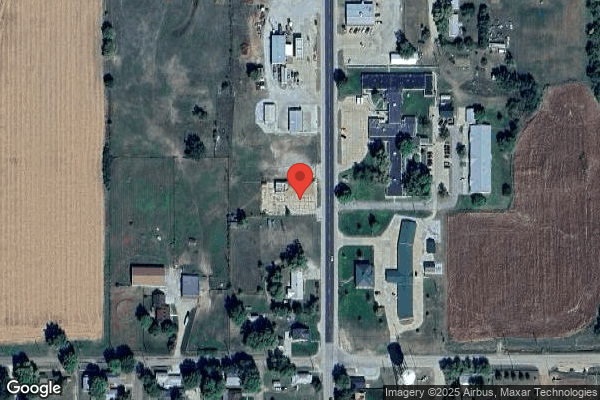
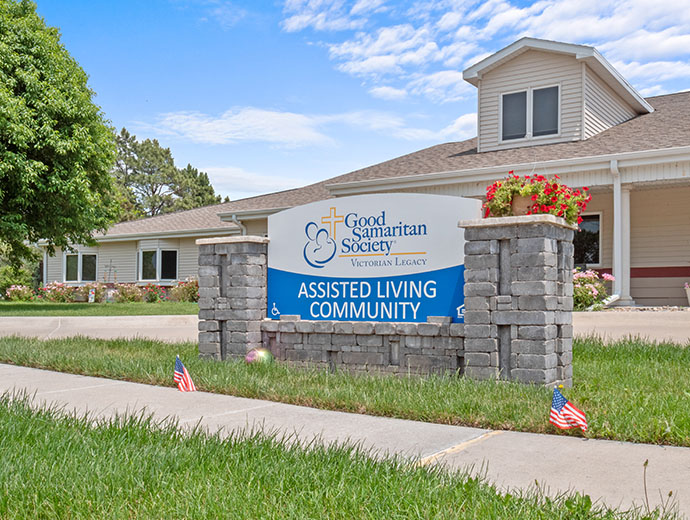
1710 Idaho Street, Superior, NE 68978 (402) 879-4791
Non profit - Corporation 69 Beds GOOD SAMARITAN SOCIETY Data: November 2025
Trust Grade
58/100
#113 of 177 in NE
Last Inspection: July 2025

Inspected within the last 6 months. Data reflects current conditions.

Overview

Good Samaritan Society - Superior has a Trust Grade of C, meaning it is average and falls in the middle of the pack among nursing homes. It ranks #113 out of 177 facilities in Nebraska, placing it in the bottom half, but it is the only option in Nuckolls County. The facility is currently worsening, with issues increasing from 4 in 2024 to 11 in 2025. Staffing is a strength, earning a rating of 4 out of 5 stars, with a turnover rate of 30%, significantly lower than the state average. However, there are areas of concern, such as the failure to maintain sanitary conditions for the ice machine and lapses in pre-employment health assessments for new staff, which could pose health risks.
Trust Score
C
58/100
In Nebraska
#113/177
Bottom 37%
Safety Record
Low Risk
No red flags
Inspections
Getting Worse
4 → 11 violations
Staff Stability
✓ Good
30% annual turnover. Excellent stability, 18 points below Nebraska's 48% average. Staff who stay learn residents' needs.
Penalties
✓ Good
No fines on record. Clean compliance history, better than most Nebraska facilities.
Skilled Nurses
○ Average
Each resident gets 32 minutes of Registered Nurse (RN) attention daily — about average for Nebraska. RNs are the most trained staff who monitor for health changes.
Violations
⚠ Watch
15 deficiencies on record. Higher than average. Multiple issues found across inspections.
★★☆☆☆
2.0
Overall Rating
★★★★☆
4.0
Staff Levels
★★★☆☆
3.0
Care Quality
★★☆☆☆
2.0
Inspection Score
Stable
2024: 4 issues
2025: 11 issues

The Good

  • 4-Star Staffing Rating · Above-average nurse staffing levels
  • Low Staff Turnover (30%) · Staff stability means consistent care
  • Full Sprinkler Coverage · Fire safety systems throughout facility
  • No fines on record
  • Staff turnover is low (30%)

    18 points below Nebraska average of 48%

Facility shows strength in staffing levels, staff retention, fire safety.

The Bad

2-Star Overall Rating

Below Nebraska average (2.9)

Below average - review inspection findings carefully

Chain: GOOD SAMARITAN SOCIETY

Part of a multi-facility chain

Ask about local staffing decisions and management

The Ugly 15 deficiencies on record

Jul 2025 11 deficiencies
CONCERN (D)

Potential for Harm - no one hurt, but risky conditions existed

Deficiency F0582 (Tag F0582)

Could have caused harm · This affected 1 resident

Based on record review and interview, the facility failed to issue the required Advance Beneficiary Notices (ABN, a notice given to beneficiaries in Original Medicare to convey that Medicare is not li...

Read full inspector narrative →
Based on record review and interview, the facility failed to issue the required Advance Beneficiary Notices (ABN, a notice given to beneficiaries in Original Medicare to convey that Medicare is not likely to provide coverage in a specific case) to 2 (Residents 11 and 140) of 3 sampled residents. The facility census was 37.Findings are:A record review of a facility document titled Advance Beneficiary Notice of Non-Coverage and dated 09/12/2024 revealed the notice must be reviewed with and given to the beneficiary and or their representative far enough in advance that they have time to consider the options and make an informed choice. Once the form is completed and is signed a copy must be retained by the notifier or issuer of the notice.A.A record review of an admission Record revealed the facility re-admitted Resident 11 on 03/03/2025 after an acute hospitalization with diagnoses of generalized muscle weakness and fatigue.A record review of Resident 11's Census on 07/08/2025 revealed that Resident 11's payor source was Medicare Part A starting on 03/03/2025 and ending on 03/31/2025.In an interview completed on 07/08/2025 at 12:00 PM with the Facility Administrator (FA), the FA confirmed that the facility did not retain a copy of the notice providing evidence that the notice was issued to the resident and or their representative.B.A record review of an admission Record revealed the facility admitted Resident 140 on 01/31/2025.A record review of Resident 140's Census on 07/08/2025 revealed that Resident 140's payor source was Medicare Part A starting on 01/31/2025 and ending on 02/11/2025.In an interview completed on 07/08/2025 at 12:00 PM with the Facility Administrator (FA), the FA confirmed that the facility did not retain a copy of the notice providing evidence that the notice was issued to the resident and or their representative.
CONCERN (D)

Potential for Harm - no one hurt, but risky conditions existed

Deficiency F0605 (Tag F0605)

Could have caused harm · This affected 1 resident

Licensure Reference Number 175 NAC 12-006.05(G)Based on record review and interview the facility failed to ensure non-pharmacological interventions were attempted prior to giving 1 (Resident 19) of 5 ...

Read full inspector narrative →
Licensure Reference Number 175 NAC 12-006.05(G)Based on record review and interview the facility failed to ensure non-pharmacological interventions were attempted prior to giving 1 (Resident 19) of 5 sampled residents an as needed psychotropic medication. The facility census was 32.Findings are:A record review of a facility policy titled Psychotropic Medications and dated 05/12/2025 revealed the resident will be free from any chemical restraint imposed for the purposes of discipline or convenience and not required to treat the resident's medical symptoms. Before administration of a psychotropic medication the following must be complete: Documentation of observations of mood, symptoms or behaviors that causes the resident distress and or endanger the resident or others and responses to interventions used prior to the administration of the medication. A record review of an admission Record revealed the facility admitted Resident 19 on 07/31/2020 with a diagnosis of Dementia (a usually progressive condition marked by the development of multiple cognitive deficits (such as memory impairment, aphasia, and the inability to plan and initiate complex behavior).A record review of Resident 19's Care Plan on 07/09/2025 revealed:-A behavior listed of the resident making frequent trips to the nurse's station and becoming aggravated with staff when redirecting them. An intervention was listed to redirect the resident to their room if possible and one on one visit with the resident.-A behavior listed of pacing in the halls and becoming agitated due to confusion and being difficult to redirect to their room. An interventions were listed to take the resident to the dining room for a snack and to fold laundry as well as take the resident to the chapel area to sing along with music.-A behavior listed of delusional thinking, telling staff the resident needed to pick up their kids, thinking that their husband was in their room and seeing children in their room. An intervention listed to assist the resident to call their daughter and take the resident to the dining room for a snack and coffee.A record review of Resident 19's Physician Orders on 07/08/2025 revealed Resident 19 had an order for Quetiapine (a antipsychotic psychotropic medication used to manage mental health conditions like schizophrenia and bipolar disorder) Fumarate oral tablet 25 milligrams. The order contained directions to give 1/2 a tablet every 12 hours as needed for behaviors related to dementia and behavioral disturbances.A record review of Resident 19's Electronic Medical Health Record revealed:-On 06/08/2025 the Quetiapine was administered with documentation reflecting Resident 19 was confused and wandering hallways. The resident was looking for the elevator to get downstairs and to a party that they were supposed to be at. The documentation stated the staff were unable to redirect the residents. There was not documentation reflecting interventions used prior to the administration of the Quetiapine medication. There was no documentation reflecting the resident being in distress or causing distress to others.-On 06/09/2025 the Quetiapine was administered with documentation reflecting Resident 19 was disturbing other residents getting into their rooms and waking the residents up. There was no documentation reflecting interventions used prior to the administration of the Quetiapine medication.-On 06/10/2025 the Quetiapine was administered with documentation reflecting Resident 19 was in their room visibly upset and stating they were afraid they had lost their baby, and staff were unable to redirect. There was no documentation reflecting interventions used prior to the administration of the Quetiapine medication.-On 06/11/2025 the Quetiapine was administered with documentation reflecting Resident 19 had disturbed other residents during the night getting into their rooms and waking them up as well as Resident 19 was disoriented and confused. There was no documentation reflecting interventions used prior to the administration of the Quetiapine.-On 06/13/2025 the Quetiapine was administered with documentation reflecting Resident 19 was restless and having flight of thoughts going into other resident rooms and staff were unable to divert. There was no documentation reflecting interventions used prior to the administration of the Quetiapine.-On 06/17/2025 the Quetiapine was administered with documentation reflecting Resident 19 was wandering around the facility confused, asking staff if they had the correct walker. There was no documentation reflecting interventions used prior to the administration of the Quetiapine medication. There was no documentation reflecting the resident being in distress or causing distress to others.In an interview completed on 07/09/2025 at 3:00 PM with Registered Nurse (RN)-K, RN-K confirmed that prior to administering an as needed psychotropic medication, non-pharmacological interventions should be documented in the Progress Notes and if they were or were not effective.In an interview completed on 07/10/2025 at 8:00 AM with the Director of Nursing (DON), the DON confirmed that non-pharmacological interventions should be documented in the Progress Notes and their effectiveness prior to the administration of an as needed psychotropic medication. The DON confirmed the necessary documentation for the use of the as needed psychotropic medication was not present in Resident 19's progress notes supporting the use of the medication.
CONCERN (D) 📢 Someone Reported This

A family member, employee, or ombudsman was alarmed enough to file a formal complaint

Potential for Harm - no one hurt, but risky conditions existed

Report Alleged Abuse (Tag F0609)

Could have caused harm · This affected 1 resident

Licensure Reference Number 175 NAC 12-006.02(H)Based on record review and interview the facility failed to investigate allegations of resident to resident abuse and failed to submit an investigation t...

Read full inspector narrative →
Licensure Reference Number 175 NAC 12-006.02(H)Based on record review and interview the facility failed to investigate allegations of resident to resident abuse and failed to submit an investigation to the state agency within 5 working days as required for 2 (Residents 15 and 190) of 2 sampled residents. The facility census was 37.Findings are:Record review of the facility policy titled Abuse and Neglect dated 4/7/25 revealed that the purpose is to ensure that residents are not subjected to abuse by anyone; to ensure that all identified events of alleged or suspected abuse/neglect are promptly reported and investigated; and ensure a complete review by the investigation team to identify events, such as suspicious bruising of residents, occurrences, patterns and trends that may constitute abuse and to determine the direction of the investigation. Alleged or suspected violations will be reported immediately to the administrator. Intervene in any situation in order to protect residents. \ Remove any individual from the location for the protection of residents. The facility will have evidence that all alleged or suspected violations are thoroughly investigated and will prevent further potential abuse while the investigation is in progress. Results of all investigations will be reported to the administrator and to other officials in accordance with state law, including the state survey and certification agency within 5 working days of the event. Record review of the facility report to Adult Protective Services dated 8/18/24 revealed that staff observed Resident 15 walking in the hallway. Resident 15 was behind Resident 190. Resident 15 told Resident 190 to move over. Resident 190 moved over for Resident 15 to pass. Resident 15 directed their walker into Resident 190 and caught the foot of Resident 190 with the walker. Staff redirected Residents 15 and 190 to prevent additional confrontation. Record review of the current Care Plan dated 7/7/25 for Resident 15 revealed that Resident 15 can become aggressive when told what to do by other residents. Care interventions include monitoring Resident 15 for aggressive behavior to protect the rights and safety of others. Resident 15 requires supervision in common public areas. Record review of the incident report titled #1296 Resident to Resident (physical contact made) dated 8/18/24 for Resident 15 revealed that it was for the resident to resident physical contact made between Resident 15 and Resident 190 on 8/18/24. The incident report described the incident and contained no investigation of the incident. Record review of the incident report titled #1297 dated 8/18/24 for Resident 190 revealed that it was for the resident to resident physical contact between Resident 15 and Resident 190 on 8/18/24. The incident report briefly described the incident and contained no investigation of the incident.Record review of the medical record for Resident 15 revealed no progress note for the resident to resident physical abuse on 8/18/25. The medical record did not contain an investigation of the 8/18/24 resident to resident abuse for Resident 15 against Resident 190.Record review of the medical record for Resident 190 revealed no progress note for the resident to resident physical abuse on 8/18/25. The medical record did not contain an investigation of the 8/18/24 resident to resident abuse for Resident 15 against Resident 190.Interview on 7/10/25 at 8:43 AM with the facility Director of Nursing (DON) confirmed that the facility did not have an investigation for the Resident 15 to Resident 190 abuse that occurred on 8/18/24. The DON confirmed that the facility had no documentation that an investigation of the incident was submitted to the state agency within the required 5 working days.
CONCERN (D)

Potential for Harm - no one hurt, but risky conditions existed

Deficiency F0628 (Tag F0628)

Could have caused harm · This affected 1 resident

Based on record review and interview the facility failed to obtain the resident/resident representative choice for bed hold (reserving a bed for a resident who has been temporarily transferred to a ho...

Read full inspector narrative →
Based on record review and interview the facility failed to obtain the resident/resident representative choice for bed hold (reserving a bed for a resident who has been temporarily transferred to a hospital. This ensures the resident can return to the same facility and bed upon their return if desired) as required for 1 of 1 residents reviewed (Resident 5); and the facility failed to provide the required Ombudsman (a state appointed advocate for residents of nursing homes) notification of a resident discharge for 1 of 1 residents (Resident 38). The facility census was 37.Findings are: A. Record review of the facility policy titled Bed Hold dated 12/19/24 revealed that the purpose is to ensure that the resident/resident representative is made aware of the facility's bed hold and reserve bed payment policy before and upon transfer to a hospital. At the time of transfer the facility will provide written information to the resident or resident representative that specifies the duration of the state bed hold policy during which a resident is permitted to return and resume residence. In case of emergency transfer the resident's copy of the Notice of Bed Hold Policy is sent with the other papers accompanying the resident to the hospital. The social worker or designated individual will contact the resident/resident representative to inquire regarding their decision to hold a bed. In cases where the facility was unable to notify the resident representative, the social worker will document multiple attempts to reach the resident's representative. Record review of the admission Record dated 7/8/25 for Resident 5 revealed that Resident 5 admitted into the facility on 3/4/20. The resident had diagnoses of Chronic Obstructive Pulmonary Disease (COPD, a group of lung diseases that block airflow and make it difficult to breathe) and heart failure. Record review of the Progress Note for Resident 5 dated 5/18/25 at 7:18 AM revealed that Resident 5 had a loose, moist cough. Resident 5 complained of chest pain. A call was placed to the Power of Attorney (POA, a resident representative) and the POA requested that Resident 5 be sent to the hospital. Resident 5 left the facility by ambulance at 7:15 AM on 5/18/25. The Bed Hold policy was sent with Resident 5. Record review of the progress note dated 5/18/25 at 8:54 AM revealed that the facility was notified that Resident 5 was being admitted to the hospital. Record review of the undated Notice of Bed-Hold Policy form for Resident 5 revealed that it contained the Resident Name (Resident 5) and the box was checked for copy sent to the hospital with the resident. The check boxes for documenting either “I do” or for “I do NOT” request that a bed be held during this leave of absence were both unchecked. The form did not contain the signature of the resident or responsible party. The form did not contain the signature of the facility representative. No other documentation was present on the form. Record review of the medical record for Resident 5 revealed no documentation that the resident/resident representative were contacted to inquire about their decision to hold a bed for Resident 5’s hospital stay from 5/18/25-5/20/25. The resident record revealed no documentation of any attempts to reach the resident/resident representative to obtain their choice for bed hold or no bed hold. Interview on 7/10/25 at 8:23 AM with the Facility Administrator (FA) confirmed that the facility did not obtain the resident decision for bed hold or no bed hold for Resident 5's hospitalization 5/18/25-5/20/25. The FA confirmed that the resident/resident representative should have been contacted and had their decision documented. B. A record review of an “admission Record” revealed that the facility admitted Resident 38 on 03/04/2025 with diagnoses of COPD and hypertension (high blood pressure). A record review of Resident 38 “Progress Notes” revealed that Resident 38 was discharged from the facility on 04/09/2025. In an interview completed on 07/08/2025 at 12:00 PM with the FA, the FA confirmed that there was no documentation reflecting the facility notified the Ombudsman of Resident 38’s discharge from the facility. The FA confirmed that there should be documentation reflecting this notification and there was not.
CONCERN (D)

Potential for Harm - no one hurt, but risky conditions existed

Assessment Accuracy (Tag F0641)

Could have caused harm · This affected 1 resident

**NOTE- TERMS IN BRACKETS HAVE BEEN EDITED TO PROTECT CONFIDENTIALITY** Licensure Reference Number 175 NAC 12-006.09(B)Based on record review and interview, the facility failed to accurately code the ...

Read full inspector narrative →
**NOTE- TERMS IN BRACKETS HAVE BEEN EDITED TO PROTECT CONFIDENTIALITY** Licensure Reference Number 175 NAC 12-006.09(B)Based on record review and interview, the facility failed to accurately code the Minimum Data Set (MDS, a federally mandated comprehensive assessment tool used to determine a resident's functional capabilities and helps nursing home staff identify health problems) for 3 (Residents 6, 22, and 16) of 12 sample residents. The facility census was 32.Findings are:A record review of a facility policy titled MDS 3.0 revealed the MDS Coordinator will complete a validation verification of the entire MDS. The RN (Registered Nurse) MDS Coordinator or the Designee will sign and date the MDS signifying it as complete.A record review of a document titled Long-Term Care Facility Resident Assessment Instrument 3.0 User's Manual and dated 10/2024 revealed only minutes that the respiratory therapist or respiratory nurse spends with the resident shall be recorded on the MDS in the Respiratory Therapy section.A.A record review of the Quarterly MDS dated [DATE] for Resident 6 revealed:-The resident had an original admission date to the facility of 01-22-2024.-Section O0400, letter D: Respiratory therapy was coded reflecting Resident 6 received respiratory therapy 2 days for at least 15 minutes during the look back period.In an interview on 07/09/2025 at 9:19 AM with the facility Minimum Data Set Coordinator (MDS), the MDS stated during the look back period the resident received respiratory therapy in the form of a nurse administering an ultra-sonic nebulizer (inhalation) breathing treatment twice.B.A record review of the Comprehensive MDS dated [DATE] for Resident 22 revealed:-The resident had an original admission date to the facility of 05/19/2025.-Section O0400, letter D: Respiratory therapy was coded reflecting Resident 22 received respiratory therapy 2 days for at least 15 minutes during the look back period. The total number of minutes therapy was received was documented as 75.In an interview on 07/09/2025 at 9:19 AM with the facility Minimum Data Set Coordinator (MDS), the MDS stated during the look back period the resident received respiratory therapy in the form of a nurse administering an ultra-sonic nebulizer (inhalation) breathing treatment twice with documented minutes of 75.In an interview on 07/09/2025 at 5:00PM with the facility Director of Nursing (DON), the DON stated the facility had nurses complete a 15 minute online course and this qualified them as a respiratory nurse so the minutes used to complete ultra-sonic nebulizer treatments were counted on the resident's MDS. The DON confirmed that the facility did not employee a respiratory therapist that administered the treatments. The DON confirmed that none of the nurses administering the treatment to Resident 6 held an American Nursing Association accreditation indicating formal training and certification as a respiratory nurse.C.A record review of the Comprehensive MDS dated [DATE] for Resident 16 revealed:-The resident had an original admission date to the facility of 12/18/2019.-Section N0350, Injections was coded reflecting Resident 16 received 1 insulin (an injectable medication used to help regulate blood sugar levels) injection during the look back period.A record review of Resident 16's electronic medical health record revealed:-05/07/2025 through 05/13/2025 Resident 16 had no physician orders for insulin injection.-05/07/2025 through 05/13/2025 Resident 16 had an physician's order for Ozempic (an injectable medication that is not insulin used to treat diabetes and assist in weight management) injection with directions to inject 2 milligrams subcutaneously once weekly on Fridays.In an interview on 07/09/2025 at 9:19 AM with the facility MDS, the MDS confirmed that Resident 16 did not have an order for and did not receive insulin during the look back period for completion of the MDS. The MDS confirmed that this was a coding error.In an interview on 07/09/2025 at 5:00 PM with the facility DON, the DON confirmed that Resident 16 did not receive an insulin injection and this should not have been coded on the resident's MDS.
CONCERN (D)

Potential for Harm - no one hurt, but risky conditions existed

Deficiency F0657 (Tag F0657)

Could have caused harm · This affected 1 resident

**NOTE- TERMS IN BRACKETS HAVE BEEN EDITED TO PROTECT CONFIDENTIALITY** Licensure Reference Number 175 NAC 12-006.09(F)(ii)Based on observations, interviews and record reviews, the facility failed to ...

Read full inspector narrative →
**NOTE- TERMS IN BRACKETS HAVE BEEN EDITED TO PROTECT CONFIDENTIALITY** Licensure Reference Number 175 NAC 12-006.09(F)(ii)Based on observations, interviews and record reviews, the facility failed to update and implement objectives, goals, and interventions related to hospice care on the comprehensive care plan for one (Resident 33) of one sampled resident. The facility census was 37.Findings are:Record review of the facility policy and procedure for Hospice Provided Services dated 11/01/2024 revealed under Procedures paragraph 9;A coordinated comprehensive care plan of care shall be jointly developed by the location and hospice. Hospice participation in the care plan conference and input from the hospice representative is required.1. The plan of care must include directives for managing pain and other symptoms associated with hospice care and must be revised and updated as necessary to reflect the resident's current clinical, psychological, and spiritual condition.2. Location employees will address the discipline specific resident needs on the care plan.3. The hospice team and location employees must communicate with each other when any changes are made to the resident's plan of care.4. Location employees will assess nursing and the hospice in monitoring the resident's pain and reporting resident needs. For example, issues of pain may exacerbate mood and behavior, and all employees should help in monitoring and communicating the resident condition changes so appropriate interventions can be implemented.On the last two pages of the policy and procedure for Hospice care was an excel spreadsheet that outlined what was required by federal regulations, with the federal reference numbers, to be on the comprehensive care plans.Record review of the Resident Census printed and reviewed on 07/10/2025 revealed that Resident 33 was admitted to the facility on [DATE] and was later admitted to Hospice care on 05/20/2025.Record review of the Medical Diagnoses for Resident 33 revealed diagnoses of chronic pulmonary embolism, pressure induced deep tissue damage, malignant neoplasm of the lung, chronic kidney disease stage 3, dementia, and pain.Record review of the working comprehensive care plan (an ongoing and continuously updated plan that outlines the support needed for individuals who can no longer perform daily living activities independently due to chronic illness, disability, or aging.) for Resident 33 revealed there was a revision to the comprehensive care plan on 07/07/2025 there was a revision to the focused objectives of Resident 33 which stated Resident 33 had a terminal prognosis related to lung cancer and achalasia of the esophagus and the phone number for a Hospice nurse was listed. No specific care plan objectives, goals, or interventions related to Hospice care were identified for Resident 33 in the comprehensive care plan. Confirmation obtained in an interview with the Director of Nursing (DON) on 7/9/2025 at 11:42 AM that the comprehensive care plan was not updated with measurable goals and interventions related to Hospice care after Resident 33 was placed on Hospice.
CONCERN (D)

Potential for Harm - no one hurt, but risky conditions existed

Quality of Care (Tag F0684)

Could have caused harm · This affected 1 resident

Licensure Reference Number 175 NAC 12-006.09 and 175 NAC 12-006.04(F)(i)(5)Based on record review and interview, the facility failed to notify the provider of pharmacist recommendations and an injury;...

Read full inspector narrative →
Licensure Reference Number 175 NAC 12-006.09 and 175 NAC 12-006.04(F)(i)(5)Based on record review and interview, the facility failed to notify the provider of pharmacist recommendations and an injury; and failed to monitor a resident's injury for 1 (Resident 19) of 2 sampled residents. The facility census was 32.Findings are:A record review of a facility policy titled Medication: Drug Regimen Review and dated 12/02/2024 revealed the pharmacist will complete a written report noting any drug irregularities or issues of concern for each resident reviewed. The report will be given to the Director of Nursing (DON) and must be shared with the attending physician and these reports must be acted upon.A record review of an admission Record revealed the facility admitted Resident 19 on 07/31/2020 with diagnoses of dementia (a usually progressive condition marked by the development of multiple cognitive deficits (such as memory impairment, aphasia, and the inability to plan and initiate complex behavior) and constipation.A.A record review of Resident 19's Progress Notes revealed:-On 02/17/2025 the consulting pharmacist documented the resident had to use their as needed cathartic (a medication used to assist with bowel movements) twice during the look back period and if the usage persisted the pharmacist recommended to modify the resident's bowel regimen.-On 04/18/2025 the consulting pharmacist documented the resident had to use their as needed cathartic medication twice during the look back period and the bowel regimen should be modified if the usage persists.-On 05/29/2025 the consulting pharmacist documented the resident had used their as needed cathartic medication and recommended that the physician continue to monitor usage and adjust bowel regimen if needed.-On 06/21/2025 the consulting pharmacist documented the resident had used there as needed cathartic medication three times during the look back and the provider should evaluate whether the resident would benefit from initiation of a scheduled laxative.A record review of Resident 19's Physician Orders revealed that Resident 19 had orders for Senna S (a cathartic medication) Oral Tablet 8.6-50 milligrams (MG) to administer one tablet twice a day with a start date of 02/09/2024 and an order for Milk of Magnesia (a cathartic medication) 1200 MG per 15 milliliters (ML) and to administer 30 ML every 24 hours as needed. No new orders or order changes were noted in the resident's Physician Orders.A record review of Resident 19's Bowel Documentation conducted on 07/08/2025 for the prior 30 days revealed documentation that Resident 19 did not have a bowel movement between the following dates:-From 06/10/2025 through 06/12/2025, three days.-From 06/24/2025 through 06/26/2025, three days.-From 06/28/2025 through 07/02/2025, five days.-From 07/04/2025 through 07/07/2025, four days.In an interview completed on 07/09/2025 at 5:00 PM with the facility DON, the DON stated they review the recommendations of the pharmacy consultant each month and forward the information to the providers as requested by the pharmacy consultant. The DON was unable to provide documentation that the provider for Resident 19 had been notified of the consultant pharmacist's concern related to the resident's use of the as needed medication and bowel regimen needing reviewed. The DON confirmed that there should be documentation reflecting the provider review of the recommendations and notification of the recommendations and there was not.B.A record review of a facility policy titled Interact Change in Condition Evaluation revealed that a detailed progress note should accompany the completion of a change in condition evaluation in the resident's electronic medical health record.A record review of an untitled document that, per the DON, was the facility's investigation into an abuse allegation involving Resident 19 and dated 05/05/2025, revealed that on 04/30/2025 Resident 19 was involved in an incident where their right arm was bent behind their back with enough force to cause the resident to lose their balance.A record review of Resident 19's progress notes revealed no evidence of documentation of the incident or monitoring of the resident's arm and/or psychosocial state until 05/05/2025. On 05/06/2025 documentation reflected that the resident complained of right arm pain and was assessed to have a 4 centimeter by 2.2 centimeter swollen area to their right arm that was tender to the touch. On 05/07/2025 documentation reflected that bruising was starting on the right forearm with measurements included. The documentation stated there was swelling and the area was tender to touch. On 05/07/2025 documentation reflected that the resident was seen by a provider and the area was assessed by the provider and the resident's responsible party was notified.In an interview on 07/09/2025 at 5:00 PM with the facility DON, the DON stated that an investigation was not completed into the swelling and bruising to the resident's right arm. The DON stated the facility deemed the areas were a result of the incident that occurred on 04/30/2025. The DON confirmed there was no documentation of continued monitoring or assessment of the resident from the incident that occurred on 04/30/2025 between that date and 05/05/2025.
CONCERN (E)

Potential for Harm - no one hurt, but risky conditions existed

Deficiency F0923 (Tag F0923)

Could have caused harm · This affected multiple residents

**NOTE- TERMS IN BRACKETS HAVE BEEN EDITED TO PROTECT CONFIDENTIALITY** Based on observation and interview, the facility failed to ensure ventilation in all resident rooms was in working order. This a...

Read full inspector narrative →
**NOTE- TERMS IN BRACKETS HAVE BEEN EDITED TO PROTECT CONFIDENTIALITY** Based on observation and interview, the facility failed to ensure ventilation in all resident rooms was in working order. This affected 27 (Residents 1, 2, 4, 5, 7, 8, 9, 10, 11, 13, 15, 18, 19, 21, 22, 23, 24, 26, 27, 28, 29, 31, 33, 34, 35 and 36) of 37 sampled residents. The census was 37.Findings are:Observation of the ventilation system in room [ROOM NUMBER] on 07/07/2025 at 11:45 AM revealed the bathroom exhaust ventilation fan would not pull up a 1-ply square of toilet paper. Observation of the ventilation system in room [ROOM NUMBER] on 07/07/2025 at 11:48 AM revealed the bathroom exhaust ventilation fan would not pull up a 1-ply square of toilet paper. Observation of the ventilation system in room [ROOM NUMBER] on 07/07/2025 at 11:51 AM revealed the bathroom exhaust ventilation fan would not pull up a 1-ply square of toilet paper. Observation of the ventilation system in room [ROOM NUMBER] on 07/07/2025 at 12:17 PM revealed the bathroom exhaust ventilation fan would not pull up a 1-ply square of toilet paper. Observation of the ventilation system in room [ROOM NUMBER] on 07/07/2025 at 1:02 PM revealed the bathroom exhaust ventilation fan would not pull up a 1-ply square of toilet paper. Observation of the ventilation system in room [ROOM NUMBER] on 07/07/2025 at 1:25 PM revealed the bathroom exhaust ventilation fan would not pull up a 1-ply square of toilet paper. Observation of the ventilation system in room [ROOM NUMBER] on 07/07/2025 at 1:28 PM revealed the bathroom exhaust ventilation fan would not pull up a 1-ply square of toilet paper. Observation of the ventilation system in room [ROOM NUMBER] on 07/07/2025 at 1:33 PM revealed the bathroom exhaust ventilation fan would not pull up a 1-ply square of toilet paper. Observation of the ventilation system in room [ROOM NUMBER] on 07/07/2025 at 2:34 PM revealed the bathroom exhaust ventilation fan would not pull up a 1-ply square of toilet paper. Staff had just finished assisting Resident 30 with toileting and the room was noted to have a foul odor.Observation on 07/08/2025 at 4:25 PM of the Maintenance Director (MAINT) who used a feather duster and 4 squares of toilet paper to check the ventilation system in room [ROOM NUMBER]. There was no movement and the vent did not pull up the toilet paper piece to the vent.Interview on 07/08/25 at 4:25 PM with MAINT whose date of hire was 05/10/2021, confirmed the ventilation fan in room [ROOM NUMBER] did not work. MAINT then revealed it was known the bathroom ventilation fans in the 100 and 200 halls did not work. MAINT stated, I have worked here for 3 years, and they have never worked. MAINT then stated that the 300 and 400 halls/rooms were on a different type of ventilation system and those fans should have no issues and should all work. Observation on 07/08/2025 at 4:30 PM as MAINT checked the fan in room [ROOM NUMBER] which did not work. Confirmation interview on 07/08/2025 at 8:40 AM with MAINT who confirmed the bathroom ventilation fans in the 100 and 200 halls do not work. MAINT further confirmed the fans in room [ROOM NUMBER], 403, and 406 do not work. MAINT stated that if the fans were to be turned on the squeal and the noise is overwhelming, the bearings were burned out and the fans did not work. Interview on 07/08/25 at 4:40 PM with the Interim Administrator (FA) whose hire date was 04/15/2025, revealed FA was unaware that the resident bathroom ventilation fans did not work in the 100 and 200 hall rooms and rooms in the 400 hallway. The FA confirmed that not having working fans in rooms of resident bathrooms could cause resident embarrassment if the rooms smelled.
CONCERN (F)

Potential for Harm - no one hurt, but risky conditions existed

Food Safety (Tag F0812)

Could have caused harm · This affected most or all residents

Licensure Reference Number 175 NAC 12-006.11(E)Based on observation and interviews, the facility failed to maintain the ice machine in a sanitary manner. This had the potential to affect all residents...

Read full inspector narrative →
Licensure Reference Number 175 NAC 12-006.11(E)Based on observation and interviews, the facility failed to maintain the ice machine in a sanitary manner. This had the potential to affect all residents residing in the facility. The facility census was 32.Findings Are:In an observation completed on 07/08/2025 at 8:00 AM the facility ice machine was observed in the common dining area. A thick, yellow-white flakey buildup was observed on the front of the machine where ice is dispensed. This material was also visible to the black water dispensing area as well as the fluid drain area and black grate that covered the fluid drain area. In an interview completed on 07/09/2025 at 9:00 AM with the facility Dietary Manager (DM), the DM confirmed that the buildup on the ice machine made it an uncleanable and unsanitary surface. The DM also confirmed that it was the responsibility of the dietary department to clean these portions of the machine but there was not a process in place to ensure this was completed.
CONCERN (F)

Potential for Harm - no one hurt, but risky conditions existed

Infection Control (Tag F0880)

Could have caused harm · This affected most or all residents

Licensure Reference Number 175 NAC 12-006.04(A)(ii)Based on record review and interview the facility failed to ensure that pre-employment health assessments were completed prior to the first day of em...

Read full inspector narrative →
Licensure Reference Number 175 NAC 12-006.04(A)(ii)Based on record review and interview the facility failed to ensure that pre-employment health assessments were completed prior to the first day of employment as required to prevent the potential for transmissible diseases for 2 of 5 sampled staff. The facility census was 37.Findings are:Record review of the facility policy titled Hiring and Screening dated 3/28/25 revealed that Human Resources will conduct background checks on all new employees and transfers prior to beginning employment or transferring to a new position. All offers of employment are contingent upon successful completion of the background check, state-specific background check, professional/personal reference check, health assessment, drug screen, and any other pre-employment requirements. A pre-employment health assessment will be conducted on all external job applicants who have accepted offers of employment. The health assessment is required prior to the first day of employment and employment is contingent upon successful completion of the health assessment. A.Record review of the untitled and undated list of facility employees revealed that Food Service Assistant-A (FSA-A) had a hire date of 6/16/25.Record review of the Supervisor Time Card Report Summary dated 7/9/25 for June 2025 for FSA-A revealed that FSA-A worked 6.3 hours on 6/17/25 (first day of work), 4.5 hours on 6/18/25, 0.67 hours on 6/19/25, 4.07 hours on 6/24/25, 3.83 hours on 6/26/25, 3.68 hours on 6/27/25, and 4.83 hours on 6/28/25.Record review of the Communicable Disease Screening form (the pre-employment health assessment) dated 6/25/25 for FSA-A revealed that it was signed by FSA-A on 6/25/25 and reviewed by the nurse on 6/25/25.Record review of the untitled Dietary Staff Schedule dated June 15-28, 2025 revealed that FSA-A was scheduled and worked the 4:00 PM to 7:45 PM shift on 6/24/25, 6/26/25, 6/27/25, and 6/28/25.Interview on 7/9/25 at 4:22 PM with FSA-A revealed that during the first week of employment at the facility FSA-A did online in-service training. FSA-A revealed that the first night in the dining room on the job was on 6/24/25. FSA-A revealed that they worked with the Dietary Manager doing on the job training in the dining room on 6/24/25.Interview on 7/9/25 at 2:32 PM with the Facility Administrator (FA) confirmed that new staff usually do two days of on-line orientation training and then do on the job training. The FA confirmed that the Communicable Disease Screening form for FSA-A was completed on 6/25/25. The FA confirmed that the pre-employment health assessment had not been completed prior to FSA-A beginning their job duties as required. B.Record review of the untitled and undated list of facility employees revealed that FSA-B had a hire date of 6/17/25.Record review of the Supervisor Time Card Report Summary dated 7/9/25 for June 2025 for FSA-B revealed that FSA-B worked 4.15 hours on 6/17/25 (first day of work), 1.35 hours on 6/18/25, 1.35 hours on 6/19/25, 2.92 hours on 6/23/25, 3.80 hours on 6/26/25, and 3.70 hours on 6/27/25.Record review of the Communicable Disease Screening form dated 6/25/25 for FSA-B revealed that it was signed by FSA-B on 6/26/25 and reviewed by the nurse on 6/26/25.Record review of the untitled Dietary Staff Schedule dated June 15-28, 2025 revealed that FSA-B was scheduled and worked the 4:00 PM to 7:45 PM shift on 6/24/25, 6/26/25, and 6/27/25.Interview on 7/9/25 at 2:32 PM with the Facility Administrator (FA) confirmed that the Communicable Disease Screening form for FSA-B was completed on 6/26/25. The FA confirmed that the pre-employment health assessment had not been completed prior to FSA-B beginning their job duties as required.
CONCERN (F)

Potential for Harm - no one hurt, but risky conditions existed

Safe Environment (Tag F0921)

Could have caused harm · This affected most or all residents

**NOTE- TERMS IN BRACKETS HAVE BEEN EDITED TO PROTECT CONFIDENTIALITY** Licensure Reference Number 12-006.19 Based on observations and interviews, the facility failed to ensure that fences on the outs...

Read full inspector narrative →
**NOTE- TERMS IN BRACKETS HAVE BEEN EDITED TO PROTECT CONFIDENTIALITY** Licensure Reference Number 12-006.19 Based on observations and interviews, the facility failed to ensure that fences on the outside perimeter were safe for residents who go outside, failed to ensure the weeds and grasses were mowed and removed from flower beds, failed to ensure that the water system electricity to the backyard pond was safe and the water in the pond was clean, failed to ensure that caulking in resident rooms was safe and sanitary in all resident rooms - this affected 3 residents (Residents 15, , and 36) of 37 sampled, and failed to ensure there were working light bulbs in the bathrooms of all resident rooms - this affected 2 residents (Resident 13 and Resident 5) of 37 residents sampled. The facility census was 37.Findings Are:A.Observation on 07/07/2025 at 9:15 AM upon arrival at the facility revealed the following: 1. The fence to the north side of the building had a vinyl fence that stretched the entire length of the building, but some parts of the fence leaned to the south. 2. A seating area to the north side of the building beside the sidewalk/walking path, was overcome with grass, weeds, and green vegetation.3. The sidewalk area had weeds and other vegetation growing amongst the flowers and shrubbery. B.Observation on 07/07/2025 at 11:48 AM in room [ROOM NUMBER] revealed the bathroom lighting was dark with the middle of 3 bulbs above the sink not working. Observation on 07/07/2025 at 11:51 AM in room [ROOM NUMBER] bathroom revealed there was caulking with gaps and dark soiling on top of sink and around base of toilet. There was also dark black/brown soiling and some light tan soiling on the top of the metal molding seam along the bathroom wall with the toilet paper and call light.Observation on 07/07/2025 at 1:33 PM in room [ROOM NUMBER] revealed caulking with gaps and dark soiling on top of the sink and around the base of the toilet. Observations on 07/08/2025 at 4:25 PM during a tour of the facility with the facility Maintenance Supervisor (MAINT) revealed the following: 1. Fans were located in the 100 hallway near the bath and storage area blowing air towards the northern part of the hall.2. The backyard fence was open in the middle of the eastern side and had one more opening on the south side. Gates were not closed or secure.3. A small pond with dimensions of approximately 10 feet by 20 feet sat just outside the window of the administrator's office in the northwest corner of the grassy area of the yard. The pond was surrounded by large decorative rocks and a short black fence that stood about 2 feet tall, had vegetation that needed trimmed, was filled with water that was green and opaque, and had a working rock waterfall. 4. A bench for outdoor seating near the administrator's window had three large hydrangeas sitting on the resident seating area in containers and three more large hydrangeas on the ground in containers. Residents could not sit on the bench.5. Small silver domes were observed above the resident rooms of the 100 hallway and MAINT stated that these were the single unit ventilation fans for each room that are currently not in working order. Interview on 07/08/2025 at 4:25 PM with the facility Maintenance Supervisor (MAINT) MAINT stated, The building has issues. The resident ventilation fans don't work. They squeal and the bearings are out of them. The Heating and Air Conditioning (HVAC) units also don't work the way they are supposed to work. The air coming out of the air conditioners should be around 45 degrees Fahrenheit (F). But the coolest air I can get out of the HVAC system is 74 degrees F. I have had the HVAC repairman in here multiple times. The repairman told me not to call him again because the unit that serves the 100 and 200 halls and the unit in the dining rooms are all the same - old, worn out, and can't be repaired anymore. They need replaced. These units are not pulling the humidity out of the air like they should for cooling. These are the same units that will heat the building this winter. The same units we will rely on to heat this place when the temperature is 20 degrees F below zero. That is why you have seen the fans in the halls of the 100 hall because staff are just trying to keep the temperature between the mandatory 71 to 81 degrees F in the building for the residents. Filters on the HVAC systems are changed monthly during the summertime and every other month in the winter. I don't change them every month. I don't have a manual that tells me how often I need to change the filters. I change them more often in the summer because of all of the cotton flying, dust, and pollen. The fences outside on the north side of the building are vinyl fences. but they didn't put anything sturdy in the middle of the post part and just stuck them in the ground with cement. So, in the wintertime, snow from the parking lot next door gets pushed up against the vinyl fence to the north. That has caused our fence to lean. The fences on the north side are still standing but they are all leaning. MAINT confirmed that this was a safety concern for any resident who is able to go outside and walk around or any resident who would elope and get outside and not be noticed. MAINT confirmed room [ROOM NUMBER] did need new caulking around the toilet. We have weeds in all the flower beds. There are places in the yard that need to be mowed. And the flowers.The water is green, and it is difficult to [NAME] and trim around. I don't know how many of them come out here to see the pond. And we have all of these flowers around it. then we have to fix this fence on the backside (Eastern side) because there are a few pieces missing and we would need to secure the gates.Confirms the water is green and the fencing around it is not high enough for safety of residents.Confirmation interview on 07/08/2025 at 4:40 PM with the Interim Administrator (FA). I did not know that the resident ventilation systems in the individual rooms did not work. Confirmed the fences are a safety issue. The fences to the north side of the building that run east and west are leaning and I can see that this would be a safety issue if they were to fall over and someone was to be hurt. The fence in the backyard where the pond is located does have openings in it and that is also a safety concern because it isn't closed in. Confirmed the weeds have been a concern. It is currently not a nice homey look for the residents who go outside to sit and look at the flowers and sit in the sunshine.Confirmation interview on 7/10/2025 at 8:40 AM with MAINT Currently the HVAC systems still work but do not use the correct MERV filter system that is required. I do not have any paperwork that notes the filters that must be used but I can't use the smaller filters because the system simply cannot pull the air. I have to use the MERV 8 Filters. have no policies and procedures because when I came here, they had no maintenance man. The Ventilation fans do not work and they haven't worked since I was hired here. They need to be replaced and fixed. The fences need to be fixed too.
Jul 2024 4 deficiencies
CONCERN (D)

Potential for Harm - no one hurt, but risky conditions existed

Medical Records (Tag F0842)

Could have caused harm · This affected 1 resident

**NOTE- TERMS IN BRACKETS HAVE BEEN EDITED TO PROTECT CONFIDENTIALITY** Licensure Reference Number 175 NAC 12-006.17 Based on record review and interview, the facility failed to ensure medical records...

Read full inspector narrative →
**NOTE- TERMS IN BRACKETS HAVE BEEN EDITED TO PROTECT CONFIDENTIALITY** Licensure Reference Number 175 NAC 12-006.17 Based on record review and interview, the facility failed to ensure medical records for 1 resident (Resident 38) of 3 residents surveyed were accurate and contained specific information of significant events. The facility claimed a census of 38. Findings are: A record review of Resident 38's electronic health record revealed the following diagnoses: Expressive language disorder, developmental disorder of scholastic skills, Dysphagia (difficulty swallowing), history of falling, Essential Hypertension (High Blood Pressure), Mild intellectual disabilities, Pain, Fever, Complete loss of teeth, Xerosis Cutis (Dry Skin), An unspecified cataract (clouding of the normally clear lens of the eye). A record review of Resident 38's Medication Administration Record (MAR) dated [DATE] revealed Resident 38 was a DNR (Do not Resuscitate). A record review of Resident 38's Minimum Data Set (MDS - a federally mandated process for clinical assessment of all residents in Medicare or Medicaid certified nursing homes) dated [DATE], revealed Resident 38 had a Brief Interview for Mental Status (BIMS - a federally mandated tool to measure cognitive ability in residents) of 9, which indicated Resident 38 was moderately impaired. A record review of Resident 38's Progress Note (PN) dated [DATE] revealed the facility staff documented Death. Further review of Resident 38's PN dated [DATE] revealed there were no futher information on what was going on wth the residents prior, who had found the resident and what condition/ position the resident was in. An interview on [DATE] at 2:20 PM with the Director of Nursing (DON) confirmed there is no other documentation relating to Resident 38's death. An interview on [DATE] at 2:35 PM with Medication Aide (MA) D revealed MA-D was the person who found the resident deceased . Resident 38 did not answer MA-D when they knocked at the door. MA-D entered the room and found Resident 38 lying in bed, dressed in nightclothes and cold to the touch. MA-D used their walkie-talkie to contact the charge nurse and request assistance. Registered Nurse (RN)-B entered the room and assessed the patient for vital signs. RN-B was unable to find signs of life. RN-B instructed MA-D to prepare the body for transfer to the funeral home. MA-D reported RN-B took care of the notifications. MA-D reported Resident 38 was a DNR so no attempts to resuscitate were made. A telephone interview on [DATE] at 3:16 PM with RN-B confirmed they were the nurse who assessed the Resident 38 after their death. RN-B reported they were called to the room by MA-D who reported Resident 38 was deceased . RN-B stated Resident 38 was lying in bed, wearing nightclothes with their eyes half open. RN-B assessed the resident for pulse, respirations, temperature, and blood pressure. The vitals were negative. RN-B directed MA-D to prepare the body and RN-B notified the physician, DON, Administrator, family, and funeral home. RN-B stated the assessment and vital signs were not charted in the progress notes for Resident 38.
CONCERN (D)

Potential for Harm - no one hurt, but risky conditions existed

Infection Control (Tag F0880)

Could have caused harm · This affected 1 resident

Licensure Reference Number 175 NC 12-006.18 (D) Based on observations, record reviews, and interviews, the facility failed to ensure hand hygiene was performed in a manner to prevent cross-contaminati...

Read full inspector narrative →
Licensure Reference Number 175 NC 12-006.18 (D) Based on observations, record reviews, and interviews, the facility failed to ensure hand hygiene was performed in a manner to prevent cross-contamination during medication administration for Resident 8 and Resident 29. This affected 2 of 7 residents observed for medication administration. The facility census was 38. Findings are: A. A review of the facility Hand Hygiene-Enterprise policy with Date Reviewed/Revised of 03/29/2022 revealed the following instructions: -In the section labeled Procedure: HCW (Health Care Worker) will use waterless alcohol-based hand sanitizer or soap and water to clean their hands: After removing gloves regardless of task completed In the section labeled Washing with soap and water/liquid antiseptic and water: Rub hands together briskly for at least 15-20 seconds covering all surfaces of the hands, fingers, and wrists (CDC). -In the section labeled Lotion Use, glove use, and fingernail care are important aspects of hand hygiene. Change gloves when moving from a dirty to a clean or sterile activity performing hand hygiene in between changing gloves. B. An observation on 07/17/2024 at 11:56 AM of Licensed Practical Nurse (LPN) A administering an injection to Resident 29 revealed the LPN prepared the injection, took the supplies to Resident 29's room, performed hand sanitization, and put on gloves. LPN A administered the injection, discarded the syringe in a sharps box, removed and discarded their gloves, then washed their hands with soap and water for ten seconds. C. An observation on 07/17/2024 at 2:10 PM of LPN A administering a nebulizer (drug delivery device used to administer medication in the form of a mist inhaled into the lungs) treatment to Resident 8 revealed the LPN listened to the resident's lungs and obtained the required vital signs (VS). LPN A then washed their hands with soap and water for eight seconds and put on gloves. The LPN moved the resident's wheelchair and overbed table, put the nebulizer machine on the overbed table and plugged it in, set up the medication in the nebulizer kit, assisted Resident 8 to put the mask on, and started the machine. LPN A took the resident's urinal to the bathroom and emptied it, then removed their gloves and washed their hands with soap and water for seven seconds. D. An observation on 07/17/2024 at 2:27 PM revealed LPN A turned off the nebulizer machine, sanitized their hands and put on gloves. The LPN then assisted Resident 8 with removing the nebulizer mask, checked the required VS, and listened to the resident's lungs. LPN A then brought the urinal into he room and put it on the overbed table. LPN A then changed their gloves without performing hand hygiene, disassembled the nebulizer kit, washed it with soapy water, and put in a plastic container to air dry. LPN A covered the kit with a washcloth and had Resident 8 rinse their mouth and spit the water into a pan. The LPN rinsed out the pan, then removed their gloves and washed their hands with soap and water for nine seconds. E. An interview on 07/17/2024 at 2:35 PM with LPN A confirmed that handwashing should be done for 20 seconds, and that eight to ten seconds was not long enough. The LPN further confirmed they should have sanitized their hands between glove changes. F. An interview on 07/18/2024 at 12:50 PM the Director of Nursing (DON) confirmed handwashing with soap and water should be done for 20 seconds, and that hand sanitizing should be performed between changing gloves.
CONCERN (E)

Potential for Harm - no one hurt, but risky conditions existed

Transfer Notice (Tag F0623)

Could have caused harm · This affected multiple residents

**NOTE- TERMS IN BRACKETS HAVE BEEN EDITED TO PROTECT CONFIDENTIALITY** Licensure Reference Number 175 NAC 12.006.09(G)(ii) Based on record review and interview, the facility failed to provide written...

Read full inspector narrative →
**NOTE- TERMS IN BRACKETS HAVE BEEN EDITED TO PROTECT CONFIDENTIALITY** Licensure Reference Number 175 NAC 12.006.09(G)(ii) Based on record review and interview, the facility failed to provide written notice of transfer to residents or their representatives upon transfer to the hospital for 2 Residents ( 8 and 21) of 5 residents The facility claimed a census of 38. Findings are: A review of Resident 8's Clinical Census dated 07/16/2024 revealed Resident 8 was admitted on [DATE]. A review of Resident 8's admission Record dated 01/08/2024 revealed Resident 8 had diagnoses of a history of transient ischemic attack (TIA-a brief period of stroke-like symptoms) and cerebral infarction (stroke-a loss of blood flow to part of the brain. Brain cells cannot get the oxygen and nutrients they need and start to die within a few minutes. This can cause lasting brain damage, long-term disability, or even death.) with hemiparesis (weakness on one side of the body), and hemiplegia (paralysis on one side of the body.) A review of Resident 8's Progress Notes from 06/29/2023 to 07/16/2024 revealed that on 04/30/2024, Resident 8 was sent to the emergency room with shortness of breath and was admitted to the hospital. The resident returned to the facility on [DATE]. There was no documentation of a written notice of transfer being provided to the resident or the resident's representative for this transfer. The facility provided a copy of a Transfer or Discharge Notice for Resident 8 with Date of Discharge 04/30/2024. An interview on 07/17/2024 at 12:28 PM with the Social Services Designee (SSD) revealed that the SSD was not documenting discussions of notifications of transfers. The SSD confirmed that the resident and/or resident representatives were getting notified verbally of transfers, but were not being provided with a copy of Transfer or Discharge Notice form. B. A review of Resident 21's admission Record dated 07/16/2024 revealed Resident 21 was admitted on [DATE] and had diagnoses of a history of TIA and cerebral infarction, high blood pressure, and dementia. A review of Resident 21's Progress Notes from 06/29/2023 to 07/16/2024 revealed that on 01/05/2024, Resident 21 was sent to the emergency room for diarrhea, weakness, and low blood pressure, and was admitted to the hospital. The resident returned to the facility on [DATE]. There was no documentation of a written notice of transfer being provided to the resident or the resident's representative for this transfer. The facility provided a copy of a Transfer or Discharge Notice for Resident 21 with Date of Discharge 01/05/2024. An interview on 07/17/2024 at 12:28 PM with the Social Services Designee (SSD) revealed that the SSD was not documenting discussions of notifications of transfers. The SSD confirmed that the resident and/or resident representatives were getting notified verbally of transfers, but were not being provided with a copy of Transfer or Discharge Notice form. C. A review of the Discharge and Transfer-Rehab/Skilled, Therapy & Rehab policy, with Date Reviewed/Revised of 01/03/2024 revealed: Before a location transfers or discharges a resident, the location must: 1. Notify the resident and the resident's representative of the transfer or discharge and the reason for the move in writing and in a language and manner they understand. The Notification of Transfer or Discharge (GSS#223A), or other state required form will serve as the written notice to be given to the resident and/or resident representative. Note: When a resident is temporarily transferred on an emergency basis to an acute care center, this type of transfer is considered to be a facility-initiated transfer and a notice of transfer must be provided to the resident and resident representative as soon as practicable before the transfer. 3. The resident must also be given information on how to obtain an appeal form and assistance in completing the form and submitting the appeal hearing request.
CONCERN (E)

Potential for Harm - no one hurt, but risky conditions existed

Deficiency F0625 (Tag F0625)

Could have caused harm · This affected multiple residents

**NOTE- TERMS IN BRACKETS HAVE BEEN EDITED TO PROTECT CONFIDENTIALITY** Licensure Reference Number 175 NAC 12-006.05(B) Based on record review and interview, the facility failed to provide a notice of...

Read full inspector narrative →
**NOTE- TERMS IN BRACKETS HAVE BEEN EDITED TO PROTECT CONFIDENTIALITY** Licensure Reference Number 175 NAC 12-006.05(B) Based on record review and interview, the facility failed to provide a notice of bed hold policy to Resident 8 and Resident 21 upon transfer to the hospital. This affected 2 of 5 residents sampled for hospitalizations. The facility census was 38. Findings are: A. A review of the Discharge and Transfer-Rehab/Skilled, Therapy & Rehab policy, with Date Reviewed/Revised of 01/03/2024 revealed: Transfer to Hospital 3. The Social Worker or designated individual will: a. Complete and provide the Notice of Bed-Hold Policy (GSS, Good Samaritan Society) #273 or state specific form) to the resident and/or responsible party. (See Bed Hold-Rehab/Skilled) b. Complete the Notification of Transfer or Discharge (GSS #223A or state-specific form). Note: The charge nurse is responsible for completion of notification procedures if the transfer occurs at a time social services is not at the location. B. A review of the Bed-Hold-Rehab/Skilled policy with Date Reviewed/Revised of 12/07/2023 revealed: At the Time of Transfer: 1. The Social Worker or designated individual will provide the Notice of Bed-Hold Policy (GSS #273 or state specific form) to the resident and/or resident representative, which specifies the duration of the bed-hold policy under the state plan and the facility policy regarding bed-holds. 2. The social worker or designated individual will review the Notice of Bed-Hold Policy and explain that future admission is based on bed availability and the criteria listed in the Notice of Bed-Hold Policy. In Case of Emergency Transfer: 1. The resident's copy of the Notice of Bed-Hold Policy is sent with the other papers accompanying the resident to the hospital. The family member or resident representative, if any, is provided with the Notice of Bed-Hold Policy within 24 hours of the transfer. a. The Notice of Bed-Hold Policy should be mailed if family or the resident representative does not come to the facility to receive a copy. b. The charge nurse is responsible for completion of notification procedures if the transfer occurs at a time the social worker is not at the location. 2. The social worker or designated individual will contact the resident/resident representative to inquire regarding their decision for holding a bed. 3. In cases where the facility was unable to notify the resident representative, the social worker or designated individual will document multiple attempts to reach the resident's representative. C. A review of the undated Hospital Transfer Checklist: revealed the following: Bed hold paper, send with transfer packet. Document everything accordingly in progress notes Document time that resident left facility in van or ambulance. Document that transfer packet was sent along with resident. Also chart that the bed hold paper was sent. D. A review of Resident 8's Clinical Census dated 07/16/2024 revealed Resident 8 was admitted on [DATE]. A review of Resident 8's admission Record dated 01/08/2024 revealed Resident 8 had diagnoses of a history of transient ischemic attack (TIA-a brief period of stroke-like symptoms) and cerebral infarction (stroke-a loss of blood flow to part of the brain. Brain cells cannot get the oxygen and nutrients they need and start to die within a few minutes. This can cause lasting brain damage, long-term disability, or even death.) with hemiparesis (weakness on one side of the body), and hemiplegia (paralysis on one side of the body.) A review of Resident 8's Progress Notes from 06/29/2023 to 07/16/2024 revealed that on 04/30/2024, Resident 8 was sent to the emergency room with shortness of breath and was admitted to the hospital. The resident returned to the facility on [DATE]. There was no documentation of a notice of bed-hold policy being provided to the resident or the resident's representative for this transfer. An interview on 07/17/2024 at 12:28 PM with the Social Services Designee (SSD) revealed that the SSD was not documenting discussions of the bed hold policy. The SSD further confirmed that there was no documentation that Resident 8 or Resident 8's representative was informed of the Bed Hold Policy upon transfer to the hospital. E. A review of Resident 21's admission Record dated 07/16/2024 revealed Resident 21 was admitted on [DATE] and had diagnoses of a history of TIA and cerebral infarction, high blood pressure, and dementia. A review of Resident 21's Progress Notes from 06/29/2023 to 07/16/2024 revealed that on 01/05/2024, Resident 21 was sent to the emergency room for diarrhea, weakness, and low blood pressure, and was admitted to the hospital. The resident returned to the facility on [DATE]. There was no documentation of a notice of bed-hold policy 7 being provided to the resident or the resident's representative for this transfer. An interview on 07/17/2024 at 12:28 PM with the Social Services Designee (SSD) revealed that the SSD was not documenting discussions of the bed hold policy. The SSD further confirmed that there was no documentation that Resident 21 or Resident 21's representative was informed of the Bed Hold Policy upon transfer to the hospital.
Understanding Severity Codes (click to expand)
Life-Threatening (Immediate Jeopardy)
J - Isolated K - Pattern L - Widespread
Actual Harm
G - Isolated H - Pattern I - Widespread
Potential for Harm
D - Isolated E - Pattern F - Widespread
No Harm (Minor)
A - Isolated B - Pattern C - Widespread

Questions to Ask on Your Visit

  • "Can I speak with families of current residents?"
  • "What's your RN coverage like on weekends and overnight?"

Our Honest Assessment

Strengths
  • • No major safety red flags. No abuse findings, life-threatening violations, or SFF status.
  • • No fines on record. Clean compliance history, better than most Nebraska facilities.
  • • 30% annual turnover. Excellent stability, 18 points below Nebraska's 48% average. Staff who stay learn residents' needs.
Concerns
  • • 15 deficiencies on record. Higher than average. Multiple issues found across inspections.
  • • Grade C (58/100). Below average facility with significant concerns.
Bottom line: Mixed indicators with Trust Score of 58/100. Visit in person and ask pointed questions.

About This Facility

What is Good Samaritan Society - Superior's CMS Rating?

CMS assigns Good Samaritan Society - Superior an overall rating of 2 out of 5 stars, which is considered below average nationally. Within Nebraska, this rating places the facility higher than 0% of the state's 100 nursing homes. A rating at this level reflects concerns identified through health inspections, staffing assessments, or quality measures that families should carefully consider.
How is Good Samaritan Society - Superior Staffed?
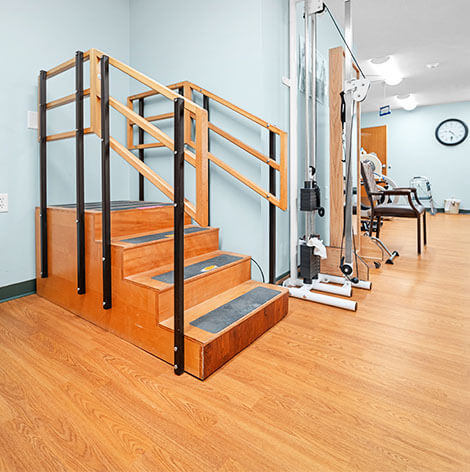
CMS rates Good Samaritan Society - Superior's staffing level at 4 out of 5 stars, which is above average compared to other nursing homes. Staff turnover is 30%, compared to the Nebraska average of 46%. This relatively stable workforce can support continuity of care.

What Have Inspectors Found at Good Samaritan Society - Superior?

State health inspectors documented 15 deficiencies at Good Samaritan Society - Superior during 2024 to 2025. These included: 15 with potential for harm.

Who Owns and Operates Good Samaritan Society - Superior?

Good Samaritan Society - Superior is owned by a non-profit organization. Non-profit facilities reinvest revenue into operations rather than distributing to shareholders. The facility is operated by GOOD SAMARITAN SOCIETY, a chain that manages multiple nursing homes. With 69 certified beds and approximately 37 residents (about 54% occupancy), it is a smaller facility located in Superior, Nebraska.

How Does Good Samaritan Society - Superior Compare to Other Nebraska Nursing Homes?

Compared to the 100 nursing homes in Nebraska, Good Samaritan Society - Superior's overall rating (2 stars) is below the state average of 2.9, staff turnover (30%) is significantly lower than the state average of 46%, and health inspection rating (2 stars) is below the national benchmark.

What Should Families Ask When Visiting Good Samaritan Society - Superior?

Based on this facility's data, families visiting should ask: "Can I visit during a mealtime to observe dining assistance and food quality?" "How do you handle medical emergencies, and what is your hospital transfer rate?" "Can I speak with family members of current residents about their experience?"

Is Good Samaritan Society - Superior Safe?

Based on CMS inspection data, Good Samaritan Society - Superior has a clean safety record: no substantiated abuse findings (meaning no confirmed cases of resident harm), no Immediate Jeopardy citations (the most serious violation level indicating risk of serious injury or death), and is not on the Special Focus Facility watch list (a federal program monitoring the lowest-performing 1% of nursing homes). The facility has a 2-star overall rating and ranks #100 of 100 nursing homes in Nebraska. While no facility is perfect, families should still ask about staff-to-resident ratios and recent inspection results during their visit.

Do Nurses at Good Samaritan Society - Superior Stick Around?

Staff at Good Samaritan Society - Superior tend to stick around. With a turnover rate of 30%, the facility is 16 percentage points below the Nebraska average of 46%. Low turnover is a positive sign. It means caregivers have time to learn each resident's needs, medications, and personal preferences. Consistent staff also notice subtle changes in a resident's condition more quickly. Registered Nurse turnover is also low at 20%, meaning experienced RNs are available to handle complex medical needs.

Was Good Samaritan Society - Superior Ever Fined?

Good Samaritan Society - Superior has no federal fines on record. CMS issues fines when nursing homes fail to meet care standards or don't correct problems found during inspections. The absence of fines suggests the facility has either maintained compliance or corrected any issues before penalties were assessed. This is a positive indicator, though families should still review recent inspection reports for the full picture.

Is Good Samaritan Society - Superior on Any Federal Watch List?

Good Samaritan Society - Superior is not on any federal watch list. The most significant is the Special Focus Facility (SFF) program, which identifies the bottom 1% of nursing homes nationally based on persistent, serious quality problems. Not being on this list means the facility has avoided the pattern of deficiencies that triggers enhanced federal oversight. This is a positive indicator, though families should still review the facility's inspection history directly.