Arbor Care Center-Valhaven, LLC
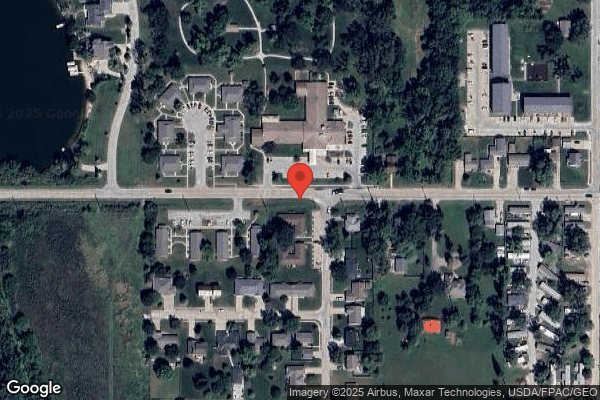
300 West Meigs Street, Valley, NE 68064 (402) 359-2533
For profit - Limited Liability company 66 Beds ARBOR CARE CENTERS Data: November 2025
Trust Grade
55/100
#73 of 177 in NE
Last Inspection: July 2024

Within standard 12-15 month inspection cycle. Federal law requires annual inspections.

Overview

Arbor Care Center-Valhaven, LLC has a Trust Grade of C, which means it is average and sits in the middle of the pack among nursing homes. It ranks #73 out of 177 facilities in Nebraska, placing it in the top half, and #9 out of 23 in Douglas County, indicating there are only a few local options that are better. However, the facility's performance is worsening, with issues increasing from 3 in 2023 to 6 in 2024. Staffing receives a 3 out of 5 rating, but the turnover rate is concerning at 68%, higher than the state average of 49%, which suggests instability in care staff. On the positive side, the facility has no fines on record, and the RN coverage is average, ensuring that some qualified staff are present to catch issues that other caregivers might miss. Families should be aware of specific incidents noted in recent inspections. For example, staff failed to evaluate the safety of electric recliners for some residents, which could lead to injury risks. Additionally, there were concerns about hygiene practices in the kitchen, with staff not consistently wearing proper hair nets or washing hands adequately, posing a risk for foodborne illnesses. Lastly, the facility did not ensure that emergency power systems activated quickly during outages, which raises concerns about resident safety during emergencies. Overall, while there are some strengths in staffing and no fines, the facility has notable weaknesses that families should consider.

Trust Score
C
55/100
In Nebraska
#73/177
Top 41%
Safety Record
Moderate
Needs review
Inspections
Getting Worse
3 → 6 violations
Staff Stability
⚠ Watch
68% turnover. Above average. Higher turnover means staff may not know residents' routines.
Penalties
✓ Good
No fines on record. Clean compliance history, better than most Nebraska facilities.
Skilled Nurses
⚠ Watch
Each resident gets only 28 minutes of Registered Nurse (RN) attention daily — below average for Nebraska. Fewer RN minutes means fewer trained eyes watching for problems.
Violations
⚠ Watch
17 deficiencies on record. Higher than average. Multiple issues found across inspections.
★★★☆☆
3.0
Overall Rating
★★★☆☆
3.0
Staff Levels
★★★★☆
4.0
Care Quality
★★★☆☆
3.0
Inspection Score
Stable
2023: 3 issues
2024: 6 issues

The Good

  • 4-Star Quality Measures · Strong clinical quality outcomes
  • Full Sprinkler Coverage · Fire safety systems throughout facility
  • No fines on record

Facility shows strength in quality measures, fire safety.

The Bad

3-Star Overall Rating

Near Nebraska average (2.9)

Meets federal standards, typical of most facilities

Staff Turnover: 68%

22pts above Nebraska avg (46%)

Frequent staff changes - ask about care continuity

Chain: ARBOR CARE CENTERS

Part of a multi-facility chain

Ask about local staffing decisions and management

Staff turnover is elevated (68%)

20 points above Nebraska average of 48%

The Ugly 17 deficiencies on record

1 actual harm
Jul 2024 6 deficiencies
CONCERN (D)

Potential for Harm - no one hurt, but risky conditions existed

Assessment Accuracy (Tag F0641)

Could have caused harm · This affected 1 resident

**NOTE- TERMS IN BRACKETS HAVE BEEN EDITED TO PROTECT CONFIDENTIALITY** Licensure Reference Number 175 NAC 12-006.09D Based on observation, record review and interview; the facility failed to identify...

Read full inspector narrative →
**NOTE- TERMS IN BRACKETS HAVE BEEN EDITED TO PROTECT CONFIDENTIALITY** Licensure Reference Number 175 NAC 12-006.09D Based on observation, record review and interview; the facility failed to identify the use of personal alarms on the residents Minimum Data Set (MDS-a federally mandated comprehensive assessment tool used for care planning) for 1 (Resident 18) of 4 sampled residents. The facility census was 43 Findings are: A record review of the admission Record with the printed date of 7/22/24 revealed Resident 18 was admitted to the facility on [DATE] with the diagnoses of: Dementia (impaired ability to remember, think, or make decisions that interferes with doing everyday activities), Schizoaffective disorder( mental health condition that is marked by a mix of schizophrenia symptoms, such as hallucinations and delusions, and mood disorder symptoms, such as depression), Obsessive-compulsive disorder(Excessive thoughts (obsessions) that lead to repetitive behaviors (compulsions), Vascular dementia(Brain damage caused by multiple strokes), Major Depressive Disorder with severe psychotic symptoms (distinct type of depressive illness in which mood disturbance is accompanied by either delusions, hallucinations). A record review of Resident 18's MDS dated [DATE] revealed in Section C- Brief Interview for Mental Status ( BIMS, a test used to get a quick snapshot of a residents cognitive function, scored from 0-15, the higher the score, the higher the cognitive function) score of 3 indicating severe cognitive impairment. Further review of the MDS revealed that in section P- Restraint and alarms, the wander guard is marked 0 (not used). An observation on 7/17/24 at 2:30 PM revealed that Resident 18 had a wanderguard (alert system) on (genders) left wrist. A record review of the Physicians orders dated 7/7/21 revealed an order to check that the wanderguard device is working every day and evening shift. A record review of the Care Plan (written instructions needed to provide effective and person-centered care of the resident that meet professional standards of quality care) dated 11/02/23 revealed focus of elopement risk/wanderer, with the intervention of a Wanderguard alarm bracelet. An interview on 7/22/24 at 1:30 PM with Registered Nurse-B verified that the MDS section P should of been marked as yes to the use of the wanderguard and section P was marked as no to the use of the wanderguard.
CONCERN (D)

Potential for Harm - no one hurt, but risky conditions existed

Deficiency F0645 (Tag F0645)

Could have caused harm · This affected 1 resident

**NOTE- TERMS IN BRACKETS HAVE BEEN EDITED TO PROTECT CONFIDENTIALITY** Based on record review and interview, the facility failed to ensure a Preadmission Screening Resident Review (PASARR, a federall...

Read full inspector narrative →
**NOTE- TERMS IN BRACKETS HAVE BEEN EDITED TO PROTECT CONFIDENTIALITY** Based on record review and interview, the facility failed to ensure a Preadmission Screening Resident Review (PASARR, a federally mandated screening process to ensure Nursing Home residents with mental illness and/or developmental disabilities) receive the care and services they need in the most appropriate setting was accurately completed for 1 (Resident 17) out of 4 record reviews of PASARR screens. The facility census was 43. Findings are: A record review of facility's undated policy labeled Resident Assessment-Coordination with PASARR Program revealed the following information: Policy: The facility coordinated assessments with the preadmission screening and resident review (PASARR) program under Medicaid to ensure that individuals with a mental disorder (MD), intellectual disability (ID), or a related condition receives care and services in the most integrated setting appropriate to their needs. Policy Explanation and Compliance Guidelines 1. All applicants to this facility will be screened for serious mental disorders or intellectual disabilities and related conditions in accordance with the State's Medicaid rules for screening. a. PASARR Level 1 Screen-initial pre-screening that is completed prior to admission. i. Negative Level I Screen- permits admission to proceed and ends the PASARR process unless a possible serious mental disorder or intellectual disability arises later. ii. Positive Level 1 Screen- necessitates a PASARR Level II evaluation prior to admission. b. PASARR Level II - a comprehensive evaluation by the appropriate state-designated authority (Cannot be completed by the facility) that determines where the individual has MD, ID, or related condition, determines the appropriate setting for the individual, and recommends any specialized services and/or rehabilitative services the individual needs. 2. The facility will only admit individuals with a mental disorder or intellectual disability who the State mental health or intellectual disability authority has determined as appropriate for admission. A record review of admission data revealed Resident 17 was admitted to the facility on [DATE]. Resident 17's admission diagnoses included: Anxiety Disorder, Unspecified, Metabolic Encephalopathy, Panic Disorder (Episodic Paroxysmal Anxiety), Delusional Disorders, Post-Traumatic Stress Disorder, Unspecified. A PASARR screen completed by facility staff on 06/29/2023 revealed that a PASARR Level II Evaluation and Determination was not required at that time because there was no diagnosis or suspicion of Serious mental Illness (SMI) or intellectual Disability or related condition (ID/RC) indicated. An interview on 07/18/2024 at 2:30 PM with Registered Nurse-B confirmed that the initial PASARR completed on 06/29/2023 should have included admission diagnosis of: anxiety disorder, panic disorder, delusional disorder, and post-traumatic stress disorder and that a PASARR Level II screen would have triggered and should have been completed prior to the Resident 17 admitting to the facility. Record review of Resident 17's medical record on 07/18/2024 revealed no other completed PASARR screens since 06/29/2023.
CONCERN (D)

Potential for Harm - no one hurt, but risky conditions existed

Unnecessary Medications (Tag F0759)

Could have caused harm · This affected 1 resident

Licensure Reference Number 175 NAC 12-006.10D Based on observation, record review and interview; the facility staff failed to ensure it was free of a medication error rate of 5% or greater. Observatio...

Read full inspector narrative →
Licensure Reference Number 175 NAC 12-006.10D Based on observation, record review and interview; the facility staff failed to ensure it was free of a medication error rate of 5% or greater. Observations of 30 medications administered revealed 2 errors resulting in a medication error rate of 6.67 %. The medication errors affected 2 (Resident 148 and 31) of 9 residents sampled. The facility identified a census of 43. Findings are: A. A record review of Resident 148's Medication Administration Record dated 7/1/2024 - 7/31/24 revealed an order for Hydrocortisone (perianal) External Cream 2.5%. Apply to hemorrhoids topically every 8 hours as needed for pain, itching with a start date of 4/30/2024. An observation on 07/18/2024 at 12:10 PM revealed Medication Aide (MA)-C prepared medications for Resident 148 that included Procto- Medication Cream, apply three times a day for hemorrhoids. With assistance from facility staff members, Resident 148 was assisted into bed and staff wiped the rectal area of the resident with personal care wet wipes. MA-C opened the brand-new tube of Procto- Medication Cream, which is equivalent to Hydrocortisone (Perianal) External Cream 2.5%. MA-C then squeezed the tube of the Procto- Medication Cream onto Resident 148's rectum which left small tubular strands of the medication around the rectum. MA-C then raised Resident 148's brief back in place and then with staff member assistance, staff repositioned Resident 148 in bed. MA-C did not apply a thin layer of the medication with gloved fingers to hemorrhoids. Interview with the Director of Nursing (DON) on 07/18/2024 at 02:30 PM conducted. DON reports that the expectation on administering a topical medication is to apply a small amount of the cream or ointment onto a gloved hand/fingers and then apply medication using gloved fingers to the affected area as prescribed. DON reports that squirting a tube of medication directly onto the affected area and not lightly rubbing the medication to the area is incorrect. DON confirmed that the improper administration of this medication would be considered a medication error. B. A record review of Resident 31's Medication Administration Record dated 7/1/2024 -07/31/2024 revealed an order with a start date of 6/20/2020 for Aspirin EC (Enteric Coated) tablet delayed release 81 MG (milligram), give 1 tablet by mouth one time a day related to Venous Insufficient (Chronic) (Peripheral). The order further revealed instructions as follows: do not crush. An observation on 7/22/2024 at 8:39 AM revealed that Meducatuib Aide (MA)-D was preparing medications for Resident 31 that included Aspirin EC 81 mg. MA-D then took a small medication cup that contained Resident 31's morning medications to the dining room where Resident 31 was sitting at a dining room table. MA-D began to spoon one of the resident's pills into [gender] mouth. Resident 31 accepted the Tylenol tablet, but the resident started to chew the medication and spit out half of the pill (Tylenol). MA-D then took the one half of the un-swallowed Tylenol and the other medications and reported that [gender] is going to crush these medications. MA-D went back to the medication cart and crushed Resident 31's pills, which contianed Aspirin EC, and placed them in a small amount of applesauce. MA-D returned to Resident 31 and offered [gender] a small bite of applesauce that included all of morning medications which consisted of the Aspiring EC. Resident 31 opened [gender] mouth and accepted the spoon with the crushed medications in applesauce and swallowed them. An interview with the Director of Nursing on 7/22/2024 at 10:45 AM confirmed that enteric coated medications should not be crushed and that crushing and then administering an Enteric Coated Aspirin would be considered a medication error. A record review of facility policy labeled Medication Errors, date implemented: 10/23, date reviewed/revised: 2/23 revealed a definition: Medication Error means the observed or identified preparation or administration of medications or biologics which is not in accordance with the prescriber's order; manufacturer's specifications (not recommendations) regarding the preparation and administration of the medication or biological; or accepted professional standards and principles which apply to professionals providing services.
CONCERN (D)

Potential for Harm - no one hurt, but risky conditions existed

Infection Control (Tag F0880)

Could have caused harm · This affected 1 resident

Licensure Reference Number 175 NAC 1-005.06D Based on observation, interview and record review, the facility staff failed to ensure hand hygiene and glove changes were performed during personal cares ...

Read full inspector narrative →
Licensure Reference Number 175 NAC 1-005.06D Based on observation, interview and record review, the facility staff failed to ensure hand hygiene and glove changes were performed during personal cares for 1 (Resident 3) of 4 residents. The facility census was 43. Findings are: Record review of facility Hand Hygiene Policy updated 2021 revealed: Policy: Hand Hygiene Staff involved in direct resident contact will perform proper hand hygiene procedures to prevent the spread of infection to other personnel, resident and visitors. Policy Explanation and Compliance Guidelines included: Staff will perform hand hygiene when indicated, using proper technique consistent with accepted standard of practice. An observation on 7/18/2024 at 9:00 AM of Infection Preventionist (IP)-E revealed IP-E entered Resident 3's room. IP-E put on a pair of gloves without washing hands and gathered paper towels from the bathroom and placed paper towels and a graduate cylinder (a plastic container that typically measures excreted or generated body fluids) on the resident's bedside tray table. IP-E removed gloves and then washed hands with soap and water for greater than 20 seconds, dried hands, applied gloves, and put on (donned) an isolation gown, and face shield. IP-E emptied the contents from Resident 3's urostomy (an opening in the belly (abdominal wall) that's made during surgery) bag into the graduate cylinder. EP-E then took the graduate cylinder into the bathroom and emptied the contents into the toilet, rinsed out the graduate cylinder with water from the adjacent sink and emptied the graduate cylinder into the toilet then left the graduate cylindar in the bathroom. IP-E then asked Resident 3 if [gender] would like a drink of water. IP-E grabbed the water pitcher without changing gloves and held the straw with IP-E's fingers and brought the straw to the resident's lips. IP-E attempted to give water to the resident two more times. Resident 17 refused the water by closing [gender] lips shut and turning [gender] head away from IP-E. IP-E placed water pitcher back on the bedside table. An interview on 7/18/2024 at 9:15 AM with IP-E confirmed [gender] should have changed gloves and performed and hygiene after emptying the urostomy bag. An interview on 7/18/2024 at 2:30 PM with Director of Nursing revealed that after emptying urostomy contents, IP-E should have removed gloves, performed hand hygiene with soap and water for at least 20 seconds before offering Resident 3 some water.
CONCERN (F)

Potential for Harm - no one hurt, but risky conditions existed

Food Safety (Tag F0812)

Could have caused harm · This affected most or all residents

Licensure Reference Number 175 NAC 12-006.11E Based on observations, interviews and record review; the facility failed to perform hand hygiene, wear hair and beard nets in the kitchen to prevent food-...

Read full inspector narrative →
Licensure Reference Number 175 NAC 12-006.11E Based on observations, interviews and record review; the facility failed to perform hand hygiene, wear hair and beard nets in the kitchen to prevent food-borne illness for all the residents. This had the potential to affect all resident that ate out of the kitchen. The facility census was 43. Findings are: An observation on 7/17/24 at 8:35 AM revealed the Dietary Manager (DM)-H in the kitchen without a beard net on while food was out during breakfast meal service. An observation on 7/17/24 at 11:37 AM revealed DM-H did not have a beard net on during meal preparation for lunch services. An observation on 7/18/24 at 8:36 AM with Cook-I revealed Cook-I washed [gender] hands with soap and water for 10 seconds then donned (put on) clean gloves and touched toast with [gender] gloved hands. An observation on 7/18/24 at 8:56 AM revealed Cook-I removed [gender] gloves, and washed [gender] hands with soap and water for 6 seconds then donned gloves and continued to cook French toast. An interview on 7/18/24 at 2:17 PM with DM-H revaled the facilities expectation is to wash hands for 30 seconds. DM-H stated they can sing happy birthday during this to ensure enough time. An interview on 7/18/24 at 2:20 PM with DM-H revealed that the facility does have an expectation for staff to wear a beard net if they have a beard. An observation on 7/22/24 at 10:18 AM revealed Cook-K returned to kitchen after a break and picked up clean plates. The obersvation did not reveal that Cook-K washed [gender] upon return from break. An interview on 7/22/24 at 10:21 AM with Cook-K confirmed [gender] should have washed [gender] hands when [gender] returned to kitchen. An observation on 7/22/24 at 12:28 PM of the Dietary Aide (DA)-N and Cook-L revealed both staff came into kitchen without a hair nets on during lunch service in which food was being served. The observation did not reveal that hand hyigene was completed by DA-N and Cook-L with return to the kitchen. An interview on 7/22/24 at 12:32 PM with DA-N and Cook-L revealed they should have washed their hands when entering the kitchen, donned a hair net prior to entering the kitchen. Hand hygiene Policy updated 2021 revealed: 2. Staff will perform hand hygiene when indicated, using proper technique consistent with accepted standards of practice. 5. Hand hygiene technique when using soap and water: c. Rub hands together vigorously for at least 15 seconds, covering all surfaces of the hands and fingers. Dietary Employee Personal Hygiene Policy copyright date 2019 from The Compliance Store revealed: It is the policy of this facility to utilize the following as guidelines for employee personal hygiene to prevent contamination of food by foodservice employees. Hair Restraints - a. All dietary staff must wear hair restraints (e.g., hairnet, hat and/or beard restraint) to prevent hair from contacting food.
CONCERN (F)

Potential for Harm - no one hurt, but risky conditions existed

Deficiency F0906 (Tag F0906)

Could have caused harm · This affected most or all residents

**NOTE- TERMS IN BRACKETS HAVE BEEN EDITED TO PROTECT CONFIDENTIALITY** Licensure Reference Number 175 NAC 12-007.04 (F) Based on observation, record review, and interview, the facility failed to ensu...

Read full inspector narrative →
**NOTE- TERMS IN BRACKETS HAVE BEEN EDITED TO PROTECT CONFIDENTIALITY** Licensure Reference Number 175 NAC 12-007.04 (F) Based on observation, record review, and interview, the facility failed to ensure that the emergency electrical power system activated within 10 seconds to supply emergency power during a power outage for all residents. Facility census was 43. Finding are: The National Fire Protection Association's (NFPA) Life Safety Code 99, 2012 edition located at 6.5.3 and 6.5.3.1 reveal that the life safety and equipment branches shall be installed and connected to the alternate source of power specified in 6.4.1.1.4 and 6.4.1.1.5 so that all functions specified [NAME] for the life safety and equipment branches are automatically restored to operation within 10 seconds after interruption of the normal source. The above requirement is mandated for an emergency generator as part of the Essential Electrical System that is defined as a system of alternate sources of power and all commercial distribution systems and ancillary equipment, designed to ensure continuity of electrical power to designated areas and functions of a health care facility during disruption of normal power sources, and also to minimize disruption with the internal wiring system. An observation on 07/22/24 at 10:00 AM revealed a complete power outage to the entire facility. Nursing staff observed going into resident rooms for residents who had oxygen to switch the resident's oxygen concentrator (a medical device that uses the air in the atmosphere, filters it, and converts the air to 90% to 95% Oxygen) into the Red Outlets (outlets that are supplied power from the emergency generator during a power outage), or to switch the resident to a portable tank of oxygen. The emergency generator for the facility became operational at 10:02 AM. During this two-minute time span (between 10:00 AM to 10:02 AM) there was no electrical power to supply emergency exit signs, lighted means of egress (path to exit the building), or any electric powered medical equipment such as an oxygen concentrator. An interview with the facility's Administrator on 07/22/2024 at 12:01 PM confirmed that the entire facility lost electrical power for approximately 2 minutes around 10:00 AM that morning. Facility's Administrator stated that their expectation is that the emergency generator should activate within 10 second after a power outage. A record review of an undated facility policy labeled Emergency Generator Malfunction/Failure revealed: Policy: If the facility loses emergency back-up power (i.e. facility generator) or malfunctions, the facility will 1) Contact Administrator and 2) following discussion with the Maintenance Director/designee contact an outside generator contractor to obtain a portable generator of equivalent size or bigger to provide emergency back-up power to the facility. Procedure: If the electrical power is interrupted at the facility and the facility loses power and the emergency generator does not restore power within 10 seconds of the power outage, the Charge Nurse will immediately contact the Facility Administrator and Maintenance Director about the facility power outage and the emergency generator malfunction. Record review of facility's Emergency Generator -Monthly Test Log from January 4, 2023 through July 2, 2024 revealed the seconds to transfer range (how long does it take for the emergency generator to start after disruption of electrical power) ranged from 3-5 seconds.
Jul 2023 2 deficiencies
CONCERN (D)

Potential for Harm - no one hurt, but risky conditions existed

Deficiency F0661 (Tag F0661)

Could have caused harm · This affected 1 resident

Licensure Reference Number 175 NAC-12-006.09C3 Based on record reviews and interviews the facility failed to complete a discharge summary as required for 3 sampled discharged residents (48, 100 and 10...

Read full inspector narrative →
Licensure Reference Number 175 NAC-12-006.09C3 Based on record reviews and interviews the facility failed to complete a discharge summary as required for 3 sampled discharged residents (48, 100 and 101)of 3 residents. The facility census was 44. Findings are: A. Record review of Resident 48's progress notes and assessments revealed that Resident 48 was discharged to the hospital on 5/3/23 and no discharge summary was found in the records. An interview with the Director of Nursing (DON) on 7/20/23 at 2:06 PM confirmed that a discharge summary for Resident 48 was not found in the residents' record, and there should have been one. B. Record review of Resident 100's progress notes and assessments revealed that Resident 100 was discharged to the hospital on 1/16/23 and no discharge summary was found in the records. An interview with the DON on 7/20/23 at 3:15 PM confirmed that a discharge summary for Resident 100 was not found in the residents' record, and there should have been one. C. Record review of Resident 101's progress notes dated 1/19/23 revealed the resident's admission to the facility was on 1/19/23. Record review of Resident 101's Comprehensive Care Plan (CCP- written instructions needed to provide effective and person centered care of the resident that meet professional standards of quality care) revealed the resident's discharge to home was on 1/26/23. Record review of Resident 101's electronic health record dated 1/26/23 revealed no discharge summary. Interview on 7/20/23 at 09:07 AM with the Social Services Director (SSD) confirmed that Resident 101 was discharged to home on 1/26/23. Interview on 07/24/23 at 08:21 AM with the Director of Nursing (DON) confirmed there was no discharge summary completed for resident 101 and there should have been. Record review of the facility's Transfer and Discharge policy, dated September 2022 revealed the following: -A discharge summary should be prepared for the resident and documented in the medical records when discharged to the community.
CONCERN (F)

Potential for Harm - no one hurt, but risky conditions existed

Infection Control (Tag F0880)

Could have caused harm · This affected most or all residents

Licensure Reference 175 NAC 12- 006.17 Based on interviews, observations and record reviews; the facility failed to implement infection control measures to prevent the spread of COVID-19 for 23 out of...

Read full inspector narrative →
Licensure Reference 175 NAC 12- 006.17 Based on interviews, observations and record reviews; the facility failed to implement infection control measures to prevent the spread of COVID-19 for 23 out of 44 residents. The facility census was 44. Findings are: A. Observation upon entrance to the facility at 8:13 AM on 7/19/2023 revealed posted signage requesting that all visitors to the facility were to wear masks. Further observations during the entrance to the facility revealed the facility staff were wearing surgical masks while residents were not wearing masks. Interview with the Infection Preventionist (IP) on 7/20/23 at 12:27 PM revealed that several residents and staff had signs and symptoms of a respiratory infection. Interview with Nurse Consultant (NC) on 7-24-2023 revealed that facility follows ICAP (Infection Control Assessment Promotion Program) recommendations concerning COVID- 19. Record review of ICAP recommendations include that symptomatic individuals should use isolation precautions until a negative (antigen or rapid test) Covid- 19 test is repeated 48 hours after the first test is negative. On 7/24/23 at 12:51 PM the Director of Nursing (DON)and the Facility Administrator reported two dietary staff members had tested positive for COVID. Observation on 7-24-2023 at 1:00 PM revealed the DON began testing all residents for COVID-19. During the observation the DON donned a gown and went from room to room without changing the gown, testing residents for COVID-19. On 7-24-2023 at 2:30 PM an interview was conducted with the DON. During the interview the DON reported a total of 23 residents tested positive for COVID-19. Record review of ICAP recommendations on 7/25/23 revealed that gowns are to be removed prior to exiting the room of a resident with suspected COVID-19 infection. B. Observation on 7/25/23 at 10:12 AM revealed red lettering on the door that indicated Resident 44 was positive for COVID. Observation on 7/25/23 at 10:12 AM of Housekeeper (Hskp)-B revealed exited room with a gown, N95 mask and gloves on while hands moved quickly up and down in front of face. Interview on 7/25/23 at 10:13 AM with Hskp-B confirmed that that PPE (Personal Protective Equipment - used to protect healthcare workers, patients, and others from potentially contacting and /or spreading potential infections) should have been removed before exiting the room. Record review of the Facility's Infection Prevention and Control Program Policy, date implemented 5/16/23, revealed that all staff shall use personal protective equipment (PPE) according to established facility policy governing the use of PPE. Interview on 07/25/23 at 10:16 AM with Infection Preventionist (IP)-A confirmed Hskp-B should have removed PPE before leaving Resident 44's room.
Jul 2023 1 deficiency 1 Harm
SERIOUS (G) 📢 Someone Reported This

A family member, employee, or ombudsman was alarmed enough to file a formal complaint

Actual Harm - a resident was hurt due to facility failures

Accident Prevention (Tag F0689)

A resident was harmed · This affected 1 resident

**NOTE- TERMS IN BRACKETS HAVE BEEN EDITED TO PROTECT CONFIDENTIALITY** LICENSURE REFERENCE NUMBER 175 NAC 12-006.09D7 Based on observations, record review and interview; the facility staff failed to ...

Read full inspector narrative →
**NOTE- TERMS IN BRACKETS HAVE BEEN EDITED TO PROTECT CONFIDENTIALITY** LICENSURE REFERENCE NUMBER 175 NAC 12-006.09D7 Based on observations, record review and interview; the facility staff failed to evaluate the use of an electric recliner for safety for 2 (Resident 17 and 40) of 3 sampled residents. The facility staff identified a census of 47. Findings are: A. Record review of the facility policy for Power Recliner/Riser Chair dated 5-2021 revealed the following information: -Power Recliner/Riser Chair Criteria: -Purpose: To ensure safe use of power recliner/riser chair by residents to decrease risk for injury. The following criteria needs to be met for residents using a power recliner/riser chair. -The resident must: 1. Have the risk assessment form for the power recliner/riser chair completed by therapy team member or nursing team member as designated by the facility Executive Director (ED). 2. Be able to elevate and lower the feet of the recliner as asked by staff member. 4. Be able to follow at least 3 steps direction and have an adequate BIMS (Brief Interview of Mental Status). 5. Be able to reposition as needed in the power recliner/riser chair as needed for safe seating to avoid sliding out of the chair. B. Record review of Resident 40's admission Care Plan (ACP) dated 6-4-2023 revealed Resident 40 admitted to the facility on [DATE]. Further review of Resident 40's ACP dated 6-02-2023 revealed Resident 40 sleeps in a recliner and Resident 40 was at risk for falls. Record review of Resident 40's Minimum Data Set (A federally mandated assessment tool used for care planning) signed as completed on 6-14-2023 revealed the facility staff assessed the following about the resident: -BIMS was a 15. According to the MDS [NAME] a score of 13 to 15 indicates a person is cognitively intact. -Required limited assistance of 1 staff person to physically assist for bed mobility, transfers, personal hygiene. -Required extensive assistance with toilet use with 1 staff person physically assisting with the task. -Required total assistance with dressing with 1 staff person physically assisting with the task. Record of Resident 40's medical record that included Resident 40's Progress Notes (PN), practitioner orders, Care Plan and therapy notes revealed there was no evidence the facility staff had completed a safety assessment for the use of Resident 40's electric recliner. Record review of Resident 40's PN dated 6-2-2023 revealed the facility staff documented Resident 40 had poor balance and unsteady gait. Record review of Resident 40's PN dated 6-15-2023 revealed Resident 40 had fallen in the room at approximately 2:00 PM. According to Resident 40's PN dated 6-15-2023, Resident 40 fell from the recliner and the reason for the fall was Resident 40's recliner was ( . up to high) resulting in skin tears to the right knee, left elbow and a hematoma ( localized bleeding, similar to a fluid filled blister ) to the right side of the forehead. Record review of Resident 40's PN dated 6-15-2023 with a time of 4:45 AM revealed Resident 40 was sent to the hospital as Resident 40 had a change in condition. Record review of a facility investigation report dated 6-16-2023 of Resident 40's fall on 6-15-2023 revealed Resident 40 had fallen from the recliner while attempting to place socks on and Resident 40 was sent to the hospital at 4:45 AM related to a condition charge. The Director of Nursing (DON) had called the hospital on 6-15-2023 for an updated of Resident 40's condition. According to the investigation dated 6-16-2023 for Resident 40's fall from the recliner revealed the DON was informed Resident 40 was place in Intensive Care Unit (ICU) and that Resident 40 had a Subgaleal Hematoma ( blood collection between skin, scalp and skull). Further review of the investigation report dated 6-16-2023 into Resident 40's fall from the recliner revealed the facility staff identified the casual factors for the fall included the recliner was not in the lowest position and Resident 40 was not wearing oxygen as ordered. Record review of Resident 40's current orders revealed Resident 40 re-admitted to the facility on [DATE]. Observation on 7-05-2023 at 10:20 AM revealed Resident 40 was seated in a electric recliner in an upright position. Resident 40's feet were approximately a foot from the floor. Further observation revealed Resident 40 had a hematoma to the right forehead dark purple to almost black in color and the size of a small egg. In addition, Resident 40 had multiple areas of facial bruising. On 7-05-2023 at 10:27 AM an interview was completed with Resident 40. According to Resident 40, Resident 40 was attempting to place socks onto the feet when falling on 6-15-2023. According to Resident 40, Resident 40 tilted the electric recliner forward to reach the feet when the fall occurred. During the interview Resident 40 confirmed not being able to touch the floor with (gender) feet. Resident 40 reported it would be helpful to be able to touch the floor. Observation on 7-05-2023 at 10:55 AM with the DON was completed revealing Resident 40 demonstrated not being able to touch the floor in an upright position. On 7-05-2023 at 10:55 AM during the observation, the DON confirmed Resident 40 was not able to touch the floor. The DON stated that's unacceptable. On 7-05-2023 at 1:37 PM a interview was conducted with Nurse Consultant (NC) A. During the interview NC A reported Resident 40 did not have a safety assessment for the use of the electric recliner before or after the fall on 6-15-2023. NC A reported the expectation is electric recliners for residents be assessed prior to use. C. Record review of Resident 17's MDS dated [DATE] revealed the facility staff assessed the following about the resident: -BIMS was 13. -Required extensive assistance with bed mobility, transfers, dressing, toilet use and personal hygiene and had falls. Record review of Resident 17's Comprehensive Care Plan (CCP) last reviewed on 4-21-2023 revealed Resident 17 admitted to the facility 10-14-2023. Further review of Resident 17's CCP last reviewed on 4-21-2023 revealed Resident 17 was at risk and had multiple falls. Observation on 7-05-2023 at 7:15 AM revealed Resident 17 was seated in an electric recliner in Resident 17's room. Observation on 7-05-2023 at 10:40 AM revealed Resident 17 was seated in a electric recliner in Resident 17's room. Review of Resident 17's medical record that included PN, practitioner orders and therapy notes revealed there was no evidence the facility staff had assessed Resident 17's ability to safely use the electric recliner. On 7-05-2023 at 1:37 PM a interview was conducted with Nurse Consultant (NC) A. During the interview NC A reported resident 17 did not have a safety assessment for the use of the electric recliner. NC A reported the expectation is electric recliners for residents be assessed prior to use.
Mar 2022 8 deficiencies
CONCERN (D)

Potential for Harm - no one hurt, but risky conditions existed

Quality of Care (Tag F0684)

Could have caused harm · This affected 1 resident

Licensure Reference Number 175 NAC 12-006.09D2 Based on observation, interview, and record review; the facility failed to monitor skin and Edema (swelling) of bilateral lower extremities (both left an...

Read full inspector narrative →
Licensure Reference Number 175 NAC 12-006.09D2 Based on observation, interview, and record review; the facility failed to monitor skin and Edema (swelling) of bilateral lower extremities (both left and right lower legs) for 1 (Resident 25) of 1 sampled residents. Total census was 44. Findings are: Record review of Resident 25's Nursing Home Visit admission Note dated 01/19/2022 revealed the Physician documented Resident 25 had problems with Chronic Venous Stasis (improper functioning of the vein valves in the leg, causing swelling and skin changes) to the resident's lower legs with a lot of ichthyotic (dry, thickened, scaly) skin. The Physician documented in the Assessment/Plan that the Physician was to order Lac-Hydrin (a cream medication for the dry scaly skin and Ichthyosis and for temporary relief of itching associated with such conditions) to the resident's legs for Ichthyosis. Record review of Resident 25's Nursing Home Visit admission Note dated 01/19/2022 the Physician revealed the resident was previously on Lasix (a strong diuretic used to treat Edema) 80 milligrams (mg)(metric unit of measure) twice a day so the Physician started the resident on Lasix 40 mg once in the morning and 10 mg Potassium (a medication that can be given to adjust an element in the body that regulates blood pressure and water content in cells) twice a day. The Physician documented the facility will get labs (bloodwork) next week. Record review of Resident 25's Nursing Home Visit by the Physician on 02/16/2022 revealed the Physician documented We need to get labs updated, Lasix 40 mg for Edema, Trace pedal (foot) Edema with Chronic Venous Stasis changes, Pending labs at this time. The Physician also documented in the Assessment and Plan that Resident 25 had Edema and the Physician is continuing to adjust the dose of Lasix and Potassium. Record review of the facility's Weekly Skin Check Policy dated 08/21/21 revealed the resident's skin was to be assessed on a weekly basis by the Charge Nurse and the Weekly Skin Check Form dated 01/18/22 for Resident 25 revealed the directions indicated the nurse was to mark in the body diagram with areas of abnormal skin discoloration and comment on color, moisture, temperature, integrity and/or turgor (state of rigidity of cells or tissues due to absorption of fluid) as appropriate. Record review of Resident 25's Weekly Skin Check's for 01/18/22, 02/08/22, 02/14/22, and 02/21/22 revealed no skin issues noted. Observation on 03/02/2022 at 10:42 AM revealed the resident had dry, scaly skin that was purple in color on the Resident 25's bilateral lower extremities, and both legs were edematous. Observation on 03/03/2022 at 10:42 AM revealed Resident 25 had dry, scaly skin that was purple in color on the bilateral lower extremities, and both legs were edematous. Record review of Resident 25's Progress Notes entry dated 03/04/22 at 01:26 by the facility's Dietician revealed Resident 25 had a 12 pound weight gain from 03/02/22 to 02/08/22. The Dietician documented the Registered Nurse (RN) stated Resident 25 had no increased Edema. Observation on 03/07/2022 at 07:50 AM revealed Resident 25's bilateral lower legs were purple, dry, and, both legs were edematous. Record review of Resident 25's Care Plan with a Print Date of 03/07/22 revealed no interventions in place for bilateral lower leg Edema or Ichthyosis. Record review of Resident 25's Admit/Readmit Screener (an evaluation of a resident when admitted to the facility) dated 01/17/2022, Section C: Skin Integrity revealed comments of: Lower legs are red and scaly feet are dry with flakey skin. No other skin issues. Record review of Resident 25's Minimum Data Set (MDS)(primary screening and assessment tool of health status) dated 01/24/22 revealed no indication of skin problems on Section M1040: Other Ulcers, Wounds and Skin Problems. Record review of Resident 25's Progress Notes dated 01/17/22 to 03/07/2022 revealed a Nursing Progress Note dated 1/17/2022 that noted legs from knees to toes are red and dry with scaly patches on legs and feet. There were no more entries in the progress notes related to Resident 25's lower legs. Interview with RN-B on 03/08/22 at 07:16 AM revealed RN-B observed Resident 25's bilateral lower legs and confirmed the resident's lower legs are discolored purple, dry, and scaly. RN-B confirmed the resident did have Edema, but stated it was not Pitting Edema. RN-B confirmed that Resident 25 did not get any medications, creams, or lotions applied to the lower legs.
CONCERN (E)

Potential for Harm - no one hurt, but risky conditions existed

Safe Environment (Tag F0584)

Could have caused harm · This affected multiple residents

**NOTE- TERMS IN BRACKETS HAVE BEEN EDITED TO PROTECT CONFIDENTIALITY** LICENSURE REFERENCE NUMBER 175 NAC 12-006.18 Based on observation, record review and interview; the facility failed to ensure a ...

Read full inspector narrative →
**NOTE- TERMS IN BRACKETS HAVE BEEN EDITED TO PROTECT CONFIDENTIALITY** LICENSURE REFERENCE NUMBER 175 NAC 12-006.18 Based on observation, record review and interview; the facility failed to ensure a home like environment for the residents related to the gouges and holes in the walls and peeling paint. This affected all residents within the facility. The facility identified a census of 44. FINDINGS ARE: An observation on 03/03/22 at 08:56 AM revealed 2 large holes in the wall outside of room [ROOM NUMBER] which were approximately 1 foot wide. An observation on 03/03/22 at 09:02 AM revealed that room [ROOM NUMBER] bed 1 area had black scuff marks midway up the wall with gouges and peeling paint. The observation also revealed gouges in the sheet rock towards the baseboard in the bathroom of room [ROOM NUMBER]. An interview with the facility Administrator on 03/08/22 at 11:40 AM revealed that the holes in the wall outside of room [ROOM NUMBER] had been caused by the legs of the mechanical lifts used within the facility. Environmental rounds completed on 03/08/22 at 11:40 AM with the facility Administrator and MM-G (Maintenance Staff Member) revealed the following observations: -room [ROOM NUMBER] had gouges in the drywall at the head of the bed, -room [ROOM NUMBER] had a hole in the drywall by the baseboard, -room [ROOM NUMBER] had a hole in the drywall by the baseboard, -room [ROOM NUMBER] had a hole in wall in the bathroom, -room [ROOM NUMBER] had paint peeling off the wall and gouges in the sheet rock in the bathroom. A record review of the work order requests titled Maintenance Request Log and dated November 2021 through 3/8/2022 revealed no requests had been made to repair the gouges, holes or peeling paint in rooms 103, 107, 108, 112, 204 and 207. An interview on 03/08/22 at 12:43 PM with the Administrator, after review of the Maintenance Request Log confirmed that the reviewed rooms were not on the maintenance logs indicating the need for repair.
CONCERN (E)

Potential for Harm - no one hurt, but risky conditions existed

Medication Errors (Tag F0758)

Could have caused harm · This affected multiple residents

LICENSURE REFERENCE NUMBER 175 NAC 12-006.09D Based on record review and interview, the facility failed to ensure residents were free from unnecessary psychotropic medications used to treat negative b...

Read full inspector narrative →
LICENSURE REFERENCE NUMBER 175 NAC 12-006.09D Based on record review and interview, the facility failed to ensure residents were free from unnecessary psychotropic medications used to treat negative behaviors for Resident 22, 37, and 40. The sample size was 3. The facility census was 44. FINDINGS ARE: A. A record review of the Active Orders list for Resident 22 revealed an order for Remeron (a medication used to treat depression and enhance the appetite) had been ordered on 2/16/22 for mood and poor nutrition. A record review of the undated and rolling Comprehensive Care Plan (CCP- written instructions needed to provide effective and person-centered care of the resident that meet professional standards of quality care) for Resident 22 revealed the following target behaviors: Target behaviors include Social Isolation, Change in Appetite and Tearful A record review of the task charting titled POC Response History Behavior Symptoms, look back 30 days for Resident 22 revealed 1 episode of yelling and 1 episode of rejection of care, all other days were documented as behavior did not occur. A record review of the Progress Notes dated 1/14/22 through 3/2/22 for Resident 22 revealed no documentation related to negative behaviors or target behaviors occurring. An interview on 03/03/22 at 03:23 PM with the Director of Nursing (DON) after review of behavior documentation for Resident 22, confirmed that the behavior documentation was did not contain documentation of any depression symptoms or the need for a psychotropic medication. B. A record review of the Active Orders for Resident 37 revealed the following routine medications that affect mood and behavior responses: -Quetiapine Fumarate (Seroquel) (a medication used to treat Depression associated with Bipolar Disorder and sudden episodes of Mania and Depression) Tablet 25 MG Give 1 tablet by mouth in the evening related to UNSPECIFIED DEMENTIA WITH BEHAVIORAL DISTURBANCE (F03.91) -Seroquel Tablet 25 MG (Quetiapine Fumarate) Give 1 tablet by mouth in the morning related to UNSPECIFIED DEMENTIA WITH BEHAVIORAL DISTURBANCE (F03.91) -Seroquel Tablet 25 MG (Quetiapine Fumarate) Give 12.5 mg by mouth every 8 hours as needed for Anxiety for 14 Days. A record review of the undated and rolling CCP for Resident 37 revealed the following target behaviors: Target behavior of negative statements and crying. A record review of the task charting completed by the Nurse Aides and titled POC Response History Behavior Symptoms, look back 30 days for Resident 37 revealed multiple episodes of negative behaviors such as on 2/28/22 noted crying, grabbing, yelling, pushing, hitting, pinching and wandering. A record review of the Progress Notes documented by the Nurses and dated 2/28/22 for Resident 37, revealed the following statement charted on 2/28/22: Mood & Behavior: Mood is pleasant, no unwanted behaviors witnessed. An interview on 03/03/22 at 03:23 PM with the DON, after review of behavior documentation for Resident 37 confirmed that the behavior documentation was did not support the use of psychotropic medications. C. A record review of the Active Orders for Resident 40 revealed an order that read: Escitalopram Oxalate Tablet 5 MG Give 1 tablet by mouth in the morning related to MAJOR DEPRESSIVE DISORDER, SINGLE EPISODE, UNSPECIFIED (F32.9). A record review of the task charting titled POC Response History Behavior Symptoms, look back 30 days revealed behaviors of yelling and screaming on 2/5/22 and 2/6/22 on the day shift and refusals of care on 2/5/22 and 2/6/22. A record review of the Progress Notes dated 2/5/22 through 2/7/22 for Resident 40 read as follows and did not correlate with the POC Response History Behavior Symptoms, look back 30 days : 2/7/2022 10:26 Nursing Note Text: T97, P80, R20, B/P 137/64, O2 SAT (saturation) 91% on room air. Primary dx dementia. Res. is an insulin dependent diabetic. Res. alert and oriented to self. Makes needs known verbally. Facial pain scale 0. Lung sounds clear. No cough or SOB noted. Abdomen soft and non-tender. Bowel sounds present all quads. Incontinent (incont) of bowel and bladder and wears incont brief. No edema of ankles noted. Dependent with all cares. Transfers with hoyer (brand of mechanical lifts) lift and 2 assist. Staff propels w/c. Res. needs assist with dining at times and set up assist at all times. 2/7/2022 at 09:53 AM Social Service Note Text: Social Service note: Care plan was reviewed with niece. 2/6/2022 12:04 Nursing Note Text: Resident alert with confusion. Admitting dx Dementia. Shows no s/s of pain. Total assist with cares. Transfers with use of hoyer lift and 2 assist. Meals are fed by staff. Resists cares. Lung sounds clear x 4 lobes. No cough noted. No edema to lower extremities. Abdomen soft with BS x 4 quads. Incontinent B&B. Insulin dependent diabetic with no s/s of hypo/hyperglycemia. Resident transferred to recliner this am with use of hoyer. T 97, P 81, R 18, BP 143/97, O2 sats on room air 96%. 2/5/2022 11:29 Nursing Note Text: Resident alert with confusion. Admitting dx Dementia. Shows no s/s of pain. Total assist with cares. Transfers with use of hoyer lift and 2 assist. Meals are fed by staff. Resists cares. Lung sounds clear x 4 lobes. No cough noted. No edema to lower extremities. Abdomen soft with BS x 4 quads. Incontinent B&B. T 97.2, P 73, 139/64, O2 sats on room air 94%. Insulin dependent diabetic with no s/s of hypo/hyperglycemia. An interview on 03/03/22 at 03:23 PM with the DON, after review of behavior documentation for Resident 40 confirmed that the task charting behavior documentation and the Progress Notes documentation contradicted each other and did not support the need for the Seroquel.
CONCERN (E)

Potential for Harm - no one hurt, but risky conditions existed

Deficiency F0761 (Tag F0761)

Could have caused harm · This affected multiple residents

Licensure Reference Number: 175 NAC 12-006.12E7 Based on observation and interview, the facility failed to ensure a medication cart narcotic box for the 100 hall was locked when staff were not in atte...

Read full inspector narrative →
Licensure Reference Number: 175 NAC 12-006.12E7 Based on observation and interview, the facility failed to ensure a medication cart narcotic box for the 100 hall was locked when staff were not in attendance. The facility census was 44. Findings are: Observation on 03/08/22 at 07:25 AM revealed Medication aide (MA-A) prepared medication for Resident 23 and MA-A entered Resident 23's room with medication. MA-A Left the medication cart keys in the medication cart narcotic box (a locked box used to store narcotic medications) in the hall. Interview on 03/08/2022 at 7:30 AM with MA-A revealed MA-A could not see the medication cart from inside Resident 23's room and the keys should not be left in the medication cart when out of sight of the MA. Review of the undated facility policy titled Administering Medications revealed the medication cart is to be kept closed and locked when out of sight of the medication nurse or aide. Interview on 03/08/22 at 7:30 AM with Registered Nurse (RN)-B revealed the keys should not be left in the medication cart and the cart should be locked anytime the staff leave the cart.
CONCERN (E)

Potential for Harm - no one hurt, but risky conditions existed

Infection Control (Tag F0880)

Could have caused harm · This affected multiple residents

**NOTE- TERMS IN BRACKETS HAVE BEEN EDITED TO PROTECT CONFIDENTIALITY** Licensure Reference Number 175 NAC 12-006.18C1 Licensure Reference Number 175 NAC 12-006.17A Based on observation, interview, an...

Read full inspector narrative →
**NOTE- TERMS IN BRACKETS HAVE BEEN EDITED TO PROTECT CONFIDENTIALITY** Licensure Reference Number 175 NAC 12-006.18C1 Licensure Reference Number 175 NAC 12-006.17A Based on observation, interview, and record review; the facility failed to ensure clean linens were stored and transported in a manner to prevent cross-contamination, failed to ensure infection control measures were followed to prevent the potential spread of COVID-19 related to Gray Zone isolation notification on Resident 46's door to ensure visitors and staff were informed on what personal protective equipment should have been used, and failed to to ensure the cleaning and storage of nebulizer kits in a manner to prevent the potential for cross contamination for Resident 22 . Total census was 44. Findings are: A. Record review of the facility's Infection Control Program dated June 2020 revealed laundry and direct care staff should handle, store, process, and transport linens to prevent the spread of infection. Record review of the facility's Laundry Policy with a revised date of October 2018 revealed that clean linens should have be protected from dust and soiling during transport to ensure cleanliness, laundry that is contaminated with body substances is placed in leak-proof bags or containers. Observation on 03/02/22 at 10:50 AM of Laundry Aide (LA)-C revealed LA-C removed clean hanging clothes from the laundry cart and delivered the clean clothes held against LA-C clothing. Then LA-C returned to the laundry cart, removed more clean hanging clothes, tossed the clothes over LA-C shoulder and the clean clothes rested against LA-C clothing on LA-C's back. Observation on 03/02/22 at 03:05 PM revealed Nursing Assistant (NA)-D went to the 100 hall clean linen closet and got clean linens. NA-D then walked down the hall way with a stack of clean linens in the left arm against NA-D clothing. NA-D entered room [ROOM NUMBER] and delivered part of the linens and proceeded into room [ROOM NUMBER] with the remaining clean linens resting against NA-D's body. Observation on 03/03/22 at 02:51 PM revealed NA-D and NA-E enter and exit alternated rooms with clean linens off the laundry cart and held linens tight against NA-D and NA-E's clothing. Interview on 03/03/22 at 03:37 PM with the facility's Director of Nursing (DON) confirmed clean laundry is not to be held against staff clothing when it was delivered. B. Observation on 03/02/22 at 08:18 AM revealed Resident 46's room had a Personal Protective Equipment (PPE) box to the right of the resident's door, the room door was open and the resident was seated in the recliner, and no Transmission Based Precautions (TBP)(the 3 levels of precautions that indicate the potential level of infection for a resident in isolation) signs were posted that should have indicated what PPE should be used. Interview with the DON on 03/02/22 at 08:27 AM confirmed that Resident 46 was newly admitted and was in a Gray Zone status. Observation on 03/03/22 at 07:24 AM revealed Resident 46's door was closed and there was still not a sign on the door that indicated what PPE to use. Observation on 03/07/22 at 08:20AM the door to Resident 46's room was closed and no sign that indicated isolation status was on the door. Record review of the facility's undated Airborne Precautions sign revealed the facility should have kept the door closed at all times. Record review of the facility's Infection Control Program dated June 2020 revealed isolation signs were to be used to alert staff, family members, and visitors of isolation precautions and the facility was to follow the Center for Disease Control (CDC) guidelines on isolation. Interview with the DON on 03/03/22 at 03:37 PM confirmed there should have been a sign on the door of any resident in isolation and Resident 46's door should have been closed. A record review of the undated face sheet for Resident 22 revealed a section titled Diagnosis Information which contained a diagnosis list that revealed a primary diagnosis of INFLUENZA DUE TO IDENTIFIED NOVEL INFLUENZA A VIRUS WITH PNEUMONIA 01/14/2022, ACUTE RESPIRATORY FAILURE WITH HYPOXIA 01/14/2022, and CHRONIC OBSTRUCTIVE PULMONARY DISEASE WITH (ACUTE) EXACERBATION. A record review of the Orders Summary Report, Active Orders as of 3/3/22 for Resident 22 revealed the following order which is an aerosolized medication used to improve the respiratory status: DuoNeb Solution 0.5-2.5 (3) MG/3ML (Ipratropium-Albuterol) 3 ml inhale orally via nebulizer four times a day related to CHRONIC OBSTRUCTIVE PULMONARY DISEASE WITH (ACUTE) EXACERBATION (J44.1). An observation on 03/02/22 at 03:07 PM revealed Resident 22's nebulizer kit with a mask attached was lying on the floor with a urinal and tennis shoes next to it. An observation on 03/03/22 at 10:02 AM revealed Resident 22's nebulizer kit with the mask attached had been lying on the floor with a urinal and tennis shoes next to it. A record review of the facility policy titled Nebulizer Therapy and last reviewed on 1/2020, revealed a section titled Care of the Equipment which read as follows: c. disassemble parts after every treatment d. Rinse the nebulizer cup and mouthpiece with sterile or distilled water. e. Shake off excess water. f. air dry on an absorbent towel. g. once completely dry, store the nebulizer cup and the mouthpiece in a zip lock bag. An interview with the Director of Nursing (DON) on 3/3/22 at 02:24 PM after review of the observations made related to the nebulizer kit for Resident 22 confirmed that it was not being cleaned or stored as per the facility expectation or the facility policy.
CONCERN (F)

Potential for Harm - no one hurt, but risky conditions existed

Deficiency F0804 (Tag F0804)

Could have caused harm · This affected most or all residents

Licensure Reference Number 175 NAC 12.006.09D8a Based on observation and interview, the facility failed to ensure that the meal trays delivered to the residents' rooms were maintained at an appetizing...

Read full inspector narrative →
Licensure Reference Number 175 NAC 12.006.09D8a Based on observation and interview, the facility failed to ensure that the meal trays delivered to the residents' rooms were maintained at an appetizing temperature. This had the potential to affect all residents in the facility receiving in-room meal trays. Total census was 44. Findings are: Record review of the facility's Food Preparation Guidelines and Serving Policy dated 07/2020 revealed room trays would be served at a temperature that is palatable, and all room trays must be served on covered heat-preserving serving items. In an Interview with Resident 46 on 03/02/2022 at 03:14 PM the resident confirmed the food was always cold when Resident 46 received it because the trays sit in the hall a long time before the staff bring the tray into the room. Observation on 03/03/2022 at 12:26 PM revealed a test tray was delivered to the conference room as the last tray delivered down the 100 hall. The test tray was delivered on a plastic tray with a covered hard plate. The Dietary Service Manager (DSM) tested the temperature of the food on the tray with the following results: Bacon wrapped beef tested at 135 degrees, Potatoes tested at 110 degrees, Fried cabbage tested at 114.5 degrees Observation on 03/07/2022 at 12:05 PM revealed the cart with the residents' room trays on it was delivered to the South end of the 100 hallway and was not moved until 12:27 PM when the nursing assistants started room tray delivery. Interview on 03/03/2022 at 12:26 PM with the DSM confirmed the food temperatures on the test tray should have been higher and the DSM confirmed the Potatoes the DSM ate were a little undercooked. The DSM confirmed the plate warmer the kitchen used had a defective cord and needed repaired. Interview with the DSM on 03/08/2022 at 12:05 PM confirmed that 44 of 44 residents consume food from the kitchen.
CONCERN (F)

Potential for Harm - no one hurt, but risky conditions existed

Deficiency F0886 (Tag F0886)

Could have caused harm · This affected most or all residents

**NOTE- TERMS IN BRACKETS HAVE BEEN EDITED TO PROTECT CONFIDENTIALITY** Based on record review and interview, the facility failed to ensure staff testing for Covid-19 (a mild to severe respiratory ill...

Read full inspector narrative →
**NOTE- TERMS IN BRACKETS HAVE BEEN EDITED TO PROTECT CONFIDENTIALITY** Based on record review and interview, the facility failed to ensure staff testing for Covid-19 (a mild to severe respiratory illness that is caused by a coronavirus) was completed two times a week as indicated by the county transmission rate. The sample size was 8. The facility census was 44. FINDINGS ARE: A record review of the untitled documents provided by the facility and identified as the county Covid-19 transmission rates and dated 11/10/2020 through 2/21/2022 revealed that the facility had been in a county which had been RED which indicated a high transmission rate and required the facility to test their unvaccinated staff two times weekly for Covid-19. A record review of the document titled OSHA-Employee Covid-19 Log dated year 2022 revealed that three staff members had tested positive for Covid-19 since 1/1/2022. A record review of the undated document titled Covid-19 Staff Vaccination Status for Providers revealed that the facility had six staff members that had not been vaccinated for Covid-19 and had been granted a non-medical exemption. A record review of the untitled Covid-19 testing logs provided by the facility dated 1/3/2022 through 3/2/2022 revealed LPN (Licensed Practical Nurse)-H had been tested on [DATE] and then not again until 1/12/2022 which was not twice weekly. A record review of the untitled Covid-19 testing logs provided by the facility dated 1/3/2022 through 3/2/2022 revealed DA (Dietary Aide)-I had been tested on [DATE], 1/10/2022, 1/13/2022 and 1/20/2022 which was not twice weekly. A record review of the untitled Covid-19 testing logs provided by the facility dated 1/3/2022 through 3/2/2022 revealed Therapist-J had been tested on [DATE] and 1/14/2022 which was not twice weekly. A record review of the untitled Covid-19 testing logs provided by the facility dated 1/3/2022 through 3/2/2022 revealed NA (Nurse Aide)-L had been tested 2/7/2022 and 2/15/2022 which was not twice weekly. A record review of the untitled Covid-19 testing logs provided by the facility dated 1/3/2022 through 3/2/2022 revealed NA-M had been tested on [DATE] and 2/16/2022 which was not twice weekly. A record review of the daily shift assignment schedules dated 2/11/2022 revealed that NA-M had worked this day. A record review of the untitled Covid-19 testing logs provided by the facility dated 1/3/2022 through 3/2/2022 revealed NA-N had been tested on [DATE] and 2/16/2022 which was not twice weekly. A record review of the daily shift assignment schedules dated 2/7/2022 through 2/17/2022 revealed that NA-N had worked on 2/9/2022, 2/11/2022 and 2/12/2022. An interview on 3/7/22 at 11:28 AM with the facility ICP (Infection Control Preventionist) after review of the 2022 testing logs confirmed that unvaccinated staff had not been getting tested for Covid-19 twice weekly despite the county transmission rate indicating the need for twice weekly testing of staff and voiced we did not continue twice weekly after the facility outbreak had resolved unless the resident was a new admission or a resident had tested positive.
CONCERN (F)

Potential for Harm - no one hurt, but risky conditions existed

Deficiency F0887 (Tag F0887)

Could have caused harm · This affected most or all residents

Based on record review and interview, the facility failed to ensure Covid-19 screening was monitored and addressed upon noting answers consistent with Covid-19 symptoms. Visitors were allowed to visit...

Read full inspector narrative →
Based on record review and interview, the facility failed to ensure Covid-19 screening was monitored and addressed upon noting answers consistent with Covid-19 symptoms. Visitors were allowed to visit without further screening and staff were allowed to work without further screening. This had the potential to affect all residents. The facility identified a census of 44. FINDINGS ARE: A record review of the documents titled Visitor Screening Sign In Sheet/Out Sheet and dated 12/23/21 through 3/2/22 revealed that on 1/17/22, a visitor had answered Yes to displaying symptoms of nausea, vomiting, diarrhea and headache or dizziness with no indication of a staff review prior to entering the facility. A record review of the documents titled Visitor Screening Sign In Sheet/Out Sheet and dated 12/23/21 through 3/2/22 revealed that on 1/21/22, a visitor had answered Yes to displaying symptoms of shortness of breath, new or worsening malaise and headache or dizziness with no indication of a staff review prior to entering the facility. A record review of the Employee Screening Sign In Sheet/Out Sheet and dated 1/1/22 through 3/2/22 revealed that MA-K (Medication Aide) had not screened prior to entering the facility on 1/19/22 and 1/20/22 but did work those days. A record review of the Employee Screening Sign In Sheet/Out Sheet and dated 1/1/22 through 3/2/22 revealed that on 1/22/22 at 06:00 AM NA-O (Nurse Aide) had answered YES to having shortness of breath prior to entering the facility for a scheduled shift with no indication of a supervisor assessment. A record review of the Employee Screening Sign In Sheet/Out Sheet and dated 1/1/22 through 3/2/22 revealed that on 1/22/22 at 06:00 AM RN-P (Registered Nurse) had answered YES to having shortness of breath prior to entering the facility for a scheduled shift with no indication of a supervisor assessment. A record review of the Employee Screening Sign In Sheet/Out Sheet and dated 1/1/22 through 3/2/22 revealed that on 2/22/22 at 08:45 AM DA-Q (Dietary Aide) had documented a temperature reading of 278 prior to entering the facility for a scheduled shift with no indication of a supervisor assessment. An interview on 3/7/22 at 11:28 AM with the facility ICP (Infection Control Preventionist) after review of the Employee Screening Sign In Sheet/Out Sheet and dated 1/1/22 through 3/2/22 with out of range responses confirmed that supervisory assessment had been completed immediately and that screens were review later in the day.
Understanding Severity Codes (click to expand)
Life-Threatening (Immediate Jeopardy)
J - Isolated K - Pattern L - Widespread
Actual Harm
G - Isolated H - Pattern I - Widespread
Potential for Harm
D - Isolated E - Pattern F - Widespread
No Harm (Minor)
A - Isolated B - Pattern C - Widespread

Questions to Ask on Your Visit

  • "Why is there high staff turnover? How do you retain staff?"
  • "Can I speak with families of current residents?"
  • "What's your RN coverage like on weekends and overnight?"

Our Honest Assessment

Strengths
  • • No fines on record. Clean compliance history, better than most Nebraska facilities.
Concerns
  • • 17 deficiencies on record, including 1 serious (caused harm) violation. Ask about corrective actions taken.
  • • Grade C (55/100). Below average facility with significant concerns.
  • • 68% turnover. Above average. Higher turnover means staff may not know residents' routines.
Bottom line: Mixed indicators with Trust Score of 55/100. Visit in person and ask pointed questions.

About This Facility

What is Arbor Care Center-Valhaven, Llc's CMS Rating?

CMS assigns Arbor Care Center-Valhaven, LLC an overall rating of 3 out of 5 stars, which is considered average nationally. Within Nebraska, this rating places the facility higher than 99% of the state's 100 nursing homes. This mid-range rating indicates the facility meets federal standards but may have areas for improvement.

How is Arbor Care Center-Valhaven, Llc Staffed?

CMS rates Arbor Care Center-Valhaven, LLC's staffing level at 3 out of 5 stars, which is average compared to other nursing homes. Staff turnover is 68%, which is 22 percentage points above the Nebraska average of 46%. High turnover can affect care consistency as new staff learn residents' individual needs. RN turnover specifically is 70%, which is notably high. RNs provide skilled clinical oversight, so turnover in this role can affect medical care quality.

What Have Inspectors Found at Arbor Care Center-Valhaven, Llc?

State health inspectors documented 17 deficiencies at Arbor Care Center-Valhaven, LLC during 2022 to 2024. These included: 1 that caused actual resident harm and 16 with potential for harm. Deficiencies causing actual harm indicate documented cases where residents experienced negative health consequences.

Who Owns and Operates Arbor Care Center-Valhaven, Llc?

Arbor Care Center-Valhaven, LLC is owned by a for-profit company. For-profit facilities operate as businesses with obligations to shareholders or private owners. The facility is operated by ARBOR CARE CENTERS, a chain that manages multiple nursing homes. With 66 certified beds and approximately 49 residents (about 74% occupancy), it is a smaller facility located in Valley, Nebraska.

How Does Arbor Care Center-Valhaven, Llc Compare to Other Nebraska Nursing Homes?

Compared to the 100 nursing homes in Nebraska, Arbor Care Center-Valhaven, LLC's overall rating (3 stars) is above the state average of 2.9, staff turnover (68%) is significantly higher than the state average of 46%, and health inspection rating (3 stars) is at the national benchmark.

What Should Families Ask When Visiting Arbor Care Center-Valhaven, Llc?

Based on this facility's data, families visiting should ask: "How do you ensure continuity of care given staff turnover, and what is your staff retention strategy?" "Can I visit during a mealtime to observe dining assistance and food quality?" "How do you handle medical emergencies, and what is your hospital transfer rate?" "Can I speak with family members of current residents about their experience?" These questions are particularly relevant given the facility's high staff turnover rate.

Is Arbor Care Center-Valhaven, Llc Safe?

Based on CMS inspection data, Arbor Care Center-Valhaven, LLC has a clean safety record: no substantiated abuse findings (meaning no confirmed cases of resident harm), no Immediate Jeopardy citations (the most serious violation level indicating risk of serious injury or death), and is not on the Special Focus Facility watch list (a federal program monitoring the lowest-performing 1% of nursing homes). The facility has a 3-star overall rating and ranks #1 of 100 nursing homes in Nebraska. While no facility is perfect, families should still ask about staff-to-resident ratios and recent inspection results during their visit.

Do Nurses at Arbor Care Center-Valhaven, Llc Stick Around?

Staff turnover at Arbor Care Center-Valhaven, LLC is high. At 68%, the facility is 22 percentage points above the Nebraska average of 46%. Registered Nurse turnover is particularly concerning at 70%. RNs handle complex medical decisions and coordinate care — frequent RN changes can directly impact care quality. High turnover means new staff may not know residents' individual needs, medications, or preferences. It can also be disorienting for residents, especially those with dementia who rely on familiar faces. Families should ask: What is causing the turnover? What retention programs are in place? How do you ensure care continuity during staff transitions?

Was Arbor Care Center-Valhaven, Llc Ever Fined?

Arbor Care Center-Valhaven, LLC has no federal fines on record. CMS issues fines when nursing homes fail to meet care standards or don't correct problems found during inspections. The absence of fines suggests the facility has either maintained compliance or corrected any issues before penalties were assessed. This is a positive indicator, though families should still review recent inspection reports for the full picture.

Is Arbor Care Center-Valhaven, Llc on Any Federal Watch List?

Arbor Care Center-Valhaven, LLC is not on any federal watch list. The most significant is the Special Focus Facility (SFF) program, which identifies the bottom 1% of nursing homes nationally based on persistent, serious quality problems. Not being on this list means the facility has avoided the pattern of deficiencies that triggers enhanced federal oversight. This is a positive indicator, though families should still review the facility's inspection history directly.