Alpine Village Retirement Center
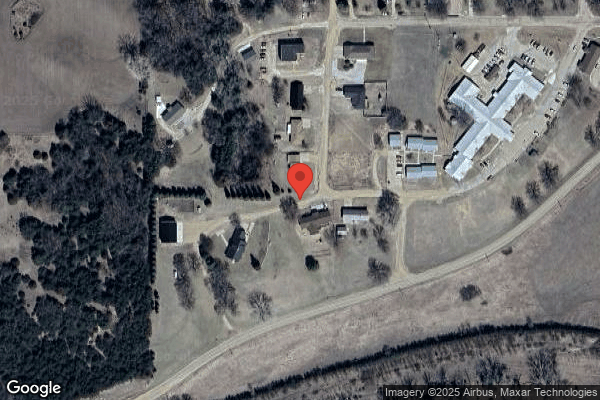
706 James Street, Verdigre, NE 68783 (402) 668-2209
Government - City 45 Beds Independent Data: November 2025
Trust Grade
75/100
#39 of 177 in NE
Last Inspection: May 2025

Inspected within the last 6 months. Data reflects current conditions.

Overview

Alpine Village Retirement Center has a Trust Grade of B, indicating it is a good choice overall, but there is room for improvement. It ranks #39 out of 177 facilities in Nebraska, placing it in the top half, and is the best option among three local facilities in Knox County. However, the facility's trend is worsening, with the number of reported issues increasing from 1 in 2024 to 4 in 2025. Staffing is rated at 4 out of 5 stars, with a turnover rate of 56%, which is around the state average, suggesting some staff stability, and it has more RN coverage than 99% of Nebraska facilities, enhancing resident care. Notably, there have been concerns such as a lack of a qualified Dietary Manager, failure to notify a primary care provider about a resident's significant health change, and ineffective interventions to prevent weight loss for some residents, highlighting areas that need attention despite the facility's strengths.
Trust Score
B
75/100
In Nebraska
#39/177
Top 22%
Safety Record
Low Risk
No red flags
Inspections
Getting Worse
1 → 4 violations
Staff Stability
⚠ Watch
56% turnover. Above average. Higher turnover means staff may not know residents' routines.
Penalties
✓ Good
No fines on record. Clean compliance history, better than most Nebraska facilities.
Skilled Nurses
✓ Good
Each resident gets 69 minutes of Registered Nurse (RN) attention daily — more than 97% of Nebraska nursing homes. RNs are the most trained staff who catch health problems before they become serious.
Violations
✓ Good
Only 5 deficiencies on record. Cleaner than most facilities. Minor issues only.
★★★★☆
4.0
Overall Rating
★★★★☆
4.0
Staff Levels
★★★☆☆
3.0
Care Quality
★★★★☆
4.0
Inspection Score
Stable
2024: 1 issues
2025: 4 issues

The Good

  • 4-Star Staffing Rating · Above-average nurse staffing levels
  • Full Sprinkler Coverage · Fire safety systems throughout facility
  • No fines on record

Facility shows strength in staffing levels, fire safety.

The Bad

Staff Turnover: 56%

Near Nebraska avg (46%)

Frequent staff changes - ask about care continuity

Staff turnover is elevated (56%)

8 points above Nebraska average of 48%

The Ugly 5 deficiencies on record

May 2025 4 deficiencies
CONCERN (D)

Potential for Harm - no one hurt, but risky conditions existed

Quality of Care (Tag F0684)

Could have caused harm · This affected 1 resident

**NOTE- TERMS IN BRACKETS HAVE BEEN EDITED TO PROTECT CONFIDENTIALITY** Licensure Reference Number 175 NAC 12-006.04(F)(i)(5) & 12-006.09 Based on record reviews and interviews; the facility failed to...

Read full inspector narrative →
**NOTE- TERMS IN BRACKETS HAVE BEEN EDITED TO PROTECT CONFIDENTIALITY** Licensure Reference Number 175 NAC 12-006.04(F)(i)(5) & 12-006.09 Based on record reviews and interviews; the facility failed to ensure a change of condition for Resident 12 was identified, and the resident's Primary Care Provider (PCP) was notified in a timely manner. The sample size was 2 and the facility census was 33. Findings are: A. Record review of the facility policy Notifying Physician with a Change of Condition revealed the facility was to promptly notify the PCP of changes in the resident's medical/mental condition and/or status. The Charge Nurse was to notify the resident's PCP when there were any of the following: -an accident or incident. -an injury of unknown source. -a significant change in the resident's physical/emotional/mental condition. -need to alter the resident's medical treatment significantly. -need to transfer the resident to a hospital or outside of the facility. -discharge without proper medical authority. A significant change in condition was defined as a major decline or improvement in the residents' status which would not: -resolve itself without intervention. -impacted more than one area of the resident's health status. -required interdisciplinary review and/or revision to the care plan. B. Record review of Resident 12's Minimum Data Set (MDS-a federally mandated comprehensive assessment tool used for care planning) dated 3/12/25 revealed the resident was admitted [DATE] with diagnoses of anemia, end stage renal disease, dementia, malnutrition, anxiety, depression and chronic obstructive pulmonary disease. The resident's cognition was severely impaired and the resident had behaviors which included delusions, rejection of cares, and wandering. The resident had 2 falls with injuries (except major) since the previous assessment and was occasionally incontinent of bowel and bladder. Record review of Resident 12's Nursing Progress Notes revealed the following: -8/11/24 at 3:11 PM the resident was found sitting on the floor of the resident's room. The resident reported sitting in the wheelchair and attempting to straighten the cushion in the seat of the recliner. When the resident stood, the resident's shoes got stuck to the floor and the resident unable to move, slid down to the floor. No acute injuries were noticed. The resident's PCP was notified of the fall. -8/11/24 at 5:04 PM the resident refused to go to the dining room for the evening meal. -8/11/24 at 6:46 PM the resident reported pain/discomfort in the right hip and groin area. Ice was applied to the area and the resident identified only some relief. -8/11/25 at 6:50 PM the resident continued to report pain/discomfort to the right hip and groin area due to the unwitnessed fall. -8/12/24 at 3:32 PM the resident refused ambulation with continued complaints of right hip pain. -8/13/24 at 2:37 AM the resident continued to complain of right hip pain. -8/14/24 at 10:56 AM the resident requested to remain in bed and refused breakfast. The resident was complaining of right sided pain The resident told staff the resident just could not take the pain anymore and the family made the resident a physician appointment. -8/14/24 at 12:33 PM the resident returned from the physician appointment and an x-ray report revealed the resident had a fracture to the right 11th rib. Record review of Resident 12's electronic medical record revealed no evidence from 8/11/24 at 3:11 PM when the PCP was notified of the resident's fall until 8/14/24 when the resident was diagnosed with a rib fracture, the PCP was updated regarding the resident's ongoing complaints of pain to the resident's right thigh, pelvis and right sided rib pain. Interview with the Director of Nursing on 5/14/25 at 9:20 AM confirmed the PCP was notified of the residents fall on 8/11/24 at 3:11 PM however, the staff failed to update the PCP regarding the resident's continued complaints of pain to the right hip, right thigh/pelvis and then the resident's right torso until the resident was seen by the PCP on 8/14/24 and diagnosed with a rib fracture.
CONCERN (D)

Potential for Harm - no one hurt, but risky conditions existed

Deficiency F0692 (Tag F0692)

Could have caused harm · This affected 1 resident

**NOTE- TERMS IN BRACKETS HAVE BEEN EDITED TO PROTECT CONFIDENTIALITY** LICENSURE REFERENCE NUMBER 175 NAC 12-006.09(J)(i)(1) Based on observations, record reviews and interviews, the facility failed ...

Read full inspector narrative →
**NOTE- TERMS IN BRACKETS HAVE BEEN EDITED TO PROTECT CONFIDENTIALITY** LICENSURE REFERENCE NUMBER 175 NAC 12-006.09(J)(i)(1) Based on observations, record reviews and interviews, the facility failed to implement assessed interventions to prevent weight loss for 2 (Residents 12 and 31) of 3 sampled residents. The facility had a census of 33. Findings are: A. Review of the facility policy Weight Assessment and Interventions with a revision date of 12/08 revealed the facility would strive to prevent, monitor, and intervene when undesirable weight loss was identified for a resident. The physician and the facility staff were to identify conditions that could contribute to weight loss which could include; cognitive or functional decline, chewing or swallowing abnormalities, pain, medication adverse consequences, environmental factors, increased need for calories/protein, fluid and nutrient loss and inadequate availability of food and fluids. Weight loss interventions were to be developed/implemented with consideration of each resident's preferences, need for diet modifications, use of supplementation and/or feeding tubes, functional factors which could impede independence with eating and end of life decisions. B. Review of Resident 12's Minimum Data Set (MDS-a federally mandated comprehensive assessment tool used for care planning) dated 3/12/25 revealed the resident was admitted [DATE] with diagnoses of anemia, end stage renal disease (ESRD), dementia, malnutrition, anxiety, depression, and chronic obstructive pulmonary disease (COPD). The assessment indicated the resident had severe cognitive impairment, was independent with eating and/or drinking required extensive assistance with eating and/or drinking and was identified as having a therapeutic diet. The resident's weight was 127 pounds (lbs.). Review of a Weights and Vitals Summary Sheet (a form used to document a resident's weights, blood pressure, respirations, temperature, and pulse) revealed on 12/17/24 the resident's weight was 132 lbs. Review of a Dietary Progress Note by the Registered Dietician (RD) dated 12/23/24 at 11:09 AM revealed the resident had a weight loss after a hospitalization for a femur (thigh bone located in the upper leg spanning from the hip joint to the knee joint) fracture. The following nutritional interventions were identified; fortified (added nutrients) foods at meals, a Clear Nutritional Supplement (added nutrients and protein) at the evening meal, protein powder twice a day and a planned afternoon snack. Review of documentation of the residents' intakes of the Clear Nutritional Supplement provided at the evening meal from 12/24/24 to 12/31/24 revealed the resident did not receive, refused, or consumed 0 percent (%) of the supplement on 12/25, 12/26, and 12/31 (3 out of 8 days). Review of documentation of the residents' intakes of the Clear Nutritional Supplement provided at the evening meal for January 2025 revealed Resident 12 did not receive, refused or consumed 0 % of the supplement on 1/1, 1/2, 1/3, 1/4 1/6, 1/8, 1/9, 1/10, 1/13, 1/17, 1/18, 1/19, 1/23, 1/24, 1/26, 1/30 and 1/31 ( 17 out of 31 days). Review of documentation of the residents' intakes of the Clear Nutritional Supplement provided at the evening meal for February 2025 revealed Resident 12 did not receive, refused or consumed 0 % of the supplement on 2/1, 2/6, 2/7, 2/8, 2/9, 2/13, 2/14, 2/15, 2/16, 2/21, 2/22, 2/27 and 2/28 (13 out of 28 days). Review of Resident 12's Weights and Vitals Summary Sheet revealed on 3/17/25 the resident's weight was 127 lbs. (down 5 lbs or a 4% weight loss in 3 months). Review of a Nutritional Progress Note by the RD dated 3/20/25 at 6:35 PM revealed in addition to fortified foods at all meals, a planned afternoon snack, protein powder twice a day, and 6 ounces of Clear Nutritional Supplement at the evening meal, a new recommendation was identified for the staff to add 8 ounces of Clear Nutritional Supplement at the noon meal on Tuesdays, Thursdays, and Saturday. The resident was to receive a cola drink at the noon meal on Monday, Wednesday, Friday, and Sunday. Review of documentation of the residents' intakes of the Clear Nutritional Supplement provided at the evening meal for March 2025 revealed Resident 12 did not receive, refused or consumed 0 % of the supplement on 3/3, 3/6, 3/7, 3/9, 3/11, 3/18, 3/19, 3/20, 3/22, 3/25, 3/26, 3/27, 3/28, 3/29 and 3/31 (15 out of 31 days). Review of the documentation of the residents' intakes of the Clear Nutritional Supplement provided at the noon meal on Tuesdays, Thursdays and Saturdays from 3/12/25 to 3/31/25 revealed Resident 12 did not receive, refused or consumed 0 % of the supplement on 3/13, 3/15, 3/18, 3/20, 3/22, 3/25 and 3/29 (7 out of 11 days offered). Review of documentation of the residents' intakes of the Clear Nutritional Supplement provided at the evening meal for April 2025 revealed Resident 12 did not receive, refused or consumed 0 % of the supplement on 4/4, 4/5, 4/6, 4/7, 4/10, 4/11, 4/15, 4/18, 4/20, 4/21, 4/24, 4/25, and 4/27 (13 out of 30 days). Review of documentation of the residents' intakes of the Clear Nutritional Supplement provided at the noon meal on Tuesdays, Thursdays and Saturdays for April 2025 revealed Resident 12 did not receive, refused or consumed 0 % of the supplement on 4/1, 4/5, 4/8, 4/10, 4/12, 4/15, 4/17, 4/19, 4/24, 4/26, and 4/29 (11 out of 13 days the supplement was offered). Review of documentation of the residents' intakes of the Clear Nutritional Supplement provided at the evening meal from 5/1/25 to 5/13/25 revealed Resident 12 did not receive, refused or consumed 0 % of the supplement on 5/2, 5/3, 5/4, 5/5, 5/7, and 5/11 (6 out of the 13 days the supplement was offered). Review of documentation of the residents' intakes of the Clear Nutritional Supplement provided at the noon meal on Tuesdays, Thursdays and Saturdays from 5/1/25 to 5/14/25 revealed Resident 12 did not receive, refused or consumed 0 % of the supplement on 5/1, 5/3, 5/8, 5/10, and 5/13 (5 out of the 6 days the supplement was offered). Review of Resident 12's Weights and Vitals Summary Sheet revealed on 5/13/25 the resident's weight was 127 lbs. During an observation on 5/13/25 at the noon meal, Resident 12 was served potatoes with extra butter for fortification, meatloaf, pea salad and tapioca pudding. Resident 12 did not receive the 8 ounces of Clear Nutritional Supplement as recommended by the RD. During an interview on 5/14/25 at 9:59 AM, the Dietary Manager (DM), confirmed the resident was to receive 8 ounces of the Clear Nutritional Supplement at the noon meal on Tuesdays, Thursdays, and Saturdays. In addition, the resident was to receive 6 ounces of the Clear Nutritional Supplement at the evening meal each day. The DM was aware the supplement was not always offered and/or intake of the supplement documented and had provided ongoing education to the dietary staff regarding the supplements. C. Review of Resident 31's MDS dated [DATE] revealed the resident was admitted [DATE] with diagnoses of non-traumatic brain dysfunction, anemia, ESRD, dementia, malnutrition, anxiety, depression, post-traumatic stress disorder (PTSD) and COPD. The resident's cognition was severely impaired; the resident was independent with eating and/or drinking; weight was 108 lbs.; and the resident had a mechanically altered diet. Review of the resident's Weights and Vitals Summary Sheet dated 12/20/24 revealed the resident's weight was 119 lbs. Review of a Dietary Progress Note by the RD dated 12/23/24 at 3:24 PM confirmed the resident's weight was 119 lbs. The Progress Note indicated Resident 31 was consuming 51-64% of meals. No nutritional recommendations were identified. Review of Resident 31's Weight and Vitals Summary Sheet revealed the following: -1/24/25 weight was 114 lbs. (down 5 lbs. or a 4% loss in 1 month). -2/21/25 weight was 110 lbs. (down 4 lbs. or a 4% loss in 1 month). Review of a Dietary Progress Note by the RD on 3/6/25 at 6:59 PM revealed the resident had just returned from a Mental Health facility and the resident's weight was 109 lbs. The following weight loss interventions were identified: -8 ounces of Clear Nutritional Supplement at noon and the evening meal. -snacks offered/provided 3 times a day. -all meals to be fortified. -glass of half and half instead of milk at the breakfast meal. Review of the documentation of the residents' intakes of the Clear Nutritional Supplement provided at noon from 3/7/25 to 3/31/25 revealed Resident 31 did not receive, refused or consumed 0 % of the supplement on 3/7, 3/8, 3/9, 3/11, 3/12, 3 /13, 3/14, 3/15, 3/16, 3/18, 3/19, 3/21, 3/22, 3/23, 3/26, 3/27, 3/28, 3/28 and 3/31 (19 out of the 25 times the supplement was offered). Review of the documentation of the residents' intakes of the Clear Nutritional Supplement provided at the evening meal from 3/7/25 to 3/31/25 revealed Resident 31 did not receive, refused or consumed 0 % of the supplement on 3/7, 3/8, 3/11, 3/13, 3/19, 3/20, 3/22, 3/25 and 3/26 (9 out of the 25 times the supplement was offered). Review of Resident 31's Weight and Vitals Summary Sheet revealed the resident's weight on 3/14/25 was 107 lbs. (down 3 lbs. in 1 month). Review of the documentation of the residents' intakes of the Clear Nutritional Supplement provided at noon for 4/2025 revealed Resident 31 did not receive, refused or consumed 0 % of the supplement on 4/4, 4/5, 4/6, 4/7, 4/12, 4/13, 4/20 and 4/29 (8 out of 30 days the supplement was offered). Review of the documentation of the residents' intakes of the Clear Nutritional Supplement provided at the evening meal for 4/2025 revealed Resident 31 did not receive, refused or consumed 0 % of the supplement on 4/1, 4/2, 4/4, 4/5, 4/7, 4/10, 4/14, 4/15, 4/17, 4/20, 4/21, 4/24, 4/25, 4/27 and 4/28 (15 out of 30 days the supplement was offered). Review of a Dietary Progress Note dated 5/8/25 at 5:19 PM revealed the resident's weight had not improved. The resident's weight remained 107 lbs. No additional recommendations were identified. Review of the documentation of the residents' intakes of the Clear Nutritional Supplement provided at noon from 5/1/25 to 5/14/25 revealed Resident 31 did not receive, refused, or consumed 0 % of the supplement on 5/1, 5/2, 5/4, 5/6, 5/10, and 5/13 (6 out of 14 days). Review of the documentation of the residents' intakes of the Clear Nutritional Supplement provided at the evening meal from 5/1/25 to 5/13/25 revealed Resident 31 did not receive, refused, or consumed 0 % of the supplement on 5/2, 5/3, 5/4, 5/7, and 5/11 (5 out of 13 days). Observations of Resident 31 in the dining room revealed the following: -5/12/25 at 11:42 AM the resident was served green beans, French fries, 2 chicken strips and blue berry cobbler with whipped cream. No fortification was observed with the meal. -5/13/25 at 7:46 AM the resident was served the breakfast meal which consisted of 2 slices of bacon, 3 orange slices, and a pancake. The resident did not receive a glass with half and half and no food items appeared to be fortified. An interview with the DM on 5/14/25 at 9:59 AM confirmed there was no extra butter added to the green beans at the noon meal on 5/12/25 which was the food item to be fortified. In addition, the resident was to receive a glass of half and half at the breakfast meal in place of a glass of milk and the resident should have received the fortified hot cereal at the breakfast meal on 5/13/25.
CONCERN (D)

Potential for Harm - no one hurt, but risky conditions existed

Infection Control (Tag F0880)

Could have caused harm · This affected 1 resident

**NOTE- TERMS IN BRACKETS HAVE BEEN EDITED TO PROTECT CONFIDENTIALITY** Licensure Reference Number 175 NAC 12-00618 Based on observations, record review and interview; the facility failed to ensure th...

Read full inspector narrative →
**NOTE- TERMS IN BRACKETS HAVE BEEN EDITED TO PROTECT CONFIDENTIALITY** Licensure Reference Number 175 NAC 12-00618 Based on observations, record review and interview; the facility failed to ensure the appropriate use of Personal Protective Equipment (PPE) gown and gloves, during the provision of care for Residents 15 and 27. The sample size was 13 with a census of 33. Findings are: A. Review of the facility policy Alpine Village Enhanced Barrier Precautions with a revision date of 5/25 revealed the following: -Enhanced Barrier Precautions (EBP) refers to an infection control intervention indicated for residents with wounds that require a dressing regardless if wound had an infection, -PPE, gown and gloves, was only necessary when performing high-contact care activities, -High-contact resident care activities included: dressing, transferring, providing hygiene, changing linens, toileting assistance, and wound care, and -EBP should be used for the duration of the affected residents stay in the facility or until the wound was resolved. B. Review of Resident 15's weekly skin assessment dated [DATE] revealed that Resident 15 had a pressure ulcer (a localized injury to the underlying tissue typically caused by prolonged pressure to the area) to the right buttock that measured 1 centimeter (cm) by 0. 8 cm. The front of the lower right leg had a chronic non pressure area that measured 3 cm by 1.3 cm. Review of Resident 15's Minimum Data Set (MDS) (a mandatory comprehensive assessment tool used for care planning) dated 4/1/25 revealed that the resident required substantial assistance with bed mobility and transfers. Review of Resident 15's care plan revealed that on 3/20/25 EBP was initiated due to open wounds that required a dressing. The following observation was made related to Resident 15: -5/12/25 at 9:20 AM EBP sign on the resident's room door. -5/12/25 at 9:25 AM Nursing assistant (NA-I) and NA-L, completed toileting cares. After completing toileting cares NA-I did not put gloves back on, NA-I and NA-L transferred the resident to bed, NA-I touched the residents' clothing and blankets and assisted with positioning the resident in bed without gloves on. C. Review of Resident 27's weekly skin assessment dated [DATE] revealed that the resident had a pressure ulcer to the left buttock. Review of Resident 27's MDS dated [DATE] revealed that the resident was dependent on staff for bed mobility and required substantial assistance with transfers. The resident had a pressure ulcer with pressure ulcer care. Review of Resident 27's care plan revealed that on 3/21/25 EBP were initiated for a skin opening that required a dressing. The following observation was made related to Resident 27: -5/12/25 at 9:45 AM There was an EBP sign on the door of resident's room, and PPE was outside of resident's room in the hall, -5/14/25 at 8:55 AM NA-L and NA-P completed toileting cares. After toileting cares were completed NA-P did not put gloves on, NA-L and NA-P transferred resident to bed, NA-P then touched linens, pillows and the resident without gloves on. On 5/15/25 at 11:00 AM an interview with the Director of Nursing, (DON) confirmed that when a resident is in EBP staff should be wearing gloves with all high contact care activities including transfers and touching bed linens.
CONCERN (F)

Potential for Harm - no one hurt, but risky conditions existed

Deficiency F0801 (Tag F0801)

Could have caused harm · This affected most or all residents

Licensure Reference Number 175 NAC 12-006.04(H)(ii)(1) Based on record review and interview; the facility failed to employ a qualified Dietary Manager (DM). This had the potential to affect the food s...

Read full inspector narrative →
Licensure Reference Number 175 NAC 12-006.04(H)(ii)(1) Based on record review and interview; the facility failed to employ a qualified Dietary Manager (DM). This had the potential to affect the food service provided to all residents who were served food from the kitchen. The facility census was 33. Findings are: Review of the facility Job Description Dietary Services Supervisor with a revised date of 7/11 revealed the necessary qualification of a DM was to meet State requirements. An interview on 5/12/25 at 8:45 AM, the DM verified that the required education was not completed to meet the qualification for the DM position. An interview on 5/12/25 at 1:45 PM, the facility Administrator verified that the current DM did not have the required training to meet the qualification for DM position. The administrator also confirmed that the Registered Dietician was not full-time at the facility.
Apr 2024 1 deficiency
CONCERN (D)

Potential for Harm - no one hurt, but risky conditions existed

Deficiency F0757 (Tag F0757)

Could have caused harm · This affected 1 resident

Licensure Reference Number 175 NAC 12-006.09D Based on record review and interview, the facility failed to ensure 1 resident (Resident 14) was free of unnecessary medications related to long term use ...

Read full inspector narrative →
Licensure Reference Number 175 NAC 12-006.09D Based on record review and interview, the facility failed to ensure 1 resident (Resident 14) was free of unnecessary medications related to long term use of an antibiotic medication. The antibiotic did not specify a duration and had no supporting documentation for clinical use based on laboratory results. The sample size was 1 and the facility census was 31. Findings are: A review of the facility policy Antibiotic Stewardship - Orders for Antibiotics updated 4/2024 revealed when an antibiotic is indicated the orders will include; drug name, dose, frequency of administration, duration of treatment (start and stop date or number of days of therapy), route of administration and indications for use. Appropriate indications for use of antibiotics include; 1) clinical definition of active infection or suspected sepsis (a very serious condition that occurs as a result of a complication with an infection] and 2) supporting laboratory data. A Review of Resident 14's Medication Administration Record dated 4/1/24 to 4/30/24 revealed the resident was prescribed an antibiotic medication [Nitrofurantoin 100 milligrams daily for prophylactic (preventive) Urinary Tract Infection (UTI)] with a start date of 2/14/23. There was no stop date or duration specified. During an interview with Licensed Practical Nurse (LPN)-E on 4/8/24 at 11:35 AM, LPN-E confirmed the following: -Resident 14 was prescribed an antibiotic since 2/14/23 for prevention of UTI's; -the ordered antibiotic did not have a specified duration or stop date; -there was no evidence of diagnostic laboratory work to support the continued use of the antibiotic; -the resident developed UTI's while taking the prophylactic antibiotic medication; and -antibiotics should have a specified duration, clinical rationale/diagnosis and evidence of laboratory data to determine the type of bacteria and appropriate antibiotic to treat the infection.
Understanding Severity Codes (click to expand)
Life-Threatening (Immediate Jeopardy)
J - Isolated K - Pattern L - Widespread
Actual Harm
G - Isolated H - Pattern I - Widespread
Potential for Harm
D - Isolated E - Pattern F - Widespread
No Harm (Minor)
A - Isolated B - Pattern C - Widespread

Questions to Ask on Your Visit

  • "Why is there high staff turnover? How do you retain staff?"
  • "Can I speak with families of current residents?"
  • "What's your RN coverage like on weekends and overnight?"

Our Honest Assessment

Strengths
  • • No major safety red flags. No abuse findings, life-threatening violations, or SFF status.
  • • No fines on record. Clean compliance history, better than most Nebraska facilities.
  • • Only 5 deficiencies on record. Cleaner than most facilities. Minor issues only.
Concerns
  • • 56% turnover. Above average. Higher turnover means staff may not know residents' routines.
Bottom line: Generally positive indicators. Standard due diligence and a personal visit recommended.

About This Facility

What is Alpine Village Retirement Center's CMS Rating?

CMS assigns Alpine Village Retirement Center an overall rating of 4 out of 5 stars, which is considered above average nationally. Within Nebraska, this rating places the facility higher than 99% of the state's 100 nursing homes. This rating reflects solid performance across the metrics CMS uses to evaluate nursing home quality.

How is Alpine Village Retirement Center Staffed?

CMS rates Alpine Village Retirement Center's staffing level at 4 out of 5 stars, which is above average compared to other nursing homes. Staff turnover is 56%, which is 10 percentage points above the Nebraska average of 46%. High turnover can affect care consistency as new staff learn residents' individual needs.

What Have Inspectors Found at Alpine Village Retirement Center?

State health inspectors documented 5 deficiencies at Alpine Village Retirement Center during 2024 to 2025. These included: 5 with potential for harm.

Who Owns and Operates Alpine Village Retirement Center?

Alpine Village Retirement Center is owned by a government entity. Government-operated facilities are typically run by state, county, or municipal agencies. The facility operates independently rather than as part of a larger chain. With 45 certified beds and approximately 32 residents (about 71% occupancy), it is a smaller facility located in Verdigre, Nebraska.

How Does Alpine Village Retirement Center Compare to Other Nebraska Nursing Homes?

Compared to the 100 nursing homes in Nebraska, Alpine Village Retirement Center's overall rating (4 stars) is above the state average of 2.9, staff turnover (56%) is near the state average of 46%, and health inspection rating (4 stars) is above the national benchmark.

What Should Families Ask When Visiting Alpine Village Retirement Center?

Based on this facility's data, families visiting should ask: "How do you ensure continuity of care given staff turnover, and what is your staff retention strategy?" "Can I visit during a mealtime to observe dining assistance and food quality?" "How do you handle medical emergencies, and what is your hospital transfer rate?" "Can I speak with family members of current residents about their experience?" These questions are particularly relevant given the facility's high staff turnover rate.

Is Alpine Village Retirement Center Safe?

Based on CMS inspection data, Alpine Village Retirement Center has a clean safety record: no substantiated abuse findings (meaning no confirmed cases of resident harm), no Immediate Jeopardy citations (the most serious violation level indicating risk of serious injury or death), and is not on the Special Focus Facility watch list (a federal program monitoring the lowest-performing 1% of nursing homes). The facility has a 4-star overall rating and ranks #1 of 100 nursing homes in Nebraska. While no facility is perfect, families should still ask about staff-to-resident ratios and recent inspection results during their visit.

Do Nurses at Alpine Village Retirement Center Stick Around?

Staff turnover at Alpine Village Retirement Center is high. At 56%, the facility is 10 percentage points above the Nebraska average of 46%. High turnover means new staff may not know residents' individual needs, medications, or preferences. It can also be disorienting for residents, especially those with dementia who rely on familiar faces. Families should ask: What is causing the turnover? What retention programs are in place? How do you ensure care continuity during staff transitions?

Was Alpine Village Retirement Center Ever Fined?

Alpine Village Retirement Center has no federal fines on record. CMS issues fines when nursing homes fail to meet care standards or don't correct problems found during inspections. The absence of fines suggests the facility has either maintained compliance or corrected any issues before penalties were assessed. This is a positive indicator, though families should still review recent inspection reports for the full picture.

Is Alpine Village Retirement Center on Any Federal Watch List?

Alpine Village Retirement Center is not on any federal watch list. The most significant is the Special Focus Facility (SFF) program, which identifies the bottom 1% of nursing homes nationally based on persistent, serious quality problems. Not being on this list means the facility has avoided the pattern of deficiencies that triggers enhanced federal oversight. This is a positive indicator, though families should still review the facility's inspection history directly.