Wakefield Health Care Center
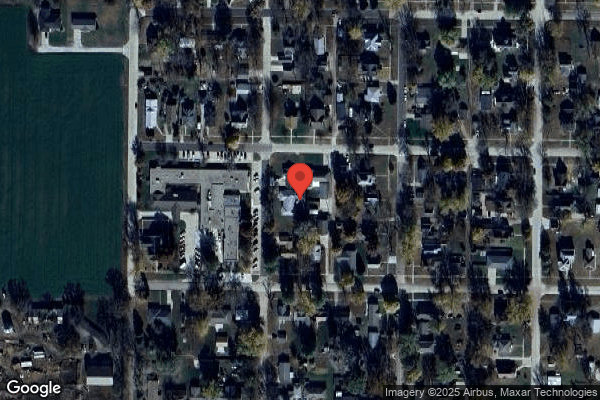
306 Ash Street, Wakefield, NE 68784 (402) 287-2244
Government - City 40 Beds Independent Data: November 2025
Trust Grade
78/100
#68 of 177 in NE
Last Inspection: July 2025

Inspected within the last 6 months. Data reflects current conditions.

Overview

Wakefield Health Care Center has a Trust Grade of B, which means it is considered a good facility, providing solid care. It ranks #68 out of 177 nursing homes in Nebraska, placing it in the top half of facilities statewide, and is the only option in Dixon County. The facility shows an improving trend, having reduced its issues from 9 in 2024 to 4 in 2025. Staffing is a strong point, with a 5-star rating and only 28% turnover, indicating that staff are stable and familiar with residents' needs. However, there were some concerning incidents, such as failing to limit certain residents' antipsychotic medications as required and leaving medications unattended, which raises safety concerns. Overall, while there are strengths in staffing and a good trust grade, families should be aware of the specific care issues noted in recent inspections.

Trust Score
B
78/100
In Nebraska
#68/177
Top 38%
Safety Record
Low Risk
No red flags
Inspections
Getting Better
9 → 4 violations
Staff Stability
✓ Good
28% annual turnover. Excellent stability, 20 points below Nebraska's 48% average. Staff who stay learn residents' needs.
Penalties
✓ Good
No fines on record. Clean compliance history, better than most Nebraska facilities.
Skilled Nurses
✓ Good
Each resident gets 52 minutes of Registered Nurse (RN) attention daily — more than average for Nebraska. RNs are trained to catch health problems early.
Violations
⚠ Watch
17 deficiencies on record. Higher than average. Multiple issues found across inspections.
★★★★☆
4.0
Overall Rating
★★★★★
5.0
Staff Levels
★★☆☆☆
2.0
Care Quality
★★★☆☆
3.0
Inspection Score
Stable
2024: 9 issues
2025: 4 issues

The Good

  • 5-Star Staffing Rating · Excellent nurse staffing levels
  • Low Staff Turnover (28%) · Staff stability means consistent care
  • Full Sprinkler Coverage · Fire safety systems throughout facility
  • No fines on record
  • Staff turnover is low (28%)

    20 points below Nebraska average of 48%

Facility shows strength in staffing levels, staff retention, fire safety.

The Bad

No Significant Concerns Identified

This facility shows no red flags. Among Nebraska's 100 nursing homes, only 1% achieve this.

The Ugly 17 deficiencies on record

Jul 2025 4 deficiencies
CONCERN (D)

Potential for Harm - no one hurt, but risky conditions existed

Quality of Care (Tag F0684)

Could have caused harm · This affected 1 resident

**NOTE- TERMS IN BRACKETS HAVE BEEN EDITED TO PROTECT CONFIDENTIALITY** Licensure Reference Number NAC 12-006.09Based on record reviews and interviews; the facility failed to complete neurological ass...

Read full inspector narrative →
**NOTE- TERMS IN BRACKETS HAVE BEEN EDITED TO PROTECT CONFIDENTIALITY** Licensure Reference Number NAC 12-006.09Based on record reviews and interviews; the facility failed to complete neurological assessments to assess for potential injury after unwitnessed falls for Residents 2 and 5. The sample size was 2 and the facility census was 31. Findings are: A. Review of the facility policy Neurological Assessment last revised October 2010 revealed guidelines for a neurological assessment: 1) upon physician order; 2) when following an unwitnessed fall; 3) following a fall with a suspected head injury or trauma; or 4) when indicated by resident condition. Staff were to always include frequent vital signs and any change in vital signs or neurological status would be reported to the physician immediately. Staff were to perform neurological checks per facility protocol: Every 15 minutes x5; every 30 minutes x4; every hour x5, then every shift (AM shift was 6 AM-6 PM and PM shift was 6 PM-6 AM) for 72 hours. For residents that received anticoagulant (blood thinners), neurological checks would be done weekly for 4 weeks and then monthly for 4 months. Neurological checks included: the residents orientation to time, place and person; the resident's speech pattern and clarity; vital signs; pupil reactions; and motor ability (extremity movement). The following information would be recorded in the resident's medical record: -the date and time the procedure was performed, -the name and title of the individual who performed the procedure, -all assessment data obtained, -how the resident tolerated the procedure, -if the resident refused the procedure, the reasons why and the intervention taken, and -the signature of the person recording the data. Staff were to notify the physician of any change in a resident's neurological status, notify the supervisor if the resident refuses the procedure, and report other information in accordance with the facility policy and professional standards of practice. B. Review of Resident 5’s Minimum Data Set (MDS- a federally mandated assessment tool used in Care Planning) dated 4/16/25 revealed the resident had severe cognitive impairment; was dependent with toileting, dressing, hygiene and transfers; had diagnoses of Heart Disease, Alzheimer’s Dementia, Anxiety, and Depression; and received an anticoagulant (a medication that thins the blood to prevent blood clots). Review of Resident 5’s Care Plan last revised 7/17/25 revealed the resident was a high risk for falls; required staff assistance with bed mobility, dressing, eating, hygiene, toileting, and transferring; received anti-coagulant medications; had cognitive impairment; had diagnoses of Dementia, Heart Disease, Anxiety, Depression; and had a history of falls. Review of the facility forms Fall Investigation Form and Post Fall Assessment revealed the following unwitnessed falls were missing documented neurological (neuro) assessments: -a fall on 2/8/25 at 4:00 AM was missing assessments for 30-minute (min) neuro checks at 5:00 AM, 5:30 AM, and 6:00AM, -a fall on 2/8/25 at 3:15 PM was missing assessments for 30-min neuro checks at 6:15 PM; 1-hour (hr) assessments missing at 7:15 PM, 8:15 PM, 9:15 PM, 10:15 PM, and 11:15 PM; and shift assessments were missing for the PM shift on 2/10/25 and the AM shift on 2/11/25, -a fall on 2/11/25 at 4:45 AM was missing 30-min assessments at 6:15 AM and 7:45 AM, 1-hr assessments at 8:45 AM, 10:45 AM, 11:45 AM, and an AM shift assessment on 2/14/25, -a fall on 2/16/25 at 6:45 AM was missing 15-min assessments at 6:45 AM, 7:00 AM, 7:15 AM, 7:30 AM, 7:45 AM, 30-min assessments at 8:15 AM, 8:45 AM, 9:15 AM and 9:45 AM, and 1-hr assessments at 10:45 AM, 11:45 AM, 12:45 PM, 1:45 PM, and 2:45 PM, -a fall on 2/19/25 at 2:15 AM was missing 15-min assessments at 2:30 AM, 2:45 AM, 3:00 AM, 3:15 AM, 30-min assessments at 3:45 AM, 4:15 AM, 4:45 AM, and 5:15 AM, and a 1-hr assessment at 6:15 AM, -a fall on 2/28/25 at 5:05 PM was missing 30-min assessments at 6:35 PM and 7:35 PM, 1-hr assessments at 9:05 PM, 10:05 PM, 11:05 PM, 12:05 AM, and 1:05 AM, -a fall on 4/16/25 at 12:45 AM was missing 15-min assessments at 1:00 AM, 1:15 AM, 1:30 AM, 1:45 AM, 30-min assessments at 2:15 AM, 2:45 AM, 3:15 AM, 3:45 AM, 1-hr assessments at 4:45 AM, 5:45 AM, 6:45 AM, 8:45AM, and a PM shift assessment on 4/16/25, and -a fall on 6/28/25 at 3:00 PM was missing 1-hr assessments at 7:00 PM, 8:00 PM, 9:00 PM, 10:00 PM, and the AM and PM shift assessments on 6/29/25. An interview on 7/21/25 at 11:45 AM with Licensed Practical Nurse (LPN)-I revealed if a fall was unwitnessed by staff then the staff were to complete neurological assessments per facility protocol which was every 15-minutes x5, every 30-minutes x4, every hour x5, and every shift for 72 hours. An interview on 7/22/25 at 9:10 AM with the Director of Nursing (DON) confirmed neurological assessments were not completed per facility policy for Resident 5. C. Review of Resident 2’s MDS dated [DATE] revealed the resident was admitted [DATE] with diagnoses of anemia, heart failure, high blood pressure, depression, diabetes, anxiety, psychotic disorder, and schizophrenia. The following was assessed regarding Resident 2: -cognitively intact. - pain which affected day to day activities, which was almost constant and which the resident rated at an 8 out of 10. -no falls since previous assessment. Review of the resident’s current, undated Care Plan revealed the resident was at risk for falls related to impaired mobility and use of psychoactive medications. Review of an Incident Report dated 4/13/25 at 2:00 AM revealed the resident was observed walking with the walker to the Nurse's Station and the resident’s head was bleeding. The resident reported falling and had a wound to the back of the head and to the right elbow. Review of Post Fall Assessment Forms used for documentation of neurological assessments after an unwitnessed fall and/or a fall with a head injury revealed no neurological assessment or vital signs were completed at 2:15 AM. In addition, the facility staff failed to document any assessment other than the resident’s vital signs at 2:30 AM, 2:45 AM, 3:00 AM and at 3:30 AM. Review of an Incident Report dated 7/7/25 at 5:40 AM revealed the resident was found on the floor of the resident’s room next to the resident’s bed. The fall was unwitnessed. Review of Post Fall Assessment Forms revealed no neurological assessment and/or vital signs were completed at 6:00 AM, 6:15 AM and at 8:15 AM. An Interview with the DON on 7/22/25 at 8:22 AM confirmed the facility staff failed to complete neurological assessments and vital signs in accordance with the facility policy after the resident’s fall on 4/13/25 at 2:00 AM and on 7/7/25 at 5:40 AM.
CONCERN (D)

Potential for Harm - no one hurt, but risky conditions existed

Deficiency F0757 (Tag F0757)

Could have caused harm · This affected 1 resident

**NOTE- TERMS IN BRACKETS HAVE BEEN EDITED TO PROTECT CONFIDENTIALITY** Licensure Reference Number 175 NAC 12-006.09 Based on record review and interview; the facility failed to ensure Residents 6 and...

Read full inspector narrative →
**NOTE- TERMS IN BRACKETS HAVE BEEN EDITED TO PROTECT CONFIDENTIALITY** Licensure Reference Number 175 NAC 12-006.09 Based on record review and interview; the facility failed to ensure Residents 6 and 13's drug regimens were free from unnecessary medications as the facility failed to attempt Gradual Dose Reductions (GDR)s for the residents psychoactive (drugs which affect mental processes such as perception, consciousness, cognition, mood and emotions) medications. The sample size was 5 and the facility census was 31. Findings are: A. Review of the facility policy “Antipsychotic Medication Use” with a revision date of 7/2025 revealed the following: -the facility was to evaluate behavior interventions before using psychotropic medications and to eliminate unnecessary medications. The residents would be free from chemical restraints imposed for purposes of discipline or convenience or not required to treat the residents' medical symptoms. -resident were not to be given antipsychotic drugs unless the medication was necessary. -residents who used psychotropic medications received GRD’s unless clinically contraindicated, to discontinue the medications and to ensure use of the lowest possible dosage. GDRs were to be completed within accordance with federal regulations. -the use of as needed antipsychotic medications was not encouraged, and the facility ensured clear parameters, and a clear duration for use beyond 14 days. -the need to continue PRN orders for psychotropic medications were not to be renewed beyond 14 days unless the Primary Care Provider (PCP) evaluated the resident for appropriateness of the medication. -gradual dose reductions were to be completed in accordance with federal regulations. the purpose of tapering medication was to find an optimal dose or to determine if continued use of the medication was a benefit to the residents. -within the first years a resident admitted taking psychotropic medication or after the location had initiated the medication a gradual dose reduction was attempted unless clinically contraindicated. Dose reductions were attempted or must be clinically contraindicated annually. B. Review of Resident 6’s current Care Plan revealed the resident was admitted [DATE] with diagnoses of Alzheimer’s disease, unspecified dementia with severe agitation and unspecified dementia with severe anxiety and depression. The resident had behaviors which included wandering and was verbally aggressive at times to the staff. The resident was identified as receiving Lorazepam (medication used to treat anxiety),Mirtazapine (medication used to treat depression), and Zoloft (medication used to treat depression. Review of Resident 6’s Medication Administration Record (MAR) for July 2025 revealed the resident was receiving Mirtazapine 7.5 mg daily, Zoloft 5 mg daily, and Lorazepam 0.25 milliliters (ml) ever 3 hours as needed for anxiety/restlessness and shortness of breath. Review of Resident 6's electronic medical record revealed no evidence a GDR was addressed and/or attempted regarding any of the resident’s psychoactive medications over the previous year. C. Review of Resident 13's undated current Care Plan revealed the resident was admitted [DATE] with diagnoses of unspecified dementia with behavioral disturbance, depression, and anxiety disorder. The resident had behaviors which include verbal/physical behaviors toward the staff. The resident was identified as taking psychoactive medications which included Lexapro (medication used to treat depression), Lorazepam and Trazadone (medication used to treat depression). Review of Resident 13's MAR dated July 2025 revealed the resident was receiving Lexapro 10 milligrams (mg) daily, Lorazepam 0.5 mg every 4 hours as needed for anxiety, and Trazadone 50 mg daily. Review of Resident 13's electronic medical record revealed no evidence a GDR was addressed and/or attempted regarding any of the resident’s psychoactive medications over the previous year. D. During an interview on 7/22/25 at 8:23 AM the Director of Nursing (DON) confirmed the following: -no GDR had been attempted and/or addressed regarding Resident 6's psychoactive medications for the previous year. -no GDR had been addressed and/or attempted regarding Resident 13's psychoactive medications.
CONCERN (E)

Potential for Harm - no one hurt, but risky conditions existed

Deficiency F0605 (Tag F0605)

Could have caused harm · This affected multiple residents

**NOTE- TERMS IN BRACKETS HAVE BEEN EDITED TO PROTECT CONFIDENTIALITY** Licensure Reference Number 175 NAC 12-006.05(G)Based on record review and interview; the facility failed to ensure Residents 5, ...

Read full inspector narrative →
**NOTE- TERMS IN BRACKETS HAVE BEEN EDITED TO PROTECT CONFIDENTIALITY** Licensure Reference Number 175 NAC 12-006.05(G)Based on record review and interview; the facility failed to ensure Residents 5, 6 and 13's drug regimens were free from unnecessary medications as the facility failed to attempt Gradual Dose Reductions (GDR)s for Residents 13 and 6's antipsychotic (drugs that affect the mind, emotions, and behavior) medications and to ensure Resident 5's as needed antipsychotic medication was limited to 14 days. The sample size was 5 and the facility census was 31. Findings are: A. Review of the facility policy “Antipsychotic Medication Use” with a revision date of 7/2025 revealed the following: -the facility was to evaluate behavior interventions before using psychotropic medications and to eliminate unnecessary medications. The residents would be free from chemical restraints imposed for purposes of discipline or convenience or not required to treat the residents' medical symptoms. -resident were not to be given antipsychotic drugs unless the medication was necessary. -residents who used psychotropic medications received GRD’s unless clinically contraindicated, to discontinue the medications and to ensure use of the lowest possible dosage. GDRs were to be completed within accordance with federal regulations. -the use of as needed antipsychotic medications was not encouraged, and the facility ensured clear parameters, and a clear duration for use beyond 14 days. -the need to continue PRN orders for psychotropic medications were not to be renewed beyond 14 days unless the Primary Care Provider (PCP) evaluated the resident for appropriateness of the medication. -gradual dose reductions were to be completed in accordance with federal regulations. the purpose of tapering medication was to find an optimal dose or to determine if continued use of the medication was a benefit to the residents. -within the first years a resident admitted taking psychotropic medication or after the location had initiated the medication a gradual dose reduction was attempted unless clinically contraindicated. Dose reductions were attempted or must be clinically contraindicated annually. B. Review of Resident 6's undated current Care Plan revealed the resident was admitted [DATE] with diagnoses of unspecified dementia with agitation, Alzheimer’s disease, and unspecified dementia with severe anxiety. The resident had behaviors which included wandering and verbal aggression toward staff. The resident was identified as taking the antipsychotic medication Seroquel. Review of Resident 6's Medication Administration Record (MAR) dated July 2025 revealed the resident took the antipsychotic medication Seroquel 25 milligrams (mg) one time daily for unspecified dementia with severe anxiety. Review of Resident 6's electronic medical record revealed no evidence a GDR was addressed and/or attempted regarding the resident’s antipsychotic medication Seroquel over the previous year. C. Review of Resident 13’s undated current Care Plan revealed the resident was admitted [DATE] with diagnoses of unspecified dementia with behavioral disturbance, and anxiety disorder. The resident had behaviors which include verbal/physical behaviors and was taking the antipsychotic medication Seroquel for behaviors related to dementia and depression. Review of Resident 13's MAR dated July 2025 revealed the resident took the antipsychotic medication Seroquel 50 mg, 1.5 tablets twice a day for unspecified dementia with behavioral disturbances. Review of Resident 13's electronic medical record revealed no evidence a GDR was addressed and/or attempted regarding the resident’s antipsychotic medication Seroquel. D. During an interview on 7/22/25 at 8:23 AM the Director of Nursing (DON) confirmed the following: -Resident 6 had an order for Seroquel 25 mg daily which was ordered for unspecified dementia with severe anxiety and had taken since admission. -no GDR had been attempted and/or addressed regarding the resident's Seroquel for the previous year. -Resident 13 had an order for Seroquel 50 mg, 1.5 tablets twice a day which was ordered for dementia with behavioral disturbances and had taken the Seroquel since admission. -no GDR had been addressed and/or attempted regarding Resident 13's ordered Seroquel. E. Review of Resident 5’s Minimum Data Set (MDS- a federally mandated assessment tool used in Care Planning) dated 4/16/25 revealed the resident had severe cognitive impairment; was dependent with toileting, dressing, hygiene and transfers; had diagnoses of Heart Disease, Alzheimer’s Dementia, Anxiety, and Depression; and received antipsychotic, antianxiety, and antidepressant medications. Review of Resident 5’s Care Plan last revised 7/17/25 revealed the resident required staff assistance with bed mobility, dressing, eating, hygiene, toileting, and transferring; received antipsychotic, antianxiety, and antidepressant medications; had severe cognitive impairment; and had diagnoses of Dementia, Heart Disease, Anxiety, Depression. Review of the facility form Order Summary Report for Resident 5 revealed the resident had an order for Haldol Injection every 8 hours as needed for agitation, aggression, or restlessness with an order date of 5/8/25 and a stop date of 8/6/25. Review of Resident 5’s MAR’s for May, June, and July 2025 revealed the resident received the as needed Haldol on 5/21, 5/29, 6/11, 6/16, and 7/6. Interview with the DON on 7/22/25 at 12:20 PM confirmed the Haldol for Resident 5 was administered past the 14-day limit.
CONCERN (E)

Potential for Harm - no one hurt, but risky conditions existed

Deficiency F0761 (Tag F0761)

Could have caused harm · This affected multiple residents

**NOTE- TERMS IN BRACKETS HAVE BEEN EDITED TO PROTECT CONFIDENTIALITY** S483.45(g) Labeling of Drugs and Biologicals Drugs and biologicals used in the facility must be labeled in accordance with curre...

Read full inspector narrative →
**NOTE- TERMS IN BRACKETS HAVE BEEN EDITED TO PROTECT CONFIDENTIALITY** S483.45(g) Labeling of Drugs and Biologicals Drugs and biologicals used in the facility must be labeled in accordance with currently accepted professional principles, and include the appropriate accessory and cautionary instructions, and the expiration date when applicable.This requirement is not met as evidenced by:LICENSURE REFERENCE NUMBER 175 NAC 12-006.12(D)(i):Based on observation, record review and interview; the facility failed to provide safe storage of drugs as: 1) Medications were left on top of the medication cart and unattended, 2) The medication cart was left unlocked with no staff in attendance, 3) The keys were in the narcotic lock box with no nurse within visualization and 4) Medications were administered to resident's without staff supervision. The total sample size was 19 and the facility census was 31.Findings are:Findings are:A. Review of the facility policy titled Storage of Medications with a revised date of 5/25 included the following:-The facility would store all drugs in a safe, secure and orderly manner,-The nursing staff would be responsible for maintaining medication storage and preparation areas in a clean, safe, and sanitary manner, and-Compartments (including, but not limited to, drawers, cabinets, rooms, refrigerators, carts, and boxes) containing drugs and biologicals would be locked when not in use, and trays or carts used to transport such items would not be left unattended if open or otherwise potentially available to others. Review of the facility policy titled Administering Oral Medication with a revised date of 10/10 included the following:The purpose of this procedure was to provide guidelines for the safe administration of oral medications.-Staff were to prepare:a. The correct dosage of medication,b. Confirm the identity of the resident,c. Place medications on the table,d. Allow the resident to swallow the oral tablets at his or her comfortable pace ande. Remain with the resident until all the medications had been taken. B. During an observation of the Medication Pass by Licensed Practical Nurse (LPN)-C on 7/17/25, the following was observed:-The medication cart was parked in the hall by room [ROOM NUMBER],-7:30 AM LPN-C prepared medications which consisted of Buspar (anti-anxiety), Acetaminophen, Celecoxib (pain and inflammation), Ferrous Sulfate (iron), Furosemide (diuretic), Losaartan Potassium and Sertraline (anti-depressant) for Resident 17. After removal of each of these medications from individual bubble packs, LPN-C inverted the bubble packs on top of the medication cart which contained the remainders of the medications. LPN-C walked away from the medication cart leaving the medications unattended to administer the medication to Resident 17 in room [ROOM NUMBER], (4 doors from the medication cart). LPN-C returned to the cart 7 minutes later.-8:15 AM The medication cart was in the dining room. LPN-C walked away from the medication cart leaving the medication cart unlocked and unsupervised.-8:19 AM to 8:23 AM LPN-C left the medication cart unattended and with back to the cart. The key was in the narcotic drawer lock with staff and residents walking beside the cart.On 7/21/25 at 8:25 AM Resident 9 was sitting at the dining room table, a medication cup was sitting in front of the resident with 7 pills in the cup.8:30 AM Medication Aide (MA)-F walked up to Resident 9 and reminded resident to take the medications and walked by Resident 19, asked resident if medications were gone and resident voiced yes. MA-F did not stop to check if the medication cup was empty.8:40 AM MA-F walked by Resident 9 and asked resident if the medications were gone, resident voiced yes. MA-F did not stop to check if the medication cup was empty.C. During an interview on 7/21/25 at 10:15 AM MA-F confirmed that Resident 9 and Resident 19 were not supervised when taking their medications.An interview on 7/21/25 at 11:20 AM with the Director of Nursing (DON), confirmed that:1) Medications were to be locked when not in the view of the nurse,2) The medication cart was to be locked when not in the view of the nurse administering medications,3) Keys are not to be left in the medication cart when the cart is unsupervised, and4) There are no residents that can receive medications without supervision of a nurse or MA.
Jun 2024 9 deficiencies
CONCERN (D)

Potential for Harm - no one hurt, but risky conditions existed

Deficiency F0582 (Tag F0582)

Could have caused harm · This affected 1 resident

Licensure Reference Number 175 NAC 12-006.05(B) Based on record review and interviews; the facility failed to provide 2 (Resident 5 and 18) of 3 sampled residents/representatives with the cost of cont...

Read full inspector narrative →
Licensure Reference Number 175 NAC 12-006.05(B) Based on record review and interviews; the facility failed to provide 2 (Resident 5 and 18) of 3 sampled residents/representatives with the cost of continuing to receive skilled Medicare Services, a choice of whether to appeal the facilities Medicare determination to discontinue services, or the reason for the discharge from skilled Medicare services. The facility census was 33. Findings are: A. Review of the facility policy Advanced Beneficiary Notice with a revised date of 6/10/23 revealed the purpose of the policy was to ensure compliance with the Centers for Medicare & Medicaid Services (CMS) regulations by issuing an Advanced Beneficiary Notice (ABN) to residents and/or representatives who are no longer covered by Medicare Part A. Residents/representatives would also be informed of potential financial responsibilities for services that Medicare may not cover. In addition, the following was revealed: -The ABN must be provided to the resident or their legal representative at least 48 hours in advance of any services that are likely to be denied by Medicare. -The form would include; the resident's name, identification number, a detailed description of services provided, explanation of why Medicare is likely to deny payment, estimated cost of service(s) and options for the resident/representative to choose regarding receiving the service(s) and accepting financial responsibility. -The ABN would be presented to the resident/representative in person. If this was not feasible, the ABN may be sent by mail with a return receipt requested and must be postmarked 5 business days prior to the ending of services to ensure the 48 hour notice was complied with. -The resident/representative must sign and date the ABN to acknowledge receipt and understanding of their potential financial responsibility. B. Review of Resident 5's Skilled Nursing Facility (SNF)-ABN revealed the resident's skilled care services was no longer covered beginning 4/27/24 and may have to pay out of pocket for the care. There was no documented evidence of the resident/representative's decision to appeal, their desired billing options and/or declination of the skilled care services. In addition, there was no resident/representative signature and date that indicated when the responsible party was informed of the notice. Review of Resident 5's Notice of Medicare Non-Coverage revealed the resident's skilled care services would end on 4/26/24 and may have to pay for the services after that date. In addition, the resident/representative had the right to appeal the decision and there was no documented evidence the resident/representative had received and signed the notice. An interview on 6/26/24 at 6:00 AM with Resident 5's representative confirmed the SNFABN and Notice of Medicare Non-Coverage forms were not provided to the representative before services ended on 4/26/24. C. Review of Resident 18's Skilled Nursing Facility (SNF)-ABN revealed the resident's skilled care services was no longer covered beginning 2/21/24 and may have to pay out of pocket for the care. There was no documented evidence of the resident/representative's decision to appeal, their desired billing options and/or declination of the skilled care services. In addition, there was no resident/representative signature and date that indicated when the responsible party was informed of the notice. Review of Resident 18's Notice of Medicare Non-Coverage revealed the resident's skilled care services would end on 2/20/24 and may have to pay for the services after that date. In addition, the resident/representative had the right to appeal the decision and there was no documented evidence the resident/representative had received and signed the notice. An interview on 6/26/24 at 10:00 AM with Resident 18's representative confirmed the SNFABN and Notice of Medicare Non-Coverage forms were not provided to the representative on or before 2/20/24. D. During an interview on 6/26/24 at 10:15 AM the Business Office staff member confirmed [gender] had not verified Resident 5 and 18's representatives received the Notice of Medicare Non-Coverage and SNFABN prior to the service end dates. In addition, there was no documented evidence Resident 5 and 18's representatives had indicated a choice to continue to receive services and/or requested an appeal on the SNFABN's and Notice of Medicare Non-Coverage forms.
CONCERN (D) 📢 Someone Reported This

A family member, employee, or ombudsman was alarmed enough to file a formal complaint

Potential for Harm - no one hurt, but risky conditions existed

Free from Abuse/Neglect (Tag F0600)

Could have caused harm · This affected 1 resident

**NOTE- TERMS IN BRACKETS HAVE BEEN EDITED TO PROTECT CONFIDENTIALITY** Licensure Reference Number 175 NAC 12-006.05(9) Based on record review and interview; the facility failed to protect residents 2...

Read full inspector narrative →
**NOTE- TERMS IN BRACKETS HAVE BEEN EDITED TO PROTECT CONFIDENTIALITY** Licensure Reference Number 175 NAC 12-006.05(9) Based on record review and interview; the facility failed to protect residents 2 and 5 from potential abuse related to an allegation of staff to resident abuse. This had the potential to affect all facility residents. The facility census was 33. Findings are: A. Review of the facility policy Abuse, Neglect, Misappropriation last reviewed 1/2024 revealed the following: -the facility would consider factors that indicated possible abuse such as staff, resident, or a family reporting abuse, verbal abuse of a resident was overheard, or failure to provide needs such as feeding, bathing, dressing, turning and positioning, -when suspicion of abuse, neglect or exploitation occurred, an investigation would be warranted, -the Administrator would investigate the incident and would include interviewing the resident's roommate if the resident, involved staff, and injuries found during a resident assessment, -while the investigation is conducted, accused individuals not employed by the facility would be denied unsupervised access to the resident, -the alleged perpetrator would be removed, and the resident protected -employees accused of alleged abuse would be immediately removed from the facility and would remain removed pending the results of the investigation, and -when abuse, neglect, or exploitation was suspected, the Nurse would: respond to the needs of the resident and protect them from further incident, notify the Director of Nursing (DON) and Administrator, obtain witness statements, suspend the accused employee pending completion of the investigation and remove the employee from resident care areas immediately. B. Review of Resident 2's Minimum Data Set (MDS- a federally mandated assessment tool used in care planning) dated 5/2/24 revealed the following: -the resident had moderate cognitive impairment but was able to recall staff names and faces, -was dependent on staff for eating, toileting, dressing, transfers, and personal hygiene, and -had diagnoses of arthritis, Alzheimer's Disease, and high blood pressure. Review of Resident 2's Care Plan last revised 6/25/24 revealed the following: -the resident received Hospice services, -the resident required extensive/dependent assist from staff for dressing, transfers, bed mobility, and personal hygiene and used the sit to stand lift for transfers with 1-2 staff members, and -had severe cognitive impairment. Review of Resident 2's Progress Notes for January 2024 revealed no entry related to the staff to resident alleged incident that occurred on 1/21/24. C. Review of Resident 5's MDS dated [DATE] revealed the following: -admitted to the facility on [DATE], -the resident had severe cognitive impairment, -the resident required substantial assistance with toileting, dressing, transfers, and personal hygiene, and -had diagnoses of heart failure, diabetes, stroke, lung disease and depression. Review of Resident 5's Care Plan last revised 6/4/24 revealed the resident required extensive assist with dressing, ambulation, bed mobility, transfers, and personal hygiene. Review of Resident 5's Progress Notes an entry on 1/22/24 at 1:19 PM revealed that the Social Services Director called Adult Protective Services regarding a potential verbal abuse allegation toward the resident. D. Interview with Licensed Practical Nurse (LPN)-Q on 6/26/24 at 7:40 AM revealed after Resident 5 let staff know about the allegation, the Director of Nursing (DON) and the Administrator were called. LPN-Q stated that the DON/Administrator said the accused staff member could continue to work but was not allowed to enter the room of the residents who made the accusations. Further interview revealed the alleged staff was allowed to continue to provide cares for other residents alone the rest of that shift but was not allowed to return to the facility after that shift. Interview with the Administrator on 6/26/24 at 2:52 PM confirmed the alleged staff was allowed to continue to finish that shift and was not allowed back to the facility. Further interview confirmed that all residents of the facility were not protected.
CONCERN (D) 📢 Someone Reported This

A family member, employee, or ombudsman was alarmed enough to file a formal complaint

Potential for Harm - no one hurt, but risky conditions existed

Report Alleged Abuse (Tag F0609)

Could have caused harm · This affected 1 resident

**NOTE- TERMS IN BRACKETS HAVE BEEN EDITED TO PROTECT CONFIDENTIALITY** Based on record review and interview; the facility failed to complete and submit an investigation of a fall with injury for Resi...

Read full inspector narrative →
**NOTE- TERMS IN BRACKETS HAVE BEEN EDITED TO PROTECT CONFIDENTIALITY** Based on record review and interview; the facility failed to complete and submit an investigation of a fall with injury for Resident 25 and to submit an investigation of an elopement for Resident 1 within the required time frames. The sample size was 5 and the facility census was 33. Findings are: A. Review of the facility policy Abuse, Neglect, Misappropriation, last reviewed 1/2024 revealed the following: -the facility would consider factors indicating possible abuse such as staff, resident, or a family reporting abuse, if verbal abuse was overheard, or failure to provide needs such as feeding, bathing, dressing, turning, and repositioning, -once the resident is cared for and initial reporting has occurred, an investigation would be conducted, -the Administrator would investigate the incident and would include interviews from the resident's roommate, involved staff, and any injuries found during a resident assessment, -while the investigation is conducted, accused individuals not employed by the facility would be denied unsupervised access to the resident, -the alleged perpetrator would be removed, and the resident protected, -employees accused of alleged abuse would be immediately removed from the facility and would remain removed pending the results of the investigation, -when abuse, neglect, or exploitation was suspected, the nurse would: respond to the needs of the resident and protect them from further incident, notify the Director of Nursing (DON) and Administrator, obtain witness statements, suspend the employee pending completion of the investigations and remove the employee from resident care areas immediately, and -report the results of all investigations to the State Agency within five working days. B. Review of Resident 1's Minimum Data Set (MDS- a federally mandated assessment tool used in care planning) dated 5/22/24 revealed the following: -admit date of 5/15/23, -diagnoses of Parkinson's Disease, dementia, anxiety, attention and concentration deficit, -severe cognitive impairment, -the resident required substantial assist with toileting, dressing, personal hygiene, transfers, and bed mobility, and -the resident was using a bed alarm, a chair alarm, and an elopement alarm. Review of Resident 1's Care Plan last revised 5/28/24 revealed the following: -Resident 1 was at risk for behavior problems such as wandering or eloping related to dementia and staff were to offer tasks which diverted attention such as puzzles, -Resident 1 required limited assistance with bed mobility, dressing, personal hygiene, toileting, and transfers, -staff were to distract the resident from wandering by offering pleasant diversions, structured activities, food, conversation, television, and books, -if the resident was exit seeking, staff were to distract to get the resident to turn around, and -staff were to monitor the wander guard device placement and battery and replace every 90 days and as needed. Review of the facility investigation form the incident involving Resident 1 revealed the event occurred on 8/27/24 (labor day was 9/4/24) and the report was faxed on 9/5/24 to the State Agency. Interview with the DON on 6/25/24 at 3:00 PM confirmed the report was not sent into the State Agency within the required 5 working day's time frame. C. Review of Resident 25's Minimum Data Set (MDS, a comprehensive assessment of each resident's functional abilities used to develop a resident's Care Plan) dated 3/13/24 revealed the resident was admitted [DATE] with diagnoses of Alzheimer's dementia, depression, and pneumonia. The following was assessed regarding the resident: -cognition was severely impaired, -required substantial to moderate assistance with dressing, personal hygiene, and toileting hygiene, -occasionally incontinent of urine, and -1 fall without injury and 2 falls with injury (except major) since the previous assessment. Review of Resident 25's Nursing Progress Note dated 12/28/23 at 9:25 PM revealed the staff heard a noise, went to check, and found the resident on the floor. The back of the resident's head had struck the dresser and the resident had profuse bleeding to the back of the head. The resident was sent to the emergency room for evaluation. Review of an Adult Protective Service's (APS) report dated 12/28/23 at 10:58 PM revealed the resident had been walking around in the resident's room without the resident's walker. The resident had fallen backwards and sustained a laceration which required medical attention to the back of the resident's head. Review of facility investigations from 6/30/23 to 12/31/23 revealed no evidence a written investigation was completed regarding Resident 25's fall with injury. In addition, there was no evidence a written investigation was submitted to the State Agency regarding this incident. An interview with the Director of Nursing (DON) and the Administrator on 6/26/24 at 9:43 AM confirmed Resident 25 had a fall on 12/28/23 at 9:25 PM. The resident fell over backwards and struck head on a dresser. The Charge Nurse was unable to determine the extent of the resident's injury due to the excessive amount of bleeding. The resident was sent to the Emergency Room, but all tests were negative, and no further treatment was provided/required. The staff confirmed APS was notified but the facility failed to complete and to submit a written investigation. The Administrator confirmed the facility should have completed/submitted an investigation to the State Agency.
CONCERN (D)

Potential for Harm - no one hurt, but risky conditions existed

Drug Regimen Review (Tag F0756)

Could have caused harm · This affected 1 resident

Licensure Reference Number 175 NAC 12-006.09 Based on record review and interview; the facility failed to ensure residents were free from unnecessary medications related to long term use of an antibio...

Read full inspector narrative →
Licensure Reference Number 175 NAC 12-006.09 Based on record review and interview; the facility failed to ensure residents were free from unnecessary medications related to long term use of an antibiotic for 1 (Resident 18) of 5 sampled residents as there was no specified duration or supporting documentation for clinical use based on laboratory results. The facility census was 33. Findings are: A. Review of the facility policy Antibiotic Stewardship with a reviewed date of 6/2024 revealed the purpose of the program was to monitor the use of antibiotics for the facility residents. The goal of the Antibiotic Stewardship Program (ASP) was to promote the appropriate use of antibiotics, to maximize treatment outcomes and minimize unintended consequences of antibiotic therapy. If an antibiotic was indicated Prescribers were to provide complete orders including the following: -drug name, -dose, -frequency of administration, -duration of treatment (start and stop dates or number of days of therapy), -route of administration, and -indications of use. B. Review of Resident 18's Minimum Data Set (MDS- federally mandated assessment used in the development of resident care plans) dated 6/12/24 revealed diagnoses of anxiety, depression, diabetes, anxiety, depression, manic depression, and Schizophrenia. The resident received an antianxiety, an antidepressant, an anticoagulant, an antibiotic, a diuretic, and an opioid medication 7 out of 7 days of the assessment period. Review of Resident 18's electronic medical record revealed an order dated 3/8/24 for Bactrim Double Strength 800-160 milligrams (mg) to be taken daily for chronic urinary tract infections. Review of the resident's current Medication Administration Record (MAR) for 6/2024 revealed the resident continued to receive the Bactrim daily for chronic urinary tract infections. Review of Resident 18's current Care Plan with a revision date of 6/20/24 revealed no diagnosis of an active/chronic infection, or indication for use of a long-term antibiotic. During an interview on 6/26/24 at 9:33 AM the Director of Nursing (DON) confirmed Resident 18 was on a prophylactic (preventative) antibiotic, but the resident continued to have ongoing symptoms of urinary tract infections. Additional interview confirmed the order was obtained by Hospice for palliative care, and there was no specified stop date or duration for continued use of the antibiotic.
CONCERN (D)

Potential for Harm - no one hurt, but risky conditions existed

Unnecessary Medications (Tag F0759)

Could have caused harm · This affected 1 resident

Licensure Reference Number 175 NAC 12-006.10D Based on observations, record review and interviews; the facility failed to ensure a medication error rate of less than 5%. Observations of 28 medications...

Read full inspector narrative →
Licensure Reference Number 175 NAC 12-006.10D Based on observations, record review and interviews; the facility failed to ensure a medication error rate of less than 5%. Observations of 28 medications administered revealed 2 errors resulting in a medication error rate of 7.14%. The errors affected 2 (Residents 4 and 23) of 4 sampled residents. The facility census was 33. Findings are: A. Review of the facility policy Administering Medications with a review date of 4/2024 revealed the following: -Medications must be administered in accordance with the orders, including any required time frames. -Medications must be administered within one hour of their prescribed time, unless otherwise specified (for example, before and after meal orders). -The individual administering the medication must check the label 3 times to verify the right resident, right medication, right dosage, right time, and right route before giving the medication. B. Review of Resident 4's Medication Administration Record (MAR) dated 6/1/24 to 6/30/24 revealed a physician's order for omeprazole (medication used to reduce gastric acid in the stomach) 40 milligrams (mg) one capsule by mouth daily (take 60 minutes before meals) and was scheduled to be given at 7:30 AM. Observation of Registered Nurse (RN)-B administering medications to Resident 4 on 6/24/24 at 09:25 AM revealed, RN-B administered Resident 4's omeprazole 40 mg at this time (1 hour and 55 minutes after the prescribed time of 7:30 AM). In addition, the medication label indicated it was to be given 60 minutes before meals. An interview with RN-B on 6/24/24 at 9:25 AM confirmed Resident 4 had already been out to breakfast this A.M. and the omeprazole should have been administered 60 minutes before meals according to the physician's order. C. Review of Resident 23's MAR dated 6/1/24 to 6/30/24 revealed a physician's order for Novolog Injection FlexPen (Insulin medication injected into a person to maintain blood sugar levels within normal range) 7 Units Subcutaneously (applied under the skin) three times a day with meals. D. Review of the undated manufacturer's instructions for administration of the Novolog FlexPen insulin revealed the following procedure should be completed: -To avoid air being injected and ensure the proper dose is administered, turn the dose selector to select 2 units. -Hold the Novolog FlexPen with the needle pointing up. Tap the cartridge gently with finger a few times to make any air bubbles collect at the top. -Keep the needle pointing upwards, press the push-button all the way in until the dose selector returns to zero. A drop of insulin should appear at the needle tip. If not, change the needle and repeat. Ensure the dose selector is set at zero after air is expelled. -Turn the dose selector to the number of units you need to inject and insert the needle into the skin. -Inject the dose by pressing the push button all the way in until the dose selector returns to zero. E. Observation of RN-B on 6/24/24 at 12:15 PM preparing to administer Resident 23' Insulin (Novolog FlexPen 7 units Subcutaneously) revealed the following: -RN-B placed a needle onto the Novolog FlexPen cartridge and held it sideways, then turned the dose selector to 7 units. -RN-B injected the Insulin into the resident's skin until the dose selector returned to zero. -RN-B did not prepare the Novolog FlexPen by first expelling 2 units of potential air bubbles following the manufacturer's instructions. This had the potential to affect the resident's blood sugar levels by an inaccurate dose of insulin being administered. An interview with RN-B on 6/24/24 at 12:15 PM confirmed RN-B did not prepare Resident 23's Novolog FlexPen insulin injection by first expelling 2 units of potential air bubbles prior to selecting the ordered 7 units of insulin and should have done this to prevent a medication error.
CONCERN (D)

Potential for Harm - no one hurt, but risky conditions existed

Deficiency F0761 (Tag F0761)

Could have caused harm · This affected 1 resident

Licensure Reference Number 175 NAC 12-006.12(D)(vi) Based on observations, record review and interview the facility failed to ensure an insulin medication was labeled correctly for 1 (Resident 23) of ...

Read full inspector narrative →
Licensure Reference Number 175 NAC 12-006.12(D)(vi) Based on observations, record review and interview the facility failed to ensure an insulin medication was labeled correctly for 1 (Resident 23) of 4 sampled residents. The facility census was 33. Findings are: A. Review of the facility policy Storage of Medications with a review date of 4/2024 revealed drug containers that have missing, incomplete, improper, or incorrect labels shall be returned to the pharmacy for proper labeling before storing. B. Review of the facility policy Administering Medications with a review date of 4/2024 revealed the individual administering the medication must check the label 3 times to verify the right resident, right medication, right dosage, right time, and right route of administration before giving the medication. C. Review on 6/24/24 of Resident 23' Medication Administration Record (MAR) dated 6/1/24 to 6/30/24 revealed a physician's order with a start date of 4/18/24 (over 2 months ago) for Novolog Injection FlexPen (Insulin used to maintain a person's blood sugar levels within normal range) of 7 Units subcutaneously (under the skin) was to be given three times a day with meals. An observation of Registered Nurse (RN)-B on 6/26/24 at 12:15 PM administering Resident 23's insulin medication revealed the following: -The label on the Novolog FlexPen insulin indicated the dosage was 11 units Subcutaneously TID (Three times a day) 15 minutes before a meal. -RN-B gave the resident 7 Units of Novolog insulin. RN-B confirmed the ordered 7 Units of Novolog insulin on the MAR was correct and the label on the medication was not correct and should have had a pink sticker on it to alert staff there was a change in the medication instruction. -An observation of the label revealed no evidence a pink sticker was on the label An interview with RN-B on 6/26/24 at 12:15 PM confirmed there was no sticker on the label to alert staff of a change in the medication instruction related to Resident 23's Novolog FlexPen insulin and the dosage had changed over 2 months ago.
CONCERN (E)

Potential for Harm - no one hurt, but risky conditions existed

Medication Errors (Tag F0758)

Could have caused harm · This affected multiple residents

**NOTE- TERMS IN BRACKETS HAVE BEEN EDITED TO PROTECT CONFIDENTIALITY** D. Review of Resident 12's MDS dated [DATE] revealed the following: -diagnoses of dementia, diabetes, arthritis, anxiety, and de...

Read full inspector narrative →
**NOTE- TERMS IN BRACKETS HAVE BEEN EDITED TO PROTECT CONFIDENTIALITY** D. Review of Resident 12's MDS dated [DATE] revealed the following: -diagnoses of dementia, diabetes, arthritis, anxiety, and depression, -severe cognitive impairment, -behaviors towards other people and not towards other people, -the resident was dependent with toileting, dressing, personal hygiene, bed mobility, and transfers, and -the resident received antipsychotic, antianxiety, and antidepressant medications. Review of Resident 12's Care Plan last revised 6/24/24 revealed the following: -staff were to administer psychotropic medications as ordered by the Physician and monitor side effects and effectiveness, -consult with pharmacy and the Physician to consider dose reductions when clinically appropriate, -discuss the need for ongoing need for use of medications with the physician. Review of Resident 12's Medication Administration Record revealed the resident had an order for Haloperidol (antipsychotic medication) give 0.25 milligrams (mg) by mouth every 4 hours as needed for delirium started 4/23/24 with no stop date. The resident received the medication 4/30/24, 5/21/24, 5/26/24, and 5/29/24. E. Interview with the DON on 6/26/24 at 7:50 AM confirmed the resident received the Haloperidol past 14 days without seeing a physician and that the order had no stop date indicated. Licensure Reference Number 175 NAC 12-006.09 Based on record review and interview; the facility failed to: 1) ensure an order for as needed (PRN) antipsychotic (medication used to manage psychosis, a severe mental disorder in which thoughts and emotions are impaired) medication for Resident 12 was limited to 14 days in duration; 2) implement a gradual dose reduction (GDR) when ordered for Resident 18; and 3) ensure a psychotropic (medication taken to exert an effect on the brain and/or nervous system) medication had a designated duration and a clinical rational for continued use for Resident 25. The sample size was 5 and the facility census was 33. Findings are: A. Review of the facility policy Antipsychotic Medication Use with a revised date of 12/2016 revealed psychotropic medications were to be considered only after medical, physical, functional, psychological, emotional, psychiatric, social, and environmental causes of behavioral symptoms had been identified and addressed. In addition, the medication was to be prescribed at the lowest possible dose for the shortest period and were to be subject to GDR's and re-review. The following was revealed regarding implementation of the policy: -residents were only to receive antipsychotic medications when necessary to treat specific conditions, -the Primary Care Provider (PCP) and other staff were to gather information and document to clarify behaviors, mood, function, medical condition, specific symptoms and risks to the resident and others, -the PCP was to identify, evaluate and document with input from other disciplines and consultants as needed, the symptoms that could warrant use of antipsychotic medications, -residents were not to receive PRN doses of psychotropic medications unless the medication was necessary to treat a specific condition that was documented in the clinical record, -the need to continue PRN orders for psychotropic medications beyond 14 days required the PCP to document the rationale for the extended order, -PRN orders for antipsychotic medications were not to be renewed beyond 14 days unless the PCP had evaluated the resident for the appropriateness of the medication, and -the staff were to observe, document and report to the PCP information regarding the effectiveness of any interventions including antipsychotic medications. B. Review of Resident 18's Minimum Data Set (MDS- a federally mandated assessment used in the development of the resident Care Plan) dated 6/12/24 revealed the following: -diagnoses of anxiety disorder, depression, manic depression, Schizophrenia, and diabetes, -no behaviors, and -received antianxiety medication, antidepressant medication, antipsychotic medication, and hypoglycemic medication 7 of the previous 7 days. Review of Resident 18's Medication Administration Record (MAR) for 12/2023 revealed an order for Clonazepam (medication used to treat anxiety, prevent seizures, and promotes relaxation) 1.5 tablets (0.75) milligrams (mg) daily for anxiety disorder. Review of Resident 18's Recommendation History Report with the Consultant Pharmacist's (CP) monthly regimen reviews (MRR) dated 1/18/24 revealed on 12/21/23 the resident was seen by a Nurse Practitioner (NP) who recommended decreasing the dosage of the medication Clonazepam due to a potential tolerance. The resident's PCP signed off on this recommendation on 1/2/24. However, the CP was unable to determine if the new order had been implemented. Review of Resident 18's electronic medical record from 12/21/23 to 1/31/24 revealed no evidence the facility had implemented the PCP's new order to decrease Resident 18's Clonazepam. Review of the resident's MAR dated 2/2024 revealed an order dated 2/16/24 for Clonazepam 1 tablet daily. Interview with the Director of Nursing (DON) dated 6/26/24 at 9:33 AM, confirmed Resident 18's NP had made a recommendation 12/21/23 to reduce the dosage of the resident's Clonazepam. The PCP signed off on the recommendation 1/2/24 with a new order to reduce the Clonazepam from 1.5 tablets to 1 tablet daily. However, the new order was not implemented until 2/16/24 (57 days after the NP made the initial recommendation for a dose reduction). C. Review of Resident 25's MDS dated [DATE] revealed the following: -cognition was severely impaired, -diagnoses of Alzheimer's disease, pneumonia, and depression, -no behaviors, and. -received antianxiety medication, antidepressant medication, hypoglycemic and opioid medications 7 of the previous 7 days. Review of Resident 25's MMR dated 10/18/23 revealed the resident had an order for Lorazepam (medication used to treat anxiety) 0.5 mg every 8 hours as needed for anxiety and shortness of breath. The CP made a recommendation to have the resident's PCP re-evaluate the PRN medication to determine a duration date and clinical rationale for continued use. Review of an MMR dated 11/13/23 revealed the PCP documented a new order to continue use of the PRN Lorazepam for 3 months, however no rationale was provided regarding the continued use of the Lorazepam. A recommendation was made to contact the PCP regarding need for the clinical rationale. Review of an MMR dated 12/18/23 revealed the resident continued to receive the PRN Lorazepam 0.5 mg. Further review revealed no clinical rationale had been provided regarding the continued use of the as needed medication. Review of an MMR dated 1/16/24 revealed the resident continued to receive the PRN Lorazepam with no clinical rationale for continued use. During an interview on 6/27/24 at 2:01 PM, the DON confirmed there was no clinical rationale for the continued use of the PRN Lorazepam despite the CP recommendation's until 2/6/24 (3 months and 3 weeks later).
CONCERN (E)

Potential for Harm - no one hurt, but risky conditions existed

Infection Control (Tag F0880)

Could have caused harm · This affected multiple residents

**NOTE- TERMS IN BRACKETS HAVE BEEN EDITED TO PROTECT CONFIDENTIALITY** C. Review of the facility policy Standard Precautions, last reviewed 6/2024 revealed the following: -hand hygiene referred to ha...

Read full inspector narrative →
**NOTE- TERMS IN BRACKETS HAVE BEEN EDITED TO PROTECT CONFIDENTIALITY** C. Review of the facility policy Standard Precautions, last reviewed 6/2024 revealed the following: -hand hygiene referred to handwashing with soap OR using alcohol-based hand rub, -hands would be washed with soap and water whenever visibly soiled or after direct or indirect contact with dirt, blood, or body fluids, -in the absence of visibly soiled hands, alcohol-based hand rubs were preferred, -staff were to wash hands after removing gloves, -staff were to change gloves as necessary during the care of a resident to prevent cross-contamination from one body site to another (moving from dirty to clean), -staff were to remove gloves promptly after use, before touching non-contaminated items and environmental surfaces, and before going to another resident, -staff were to handle, transport, and process used linen soiled with blood, bodily fluids, secretions, excretions in a timely manner that prevented contamination of clothing, and avoided transferring microorganisms and environments, and -reusable equipment would not be used for another resident until it had been appropriately cleaned. D. An observation on 6/26/24 at 7:15 AM Medication Assistant (MA)-O donned gloves and obtained the soiled washcloth and towel used to perform peri cares from the bathroom and walked to the resident's bed and placed the soiled items on a soaker pad on the bed. MA-O stated that the soaker pad was wet and needed changed. MA-O then balled up the soaker pad and left the resident's room without putting the soiled linen in a bag and carried it towards the soiled utility room. E. An observation on 6/26/24 at 7:45 AM NA-H and MA-P were both wearing gloves and were assisting Resident 12, who was in bed, with dressing. MA-P went to the bathroom and obtained supplies to change the resident's brief. MA-P applied a cleanser to a washcloth then performed peri cares on the front of the resident. NA-H assisted the resident to roll onto their left side and MA-P performed peri cares on the back side of the resident. MA-P rolled the soiled washcloth up in a towel and placed the items on the floor without a barrier. MA-P, while continuing to wear the same pair of gloves, grabbed the clean brief and placed it under the resident. MA-P then obtained a barrier cream off the dresser while still wearing the dirty gloves, applied the cream and placed it back onto the dresser, then doffed and performed hand hygiene. The resident was transferred to the wheelchair using a Hoyer lift (full body lift), then MA-P donned a new pair of gloves, picked up the soiled linen from the floor and placed it on the soaker pad on the resident's bed. NA-H removed the soaker pad from the bed and stated, This is wet, I need to get a new one, balled the soaker pad up and left the resident room without putting the soaker pad in a bag to transport. NA-H returned to the resident room and removed the resident to the dining room. MA-P also left the resident room, and the Hoyer lift was left in the resident room. At 8:10 AM MA-P removed the Hoyer lift from the resident room without cleaning and entered another resident's room and shut the door. F. Interview on 6/26/24 at 1:45 PM with NA-H and MA-P confirmed hand hygiene was not completed at appropriate intervals and gloves were not changed when going from dirty to clean areas. Further interview confirmed that the lift was not cleaned after it was used on Resident 12. G. 6/26/24 at 2:52 PM Interview with the DON and the Administrator confirmed soiled linen should be bagged when transporting from the resident room to the soiled utility room or receptacle, full body lifts should be wiped down in between resident use and hand hygiene and changing of gloves should be performed after completing peri cares and applying a clean brief to residents. The Administrator indicated Resident 12, 18, and 28 all used the Hoyer lift. Licensure Reference Number 175 NAC 12-006.18 (B) Licensure Reference Number 175 NAC 12-006.18(D) Based on observations, record review and interview; the facility failed to implement enhanced barrier precautions (EBP-an infection control intervention designed to reduce transmission of multidrug-resistant organisms (MDRO's) when providing assistance with high-contact care activities for Resident 4, to wash hands and change gloves at indicated intervals during the provision of cares for Resident 12, to transport soiled linens and to clean re-useable care equipment to prevent the potential for cross contamination. The total sample was size 17 and the facility census was 33. Findings are: A. Review of the facility policy Enhanced Barrier Precautions that employs gown and glove use during high contact resident care activities) with a review date of 5/2/24 revealed it was the policy of the facility to implement EBP's for the prevention of transmission of MDRO's. The following was identified regarding the initiation of EBP's: -the facility will have the discretion in using EBP for residents who do not have a chronic wound or an indwelling medical device or MDRO colonization. -EBP will be initiated for residents with any of the following; wounds (chronic wounds such as pressure ulcers, diabetic foot ulcers, unhealed surgical wounds, chronic venous stasis ulcers or wounds not showing any healing or progression towards healing after 6 weeks of treatment and/or medical devices such as central lines, urinary catheters, feeding tubes, tracheostomy/ventilator tubes) even if the resident is not known to be infected or colonized with a MDRO. B. Review of Resident 13's Minimum Data Set (MDS-a federally mandated comprehensive assessment tool used for care planning) dated 2/13/24 revealed the resident was admitted [DATE] with diagnoses of anemia, high blood pressure, dementia, arthritis, and malnutrition. The resident was assessed as having severe cognitive impairment intact, required set-up assistance with personal hygiene and dressing, was independent with toileting hygiene and was continent of bowel and bladder. The resident was at risk but did not have any pressure ulcers at the time of this assessment. Review of Skin and Wound Observation Tools for Resident 13 revealed the following: -3/7/24 at 2:46 PM the resident had a reddened area to the resident's coccyx/lower spine. -3/14/24 at 10:29 AM the resident's coccyx remained red. -3/21/24 at 10:20 AM the resident had a pressure ulcer to the resident's right buttock which measured 0.7 centimeters (cm) by 0.7 cm and a pressure ulcer to the resident's left buttock which measured 0.5 cm x 0.5 cm. 5/16/24 at 12:59 PM the pressure ulcer to the resident's right buttocks measured 0.3 cm. 5/30/24 the pressure ulcer to the resident's left buttock measured 0.5 cm by 0.5 cm with a depth of 0.1 cm and the pressure ulcer to the resident's left buttock measured 0.3 cm by 0.3 cm. 6/6/24 at 11:15 AM the resident's pressure ulcer to the left buttock measured 0.5 cm by 0.4 cm by 0.1 cm. 6/13/24 at 9:55 AM the pressure ulcer to the resident's left buttock measured 0.5 cm by 0.5 cm During an observation of Resident 13's room on 6/24/24 from 9:46 AM to 3:15 PM, and on 6/25/24 from 7:00 AM to 11:55 AM, there was no signage on or around the resident's room to indicate the resident was on EBP. In addition, there was no additional PPE available and/or stored in the resident's room. During an observation of cares on 6/25/24 at 11:55 AM, Nursing Assistant (NA)- F provided the resident with toileting, incontinence cares and transfer assistance. NA-F wore disposable gloves throughout the observation but did not utilize any additional PPE. An interview with NA-F on 6/25/24 at 12:22 PM confirmed despite the resident's ongoing and unresolved pressure ulcers the resident had not been placed on EBP. Interview with the Director of Nursing (DON) and the Administrator on 06/27/24 at 10:48 AM confirmed the resident had received treatment and monitoring of pressure ulcers to the resident's buttocks for several weeks. In addition, the resident should have been placed on EBP based on the non-healing pressure ulcers.
MINOR (C)

Minor Issue - procedural, no safety impact

Employment Screening (Tag F0606)

Minor procedural issue · This affected most or all residents

Licensure Reference Number 175 NAC 12-006.04(A)(iii)(2) Based on record review and interview; the facility failed to complete the required state Nurse Aide registry checks for 2 of 5 sampled employees...

Read full inspector narrative →
Licensure Reference Number 175 NAC 12-006.04(A)(iii)(2) Based on record review and interview; the facility failed to complete the required state Nurse Aide registry checks for 2 of 5 sampled employees to prevent potential abuse/neglect of residents. This had the potential to affect all residents. The facility census was 33. Findings are: A. Review of the facility policy Abuse, Neglect, Misappropriation and Exploitation with a review date of 1/2024 revealed each resident has the right to be free from abuse, neglect, misappropriation of resident property and exploitation. Residents must not be subject to abuse by anyone, including, but not limited to facility staff, other residents, consultants, contractors, volunteers, or staff of other agencies serving the resident, family members, legal guardians, friends, or other individuals. Further review revealed the facility must not employ or otherwise engage individuals who: -have been found guilty of abuse, neglect, exploitation, misappropriation of property, or mistreatment by a court of law; -have had a finding entered in the state Nurse Aide registry concerning abuse, neglect, exploitation, mistreatment of residents or misappropriation of their property; and -Background, reference, and credentials' checks should be conducted on employees prior to or at the time of employment, by facility administration, in accordance with applicable state and federal regulations. A review on 6/25/24 of 5 employee files hired within the past 4 months revealed the following: -Housekeeper-M was hired on 3/18/24 and there was no evidence the state Nurse Aide registry was checked for potential abuse, neglect, exploitation, mistreatment of residents or misappropriation of their property; and -Transportation Aide-L was hired on 5/15/24 and there was no evidence the state Nurse Aide registry was checked for potential abuse, neglect, exploitation, mistreatment of residents or misappropriation of their property. Interview with the business office staff member on 6/25/24 at 2:05 PM confirmed the state Nurse Aide registry was not checked for negative findings prior to Housekeeper-M's start date on 3/18/24 and [gender] had worked in the facility since being hired. In addition, the business office staff member confirmed the state Nurse Aide registry was not checked for negative findings prior to Transportation Aide-L's start date on 5/15/24 and [gender] had worked in the facility since being hired.
Jun 2023 4 deficiencies
CONCERN (D) 📢 Someone Reported This

A family member, employee, or ombudsman was alarmed enough to file a formal complaint

Potential for Harm - no one hurt, but risky conditions existed

Investigate Abuse (Tag F0610)

Could have caused harm · This affected 1 resident

LICENSURE REFERENCE NUMBER 175 NAC 12-006.02(8) Based on record review and interviews; the facility staff failed to thoroughly investigate resident to resident altercations and to assure interventions...

Read full inspector narrative →
LICENSURE REFERENCE NUMBER 175 NAC 12-006.02(8) Based on record review and interviews; the facility staff failed to thoroughly investigate resident to resident altercations and to assure interventions were put into place to prevent further altercations for 2 (Residents 5 and 81) of 2 sampled residents. The facility staff identified a census of 30. Findings are: A. Record review of a facility policy and procedure titled Abuse, Neglect, Misappropriation and Exploitation with a reviewed date of 6/23 revealed all residents had the right to be free from abuse. When there was suspicion of abuse, an investigation was to be conducted to try to determine root cause of the incident. The investigation was to include: -observation of residents who were non-verbal or cognitively impaired; -evaluation of the resident's behavior, affect and response to interaction and leading up to the incident; -a description of the environment at the time of the incident; and -involved staff and witnessed statements of the event. In cases of resident-to-resident abuse the following steps were to be taken: -interview the involved resident, if possible and document all responses. If the resident is cognitively impaired, interview the resident several times to compare responses; -if there is no discernable response from the resident, or if the response in incongruent with that of a reasonable person, interview the resident's family/responsible party to gather how they believe the resident would react to the incident; and -interview all witnesses separately, including other residents, staff or visitors. Procedures were to be put into place to provide residents with a safe and protected environment. B. Record review of a facility investigation revealed on 5/22/22 at 9:15 AM, Resident 5 was attempting to obtain lotion from a wall dispenser. Resident 81, who was also in the corridor, had yelled at Resident 5 to get out of there. Resident 5 proceeded to reach towards Resident 81 as if to apply lotion to their face. Resident 81 pushed Resident 5 which caused Resident 5 to fall backwards to the floor. Further review revealed Resident 81 had a recent dose reduction of the resident's medication Risperidone (drug used to treat certain mental disorders such as schizophrenia and bipolar disease) on 4/22/22 from 0.5 milligrams (mg) to 0.25 mg. Resident 81's Primary Care Provider (PCP) was notified, and an order was received to increase the resident's Risperidone back to 0.5 mg. Further review revealed no evidence further investigation was completed regarding the incident and any behaviors or triggers the residents might have been displaying. In addition, there was no evidence additional interventions were developed to prevent further resident to resident altercations. Review of a facility investigation dated 9/26/22 revealed on 9/19/22 at 4:40 PM, Resident 5 had been in the commons area by the Nurse's Station and had reached for a tissue box positioned on a table. Resident 81 was also in the area and Resident 5 had asked if the tissue belonged to Resident 81. Resident 81 was observed staring down Resident 5 and then picked up and slammed down the tissue box. Resident 5 attempted to tap Resident 81 on the chest and Resident 81 then punched Resident 5 on the upper chest. Further review of the investigation revealed Resident 81 had a recent dose reduction of the resident's antidepressant medication. Resident 81's PCP was notified of the resident-to-resident altercation but refused to change the dosage of the resident's antidepressant medication. There was no evidence additional investigation was completed to develop additional interventions to prevent further resident to resident altercations between Resident 5 and 81. Review of a facility investigation dated 11/2/22 at 11:35 PM revealed on 10/27/22 at 3:30 PM, revealed Resident 81 and Resident 5 were participating in Restorative exercises. The facility fire alarm went off unexpectedly and Resident 81 walked up to Resident 5 and punched Resident 5 on the right side of the face. During an interview with the Director of Nursing (DON) on 6/18/23 at 11:28 AM the following was confirmed regarding the resident-to-resident altercations between Resident 5 and 81: -Resident 5 was very social and enjoyed sitting in the commons area by the Nurse's station and Resident 81 was a wanderer so it was difficult to keep the residents separated; -no further investigation was completed regarding the incident which had occurred on 5/22/22 at 9:15 AM. Resident 81's medication was increased after the recent dose reduction. No further interventions were developed; -no further investigation was completed after the incident on 9/19/22 at 4:40 PM to determine environmental factors and potential behavior triggers for the residents and no new interventions were developed to prevent further altercations; and -11/22/22 at 11:35 PM, Resident 81 punched Resident 5 on the right side of Resident 5's face.
CONCERN (D)

Potential for Harm - no one hurt, but risky conditions existed

PASARR Coordination (Tag F0644)

Could have caused harm · This affected 1 resident

**NOTE- TERMS IN BRACKETS HAVE BEEN EDITED TO PROTECT CONFIDENTIALITY** Licensure Reference Number 175 NAC 12-006.09B Based on record review and interview; the facility failed to ensure Resident 19's ...

Read full inspector narrative →
**NOTE- TERMS IN BRACKETS HAVE BEEN EDITED TO PROTECT CONFIDENTIALITY** Licensure Reference Number 175 NAC 12-006.09B Based on record review and interview; the facility failed to ensure Resident 19's Pre-admission Screening and Resident Review (PASARR-federally mandated evaluation used to identify Mental Disorders (MD), Intellectual Disability (ID), or Related Disorders (RD) and to ensure appropriate facility placement with appropriate services), accurately reflected a potential MD. The sample size was 1 and the facility census was 30. Findings are: Record review of Resident 19's PASARR dated 2/13/23 revealed the resident had no MD including anxiety or psychotic disorders. Record review of Resident 19's Minimum Data Set (MDS-federally mandated comprehensive assessment used for the development of resident Care Plans) dated 4/14/23 indicated the resident had diagnoses of anxiety and psychotic disorder. Record review of Resident 19's admission Record with a printed dated of 6/28/23, revealed the resident was admitted on [DATE] with diagnoses of anxiety and unspecified psychosis not due to a substance or known physiological condition. Interview on 6/27/23 at 11:10 AM with the Social Services Director (SSD), revealed the facility did not have a PASARR for Resident 19 that accurately reflected the resident's Mental Disorders at the time the PASARR evaluation was completed.
CONCERN (D)

Potential for Harm - no one hurt, but risky conditions existed

Pressure Ulcer Prevention (Tag F0686)

Could have caused harm · This affected 1 resident

**NOTE- TERMS IN BRACKETS HAVE BEEN EDITED TO PROTECT CONFIDENTIALITY** LICENSURE REFERENCE NUMBER 175 NAC 12-006.09D2b Based on observation, record review and interview the facility failed to: 1) pro...

Read full inspector narrative →
**NOTE- TERMS IN BRACKETS HAVE BEEN EDITED TO PROTECT CONFIDENTIALITY** LICENSURE REFERENCE NUMBER 175 NAC 12-006.09D2b Based on observation, record review and interview the facility failed to: 1) provide ongoing monitoring and assessment; 2) implement assessed interventions; and 3) obtain changes in treatment when the condition of the pressure ulcer declined for 1 (Resident 17) of 1 sampled resident. The facility census was 30. Findings are: A. Record review of the facility policy and procedure titled Documentation of Wound Treatments with a reviewed date of 2/23 revealed the facility was to complete accurate documentation of wound assessments and treatments to include response to treatments, change in condition and need for a change in treatment. Wound assessments were to be documented upon admission, weekly and as needed if there was a deterioration of the wound condition. The following was to be documented as part of a complete wound assessment: -type of wound (pressure, injury or surgical) and the anatomical location; -pressure injury stage (staging system is a method of summarizing characteristics of pressure ulcers, including the extent of tissue damage) or level of tissue destruction if not a pressure ulcer; -measurement including height, width and depth; and -description of the wound characteristic to include color and type of tissue of the wound bed, condition of the skin around the wound bed, presence, amount and characteristic of drainage, presence of odor and presence of pain. B. Record review of the facility policy and procedure titled Skin Injury and Pressure Prevention Program with a reviewed date of 3/23 revealed if a resident was identified at risk for development of a pressure ulcer or had an existing pressure ulcer, pressure relieving interventions were to be developed and/or implemented. This included use of a pressure redistribution mattress or a pressure relieving cushion to wheelchairs/recliners. C. Record review of Resident 17's Minimum Data Set (MDS-a federally mandated comprehensive assessment tool used for care planning) dated 6/8/23 revealed the resident was admitted [DATE] with diagnoses of sepsis, anemia, diabetes, a rectal abscess and a vesical fistula (an abnormal opening that forms between the bladder and the wall of the vagina). The assessment indicated the following regarding Resident 17: -required extensive staff assistance with bed mobility, transfers, dressing, toilet use and personal hygiene; -occasionally incontinent of bowel and bladder; -stage II (partial thickness loss of dermis presenting as a shallow open ulcer with a red or pink wound bed) pressure ulcer; and -cognitively intact. Record review of an Admission/Readmit Tool dated 6/1/23 at 12:14 PM revealed the resident was admitted with multiple bruises to the right arm and scabs to the upper left forearm and an open scab to the lower forearm which was covered with a Mepilex dressing (flexible, foam dressing used for wounds with medium to high amounts of drainage). Further review of the assessment revealed no evidence of a pressure ulcer to the resident's coccyx. Review of Resident 17's current Care Plan dated 6/7/23 revealed the resident was at risk for impaired skin integrity related to decreased mobility, incontinence and a history of pressure ulcers. The following interventions were identified: -monitor/document location, size and treatment of skin injury. Report abnormalities, failure to heal and signs and symptoms of infection to the physician; -weekly licensed nurse head to toe skin assessment; and -follow facility protocols for treatment. Review of a Nursing Progress Note dated 6/2/23 at 7:21 PM revealed the resident's coccyx wound was open with a red wound bed. Staff applied Calmoseptine (barrier cream ointment) and left open to the air with no dressing. Review of an Order Summary Report dated 6/9/23 (8 days after the resident was admitted with 2 pressure ulcers) revealed the following treatment was ordered for the resident's pressure ulcer to the coccyx. The ulcer was to be cleansed with normal saline, Collagen (stimulates the growth of new tissue in wound beds) applied to the wound bed and moistened with normal saline then to cover with Aquacel (absorbs drainage and aids in wound healing) and secure with a foam bordered dressing. Review of a Skin and Wound Observation Tool Weekly assessment dated [DATE] at 7:43 PM revealed the pressure ulcer to the resident's coccyx was red and beefy and no drainage was observed. The assessment indicated interventions for a pressure redistribution mattress and cushion to the wheelchair and recliner. Further review revealed no evidence the resident's pressure ulcer was staged or measured to determine if the pressure ulcer was healing. Review of a Skin and Wound Observation Tool Weekly assessment dated [DATE] at 12:10 PM revealed the resident's pressure ulcer to the coccyx had slough (necrotic/dead tissue) covering the wound bed and the wound measured 0.7 centimeters (cm) by 3 cm. The assessment indicated the wound was worsening. Review of a Skin and Wound Observation Tool Weekly assessment dated [DATE] at 10:43 AM revealed no evidence the resident's pressure ulcer was measured and/or staged. Skin and Wound Observation Tool Weekly assessment dated [DATE] at 9:50 AM the resident's coccyx pressure ulcer was now 2.5 cm by 1 cm by 1 cm. Review of the resident's medical record revealed no evidence the resident's Primary Care Physician (PCP) was notified the resident's pressure ulcer was deteriorating in condition or that additional interventions were put into place to promote healing. During observations on 6/27/23 at 10:42 AM, on 6/28/23 at 7:01 AM, from 9:23 AM to 11:24 AM and from 1:26 PM to 3:20 PM, Resident 17 was seated in the resident's recliner. No pressure redistribution device was noted to the seat of the resident's recliner. A pressure redistribution device was observed on the floor and next to the recliner at these times. Observation of a dressing change to Resident 17's pressure ulcer by Licensed Practical Nurse (LPN)-D on 6/29/23 at 8:25 AM revealed the wound bed remained red with redness noted to the perimeter of the wound. LPN-D failed to measure the resident's pressure ulcer during the treatment. Interview with LPN-D on 6/29/23 at 8:43 AM revealed the facility staff was to measure and stage the resident's pressure ulcer with the resident's full skin assessment on Mondays. Interview with the Director of Nursing (DON) on 6/29/23 at 10:08 AM confirmed the following: -the resident was admitted on [DATE] with a stage II pressure ulcer to the coccyx; -the admission skin assessment failed to identify the pressure ulcer to the resident's coccyx; -the facility did not obtain a physician ordered treatment for the pressure ulcer until 6/9/23 (8 days after the resident was admitted ); -staff failed to document measurements for the resident's coccyx pressure ulcer until 6/12/23 (11 days after the resident was admitted ); -the assessment completed 6/12/23 revealed the wound bed was covered with slough and was worsening. The resident's PCP was not notified of the decline; -staff should have measured and staged the resident's pressure ulcer weekly to determine healing or need to notify the PCP for a change in treatment; and -the resident was to always have a pressure redistribution cushion in the seat of the recliner.
CONCERN (D)

Potential for Harm - no one hurt, but risky conditions existed

Infection Control (Tag F0880)

Could have caused harm · This affected 1 resident

Licensure Reference Number 175 NAC 12-006.17 Based on observation, record review and interviews, the facility failed to ensure 2 residents (Resident 16 and 27) were tested for Covid-19 when symptoms w...

Read full inspector narrative →
Licensure Reference Number 175 NAC 12-006.17 Based on observation, record review and interviews, the facility failed to ensure 2 residents (Resident 16 and 27) were tested for Covid-19 when symptoms were identified and failed to prevent potential cross contamination when staff did not wear a face mask while testing Residents 16 and 27 for Covid-19. The sample size was 18 and the facility census was 30. Findings are: A. Record review of the facility policy Covid-19 updated 6/2023, revealed the following: -facility staff conduct active daily surveillance for new respiratory illnesses; -signs and symptoms of Covid-19 are: fever, cough, fatigue, weakness, shortness of breath, sore throat, productive cough, headache, diarrhea, congestion/runny nose and/or new onset of loss of taste or smell; and -if Covid-19 is suspected the resident will be placed on isolation precautions and tested for Covid-19 infection. B. Record review of the facility policy Covid-19 Testing Policy updated 6/2023, indicated residents would be screened for signs and symptoms of Covid-19 daily and testing would be completed when symptoms have been identified. C. Record review of the facility's undated Covid-19 Testing Competency revealed staff are expected to wear gloves and face masks when performing Covid-19 tests on residents and/or staff. D. Record review of Resident 16's electronic medical record revealed the resident had symptoms of Covid-19 on 6/21/23 at 1:10 PM (sinus congestion) and on 6/23/23 at 6:34 PM (congestion, cough and resident reported not feeling well). There was no evidence the resident was tested for the Covid-19 infection. E. Record review of Resident 27's electronic medical record revealed the resident was on an antibiotic for an upper respiratory infection (sinus infection) beginning 6/21/23. On 6/26/23 at 10:14 AM, the resident was noted to have a productive cough. There was no evidence Resident 27 was tested for the Covid-19 infection. F. Interview on 6/26/23 at 10:40 AM with Licensed Practical Nurse (LPN)-I, revealed Resident 16 and Resident 27 had not been tested for Covid-19. G. Observation on 6/29/23 at 11:15 AM of LPN-I revealed, LPN-I entered Resident 27's room with a Covid-19 test kit and obtained a nasal swab sample from the resident, but did not have a face mask on. H. Observation on 6/29/23 at 11:17 AM of LPN-I revealed, LPN-I entered Resident 16's room with a Covid-19 test kit and did not have a face mask on when the sample was obtained. LPN-I confirmed a face mask was not utilized. I. Interview on 6/29/23 at 11:00 AM with the Director of Nurses (DON), confirmed Residents 16 and 27 had documented respiratory symptoms on 6/21/23 and should have been tested for Covid-19 when symptoms were first identified. The DON also confirmed LPN-I should have worn a face mask in addition to gloves, when testing residents and/or staff for Covid-19.
Understanding Severity Codes (click to expand)
Life-Threatening (Immediate Jeopardy)
J - Isolated K - Pattern L - Widespread
Actual Harm
G - Isolated H - Pattern I - Widespread
Potential for Harm
D - Isolated E - Pattern F - Widespread
No Harm (Minor)
A - Isolated B - Pattern C - Widespread

Questions to Ask on Your Visit

  • "Can I speak with families of current residents?"
  • "What's your RN coverage like on weekends and overnight?"

Our Honest Assessment

Strengths
  • • No major safety red flags. No abuse findings, life-threatening violations, or SFF status.
  • • No fines on record. Clean compliance history, better than most Nebraska facilities.
  • • 28% annual turnover. Excellent stability, 20 points below Nebraska's 48% average. Staff who stay learn residents' needs.
Concerns
  • • 17 deficiencies on record. Higher than average. Multiple issues found across inspections.
Bottom line: Generally positive indicators. Standard due diligence and a personal visit recommended.

About This Facility

What is Wakefield Health Care Center's CMS Rating?

CMS assigns Wakefield Health Care Center an overall rating of 4 out of 5 stars, which is considered above average nationally. Within Nebraska, this rating places the facility higher than 99% of the state's 100 nursing homes. This rating reflects solid performance across the metrics CMS uses to evaluate nursing home quality.

How is Wakefield Health Care Center Staffed?

CMS rates Wakefield Health Care Center's staffing level at 5 out of 5 stars, which is much above average compared to other nursing homes. Staff turnover is 28%, compared to the Nebraska average of 46%. This relatively stable workforce can support continuity of care.

What Have Inspectors Found at Wakefield Health Care Center?

State health inspectors documented 17 deficiencies at Wakefield Health Care Center during 2023 to 2025. These included: 16 with potential for harm and 1 minor or isolated issues.

Who Owns and Operates Wakefield Health Care Center?

Wakefield Health Care Center is owned by a government entity. Government-operated facilities are typically run by state, county, or municipal agencies. The facility operates independently rather than as part of a larger chain. With 40 certified beds and approximately 32 residents (about 80% occupancy), it is a smaller facility located in Wakefield, Nebraska.

How Does Wakefield Health Care Center Compare to Other Nebraska Nursing Homes?

Compared to the 100 nursing homes in Nebraska, Wakefield Health Care Center's overall rating (4 stars) is above the state average of 2.9, staff turnover (28%) is significantly lower than the state average of 46%, and health inspection rating (3 stars) is at the national benchmark.

What Should Families Ask When Visiting Wakefield Health Care Center?

Based on this facility's data, families visiting should ask: "Can I visit during a mealtime to observe dining assistance and food quality?" "How do you handle medical emergencies, and what is your hospital transfer rate?" "Can I speak with family members of current residents about their experience?"

Is Wakefield Health Care Center Safe?

Based on CMS inspection data, Wakefield Health Care Center has a clean safety record: no substantiated abuse findings (meaning no confirmed cases of resident harm), no Immediate Jeopardy citations (the most serious violation level indicating risk of serious injury or death), and is not on the Special Focus Facility watch list (a federal program monitoring the lowest-performing 1% of nursing homes). The facility has a 4-star overall rating and ranks #1 of 100 nursing homes in Nebraska. While no facility is perfect, families should still ask about staff-to-resident ratios and recent inspection results during their visit.

Do Nurses at Wakefield Health Care Center Stick Around?

Staff at Wakefield Health Care Center tend to stick around. With a turnover rate of 28%, the facility is 18 percentage points below the Nebraska average of 46%. Low turnover is a positive sign. It means caregivers have time to learn each resident's needs, medications, and personal preferences. Consistent staff also notice subtle changes in a resident's condition more quickly. Registered Nurse turnover is also low at 14%, meaning experienced RNs are available to handle complex medical needs.

Was Wakefield Health Care Center Ever Fined?

Wakefield Health Care Center has no federal fines on record. CMS issues fines when nursing homes fail to meet care standards or don't correct problems found during inspections. The absence of fines suggests the facility has either maintained compliance or corrected any issues before penalties were assessed. This is a positive indicator, though families should still review recent inspection reports for the full picture.

Is Wakefield Health Care Center on Any Federal Watch List?

Wakefield Health Care Center is not on any federal watch list. The most significant is the Special Focus Facility (SFF) program, which identifies the bottom 1% of nursing homes nationally based on persistent, serious quality problems. Not being on this list means the facility has avoided the pattern of deficiencies that triggers enhanced federal oversight. This is a positive indicator, though families should still review the facility's inspection history directly.