Wayne Countryview Care and Rehabilitation
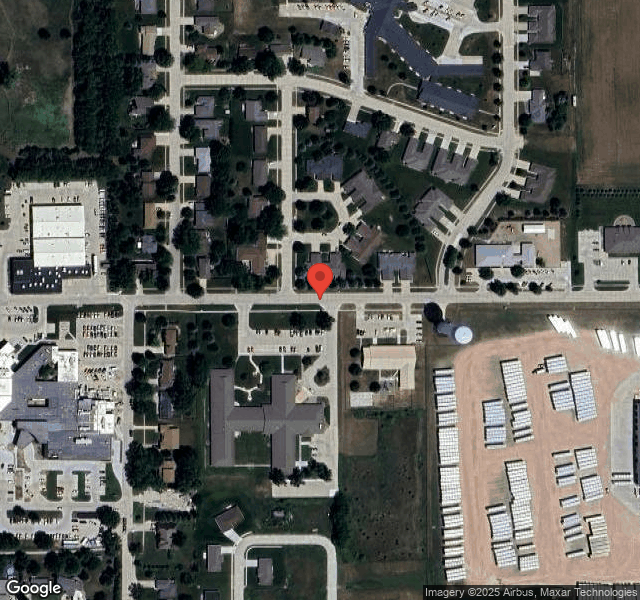
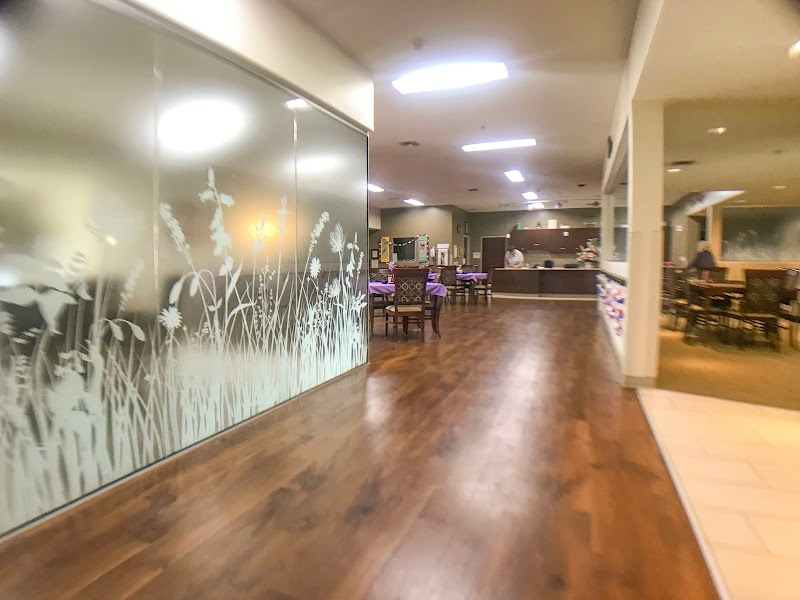
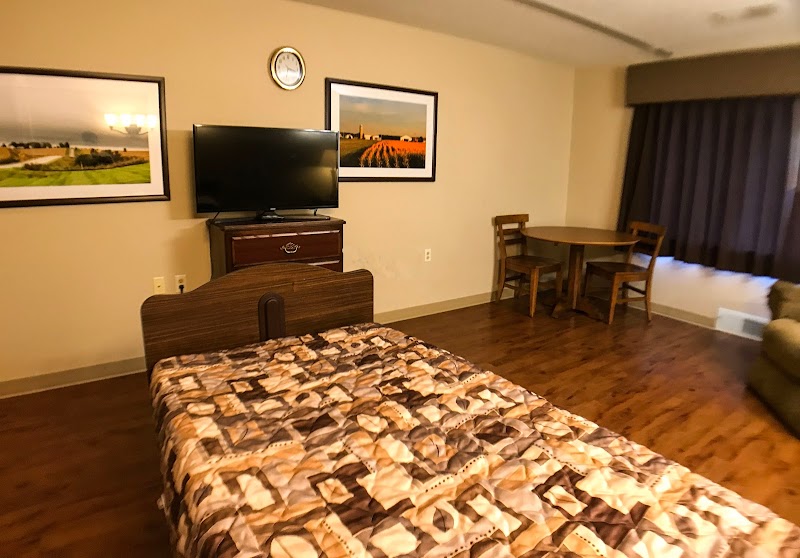
811 East 14th Street, Wayne, NE 68787 (402) 375-1922
For profit - Corporation 60 Beds THE ENSIGN GROUP Data: November 2025
Trust Grade
45/100
#135 of 177 in NE
Last Inspection: October 2024

Within standard 12-15 month inspection cycle. Federal law requires annual inspections.

Overview

Wayne Countryview Care and Rehabilitation has a Trust Grade of D, which indicates it is below average and raises some concerns about the quality of care provided. It ranks #135 out of 177 facilities in Nebraska, placing it in the bottom half, but it is the only option in Wayne County. The facility is worsening, with issues increasing from 10 in 2023 to 11 in 2024. Staffing is a weakness, with a low rating of 1 out of 5 stars and a turnover rate of 58%, which is higher than the state average, indicating instability among staff. Although there are no fines on record, the facility has been noted for several concerning incidents, such as failing to employ a qualified Dietary Manager, neglecting kitchen cleanliness, and not adhering to proper infection control procedures during resident care, which could put residents at risk.
Trust Score
D
45/100
In Nebraska
#135/177
Bottom 24%
Safety Record
Low Risk
No red flags
Inspections
Getting Worse
10 → 11 violations
Staff Stability
⚠ Watch
58% turnover. Above average. Higher turnover means staff may not know residents' routines.
Penalties
✓ Good
No fines on record. Clean compliance history, better than most Nebraska facilities.
Skilled Nurses
⚠ Watch
Each resident gets only 24 minutes of Registered Nurse (RN) attention daily — below average for Nebraska. Fewer RN minutes means fewer trained eyes watching for problems.
Violations
⚠ Watch
24 deficiencies on record. Higher than average. Multiple issues found across inspections.
★★☆☆☆
2.0
Overall Rating
★☆☆☆☆
1.0
Staff Levels
★★★★★
5.0
Care Quality
★☆☆☆☆
1.0
Inspection Score
Stable
2023: 10 issues
2024: 11 issues

The Good

  • 5-Star Quality Measures · Strong clinical quality outcomes
  • Full Sprinkler Coverage · Fire safety systems throughout facility
  • No fines on record

Facility shows strength in quality measures, fire safety.

The Bad

2-Star Overall Rating

Below Nebraska average (2.9)

Below average - review inspection findings carefully

Staff Turnover: 58%

12pts above Nebraska avg (46%)

Frequent staff changes - ask about care continuity

Chain: THE ENSIGN GROUP

Part of a multi-facility chain

Ask about local staffing decisions and management

Staff turnover is elevated (58%)

10 points above Nebraska average of 48%

The Ugly 24 deficiencies on record

Oct 2024 10 deficiencies
CONCERN (D)

Potential for Harm - no one hurt, but risky conditions existed

Deficiency F0554 (Tag F0554)

Could have caused harm · This affected 1 resident

**NOTE- TERMS IN BRACKETS HAVE BEEN EDITED TO PROTECT CONFIDENTIALITY** LICENSURE REFERENCE NUMBER 175 NAC 12-006.10(A)(i) Based on observations, record review and interview; the facility staff failed...

Read full inspector narrative →
**NOTE- TERMS IN BRACKETS HAVE BEEN EDITED TO PROTECT CONFIDENTIALITY** LICENSURE REFERENCE NUMBER 175 NAC 12-006.10(A)(i) Based on observations, record review and interview; the facility staff failed to evaluate Resident 85 for the ability to self-administer medications and to ensure security of medications. The total sample size was 26 and the facility census 34. Findings are: A. Review of the facility policy Self-Administration of Medications with a revision date of 5/23 revealed it was the policy of the facility to respect the wished of alert, competent residents to self-administer prescribed medications as allowable under state regulations. The following procedures were to be followed: -upon admission, alert residents were to be informed of their right to self-administer medications. -if a resident would desire to participate in self-administration, the interdisciplinary team would then assess the resident and then periodically re-evaluate as needed. -if a resident is a candidate for self-administration of medications, this will be indicated in the resident's medical record. -the resident would be instructed regarding proper administration of medications by the nurse, and this will then be care planned. -nursing will be responsible for recording self-administration doses in the resident's medical Medication Administration Record (MAR). -storage and location of drug administration will comply with state and federal requirements for medication storage. B. Review of Resident 85's Minimum Data Set (MDS-a federally mandated comprehensive assessment tool used for care planning) dated 10/11/24 revealed the resident was admitted on [DATE] with diagnoses of cancer, anemia, coronary artery disease, heart failure, high blood pressure, end stage renal disease, seizure disorder and anxiety. The following was assessed regarding the resident: -cognition was moderately impaired. -no behaviors. -resident was on oxygen and received dialysis. During observations on 10/9/24 at 9:32 AM, on 10/10/24 at 8:32 AM, and on 10/15/24 at 7:36 AM, Resident 85 had a container of Tums antacid tablets, without a medication label on a shelf in the resident's bathroom. Review of Resident 85's electronic medical record revealed no evidence the resident had a physician order for the Tums antacid tablets located in the resident's bathroom. In addition, there was no evidence the resident had been assessed to determine the resident was competent to self-administer medications. During an interview on 10/16/24 at 9:38 AM, Licensed Practical Nurse (LPN)-O confirmed the resident did not have an order for the Tums antacid tablets stored in the resident's bathroom and the resident had not been evaluated to determine ability to self-administer medications. The resident's cognition was moderately impaired, and LPN-O did not feel the resident was eligible to self-administer medications.
CONCERN (D)

Potential for Harm - no one hurt, but risky conditions existed

ADL Care (Tag F0677)

Could have caused harm · This affected 1 resident

LICENSURE REFERENCE NUMBER 175 NAC 12-006.09(H)(i)(1) Based on observations, record review and interview; the facility failed to provide toileting assistance and incontinence management for Resident 1...

Read full inspector narrative →
LICENSURE REFERENCE NUMBER 175 NAC 12-006.09(H)(i)(1) Based on observations, record review and interview; the facility failed to provide toileting assistance and incontinence management for Resident 13 who required assistance with activities of daily living. The facility census was 34 and the sample size was 2. Findings are: A. Review of the facility policy Incontinent Care dated 5/2007 revealed it was the policy of the facility to provide a dry and odor free perennial care system. The policy indicated the residents were to be checked at least every 2-3 hours for incontinence. B. Review of Resident 13's Minimum Data Set (MDS-a federally mandated comprehensive assessment tool used for care planning) dated 9/10/24 revealed diagnosis of diabetes, anemia, non-Alzheimer's dementia, anxiety, and depression. The same assessment indicated the resident's cognition was severely impaired, the resident was dependent with toileting hygiene, transfers and personal hygiene and indicated the resident was always incontinent of bowel and bladder. Review of Resident 13's current Care Plan with revision date of 12/11/23 indicated the resident was dependent on staff for assistance with activities of daily living. The resident wore a disposable incontinence brief, and the resident was incontinent of bowel and bladder. Observations of Resident 13 on 10/9/24 revealed the resident was seated in a wheelchair and was positioned in the center of the 400 corridor. The resident had a strong odor of feces. Several staff were observed in the corridor and passing by the resident, but no staff offered the resident assistance with toileting and/or incontinence cares. Observations of Resident 13 on 10/10/24 revealed the following: -7:15 AM the resident was awake and dressed for the day. The resident was seated in a wheelchair in the resident's room. -7:46 AM the resident was assisted to the dining room for the breakfast meal. The resident was not offered toileting assistance before going out to the dining room. -8:30 AM the resident was assisted out of the dining room and was positioned in the corridor outside of the resident's room. The resident was not offered an opportunity to use the bathroom or provided assistance with incontinence cares. -8:30 AM to 10:55 AM the resident remained in the corridor outside of the resident's room. The resident was noted to have a strong urine odor. -10:58 AM the resident was assisted to the dining room and positioned at a dining table. The resident continued to have a urine odor. -11:15 AM Nurse Aide (NA)-K assisted the resident from the dining room and back to the resident's room. NA-K and NA-J provided the resident assistance into the bathroom and prepared to transfer the resident onto the toilet. The resident's slacks, incontinence brief and the pad in the seat of the resident's wheelchair were saturated with urine. During an interview on 10/10/24 at 1:29 PM, NA-J and NA-K indicated the resident was up and had been dressed by the night shift that morning. Staff confirmed on 10/10/24 they had not assisted the resident with toileting until 11:14 AM (a minimum of four hours since the resident was last provided assistance). Staff indicated the resident should have been toileted when gotten up that morning and then again before and after the breakfast meal.
CONCERN (D)

Potential for Harm - no one hurt, but risky conditions existed

Quality of Care (Tag F0684)

Could have caused harm · This affected 1 resident

**NOTE- TERMS IN BRACKETS HAVE BEEN EDITED TO PROTECT CONFIDENTIALITY** Licensure Reference Number 175 NAC 12-006.09 Based on observations, interview, and record review; the facility failed to follow...

Read full inspector narrative →
**NOTE- TERMS IN BRACKETS HAVE BEEN EDITED TO PROTECT CONFIDENTIALITY** Licensure Reference Number 175 NAC 12-006.09 Based on observations, interview, and record review; the facility failed to follow Resident 85's physician order regarding a fluid restriction. The sample size was 1 and the facility census was 34. The findings are: A. Review of the facility policy Fluid Restriction with a revised date of 5/2007 revealed it was the policy of the facility to provide fluids as specified by the physician order. The following procedures were identified: -nursing was to notify dietary department of the parameters ordered for the resident's fluid restriction to include the minimum and maximum allowance. -the Dietary Manager (DM) was to divide the allotted total fluid amount for dietary among the daily meal pattern and enter the specified amounts in the resident's diet card. -nursing was to document fluid restrictions with the resident's intake and outputs on the Medication Administration Record (MAR). -the resident was to be educated regarding benefits/risks of compliance/noncompliance with fluid parameters. -water pitchers were not to be provided at the resident's bedside. B. Review of Resident 85's Minimum Data Set (MDS-a federally mandated comprehensive assessment tool used for care planning) dated 10/11/24 revealed the resident was admitted on [DATE] with diagnoses of cancer, anemia, coronary artery disease, heart failure, high blood pressure, end stage renal disease, seizure disorder and anxiety. The following was assessed regarding the resident: -cognition was moderately impaired. -independent with eating and drinking. -no behaviors. -resident was on oxygen and received dialysis. Review of Resident 85's admission orders dated 10/8/24 revealed the resident had an order for a 2000 milliliter (ml) fluid restriction in 24 hours with the following breakdown: -day shift nursing allotted 480 ml and 240 ml for the breakfast meal. -evening shift nursing allotted 480 ml with 240 ml for the noon meal. -evening/night nursing shift allotted 320 ml with 240 ml for the evening meal. Review of the resident's medical revealed from 10/8 through 10/10 revealed no documentation to indicate the facility was monitoring the resident's intakes and outputs to ensure compliance with the resident's physician ordered fluid restriction. Observations of the provision of fluids for Resident 85 revealed the following: -10/9/24 at 2:34 PM the resident was seated in a recliner in the resident's room. Next to the recliner was a bedside table which held a full water pitcher containing 600 ml of water despite the resident's fluid restriction. -10/10/24 at 8:32 AM the resident's bedside table contained a full water pitcher with 600 ml of water and 2 Styrofoam cups with approximately 120 ml of water left in each of the cups. An interview with the Director of Nursing (DON) on 10/10/24 at 3:03 PM confirmed the resident currently had a physician order for a 2000 ml fluid restriction. The DON further confirmed the following: -a full water pitcher should not have been provided in the resident's room. -the Charge Nurses were to document the resident's intakes and outputs for each shift on the resident's MAR to ensure the resident's fluid restriction was followed.
CONCERN (D)

Potential for Harm - no one hurt, but risky conditions existed

Deficiency F0698 (Tag F0698)

Could have caused harm · This affected 1 resident

LICENSURE REFERENCE NUMBER 175 NAC 12-006.09 Based on record review and interview; the facility failed to monitor a dialysis (a method used to treat kidney disease by clearing metabolic waste products...

Read full inspector narrative →
LICENSURE REFERENCE NUMBER 175 NAC 12-006.09 Based on record review and interview; the facility failed to monitor a dialysis (a method used to treat kidney disease by clearing metabolic waste products, toxins, and excess fluid from the blood) access site for 1 (Resident 85) of 1 resident. The facility staff identified a census of 34. Findings are: A. Review of the facility policy Renal Dialysis, Care of Resident with a revision date of 6/09 revealed the following guidelines in the care of the resident on renal dialysis. -access site to be checked for condition, bruit (whooshing sound heard near the site with a stethoscope) and thrill (a thrill or buzz like vibration caused by blood flowing through the fistula) every shift. -physician to be notified of any complications. -blood pressures and venous punctures not to be performed on the extremity with the access site. -staff to prevent, identify and manage potential complications. B. Review of the resident's admission orders dated 10/8/24 revealed the resident was to receive renal dialysis 3 times a week on Mondays, Wednesdays, and Fridays. Record review of Resident 85's medical record that included Nursing Progress notes, Treatment Administration Record (TAR) and Medication Administration Form (MAR) revealed there was no evidence the facility nursing staff were monitoring the dialysis access site. During an interview on 10/15/24 at 10:25 AM, Licensed Practical Nurse (LPN)-O confirmed the staff were to assess the dialysis access site for any signs of complications after the resident's dialysis treatment and were to assess the site for bruit and thrill each shift. LPN-O confirmed there was no evidence the staff were completing assessments of the access site.
CONCERN (D)

Potential for Harm - no one hurt, but risky conditions existed

Deficiency F0761 (Tag F0761)

Could have caused harm · This affected 1 resident

Licensure Reference Number 175 NAC 12.006.12(D)(vi) Based on observation, record review, and interview; the facility failed to ensure insulin pens were dated when opened for Residents 5 and 21. The sa...

Read full inspector narrative →
Licensure Reference Number 175 NAC 12.006.12(D)(vi) Based on observation, record review, and interview; the facility failed to ensure insulin pens were dated when opened for Residents 5 and 21. The sample size was 5 and the facility census was 34. Findings are: Review of the facility policy Proper Insulin Pen Administration, undated revealed the following: -staff were to document an open date on the insulin pen, -a new safety pen needle would be screwed or clicked on, -the needle would be primed with 2 units of insulin to remove any air, -the dial would be turned to the number of insulin units needed, -the needle would be inserted into the skin and the button pressed to deliver the dose, -the pen would be held at the injection site for 10 seconds (allowing the full dose to be injected), then removed, and -the used pen needle would be removed for proper disposal in a sharp's container. Review of Resident 21's medication orders active as of 10/15/24 revealed an order for Basaglar (a long-acting insulin) at bedtime and Novolog (short-acting) insulin with meals (3 times per day) both had an order date of 1/31/24. Review of Resident 5's medication orders active as of 10/15/24 revealed an order for Basaglar Insulin at bedtime ordered 1/31/24. Observation on 10/15/24 at 7:20 AM with Registered Nurse (RN)-P revealed RN-P obtained Resident 21's insulin pen's out of the medication cart for administration. Neither the Basaglar or the Novolog insulin pens had an open date documented. Observation on 10/15/24 at 1:50 PM with RN-P pulled Resident 5's Basaglar insulin pen out of the medication cart and no open date was found documented on the pen. Interview on 10/15/24 at 7:20 AM with RN-P confirmed there was no open date documented on the insulin pens for Resident 21 and there should have been an open date documented. Further interview on 10/15/24 at 1:50 PM confirmed Resident 5's insulin pen did not have an open date documented and staff were to document an open date on the pen. Interview on 10/15/24 at 2:50 PM with the Administrator and the Director of Nursing confirmed insulin pens were to have an open date documented.
CONCERN (E)

Potential for Harm - no one hurt, but risky conditions existed

Safe Environment (Tag F0584)

Could have caused harm · This affected multiple residents

**NOTE- TERMS IN BRACKETS HAVE BEEN EDITED TO PROTECT CONFIDENTIALITY** LICENSURE REFERENCE NUMBER 175 NAC 12-006.19(A) Based on observation and interview; the facility failed to ensure a clean, comfo...

Read full inspector narrative →
**NOTE- TERMS IN BRACKETS HAVE BEEN EDITED TO PROTECT CONFIDENTIALITY** LICENSURE REFERENCE NUMBER 175 NAC 12-006.19(A) Based on observation and interview; the facility failed to ensure a clean, comfortable, and homelike environment. The facility census was 34. Findings are: During the course of the survey from 10/9/24 through 10/16/24 the following was observed: -on 10/9/24 at 12:30 PM multiple stained and sagging ceiling tiles were observed in the hallway entrance adjacent to the south side of the dining room. In addition, the same hallway had a 10-to-12-foot pitted and chipped line in the dry wall on the east wall. -on 10/10/24 at 9:10 AM the dry-wall adjacent to Resident 1's bed in room [ROOM NUMBER] was gouged open approximately 1 inch by 24 inches. -on 10/10/24 at 9:20 AM multiple rooms in the center hallway (hall 400) were noted to be soiled and have carpet stains in rooms [ROOM NUMBER]. The threshold to room [ROOM NUMBER] was taped down with a red colored industrial tape. During an environmental tour on 10/10/24 the following was noted: -Door frames throughout the facility leading into residents' rooms had chipped and missing paint. -The floor around the door frames to resident rooms on the 300 hallway were caked with a layer of dirt and debris. -The alcove outside of the laundry area where 2 recliners and a vending machine were stored, had a heavy layer of dust and the tile was visibly dirty. -The threshold of the double door entry to the 300 hallway was taped with back, orange, and red industrial tape which was heavily scuffed and peeling at the edges. -Multiple areas of paint on the 400 hallway walls were chipped. -Paint on the drywall adjacent to Resident 12's bed in room [ROOM NUMBER] was chipping away in multiple places. -The floor beneath the ice machine located in the dining room was noted to have the floor drain cap unsecured and sitting off to the side of the drain with a clear hose lying on top of the draining with a thick slimy substance and a slow drip of clear liquid dripping from the tubing into the drain. The floor around the drain had a layer of white lime build up noted and the painted floor was chipped and heavily soiled. A filter on the side of the ice machine was heavily coated in dust and debris. -on 10/10/24 at 1:47 PM Resident 1 was lying in bed and a fall mat placed on the floor beside the bed had multiple tears and split seams present. -on 10/10/24 at 2:45 PM The linoleum in room [ROOM NUMBER] had an approximate 5 x 8-inch tear that was sticking up directly in front of a recliner. During a tour and interview with the facility Administrator on 10/16/24 at 8:42 AM the Administrator confirmed the identified concerns required repair and/or maintenance. Additional interview revealed the staff communicated maintenance concerns through a computer program and the facility had identified that the previous/former Maintenance Supervisor had been removing work orders without repairing things. The facility has now employed a new Maintenance Supervisor.
CONCERN (E) 📢 Someone Reported This

A family member, employee, or ombudsman was alarmed enough to file a formal complaint

Potential for Harm - no one hurt, but risky conditions existed

Deficiency F0925 (Tag F0925)

Could have caused harm · This affected multiple residents

**NOTE- TERMS IN BRACKETS HAVE BEEN EDITED TO PROTECT CONFIDENTIALITY** Licensure Reference Number 175 NAC 12-006.19 Based on observations, record review and interviews: the facility failed to maintai...

Read full inspector narrative →
**NOTE- TERMS IN BRACKETS HAVE BEEN EDITED TO PROTECT CONFIDENTIALITY** Licensure Reference Number 175 NAC 12-006.19 Based on observations, record review and interviews: the facility failed to maintain a pest free environment in Resident 235's Room and the facility kitchen. The total sample size was 26 and the facility census was 34. Findings are: A. Review of the facility Pest Control Policy dated 2007 revealed the facility had measures in place to maintain pest control in the facility and outer areas of the facility. The facility had a contract with a pest control company to do monthly scheduled inspection for pest and rodent control. B. During an interview with Resident 235 on 10/9/24 at 1:34 PM, resident stated there were tiny black bugs in the bathroom in the little basin by the sink. C. An observation on 10/9/24 at 1:37 PM revealed tiny black bugs were in resident 235 toothbrush basin, some of the bugs were moving around. An observation on 10/10/24 at 7:46 AM, noted a yellow basin in the bathroom with tiny black bugs, none of the bugs were moving. An observation on 10/10/24 at 11:30 AM, 2 windows in the kitchen had dead spiders, dust, and spider webs noted. Clean water pitchers were in front of the one window and a bread rack with loaves of white bread were in front of the other window. A screen from one of the windows had been removed and sitting on the window ledge. An observation on 10/15/24 at 8:00 AM noted that Resident 235 was moved to room [ROOM NUMBER]B, no bugs were noted in the bathroom or the little basin. An interview on 10/10/24 at 11:30 AM, with Cook, (C-M), reported that the screen had been removed to get cleaned, C-M was unable to verify who was to clean the screen or windows. An interview on 10/10/24 at 11:30 AM, with Dietary Manager, (DM-H), verified that windows and screens in the kitchen had not been cleaned, dead spiders, dust and spider webs were evident, and need cleaned. D. A review of the Service Summary Report dated 10/9/24, revealed Pest Control was in the building, interior rodent traps were serviced with little to no catches to report. E. An interview with the Administrator on 10/15/24 at 8:00 AM revealed that Resident 235 was moved to room [ROOM NUMBER] B the afternoon of 10/14/24 due to the bugs in room [ROOM NUMBER] A, Resident 235's prior room. Administrator further revealed bugs had been noted in other areas of the building also.
CONCERN (F)

Potential for Harm - no one hurt, but risky conditions existed

Deficiency F0801 (Tag F0801)

Could have caused harm · This affected most or all residents

Licensure Reference Number 175 NAC 12-006.04(B)(ii)(3) Based on record review and interview: the facility failed to employ a qualified Dietary Manager (DM). This had the potential to affect food servi...

Read full inspector narrative →
Licensure Reference Number 175 NAC 12-006.04(B)(ii)(3) Based on record review and interview: the facility failed to employ a qualified Dietary Manager (DM). This had the potential to affect food service provided to all residents who were served food from the kitchen. The total sample size was 26 and the facility census was 34. Findings are: A. Review of the facility Job Description: Dietary Manager dated 12/27/2021 revealed the DM would direct the overall operation of the Dietary Department in accordance with current applicable federal, state, local standards, guidelines, and regulations, governing the facility. The DM was to assure that quality nutritional services would be provided daily, and the dietary department would be maintained in a clean, safe, and sanitary manner. Duties and Responsibilities of the DM included: -Plan, develop, organize, implement, evaluate, direct the dietary department, programs, and activities. -Coordinate dietary services and activities with other related departments -Receive scheduled consultations from a qualified dietitian/nutritional professional. -Develop and maintain written dietary policies and procedures. -Interview residents or family members, as necessary, to obtain diet history. Visit residents periodically to evaluate the quality of meals served, likes and dislikes. -Inspect food storage rooms, utility/janitorial closets for upkeep and supply control. -Review dietary requirements of each resident admitted to the facility, as may be required, and assist the physician in planning for the resident's prescribed diet plan. -Review diet plans and menus to assure they are in compliance with the physician's orders. -Assure all dietary staff complete required compliance training and process. Required education requirements for DM position: -Must have training in cost control, food management and diet therapy. -Must be willing to complete CDM course within the first year of employment if person does not hold educational requirement -Must be knowledgeable of laws, regulations, and guidelines that pertain to long-term care. B. Review of DM-H employee file revealed no evidence DM-H had completed the required training/education for the DM position. During an interview on 10/9/24 at 8:50 AM, DM-H, confirmed that DM had not been trained or taken required classes. An interview with the facility Administrator on 10/9/24 at 10:15 AM, confirmed the DM had not been trained or taken the required classes.
CONCERN (F)

Potential for Harm - no one hurt, but risky conditions existed

Food Safety (Tag F0812)

Could have caused harm · This affected most or all residents

Licensure Reference Number 175 NAC 12-006.11E Based on observations, record review and interview; the facility failed to maintain the kitchen in a clean and sanitary manner and failed to maintain foo...

Read full inspector narrative →
Licensure Reference Number 175 NAC 12-006.11E Based on observations, record review and interview; the facility failed to maintain the kitchen in a clean and sanitary manner and failed to maintain food temperatures to prevent the potential for food borne illness. This had the potential to effect all residents who ate food from the kitchen. The facility census was 34. Findings are: A. Review of the undated Monthly and Daily Cleaning Checklist for the cooks and aides revealed the Cooks and Aides had cleaning duties daily and monthly for day and night shift. B. The Dietary Safety and Sanitation Audit Completed by the Registered Dietitian, (RD), on 10/8/24, revealed the following: -Dry storage area floor was a bit dirty. -Spills were noted down the front and sides of the steam table. -The shelf below the steam table was dusty/dirty, containers were dirty inside and out. -Floors in the kitchen remained dirty throughout. C. An observation on 10/09/24 at 8:29 AM revealed the following: -Noted dried on foods to the side and front of the stove and dried on foods to the back wall behind the prep table for toast. -The kitchen floor had dark, dried splatter spots with a dark slimy appearance. -The serving carts that were not being used to serve breakfast had crumbs on them and dried white spots. -The shelves under the prep table and steam table had crumbs on them. D. An observation on 10/10/24 at 11:30 AM revealed the following: -The kitchen floor had dark, dried, splatter spots with a dark slimy appearance covering the entire kitchen floor, included the floor where dried foods were stored. -A folded broken down box was on the floor under the prep table by the stove and on the floor by the back wall of the kitchen. -The side and front of stove had layers of dried, caked on food. -The wall behind prep table for toast had white colored, dried on food. -There were brown and white colored crumbs on the containers under the steam table and the shelves under the food preparation table. -The side and back of the steam table had dried on food. -The top of the steam table had water spots. An interview with the Dietary Manager, (DM-H), on 10/09/24 at 8:50 AM, verified that the kitchen floor had not been cleaned very well because the base board and edges of the kitchen floor had not been completed yet. An interview with Cook, (C-M), verified that the kitchen floors are to be mopped daily and this had not been done. An interview with the Administrator on 10/10/24 from 2:30 PM to 3:00 PM verified the following: -The kitchen had been remodeled, and the base board and edging to the kitchen floor had not been finished. -When the completed Dietary Safety and Sanitation Audit is received from the RD, it is the expectation of the DM to fix the problems when report received. E. Review of the undated facility form Guidelines for Food Temperatures revealed the following: -Food temperatures were taken and recorded prior to each meal service and food was reheated/cooled to ensure proper serving temperatures prior to each meal service. -Periodically temperatures were to be taken at the end of the meal service to ensure temperatures were held within acceptable ranges. The following procedure for checking the temperatures of food was identified: -Food temperatures were to be recorded on the meal temperature form. -To correctly take temperatures, the food thermometer was inserted into the center or thickest part of food for at least 15 seconds (or per instructions of the thermometer) and the thermometer was not to touch the sides or the bottom of the pan or the bone in the meat. -If temperatures were not within recommended guidelines, food/fluids were reheated/chilled until acceptable temperatures were achieved prior to service. -Hot foods which could be potentially hazardous were served at a temperature above 140 degrees Fahrenheit (F). -Cold foods were held at or below 41 degrees F. F. Review of the undated facility form Safe Storage Order and Final Cooking Temperatures revealed the following guidelines: -For food safety, stored foods were at a temperature of 41 degrees F. or below and foods were cooked to the listed internal temperature: -Ready to eat foods, produce and already cooked foods, fish and eggs were to be served at a temperature of at least 145 degrees F. -All poultry and stuffed products were to be served at a temperature of at least 165 degrees F. G. Review of the October 2024 Meal Temperature Form (form used to document the temperature of individual food items served at each meal) from 10/1/24 to 10/14/24 revealed the dietary staff failed to document any food temperatures for the evening meal on 10/1, 10/2,10/3,10/4, and on 10/6 (5 out of 14 days). In addition, the following food temperatures were documented on the form: -10/1 for the breakfast meal, pancakes were served at a temperature of 136 degrees F. For the noon meal the grilled cheese sandwich was served at 135 degrees F., the ground entrée was served at 139 degrees F., the puree entrée was 136 degrees F., and the puree vegetable was 135 degrees F. -10/2 for the breakfast meal egg bites were served at 135 degrees F. For the noon meal the puree entrée was served at 137 degrees F. -10/3 for the breakfast meal the scrambled eggs were served at 137 degrees F. For the noon meal the ground entrée had a temperature of 135 degrees F, and the puree entrée was 136 degrees F. -10/4 for the noon meal the grilled cheese sandwiches had a temperature of 136 degrees F. -10/10 for the breakfast meal the eggs were served at a temperature of 135 degrees F. H. Observations conducted on 10/10/24 from 11:38 AM to 12:40 PM revealed the following temperatures: -12:39 PM the potato salad was 58 degrees F. -12:31 PM The puree chicken was 136 degrees F. An interview with Dietary [NAME] (DC)-S and the Dietary Manager (DM) on 10/16/24 at 8:20 AM confirmed the temperature of the potato salad should have been served and maintained at 41 degrees F. or less and the puree chicken should have been served and maintained at a minimum temperature of 165 degrees F. I. Review of the facility Logbook Documentation revealed the following steps for cleaning and maintaining the facility ice machine: -check the filter to ensure correctly installed and replace as needed. -sanitize the interior of the machine per manufacturer's directions. -clean out and sanitize the ice bin. -check the drain hose and make sure it is connected securely. -check the filter date and change as needed. J. Review of a Work History Report indicated the ice machine was last cleaned and provided maintenance on 7/2/24 (3 months earlier). K. Observations of the ice machine on 10/10/24 at 11:22 AM revealed the following: -the linoleum under the ice machine was missing, and the machine was positioned directly on a concrete floor. The floor had chips/gouges and remnants of glue which had been in use to affix the linoleum to the floor (not a cleanable surface). -the floor drain underneath of the ice machine was partially covered by a grate/cap. The perimeter of the drain opening had a gray/milky, slime like appearance. -a drainage tube from the ice machine was propped onto the cap/grate over the floor drain. The tube had a constant flow of water which also had a gray/milky discoloration. -filter on the side of the machine was heavily coated with a gray fuzzy substance that resembled dust/debris. An interview with the Administrator on 10/10/24 at 11:53 AM revealed the maintenance staff managed cleaning and maintenance of the ice machine. The Administrator was uncertain as to when it was last cleaned and when it was due to be cleaned/maintained again.
CONCERN (F)

Potential for Harm - no one hurt, but risky conditions existed

Infection Control (Tag F0880)

Could have caused harm · This affected most or all residents

**NOTE- TERMS IN BRACKETS HAVE BEEN EDITED TO PROTECT CONFIDENTIALITY** D. Review of Resident 235's MDS dated [DATE] revealed the resident had a complex medical condition, surgical wound care, (intrav...

Read full inspector narrative →
**NOTE- TERMS IN BRACKETS HAVE BEEN EDITED TO PROTECT CONFIDENTIALITY** D. Review of Resident 235's MDS dated [DATE] revealed the resident had a complex medical condition, surgical wound care, (intravenous) IV medication and antibiotics. Review of Resident 235's Care Plan with a date of 9/23/24 revealed the resident had a surgical site to the right great toe and had received IV medications. The resident was on EBP and staff were to wear gown and gloves for high contact care activities including wound care. During an observation of the provision of care for Resident 235 on 10/9/24, at 1:18 PM revealed a sign on the door that stated Enhanced Barrier Precautions. Further observations on 10/9/2024 at 1:18 PM revealed Licensed Practical Nurse (LPN-A) stood at the edge of bed with gloves on, no gown and removed a bandage from the resident's right foot, completed a treatment, then reapplied the bandage to right great toe. LPN-A removed the gloves and then performed hand hygiene. During an interview with Resident 235 on 10/9/24 at 1:34 PM, the resident reported staff only wore gloves, and no gowns, when dressings were changed to the right foot. During an interview with Registered Nurse (RN)-Q on 10/10/24 at 8:36 AM, RN-Q, verified Resident 235 was on EBP and gown and gloves were to be worn with wound treatments. During an interview with LPN-A on 10/10/24 at 9:41 AM, LPN-A, verified that when the dressing change was completed on 10/9/24 to Resident 235's right foot, LPN-A had a pair of gloves on, and no gown. LPN-A verified that Resident 235 was on EBP and gloves and gown should have been worn. H. Observation on 10/15/24 at 7:20 AM with RN-P revealed RN-P put on a pair of gloves without performing hand hygiene and opened the medication cart to obtain medications for Resident 21. RN-P gathered a nasal spray, an eye drop, an inhaler, Novolog insulin pen (a short-acting insulin), and Basaglar insulin pen (a long-acting insulin) and placed them on the medication cart. The Basaglar pen did not have enough insulin for the administration. RN-P needed a new Basaglar insulin pen, so RN-P placed all medications back into the medication cart, locked the cart, removed their gloves, and walked away. No hand hygiene was observed being performed. RN-P returned, put on new gloves without performing hand hygiene, and unlocked the medication cart. RN-P obtained all the medications from the medication cart then knocked and entered Resident 21's room. RN-P placed the medications onto Resident 21's bedside table without a barrier. RN-P handed Resident 21 the nasal spray to self-administer then the inhaler and placed them back onto the bedside table when Resident 21 was finished. RN-P still wearing the same pair of gloves instilled the eye drop into both of Resident 21's eyes and placed the eye drop back onto Resident 21's bedside table. RN-P, still wearing the same pair of gloves obtained the insulin off the bedside table and administered the insulin's one at a time. RN-P still wearing the same pair of gloves, gathered the medications off the bedside table, exited the resident room, and placed the medications on top of the medication cart without a barrier. RN-P still wearing the same pair of gloves unlocked and opened the medication cart and put the medications away. RN-P removed their gloves. No hand hygiene was observed being performed. Interview on 10/15/24 at 7:30 AM with RN-P confirmed there was no barrier placed onto Resident 21's bedside table prior to placing medications on it, gloves were not changed after administering medications, and hand hygiene was not completed after removing gloves. Interview on 10/15/24 at 2:50 PM with the Administrator and the DON confirmed a barrier should be placed before placing medications that would return to the medication cart onto the resident's bedside table, gloves should be changed after administering medications, and hand hygiene should be performed after removing gloves. Licensure Reference Number 175 NAC 12-006.18(B)(C)(D) Based on observation, interview, and record review; the facility failed to implement the required Personal Protective Equipment (PPE- items such as gowns, gloves, face shield that are worn to protect care givers during the provision of care and to protect other residents from being exposed to potential harmful communicable disease/s) during the provision of care for Residents 12 and 235, failed to implement a mitigation plan to prevent potential water borne illness, failed to place a protective barrier for medications taken to resident care areas and then returned to the medication cart after use for Resident 21, failed to complete hand hygiene during the administration of medications and the delivery of room trays, and failed to store oxygen equipment in a manner to prevent potential cross-contamination for Resident 85. Findings are: A. Review of the facility policy Infection Control Prevention and Control Program dated 9/2017 revealed the facility had a facility wide effort involving all disciplines and individuals and was an integral part of the quality assurance and performance improvement program. The elements of the Infection Prevention and Control Program consisted of coordination/oversight, policies/procedures, surveillance, data analysis, antibiotic stewardship, outbreak management, prevention of infection, and employee health and safety. Review of the facility policy Standard and Transmission-Based Precautions dated 3/2024 revealed the following: -It was facility policy to implement infection control measures to prevent the spread of communicable diseases and conditions. It was appropriate to individualize decisions regarding resident placement, balancing infection risks with the need for more than one occupant in the room, the presence of risk factors that increased the likelihood of transmission, and the potential for adverse psychological impact on the infected or colonized (when a bacteria or other organism is present but not currently causing disease) resident. It was therefore appropriate to use the least restrictive approach possible that adequately protected the resident and/or others. -Enhanced Barrier Precautions (EBP- set of infection control guidelines using PPE to reduce the spread of Multi-Drug Resistant Organisms (MRDO's- germs that are resistant to many antibiotics) in nursing homes, were used in conjunction with standard precautions and the expanded the use of PPE through the use of gown and gloves during high-contact resident care activities that provide opportunities for indirect transfer of MRDO's to staff hands and clothing then indirectly transferred to residents or from resident to resident. -The use of gown and gloves for high-contact resident care activities were indicated, when Contact Precautions did not otherwise apply, for nursing home residents with Wounds and/or indwelling medical devices regardless of known MRDO infection or colonization. -MRDO's for which the use of EBP applied were based on local epidemiology (study of the distribution, causes, and control of health-related events aimed to prevent and control them). At a minimum, they included resistant organisms targeted by the Center for Disease Control (CDC) but could also include other epidemiologically important MRDO's. -Examples of high-contact resident care activities that required gown and glove use for EBP included dressing, bathing/showering, transferring, providing hygiene, changing linens, changing briefs and/or assisting with toileting, device care and use, including central vascular lines, indwelling urinary catheters, feeding tubes, tracheostomy/ventilator, and wound care. B. Review of Resident 12's Minimum Data Set (MDS-federally mandated comprehensive assessment use to develop resident care plans) dated 7/9/24 revealed the resident was dependent for toileting hygiene and received assistance with transfers and bed mobility. The resident had complex medical conditions including heart failure and respiratory failure and received oxygen therapy and hospice services. Review of Resident 12's Care Plan with a revision date of 8/10/24 revealed the resident had a history of Vancomycin Resistant Enterococci (VRE-a clinically significant antibiotic resistant infection) and required partial to moderate assistance with toileting transfers, was dependent for toileting hygiene, required partial to moderate assistance with going from sitting to lying down and lying down then sitting up, and was frequently incontinent of bladder and occasionally of bowel. In addition, staff were to clean their hands, including before entering and when leaving the room, and staff should wear gloves and a gown for the high contact care activities including dressing, bathing/showering, transferring, changing linens, providing hygiene, changing briefs, assisting with toileting and device care/wound care. During an observation of the provision of care for Resident 12 on 10/10/24 at 10:28 AM Nurse Aide (NA-L) entered the resident's room (did not put on gloves or a gown) explained to resident that the aide would assist the resident to get up, dressed, and toileted. NA-L then assisted the resident to sit up in bed, removed an oxygen cannula (device that sits in the residents' nose/nares to deliver oxygen) and placed the cannula over the oxygen concentrator, provided extensive assist to lift the residents legs out of bed, applied gait belt (safety device used to support and provide safety during transfers and ambulation) to the resident and assisted the resident to walk to bathroom using a walker. MA-L then entered the bathroom and put on gloves and assisted the resident to pull down pants and sit on toilet. NA-L removed a slightly wet incontinence product, placed it in the trash, removed the gloves and washed hands, then without gloves retrieved clean clothing from the closet and a clean pull-up from a drawer in the bathroom. NA-L put on clean gloves and assisted the resident to put on the clean incontinence product, pants, shoes, and a shirt. NA-L then assisted the resident to stand and performed perineal-care (washing and caring for the genital and rectal areas of the body) using disposable wipes, then pulled up the incontinent product and pants. NA-L then removed the gloves and walked with resident back to bed. NA-L then assisted the resident to sit on the edge of the bed, removed shoes and socks (resident request) and assisted resident back into bed using extensive assist to lift legs (all while not wearing a gown or gloves). NA-L then reapplied the oxygen cannula and covered the resident with several blanket (again while not wearing gloves or a gown). Review of the undated New Hire and Refresher Education list provide by the facility for Nurse Aides revealed the refresher training included education on Infection Control: Enhanced Barrier Precautions. During an interview on 10/15/24 at 10:12 AM the facility Infection Preventionist confirmed that Resident 12 was on EBP and staff are to wear gown and gloves during hands on care including transfers, dressing, and toileting/toileting hygiene. During an interview on 10/15/24 at 2:51 PM The Director of Nursing (DON) confirmed that Resident 12 was on EBP for a history of a MRDO and staff were to wear a gown and gloves during all care provision that required hands on care such as transfers and toileting assistance. C. Review of the facility policy Water Safety Management Program (Legionella-bacteria causing a pneumonia like illness that resides in [NAME] environments such as lakes, [NAME], reservoirs, and man-made water systems) with a revision date of 1/2022 revealed the following: -the facility provided maintenance protocol guidelines for plant operations related to water safety management to ensure the reduction in potential growth of Legionella organisms in the water system of the facility. -The facility developed and maintained a water management program that included a team, a description of the facility water system, a water system diagram that described areas where legionella could grow, and spread with potential triggers and sources of bacteria growth. -The facility established control measures monitoring temperature and disinfectant levels to prevent water stagnation and bacteria growth. During an interview on 10/15/24 at 2:18 PM the Maintenance Supervisor confirmed the facility did not have a consistent plan for flushing of unused water systems to prevent water stagnation and the potential growth of water borne pathogens. During an interview on 10/16/24 at 7:39 AM the Maintenance Supervisor confirmed that a water management mitigation plan had not been implemented. E. Review of the facility policy Hand Hygiene with a date of 6/1/21 revealed hand hygiene was defined as a general term for hand washing, antiseptic hand wash and alcohol-based hand rub. Hand hygiene was identified as the most effective way to prevent the spread of infection. Hand hygiene was to be performed: -before and after contact with residents. -after contact with blood, body fluids, visibly contaminated surfaces or after contact with objects in the resident's room. -after removing personal protective equipment. -before preparing or handling medications. -before and after assisting a resident with meals. F. Observations of Resident 85's room throughout the survey revealed the following: -10/9/24 at 9:32 AM an oxygen concentrator was observed next to the resident's bed. The tubing and nasal cannula attached to the concentrator was lying directly on the floor behind the concentrator. -10/10/24 at 8:32 AM the oxygen tubing and nasal cannula attached to the oxygen concentrator was draped across the bedside table and coiled on the floor. -10/15/24 at 8:40 AM the oxygen tubing and nasal cannula attached to the oxygen concentrator was lying across the resident's bed. During an interview on 10/16/24 at 9:38 AM, Licensed Practical Nurse (LPN)-O confirmed the resident's oxygen tubing/cannula were to be stored in a bag on the side of the resident's oxygen concentrator. G. Observation of the breakfast room-tray meal service on 10/10/24 from 8:38 AM to 8:45 AM revealed the following: -8:38 AM Dietary Aide (DA)-B entered the 400 corridors with a cart containing room trays. DA-B positioned the cart in the center of the corridor. -8:39 AM without performing hand hygiene, DA-B entered resident room [ROOM NUMBER] and placed the room tray on the bedside table in front of the resident. DA provided set-up assist including helping the resident with a clothing protector. DA-B exited the room and returned to the food cart. DA-B failed to perform hand hygiene. -8:40 AM DA-B entered resident room [ROOM NUMBER] with meal tray and provided tray set-up then exited room. DA-B again failed to perform hand hygiene. -8:41 AM DA-B entered resident room [ROOM NUMBER] with a room tray. DA assisted the resident with setting up the meal tray and placing on a clothing protector then exited the room without performing hand hygiene. -8:43 AM DA-B entered room [ROOM NUMBER] and delivered a room tray. After exiting the resident room, the staff member still without completing hand hygiene took the cart back to the kitchen. Observations of the noon, room-tray meal service on 10/10/24 from 12:32 PM to 12:39 PM revealed the following: -12:32 PM DA-B exited the kitchen with a cart containing room trays for the noon meal and positioned the cart on the 400 corridors. -12:33 PM DA-B without performing hand hygiene, entered room [ROOM NUMBER] with a meal tray. DA-B placed the tray on a bedside table. DA-B moved several resident items which included a box of Kleenex, a TV remote, and the water jug to make room for the tray. Staff then provided set-up assistance for the resident before exiting the room. -12:35 PM DA-B still without completing hand hygiene, entered room [ROOM NUMBER] and placed room tray on the bedside table. DA-B re-arranged the resident's personal items on the bedside table to make room for the room tray then assisted the resident with meal set-up. -12:36 PM DA-B re-entered room [ROOM NUMBER] with a meal tray for the other resident in the room. DA-B provided the resident with set-up assistance and without performing hand hygiene exited the room. -12:37 PM DA-B entered room [ROOM NUMBER] and delivered the final room tray. DA-B exited the resident's room and returned to the kitchen with the cart still without performing any hand hygiene. During an interview on 10/10/24 at 1:00 PM, DA-B indicated the dietary staff had received no additional training regarding hand hygiene when delivering room trays. In addition, DA-B confirmed going in and out of the resident rooms to deliver room trays for the breakfast and the noon meal and not completing any hand hygiene. Observations of the breakfast, room tray meal service on 10/15/24 from 8:52 AM to 8:57 AM, revealed DA-N delivered room trays to residents in rooms 432, 434 and 436. DA-N failed to complete any hand hygiene throughout this observation and before returning to the kitchen. During an interview on 10/15/24 at 3:00 PM, the facility Administrator and the interim DON confirmed the Dietary staff should have performed hand hygiene before entering and then again when exiting the resident's rooms.
Jan 2024 1 deficiency
CONCERN (D) 📢 Someone Reported This

A family member, employee, or ombudsman was alarmed enough to file a formal complaint

Potential for Harm - no one hurt, but risky conditions existed

Notification of Changes (Tag F0580)

Could have caused harm · This affected 1 resident

**NOTE- TERMS IN BRACKETS HAVE BEEN EDITED TO PROTECT CONFIDENTIALITY** Licensure Reference Number 175 NAC 12-006.04C3a(6) Based on record review and interview; the facility failed to notify Resident ...

Read full inspector narrative →
**NOTE- TERMS IN BRACKETS HAVE BEEN EDITED TO PROTECT CONFIDENTIALITY** Licensure Reference Number 175 NAC 12-006.04C3a(6) Based on record review and interview; the facility failed to notify Resident 2's physician for an ongoing weight loss. The sample size was 3 residents. The facility census was 40. Findings are: Review of the facility policy Significant Weight Loss/Gain, undated revealed the facility would monitor resident's weights monthly, identify weight loss/gain or potential weight loss/gain and determine if interventions were necessary to avoid further weight loss/gain, the Dietary Manager would address significant weight changes with the stand-up team, and notify the physician with any recommendations. Review of the facility policy Notifications, Physician, or Responsible Parties, last revised 7/19 revealed that the facility would notify the resident's attending physician of changes in condition/status which included a significant change in the resident's physical, mental or psychosocial status, if there was a need to alter the resident's treatments significantly, when the resident repeatedly refused treatments or medications three or more consecutive times, and notifications would be made within twenty-four hours of a change in condition or status. Review of Resident 2's Minimum Data Set (MDS- a federally mandated comprehensive tool used in care planning) dated 1/9/24 revealed the resident had diagnoses of hypertension, diabetes, dementia, fractures, and depression; the resident was cognitively intact; exhibited behaviors of delusions, verbal behaviors, and rejection of care; was independent with eating, and received assistance with toileting and dressing. Further review of Resident 2's MDS dated [DATE] revealed Resident Brief Interview of Mental Status (BIMS) was a 15. According to the MDS [NAME] a score of 13 to 15 indicates a person is cognitively intact. Review of Resident 2's Care Plan, undated revealed the following: -the resident was to have dietary consult for nutritional regimen and ongoing monitoring, -staff were to obtain weight as ordered, -the resident was independent with setup assist for eating and meals were delivered to the resident room, -the resident was bed bound per the resident preference, -the resident preferred to eat meals in the resident room, -staff were to monitor/record/report as needed to the physician for signs/symptoms of malnutrition and significant weight loss, and -the Registered Dietician (RD) was to evaluate and make diet change recommendations as needed. Review of the resident's Physician Orders revealed an order for a weekly weight with a start date of 10/17/23. Review the facility form Weights and Vitals Summary (a form used to document weights and vital signs) revealed Resident 2 had the following weights: -10/10/23: 283 pounds (lbs.), -10/17/23: 281.5 lbs., -1/4/24: 229 lbs., -1/9/24: 236 lbs., and -no documentation that the resident's weight was obtained between 10/17/23 and 1/4/24. Review of the resident's Treatment Administration Record (TAR) for October, November, December of 2023, and January 2024 revealed on 10/17/23 weight documentation of 281.5 lbs., and refusal of weights on 10/24, 10/31, and in the months of November and December; and refusals for 1/2, 1/9, and 1/16. Review of the facsimile (fax) to the Physician on 1/4/24 revealed the resident's baseline weight on 10/17/23 was 281.5 lbs and the weight on 1/4/24 was 229 lbs, (a loss of 52.5 lbs or 18.65%). Review of the facility form Nutrition Quarterly Evaluation dated 1/14/24 revealed the resident was on a regular diet, thin liquids, regular portion sizes, and had no supplement orders. Review of the resident's Progress Notes on 1/12/24 at 5:19 PM an entry by the RD revealed the resident was on a low concentrated sweets diet, had no supplementation orders, and the resident ate meals in their room independently with set up assist. The resident's weight on 1/9 was 236 lbs. and the baseline weight was 281.5 lbs, (a loss of 45.5 lbs. as of 1/9/24 in 12 weeks). According to Resident 2's progress note dated 1/12-2024 the RD had notified nursing staff that an updated weight was needed for Resident 2. Review of the resident's progress notes on 1/10/24 at 1:22 PM an entry to the Dietary Supervisor revealed the resident triggered for a significant weight loss for 90 days and 180 days. Review of Resident 2's progress notes from 10/1/23 through 1/04/24 revealed Resident 2's weight had not been addressed, no indications Resident 2 refused to allow weight to be obtained, and no indications Resident 2's physician had been notified on Resident 2's weight loss. Interview with the Administrator on 1/22/24 at 2:50 PM confirmed staff had not obtained a a weekly weight Resident 2's, there was no information identifying Resident 2 had refused to allow staff to obtain weight other than on the TAR. The Administrator confirmed Resident 2 did have a significant weight loss, and there was no information's that showed Resident 2's physician had been notified until 1/4/24, after the significant weight loss had been identified.
Oct 2023 7 deficiencies
CONCERN (D)

Potential for Harm - no one hurt, but risky conditions existed

Accident Prevention (Tag F0689)

Could have caused harm · This affected 1 resident

**NOTE- TERMS IN BRACKETS HAVE BEEN EDITED TO PROTECT CONFIDENTIALITY** LICENSURE REFERENCE NUMBER 175 NAC 12-006.09D7(a) (b) Based on observation, interview and record review; the facility failed to ...

Read full inspector narrative →
**NOTE- TERMS IN BRACKETS HAVE BEEN EDITED TO PROTECT CONFIDENTIALITY** LICENSURE REFERENCE NUMBER 175 NAC 12-006.09D7(a) (b) Based on observation, interview and record review; the facility failed to implement interventions for the prevention of ongoing falls for Resident 26. The sample size was 5 and the facility census was 40. Findings are: A. Review of the facility policy Fall Prevention with a revision date of 5/23 revealed it was the policy of the facility to investigate the circumstances surrounding each resident fall and implement actions to reduce the incidence of additional falls to minimize the potential for injury. B. Review of Resident 26's Minimum Data Set (MDS-a federally mandated comprehensive assessment tool used for care planning) dated 8/15/23 revealed the resident was admitted [DATE] with diagnoses of Alzheimer, Non-Alzheimer's dementia, anxiety and depression. The assessment indicated the following regarding the resident; -severe cognitive impairment; -required extensive assistance with bed mobility, transfers, dressing, toilet use and personal hygiene; -frequently incontinent of bowel and bladder; and -has a condition or a chronic disease that could result in a life expectancy of less than 6 months. Review of the resident's current Care Plan revealed the resident was at risk for falls with an intervention dated 12/4/22 for the staff to ensure the footrest was not left up while the resident was in the recliner and alone in the resident's room. Review of an Incident Report dated 1/4/23 at 2:00 PM revealed the resident was found on the floor in the resident's room with the recliner tipped over. The resident reported dropping a cookie and attempted to pick up from the floor. The root cause analysis revealed the footrest should not have been elevated when the resident was seated in the chair. An intervention was identified to re-educate the staff regarding use of the recliner. Review of an Incident Report dated 4/3/23 at 3:20 PM revealed the staff answered the resident's call light and found the resident on the floor in front of the recliner. Review of the root cause analysis revealed staff had been in the room [ROOM NUMBER] minutes prior and offered to toilet the resident. Further review of the report revealed no documentation to indicate whether the footrest had been elevated or was left down. A new intervention was identified for an antithrust cushion (cushion with an elevated front surface and a lowered rear surface used to help prevent a resident from sliding forward) to be placed in the seat of the recliner. Review of an Incident Report dated 4/27/23 at 10:20 AM revealed the resident was found on the floor of the resident's room with the recliner tipped forward and the footrest in the elevated position. Root cause analysis revealed the resident had tipped forward in the recliner while the footrest was elevated. A new intervention was developed for a sign to be placed in the resident's room as a visual reminder of current fall interventions. Review of an Incident Report dated 8/26/23 at 4:36 PM revealed the resident was found on the floor of the resident's room. Root cause analysis revealed the anti-thrust cushion had not been placed in the seat of the recliner and the resident had fallen out of the recliner. A new intervention was identified for a second cushion to be ordered so 1 would be always in the recliner and 1 in the wheelchair. Review of an Incident Report dated 9/10/23 at 1:45 PM revealed the resident was found on the floor in front of the recliner in the resident's room. Further review of the report revealed no documentation to indicate if the anti-thrust cushion was in the seat of the recliner or if the footrest was left elevated. The root cause analysis revealed the resident was incontinent with a new intervention to provide the resident routine toileting before and after meals. Observations of Resident 26 on 10/3/23 revealed the following: -10:06 AM to 11:20 AM, the resident was seated in a wheelchair in a commons area outside the nurse's station; -11:21 AM, Nursing Assistant (NA)-C assisted the resident to the resident's room for toileting. The resident was resistive and refused to stand. NA-C returned the resident to the commons area without taking to the bathroom; -12:06 PM to 1:08 PM the resident remained in the dining room for the noon meal; -1:09 PM the resident was assisted to the commons area while remaining in the wheelchair. The resident was not offered an opportunity to be toileted; -1:48 PM the resident was assisted to the resident's room by NA-C and was transferred into the recliner. NA-C elevated the footrest of the recliner before exiting the room; and -2:32 PM the resident remained in the recliner, alone in the resident's room with the footrest elevated. An interview with the Director of Nursing (DON) on 10/3/23 at 2:31 PM confirmed the following regarding Resident 26: -high risk for falls with repeated falls; -an intervention was developed on 12/4/22 for the staff to leave the footrest down on the recliner when the resident was left alone in the resident's room and when positioned in the recliner; -the staff failed to implement this intervention on 1/4/23 at 2:00 PM, on 4/27/23 at 10:20 AM and on 10/3/23 at 1:48 PM; -after the resident's fall on 4/3/23 at 3:20 PM an intervention was created for an anti-thrust cushion to the seat of the recliner. Staff failed to implement this intervention on 8/26/23 at 4:36 PM when the resident fell from the recliner; and -after the resident's fall on 9/10/23, the staff were directed to toilet the resident before and after meals. NA-C failed to toilet the resident on 10/3/23 before and then after the noon meal to prevent the potential for further falls.
CONCERN (D)

Potential for Harm - no one hurt, but risky conditions existed

Deficiency F0692 (Tag F0692)

Could have caused harm · This affected 1 resident

**NOTE- TERMS IN BRACKETS HAVE BEEN EDITED TO PROTECT CONFIDENTIALITY** Licensure Reference Number 175 NAC 12-005.09D8b Based on observations, interview and record review; the facility failed to prov...

Read full inspector narrative →
**NOTE- TERMS IN BRACKETS HAVE BEEN EDITED TO PROTECT CONFIDENTIALITY** Licensure Reference Number 175 NAC 12-005.09D8b Based on observations, interview and record review; the facility failed to provide/implement interventions to prevent weight loss for 1 (Resident 26) of 1 sampled resident. The facility census was 40. Findings are: A. Review of a facility policy titled Nutrition Status Management with a revision date of 1/22 revealed the facility was to ensure all resident's maintained acceptable parameters of nutritional status. The facility staff were to define and implement measures to improve nutritional status. Staff were to monitor and evaluate the resident's responses or lack of response to revise or discontinue the approaches as appropriate or justify the continuation of current approaches. B. Review of Resident 26's Minimum Data Set (MDS-a federally mandated comprehensive assessment tool used for care planning) dated 8/15/23 revealed the resident was admitted [DATE] with diagnoses of Alzheimer, Non-Alzheimer's dementia, anxiety and depression. The assessment indicated the following regarding the resident; -severe cognitive impairment; -required supervision, encouragement and limited assistance with eating and/or drinking; and -has a condition or a chronic disease that could result in a life expectancy of less than 6 months. Review of the residents undated current Care Plan revealed the resident had the potential for altered nutrition related to diagnosis of dementia. The resident was on Hospice and had a history of weight loss and poor meal intakes. The following interventions were identified: -provide set-up and assistance as needed with eating and drinking; -provide and administer supplements as ordered; and -Registered Dietician (RD) to make recommendations as needed. Review of a Nutrition Progress Note dated 1/23/23 at 10:31 AM by the RD revealed the resident continued to receive Mighty Shakes (nutritional supplement with added calories) 120 cubic centimeters (cc) twice a day which had been initiated 9/23/21. No further recommendations were identified. Review of a Weights and Vitals Summary Sheet (form used to document a resident's weights, blood pressure, respirations, temperature and pulse) revealed on 5/24/23 the resident's weight was 147 pounds (lbs.) and on 8/22/23 the resident's weight was 138 lbs. (down 9 lbs. or a 6% loss in 3 months). Review of the resident's Treatment Administration Record (TAR) from 9/1/23 to 9/20/23 revealed the resident continued to receive Mighty Shakes twice a day at 07:00 AM and at 7:00 PM. The amount of supplement the resident consumed with each administration of the supplement was also documented. Further review from 9/21/23 to 9/30/23 revealed the supplement was now being offered at 10:00 AM and at 2:00 PM. The facility staff failed to document the amount of the supplement the resident was consuming with each administration. Review of the resident's TAR from 10/1/23 to 10/3/23 revealed the resident continued to receive the Mighty Shakes at 10:00 AM and at 2:00 PM but staff continued to fail to document the amount of supplement the resident was consuming. Observations on 10/2/23 revealed the following: -11:06 AM, the resident had an un-opened container of Mighty Shake, dated 10/1/23 at the resident's bedside; and -12:34 PM, the resident was seated in a wheelchair and was positioned at an assisted table in the main dining room. The resident was served the noon meal of roast beef with mashed potatoes and gravy, mixed vegetables and a slice of cheesecake. Medication Aide (MA)-D was seated next to the resident and provided extensive assistance with intake of foods and fluids. The resident consumed 75% of the meal while assisted by the staff. Observations on 10/3/23 revealed the following: -8:26 AM to 10:56 AM, the unopened Mighty Shake supplement which was dated 10/1/23 remained at the resident's bedside; -12:06 PM, the resident was seated at an assisted table in the dining room for the noon meal. A covered sippy cup with water had been placed in front of the resident but the resident made no attempt to drink independently; -12:18 PM, the resident was served the noon meal of chicken, noodles without sauce, fresh fruit and a vegetable. Dietary staff cut the chicken into bite sized pieces, cued the resident to eat and then walked away from the resident's table. The resident made no attempt to eat or to drink independently. No nursing staff were available at the table to assist the resident with intakes; -12:24 PM, the resident sat with eyes closed and made no attempt to eat and/or drink. No staff were available at the resident's table; -12:45 PM the resident opened eyes and used fingers to eat a few of the noodles on the resident's plate. No staff were seated at the table to assist and/or cue the resident; -12:55 PM the resident remained at table and eyes were closed as if asleep. The resident made no further attempt to eat or drink; and -1:09 PM the resident was assisted out of the dining room and back to the resident's room after consuming only bites of the noon meal. During an interview on 10/3/23 from 1:03 PM to 1:33 PM the Director of Nursing (DON) and the Dietary Supervisor confirmed the following: -the resident was currently on Hospice and had a history of poor intakes and weight loss; -the resident required cues to extensive assistance with eating/drinking and was seated at an assisted table in the dining room; -the resident had been started on Mighty Shakes twice a day on 9/23/21 due to weight loss; -Charge Nurses were responsible for assisting the resident with drinking the supplement and were to document on the TAR how much of the supplement was consumed to determine effectiveness of intervention; -9/21/23 the times for administration of the supplement was changed on the TAR and this was when the staff quit documenting the supplement intakes; -an unopened supplement should have never been left in the resident's room; and -the resident's meal intakes were improved when staff were available to assist the resident with eating and drinking.
CONCERN (D)

Potential for Harm - no one hurt, but risky conditions existed

Medication Errors (Tag F0758)

Could have caused harm · This affected 1 resident

**NOTE- TERMS IN BRACKETS HAVE BEEN EDITED TO PROTECT CONFIDENTIALITY** C. Review of Resident 34's MDS dated [DATE] revealed the resident had a diagnosis of anxiety disorder and received anti-anxiety ...

Read full inspector narrative →
**NOTE- TERMS IN BRACKETS HAVE BEEN EDITED TO PROTECT CONFIDENTIALITY** C. Review of Resident 34's MDS dated [DATE] revealed the resident had a diagnosis of anxiety disorder and received anti-anxiety medications 7 out of 7 days. Review of Resident 34's Care Plan, last revised 7/21/23 revealed the following: -staff were to administer anti-anxiety medications ordered by the physician, and -the resident used Xanax (an anti-anxiety medication) as needed for target behaviors such as pacing and nervousness. Review of Resident 34's Physician Orders revealed an order was obtained per family request for Xanax 0.5 milligrams (mg) every 6 hours as needed dated 5/30/23 with no stop date indicated. Review of the Resident 34's Medication Administration Records revealed in 2023, the resident received the as needed Xanax: -40 times in June, -43 times in July, -36 times in August, -38 times in September, and -3 out of 3 days in October. Review of the Consulting Pharmacist Report, undated revealed that on 6/14/23 a request was made that the as needed Xanax needed a duration and a rationale. Further review revealed on 8/22/23 another request that the as needed Xanax needed a duration and rationale. Interview with the Administrator on 10/4/23 at 2:45 PM confirmed there was no stop date on the as needed Xanax and it was given past the 14-day limit. Licensure Reference Number 175 NAC 12-006.09D Based on record review and interview, the facility failed to attempt a gradual dose reduction of Resident 12's antipsychotic (medication used to treat a psychotic disorder) medication or have a documented contraindication, and failed to ensure Resident 34's as needed antianxiety medication was limited to 14 days or had renewed orders. The sample size was 5 and the facility census was 40. Findings are: A. Review of the facility policy Psychotropic Drug Use dated 8/2017 revealed the following; -It was the policy of the facility to ensure that residents who had not used psychotropic (drugs that affect a person's mental state) drugs were not given unless the medication was necessary to treat specific conditions as diagnosed and documented in the clinical record. -The facility would ensure residents who used psychotropic drugs received gradual dose reductions, and behavioral interventions, unless clinically contraindicated, in an effort to discontinue those drugs. The facility ensured residents did not receive psychotropic drugs pursuant to an as needed order, unless the medication was necessary to treat a diagnosed specific condition documented in the clinical record, and -As needed orders for Psychotropic drugs were limited to 14 days unless the prescribing practitioner believed that it was appropriate to be extended beyond 14 days and had documented rationale indicating the duration. B. Review of Resident 12's Care Plan with a revision date of 6/29/23 revealed the resident had impaired cognitive function, a history of delusion, hallucinations, and used antipsychotic medication. Review of Resident 12's Order Summary Report dated 10/4/23 revealed an order for Risperidone (antipsychotic medication) with a start date of 7/19/22. Review of Resident 12's Minimum Data Set (MDS-federally mandated comprehensive assessment used in the development of resident Care Plans) dated 9/19/23 revealed the resident had severe cognitive impairment, dementia, anxiety, depression, a psychotic disorder and received antianxiety, antidepressant, and antipsychotic medication. During an interview on 10/4/23 at 1:12 PM the facility Administrator confirmed the facility had no documented evidence of an attempted dose reduction or documented contraindication for Resident 12's antipsychotic medication Risperidone.
CONCERN (E)

Potential for Harm - no one hurt, but risky conditions existed

Deficiency F0565 (Tag F0565)

Could have caused harm · This affected multiple residents

Licensure Reference Number 175 NAC 12-006.06B Based on record review and interview; the facility failed to address food grievances to prevent sustained further resident concerns. The sample size was 1...

Read full inspector narrative →
Licensure Reference Number 175 NAC 12-006.06B Based on record review and interview; the facility failed to address food grievances to prevent sustained further resident concerns. The sample size was 16 and the facility census was 40. Review of the facility policy titled Grievances last revised 6/6/22 revealed the following: -the Grievance Official (GO) evaluated and investigated the concerns and would take immediate action to resolve the concern and prevent further potential violations of resident rights, -the Grievance Official or designee would respond to the individual expressing concern within 3 working days of the initial concern, and -the Grievance Official would take appropriate corrective action and contact all parties with the outcome. Review of the facility form titled Grievances revealed the following food concerns: January 2023: - 1/5/23: The resident stated they did not receive breakfast or lunch. The solution was that the resident's tray was made and was not delivered. The resident was encouraged to go to the dining room for meals and speak up if did not receive a meal. - 1/23/23: Resident asked for more milk and did not receive it. The solution: The aide forgot, and the GO suggested to carry a notepad. - 1/27/23: A resident only received 6 fish sticks for lunch. The solution was to educate the resident to ask for more food when hungry. - 1/27/23: Complaints of cold food. The solution was to encourage residents to go to the dining room for meals and not get a room tray. February 2023: - 2/6/23: Complaints of cold food. The solution was that the microwave was replaced. - 2/25/23: Complaints that supper was late. The solution was to encourage the resident to go to the dining room so they could be served sooner instead of getting served a room tray. March 2023: - 3/2/23: Complaint that cucumbers were not served in a small dish and the rest of the food was soggy. The solution was that dietary was advised to use small bowls for sides. - 3/7/23: The resident asked for hot tea or hot chocolate for meals and did not receive it. The solution was that dietary was advised to serve the resident hot tea when the resident got to the dining room. - 3/7/23: The resident complained that they were not receiving lunch meat sandwiches at night. The solution was to place a sign in the kitchen to remind staff. - 3/7/23: Complaints of not receiving what was on the menu. The solution was that dietary was to communicate with residents if there was a change in the menu. - 3/20/23: Complaints that soup was cold and the meat was tough. The solution was suggested to the aide to bring soup out to the resident right away, so it is hot. Also suggested the resident send food back if it is not right. April 2023: - 4/3/23: The resident asked for coffee and the dietary did not get it. The solution was the resident and dietary were advised to ask other staff for help serving if needed. - 4/12/23: The resident was served tomato soup and grilled cheese. The resident told the aide that they didn't like that meal and the aide walked away. The solution: when the aide was interviewed, stated that the resident said they didn't want anything else. Education was provided to offer other options. - 4/13/23: The resident complained that there was only one sandwich left in the fridge. The solution was to remind dietary to look at the sign posted in the kitchen to remind them, and for the resident to remind staff when sandwiches are low. - 4/26/23: Complaint that oranges were not served in a bowl and made the sandwich soggy. The solution was that dietary was advised to put sides into a small bowl. May 2023: - 5/1/23: Complaints that toast was burnt and the chili was spicy. The solution was that they purchased a new toaster. The soup is already seasoned, so the GO suggested adding more water to help with the spice. - 5/2/23: Complaints that the sandwich was soggy because soup spilled on it. The solution was that dietary offered to remake food and the resident refused. Suggested the resident go to dining room for meals. - 5/3/23: Complaint that supper was 45 minutes late. The solution was that the cook was new and received extra training. - 5/4/23: A resident complained that food wasn't served in a timely manner. The solution was to rotate what table was served first. - 5/4/23: A resident complained about the presentation of the food. The solution was to talk to the staff on how to make the food presentation better. - 5/4/23: A resident complained that they weren't satisfied with dinner and that the food was not the correct temperature. The solution was that the Dietary Manager audited food temperature and all temperatures were within limits. Encouraged residents to send food back to get reheated if it isn't hot enough. July 2023: - 7/19/23: The resident was served something they didn't like and complained to the dietary aide and asked for chicken noodle soup when the kitchen didn't offer an alternate meal. The solution was that education was provided to the dietary staff. - 7/19/23: Complained that sweet potato fries were cold. The solution was that the temperature of the fries was taken, but not documented and the resident was offered another item and refused. - 7/19/23: A resident complained that the broccoli soup was bad. The solution was that concerns were addressed with the new dietary supervisor, and they came up with a new process to help the cooks with preparation. August 2023: - 8/2/23: Complaint from a family member that a resident didn't receive breakfast by 9:00 AM. The solution was that the resident doesn't always eat breakfast. - 8/3/23: Complaint that the bacon was tough, and the resident couldn't chew it. The solution was that the cook stated they had been ordering pre-cooked bacon, and it was suggested to order regular bacon if possible. - 8/18/23: Complaint that sandwiches need to be on fresh white bread and the resident would like cream corn. The solution was that dietary was notified. September 2023: - 9/5/23: A resident complained that food was running together, making it soggy. The solution was to add onto the resident's menu to put sides in small bowls and a note was made to remind kitchen staff. In total from January through September 2023 there were 28 food related grievances filed. Observation on 10/3/23 at 12:13 PM Cook-J served a bowl of chicken noodle soup. Cook-J stated that the soup was steaming, and that cook-J could feel it was warm through the bowl. At 12:22 PM Cook-J served a hot dog. The Certified Dietary Manager (CDM)-I stopped Cook-J after serving the hot dog and asked the cook to temperature check a hot dog. The hot dog temperature was 165. The CDM provided education that all food temperatures need to be checked prior to serving. When the main dining room was completely served at 12:40 PM, a test tray was prepared. The Dietary Manager (DM)-G served 4 room trays, and then was asked to check food temperatures on the test tray. At 12:50 PM the temperatures were as follows: -chicken kiev: 123.6 degrees, -california blend vegetables: 117 degrees, and -noodles: 112.6 degrees. Interview with Admin on 10/4/23 at 2:25 PM confirmed that food grievances have not been getting addressed to prevent repeat similar food related complaints.
CONCERN (E)

Potential for Harm - no one hurt, but risky conditions existed

Deficiency F0678 (Tag F0678)

Could have caused harm · This affected multiple residents

**NOTE- TERMS IN BRACKETS HAVE BEEN EDITED TO PROTECT CONFIDENTIALITY** LICENSURE REFERENCE NUMBER 175 NAC 12-006.04 Based on interview and record review; the facility failed to have staff who were tr...

Read full inspector narrative →
**NOTE- TERMS IN BRACKETS HAVE BEEN EDITED TO PROTECT CONFIDENTIALITY** LICENSURE REFERENCE NUMBER 175 NAC 12-006.04 Based on interview and record review; the facility failed to have staff who were trained and certified in Cardiopulmonary Resuscitation (CPR-emergency procedures performed if a person stops breathing or their heart stops) for transportation of residents identified as having a full code (if a person's heart stopped beating and/or they stopped breathing, all resuscitation procedures would be provided to keep them alive) status. This had the potential to affect 3 (Residents 19, 33 and 2) sampled residents identified as having a full code. The facility census was 40. Findings are: A. Review of the facility policy Cardiopulmonary Resuscitation with a revision/review date of 1/22 revealed it was the policy of this facility to provide Basic Life Support (BLS) including CPR, to any resident requiring such care prior to the arrival of emergency medical personnel in the absence of advanced directives or a Do Not Resuscitate (DNR) order. Only staff members with current CPR certification for Healthcare Providers should perform the procedure. The facility was to ensure at least one certified staff member was always available. B. Review of the facility list of residents with a full code status revealed the following residents were designated as a full code; Residents 2, 19 and 33. During an interview on, [DATE] at 11:00 AM, the Director of Nursing (DON) and the Administrator confirmed the following: -any residents who had an appointment were currently transported by Nurse Aide (NA)-Q; -NA-Q had not completed CPR training and was not CPR certified; and -NA-Q would not be able to perform CPR if a resident stopped breathing or if their heart stopped.
CONCERN (E)

Potential for Harm - no one hurt, but risky conditions existed

Deficiency F0804 (Tag F0804)

Could have caused harm · This affected multiple residents

**NOTE- TERMS IN BRACKETS HAVE BEEN EDITED TO PROTECT CONFIDENTIALITY** Licensure Reference Number 175 NAC 12-006.11D Based on observation, record review, and interview; the facility failed to serve f...

Read full inspector narrative →
**NOTE- TERMS IN BRACKETS HAVE BEEN EDITED TO PROTECT CONFIDENTIALITY** Licensure Reference Number 175 NAC 12-006.11D Based on observation, record review, and interview; the facility failed to serve food at palatable temperatures. The sample size was 16 and the facility census was 40. Findings are: A. Review of the facility policy titled Food, Reheating and Cooling during Tray Line, last revised 2/15/17 revealed the temperature of the food when the resident received it is based on palatability and the goal was to serve cold food cold and hot food hot. The recommended temperature of food at delivery to the resident was to be at the following temperatures: -cold entrée: less than or equal to 50 degrees, -fruit or cold dessert: less than or equal to 50 degrees, -salads: less than or equal to 45 degrees, -hot entrée: greater than or equal to 120 degrees, -waffles/pancakes, french toast: greater than or equal to 120 degrees, -starch: greater than or equal to 120 degrees, and -vegetables: greater than or equal to 140 degrees. B. Review of the facility form Food Temperature Log from 9/23 revealed the following food temperatures: -9/14/23: at 11:20 AM no temperature recorded for rice, meatballs, or vegetables, -9/22/23: at 5:05 PM tossed greens- room temperature-no temperature documented, -9/26/23: at 5:09 PM mashed potatoes- 106 degrees, -9/27/23: at 5:10 PM ham and cheese sandwich- 39 degrees/room temperature, mandarin oranges- room temperature- no temperature documented, -9/28/23: at 7:30 AM french toast- 120 degrees, -At 5:16 PM coleslaw- room temperature- no temperature documented, and -9/29/23: at 11:21 AM asparagus- 138 degrees. An observation on 10/3/23 at 11:40 AM the food temperatures were checked prior to serving by Cook-J with the following temperatures: -chicken kiev: 165 degrees, -pureed chicken: 170 degrees, -california blend vegetables: 146 degrees, -pureed vegetables: 142 degrees, -rotini noodles: 173 degrees, -hot dog: temperature not checked prior to serve out, and -chicken noodle soup: temperature not checked prior to serve out. Observation on 10/3/23 at 12:13 PM Cook-J served a bowl of chicken noodle soup. Cook-J stated that the soup was steaming, and that cook-J could feel it was warm through the bowl. At 12:22 PM Cook-J served a hot dog. The Certified Dietary Manager (CDM)-I stopped Cook-J after serving the hot dog and asked the cook to temperature check a hot dog. The hot dog temperature was 165. The CDM provided education that all food temperatures need to be checked prior to serving. When the main dining room was completely served at 12:40 PM, a test tray was prepared. The Dietary Manager (DM)-G served 4 room trays, and then was asked to check food temperatures on the test tray. At 12:50 PM the temperatures were as follows: -chicken kiev: 123.6 degrees, -california blend vegetables: 117 degrees, and -noodles: 112.6 degrees. An interview with Cook-J on 10/3/23 from 12:13 PM to 12:54 PM revealed the following: -Cook-J did not check the soup temperature prior to serving, -Cook-J does not typically check the soup temperature, -Cook-J did not check the temperature of the hot dogs prior to serving, and -Cook-J was unaware of what temperature food should be served at. Interview with DM-G on 10/3/23 at 12:50 PM revealed that DM-G was unaware of what temperature food should be served. Interview with CDM-I on 10/3/23 at 12:54 PM revealed that food should be served at 135 degrees or higher. Further interview confirmed that the vegetables and the noodles were not served at a palatable temperature. C. Review of Resident 6's Minimum Data Set (MDS-a federally mandated comprehensive assessment used in the development of the resident's care plan) dated 8/3/23 revealed the resident was admitted [DATE] with diagnoses of anemia, heart failure and dementia; the resident's cognition was severely impaired; and the resident required set-up assist and cueing with eating and/or drinking. An interview with Resident 6's spouse on 10/2/23 at 10:55 AM revealed the resident was receiving a room tray for all meals. The spouse indicated the room trays were never delivered until the main dining room was served and the food on the room trays was always cold. During an observation on 10/2/23 at 12:32, PM the resident was served a room tray for the noon meal. The resident received roast beef with mashed potatoes and gravy and mixed vegetables. The resident upon tasting the food, indicated the food was warm but was not hot. During an observation on 10/3/23 at 7:58 AM, the resident was seated in a recliner in the resident's room. The resident's eyes were closed as if asleep. The resident had an uncovered breakfast room tray on a bedside table in front of the recliner. Medication Aide (MA)-B entered the resident's room and turned on the overhead light. Resident 6 was unaware of when the tray had been delivered and indicated the food was probably cold. There was no evidence MA-B offered to warm up the resident's food or offered the resident an alternative.
CONCERN (E)

Potential for Harm - no one hurt, but risky conditions existed

Infection Control (Tag F0880)

Could have caused harm · This affected multiple residents

**NOTE- TERMS IN BRACKETS HAVE BEEN EDITED TO PROTECT CONFIDENTIALITY** G. Review of the facility policy Infection Prevention Control Precautions, Standard and Transmission-Based Precautions last revi...

Read full inspector narrative →
**NOTE- TERMS IN BRACKETS HAVE BEEN EDITED TO PROTECT CONFIDENTIALITY** G. Review of the facility policy Infection Prevention Control Precautions, Standard and Transmission-Based Precautions last reviewed 10/22 revealed the following: -Enhanced Barrier Protection (EBP): expand the use of PPE(Personal Protective Equipment) and refer to the use of gown and gloves during high contact resident care activities that provided opportunities for indirect transfer of Multi Drug Resistant Organisms (MDRO) to staff hands and clothing which can be indirectly transferred to residents or resident to resident, -the use of PPE (gown and gloves) for high-contact resident care activities was indicated when contact precautions (transmission-based precautions were used when a known infection that was spread by direct and indirect contact with the resident or their environment) did not otherwise apply for residents with indwelling catheters as well as residents with MDRO infection or colonization, and -examples of high-contact resident care activities requiring gown and glove use for EBP included: dressing, bathing/showering, transferring, providing hygiene, changing linens, changing briefs or assisting with toileting, indwelling urinary catheter device care, in general a gown and gloves would be required for resident care activities other than those listed above, unless otherwise necessary for standard precautions. H. Review of Resident 9's MDS, dated [DATE] revealed the resident had an indwelling catheter. Review of Resident 9's Care Plan, last revised 7/28/23 revealed the following: -the resident had an indwelling catheter, and -the resident had an intervention for Enhanced Barrier Precautions-everyone must clean their hands including entering and leaving the resident room and providers and staff were to wear gloves and gown for high contact care activities including dressing, bathing/showering, transferring, changing linens, providing hygiene, changing briefs and assisting with toileting, and urinary device care. Observation on 10/2/23 at 1:57 PM there was a pink sign located on Resident 9's door Enhanced Barrier Precautions, the sign said that staff must: -clean hands when entering and leaving the room, -wear gloves and a gown for the following: high contact resident care activities such as dressing, transferring, changing linens, changing brief or toileting, and with device care including catheters. Observation on 10/3/23 at 8:30 AM revealed the Enhanced Barrier Precautions sign remained on the resident door. MA-K applied gloves and did not put a gown on. MA-K removed Resident 9's blanket and unlatched the resident's brief. MA-K provided peri care to the resident using pre-moistened wet wipes, and still wearing the soiled gloves, opened a new package of pre-moistened wet wipes, pulled a new wipe out of the package and provided catheter cares to the resident. MA-K minimally assisted the resident to roll to their side while still wearing the soiled gloves. MA-K removed the soiled gloves, applied a clean brief underneath the resident and applied new gloves without performing hand hygiene. MA-K obtained more pre-moistened wet wipes from the package and cleansed the resident's bottom. MA-K applied a barrier cream to the resident's bottom. MA-K removed their gloves, did not perform hand hygiene, applied a new pair of gloves and assisted the resident to roll onto their back. MA-K applied barrier cream to the front of the resident then removed gloves without performing hand hygiene. MA-K pulled the resident's brief up and attached it. MA-K applied new gloves and obtained a graduate from the resident's bathroom and placed the graduate onto the carpet on the floor next to the resident's bed. MA-K still was not wearing a gown, cleansed the drainage tube with alcohol, drained dark yellow urine from the catheter, cleansed the tube with alcohol and recapped the tube. MA-K emptied the urine into the toilet, rinsed the graduate and placed the graduate on the back of the toilet then removed gloves and did not perform hand hygiene. MA-K applied a new pair of gloves and assisted the resident to get dressed in bed. MA-K removed their gloves without performing hand hygiene. MA-K assisted the resident to sit on the edge of the bed until the resident was ready to transfer. MA-K asked NA-H for assistance. MA-K and NA-H, no gown or gloves were utilized, assisted the resident to transfer from the bed to the wheelchair. MA-K assisted the resident to change their shirt and then gave the resident their breakfast room tray. MA-K removed the trash and the dirty laundry from the resident's room and disposed of them appropriately. No hand hygiene was observed being performed. MA-K and NA-H entered another resident room without performing hand hygiene. I. Observation on 10/3/23 at 9:20 AM MA-K assisted Resident 34 into the bathroom. MA-K removed the resident's wheelchair pedals from the wheelchair. MA-K applied gloves without performing hand hygiene. MA-K used a gait belt to assist the resident to standing position, MA-K had the resident grab onto the grab bar and MA-K pulled the resident's pants and brief down. MA-K assisted the resident to sit onto the toilet and MA-K removed the resident's soiled brief. MA-K was talking to the resident and touched the resident's face while still wearing the same pair of gloves. MA-K applied a new brief to the resident and assisted the resident to standing position. MA-K performed peri cares using pre-moistened wet wipes. MA-K removed the soiled gloves and pulled the resident's pants up. No hand hygiene was performed. MA-K assisted the resident to pivot transfer into the wheelchair and MA-K applied the wheelchair pedals. The resident was taken out of the resident room and MA-K performed hand hygiene in the hallway using alcohol-based hand rub. J. Interview on 10/4/23 at 2:05 PM with NA-E revealed staff were to wear gowns and gloves when assisting residents in enhanced barrier rooms. K. Interview on 10/4/23 at 2:25 PM with the Administrator confirmed hand washing should be completed between glove changes, and when entering and leaving a room. Further interview confirmed that staff should be wearing a gown and gloves when dressing, transferring, and providing catheter cares for residents who have enhanced barrier precautions. Licensure Reference Number 175 NAC 12-006.17 Based on observation, record review, and interview the facility failed to ensure hand hygiene was completed to prevent the potential spread of infection for Residents 9,12,23, and 25, test Resident 17 when signs and symptoms of COVID-19 were present and failed to wear the appropriate Personal Protective Equipment (PPE) during care for Resident 9. The sample size was 14 and the facility census was 40. Findings are: A. Review of the facility policy Infection Prevention and Control Program with a revision date of 7/2023 revealed the following; -The infection prevention and control program was a facility wide effort involving all disciplines and individuals, and was an integral part of the quality assurance and performance improvement program, -The elements of the infection prevention and control program consisted of coordination/oversight, surveillance, data analysis, antibiotic stewardship, outbreak management, prevention of infection, and employee health, -The program would be carried out by the facility Infection Preventionist. It was the policy of the facility to provide the necessary supplies, education, and oversight to ensure healthcare workers performed hand hygiene based on accepted standards. -The goals were to decrease the risk of infection to residents and personnel, recognize infection control practices while providing care, identify and correct problems relating to infection control, ensure compliance with state and federal regulations related to infection control, promote individual resident rights, and monitor personnel health and safety. -The program was comprehensive and addressed detection, prevention, and control of infections among residents and personnel. -The facility personnel conducted themselves and provided care in a way that minimized the spread of infection, including washing hands after each direct resident contact for which hand hygiene was indicated. B. Review of the facility policy Hand Washing dated 2/15/17 revealed the following; -It was the policy of the facility to cleanse hands to prevent transmission of possible infectious material and to provide a clean, healthy environment for residents and staff. -Hand washing was generally considered the most important single procedure for preventing infections. C. Review of Resident 23's Minimum Data Set (MDS- federally mandated comprehensive assessment used in the development of resident Care Plans) revealed the resident received extensive assistance with bed mobility, transfer, toileting, and dressing. In addition, the resident was occasional incontinent of bladder. During an observation of the provision of care on 10/4/23 at 7:40 AM for Resident 23 revealed Nursing Assistant (NA)- E entered the resident's room and did not perform hand hygiene. NA-E then assisted the resident to stand and walk to the bathroom using a walker. NA-E then assisted the resident to pull down pants and removed a urine-soaked disposable incontinence brief without putting on disposable gloves. NA-E then washed hands with soap and water for 10 seconds and assisted the resident to put on a clean disposable brief. NA-E then put on disposable gloves and provided perineal care to resident's buttock/anal area while the resident washed up the groins and abdominal fold. The resident was able to pull on the brief and pants. NA-E then removed the disposable gloves and assisted resident back to a recliner without encouraging the resident to hand wash or sanitize. NA-E then gathered the soiled linen and trash and exited the room, without hand sanitizing or performing hand hygiene. D. Review of Resident 25's MDS dated [DATE] revealed the resident had dementia and was severely impaired cognitively, frequently incontinent of bladder and involuntary of bowel, and required assistance with bed mobility, transfers, dressing, and toileting. During an observation of the provision of care on 10/03/23 at 8:35 AM, NA-E entered Resident 25's room and did not perform hand hygiene. NA-E assisted the resident from lying to sitting on the edge of bed, placed on a pair of slipper socks and shoes, and assisted the resident to stand and walk to the bathroom using a walker and gait belt. NA-E encouraged the resident to sit on the toilet. The resident was incontinent of urine in a disposable brief. NA-E put on disposable gloves, removed the soiled brief, assisted the resident to sit on the toilet and then removed the resident's pajamas. NA-E then put on a clean disposable brief and clean clothing wearing the same gloves used to remove the soiled brief. While continuing to use the same gloves NA-E assisted the resident to stand, provided perineal care, pulled up the clean brief and pants and walked the resident to a wheelchair. While continuing to wear the same soiled gloves NA-E assisted the resident to put in dentures and brushed the resident's hair. NA-E then removed the soiled gloves, exited the room pushing the resident in a wheelchair. Again NA-E did not wash hands or sanitize. E. Review of Resident 12's MDS dated [DATE] revealed the resident had severe cognitive impairment and required extensive assistance with bed mobility, transfers, dressing and toileting. In addition, the resident was frequently involuntary of bowel and had no bladder control. During an observation of the provision of care on 10/3/23 at 7:30 AM Resident 12 was taken from a commons area in a wheelchair to the resident's room. NA-E did not perform hand hygiene after entering the room or prior to providing care. The resident was transferred using a mechanical up lift with the assistance of NA-E and Medication Aide (MA)-F from the wheelchair to the toilet. NA-E and MA-F then put on disposable gloves. NA-E removed a wet brief and the resident's night gown. NA-E using the same gloves used to remove soiled brief assisted the resident to dress upper and lower body and applied a clean brief. NA-E then transferred the resident to a standing position in the mechanical lift and MA-F provided perineal cleansing. NA-E then pulled up the resident's pants and using the lift transferred the resident back into a wheelchair. NA-E then removed the soiled gloves, did not hand sanitize or wash hands and left the room with the resident in the wheelchair. F. During an interview on 10/04/23 at 2:21 PM the Infection Preventionist confirmed that staff should be performing hand hygiene prior to care, when going from a dirty to a clean task, after removing disposable gloves and prior to exiting resident rooms following the provision of care. L. Review of the facility Infection Control and Prevention Policy with a revised date of 9/11/23 revealed it was the policy of the facility to include preparatory plans and actions to limit and control the spread of COVID-19. The policy identified staff and/or residents were to be COVID tested with the onset of any symptoms and at day 3 and day 5 if continued symptoms or with outbreak testing. M. Review of Resident 17's Minimum Data Set (MDS-a federally mandated comprehensive assessment tool used for care planning) dated 9/19/23 revealed the resident was admitted [DATE] with diagnoses of diabetes, non-Alzheimer's dementia, anxiety, depression, dysphagia, schizophrenia and a mild intellectual disorder. The assessment indicated the following regarding the resident; -severe cognitive impairment; -required extensive assistance with bed mobility, transfers, dressing and toilet use; and -frequently incontinent of bowel and bladder. Review of Resident 17's Nursing Progress Notes revealed the following: -5/28/23 at 2:28 AM the resident was administered Robitussin (medication used to treat coughs) 2 teaspoons (tsp); -5/28/23 at 10:35 PM the resident was administered Robitussin 2 tsp for coughing; -5/28/23 at 11:43 PM the resident was coughing and complained of a headache; -5/29/23 at 7:58 PM the staff heard the resident coughing from the corridor. The resident had notable wheezing to bilateral upper lobes of lungs; and -5/30/23 at 7:02 AM the resident received Robitussin 2 tsp for complaints of a cough. Review of the resident's medical record from 5/1/23 to 5/31/23 revealed the resident had not been tested for COVID-19. Interview with the Infection Preventionist on 10/3/23 at 2:30 PM confirmed Resident 17 should have been tested for COVID-19 when the resident first began displaying potential symptoms on 5/28/23.
May 2023 3 deficiencies
CONCERN (D) 📢 Someone Reported This

A family member, employee, or ombudsman was alarmed enough to file a formal complaint

Potential for Harm - no one hurt, but risky conditions existed

Deficiency F0679 (Tag F0679)

Could have caused harm · This affected 1 resident

**NOTE- TERMS IN BRACKETS HAVE BEEN EDITED TO PROTECT CONFIDENTIALITY** LICENSURE REFERENCE NUMBER 175 NAC 12-006.09D5b Based on observation, record review and interview; the facility failed to implem...

Read full inspector narrative →
**NOTE- TERMS IN BRACKETS HAVE BEEN EDITED TO PROTECT CONFIDENTIALITY** LICENSURE REFERENCE NUMBER 175 NAC 12-006.09D5b Based on observation, record review and interview; the facility failed to implement an individualized activity program for 2 (Residents 2 and 5) of 8 sampled residents. The facility staff identified a census of 42. Findings are: A. Review of Resident 2's Minimum Data Set (MDS-a federally mandated comprehensive assessment tool used for care planning) dated 10/17/22 revealed diagnoses of stroke, high blood pressure, cerebral aneurysm, anxiety, vascular dementia, and hemiplegia (paralysis on 1 side of the body). The assessment further revealed it was very important to the resident to have books, newspapers and magazines to read, to listen to music, to be around animals, to attend favorite activities, to go outside when the weather was good and to participate in religious services or practices. Review of Resident 2's current Care Plan dated 9/19/22 revealed the resident was dependent on staff for activities, cognitive stimulation and socialization. The following interventions were identified: -preferred activities included gentle hand/shoulder massages, watching baseball or football on television, comedy shows and Lutheran Church Services on Sunday mornings and eating chocolate and/or popcorn; -assist as needed with activities; -enjoys sports section from the newspaper read to the resident; and -assure activities are compatible with preferences, individual needs and abilities and are age appropriate. Review of an Activity Calendar dated 3/2023 revealed music activities were held on 3/2, 3/9, 3/16, 3/23 and 3/20 at 11:00 AM. In addition, there were religious services/practices held on 3/5 at 1:30 PM, 3/7 at 2:30 PM, 3/12 at 1:30 PM, 3/13 at 11:00 AM, 3/19 at 1:30 PM, 3/26 at 1:30 PM and on 3/27/23 at 11:00 AM. Review of the resident's individual activity participation documentation revealed no evidence the resident was invited and/or attended any of these activities. Review of an Activity Calendar for 4/2023 revealed music activities were held on 4/5, 4/11, and 4/19 at 11:00 AM. The facility offered massages on 4/4 4/18 and on 4/25 at 9:00 AM In addition, there were religious services/practices held on 4/2 at 1:30 PM, 4/4 at 2:30 PM, 4/9 at 1:30 PM, 4/16 at 1:30 PM, 4/23 at 1:30 PM and on 4/30 at 1:30 PM. There was no evidence on the resident's individual activity participation documentation to indicate the resident had attended any of these activities which had been determined the resident's activity preferences. Review of the Activity Calendar for 5/2023 revealed at 11:00 AM the facility was offering massages and nailcare. Observations on 5/3/23 from 10:30 AM to 11:30 AM revealed the resident was in the resident's room, lying in bed with the room door closed. B. Review of Resident 5's MDS dated [DATE] revealed diagnoses of stroke, high blood pressure, dementia, hemiplegia, heart failure, cancer and anemia. The assessment further revealed it was very important to the resident to listen to music, to go outside when the weather was good and to participate in religious services or practices. Review of the resident's current Care Plan dated 4/1/20 revealed the resident was dependent on staff for activities, cognitive stimulation and social interaction. Interventions included: -engage in simple, structured activities such as trivia or games; -resident enjoys Happy Hour and Nail Care; -offer the resident assistance with tuning television to Judge Judy attending Catholic services or with listening to county music; and -provide 1:1 bedside/in-room activities if unable to attend group events. Review of an Activity Evaluation dated 9/18/22 at 7:31 AM confirmed the resident enjoyed nail care and happy hour. The resident was to be invited to any activities the resident might enjoy. Review of an Activity Calendar dated 3/2023 revealed music activities were held on 3/2, 3/9, 3/16, 3/23 and 3/20 at 11:00 AM. Religious services/practices were held on 3/5 at 1:30 PM, 3/7 at 2:30 PM, 3/12 at 1:30 PM, 3/13 at 11:00 AM, 3/19 at 1:30 PM, 3/26 at 1:30 PM and on 3/27/23 at 11:00 AM. In addition, Happy Hour was offered at 2:00 PM on 3/3, 3/10, 3/17, 3/24 and on 3/31 Review of the resident's individual activity participation documentation revealed no evidence the resident was invited and/or attended any of these activities. Review of the resident's individual activity participation documentation from 3/1/23 to 3/31/23 revealed documentation to indicate the only activity the resident attended was Happy Hour on 3/17/23. Review of an Activity Calendar for 4/2023 revealed music activities were held on 4/5, 4/11, and 4/19 at 11:00 AM. The facility offered nailcare on 4/4 4/18 and on 4/25 at 9:00 AM Religious services/practices held on 4/2 at 1:30 PM, 4/4 at 2:30 PM, 4/9 at 1:30 PM, 4/16 at 1:30 PM, 4/23 at 1:30 PM and on 4/30 at 1:30 PM. In addition, Happy Hours was offered at 2:00 PM on 4/7, 4/14, 4/21 and 4/28. Review of the resident's individual activity participation documentation from 4/1/23 to 4/30/23 revealed the only activity that Resident 5 attended was Happy Hour on 4/7/23. Observations of Resident 5 on 5/3/23 at 8:00 AM, 11:05 AM, 12:02 PM, 12:45 PM and 2:16 PM revealed the resident was in the resident's room with the door closed. The resident's television had not been turned on and there was no radio and/or music playing in the resident's room. C. During an interview on 5/3/23 at 1:20 PM, the Activity Director (AD) identified the facility had not updated activity preferences for the residents to assure an individualized activity program was available and or provided to meet the needs of the residents.
CONCERN (D) 📢 Someone Reported This

A family member, employee, or ombudsman was alarmed enough to file a formal complaint

Potential for Harm - no one hurt, but risky conditions existed

Accident Prevention (Tag F0689)

Could have caused harm · This affected 1 resident

LICENSURE REFERENCE NUMBER 175 NAC 12-006.09D7b Based on observation, record review and interview; the facility failed to identify causal factors for the development and/or revision of fall interventi...

Read full inspector narrative →
LICENSURE REFERENCE NUMBER 175 NAC 12-006.09D7b Based on observation, record review and interview; the facility failed to identify causal factors for the development and/or revision of fall interventions and to implement assessed fall interventions for 1 (Resident 6) of 8 sampled residents. The facility census was 42. Findings are: A. Review of the facility policy Fall Management System (undated) revealed each resident was to be assessed for fall risk and was to receive care and services in accordance with their individualized level of risk to minimize the likelihood of falls. Each resident's risk factors, and environmental hazards were to be evaluated to develop a comprehensive plan of care. Whenever a resident had a fall, the resident's care plan was to be updated. B. Review of Resident 6's Minimum Data Set (MDS-a comprehensive assessment tool used to develop a resident's care plan) dated 4/4/23 revealed diagnoses of dementia, anxiety, depression and malnutrition. The following was assessed regarding the resident: -cognition was severely impaired; -required extensive staff assistance with bed mobility, transfers, dressing, toilet use and personal hygiene; and -occasionally incontinent of bowel and bladder. Review of a Nursing Progress Note dated 12/1/22 at 10:47 AM revealed the resident was readmitted to the facility from a hospitalization. The resident remained at high risk for falls with interventions to maintain a clutter free environment, non-skid socks when not wearing shoes and call light in reach. The resident was currently receiving Physical Therapy (PT) for strengthening. Review of a Nursing Progress Note dated 12/8/22 at 3:49 AM revealed the resident had been found on the floor of the resident's room at 9:45 PM on 12/7/22. Staff had been walking by the resident's room and observed the resident slide off the edge of the bed. Review of the resident's medical record revealed no evidence an assessment had been completed to determine causal factors, the resident's fall interventions were revised, or a new intervention developed to prevent further falls. Review of a Nursing Progress Note dated 12/12/22 at 11:15 AM revealed the resident was found seated on the floor against the wall near a refrigerator in the resident's room. An intervention was identified to rearrange the resident's refrigerator to make items more accessible to the resident. Review of a Fall Huddle/Investigation Form dated 4/18/23 at 8:45 PM revealed the resident was found on the floor in the Commons Area. The report indicated a causal factor related to staff not being available in the Commons Area to monitor the resident. A new intervention was put into place to ambulate the resident when the resident appeared anxious or restless. Review of a Fall Huddle/Investigation Form dated 4/24/23 at 6:45 PM revealed the resident was found on the floor next to the wheelchair. Review of the identified causal factors revealed the resident was not within visual supervision of the staff as they were getting other residents out of the dining room after the evening meal. An intervention was identified for staff not to leave the resident alone in the dining room in the wheelchair. The resident was to be transferred to a dining room chair for meals and activities. Review of a Fall/Huddle Investigation Form dated 4/30/23 at 6:45 PM revealed the resident was in the wheelchair, leaned forward and the chair slid out from under the resident. During observations of Resident 6 on 5/3/23 from 12:12 PM to 12:36 PM the following was observed: -seated in a wheelchair in the dining room for the noon meal. No nursing staff were available to monitor the resident; -served the noon meal and proceeded to eat independently. The resident while attempting to eat dropped a large portion of food onto the wheelchair foot pedals and the floor underneath of the wheelchair; -slid forward in wheelchair and bent down to scoop up the food lying on the foot pedal of wheelchair; and -without locking brakes, attempted to stand up out of the wheelchair. When redirected by staff, the resident indicated wanting to order soup as unhappy with the meal that was served. Interview with the Director of Nursing (DON) on 5/3/23 at 2:00 PM confirmed the following: -no causal factors were identified with the resident's fall on 12/8/22 at 3:49 PM. In addition, current interventions were not revised, and/or new interventions developed; -an intervention was developed after the resident's fall on 4/24/23 at 6:45 PM to transfer the resident out of the wheelchair and position in a dining room chair during meals and activities due to attempts to self-transfer out of the chair without locking the brakes; -the staff failed to transfer the resident out of the wheelchair and into a dining room chair on 4/20/23 at 6:45 PM when the resident had a fall after again sliding out of the wheelchair; and -Resident 6 should have been transferred out of the wheelchair and into a dining room chair during the noon meal on 5/3/23.
CONCERN (E) 📢 Someone Reported This

A family member, employee, or ombudsman was alarmed enough to file a formal complaint

Potential for Harm - no one hurt, but risky conditions existed

ADL Care (Tag F0677)

Could have caused harm · This affected multiple residents

**NOTE- TERMS IN BRACKETS HAVE BEEN EDITED TO PROTECT CONFIDENTIALITY** B. Review of Resident 3's MDS dated [DATE] revealed the resident had a diagnoses of Cerebral Palsy (a group of disorders that af...

Read full inspector narrative →
**NOTE- TERMS IN BRACKETS HAVE BEEN EDITED TO PROTECT CONFIDENTIALITY** B. Review of Resident 3's MDS dated [DATE] revealed the resident had a diagnoses of Cerebral Palsy (a group of disorders that affect a person's ability to move and maintain balance and posture). In addition, the resident was dependent for eating, transfers, and bathing and received extensive assistance with dressing, bed mobility, hygiene, and toileting. Review of Resident 3's Bathing Records from 12/30/22 through 2/13/23 revealed the following; -From 12/30/22 through 1/27/23 the resident was bathed on 12/30/22, 1/16,23, 1/18, 23, 1/23/23, 1/25/23, and 1/27/23, and no baths were provided from 12/31/22 through 1/15/23 (16 days with no bathing), and -From 1/27/23 through 2/13/23 the resident was bathed on 1/27/23, and 2/13/23, and baths were provided from 1/28/23 through 2/12/23 (16 days with no bathing). C. Review of Resident 7's MDS dated [DATE] revealed the resident had a diagnosis of Hemiplegia. In addition, the resident received extensive assistance with bed mobility, transfers, dressing, toileting, and bathing. Review of Resident 7's Bathing Records from 1/1/23 through 2/28/23 revealed the following; -from 1/1/23 through 1/27/23 the resident was bathed on 1/6/23, 1/24/23, 1/25/23, and 1/27/23, no baths were provided from 1/2/23 through 1/23/23 (21 days with no bathing), and -from 1/27/23 through 2/28/23 the resident was bathed on 1/27/23, 2/7/23, 2/14/23, 2/21/23, 2/24/23 and 2/28/23, and no baths were provided from 1/28/23 through 2/6/23 (10 days with no bathing). D. Review of Resident 4's MDS dated [DATE] revealed the resident had a diagnoses of a Traumatic Brain Injury. In addition, the resident was dependent for eating, transfers, toileting, and bathing and received extensive assistance with dressing. Review of Resident 4's Bathing Records from 12/30/22 through 1/31/23 revealed the following; -from 12/30/22 through 1/31/23 the resident was bathed on 12/30/22, 1/16/23, 1/18/23, 1/23/23, 1/25/23, and 1/27/23, and no baths were provided from 12/31/22 through 1/15/23 (16 days with no bathing). E. During an interview on 5/3/23 at 4:00 PM the Director of Nursing (DON) confirmed that residents are to be bathed at least weekly and Resident's 3, 4, and 7 had not received weekly baths. LICENSURE REFERENCE NUMBER 175 NAC 12-006.09D1c Based on interview and record review; the facility failed to provide bathing assistance for 4 (Residents 2, 3, 4 and 7) of 8 sampled residents who were dependent with bathing. The facility census was 42. Findings are: A. Review of Resident 2's Minimum Data Set (MDS-a federally mandated comprehensive assessment tool used for care planning) dated 4/11/23 revealed diagnoses of stroke, high blood pressure, cerebral aneurysm, anxiety, vascular dementia, and hemiplegia (paralysis on 1 side of the body). The assessment further indicated the resident required extensive to total assistance with bed mobility, transfers, toileting, eating and drinking, personal hygiene and bathing. Review of Resident 2's current Care Plan dated 8/5/22 revealed the resident had a self-care deficit related to previous stroke with hemiplegia and diagnosis of dementia. An intervention indicated the resident required total assistance with bathing and/or showering. Review of Point of Care Audit Reports (paper record of baths provided) from 12/1/22 through 5/3/23 revealed the following regarding the provision of baths for Resident 2: -12/1/22 through 12/31/22 the resident received a bath on 12/5, 12/8 and on 12/22. No bath and/or showers were provided from 12/13 to 12/31 (19 days); -1/1/23 through 1/31/23 the resident received a bath on 1/16 (34 days since the residents last bath on 12/22). The resident also received a bath on 1/23 and on 1/30; -2/1/23 through 2/28/23 the resident received a bath on 2/13 (14 days since the last bath on 1/30), on 2/17, 2/21, 2/24 and on 2/28; -3/1/23 through 3/31/23 the resident received baths on 3/3, 3/10, 3/14, 3/17, 3/21, 3/24, 3/28 and on 3/31; and -4/1/23 through 5/3/23 the resident received a bath on 4/4, 4/7, 4/14, 4/18 and 4/21. The resident did not receive a bath or shower again until 5/2/23 (11 days). Interview with Nurse Aide (NA)-L on 5/3/24 at 10:30 AM confirmed the following: -NA-L was currently employed as a full-time designated bath aide; -residents were to receive 2 baths with a minimum of 1 bath a week; and -over the last several months Resident 2 had not received routine baths.
Aug 2022 3 deficiencies
CONCERN (D)

Potential for Harm - no one hurt, but risky conditions existed

Deficiency F0688 (Tag F0688)

Could have caused harm · This affected 1 resident

LICENSURE REFERENCE NUMBER 175 NAC 12-006.09D4 Based on observation, record review and interview; the facility failed to implement a plan to maintain or prevent a further decline for 1 sampled residen...

Read full inspector narrative →
LICENSURE REFERENCE NUMBER 175 NAC 12-006.09D4 Based on observation, record review and interview; the facility failed to implement a plan to maintain or prevent a further decline for 1 sampled resident (Resident 27) with contractures (abnormal shortening of muscle tissue making it highly resistant to stretching and eventually causing permanent disability) and functional limitation of range of motion as recommended by the Occupational Therapist (OT). The facility census was 40. Findings are: Review of Resident 4's Minimum Data Set (MDS-a federally mandated comprehensive assessment tool used for care planning) dated 8/9/22 revealed the following: -diagnoses of spastic quadriplegic cerebral palsy (most severe form of cerebral palsy which affects both arms and both legs with stiff, jerky movements from hypertonia (too much muscle tone) of the muscles which could lead to contractures), malnutrition, anxiety, depression and contractures; -cognition severely impaired; -required total staff assistance with activities of daily living (ADL); -had functional limitation in Range of Motion (ROM-the full movement potential of a joint) of both the upper and lower extremities; and -no restorative nursing program identified. Review of the current Care Plan dated 4/25/22 revealed the resident had limited physical mobility and had a self-care deficit related to contractures and disease process of cerebral palsy. Nursing interventions included the following: -bilateral hand splints as the resident allowed; -therapy referral as needed; -monitor/document and report if contractures are worsening or any skin breakdown; and -total staff assistance with toilet use, bed mobility, personal hygiene, dressing and transfers. Review of OT Progress Notes revealed the resident received services from 1/18/22 through 5/6/22 for management of bilateral upper extremities (wrists, hands and digits) contractures. Discharge recommendations dated 5/6/22 revealed the following: -restorative program established and to be maintained; and -staff trained regarding splint schedule. Resident to have Passive Range of Motion (PROM) with stretch to bilateral hands/wrists prior to application of splints, skin assessment before applying splints, throughout wear and after removal of splints. Splints were to be applied in the morning and removed at night. Review of Resident 27's medical record revealed no evidence bilateral hand/wrist splints were in place to the resident daily. The following observations were made of Resident 27: -8/22/22 at 12:31 PM the resident was positioned in a recliner in the resident's room. Bilateral hands were in a fixed fist position, motionless at the resident's side with no splints in place; -8/23/22 at 8:18 AM and 10:30 AM, the resident was lying in bed with hands at side, motionless and in a fixed fist position. No splints were observed to the resident's hands/wrists; and -8/24/22 at 7:34 AM and at 9:38 AM the resident was without the splints to bilateral hands/wrists. During an interview on 8/25/22 at 10:25 AM, the OT confirmed a recommendation for PROM for Resident 27 prior to placement of bilateral hand/wrist splints. The splints were to be placed each morning and the resident was to wear until the resident went to bed. The OT further confirmed the nursing staff failed to place the splints on Resident 27 despite ongoing reminders. Interview with the Director of Nursing (DON) on 8/25/22 at 11:00 AM verified the resident was to wear the splints to hands/wrists daily and the splints had not been placed on the resident throughout the survey. The DON further verified there was no documentation in the resident's medical record to indicate the splints were ever applied to the resident after discharge from OT or that staff had implemented a restorative nursing program for Resident 27.
CONCERN (D)

Potential for Harm - no one hurt, but risky conditions existed

Accident Prevention (Tag F0689)

Could have caused harm · This affected 1 resident

Licensure Reference Number 175 NAC 12-006. 09D& Based on record review and interview, the facility failed to develop and implement interventions to prevent an elopement with a fall for Resident 40. Th...

Read full inspector narrative →
Licensure Reference Number 175 NAC 12-006. 09D& Based on record review and interview, the facility failed to develop and implement interventions to prevent an elopement with a fall for Resident 40. The sample size was 3 and the facility census was 40. Findings are: A. Review of the facility policy for Fall Management dated 6/2018 revealed the following; -the facility was committed to promoting resident autonomy by providing an environment as free of accident hazards as possible, and -provide each resident with appropriate assessments and interventions to prevent falls. B. Review of the facility Elopement policy dated 6/2019 revealed the following; -the facility would provide a safe environment and would assess residents and plan their care to prevent accidents related to wandering behaviors or elopement, and -residents identified at risk for elopement would wear an alarm bracelet to alert staff of attempts by the resident to exit. C. Review of Resident 40's MDS-(minimum data set- a federally mandated comprehensive assessment used to develop resident care plans) dated 5/6/22 revealed the following; -the resident displayed physical behaviors, rejected care, and wandered 1-3 days a week, -had one fall with minor injury, and -received extensive assistance with bed mobility, transfers, toileting, and dressing up to 3 times in the preceding week. Review of Resident 40's Fall Risk Evaluations dated 5/24/22, 6/5/22, 6/10/22, 6/16/22, and 6/17/22 revealed the resident was at high risk for falling. Review of Resident 40's Elopement Wandering Evaluation dated 6/10/22 revealed the resident was at high risk for elopement/wandering. Review of Resident 40's Progress Notes revealed the following; -on 5/24/22 at 3:05 AM the resident activated the call system and was observed on the floor next to the bed, -on 5/30/22 at 12:54 AM the resident was observed sitting outside on a bench, and facility staff brought the resident back inside the building and told the resident it was not safe to be outside alone, -on 6/1/22 at 12:19 PM the resident had reportedly been displaying manic behaviors, -on 6/2/22 at 11:59 PM the resident fell while getting up to the bathroom and obtained a bruise on the right elbow and right arm, -on 6/3/22 at 8:50 PM the resident was observed on the floor of the resident's room and reported to the staff I just wanted to lay down and reported laying down on the floor. -on 6/5/22 at 10:45 AM the resident was observed sitting on the floor in front of a recliner, -on 6/6/22 at 9:12 AM the facility contacted the resident's mental health practitioner with concerns regarding the resident's behaviors and falls and requested the resident be admitted for acute psychiatric services, -on 6/6/22 at 12:00 PM the facility received direction from the resident's mental health practitioner to have the resident seen in the emergency room for assessment and admission. -on 6/10/22 at 3:29 PM the resident was re-admitted to the nursing facility from the inpatient psychiatric facility, -on 6/15/22 at 6:44 AM a night shift nurse aide returned to the facility after leaving and following a work shift, and informed the charge nurse the resident was outside in the parking lot and the charge nurse then went outside to return the resident to the facility, - on 6/15/22 at 5:02 PM the resident reportedly followed the Activity Director outside and was redirected to go back inside by the Dietary Manager, - on 6/16/22 at 7:10 PM the resident was observed sitting on the floor beside the bed, - on 6/25/22 at 6:45 PM the resident called the police and requested an ambulance for pain, the ambulance arrived and took the resident to the ER for evaluation, which resulted in a diagnosis of a urinary tract infection and the resident returned to the nursing facility with orders for an antibiotic, -on 6/27/22 at 4:46 PM a provider contacted the facility and discontinued the antibiotic as a culture that had been completed showed no growth indicating the antibiotic was not needed, -on 6/30/22 at 3:30 PM the resident was seen via telehealth with a psychiatric practitioner and the resident's antipsychotic (mind altering medication) dose was increased, and -on 6/30/22 at 9:16 PM the resident went outside and did not inform the staff, walked out toward the street, got the walker stuck in a hole and fell. A neighbor helped the resident up and returned the resident to the facility. During an interview on 8/24/22 at 11:30 AM the facility Administrator confirmed that Resident 40 had been assessed as a high risk for falling starting on 5/24/22 and at high risk for elopement on 6/10/22, yet the facility did not implement interventions based on the 6/10/22 elopement risk assessment and continued to allow the resident to go outside without staff in attendance. Further interview confirmed on 6/30/22 the resident fell while outside, staff were unaware the resident had gone outside, or had fallen until a neighbor brought the resident back into the facility after helping the resident up.
CONCERN (D)

Potential for Harm - no one hurt, but risky conditions existed

Deficiency F0740 (Tag F0740)

Could have caused harm · This affected 1 resident

**NOTE- TERMS IN BRACKETS HAVE BEEN EDITED TO PROTECT CONFIDENTIALITY** Licensure Reference Number 175 NAC 12-006.09D5 Based on record review and interviews; the facility failed to meet Resident 33's ...

Read full inspector narrative →
**NOTE- TERMS IN BRACKETS HAVE BEEN EDITED TO PROTECT CONFIDENTIALITY** Licensure Reference Number 175 NAC 12-006.09D5 Based on record review and interviews; the facility failed to meet Resident 33's psychosocial needs as the facility failed to monitor and manage indicators of depression and to arrange services for treatment of depression. The sample size was 1 and the facility census was 40. Findings are: A. Review of the facility Policy and Procedure Behavioral Health Services with revision date of 8/17 revealed the facility was to provide health care services to attain or to maintain the highest practicable physical, mental, and psychosocial well-being of the residents. The following procedures were identified: -staff to observe resident for any mood or behavior problems and interview residents and/or representative for any history; -the Social Service designee was to meet with the resident and attempt to determine possible psychosocial issues and needs having an impact on the resident's mood and cognition; and -the interdisciplinary team was to ensure that residents who displayed psychosocial concerns received the appropriate treatment and an individualized plan of care to address the needs of the resident. B. Review of Resident 33's Minimum Data Set (MDS-a federally mandated comprehensive assessment tool used for care planning) dated 5/3/22 revealed the resident was admitted on [DATE] with diagnoses of anxiety disorder, depression and Parkinson's disease. The resident's cognition was intact and on interview the resident identified trouble falling asleep and staying asleep. A total severity score of 1 was identified. Review of an MDS dated [DATE] revealed the resident's cognition was now moderately impaired. The following was identified with the resident's mood interview: -little interest or pleasure in doing things; -feeling down, depressed and hopeless, -trouble falling asleep or staying asleep or sleeping too much; -feeling tired or having little energy; -feeling bad about self, or that you are a failure or have let yourself or your family down; -moving or speaking so slowly that others would have noticed; and -thoughts that the resident would be better off dead or of hurting themselves. The resident now had a total severity score of 7. Review of a Nursing Progress Note dated 7/1/22 at 5:48 PM revealed staff had reported the resident had asked if they could just kill the resident. The staff reported the conversation to the Charge Nurse who then interviewed the resident. The resident screamed at the nurse stating, it was a metaphor. Review of the resident's medical record revealed no evidence the resident's physician was contacted regarding the resident's statements, or that any counseling was provided for the resident. During an interview on 8/25/22 at 10:15 AM, the Social Service Director (SSD) confirmed the following regarding Resident 33: -had identified on interview the resident felt the resident would be better off dead or had thoughts of harming self; -the resident's physician should have been immediately notified of the resident's statements; and -the facility had not provided the resident with any additional interventions to manage the resident's depression and to ensure needs were met.
Understanding Severity Codes (click to expand)
Life-Threatening (Immediate Jeopardy)
J - Isolated K - Pattern L - Widespread
Actual Harm
G - Isolated H - Pattern I - Widespread
Potential for Harm
D - Isolated E - Pattern F - Widespread
No Harm (Minor)
A - Isolated B - Pattern C - Widespread

Questions to Ask on Your Visit

  • "Why is there high staff turnover? How do you retain staff?"
  • "Can I speak with families of current residents?"
  • "What's your RN coverage like on weekends and overnight?"

Our Honest Assessment

Strengths
  • • No major safety red flags. No abuse findings, life-threatening violations, or SFF status.
  • • No fines on record. Clean compliance history, better than most Nebraska facilities.
Concerns
  • • 24 deficiencies on record. Higher than average. Multiple issues found across inspections.
  • • Grade D (45/100). Below average facility with significant concerns.
  • • 58% turnover. Above average. Higher turnover means staff may not know residents' routines.
Bottom line: Trust Score of 45/100 indicates significant concerns. Thoroughly evaluate alternatives.

About This Facility

What is Wayne Countryview Care And Rehabilitation's CMS Rating?

CMS assigns Wayne Countryview Care and Rehabilitation an overall rating of 2 out of 5 stars, which is considered below average nationally. Within Nebraska, this rating places the facility higher than 0% of the state's 100 nursing homes. A rating at this level reflects concerns identified through health inspections, staffing assessments, or quality measures that families should carefully consider.
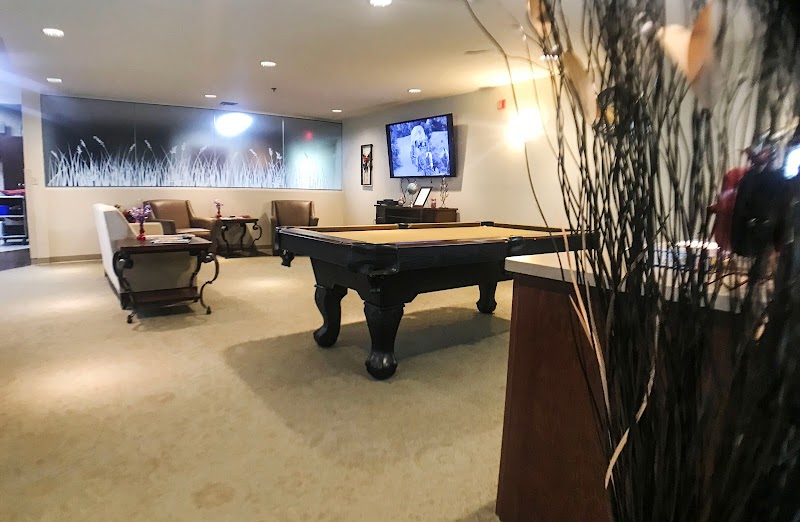
How is Wayne Countryview Care And Rehabilitation Staffed?

CMS rates Wayne Countryview Care and Rehabilitation's staffing level at 1 out of 5 stars, which is much below average compared to other nursing homes. Staff turnover is 58%, which is 12 percentage points above the Nebraska average of 46%. High turnover can affect care consistency as new staff learn residents' individual needs. RN turnover specifically is 80%, which is notably high. RNs provide skilled clinical oversight, so turnover in this role can affect medical care quality.

What Have Inspectors Found at Wayne Countryview Care And Rehabilitation?

State health inspectors documented 24 deficiencies at Wayne Countryview Care and Rehabilitation during 2022 to 2024. These included: 24 with potential for harm.
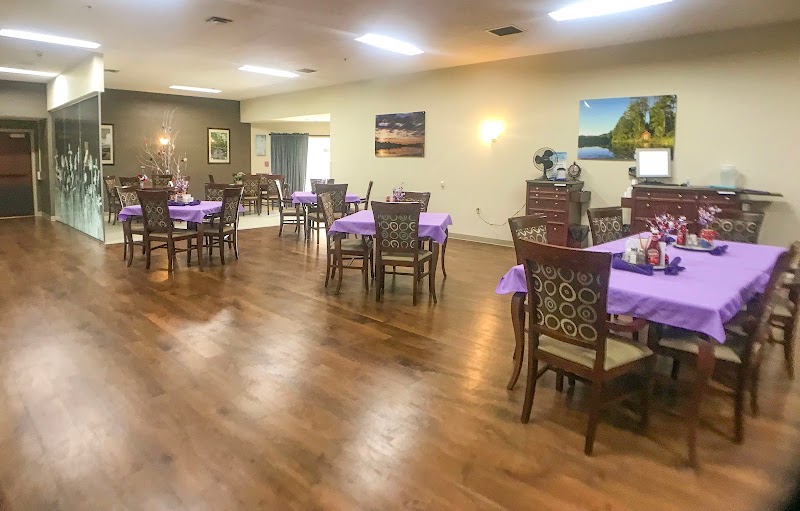
Who Owns and Operates Wayne Countryview Care And Rehabilitation?

Wayne Countryview Care and Rehabilitation is owned by a for-profit company. For-profit facilities operate as businesses with obligations to shareholders or private owners. The facility is operated by THE ENSIGN GROUP, a chain that manages multiple nursing homes. With 60 certified beds and approximately 34 residents (about 57% occupancy), it is a smaller facility located in Wayne, Nebraska.

How Does Wayne Countryview Care And Rehabilitation Compare to Other Nebraska Nursing Homes?

Compared to the 100 nursing homes in Nebraska, Wayne Countryview Care and Rehabilitation's overall rating (2 stars) is below the state average of 2.9, staff turnover (58%) is significantly higher than the state average of 46%, and health inspection rating (1 stars) is much below the national benchmark.

What Should Families Ask When Visiting Wayne Countryview Care And Rehabilitation?

Based on this facility's data, families visiting should ask: "How do you ensure continuity of care given staff turnover, and what is your staff retention strategy?" "Can you walk me through typical staffing levels on day, evening, and night shifts?" "Can I visit during a mealtime to observe dining assistance and food quality?" "How do you handle medical emergencies, and what is your hospital transfer rate?" These questions are particularly relevant given the facility's high staff turnover rate and the below-average staffing rating.

Is Wayne Countryview Care And Rehabilitation Safe?

Based on CMS inspection data, Wayne Countryview Care and Rehabilitation has a clean safety record: no substantiated abuse findings (meaning no confirmed cases of resident harm), no Immediate Jeopardy citations (the most serious violation level indicating risk of serious injury or death), and is not on the Special Focus Facility watch list (a federal program monitoring the lowest-performing 1% of nursing homes). The facility has a 2-star overall rating and ranks #100 of 100 nursing homes in Nebraska. While no facility is perfect, families should still ask about staff-to-resident ratios and recent inspection results during their visit.

Do Nurses at Wayne Countryview Care And Rehabilitation Stick Around?

Staff turnover at Wayne Countryview Care and Rehabilitation is high. At 58%, the facility is 12 percentage points above the Nebraska average of 46%. Registered Nurse turnover is particularly concerning at 80%. RNs handle complex medical decisions and coordinate care — frequent RN changes can directly impact care quality. High turnover means new staff may not know residents' individual needs, medications, or preferences. It can also be disorienting for residents, especially those with dementia who rely on familiar faces. Families should ask: What is causing the turnover? What retention programs are in place? How do you ensure care continuity during staff transitions?

Was Wayne Countryview Care And Rehabilitation Ever Fined?

Wayne Countryview Care and Rehabilitation has no federal fines on record. CMS issues fines when nursing homes fail to meet care standards or don't correct problems found during inspections. The absence of fines suggests the facility has either maintained compliance or corrected any issues before penalties were assessed. This is a positive indicator, though families should still review recent inspection reports for the full picture.

Is Wayne Countryview Care And Rehabilitation on Any Federal Watch List?

Wayne Countryview Care and Rehabilitation is not on any federal watch list. The most significant is the Special Focus Facility (SFF) program, which identifies the bottom 1% of nursing homes nationally based on persistent, serious quality problems. Not being on this list means the facility has avoided the pattern of deficiencies that triggers enhanced federal oversight. This is a positive indicator, though families should still review the facility's inspection history directly.