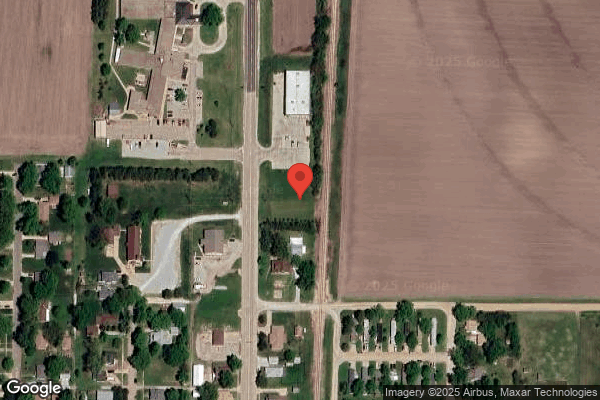
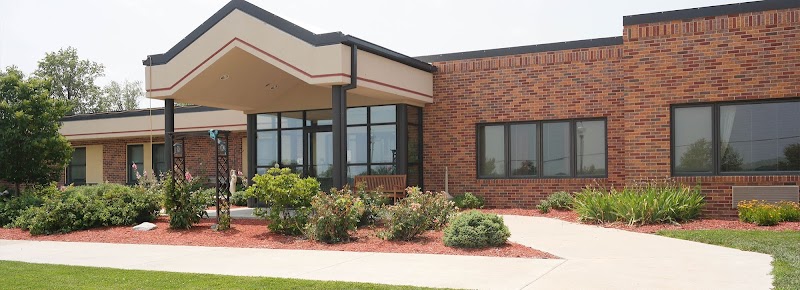
Wilber Care Center

611 North Main, Wilber, NE 68465 (402) 821-2331
Government - City/county 58 Beds Independent Data: November 2025
Trust Grade
70/100
#100 of 177 in NE
Last Inspection: January 2025

Within standard 12-15 month inspection cycle. Federal law requires annual inspections.

Overview

Wilber Care Center has received a Trust Grade of B, indicating it is a good choice among nursing homes, though there is room for improvement. It ranks #100 out of 177 facilities in Nebraska, placing it in the bottom half, and #2 out of 2 in Saline County, meaning there is only one other option in the area. The facility's trend is worsening, with concerns increasing from 2 issues in 2024 to 6 in 2025. Staffing is a relative strength, rated 4 out of 5 stars, but turnover is at 50%, which is average. There have been no fines, which is a positive sign, but the facility does have average RN coverage, which means they may not have as much registered nurse oversight as some other facilities. Specific incidents noted during inspections include the failure to complete annual performance evaluations for most nurse aides, which could impact resident care, and inadequate training documentation for staff, suggesting potential gaps in skills. Additionally, there were concerns about proper hand hygiene not being followed during personal care, which could increase the risk of infection. While there are notable strengths, including a good staffing rating and no fines, these issues highlight areas that families should consider carefully.

Trust Score
B
70/100
In Nebraska
#100/177
Bottom 44%
Safety Record
Low Risk
No red flags
Inspections
Getting Worse
2 → 6 violations
Staff Stability
⚠ Watch
50% turnover. Above average. Higher turnover means staff may not know residents' routines.
Penalties
✓ Good
No fines on record. Clean compliance history, better than most Nebraska facilities.
Skilled Nurses
○ Average
Each resident gets 38 minutes of Registered Nurse (RN) attention daily — about average for Nebraska. RNs are the most trained staff who monitor for health changes.
Violations
○ Average
10 deficiencies on record. Average for a facility this size. Mostly minor or procedural issues.
★★★☆☆
3.0
Overall Rating
★★★★☆
4.0
Staff Levels
★★★☆☆
3.0
Care Quality
★★★☆☆
3.0
Inspection Score
Stable
2024: 2 issues
2025: 6 issues

The Good

  • 4-Star Staffing Rating · Above-average nurse staffing levels
  • Full Sprinkler Coverage · Fire safety systems throughout facility
  • No fines on record

Facility shows strength in staffing levels, fire safety.

The Bad

3-Star Overall Rating

Near Nebraska average (2.9)

Meets federal standards, typical of most facilities

Staff Turnover: 50%

Near Nebraska avg (46%)

Higher turnover may affect care consistency

The Ugly 10 deficiencies on record

Jul 2025 1 deficiency
CONCERN (D) 📢 Someone Reported This

A family member, employee, or ombudsman was alarmed enough to file a formal complaint

Potential for Harm - no one hurt, but risky conditions existed

Report Alleged Abuse (Tag F0609)

Could have caused harm · This affected 1 resident

Licensure Reference Number 175 NAC 12-006.02(H) Based on record reviews and interviews, the facility failed to report suspicions of abuse to the state agency within the required timeframe. This affec...

Read full inspector narrative →
Licensure Reference Number 175 NAC 12-006.02(H) Based on record reviews and interviews, the facility failed to report suspicions of abuse to the state agency within the required timeframe. This affected 2 residents, (Resident 1 and Resident 3). The facility census was 32. Findings are: A. A review of the facility's Investigation Report Abuse-Physical sent to the state agency's email on 02/20/2025 at 2:54 PM revealed that on 02/19/2025 at 4:30 PM a bruise was discovered on Resident 3's right back/hip and on 02/20/2025 at 1:59 PM the bruise was reported to Adult Protective Services (APS). A review of an undated summary written by the Director of Nursing (DON) revealed that Resident 3 had been unable to explain how the bruise happened. Further review revealed that the DON did not observe the area until 02/20/2025 at 1:00 PM, and the incident was not reported to APS until 02/20/2025 at 1:59 PM. An interview on 07/02/2025 at 2:31 PM with the DON confirmed that the report was called to APS more than two hours after the injury was discovered. B. A review of the facility's Investigation Report Abuse-Physical sent to the state agency's email on 03/07/2025 at 4:27 PM revealed that on 03/06/2025 at 6:20 AM a bruise was discovered on Resident 1's right hip and on 03/07/2025 at 10:30 AM the bruise was reported to APS. A review of an undated summary written by the DON revealed that when the DON spoke with Resident 1 on 03/06/2025 at approximately 11:30 AM, Resident 1 stated a Nurse Aide (NA) from a staffing agency had caused the bruise by being rough when turning the resident. and the incident was not reported to APS until 03/07/2025 at 10:30 AM. An interview on 07/02/2025 at 2:31 PM with the DON confirmed that the report was called to APS more than two hours after the allegation of abuse was made. C. A review of the facility's Investigation Report Abuse-Physical sent to the state agency's email on 06/19/2025 at 11:36 AM revealed that a bruise was discovered on Resident 1's left thigh on 06/10/2025. Further review of the report revealed that on 06/13/2025 at 9:27 PM the charge nurse notified the DON per phone that Resident 1 was stating the bruise on their left thigh had been caused by an NA pushing on the resident's thigh during a transfer. The bruise and allegation were reported to APS on 06/18/2025 at 10:06 AM. A review of an undated summary written by the DON revealed that the DON spoke with Resident 1 about the bruise on 06/14/2025 at 9:20 AM, and Resident 1 stated that NA had pushed their forearm into Resident 1's leg to adjust the resident's position while transferring them to the toilet using the Hoyer lift (a mechanical device used to lift and transfer residents). At an unspecified time on 06/17/2025 the DON was notified that Resident 1 had expressed being afraid of the NA. The incident was not reported to APS until 06/18/2025 at 10:06 AM. An interview on 07/02/2025 at 2:31 PM with the DON confirmed that the report was called to APS more than two hours after the allegation of abuse was made.
Jan 2025 5 deficiencies
CONCERN (D)

Potential for Harm - no one hurt, but risky conditions existed

Assessment Accuracy (Tag F0641)

Could have caused harm · This affected 1 resident

**NOTE- TERMS IN BRACKETS HAVE BEEN EDITED TO PROTECT CONFIDENTIALITY** Licensure Reference Number 175 NAC 12-006.09(B) Based on record reviews and interview, the facility failed to ensure the accurac...

Read full inspector narrative →
**NOTE- TERMS IN BRACKETS HAVE BEEN EDITED TO PROTECT CONFIDENTIALITY** Licensure Reference Number 175 NAC 12-006.09(B) Based on record reviews and interview, the facility failed to ensure the accuracy of the Minimum Data Set (MDS-a comprehensive assessment of each resident's functional capabilities) regarding use of an anti-anxiety medication for Resident 8 and for use of a Bilevel Positive Airway (BiPAP-a machine used to deliver positive airway to a person's airway to prevent it from closing during sleep) for Resident 18. This affected 2 (Resident 8 and Resident 18) of 16 residents sampled for MDS accuracy. The facility census was 37. Findings are: A. A review of Resident 8's Continuity of Care Document (CCD) created 01/16/2025 revealed an admission date of 05/22/2023 and a diagnosis of anxiety. A review of Resident 8's Physician Order Report from 12/16/2024 to 01/16/2025 revealed an order for lorazepam (an anti-anxiety medication) 0.5 milligrams once a day by mouth for anxiety. A review of Resident 8's Quarterly MDS dated [DATE] revealed that Section N-Medications was not marked to show that Resident 8 was on an anti-anxiety medication. A review of Resident 8's Medication Administration Record (MAR) for November 2024 revealed the lorazepam had been signed as administered during the look-back period (the time frame during which the resident's condition is evaluated for the MDS) of 11/15/2024 to 11/21/2024. An interview on 01/22/2025 11:41 AM with the MDS Coordinator confirmed that the anti-anxiety medication was not coded on the MDS dated [DATE] and should have been. B. A review of Resident 18's CCD created 01/16/2025 revealed an admission date of 11/21/2024 and a diagnosis of obstructive sleep apnea (OSA-a condition where the throat muscles relax and narrow during sleep, interrupting breathing). A review of Resident 18's Physician Order Report from 12/16/2024 to 01/16/2025 revealed an order for a BiPAP every evening, to be worn through the night. A review of Resident 18's admission MDS dated [DATE] revealed that Section O-Special treatments, Procedures, and Programs was not marked to indicate the resident used a Non-invasive Mechanical Ventilator, which is the BiPAP, either on admission or while a resident. A review of Resident 18's MAR for November of 2024 revealed the BiPAP had been signed as administered during the look-back period of 11/22/2024 to 11/28/2024. An interview on 01/22/2025 11:41 AM with the MDS Coordinator confirmed that the BiPAP was not coded on the MDS dated [DATE] and should have been.
CONCERN (D)

Potential for Harm - no one hurt, but risky conditions existed

Deficiency F0699 (Tag F0699)

Could have caused harm · This affected 1 resident

Licensure Reference Number 175 NAC 12-006.09 Based on interview and record review, the facility failed to complete a trauma based assessment for 1 (Resident 7) of 5 sampled residents. The facility cen...

Read full inspector narrative →
Licensure Reference Number 175 NAC 12-006.09 Based on interview and record review, the facility failed to complete a trauma based assessment for 1 (Resident 7) of 5 sampled residents. The facility census was 37. Findings are: A record review of Resident 7's Significant change Minimum Data Set (MDS -a comprehensive assessment of each resident's functional capabilities used to develop a resident's plan of care) dated 9/20/2024 revealed an admission date of 5/29/2024, a Brief Interview for Mental Status (BIMS - a test used to get a quick snapshot of a resident's cognitive function, scored from 0-15, the higher the score, the higher the cognitive function) score of 1 which suggests severe cognitive impairment, and diagnosis of Anxiety, Depression and frequent pain. A record review of Resident 7's Comprehensive Care Plan (CCP- written instructions needed to provide effective and person centered care of the resident that meet professional standards of quality care) dated 12/16/2024 revealed no history of trauma. In an interview on 1/15/2025 at 2:59 PM with Resident 7's representative revealed that the resident was attacked by a cow about 15 years ago and it messed (gender) up pretty bad. In an interview on 1/21/2025 at 9:14 AM the Director of Nursing (DON) confirmed there is not a Trauma informed care assessment completed on any resident and trauma was not identified on Resident 7's CCP. It was further confirmed there was no Social Worker at this time. Record review of the facility policy titled Comprehensive Care Plans, dated 3/2024 revealed the definition of trauma-informed care is an approach to delivering care that involves understanding, recognizing, and responding to the effects of all types of trauma. A trauma-informed care delivery recognizes the widespread impact, and signs and symptoms of trauma in residents, and incorporates knowledge about trauma into care plans, policies, procedures and practices to avoid re-traumatization. In an interview on 1/22/2025 at 3:40 PM the DON confirmed there was no facility policy regarding Trauma Informed Care or facility trauma based assessment.
CONCERN (E)

Potential for Harm - no one hurt, but risky conditions existed

Infection Control (Tag F0880)

Could have caused harm · This affected multiple residents

Licensure Reference Number 175 NAC 12-006.(18)(D) Based on observations, record reviews and interviews, the facility failed to ensure hand hygiene (using an alcohol-based hand rub (ABHR) or washing ha...

Read full inspector narrative →
Licensure Reference Number 175 NAC 12-006.(18)(D) Based on observations, record reviews and interviews, the facility failed to ensure hand hygiene (using an alcohol-based hand rub (ABHR) or washing hands with soap and water) was completed in a manner to prevent cross-contamination during peri-care (washing the genitals and anal area) for Resident 8 and Resident 25 and during wound care for Resident 12. This affected 3 of 4 residents observed for peri-care and wound care. The facility census was 37. A record review of the facility's Handwashing/Hand Hygiene policy dated 12/05/2023 revealed that hand hygiene should be completed in the following situations: Before and after direct contact with residents; Before handling clean or soiled dressings; Before moving from a contaminated body site to a clean body site during resident care; After contact with blood or body fluids; After handling used dressings; and After removing gloves. The policy further revealed that glove use did not replace hand hygiene and that the procedure for washing hands with soap and water included rubbing hands together vigorously for at least 15 seconds. A record review of the facility's Standard Precautions policy dated 05/10/2024 revealed that gloves should be changed and hand hygiene performed before moving from a contaminated body site to a clean body site during resident care. A record review of the facility's Peri Cares policy dated 2/2024 revealed that the anus is considered one of the dirtiest parts of the body and care should be taken to keep germs in the anal area away from the urethra. Peri-cares done on women should be done by separating the labia and washing around the urinary meatus (the place where urine comes out) by wiping downward from front to back. Cares should not be done by wiping upward from the anal area. A. An observation of peri-cares done on 01/21/2025 at 10:56 AM for Resident 8 revealed that the resident was transferred into the bathroom using a sit-to-stand lift. Medication Aide (MA) I and Nurse Aide (NA) L had gloves on and stated they had washed their hands prior to surveyor entering the room. MA I and NA L assisted the resident to stand in the sit-to-stand lift, then pushed the resident in the lift over to the bathroom. They stopped briefly between the wheelchair and the bathroom and MA I removed and discarded Resident 8's soiled brief, then continued to the bathroom where they lowered the resident onto the toilet. Without changing gloves or performing hand hygiene, MA I went to the closet and got a clean brief out of the package. The MA returned to the bathroom and without changing gloves or performing hand hygiene, got wipes out of the package. MA I and NA L then assisted Resident 8 to stand with the sit-to-stand lift. Without changing gloves or performing hand hygiene, MA I used the wipes to wipe down each groin fold from front to back, then between the labia from front to back. Used a different area of the wipes with each area. With the same soiled gloves, MA I put the new brief on Resident 8. MA I and NA L then pushed the resident back to the wheelchair and assisted the resident to sit. An interview on 01/21/2025 at 11:10 AM with MA I confirmed that the MA had not changed gloves or performed hand hygiene between removing the old brief and getting a new one, or between performing cares on the resident and putting on the new brief and confirmed that they should have. B. An observation of peri-cares done on 01/22/25 at 1:55 PM for Resident 25 revealed that MA E and MA M assisted Resident 25 assisted the resident to transfer from the recliner to the bed and get into position for cares to be done. MA E washed their hands with soap and water for 6 seconds, then put on gloves. MA M used ABHR and put on gloves. MA E opened Resident 25's incontinence pull-up, then used wipes to wipe under the resident's abdominal folds. MA E then changed gloves and did not perform hand hygiene. MA E and MA M assisted Resident 25 to roll to their left side, and MA E pulled the pull-up out from under the resident. MA E then got wipes and wiped the back part of the resident's peri-area and the buttocks, wiping front to back. MA E then changed their gloves without performing hand hygiene. Resident 25 then rolled back onto their back. MA E got wipes and first wiped Resident 25's groin folds back to front, and then wiped between the resident's labia from back to front. MA E then changed gloves without performing hand hygiene, put a clean pull-up on over the resident's legs, then applied a medicated cream to the resident's abdominal folds using a gloved finger. MA E then changed gloves without performing hand hygiene, and MA E and MA M assisted Resident 25 to roll back onto their left side. MA E applied barrier cream to the resident's buttocks and peri-anal area using a gloved finger, then changed gloves with no hand hygiene and started to pull up the resident's pull-up. MA E then removed their gloves, and MA E and MA M assisted the resident to stand. MA E and MA M finished pulling up the pull-up, then assisted the resident back into the recliner. MA M then removed their gloves and washed their hands with soap and water for 11 seconds. MA E then washed their hands with soap and water for 8 seconds. An interview on 01/22/2025 at 2:05 PM with MA M confirmed that they should have washed their hands for 20 seconds. An interview on 01/22/25 at 2:06 PM with MA E revealed they did not know how long hand washing should be done. MA E confirmed they should have sanitized their hands when changing gloves. The MA further confirmed that peri-cares should be done from front to back, and that they should not have wiped Resident 25's peri-area from back to front. C. An observation of wound care done on 01/21/2025 at 11:06 AM for Resident 12 revealed the Director of Nursing (DON) already had gloves on when surveyor entered room. The DON stated they had washed her hands and gathered supplies prior to putting on gloves. The DON used a wet soapy washcloth to wash Resident 12's wound on their abdomen, then used a wet washcloth to wipe the soap off. The DON then changed their gloves without performing hand hygiene, applied the ordered cream and covered the area with a 2x2 gauze dressing. An interview on 01/21/2025 at 11:06 AM with the DON confirmed they had not performed hand hygiene when changing their gloves between washing the wound and applying a new dressing. The DON confirmed they had not done hand hygiene at that time because their hands were not visibly soiled. D. An interview on 01/22/2025 at 11:24 AM with Licensed Practical Nurse (LPN) A, who is the Infection Preventionist for the facility, confirmed that handwashing would be expected when changing gloves between washing a wound and putting a clean dressing on, and that the expectation would be for gloves to be removed and hand hygiene to be performed between removing the soiled/wet brief and getting a new clean one, and between performing peri-cares and putting on a clean brief. An interview on 01/22/2025 at 2:12 PM with the DON confirmed that peri cares should be done front to back.
CONCERN (F)

Potential for Harm - no one hurt, but risky conditions existed

Deficiency F0730 (Tag F0730)

Could have caused harm · This affected most or all residents

Based on record reviews and interviews, the facility failed to complete annual performance evaluations for 4 of 5 Nurse Aides sampled. This had the potential to affect all residents in the facility. T...

Read full inspector narrative →
Based on record reviews and interviews, the facility failed to complete annual performance evaluations for 4 of 5 Nurse Aides sampled. This had the potential to affect all residents in the facility. The facility census was 37. Findings are: A record review of the employee file for Medication Aide (MA) D with a hire date of 09/19/2009 revealed a Staff Evaluation Report (SER) dated 09/19/2023 and signed by both the evaluator and the employee. A record review of the employee file for MA E with a hire date of 04/16/2022 revealed there was no SER available. A record review of the employee file for MA F with a hire date of 09/10/1998 revealed an SER dated 09/19/2023 and signed by both the evaluator and the employee. A record review of the employee file for MA J with a hire date of 05/18/2021 revealed an SER dated 08/17/2023 and signed by both the evaluator and the employee. A record review of the employee file for MA K with a hire date of 01/26/2022 revealed an SER dated 01/23/2024. This was signed by the evaluator only, and there was no documentation of discussion of review with the employee. An interview on 01/22/2025 at 2:12 PM with the Director of Nursing (DON) confirmed the facility had not been doing annual performance evaluations for the Nurse Aides or MAs. An interview on 01/22/2025 at 2:51 PM with the Business Office Manager (BOM) G confirmed that the facility did not have records of any SERs for MA E, and that these were the most recent SERs for MA D, MA F, MA J, and MA K.
CONCERN (F)

Potential for Harm - no one hurt, but risky conditions existed

Deficiency F0947 (Tag F0947)

Could have caused harm · This affected most or all residents

Licensure Reference Number 175 NAC 12-006.04(B)(ii)(1) Based on record reviews and interviews, the facility failed to provide the required annual in-service training for 3 of 5 Nurse Aides sampled. Th...

Read full inspector narrative →
Licensure Reference Number 175 NAC 12-006.04(B)(ii)(1) Based on record reviews and interviews, the facility failed to provide the required annual in-service training for 3 of 5 Nurse Aides sampled. This had the potential to affect all residents in the facility. The facility census was 37. Findings are: A review of the undated User Learning document provided for Medication Aide (MA) D revealed no documentation of any training completed after 10/08/2022. A review of the undated User Learning document provided for MA E revealed some training done in 2024. The Administrator (ADM) had written how many hours the individual courses were, and the total hours provided added up to 6.25 hours. A review of the undated User Learning document provided for MA F revealed no documentation of any training completed after 05/04/2023. An interview on 01/21/2025 at 3:08 PM with the ADM confirmed that MA D had no documentation of training more recent than 2022 and MA F had no documentation of training more recent than 2023. The ADM further confirmed that the hours written on MA E's User Learning record added up to less than 12 for 2024.
Feb 2024 2 deficiencies
CONCERN (D)

Potential for Harm - no one hurt, but risky conditions existed

Notification of Changes (Tag F0580)

Could have caused harm · This affected 1 resident

**NOTE- TERMS IN BRACKETS HAVE BEEN EDITED TO PROTECT CONFIDENTIALITY** Licensure Reference number 175 NAC 12-006.09 Based on record review and interviews, the facility failed to notify a resident re...

Read full inspector narrative →
**NOTE- TERMS IN BRACKETS HAVE BEEN EDITED TO PROTECT CONFIDENTIALITY** Licensure Reference number 175 NAC 12-006.09 Based on record review and interviews, the facility failed to notify a resident representative and provider regarding a change in condition for 1 (Resident 37) of 1 sampled residents. The facility census was 35. Findings are: A record review of Residents 37's Face Sheet dated [DATE] revealed Resident 37 had the following diagnoses: hypertension, Pneumonia, Flu, COVID-19, arthritis, cystitis, Generalized Weakness, Peripheral vascular disease, Mixed hyperlipidemia, Hypokalemia, depressive disorder, and Anxiety disorder. A record review of the form titled Wilber Care Center Documentation Guidelines, last updated 10/23 revealed: - document in progress notes any cognitive, medical changes that effect a residents daily functioning. This will be documented every shift until resolved and/or addressed by a physician. Record review of Resident 37's Progress Notes revealed on [DATE] at 11:30 PM the facility staff reported to the nurse that Resident 37 was having an emesis. Record review of Resident 37's Progress Notes revealed on [DATE] at 7:01 AM that Resident 37 placed their call light on and had another emesis. The Progress Note revealed the resident asked the staff member if they (the resident) was going to die today and staff responded with asking the resident why [gender] would ask that. The Progress Note revealed Resident 37 responded and stated I just wanted to die. Record review of Resident 37's Progress Notes revealed on [DATE] at 6:30 AM the facility staff found Resident 37 to be unresponsive and alerted the nurse. The Progress Note revealed the resident's vital signs were ceased and a phone call was made to the resident's family representative to inform of Resident 37's passing. Recod review of Resident 37's Progress Notes, revealed there was no documentation Resident 37's representative or provider was notified of Resident 37's change of condition until the resident expired. An interview on [DATE] at 10:30 AM with Licensed Practical Nurse (LPN) revealed that when a resident has a change of condition the resident should be assessed, a progress note should be entered into the resident's electronic health record and the medical provider and resident representative should be notified. An interview on [DATE] at 10:45 AM with the Director of Nursing (DON) confirmed when a resident has a change of condition the resident's family member and medical provider should be contacted. The DON confirmed Resident 37's Progress Notes should have contained all information of Resident 37's change of condition and the notifications to the resident's family and provider. The DON confirmed Resident 37's medical record did not contain notifications to the resident representative or medical provider.
CONCERN (D)

Potential for Harm - no one hurt, but risky conditions existed

Accident Prevention (Tag F0689)

Could have caused harm · This affected 1 resident

**NOTE- TERMS IN BRACKETS HAVE BEEN EDITED TO PROTECT CONFIDENTIALITY** Licensure Reference Number 175 NAC 12-006.09D7b Based interview, and record review; the facility failed to conduct a thorough in...

Read full inspector narrative →
**NOTE- TERMS IN BRACKETS HAVE BEEN EDITED TO PROTECT CONFIDENTIALITY** Licensure Reference Number 175 NAC 12-006.09D7b Based interview, and record review; the facility failed to conduct a thorough investigation to determine the root-cause of falls and failed to develop and implement effective interventions to minimize and/or prevent falls for 1 (Resident 23) of 1 sampled resident. The facility census was 35. Findings are: Interview on 2/7/24 at 10:38 AM with Resident 23's resident representative (RR) revealed that Resident 23 had a fall two weeks ago and scraped up Resident 23's left arm and elbow. The RR further revealed that Resident 23 walks independently without a walker or cane and is unsteady at times. Observation on 2/7/24 at 11:40 AM revealed Resident 23, with no assistive device, standing next to the window at the nurse's station talking with the staff. Interview on 2/12/24 at 9:38 AM the Medication Aide (MA) revealed that Resident 23 can walk independently and at times Resident 23 is unsteady. MA further revealed that Resident 23 has attempted to assist Resident 23's roommate to stand. Observation on 2/12/24 at 9:40 AM revealed Resident 23 seated on a folding chair in Resident 23's room. Review of Resident 23's Minimum Data Set (MDS- a comprehensive assessment of each resident's functional capabilities used to develop a resident's plan of care), dated 11/5/23, revealed the following: -admitted on [DATE] with diagnoses of: Alzheimer disease with late onset and orthostatic hypotension (a form of low blood pressure that happens when standing up from sitting or lying down) -Brief Interview for Mental Status (BIMS- a test used to get a quick snapshot of a resident's cognitive function, scored from 0-15, the higher the score, the higher the cognitive function) of 4 -ambulated independently without an assistive device -had no falls in the six months prior to admission or since admission -took an anti-psychotic medication (used to treat certain mental/mood disorders) -Fall care area was triggered and the decision was made to care plan the area based on nurses' notes, observation 11/23 Review of a progress note dated 1/18/24 at 11:35 PM revealed the following: At 9:10 PM, MA reported to this nurse that resident has a blood stain on pants and floor and also has a skin tear. When asked resident, stated fall while ambulating in the hallway. Said, I slid and fall in the hallway. On Observation: resident has a skin tear (measure 2.3 x 6.5cms) on left elbow area with part of the skin missing. Dried blood observed on floor, dress and injured area. Nursing management: Cleaned with a water, painted with a betadine and steri-strips applied. Denied pain and discomforts, no other injuries/bruises noted. Full range of motions without pain/limitation. Refused pain medication. Neuro checks (checks used to identify and assess the functions of vital portions of the central nervous system) initiated. Physician notified via fax. Need to notify family member. Review of Resident 23's Comprehensive Care Plan (CCP- written instructions needed to provide effective and person-centered care of the resident that meet professional standards of quality care), dated 1/18/24 revealed no fall interventions in place along with the following: -Falls: I have dementia and get confused where I am, I do not want to fall, problem start date: 1/18/24 and edited 2/8/24; Long Term Goal Target Date: 3/18/24: I will not have falls, and if I do I will not get injured, created 2/8/24; Approach Start Date 1/18/24: I had a fall that I reported to the nursing staff, I did have a left elbow skin tear noted, created 2/8/24 Review of the facility Resident Fall Event Documentation policy, dated 10/11/23, revealed the following: -1. When a fall is reported/observed the charge nurse will assess resident status. Vitals, ROM (range of motion) level, cognition level, body assessment to check for injury, staff and resident interview will be completed. Paying close attention to surrounding environment and location of assistive devices as well as any obstacles that may be immediate area. -3. The charge nurse will document even in the Event Section of Matrix (computerized health system) under WCC Fall form-SNF. Each section of event documentation must be completed. Review of the event report: Safety report Copy of WCC ([NAME] Care Center) fall form snf (skilled nursing facility), dated 1/18/24, revealed the following: -What did the RESIDENT SAY They were trying to do at time of event? While walking resident slid on the floor -What was the reason this event/fall occurred: unknown -Indicate initial measures taken to prevent further falls: place the resident sit at the nurse's station and occupy with a task. Review of the facility January Nurse Meeting Agenda, dated 1/16/24, revealed that an immediate intervention needs placed on the CP (care plan) or progress notes. Review of the facility Fall Prevention and Management Program, dated 1/29/24, revealed the following: -B. Fall and Post Fall Assessment and Management: When a resident has fallen, the resident will be assessed regarding the nature of the fall and associated consequences, the cause of the fall and the post fall care management needs. Interview on 2/12/14 at 1:26 PM the Interim Director of Nursing (IDON) confirmed that the root cause of Resident 23's fall on 1/18/24 was not determined, and that neither the initial measure of having the resident sit at the nurses' station and occupy or the approach/intervention created on the care plan on 2/8/24 addressed the root cause of the fall. The IDON further confirmed that a root cause should be determined with each fall and the care plan should be updated with an approach/intervention that addresses the root cause.
Apr 2023 2 deficiencies
CONCERN (D)

Potential for Harm - no one hurt, but risky conditions existed

Transfer Notice (Tag F0623)

Could have caused harm · This affected 1 resident

**NOTE- TERMS IN BRACKETS HAVE BEEN EDITED TO PROTECT CONFIDENTIALITY** B. Record review of Resident 6's EHR revealed that Resident 6 was transferred to the ER on [DATE] with symptoms of pale skin, l...

Read full inspector narrative →
**NOTE- TERMS IN BRACKETS HAVE BEEN EDITED TO PROTECT CONFIDENTIALITY** B. Record review of Resident 6's EHR revealed that Resident 6 was transferred to the ER on [DATE] with symptoms of pale skin, lethargy, low oxygen saturation and diminished lung sound and was admitted to the hospital. Record review revealed that there was not documentation that the facility notified the resident or resident's representative of the transfer in a written notice and the reason for the move in writing and in a language and manner they understand. An interview with the SSD on 4/10/23 at 11:45 am revealed the facility did not notify the resident or the resident's representative of the written notice of transfer of the ER and did not notify the Ombudsman of transfer to the ER. 175 NAC 12-006.05(5) Based on record review and interviews, the facility failed to provide a written notice of transfer to Resident 23 and Resident 6 and/or their representatives upon transfer to the emergency room (ER). The facility failed to notify the Ombudsman (a state official who works with nursing home and assisted living residents who helps answer resident concerns and complaints and advocates for resident rights and their well-being) of transfer for Resident 23 and Resident 6. This affected 2 of 2 residents sampled for hospitalization. The facility census was 33. Findings are: A. Record review of Resident 23's Electronic Health Record (EHR) revealed the resident was sent to the ER on [DATE] with respiratory complaints and returned to the facility on 3/24/23. Resident 23's EHR revealed Resident 23 was sent back to the ER with a change in responsiveness and a decreased oxygen saturation (an indication of how well the lungs are working) and was admitted to the hospital. An interview on 04/06/23 at 10:48 AM with the Social Services Director (SSD) revealed the facility did not complete a written notice of transfer to the ER for Resident 23. An interview on 04/06/23 at 01:45 PM with the Director of Nursing (DON) revealed the facility did not notify the Ombudsman of resident transfers to the hospital.
CONCERN (D)

Potential for Harm - no one hurt, but risky conditions existed

Infection Control (Tag F0880)

Could have caused harm · This affected 1 resident

B. An observation on 04/05/23 at 9:00 AM revealed Resident 6's CPAP mask was laying on top of CPAP machine without being covered. An observation on 04/06/23 at 11:25 AM Resident 6's CPAP mask was layi...

Read full inspector narrative →
B. An observation on 04/05/23 at 9:00 AM revealed Resident 6's CPAP mask was laying on top of CPAP machine without being covered. An observation on 04/06/23 at 11:25 AM Resident 6's CPAP mask was laying on top of CPAP machine without being covered. Record review of CPAP/BIPAP Cleaning Policy dated 3/7/11 did not mention how to store a CPAP mask to prevent contamination. Interview with the Infection Preventionist (IP) on 4/6/23 at 1:40 PM revealed that the resident's CPAP mask was not being stored in a manner to prevent contamination. Interview with the Director of Nursing (DON) on 04/06/23 at 2:00 PM revealed that the resident's CPAP mask was not being stored in an manner to prevent contaminiation. Based on observation, record review, and interview; the facility failed to put measures in place to prevent cross-contamination (the transfer of disease-causing organisms from one surface to another) by failing to store oxygen cannulas (the part of the tubing that goes into the nostrils) for Resident 25 and a CPAP (Continuous Positive Airway Pressure - a treatment that uses mild air pressure to keep your breathing airways open) mask for Resident 6 in a clean manner. This affected 2 of 2 residents sampled for respiratory care. The facility census was 33. Findings are: A. An observation on 04/05/23 at 09:37 AM of Resident 25's room revealed the resident had a portable oxygen tank attached to the wheelchair (w/c) with oxygen tubing hanging over the w/c handle and the cannula resting on the w/c seat. An observation on 04/05/23 at 10:04 AM of Resident 25's room revealed the oxygen tubinghanging over the w/c handle and the cannula resting on the w/c seat. An observation on 04/05/23 at 12:55 PM of Resident 25's room revealed the oxygen tubing and cannula were hanging on the w/c handle. An interview on 4/05/23 at 12:55 p.m. with Resident 25 revealed that resident had recently returned to his room from lunch in the w/c. An observation on 04/06/23 at 07:20 AM of Resident 25's room revealed resident's oxygen tubing was hanging over the back of the w/c. An observation on 04/06/23 at 10:35 AM of Resident 25's room revealed the oxygen tubing hanging over the back of the w/c. Record review of the facility's Oxygen Administration Policy dated 3/7/22 revealed no direction regarding storage of oxygen tubing/cannula. An interview on 04/06/23 at 02:19 PM with the Director of Nursing (DON) confirmed that resident's oxygen tubing and nasal cannula was not being stored in a manner to prevent contamination.
Understanding Severity Codes (click to expand)
Life-Threatening (Immediate Jeopardy)
J - Isolated K - Pattern L - Widespread
Actual Harm
G - Isolated H - Pattern I - Widespread
Potential for Harm
D - Isolated E - Pattern F - Widespread
No Harm (Minor)
A - Isolated B - Pattern C - Widespread

Questions to Ask on Your Visit

  • "Can I speak with families of current residents?"
  • "What's your RN coverage like on weekends and overnight?"

Our Honest Assessment

Strengths
  • • No major safety red flags. No abuse findings, life-threatening violations, or SFF status.
  • • No fines on record. Clean compliance history, better than most Nebraska facilities.
Concerns
  • • No major red flags. Standard due diligence and a personal visit recommended.
Bottom line: Mixed indicators with Trust Score of 70/100. Visit in person and ask pointed questions.

About This Facility

What is Wilber Care Center's CMS Rating?

CMS assigns Wilber Care Center an overall rating of 3 out of 5 stars, which is considered average nationally. Within Nebraska, this rating places the facility higher than 99% of the state's 100 nursing homes. This mid-range rating indicates the facility meets federal standards but may have areas for improvement.

How is Wilber Care Center Staffed?

CMS rates Wilber Care Center's staffing level at 4 out of 5 stars, which is above average compared to other nursing homes. Staff turnover is 50%, compared to the Nebraska average of 46%.

What Have Inspectors Found at Wilber Care Center?

State health inspectors documented 10 deficiencies at Wilber Care Center during 2023 to 2025. These included: 10 with potential for harm.

Who Owns and Operates Wilber Care Center?

Wilber Care Center is owned by a government entity. Government-operated facilities are typically run by state, county, or municipal agencies. The facility operates independently rather than as part of a larger chain. With 58 certified beds and approximately 33 residents (about 57% occupancy), it is a smaller facility located in Wilber, Nebraska.

How Does Wilber Care Center Compare to Other Nebraska Nursing Homes?

Compared to the 100 nursing homes in Nebraska, Wilber Care Center's overall rating (3 stars) is above the state average of 2.9, staff turnover (50%) is near the state average of 46%, and health inspection rating (3 stars) is at the national benchmark.

What Should Families Ask When Visiting Wilber Care Center?

Based on this facility's data, families visiting should ask: "Can I visit during a mealtime to observe dining assistance and food quality?" "How do you handle medical emergencies, and what is your hospital transfer rate?" "Can I speak with family members of current residents about their experience?"

Is Wilber Care Center Safe?

Based on CMS inspection data, Wilber Care Center has a clean safety record: no substantiated abuse findings (meaning no confirmed cases of resident harm), no Immediate Jeopardy citations (the most serious violation level indicating risk of serious injury or death), and is not on the Special Focus Facility watch list (a federal program monitoring the lowest-performing 1% of nursing homes). The facility has a 3-star overall rating and ranks #1 of 100 nursing homes in Nebraska. While no facility is perfect, families should still ask about staff-to-resident ratios and recent inspection results during their visit.

Do Nurses at Wilber Care Center Stick Around?

Wilber Care Center has a staff turnover rate of 50%, which is about average for Nebraska nursing homes (state average: 46%). Moderate turnover is common in nursing homes, but families should still ask about staff tenure and how the facility maintains care continuity when employees leave.

Was Wilber Care Center Ever Fined?

Wilber Care Center has no federal fines on record. CMS issues fines when nursing homes fail to meet care standards or don't correct problems found during inspections. The absence of fines suggests the facility has either maintained compliance or corrected any issues before penalties were assessed. This is a positive indicator, though families should still review recent inspection reports for the full picture.

Is Wilber Care Center on Any Federal Watch List?

Wilber Care Center is not on any federal watch list. The most significant is the Special Focus Facility (SFF) program, which identifies the bottom 1% of nursing homes nationally based on persistent, serious quality problems. Not being on this list means the facility has avoided the pattern of deficiencies that triggers enhanced federal oversight. This is a positive indicator, though families should still review the facility's inspection history directly.